PRAIRIE VILLAGE HEALTHCARE CTR
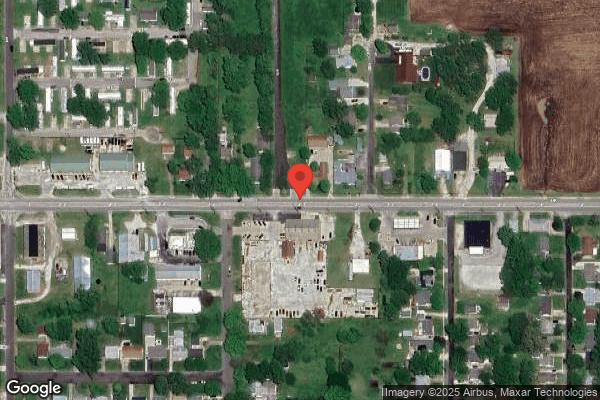
1024 WEST WALNUT, JACKSONVILLE, IL 62650 (217) 245-5175
For profit - Corporation 126 Beds ATIED ASSOCIATES Data: November 2025
Trust Grade
55/100
#279 of 665 in IL
Last Inspection: April 2024

Within standard 12-15 month inspection cycle. Federal law requires annual inspections.

Overview

Prairie Village Healthcare Center has a Trust Grade of C, which means it is average and falls in the middle of the pack among nursing homes. It ranks #279 out of 665 facilities in Illinois, placing it in the top half, and #3 out of 4 in Morgan County, suggesting only one local option is better. The facility is improving, as the number of issues found decreased from three in 2024 to two in 2025. However, staffing is a significant concern, with only 1 out of 5 stars and a high turnover rate of 64%, indicating that many staff members leave. While there have been no fines on record, the facility has faced issues such as failing to provide adequate Registered Nurse coverage for 8 consecutive hours, which could affect all residents. Additionally, there was a serious incident where a resident requiring assistance for transferring was not adequately supported, which raises concerns about resident safety. Overall, while Prairie Village shows some strengths, particularly in its health inspection ratings, there are notable weaknesses in staffing and specific care incidents that families should consider.

Trust Score
C
55/100
In Illinois
#279/665
Top 41%
Safety Record
Moderate
Needs review
Inspections
Getting Better
3 → 2 violations
Staff Stability
⚠ Watch
64% turnover. Above average. Higher turnover means staff may not know residents' routines.
Penalties
✓ Good
No fines on record. Clean compliance history, better than most Illinois facilities.
Skilled Nurses
⚠ Watch
Each resident gets only 19 minutes of Registered Nurse (RN) attention daily — below average for Illinois. Fewer RN minutes means fewer trained eyes watching for problems.
Violations
⚠ Watch
15 deficiencies on record. Higher than average. Multiple issues found across inspections.
★★★☆☆
3.0
Overall Rating
★☆☆☆☆
1.0
Staff Levels
★★☆☆☆
2.0
Care Quality
★★★★☆
4.0
Inspection Score
Stable
2024: 3 issues
2025: 2 issues

The Good

  • Full Sprinkler Coverage · Fire safety systems throughout facility
  • No fines on record

Facility shows strength in fire safety.

The Bad

3-Star Overall Rating

Near Illinois average (2.5)

Meets federal standards, typical of most facilities

Staff Turnover: 64%

18pts above Illinois avg (46%)

Frequent staff changes - ask about care continuity

Chain: ATIED ASSOCIATES

Part of a multi-facility chain

Ask about local staffing decisions and management

Staff turnover is elevated (64%)

16 points above Illinois average of 48%

The Ugly 15 deficiencies on record

1 actual harm
Jun 2025 2 deficiencies
CONCERN (D) 📢 Someone Reported This

A family member, employee, or ombudsman was alarmed enough to file a formal complaint

Potential for Harm - no one hurt, but risky conditions existed

Quality of Care (Tag F0684)

Could have caused harm · This affected 1 resident

**NOTE- TERMS IN BRACKETS HAVE BEEN EDITED TO PROTECT CONFIDENTIALITY** Based on interview, observation and record review, the facility failed to follow physician's orders for twice-daily pulse oximet...

Read full inspector narrative →
**NOTE- TERMS IN BRACKETS HAVE BEEN EDITED TO PROTECT CONFIDENTIALITY** Based on interview, observation and record review, the facility failed to follow physician's orders for twice-daily pulse oximetry checks for 2 of 3 residents (R1 and R2) reviewed for quality of care in the sample of 4. Findings include: 1. R2's undated face sheet documented he was admitted to the facility on [DATE] and has the following diagnoses polyneuropathy, diabetes, end stage renal disease, dependence on dialysis, right below the knee amputation, and obstructive sleep apnea. R2's minimal data set (MDS) dated [DATE] documented he is cognitively intact. R2's care plan updated 6/5/25 documented wound care interventions, depression, peripheral neuropathy, dialysis, pain, nutrition, and diabetes. There was no problem including oxygen saturation monitoring noted in his care plan. R2's physician order dated 4/21/25 documented Oxygen: Oxygen saturation (pulse oximetry) (SPO2) twice daily. R2's oxygen saturation recordings reviewed in the electronic medical record (EMR) and documented daily except for 6/5/25 and 6/18/25. Oxygen saturations were not performed twice daily as ordered 17 times during the first 25 days of June. 2. R1's undated face sheet documented she was admitted to the facility on [DATE] with the following diagnoses fibromyalgia, diabetes, chronic obstructive pulmonary disease, asthma, pulmonary hypertension, and congestive heart failure. R1's MDS dated [DATE] documented she is cognitively intact. R1's care plan last revised on 2/23/25 documented problems with chronic obstructive pulmonary disease, activity intolerance, and decreased cardiac output. R1's order dated 4/22/24 documented to monitor oxygen saturations every shift (twice per day) and as needed. R1's oxygen saturation result documentations reviewed in the EMR for the first 25 days in June with only one day documenting twice daily reading and on 12 of the days there were no oxygen saturation levels recorded for that day at all. On 6/26/25 at 10:00 am, V8, Certified Nursing Assistant (CNA), stated that the CNA's take the routine pulse ox with the vital signs and chart it on a paper copy which is given to the nurse who puts it in the EMR. V8 added that the CNA's do not do any EMR charting. The resident's information is handed to the nurse who puts it in the EMR. On 6/26/25 at 10:05 am, V9 (CNA) stated pulse ox are obtained with the residents' scheduled regular vital signs between 7:00 am - 10:00 am and given to the nurse to put in the EMR. If a pulse ox was low or a resident was short of breath, V9 stated she would notify the nurse right away. On 6/26/25 at 10:20 am, V6 (CNA) stated that the residents needing vital signs/pulse ox for the day are listed on a paper vital sign sheet and that day's vital sign paper was shown. On 6/26/25 at 10:24 am, V10 (LPN) stated that the CNA's perform the routine vital signs with pulse ox and write them on a paper which they hand to her, and she puts them in the EMR. The policy titled pulse oximetry (assessing oxygen saturation) revised March 2004 documented that the purposed of this procedure is to monitor arterial blood oxygen saturation without the use of invasive devices. Steps in the procedure include explaining the procedure to the resident and record oxygen saturation reading. The following information should be recorded in the resident's medical record. The date and time the procedure was performed, and if the resident refused the procedure, the reason why and the intervention taken. Notify the supervisor if the resident refuses the procedure.
CONCERN (D) 📢 Someone Reported This

A family member, employee, or ombudsman was alarmed enough to file a formal complaint

Potential for Harm - no one hurt, but risky conditions existed

Pressure Ulcer Prevention (Tag F0686)

Could have caused harm · This affected 1 resident

**NOTE- TERMS IN BRACKETS HAVE BEEN EDITED TO PROTECT CONFIDENTIALITY** Based on interview, observation and record review, the facility failed to identify a stage 2 pressure ulcer on the upper intergl...

Read full inspector narrative →
**NOTE- TERMS IN BRACKETS HAVE BEEN EDITED TO PROTECT CONFIDENTIALITY** Based on interview, observation and record review, the facility failed to identify a stage 2 pressure ulcer on the upper intergluteal cleft in a timely manner for 1 of 3 (R2) residents reviewed for pressure ulcers in a sample of 4. Findings include: R2's undated face sheet documented he was admitted to the facility on [DATE] and has the following diagnoses polyneuropathy, diabetes, end stage renal disease, dependence on dialysis, and right below the knee amputation. On 6/25/25 at 9:40 am during skin check of R2's buttocks area with V3 Licensed Practical Nurse (LPN)/ wound nurse, V5 (LPN/wound nurse) and surveyor, a new pressure wound to upper intergluteal cleft was found measuring 0.5 cm x 0.2 cm which V3 acknowledged was a stage 2 pressure wound. V3 and V5 stated they were unaware of a pressure wound to this area. On 6/25/25 at 10:30 am, V3 stated she had received orders from V15 (Facility Physician) and was bringing in wound care supplies to provide wound care to the new upper intergluteal pressure wound. R2's minimum data sheet (MDS) dated [DATE] documented he is cognitively intact and requires use of a wheelchair for mobility. R2 requires staff set up for eating, oral hygiene, and upper body dressing. R2 requires supervision for toileting and personal hygiene, lower body dressing, putting on and removing footwear and showering. R2 is at risk of developing a pressure ulcer and has two unstageable pressure ulcers. On 6/25/25 at 2:15 PM, R2's shower sheet dated 6/25/25 had no documentation of any buttock wounds present on R2. No documentation on any shower sheet referenced a wound on the upper intergluteal cleft. On 6/25/25 reviewed R2's May and June TARs (Treatment Administration Record) were reviewed and showed for skin assessment no presence of a pressure wound to the buttocks at the last skin assessment performed on 6/22/25. R2's care plan last reviewed on 6/5/25 at 5:11 PM documented he has a penile wound infection, open lesion to penis, unstageable pressure ulcer to the left heel, hemodialysis, diabetes, pressure ulcer risk, fall risk. R2 is at risk for pressure ulcers related to impaired mobility. The goal is that skin will remain intact. The interventions include conduct a systematic skin inspection during shower days paying particular attention to the bony prominences. Maintain the head of the bed at the lowest degree of elevation possible. Remind and assist R2 to turn and reposition regularly. Report any signs of skin breakdown. Use moisture barrier product to perineal area. Use pressure reducing cushion for pressure reduction when R2 is in chair. Use pressure reducing mattress for pressure reduction when R2 is in bed. When R2 has episode of incontinence, provide incontinence care after each incontinent episode. Avoid hot water and use a mild cleansing agent that minimized irritation and dryness to the skin. Prevention of Pressure Wounds policy with effective date of January 2017 documented the purpose of this procedure is to provide information regarding identification of pressure injury, risk factors and interventions for specific risk factors. Interventions and preventative measures include general preventive measures by identifying risk factors for pressure injury development. For a person in bed, change position at least every two hours or more frequently if needed, determine if resident needs a special mattress. For a person in a chair, change position at least every hour and use a foam, gel or air cushion as indicated to redirect pressure. Routinely assess and document the condition of the resident's skin per facility wound and skin care program for any signs and symptoms of irritation or breakdown. Immediately report any signs of a developing pressure injury.
Apr 2024 3 deficiencies
CONCERN (D)

Potential for Harm - no one hurt, but risky conditions existed

Pressure Ulcer Prevention (Tag F0686)

Could have caused harm · This affected 1 resident

Based on observation, interview and record review the facility failed to provide the Physician Ordered treatment to pressure sore to left heel for one of 3 residents ( R10) reviewed for pressure ulcer...

Read full inspector narrative →
Based on observation, interview and record review the facility failed to provide the Physician Ordered treatment to pressure sore to left heel for one of 3 residents ( R10) reviewed for pressure ulcers in the sample of 29. Findings include: 1. On 04/10/24 at 2:46PM during a dressing change and treatment V10, Licensed Practical Nurse (LPN)/ wound nurse, removed boots from R10's feet. R10's left heel boggy and black circular area unopened and left metatarsal open area 2 inches in diameter scabbed . V10 stated metatarsal is to be open to air. V10 wound nurse removed dressing from R10's left heel. R10's left heel had a mesh gauze occlusive impregnated with vaseline dressing underneath padding covering R10's pressure sores. V10, Wound nurse stated there is no order for that dressing to R10's left heel. R10's wound management progress notes dated 3/26/2024 documents, skin moisturizer to left heel daily, cushion with abdominal pad or foam heel cup and may secure with kerlix or gauze wrap. R10's care plan dated 10/12/2023 documents R10 has an alteration in skin integrity. R10's care plan dated 10/12/2023 documents treatments (application of ointment/mediation and /or dressings) to site per physician orders. The facility policy Pressure/skin breakdown-clinical protocol dated January 20217 documents the physician will authorize pertinent orders related to wound treatments, including pressure redistribution surfaces, wound cleansing and debridement approaches, dressings and application of topical agents.
CONCERN (E)

Potential for Harm - no one hurt, but risky conditions existed

Infection Control (Tag F0880)

Could have caused harm · This affected multiple residents

Based on interview, observation and record review, the facility failed to cleanse a multi-use blood glucose machine completely to insure disinfection for 7 of 16 residents (R4, R12, R17, R23 R38, R45,...

Read full inspector narrative →
Based on interview, observation and record review, the facility failed to cleanse a multi-use blood glucose machine completely to insure disinfection for 7 of 16 residents (R4, R12, R17, R23 R38, R45, R47) reviewed for infection control in the sample of 29. Findings include: On 4/8/24 at 11:03 AM, V4, Licensed Practical Nurse, entered (R38's) room to obtain a blood glucose level. V4 got the level of 158 and exited the room. V4 took the blood glucose machine to her medication cart and laid it on a clean tissue. V4 obtained a Microdot Bleach wipe and gently wrapped the machine up and placed it on top of her medication cart. V4 set a timer for 3 minutes. V4 failed to rub the entire machine with the Microdot cloth. On 4/9/24 at 11:00 AM, V1, Administrator stated that the blood glucose machine should be cleansed before wrapping it up. The facility provided list documenting who gets blood glucose monitoring, dated 4/10/24, documents that R4, R12, R17, R23, R38, R45 and R47 all use this multi-use glucose monitor. The Microdot Bleach Wipe container ,documents, Disinfection: 5. Apply towelette and wipe desired surface area to be disinfected. A 30 second contact time is required to kill the bacteria and viruses.
CONCERN (F)

Potential for Harm - no one hurt, but risky conditions existed

Deficiency F0727 (Tag F0727)

Could have caused harm · This affected most or all residents

Based on interview, and record review, the facility failed to provide 8 consecutive hours of Registered Nurse (RN) Coverage. This failure has the potential to affect all 48 residents residing in the f...

Read full inspector narrative →
Based on interview, and record review, the facility failed to provide 8 consecutive hours of Registered Nurse (RN) Coverage. This failure has the potential to affect all 48 residents residing in the facility. Findings include: The Schedule, dated 3/4/24 - 3/17/24, fails to document a Registered Nurse working for 8 consecutive hours on 3/5/24, 3/6/24, 3/7/24, 3/8/24, 3/10/24, 3/11/24, 3/13/24, 3/16/24 and 3/17/24. On 4/10/24 at 1:30 PM, V1, Administrator, stated, (V14), (previous Director of Nurses, (DON) ended her employment on 1/18/24. (V15), (Interim DON) worked from 1/18/24 until 3/4/24 as the sitting DON. Then (V15) just quit and that is when I lost my RN coverage. The Long-Term Care Facility Application for Medicare and Medicaid, dated 4/8/24, documents that 48 residents reside in the facility.
May 2023 5 deficiencies
CONCERN (D)

Potential for Harm - no one hurt, but risky conditions existed

Incontinence Care (Tag F0690)

Could have caused harm · This affected 1 resident

**NOTE- TERMS IN BRACKETS HAVE BEEN EDITED TO PROTECT CONFIDENTIALITY** 2. R49's Care Plan, dated 4/28/23, documents ADLs, (activities of daily living), Functional Status/Rehabilitation Potential PROB...

Read full inspector narrative →
**NOTE- TERMS IN BRACKETS HAVE BEEN EDITED TO PROTECT CONFIDENTIALITY** 2. R49's Care Plan, dated 4/28/23, documents ADLs, (activities of daily living), Functional Status/Rehabilitation Potential PROBLEM: (R49) admitted to facility from outlying hospital after suffering from a Cerebral infarct. (R49) has dx of, but not limited to: Huntington's disease, HTN, (Hypertension), atherosclerotic heart disease, autoimmune thyroiditis, type II diabetes, hyperlipidemia, hemiplegia, and hemiparesis to right side following CVA, (Cerebral Vascular Accident), dysphagia, abnormalities in gait and mobility, urinary retention, and convulsions. (R49) has an upper and lower partial. 6/15/22 June is able to ambulate short distances with two staff and a gait belt. Her primary mode of locomotion is a w\c, (wheelchair), that she requires assistance to propel. (R49) is alert and able to voice needs. It continues, APPROACH: Provide toileting assistance at least every 2 hours, PRN, (as needed), and upon any request. Document bowel and bladder tracking daily every shift. Notify nurse if (R49) has no BM, (bowel movement), in at least 3 days. If (R49) has an incontinent episode provide peri care and apply moisture barrier to skin. (R49) prefers to wear disposable briefs to bed. APPROACH: (R49) is to be ambulated, transferred, and toileted using two staff and a gait belt due to spastic movements r\t, (related to), Huntington's Disease. R49's Minimum Data Set, (MDS), dated [DATE], documents that R49 is always continent of bowel and bladder and requires extensive assist of 2 staff for toileting. On 5/8/2023 at 12:30 PM V14, CNA, assisted R49 to the toilet. V14 washed hands and applied gloves. V14 pulled down R49's soiled incontinent brief and assisted R49 onto the toilet. R49 using same gloves closed the bathroom door. R49 voided while using the toilet and voiced she was finished. V14 then grabbed toilet paper and wiped R49 from behind with 2 wipes. V14 then placed the toilet paper in the toilet and pulled R49's incontinent brief and pants up. 3. R207's admission Profile, undated, documents that R207 was admitted on [DATE] and has diagnoses of Hemiplegia and hemiparesis following other cerebrovascular disease affecting left non-dominant side Muscle weakness, (generalized). R207's Minimum Data Set, dated [DATE], documents that R207 requires extensive assistance of 2 staff members for bed mobility, extensive assistance of 1 staff member for transfer, toileting, personal hygiene and is frequently incontinent of bowel and bladder. R207's care Plan, dated 4/26/23, documents, (R207) has bowel and bladder incontinence R/T, (related to), generalized weakness, use of diuretics, h/o, (history of), CVA, (cerebrovascular accident), with L, (left), hemiparesis. Goal: R207 will not have impaired skin integrity r\t incontinence through next review. Approach: Provide assistance for toileting at least every 2 hours, PRN, and upon any request. Provide incontinence care after each incontinent episode. Report any signs of skin breakdown, (sore, tender, red, or broken areas). Apply moisture barrier to skin after each incontinent episode. May keep at bedside and be applied per CNA. On 5/7/23 at 8:25 AM, R207 had his call light on. R207 was questioned as to what he needed, R207 stated, I have had a bowel movement and I need to be cleaned up. R207 was questioned as to how long he has had his light on, R207 stated, It's been a while. On 5/7/23 at 8:30 AM, V6, Certified Nurse Aide, (CNA), entered R207's room. V6 stated, What do you need (R207)? R207 stated, I need to get cleaned up. I had an accident. V6 stated, I will be right back let me finish what I am doing across the hall. On 5/7/2023 at 9:00 AM R207 stated that his only concern is that it takes a long time for the staff to come and help him. R207 stated, that he was waiting for help for 45 minutes to an hour. R207 stated, that he told the staff, and no one has come to help and that he has had a bowel movement. On 5/7/2023 at 9:15 AM V6, CNA, stated, that she was going to give R207 a bed bath. V6 stated, that she was not going to give him a complete bed bath, but just clean him. V6 then left out of the room to get assistance. At 9:30 AM V6 and V8, CNA, entered the room. V6 then pulled back R207's bed covers revealing R207 lying in bed on top of fitted sheet, incontinent pad, and incontinent brief on. R207 was heavily soiled with stool. R207's incontinent brief, sheet and incontinent pad were saturated with dried urine and stool. R207's sheet and incontinent pad had a large dried brown circular stain from R207's lower back down to back of R207's knees. V6 stated Oh. You got a mess down there. R207 then stated, I have been patiently waiting. Then using a basin of water, peri wash and washcloths V6 and V8 provided incontinent care. The facility's Perineal Care policy, dated August 2008, documents, The purposes of this procedure are to provide cleanliness and comfort to the resident, to prevent infections and skin irritation, and to observe the resident skin condition. It continues, Steps in Procedure 3. Wash and dry your hands thoroughly and apply gloves. 9 For a female resident: b. Wash perineal area, wiping from front to back. 10. For a male resident: b. Wash perineal area starting with urethra and working outward. 12. Remove gloves and discard into designated container. 13. Reposition the bed covers. Make the resident comfortable. Based on observation, interview and record review, the facility failed to provide complete urinary/bowel incontinence care in a timely manner to prevent the spread of infections for 3 of 5 residents (R8, R49, R207) reviewed for incontinent care in the sample of 28. Findings include: 1.) On 5/9/23 at 10:00AM, V8 and V9 both Certified Nurse Aides, (CNA), entered R8's room to provide incontinent care. R8 was lying on her left side in bed with a pillow place behind her back, to allow propping to left side and placed over the pillow was a visible 4 x (by) 4-foot incontinent protector pad. This incontinent protector pad was clearly visible of a large circular area of a discoloration of light yellow, with a boarder of dark brown coloration. The protector pad was in contact with R8's lower back and extended to her buttock. During R8's perineum care, V8 and V9 failed to cleanse R8's lower portion of the back. On 5/9/23 at 1:05PM, V8, stated, she was assigned to R8, she noticed that R8's bed pad was soiled and that is why she requested help from another CNA to assist with incontinent care. V8 stated, she had not provided incontinent care for R8 during her work shift prior and stated, unless it was performed by another CNA. R8's, entitled, Face Sheet, undated, documented, diagnoses: Urinary tract infection, (UTI), calculus of kidney bilateral staghorn calculi and Pressure ulcer of sacral region, stage 2. R8's, Care Plan, with a problem start date, of 3/31/23, documented, experiences of bladder incontinence, due to dementia and impaired mobility with interventions to utilize incontinence briefs to prevent trapping moisture against the skin, R8 unable to utilize toilet, commode or bed pan. R8's, hospital records, dated 3/13/23 through 3/20/23, documented an admission diagnosis of, severe sepsis, acute complicated UTI, acute kidney injury. R8's, hospital records, dated 10/18/22, documented at diagnosis of UTI and acute kidney infection, both documented an onset of 10/18/22. On 5/9/23 at 3:35PM, V1, Administrator stated, she would expect nursing staff to cleanse all areas, of a residents body that came in contact to bowel/bladder incontinence.
CONCERN (D)

Potential for Harm - no one hurt, but risky conditions existed

Infection Control (Tag F0880)

Could have caused harm · This affected 1 resident

3. On 05/08/2023 at 12:30 PM V14, CNA, assisted R49 to the toilet. V14 washed hands and applied gloves. V14 pulled down R49's soiled incontinent brief and assisted R49 onto the toilet. R49 using same ...

Read full inspector narrative →
3. On 05/08/2023 at 12:30 PM V14, CNA, assisted R49 to the toilet. V14 washed hands and applied gloves. V14 pulled down R49's soiled incontinent brief and assisted R49 onto the toilet. R49 using same gloves closed the bathroom door. R49 voided in the toilet and voiced she was finished. V14 then grabbed toilet paper and wiped R49 from behind with 2 wipes. V14 then placed the toilet paper in the toilet and pulled R49's incontinent brief and pants up. V14 then using the same soiled gloves, stood R49 up and assisted her to the wheelchair. Using the same soiled gloves, V14 then grabbed hold of, roommate R51's, overbed table and placed it next to R51. Using the same soiled gloves, V14 then grabbed hold of the privacy curtain, pulling it between the two beds, then grabbed hold of floor mattress and pulled back bed covers. The facility's Perineal Care policy, dated August 2008, documents Steps in Procedure 3. Wash and dry your hands thoroughly and apply gloves. 9 For a female resident: b. Wash perineal area, wiping from front to back. 10. For a male resident: b. Wash perineal area starting with urethra and working outward. 12. Remove gloves and discard into designated container. 13. Reposition the bed covers. Make the resident comfortable. The Hand - Washing / Hand Hygiene Policy, dated 03/2020, documents, When hands are not visibly soiled, employees may use an alcohol - based hand rub (foam, gel, liquid) containing at least 60% alcohol in all of the following situations: It continues, c. before donning gloves. Based on interview, observation and record review, the facility failed to perform hand hygiene and change soiled gloves to prevent cross contamination for 3 of 24 residents (R12, R19, R49) reviewed for infection control in the sample of 28. Findings include: 1. On 05/07/23 at 10:48 AM, V6, Certified Nurse Assistant, (CNA), entered R12's room to assist R12 to the restroom, using a gait belt and a walker. R12's incontinent brief was wet with urine. While on the toilet R12 placed her hand into the inside of the bottom of brief. R12 was assisted back to bed for incontinent care. V6 failed to offer to assistance with washing R12 hands. The incontinent care was provided in bed with assist from, V8 CNA. V6 cleansed the peri-vaginal area and then dried it with a towel. V6 draped the towel over R12's walker bars. 2. On 05/08/23 at 8:07 AM, V4, Licensed Practical Nurse, (LPN), prepared an insulin injection for R19. V4 pushed, R19 in her wheelchair to her room. V4 donned gloves and gave the insulin, subcutaneous injection in the right lower abdominal quadrant. V4 failed to perform hand hygiene before donning gloves. On 05/10/23 at 11:18 AM, V1, Administrator, stated, that hand hygiene should be performed, before putting on gloves and soiled gloves should be removed and then perform hand hygiene. V1 also stated, that soiled linens should not be placed on personal items.
CONCERN (D)

Potential for Harm - no one hurt, but risky conditions existed

Deficiency F0883 (Tag F0883)

Could have caused harm · This affected 1 resident

**NOTE- TERMS IN BRACKETS HAVE BEEN EDITED TO PROTECT CONFIDENTIALITY** Based on interview and record review, the facility failed to educate residents and offer the Pneumococcal Immunizations yearly, ...

Read full inspector narrative →
**NOTE- TERMS IN BRACKETS HAVE BEEN EDITED TO PROTECT CONFIDENTIALITY** Based on interview and record review, the facility failed to educate residents and offer the Pneumococcal Immunizations yearly, to residents that had previously refused it, for 2 of 5 residents (R32, R46) reviewed for immunizations in the sample of 28. Findings include: On 05/08/23 at 12:58 PM, V1, Administrator, stated, that she did not realize that once a resident refused the Pneumococcal Vaccine that it should be offered to them every year. 1. R32's Pneumococcal Vaccine Record, dated 03/16/20, documents that R32 refused the vaccine. In handwriting on this Record, it reads, Due for refusal/consent 03/2025. R32's Face Sheet, undated, documents that R32 was admitted on [DATE] and has diagnoses of Dementia and personal history of COVID 19. 2. R46's Pneumococcal Vaccine Record, dated 11/16/21, documents that R46 refused the vaccine. In handwriting on this Record, it reads, Due for refusal/consent 11/2026. R46's Face Sheet, undated, documents that R46 was admitted on [DATE] and has diagnoses of Dementia and Chronic Obstructive Pulmonary Disease. The policy Influenza and Pneumococcal Immunizations, dated 11/2016, documents, Policy: To assure that each resident receives educations regarding the benefits and potential side effects before being offered influenza and pneumococcal immunizations and securing their informed consent for administration of these immunizations. 1. Each resident, or when appropriated their resident representative, will be educated regarding the benefits and potential side effects of both influenza and pneumococcal immunizations and will be provided the opportunity to accept or refuse them.
CONCERN (F)

Potential for Harm - no one hurt, but risky conditions existed

Deficiency F0727 (Tag F0727)

Could have caused harm · This affected most or all residents

Based on interview and record review, the facility failed to provide 8 hours of consecutive Registered Nurse coverage. This failure has the potential to affect all 55 residents living in the facility....

Read full inspector narrative →
Based on interview and record review, the facility failed to provide 8 hours of consecutive Registered Nurse coverage. This failure has the potential to affect all 55 residents living in the facility. Findings include: On 05/09/23 at 11:02 AM, V1, Administrator, stated, that some weekends she is short a few hours for Registered Nurse, (RN), coverage. The facility Nurse Schedule, dated 03/01/23 - 05/07/23, was reviewed. These schedules failed to document eight hours of consecutive RN coverage on 05/06/23, 04/22/23, 04/23/23, 04/08/23, 04/09/23, 03/25/23 and 03/26/23. The Resident Census and Conditions of Residents, CMS 672, dated 05/08/23, documents that the facility has 55 residents living in the facility.
CONCERN (F)

Potential for Harm - no one hurt, but risky conditions existed

Deficiency F0882 (Tag F0882)

Could have caused harm · This affected most or all residents

Based on interview and record review, the facility failed to employ a trained Infection Preventionist. This failure has the potential to affect all 55 residents living in the facility. Findings includ...

Read full inspector narrative →
Based on interview and record review, the facility failed to employ a trained Infection Preventionist. This failure has the potential to affect all 55 residents living in the facility. Findings include: On 05/09/23 at 11:15 AM, V3, Registered Nurse, stated, I stated on 02/28/23. I do not have the infection prevention certificate. I am being trained by, V7 Corporate Infection Preventionist. I talk with him via email and telephone. On 5/9/23 at 11:15 AM, V1, Administrator, stated, that V7 comes in once a month he does training and reviews the infection control logs. Part time is considered anything less than 32 hours a week. The policy Infection Prevention and Control Program (ICPCP), dated 2019, documents, The facility will designate one or more individual(s) as the infection preventionist (s) (IP) (s) who is responsible for the facility's IPCP. The infection preventionist will: a. Have primary professional training in nursing, medical technology, microbiology, epidemiology, or another related field: b. is qualified by education, training, experience or certification. c. Works at least part-time at the facility. d. Has completed specialized training in infection prevention and control. The Resident Census and Conditions of Residents, CMS 672, dated 5/8/23, documents that the facility has 55 residents living in the facility.
Jun 2022 5 deficiencies 1 Harm
SERIOUS (G)

Actual Harm - a resident was hurt due to facility failures

Accident Prevention (Tag F0689)

A resident was harmed · This affected 1 resident

**NOTE- TERMS IN BRACKETS HAVE BEEN EDITED TO PROTECT CONFIDENTIALITY** 3. R9's Care Plan, dated 1/11/2022, documents (R9) is limited in ability to transfer self R/T (related to) unsteadiness on feet,...

Read full inspector narrative →
**NOTE- TERMS IN BRACKETS HAVE BEEN EDITED TO PROTECT CONFIDENTIALITY** 3. R9's Care Plan, dated 1/11/2022, documents (R9) is limited in ability to transfer self R/T (related to) unsteadiness on feet, generalized muscle weakness, and hx (history) of falls. (R9) has diagnoses of hx of displaced intertrochanteric fracture of left femur, diabetes mellitus due to underlying condition with diabetic nephropathy, unspecified systolic (congestive) heart failure, other persistent atrial fibrillation, chronic lymphocytic leukemia of B-cell type in remission, chronic kidney disease, stage 4 (severe), hypothyroidism, unspecified, iron deficiency anemia, unspecified, other insomnia, other specified depressive episodes, gastro-esophageal reflux disease without esophagitis, restless legs syndrome, primary pulmonary hypertension, hyperlipidemia, unspecified. (R9) needs ADL assistance. (R9) is alert and oriented times three with some confusion. The Care Plan documents (R9) requires limited to extensive assistance of one to two staff for transferring and toileting. The Care Plan documents The amount of assistance required may fluctuate throughout the day. Provide the amount of assistance required and document every shift, daily. R9's MDS, dated [DATE], documents extensive assist of 2 staff for transfers. On 6/13/2022 at 10:30 AM V7, CNA transferred R9 on and off the toilet without the use of a gait belt. V7 grabbed R9 by the arm and assisted her into the standing position pulled up R9's pants and then grabbing hold of R9's pants transferred her into the wheelchair. The facility's Gait Belts policy, dated 4/13, documents General: Gait belts are used to help prevent injury of staff or residents during transfers and ambulation. Policy: Gait belts should be used by all staff when ambulating or transferring a resident with an unsteady gait. 9. To transfer the resident, assist to standing by holding the belt at the waist and pivot the resident to the chair. 10. To ambulate the resident, stand at the resident's weak side and grasp the belt at the waist underneath. 4. R10's Care Plan, dated 5/27/2022, documents (R10) is at risk for falling R/T CVA (stroke) causing right sided weakness. The Care Plan documents Assist (R10) to assume a standing position slowly. R10's Care Plan Intervention, dated 4/16/22, documents Alarming floor mat on floor beside bed. R10's Care Plan Intervention, dated 11/11/21 documents Pressure alarm to w/c (wheelchair). R10's Care Plan Intervention, dated 12/2/21, documents Pressure alarm in bed also. R10's MDS, dated [DATE], documents R10 requires extensive assist of 2 staff for transfers. On 6/13/2022 at 12:10 PM V8 and V7 transferred R10 to the toilet without a gait belt. R10 was sitting on the toilet with no gait belt on. At 12:18 PM R10 stated that she was finished. V8 stated that R10 had to wait until they got a gait belt. At 12:20 PM R10 stated that she has never worn a gait belt and no one has asked her to wear one. At 12:22 PM V8 assisted R10 into a standing position and assisted with cleansing. V7, alone, ambulated R10 from the bathroom to the bed. R10 had an unsteady balance when ambulating. On 6/13/2022 at 12:23 PM, V8 stated that she did not use a gait belt when transferring R10 to the toilet. V8 stated that she had R10 hold on to the bar and helped her stand and sit on the toilet. V8 stated that they are to use a gait belt when transferring R10 but she did not have one on her. On 6/14/2022 at 12:12 PM, R10 was ambulating in room and no alarm was sounding. At 12:13 PM., R10 was standing at bathroom door with V27, CNA, no alarm sounding. V27 requested a gait belt. V27 then ambulated R10 from the bathroom to the bed, no gait belt applied. There was an alarm pad on the floor, partially beneath the bed and alarm box unattached. Once in the bed V27 then removed the alarm box from the wheelchair cross the room and attached it to the alarm pad. On 6/14/2022 at V27 stated that she was passing the room and saw R10 coming from the bathroom. V27 stated that R10 is a high fall risk and that she requires monitoring. On 6/16/2022 at 12:10 PM V11, LPN, stated that she would expect the staff to use a gait belt when manually transferring a resident. 5. R27's Care Plan, last review dated 4/20/2022, documents Problem: (R27) is at risk for falling R/T weakness. It continues Approach: assist (R27) to assume a standing position slowly using the sit to stand and two staff. It also documents Problem: (R27) is a [AGE] year-old Caucasian male that admitted to facility from outlying hospital where he was being treated for generalized weakness, small bilateral pleural effusion, stercoral colitis, small to moderate pericardial effusion, CKD (Chronic Kidney Disease) stage 3, hyperlipidemia, and UTI (Urinary Tract Infection). (R27) is alert and able to make his needs known. On 6/13/20222 at 12:40 PM V9, CNA and V10, CNA, assisted R27 with a transfer from the wheelchair to the recliner. V9 and V10 applied the gait belt to R27 and lifted R27 into a standing position with knees bent. V9 and V10 then turned R27 and pulled him over in front of the recliner, dragging R27's feet. V9 and V10 then sat R27 into the recliner. R27 did not participate in the transfer. On 6/13/2022 at 10:15 AM R27 stated that he needs help with getting into his chair. R27 stated that sometimes the staff transfer him themselves and sometimes they use the lift. R27 stated that it depends on who is here. R27 stated that he is supposed to use the standup lift. On 6/13/2022 at 12:30 PM V7, CNA, stated that someone was going to assist R27 into the bed they were trying to find the mechanical lift. On 6/16/2022 at 12:10 PM V11, LPN, stated that R27 requires the standup (partial) mechanical lift to transfer and would expect the staff to transfer R27 with the standup mechanical lift. On 6/16/2022 at 10:00 AM V20, Restorative Nurse, stated that she had a list of how residents are transferred. V20 stated that R27 did require a partial mechanical lift but now requires a 2-person manual transfer. V20 stated that R27 is receiving therapy and therapy changed his transfer. V20 stated that if R27 is not bearing weight and not participating in the transfer than he would need a mechanical lift. On 6/16/2022 at 10:15 AM V18, Therapy Director, stated that R27 is being seen by therapy. V18 stated that per the documentation therapy is working on transfers with R27. V18 stated that R27 was requiring max assist with verbal cues for therapy. V18 stated that R27 had increased leaning back with transfers and when standing still. V18 stated that if you didn't have hold of him, he would fall. V18 stated that R27 had decrease lateral stepping movement for pivoting cause R27 not to move feet with transfer. R27 stated that when transferring the resident therapy is performing the manual transfer. V18 stated this is not the transfer that nursing is doing. V18 stated that they would not tell nursing to perform an unsafe transfer. V18 stated that although it may look good in therapy notes it is actually saying he is having a decline. When notified of the care plan documenting partial mechanical lift, V18 stated that this would be the correct transfer. V18 stated that therapy would not change the residents transfer unless they are sure it would be safe. V18 stated that as current decline they are not at a point where they would change R27's transfer from a partial mechanical lift to a 2-person manual transfer. On 6/16/2022 the Facility Transfer policy was requested. The facility did not provide a policy. The policy Falls, dated 8/2008, documents, 5. The staff will evaluate and document falls that occur while the individual is in the facility, for example, when and where they happen, any observations of the events, etc. 1. For an individual who has fallen, staff will attempt to define possible causes within 24 hours of the fall. 2. If the cause of a fall is unclear, if the fall may have a significant medical cause such as a stroke or an adverse drug reaction, or if the vindictive continues to fall despite attempted interventions, a physician will review the situation and help identify contributing causes. a. After more than one fall, the physician should review the resident's gait, balance, and current medications that may be associated with dizziness or falling. 3. The staff and physician will continue to collect and evaluate information until either the cause of the falling is identified, or it is determined that the cause cannot be found or that finding a cause would not change the course or the management of falling and fall risk. Treatment Management: 1. Based on the preceding assessment, the staff and physician will identify pertinent interventions to try to prevent subsequent falls ant to address risks of serious consequences of falling. 2. If underlying causes cannot be readily identified or corrected, staff will try various relevant interventions, based on assessment of the nature or category of falling, until falling reduces or stops or until a reason is identified for its continuations (for example if a resident continues to try and get up and walk without waiting for assistance.) Based on observation, interview and record review, the facility failed to provide supervision to prevent falls, investigate falls thoroughly to determine a root cause analysis and implement progressive interventions to prevent falls, provide safe transfers, and ensure transfer equipment is in good condition for 5 of 8 residents (R9, R10, R14, R17, R27) reviewed for falls and transfers in the sample of 31. This failure resulted in R17 falling 5 times,sustaining bumps to the back of her head, and another fall resulting in R17 going to the emergency room and receiving 8 staples to the back of her head. Finding include: 1.R17's Face Sheet, undated, documents R17 was admitted on [DATE] and has diagnoses of cerebral infarction, dementia with behavioral disturbance, anxiety, personal history of (healed) traumatic fracture of right tibia and left femur. R17's Minimum Data Set (MDS), dated [DATE], documents R17 is severely cognitively intact, has inattention and disorganized thinking that fluctuates and changes in severity, requires extensive assistance of 1 staff member for bed mobility, walking in room and hallway, locomotion on unit, not steady only able to stabilize with staff assistance for moving from seated to standing position, walking, turning around, and surface to surface transfer. R17's Safety Events - Fall Event Full Body and Pain report, dated 1/11/22 at 7:09 PM, documents, Description: Resident walked across hall and fell on her buttocks in someone else's room. This report documented that prior to this fall R17 was walking in her room. The report documented this fall was witnessed. The report documented She walked into room bumped into the bedside table, lost balance and fell in a spin, landing on her buttocks and hitting her head on floor. The report documented that R17 was calm and confused and usually required of assistance of one when walking. The report documented Initial Observation or complaint of injury: Right side / back pain, no bruising, skin tears, or other injuries noticeable. Observation of skin on trunk / torso / lower body: C/O (complaint of) tenderness. Physical symptoms: Resisting certain movements. Description of Pain: Back pain. Other: Right side pain. Medical Care provided after fall: Transferred to ER for evaluation. R17's Occurrence Report, dated 1/11/22, documents, Nurse Note of what happened: Her alarm sounding went to investigate and observed resident sitting on her buttocks in room across hallway from resident's room. Witness Statement: (R62) stated, she walked in my room and the next thing I know is she was on the floor. The Report documented R17 was barefoot and an alarm sounded. The Report Conclusion documented Resident stood from her w/c (wheelchair) in her room and ambulated across the hallway into another resident's room, lost her balance and landed on her buttocks. The Report documented the Root cause as Due to resident action or internal risk factors. The Report Recommendation documented toilet every hour. R17's Nurse's Note, dated, 1/11/22, documents, Resident fell in room across the hall from hers at (7:00 PM) and was found in the sitting position at (7:05 PM). She is c/o (complaining of) Right side and back pain. Unable to take a deep breath and is desatting without oxygen on. VS (vital signs): 97.8 (temperatures), 78 (pulse), 14 (respirations), 140/78 (blood pressure), 90-93% (oxygen saturation level). Writer is going to send her to the ER (Emergency Room) for eval (evaluation). R17's MDS, dated [DATE], documents R17 is moderately impaired, has inattention and disorganized thinking that fluctuates and changes in severity, requires extensive assistance from 2 staff members for bed mobility, transfers, locomotion did not occur and requires extensive assist from 1 staff member for eating. This MDS also documents R17 is not steady and only able to stabilize with staff assistance for moving to seated to standing, walking, surface to surface transfer and uses a wheelchair for mobility. The facility failed to provide a Care Plan for R17 that was before 1/13/22. R17's Care Plan, dated 1/13/22, document, (R17) is at risk for falls with injury visual impairment, on psychoactive and cardiac medication, and recent fall in the room with injury on 1/11/22. The Care Plan Interventions dated 1/17/22 documented When (R17) is up in her w/c (wheelchair) she is to be under supervision of staff and in a populated area. When (R17) is fidgety and won't stay seating take her for a walk using gait belt. Provide toileting assistance at least every hour, as needed, or when she becomes restless. Provide proper well-maintained footwear. Provide (R17) an environment free of clutter. Pressure alarm to (R17's) bed and wheelchair. Occupy (R17) with meaningful distractions: music, one on ones, crafts, laundry to fold, etc. Non-skid to w/c seat. Non skid socks on when up to wheelchair. (R17) is to use HI/LO bed for safety. (R17) is not to be left in dining room unattended. Give (R17) verbal reminders not to ambulate/transfer without assistance. Encourage (R17) to wear her eyeglasses and that her eye glasses are clean and in good repair. Do not leave in bathroom unattended. Assure (R17) is wearing non skid socks at all times, including while in bed. Assure brakes are always locked on wheelchair when not being used for locomotion. R17's Safety Events - Fall Event Full Body and Pain report, dated 2/8/22 at 6:28 PM, documents an unwitnessed fall. The Report documents Resident fell to the floor in dining room. The Report documented R17 was drinking coffee prior to the fall. The Report documents Resident fell forward after standing up on own and landed under a dining room table. The Report documents that R17 was in her wheelchair prior to the fall. The Report documented Resident stated she has a headache. Observation of skin on head / neck: Redness, swelling, c/o tenderness. If any describe including size, color, exact location: 4 cm (centimeters) x 4 cm bump in the middle of the back of head, then down approximately 4.5 cm is a 2.5.cm x 2.5 cm bump. She also had a 2.5 x 3 red area to the right forehead just above the eyebrow. Description of pain: Headache. Medical care provided after fall: Basic first aid. Interventions and immediate Measures taken: analgesics, cold application. Evaluation: no documentation. R17's Occurrence Report, dated 2/8/22 at 6:40 PM, documents, Nurse's Note of what happened: (V24. Licensed Practical Nurse) called to dining room by (V11) Licensed Practical Nurse (LPN) notified of resident observed on floor under dining room table. The Occurrence Report documents a Witness Statement of what happened as (R14) in dining room at time of incident stated, she was sitting in her w/c (wheelchair) with her head lying on the table asleep, next thing I knew she was at another table on the floor. I did not actually see it happen, I think she got up from her w/c and walked over to the other dining room table and fell. The Report documented R17's alarm was sounding. The Report documented Conclusion (R17) was upright in her w/c in dining room with her head laying on dining room table asleep, according to interviewable resident in dining room at the time of incident. Interviewable resident stated that she did not see her fall just happened to look up and resident was on the floor at a different table and that w/c was still in place at the table where she was last seen by this resident. Resident arose from her w/c, ambulated to another table without assistive device which caused her to land on the floor. Root cause: Due to resident action or internal risk factors. This Report did not document that staff were present in the dining room at the time of the incident and supervising R17. R17's Fall Care Plan Intervention, dated 2/9/22, documented (R17) is to be the last one in the dining room and the first out of the dining room. R17's Safety Events - Fall Event Full Body and Pain report, dated 2/10/22 at 3:33 PM, documents, Resident fell to the floor in resident's room. The Report documented that R17 was in her bed prior to the fall and the fall was not witnessed. The report documented Resident 'walking around in the kitchen' bumped into dresser and pulled TV off and on top of her. The Report documented Observation of skin on head / neck: Skin tear / laceration. If any describe including size, color, exact location: 3 cm (centimeter) x (by) 2 cm laceration to the back left side of head. Objective symptoms: Nonverbal sounds of distress such as crying, groaning, moaning, whimpering, whining. Medical care provided after fall: Transferred to ER for evaluation. Interventions and immediate measures taken: cold application, direct pressure to wound. The Report documented Evaluation: Her room was moved closer to the nurse's station to be closely monitored. R17's Facility Report Form, dated 2/16/22, documents, Reportable Event Occurred On: 2/10/22 at 3:20 PM. Description of Occurrence: Alleged resident fall resulting in a laceration to posterior left side of her head. M.D. (Medical Doctor) examined at the time with orders to transfer to (local hospital) for evaluation / treatment. This investigation fails to document a root cause. R17's Nurse's Noted, dated 2/10/22, documents, At 3:20 PM Res (resident) heard by Maintenance yelling for assistance, noted sitting on floor of room, with TV on floor, stated 'I was walking to kitchen' fell into dresser knocking it over and tv fell on top. Res was laying on roommates' side of room, No witnesses, VS: T:98.0, P:78, R:16, B/P:106/70, SPO2 (oxygen level): 97% RA (room air), has open area to back of head, (V29 Doctor) here at facility, checked Res. ordered to send res to (local hospital) to eval (evaluation) and tx (treatment). The Nurse's Note did not document her bed alarm was sounding at the time she was found. R17's Nurse's Note, dated 2/10/22, documents, Res returned from ER, Had CT (Computed Tomography) of cervical spine, Head, area to back of head closed w (with)/staples. R17's Nurse's Note, dated 2/11/22, documents, WEEKLY SKIN NOTE: Resident continues with 8 staples to back of head. No s/s (signs and symptoms) of infection. No complaints of pain. R17's Fall Care Plan Intervention for Falls, dated 2/11/22, documented (R17) moved closer to nurse's station and Anti-tippers to w/c. R17's MDS, dated [DATE], documents R17 is moderately impaired, has inattention and disorganized thinking that fluctuates and changes in severity, requires extensive assistance from 2 staff members for bed mobility, transfers and requires extensive assist from 1 staff member for locomotion and eating. This MDS also documents R17 is not steady and only able to stabilize with staff assistance for moving to seated to standing, walking, surface to surface transfer and uses a wheelchair for mobility. R17's Safety Events - Fall Event Full Body and Pain report, dated 5/1/22 at 10:41 AM, documents, Description: Fall to floor. Location of fall: Dining Room. What was the resident doing just prior to fall? Sleeping. Was fall witnessed? Yes. Detailed description of fall: Fell right against wall and slid down wall hitting the floor. What was the resident's location prior to fall? In bed. Mental status prior to fall: confused, sleepy. Resident's usual ambulatory status: assist of one with / without device. Describe, if necessary: Resident tends to get up on own and ambulate very unsteady. Initial observation or complaint of injury: No injuries and no c/o pain at this time. Evaluation: Drinks to be placed in front of (R17) prior to leaving her at the table. R17's Occurrence Report, dated 5/1/22 at 6:52 AM, documents, Conclusion: (R17) was sitting in the dining room at her table waiting for staff to get her a drink. Staff turned around to go get the drink and (R17) got up without assistance to attempt to get it herself. Root cause: Due to cognition (R17) attempted to get her own coffee instead of waiting for staff. R17's Nurse's Note, dated 5/1/22, documents, At 6:52 AM this morning this nurse was called to the dining room where resident had fallen to the floor. There were no injuries noted and neuro checks were initiated. Staff got (R17) up out of bed for breakfast, brought her into the dining room and placed her at the table. Staff left her side to go get her some coffee that she was requesting. D/t (due to) her cognitive status and short-term attention span, (R17) was attempting to stand up to go get her own coffee when she fell to the right against the wall and slid down to the floor. A full body assessment was completed and no injuries were noted. Another resident was in the dining room at the time and stated that (R17) had hit her head against the wall, so neuro checks were initiated. The resident needs to have her water and coffee at the table before she arrives to the table so that in the future this can possibly be prevented. R17's Fall Care Plan Fall Intervention, dated 5/1/22 documents Drinks to be placed in front of (R17) prior to leaving her at table. R17's Safety Events - Fall Event Full Body and Pain report, dated 5/10/22 7:06 PM, documents, Description: Fall. Location of fall: Hallway. What was resident doing just prior to fall? sitting in chair. Was the fall witnessed? Yes. Description of fall: resident lowered self to back. What was resident's location prior to fall? in wheelchair. Mental status prior to fall: calm, confused. Residents' usual ambulatory status: assist of one with / without device. Initial observation or complaint of injury: No injuries. Evaluation: N/A event still open. R17's Occurrence Report, dated 5/10/22, documents, Nurses note of what happened: Resident was standing unassisted and lowered self to floor. Witness statement of what happened: Resident stood up, told her to sit down, then resident lowered herself to floor. Alarm: None. Conclusion: (R17) is at risk for falls with injury visual impairment, on psychoactive and cardiac medication. Root cause: Due to resident action or internal risk factors. This Report documented that no alarm was in place. R17's Nurse's Note, dated 5/10/22, documents, Resident had witnessed fall in corridor, no injuries noted, ROM intact, resident remains confused per baseline, resident did not hit head, Resident stated she was standing because she was waiting for a kiss, and then laid down, no c/o pain. VS 97.2, 68, 18, 126/58, 97% RA. R17's Fall Care Plan Intervention, dated 5/10/22, documented When (R17) rises from her w/c without assistance and staff are near a gait belt is to be immediately placed on her person. On 6/15/22 at 10:02 AM, V11 LPN, stated, She (R17) doesn't know her limits. She likes to get up. She was in the dining room screaming for coffee. The aide (does not remember who) got up and went to get her coffee to make her stop screaming. The next thing you know she is under the table. When she gets impulsive with me, I keep her within arm's reach. In my opinion the aide should not have left her but I think she was just trying to make her stop screaming. On 6/13/22 at 12:38 PM, V8 CNA, stated, She (R17) is constantly up and down. She is a high fall risk. We have an alarm on her, we try to redirect her, walk her around and she gets cold so we put lots of blankets and her and that seems to help. On 6/16/22 at 8:00 AM, V1, Administrator, stated, She (R17) is hard. When questioned if R17 should have been left alone at the table while she was screaming for coffee as impulsive as she is, V1 stated, I am going to have to review the notes. I am not sure. V1 stated, I was here the day she got the laceration. (V29, Physician) was in the building. We had (V29) evaluate her and he gave us orders to take her to ER. We got the bleeding to stop. We applied ice. (R17) was awake and alert. I and the van driver drove her to the hospital and stayed with her until her Power of Attorney arrived. On 6/16/22 at 12:15 PM, V1stated, She (R17) should have footwear on but she does take her socks off. She really needs a one on one which we don't have the staff for. I am not giving that as answer though. The last fall she was sitting next to the nurse. She is very impulsive. 2. R14's MDS, dated [DATE], documents R14 is totally dependent of 2 staff members for transfers. R14's Care Plan, dated 1/11/22, documents, (R14) is at risk for falls due to quadriplegia. (R14) uses assist of 2 staff (mechanical) lift for transfers. On 06/13/22 at 1:16 PM, V13 CNA was standing behind R14's wheelchair. V8, CNA was operating the controls while pushing the full body mechanical lift. R14 was swinging in the air. V13 and V8 were transferring R14 using a white sling. There was signage on the wall documenting R14 should use a blue sling only. On 6/14/22 at 12:58 PM, V13 and V12, CNA, entered R14's room to transfer R14 to bed with a mechanical lift. R14 was sitting on a white mechanical lift sling. V12 and V13 attached the sling to the lift. V12 raised the lift while V13 stood behind the wheelchair. While R14 was being raised it was observed that the sling had a hole in the back of the sling the approximate size of an orange. V12 pushed R14 over to the bed. V13 stood on the right side of the bed. V13 at no time held the sling while R14 was being pushed over to the bed. On 6/14/22 at 1:10 PM, V12 was questioned about the signage on R14's wall documenting, Use Blue sling only. V12 stated, We are supposed to use a blue sling on her but she threw up on it last night and I had to send it to laundry. V12 stated, The difference between the blue and white slings is the blue is a full body sling and it is wider so it doesn't push her so much. V12 also stated that she was unaware of the hole in the white sling and that the aides are supposed to check the straps for rips or threads. On 6/15/22 at 12:00 PM, V1, Administrator, stated, The laundry aides should look at all the slings and inspect them. They should have noticed the hole in that sling that should not have happened.
CONCERN (D)

Potential for Harm - no one hurt, but risky conditions existed

Unnecessary Medications (Tag F0759)

Could have caused harm · This affected 1 resident

Based on observation, record review and interviews the facility failed to administer medications as prescribed and at scheduled time. There were 29 opportunities with 2 errors resulting in 6.9% medica...

Read full inspector narrative →
Based on observation, record review and interviews the facility failed to administer medications as prescribed and at scheduled time. There were 29 opportunities with 2 errors resulting in 6.9% medication error rate. The errors involved 2 residents (R24, R30) in the sample of 31 out of 4 residents observed during medication administration. Findings include: 1. 06/15/22 at 1:22 PM R24's Physician's Order Sheet (POS), dated 6/3/2021, documents Humalog per sliding scale insulin: If Blood Sugar is 70 to 149, give 0 units. 150-199 give 2 units, 200-249 give 3 units, 250-299 give 5 units, 300-349 give 7 units, If blood sugar greater than 349 give 8 units subcutaneous 4 times daily. If blood sugar is greater than 349 notify MD Frequency: Before Meals and At Bedtime. On 6/14/2022 at 9:15 AM, after breakfast, V11, Licensed Practical Nurse (LPN) was passing medications. V11 performed R24's 6:00 AM blood glucose monitoring. R24's results were 183 indicating 2 units of Humalog Insulin required. V11 then administered R24's Humalog 2 units. On 6/16/2022 at 1:08 PM V28, LPN, stated that when passing medications, they are administered per physician orders and at scheduled times. 2. On 6/13/22 at 12:00 PM, V30 LPN entered R30's room with an Ipratropium - Albuterol nebulizer treatment. V30 told R30 that it was his time for a nebulizer treatment. R30 wanted her to give it to him. V30 stated that she would turn the machine on for him. R30 stated that he would do it himself. V30 stated, I need to start it for you. R30 stated when did that start, they just let me do it. After some resistance R30 took the albuterol nebulizer and then reached onto his nightstand and grabbed another nebulizer treatment (Budesonide). V31, LPN then entered the room. V31 took the Budesonide from him. R30 insisted on having it and said that he always takes 2 treatments at one time. V31 gave it back to him. R30 opened both vials and put them in the nebulizer chamber. V30 started the machine for him. V30 and V31 left the room and closed the door. V30 was questioned what the 2nd vial of medication that was on his nightstand was and she stated it was Budesonide. V30 stated she did not know where he got it. V31 stated that she did not know where R30 got it either. On 6/15/22 at 4:15 PM, V1, Administrator, stated that medication should not be left in the resident's rooms and the nurses should have taken it (Budesonide) away from R30. R30's Physician Order Report, dated 5/14/22 -6/14/22, documents, Budesonide suspension for nebulization; 0.5 mg (milligram)/ 2 ml (milliliter; amount 0.5 mg / 2 ml; inhalation Twice a day' 8:00 AM, 5:00 PM. The facility's Medication Administration Policy, dated March 2022, documents Policy Specifications: 1. Drugs will be administered in accordance with orders of licensed medical practitioners of the Stated in which the facility operates. It continues 10. Medications shall be administered one (1) hour before/after of the medication schedule unless specifically ordered otherwise.
CONCERN (E)

Potential for Harm - no one hurt, but risky conditions existed

Incontinence Care (Tag F0690)

Could have caused harm · This affected multiple residents

**NOTE- TERMS IN BRACKETS HAVE BEEN EDITED TO PROTECT CONFIDENTIALITY** Based on observation, interview and record review, the facility failed to provide complete incontinence care to 4 of 6 residents...

Read full inspector narrative →
**NOTE- TERMS IN BRACKETS HAVE BEEN EDITED TO PROTECT CONFIDENTIALITY** Based on observation, interview and record review, the facility failed to provide complete incontinence care to 4 of 6 residents (R14, R17, R39, R50) reviewed for incontinence care in a sample of 31. Findings include: 1. On 6/13/2022 at 12:30 PM V9, Certified Nurse Aide (CNA), and V10, CNA, performed incontinent care. V9 and V10 transferred R39 into the bed from the wheelchair revealing a urine soak bed pad in wheelchair. V9 and V10 turned R39 onto his right side. R39 was incontinent of a large amount of bowel. V10 cleansed R39's anal area and left buttock. V9 and V10 assisted R39 onto his left side and V9 cleansed R39's right buttock. V9 and V10 rolled R39 onto his back and pulled covers over R39. V9 and V10 did not cleanse R39's penis, scrotum, peri area, and inner thighs. R39's Care Plan, last review date 4/26/2022, documents Problem: (R39) is incontinent of bowel and bladder. It continues Provide incontinence care after each incontinent episode. The Care Plan documents Apply moisture barrier to skin after each incontinent episode. The Care Plan documents Provide toileting assistance at least every 2 hours, PRN (as needed), and upon any request. On 6/16/2022 at 12:10 PM V11, Licensed Practical Nurse, LPN, stated that she would expect the staff to cleanse all areas of incontinence including the penis, scrotum, groin, peri area, and inner thighs. 4. R50's Care Plan, dated 5/12/22, documented, incontinent of bowel and bladder, due to use of a diuretic and two laxative medications and requiring two staff to assist with toilet transfers and incontinent episode while in bed. R50's Care Plan documents Apply moisture barrier to skin after each incontinent episode and as needed. On 6/16/22, at 10:20 AM, V6 and V23, both CNAs, transferred R50 from the wheelchair, into the bed, where R50 was positioned lying flat in bed. R50's light colored pants were identified with a moderate amount of wetness to left groin area. When R50 was turned over to her right side, her left lower buttock area had a large amount of wetness identified on the pants. V23 cleansed R50's front left and right groin area and perineum. R50 re-positioned to her right side, V23 cleansed R50's anal area only. R50's buttock or thigh areas were not cleansed. V23 and V6 said care was completed. R50 was not applied with moisture barrier protective ointment after each incontinent episode as documented in R50's Care Plan. On 6/16/22 at 10:40 AM, V1 stated she would have expected the staff to cleanse all urine/bowel touched areas during a complete incontinent care. The facility's policy and procedure, entitled, Perineal Care, dated revision of 8/2008, documented, The purposes of this procedure are to provide cleanliness and comfort to the resident, to prevent infections and skin irritation, and to observe the resident's skin condition, and the procedure to continue to wash the perineum moving from inside and outward to and including thighs, alternating from side to side. 2. R14's Face Sheet, undated, documents R14 was admitted on [DATE] with diagnoses of Stroke and Quadriplegia. R14's Minimum Data Set (MDS), dated [DATE], documents R14 is totally dependent of 2 staff members for transfers, bed mobility, toileting and personal hygiene. This MDS documents that R14 is frequently incontinent of bowel and occasionally incontinent of urine. R14's Care Plan, dated 1/11/22, documents R14 is incontinent of bowel and bladder. The Care Plan documents Provide incontinence care after each episode. On 6/14/22 at 12:45 PM, V13 CNA and V12 CNA provided peri-care for R14. R14 was placed on a bed pan. V13 rolled R14 over onto the left side to remove the bed pan. R14 had urinated outside of the bed pan and the bed pad was saturated with urine. V13 cleansed R14's rectal area and the buttocks. R14 was rolled over onto her back, V12 sprayed peri-wash on R14's groin and pubic area, V12 wiped the areas. R14 was able to spread her legs open a little, V12 sprayed the peri-wash onto the labia, sprayed a washcloth with 2 sprays of peri-wash. V12 placed the washcloth in between R14's legs and swiped the washcloth upwards toward the pubic area twice. V12 did not spread R14's labia to cleanse this area. 3. On 6/15/22 at 10:11 AM, V12 CNA assisted R17 to the restroom to toilet. R17 sat on the toilet and urinated. R17's incontinent brief was soiled with bowel movement smears. V12 handed R17 a small piece of paper towel to wipe herself. R17 wiped herself and threw the paper towel into the trash can. V12 assisted R17 back into the wheelchair and took her to her room. V12 did not assist R17 with washing her hands. R17 was placed into bed. V12 removed V17 pants. V12 sprayed peri-wash onto R17's groin and peri- area. V12 wiped R17's groin area. V12 took a dry washcloth and wiped downward on the inside of R17's right labia and then with same section of wash cloth wiped upward on the inside of R17's left labia. V12 took another washcloth and repeated the same process. R17 was rolled over onto her side and the rectal and buttock areas were cleansed. R17's Face Sheet, undated, documents R17 was admitted on [DATE] and has diagnoses of Cerebral Infarction, Dementia with behavioral disturbance, anxiety, personal history of (healed) traumatic fracture - Rt (right) tibia and lt (left) femur. R17's MDS, dated [DATE], documents that R17 is moderately cognitively impaired requires extensive assistance of 2 staff members for toileting, extensive assistance of 1 staff member for personal hygiene and is always continent of bowel and bladder. R17's Care Plan, dated 1/13/22, documents, (R17) is at risk for skin breakdown related to occasional urinary incontinence. Provide incontinence care after each incontinent episode. On 6/15/22 at 4:10 PM, V1 Administrator, stated, I expect the staff to provide full incontinent care and they know not to wipe upwards.
CONCERN (E)

Potential for Harm - no one hurt, but risky conditions existed

Infection Control (Tag F0880)

Could have caused harm · This affected multiple residents

3. On 6/14/2022 at 10:00 AM R27 was lying in bed with peanut butter sandwich on bedside table. V3, Wound Nurse, performed treatment to R27's right and left foot. V3 placed clean treatment supplies, 4x...

Read full inspector narrative →
3. On 6/14/2022 at 10:00 AM R27 was lying in bed with peanut butter sandwich on bedside table. V3, Wound Nurse, performed treatment to R27's right and left foot. V3 placed clean treatment supplies, 4x4, tape, calcium alginate, Santyl on over bed table next to R27's sandwich without barrier. V3 then removed R27's dark brown drainage soiled bandage on the overbed table. V3 then cleansed R27's wound with cleanser and 4x4, removing brown drainage from the wound. V3 then placed the soiled 4x4 on the bedside table next to the clean supplies, R27's sandwich and without any type of barrier. V3 then removed her gloves and placed soiled gloves on the bedside table. V3 applied new gloves and applied the dressing to the right toe. V3 removed her gloves and placed them on the overbed table. V3 then applied her gloves and cleansed the wound to right heal and applied dressing. V3 then removed her gloves and placed them on the overbed table. V3 applied her gloves and removed the brown drainage bandage from R27's right toe and placed it on the overbed table. V3 removed her soiled gloves and placed them on the overbed table. V3 then applied the dressing and removed her gloves placing the soiled gloves on the over bed table. Upon completion of treatments V3 removed the soiled dressings, 4x4s and gloves from the over bed table and exited the room. V3 did not cleanse the table. The facility's Dressing Non-Sterile (Aseptic) Policy, effective date January 2017, documents Procedure: 2. Bring supplies into resident's room. Individual resident supplies may be placed on the over bed table after it has been disinfected and a protective barrier placed on the table. The policy documents 4. Place plastic trash bag within easy reach of work site. The policy documents 9. Remove soiled dressing and place in plastic trash bag. 4. On 6/13/2022 at 12:30 PM V9, CNA, and V10, CNA, performed R39's incontinent care R39 was heavily soiled with urine through undergarment, pants and bed pad. V9 and V10 applied gloves and performed incontinent care. Using the same soiled gloves V10 applied the clean undergarment and pulled covers over R39. While using the same urine and feces soiled gloves, V10 handled the bed remote and pushed bed against the wall. V10 then removed her gloves. The facility policy Hand Washing/ Hand Hygiene, dated 3/2020, documents, When hands are not visibly soiled, employees may use and alcohol -based hand rub containing at least 60% alcohol in all of the following situations: before and after putting on PPE (personal Protective equipment), including gloves. Based on observation, interview and record review, failed to perform hand hygiene before donning gloves and after removing gloves, change gloves when soiled and dispose of soiled dressings appropriately for 4 of 15 residents (R14, R25, R27, R39) reviewed for infection control in the sample of 31. Findings include: 1. On 6/15/22 at 11:55 AM, V12, Certified Nurse Aide and V14, Licensed Practical Nurse (LPN) both entered R25's room, both donned gloves with no hand hygiene to assist him to stand to use the urinal. 2. On 6/14/22 at 12:58 PM, V13 CNA and V12 transferred R14 using a mechanical lift to bed and then placed R14 on a bed pan. V13 donned gloves without hand hygiene and changed gloves 2 times without hand hygiene during incontinent care. On 6/16/22 at 4:15 PM, V1, Administrator, stated that staff should be performing hand hygiene before putting gloves on and after taking them off.
CONCERN (F)

Potential for Harm - no one hurt, but risky conditions existed

Deficiency F0761 (Tag F0761)

Could have caused harm · This affected most or all residents

Based on observation, interview, and record review, the facility failed to properly store/secure medication, label insulin and tuberculin vials when opened and discard expired medications. This has th...

Read full inspector narrative →
Based on observation, interview, and record review, the facility failed to properly store/secure medication, label insulin and tuberculin vials when opened and discard expired medications. This has the potential to affect all 57 residents living in the facility. Findings include 1.On 6/14/2022 at 9:00 AM the 300 Hall medication cart was inspected. The medication cart contained the following medication: R24's Humalog Vial with open date 5/2/22 and expiration date 5/30/22 handwritten on the bottle. On 6/14/2022 at 9:12 AM V11, Licensed Practical Nurse (LPN), stated that the Humalog vial was open and in use. V11 stated that the medication was expired. V11 stated that the Humalog should not be used and thrown away. The Humalog Manufacture insert documents Store at room temperature and use within 28 days. 2.On 6/14/2022 at 9:20 AM the facility's 400 hall medication storage room was inspected. The refrigerator, located in the medication storage room on 400 Hall, contained the following: 1 vial of Tuberculin vial, labeled facility stock. The vial was unlabeled as to when it was opened. Tuberculin Purified Protein Derivative (Mantoux) Tubersol package insert, dated April 2016, documents A vial of TUBERSOL which has been entered and in use for 30 days should be discarded. On 6/14/2022 at 9:20 AM, V11 stated that the tuberculin was open and in use. V11 stated that the vial did not have an opened date and that it should have one. V11 stated that this vial is used for everyone in the facility unless they have an allergy. V11 stated that the TB is used in a 2-step process and this vial is the one that is used. On 6/15/2022 at 3:10 PM V1, Administrator, stated that the insulin vials are to be labeled with an opened date when put in use. V1 stated that vials of insulin are good for 28 days and should be thrown away after this date. V1 stated that the Tubersol vials are to be labeled with an opened date when put in use. V1 stated that Humalog and Tubersol are multi use vials and once opened have a different expiration date than the manufacture date. V1 stated that labeling the medication with a date open dates lets them know when the expiration date is. V1 stated that each resident is given a TB series and that the Tubersol in the refrigerator is used for this process. V1 stated that Tubersol is not specific to one resident and can be used for all residents admitted to the facility. V1 stated that medications that are expired are to be disposed of. V1 stated that even if there is still some solution remaining after this time, throw it away and use a new bottle. 3. On 6/13/22 at 12:00 PM, V30 LPN entered R30's room with an Ipratropium - Albuterol nebulizer treatment. V30 LPN told R30 that it was his time for a nebulizer treatment. R30 wanted her to give it to him. V30 stated that she would turn the machine on for him. R30 stated that he would do it himself. V30 stated, I need to start it for you. R30 stated When did that start, they just let me do it. After some resistance, R30 took the albuterol nebulizer and then reached onto his nightstand and grabbed another nebulizer treatment (Budesonide). Then, V31, LPN, entered the room. V31 took the Budesonide from him. R30 insisted on having it and said that he always takes 2 treatments at one time. V31 gave it back to him. R30 opened both vials and put them in the nebulizer chamber. V30 started the machine for him. V30 and V31 left the room and closed the door. V30 was questioned what the 2nd vial of medication that was on his nightstand was and she stated it was Budesonide. V30 stated she did not know where he got it. V31 stated that she did not know where R30 got it either. On 6/15/22 at 4:15 PM, V1 stated that medication should not be left in the resident's rooms and the nurses should have taken it (Budesonide) away from R30. R30's Physician Order Report, dated 5/14/22 -6/14/22, documents, Budesonide suspension for nebulization; 0.5 mg (milligram)/ 2 ml (milliliter; amount 0.5 mg / 2 ml; inhalation Twice a day' 8:00 AM, 5:00 PM. The facility policy Medication Administration Policy, dated 3/2022, documents, Medications shall be administered one hour before / after of the medication schedule unless specifically ordered otherwise. Residents who indicate a desire to self- administer medications will be assessed by the interdisciplinary care plan team using an assessment tool. Assessment results will be provided to the physician for approval. Residents will be allowed to self-administer medications only when attending physician has written as order. This policy does not address leaving medication in resident's rooms. The facility's (Contracted Pharmacy name) Pharmacy Policies and Procedures Manual, effective date 10/25/2014, documents Procedures: H. Outdated, contaminated, or deteriorated medications and those in containers that are cracked, soiled. or without secure closures are immediately removed from inventory, disposed of according to procedures for medication disposal. It also documents Expiration Dating: C. Certain medications or package types, such as IV solutions, multiple dose injectable vials, ophthalmic, nitroglycerin tablets, blood sugar testing solution and strips, once opened, require an expiration date shorter than the manufacturer's expiration date to insure medication purity and potency. E. When the original seal of a manufacturer's container or vial is initially broken, the container or vial will be dated. It continues 1. The nurse shall place a date opened sticker on the medication and the new expiration. The expiration date of the vial or container will be 30 days unless the manufacturer recommends another date or regulations/guidelines require different dating. The Facility's Resident's Census and Conditions of Resident, CMS 672, dated 6/14/2022, documents that the facility has 57 residents living in the facility.
Understanding Severity Codes (click to expand)
Life-Threatening (Immediate Jeopardy)
J - Isolated K - Pattern L - Widespread
Actual Harm
G - Isolated H - Pattern I - Widespread
Potential for Harm
D - Isolated E - Pattern F - Widespread
No Harm (Minor)
A - Isolated B - Pattern C - Widespread

Questions to Ask on Your Visit

  • "Why is there high staff turnover? How do you retain staff?"
  • "Can I speak with families of current residents?"
  • "What's your RN coverage like on weekends and overnight?"

Our Honest Assessment

Strengths
  • • No fines on record. Clean compliance history, better than most Illinois facilities.
Concerns
  • • 15 deficiencies on record, including 1 serious (caused harm) violation. Ask about corrective actions taken.
  • • Grade C (55/100). Below average facility with significant concerns.
  • • 64% turnover. Above average. Higher turnover means staff may not know residents' routines.
Bottom line: Mixed indicators with Trust Score of 55/100. Visit in person and ask pointed questions.

About This Facility

What is Prairie Village Healthcare Ctr's CMS Rating?

CMS assigns PRAIRIE VILLAGE HEALTHCARE CTR an overall rating of 3 out of 5 stars, which is considered average nationally. Within Illinois, this rating places the facility higher than 99% of the state's 100 nursing homes. This mid-range rating indicates the facility meets federal standards but may have areas for improvement.

How is Prairie Village Healthcare Ctr Staffed?

CMS rates PRAIRIE VILLAGE HEALTHCARE CTR's staffing level at 1 out of 5 stars, which is much below average compared to other nursing homes. Staff turnover is 64%, which is 18 percentage points above the Illinois average of 46%. High turnover can affect care consistency as new staff learn residents' individual needs. RN turnover specifically is 67%, which is notably high. RNs provide skilled clinical oversight, so turnover in this role can affect medical care quality.

What Have Inspectors Found at Prairie Village Healthcare Ctr?

State health inspectors documented 15 deficiencies at PRAIRIE VILLAGE HEALTHCARE CTR during 2022 to 2025. These included: 1 that caused actual resident harm and 14 with potential for harm. Deficiencies causing actual harm indicate documented cases where residents experienced negative health consequences.

Who Owns and Operates Prairie Village Healthcare Ctr?

PRAIRIE VILLAGE HEALTHCARE CTR is owned by a for-profit company. For-profit facilities operate as businesses with obligations to shareholders or private owners. The facility is operated by ATIED ASSOCIATES, a chain that manages multiple nursing homes. With 126 certified beds and approximately 47 residents (about 37% occupancy), it is a mid-sized facility located in JACKSONVILLE, Illinois.

How Does Prairie Village Healthcare Ctr Compare to Other Illinois Nursing Homes?

Compared to the 100 nursing homes in Illinois, PRAIRIE VILLAGE HEALTHCARE CTR's overall rating (3 stars) is above the state average of 2.5, staff turnover (64%) is significantly higher than the state average of 46%, and health inspection rating (4 stars) is above the national benchmark.

What Should Families Ask When Visiting Prairie Village Healthcare Ctr?

Based on this facility's data, families visiting should ask: "How do you ensure continuity of care given staff turnover, and what is your staff retention strategy?" "Can you walk me through typical staffing levels on day, evening, and night shifts?" "Can I visit during a mealtime to observe dining assistance and food quality?" "How do you handle medical emergencies, and what is your hospital transfer rate?" These questions are particularly relevant given the facility's high staff turnover rate and the below-average staffing rating.

Is Prairie Village Healthcare Ctr Safe?

Based on CMS inspection data, PRAIRIE VILLAGE HEALTHCARE CTR has a clean safety record: no substantiated abuse findings (meaning no confirmed cases of resident harm), no Immediate Jeopardy citations (the most serious violation level indicating risk of serious injury or death), and is not on the Special Focus Facility watch list (a federal program monitoring the lowest-performing 1% of nursing homes). The facility has a 3-star overall rating and ranks #1 of 100 nursing homes in Illinois. While no facility is perfect, families should still ask about staff-to-resident ratios and recent inspection results during their visit.

Do Nurses at Prairie Village Healthcare Ctr Stick Around?

Staff turnover at PRAIRIE VILLAGE HEALTHCARE CTR is high. At 64%, the facility is 18 percentage points above the Illinois average of 46%. Registered Nurse turnover is particularly concerning at 67%. RNs handle complex medical decisions and coordinate care — frequent RN changes can directly impact care quality. High turnover means new staff may not know residents' individual needs, medications, or preferences. It can also be disorienting for residents, especially those with dementia who rely on familiar faces. Families should ask: What is causing the turnover? What retention programs are in place? How do you ensure care continuity during staff transitions?

Was Prairie Village Healthcare Ctr Ever Fined?

PRAIRIE VILLAGE HEALTHCARE CTR has no federal fines on record. CMS issues fines when nursing homes fail to meet care standards or don't correct problems found during inspections. The absence of fines suggests the facility has either maintained compliance or corrected any issues before penalties were assessed. This is a positive indicator, though families should still review recent inspection reports for the full picture.

Is Prairie Village Healthcare Ctr on Any Federal Watch List?

PRAIRIE VILLAGE HEALTHCARE CTR is not on any federal watch list. The most significant is the Special Focus Facility (SFF) program, which identifies the bottom 1% of nursing homes nationally based on persistent, serious quality problems. Not being on this list means the facility has avoided the pattern of deficiencies that triggers enhanced federal oversight. This is a positive indicator, though families should still review the facility's inspection history directly.