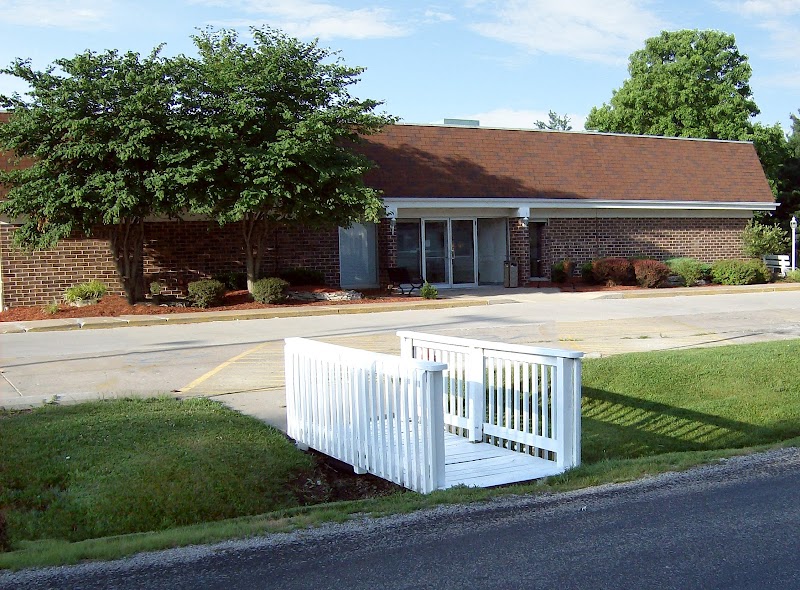
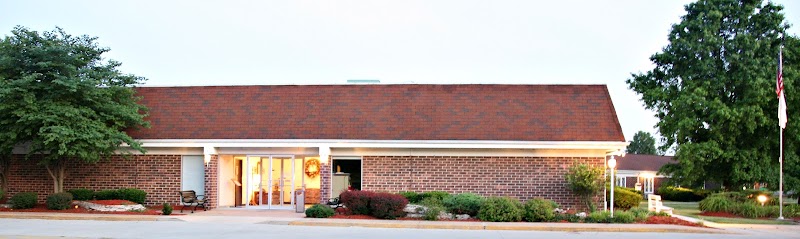
Evercare of Jerseyville

410 FLETCHER ST, JERSEYVILLE, IL 62052 (618) 498-6427
For profit - Corporation 98 Beds EVERCARE SKILLED NURSING Data: November 2025
Trust Grade
15/100
#520 of 665 in IL
Last Inspection: August 2024

Within standard 12-15 month inspection cycle. Federal law requires annual inspections.

Overview

Evercare of Jerseyville has received a Trust Grade of F, indicating significant concerns about the facility’s quality and care. It ranks #520 out of 665 in Illinois, placing it in the bottom half of facilities in the state, and #2 out of 3 in Jersey County, meaning only one local facility is rated higher. While the facility's trend is improving, with issues decreasing from 12 in 2024 to 1 in 2025, it still faces serious concerns. Staffing is a weakness here, with a rating of 1 out of 5 stars and a turnover rate of 54%, which is average for Illinois, but suggests instability. Recent inspections revealed that the facility failed to prevent falls for several residents, leading to serious injuries, and did not adequately monitor a resident's severe weight loss, raising alarms about the quality of care being provided. Additionally, the facility has less RN coverage than 98% of Illinois facilities, which can limit the quality of healthcare oversight.

Trust Score
F
15/100
In Illinois
#520/665
Bottom 22%
Safety Record
High Risk
Review needed
Inspections
Getting Better
12 → 1 violations
Staff Stability
⚠ Watch
54% turnover. Above average. Higher turnover means staff may not know residents' routines.
Penalties
⚠ Watch
$61,318 in fines. Higher than 77% of Illinois facilities, suggesting repeated compliance issues.
Skilled Nurses
⚠ Watch
Each resident gets only 11 minutes of Registered Nurse (RN) attention daily — below average for Illinois. Fewer RN minutes means fewer trained eyes watching for problems.
Violations
⚠ Watch
41 deficiencies on record. Higher than average. Multiple issues found across inspections.
★☆☆☆☆
1.0
Overall Rating
★☆☆☆☆
1.0
Staff Levels
★★☆☆☆
2.0
Care Quality
★★☆☆☆
2.0
Inspection Score
Stable
2024: 12 issues
2025: 1 issues

The Good

  • Full Sprinkler Coverage · Fire safety systems throughout facility
  • No fines on record

Facility shows strength in fire safety.

The Bad

1-Star Overall Rating

Below Illinois average (2.5)

Significant quality concerns identified by CMS

Staff Turnover: 54%

Near Illinois avg (46%)

Higher turnover may affect care consistency

Federal Fines: $61,318

Above median ($33,413)

Moderate penalties - review what triggered them

Chain: EVERCARE SKILLED NURSING

Part of a multi-facility chain

Ask about local staffing decisions and management

The Ugly 41 deficiencies on record

3 actual harm
Jun 2025 1 deficiency
CONCERN (D) 📢 Someone Reported This

A family member, employee, or ombudsman was alarmed enough to file a formal complaint

Potential for Harm - no one hurt, but risky conditions existed

Pressure Ulcer Prevention (Tag F0686)

Could have caused harm · This affected 1 resident

**NOTE- TERMS IN BRACKETS HAVE BEEN EDITED TO PROTECT CONFIDENTIALITY** Based on observation, interview and record review, the facility failed to develop/implement interventions for 1 of 3 residents r...

Read full inspector narrative →
**NOTE- TERMS IN BRACKETS HAVE BEEN EDITED TO PROTECT CONFIDENTIALITY** Based on observation, interview and record review, the facility failed to develop/implement interventions for 1 of 3 residents reviewed for pressure ulcers in the sample of 4. Findings include: R2's face sheet documents an admission date of 4/27/2025. Diagnosis include Hypertensive Heart Disease with Heart Failure, Human Immunodeficiency Virus, Chronic Obstructive Pulmonary Disease, Acute Myocardial Infarction, Cerebral Infarction. On 6/5/2025 at 8:15AM V3, Assistant Director of Nursing, ADON, stated R2 does not have any skin issues. On 6/5/2025 at 8:30AM V3 stated, We just did a skin check on R2 and she does have a new area to her left buttock. We just found it this morning. She recently came back from the hospital. I talked to the nurse who did R2's admission assessment and he denied any skin issues. She was in the hospital quite a while. On 6/5/2025 at 9:30AM V3, Assistant Director of Nursing, ADON, and V4, Licensed Practical Nurse, LPN, performed skin check to R2. Dime size open reddened area noted to left buttock. R2's Minimum Data Set, MDS, dated [DATE] documents R2 has no cognitive deficits. R2's MDS dated [DATE] documents R2 has no unhealed pressure ulcers. R2's Care Plan dated 5/25/2025 documents R2 has potential for pressure ulcer development related to decline in medical, physical, mental status. incontinence. assist with transfers and turning and repositioning. Interventions include: R2 requires the bed as flat as possible to reduce shear. R2 prefers to be repositioned with 2 people, lifter. R2 requires pressure relieving device on bed/chair. R2's Braden scale for pressure ulcer development dated 5/12/2025 documents R2 is at moderate risk for pressure ulcer development. R2's progress notes dated 6/5/2025 at 8:53AM document Skin Issue: #001: New skin Issue. Location: Buttocks - generalized. Laterality / Orientation: Left. Issue type: Pressure ulcer / injury. Pressure ulcer staging: Stage 2 Pressure ulcer / injury - partial thickness skin loss with exposed dermis. Wound acquired in-house. Wound is new. Signs and symptoms of infection: None. Painful: No. Staged by: In-house nursing. Length (cm): 0.7 Width (cm): 0.7 Depth (cm): 0.1 Undermining: No. Tunneling: No. Skin Issues Note: order for triad paste put in place. R2's Clinical admission dated 5/27/2025 documents no skin issues. R2's Skin Issues assessment dated [DATE] documents new issue, buttocks, pressure ulcer/injury, left. Stage 2, in house acquired. Stage by in house nursing, .7cm x .7cm x .1cm. On 6/5/2025 at 8:30AM R2 stated, I got a pressure ulcer, and they haven't done anything. I have had a pressure ulcer before. I did have a cushion for my chair, but I don't know what happened to it. I like to be up in my chair all day. I like to smoke. On 6/5/2025 at 1:30PM R2 up in wheelchair in smoking area. R2 did not have a cushion or pressure relieving device in chair or on bed. On 6/5/2025 at 1:40PM V2 stated R2 was much more independent when she first came in. She wants to be up most of the day. We encourage her to lay back down in the afternoon or use a pressure relieving cushion. On 6/5/2025 at 1:40PM V3 stated, We encourage R2 to try one of the recliners to sit up in to relieve the pressure and reposition. She may have a cushion. Facility's pressure ulcer policy updated 6/2/2025 states: To establish guidelines for assessing, monitoring, and documenting the presence of skin breakdown, pressure injuries and other ulcers and assuring interventions are implemented. Pressure and other ulcers (diabetic, arterial, venous) will be assessed and measured at least every seven (7) days by licensed nurse and documented in the resident's clinical record.
Aug 2024 12 deficiencies
CONCERN (D)

Potential for Harm - no one hurt, but risky conditions existed

Report Alleged Abuse (Tag F0609)

Could have caused harm · This affected 1 resident

**NOTE- TERMS IN BRACKETS HAVE BEEN EDITED TO PROTECT CONFIDENTIALITY** Based on interviews, observations, and record reviews the facility failed to report an alleged allegation of abuse to Illinois D...

Read full inspector narrative →
**NOTE- TERMS IN BRACKETS HAVE BEEN EDITED TO PROTECT CONFIDENTIALITY** Based on interviews, observations, and record reviews the facility failed to report an alleged allegation of abuse to Illinois Department of Public Health for 1 of 1 resident (R35) reviewed for reporting of alleged abuse in a sample of 34. Findings include: R35 was admitted to the facility on [DATE] with diagnosis of, in part, hypertension, arthritis, osteoarthritis, spinal stenosis, chronic heart failure. R35's Minimum Data Set (MDS) dated [DATE] documents R35 is cognitively intact. On 08/26/24 at 9:40 AM, R35 stated V15, prior director of nursing (DON), kicked the back of her legs causing her to fall and become a full body mechanical lift and V15 has threatened to do it again to her. R35 stated she does not remember how long ago this took place, but she reported it to her doctor and other staff members at the facility. R35 stated V15 does not provide care to her any longer but still works at the facility as needed (PRN). Record review of R35's chart shows no reported incident took place. On 08/27/24 at 8:33 AM, after review of the facility's reported abuse investigations, no report was found for the incident R35 reported. On 8/27/24 at 8:35 AM, V1, Administrator, was notified of R35's allegations of abuse. V1 stated this is the first time she is hearing this report. On 8/28/24 at 9:40 AM, V1 stated she did not report the incident to Illinois Department of Public Health (IDPH). V1 stated she spoke with R35 and V15 about the incident but did not do any further investigation. V1 stated after speaking with R35 and V15, she did not need to report anything. V1 stated nothing new has been done on the situation. The facility's Resident Rights Policy dated 11/28/16 documents, If the events that cause the reasonable suspicion result in serious bodily injury or suspected criminal sexual abuse shall be made to at least one law enforcement agency of jurisdiction and Illinois Department of Public Health (IDPH) immediately after forming the suspicion (but no later than two hours after forming the suspicion), otherwise, the report must be made not later than 24 hours after forming the suspicion.
CONCERN (D)

Potential for Harm - no one hurt, but risky conditions existed

Investigate Abuse (Tag F0610)

Could have caused harm · This affected 1 resident

**NOTE- TERMS IN BRACKETS HAVE BEEN EDITED TO PROTECT CONFIDENTIALITY** Based on interviews, observations, and record reviews the facility failed to thoroughly investigate an allegation of abuse for 1...

Read full inspector narrative →
**NOTE- TERMS IN BRACKETS HAVE BEEN EDITED TO PROTECT CONFIDENTIALITY** Based on interviews, observations, and record reviews the facility failed to thoroughly investigate an allegation of abuse for 1 of 1 resident (R35) reviewed for abuse investigations in a sample of 34. Findings include: R35 was admitted to the facility on [DATE] with diagnosis of, in part, hypertension, arthritis, osteoarthritis, spinal stenosis, chronic heart failure. R35's Minimum Data Set (MDS) dated [DATE] documents R35 is cognitively intact. On 08/26/24 at 9:40 AM, R35 stated V15, prior director of nursing (DON), kicked the back of her legs causing her to fall and become a full body mechanical lift and V15 has threatened to do it again to her. R35 stated she does not remember how long ago this took place, but she reported it to her doctor and other staff members at the facility. R35 stated V15 does not provide care to her any longer but still works at the facility as needed (PRN). Record review of R35's chart shows no reported incident took place. On 08/27/24 at 8:33 AM, after review of the facility's reported abuse investigations, no report was found for the incident R35 reported. On 8/27/24 at 8:35 AM, V1, Administrator, was notified of R35's allegations of abuse. V1 stated this is the first time she is hearing this report. On 8/28/24 at 9:40 AM, V1 stated she did not have any documentation of initiating an investigation on the incident involving V15 and R35. V1 stated she spoke with R35 and V15 about the incident but did not do any further investigation or write anything down. The facility's Resident Rights Policy dated 11/28/16 documents, The person in charge of the investigation will obtain a copy of any documentation relative to the incident and follow the Resident Protection Investigation Procedures. The policy further documents, Regardless of the specific nature of the allegation (physical, sexual, verbal/exploitation/mental, theft or neglect), the investigation shall consist of: A review of the initial written reports; completion of a written report on the status of the investigation of the occurrence. The policy continues to document, The Interview Process. Determine whether the interviewer will be asking the person being interviewed to write the details of the incident in their own handwriting, or whether the interviewer or witness will take notes, type up the interview, and have the witness sign the typed interview.
CONCERN (D)

Potential for Harm - no one hurt, but risky conditions existed

Deficiency F0692 (Tag F0692)

Could have caused harm · This affected 1 resident

Based on observation, interview, and record review the facility failed to follow plan of care and provide supplements as ordered to maintain acceptable parameters of nutrition for 1 of 4 residents (R1...

Read full inspector narrative →
Based on observation, interview, and record review the facility failed to follow plan of care and provide supplements as ordered to maintain acceptable parameters of nutrition for 1 of 4 residents (R1) reviewed for nutrition in the sample of 34. Findings include: 1. Registered Dietitian's (RD) quarterly review, dated 6/24/2024, documents Height (HT) 67 inches, weight (wt) 146 # (pounds). Currently showing a gradual weight loss x 6 months; 12/23 154, 3/24 152, 5/24 147. The Review documents R1 remains on regular diet with cut up meat, super cereal at breakfast. intakes at meals around 75% with occasional 100's noted and fluids 240-480cc/meal. Notes documents suggest to please consider adding ice cream to lunch/supper meals for added calories with varied intakes and weight loss reported. Monitor and refer to RD as needed. R1's monthly weight for July 2024 documents weight of 141.8 # August monthly weight documents a weight of 137.2. R1's Physician Order (PO) dated 7/26/2024 documents add ice cream to lunch and supper. R1's Care Plan dated 6/19/2024 documents at risk for weight loss related to poor oral food intake, resident has poor intake, feeds self. R1's care plan documents interventions dated 6/19; alert dietitian if consumption is poor more than 48 hours, if weight decline contact physician and dietitian as soon as practical, monitor and evaluate any weight loss, offer substitutes as requested or indicated, weigh monthly to monitor weight. On 8/27/2024 at11:46AM during the noon meal R1 was served chocolate milk, orange drink, roast turkey with gravy, diced potatoes, peas and roll, and pears. R1 did not receive ice cream per physician's order. At no time did staff intervene or prompt R1 to eat. R1 pushed plate away from and was playing with toilet paper off roll sitting on the table. At 12:30 PM, tray remained untouched. Staff did not provide attempt to offer R1 a substitute at this meal. On 8/29/2024 at 8:50 AM V1, Administrator stated R1 baffles the facility as R1 has not lost weight. On 8/29/2024 at 10:15AM V3, Licensed Practical Nurse (LPN) stated she always offers substitutes but R1 will not eat them. On 8/29/24, at 11:30 AM, V4, Certified Nursing Assistant (CNA) stated that she offers R1 sandwiches and R1 will not eat them. The facility policy meal alternatives dated revised 4/17 documents is the policy of the facility to provide appropriate alternatives to those residents who dislike or do not eat the main entree and vegetable to help ensure adequate nutritional intake. The policy documents if a resident refuses the original entree and/or the alternate, the nurse shall be informed. Refusal to eat or poor intake should be documented in the resident's medical record. The facility policy nutritional supplements and nourishments dated revise d10/13 documents it is the policy of the facility to provide additional calories and/or protein to residents who cannot and/or are not capable of consuming adequate nutrients through their regular meals. The policy documents nutritional supplements are a supplement to the diet and are not meant to replace regular scheduled meals.
CONCERN (D)

Potential for Harm - no one hurt, but risky conditions existed

Tube Feeding (Tag F0693)

Could have caused harm · This affected 1 resident

**NOTE- TERMS IN BRACKETS HAVE BEEN EDITED TO PROTECT CONFIDENTIALITY** Based on interview, observation, and record review, the facility failed to check the residual from a Gastrostomy tube (G-tube) b...

Read full inspector narrative →
**NOTE- TERMS IN BRACKETS HAVE BEEN EDITED TO PROTECT CONFIDENTIALITY** Based on interview, observation, and record review, the facility failed to check the residual from a Gastrostomy tube (G-tube) before administering a water flush and medications and turn off the feeding pump while R4 was lying flat for 1 of 1 resident (R4) reviewed for tube feeding in the sample of 34. Findings include: On 08/26/24 at 12:01 PM, V3, Licensed Practical Nurse (LPN), entered the room to give medications and a water flush through R4's G-tube. V3 did not check for residual before giving R4 65 milliliters of water. V3 then gave the medication and another flush of 65 milliliters of water. On 8/27/24 at 10:15 AM, V10 Certified Nurse's aide (CNA) lowered the head of the bed to flat to prepare for incontinent care. R4's tube feeding pump was running. V10 and V8, CNA, performed the incontinent care with the feeding pump running. On 8/27/24 at 10:19 AM, V10 was questioned why he lowered the head of bed with the feeding pump running, V10 stated that he was unaware that the feeding pump should be off if the resident is flat. On 8/27/24 at 10:20 AM, V8 was questioned if she knew the head of the bed should not be flat with the feeding pump running, V8 stated, I did go to my nurse, V3, she told me I was not allowed to touch it and the pump does not need to be stopped. On 8/28/24 at 12:38 PM, V3, stated, V15, past Director of Nurses, told us that we did not need to check for residual. V3 further stated that should she had been told they were going to lay (R4) flat because the feeding pump needed to be turned off. On 8/28/24 at 3:00 PM, V11, Licensed Practical Nurse/ Minimum Data Set Nurse stated that she did not think tube feeding needed to be stop if a resident is lying flat and that V3 knows that residual needs to be checked before giving water or medications. R4's Face Sheet, undated, documents that R4 was admitted on [DATE] and has diagnoses of Chromosomal abnormality and Gastrostomy. R4's Minimum Data Set, dated [DATE], documents that R4 is severely cognitively impaired and has a feeding tube. The policy Enteral Feedings, dated 2/08, documents, 10. Placement of tube will be confirmed via aspiration of residual. If unable to confirm placement via aspiration, air instillation method may be used. 11. Placement will be confirmed: Prior to instillation of flush / medication administration. It continues, 16. Resident will be maintained with head of bed at minimum 30 - 40 degrees during and for at least 30 minutes after each feeding.
CONCERN (D)

Potential for Harm - no one hurt, but risky conditions existed

Deficiency F0810 (Tag F0810)

Could have caused harm · This affected 1 resident

**NOTE- TERMS IN BRACKETS HAVE BEEN EDITED TO PROTECT CONFIDENTIALITY** Based on observation, interview the facility failed to provide assistive device or adaptive eating equipment resulting in R22's ...

Read full inspector narrative →
**NOTE- TERMS IN BRACKETS HAVE BEEN EDITED TO PROTECT CONFIDENTIALITY** Based on observation, interview the facility failed to provide assistive device or adaptive eating equipment resulting in R22's inability to use eating utensils effectively and eating with hands for 1 of 16 residents (R22) reviewed for assistive devices/eating equipment/utensils in the sample of 34. Findings include: 1. On 8/26/2024 at 11:40AM R22 was eating pork fritter, scalloped potatoes, green beans, and pears. R22 was using a regular spoon and used his left had to scoop food on to his spoon, then with his left-hand placed on spoon and places in his mouth. On 8/27/2024 at 11:44AM R22's plate contained diced potatoes, peas, roll, and turkey with gravy. R22 used left hand to push food on spoon and placed food in mouth. On 8/27/2024 at 12:01PM R22 observed picking peas up off the table that had dropped from spoon in his mouth and observed picking peas up off his bib and placing in his mouth. R22's Care Plan, dated 5/6/2024 documents self-care deficit-needs supervision and or assist to complete quality care and/ or poorly motivated to complete activities of daily living (ADL), feeds self after set up. R22's Care Plan documents the following interventions: 5/6/2024 serve diet as ordered /desired. set up tray as needed and unwrap silverware, assist with hands on feeding if resident is unwilling or unable to complete the task. R22's Minimum Data Set (MDS) dated [DATE] documents R22 is cognitively intact. R22's MDS documents functional abilities for eating, supervision and touching assistance. On 8/29/2024 V22, Therapy director, stated she was not aware of R22 using his hands to assist with eating. V22 stated she would screen R22.
CONCERN (E)

Potential for Harm - no one hurt, but risky conditions existed

Incontinence Care (Tag F0690)

Could have caused harm · This affected multiple residents

**NOTE- TERMS IN BRACKETS HAVE BEEN EDITED TO PROTECT CONFIDENTIALITY** 5. R5's Face Sheet, undated, documents R5 was admitted on [DATE] with diagnosis of Chronic Systolic (Congestive) Heart Failure, ...

Read full inspector narrative →
**NOTE- TERMS IN BRACKETS HAVE BEEN EDITED TO PROTECT CONFIDENTIALITY** 5. R5's Face Sheet, undated, documents R5 was admitted on [DATE] with diagnosis of Chronic Systolic (Congestive) Heart Failure, Hypertension, Rheumatoid Arthritis, and Anemia. R5's Care Plan, dated 7/18/24, documents R5 has bladder incontinence. Interventions: R5 uses disposable briefs, change every two hours, and as needed (PRN), clean peri-area with each incontinence episode, check every two hours and as required for incontinence, wash, rinse, and dry perineum, change clothing PRN after incontinence episodes, monitor/document for signs/symptoms of Urinary Tract Infection (UTI), monitor/document/report PRN and possible causes of incontinence: bladder infection. R5's MDS, dated [DATE], documents R5 is cognitively intact and requires partial/moderate assistance from staff for toileting, bathing, and transfers. R5 is frequently incontinent of urine and always continent of bowel. R5's Urine Culture, dated 7/1/24, documents R5 has a UTI with ESBL (Extended Spectrum Beta-Lactamase) in her urine. R5's Physician Order (PO), dated 7/2/24, documents Levofloxacin 250 MG (milligram) Q (every) Day X 5 days. R5's PO, dated 7/4/24, documents Ertapenem 1 MG IM (Intramuscular) X 3 days. R5's Urine Culture, dated 7/12/24, documents R5 has a UTI with VRE (Vancomycin-Resistant Enterococcus) in her urine. R5's PO, dated 7/14/24, documents Keflex 500 MG BID (twice a day) X 5 days. R5's PO, dated 8/7/24, documents Ciprofloxacin 250 MG BID for 10 days: UTI. On 8/26/24 at 10:00 AM, R5 stated I have a UTI and I am on antibiotics for it. When I have to urinate, it comes so quickly that there is no time for staff to help me before I go. On 8/28/24 at 10:00 AM, V11, MDS Nurse, stated I would expect staff to perform complete and timely incontinent care, including hand hygiene and glove changes when appropriate, and using appropriate supplies needed. On 8/28/24 at 10:05 AM, V16, CNA, stated When doing peri-care, I would change my gloves when they are dirty and in between care. If doing peri-care on a female, I would always wipe from front to back. On 8/27/24 at 8:15 AM, V10, CNA, was seen walking into R5's room to assist her to the restroom. V10 did not put any personal protective equipment on upon entering the room to assist, put a gait belt around R5 in her wheelchair, then donned gloves and pushed R5 into the restroom. V10 placed R5's walker in front of her and assisted R5 to stand and grab onto her walker. R5 walked to the toilet and V10 assisted via gait belt to sit on the toilet. V10 pulled R5's pants and incontinent brief down to her ankles. R5's incontinent brief was wet and V10 stated that R5 just went in her brief. At 8:22 AM, R5 stated she was done. V10 donned gloves and took off R5's pants and wet brief, doffed gloves, and washed hands, R5 stated she still must go some more so allowed to sit longer. At 8:30 AM, R5 stated she was ready. V10 donned gloves, put a clean incontinence brief on R5 up to her knees, put R5's pants on up to her knees, then assisted R5 to stand while holding onto the gait belt and R5 holding onto her walker. V10 then used toilet paper to wipe R5's anal area due to BM, then used same gloves to wipe the front side of R5, reaching between her legs and wiping from back to front. V10 then pulled R5's brief and pants all the way up. R5 stated she felt weak and needed to sit down, V10 held onto gait belt and assisted R5 back to the toilet. V10 doffed his soiled gloves, then assisted R5 to stand again and pivot to her w/c to sit down. V10 used hand gel and exited the room. When asked why R5 was on isolation, V10 stated, I was told she has an infection in her urine. The Facility's Perineal Cleansing Policy, dated 12/2017, documents To eliminate odor; to prevent irritation or infection and to enhance resident's self-esteem. Equipment: 1. Washcloth and towel, 2. Soap, other cleansing agent. 3. Gloves. 4. Wash basin. 5. Plastic bag. Procedure: Female - 4. Wet washcloth with cleansing agent chosen. 5. Wash pubic area including upper inner aspect of both thighs and frontal portion of perineum. a) Use long strokes from the most anterior down to the base of the labia. b) After each stroke refold the cloth to allow use of another area. 6. Follow same sequence for rinsing area. 8. Dry Thoroughly. 10. Rinse cloth and apply cleansing agent. 11. Wash peri-anal area thoroughly with each stroke beginning at the base of the labia and extending up over the buttocks. 13. Rinse cloth and entire area. 14. Dry area thoroughly. 15. Remove gloves and wash hands with soap and water. 16. Apply new incontinent product, clothes or reposition comfortably. 17. Wash hands with soap and water, cleansing gel or Theraworx. Male - 4. Wet washcloth with cleansing agent chosen. 5. Wash pubic area including upper inner aspect of both thighs as well as the penis and scrotum. a) Retract foreskin and wash carefully to remove secretions. b) wash area under scrotum. 6. Rinse area in same sequence. 8. Dry carefully, remembering to draw foreskin of uncircumcised male back over the head of the penis. 10. Rinse cloth and proceed with the cleansing of the anal area. 12. Rinse cloth and entire area. 14. Dry area thoroughly. 15. Remove gloves and wash hands with soap and water, cleansing gel, or Theraworx. 16. Apply clean incontinent product, clothes, or position resident comfortably. 17. Wash hands with soap and water, cleansing gel, or Theraworx. Note: The basic infection control concept for peri-care is to wash from the cleanest to the dirtiest area and remember to change or remove gloves and wash hands when going from working with contaminated items to clean items. Based on interview, observation, and record review, the facility failed to provide incontinent care to prevent Urinary Tract Infections for 5 of 6 residents (R4, R5, R14, R26, R30) reviewed for incontinent care in the sample of 34. Findings include: 1. On 8/27/24 from 8:50 AM until 12:12 PM, staff did not assist R30 with toileting based on 15 minute or less checks. On 8/27/24 at 12:12 PM, R30 propelled herself into the community bathroom. R30 waited in the bathroom with the door open. At 12:16 PM, V14, Certified Nurse Aide (CNA), entered the bathroom and questioned R30 what she was doing. R30 stated, I gotta go. V14 stated that she would get some help and left the room. V14 came back and began to put the partial mechanical lift sling on R30. V14 began to prepare the partial mechanical lift to use on R30. V9, CNA, entered the bathroom and stated, We have to take her to room A-7. R30 and the partial mechanical lift were taken down to A-7. R30 was transferred to the toilet and her incontinent brief was removed. V14 stated that the brief was wet. R30 stated, I hate to pee because it hurts. V9 stated that she would tell her nurse. When R30 finished, she was lifted with the partial mechanical lift. V14 wiped R30 twice with toilet tissue, placed a new incontinent brief on R30, and adjusted R30's clothes. R30 was transferred back to the wheelchair. R30's Face Sheet, undated, documents, that R30 was admitted on [DATE] and has a diagnosis of Dementia. R30's Minimum Data Set (MDS), dated [DATE], documents that R30 is severely cognitively impaired, frequently incontinent of bladder, occasionally incontinent of bowel, and requires substantial / maximum assistance from staff for toileting. R30's Care Plan, dated 5/1/24, documents, The resident has bladder incontinence r/t (related to) Confusion, Dementia, resident is assist with transfers, and assist with peri care. Interventions: Brief Use: The resident uses disposable briefs. Change every 2 hours and prn (as needed). Clean peri - are with each incontinence episode. Incontinent: Check 2 hours and as required for incontinence, Wash, rinse and dry perineum. R30's Physician Orders, dated 8/22/24, documents, N/O (new order) Gentamicin 80 mg (milligram) /2ml (milliliters) IM (intramuscular) BID (twice a day) for 5 days. for UTI (Urinary Tract Infection). R30's Physician Orders, dated 8/22/24, documents, Contact Isolation for ESBL (Extended Spectrum Beta Lactamase). R30's Urine Culture Report, collection date of 8/20/24, documents, >100,000 cfu (colony forming unit)/ml Proteus mirabilis Extended Spectrum Beta Lactamase. Results called to V3, Licensed Practical Nurse (LPN) at 8/22/24 at 7:08 AM. 2. On 8/26/24 at 9:57 AM R26 was sitting in wheelchair in room. V5 CNA and V9 CNA both transferred her from the wheelchair to the toilet. V5 pulled down pants and removed incontinent brief. The brief was soiled with bowel movement smears and urine. R26 stood up, V5 cleansed from front to back. V5 did not cleanse the pubic area or the buttocks. V5 failed to dry the area. A new brief was placed, pants pulled up, and transferred back to wheelchair. R26 was transferred to bed, covered up, and positioned for comfort. On 8/26/24 at 10:05 AM, V5 stated that R26 does have a UTI (Urinary Tract Infection) and was recently in the ER (Emergency Room). R26's Face Sheet, undated, documents that R26 was admitted on [DATE] and has Dementia and need for assistance with care. R26's (Local Hospital) Emergency Documentation, dated 8/24/24, documents, Diagnosis from Today's Visit: COPD (Chronic Obstructive Pulmonary Disease) exacerbation and UTI. Instructions from Your Care Team: Start Z-Pack (antibiotic) tomorrow, August 25, 2024. R26's MDS, dated [DATE], documents that R26 is severely cognitively impaired, frequently incontinent of urine, occasionally incontinent of bowel, and requires substantial/maximum assistance from staff for toileting. R26's Care Plan, dated 6/12/24, documents, The resident has bladder incontinence r/t (related to) Confusion, Dementia, Poor toileting habits, decrease in cognition. Interventions: The resident uses disposable briefs. Change every 2 hours and prn (as needed). Check every 2 hours and as required for incontinence. Wash, rinse and dry perineum. 3. R4's Face Sheet, undated, documents R4 was admitted on [DATE] and has diagnoses of Chromosomal abnormality and Gastrostomy. R4's MDS, dated [DATE], documents that R4 is severely cognitively impaired, always incontinent of bowel and bladder, and is totally dependent on staff for toileting. On 8/27/24 at 10:06 AM, V10, CNA and V8 CNA entered R4's room to provide incontinent care. V8 stated that yesterday R4 was spotting from menstruation. R4's incontinent brief was removed. The brief was wet with urine and blood. R4 was rolled onto the right side, V8 with a washcloth moistened with water only, wiped the rectal area with the washcloth four times. V8 then placed a protective cream on R4's left buttock. R4 was then rolled to the left side, V10 wiped the right buttock with a moistened with water wash cloth. V10 put barrier cream on the right buttock. R4 was placed on her back. With a moistened washcloth, flipping to clean areas, the labia and meatus were wiped, the washcloth had visible blood on it and V8 wiped up the left groin. A new incontinent brief was placed and R4 was positioned for comfort. On 8/27/24 at 1:25 PM, V1, Administrator, V1 stated that soap should have been used to provide incontinent care. 4. On 08/27/24 at 08:50 AM during incontinent care V8, CNA with gloved hands undid R14's adult brief. R14's adult brief was wet with dark tan urine stain surrounding wet area on brief. V8 turned R14 on right side, sprayed peri wash on rag and wiped rectal area front to back. V8 did not dry R14's rectal area or cleanse buttocks. V8 then placed R14 on his back. V8 did not retract foreskin and cleanse penis. V8 did not dry peri area after cleansing R14. R14's Minimum Data Set (MDS) dated [DATE], documents R14 is dependent on staff for toileting. R14's care plan dated 8/14/2024 documents R14 has bladder incontinence related to confusion, dementia, impaired mobility with the following interventions dated 8/14/2024, clean peri area with each incontinent episode, check every 2 hours and as required for incontinence, wash, rinse, and dry perineum.
CONCERN (E)

Potential for Harm - no one hurt, but risky conditions existed

Infection Control (Tag F0880)

Could have caused harm · This affected multiple residents

5. On 08/27/24 at 09:36 AM, V8, CNA, assisted R38 to the community toilet with a gait belt wearing gloves. R38 stated she hasn't urinated since midnight but feels like she needs to go. V8 stated R38's...

Read full inspector narrative →
5. On 08/27/24 at 09:36 AM, V8, CNA, assisted R38 to the community toilet with a gait belt wearing gloves. R38 stated she hasn't urinated since midnight but feels like she needs to go. V8 stated R38's incontinent brief was completely dry and threw the brief away. V8 helped R38 stand up with her walker and gait belt then wiped her peri-region using her right gloved hand with a wet towel. V8 then pulled R38's brief and pants up around her waist and removed her left glove. V8 continued to use her dirty right gloved hand to hold R38's gait belt as they walked to the door. V8 then used her dirty right gloved hand to open the door. V8 guided R38 to a chair in the hallway, used her dirty right gloved hand to adjust the chair and then touched R38's walker handle to hold it in place as R38 sat down. V8 then removed the gait belt from R38's waste with her dirty right gloved hand and walked to the restroom. V8 folded the gait belt and put it in her left leg pocket. 6. On 8/27/24 at 8:15 AM, V10, CNA, was seen walking into R5's room to assist her to the restroom. V10 did not put any Personal Protective Equipment (PPE) on upon entering the room to assist, which was outside the door. V10 put a gait belt around R5 while sitting in her wheelchair, then donned gloves and pushed R5 into the restroom. V10 placed R5's walker in front of her and assisted R5 to stand and grab onto her walker. R5 walked to the toilet and V10 assisted, via gait belt, to sit on the toilet. V10 pulled R5's pants and incontinent brief down to her ankles, showing a wet incontinent brief, with V10 stated that R5 just went in her brief. At 8:22 AM, R5 stated she was done, V10 donned gloves and took off R5's pants and wet brief, R5 stated she still has to go some more so allowed to sit longer. At 8:30 AM, R5 stated she was ready, V10 donned gloves, put a clean incontinence brief on R5 up to her knees, put R5's pants on up to her knees, then assisted R5 to stand while holding onto the gait belt and R5 holding onto her walker. V10 used toilet paper to wipe R5's anal area due to bowel movement, then used the same gloves to get toilet paper to wipe the front side of R5. V10 reached between the front of R5's legs and wiped R5's vagina from back to front once, then pulled R5's brief and pants all the way up using same soiled gloves. R5 stated she felt weak and needed to sit down, V10 held onto gait belt and assisted R5 back to the toilet with the same soiled gloves on. When asked why R5 was on isolation, V10 stated I was told she has an infection in her urine. When asked if he was supposed to wear the PPE while caring for R5, V10 stated, I don't know if I'm supposed to wear that stuff or not. On 8/27/24 at 9:15, V10 was seen taking the soiled and contaminated gait belt out of R5's room and handing it to V9, CNA. Unsure where V9 went to next, however, that CNA was seen with that belt in her pants pocket. On 8/28/24 at 9:45 AM, V2, Registered Nurse (RN), stated, The CNAs are supposed to be wearing full PPE when they are providing care to (R5), including incontinent care. On 8/28/24 at 10:00 AM, V11 stated, I would expect all staff to wear appropriate PPE when doing resident care to a resident who is on isolation. I would expect staff to perform complete and timely incontinent care, including hand hygiene and glove changes when appropriate, and using appropriate supplies needed. (R5) should have her own gait belt in her room and it should not be taken out of her room. On 8/28/24 at 10:05 AM, V16, CNA, stated, If a resident were on isolation, I would wear the PPE any time I do care for that resident. When doing peri-care, I would change my gloves when they are dirty and in between care. If doing peri-care on a female, I would always wipe from front to back. On 8/28/24 at 10:40 AM, V11 stated, The isolation signs placed on the resident doors says to contact the nurse for instructions. (R5) is on Contact/Droplet isolation because she has VRE in her urine, isn't VRE in the urine considered a droplet isolation also? I have worked several facilities and have never seen a sign that tells people what they should wear to enter the room. The Facility's Entering an Isolation Room Policy, dated 12/7/18, documents To ensure anyone entering a resident's room in isolation is dressed appropriately with required equipment as set forth per the Center for Disease Guidelines. The Facility's Contact Precautions Policy, dated 12/7/18, documents In addition to Standard Precautions, use Contact Precautions, or the equivalent for specific residents known or suspected to be infected or colonized with epidemiologically important microorganisms that can be transmitted by direct contact with the resident (hand or skin to skin contact that occurs when performing resident care activities that require touching the residents dry skin) or indirect contact (touching with environmental surfaces or resident care items in the residents environment). 2. (in part) After glove removal and handwashing, ensure that hands do not touch potential contaminated environmental surfaces or items in the resident's room to avoid transfer of microorganisms to other residents or environment. The Facility's Cleaning of Non-Critical Resident Care Items, dated 12/7/18, documents To ensure resident care items are cleaned appropriately to reduce the risk of transmission of microorganisms. The Facility's Hand Hygiene Policy, dated 8/14/23, documents All staff will comply with current CDC hand hygiene guidelines to reduce the incidence of healthcare associated infections. Indications for Hand Washing: 1. After contact with body fluids, excretions, mucous membranes, non-intact skin, and wound dressings. 2. Before and after direct resident care. 4. When moving from contaminated body site to clean body site during resident care. 6. After removing gloves. The Facility's Removing Gloves Policy, dated 12/7/18, documents Disposable gloves (non-sterile) act as a barrier between the resident and you. To protect employee from pathogens in the resident's blood, body fluids, and body substances. Protection for the resident from microorganisms the employee may have on their hands. Based on interview, observation, and record review, the facility failed to perform hand hygiene, wear personal protective gowns, disinfect multi-use equipment, and post isolation signs for 6 of 16 residents (R4, R5, R14, R26, R30, R38) reviewed for infection control in the sample of 34. Findings include: 1. On 8/26/24 at 11:54 AM, V3, Licensed Practical Nurse while preparing R4's medications donned and doffed gloves 6 times without hand hygiene before or after. On 08/26/24 at 12:01 PM, R4's room had no signage indicating that Enhanced Barrier Precautions need to be used. V3, Licensed Practical Nurse (LPN), entered the room to give medications through R4's G-tube. V3 failed to wear a gown. On 8/27/24 at 10:06 AM, V10, Certified Nurse's Aide (CNA) and V8 CNA entered R4's room to provide incontinent care. R4's room had no signage indicating that Enhanced Barrier Precautions need to be used. Both donned gloves without hand hygiene. During the incontinent care, V8 was the cleaner, V8 applied barrier cream with the gloves, and never changed her gloves. V10 changed his gloves once during the care but failed to perform hand hygiene in between. At the end of care, a new incontinent brief was placed, and R4 was positioned for comfort. V8 never changed gloves during the care. Neither V8 nor V10 wore a gown for enhanced barrier precautions. On 8/27/24 at 1:25 PM, V1, Administrator/ Infection Preventionist, stated that she is unsure why R4 is not on Enhanced Barrier Precautions and that hand hygiene should be performed before and after gloves. On 8/28/24 at 12:38 PM, V3 stated she did not know anything about Enhanced Barrier Precautions being needed for R4 because she had a feeding tube. On 8/28/24 at 12:48 PM, V11, LPN/MDS (Licensed Practical Nurse/ Minimum Data Set), stated that she is the one working on infection control. V11 was questioned about Enhanced Barrier Precautions, V11 stated, I don't know anything about that. The policy Enhanced Barrier Precautions, dated 7/13/23, documents, Enhanced Barrier Precautions (EBP) should be used when contact precautions do not apply, for residents with any of the following: Open wounds that require a dressing change, Indwelling Medical Devices, and Infection or colonized with a MDRO (multi - drug resistant organism). Enhanced Barrier Precautions require use of a gown and gloves during high contact resident care activities that provide opportunities for the transfer of MDRO'S (multi - drug resistant organism) to staff hands and clothing. It continues, High Contact care activities include: Changing briefs or toileting, caring for medical devices (i.e. (for example) central lines, urinary catheters, feeding tubes, tracheostomies, drainage tubes, ports). 2. On 8/26/24 at 9:57 AM, V5, CNA, and V9, CNA, provided transfers and toileting for R26. V5 donned and changed gloves 3 times without hand hygiene. V9 donned and changed gloves 3 times without hand hygiene. 3. On 8/26/24 at 11:30 AM, R30 room had a contact / droplet isolation sign and an isolation cart outside of the door. V5, was question who is on isolation, V5 stated, (R30) for her urine. On 8/27/24 at 12:12 PM, R30 propelled herself into the community bathroom. R30 waited in the bathroom with the door open. At 12:16 PM, V14, CNA, entered the bathroom and questioned R30 what she was doing. R30 stated, I gotta go. V14 stated that she would get some help and left the room. V14 came back and began to put the partial mechanical lift sling on R30. V14 began to prepare the partial mechanical lift to use on R30. V9, entered the bathroom and stated, We have to take her to room A-7. R30 and the partial mechanical lift were taken down to A-7. V14 stated that it was an empty room, and no one uses the bathroom in the room, so they are using it for R30. V9 and V14 were questioned how long R30 had been using this bathroom, V14 stated, Today. V14 stated she worked all weekend and R30 was using the community bathroom and R30 was not on isolation precautions. V9 and V14 both donned gowns and gloves. Neither preformed hand hygiene before putting the gloves on. R30 was transferred to toilet using a partial mechanical lift and her incontinent brief was removed. V14 stated that the brief was wet. When R30 finished, she was lifted with the partial mechanical lift. V14 wiped R30 twice with toilet tissue, placed a new incontinent brief on R30, and adjusted R30's clothes. R30 was transferred back to the wheelchair. V9 removed her gloves, performed hand hygiene, and went to get disinfecting wipes. V9 returned and gave a V14 a Sani-Cloth disinfecting wipe. With the same gloves that V14 used to perform incontinent care, V14 wiped down the partial mechanical lift. V14 touched the surfaces multiple times after cleaning. When V14 stated she was finished, she was questioned why she did not change her dirty gloves, V14 stated, I thought about it after I did it. V14 changed gloves and began to clean the partial mechanical lift again. R30's Physician Orders, dated 8/22/24, documents, Contact Isolation for ESBL (Extended Spectrum Beta Lactamase). R30's Urine Culture Report, collection date of 8/20/24, documents, >100,000 cfu (colony forming unit)/ml Proteus mirabilis Extended Spectrum Beta Lactamase. Results called to V3, Licensed Practical Nurse (LPN) at 8/22/24 at 7:08 AM. On 8/27/24 at 9:32 AM, V3, was questioned why she did not put R30 on isolation on 8/22/24, V3 stated, No, there is no reason. On 8/27/24 at 2:15 PM, V1, stated that R30 should have been put on isolation when she was diagnosed with ESBL. The policy Contact Precaution, dated 12/7/18, documents, Procedure: 2. Gloves: In addition to wearing gloves as outlined under Standard Precautions, wear gloves when entering a room. During the course of providing care for a resident, change gloves after having contact with infective material that may contain high concentrations of microorganisms. Remove gloves before leaving the residents environment and wash hands immediately with an antimicrobial agent or a waterless antiseptic agent. It continues, Resident care Equipment: If use of common equipment or items is unavoidable, then adequately clean and disinfect them before use for another resident. This policy fails to address placing signage outside of the room. 4. On 8/27/2024 at 8:50AM during incontinent care V8, CNA gloved when providing incontinent care to R14. After providing incontinent care to V8 and while wearing the same gloves, V8 put on protective cream on R14's buttocks and place a new incontinent brief on R14 without changing gloves. V8 then put on R14's TED (Thrombo-Embolic Deterrent ) hose, put clothes on and placed a mechanical lift sling under R14 while wearing these same gloves.
CONCERN (F)

Potential for Harm - no one hurt, but risky conditions existed

Deficiency F0727 (Tag F0727)

Could have caused harm · This affected most or all residents

Based on interview and record review, the facility failed to employ a Registered Nurse as Director of Nursing (DON). This failure has the potential to affect all 41 residents residing in the facility....

Read full inspector narrative →
Based on interview and record review, the facility failed to employ a Registered Nurse as Director of Nursing (DON). This failure has the potential to affect all 41 residents residing in the facility. The findings include: On 8/26/24 at 8:37 AM, when asked who the DON was, V1, Administrator, stated, We currently do not have a DON. On 8/27/24 at 3:00 PM, V1 stated, We have been without a DON for a little over a month. We are running an ad and refreshing the ad weekly. I have interviewed one person so far. On 8/28/24 at 8:13 AM, V2, Registered Nurse (RN), stated, We have not had a DON for a couple of months. If I had any nursing issues, I would go to the Minimum Data Set (MDS) Nurse (V11). I know she is doing the nursing schedule and some of the other duties of the DON. On 8/28/24 at 8:15 AM, V1 stated, Our DON's last day was 6/28/24. Between myself and (V11, Licensed Practical Nurse (LPN)/Minimum Data Set (MDS) Nurse), we are covering the duties of the DON. I do things that don't require a nursing license and she does the rest. On 8/28/24 at 9:40 AM, V11 stated, I am doing most of the duties of the DON. I investigate all the incidents that happen, do the scheduling for both the CNAs and the Nurses, and keep up with the infection book. (V1) does a lot of the other duties. On 8/28/24 at 1:50 PM, V1 stated, I am a salaried employee and incorporate all of my duties into my 40 hours per week. I do not have specific hours set aside for the DON duties. A review of the facility schedule, dated August 2024, does not list any hours for a DON. On 8/28/24 at 9:15 AM, V1 stated, The facility does not have a staffing policy. We follow the Illinois Department of Public Health (IDPH) guidelines. The Long-Term Care Facility Application for Medicare and Medicaid, CMS 671, dated 8/26/2024, documents the total number of residents in the facility was 41.
CONCERN (F)

Potential for Harm - no one hurt, but risky conditions existed

Food Safety (Tag F0812)

Could have caused harm · This affected most or all residents

Based on interview, observation, and record review, the facility failed to serve food in a sanitary manner, label, and date open food, ensure equipment is clean, and perform hand hygiene before donnin...

Read full inspector narrative →
Based on interview, observation, and record review, the facility failed to serve food in a sanitary manner, label, and date open food, ensure equipment is clean, and perform hand hygiene before donning gloves to prevent food borne illness. This has the potential to affect all 41 residents living in the facility. Finding include: 1. On 8/26/24 at 8:45 AM, the kitchen was entered. The stand-up freezer had a box of pre-made omelets. The bag was not sealed, and the omelets had freezer burn. The walk-in refrigerator has a storage container of red liquid that was not labeled or dated, 2 opened paper cartons of tomato juice that was dated 7/18, an opened package of hot dogs dated 8/22/24 no expiration date, a plastic container of what appeared to be mandarin oranges that is not labeled or dated with the lid covered in a thick liquid substance, a stainless steel container of tomatoes that was covered in foil that was not labeled or dated, 4 storage bags that had meat that were not dated or labeled. On 8/26/24 at 9:00 AM, V19, Dietary Manager, stated that everything should be labeled and dated with an open date and an expiration date. 2. On 8/26/24 at 11:25 AM, V21, Cook, donned gloves without hand hygiene first and began to serve the noon meal from the steam table. 3. On 8/28/24 at 11:15 AM, the cooling unit fan cover in the walk-in refrigerator has thick black layer of debris. The cooling fan is on the top of back wall, so it blows out onto the food. On 8/28/24 at 11:40 AM, the wall mounted kitchen air conditioner has thick black layer of debris. The air conditioner blows over the griddle and the stove top. On 8/28/24 at 1:59 PM, V19 stated that food should be dated for 6 or 7 days after the repackaging or making of. V19 further stated that he knows that the in the walk-in refrigerator cooling unit grate needs to be cleaned but he has not figured out how to do it since it always runs. The policy, dated 10/14, documents, 2. [NAME] container with name of item. [NAME] the date that the original container is opened or date of preparation. 3. Label refrigerated, potentially hazardous food prepared and held for more than 24 hours with the day/date by which the food shall be consumed or discarded (maximum of 7 days from time of preparation). The Long-Term Care Facility Application for Medicare and Medicaid, CMS 671, dated 8/26/24, documents that the facility has 41 residents residing in the facility.
CONCERN (F)

Potential for Harm - no one hurt, but risky conditions existed

Deficiency F0882 (Tag F0882)

Could have caused harm · This affected most or all residents

Based on interview and record review, the facility failed to provide a qualified individual responsible for the Infection Prevention and Control Program. This failure has the potential to affect all 4...

Read full inspector narrative →
Based on interview and record review, the facility failed to provide a qualified individual responsible for the Infection Prevention and Control Program. This failure has the potential to affect all 41 residents living in the facility. The findings include: On 8/28/24 at 8:15 AM, V1, Administrator, stated, Our DON's (Director of Nursing) last day was 6/28/24. Between myself and (V11, Licensed Practical Nurse (LPN)/Minimum Data Set (MDS) Nurse), we are covering the duties of the DON, including infection control. I do things that don't require a nursing license and she does the rest. I am the certified Infection Preventionist, and I work with (V11) to get things done. On 8/28/24 at 9:40 AM, V11, MDS Nurse, stated ,I am doing most of the duties of the DON. I investigate all the incidents that happen, do the scheduling for both the CNAs and the Nurses, and keep up with the infection log. (V1) does a lot of the other duties. On 8/28/24 at 10:40 AM, V11 stated, I do not have an Infection Preventionist Certification, (V1) has one. The Pharmacy sends me a report of all residents on antibiotics every month. I also receive any resident new orders for antibiotics from the nurses and will go look through the resident's chart and review the C&S (culture and sensitivity) to determine if they were put on the correct antibiotic. If not, I will contact the Physician for a new order. (V1) is the one doing the infection control and antimicrobial log, I just give her the information and help her understand what the bug is and what drug is needed because she is not a nurse. The isolation signs placed on the resident doors says to contact the nurse for instructions. (R5) is on Contact/Droplet isolation because she has VRE (Vancomycin-Resistant Enterococci) in her urine. Isn't VRE in the urine considered a droplet isolation also? I have worked several facilities and have never seen a sign that instructs people what PPE (personal protective equipment) they should wear to enter the room. (R5) should have her own gait belt in her room and it should not be taken out of her room. (V1) just told me that I needed to get the Infection Preventionist Certificate also. On 8/28/24 at 11:55 AM, V1, Administrator, stated My only medical background was a BLS (Basic Life Support) course. I have been working with (V11) for the infection control log. When we had COVID, we all worked together as a team. When asked what Extended-Spectrum Beta-Lactamases (ESBL) and/or VRE was, V1 stated I know it is in the urine, it is contagious, and that person should be put on isolation. When asked about how she would handle a resident with ESBL/VRE, V1 stated That is why I work with (V11) so she can look at the labs and antibiotics and we discuss together. On 8/28/24 at 1:50 PM, V1 stated, I am a salaried employee and incorporate all of my duties into my 40 hours per week. I do a little bit of the Infection Control stuff at a time, so we don't have to wait until the end of the month to do everything. I do not have additional specific hours set aside for the DON duties nor the Infection Preventionist duties. The Facility's Infection Control Surveillance and Monitoring Policy, dated 4/11/22, documents It is the policy of the facility to do routine surveillance and monitoring of the facility to determine if compliance with infection control practices is maintained. The facility shall employee, at a minimum, a part time Infection Preventionist. These duties maybe performed by the Director of Nursing with an approved Infection Control Certification. The Long-Term Care Facility Application for Medicare and Medicaid, dated 8/26/2024, documents the total number of residents in the facility was 41.
MINOR (C)

Minor Issue - procedural, no safety impact

Deficiency F0574 (Tag F0574)

Minor procedural issue · This affected most or all residents

Based on observation, interview, and record review the facility failed to post ombudsman contact information. This has the potential to affect all 41 residents at the facility. Findings include: On 8...

Read full inspector narrative →
Based on observation, interview, and record review the facility failed to post ombudsman contact information. This has the potential to affect all 41 residents at the facility. Findings include: On 8/27/2024 at 1:00PM, R2, R7, R20, and R15 all stated they were not aware of ombudsman contact information being posted. On 08/27/24 01:16 PM surveyor was unable to locate ombudsman contact information within the facility. On 8/28/2024 at 12:16PM V1, Administrator, stated the facility does not have a policy regarding posting of ombudsman information. V1 stated she would expect the information to be posted. V1 stated the facility does not have a specific policy, but the facility does follow Illinois Department of Public Health (IDPH) guidelines. The facility's Long-Term Care Application for Medicare and Medicaid, CMS 671 dated 8/26/2024 documents a census of 41 residents.
MINOR (C)

Minor Issue - procedural, no safety impact

Deficiency F0577 (Tag F0577)

Minor procedural issue · This affected most or all residents

Based on observation, interview and record review the facility failed to post survey results. This failure has the potential to affect all 41 residents residing at the facility. Finding include: 1. O...

Read full inspector narrative →
Based on observation, interview and record review the facility failed to post survey results. This failure has the potential to affect all 41 residents residing at the facility. Finding include: 1. On 8/27/2024 at 1:00PM during resident council R2, R7, R20 and R15 all stated unaware of survey results being available. Throughout the survey, the survey results of the last standard survey were not available. On 08/27/24 at 1:16 PM V1, Administrator stated the results of the state inspection are not available to read. V1 stated I have them. On 8/29/2024 at 8:10AM, V1, Administrator stated the facility does not have a policy in regard to posting survey results. V1 stated she would expect the information to be posted. V1 stated the facility follows Illinois Department of Public Health (IDPH) guidelines. The Illinois Long-Term care ombudsman program residents rights for people in long term care facilities dated revised 11/18 documents your facility must treat you with dignity and respect and must care for you in a manner that promotes your quality of life, rights to dignity and respect. The facility's Long-Term Care Application for Medicare and Medicaid, CMS 671 dated 8/26/2024 documents a census of 41 residents.
Sept 2023 10 deficiencies 1 Harm
SERIOUS (G)

Actual Harm - a resident was hurt due to facility failures

Accident Prevention (Tag F0689)

A resident was harmed · This affected 1 resident

**NOTE- TERMS IN BRACKETS HAVE BEEN EDITED TO PROTECT CONFIDENTIALITY** Based on interview, observation, and record review, the facility failed to provide and implement interventions to prevent reside...

Read full inspector narrative →
**NOTE- TERMS IN BRACKETS HAVE BEEN EDITED TO PROTECT CONFIDENTIALITY** Based on interview, observation, and record review, the facility failed to provide and implement interventions to prevent resident falls for 4 of 4 residents (R11, R19, R29, R32) reviewed for resident safety in the sample of 27. This failure resulted in R32 transported to the hospital for a facial laceration with sutures and a fractured humerus on one incident, and a fractured hip with surgery on another incident. The Findings Include: 1. R32's Face Sheet, undated, documents R32 was admitted to the facility on [DATE]. R32's medical diagnosis include Major depressive disorder, Dementia with behavioral disturbances, Anxiety Psychotic disorder, Hypertension, (HTN), Gastroesophageal reflux disease, (GERD), and Insomnia. The facility's Fall Analysis Log, undated, documents, R32 had a fall on 7/26/23, 7/27/23, and 8/28/23. R32's Fall Risk was entered into the Care Plan on 9/5/23 after R32 had several falls. There were no interventions added after each fall. R32's Care Plan, dated 9/5/23, documents, Falls: R32 admitted Hospice due to medical and physical decline. Diagnosis: Dementia, resident is non-mobile, assist with transfers, sits in geriatric reclining wheelchair, has risk factors that require monitoring and intervention to reduce potential for self-injury. Interventions: Attempt to anticipate needs - toileting, hydration, hunger and provide cares before resident attempts to fulfill on own, bring to nurses station when out of bed for observation, assist resident to clean and place prescribed eyewear when awake, fall risk assessment quarterly and as needed with change in condition or fall status, keep call light within reach at all times, answer promptly and notify resident that help is coming, check every two hours when in bed for safety, side rails in up position while in bed to facilitate safe and more independent bed mobility. R32's Minimum Data Set, (MDS), dated [DATE], documents, R32 is cognitively intact and requires extensive assistance from two staff members for bed mobility, transfers, locomotion, toilet use, and bathing. R32 is occasionally incontinent of urine and always continent of bowel. R32's Nurses Note, dated 7/27/23 at 6:25 AM, documents, Called to room to assess resident. Upon entering room, resident observed on floor sitting with back against bedside table. Incontinent of urine and shoes next to bed instead of on feet, lighting adequate, no apparent injuries noted at this time other than redness to left upper extremity (bicep) and to left side/back. VS, (Vital Signs): T, (temperature), 99.7, P, (pulse), 60, R, (respirations), 16, BP, (blood pressure), 115/77, SpO2, (oxygen saturation), 96% RA, (room air). Resident transferred to bed with gait belt X two assist. CNAs, (Certified Nursing Assistants), report she is weaker than normal. Neuro checks initiated at this time. R32's Nurses Note, dated, 7/28/23 at 3:45 PM, documents, Returned from (local ER), tetanus shot given, Suture (6) to left eyelid, F/U, (follow-up), with provider in five days for removal and wound check. CT, (Cat Scan), of spine and head, Chest and Pelvic X-Rays which showed closed nondisplaced fracture of surgical neck of right humerus (likely old); No medication order except OTC, (over the counter), Tylenol for Motrin take as according; Resident brought back to facility by Ambulance and two EMTs, (Emergency Medical Technicians), resident resting VS 98.2, 82, 18, 122/52, no signs of discomfort or pain, continue to monitor. R32's Nurses Note, dated 8/28/23 at 1:00 AM, documents, Called to assess resident in room. Observed her sitting on floor next to bed facing lights on wall. C/O, (complained of), severe right hip pain. RLE, (right lower extremity), noted to be externally rotated and shortened. Unable to do ROM, (Range of Motion), or move it at all. R32's Nurses Note, dated 8/28/23 at 1:05 AM, documents, EMS, (Emergency Medical Service), called to transport resident to ER, (Emergency Room), for evaluation. R32's Nurses Note, dated 8/28/23 at 1:15 AM, documents, VS T-98.1, P-106, R-22, BP-140/102, SpO2-96%. R32's Nurses Note, dated 8/28/23 at 1:30 AM, documents, EMS here and resident lifted from floor to stretcher via draw sheet and X two EMS with X three NH, (Nursing Home), staff. R32's Nurses Note, dated 8/28/23 at 1:35 AM, documents, Report called to hospital. POA, (Power of Attorney), called and updated. R32's Nurses Note, dated 8/28/23 at 2:20 AM, documents, (Local Hospital), called and admitting resident with Dx, (diagnosis): Right hip fracture. Message sent to MD, (Medical Doctor), DON, (Director of Nursing), POA said to call in AM, (morning), with updates. On 9/27/23 at 11:30 AM, V2, DON, stated, We only do a Quality Assurance Fall Analysis for residents fall. We don't do any other investigation on the falls. R32's Quality Assurance Fall Analysis, documents, R32's had falls 7/26/23, 7/27/23, and 8/28/23. This document provides the Root Cause Analysis Identified from the Investigation and the Prevention Plan for each date of a fall. There is no fall investigation done on resident falls. R32's Quality Assurance Fall Analysis, for fall on 7/26/23, documents, Root Cause Analysis Identified from the Investigation, as Resident had previously returned from (regional hospital) where they said she fell on Psych unit. Had been given IM, (intramuscular), Haldol at hospital and has been unsteady since. Prevention Plan: Med check and labs done by (Physician). R32's Quality Assurance Fall Analysis, for fall on 7/27/23, documents, Root Cause Analysis Identified from the Investigation, as Resident on high dose of Depakote, unsteady. Was found to have gotten self out of bed, Prevention Plan: (Physician) D/C's, (discontinued), Depakote with continued behavior monitoring. R32's Quality Assurance Fall Analysis, for fall on 8/28/23, documents, Root Cause Analysis Identified from the Investigation, as Got self out of bed without assistance. Bed alarm going off, Prevention Plan: Low bed initiated. R32's Physician Order, dated 9/5/23, documents, D/C Pressure Alarm while in bed and up in chair. On 9/27/23 at 10:30 AM, V10, MDS Nurse, stated, I am the one who puts in the fall risk assessments on residents. I do them quarterly. I don't do one after a resident fall, I only do them quarterly. R32's Fall Risk Assessment, dated 9/5/23, documents, R32 is a High Fall Risk with a score of 19. A score of 10 points or more = High Risk Score. R32's Fall Risk Assessment, dated 8/11/23, documents, R32 is a High Fall Risk with a score of 21. A score of 10 points or more = High Risk Score. R32's Fall Risk Assessment, dated 5/4/23, documents, R32 is a High Fall Risk with a score of 16. A score of 10 points or more = High Risk Score. On 9/25/23 at 9:48 AM, R32 is sitting in geriatric reclining wheelchair in her room by herself. R32 was not interviewable. On 9/26/23 at 3:40 PM, R32 is sitting at the Nurses desk in her Geriatric reclining wheelchair. 2. R29's Face Sheet, undated, documents, R29 was originally admitted to the facility on [DATE]. R29's Medical Record, documents, R29's diagnosis include Dementia, Schizophrenia, Bipolar disorder, HTN, GERD, Myelodysplasia, COVID 19. R29's Care Plan, dated 8/4/23, documents, Falls: Resident has risk factors that require monitoring and intervention to reduce potential for self-injury. Interventions: Insure that adaptive devices-walker/cane/wheelchair within reach and in good repair, encourage and assist placement of proper non-skid footwear, observe for non-verbal signs of restlessness that may precipitate movement and attempts to stand/walk unattended, attempt to anticipate needs-toileting, hydration, hunger and provide cares before resident attempts to fulfill on own, observe for unsteady/unsafe transfer or ambulation and provide stand by or balance support as needed, monitor resident for signs or fatigue during ambulation, fall risk assessment quarterly and as needed with change in condition or fall status, provide activity supplies in reach of resident to keep busy and distracted from getting up unassisted, keep environment well-lit and clutter free, keep call light within reach at all times, answer promptly and notify resident that help is coming, check every two hours while in bed for safety, keep bathroom light on at night to provide adequate safe lighting levels, encourage resident to wear brief during daytime hours to minimize risk of slipping on wet floor during toileting. There were no fall risk interventions in place prior to 8/4/23, with R29 having falls on 5/11/23 and 6/4/23. R29's MDS, dated [DATE], documents, R29 has a moderate cognitive impairment and requires supervision for personal hygiene and bathing and is independent for all other Activities of Daily Living, (ADLs). R29 is always continent of both bowel and bladder. The facility's Fall Analysis Log, undated, documents, R29 had falls on 5/11/23 and 6/4/23. R29's Fall Risk Assessment, dated 1/20/23, documents, R29 was not a High Fall Risk with a score of 7. A score of 10 points or more = High Risk Score. R29's Fall Risk Assessment, dated 4/30/23, documents, R29 was not a High Fall Risk with a score of 7. A score of 10 points or more = High Risk Score. R29's Fall Risk Assessment, dated 8/4/23, documents, R29 was not a High Fall Risk with a score of 7. A score of 10 points or more = High Risk Score. R29's Physician Order, dated 8/8/23, documents, D/C half rails. R29's 3-Day Incident Charting, dated 5/11/23, documents, Using walker, wheel got caught upon something on floor and she fell on butt. Did not hit head. Denies pain. Able to help herself up with CNA assist. No signs of injury. R29's 3-Day Incident Charting, dated 6/4/23, documents, Res, (resident), stood from dining room chair, stumbled backward and fell on buttocks. Res later said, also hit left elbow. Small superficial abrasion, just below left elbow. R29's Quality Assurance Fall Analysis for fall on 5/11/23, documents, Root Cause Analysis Identified from the Investigation, as Resident was looking behind her while walking forward. Prevention Plan as Educate resident on looking forward while walking. R29's Quality Assurance Fall Analysis for fall on 6/4/23, documents, Root Cause Analysis Identified from the Investigation, as Stumbled backwards when getting up from dining room table. Prevention Plan as Educate resident on getting up slowly and asking for assistance for walker. On 9/26/23 at 8:48 AM, R29 lying in bed, walker at bedside, tennis shoes on floor by walker. R29 got out of bed herself, no walker used, regular socks on, walked to restroom and back. On 9/27/23 at 12:35 PM, R29 was seen in dining room without a walker, cane, or wheelchair, then stood up and walked down the hall towards her room. 3. R19's Face Sheet, undated, documents, R19 was originally admitted to the facility on [DATE]. R19's Medical Record, documents, R19's medical diagnosis include Dementia, Depressive disorder, Schizophrenia, Anxiety, Repeat Falls, Dysphagia, Intertrochanteric fracture, HTN, Peripheral Vascular Disease, (PVD). R19's Care Plan, dated 3/10/23, documents, Falls: R19 does not understand mobility limits due to cognitive limitations. Resident has been known to attempt to get out of bed unattended. Risk factors include: unsteady gait, unable to regain balance by self, current cognitive level is: BIMS 00. Current transfer/mobility limitations are: Dependent assist X two with dressing, personal hygiene, and shower. Limited assist X three with bed mobility, and toilet use, and transfer. Interventions: Fall risk assessment quarterly and as needed with change in condition and fall status, attempt to anticipate needs-toileting, hydration, hunger and provide cares before resident attempts to fulfill on own., observe for unsteady/unsafe transfer, remind of safety precautions and limitations as necessary, assess cognitive deficits and accommodate forgetfulness regarding safety devices and environmental risks, toilet per schedule and as needed when restless or agitated, encourage resident to wear Depends during daytime hours to minimize risk of slipping on wet floor when toileting. R19's MDS, dated [DATE], documents, R19 has a severe cognitive impairment and requires extensive assistance from two staff members for bed mobility, transfers, and dressing. R19 is total dependence of two staff members for toileting and bathing. R19 is always incontinent of both bowel and bladder. The facility's Fall Analysis Log, undated, documents R19 had a fall on 5/22/23. R19's Physician Order, dated 5/27/21, documents, Safety Device: Low bed due to frequent falls. R19's Physician Order, dated 5/31/21, documents, D/C, (discontinue), low bed. Resident in Bolster mattress for safety. R19's Fall Risk Assessment, dated 12/8/22, documents, R19 was a High Fall Risk with a score of 19. A Score of 10 points or more = High Risk Score. This was the last Fall Risk completed on R19. R19's 3-Day Incident Charting, dated 5/22/23, documents, Res, (resident), observed lying on right side next to low bed with blanket. Res was incontinent. No s/s, (signs/symptoms), of discomfort, no visible injuries noted, ROM, (Range of Motion), is WNL, (within normal limit). There were no updated interventions placed in R19's care plan after the fall on 5/22/23. R19's Quality Assurance Fall Analysis, for fall on 5/22/23, documents, Root Cause Analysis Identified from the Investigation, as CNA found resident laying on floor next to her bed from rolling out on floor on right side. Prevention Plan: Placed bed against the wall to prevent resident from rolling out of bed (favors right side). On 9/25/23 at 9:32 AM, R19, lying in bed, not interviewable/non-verbal, call light hanging over headboard. There is a sign on R19's restroom door Remember to sit down when changing. On 9/28/23 at 10:40 AM, R19 seen sitting in living area in her wheelchair by herself, regular socks on, no shoes. 4. R11's Face Sheet, undated, was originally admitted to the facility on [DATE]. R11's Medical Record, documents, R11's medical diagnosis include: Depression, Anxiety, Dementia, Bipolar, and HTN. R11's Care Plan, start date of 5/4/23, however was entered by V10, MDS Nurse, on 7/3/23, documents, Resident has risk factors that require monitoring and intervention to reduce potential for self-injury. Interventions: Review quarterly and PRN, resident's ADL, mobility, cognitive, behavior, and overall medical status, encourage and assist placement of proper non-skid footwear, assist resident to clean and place prescribed eyewear when awake, monitor resident for signs of fatigue during ambulation, Fall risk assessment quarterly and as needed with change in condition or fall status., keep environment well-lit and clutter free, add additional lighting at night, keep call light within reach at all times, answer promptly and notify resident that help is coming, check every two hours when in bed for safety, keep bathroom light on at night to provide adequate safe lighting levels, encourage resident to wear brief during daytime hours to minimize risk of slipping on wet floor during toileting, encourage resident to use call light and ask for help when feeling weak or lightheaded, 2/26/23: monitor BP for one week, ensure resident is wearing tennis shoes, not slippers, resident provided walker with green sign, removed high riser from toilet, low height bed. R11's MDS, dated , 8/3/23, documents, R11 has a severe cognitive impairment and requires limited assistance of one staff member for dressing, toilet use, personal hygiene, and bathing. R11 requires supervision for all other ADLs. R11 is occasionally incontinent of both bowel and bladder. The facility's Fall Log, documents, R11 had a Fall on 3/4/23, 3/31/23, 4/20/23, 5/11/23, 6/13/23, and 8/27/23. R11's Fall Risk Assessment, dated 10/7/22, documents, R11 is not a high fall risk with a score of 9. A Score of 10 or more = High Risk Score. There is no other fall risk completed and in R11's Medical Record. R11's 3-Day Incident Charting, dated 3/31/23, documents, Resident was getting cup of coffee at kitchen window, as she was turning, feet got twisted and went down. No injuries at this time. R11's 3-Day Incident Charting, dated 6/13/23, documents, Fall in room. C/O right shoulder and knee pain and cut on right eyebrow, sent to (local hospital) ER For eval. No fractures. R11's 3-Day Incident Charting, dated 7/25/23, documents, Resident fell in room attempting to get up without walker. Res heard yelling help. Staff observed res on floor. Neuro VS started, no injuries noted, ROM, WNL, awake and alert. R11's 3-Day Incident Charting, dated 8/27/23, documents, Laundry aid hollered, stated res fell. Res sitting on hallway floor with head against wall. Neuro checks initiated. Res alert and able to move all extremities without difficulty. On 9/25/23 at 9:36 AM, R11, was asleep in bed, walker on side of bed, R11 stated, that she fell down so now has to use her walker to get around. R11 stated, that she has fallen around three times now. There is a sign posted on the wall Use call light for help. On 9/26/23 at 9:05 AM, R11 was sitting in a chair in her room, walker next to her, sign on the walker read, (R11), pick up your feet when you walk. Take your walker with you at all times. On 9/27/23 at 10:00 AM, R11 lying in bed, legs hanging off the bed, walker in the room close to restroom and not next to bed. R11's Quality Assurance Fall Analysis for fall on 3/4/23, documents, Root Cause Analysis Identified from the Investigation, as Not picking up her feet with house shoes on, Prevention Plan: House shoes taken and replaced with tennis shoes during the day and grippy socks at night. R11's Quality Assurance Fall Analysis for fall on 3/31/23, documents, Root Cause Analysis Identified from the Investigation, as Walking around dining table and tripped over own feet, Prevention Plan: OT, (Occupational Therapy), pick up for gait and balance training. R11's Quality Assurance Fall Analysis for fall on 4/20/23, documents, Root Cause Analysis Identified from the Investigation, as Walking up hallway, yelled out, she was unsteady, grabbed handrail and lowered self to floor yelling she fell, Prevention Plan as Given walker for unsteady gait. R11's Quality Assurance Fall Analysis for fall on 5/11/23, documents, Root Cause Analysis Identified from the Investigation, as While sitting on toilet seat riser, slid off and resident slid to floor., Prevention Plan as Seat riser removed from bathroom. R11's Quality Assurance Fall Analysis for fall on 6/13/23, documents, Root Cause Analysis Identified from the Investigation, as Resident couldn't say, found wrapped in blankets on floor next to bed., Prevention Plan as Given a low bed. R11's Quality Assurance Fall Analysis for fall on 8/27/23, documents, Root Cause Analysis Identified from the Investigation, as Shuffling feet while walking up hall with walker., Prevention Plan as Sign attached to walker to remind resident to pick up her feet while walking. On 9/28/23 at 12:46 PM, V2, DON, stated, I would expect the staff to perform Fall Risk Assessments during admission, quarterly, and after a resident fall. There should be fall interventions placed in the resident's care plan after each fall, and the staff should be following these interventions. The Facility's Fall Prevention Policy, dated 11/10/18, documents, To provide for resident safety and to minimize injuries related to falls; decrease falls and still honor each resident's wishes/desires for maximum independence and mobility. 1. Conduct Fall Assessments on the day of admission, quarterly, and with a change in condition. 2. Identify, on admission, the resident's risk for falls. All staff must observe residents for safety. If residents with a high-risk code are observed up or getting up, help must be summoned, or assistance must be provided to the resident. 3. Assessments of Fall Risk will be completed by the admission nurse at the time of admission. Appropriate interventions will be implemented for residents determined to be at high risk at the time of admission for up to 72 hours. 5. Immediately after any resident fall, the unit nurse will assess the resident and provide any care or treatment needed for the resident. A fall huddle will be conducted with staff on duty to help identify circumstances of the event and appropriate interventions. 6. The unit nurse will place documentation of the circumstances of a fall in the nurses notes or on an AIM for Wellness form along with any new interventions deemed to be appropriate at the time. The unit nurse will also place any new interventions on the CNA assignment worksheet. 7. Report all falls during the morning Quality Assurance meetings Monday through Friday. All falls will be discussed in the Morning Quality Assurance meeting and any new interventions will be written on the care plan.
CONCERN (E)

Potential for Harm - no one hurt, but risky conditions existed

Incontinence Care (Tag F0690)

Could have caused harm · This affected multiple residents

**NOTE- TERMS IN BRACKETS HAVE BEEN EDITED TO PROTECT CONFIDENTIALITY** 2. R32's Face Sheet, undated, documents that R32 was admitted to the facility on [DATE]. R32's medical diagnosis include Major d...

Read full inspector narrative →
**NOTE- TERMS IN BRACKETS HAVE BEEN EDITED TO PROTECT CONFIDENTIALITY** 2. R32's Face Sheet, undated, documents that R32 was admitted to the facility on [DATE]. R32's medical diagnosis include Major depressive disorder, Dementia with behavioral disturbances, Anxiety Psychotic disorder, Hypertension, (HTN), Gastroesophageal reflux disease, (GERD), and Insomnia. R32's Care Plan, dated 9/5/23, documents, R32 admitted hospice due to medical and physical decline. Diagnosis: Dementia, resident is non-mobile, assist with transfers, sits in geriatric reclining wheelchair, has risk factors that require monitoring and intervention to reduce potential for self-injury. Interventions: Attempt to anticipate needs - toileting, hydration, hunger and provide cares before resident attempts to fulfill on own, bring to Nurses Station when out of bed for observation, assist resident to clean and place prescribed eyewear when awake, fall risk assessment quarterly and as needed with change in condition or fall status, keep call light within reach at all times, answer promptly and notify resident that help is coming, check every two hours when in bed for safety, side rails in up position while in bed to facilitate safe and more independent bed mobility. The Fall Risk was entered into the Care Plan on 9/5/23 after R32 had several falls. There were no interventions after each fall. R32's MDS, dated [DATE], documents, R32 is cognitively intact and requires extensive assistance from two staff members for bed mobility, transfers, locomotion, toilet use, and bathing. R32 is occasionally incontinent of urine and always continent of bowel. 9/26/23 at 10:58 AM, R32 lying in bed. V3, and V9, CNAs, along with V2, Director of Nursing, (DON), entered to perform peri-care on R32. Strong smell of urine noted upon entrance to the room. Both CNAs donned gloves, no hand hygiene was done. There was a basin of water and washcloths at bedside. R32's brief was unfastened and tucked between her legs. R32 was rolled to the side and V9 used wet washcloths to clean R32's anal area. R32 was rolled back over and V9 using same gloves, got another wet washcloth from the clean water and wiped R32's bilateral groins and vagina. R32 was rolled to other side and V3 washed R32's buttock. There was no drying of R32 observed. The soiled pad and incontinence brief were removed. R32 sat on side of bed with incontinence brief and pants put on her legs. V3 and V9's gloves were changed, but no hand hygiene done. Gait belt was around R32 and R32 was assisted to stand and pivot to geriatric chair. There was no drying of R32, no moisture barrier put on, and no hand hygiene done before care and between glove changes. 3. R27's Face Sheet, undated, documents, R27 was admitted to the facility on [DATE]. R27's Medical Record documents R27's medical diagnosis include Dementia, Depression, Anxiety, Peripheral neuropathy, HTN, Diabetes Mellitus, (DM), GERD, Osteoporosis, Hyperlipidemia, Hypercalcemia. R27's Care Plan, dated 9/18/23, documents R27 has an Alteration in Bladder Elimination as related to incontinence, resident has dementia and used diuretic. Interventions: Pad appropriately for dignity and comfort, toilet and/or change padding and give proper hygiene before/after meals, upon arising, upon request, before retiring for the evening, after napping, and PRN for incontinence, use verbal reminders for urine control, check frequently for incontinence and provide perineal care after each episode. It continues R27 has a Self-care deficit - needs supervision and/or assist to complete quality care and/or poorly motivated to complete ADL, (Activities of Daily Living), resident is self-mobile walks with cane, feeds self after tray set up, resident has difficulty making decisions, cognitive impairment, Diagnosis: Dementia, Depression, Anxiety. Interventions: Assist with ADLs as necessary with staff assist of one. Have necessary items in place. Offer supervision and verbal cues. Ensure clothing is clean, ensure resident is appropriately dressed and groomed with supervision. R27's MDS, dated [DATE], documents, R27 has a severe cognitive impairment and requires extensive assistance from one staff member dressing, personal hygiene, bathing, and toileting. R27 is always continent of both bowel and bladder. On 9/25/23 at 9:27 AM, R27 was not in her room, noted bed sheet has dried feces. R27 sitting in a chair in the living area, strong urine odor and/or body odor noted. On 9/25/23 at 11:55 AM, R27 was eating lunch at dining room table, still has strong smell of urine/body odor. R27 stood up to walk with her walker and the back side of her grey pants appeared wet. On 9/25/23 at 3:25 PM, R27 was lying in bed, same grey pants as seen wet on her before. When asked if she was currently wet, R27 replied, yes. On 9/26/23 at 8:58 AM, R27 was lying in bed, strong smell of urine upon entrance to her room, different clothes on today. On 9/26/23 at 10:57 AM, R27 walked out of room to living area and sat in recliner. R27's blanket on top of her bed, where R27 was lying, has a wet spot where her buttocks would be while R27 was lying in bed. On 9/26/23 at 11:10 AM, R27 was sitting in the living area recliner with a strong odor of urine. R27 stood up from the recliner and walked to the dining room and sat in a chair at a table. The living area chair that R27 was sitting on, had a wet spot on the chair after she stood up. On 9/26/23 at 12:10 PM, R27 got up from dining room chair, ambulated to her room. When R27 got up from the dining room chair, a wet spot was noticed and the back of R27's pants appeared to be wet. R27 walked to her room and got into her bed with wet pants on. On 9/26/23 at 1:42 PM, R27 remains in her bed, same clothing on she had all day, including her wet pants. On 9/26/23 at 3:45 PM, R27 remains in bed, a strong odor of feces that was noticeable from the hallway in front of her room and became extremely strong upon entrance to her room. When asked if she was incontinent or if she soiled her pants, R27 stated, Yes. R27 still has the same clothes on that she had all day, including previously wet pants. On 9/26/23 at 3:47 PM, two different housekeepers and a CNA walked down the A-hall (R27's hall) to the end of the hall and no one stopped to ask or check on R27, even with the odor noticeable out in the hall. On 9/27/23 at 12:20 PM, R27 seen sitting in dining room chair for lunch. R27's room was seen with a large amount of feces sitting in the chair next to her bed and drops of feces from the chair to the entrance to her room. On 9/27/23 at 12:30 PM, R27 was seen sitting in a dining room chair and when she stood up and started walking towards her room, feces were seen on the dining room chair and on the entire back of R27's pants. V11, CNA, noticed R27 walking with feces on her pants and escorted her to her room and walked R27 down the hall to the shower room to clean R27. On 9/28/23 at 12:45 PM, V2, DON, stated, I would expect the staff to check on the residents every two hours and PRN, and to provide timely and complete incontinent care to the residents. I would expect the staff to perform hand hygiene before, during, and after resident care, as well as glove changes when soiled. The Facility's Hand Hygiene Policy, dated 8/14/23, documents, All staff will comply with current CDC hand hygiene guidelines to reduce the incidence of healthcare associated infections. Indications for hand washing: When hands are visibly soiled or contaminated with blood or other body fluids, before and after eating and using the restroom. Hand washing can also be used routinely in the following clinical situations: 1. After contact with body fluids, excretions, mucous membranes, non-intact skin, and wound dressings. 2. Before and after direct resident care. 3. Before and after inserting invasive devices. 4. When moving from contaminated body site to clean body site during resident care. 5. After contact with intact skin. 6. After removing gloves. The Facility's Perineal Cleansing Policy, dated 12/2017, documents, To eliminate odor; to prevent irritation or infection and to enhance resident's self-esteem. Procedure: Female - 4. Wet washcloth with cleansing agent chosen. 5. Wash pubic area including upper inner aspect of both thighs and frontal portion of perineum. 8. Dry thoroughly. 11. Wash peri-anal area thoroughly with each stroke beginning at the base of the labia and extending up over the buttocks. 14. Dry area thoroughly. 15. Remove gloves and wash hands with soap and water, cleansing gel or Thera Worx. 16. Apply new incontinent product, clothes or reposition comfortably. 17. Wash hands with soap and water, cleansing gel, or Thera Worx. Procedure: Male - 4. Wet washcloth and apply cleansing agent chosen. 5. Wash pubic area, including upper inner aspect of both thighs as well as the penis and scrotum. a) Retract foreskin and wash carefully to remove secretions. b) Wash area under scrotum. 8. Dry carefully, remembering to draw foreskin of the uncircumcised male back over the head of the penis. 10. Rinse cloth and proceed with the cleansing of the anal area. 11. Washing should alternate side to side, ending with the center anal area. 14. Dry area thoroughly. 15. Remove gloves and wash hands with soap and water, cleansing gel or Thera Worx. Note: The basic infection control concept for peri-care is to wash from the cleanest to the dirtiest area and remember to change or remove gloves and wash hands when going from working with contaminated items to clean items. Based on observation, interview and record review the facility failed to provide complete and timely incontinent care for 3 residents (R21, R27 and R32) of 4 residents reviewed for incontinence in the sample of 27. The Findings include: 1. On 9/26/2023 at 11:34 AM R21 ambulating to dining room V8, Certified Nursing Assistant, (CNA), assisting by holding onto gait belt around R21's waist. R21's pants are visibly wet. R21 seated in chair in the dining room. On 09/26/23 at 12:28 PM, V9, CNA assisted R21 from chair to standing in dining room with use of a gait belt. V9 assisted R21 from dining room to his room. R21's pants are visibly soaked. V9 sat R21 on the toilet and removed adult diaper that was saturated with urine. R21 stood up in bathroom holding on to his walker. V9 CNA then sprayed no rinse peri wash on wash cloth. V9 then swiped across R21's buttocks with washcloth wash. V9 used another washcloth with no rinse peri wash and wiped R21's peri area. V9 did not cleanse R21's scrotum or penis. V9 did not cleanse inner thighs nor did V9 dry R21 prior to putting adult diaper on R21. R21's care plan dated 6/ 29/2022 documents, R21 has alteration in bladder elimination related to incontinence. R21's care plan documents the following interventions dated 6/29/2022; contact R21 every 2 hours from 7am - 7pm, or during waking hours, focus R21's attention on voiding by asking R21 whether wet or dry, check R21 for wetness and give perineal care after each episode, assist /remind R21 to toilet upon arising, within an hour before and after meals and before going to bed. R21's Minimum Data Set, (MDS), dated [DATE] documents, that R21 is cognitively intact. R21's MDS documents, that R21 requires limited assistance and one-person physical assistance for toileting. 21's Face Sheet documents in part a diagnosis of dementia, and chronic kidney disease, (CKD).
CONCERN (F)

Potential for Harm - no one hurt, but risky conditions existed

Deficiency F0761 (Tag F0761)

Could have caused harm · This affected most or all residents

Based on interview, observation and record review, the facility failed to maintain the medication refrigerator at the proper temperature. The failure has the potential to affect all 35 people living i...

Read full inspector narrative →
Based on interview, observation and record review, the facility failed to maintain the medication refrigerator at the proper temperature. The failure has the potential to affect all 35 people living in the facility. Findings include: On 9/26/23 at 10:15 AM, the medication room was entered with V2, Director of Nurses, (DON). The medication refrigerator had a thermometer in it, and it was reading 25 degrees. There was a temperature log on the refrigerator door. The last date entered was 9/26/23 and it reads 24 degrees. There are 3 epinephrine pens. There are 8 multi-use vials of Tubersol. There are 7 boxes with 10 single use injections of Influenza vaccine. V2 stated, that all 3 of these medications are stock medications. On 9/27/23 at 10:15 AM, V2, stated, The midnight nurse is supposed to check and log the medication refrigerator temperature and if it is wrong then the nurse is expected to adjust the refrigerator and recheck it. The Refrigerator Temperature Log, dated September 2023, documents 3 days of 24 degrees, 1 day of 26 degrees and 3 days of 28 degrees. This Log fails to document temperatures on 17 days. The epinephrine pens documents, DO NOT STORE IN THE REFRIGERATOR on the label. The Tubersol box documents, This product should be stored between 2 degrees and 8 degrees C (Celsius) (36 degrees and 46 degrees F (Fahrenheit)). The Influenza vaccine box documents, Store refrigerated a 2 - 8 degrees C (36 - 46 degrees F). The Resident Census and Conditions of Residents, CMS 672, dated 9/18/23, documents, that the facility has 35 residents living in the facility.
CONCERN (F)

Potential for Harm - no one hurt, but risky conditions existed

Food Safety (Tag F0812)

Could have caused harm · This affected most or all residents

Based on interview, observation and record review, the facility failed to store food to prevent contamination and food borne illness, ensure the dishwasher, refrigerator and freezer are operating prop...

Read full inspector narrative →
Based on interview, observation and record review, the facility failed to store food to prevent contamination and food borne illness, ensure the dishwasher, refrigerator and freezer are operating properly and ensure the refrigerators, freezers, equipment, and walls are clean. This failure has the potential to affect all 35 residents living in the facility. Findings include: On 9/27/23 at 10:30 AM, the kitchen was entered and toured. V4, Dietary Manager is present for the tour. The dry storage room had a box containing 7 boxes of oatmeal pies on the floor and a plastic storage container containing 20-pound bag of powder sugar which had a measuring cup in it with the handle in the powder sugar. There is a non-commercial refrigerator has a sign on it that documented, the refrigerator is for resident food only, not for employee use. V4 stated the facility has no residents that have families or friends that bring food in for the residents. The freezer portion of the refrigerator had a case of magic cups for the residents, 2 packages of eye of round steaks with freezer burn, 2 cartons of ice cream and a variety of single serve frozen food items. V4 stated the facility has an employee that is having a hard time and employees will bring in food for her and place the food in the freezer. The freezer has multiple areas of brown debris on the freezer floor and door. The refrigerator portion has 8 Premier Protein drinks that expired on 9/5/23, 10 mini waters, 1 open half empty single apple juices, 2 open half empty Dr Pepper cans, a carry out drink in a Styrofoam cup with a lid and straw and 1 open half empty orange soda. The open beverages did not have a date or a name on them. The shelves and the door had multiple brown spillage areas and food debris. In the main kitchen, there was a plastic storage container with an open 20-pound bag of sugar. The sugar bag had a measuring cup with the handle in the sugar. The 2 doors stand up freezer had an open large bag of pepperoni that was freezer burnt and the bag was not dated as to when it was opened. The bottom of the freezer had multiple frozen food particles and debris. The single door stand-up freezer bottom had multiple frozen food particles and debris. The walk-in refrigerator had a large bag of lettuce that had rotted. The lettuce was mushy and had tan liquid in the bottom of the bag. The walk-in fridge contained a 5-pound package of ground beef that had been opened and wrapped in aluminum foil that was not dated or use by date, an open undated package of single sliced American cheese which had aluminum foil around it, but it was not wrapped. The foil was just around the package of cheese. A large stainless-steel pan that was covered in aluminum foil that was dated 9/26/23 meatloaf. V4 stated the meatloaf was leftovers from the previous days lunch. V4 was questioned if there was a cooling log for the meatloaf. V4 stated, No. V4 was questioned why not, V4 stated, Because (V5 cook) knows everything and he doesn't think he needs one. V4 stated that open products should be dated and wrapped properly, meat should be dated, and rotten food should be thrown away. Still in the main kitchen, the dishwasher was observed. It is a low temperature wash with chlorine sanitation. The chlorine-based product label documents, 200 ppm, (parts per million), of chlorine needed for sanitation. The dishwasher was run and tested with a chlorine test strip, and it read 100 ppm. V4 agreed the strip read 100 ppm and stated she was unsure how many ppm of chlorine was needed, because recently all her products had been changed. None of the dishwashers or refrigerators or freezers had logs showing the equipment was checked for proper operation. The stainless-steel range hood had grease and dust build up on it. The wall above the kitchen door had an in the wall air unit that blows directly onto the range hood. The top of wall, the air unit and under the air unit has black, brown dust and grease bunnies. V4 stated the employees are supposed to do cleaning tasks daily but that it is difficult to get them to do it. V4 stated, I am the only one that cleans really. On 9/28/23 at 9:00 AM, V4 stated, that the refrigerators and freezers should have logs that document the temperatures. The dishwasher should have a log that documents wash temperature and chlorine ppm. V4 stated, Usually we do but nobody put new logs up on the first of September. The facility policy food cooling, dated 3/18, documents, hot foods will be cooled to the proper temperature using a two-stage cooling process. Stage 1: Cool foods from 135- 70 degrees Fahrenheit, (F), within 2 hours. Stage 2: Cool foods from 7-41 degrees F or below within 4 hours (total of 6 hours). If the food has not been cooled to 70 degrees F or below within first 2 hours, the needs to be thrown out or reheated one time only to 165 degrees F for 15 seconds. The cooling process will start overusing an alternate method to cool from what failed initially. If the food does not reach 70 degrees F or below the second time, the food item must be discarded. Use the food cooling log for temperature monitoring and recording. The dietary manager will review and monitor the food cooling process and log for completion. The facility policy refrigerator and freezer storage, dated 10/14, documents it is the policy of (facility) that any item to be placed in the refrigerators and freezers must be covered, labeled, and dated with a date-marking system that tracks when to discard perishable food. The policy documents, mark container with name of item. [NAME] the date that the original container is opened or date of preparation. Label refrigerated potentially hazardous food prepared and held for more than 24 hours with the day/date by which the food shall be consumed or discarded (maximum of 7 days from time of preparation). Place meats for thawing in a pan and store on the lowest shelf in the refrigerator. Label with the date the item was removed from the freezer and the thawing process started. Clean up any spills immediately. Designated dietary employee is to check, pull and throw away any potentially hazardous foods that have been in the refrigerator for 7 days. Use or discard food according to the manufacturer's use by date. The facility policy storage, dated 6/06, documents it is the policy of (the facility) that food shall be stored on shelves in areas that provide the best preservation. Food shall be stored at the proper temperature and for appropriated lengths of time to protect quality of food and food cost. The policy documents all items will be dated upon receipt. Individual cans or bags shall each be dated to ensure that stock is rotates properly. Store leftovers in covered, labeled, and dated containers under refrigeration or frozen. When using only part of a product, the remaining product should be in the original package or airtight container and labeled and dated. The Resident Census and Conditions of Residents, CMS 672, dated 9/18/23, documents the facility has 35 residents living in the facility.
CONCERN (F)

Potential for Harm - no one hurt, but risky conditions existed

Administration (Tag F0835)

Could have caused harm · This affected most or all residents

**NOTE- TERMS IN BRACKETS HAVE BEEN EDITED TO PROTECT CONFIDENTIALITY** Based on interview and record review, the facility failed to provide a Licensed Nursing Home Administrator as V1's temporary lic...

Read full inspector narrative →
**NOTE- TERMS IN BRACKETS HAVE BEEN EDITED TO PROTECT CONFIDENTIALITY** Based on interview and record review, the facility failed to provide a Licensed Nursing Home Administrator as V1's temporary license expired on 5/2022 and has not been working with a current license since. This has the potential to affect all 35 residents in the facility. The Findings Include: On [DATE] at 1:38 PM, V1, Administrator, stated, I was working under a temporary license, and it expired in May of 2022. I took the Federal test and passed it, but I failed the state test. I am working under the Regional Director of Operations, who is in the facility once a month. I am aware that I am listed as the Licensed Administrator for this facility. On [DATE] at 12:45 PM, V1, stated, We really don't have a policy that states, the Administrator must be licensed. We have a Staffing Policy that states, Licensed Nurses are required to be licensed by the State in which they are practicing. Copies of the current licensees shall be displayed in the facility. The only thing that I have is my job description that tells me I need to be licensed. Yes, I should have a License to be the Nursing Home Administrator. V1's State of Illinois, Department of Financial and Professional Regulation, Licensed Nursing Home Administrator, Temporary documents, an expiration date of [DATE]. The Resident Census and Conditions of Residents form (CMS-672), dated [DATE], documents, there are 35 residents residing at the facility.
CONCERN (F)

Potential for Harm - no one hurt, but risky conditions existed

Deficiency F0865 (Tag F0865)

Could have caused harm · This affected most or all residents

Based on interview and record review, the facility failed to disclose Quality Assurance and Performance Improvement, (QAPI) documents to verify the facility is actively participating in a QAPI program...

Read full inspector narrative →
Based on interview and record review, the facility failed to disclose Quality Assurance and Performance Improvement, (QAPI) documents to verify the facility is actively participating in a QAPI program. This failure has the potential to affect all 35 residents living in the facility. Findings include: On 09/28/23 at 10:06 AM, V1, Administrator, stated the facility does have Quality Assurance Assessment, (QAA) /QAPI meeting minutes and notes. The QAA/ QAPI meeting minutes / notes were requested for review. V1 refused to provide the documents. The facility failed to provide QAA /QAPI meeting minutes and notes. The Resident Census and Conditions of Residents, CMS 672, dated 9/18/23, documents the facility has 35 residents living in the facility.
CONCERN (F)

Potential for Harm - no one hurt, but risky conditions existed

QAPI Program (Tag F0867)

Could have caused harm · This affected most or all residents

Based on interview and record review, the facility failed to ensure to obtain feedback, use data, and take action to conduct structured, systematic investigations and analysis of underlying causes or ...

Read full inspector narrative →
Based on interview and record review, the facility failed to ensure to obtain feedback, use data, and take action to conduct structured, systematic investigations and analysis of underlying causes or contributing factors to problems. This failure has the potential to affect all 35 residents living in the facility. Findings include: On 09/28/23 at 10:06 AM, V1, Administrator, stated the facility has meeting daily and each day of the week has a high-risk topic, which is discussed at that time. V1 said, We evaluate the problem and see if we can put in interventions or review the resident to figure out what the problem is and to make it better. The daily meeting information is evaluated, weekly to see if it has been resolved. If the problem has not been resolved, it will go to the quarterly meeting. V1 stated the facility will identify a problem and they will work on it, but there is no formal plan or program they use to correct or identify problems. V1 stated, (V12 Medical Director) is a part of the QAA committee. (V12) has not participated in the meetings in person or via phone for the last 2 meetings. (V12) gets the information that we talked about in the quarterly meeting when he comes in and makes his rounds. (V12) does bring problems to us, but we do not QAPI them we just fix them. At this time, the QAA meeting minutes were requested for review, V1 refused to provide the documents. A year's worth of QAA meeting signatures were requested at this time also. On 09/28/23 at 11:25 AM, V1 stated the facility did not hold a July 2023 QA meeting. The QAA meeting signature page, dated 1/10/23 and 9/7/23, fails to document, V12's signature of attendance. The QAA meeting signature page, dated 4/6/23, documents V12 attended over the phone. The Quality Assurance Plan, undated, documents, (Facility) works to continuously improve the way residents are cared for, safety and operations within the facility through the Quality assurance process. Quality Assurance activities are to be completed continuously and objectively to provide a comprehensive review of the facility's activities. Quality Assurance Committee will conduct Quarterly meetings (at a minimum). This policy fails to document how the facility will identify and analyze problems, how the problems will be monitored for improvement or worsening, how to identify a systemic problem. The Resident Census and Conditions of Residents, CMS 672, dated 9/18/23, documents that the facility has 35 residents living in the facility.
CONCERN (F)

Potential for Harm - no one hurt, but risky conditions existed

Deficiency F0868 (Tag F0868)

Could have caused harm · This affected most or all residents

Based on interview and record review, the facility failed to have the Medical Director attend meetings and have input into the Quality Assurance (QA) meetings and to hold quarterly meetings. This fail...

Read full inspector narrative →
Based on interview and record review, the facility failed to have the Medical Director attend meetings and have input into the Quality Assurance (QA) meetings and to hold quarterly meetings. This failure has the potential to affect all 35 residents living in the facility. Findings include: On 09/28/23 at 10:06 AM, V1 stated, (V12 Medical Director) is a part of the QA committee. (V12) has not participated in the meetings in person or via phone for the last 2 meetings. (V12) gets the information that we talked about in the quarterly meeting when he comes in and makes his rounds. (V12) does bring problems to us but we do not QAPI (Quality Assurance and Performance Improvement) them we just fix them. On 09/28/23 at 11:25 AM, V1 stated the facility did not hold a July 2023 QA meeting. The QA meeting signature page, dated 1/10/23 and 9/7/23, fails to document V12's signature of attendance. The QA meeting signature page, dated 4/6/23, documents V12 attended over the phone. The Quality Assurance Plan, undated, documents, Quality Assurance Committee will conduct Quarterly meetings (at a minimum). This policy fails to document that the Medical Director will attend and participate in the meetings. The Resident Census and Conditions of Residents, CMS 672, dated 9/18/23, documents the facility has 35 residents living in the facility.
CONCERN (F)

Potential for Harm - no one hurt, but risky conditions existed

Infection Control (Tag F0880)

Could have caused harm · This affected most or all residents

Based on interview and record review, the facility failed to maintain a program to ensure water safety. This failure has the potential to affect all 35 residents living in the facility. Findings inclu...

Read full inspector narrative →
Based on interview and record review, the facility failed to maintain a program to ensure water safety. This failure has the potential to affect all 35 residents living in the facility. Findings include: On 9/27/23 at 11:40 AM, V1, Administrator, stated the facilities maintenance worker is on vacation this week. V1 was asked to review the water policy to see how maintenance manages the empty rooms and the water temperature logs. V1 stated she would look for that information. On 9/27/23 at 1:00 PM, V1 was questioned if she had any water information available for review. V1 stated, It is on its way. V1 was questioned as to why the information was not in the facility. V1 stated, My computer crashed, and it is slowly coming back up. On 9/27/23 at 3:30 PM, V1 stated, she has the water information. V1 presented the water temperature policy and 3 log sheets. It again was explained what documents were being requested, V1 stated, I will have to look. On 0/28/23 at 8:30 AM, V1 present a policy on how to handle the facilities water system. V1 was asked for the information to prove the measures in the policy were being addressed. V1 stated that she would look some more. The facility policy Water management policy and procedures, undated, documents, water systems, devices and are to be inspected, cleaned, and maintained to reduce any risks of possible waterborne pathogens. With the possibility of waterborne pathogens such as Legionella and other germs that may grow in drinking water distribution systems. It is especially important for health care facilities proper implementation of water management procedures to reduce risk of infection among vulnerable patient populations, staff, and visitors. Factors that may lead to waterborne risks are construction, water main breaks, change in municipal water quality, biofilm, scale and sediment, water stagnation, and water temperatures (Legionella grows best within temperature ranges of (77 degrees F-113 degrees (Fahrenheit). The policy documents the following items are specific to the facilities water system: Water heaters, faucets, shower heads/ spray-off nozzles and hoses, pipes, valves and fittings, eyewash stations, ice machines and medical equipment (Nebulizers, concentrators, BI/Cpaps (bilevel positive airway pressure/ continuous positive air pressure). The facility, undated, water temperature monitoring policy-resident areas documents, ensure warm water temperatures are within the range of 100-110-degree F for resident areas and warm water is delivered to each faucet in timely manner. Water temps (temperatures) are to be taken at least once a week to ensure temperatures are within proper parameters. Any adjustments necessary will be immediately made to ensure comfortable and safe water temps. The facility Water Temp log, dated April 2023, fails to document, any water temperatures for A hall. One temperature recorded for B and C hall on 4/16/2023. The facility Water Temp log, dated May 2023, documents on 5/18/2023 and 5/31/23 2 temperatures and on 5/24/2023 one temperature. The log documents on B hall 5/18/2023 2 temperatures, 5/24/2023 2 temperatures, and 5/31/2023 2 temperatures. C hall 5/18/2023 2 temperatures, 5/24/2023 two temperatures and 5/31/2023 2 temperatures. The facility water temp log, date June 2023, documents, on A hall 2 temps for 6/7/2023, 2 temps for 6/13/2023 two temps for 6/15/2023, and 2 temps for 6/22/2023. B hall 6/7/2023 2 room temps, 6/13 two room temp, 6/15 2 room temps and 6/22 2 room temps. C hall 6/7 2 room temps, 6/13 2 room temps, 6/22 2 room temps, and 6/29/2023 two room temps. The facility was not able to provide water temperatures for the facility form July 2023- September 2023. The Resident Census and Conditions of Residents, CMS 672, dated 9/18/23, documents that the facility has 35 residents living in the facility.
CONCERN (F)

Potential for Harm - no one hurt, but risky conditions existed

Deficiency F0947 (Tag F0947)

Could have caused harm · This affected most or all residents

Based on interview and record review, the facility failed to provide Alzheimer's Dementia training for nursing staff. Findings include: On 9/26/23 at 10:00 AM, V2, Director of Nurses, (DON), stated, W...

Read full inspector narrative →
Based on interview and record review, the facility failed to provide Alzheimer's Dementia training for nursing staff. Findings include: On 9/26/23 at 10:00 AM, V2, Director of Nurses, (DON), stated, When Covid hit there was CMS, (Central Management System), training that everyone had to take and it covered a little bit of dementia and that is the only training they got. 1. V9, Certified Nurse Aide, (CNA), In-Service Record documents, V9's hire date was 10/28/19. The record fails to document, any Dementia training. 2. V3, CNA, In-Service Record documents, V3's hire date was 08/15/09. The record fails to document, any Dementia training. 3. V14, CNA, In-Service Record documents, V14's hire date was 11/16/21. The record fails to document, any Dementia training. 4. V7, CNA, In-Service Record documents, V7's hire date was 7/22/22. The record fails to document, any Dementia training. 5. V16, CNA, In-Service Record documents, V16's hire date was 8/8/22. The record fails to document, Dementia training. On 9/28/23 at 9:15 AM, V2, Director of Nurses, stated she did not know that Alzheimer's Dementia training needed to be included in the yearly in-services. The (Facility's) Annually Mandated In-services, dated 7/22/13, documents, Alzheimer's.
Jul 2023 3 deficiencies
CONCERN (D) 📢 Someone Reported This

A family member, employee, or ombudsman was alarmed enough to file a formal complaint

Potential for Harm - no one hurt, but risky conditions existed

Free from Abuse/Neglect (Tag F0600)

Could have caused harm · This affected 1 resident

Based on interview and record review the facility failed to prevent employee to resident verbal abuse abuse for 1 of 3 residents (R3) reviewed for abuse in the sample of 3. Findings include: R3's Bas...

Read full inspector narrative →
Based on interview and record review the facility failed to prevent employee to resident verbal abuse abuse for 1 of 3 residents (R3) reviewed for abuse in the sample of 3. Findings include: R3's Baseline Care Plan, dated 7/1/2023, documents that R3 is alert to time, self, others, place, and memory is ok. R3's Face Sheet, not dated, documents R3's admit date as 6/21/23. On 7/3/2023 at 9:55 AM R3 stated that the staff threatened him with bodily harm, talked bad about his hair and called him (expletive) nuts. R3 stated that the staff wanted him to take a shower and gave multiple reason why he should take a shower. R3 stated that he told them he didn't want to take a shower because he has the wounds to his butt. R3 stated that he would take a bed bath. R3 stated that (V5, Minimum Data Set Coordinator (MDSC)) began telling R3 that his hair was greasy and that there was an odor in his room. R3 stated that he told V5 that the odor was coming from V5. R3 stated that V5 told him that she would take him to the shower kicking and screaming and that he was getting a shower. R3 stated that he told her he was not taking a shower. R3 stated that V5 then called him (expletive) nuts. On 7/3/2023 at 1:30 PM V5, MDSC, stated that the staff came and got her because R3 was refusing his shower. V5 stated that the staff come get her because she has a motherly approach. V5 stated that she went to the room and told him he needed to take a shower. V5 stated that she told him that he was dirty, had an odor, his hair was oily and dirty. V5 stated that R3 refused to take the shower. V5 stated that R3 responded that she (V5) was the one with the odor. V5 stated that she told R3 that he was in the same clothes for 5 days and the bed needed changed. V5 stated that they offered to put R3 in a wheelchair and give him the shower and R3 continued to refuse. V5 stated that she said she was done and left the room. V5 stated that she did not threaten R3 with physical harm. V5 stated that she did not call R3 a name and did not say He was (expletive) nuts when in R3's room. V5 stated that she did say that R3 was (expletive) nuts in the hallway. V5 stated We all said it. On 7/5/2023 at 1:31 PM V10, Certified Nurse's Aide, CNA, stated that this all started with a shower. V10 stated that initially she went into the room and was talking with R3. V10 stated that R3 had a foul body odor and was dirty. V10 stated that she informed him that she had found a wheelchair that he can be on his side so that he doesn't have to sit on his bottom and experience pain. V10 stated that initially R3 stated yes. V10 stated that went and got everything ready and when she went to get him for the shower he refused. V10 stated that she notified V8 of R3's refusal. V10 stated that someone went and got V5. V10 stated that V5 said some stuff she shouldn't have said. V10 stated that V5 told R3 that he stinks and that they would take him to the shower kicking and screaming if they had to, they would drag you in there. V10 stated that R3 then was saying that he knows his rights and that they were not going to threaten him with physical harm. V10 stated that as V5 was exiting the room, V5 stated He is (expletive) nuts. V10 stated that V1, Administrator was aware and went down to see R3 as well. On 7/6/2023 at 2:46 PM V1, Administrator, stated that she was not notified of an allegation of abuse. V1 stated that R3 did not report to her that V5 threatened him with bodily harm and told him he was (expletive) nuts. V1 stated that she expects her staff to report abuse if they witness and/or are aware of abuse occurring. The facility's Abuse Prevention Program, dated 11/28/2016, documents Policy: This facility affirms the right of our resident to be free from abuse, neglect, misappropriation of resident property, and exploitation as defined below. It also documents This facility is committed to protecting our residents from abuse by anyone including but not limited to facility staff.
CONCERN (D) 📢 Someone Reported This

A family member, employee, or ombudsman was alarmed enough to file a formal complaint

Potential for Harm - no one hurt, but risky conditions existed

Report Alleged Abuse (Tag F0609)

Could have caused harm · This affected 1 resident

**NOTE- TERMS IN BRACKETS HAVE BEEN EDITED TO PROTECT CONFIDENTIALITY** Based on interview and record review the facility failed to report abuse allegations immediately to the administrator for 1 of 3...

Read full inspector narrative →
**NOTE- TERMS IN BRACKETS HAVE BEEN EDITED TO PROTECT CONFIDENTIALITY** Based on interview and record review the facility failed to report abuse allegations immediately to the administrator for 1 of 3 residents (R3) reviewed for reporting abuse allegation sin the sample of 3. Findings include: R3's Baseline Care Plan, dated 7/1/2023, documents that R3 is alert to time, self, others, place, and memory is ok. R3's Face Sheet, not dated, documents R3's was admitted on [DATE]. On 7/3/2023 at 9:55 AM R3 stated that the staff threatened him with bodily harm, talked bad about his hair and called him (expletive) nuts. R3 stated that the staff wanted him to take a shower and gave multiple reason why he should take a shower. R3 stated that he told them he didn't want to take a shower because he has the wounds to his butt. R3 stated that he would take a bed bath. R3 stated that V5, Minimum Data Set Coordinator, MDSC began telling R3 that his hair was greasy and that there was an odor in his room. R3 stated that V5 told him that she would take him to the shower kicking and screaming and that he was getting a shower. R3 stated that he told her he was not taking a shower. R3 stated that V5 then called him (expletive) nuts. On 7/3/2023 at 1:30 PM V5 stated that staff asked her to talk to R3 about taking a shower. V5 stated that she told him that he was dirty, had an odor, his hair was oily and dirty. V5 stated that R3 refused to take the shower. V5 stated that they offered to put R3 in a wheelchair and give him the shower and R3 continued to refuse. V5 stated that she said she was done and left the room. V5 stated that she did not threaten R3 with physical harm. V5 stated that she did not call R3 a name and did not say He was (expletive) nuts when in R3's room. V5 stated that she did say that R3 was (expletive) nuts in the hallway. V5 stated We all said it. On 7/5/2023 at 1:31 PM V10, CNA, stated that this all started with a shower. V10 stated that initially she went into the room and was talking with R3. V10 stated that R3 had a foul body odor and was dirty. V10 stated that she informed him that she had found a wheelchair that he can be on his side so that he doesn't have to sit on his bottom and experience pain. V10 stated that initially R3 stated yes. V10 stated that went and got everything ready and when she went to get him for the shower he refused. V10 stated that someone went and got V5. V10 stated that V5 said some stuff she shouldn't have said. V10 stated that V5 told R3 that he stinks and that they would take him to the shower kicking and screaming if they had to, they would drag you in there. V10 stated that R3 then was saying that he knows his rights and that they were not going to threaten him with physical harm. V10 stated that as V5 was exiting the room, V5 stated He is (expletive)nuts.V10 stated that V1, Administrator was aware and went down to see R3 as well. On 7/6/2023 at 2:46 PM V1, Administrator, stated that she was not notified of an allegation of abuse. V1 stated that R3 did not report to her that V5 threatened him with bodily harm and told him he was (expletive) nuts. V1 stated that she expects her staff to report abuse if they witness and/or are aware of abuse occurring. V1 stated that she would then initiate the abuse policy. The facility's Abuse Prevention Program, dated 11/28/2016, documents Policy: This facility affirms the right of our resident to be free from abuse, neglect, misappropriation of resident property, and exploitation as defined below. It also documents This facility is committed to protecting our residents from abuse by anyone including but not limited to facility staff. It also documents Verbal Abuse is the use of oral, written, or gestured language that willfully includes disparaging and derogatory terms to residents or families, or within their hearing distance regardless of their age, ability to comprehend, or disability. IV Employees are required to immediately report an occurrence of potential/alleged mistreatment, exploitation, neglect, and abuse of residents and misappropriation of resident property they observe, hear about, or suspect to a supervisor and the administrator. VI. Once the Administrator or designee receives an allegation of mistreatment, exploitation, neglect or abuse the administrator appoint a person to take charge of the investigation. VII. The facility must ensure that all alleged violations involving mistreatment, exploitation, neglect, or abuse, are reported immediately to the administrator of the facility and to other officials in accordance with Stated law through established procedures. A written report shall be sent to the Department of Public Health.
CONCERN (D) 📢 Someone Reported This

A family member, employee, or ombudsman was alarmed enough to file a formal complaint

Potential for Harm - no one hurt, but risky conditions existed

Deficiency F0697 (Tag F0697)

Could have caused harm · This affected 1 resident

Based on interview, and record review the facility failed to provide pain management for 1 of 3 residents (R3) reviewed for pain management in the sample of 3. Findings include: R3's Baseline Care Pla...

Read full inspector narrative →
Based on interview, and record review the facility failed to provide pain management for 1 of 3 residents (R3) reviewed for pain management in the sample of 3. Findings include: R3's Baseline Care Plan, dated 7/1/2023, documents that R3 is alert to time, self, others, place, and memory is ok. R3's Face Sheet, not dated, documents R3's admit date as 6/21/23. R3's Physician Order Sheet, dated 6/21/23, documents Oxycodone (narcotic pain medication) immediate release, 10 milligram (mg) 1 tablet orally every four hours as needed. R3's signed script, dated 6/21/23, documents Oxycodone 10mg oral every four hours as needed. Dispense #12 (12 tablets). No refills. R3's Controlled Substance Record, dated 6/22/23, documents Oxycodone immediate release10mg take 1 tablet by mouth every 4 hours as needed for pain. 6/22/23 8 PM #12 arrived. 6/22/23 8PM first dose given. 6/25/23 4 AM last dose was given. R3's Nurse's Note, dated 6/22/23 at 8:25 AM, documents that R3 was already requesting refills on oxycodone and the nurse explained the process. On 7/5/2023 at 11:10 AM R3's medical record was reviewed. R3's medical record did not have a Pain Assessment Form. As of 7/6/2023 the facility did not provide the pain assessment form. On 7/3/2023 at 9:55 AM, R3 stated that when he came from (Rehab Facility) he came with a script for Oxycodone. R3 stated that this was for a specific number of pills. R3 stated that once at the facility the facility doctor would then extend the prescription. R3 stated that he was informed by the facility that the house doctor had to see him before he would prescribe more of the pain medication. R3 stated that he was ok with this. R3 stated that he thought it would be before he ran out. R3 stated that he was told that the doctor only comes once a month. R3 stated that he was out of pain medicine for 2 days. R3 stated that he has a huge wound on his butt that causes him pain and he needs his medication. On 7/3/2023 at 1:20 PM V8, Licensed Practical Nurse, stated that R3 did run out of his Oxycodone. V8 stated that R3 was taken over by the V15, Facility Physician. V8 stated that R3 would have to be seen by V15 before a script for Oxycodone would be written. V8 stated that V15 had not been in yet to see R3. On 7/5/23 at 9:37 AM V2, Director of Nursing, stated that the facility process is that the resident is seen by the doctor before a script can be written. V2 stated that V15 likes to see his patients before prescribing pain medication. V2 stated that V15 had not made it in yet. On 7/5/2023 at 4:08 PM V16, Regional Clinical Nurse, stated that some physicians like to see their patients before prescribing narcotic medication. When asked that this would be before the resident ran out of pain medication, V16 responded yes. The facility's Pain Prevention and Treatment policy, dated 12/7/2017, documents It is the facility policy to assess for, reduce the incidence of and the severity of pain in an effort to minimize further health problems, maximize ADL (activities of daily living) functioning and enhance quality of life.
Oct 2022 15 deficiencies 2 Harm
SERIOUS (G)

Actual Harm - a resident was hurt due to facility failures

Deficiency F0692 (Tag F0692)

A resident was harmed · This affected 1 resident

**NOTE- TERMS IN BRACKETS HAVE BEEN EDITED TO PROTECT CONFIDENTIALITY** Based on observation, record review and interview, the facility failed to notify and consult with a dietician for unplanned seve...

Read full inspector narrative →
**NOTE- TERMS IN BRACKETS HAVE BEEN EDITED TO PROTECT CONFIDENTIALITY** Based on observation, record review and interview, the facility failed to notify and consult with a dietician for unplanned severe weight loss and failed to monitor and implement new interventions for 1 of 1 resident (R7) reviewed for weight loss in the sample of 29. This failure resulted in R7's severe weight loss of 16.3 % in 6 months' time. Findings includes: On 10/19/2022 at 12:10 PM, R7 was sitting up to her wheelchair in the dining area, she had eaten approximately 20% of her ground meat and approximately 25% of her gelatin dessert. Her vegetables and potatoes were not eaten. Staff around the table were assisting other residents and occasionally giving R7 verbal cues. The facility's Monthly Weight Grid, dated November 2022 through October 2022 documented R7's weight 11/2021 of 162 lbs., 12/2021 of 154 lbs., 1/2022 of 148 lbs., 2/2022 of 144 lbs., 3/2022 of 140 lbs., 4/2022 of 135 lbs., 5/2022 of 133 lbs., 6/2022 of 132, 7/2022 of 125 lbs., 8/2022 of 119 lbs., 9/2022 of 120 lbs., 10/2022 of 113 lbs. Weight loss percentages in 3 months 11/2021 to 2/2022 was 11.11% and in 6 months,11/2021 to 5/2022, it was 17.9%. Weight loss percentage in 1 month (9/2022-10/2022) 5.83%, 3 months (7/2022-10/2022) 9.5%, in 6 months 4/2022-10/2022) 16.3% with current BMI (body mass index) of 19.2. R7's medical record has no documentation of any Dietician notes or recommendations from 11/2021 until 6/16/2022. R7's Dietary Services Communication, dated 6/16/2022, documents dietary recommendations to change house shake lunch & supper to super cereal at breakfast and magic cup lunch & supper. R7's medical record has no documentation of any Dietician notes or recommendations from the 6/16/2022 communication until the Dietary Notes of 9/27/2022. R7's Dietician notes, dated 9/27/2022 documented, Diet NAS (regular no added salt) mech (mechanical) soft, SC (Super Cereal) at breakfast, Magic cup L+S (lunch and Supper), pudding thick liquids, 2 Cal med pass 90 cc (cubic centimeters) tid (3 times a day). It also documents, Noted wt (weight) stable x 1 mo (month). Wt (decreased) prior months. It further documents, Wt (decrease) poss (possibly) D/T (due to) dx (diagnoses) psychosis, schizo (schizophrenia), bipolar, dysphagia, (decreased) appetite. It continues, Recommend (continued) diet therapy, (continue) (supplements), (encourage) (by mouth) intake, no (weight loss) desired. R7's Physicians Order Sheet, dated 10/01/2022, documented, Diet of Regular, mechanical soft with pudding thick liquids. R7's Physicians Order, dated 10/13/2022, documented (Discontinue) magic cup (with) meals. R7's Diet Order Form, dated 10/13/2022, documented, (Discontinue) Magic cup (with) meals. Nursing Judgment due to swallowing difficulties. There is no documentation that the Dietician was notified of this change or consulted for a replacement for this supplement. R7's Minimum Data Set, dated [DATE], documented that her cognition was severely impaired and that she requires limited assist of 1 staff member to assist with eating. R7's MDS also documents R7's weight as 119 pounds and weight loss of 5% or more in the last month or loss of 10% or more in last 6 months was no or unknown. R7's Nutrition Care Plan, started 11/19/21 and updated 01/12/2022, documented, Problem: Potential risk for altered nutritional status and/or weight loss. Resident has poor dental health receives mech soft diet. Approaches include: Encourage self feeding. Feed Resident to complete as much of meal as possible. Assist/feed at meal times as needed to complete meal. Report significant changes in weight to MD (Physician) & RD (Registered Dietician)/LDN (Licensed Dietitian/Nutritionist). Follow recommendations of RD/LDN. There were no new approaches added since Care Plan started on 11/19/21. On 10/19/2022 at 1:30 PM V9, Licensed Practical Nurse, stated that she did not know why R7's order for magic cup supplement was discontinued. On 10/19/2022 at 2:15 PM V2, Director of Nurses stated that R7's magic cup supplement was discontinued because she was choking on it. On 10/20/2022 at 09:10 AM V26, Dietician, stated that the nurses usually don't call her but with R7's weight loss they could have called her to seek an alternative to the magic cup. The facility's policy, Resident Weight Monitoring, dated 03/2019, documented, 9. The Dietitian shall review and document all significant weight changes along with any recommended nutritional interventions in the dietary progress notes in the medical record monthly.
SERIOUS (G)

Actual Harm - a resident was hurt due to facility failures

Deficiency F0888 (Tag F0888)

A resident was harmed · This affected 1 resident

Based on observation, interview and record review, the facility failed to follow their policy by ensuring all staff are vaccinated for COVID-19 or have a medical or religious exemption. The facility f...

Read full inspector narrative →
Based on observation, interview and record review, the facility failed to follow their policy by ensuring all staff are vaccinated for COVID-19 or have a medical or religious exemption. The facility failed to develop a contingency plan for staff who are unvaccinated without exemptions in the sample of 29. This failure resulted in four residents (R28, R29, R30, R31) testing positive for COVID-19 infection on 9/19/2022. Findings include: The Facility's Healthcare Personnel COVID-19 Vaccination report provided on 10/17/22 documents there are six employees (V14, V16, V17, V18, V19, and V20) who have not completed their initial Covid-19 vaccine series consisting of either one dose of a single dose vaccine or both doses of a two-dose vaccine. The F888 Staff Vaccination Formula documents 87.8% of staff have had their initial vaccine series. On 10/18/22 at 9:12 AM, V2, Director of Nursing (DON), stated there are several staff members that are not fully vaccinated without medical or religious exemptions. She stated, (V14) is brand new and was going to get vaccinated. I may have an exemption for (V16). We are trying to get ahold of some of these staff members to see which vaccines they have had. The National Healthcare Safety Network (NHSN) documents 74% of Facility staff had completed their initial vaccine series as of the week ending on 10/2/22. On 10/18/22 at 1:46 PM, V1, Administrator, stated, I report data to the NHSN (National Healthcare Safety Network). There is a discrepancy between NHSN (74%) and the numbers I provided (87.8%) because I only report the numbers to NHSN of who is working during that time frame. If the employees do not work, I do not report them on the website. I misplaced (V20)'s card so I am getting with her. I am also trying to get with (V16) and (V18) regarding their vaccination status. On 10/19/22 at 8:45 AM, V1 stated, Our new employees who are not vaccinated have been working the floor. On 10/18/22 at 3:57 PM, V20, Licensed Practical Nurse (LPN), was sitting at the nurse's station charting. She stated, I just started working here. I am a nurse on evenings. The Facility's COVID positive residents in the last 4 weeks list signed and dated by DON on 10/17/2022 documents R28, R29, R30, and R31 all tested positive for COVID on 9/19/2022. On 10/20/22 at 2:35 PM, V1 stated she would expect the Facility to follow its policies regarding 100% staff Covid-19 vaccination unless exempt. The Facility's Covid-19 Vaccine Policy and Procedure revised 11/29/21 documents, The purpose of this policy and procedure is to outline the facility approaches to encourage both staff and residents to receive a Covid-19 vaccine to reduce the risk of residents and staff of contracting and spreading Covid-19 and to establish a process to comply with the Federal Mandate that all staff are vaccinated against Covid-19, unless they have an approved medical or religious exemption. All facility staff are required to have received at least one dose of an FDA-authorized COVID-19 vaccine by December 6, 2021 and the second dose by January 4, 2022. New hires will be subject to the same requirements as current staff and must have received, at a minimum, the first dose of a two-dose COVID-19 vaccine or a one-dose COVID-19 vaccine by the regulatory deadline or prior to providing any care, treatment or other services for the facility and/or its residents.
CONCERN (D)

Potential for Harm - no one hurt, but risky conditions existed

Tube Feeding (Tag F0693)

Could have caused harm · This affected 1 resident

**NOTE- TERMS IN BRACKETS HAVE BEEN EDITED TO PROTECT CONFIDENTIALITY** Based on observation, interview and record review, the facility failed to follow physicians order; failed to notify and consult ...

Read full inspector narrative →
**NOTE- TERMS IN BRACKETS HAVE BEEN EDITED TO PROTECT CONFIDENTIALITY** Based on observation, interview and record review, the facility failed to follow physicians order; failed to notify and consult with a dietician regarding enteral changes; and failed to check placement and residual for 2 of 2 residents (R12 and R29) reviewed for gastrostomy tube feeding in a sample of 29. Findings include: 1. On 10/17/2022 at 11:48 AM, R29 was lying in bed and Jevity 1.5 calorie (cal) enteral feeding was infusing at milliliters (ml) per (/) hour (hr) per pump. The Jevity 1.5 cal enteral feeding bottle was timed and dated 10/16/2022 at 8:35 am. On 10/18/2022 at 8:45 am, R29 was lying in bed and Jevity 1.5 cal enteral feeding was infusing by pump at 50 ml/hr. On 10/19/2022 at 9:30 am, R29 was lying in bed and Isosource enteral feeding bag was infusing by pump at 50 ml/hr. On 10/17/2022 at 12:10 PM, V4, Licensed Practical Nurse (LPN), gathered R29's medications. V4 entered R29's room, donned gloves, no hand hygiene, pulled privacy curtain, turned tube feeding off, disconnected it, placed syringe in gastrostomy tube (g-tube), poured approximately 60 ml of water, administered medications and then flushed with 60 ml of water. V4 did not check placement or residual of R29's g-tube prior to administering medication. R29's Physicians order, dated 09/30/2022, documented an order for Jevity 1.2 at 50 ml/hr may substitute Fibersource HN. Dietician Note, dated 09/27/2022, documented, Recommend: (increase tube feeding) to 50 (milliliters/hour). resume previous (tube feeding fluid orders of flush with 50 (milliliters) water when turned off Jevity 1.2 50 (milliliters for) 20 (hours) daily. 1200 (calories) a day, 55.5 (grams) (protein) . R29's Care Plan, dated 04/08/2021, documented, Check position of nasogastric tube prior to giving feeding. It continues, Follow therapeutic tube-feeding dietary regime for resident. On 10/19/2022 at 1:30 PM, V9, LPN, stated that she did not know why Isosource was infusing and that she did not hang that. V9 also stated that the reason why it was hanging was because they did have the Jevity 1.2 in stock. On 10/19/2022 at 10:30 AM, V2 Director of Nurses (DON), stated that R29's Jevity 1.2 and Fibersource can be used but V15, Medical Director, said to use what we have and V4, LPN was supposed to write the order. V2 also stated that Jevity 1.2 not available so they were using Fibersource and Fibersource was too heavy for her stomach so they were told by V15, Medical Director, to use whatever we had on hand. V2 also stated that she did not know if Jevity 1.2, Jevity 1.5, Fibersource or Isosource all enteral feedings, were interchangeable with each other and nor did she have information on it. On 10/19/2022 at 10:55 AM, V15, Medical Director, stated, I probably told them to use whatever the h**l they had on hand. On 10/20/2022 at 09:15 AM , V26, Dietician, stated that Jevity 1.5, Fibersource HN and Isosource 1.5 can be used in place of Jevity 1.2 but for a limited time and that if the facility would have called her she would have recommended using an alternative feeding but at the same rate until the actual feeding that was ordered comes in. Also stated that if the facility would have just kept R29 on the Jevity 1.5 that she may have gained weight. 2. R12's Profile Face Sheet, undated, documents R12 was admitted on [DATE] with diagnoses of Gastrostomy Status, Pressure Ulcer of the sacral region, Need for Assistance with Personal Care and Tracheostomy status. R12's MDS, dated [DATE], documents that R12 is severely cognitively impaired and is totally dependent on 2 staff members for feeding. R12's Physician Orders, dated 19/22, documents, Jevity 1.2 from 12 PM to 6 AM unhook form 6 AM to 12 PM flush tube with 30 ml (milliliters) before and after meds (medication) may cocktail meds. Flush tube with 200 ml water before and after tube feeding. R12's Physician Orders, dated 9/28/22, documents, May substitute Fibersource HN 1.2 for Jevity. On 10/17/22 at 11:41 AM , V9, LPN, crushed a diltiazem 60 milligram (mg) tablet and placed it in a medication cup and added 3 ml of water to dissolve the tablet. V9 entered R12's room, V9 donned gloves without hand hygiene, V9 uncapped R12's G-tube, V9 flushed the G-tube with 100 mls of water, then pushed the medication, then pushed another 100 ml of water and then connected R12's tube feeding. V9 did not auscultate or check residual before administering the water flush. On 10/19/22 at 10:45 AM, V2 stated, I am not sure what our policy says, but I would expect them to auscultate for placement before using a G-tube (gastrostomy tube). Facility policy, Enteral Feedings, dated 02/2008, documented, 1. The Dietician/Consultant will monitor all diet orders for tube feedings and will recommend as appropriate change in product according to resident need. It continues, 6. Physician order will be obtained for all infusion orders prior to initiation of feeding. It continues, 10. Placement of tube will be confirmed via aspiration of residual. If unable to confirm placement via aspiration, air instillation method may be used. 11. Placement will be confirmed: Prior to initiating a flush, Prior to instillation of flush/medication administration.
CONCERN (D)

Potential for Harm - no one hurt, but risky conditions existed

Respiratory Care (Tag F0695)

Could have caused harm · This affected 1 resident

**NOTE- TERMS IN BRACKETS HAVE BEEN EDITED TO PROTECT CONFIDENTIALITY** Based on interview, observation and record, the facility failed to provide appropriate tracheostomy care and failed to prevent f...

Read full inspector narrative →
**NOTE- TERMS IN BRACKETS HAVE BEEN EDITED TO PROTECT CONFIDENTIALITY** Based on interview, observation and record, the facility failed to provide appropriate tracheostomy care and failed to prevent family member from providing tracheostomy care of 1 of 1 resident (R12) reviewed for tracheostomy care in the sample of 29. Finding include: R12's Profile Face Sheet, undated, documents R12 was admitted on [DATE] with diagnoses of Gastrostomy Status, Pressure Ulcer of the sacral region, Need for Assistance with Personal Care and Tracheostomy status. R12's Minimum Data Set (MDS), dated [DATE], documents that R12 is severely cognitively impaired and is totally dependent on 2 staff members for bed mobility. R12's Physician Orders, dated 10/22, fails to document an order for tracheostomy suctioning. R12's Treatment Administration Record, dated 10/22, documents, Suction Trach (tracheostomy) Q (every) shift prn (as needed. On 10/19/22 at 10:00 AM, V8, Registered Nurse (RN), entered R12's room. V8 had an empty plastic cup and a box of nonsterile exam gloves in her hand. V8 sat the box of gloves down on a table. V8 went to the bathroom sink and obtained a cup of water and set that on the table. V8 then donned a pair of nonsterile gloves, obtained the disposable suction catheter that had been sitting in an open disposable tray which is hooked up to suction. V8 held the tubing connector with the left hand and with the right hand V8 held the suction catheter approximately 2 inches from the tip of the suction catheter end. V8 guided the tip of the suction catheter into R12's tracheostomy. V8 then inserted the suction catheter tubing down R12's trachea. V8 pulled the suction catheter back out of R12 trachea while suctioning. This cause R12 to cough. V8 removed the suction catheter out of R12's tracheostomy. V8 placed the suction catheter tip into the cup of water and applied the suction to clear the tubing of R12's secretions. V8 held the catheter tubing again at the end of the tubing. V8 guided the tip of the suction catheter back into R12's tracheostomy and down into R12's trachea causing R12 to cough. V8 pulled the suction catheter back out of the tracheostomy and placed it in the cup of water to clear the suction catheter and tubing. V8 then made the suction catheter tubing into circle shape and placed it back into the suction catheter tray on R12's table. On 10/19/2022 at 2:10 PM, V21, (R12's wife), was observed standing at R12's bedside, with suctioning tubing in hand and suctioning R12's trach. On 10/19/22 at 10:05 AM, V8 stated that the suction catheter tubing was used this morning with catheter care. On 10/19/22 at 1:15 PM, V2, Director of Nurses (DON), was questioned about if suctioning a tracheostomy was a sterile technique, V2 stated, I will have to look at our policy. V2 was questioned if the tracheostomy suction tubing should be used multiple times, V2 stated, The tracheostomy suction tube should be a one time use only. On 10/19/22 at 2:05 PM, V2, stated that she was told from the other facility that V21 (R12's wife) does suction R12. V2 was questioned if she had educated V21 on the proper way to suction a tracheostomy. V2 stated that she had not because V21 refused. V2 stated that R21 does not go down very far into the tracheostomy because she is not comfortable doing that. V2 stated that V21 had not been educated on wearing PPE (Personal Protective Equipment). On 10/19/22 at 2:15 PM, V21 stated that she does suction R12's but only on the outside of the tracheostomy. V21 stated that she suctions the mucous that R12 coughs up onto his chest. V21 stated that she used the tracheostomy suction catheter that was in the open disposable catheter tray. V21 stated that she does change her gloves every time. V21 stated she learned how at the other facility. V21 was questioned about if she has been trained from this facility, V21 stated, No, I was doing it one day and (V28, LPN) came in and told me not to do that. I told him I know how and I don't go into the tracheostomy. V21 stated that she has not been educated on R12's infection that requires her to protect herself from getting ESBL. On 10/20/22 at 1:15 PM, V2 stated that nursing staff was given tracheostomy training before R12 came into the building. On 10/20/22 at 2:10 PM, V4, LPN, stated that she was not given any training on tracheostomies from the facility that she remembered. On 10/20/22 at 2:15 PM, V8 stated that she had no training from the facility on taking care of tracheostomies before or after R12 was admitted . The facility policy Tracheotomy Suctioning, dated 3/2019, documents, Policy: Tracheotomy suctioning is done to clear the trachea of secretions. Equipment: 1. Suction machine. 2. Sterile catheter. 3. Sterile gloves. 4. Sterile saline / water. It continues, 7. Wash your hands. 8. Place sterile glove on dominant hand. 9. Set up the machine. Test machine for suction by suctioning saline / water through the catheter. Insert catheter tip gently into trachea until resistance is met, and withdraw slightly before suction is applied. It continues, 13. Remove glove. 14. Wash your hands. It continues, 16. Dispose of equipment and / or replace to appropriate storage.
CONCERN (E)

Potential for Harm - no one hurt, but risky conditions existed

Resident Rights (Tag F0550)

Could have caused harm · This affected multiple residents

**NOTE- TERMS IN BRACKETS HAVE BEEN EDITED TO PROTECT CONFIDENTIALITY** 2. Resident Council Meeting minutes, dated 10/3/22, documents Nursing Call lights are taking too long to get answered. Resident...

Read full inspector narrative →
**NOTE- TERMS IN BRACKETS HAVE BEEN EDITED TO PROTECT CONFIDENTIALITY** 2. Resident Council Meeting minutes, dated 10/3/22, documents Nursing Call lights are taking too long to get answered. Resident Council Meeting minutes, dated 9/8/22, documents Nursing Call lights are taking too long to get answered. Resident Council Meeting minutes, dated 8/1/22, documents Nursing Call lights are taking too long to get answered. Resident Council Meeting minutes, dated 7/11/22, documents Nursing Call lights are taking too long to get answered. Resident Council Meeting minutes, dated 6/6/22, documents Nursing Call lights are taking too long to get answered. Resident Council Meeting minutes, dated 5/2/22, documents Nursing Call lights are taking too long to get answered. Resident Council Meeting minutes, dated 4/4/22, documents Nursing Call lights are taking too long to get answered. There is no administrative response or resolution documented on any of these Resident Council Meeting minutes for the issue of Call Lights taking too long to get answered. 3. R26's MDS dated [DATE], documents that R26 is cognitively intact. On 10/17/22 at 12:04 PM, R26 stated that the call lights are bad. R26 stated that it takes a long time for the staff to answer the call lights. R26 stated that it takes 30 or more minutes to answer the light. R26 stated that the staff come in and turn the call light off and never return or it takes forever for them to return. 4. R19's MDS, dated [DATE], documents that R19 is moderately impaired cognitively. R19's Nursing Summary, dated 10/10/22, documents that R19 is very alert and oriented x3. On 10/17/2022 at 10:30 AM, R19 stated that she can do things for herself. R19 stated that when she calls for help, she really needs something. R19 stated that it takes a long time to answer the light if they come. 5. R21's MDS, dated [DATE], documents that R21 is cognitively intact. On 10/17/2022 at 10:50 AM, R21 stated that it takes a long time for the staff to come and help her. R21 stated that she needs help, and it takes a long time. R21 stated that she couldn't give a specific time. R21 stated that it takes longer than it should. On 10/19/2022 at 2:30 PM, V2, Director of Nursing (DON), stated that she is aware of the concerns with call lights not being answered timely. V2 stated that the call lights are to be answered timely. When asked what is timely? V2 stated that as soon as a light goes on the call light is to be answered. V2 stated that the staff have been in-serviced on the answering call lights. V2 stated that non nursing staff were in-serviced as well to answer the call light and find out what the resident needs. V2 stated that if it is something that they can do for them to do that and if they can't then let nursing know. V2 stated that that staff are not to turn off the call light until the need is met. The Residents' Rights for People in Long Term Care Facilities, undated, documented, Your facility must treat you with dignity and respect and must care for you in a manner that promotes your quality of life. Based on interview and record review, the facility failed to answer call lights and provide timely care for 4 of 4 residents (R5, R19, R21, R26) reviewed for resident rights in the sample of 29. Findings include: 1. On 10/17/2022 at 10:02 AM, R5 stated that it takes a long time, longer that 30 minutes for the staff to lay her down in bed because they need 2 of them to use the lift. R5's Minimum Data Set (MDS), dated [DATE], documented that her cognition was not assessed but she requires total assistance of staff for transferring in and out of bed. R5's Care Plan, dated 01/06/2022, documented, Transfer resident using mechanical device of and 2 staff members.
CONCERN (E)

Potential for Harm - no one hurt, but risky conditions existed

Deficiency F0658 (Tag F0658)

Could have caused harm · This affected multiple residents

**NOTE- TERMS IN BRACKETS HAVE BEEN EDITED TO PROTECT CONFIDENTIALITY** 4. R183's Skilled Progress Note, dated 10/13/2022, documents Resident sent to the ER (emergency room) for eval/tx (evaluation/tr...

Read full inspector narrative →
**NOTE- TERMS IN BRACKETS HAVE BEEN EDITED TO PROTECT CONFIDENTIALITY** 4. R183's Skilled Progress Note, dated 10/13/2022, documents Resident sent to the ER (emergency room) for eval/tx (evaluation/treatment) r/t (related to) c/o (complaints of) chest pain. R183's Skilled Progress Note, dated 10/14/2022, documents that R183 returned to the facility from the (local) hospital with the diagnosis of UTI (urinary tract infection). It also documents that R183's catheter was draining orange colored urine. R183's (Local Hospital) Physician order, dated 10/14/2022, documents Cephalexin Av Pak 500mg twice (BID) a day. Quantity 6. R183's Skilled Progress Note, dated 10/15/2022 at 9:45 AM, documents that the facility was notified by the (local) lab of R183 having MRSA (Methicillin Resistant Staphylococcus aureus) to the urine. R183's Skilled Progress Note, dated 10/15/2022 at 11:30 AM, documents that V15, notified of R183 having MRSA to the urine. R183's Physician Order, dated 10/17/2022, documents T.O. (telephone Order) D/C Keflex. Start Septra DS BID x 1 week. R183's Telephone Order, dated 10/17/2022 for Septra DS BID x 1wk UTI documents faxed to pharmacy 10/19/2022 at 9:16 AM. On 10/17/2022 at 11:00 AM, R183's Medical Record does not document the culture results from the local hospital. R183's Skilled Progress Note, dated 10/17/2022 at 1:25 PM, documents that V15 ordered Septra DS BID for 1 wk. D/C (discontinue) Keflex due to UTI. R183's (Local hospital) urine culture, fax date 10/18/2022 at 11:56 AM, documents that the specimen was received on 10/13/2022. Results received 10/15/2022. Results as follows MRSA (Methicillin-resistant Staphylococcus aureus) greater than 100,000-gram positive cocci. It documents that the organism is not sensitive to cephalexin. R183's Medication Administration Record (MAR), dated 10/3/2022 to 10/31/2022, does not document the Septra DS order dated 10/17/2022. The MAR documents trimethyl Sulfate 160-800mg 1 tab (Septra) P.O. (by mouth) BID with date 10/20/22. The MAR documents first administered 10/20/22 at 8 AM. On 10/19/2022 at 10:35 AM, V15, Medical Director, stated that he became aware of the results and ordered Septra DS on the 10/17/2022. V15 stated that he expects the staff to follow his orders and that the facility is pretty good about that. On 10/17/2022 at 10:20 AM, R183 was lying in bed. No signage observed on door for isolation. No personal protective equipment in place. On 10/18/2022 at 9:50 AM, R183 was lying in bed. No signage observed on door for isolation. No personal protective equipment in place. On 10/19/2022 at 2:50 PM, R183 was lying in bed. No signage observed on door for isolation. No personal protective equipment in place. On 10/18/2022 at 10:50 AM, V10, CNA, entered R183's room wearing mask and goggles. V10 was not wearing a gown. V10 applied gloves and opened R183's urine catheter drainage bag and drained 200 cc (cubic centimeters) of orange color urine into a urinal. V10 then emptied the urine into a toilet shared with R21. Urine splashed onto the toilet seat. V10 then flushed the toilet and opened the door using the doorknob while still wearing the same gloves. V10 applied the mechanical lift pad. On 10/18/2022 at 11:00 AM, V10, stated that the facility did not have anyone on isolation. V10 stated that R183 was not on isolation. On 10/18/22 at 11:05 AM, V2, Director of Nurses (DON), stated, (R183) went out to the hospital and she came back with an order for antibiotics for a urinary tract infection. We started the antibiotic; I believe that she just finished that antibiotic today. We do not have the culture from the hospital yet. I will check on it. On 10/20/22 at 12:00 PM, V8, RN, stated that she received notification from the hospital of R183 having MRSA in her urine. V8 stated that she sent a fax to V15's office. V8 stated that she did not speak directly to V15. V8 stated that she did not start isolation because she hadn't spoken to V2, DON, or V15, Medical Director. V8 stated that usually they must wait to see what V2 and V15 wants them to do. V8 stated that because it was a Saturday, she would have not been able to tell them until the following Monday. On 10/20/22 at 3:00 PM, V2 stated, R183 is now on Standard Isolation Precautions for MRSA. V2 stated that R183's urine is now being dumped into the hall hopper and when staff is finished, they are cleaning out the hopper with 256 works. On 10/20/2022 at 4:00 PM, V2 stated that they were going by what they were notified of by the previous corporate that they could not put isolation in place until they got an order from the doctor. V2 stated that this has now changed and they will use nursing judgement. V2 stated that she would expect the nurses to put isolation in place. On 10/20/22 at 2:50 PM, V4 stated that she did not get the order on 10/17/2022. V4 stated that she was notified by another nurse and documented it in the progress notes. V4 stated that she is not aware of why it was not placed on the MAR. V4 verified that the trimethyl Sulfate order was Septra DS. V4 stated that 10/20/22 8 AM was R183's first dose of the Septra. When asked why R183 had not received the antibiotic prior to the 20th, V4 stated that the medication was not at the facility. V4 stated that it was not delivered by the pharmacy. V4 stated that she placed the order on the MAR and placed the date 10/20/2022 because this is when she gave it. When asked what happens when the medication doesn't come in. V4 stated that there is an emergency box in the cart and that the facility takes the meds from there. When asked why this did not occur, V4 stated that the medication was not there. V4 stated that the order was faxed to the pharmacy, and they did not deliver it. On 10/20/22 at 2:30 PM, V27, Pharmacist, stated that the pharmacy did not received notification of the Septra order for (R183) until 10/19/22 at 9:16 AM. V27 stated that the medication was sent out that night. V27 stated that because the Keflex was not sensitive to the infection and R183 was not receiving the medication until 10/20/22 this would result in the infection being left untreated. V27 stated that with the MRSA infection and not being treated can cause R183 to decline and the infection to get worse and cause R183 to be hospitalized . On 10/20/22 at 2:55 PM, V2 stated that V15 gave an order for R183's UTI on 10/17/2022 for Septra DS. V2 stated that the medication was not given because it was not available at the facility. When asked what the process is, V2 stated that if the medication does not come in the nurses would use the medication from the emergency box. When asked why this wasn't done? V2 stated that the medication was not in the box. When notified that there is not any documentation reflecting that the physician was notified. V2 stated that she was aware. The facility's Transmission Based Precautions Policy, dated 4/11/22, documents Policy: Transmission Based Precautions are designed for patients documented or suspected to be infected with highly transmissible or epidemiologically important pathogens for which additional precautions beyond Standard Precautions are needed to interrupt transmission. It continues Contact Precautions: Are designed to reduce the risk of transmission of epidemiologically important microorganisms by direct or indirect contact. The facility's Notification for Change in Resident Condition or Status Policy, not dated, documents Policy: The facility and/or facility staff shall promptly notify appropriate individuals of changes in the resident's medical/mental condition and/or status. It also documents Procedure 1. The nurse supervisor/charge nurse will notify the resident's attending physician or on-call physician when there has been e. A need to alter the resident's medical treatment significantly, l. Abnormal lab findings. 3. On 10/17/2022 at 11:48 AM, R29 was lying in bed and Jevity 1.5 calorie (cal) enteral feeding was infusing at 50 milliliters (ml) per (/) hour (hr) per pump. The Jevity 1.5 cal enteral feeding bottle was timed and dated 10/16/2022 at 8:35 am. On 10/18/2022 at 8:45 am, R29 was lying in bed and Jevity 1.5 cal enteral feeding was infusing by pump at 50 ml/hr. On 10/19/2022 at 9:30 am, R29 was lying in bed and Isosource enteral feeding bag was infusing by pump at 50 ml/hr. On 10/19/2022 at 1:30 PM, V9, LPN, stated that she did not know why Isosource was infusing and that she did not hang that. V9 also stated that the reason why it was hanging was because they did have the Jevity 1.2 in stock. On 10/17/2022 at 12:10 PM, V4, LPN, gathered R29's medications. V4 entered R29's room, donned gloves, no hand hygiene, pulled privacy curtain, turned tube feeding off, disconnected it, placed syringe in gastrostomy tube (g-tube), poured approximately 60 ml of water, administered medications and then flushed with 60 ml of water. V4 did not check placement or residual of R29's g-tube prior to administering medication. R29's Physicians order, dated 09/30/2022, documented an order for Jevity 1.2 at 50 ml/hr may substitute Fibersource HN. R29's Care Plan, dated 04/08/2021, documented, Check position of nasogastric tube prior to giving feeding. It continues, Follow therapeutic tube-feeding dietary regime for resident. R29's Dietician Note, dated 09/27/2022, documented, Recommend: (increase tube feeding) to 50 (milliliters/hour). Resume previous (tube feeding fluid orders of flush with 50 (milliliters) water when turned off Jevity 1.2 50 (milliliters for) 20 (hours) daily. 1200 (calories) a day, 55.5 (grams) (protein) . On 10/19/2022 at 10:30 AM, V2 stated that R29's Jevity 1.2 and Fibersource can be used but V15, Medical Director, said to use what we have and V4, LPN was supposed to write the order. V2 also stated that Jevity 1.2 was not available so they were using Fibersource and Fibersource was too heavy for her stomach so they were told by V15, Medical Director, to use whatever we had on hand. V2 also stated that she did not know if Jevity 1.2, Jevity 1.5, Fibersource or Isosource all enteral feedings, were interchangeable with each other and nor did she have information on it. On 10/19/2022 at 10:55 AM, V15, Medical Director, stated, I probably told them to use whatever the h**l they had on hand. On 10/20/2022 at 09:15 AM , V26, Dietician stated that Jevity 1.5, Fibersource HN and Isosource 1.5 can be used in place of Jevity 1.2 but for a limited time and that if the facility would have called her she would have recommended using an alternative feeding but at the same rate until the actual feeding that was ordered comes in. Also stated that if the facility would have just kept R29 on the Jevity 1.5 that she may have gained weight. The Facility's policy, Enteral Feedings, dated 02/2008, documented, 1. The Dietician/Consultant will monitor all diet orders for tube feedings and will recommend as appropriate change in product according to resident need. It continues, 6. Physician order will be obtained for all infusion orders prior to initiation of feeding. It continues, 10. Placement of tube will be confirmed via aspiration of residual. If unable to confirm placement via aspiration, air instillation method may be used. 11. Placement will be confirmed: Prior to initiating a flush, Prior to instillation of flush/medication administration. Based on observation, interview and record review, the facility failed to follow nursing standards of practice for tracheostomy care, gastrostomy care and urinary tract infection treatment; failed to correctly transcribe, obtain and follow physician orders and place residents in isolation for 4 of 12 residents (R12, R16, R29, R183) reviewed for professional standards in the sample of 29. Findings include: 1. R12's Profile Face Sheet, undated, documents R12 was admitted on [DATE] with diagnoses of Gastrostomy Status, Pressure Ulcer of the sacral region, Need for Assistance with Personal Care and Tracheostomy status. R12's Physician Orders, dated 10/22, has no documentation an order for tracheostomy suctioning. R12's Treatment Administration Record (TAR), dated 10/2022, documents, Suction Trach (tracheostomy) Q (every) shift prn (as needed). R12's Physician Order dated, 9/30/22, documents, Apply calcium Alginate w (with)/silver w/ Transparent dressing w/pad. R12's TAR, dated 10/2022, has no documentation of the Physician ordered treatment Apply calcium Alginate w/silver w/ Transparent dressing w/pad. R12's TAR, dated 9/2022, documents, Apply calcium alginate w/ silver w/ Transparent dressing w/ pad. This treatment order was signed off on 9/30/22 as completed by V4, Licensed Practical Nurse (LPN). R12's TAR, dated 10/2022, documents, Clean coccyx area apply collagen cover w/ borders/ dressing. R12's Nurses Note, dated 9/6/22, documents, Rec'd (received) call from (laboratory technician for local hospital) informed the nurse per sputum cx (culture) has ESBL (Extended Broad-Spectrum Lactamase). R12's Sputum Culture Report, dated 9/6/22, documents, TECH (technician) NOTE: This organism is an ESBL. Culture Comments: Many gram-positive cocci. Moderate growth gram negative bacilli. Organism #3 is an Extended Spectrum Beta Lactamase. On 10/17/22 at 11:55 AM, V9, LPN, put on gloves with no hand hygiene before, removed gloves, opened dresser drawer, obtained a package of 4 x 4, donned gloves, loosened R12's oxygen mask which sat over his tracheostomy, wiped the mucous from the mask and R12's skin. V9 failed to perform hand hygiene before donning gloves or to wear a gown during this task. On 10/19/22 at 10:00 AM, V8, Registered Nurse (RN), entered R12's room to provide tracheostomy suctioning. V8 failed to wash hands before donning nonsterile gloves, use sterile water or saline, use sterile gloves, use a sterile suction catheter or wear a protective gown while providing this care which caused R12 to cough. On 10/19/22 at 10:00 AM, V8, Registered Nurse (RN), entered R12's room. V8 had an empty plastic cup and a box of nonsterile exam gloves in her hand. V8 set the box of gloves down on a table. V8 went to the bathroom sink and obtained a cup of water and set that on the table. V8 then donned a pair of nonsterile gloves and obtained the disposable suction catheter that had been sitting in an open disposable tray which was hooked up to suction. V8 held the tubing connector with the left hand, with the right hand V8 held the suction catheter approximately 2 inches from the tip of the suction catheter end. V8 guided the tip of the suction catheter into R12's tracheostomy. V8 then inserted the suction catheter tubing down R12's trachea. V8 pulled the suction catheter back out of R12's trachea while suctioning which caused R12 to cough. V8 removed the suction catheter out of R12's tracheostomy. V8 placed the suction catheter tip into the cup of water and applied the suction to clear the tubing of R12's secretions. V8 held the catheter tubing again at the end of the tubing. V8 guided the tip of the suction catheter back into R12's tracheostomy and down into R12's trachea causing R12 to cough. V8 pulled the suction catheter back out of the tracheostomy and placed it in the cup of water to clear the suction catheter and tubing. V8 then made the suction catheter tubing into circle shape and placed it back into the suction catheter tray on R12's table. V8 failed to wear a gown during this procedure. V5, Certified Nurse Aide (CNA), and V10, CNA, were present in the room. V5 failed to have on eye protection. V10 had a blue surgical mask on. Neither V5 nor V10 wore a gown. On 10/19/22 at 10:15 AM, V5, CNA, stated, (R12) does not need isolation. On 10/19/22 at 10:17 AM, V8 stated, (R12) has something bad in his lungs, but it does not need isolation. On 10/19/22 at 10:35 AM, V15 (Medical Director), stated that (R12's) staff should know about the ESBL so they could protect themselves, maybe they could put a sign on the door. (R12) will never recover from this infection. He has had it multiple times already. He will just keep getting it. That is the reason his family has decided to put him on hospice care. I was not aware that he was coughing up sputum. Can you imagine the stuff growing in his lungs? Did you see how bad that culture report was? That is why his family went with hospice. On 10/19/2022 at 2:10 PM, V21 (R12's wife) was standing at R12's bedside, with suctioning tubing in hand and suctioning R12's trach. V21 was wearing a surgical mask. V21 did not have on a gown. On 10/19/22 at 10:05 AM, V8 stated that the suction catheter tubing was used this morning with tracheostomy care. On 10/19/22 at 1:15 PM, V2, Director of Nurses (DON), was questioned about if suctioning a tracheostomy was a sterile technique, V2 stated, I will have to look at our policy. V2 was questioned if the tracheostomy suction tubing should be used multiple times. V2 stated, The tracheostomy suction tube should be a one time use only. On 10/19/22 at 2:05 PM, V2 stated that she was told from the other facility that V21 (R12's wife) does suction R12. V2 was questioned if she had educated V21 on the proper way to suction a tracheostomy. V2 stated that she had not because V21 refused. V2 stated that V21 does not go down very far into the tracheostomy because she is not comfortable doing that. V2 stated that V21 had not been educated on wearing PPE (Personal Protective Equipment). On 10/19/22 at 2:15 PM, V21 stated that she does suction R12 but only on the outside of the tracheostomy. V21 stated that she suctions the mucous that R12 coughs up onto his chest. V21 stated that she used the tracheostomy suction catheter that was in the open disposable catheter tray. V21 stated she learned how at the other facility. V21 was questioned about if she has been trained from this facility. V21 stated, No, I was doing it one day and (V28, Licensed Practical Nurse (LPN)) came in and told me not to do that. I told him I know how and I don't go into the tracheostomy. V21 stated that she has not been educated on R12's infection that requires her to protect herself from getting ESBL. On 10/20/22 at 1:15 PM, V2 stated that nursing staff was given tracheostomy training before R12 came into the building. On 10/20/22 at 2:10 PM, V4, LPN, stated that she was not given any training on tracheostomies from the facility that she remembered. On 10/20/22 at 2:15 PM, V8 stated that she had no training from the facility on taking care of tracheostomies before or after R12 was admitted . On 10/17/22 at 11:41 AM, V9, LPN, crushed a diltiazem 60 milligram (mg) tablet and placed it in a medication cup and added 3 milliliters (ml) of water to dissolve the tablet. V9 entered R12's room, V9 donned gloves without hand hygiene, V9 uncapped R12's G-tube, V9 flushed the Gastrostomy Tube (G-tube) with 100 mls. of water, then pushed the medication, then pushed another 100 ml of water and then connected R12's tube feeding. V9 did not check placement or residual of R12's g-tube prior to administering medication. On 10/19/22 at 10:45 AM, V2 stated, I am not sure what our policy says, but I would expect them to auscultate for placement before using a G-tube On 10/19/22 08:45 AM, V8, RN, stated that she had just changed R12's dressing and that the dressing is collagen and a border dressing. On 10/19/22 at 9:40 AM, V8 RN, entered R12's room to change R12's coccyx pressure ulcer dressing. V8 cleansed the pressure ulcer with wound cleanser. R12 applied collagen matrix to the wound bed and then applied a border dressing. V8 failed to wear a protective gown. On 10/19/22 at 10:11 AM, V4, LPN, stated that she was the one that took the pressure ulcer order on 9/30/22. V4 stated she does not know why she did not complete the order. V4 stated, Maybe it is because the wound doctor comes at night and it was the middle of the shift change. On 10/19/22 at 10:15 PM, V2, DON, stated that she expects her nurse to follow through when taking new Physician Orders to ensure that the new orders will be carried out. 2. R16's Profile Face Sheet, undated, documents, R16 was admitted on [DATE] and has diagnoses of Hypertension and Nicotine dependence. R16's Physician Orders, dated 9/30/22, documents, D/C (discontinue) Apply skin prep Rt (right) outer ankle cvr (cover) w (with)/ Border Pad. Add Cleanse Rt outer ankle apply collagen and xeroform w / border dressing. R16's TAR, dated October 2022, documents, Apply Skin Prep to RT outer ankle cvr w/ border pad. This TAR documents nurses beginning to sign off on this treatment on 10/1/22. This TAR does not document treatment of, Cleanse Rt outer ankle, apply collagen and Xeroform w/ border dressing. On 10/17/22 at 2:39 PM, V9, LPN, stated that she had already changed R16's Right outer ankle pressure ulcer dressing. V9 stated that the dressing was skin prep and a border dressing. On 10/19/22 at 8:50 AM, V8 entered R16's room to perform a pressure ulcer dressing change to R16's right outer ankle. V8 removed the old dressing. R16's wound was the approximate size of nickel. The wound bed was bright pink and the middle of the area was a lighter pink. V8 cleansed the pressure ulcer with skin prep and placed a bordered gauze on the wound. V8 stated that R16's wound is healed and he just gets skin prep and a dressing to area. On 10/19/22 9:15 AM, V2, was questioned about why there was not an order for skin prep and border gauze on R12's Physician Orders. V2 stated, (R16) is healed now. V2 was questioned if he is healed why he is getting a treatment. V2 stated, The wound doctor must have wanted it for protection. V2 was questioned about why the order for skin prep and bordered gauze was not on R12's chart if that is what the wound doctor ordered for R12. V2 refused to provide an answer.
CONCERN (E)

Potential for Harm - no one hurt, but risky conditions existed

Pressure Ulcer Prevention (Tag F0686)

Could have caused harm · This affected multiple residents

**NOTE- TERMS IN BRACKETS HAVE BEEN EDITED TO PROTECT CONFIDENTIALITY** Based on observation, interview and record review the facility failed to identify, assess, monitor and provide treatment as orde...

Read full inspector narrative →
**NOTE- TERMS IN BRACKETS HAVE BEEN EDITED TO PROTECT CONFIDENTIALITY** Based on observation, interview and record review the facility failed to identify, assess, monitor and provide treatment as ordered for pressure ulcers for 4 of 4 residents (R12, R16, R25, R183) reviewed for pressure ulcers in the sample of 29. Findings include: 1. R25's Care Plan, dated 4/5/2022, documents (R25) is high risk for pressure areas related to level of care for proper turning and repositioning. Freq (frequently) inc (incontinent) of bladder. It also documents Skin check daily during cares and during bath/shower. Report changes in skin condition to nurse. R25's Minimum Data Set (MDS), dated [DATE] documents that R25 is totally dependent on staff for toileting and bed mobility. On 10/17/2022 at 2:00 PM, V7, Certified Nurses Assistant (CNA), and V6, CNA, assisted R25 with incontinent care. R25 was incontinent of bowel and urine. V6 and V7 assisted R25 into the bed and removed R25's urine and bowel soiled pants. V5 then opened R25's incontinent brief, folded it between R25's legs, revealing a bowel and urine saturated incontinent brief. Using a wash cloth and no rinse soap V7 then wiped down the groin and inner labia. V5 CNA and V6 then turned R25 to her right side and V7 cleansed R25's anus and left buttock. R25's buttocks and coccyx were red. There was a pressure ulcer measuring approximately 1 centimeter (cm) x 0.3cm to left buttock and a pressure ulcer measuring approximately 0.5x0.4cm to the right buttock. On 10/17/2022 at 2:15 PM, V7, CNA, stated that the areas were new and were not there the last time she changed R25. V7 stated that she would notify the nurse. On 10/18/2022 at 11:30 AM, V10, CNA, opened R25's incontinent brief. R25 turned onto her side and revealed open areas to R25 buttocks, no treatment in place. On 10/18/2022 at 10:30 PM, R25's medical record reviewed. R25's Medication Administration Record (MAR) and Treatment Administrator Record (TAR) does not document orders for R25's pressure ulcers to her buttocks. R25's progress notes do not document R25's pressure ulcers to her buttocks. R25's Physician Order Sheet (POS) does not document any orders for R25's pressure ulcers to R25's buttocks. On 10/20/2022 at 3:40 PM, V2, Director of Nursing (DON), stated that she was not aware of the pressure ulcers to R25's buttocks. 2. R183's Care Plan, dated 10/10/22, documents Pressure Ulcer unstageable rt (right) heel, stage to coccyx area presented upon admission. It continues Treatment as ordered. Cleansing, application of medication, packing and or dressings change. R183's POS, dated 10/7/22, documents Cleanse and apply collagen to buttocks. Border dressing. On 10/17/2022 at 1:15 PM, V5 and V6 transferred R183 into the bed. Once in bed, V5 removed R183 pants and opened R183's incontinent brief. V5 and V6 rolled R183 onto her right side. R183's pressure ulcer to her coccyx did not have a dressing. On 10/17/2022 at 1:15 PM, V5 stated that R183 is supposed to have a dressing to her pressure wound. V5 verified that the dressing was not in the incontinent brief. V5 stated that the dressing came off when getting her up and was not put on before getting R183 up. V5 stated that she would notify the nurse. V5 stated that R183 is supposed to have a dressing in place. On 10/20/2022 at 3:00 PM, V2, DON, stated that the dressing should be in place to the pressure ulcer. 3. R12's Profile Face Sheet, undated, documents R12 was admitted on [DATE] with diagnoses of Gastrostomy Status, Pressure Ulcer of the sacral region. Need for Assistance with Personal Care and Tracheostomy status. R12's MDS, dated [DATE], documents that R12 is severely cognitively impaired and is totally dependent on 2 staff members for bed mobility. R12's Physician Order dated, 9/30/22, documents, Apply calcium Alginate w (with)/silver w/ Transparent dressing w/pad. R12's TAR, dated 10/2022, fails to document the Physician ordered treatment Apply calcium Alginate w /silver w/ Transparent dressing w/pad. R12's TAR, dated 9/2022, documents, Apply calcium alginate w/ silver w/ Transparent dressing w/ pad. This treatment order was signed off on 9/30/22 as completed by V4, Licensed Practical Nurse (LPN). R12's TAR, dated 10/2022, documents, Clean coccyx area apply collagen cover w/ borders/ dressing. R12's Pressure Ulcer/ Wound Log, dated 10/14/22, documents that R12 has coccyx pressure ulcer that is a Stage 3 and measures 1.2 cm x 1.6 cm x 0.1. This Log also documents R12's wound has minimal drainage. On 10/19/22 08:45 AM, V8, Registered Nurse (RN), stated that she had just changed R12's dressing and that the dressing is collagen and a border dressing. On 10/19/22 at 9:40 AM, V8 entered R12's room to change R12's coccyx pressure ulcer dressing. V8 cleansed the pressure ulcer with wound cleanser. R12 applied collagen matrix to the wound bed and then applied a boarder dressing. V8 failed to wear a protective gown. On 10/19/22 at 10:11 AM, V4, Licensed Practical Nurse (LPN), stated that she was the one that took the pressure ulcer order on 9/30/22. V4 stated she does not know why she did not complete the order. V4 stated, Maybe it is because the wound doctor comes at night and it was the middle of the shift change. On 10/19/22 at 10:15 PM, V2 stated that she expects her nurse to follow through when taking new Physician Orders to ensure that the new orders will be carried out. 4. R16's Profile Face Sheet, undated, documents, R16 was admitted on [DATE] and has diagnoses of Hypertension and Nicotine dependence. R16's MDS, dated [DATE], documents R16 is cognitively intact. R16's Physician Orders, dated 9/30/22, documents, D/C (discontinue) Apply skin prep Rt outer ankle cvr (cover) w / Border Pad. Add Cleanse Rt outer ankle apply collagen and xeroform w / border dressing. R16's TAR, dated October 2022, documents, Apply Skin Prep to RT outer ankle cvr w/ border pad. This TAR documents nurses beginning to sign off on this treatment on 10/1/22. This TAR does not document treatment of, Cleanse Rt outer ankle, apply collagen and Xeroform w/ border dressing. R16's Care Plan, dated 5/25/22, documents, Pressure Ulcer Present, stage 2 to outer rt ankle, DX (diagnosis): hardware misaligned to rt hip causing poor range of motion to leg. Intervention: Treatment as ordered. Cleansing, application of medication, packing and / or dressings change w/ wound status and progress - See POS for current treatments. On 10/19/22 at 8:50 AM, V8 entered R16's room to perform a pressure ulcer dressing change to R16's right outer ankle. V8 removed the old dressing. R16's wound was the approximate size of nickel. The wound bed was bright pink and the middle of the area was a lighter pink. V8 cleansed the pressure ulcer with skin prep and placed a bordered gauze on the wound. On 10/17/22 at 2:39 PM, V9, LPN, stated that she had already changed R16's Right outer ankle pressure ulcer dressing. V9 stated that the dressing was skin prep and a border dressing. On 10/19/22 at 8:50 AM, V8 stated that R16's wound is healed and he just gets skin prep and a dressing to area. On 10/19/22 9:15 AM, V2 was questioned about why there was not an order for skin prep and border gauze on R12's Physician Orders, V2 stated, (R16) is healed now. V2 was questioned if he is healed why he is getting a treatment, V2 stated, The wound doctor must have wanted it for protection. V2 was questioned about why the order for skin prep and bordered gauze was not on R12's chart if that is what the wound doctor ordered for R12. V2 refused to provide an answer. The policy Decubitus Care / Pressure Areas, dated 1/2018, documents, Procedure: 1) Upon notification of skin breakdown, the QA (Quality Assurance) form for Newly Acquired Skin Condition will be completed and forwarded to the Director Of Nurses. 2) The pressure area will be assessed and documented on the Treatment Administration Record or the Wound Documentation Record. 3) Complete all areas of the Treatment Administration Record or Wound Documentation Record. i) Document size, stage, site, depth, drainage, color, odor, and treatment (upon obtaining from the physician) 4) Notify the physician for treatment orders. The physician orders should include: i) Type of treatment ii) Frequency treatment is to be performed iii) How to cleanse, if needed. iv) Site of application. It continues, vi) Initiate physician order on treatment sheet.
CONCERN (E)

Potential for Harm - no one hurt, but risky conditions existed

Incontinence Care (Tag F0690)

Could have caused harm · This affected multiple residents

**NOTE- TERMS IN BRACKETS HAVE BEEN EDITED TO PROTECT CONFIDENTIALITY** 3. R17's Care Plan, dated 3/23/21, documents that (R17) is incontinent of bowel and bladder. She does not make toileting needs ...

Read full inspector narrative →
**NOTE- TERMS IN BRACKETS HAVE BEEN EDITED TO PROTECT CONFIDENTIALITY** 3. R17's Care Plan, dated 3/23/21, documents that (R17) is incontinent of bowel and bladder. She does not make toileting needs known. It also documents (R17) requires total assist with ADL's (activities of daily living) to be well groomed. Place brief on (R17) when up-check q (every) 2 hrs (hours) and prn (as needed). Pad on bed, change q 2 hrs and prn, when repositioning. Cleanse peri-area after each incontinent episode. Barrier cream as needed upon cleansing. R17's MDS, dated [DATE], documents that R17 is severely impaired cognitively, R17 is totally dependent on 2 staff for toileting and is always incontinent of bowel and bladder. R17's Bowel and bladder assessment, dated 9/7/22, documents that R17 mental status is severely impaired. It also documents that R17 is always incontinent of bowel and bladder and totally dependent on 2 staff for toileting. On 10/17/2022 at 1:15 PM, V5, CNA, and V6, CNA, assisted R17 with incontinent care. R17 was incontinent of both urine and bowel. V5 and V6 assisted R17 in to the bed. V5 and V6 removed R17's pants and assisted R17 onto her back. V5 then opened R17's incontinent brief and rolled it down between R17's leg. Using a washcloth with no rinse soap, V5 wiped down the groin. V5 dried the groin area. V5 and V6 rolled R17 onto her left side, and V5 cleansed R17 right buttock and anus. V5 and V6 rolled R17 onto her left side and fastened R17's incontinent brief. V5 and V6 pulled covers over R17 and left the room. V5 and V6 did not cleanse R17's peri area including labia, inner thighs and right buttock. 4. R24's Care Plan, dated 6/11/21, documents that (R25) is incontinent of bowel and bladder with the need for daily use of bariatric depends. Contact every 2 hours from upon rising and HS (bedtime). Establish a Schedule each morning for 2 hour toileting. Check for wetness and assist to cleanse and changes clothes as needed. It also documents Toilet and/or change padding and give proper hygiene before/after meals, upon rising, upon request, before retiring for the evening, after napping and prn incontinence. R24's MDS, dated [DATE], documents that R24 is severely cognitively impaired. It also documents that R24 is always incontinent of urine, frequently incontinent of bowel and requires extensive assist of 2 staff for toileting. On 10/18/22 at 11:20 AM, V10, CNA, and V11, CNA, assisted R24 with incontinent care. R24 was incontinent of urine. V10 and V11 opened R24's incontinent brief revealing a urine saturated incontinent brief. Using a wash cloth and no rinse cleanser, V10 opened R24's labia and swiped in an upward direction. V10 then obtained another wet wash cloth and again opened R24's labia and swiped in an upward direction. V10 then obtained a wet wash cloth and opened R24's labia and swiped in a downward motion. V10 and V11 rolled R24 onto her right side and applied a new incontinent brief. V10 and V11 did not cleanse R24's peri area, inner thigh, and or buttocks. 5. R25's Care Plan, started 4/5/22, documents (R25) is frequently incontinent of urine with potential for decreased episodes of incontinence. It continues will give perineal care with each incontinent episode. R25's MDS, dated [DATE], documents that R25 is severely cognitively impaired. It also documents that R25 is always incontinent and is totally dependent on staff for toileting. On 10/17/2022 at 2:00 PM V7, CNA, and V6, CNA, assisted R25 with incontinent care. R25 was incontinent of bowel and urine. V6 and V7 assisted R25 into the bed and removed R25's urine and bowel soiled pants. V5 then opened R25's incontinent brief, folded it between R25's legs, revealing a bowel and urine saturated incontinent brief. Using a wash cloth and no rinse soap V7 then wiped down the groin and inner labia. V5 and V6 then turned R25 to her right side and V7 cleansed R25's anus and left buttock. V6 and V7 then turned R25 onto her left side and cleansed her right buttock. V6 and V7 applied R25's new incontinent brief and left the room. V6 and V7 did not cleanse R25's inner thighs, outer labia and upper peri area. 6. R183's Skilled Progress Note, dated 10/13/2022, documents, Resident sent to the ER (emergency room) for eval/tx (evaluation/treatment) r/t (related to) c/o (complaints of) chest pain. R183's Skilled Progress Note, dated 10/14/2022, documents that R183 returned to the facility from the (local) hospital with the diagnosis of UTI. It also documents that R183's catheter was draining orange colored urine. R183's (Local Hospital) Physician order, dated 10/14/2022, documents Cephalexin AvPak 500 mg twice a day. Quantity 6. R183's Skilled Progress Note, dated 10/15/2022 at 9:45 AM, documents that the facility was notified by the (local) lab of R183 having MRSA (Methicillin-resistant Staphylococcus aureus) to the urine. R183's Skilled Progress Note, dated 10/15/2022 at 11:30 AM, documents that V15, Medical Director, was made aware of R183 having MRSA in the urine. On 10/17/2022 at 11:00 AM, a Review of R183's Medical Record does not document the culture results from the local hospital. R183's Skilled Progress Note, dated 10/17/2022 at 1:25 PM, documents that V15, Medical Director, ordered Septra DS BID (2 times a day) for 1 wk. D/C (discontinue) Keflex due to uti. R183's Physician Order, dated 10/17/2022, documents T.O. (telephone Order) D/C Keflex. Start Septra DS BID x 1 week. R183's Telephone Order, dated 10/17/2022 for Septra DS BID x 1wk Uti documents faxed to pharmacy 10/19/2022 at 9:16 AM. R183's (Local hospital) urine culture, fax date 10/18/2022 at 11:56 AM, documents that the specimen was received on 10/13/2022. Results received 10/15/2022. Results as follows MRSA greater than 100,000 gram positive cocci. It documents that the organism is not sensitive to cephalexin (Keflex). R183's Medication Administration Record (MAR), dated 10/3/2022 to 10/31/2022, does not document the Septra DS order dated 10/17/2022. The MAR documents trimethyl Sulfate (Septra DS) 160-800mg 1 tab P.O. BID with date 10/20/22. The MAR documents administered 10/20/22 at 8 AM. On 10/18/22 at 11:05 AM, V2, Director of Nurses, (DON), stated, (R183) went out to the hospital and she came back with an order for antibiotics for a urinary tract infection. We started the antibiotic. I believe that she just finished that antibiotic today. We do not have the culture from the hospital yet. I will check on it. On 10/19/2022 at 10:35 AM, V15 stated that he ordered a treatment on 10/17/2022 to treat the UTI. V15 stated that he would expect the facility to follow his orders and treat the infection as prescribed. On 10/20/22 at 12:00 PM, V8, RN, stated that she received notification from the hospital of R183 having MRSA in her urine. V8 stated that she sent a fax to V15's office. V8 stated that she did not speak directly to (V15). V8 stated that she did not start isolation because she hadn't spoken to V2, DON, or V15. V8 stated that usually they must wait to see what V2 and V15 wants them to do. V8 stated that because it was a Saturday, she would have not been able to tell them until the following Monday. On 10/20/22 at 2:50 PM, V4, LPN, stated that she did not get the order on 10/17/2022. V4 stated that she was notified by another nurse and documented it in the progress notes. V4 stated that she is not aware of why it was not placed on the MAR. V4 verified that the trimethyl Sulfate order was Septra DS. V4 stated that 10/20/22 8 AM was R183's first dose of the Septra. When asked why R183 had not received the antibiotic prior to the 20th? V4 stated that the medication was not at the facility. V4 stated that it was not delivered by the pharmacy. V4 stated that she placed the order on the MAR and placed the date 10/20/2022 because this is when she gave it. When asked what happens when the medication doesn't come in. V4 stated that there is an emergency box in the cart and that the facility takes the meds from there. When asked why this did not occur? V4 stated that the medication was not there. V4 stated that the order was faxed to the pharmacy, and they did not deliver it. On 10/20/22 at 2:30 PM, V27, Pharmacist, stated that the pharmacy did not received notification of the Septra order for R183 until 10/19/22 at 9:16 AM. V27 stated that the medication was sent out that night. V27 stated that because the Keflex was not sensitive to the infection and R183 not receiving the medication until 10/20/22 this would result in the infection being left untreated. V27 stated that with the MRSA infection and not being treated can cause R183 to decline and the infection to get worse and cause R183 to be hospitalized . On 10/20/22 at 2:55 PM, V2, DON, stated that V15, Medical Director, gave an order for R183's UTI on 10/17/2022 for Septra DS. V2 stated that the medication was not given because it was not available at the facility. When asked what is the process V2 stated that if the medication does not come in the nurses would use the medication from the emergency box. When asked why this wasn't done? V2 stated that the medication was not in the box. When notified that there is not any documentation reflecting that the physician was notified. V2 stated that she was aware. On 10/21/2022 at 10:57 AM, V29, Registered Medical Assistant (RMA), stated that she is (V15's) RMA. V29 stated that V15 has on call doctors for the weekend. V29 stated that the facility should have placed a call to the on call doctor for notification of the abnormal lab results. V29 stated that if V15 gives an order the order is to be followed and the medication is to be ordered. V29 stated that if the medication is not available it is the expectation that V15 is notified so that he is notified that the infection is not being treated and make changes in treatment as needed. On 10/19/2022 at 1:15 PM, V2, Director of Nursing, stated that she would expect the staff to cleanse all areas of incontinence including the peri area, outer labia, inner thighs, both buttocks. V2 stated that she would expect the staff to cleanse in the downward direction towards the anal are when cleaning the peri area. V2 stated that she would expect the staff to pull the foreskin back over the penis after cleansing. The facility's Notification for Change in Resident Condition or Status, not dated, documents Policy: The facility and/or facility staff shall promptly notify appropriate individuals of changes in the resident's medical/mental condition and/or status. It also documents Procedure 1. The nurse supervisor/charge nurse will notify the resident's attending physician or on-call physician when there has been e. A need to alter the resident's medical treatment significantly; l. Abnormal lab findings. The facility's Perineal Care policy, dated not dated, documents Policy: To eliminate odor; to prevent irritation or infection and to enhance resident's self-esteem. It continues Procedure: Female-without catheter 4. Wet washcloth with cleansing agent chosen. 5. Wash pubic area including upper inner aspect of both thighs and frontal portion of perineum. a. Use long strokes from the most anterior down to the base of the labia b. After each stroke refold the cloth to allow use of another area. 6. Follow same sequence for rinsing area, if applicable. 7. Place soiled items in plastic bag. 8. Dry thoroughly. 9. Instruct or assist resident to turn on side with top leg slightly bent. 10. Rinse cloth and apply cleansing agent chose, if applicable. 11. Wash peri-anal area thoroughly with each stroke beginning at the base of the labia and extending up over the buttocks. a. Refold cloth, as before, to provide clean area. b. Washing should alternate side to side, ending with the center anal area. 12. Place soiled items in plastic bag. 13. Rinse cloth and entire area in the same sequence as above, if applicable. 14. Dry area thoroughly. 15. Remove gloves and wash hands with soap & water, cleansing gel or Theraworx. 16. Apply new incontinent product, clothes or reposition comfortably. 17. Wash hands with soap & water, cleansing gel or Theraworx. It also documents Male-without catheter 4. Wet washcloth and apply cleansing agent chosen. 5. Wash pubic area, including upper inner aspect of both thighs as well as the penis and scrotum. a. Retract foreskin and wash carefully to remove secretions. b. Wash area under scrotum. 6. Rinse area in same sequence, if applicable. 7. Place soiled items in plastic bag. 8. Dry carefully, remembering to draw foreskin of the uncircumcised male back over the head of the penis. 9. Instruct or assist the resident to turn on side with upper leg slightly bent. 10. Rinse cloth and proceed with the cleansing of the anal area. 11. Washing should alternate side to side, ending with the center anal area. 12. Rinse cloth and entire area in the same sequence, if applicable. 13. Place soiled items in plastic bag. 14. Dry area thoroughly. 15. Remove gloves and wash hands with soap & water, cleansing gel or Theraworx. 16. Apply clean incontinent product, clothes or position resident comfortably. 17. Wash hands with soap & water, cleansing gel or Theraworx. Based on interview, observation and record review, the facility failed to provide timely and complete incontinent care; failed to return a resident's foreskin to its proper position and failed to treat a urinary tract infection (UTI) in a timely manner for 6 of 7 residents (R12, R13, R17, R24, R25, R183) reviewed for bladder and bowel incontinence/UTI in the sample of 29. Findings include: 1. R12's Profile Face Sheet, undated, documents R12 was admitted on [DATE] with diagnoses of Gastrostomy Status, Pressure Ulcer of the sacral region, Need for Assistance with Personal Care and Tracheostomy status. R12's Minimum Data Set (MDS), dated [DATE], documents that R12 is severely cognitively impaired, is totally dependent on 2 staff members for toileting and is always incontinent of bowel and bladder. On 10/19/22 at 9:38 AM, V5, Certified Nurse Aide (CNA) and V10, CNA, entered R12's room to perform incontinent care. V10 removed R12's incontinent brief. R12 was incontinent of stool and urine. V10 wiped the penis with a premoistened peri-wash cloth. V10 rolled R12's foreskin down and cleansed the penial head. V10 rolled R12 onto his right side and wiped R12's left buttock with a pre-moistened peri-wash cloth. V10 threw it away. V10 wiped the left buttock again with a pre-moistened peri-wash cloth and threw it away. V10 had a moderate amount of stool on her left gloved hand. V10 obtained a premoistened peri-wash cloth utilizing her left hand and wiped the rectal area and threw it away. V10 obtained a premoistened peri-wash cloth utilizing her left hand and wiped the rectal area and threw it away. V10 obtained a premoistened peri-wash cloth utilizing her left hand and wiped the right buttock and threw it away. V10 changed her stool soiled gloves. V10 failed to wash or sanitize her hands. V10 obtained a premoistened peri-wash cloth and wiped the right buttock and threw it away. V8, Registered Nurse (RN) entered the room and changed R12's coccyx dressing. V10 placed an incontinent brief under R12's right side. V5 and V10 rolled R12 onto his back and placed the incontinent brief on him. R12's foreskin was never returned to its normal position. 2. R13's Profile Face Sheet, undated, documents that R13 was admitted on [DATE] and has diagnoses of Dementia and Encounter for Palliative Care. R13's MDS, dated [DATE], documents that R13 is severely cognitively impaired and requires extensive assistance of 2 staff members for toileting. On 10/18/22 at 09:21 AM, V23, CNA, and V24, CNA, transferred R13 to bed using the mechanical lift. R13 was wet from just receiving a shower. R13 was placed into bed. R13 was placed on his left side. R13 had dried clumps of stool on the inside of left and right buttock. V23 cleansed the left buttocks with 6 wipes of peri-wash moistened wash cloth. The stool remained. R13 was rolled over to the right side. V24 cleansed the inside of the left buttocks with 5 wipes of peri-wash moistened wash cloth. V24 placed an incontinent brief under R13. R13 was then rolled over and the incontinent brief was fastened. R13 continued to have dried stool on the inside of the right buttock. R13 was positioned for comfort and covered up.
CONCERN (E)

Potential for Harm - no one hurt, but risky conditions existed

Deficiency F0700 (Tag F0700)

Could have caused harm · This affected multiple residents

**NOTE- TERMS IN BRACKETS HAVE BEEN EDITED TO PROTECT CONFIDENTIALITY** 4. R25's current Medical Record documents R25 has diagnoses of Dementia. R25's MDS, dated [DATE], documents that R25 is severel...

Read full inspector narrative →
**NOTE- TERMS IN BRACKETS HAVE BEEN EDITED TO PROTECT CONFIDENTIALITY** 4. R25's current Medical Record documents R25 has diagnoses of Dementia. R25's MDS, dated [DATE], documents that R25 is severely cognitively and totally dependent on 2 staff for bed mobility R25's Bed Rail/Transfer Bar Consent, dated 6/19/17, documents Bilateral ½ rails. It also documents that the intent of the bedrail/transfer bar is to enable the resident to increase independence and participation in bed mobility and/or transfer. Related physical condition weakness, difficulty moving trunk in bed, difficulty moving to sitting position. R25's Medical Record does not document a bed rail assessment. On 10/17/2022 at 2:00 PM, V7, CNA and V8 performed incontinent care with staff turning R25 side to side. During care R25 made no attempt to reach out for rails to assist in turning and V7 and V8 did not instruct R25 to reach out for or use bedrails. V7 stated that R25 does not assist with turning and repositioning. V7 stated that R25 does not move about the bed and is dependent on staff to turn and reposition. On 10/18/2022 at 2:30 PM, R25 was observed lying in bed with bilateral half bed rails raised in the up position. On 10/18/2022 at 11:30 AM, V10, CNA, stated that R25 was dependent on staff for repositioning. V10 stated that R25 doesn't move about the bed. R25 stated that once R25 is in the bed she stays in that position. R25 stated that R25 does not reposition herself in the bed. On 10/20/22 at 3:45 PM, V20 stated that they were discussing that R25 did not move about in the bed and did not use the bedrails and the bedrails were not appropriate for R25. V20 stated that they would be looking in to taking them off. The facility's policy, Determining need for use of bed rail/transfer bar, dated 09/2017, documented, A. Complete a bed rail/transfer bar evaluation at the time of admission, when the resident has a significant change and at least every 90 days. 2. On 10/18/2022 at 2:00 PM, R7 was lying in bed asleep with bilateral 1/2 bed rails up. On 10/19/2022 at 10:00 AM, R7 was lying in bed and bilateral 1/2 bed rails were up. R7 stated that she can get the rails down by pushing them down but was unable to demonstrate. R7's MDS, dated [DATE], documented that her cognition was severely impaired and that she requires total assistance of 2 staff for bed mobility. R7's Care Plan, dated 1/12/2022, does not document interventions regarding bed rails. There were no bed rail assessments nor consents for bed rails in R7's medical record. R7's Profile Face Sheet, undated, documented a current admit date of 08/01/2006. 3. On 10/17/2022 at 10:00 AM, R20 was lying in bed, asleep, with bilateral 1/2 bed rails up. On 10/18/2022 at 9:00 AM, R20 was lying in bed with bilateral 1/2 bed rails up. On 10/19/2022 at 10:11 AM, R20 stated that she wants her bed rails up because when she lays her stuff in bed it doesn't roll out. R20's Bed rail assessment was completed, signed and dated on 02/25/2022. There were no quarterly bed rail assessments for R20. R20's Bed rail consent was signed and dated on 02/25/2022 R20's Physician's order, dated 02/25/2022, documented, 1/2 rail (times) 2 to promote independence and assist with turning side to side and assist with pulling self to lying/sitting position, resident also has (history) of multiple falls. R20's MDS, dated [DATE], documented that her cognition was intact and that she required extensive assistance of 2 staff members with bed mobility. R20's Profile Face Sheet, undated, documented that she was admitted to the facility on [DATE]. Based on observation, interview and record review, the facility failed to assess the risk, benefits and ability for resident to use bed side rails and failed to review bed rail assessment quarterly or when a change of condition occurred for 5 of 6 residents (R7, R13, R20, R25) reviewed for bed rails in the sample of 29. Findings include: 1. On 10/17/22 at 9:15 AM, R13 is asleep in bed with bilateral side rails raised. R13's Profile Face Sheet, undated, documents that R13 was admitted on [DATE] and has diagnoses of Dementia and Encounter for Palliative Care. R13's Minimum Data Set (MDS), dated [DATE], documents that R13 is severely cognitively impaired and requires extensive assistance of 2 staff members for bed mobility. On 10/18/22 at 10:49 AM, R13's medical record was reviewed, and no side rail assessment was available for review. On 10/18/22 at 9:21 AM, V23, Certified Nurse's Aide (CNA) and V24 CNA performed incontinent care for R13 when care was completed R13 was positioned for comfort in bed and covered up. V23 raised R13's bilateral half side rails. On 10/20/22 at 9:45 AM, R13 is asleep in his bed with bilateral side rails raised. On 10/18/22 at 9:21 AM, V23 and V24 both stated that on days like today since he is lethargic, he will not use the side rails but that he will on his good days. On 10/20/22 at 9:46 AM, V13, Licensed Practical Nurse, (LPN), stated that R13 does not have a side rail assessment and that it should have been done on admission. V13 further stated that the side rail assessment is updated and reviewed quarterly. V13 stated, (R13) probably could have used the side rails when he first came in, but now with his decline, I don't think he uses them. I will call hospice and see what we can do to get them removed or something.
CONCERN (E)

Potential for Harm - no one hurt, but risky conditions existed

Deficiency F0883 (Tag F0883)

Could have caused harm · This affected multiple residents

**NOTE- TERMS IN BRACKETS HAVE BEEN EDITED TO PROTECT CONFIDENTIALITY** Based on interview and record review, the Facility failed to ensure complete documentation of influenza vaccine administration a...

Read full inspector narrative →
**NOTE- TERMS IN BRACKETS HAVE BEEN EDITED TO PROTECT CONFIDENTIALITY** Based on interview and record review, the Facility failed to ensure complete documentation of influenza vaccine administration and/or refusal for 4 of 5 residents (R3, R10, R20, R30) reviewed for immunizations in the sample of 29. Findings include: 1. R3's Face Sheet documents R3 was admitted to the facility on [DATE]. There was no historical influenza vaccine documentation. There was no signed consent or refusal for the influenza vaccine for the current September 1 through March 31 vaccination window. 2. R10's Face Sheet documents R10 was admitted to the facility on [DATE]. There was no documentation that the influenza vaccine was offered or administered during the previous influenza vaccination window. There was no signed consent or refusal for the influenza vaccine for the current September 1 through March 31 vaccination window. 3. R20's Face Sheet documents R20 was admitted to the facility on [DATE]. There was no documentation that the influenza vaccine was offered or administered during the previous influenza vaccination window. There was no signed consent or refusal for the influenza vaccine for the current September 1 through March 31 influenza vaccination window. 4. R30's Face Sheet documents R30 was admitted to the facility on [DATE]. There was no documentation that the influenza vaccine was offered or administered during the previous influenza vaccination window. There was no signed consent or refusal for the influenza vaccine during the current September 1 through March 31 influenza vaccination window. On 10/18/22 at 9:05 AM, V2, Director of Nursing (DON), stated, (R20) refuses all of her vaccines. She came to us on hospice. I am not sure if we have any documentation of the refusals. Any documentation supporting vaccinations being offered for R3, R10, R20, and R30 was requested at that time. On 10/19/22 at 1:15 PM, V2 stated, I would expect the Facility to follow its vaccination policy. On 10/20/22 at 2:35 PM, V1, Administrator, stated she would expect the Facility to offer influenza and pneumonia vaccines, per policy. On 10/21/22 at 9:38 AM, no additional vaccine documentation was received for R3, R10, R20, or R30. The Facility's Immunization of Residents Policy revised 4/21/22 documents, (Company) facilities will offer immunizations and vaccinations that aid in the prevention of infectious diseases unless medically contraindicated or otherwise ordered by the resident's attending physician or the facility's medical director. Explain to the resident, resident's guardian or the resident's Durable Power of Attorney for Health Care, at the time of admission and at the start of the recognized mass immunization period, the importance of vaccination against common illnesses such as pneumonia and influenza. Obtain a written order for the vaccination, unless otherwise ordered by the resident's attending physician or the resident or authorized representative refuses. Obtain permission/consent from the resident, resident's guardian or the resident's Durable Power of Attorney for Health Care to administer the ordered vaccine, unless contraindicated. Verify the date of last vaccination. Obtain proof of previous Pneumococcal and Influenza vaccination for residents when able. Assess all newly admitted residents' pneumococcal and influenza vaccination status upon admission and record last known immunization on the resident's Immunization Record. Offer the influenza immunization annually from September 1 thru March 31 (with physician order) or as directed by the Medical Director. Review the resident's Immunization Record, Physician Order Sheet and Consent form to verify timing of previous vaccinations, allergies, and contraindications. Document immunization on the resident's Medication Administration Record and on the resident's Immunization Record.
CONCERN (F)

Potential for Harm - no one hurt, but risky conditions existed

Deficiency F0727 (Tag F0727)

Could have caused harm · This affected most or all residents

Based on interview and record review, the Facility failed to use the services of a Registered Nurse (RN) for at least eight hours daily. This has the potential to affect all 32 residents living in the...

Read full inspector narrative →
Based on interview and record review, the Facility failed to use the services of a Registered Nurse (RN) for at least eight hours daily. This has the potential to affect all 32 residents living in the facility. Findings include: The Facility's Master Schedule for 4 weeks dated 9/29/22-10/26/22 documents the facility did not have a RN scheduled for eight hours on 9/30/22, 10/4/22, 10/7/22, 10/8/22, 10/9/22, 10/13/22, and 10/17/22. On 10/19/22 at 10:50 AM, V1, Administrator, stated, (V2), Director of Nursing (DON) was working those days and worked evenings in addition to her regular schedule. V1 refused to provide a copy of this documentation. Documentation supporting sufficient RN staffing was requested at this time. As of 10/21/22 at 8:18 AM, no documentation of RN coverage for any of the above dates was received. The Facility's Nurse Staffing Policy, undated, documents, It is the policy of (Company) to provide sufficient licensed and unlicensed nursing staff on each shift of the day to attain or maintain the highest practical physical, mental and psychosocial wellbeing of each resident. The Facility's Resident Census and Conditions of Residents Form (CMS 672) dated 10/18/22 documents there are 32 residents living in the Facility.
CONCERN (F)

Potential for Harm - no one hurt, but risky conditions existed

Deficiency F0761 (Tag F0761)

Could have caused harm · This affected most or all residents

Based on observation, interview and record review, the facility failed to keep medication carts under a double lock system during medication administration. This failure had the potential to affect al...

Read full inspector narrative →
Based on observation, interview and record review, the facility failed to keep medication carts under a double lock system during medication administration. This failure had the potential to affect all 32 residents living in the facility. Findings include: 1. On 10/17/2022 at 12:10 PM, V4, Licensed Practical Nurse (LPN), pushed the lock in on the medication cart, entered R29's room, pulled privacy curtain, which obstructed her view of the medication cart, and administered meds to R29. Once finished, V4 exited R29's room, unlocked the medication cart by pulling open the lock, and did not need to use a key to unlock the cart. 2. On 10/18/2022 at 11:00 AM, V4 retrieved medication for R2, pushed button to lock medication cart, gave R2 medications. V4 returned to the medication cart and pulled the lock button out to open the cart without a key. 3. On 10/18/2022 at 11:05 AM, V4 retrieved glucometer testing monitor off the medication cart for R183, pushed button to lock medication cart, performed glucometer reading, returned to the medication cart, pulled lock button out to open cart without a key, then retrieved R183's insulin, pushed lock button. V4 entered R183 room, pulled the privacy curtain, which obstructed V4's view of the medication cart, administered medication and exited R183's room. V4 pulled lock out to open medication cart, retrieved medication for R183, pushed lock button. V4 then entered R183's room again, administered more medication. V4 returned to the medication cart, pulled the lock button out, without using a key. 4. On 10/18/2022 at 11:20 AM, V4 retrieved medication for R19. V4 then locked the med cart with the push button, administered medication to R19 in her room, returned to cart, pulled lock out to unlock it without a key. 5. On 10/18/2022 at 11:25 AM, V4 retrieved medication for R5 out of the medication cart. V4 pushed the lock button on the medication cart, entered R5's room, administered medication to R5 and then exited room. V4 unlocked med cart by pulling the lock open without the use of keys. On 10/18/2022 at 12:39 PM, V4 stated that the carts do lock with a key but since the cart is in her sight all times then she doesn't have to use the key and she can unlock it by pulling the lock. On 10/19/22 at 2:00 PM, V2, Director of Nurses (DON), stated that as long as the medication cart was in the nurse's line of sight, then it does not have to be locked. The facility's policy, Procurement and Storage of Medications, dated 11/06/2018, documented, 8. All medication, except those requiring refrigeration, shall be kept in the locked medicine room or locked medication cart. It continues, 10. Schedule (2) drugs are to be stored under double-lock subject to different key. The facility's policy, Medication Administration, dated 11/18/2017, documented, 5. Keep the medication cart in view at all times. If it is likely the medication cart will be out of visual control at any time, it must be locked.
CONCERN (F)

Potential for Harm - no one hurt, but risky conditions existed

Food Safety (Tag F0812)

Could have caused harm · This affected most or all residents

3. On 10/18/2022 at 9:25 AM, in the dry storage room, there was an opened 25-pound bag of dry nonfat powdered milk which was about half full. It was not fully sealed and was not dated. 4. On 10/18/20...

Read full inspector narrative →
3. On 10/18/2022 at 9:25 AM, in the dry storage room, there was an opened 25-pound bag of dry nonfat powdered milk which was about half full. It was not fully sealed and was not dated. 4. On 10/18/2022 at 9:28 AM, there was a large tub containing powdered sugar bag, a brown sugar bag, and a larger bag of granulated sugar. None were labeled or dated. The cabinet above the 3-compartment sink had sticky knobs. 5. On 10/18/2022 at 9:32 AM, the standing freezer in the main kitchen (3 parts) had a round sealed package of meat (appeared to be bologna) that was not labeled or dated, a vacuumed sealed of unknown meat that was shaped like a loin, bag of chicken patties, corn dogs, green beans and breadsticks that were all tied up but not labeled or dated. There was a bag of biscuits that were open to air without label or date. 6. On 10/18/2022 at 9:32 AM in the walk-in refrigerator measuring 41 degrees Fahrenheit (F), there were 30 slices of fruit pies on 3 trays on a cart that were not covered, labeled, or dated. There were 4 cartons of low-fat milk that had not been opened but were spattered with brown residue. There was a plastic bag with 2 bricks of American cheese and a plastic bag with 1 brick of white cheese, none were labeled or dated. 7. On 10/18/2022 at 9:37 AM near the steam table there were 4 bins containing cereal. 3 of the bins were labeled Lucky Charms, Froot Loops, Cornflakes, but not dated. 1 smaller bin appeared to contain rice crispies but was not labeled or dated. The facility's policy, Storage, dated 07/09/2010, documented, 5. Store leftovers in covered, labeled and dated containers under refrigeration or frozen. The facility's policy, Refrigerator and Freezer Storage, 5. Place meat for thawing in a pan and store on the lowest shelf in the refrigerator. Label with the date the item was removed from the freezer and the thawing process started. 6. Clean up any spills immediately. The Resident Census and Conditions of Residents, CMS 672, dated 10/18/2022, documents that the facility has 32 residents living in the facility. Based on observation, interview and record review the facility failed to store and label food in a manner which preventions potential contamination and food borne illness. This failure has the potential to affect all 32 residents residing in the facility. Findings include: 1. On 10/17/2022 at 09:39 AM, there were two desserts, possibly blueberry cobbler and peaches sitting on a cart not covered, labeled, or dated. There was hamburger was sitting on the bottom shelf thawing out, but the blood was dripping on the floor of the refrigerator. Refrigerator door did not shut completely. On 10/17/2022 at 9:45 AM, V22, Dietary Cook, stated that they will have maintenance look at the refrigerator door. 2. On 10/20/22 at 08:10 AM, the door to refrigerator was open approximately 1 inch and the temperature of the refrigerator was 42 degrees Fahrenheit (F). Hamburger was still on the bottom shelf and the blood drippings were still on the floor. There was trays of pineapple and pudding on a cart not covered, labeled, or dated. On 10/20/2022 at 8:10 AM, V25, Dietary Aide, stated that those are desserts and that they should be covered, labeled and dated. On 10/20/2202 at 09:33 AM, V3, Dietary Manager, stated that she would expect the staff to cover, label, and date food in the refrigerator and that the staff should have cleaned up the blood drippings on the floor.
CONCERN (F)

Potential for Harm - no one hurt, but risky conditions existed

Infection Control (Tag F0880)

Could have caused harm · This affected most or all residents

7. R183's Skilled Progress Note, dated 10/13/2022, documents Resident sent to the ER (emergency room) for eval/tx (evaluation/treatment) r/t (related to) c/o (complaints of chest pain. R183's Skilled ...

Read full inspector narrative →
7. R183's Skilled Progress Note, dated 10/13/2022, documents Resident sent to the ER (emergency room) for eval/tx (evaluation/treatment) r/t (related to) c/o (complaints of chest pain. R183's Skilled Progress Note, dated 10/14/2022, documents that R183 returned to the facility from the (local) hospital with the diagnosis of UTI (urinary tract infection). It also documents that R183's catheter was draining orange colored urine. R183's Skilled Progress Note, dated 10/15/2022 at 9:45 AM, documents that the facility was notified by the (local) lab of R183 having MRSA (Methicillin-resistant Staphylococcus aureus) to the urine. R183's Skilled Progress Note, dated 10/15/2022 at 11:30 AM, documents that V15, Medical Director, notified of R183 having MRSA to the urine. On 10/17/2022 at 11:00 AM, R183's Medical Record does not document the culture results from the local hospital. R183's (Local hospital) urine culture, fax date 10/18/2022 at 11:56 AM, documents that the specimen was received on 10/13/2022. Results received 10/15/2022. Results as follows MRSA greater than 100,000-gram positive cocci. It documents that the organism is not sensitive to cephalexin. The facility's antibiotic log, dated October 2022, documents Microbiology (organism) and/or imaging results is blank. No organism documented. On 10/17/2022 at 10:20 AM, R183 was lying in bed. No signage observed on door for isolation. No personal protective equipment in place. On 10/18/2022 at 9:50 AM, R183 was lying in bed. No signage observed on door for isolation. No personal protective equipment in place. On 10/19/2022 at 2:50 PM, R183 was lying in bed. No signage observed on door for isolation. No personal protective equipment in place. On 10/18/2022 at 10:50 AM, V10 entered R183's room with mask and goggles. R183 did not have a gown on. V10 applied gloves and opened R183's urine catheter drainage bag and drained 200 cc (cubic centimeters) of orange color urine into a urinal. V10 then emptied the urine into a toilet shared with R21. Observed urine splashing onto the toilet seat. V10 then with same gloves flushed the toilet and opened the door using the doorknob. V10 then applied the mechanical lift pad. On 10/18/2022 at 11:00 AM, V10, CNA, stated that the facility did not have anyone on isolation. V10 stated that R183 was not on isolation. On 10/18/22 at 11:05 AM, V2, Director of Nurses (DON), stated, (R183) went out to the hospital and she came back with an order for antibiotics for a urinary tract infection. We started the antibiotic; I believe that she just finished that antibiotic today. We do not have the culture from the hospital yet. I will check on it. On 10/19/2022 at 10:35 AM, V15, Medical Director, stated that he became aware of the results and ordered Septra DS on the 10/17/2022. V15 stated that he expects the staff to follow his orders and that the facility is pretty good about that. On 10/20/22 at 12:00 PM, V8, RN, stated that she received notification from the hospital of R183 having MRSA in her urine. V8 stated that she sent a fax to V15's office. V8 stated that she did not speak directly to (V15). V8 stated that she did not start isolation because she hadn't spoken to V2 or V15. V8 stated that usually they must wait to see what V2 and V15 wants them to do. V8 stated that because it was a Saturday she would have not been able to tell them until the following Monday. On 10/20/22 at 3:00 PM, V2, DON, stated, (R183) is now on Standard Isolation Precautions for MRSA. V2 stated that R183's urine is now being dumped into the hall hopper and when staff is finished they are cleaning out the hopper with 256 works. On 10/20/2022 at 4:00 PM, V2 stated that they were going by what they were notified of by the previous corporate that they could not put isolation in place until they got an order from the doctor. V2 stated that this has now change and they will use nursing judgement. V2 stated that she would expect the nurses to put isolation in place. The facility's Transmission Based Precautions Policy, dated 4/11/22, documents Policy: Transmission Based Precautions are designed for patients documented or suspected to be infected with highly transmissible or epidemiologically important pathogens for which additional precautions beyond Standard Precautions are needed to interrupt transmission. It continues Contact Precautions: Are designed to reduce the risk of transmission of epidemiologically important microorganisms by direct or indirect contact. The facility's Notification for Change in Resident Condition or Status, not dated, documents Policy: The facility and/or facility staff shall promptly notify appropriate individuals of changes in the resident's medical/mental condition and/or status. It also documents Procedure 1. The nurse supervisor/charge nurse will notify the resident's attending physician or on-call physician when there has been e. A need to alter the resident's medical treatment significantly, l. Abnormal lab findings. The Resident Census and Conditions of Residents, CMS 672, dated 10/18/2022, documents that the facility has 32 residents living in the facility. 5. On 10/17/2022 at 12:10 PM, V4, LPN, without benefit of hand hygiene, removed medication out of the medication cart for R29. V4 then donned gloves, without benefit of hand hygiene, mixed all medications together and then doffed gloves and did not perform hand hygiene. V4 then entered R29's room, donned gloves, without the benefit of hand hygiene, pulled privacy curtain, turned R29's tube feeding off and disconnected the tubing from the gastrostomy tube (gtube). With the same gloved hands, V4 administered medications and water flush through the gtube. V4 then doffed gloves and performed hand hygiene. 6. V4 performed hand hygiene, donned gloves, removed glucometer strip out of the bottle and retrieved the glucometer from the medication cart. With the same gloved hands, she locked medicine cart, entered R183's room performed glucose monitoring on R183. V4 then removed her gloves, pulled lock to unlock medication cart and did not perform hand hygiene. V4 then retrieved R183's insulin pen out of the top of the medication cart drawer. V4 donned gloves without benefit of hand hygiene, pushed button to lock medicine cart. Entered R183's room, pulled privacy curtain with gloved hands, V4 administered the insulin injection in R183's left thigh. On 10/18/2022 at 2:00 PM, V2, Director of Nurses, stated that the nurse should have performed hand hygiene during her medication pass. The facility's policy, Medication Administration, dated 11/18/2017, 11. Avoid touching medication. If contact with medication is likely, prepare medication using gloves. 12. Appropriate hand washing is to be completed and/or alcohol based gel rub or Theraworx must be used, throughout the medication pass. This should occur: Before or after medication pass. It continues, Before performing invasive procedures. It continues, After touching any inanimate object possibly contaminated with microorganisms. Based on interview, observation and record review, the facility failed to initiate isolation precautions, perform hand hygiene, change gloves when necessary, wear proper Personal Protective Equipment and initiate and monitor infection control surveillance program to prevent the spread of microorganisms. This failure has the potential to affect all 32 residents living in the facility. Findings include: 1. On 10/18/22 at 9:40 AM, V13, Licensed Practical Nurse (LPN), stated that she is the person responsible for infection control. V13 stated that she has not taken the infection preventionist training yet. V13 stated, I just got thrown into this job. I am trying to learn but I really don't know what I am doing. I just found out the floor plans are supposed to be colored in to show infections. The regional nurse just told me that after this survey she will work with me and train me. I do not have an infection control log for June or July. I was not in this position at that time, so I don't know if they were done or not. I do have these sheets, it's a list of all the residents who needed antibiotics during this time. On 10/20/22 at 3:10 PM, V2, Director of Nurses (DON), stated there has not been a process in place for tracking and monitoring infections of the residents. V2 stated that the previous DON did not have a process in place. V2 stated that she is a new DON and that she has never overseen infection control. 2. On 10/17/22 12:25 PM, V5, Certified Nurse Aide (CNA), performed incontinent care for R15. V5 was wearing her eye protection on the top of her head. 3. R12's Nurses Note, dated 9/6/22, documents, Rec'd (received) call from (local hospital laboratory technician) informed the nurse per sputum cx (culture) has ESBL. (Extended Spectrum Beta Lactamase) R12's Sputum Culture Report, dated 9/6/22, documents, TECH (technician) NOTE: This organism is an ESBL. Culture Comments: Many gram-positive cocci. Moderate growth gram negative bacilli. Organism #3 is an Extended Spectrum Beta Lactamase. On 10/17/22 at 11:55 AM, V9, LPN, put on gloves with no hand hygiene before, removed gloves, opened dresser drawer, obtained a package of 4 x 4, donned gloves, loosened R12's oxygen mask which sat over his tracheostomy, wiped the mucous from the mask and R12's skin. V9 failed to perform hand hygiene before donning gloves or wear a gown during this task. On 10/19/22 at 10:00 AM, V8, Registered Nurse, entered R12's room to provide tracheostomy suctioning. V8 failed to wash hands before donning gloves, use sterile water or saline, use sterile gloves, use a sterile suction catheter or wear a protective gown while providing this care which caused R12 to cough. On 10/19/22 at 10:15 AM, V5, CNA, stated, (R12) does not need isolation. On 10/19/22 at 10:17 AM, V8 stated, (R12) has something bad in his lungs, but it does not need isolation. On 10/19/22 at 10:35 AM, V15, Medical Director, stated (R12's) staff should know about the ESBL so they could protect themselves maybe they could put a sign on the door. (R12) will never recover from this infection. He has had it multiple times already. He will just keep getting it. That is the reason his family has decided to put him on hospice care. I was not aware that he was coughing up sputum. Can you imagine the stuff growing in his lungs? Did you see how bad that culture report was? That is why his family went with hospice. On 10/19/22 at 1:15 PM, V2 was asked if suctioning a tracheostomy was a sterile technique, V2 stated, I will have to look at our policy. When asked if the tracheostomy suction tubing should be used multiple times, V2 stated, The tracheostomy suction tube should be a one-time use only. The facility policy Tracheotomy Suctioning, dated 3/2019, documents, Policy: Tracheotomy suctioning is done to clear the trachea of secretions. Equipment: 1. Suction machine. 2. Sterile catheter. 3. Sterile gloves. 4. Sterile saline / water. It continues, 7. Wash your hands. 8. Place sterile glove on dominant hand. 9. Set up the machine. Test machine for suction by suctioning saline / water through the catheter. Insert catheter tip gently into trachea until resistance is met, and withdraw slightly before suction is applied. It continues, 13. Remove glove. 14. Wash your hands. It continues, 16. Dispose of equipment and / or replace to appropriate storage. On 10/19/22 at 9:38 AM, V5, CNA, and V10, CNA, entered R12's room to perform incontinent care. V5 was wearing a KN95 mask. V5 did not have protective eyewear or a gown on. V10 was wearing protective eyewear and a blue surgical mask. V5 and V10 did not wear a protective gown. V5 donned gloves without hand hygiene. V10 donned gloves without hand hygiene. V10 had a moderate amount of stool on her left gloved hand. V10 obtained a premoistened peri-wash cloth and wiped the rectal area and threw it away. V10 obtained a premoistened peri-wash cloth and wiped the rectal area and threw it away. V10 obtained a premoistened peri-wash cloth and wiped the right buttock and threw it away. V10 changed her stool soiled gloves. V10 failed to wash her hands. V10 obtained a premoistened peri-wash cloth and wiped the right buttock and threw it away. V10 removed her gloves. V10 did not wash her hands. V10 took the trash, exited the room, touching the privacy curtain and door knob, walked down the hall, entered the soiled utility room, went down the hall and told the nurse she was needed in R12's room and then went back to R12's room. Upon entering, V10 donned gloves and began to change the bed sheet. On 10/19/22 at 9:50 AM, V10, CNA, stated that R12's sheet and gown needed to be changed because there was stuff on them. R12's sheet and gown had visible dried mucous on them. On 10/17/22 at 11:41 AM, V9, Licensed Practical Nurse (LPN), crushed a diltiazem 60 milligram (mg) tablet and placed it in a medication cup and added 3 milliliters (ml) of water to dissolve the tablet. V9 entered R12's room, V9 donned gloves without hand hygiene, V9 uncapped R12's G-tube, V9 flushed the G-tube with 100 mls of water, then pushed the medication, then pushed another 100 ml of water and then connected R12's tube feeding. On 10/19/22 at 9:40 AM, V8, Registered Nurse (RN), entered R12's room to change R12's coccyx pressure ulcer dressing. V8 donned gloves without hand hygiene, V8 cleansed the pressure ulcer with wound cleanser, V8 changed gloves without hand hygiene, R12 applied collagen matrix to the wound bed and then applied a border dressing. V8 failed to wear a protective gown. On 10/20/22 at 3:00 PM, V2 stated, R12 is now on contact and droplet isolation. V2 was questioned as to why isolations precautions had not been put into place before now. V2 stated, (V15, Medical Director) said that we didn't have to. V2 further stated, I was under the assumption that you needed to have a doctor order to put someone on isolation. On 10/20/22 at 3:02 PM, V2 stated that staff should wash hand before putting on gloves, wash hands between glove changes, change gloves when they are visibly soiled and when staff remove gloves. 4. On 10/18/22 at 9:21 AM, V23, CNA, and V24, CNA, both entered R13's room to perform incontinent care. V23 and V24 both donned gloves without hand hygiene before. During the care, V23 changed gloves one time without hand hygiene in between. V24 changed gloves twice without hand hygiene in between. The facility Policy Standard Precautions, dated 4/11/22, documents, Policy: Standard precautions will be instituted to prevent the spread and contamination of pathogenic microorganisms in a manner that voids transfer to residents, personnel and environment. Procedure: 1. Handwashing: Wash hands after touching blood, body fluids, secretions, excretions and contaminated items, whether or not gloves are worn. Wash hands immediately after gloves are removed between residents contacts and when indicated to avoid transfer of microorganisms to other residents or environments. It may be necessary to wash hands between tasks and procedures on the same residents to prevent cross-contamination of different body sites. 3. Gloves: Wear gloves (clean, nonsterile gloves are adequate) when touching blood, body fluids, secretions, excretions and contaminated items. Put on clean gloves just before touching mucous membranes and nonintact skin. Change gloves between tasks and procedures on the same resident after contact with material that may contain a high concentration of microorganisms. Remove gloves promptly after use, before touch noncontaminated items and environmental surfaces, and before going another resident and wash hands immediately to avoid transfer of microorganisms to other residents or environments. 4. Mask, Eye Protection, Face Shied: Wear a mask and eye protection or a face shield to protect mucous membranes of the eyes, nose and mouth, during procedures and resident care activities that are likely to generate splashed or sprays of blood, body fluids, secretions and excretions. Note: During aerosol generation procedure (suctioning of the respiratory tract if not using in - line suction catheters) in residents who are not suspected of being infected with an agent for which respiratory protection is otherwise recommended, wear the following: a face shield that fully covers the front and sides of face, a mask with attached shield or a mask and goggles (in addition to gloves and gowns). %. Gown: Wear a gown (a clean, nonsterile gown is adequate) to protect skin and to prevent soiling of clothing during procedures and resident care activities that are likely to generate splashed or sprays of blood, body fluids, secretions or excretion. The policy Contact Precautions, dated 12/7/18, documents, Policy: In addition to Standard Precautions, use Contact Precautions, or the equivalent for specified known or suspected to be infected or colonized with epidemiologically important microorganisms that can be transmitted by direct contact with the resident (hand or skin to skin contact that occurs when performing resident care activities that require touching the residents dry skin) or indirect contact (touching with environment surfaces or resident care items in the residents environment. 2. Gloves: In addition to wearing gloves as outlined under Standard Precautions, wear gloves when entering the room. During the course of providing care for a resident, change gloves after having contact with infective material that may contain high concentrations of microorganisms (fecal material and wound drainage). Remove gloves before leaving the residents environment and wash hands immediately with an antimicrobial agent or a waterless antiseptic agent. 3. Gown: In addition to wearing a gown as outlined under Standard Precautions, wear a gown when entering the room if you anticipate that your clothing will have substantial contact with the resident, environmental surfaces, or items in the residents room, or if the resident is incontinent or has diarrhea, an ileostomy, a colostomy, or wound drainage not contained by a dressing. It continues, 5. Resident Care Equipment: When possible, dedicate the use of non-critical resident care equipment to a single resident (or cohort of residents infected or colonized with , the pathogen requiring precautions) to avoid sharing between residents. If use of common equipment or items is unavoidable, then adequately clean and disinfect them before use for another resident. The policy Droplet Precautions, dated 12/7/2018, documents, Policy: In addition to Standard Precautions, use Droplet Precautions or the equivalent for a resident known or suspected to be infected with microorganisms transmitted by droplets. Large particle droplets that can be generated by the resident during coughing, sneezing, talking, or the performance of procedures. It continues, 2. Mask: In addition to Standard Precautions, wear a mask when working within 3 feet of the resident. You mask to enter the room, if desired.
CONCERN (F)

Potential for Harm - no one hurt, but risky conditions existed

Deficiency F0882 (Tag F0882)

Could have caused harm · This affected most or all residents

Based on interview and record review, the Facility failed to utilize the services of an Infection Preventionist (IP) at a minimum part time basis to implement the facility's infection control program....

Read full inspector narrative →
Based on interview and record review, the Facility failed to utilize the services of an Infection Preventionist (IP) at a minimum part time basis to implement the facility's infection control program. This has the potential to affect all 32 residents living in the Facility. Findings include: On 10/17/22 at 9:38 AM, V1, Administrator, stated, (V13) is our Infection Preventionist, and she is certified. On 10/18/22 at 9:40 AM, V13, Licensed Practical Nurse (LPN), stated she is the person responsible for infection control and has not taken the IP training yet. V13 stated, I just got thrown into this job. I am trying to learn, but I really don't know what I am doing. I just found out the floor plans are supposed to be colored in to show infections. The regional nurse just told me that after this survey she will work with me and train me. I do not have an infection control log for June or July. I was not in this position at that time, so I don't know if they were done or not. I do have these sheets that have a list of all the residents who needed antibiotics during this time. The Facility's Infection Control log for the months of June through October 2022 had no organisms documented as source of infection. The Facility's Healthcare Personnel COVID-19 Vaccination documents six employees have not completed their initial vaccine series without a medical or religious exemption. On 10/18/22 at 9:12 AM, V2, Director of Nursing (DON), stated, We are trying to get ahold of some of these staff members to see which vaccines they have gotten. The Facility's Influenza and Pneumococcal Vaccine Tracking log dated October 1, 2021, through March 31, 2022, was incomplete. There was no tracking log for the tracking period beginning October 1, 2022, through March 31, 2023. On 10/18/22 at 1:46 PM, V1, Administrator, stated, (V12) is a corporate nurse who has been our ICP since February or March of this year. She comes to the facility about once a month. The Facility's QAPI (Quality Assurance Performance Improvement) Meeting Attendees list does not include (V12). The Facility's Infection Control Surveillance and Monitoring Policy revised 4/11/22 documents, It is the policy of the facility to do routine surveillance and monitoring of the facility to determine if compliance with infection control practices is maintained. The facility shall employ, at a minimum, a part time Infection Control Preventionist. Monitoring of the day-to-day operation of the Infection Control Program will be conducted by the DON/ICP. Included in these duties are: Updates the Infection Control Log on a daily basis in order to analyze data and identify trends that would indicate need for additional controls to prevent any further spread of an infection. Prepares quarterly Infection Control report for quarterly presentation to the Quality Assurance committee. The Facility's Covid-19 Vaccine Policy and Procedure revised 11/29/21 documents, The purpose of this policy and procedure is to outline the facility approaches to encourage both staff and residents to receive a Covid-19 vaccine to reduce the risk of residents and staff of contracting and spreading Covid-19 and to establish a process to comply with the Federal Mandate that all staff are vaccinated against Covid-19, unless they have an approved medical or religious exemption. All facility staff are required to have received at least one dose of an FDA-authorized COVID-19 vaccine by December 6, 2021 and the second dose by January 4, 2022. New hires will be subject to the same requirements as current staff and must have received, at a minimum, the first dose of a two-dose COVID-19 vaccine or a one-dose COVID-19 vaccine by the regulatory deadline or prior to providing any care, treatment or other services for the facility and/or its residents. The Facility's Immunization of Residents Policy revised 4/21/22 documents, (Company) facilities will offer immunizations and vaccinations that aid in the prevention of infectious diseases unless medically contraindicated or otherwise ordered by the resident's attending physician or the facility's medical director. Explain to the resident, resident's guardian, or the resident's Durable Power of Attorney for Health Care, at the time of admission and at the start of the recognized mass immunization period, the importance of vaccination against common illnesses such as pneumonia and influenza. Obtain a written order for the vaccination, unless otherwise ordered by the resident's attending physician or the resident or authorized representative refuses. Obtain permission/consent from the resident, resident's guardian, or the resident's Durable Power of Attorney for Health Care to administer the ordered vaccine, unless contraindicated. Verify the date of last vaccination. Obtain proof of previous Pneumococcal and Influenza vaccination for residents when able. Assess all newly admitted residents' pneumococcal and influenza vaccination status upon admission and record last known immunization on the resident's Immunization Record. Offer the PCV 13, PCV 15, PCA20, or PPSV 23 as indicated utilizing the Pneumonia Vaccine Timing Guidelines, unless contraindicated. Offer the Pneumococcal vaccination within 30 days of admission. Offer the influenza immunization annually from September 1 thru March 31 (with physician order) or as directed by the Medical Director. Review the resident's Immunization Record, Physician Order Sheet and Consent form to verify timing of previous vaccinations, allergies, and contraindications. Document immunization on the resident's Medication Administration Record and on the resident's Immunization Record. The Facility's Resident Census and Conditions of Residents Form, CMS 672, dated 10/18/22 documents there are 32 residents living in the Facility.
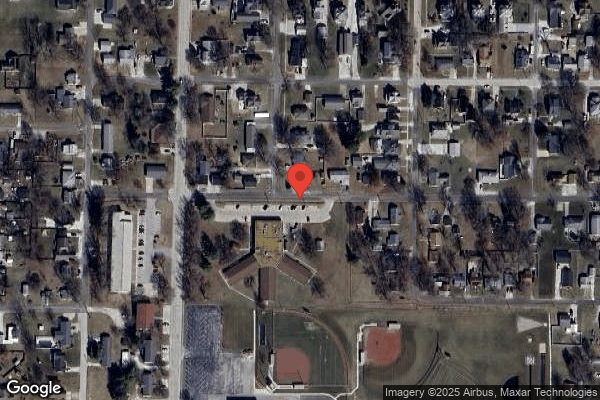
Understanding Severity Codes (click to expand)
Life-Threatening (Immediate Jeopardy)
J - Isolated K - Pattern L - Widespread
Actual Harm
G - Isolated H - Pattern I - Widespread
Potential for Harm
D - Isolated E - Pattern F - Widespread
No Harm (Minor)
A - Isolated B - Pattern C - Widespread

Questions to Ask on Your Visit

  • "Can I speak with families of current residents?"
  • "What's your RN coverage like on weekends and overnight?"

Our Honest Assessment

Strengths
  • • Licensed and certified facility. Meets minimum state requirements.
Concerns
  • • Multiple safety concerns identified: 3 harm violation(s), $61,318 in fines, Payment denial on record. Review inspection reports carefully.
  • • 41 deficiencies on record, including 3 serious (caused harm) violations. Ask about corrective actions taken.
  • • $61,318 in fines. Extremely high, among the most fined facilities in Illinois. Major compliance failures.
  • • Grade F (15/100). Below average facility with significant concerns.
Bottom line: Trust Score of 15/100 indicates significant concerns. Thoroughly evaluate alternatives.

About This Facility

What is Evercare Of Jerseyville's CMS Rating?

CMS assigns Evercare of Jerseyville an overall rating of 1 out of 5 stars, which is considered much below average nationally. Within Illinois, this rating places the facility higher than 0% of the state's 100 nursing homes. A rating at this level reflects concerns identified through health inspections, staffing assessments, or quality measures that families should carefully consider.

How is Evercare Of Jerseyville Staffed?

CMS rates Evercare of Jerseyville's staffing level at 1 out of 5 stars, which is much below average compared to other nursing homes. Staff turnover is 54%, compared to the Illinois average of 46%. RN turnover specifically is 71%, which is notably high. RNs provide skilled clinical oversight, so turnover in this role can affect medical care quality.

What Have Inspectors Found at Evercare Of Jerseyville?

State health inspectors documented 41 deficiencies at Evercare of Jerseyville during 2022 to 2025. These included: 3 that caused actual resident harm, 36 with potential for harm, and 2 minor or isolated issues. Deficiencies causing actual harm indicate documented cases where residents experienced negative health consequences.

Who Owns and Operates Evercare Of Jerseyville?

Evercare of Jerseyville is owned by a for-profit company. For-profit facilities operate as businesses with obligations to shareholders or private owners. The facility is operated by EVERCARE SKILLED NURSING, a chain that manages multiple nursing homes. With 98 certified beds and approximately 58 residents (about 59% occupancy), it is a smaller facility located in JERSEYVILLE, Illinois.

How Does Evercare Of Jerseyville Compare to Other Illinois Nursing Homes?

Compared to the 100 nursing homes in Illinois, Evercare of Jerseyville's overall rating (1 stars) is below the state average of 2.5, staff turnover (54%) is near the state average of 46%, and health inspection rating (2 stars) is below the national benchmark.

What Should Families Ask When Visiting Evercare Of Jerseyville?

Based on this facility's data, families visiting should ask: "Can you walk me through typical staffing levels on day, evening, and night shifts?" "Can I visit during a mealtime to observe dining assistance and food quality?" "How do you handle medical emergencies, and what is your hospital transfer rate?" "Can I speak with family members of current residents about their experience?" These questions are particularly relevant given the below-average staffing rating.

Is Evercare Of Jerseyville Safe?

Based on CMS inspection data, Evercare of Jerseyville has a clean safety record: no substantiated abuse findings (meaning no confirmed cases of resident harm), no Immediate Jeopardy citations (the most serious violation level indicating risk of serious injury or death), and is not on the Special Focus Facility watch list (a federal program monitoring the lowest-performing 1% of nursing homes). The facility has a 1-star overall rating and ranks #100 of 100 nursing homes in Illinois. While no facility is perfect, families should still ask about staff-to-resident ratios and recent inspection results during their visit.

Do Nurses at Evercare Of Jerseyville Stick Around?

Evercare of Jerseyville has a staff turnover rate of 54%, which is 8 percentage points above the Illinois average of 46%. Moderate turnover is common in nursing homes, but families should still ask about staff tenure and how the facility maintains care continuity when employees leave.

Was Evercare Of Jerseyville Ever Fined?

Evercare of Jerseyville has been fined $61,318 across 1 penalty action. This is above the Illinois average of $33,692. Fines in this range indicate compliance issues significant enough for CMS to impose meaningful financial consequences. Common causes include delayed correction of deficiencies, repeat violations, or care failures affecting resident safety. Families should ask facility leadership what changes have been made since these penalties.

Is Evercare Of Jerseyville on Any Federal Watch List?

Evercare of Jerseyville is not on any federal watch list. The most significant is the Special Focus Facility (SFF) program, which identifies the bottom 1% of nursing homes nationally based on persistent, serious quality problems. Not being on this list means the facility has avoided the pattern of deficiencies that triggers enhanced federal oversight. This is a positive indicator, though families should still review the facility's inspection history directly.