SUNNY HILL NURSING HOME OF WILL COUNTY
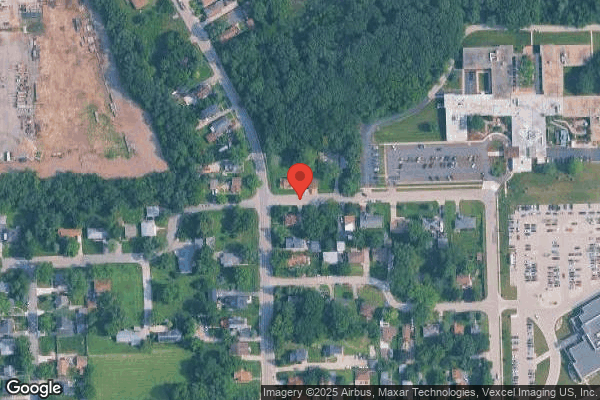

421 DORIS AVENUE, JOLIET, IL 60433 (815) 727-8710
Government - County 157 Beds Independent Data: November 2025
Trust Grade
80/100
#82 of 665 in IL
Last Inspection: January 2025

Within standard 12-15 month inspection cycle. Federal law requires annual inspections.

Overview

Sunny Hill Nursing Home of Will County has received a Trust Grade of B+, indicating it is above average and recommended for families considering care options. The facility ranks #82 out of 665 nursing homes in Illinois, placing it in the top half, and #2 out of 16 in Will County, suggesting there is only one local facility that performs better. However, the trend is concerning as the number of issues increased from 6 in 2024 to 9 in 2025, indicating a worsening situation. Staffing is a strength, with a perfect rating of 5/5 stars and a turnover rate of 40%, which is below the state average. On the downside, the facility has had issues with infection control, as staff were observed not following proper protocols, and there were failures to adhere to fall prevention measures for high-risk residents, which raises safety concerns. Despite these weaknesses, the absence of fines suggests compliance with regulations in other areas.

Trust Score
B+
80/100
In Illinois
#82/665
Top 12%
Safety Record
Low Risk
No red flags
Inspections
Getting Worse
6 → 9 violations
Staff Stability
○ Average
40% turnover. Near Illinois's 48% average. Typical for the industry.
Penalties
✓ Good
No fines on record. Clean compliance history, better than most Illinois facilities.
Skilled Nurses
✓ Good
Each resident gets 52 minutes of Registered Nurse (RN) attention daily — more than average for Illinois. RNs are trained to catch health problems early.
Violations
⚠ Watch
22 deficiencies on record. Higher than average. Multiple issues found across inspections.
★★★★★
5.0
Overall Rating
★★★★★
5.0
Staff Levels
★★☆☆☆
2.0
Care Quality
★★★★☆
4.0
Inspection Score
Stable
2024: 6 issues
2025: 9 issues

The Good

  • 5-Star Staffing Rating · Excellent nurse staffing levels
  • Full Sprinkler Coverage · Fire safety systems throughout facility
  • No fines on record
  • Staff turnover below average (40%)

    8 points below Illinois average of 48%

Facility shows strength in staffing levels, fire safety.

The Bad

Staff Turnover: 40%

Near Illinois avg (46%)

Typical for the industry

The Ugly 22 deficiencies on record

Aug 2025 1 deficiency
CONCERN (F) 📢 Someone Reported This

A family member, employee, or ombudsman was alarmed enough to file a formal complaint

Potential for Harm - no one hurt, but risky conditions existed

Infection Control (Tag F0880)

Could have caused harm · This affected most or all residents

Based on observation, interview and record review, the facility failed to follow guidance from the State and local health authority to control the spread of a respiratory infection. This has the poten...

Read full inspector narrative →
Based on observation, interview and record review, the facility failed to follow guidance from the State and local health authority to control the spread of a respiratory infection. This has the potential to affect all 142 residents living in the facility. The findings include:On 8/21/2025 at 12:37 PM, V5 (CNA-Certified Nurse Assistant) was observed going into R9's room, wearing only a surgical mask and gloves. R9 was on contact and droplet precaution. V5 said she is only serving lunch and is not providing direct care, so she does not need to wear a gown. She said if she provides care, she will wear a gown.On 8/22/2025, V10 (Rehab Nurse) was observed walking down the hallway of the wing where the majority of the cases of respiratory infection were, without a mask. At 10:06 AM, V10 was seen, still without a mask, on a wing where there were no cases of respiratory infection.On 8/22/25 at 9:50 AM, V14 (LPN-Licensed Practical Nurse) was seen passing medication and was not wearing a mask. She slowly applied her mask while this writer was talking to her. On 8/22/25 at 9:56 AM, residents were observed being brought out to the main dining room for activities. No residents were wearing masks.On 8/21/25 at 11:00 AM, Facility's 2025-2026 Acute Respiratory Illness Line List was reviewed with V2 (DON-Director of Nursing) and V3 (ADON-Assistant Director of Nursing). They are currently in charge of the facility's Infection Control procedures. V3 stated the first case of respiratory infection was on 7/14/25. She said there is a total case count of 42 with 19 hospitalizations. V3 said R2 manifested respiratory symptoms on 8/20/25 (the day before) and is currently on contact and droplet isolation. She said R3 manifested signs and symptoms of respiratory infection on 8/21/25, the day of the interview.On 8/22/2025 at 11:00 AM, V2 said use of appropriate PPE (Personal Protective Equipment) is important in stopping the spread of infections. She said appropriate PPE to be worn in a contact and droplet isolation room is gown, face mask, face shield, and gloves. She said all staff should wear face masks in all care areas.On 8/22/25 at 11:58 AM, V16 (Will County Communicable Disease Investigator III) said she recommended universal source control to limit spread of infection starting 7/25/25. On 8/22/25 at 11:39 AM, V17 (IDPH Regional Infection Control Coordinator) said since the etiology of the outbreak is unknown, the facility should have started universal source control, meaning masking of all residents, visitors and staff, as V16 recommended on 7/25/25. On 8/22/25 at 1:00 PM, V1 (Administrator) said infection has been an ongoing issue. She said all staff are required to wear mask in all care areas. She said visitors are encouraged to wear a mask when they enter the facility, but facility cannot force them to wear face mask. She said resident masking has not been enforced and is hard to enforce because of resident illness and cognitive function. Facility Policy on Influenza Outbreak /Pandemic Policy effective 11/4/2009 and revised on 4/24/20 has no information on following guidance from the State and local health department to stop the spread of infection.
Jan 2025 8 deficiencies
CONCERN (D)

Potential for Harm - no one hurt, but risky conditions existed

Transfer Notice (Tag F0623)

Could have caused harm · This affected 1 resident

**NOTE- TERMS IN BRACKETS HAVE BEEN EDITED TO PROTECT CONFIDENTIALITY** Based on interview and record review, the facility failed to provide written notice of reason for transfer to resident and/or th...

Read full inspector narrative →
**NOTE- TERMS IN BRACKETS HAVE BEEN EDITED TO PROTECT CONFIDENTIALITY** Based on interview and record review, the facility failed to provide written notice of reason for transfer to resident and/or their representative before resident transferred to the hospital. This applies to 3 residents (R103, R137, and R20) reviewed for hospital transfers in a sample of 30. The findings include: 1. R103's Face sheet shows an initial admission date of 8/27/2020. R103's Incident Note dated 10/11/24 at 13:15 shows R103 had an unwitnessed fall. R103's Health Status Note dated 10/11/24 at 14:25 shows R103 was transferred to the hospital. R103's Health Status Note dated 10/11/24 at 18:28 shows R103 was admitted to the hospital with hyponatremia. There is no documentation of written notice of hospital transfer reason or place of transfer being provided to the resident or their representative. 2. R137's Face sheet shows an admission date of 8/24/24. R137's Health Status Note dated 10/9/24 at 13:11 shows R137 was admitted to hospital with diagnosis of chest pain. R137's Health Status Note dated 11/5/24 at 15:55 shows resident complaining of left chest pain and requesting to go to the hospital. R137's Health Status Note dated 11/5/24 at 16:32 shows ambulance picked up resident to transfer to hospital. R137's Health Status Note dated 12/26/24 at 17:20 shows Nurse Practitioner gave order to send R137 to the hospital for critically high white blood cell count. R137's Health Status Note dated 12/26/24 at 17:54 shows resident was taken by ambulance to hospital. There is no documentation of written notice of reason or place of hospital transfers being provided to the resident or their representative. On 1/30/25 at 11:39, R137 said facility staff has not ever told him or his representative why, in writing, he was being transferred to the hospital. On 1/29/25 at 2:52 PM, V11 (RN/Registered Nurse) stated when a resident is transferred to the hospital, they are told verbally why they are being transferred and the family is notified by phone, but not in writing. On 1/30/25 at 10:54 AM, V2 (DON/Director of Nursing) stated she doesn't think the family is sent a written copy of why the resident is transferred to the hospital and the resident is not given a written notice of why they are being transferred to the hospital. On 1/30/25 at 11:52 AM, V10 (Assistant Administrator) stated she does not have any proof that family is sent reason for hospitalization. V10 stated the facility does not send the reason for hospitalization to the family because the resident is sent out based on facility staff observation and they do not get a diagnosis until the resident gets to the hospital. The facility's policy titled, Bed Hold Policy last reviewed 1/21/25 states, Policy: It is the policy of Sunny Hill Nursing Home of Will County to inform residents and/or resident representatives in writing of the bed-hold and return policy prior to transfers and therapeutic leaves .Interpretation and Implementation: .3. Prior to a transfer, written information will be given to the residents and the resident representatives that explains in detail: .d. The details of the transfer (per the notice of the transfer) .3. R20's Face Sheet showed R20 was admitted to the facility on [DATE]. R20 had multiple diagnoses which included atherosclerotic heart disease, diabetes, dementia, hypertension, chronic kidney disease, and hemiplegia/hemiparesis. R20's MDS dated [DATE] showed R20 had severe cognitive impairment. R20's progress notes showed the following: 08/28/24 at 5:25 PM Doctor in to see residents and ordered to go to (Hospital) for blood in his urine. 08/28/24 at 6:17 PM Resident left with Ambulance, paperwork given and report. 08/29/24 2:42 AM Called emergency room and resident is admitted with dx (diagnosis) hematuria. 09/10/24 at 1:07 PM Resident came on stretcher by Ambulance from (Hospital). Wife updated on residents return. 09/12/24 6:10 PM Called attention per caregiver, resident observed CVC (CVC/Central Venous Catheter) line in resident's hand. No bleeding noted. Call to on call and ordered to send resident to ER (ER/Emergency Room) for CVC line replacement. 09/12/24 at 6:40 PM Ambulance here, took resident to (Hospital) ER. 09/13/24 at 12:56 AM 1230 AM resident came back from (Hospital) ER for s/p PICC (PICC/Peripheral Inserted Central Catheter) line placement transported by a stretcher with two paramedics. The electronic medical record showed no documentation of written notice of reason for transfer or discharge to the hospital given to the resident's representative. The facility was unable to provide written documentation given to the resident's representative.
CONCERN (D)

Potential for Harm - no one hurt, but risky conditions existed

Deficiency F0625 (Tag F0625)

Could have caused harm · This affected 1 resident

Based on interview and record review, the facility failed to provide written bed hold policy to resident and/or their representative prior to the resident transfer to the hospital. This applies to 1 ...

Read full inspector narrative →
Based on interview and record review, the facility failed to provide written bed hold policy to resident and/or their representative prior to the resident transfer to the hospital. This applies to 1 resident (R103) reviewed for hospital transfers in a sample of 30. The findings include: R103's Face sheet shows an initial admission date of 8/27/2020. R103's Incident Note dated 10/11/24 at 13:15 shows R103 had an unwitnessed fall. R103's Health Status Note dated 10/11/24 at 14:25 shows R103 was transferred to the hospital. R103's Health Status Note dated 10/11/24 at 18:28 shows R103 was admitted to the hospital with hyponatremia. There is no documentation of bed hold notice being provided to resident or resident representative prior to transfer to the hospital. On 1/30/25 at 11:52 AM, V10 (Assistant Administrator) stated the facility did not send the bed hold notice to R103's family for her 10/11/24 hospital transfer. The facility's policy titled, Bed Hold Policy last reviewed 1/21/25 states, Policy: It is the policy of Sunny Hill Nursing Home of Will County to inform residents and/or resident representatives in writing of the bed-hold and return policy prior to transfers and therapeutic leaves .Interpretation and Implementation: .3. Prior to a transfer, written information will be given to the residents and the resident representatives that explains in detail: a. The rights and limitations of the resident regarding bed-holds; b. The reserve bed payment policy as indicated by the state plan (Medicaid residents); c. The facility per diem rate required to hold a bed (non-Medicaid residents), or to hold a bed beyond the state bed-hold period (Medicaid residents); and d. The details of the transfer (per the notice of the transfer) .
CONCERN (D)

Potential for Harm - no one hurt, but risky conditions existed

Deficiency F0688 (Tag F0688)

Could have caused harm · This affected 1 resident

**NOTE- TERMS IN BRACKETS HAVE BEEN EDITED TO PROTECT CONFIDENTIALITY** Based on observations, interviews, and record reviews, the facility failed to implement services to prevent further decline in r...

Read full inspector narrative →
**NOTE- TERMS IN BRACKETS HAVE BEEN EDITED TO PROTECT CONFIDENTIALITY** Based on observations, interviews, and record reviews, the facility failed to implement services to prevent further decline in range of motion and contractures for R59. This applies to 1 of 1 resident (R59) reviewed for restorative nursing in a sample of 30. The findings include: R59 is an [AGE] year-old female with severe cognitive impairment as per the Minimum Data Set (MDS) dated [DATE]. On 01/28/25 at 10:38 AM with V15 (Charge Nurse) R59 was noted with a right-hand contracture with no palm protector in place to prevent contraction. V15 stated that the palm protector should be on R59's right hand. V15 then added that she would put a towel roll in the hand and notify the therapist to get a palm protector. On 1/30/25 at 9:31 AM, V2 (Director of Nursing/DON) stated that the staff should have applied a palm protector to R59's right hand to prevent deterioration with her palm contraction. A review of the ADL self-care deficit care plan document interventions including: Apply palm protector to right hand if resident permits, may remove for hygiene.
CONCERN (D)

Potential for Harm - no one hurt, but risky conditions existed

Deficiency F0761 (Tag F0761)

Could have caused harm · This affected 1 resident

Based on observation and interview the facility failed to label, store, and dispose of medications to facilitate a safe administration to residents. This applies to 2 of 2 residents (R41 and R114) re...

Read full inspector narrative →
Based on observation and interview the facility failed to label, store, and dispose of medications to facilitate a safe administration to residents. This applies to 2 of 2 residents (R41 and R114) reviewed for safe medication storage in a sample of 30. Findings include: 1. R41 diagnosis includes type 2 diabetes mellitus with unspecified diabetic retinopathy. R41's current physician's orders includes insulin Glargine inject 10 units subcutaneously at bedtime hold if blood sugar is less than 60. On 01/30/25 at 10:51 AM, the 1st Avenue medication cart was reviewed with V27 LPN (Licensed Practical Nurse). A vial of insulin Glargine had an opened-on date of 11/21/24 and an expiration date of 12/19/24. V27 stated she labels insulin with the manufacture's expiration date. She did not label the vial but know it should be thrown out in 28 days after opening. 2. R114 diagnoses includes type 2 diabetes mellitus with diabetic nephropathy. R114's current physician orders include insulin Aspart inject as per sliding scale subcutaneously before meals. On 01/30/25 at 11:14 AM, the 4th Avenue medication cart was reviewed with V37 LPN (Licensed Practical Nurse). A vial of insulin Aspart was opened on 12/29/24. No use by date was written on the vial. V37 LPN stated the insulin was probably good for 31 days. V37 stated the insulin is still on the current orders for R114. On 01/30/25 at 01:54 PM, V2 DON (Director of Nursing) stated she did not know how long insulins are good for after they have been opened. It's not my job to give insulin. The nurses should make sure they aren't administering outdate medications. On 01/30/25 at 05:22 PM, V34 Pharmacist stated insulins are good for 28 days after opening. Insulins degrade and are not as effective after 28 days. The facility policy Insulin Administration dated December 22, 2023, states check the expiration date, if drawing from an opened multi dose vial. If opening a new vial record the expiration date and time on the vial. The facility provided policy Storage of Medications dated November 2020 states certain medications or package types require an expiration date shorter than the manufacturer's expiration date to insure medication purity and potency. The facility did not provide a policy that has specific directions as to when to discard Glargine and Aspart insulins after they have been opened.
CONCERN (D) 📢 Someone Reported This

A family member, employee, or ombudsman was alarmed enough to file a formal complaint

Potential for Harm - no one hurt, but risky conditions existed

Infection Control (Tag F0880)

Could have caused harm · This affected 1 resident

**NOTE- TERMS IN BRACKETS HAVE BEEN EDITED TO PROTECT CONFIDENTIALITY** 3. R19 is an [AGE] year-old female with cognition intact as per the Minimum Data Set (MDS) dated [DATE]. On 1/28/25 at 1:57 PM, ...

Read full inspector narrative →
**NOTE- TERMS IN BRACKETS HAVE BEEN EDITED TO PROTECT CONFIDENTIALITY** 3. R19 is an [AGE] year-old female with cognition intact as per the Minimum Data Set (MDS) dated [DATE]. On 1/28/25 at 1:57 PM, V6 (Certified Nursing Assistant/CNA) provided incontinent care to R19. On 1/28/25 at 2:00 PM, V6 removed gloves after incontinent care, wore a new set of gloves without sanitizing hands, and proceeded with indwelling catheter care. On 1/28/25 at 2:05 PM, V6 stated that she should have performed hand hygiene between incontinent care and indwelling catheter care. On 1/30/25 at 9:31 AM, V2 (Director of Nursing / DON) stated that the staff should have sanitized her hands in between incontinent care and catheter care. A review of the facility's Hand-Washing Policy (reviewed on 12/20/23) document: Perform hand hygiene before applying non-sterile gloves. Based on observation, interview, and record review, the facility failed to follow infection control practices. This applies to 3 of 5 residents (R52, R451, R19) reviewed for infection control in a sample of 30. The findings include: 1. On January 29, 2025, at 2:11 PM, V16 (Restorative CNA/Certified Nurse Assistant) was in R52's room without wearing a mask. V16 took R52 to the bathroom. At 2:46 PM, V16 re-entered R52's room without a mask on, and assisted R52 out of the bathroom. On January 29, 2025, at 2:52 PM, V16 stated the facility had residents with flu and norovirus but was not aware if they had COVID-19. V16 stated she should have been wearing a mask. R52 was admitted to the facility with diagnoses including anxiety disorder, insomnia, hypertension, long term use of antibiotics, and history of falling. 2. On January 30, 2025, at 9:25 AM, R131 was sitting in the dining room and R131 stated he had COVID-19 and he had to stay in his room. R131 stated the staff told him he needed to wear a mask in the hallways. On January 30, 2025, at 9:31 AM, V19 (RN/Registered Nurse) stated R131 was positive on January 17, 2025, and his isolation ended on January 27, 2025. V19 stated the isolation for positive residents was ten days. V19 stated the facility policy was to only put positive residents with positive residents. V19 stated they should not put a negative resident with a positive resident. On January 30, 2025, at 9:43 AM, V21 (CNA) stated R131 had COVID-19 and had a new roommate for one day. V21 stated R131's roommate went to the hospital for chest pain. On January 30, 2025, at 12:41 PM, V2 (DON/Director of Nursing) stated R451 was not in the facility for even 24 hours. V2 stated R451 did not have COVID-19. V2 stated R451 should not be placed in a room with a resident with COVID-19. V2 stated in the process of trying to get R451 admitted to the facility, they did not realize R131 was positive for COVID-19. On January 30, 2025, at 12:52 PM, V22 (Admissions and Marketing Coordinator) stated it was not appropriate for R451 to be admitted to a room with a COVID-19 positive resident. V22 stated she forgot to mark on her sheet that R131 was positive, and it was the last remaining male bed available. V22 stated she notified the family, and the family were upset and had made a complaint. On January 30, 2025, at 11:13 AM, V8 (Infection Preventionist) stated masks were mandatory in the building because they were in an outbreak status. V8 also stated whoever did the screening for admission should have asked the resident and family if they would be ok with admitting to a room with a COVID-19 positive roommate and should have given them a choice and let them decide for themselves. On January 30, 2025, at 1:52 PM, V1 (Administrator) stated R451 was admitted on [DATE], at 7 PM and then went out by ambulance on January 25, 2025, at 7:18 PM. V1 stated she had questioned her staff why R451 was admitted to the same room as R131, who was COVID-19 positive. V1 stated they did not have another bed to move him to. R451 was admitted to the facility on [DATE]. R451 was admitted to the same room as R131. R451's progress notes dated January 24, 2025, at 10:19 PM showed the following: At 7:18 PM, [resident] was admitted to room [Number] via stretcher transferred by 2 EMTs [Emergency Medical Team]. He's alert to person, place, time, and situation, pleasant and cooperative. [Diagnoses] Acute exacerbation of diastolic heart failure (fluid overload), Lupus, [Status Post] abdominal surgery (exploratory per res) [with] 14 staples in place and dehiscent areas. Dressing changed as ordered. R131's progress notes were reviewed and showed a note on January 16, 2025, at 11:43 AM, which documented the following: Resident is on contact and droplet isolation due to exposure to roommate positive with covid. On January 16, 2025, at 6:01 PM, a progress note showed the following, A nonproductive cough was observed this evening and a rapid COVID-19 test done and resulted (+). R451's face sheet showed she was admitted with diagnoses including chronic embolism, anxiety disorder, hypertension, congestive heart failure, and gastro-esophageal reflux disease. A Concern Investigation Form was filled out on January 25, 2025, at 10:49 AM, which showed the following, R451 expressed concern about admitting to a COVID positive room. The facility's Masking Policy reviewed on January 8, 2025, showed It is the policy of this facility to don (put on) a mask in accordance with Standard and Transmission-based Precautions. Masks may also be required or recommended for source control to reduce the spread of certain respiratory infections. Staff, visitors, and family will wear a mask to protect the nose and mouth. Masks are to be worn when caring for residents in Droplet Precautions or when designated by the Infection Preventionist.
CONCERN (E)

Potential for Harm - no one hurt, but risky conditions existed

Accident Prevention (Tag F0689)

Could have caused harm · This affected multiple residents

**NOTE- TERMS IN BRACKETS HAVE BEEN EDITED TO PROTECT CONFIDENTIALITY** Based on observation, interview, and record review, the facility failed to follow fall interventions for residents who were high...

Read full inspector narrative →
**NOTE- TERMS IN BRACKETS HAVE BEEN EDITED TO PROTECT CONFIDENTIALITY** Based on observation, interview, and record review, the facility failed to follow fall interventions for residents who were high risk for falls. This applies to 4 of 5 residents (R99, R51, R107, R24,) reviewed for accidents and supervision in a sample of 30. The findings include: 1. On January 28, 2025, at 11:56 AM, R99 had a falling star sign outside her room door. At 1:19 PM, R99 was in bed, and she had one thick fall mat on the ground on the right side of her bed. R99 did not have a call light on the left side of the bed. On January 29, 2025, at 3:12 PM, R99 was lying in bed and her adaptive call light was on the side table, out of reach. R99 only had one thick fall mat on the right side of the bed and nothing on the left side of the bed. R99's face sheet showed she was admitted to the facility with parkinson's disease, dementia, contracture on the left wrist and left hand, cognitive communication deficit, and adult failure to thrive. R99's MDS (Minimum Data Set) dated November 20, 2024, showed R99 had moderate cognitive impairment. R99's care plan showed she was high risk for falls related to Parkinson's, history of falls. February 26, 2023, found lying on the floor, no injury. R99's interventions included to Be sure my call light is within reach and encourage me to use it for assistance as needed. Floor mattress to the right side of the bed. I have a red star outside my bedroom door to alert staff to my high fall risk. 2. On January 28, 2025, at 10:31 AM, R51's room door did not have a falling star sign outside her room door, but her room had one fall mat folded and placed against the wall. On January 29, 2025, at 2:16 PM, R51 was lying in bed. R51 did not appear alert or oriented and was talking to herself. R51 had a fall mat on the right side of her bed. R51's bed was not pushed against the wall on either side. R51's face sheet showed she was admitted to the facility with diagnoses including alzheimer's disease, restlessness and agitation, dementia, anxiety disorder, and contractures of the right knee and left knee. R51's MDS dated [DATE], showed R51 had severe cognitive impairment. R51's care plan showed R51 was high risk for falls related to dementia, diabetes mellitus, hypertension, and history of falls. R51's interventions included I have the right side of my bed against the wall. 3. On January 29, 2025, at 11 AM, R107 was lying in bed. R107's fall mats were folded and placed against the wall. R107's bed was in a high position, and neither side of the bed was against the wall. R107's face sheet showed she was admitted to the facility with diagnoses including dementia and history of falling. R107's MDS dated [DATE], showed R107 had severe cognitive impairment. R107's care plan showed R107 was high risk for falls related to gait/balance problems, incontinence, psychoactive drug use, history of falls, dementia, history of self-transfers despite safety educations. R107 had falls on February 7, 2021, March 22, 2021, April 23, 2021, March 28, 2021, May 8, 2021, June 5, 2021. R107's interventions include I have a floor mat next to both sides of my bed when I am in bed. I have a red star outside my bedroom door to alert staff to my high fall risk. 4. On January 28, 2025, at 10:23 AM, R24 had a falling star sign outside her room door. On January 29, 2025, at 2:13 PM, R24 was lying in bed, and she had one thick fall mat on the right side of the bed and no pad or mattress on the left side of the bed. R24's face sheet showed she was admitted to the facility with diagnoses including cognitive communication deficit, dementia, seizures, osteoarthritis, and personal history of traumatic brain injury. R24's MDS dated [DATE], showed R24 had severe cognitive impairment. R24's care plan showed I am high risk for falls related to deconditioning, gait/balance problems, incontinence, vision/hearing problems, seizure disorder. I have been falling and last fall was few weeks ago. I tend to roll from my bed onto mattress next to my bed. I am incontinent. R24's interventions included I have a mattress to the left side of my bed and a floor mat to the right side. I have a red star outside my bedroom to alert staff to my high fall risk. On January 29, 2025, at 2:52 PM, V16 (Restorative CNA/Certified Nurse Assistant) stated the residents in the wing were all high risk for falls and it was indicated with the red falling star. V16 sad R51 must have fallen out of bed on the right side so they placed the mat on the right side. V16 stated R51 was not alert or oriented and was not able to get out of bed. V16 stated she used the mechanical lift to put R51 back into bed and then put the one fall mat in place. V16 stated R24 was a high fall risk resident as well. V16 stated she had a fall mattress because she must have fallen out of bed at some point, so only had one fall mat. On January 30, 2025, at 12:41 PM, V2 (DON/Director of Nursing) stated the fall mats are used for residents who have had repeated falls or get out of bed. V2 stated the call lights should be placed within the residents' reach. On January 30, 2025, at 1:07 PM, V23 (Restorative Nurse) stated the residents with one fall mat in the room should have the other side of their bed against the wall. V23 stated if the care plan showed the residents' bed should be against the wall, they should be placed against the wall. V23 stated R99 used to be in a semiprivate room and her bed was against the wall and that was why she only had the one fall mat, but now that she was alone, she should have two fall mats or the bed against the wall. V23 stated R99 could use the adaptive call light and it should be placed within reach. V23 stated R24 should have two fall mats in place. The facility's Fall Prevention and Management policy revised on December 6, 2023, showed All staff is responsible to review and follow all individualized resident care plan approaches and interventions. The Red star serves to alert all staff, including clinical (medical, nursing, restorative, dietary, social service, clerical, environmental services, activities, laundry, and maintenance) to observe the resident closely and to intervene if the resident shows unsafe behaviors.
CONCERN (E)

Potential for Harm - no one hurt, but risky conditions existed

Incontinence Care (Tag F0690)

Could have caused harm · This affected multiple residents

**NOTE- TERMS IN BRACKETS HAVE BEEN EDITED TO PROTECT CONFIDENTIALITY** Based on observations, interviews, and record reviews, the facility failed to follow its catheter care policy by not having the ...

Read full inspector narrative →
**NOTE- TERMS IN BRACKETS HAVE BEEN EDITED TO PROTECT CONFIDENTIALITY** Based on observations, interviews, and record reviews, the facility failed to follow its catheter care policy by not having the catheter tube secured and not using warm water and soap to provide catheter care. The facility also failed to use new catheter bags and leg bags instead of reusing them and to have a resident in bed with a leg bag instead of a standard drainage bag to prevent backflow. This applies to 5 of 5 residents (R19, R59, R69, R126, and R132) reviewed for catheter care in a sample of 30. The findings include: 1.R19 is an [AGE] year-old female with cognition intact as per the Minimum Data Set (MDS) dated [DATE]. On 1/28/25 at 1:50 PM, R19 was observed with an indwelling catheter with urine leaks and staining on the incontinent brief. On 1/28/25 at 1:57 PM, V6 (Certified Nursing Assistant/CNA) provided incontinent care to R19 and V6 stated that the indwelling catheter shouldn't be leaking. On 01/29/25 at 9:50 AM, V3 (Assistant Director of Nursing/ADON) stated, The indwelling catheter for R19 was changed at 4:08 AM today (1/29/25). The order says to change the indwelling catheter and tubing as needed. The CNA should have reported the indwelling catheter leak to the nurses so they could promptly change the catheter. The general guidelines on the facility presented urinary catheter care policy (reviewed on 12/13/23) document: 1. Follow the aseptic insertion of the urinary catheter and maintain a closed drainage system 2. If the aseptic technique breaks, disconnection, or leakage occurs, replace the catheter and collecting system using the aseptic technique and sterile equipment, as ordered. On 1/28/25 at 2:00 PM, V6 provided indwelling catheter care by using cleaning wipes to wipe down the labia, catheter insertion site, and catheter. R19 verbalized, Oh. My vaginal area is itching and burning. On 1/30/25 at 9:31 AM, V2 (Director of Nursing / DON) stated that the staff should have used soap and warm water to provide indwelling catheter care per our policy. A review of the facility presented Urinary Catheter Care policy reviewed on 12/13/23 document: For a female resident: Use a washcloth with warm water and soap to cleanse the labia. 2. R59 is an [AGE] year-old female with severe cognitive impairment as per the MDS dated [DATE]. On 01/28/25 at 10:38 AM, V15 (Charge Nurse) checked on R59, with an indwelling urinary catheter whose tubing was not secured. On 01/30/25 at 09:31 AM, V2 stated, The indwelling catheter tubing should be secured with a stat lock or tape. If the tubing is not secured, it can cause tension at the insertion site. A review of the facility presented Urinary Catheter Care policy document: Ensure that the catheter remains secured with a leg strap to reduce friction and movement at the insertion site.3. On January 28, 2025 at 10:32 AM, R126 was lying in bed and stated she had a urinary catheter leg bag on, and they switch her to the urinary catheter bag after dinner and then again at 8 AM. R126's bathroom had a plastic bag in it and there was a urinary catheter bag inside of it. On January 29, 2025 at 10:51 AM, R126 was lying in bed on the left side. R126 stated she had her leg bag on, and the staff changed it this morning. R126's bathroom had the plastic bag and the urinary catheter bag was inside of it. R126's face sheet showed she was admitted to the facility with diagnoses including neuromuscular dysfunction of bladder, personal history of other diseases of the female genital tract, and personal history of urinary tract infections. R126's POS showed an order to Change foley catheter every 8th of the month. R126's care plan showed I have an indwelling catheter due to neurogenic bladder with potential for complications, with interventions including, Change catheter (monthly) and (As Needed). 4. On January 28, 2025 at 1:01 PM, R69 stated she had a catheter and was wearing the leg bag. R69's bathroom had a plastic bag with another leg bag in it. R69's face sheet showed she was admitted to the facility with diagnoses including neuromuscular dysfunction of bladder, need for assistance with personal care, dementia, retention of urine, and encounter for fitting and adjustment of urinary device. R69's POS (Physician Order Sheet) showed an order showing to Change foley catheter every 30 days and for system failure leakage. Foley catheter change [As Needed] based on clinical indications such as infection, obstruction or when closed system is compromised. R69's care plan showed she was admitted with indwelling catheter related to urinary retention, potential risk for CAUTI (Catheter Associated Urinary Tract Infection) with interventions which showed to Change foley catheter monthly. 5. On January 28, 2025 at 1:20 PM, R132 stated he had a catheter and was wearing the leg bag. R132 stated he wore the urinary catheter bag at night before he went to bed and wore the leg bag during the day. R132's bathroom had a plastic bag with a urinary leg bag and a urinary catheter bag inside of it. R132's face sheet showed he was admitted with diagnoses including urinary tract infection, chronic kidney disease, obstructive and reflux uropathy, encounter for fitting and adjustment of urinary device. R132's care plan showed I have an indwelling foley catheter, with interventions to change foley drainage tubing and drainage bag (As Needed). On January 28, 2025 at 1:50 PM, V17 (CNA/Certified Nurse Assistant) showed the surveyor R132's plastic bag with the unused urinary catheter bags. V17 stated they detach the catheter bag and place it inside the plastic bag. V17 stated the plastic bags are changed every day. V17 stated the staff rinse the inside of the bag out. V17 stated they were told to use the bags for three to seven days. V17 stated she did not know how often they were supposed to replace the bag. On January 28, 2025 at 3:19 PM, V18 (CNA) stated the residents with catheters are switched from the urinary bag to the leg bag every day. V18 stated they clean both ends of the tubing with alcohol pads and put it in the bathroom in the plastic bag until it was ready to be used again. V18 stated the catheter bags were good for seven days, but she looks at the bag and would throw it away when it was stained or soiled. On January 30, 2025 at 12:41 PM, V2 (DON/Director of Nursing) stated they do not throw the catheter bags away. V2 stated they cap the end of the tubing to keep it a clean, closed system. V2 stated she had not looked at the packaging but if the package shows the bags were sterile and single use, they should follow the manufacturer guidelines. V2 also stated the residents should not be lying in bed if they have a leg bag on because it could cause the urine to go back into the resident. On January 30, 2025 at 1:07 PM, V23 (Restorative Nurse) stated the catheter bags should probably not be reused. The facility's Catheter Care, Urinary policy reviewed on December 13, 2023 showed If breaks in aseptic technique, disconnection, or leakage occur, replace the catheter and collecting system using aseptic technique and sterile equipment, as ordered. Changing indwelling catheters or drainage bags at routine, fixed intervals is not recommended. Rather, it is suggested to change catheters and drainage bags based on clinical indications such as infection, obstruction, or when the closed system is compromised. The facility's Urinary Catheter bags and leg bags showed symbols indicating the bags were sterile, do not re-sterilize, and should not be reused.
CONCERN (F)

Potential for Harm - no one hurt, but risky conditions existed

Food Safety (Tag F0812)

Could have caused harm · This affected most or all residents

Based on observation, interview, and record review, the facility failed to properly label/date/store food items, remove expired items, and wear hair restraints in the facility kitchen. This applies t...

Read full inspector narrative →
Based on observation, interview, and record review, the facility failed to properly label/date/store food items, remove expired items, and wear hair restraints in the facility kitchen. This applies to all residents that receive oral nutrition and foods prepared in the facility kitchen. Findings include: The facility's Long-Term Care Facility Application for Medicare and Medicaid (Form CMS-Centers for Medicare and Medicaid Services-671) dated 1/28/25 documents the total census was 142 residents. On 1/28/25 at 10:20 AM, V12 (Dietician/Dietary Manager) said there are 2 NPO (Nothing by Mouth) resident; all other residents eat from the facility kitchen. On 1/28/25 starting at 9:31 AM, the facility kitchen was toured in the presence of V12 (Dietician/Dietary Manager). For the duration of the kitchen tour, V12's hair restraint was not covering her bangs; therefore, her hair was not properly restrained. During the kitchen tour the following was found: In walk-in cooler: 1. An opened bag of shredded carrots with manufacturer use by date of 1/12/25 and a staff handwritten date in marker of 1/13/25. V13 (Cook) said 1/13/25 is the date the bag of carrots was opened and served to the residents. Carrots were served to residents after the expiration date. 2. 31 4-ounce fat free milks with expiration date 1/26/25, expired. 3. An opened bag of celery with milky liquid in the bottom and best by date of 1/14/25. 4. A large bag of pre-diced/cut potatoes with a use by date of 1/5/25. Expired. 5. 2 large trays of what V13 (Cook) said were smoked breakfast sausage with no label or date. 6. 2 large trays of biscuits with no label or date. On 1/28/25 at 10:06 AM, V14 (Dietary Aide) was seen preparing food with her hair restraint not covering her bangs; therefore, her hair was not properly restrained. On 1/28/25 at 10:26 AM, V13 (Cook) was seen preparing food with her hair restraint not covering her bangs; therefore, her hair was not properly restrained. On 1/30/25 at 11:10 AM, V12 (Dietician/Dietary Manager) stated all foods in the kitchen should be labeled and dated for food safety; so, the kitchen staff know when products are delivered and when they expire because the staff do not want to serve expired food and put the residents at risk for food borne illness. V12 stated expired foods should be removed from food storage by the expiration date because if they are kept in food storage past their expiration date, they may be served to the residents and cause sickness. V12 stated if there was milky looking liquid in the bottom of the celery, it should have been thrown away. V12 stated all staff working in the facility kitchen need to wear a hair restraint that is covering all the hair on their head. V12 stated all staff member's bangs need to be restrained under the hair net. The facility's policy titled, Labeling and Dating Foods revised 2017 states, Policy: To decrease the risk of food borne illness and to provide the highest quality, foods are labeled with the date received, the date opened and the date by which the item should be discarded .Refrigerated Food . Refrigerated Potentially Hazardous Food (PHF) or Time/Temperature Controlled for Safety (TCS) foods are labeled with the date received and if not opened, are discarded by the manufacturer's expiration date. If opened, the cold food item is labeled with the date opened and the date by which to discard or use by . The facility's policy titled, Hair Restraints/Jewelry/Nail Polish last reviewed 1/14/25 states, Policy: It is the policy of Sunny Hill Nursing Home that FNS employees shall wear hair restraints . Procedure: Hairnets will be worn at all times in the kitchen .
Feb 2024 6 deficiencies
CONCERN (D)

Potential for Harm - no one hurt, but risky conditions existed

Deficiency F0688 (Tag F0688)

Could have caused harm · This affected 1 resident

**NOTE- TERMS IN BRACKETS HAVE BEEN EDITED TO PROTECT CONFIDENTIALITY** 2. R83's face sheet included diagnoses of C5-C7 incomplete quadriplegia and right-hand contracture. R83's quarterly MDS dated [D...

Read full inspector narrative →
**NOTE- TERMS IN BRACKETS HAVE BEEN EDITED TO PROTECT CONFIDENTIALITY** 2. R83's face sheet included diagnoses of C5-C7 incomplete quadriplegia and right-hand contracture. R83's quarterly MDS dated [DATE], showed that R83 was cognitively intact. The same MDS showed that R83 has impairment on one side for functional limited range of motions with upper extremity. On February 20, 2024, at 10:32 AM, R83 was lying in bed and noted to have his right-hand fingers (except thumb) curled into his palm. When prompted, R83 was unable to open his fingers. R83 stated My right hand is not real good. R83 also stated that he does not recall wearing any devices to his right hand. On February 20, 2024, at 2:39 PM, R83 was seated upright in a wheelchair in his room with V12 (Certified Nursing Assistant) seated by his side. R83 received two hot dogs per request and did not touch his meal. R83 stated that he is mostly right-handed but able to use left hand to feed self. No devices seen on both hands. V12 was not aware of R83 using any devices and stated that she is not familiar with R83. On February 21, 2024, at 10:38 AM, V7 (Restorative Nurse) stated He should have a splint on while he is up in chair. It can be applied by the CNAs or CRA/Certified Restorative Aides. (V12) was from agency and that was the problem. R83's care plan revised November 6, 2023, showed that R83 has an ADL/activities of daily living self-care performance deficit related to generalized weakness, history of seizures, osteoarthritis, and incomplete quadriplegia due to lesion of C5-C7 level. The goal for this focus included that R83 will wear right resting hand splint daily without complications through next review target date March 27, 2024. Based on observation, interview and record review the facility failed to assess and provide adaptive device to residents, to prevent further reduction in ROM (range of motion). This applies to 2 of 6 residents (R83 and R129) reviewed for range of motion in the sample of 30. The findings include: 1. R129 face sheet indicates multiple diagnoses including hemiplegia and hemiparesis following cerebral infarction affecting left non-dominant side. R129's quarterly MDS (minimum data set) dated January 4, 2024, showed that the resident was severely impaired with cognition. R129's MDS showed that the resident had functional limitation in ROM on one side of both upper and lower extremities. The same MDS showed that R129 required maximum to total assistance from the staff with most of his ADLs (activities of daily living). On February 20, 2024, at 12:34 PM, R129 was in bed, alert and verbally responsive. R129's left hand and wrist were contracted. R129 was not able to extend his left-hand fingers without the assistance of his right hand, and even with the assistance of his right hand, R129 was still having difficulty, extending his left-hand fingers. According to R129, he does not use any device or splint on his left hand/wrist. On February 21, 2024, at 1:56 PM, R129 was in bed, alert and verbally responsive. R129's left hand and wrist were contracted. R129 was not able to extend his left-hand fingers without the assistance of V3 (Assistant Director of Nursing/Restorative Nurse). R129 had no device or splint on his left hand/wrist. V3 stated that she was not aware of R129's left hand contracture because the last time she had assessed the resident his left hand was flaccid. V3 was prompted to request the therapy department to screen and/or evaluated R129 to determine the need for a device or a hand splint and any therapy services. R129's skilled therapy screening form dated February 21, 2024, created by V19 (Occupational Therapist) showed, [Patient] presents [with] increased tone in [left] hand/wrist. [Patient's] wrist presents in flexed position [with] digits 1-5 in extension position. [Patient] can benefit from [left upper extremity] resting hand splint to improve ROM in [left] hand and in prep for overnight wear. On February 21, 2024, at 3:39 PM with V20 (Rehab Director), V19 stated that she had screened R129 that day at around 2:30 PM per physician's order and V3's request. Upon screening, R129's left wrist was in a flexed position and his left fingers were extended and was not able to bend. R129's left wrist was tight and was not able to move his left wrist and left fingers with staff assistance, and even with staff assistance, R129 was not able to have a full range of motion. V19 stated that she recommended a left resting hand splint for R129 to prevent contracture and further decline of the left hand/wrist, to improve the resident's ROM on the left hand and for the staff to provide hand hygiene and monitor the skin on the hand. According to V19, R129 definitely needed the left resting hand splint because the resident's left hand/wrist ROM had declined. During the same interview, R129 stated that on February 22, 2024, R129 will be evaluated to determine the need for therapy services. R129's OT (occupational therapy) evaluation dated February 22, 2024, showed that the resident will be receiving occupational therapy services to increase the resident's functional level of independence and improve quality of life. The same OT evaluation showed in-part, [Patient] can benefit from LUE (left upper extremity) resting hand splint to improve ROM in [left] hand/wrist and prevention of contractures. On February 22, 2024, at 9:50 AM, V3 (Assistant Director of Nursing/Restorative Nurse) stated that she last assessed R129's left hand sometime in December 2023 and during that time the resident's left hand was flaccid. According to V3 she was not notified by the staff about the decline in R129's left hand ROM. V3 stated, I would have thought the CNA (Certified Nursing Assistant) would have caught it. On February 22, 2024, at 12:34 PM, V2 (Director of Nursing) stated that the nursing staff are expected to inform the nurses, Director of Nursing, Assistant Director of Nursing and/or restorative nurse when a resident's ROM changed or declined to ensure that proper assessment could be done and appropriate device, splint or any adaptive equipment can be used to improve, maintain or prevent further decline in ROM.
CONCERN (D)

Potential for Harm - no one hurt, but risky conditions existed

Tube Feeding (Tag F0693)

Could have caused harm · This affected 1 resident

Based on observation, interview, and record review, the facility failed to ensure that a resident who was receiving gastrostomy tube (g-tube) feeding was not lying flat in bed while tube feeding was b...

Read full inspector narrative →
Based on observation, interview, and record review, the facility failed to ensure that a resident who was receiving gastrostomy tube (g-tube) feeding was not lying flat in bed while tube feeding was being administered. This applies to 1 of 3 residents (R54) reviewed for enteral feeding in the sample of 30. The findings include: On February 21, 2024, at around 11:25 AM, R54 was lying in bed with Jevity infusing at 40 ccs (cubic centimeters) per hour through the g-tube. R54's head of bed was elevated less than 30 degrees. On February 21, 2024, at 11:34 AM, V14 and V15 (Both Certified Nursing Assistants/CNA) rendered incontinence care to R54 who had a bowel movement. R54 was lying flat in bed and the g-tube feeding was running while R54 was being cleaned. During the care R54 was turned to her right side and left side flat while the g-tube feeding was still running. After completing the incontinence care, V15 and V16 elevated R54's head of the bed (HOB) to about 25 to 30 degrees. On February 21, 2024, at 11:49 AM, V16 (Wound Care) stated that HOB/head of bed should be 45 degrees and the g-tube feeding should be put into pause prior to care to prevent potential aspiration. On February 22, 2024, at 12:07 PM, V2 (Director of Nursing/DON) stated that staff should turn off the g-tube for 30 minutes prior to provision of care to avoid aspiration. The head of bed should be elevated to 45 degrees and up. Care plan shows that R54 has gastrostomy tube feeding, and she requires the head of bed elevated to 45 degrees during and thirty minutes after tube feeding.
CONCERN (E)

Potential for Harm - no one hurt, but risky conditions existed

Incontinence Care (Tag F0690)

Could have caused harm · This affected multiple residents

2. R36's face sheet included diagnoses of neuromuscular dysfunction of bladder, urinary tract infection, site not specified, presence of urogenital implants. R36's Physician Order Sheet showed an ord...

Read full inspector narrative →
2. R36's face sheet included diagnoses of neuromuscular dysfunction of bladder, urinary tract infection, site not specified, presence of urogenital implants. R36's Physician Order Sheet showed an order for indwelling urinary catheter change as needed based on clinical indications such as infection, obstruction or when closed system is compromised (revised December 18, 2023). R36's care plan revised January 2, 2024, included that R36 was admitted back with Indwelling Catheter related to Neurogenic bladder with potential for complications. The same care plan included that urine culture done on December 20, 2023, showed evidence of urinary tract infection. On February 21, 2024, at 1:35 PM, R36 was in her room with urinary catheter bag in privacy bag that was hooked on to her wheelchair. The tubing of the catheter was noted almost touching the floor and had yellow colored urine that was cloudy with thick sediments. On February 21, 2024, at 1:52 PM, R36 was seen wheeled down the hallway by V8 (R36's family). R36's catheter tubing which contained cloudy urine with thick sediments was seen dragging on the floor. V8 then stopped to ask questions to V6 (Licensed Practical Nurse). Other staff were noted to be around R36. After the conversation with V6, V8 resumed wheeling R36 down the hallway and V6 was notified about the catheter tubing dragging on the floor. V6 agreed that the catheter should be off the floor and proceeded to put it back in the privacy bag. On February 22, 2024, at 12:06 PM, V2 (Director of Nursing) stated that urinary catheter bag and tubing should be kept below the bladder but above the floor for infection prevention. 3. On February 21, 2024, at 12:17 PM, R130 was in his bedroom, sitting in his wheelchair. R130's urinary catheter bag and tubing was touching the floor. On February 21, 2024, at 1:35 PM, V18 (Certified Nursing Assistant/CNA) assisted R130 to the bathroom. After R130 used the toilet, V18 wiped his back perineum and pulled his pants back up without cleaning his frontal perineum and catheter. Then R130 propelled back to the bedroom, his urinary catheter tube and bag was observed touching/dragging on the floor. 4. On February 21, 2024, at 1:25 PM, V17 (CNA) provided incontinence care to R42 who was heavily saturated with urine which overflowed to her (R42's) pants and wheelchair cushion. V17 used wet wipes to clean R42's pubic area. V17 turned R42 on her left side and proceeded to clean the back perineum. V17 did not clean the labia and the rest of the frontal perineum and applied a new incontinence brief. Facility's Policy and Procedure for Perineal Care with review date of December 20, 2023 shows: Policy: It is the policy of this facility to provide cleanliness and comfort to the resident, to prevent infections and skin irritation, and to observe the resident's skin condition. Procedure: For a female resident: b. Wash perineal area, wiping from front to back. (1) Separate labia and wash area downward from front to back. (2) Continue to wash the perineum moving from inside outward to the thighs. Rinse perineum thoroughly in same direction, using fresh water and clean washcloth. For a male resident: b. Wash perineal area starting with urethra and working outward. c. If the resident has an indwelling catheter, gently wash the juncture of the tubing from the urethra down the catheter about 3 inches. Gently rinse and dry the area. Based on observation, interview and record review, the facility failed to provide urinary catheter care and services, and failed to provide incontinence care in a manner that would prevent the potential development of infection and to maintain hygiene. This applies to 4 of 6 residents (R20, R36, R42 and R130) reviewed for catheter and incontinence care in the sample of 30. The findings include: 1. R20 had multiple diagnoses including neuromuscular dysfunction of the bladder, hydronephrosis and calculus of the kidney, based on the face sheet. R20's electronic records showed that R20 had history of UTI (urinary tract infection). R20's quarterly MDS (minimum data set) dated January 23, 2024, showed that the resident was cognitively intact. R20's MDS showed that the resident required total assistance from the staff with regards to toileting hygiene. The same MDS showed that R20 had an indwelling urinary catheter and was always incontinent of bowel function. On February 20, 2024, at 11:17 AM, R20 was in bed, alert, oriented and verbally responsive. R20 had a urinary catheter and the catheter tubing had white sediments. R20 stated that the nurses kept on flushing her urinary catheter because of the sediments and also stated that there are times that her urine would leak. R20 had a strong urine odor. On February 21, 2024, at 11:08 AM, R20 was in bed, alert, oriented and verbally responsive. R20's urinary catheter bag and tubing was directly on the floor under her bed, which was visible from the hallway and door. On the same location where the urinary catheter bag and tubing were, multiple tissue papers were on the floor beside the trash container. At 11:14 PM, V24 (Certified Nursing Assistant) went inside R20's room to open the window per resident's request and then left the room without picking up the catheter drainage bag and catheter tubing to keep it off the floor. On February 21, 2024, at 11:16 AM, V28 (Licensed Practical Nurse) went inside R20's room per resident's request to open the other window per resident's request. After opening the other window, V28 picked up the multiple tissue papers on the floor that were beside the urinary catheter bag and tubing. However, V28 did not pick up the catheter drainage bag and the catheter tubing that was on the floor to keep it off the floor. At 11:26 AM, V28 again went inside R20's room to give the resident cups of water. It was only during that time that V28 picked up the catheter drainage bag and tubing off the floor and hung it under R20's bed frame. On February 21, 2024, at 11:28 PM, V29 (Certified Nursing Assistant) emptied R20's urinary catheter bag and obtained 500 ml of yellow cloudy urine. At 11:29 AM, R20 stated that her disposable brief was wet. While R20 was on her back, V29 unfastened R20's disposable brief. R20 had an indwelling urinary catheter and V29 stated that R20's brief was slightly wet with urine. With her gloved hands, V29 used disposable wet cloths and cleaned R20's pubic area and bilateral groin area. V29 then cleaned the visible part of R20's urinary catheter (portion away from the insertion site) but did not separate the resident's labial folds to clean the area and also did not clean the urinary opening/catheter insertion site and the catheter tubing closer to the opening. On February 22, 2024, at 12:37 PM, V2 (Director of Nursing) stated that a resident's urinary catheter bag and urinary catheter tubing should never be directly resting on the floor to prevent potential UTI. V2 stated that during incontinence and catheter care, the Certified Nursing Assistant and/or nurses should make sure to open the female labial folds to clean the area and make sure to also clean from the urinary opening to the catheter tube for good hygiene and to prevent UTI. The facility's urinary catheter policy and procedure last reviewed by the facility on December 13, 2023, showed that it is the policy of the facility to prevent catheter-associated urinary tract infections. The procedure showed in-part, under infection control, 2. Maintain clean techniques when handling or manipulating the catheter, tubing, or drainage bag b. Be sure the catheter tubing and drainage beg are kept off the floor. The same policy under steps in the procedure showed in-part, 13. With nondominant hand separate the labia of the female resident or retract the foreskin of the uncircumcised male resident. Maintain the position of this hand throughout the procedure. 14. Assess the urethral meatus. 15. For a female resident. Use a washcloth with warm water and soap to cleanse the labia . and cleanse around the urethral meatus .17. Use a clean washcloth with warm water and soap to cleanse and rinse the catheter from insertion site to approximately four inches outward.
CONCERN (E)

Potential for Harm - no one hurt, but risky conditions existed

Menu Adequacy (Tag F0803)

Could have caused harm · This affected multiple residents

Based on observation, interview and record review, the facility failed to serve pureed meat portions and pureed soup and garlic bread as shown on the menu spreadsheet for the lunch meal. This applies...

Read full inspector narrative →
Based on observation, interview and record review, the facility failed to serve pureed meat portions and pureed soup and garlic bread as shown on the menu spreadsheet for the lunch meal. This applies to 4 of 4 residents (R37, R47, R140 and R145) observed for dining in the sample of 30. The findings include: Facility Fall/Winter 2023-2024 daily spreadsheet for Week 4 Wednesday lunch meal for the pureed meal included as follows: Pureed Beef Vegetable Soup (6 oz/ounce), pureed Veal Parmesan #6 scoop +1 oz/ounce sauce), pureed Linguini (#8 scoop) OR pasta of choice (#8 scoop), Italian Beans (#12 scoop, swirl pudding 1/2 cup, pureed garlic bread (#16 scoop). An alternate lunch choice of pureed pork (#8 scoop) was also shown on the menu. Facility scoop/disher and portion control charts showed that #6=5+1/3 oz, #8 =4 oz, #12 =2.875 oz, #16=2 oz. On February 21, 2024, at 9:35 AM, V10 (Cook) stated that the pureed items she prepared for the lunch meal included pureed Veal Parmesan, pureed pasta, and pureed Italian beans. On February 21, 2024, at 12:03 PM, during lunch meal service, V9 (Dietary Aide) was observed platting the food on the 1st Avenue steam table. V9 used a #8 scoop (4 oz/ounce per scoop) to serve the pureed meat (Veal Parmesan). When asked what the meat was, V9 stated that he thinks its turkey or pork. The other menu items on the steam table for the pureed meal included pureed green beans, pureed pasta, and a pre-plated pudding in a bowl for dessert. No pureed soup or pureed garlic bread was seen on the steam table. R37, R47 and R140 received the 4-ounce scoop of pureed meat along with a serving as shown on menu spreadsheet of pureed green beans and pureed pasta for lunch meal in the dining room. R145 also received the same serving portions in his room. The same residents were also offered a bowl of pre-plated pudding in a bowl for dessert. On February 22, 2024, at 9:26 AM, V10 stated that she prepared only two pureed soups for the residents on the 6th avenue, and she did not prepare the garlic bread for pureed diets as she ran out of time. On February 21, 2024, at 2:14 PM, and February 22, 2024, at 9:56 AM, V4 (Director of Food and Nutrition Services) stated that she spoke to the Dietitian Consultant who oversees the menus and she (Dietitian) stated that a 6 oz portion of veal =3 oz portion of protein which was the serving portion for the lunch meal. V4 stated that since the veal had breading and thickening/liquid added in pureed preparation, a 6 oz portion for the pureed should be served to get the 3 oz protein. V4 stated that the residents on pureed should also receive the additional planned menu of pureed soup and pureed garlic bread. Facility Diet Type Report showed that R37, R47, R140 and R145 were on pureed diets.
CONCERN (E)

Potential for Harm - no one hurt, but risky conditions existed

Food Safety (Tag F0812)

Could have caused harm · This affected multiple residents

Based on observation, interview and record review, the facility failed to maintain a unit refrigerator under sanitary conditions. This applies to 7 of 7 (R45, R67, R68, R83, R87, R107, R121) observed...

Read full inspector narrative →
Based on observation, interview and record review, the facility failed to maintain a unit refrigerator under sanitary conditions. This applies to 7 of 7 (R45, R67, R68, R83, R87, R107, R121) observed for dining in the sample of 30. The findings include: On February 20, 2024, at 12:28 PM, during lunch meal service, the refrigerator in the 2nd Avenue was noted to have smears and smudges of food debris and other miscellaneous substance on and around the handle of the refrigerator door. V11 (Dietary Aide) was seen wearing gloves and opening and closing the refrigerator to take items out for meal service in between handling plates to plate the food. V11 was notified of the cross contamination related to the same. On February 20, 2024, at 3:32 PM, the same refrigerator was monitored in presence of V12 (Certified Nursing Assistant). All the storage shelving (on the inside of the refrigerator) had areas of rust like substance along with multiple blackish colored spots of unknown substance. Multiple food items consisting of thickened juice containers, regular juices and prepared juices including closed packages of unknown items were stored on the top shelves. V12 stated that the packaged items belonged to residents in the unit. The leftover bowls of fruit cocktails from the lunch meal service were placed on the refrigerator on one of the middle shelves covered with a saran wrap. The bottom shelf had multiple individual milk and juice containers stored over a surface that had extensive debris/spills blackish and rust like substance. V12 added that this refrigerator stored foods that was distributed to the residents on the 2nd Avenue. V12 was not sure what the blackish and brown substance inside the refrigerator was. On February 20, 2024, at 3:40 PM, on inspection of the refrigerator, V4 (Director of Food and Nutrition Services) stated that the brownish substance is a lot of rust and the black substances looked like something exploded inside. When the black substance was wiped with a paper towel, smears of greyish powdery substance came off on the paper towel. V5 (Food Service Manager) who was also present, stated that the black substance could be related to the moisture in the refrigerator. V5 added that the refrigerator is old, and a work order is placed for replacement. V4 and V5 were notified that food in the refrigerator was not safe to serve with presence of unknown substance. On February 22, 2024, at 9:36 PM, V5 stated that the nursing department is responsible for the temperature monitoring and cleaning of the inside of the refrigerator. V5 added that the house keeping is responsible for cleaning the outside of the refrigerator. Residents that received the lunch meal served from the 2nd Avenue were identified as R45, R67, R68, R83, R87, R107 and R121.
CONCERN (E)

Potential for Harm - no one hurt, but risky conditions existed

Infection Control (Tag F0880)

Could have caused harm · This affected multiple residents

Based on observation, interview, and record review, the facility failed to follow standard infection control practices with regards to hand hygiene and changing gloves during provisions of care. This...

Read full inspector narrative →
Based on observation, interview, and record review, the facility failed to follow standard infection control practices with regards to hand hygiene and changing gloves during provisions of care. This applies to 4 of 6 residents (R20, R42, R54 and R84) reviewed for infection control during provisions of care in the sample of 30. The findings include: 1. On February 21, 2024, at 11:34 AM, V14 and V15 (Both Certified Nursing Assistants/CNA) rendered incontinence care to R54 who had a bowel movement. V14 cleaned R54's back peri-area, removed soiled items, applied new sheets and incontinence brief, and repositioned R54 while wearing the same soiled gloves. V14 removed her gloves and continued to straighten the clean bed linen and adjusted the bed position without hand hygiene. 2. On February 21, 2024, at 1:25 PM, V17 (CNA) provided incontinence care R42 who was heavily wet with urine. V17 cleaned R42 from the front to back and while wearing the same soiled gloves she applied barrier cream, placed new incontinence brief, and straightened the bed linens. After completing the incontinence care, while wearing same soiled gloves, V17 carried R42's soiled pants to the soiled linen cart in the hallway. V17 removed her gloves and without performing hand hygiene went to the clean linen cart to obtain some linens. 3. On February 21, 2024, at 1:50 PM, V14 and V15 (Both CNAs) rendered incontinence care to R84 who was wet with urine. V15 cleaned her from the front to back, applied new incontinence brief, removed soiled gloves and without performing hand hygiene straightened the bed sheet/linen and repositioned R84. On February 22, 2024, at 12:19 PM, V2 (Director of Nursing/DON) stated that staff must perform hand hygiene and change gloves, before and after care, in between task from dirty to clean tasks, to prevent spread of infection and cross contamination. Facility's Hand Washing Policy and Procedure with review date of December 20, 2023, shows: Policy: It is the policy of the facility to ensure that the proper handwashing technique is used for the prevention and transmission of infectious diseases and is the cornerstone of all infection control practices. Procedures: 6. Use an alcohol-based hand rub containing at least 62% alcohol; or, alternatively, soap and water for the following situations: h. Before moving from a contaminated body site to a clean body site during resident care. i. After contact with a resident's intact skin. j. After contact with blood or body fluids. m. After removing gloves. 7. Hand hygiene is the final step after removing and disposing of personal protective equipment. 8. The use of gloves does not replace hand washing/hygiene. Integration of glove use along with routine hand hygiene is recognized as the best practice for preventing healthcare-associated infections. 4. R20 had multiple diagnoses including neuromuscular dysfunction of the bladder, hydronephrosis and calculus of the kidney, based on the face sheet. R20's quarterly MDS (minimum data set) dated January 23, 2024, showed that the resident was cognitively intact. R20's MDS showed that the resident required total assistance from the staff with regards to toileting hygiene. The same MDS showed that R20 had an indwelling urinary catheter and was always incontinent of bowel function. On February 21, 2024, at 11:29 AM, R20 stated that her disposable brief was wet. While R20 was on her back, V29 (CNA/Certified Nursing Assistant) unfastened R20's disposable brief. R20 had an indwelling urinary catheter and V29 stated that R20's brief was slightly wet with urine. With her gloved hands, V29 used disposable wet cloths and cleaned R20's pubic area, bilateral groin area and the visible part of R20's urinary catheter. V29 then applied a new disposable brief to R20 using the same gloves that she used to clean R20. After applying the new disposable brief, V29 turned R20 on her left side (facing the window). R20 had pasty stool, using the same gloves, V29 cleaned R20's buttocks and anal area, then positioned R20 back on her back, fastened the resident's disposable brief, repositioned R20's left boot (was on the resident's left lower leg), fixed R20's gown and lines and used the bed remote to lower R20's bed, while using the same soiled gloves. During the entire catheter and incontinence care, V29 used only one gloves from dirty to clean procedure without changing gloves and performing hand hygiene. After the above procedure, V29 removed her soiled gloves inside R20's room, did not perform hand hygiene, went out of the resident's room to dispose of the soiled supplies. V29 had to be prompted to perform hand hygiene/wash her hands because V29 was about to go to another resident's room to provide care. On February 22, 2024, at 12:37 PM, V2 (Director of Nursing) stated that all the nursing staff are expected to remove their gloves, perform hand hygiene either hand wash or use of alcohol/sanitizer and re-gloved after performing dirty to a clean procedure. According to V2, the CNA should have removed her soiled gloves after providing incontinence care to R20, performed hand hygiene, and then put on a new pair of gloves, before applying new brief, before repositioning the resident and before touching any other supplies and/or equipment such as resident's gown, linens, and bed remote. V2 stated that performing hand hygiene and making sure that a clean glove is used after a dirty to a clean procedure should be performed to prevent cross contamination and prevent infection. The facility's policy and procedure regarding infection control-gloves last reviewed by the facility on January 20, 2024, showed that it is the policy of the facility for staff to use gloves for maintaining health and for monitoring infection control. Under the procedure it showed in-part, When wearing gloves, change or remove gloves in the following situations: during resident care if moving from a contaminated body site to another body site (including a mucous membrane, non-intact skin or a medical device within the same resident or the environment). Under the same procedure it showed in-part, Glove use and need for hand hygiene: When an indication for hand hygiene follows a contact that has required gloves, hand rubbing, or hand washing should occur after removing gloves. When an indication for hand hygiene applies while the health-care worker is wearing gloves, then gloves should be removed to perform hand rubbing or handwashing.
Jun 2023 1 deficiency
CONCERN (D) 📢 Someone Reported This

A family member, employee, or ombudsman was alarmed enough to file a formal complaint

Potential for Harm - no one hurt, but risky conditions existed

Quality of Care (Tag F0684)

Could have caused harm · This affected 1 resident

Based on interview and record review the facility failed to implement timely treatment for a Urinary Tract Infection (UTI). This applies to 1 of 3 residents (R1) reviewed for Urinary Tract Infections ...

Read full inspector narrative →
Based on interview and record review the facility failed to implement timely treatment for a Urinary Tract Infection (UTI). This applies to 1 of 3 residents (R1) reviewed for Urinary Tract Infections in a sample of 11. Findings include: R1's admission Record dated 6/12/2023 documents diagnoses to include UTI (4/6/2023) and Urine Retention. R1's Progress Notes dated 4/5/2023 documents R1 re-admitted from the hospital with diagnoses to include UTI with orders for Antibiotics to continue after re-admission. R1's Progress Notes dated 4/28/2023 documents R1 with confusion; V6 (Nurse Practitioner) was notified and ordered a Urinalysis and Urine Culture. R1's Lab Results Report documents R1's Urine sample was collected for testing on 4/28/2023 with a final result reported on 5/1/2023. The Urine Culture report documents R1 with 70-90,0000 Extended Spectrum Beta Lactamase Resistant organisms (ESBL). R1's Progress Notes on 5/1/2023 document V20 (Physician) was contacted regarding R1's Urinalysis and Urine Culture report and ordered the Infectious Disease practitioner be consulted. This note further documents the result was faxed to the Infectious Disease office. R1's Progress Notes on 5/2/2023 document the facility is waiting for a response from the Infectious Disease office and R1 continues on contact isolation due to ESBL infection in her Urine. On 6/12/2023 at 10:55 AM V7 (Infection Preventionist) stated the results of the Urine Culture and Urinalysis report were faxed to the Infectious Disease office on 5/1/2023 and on 5/2/2023 V7 communicated with a Registered Nurse in this office to provide a history of R1's recent infections and Antibiotic use. V7 stated she reported R1 had no condition changes so R1 was placed on V19's (Infectious Disease Nurse Practitioner) list for rounding on 5/3/2023. V7 stated she was unaware of R1's condition changes, including confusion, as documented in R1's nurse progress notes. R1's Progress Note dated 5/3/2023, completed by V19, documents R1 was evaluated for a positive Urine Culture showing ESBL. This note documents R1 with increased confusion, with tenderness to deep abdominal palpation, and pus in her urine. V19 ordered initiation of an Intravenous Antibiotic which started on 5/3/2023. On 6/9/2023 at 1:07 PM V5 (Nurse) stated when a positive Urine Culture is resulted the primary Physician or Nurse Practitioner are notified who sometimes refer to the Infectious Disease office. V5 stated if she needs to notify the Infectious Disease practitioners of an abnormal Urine Culture, she notifies them via phone promptly and will continue to make notifications until they are reached for further direction. R1's Brief Interview of Mental Status on 4/12/2023 documents R1 as cognitively intact. On 6/12/2023 at 9:07 AM V19 stated the facility usually will call her or the office to get orders and to report abnormal Urinalysis/Culture results. V19 confirmed good practice is to make timely notification to the Physician or herself for all positive Urine Cultures to determine a treatment plan, especially because she was symptomatic.
Mar 2023 6 deficiencies
CONCERN (D)

Potential for Harm - no one hurt, but risky conditions existed

Tube Feeding (Tag F0693)

Could have caused harm · This affected 1 resident

**NOTE- TERMS IN BRACKETS HAVE BEEN EDITED TO PROTECT CONFIDENTIALITY** Based on observation, interview, and record review, the facility failed to flush a resident's gastrostomy tube when disconnectin...

Read full inspector narrative →
**NOTE- TERMS IN BRACKETS HAVE BEEN EDITED TO PROTECT CONFIDENTIALITY** Based on observation, interview, and record review, the facility failed to flush a resident's gastrostomy tube when disconnecting an enteral feeding. This applies to 1 of 3 residents (R28) reviewed for tube feeding in the sample of 27. The findings include: R28's EMR (Electronic Medical Record) showed R28 was admitted to the facility on [DATE], with multiple diagnoses including hereditary ataxia, dysphagia, dementia, chronic kidney disease, and paralytic syndrome. R28's MDS (Minimum Data Set) dated December 29, 2023, showed R28 had severe cognitive impairment. R28's Order Summary Report dated March 22, 2023, showed an order for [Tube feeding], give 55 milliliters an hour via G-tube (gastrostomy tube) one time a day related to gastrostomy tube. Off at 12 noon. On March 21, 2023, at 3:39 PM, V15 (LPN/Licensed Practical Nurse) entered R28's room and said R28's tube feeding had been off since noon. V15 stated she was unsure why the tube feeding was still connected to R28's gastrostomy tube since it had not been running. V15 disconnected R28's tube feeding from R28's gastrostomy tube and left R28's room. V15 was not wearing gloves while disconnecting the tube feeding, and V15 did not flush R28's gastrostomy tube after disconnecting the tube feeding. On March 22, 2023, at 2:01 PM, V2 (DON/Director of Nursing) stated during gastrostomy care, the nurse should be wearing gloves. V2 continued to say the gastrostomy tube should be flushed with 15 to 30 milliliters of water.
CONCERN (D)

Potential for Harm - no one hurt, but risky conditions existed

Pharmacy Services (Tag F0755)

Could have caused harm · This affected 1 resident

Based on interview and record review the facility failed to ensure that narcotic medication administered to residents was recorded according to the facility's-controlled substances policy. This appli...

Read full inspector narrative →
Based on interview and record review the facility failed to ensure that narcotic medication administered to residents was recorded according to the facility's-controlled substances policy. This applies to 2 of 2 residents (R294, R295) reviewed for medication storage in the sample of 27. The findings include: On March 22, 2023, at 10:20 AM, during review of the unit medication cart with V16 (Licensed Practical Nurse) the narcotics logbook was reviewed. When V16 was asked if she had administered any narcotics (controlled substances) on her shift that day, V16 reported she administered hydrocodone to R295 at 7:52 AM, and hydromorphone to R294 at 7:22 AM. The facility's Controlled Drug Receipt/Record/Disposition Form for these respective residents was reviewed, and it was noted that neither of these narcotic medications was recorded as administered to R294 and R295. When asked about this lack of documentation of the narcotic medications, V16 confirmed that she had not documented either dose when administered to the above-mentioned residents. V16 added that it was her usual practice to go back later in the shift and sign them (narcotics) out in the book. V6 (Assistant Director of Nursing for Risk Management) was available on the unit during this review and was asked about the facility's process of documentation of narcotics administration. V6 stated it was her expectation that the nurse sign on the paper sheet (in the Narcotic Logbook) when the medication is given, as well as the amount (of doses) remaining. V6 stated this is according to the facility's policy for narcotics administration. The facility's policy, Controlled Substances, dated January 20, 2023, documented: It is the policy of (the facility) to comply with federal and state requirements for storage and handling of controlled substance, and 10. While a CII controlled drug is in use, the nursing staff will maintain the following medication records: a. Record each dose at the time of administration b. Record date c. Record time d. Signature (includes minimum of first initial & last name and title) of nurse e. Document the number of doses remaining
CONCERN (D)

Potential for Harm - no one hurt, but risky conditions existed

Infection Control (Tag F0880)

Could have caused harm · This affected 1 resident

Based on observation, interview, and record review, the facility failed to follow standard infection control practices with regards to changing of gloves and hand hygiene during provisions of care. T...

Read full inspector narrative →
Based on observation, interview, and record review, the facility failed to follow standard infection control practices with regards to changing of gloves and hand hygiene during provisions of care. This applies to 2 of 27 residents (R101, R134) reviewed for infection control in the sample of 27 residents. The findings include: 1. On 3/21/23 at 4:19 PM, V13 and V14 (both Certified Nursing Assistants/ CNAs) provided peri-care to R134 who had an indwelling urinary catheter. R134 also had small bowel movement. V13 cleaned the resident from front to back. V13 then changed her gloves and without performing hand hygiene V13 applied clean incontinence brief and repositioned R134. On /22/23 at 1:04 PM, V2 (Director of Nursing/DON) stated that when staff are providing incontinence care to residents the staff must perform hand hygiene before and after care. They should also remove gloves and do hand hygiene before they proceed to another task. This is to prevent cross contamination and spread of infection. 2. R101 has multiple diagnoses which includes generalized muscle weakness, stage 3 chronic kidney disease and history of MRSA (Methicillin Resistant Staphylococcus Aureus), based on the face sheet. R101's admission MDS (minimum data set) dated January 5, 2023, shows that the resident is cognitively intact. The MDS showed that R101 required extensive assistance from the staff with most of her ADLs (activities of daily living) including toilet use and personal hygiene. The same MDS shows that R101 is always incontinent of bladder function. On March 21, 2023, at 1:07 AM, R101 was transferred to bed from the wheelchair. R101's wheelchair cushion was visibly wet when the resident was transferred. V3 (CNA/Certified Nursing Assistant) provided bladder incontinence care to R101 with the assistance of V4 (CNA). When V3 and V4 removed R101's disposable brief, the resident's brief was wet with urine. After wiping R101's front perineal area, V3 removed his gloves and without performing hand hygiene, V3 opened R101's bedside drawers looking for barrier/protectant cream, not finding the cream, V3 opened the resident's door to go out of the room to look for a barrier/protectant cream. When V3 returned to R101's room, that was the time that he went inside the resident's washroom to wash his hands. During this time, V4 was able to find the available barrier cream on top of R101's drawer. After V3 washed his hands, he put on a new pair of gloves and with the assistance of V4, V3 turned R101 on her right side, applied a new disposable brief under the resident, then V3 applied the barrier/protectant cream to R101's sacral/coccyx and buttocks without cleaning the mentioned back side of the resident. After applying the barrier cream, using the same gloves, V3 fastened the right side of the disposable brief while V4 fastened the left side, V3 assisted with putting on a new pair of pants to R101, assisted with repositioning R101 in bed and then used the bed remote to adjust R101's bed, while still using the same gloves that he used to apply the barrier cream. After R101's incontinence care the wound care team proceeded to provide treatments to R101's wounds and when it was completed, R101 was transferred back to her wheelchair by V3 and V12 (wound care Nurse). R101 used the same wheelchair cushion that was earlier observed to be wet with urine, without it being cleaned/disinfected. On March 22, 2023, at 8:45 AM, V2 (Director of Nursing) stated that after V3 provided incontinence care to R101's front perineal area and removed his gloves, V3 should perform hand hygiene such as handwashing or use of alcohol rub before opening the resident's drawers and touching the doorknob. According to V2, after V3 applied the barrier cream to R101's sacral/coccyx and buttock areas, V3 should remove his gloves, perform hygiene such as hand washing/use of alcohol rub and then put on a new pair of gloves, before touching/fastening the clean disposable brief, before putting on the clean pair of pants to R101, before repositioning R101 in bed and before touching any of the resident's equipment to prevent cross contamination, especially since V3 did not clean R101's sacral/coccyx and buttock areas before application of the barrier cream. During the same interview, V2 stated that to prevent cross contamination, the staff should have cleaned and disinfected R101's wheelchair cushion before putting the resident in the wheelchair because it was visibly wet with urine when the resident was transferred to bed. The facility's policy and procedure regarding handwashing last reviewed by the facility on January 20, 2023, showed, It is the policy of [Nursing facility] to ensure that the proper handwashing technique is used for the prevention and transmission of infectious diseases and is the cornerstone of all infection control practices. The same policy and procedure showed in-part under procedures, 6. Use an alcohol-based hand rub containing 62% alcohol; or alternatively, soap (antimicrobial or non-antimicrobial) and water for the following situations: . h. Before moving from a contaminated body site to a clean body site during resident care; . j. After contact with blood or bodily fluids; k. After handling used dressings, contaminated equipment, etc.; . m. After removing gloves. The facility's policy and procedure regarding infection control - gloves showed, It is the policy of [Nursing facility] for staff to use gloves for maintaining health and for monitoring infection control. The same policy and procedure under glove use and the need for hand hygiene showed in-part, When an indication for hand hygiene follows a contact that has required gloves, hand rubbing, or hand washing should occur after removing gloves. When an indication for hand hygiene applies while the health-care worker is wearing gloves, then gloves should be removed to perform hand rubbing or handwashing.
CONCERN (D)

Potential for Harm - no one hurt, but risky conditions existed

Deficiency F0883 (Tag F0883)

Could have caused harm · This affected 1 resident

**NOTE- TERMS IN BRACKETS HAVE BEEN EDITED TO PROTECT CONFIDENTIALITY** Based on interview and record review, the facility failed to offer residents the pneumococcal vaccine. This applies to 3 of 6 re...

Read full inspector narrative →
**NOTE- TERMS IN BRACKETS HAVE BEEN EDITED TO PROTECT CONFIDENTIALITY** Based on interview and record review, the facility failed to offer residents the pneumococcal vaccine. This applies to 3 of 6 residents (R15, R8, and R81) reviewed for immunizations in the sample of 27. The findings include: The EMR (Electronic Medical Record) showed R15 was admitted to the facility on [DATE]. Facility documentation showed R15 received the PCV13 (13-valent pneumococcal conjugate vaccine) on November 21, 2018. On March 22, 2023, at 12:16 PM, V10 (IP/Infection Preventionist Nurse) stated [R15] has not been offered the PPSV23 (23-valent pneumococcal polysaccharide vaccine) because it has not been five years since his last pneumococcal vaccine. On March 22, 2023, at 1:33 PM, V2 (DON/Director of Nursing) stated the facility follows the CDC (Centers for Disease Control and Prevention) guidelines for the timing of pneumococcal vaccines. The facility does not have documentation to show R15 was offered or administered a second pneumococcal vaccine. 2. The EMR showed R8 was admitted to the facility on [DATE]. Facility documentation showed R8 had not received a pneumococcal vaccine. The facility does not have documentation to show R8 was offered a pneumococcal vaccine since 2021. On March 22, 2023, at 12:16 PM, V10 stated the facility offers the pneumococcal vaccine to residents yearly. 3. The EMR showed R81 was admitted to the facility on [DATE]. Facility documentation showed R81 received the PCV13 on October 31, 2016. On March 22, 2023, at 12:16 PM, V10 stated R81 had not been offered the PPSV23 vaccine prior to March 2023. The facility does not have documentation to show R81 was offered or administered a second pneumococcal vaccine prior to March 2023. The Pneumococcal Vaccine Timing for Adults on the cdc.gov website, dated April 1, 2022, showed CDC recommends pneumococcal vaccination for adults [AGE] years old and older. Adults 65 years or older with an immunocompromising condition, cerebrospinal fluid leak, or cochlear implant, CDC recommends one dose of PPSV23 at age [AGE] years or older. Administer a single dose of PPSV23 at least one year after PCV13 was received. The facility policy titled, PNEUMOCOCCAL VACCINATION - RESIDENT, dated January 20, 2023, showed, Policy: It is the policy of [the facility] to assure that residents are provided with the opportunity and encouraged to receive the pneumococcal vaccination and that the pneumococcal vaccine is given to all new unvaccinated residents with a physician order and resident consent. Procedure: . 10. For existing residents, who initially decline vaccination, the pneumococcal vaccination will be reoffered to residents on an annual basis .
CONCERN (E)

Potential for Harm - no one hurt, but risky conditions existed

Incontinence Care (Tag F0690)

Could have caused harm · This affected multiple residents

**NOTE- TERMS IN BRACKETS HAVE BEEN EDITED TO PROTECT CONFIDENTIALITY** Based on observation, interview, and record review, the facility failed to provide incontinence care in a manner that would prev...

Read full inspector narrative →
**NOTE- TERMS IN BRACKETS HAVE BEEN EDITED TO PROTECT CONFIDENTIALITY** Based on observation, interview, and record review, the facility failed to provide incontinence care in a manner that would prevent potential urinary tract infection (UTI). The facility also failed to ensure that the indwelling catheter drainage bag was not touching the floor. This applies to 4 of 4 residents (R42, R101, R119, R134) reviewed for incontinence and urinary catheter care in the sample of 27 residents. The findings include: 1. On 3/21/23 at 3:41 PM, V13 and V14 (Both Certified Nursing Assistants/CNA) rendered incontinence care to R42 who was wet with urine and had a bowel movement. There was redness in the abdominal folds and excoriation to front and back of the peri-area, and groins. V13 wiped R42 from the abdominal folds down to mid perineum, then she proceeded to clean the back perineum. V13 did not separate the labial folds to clean the inner area and she did not wipe the groins. 2. On 3/21/23 at 4:19 PM, V13 and V14 provided peri-care to R134 who has an indwelling urinary catheter. R134 also had small bowel movement. V13 cleaned the tip and anterior part of R134's shaft, pubic area, groins, and back perineum. V13 changed her gloves without hand hygiene and proceeded to apply clean incontinence brief. However, V13 did not clean the posterior part of the penile shaft, the scrotal area, and the catheter tube. V13 was about to close the brief and stated that she is finished with the care. State representative prompted staff to completely clean the frontal peri-area and the catheter tubing. On 3/22/23 at 12:51 PM, V2 (Director of Nursing/DON) stated that when providing incontinence care the staff must clean all the areas that has been soiled by urine and feces. This includes the whole peri-are and groins. If the resident is female, the staff must separate the labia and clean the inner folds. For the male, with catheter, the staff must clean the whole penile shaft including the tip, the scrotal area, and the catheter tube because it's going inside the shaft. This is to prevent infection from the contamination, so they must clean the whole area thoroughly. R42's and R134's most recent Minimum Data Set (MDS) shows that both residents require extensive assistance for toileting and hygiene. 3. R101 has multiple diagnoses which includes generalized muscle weakness, stage 3 chronic kidney disease and history of MRSA (Methicillin Resistant Staphylococcus Aureus), based on the face sheet. R101's admission MDS (minimum data set) dated January 5, 2023, shows that the resident is cognitively intact. The MDS showed that R101 required extensive assistance from the staff with most of her ADLs (activities of daily living) including toilet use and personal hygiene. The same MDS shows that R101 is always incontinent of bladder function. On March 21, 2023, at 1:07 AM, R101 was transferred to bed from the wheelchair. R101's wheelchair cushion was visibly wet when the resident was transferred. V3 (CNA/Certified Nursing Assistant) provided bladder incontinence care to R101 with the assistance of V4 (CNA). When V3 and V4 removed R101's disposable brief, the resident's brief was wet with urine. V3 used three disposable cloths (at the same time) and wiped R101's abdominal fold and pubic area, then R101's right and left groin and thigh areas and then proceeded to wipe R101's front area from the pubis down towards the anal area, twice in a downward motion. V3 did not separate R101's labial folds and during the entire procedure V3 used the same side of the disposable cloths to wipe the resident. V3 and V4 turned R101 on her right side, applied a new disposable brief under the resident, then V3 applied barrier/protectant cream to R101's sacral/coccyx and buttocks without cleaning the mentioned back side of the resident and then V3 and V4 fastened the clean disposable brief that was earlier placed under the resident. R101's active care plan initiated on January 18, 2023, showed that the resident is incontinent of bladder function. The same care plan showed multiple interventions which include, Clean peri-area with each incontinence episode. On March 22, 2023, at 8:45 AM, V2 (Director of Nursing) stated that when providing incontinence care to a resident, the clean side of the disposable cloth should be used each time the resident is being wiped. The disposable cloth maybe folded to use the clean side of the cloth and never the same used/soiled side to wipe/clean the perineal area to prevent potential infection and cross contamination. V2 stated that for female residents, the staff should separate the labial folds to clean the area and to maintain hygiene. During the same interview, V2 stated that R101's buttock and sacral/coccyx area should also be cleaned when providing bladder incontinence care because it is part of the care to maintain hygiene and prevent cross contamination. The facility's policy and procedure regarding incontinence perineal care last reviewed by the facility on January 20, 2023, showed, It is the policy of [Nursing facility] to provide cleanliness and comfort to the resident, to prevent infections and skin irritation, and to observe the resident's skin condition. The same policy and procedure showed in-part under female resident, b. Wash perineal area, wiping from front to back. (1) Separate labia and wash area downward from front to back. (2) Continue to wash the perineum moving from inside outward to the thighs. Rinse perineum thoroughly in same direction, using fresh water and clean washcloth . e) Wash the rectal area thoroughly, wiping from the base of the labia towards and extending over the buttocks. 4. R119 has multiple diagnoses which includes type 2 diabetes mellitus, obstructive and reflux uropathy, retention of urine, hydronephrosis, hydroureter and cyst of kidney, based on the face sheet. R119's annual MDS dated [DATE], shows that the resident is severely impaired with cognition. The MDS showed that R119 required extensive assistance from the staff with most of her ADLs including toilet use (how resident manages her catheter). The same MDS showed that R119 had indwelling urinary catheter. On March 20, 2023, at 11:35 AM, R119 was sitting in her wheelchair inside her room with her daughter at the bedside. R119 had indwelling urethral catheter draining to moderated amount of yellow urine. R119's urinary catheter tubing had white sediments and her urinary catheter bag which was placed under her wheelchair was touching the floor. On March 22, 2023, at 8:40 AM, V2 (Director of Nursing) stated that the urinary catheter drainage bag should be contained inside a privacy bag. V2 added that the urinary catheter drainage bag should not touch the floor to prevent potential infection and to ensure no pathogens from the floor could contaminate the catheter drainage bag and catheter tubing. The facility's policy and procedure regarding urinary catheter care last reviewed by the facility on January 20, 2023, showed, It is the policy of [Nursing facility] to prevent catheter-associated urinary tract infections. The same policy and procedure under infection control showed in-part, 2. Maintain clean techniques when handling or manipulating the catheter, tubing, or drainage bag. b. Be sure that catheter tubing and drainage bag are kept off the floor.
CONCERN (E)

Potential for Harm - no one hurt, but risky conditions existed

Deficiency F0805 (Tag F0805)

Could have caused harm · This affected multiple residents

Based on observation, interview, and record review, the facility failed to ensure puree food was prepared to a smooth consistency for the dinner meal. This applies to all the 11 residents (R5, R7, R1...

Read full inspector narrative →
Based on observation, interview, and record review, the facility failed to ensure puree food was prepared to a smooth consistency for the dinner meal. This applies to all the 11 residents (R5, R7, R12, R16, R19, R24, R55, R60, R92, R98, R119) who are receiving pureed diet in the facility in the sample of 27. The findings include: On 3/20/23 at 2:00 PM, V9 (Cook) pureed food for dinner time. V9 stated she's making pureed Philly Steaks for 12 servings. V9 placed 24 oz of beef, 3 cups of liquid (Meat Broth), 1 cup of thickener and 1 cup of shredded cheese in the blender. V9 pureed all these ingredients together. After pureeing the beef (Philly Steak), the state representative tasted it, the consistency was not smooth, it was grainy. State representative brought this to the attention of V9. She (V9) did not taste it and responded by saying that she will place the pureed beef in the oven which would soften it up more. V9 proceeded to put it in the container trays and covered it with plastic wrap and foil without tasting it. On 3/20/23 at 4:38 PM, V17 (Dietary Aid) was in the unit (1st Avenue) setting up the food for dinner at the steam table. The pureed beef remained very grainy. On 3/20/23 at 5:00 PM, V7 (Director of Food and Nutrition/Registered Dietitian) and V8 (Dietary Manager) tasted the pureed beef which was about to be sent to the unit. Both stated that the beef was not smooth and confirmed that it was grainy. On 3/21/23 11:05 AM, V7 stated that the pureed food is supposed to be smooth and creamy, pudding-like or baby-food like. Facility presented the list of their residents who receive pureed diet, there were 11 residents (R5, R7, R12, R16, R19, R24, R55, R60, R92, R98, R119). Facility's Policy/Procedure regarding Pureed (National Dysphagia Diet Level 1 Pureed) dated 2021 indicates: Distinguishing Features: The dysphagia pureed diet is the least advanced of the texture modified diets. It provides food that are pureed, homogenous and cohesive. The food should be semi-solid smooth consistency. No chewing or bolus formation is required. All foods must be pureed or be naturally pudding-like. Foods commonly avoided are those with coarse textures and difficult to puree to a pudding-like consistency. This diet is a transition to the dysphagia mechanically altered diet. Purpose: The dysphagia pureed diet is designed to optimized nutritional intake and facilitate swallowing for individuals with oral and/or pharyngeal dysphagia.
Understanding Severity Codes (click to expand)
Life-Threatening (Immediate Jeopardy)
J - Isolated K - Pattern L - Widespread
Actual Harm
G - Isolated H - Pattern I - Widespread
Potential for Harm
D - Isolated E - Pattern F - Widespread
No Harm (Minor)
A - Isolated B - Pattern C - Widespread

Questions to Ask on Your Visit

  • "Can I speak with families of current residents?"
  • "What's your RN coverage like on weekends and overnight?"

Our Honest Assessment

Strengths
  • • Grade B+ (80/100). Above average facility, better than most options in Illinois.
  • • No major safety red flags. No abuse findings, life-threatening violations, or SFF status.
  • • No fines on record. Clean compliance history, better than most Illinois facilities.
  • • 40% turnover. Below Illinois's 48% average. Good staff retention means consistent care.
Concerns
  • • 22 deficiencies on record. Higher than average. Multiple issues found across inspections.
Bottom line: Generally positive indicators. Standard due diligence and a personal visit recommended.

About This Facility

What is Sunny Hill Of Will County's CMS Rating?

CMS assigns SUNNY HILL NURSING HOME OF WILL COUNTY an overall rating of 5 out of 5 stars, which is considered much above average nationally. Within Illinois, this rating places the facility higher than 99% of the state's 100 nursing homes. This rating reflects solid performance across the metrics CMS uses to evaluate nursing home quality.

How is Sunny Hill Of Will County Staffed?

CMS rates SUNNY HILL NURSING HOME OF WILL COUNTY's staffing level at 5 out of 5 stars, which is much above average compared to other nursing homes. Staff turnover is 40%, compared to the Illinois average of 46%. This relatively stable workforce can support continuity of care.

What Have Inspectors Found at Sunny Hill Of Will County?

State health inspectors documented 22 deficiencies at SUNNY HILL NURSING HOME OF WILL COUNTY during 2023 to 2025. These included: 22 with potential for harm.

Who Owns and Operates Sunny Hill Of Will County?

SUNNY HILL NURSING HOME OF WILL COUNTY is owned by a government entity. Government-operated facilities are typically run by state, county, or municipal agencies. The facility operates independently rather than as part of a larger chain. With 157 certified beds and approximately 147 residents (about 94% occupancy), it is a mid-sized facility located in JOLIET, Illinois.

How Does Sunny Hill Of Will County Compare to Other Illinois Nursing Homes?

Compared to the 100 nursing homes in Illinois, SUNNY HILL NURSING HOME OF WILL COUNTY's overall rating (5 stars) is above the state average of 2.5, staff turnover (40%) is near the state average of 46%, and health inspection rating (4 stars) is above the national benchmark.

What Should Families Ask When Visiting Sunny Hill Of Will County?

Based on this facility's data, families visiting should ask: "Can I visit during a mealtime to observe dining assistance and food quality?" "How do you handle medical emergencies, and what is your hospital transfer rate?" "Can I speak with family members of current residents about their experience?"

Is Sunny Hill Of Will County Safe?

Based on CMS inspection data, SUNNY HILL NURSING HOME OF WILL COUNTY has a clean safety record: no substantiated abuse findings (meaning no confirmed cases of resident harm), no Immediate Jeopardy citations (the most serious violation level indicating risk of serious injury or death), and is not on the Special Focus Facility watch list (a federal program monitoring the lowest-performing 1% of nursing homes). The facility has a 5-star overall rating and ranks #1 of 100 nursing homes in Illinois. While no facility is perfect, families should still ask about staff-to-resident ratios and recent inspection results during their visit.

Do Nurses at Sunny Hill Of Will County Stick Around?

SUNNY HILL NURSING HOME OF WILL COUNTY has a staff turnover rate of 40%, which is about average for Illinois nursing homes (state average: 46%). Moderate turnover is common in nursing homes, but families should still ask about staff tenure and how the facility maintains care continuity when employees leave.

Was Sunny Hill Of Will County Ever Fined?

SUNNY HILL NURSING HOME OF WILL COUNTY has no federal fines on record. CMS issues fines when nursing homes fail to meet care standards or don't correct problems found during inspections. The absence of fines suggests the facility has either maintained compliance or corrected any issues before penalties were assessed. This is a positive indicator, though families should still review recent inspection reports for the full picture.

Is Sunny Hill Of Will County on Any Federal Watch List?

SUNNY HILL NURSING HOME OF WILL COUNTY is not on any federal watch list. The most significant is the Special Focus Facility (SFF) program, which identifies the bottom 1% of nursing homes nationally based on persistent, serious quality problems. Not being on this list means the facility has avoided the pattern of deficiencies that triggers enhanced federal oversight. This is a positive indicator, though families should still review the facility's inspection history directly.