BROOKDALE PLAZA LISLE SNF
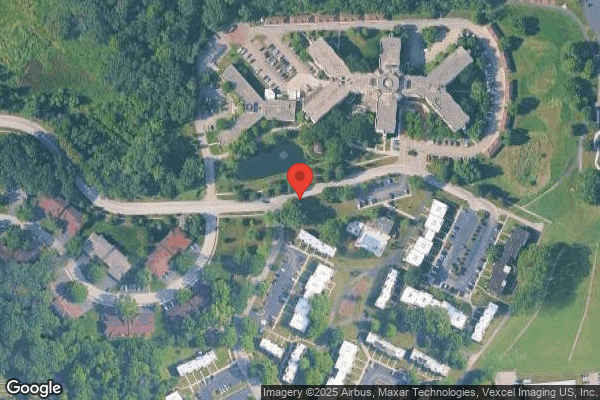

1800 ROBIN LANE, LISLE, IL 60532 (630) 353-5519
For profit - Corporation 55 Beds BROOKDALE SENIOR LIVING Data: November 2025
Trust Grade
78/100
#21 of 665 in IL
Last Inspection: September 2024

Within standard 12-15 month inspection cycle. Federal law requires annual inspections.

Overview

Brookdale Plaza Lisle SNF has a Trust Grade of B, indicating it is a good choice for families, although there is room for improvement. It ranks #21 out of 665 nursing homes in Illinois, placing it in the top half of facilities in the state, and is the best option among 38 facilities in Du Page County. The facility is showing an improving trend with a decrease in reported issues from 9 in 2023 to 7 in 2024. Staffing is a strength, with a 5/5 star rating and a turnover rate of 36%, which is lower than the state average, suggesting experienced staff members are familiar with residents' needs. However, there have been some concerning incidents, including a serious case of verbal abuse that caused emotional distress to a resident and issues with hygiene and food safety in the kitchen, which indicate areas needing attention.

Trust Score
B
78/100
In Illinois
#21/665
Top 3%
Safety Record
Moderate
Needs review
Inspections
Getting Better
9 → 7 violations
Staff Stability
○ Average
36% turnover. Near Illinois's 48% average. Typical for the industry.
Penalties
⚠ Watch
$18,249 in fines. Higher than 80% of Illinois facilities, suggesting repeated compliance issues.
Skilled Nurses
✓ Good
Each resident gets 92 minutes of Registered Nurse (RN) attention daily — more than 97% of Illinois nursing homes. RNs are the most trained staff who catch health problems before they become serious.
Violations
⚠ Watch
19 deficiencies on record. Higher than average. Multiple issues found across inspections.
★★★★★
5.0
Overall Rating
★★★★★
5.0
Staff Levels
★★★☆☆
3.0
Care Quality
★★★★☆
4.0
Inspection Score
Stable
2023: 9 issues
2024: 7 issues

The Good

  • 5-Star Staffing Rating · Excellent nurse staffing levels
  • Full Sprinkler Coverage · Fire safety systems throughout facility
  • No fines on record
  • Staff turnover below average (36%)

    12 points below Illinois average of 48%

Facility shows strength in staffing levels, fire safety.

The Bad

Staff Turnover: 36%

10pts below Illinois avg (46%)

Typical for the industry

Federal Fines: $18,249

Below median ($33,413)

Minor penalties assessed

Chain: BROOKDALE SENIOR LIVING

Part of a multi-facility chain

Ask about local staffing decisions and management

The Ugly 19 deficiencies on record

1 actual harm
Sept 2024 7 deficiencies
CONCERN (D)

Potential for Harm - no one hurt, but risky conditions existed

Deficiency F0583 (Tag F0583)

Could have caused harm · This affected 1 resident

Based on observation, interview, and record review, the facility failed to provide privacy for residents with a contagious gastrointestinal infection and Foley catheter. This applies to 2 of 2 reside...

Read full inspector narrative →
Based on observation, interview, and record review, the facility failed to provide privacy for residents with a contagious gastrointestinal infection and Foley catheter. This applies to 2 of 2 residents (R46 and R2) reviewed for privacy in the sample 23. Findings include: 1. On 9/18/2024 at 9:45 AM, R46 was in her room with her door partically open. The outside of R46's room door had a sign that said, The Progression of a C. Diff (Clostridium difficile) Infection. R46's room was located across the nurses' station, which was in a very high-traffic area. There were multiple visitors, staff members, and other residents outside R46's room. R46's comprehensive care, plan dated 9/19/2024, had multiple interventions including Promote dignity by ensuring privacy, initiated on 9/12/2024. R46's posted sign titled, The Progression of a C. Diff Infection said, C. diff is a bacterium (germ) that causes diarrhea and colitis (an inflammation of the colon). R46's Order Summary Report, dated 9/19/2024, had an order for Stool C-DIFF contact isolation precautions, initiated on 9/12/2024. 2. On 9/18/2024 at 2:32 PM, R2 was sitting in her geriatric wheelchair at the nurses' station where there were multiple visitors, staff members, and other residents in the area. R2's urinary catheter bag was hanging from underneath her geriatric wheelchair. R2's urinary catheter drainage bag contained urine which was visible because it was not inside a privacy bag. R2's care plan, dated 9/19/2024, for her urinary catheter had multiple interventions including Privacy bags at all times, initiated on 7/18/2024. On 9/19/2024 at 11:02 AM, V2 (Director of Nursing/DON) said R46's identified infection sign should have not been posted outside her door because it was visible to all. V2 continued to say residents with urinary catheters required their drainage bags to always be placed inside their privacy bags. The facility's policy titled Quality of Life-Dignity, dated 10/2022, said, Residents should be cared for in a manner that promotes and enhances their sense of well-being, level of satisfaction with life, and feelings of self-worth and self-esteem. Policy Detail 1. Residents should be treated with dignity and respect .10. Associates should protect confidential clinical information. Examples include the following .b. Signs indicating the resident's clinical status or care needs are not openly posted in the resident's room unless specifically requested by the resident or family member .Please note: In the interest of public health, posting the resident's isolation status or transmission-based precautions is permissible as long as the type of infection remains confidential .12. Demeaning practices and standards of care that compromise dignity are prohibited. Associates should promote dignity and assist residents; for example: a. Helping the resident to keep urinary catheter bags covered.
CONCERN (D)

Potential for Harm - no one hurt, but risky conditions existed

Accident Prevention (Tag F0689)

Could have caused harm · This affected 1 resident

**NOTE- TERMS IN BRACKETS HAVE BEEN EDITED TO PROTECT CONFIDENTIALITY** Based on observation, interview, and record review, the facility failed to properly transfer resident and failed to properly dis...

Read full inspector narrative →
**NOTE- TERMS IN BRACKETS HAVE BEEN EDITED TO PROTECT CONFIDENTIALITY** Based on observation, interview, and record review, the facility failed to properly transfer resident and failed to properly dispose of a sharp disposable razor. This applies to 2 out of 2 residents (R42, R356) reviewed for accidents in a sample of 23. Findings include: 1. R42's MDS (Minimum Data Sheet), dated 8/23/2024, documents her BIMS (Brief Interview for Mental Status) score is 14, which means her cognitive functions are intact. On 9/18/2024 at 9:45 AM, R42 said she transfers with the use of a mechanical lift, with help from two staff. She said on 8/30/2024, V16 (CNA-Certified Nurse Assistant) attempted to transfer her by physically lifting her from her bed to wheelchair. She said before V16 lifted her, she reminded V16 she uses a mechanical lift for transfers and there must be two staff doing it, but V16 said she could transfer R42 without using the mechanical lift. R42 said her sling was on her wheelchair She said V16 was unable to safely transfer her and flung her to the floor. She said she was sore after the fall, but had no injury. On 9/19/2024 at 10:54 AM, V2 (DON-Director of Nursing) said V16 was employed by the facility and has worked with R42 multiple times. She said she is sure V16 was aware R42 was transferred using a mechanical lift with two people assist. V2 said V16 said she could not find the sling during that time and decided to transfer R42 without using the mechanical lift. She said she expects her staff to follow transfer status of all residents as documented in the [NAME] of each resident's Plan of Care. She said nurses also remind staff, especially agency staff, of resident's transfer status. She said if resident is not transferred following the plan of care, there is a potential for serious injury that can happen to both resident and staff. V2's investigation of incident, dated 9/3/2024, documents V16 attempted a self-transfer of resident without using the proper equipment. V16 was aware of R42's transfer mode of mechanical lift, but attempted to transfer R42 by lifting her physically from her bed. R42 is physically unable to support self or assist in physical transfer. Facility's Policy titled Supporting Activities of Daily Living, dated 4/2022 and revised on 2/2024, documents : 2. Appropriate care and services should be provided for residents who are unable to carry out ADLS (Activities of Daily Living) independently, with the consent of the resident and/or resident representative and in accordance with the plan of care, including appropriate support and assistance with: .b. mobility (transfer and ambulation, including walking). 2. On 9/17/24 at 10:57 AM, there was used dirty disposable razor (3 blades) on R356's bedside dresser. At 12:15 PM, R356 said he shaves himself. On 9/18/24 at 10:02 AM, razor still noted on the bedside dresser. There was a sharps container in resident's bathroom. R356's MDS (Minimum Data Set) of 9/17/24 shows R356's cognition is intact and needs partial to moderate assistance with personal hygiene. On 9/18/24 at 10:14 AM, V12 (Registered Nurse/RN) said R356 is not able to shave himself, the staff does his grooming. V12 said the disposable razor should not be in the resident's room when not in use; it should either be discarded after use or stored in a clear plastic bag because it is a potential hazard, and the resident could hurt himself. On 9/19/24 at 10:46 AM, V2 (Director of Nursing/DON) said staff should dispose of disposable razor after use; each room has a sharps container to dispose of disposal razors/single use razors to eliminate cross contamination and for safety concerns. V2 said the facility does not have a policy for disposing of disposable razors. The facility's Sharps Container Disposal policy (revised 11/2019) states contaminated sharps shall be discarded immediately or as soon as feasible into designated containers.
CONCERN (D)

Potential for Harm - no one hurt, but risky conditions existed

Deficiency F0761 (Tag F0761)

Could have caused harm · This affected 1 resident

Based on observation, interview, and record review, the facility failed to obtain physician orders for over the counter medications and to have medications stored in resident rooms. This applies to 2...

Read full inspector narrative →
Based on observation, interview, and record review, the facility failed to obtain physician orders for over the counter medications and to have medications stored in resident rooms. This applies to 2 of 2 residents (R29 and R354) reviewed for medications in the sample of 23. The findings include: 1. On 9/17/24 at 11:08 AM, there were 3 tubes of Clobetasol Propionate Gel 0.05% on R29's bedside table. R29 said she has irritation due to diarrhea, and staff applies on her buttocks after every brief change. On 9/18/24 at 10:01 AM, the tubes of Clobetasol were still noted on R29's bedside table. On 9/18/24 at 10:12 AM, V12 (Registered Nurse/RN) said staff uses the Clobetasol on R29 after incontinent care, and she has an order for it to be kept at bedside. On 9/18/24 at 3:05 PM, V2 (Director of Nursing/DON) said R29's previous order did not state she could store the Clobetasol cream in her room. Review of R29's order shows, Clobetasol Propionate External Gel 0.05% apply to perineum and rectal area topically every morning at bedtime for irritation. Order for it to be left at bedside was received during the survey. 2. On 9/17/24 at 11:19 AM, there was a tube of generic Ultra Strength Topical Analgesic Cream on R354's bedside dresser. AT 9/17/24 at 11:27 AM, R354 said she uses the cream when her back hurts. On 9/18/24 at 9:53 AM, the tube of generic topical analgesic cream was still on R354's bedside dresser. On 9/18/24 at 10:10 AM, V12 (RN) said R354 does not have a physician order for the topical analgesic cream. On 9/19/24 at 10:52 AM, V2 (DON) said there has to be a physician order for medications to be stored in the resident's room; also, to ensure that the medication is safe to use. Review of R354's records, R354 does not have an order for the ultra-strength topical analgesic cream. The facility's Medication Storage policy (last reviewed 12/2020) states medications are to be stored in designated locations such as lockbox, locked cabinet, or secured areas.
CONCERN (E)

Potential for Harm - no one hurt, but risky conditions existed

ADL Care (Tag F0677)

Could have caused harm · This affected multiple residents

**NOTE- TERMS IN BRACKETS HAVE BEEN EDITED TO PROTECT CONFIDENTIALITY** 3. On 9/17/2024 at 10:10 AM, R26 was observed to have long, dirty, and jagged nails. She said she asks staff to help her cut her...

Read full inspector narrative →
**NOTE- TERMS IN BRACKETS HAVE BEEN EDITED TO PROTECT CONFIDENTIALITY** 3. On 9/17/2024 at 10:10 AM, R26 was observed to have long, dirty, and jagged nails. She said she asks staff to help her cut her nails, but nothing happens. R26's MDS (Minimum Data Sheet), dated 8/16/2024, documents BIMS (Brief Interview for Mental Status) of 15, which means her cognitive functions are intact. She requires set-up or clean up assistance with personal hygiene. 4. On 9/17/2024 at 10:15 AM, R151 was observed with long, dirty, and jagged fingernails. On 9/17/2024 at 2:06 PM, R151 said she does not like having her nails long and dirty, but nobody offered to cut her nails. R151's face sheet documents she was admitted to facility on 9/13/2024. R151's MDS has not been completed during the survey. R151's Functional Abilities and Goal Form, dated 9/16/2024, documents she is dependent on staff for personal hygiene. BIMS Form documents score is 11, which means she has moderately impaired cognitive functions. On 9/19/2024 at 10:54 AM, V2 (DON-Director of Nursing) said she expects staff to be checking nails when they are doing showers, hygiene care, and as needed. She said if nails are not kept clean and well-trimmed, it can be a source of infection, and resident can end up scratching themselves causing injury. Facility's Policy titled Supporting Activities of Daily Living, dated 4/2022 and revised on 2/2024, documents : 2. Appropriate care and services should be provided for residents who are unable to carry out ADLS (Activities of Daily Living) independently, with the consent of the resident and/or resident representative and in accordance with the plan of care, including appropriate support and assistance with: a. Hygiene (bathing, dressing, grooming, and oral care). Based on observation, interview, and record review, facility failed to provide showers and nail care to residents who need assistance with ADLs (activities of daily living). This applies to 4 of 4 residents (R26, R151, R301 and R302) reviewed for ADLs in a sample of 23. Findings include: 1. R301's face-sheet showed R301 was admitted to the facility on [DATE], with diagnoses to include Covid-19, weakness, bilateral osteo-arthritis, mild cognitive impairment and cerebral infarction. R301's MDS (Minimum Data Set) showed R301 was cognitively intact. R301's Functional Abilities Assessment, dated 9/13/24, showed R301 needed substantial/maximum assist to shower/bathe and upper/lower body dressing up. R301's care plan, dated 9/11/24, did not address the need for ADLs care. On 9/17/24 at 12:36 PM, observed R301 sitting on her WC (wheelchair), in her room, unhappy. R301 stated she has not had a shower since she was admitted to the facility. R301 stated she had requested the staff multiple times for a shower and she did not get one. 2. R302's face-sheet showed R302 was admitted to the facility on [DATE], with diagnoses to include Covid-19, Diabetes Mellitus type 2, Depression, Morbid Obesity, and Pulmonary Embolism. R302's MDS (Minimum Data Set) showed R302 had moderate cognitive impairment. R302's Functional Abilities Assessment, dated 9/13/24, showed R302 needed partial/moderate assist to shower/bathe and supervision/touching assist for dressing up. R302's care plan, dated 9/12/24, revised on 9/18/24, addressed the problem of ADLs self-care performance deficit, interventions did not include showers. On 9/17/24 at 1:10 PM, observed R302 lying on her bed, with a grumpy face. R302 stated she has not had a shower since she was admitted to the facility. R302 stated she had requested the staff multiple times for a shower and she did not get one. On 9/18/24 at 1:08 PM, R302 stated she wanted to be showered, had made multiple requests, and did not receive a shower. R302 stated she had given up on that dream. On 9/18/24 at 12:21 PM, V12 (RN-Registered Nurse) stated, Every resident is usually given showers twice a week. (R301) is scheduled to get showers on Saturdays and Thursdays and (R302) is scheduled to get showers on Mondays and Fridays. V12 (RN) reviewed electronic documentation for showers and it showed, No records. V12 stated, (R301) and (R302) did not receive any showers since admission. On 9/18/24 at 1:30 PM, V19 (Licensed Practical Nurse/LPN) stated, (R301) and (R302) are scheduled to receive showers twice a week. V19 (LPN) reviewed electronic documentation for showers and it showed, No records. V19 stated, (R301) and (R302) did not receive any showers. On 9/19/24 at 11:05 AM, V2 (DON-Director of Nursing) stated, If (R301) and (R302) wanted showers, they should have been given one after all other residents are done for the shift, so that housekeeping can clean and sanitize the bathroom after they use it. They should have been given bath or shower twice in a week. Showers are documented electronically and not on paper. Facility policy on 'Supporting Activities of Daily Living, dated 02/2024, showed, Residents who are unable to carry out activities of daily living independently should receive the services necessary to maintain good nutrition, grooming, personal and oral hygiene.
CONCERN (E)

Potential for Harm - no one hurt, but risky conditions existed

Infection Control (Tag F0880)

Could have caused harm · This affected multiple residents

6. R37's MDS (Minimum Data Set), dated 8/29/2024, showed R37 was dependent on staff for his toileting needs. On 9/17/2024 at 10:31 AM, R37 was in bed. V9 (Certified Nurse Assistant/CNA) and V10 (CNA)...

Read full inspector narrative →
6. R37's MDS (Minimum Data Set), dated 8/29/2024, showed R37 was dependent on staff for his toileting needs. On 9/17/2024 at 10:31 AM, R37 was in bed. V9 (Certified Nurse Assistant/CNA) and V10 (CNA) said they were going to change R37's incontinence brief. V9 did not wash her hands, and applied a pair of gloves she obtained from her uniform pocket. R37's incontinence brief was soiled with urine and had dry stool. V9 proceeded to provide R37 with incontinence care, and then applied a clean incontinence brief. V9 did not wash her hands or remove her gloves during the process. Then V9 said she was going to inform V15 (Registered Nurse/RN) that R37's sacral dressing needed to be changed. V9 removed her soiled gloves and left the room without washing her hands. Then V9 returned to the room, and again failed to perform hand hygiene. V9 applied a set of gloves she obtained from her uniform pocket again. On 9/19/2024 at 11:00 AM, V2 (Director of Nursing/DON) said she expects staff to properly perform hand hygiene before starting incontinence care. V2 said staff should remove their gloves and repeat hand hygiene when going from dirty to clean or changing to another task. V2 also said staff should never place or obtain gloves from their uniform pockets because it is considered unclean. V2 said proper hand hygiene and gloving practices are required to maintain appropriate infection control practices. 4. R46's Face sheet shows an admission diagnosis of enterocolitis due to clostridium difficile (CDIFF), dated 9/12/24. R46's EMAR (Electronic Medical Administration Record) shows an order for Stool C-DIFF contact isolation precautions, dated 9/12/24 at 1400, and order dated 9/12/24 at 1600, for vancomycin HCl oral suspension 2.5 mL (milliliter) by mouth four times a day for CDIFF until 9/19/24 at 2359. R46's Care Plan, revised on 9/12/24, shows the resident has C.Difficile and is on oral antibiotics. Interventions include educate resident/family/staff regarding preventative measures to contain the infection and place in a private room with stool contact isolation precautions. On 9/17/24 at 11:35 AM, R46's door was observed with a contact isolation sign on it and a stocked cart with PPE (Personal Protective Equipment) outside the room. On 9/19/24 at 11:09 AM, R46 was observed lying in her bed with the door open, and the contact isolation sign was no longer on her door. V25 (CNA/Certified Nurse Assistant) walked into the resident's room to assist her to the bathroom without putting on a gown. V25 closed the door behind her. R46's nurse, V15 (RN/Registered Nurse), stated R46 was still receiving antibiotics to treat the CDIFF, and she was still on contact isolation precautions. V15 then opened R46's door and notified V25 that R46 was still on contact isolation, and V25 then came out of R46's room and put on a gown and reentered R46's room to continue assisting her with toileting. V12 (RN) then said V2 (DON/Director of Nursing) told her she took the contact isolation sign off the door, but R46 was still contact isolation, so V12 was going to put the sign back on R46's door. On 9/19/24 at 11:15 AM, V25 walked out of R46's room after finishing assisting her with toileting, and said she did not know R46 was isolation for CDIFF. V25 (CNA) said she took R46 to the bathroom this morning, changed her, and washed her, and she did not wear PPE, because she did not know the resident was isolation for CDIFF. V25 said she did not know until just now when V15 (RN) told her to put a gown on while providing care to R46. On 9/19/24 at 1:05 PM, V2 (DON) said R46 is still on isolation for CDIFF until her antibiotics (oral vancomycin) are completed and she is no longer symptomatic having loose stools. V2 said gown and gloves are required to be worn by all staff in a contact isolation CDIFF room at a minimum, because CDIFF is one of the most resistant bacteria and it is more easily spread by contact with the CDIFF spores. V2 said the isolation sign showing the type of isolation (contact, droplet, etc.) should be posted on isolation room doors at all times, so staff and visitors know what PPE to wear inside the resident's room. The facility's policy titled, Clostridium Difficile, last revised 10/2018, states, Policy Statement: Measures are taken to prevent the occurrence of Clostridium difficile infections (CDI) among residents. Precautions are taken while caring for residents with C. difficile to prevent transmission to other residents. Policy Interpretation and Implementation . 3. The primary reservoirs for C. difficile are infected people and surfaces. Spores can persist on resident-care items and surfaces for several months and are resistant to some common cleaning and disinfection methods .9. Residents with diarrhea associated with C. difficile are placed in contact isolation. 5. R2's Face sheet shows the following diagnoses: pressure ulcer, urinary tract infection, dementia, and retention of urine. R2's POS (Physician Order Sheet) shows order, dated 9/12/24, for enhanced barrier precautions related to wounds and urinary catheter. R2's Care Plan, initiated on 7/18/24, shows the resident has urinary catheter related to neurogenic bladder and pressure ulcer. Interventions include using enhanced barrier precautions to prevent infection. Care Plan, initiated on 9/16/24, shows R2 recently had a urinary tract infection. On 9/19/24 at 10:43 AM, V12 (RN/Registered Nurse) was observed providing wound care without following enhanced barrier precautions. Enhanced barrier precautions sign was on R2's door and PPE (Personal Protective Equipment) was located hanging off the door. V12 was wearing gloves, but not wearing a gown. V25 (CNA) was assisting V12 with wound care and was not wearing a gown. V12 then saw surveyor put a gown on before entering R2's room and she said, Oh yeah, I have to put a gown on. R2's urinary catheter drainage bag was observed hanging over the right side of her bed, sitting on the floor. V12 finished wound care and left R2's room while V25 (CNA) continued to assist R2 with dressing, without following enhanced barrier precautions and putting a gown on. While V25 assisted R2 with dressing, R2's urinary catheter drainage bag remained on the floor. V25 walked to the right side of R2's bed where the drainage bag was on the floor and she used her foot/shoe to move the drainage bag over. On 9/19/24 at 1:05 PM, V2 (DON) said, Staff gowns and gloves are required while providing care for residents on enhanced barrier precautions, including wound care and any contact with urinary catheter, including helping a resident get dressed. Enhanced barrier precautions are put in place to prevent the spread of potential infection to staff and residents. A urinary catheter drainage bag should never be sitting on the floor because of the risk of cross contamination and urinary tract infection. The facility's policy titled, Enhanced Barrier Precautions Policy, last revised 10/2023, states, Policy Overview: Enhanced barrier precautions (EBPs) should be utilized to prevent the spread of multi-drug resistant organisms (MDROs) to residents. Policy Detail: .2. EBPs employ targeted gown and glove use during high contact resident care activities .3. Examples of high- contact resident care activities requiring the use of gown and gloves for EBPs include: Dressing .Wound Care .10. Signs are posted on the door or wall outside the resident room indicating EBP precautions and PPE are required. The facility's policy titled, Procedure: Urinary Catheter Care last revised 1/2016 states, The purpose of this procedure is to prevent infection of the resident's urinary tract .Procedure: A. General .7.Verify the catheter tubing and drainage bag are kept off direct contact with the floor . 3. R21's EMR (Electronic Medical Record) shows diagnoses urinary tract infection, retention of urine and obstructive and reflux uropathy. R21's Care plan (initiated 8/19/24) states resident has chronic use of indwelling catheter, is at risk of recurrent Extended-Spectrum Beta-Lactamases Urinary Tract Infection (ESBL UTI). On 9/17/24 at 10:08 AM, R21 was observed sitting up in bed eating his breakfast. R21's indwelling catheter drainage bag was on laying on the floor. The catheter drainage bag was in privacy bag. On 9/18/24 at 8:36 AM, during medication administration, R21 was in bed resting, R21's indwelling catheter was on laying on the floor. On 9/18/24 at 8:34 AM, V13 (Registered Nurse/RN) said R21's indwelling catheter drainage bag should not be on the floor for contamination reasons, and so the urine can flow better. On 8/18/24 at 10:50 AM, V2 (Director of Nursing/DON) said, Indwelling catheter bags should be always in privacy bags and the drainage bag should not be on the floor, and if the bed is too low, the drainage bag should be in a basin to avoid potential contamination and infection control reasons. The facility's Urinary Catheter Care policy (revised 08/2023) states drainage bags to be kept off of direct contact with the floor. Based on observation, interview, and record review, facility failed to follow infection control precautions. This applies to 6 residents (R2, R21, R33, R37, R46, and R301) reviewed for infection control in a sample of 23. Findings include: 1. On 9/17/24 at 10:45 AM, observed V9 (CNA-Certified Nursing Assistant) and V10 (CNA) give perineal care to R33, and transfer him to the recliner. V9 (CNA) and V10 (CNA) cleaned R33's perineal area with wet wipes. Both V9 and V10 did not remove soiled gloves or use hand sanitizer after wiping the perineal area. Using the same gloves, they turned R33 to left lateral position. V9 (CNA) cleaned R33's bottom. With the same gloves, V9 (CNA) took the tube of barrier cream from the night stand and applied some on his sacral area. V9 (CNA) changed gloves after applying the barrier cream, but did not wash hands or use hand sanitizer. V9 (CNA) and V10 (CNA) turned R33, applied the sling for the mechanical lift, (V10 using the same soiled gloves and no hand hygiene) and transferred R33 to the recliner. V9 (CNA) tied the garbage, removed her gloves. No hand sanitizer used or hand washing done. V9 (CNA) touched her face and rubbed her hands onto her uniform. V10 touched the curtains and parts of the bed with the same soiled gloves. Then V10 removed gloves, no hand hygiene was done, and wheeled R33 out of the room to the dining room for lunch. 2. On 09/17/24 at 12:34 PM, observed V18 (R301's Daughter) sitting in R301's room without any PPE (Personal Protective Equipment). Per V18, nobody told her =she had to wear the PPE. On 9/17/24 at 1:00 PM, V11 (CNA-Certified Nursing Assistant), came into R301's room with lunch tray, and no gloves on. Without gloves, V11 (CNA) set up her tray, moved R301's wheelchair to position her to eat lunch, touched the bedside table, and moved items to accommodate the tray on the table, touched R301's bed, and before she left room, she used hand sanitizer. On 9/17/24 at 1:10 PM, V11 (CNA-Certified Nursing Assistant), came into R302's room with lunch tray and no gloves on. Without gloves, V11 (CNA) set up her tray, touched the bed and bedside table, moved items on the bedside table to make space to keep the tray. On 09/18/24 at 1:30 PM, V19 (LPN-Licensed Practical Nurse) stated, Everyone entering the room of a resident with Covid + and on isolation must wear PPE. On 9/18/24 at 12:03 PM, V28 (RN-Registered Nurse) stated, Every person entering the room of a resident with Covid + and on isolation must wear PPE. V28 (RN) stated, During ADL care, when gloves are removed after use and before wearing new gloves on, hands must be washed or use hand sanitizer. On 9/19/24 at 11:10 AM, V2 (DON-Director of Nursing) stated, The CNAs should have either washed their hands or used hand sanitizer as they went from the soiled to clean area of the perineal care procedure. Every time they are done with cleaning a soiled part of the body, they should do hand hygiene and change gloves. Nursing staff have been educated on the isolation precautions for residents with Covid-19. Anyone entering the Covid-19 isolation room must wear PPE and do hand hygiene after care. The facility's polity titled Handwashing/Hand Hygiene IC-13, dated 10/2021, showed, Policy Detail: 7. CDC recommends using Alcohol Based Hand Sanitizer b) Before and after contact with residents h) Before moving from a contaminated body site to a clean body site during resident care 9. The use of gloves does not replace hand washing/hand hygiene. Integration of glove use along with routine hand hygiene is recognized as the best practice for preventing healthcare associated infections.
CONCERN (E)

Potential for Harm - no one hurt, but risky conditions existed

Antibiotic Stewardship (Tag F0881)

Could have caused harm · This affected multiple residents

Based on interview and record review, the facility failed to implement an antimicrobial stewardship program, providing antibiotic use protocols, and monitoring to prevent antibiotic resistance. This a...

Read full inspector narrative →
Based on interview and record review, the facility failed to implement an antimicrobial stewardship program, providing antibiotic use protocols, and monitoring to prevent antibiotic resistance. This applies to 8 of 8 residents (R1, R7, R32, R42, R46, R303, R353, R354) reviewed for antibiotics in a sample of 23. The findings include: On 9/18/2024 at 10:08 AM, surveyor reviewed facility's Infection Control Program with V3 (ADON-Assistant Director of Nursing/IC- Infection Preventionist). V3 said Antibiotic Stewardship is not being done in the facility. She said infections were logged, but antibiotic use was not monitored. She said she knows the facility need to start doing Antibiotic Stewardship. 1. R1's POS (Physician Order Sheet), dated 9/13/2024, shows an order for Ciprofloxacin HCL (Hydrochloride) tablet 500 mg (milligram), give 1 tablet by mouth every 12 hours for UTI (Urinary Tract Infection) for 7 days. Stop date is 9/20/2024. 2. R7's POS, dated 3/21/2024, shows an order for Methenamine Hippurate oral tablet, 1 gm (gram). Give one tablet by mouth two times a day related to personal history of UTI. The order has no stop date. 3. R32's POS, dated 8/26/2024, shows an order for Metronidazole oral tablet 500 mg. Give one tablet by mouth every morning and at bedtime related to diverticulitis of intestine. Stop date is 10/05/2024. 4. R42's POS, dated 9/12/2024, shows an order for Acyclovir External Ointment 5% (Acyclovir Topical). Apply to left upper thigh vesicle topically every six hours for shingles left upper thigh. Apply until vesicles scab or crust over. R42 also has an order for Valacyclovir HCL oral tablet, 1 gm. Give one tablet by mouth three times a day for shingles for seven days. Stop date for Valacyclovir HCL is 9/20/2024. 5. R46's POS, dated 9/12/2024, shows an order for Vancomycin HCL Oral Suspension 50 mg/ml, give 2.5 ml (milliliter) by mouth four times a day related to Enterocolitis due to Clostridium Difficile. Stop date is 9/19/2024. 6. R303's POS, dated 9/17/2024, shows an order for Cephalexin Oral Capsule 500 mg. Give one capsule by mouth two times a day for UTI (urinary tract infection) until 09/20/2024. 7. R353's POS, dated 9/17/2024, shows an order for Cefadroxil Oral Capsule 500 mg. Give one capsule by mouth every 48 hours related to UTI until 09/26/2024. 8. R354's POS, dated 9/10/2024, shows an order for Entecavir Oral Tablet 0.5 mg. Give one tablet by mouth one time a day for prophylaxis related to viral hepatitis B with no stop date. There is also an order on 9/10/2024 for Moxifloxacin HCL Ophthalmic Solution 0.5 %. Instill 1 drop in both eyes three times a day for eyelid infection for 10 days, with stop date of 9/20/2024. There is also an order for Metronidazole External Cream 0.75 %. Apply to face topically two times a day for antifungal, with no stop date. On 9/19/2024 at 10:54 AM, V2 (DON-Director of Nursing) said the importance of Antibiotic Stewardship is to minimize the use of antibiotics, make sure there is no unnecessary use of antibiotic, and to prevent system resistance from antibiotics. She said V3 (ADON-Assistant Director of Nursing) was trained to do Antibiotic Stewardship, and she is not aware V3 was not doing it. Facility's Community Antimicrobial Stewardship Mission Statement, dated 7/10/2024, stated the following: Our community embraces the importance of an infection prevention and control program. This includes an antimicrobial stewardship program, providing antibiotic use protocols and monitoring to prevent antibiotic resistance. We are committed to the prudent use of antimicrobials on behalf of all residents and are privileged to serve through a sustainable antimicrobial stewardship program.
CONCERN (F)

Potential for Harm - no one hurt, but risky conditions existed

Food Safety (Tag F0812)

Could have caused harm · This affected most or all residents

Based on observation, interview, and record review, the facility failed to properly label/date/seal/store items, remove expired items, and wear hair restraints in the facility kitchen. This applies t...

Read full inspector narrative →
Based on observation, interview, and record review, the facility failed to properly label/date/seal/store items, remove expired items, and wear hair restraints in the facility kitchen. This applies to all resident that receive oral nutrition and foods prepared in the facility kitchen. Findings include: The facility's Long-Term Care Facility Application for Medicare and Medicaid (Form CMS-Centers for Medicare and Medicaid Services-671), dated 9/17/24, documents the total census was 52 residents. On 9/17/24 at 11:10 AM, V25 (Associate Director of Dining Services) said all residents eat from the facility kitchen; there are no NPO (Nothing by Mouth) residents. On 9/17/24 starting and 10:10 AM, the facility kitchen was toured in the presence of V20 (Associate Director of Dining Services). For the entirety of the kitchen tour, V20 did not wear a hair restraint in the facility kitchen. During the kitchen tour, the following was found: In food prep area: 1. A tall uncovered rack of prepared plated salads located within 1 foot of the handwashing sink and 2 inches from the hand towel dispenser for drying hands after washing. 2. V21 (Ice Cream Parlor Clerk) prepping food without a hair restraint on. In the walk-in cooler: 3. An expired, opened 5 pound bag of feta cheese, with use by date of 9/16/24. 4. 3-16 ounce undated bags of whipped topping. The bags say to use within 14 days of thawing, but there is no date anywhere on the bags. 5. 3-30 count packs of hot dogs, unlabeled and undated. 6. 3-16 ounce bags of expired guacamole with use by date of 9/3/24. 7. 2- 5 pound containers of sliced mushrooms with a packed on date of 9/3/24 and no expiration date. 8. 12-60 count bags of yellow corn tortillas, undated. 9. 1-24.5 ounce bag of 6 inch flour tortillas with expiration date of 6/25/24. In the dry storage: 10. 1-32 ounce opened package of hot cocoa mix not properly sealed with contents of package spilling out. 11. 2- 16 ounce packages of coconut flakes, opened and undated. 12. 1 large (estimated greater than 5 pounds) chocolate bar opened, and undated. 13. 1 expired opened bag of peanuts without ounce description, with use by date of 9/8/24. 14. A medium silver bin of unlabeled and undated croutons. On 9/17/24 at 10:59 AM, two additional kitchen staff, V22 (Dining Room Supervisor) and V23 (Server) were observed working in the kitchen without wearing hair restraints. On 9/18/24 at 11:13 AM during a return to kitchen tour, V25 (Associate Director of Dining Services) was observed in the kitchen with hair restraint on, but only covering the top half and back of her head. V25's bangs on the front of her head were not restrained. V25 then traveled with surveyor to the 2nd floor food pantry where lunch service was observed. V25 assisted in food plating and delivery to residents, and her hair restraint remained in the same position, not properly containing all of her hair. On 9/19/24 at 12:46 PM, V25 (Associate Director of Dining Services) said all food items in the kitchen should be labeled and dated for food safety. V25 said food trays/carts in the food prep area should not be stored next to the handwashing sink because of the risk of cross contamination from splashing. V25 said all staff in the kitchen need to wear hair restraints so hair does not fall into the resident food and cause foodborne illness. V25 said all expired food items should be removed from food storage, so no outdated food items are accidentally served to the residents causing illness. V25 said all opened food items need to be tightly resealed to prevent contamination from insects and to maintain the freshness and quality of the food item. V25 said she would be more careful about making sure all of her hair is contained under her hair restraint. V25 said the facility did not have policies regarding: keeping food away from handwashing sink, removing expired foods, or resealing opened food items. The facility's policy titled, Hair Restraints, last revised 4/2019, states, Policy Overview: All associates working in food preparation areas must wear hair restraints . Policy Detail: 1. All hair must be kept covered. The facility provided document titled, Refrigerator Storage Chart, last revised 12/28/2020, shows mushrooms are okay to store unopened for 5-7 days. The facility policy titled, Food Storage, last revised 6/24, states, Policy Overview: All foods must be stored in a manner that maximizes nutrient retention, quality, and food safety The facility's policy titled, Labeling, last revised 9/24, states, Policy Overview: All food items must be labeled and dated before storing.
Oct 2023 6 deficiencies
CONCERN (D)

Potential for Harm - no one hurt, but risky conditions existed

Safe Environment (Tag F0584)

Could have caused harm · This affected 1 resident

**NOTE- TERMS IN BRACKETS HAVE BEEN EDITED TO PROTECT CONFIDENTIALITY** Based on observation and interview, the facility failed to ensure R4's room entryway light was working properly and provided ade...

Read full inspector narrative →
**NOTE- TERMS IN BRACKETS HAVE BEEN EDITED TO PROTECT CONFIDENTIALITY** Based on observation and interview, the facility failed to ensure R4's room entryway light was working properly and provided adequate lighting, and R9's special pressure reduction mattress was functioning correctly. This applies to 2 of 2 (R4, R9 ) reviewed for homelike environment in a sample of 15. Findings include: 1. R4's face sheet documents an [AGE] year old male admitted to the facility on [DATE], with diagnoses that include: Peripheral Neuropathy, spinal stenosis, muscle weakness, and unspecified abnormalities of gait and mobility. On 10/2/23 at 10:30 AM, R4's room entryway was noted to be dark and the room dimly lit. R4 stated the light in the entryway flickers and goes out, and there is only one light in the fixture behind him that works now. R4 stated he told V20 (Maintenance Supervisor) about it a couple weeks ago. The entry light was turned on and the light was noted to [NAME] and go on and off. On 10/3/23 at 9:54 AM, R4 stated the lights have not worked properly for 6 months. R4 stated he has told the staff several times. R4 stated he told V20 about his lights not working about 2 weeks ago. The entryway light was turned on and again it flickered and went off. On 10/3/23 at 10:51 AM, V17 (Director of Operations) stated if residents lights are not working, the staff that is going in and out of the room should be reporting to maintenance the issues with the lights. 2. R9's face sheet documents a [AGE] year old female admitted to the facility on [DATE], with diagnoses that include the following: Acute Respiratory Failure with Hypoxia, Chronic Obstructive Pulmonary Disease with acute exacerbation, Atherosclerosis of aorta, Heart Failure, Legal blindness, and Muscle Weakness. R9's physician orders document the following: 8/3/2022 Pressure Redistribution/Reduction Mattress- Low Air Loss. 8/3/2022 Hospice On 10/2/23 at 10:07 AM, R9 was observed on 10/2/2023 at 10:07AM in bed lying on her back. The bed was noted to be concave and not properly inflated. The bed was noted to blinking 10lb and the orange service light was noted to be blinking, indicating the bed needs service. On 10/2/23 at 4:22 PM, R9 is lying on her back in her bed that still looks concave and improperly inflated. The bed is still beeping, blinking in white characters 10lb, and blinking orange light that indicates service. V19 (LPN) stated it does not look like R9's bed is correctly inflated. V19 stated, It is blinking 'service' so it probably needs someone to look at it. Work Order for R9, dated 10/2/2023 at 4:44 PM, documents the following: R9's air mattress is deflating unevenly. The air mattress pressure monitor is blinking signaling an issue and that it may be broken.
CONCERN (D)

Potential for Harm - no one hurt, but risky conditions existed

Quality of Care (Tag F0684)

Could have caused harm · This affected 1 resident

**NOTE- TERMS IN BRACKETS HAVE BEEN EDITED TO PROTECT CONFIDENTIALITY** Based on observation, interview, and record review, the facility failed to follow proper technique when administering a nasal sp...

Read full inspector narrative →
**NOTE- TERMS IN BRACKETS HAVE BEEN EDITED TO PROTECT CONFIDENTIALITY** Based on observation, interview, and record review, the facility failed to follow proper technique when administering a nasal spray to a resident. This applies to 1 of 5 residents (R4) reviewed for medication administration. The finding included: R4's Face sheet showed R4 was admitted to the facility on [DATE], with diagnoses that included congestive heart failure, anxiety, dementia, major depression, muscle weakness, and idiopathic peripheral neuropathy. R4's MAR showed he gets Flonase Allergy Relief Nasal Suspension, one spray into each nostril two times a day for congestion. On 10/3/23 at 9:15 AM, V4 (RN/Registered Nurse) was administering R4's morning medications. R4 was placed in an upright position looking forward. R4 held the nasal spray tip at the entrance of the right nostril and did not insert the tip into the nasal cavity of the nose. V4 administered one spray into the right nasal. V4 placed the nasal spray tip at the entrance of the left nostril and administered one spray. V4 said she did not think she actually had to enter the tip of the nasal spray into the nasal cavity. On 10/03/23 at 4:03 PM, V2 (DON/Director of Nursing) said, When administering a nasal spray, the nurse needs to first explain to the resident what she is going to do. The nurse will need to hand the resident a tissue and have them blow their nose, dispose of that tissue and hand the resident a new tissue before administering the nasal spray. The nurse will take the nasal spray and insert into one nostril and up into the nasal cavity then administer one spray. The nurse then needs to repeat the same steps into the other nostril. If there is a second spray needed, the nurse needs to wait a few minutes and repeat again. Facility their Nasal Drops and Spray Medication Competency showed the steps to administer a nasal medication .5. Ask the resident to blow his nose, 6. Position resident correctly, 7. Administer the medication, 8. Keep the resident's head tilted back appropriately .
CONCERN (D)

Potential for Harm - no one hurt, but risky conditions existed

Deficiency F0805 (Tag F0805)

Could have caused harm · This affected 1 resident

**NOTE- TERMS IN BRACKETS HAVE BEEN EDITED TO PROTECT CONFIDENTIALITY** Based on observation, interview, and record review, the facility failed to ensure that one resident with a diagnosis of dysphagi...

Read full inspector narrative →
**NOTE- TERMS IN BRACKETS HAVE BEEN EDITED TO PROTECT CONFIDENTIALITY** Based on observation, interview, and record review, the facility failed to ensure that one resident with a diagnosis of dysphagia received pudding thick liquids per the doctor's order. This applies to 1 of 4 residents (R18) reviewed for food/nutrition in a sample of 15. Findings include: R18's face sheet documents an [AGE] year old female admitted to the facility on [DATE], with diagnoses including the following: Progressive Supranuclear Opthalmoplegia, Dysphagia, and Muscle Weakness. R18's physician orders document the following: 10/11/2022 Pureed diet refer to diet type for texture, pudding liquids consistency, aspiration precautions. On 10/02/23 at 12:15 PM, V16 (CNA- Certified Nursing Assistant) was in the 2nd floor dining room feeding R18 her lunch. V16 stated R18's meal consisted of mashed potatoes, chicken, broccoli soup, banana pudding, cranberry juice, and water. V16 stated R18 is on a pureed diet and pudding thick liquids. R18's soup did not look pudding thick. It poured out of the spoon like a thin liquid. R18 was coughing during feeding of pureed food, thickened liquids, and soup. On 10/2/23 at 12:24 PM, V19 (Registered Dietician) stated R18 is on pureed diet and pudding thick liquids. V3 (Dietitian) looked at R18's soup and stated the soup is not the correct consistency. V3 stated the soup should be thickened more, then V3 took R18's soup away. On 10/2/23 at 12:30 PM, V3 came back with thickened soup that looked appropriately thickened, and stated the soup is wedding soup, not broccoli soup.
CONCERN (E)

Potential for Harm - no one hurt, but risky conditions existed

ADL Care (Tag F0677)

Could have caused harm · This affected multiple residents

**NOTE- TERMS IN BRACKETS HAVE BEEN EDITED TO PROTECT CONFIDENTIALITY** Based on observation, interview, and record review, the facility failed to provide assistance with ADLs (Activities of Daily Liv...

Read full inspector narrative →
**NOTE- TERMS IN BRACKETS HAVE BEEN EDITED TO PROTECT CONFIDENTIALITY** Based on observation, interview, and record review, the facility failed to provide assistance with ADLs (Activities of Daily Living) for residents assessed as needing staff assistance for ADL (Activities of Daily Living) care and grooming. This applies to 4 of 5 residents (R1, R4, R17, and R187) reviewed for ADL care. The findings include: 1. R1's EMR (Electronic Medical Record) showed R1 was admitted to the facility on [DATE], with diagnoses that include Parkinson's disease, history of falls, muscle weakness, and unspecified lack of coordination. R1's MDS (Minimum Data Set), dated 8/1/2023, showed R1 required one staff physical assistance for personal hygiene. R1's care plan showed resident has an ADL self-care deficit related to pain and shoulders and knees. R1 has contractures, staff shall provide skin care to keep clean and prevent skin breakdown. R1 has a terminal prognosis and has been admitted under hospice. Adjust provisions of ADLs to compensate for resident's changing abilities. On 10/03/23 12:30 PM, R1 was sitting up in her wheelchair in her room; she has long white hair on her chin and has several dark and light hairs on her upper lip (Mustache). R1 said she needs help with removing the facial hair. R1 also has long jagged and uneven nails. R1 said she has asked to have those cut, and no one has helped her. On 10/04/23 11:54 AM, R1 still has the long chin hairs and mustache. Nails have not been cut. 2. R187's EMR showed R187 was admitted to the facility 9/26/23, with diagnoses that include cellulitis of buttock, pressure ulcer of left buttock , anxiety disorder, major depression, muscle weakness, abnormal posture, displaced bi-malleolar fracture of the left lower leg, subsequent encounter for closed fracture with routine healing. R187's MDS was not completed due to recent admission. R187's care plan showed R187 has ADL self-care performance deficit, requires moderate assistance with her ADLs including bed mobility, transfers, bathing/showering, and toileting. On 10/02/23, at 10:40 AM, R187 had thick eye make-up on her eyes, [NAME] was flaking and was smeared on her cheeks. R187 wears a wig; it was uncombed and was not sitting on her head correctly. R187 said no one has washed her up or even helped her wash her face. R187 had long, jagged nails, with a yellow- brown substance underneath them. On 10/04/23 at 12:58 PM, R187 had long uneven nails with a yellow-brown substance under her nails. R187 said she she used wear her nails long when she worked. R178 stated she likes her nails long, and when asked about cleaning them, she said someone could help her with that. On 10/4/23 at 1:05 PM, V14 (RN/Registered Nurse) said, Yes we do need to clean under a resident's fingernails, comb their hair, and brush their teeth everyday, not just shower days. On 10/4/23 at 1:10 PM, V2 (DON/Director of Nursing) stated she expects all ADLs to be done as needed on shower day and also on non-shower days. V2 said shaving is also an expectation when providing grooming/ADL care. Residents can have long nails if that is their preference, but V2 said if there is a brown substance under them, staff should be cleaning under the resident's nails. 3. R17's Face sheet, dated 10/4/23, shows R17's diagnoses include pneumonia, COVID19, Diabetes 2, dementia, Alzheimer's disease, congestive heart failure, respiratory failure with hypoxia, and bronchospasm. MDS (Minimum Data Set), dated 7/4/23, shows R17 was cognitively intact and R17 required the extensive assistance from staff for bed mobility, dressing and was totally dependent on staff for transfers and toileting use, and and was always incontinent of bladder and frequently incontinent of bowel. Care plan, initiated 6/29/23, shows R17 had the potential for impairment of skin integrity related to incontinence of bowel and bladder and decreased mobility. The care plan shows facility staff were required to assist her with turning and repositioning as needed and provide incontinence care as needed. On 10/02/23 at 1:04 PM during resident council group interview, R17 stated staff normally take approximately thirty minutes to assist him with toileting. 4. R4's Face sheet, dated 10/4/23, shows R4's diagnoses include peripheral autonomic neuropathy, congestive heart failure, anxiety, dementia, depressive disorder, spinal stenosis, cellulitis, muscle weakness, and abnormalities of gait and mobility. R4's MDS, dated [DATE], shows R4 was cognitively intact and R4 required the extensive assistance of staff for bed mobility and was totally dependent on staff for dressing, toilet use, and R4 was always incontinent of bowel and bladder. Care plan, initiated 7/19/23, shows R4 was at risk for skin breakdown due to total incontinence of bowel and bladder and decreased mobility. The care plan shows R4 was to have staff assisting with incontinence care as needed On 10/02/23 at 1:04 PM during resident council group interview, R4 stated he waits over an hour approximately once a week during the night shift to receive assistance for toileting. Facility provided policy titled, Supporting Activities of Daily Living, dated 4/2022, showed, Residents who are unable to carry out activities of daily living independently should receive the services necessary to maintain good nutrition, grooming, personal and oral hygiene .2. Appropriate care and services should be provided for residents who are unable to carry out ADLs independently .including appropriate support and assistance with: a. hygiene (bathing, dressing, grooming, and oral care) .c. Elimination (toileting).
CONCERN (E)

Potential for Harm - no one hurt, but risky conditions existed

Medication Errors (Tag F0758)

Could have caused harm · This affected multiple residents

**NOTE- TERMS IN BRACKETS HAVE BEEN EDITED TO PROTECT CONFIDENTIALITY** Based on observation, interview, and record review, the facility failed to identify person-centered, non-pharmacological approac...

Read full inspector narrative →
**NOTE- TERMS IN BRACKETS HAVE BEEN EDITED TO PROTECT CONFIDENTIALITY** Based on observation, interview, and record review, the facility failed to identify person-centered, non-pharmacological approaches for residents receiving psychotropic medications. The facility also failed to identify resident-specific behaviors to monitor the response/effectiveness of psychotropic medications. This applies to 4 of 5 residents (R1, R25, R29, and R187) reviewed for unnecessary medications in a sample of 15. The findings include: 1. R1's EMR (Electronic Medical Record) showed R1 was admitted to the facility on [DATE], with diagnoses that included Parkinson's disease, atherosclerotic heart disease, and muscle weakness. R1 was admitted to hospice on 7/27/23 for end stage Parkinson's disease. R1's MDS (Minimum Data Set), dated 8/1/23, showed R1 was cognitively intact. R1's care plan, dated 8/30/23, showed R1 takes anti-anxiety medications- intervention initiated 4/26/2023 showed, 'administer medication as ordered, monitor and document side effects and effectiveness. (R1) has potential for impaired behavioral patterns. Behavioral services consult as needed and medications administered as ordered. Monitor/document for effectiveness and side effects. R1's POS (Physician Order Set) showed on 9/3/2023, R1's medications included Lorazepam 0.5 mg, give one tablet by mouth every 4 hours as need for anxiety. There was no end date for this medication order. Informed consent was signed for Lorazepam. There were no resident-specific behaviors to monitor for the response/effectiveness of psychotropic medications. There weren't any non-pharmological interventions documented. On 10/2/2023 at 11:10 AM, R1 was down in activities. R1 said she enjoys coming down to participate in whatever activity is going on. On 10/3/2023, at 12:30 PM, R1 said she does not get anxious, but would say she is a little fearful when she is being transferred with the mechanical lift. 2. R25's EMR showed he was admitted to the facility on [DATE] with diagnoses that included unspecified dementia, catatonic disorder due to known physiological condition, Covid-19, multiple sclerosis, major depression, encounter for palliative care, and unspecified psychosis not due to a substance or known physiological condition. R25's MDS, dated [DATE], showed R25 had severely impaired cognition. R25's care plan, 7/18/23, showed R25 had a communication problem (expressive aphasia) related to dementia with agitation. On 7/27/2023, care plan showed R25 uses an antidepressant medication related to depression. Interventions include: Give medication as ordered and monitor/document side effects and effectiveness, report to physician as needed any symptoms of depression unaltered by antidepressant medications, sad, irritable, anger, crying, shame, worthless, guilt, suicidal ideations, lethargy, changes in cognition, ect. (R25) is on a psychotropic medication, administer as ordered and monitor/ document effectiveness of medication. R25's POS showed R25's medications included, Citalopram 20 mg, give 1 tablet by mouth one time a day for Agitation. Risperidone 2 mg by mouth 2 times a day for agitation, and Depakote 125 mg, give 2 capsules by mouth three times a day for agitation (ordered12/26/22). Informed consents were signed for Citalopram and Risperidone, but there was no informed consent signed for Depakote. There were no resident-specific behaviors to monitor the response/effectiveness of psychotropic medications. There weren't any non-pharmological interventions documented. On 10/02/23 at 10:10 AM, R25 was in bed with eyes closed, he appeared to be asleep and comfortable. R25 is in isolation for Covid-19 diagnosis. On 10/4/23, R25 was observed through out the day and no behaviors were noted. 3. R29's EMR showed R29 was admitted to the facility on [DATE], with diagnoses that included unspecified convulsions, dementia with behaviors, anxiety, and major depression. R29's MDS, dated [DATE], showed R29's cognition was severely impaired. R29's care plan showed R29 has impaired cognitive function/dementia; interventions include: providing medication as ordered, ask yes/no questions, explain care and procedures to resident prior to beginning, approach resident in calm, gentle manner. (R29) uses psychotropic medications interventions included administer medications as ordered, consult with pharmacy, physician to consider dose reduction when clinically appropriate, monitor/record/report to physician any side effects and adverse reactions of psychoactive medications. (R29) to MD (Medial Doctor) as needed any symptoms of depression unaltered by antidepressant medications, sad, irritable, anger, crying, shame, worthless, guilt, suicidal ideations, lethargy, changes in cognition, ect. Resident uses an anti-anxiety medication - give as ordered and monitor/document side effects and effectiveness. R29's POS showed R29's medications included Quetiapine 25 mg, one tablet by mouth in the evening for major depression, Sertraline 100 mg, one tablet by mouth in the morning for major depression, and Lorazepam oral concentrate 2 mg/ml, give 0.5 ml by mouth every 4 hours as needed for 14 days. Informed Consent for Antipsychotic, Antidepressant, and Anti-anxiety were signed, but there were no resident-specific behaviors to monitor for the response/effectiveness of psychotropic medications. There weren't any non-pharmological interventions documented. On 10/02/23, R29 was sitting in his wheelchair in his room. He is in isolation for diagnosis of Covid-19. He is pleasant and has no concerns. 4. R187's EMR showed R187 was admitted to the facility 9/26/23, with diagnoses that included cellulitis of buttock, pressure ulcer of left buttock, anxiety disorder, major depression, muscle weakness, abnormal posture, and C-diff (Clostridium Difficile). R187's MDS was not completed due to her recent admission. R187's care plan showed she is on an anti-anxiety medication related to anxiety disorder, Interventions include: monitor/ document adverse reactions and effectiveness. (R187) uses antidepressant medication related to insomnia. Medication is to be given as ordered, monitor/document adverse reactions and effectiveness. R187's POS showed R187 has been prescribed Diazepam 10 mg, one tablet by mouth every 24 hours as needed for anxiety for 14 days. R187 is on Trazodone tablet 50 mg by mouth at bedtime for major depression. R187 Psychological progress note showed R187 was seen on 9/28/2023. Plan is to work on coping skills with the physical health changes and anxiety. Continue 1:1 psychotherapy 1 to 4 times a month to regulate mood, thoughts and behaviors. Informed Consent for an Anti-anxiety and sedative/hyptonic medication were signed, but there were no resident-specific behaviors to monitor for the response/effectiveness of psychotropic medications. There weren't any non-pharmological interventions documented. On 10/02/23 at 10:40 AM, R187 was hallucinating and saying there was high powered rifle up there (pointed to ceiling). V21 (Physician) came into the room, and R187 told him, Be careful where you walk, I'm not sure what traps they on the floor. I am trying to stay alive, and hoping everyone else in here stays alive too. V21 said he was going to check her urine to see if she has an UTI (Urinary Tract Infection). On 10/3/2023 at 8:45 AM, V5 (LPN/Licensed Practical Nurse) said R187 seems confused at times, and they are waiting to see what her Urinalysis and Culture show. She has not mentioned anything about rifles or has not seemed paranoid to her. On 10/04/23 at 8:31 AM, V2 (DON/Director of Nursing) said there has not been any behavior monitoring on R1, R25, R29, or R187. V2 said R25 did not have a consent for Depakote, somehow, they missed it. They called the family last night and now have a signed consent. V2 said the staff should be monitoring the resident for behaviors and document in the progress notes or on the MAR (Medication Administration Record). Facility provided their policy titled, Psychotropic Drug Management Policy, with the last revision date of 10/2022. The policy overview showed, Non-drug interventions should be implemented to the extent possible to assist the resident attain a satisfactory quality of life .An unnecessary drug is any drug when used .without adequate monitoring, without adequate indication for it's use .To avoid the use of unnecessary drugs .psychotropic medications will be used only after non-drug interventions alone have failed to manage behavioral symptoms .Policy Detail A. Health care Provider Responsibilities .The psychotropic medication order shall include the following information: b. manifestations of the disorder treated, d. monitoring parameters, as appropriate. 3. The health care provider shall write a progress note describing the behaviors and the reason for ordering the psychotropic drug and include a risk versus benefit statement .PRN(as needed) psychotropic .b. PRN orders for anti-anxiety, anti-depressant, and hypnotic drugs are limited to 14 days unless the Health Care Provider (HCP) believes it is appropriate for the PRN order to be extended beyond 14 days. The HCP shall document their rationale in the resident's medical record and indicate the duration of the PRN order .B. Nursing Responsibilities .2. The nurse shall implement non-drug interventions to help modify the resident's behavior 3. Nursing shall not administer the psychotropic medication until the informed consent has been obtained from the resident and/or legal representative .5. Document the following information about specific behaviors: a. number and frequency of behaviors, b. preceding or precipitating factors, c. interventions attempted (if psychotropic drug is used as an intervention, institute appropriate behavior monitoring and adverse consequences), d. side effect documentation of the side effects should occur each shift within the EMR (Electronic Medical Record) behavior monitoring, when applicable.
CONCERN (E)

Potential for Harm - no one hurt, but risky conditions existed

Menu Adequacy (Tag F0803)

Could have caused harm · This affected multiple residents

Based on interview and record review, the facility failed to plan and serve menus which provided variety and the minimum servings of grains as per facility policy. This applies to 4 of 4 residents (R4...

Read full inspector narrative →
Based on interview and record review, the facility failed to plan and serve menus which provided variety and the minimum servings of grains as per facility policy. This applies to 4 of 4 residents (R4, R15, R18, and R25) reviewed for menu planning in a sample of 15. The findings include: 1. On 10/2/23 at 1:04 PM during resident council group interview, R4 stated the facility serves meatloaf too often on the menus, and sometimes he gets meatloaf twice in a row. R4 stated he often receives repetitive menu items served at meals. Review of facility regular diet menu food offerings to non-selecting residents, dated 9/1/23 to 10/7/23, show a total of 16 servings of planned meatloaf entrees, 14 versions of meatball entrees, and over 75 fish entrees planned and served on the menu during the timeframe. Ono 10/4/23 at 10:30 AM, V10 (Dietitian) stated there should not be as many servings of meatloaf, meatballs, or fish on the facility planned menus. 2. Menu Planning Criteria policy, revised 4/2013, shows the facility will provide regular diets no less than 6 servings of grains daily. Review of facility regular diet menu food offerings to non-selecting residents, dated 9/1/23 to 10/7/23, show on the following dates, residents who did not select their menus were served less than 6 grains each day: 9/1, 9/3, 9/6, 9/7, 9/8, 9/9, 9/10, 9/11, 9/12, 9/13, 9/14, 9/18, 9/20, 9/26, 9/28, 9/30, 10/3, 10/4, 10/5, and 10/7/23. The menus also showed a total of 16 servings of meatloaf, 14 servings of meatball entree versions, and over 75 servings of fish were served during the timeframe. The menus show breads and grains were planned to be served with all meals. On 10/03/23 at 2:00 PM, V11 (Skilled Dining Manager) stated R15, R18, and R25 received the standard general menus as planned because they did not individually select their menu items. V11 reviewed the non-selective general menu items, and stated the menus were often short on grain servings. V11 stated she was unsure why the facility was not serving the minimum servings of grains per the facility policy. At 12:32 PM, V11 stated the facility did not serve the daily bread servings at meals as indicated at the bottom of their menus, and those servings of breads were not served to residents not selecting menus their menus. On 10/02/23 at 2:49 PM, V11 the menus are planned by corporate, and then an onsite menu manager makes substitutions at the facility. V11 stated facility Dietitians also look over the menus and ensure all menu requirements are met. On 10/04/23 at 10:30 AM, V10 (Dietitian) stated she needed to review the menus because several of the days reviewed were short of grains per the facility policy. V10 stated the food service staff required further training to be able to make changes to the menus and still meet the minimum requirements of the menus.
Apr 2023 3 deficiencies 1 Harm
SERIOUS (G) 📢 Someone Reported This

A family member, employee, or ombudsman was alarmed enough to file a formal complaint

Actual Harm - a resident was hurt due to facility failures

Free from Abuse/Neglect (Tag F0600)

A resident was harmed · This affected 1 resident

**NOTE- TERMS IN BRACKETS HAVE BEEN EDITED TO PROTECT CONFIDENTIALITY** Based on observation, interview, and record review, the facility failed to prevent the verbal/mental abuse of a facility residen...

Read full inspector narrative →
**NOTE- TERMS IN BRACKETS HAVE BEEN EDITED TO PROTECT CONFIDENTIALITY** Based on observation, interview, and record review, the facility failed to prevent the verbal/mental abuse of a facility resident. This failure resulted in psychosocial harm to R1 as exhibited by crying, shaking, fear, feeling intimidated, vulnerable and threatened, and experiencing ongoing emotional anguish after the abusive event. This applies to 1 of 3 residents (R1) reviewed for abuse in a sample of 4. The findings include: Face sheet, dated 4/12/23, shows R1's diagnoses includes closed fracture with routine healing, chronic migraine, anxiety disorder, muscle weakness, difficulty walking, mood disorder, major depressive disorder, and osteoarthritis. MDS (Minimum Data Set), dated 3/27/23, shows R1's cognition was intact. On 4/11/23 at 11:57 AM, R1 stated on 4/2/23, V2 (CNA - Certified Nursing Assistant) rudely flung her room door open, which slammed against her dresser drawers, and walked into her room. R1 stated V2 kept loudly saying, It's gonna be a good day! Yes it is! And I am going to do what I have to do. It's gonna be a good day! R1 stated she reminded V2 that R1 was to receive a shower that day, and V2 replied loudly, You're not getting a shower! You are not scheduled today! R1 stated she had not had a shower in five days. R1 stated she reminded V2 when V2 initially approached R1 to take a shower, R1 had a migraine headache and asked to postpone her shower until she felt better later. V2 yelled at R1 stating, I'm not going to give you a shower! V2 told R1 because she declined earlier due to her migraine, R1 refused and V2 was not giving R1 a shower. R1 stated V2 put her pointer finger within two feet of R1's face, shook it, and yelled, You aren't getting an extra shower! I have things to do and you aren't getting a shower! V2 yelled, I'm going to have a good day today and I'm not doing an extra shower! R1 stated, It was abusive! I was shaking! R1 stated she felt like she was being threatened, and was not going to continue to ask V2 for a shower because she was unsure what would happen next. R1 stated, She could have hit me. R1 stated she then asked V2 to provide her with clothes from her closet. V2 opened R1's closet swiftly and stated, Well everything is here is dull! R1 replied her sons were doing the best they could, and V2 responded, Well they aren't taking you home so I guess I understand! R1 began to cry during the interview, and stated V2 tried to make R1 feel like her sons did not care about her. R1 stated she cried when V2 told her that her family would not take her home. R1 stated V2 kept telling R1 she had seniority at the facility, and R1 felt like V2 was trying to intimidate her not to get out of line. R1 stated she was very upset, shocked, and felt disgusting, angry, emotional, sad, and vulnerable. R1 stated she shook the rest of the day, and began to cry again during the interview. R1 stated, I was afraid of her! It was trauma I will be honest. There are times I still cry because of what she said to me about my family not wanting me. It comes back to me. R1 stated she was unsure of what to do next and did not know who she could trust. R1 stated she believed V4 (Nurse) heard the yelling from the hallway and entered R1's room. R1 stated she told V4 everything that happened, and she told V4 she did not want V2 taking care of her again. R1 stated she was very angry, shocked, and crying at the time, and V4 held her hand. R1 stated V5 (Social Services Director) came and talked to her the next day, and R1 told her V2 had been abusive toward her. R1 stated, Someone in that line of work should not be working in any facility taking care of patients like that. On 4/11/23 at 10:25 AM, V4 (Nurse) stated on 4/2/23, she was working with V2 earlier in the morning, and V2 was talking back to V4 during the shift. V4 stated later she was in another resident's room when she heard V2 yelling in R1's room being disrespectful, rude, and loud, directed toward R1. V4 stated she heard V2 and R1 were arguing about showers. V4 stated she went to R1's room and asked V2 to leave the room. V4 stated R1 was shaking. V4 stated, It was abusive. V4 stated she had never seen anyone talk like that toward a resident. V4 stated R1 was crying when V4 was in the room. V4 stated she reassigned V6 (Certified Nursing Assistant/CNA) to R1's care, and told V2 she would no longer care for R1, and to not go into R1's room. V4 reassigned V2 to another resident. V4 stated V2 denied raising her voice and/or being rude to R1, and told V4 she was only acting that way toward V4. V4 responded she had just gone to R1's room because V2 was yelling at R1. V4 stated she texted V3 (Director of Nursing) immediately to tell her what had happened. V4 stated when she returned to R1, R1 told V4, I am afraid if she comes back. V4 stated R1 told her V2 pointed her finger in R1s face and stated, You don't have anywhere to go! Your family would not take you! V4 stated she left the room and reassigned V6 (CNA) to R1 and R1 was crying when V4 returned to R1 saying, I have a place to go . Nobody likes me here! V4 stated R1 was scared and upset. On 4/11/23 at 11:27 AM, V6 (CNA) stated on 4/2/23, V4 asked V6 to switch resident assignments and work with R1. V6 asked what happened, and V4 stated V2 yelled at R1. V6 stated V4 asked V6 to go check on R1 and talk to her so R1 could calm down. V6 stated when she introduced herself to R1, R1 began crying. R1 told V6, 'I am worthless! They treat me like trash!' V6 tried to calm R1 down, and told R1 she would give her a shower after she removed residents from the dining room from breakfast. V6 stated when she took R1 to the shower room, R1 began crying again and stated, (V2) abused me verbally! R1 told V6 that V2 told R1 that her family would not take R1 back, and they were going to dump R1 at the facility. R1 told V5 that R2 stated R1's clothes were like rags. V6 stated when she saw R1 later to give her lunch, R1 began crying again, and asked if V2 was still at the facility. V6 stated R1 told V6 that she was going to make sure she reported V2 to the Administrator, and V6 gave R1 the Administrator's name. Nursing progress note, date 4/3/23, shows R1 asked to speak to V5 (Director of Social Services.) On 4/11/23 at 12:54 PM, V5 (Director of Social Services) stated R1 asked V5 to see her on 4/3/23. V5 stated R1 wanted to document the episode, which occurred between R1 and V2 on 4/2/23. V5 stated R1 reported V2 stormed in her room, they argued about R1's shower, and V2 pointed her finger in R1's face and told her she did not deserve an extra shower. V5 stated R1 reported V2 told R1 her clothes were dull, it was no wonder her family did not visit R1, and R1 was not going home. V5 stated R1 reported she was sad and R1 was teary-eyed and shaking during the interview. Written statement, collected by V5 and signed by R1 on 4/3/23, shows, Patient had detailed notes [V2] came 'busting' into the room and the door hit the dresser. [V2] asked how [R1] was doing and the patient said she was excited to be getting her shower. [V2] replied, 'Well you're not getting one girl!' and was pointing in her face with her finger. Patient stated it is her shower day and her schedule is on her board. [V2] said you ain't getting one you refused. Patient stated 'I never refused I asked to wait a bit as I had a migraine.' [V2] said 'I marked you refused. If someone else wants to give you a shower then they can, but I'm not.' Patient asked for assistance in dressing and [V2] went to her closet and said, 'These clothes are all dull. No wonder your family doesn't visit and you're not going home. On 4/12/23 at 11:45 PM, V7 (Physician) stated his expectation at the facility was for the residents to be free of abuse. V7 stated R1 was reasonably upset, because her son told her she was not safe to return to home from the facility where she previously lived independently. V7 stated R1 was not happy abut the change, and this is a sore spot with her that she can not go home. V7 stated R1 had episodes of crying when she was first admitted to the facility because of pain and physical limitations, but R1's mood had improved since because she was making progress, and crying was not normal for her in recent weeks. On 4/11/23 at 1:43 PM, V3 (Director of Nursing/DON) stated on 4/2/23 at 10:40 AM, she received a call from V4, telling V3 that V2 walked off of her shift, after confrontations with V3 and R1. V3 stated during that call, V4 reported V2 and R1 had a loud verbal exchange. V4 went to R1's room to remove V2, and V2 was reassigned to another resident. V3 stated she was unsure if it was reported to her R1 experienced V2 pointing her finger in R1's face, R1 was told her family would not visit and would not take her home, or R1 was crying/shaking. On 4/11/23 at 2:43 PM, V1 (Administrator) stated he concluded the abuse of R1 was unsubstantiated in the facility investigation because V4 did not hear exactly what V2 yelled at R1, and V2's fingerpointing was not witnessed. R3's Minimum Data Set (MDS), dated [DATE], shows R3's cognition was intact. On 4/11/23 at 11:10 AM, R3 stated V2 Can be rough as hell. R3 stated he heard V2 be curt with residents on a regular basis. R4's MDS, dated [DATE], shows R4's cognition was intact. On 4/11/23 at 11:52 AM, R4 stated V2 could be a little bit rude/mean. Final Facility Investigation Report, dated 4/7/23, shows on 4/3/23 (R1) reported she was denied her scheduled shower, and had negative verbal statements and physical gestures (non-contact) directed toward her from the CNA assigned to provide her care. The investigation shows V5 (Social Services Director) interviewed R1 who stated V2 (CNA) busted into her room and asked how R1 was feeling. R1 responded she was excited to be receiving a shower and V2 responded, Well you're not getting one girl. R1 stated V2 was pointing her finger in R1's face. The report shows R1 told V2 it was her shower day, but V2 replied R1 had refused due to a migraine. R1 then stated she asked for assistance dressing, and V2 told R1 that her clothes were dull and it was no wonder why R1's family did not visit R1. R1 stated V2 stated R1 was not going to go home. Review of the final investigation documents showed V1 interviewed V2 and V2 denied the allegations. The documents show V3 (Director of Nursing) interviewed V4 (Nurse), who stated she overheard a loud verbal exchange between V2 and R1. V4 stated she was unable to determine if V2 pointed her finger at R1. V4 stated when she questioned V2 about the loud verbal exchanged, V2 refused to answer, and exited the facility. V4 stated she notified V3 of the incident. The final report shows the allegation of abuse was not substantiated. Facility time sheet, dated 4/2/23, shows V2 began work at 6:10 AM, and V1 punched her out of the facility at 11:00 AM. Facility Abuse, Neglect and Exploitation Policy, revised 10/2022, shows, Residents have the right to be free from abuse, neglect, mistreatment, misappropriation of resident property, and exploitation The policy shows the abuse definition includes, Instances of abuse of all residents irrespective of any mental or physical condition, cause physical harm, pain, or mental anguish . Willful, as used in this definition of abuse, means the individual must have acted deliberately, not that the individual must have intended to inflict injury or harm. The policy shows mental abuse definition includes humiliation, harassment, and withholding of treatment or services. The definition of verbal abuse includes Any use of oral, written or gestured language that willfully includes disparaging and derogatory terms to residents or their families, or within their hearing distance, to describe residents
CONCERN (D) 📢 Someone Reported This

A family member, employee, or ombudsman was alarmed enough to file a formal complaint

Potential for Harm - no one hurt, but risky conditions existed

Report Alleged Abuse (Tag F0609)

Could have caused harm · This affected 1 resident

Based on interview and record review, the facility failed to report an allegation of abuse per the facility abuse policy. This applies to 1 of 3 residents (R1) reviewed for abuse in a sample of 4. The...

Read full inspector narrative →
Based on interview and record review, the facility failed to report an allegation of abuse per the facility abuse policy. This applies to 1 of 3 residents (R1) reviewed for abuse in a sample of 4. The findings include: Face sheet, dated 4/12/23, shows R1's diagnoses includes closed fracture with routine healing, chronic migraine, anxiety disorder, muscle weakness, difficulty walking, mood disorder, major depressive disorder, and osteoarthritis. MDS (Minimum Data Set), dated 3/27/23, shows R1's cognition was intact. On 4/11/23 at 11:57 AM, R1 stated on 4/2/23 V2 (CNA - Certified Nursing Assistant) yelled at R1 stating, I'm not going to give you a shower! V2 told R1 because she declined earlier due to her migraine, R1 refused and V2 was not giving R1 a shower. R1 stated V2 put her pointer finger within two feet of R1's face, shook it, and yelled, You aren't getting an extra shower! I have things to do and you aren't getting a shower! V2 yelled, I'm going to have a good day today and I'm not doing an extra shower! R1 stated, It was abusive! I was shaking! R1 stated she felt like she was being threatened, and was not going to continue to ask V2 for a shower because she was unsure what would happen next. R1 stated, She could have hit me. R1 stated she then asked V2 to provide her with clothes from her closet. V2 opened R1's closet swiftly and stated, Well everything is here is dull! R1 replied that her sons were doing the best they could, and V2 responded, Well they aren't taking you home so I guess I understand! R1 began to cry during the interview and stated V2 tried to make R1 feel like her sons did not care about her. R1 stated she cried when V2 told her that her family would not take her home. R1 stated she believed V4 (Nurse) heard the yelling from the hallway and entered R1's room. R1 stated she told V4 everything that happened and she told V4 she did not want V2 taking care of her again. R1 stated she was very angry, shocked, and crying at the time and V4 held her hand. On 4/11/23 at 10:25 AM, V4 (Nurse) stated on 4/2/23 she heard V2 yelling in R1's room being disrespectful, rude, and loud directed toward R1. V4 stated she went to R1's room and asked V2 to leave the room. V4 stated R1 was shaking. V4 stated R1 told her V2 pointed her finger in R1s face and stated, You don't have anywhere to go! Your family would not take you! V4 stated she left the room and reassigned V6 (CNA) to R1 and R1 was crying when V4 returned to R1 saying, I have a place to go . Nobody likes me here! V4 stated, It was abusive. V4 stated she reassigned V6 (CNA) to R1's care, and told V2 she would no longer care for R1 and to not go into R1's room. V4 reassigned V2 to another resident. V4 stated she texted V3 (Director of Nursing) immediately to tell her what had happened. On 4/11/23 at 11:27 AM, V6 (CNA) stated on 4/2/23, V4 asked V6 to switch resident assignments and work with R1. V6 asked what happened, and V4 stated V2 yelled at R1. V6 stated V4 asked V6 to go check on R1 and talk to her so R1 could calm down. V6 stated when she introduced herself to R1, R1 began crying. R1 told V6, 'I am worthless! They treat me like trash!' V6 stated R1 told V6 that she was going to make sure she reported V2 to the Administrator, and V6 gave R1 the Administrator's name. On 4/11/23 at 1:43 PM, V3 (DON) stated on 4/2/23 at 10:40 AM, she received a call from V4 telling V3 that V2 walked off of her shift after confrontations with V3 and R1. V3 stated during that call, V4 reported V2 and R1 had a loud verbal exchange, V4 went to R1's room to remove V2, and V2 was reassigned to another resident. V3 stated she was unsure if it was reported to her R1 experienced V2 pointing her finger in R1's face, R1 was told her family would not visit and would not take her home, or R1 was crying/shaking. V3 stated the abuse investigation regarding R1 and V2 was initiated on 4/3/23 after V5 (Social Services Director) initiated a grievance on R1's behalf. Initial Report IDPH (Illinois Department of Public Health), dated 4/3/23, shows the initial report of R1's allegation of abuse was sent to IDPH on 4/3/23 at 3:50 PM. On 4/11/23 at 2:42 PM, V1 (Administrator) stated the allegation abuse should have been reported to IDPH no later than two hours after the allegation. Facility Abuse, Neglect and Exploitation Policy, revised 10/2022, shows, Alleged violations involving abuse . should be reported as soon as practical but not later than two hours after the allegation is made Such alleged violation shall be reported to i. State Survey Agency; and ii. Adult protective services .
CONCERN (D) 📢 Someone Reported This

A family member, employee, or ombudsman was alarmed enough to file a formal complaint

Potential for Harm - no one hurt, but risky conditions existed

Investigate Abuse (Tag F0610)

Could have caused harm · This affected 1 resident

Based on interview and record review, the facility failed to suspend an alleged abusive staff, and failed to interview all potential witnesses while investigating an allegation of abuse. This applies ...

Read full inspector narrative →
Based on interview and record review, the facility failed to suspend an alleged abusive staff, and failed to interview all potential witnesses while investigating an allegation of abuse. This applies to 1 of 3 residents (R1) reviewed for abuse in a sample of 4. The findings include: Face sheet, dated 4/12/23, shows R1's diagnoses includes closed fracture with routine healing, chronic migraine, anxiety disorder, muscle weakness, difficulty walking, mood disorder, major depressive disorder, and osteoarthritis. MDS (Minimum Data Set), dated 3/27/23, shows R1's cognition was intact. On 4/11/23 at 11:57 AM, R1 stated on 4/2/23 V2 (CNA - Certified Nursing Assistant) yelled at R1 stating, I'm not going to give you a shower! V2 told R1 because she declined earlier due to her migraine, R1 refused and V2 was not giving R1 a shower. R1 stated V2 put her pointer finger within two feet of R1's face, shook it, and yelled, You aren't getting an extra shower! I have things to do and you aren't getting a shower! V2 yelled, I'm going to have a good day today and I'm not doing an extra shower! R1 stated, It was abusive! I was shaking! R1 stated she felt like she was being threatened and was not going to continue to ask V2 for a shower because she was unsure what would happen next. R1 stated, She could have hit me. R1 stated she then asked V2 to provide her with clothes from her closet. V2 opened R1's closet swiftly and stated, Well everything is here is dull! R1 replied that her sons were doing the best they could and V2 responded, Well they aren't taking you home so I guess I understand! R1 began to cry during the interview and stated V2 tried to make R1 feel like her sons did not care about her. R1 stated she cried when V2 told her that her family would not take her home. R1 stated she believed V4 (Nurse) heard the yelling from the hallway and entered R1's room. R1 stated she told V4 everything that happened and she told V4 she did not want V2 taking care of her again. R1 stated she was very angry, shocked, and crying at the time and V4 held her hand. On 4/11/23 at 10:25 AM, V4 (Nurse) stated on 4/2/23, she heard V2 yelling in R1's room being disrespectful, rude, and loud, directed toward R1. V4 stated she went to R1's room and asked V2 to leave the room. V4 stated R1 was shaking. V4 stated R1 told her V2 pointed her finger in R1s face and stated, You don't have anywhere to go! Your family would not take you! V4 stated she left the room and reassigned V6 (CNA) to R1 and R1 was crying when V4 returned to R1 saying, I have a place to go . Nobody likes me here! V4 stated, It was abusive. V4 stated she reassigned V6 (CNA) to R1's care and told V2 she would no longer care for R1 and to not go into R1's room. V4 reassigned V2 to another resident. V4 stated she texted V3 (Director of Nursing) immediately to tell her what had happened. V4 stated V2 later walked out of the facility and abandoned her shift. On 4/11/23 at 11:27 AM, V6 (CNA) stated on 4/2/23, V4 asked V6 to switch resident assignments and work with R1. V6 asked what happened, and V4 stated V2 yelled at R1. V6 stated V4 asked V6 to go check on R1 and talk to her so R1 could calm down. V6 stated R1 was still very upset and crying after the incident with V2. V6 told R1 she would shower R1 after she removed residents from the dining room who just finished breakfast. V6 stated she showered R1, and she and R1 saw V2, approximately 1-1.5 hours after V6 was re-assigned to R1, sitting at a hallway kiosk completing computerized charting. V6 stated no one from the facility interviewed her regarding R1's allegation of abuse on 4/2/23. On 4/11/23 at 1:43 PM, V3 (DON) stated on 4/2/23 at 10:40 AM, she received a call from V4 telling V3 that V2 walked off of her shift after confrontations with V3 and R1. V3 stated she did not interview V6 during her abuse investigation. Facility time sheet, dated 4/2/23, shows V2 began work at 6:10 AM and V1 (Administrator) punched her out of the facility at 11:00 AM. On 4/11/23 at 2:43 PM, V1 (Administrator) stated V2 should have been immediately removed from the facility and not reassigned to other residents. V1 stated he punched V2 out on the time clock when he received notice from V3 she left the facility, because V2 walked out of the facility without punching out. Review of facility abuse investigation, initiated 4/3/23 and finalized 4/7/23, fails to show V2 was immediately suspended once the alleged abuse occurred. The investigations fail to show V6 was interviewed as a witness regarding R1's allegation of abuse. Facility Abuse, Neglect and Exploitation Policy, revised 10/2022, shows Protection of Resident. Upon learning of alleged abuse . the Administrator or supervisor on duty should attempt to take necessary steps to verify residents are protected from subsequent episodes of abuse If an allegation of abuse . is made against an associate or associates, the accused individuals should be suspended until the matter has been investigated and a determination made as to the underlying allegation. The policy shows, Internal Investigation . a. The investigation should include interviews with potential witnesses, which may include the alleged perpetrator, the alleged victim, associates, other residents and visitors to the community.
Nov 2022 3 deficiencies
CONCERN (D)

Potential for Harm - no one hurt, but risky conditions existed

Deficiency F0554 (Tag F0554)

Could have caused harm · This affected 1 resident

**NOTE- TERMS IN BRACKETS HAVE BEEN EDITED TO PROTECT CONFIDENTIALITY** Based on observation, interview, and record review, the facility failed to follow their policy to assess a resident for self-adm...

Read full inspector narrative →
**NOTE- TERMS IN BRACKETS HAVE BEEN EDITED TO PROTECT CONFIDENTIALITY** Based on observation, interview, and record review, the facility failed to follow their policy to assess a resident for self-administration of medications. This applies to 1 of 1 resident (R32) reviewed for self-administration of medications in a sample of 18. The findings include: R32's EMR (Electronic Medical Record) showed R32 was admitted to the facility on [DATE] with multiple diagnoses including pulmonary embolism, thrombosis of the right femoral vein, and endometrial cancer. R32's MDS (Minimum Data Set), dated 11/10/22, showed R32 was cognitively intact. On 11/28/22 at 1:34 PM, R32 was sitting in her room in her wheelchair. R32 had a medication cup on her bedside table with two medications in the cup. R32 said one of the medications in the cup was her rivaroxaban (blood thinner). R32 continued to say the nurse leaves the medications at her bedside, and R32 does not take them right away. R32 said she knows she is not supposed to wait to take the medications, but she does wait to take the medications. On 11/30/22 at 10:27 AM, R32 was sitting in her room in her wheelchair. R32 had a medication cup on her bedside table with medications in the cup. R32 said the nurse left the medications for her to take. R32 continued to say she had not taken the medications yet. On 11/30/22 at 11:15 AM, V9 (RN/Registered Nurse) said R32 has a care plan to say R32 can self-administer her medications. V9 continued to say V9 will leave R32's medications and follow up later with R32. On 11/30/22 at 11:22 AM, V2 (DON/Director of Nursing) said the facility does not have a resident who has requested to self-administer their medications. V2 continued to say for a resident to be able to self-administer medications, the resident needs to be assessed to see if the resident can follow instructions about medication administration and understand the medications. V2 said the resident needs a physician order for self-administration of medication and a form completed in the EMR prior to the resident being able to self-administer medications. V2 continued to say the nurse should be verifying with the resident the medication was taken prior to documenting the administration of the medication on the MAR (Medication Administration Record). On 11/30/22 at 11:32 AM, V2 provided a copy of R32's care plan and Order Summary Report. R32 did not have a care plan in place for self-administration of medications. R32 did not have a physician order for R32 to self-administer medications. The facility did not have documentation to show R32 had a Self-administration of Medications Data Collection form completed in the EMR. R32's Order Summary Report, dated 11/30/22 at 11:32 AM, showed the following order dated September 26, 2022, rivaroxaban oral tablet 10 mg (milligrams), give one tablet by mouth in the morning. R32's Order Details for rivaroxaban showed the medication is to be administered by a clinician. Facility documentation, dated 11/30/22 at 1:16 PM, showed V9 documented R32's rivaroxaban as administered on 11/28/22 at 8:57 AM and on 11/30/22 at 9:28 AM. The facility policy titled, Resident Self-Administration of Medications - MED-4, revised 03/19, showed, Policy Overview: It is the policy of [the facility] that those residents who desire to self-administer medications may do so if the review determines the resident is capable. Policy Detail: 1. If the resident desires to self-administer medications, the charge nurse will review the resident's mental and physical abilities in conjunction with a 'Self-administration of Medications Data Collection.' 2. This skills review is conducted as part of the care plan process including (but not limited to) the resident's: ability to read and understand medication labels. Comprehension of the purpose and proper dosage and administration times of the medications . 3. The result of the Interdisciplinary Team assessment is documented on the 'Self-Administration of Medications Data Collection' form, which is placed in the medical record . 5. Obtain health care provider's order that the resident may self-administer. 6. The Interdisciplinary Team (IDT) shall develop and implement a care plan to monitor the resident's ongoing ability to self-administer medication(s).
CONCERN (D)

Potential for Harm - no one hurt, but risky conditions existed

Accident Prevention (Tag F0689)

Could have caused harm · This affected 1 resident

**NOTE- TERMS IN BRACKETS HAVE BEEN EDITED TO PROTECT CONFIDENTIALITY** Based on observation, interview, and record review, the facility failed to ensure that a resident who requires extensive assista...

Read full inspector narrative →
**NOTE- TERMS IN BRACKETS HAVE BEEN EDITED TO PROTECT CONFIDENTIALITY** Based on observation, interview, and record review, the facility failed to ensure that a resident who requires extensive assistance for bed mobility is repositioned in a safe manner. This applies to 1 of 5 residents (R17) reviewed for bed mobility and locomotion in the sample of 18. The findings include: R17 is 90 years-old who has multiple medical diagnoses which include Bilateral Osteoarthritis of Knees, and Spinal Stenosis. R17's Minimum Data Set (MDS), dated [DATE], shows R17 is cognitively impaired and requires extensive assistance for bed mobility. On 11/29/22 at 1:10 PM, V14 and V15 (Both Certified Nursing Assistants/CNAs rendered activities of daily living (ADL) care to R17. At the start of the care, V17 was on right sided position. During the provision of care, V14 and V15 turned and repositioned R17 on his left side. V14 turned R17 to his left side by holding R17 on his (R17's) right knee and by holding and pulling R17's right hand. R17 was screaming in pain while being turned. V14 stated R17 is always like that, he screams because of the chronic pain in his knees. On 11/29/22 at 4:44 PM, V13 (Physical Therapist) stated when repositioning a resident who requires extensive assistance, the resident must be held by their upper back/shoulder area and pelvis or use a draw sheet for better leverage. This is to promote comfort, safety, and security. On 11/30/22 at 1:48 PM, V2 (Director of Nursing/DON) stated when staff is turning/repositioning a resident who requires extensive assistance, the staff must use a draw sheet or pad. If there is no draw sheet in the bed, they should assist the resident by holding the resident in the shoulder and the hip, for comfort and safety.
CONCERN (E)

Potential for Harm - no one hurt, but risky conditions existed

Deficiency F0805 (Tag F0805)

Could have caused harm · This affected multiple residents

Based on observation, interview and record review, the facility failed to ensure puree food was prepared to a smooth consistency for the lunch meal. This applies to 5 of 5 residents (R1, R16, R20, R2...

Read full inspector narrative →
Based on observation, interview and record review, the facility failed to ensure puree food was prepared to a smooth consistency for the lunch meal. This applies to 5 of 5 residents (R1, R16, R20, R27, R242) reviewed for pureed diets in the sample of 18. The findings include: On 11/28/22 at 11:13 AM, the pureed meal prepped by V6 (Cook) was observed in the facility kitchen. V6 stated she is preparing pureed consistency meal items for 5 residents, and serving 4 ounces of meat loaf and waxed buttered beans respectively for each resident. V6 was seen placing 21 ounces of already pre-prepared meat loaf into a blender, and the meat loaf was noted to have hardened blackened crusts that appeared burnt. V6 added 6 tablespoons of thickener and 1/2 cup broth into the same blender and pureed the mixture. V6 then opened the blender cover and stated the meat loaf mixture is ready to be served after she reheats the contents in another pan. The final prepared mixture was noted to have variable small pieces of hard black meat loaf pieces. In another blender, V6 placed an unmeasured amount of cooked waxed beans, along with about 1/2 cup water and pureed the same. V6 then opened the blender cover and stated it was ready to be served after reheating. The final prepared waxed beans mixture had a few small pieces of waxed beans that were folded in from the side of the blender. V5 (Assistant Director of Dining Services), who was in the vicinity, was notified these items of pureed meat loaf mixture and waxed beans were not a puree consistencies. On 11/29/22 at 1:51 PM, V4 (Registered Dietitian) stated the pureed foods should have the consistency of mashed potatoes or pudding, and should be moist. Facility Diet Policy (effective date 05/2013) included All foods will be pureed to the consistency of mashed potatoes or pudding unless otherwise specified. Facility undated recipe titled Pureed Vegetable 1 included as follows: 4. Add reserved cooking liquid and thickener as listed in recipe below and process until smooth 5. Scrape down sides of processor with rubber spatula and process for 30 seconds. Facility Diet Type Report, printed on 11/28/22, showed R1, R16, R20, R27 and R242 were on pureed consistency diets.
Understanding Severity Codes (click to expand)
Life-Threatening (Immediate Jeopardy)
J - Isolated K - Pattern L - Widespread
Actual Harm
G - Isolated H - Pattern I - Widespread
Potential for Harm
D - Isolated E - Pattern F - Widespread
No Harm (Minor)
A - Isolated B - Pattern C - Widespread

Questions to Ask on Your Visit

  • "Can I speak with families of current residents?"
  • "What's your RN coverage like on weekends and overnight?"

Our Honest Assessment

Strengths
  • • 36% turnover. Below Illinois's 48% average. Good staff retention means consistent care.
Concerns
  • • 19 deficiencies on record, including 1 serious (caused harm) violation. Ask about corrective actions taken.
  • • $18,249 in fines. Above average for Illinois. Some compliance problems on record.
Bottom line: Generally positive indicators. Standard due diligence and a personal visit recommended.

About This Facility

What is Brookdale Plaza Lisle Snf's CMS Rating?

CMS assigns BROOKDALE PLAZA LISLE SNF an overall rating of 5 out of 5 stars, which is considered much above average nationally. Within Illinois, this rating places the facility higher than 99% of the state's 100 nursing homes. This rating reflects solid performance across the metrics CMS uses to evaluate nursing home quality.

How is Brookdale Plaza Lisle Snf Staffed?

CMS rates BROOKDALE PLAZA LISLE SNF's staffing level at 5 out of 5 stars, which is much above average compared to other nursing homes. Staff turnover is 36%, compared to the Illinois average of 46%. This relatively stable workforce can support continuity of care.

What Have Inspectors Found at Brookdale Plaza Lisle Snf?

State health inspectors documented 19 deficiencies at BROOKDALE PLAZA LISLE SNF during 2022 to 2024. These included: 1 that caused actual resident harm and 18 with potential for harm. Deficiencies causing actual harm indicate documented cases where residents experienced negative health consequences.

Who Owns and Operates Brookdale Plaza Lisle Snf?

BROOKDALE PLAZA LISLE SNF is owned by a for-profit company. For-profit facilities operate as businesses with obligations to shareholders or private owners. The facility is operated by BROOKDALE SENIOR LIVING, a chain that manages multiple nursing homes. With 55 certified beds and approximately 47 residents (about 85% occupancy), it is a smaller facility located in LISLE, Illinois.

How Does Brookdale Plaza Lisle Snf Compare to Other Illinois Nursing Homes?

Compared to the 100 nursing homes in Illinois, BROOKDALE PLAZA LISLE SNF's overall rating (5 stars) is above the state average of 2.5, staff turnover (36%) is significantly lower than the state average of 46%, and health inspection rating (4 stars) is above the national benchmark.

What Should Families Ask When Visiting Brookdale Plaza Lisle Snf?

Based on this facility's data, families visiting should ask: "Can I visit during a mealtime to observe dining assistance and food quality?" "How do you handle medical emergencies, and what is your hospital transfer rate?" "Can I speak with family members of current residents about their experience?"

Is Brookdale Plaza Lisle Snf Safe?

Based on CMS inspection data, BROOKDALE PLAZA LISLE SNF has a clean safety record: no substantiated abuse findings (meaning no confirmed cases of resident harm), no Immediate Jeopardy citations (the most serious violation level indicating risk of serious injury or death), and is not on the Special Focus Facility watch list (a federal program monitoring the lowest-performing 1% of nursing homes). The facility has a 5-star overall rating and ranks #1 of 100 nursing homes in Illinois. While no facility is perfect, families should still ask about staff-to-resident ratios and recent inspection results during their visit.

Do Nurses at Brookdale Plaza Lisle Snf Stick Around?

BROOKDALE PLAZA LISLE SNF has a staff turnover rate of 36%, which is about average for Illinois nursing homes (state average: 46%). Moderate turnover is common in nursing homes, but families should still ask about staff tenure and how the facility maintains care continuity when employees leave.

Was Brookdale Plaza Lisle Snf Ever Fined?

BROOKDALE PLAZA LISLE SNF has been fined $18,249 across 2 penalty actions. This is below the Illinois average of $33,261. While any fine indicates a compliance issue, fines under $50,000 are relatively common and typically reflect isolated problems that were subsequently corrected. Families should ask what specific issues led to these fines and confirm they've been resolved.

Is Brookdale Plaza Lisle Snf on Any Federal Watch List?

BROOKDALE PLAZA LISLE SNF is not on any federal watch list. The most significant is the Special Focus Facility (SFF) program, which identifies the bottom 1% of nursing homes nationally based on persistent, serious quality problems. Not being on this list means the facility has avoided the pattern of deficiencies that triggers enhanced federal oversight. This is a positive indicator, though families should still review the facility's inspection history directly.