


THRIVE OF LISLE

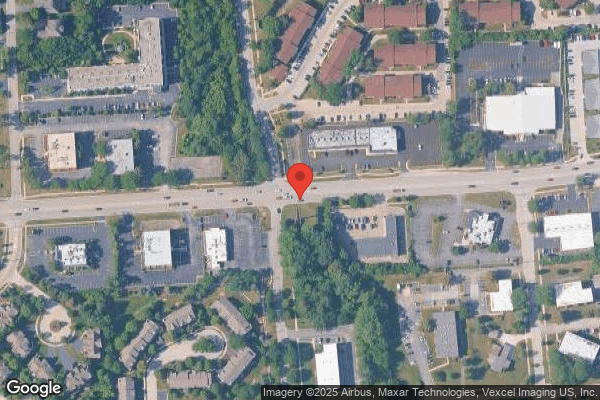
2850 OGDEN AVENUE, LISLE, IL 60532 (331) 249-6200
For profit - Corporation 28 Beds Independent Data: November 2025
Trust Grade
70/100
#190 of 665 in IL
Last Inspection: January 2025

Within standard 12-15 month inspection cycle. Federal law requires annual inspections.

Overview

Thrive of Lisle has a Trust Grade of B, indicating it is a good choice for families looking for care, as it suggests a solid level of quality and service. In the state rank, it stands at #190 out of 665 facilities in Illinois, placing it in the top half, and #15 out of 38 in Du Page County, meaning there are only a few better local options. The facility is showing improvement, with a decrease in issues from 10 in 2024 to 8 in 2025. Staffing is rated 3 out of 5 stars, which is average, with a turnover rate of 41%, slightly below the state average of 46%, indicating some staff stability. There have been no fines reported, which is a positive sign, and the facility has more RN coverage than 98% of Illinois facilities, ensuring better oversight of resident care. However, there are some areas of concern. Recent inspections revealed that the facility did not fully sanitize dishes properly, which could affect all residents. Additionally, they failed to provide flu and pneumonia vaccines to several residents who needed them, and there were lapses in daily weight checks for residents with congestive heart failure, which could lead to serious health issues. Overall, while Thrive of Lisle has strengths in staffing and oversight, families should be aware of these specific care deficiencies.

Trust Score
B
70/100
In Illinois
#190/665
Top 28%
Safety Record
Low Risk
No red flags
Inspections
Getting Better
10 → 8 violations
Staff Stability
○ Average
41% turnover. Near Illinois's 48% average. Typical for the industry.
Penalties
✓ Good
No fines on record. Clean compliance history, better than most Illinois facilities.
Skilled Nurses
✓ Good
Each resident gets 94 minutes of Registered Nurse (RN) attention daily — more than 97% of Illinois nursing homes. RNs are the most trained staff who catch health problems before they become serious.
Violations
⚠ Watch
23 deficiencies on record. Higher than average. Multiple issues found across inspections.
★★★★☆
4.0
Overall Rating
★★★☆☆
3.0
Staff Levels
★★★★☆
4.0
Care Quality
★★★★☆
4.0
Inspection Score
Stable
2024: 10 issues
2025: 8 issues

The Good

  • 4-Star Quality Measures · Strong clinical quality outcomes
  • Full Sprinkler Coverage · Fire safety systems throughout facility
  • No fines on record
  • Staff turnover below average (41%)

    7 points below Illinois average of 48%

Facility shows strength in quality measures, fire safety.

The Bad

Staff Turnover: 41%

Near Illinois avg (46%)

Typical for the industry

The Ugly 23 deficiencies on record

Jan 2025 8 deficiencies
CONCERN (D)

Potential for Harm - no one hurt, but risky conditions existed

Quality of Care (Tag F0684)

Could have caused harm · This affected 1 resident

**NOTE- TERMS IN BRACKETS HAVE BEEN EDITED TO PROTECT CONFIDENTIALITY** 2. On 1/28/25 at 10:39 AM, R139 was in bed on his back with the head of his bed elevated. R139 had a dressing to his left foot. ...

Read full inspector narrative →
**NOTE- TERMS IN BRACKETS HAVE BEEN EDITED TO PROTECT CONFIDENTIALITY** 2. On 1/28/25 at 10:39 AM, R139 was in bed on his back with the head of his bed elevated. R139 had a dressing to his left foot. R139's heels were resting on his mattress. R139 had an offloading boot laying in a chair at his bedside. At 10:45 AM, V9 (R139's family) walked into R139's room, saw the offloading boot in the chair and stated it was supposed to be on R139. V9 stated R139 has diabetes, poor circulation, stubbed his big toe on his left foot which snowballed everything. V9 stated R139 developed an infection and gangrene to his toes that they were managing at home for the past year. R139 had seen podiatry and wound care. V9 stated last Tuesday (1/21/25) R139 saw a vascular surgeon and R139 did not have any blood flow to his left foot. R139 had an angiogram done the next day and it was determined that R139 would need to have part of his foot and toes removed. V9 stated R139 is supposed to have the off loading boot in place to his left foot. On 1/29/25 at 2:05 PM, V2 (DON) stated R139 should have the boot on his foot. He just had surgery to his foot and is at high risk for breakdown. On 1/29/25 at 2:25 PM, V15 LPN (Licensed Practical Nurse/Wound Nurse) stated R139 should have the off loading boot on to relieve pressure. V15 stated R139 came from the hospital with the boot for his left foot. The Face Sheet dated 1/29/25 for R139 showed medical diagnoses including cellulitis of left lower limb, type 2 diabetes mellitus, gangrene, peripheral vascular disease, hypertension, hypothyroidism, weakness, difficulty walking, unspecified convulsions, congestive heart failure, and atrial fibrillation. The Skin/Wound Note dated 1/27/25 at 2:38 PM for R139 showed, wife present with guest and requesting amputation site to be open to air when in bed with heel boot protectors on and cover with rolled gauze when up in the wheelchair to protect amputation site; updated treatment. The Psychiatry Progress Note dated 1/27/25 at 9:36 AM for R139 showed, Chief complaint: Impaired mobility and ADL (activities of daily living) secondary to neuromuscular deconditioning and gait instability due to left lower extremity cellulitis and status post left TMA (transmetatarsal amputation). History of present illness: Patient is an [AGE] year old male with a past medical history (see below) who was admitted to the extended care facility for skilled nursing and rehabilitation secondary to deficits in mobility and ADLs. R139 was admitted into the hospital due to gangrenous change of the digits in his left lower extremity. R139 is status post left foot TMA. Alert and oriented x 3 (person, place, and time). Calm and cooperative with examination. Assessment/Plan: Impaired mobility and ADL dysfunction secondary to neuromuscular deconditioning and gait instability due to left lower extremity cellulitis and status post left TMA. Deconditioning/Gait instability: R139 is high risk for functional impairment without therapy and adequate pain control. R139 has a high risk for developing contractures, pressure ulcers, poor healing if not receiving adequate therapy and pain control. Increased risk for pressure injuries. Continue pressure injury prevention protocol. Wound care services to follow as indicated. The Physician Orders dated 1/27/25 for R139 showed pressure redistribution mattress and cushion as indicated; Encourage guest to float heels while in bed. The Care Plan dated 1/25/25 for R139 showed he has actual impairment to skin integrity related to fragile skin, limited mobility, and surgical wound. Surgical (wound) to left (foot) toes; left dorsal foot. Vascular wound to left heel. Ensure that heels are elevated while resident is lying in bed. The Skin/Wound Note dated 1/26/25 at 10:07 PM showed, Skin assessment for admission completed, noted bilateral arms with bruise; right heel with redness; sacrum with redness; left dorsal foot with, and left toes amputations with surgical incision; left heel with vascular/callous. See order for treatment under order. The facility's Skin Integrity policy (11/2019) showed, General: to ensure the resident's skin is assessed and interventions implemented to promote the prevention of wounds and other associated skin problems, Procedure: The licensed nurse and interdisciplinary team will assess and periodically reassess each resident's risk for developing pressure and take action to address any identified risks. The interdisciplinary team will create a written plan for the identification of risk for and prevention of pressure ulcers. If the resident is determined to be at risk or has developed any skin integrity abnormalities, the nurse will implement action according to the specific skin tissue identified per protocol including but not limited to: Protecting against adverse effects of external mechanical forces. The interdisciplinary team, including the physician will create a written plan for the treatment of impaired skin integrity which will be included in the resident's individualized plan of care. Ensure positioning avoids pressure on any existing pressure areas. 3. The Skin/Wound Note dated 1/29/25 at 9:29 AM for R140 showed, guest was seen by wound MD . continue previous treatment to both heels every other day .reinforce education to reposition as tolerated, float heels .guest totally dependent of care. The Physician Orders Summary dated 1/29/25 for R140 showed an order dated 1/14/25 to have heel protectors on while in bed and off when he is up. On 1/28/25 at 10:29 AM, R140 was in bed on his back with the head of his bed elevated. R140 did not have any offloading measures in place to his heels. R140's heels were resting on his bed. On 1/29/25 at 11:36 AM, V6 CNA (Certified Nursing Assistant) and V7 CNA stated sometimes the nurse tells them they can put a pillow under a resident's legs to keep heels up. V6 and V7 stated it is also in the charting who is supposed to have their heels up off the bed. V6 and V7 stated it was important for resident's heels to be elevated off the bed because they don't want sores and to decrease swelling. The Skin/Wound Note dated 1/22/25 at 2:33 PM for R140 showed, Guest was seen by wound physician .bilateral heels blister and discoloration. Nursing order - betadine and cover with hydrocolloid dressing daily. All orders will be carried out. Reinforce education to continue to reposition and float heels. The Wound Round Note dated 1/14/25 for R140 showed, left heel vascular wound, blood filled blister; right heel vascular wound, nonblanchable erythema present. The Progress Notes for R140 dated 1/13/25 through 1/30/25 did not show any refusal of off loading his heels in bed. The Care Plan dated 1/13/25 for R140 showed, R140 has impaired skin integrity with increased risk for additional skin breakdown related to decreased mobility, poor tissue perfusion, diabetes mellitus, polyneuropathy, vascular disease, and alcohol dependence with cirrhosis. Ensure that heels are elevated while resident is lying in bed. The facility's Skin Integrity policy (11/2019) showed, General: to ensure the resident's skin is assessed and interventions implemented to promote the prevention of wounds and other associated skin problems, Procedure: The licensed nurse and interdisciplinary team will assess and periodically reassess each resident's risk for developing pressure and take action to address any identified risks. The interdisciplinary team will create a written plan for the identification of risk for and prevention of pressure ulcers. If the resident is determined to be at risk or has developed any skin integrity abnormalities, the nurse will implement action according to the specific skin tissue identified per protocol including but not limited to: Protecting against adverse effects of external mechanical forces. The interdisciplinary team, including the physician will create a written plan for the treatment of impaired skin integrity which will be included in the resident's individualized plan of care. Ensure positioning avoids pressure on any existing pressure areas. Based on observation, interview, and record review the facility failed to ensure daily weights were completed for residents with congestive heart failure (R39) and failed to ensure residents with vascular wounds had offloading devices in place (R139, R140). This applies to 3 of 10 residents (R39, R139, R140) reviewed for congestive heart failure, and non-pressure wounds in the sample of 20. The findings include: 1. R39's admission Record (Face Sheet) showed an admission date of 1/10/25 with a diagnosis of congestive heart failure (CHF, weakened heart condition). R39's 12/12/24 Minimum Data Set showed he was cognitively intact. R39's January 2025 Medication Administration Record (MAR) showed an order for daily weights beginning on 1/12/25. R39's Electronic Health Record/weights and MAR showed daily weights were not documented as being done (as of 1/30/25) on 1/16/25, 1/24/25, 1/25/25, and 1/26/25. On 1/30/25 at 12:03 PM, R39 said, I've never refused to be weighed. I try not to cause a fuss and just go along with what they want. I'm not sure why monitoring my weight is important, but I do retain fluid. On 1/30/25 12:20 PM, V2 (Director of Nursing/DON) stated daily weights are ordered for CHF residents due to their risk of retaining fluid. V2 said the retained fluid can lead to breathing and heart problems, which can lead to possible hospitalization. V2 said if there is weight gain above a set amount, the provider is notified, and diuretics can be ordered or adjusted; potentially keeping the resident from being hospitalized . The facility's Weight Policy (revision 11/2024) showed CHF residents will be weight twice weekly .unless otherwise ordered by the physician.
CONCERN (D)

Potential for Harm - no one hurt, but risky conditions existed

Incontinence Care (Tag F0690)

Could have caused harm · This affected 1 resident

Based on observation, interview, and record review the facility failed to ensure an indwelling urinary drainage bag was not laying on a bed or residents lap during a transfer, and catheter tubing was ...

Read full inspector narrative →
Based on observation, interview, and record review the facility failed to ensure an indwelling urinary drainage bag was not laying on a bed or residents lap during a transfer, and catheter tubing was not laying on the floor for 1 of 4 residents (R140) reviewed for catheters in the sample of 20. The findings include: On 1/28/25 at 10:29 AM, R140 was laying on his back in bed with the head of his bed elevated. R140 had an indwelling urinary catheter drainage bag laying on his bed next to his right foot. On 1/28/25 at 10:56 AM, R140 was sitting up in bed wearing a gray shirt, gray pants and grip socks. R140's indwelling urinary catheter drainage bag was laying on his lap. V5 CNA (Certified Nursing Assistant) and V6 CNA went into R140's room with a full mechanical lift and transferred R140 from his bed to his wheelchair with the drainage bag on his lap. V5 stated she had the drainage bag on R140's belly because she was getting ready to transfer him. V5 and V6 stated the drainage bag should be kept on the side of the bed and below his bladder. V6 stated the drainage bag should be kept below his bladder so it can drain and so urine doesn't go backwards. On 1/28/25 at 12:10 PM, R140 was sitting in his wheelchair in the dining room at the dining room table. R140's catheter tubing was laying on the floor under his wheelchair. On 1/29/25 at 11:18 AM, V8 LPN (Licensed Practical Nurse) stated R140's drainage bag should be below the level of his bladder and not on his bed. V8 stated the drainage bag should be on the lower side of the bed or under his chair when he is up. V8 stated this is to keep the urine from going backward. V8 stated the drainage bag cannot be on the bed because that is something to do with infection. V8 stated the drainage bag should not be on his lap during a transfer with the mechanical lift. V8 stated there are two people to do the transfer and one person should be holding onto the resident and one should be holding the drainage bag. V8 stated catheter tubing should not be on the floor for infection reasons and it could come out or get damaged when R140 is being pushed in his wheelchair. The Face Sheet dated 1/29/25 for R140 showed diagnoses including alcoholic cirrhosis of the liver, gastrointestinal hemorrhage, acute kidney failure, thrombocytopenia, type 2 diabetes mellitus, alcohol dependence, congestive heart failure, benign prostatic hyperplasia, obstructive and reflux uropathy, and hypertension. The Care Plan dated 1/13/25 for R140 showed, R140 has a urinary catheter. Check placement of tubing each shift. The Catheterization of Urinary Bladder policy (11/2018) showed, hang collection bag appropriately to the side of bed, keeping below the bladder and off the floor.
CONCERN (D)

Potential for Harm - no one hurt, but risky conditions existed

Deficiency F0694 (Tag F0694)

Could have caused harm · This affected 1 resident

**NOTE- TERMS IN BRACKETS HAVE BEEN EDITED TO PROTECT CONFIDENTIALITY** Based on observation, interview, and record review the facility failed to implement their intravenous catheter care policy and p...

Read full inspector narrative →
**NOTE- TERMS IN BRACKETS HAVE BEEN EDITED TO PROTECT CONFIDENTIALITY** Based on observation, interview, and record review the facility failed to implement their intravenous catheter care policy and procedures for a resident (R2) with a midline catheter in place. This applies to 1 of 1 residents (R2) reviewed for intravenous catheters in the sample of 20. The findings include: R2's face sheet indicated that R2 was last admitted to the facility on [DATE] and has a past medical history not limited to: urinary tract infection, chronic kidney disease stage 3, need for assistance with personal care, hypo/hypertension, polyneuropathy, and abnormal findings of blood chemistry. Review of R2's Brief Interview for Mental Status (BIMS) evaluation dated 01/18/2025 documented score of 13.0 intact cognitive response. On 01/28/2025 at 10:33 AM, R2 was observed lying in bed and stated that she has been at this facility for about three weeks. Surveyor observed an intravenous (IV) line inserted to her left upper arm that had dried blood to the circular pad surrounding the insertion site which were all covered with an undated transparent dressing and secured to R2's skin with white medical tape. Surveyor also observed an intravenous pole next to the bed with an empty bag of intravenous medication (ertapenem sodium solution 1 gram) hung from the pole but was not connected to R2's intravenous line. R2 said she receives an antibiotic through the line but could not recall when she last received a dose because she was unsure about the administration times. R2 also said that she could not recall when the intravenous line was inserted or when the dressing was last changed. Review of R2's vascular access device insertion consent form signed on 01/26/2025 documented that a single lumen (SL) midline was inserted to resident's left cephalic vein with internal catheter length of 15 centimeters (cm) and arm circumference of 40 cm. Review of R2's progress notes showed a health status nurses note dated 01/27/2025 at 00:11 (12:11 AM) which documented, Midline inserted by PICC [peripherally inserted central catheter] team to left upper arm. To start IV Ertapenem 1 gm tomorrow for 5 days . Review of R2's active orders as of 01/28/2025 showed the following: may insert midline, order date 01/26/2025; ertapenem sodium solution reconstituted use 1 gram (GM) intravenously one time a day for urinary tract infection (UTI) for 5 days. If Midline is placed sooner, change antibiotic (ABT) to start as soon as possible (ASAP), start date 01/27/2025 and end date 02/01/2025. No orders for intravenous line care and/or maintenance were indicated. On 01/29/2025, review of R2's care plan with date initiated 01/28/2025 reads in part: has midline inserted related to IV antibiotic use thru 02/01 with Interventions to: observe IV dressing every shift. change dressing and record observations of site weekly; IV flushes per physician's orders; monitor/document/report as needed (PRN) signs/symptoms of infection at the site: drainage, inflammation, swelling, redness, warmth; monitor/document/report as needed (PRN) signs/symptoms of leaking at the IV site: edema at the insertion site, taut, shiny or stretched skin, whitening/blanching or coolness of the skin, slowing or stopping of the infusion, leaking of IV fluid out of the insertion site all with documented date initiated of 01/28/2025 on page 14 of 19. On 01/29/2025 at 10:17 AM, observed a new dressing was now applied to R2's left upper arm that was not the dressing observed by surveyor on 01/28/2025 and dressing was now dated 01/29/2025. Initials on this dressing were not legible. Review of R2's electronic medication and treatment records showed no documentation of when the dressing was changed, and no progress note was found documenting that the dressing was changed or being monitored for signs of infection. On 01/30/2025 at 09:21 AM, observed R2 lying in bed eating breakfast. No midline was observed to R2's left upper arm at this time, and IV pole was not observed next to the bed as previous. R2 said oh they must have taken it out, they don't tell me anything. No evidence of resident pulling out her midline or removing the dressing was observed to the bed or floor, and no bleeding was observed at the insertion site. On 01/30/2025 at 09:37 AM, V12 (Registered Nurse/RN) said he received in report by the previous shift that R2 had a midline in place to her left upper arm and is receiving IV antibiotics daily until 02/01/2025. At 09:40 AM, surveyor entered R2's room with V12 (RN) and upon V12's assessment of R2, V12 said that he was unsure as to why resident's midline was no longer in place, who had removed it or when it was removed. On 01/30/2025 09:50 AM, V2 (Director of Nursing/DON) said when a peripherally inserted central catheter (PICC) or midline is inserted, an outside PICC team performs the procedure then places a dressing to cover the site. V2 then said the dressing should be dated to indicate when it was done, and the nurse on duty should document procedure then input the orders for line maintenance/care such as monitor site and dressing every shift, change dressing weekly, etc. V3 (Infection Preventionist/IP) is supposed to then verify that the orders were inputted, and they are correct. Review of R2's electronic medication administration record (page 4 of 26) documented as of 01/30/2025 at 10:08 AM, resident received ertapenem sodium solution reconstituted 1 gram intravenously through her midline on 01/27 through 01/29/2025. No record found for intravenous line care, maintenance or monitoring of the insertion site were documented on R2's administration record. On 01/30/2025 at 10:15 AM, V12 (RN) said he placed a call to the Infectious Disease Nurse Practitioner (IDNP) regarding R2's midline being removed and for any new medication orders. V12 then said that an outside source is used to insert PICC/Midlines, consent form is signed prior to insertion, then the nurse or V3 (IP) enters the standing orders that include to monitor site and dressing for signs of infection every shift, weekly dressing changes, etc. V12 added that when a line is discontinued, it should be documented in a progress note in the resident's record. On 01/30/2025 at 10:39 AM, review of R2's progress notes now showed the following progress notes: Health Status Note (nurses note) dated 01/30/2025 at 10:11 AM that documented, [Infectious Disease Nurse Practitioner] here, came and reviewed urine result with order to [discontinue] ertapenem and midline order, colonized. Physician/PA/NP (Physicians Assistant/Nurse Practitioner) Progress Note (Narrative) dated 1/30/2025 at 08:16 AM that documented, . During assessment today on 01/30/25 patient continue to report asymptomatic status [with] new order to [discontinue] the IV [antibiotic] therapy all-together . Plan of care discussed with patient and nursing team [with] agreement & informed team to update if any change happens. Note was created on 01/30/2025 at 10:23:23 AM. On 01/30/2025 10:57 AM, V2 (DON) said R2 has no current orders for nursing to monitor site/dressing or for maintenance of her midline but may have been discontinued since the line is out and will review discontinued orders as well. V2 then said that she must also do some investigating as to what happened with the midline for R2. On 01/30/2025 at 11:16 AM, V2 said no discontinued orders were found for R2's midline care, and there should have been orders in place after the line was inserted by the nurse who was working (V13). V2 added that there should be documentation of when the midline was discontinued and that her investigation as to who discontinued R2's midline and when it was discontinued remained ongoing. On 01/30/2025 at 11:48 AM, V13 (RN) said that she was working at the time of R2's midline insertion but she forgot to enter the orders. V13 added that nursing usually enter orders to check patency of the line, monitor for signs/symptoms of infection, change the dressing weekly, flush with normal saline before/after antibiotic administration, monitor dressing and site every shift and to call physician with any findings. V13 then said these orders are entered for resident safety, to ensure PICC/midline care is being done, and to prevent infection with early detection. V13 also said that nursing are to document a progress note regarding the insertion of a line, when the dressing is changed, and when the line is discontinued. V13 added that when a line is discontinued, we need to have an order to discontinue, then measure the length of line and check if line tip is intact because if the tip is not intact, we are to order an x-ray then document any findings when the line was discontinued. On 01/30/2025 at 02:30 PM, facility provided a care plan for R2 that did not include documentation regarding resident's midline and/or the care of her line and active physician's orders that included x-ray to left upper arm to make sure it is free from any parts of a line. At 02:33 PM, V2 said the x-ray was ordered because it remains unknown who removed R2's midline and when. On 01/30/2025 at 2:57 PM, V1 (Administrator) provided the following orders that are inputed when an intravenous line is inserted: change dressing and needle-less access device every seven days and PRN (as needed), observe signs and symptoms of infection every shift, measure external catheter length every seven days, measure upper arm circumference every seven days, flush with normal saline before and after antibiotic treatment. Review of Central Line Care policy last revised/reviewed 04/2023 reads in part: General: To ensure the care and management of central venous access devices in accordance with all state and federal guidelines. Policy: Peripherally inserted central catheter (PICC) line care dressing change, maintenance and removal will be completed according to standard of practice by licensed nurses only . Procedure: General instructions after insertion: all PICC lines treatments and dressings require a physician order. Only an RN trained in removal of a PICC line may remove a PICC line with a physician's order. Following the initial 24 dressing change an RN or LPN will change the injection cap and dressing at minimum weekly or any time the dressing becomes moist, loosened or soiled. Flushing a PICC line with saline and/or heparin and changing PICC line dressing: Gather all supplies and always maintain clean field. Wash hands: a PICC line must remain sterile; use soap and water to wash hands and dry with paper towel. Remove old dressing and dispose in biohazard waste. Remove gloves and wash hands with soap and water. [NAME] new gloves .Place non-occlusive dressing around catheter with foam pad side next to elder's skin. Apply transparent dressing. Label dressing with date dressing was changed, if PICC line is sutured or non-sutured and the initials of nurse who changed dressing and date of dressing change .Document procedure and assessment findings in the clinical record. Removal of PICC line: must be completed by an RN. Must have a physician order to remove PICC line .Remove dressing and assess site .If sutured in place, sutures must be removed prior to pressure on PICC line tubing. Once sutures removed, gently pull on PICC line to remove. Apply gentle pressure with clean sponge gauze until bleeding has stopped .Place gentle dressing as needed over PICC line site. Measurement of PICC line will be obtained by measuring the entire length of the PICC line removed and recorded in the clinical record prior to biohazard disposal of the PICC line and tubing. Comparison measurement with documented or reported measurement of the line at the time of insertion must be confirmed and if variance is present, the physician must be notified immediately.
CONCERN (D)

Potential for Harm - no one hurt, but risky conditions existed

Respiratory Care (Tag F0695)

Could have caused harm · This affected 1 resident

**NOTE- TERMS IN BRACKETS HAVE BEEN EDITED TO PROTECT CONFIDENTIALITY** Based on observation, interview, and record review, the facility failed to ensure a resident (R134) received oxygen per nasal ca...

Read full inspector narrative →
**NOTE- TERMS IN BRACKETS HAVE BEEN EDITED TO PROTECT CONFIDENTIALITY** Based on observation, interview, and record review, the facility failed to ensure a resident (R134) received oxygen per nasal canula for 1 of 1 resident (R134) reviewed for oxygen administration in the sample of 20. The findings include: On 1/28/25 at 10:05 AM, V10 (R134's family) was outside of R134's room yelling and demanding to know why R134 did not have any oxygen on. The surveyor went into R134's room, V10 followed, and V10 was visibly upset. V10 stated she wanted to know why R134 did not have his oxygen in place when they arrived at the facility. V10 stated V11 (R134's family) applied the nasal cannula to R134's face. V10 stated R134 is oxygen dependent. V11 was sitting on the end of R134's bed. V11 stated the nasal cannula was hanging over there and pointed to the flow meter on the wall at the head of his bed. V11 stated this is not the first time this has happened. R134 had a nasal cannula on his face and his flow meter was set at 3 liters of oxygen. R134 stated he did not know why his oxygen was over there. On 1/29/25 at 11:36 AM, V6 CNA (Certified Nursing Assistant) stated she was R134's aide yesterday and when she went into his room to change his bed and clean him up his oxygen was off and to the side of his face. V6 stated she put the oxygen back on and did not know anything about R134's nasal cannula not being on. V6 stated she did not know anything about R134's nasal cannula hanging on the flow meter in the room. On 1/29/25 at 2:05 PM, V2 D.O.N. (Director of Nursing) stated she would need to see why R134 did not have oxygen on. V2 stated if R134 has an order for oxygen then he should have the oxygen on unless there were orders for weaning the oxygen. V2 stated she couldn't imagine R134 having orders to wean oxygen if he has chronic respiratory failure. The Progress notes for R134 from admission on [DATE] through 1/27/25 did not show any documentation of R134 removing his nasal cannula, refusing to wear the nasal cannula, or refusal of oxygen administration. The Physician Order Summary Report dated 1/30/25 showed an order dated 1/28/25 for oxygen at 3 liters per nasal cannula continuously. The Face Sheet dated 1/30/25 for R134 showed diagnoses including chronic respiratory failure with hypoxia, repeated falls, fracture of left shoulder, type 2 diabetes mellitus, Parkinson's disease, hypertension, paroxysmal atrial fibrillation, and dependence on supplemental oxygen. The Care Plan dated 1/17/25 for R134 showed, R134 requires oxygen therapy related to chronic respiratory failure with hypoxia. Oxygen as ordered by medical doctor; see orders. Administer oxygen per physician's orders. The Facility's Oxygen Administration policy (no date) showed, place appropriate oxygen device on resident. Check mask, tank, humidifying jar, etc., to be sure they are in good working order and are securely fastened. Observe the resident upon setup and periodically thereafter to be sure oxygen is being tolerated.
CONCERN (D)

Potential for Harm - no one hurt, but risky conditions existed

Pharmacy Services (Tag F0755)

Could have caused harm · This affected 1 resident

Based on observation, interview and record review, the facility failed to ensure a pain patch was removed as ordered (R129) and failed to ensure nursing staff documented in the controlled medications ...

Read full inspector narrative →
Based on observation, interview and record review, the facility failed to ensure a pain patch was removed as ordered (R129) and failed to ensure nursing staff documented in the controlled medications reconciliation sheets as soon as medications were removed from the medication cart (R142 and R144). These failures apply to 1 resident (R129) in the sample of 20 reviewed for medication administration, and 2 residents (R142 and R144) outside of the sample. The findings include: 1. R129's admission Record, printed by the facility on 1/30/25, showed she had diagnoses including a right femur fracture, a wedge compression fracture of first and third lumbar vertebra, and bilateral primary osteoarthritis of hip. R129's 1/22/25 facility assessment showed she was cognitively intact, required partial to moderate assistance from staff for bed mobility, upper body dressing, and transfers. The assessment showed R129 required substantial to maximal assistance from staff for toileting and lower body dressing. On 1/29/25 at 8:34 AM, V14 (Licensed Practical Nurse-LPN) prepared the AM medications for R129. The medications included a Lidocaine 5% patch. V14 went in to give R129 her oral medications, then informed R129 that she was going to put her pain patch on. R129 rolled over onto her right side and pulled her brief down. R129 said the previous patch was still on. V14 donned gloves and removed the old Lidocaine patch from R129's left lower back area. On 1/29/25 at 8:43 AM, V14 said the lidocaine patch should have already been removed because the order says 12 hours on and 12 hours off. V2 said it should be taken off as ordered. It could irritate the skin. On 1/30/25 at 11:26 AM, V2 (Director of Nursing-DON) said if a lidocaine patch is a 12-hour treatment order, then there is a length of time that it should be on the body. It should have been taken off when ordered. If the order says 9:00 AM on and 9:00 PM off, it should have been taken off at 9:00 PM. V2 said if left on longer than ordered it could cause skin irritation or could affect the efficacy of treatment. V2 said the resident could get too less, or too much medication. On 1/30/25 at 11:33 AM, R129 said the nurses were not removing the lidocaine patch after 12 hours. R129 was surprised to learn that the order for the Lidocaine patch was on for 12 hours, then off for 12 hours. R129 said the skin under the patch would get a little itchy, but no rash had developed. R129's Order Summary Report, printed by the facility on 1/29/25, showed an order for Lidocaine External Patch 5% (Lidocaine) Apply to left side back topically one time a day for pain. Apply 12 hours on and 12 hours off and remove per schedule. R129's January 2025 MAR (Medication Administration Record) showed the same order. The MAR showed the Lidocaine patch was applied on 1/28/25 around 9:00 AM. 2. On 1/29/25 at 9:36 AM, a review of the 2000 hall, (back-half of the 2000 hall) medication cart was conducted. At 9:48 AM, this surveyor informed V8 (Licensed Practical Nurse-LPN) that she wanted to review some of the medications in the locked, controlled medication compartment of the medication cart, and compare the count to the medication reconciliation binder. V8 said she wanted to sign something before we began. V8 signed off in the reconciliation binder for R144's Lyrica (a schedule V controlled medication for neuropathy pain) and R142's Norco (a schedule II-controlled pain medication). After signing off on R144 and R142's medications, the number of pills in the medication cards (31 capsules of R144's Lyrica and 14 pills of R142's Norco) matched what the medication reconciliation binder showed. On 1/29/25 at 9:56 AM, V8 said the medications should be signed off on when you give them, so you do not forget to sign them off, and so you sign off on the right person. R144's admission Record, printed by the facility on 1/30/25, showed she had diagnoses including discitis (a rare, but serious condition that involves inflammation and infection of the spinal columns intervertebral discs that can cause severe back pain), and polyneuropathy (a peripheral nerve disorder that affects multiple nerves throughout the body simultaneously). R144's Order Summary Report, printed by the facility on 1/30/25, showed an order for Lyrica capsule 100 miligrams (mg). Give one capsule two times a day for neuropathy. R144's January 2025 Medication Administration Record (MAR) showed the Lyrica is scheduled for 9:00 AM and 9:00 PM. R142's admission Record, printed by the facility on 1/30/25, showed she had diagnoses including a left femur fracture, and pain in left hip. R142's Order Summary Report, printed by the facility on 1/30/25, showed an order for Norco 5-325 mg (milligrams) give one tablet by mouth every 4 hours as needed for pain. R142's January 2025 Medication Administration Record (MAR) showed R1's Norco was administered at 9:08 AM on 1/29/25 (40 minutes before signing it out of the controlled medication reconciliation binder). On 1/30/25 at 11:20 AM, V2 (Director of Nursing-DON) said the nurse should sign out controlled medications in the reconciliation binder as soon as they pop the medication out of the card. V2 said it is important to do it so there is no Hey I dropped it, and no medication diversion. V2 said You are documenting that you pulled the medication out of the bingo (medication) card. The facility's November 2018 policy and procedure titled Narcotic Monitoring, showed 1. When a controlled substance arrives from the pharmacy, it should be immediately locked in the narcotic medication drawer, with the individual Narcotic Sign Out sheet being placed in a binder .3. When a narcotic medication is administered, it should be signed out in the individual Narcotic Sign Out record and pain flow sheet .4. Individual Narcotic Sign Out record should include date given, time given, dosage given, signature of nurse administering medications and number remaining.
CONCERN (D)

Potential for Harm - no one hurt, but risky conditions existed

Infection Control (Tag F0880)

Could have caused harm · This affected 1 resident

**NOTE- TERMS IN BRACKETS HAVE BEEN EDITED TO PROTECT CONFIDENTIALITY** Based on observation, interview, and record review the facility failed to implement its infection control policy regarding conta...

Read full inspector narrative →
**NOTE- TERMS IN BRACKETS HAVE BEEN EDITED TO PROTECT CONFIDENTIALITY** Based on observation, interview, and record review the facility failed to implement its infection control policy regarding contact isolation for a resident with a multi drug resistant organism (MDRO). This applies to 1 (R228) of 3 residents reviewed for infection control policies in the sample of 20. The findings include: R228's admission Record (Face Sheet) showed he was admitted to the facility on [DATE]. The face sheet showed his primary diagnosis was Clostridium Difficile (C.Diff, an MDRO which can cause severe diarrhea.) R228's Active Orders (As of 1/30/25) showed an order for Contact Isolation: Strict one room isolation with all services provided in room alone, C.Diff.) The order showed it was started on 1/20/25. On 1/28/25 at 10:43 AM, R228's door showed a yellow Contact Isolation sign. This sign is standard and provided by the Centers for Disease Control. The sign did indicate hand hygiene was required; however, it did not show/state that hand washing was required. The interior of R228's door had no posting indicating hand washing was required. R228's door did not have a posting indicating staff assistance/notification was required prior to entry. On 1/29/25 at 11:58 AM, V4 Certified Nursing Assistant (CNA) stated she was R228's CNA for the day. V4 stated she is dependent upon the nurse to know which residents have C.Diff. V4 said she did not have any residents with C.Diff. V4 said residents with C.Diff require gowns and gloves. V4 said, after providing care for C.Diff residents, handwashing is required. V4 said there is no posting on doors for residents with C.Diff to notify family, visitors, dietary staff that handwashing is required. On 1/30/25 at 9:41 AM, V3 Infection Preventionist stated alcohol-based hand rub does not kill C.Diff spores. V3 said handwashing is required to prevent the spread of C.Diff to other residents and staff. On 1/30/25 at 11:39 AM, V3 stated R228 is in isolation for C.Diff. V3 stated R228 only had the standard yellow contact isolation sign on the door; however, she has now posted inside the door a sign indicating hand washing is required. V3 stated she was not aware the facility's policy required a blue contact isolation sign for C.Diff. The facility's Infection Control Policy (Revision/Reviewed on May 2024) showed, .The resident's clinical record and door will display the appropriate isolation notification by nursing staff .Signage will refer viewers to the nurse to inquire about procedures to be followed. Nursing staff will instruct the resident and visitors about precautions to follow while visiting or attending to the resident in isolation. The policy continued, Staff will be notified during each shift report of the type of transmission-based precautions a resident is placed on and the reason .A resident with C.Difficile infection will be placed on special contact precautions. Special contact precautions require the use of gowns and gloves upon entry to room, soap and water for hand hygiene after contact with the resident or their care environment .Resident rooms for special contact precautions will be designated with a blue sign .
CONCERN (D)

Potential for Harm - no one hurt, but risky conditions existed

Deficiency F0887 (Tag F0887)

Could have caused harm · This affected 1 resident

**NOTE- TERMS IN BRACKETS HAVE BEEN EDITED TO PROTECT CONFIDENTIALITY** Based on interview and record review, the facility failed to offer the Covid-19 vaccine for 2 of 5 residents (R56 and R228) revi...

Read full inspector narrative →
**NOTE- TERMS IN BRACKETS HAVE BEEN EDITED TO PROTECT CONFIDENTIALITY** Based on interview and record review, the facility failed to offer the Covid-19 vaccine for 2 of 5 residents (R56 and R228) reviewed for immunizations in the sample of 20. The findings include: On 1/30/25, a review of R56 and R228's electronic medical records showed: R56's admission Record, printed by the facility on 1/30/25, showed he was admitted to the facility on [DATE]. The record showed he had diagnoses including, but not limited to, paroxysmal atrial fibrillation, chronic obstructive pulmonary disease, peripheral vascular disease, hypertension, malignant neoplasm of prostate, cardiomyopathy, and presence of a cardiac pacemaker. R56's immunization record, provided by the facility on 1/30/25, showed his last SARS Cov-2 vaccine was on 9/21/2023. R228's admission Record, printed by the facility on 1/30/25, showed he was admitted to the facility on [DATE] with diagnoses including, but not limited to, chronic obstructive pulmonary disease, Clostridium difficile, chronic kidney disease-stage 3, atrial fibrillation, chronic diastolic (congestive) heart failure, and dependence on supplemental oxygen. R228's immunization record, provided by the facility on 1/30/25, showed his last SARS-COV-2 vaccine was on 12/11/2021. On 1/30/25 at 9:58 AM, V3 (Infection Preventionist-IP/Registered Nurse-RN) said the facility has such a fast turnover rate due to it being an acute rehab facility. V3 said the facility has someone from a local pharmacy come in once a month and they do a vaccine clinic. V3 said any of the residents that are eligible and would like a vaccine are offered it, if they are in the facility when the person from the local pharmacy comes. V3 said the facility has talked to the pharmacy representative that does the vaccine immunizations and they are going to start coming in twice a month, starting next month (February 2025). V3 said the next vaccine clinic is scheduled for 2/14/25. V3 said if a resident is a candidate for the Covid-19 vaccine and are going to be in the facility during that time, the facility will offer them the vaccine. V3 said she will wait until closer to 2/14/25 to ask them if they would like the vaccines and provide them information regarding the risks and benefits. V3 was asked to provide all documentation she had showing the facility offered them the vaccines, and if declined, then to provide the declination forms. No documentation showing R56 or R228 were offered the vaccines, or declination forms were provided prior to exiting the facility. On 1/30/25 at 12:46 PM, V1 (Administrator) said the facility is working with the pharmacy to increase the vaccine clinics to twice a month, so they can catch and offer all the residents any vaccines they are eligible for.
CONCERN (E)

Potential for Harm - no one hurt, but risky conditions existed

Deficiency F0883 (Tag F0883)

Could have caused harm · This affected multiple residents

**NOTE- TERMS IN BRACKETS HAVE BEEN EDITED TO PROTECT CONFIDENTIALITY** Based on interview and record review, the facility failed to offer an influenza and/or pneumonia vaccines for 4 of 5 residents (...

Read full inspector narrative →
**NOTE- TERMS IN BRACKETS HAVE BEEN EDITED TO PROTECT CONFIDENTIALITY** Based on interview and record review, the facility failed to offer an influenza and/or pneumonia vaccines for 4 of 5 residents (R2, R56, R228, and R230) reviewed for immunizations in the sample of 20. The findings include: On 1/30/25, five selected residents from the sample were reviewed for immunizations. The review showed: R2's admission Record, printed by the facility on 1/30/25, showed she had diagnoses including, but not limited to, chronic kidney disease-stage 3, atherosclerotic heart disease, chronic diastolic (congestive) heart failure, urinary tract infection, metabolic encephalopathy, atrial fibrillation, and presence of a prosthetic heart valve. The record showed R2 was admitted to the facility on [DATE]. R2's electronic immunization tab showed the last pneumonia vaccine she received was on 2/7/2015. R56's admission Record, printed by the facility on 1/30/25, showed he was admitted to the facility on [DATE]. The record showed he had diagnoses including, but not limited to, paroxysmal atrial fibrillation, chronic obstructive pulmonary disease, peripheral vascular disease, hypertension, malignant neoplasm of prostate, cardiomyopathy, and presence of a cardiac pacemaker. R56's immunization record, provided by the facility on 1/30/25, showed his last pneumonia vaccine (and only pneumonia vaccine listed) was the pneumococcal 20-valent on 8/17/23. R228's admission Record, printed by the facility on 1/30/25, showed he was admitted to the facility on [DATE] with diagnoses including, but not limited to, chronic obstructive pulmonary disease, Clostridium difficile, chronic kidney disease-stage 3, atrial fibrillation, chronic diastolic (congestive) heart failure, and dependence on supplemental oxygen. R228's immunization record, provided by the facility on 1/30/25, showed his last pneumococcal vaccine was on 5/7/2015. R230's admission Record, printed by the facility on 1/30/25, showed he was admitted to the facility on [DATE] with diagnoses including, but not limited to, Covid-19, acute respiratory failure with hypoxia, myocardial infarction, acute kidney failure, hypertension, atherosclerotic heart disease, and presence of aortocoronary bypass graft. R230's immunization record, provided by the facility on 1/30/25 showed no influenza immunizations. The record showed R230's last pneumococcal vaccine was the pneumococcal 23-valent on 1/14/2020. On 1/30/25 at 9:58 AM, V3 (Infection Preventionist-IP/Registered Nurse-RN) said the facility has such a fast turnover rate due to it being an acute rehab facility. V3 said the facility has someone from a local pharmacy come in once a month and they do a vaccine clinic. V3 said any of the residents that are eligible and would like a vaccine are offered it, if they are in the facility when the person from the local pharmacy comes. V3 said the facility has talked to the pharmacy representative that does the vaccine immunizations and they are going to start coming in twice a month, starting next month (February 2025). V3 said the next vaccine clinic is scheduled for 2/14/25. V3 said if a resident is a candidate for the influenza, pneumonia, Covid-19, or RSV vaccine, and are going to be in the facility during that time, the facility will offer them the vaccine. V3 said she will wait until closer to 2/14/25 to ask them if they would like the vaccines and provide them information regarding the risks and benefits. V3 was asked to provide all documentation she had regarding asking the 5 residents that were reviewed for immunizations, showing the facility offered them any vaccines, and if declined, then to provide the declination forms. No documentation showing R2, R56, R228, or R230 were offered the vaccines, or declination forms were provided prior to exiting the facility. On 1/30/25 at 12:46 PM, V1 (Administrator) said the facility is working with the pharmacy to increase the vaccine clinics to twice a month, so they can catch and offer all the residents any vaccines they are eligible for. The facility's policy and procedure titled Pneumonia and Influenza Vaccine, with a revision date of October 2024, showed The Advisory Committee on Immunization Practices recommends vaccinating persons who are at high risk for serious complications from influenza and/or pneumonia, including those [AGE] years of age and older, who are residents of nursing homes . The policy showed Procedures: All current and newly admitted residents, all staff, and volunteers will be offered the influenza vaccine from October 1 of each year through March 31 of the following year. All admissions during the policy administration period will be offered the influenza vaccine developed for the current year after investigation/inquiry related to current immunization statis. All admissions throughout the year will be offered the Pneumovax injection as desired by the resident and approved by the primary care physician after investigation/inquiry related to current immunization status.
Mar 2024 10 deficiencies
CONCERN (D)

Potential for Harm - no one hurt, but risky conditions existed

Resident Rights (Tag F0550)

Could have caused harm · This affected 1 resident

**NOTE- TERMS IN BRACKETS HAVE BEEN EDITED TO PROTECT CONFIDENTIALITY** Based on observation, interview, and record review, the facility failed to treat a resident in a dignified manner by not providi...

Read full inspector narrative →
**NOTE- TERMS IN BRACKETS HAVE BEEN EDITED TO PROTECT CONFIDENTIALITY** Based on observation, interview, and record review, the facility failed to treat a resident in a dignified manner by not providing personal care assistance for 1 of 16 residents (R177) in the sample of 16 reviewed for dignity. The findings include: R177's admission Record, dated 3/25/24, shows he was admitted to the facility on [DATE], and his diagnoses include, but are not limited to, cerebral infarction (stroke), anarthria (complete loss of speech), major depressive disorder, weakness, and need for assistance with personal care. R177's Care Plan (initiated on 3/18/24) shows R177 has a communication problem and all staff should anticipate and meet his needs. The same care plan also shows R177 is dependent on staff for toileting hygiene and is incontinent and should be checked every two to three hours, and as needed for incontinence. On 3/25/24 at 11:11 AM, R177 was sitting in his wheelchair in his room. R177 appeared to be very thin and was unable to speak, but he typed text messages via his smart phone and communicated with body gestures. When asked how his care was, R177 responded with a so-so hand gesture. R177 said (via typed message) he is wet and has a diaper on, but staff are slow to change him, they don't check on him, and he wants to go back to using a catheter. R177 said he gets very uncomfortable sitting up after 10 minutes because he has no fat and no muscle. R177 hung his head and looked hopeless. R177 triggered his call light at 11:18 AM. By 11:25 AM, no one had responded to his call light, however, multiple staff members were seen walking by his room. There was still no response by 11:34 AM, and finally at 11:39 AM, a CNA (Certified Nursing Assistant), V12, came in and asked R177 what he needed. R177 told her he was wet. V12 said she would be back to put him to bed and change him, then she left and returned at 11:41 AM. On 3/25/24 at 11:41 AM, V12 returned to change R177. V12 said she last changed him at 8:00 AM. V12 said residents are checked and changed every 3 to 4 hours. On 3/25/24 at 1:06 PM, V12 acknowledged R177 had been wet when she responded to his call light at 11:39 AM. On 3/27/24 at 11:44 AM, V1, Administrator, said they strive to answer call lights in less than 10 minutes, and all staff should be responding to call lights. The facility's Resident Rights Policy (revised 5/2023) shows each resident is to be treated with dignity and respect. Staff interactions are supposed to be focused on assisting in maintaining and enhancing self-esteem, self-worth, individualizing goals, preferences and choices.
CONCERN (D)

Potential for Harm - no one hurt, but risky conditions existed

Deficiency F0583 (Tag F0583)

Could have caused harm · This affected 1 resident

Deficiency Text Not Available

Read full inspector narrative →
Deficiency Text Not Available
CONCERN (D)

Potential for Harm - no one hurt, but risky conditions existed

Pressure Ulcer Prevention (Tag F0686)

Could have caused harm · This affected 1 resident

**NOTE- TERMS IN BRACKETS HAVE BEEN EDITED TO PROTECT CONFIDENTIALITY** 2. R227's Wound Assessment Report, dated 3/20/24, showed R227 was at high risk for skin breakdown and had a pressure injury on h...

Read full inspector narrative →
**NOTE- TERMS IN BRACKETS HAVE BEEN EDITED TO PROTECT CONFIDENTIALITY** 2. R227's Wound Assessment Report, dated 3/20/24, showed R227 was at high risk for skin breakdown and had a pressure injury on her right heel. R227's orders show an order to off load heels. R227's Skin Impairment care plan listed under interventions to, Ensure that heels are elevated while resident is lying in bed. On 03/25/24 at 09:55 AM, R227 was in bed. R227's feet were not covered up. R227's heels were resting directly on the mattress. There were green heel protector boots sitting in the chair next to R227's bed. R227 said staff sometimes put the heel protector boots on. On 03/25/24 at 11:42 AM and 03/26/24 at 08:40 AM, R227 was in bed with her heels resting directly on the mattress. On 3/26/24 at 9:26 AM, V4 (Wound Care Nurse) said R227 had a pressure injury on her right heel. V4 said R227's heel protector boots are a pressure injury prevention and R227 should have the heel protector boots on while in bed. On 3/26/24 at 12:30 PM, V19 (Certified Nursing Assistant) said she was familiar with R227 and R227 did not refuse care. The facility's Wound Policy and Procedure policy, revised on 5/23, shows, Any resident with a wound receives treatment and services consistent with the resident's goal of treatment. Typically the goal is one of promoting healing and preventing infection unless a resident's preferences and medical condtiions necessitate palliative care as the primary focus. Resident risk factors and interventions are documented including: impaired mobility, need for pressure relief such as support surfaces, repositioning, pressure relieving devices, and general treatment regimen. Based on observation, interview, and record review, the facility failed to follow physician orders for a pressure injury dressing and failed to have pressure relieving devices in place for 2 of 4 residents (R328, R227) reviewed for pressure injuries in the sample of 16. The findings include: 1. R328's admission Record shows she was admitted to the facility on [DATE], with diagnoses including metabolic encephalopathy, weakness, dementia, and malnutrition. R328's Pressure Injury Risk, dated 3/24/24, shows she is at risk for developing pressure injuries. R328's Wound Assessment and Details Report shows she has an unstageable pressure injury to her sacrum. R328's Care Plan, initiated 3/18/24, shows evaluate and treat per physicians orders. R328's Treatment Administration Record (TAR), dated 3/1/24 to 3/31/24, shows and order for, Coccyx wound-cleansed with normal saline, pat dry, apply medihoney to wound bed and calcium alginate. Cover with foam dressing three times a week and as needed if missing/soiled, monitor for signs and symptoms of infection every day shift every Tuesday, Thursday, and Saturday. R328's TAR shows that R238's dressing was not changed on 3/23/24 as ordered. On 3/25/24 at 2:22 PM, R328 had a foam dressing intact to her coccyx. The dressing was dated 3/21/24. There was tan drainage visible through the foam dressing. On 3/26/24 at 9:45 AM, there was no dressing noted to R328's coccyx. V6, Wound Care Registered Nurse, said she did not know where R328's dressing was. V6 said the dressing could have possibly came off during incontinence care. V5, Wound Care Nurse Practitioner, said R328's coccyx wound has a lot of dead tissue present. V5 said the floor nurses can also change residents' pressure injury dressings. V5 said that medihoney is used to deride the wound and acts as an antibiotic. V5 said calcium alginate is an absorbent material and the foam dressing is for extra protection. On 3/26/24 at 10:00 AM, V7, LPN (Licensed Practical Nurse), said she was R328's nurse for the day. V7 said she did not know V7's coccyx dressing was not on. At 10:10 AM, V8, Certified Nursing Assistant/CNA, said she got R328 up in her wheel chair at about 8:45 AM. V8 said R328 did not have a dressing in place to her coccyx at that time. At 2:00 PM, V11, RN (Registered Nurse), said if a residents' dressing comes off, then the cna needs to let the nurse know right away. The purpose of the dressing is to help prevent infection and to stop the wound from getting worse.
CONCERN (D)

Potential for Harm - no one hurt, but risky conditions existed

Incontinence Care (Tag F0690)

Could have caused harm · This affected 1 resident

**NOTE- TERMS IN BRACKETS HAVE BEEN EDITED TO PROTECT CONFIDENTIALITY** Based on observation, interview, and record review, the facility failed to ensure urinary catheter bags were kept from resting o...

Read full inspector narrative →
**NOTE- TERMS IN BRACKETS HAVE BEEN EDITED TO PROTECT CONFIDENTIALITY** Based on observation, interview, and record review, the facility failed to ensure urinary catheter bags were kept from resting on the floor for 1 of 4 residents (R179) reviewed for catheters in the sample of 16. The findings include: R179's admission Record, dated 3/25/24, shows R179 was admitted to the facility on [DATE], hospitalized from [DATE] to 3/21/24, and readmitted to the facility on 3/2124. R179's diagnoses include, but are not limited to, congestive heart failure, chronic kidney disease, and atherosclerotic heart disease. R179's Care Plan, initiated on 3/21/24, shows he has a urinary catheter. On 3/25/24 at 10:16 AM, R179's urinary catheter bag was resting directly on the floor on the right side of his bed. On 03/26/24 at 12:10 PM, V14, Certified Nursing Assistant, said a urinary catheter bag needs to be in a privacy bag to protect the resident's privacy and it should not be on the floor to prevent contamination The facility's Catheterization of Urinary Bladder Policy (revised 4/2023) shows the urinary collection bag should be kept off the floor.
CONCERN (D)

Potential for Harm - no one hurt, but risky conditions existed

Tube Feeding (Tag F0693)

Could have caused harm · This affected 1 resident

**NOTE- TERMS IN BRACKETS HAVE BEEN EDITED TO PROTECT CONFIDENTIALITY** Based on observation, interview, and record review, the facility failed to ensure staff supplied a resident with his tube feedin...

Read full inspector narrative →
**NOTE- TERMS IN BRACKETS HAVE BEEN EDITED TO PROTECT CONFIDENTIALITY** Based on observation, interview, and record review, the facility failed to ensure staff supplied a resident with his tube feeding for 1 of 3 residents (R177) reviewed for tube feeding in the sample of 16. The findings include: R177's admission Record, dated 3/25/24, shows he was admitted to the facility on [DATE] and his diagnoses include, but are not limited to, severe protein calorie malnutrition, dysphagia (difficulty swallowing foods or liquids), cerebral infarction (stroke), anarthria (complete loss of speech), gastrostomy status, major depressive disorder, weakness, and need for assistance with personal care. R177's current Care Plan provided by the facility (undated) shows R177 requires tube feedings due to inadequate oral intake, dysphagia, abnormal weight loss, and severe malnutrition. R177's Order Summary Report dated 3/25/24 shows R177 is to receive tube feedings continuously for 22 hours a day at a rate of 55 milliliters (ml) per hour; the tube feeding can be off for two hours a day for therapy and activities of daily living. The order was written and started on 3/19/24. R177's Dietary note of 3/25/24 at 1:25 PM shows his continuous tube feedings are to continue infusing until 11:00 PM on 3/25/24. On 3/25/24 at 10:16 AM, there was a pole with a tube feeding pump on it in R177's room. R177 was not in his room, and there was a board in his room indicating he had therapy at 10:00 AM. On 3/25/24 at 11:11 AM, R177 was sitting in his wheelchair in his room. There was a tube feeding pump on a pole in his room, but it was not in use; no tube feeding liquid or tubing was hanging, nothing was connected to R177's gastrostomy tube, and nothing was infusing. Staff arrived to change him at 11:41 AM, and no tube feeding was initiated. R177 was seen at 1:06 PM and again at 1:34 PM, without his tube feeding infusing. On 3/25/24 at 1:39 PM, R177's Registered Nurse (RN), V13, said he doesn't know when R177's tube feeding is supposed to be infusing, but he would look up his orders. V13 said he has not hooked R177 to his tube feeding yet today. On 3/26/24 at 12:40 PM, V15, Registered Dietician, said R177 was on continuous tube feedings for 22 out of 24 hours per day through 3/25/24. V15 said R177 is underweight and the tube feedings are calculated to meet 100 % of his nutritional needs. V15 said R177 should have been on continuous tube feedings up until 11:00 PM on 3/25/24. The facility's Tube Feeding Policy (revised 5/2023) shows continuous tube feedings are based on individual resident need per Registered Dietician assessment and delivered over a 24 hour period. An order by the physician/nurse practitioner contains the type of formula and rate.
CONCERN (D)

Potential for Harm - no one hurt, but risky conditions existed

Deficiency F0694 (Tag F0694)

Could have caused harm · This affected 1 resident

Based on observation, interview, and record review, the facility failed to measure a PICC (peripherally inserted central catheter) tubing and failed to measure a midline intravenous catheter tubing fo...

Read full inspector narrative →
Based on observation, interview, and record review, the facility failed to measure a PICC (peripherally inserted central catheter) tubing and failed to measure a midline intravenous catheter tubing for 2 of 4 residents (R42 and R6) reviewed for intravenous access in the sample of 16. The findings include: 1. On 3/26/24 at 12:50 PM, R42 had an midline intravenous access to his upper arm. R42's Order Summary Report showed orders to measure the external midline intravenous catheter every seven days and to measure the upper arm circumference every seven days. R42's Medication Administration Record (MAR) showed the external catheter and arm circumference were to be measured on 3/14/24 and 3/21/24. There were no recorded value for the measurements on 3/14/24 and 3/21/24. 2. On 3/26/24 at 12:29 PM, R6 had a PICC in her upper arm. R6's Order Summary Report showed and order to measure the external catheter length of the PICC every seven days. R6's MAR showed the external catheter of the PICC was measured on 3/17/24 and the next measurement was to be done on 3/24/24. There was no recorded value for the PICC measurement on 3/24/24. On 03/26/24 at 01:02 PM, V18 (Registered Nurse) said PICC and midlines are measured to ensure the catheters have not been pulled out and remain in the correct location.
CONCERN (D)

Potential for Harm - no one hurt, but risky conditions existed

Infection Control (Tag F0880)

Could have caused harm · This affected 1 resident

Based on observation, interview, and record review, the facility failed to ensure staff changed their gloves and performed hand hygiene after providing peri care to 1 of 16 residents (R12) reviewed fo...

Read full inspector narrative →
Based on observation, interview, and record review, the facility failed to ensure staff changed their gloves and performed hand hygiene after providing peri care to 1 of 16 residents (R12) reviewed for infection control in the sample of 16. The findings include: R12's admission Record, dated 3/26/24, shows her diagnoses include, but are not limited to, need for assistance with personal care. On 3/25/24 at 10:25 AM, V12, Certified Nursing Assistant (CNA), used gloved hands to wipe R12's bottom after she had a BM. V12 did not remove/change the gloves or perform hand hygiene and proceeded to pull up R12's brief, adjust her gown, and use a gait belt to transfer R12 back into her wheelchair. On 3/26/24 at 12:10 PM, V14, CNA, said gloves should be changed after wiping a resident to prevent contamination because the gloves are soiled. The facility's Hand Hygiene Policy (revised April 2023) shows gloves should be removed promptly after use, before touching non-contaminated items and environmental surfaces, and to decontaminate hands after removing gloves by appropriate hand hygiene.
CONCERN (E)

Potential for Harm - no one hurt, but risky conditions existed

Quality of Care (Tag F0684)

Could have caused harm · This affected multiple residents

Based on interview and record review, the facility failed to do daily weights for residents with congestive heart failure (CHF) and failed to notify the physician of a weight gain for residents with C...

Read full inspector narrative →
Based on interview and record review, the facility failed to do daily weights for residents with congestive heart failure (CHF) and failed to notify the physician of a weight gain for residents with CHF for 5 of 16 residents (R42, R32, R21, R39, and R36) reviewed for quality of care in the sample of 16 . The findings include: 1. On 03/26/24 at 12:30 PM, V18 (Registered Nurse) said residents with CHF are normally weighed daily. V18 added daily weights are done to see if the resident is retaining fluid and if medication/treatment changes are needed. V18 said when a physician is notified of a resident's weight gain, it is documented in the progress notes. R42's Face Sheet showed R42 was diagnosed with CHF. R42's Order Summary Report showed an order for daily weights, and to call the doctor with a weight gain greater then 3 pounds in one day or greater then 5 pounds in one week. R42's Medication Administration Record (MAR) and Weights and Vital Summary report showed missing weights on 3/14/24 and 3/19/24. R42's MAR showed on 3/15/24 a weight of 200 pounds, and on 3/16/24 a weight of 205.5 pounds (a 5.5 pound gain in one day). R42's MAR showed on 3/21/24 a weight of 205 pounds, and on 3/22/24 a weight of 211.6 pounds (a 6.6 pound gain in one day). R42's Progress Notes for 3/16/24 and 3/22/24 did not indicate R42's doctor was notified of the weight gain. 2. R32's Face Sheet showed R32 was diagnosed with CHF R32's Order Summary Report showed an order for daily weights, and to call the doctor with a weight gain grater then 3 pounds in one day or grater then 5 pounds in seven days. R32's MAR and Weight and Vital Summary report showed missing weights on 3/9/24, 3/10/24, 3/11/24, 3/19/24, 3/23/24, 3/24/24, and 3/25/24. R32's MAR showed on 3/15/24 a weight of 248.3 pounds and on 3/16/24 a weight of 259.4 pounds (a 11.1 pound gain in one day). R32's Progress Notes for 3/16/24 did not indicate R32's doctor was notified of the weight gain. 3. R21's Face Sheet showed R21 was diagnosed with CHF. R21's Order Summary Report showed an order for daily weights and to call cardiology with a 2-3 pound weight gain overnight or 3-5 pound gain in one week. R21's MAR and Vital Summary report showed missing weights on 3/9/24, 3/10/24, 3/11/24, 3/23/24, 3/24/24, and 3/25/24. 4. R39's Face Sheet showed R39 was diagnosed with CHF. R39's Order Summary Report showed and order for daily weights. R39's MAR and Vital Summary report showed missing weights on 3/8/24, 3/9/24, 3/10/24, and 3/24/24. 5. R336's admission Record shows she was admitted to the family on 3/19/24, with diagnoses including diastolic congestive heart failure and pulmonary edema. R336's Order Summary Report, dated 3/27/24, shows an order for daily weights was ordered on 3/19/24 to start on 3/20/24. An order for weekly weights was entered to start 3/23/24. R336's Weight and Vitals Summary shows she was weighed on 3/19/24 and 3/27/24. There were no daily weights noted in R336's weight and vitals summary. R336's Medication Administration Record (MAR) shows that a weight was documented only on 3/20/24. There are blank entries on March 21, 22, and 23, 2024. R336's MAR also shows that she is taking furosemide (diuretic) for edema. On 3/26/24at 2:00 PM, V11, RN (Registered Nurse), said the CNAs (certified nursing assistants) weigh the residents and document it in the computer. V11 said weight gain could signify fluid overload. On 3/27/24at 10:20 AM, V2, DON (Director of Nursing), said standard orders are weigh residents daily for three days and then monthly after that. V2 said daily weights are ordered by the physician when residents have congestive heart failure. Monitoring daily weights helps monitor residents for exacerbation of heart failure. R336's Care Plan initiated 3/19/24, shows obtain and document weights per medical doctor orders and facility protocol. The facility's Weight Policy, revised/reviewed 5/23, shows, All resident will be weighed on admission, readmission, weekly for the first four weeks and then at least monthly. Short term residents with a diagnosis of congestive heart failure will be weighed twice weekly unless otherwise ordered by the physician.
CONCERN (E)

Potential for Harm - no one hurt, but risky conditions existed

Menu Adequacy (Tag F0803)

Could have caused harm · This affected multiple residents

Based on observation, interview, and record review, the facility failed to serve residents the required 8 ounce (oz) portion of chicken pot pie for lunch. This applies to 4 of 16 (R32, R39, R54, R31) ...

Read full inspector narrative →
Based on observation, interview, and record review, the facility failed to serve residents the required 8 ounce (oz) portion of chicken pot pie for lunch. This applies to 4 of 16 (R32, R39, R54, R31) residents reviewed for portion sizes in the sample of 16. The findings include: On 3/25/24 at 12:33 PM, V22 (Cook) began plating the noon meal. The noon meal consisted of chicken pot pie, green beans, a dinner roll, and pumpkin mousse. Facility Diet Spreadsheet shows the portion size for chicken pot pie is 8 oz. V22 was using a #8 scoop for service, which provides 4 oz. V22 was serving each plate with two scoops of chicken pot pie. On 3/25/24 at 12:42 PM, the food service pan holding the chicken pot pie looked like it was getting low and might run out before service was ending. V22 began plating the food for the residents on the 3000 hall. V22 was serving a single #8 scoop, which provides 4 oz of volume, to each plate on the 3000 hall. On 3/25/24 at 12:53 PM, V23 (Food Service Director) said there was extra chicken pot pie in the oven available if needed. At 12:56 PM, V21 (Cook) brought more chicken pot pie filling in a food service pan with cooked portions of puff pastry to be used to complete service. On 3/25/24 at 1:02 PM, V22 finished serving lunch. Residents on the 3000 hall were not provided an additional half portion of chicken pot pie or a substitute during lunch service. R32's lunch meal ticket for 3/26/24 shows R32 was to receive chicken pot pie. R39's lunch meal ticket for 3/26/24 shows R39 was to receive chicken pot pie. R54's lunch meal ticket for 3/26/24 shows R54 was to receive chicken pot pie. R31's lunch meal ticket for 3/26/24 shows R31 was to receive chicken pot pie. On 3/26/24 at 11:07 AM, V23 said V22 could have told V23 or V21 that the chicken pot pie was running low, and V22 required more to continue service in order to provide those residents with the full serving. V23 said if residents do not receive the appropriate portion sizes, they can be at risk for weight loss by not receiving their their daily required nutrition.
CONCERN (F)

Potential for Harm - no one hurt, but risky conditions existed

Food Safety (Tag F0812)

Could have caused harm · This affected most or all residents

Based on observation, interview, and record review, the facility failed to fully submerge a plate and tray in the three-compartment sink for at least 30 seconds. This failure has the potential to effe...

Read full inspector narrative →
Based on observation, interview, and record review, the facility failed to fully submerge a plate and tray in the three-compartment sink for at least 30 seconds. This failure has the potential to effect all residents residing in the facility. The findings include: The Centers for Medicare and Medicaid form 671, dated 3/25/24, shows there are 65 residents residing in the facility. On 3/25/24 at 10:54 AM, V20 (Dietary Aide) washed her hands and went to the clean and sanitized outfeed side of the dish machine. While removing plates from the dish racks, V20 took one of the plates to the three-compartment sink next to the dish machine area, washed it in the first sink, rinsed it in the second sink, and proceeded to dip the plate into the third sink filled with pre-diluted sanitizing solution and immediately removed it. V20 then placed the plate back onto the dish rack to air dry. On 3/25/24 at 11:06 AM, V20 grabbed a tray from one of the dish racks and again proceeded to wash it in the first sink, rinse it in the second sink, and dipped it a total of three times in the third sink filled with pre-diluted sanitizing solution. V20 removed the tray immediately after each time it was dipped. V20 then placed the tray back onto the dish rack to air dry. On 3/26/24 at 1:29 PM, V23 (Food Service Director) said all dishes should be fully submerged for at least 30 seconds before being removed from the three-compartment sink. If dishes are removed before 30 seconds, any potential bacteria on the dishes would not be fully killed.
Jul 2023 2 deficiencies
CONCERN (D) 📢 Someone Reported This

A family member, employee, or ombudsman was alarmed enough to file a formal complaint

Potential for Harm - no one hurt, but risky conditions existed

Deficiency F0552 (Tag F0552)

Could have caused harm · This affected 1 resident

**NOTE- TERMS IN BRACKETS HAVE BEEN EDITED TO PROTECT CONFIDENTIALITY** Based on interview and record review, the facility failed to inform and obtain consent from the resident's designated legal guar...

Read full inspector narrative →
**NOTE- TERMS IN BRACKETS HAVE BEEN EDITED TO PROTECT CONFIDENTIALITY** Based on interview and record review, the facility failed to inform and obtain consent from the resident's designated legal guardian regarding the use of psychotropic medication. This applies to one of three (R1) residents reviewed for psychotropic medications. The findings include: The EHR (Electronic Health Record) shows R1 was [AGE] year-old that had been from 2 previous nursing homes and multiple hospitalizations before admission to the facility. R1 was previously staying at his home, had falls and weakness, then was hospitalized from 4/3-10/2023. R1 was sent to the first nursing facility for deconditioning on 4/10/2023-4/15/2023. R1 was transferred to the second nursing facility on 4/15/2023, per family's request. R1 was at the second nursing facility up to 4/16/2023 (one day), then was sent out to the hospital for management of right hip fracture. R1 had underwent right hip arthroplasty on 4/17/2023. R1 had seizure. The post operative of the right hip arthroplasty and neurology was consulted, and R1 was placed on two antiseizure medications (Keppra and Vimpat). During this hospitalization, R1 had worked out for possible acute CVA (cerebral vascular accident). There was diagnostic imaging (MRI/Magnetic Imaging Resonance) done, and it showed acute punctuate hemorrhages. R1 was started on Aspirin management. The Hospital Discharge Form, dated 4/21/2023, which was provided to the facility as a referral communication shows R1's history as follows: -R1 has had recent hospitalization for weakness, fell at home while trying to get up from wheelchair. History of admission for generalized confusion with no acute, reversible cause. It also shows dementia with deconditioning as cause for falls/confusion/generalized weakness. The record also shows R1 was positive for UTI (urinary tract infection) which this may be etiology of (R1's) acute worsening. The hospital record referral also shows recommend neuropsychiatry testing on discharge - referral given to patient/wife on discharge last admission. He is 2 months post insertion of a programmable ventriculo-peritoneal (VP) shunt for possible normal pressure hydrocephalus. The record also shows R1 was admitted to the facility on [DATE]. R1 had undergone recent right hip hemiarthroplasty on 4/17/2023 due to right hip fracture. On 4/17/2023, R1 was noted with a new witnessed seizure, and was initiated with two antiseizure medications (Keppra and Vimpat). The hospital record, dated 4/17/2023, shows Internal Medicine, (R1) agitated overnight, given morphine & Seroquel earlier for pain/agitation. Not following commands at baseline. The EHR showed R1's other diagnoses included but not limited to NPH (Normal Pressure Hydrocephalus), diabetes mellitus type 2, adjustment disorder and anxiety, dorsalgia, unspecified pain, anxiety, syncope, collapse, ataxia, obstructive sleep apnea, age related debility, convulsions, altered mental status, anemia, and age related osteoporosis without current pathological fracture. The Physician Order Sheet (POS) and EMAR (Electronic Medical Administration Record) for the month of April and May of 2023 shows R1 was prescribed and administered Keppra 500 mg twice a day and Vimpat 100 mg twice a day (scheduled for administration daily at 9:00 A.M. and 9:00 P.M., antiseizure medications) while R1 was at the facility from 4/22/2023 to 5/21/2023 (for the 9:00 A.M. dose). On 4/30/2023 at 9:01 P.M., R1 was prescribed Mirtazapine 15 mg. for anxiety to be given daily every 6:00 P.M. The EMAR for the month of May 2023 shows that on 5/1 and 2 of 2023, R1 was administered with Mirtazapine 15 mg. at 6:00 P.M. (total of two 2 doses/two days). On 7/28/2023 at 9:12 A.M., V10 said, I was not informed regarding the Mirtazapine and only found out later when it was already given to him (R1) 2 days later. I did not consent for this drug to be administered because it can add sedation and I know he (R1) is declining, not the same anymore. The Electronic Consent; Psychoactive Medications: dated 5/1/2023 shows on 5/1/2023 at 00:00 hours V3 (RN/ADON) filled out the Signature Consent Form for a consent for the use of Mirtazapine ordered for R1. This form required a signature from V10 (R1's wife/POA (Power of Attorney). This form had no signature from V10 to show she consented the use of the Mirtazapine. On 7/28/2023 at 11:15 A.M., V3 had explained there was no signature, since it was electronic and a Antipsychotic/Psychotropic Informed Consent in a hard copy must be used and scan for electronic record. V3 said there was no consent to show V10 had sign the consent for use of Mirtazapine medication. V3 also said on 5/3/2023, V10 was upset because the Mirtazapine was administered to R1 without V10's approval. V3 added V10 said to hold the medication until she talked to the prescribing nurse practitioner from psychiatry. The facility's policy, dated 5/2023, for Psychotropic Medications shows all psychotropic medication order will be initiated by the facility only after the Informed Consent was completed.
CONCERN (D) 📢 Someone Reported This

A family member, employee, or ombudsman was alarmed enough to file a formal complaint

Potential for Harm - no one hurt, but risky conditions existed

Quality of Care (Tag F0684)

Could have caused harm · This affected 1 resident

**NOTE- TERMS IN BRACKETS HAVE BEEN EDITED TO PROTECT CONFIDENTIALITY** Based on interview and record review, the facility failed to thoroughly assess and monitor a resident with a significant decline...

Read full inspector narrative →
**NOTE- TERMS IN BRACKETS HAVE BEEN EDITED TO PROTECT CONFIDENTIALITY** Based on interview and record review, the facility failed to thoroughly assess and monitor a resident with a significant decline in condition. This applies to 1 of 3 residents (R1) reviewed for change in condition. The findings include: The EHR (Electronic Health Record) shows R1 was [AGE] year-old that had been from 2 previous nursing homes and multiple hospitalizations before admission to the facility. R1 was previously staying at his home, had falls and weakness, then was hospitalized from 4/3-10/2023. R1 was sent to the first nursing facility for deconditioning on 4/10/2023-4/15/2023. R1 was at the second nursing facility up to 4/16/2023 (one day), then was sent out to the hospital for management of right hip fracture and treatment for seizures. Neurology was consulted, and R1 was placed on two antiseizure medications (Keppra and Vimpat). During this hospitalization, R1 was evaluated for a possible acute CVA (cerebral vascular accident). There was diagnostic imaging (MRI/Magnetic Imaging Resonance) done, and it showed acute punctuate hemorrhages, so R1 was started on Aspirin management. The Hospital Discharge Form, dated 4/21/2023, which was provided to the facility as a referral communication shows R1's history as follows: -R1 has had recent hospitalization for weakness, fell at home while trying to get up from wheelchair. History of admission for generalized confusion with no acute, reversible cause. It also shows dementia with deconditioning as cause for falls/confusion/generalized weakness. The record also shows R1 was positive for UTI (urinary tract infection) which this may be etiology of (R1's) acute worsening. The hospital record referral also shows recommend neuropsychiatry testing on discharge - referral given to patient/wife on discharge last admission. He is 2 months post insertion of a programmable ventriculo-peritoneal (VP) shunt for possible normal pressure hydrocephalus. I agree with Dr that his current decline likely represents the effect of the UTI superimposed on underlying dementia. Unfortunately, the patients lack response to CSF drainage indicates that his Dementia is not primarily due to NPH (Normal Pressure Hydrocephalus). The record also shows R1 was admitted to the facility on [DATE], after a hospitalization from 4/16-22/2023. R1 had undergone recent right hip hemiarthroplasty on 4/17/2023 due to right hip fracture that was identified on 4/16/2023. On 4/17/2023, R1 was noted with a new witnessed seizure 4/17/2023, neurology consulted, and was initiated with two antiseizure medications (Keppra and Vimpat). R1, while at the hospital, was also identified with possible acute CVA, acute on chronic AMS (altered mental status), falls, VP shunt placed 2/2023, progressive dementia, a 3.8 mm left basilar aneurysm, dementia, and delirium. The hospital record also shows documentation a physician had documented I fear patient will not make meaningful improvements, it seems his dementia was rather advanced even prior to VPS placement- (V10, R1's wife) endorses (R1's) many years of drinking & smoking. She understands prognosis and would be very open to hospice/palliative care discussions. The hospital record, dated 4/17/2023, shows Internal Medicine, (R1) agitated overnight, given morphine & Seroquel earlier for pain/agitation. Not following commands at baseline. The EHR showed R1's other diagnoses included but not limited to NPH (Normal Pressure Hydrocephalus), diabetes mellitus type 2, adjustment disorder and anxiety, dorsalgia, unspecified pain, anxiety, syncope, collapse, ataxia, obstructive sleep apnea, age related debility, convulsions, altered mental status, anemia, and age related osteoporosis without current pathological fracture. On 7/28/2023 at 9:12 A.M., V10 (R1's wife) said, (R1) was not definitely the same and was physically and mentally declined. The day before he was sent out 5/21/2023, I saw him during the day around lunch, he was sitting in his wheelchair in the dining room, and he was not eating. (V6) (CNA/Certified Nurse Assistant) had told me he noticed (R1's) was not the same from his baseline, something different and significant because (R1) was barely responsive and did not eat at all during the day. I was told it had worsened during dinner time and (R1) was just left in bed because of increased lethargy and barely responsive. They should have sent him to the hospital. It was the next day he was sent out (5/22/2023). In the ER Hospital, the doctor pinches (R1) and he did not response. The doctor told me (R1) has a brain bleed but did not tell me the caused and I did not ask either. I was told it was an inoperable brain bleed. (R1) was at the hospital from 5/22-24/2023 then to hospice center from 5/24-6/5/2023. (R1) passed away 6/5/2023. The death certificate shows R1 had passed away on 6/5/2023 and the immediate cause of death was non-traumatic intracerebral hemorrhage. Review of the progress notes on 5/21/2023 shows no documentation throughout the day and night about R1's condition. There was no entry until the morning of 5/22/2023 at 8:40 A.M when V11 (RN-Registered Nurse) documented, (R1) received in room comfortably sleeping but appears with change in condition, (R1) is more lethargic but responsive . Later, V11 charted on 5/22/2023 at 9:40 A.M: (R1) remain alert but slow to respond to care, unable to eat breakfast or take medication, NP informed about res (resident) condition. Later at 12:01 P.M, the EMR notes R1 was sent to the local hospital for further evaluation due to slow response to care. -5/23/2023 at 4:28 P.M.: Call to hospital, (R1) in ICU (Intensive Care Unit, no dx (diagnosis). On 7/28/2023 at 2:10 P.M., V6 (CNA assigned to R1 on 5/5/21/2023 for day and evening shift) said on 5/21/2023 during the day and evening shift, R1 was noted with a significant change. V6 said it was already lunch time when R1 was assisted out of bed because R1 was extremely weak, barely responsive. V6 added R1 did not eat lunch or dinner, and R1 was not able to swallow his food. V6 also stated R1 was barely awake and did not respond. V6 said he informed the nurse either V12 (RN) or V4 (LPN) when he had notice R1's significant change with increased weakness, lethargy and was not eating. V6 said definitely R1 was not at his baseline. On 7/28/2023 at 3:12 P.M., V4 (LPN/License Practical Nurse, assigned to R1 on 5/21/2023 for day and evening shift) said V6 had notified her of R1's significant change in mental and physical condition on 5/21/2023 around lunch time. V4 said she also noticed the change sometime in the morning, of R1 being extremely weak and lethargic and barely responsive. V4 said for lunch time, R1 was assisted to wheelchair, but did not swallow his food, only a crushed medicine. V4 said it took a long time before R1 was able to swallow a small amount of crushed medication. V4 said as day progressed to evening, R1 also worsened in condition and was more lethargic and weaker. V4 said R1 just stayed in bed all evening and did not eat dinner. V4 added, I think I did assessment called the wife and she said wait till tomorrow. V4 also admitted this was not documented in R1's medical record. On 7/28/2023 at 12:58 P.M., V8 (Nurse Practitioner of V9) said staff should have done a thorough assessment to determine neurological function such as checking for pupils if they were equal and reactive to light, checking upper extremities if they are even in strength and not drifting away or can hold balance, facial asymmetry, responsiveness verbal and tactile stimuli, and slurred speech. V8 said these are few examples of neurological assessment and should have been done and physician must be notified promptly to determine correct treatment such as sending R1 to hospital for further evaluation and treatment. On 7/29/2023 at 4:08 P.M., V9 (R1's Attending Physician) said he saw R1 on multiple times on May 9,12 and 16 of 2023). V9 said R1 was 'neurologically stable. V9 also said, However, if there was a significant change the day before he was sent out on 5/22/2023, then facility should have called the on-call physician to provide orders for further treatment and send (R1) to the hospital for further evaluation and treatment. Surveyor informed V9 of R1's immediate cause of death as specified on R1's death certificate. V9 responded, Non-traumatic intracranial hemorrhage could happen abruptly, and symptoms was undetectable before the bleeding sets in, that how fast it sets in. It is unknown and I cannot tell for sure the cause, but he was a sick man with multiple comorbidities with stroke in the most recent hospitalization and also had aneurysm.
May 2023 2 deficiencies
CONCERN (D)

Potential for Harm - no one hurt, but risky conditions existed

Deficiency F0761 (Tag F0761)

Could have caused harm · This affected 1 resident

2. On 5/9/2023 at 11:33 AM, a bottle of Acetaminophen 500 mg was observed on R291's nightstand. He stated that medication was brought in by his daughter on 5/6/2023. The medication did not have reside...

Read full inspector narrative →
2. On 5/9/2023 at 11:33 AM, a bottle of Acetaminophen 500 mg was observed on R291's nightstand. He stated that medication was brought in by his daughter on 5/6/2023. The medication did not have resident's name on it. On 5/9/2023 at 12:22 PM, V8 (RN-Registered Nurse) stated R291 has no order for Acetaminophen 500 mg, and has no order for self-administration of medication. R291's POS (Physician Order Sheet) on 5/9/2023 at 12:30 PM did not show order for Acetaminophen 500 mg, and no order for Acetaminophen 500 mg to be self-administered and kept at bedside. R291's EMR (Electronic Medical Record) shows diagnosis of dislocated left shoulder and gout. 3. On 5/10/2023 at 11:20 PM, Fluticasone Furoate Inhalation Powder 200 mcg (micrograms) was observed on R284's bedside table. She said the nurse left it there after medication was administered. On 5/10/2023 at 11:25, V7 (RN) said the Fluticasone Furoate Inhalation Powder 200 mcg should be kept in the medication cart. She stated R284 did not have an order to keep the inhaler by the bedside and had no order to self-administer the inhaler. R291's POS reviewed, no order for Fluticasone Furoate Inhalation Powder 200 mcg to be kept at bedside. R284's EMR shows she diagnosis of asthma. On 5/10/2023 at 9:52 AM, interview with V2 (DON-Director of Nursing) stated all medication had to be stored in the medication cart or medication room. She stated there is only one resident in the facility with an order to keep medication by bedside and order to self-administer medication. She said she expects staff to be aware when family brings in medication from home and to take the medication, inform the physician and obtain order for the medication. Facility's Medication at Bedside Policy revised on 5/2023 stated . 2. Physicians must provide an order for medication to be kept at bedside. Facility's Medication Labeling and Storage Policy dated January 2020 did not show any information on medication storage. Based on observation, interview, and record review, the facility failed to safely store resident medications. This applies to 3 of 3 residents (R29, R291, R284) reviewed for medication storage in a sample of 18. Findings include: 1. R29's Face sheet shows a diagnosis of dementia, and R29's MDS (Minimum Data Set) shows severely impaired cognition. R29's POS (Physician Order Sheet) states to apply antifungal powder to groin topically every 12 hours, 9am and 9pm, for rash. R29's Care Plan, dated 4/7/23, shows R29 has impaired safety awareness and staff should educate the resident and caregivers about safety reminders and anticipate and meet the resident's needs. On 5/9/23 at 10:17AM, 5/10/23 at 12:58PM, and 5/11/23 at 12:50PM, Miconazole nitrate 2% antifungal powder medication was observed in R29's room on his nightstand. On 5/11/23 at 12:52PM, V5, LPN (Licensed Practical Nurse), said R29 gets the antifungal powder for redness in his groin, but the medication has to be kept in the medication cart. V5 (LPN) said the medication should not be left at the bedside because R29 is confused, and might mistake the medication for something else. On 5/11/23 at 2:11PM, V2, DON (Director of Nursing), said R29 is absolutely not allowed to have medications at his bedside. V2 said R29 is cognitively impaired, and R29 could ingest the antifungal powder, causing harm to himself.
CONCERN (E)

Potential for Harm - no one hurt, but risky conditions existed

Respiratory Care (Tag F0695)

Could have caused harm · This affected multiple residents

3. On 5/10/2023 at 9:01 AM, R67's nebulizer tubing and mouthpiece were on top of her nightstand, uncovered, and undated. R67's POS (Physician Order Sheet), dated 4/4/2023, shows an order for Ipratropi...

Read full inspector narrative →
3. On 5/10/2023 at 9:01 AM, R67's nebulizer tubing and mouthpiece were on top of her nightstand, uncovered, and undated. R67's POS (Physician Order Sheet), dated 4/4/2023, shows an order for Ipratropium-Albuterol inhalation solution 0.5 - 2.5 milligram per 3 milliliters every six hours for shortness of breath. POS, dated 4/10/2023, shows an order for oxygen at two liters per minute per nasal cannula to keep oxygen saturation above 92 percent. R67's EMR (Electronic Medical Record) showed R67 had a diagnosis of acute respiratory failure with hypoxia, pneumonia, and pleural effusion. 4. On 5/10/2023 at 9:25 AM, R27's oxygen tubing and nasal cannula was observed hanging on the oxygen regulator attached to the wall. The tubing and nasal cannula were uncovered and undated. R27's POS, dated 4/26/2023, shows an order for oxygen at 2 liters per minute per nasal cannula to keep oxygen saturation above 92 percent. 5. On 5/10/2023 at 10:29 AM, R291's oxygen tubing and nasal cannula was observed uncovered and undated on his nightstand. R291's POS, dated 5/5/2023, showed an order for oxygen at two liters per minute per nasal cannula to maintain oxygen saturation above 92 percent. Facility's Oxygen/Nebulizer/Bipap/Cpap Tubing Policy dated September 2022 stated . 1. Residents requiring nebulizer, oxygen and/or CPAP/BIPAP therapy will have tubing stored in a clean container and/or bag when not in use. Based on observation, interview, and record review, the facility failed to safely store respiratory care therapy tubing and masks after the therapy. This applies to 5 of 5 residents (R27, R65, R67, R81, and R291) reviewed for respiratory equipment in a sample of 18. Findings include: 1. On 5/10/2023 at 10:01 AM, R81's nebulizer tubing and mouthpiece were observed uncovered and undated. The nebulizer tubing and mouthpiece were hanging from her nightstand and touching the floor. R81's uncovered oxygen tubing was observed on her wheelchair, uncovered and undated. R81's POS (Physician Order Sheet), dated 4/28/2023, showed an order for oxygen at two liters per minute to keep oxygen saturation above 92 percent. On 5/11/2023 at 10:25 AM, V2 (DON-Director of Nursing) stated all oxygen and nebulizer tubing and mouthpieces should be dated to reflect the date the tubings were changed. She said oxygen and nebulizer tubings and mouthpieces should be placed in a plastic bag when not in use for infection control. She said the oxygen and nebulizer tubings and mouthpieces should never be touching the floor. 2. On 5/9/23 at 2:45 PM, R65's oxygen cannula, nebulizer tubing, and mouthpiece were uncovered and undated. R65's face sheet shows a diagnosis of dyspnea, emphysema, obstructive sleep apnea, obstructive sleep apnea, atrial fibrillation, and anxiety. MDS (Minimum Data Set), dated 04/10/2023 shows R65 is cognitively intact. A review of R65's Physician Order Sheet, dated 04/22/2023 and 05/03/2023, showed R65 had orders for oxygen 2 liters per minute per nasal cannula as needed to maintain an oxygen saturation level at 92 percent or above, and an albuterol inhaler three milliliters twice daily and as every four hours as required respectively. Notified V3 (Registered Nurse) walking by in the hallway, and V3 said respiratory tubing and masks need to be stored properly.
Feb 2023 1 deficiency
CONCERN (D) 📢 Someone Reported This

A family member, employee, or ombudsman was alarmed enough to file a formal complaint

Potential for Harm - no one hurt, but risky conditions existed

ADL Care (Tag F0677)

Could have caused harm · This affected 1 resident

**NOTE- TERMS IN BRACKETS HAVE BEEN EDITED TO PROTECT CONFIDENTIALITY** Based on observation, interview, and record review, the facility failed to provide assistance for a resident for toilet use, and...

Read full inspector narrative →
**NOTE- TERMS IN BRACKETS HAVE BEEN EDITED TO PROTECT CONFIDENTIALITY** Based on observation, interview, and record review, the facility failed to provide assistance for a resident for toilet use, and failed to provide showers to residents as scheduled or as needed. This applies to 3 of 3 residents (R1-R3) reviewed for ADL's (activities of daily living) in the sample of 6. The findings include: 1.R1's EMR (electronic medical records) included R1 was admitted on [DATE], with diagnoses of cerebral infarction, flaccid hemiplegia affecting left nondominant side, other reduced mobility, need for assistance with personal care, difficulty in walking, not elsewhere classified, adjustment disorder with mixed anxiety and depressed mood, anxiety disorder, unspecified, cognitive communication deficit. R1's 5 day MDS (Minimum Data Set), dated 1/17/23, showed R1 was intact in cognition and requires extensive physical assistance of two persons for toilet use and for bathing. On 02/10/23 at 9:28 AM, R1 stated, I have been here since January 11,2023. I had a bed bath a week ago yesterday. I was supposed to get another one yesterday, but they moved me to a different hallway and this hallway does not know their schedule. The other hallway (3000) the shower schedule was Monday and Wednesday. I had gone for more than 5 weeks without a shower. I kept asking for one. I told multiple staff about it and (V3, CNA/Certified Nursing Assistant) from the other hallway was also aware of it. My daughter constantly contacted the staff here too and my husband demanded the same via e-mail. Finally, a CNA asked me whether I want a bed bath or shower, and I requested for a bed bath, and got one last week. Regarding toilet use, R1 stated, In the first two weeks when I was here, I was in the 3000 hallway. When I asked to be taken to the toilet, the CNA's in that hallway have told me you are wearing a diaper or that they would get me a bed pan or that they were not properly trained by the Therapies[for transfer to toilet]. They give me a bedpan instead and using that is so uncomfortable. I told the day nursing staff (V3) and (V5, Licensed Practical Nurse) and also the therapists (V4, Occupational Therapy Assistant) and (V6, Therapy Assistant) about it. R1 also added one time she was lowered to the floor by staff when they took her to the toilet/bathroom as she has lost her footing. V3 and V4 were interviewed for the same. (V5 and V6 were not available for interviews). On 02/10/23 at 11:01 AM, V3 (CNA) stated, She [R1] told me a while back that a CNA had given her a bed pan instead of taking her to the commode. She was asking for a shower or bed bath, and I told her that she was scheduled for one that afternoon. On 02/10/23 at 11:11 AM, V4 (Occupational Therapist Assistant) stated, (R1) had requested to utilize the commode more often. I discussed this with my supervisors and got the CNA's more training to get her on the commode. She [R1] reported that she still was not getting it at night and the staff told her to use the female urinal [bedpan] instead. On 02/10/23 at 12:40 PM, V8 (Physical Therapist) stated she had done the initial evaluation for R1, and she (R1) required one person assist at that time. V8 stated the CNA's are already trained for transfers as its part of their training prior to being certified as a CNA. V8 stated if they are having a hard time with transfers for a particular resident, then additional training is given to them for safe transfers based on requests. Nursing Progress Notes for Skilled Services, dated 1/24/2023, included R1 needs extensive assist times one person for all transfers with gait belt. The same note also included R1's transfer to commode in bathroom for toileting with additional stand by assistance due to R1 occasional decreased safety. The progress notes also included R1 does not walk and requires substantial/max assistance while transferring. R1's Bathing frequency schedule in EMR included Wednesday evening and Saturday Morning. R1's Shower Documentation Report Sheets for the months of January and February (to date) showed R1 received bed baths or showers on 2/3/23, 2/4/23 and 2/6/23, and had one scheduled for 2/11/23. No shower documentation was shown for the month of January 2023. 2. R2's EMR included R2 had reentry on 12/30/2022, with diagnoses of chronic systolic (congestive) heart failure, repeated falls, morbid (severe) obesity due to excess calories, difficulty in walking, not elsewhere classified, pain in right leg. R2's quarterly MDS (Minimum Data Set), dated 01/06/23, showed R2 was intact in cognition, and requires extensive assistance of one person for bathing. On 02/10/23 at 10:01 AM, R2 was seen lying in bed in hospital gown, and R2's hair apperaed greasy. R2 stated, The shower schedule has changed to Tuesday and Friday. The second shift is supposed to give it but they don't. I go one week in between not getting showers. I told a nurse about it today, and am getting one now. R2 added she usually requests bed baths. R2's Bathing frequency schedule in EMR was shown as needed. R2's Shower Documentation Report Sheets for the months of January and February (to date) showed R2 received bed baths on 2/1/23, 2/6/23, and 2/10/23. 3. R3's EMR included R3's EMR included R3's initial admission was on 11/22/2022, with diagnoses of transient cerebral ischemic attack, repeated falls, difficulty in walking, not elsewhere classified, other reduced mobility, cognitive communication deficit, Alzheimer's disease, dementia in other diseases classified elsewhere, without behavioral disturbance, psychotic disturbance, mood disturbance, and anxiety. R3's quarterly MDS, dated 01/31//23, showed R3 was severely impaired in cognition and requires extensive assistance of one person for toilet use and bathing. On 02/10/23 at 10:16 AM, R3 was seen in bed and stated she had been at the facility for many months. R3 stated, They don't give me any showers at all. You have to ask for it, but it's a one-time deal only. It's supposed to be twice a week. I got a shower two weeks ago. They haven't given me any bed baths. I would like to get a shower more often than once a week. R3's Bathing frequency schedule in EMR included Wednesday evening and Saturday Morning. R3's Shower Documentation Report Sheets for the months of January and February (to date) did not include documentation of the dates showers were given. On 02/10/23 and 12:04 PM, V2 (Director of Nursing) stated she had received a call from R1's family member last Thursday (02/02/23) saying R1 is not getting showers. V2 stated she relayed to a CNA to offer R1 a shower or bed bath and R1 opted for a bed bath. V2 stated on further investigations, she saw the showers for a particular room was either scheduled in the AM or in the PM shift (one or the other), and realized that PM schedule for showers was not getting done. V2 stated she revised the shower schedule so each resident can have one AM scheduled and one PM scheduled. V2 added the facility expectations are each resident has two showers (or bed baths) weekly, and can request for more as needed. V2 stated she also recognized there was no documentation for the showers given in the shower sheets. V2 stated the facility had a Town Hall Meeting on 2/2/23 to address multiple issues with nursing, and the process for showers and their documentation was included as one of the topics. V2 continued R1 has had 3 falls since her admission to the facility and her assistance for transfers and toileting changed from one staff to 2 staff assistance. V2 stated when R1 was requesting to use the bathroom for toilet use, the staff were having a hard time when 2 staff were not available and were offering her a bed pan instead. On 2/10/23 at 1:28 PM, V1 (Administrator) stated residents do not have individualized care plans, and the plan of care for each resident is incorporated into the progress notes documentation, as the residents are at the facility only for short term rehab. Facility ADL policy (dated November 2020) included as follows: This facility will provide each resident with care, treatment and services according to the resident's individualized care plan. Based on the individual resident's comprehensive assessment, facility staff will ensure that each resident's abilities in activities of daily living do not diminish unless circumstances of the resident's clinical condition demonstrate that the decline was unavoidable, including: Bathing, Dressing, Grooming, Transferring, Locomotion, Ambulation, Toileting and Eating. Facility Bathing policy (revised 2018) included as follows: Policy: 1. All residents are given a bath or shower in accordance with their preferences. 2. If a resident requires a bed bath, complete bed bath will be provided.
Understanding Severity Codes (click to expand)
Life-Threatening (Immediate Jeopardy)
J - Isolated K - Pattern L - Widespread
Actual Harm
G - Isolated H - Pattern I - Widespread
Potential for Harm
D - Isolated E - Pattern F - Widespread
No Harm (Minor)
A - Isolated B - Pattern C - Widespread

Questions to Ask on Your Visit

  • "Can I speak with families of current residents?"
  • "What's your RN coverage like on weekends and overnight?"

Our Honest Assessment

Strengths
  • • No major safety red flags. No abuse findings, life-threatening violations, or SFF status.
  • • No fines on record. Clean compliance history, better than most Illinois facilities.
  • • 41% turnover. Below Illinois's 48% average. Good staff retention means consistent care.
Concerns
  • • 23 deficiencies on record. Higher than average. Multiple issues found across inspections.
Bottom line: Mixed indicators with Trust Score of 70/100. Visit in person and ask pointed questions.

About This Facility

What is Thrive Of Lisle's CMS Rating?

CMS assigns THRIVE OF LISLE an overall rating of 4 out of 5 stars, which is considered above average nationally. Within Illinois, this rating places the facility higher than 99% of the state's 100 nursing homes. This rating reflects solid performance across the metrics CMS uses to evaluate nursing home quality.

How is Thrive Of Lisle Staffed?

CMS rates THRIVE OF LISLE's staffing level at 3 out of 5 stars, which is average compared to other nursing homes. Staff turnover is 41%, compared to the Illinois average of 46%. This relatively stable workforce can support continuity of care.

What Have Inspectors Found at Thrive Of Lisle?

State health inspectors documented 23 deficiencies at THRIVE OF LISLE during 2023 to 2025. These included: 23 with potential for harm.

Who Owns and Operates Thrive Of Lisle?

THRIVE OF LISLE is owned by a for-profit company. For-profit facilities operate as businesses with obligations to shareholders or private owners. The facility operates independently rather than as part of a larger chain. With 28 certified beds and approximately 70 residents (about 250% occupancy), it is a smaller facility located in LISLE, Illinois.

How Does Thrive Of Lisle Compare to Other Illinois Nursing Homes?

Compared to the 100 nursing homes in Illinois, THRIVE OF LISLE's overall rating (4 stars) is above the state average of 2.5, staff turnover (41%) is near the state average of 46%, and health inspection rating (4 stars) is above the national benchmark.

What Should Families Ask When Visiting Thrive Of Lisle?

Based on this facility's data, families visiting should ask: "Can I visit during a mealtime to observe dining assistance and food quality?" "How do you handle medical emergencies, and what is your hospital transfer rate?" "Can I speak with family members of current residents about their experience?"

Is Thrive Of Lisle Safe?

Based on CMS inspection data, THRIVE OF LISLE has a clean safety record: no substantiated abuse findings (meaning no confirmed cases of resident harm), no Immediate Jeopardy citations (the most serious violation level indicating risk of serious injury or death), and is not on the Special Focus Facility watch list (a federal program monitoring the lowest-performing 1% of nursing homes). The facility has a 4-star overall rating and ranks #1 of 100 nursing homes in Illinois. While no facility is perfect, families should still ask about staff-to-resident ratios and recent inspection results during their visit.

Do Nurses at Thrive Of Lisle Stick Around?

THRIVE OF LISLE has a staff turnover rate of 41%, which is about average for Illinois nursing homes (state average: 46%). Moderate turnover is common in nursing homes, but families should still ask about staff tenure and how the facility maintains care continuity when employees leave.

Was Thrive Of Lisle Ever Fined?

THRIVE OF LISLE has no federal fines on record. CMS issues fines when nursing homes fail to meet care standards or don't correct problems found during inspections. The absence of fines suggests the facility has either maintained compliance or corrected any issues before penalties were assessed. This is a positive indicator, though families should still review recent inspection reports for the full picture.

Is Thrive Of Lisle on Any Federal Watch List?

THRIVE OF LISLE is not on any federal watch list. The most significant is the Special Focus Facility (SFF) program, which identifies the bottom 1% of nursing homes nationally based on persistent, serious quality problems. Not being on this list means the facility has avoided the pattern of deficiencies that triggers enhanced federal oversight. This is a positive indicator, though families should still review the facility's inspection history directly.