CELEBRATE SR LIVING OF MOLINE
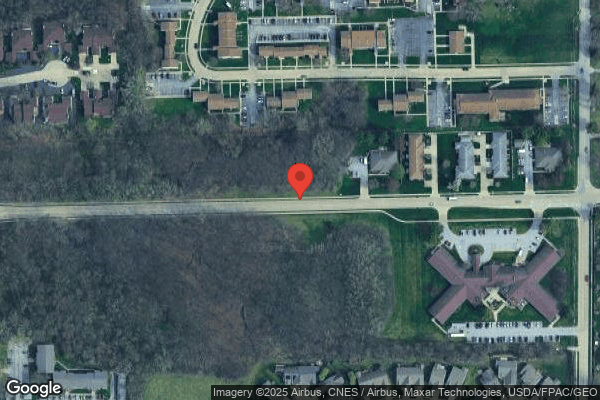
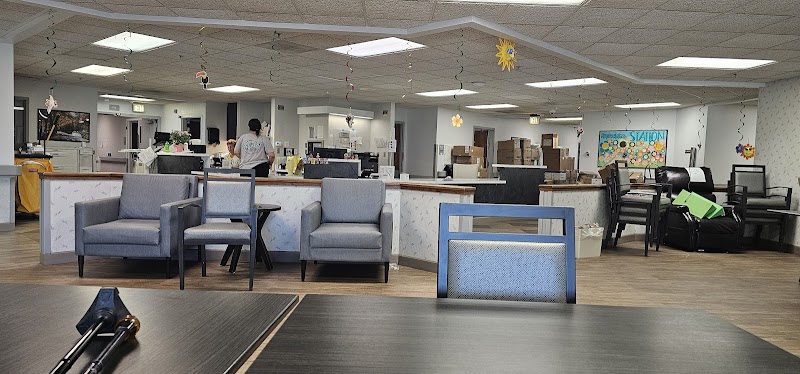
7300 34TH AVENUE, MOLINE, IL 61265 (309) 792-5940
For profit - Limited Liability company 120 Beds CELEBRATE SENIOR LIVING Data: November 2025
Trust Grade
63/100
#126 of 665 in IL
Last Inspection: May 2025

Inspected within the last 6 months. Data reflects current conditions.

Overview

Celebrate Senior Living of Moline has a Trust Grade of C+, indicating it is slightly above average, but not particularly outstanding. It ranks #126 out of 665 facilities in Illinois, placing it in the top half, and is #1 out of 9 in Rock Island County, meaning it is the best option locally. The facility's trend is stable, with four issues reported in both 2024 and 2025, suggesting no recent improvements or declines. Staffing is a significant concern, receiving a low rating of 1 out of 5 stars, and while turnover is at 42%, which is better than the state average, the facility has less registered nurse coverage than 77% of Illinois facilities. There have been serious incidents, including failures to manage a resident's pain effectively and delays in notifying physicians about infections in pressure ulcers, which led to a resident being admitted to the ICU. While the facility has strong health inspection ratings, these weaknesses in staffing and specific care incidents should be carefully considered by families researching nursing home options.

Trust Score
C+
63/100
In Illinois
#126/665
Top 18%
Safety Record
Moderate
Needs review
Inspections
Holding Steady
4 → 4 violations
Staff Stability
○ Average
42% turnover. Near Illinois's 48% average. Typical for the industry.
Penalties
✓ Good
$21,684 in fines. Lower than most Illinois facilities. Relatively clean record.
Skilled Nurses
⚠ Watch
Each resident gets only 24 minutes of Registered Nurse (RN) attention daily — below average for Illinois. Fewer RN minutes means fewer trained eyes watching for problems.
Violations
⚠ Watch
16 deficiencies on record. Higher than average. Multiple issues found across inspections.
★★★★☆
4.0
Overall Rating
★☆☆☆☆
1.0
Staff Levels
★★★☆☆
3.0
Care Quality
★★★★★
5.0
Inspection Score
Stable
2024: 4 issues
2025: 4 issues

The Good

  • Full Sprinkler Coverage · Fire safety systems throughout facility
  • No fines on record
  • Staff turnover below average (42%)

    6 points below Illinois average of 48%

Facility shows strength in fire safety.

The Bad

Staff Turnover: 42%

Near Illinois avg (46%)

Typical for the industry

Federal Fines: $21,684

Below median ($33,413)

Minor penalties assessed

Chain: CELEBRATE SENIOR LIVING

Part of a multi-facility chain

Ask about local staffing decisions and management

The Ugly 16 deficiencies on record

2 actual harm
May 2025 4 deficiencies
CONCERN (D)

Potential for Harm - no one hurt, but risky conditions existed

Deficiency F0628 (Tag F0628)

Could have caused harm · This affected 1 resident

**NOTE- TERMS IN BRACKETS HAVE BEEN EDITED TO PROTECT CONFIDENTIALITY** Based on interview and record review, the facility failed to provide a written notice of transfer and a copy of the facility's b...

Read full inspector narrative →
**NOTE- TERMS IN BRACKETS HAVE BEEN EDITED TO PROTECT CONFIDENTIALITY** Based on interview and record review, the facility failed to provide a written notice of transfer and a copy of the facility's bed hold policy upon a resident's transfer to a local hospital for three of four residents (R13, R65 and R79) reviewed for hospitalizations in the sample of 49. Findings include: 1. R13's Progress Note (dated 07/10/24 and timed 11:15 AM) documents: Resident (R13) seen by wound nurse, referred to ID (Infectious Disease) who stated to send resident to ED (Emergency Department). Family contacted, voicemail left. R13's Progress Note (dated 07/10/24 and timed 08:39 PM) documents: Resident has been admitted to (local hospital). R13's medical record does not contain documentation that a written notice of transfer or a copy of the facility's bed hold policy was provided to R13 and/or her representative upon her 07/10/24 transfer to the hospital. On 05/06/25 at 02:20 PM, V2 (Director of Nursing) stated she could not provide documentation indicating a written notice of transfer or the facility's bed hold policy was provided upon R13's 07/10/24 transfer to the hospital. 2. R65's electronic census documents R65 was hospitalized on [DATE]. R65's Progress Note (dated 12/15/24 and timed 02:42 PM) documents: Resident (R65) noted in room with some confusion, lethargic, clammy, resident unable to voice needs at this time. Emergency transport contacted. (Blood pressure) 106/62, (Pulse) 135, (Temperature) 98.7, (Pulse Oximetry) 91%. Resident's son contacted and notified, resident being transported to (local hospital). R65's Progress Note (dated 12/15/24 and timed 08:49 PM) documents: This nurse contacted (local hospital) to get an update on patient (R65). Patient has urosepsis and an acute kidney injury. Patient is getting ready to be transferred to (Regional hospital). R65's medical record does not contain documentation that a written notice of transfer or a copy of the facility's bed hold policy was provided to R65 and/or his representative upon his 12/15/24 transfer to the hospital. On 05/06/25 at 02:20 PM, V2 (Director of Nursing) stated she could not provide documentation indicating a written notice of transfer or the facility's bed hold policy was provided upon R65's 12/15/24 transfer to the hospital. 3. R79's Nursing Progress Notes, dated 4/14/2025, documents at 10:19 AM, R79 was transferred to the local emergency room after suffering a fall. R79's current electronic medical record does not document a bed hold notice or notice of hospital transfer was provided to R79 or her representative at the time of transfer to the hospital. On 5/6/25 at 2:20 PM, V2 (Director of Nursing) stated she could not provide documentation a written notice of transfer or the facility's bed hold notice was provided upon R79's 4/14/25 transfer to the hospital.
CONCERN (D)

Potential for Harm - no one hurt, but risky conditions existed

Deficiency F0760 (Tag F0760)

Could have caused harm · This affected 1 resident

**NOTE- TERMS IN BRACKETS HAVE BEEN EDITED TO PROTECT CONFIDENTIALITY** Based on observation, interview, and record review, facility staff failed to recognize the potential adverse effects of abruptly...

Read full inspector narrative →
**NOTE- TERMS IN BRACKETS HAVE BEEN EDITED TO PROTECT CONFIDENTIALITY** Based on observation, interview, and record review, facility staff failed to recognize the potential adverse effects of abruptly stopping a medication without tapering for one of five residents (R73), reviewed for unnecessary medications, in a sample of 49. FINDINGS INCLUDE: The facility policy, Standards and Guidelines: Medication Errors, dated (revised 3/27/2021), documents, It will be the standard of this facility that the staff and practitioner shall try to prevent medication errors and adverse medication consequences, and shall strive to identify and manage them appropriately when they occur. The staff and practitioner shall strive to minimize adverse consequences by: Following relevant clinical guidelines and manufacturer's specifications for use, dose, administration, duration and monitoring of the medication. The 2024 American Association of Psychiatric Pharmacists Medication Fact Sheet for Escitalopram documents, Do not stop taking Escitalopram, even when you feel better. With input from you, your health care provider will assess how long you will need to take the medicine. Missing doses of Escitalopram may increase your risk for relapse in your symptoms. Stopping Escitalopram abruptly may result in one or more of the following withdrawal symptoms: irritability, nausea, feeling dizzy, vomiting, nightmares, headache, and/or paresthesia (prickling, tingling sensation on the skin). R73's facility admission Record documents R73 was admitted to the facility on [DATE], with the following diagnoses: Peripheral Vascular Disease, Abdominal Aortic Aneurysm, Paroxysmal Atrial Fibrillation, Chronic Combined Systolic and Diastolic Heart Failure, Major Depressive Disorder, Anxiety Disorder, Hypertensive Urgency, Essential Hypertension, and Chronic Kidney Disease. R73's Follow Up Psychiatric Assessment, dated 4/17/2025, documents, (R73) has a history of Major Depressive Disorder and Anxiety seen for follow up evaluation. Current Psychiatric Medications: Escitalopram, Buspirone and Lorazepam. Assessment: (R73) is calm, cooperative and sitting on her bed during the evaluation. (R73) denies depression and anxiety. Staff reports no change in mood but states resident is anxious without (medications). Treatment Plan: Continue Buspirone twice daily for anxiety, Lorazepam for anxiety and Escitalopram for depression. R73's April 22, 2025 Medication Administration Record includes the following physician orders: Escitalopram Oxalate (Selective Serotonin Reuptake Inhibitor) 5 MG (Milligrams) daily for Agitation and Anxiety related to Major Depressive Disorder; Lorazepam (Benzodiazepine) 0.5 MG at bedtime related to Anxiety Disorder; Nifedipine Extended Release (Calcium Channel Blocker) 90 MG daily for Hypertension and Metoprolol Succinate Extended Release (Beta Blocker) 25 MG twice daily for Hypertension. R73's After Visit Summary, dated 4/23/25, from the local Renal Clinic documents, Today's medication changes: Stop taking Amiodarone 200 MG, Escitalopram, Lorazepam, Metoprolol, Nifedipine and Potassium Chloride. On 5/05/25 at 10:16 A.M., R73 was sitting at side of the bed, attempting to pull up her pants. R73 was crying and visibly distressed. When asked what was wrong, R73 stated, Everything. Everything is all wrong. R73 was unwilling to say anything else when prompted. V6/Licensed Practical Nurse (LPN) was at R73's bedside, and stated some of R73's medications were changed recently, and R73 just hasn't been herself. R73's Nursing Progress Notes, dated 5/5/2025 at 12:36 PM, documents, Renal (Clinic) d/c (discontinued) (R73's) Lexapro (Escitalopram) and lorazepam on 04/23/25. Since then (R73) has been tearful and upset. Called Renal (Clinic) to find out why these meds (medications) were discontinued on (05/02/2025) with no call back. Called Renal (Clinic) back today. Nurse states that she will talk with the doctor and call facility back with response. Facility number clarified. R73's Nursing Progress Notes, dated 5/5/2025 at 2:11 PM, documents, Renal (Clinic) called back stating that d/c (R73's) meds was a mistake. Psych (Psychiatric) doctor gave order to reinstate both Lexapro (Escitalopram) and lorazepam. POA (Power Of Attorney) notified. Will continue to monitor mood. On 5/06/25 at 1:41 PM, V7/Certified Nursing Assistant (CNA) stated she often works with R73. V7 stated R73 has a history since admission of being tearful and distraught due to her family moving R73 to the facility and selling her home and belongings. V7 stated R73 has been more tearful and distraught in the past week or so. On 5/06/25 at 2:10 PM, V10/Licensed Practical Nurse (LPN) stated she was the nurse that was present when R73 returned from the doctor's appointment with orders to discontinue Amiodarone (Class 3 Antiarrhythmic); Escitalopram (Selective Serotonin Reuptake Inhibitor); Lorazepam (Benzodiazepine); Metoprolol (Beta Blocker); Nifedipine (Calcium Channel Blocker); and Potassium Chloride (Supplement). V10/LPN states she didn't question the order, nor did she notify R73's medical doctor prior to discontinuing the medications. On 5/06/25 at 2:20 PM,V11/R73's Physician stated, I was not aware that (R73's) medications had been stopped. No one notified me. I would not have agreed to stopping those medications without tapering them. That is very dangerous and could cause serious side effects.
CONCERN (D)

Potential for Harm - no one hurt, but risky conditions existed

Infection Control (Tag F0880)

Could have caused harm · This affected 1 resident

Based on interview, observation, and record review, the facility failed to implement Enhanced Barrier Precautions prior to administering cares for two of six residents (R13 and R65) reviewed for Trans...

Read full inspector narrative →
Based on interview, observation, and record review, the facility failed to implement Enhanced Barrier Precautions prior to administering cares for two of six residents (R13 and R65) reviewed for Transmission Based Precautions in the sample of 49. Findings include: The facility's Enhanced Barrier Precautions Policy (dated 04/05/24) documents the following: (Facility) will implement Enhanced Barrier Precautions (EBP) to protect residents, staff and visitors by reducing the transmission of MDROs (multi-drug resistant organisms). EBP will be used for residents with specific risk factors, as outlined by the Centers for Disease Control and Prevention, (State Agency), and relevant local health authorities. These precautions will be applied consistently across the facility as part of routine care. This same policy documents, Procedures: Identification of residents for Enhanced Barrier Precautions; EBP may be indicated (when Contact Precautions do not otherwise apply) for residents with the following: Wounds or indwelling medical devices, regardless of MDRO colonization status; Infection or colonization with an MDRO. This policy also documents: Gowns and gloves will be used by all healthcare personnel when performing high-contact resident care activities. These precautions must be used when providing care related to: Dressing, bathing and hygiene assistance; Wound care, handling bandages and dressings; Caring for devices such as urinary catheters or central lines; Moving or transferring residents in/out of bed; Cleaning rooms or touching frequently touched surfaces (bed rails, Intravenous poles, etc.). Staff should don PPE (personal protective equipment) before resident contact and discard PPE upon leaving the resident's care area, followed by hand hygiene. 1. R13's current Physician's Orders document the following order: Enhanced Barrier Precautions. Diagnosis: Wound. On 05/05/25 at 11:05 AM, a sign indicating Enhance Barrier Precautions currently in place was posted on R13's door, and a bin containing personal protective equipment was sitting in the hallway near the entrance to R13's room. R13 was sitting in a wheelchair next to her bed and was wearing an orthopedic shoe on her right foot. R13 stated, I've had a couple of my toes amputated, and then explained that she currently receives a daily dressing change to an open area on her right foot between her first toe and second toe. On 05/07/25 at 09:45 AM, R13 was sitting in a wheelchair in her room near her bed. R13 was wearing an orthopedic boot on her right foot. V9 (Licensed Practical Nurse/Wound Nurse) entered R13's room to perform wound care and a dressing change to R13's right foot wound. V9 applied gloves, removed R13's orthopedic boot and sock, and a dressing was in place on R13's right foot. V9 removed R13's current dressing, and an open, oval-shaped wound measuring approximately 2.5 centimeters by 1 centimeter was present between R13's right first toe and second toe. V9 cleansed R13's wound with saline, applied betadine to the open area, covered the wound with a betadine-soaked gauze and secured it with a thin gauze wrap and tape. Once cares were completed, V9 reapplied R13's sock and orthopedic shoe. V9 did not wear a gown while performing R13's cares. On 05/07/25 at 09:55 AM, V9 confirmed R13 is currently in Enhanced Barrier Precautions, and verified she did not wear a gown while performing R13's wound care. 2. R65's current Physician's Orders document the following order: Enhanced Barrier Precautions. Diagnosis: Indwelling Catheter. On 05/05/25 at 11:15 AM, a sign indicating Enhanced Barrier Precautions currently in place was posted on R65's door and a bin containing personal protective equipment was sitting in the hallway near the entrance to R65's room. R65 was lying in bed with his eyes closed at this time. An indwelling urinary catheter drainage bag was secured to the lower aspect of R65's bed. R65 stated he has had an indwelling urinary catheter in place, for a while. On 05/07/25 at 09:30 AM, R65 was lying in bed with the head of his bed elevated to approximately 45 degrees. R65 was wearing a gown and was covered with a sheet from the waist down. An indwelling urinary drainage bag was attached to the lower aspect of R65's bed, and the drainage bag's tubing was draining yellow urine with sediment present. V8 (Certified Nursing Assistant) entered R65's room at this time to provide indwelling urinary catheter care. V8 applied gloves, approached R65, and uncovered him. R65's indwelling urinary catheter was in place and was secured to his right leg with a securement device. V8 cleansed R65's indwelling urinary catheter with adult incontinence wipes. Once cares were completed, V8 assisted R65 to reposition in bed, and then covered him with a sheet. V8 did not wear a gown while performing R65's indwelling catheter care. On 05/07/25 at 09:40 AM, V8 confirmed R65 is currently in Enhanced Barrier Precautions for his indwelling urinary catheter, and stated she should have worn a gown while performing his indwelling urinary catheter care.
CONCERN (E)

Potential for Harm - no one hurt, but risky conditions existed

Deficiency F0847 (Tag F0847)

Could have caused harm · This affected multiple residents

**NOTE- TERMS IN BRACKETS HAVE BEEN EDITED TO PROTECT CONFIDENTIALITY** Based on interview and record review, the facility failed to accurately explain the admission arbitration agreements to resident...

Read full inspector narrative →
**NOTE- TERMS IN BRACKETS HAVE BEEN EDITED TO PROTECT CONFIDENTIALITY** Based on interview and record review, the facility failed to accurately explain the admission arbitration agreements to residents, or their representatives, in a form or manner that allows them to understand for 12 of 12 residents (R25, R27, R49, R62, R83, R85, R87, R90, R242, R243, R245, R246) reviewed for Arbitration in the sample of 49. Findings Include: The facility's Resident or Resident Representative Arbitration Agreement (undated), documents Whereas it is the intent of the parties that this agreement govern the resolution of any disputes, claims, and any other matters arising out of, or relating to the admissions agreement to fashion a fair and efficient process for resolving any such dispute, claim, or matter. Now, therefore, in consideration of the mutual covenants, terms, and conditions set forth herein, and for other good and valuable consideration, the receipt and sufficiency of which are hereby acknowledged, the parties agree as follows: The arbitrator, and not any federal, state, or local court or agency, shall have exclusive authority to resolve the dispute, claim, or matter relating to the admissions agreement, including the determination of the scope or applicability of this agreement to arbitrate. Waiver of Trial by Jury. The parties understand and fully agree that by entering into this agreement to arbitrate, they are giving up their right to file a lawsuit in court against the other, have a trial by jury, and file an appeal following the issuance of the arbitrator's award, except as applicable law provides for judicial review of arbitration proceedings. The facility's Resident List report, dated 5/5/25, and provided by V1 (Administrator), documents the facility has a total of 12 out of 90 residents who signed a binding arbitration agreement upon admission. This report documents R25, R27, R49, R62, R83, R85, R87, R90, R242, R243, R245, and R246 have signed the agreement. The facility's Electronic Resident Census report documents R25, R27, R49, R62, R83, R85, R87, R90, R242, R243, R245, and R246 were all admitted to the facility after February 2025. R242's Arbitration agreement, dated 3/19/25, documents R242 signed the binding arbitration agreement on 3/19/25, with an effective date of R242's admission on [DATE]. On 5/7/25 at 9:50 AM, R242 confirmed he has not lived at the facility for long, and stated he isn't sure if he signed his paperwork on admission. R242 stated he does not remember anything about arbitration or signing something related to legal concerns. R242 stated, I don't recall giving up my rights to sue (the facility) or ever agreeing to that. On 5/7/25 at 9:23 AM, V12 (Admissions Coordinator) confirmed she is the one who goes over arbitration agreements with residents and families during admission. V12 stated, I tell them arbitration is where a situation is handled in house before taking it to the next level. I don't explain that they are giving up the right to sue. I tell them they can take it to that next level, but that we just try to settle it in house first. I did not realize the language in the arbitration agreement states they are giving up the right to seek their own council and sue. V12 stated she has been doing the job of admissions and explaining arbitration since February 2025. V12 stated the prior admissions employee no longer works in the facility, and V12 is unaware of how it was explained to residents who admitted prior to her taking over, three months ago.
Mar 2024 4 deficiencies 1 Harm
SERIOUS (G)

Actual Harm - a resident was hurt due to facility failures

Deficiency F0697 (Tag F0697)

A resident was harmed · This affected 1 resident

Based on observation, interview and record review the facility failed to comprehensively assess pain and effectively manage pain for one resident (R67) of three residents be reviewed for pain. This fa...

Read full inspector narrative →
Based on observation, interview and record review the facility failed to comprehensively assess pain and effectively manage pain for one resident (R67) of three residents be reviewed for pain. This failure has resulted in ineffective pain management and ongoing expression of moderate to severe pain by R67. Findings include: The Facility's Pain Management Policy dated 3/26/21 documents: It will be the standard of this facility to screen residents and attempt to provide effective pain and comfort management. Residents may additionally be screened for pain quarterly, annually, upon change of condition or upon resident report of new pain or newly observed non-verbal signs and symptoms of potential pain. On-going monitoring of residents receiving interventions should be completed in the clinical record, as indicated. Implement/update a person-centered care plan of care related to pain management as is appropriate. R67's Hospital Discharge Note dated 12/31/23 indicates R67 reported generalized and buttock pain score 10/10 (scale 0 = no pain; 1 to 3 = mild pain; 4 to 7 = moderate pain; and 8 or above is severe pain) five times prior to receiving Acetaminophen 650mg (milligrams) and reported generalized and buttock pain of 6/10 three times and 10/10 twice prior to receiving Tramadol (analgesic). Follow up pain relief/response to administration of Tramadol was documented as 1 to 4/10 indicating effectiveness of medication. R67's admission Nursing Note Pain Screen dated 12/31/23 at 3:19pm indicates R67 indicated she was experiencing generalized pain 7/10. Note indicates R67's pain is relieved by medication management and repositioning. R67's Physician Note dated 1/2/24 indicates R67 was previously bedridden at home due to Arthritis. Note indicates R67 has arthritic changes in her hands, knees, and feet. Note indicates R67 reports severe pain with turning when wound care is done and reports the pain is in her legs. Note indicates R67 reports pain is 10/10 all over in all joints. R67's Physician Note dated 2/7/24 indicates R67 has a Stage 4 sacral pressure wound, full thickness. R67's Physician Note dated 2/16/24 indicates R67 states that she continues to have pain with any kind of transitioning or rotation in bed and that R67's mood is fine when she is otherwise lying still related to her arthritis. Note indicates (R67) has pretty significant pains and discomfort of the large coccyx wound. On 3/13/24 at 9:35am R67 was turned onto her side to receive sacral wound care. R67 was distressed with facial grimacing, stiffening, guarding, and reporting pain throughout her lower body. While on her side during wound care R67 continued to intermittently complain of pain. R67 cried out and whimpered when V4 (Wound Nurse) removed the wound vac sponge from inside R67's sacral wound, cleaned inside R67's sacral wound and inserted a new wound vac sponge into R67's sacral wound. V4 attempted to console R67 during the wound treatment to which R67 replied No, you don't know. It's horrible. At that time V4 reminded R67 that she had received a Norco (opioid) earlier in the morning (7:40am) to help with the pain. R67 replied that the pain was still there. On 3/13/24 at 1:40pm R67 stated I have chronic arthritis everywhere, particularly my knees and feet. My knees are throbbing right now. I'm up all night sometimes, I can't sleep because I'm uncomfortable. Then I sleep on/off during the day because I'm tired from not sleeping at night. The worse pain is in my coccyx, then knees and feet. Even the slightest movement is severe pain. I used to ask for the Norco in the evening, but I became really constipated. It was like having a baby - really painful also causing pressure and pain in my coccyx. While R67 described her pain she became tearful and expressed how she tries not to complain. R67 stated her pain was 9 or 10 out of 10 during wound treatments stating, It feels like they are pulling my skin off. R67 stated the Norco she received at 7:40am (prior to wound care) did not really help much and barely takes the edge off. R67's current Physician Order Summary Report indicates R67 has orders for: Hydrocodone-Acetaminophen 5-325mg (milligrams), Give one tablet every day shift for pain - to be given one half hour prior to wound treatment. Hydrocodone-Acetaminophen 5-325mg every six hours as needed for moderate pain. Acetaminophen 650mg every six hours as needed for general discomfort. R67's MAR (Medication Administration Record) dated 2/1/24 to 2/29/24 and 3/1/24 to 3/13/24 indicates R67 received Hydrocodone-Acetaminophen 5-325mg for pain prior to wound care. MARs indicate R67 reported pain level 8/10 seven times, 9/10 twelve times and 10/10 seven times prior to administration of Hydrocodone prior to the wound care. R67's MAR dated 2/1/24 to 2/29/24 indicates R67 received as needed Hydrocodone-Acetaminophen 5-325mg on 2/1, 2/3, 2/4, 2/5, 2/6 and 2/7/24 in the evenings for reports of pain 6 - 8/10. R67's MARs indicate R67 only received as needed Acetaminophen 650mg on 2/9/24 for pain level of 4/10 and on 3/4/24 for pain level of 9/10. R67's MARs also indicate R67 is monitored for pain every shift and scored zero (no pain) every shift on every day from 2/1/24 to 3/13/24 even though R67 had expressed pain and received pain medication on the above dates listed. Weekly Wound Progress Notes dated 2/15/24, 2/22/24 and 2/29/24 indicates R67 reported pain of 10/10 during sacral wound care on all the above dates. Notes dated 2/22/24 and 2/29/24 indicate R67 had the following non-verbal indicators of pain: Negative vocalizations (i.e., moaning, groaning, crying, calling out) Facial expressions (i.e., grimacing, frown, sad) Body language (i.e., tensed, distressed, pacing, fists clenched, striking out, knees pulled up, guarding) consolability [sic] (i.e., distracted, unable to console). R67's Weekly Wound Progress Note dated 3/6/24 indicates R67 reported pain level of 5/10 during wound care and exhibited negative vocalizations. On 3/14/24 at 1:00pm V2 (Director of Nursing/DON) stated she could not explain why R67's every shift pain score was zero yet R67 reported pain level of 10/10 during wound care and pain score prior to wound treatment was usually 6-10. V2 also stated there was no further assessment of R67's pain after reporting pain 10/10 during wound care. R67's NP (Nurse Practitioner) note dated 3/13/24 indicates R67 has osteomyelitis of coccyx and Stage 4 sacral wound. Note indicates R67 is seen in her room as she has reported uncontrollable pain. Note indicates she has been offered additional Norco but has refused due to fear of constipation. Discussed a long-acting Tylenol for pain and R67 is agreeable to a trial of standard release Tylenol scheduled every 8 hours. Note indicates an additional Hydrocodone (narcotic) with Acetaminophen in the evening for severe pain if she needs and if she allows it to be given. Note indicates additional options for constipation were also discussed. Note indicates R67 has a history of refusing narcotic pain medications. R67's Care Plan (date initiated 12/31/23) documents Potential/Actual pain related to Arthritis. Interventions include Monitor and Report signs and symptoms of pain, worsening of pain; notify physician if resident does not state/demonstrate relief or reduction of pain with current pain management regimen. This same care plan does not include history of R67 refusing pain medications, locations/characteristics of pain or non-pharmacologic interventions to assist in alleviating pain. On 3/14/24 at 1:30pm V2 (DON) stated R67 has had a history of refusing pain medications. V2 was unable to provide a comprehensive assessment of R67's pain (after admission assessment) and/or documentation/assessments of R67's refusal of pain medications offered. On 3/14/24 at 1:30pm V9 (Nurse Practitioner) stated she was unaware R67 had been taking (as needed) Norco every evening and abruptly stopped (on 2/8/24) due to becoming constipated. V9 stated that as of yesterday R67 has orders for scheduled Tylenol and an additional Hydrocodone as well as review of bowel medications to address R67's constipation.
CONCERN (D)

Potential for Harm - no one hurt, but risky conditions existed

Comprehensive Care Plan (Tag F0656)

Could have caused harm · This affected 1 resident

Based on record review and interview the facility failed to complete an Identified Offender care plan for one resident (R85) of five residents reviewed for Identified Offender Status in a total sample...

Read full inspector narrative →
Based on record review and interview the facility failed to complete an Identified Offender care plan for one resident (R85) of five residents reviewed for Identified Offender Status in a total sample of thirty-three. Findings Include: The Facility's Baseline Care Plan Policy dated 12/06/2022 documents The facility will develop and implement a baseline care plan for each resident that includes the instructions needed to provide effective and person-centered care of the resident that meet professional standards of quality of care. The Facility's Identified Offender Procedure/Protocol document Complete an Identified Offender/Behavior Risk Assessment, if one has not already been completed and complete an IO (Identified Offender) Care Plan as soon as possible (within 36 hours is suggested.) Make sure to communicate any high-risk convictions and concerns to Administration/Director of Nursing to address safety issues and risk management. R85's Criminal History Report documents the following convictions: 08/09/2018 Criminal Trespass to Residence, 12/17/2018 Criminal Trespass to Residence, 2/10/2020 Criminal Trespass to Residence, 1/21/2014 Aggravated DUI (Driving under the Influences), 2/27/13 DUI/Alcohol, 5/22/2013 DUI Alcohol/Drugs, 10/16/24 DUI Alcohol/Drugs, 7/14/2015 Aggravated DUI, 11/7/2012 Knowingly Damage Property, 11/7/2012 Resist Peace Officer, 9/8/12 Knowingly Damage Property, 9/10/2012 Knowingly Damage Property, 11/7/2012 Criminal Damage to Property, 1/23/2012 2 counts of Resist Peace Officer, 11/21/2011 Resist Peace Officer, 1/23/2012 Resist Peace Officer, 10/30/2011 Resist Peace Officer, 1/23/2012 Resist Peace Officer, 9/21/2011 Retail Theft/Merchandise less than $150, 8/11/21 Retail Theft, 9/21/11 Retail Theft, 12/29/10 Criminal Trespass to land and Domestic Battery/Physical Contact, 11/27/2010 Criminal Trespass to Building, 11/29/2010 Criminal Trespass to Land and 12/27/2010 Criminal Trespass to Land. R85's Criminal History Analysis Security Recommendation Report completed by the State Police on 10/23/23 documents The resident requires closer supervision and more frequent observation than standard or routine for most residents in an open facility. Regular monitoring should be attentive to behavioral changes that may signal a need for closer observation or sustained visual monitoring on a time-limited basis. His compliance with psychiatric/medical treatment and abstinence from alcohol/drug use should be closely monitored. In view of his alcohol/drug abuse history and extensive criminal history, a moderate risk supervision status is recommended. R85's current Care Plan dated 01/12/24 shows an admission date of 9/28/23 and does not include any information about R85's identified offender status, or how frequently R85 should be monitored. On 3/13/24 at 1:50 PM V1 (Administrator) confirmed that there was no mention of R85's criminal history in his care plan and there should be.
CONCERN (D)

Potential for Harm - no one hurt, but risky conditions existed

Quality of Care (Tag F0684)

Could have caused harm · This affected 1 resident

B. Facility Standard and Guideline Wound Care Policy, revised 3/27/21, documents: it will be the standard of the this Facility to provide assessment and identification of residents at risk of developi...

Read full inspector narrative →
B. Facility Standard and Guideline Wound Care Policy, revised 3/27/21, documents: it will be the standard of the this Facility to provide assessment and identification of residents at risk of developing pressure injuries, other wounds and the treatment of skin impairment; wound care procedures and treatments should be performed according to Physician orders; wound care treatment should maintain proper technique, as indicated by the type of wound and Physician orders; document in the clinical record when treatments are performed; and contact the Physician for additional order changes as is appropriate or to notify of skin condition changes. Facility Standards and Guidelines Physician/Non-Physician Practitioner Order Policy, revised 10/24/22, documents it will be the practice of this Facility to honor Physician/Licensed Independent Practitioner orders in the following ways (Telephone Orders, Orders received by Non Physician Practitioner /Nurse Practitioner/Physician Assistant, Faxed Orders and Electronic Orders). The Facility Skin Log, dated 3/6/24, documents Diabetic Foot Ulcers to R34's Left First Toe and Left Second Toe and an Arterial wound to R34's Right Heel. R34's Physician Order Sheet/POS, dated 3/13/24, documents R34's diagnoses including Peripheral Vascular Disease, Hyperlipidemia, Palliative Care, Diabetes Mellitus due to underlying condition with Foot Ulcer, Severe Protein-Calorie Malnutrition, Diabetes Mellitus due to underlying condition with Diabetic Chronic Kidney Disease, Hypertension, Dysphagia, Chronic Systolic Heart Failure, Anxiety Disorder, Anemia, Diabetes Mellitus due to underlying condition with Diabetic Polyneuropathy, Vitamin D Deficiency, Local Infection of Skin and Subcutaneous Tissue, Muscle Wasting and Atrophy and Lymphedema. V7's (Wound Doctor) Progress Notes, dated 3/6/24, document: Diabetic Wounds to R34's Left First Toe (2.2 centimeters/cm by 1.2 cm by 0.4 cm and 100 percent black necrotic tissue/eschar); Arterial Wound of the Right Heel (Full Thickness, no measurements) and treatment of a topical medication (Betadine) and cover with dry dressing (Telfa and Gauze Kerlix); and Diabetic Wound of the Left Second Toe (Full Thickness) and treatment of a topical treatment (Betadine and Calcium Alginate) and cover with a dry Dressing (Gauze Island with Border or Band-Aid). R34's Physician Order Sheet, dated 3/13/24, documents the following orders: apply topical treatment (Betadine) to Left Heel Wound and Left Pinky Toe every day shift; apply topical treatment (Betadine) to wounds on Right Ankle, Right Foot, Right Medial Foot and Right Calf, cover with dry dressing (Telfa and wrap in Kerlix) every day shift; and apply topical treatment (Betadine) to Right Great Toe, Right Second Toe and Right Third Toe every day shift. R34's Physician Orders did not document a treatment to R34's Left Second Toe or Right Heel. On 3/13/24 at 10:46 am, V4 (Licensed Practical Nurse/Restorative Nurse) was performing wound care to R34. R34's Left Pinky Toe, Left Third Toe and Left Fourth Toe had on an undated, dry gauze dressing. V4 attempted to remove approximately three gauze dressings (measuring four inches by four inches) from R34's Toes and V4 was unable to, due to the gauze dressing being adhered to R34's Toes. V4 then saturated, with Normal Saline, the gauze dressing and attempted to remove the gauze, and was unsuccessful. V4 made two additional unsuccessful attempts, with the Normal Saline to remove the gauze dressing. On the fourth attempt, V4 pulled the gauze dressing from all five of R34's Toes, pulling and removing some of R34's skin, exposing the open areas. R34's Right Heel dressing was dated 3/11/24. On 3/13/24 at 12:16 pm, V8 (Licensed Practical Nurse/LPN) stated, I worked on 3/12/24 and even though I signed the treatments off on the TAR (Treatment Administration Record), I could not find the Betadine, so I did not do (R34's) treatment that day. On 3/13/24 at 10:51 am, V4 (Licensed Practical Nurse/Restorative Nurse) stated, That gauze dressing should not be on (R34's) Left Toes. The treatment should be Betadine and open to air. Whoever did this treatment should have not covered these areas with gauze because it is sticking to (R34's) toes and pulling his skin off. Also, (R34's) Right Foot and Heel dressing looks like it did not get changed on 3/12/24, because the dressing is still dated 3/11/24, and that should be changed every day. Facility failures resulted in two deficient practices. A. Based on observation, interview and record review the Facility failed to comprehensively assess a facial wound for one resident (R75) of three residents reviewed for wounds in the sample of 33. B. Based on observation, interview and record review the Facility failed to complete scheduled daily Diabetic Foot Ulcer treatments per Physician orders for one resident (R34) of five residents reviewed for Skin Issues in the sample of 33. Findings include: A. The Facility's Skin and Wound Policy dated 3/27/21 documents: Document the progression of the wound being treated. Such observations should include items size, staging (if applicable), odors, exudate, tunneling, etiology, etc. The presence of skin impairment should be denoted on the person-centered plan of care. Residents with pressure injuries or other wounds requiring measurements should also have weekly documentation in the clinical record reflecting the condition of the wounds and any changes that take place. R75's Hospital History and Physical Report dated 10/15/22 indicates R75 has a lesion around right orbital area suggestive of skin cancer. R75's admission Nursing Note dated 10/20/22 indicates R75 has Right has blackened area around orbit of eye. Skin missing above eye. States it's been like this for 22 years; got infected and scratches area. R75's Nurse Note dated 2/29/24 at 1:44pm indicates R75 is on antibiotics for infection to right eye; yellow pus noted to be coming from area surrounding eye. The note indicates R75 has a history of skin impairment to this eye and surrounding tissue. On 3/12/24 at 2:39pm R75 was seen in his room resting on the bed. At that time R75 was noted to have a scaly, red, scabbed area over entire right eye, extending over bridge of nose and surrounding areas. At that time R75 stated he is only able to see about 75% from his right eye. On 3/12/24 at 2:45pm V2 (Director of Nursing/DON) stated that R75 has never been officially diagnosed but has probable cancer of the eye and surrounding tissue. V2 stated R75's eye started weeping pus-like drainage and was recently put on antibiotics. R75's Current Physician Order Summary Report/Diagnoses includes Ischemic Optic Neuropathy. Diagnosis list does not include cancer of R75's right eye or skin cancer of surrounding tissues. Order Report also indicates staff are to apply [NAME] Petrolatum to area around eye wound topically every eight hours as needed for skin care. R75's Care Plan indicates R75 has impaired visual function related to visually impaired due to blindness in right eye secondary to possible ocular cancer. Care Plan also indicates has a skin impairment right forearm skin tear but does not include facial wound across R75's right eye. On 3/14/24 at 9:00am V2 (DON) stated Our weekly wound assessments, only ask if there's a new problem - if stays the same - no further assessment. V2 stated that staff only document if there are changes. Current non-pressure wound logs do not include monitoring of R75's right eye/face wound. No further descriptions/assessments of R75's right eye/orbital area were found or presented after admission skin assessment of 10/20/22.
CONCERN (D)

Potential for Harm - no one hurt, but risky conditions existed

Pressure Ulcer Prevention (Tag F0686)

Could have caused harm · This affected 1 resident

2. Facility Standard and Guideline Wound Care Policy, revised 3/27/21, documents: it will be the standard of the this Facility to provide assessment and identification of residents at risk of developi...

Read full inspector narrative →
2. Facility Standard and Guideline Wound Care Policy, revised 3/27/21, documents: it will be the standard of the this Facility to provide assessment and identification of residents at risk of developing pressure injuries, other wounds and the treatment of skin impairment; wound care procedures and treatments should be performed according to Physician orders; document in the clinical record when treatments are performed; and contact the Physician for additional order changes as is appropriate or to notify of skin condition changes. Facility Standards and Guidelines Physician/Non-Physician Practitioner Order Policy, revised 10/24/22, documents it will be the practice of this Facility to honor Physician/Licensed Independent Practitioner orders in the following ways (Telephone Orders, Orders received by Non-Physician Practitioner /Nurse Practitioner/Physician Assistant, Faxed Orders and Electronic Orders). The Facility Pressure Ulcer Log/Monthly Wound Log, dated 3/24, documents R34's Pressure Ulcers to R34's Right Ankle (Stage Four/Stage IV), Right Medial Foot (Suspected Deep Tissues Injury/SDTI), Right Lateral Food (Unstageable), Right Calf (Unstageable) and Left Lateral Foot (Deep Tissue Injury). R34's Physician Order Sheet/POS, dated 3/13/24, documents R34's diagnoses including Peripheral Vascular Disease, Hyperlipidemia, Palliative Care, Diabetes Mellitus due to underlying condition with Foot Ulcer, Severe Protein-Calorie Malnutrition, Diabetes Mellitus due to underlying condition with Diabetic Chronic Kidney Disease, Hypertension, Dysphagia, Chronic Systolic Heart Failure, Anxiety Disorder, Anemia, Diabetes Mellitus due to underlying condition with Diabetic Polyneuropathy, Vitamin D Deficiency, Local Infection of Skin and Subcutaneous Tissue, Muscle Wasting and Atrophy and Lymphedema. V7's (Wound Doctor) Progress Notes, dated 3/6/24, document: R34's Pressure Ulcers: Stage Four/Stage IV Pressure Wound of the Right Ankle (Full Thickness, 3.5 centimeters/cm by 3.2 cm by 0.2 cm, black necrotic tissue/eschar); Unstageable Pressure Ulcer due to Necrosis of the Right Lateral Foot (Full Thickness, 17.0 cm by 8.0 cm by 0.4 cm, black necrotic tissue/eschar); Unstageable Pressure Ulcer/Deep Tissue Injury/DTI of the Right Medial Foot (Undetermined Thickness, 0.8 cm by 0.8 cm by not measurable, intact with purple/maroon discoloration); and Unstageable Pressure Ulcer of the Right Calf (12.8 cm by 4.5 cm by 0.2 cm, forty percent/40% eschar). V7's Progress Notes document a daily dressing change to all of R34's Pressure Ulcers (Betadine, nonstick gauze pad, and gauze wrap). R34's Physician Order Sheet, dated 3/13/24, documents the following orders: apply topical treatment (Betadine) to wounds on Right Ankle, Right Foot, Right Medial Foot and Right Calf, cover with dry dressing (nonstick gauze pad and wrap in gauze) every day shift. On 3/13/24 at 10:46 am, V4 (Licensed Practical Nurse/Restorative Nurse) was performing wound care to R34. R34's Right Foot and Right Lower Extremity had an intact dressing (gauze wrap and nonstick gauze pad) that was dated 3/11/24 with the signature/initials of V3 (Assistant Director of Nursing/ADON). The dry dressing had a moderate amount of dry red exudate/blood/drainage. On 3/13/24 at 10:51 am, V4 (Licensed Practical Nurse/Restorative Nurse) stated, (R34's) Right Foot and Heel dressing looks like it did not get changed on 3/12/24, because the dressing is still dated 3/11/24. On 3/13/24 at 12:16 pm, V8 (Licensed Practical Nurse/LPN) stated, I worked on 3/12/24 and took care of (R34), and I could not find the Betadine, so I did not do (R34's) treatment that day, but I did sign the treatments off anyway, as completed on the TAR (Treatment Administration Record). On 3/13/24 at 12:25 pm, V3 (Assistant Director of Nursing/ADON) stated, I did (R34's) treatments on 3/11/24. It looks like (R34's) treatments have not been completed since 3/11/24, and I am not sure why gauze was put on (R34's) Left Toes. V3 verified that V8 (LPN) signed R34's completed treatments out on the TAR, even though the treatments were not completed. Based on observation, interview, and record review, the facility failed to ensure hand hygiene after glove use was conducted during wound care for one resident (R51) and failed to follow a Physician ordered pressure ulcer treatment for one resident (R34) of five residents reviewed for pressure ulcers in a sample of 33. Findings include: 1. The facility's Wound Care policy, revised 3/27/21, documents 7. Wound care treatment should maintain proper technique, as is indicated by the type of wound and physician orders. The facility's Personal Protective Equipment (PPE) Use policy, revised 3/30/21, documents Standard: It will be the standard of this facility that staff appropriately utilize personal protective equipment (PPE) for the prevention of transmission of potentially infectious organisms. Guidelines: 1. Apply clean non-sterile gloves when touching blood, body fluids, secretions, excretions, contaminated items, mucous membranes, and non-intact skin. [NAME] clean gloves between tasks and procedures on the same resident after contact with blood, body fluids, secretions, excretions. remove gloves promptly after use, before touching non-contaminated items and environmental surfaces. Wash and or sanitize hands after the removal of gloves. On 3/13/24 at 10:12am, R51 sat in a reclining chair with bilateral heel protectors on. V4 (Licensed Practical Nurse/LPN/ Restorative Nurse) prepared supplies for R51's wound treatment. V4 washed her hands then donned gloves. V4 removed R51's dressing and Calcium alginate then removed her gloves. Without washing or sanitizing hands V4 donned new gloves. V4 noted that R51's small pea sized open area to R51's left lateral heel had a small amount of drainage. V4 cleansed R51's wound with normal saline soaked gauze. V4 removed her gloves then without washing or sanitizing her hands V4 donned new gloves. V4 dried R51's wound area with dry gauze then applied Calcium alginate with silver and bordered foam dressing. With the same soiled gloves, V4 put R5's gripper socks and bilateral heel protectors back on. R51's Wound Evaluation & Management Summary, dated 3/6/24, documents R51 has a Stage 4 Pressure Wound of the left, lateral heel. On 3/13/24, at 1:15pm, V4 stated that V4 normally washes her hands after glove changes if going from dirty to clean. V4 stated I should have washed my hands after I took the dressing off and saw the drainage and after each glove change.
Feb 2023 8 deficiencies 1 Harm
SERIOUS (G)

Actual Harm - a resident was hurt due to facility failures

Pressure Ulcer Prevention (Tag F0686)

A resident was harmed · This affected 1 resident

**NOTE- TERMS IN BRACKETS HAVE BEEN EDITED TO PROTECT CONFIDENTIALITY** Based on observation, interview and record review, the facility failed to notify the physician for an identified sign of infecti...

Read full inspector narrative →
**NOTE- TERMS IN BRACKETS HAVE BEEN EDITED TO PROTECT CONFIDENTIALITY** Based on observation, interview and record review, the facility failed to notify the physician for an identified sign of infection in a pressure ulcer for one resident (R7). The facility also failed to identify a pressure ulcer and notify the physician for one resident (R18). These failures effected two out of four residents reviewed for pressure ulcer in a sample of 47. This failure caused a delay in treatment resulting in R7 being admitted to the Intensive Care Unit (ICU) for septic shock due to an infection in his stage IV right hip pressure ulcer. Findings include: The facility's Standards and Guidelines: SG Wound Care policy dated 3/27/21, documents 11. Document the progression of the wound being treated. Such observations should be items size, staging (if applicable), odors, exudate, tunneling, etiology etc. 12. Contact the physician for additional order changes as appropriated or to notify of skin condition changes or refusals of care. 1. On 02/14/23 at 12:14 PM, V4 (Licensed Practical Nurse/LPN), stated (R7) isn't here, he had an appointment this morning at the wound clinic, but he's not coming back. I was just informed the wound clinic sent him to the emergency room (ER) due to an elevated heart rate, low blood pressure and fever. They think he may have sepsis. R7's wound assessment dated [DATE] documents Left hip pressure ulcer stage IV and Right hip pressure ulcer stage IV. R7's physician order sheet dated 2/6/23 documents Change wound vacuum to left and right ischial ulcers using black foam at 175 millimeters of mercury (mmhg) for left 125 mmhg for right continuous changing three times a week and utilize xeroform, with a bordered gauze changing three times per week to his left lower extremity. (Wound solution, a mixture of sodium hypochlorite (0.4% to 0.5%) and boric acid (4%) diluted in water) soak for five to ten minutes with dressing changes. Cleansing all wounds with normal saline or wound wash of choice with dressing changes. 2/13/23 12:16pm R7's medical record documents Late Entry: Note Text: Wound vacuum to right and left hip changed per orders. Right hip noted to have foul smell and necrotic tissue. Resident to follow up with wound clinic on 2/14/23. Resident denies any pain at this time. Will continue to monitor. V29's (Medical Director) physician visit note dated 2/7/23 document's Of note, (R7) also reportedly had a seizure in the setting of acute infection in October. Of note, upon further review of his chart, it appears that he was admitted locally in October 2022 with sepsis and seizure like activity requiring intubation for airway protection. During that hospitalization, he underwent bilateral ischial wound debridement with left ischial bone biopsy by general surgery. Cultures grew klebsiella pneumoniae, proteus mirabilis, enterococcus faecalis, enterococcus faecium, corynebacterium, bacteroids thetaiotaomicron. Surgical pathology was consistent with necrotic skin and soft tissue with acute inflammation and acute osteomyelitis. On 2/14/23 2:11 PM, V7 (Wound Clinic Registered Nurse/WCRN), I was the one that saw him today. (V28 Nurse Practitioner), assessed his wounds and he had signs of infection in his right hip wound along with a low blood pressure, elevated heart rate and fever, so she had him sent to the ER for possible sepsis. If the facility identified a foul smell with necrotic tissue yesterday during his wound vacuum dressing change, they should have contacted us prior to putting the wound vacuum back on because his symptoms indicated an infection. 2/14/23 at 2:24 PM, V3 (Assistant Director of Nursing/ADON), stated I changed the wound vacuum yesterday and noticed the wound had a foul smell with some necrotic tissue. When I changed it yesterday, I knew he had an appointment today, so I didn't contact the wound clinic or his physician because I knew he was going to the wound clinic today. Yes, the foul smell and necrotic tissue typically indicates an infection. If the resident is being followed by a wound clinic, we normally notify the clinic of any wound changes, but like I said, he was being seen the next day and that's why I didn't. I guess it was just poor communication of why I didn't notify anyone. On 02/15/23 at 9:17 AM V7 (WCRN) stated After our conversation yesterday, I spoke to (V28 NP) about (R7). She agreed that the facility should have called when they noticed the foul smell and necrotic tissue in his right hip wound. It indicates a possible infection and given his history of sepsis; we would have had him sent to the ER for evaluation instead of waiting the next day for his appointment. I looked at his medical record he's currently in the ICU for septic shock. He shouldn't have waited for his appointment here. He should have gotten immediate treatment when they identified the infection. R7's hospital medical record dated 2/14/23 documents R7 was admitted to the intensive care unit for septic shock and pressure injury of contiguous region involving right buttock and hip, stage IV. 2. On 2/14/23 at 10:20 AM, R18 was lying in bed on her back and stated I have a sore near my tailbone that is very painful. They just gave me some medicine so hopefully will be better soon. 02/15/23 at 11:15 AM V3 (ADON/Wound Nurse) stated she is not aware of any pressure ulcers to R18's bottom and R18 is not on her list of wounds to assess weekly. On 2/15/22 at 11:22 AM, V24 (Certified Nursing Assistant/CNA) and V3 assisted R18 onto her left side, removed R18's incontinence brief and revealed an open area to R18's coccyx area that did not have any ointment or dressing over it. V3 stated the wound is an open stage II pressure ulcer and measures 1.0 cm (centimeters) by 0.2 cm with depth of 0.2 cm. V3 stated she was unaware of R18's pressure ulcer and the staff should have notified her at the time they found it. V3 stated she would call R18's doctor and get a treatment order. On 2/15/23 at 11:35 AM, V2 (Director of Nurses/DON) stated she spoke with the nurse who took care of R18 yesterday and said the nurse saw the area and notified hospice yesterday but forgot to chart it. On 2/15/23 at 12:02 PM V26 (Hospice Registered Nurse), stated she was at the facility on the morning of 2/14/23 and R18 had complained to her about her bottom being sore and when (V26) asked the nurse about it the nurse said it was only a small shearing area. V26 stated she asked the nurse specifically if the area was a pressure ulcer and the nurse said no. V26 stated no one called her about a pressure ulcer on R18's bottom. On 2/15/23 at 12:45 PM, V25 (Licensed Practical Nurse/LPN), stated she was the nurse for R18 on 2/14/23 and only saw a friction/shearing area to R18's sacrum that measured about 2 cm. V25 stated the area was only red at the time and was not open. V25 stated she did not call R18's family or R18's Physician and probably should have. V25 stated she thought V26 (Hospice RN) would notify the family. The Progress Note for R18, dated 2/14/23 at 1:00 pm, documents During cares patient observed to have skin shearing/red in color, area to coccyx. Area was not open. No drainage or warmth to area. Hospice nurse was at facility at the time, and it was reported. Hospice nurse stated we may use topical cream or zinc to area daily and prn until resolved. Zinc cream was applied to area at this time. The Physician Order Summary, dated 2/15/23, does not include any pressure ulcer treatment orders for R18.
CONCERN (D)

Potential for Harm - no one hurt, but risky conditions existed

PASARR Coordination (Tag F0644)

Could have caused harm · This affected 1 resident

Based on interview and record review the facility failed to refer one resident (R25) with a new diagnosis of a Serious Mental Illness to the state-designated authority for review of two residents revi...

Read full inspector narrative →
Based on interview and record review the facility failed to refer one resident (R25) with a new diagnosis of a Serious Mental Illness to the state-designated authority for review of two residents reviewed for PASRR (Preadmission Screening and Resident Review) in the sample of 47. Findings include: Facility Policy/PASRR (Pre-admission Screening/Resident Review) dated 6/14/22 documents: The purpose of PASRR is to ensure individuals who are being considered for placement in a Medicaid-certified Nursing Facility (NF), regardless of payor are appropriately institutionalized and are receiving the services/support needed for the NF setting: Evaluated for a serious mental illness (SMI), and/or an intellectual disability or related conditions. Level I - Regardless of payer an individual who applies to reside in a Medicaid-certified NF are required to have a pre-admission screening to determine whether a resident has SMI or ID and is appropriate for a NF setting. In-house residents who experience a change of status in their condition, will need a Level I Resident Review (RR) screen. OBRA (Omnibus Budget Reconciliation Act) Interagency Certification of Screening Results indicates R25 was screened (pre-admission) on 7/28/20. Current diagnosis list indicates R25 was diagnosed with Schizoaffective Disorder, Depressive Type on 1/10/23. On 2/15/22 at 3:45pm V5 (Social Service Director) stated a Level l determination was not done because the resident remained in the facility without a SMI (Serious Mental Illness) diagnosis, however due to the new Schizoaffective diagnosis, R25 should be re-screened. Progress Note dated 2/16/23 at 8:38am indicates Submitted PASRR for change Update.
CONCERN (D)

Potential for Harm - no one hurt, but risky conditions existed

Comprehensive Care Plan (Tag F0656)

Could have caused harm · This affected 1 resident

2. R49's medical record documents an admission date of 1/11/23. R49's current care plan does not document a history of suicidal ideations. R49's POS (Physician Order Sheet) dated 1/13/23 documents Qu...

Read full inspector narrative →
2. R49's medical record documents an admission date of 1/11/23. R49's current care plan does not document a history of suicidal ideations. R49's POS (Physician Order Sheet) dated 1/13/23 documents Quetiapine Fumarate (Seroquel/Anti-Psychotic) 200 milligrams (mg) Tablet. give one tablet by mouth one time a day for na (Not Applicable) R49's medical record dated 1/20/23 documents Patient reports he takes Seroquel for suicidal ideations. Suicidal ideation, treatment resistant depression precipitated by chronic illness and paralysis from congenital spina bifida. Patient reports has a long history of suicidal ideation and was placed on medication by primary psychiatrist for persistent suicidal thoughts. Patient reports that he remains on antipsychotic medication for major depressive disorder recurrent, and patient declines to change medication prescribed by primary psychiatrist familiar with history of condition, and further believes that any change made in medication may precipitate the return of thoughts of suicide and being better off dead. Patient further reports that medication should not be changed by facility nurse practitioner as patient is short term resident there for skilled care. On 02/15/23 10:52 AM, V2, Director of Nursing verified there is no identified diagnosis for R49 taking Seroquel and stated I don't know why (R49) is taking it. Him and his parents told us the Seroquel was for sleep, but he takes it in the morning. He has Melatonin he takes at night for sleep. I sent an email to our behavioral health service to evaluate him for the Seroquel, but I never heard back of why he's taking it. Oh wait, there's a note in here from (V28, Psychiatric Nurse Practitioner) on 1/20/23 that he's taking Seroquel for a history suicidal ideations and severe depression. Ok, that's why he's taking it. On 02/15/23 12:10 PM V4 (CPC) verified R49's care plan does not include suicidal ideations and stated I was not aware that (R49) had a history of suicidal ideations. I was told he's taking Seroquel for sleep, not suicidal ideations. If I knew he had a history of Suicidal ideations, I would have definitely added it to the care plan, but no one told us. Yeah, I see it here in the psychiatric visit note on 1/20/23 indicating it. This is the first I'm hearing this. Had we known he had a history of suicidal ideations, myself and V5 (Social Services Director) would have talked to him and (V5) would have done an evaluation on him. Based on interview and record review, the facility failed to develop a plan of care for two residents (R30 and R49) of 47 residents reviewed for comprehensive care planning in the sample of 47. Findings include: The facility's Comprehensive Assessments and Care Plans, revised 4/5/21 documents: The facility may develop a comprehensive care plan in place of the baseline care plan if the comprehensive care plan - (C) Any services and treatments to be administered by the facility and personnel acting on behalf of the facility. (D) Any updated information based on the details of the comprehensive care plan, as necessary. 1. The Medical Diagnoses listed for R30 include: Nontraumatic Intracerebral Hemorrhage in subcortical hemisphere, Malignant Neoplasm, Hemorrhage of anus and rectum, Diabetes type 2, Gastrointestinal Hemorrhage, and Vascular Dementia. The Physician Order Summary for R30, dated 2/17/23, documents Discharge of OT (occupational therapy) to patient going hospice on 1/11/23. This same Order Summary documents senile degeneration of the brain as the hospice diagnosis on 2/14/23. The current Care Plan for R30, as of 2/14/23, does not include a comprehensive care plan was developed for R30. On 2/17/23 at 8:24 am, V4 (Care Plan Coordinator/CPC) confirmed R30 is receiving hospice services. V4 stated R30 went back on Hospice on 1/16/23 and should be on his care plan. V4 stated someone resolved R30's hospice care plan on 2/3/23. V4 does not know why and shouldn't have been.
CONCERN (D)

Potential for Harm - no one hurt, but risky conditions existed

Deficiency F0657 (Tag F0657)

Could have caused harm · This affected 1 resident

Based on observation, interview, and record review the facility failed to revise the dialysis care plan access site for one resident (R25) of three residents reviewed for dialysis in the sample of 47....

Read full inspector narrative →
Based on observation, interview, and record review the facility failed to revise the dialysis care plan access site for one resident (R25) of three residents reviewed for dialysis in the sample of 47. Finding include: Facility Policy/Comprehensive Assessments and Care Plans dated/revised 4/5/21 documents: The facility may develop a comprehensive care plan in place of the baseline care plan if the comprehensive care plan- (C) Any services and treatments to be administered by the facility and personnel acting on behalf of the facility. (D) Any updated information based on the details of the comprehensive care plan, as necessary. On 2/14/23 1:30pm R25 stated that her dialysis access is in her left upper chest. R25 stated that dialysis takes care of the dressing. Current Care Plan indicates staff are to monitor shunt for bruit and thrill. On 2/16/23 at 9am V2 (Director of Nurses) confirmed that R25 has a dialysis access port in her chest - not a shunt - and R25's care plan should have been updated.
CONCERN (D)

Potential for Harm - no one hurt, but risky conditions existed

ADL Care (Tag F0677)

Could have caused harm · This affected 1 resident

**NOTE- TERMS IN BRACKETS HAVE BEEN EDITED TO PROTECT CONFIDENTIALITY** Based on observation, interview and record review, the facility failed to ensure residents who required the assistance of staff ...

Read full inspector narrative →
**NOTE- TERMS IN BRACKETS HAVE BEEN EDITED TO PROTECT CONFIDENTIALITY** Based on observation, interview and record review, the facility failed to ensure residents who required the assistance of staff for Activities of Daily Living/ADLs were provided ADL care to include the removal of unwanted facial hair and oral care for two of three residents (R18 and R74) reviewed for Activities of Daily Living in the sample of 47. Findings include: The facility's Standards and Guidelines: SG ADL Care and Assistance Policy, revised 3/27/21, states, Standard: It will be the standard of this facility to provide the resident with Activities of Daily Living (ADL) care and assistance while attempting to maintain the highest practicable level of function for the resident. Personal Hygiene: How a resident maintains personal hygiene, including combing hair, brushing teeth, shaving, applying makeup, washing/drying face and hands (excludes baths and showers). 2. Each ADL should be provided at the level of assistance that promotes the highest practicable level of function for the resident, while ensuring the needs and desired goals of the resident are met safely. 3. Staff should be mindful to provide ADL care with dignity, privacy and respect to the resident, unless otherwise indicated by the resident. 1. R74's Face sheet documents R74 admitted to the facility on [DATE] with diagnoses to include but not limited to: Cerebral Infarction; Flaccid Hemiplegia affecting left dominant side; Need for Assistance with Personal Care; Nontraumatic Intracerebral hemorrhage; Obesity; Lack of Coordination; Muscle Wasting and Atrophy; and Weakness. R74's current Order Summary Report documents that R74 is NPO (Nothing by Mouth) and receives enteral tube feedings. R74's current Care Plan documents R74 with following: requires assistance with ADLs stating that R74 is dependent on assistance with personal hygiene; has hemiparalysis on the left side of R74's body; and needs assistance to complete oral care tasks. This same Care Plan states, Assist with or provide mouth care as needed to ensure task completion. Review ADL Care Plan interventions for degree of assistance needed. R74's Minimum Data Set (MDS Assessment) dated 12/21/22, documents R74 with severe cognitive impairment and requires extensive assistance of one personal physical assist for personal hygiene. R74's MDS Assessments dated, 12/21/22, 12/29/22 and 2/7/23 documented R74 had no rejection of cares during the seven day look back period. As of 2/15/23, R74's Point of Care Response History for the task bathing/showers states the question, Was the resident's face shaved? For a look back period of 30 days, this question is only answered as yes on 1/19/23. On 02/14/23 at 10:50 AM, R74 was seen lying in bed in R74's room. R74 was alert and able to answer questions well. A large cluster of long, curly white and gray strands of hair, approximately one to one and a half inches long were noted to R74's chin and extended down onto her neck. R74's mouth was dry with a thick white cakey substance noted to the corners of R74's mouth. R74's lips were dry and chapped. A small dried bloody area was noted to the center of R74's bottom lip. At this time, R74 stated, I can't eat or drink, so my mouth gets dry. On 02/15/23 at 11:42 AM, R74 was seen lying in bed in R74's room. R74 was alert, answering questions well. R74 continued to have the large cluster of long, curly white and gray strands of hair, approximately one to one and a half inches long on R74's chin extending down onto her neck. R74's mouth remained dry with the thick white cakey substance on the corners of R74's mouth. R74's lips were dry and chapped. A small dried bloody area was noted to the center of R74's bottom lip. When asking R74 about R74's facial hair and mouth care, R74 stated, Nobody does anything with them (chin and neck hairs). I want them to. I used to tweeze them when I was at home. R74 stated, My lips are dry. I wish I had (lip balm). They just put me in this room and forget about me, that's how I feel. On 02/15/23 at 11:51 AM, V2 (Director of Nursing) entered R74's room. At this time, V2 verified that R74 has long chin and neck hairs that should be removed and R74's mouth was dry with buildup. V2 attempted to locate supplies in R74's room to perform oral care and moisten R74's mouth. No supplies were able to be located in R74's room. V2 stated that R74 requires assistance for ADLs and V2 would notify staff to assist R74. V2 stated that residents should be shaved on their shower days and as needed. 2. The Medical Diagnoses form includes the following diagnoses for R18: Fracture of fifth Lumbar Vertebra, Stage 4 Chronic Kidney Disease, Tubulo-Interstitial Nephritis, Muscle wasting and Atrophy, and Malignant Neoplasm of Head, Face and Neck. The admission MDS (Minimum Data Set) for R18, dated 1/8/23, documents R18 is cognitively intact with no behaviors. This MDS documents R18 requires extensive assist of one staff for personal hygiene. The current Care Plan for R18, documents focus area that R18 has an ADL (Activity of Daily Living) self-care performance deficit r/t (related to) ADL needs and participation vary with intervention as Resident currently requires assistance with ADL's. The Care Plan lists focus area that R18 has potential fluid imbalance r/t Heat exposure and poor intake with goal of adequate fluid volume balance AEB (as evidenced by) good skin turgor, pink and moist mucous membranes, and sufficient fluid intake. Interventions include offering fluids, activities, and monitoring fluid consumption and report abnormalities. This same Care Plan documents focus area that R18 has potential for an actual oral health concerns. Has functional limitations and needs assistance to complete oral care tasks. Interventions include: assist with, or provide mouth care as needed to ensure task completion. On 2/14/23 at 10:20 AM, R18 was lying in bed with malnourished appearance and oral cavity was coated with dry thick white substance with same substance dried and caked to her teeth. R18's lips were dry with white substance dried to lips and corners of her mouth. During this time R18 was having difficulty moving lips and tongue due to dryness. R18 stated the staff have helped here a couple of times with cleaning her mouth since she came to the facility. At this time there was a full glass of water noted on bed side table out of resident reach. On 2/15/23 at 11:22 AM, R18 was lying in bed with same dry oral cavity appearance, thick white substance covering teeth, lips, and corners of mouth. R18 stated her mouth is dry a lot of the time and she needs help when drinking and can't reach her water. During this same time there was a bed side table with a full glass of water out of resident reach. On 2/15/23 at 11:22 AM, V24 (Certified Nurse Assistant) confirmed R18 was in need of oral care.
CONCERN (D)

Potential for Harm - no one hurt, but risky conditions existed

Incontinence Care (Tag F0690)

Could have caused harm · This affected 1 resident

Based on observation, interview, and record review the facility failed to ensure indwelling urinary catheters were not placed on the floor to prevent contamination for two (R18 and R30) of six residen...

Read full inspector narrative →
Based on observation, interview, and record review the facility failed to ensure indwelling urinary catheters were not placed on the floor to prevent contamination for two (R18 and R30) of six residents reviewed for indwelling catheter care in the sample of 47. Findings include: The facility Indwelling Catheters policy and procedure, Revised 3/27/21, documents 10. Staff should ensure proper placement of the catheter tubing as to ensure that it is not kinked, pulling excessively and allows for gravity drainage. The facility Prevention of Catheter Associated Urinary Tract Infections policy and procedure, Revised 11/5/22, documents 9. Keep the collection bag below the level of the bladder. Do not rest the bag on the floor. 1. The Physician Order Summary, dated 2/15/23, documents a physician order on 1/3/23 as insert/maintain indwelling catheter 16FR (French type and size of catheter) Neuromuscular dysfunction. On 2/15/23 at 11:22 AM, R18 was lying in bed with her indwelling urinary catheter bag resting on the floor in a large pool of urine. On 2/15/23 at 11:25 AM V24 (Certified Nursing Assistant/CNA) confirmed R18's indwelling urinary catheter bag was resting on the floor in a pool of urine and stated she is unsure what happened or why there is urine on the floor. V24 CNA stated no catheter bag or tubing should be on the floor. 2. The Physician Order Summary report for R30, dated 2/17/23, documents a physician order for 1/12/23 to Insert/maintain indwelling catheter (16 French) - obstructive uropathy. On 2/14/23 at 10:12 AM R30 was lying in bed with an indwelling urinary catheter in place with the catheter tubing coiled up and resting on the floor. R30 stated he can't pee as the reason for having the catheter.
CONCERN (D)

Potential for Harm - no one hurt, but risky conditions existed

Tube Feeding (Tag F0693)

Could have caused harm · This affected 1 resident

**NOTE- TERMS IN BRACKETS HAVE BEEN EDITED TO PROTECT CONFIDENTIALITY** Based on observation, interview and record review, the facility failed to obtain a physician order for care of a resident's Gast...

Read full inspector narrative →
**NOTE- TERMS IN BRACKETS HAVE BEEN EDITED TO PROTECT CONFIDENTIALITY** Based on observation, interview and record review, the facility failed to obtain a physician order for care of a resident's Gastrostomy site and failed to provide care to a resident's Gastrostomy site for one of one resident (R74) reviewed for tube feedings in the sample of 47. Findings include: The facility's Standard and Guidelines: SG Enteral Tube Feeding Policy, revised 3/27/21, states, 13. Provide cleaning and dressing changes as ordered to enteral tube feeding sites. R74's Face sheet documents R74 admitted to the facility on [DATE] with diagnoses to include but not limited to: Cerebral Infarction; Gastrostomy Status, Flaccid Hemiplegia affecting left dominant side; Need for Assistance with Personal Care; Nontraumatic Intracerebral hemorrhage; Feeding Difficulties; and Weakness. R74's current Care Plan documents R74 requires a tube feeding due to a stroke. This same Care Plan documents an intervention to provide skin care to R74's feeding tube insertion site daily and as needed. R74's After Visit Summary Report, dated 2/10/23, documents R74 was hospitalized from [DATE] to 2/10/23 for PEG (Percutaneous Endoscopic Gastrostomy) Tube Malfunction. This same report documents care of the feeding tube includes keeping the skin around the tube clean and dry. On 02/14/23 at 11:30 AM, V8 (Licensed Practical Nurse) entered R74's room to administer pain medication via R74's Gastrostomy Tube/G-Tube. R74's feeding tube was noted to have a large amount of gauze with a transparent adhesive dressing bunched up and tangled around R74's G-tube. The edges of the transparent adhesive dressing were rolled up and not secured to R74's skin. V8 struggled manipulating the gauze to administer R74's medication. V8 stated, This needs cut off. At this time, V8 stated it was possible this gauze was R74's original dressing after returning to the facility from the hospital that had fallen off. V8 lifted R74's gown up to expose R74's G-tube insertion site. R74's G-tube insertion site was noted with a large amount of brown-crusty build-up directly around R74's insertion site and on R74's surrounding skin area, measuring approximately one inch in diameter. On 2/14/23 at 11:35 AM, V8 stated that V8 had not performed G-Tube site care for R74 since R74 returned from the hospital on 2/10/23. V8 stated, I haven't had any orders for the (G-Tube site) care to be completed on my shift. V8 stated that V8 has taken care of R74 previously since R74's return from the hospital on 2/10/23 and V8 did not complete G-Tube care on those shifts either. V8 stated that before R74 left the facility (on 2/7/23), V8 recalls R74 having a previous order for G-Tube site care. V8 verified that R74's G-tube site and surrounding skin needed to be cleansed. On 2/14/23 at 11:40 AM, V2 (Director of Nursing) verified that R74's G-Tube site care should have been added as a physician order once R74 returned back to the facility after having R74's tube replaced, and it wasn't. V2 stated that there is an order set for feeding tubes that gets initiated and a specific order for site care is not part of that set. V2 stated the insertion site care has to be added separately. V2 stated, I am going to talk to Corporate about getting that added. As of 2/14/23 at 12:00 PM, R74's medical record did not contain a current order for G-Tube site care and did not contain any documentation that G-Tube site care had been completed since R74's return from the hospital on 2/10/23.
CONCERN (F)

Potential for Harm - no one hurt, but risky conditions existed

Deficiency F0801 (Tag F0801)

Could have caused harm · This affected most or all residents

Based on observation, interview, and record review the facility failed to keep dietary worker certifications up to date. This failure has the potential to affect all 104 residents who consume food in ...

Read full inspector narrative →
Based on observation, interview, and record review the facility failed to keep dietary worker certifications up to date. This failure has the potential to affect all 104 residents who consume food in the facility except R74 and R99 who are NPO (Nothing by Mouth). Findings include: The Dietary [NAME] and Aide Job Descriptions, undated, documents a qualification of Must meet all local health regulations. On 2/14/23 at 12:30 PM, V11 (Cook) and V13 (Dietary Aide) were in the kitchen handling food and food items in preparation for the lunch meal. On 2/14/23 at 9:50 AM, V9 (Dietary Manager) stated that V9 has 15 staff members and that their certificates are either expired or not available for most all of the dietary staff. V9 stated V9 has been notifying Corporate for the need to get staff certified with food handler's certificates since Corporate would be the ones who would be paying for it. V9 stated that V9 has not gotten a response. At this time, V10's (Dietary Aide) Food Handler Certificate was posted on the outside of V9's office window. This certificate has an expiration date of 10/24/22. V11's (Cook) Food Service Sanitation Manager Certification was posted on the outside of V9's office window. This Certificate has an expiration date of 11/30/21. The local state agency website https://dph.illinois.gov/topics-services/food-safety/food-handler-training.html states, Food employee or food handler means an individual working with unpackaged food, food equipment or utensils, or food-contact surfaces and documents any food handler in Illinois is required to have food handler training. This same website states, Food Handler Training: Food Handler Training is still required for ALL paid employees who meets the definition of a food handler in both restaurants and non-restaurants within 30 days of hire, unless that food handler has a valid Certified Food Protection Manager (CFPM) certification. The ANSI (American National Standards Institute) food handler training certificates are good for three years and those taking other types of training that work in restaurants and other non-restaurant facilities, such as nursing homes, licensed day care homes and facilities, hospitals, schools and long-term care facilities, are good for three years. The facility's list of dietary personnel with hire dates provided by V9 (Dietary Manager) on 2/14/23 documents the following start dates for dietary personnel: V10 (Dietary Aide) 8/17/21; V11 (Cook) 6/1/21; V12 (Cook) 6/1/21; V13 (Cook) 6/1/21; V14 (Dietary Aide) 6/1/21; V15 (Dietary Aide) 6/1/21; V16 (Dietary Aide) 6/8/22; V17 (Dietary Aide) 6/1/21; V18 (Dietary Aide) 2/1/22; V19 (Dietary Aide) 11/17/22; V20 (Dietary Aide) 5/18/22; V21 (Dietary Aide) 5/23/22; V22 (Dietary Aide) 6/22/22; and V23 (Dietary Aide) 12/14/22. On 2/16/23 at 10:34 AM, V9 stated that V9 was not able to provide any current Food Handler Certificates for the above employees. V9 stated their employee files were checked and no record of the Food Handler Certificates being completed could be located in the facility. V9 stated, I am getting everyone signed up now. V9 verified that all dietary staff members should have current Food Handlers Certificates. The Resident Census and Condition of Residents signed and dated by V1 (Administrator) on 2/14/23 documents 104 residents currently reside in the facility.
Understanding Severity Codes (click to expand)
Life-Threatening (Immediate Jeopardy)
J - Isolated K - Pattern L - Widespread
Actual Harm
G - Isolated H - Pattern I - Widespread
Potential for Harm
D - Isolated E - Pattern F - Widespread
No Harm (Minor)
A - Isolated B - Pattern C - Widespread

Questions to Ask on Your Visit

  • "Can I speak with families of current residents?"
  • "What's your RN coverage like on weekends and overnight?"

Our Honest Assessment

Strengths
  • • 42% turnover. Below Illinois's 48% average. Good staff retention means consistent care.
Concerns
  • • 16 deficiencies on record, including 2 serious (caused harm) violations. Ask about corrective actions taken.
  • • $21,684 in fines. Higher than 94% of Illinois facilities, suggesting repeated compliance issues.
Bottom line: Mixed indicators with Trust Score of 63/100. Visit in person and ask pointed questions.

About This Facility

What is Celebrate Sr Living Of Moline's CMS Rating?

CMS assigns CELEBRATE SR LIVING OF MOLINE an overall rating of 4 out of 5 stars, which is considered above average nationally. Within Illinois, this rating places the facility higher than 99% of the state's 100 nursing homes. This rating reflects solid performance across the metrics CMS uses to evaluate nursing home quality.

How is Celebrate Sr Living Of Moline Staffed?

CMS rates CELEBRATE SR LIVING OF MOLINE's staffing level at 1 out of 5 stars, which is much below average compared to other nursing homes. Staff turnover is 42%, compared to the Illinois average of 46%. This relatively stable workforce can support continuity of care.

What Have Inspectors Found at Celebrate Sr Living Of Moline?

State health inspectors documented 16 deficiencies at CELEBRATE SR LIVING OF MOLINE during 2023 to 2025. These included: 2 that caused actual resident harm and 14 with potential for harm. Deficiencies causing actual harm indicate documented cases where residents experienced negative health consequences.

Who Owns and Operates Celebrate Sr Living Of Moline?

CELEBRATE SR LIVING OF MOLINE is owned by a for-profit company. For-profit facilities operate as businesses with obligations to shareholders or private owners. The facility is operated by CELEBRATE SENIOR LIVING, a chain that manages multiple nursing homes. With 120 certified beds and approximately 94 residents (about 78% occupancy), it is a mid-sized facility located in MOLINE, Illinois.

How Does Celebrate Sr Living Of Moline Compare to Other Illinois Nursing Homes?

Compared to the 100 nursing homes in Illinois, CELEBRATE SR LIVING OF MOLINE's overall rating (4 stars) is above the state average of 2.5, staff turnover (42%) is near the state average of 46%, and health inspection rating (5 stars) is much above the national benchmark.

What Should Families Ask When Visiting Celebrate Sr Living Of Moline?

Based on this facility's data, families visiting should ask: "Can you walk me through typical staffing levels on day, evening, and night shifts?" "Can I visit during a mealtime to observe dining assistance and food quality?" "How do you handle medical emergencies, and what is your hospital transfer rate?" "Can I speak with family members of current residents about their experience?" These questions are particularly relevant given the below-average staffing rating.

Is Celebrate Sr Living Of Moline Safe?

Based on CMS inspection data, CELEBRATE SR LIVING OF MOLINE has a clean safety record: no substantiated abuse findings (meaning no confirmed cases of resident harm), no Immediate Jeopardy citations (the most serious violation level indicating risk of serious injury or death), and is not on the Special Focus Facility watch list (a federal program monitoring the lowest-performing 1% of nursing homes). The facility has a 4-star overall rating and ranks #1 of 100 nursing homes in Illinois. While no facility is perfect, families should still ask about staff-to-resident ratios and recent inspection results during their visit.

Do Nurses at Celebrate Sr Living Of Moline Stick Around?

CELEBRATE SR LIVING OF MOLINE has a staff turnover rate of 42%, which is about average for Illinois nursing homes (state average: 46%). Moderate turnover is common in nursing homes, but families should still ask about staff tenure and how the facility maintains care continuity when employees leave.

Was Celebrate Sr Living Of Moline Ever Fined?

CELEBRATE SR LIVING OF MOLINE has been fined $21,684 across 1 penalty action. This is below the Illinois average of $33,296. While any fine indicates a compliance issue, fines under $50,000 are relatively common and typically reflect isolated problems that were subsequently corrected. Families should ask what specific issues led to these fines and confirm they've been resolved.

Is Celebrate Sr Living Of Moline on Any Federal Watch List?

CELEBRATE SR LIVING OF MOLINE is not on any federal watch list. The most significant is the Special Focus Facility (SFF) program, which identifies the bottom 1% of nursing homes nationally based on persistent, serious quality problems. Not being on this list means the facility has avoided the pattern of deficiencies that triggers enhanced federal oversight. This is a positive indicator, though families should still review the facility's inspection history directly.