APOSTOLIC CHRISTIAN RESTMOR
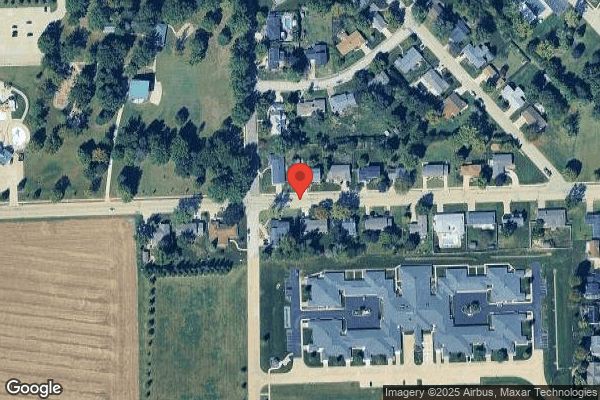
1500 PARKSIDE AVENUE, MORTON, IL 61550 (309) 284-1400
Non profit - Corporation 62 Beds Independent Data: November 2025
Trust Grade
73/100
#12 of 665 in IL
Last Inspection: April 2025

Within standard 12-15 month inspection cycle. Federal law requires annual inspections.

Overview

Apostolic Christian Restmor in Morton, Illinois has a Trust Grade of B, indicating it is a good choice for care, though it is not without its flaws. It ranks #12 out of 665 nursing homes in the state, placing it in the top half, and is the best option among the 8 facilities in Tazewell County. However, the facility is experiencing a worsening trend, with issues increasing from 3 in 2024 to 4 in 2025. Staffing is a strong point, boasting a 5/5 rating with only 22% turnover, much lower than the state average, and there is good RN coverage, surpassing 79% of state facilities. On the downside, the facility has incurred fines totaling $24,723, which is average. Recent inspection findings revealed serious incidents, including one resident being hospitalized due to improper transfer procedures leading to bruising and a head laceration, and another resident suffering falls that resulted in nasal bone fractures due to inadequate safety measures. Overall, while there are notable strengths in staffing and quality ratings, families should be aware of the facility's recent issues and the need for improvement in fall prevention practices.

Trust Score
B
73/100
In Illinois
#12/665
Top 1%
Safety Record
High Risk
Review needed
Inspections
Getting Worse
3 → 4 violations
Staff Stability
✓ Good
22% annual turnover. Excellent stability, 26 points below Illinois's 48% average. Staff who stay learn residents' needs.
Penalties
✓ Good
$24,723 in fines. Lower than most Illinois facilities. Relatively clean record.
Skilled Nurses
✓ Good
Each resident gets 67 minutes of Registered Nurse (RN) attention daily — more than 97% of Illinois nursing homes. RNs are the most trained staff who catch health problems before they become serious.
Violations
○ Average
10 deficiencies on record. Average for a facility this size. Mostly minor or procedural issues.
★★★★★
5.0
Overall Rating
★★★★★
5.0
Staff Levels
★★★★★
5.0
Care Quality
★★★★☆
4.0
Inspection Score
Stable
2024: 3 issues
2025: 4 issues

The Good

  • 5-Star Staffing Rating · Excellent nurse staffing levels
  • 5-Star Quality Measures · Strong clinical quality outcomes
  • Low Staff Turnover (22%) · Staff stability means consistent care
  • Full Sprinkler Coverage · Fire safety systems throughout facility
  • No fines on record
  • Staff turnover is low (22%)

    26 points below Illinois average of 48%

Facility shows strength in staffing levels, quality measures, staff retention, fire safety.

The Bad

Federal Fines: $24,723

Below median ($33,413)

Minor penalties assessed

The Ugly 10 deficiencies on record

4 actual harm
Sept 2025 1 deficiency 1 Harm
SERIOUS (G) 📢 Someone Reported This

A family member, employee, or ombudsman was alarmed enough to file a formal complaint

Actual Harm - a resident was hurt due to facility failures

Accident Prevention (Tag F0689)

A resident was harmed · This affected 1 resident

**NOTE- TERMS IN BRACKETS HAVE BEEN EDITED TO PROTECT CONFIDENTIALITY** Based on interview and record review the facility failed to ensure a previously implemented fall intervention was in place to re...

Read full inspector narrative →
**NOTE- TERMS IN BRACKETS HAVE BEEN EDITED TO PROTECT CONFIDENTIALITY** Based on interview and record review the facility failed to ensure a previously implemented fall intervention was in place to reduce the risk of a fall for one of three residents (R1) reviewed for falls in a sample of three. This failure resulted in R1 being transferred to the local area emergency room with a left forehead laceration, a left frontal scalp soft tissue hematoma, multiple skin tears and experiencing severe pain.Findings include: The facility's Fall Prevention Policy, dated 2/2025, documents Purpose: To provide as safe an environment as possible by taking measures to prevent falls to the extent possible. Policies: C. Every resident shall have safety measures included in the Care Plan from the time of admission. D. The Care Plan safety measures shall be revised as appropriate after a fall occurs and when deemed necessary by nursing. E. After every fall, the cause of the fall shall be determined if possible and measures taken to prevent a similar occurrence in the future. The Accident/Incident Policy, dated 3/2025, documents I. Definition: An incident is any unusual happening involving a resident or visitor. This includes falls with or without injury; injury with or without a fall.; behavior which involves danger or injury to self, another resident, employee, or visitors; wandering behavior that puts the resident or other residents in danger; any other happening not considered usual that may create a risk to resident, staff, visitor, or facility. L. Every accident/incident shall be investigated to attempt to determine cause. The nurse and the CNA (Certified Nursing Assistant) will complete an investigation for all falls. M. Following the investigation and with a probable cause of the fall is determined, recommendations to prevent a similar fall in the future shall be added to the care plan of the resident. The facility's Silent Bed Alarm Policy, dated 12/2024, documents I. Purpose: In conjunction with the fall management program, mobility monitors serve to alert the care giver that resident may need assistance. II. Policies: A. A silent bed alarm shall be used at the discretion of the admission nurse, charge nurse, clinical coordinator, Assistant Director of Nursing, or Director of Nursing after assessment of the resident indicates the resident is at risk for falls. B. A silent bed alarm consists of a box that is connected to the resident's call light system and a pressure sensitive pad that is placed on the mattress. G. It is important for the staff on the lanes to be aware of those residents with silent bed alarms and to respond to the call lights promptly. Resident safety is paramount to other duties. H. All silent bed alarms when triggered shall be interpreted as the resident communicating a need. Staff will make attempts to determine the need and provide assistance. I. It shall be the responsibility of each shift to make sure all silent bed alarms are properly connected and functioning. J. It will be the responsibility of the staff member placing the resident in bed or chair that the silent bed alarm is functioning properly by ensuring the green light is flashing and indicating the alarm is in use. III. Procedures: A. Determine the need for a silent bed alarm through fall risk evaluation. D. Check the proper function of the bed alarm by setting it off and observing that the call light turns on and the CNA's phone rings when the alarm is activated. R1's Face Sheet documents R1 admitted to the facility on [DATE] with the following, but not limited to, diagnoses: Unspecified Dementia (moderate) with Anxiety, Chronic Kidney Disease (Stage 3), COPD (Chronic Obstructive Pulmonary Disease), Generalized Anxiety Disorder, Gastro-esophageal Reflux Disease, Hypertension, Personal History of Transient Ischemic Attack, and Age-Related Osteoporosis without current Pathological Fracture.R1's Fall Risk Assessment, dated 7/24/25, documents R1 is a high risk for falls. R1's current Care Plan documents Problem Start Date: 7/24/2023. Category: Falls. (R1) is at risk for falls related to impaired cognition and being impulsive and thinking that she is capable of doing more herself. Approach Start Date: 7/24/23: 1. Keep call light within reach. Instruct and encourage (R1) to use call light and wait for staff before getting out of bed or off toilet. 2. Keep most frequently used items and assistive devices within reach. 3. Ensure proper footwear is sworn before transfers- non-skin shoes, slippers, socks. 4. Keep room free of clutter. 5. Night light at night. 6. (Staff alerting bed alarm). Monitor for self-transfers and appropriate use of call light. Flowsheet: Fall Prevention. R1's Occurrence Report, dated 10/18/23 and signed by V4/RN (Registered Nurse), documents Description: (R1) found on the floor. Date/Time of Occurrence: Known, enter date/time: 10/18/23 at 3:30 AM. What was the resident trying to do when the fall occurred? Self-Transfer. Personal Alarm Ordered: yes. Resulted in: Laceration. Skin Tear. Taken to Hospital: Yes. Injury Site: Size: Approximately two-inch laceration at hairline left side of head. Skin tear left shoulder. Color: Bloody. Amount of Bleeding: Large. Body Part: head. Equipment: Bed alarm did not respond to (R1) getting out of bed. Care Plans: Equipment issue referred to Maintenance. New/Additional Fall Prevention Strategies Implemented: Other: Bed alarm replaced. What interventions or changes in routine were implemented by staff? Check bed alarm each shift. R1's Nurse Fall Investigation, dated 10/18/23 and signed by V4/RN, documents What happened: (R1) attempted to self-transfer. Where was the resident: In her room. Severity Level: Major Injury Laceration. Treatment: Sent to Emergency Department, attempted to stop the bleeding. Injury: Laceration to (R1's) head. After reviewing the investigation, what do you think was the cause: (R1) attempted to transfer-unable. Interventions: Replaced bed alarm due to not alarming. R1's Skin Integrity Events, dated 10/18/23 and signed by V4/RN, documents Description: Laceration left side of head at hairline. Type of Injury: Laceration. Location and Size of Skin Tear/Laceration: Approximately two-inch laceration. Depth of Skin Tear/Laceration: Moderate. Blood Loss- Note Amount and Control: Large Amount. Wound Edges: Irregular. Activity During Skin Tear/Laceration Occurrence: Fall. R1's Skin Integrity Events, dated 10/18/23 and signed by V4/RN documents R1 received a skin tear to the left shoulder related to the unwitnessed fall on 10/18/23. R1's Care Plan, dated 10/18/23, documents Problem Start Date: 7/24/2023. Category: Falls. (R1) is at risk for falls related to impaired cognition and being impulsive and thinking that she is capable of doing more herself. Approach Start Date: 10/18/23. 10/18/23 (R1) was found on the floor. Intervention bed alarm changed out as the pad was not working. R1's Census documents R1 had a hospital leave on 10/18/23 and didn't return to the facility from the local hospital until 10/23/25.R1's Medical Record did not include evidence of any other fall investigation with a root cause analysis (besides what was listed above) for R1's 10/18/23 fall. R1's Hospital Records, dated 10/18/23 documents Chief Complaint: Fall. Subjective: History of Present Illness: (R1) is a [AGE] year-old female patient sent to emergency room via Emergency Medical Services after unwitnessed fall. (R1) is from (local nursing home). Was found by nursing home staff on the floor next to her bed bleeding from her head with a large skin tear to her left shoulder and right arm. These same Hospital Records documented, Chest X-Ray, Bilateral Shoulder X-Rays, Left Elbow X- Rays, and Right-Hand X-Rays. Clinical History: Hypertensive former smoker with low blood pressure, altered mental status, and lacerations of the left shoulder and right arm status post fall. Narrative: Brain and Cervical Spine CT (Computed Tomography) without Intravenous Contrast. Findings: Small left frontal scalp soft tissue hematoma with probable overlying bandaging. Remainder of the scalp soft tissues are unremarkable. R1's Skin Integrity Events-Skin Ulcer Documentation, dated 10/23/23, documents Description: Left forehead large open wound. Dimension of Ulcer: 4cm (centimeters) x 2.5cm. Depth- Through the top layer of skin. Character of Wound bed: Other: Red, has blood and dried blood superior to open wound. Describe, if necessary: Depended wound is oval in shape, it has large open area. Surrounding tissue: Intact. Describe if necessary: superior skin was elevated appears to be a hematoma. Does the resident complain of pain at the site? Yes-Moans when dressed. R1's Skin Integrity Events, dated 10/23/23, documents Description: Skin tear left shoulder. Type of Injury: Skin Tear. Location and Size of Skin Tear/Laceration: Left shoulder 4.5cm x 3.5cm. Activity During Skin Tear/Laceration Occurrence: Fall.R1's Skin Integrity Events, dated 10/23/23, documents Description: Lower left leg. Type of Injury: Skin Tear. Location and Size of Skin Tear/Laceration: Lower Left Leg 1.5cm x 0.5cm. Activity during Skin Tear/Laceration Occurrence: Fall. R1's Skin Integrity Events: dated 10/23/23, documents Description: Three Skin Tears on Right Forearm. Type of Injury: Skin Tear. Location and Size of Skin Tear/Laceration: Cluster of three skin tears on right forearm. Bottom tear is 1.2cm x 0.4cm next skin tear is 90 degrees on the outer forearm it measures 2.5cm x 0.2cm and the third tear is parallel from dependent wound. This skin tear measures 1.7cm x 0.4cm. These three wounds have scabs on them but were created during the fall. Activity During Skin Tear/Laceration Occurrence: Fall. On 9/2/25 at 2:00 PM V6/R1's Family Member stated, I received a call from a nurse the morning of 10/18/23 notifying me that (R1) had fallen out of bed and that (R1) had a deep laceration to her left forehead and multiple skin tears. The nurse told me the bed alarm wasn't working properly so they were not alerted when (R1) was getting up on her own. It was then decided (R1) needed to go to the ER (Emergency Room) due to (R1's) deep laceration to her forehead and some loss of consciousness. V6 also stated when he arrived at the hospital, R1 was crying and experiencing severe pain. On 9/3/25 at 10:42 AM V4/RN stated R1's (staff alerting) bed alarm remained green while R1 was on the floor, but the alarm had never gone off when R1 had tried to get up from bed or had fallen. When R1 was transferred back onto the bed, the bed alarm remained green and still wasn't functioning properly. The alarm did not activate when we were moving her on or off the silent bed alarm. When paramedics arrived and transferred R1 from the bed to the gurney, the alarm then went off. The alarm was malfunctioning. V4 stated, When we would check the bed alarms on each shift, we (staff) would just look to see if the alarm was green. That typically meant they were working. If the alarm turned red, then that meant it wasn't working. We (or at least I) did not test the alarms any other way to determine if they were working properly or not. (R1) had a bed alarm in place for a fall precaution. (R1) had a large laceration observed to her left forehead with a large amount of blood surrounding (R1) on the floor. I also noticed a skin tear to (R1's) left shoulder. I called (V7/RN Supervisor) to come assist with transferring (R1) back to her bed. I then called (V5/R1's Family Member) first with no answer so then I called (V6/R1's Family Member) to let them know about (R1's) condition. (V7) then called (V8/R1's Primary Physician) to report (R1's) condition. It was determined after speaking to (V6) and then (V8) to send R1 out to the hospital due to the head laceration and her being lethargic. I did not get a chance to see if (R1) had any other skin tears at that time or measure any of the areas caused from the fall. On 9/3/25 at 11:47AM V7/RN Supervisor stated, (R1) was on the floor, and was observed to have had quite a bit of bleeding from (R1's) forehead. The blood had clotted and had stopped bleeding but there was a lot of blood on the floor surrounding (R1's) head. (R1) was lethargic at the time, kind of sleepy. I remember calling (V8/R1's Primary Physician) and letting them know what was going on and then getting (R1) sent out to the hospital. That was my focus because (R1) seemed injured. V7 also stated they (the facility) uses silent bed alarms for high-risk residents who fall to assist with fall prevention. On 9/2/25 at 2:01 PM V3/Director of Nursing stated any resident who is determined a high-risk fall, had fallen out of bed, or attempted to self-transfer would be placed on a silent bed alarm to help prevent falls, then the silent bed alarm would then be placed on the care plan for a fall intervention. V3 verified the only investigations from the fall the facility had was from V4/Registered Nurse who determined the root cause of the fall was the silent bed alarm had not been functioning properly when R1 got up, so staff were not alerted to get to R1 before R1 had fallen. V3 stated, The care plan intervention for (R1's) fall on 10/18/23 was to replace the malfunctioning bed alarm with a new alarm, so I am assuming the bed alarm was not functioning properly as it should. We (the facility) put in place around a year for staff to check the bed alarms each shift to ensure proper functioning, which include staff tapping on the bed alarm first to ensure the bed alarm beeps and is functioning properly prior to placing resident on the bed alarm.
Apr 2025 3 deficiencies
CONCERN (D)

Potential for Harm - no one hurt, but risky conditions existed

ADL Care (Tag F0677)

Could have caused harm · This affected 1 resident

Based on observation, interview, and record review the facility failed to perform facial grooming for one of one (R12) resident reviewed for activities of daily living in the sample of 30. Findings in...

Read full inspector narrative →
Based on observation, interview, and record review the facility failed to perform facial grooming for one of one (R12) resident reviewed for activities of daily living in the sample of 30. Findings include: The facility's undated Residents' Rights and Responsibilities' policy documents Quality of Life: 7. The right to reside and receive services with reasonable accommodations of individual needs and preferences, except where the health or safety of the individual or other residents would be endangered. R12's Minimum Data Set/MDS Assessment, dated 1/23/25, documents R12 is cognitively intact and requires substantial/maximal staff assistance for personal hygiene. On 4/15/25, at 10:54am, R12 sat in her room with several long white chin whiskers. On 4/16/25, at 9:55am, R12 sat in her room with several long white chin whiskers noted. V25 Certified Nursing Assistant/CNA exited R12's room and stated that R12 just had a shower. On 4/16/25, at 9:58am, R12 stated that she knows she has chin whiskers and that they are long. I can feel them and don't like them. They make me feel uncomfortable. I want them to pull them out. R12 confirmed she just had a shower and that her chin whiskers were not groomed. On 4/16/25, at 10:05am, V25 CNA confirmed R12 has long chin whiskers and stated the following: A couple of weeks ago V25 left a note in report to the nurse about calling R12's family for them to get R12 a ladies razor since the other kind of razors hurt her. Unsure who the nurse was or if she did anything about it. I've been off two weeks after that. V25 said that (R12) was trying to pull them out and said, they are so pesky, and they keep coming back.
CONCERN (D)

Potential for Harm - no one hurt, but risky conditions existed

Pressure Ulcer Prevention (Tag F0686)

Could have caused harm · This affected 1 resident

**NOTE- TERMS IN BRACKETS HAVE BEEN EDITED TO PROTECT CONFIDENTIALITY** Based on observation, interview, and record review, the facility failed to ensure pressure relieving interventions were utilized...

Read full inspector narrative →
**NOTE- TERMS IN BRACKETS HAVE BEEN EDITED TO PROTECT CONFIDENTIALITY** Based on observation, interview, and record review, the facility failed to ensure pressure relieving interventions were utilized as ordered for one (R44) of three residents reviewed with pressure ulcers in a sample of 30. Findings include: The Intensive Skin Care Program policy, dated 02/2003, documents The facility's purpose is to ensure residents with pressure ulcers receive necessary treatment and services to promote healing and prevent new sores from developing. All direct care staff shall receive education upon hire and annually thereafter regarding the prevention and treatment of pressure ulcers. Any individual at risk to develop a pressure ulcer should be placed on a pressure reducing device, such as foam, static air, alternating air, gel or water mattress. R44's Face Sheet documents R44 was admitted on [DATE] with diagnoses of Kyphosis, Lordosis and Compression Fracture of Lumbar Vertebra. R44's Progress Notes dated 9/6/24 documents R44 had an open area (pressure ulcer) on her spine from her bra rubbing. R44's current Care Plan for April 2025 documents an intervention for R44's pressure ulcer was to utilize a reactive air mattress (electric powered air pressure relieving mattress). On 4/15/25 at 10:35 AM, R44 was observed lying in bed and the reactive air mattress unit was not on and not functioning. On 4/15/25 at 11:25 AM, V6 (Licensed Practical Nurse) looked at R44's reactive air mattress unit, confirmed air mattress was not functioning, and was unsure how long it was not functioning. V6 stated I am not familiar with this unit and don't know how to use this mattress. I'll have to ask. On 4/15/25 at 11:45 AM, V7 (Maintenance) and V8 (Maintenance) confirmed R44's air mattress was not functioning and was not reported to him. V8 replaced R44's reactive air mattress unit and stated the prior unit was not functioning. On 4/18/24 at 10:25 AM, V3 (Chief Nursing Officer) confirmed the reactive air mattress should have been functioning and agreed the facility did not have a process in place to ensure the reactive air mattress units were functioning.
CONCERN (D)

Potential for Harm - no one hurt, but risky conditions existed

Medical Records (Tag F0842)

Could have caused harm · This affected 1 resident

Based on observation, interview, and record review the facility failed to document skin changes for a resident on an anticoagulant with known bruises for one (R37) of five residents reviewed for skin ...

Read full inspector narrative →
Based on observation, interview, and record review the facility failed to document skin changes for a resident on an anticoagulant with known bruises for one (R37) of five residents reviewed for skin conditions in a sample of 30. Findings include: The facility's Intensive Skin Care Program, dated 2/2023, documents II. Policy: D. A daily skin inspection will be done by direct care staff during cares and any new redness or discoloration, or discomfort will be reported to the charge nurse immediately, who will assess and make appropriate interventions according to protocol. The facility's Medical Records policy, dated April 2024, documents IV. Resident Medical Record: A. Records shall be kept current. Entries shall be written in ink or typed; shall be dated, signed, and shall include the profession or title of the person making the entry. B. 11. Periodic summary of resident's condition and status of nursing goals. R37's current Physician Order Sheet/POS documents an order for Eliquis 5mg (milligrams) twice per day. On 4/15/25, at 12:42pm, R37 was in bed. Multiple scattered deep purple bruised areas are on R37's right and left forearms. R37's Progress note, dated 1/31/25, documents There is scattered bruising on all extremities. No redness or breakdown noted. R37's clinical record has no further documentation of R37's scattered bruising to her upper extremities since 1/31/25. No documentation of specific sizes, locations, or description of R37's skin condition. On 4/17/25, at 11:15am, V12 Registered Nurse/RN stated that V12 is aware of R37's bruises and stated that R37 is on a blood thinner which can cause bruising. On 4/17/25, at 11:23am, V12 RN verified R37's bruises on her bilateral wrists and forearms. On 4/17/25, at 2:15pm V23 and V24 Certified Nursing Assistants both stated they had awareness of R37's current upper extremity bruises and that the nurses have been informed. R37's current Care plan for April 2025 does not document the current skin condition of multiple bruises on R37's upper extremities. On 4/18/25, at 2:00pm. V3 Chief Nursing Officer confirmed that the last documentation regarding R37's upper extremity bruising was on 1/31/25. V3 stated The nurses should have kept documenting on her bruises.
Aug 2024 1 deficiency 1 Harm
SERIOUS (G) 📢 Someone Reported This

A family member, employee, or ombudsman was alarmed enough to file a formal complaint

Actual Harm - a resident was hurt due to facility failures

Accident Prevention (Tag F0689)

A resident was harmed · This affected 1 resident

Based on observation, interview, and record review the facility failed to provide safe transfer for one (R1) of three residents reviewed for transfers in a sample of three. This failure resulted in R1...

Read full inspector narrative →
Based on observation, interview, and record review the facility failed to provide safe transfer for one (R1) of three residents reviewed for transfers in a sample of three. This failure resulted in R1 being sent out to the hospital and suffering from bruising, left elbow hematoma and a head laceration. Findings include: The facility's Fall Prevention policy, dated April 2024, documents Purpose: To provide as safe an environment as possible by taking measures to prevent falls to the extent possible. The facility's Lift Policy, dated January 2022, documents I. Purpose - To prevent injury to residents and staff during transfers and to reduce physical strain on staff .J. The Instruction manual for the lift shall be available at each care base for reference. The procedure for transfer with the lift outlined in the manual shall be followed. The facility's Instruction Manual for the (mechanical lift), undated, documents the following: Intended Use: 'Mechanical lift' shall always be handled by a trained caregiver and in accordance with the instructions outlined in these Operating and Product Care Instructions and To lift from a chair: Place the sling around the patient so that the base of his/her spine is covered, and the head support area is behind the head .Raise the patient by operating the handset control, move the lifter away from the chair then carefully lift the positioning handle until the patient is reclined in the sling - the head support will now come into use. R1's current Face sheet documents R1 has diagnosis including but not limited to Vascular Dementia, unspecified severity, with agitation and Anxiety Disorder. R1's Minimum Data Set/MDS assessment, dated 4/30/24, documents R1 is severely cognitively impaired, dependent on staff for all cares including transfers, and has no behaviors. R1's current Care plan documents R1 is at risk for falls related to her impaired cognition and aphasia as evidenced by R1's diagnosis of Vascular Dementia. R1's Care plan documents FALL ON (7/22/2024): Fall from lift. CAUSE: Poor core strength; Equipment placement. INTERVENTION: Stays of the sling will be positioned at mid back; Staff Inservice regarding (mechanical lifts) and sling placement. R1's Care plan also states R1 requires staff assistance with all of her ADL's (Activities of Daily Living) and Resident is full (mechanical lift) and (from) transfers to bed to complete toileting functions. R1's Progress Note, dated 7/22/24 and signed by V3 Assistant Director of Nursing, documents Called to resident's room at 12:30 for fall. Resident lying supine on floor, moderate amount of blood from posterior head. This note also documents R1 was transferred by ambulance to the local hospital at 1:37pm. R1's Event Report, dated 7/22/24, created by V2 Director of Nursing/DON documents the following: The occurrence was on 7/22/24, at 12:30pm. Resident unable to state what she was doing when the fall occurred due to impaired cognition and being nonverbal. Locomotion was with staff assist. Staff witness is (V7 Certified Nursing Assistant/CNA). This occurred in resident room during staff transfer, resulting in left elbow hematoma, posterior head laceration, and transfer to hospital ER (Emergency Room). This same Event Report also documents Location/Condition/Statement/Event Scene: Called to residents' room at 12:30pm. Resident lying supine of floor. Staff report she was being transferred from (reclining) chair to bed via (mechanical lift) after lunch. When lifted from the chair, the resident extended her upper body and fell backwards out of the sling. Staff report the stays of the sling were positioned lower, and when she moved back, it seemed to aid in her falling out easier. Hit posterior head on the leg of the lift; Primary Cause: Sling placement; New/Additional Fall Prevention Strategies Implemented: Other (be specific) - Staff in-service regarding proper sling placement; and Description: Fall (7/22/24): Fell from (mechanical lift), sling placed too low on back. When she extended back, it aided in her falling backwards from sling. Cause: Poor core strength. Equipment issue. Intervention: Stays of the sling will be positioned at mid back. R1's Event Report, dated 7/22/24, documents R1 has a left elbow hematoma and posterior head laceration. R1's Nurse Progress note, dated 7/22/24, documents Resident lying on floor, moderate amount of blood from posterior head. R1's Nurse Progress note, dated 7/23/24, documents bruising noted to R1's left arm and left inner leg. On 8/27/24, at 12:34pm, V7 Certified Nursing Assistant/CNA stated The (mechanical lift) sling slipped (R1) backwards while transferring (R1) from the (reclining) wheelchair to bed. I believe the sling was positioned under her incorrectly. The sling was already under (R1). V7 also stated Usually it (the sling) stays in position when in the wheelchair, but this time it was not. It was not far up enough behind her head and upper back. I determined that as I started lifting her up, then I realized. I started to bring her back down to put her in the chair and that's when it flipped her out. V7 stated that V7 should have made sure the sling was 100% positioned correctly. On 8/27/24, at 1:45pm, R1 sat quietly in a reclining wheelchair in her room with a mechanical lift sling underneath her. At this time, V9 and V10 CNAs hooked the sling to the mechanical lift, lifted R1 up, and transferred R1 to bed. During this time, R1, nonverbal and sitting still, appeared slightly anxious with eyes wide open; R1 was gripping V10's hand tightly. On 8/27/24, at 2:21pm, V2 Director of Nursing/DON stated the following The findings were that the lift sling was not positioned appropriately under (R1) at the time and her jerking movement caused her to fall out the back. Typically, the top of the sling is above the head, and I think it was positioned down too far. The stays are elongated plastic pieces that allows stability and for the sling to be positioned appropriately. Not sure if maybe (R1) had slid down on the sling while it was under her for a few hours while in the (reclining wheelchair) and the CNA (V7) maybe didn't notice that. V2 also stated (V7) should have ultimately checked placement (of the sling) under (R1) at the time to make sure it was positioned appropriately. We educated (V7) afterwards. On 8/27/24, at 2:40pm, V3 Assistant Director of Nursing/ADON stated the following: I got called to (R1's) room and (R1) had fallen out of the lift. I did most of the investigation. (V7 CNA) said that when (V7) was getting (R1) out of the (reclining) chair with the (mechanical lift), (V7) had (R1) lifted up when (R1) kind of jerked and slipped backwards out of the sling. When I got there the sling was still hooked up to the lift itself. V3 also stated I think the stays were positioned down too far by the top of her buttocks and usually the bottom of them should be at mid back. When she jerked and moved backwards, they kind of aided (R1) in pushing herself back. V3 stated that the sling was already under (R1) and that When hooking up to the lift we want them to pull up the back part of the sling, so the stays are positioned correctly at the back. (V7) should have done this before hooking it (R1's sling) up to the lift.
Apr 2024 2 deficiencies 1 Harm
SERIOUS (G)

Actual Harm - a resident was hurt due to facility failures

Accident Prevention (Tag F0689)

A resident was harmed · This affected 1 resident

Based on observation, interview, and record review the facility failed to ensure resident fall interventions were in place and functioning for one of five (R34) residents reviewed for falls in a sampl...

Read full inspector narrative →
Based on observation, interview, and record review the facility failed to ensure resident fall interventions were in place and functioning for one of five (R34) residents reviewed for falls in a sample of 26. This failure resulted in R34 having falls and suffering from nasal bone fractures. Findings include: The facility's Fall Prevention policy, dated January 2024, documents Purpose: To provide as safe an environment as possible by taking measures to prevent falls to the extent possible. Policies: C. Every resident shall have safety measures included in the Care Plan from the time of admission. D. The Care Plan safety measures shall be revised as appropriate after a fall occurs and when deemed necessary by nursing. E. After every fall, the cause of the fall shall be determined if possible and measures taken to prevent a similar occurrence in the future. F. Every employee shall participate in fall prevention by observing and reporting safety hazards. R34's clinical record documents R34 is severely cognitively impaired with diagnoses including: Vascular Dementia, moderate, with behavioral disturbance, Unspecified Psychosis, Frontal Lobe Deficit following Subarachnoid Hemorrhage, Nontraumatic Subarachnoid Hemorrhage, Weakness, Neuritis, Ataxia, and Anxiety disorder. On 4/16/24, at 09:51am, R34 sat in her wheelchair with green and yellow bruising noted to both upper cheeks and across her nose. At this time, while feeding R34, V16 Registered Nurse/RN stated that R34 fell about a week ago and fractured her nasal bones. R34's current Care plan documents (R34) is a high fall risk related to Dementia with poor safety awareness, incontinence, medication side effects, need for assist with ADLs (Activities of Daily Living) and not always being receptive to assistance, combative at times, confusion and history of previous falls. This same Care Plan includes interventions of Provide resident with silent bed check (bed alarm) and Staff to anticipate her needs and support her when her silent bed check is alarming initiated on 12/29/22; and (R34) is to only have 1 pillow and 1 blanket in her room with an approach date of 4/8/24. R34's Fall Event Report, dated 2/7/24, documents R34's fall occurred in R34's room while ambulating with primary cause listed as bed alarm not alarming during time of fall. This report also states New/Additional Fall Prevention Strategies Implemented: Other (be specific) - new alarm pad. What interventions or changes in routine were implemented by staff? - Staff to check bed alarm and replace if needed. R34's Fall Event report, dated 4/6/24 by V6 Licensed Practical Nurse/LPN, documents the following: R34's fall occurred at 7:55pm, personal alarm is ordered and in use, fell while ambulating. Skin tear and possible facial fracture - await x-rays. Hematoma and skin tear bridge of nose. Last time resident observed 7:25pm in bed awake by V5 Memory Care Coordinator. V17 Certified Nurse Assistant/CNA heard a cry out and found (R34) on floor in small hallway between bathroom and closet. Three blankets noted on floor previously noted on recliner. Primary Cause: Resident carrying multiple blankets during ambulation. Care plans: Equipment issue (bed alarm not functioning) referred to Maintenance. Other - Bed alarm replaced and confirmed working status. New/additional fall prevention strategies implemented: Re-arrange furniture/reduce clutter in room. Interventions or changes in routine implemented by staff: Resident to have one pillow and one blanket in her room. Other - She has multiple blankets in her room, three were with her at the time of the fall, most likely she tripped over them. R34's radiology report, dated 4/7/24, documents: Intact orbits but nasal bone fracture with several components appearing depressed. On 4/17/24, at 12:23pm V11 CNA stated (R34) has a bed alarm so that we are aware of when she gets up and moving and we can assist her. At this time, V11 verified there are two bedspreads on (R34's) empty bed. V11 stated It is okay since she is not in the bed, it's so she doesn't have as much to get tangled up in. When she is in the room, we make sure things are in order. If we were to put her to bed, we would take one blanket off. On 4/17/24, at 1:30pm, V10 Director of Memory Care and V13 CNA toileted R34. V13 left the room then V10 assisted R34 to lay down in R34's bed. On 4/17/24, at 1:43pm, R34 was lying in bed with two bedspreads over her and one pillow under her head. Two Afghan blankets and one pillow were on R34's recliner. At this time V13 CNA verified that R34 has two blankets on her while in bed. V13 stated She is to have only one pillow and one blanket because she was wrapped up in them when she fell; I think it was her personal blankets. V13 verified two Afghan blankets and one pillow were on R34's recliner in (R34's) room. On 4/17/24, at 1:47pm, V10 Director of Memory Support stated We felt that layers of blankets on (R34) attributed to her fall (on 4/6/24). The ones with her during the fall are heavier. We use lighter blankets on her now. As for a pillow, sometimes she has one and at times she needs two - depending on the position and angle she is in in her bed. (R34) is a hoarder and gathers blankets and things from her bed and chair. At this time V10 reviewed and confirmed that R34's Care plan states R34 is only to have one blanket and one pillow in her room and that (R34's) room should've had that now. V10 also stated It is very important to be sure R34's alarm is on when laying her down. You can hear it beep when she sits on it. Whoever lays her down should be sure it's working. On 4/17/24, between 2:10pm - 2:20pm, V5 Memory Care Coordinator stated that V5 put (R34) to bed prior to R34's fall on 4/6/24. V5 does not recall if there were items on (R34's) bed or recliner. (R34) had a bed alarm. It is under the sheets. I do remember seeing it. It turns on when she sits down. I don't remember hearing it. At this time V5 showed this writer the bed alarm device hanging on the wall behind R34's bed. V5 sat on the bed and the bed alarm device sounded in a short ring tone and a light turned green on the device. When V5 stood up the alarm alerted the nurse call system and the light on this bed alarm device turned red. V5 stated that V5 does not routinely pay attention to the alarm or whether it is functioning or not. I do not know why she has it. V5 also stated that when V5 put R34 to bed (on 4/6/24) V5 put just one fleece blanket on R34. There might have been another one on her recliner. It is possible for her to take a blanket from the chair. She hoards and gets fixated on things. On 4/17/24 at 5:10pm, V6 Licensed Practical Nurse/LPN stated, Basically, we spent a lot of time with (R34) throughout that night (4/6/24). She was restless. Later, a CNA (V17) alerted me that (R34) was on the floor. They said that (V5 Memory Care Coordinator) had assisted (R34) to lie down. When V17 went into (R34's) room and saw (R34) on the floor there were three blankets around (R34). (R34) picks them up and gathers them at times. They were throw blankets. They were on the floor around (R34). They would have been taken from (R34's) recliner chair. I know that because I saw them in that chair earlier, multiple times. (R34's) bed alarm was not sounding according to (V17). We tested it and it was not working. When (R34) lies down it will make a small sound, a beep. Typical protocol is to make sure it is working. I am not sure if it is inspected regularly. (R34) has the bed alarm to alert us when she is up. In a perfect world we would have been able to get to her sooner if it had been sounding. (R34's) bed alarm is a fall intervention to alert us that (R34) is up and so that (R34) doesn't have a fall .This fall's intervention is to have one pillow and one blanket in the room with (R34) when she is in bed, so she doesn't have the ability to gather blankets and fall again. (R34) commonly collects blankets and items. On 4/18/24, at 2:15pm, V2 Director of Nursing/DON confirmed that R34's bed alarm was not sounding during (R34's) falls on 2/7/24 and 4/6/24 and that (R34's) bed alarm is a fall prevention intervention. V2 stated the following: Depending on where staff were at the time of the fall it is possible for them to get into her room in time, but also depending on how fast R34 was moving. I reviewed (R34's) 4/6/24 fall investigation and was told that the blankets were last seen in the chair. V2 verified that R34's Care plan intervention (post 4/6/24 fall) is for one pillow and one blanket in the room - no extra. They are to remove extra blankets from her room and can't have any heavy blankets in there. I had told staff yesterday to remove them once (R34) was lying down. I guess staff didn't think the two Afghans could trip (R34) up. They should have removed them. R34's bed alarm should have been working. Personally, if I laid (R34) down I would check to make sure it was working. It beeps. It's hard to miss it. The idea of the bed alarm is to hopefully be able to get to the resident before they might fall.
CONCERN (F)

Potential for Harm - no one hurt, but risky conditions existed

Food Safety (Tag F0812)

Could have caused harm · This affected most or all residents

Based on observation, interview, and record review, the facility failed to ensure dietary staff wrote the date on food packages that were newly opened. This failure has the potential to affect all 57 ...

Read full inspector narrative →
Based on observation, interview, and record review, the facility failed to ensure dietary staff wrote the date on food packages that were newly opened. This failure has the potential to affect all 57 residents residing in the facility. Findings Include: The Department of Health and Human Services Centers for Medicare & Medicaid Services [CMS], CMS Form-671, dated 4/17/2024, document 57 residents reside in the facility. On 4/16/2024, at 9:30 a.m., an initial kitchen tour was conducted with V8/Dietary Staff. During the initial tour, the following frozen-packaged food items were open and undated: chicken wings, chicken strips, pizza topping, vegetable burgers, zucchini slices, carrots, mixed vegetables, and a case of raw biscuits. On 4/16/2024, at 9:30 a.m., V8 confirmed no dates were written on the items. On 4/16/2024, at 10:00 a.m., V7/Assistant Director of Dietary Services provided policies for the kitchen. V7 confirmed the policies do not address the dating of food items when they are opened and the opened food items should have been dated. V7 stated that policies will be reviewed and updated to reflect placing the date on food packages when they are opened.
Mar 2023 3 deficiencies 1 Harm
SERIOUS (G)

Actual Harm - a resident was hurt due to facility failures

Free from Abuse/Neglect (Tag F0600)

A resident was harmed · This affected 1 resident

Based on observation, interview, and record review the facility failed to prevent employee to resident abuse for one of two residents (R26) reviewed for abuse in the sample of 26. This failure resulte...

Read full inspector narrative →
Based on observation, interview, and record review the facility failed to prevent employee to resident abuse for one of two residents (R26) reviewed for abuse in the sample of 26. This failure resulted in V3 (CNA/Certified Nursing Assistant) rough handling R26 during cares, resulting in R26 crying and sustaining bruises, a hematoma, and pain to the left arm. Findings include: The facility's Abuse Prevention and Abuse Reporting policy dated 12/2017 documents, Purpose: To assure the prevention of mistreatment, neglect, or abuse of residents or misappropriation of residents' property to the extent it is in the control of the facility. Policy: Residents of this facility will be free from abuse, neglect, or misappropriation of resident property. Every employee who suspects abuse, neglect, or misappropriation of resident property will follow proper abuse investigation and reporting procedures in accordance with state and federal law. Definitions: Abuse is defined as the willful infliction of injury, unreasonable confinement, intimidation, or punishment with resulting physical harm, pain, or mental anguish. Abuse also includes the deprivation by an individual, including a caretaker, of goods or services that are necessary to attain or maintain physical, mental, and psychosocial well-being. Instances of abuse of all residents, irrespective of any mental or physical condition, cause harm, pain, or mental anguish. It includes verbal abuse, sexual abuse, physical abuse, and mental abuse including abuse facilitated or enable through the use of technology. Mental abuse is the use of verbal or nonverbal conduct which causes or has the potential to cause the resident to experience humiliation, intimidation, fear, shame, agitation, or degradation. Mistreatment is defined as inappropriate treatment or exploitation of a resident. R26's MDS (Minimum Data Set) Assessments dated 11-13-22 and 2-13-23 document R26 is cognitively intact. R26's Progress Notes dated 1-3-23 at 2:19 PM and signed by V4 (RN/Registered Nurse Supervisor) document, (R26) reported to (V6/CNA/Certified Nursing Assistant) and nurse that other staff member (V3/CNA) was jerking resident around. (R26) showed staff member some bruising on her arm. Notifications made to (V1/Administrator), (V2/Director of Nursing), (V10/Social Service Director), (V12/R26's Power of Attorney), and (V13/R26's Physician). R26's Progress Notes dated 1-4-23 at 11:38 AM and signed by V5 (LPN/Licensed Practical Nurse) documents, (R26) has two circular bruises to mid anterior forearm quarter sized. The bruise that is closer to elbow is swollen slightly presenting a hematoma. Pain when touched with facial grimacing. Resident denies pain when it is not being touched. Another circular bruise to right mid anterior forearm also the size of a quarter. V3's Termination Checklist dated 1-3-23 documents, Termination Reason: Unsatisfactory performance. V11's (Director of Human Resources) typed statement dated 1-4-23 and included in V3's employee record documents V3 did provide rough handling to the resident (R26) by improperly rolling her over, which caused significant bruising to (R26's) arm and concerns that V3 was forcefully providing cares to residents who were declining them, which is a violation of their resident rights. On 03/21/23 at 9:45 AM R26 was lying in bed reading a book. R26 stated, A few months ago CNA/Certified Nursing Assistant (V3) jerked me by my arm and caused bruises. It hurt really bad. She was in a bad mood that day and was being rough. It hurt. I had turned her (V3) in for not giving me a bath and I think that was her (V3) way of getting back at me. I know the CNA was fired and no longer works here. On 03/21/23 at 01:00 PM V5 (LPN/Licensed Practical Nurse) stated, (R26) had reported to me that (V3) did not wash her up. I reported (V3's) concerns to (V8/Clinical Coordinator). A few days later I was helping (R26). (R26) was very upset and reported to me that (V3) had an attitude with her after (R26) had reported (V3) for not giving her a bath. (R26) told me that (V3) was rough with her and had grabbed her by the arm roughly and caused finger-print bruises to the left forearm. (R26) told me she felt very uncomfortable around (V3) and felt like (V3) was retaliating against her since (R26) had turned (V3) in for not giving her a bath. I had only worked with (V3) one day and the day I worked with (V3) she was very argumentative. 03/21/23 01:10 PM V8 (Clinical Coordinator) stated, (V5) had reported to me that (R26) said (V3) did not give her a bath. I spoke with (V3) and (V3) said she did give (R23) a bath and (R23) just probably forgot. I spoke with (R26), and she said (V3) did not give her a bath. (R26) is alert and orientated. On 03/21/23 at 1:15 PM V6 (CNA) stated, On (1-3-23) I was working day shift with (V3). That was the first day I had worked with (V3). (V3) was very argumentative with me that day and was upset because she did not get a break. (V3) was acting like she did not want to be here and was angry. I asked (V3) to wash up (R26). Around 10:00 AM or 10:30 AM (V3) was still complaining about not getting a break. I got fed up, so I told (V3) to just go take a break and we would handle the residents. I was tired of hearing (V3) complain. Me and V7 (CNA) went in to care for (R26) while (V3) was on break. When I entered (R26's) room, (R26) had tears and said that (V3) had grabbed her roughly by the arm. (R26) said she was in pain and had fingerprint fresh bruises to her left arm. (R26) said she did not want (V3) in her room anymore. I felt terrible that I had even asked (V3) to wash (R26) up. I immediately reported (R26's) bruises and allegations to (V4/Supervising RN). All I know is (V3) never did return from her break.
CONCERN (D)

Potential for Harm - no one hurt, but risky conditions existed

Comprehensive Care Plan (Tag F0656)

Could have caused harm · This affected 1 resident

Based on interview and record review the facility failed to implement care plan goals and interventions for anticoagulant and antidiabetic medications for one resident (R41) of 26 (R41) in a sample of...

Read full inspector narrative →
Based on interview and record review the facility failed to implement care plan goals and interventions for anticoagulant and antidiabetic medications for one resident (R41) of 26 (R41) in a sample of 26. Findings include: The facility's Interdisciplinary Care Plan policy, revised 08/11, documents to assure the provision of care to meet the needs identified in the comprehensive assessment of every resident to achieve and maintain optimal resident status. R41's current Physician Order Report documents to inject insulin glargine (antidiabetic) 32 units subcutaneous every night, for type 2 diabetes mellitus. This form also documents to take Apixaban (anticoagulant) 5 milligrams twice daily, for a history of venous thrombosis and embolism. R41's current care plan does not documents goals and interventions concerning the use of an anticoagulant or antidiabetic agent. On 3/23/23 at 9:30am, V2, Director of Nursing, verified that R41's care plan does not document goals and interventions for the use of an anticoagulant or antidiabetic agent. V2 stated that both medications should be addressed on the care plan.
CONCERN (D)

Potential for Harm - no one hurt, but risky conditions existed

Deficiency F0688 (Tag F0688)

Could have caused harm · This affected 1 resident

**NOTE- TERMS IN BRACKETS HAVE BEEN EDITED TO PROTECT CONFIDENTIALITY** 2. R26's MDS (Minimum Data Set) Assessments dated 11-13-22 and 2-13-23 document R26 is cognitively intact, has functional limita...

Read full inspector narrative →
**NOTE- TERMS IN BRACKETS HAVE BEEN EDITED TO PROTECT CONFIDENTIALITY** 2. R26's MDS (Minimum Data Set) Assessments dated 11-13-22 and 2-13-23 document R26 is cognitively intact, has functional limitations in range of motion to one side of the upper extremity and both sides of the lower extremities, and does not receive any restorative nursing programs to address R26's limitations in range of motion. R26's Contracture Risk assessment dated [DATE] documents R26 is at moderate risk of developing contractures. R26's Progress Notes dated 1-15-23 document R26 discussed with the rehabilitation aide request to discharge facility maintenance (restorative) program due to cost and R26's program would be discontinued. R26's Care Plan dated 3-1-23 documents R26 has impaired functional ability and mobility due to age, immobility, severe osteoarthritis, of multiple sites that impacts range of motion to bilateral lower extremities and bilateral upper extremities, weakness, arthralgias, history of falls, chronic pain, and a baker's cyst to the left knee. On 03/20/23 at 10:01 AM R26 stated, I have arthritis all over my body. I had an injury to my right shoulder and cannot lift my arms above my head. No one does exercises or therapy with me. R26 was lying in bed. R26's feet were contracted at the ankles and were facing outwards. R26 was unable to lift her arms above the chest level. On 03/20/23 at 10:05 AM V6 (Certified Nursing Assistant/CNA) stated, We (facility staff) do not do range of motion with (R26). I guess were probably should be. On 3/20/23 at 11:44a.m. and on 3/22/23 at 10:19a.m. V2 (Director of Nurses/DON) stated that residents are assessed for contractures using the Contracture Risk Assessment. V2 stated that if there are any problems found, the resident will be started on a range of motion program. V2 stated residents can also pay for a Functional Maintenance program which is priced at $10.00 per session. V2 stated, (R26) refused restorative programs because she did not want to pay the ten-dollar fee per session that the facility charges for restoratives. V2 also stated that R49's family declined to enroll R49 in the Functional Maintenance Program. On 3/21/23 at approximately 10:00a.m. V15 stated that CNAs provide some range of motion exercises to residents during cares. V15 stated there is no range of motion services provided based on individual resident's assessed needs, but instead, it is left up to the CNAs to determine how they will provide a resident with range of motion since they know the residents. V15 verified that R49 and R26's MDS assessment document that neither resident is receiving a ROM program. V15 stated that was because neither of these residents received a minimum of 15 minutes of ROM per day as is required by the MDS assessment in order to document that ROM was provided. Based on observation, interview, and record review the facility failed to ensure a resident with limited range of motion received individualized treatment and services based on their comprehensive assessment to maintain, improve or prevent further decrease in range of motion for two of 13 residents (R49, R26) reviewed for range of motion in a sample of 26. Findings include: A Restorative Nursing: Positioning and ROM (range of motion) for Nursing Assistants course dated 2022 states, Range of Motion, or ROM, and proper positioning are important for the well-being of the people you care for. Immobility causes muscles and tendons to shrink, limiting mobility and making joint movement painful. If immobility continues, a contracture will eventually form. Proper range of motion techniques can help prevent these from developing. 1. R49's Minimum Data Set (MDS) assessment dated [DATE] documents R49 requires extensive assistance of two people for bed mobility, transfers and personal hygiene but requires extensive assistance of one person for dressing and toilet use. This same MDS documents R49 has a functional limitation in range of motion to both lower extremities and requires the use of a wheelchair for mobility. In addition, R49's MDS documents that R49 does not receive any passive or active range of motion program/services to maintain or improve R39's range of motion; or to address R49's functional limitation to both lower extremities. R49's list of current diagnoses includes Osteoarthritis. R49's Contracture Risk assessment dated [DATE], documented by V15 (MDS/Care Plan Coordinator), documents that R49 is very limited in her ability to perform activities of daily living (ADLs) and has minimal hypertonicity or weakness. This assessment documents that R49 has the present joint condition of moderately limited but does not indicate which joints are included in this assessment. This same assessment documents that R49 has Connective Tissue Disorders such as Osteoarthritis which contribute to R49's contracture risk. In addition, this assessment documents that no referrals for services are necessary and that R49's current care plan will continue. R49's care plan dated 8/15/22 documents that R49 is at risk or has contractures related to Alzheimer's disease and poor mobility. This same care plan documents the goal of this care plan is to increase or maintain R49's current function. The care plan intervention to address R49's contracture risk and functional limitation in range of motion includes, ROM's daily per physician's order. R49's physician's orders sheet (POS) dated 2/20/23 to 3/20/23 does not include any orders for R49 to have a range of motion program. On 3/20/23 at 10:48a.m. R49 was in her room seated in a wheelchair and was able to answer questions appropriately. R49 stated that she is unable to stand or walk and uses her wheelchair to propel herself around the facility. R49 also stated the facility is not providing a range of motion program to maintain or improve her joint mobility. On 3/20/23 at 11:09a.m. V16 (Certified Nurse Aide/CNA) stated that she is a regular CNA on R49's hall. V16 stated that there is no specific ROM program or plan for providing ROM to specific joints for R49. When asked if she provides ROM to R49's hips because she is wheelchair bound, V16 stated that she usually just provides some general ROM to R49's arms and legs when she is dressing R49 in the morning. V16 stated she does not know what other CNAs do for R49 since there is no specific ROM program in place.
Understanding Severity Codes (click to expand)
Life-Threatening (Immediate Jeopardy)
J - Isolated K - Pattern L - Widespread
Actual Harm
G - Isolated H - Pattern I - Widespread
Potential for Harm
D - Isolated E - Pattern F - Widespread
No Harm (Minor)
A - Isolated B - Pattern C - Widespread

Questions to Ask on Your Visit

  • "Can I speak with families of current residents?"
  • "What's your RN coverage like on weekends and overnight?"

Our Honest Assessment

Strengths
  • • 22% annual turnover. Excellent stability, 26 points below Illinois's 48% average. Staff who stay learn residents' needs.
Concerns
  • • Multiple safety concerns identified: 4 harm violation(s). Review inspection reports carefully.
  • • 10 deficiencies on record, including 4 serious (caused harm) violations. Ask about corrective actions taken.
  • • $24,723 in fines. Higher than 94% of Illinois facilities, suggesting repeated compliance issues.
Bottom line: Mixed indicators with Trust Score of 73/100. Visit in person and ask pointed questions.

About This Facility

What is Apostolic Christian Restmor's CMS Rating?

CMS assigns APOSTOLIC CHRISTIAN RESTMOR an overall rating of 5 out of 5 stars, which is considered much above average nationally. Within Illinois, this rating places the facility higher than 99% of the state's 100 nursing homes. This rating reflects solid performance across the metrics CMS uses to evaluate nursing home quality.

How is Apostolic Christian Restmor Staffed?

CMS rates APOSTOLIC CHRISTIAN RESTMOR's staffing level at 5 out of 5 stars, which is much above average compared to other nursing homes. Staff turnover is 22%, compared to the Illinois average of 46%. This relatively stable workforce can support continuity of care.

What Have Inspectors Found at Apostolic Christian Restmor?

State health inspectors documented 10 deficiencies at APOSTOLIC CHRISTIAN RESTMOR during 2023 to 2025. These included: 4 that caused actual resident harm and 6 with potential for harm. Deficiencies causing actual harm indicate documented cases where residents experienced negative health consequences.

Who Owns and Operates Apostolic Christian Restmor?

APOSTOLIC CHRISTIAN RESTMOR is owned by a non-profit organization. Non-profit facilities reinvest revenue into operations rather than distributing to shareholders. The facility operates independently rather than as part of a larger chain. With 62 certified beds and approximately 53 residents (about 85% occupancy), it is a smaller facility located in MORTON, Illinois.

How Does Apostolic Christian Restmor Compare to Other Illinois Nursing Homes?

Compared to the 100 nursing homes in Illinois, APOSTOLIC CHRISTIAN RESTMOR's overall rating (5 stars) is above the state average of 2.5, staff turnover (22%) is significantly lower than the state average of 46%, and health inspection rating (4 stars) is above the national benchmark.

What Should Families Ask When Visiting Apostolic Christian Restmor?

Based on this facility's data, families visiting should ask: "Can I visit during a mealtime to observe dining assistance and food quality?" "How do you handle medical emergencies, and what is your hospital transfer rate?" "Can I speak with family members of current residents about their experience?"

Is Apostolic Christian Restmor Safe?

Based on CMS inspection data, APOSTOLIC CHRISTIAN RESTMOR has a clean safety record: no substantiated abuse findings (meaning no confirmed cases of resident harm), no Immediate Jeopardy citations (the most serious violation level indicating risk of serious injury or death), and is not on the Special Focus Facility watch list (a federal program monitoring the lowest-performing 1% of nursing homes). The facility has a 5-star overall rating and ranks #1 of 100 nursing homes in Illinois. While no facility is perfect, families should still ask about staff-to-resident ratios and recent inspection results during their visit.

Do Nurses at Apostolic Christian Restmor Stick Around?

Staff at APOSTOLIC CHRISTIAN RESTMOR tend to stick around. With a turnover rate of 22%, the facility is 24 percentage points below the Illinois average of 46%. Low turnover is a positive sign. It means caregivers have time to learn each resident's needs, medications, and personal preferences. Consistent staff also notice subtle changes in a resident's condition more quickly. Registered Nurse turnover is also low at 11%, meaning experienced RNs are available to handle complex medical needs.

Was Apostolic Christian Restmor Ever Fined?

APOSTOLIC CHRISTIAN RESTMOR has been fined $24,723 across 2 penalty actions. This is below the Illinois average of $33,326. While any fine indicates a compliance issue, fines under $50,000 are relatively common and typically reflect isolated problems that were subsequently corrected. Families should ask what specific issues led to these fines and confirm they've been resolved.

Is Apostolic Christian Restmor on Any Federal Watch List?

APOSTOLIC CHRISTIAN RESTMOR is not on any federal watch list. The most significant is the Special Focus Facility (SFF) program, which identifies the bottom 1% of nursing homes nationally based on persistent, serious quality problems. Not being on this list means the facility has avoided the pattern of deficiencies that triggers enhanced federal oversight. This is a positive indicator, though families should still review the facility's inspection history directly.