MOUNT STERLING HEALTH AND REHAB CENTER

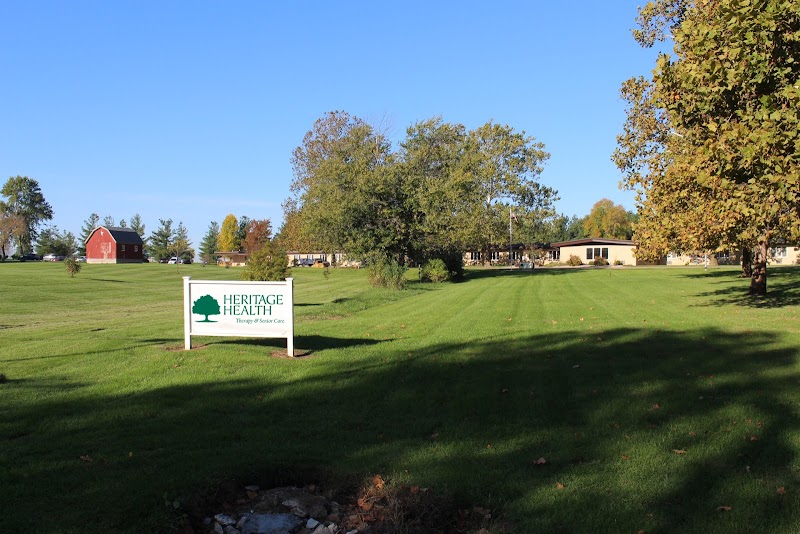
435 CAMDEN RD, MOUNT STERLING, IL 62353 (217) 773-3377
For profit - Limited Liability company 80 Beds SUMMIT HEALTHCARE CONSULTING Data: November 2025
Trust Grade
75/100
#169 of 665 in IL
Last Inspection: February 2024

Within standard 12-15 month inspection cycle. Federal law requires annual inspections.

Overview

Mount Sterling Health and Rehab Center has a Trust Grade of B, indicating that it is a good option for families seeking care, but not without some concerns. It ranks #169 out of 665 facilities in Illinois, placing it in the top half of statewide options, and is the only facility in Brown County. The facility has shown improvement over time, reducing issues from six in 2024 to two in 2025, although it currently has a below-average staffing rating of 2 out of 5 stars, with a turnover rate of 36%, which is better than the state average. Notably, there have been no fines, and RN coverage is average, meaning residents receive adequate medical oversight. However, there are weaknesses to consider. Recent inspections identified issues such as inadequate responsiveness to call lights and concerns about cleanliness, including unemptied trash cans and unsanitary conditions in resident rooms. These findings suggest that while the facility has strengths, including a solid reputation and improving trend, families should be aware of the ongoing concerns regarding staff responsiveness and housekeeping practices.

Trust Score
B
75/100
In Illinois
#169/665
Top 25%
Safety Record
Low Risk
No red flags
Inspections
Getting Better
6 → 2 violations
Staff Stability
○ Average
36% turnover. Near Illinois's 48% average. Typical for the industry.
Penalties
✓ Good
No fines on record. Clean compliance history, better than most Illinois facilities.
Skilled Nurses
○ Average
Each resident gets 34 minutes of Registered Nurse (RN) attention daily — about average for Illinois. RNs are the most trained staff who monitor for health changes.
Violations
⚠ Watch
19 deficiencies on record. Higher than average. Multiple issues found across inspections.
★★★★☆
4.0
Overall Rating
★★☆☆☆
2.0
Staff Levels
★★★★☆
4.0
Care Quality
★★★★☆
4.0
Inspection Score
Stable
2024: 6 issues
2025: 2 issues

The Good

  • 4-Star Quality Measures · Strong clinical quality outcomes
  • Full Sprinkler Coverage · Fire safety systems throughout facility
  • No fines on record
  • Staff turnover below average (36%)

    12 points below Illinois average of 48%

Facility shows strength in quality measures, fire safety.

The Bad

Staff Turnover: 36%

10pts below Illinois avg (46%)

Typical for the industry

Chain: SUMMIT HEALTHCARE CONSULTING

Part of a multi-facility chain

Ask about local staffing decisions and management

The Ugly 19 deficiencies on record

Aug 2025 1 deficiency
CONCERN (F) 📢 Someone Reported This

A family member, employee, or ombudsman was alarmed enough to file a formal complaint

Potential for Harm - no one hurt, but risky conditions existed

Deficiency F0679 (Tag F0679)

Could have caused harm · This affected most or all residents

Based on interview and record review the facility failed to provide activities on weekends and evenings. This failure has the potential to affect all 67 residents residing within the facility. Finding...

Read full inspector narrative →
Based on interview and record review the facility failed to provide activities on weekends and evenings. This failure has the potential to affect all 67 residents residing within the facility. Findings include:The Administration Code Section 300.1410 Activity Program (undated) documents a) The facility shall provide an ongoing program of activities to meet the interests and preferences and the physical, mental, and psychosocial well-being of each resident, in accordance with the resident's comprehensive assessment. The activities shall be coordinated with other services and programs to make use of both community and facility resources and to benefit the residents. g) The facility shall provide a specific, planned program of individual (including self-initiated) and group activities that are aimed at improving, maintaining, or minimizing decline in the resident's functional status, and at promoting well-being. The program shall be designed in accordance with the individual resident's needs, based on past and present lifestyle, cultural/ethnic background, interests, capabilities, and tolerance. Activities shall be daily and shall reflect the schedules, choices, and rights of the residents (e.g., morning, afternoon, evenings, and weekends). The residents shall be given opportunities to contribute to planning, preparing, conducting, concluding, and evaluating the activity program.On 8/21/25 at 5:18 PM, V1/Administrator stated, We work off of an administrative code in place of a policy.The facility's Daily Census form, dated 8/20/25, indicates that 67 residents are currently residing in the facility.The Activity Calendars for June, July, and August 2025 document that there are no activities after 3:30 PM Monday through Friday. They also document there are no scheduled activities on Saturdays or Sundays. On 8/21/25 at 9:55 AM V1/Administrator stated that there are no activities in the evenings and on weekends. There are two activity calendars one for the North Unit and one for the South Unit. The North Unit is the Special Care Unit where the residents have Dementia or Alzheimer's. The South Unit calendar lists independent activities for the weekend. The North calendar lists family visits, music and snacks, and television time. V1 also stated the activities listed for the weekend on the South Unit and North Unit are not structured and V1 cannot say that any activities are being done. On 8/20/25 at 11:30 AM, V7/Activity Director stated that there are no structured activities on evenings or weekends. V7 also stated he would like to do activities in the evenings and on weekends but does not have the staff to do it. On 8/20/25 at 4:04 PM, R6/Resident Council President stated that there are no activities on evenings or weekend. R6 also stated There is nothing to do on evenings and weekends. It would be nice if there were activities.On 8/25/25 at 11:07 AM, R7 stated that she would like activities on the weekends because there is nothing to do. On 8/25/25 at 11:11 AM, R8 stated I enjoy going to activities. Sometimes in the evenings I'm tired so I don't know how much I would go to evening activities, but I would like activities available on the weekends. On 8/25/25 at 11:20 AM R9 stated I go to activities with (R10/R9's Family Member). There are no activities in the evenings or weekends, and it makes it a long weekend. Having activities on weekends would especially help (R10). When (R10) gets bored he starts talking about wanting to go home. Activities would take (R10's) attention off wanting to go home. On 8/25/25 at 11:28 AM R11 stated That he likes to go to activities. I would go on the weekends if they had them.
Apr 2025 1 deficiency
CONCERN (E) 📢 Someone Reported This

A family member, employee, or ombudsman was alarmed enough to file a formal complaint

Potential for Harm - no one hurt, but risky conditions existed

Resident Rights (Tag F0550)

Could have caused harm · This affected multiple residents

Based on interview and record review the facility failed to respond to resident call lights in a timely manner for nine of 11 Residents (R2, R3, R4, R5, R7, R8, R9, R10 and R11) reviewed for call ligh...

Read full inspector narrative →
Based on interview and record review the facility failed to respond to resident call lights in a timely manner for nine of 11 Residents (R2, R3, R4, R5, R7, R8, R9, R10 and R11) reviewed for call light response in a sample of 11. Findings include: Facility Call Light Guidance Policy, dated 7/1/23, documents: to provide guidance to all Facility staff on the use, response and placement of call lights; Resident call lights shall be responded to within a reasonable amount of time; it is the responsibility of all staff to respond to call lights; and if responding staff is unable to meet the request/need of the Resident, staff shall leave the light on and elicit the assistance of appropriate staff. Facility Certified Nursing Assistant/CNA Job Description, undated, documents: the CNA provides each assigned resident with routine daily nursing care and services in accordance with the Resident's assessment and care plan; and will be accountable for carrying out the assigned duties and responsibilities in accordance with current existing federal and state regulations and established company policies and procedures; and follow assigned tasks in accordance with the facilities established policies and procedures and as instructed by supervisors. The Facility Grievance Log, dated 1/1/25 through 4/4/25, documents a complaint on 1/29/25 for R3's concern for call bell response time. Facility Resident Council Minutes, dated 1/2/25, document Resident nursing concerns about beds not being made at all and about having to wait too long when they turn their call light on, which Resident's stated happens mainly between 6:00 pm and 9:00 pm. Facility Resident Council Minutes, dated 2/6/25, document Resident nursing concerns with water not being refilled. Concerns about not being able to reach call lights. On 4/2/25 at 12:57 pm, R3 stated, They easily most of the time take about an hour to answer my call light, and sometimes it has been up to an hour and a half. They also are good about coming in and shutting off the call light and saying that they will be back, and never come back. On 4/2/25 at 12:59 pm, R5 stated, They do not mean to hurt me intentionally, but they take a really long time to answer my call light and a lot of time they just come in, shut off my call light, and say they will be back with help. They usually need two people because I use a (mechanical lift) to help me transfer, and it always takes them forever to get two people, so I sit here for a long, long time waiting. On 4/3/25 at 2:30 pm, R2 stated, They could be better with answering call lights. On 4/4/25 at 1:00 pm, R8 stated, I go to Resident Council meetings, and we always have complaints about our call lights. On 4/4/25 at 1:05 pm, R9 stated, We always have complaints about the call lights not getting answered. Sometimes it takes a long time for them to get answered. On 4/3/25 at 1:20 pm, R10 stated, We get complaints every month in Resident Council that the call light response is an issue. On 4/3/25 at 1:41 pm, R11 stated, We get complaints with call lights not getting answered almost every month. They say they will look into it. On 4/4/25 at 12:45 pm, R7 (Resident Council President) stated, We turn our problems with the call lights in to them and tell us that they follow-up on it every month, but we continually have problems with the call lights not getting answered. On 4/5/25 at 12:46 pm, V1 (Administrator) stated, I know Resident Council does have complaints about the call lights, I am going to try and figure out the best way to resolve these issues.
Oct 2024 1 deficiency
CONCERN (E) 📢 Someone Reported This

A family member, employee, or ombudsman was alarmed enough to file a formal complaint

Potential for Harm - no one hurt, but risky conditions existed

Safe Environment (Tag F0584)

Could have caused harm · This affected multiple residents

Based on observation, interview, and record review the facility failed to ensure trash cans were emptied daily and resident rooms, floors, and bathrooms were clean and free of stains and debris for fo...

Read full inspector narrative →
Based on observation, interview, and record review the facility failed to ensure trash cans were emptied daily and resident rooms, floors, and bathrooms were clean and free of stains and debris for four of four residents (R1-R4) reviewed for housekeeping services in the sample of four. Findings include: The facility's Housekeeping Vendor's Deep Cleaning Procedures policy (undated) documents, Clean restroom by moving in a clockwise rotation from the restroom door. h. Toilet-Scrub and disinfect toilet bowl. Remove all stains and build-up. n. Remove all build-up from floor around bowl, door frame, corners, and edges. Dust mop and damp mop entire room. The facility's Resident Council Minutes dated 8-1-24, 9-5-24, and 10-3-24 document, Concerns that the rooms are not being cleaned well. Concerns about having to take out their own trash. On 10-4-24 at 9:10 AM, R1 and R3's floor in-between R1 and R3's beds had two golf-ball sized areas of dried feces. R1 and R3 had clothes and a four-by-four gauze with dried brown drainage lying on their closet floor. R1 and R3's corner of the closet had unpainted drywall that was missing two foot of cove base. R1 and R3's bathroom floor had scattered used paper towels and brown debris. On 10-4-24 at 9:20 AM, V5 (CNA/Certified Nursing Assistant) verified R1 and R3's room had dried feces, a dirty gauze, clothes, debris, and paper towels on the floor. On 10-4-24 10:15 AM, R2 and R4's toilet riser had splattered dried feces around the rim and on the seat. The toilet had a dried brown ring around the rim and on the bottom. The caulking around the floor of the toilet had a black stain. On 10-4-24 at 10:30 AM, R2 stated, Housekeeping needs to improve here. My trash does not get taken out daily. I have to take my own trash out at times. The toilet riser is always dirty with dried BM (Bowel Movement). The toilet and floors are dirty too. On 10-4-24 at 10:35 AM, V5 (CNA/Certified Nursing Assistant) confirmed R2 and R4's toilet riser, toilet, and caulking around the floor of the toilet were dirty and stained. On 10-4-24 at 12:15 PM, V1 (Administrator) stated, I agree. The housekeeping services need to improve here. We (the facility) use an outside vendor for housekeeping services and use their policies. The trash should be taken out at least daily.
Feb 2024 5 deficiencies
CONCERN (D)

Potential for Harm - no one hurt, but risky conditions existed

PASARR Coordination (Tag F0644)

Could have caused harm · This affected 1 resident

Based on interview and record review the facility failed to follow PASARR (Preadmission Screening and Resident Review) requirements for one resident (R29) of three residents reviewed for PASARR in a t...

Read full inspector narrative →
Based on interview and record review the facility failed to follow PASARR (Preadmission Screening and Resident Review) requirements for one resident (R29) of three residents reviewed for PASARR in a total sample of 20. Findings Include: R29's Level II PASARR (Preadmission Screening and Resident Review) dated 8/8/23 documents You fall into the category of having a diagnosis that the PASRR program was designed to assess. Your condition is likely to require expert treatment in the future. That diagnosis is: A serious mental health condition. At this time, you meet PASRR inclusion criteria. You have a Level II PASRR condition of Depression Disorder which has impacted your functioning and need for ongoing treatment support. You also have the diagnoses of Anxiety Disorder, PTSD (Post Traumatic Stress Disorder) and Narcolepsy. Rehabilitative services: You will need to be provided the following services and/or supports Provision of a structured environment for those individuals who are determined to need such structure: Individual, group and family psychotherapy. R29's Care Plan dated 03/01/23 documents I suffered a traumatic life event. I was physically assaulted which resulted in bodily harm. I require ongoing support and intervention with a counselor. On 2/25/24 at 10:30 AM R29 stated I haven't had counseling in quite a while, I think it would help me a lot. R29's Medical Record did not contain any therapy or counseling progress notes. On 2/27/24 V2 (Director of Nursing) confirmed that R29 had not received any therapy or counseling services since her last outpatient session in July 2023. (R29) should have been getting counseling.
CONCERN (D)

Potential for Harm - no one hurt, but risky conditions existed

Quality of Care (Tag F0684)

Could have caused harm · This affected 1 resident

Based on observation, interview and record review the Facility failed to perform hand hygiene and prevent cross contamination, for three separate wounds, during wound/skin care for one of five Residen...

Read full inspector narrative →
Based on observation, interview and record review the Facility failed to perform hand hygiene and prevent cross contamination, for three separate wounds, during wound/skin care for one of five Residents (R37) reviewed for wound/skin care in a sample of 20 Findings include: Facility Dry Dressing Policy, dated 7/2/23, documents: the purpose is to provide guidelines for the application of dry, clean dressings; perform hand hygiene, put on clean gloves, loosen tape and remove soiled dressing; pull glove over dressing and discard into plastic bag; perform hand hygiene, open dressing equipment using clean technique, place on clean field, perform hand hygiene and put on clean gloves, cleanse wound with ordered cleanser, if using gauze, use clean gauze for each cleansing stroke, clean from the least contaminated area to the most contaminated area; discard disposal items into the designated container; remove disposable gloves and discard into designated container; and perform hand hygiene. Facility Hand Washing Policy, dated 7/1/23, documents: to provide guidelines for adequate hand washing in order to reduce the transmission of organisms from Resident to Resident, Staff to Resident and Resident to Nursing Staff; the Facility considers hand hygiene the primary means to prevent the spread of infections and all staff will properly wash hands after direct contact with any contaminated substance, after direct Resident care, and as instructed; it is the responsibility of all staff to ensure that they properly wash their hands after direct contact with Resident, contaminated substances, and as needed; must wash their hands for fifteen to twenty seconds using antimicrobial, or non-antimicrobial soap and water after contact with blood, body fluids, secretions, mucous membranes or non-intact skin; and after handling items potentially contaminated with blood, body fluids or secretions. R37's Physician Order Sheet/POS, dated 2/27/24, documents diagnoses including Type Two Diabetes Mellitus with Foot Ulcer, Non Pressure Chronic Ulcer of Right Heel and Midfoot Limited Breakdown of Skin. R37's POS also documents wound/skin treatment orders for the following: apply skin adhesive ointment (Skin Prep) to Right Heel, then border gauze daily at night (HS) and as needed for dry eschar; cleanse Left Heel with wound cleanser, apply medicated cream (Calcium Alginate), then cover with a four by four (gauze) and cling wrap daily and as needed; and cleanse Right First Metatarsal with wound cleanser, apply medicated cream (Calcium Alginate) to wound bed, cover with dressing and change daily and as needed. On 2/27/24 at 11:07 am, V5 (Infection Preventionist/Wound Nurse) was performing Diabetic Ulcer wound care to R37's Left Heel, Right Heel and Right First Metatarsal. V5 removed R37's heel protector boots. R37 did not have a dressing on R37's Right Heel and Right First Metatarsal. V5 removed R37's Left Heel soiled dressing, and the medicated cream covering (Calcium Alginate), was still adhered to R37's Left Heel. V5 then applied wound cleanser to a stack of four-by-four gauze pads and cleansed R37's Right Heel, and with the same soiled gauze pads, cleansed R37's Left Heel. R37's Left Heel medicated cream pad (Calcium Alginate) fell onto R37's bed sheet. V5 picked up the medicated cream pad (Calcium Alginate) with the stack of cleansing four by four gauze pads and continued to cleanse R37's Left Heel and Right First Metatarsal. V5 did not use separate clean cleansing gauze pads, remove gloves, or perform hand washing between the wound care for R37's three diabetic wounds. On 2/27/24 at 12:45 pm, V2 (Director of Nursing) stated, (V5) is fairly new to this position and (V5) told me that (V5) was extremely nervous during (R37's) wound care. (V5) should have used different gauze pads to clean each individual wound, and also (V5) should have done hand hygiene and put on new gloves between each wound, so they would not get cross contaminated. .
CONCERN (D)

Potential for Harm - no one hurt, but risky conditions existed

Accident Prevention (Tag F0689)

Could have caused harm · This affected 1 resident

Based on interview and record review the Facility failed to investigate a fall for one of four residents (R50) reviewed for falls in a sample of 20. Findings include: Facility Policy Accidents and Inc...

Read full inspector narrative →
Based on interview and record review the Facility failed to investigate a fall for one of four residents (R50) reviewed for falls in a sample of 20. Findings include: Facility Policy Accidents and Incidents, dated 07/01/23, documents: all accidents/incidents involving a Resident will be documented in Risk Management. The nursing team will complete an investigation with the root cause and new interventions; Section Responsibility documents it is the responsibility of the Charge Nurse to complete the accident and incident in (a computerized charting system), notify attending Physician and responsible parties and document accordingly. It is the responsibility of the DON/Director of Nursing/Designee to investigate and ensure appropriate completion, notification, and follow-up on all accidents and incidents; Section Procedure: Reporting documents Accident and Incidents, including injuries of an unknown origin, must be reported to the department supervisor, and an accident/incident report should be completed on the shift that the accident or incident occurred; Section titled Medical Attention documents the charge nurse shall examine all accident/incident victims and the Medical Director or resident's personal Physician shall be notified of the accident/incident; Section Investigate and Follow Up Action documents the charge nurse must conduct an immediate investigation of the accident/incident and implement immediate appropriate interventions to affected parties, the accident/incident report must be completed, charge nurse will place the residents name on the 24-hour report summary, the DON, Interdisciplinary Team and/or designee will conduct an investigation of the accident/incident as well, findings will be indicated in the appropriate area, the Interdisciplinary Team/IDT will review within 24 hours or next business day and discuss and attempt to find out the root cause and implement an appropriate intervention to attempt to prevent further falls. R50's progress notes for 12/22/23 have no notes regarding R50's fall. R50's Progress Note, dated 12/23/23 at 7:25 pm, document: Staff were changing resident due to incontinence. Resident had five-inch-long x three-inch-wide bruise on left outer Thigh/Hip and (R50) was unable to verbalize how the bruise appeared. R50's Progress Note, dated 12/24/2023 at 8:35 am, written by V1 (Administrator) and linked to the 12/23/23 bruise note documents that R50 had a fall on 12/22/23 and was found on floor at bedside leaning to left side. There was no documentation of R50's fall prior to this progress note. On 12/24/2023 at 8:58 am, R50's progress note documents: that R50 has had no signs or symptoms of pain from previous fall on 12/22/23; noted dark purple bruise on left hip area; able to stand without any grimacing or yelling; no shortening of left leg or visual deformity noted or reported; and will notify Hospice Physician and Power of Attorney. On 02/26/24 at 11:23 am, V1 (Administrator) stated that, I was made aware of (R50's) fall as I received shift report on 12/23/23 at 6:00 am. V1 was unaware there had not been documentation on R50's fall. V1 began the reporting and investigation of R50's fall on 12/24/23. On 02/27/24 at 12:28 pm, V1 confirmed R50's fall had not been promptly documented in Risk Management, recorded in the computerized charting system, reported to R50's physician or power of attorney or investigated. V1 confirmed there was no documentation for R50's assessment, investigation, interventions or follow up documented until V1 began an investigation on 12/24/23. V1 stated (R50's) fall on 12/22/23 occurred at approximately 11:30 pm. V1 confirmed that R50's medical record did not document R50's 11/22/23 fall, examination or investigation until 12/24/23, and that R50's Physician was not immediately contacted.
CONCERN (D)

Potential for Harm - no one hurt, but risky conditions existed

Deficiency F0699 (Tag F0699)

Could have caused harm · This affected 1 resident

Based on record review and interview the facility failed to provide any treatment or counseling for a residnet with a diagnosis of PTSD (Post Traumatic Stress Disorder) and failed to identify triggers...

Read full inspector narrative →
Based on record review and interview the facility failed to provide any treatment or counseling for a residnet with a diagnosis of PTSD (Post Traumatic Stress Disorder) and failed to identify triggers for PTSD for one resident (R29) of three residents reviewed for PTSD in a total sample of 20. Findings Include: The Facility's undated Trauma Informed Care Procedure documents Nursing staff are trained on screening tools, trauma assessment and how to identify triggers associated with re-traumatization. Caregivers are taught strategies to help eliminate, mitigate or sensitively address a resident's triggers. R29's Care Plan dated 03/01/23 documents I suffered a traumatic life event. I was physically assaulted which resulted in bodily harm. I require ongoing support and intervention with a counselor. R29's Care Plan does not address any triggers or any situations for staff to avoid related to R29's PTSD. R29's Care Plan dated 09/01/23 documents This resident has a history that indicates they may have experienced significant trauma during their lifetime. Specifically, trauma related to unexpected loss of a loved one. On 02/27/24 at 9:00 AM, R29 stated I would feel triggered if I were alone with a man because of the history of my attack. My friend dying, I don't have any specific triggers, the grief comes in waves. On 02/26/24 at 1:30 PM, V2 (Director of Nursing) confirmed that R29 has no identified triggers for her PTSD diagnosis and has not been seen by a counselor since July 2023.
CONCERN (D)

Potential for Harm - no one hurt, but risky conditions existed

Infection Control (Tag F0880)

Could have caused harm · This affected 1 resident

Based on observation, interview and record review the facility failed to wash their hands and change gloves between two different residents (R8 and R33) of four residents reviewed for personal cares i...

Read full inspector narrative →
Based on observation, interview and record review the facility failed to wash their hands and change gloves between two different residents (R8 and R33) of four residents reviewed for personal cares in a total sample of 20. Findings Include: The Facility's Standard Precautions Policy dated 6/19/22 documents Standard Precautions are used in the care of all residents regardless of their diagnoses or suspected or confirmed infection status. Standard Precautions presume that all blood, body fluids, secretions, and excretions (except sweat), non-intact skin and mucous membranes may contain transmissible infectious agents. On 2/26/24 at 1:30 PM, V4 (Certified Nurse Aide) rolled R33 to his side, touched his buttocks while pointing out multiple small open areas. V4 then rolled R33 to his back and used both gloved hands to roll back the foreskin on R33's penis and repeatedly touched the tip of the penis while indicating where small open areas were on the penis. After V4 covered R33 back up, she went directly to R8's bed without changing gloves or sanitizing hands in any way, rolled R8 to his side and pulled down R8's skin folds to the back of the right thigh to indicate multiple small open areas. On 2/26/24 at 2:00 PM, V4 confirmed that she did not wash her hands or change her gloves between R33 and R8. V4 stated Oh yeah, I should of changed gloves and washed my hands.
Sept 2023 1 deficiency
CONCERN (D) 📢 Someone Reported This

A family member, employee, or ombudsman was alarmed enough to file a formal complaint

Potential for Harm - no one hurt, but risky conditions existed

Deficiency F0583 (Tag F0583)

Could have caused harm · This affected 1 resident

Based on interview and record review the facility failed to maintain privacy and confidentiality of personal and health information for two residents (R8 and R9) of 4 residents reviewed for medical re...

Read full inspector narrative →
Based on interview and record review the facility failed to maintain privacy and confidentiality of personal and health information for two residents (R8 and R9) of 4 residents reviewed for medical records in the sample of 10. Findings include: R8's Assessment signed by V13 (Nurse Practitioner) dated 7/1/22 at 1:52 PM, documents R8's personal information was uploaded into R1's electronic medical record. The information included the following: R8's date of birth , address, and phone number. It included that R8 has dementia due to Parkinson's Disease without behavioral disturbance, Anxiety, Chronic Diastolic Congestive Heart Failure, Diabetes Mellitus Type 2, and a Urinary Tract Infection. The record also went on to state that R1 was a new resident and included additional information concerning R8's plan of care, active problems, and physical exam. (This information was included with R1's electronic records that were to be sent to a facility R1 requested to transfer to.) On 9/19/23 at 11:23 AM, V2 (Director of Nursing) and V12 (Regional Support Nurse) came in with a laptop computer and showed that there was information about R8 in R1's electronic medical records. On 9/19/23 at 11:23 AM, V1 (Regional Director of Operations) stated that the uploaded progress notes that were in the history for R1 included documents in the file that were for R8. This is the file that the corporate office could have sent to V9 (R1's Power of Attorney). V1 also stated, We cannot prove or disprove it was sent to V9 (R1's Power of Attorney), but there is the possibility. On 9/19/23 at 12:58 PM, V9 (R1's Power of Attorney) stated that in with R1's paperwork that V9 received from the facility was information about a catheter for (R9) and it was signed by a doctor. V9 emailed the above-mentioned records that were included in R1's records and review indicted the paperwork was a Physician Notification Form that was sent to V10 (R9's Primary Care Physician) dated 8/05/22, which documented (R9) requests SP (Super Pubic) catheter be changed on routine basis. Need orders please for SP cath (catheter) change and how often. On 9/19/23 at 1:12 PM, V2 (Director of Nursing) stated Evidently we do have an issue with confidentiality of resident's medical records that we need to figure out. On 9/20/23 at 12:12 PM, V2 (Director of Nursing) stated that each resident is given a copy of their rights upon admission, and they are told in Resident Council Meetings about their rights. They are aware their information is to be confidential. On 9/20/23 at 1:41 PM, V2 (Director of Nursing) stated that she assumes the mix up (with R9's records) happened on the fax/printer machine. The paperwork for R9 was probably on the machine when R1's papers were printed for V9 (R1's Power of Attorney). As far as how R8's medical records were in with R1's electronic record is unknown. V2 also stated We all agree there is a problem. The Resident Rights Booklet dated 11/18, documents You have a right to privacy and confidentiality of your personal and medical records. Your medical and personal care are private. Your facility may not give information about you or your care to unauthorized persons without your permission unless you are being transferred to a hospital or to another health care facility. The Electronic Medical Records policy dated 7/1/23, documents Purpose: To provide guidance to the facility regarding the use and storage of electronic medical records. Responsibility: It is the responsibility of the Administrator, or designee, to understand and ensure compliance of the facility of the electronic medical records policy. Policy: Electronic medical records may be used in lieu of paper records when approved by the Administrator and stored/maintained as required. Policy Interpretation and Implementation 2. the administrator, in conjunction with the quality assessment and assurance committee, shall review requests for and the implementation of our electronic medical records system. 8. Our electronic medical records system has safeguards to prevent unauthorized access of electronic protected health information (e-PHI). These safeguards include administrative, technical and physical safeguards that are appropriate for: a. the probability and criticality of risks to e-PHI based on a thorough risk analysis conducted by this facility; b. the size, complexity and capabilities of this organization; and c. the technical infrastructure, hardware, software and security capabilities. The Employee Handbook on page 45, documents, Section 5-21 Patient [NAME] of Rights, We firmly believe that each resident should expect and receive the highest quality of personal and professional care. In keeping with our philosophy, we are committed to supporting and adhering to the Patient's [NAME] of Rights. The Patient's [NAME] of Rights, in part, states that a resident: Will be assured confidential treatment of his/her personal and medical records. We expect the actions and conduct of our employees to be in compliance with the Patient's [NAME] of Rights. Section 5-22 Health Insurance Portability and Accountability Act (HIPAA) We are committed to complying with all applicable laws and regulations pertaining to Health Insurance Portability and Accountability Act (HIPAA). HIPAA is a broad law that governs whom we give access to patient data as well as how we transmit, retain and safeguard residents and employees Protected Health Information (PHI).
Dec 2022 8 deficiencies
CONCERN (D)

Potential for Harm - no one hurt, but risky conditions existed

Deficiency F0637 (Tag F0637)

Could have caused harm · This affected 1 resident

**NOTE- TERMS IN BRACKETS HAVE BEEN EDITED TO PROTECT CONFIDENTIALITY** Based on record review and interview the facility failed to complete a comprehensive MDS (Minimum Data Set) assessment within 14...

Read full inspector narrative →
**NOTE- TERMS IN BRACKETS HAVE BEEN EDITED TO PROTECT CONFIDENTIALITY** Based on record review and interview the facility failed to complete a comprehensive MDS (Minimum Data Set) assessment within 14 days following a significant change in condition for one of one residents (R18) reviewed for change in condition in the sample of 19. Findings include: The CMS (Centers for Medicare and Medicaid Services) RAI (Resident Assessment Instrument) Manual dated 10-1-19 documents, A significant change in status assessment must be completed no later than 14 calendar days from determining a significant change in a resident's status occurred. A significant change in assessment is required when the resident has an improvement in more than one area of health status or a decline in more than one area of health status that is not expected to resolve within two weeks. A significant change in status assessment is also appropriate if there is a consistent pattern of changes, with either two or more areas of decline or two or more areas of improvement. This may include two changes within a particular domain (example, two areas of ADL (Activities of Daily Living) decline or improvement). R18's MDS (Minimum Data Set) assessment dated [DATE] documents R18 required limited assistance of one staff physical assistance for bed mobility, toilet use, and personal hygiene, limited assistance of set-up only for eating, and extensive assistance of one staff physical assistance for dressing. R18's MDS assessment dated [DATE] documents R18 had a decline in ADL's (Activities of Daily Living) since the last MDS assessment dated [DATE] to requiring extensive assistance of two staff physical assistance for bed mobility, toilet use, personal hygiene, and dressing, and extensive assistance of one staff physical assistance for eating. On 12/13/22 at 11:55 AM, V2 (Director of Nursing) stated, A significant change MDS should have been completed within 14 days of (R18's) decline of ADL's that was identified on (R18's) MDS dated [DATE]. One was not completed that I am aware of. The facility uses the RAI manual to determine when a significant change assessment should be completed. Any decline in two areas of ADL's requires a significant assessment to be done.
CONCERN (D)

Potential for Harm - no one hurt, but risky conditions existed

Deficiency F0676 (Tag F0676)

Could have caused harm · This affected 1 resident

**NOTE- TERMS IN BRACKETS HAVE BEEN EDITED TO PROTECT CONFIDENTIALITY** Based on observation, interview, and record review the facility failed to develop and implement restorative programs and a plan ...

Read full inspector narrative →
**NOTE- TERMS IN BRACKETS HAVE BEEN EDITED TO PROTECT CONFIDENTIALITY** Based on observation, interview, and record review the facility failed to develop and implement restorative programs and a plan of care to treat R18's decline in Activities of Daily Living (ADL's) for one of one resident (R18) reviewed for ADL decline in the sample of 19. Findings include: The facility General Requirements for Nursing and Personal Care policy dated 6-29-11 documents, The facility shall provide the necessary care and services to attain or maintain the highest practicable physical, mental, and psychological well-being of the resident, in accordance with each resident's comprehensive care plan. Adequate and properly supervised nursing care and personal care shall be provided to each resident to meet the total nursing and personal care needs of the resident. Restorative measures shall include, at a minimum, the following procedures: All nursing personnel shall assist and encourage residents so that a resident's abilities in activities of daily living do not diminish unless circumstances of the individual's clinical condition demonstrate that diminution was unavoidable. This includes the resident's abilities to bathe, dress, and groom, transfer and ambulate, toilet, eat, and use speech, language, or other functional communication systems. R18's MDS (Minimum Data Set) assessment dated [DATE] documents R18 required limited assistance of one staff physical assistance for bed mobility, toilet use, and personal hygiene, limited assistance of set-up only for eating, and extensive assistance of one staff physical assistance for dressing. R18's MDS assessment dated [DATE] documents R18 had a decline in ADLs since the last MDS assessment dated [DATE] to requiring extensive assistance of two staff physical assistance for bed mobility, toilet use, personal hygiene, and dressing, and extensive assistance of one staff physical assistance for eating. R18's MDS Assessments dated 8-4-22 and 11-1-22 document R18 does not receive therapy or restorative nursing programs to address R18's decline in bed mobility, toilet use, personal hygiene, dressing, and eating. On 12/12/22 from 12:28 PM to 1:15 PM V7 (R18's Family Member) was observed feeding R18 in the dining room. During this time staff did not do any restoratives with R18 to maintain or increase her functional status while eating. On 12/13/22 at 10:35 AM V6 (CNA/Certified Nursing Assistant) stated, (R18) does not get any therapy or restoratives. We (the staff) just do everything for (R18). (R18) has required a lot more assistance lately. On 12/13/22 at 10:42 AM V1 (Administrator) stated, We (the facility) do not have a restorative aide or nurse at the moment. On 12/13/22 at 11:55 AM, V2 (Director of Nursing) stated, There should have been a restorative program developed for all of R18's declines in ADL's. According to (R18's) record I do not believe (R18's) ADL declines have been addressed and (R18) has not had a care plan developed to address (R18's) ADL decline. We have not had a restorative nurse or aide for a little while now.
CONCERN (D)

Potential for Harm - no one hurt, but risky conditions existed

ADL Care (Tag F0677)

Could have caused harm · This affected 1 resident

**NOTE- TERMS IN BRACKETS HAVE BEEN EDITED TO PROTECT CONFIDENTIALITY** Based on observation, interview and record review the facility failed to ensure a resident's toenails were trimmed for one of tw...

Read full inspector narrative →
**NOTE- TERMS IN BRACKETS HAVE BEEN EDITED TO PROTECT CONFIDENTIALITY** Based on observation, interview and record review the facility failed to ensure a resident's toenails were trimmed for one of two residents (R21) reviewed for activities of daily living (ADL) care in a sample of 19. Findings include: A facility General Requirements for Nursing and Personal Care policy (undated) states, Adequate and properly supervised nursing care and personal care shall be provided to each resident to meet the total nursing and personal care needs of the resident, and A resident who is unable to carry out activities of daily living shall receive the necessary services to maintain good nutrition, grooming, and personal hygiene. In addition, this policy states, Each resident shall have proper daily personal attention, including skin, nails, hair, and oral hygiene, in addition to treatment ordered by the physician. A list of R21's current diagnoses includes Down's Syndrome, Generalized Muscle Weakness, Muscle Wasting and Atrophy. R21's Minimum Data Set (MDS) assessment dated [DATE] documents that R21 is severely cognitively impaired, requires extensive assistance for personal hygiene and is totally dependent on staff for bathing. On 12/13/22 at 9:51 AM R21 was lying in bed. V5 (Registered Nurse) entered R21's room to evaluate the condition of R21's feet and toenails. R21's toenails were a grayish discoloration with R21's great toe on each foot having an approximate one-quarter inch thick nail rising above the top of the great toe which were also approximately one-quarter inch in length. R21's remaining toenails were long and misshapen. V5 stated that R21's Nurse Practitioner, V16, had just evaluated R21 and wrote an order for R21 to see a podiatrist as soon as possible. V5 stated, It's been a while, since R21 had his toenails trimmed and that a podiatrist would normally do this procedure. R21's physician's orders dated 12/12/22 documents, Needs podiatrist ASAP (As soon as possible). R21's practitioner's progress notes dated 12/12/22 and documented by V16 states, Needs podiatrist for long, thick toenails as soon as possible. On 12/14/22 V2 (Director of Nurses) stated, If a residents' toenails need trimming, the nurse should have done that. V2 also stated that a Podiatrist has not visited the facility in several months.
CONCERN (D)

Potential for Harm - no one hurt, but risky conditions existed

Pressure Ulcer Prevention (Tag F0686)

Could have caused harm · This affected 1 resident

**NOTE- TERMS IN BRACKETS HAVE BEEN EDITED TO PROTECT CONFIDENTIALITY** Based on observation, interview, and record review the facility failed to prevent the development of a Deep Tissue Injury (DTI) ...

Read full inspector narrative →
**NOTE- TERMS IN BRACKETS HAVE BEEN EDITED TO PROTECT CONFIDENTIALITY** Based on observation, interview, and record review the facility failed to prevent the development of a Deep Tissue Injury (DTI) for one of one resident (R21) reviewed for pressure ulcers in a sample of 19. Findings include: A Wound and Ulcer Policy and Procedure dated as revised 1/10/18 states, It is the policy of this facility to provide nursing standards for assessment, prevention, treatment, and protocols to manage residents at any level of risk for skin breakdown and for wound management, and All residents will be assessed to determine the degree of risk of developing a pressure ulcer using the Braden Scale-Ulcer Risk Assessment. This policy states that protocols for pressure ulcer prevention are, based upon the needs and condition of the resident. In addition, this policy defines a DTI as, Purple or maroon localized area of discolored intact skin or blood-filled blister due to damage of underlying tissue from pressure and/or shear, and The wound may further evolve and become covered by thin eschar (devitalized tissue). R21's Minimum Data Set (MDS) assessment dated [DATE] documents R21 is severely cognitively impaired and requires extensive assistance from staff for bed mobility, transfers, and dressing. R21's Braden Scale for Predicting Pressure ulcer Risk dated 11/7/22 documents R21 is at risk for the development of pressure ulcers. R21 has risk factors which includes R21 is chairfast with his ability to walk severely limited or non-existent, cannot bear weight and/or must be assisted into a chair or wheelchair, and makes frequent though slight changes in body or extremity position independently. On 12/13/22 at 9:51 AM R21 was observed lying in bed. R21's ankles appeared to be weak causing R21's feet to drop downward in a foot drop position. V5 (Registered Nurse) entered R21's room to assess a new pressure wound which had developed on R21's left great toe. R21 proceeded to examine the tip of R21's left great toe which had an intact blood-filled blister to the outer edge which measured approximately 2.3cm (centimeters) long x 2.0cm wide. V5 stated that R21 has a new wheelchair which has one solid foot plate which both feet rest on when R21 is up in the wheelchair. V5 stated that R21 normally does not wear shoes while he is in his wheelchair. V5 stated she noticed that R21 presses his feet and toes against the foot plate of his wheelchair. V5 stated she believes R21's pressure ulcer developed because of that pressure from his toe on the foot plate of the wheelchair. V5 stated that V16 (R21's Nurse Practitioner) examined R21's wound yesterday and called it a blood-filled blister. V5 demonstrated how R21's wheelchair has a single hard foot pedal on the bottom of R21's specialized wheelchair where R21 rests both of his feet. R21's physician's orders sheet (POS) dated 12/13/22 states, Monitor and apply betadine to blood blister on left great toe. Keep pressure off. R21's practitioner's progress notes dated 12/12/22 and documented by V16 states, OT (Occupational Therapy) to evaluate proper positioning in wheelchair. On 12/13/22 at 12:30 PM R21 was seated in the dining room in a specialized wheelchair. R21 was not wearing any shoes and R21's feet and toes, including where R21's pressure ulcer was located, appeared to be pressing against the single foot pedal of R21's wheelchair.
CONCERN (D)

Potential for Harm - no one hurt, but risky conditions existed

Deficiency F0688 (Tag F0688)

Could have caused harm · This affected 1 resident

**NOTE- TERMS IN BRACKETS HAVE BEEN EDITED TO PROTECT CONFIDENTIALITY** Based on observation, interview, and record review the facility failed to ensure a resident with limited range of motion receive...

Read full inspector narrative →
**NOTE- TERMS IN BRACKETS HAVE BEEN EDITED TO PROTECT CONFIDENTIALITY** Based on observation, interview, and record review the facility failed to ensure a resident with limited range of motion received appropriate treatment and services to increase range of motion and/or to prevent further decrease in range of motion for one of one residents (R26) reviewed for range of motion in a sample of 19. Findings include: A Restorative Program Checklist dated 6/26/13 states, A restorative assessment is completed prior to implementing the (restorative) program and at least quarterly thereafter, and Measurable objectives & interventions are documented in the care plan and clinical record. A Contracture Prevention Program policy dated 1/15/11 gives as its objectives, 1. To maintain residents at the highest level of physical functioning possible. 2. To stimulate circulation and prevent edema. 3. To prevent fixation of a joint for long periods of time. 4. To prevent atrophy of muscles. In addition, this policy states, The plan of care established by physical therapy or nursing when a contracture is present or the resident is at risk for developing a contracture may include goals, positioning aids, treatment plans and potential for improvement. R26's Minimum Data Set (MDS) assessment dated [DATE] documents R26 requires extensive assistance of two people for transfers, bed mobility, dressing, toileting and personal hygiene. This same MDS documents that R26 has a functional limitation in range of motion to both R26's upper and lower extremities but is not receiving any range of motion nursing restorative programs. R26's current care plan does not include interventions to address R26's decreased range of motion to her upper and lower extremities. R26's physician's orders sheet (POS) dated 11/21/22 documents R26 was ordered to have Occupational Therapy (OT) dynamic activities including the use of balance strategies, strengthening and range of motion techniques to improve performance of a functional task or activity three times weekly for 30 days. On 12/12/22 at 10:41 AM R26 was observed seated in a wheelchair in her room. R26 stated that she has a decrease in range of motion because of severe Osteoarthritis to her arms, legs, and fingers. R26 stated that she does not receive any range of motion exercises to her upper and lower extremities from the facility's nursing staff but does receive therapy to her upper extremities from the OT department. R26 stated she is unable to move her legs and hips very well and requires the use of a mechanical sit/stand lift for transfers and requires extensive assistance from staff to move in her bed. On 12/14/22 at 2:30 PM V19 (Occupational Therapy Aide) stated that R26 was referred for Range of motion exercises and to evaluate for the need of adaptive equipment such as specialized eating utensils because of R26's severe Osteoarthritis. V19 stated that Osteoarthritis has affected R26 everywhere. However, V19 stated she is only providing therapy to R19's upper extremities. V19 stated that she gave R26 a choice of what part of her body she wanted to do therapy to and that R26 chose to work on just her arms. V19 stated that R26 said she didn't think she would benefit from therapy to her legs. On 12/14/22 at 9:30 AM V2 (Director of Nurses) stated that although R26 uses a sit/stand mechanical lift for transfers, that type of transfer provides some weight bearing for R26 but no lower extremity range of motion benefit. V2 stated the facility has just hired a new Restorative nurse who has not been there long enough to evaluate residents for their range of motion needs. On 12/14/22 at 10:33 AM V6 (Certified Nurse Aide) stated that R26 is not on a range of motion program from nursing staff.
CONCERN (D)

Potential for Harm - no one hurt, but risky conditions existed

Medication Errors (Tag F0758)

Could have caused harm · This affected 1 resident

Based on observation, interview, and record review the facility failed to document behaviors to justify the use of anti-psychotic medications and failed to implement non-pharmacological behavioral int...

Read full inspector narrative →
Based on observation, interview, and record review the facility failed to document behaviors to justify the use of anti-psychotic medications and failed to implement non-pharmacological behavioral interventions prior to the use of anti-psychotic medications for one of three residents (R27) reviewed for anti-psychotic medications with the diagnosis of Dementia in the sample of 19. Findings include: The facility's Psychotropic Medication policy dated 11-28-17 documents, Intent: Residents are free from unnecessary psychotropic medication use. Specific condition/medical symptoms alone are not enough to justify pharmacological use. An evaluation must be done to determine other possible physical, mental, behavioral, and psychosocial needs. Indications for use for psychotropic medication may include but not limited to 1. Expressions or indications of distress. 2. Symptoms are clinically signification that is causing a functional decline. 3. Non-pharmacological approaches were implemented and not effective or were clinically contraindicated. Behavioral symptoms present a danger to the resident or others. Dose, Duration, and Monitoring: 2. Evaluation of the effectiveness of the non-pharmacological approaches prior to medication administration. R27's OBRA (Omnibus Budget Reconciliation Act) Initial Screen dated 3-19-21 documents R27 has no history of mental illness prior to admission. R27's Electronic Physician's Order Sheets dated 12-12-22 document R27 has diagnoses of Restlessness, Agitation, and Unspecified Dementia with Other Behavioral Disturbance and has received Quetiapine Fumarate (anti-psychotic medication) 25 mg (milligrams) by mouth at bedtime related to restlessness and agitation since 3-28-22. R27's MDS (Minimum Data Set) Assessments dated 10-27-22, 7-29-22, and 4-28-22 document R27 is severely cognitively impaired, has no physical, verbal, or other behaviors, and does not have behaviors that impact harm to herself or others. R27's current Care Plan documents, Focus: I am receiving anti-psychotic medication due to restlessness and agitation. I have a diagnosis of Dementia with behaviors. Monitor for target behaviors of pacing, disrobing, inappropriate response to verbal communication, violence/aggression towards others. R27's Psychoactive Medication Initial and Quarterly Evaluation dated 10-31-22 documents, Medication Diagnosis or Indication for use of anti-psychotic medication: Behaviors that interfere with judgement. R27's Progress Notes, Behavior Task Notes, and Social Service Notes dated 3-28-22 through 12-13-22 document R27 has only had two behaviors on 7-15-22 and 7-18-22 of yelling out. These same behavior notes do not include any non-pharmacological interventions implemented for R27's behaviors of yelling out. On 12/12/22 at 11:10 AM R27 was observed sitting quietly in a high back padded chair in the dining room. R27 was having no behaviors. On 12/12/22 at 9:42 AM R27 was sitting in a high back padded chair receiving a nebulizer treatment by mask. R27 was sitting quietly and was having no behaviors. On 12/12/22 at 10:04 AM V6 (CNA/Certified Nursing Assistant) stated, (R27) never has any behaviors. On 12/12/22 at 11:05 AM V5 (Registered Nurse/RN) stated, (R27) does not have any behaviors. On 12-13-22 at 1:15 PM V2 (Director of Nursing) stated, (R27) does not have behaviors to warrant the use of an anti-psychotic medication. There is no documentation that staff are using non-pharmacological interventions for any behaviors that (R27) may have had.
CONCERN (E)

Potential for Harm - no one hurt, but risky conditions existed

Deficiency F0700 (Tag F0700)

Could have caused harm · This affected multiple residents

**NOTE- TERMS IN BRACKETS HAVE BEEN EDITED TO PROTECT CONFIDENTIALITY** 5. R18's Bed Rail Evaluation dated 11-1-22 and signed by V8 (MDS/Minimum Data Set) Assessment documents, Type of bed rail ordere...

Read full inspector narrative →
**NOTE- TERMS IN BRACKETS HAVE BEEN EDITED TO PROTECT CONFIDENTIALITY** 5. R18's Bed Rail Evaluation dated 11-1-22 and signed by V8 (MDS/Minimum Data Set) Assessment documents, Type of bed rail ordered: 1/4 (One-Quarter) side rails. Indications for use: 1. Enhanced bed mobility/comfort positioning. 2. Provide comfort for fear of falling/injury. 3. Serve as a reminder not to get up without assistance if unsafe to do so. 4. Decrease physical and/or cardiac exertion. 5. Promote independence and positive self-esteem. 6. Decrease exertional pain. Risks for bed rail use: (Section not completed). Resident Evaluation: Is the resident physically able to release bed rails? No. Resident Cognition: Confused. Mobility in and out of bed: Partial dependence on staff with or without assistive devices. Resident has been determined to be a fall risk based on the fall assessment: Yes. Continence with bladder and bowel? Incontinence. Ability to toilet self safely: No. R18's MDS (Minimum Data Set) assessment dated [DATE] documents R18 is severely cognitively impaired and requires extensive assistance of two staff physical assistance for bed mobility, toilet use, personal hygiene, and dressing, and extensive assistance of one staff physical assistance for eating. R18's current Plan of Care does not include a plan of care regarding R18's use of side rails along with risks and interventions to reduce those risks associated with side rail use. On 12/13/22 at 10:30 AM R18 was lying in bed with bilateral one-quarter length side rails in the raised position. R18 was confused at this time. V6 (CNA/Certified Nursing Assistant) asked (R18) to use grab the side rail to turn herself. R18 was unable to understand V6's request and unable to use the side rails. On 12/13/22 at 10:35 AM V6 (CNA/Certified Nursing Assistant) stated, (R18's) side rails are always raised when she is in bed. (R18) cannot use her side rails on her own. On 12-14-22 at 11:00 AM V2 (Director of Nursing) stated, (R18's) bed rail evaluation is inaccurate and does not identify (R18's) entrapment risks and other risks associated with bed rail use. On 12/14/22 at 11:44 AM V8 (MDS/Minimum Data Set) Assessment stated, (R18) would have a risk of entrapment since she is cognitively impaired and cannot use her side rails on her own. The bed rail assessment is inaccurate and should have had risks identified with the use of side rails. Based on observation, interview and record review the facility failed to accurately assess residents for the use of bed rails and ensure bed rails were not left in the up position for residents who could not turn or reposition independently in the bed for five of five residents (R21, R1, R22, R26, R18) reviewed for bed rail safety in a sample of 19. Findings include: A Bed Rails policy dated as revised 1/10/18 states that bed rails may be used under certain circumstances which includes to, Assist in transfer into and out of their bed. To enable the resident('s) ability to independently make subtle position changes for comfort and pressure relief. To enable the residents (') ability to participate with staff in assistance to turn and reposition. This policy does not address residents who cannot independently utilize bed rails to reposition, or other safety concerns including impaired cognition or residents' individualized entrapment risks. 1. A list of R21's current diagnoses includes Down's Syndrome, Generalized Muscle Weakness, Muscle Wasting and Atrophy, and Major Depressive Disorder. R21's Minimum Data Set (MDS) assessment dated [DATE] documents that R21 is severely cognitively impaired, requires extensive assistance of two people for bed mobility, transfers, dressing and toilet use; and is always incontinent of bowel and bladder. This same MDS documents R21 requires substantial/maximal assistance from staff to roll to R21's side and roll to R21's back again. In addition, this MDS documents an attempt to walk R21 during this assessment was not made due to R21's medical condition or a safety concern. R21's care plan intervention dated 10/11/21 states, (R21) requires assist x (times) 2 for bed mobility. (R21) is not able to use his bed rails due to cognition. R21's Bed Rail Evaluation dated 12/1/22 documents R21 uses one-quarter side rails on both sides of R21's bed. This evaluation documents under alternatives attempted prior to using bed rails as, (R21) is unable to assist staff with his bed mobility without the rails. (R21) is able to grasp the side rail with verbal cues and hand guidance from staff to hold onto. The use of side rails promotes independence allowing (R21) to participate in his own mobility. R21's Bed Rail Evaluation's bed rail risk section with boxes to check for all of R21's risks for using bed rails including incontinence, reduced range of motion, decreased ability to ambulate or perform routine activities, symptoms of withdrawal/depression/reduced social contact, skin integrity issues, and entrapment was left blank. In addition, R21's Bed Rail Evaluation describes how the use of bed rails increases R21's ability to function or improve R21's quality of life as, Side rail use promotes independence with (R21's) bed mobility and allows him to assist staff. On 12/12/22 at 11:18 AM R21 was lying in bed with one-quarter bed rails in the up position on either side of R21's bed. V5 (Registered Nurse) and V6 (Certified Nurse Aide) were providing R21 with extensive assistance to reposition in the bed. During this process, R21 did not reach for the side rails or provide any assistance with repositioning. 2. R1's list of current diagnoses includes Severe Intellectual Disabilities and Spastic Hemiplegic Cerebral Palsy. R1's Minimum Data Set (MDS) assessment dated [DATE] documents that R1 is severely cognitively impaired, is totally dependent on two people for bed mobility, transfers, dressing and toilet use; has functional limitation to both R1's upper and lower extremities, and is dependent on staff to roll to R1's side and roll to R1's back again. In addition, this MDS documents an attempt to walk R1 during this assessment was not made due to R1's medical condition or a safety concern. This same assessment documents R1 is always incontinent of bowel and bladder. R1's care plan focus dated 12/23/16 states R1 has an activities of daily living self-care deficit related to Cerebral Palsy which gives R1 little control over the movements of R1's extremities. This same care plan documents R1 has extreme difficulty at times carrying out verbal cues. In addition, this care plan states that staff will provide R1 with verbal cues to assist in bed mobility by pushing up with his feet. R1's care plan does not indicate that R1 has bed rails kept in the up position on his bed or under what circumstances bed rails will be used. R1's Bed Rail Evaluation dated 8/29/22 documents R1 uses one-quarter side rails on both sides of R1's bed. This evaluation documents under alternatives attempted prior to using bed rails as, (R1) uses side rails to perform bed mobility by grasping onto the side rail when staff assisting rolling from side.) Resident hangs onto the side rail much of the time while he is in bed. Without the use of side rails (R1) is no longer able to assist with these actions. (R1) is unable to use trapeze bar or bolster mattress due to limited ROM (range of motion) and decreased upper body strength. R1's Bed Rail Evaluation's bed rail risk section with boxes to check for all of R1's risks for using bed rails including incontinence, reduced range of motion, decreased ability to ambulate or perform routine activities, symptoms of withdrawal/depression/reduced social contact, skin integrity issues, and entrapment was left blank. In addition, R1's Bed Rail Evaluation describes how the use of bed rails increases R1's ability to function or improve R1's quality of life as, (R1) uses side rails to assist in independent bed mobility and as security while in bed. On12/12/22 at 2:34 PM R1 was lying in bed with one-quarter bed rails in the up position on each side of R1's bed. R1 was grasping both bed rails with R1's hands but not turning or repositioning himself in the bed. V15 (Certified Nurse Aide/CNA) and V13 (CNA) entered R1's room to provide R1 with incontinence care. R1 let go of the bed rails while V15 and V13 physically turned and repositioned R1 from side-to-side during incontinence care. R1 did grasp the bed rails during R1's care but did not use them to assist with any aspect of turning or repositioning. R1 also did not use his legs to help V15 and V13 boost R1 up in bed. On 12/13/22 at 1:30 PM V13 stated that R1 likes to hold onto the bed rails while in bed or while receiving care but that R1 cannot use the bed rails for independent bed mobility. 3. R22's list of current diagnoses includes Osteoarthritis, Neurocognitive Disorder with Lewy Bodies, Depression, Insomnia, Anxiety Disorder, History of Falling. R22's Minimum Data Set (MDS) assessment dated [DATE] documents R22 is severely cognitively impaired, requires extensive assistance of two people for dressing and bed mobility, is totally dependent on two people for transfers and toilet use; and is always incontinent of urine and occasionally incontinent of bowel. R22's MDS documents that walking R22 was not attempted due to R22's medical condition or safety concerns. R22's care plan focus dated 8/26/22 documents that R22 has, both short and long-term memory deficits and confusion. (R22 is) able to make simple daily decisions with verbal cues and supervision to ensure (R22) make(s) the safest most appropriate decisions. R22's care plan does not indicate R22 has bed rails attached to R22's bed, is able to use bed rails independently or requires staff supervision while using bed rails for bed mobility. R22's Bed Rail Evaluation dated 11/14/22 documents R22 uses one-quarter bed rails on both sides of R22's bed. This evaluation documents under alternatives attempted prior to using bed rails as, (R22) is unable to use trapeze to help with turning and getting out of bed due to lack of upper arm strength and body size. (R22) uses bed rails to assist staff with turning and repositioning. R22's Bed Rail Evaluation's bed rail risk section with boxes to check for all of R22's risks for using bed rails including incontinence, reduced range of motion, decreased ability to ambulate or perform routine activities, symptoms of withdrawal/depression/reduced social contact, skin integrity issues, and entrapment was left blank. In addition, R22's Bed Rail Evaluation describes how the use of bed rails increases R22's ability to function or improve R22's quality of life as, (R22) is able to complete bed mobility independently with the bed rails up. When bed rails were lowered (R22) had a hard time turning. (R22) maintains more independence with her ADLs (activities of daily living) with the use of bed rails. On 12/12/22 at 11:12 AM R22 was lying in bed with one-quarter bed rails in the up position on both sides of the bed. R22 stated she could use her bed rails to help her turn and reposition in the bed. At 11:22 AM V17 (Certified Nurse Aide/CNA) and V6 (CNA) entered R22's room to provide incontinence care. V17 and V6 instructed R22 that they needed to turn R22 to her right side. Only after R22 was turned to the right did she grab onto the bed rail to help keep herself on her side. Once R22 was repositioned onto her back, R22 stated that she could grab onto the bed rails to hold on once she was turned by staff to the side, but that R22 could not reach across her chest to grab the bed rail to independently turn to her side. On 12/13/22 at 1:30 PM V13 (CNA) and V14 (CNA) stated they were R13's CNAs for that day. V13 and V14 stated that R22 has bed rails in the up position on her bed but that R22 is unable to use the bed rails without staff assistance. 4. R26's list of current diagnoses includes Polyosteoarthritis and Scoliosis. R26's Minimum Data Set (MDS assessment dated [DATE] documents that R26 is cognitively intact, requires extensive assistance of two people for bed mobility, transfers, and toilet use, and has a functional limitation in both upper and lower extremities. This same MDS documents R2 is always incontinent of urine, occasionally incontinent of bowel, and requires substantial/maximal assistance from staff to roll to R26's side and roll to R26's back again. In addition, this MDS documents an attempt to walk R26 during this assessment was not made due to R26's medical condition or a safety concern. R26's care plan intervention dated 12/27/21 states, BED MOBILITY: (R26) needs staff assistance to turn and reposition in bed encourage her to use her bed rails to assist with turning. R26's Bed Rail assessment dated [DATE] documents R26 uses one-quarter side rails on both sides of R22's bed. This evaluation documents under alternatives attempted prior to using bed rails as, Due to limited ROM (range of motion) in upper arms (R26) is unable to use trapeze or bolster mattress to pull herself up or over in bed. Bed rails were lowered, and resident was a total assist for bed mobility and to sit up on side of bed. Bed rails were raised, and resident was able to use rails to help turn and sit on side of the bed. R26's Bed Rail Evaluation's bed rail risk section with boxes to check for all of R26's risks for using bed rails including incontinence, reduced range of motion, decreased ability to ambulate or perform routine activities, symptoms of withdrawal/depression/reduced social contact, skin integrity issues, and entrapment was left blank. In addition, R26's Bed Rail Evaluation describes how the use of bed rails increases R26's ability to function or improve R26's quality of life as, Bed rails enables resident to help staff turn and reposition self in bed and sit up on side of bed. Resident is unable to use any other alternatives due to limited ROM and pain. On 12/13/22 at 1:22 PM R26 was seated in a wheelchair in her room. R26's bed had one-quarter bed rails on either side of R26's bed in the up position. R26 stated that she is unable to use the bed rails independently and that she requires staff to assist her to turn and reposition while in the bed because of pain and upper and lower extremity weakness related to Osteoarthritis. On 12/14/22 at 11:50 AM V8 (MDS/ Care Plan Coordinator) stated she is also the facility's Restorative Nurse and is new to the position. V8 stated, as part of her restorative duties, she performs residents' bed rail assessments. V8 stated that residents whose Bed Rail Evaluations don't have any risks marked in the check boxes don't have any of the conditions which might place them at risk. V8 stated that R26 is cognitively intact and can accurately describe her bed mobility limitations. V8 stated that she thought once staff turns R22 to her side and R22 holds onto the bed rail, that indicated R22 could use the bed rail independently. V8 stated that R1 likes to hold onto the bed rail while he is in bed because it makes him feel secure. V8 verified that R21 was assessed as being unable to use the bed rails without staff assistance for verbal cues and guidance. V8 also verified that R21's care plan states R21 is unable to use bed rails due to R21's cognitive status.
MINOR (C)

Minor Issue - procedural, no safety impact

Deficiency F0847 (Tag F0847)

Minor procedural issue · This affected most or all residents

Based on interview and record review, the facility failed to state in their arbitration agreement that the agreement can be rescinded within 30 days of signing it and that it is not required to sign a...

Read full inspector narrative →
Based on interview and record review, the facility failed to state in their arbitration agreement that the agreement can be rescinded within 30 days of signing it and that it is not required to sign an agreement for binding arbitration as a condition of admission to, or to continue to receive care at, the facility. The facility also failed to have the resident, or their representative acknowledge if they understood the agreement. This had the potential to affect all 37 residents residing in the facility. Findings include: The facility's Arbitration Agreement between Facility and Resident is part of the admission Contract. The Mediation/Arbitration is in Section N on page ten of the admission Contract. The resident or their representative is required to initial after this section. The last page of the Contract, page 16, documents The undersigned acknowledge that each has read and understood this Contract, and that each voluntarily consents to all its terms. I further understand that I have the ability to refuse to enter into this contract and instead, remove the Resident from the Facility's Care. There is no documentation in the arbitration agreement that it is voluntary for the resident or representative to sign the agreement for binding arbitration, and it does not have any condition in which the agreement can be rescinded. It also does not define what arbitration is in language that the resident or their representative acknowledged they understand, and the arbitration agreement is a condition of admission or to continue to receive care. R3's Contract between Resident and Facility, dated 7/30/22, documents that V11 (R3's family member) initialed the binding arbitration agreement and signed the contract. On 12/13/22 at 4:30 PM, V11 (R3's Family Member) stated I don't recall what I was told about the arbitration agreement. I was only thinking that I needed to get (R3) admitted into the facility. R33's Contract between Resident and Facility, dated 7/29/22, documents that V10 (R33's family member) initialed the binding arbitration agreement and signed the contract. On 12/13/22 at 4:50 PM, V10 stated, I don't specifically know what the arbitration agreement was about. That was a whirlwind of a week. They went over a lot of paperwork at one time. They may have explained it, but I don't specifically remember the arbitration agreement being discussed and didn't know I was giving up legal rights. On 12/14/22 at 10:11 AM, V9 (Social Services) stated that she does not read the arbitration agreement verbatim to the resident or their representative. I try to make it simple, so they understand it but I'm not sure if they do. Everyone must initial the agreement and sign the contract, or they will not be admitted . I have never had anyone refuse to initial the arbitration agreement but there is a specific clause on the signature page that says they will agree to all terms or take the resident home. On 12/14/22 at 11:05 AM, V1 (Administrator) acknowledged that the arbitration agreement was a condition of admission, did not document that it was voluntary, and it does not have any condition in which the agreement can be rescinded. It also does not define what arbitration is in language that the resident or their representative acknowledged they understood. The facility's CMS (Centers for Medicare and Medicaid Services) Form 672 dated 12/12/22 and signed by V2 (Director of Nursing) documents 37 residents reside within the facility.
Oct 2021 2 deficiencies
CONCERN (D)

Potential for Harm - no one hurt, but risky conditions existed

Deficiency F0685 (Tag F0685)

Could have caused harm · This affected 1 resident

**NOTE- TERMS IN BRACKETS HAVE BEEN EDITED TO PROTECT CONFIDENTIALITY** Based on observation, interview, and record review, the facility failed to ensure a resident had prescription eyeglasses to main...

Read full inspector narrative →
**NOTE- TERMS IN BRACKETS HAVE BEEN EDITED TO PROTECT CONFIDENTIALITY** Based on observation, interview, and record review, the facility failed to ensure a resident had prescription eyeglasses to maintain his visual function for one of one resident (R29) reviewed for vision/hearing in the sample of 24. Findings include: R29's Care Plan dated 10-5-21 documents, I (R29) have impaired visual function related to my diagnosis of Glaucoma and a detached retina of my right eye. I wear prescription eyeglasses daily to help correct my visual deficits. Due to my cognitive impairments, my visual acuity is hard to assess. I am able to see/follow large objects without difficulty and I am able to make eye contact with staff when I am wearing my glasses. I will maintain optimal quality of life within limitation imposed by my visual function by continuing to watch TV (Television) daily and looking out my bedroom window to watch the birds. Arrange consultation with my eye care practitioner as required/requested. (Staff) will have to put my eyeglasses on me each morning and remove them at bedtime. Please help me to keep them clean and in a safe place when I am not wearing them. R29's Minimum Data Set assessment dated [DATE] documents R29 has impaired vision and requires corrective lenses (glasses). On 10/04/21 from 10:46 AM to 1:23 PM, R29 was sitting up in his wheelchair, in front of the television, without his glasses on. On 10/06/21 from 9:27 AM to 10:45 AM, R29 was lying in bed without his glasses on. On 10/04/21 at 11:08 AM V8 (R29's Family Member) stated, I am really upset. (R29) has been without his glasses for two and a half months. I came into visit him and he did not have his glasses on. Nobody had called me and let me know (R29) did not have his glasses. Somehow, they were broke or lost. The facility made an appointment two months ago to get (R29's) glasses and vision checked. Me and my sister showed up to the appointment and were told that the facility had canceled the appointment due to transportation issues. I was never told the appointment got canceled or I would have made sure (R29) had transportation. My poor son can only see out of one eye and has been without glasses for months. On 10/05/21 at 9:32 AM, V7 (Licensed Practical Nurse) stated, Around three months ago (R29) had a room move and his glasses got lost during the move. An appointment was scheduled two months ago for (R29) to get new glasses, but our transportation canceled the appointment. I am not sure why (R29) just got into the optometrist yesterday. (R29) really does need the glasses to see the TV and help with his eyes. On 10/06/21 at 01:34 PM V2 (Director of Nursing) stated, The facility lost (R29's) glasses around three months ago when his room was moved. We (the facility) had an appointment for (R29) to get new glasses around two months ago, but we had to cancel the appointment due to not having a transport aide to take (R29) to the optometrist. It is not ideal that (R29) would have to go for three months without glasses.
CONCERN (E)

Potential for Harm - no one hurt, but risky conditions existed

Deficiency F0700 (Tag F0700)

Could have caused harm · This affected multiple residents

**NOTE- TERMS IN BRACKETS HAVE BEEN EDITED TO PROTECT CONFIDENTIALITY** On 10/04/2021 at 10:35 a.m., 10/5/2021 at 8:25 a.m., and 10/6/2021 at 9:10 a.m., R32's bed had bilateral quarter side rails in a...

Read full inspector narrative →
**NOTE- TERMS IN BRACKETS HAVE BEEN EDITED TO PROTECT CONFIDENTIALITY** On 10/04/2021 at 10:35 a.m., 10/5/2021 at 8:25 a.m., and 10/6/2021 at 9:10 a.m., R32's bed had bilateral quarter side rails in an upright position. R32's Physician Order Summary dated 10/5/2021, documents: May use 1/4 upper side rails to aid in bed mobility, positioning, and transfers and R32's diagnoses include: Adult failure to thrive, need for assistance with personal care, Bipolar Disorder, muscle weakness, Cerebral Infarction and history of falling. R32's Minimum Data Set assessment dated [DATE], documents R32 requires extensive assistance of two staff. R32's Bed Rail Consent Form dated 2/18/2021, documents: Risks associated with bed rail use: Incontinence/increase incontinence; Reduced range of motion; Decreased ability to ambulate; Decreased ability to get out of bed; Fall Risk; Entrapment; Skin Integrity issues; and Symptoms of withdrawal/depression/reduced social constant and Alternatives attempted: see assessment. Assessment: Total dependent on staff for mobility. R32's Bed Rail Evaluation completed 8/30/21, documents: Weakness, assist with bed mobility. R32's same Bed Rail Evaluation, does not include documentation of alternatives attempted prior to R32's use of bed rails or how these alternatives failed to meet R32's assessed needs. R32's current Care Plan does not document R32's risks associated with the use of bilateral quarter bed rails or interventions to decrease the risks associated with bed rail use. On 10/6/2021 at 1:40 p.m., V3 (Restorative Nurse) stated that R32 cannot use the bed rails to get out of bed independently and is unable to ambulate. On 10/04/21 at 10:45 a.m., 10/5/2021 8:20 a.m., and 10/6/2021 at 10:10 a.m., R36's bed had bilateral quarter bed rails in an upright position. R36's Minimum Data Set assessment dated [DATE], documents R36 has moderately impaired cognition and requires extensive assistance of two staff for bed mobility. R36's Physician Order Summary dated 10/5/2021, documents top 1/4 bed rails to aid in bed mobility and R36's diagnoses include: Visual Hallucinations, Unspecified Dementia, restlessness, and agitation, and need for assistance with personal care. R36's Bed Rail Evaluation dated 8/23/21, does not include documentation of alternatives attempted prior to R36's use of bed rails or how these alternatives failed to meet R36's assessed needs. R36's Bed Rail Consent Form dated 8/23/21, documents Risks associated with bed rail use: Incontinence/increase incontinence; Reduced range of motion; Decreased ability to ambulate; Decreased ability to get out of bed; Fall Risk; Entrapment; Skin Integrity issues; and Symptoms of withdrawal/depression/reduced social constant. R36's current Care Plan, does not document R36's risks associated with the use of bilateral quarter bed rails or interventions to decrease the risks associated with bed rail use. On 10/6/2021 at 1:40 p.m., V3 stated R36 needs cues from staff to use his bed rails and that R36's bed rails should be down when not being used as he cannot use them independently. On 10/5/21 at 11:57a.m. V5 CNA (Certified Nurse Aide) and V6 CNA were in R18's room assisting R18 to transfer to the wheelchair. R18 was confused and disoriented. V5 placed a transfer belt around R18's waist then V5 and V6 used extensive assistance to stand R18 then transfer her to the wheelchair. V5 and V6 stated that R18 has taken a decline recently and can only sometimes assist with transfers and bed mobility. At 2:20 p.m. R18 was lying in bed with bilateral quarter side rails in the upright position. On 10/6/21 at 10:35 a.m. V9 CNA and V10 (Licensed Practical Nurse) stated they were R18's nursing staff on that day. V9 and V10 stated that R18 is unable to use the bilateral quarter side rails on her bed for bed mobility without staff assistance during cares. R18's Physician's order summary dated 10/5/21 documents R18 may use quarter bed rails to aid in bed mobility and positioning. R18's list of current diagnoses includes Anxiety Disorder, Parkinson's Disease, Dementia, Major Depressive Disorder, unsteadiness on feet, muscle wasting and atrophy, difficulty walking. R18's Minimum Data Set (MDS) assessment dated [DATE] documents that R18 has a long and short-term memory problem, requires extensive assistance from two people for bed mobility and transfers, and has fallen three times since the previous MDS assessment 6/14/21. R18's bed rail consent dated 2/18/21 documents Risks associated with bed rail use: Incontinence/increase incontinence; Reduced range of motion; Decreased ability to ambulate; Decreased ability to get out of bed; Fall Risk; Entrapment; Skin Integrity issues; and Symptoms of withdrawal/depression/reduced social constant. This consent further documents R18's risks associated with bed rail use include falls and entrapment. R18's Bed Rail Evaluation dated 8/5/21 documents R18 is partially dependent on staff with or without assistive devices for mobility in and out of the bed, is unable to physically release the side rails, and is at risk for falls. This same evaluation does not include documentation of alternative attempted prior to R18's use of bed rails or how these alternatives failed to meet R14's assessed needs. R18's current Care Plan documents R18 has impaired cognitive function, impaired thought processes related to R18's diagnosis of Dementia, requires verbal cues and staff assistance with bed mobility and transfers. R18's Care Plan does not include R18's risks associated with the use of bilateral quarter side rails, interventions to mitigate risks associated with side rail use, or what alternatives were attempted prior to the use of side rails. On 10/6/21 at 1:40 p.m., V3 stated R14, R18, R32, and R36 did not have any alternatives attempted prior to utilizing bed rails. V3 also stated that those same resident's care plans did not document their risk of injury with the use of side rails or interventions to decrease their risk of injury. V3 stated she was not aware that she needed to attempt alternatives prior to a resident using bed rails or that the Care Plan needed to document the risk of injury related to side rail use and interventions to reduce the risk of injury. V3 stated R3 and R22 should not have bed rails on their beds according to their Bed Rail Evaluations. V3 stated that R18 is cognitively impaired and unable to use the bed rails on R18's bed independently. V3 stated she did not evaluate R18 for individualized entrapment risks related to bed rail use. Based on observation, interview, and record review, the facility failed to attempt alternatives prior to the use of bed rails, document the risk of injury with the use of bed rails, document interventions to decrease the risk of injury, and to keep side rails down or off the bed for residents evaluated not to use bed rails for six of six residents (R3, R14, R18, R22, R32, R36) reviewed for bed rails in the sample of 24. Findings include: The Facility's Bed Rails policy dated 1/10/2018, states, Prior to the use of bed rails for a resident, the facility will document assessment of use, obtain Physician orders for use, and obtain consent from the responsible party or (Power of Attorney for Health Care). When bed rail consent is received, the facility will utilize the rails designated on the assessment at times when the resident is in bed unless otherwise specified. On 10/04/21 at 11:43 a.m., R3's bed had bilateral quarter bed rails in an upright position. On 10/6/21 at 1:30 p.m., R3 was lying in bed with bilateral quarter bed rails in an upright position. At this time, V3 (Restorative Nurse) stated R3 is not supposed to have bed rails up at any time. V3 stated V3 had them tied to the bed frame but someone must have cut the ties or changed the bed that R3 was in. R3's Minimum Data Set assessment dated [DATE], documents R3 has severely impaired cognition and requires extensive assistance of two staff for bed mobility, transfers, and ambulation in her room. R3's Care Plan and current Physician orders, do not include documentation that R3 uses bed rails. R3's Bed Rail Evaluation dated 9/28/21, documents R3's bed does not have side rails. On 10/04/21 at 10:25 a.m., R14's bed had bilateral quarter side rails in an upright position. R14's Physician Order Summary dated 10/5/21, documents bilateral quarter side rails to aid in bed mobility and that R14 has diagnoses which include, Psychosis, Delusional Disorder, Vascular Dementia, and Major Depressive Disorder. R14's Minimum Data Set assessment dated [DATE], documents R14 has severely impaired cognition with short and long-term memory problems, is unable to ambulate, and requires extensive assistance of two staff members for bed mobility and transfers. R14's Bed Rail Consent Form dated 4/28/21, documents Risks associated with bed rail use: Incontinence/increase incontinence; Reduced range of motion; Decreased ability to ambulate; Decreased ability to get out of bed; Fall Risk; Entrapment; Skin Integrity issues; and Symptoms of withdrawal/depression/reduced social constant. R14's Bed Rail Evaluation dated 7/20/21, documents that R14 depends on staff for mobility in and out of bed, and R14 is at risk for falls. R14's Bed Rail evaluation dated 7/20/21, does not include documentation of alternatives attempted prior to R14's use of bed rails or how these alternatives failed to meet R14's assessed needs. R14's Occurrence Report dated 7/8/21 at 12:00 p.m., documents R14 fell while attempting to get out of bed without assistance. This same Occurrence Report documents R14 has no safety awareness for himself or his surroundings and transfers himself to and from bed without waiting for staff assistance. R14's Care Plan last updated 8/17/21, does not document R14's risks associated with the use of bilateral quarter bed rails or interventions to decrease the risks associated with bed rail use. On 10/04/21 at 10:12 a.m., R22's bed had one quarter bed rail (closest to the door) in an upright position. On 10/6/21 at 1:20 p.m., R22's bed had no bed rails in an upright position. At this time, V3 (Restorative Nurse) stated that R22 is not supposed to use bed rails and V3 noticed on 10/5/21 that R22's bed had one bed rail up. V3 stated that V3 tied the bed rail down to the bed frame so staff could not put the bed rails back up. V3 stated, Someone must have cut the tie so they could put (R22's) bed rail up. They should be down at all times. R22's Minimum Data Set assessment dated [DATE], documents R22 has moderately impaired cognition, requires extensive assistance of two staff for bed mobility and transfers and is unable to ambulate. R22's Care Plan and current computerized Physician Orders do not include documentation that R22 is to use bed rails. R22's Care Plan dated 10/5/21, documents R22 is unaware of her physical and cognitive deficits and that R22 has no regard for own safety or inabilities. R22's Bed Rail Evaluation dated 9/28/21, documents R22's bed does not have side rails.
Understanding Severity Codes (click to expand)
Life-Threatening (Immediate Jeopardy)
J - Isolated K - Pattern L - Widespread
Actual Harm
G - Isolated H - Pattern I - Widespread
Potential for Harm
D - Isolated E - Pattern F - Widespread
No Harm (Minor)
A - Isolated B - Pattern C - Widespread

Questions to Ask on Your Visit

  • "Can I speak with families of current residents?"
  • "What's your RN coverage like on weekends and overnight?"

Our Honest Assessment

Strengths
  • • No major safety red flags. No abuse findings, life-threatening violations, or SFF status.
  • • No fines on record. Clean compliance history, better than most Illinois facilities.
  • • 36% turnover. Below Illinois's 48% average. Good staff retention means consistent care.
Concerns
  • • 19 deficiencies on record. Higher than average. Multiple issues found across inspections.
Bottom line: Generally positive indicators. Standard due diligence and a personal visit recommended.

About This Facility

What is Mount Sterling Health And Rehab Center's CMS Rating?

CMS assigns MOUNT STERLING HEALTH AND REHAB CENTER an overall rating of 4 out of 5 stars, which is considered above average nationally. Within Illinois, this rating places the facility higher than 99% of the state's 100 nursing homes. This rating reflects solid performance across the metrics CMS uses to evaluate nursing home quality.

How is Mount Sterling Health And Rehab Center Staffed?

CMS rates MOUNT STERLING HEALTH AND REHAB CENTER's staffing level at 2 out of 5 stars, which is below average compared to other nursing homes. Staff turnover is 36%, compared to the Illinois average of 46%. This relatively stable workforce can support continuity of care.

What Have Inspectors Found at Mount Sterling Health And Rehab Center?

State health inspectors documented 19 deficiencies at MOUNT STERLING HEALTH AND REHAB CENTER during 2021 to 2025. These included: 18 with potential for harm and 1 minor or isolated issues.
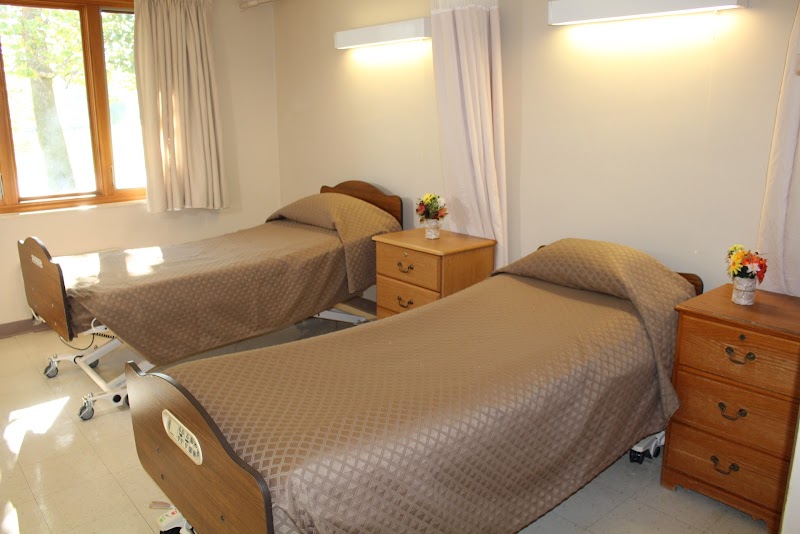
Who Owns and Operates Mount Sterling Health And Rehab Center?

MOUNT STERLING HEALTH AND REHAB CENTER is owned by a for-profit company. For-profit facilities operate as businesses with obligations to shareholders or private owners. The facility is operated by SUMMIT HEALTHCARE CONSULTING, a chain that manages multiple nursing homes. With 80 certified beds and approximately 61 residents (about 76% occupancy), it is a smaller facility located in MOUNT STERLING, Illinois.

How Does Mount Sterling Health And Rehab Center Compare to Other Illinois Nursing Homes?

Compared to the 100 nursing homes in Illinois, MOUNT STERLING HEALTH AND REHAB CENTER's overall rating (4 stars) is above the state average of 2.5, staff turnover (36%) is significantly lower than the state average of 46%, and health inspection rating (4 stars) is above the national benchmark.

What Should Families Ask When Visiting Mount Sterling Health And Rehab Center?

Based on this facility's data, families visiting should ask: "Can you walk me through typical staffing levels on day, evening, and night shifts?" "Can I visit during a mealtime to observe dining assistance and food quality?" "How do you handle medical emergencies, and what is your hospital transfer rate?" "Can I speak with family members of current residents about their experience?" These questions are particularly relevant given the below-average staffing rating.

Is Mount Sterling Health And Rehab Center Safe?

Based on CMS inspection data, MOUNT STERLING HEALTH AND REHAB CENTER has a clean safety record: no substantiated abuse findings (meaning no confirmed cases of resident harm), no Immediate Jeopardy citations (the most serious violation level indicating risk of serious injury or death), and is not on the Special Focus Facility watch list (a federal program monitoring the lowest-performing 1% of nursing homes). The facility has a 4-star overall rating and ranks #1 of 100 nursing homes in Illinois. While no facility is perfect, families should still ask about staff-to-resident ratios and recent inspection results during their visit.

Do Nurses at Mount Sterling Health And Rehab Center Stick Around?

MOUNT STERLING HEALTH AND REHAB CENTER has a staff turnover rate of 36%, which is about average for Illinois nursing homes (state average: 46%). Moderate turnover is common in nursing homes, but families should still ask about staff tenure and how the facility maintains care continuity when employees leave.

Was Mount Sterling Health And Rehab Center Ever Fined?

MOUNT STERLING HEALTH AND REHAB CENTER has no federal fines on record. CMS issues fines when nursing homes fail to meet care standards or don't correct problems found during inspections. The absence of fines suggests the facility has either maintained compliance or corrected any issues before penalties were assessed. This is a positive indicator, though families should still review recent inspection reports for the full picture.

Is Mount Sterling Health And Rehab Center on Any Federal Watch List?

MOUNT STERLING HEALTH AND REHAB CENTER is not on any federal watch list. The most significant is the Special Focus Facility (SFF) program, which identifies the bottom 1% of nursing homes nationally based on persistent, serious quality problems. Not being on this list means the facility has avoided the pattern of deficiencies that triggers enhanced federal oversight. This is a positive indicator, though families should still review the facility's inspection history directly.