ALDEN ESTATES OF NAPERVILLE
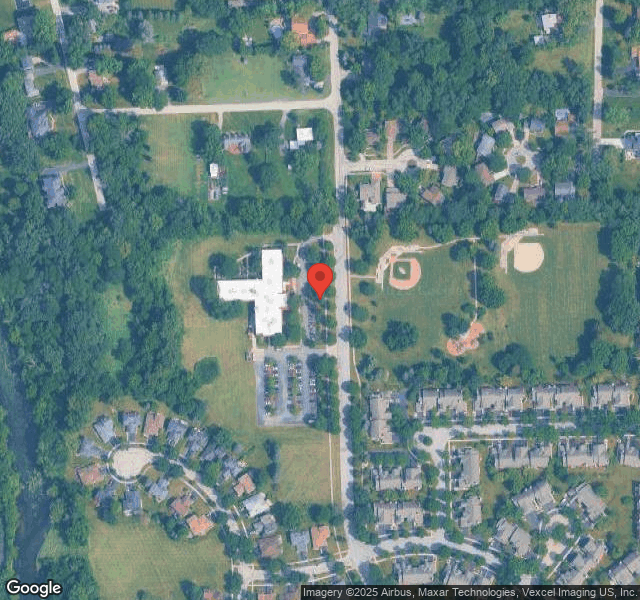
1525 SOUTH OXFORD LANE, NAPERVILLE, IL 60565 (630) 983-0300
For profit - Corporation 203 Beds THE ALDEN NETWORK Data: November 2025
Trust Grade
38/100
#306 of 665 in IL
Last Inspection: June 2024

Within standard 12-15 month inspection cycle. Federal law requires annual inspections.

Overview

Alden Estates of Naperville has received a Trust Grade of F, indicating significant concerns and a poor reputation among nursing homes. They rank #306 out of 665 in Illinois, which places them in the top half, but their county ranking of #23 out of 38 suggests many local options are better. While the facility is improving, with a reduction in issues from 12 in 2024 to just 1 in 2025, there are still serious concerns, including incidents where residents missed critical medications like insulin and Vimpat, leading to health complications. Staffing is a weakness, with a low rating of 1 out of 5 and a troubling turnover rate of 0%, which is good, but does not reflect a stable staffing environment. Additionally, the facility has incurred $9,256 in fines, indicating some compliance problems, but the RN coverage is average, suggesting there is some oversight in resident care.

Trust Score
F
38/100
In Illinois
#306/665
Top 46%
Safety Record
Moderate
Needs review
Inspections
Getting Better
12 → 1 violations
Staff Stability
○ Average
Turnover data not reported for this facility.
Penalties
✓ Good
$9,256 in fines. Lower than most Illinois facilities. Relatively clean record.
Skilled Nurses
○ Average
Each resident gets 41 minutes of Registered Nurse (RN) attention daily — about average for Illinois. RNs are the most trained staff who monitor for health changes.
Violations
⚠ Watch
50 deficiencies on record. Higher than average. Multiple issues found across inspections.
★★☆☆☆
2.0
Overall Rating
★☆☆☆☆
1.0
Staff Levels
★★★☆☆
3.0
Care Quality
★★★☆☆
3.0
Inspection Score
Stable
2024: 12 issues
2025: 1 issues

The Good

  • Full Sprinkler Coverage · Fire safety systems throughout facility
  • No fines on record

Facility shows strength in fire safety.

The Bad

2-Star Overall Rating

Below Illinois average (2.5)

Below average - review inspection findings carefully

Federal Fines: $9,256

Below median ($33,413)

Minor penalties assessed

Chain: THE ALDEN NETWORK

Part of a multi-facility chain

Ask about local staffing decisions and management

The Ugly 50 deficiencies on record

2 actual harm
Aug 2025 1 deficiency
CONCERN (D) 📢 Someone Reported This

A family member, employee, or ombudsman was alarmed enough to file a formal complaint

Potential for Harm - no one hurt, but risky conditions existed

Pressure Ulcer Prevention (Tag F0686)

Could have caused harm · This affected 1 resident

**NOTE- TERMS IN BRACKETS HAVE BEEN EDITED TO PROTECT CONFIDENTIALITY** Based on observation, interview, and record review, the facility failed to implement wound care interventions as ordered for a r...

Read full inspector narrative →
**NOTE- TERMS IN BRACKETS HAVE BEEN EDITED TO PROTECT CONFIDENTIALITY** Based on observation, interview, and record review, the facility failed to implement wound care interventions as ordered for a resident with pressure injuries.This applies to 1 of 3 residents (R1) reviewed for pressure injuries.The findings include:On 8/30/2025 at 11:30 AM, R1 was in bed on a regular mattress. V5 (Wound Care Nurse) and V6 (Wound Care Technician) said R1 had multiple wounds identified as present on admission on [DATE], including stage 2 pressure injuries to his right and left buttock areas. V5 said R1's wound care was being managed by the wound physician and R1 required daily dressing changes. V5 continued to say she was concerned because R1's wound showed signs of deterioration today, as evidenced by an increase in size measurement. V5 then assessed R1's pressure injuries, which were open with minor bleeding and had peri-wound irritation. V5 said R1's left buttock wound measured 3 centimeters (cm) x 2 cm x 0.1 cm and the right buttock wound measured 0.6 cm x 0.6 cm x 0.1 cm. V5 said she believed R1 was provided with an air loss mattress upon admission. V5 said R1 had a room change on 8/24/2025 and was unsure why R1 was not currently provided with his ordered specialized mattress. V5 said wound care management interventions should be followed as ordered to prevent skin and wound deterioration.On 8/30/2025 at 2 PM, V2 (Director of Nursing/DON) said wound care interventions should be implemented as ordered, including an air loss mattress.R1's initial wound physician consultation dated 8/18/2025, said R1's left buttock stage 2 pressure wound measured 0.7 cm x 0.7 cm x 0.1 cm, and right buttock stage 2 pressure wound measured 0.7 cm x 0.5 cm x 0.1 cm. The consultation report included an order for low air loss mattress as part of R1's wound management plan.R1's wound physician consultation dated 8/25/2025, said R1's left buttock stage 2 pressure wound measured 0.5 cm x 0.5 cm x 0.1 cm, and right buttock stage 2 pressure wound measured 0.4 cm x 0.5 cm x 0.1 cm.R1's Order Summary Report dated 8/30/2025 showed an active order for Low air Loss Mattress initiated 8/16/2025.R1's care plan said R1 was at risk for further skin breakdown due to his multiple wounds. The care plan had an intervention initiated on 8/25/2025 for pressure redistribution support (low air or alternation air) in bed.The facility's policy titled Prevention and Treatment of Pressure Injury and Other Skin Alterations dated 3/02/2021, said Implement preventative measures and appropriate treatment modalities for pressure injuries and/or other skin alterations through individualized resident care plan.The facility's policy titled Management of Low Air Loss Mattress dated 03/2024, said Residents who have been assessed as in need of a low air loss mattress will have a mattress set up for their use.
Jun 2024 8 deficiencies
CONCERN (D)

Potential for Harm - no one hurt, but risky conditions existed

Resident Rights (Tag F0550)

Could have caused harm · This affected 1 resident

**NOTE- TERMS IN BRACKETS HAVE BEEN EDITED TO PROTECT CONFIDENTIALITY** Based on observation, interview, and record review the facility failed to provide necessary supplies in order to preserve a resi...

Read full inspector narrative →
**NOTE- TERMS IN BRACKETS HAVE BEEN EDITED TO PROTECT CONFIDENTIALITY** Based on observation, interview, and record review the facility failed to provide necessary supplies in order to preserve a resident's dignity and privacy needs. This applies to 1 of 30 residents (R40) reviewed for dignity in the sample of 30. The findings include: R40's face sheet showed R40 was admitted to the facility on [DATE], with multiple diagnoses including, chronic diastolic heart failure, chronic obstructive pulmonary disease, peripheral vascular disease, and unspecified dementia, without behavioral disturbance. R40's MDS (Minimum Data Set) dated May 15, 2024, showed R40 was severely cognitively impaired, and required staff assistance with ADLs (Activities of Daily Living) including set up assistance with eating and oral hygiene and partial assistance with bed mobility, transfer, toilet hygiene, bathing, and dressing. R40's care plan initiated on January 30, 2023, interventions for incontinence included .Use adult incontinence products as needed . and provide dignity related to the use of incontinence products. On June 10, 2024, at 10:50 AM, R40 was sitting in the hallway in the second floor Medicare unit, without wearing pants, with his genitals exposed. There was another resident in the hallway sitting in a wheelchair nearby, the maintenance staff was in R40's room, and a housekeeping staff was cleaning the adjacent room. Staff did not respond until the surveyor pointed out the concern to V12 (Restorative Nurse) who was at the nurse's station across the hall from R40's room. On June 10, 2024, at 11:06 AM, V11 (CNA) stated she last saw R40 at 10:00 AM in his room and R40 must have wheeled himself into the hallway. V11 stated there were no pull up briefs in R40's room at that time, for R40 to wear, which is the only incontinence product R40 will use. V11 stated the pull up incontinence product was not available because the family did not bring in more supply. V11 then went to the facility's supply room to retrieve the pull up style of incontinence product and put the package of pull up briefs in R40's room. On June 12, 2024, at 12:20 PM, R40 was observed sitting in his room with V21 (CNA) not wearing any pants, with the room door open. R40 took a brief out of the bedside drawer and put it on himself. V21 assisted R40 by locking the brakes to R40's wheelchair while R40 stood up to pull up the brief. V1 (Administrator) provided a copy of Residents' Rights for people in Long-term Care Facilities from the Illinois Department on Aging, when asked for the facility's policy regarding resident dignity. On page 2 of the undated document, showed .safe and good care .Your facility must provide services to keep your physical and mental health, and sense of satisfaction .and .your medical and personal care are private.
CONCERN (D)

Potential for Harm - no one hurt, but risky conditions existed

Grievances (Tag F0585)

Could have caused harm · This affected 1 resident

**NOTE- TERMS IN BRACKETS HAVE BEEN EDITED TO PROTECT CONFIDENTIALITY** Based on interview and record review, the facility failed to follow its policy regarding grievances/complaints and failed to inf...

Read full inspector narrative →
**NOTE- TERMS IN BRACKETS HAVE BEEN EDITED TO PROTECT CONFIDENTIALITY** Based on interview and record review, the facility failed to follow its policy regarding grievances/complaints and failed to inform the Administrator/designee upon receipt of the grievance and failed to inform the resident of the results of the investigation. This applies to 1 of 1 resident (R138) reviewed for grievances in the sample of 30. The findings include: R138's face sheet showed R138 was admitted to the facility on [DATE], with multiple diagnoses including end stage renal disease with hemodialysis, diabetes mellitus type 2, monoplegia of upper limb following cerebral infarction affecting the right dominant side, and vascular dementia. R138's MDS (Minimum Data Set) showed R138 with moderate cognitive impairment and required assistance with ADLs (Activities of Daily Living) including supervision with eating, oral hygiene, toilet hygiene and bed mobility, set up assistance with upper body dressing and personal hygiene, and transfer, substantial assistance with bathing and dependence on staff for lower body dressing and putting on/taking off footwear. On June 12, 2024, at 9:15 AM, R138 stated he had a concern because 3 days ago he had reported a concern regarding his wallet was missing with forty dollars in it, and his black pants were missing. He stated he is not sure which staff member he reported it to, but he hasn't heard anything about the concern since he reported it. R138's concern was reported to V4 (Nurse) R138's progress note dated June 8, 2024, at 7:10 PM, showed R138 was found walking back and forth in his room looking for his wallet and R138 stated he was unable to find his wallet since he returned from dialysis at 4:30 PM that day. The progress note also stated that V22 (scheduler) was informed regarding the missing wallet. The nurse who authored the note was unable to be contacted during the survey, there was no answer to the phone call. A review of the June 2024 Grievance forms showed two completed concern forms one dated June 5, 2024, and one dated June 6, 2024, neither regarding R138. On June 12, 2024, at 10:55 AM, V1 (Administrator) stated there were no additional grievance forms for the month of June 2024. On June 12, 2024, at 12:00 PM, V1 stated it is her expectation that the manager or supervisor who receives a complaint/grievance or concern to complete the concern form at the time it is received if a resolution has not been found. V1 stated she thought V22 (scheduler) was the manager on duty on June 8, 2024. On June 12, 2024, at 12:34 PM, V22 stated she was not the manager on duty on June 8, 2024, and did not receive a notification regarding R138's missing wallet, and pants. V22 stated V23 (Social Services Director) was the Manager on duty on June 8, 2024. On June 12, 2024, at 12:40 PM, V23 stated she was the manager on duty on June 8, 2024, but did not receive a complaint regarding R138's missing wallet. V23 stated she was made aware of R138's concern on the morning of June 12, 2024, when V1 reported the concern to her. V23 stated she has not followed up with R138 regarding his concern of June 8, 2024. On June 12, 2024, at 3:15 PM, V1 stated she was not made aware of R138's concern regarding the missing items until the morning of June 12, 2024, when V23 told her. V1 also stated she did not have a completed concern form, regarding R138 but she could make one out now. The facility's policy titled Grievance/Complaints dated January 2017, showed .3. Grievances and/or complaints can be submitted verbally or in writing and signed by the resident or the person filing the grievance or complaint on behalf of the resident. The grievance or complaint can be written on the concern from .4. The grievance Official will be the Administrator of the facility and will be responsible for overseeing the grievance process, receiving and tracking grievances through to their conclusion the Administrator will provide his or her contact information .in the event an Administrator is not present the Administrator will appoint an interim Grievance official .7. The resident or person filing the grievance or complaint will be informed of the findings of the investigation and the actions that will be taken to correct any identified problems. Such report will be made in a timely fashion of the filing of the grievance .
CONCERN (D)

Potential for Harm - no one hurt, but risky conditions existed

Deficiency F0688 (Tag F0688)

Could have caused harm · This affected 1 resident

**NOTE- TERMS IN BRACKETS HAVE BEEN EDITED TO PROTECT CONFIDENTIALITY** Based on observation, interview, and record review the facility failed to assess and provide appropriate splints and therapy ser...

Read full inspector narrative →
**NOTE- TERMS IN BRACKETS HAVE BEEN EDITED TO PROTECT CONFIDENTIALITY** Based on observation, interview, and record review the facility failed to assess and provide appropriate splints and therapy services to maintain and/or prevent further progression of deformities or reduction in range of motion. This applies to 3 of 5 residents (R2, R23, R102) reviewed for Range of Motion (ROM) in the sample of 30. The findings include: 1. R2 has multiple diagnoses including rheumatoid arthritis, unspecified, generalized Osteo Arthritis, and Neuralgia according to the face sheet. R2's MDS (Minimum Data Set) dated March 12, 2024, identifies R2 as cognitively intact. R2 has functional limitations of ROM (Range of Motion) to one side of both upper and lower extremities. The same MDS shows R2 requires maximum to total assistance for most ADLs (Activities of daily living). On June 10, 2024 at 12:32 PM, R2 had contractures to the right hand and no splinting device was noted. R2 stated he uses his left hand to assist his right hand to perform basic tasks. R2 stated he is willing to be evaluated for therapy. On June 11, 2024 at 11:30 AM, V8 (Occupational Therapist) was at the bedside and assessed R2's ROM and determined it appropriate to have Occupational Therapy (O/T) department evaluate efficacy of splinting or other therapeutic options, to maintain or increase R2's use of that hand and fingers. R2's OT evaluation and plan of care dated June 12, 2024, written by V9 shows [R2] is below baseline and would benefit from skilled OT. Based on assessment resident's right hand demonstrates claw hand deformity indicating ulnar nerve injury. [R2] also demonstrates deformities in digits one thru (through) three due to Arthritis. In order to prevent further deformities a figure 8 anti-claw splint is recommended 1 time per day, initially for 30 minutes, and an oval 8 finger splint is recommended three times per day initially for 20 minutes. Both splint times being increased as tolerated. On June 12 2024 at 11:45 AM, V9 stated she noted ulnar nerve damage causing right claw-hand deformity of ring and pinky finger (fingers 4 & 5) and based on her evaluation she will recommend an oval 8 anti-claw splint to be applied daily for 30 minutes per day initially then increasing it to 2 hours over the next 4 weeks to prevent further deformity and move fingers into proper alignment. V9 further stated she will also recommend an oval 8 finger splint to the right pointer and index fingers (fingers 2 & 3) three times per day initially for 20 minutes per day and gradually increasing to 1 hour per day to prevent further deformity and move fingers into proper alignment. V9 stated both splints could be applied simultaneously. V9 also recommended OT three times per week for four weeks. 2. R102 had multiple diagnoses including hemiplegia and hemiparesis following cerebral infarction affecting right dominant side and aphasia following cerebral infarction, based on the face sheet. R102's significant change MDS dated [DATE] showed that the resident was cognitively impaired. R102 had impairment/functional limitations in range of motion to one side of both upper and lower extremities. The same MDS showed that R102 required moderate to total assistance from the staff with most of her ADLs (activities of daily living). On June 10, 2024 at 12:58 PM, R102 was in bed, alert but nonverbal. R102 uses signs, gestures and sounds to communicate. R102 was eating independently using her left hand while in bed. R102 had weakness on her right arm and right hand. R102 was asked to raise her right arm and to open her right hand, but the resident was not able to perform as requested. R102 kept on pointing to her right arm and hand using her left fingers, while moving her head from side to side to indicate that she cannot move her right upper extremity. On June 11, 2024 at 11:17 AM, R102 was in bed, alert but nonverbal. R102 uses signs, gestures and sounds to communicate. V8 (Registered Nurse/wound care nurse) requested R102 to raise her right arm and to open her right hand but the resident was not able to perform as requested. V8 stated that R102 had weakness to the right arm and right hand. V8 was prompted to request the therapy department to screen and/or evaluate R102 for the need for any splint or device to the right arm/hand and any therapy services. R102's OT (occupational therapy) evaluation and plan of treatment dated June 11, 2024 created by V9 (Occupational Therapist) showed that the resident had right sided paralysis and her right upper extremity was flaccid. The same OT evaluation showed that in order to prevent contracture to R102's right hand, a resting hand splint was recommended to be used daily for one to two hours with frequent skin checks for redness, swelling, discomfort or pain. On June 12, 2024 at 9:40 AM, V9 stated that she had evaluated R102 on June 11, 2024 after lunch, per nursing request. V9 stated that R102 had right upper extremity paralysis (flaccid) and her right hand was in a fisted position, and because of this the resident had increase potential to decline due to rigidity of the right upper extremity. According to V9, based on her evaluation of R102, the resident would benefit from the use of the right resting hand splint daily for one to two hours as tolerated to prevent contracture. V9 added that she also recommended for R102 to receive occupational therapy services three times a week for three weeks. 3. R23 had multiple diagnoses including hemiplegia and hemiparesis following cerebrovascular disease affecting right dominant side and polyarthritis, based on the face sheet. R23's quarterly MDS dated [DATE] showed that the resident was severely impaired with cognition. The MDS showed that R23 had impairment/functional limitations in range of motion to both sides of her upper and lower extremities. The same MDS showed that R23 required maximum to total assistance from the staff with most of her ADLs. On June 10, 2024 at 10:41 AM, R23 was in bed, alert, verbally responsive but confused. R23's fingers (left and right hands) were deformed, and some fingers were hyperextended without any splint or device in place. On June 11, 2024 at 11:42 AM, R23 was in bed, alert, verbally responsive but confused. V8 who was in the room acknowledged that the resident's fingers were deformed, and some were hyperextended. V8 also acknowledged that R23 had no splint/device in place. V8 was prompted to have the therapy department evaluate or screen the resident for possible use of splint/device and/or therapy services. R23's OT evaluation and plan of treatment dated June 12, 2024, created by V9 (Occupational Therapist) showed in-part under impressions, Based on assessment, [patient's] [left] hand demonstrate swan neck deformity, PIP (proximal interphalangeal) joints are hyperextended, and DIP (distal interphalangeal) joints are in flexion. [Right] hand is showing signs of deformity occurring PIP joints of the 3rd and 4th digits are hyper extending. In order to prevent further deformity of [left/right] hand, a hand-based thumb spica orthosis and oval-8 finger splints are recommended. Thumb spica orthosis is recommended 1 x a day for 30 minutes and gradually increasing the time to 2 hours. Oval-8 finger splints is recommended 3 x a day for 20 minutes and gradually increasing the time to 1 hour. On June 12, 2024 at 1:05 PM, V9 stated that she had evaluated R23 that morning per nursing request. V9 stated that based on her evaluation of R23, the resident had arthritis of her fingers (both hands) with lots of deformities. V9 stated that she was recommending for R23 to use a right thumb spica splint to immobilize the joints of the right hand to prevent further progression of the deformities and to maintain current motion of the fingers. V9 stated that for R23's left hand she had recommended the use of an oval-8 splint due to the hyperextension of the middle and ring fingers. The oval-8 splint will help prevent further hyperextension of the fingers and prevent further progression of the deformities. According to V9, the right thumb spica splint and the left hand oval-8 splint could be applied at the same time. The right thumb spica splint is recommended to be applied once daily for 30 minutes and gradually increased to two hours as tolerated and the left hand oval-8 splint is recommended to be applied three times a day for 20 minutes and gradually increased to one hour as tolerated by the resident. V9 added that she also had recommended for R23 to receive occupational therapy services three times a week for four weeks.
CONCERN (D)

Potential for Harm - no one hurt, but risky conditions existed

Tube Feeding (Tag F0693)

Could have caused harm · This affected 1 resident

**NOTE- TERMS IN BRACKETS HAVE BEEN EDITED TO PROTECT CONFIDENTIALITY** Based on observation, interview, and record review, the facility failed to ensure that gastric tube (g-tube) placement was chec...

Read full inspector narrative →
**NOTE- TERMS IN BRACKETS HAVE BEEN EDITED TO PROTECT CONFIDENTIALITY** Based on observation, interview, and record review, the facility failed to ensure that gastric tube (g-tube) placement was checked prior to flushing the tube and administering medication. The facility also failed to administer g-tube flushes and medications using the proper technique. This applied to 1 of 1 resident (R147) reviewed for g-tube medication administration. The finding included: R147's EMR (Electronic Medical Record) showed R147 was admitted to the facility on [DATE], with diagnoses that included pneumonitis due to inhalation of food/vomit, dysphagia, major depressive disorder, anxiety, protein-calorie malnutrition, Right lung malignant neoplasm, Clostridium Difficile (C-diff) and adult failure to thrive. R147's MDS (Minimum Data Set) dated, May 27, 2024, showed R147 was cognitively intact and had history of coughing or choking during meals when swallowing. R147's care plan showed R147 required tube feeding and stoma site care due to dysphagia (difficulty swallowing). Interventions included . check placement and patency of feeding tube prior to administering medications, feedings, and flushes. On June 11, 2024 at 3:28 PM, V3 (LPN/Licensed Practical Nurse) prepared R147's 4:00 PM medications for administration. There were two pills scheduled to be administered. V3 crushed the first pill in a plastic sleeve and then placed the crushed pill into a plastic medication cup. V3 repeated the same process with the second medication. V3 poured 15 ml of water into each medication with the crushed pill. V3 filled two additional medication cups with 30 ml of water, V3 said she will be using it to flush the g-tube. V3 donned PPE (Personal Protective Equipment) before entering the room due to R147 being in contact isolation for Clostridium Difficile (C-diff). V3 explained to R147 what she was going to do. V3 turned off the tube feeding that was currently running. V3 disconnected the tube feeding from the port and then palpated the abdomen around the insertion site and asked R147 if there was any pain. R147 denied pain and V3 said ok good, I was checking placement. V3 used 30 ml of water and administered a water flush by pushing the water into the tube. V3 said she was making sure the tube was patent. V3 proceeded to administer one medication with 15 ml of water by pushing/injecting the medication into the tube, added another 15 ml of water into the medication cup to get the medication residual still in cup and then administered by pushing/injecting the medication into the tube. Second medication was administered by pushing/injecting the medication with 15 ml of water into tube and finished with 15 ml water flush which she pushed through the tube. On June 12, 2024 at 10:20 AM, V10 (Regional Nurse Consultant) said when administering g-tube medication the nurse needs to check for placement by aspirating for gastric content. Medications and flushes should be administered by gravity, and a 30 ml flush before administrating a medication and after administrating medications. Facility provided their policy titled Medication Pass Guidelines dated September 2022. Their policy showed .10. Preparing Medication or Feedings for GT, NGT, or J-tube Administration, check placement before administering medications (or feedings), flush with 30 ml of water before and after each resident's med pass (the gravity method is recommended) . Always rinse/flush the tube after administering each medication, with a sufficient amount of water to clear it .
CONCERN (D)

Potential for Harm - no one hurt, but risky conditions existed

Infection Control (Tag F0880)

Could have caused harm · This affected 1 resident

**NOTE- TERMS IN BRACKETS HAVE BEEN EDITED TO PROTECT CONFIDENTIALITY** Based on observation, interview, and record review the facility failed to follow the proper infection control practice when cari...

Read full inspector narrative →
**NOTE- TERMS IN BRACKETS HAVE BEEN EDITED TO PROTECT CONFIDENTIALITY** Based on observation, interview, and record review the facility failed to follow the proper infection control practice when caring for a resident in contact isolation. This applies to 1 of 1 resident (R147) in sample of 30. The finding included: R147's EMR (Electronic Medical Record) showed R147 was admitted to the facility on [DATE], with diagnoses that included pneumonitis due to inhalation of food/vomit, dysphagia, major depressive disorder, anxiety, protein-calorie malnutrition, Right lung malignant neoplasm, Clostridium Difficile (C-diff) and adult failure to thrive. R147's MDS (Minimum Data Set) dated, May 27, 2024, showed R147 was cognitively intact. R147's care plan showed R147 was in a single room, in contact isolation related to C-Diff. Interventions included educate resident and responsible party on isolation precautions. On June 10, 2024 at 8:14 AM, V7 (LPN/Licensed Practical Nurse) was in R147's room with the door open, From the hallway V7 was seen standing next to R147's bed wearing gloves but had no gown on. R147 was on isolation for C-diff. The contact isolation sign and the isolation cart stocked with PPE (Personal Protective Equipment) including gowns and gloves were present outside the entry into R147's room. V7 came out of the R147's room wearing the same gloves, closed the room door, went to the nurses' station where he removed his gloves, threw them in the garbage, and picked up a cup and took a drink. V7 stated R147 was on isolation for C-diff and staff need to wear gown and gloves when in the room. V7 also said that before leaving the room, hands are to be washed with soap. On June 12, 2024 at 10:20 AM, V10 (Regional Nurse Consultant) said when a resident is in isolation for C-diff, the staff must wear the proper PPE and remove it before leaving the room. The staff are also to wash hands with soap and water. V10 said these precautions are in place to protect not only the residents but also the staff from getting C-diff. Facility provided their policy dated 2020 and titled, Infection Prevention and Control Manual Antibiotic Stewardship & MDROs. The policy shows, It is the policy of this facility that appropriate measures will be utilized for the prevention and control of Clostridium Difficile Infections (CDI) . Procedure: Clostridioides difficile (previously known as Clostridium difficile or C.diff) is considered by the Centers for Disease Control and Prevention as an Urgent Threat in the United States. Clostridioides Difficile is a bacterium that will cause inflammation of the colon and causes life-threatening diarrhea . V. Isolation Precautions: A. Contact precautions should be used for CDI residents with diarrhea. B. Hands should frequently be washed with soap and water. An alcohol-based waterless hand cleaner is not effective against CDI spores.
CONCERN (E)

Potential for Harm - no one hurt, but risky conditions existed

Deficiency F0805 (Tag F0805)

Could have caused harm · This affected multiple residents

Based on observation, interview and record review, the facility failed to provide pureed and mechanically altered meatballs with sauce for the lunch meal. This applies to 18 of 18 residents (R1, R9, R...

Read full inspector narrative →
Based on observation, interview and record review, the facility failed to provide pureed and mechanically altered meatballs with sauce for the lunch meal. This applies to 18 of 18 residents (R1, R9, R10, R12, R16, R23, R39, R47, R65, R68, R84, R92, R94, R102, R118, R145, R452, R455) reviewed for dining in the sample of 30. The findings include: 1. On June 10, 2024 at 9:40 AM, V18 (Cook) was seen putting pureed ground meat with spaghetti sauce that was processed in a blender into serving pans. V18 stated that there are around 13 residents that are on pureed consistency. V18 stated that the item was ready for service after reheating the same. When taste tested the product, there was small lumps of fat and meat particles that were unable to be swallowed without further chewing. V16 (Dietary Supervisor) who was in the vicinity was requested to taste test the same and agreed that the item needs to be processed more. On June 12, 2024 at 9:20 AM, V17 (Dietitian) stated that the pureed foods should have the consistency of mashed potatoes or pudding. Facility Policy titled Puree (dated July 2023) included as follows: Purpose: The puree diet texture consists of pureed, homogenous, and cohesive foods in pudding like consistency. Any foods that require bolus formation, controlled manipulation, or mastication are excluded. Facility Diet Type Report printed on June 10, 2024 showed that R1, R9, R10, R16, R39, R65, R84, R92, R94, R145, R455 were on pureed consistency diets. 2. Facility lunch menu spread sheet for June 10, 2024 (Cycle day 9) included ground meatballs served with #8 scoop (4 ounce) and 1/2 cup of green beans for the residents on mechanical soft diet. On June 10, 2024 at 12:32 PM, the lunch meal service was observed in the 1st floor dining room. V20 (Dietary Aide) was plating the food and noted to serve three whole meatballs to residents on mechanical soft diet and R12, R23, R47, R68, R102, R118,and R452 received the same. V15 (Executive chef) who was in the vicinity stated Our menu spread sheets call for the same. When V15 was shown the menu spreadsheet, he agreed that the residents on mechanical soft diet should have received ground meat as shown on the menu. R452 also received regular consistency romaine lettuce salad and a side order of mixed vegetables that included corn. R452 took only a few bites of the salad and mixed vegetables and stated that he is unable to chew the same. On June 10, 2024 at 12:51 PM, V16 (Dietary Supervisor) stated that R452 should have not received corn and should have received shredded lettuce or mechanically altered coleslaw (steamed) instead of the salad. On June 12,2024 at 9:21 AM, V17 (Dietitian) stated that the facility should follow the spread sheet to serve consistency as shown. V17 stated that residents on mechanical soft diet should not receive raw vegetables. V17 added that hard cooked vegetables like corn should also be avoided for mechanical soft diets and creamed corn served instead. Facility Policy titled Regular Ground/Mechanical Soft (dated July 2023) included as follows: Purpose: The regular mechanical soft diet is for adults who have difficulty chewing. This diet is similar to the regular diet with some modifications to hard to chew foods. Rationale: Foods that are difficult to chew are replaced with foods that have been altered into a form that can be easily swallowed. Food that maybe modified because they are tough and difficult to chew include meats, poultry, fish, raw vegetables, and other fibrous foods. Menu guidelines: Meat, Fish, Nuts -Allow all ground meats . Vegetables-Allow cooked vegetables and moist shredded/chopped lettuce. Avoid hard raw vegetables. Facility Diet Type Report printed on June 10, 2024 showed that R12, R23, R47, R68, R102, R118, R452 were on mechanical soft diet consistency.
CONCERN (E)

Potential for Harm - no one hurt, but risky conditions existed

Deficiency F0813 (Tag F0813)

Could have caused harm · This affected multiple residents

Based on observation, interview and record review, the facility failed to store resident's foods in a safe and sanitary manner in a resident's personal refrigerator. This applies to 1 of 1 resident (R...

Read full inspector narrative →
Based on observation, interview and record review, the facility failed to store resident's foods in a safe and sanitary manner in a resident's personal refrigerator. This applies to 1 of 1 resident (R106) reviewed for foods brought in from outside in the sample of 30. The findings include: R106's face sheet included diagnoses of malignant neoplasm of head of pancreas, type 2 diabetes mellitus without complications, alcohol dependence with unspecified alcohol-induced disorder, encounter for palliative care, adult failure to thrive. R106's quarterly MDS (minimum data set) dated June 4, 2024 showed that R106 is cognitively intact. On June 10, 2024 at 11:51 AM, R106 stated that he orders in own Indian food from outside as he does not care for food here. There was a small refrigerator at bedside but the same was not checked as R106 was having visitors. On June 12, 2024 at 9:53 AM, R106's refrigerator was checked with resident's permission and noted to have 5 clear plastic containers of cooked food items and another item wrapped in silver foil placed over excessive spills and food debris and miscellaneous brownish black particles. These food items were not labeled or dated. R106 stated that ''a man'' brings the food to the front desk and either that person or the CNAs (Certified Nursing Assistant) place it in the refrigerator. No thermometer was found in the refrigerator, but a temperature monitoring log was found on top of the refrigerator with logs from June 01-June 10, 2024. On June 12, 2024 at 9:55 AM, the refrigerator with its contents were showed to V19 (Licensed Practical Nurse) who stated that R106 orders food from an Indian man from outside the facility. V19 stated that the food items are supposed to be labeled and dated and that there should be a thermometer in the refrigerator. V19 stated that usually it's the night shift nursing staff that checks the refrigerator and monitors and logs the temperatures as well. Facility Policy and Procedure titled Food Safety Information for Families and Visitors Tips to Keeping Food Safe included as follows: Chill food to prevent food poisoning: Keep food in your refrigerator at 41 degrees Fahrenheit or below . Holding Foods: Resident food maybe stored in the refrigerator for 3-5 days. Resident food should be in a tight container labeled with name, food item and date it was prepared.
CONCERN (F)

Potential for Harm - no one hurt, but risky conditions existed

Deficiency F0868 (Tag F0868)

Could have caused harm · This affected most or all residents

Based on interview and record review, the facility failed to ensure that the QAPI (Quality Assurance and Performance Improvement) committee met quarterly and the required QAPI committee members attend...

Read full inspector narrative →
Based on interview and record review, the facility failed to ensure that the QAPI (Quality Assurance and Performance Improvement) committee met quarterly and the required QAPI committee members attended the meetings. This applies to all 151 residents residing in the facility. The findings include: The census roster dated June 10, 2024 showed 151 residents residing in the facility. The facility presented committee meeting attendance records since the last annual survey date of August 30, 2023. The facility provided attendance records dated December 7, 2023, March 14, 2024, and an undated attendance record. The attendance record dated December 7, 2023, did not include the signature of the Infection Preventionist, nor the Medical Director. The attendance record dated March 14, 2024, did not include the signature of the Infection Preventionist, or the Medical Director. The undated attendance record did not contain the signature of the Director of Nursing, the Medical Director, or the Infection Preventionist. On June 12, 2024, at 12:00 PM, V1 (Administrator) stated that the Medical Director has not attended a QAPI meeting since last year. V1 also stated there is no representatives from the Pharmacy and the Laboratory, just quarterly reports submitted to be reviewed. The attendance documents do not support quarterly meetings of the QAPI committee have occurred since the last annual survey. The facility's QAPI Plan dated October of 2019, showed .Authority .2. The Administrator is responsible for assuring that this facility's QAPI program complies with federal, state, and local regulatory agency requirements.
Apr 2024 2 deficiencies 1 Harm
SERIOUS (G) 📢 Someone Reported This

A family member, employee, or ombudsman was alarmed enough to file a formal complaint

Actual Harm - a resident was hurt due to facility failures

Deficiency F0760 (Tag F0760)

A resident was harmed · This affected 1 resident

**NOTE- TERMS IN BRACKETS HAVE BEEN EDITED TO PROTECT CONFIDENTIALITY** Based on interview and record review, the facility failed to administer Insulin as ordered by the physician. The failure resulte...

Read full inspector narrative →
**NOTE- TERMS IN BRACKETS HAVE BEEN EDITED TO PROTECT CONFIDENTIALITY** Based on interview and record review, the facility failed to administer Insulin as ordered by the physician. The failure resulted in R1 having elevated blood sugars and elevated lab values. This applies to 2 of 4 residents (R1, R2) reviewed for improper nursing care in the area of missing medication doses in the sample of 4. The findings include: 1). On April 22, 2024 at 2:20 PM, R1 said, I missed my morning dose of insulin (Humulin R U-500) on April 19, 2024. The evening of April 18, they ran out of the insulin and did not have enough to give me a full dose. On April 19, I was supposed to get a second dose at 2:00 PM and they still did not have the insulin in stock. It finally came at 3:00 PM that day. This happens every month. My blood sugars are all over the place and I should not be missing doses. The EMR (Electronic Medical Record) shows R1 was admitted to the facility on [DATE] with multiple diagnoses including, encounter for surgical aftercare following surgery on the skin and subcutaneous tissue, open wound of the right buttock, diabetes, generalized anxiety disorder, chronic kidney disease, encounter for change or removal of surgical wound dressing, localized edema, PVD (Peripheral Vascular Disease) elevated liver enzymes, fatty liver, depressive episodes, psoriasis, acquired absence of left leg below the knee, and iron deficiency anemia. R1's MDS (Minimum Data Set) dated February 14, 2024 shows R1 is cognitively intact, is independent with oral hygiene and toilet hygiene, requires set up assistance with eating, and supervision with all other ADLs (Activities of Daily Living). R1 is always continent of urine, and occasionally incontinent of stool. R1's EMAR (Electronic Medication Administration Record) dated April 2024 shows the following physician's orders: - Humalog (Insulin Lispro) 100 units/ml (units per milliliter) inject 24 units SQ (subcutaneously) at 8:00 AM, 28 units at 12 noon, and 32 units at 5:00 PM. This was ordered on dated 10/11/2023. - Humulin R U-500 (500 units/ml) inject 220 units at 8:00 AM, 2:00 PM, and 8:00 PM. This was ordered on 11/21/2023. - Humalog (Insulin Lispro) 100 units/ml inject as per the sliding scale for blood glucose level 150 to 450 mg/dL (milligram per deciliter). This was ordered on 3/4/2024. R1's EMAR dated April 2024 also shows R1 has physician's order to administer Jardiance 25 mg one tablet daily at 9:00 AM and Ozempic 2 mg SQ every Friday for Type 2 Diabetes Mellitus. The EMR shows the following documentation for R1 regarding missing medications: On January 1, 2024 at 10:11 PM, V7 (RN-Registered Nurse) documented, Humulin R U-500 (Insulin) Inject 220 units subcutaneously three times a day. On order. (On Order means the medication was not available). The facility does not have documentation to show what R1's blood sugar level was on January 1, 2024 at 10:00 PM. The facility does not have documentation to show R1's physician was notified the medication was not administered as ordered. The EMR shows R1's next blood sugar reading was obtained on January 2, 2024 at 8:00 AM. R1's blood sugar level was 363 (mg/dL milligrams/deciliter). On February 13, 2024 at 3:15 PM, V8 (RN) documented, Humulin R U-500 Inject 220 units subcutaneously three times a day. On order. The EMR shows R1's blood sugar level was 248. Nursing documentation shows R1 was given 165 of the 220 units ordered. The facility does not have documentation to show R1's physician was notified the medication was not administered as ordered. On February 13, 2024 at 9:40 PM, V9 (Agency Nurse) documented, Humulin R U-500 Inject 220 units subcutaneously three times a day. On order. The facility does not have documentation to show R1's physician was notified the medication was not administered as ordered. On February 14, 2024 at 8:43 AM, V8 (RN) documented, Humulin R U-500 Inject 220 units subcutaneously three times a day. On order. The EMR shows R1's blood sugar level was 282. The EMR continues to show R1's blood sugar level was 384 at 2:00 PM. On April 19, 2024 at 8:36 AM, V11 (RN) documented, Humulin R U-500 (Insulin) Inject 220 units subcutaneously three times a day. On order. The facility does not have documentation to show R1's physician was notified the medication was not administered as ordered. The EMR shows the following blood sugar readings for R1 on April 19, 2024: 301 at 8:00 AM, 296 at 12:00 PM, 296 at 2:00 PM, and 315 at 8:00 PM. HBA1C (GlycoHemoglobin) laboratory results show a patient with diabetes has glycemic control of their diabetes if they have a reading of less than 7 percent. R1's HBA1C results for the period January 10, 2024 to April 10, 2024 show: January 10, 2024 - 8.3 percent February 12, 2024 - 7.7 percent February 19, 2024 - 7.7 percent March 11, 2024 - 9.3 percent April 10, 2024 - 9.6 percent On April 23, 2024 at 2:19 PM, V5 (NP-Nurse Practitioner) said, [R1] is a brittle diabetic. She has high blood sugars and receives almost 700 units of insulin a day. When she misses insulin doses, her blood sugars are higher. It is a lot for her to miss even one dose of insulin. We do HBA1C labs to check the control of her diabetes. This gives us a picture of her blood sugar control over the past three months. If that number is high or is going up, then her diabetes is not under control. The nurses are supposed to be calling the pharmacy to get the medications. She should be getting her medications. The assumption by myself and the physician is the patients are getting their medications. 2). The EMR shows R2 was admitted on [DATE] with multiple diagnoses including, hemiplegia and hemiparesis following cerebral infarction, COPD (Chronic Obstructive Pulmonary Disease), diabetes with foot ulcer, morbid obesity, chronic kidney disease, left shoulder rotator cuff tear, adjustment disorder with depressed mood, sleep apnea, PVD (Peripheral Vascular Disease), aphasia, long-term use of insulin, and heart disease. R2's MDS dated [DATE] shows R2 is cognitively intact and requires supervision with all ADLs. R2 is occasionally incontinent of urine, and always continent of stool. The EMR shows the following documentation for R2: On January 25, 2024 at 6:54 PM, V8 (RN) documented, Insulin NPH (Human) (Isophane) Subcutaneous Suspension, inject 76 units subcutaneously two times a day related to Type 2 diabetes. On order. The facility's policy entitled Medication Administration: General Guidelines dated 03/2021 shows: C. Policy: All medications shall be administered as prescribed by personnel authorized to do so in accordance with standard practice and current regulations . D. Procedure: .6. If the physician's medication order cannot be followed, the physician should be notified, depending upon the situation .
CONCERN (D) 📢 Someone Reported This

A family member, employee, or ombudsman was alarmed enough to file a formal complaint

Potential for Harm - no one hurt, but risky conditions existed

Pharmacy Services (Tag F0755)

Could have caused harm · This affected 1 resident

**NOTE- TERMS IN BRACKETS HAVE BEEN EDITED TO PROTECT CONFIDENTIALITY** Based on interview and record review, the facility failed to ensure medications were obtained from the pharmacy in a timely mann...

Read full inspector narrative →
**NOTE- TERMS IN BRACKETS HAVE BEEN EDITED TO PROTECT CONFIDENTIALITY** Based on interview and record review, the facility failed to ensure medications were obtained from the pharmacy in a timely manner to prevent residents from missing medication doses as ordered by the physician. This applies to 3 of 4 residents (R1, R2, and R4) reviewed for improper nursing care in the area of missing medication doses in the sample of 4. The findings include: 1. On April 22, 2024 at 2:20 PM, R1 said, I missed my morning dose of insulin (Humulin R U-500) on April 19, 2024. The evening of April 18, they ran out of the insulin and did not have enough to give me a full dose. On April 19, I was supposed to get a second dose at 2:00 PM and they still did not have the insulin in stock. It finally came at 3:00 PM that day. This happens every month. My blood sugars are all over the place and I should not be missing doses. They also ran out of my Vitamin D that I take once a month, and my depression medication. The EMR (Electronic Medical Record) shows R1 was admitted to the facility on [DATE] with multiple diagnoses including, encounter for surgical aftercare following surgery on the skin and subcutaneous tissue, open wound of the right buttock, diabetes, generalized anxiety disorder, chronic kidney disease, encounter for change or removal of surgical wound dressing, localized edema, PVD (Peripheral Vascular Disease) elevated liver enzymes, fatty liver, depressive episodes, psoriasis, acquired absence of left leg below the knee, and iron deficiency anemia. R1's MDS (Minimum Data Set) dated February 14, 2024 shows R1 is cognitively intact, is independent with oral hygiene and toilet hygiene, requires set up assistance with eating, and supervision with all other ADLs (Activities of Daily Living). R1 is always continent of urine, and occasionally incontinent of stool. The EMR shows the following documentation for R1 regarding missing medications: On January 1, 2024 at 10:11 PM, V7 (RN-Registered Nurse) documented, Humulin R U-500 (Insulin) Inject 220 units subcutaneously three times a day. On order. (On order means medication was not available). On January 26, 2024 at 11:42 AM, V8 (RN) documented, Ozempic (diabetes medication) Inject 2 mg. subcutaneously one time a day every Friday related to Type 2 diabetes. On order. On February 13, 2024 at 3:15 PM, V8 (RN) documented, Humulin R U-500 Inject 220 units subcutaneously three times a day. On order. On February 13, 2024 at 9:40 PM, V9 (Agency Nurse) documented, Humulin R U-500 Inject 220 units subcutaneously three times a day On order. On February 14, 2024 at 8:43 AM, V8 (RN) documented, Humulin R U-500 Inject 220 units subcutaneously three times a day. On order. On April 5, 2024 at 8:39 AM, V8 (RN) documented, Ozempic Inject 2 mg. subcutaneously one time a day every Friday related to Type 2 diabetes. On order. On April 6, 2024 at 1:50 PM, V13 (LPN-Licensed Practical Nurse) documented, Ergocalciferol Capsule (Vitamin D) 50,000 units, give one capsule by mouth one time a day starting on the 6th and ending on the 6th evening. On order. On April 13, 2024 at 8:25 AM, V8 (RN) documented, Duloxetine HCl (Hydrogen Chloride) oral capsule delayed release particles 30 mg. (milligrams) give 1 capsule by mouth one time a day for MDD (Major Depressive Disorder) total dose 90 mg. daily please give with 60 mg. cap. On order. On April 19, 2024 at 8:36 AM, V11 (RN) documented, Humulin R U-500 (Insulin) Inject 220 units subcutaneously three times a day. On order. 2. The EMR shows R2 was admitted on [DATE] with multiple diagnoses including, hemiplegia and hemiparesis following cerebral infarction, COPD (Chronic Obstructive Pulmonary Disease), diabetes with foot ulcer, morbid obesity, chronic kidney disease, left shoulder rotator cuff tear, adjustment disorder with depressed mood, sleep apnea, PVD (Peripheral Vascular Disease), aphasia, long-term use of insulin, and heart disease. R2's MDS dated [DATE] shows R2 is cognitively intact and requires supervision with all ADLs. R2 is occasionally incontinent of urine, and always continent of stool. The EMR shows the following documentation for R2: On January 25, 2024 at 6:54 PM, V8 (RN) documented, Insulin NPH (Human) (Isophane) Subcutaneous Suspension, inject 76 units subcutaneously two times a day related to Type 2 diabetes. On order. On March 18, 2024, V9 (Agency Nurse) documented, Ozempic Inject 0.5 mg. subcutaneously one time a day every Monday related to Type 2 diabetes. Drug on order. On March 28, 2024, V9 (Agency Nurse) documented, Lidocaine Pain Relief External Patch 4 percent, apply to left shoulder topically in the morning for pain and remove per schedule. On order. On April 3, 2024 at 6:23 Am, V7 (RN) documented, Lidocaine Pain Relief External Patch 4 percent, apply to left shoulder topically in the morning for pain and remove per schedule. On order. On April 12, 2024 at 5:46 AM, V7 (RN) documented, Lidocaine Pain Relief External Patch 4 percent, apply to left shoulder topically in the morning for pain and remove per schedule. On order. On April 21, 2024 at 6:19 AM, V7 (RN) documented, Lidocaine Pain Relief External Patch 4 percent, apply to left shoulder topically in the morning for pain and remove per schedule. On order. 3. The EMR shows R4 was admitted to the facility on [DATE] with multiple diagnoses including, end-stage renal disease, palliative care chronic kidney disease, Type 2 diabetes with hyperglycemia, cerebral infarction affecting the right, dominant side, vascular dementia, heart failure, presence of cardiac pacemaker, and dependence on renal dialysis. On April 13, 2024 at 6:25 AM, V7 (RN) documented, Lidocaine External Patch 4 percent, apply to right foot topically in the morning for pain management. On for 12 hours and off for 12 hours and remove per schedule. On order On April 23, 2024 at 1:21 PM, V6 (Pharmacy Order Entry Clerk) said, The facility is supposed to request refills through their electronic charting system or via FAX. They can also call us for a STAT refill request if they did not follow the process. We provide two medication deliveries to the facility each day. I do the order entry for orders that are received. Someone is here 24 hours a day to enter orders. For [R1], we received a call to have the Humulin R U-500 refilled on April 19, 2024 at 4:06 AM. The insulin was sent to the facility on April 19, 2024 at 3:06 PM. April 2, 2024 was the last time the insulin was sent to the facility, which was enough insulin to take [R1] through April 11, 2024. The Ozempic was requested on April 5, 2024 at 8:00 AM and we sent it on April 5, 2024 at 1:39 PM. For [R2's] Lidocaine patches, the facility requested a refill on April 21, 2024 and we sent the patches on April 22, 2024 at 4:00 AM. [R2's] Ozempic and insulin refills were called in on the same day they were sent to the facility. On April 23, 2024 at 2:19 PM, V5 (NP-Nurse Practitioner) said, The nurses are supposed to be calling pharmacy to get the medications. The assumption by myself and the physician is the patients are getting the medications we order. On April 23, 2024 at 2:50 PM, V2 (DON-Director of Nursing) said facility staff need to request medication refills four or five days ahead of time so residents do not run out of medications. The facility's policy entitled, Reordering Medications (Facilities Ordering Refills on Demand) dated, 2005-2021 shows: Policy/Purpose: Medications are reordered in advance so as not to have lapses in therapy. Procedure: 1. The nursing staff is responsible for reordering medications. 2. Medications should be reordered when, in the judgment of the nurse, a 2-day supply of medication remains. 3. Reorders should be submitted either by: a. Using the re-order function in the facility's eMAR (Electronic Medication Administration Record) system (only if there is a pharmacy interface), or b. Removing the barcode label, affixing it to the reorder sheet, and faxing it - in a fax document carrier - to the pharmacy.
Apr 2024 1 deficiency
CONCERN (D) 📢 Someone Reported This

A family member, employee, or ombudsman was alarmed enough to file a formal complaint

Potential for Harm - no one hurt, but risky conditions existed

Pharmacy Services (Tag F0755)

Could have caused harm · This affected 1 resident

Based on interview and record review the facility failed to ensure nebulizer treatments were completed and signed off on the medication administration record. This applies to 2 of 3 residents (R1, R10...

Read full inspector narrative →
Based on interview and record review the facility failed to ensure nebulizer treatments were completed and signed off on the medication administration record. This applies to 2 of 3 residents (R1, R10) reviewed for nebulizer treatments in the sample of 12. The findings include: 1. On 4/8/24 at 10:00 AM, V21 (R1's family) said on 3/28/24 at 6:00 PM, R1's breathing treatment mask was on the floor and the nebulizer machine was not on. R1's Facesheet dated 4/8/24 shows R1 is diagnosed with chronic obstructive pulmonary disease (COPD) and acute and chronic respiratory failure . R1's Medication Administration Record (MAR) for March 2024 shows that R1 was to receive a treatment of Ipratropium-Albuterol via nebulizer on 3/28/24 at 6:00 AM related to chronic respiratory failure. There are no recorded nurse initials to indicate the medication was provided. 2. On 4/9/24 at 2:53 PM, R10 said that he is supposed to receive nebulizer treatments twice per day. R10 said that staff do not always make sure that he receives two treatments per day. R10's Facesheet dated 4/9/24 shows R10 has COPD. R10's MAR for March 2024 shows that R10 was to receive a treatment of Ipratropium-Albuterol via nebulizer on 3/28/24 at 6:00 AM related to COPD. There are no recorded nurse initials to indicate the medication was provided. On 4/9/24 at 4:00 PM, V2 (Director of Nursing) said that R10 and R1 should have received their nebulizer breathing treatment as ordered and initialed on the MAR that the treatment was provided. Facility Medication Administration: General Guidelines policy dated 03/21 states, . C. All medication shall be administered as prescribed by personnel authorized to do so in accordance with standard practice and current regulations. 5. Each dose administered shall be properly recorded on the resident's MAR, TAR (Treatment Administration Record), or eMAR (electronic Medication Administration Record), immediately following administration.
Feb 2024 1 deficiency
CONCERN (D) 📢 Someone Reported This

A family member, employee, or ombudsman was alarmed enough to file a formal complaint

Potential for Harm - no one hurt, but risky conditions existed

Notification of Changes (Tag F0580)

Could have caused harm · This affected 1 resident

Based on observation, interview, and record review the facility failed to notify a resident's POA (Power of Attorney) of changes in condition. This applies to 1 of 3 residents (R1) reviewed for policy...

Read full inspector narrative →
Based on observation, interview, and record review the facility failed to notify a resident's POA (Power of Attorney) of changes in condition. This applies to 1 of 3 residents (R1) reviewed for policy and procedures. The findings include: On 02/08/24 at 1:00 PM, R1 was in her room in a wheelchair with her daughter at bedside. R1 was alert and confused. R1 said she previously had pneumonia and problems with her bladder. R1 said she was not sick for a long time before going to the hospital. On 02/08/24 at 12:10 PM, V3 (CNA/Certified Nursing Assistant) said she has been the CNA for R1 in the past and is taking care of her today. V3 said when R1 was coughing and had a loss of appetite last month, she reported it to the nurse. On 02/08/24 at 12:48 PM, V4 (LPN/Licensed Practical Nurse) said she takes care of R1 3 days a week. V4 said she was taking care of R1 when she became ill on 01/01/24. V4 said R1 was coughing. V4 said she completed a rapid Covid test on R1 and it was negative. V4 said she called the doctor and received orders for Claritin and Flonase. R1's 1/1/2024 progress notes showed V4 documented R1 had coughing and congestion and the Physician was notified. V4 did not document R1's POA was notified of the change in condition and addition of the new medications. On 02/08/24 at 3:02 PM, V2 (DON/Director of Nursing) said the policy for changes in condition is to update the POA of changes as soon as possible. If it is an emergency, the emergency is handled first and then the POA is notified. V2 said R1 had pneumonia. The facility's Change of Condition policy dated 09/20, showed the attending physician on call/NP (Nurse Practitioner) and responsible party will be notified with changes in a resident's condition.
Dec 2023 4 deficiencies 1 Harm
SERIOUS (G) 📢 Someone Reported This

A family member, employee, or ombudsman was alarmed enough to file a formal complaint

Actual Harm - a resident was hurt due to facility failures

Deficiency F0760 (Tag F0760)

A resident was harmed · This affected 1 resident

**NOTE- TERMS IN BRACKETS HAVE BEEN EDITED TO PROTECT CONFIDENTIALITY** Based on interview and record review, the facility failed to reorder R3's Vimpat (seizure medication), which led to R3 missing t...

Read full inspector narrative →
**NOTE- TERMS IN BRACKETS HAVE BEEN EDITED TO PROTECT CONFIDENTIALITY** Based on interview and record review, the facility failed to reorder R3's Vimpat (seizure medication), which led to R3 missing three doses, causing R3 to have a grand mal seizure and hospitalized . This applies to 1 of 4 residents (R3) reviewed for significant medication error. The findings include: On [DATE] at 11:18 AM, V19 (LPN/Licensed Practical Nurse) said R3 was hospitalized due to a seizure from missing her medication. V19 said she believed someone forgot to reorder her Vimpat. On [DATE] at 02:26 PM, V20 (Family Member) said R3 almost died and was in the hospital after having a grand mal seizure at the facility. V20 said R3 was intubated and was in the neuro ICU (Intensive Care Unit) after the seizure. V20 said V2 (DON/Director of Nursing) disclosed to the ICU nurse that R3 had not received her Vimpat. V20 said R3 missed three doses of the medication because they had run out of the Vimpat. On [DATE] at 10:32 AM, V23 (RN/Registered Nurse) said she took care of R3 and from what she remembered, the Vimpat was not available to administer to R3. V23 said the nurse before her did not notify her that the Vimpat was unavailable. On [DATE] at 10:49 AM, V24 (LPN) said she took care of R3, and she documented saying the Vimpat was not available. V24 said the nurse from the shift prior did not notify her the Vimpat was unavailable. On [DATE] at 09:45 AM, V21 (R3's Neurology Specialist) said she was the one who prescribed Vimpat to R3. V21 said R3 had been on Vimpat since 9/2020. V21 said missing the Vimpat could have caused the seizure. V21 said Vimpat had a shorter half-life, so missing three doses could have led to R3 having a seizure. On [DATE] at 03:35 PM, V2 (DON) said it was not clear whether R3 missing doses of Vimpat caused seizures. R3's face sheet showed R3 was admitted to the facility with diagnoses including epilepsy, cognitive social or emotional deficit following cerebral infarction, muscle weakness, need for assistance with personal care, and peripheral vascular disease. R3's MDS (Minimum Data Set) dated [DATE] showed R3 was moderately impaired. R3 required set up assistance with eating, supervision for oral hygiene, moderate assistance for toileting hygiene, upper body dressing and personal hygiene, and maximal assistance for shower/bathing, lower body dressing, and putting on/taking off footwear. R3's POS (Physician Order Sheet) showed an order for Vimpat 50 mg (Milligram) two times a day for conversion disorder with seizures or convulsions. R3's care plan showed R3 has potential for injury related to seizure disorder with interventions including Administer seizure medications per MD (Medical Doctor) order. The ED (Emergency Department) records dated [DATE] at 10:10 PM documented the following: Patient's daughter who is power of attorney and is giving history at the bedside, patient reportedly was fine yesterday, was awake alert and talking yesterday. Today she had 3 seizures in rapid succession within about 1/2 hour. The patient reportedly had generalized tonic-clonic movements while at [facility] where she is a resident. Had second episode lasting about 90 seconds at [facility] and a third seizure again with generalized tonic-clonic movements lasting for about 2 minutes for which the patient received Versed while in the back of the ambulance. The patient has had no history of any fever. The patient has had no history of any fall or trauma. The patient reportedly takes Vimpat and Keppra for her seizures, but we are uncertain about the compliance of the patient with medication at this time. The hospital's consult dated [DATE] at 08:40 AM documented the following: Seizures- possibly due to inadvertent noncompliance with meds while at SNF (Skilled Nursing Facility). R3's December MAR (Medication Administration Review) showed R3 did not receive her Vimpat on [DATE] at 9 AM and 5 PM, and [DATE] at 9 AM. The facility's progress notes document the following: On [DATE] at 10:34 PM, the EMR showed a progress note for Vimpat 50 mg- pending delivery. On [DATE] at 11:22 AM, the EMR showed a progress note for Vimpat 50 mg- out of stock. On [DATE] at 04:54 PM, the EMR showed a progress note for Vimpat 50 mg- out of stock. On [DATE] at 11:12 AM, the EMR showed a progress note for Vimpat 50 mg- Medication is out of stock. Writer reordered. On [DATE] at 07:25 PM, a progress note documented the following: This writer was called to room by CNA, resident was not responding, pulse palpable, breathing, started O2 (Oxygen) at 3l (Liters) per nasal cannula, patient tries to respond by opening her mouth but remains limp, not opening her eyes. 7:35 PM- 911 called, meantime, patient had another seizure episode. Seizure precautions observed. EMT here, picked up resident and took to [hospital], POA (Power of Attorney) daughter, DR (doctor) and DON made aware. On [DATE] at 10:48 AM, a progress note documented the following: Writer called family and hospital to clarify medications yesterday. Writer notified hospital and family that she missed 3 doses of Vimpat. The facility's Medication Administration: General Guidelines policy dated 01/2022 showed Ensure that medications are administered safely as prescribed.
CONCERN (D) 📢 Someone Reported This

A family member, employee, or ombudsman was alarmed enough to file a formal complaint

Potential for Harm - no one hurt, but risky conditions existed

ADL Care (Tag F0677)

Could have caused harm · This affected 1 resident

Based on observation, interview, and record review, the facility failed to provide assistance to a resident for ADLs (Activities of Daily Living). This applies to 1 of 1 resident (R11) reviewed for AD...

Read full inspector narrative →
Based on observation, interview, and record review, the facility failed to provide assistance to a resident for ADLs (Activities of Daily Living). This applies to 1 of 1 resident (R11) reviewed for ADLs. The findings include: On 12/21/23 at 08:37 AM, V14 (Family Member) told V16 (LPN/Licensed Practical Nurse) she wanted R11 up and out of bed because it was not good for him to be laying down since he had pneumonia. At 08:41 AM, V14 said the staff do not come check on her husband often enough and he was waiting to get cleaned up. V14 said R11 was not able to move too much because of his weakness, and he also had COVID-19 and pneumonia. On 12/21/23 at 09:07 AM, V11 (CNA/Certified Nurse Assistant) went into R11's room to provide incontinence care. R11 was laying on his back. When V11 removed R11's incontinence brief, there was urine and stool in the brief. R11's skin around his perineal area was excoriated and red. When V11 rolled R11 to the side to provide pericare, R11's buttocks and sacrum were excoriated and between shades of red and purple. When V11 was wiping R11, R11 began wincing and crying in pain. V11 rolled R11 onto a clean incontinence brief and positioned him on his back in bed. On 12/21/23 at 12:28 PM, V16 (LPN) said R11's wife was upset because she did not want him sitting in the bed all day. V16 said the last time she saw him, he was still in the bed. V16 said V11 had not told her about any skin breakdown or concerns about R11. On 12/21/23 at 01:41 PM, V28 (Wound LPN) and V29 (Wound Tech) and surveyor entered R11's room. R11 remained sleeping on his back with his head of bed elevated to 30 degrees. V28 and V29 observed R11's skin with surveyor. R11 had an episode of urine and stool. V28 said R11's skin had moisture associated damage and he had excoriated skin around the shaft of the penis and the sac. V28 turned R11 to observe his buttocks and said he had excoriated and broken skin on the buttocks and sacrum. V28 said all the excoriated areas were a result of prolonged moisture to the skin. R11 also had a lunch tray on his bedside table. R11's lunch tray was untouched, and no food particles were visible on his silverware. V28 said she was not made aware by staff of R11's skin alterations. On 12/21/23 at 03:35 PM, V2 (DON/Director of Nursing) said the staff should check on the residents every two hours and as needed to provide incontinence care. V2 said the excoriated skin can be caused by the skin staying moist. V2 also said when the residents have their meal trays delivered, the staff should return within an hour to see what the resident has consumed. V2 said this is done to know what their intake is, whether they are eating or not, and to notify the nurse. The EMR (Electronic Medical Record) shows R11 was admitted with diagnoses including wedge compression fracture of T11-T12 vertebra, encephalopathy, Parkinson's disease, chronic obstructive pulmonary disease, muscle weakness, difficulty in walking, unsteadiness on feet, and lack of coordination. R11's MDS (Minimum Data Set) dated 12/2/23 showed R11 had severe cognitive impairment. R11 required supervision for eating, oral hygiene, and personal hygiene. R11 required maximal assistance for upper body dressing. R11 was totally dependent on staff for toileting hygiene, shower/bathing, lower body dressing, and putting on/taking off footwear. R11's care plan showed R11 had an ADL performance deficit. R11's care plan showed to turn and reposition R11 every two hours and as needed. The care plan also showed to provide pericare after every incontinent episode and to monitor for excoriation near peri area. Notify nurse for any changes. R11's care plan showed R11 required a mechanically altered diet secondary to swallowing problem, with intervention to check for pocketing food. The facility's Feeding a Resident policy dated 09/2020 showed Residents who need assistance will be fed a well-balanced meal, by a nurse, CNA, or an individual who has completed a state approved feeding course. The facility's Perineal Care policy dated 09/2020 showed Perineal Care is done to maintain skin integrity.
CONCERN (E) 📢 Someone Reported This

A family member, employee, or ombudsman was alarmed enough to file a formal complaint

Potential for Harm - no one hurt, but risky conditions existed

Pharmacy Services (Tag F0755)

Could have caused harm · This affected multiple residents

**NOTE- TERMS IN BRACKETS HAVE BEEN EDITED TO PROTECT CONFIDENTIALITY** Based on interview and record review, the facility failed to reorder medications for residents to prevent missing doses of sched...

Read full inspector narrative →
**NOTE- TERMS IN BRACKETS HAVE BEEN EDITED TO PROTECT CONFIDENTIALITY** Based on interview and record review, the facility failed to reorder medications for residents to prevent missing doses of scheduled medications. The facility also failed to have two licensed professionals sign off the shift-to-shift controlled substance sheet and have two licensed professionals sign off on wasted controlled substances. This applies to 4 of 4 residents (R2, R3, R16, R17) reviewed for pharmacy services. The findings include: 1. On 12/20/23 at 02:26 PM, V20 (Family Member) said R3 missed three doses of the medication because they had run out of the Vimpat. R3's face sheet showed R3 was admitted to the facility with diagnoses including epilepsy, cognitive social or emotional deficit following cerebral infarction, muscle weakness, need for assistance with personal care, and peripheral vascular disease. R3's MDS (Minimum Data Set) dated 12/7/23 showed R3 was moderately impaired. R3 required set up assistance with eating, supervision for oral hygiene, moderate assistance for toileting hygiene, upper body dressing and personal hygiene, and maximal assistance for shower/bathing, lower body dressing, and putting on/taking off footwear. R3's POS (Physician Order Sheet) showed an order for Vimpat 50 mg (Milligram) two times a day for conversion disorder with seizures or convulsions. R3's care plan showed R3 has potential for injury related to seizure disorder with interventions including Administer seizure medications per MD (Medical Doctor) order. R3's December MAR (Medication Administration Review) showed R3 did not receive her Vimpat on 12/6/23 at 9 AM and 5 PM, and 12/7/23 at 9 AM. The facility's progress notes document the following: On 12/5/23 at 10:34 PM, the EMR showed a progress note for Vimpat 50 mg- pending delivery. On 12/6/23 at 11:22 AM, the EMR showed a progress note for Vimpat 50 mg- out of stock. On 12/6/23 at 04:54 PM, the EMR showed a progress note for Vimpat 50 mg- out of stock. On 12/7/23 at 11:12 AM, the EMR showed a progress note for Vimpat 50 mg- Medication is out of stock. Writer reordered. 2. On 12/20/23 at 10:39 AM, R2 said she did not receive her morphine on 12/19/23. R2 said she was told they were unable to find the morphine. R2 said she normally received morphine 60 mg twice a day because she had chronic pain. On 12/20/23 at 12:05 PM, V26 (LPN/Licensed Practical Nurse) said R2's morphine script ended and V2 (DON/Director of Nursing) was calling the doctor to get the script. V26 said R2 told her she had been taking the morphine for a long time. V26 said if there were five pills or less, she would have requested the medication to be refilled. V26 said she was uncertain why the medication was not here and she had requested the morphine this morning. On 12/21/23 at 12:58 PM, V27 (LPN) said if she ran out of the medication, she would call pharmacy to get a stat delivery and she would let the DON know. V27 also said if she was unable to get the medication, she would document accordingly and pass it along to the oncoming nurse. On 12/21/23 at 03:35 PM, V2 (DON) said ideally the staff should be notifying the pharmacy two days before the medication ends. The EMR (Electronic Medical Record) shows R2 was admitted to the facility with diagnoses including displaced fracture of scapula, osteoarthritis, acute kidney failure, chronic kidney disease, muscle weakness, chronic pain syndrome, lack of coordination, anxiety disorder, limitations of activities due to disability, hypothyroidism, and neuromuscular dysfunction of bladder. R2's MDS (Minimum Data Set) dated 12/12/23 showed R2 was cognitively intact. R2 required set up assistance for eating, supervision for oral hygiene, maximal assistance for personal hygiene, upper body dressing, and shower/bathing, and was dependent on staff for toileting hygiene, lower body dressing, putting on/taking off footwear. R2's care plan showed to Monitor wound related pain and administer pain medications as appropriate and Administer medications per MD [Medical Doctor] order. R2's December MAR (Medication Administration Record) showed R2 did not receive her scheduled morphine 60 mg on 12/19/23 at 9 PM and 12/20/23 at 9 AM. R2's EMR showed the following progress note: Lorazepam oral tablet 1 mg. Resident requested medication for anxiety due to she did not receive Morphine today. 3. On 12/19/23 at 01:22 PM, V5's medication cart was reviewed for controlled substances. R16's Controlled Drug Receipt/Record/Disposition Form for Hydrocodone 5-325 mg showed on 12/10/23, one pill was wasted. Only one signature was present on the form. The EMR showed R16 was admitted to the facility with diagnoses including osteoarthritis, gout, chronic pain, restless leg syndrome, and hypothyroidism. R16's MDS dated [DATE] showed R16 was cognitively intact and required set up assistance for eating, oral hygiene, and supervision for toileting hygiene, showers/baths, upper and lower body dressing, putting on/taking off footwear, and personal hygiene. 4. On 12/19/23 at 01:22 PM, V5's medication cart was reviewed for controlled substances. R17's Controlled Drug Receipt/Record/Disposition Form for Hydrocodone 5-325 mg showed on 12/1/23, one pill was wasted. Only one signature was present on the form. The EMR showed R17 was admitted to the facility with diagnoses including atrial fibrillation, hypertension, peripheral vascular disease, pain in right shoulder, gastrostomy status, and dysphagia. R17's MDS dated [DATE] showed R17 had moderate cognitive impairment and was independent with toileting hygiene, required set up assistance for oral hygiene, eating, lower body dressing, putting on/taking off footwear, and personal hygiene. R17 required moderate assistance for showers/baths. 5. The facility's December Controlled Substance Shift Count Documentation (2 Shifts) for the medication carts named Windsor, Ambassador, and Heritage showed multiple days where two nurses were not verifying and signing off on the controlled substances. On 12/19/23 at 02:11 PM, V6 (Consultant Pharmacist) said there needs to be two licensed staff to look at the wasted controlled medication. V6 said this is done to prevent drug diversion and safe disposal. On 12/21/23 at 03:35 PM, V2 (DON) said two signatures are required to sign a wasted controlled substance. V2 said the shift-to-shift handoff for the controlled substances should be signed off by two nurses. V2 also said it is done for verification of receiving and handing off narcotics. The facility's Reordering Medications policy dated 01/2022 showed Medications are reordered in advance so as not to have lapses in therapy. Regularly scheduled oral, solid, and chronic medications will be automatically refilled and delivered with each cycle. The nursing staff is responsible for reordering non-cycled medications. The facility's Controlled Drug Documentation dated 06/2022 showed If a dose is wasted, it should be so written on the proof-of-use form and must be signed by two nurses. Controlled substances must be counted and verified every shift, usually at shift change, by two (2) licensed nurses. Balances are documented on the Shift Count form and must be signed by both nurses performing the count.
CONCERN (E) 📢 Someone Reported This

A family member, employee, or ombudsman was alarmed enough to file a formal complaint

Potential for Harm - no one hurt, but risky conditions existed

Infection Control (Tag F0880)

Could have caused harm · This affected multiple residents

**NOTE- TERMS IN BRACKETS HAVE BEEN EDITED TO PROTECT CONFIDENTIALITY** Based on observation, interview, and record review, the facility failed to follow infection control measures for a resident duri...

Read full inspector narrative →
**NOTE- TERMS IN BRACKETS HAVE BEEN EDITED TO PROTECT CONFIDENTIALITY** Based on observation, interview, and record review, the facility failed to follow infection control measures for a resident during incontinence care, and residents under COVID-19 isolation. This applies to 5 of 7 residents (R11, R12, R15, R13, R14) reviewed for infection control. The findings include: 1. On 12/21/23 at 09:07 AM, V11 (CNA) provided incontinence care for R11. V11 removed R11's dirty brief and wiped R11's urine and stool. V11 did not change gloves or perform hand hygiene. V11 then grabbed R11's clean incontinence brief and incontinence pad and placed it under R11. V11 applied barrier cream using the same gloves. V11 secured the incontinence brief and placed the clean incontinence pad under the resident. The EMR (Electronic Medical Record) shows R11 was admitted with diagnoses including wedge compression fracture of T11-T12 vertebra, encephalopathy, Parkinson's disease, chronic obstructive pulmonary disease, muscle weakness, difficulty in walking, unsteadiness on feet, and lack of coordination. R11's MDS (Minimum Data Set) dated 12/2/23 showed R11 had severe cognitive impairment. R11 required supervision for eating, oral hygiene, and personal hygiene. R11 required maximal assistance for upper body dressing. R11 was totally dependent on staff for toileting hygiene, shower/bathing, lower body dressing, and putting on/taking off footwear. 2. On 12/20/23 at 03:41 PM, V9 (CNA/Certified Nurse Assistant) went into R12's room. R12 was under COVID-19 isolation because R12 had tested positive for COVID-19. V9 entered R12's room with just a surgical mask on. At 03:51 PM, V9 said R12 was on isolation for COVID-19. V9 said she should have worn a gown, N-95 mask, and gloves. The EMR shows R12 was admitted with diagnoses including hemiplegia and hemiparesis, metabolic encephalopathy, pressure ulcers, dysarthria, dysphagia, gastrostomy, need for assistance with personal care, hypertension, and hyperlipidemia. R12's MDS dated [DATE] showed R12 was severely impaired. R12 was dependent on staff for all activities of daily living. 3. On 12/21/23 at 12:54 PM, V22 (LPN/Licensed Practical Nurse) was observed entering R15's room. R15 was under COVID-19 isolation. At 12:56 PM, V22 said R15 was on contact and droplet isolation for COVID-19. V22 said she should have worn a gown, glasses, and an N-95. V22 said she was rushing in to get R15's vitals. The EMR showed R15 was admitted to the facility with diagnoses including hemiplegia and hemiparesis, type 2 diabetes mellitus, hypertension, mild cognitive impairment, and gastro-esophageal reflux disease. R15's MDS dated [DATE] showed R15 was cognitively intact. R15 required set up assistance for eating, supervision for oral hygiene and personal hygiene, moderate assistance for toileting hygiene, upper/lower body dressing, and putting on/taking off footwear. 4. On 12/19/23 at 12:35 PM, V4 (Social Work Intern) went into R13 and R14's room. R13 and R14 were under COVID-19 isolation because R13 and R14 tested positive for COVID-19. V4 entered the room without wearing an N-95 mask and eye protection. At 12:40 PM, V4 said she should have worn an N-95 mask. The EMR shows R13 was admitted to the facility with diagnoses including monoplegia of lower limb, hypertensive heart disease with heart failure, congestive heart failure, atrial fibrillation, cardiomyopathy, dementia, hyperlipidemia, adult failure to thrive, and presence of a cardiac pacemaker. R13's MDS dated [DATE] showed R13 had severe cognitive impairment. R13 required set up help for eating, supervision for upper body dressing, moderate assistance for oral hygiene, toileting hygiene, lower body dressing, putting on/taking off footwear, and personal hygiene. R13 requires maximal assistance for showers/baths. The EMR shows R14 was admitted with diagnoses including atrial fibrillation, chronic kidney disease, congestive heart failure, anemia, gout, and Ogilvie syndrome. R14's MDS dated [DATE] showed R14 was cognitively intact. R14 required supervision for all activities of daily living. On 12/21/23 at 03:35 PM, V2 (DON/Director of Nursing) said the staff should be wearing a gown, gloves, N-95 mask, and face shields before entering rooms under COVID-19 isolation precautions. V2 was unable to give an answer regarding when gloves should be changed, and hand hygiene be performed during incontinence care. The facility's Universal PPE For Staff policy dated 07/2023 showed If a resident is suspected or confirmed to have COVID-19, staff will wear an N95 respirator, eye protection, gown, and gloves. The facility's Perineal Care policy dated 09/2020 showed Remove gloves and wash hands and/or use hand hygiene. Apply gloves before putting on a clean brief.
Nov 2023 1 deficiency
CONCERN (D) 📢 Someone Reported This

A family member, employee, or ombudsman was alarmed enough to file a formal complaint

Potential for Harm - no one hurt, but risky conditions existed

Pharmacy Services (Tag F0755)

Could have caused harm · This affected 1 resident

**NOTE- TERMS IN BRACKETS HAVE BEEN EDITED TO PROTECT CONFIDENTIALITY** Based on interview and record review, the facility failed to transcribe and administer a hospital discharge order for Quetiapine...

Read full inspector narrative →
**NOTE- TERMS IN BRACKETS HAVE BEEN EDITED TO PROTECT CONFIDENTIALITY** Based on interview and record review, the facility failed to transcribe and administer a hospital discharge order for Quetiapine Fumarate for a resident. The facility also failed to ensure a resident had her narcotic available to prevent a resident from experiencing pain. This applies to 2 of 2 residents (R1, R2) reviewed for pharmacy services. The findings include: 1. On 11/9/23 at 12:15 PM, V3 (Family Member) said R1 was hospitalized and discharged back to the facility on [DATE]. V3 said she had reviewed the discharge paperwork from the hospital with V2 (DON) on 10/20/23 and was assured the order for Quetiapine Fumarate 25 mg (Milligrams) was on the discharge paperwork from the hospital. V3 said R1 was hospitalized again at the beginning of November, and she found out from the hospital staff that R1 did not have orders for Quetiapine Fumarate in the transfer paperwork from the facility. V3 said she called the facility and asked the staff about R1's Quetiapine Fumarate, to which they said there were no orders in place. V3 was unable to provide a name for the staff she spoke with. V3 said R1 had not received his Quetiapine Fumarate from 10/19/23 through 11/2/23. V3 said when she asked V2 about it, V2 told her the nurse had not entered the medication orders properly and that was why he did not have his Quetiapine Fumarate reordered. V3 said R1 was admitted to the hospital for behaviors related to not receiving the Quetiapine Fumarate. V3 said prior to his most recent hospitalization, the staff said he was more agitated and restless for the last few weeks. On 11/9/23 at 1:59 PM, V6 (LPN/Licensed Practical Nurse) said R1 needed the Quetiapine Fumarate as it helped him with his behaviors. V6 said since R1 returned from the hospital, he had been really quiet. V6 said when R1 was anxious, he had behaviors such as playing with his stool and smearing it on the nurse's station or spitting. On 11/9/23 at 03:35 PM, V2 said the staff tried to call V3 but did not get a hold of her. V2 said it was her expectation the staff would try more than once to get a hold of V3. V2 said from what she understood, R1 had a dose change and they needed to get a new consent form signed. V2 said if there was no dose change, they would not require a consent form to administer the Quetiapine Fumarate. On 11/14/23 at 10:38 AM, V10 (Nurse Practitioner) said R1 was prescribed Quetiapine Fumarate for sleep and agitation. V10 said she knew R1 had his Quetiapine Fumarate ordered on the discharge summary from the 10/19/23 hospitalization but was made aware later that he was not being administered the medication. V10 said going without the medication could cause R1 to become agitated at night and have difficulty sleeping. V10 also said it was her expectation that if a resident had a medication order, it should be carried out and if the facility needed to get consent, they should reach out to V3 until they got a hold of her. On 11/14/23 at 10:52 AM, V11 (RN/Registered Nurse) said R1 did have an order for Quetiapine Fumarate from the hospital. V11 said she was the admission nurse and opened the psychotropic medication assessment and imputed the medications into the form and expected the morning shift to follow up to get the consent form signed. V11 said she expected the staff to keep trying to get a hold of V3. V11 said there was a possibility the staff got the consent from V3 but forgot to put the information into the assessment form. On 11/14/23 at 11:43 AM, V12 (Pharmacist) said R1's Quetiapine Fumarate was discontinued on 10/18/23 and restarted on 11/8/23. On 11/14/23 at 12:59 PM, V13 (Consultant Pharmacist) said like any other discharge, the staff would transcribe the orders in the discharge paperwork. V13 said Quetiapine Fumarate was not a controlled drug and if the dose remained the same, they would not need a new consent form to be signed. On 11/14/23 at 01:30 PM, V14 (Psychiatric Mental Health Nurse Practitioner) said she had reduced R1's Quetiapine Fumarate dose from 50 mg to 25 mg on 10/11/23. V14 said she was not made aware R1 had not received his Quetiapine Fumarate for two weeks or that R1 had been sent to the hospital. V14 said she expected the staff to follow the orders given by the hospital. The EMR (Electronic Medical Record) showed R1 was admitted to the facility with diagnoses including chronic obstructive pulmonary disease, acute and chronic respiratory failure, atrial flutter, type 2 diabetes mellitus, dementia with behavioral disturbance, hypertensive heart disease with heart failure, uropathy, anxiety, urinary tract infection, obstructive sleep apnea, anemia, and bipolar disorder. R1's MDS (Minimum Data Set) dated 10/17/23 showed R1 had moderate cognitive impairment. R1's hospital records dated 10/19/23 showed R1 was discharged with an order for Quetiapine Fumarate 25 mg by mouth nightly. R1's October MAR (Medication Administration Review) showed R1 received Quetiapine Fumarate 25 mg from 10/11/23 through 10/16/23 and went to the hospital on [DATE]. R1's October and November MAR does not show R1's Quetiapine Fumarate 25 mg was reordered or administered from 10/19/23 through 11/2/23. R1's POS (Physician Order Sheet) showed an order for Quetiapine Fumarate 25 mg was ordered on 10/11/23 and discontinued on 10/18/23. The next order for Quetiapine Fumarate 25 mg was ordered on 11/7/23. R1's Psychiatric Consult visit form dated 10/11/23 documented the following: Bipolar disorder with anxiety, panic attacks- Lower to Seroquel [Quetiapine Fumarate] 25 mg qhs [every night at bedtime]- spoke with nurse. R1's progress notes document the following: - On 10/19/23 at 07:10 PM, a progress note was drafted but not published showing, Tried to call [V3] to inform her that [R1] is back from the hospital at 6:10 PM. No answer. - On 10/22/23 at 05:35 PM, The client was observed pulling at their [urinary] catheter. - On 10/23/23 at 08:33 PM, When resident taken in his room, he put his right hand in his buttocks and pull all stool and throw it across the room, smeared to floor and wall, and wipe his hands in his beddings. - On 10/24/23 at 12:23 AM, Patient keeps throwing his nebulizer treatment to the floor. - On 10/24/23 at 05:03 AM, Patient picks at his face, forehead and neck, arms until it starts bleeding with his nail. When he gets anxiety, then picks his forehead to bleed. - On 10/24/23 at 01:12 PM, Writer placed courtesy visit with [R1] and [V3]. No questions or concerns from [V3]. - On 10/24/23 at 02:14 PM, Writer placed courtesy call to [V3]. Writer left voicemail, requested call back. - On 10/27/23 at 09:50 PM, Patient put his finger in his rectum and smeared stool all over his bed and sheets. - On 10/31/23 at 10:20 AM, Client observed scratching face and picking skin located on their arms. Bleeding notated due to the scratching and picking. - On 10/31/23 at 05:30 PM, Writer placed courtesy call with [V3]. [V3] was very thankful and pleased with prompt follow up. - On 11/2/23 at 03:22 PM, Writer notified [V3] that [R1] was being sent out to [hospital] due to him removing his catheter. The facility's Psychotropic Medications- Use of policy dated 09/2020 showed Residents receiving psychotropic medications will have gradual dose reductions attempted unless clinically contraindicated with appropriate documentation by the MD [Medical Doctor]. The resident and/or resident's responsible party will be notified regarding any changes in medication dosage; this information will be documented in the resident's medical records. 2. On 11/9/23 at 10:05 AM, R2 said she did not get her Norco for two days. R2 said she has neuropathy. R2 said she would get her Norco every four hours and it was two pills. R2 said she was admitted to the facility on [DATE] and only received her prescribed dose of Norco on 11/7/23. R2 said the hospital had not sent the prescriptions for the Norco and the doctor did not sign the order until 11/7/23. R2 said her daughter went to her assisted living facility on 11/5/23 and requested her medication and received four pills. R2 said the facility was giving her Tylenol and that did not address her pain. R2 said when she would ask the facility staff, they would say they were waiting for the order to be approved. R2 said she felt terrible because she had been getting Norco every four hours while in the hospital. On 11/9/23 at 02:24 PM, V4 (Family Member) said the facility put the order in for the Norco on Saturday 11/4/23, but it was not given to her until 11/7/23. V4 said her sister went to the assisted living facility on 11/5/23 and brought four pills. On 11/6/23, V4 said R2 called her and said she had not gotten the Norco. On 11/7/23, V4 said R2 called her again and said she had not received the Norco and were waiting on the order. V4 said apparently R2's primary care physician had not signed off on the medication. V4 said R2 received the four pills spread out over Sunday and Monday when she normally takes six pills a day. V4 said R2 was in a lot of pain because she had severe osteoarthritis in her knees and hips. V4 said R2 had been on Norco for the last five to six years and had been receiving Norco 7.5 mg since August 2023. On 11/9/23 at 03:04 PM, V8 (LPN/Licensed Practical Nurse) said she worked the night R2 was admitted and saw R2 was supposed to receive Norco but told the resident it was not available. V8 said she did not administer any Norco to R2 during the night shift on 11/4/23. On 11/9/23 at 02:38 PM, V7 (Director of Rehab) said R2 told her staff she was in pain and was unable to do therapy, and the staff relayed it to her nurse. V7 said on 11/6/23, the PT (Physical Therapy) evaluation showed R2 had pain with movement and rated it 10 out of 10. On 11/9/23 at 03:19 PM, V9 (PA/Physician Assistant) said she saw R2 on 11/5/23 and was on Norco for pain and chronic opioid dependence. V9 said the facility had never sent over the prescription and she had gotten a call from the nurse requesting the prescription. V9 said they received a prescription on 11/7/23. V9 said usually the resident would receive a Norco prescription as quickly as possible. On 11/9/23 at 03:35 PM, V2 (DON/Director of Nursing) said she expected a script to be filled within a day of receiving. V2 said she saw the script from the doctor on Tuesday morning, and it ended up getting filled in the afternoon on 11/7/23. On 11/14/23 at 10:38 AM, V10 (Nurse Practitioner) said she provided 24-hour's worth of Norco for R2 because she was told the facility staff were unable to reach the primary care physician to get the medication. V10 said she ordered Norco 5-325 mg one tablet, every four hours as needed. V10 said it would help the resident but not completely control the pain. On 11/14/23 at 11:43 AM, V12 (Pharmacist) said they got a request for the Norco from the facility on 11/5/23 at 10:40 AM. V12 said they had not received a hard prescription from the provider and reached out to the provider on 11/5/23. V12 said they did not receive a response until 11/6/23. V12 said the order finally arrived on 11/7/23 at 07:45 AM. V12 said the pharmacy gave the facility access to the emergency medication box on 11/6/23, when she received one dose of Norco 5-325 mg at 11:42 AM, 05:11 PM, and then again on 11/7/23 at 12:19 PM. The EMR (Electronic Medical Record) showed R2 was admitted to the facility with acute kidney disease, cervicalgia, atrial fibrillation, heart failure, unsteadiness on feet, limitation of activities due to disability, polyneuropathy, lupus, opioid dependence, and polyosteoarthritis. R2's MDS (Minimum Data Set) dated 11/12/23 showed R2 was cognitively intact. R2's After Visit Summary dated 11/4/23 showed R2 was ordered Norco 7.5-325 mg, two tablets by mouth in the morning, at noon, and at bedtime. The document showed the next dose was due on 11/4/23 at bedtime. The document also showed a second order for Norco 5-325 mg, one tablet every eight hours as needed. R2's November MAR (Medication Administration Review) showed R2 received her first dose of two tablets of Norco 7.5-325 mg on 11/5/23 at 9 PM, and then the next dose of Norco 7.5-325 mg was given on 11/6/23 at 9 PM. It also showed R2 received a dose of Norco 325-5 mg on 11/5/23 at 02:02 PM, and 11/6/23 at 4 PM. R2's progress notes document the following regarding the Norco tablets: On 11/4/23 at 10:12 PM, Norco 7.5-325 mg, give 2 tablets by mouth three times a day for pain with a comment of Waiting on pharmacy to deliver medication. On 11/5/23 at 06:16 AM, it showed Waiting on pharmacy to deliver medication. On 11/5/23 at 09:54 AM, Pharmacy contacted to follow up on pain medication for client. Script not sent to pharmacy. Pharmacy refused access to [emergency med box] for client. Physician notified. DON notified. Care was rendered. On 11/5/23 at 11:11 AM, under the Norco tablet, the comment Tylenol administered was made. On 11/5/23 at 02:02 PM, Norco 5-325 mg, 1 tablet by mouth every eight hours as needed for pain showed the comment: Given two Norco. Client missed 11 AM dosage due to not having the medication. On 11/6/23 at 05:19 AM, Norco 7.5-325 mg, two tablets, showed not available/on order. On 11/6/23 at 10:48 AM, it showed medication not available. Tylenol administered instead for client. On 11/6/23 at 4 PM, Norco 5-325 mg showed medication administered per clients request. The facility's New Admissions Policy dated 06/2022 showed Medications for newly admitted residents are ordered, provided by the pharmacy, and initiated on a timely basis. The facility nurse will verify all admission orders provided with the attending physician before they are submitted to pharmacy or entered into an electronic system, per facility policy. Carry out orders as documented.
Aug 2023 10 deficiencies
CONCERN (D)

Potential for Harm - no one hurt, but risky conditions existed

Resident Rights (Tag F0550)

Could have caused harm · This affected 1 resident

Based on observation, interview and record review the facility failed to feed a resident in a dignified manner. This applies to 1 of 29 residents (R79) reviewed for dignity in the sample of 29. The f...

Read full inspector narrative →
Based on observation, interview and record review the facility failed to feed a resident in a dignified manner. This applies to 1 of 29 residents (R79) reviewed for dignity in the sample of 29. The findings include: On August 28, 2023 at 12:24 PM, V3 Certified Nursing Assistant (CNA) was feeding R79 the noon meal. R79 was sitting in a reclining wheelchair. V3 was standing next to R79 feeding her the meal. On August 30, 2023 at 10:29 AM, V8 Nurse Consultant stated, CNA's should not be standing to feed residents. The Illinois Long-Term Care Ombudsman Program Residents' Rights for people in Long-Term Care Facilities (no date) shows, Your rights to dignity and respect: Your facility must treat you with dignity and respect and must care for you in a manner that promotes your quality of life.
CONCERN (D)

Potential for Harm - no one hurt, but risky conditions existed

Deficiency F0658 (Tag F0658)

Could have caused harm · This affected 1 resident

Based on observation, interview, and record review the facility failed to follow a physician's order for the use of a brace to treat a fractured wrist for 1 of 29 residents (R16) reviewed for physicia...

Read full inspector narrative →
Based on observation, interview, and record review the facility failed to follow a physician's order for the use of a brace to treat a fractured wrist for 1 of 29 residents (R16) reviewed for physician orders in the sample of 29. The findings include. R16's face sheet showed R16 had a closed displaced transverse fracture of the right radius and dementia. R16's Progress Note dated 8/17/23 showed R16 was seen by a hand surgeon for a fractured right wrist. The note indicated the fracture was going to be treated non-operatively with a brace. R16's Doctor Note dated 8/14/23 showed R16 had a distal radius fracture. R16 was to wear a brace at night and during the day for the fracture. The brace was to be removed for hygiene purpose and to work on gentle range of motion. R16's Order Summary Report showed an order for the brace to be on night and day. The brace could be removed for hygiene purpose and to work on gentle range of motion. On 8/28/23 at 10:00 AM, R16 was in her room sitting on the edge of her bed. R16 did not have the brace on her wrist. The brace was sitting on R16's bedside table. At 11:01 AM and 11:33 AM, the brace was not on R16's wrist. R16 was not receiving hygiene or range of motion at those times. On 08/30/23 at 09:18 AM, R16 was sitting at the edge of her bed holding a pillow with her right hand. The brace was not on R16's wrist and R16 was not receiving hygiene or range of motion. The brace was sitting on R16's wheeled walker. On 08/29/23 at 01:01 PM, V7 (Licensed Practical Nurse) said he was familiar with R16 and R16 did not refuse to wear the brace. V7 said R16 needed staff assistance to put the brace on. According to V7, sometimes when he started his shift V7 would not have the brace on. V7 said physician orders, such as the order for R16's brace, should be followed and if they can not be followed the doctor should be informed to adjust the treatment/orders. R16's Medication Administration Record from August 1-30 did not indicate R16 refused to wear the brace.
CONCERN (D)

Potential for Harm - no one hurt, but risky conditions existed

ADL Care (Tag F0677)

Could have caused harm · This affected 1 resident

**NOTE- TERMS IN BRACKETS HAVE BEEN EDITED TO PROTECT CONFIDENTIALITY** Based on observation, interview, and record review the facility failed to ensure R30 was provided with fingernail care for 1 of ...

Read full inspector narrative →
**NOTE- TERMS IN BRACKETS HAVE BEEN EDITED TO PROTECT CONFIDENTIALITY** Based on observation, interview, and record review the facility failed to ensure R30 was provided with fingernail care for 1 of 29 residents (R30) reviewed for Activity's of Daily Living in the sample of 29. The findings include: On 08/28/23 at 1:57 PM, R30's fingernails on the right and left hand extended past the tips of his fingers. There was a dark substance under R30's nails. On 08/28/23 at 1:57PM, R30 said, I do not recall having my fingernails cut at the facility. I have made requests.multiple requests to have my fingernails trimmed. As a [NAME] Belt in Judo, I have always maintained good grooming practices that include keeping my nails trimmed short. No one in the facility has ever assisted me in trimming my fingernails. On 08/29/23 at 1:06 PM, V10 CNA-Certified Nursing Assistant said, nail care is provided as needed. R30 is alert. He can tell us when his nails need to be trimmed. R30's Minimum Data Set, dated [DATE] shows, Personal Hygiene: Extensive assistance. R30's electronic medical record on 08/28/23 shows, diagnosis of type two diabetes mellitus with hyperglycemia. The facility's Care of Nails policy dated 09/2020 shows, fingernails of diabetic residents are to be cut by the nurse.
CONCERN (D)

Potential for Harm - no one hurt, but risky conditions existed

Pressure Ulcer Prevention (Tag F0686)

Could have caused harm · This affected 1 resident

Based on observation, interview, and record review the facility failed to implement R52's pressure reduction interventions for 1 of 5 residents (R52) reviewed for pressure ulcer prevention in the samp...

Read full inspector narrative →
Based on observation, interview, and record review the facility failed to implement R52's pressure reduction interventions for 1 of 5 residents (R52) reviewed for pressure ulcer prevention in the sample of 29. The findings include: On 08/29/23 at 10:40 AM, R52's right and left posterior heels were resting on the foam filled mattress. On 08/29/23 at 1:09 PM, V10 CNA-Certified Nursing Assistant said, R52 should have heels elevated, he spends most of his time in bed. On 08/29/23 at 1:18 PM, V12 Wound Care Nurse said, R52 is a high risk for pressure ulcer development. Heel elevation is to prevent pressure ulcer development. Elevating the heels off the bed helps to off load pressure. R52 does not have independent mobility in bed. R52's Pressure Ulcer Risk Scale dated 08/03/23 shows, high risk for pressure injury. R52's current Care Plan on 08/29/23 shows, R52 has potential for alteration in skin integrity. Goal: R52's Skin will remain intact through next review. Interventions: Elevate heels off bed. The facility's Prevention and Treatment of Pressure Injury and Other Skin Alterations policy dated 03/02/21 shows, implement preventative measures and appropriate treatment modalities for Pressure Injuries and/or other skin alterations through individualized Resident Care Plan.
CONCERN (D)

Potential for Harm - no one hurt, but risky conditions existed

Accident Prevention (Tag F0689)

Could have caused harm · This affected 1 resident

Based on observation, interview, and record review the facility failed to ensure a medication was safely disposed of to prevent a resident from accessing the disposed medication. This applies to 1 of ...

Read full inspector narrative →
Based on observation, interview, and record review the facility failed to ensure a medication was safely disposed of to prevent a resident from accessing the disposed medication. This applies to 1 of 29 residents (R118) reviewed for safety in the sample of 29. The findings include: R118's face sheet showed R118 had the diagnoses of restlessness, delusional disorders, dementia, and Alzheimer's. On 08/28/23 at 09:52 AM, R118 was in bed. Sitting on R118's bedside table was a cup of water. The cup was filled 1/3 of the way with water. Submerged in the water was a pill. The pill was red, transparent, and oval shaped. No staff were present in R118's room. R118 said she did not know what the pill was, where it came from, or if the pill was for her. On 08/28/23 at 10:14 AM, V6 (Licensed Practical Nurse- LPN) said R118 was not assessed to self administer medications. V6 said the cup and pill were disposed of in the garbage can in R118's room. According to V6, R118 removed the cup with the pill from the garbage can. V6 said R118 has a history of taking things out of the garbage. V6 said the medications should not have been disposed of in the garbage can of R118's room because of R118's history of taking things out of the garbage can. R118's progress note written by V6 dated 8/28/23 at 9:00 AM, showed there was a cup of water in R118's garbage can and R118, dug in the trash. removing the cup of water and a docusate sodium pill. R118's Order Summary Report showed R118 had an order for docusate sodium. R118's Medication Administration Record showed R118 received her docusate sodium on 8/28/23 at 9:00 AM. R118's care plan showed R118 has impaired cognition, low level of function, paces on the unit, wanders on the unit, explores the environment, goes into peers rooms, rummages and takes items thinking they are hers, and engages in, bizarre and odd behaviors. The care plan also indicated R118 will remain safe and under supervision. On 08/29/23 at 1:44 PM, V2 (Director of Nursing) said medications should be disposed of safely by placing the medication in the sharps containers. V2 said by disposing of the medication in the sharps container it ensures the medication is not reachable by residents.
CONCERN (D)

Potential for Harm - no one hurt, but risky conditions existed

Deficiency F0697 (Tag F0697)

Could have caused harm · This affected 1 resident

**NOTE- TERMS IN BRACKETS HAVE BEEN EDITED TO PROTECT CONFIDENTIALITY** Based on observation, interview, and record review the facility failed to ensure a resident with chronic pain was provided order...

Read full inspector narrative →
**NOTE- TERMS IN BRACKETS HAVE BEEN EDITED TO PROTECT CONFIDENTIALITY** Based on observation, interview, and record review the facility failed to ensure a resident with chronic pain was provided ordered pain medication. This applies to 1 of 29 (R110) reviewed for pain in the sample of 29. The findings include: On 8/28/2023 at 12:38AM, R110 said she has generalized abdominal and stoma pain rating her pain 8 out of 10. R110 said she hasn't had her Dilaudid (Hydromorphone) pain medication for a few days. R110 said she has been receiving Tylenol but it does not work as well Dilaudid. R110 said she is upset about not having her Dilaudid. On 8/29/2023 at 1:20PM, V4 Licensed Practical Nurse (LPN) said R110 has an order for Dilaudid. V4 said the Dilaudid is not currently in stock. V4 said R110 last received Dilaudid on 8/22/2023. On 8/30/2023 at 9:40AM, R110 said she still had not received her Dilaudid for pain control. On 8/30/2023 at 10:58AM, V4 said R110 received Tylenol for pain this morning. V4 said R110's Dilaudid had not shown up to the facility from the pharmacy. V4 said R110 was asking if her Dilaudid had arrived. V4 said R110 rated her pain level at a 5 out of 10. V4 said Dilaudid is a stronger pain medication than Tylenol. On 8/29/2023 at 1:49PM, V2 Director of Nursing (DON) said pain medication should be available if the resident has an order for pain medication. V2 said the resident may be in more pain without their ordered pain medication. R110's MDS dated [DATE] section C shows R110 as cognitively intact. R110's Medication Administration Record (MAR) dated 8/1/2023 - 8/31/2023 shows an order for Hydromorphone HCL (Dilaudid) oral tablet 2mg by mouth every 4 hours as needed for pain related to chronic pain, ordered on 6/1/2023. R110s MAR shows receiving a dose of Dilaudid 2mg on 8/22/2023 and no additional doses of Dilaudid we administered as of 8/29/2023. R110's MAR shows she received Dilaudid for pain control 20 days out 22 days from 8/1/2023 - 8/22/2023. The facility's Pain Management Evaluation policy dated September 2020 shows, our mission is to facilitate resident independence, promote resident comfort and preserve resident dignity. Chronic pain or persistent pain refers to a pain state that continues for a prolonged period of time or recurs more than intermittently for months or years.
CONCERN (D)

Potential for Harm - no one hurt, but risky conditions existed

Pharmacy Services (Tag F0755)

Could have caused harm · This affected 1 resident

**NOTE- TERMS IN BRACKETS HAVE BEEN EDITED TO PROTECT CONFIDENTIALITY** Based on observation, interview, and record reviewed the facility failed to ensure a resident's pain medication was available. T...

Read full inspector narrative →
**NOTE- TERMS IN BRACKETS HAVE BEEN EDITED TO PROTECT CONFIDENTIALITY** Based on observation, interview, and record reviewed the facility failed to ensure a resident's pain medication was available. This applies to 1 of 29 (R110) reviewed for pharmacy services in the sample of 29. The findings include: On 8/28/2023 at 12:38AM, R110 said she has generalized abdominal and stoma pain rating her pain 8 out of 10. R110 said she hasn't had her Dilaudid (Hydromorphone) pain medication for a few days. R110 said the facility has issues with ordering her pain medication on time and she has gone without her ordered pain medication. R110 said she has been receiving Tylenol but it does not work as well Dilaudid. R110 said she is upset about not having her Dilaudid. On 8/30/2023 at 9:40AM, R110 said she still had not received her Dilaudid for pain control. R110 said she was told by facility staff pain medication would be available yesterday. R110 said the facility keeps blaming the pharmacy for the error. On 8/29/2023 at 1:49PM, V2 Director of Nursing (DON) said pain medication should be available if the resident has an order for pain medication. V2 said the resident may be in more pain without their ordered pain medication. V2 said if a resident is running out of medications the doctor should be notified and the reorder prescription should be faxed to the pharmacy outside of the facility. V2 said the prescription should be delivered to the facility from the pharmacy within approximately 24 hours. On 8/30/2023 at 10:39AM, V8 Nurse Consultant said R110's Dilaudid refill request was sent on 8/20/2023 to the pharmacy but was not filled. V8 said the pharmacy was contacted on 8/23/2023 and another fax was sent regarding the prescription. V8 said the pharmacy was contacted an additional time on 8/28/2023 and another fax was sent to the pharmacy to refill the order. V8 said the pharmacy did not submit the refill request to the insurance company and that's why it wasn't filled. V8 said Dilaudid was available in the facility's controlled substance box but facility staff were unable to access the box. V8 said they were unable to access the box because the pharmacy wouldn't release the code to unlock it due to the fact the prescription wasn't a new order. R110's MDS dated [DATE] section C shows R110 as cognitively intact. R110's Medication Administration Record (MAR) dated 8/1/2023 - 8/31/2023 shows an order for Hydromorphone HCL (Dilaudid) oral tablet 2mg by mouth every 4 hours as needed for pain related to chronic pain, ordered on 6/1/2023. R110s MAR shows receiving a dose of Dilaudid 2mg on 8/22/2023 and no additional doses of Dilaudid we administered as of 8/29/2023. R110's MAR shows she received Dilaudid for pain control 20 days out 22 days from 8/1/2023 - 8/22/2023. R110's Order Audit Report dated 8/30/2023 shows a reorder of Hydromorphone HCL Oral Tab 2mg on 8/20/2023. R110's Pharmacy Requisition shows a fax date of 8/23/2023 and 8/28/2023. The facility's Reordering Medication policy dated March 2021 shows, medications are reordered in advance so as not to have lapses in therapy. The nursing staff is responsible for reordering medications.
CONCERN (D)

Potential for Harm - no one hurt, but risky conditions existed

Deficiency F0847 (Tag F0847)

Could have caused harm · This affected 1 resident

**NOTE- TERMS IN BRACKETS HAVE BEEN EDITED TO PROTECT CONFIDENTIALITY** Based on interview and record review the facility failed to ensure residents understood the arbitration agreement. This applies ...

Read full inspector narrative →
**NOTE- TERMS IN BRACKETS HAVE BEEN EDITED TO PROTECT CONFIDENTIALITY** Based on interview and record review the facility failed to ensure residents understood the arbitration agreement. This applies to 2 of 3 residents (R22 and R134) reviewed for arbitration agreements in the sample of 29. The findings include: 1. R22's face sheet shows, he was admitted to the facility on [DATE]. R22's Minimum Data Set, dated [DATE] shows, he is cognitively intact. R22's Arbitration Agreement dated April 18, 2023 shows, R22 signed the document as well as V15 Admissions Director. On August 30, 2023 at 11:06 AM, R22 stated, he didn't remember signing the arbitration agreement. He didn't remember them going over what it was. He didn't even know what it was. He stated, if they had gone over it with him, he would have not signed it. 2. R134's face sheet shows, he was admitted to the facility on [DATE]. R134's Minimum Data Set, dated [DATE] shows, he is cognitively intact. R134's Arbitration Agreement dated May 9, 2023 shows, R134 signed the document as well as V15 Admissions Director. On August 30, 2023 at 12:34 PM, R134 stated, he didn't remember signing the arbitration agreement. He stated, he was out of it when he first got to the facility. He didn't know what the agreement was and would not sign it now. On August 30, 2023 at 9:05 AM, V15 Admission's Director stated, she goes over the information with the residents when they first come to the facility. They should know what they are signing.
CONCERN (D)

Potential for Harm - no one hurt, but risky conditions existed

Deficiency F0883 (Tag F0883)

Could have caused harm · This affected 1 resident

**NOTE- TERMS IN BRACKETS HAVE BEEN EDITED TO PROTECT CONFIDENTIALITY** Based on interview and record review the facility failed to ensure residents were offered the pneumococcal vaccine. This applies...

Read full inspector narrative →
**NOTE- TERMS IN BRACKETS HAVE BEEN EDITED TO PROTECT CONFIDENTIALITY** Based on interview and record review the facility failed to ensure residents were offered the pneumococcal vaccine. This applies to 3 of 5 residents (R66, R35, R392) reviewed for immunizations in the sample of 29. The findings include: 1. R66's face sheet shows, she was admitted to the facility on [DATE] and she is [AGE] years old. R66's immunization report shows, she received a pneumovax on September 25, 2020. The report does not show which pneumovax she received just that she received one. The same report also shows, Prevnar 13 as not eligible and Prevnar 23 (hx (history)) with a date of October 2, 2019. 2. R35's face sheet shows, she was admitted to the facility on [DATE] and she is [AGE] years old. R35's face sheet lists her diagnoses to include: chronic kidney disease and type II diabetes mellitus. R35's immunization report shows, Pneumovax 23 (hx) with October 23, 2013 and June 21, 2018 dates. There is no other documentation of another pneumococcal vaccine given. 3. R392's face sheet shows, he was originally admitted to the facility on [DATE] and he is [AGE] years old. R392's immunization record shows, Prevnar 13 was given on September 24, 2020. There is no other documentation of another pneumococcal vaccine given. On August 29, 2023 at 1:26 PM, V17 Infection Control Nurse stated, pneumococcal vaccines are offered on admission. They offer both vaccines or whatever is needed. On August 30, 2023 at 1:12 PM, V8 Nurse Consultant stated, R66, R35 & R392 were all due for another pneumococcal vaccine. They were just not offered one. The facility's Pneumococcal vaccine program dated September 2021 shows, Policy: It is the policy of this facility that residents will be offered immunization against pneumococcal disease. Pneumococcal disease is a serious illness that can cause sickness and even death. The CDC (Centers for Disease Control) estimated pneumococcal illness occurred in 13,500 cases in 2013 among adults age [AGE] years and older. According to the CDC, the highest mortality rate due to pneumococcal meningitis and bactermia occurs among the elderly who have underlying medical conditions. The mortality rate among the elderly may be as high as 61%. Purpose: To reduce the incidence of pneumococcal disease and the morbidity and mortality attributed to this infection. Procedure: Vaccine Guidelines: 1. The pneumococcal vaccine program as recommended by the CDC varies for patients by age group. 2. There are two pneumococcal vaccines available for use in the United States; 13 valent pneumococcal conjugate vaccine (PCV13) and 23- valant pneumococcal polysaccharide vaccine (PPSV23). 3. The Advisory Committee on Immunization Practices (ACIP) for the CDC recommends that the two vaccines be given in a series to immunocompetent adults greater than and equal to [AGE] years of age. 4. The ACIP recommends that immunocompetent adults aged greater than or equal to 65 years who have not received pneumococcal vaccine receive a dose of PVC13 followed after at least one year by PPSV23. The two vaccines should not be given together . 8. People less than [AGE] years old with chronic liver disease, chronic cardiovascular disease, chronic obstructive pulmonary disease, diabetes, candidates for cochlear implants, cerebrospinal fluid leak, functional or anatomic asplenia, immunocompromising conditions, solid organ transplant recipients and chronic renal failure or nephrotic syndrome should also receive PPSV23 and one dose of PCV13 vaccine .
CONCERN (E)

Potential for Harm - no one hurt, but risky conditions existed

Menu Adequacy (Tag F0803)

Could have caused harm · This affected multiple residents

Based on observation, interview, and record review the facility failed to ensure residents on a pureed diet were served a full serving of pureed pork and a dinner roll at the noon meal. The facility a...

Read full inspector narrative →
Based on observation, interview, and record review the facility failed to ensure residents on a pureed diet were served a full serving of pureed pork and a dinner roll at the noon meal. The facility also failed to ensure residents were served the full serving of vegetables. This applies to 7 of 29 residents (R35, R43, R79, R133, R85, R99 & R22) reviewed for following menus in the sample of 29. The findings include: The facility's Spring/Summer Regular Menu 2023 for Monday August 28, 2023 shows, marinated pork loin, mashed potatoes, zucchini & tomatoes, dinner roll or bread, margarine, pineapple tidbits, beverage of choice. 1. On August 28, 2023 at the noon meal, V14 Dietary Aide and V13 Food Service Director (FSD) were serving the residents the noon meal on the second floor. They served the puree pork using a beige # 10 scoop size (3 ounces). The puree residents (R35, R43, R79 & R133) did not receive a roll or any type of bread. They only received pureed pork, pureed vegetable, mashed potatoes and pureed soup. The facility's resident's with a pureed diet texture list provided on August 30, 2023 shows, R35, R43, R79 & R133 have a pureed diet. The facility's spreadsheet for the noon meal on August 28, 2023 shows, .Pureed: Marinated Pork Loin- #8 scoop (4 ounces), Dinner roll or bread- #20 scoop . On August 29, 2023 at 9:05 AM, V16 Executive Chef stated, she forgot to puree the dinner roll or bread. On August 29, 2023 at 9:07 AM, V13 FSD confirmed the #10 scoop was used giving the residents only 3 ounces of pork instead of using the # 8 scoop that would have been 4 ounces of pork. 2. On August 29, 2023, V14 Dietary Aide was serving the noon meal. She was not filling the ladle full of zucchini & tomatoes. She only filled it half full. Towards the end of the meal service she was running out of zucchini & tomatoes. V13 FSD brought her more zucchini & tomatoes but she still only filled the ladle half full. She did not have any more zucchini & tomatoes by the end of the meal service. The facility's spreadsheet for the noon meal on August 28, 2023 shows, Regular/NAS (No Added Salt)- Zucchini & Tomatoes- 1/2 cup . On August 28, 2023 at 10:32 AM, R22 stated, he doesn't get that much food. On August 28, 2023 at 10:43 AM, R99 stated, meal portions are smaller. On August 28, 2023 at 10:58 AM, R85 stated, the portions sizes are small. If he asks for seconds they don't usually have more for extras. The facility's Menu policy dated March 2018 shows, Policy: Menus will be planned in advance. Purpose: To incorporate resident food preferences while maintaining regulatory compliance. Procedure: 4. Menus will include portion sizes.
Aug 2023 1 deficiency
CONCERN (D) 📢 Someone Reported This

A family member, employee, or ombudsman was alarmed enough to file a formal complaint

Potential for Harm - no one hurt, but risky conditions existed

Unnecessary Medications (Tag F0759)

Could have caused harm · This affected 1 resident

Based on observation, interview, and record review, the facility failed to administer medications at ordered times. There were 31 opportunities with 4 errors resulting in a 12.9% medication error rate...

Read full inspector narrative →
Based on observation, interview, and record review, the facility failed to administer medications at ordered times. There were 31 opportunities with 4 errors resulting in a 12.9% medication error rate. This applies to 2 of 5 residents (R2,R6) observed in the medication pass. 1) R2's electronic face sheet printed on 8/24/23 showed R2 has diagnoses including but not limited to chronic kidney disease stage 2, major depressive disorder, anxiety disorder, hypertensive heart and chronic kidney disease with heart failure, and long term use of anticoagulants. R2's medication administration record (MAR) for August 2023 showed R2 is to receive Flecainide Acetate 100mg and Apixaban 5mg every 12 hours at 9:00AM and 9:00PM. On 8/24/23 at 10:32AM, V4 (Registered Nurse) administered R2's Flecainide Acetate and Apixaban. (1 hour and 32 minutes past the scheduled administration time). On 8/24/23 at 10:37AM, V4 stated medications are considered late and a medication error if given over an hour beyond the scheduled administration time. V4 stated her medication pass for the morning is very heavy and she gets to all of the residents as soon as she is able but her medications are almost always late. On 8/24/23 at 11:45AM, V2 (Director of Nursing) stated, A medication that is given over one hour after the scheduled administration time would be considered a medication error. I know this is a problem in our facility and we are going to correct it. I've spoken with a few nurses and told them they need to go faster with their medication pass but I'm not sure what else to do. Nursing management typically does not help with medication pass because the floor nurses are responsible for managing their time to get the medication pass done on their own. The facility's policy titled, Medication Administration dated 03/2021 showed, Policy: To ensure that medications are administered safely as prescribed. 8. Medications are administered within one hour of prescribed time. Unless otherwise specified by the physician, routine medications are administered according to established medication administration schedule. 2) R6's electronic face sheet printed on 8/25/23 showed R6 has diagnoses including but not limited to Parkinson's disease, hypertension, and hemiplegia and hemiparesis following cerebral infarction. R6's medication administration record for August 2023 showed R6 is to receive Lyrica 50mg and Potassium Chloride ER 40meq at 9:00AM and 5:00PM. On 8/24/23 at 11:23AM, V4 administered R6's Lyrica and Potassium Chloride. (2 hours and 23 minutes past the scheduled administration time). V4 stated she knows these medications are late but there is nothing she can do about it.
Aug 2023 9 deficiencies
CONCERN (D) 📢 Someone Reported This

A family member, employee, or ombudsman was alarmed enough to file a formal complaint

Potential for Harm - no one hurt, but risky conditions existed

Report Alleged Abuse (Tag F0609)

Could have caused harm · This affected 1 resident

**NOTE- TERMS IN BRACKETS HAVE BEEN EDITED TO PROTECT CONFIDENTIALITY** Based on interview and record review the facility failed to immediately report an alleged allegation of abuse to the State Surve...

Read full inspector narrative →
**NOTE- TERMS IN BRACKETS HAVE BEEN EDITED TO PROTECT CONFIDENTIALITY** Based on interview and record review the facility failed to immediately report an alleged allegation of abuse to the State Survey Agency. This applies to 1 of 8 residents (R3) reviewed for abuse in the sample of 11. The findings include: R3's face sheet shows she is a [AGE] year-old female admitted to the facility on [DATE] with diagnosis including congestive heart failure, type 2 diabetes, osteoarthritis, atrial flutter, cardiomyopathy, peripheral vascular disease, and neuropathy. R3's Initial Nursing assessment dated [DATE] shows she's alert to person, time and place, clear speech, and has weakness to both lower extremities. On 8/17/23 at 11:06 AM, R3 said she needs help moving her legs and has pinching sensations on her feet. Two nights ago (8/15/23) an African American male put his lips on me. He was trying to massage my legs and rubbing my forehead with his hands and kissing my forehead. I reported this to V14 (Certified Nursing Assistant) on 8/16/23. I wanted to call 911 but did not have my phone with me. On 8/17/23 at 12:25 PM, V14 (CNA) said R2 is alert and oriented. On 8/16/23 she reported to me she did not want a male staff member taking care of her anymore because he made her feel uncomfortable. She said during the evening shift on 8/15/23 he was rubbing her feet and tried kissing her on her forehead. V14 said he reported this to V1 (Administrator) on 8/16/23. On 8/21/23 at 3:13 PM, V1 said V14 reported the alleged allegation regarding R3 on 8/16/23. She confirmed it was not reported to the state agency until a day later on 8/17/23. She said it should have been reported immediately. The facility's Initial Report dated 8/17/23 regarding R3, documents V1 was notified of alleged staff discourteous behavior towards resident. No staff identified. The facility's Abuse Policy dated September 9/2020 states, This facility affirms the right to our residents to be free from abuse, neglect, misappropriation of resident property, corporal punishment and involuntary seclusion .The purpose of this policy is to assure that the facility is doing all that is within it's control to prevent occurrences of mistreatment, neglect, or abuse of our residents. This will be done by: 5. Immediately protecting residents involved in identifying reports of possible abuse; 6. Implementing systems to investigate all reports and allegations of mistreatment promptly and aggressively, and making the necessary changes to prevent future occurrences; 7. Filing accurate and timely investigative reports. 7. Reporting Initial Reporting of Allegations shall be completed Immediately upon notification of the allegation. The written report shall be sent to the Department of Public Health
CONCERN (D) 📢 Someone Reported This

A family member, employee, or ombudsman was alarmed enough to file a formal complaint

Potential for Harm - no one hurt, but risky conditions existed

Investigate Abuse (Tag F0610)

Could have caused harm · This affected 1 resident

**NOTE- TERMS IN BRACKETS HAVE BEEN EDITED TO PROTECT CONFIDENTIALITY** Based on interview and record review the facility failed to immediately initiate an investigation after an alleged allegation of...

Read full inspector narrative →
**NOTE- TERMS IN BRACKETS HAVE BEEN EDITED TO PROTECT CONFIDENTIALITY** Based on interview and record review the facility failed to immediately initiate an investigation after an alleged allegation of abuse was reported. This applies to 1 of 8 residents (R3) reviewed for abuse in the sample of 11. The findings include: R3's face sheet shows she is a [AGE] year-old female admitted to the facility on [DATE] with diagnosis including congestive heart failure, type 2 diabetes, osteoarthritis, atrial flutter, cardiomyopathy, peripheral vascular disease, and neuropathy. R3's Initial Nursing assessment dated [DATE] shows she's alert to person, time and place, clear speech, and has weakness to both lower extremities. On 8/17/23 at 11:06 AM, R3 said she needs help moving her legs and has pinching sensations on her feet. Two nights ago (8/15/23) an African American male put his lips on me. He was trying to massage my legs and then rubbing my forehead with his hands and kissing my forehead. I reported this to V14 (Certified Nursing Assistant) yesterday (8/16/23). She wanted to call 911 but did not have her phone on her. On 8/17/23 at 12:25 PM, V14 (CNA) said R2 is alert and oriented. She reported to me yesterday on 8/16/23 that she did not want a male staff member taking care of her anymore because he made her feel uncomfortable. She said during the evening shift on 8/15/23 he was rubbing her feet and tried kissing her on her forehead. V14 said he reported this to V1 (Administrator) on 8/16/23. On 8/21/23 at 3:13 PM, V1 said she received an allegation of abuse regarding R3 on 8/16/23. She said R3 reported an African American staff member with an accent kissed her. V1 confirmed there was a staff member who fit that description V15 (CNA). V15 was working the evening of 8/15/23 when the alleged allegation occurred. She did not initiate an abuse investigation until 8/17/23 a day later because she wanted to talk to V15 first. The facility's Initial Report dated 8/17/23 (one day later) regarding R3, documents V1 was notified of alleged staff discourteous behavior towards resident. No staff identified. The Abuse Investigation Interview statements shows statements were conducted a day later on 8/17/23. R3's statement dated 8/17/23 states, a couple nights ago a male staff member with African accent kissed my forehead. V20 (Social Services) statement dated 8/17/23 states, R3 expressed to me that couple of days ago a Jamaican staff member kissed her forehead. V15's (alleged perpetrator) interview was dated 8/18/23, two days after the allegation was reported. The facility's Abuse Policy dated September 9/2020 states, This facility affirms the right to our residents to be free from abuse, neglect, misappropriation of resident property, corporal punishment and involuntary seclusion. The purpose of this policy is to assure that the facility is doing all that is within it's control to prevent occurrences of mistreatment, neglect, or abuse of our residents. This will be done by: 5. Immediately protecting residents involved in identifying reports of possible abuse; 6. Implementing systems to investigate all reports and allegations of mistreatment promptly and aggressively, and making the necessary changes to prevent future occurrences; 7. Filing accurate and timely investigative reports. 6. Investigation a. appoint an Investigator. Once an allegation has been made, the administrator or designee will investigate the allegation and obtain a copy of any documentation related to the incident.
CONCERN (D) 📢 Someone Reported This

A family member, employee, or ombudsman was alarmed enough to file a formal complaint

Potential for Harm - no one hurt, but risky conditions existed

Comprehensive Care Plan (Tag F0656)

Could have caused harm · This affected 1 resident

**NOTE- TERMS IN BRACKETS HAVE BEEN EDITED TO PROTECT CONFIDENTIALITY** Based on interview and record review the facility failed to implement care plan interventions for 1 of 3 residents (R1) reviewed...

Read full inspector narrative →
**NOTE- TERMS IN BRACKETS HAVE BEEN EDITED TO PROTECT CONFIDENTIALITY** Based on interview and record review the facility failed to implement care plan interventions for 1 of 3 residents (R1) reviewed for care plans in the sample of 11. The findings include: R1's Minimum Data Set assessment dated [DATE] shows that his cognition is impaired. R1's current Care Plan shows, noted to resist care this is related to poor motivation. Interventions: Notify MD and family of medical noncompliance. R1's August Medication Administration Record shows that he refused his ordered ipratropium-albuterol nebulizer on 8/9/23 at 12:00 AM and 4:00 AM and on 8/18/23 at 8:00 PM, refused to apply his CPAP (Sleep apnea machine) on 8/20/23, refused his ordered guaifenesin on 8/17/23 at 11:00 AM and refused his sodium chloride nebulizer on 8/18/23 at 9:00 PM. R1's Progress Notes from 8/9, 8/17, 8/18 and 8/20/23 were reviewed. There was no documentation noted that R1's physician and family were notified of R1's refusals. There was notation on 8/17/23 that R1 spit out out his guaifenesin but no notation of notification of the physician or family. There was also notation on 8/17/23 that R1's medications were given outside of the scheduled time but no notification of the refusal on 8/17/23. On 8/21/23 at 1:00 PM, V19 (R1's daughter) said that she has specific directions in R1's chart to call her if he is refusing medication because sometimes he is just having a bad day and and she is able to convince him to take his medications. V19 said that they have not called her in the last month to let her know that R1 refused any medications. On 8/21/23 at 11:30 AM, V2 (Director of Nursing) said that if a resident refuses a medication, the physician and family should be notified and it should be documented in the resident's medical record that they were notified.
CONCERN (D) 📢 Someone Reported This

A family member, employee, or ombudsman was alarmed enough to file a formal complaint

Potential for Harm - no one hurt, but risky conditions existed

ADL Care (Tag F0677)

Could have caused harm · This affected 1 resident

**NOTE- TERMS IN BRACKETS HAVE BEEN EDITED TO PROTECT CONFIDENTIALITY** Based on observation, interview and record review the facility failed to ensure a resident who requires extensive assist receive...

Read full inspector narrative →
**NOTE- TERMS IN BRACKETS HAVE BEEN EDITED TO PROTECT CONFIDENTIALITY** Based on observation, interview and record review the facility failed to ensure a resident who requires extensive assist received bathing and dressing assistance for 1 of 8 residents (R2) reviewed for activities of daily living in the sample of 11. The findings include: On 8/17/23 at 10:09 AM, R2 was lying in bed with a soiled gown. There was multiple dried food debris spots on her gown. Her long hair was slicked back and stringy. She said her gown has not been changed in two weeks and she does not receive her showers very often. My shower days are supposed to be on Monday and Friday and have not been getting them. I need staff assistance for showers and dressing. On 8/17/23 at 12:34 PM, V12 (LPN) said R2 is alert and oriented and needs assistance with bathing and dressing. She can not do that on her own. On 8/17/23 at 12:25 PM, V14 (Certified Nursing Assistant-CNA) said showers should be given twice a week. R2's face sheets shows she is a [AGE] year old female with diagnosis including Elhers-Danlos syndrome, chronic pain, hypertension, spondylosis, and long term use of anticoagulants. R2's Minimum Data Set assessment dated [DATE] shows she's cognitively intact, no rejection of cares, her daily preferences shows it very important for her to choose between a tub bath, shower, bed bath or sponge bath, requires extensive assist with dressing, bathing and limited range of motion affecting one side of her upper extremity. R2's Bathing 30-day Task Report shows her showers are on Monday and Friday. The report shows she received bathing assistance 3 out of 30 days. The report shows the last time bathing assistance was provided was on 7/28/23 (24 days ago). The facility's Bath, Tub or Shower Policy dated 9/2020 states, To provide cleanliness and comfort to the resident. To assist the resident in bathing. To prevent body odors.
CONCERN (D) 📢 Someone Reported This

A family member, employee, or ombudsman was alarmed enough to file a formal complaint

Potential for Harm - no one hurt, but risky conditions existed

Pharmacy Services (Tag F0755)

Could have caused harm · This affected 1 resident

**NOTE- TERMS IN BRACKETS HAVE BEEN EDITED TO PROTECT CONFIDENTIALITY** Based on observation, interview and record review the facility failed to ensure residents received their ordered medication and ...

Read full inspector narrative →
**NOTE- TERMS IN BRACKETS HAVE BEEN EDITED TO PROTECT CONFIDENTIALITY** Based on observation, interview and record review the facility failed to ensure residents received their ordered medication and failed to ensure medications were accurately documented for 2 of 4 residents (R1 and R2) reviewed for medication administration in the sample of 11. The findings include: 1. R1's August Medication Administration Record shows an order for vancomycin 1.25 grams intravenously every 12 hours for pneumonia to be administered at 9:00 AM and 9:00 PM, sodium chloride nebulization solution 3% four times a day for chronic obstructive pulmonary disease at 9:00 AM, 1:00 PM, 5:00 PM and 9:00 PM and an order for ipratropium-albuterol inhalation solution every 4 hours for hypertensive heart disease to be administered at 12:00 AM, 4:00 AM, 8:00 AM, 12:00 PM, 4:00 PM and 8:00 PM. On 8/17/23 at 10:30 AM, R1 was sitting in his wheelchair at the nurses station. At 12:30 PM, R1 was in the dining room waiting for lunch. R1 appeared short of breath, was breathing loudly and was coughing. R1 was served lunch at 12:48 PM. R1 was toileted and brought back to his room at 1:05 PM. R1's August MAR shows 9-See progress notes on 8/17/23 9:00 AM administration of vancomycin. R1's Progress Note dated 8/17/23 at 12:44 PM shows, New order received from [V10] to change administration time to 1400 and 2100 on 8/17/2023. On 8/21/23 at 3:48 PM, V10 (Nurse Practitioner) said that the facility had called her on 8/17/23 to tell her that he did not receive his morning dose of vancomycin. On 8/17/23 at 1:33 PM, V18 (Registered Nurse) entered the room to administer R1 his vancomycin. V18 said that it was not administered earlier. R1's August MAR shows, 9-See progress notes on the 8/17/23 12:00 PM administration of ipratropium-albuterol solution. R1's Progress note on 8/17/23 at 1:49 PM shows, Patient out with daughter. R1's Medication Admin Audit Report shows that R1's 1:00 PM dose of sodium chloride nebulization solution was administered at 3:25 PM on 8/17/23. R1's Progress Notes dated 8/17/23 at 3:30 PM shows, This writer placed a call to MD, to make him aware of this resident's medications, was given outside the time of window On 8/21/23 at 1:00 PM, V19 (R1's daughter) said that she was at the facility on 8/17/23 but did not come until around 11:00 AM. V19 said that she never left the facility and her being at the facility should not hinder R1 from receiving his ordered medications. On 8/17/23 at 1:45 PM, V5, Licensed Practical Nurse (LPN) said that she has not given R1 any medication yet today, she is till working on morning medication pass. R1's EMAR was reviewed with V5 and R1's nebulizer treatments, blood sugar and guaifenesin were documented as administered by V12 (LPN). At 1:50 PM, V12 said that she administered R1 his 9:00 AM medications besides his antibiotic per V19's request. V12 said that she also did R1's 11:00 AM blood sugar and tried to administer his guaifenesin that was due at 11:00 AM but R1 spit out the medication. V12 said that she did not administer R1's nebulizer treatments. V12 said, I accidentally signed them (nebulizer treatments) out that I administered them, I will change it now. On 8/21/23 at 11:30 AM, V2 (Director of Nursing) said that all medications should be given within an hour of the ordered time unless they are considered late. V2 said that a nurse should not sign out a medication as administered until the medication is actually administered. V2 said that it is not acceptable for a nurse to chart that a medication was given when it was not. The facility's Medication Administration Policy dated March, 2021 shows, Each dose administered should be promptly recorded on the residents MAR, TAR or EMAR immediately following administration. Medications are administered within one (1) hour of prescribed time.2. R2's Minimum Data Set assessment dated [DATE] shows she's cognitively intact. On 8/17/23 at 10:09 AM, R2 said she has not been getting her 5:30 AM medication (pantoprazole) for her reflux. She said she reported this to V2 (DON) and her reply was I highly doubt that. R2 said the staff are signing off the medication, but not giving it to me. On 8/17/23 at 12:34 PM, V12 (LPN) counted R2's pantoprazole medication box. There was 35 tablets in the box. V12 said that the count should match up, she has an excess of the medication. That's a night shift nurse medication. Residents have reported they are not receiving their medications at times. R2's pantoprazole medication box shows she should have 18 out of 30 tablets remaining. On 8/21/23 at 9:50 AM, V2 (DON) said R2 is alert and oriented She claimed she was not receiving some of her medications. The only way to verify if it's documented as given on the MAR (Medication Administration Record). IDPH was here previously and R2 was cited for not receiving her medications. On 8/22/23 at 8:06 AM, V16 (Pharmacist) said due to insurance reasons medications cannot be refilled too early. Medications are usually refilled when there are two to five tables of the medication left. The count should match up what was dispensed and given. Having an excess of a medication is a discrepancy that should be looked into. The facility's pharmacy delivery form shows R2's pantoprazole 40 mg (30-day supply) was delivered on 8/6/23. R2's Medication Administration Record for August shows orders for Pantoprazole Sodium tablet 40 mg (milligrams) one time a day for heartburn scheduled at 6:00 AM. R2's MAR shows the medication being signed off as administered. R2's pantoprazole medication box shows she has 35 tablets and should have 18 out of 30 tablets remaining. The facility's Medication Administration Policy dated 3/2021 states, All medications shall be administered as prescribed by personnel authorized to so in the accordance with standard practice and current regulations .6. Each dose administered shall be properly recorded on the resident's MAR, TAR or eMAR
CONCERN (D) 📢 Someone Reported This

A family member, employee, or ombudsman was alarmed enough to file a formal complaint

Potential for Harm - no one hurt, but risky conditions existed

Deficiency F0760 (Tag F0760)

Could have caused harm · This affected 1 resident

**NOTE- TERMS IN BRACKETS HAVE BEEN EDITED TO PROTECT CONFIDENTIALITY** Based on interview and record review the facility failed to ensure a resident was free from significant medication error. This a...

Read full inspector narrative →
**NOTE- TERMS IN BRACKETS HAVE BEEN EDITED TO PROTECT CONFIDENTIALITY** Based on interview and record review the facility failed to ensure a resident was free from significant medication error. This applies to 1 of 4 residents (R2) reviewed for medications in the sample of 11. The findings include: R2's face sheets shows she is a [AGE] year old female with diagnosis including Elhers-Danlos syndrome, chronic pain, hypertension, spondylosis, and long term use of anticoagulants. R2's Minimum Data Set assessment dated [DATE] shows she's cognitively intact and has no rejection of cares. On 8/17/23 at 10:09 AM, R2 said she's supposed to get her blood thinner (Lovenox) twice a day and has not been receiving it as she should. She reported this to V2 (Director of Nursing) and her response was I highly doubt that. R2 said nothing was done. R2's Medication Administration Record (MAR) for August 2023 shows orders for Enoxaparin Sodium Injection (anticoagulant) inject 70 mg (milligrams) subcutaneously every 4 hours for DVT prophylaxis related to Elhers-Danlos syndrome. R2's MAR shows 7 out of 41 opportunities Enoxaparin was not given. The MAR shows on 8/1/23, 8/10/23, 8/14/23, and 8/15/23 an entry of (9-see progress note). R2's nurses note dated for 8/1/23, 8/10/23, 8/14/23 and 8/15/23 documents the medication is not available and pending delivery. There was no documentation that showed the physician was notified of the medication not given. On 8/17/23 at 12:34 PM, V12 (Licensed Practical Nurse-LPN) said it's the nurse's responsibility to reorder the medication in timely manner and should notify the physician if the medication On 8/21/23 at 9:50 AM, V2 (Director of Nursing) said, R2 is alert and oriented, first V2 denied any concerns regarding R2 and her medications, then said R2 was cited for not receiving her medications a while ago but was not aware of any new concerns. At 11:55 AM, V2 said R2 is on a blood thinner to prevent blood clots and should be receiving it twice a day. The facility's Medication Administration Policy dated 3/2021 states, All medications shall be administered as prescribed by personnel authorized to so in the accordance with standard practice and current regulations. 5. Each dose administered shall be properly recorded on the resident's MAR, TAR or eMAR. 6. If the physician's medication order cannot be followed, the physician should be notified.
CONCERN (D) 📢 Someone Reported This

A family member, employee, or ombudsman was alarmed enough to file a formal complaint

Potential for Harm - no one hurt, but risky conditions existed

Laboratory Services (Tag F0770)

Could have caused harm · This affected 1 resident

Based on interview and record review the facility failed to ensure a resident received laboratory services as ordered for 1 of 3 residents (R1) reviewed for laboratory services in the sample of 11. T...

Read full inspector narrative →
Based on interview and record review the facility failed to ensure a resident received laboratory services as ordered for 1 of 3 residents (R1) reviewed for laboratory services in the sample of 11. The findings include: R1's Care Plan shows diagnoses to include: diabetes mellitus, heart failure, anemia, hypertensive heart disease, malnutrition, chronic respiratory failure, dementia, urinary tract infection, pneumonia, sepsis due to methicillin resistant staphylococcus auresus and chronic obstructive pulmonary disease. R1's Physician's Order Sheet shows an order dated 8/13/23 for a vancomycin trough, CBC (complete blood count) and CMP (complete metabolic panel) to start on 8/14/23. R1's order details report shows that the order was created on 8/13/23 at 7:04 PM by V3 (Licensed Practical Nurse). R1's electronic medical record shows that R1 did not receive a blood draw for the vancomycin trough, CBC or CMP until 8/15/23 at 12:21 PM. On 8/21/23 at 3:48 PM, V10 (Nurse Practitioner) said that V1 (Administrator) had called her on Sunday (8/13) to let her know that R1 did not receive his ordered medications on time so she ordered labs to be done on 8/14/23. V10 said that she is not sure why the labs were not done as ordered on 8/14/23. On 8/22/23 at 1:51 PM, V2 (Director of Nursing) said that labs should be drawn on the day that they physician wants them drawn. R1's Antibiotic Therapy Care Plan shows he is on antibiotics for UTI/CAUTI, pneumonia and sepsis with interventions of: Obtain lab orders. Relay results to MD as need and follow up with subsequent orders if provided.
CONCERN (D) 📢 Someone Reported This

A family member, employee, or ombudsman was alarmed enough to file a formal complaint

Potential for Harm - no one hurt, but risky conditions existed

Infection Control (Tag F0880)

Could have caused harm · This affected 1 resident

**NOTE- TERMS IN BRACKETS HAVE BEEN EDITED TO PROTECT CONFIDENTIALITY** Based on observation, interview and record review the facility failed to ensure enhanced barrier precautions (EBP) were implemen...

Read full inspector narrative →
**NOTE- TERMS IN BRACKETS HAVE BEEN EDITED TO PROTECT CONFIDENTIALITY** Based on observation, interview and record review the facility failed to ensure enhanced barrier precautions (EBP) were implemented when toileting a resident for 1 of 3 residents (R1) reviewed for infection control in the sample of 11. The findings include: R1's Physician's Order Sheet shows an active active order for EBP due to having an indwelling urinary catheter. R1's Minimum Data Set assessment dated [DATE] shows that he requires extensive assistance with transfers, toileting and personal hygiene. R1's room had a sign on the door showing that he is on EBP and providers and staff must: Wear gloves and gown for the following high-contact resident care activities: transferring, providing hygiene, changing brief or assisting with toileting. On 8/17/23 at 10:30 AM, V17 (Certified Nursing Assistant) brought R1 to the bathroom and assisted him with toileting. On 8/17/23 at 1:05 PM, V17 brought R1 to the bathroom and assisted him with toileting. V17 then brought R1 into his room and assisted him to get to bed. V17 did not have a gown on. On 8/17/23 at 1:33 PM, V17 said that she only uses gloves when assisting R1 to the bathroom because all of his fluids are contained and he is continent. On 8/21/23 at 11:30 AM, V2 (Director of Nursing) said that R1 has an indwelling urinary catheter so he is on EBP. V2 said that all staff should wear gloves and a gown anytime they are providing direct patient care to him. V2 said that EBP is implemented to protect the resident from harmful bacteria or pathogens. The facility's Enhanced Barrier Precautions Policy dated 4/10/23 shows, In addition to standard precautions, enhanced barrier precautions, will be implemented during high-contact resident care activities when care for residents with a novel or targeted MDRO, chronic wounds or indwelling medical devices. High-contact resident care activities include: dressing, bathing, showering, transferring, providing hygiene, changing linens, changing briefs or assisting with toileting. Post clear signage on the door/wall outside resident room indicating Enhanced Barrier Precautions are needed when providing high-contact care activities along with what personal protective equipment is required. Gown and gloves prior to high-contact care activity.
CONCERN (E) 📢 Someone Reported This

A family member, employee, or ombudsman was alarmed enough to file a formal complaint

Potential for Harm - no one hurt, but risky conditions existed

Unnecessary Medications (Tag F0759)

Could have caused harm · This affected multiple residents

Based on observation, interview and record review the facility failed to ensure residents received their medications at the ordered time for 4 of 4 residents (R2, R5, R7 and R8) observed during the me...

Read full inspector narrative →
Based on observation, interview and record review the facility failed to ensure residents received their medications at the ordered time for 4 of 4 residents (R2, R5, R7 and R8) observed during the medication pass. There were 29 opportunities with 13 errors resulting in a 44.82% error rate. The findings include: 1. R7's August Medication Administration Record (MAR) shows orders for acetaminophen 325 milligrams (mg), 2 tablets by mouth every 12 hours for pain management scheduled at 9:00 AM and 9:00 PM and lorazepam, 0.5 mg by mouth two times a day related to anxiety scheduled at 9:00 AM and 5:00 PM. On 8/17/23 at 11:55 AM, V5 (Licensed Practical Nurse) administered R7 her 9:00 AM dose of acetaminophen and lorazepam. 2. R8's August MAR shows orders for baclofen 10 mg two times a day for muscle spasms scheduled at 9:00 AM and 5:00 PM, fluticasone propionate nasal spray twice a day for allergy symptoms scheduled at 9:00 AM and 5:00 PM, metoprolol tartrate 12.5 mg two times a day for hypertension scheduled for 9:00 AM and 5:00 PM and sodium chloride 2 grams twice a day for cardio protection scheduled at 9:00 AM and 5:00 PM. On 8/17/23 at 11:23 AM, V5 administered R8 her 9:00 AM medications. 3. R5's August MAR shows orders for Eliquis 5 mg twice daily for DVT (deep vein thrombosis) prophylaxis scheduled for 9:00 AM and 5:00 PM, gabapentin 300 mg twice a day for pain management scheduled for 9:00 AM and 5:00 PM, hydralazine 25 mg twice a day for prophylactic treatment scheduled for 9:00 AM and 5:00 PM, metoprolol tartrate 50 mg twice a day for prophylactic treatment scheduled for 9:00 AM and 5:00 PM and senna-docusate sodium 8.6-50 mg twice a day for bowel management scheduled for 9:00 AM and 5:00 PM. On 8/17/23 at 11:04 AM, R5 administered her 9:00 AM medications. On 8/17/23 at 1:30 PM, V5 said that she is still working on morning medication pass. On 8/21/23 at 11:30 AM, V2 (Director of Nursing) said that medications should be given on time and if they are given an hour after the ordered time, they would be considered late. The facility's Medication Administration Policy dated March, 2021 shows, Medications are administered within one (1) hour of prescribed time.4. On 8/17/23 at 11:06 AM, during the morning medication pass. V12 (LPN) prepared R3's morning medication including Eliquis 5 mg (milligrams) and Brillinta 90 mg. R3's electronic medication record shows her medications are scheduled at 9:00 AM. V12 said medications should be given up to one hour before or after the scheduled time. She said she was late passing medications because she was putting out fires residents had complaints this morning she was taking care of. R3's Physician Order Sheets shows orders for Eliquis 5 mg twice a day for blood clots prevention and Brillinta 90 mg every 12 hours for diabetes. The facility's Medication Administration Policy dated 3/2021 states, All medications shall be administered as prescribed by personnel authorized to so in the accordance with standard practice and current regulations. 8. Medications are administered within one (1) hour of prescribed time.
Jul 2023 3 deficiencies
CONCERN (D) 📢 Someone Reported This

A family member, employee, or ombudsman was alarmed enough to file a formal complaint

Potential for Harm - no one hurt, but risky conditions existed

Safe Environment (Tag F0584)

Could have caused harm · This affected 1 resident

Based on observation, interview, and record review, the facility failed to dispose or properly clean a bedside commode, causing a resident's room to smell like urine. This affects 1 of 3 residents (R...

Read full inspector narrative →
Based on observation, interview, and record review, the facility failed to dispose or properly clean a bedside commode, causing a resident's room to smell like urine. This affects 1 of 3 residents (R1) reviewed for homelike environment. The findings include: On July 5, 2023 at 10:15 AM, R1's room smelled strongly of urine. R1 said the odor was urine and was coming from her bedside commode. R1 said sometimes the commode does not get cleaned for three days. R1 said she uses the bedside commode to urinate. R1 said she told the staff about the odor, and nothing was done. R1 said there was a bag lining the commode bin and the staff were supposed to change the bag every time but would make R1 reuse the bag. R1 said the staff told her they ran out of the bags. R1 also said there were times it was not dumped after use and R1 would have to squat to prevent her body from touching the filled bucket of urine. R1's garbage can was also full and there was garbage on the floor. On July 5, 2023 at 3:15 PM, R1's room odor was stronger and R1 said she did not want to go in the commode because it smelled really bad. On July 6, 2023 at 9:50 AM, R1 said she had asked the staff last night if someone could remove the bucket and rinse it out with soap and water and was told maintenance would need to do it. R1 said no one had rinsed out the bucket yet. On July 7, 2023 at 11:58 AM, V2 (DON/Director of Nursing) said the bedside commode should be cleaned out the moment they are used. V2 also said they do not have a practice of using plastic bag liners for the bucket. The facility's Housekeeping Policy and Procedure policy revised January, 2023 shows Unpleasant odors within the responsibility of Housekeeping and Maintenance will be controlled through proper cleaning of the environmental surfaces and proper ventilation.
CONCERN (D) 📢 Someone Reported This

A family member, employee, or ombudsman was alarmed enough to file a formal complaint

Potential for Harm - no one hurt, but risky conditions existed

Quality of Care (Tag F0684)

Could have caused harm · This affected 1 resident

**NOTE- TERMS IN BRACKETS HAVE BEEN EDITED TO PROTECT CONFIDENTIALITY** Based on observation, interview, and record review, the facility failed to administer medications as ordered. This affects 2 of...

Read full inspector narrative →
**NOTE- TERMS IN BRACKETS HAVE BEEN EDITED TO PROTECT CONFIDENTIALITY** Based on observation, interview, and record review, the facility failed to administer medications as ordered. This affects 2 of 3 residents (R1, R2, R3) reviewed for administration of medications. The findings include: 1. On July 5, 2023 at 10:15 AM, R1 said she would not always get her medications at scheduled times and the timing often varied significantly. R1 said she would not always receive her pain medication as ordered. R1 said on July 4, 2023, she waited until 2 PM to get her morning medications. The EMR (Electronic Medical Record) shows R1 was admitted to the facility with diagnoses including [NAME]-Danlos syndrome, mast cell activation, and chronic pain. R1's MDS (Minimum Data Set) dated April 17, 2023 showed R1 was cognitively intact. On July 6, 2023 at 8:41 AM, V8 (Family Member) said R1 told him she did not receive her pain medication on June 29, 2023. V8 said R1 also received her medication late or not at all. R1's Medication Admin Audit Report from June 25, 2023 through July 6, 2023 showed: On June 30, 2023, R1's clonidine (anxiety medication) was scheduled for 8:00 AM and was administered at 11:38 AM. On June 30, 2023, R1's metoprolol (blood pressure medication), bupropion (depression medication), oxycodone (pain medication) was scheduled for 9:00 AM and administered at 11:38 AM. On July 2, 2023, R1's 8:00 AM clonidine were administered 11:08 AM, R1's 9 AM bupropion and metoprolol were all given at 11:08 AM. R1's 9:00AM oxycodone was given at 3:44 PM. On July 4, 2023, R1's 8:00 AM clonidine was administered at 3:44 PM and R1's 9 AM oxycodone and bupropion were given at 1:22 PM, and R1's 9:00 AM metoprolol was given at 3:44 PM. R1's 11 AM Xanax was given at 3:44 PM. On July 5, 2023, R1's 8:00 AM medications were given at 11:20 AM. R1's 9:00 AM medications were administered at 4:39 PM, and R1's 9:00 AM oxycodone was administered at 5:01 PM. 2. On July 5, 2023 at 10:40 AM, R2 said she received her morning medications much later than scheduled. R2 said the facility also did not have several of her medications available yesterday during medication administration. R2's EMR shows R2 was admitted with diagnoses including acute kidney failure, muscle weakness, rheumatoid arthritis, and difficulty walking. R2's MDS dated [DATE] shows R2 was cognitively intact. R2's Medication Admin Audit Report from June 25, 2023 through July 6, 2023 showed: On June 27, 2023, R2 received her 9:00 PM medications at 10:49 PM. On June 28, 2023, R2 received her 9:00 PM medications at 11:17 PM. On June 30, 2023, R2 received her 9:00 AM medications at 11:39 AM. On June 30, 2023, R2 received her 1 PM medication at 4:06 PM. On July 2, 2023, R2 received her 9:00 AM medications at 10:57 AM. R2 received her 9 AM prednisone (rheumatoid arthritis medication) at 4:15 PM. R2 received her 11 AM miralax (bowel management medication) at 4:17 PM, and her 1 PM furosemide (kidney failure medication) at 4:17 PM. On July 2, 2023, R2 received her 9:00 PM medications at 11:53 PM. On July 4, 2023, R2 received her 9:00 AM medications at 1:41 PM. On July 5, 2023, R2 received her 9:00 AM medications between 11:07 AM and 11:09 AM. R1 received her 1 PM furosemide at 4:48 PM. On July 7, 2023 at 11:51 AM, V2 (DON/Director of Nursing) said medications should be administered one hour before or one hour after they are due. V2 also said if a resident did not receive medications on time, the staff should notify the doctor. On July 7, 2023 at 12:20 PM, V9 (Pharmacist) said medications should be given as ordered and can be administered an hour before or an hour after scheduled. V9 said medications are ordered for specific times for the best therapeutic effect of the medication. The facility's Medication Administration policy dated March 2021 shows Medications are administered within one (1) hour of their prescribed time. Unless otherwise specified by the physician, routine medications are administered according to established medication administration schedule.
CONCERN (D) 📢 Someone Reported This

A family member, employee, or ombudsman was alarmed enough to file a formal complaint

Potential for Harm - no one hurt, but risky conditions existed

Deficiency F0694 (Tag F0694)

Could have caused harm · This affected 1 resident

**NOTE- TERMS IN BRACKETS HAVE BEEN EDITED TO PROTECT CONFIDENTIALITY** Based on observation, interview, and record review, the facility failed to maintain and follow infection control practices for p...

Read full inspector narrative →
**NOTE- TERMS IN BRACKETS HAVE BEEN EDITED TO PROTECT CONFIDENTIALITY** Based on observation, interview, and record review, the facility failed to maintain and follow infection control practices for peripherally inserted central catheters (PICC). This affects 3 of 3 residents (R1, R3, R4) reviewed for PICC line care and maintenance. The findings include: 1. On July 5, 2023 at 10:15 AM, R1 had a PICC line in her right upper arm. R1's PICC dressing was dated July 4, 2023 and had bloody drainage present under the dressing, covering half of the transparent part of dressing. R1 said the PICC line was not working, and the staff were unable to use it to administer her intravenous (IV) medication. The EMR (Electronic Medical Record) shows R1 was admitted to the facility with diagnoses including [NAME]-Danlos syndrome, mast cell activation, and chronic pain. R1's MDS (Minimum Data Set) dated April 17, 2023 showed R1 was cognitively intact. On July 5, 2023 at 2:22 PM, V3 (LPN/Licensed Practical Nurse) said R1's PICC line was not able to be used and should not stay in. V3 said he would notify the DON (Director of Nursing) about removing it. On July 5, 2023 at 3:23 PM, V2 (DON/Director of Nursing) said if the PICC line is leaking, the staff should notify the doctor right away. V2 said it should be discontinued and removed. V2 also said if the transparent area is covered with dry blood, the dressing needs to be changed and the port should be cleaned with alcohol swabs prior to attaching the IV tubing, especially if it touched the skin to keep the port clean and disinfected. R1's progress notes document the following: On July 4, 2023 at 3:42 PM, IV is leaking, needs changing, On July 4, 2023 at 10:48 PM, leaking, On July 5, 2023 at 5:29 AM, leaking, On July 5, 2023 at 4:29 PM, resident IV noted leaking and unable to be used. IV removed by RN [Registered Nurse] staff. 2. On July 5, 2023 at 11:31 AM, R4's IV pump was beeping and V4 (RN) came to fix the tubing. V4 disconnected R4's IV tubing from PICC line port and tried to remove air in line. R4's PICC line port was resting against R4's skin. V4 then reconnected R4's IV tubing to her port without using an alcohol swab prior to reconnecting. The EMR shows R4 was admitted to the facility with diagnoses including bulbar palsy and surgical aftercare following surgery on the digestive system. R4's MDS was incomplete. On July 5, 2023 at 1:45 PM, V4 said the PICC line port should be cleansed with an alcohol pad prior to hooking up tubing to it. V4 said the port should be cleaned if it touches the skin. V4 said an alcohol pad is used to clean the surface to prevent infection. 3. On July 5, 2023 at 11:58 AM, R3's PICC line dressing was dated June 28, 2023. On July 5, 2023 at 1:50 PM, V4 came to R3's room to administer her IV medication. V4 wipes R3's PICC line port with an alcohol swab and then let's go of tubing. R3's port touched her skin. V4 then picked up port and attached a normal saline 10 ml (Milliliter) flush to the port without cleansing with an alcohol swab. The EMR shows R3 had diagnoses including orthopedic aftercare following surgical amputation, osteomyelitis of right ankle and foot, peripheral vascular disease, and sepsis. R4's MDS dated [DATE] showed R4 was cognitively intact. On July 6, 2023 at 8:30 AM, R3's PICC dressing was unchanged, dated June 28, 2023. R3's TAR (Treatment Administration Record) shows R3 was supposed to have her PICC dressing changed on July 4, 2023. The facility's IV Care Reference Guidelines policy dated November 21, 2021 shows Transparent dressing- midclavicular and CVAD [Central Venous Access Devices] every 7 days and PRN [as needed].
Jun 2023 1 deficiency
CONCERN (D) 📢 Someone Reported This

A family member, employee, or ombudsman was alarmed enough to file a formal complaint

Potential for Harm - no one hurt, but risky conditions existed

Deficiency F0582 (Tag F0582)

Could have caused harm · This affected 1 resident

**NOTE- TERMS IN BRACKETS HAVE BEEN EDITED TO PROTECT CONFIDENTIALITY** Based on interview and record review, the facility failed to ensure that a legal representative of a cognitively impaired reside...

Read full inspector narrative →
**NOTE- TERMS IN BRACKETS HAVE BEEN EDITED TO PROTECT CONFIDENTIALITY** Based on interview and record review, the facility failed to ensure that a legal representative of a cognitively impaired resident was provided for full information, was guided and assisted regarding Medicare and its non-coverage appeals and Medicaid application processes. This applies to 1 of 3 residents (R1) reviewed for Medicare/Medicaid coverage. The findings include: The EMR (Electronic Medical Record) shows that R1, an [AGE] year-old was admitted to the facility on [DATE]. R1's diagnoses included dementia, major depressive disorder, anxiety disorder, atrial flutter, chronic venous insufficiency, dysphagia and AHSD (atherosclerotic heart disease). R1 was admitted under Medicare Part A payment status. However, R1's payment status was changed to private pay on 11/7/2022 due to a stop payment of Medicare coverage. On 5/30/2023 at 1:20 P.M., V4 (Billing and admission Coordinator) said that R1 was admitted to the facility from hospital under Medicare A coverage payment. V4 said that on 10/25/2022, an admission contract/packet was provided to V10 (R1's POA/Power of Attorney/also R1's husband). V4 said that admission contract included financial responsibility. V4 also said that since R1 was under Medicare coverage, a clinical update was required for a review with health insurance review group to determine eligibility of continued benefit for Medicare payment. V4 added that the first clinical update for review was sent to the health insurance review group on 10/26/2022. V4 said that the health insurance review group had responded the same day it was sent, and approval was received for continued eligibility for Medicare. V4 also said that next clinical update was sent on 11/3/2022. V4 said that the health insurance review group responded on the same day with determination notice that R1's last day of Medicare coverage was 11/6/2023. V4 also said that a notice of NOMNC (Notice of Medicare Non-Coverage) came with the determination notification. V4 said that the NOMNC notification was issued to V10 by V3 (Social Service Director). Surveyor asked V4 if information was provided to V10 regarding payment options such as Medicaid. V4 replied that she did but did not document the conversation. V4 also said she did not provide Medicaid application to V10. V4 added that since R1's Medicare payment had stopped since 11/6/2022, R1 was a private pay up to the time of discharge on [DATE]. V4 said that V10 on R1's behalf, owes the facility a total amount of US $ 36,171.00. V4 showed to surveyor a bill statement dated 5/30/2023 that shows R1 and V10 owes the facility a total of US $ 36,171.00 due to be paid on 6/3/2023. On 5/30/2023 at 1:00 P.M., V3 said that she left a voice mail message to V10 on 11/4/2022 regarding NOMNC for R1. V3 added that V10 decided to file an appeal on 11/6/2023. V3 said that the appeal was denied by health insurance review due to late submission of the appeal. V3 added that she had faxed clinical documents to the health insurance review on 11/6/2022. V3 said that R1's payment status was changed to private pay on 11/7/2023 up to R1's discharge on [DATE]. V3 also said that deadline for submission for the appeal was 11/5/2022 before noon. Surveyor asked V3, knowing the appeal was late, and will be denied, if V3 had guided V10 for the next process in case deadline was missed. V3 had no response. V3 also said she did not discuss other options such as Medicaid application since V10 was not qualified due to his assets. V3 was asked if V10 was helped regarding Medicaid information, requirement qualification, application processes. V3 responded that no information/application forms were provided to V10. Surveyor asked how she knows that R1 will not be qualified for Medicaid and if V10 had submitted list of his assets to the facility. V3 said she just assumed that V10 has assets since he has a house. Surveyor then asked V4 for clarification of Medicaid qualification if a spouse still live in the community and another spouse at the facility, how would it affect with the Medicaid requirement. V4 again, with no response. The EMR showed no documentation that V10 was provided and ensure he was fully informed with verbalization of understanding of his options when payment status was changed. The health insurance review group report dated 10/26/2022 shows that R1 was in day 2 /100 benefit days of Medicare. It also shows that R1 appears to meet appears to meet CMS (Centers for Medicare/Medicaid Services) Chapter 8 guidelines for continued stay. The health insurance group dated 11/3/2022 shows that (R1 at this time is medically stable and no longer appears to meet CMS Chapter 8 guidelines for continued stay. The report also shows NOMNC came with this report. Review of the email correspondence from the health insurance group review was sent to V4 on 11/4/2022 at 11:08 A.M. The correspondence shows We have completed review of (R1). At this time, our medical director has reviewed this case and issued NOMNC with last covered day of 11/6/2022. I have attached a copy of the NOMNC if you could please issue the NMNOC today and fax/upload a copy of the signed NMNOC by the end of the day. Review of the NMNOC dated 11/4/2023 shows there were 2 pages full of detailed information including immediate appeal with time constraint requirement. It shows that if a request for immediate appeal was made, the appeal should be made as soon as possible, but no later than noon of the before the effective date (11/6/2022). The NMNOC form also shows that if the immediate appeal was missed due to late submission, available information for online website, and phone contacts were available to make for a second appeal. There was also information regarding rights to appeal the decision, last day of coverage of 11/6/2022 and (R1) be financially liable starting 11/7/2022. Review further of the NMONC Form that was allegedly provided to V10 shows that verbal notification given to (V10) by (V3). The progress notes dated 11/4/2023 shows no documentation that V10 was made aware of the NMONC on 11/4/2023 and that V10 had verbalized understanding of the importance of appeal deadline date and further steps in case of the deadline was missed. The progress notes dated 11/6/2023 at 1:44 P.M. shows documentation by V3 that V10 had filed an appeal regarding R1's NMNOC. Review of the correspondence from health insurance group (Livanta Medicare) dated 11/6/2022 shows that appeal had started 11/6/2022 at 2:00 P.M. and Livanta had received required R1's medical records at 4:42 P.M. from the facility. Review further of the correspondence shows that This case has not progressed to physician review. Please call Livanta Medicare. The EMR shows no documentation that V3, V4, or V1 (Administrator) had followed the directions regarding to call Livanta Medicare. There was no documentation in R1's EMR that would clarify if V3 had informed V10 that deadline was missed since the deadline was 11/5/2022 before noon. V3 did not assist V10 for further options regarding missed deadlines for appeals nor an options of payment resources such as Medicaid. There was also no documentation that V10 was provided explanation and with a signed revised contract regarding the change of payment status. On 5/31/2023, V1 (Administrator) said that they have no policy regarding notification of payment changes. V1 said she does not know the reason why V3 had no documentation which would explained why V3 implemented the first steps for the appeal and did not follow the second steps when deadline was missed. V1 also said that they do not have available record from Livanta Medicare for result of appeal but V1 said the appeal was denied because of late submission of request for the appeal and deadline was 11/5/2022 before noon. On 5/30/2022 at 8:54 A.M., V10 said that facility staff did not assist/help him with appeal with Medicare non-coverage for R1. V10 also said that due to facility being late in providing information, his appeal was denied. V10 also said he is the POA of R1 and that he has a court hearing due to non-payment of the huge amount of money that he owed the facility because R1 was on private pay status. V10, while talking seemed with apprehension and said, I don't know what to do, I do not know about this process, and that facility did not help me what to do, now my wife is in another facility and on Medicaid because that new nursing home had assisted, guided and provided me information. My concern now is the huge payment and court hearing next week.
Nov 2022 1 deficiency
CONCERN (D) 📢 Someone Reported This

A family member, employee, or ombudsman was alarmed enough to file a formal complaint

Potential for Harm - no one hurt, but risky conditions existed

ADL Care (Tag F0677)

Could have caused harm · This affected 1 resident

Based on observation, interview and record review the facility failed to provide nailcare to a resident dependent on staff for ADL (Activity of Daily Living) care. This applies to 1 of 6 residents (R...

Read full inspector narrative →
Based on observation, interview and record review the facility failed to provide nailcare to a resident dependent on staff for ADL (Activity of Daily Living) care. This applies to 1 of 6 residents (R1) reviewed for nailcare in a sample of 11. Findings include: On 11/17/2022 at 12:55 PM R1's nails were unkempt, long with dark debris under all the nails. On 11/18/2022 V2 (Director of Nursing) stated residents are provided nailcare on shower days and as needed. R1's Care Plan for ADL assistance dated 10/25/2022 documents R1 as requiring staff assistance for ADL's due to diagnoses which include dementia. R1's Brief Interview of Mental Status dated 10/30/2022 documents R1 as severely cognitively impaired. The facility policy, Care of Nails dated 9/2020 document residents will have clean, trimmed nails.
Sept 2022 7 deficiencies
CONCERN (D)

Potential for Harm - no one hurt, but risky conditions existed

Accident Prevention (Tag F0689)

Could have caused harm · This affected 1 resident

**NOTE- TERMS IN BRACKETS HAVE BEEN EDITED TO PROTECT CONFIDENTIALITY** Based on observation, interview, and record review, the facility failed to supervise a resident at high risk for falls, failed t...

Read full inspector narrative →
**NOTE- TERMS IN BRACKETS HAVE BEEN EDITED TO PROTECT CONFIDENTIALITY** Based on observation, interview, and record review, the facility failed to supervise a resident at high risk for falls, failed to modify fall prevention interventions after a fall, and failed to ensure a resident was transferred in a safe manner for two of two residents (R329, R112) reviewed for safety and supervision in the sample of 26. The findings include: 1. R329's face sheet showed an [AGE] year old female with diagnosis of intracerebral hemorrhage, atrial fibrillation, urinary tract infection, dysphagia, aphasia, gastrostomy, and multiple unstageable pressure injuries. On 9/15/22 at 12:15 PM, R329 was seen laying halfway down in her bed. Her right arm was contracted at the elbow. R329 could not communicate or answer with a nod appropriately to questions. R329 had good eye contact during interactions but could not participate. On 09/15/22 at 09:17 AM, V9 Certified Nursing Assistant (CNA) said R329 is nonverbal and frustrated. She cannot communicate, gets antsy and frustrated all the time. It's hard to keep her in bed. R329 is unable to call for help or use the call light. She can't put it together in her head to comprehend the whole processs. She cannot self propel in a wheelchair. Educating her would not make a difference and would be senseless. She couldn't report a fall, keep her room free of obstacles, use her call light or actively, participate in activities. She flew [NAME] jets for a corporation and was used to doing everything herself. She never married or had children. She has anxiety and frustration due to her now dependent state. She scoots and slides her bottom and slides out of the bed or wheelchair. At 2:30 PM, V3 Director of Nursing said there is no behavior tracking for R329 and no identified behaviors to track. R329's 7/7/22 fall incident interdisciplinary team note showed R329 was educated on the need to use the call light for assistance and wait for assistance before transferring. R329's 7/21/22 fall incident showed the root cause was the resident had behaviors with sliding on her floor mat. R329's fall incidents showed fall events occurred on 6/20/22, 6/24/22, 6/28/22, 7/1/22, 7/7/22, and 7/21/22. Each fall occurred in the residents room and involved sliding out of the bed or wheelchair. R329's fall incidents dated 6/20, 6/24, 6/28, 7/1, 7/7 showed R329 was in room [ROOM NUMBER] B. This room is located at the end of a hallway (furthest away from the nurses station). R329's fall dated 7/21/22 showed R329 was in room [ROOM NUMBER] B at the end of the hall (furthest away from the nurses station). R329's 6/23/22 facility assessment showed R329 was totally dependent on staff for bed mobility, eating, toilet use and bathing. This assessment showed ambulation did not occur and R329 was only transferred one or two times. R329's 7/21/22 fall risk assessment showed a high fall risk. R329's physician order sheet showed an order for a low dose aspirin (blood thinning properties) daily for blood clot prevention. R329's 7/6/22 facility assessment showed R329 was rarely/never understood,and was unable to complete a mental status exam. R329's care plan showed R329 had difficulties effectively communicating her needs and at times does not reflect signs of comprehension or understanding simple communication. This plan of care showed R329 had deficits or loss in short term memory, ability to make decisions, and cognitive function. R329 may have difficulty recalling new information. R329's fall care plan showed she was at risk for falls. There were no fall prevention interventions put into place after the 7/1, 7/7, or 7/21/22 falls. Interventions dated 6/17, 6/28, and 6/29 include: encourage appropriate use of a wheelchair, encourage participation in activities, encourage resident to call, don't fall, encourage resident to keep room free of obstacles, encourage resident to report falls. The facility's 8/2020 Management of Falls Policy showed this facility will assess hazards and risks, develop a plan of care to address hazards and risks, implement appropriate resident interventions, and revise the resident's plan of care in order to minimize the risks for fall incidents and/or injuries to the resident. 2. R55's face sheet printed 9/14/22 shows diagnoses including but not limited to multiple sclerosis, dementia, anxiety, depression, hypertension, malnutrition, and encounter for palliative care. R55's facility assessment dated [DATE] shows severe cognitive impairment and extensive staff assistance needed for transfers, dressing, toilet use and personal hygiene. R55's fall risk assessment dated [DATE] shows she is at risk for falls. On 9/14/22 at 2:34 PM, V11 (Certified Nurse Aide) transferred R55 out of the wheelchair and onto the toilet. V11 held onto R55's arm while assisting her to stand. R55 urinated and V11 stood her up, provided pericare, and put on a fresh incontinence brief. V11 pulled up R55's pants and assisted her back into the wheelchair. R55 tried to hold the grab bar while standing but was weak, shaking, and confused during the toileting session. V11 was wearing a gait belt around her own waist. On 9/15/22 at 9:45 AM, V3 (Director of Nurses) stated all residents are supposed to be transferred using a gait belt. It is used to assist with getting up and to hold on to if the resident starts to lose balance. It is important for resident safety and safe transfers. Gait belts must be used at all transfers. R55's care plan shows a focus area for transfers related to weakness secondary to multiple sclerosis. Interventions including using a gait belt. The facility Gait Belt/Transfer Belt policy dated 9/20220 states: A gait belt will be used with weight-bearing residents who require hands on assistance.
CONCERN (D)

Potential for Harm - no one hurt, but risky conditions existed

Incontinence Care (Tag F0690)

Could have caused harm · This affected 1 resident

**NOTE- TERMS IN BRACKETS HAVE BEEN EDITED TO PROTECT CONFIDENTIALITY** 2. On 09/13/22 at 10:33 AM, R329 was supine in bed. V6 Certified Nursing Assistant (CNA) held R329's urinary drainage bag above ...

Read full inspector narrative →
**NOTE- TERMS IN BRACKETS HAVE BEEN EDITED TO PROTECT CONFIDENTIALITY** 2. On 09/13/22 at 10:33 AM, R329 was supine in bed. V6 Certified Nursing Assistant (CNA) held R329's urinary drainage bag above the level of the bladder while repositioning the resident. The bag was held at least six inches above R329's body. On 09/14/22 at 11:05 AM, V4 Assistant Director of Nursing (ADON) -Infection Preventionist (IP) said holding a urinary drainage bag above the level of the bladder is not an acceptable practice. This could cause the backflow of urine and cause a urinary tract infection (UTI). R329's face sheet showed an [AGE] year old female with diagnosis of urinary tract infection, intracerebral hemorrhage, dysphasia, aphasia, gastrostomy, and pressure injuries. R329's indwelling catheter care plan showed to position the collection bag below the level of the bladder. The facility's 9/20 Indwelling Catheter Policy showed to place the drainage bag below the level of the resident's bladder to facilitate drainage and minimize stasis of urine. Based on observation, interview, and record review the facility failed to ensure catheter care was performed in a manner to prevent cross contamination, failed to keep a urinary drainage bag below the bladder, and failed to ensure catheter tubing was secure for three of six residents (R121, R329, R112) reviewed for catheters in a sample of 26. The findings include: 1. R121's face sheet printed on 9/14/22 shows diagnoses including but not limited to obstructive uropathy, chronic kidney disease, and heart disease. R121's facility assessment dated [DATE] shows moderate cognitive impairment and requires extensive staff assistance with toilet use and personal hygiene. The same assessment shows R121 uses a urinary catheter and is frequently incontinent of bowel. R121's care plan shows a focus area start dated 8/22/22 related to urinary tract infections. R121's September 2022 physician order report shows an order dated 9/5/22 for an indwelling urinary catheter due to retention. The same report shows orders dated 9/5/22 for daily catheter care and to change catheter bag as required due to sediment, staining, or contamination. On 9/14/22 at 9:20 AM, V13 (CNA-Certified Nurse Aide) entered R121's room to begin catheter and pericare. R121's urinary drainage bag and tubing were lying directly on the floor. V13 hung the bag on the side of the bed and stated it needs to stay off the ground to stop germs from getting into the bag. V13 worn gloves while cleansing R121's groin and penis area, catheter tubing, and buttocks. R121 was incontinent of stool. V13 continued wearing the contaminated gloves while touching the dresser drawers, bed side rail, fresh brief, and bed linens. V13 worn the contaminated gloves while combing R121's hair and emptying the drainage bag into a plastic urinal container. V13 touched the sides of the urinal with the drainage bag tubing and did not disinfect the tubing prior to reinserting it into the bag. R121's catheter tubing had a crusty sediment suck to the inside and looked blackish in color. V13 was questioned about the tubing discoloration and said it should not look like this. V13 said it should have been reported to the nurse already so that it was changed. V13 said clean gloves and tubing is important to stop the spread of infection and germs. On 9/14/22 at 9:40 AM, R121's electronic TAR (Treatment Administration Record) was reviewed with V14 (LPN). No documentation was located related to the catheter tubing or bag being changed for the month of September. V14 stated and agreed it should have been changed with any sediment or discoloration. On 9/14/22 at 11:06 AM, V4 (Infection Control Preventionist) stated urinary drainage bag tubing should be sanitized after it is drained into the collection container. It is necessary to ensure no germs are on it or bacteria can get into the bladder. Catheter bags should never be on the floor. It is an infection control concern and spreads germs. Catheter tubing should be changed if it is dirty or not working. It definitely needs to be changed if it has sediment or discoloration. Bacteria can flow back into the bladder and cause urinary tract infections. It is a standard part of care. On 9/15/22 at 9:48 AM, V3 (Director of Nurses) stated gloves need to be changed when they are dirty. Gloves are considered dirty and contaminated when used to clean urine or bowel. Staff need to put on a fresh pair prior to touching anything else. It prevents cross contamination of germs to the clean areas. The facility Glove Use policy dated 9/2020 states: 4. Used gloves are discarded into appropriate waste containers. e. Use gloves only once. The facility Indwelling Catheter policy dated 9/20 states: 6. Empty drainage bags at least once each shift and as needed. 11. Catheter collection bag may be changed as required due to sediment, staining, or contamination. 3. On 9/13/22 at 1:33 PM, R112 was sitting up in bed with the head of his bed 90 degrees. R112 had an indwelling urinary catheter with a drainage bag attached to the bed frame. R112 did not have a gown on, and the indwelling urinary catheter tubing was not secured. R112's catheter tubing was pulled tight to the right side. V10 LPN (Licensed Practical Nurse) came into R112's room and confirmed there was not a device in place to secure R112's catheter tubing. On 9/13/22 at 1:38 PM, V10 LPN stated the indwelling urinary catheter tubing should be secured in place, so the catheter doesn't get pulled out. V10 stated R112 has pulled his catheter out a couple of times. On 9/14/22 at 2:47 PM, V3 DON (Director of Nursing) stated the facility uses devices to secure catheters and they are used to help prevent the catheter from being pulled out. The facility's Catheter Care policy (9/2020) showed, Secure and anchor the catheter by utilizing a leg strap or other device. The admission Record for R112 printed 0m 9/14/22 showed diagnoses including senile degeneration of brain, delusional disorders, generalized anxiety disorder, chronic kidney disease - stage 3, urinary tract infection, anemia, obstructive and reflux uropathy. R112's Care Plan dated 8/30/22 showed he requires the use of an indwelling catheter related to obstructive and reflux uropathy. R112's care plan did not have an intervention in place to secure the indwelling urinary catheter tubing.
CONCERN (D)

Potential for Harm - no one hurt, but risky conditions existed

Deficiency F0692 (Tag F0692)

Could have caused harm · This affected 1 resident

**NOTE- TERMS IN BRACKETS HAVE BEEN EDITED TO PROTECT CONFIDENTIALITY** Based on observation, interview, and record review the facility failed to ensure dietary recommendations were implemented for a ...

Read full inspector narrative →
**NOTE- TERMS IN BRACKETS HAVE BEEN EDITED TO PROTECT CONFIDENTIALITY** Based on observation, interview, and record review the facility failed to ensure dietary recommendations were implemented for a resident with significant weight loss for one of three residents (R121) reviewed for weight in the sample of 26. The findings include: R121's face sheet printed on 9/14/22 shows diagnoses including but not limited to chronic kidney disease, heart disease, diabetes mellitus, dementia, and uropathy. R121's facility assessment dated [DATE] shows moderate cognitive impairment and requires staff assistance with eating. R121's face sheet shows an original admission date of 5/25/22 and a readmission date of 9/5/22. Progress notes show R121 was at the hospital 9/2 to 9/5 for syncope and collapse. R121's September 2022 physician order report showed orders dated 9/5/22 for regular texture diet with no added salt or concentrated sweets. The report showed orders dated 9/5/22 for: Monthly weight and record. There were no current orders for a nutritional supplement. On 9/13/22 at 1:51 PM, R121 way lying in bed and stated he has been losing weight, probably because he does not eat enough. R121 was unable to state what was being done to prevent the weight lost. R121's weights were reviewed and there were no weights recorded for the entire month of September. The August weights showed on 8/14 he was 182.5 pounds and on 8/1 he was at 187.1. The July weight showed on 7/5 he was at 210 pounds. The June weight showed on 6/4 he was at 199.4 pounds. (10.9% loss in one month and 8.48% loss in three months.) Nutrition progress notes showed a dietary recommendation on 8/18/22 for one 8-ounce carton of Glucerna (nutritional shake) daily related to weight loss. R121's September MAR (medication administration record) showed the Glucerna was being given daily until his discharge to the hospital on 9/2. The MAR showed the Glucerna was not reinitiated at his return on 9/5. On 9/15/22 at 9:03 AM, V3 (Director of Nurses) stated we had issues with our weighing scales last week. Two chairs were not working so I sent a work order to our equipment supply company. They did come in last week and recalibrate them. V3 said R121 has not been weighed since he returned to the facility and has not been weighed for September yet. V3 said it is a facility expectation for residents to be weighed upon admission and the same day as it is ordered. V3 said R121 should already have been weighed and she could not answer why that has not happened. V3 said there are multiple scales in the facility and R121 could have been weighed by another one the same day he returned. V3 said the Glucerna is an important nutritional supplement for R121 used to prevent further weight loss. It provides extra calories to stop or slow his weight loss. On 9/15/22, R121 was weighed after the interview and V3 reported he was at 184.2 pounds. On 9/15/22 at 9:25 AM, V12 (Registered Dietician) stated R121's Glucerna should have been continued when he returned from the hospital. V12 said she did not recommend any discontinuation. V12 said it was ordered and given in August due to his known weight loss. V12 said he should have had a readmission weight and that would have triggered an alert to me to reissue the nutritional supplement. That never got done. V12 said he needs the additional calories, protein, vitamins and minerals to prevent any further weight loss. The facility Weights policy dated 9/2020 states: 1. A baseline weight will be established upon admission. 2. Monthly weights will be recorded on the monthly weight form.
CONCERN (D)

Potential for Harm - no one hurt, but risky conditions existed

Tube Feeding (Tag F0693)

Could have caused harm · This affected 1 resident

**NOTE- TERMS IN BRACKETS HAVE BEEN EDITED TO PROTECT CONFIDENTIALITY** Based on observation, interview and record review the facility failed to pause a tube feeding while repositioning a resident at ...

Read full inspector narrative →
**NOTE- TERMS IN BRACKETS HAVE BEEN EDITED TO PROTECT CONFIDENTIALITY** Based on observation, interview and record review the facility failed to pause a tube feeding while repositioning a resident at risk for aspiration. This applies to one of three residents (R105) in the sample of 26 reviewed for feeding tubes. The findings include: The facility face sheet for R105 shows diagnoses to include amyotrophic lateral sclerosis, chronic obstructive pulmonary disease and dysphagia. The facility assessment dated [DATE] shows R105 to be cognitively intact and requires extensive assistance of two staff for bed mobility. On 9/13/2022 at 10:15 AM, V3 Director of Nursing (DON) and V17 wound care technician were observed repositioning R105. R105's tube feeding was infusing by pump into R 105's gastrostomy tube as V3 and V17 laid the head of the bed flat. On 9/15/22 at 10:33 AM, V19 Licensed Practical Nurse (LPN) said when R105 is going to have the head of his bed lowered the tube feeding should be paused to prevent aspiration. On 9/15/22 at 10:49 AM, V3 DON said a tube feeding needs to be put on hold to prevent aspiration when lowering the head of the bed. V3 said when she was helping to reposition R105 she should have paused the tube feeding. R105's Physician Order Sheet for September 2022 shows an order for nothing by mouth, enteral feedings and keep the head of the bed elevated at least 30 degrees while feeding is running. The care plan dated 12/11/2021 for tube feeding for R105 shows to elevate the head of the bed while feeding. The facility policy dated 9/2020 for Enteral Nutritional Feeding shows if a resident needs to temporarily lie flat, the feeding should be paused .
CONCERN (D)

Potential for Harm - no one hurt, but risky conditions existed

Deficiency F0694 (Tag F0694)

Could have caused harm · This affected 1 resident

**NOTE- TERMS IN BRACKETS HAVE BEEN EDITED TO PROTECT CONFIDENTIALITY** Based on observation, interview, and record review, the facility failed to ensure the IV (intravenous) central line dressing was...

Read full inspector narrative →
**NOTE- TERMS IN BRACKETS HAVE BEEN EDITED TO PROTECT CONFIDENTIALITY** Based on observation, interview, and record review, the facility failed to ensure the IV (intravenous) central line dressing was clean, dry, and intact for 1 of 1 resident (R93) reviewed for central line dressings in the sample of 26. The findings include: 1. R93's face sheet showed his initial admission to the facility was on 08/09/22 with diagnoses to include acute osteomyelitis right ankle and foot, Type 2 Diabetes Mellitus with diabetic neuropathy unspecified, encounter for orthopedic aftercare following surgical amputation, local infection of the skin and subcutaneous tissue unspecified. R93's facility assessment dated [DATE] showed he has no cognitive impairment (Brief Interview for Mental Status Score 13), requires limited assistance of one staff for transfer and locomotion, and he is on IV medications. R93's POS (Physician Order Sheet) shows an order for 'Transparent dressing - site visible (peripheral) Q72H (every 72 hours) with site change & PRN (as needed); midline, midclavicular and CVAD (central venous access device) Q (every) 7 days & PRN. R93's Care Plan initiated on 08/24/22 shows that R93 is receiving IV antibiotic therapy and a goal that R93 will be free from signs and symptoms of infection. On 09/13/22, at 11:20 AM, R93 had a double lumen brachial IV line and had a dressing on the right forearm/elbow area dated 9/10/22. R9's dressing was wet, stained reddish in color, and was slightly peeled on one side. On 09/14/22, at 10:03 AM, R93's IV dressing was the same, and was dated 9/10/22. On 09/15/22, at 10:45 AM, R93's IV dressing was wet, stained reddish, blackish in color, dated 09/10/22 and was peeled on one side. On 09/15/22, at 11:50 AM, V3 observed R93's dressing. V3 agreed that the dressing should have been changed. She stated that if it is not changed, it will cause R93 further infection. V3 stated that the facility does not have a policy on 'IV dressing change'.
CONCERN (D)

Potential for Harm - no one hurt, but risky conditions existed

Deficiency F0697 (Tag F0697)

Could have caused harm · This affected 1 resident

**NOTE- TERMS IN BRACKETS HAVE BEEN EDITED TO PROTECT CONFIDENTIALITY** . Based on observation, interview and record review, the facility failed to assess effectiveness of pain medication in 1 of 3 re...

Read full inspector narrative →
**NOTE- TERMS IN BRACKETS HAVE BEEN EDITED TO PROTECT CONFIDENTIALITY** . Based on observation, interview and record review, the facility failed to assess effectiveness of pain medication in 1 of 3 residents (R327) reviewed for pain in the sample 26. The findings include: 1. R327's face sheet showed she was admitted to the facility on [DATE] with diagnoses to include multiple sclerosis, covid-19, chronic diastolic heart failure, type 2 diabetes mellitus, and spondylopathy lumbar region. R327's POS (Physician Order Sheet) shows Acetaminophen 325 mg, give 2 tablet by mouth every 6 hours as needed for pain management. R327's Care Plan shows that R327 has 'Alteration in comfort . with a goal of 'indicators of discomfort . eliminated or decreased' and intervention of ' . observe resident for effectiveness of pain relief'. On 9/13/22 at 11:10 AM, observed R327 sitting up on bed eating her breakfast. R327 stated that she has pain at 10/10. The MAR (Medication Administration Record) for September 2022 shows that R327 received Acetaminophen 325 mg, 2 tablets, by mouth at on 9/12/22 at 01:26 PM as per the PRN (as needed) orders mentioned above. Progress notes dated 9/13/22, at 05:09 PM, states 'PRN administration was ineffective. Follow up pain scale was 10' and that R327 received another dose of 2 tablets of Acetaminophen 325 mg at 06:09 PM. 'Weights & Vitals Summary' dated 9/15/22 shows pain was re-assessed on 9/13/22 at 08:50 PM. The facility's policy titled 'Pain Management Evaluation' states ' . shall be evaluated for pain . and re-assessment as needed'. On 9/15/22, during an interview, V3 stated, After a pain medication is given, re-assessment should be done within 45 minutes to an hour to see its effectiveness. If not effective, try any supplemental measures like hot-pack/cold pack etc., still if not effective, call the physician for further orders. She also stated that the re-assessment is necessary to ensure comfort for the resident.
CONCERN (F)

Potential for Harm - no one hurt, but risky conditions existed

Infection Control (Tag F0880)

Could have caused harm · This affected most or all residents

**NOTE- TERMS IN BRACKETS HAVE BEEN EDITED TO PROTECT CONFIDENTIALITY** Based on observation, interview, and record review the facility failed to follow their policy by not ensuring staff wore proper ...

Read full inspector narrative →
**NOTE- TERMS IN BRACKETS HAVE BEEN EDITED TO PROTECT CONFIDENTIALITY** Based on observation, interview, and record review the facility failed to follow their policy by not ensuring staff wore proper PPE (Personal Protective Equipment) in resident areas. This has the potential to effect all residents in the facility. The findings include: The CMS 672 dated 9/13/22 shows 133 residents reside in the facility. On 9/13/22 at 11:17 AM, V15 (Certified Nurse Aide) was walking in the hall on the [NAME] unit while wearing an N95 mask. Both straps were wrapped around her head and below her ears. V16 (Activity Aide) was in the dining/lounge room on the [NAME] unit and was wearing an N95 mask with both straps below her ears. V16 was also wearing her eye goggles on top of her head. V16 was standing over and assisting multiple residents while the goggles were on top of her head. V16 was continually observed for 10 minutes with the goggles remaining on top of her head. At 12:09 PM, V16 was still wearing the goggles on top of her head. At 1:43 PM, V15 and V16 were both wearing the N95 masks with the straps still under their ears. On 9/15/22 at 9:50 AM, V3 (Director of Nurses) stated staff need to wear N95 masks and eye protection throughout the facility. They must be worn even outside of resident rooms because we have an active case of COVID-19 in the building. A resident tested positive on 9/6/22 and is in isolation on the [NAME] unit for 10 days. V3 said the community transmission level is high for our county right now and also indicates masks and eye protection are necessary. V3 said N95 masks should be worn with one strap wrapped around the head above the ears and the second strap wrapped around below the ears. V3 stated we have in-services for staff to teach them how to wear the masks correctly. A tight seal is important to ensure germs do not spread from person to person. V3 said wearing goggles on top of the head is not allowed and does not prevent staff from spreading germs to the residents. The facility PPE For Staff policy dated 4/11/22 states: 1. If a resident is suspected or confirmed to have COVID-19 .staff must wear an N95 respirator, eye protection, gown, and gloves. 2.a. When community transmission levels are substantial or high, staff must wear a well-fitted mask at all times and eye protection while present in resident care areas.
Understanding Severity Codes (click to expand)
Life-Threatening (Immediate Jeopardy)
J - Isolated K - Pattern L - Widespread
Actual Harm
G - Isolated H - Pattern I - Widespread
Potential for Harm
D - Isolated E - Pattern F - Widespread
No Harm (Minor)
A - Isolated B - Pattern C - Widespread

Questions to Ask on Your Visit

  • "Can I speak with families of current residents?"
  • "What's your RN coverage like on weekends and overnight?"

Our Honest Assessment

Strengths
  • • Licensed and certified facility. Meets minimum state requirements.
Concerns
  • • 50 deficiencies on record, including 2 serious (caused harm) violations. Ask about corrective actions taken.
  • • Grade F (38/100). Below average facility with significant concerns.
Bottom line: Trust Score of 38/100 indicates significant concerns. Thoroughly evaluate alternatives.

About This Facility

What is Alden Estates Of Naperville's CMS Rating?

CMS assigns ALDEN ESTATES OF NAPERVILLE an overall rating of 2 out of 5 stars, which is considered below average nationally. Within Illinois, this rating places the facility higher than 0% of the state's 100 nursing homes. A rating at this level reflects concerns identified through health inspections, staffing assessments, or quality measures that families should carefully consider.
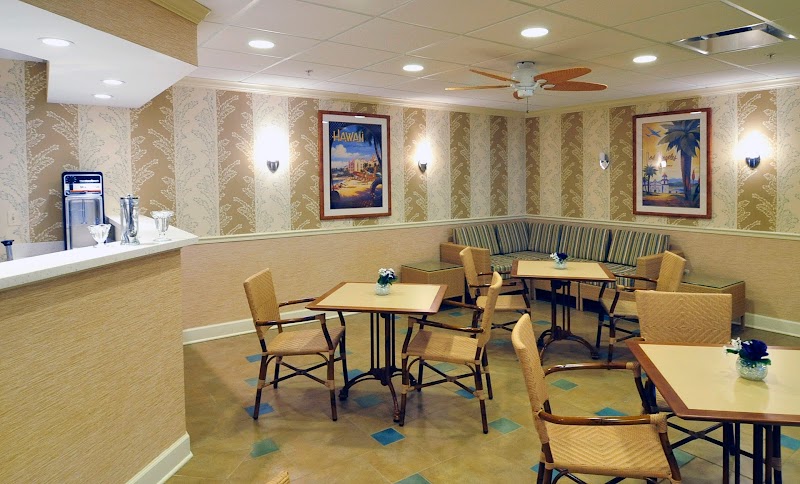
How is Alden Estates Of Naperville Staffed?

CMS rates ALDEN ESTATES OF NAPERVILLE's staffing level at 1 out of 5 stars, which is much below average compared to other nursing homes.

What Have Inspectors Found at Alden Estates Of Naperville?

State health inspectors documented 50 deficiencies at ALDEN ESTATES OF NAPERVILLE during 2022 to 2025. These included: 2 that caused actual resident harm and 48 with potential for harm. Deficiencies causing actual harm indicate documented cases where residents experienced negative health consequences.

Who Owns and Operates Alden Estates Of Naperville?

ALDEN ESTATES OF NAPERVILLE is owned by a for-profit company. For-profit facilities operate as businesses with obligations to shareholders or private owners. The facility is operated by THE ALDEN NETWORK, a chain that manages multiple nursing homes. With 203 certified beds and approximately 155 residents (about 76% occupancy), it is a large facility located in NAPERVILLE, Illinois.
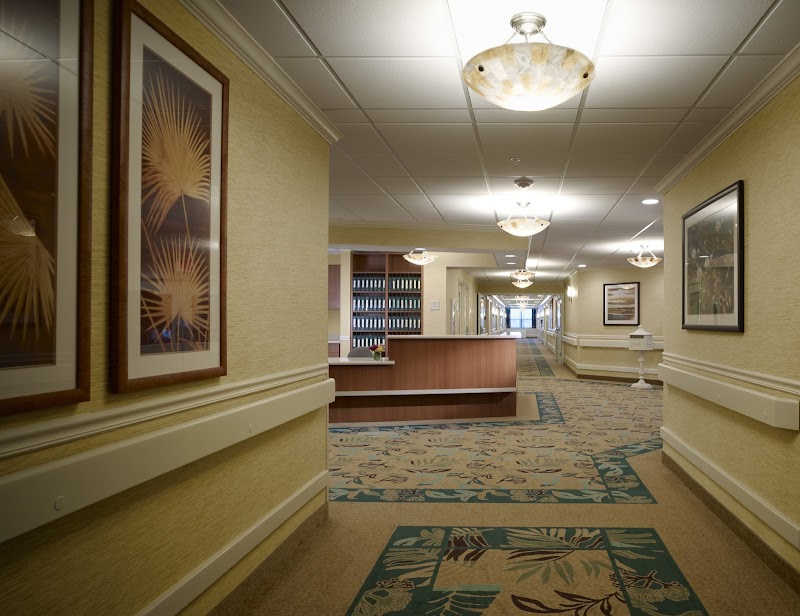
How Does Alden Estates Of Naperville Compare to Other Illinois Nursing Homes?

Compared to the 100 nursing homes in Illinois, ALDEN ESTATES OF NAPERVILLE's overall rating (2 stars) is below the state average of 2.5 and health inspection rating (3 stars) is at the national benchmark.

What Should Families Ask When Visiting Alden Estates Of Naperville?

Based on this facility's data, families visiting should ask: "Can you walk me through typical staffing levels on day, evening, and night shifts?" "Can I visit during a mealtime to observe dining assistance and food quality?" "How do you handle medical emergencies, and what is your hospital transfer rate?" "Can I speak with family members of current residents about their experience?" These questions are particularly relevant given the below-average staffing rating.

Is Alden Estates Of Naperville Safe?

Based on CMS inspection data, ALDEN ESTATES OF NAPERVILLE has a clean safety record: no substantiated abuse findings (meaning no confirmed cases of resident harm), no Immediate Jeopardy citations (the most serious violation level indicating risk of serious injury or death), and is not on the Special Focus Facility watch list (a federal program monitoring the lowest-performing 1% of nursing homes). The facility has a 2-star overall rating and ranks #100 of 100 nursing homes in Illinois. While no facility is perfect, families should still ask about staff-to-resident ratios and recent inspection results during their visit.

Do Nurses at Alden Estates Of Naperville Stick Around?

ALDEN ESTATES OF NAPERVILLE has not reported staff turnover data to CMS. Staff turnover matters because consistent caregivers learn residents' individual needs, medications, and preferences. When staff frequently change, this institutional knowledge is lost. Families should ask the facility directly about their staff retention rates and average employee tenure.

Was Alden Estates Of Naperville Ever Fined?

ALDEN ESTATES OF NAPERVILLE has been fined $9,256 across 1 penalty action. This is below the Illinois average of $33,171. While any fine indicates a compliance issue, fines under $50,000 are relatively common and typically reflect isolated problems that were subsequently corrected. Families should ask what specific issues led to these fines and confirm they've been resolved.

Is Alden Estates Of Naperville on Any Federal Watch List?

ALDEN ESTATES OF NAPERVILLE is not on any federal watch list. The most significant is the Special Focus Facility (SFF) program, which identifies the bottom 1% of nursing homes nationally based on persistent, serious quality problems. Not being on this list means the facility has avoided the pattern of deficiencies that triggers enhanced federal oversight. This is a positive indicator, though families should still review the facility's inspection history directly.