ARISTA HEALTHCARE

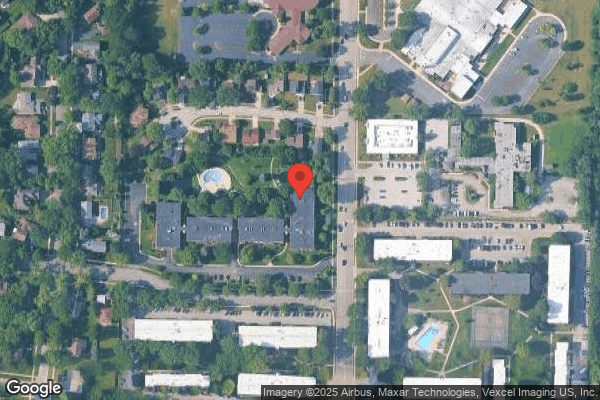
1136 NORTH MILL STREET, NAPERVILLE, IL 60563 (630) 355-3300
For profit - Corporation 153 Beds SABA HEALTHCARE Data: November 2025
Trust Grade
75/100
#109 of 665 in IL
Last Inspection: January 2025

Within standard 12-15 month inspection cycle. Federal law requires annual inspections.

Overview

Arista Healthcare in Naperville, Illinois, has received a Trust Grade of B, indicating it is a good choice for families considering a nursing home, though there may be areas for improvement. The facility ranks #109 out of 665 in Illinois, placing it in the top half, and #8 out of 38 in Du Page County, meaning only seven local options are rated better. However, the trend is concerning as the number of issues reported has worsened from 6 in 2024 to 9 in 2025. Staffing is a mixed bag here, with a 2/5 rating and a 33% turnover rate, which is below the state average, suggesting some stability among staff despite overall low ratings. Notably, the facility has not faced any fines, which is a positive sign. However, there are several concerning incidents, such as food items not being properly labeled or dated, expired food not being removed, and staff failing to perform proper hand hygiene, which raises questions about infection control practices. While the facility has some strengths, particularly regarding fines and turnover, the issues reported warrant careful consideration.

Trust Score
B
75/100
In Illinois
#109/665
Top 16%
Safety Record
Low Risk
No red flags
Inspections
Getting Worse
6 → 9 violations
Staff Stability
○ Average
33% turnover. Near Illinois's 48% average. Typical for the industry.
Penalties
✓ Good
No fines on record. Clean compliance history, better than most Illinois facilities.
Skilled Nurses
○ Average
Each resident gets 39 minutes of Registered Nurse (RN) attention daily — about average for Illinois. RNs are the most trained staff who monitor for health changes.
Violations
⚠ Watch
19 deficiencies on record. Higher than average. Multiple issues found across inspections.
★★★★☆
4.0
Overall Rating
★★☆☆☆
2.0
Staff Levels
★★★★☆
4.0
Care Quality
★★★★☆
4.0
Inspection Score
Stable
2024: 6 issues
2025: 9 issues

The Good

  • 4-Star Quality Measures · Strong clinical quality outcomes
  • Full Sprinkler Coverage · Fire safety systems throughout facility
  • No fines on record
  • Staff turnover below average (33%)

    15 points below Illinois average of 48%

Facility shows strength in quality measures, fire safety.

The Bad

Staff Turnover: 33%

13pts below Illinois avg (46%)

Typical for the industry

Chain: SABA HEALTHCARE

Part of a multi-facility chain

Ask about local staffing decisions and management

The Ugly 19 deficiencies on record

Feb 2025 1 deficiency
CONCERN (E) 📢 Someone Reported This

A family member, employee, or ombudsman was alarmed enough to file a formal complaint

Potential for Harm - no one hurt, but risky conditions existed

Infection Control (Tag F0880)

Could have caused harm · This affected multiple residents

**NOTE- TERMS IN BRACKETS HAVE BEEN EDITED TO PROTECT CONFIDENTIALITY** Based on observation, interview and record review, the facility staff failed to perform hand hygiene, and did not use PPE (Perso...

Read full inspector narrative →
**NOTE- TERMS IN BRACKETS HAVE BEEN EDITED TO PROTECT CONFIDENTIALITY** Based on observation, interview and record review, the facility staff failed to perform hand hygiene, and did not use PPE (Personal Protective Equipment) while providing care for residents in EBP (Enhanced Barrier Precautions) and failed to educate visitors regarding contact TBP (Transmission Based Precautions). This applies to 7 of 7 residents (R2, R3, R4, R7, R8, R9, R10) reviewed for infection control practices in the sample of 10. The findings include: 1. R2's medical record showed R2 was admitted to the facility on [DATE], with multiple diagnosis including hemiplegia and hemiparesis following cerebral infarction affecting the right dominant side, chronic obstructive pulmonary disease, dysphagia, gastrostomy status, diabetes mellitus with chronic kidney disease, paroxysmal atrial fibrillation, and major depressive disorder, recurrent. R2's MDS (Minimum Data Set) dated February 9, 2025, showed R2 was cognitively intact and required assistance with ADLs including moderate assistance with oral hygiene, personal hygiene, upper body dressing and bed mobility, substantial assistance with coming to a sitting position in bed, with chair to bed and tub transfer and lower body dressing, and dependent on staff for eating and toilet hygiene. R2's care plans were reviewed. R2 has a care plan initiated on August 6, 2024, is at a higher risk for infection secondary to feeding tube and indwelling foley catheter and will receive enhanced barrier precautions with interventions that included, wash hands before entering and leaving the room and wearing PPE during high contact activity including changing linen, dressing, and bathing. On February 18, 2025, at 2:54 PM, there was a sign on R2's door for EBP, Enhanced Barrier Precautions. R2 stated she wanted to be repositioned because the sun was in her eyes. V10 (RN) entered the room to assist the resident to reposition without donning a gown and repositioned R2. R2's physician order summary showed R2 had an order for Enhanced Barrier Precautions initiated on July 1, 2024. 2. The medical record showed R3 was admitted to the facility on [DATE], with multiple diagnosis including hemiplegia and hemiparesis following cerebral infarction affecting the right dominant side, aphasia, dysphagia, acute and chronic respiratory failure with hypoxia, tracheostomy status, gastrostomy status, and moderate protein-calorie malnutrition. R3's MDS dated [DATE], showed R3 was severely cognitively impaired, and required assistance with ADLs, including substantial assistance with oral hygiene and upper body dressing and dependent on staff eating, bathing, toileting, lower body dressing, bed mobility and transfer. R3's care plans were reviewed. R3 had a care plan initiated on February 3, 2025 of being at risk for infection secondary to feeding tube, tracheostomy and wound and will receive enhanced barrier precautions with an intervention that showed PPE to be worn during high contact activity including gown and glove and use of face mask when risk of splashing is present .and wear PPE during high contact activities during changing linens, and wash hands before entering a room and after leaving the room. R3's room had an Enhanced Barrier Precaution sign posted on the door. On February 18, 2025, at 3:00 PM, V4 (Speech Language Pathologist) provided treatment that included covering R3's tracheostomy with a speaking valve. V4 stated she was also trying to have R3 follow one step commands. V4 was not wearing a gown while providing direct contact with R3's tracheostomy tube. On February 18, 2025, at 3:54 PM, V10 (RN) entered R3's room, did not wash hands before entering, adjusted R3's linen and covered R3 with bare hands. V10 exited R3's room without washing hands. On February 19, 2025, at 11:45 AM, V9 (CNA) entered R3 and R9's room that had the EBP sign on the door. V9 served R9 his meal tray. V9 then turned to R3 and wearing the same pair of gloves touched R3's left arm, top sheet linens and straightened them to cover R3 without changing gloves or perform hand hygiene. R3's physician order summary showed an order for Enhanced Barrier precautions dated February 3, 2025. R9's physician order summary showed an order for Enhanced Barrier Precautions dated January 22, 2025. 3. The medical record showed R8 was admitted to the facility on [DATE], with multiple diagnosis including other toxic encephalopathy, enterocolitis due to clostridium difficile not specified as recurrent, frostbite with tissue necrosis of abdominal wall, lower back, pelvis and left foot, local infection of the skin and subcutaneous tissue unspecified, paroxysmal atrial fibrillation, rhabdomyolysis, neuromuscular dysfunction of the bladder, and unspecified fall subsequent encounter. On February 19, 2025, at 11:35 AM, R8 had a sign on the door for EBP. V7 (Nurse Aide in training) entered the room without performing hand hygiene to deliver a meal tray to R8. Upon leaving the room V7 did not perform hand hygiene. V7 was asked about the sign on R8's door and what precautions staff should take according to the sign for EBP. V7 stated she should have performed hand hygiene prior to entering the room and leaving the room but she forgot. R8's physician order summary showed an order for Enhanced Barrier Precautions dated February 18, 2025. 4. On February 19, 2025, at 11:25 AM, V5 (CNA) entered R10's room, which had an EBP sign on the door, without performing hand hygiene. V5 served R10's meal tray and left the room without performing hand hygiene. V5 then went to the meal tray cart and removed R7's meal tray. R7 had an EBP sign on the door. V5 entered R7's room without performing hand hygiene, delivered R7's meal tray, and exited R7's room without performing hand hygiene. On February 19, 2025, at 11:50 AM, V10 (RN) entered R7's room to give R7 medication without performing hand hygiene before entering the room or upon leaving the room. V10 was unsure why R7 had the EBP sign on the door. V10 stated she did not perform hand hygiene before entering R7's room because she had washed her hands after using the bathroom, before preparing R7's medication. R10's physician order summary showed an order for Enhanced Barrier Precautions initiated on January 31, 2025. R7's physician order summary showed an order for Enhanced Barrier Precautions initiated on January 27, 2025. 5. On February 18, 2025, at 3:10 PM, a contact precautions sign was observed on R4's door. R4 was sitting in her bed and there were 2 visitors, V17 (R4's son) and V18 (R4's daughter in law) in R4's room. V17 and V18 did not have gloves or a gown on. V17 was lying on top of the second bed in R4's room. V18 was sitting in the chair in the room. The visitor log, reviewed with V1(Administrator) showed V17 and V18 had signed in at 2:25 PM. Prior to 3:45 PM, after it was brought to V6 (LPN) attention, there was no evidence that V17 and V18 had received education regarding contact precautions. V5 was in the hall and asked about the sign for contact precautions on R4s door. V5 stated that means we must wear gloves and gown before entering the room. During the entrance conference on February 18, 2025, V1 (Administrator) identified R4 as being in contact TBP precautions for C Difficile infection. R4 physician order summary showed an order for contact isolation for C Difficile infection until March 30, 2025, at 23:59, initiated on February 17, 2025, and entered by V3 (ADON, IP). R4s medical record showed R4 was admitted to the facility on [DATE], with multiple diagnosis including metabolic encephalopathy, dysphagia, diverticulitis of the large intestine, dysphagia, adult failure to thrive, chronic diastolic congestive heart failure, primary osteoarthritis, primary pulmonary hypertension, hypokalemia, and enterocolitis due to clostridium difficile. R4's MDS (Minimum Data Set) dated February 7, 2025, showed R4 was cognitively intact and required assistance with Activities of Daily Living including set up assistance for eating, supervision for oral hygiene, substantial assistance with bathing, upper body dressing, personal hygiene, and bed mobility, dependent on staff assistance for toileting, lower body dressing and transfer. R4's care plans were reviewed. R4 had a care plan for C Diff positive infection on contact isolation precaution initiated on November 19, 2024. Interventions included: All staff will follow PPE use, Observe, assess for signs /symptoms of infection .maintain infection control standards. The EBP sign used by the facility showed Everyone must clean their hands before entering and when leaving the room and providers and staff must also: wear gloves and a gown for the following high contact resident care activities, dressing, bathing/showering, transferring, changing linens, providing hygiene, changing briefs or assisting with toileting, device care or use central line, urinary catheter, feeding tube, tracheostomy, and wound care, any skin opening requiring a dressing. The Contact precaution sign used by the facility showed Everyone must clean their hands before entering and when leaving the room and providers and staff must also put on gloves before room entry and discard gloves before room exit, put on a gown before room entry and discard gown before room exit, do not wear the same gown and gloves for the care of more than one person. The facility provided a list of residents and criteria who are on Enhanced Barrier Precautions dated February 18, 2025. The list included: R2 for indwelling medical device, R3 for indwelling medical device, R7 for indwelling medical device, R8 for indwelling medical device, R9 for indwelling medical device, and R10 for indwelling medical device. On February 19, 2025, at 2:27 PM V3 (ADON, IP Nurse) and V12 (LPN IP in training) were interviewed together. Neither V3 or V12 were able to identify what resource or policy should be referenced to determine when TBP should be implemented or discontinued. V3 and V12 stated they would refer to a resident's laboratory culture results or hospital recommendation regarding when TBP were needed. V3 and V12 both stated hand hygiene should be performed when entering or exiting a room identified with EBP sign on the door. V12 and V3 stated when placing a speaking valve on a tracheostomy tube would be considered handling a medical device and would warrant the use of both gloves and gown during that provision of care. V12 and V3 agreed that before entering a room to give oral medications to a resident in EBP precautions hand hygiene would need to be performed. V12 and V3 also agreed that glove and gown should be worn when repositioning a resident on EBP precautions and hand hygiene performed and gloves changed between providing care to two residents. The facility's policy titled Enhanced Barrier Precautions dated, August 15, 2024, showed Purpose .Reduce the transmission of novel or targeted multi drug resistant organisms (MDRO) .Procedure .1. Enhanced barrier Precautions require the use of gown and glove during high contact resident care activities .changing linens .device care or use .feeding tube .tracheostomy .6. Adhere to other infection control practices such as Hand Hygiene . The facility's policy titled Infection Control dated January 2024, showed Procedure .14. All facility personnel are required to routinely wash hands and use appropriate barrier precautions to prevent transmission of infections .15. All facility personnel shall adhere to the Infection Control Program in the performance of their daily assigned tasks .16, The facility shall assure the necessary training, equipment and supplies are maintained to carry out an effective Infection Control Program .17. Hand washing is essential .18. Contact precautions in addition to standard precautions will be initiated as specified in the specific isolation policy.
Jan 2025 8 deficiencies
CONCERN (D)

Potential for Harm - no one hurt, but risky conditions existed

Resident Rights (Tag F0550)

Could have caused harm · This affected 1 resident

Based on observation, interview, and record review, the facility failed to provide care with dignity to 3 of 3 residents (R12, R56, R22) reviewed for dignity in a sample of 25. The findings include: ...

Read full inspector narrative →
Based on observation, interview, and record review, the facility failed to provide care with dignity to 3 of 3 residents (R12, R56, R22) reviewed for dignity in a sample of 25. The findings include: 1. On 01/14/25 at 12:47 PM V6 ADON (Assistant Director of Nursing) was observed during lunch standing over R22 while assisting with feeding R22. On 1/16/2025 at 12:50 PM V2 (DON) said V6 should not be standing over R22 while feeding her for dignity and respect. 2. On 01/14/25 at 11:35 AM, V7 and V8 CNAs (Certified Nurses Assistants) were providing incontinence care and giving a bed bath to R12 and R12's curtain was left open. R12's entire body was exposed. R13 (R12's roommate) was in the room at the time. On 01/16/25 at 01:30 PM R12 said he wants his door and his curtain closed when staff are providing care for him for privacy. R12 said that he usually has to tell staff to close his door and curtain when they are providing care for him. R12 said that it makes him feel uncomfortable when they leave them open. R12 said that the staff always leave the door open, and it makes him cold. On 1/16/25 at 12:50 pm V2 (DON) said her expectations are the staff pull the resident's curtains for privacy. 3. On 01/16/25 at 10:35 AM V3 and V4 CNAs (Certified Nurses Assistants) were providing catheter care and incontinence care for R56. The staff did not close the door or pull the curtain while providing care to R56. R56's perineal and buttocks were exposed to any persons in the hallway. On 1/16/25 at 10:52 AM V3 CNA said she forgot to close the door and pull the curtain. V3 said she should do it for dignity and privacy. On 01/16/25 at 12:50 PM V2 DON (Director of Nursing) said her expectations are that the staff close the door, and curtain when providing catheter and incontinence care for privacy and dignity. The facility's Contract Between resident and facility (no date) showed that resident shall not be deprived of any rights including right to always respect for bodily privacy and dignity especially during care and treatment. The facility's Dignity policy dated 12/24 shows each resident shall be care for in a manner that promotes and enhances quality of life, dignity, respect and individuality. The policy showed; residents should be always treated with dignity and respect, residents will be assisted in maintaining and enhancing his/her self-esteem and self-worth, residents' private space will be always respected, staff shall promote, maintain, and protect residents' privacy including bodily privacy during assistance with personal care and during treatment procedures.
CONCERN (D)

Potential for Harm - no one hurt, but risky conditions existed

Transfer Notice (Tag F0623)

Could have caused harm · This affected 1 resident

**NOTE- TERMS IN BRACKETS HAVE BEEN EDITED TO PROTECT CONFIDENTIALITY** 3. The clinical records of R37 showed that diagnoses included cirrhosis of the liver, hemiplegia, type 2 diabetes, urinary tract...

Read full inspector narrative →
**NOTE- TERMS IN BRACKETS HAVE BEEN EDITED TO PROTECT CONFIDENTIALITY** 3. The clinical records of R37 showed that diagnoses included cirrhosis of the liver, hemiplegia, type 2 diabetes, urinary tract infection, cardiac diseases, and hepatic encephalopathy. The current Minimum Data Set, dated 12/18//2024 indicated that R37 is cognitively moderately intact. R37 was transferred and admitted to the hospital on [DATE] for high level ammonia. The progress report review for R37 showed R37 was transferred to the hospital on [DATE], 06/09/2024,10/11/2024, and 01/13/2025 related to comorbid conditions and complications. The R33's clinical records lacked the documentation of providing in writing R37 or representative the notification of discharge with the reason for transfer/discharge to the hospital and sending a copy to the ombudsman. Based on interview and record review, the facility failed to provide written notice of reason for transfer to resident and/or their representative before resident transferred to hospital and failed to send a copy of transfer notice to the Ombudsman. This applies to 3 residents (R62, R69, and R37) reviewed for hospital transfers in a sample of 25. The findings include: 1. R62's Face sheet shows an admission date of 11/5/24. R62's nursing progress note dated 1/8/25 at 15:33 shows R62 was transferred and admitted to hospital with diagnosis of pneumonia and acute cystitis. There is no documentation of written notice of transfer being provided to resident or their representative, or the Ombudsman. 2. R69's Face sheet shows an admission date of 8/4/23. R69's nursing progress note dated 1/14/25 at 11:34 AM shows R69 was transferred to hospital for gastrostomy and jejunostomy tube evaluation. There is no documentation of written notice of transfer being provided to resident or their representative, or the Ombudsman. On 1/15/25 at 3:50 PM, V1 (Administrator) said the facility does not notify the resident or their representative, or the Ombudsman in writing of reason for resident transfer to hospital. On 1/16/25 at 1:17 PM, V2 (Don/Director of Nursing) said she did not know the resident and/or resident representative and the Ombudsman were supposed to be notified in writing of reason for resident transfers.
CONCERN (D)

Potential for Harm - no one hurt, but risky conditions existed

Deficiency F0625 (Tag F0625)

Could have caused harm · This affected 1 resident

**NOTE- TERMS IN BRACKETS HAVE BEEN EDITED TO PROTECT CONFIDENTIALITY** 3. The clinical records of R37 showed that diagnoses included cirrhosis of the liver, hemiplegia, type 2 diabetes, urinary tract...

Read full inspector narrative →
**NOTE- TERMS IN BRACKETS HAVE BEEN EDITED TO PROTECT CONFIDENTIALITY** 3. The clinical records of R37 showed that diagnoses included cirrhosis of the liver, hemiplegia, type 2 diabetes, urinary tract infection, cardiac diseases, and hepatic encephalopathy. The current Minimum Data Set, dated 12/18//2024 indicated that R37 is cognitively moderately intact. R37 was transferred and admitted to the hospital on [DATE] for high level ammonia. The progress report review for R37 showed R37 was transferred to the hospital on [DATE], 06/09/2024,10/11/2024, and 01/13/2025 related to comorbid conditions and complications. The R33's clinical records lacked the documentation of providing R37 or representative and the Ombudsman with written notice to be aware of a facility's bed-hold and reserve bed payment policy to R37 before and to the Ombudsman upon transfer to a hospital. Based on interview and record review, the facility failed to provide written bed hold policy to resident and/or their representative prior to resident transfer to hospital. This applies to 3 residents (R62, R69, and R37) reviewed for hospital transfers in a sample of 25. The findings include: 1. R62's Face sheet shows an admission date of 11/5/24. R62's nursing progress note dated 1/8/25 at 15:33 shows R62 was transferred and admitted to hospital with diagnosis of pneumonia and acute cystitis. There is no documentation of bed hold policy being provided to resident prior to transfer to hospital. 2. R69's Face sheet shows an admission date of 8/4/23. R69's nursing progress note dated 1/14/25 at 11:34 AM shows R69 was transferred to hospital for gastrostomy and jejunostomy tube evaluation. There is no documentation of bed hold policy being provided to resident prior to transfer to hospital. On 1/15/25 at 3:50 PM, V1 (Administrator) said the facility does not have any documentation of bed hold notices being provided to residents prior to their transfers to hospital. On 1/16/25 at 1:17 PM, V2 (DON/Director of Nursing) said the residents are not provided written documentation of bed hold policy, including reserve bed payment, upon their transfers to the hospital because she did not know the facility was supposed to be providing it. The facility's policy titled, Bed Hold Policy last revised July 2024 states, Federal Standards: Federal regulations require each facility provide written information to the resident and/or legal representative that specifies the duration of the bed hold policy under the Medicaid state plan during which the resident is permitted to return and resume residence in the facility. This notice shall be provided during the admission period and at the time of a transfer to notify the resident and/or representative concerning bed hold rights and promote appropriate return to the facility .Purpose: To ensure the residents are informed of the bed hold and reserve bed payment policy before and upon transfer to a hospital .
CONCERN (D)

Potential for Harm - no one hurt, but risky conditions existed

Quality of Care (Tag F0684)

Could have caused harm · This affected 1 resident

**NOTE- TERMS IN BRACKETS HAVE BEEN EDITED TO PROTECT CONFIDENTIALITY** Based on observation, interview, and record review, the facility failed to assess and provide necessary treatments and services ...

Read full inspector narrative →
**NOTE- TERMS IN BRACKETS HAVE BEEN EDITED TO PROTECT CONFIDENTIALITY** Based on observation, interview, and record review, the facility failed to assess and provide necessary treatments and services for skin impairment, which caused a resident severe itching and discomfort. This applies to 1 of 3 (R33) reviewed for skin impairment in a sample of 25. Findings Include: R33 is an [AGE] year-old female with diagnoses including chronic respiratory problems with hypoxia dependent on supplemental oxygen, acute kidney disease, cerebral infarction, a chronic obstructive pulmonary disease with polyneuropathy, depression, and anxiety disorder. Minimum Data Set, dated [DATE] showed R33 was cognitively moderately intact and required one person to assist with activities of daily living (ADL), transfers, and bed mobility. On 01/14/2025, R33 was in her room scratching both arms. Redness, scratch marks, dry skin, and scabs were observed on both arms and the right chest area. R33 was interviewable and said the itching has been happening for at least a month and the staff knows about it. R33 said she doesn't know whether her skin conditions and itching could be due to her medication, food, or bedding. R33 said the continuous itching is annoying. R33 said V14 (Certified Nursing Assistant) showered her last week, and because of her itching, V14 checked her bedding and changed her linens to ensure there were no issues with her bedding. On 01/15/2025 at 12:45 PM, V14 (Certified Nursing Assistant) said R33 has had rash and itching issues for a while and she provided a shower to the resident on 01/06/2025. V14 completed the form titled, CNA skin attention form and notified the nurse (V13) on duty about R33's known skin condition. The writer asked V14 to assist R33 in showing her entire body for the skin conditions and noted R33 also has rashes on her back and right buttocks with itching and scratch marks in addition to her arms and chest. On 01/15/2025 at 1:00 PM, V15 (Certified Nursing Assistant) said he was new and over the weekend he noticed skin issues with R33 during his hygiene care and notified the V13 (Licensed Practical Nurse). On 01/16/2025 at 10:00 AM, V13 (Licensed Practice Nurse) said she should have assessed R33 for her skin conditions and notified the physician for further evaluation and treatment. On 01/16/2025 at 11:45 AM and 1:30 PM, V6 (Infection Preventionist) and V2 (Director of Nursing), respectively, said the nurse should be checking the CNA skin attention form, assessing the residents, signing off on the form, and notifying the wound care nurse and the physician for evaluation and treatment. A review of CNA skin attention dated 01/06/2024 showed V14 marked as a known skin condition, and the nurse evaluation was not completed. The facility policy, titled Wound Care, revised dated 11/2023 under assessment, in part, stated that the nurse should review the nurse's aide's completed shower sheet form for the impairment, the shower sheet should be given to the designee for follow-up, and the Director of Nursing should review the shower sheet weekly.
CONCERN (D)

Potential for Harm - no one hurt, but risky conditions existed

Deficiency F0688 (Tag F0688)

Could have caused harm · This affected 1 resident

**NOTE- TERMS IN BRACKETS HAVE BEEN EDITED TO PROTECT CONFIDENTIALITY** Based on interview and record review, the facility failed to provide restorative therapy services as care planned. This applies ...

Read full inspector narrative →
**NOTE- TERMS IN BRACKETS HAVE BEEN EDITED TO PROTECT CONFIDENTIALITY** Based on interview and record review, the facility failed to provide restorative therapy services as care planned. This applies to 1 resident (R68) reviewed for restorative services in a sample of 25. The findings include: R68's Face Sheet shows he was admitted to the facility on [DATE] and has the following diagnoses: need for assistance with personal care, hemiplegia and hemiparesis following cerebral infarction affecting left dominant side, muscle weakness (generalized), unsteadiness on feet, history of falling, and difficulty walking. R68's POS (Physician Order Sheet) shows order entered on 8/8/23 that resident may participate in restorative services. R68's MDS (Minimum Data Set) dated 12/14/24 shows his cognition is intact and he requires substantial/maximal assistance to roll right and left in bed. R68's Care Plan last revised on 11/30/22 shows he has a self-care deficit (Activities of Daily Living/Mobility) related to generalized weakness, left hemiparesis/hemiplegia, impaired balance, limited range of motion, multiple comorbidities, left knee pain, and physical limitations. Care Plan goal states resident will improve/maintain highest level of function with participation in therapies and/or restorative programs through next review. R68's Care Plan dated 1/12/23 shows he would benefit from participation in Bed Mobility Restorative Nursing Program due to impaired mobility, physical limitations, decrease in strength, endurance, balance and lack of coordination, and at risk for fall related to: stroke with hemiplegia and hemiparesis affecting left dominant side, generalized weakness, and cognitive impairment. Care Plan interventions state R68 was placed on ADL Bed Mobility restorative nursing program and document restorative minutes in point of care for each individual task, documenting time spent working with resident on each program on your shift. Additional Care Plan also dated 1/12/23 shows R68 would benefit from participation in AROM/AAROM (Active Range of Motion/ Active Assisted Range of Motion) Restorative Nursing Program due to impaired mobility, physical limitations, decrease in strength, endurance, balance and lack of coordination related to: stroke with hemiplegia and hemiparesis affecting left dominant side, and generalized weakness. Care Plan goal shows R68 will be able to participate in AROM/AAROM exercises to all extremities 20x2 reps daily as tolerated through next review date and interventions show R68 was placed on ADL (Activity of Daily Living) AROM/AAROM restorative nursing program and document restorative minutes in point of care for each individual task, documenting time spent working with resident on each program on your shift. R68's Point of Care Task for AROM states R68 will be able to participate in AROM/AAROM exercises to all extremities 20x2 reps daily as tolerated through next review date. Over the past 30 days, facility staff have documented AROM program participation for R68 9 times. There has been no documentation of resident refusal. R68's Point of Care Task for Bed Mobility states R68 will be able to turn from side to side of the bed with limited to extensive assist of one daily as tolerated through next review date. Over the past 30 days, facility staff have documented Bed Mobility participation for R68 9 times. There has been no documentation of resident refusal. On 1/14/25 at 2:26 PM, R68 said he no longer receives restorative nursing services. On 1/16/25 at 11:25 AM, R68 said he does turn side to side in bed when the staff assist him to get changed about 3 times a day. R68 said it has been weeks and weeks since restorative therapy has worked with him or has done any range of motion exercises with him. On 1/16/25 at 9:55 AM, V5 (Restorative Nurse) said R68 is on Bed Mobility and AROM Restorative Programs. V5 said the restorative staff is not doing Bed Mobility Program with R68 because he should be turning side to side with incontinence care. V5 said the Restorative staff is doing the AROM Program with R68 3-4 times a week, not daily as it is recommended. V5 said the Restorative staff do not document when they work with R68 in the POC (Point of Care) task as stated in the Care Plan. On 1/16/25 at 1:17 PM, V2 (DON/Director of Nursing) said R68's care plan needs to be followed and Restorative Nursing participation should be documented in the point of care task daily. V2 said restorative nursing programs should be done daily for R68 as they were assessed as needed so R68 can maintain, and not decrease, his abilities with mobility and strength. The facility provided policy titled, Restorative Nursing Program dated 9/14 states, Purpose: The facility promotes restorative nursing to attain or maintain the highest practicable physical, mental, and psychosocial well-being .Restorative Nursing is available seven days a week and is provided for residents with assessed needs according to program criteria. The Restorative Nursing Program is designed to: preserve function, promote optimal improvement, increase independence, self-esteem and dignity, promote safety, and minimize deterioration within the limits of normal aging . Components and Types of Restorative Nursing Programs: . Contracture Prevention and Management- .AAROM and AROM . Mobility Programs- Bed Mobility .
CONCERN (D)

Potential for Harm - no one hurt, but risky conditions existed

Incontinence Care (Tag F0690)

Could have caused harm · This affected 1 resident

2. R56's electronic health record showed that R56's has diagnoses including history of UTI (urinary tract infection), anemia, adult failure to thrive, malnutrition, and is under Hospice care at the fa...

Read full inspector narrative →
2. R56's electronic health record showed that R56's has diagnoses including history of UTI (urinary tract infection), anemia, adult failure to thrive, malnutrition, and is under Hospice care at the facility. On 01/16/25 at 10:35 AM V3 and V4 CNAs (Certified Nurses' Assistants) were providing catheter care for R56. R56's urinary catheter was observed with a hard brown substance on the tubing near R56's urethral meatus. V3 with gloved hands grabbed the catheter with her right hand and wiped the catheter tubing towards R56's urethral meatus twice. After V3 was done cleaning R56's perineal area and ureteral catheter, V3 removed her gloves and put on new gloves not cleaning her hands and began cleaning in-between R56's legs, removing a brown substance. Then V3 cleaned R56's rectal area. R56's had 2 open pressure ulcers on her buttocks with dressings on them. After V3 finished cleaning R56's rectal area, V3 removed the dirty brief from under R56 and then changed gloves but did not clean her hands. V3 then put a new brief under R56, then changed gloves again and applied barrier cream to R56's buttocks and thighs again without cleaning her hands. V3 then removed her gloves, put on clean gloves, did not clean her hands, and preceded to attach R56's brief, adjust R56 in her bed, adjust R56's pillow and linen, and adjusted R56's bed, all with uncleaned gloved hands. On 01/16/25 at 12:50 PM V2 DON (Director of Nursing) said staff should always clean/wipe the tubing on the catheter away from the insertion site for infection control to prevent UTIs. V2 said staff should have cleaned their hands after removing their gloves when going from dirty to clean for infection control. The facility's Catheter Care policy dated 11/2023 showed that the guidelines are established to reduce the risk of or prevent infections in resident with an indwelling catheter. The policy standards show that hand washing shall be performed before and after touching any part of the urinary catheter drainage system, and encrustations on the Foley catheter should be removed from the meatus outward. The facility's Hand Hygiene policy dated 11/8/2022 showed proper and appropriate hand washing hygiene techniques will aid in the prevention of the transmission of infections. The policy showed that staff perform hand hygiene before applying gloves and after removing gloves, after contact with body fluids secretions, mucous membranes, or non-intact skin, after handling items potentially contaminated with body fluids or secretions, and before moving from a contaminated body site to a clean body site during resident care; example: after providing peri-care, before applying moisture barrier or other treatments, and after providing direct resident care. Based on observation, interview, and record review, the facility failed to provide appropriate urinary catheter care to prevent UTI (Urinary Tract Infection). This applies to 2 out of 3 residents (R56, R67) reviewed for urinary catheter care in a sample of 25. The findings include: 1. R67's Face Sheet documents he was admitted to facility on 9/26/2022. R67 has a urinary catheter for diagnosis of neuromuscular dysfunction, BPH (Benign Prostatic Hypertrophy), and Obstructive Uropathy. Currently, R67 has diagnosis of UTI and is on Ceftriaxone Sodium Injection Solution. 1 gram intravenously in the afternoon for UTI for 10 Days. R67 started his antibiotic on 1/13/2025 and will end on 1/24/2025. On 1/15/2025 at 9:33 AM, during skin check, R67 was noted to have a small amount of bowel movement on his incontinent briefs. V9 (CNA- Certified Nurse Assistant) proceeded to provide incontinence care. R67's urinary catheter was observed to have dried up debris on the tubing close to the base. V9 wiped the urinary catheter tubing by wrapping the tubing with a wet towel and wiping the tubing sideways to remove the debris. While wiping the tubing, V9 did not attempt to hold the catheter steady to avoid pulling on it. V9 did not attempt to wipe the rest of the tubing. V9 continued to provide incontinent care. On 1/16/2025 at 10:02 AM, morning care provided to R67 by V10 (CNA) and V12 (CNA) was observed. V10 provided catheter care. Dried debris were observed on R67's urinary catheter tubing. V10 wiped the urinary catheter tubing towards the body three times. While wiping the tubing, V10 did not attempt to hold the catheter steady to avoid pulling on it. V10 continued providing incontinence care to R67. On 1/16/2025 at 12:51 PM, V2 (Director of Nursing) said urinary catheter tubing should always be wiped away from the body to prevent UTI (Urinary Tract Infection). V2 said staff should attempt to clean the tubing of any dried debris and inform the nurse so the nurse can assess the catheter and change it if needed.
CONCERN (D)

Potential for Harm - no one hurt, but risky conditions existed

Infection Control (Tag F0880)

Could have caused harm · This affected 1 resident

Based on observation, interview, and record review, the facility failed to follow standard infection control practices with regards to hand hygiene. This applies to 2 of 7 residents (R9, R12) reviewed...

Read full inspector narrative →
Based on observation, interview, and record review, the facility failed to follow standard infection control practices with regards to hand hygiene. This applies to 2 of 7 residents (R9, R12) reviewed for infection control in the sample of 25. The findings include: 1. On 01/14/25 at 12:38 PM V5 (Restorative Nurse) was observed getting up from feeding R9, moving R45, who was in her wheelchair, closer to the table and then, without cleaning her hands, returned to feeding R9. V5 then got up from feeding R9 and picked up R5's dirty lunch plate and put the plate on the food cart and then went back to R9, and without cleaning her hands first, picked up R9's sandwich off of her plate and fed it to R9. 2. On 01/14/25 at 11:35 AM, V7 and V8 CNAs (Certified Nurses Assistants) were providing incontinence care and a bed bath for R12. V8 with gloved hands picked up the garbage can and moved it closer to V7, then with the same dirty gloved hands went to R12's bedside and began providing care for R12 without removing her gloves and cleaning her hands. V7 had gloves on her hands and after cleaning every body part including face, arms, legs, abdomen, penis and rectal area of R12, V7 would remove her gloves and put on new gloves but would not clean her hands. After V7 was done with the incontinence care and bed bath, V7 with dirty gloved hands and V8 with uncleaned gloved hands put a new brief on R12, put R12's pants and shirt on him, put a lift sling under him, removed the soiled linen from R12's bed, and then transferred R12 from his bed to his wheelchair without removing their gloves, cleaning their hands and putting on clean gloves. On 1/16/25 at 12:50 PM V2 (DON) said staff should be cleaning their hands after removing gloves and before putting on new gloves for infection control and cross contamination. V2 said when staff are going from dirty to clean, they are to remove their gloves, clean their hands, and put on new gloves. V2 said that it is her expectations that staff clean their hands after touching another resident or resident's object for infection control. The facility's Hand hygiene policy dated 11/8/2022 showed proper and appropriate hand washing hygiene techniques will aid in the prevention of the transmission of infections. The policy showed that staff perform hand hygiene before applying gloves and after removing gloves, after contact with body fluids secretions, mucous membranes, or non-intact skin, after handling items potentially contaminated with body fluids or secretions, and before moving from a contaminated body site to a clean body site during resident care; example: after providing peri-care, before applying moisture barrier or other treatments, and after providing direct resident care.
CONCERN (F)

Potential for Harm - no one hurt, but risky conditions existed

Food Safety (Tag F0812)

Could have caused harm · This affected most or all residents

Based on observation, interview, and record review, the facility failed to properly label/date/store food items and scoops, remove expired items, clean walk-in cooler, and wear hair restraint while se...

Read full inspector narrative →
Based on observation, interview, and record review, the facility failed to properly label/date/store food items and scoops, remove expired items, clean walk-in cooler, and wear hair restraint while serving food from facility kitchen. This applies to all residents that receive oral nutrition and foods prepared in the facility kitchen. Findings include: The facility's Long-Term Care Facility Application for Medicare and Medicaid (Form CMS-Centers for Medicare and Medicaid Services-671) dated 1/14/25 documents the total census was 79 residents. On 1/15/25 at 11:29 AM, V1 (Administrator) said there are 3 NPO (Nothing By Mouth) residents; all other residents eat from the facility kitchen. On 1/14/25 starting at 10:16 AM, the facility kitchen was toured in the presence of V16 (Dietary Manager) and the following was found: In walk-in cooler: 1. A large empty silver bin on top shelf under the fan with crusted dirt and dust in it and a dead dusty black house fly. V16 said the bin is kept on the top shelf to catch water dripping off the fan. Surveyor did not observe any water dripping from fan. 2. Medium sized bin labeled gravy with expiration date of 1/6/25. 3. Small sized silver bin of leftover fish fillets with expiration date of 1/13/25. 4. Medium sized clear bin of cut up fruit with no label or date. V16 said they were peaches. 5. Medium sized silver bin of leftover Spanish rice with no label or date. In the kitchen: 6. A medium sized clear bin of powdered mashed potatoes with no date. 7. A 20 gallon large white plastic bucket labeled thickener, not dated and scoop stored inside the thickener. 8. A 20 gallon large white plastic bucket labeled flour, not dated and scoop stored inside the flour. 9. On 1/15/25 at 11:14 AM, V17 (Cook) was observed serving lunch on the tray line in the kitchen with a hair net only covering the back half of her head. V17's bangs and top front of head were not restrained in hair net. On 1/16/25 at 10:18 AM, V16 (Dietary Manager) said all food items in the kitchen should be labeled and dated for food safety so the staff know when the food expires and when to throw the food away to prevent serving it and making the residents ill. V16 said the expired food items should be thrown away by the end of the day on the expiration date. V16 said the walk-in cooler should be cleaned twice a day on morning shift and afternoon shift. V16 said this includes cleaning the shelves in the walk-in cooler and sweeping/mopping the floor. V16 said the scoops for the flour and thickener should not be stored inside the food item/bin because it is an infection control contamination risk after staff touch the handle of the scoop and place it back in the bin. V16 said kitchen staff should wear their hair restraints covering all their hair to avoid hair falling into resident food causing contamination. The facility's policy titled, Dietary Personnel- Hygienic Practices and Personal Cleanliness dated 4/14 states, Purpose: To establish standards for employee dress, personal hygiene and hand washing practices. Standards: 2.d. Hairnets, coverings or caps shall be worn at all times in the Dietary Department and applied appropriately to keep hair from contacting exposed food, clean utensils and single service/use items, if unwrapped . The facility's policy titled, Storage of Refrigerated/Frozen Foods last revised 4/26/24 states, Policy: Refrigerator and freezer food items will be properly stored to keep foods safe and preserve flavor, nutritive value, and appearance. Procedure: Refrigerated Foods: Refrigeration units are routinely cleaned and free from garbage and other waste . The facility's policy titled, Date Marking and Labeling last revised 5/27/24 states, Policy: All foods that are stored will be properly dated and labeled to ensure food safety. Procedure: 1. Date marking is an identification system that helps identify the name of the food, when the food was prepared, and when it is to be discarded. 2. When to date mark: b. The food requires refrigeration c. A commercially prepared food item is opened e. When potentially hazardous (PHF/TCS) foods are stored f. When leftovers are stored .3. When to discard: b. The item has expired according to the manufacturer's expiration date c. When foods are mixed together, the date of the oldest food becomes the new discard date for the mixed food . 5. Items should be marked with the name of the item and the discard date. The facility's policy titled, Food Storage dated 6/14 states, Purpose: Protect food from contamination, the ensure wholesomeness, and to prevent the spread of infections and communicable disease . The facility's policy titled, Storage of Dry Foods/Supplies last revised 9/18/23 states, Policy: Dry foods and supplies will be properly stored to keep foods safe and preserve flavor, nutritive value, and appearance. Procedure: .Dry bulk foods are stored in plastic containers with tight containers with tight covers or bins which are easily sanitized. Containers are clearly labeled, and scoops are stored separately in a covered, protected area, which are washed and sanitized at least weekly .
Mar 2024 6 deficiencies
CONCERN (D)

Potential for Harm - no one hurt, but risky conditions existed

ADL Care (Tag F0677)

Could have caused harm · This affected 1 resident

**NOTE- TERMS IN BRACKETS HAVE BEEN EDITED TO PROTECT CONFIDENTIALITY** 2) R58's EMR (Electronic Medical Record) showed R58 was admitted to the facility on [DATE], with multiple diagnoses including ch...

Read full inspector narrative →
**NOTE- TERMS IN BRACKETS HAVE BEEN EDITED TO PROTECT CONFIDENTIALITY** 2) R58's EMR (Electronic Medical Record) showed R58 was admitted to the facility on [DATE], with multiple diagnoses including chronic obstructive pulmonary disease, heart failure, dementia, and muscle weakness. R58's MDS dated [DATE], showed R58 had moderate cognitive impairment and needed substantial assistance with bathing and personal hygiene. On March 18, 2024, at 10:38 AM, R58 was lying in bed, taking a nap, with long facial hair present. On March 19, 2024, at 9:05 AM, with V20 (CNA-Certified Nurse Aide) present, R58 remained with long facial hair, in need of shaving and R58 requested to be shaved. On March 20, 2024, at 9:20 AM, with V17 (LPN-Licensed Practical Nurse) present, R58 remained with long facial hair, in need of shaving and again R58 requested to be shaved. R58's care plan initiated on November 14, 2023, showed R58 needed assistance of 1 staff with dressing and hygiene ADL (Activities of Daily Living) task. The facility was unable to provide documentation that R58 had received a shower, which included shaving, during the month of March 2024. On March 20, 2024, at 10:05 AM, V2 (DON) stated it is the expectation for staff to complete documentation on the shower sheet form when a shower or bed bath is given or when the resident refuses a shower or bath. V2 stated residents are scheduled for showers twice a week and the expectation of grooming facial hair should be included during the shower or when needed. V2 stated she did not have documentation of shower sheets for either R40 or R58. The facility's policy Activities of Daily Living (ADL's) dated November 2022, showed the Purpose .to preserve ADL function, promote independence, and increase self-esteem and dignity .and Bathing .washing and drying the body, including full body sponge bath and Grooming .maintaining personal hygiene .combing and/or styling hair, face and hands, brushing teeth, shaving or applying makeup, oral hygiene, self-manicure (safety awareness with nail care) and/or application of deodorant or powder. Based on observation, interview, and record review the facility failed to provide ADLs (Activities of Daily Living) care to residents identified as requiring assistance with ADLs. This applies to 2 of 6 residents (R40, R58) in the sample of 21. The findings included: 1) R40's EMR (Electronic Medical Record) showed R40 was admitted to the facility on [DATE], with diagnoses that included aftercare following joint replacement surgery, presence of left artificial hip joint, muscle weakness, and need for assistance with personal care. R40's MDS (Minimum Data Set) date February 7, 2024, showed R40 was cognitively intact and required substantial/maximal assistance for showers/bathing and partial/moderate assistance for personal hygiene. R40's care plan showed R40 had a self-care deficit (ADLs/Mobility) due to generalized weakness, impaired balance, multiple comorbidities, pain, and physical activity. Interventions included one assist with dressing/hygiene tasks, encourage as much self-performance as safely available. On March 18, 2024, at 11:17 AM, R40 was in bed wearing a hospital gown and bath robe. There were several chin hairs/whiskers noted. R40 said she would like to be shaved. R40 said no one has offered a shower or bed bath, she said all they do is clean her bottom when they change her incontinence brief. On March 19, 2024, at 8:17 AM, R40 said she is wearing the same gown and bath robe as she has had on for days. R40 said she would really like to be shaved. R40 said she could not remember any time a staff asked her if she would like to take a shower or get cleaned up. On March 20, 2024, at 8:50 AM, R40 still in same gown and robe as Monday and Tuesday. R40 said no one has offered to shave her or clean her up. On March 20, 2024, at 8:59 AM, V25 (CNA/Certified Nurse Assistant) said all CNAs are to fill out a shower sheet after providing a shower or bed bath. The CNA will give the shower sheet to the nurse, then it is placed in a bin to be picked up by the scheduler or V2 (DON/Director of Nursing). On March 20, 2024, at 9:03 AM, V2 DON was asked to provide shower sheets for R40. On March 20, 2024, at 10:00 AM, V2 DON said she is learning that shower sheets are not being done so we have no proof is the care is being provided or if the resident has refused.
CONCERN (D)

Potential for Harm - no one hurt, but risky conditions existed

Pressure Ulcer Prevention (Tag F0686)

Could have caused harm · This affected 1 resident

**NOTE- TERMS IN BRACKETS HAVE BEEN EDITED TO PROTECT CONFIDENTIALITY** Based on observation, interview and record review, the facility failed to follow manufacturer's instructions for a pressure redu...

Read full inspector narrative →
**NOTE- TERMS IN BRACKETS HAVE BEEN EDITED TO PROTECT CONFIDENTIALITY** Based on observation, interview and record review, the facility failed to follow manufacturer's instructions for a pressure reducing/relieving mattress. This applies to 2 of 7 residents (R15, R87) reviewed for pressure ulcers in the sample of 21. The findings include: 1.R15's EMR (electronic medical records) showed R15 was admitted on [DATE] with diagnoses including cognitive communication deficit, other reduced mobility, pressure ulcer of sacral region, stage 2. R15's care plan revised on February 11, 2024 included R15 has an alteration in skin integrity and is at risk for additional and/or worsening of skin integrity issues related to impaired cognition, impaired communication, incontinence of bladder, incontinence of bowel, impaired mobility status, impaired nutritional status, comorbidities, cancer, failure to thrive. Interventions for the same included pressure reducing/relieving mattress as needed. R15's weights and vitals section in EMR showed R15 was 89.2 pounds on March 1, 2024. On March 18, 2024 at 10:57 AM, V19 (Licensed Practical Nurse) stated she is unsure if R15 has pressure sore on sacral area. V19 added, She has a dressing. The wound nurse does the treatments. On March 19, 2024 at 10:34 AM, R15 was lying in a low bed had a pressure relieving mattress. The control knob was switched ON at low pressure and had the label for Proactive Medical Products with weight dial set at 320 lbs. for weight in pounds. When asked, R15's nurse V3 (Registered Nurse) stated she is not aware of what the settings should be. V3 stated, The housekeeping does the setting for the air pressure on the mattress. On March 19, 2024 at 10:37 AM, V2 (Director of Nursing) was shown the above setting on R15's air mattress. V2 stated, V12 (House Keeping Director) puts it (control setting) on. I am not sure if V11 (Wound Care Nurse) lets him (V12) know about the setting. V2 added she will refer to the manufacture's guidelines for the same. On March 19, 2024 at 10:39 AM and 11:18 AM, V11 stated, I check it (mattress) sometimes to see if the pressure is low or high but never do any adjustments. I don't know anything about the setting. She (R15) had a pressure sore on admission but currently it is healed. Currently I do protective treatment on her sacral area. On March 19, 2024 at 10:42 AM, the control knob for the weight dial on R15's pressure relieving mattress was noted changed to 350 lbs. for weight in lbs. V12 stated he adjusted it a few minutes earlier to make sure there is enough air in the mattress. V12 added he thinks the adjustments are related to the weight but is not sure. Proactive Medical Product's operation manual instructions for the pressure redistribution mattress showed as follows: Step 6. Determine the patient's weight and set the control knob to the weight setting on the control unit. 2. R87's EMR showed R87 was admitted on [DATE] with diagnoses including paraplegia, unspecified, hemiplegia and hemiparesis following cerebral infarction affecting right dominant side, dysphagia, oropharyngeal phase. R87's quarterly MDS (Minimum Data Set) assessment dated [DATE], showed R87 was cognitively intact. R87's care plan revised on September 12, 2023, included R87 has an alteration in skin integrity and is at risk for additional and/or worsening of skin integrity issues related to immobility, admitted with pressure injury to sacrum, tube feeding, respiratory trach, incontinence, advancing age. Interventions for the same included pressure reducing/relieving mattress as needed. R87's weights and vitals section in EMR showed R87 was 126.0 pounds on March 1, 2024. On March 18, 2024 at 9:10 AM, R87 was seated up in a wheelchair and stated she had had a wound on her sacral area, and she gets dressing change every morning by V11. R87 was not sure if the wound was still present. On March 19, 2024 at 10:29 AM, R87 was lying in bed had a pressure relieving mattress showing the control unit labeled Drive with power switch switched on. The pressure adjust knob was set at 350 firm setting. R87 stated, I have had this (pressure) mattress ever since I have been here since last August. Nobody ever adjusts it. They don't even look at it. On March 19, 2024 at 10:38 AM, V2 was also shown the above setting on R87's air mattress. V2 added she will refer to the manufacture's guidelines for the same. On March 19, 2024 at 11:18 AM, V11 stated R87 had a stage 3 pressure sore on here sacral area, and it is currently healed. V11 added she does routine preventive treatments on the area to prevent it from reopening. Drive operation's manual instructions for alternating pressure low air loss mattress showed as follows: Step 6. Determine the patient's weight and set the control knob to the weight setting on the control unit. On March 19, 2024 at 12:23 PM, V2 stated per operations instructions shown both in the Proactive Medical Products and Drive manuals, the setting for the pressure relieving mattress is based on (patient) weight. On March 21, at 10:02 AM, V26 (Drive Representative) stated it is recommended the control knob is set to the patient's weight as if its set too low the mattress will be soft and if set too high the mattress will be too firm.
CONCERN (D)

Potential for Harm - no one hurt, but risky conditions existed

Accident Prevention (Tag F0689)

Could have caused harm · This affected 1 resident

**NOTE- TERMS IN BRACKETS HAVE BEEN EDITED TO PROTECT CONFIDENTIALITY** Based on observation, interview and record review, the facility failed to provide specialized cup for drinking for residents tha...

Read full inspector narrative →
**NOTE- TERMS IN BRACKETS HAVE BEEN EDITED TO PROTECT CONFIDENTIALITY** Based on observation, interview and record review, the facility failed to provide specialized cup for drinking for residents that were at risk for aspiration with dysphagia and could not use straws. This applies to 2 of 3 residents (R18, R87) observed for dining in the sample of 21. The findings include: R87's face sheet included diagnoses of dysphagia, oropharyngeal phase, paraplegia, hemiplegia and hemiparesis following cerebral infarction affecting right dominant side. R87's quarterly MDS (minimum data set) dated December 19, 2023, showed R87 was cognitively intact. R87's POS (Physician Order Sheet) showed diet order of General diet, Mechanical Soft texture, Regular Thin Liquids consistency, chop vegetables, gravy added to meat. No straw during TL (thin liquid) related to dysphagia, oropharyngeal phase. On March 18, 2024 at 04:23 PM, R87 in bed with tube feeding running. On R87's bedside table, there was a straw in a cup of brownish tinged water with a bottle of 16.7 oz/ounces soda placed next to it. R87 stated, I just drank my soda with a straw. The water is from the ice that melted. It was also noted there were multiple straws in a cup on the nightstand. V19 (Licensed Practical Nurse) who was in the area, was not sure if R87 is able to use straws with liquids. On checking the diet order that showed, no straw during TL. V19 did not know what TL abbreviation meant. Nursing progress note dated March 18, 2024 17:06 (5:06 PM) included, Came to the room and noted straw in resident's cup of water. Made resident aware that she is not to use straw when drinking as it can make her cough and possibly aspirate. Resident verbalized understanding and allowed this writer to remove the straw and the unopened ones at bedside. On March 19, 2024 at 2:51 PM, V4 (Speech Language Pathologist) stated she just picked R87 back up on her case load. V4 stated she had previously recommended no straw for R87 as R87 demonstrates high risk for aspiration as she has dysphagia. V4 added larger volumes of liquids can be ingested with straws and cause higher risk for aspiration. V4's Discharge summary dated [DATE] included as follows: To facilitate safety and efficiency, it is recommended the patient use the following strategies during oral intake: chin tuck. general swallow techniques/precautions, rate modifications, no straws . 2. R18's face sheet included diagnoses of dysphagia, oropharyngeal phase, communicating hydrocephalus, other cerebral palsy, adult failure to thrive, abnormal weight loss, mild protein-calorie malnutrition. R18's POS included diet order of General diet, Mechanical Soft texture, Regular Thin Liquids consistency, Thin Liquids in Provale cup only; Whole milk all meals related to other cerebral palsy. On March 19, 2024 at 12:14 PM, R18 received a meal tray in the dining room with thickened water in a cup and an 8 oz carton of whole milk (regular consistency). Diet card showed, thin liquid Provale cup. V16 (CNA/Certified Nursing Assistant) who was passing out trays stated that previously a blue cup used to be sent up on the tray by dietary but recently she has not seen it. V14 (Dietary Aide) who had brought up the tray cart stated the residents take it to their rooms and the dietary does not have any more Provale cups. On March 19, 2024 at 2:57 PM, V4 stated R18 was also on her caseload. V4 stated that on her last recommendations on February 22, 2023 she recommended R18 should have thick liquids but can have thin liquids with Provale cup only. V4's discharge recommendations dated February 22, 2023 showed liquids Provale cup during TL intake to decrease signs and symptoms of aspiration.
CONCERN (D)

Potential for Harm - no one hurt, but risky conditions existed

Unnecessary Medications (Tag F0759)

Could have caused harm · This affected 1 resident

**NOTE- TERMS IN BRACKETS HAVE BEEN EDITED TO PROTECT CONFIDENTIALITY** 3) On [DATE], at 5:05 PM, V5 (RN) prepared and administered R87's scheduled medications via gastrostomy tube. V5 prepared the fo...

Read full inspector narrative →
**NOTE- TERMS IN BRACKETS HAVE BEEN EDITED TO PROTECT CONFIDENTIALITY** 3) On [DATE], at 5:05 PM, V5 (RN) prepared and administered R87's scheduled medications via gastrostomy tube. V5 prepared the following medication: 1. Cholestyramine powder 4 gm (gram) 1 packet mixed with 200 ml. (milliliter) of water 2. Atorvastatin 40 mg.(milligram) 1 tablet crushed into powder and mixed with 200 ml. water 3. Xarelto 2.5 mg. 1 tablet crushed into powder and mixed with 200 ml. water 4. Metoprolol tartrate 100 mg. 1 tablet crushed and mixed with 200 ml. water V5 turned off the jejunostomy tube feeding that was infusing through the same port and flushed the gastrostomy tube port with 30 ml of water. V5 then administered each medication including the 200 ml. of water with each medication, by gravity bolus and did not flush the tube between medications. V5 then flushed the gastrostomy tube with an additional 175 ml. of water. On [DATE], at 3:57 PM, V2 stated when doing a medication pass the nurse should hand sanitize, have MAR (Medication Administration Record) available, check order, check medication against the physician order, place the medication into a medication cup, make sure house stock is not expired. V2 stated staff should check vital signs, explain to resident what they are going to do, explain what medications are to be given, perform hand hygiene after, and document on the MAR. V2 explained a nurse should never hold a medication without talking to the physician or nurse practitioner and the nurse also needs to know the reason the medication was ordered. V2 stated she had already spoken with V3 (RN/Registered Nurse) regarding the medication V3 held that was a blood pressure medication, but it was ordered for PVCs (Premature Ventricular Contractions) and V3 had no parameters to hold it. V2 stated when administering medications by G-tube (Gastrostomy) the nurse needs to check G-tube placement by listening for air when administering an air bolus, check residuals, crush medications one at time, take crushed pill and add it to 5-10 cc of water, flush 30 cc of water prior to administering any medications, administer the medication and flush with 10 cc of water in between, repeat this process with each medication until all medications are given and then flush with 30 cc of water. V2 stated, using 200 ml with one medication during administration is way too much water, to then repeat 200 ml with 3 other medications for a total of 800 ml, and then administered a flush of 175 ml for a total of 975 ML at one time is unheard of and should not be done. The facility's Policy and Procedure Administering Medications last issued on [DATE] showed Purpose: To ensure safe and effective administration of a medication in accordance with physician orders and state and federal guidelines. Based on observation, interview, and record review, the facility failed to administer medications as ordered by the physician. There were 26 medication opportunities with 8 errors, resulting in an 30.77% medication error rate. This applies to 3 of 3 residents (R33, R80, R87) reviewed in the sample of 21. The findings included: 1. R33's EMR (Electronic Medical Record) showed R33 was admitted to the facility on [DATE] with diagnoses that included muscular dystrophy, acute and chronic and chronic respiratory failure with hypoxia, pneumonia, chronic bronchitis, heart failure, olecranon bursitis left elbow, and hypertension. On [DATE] at 9:15 AM, V17 (LPN/Licensed Practical Nurse) prepared R33's morning medications. R33 was given: 1. Norco 5/325 mg (milligrams). Give one tablet. 2. Vitamin D 500 mg. Give one tablet. 3. Vitamin C 500 mg. Give one tablet. 4. Divalproex 125 mg. Give one tablet. 5. Iron 325 mg. Give one tablet. 6. Furosemide 20 mg. Give one tablet. 7. Hydroxyzine HCL (Hydrochloric Acid) 25 mg. Give one tablet. 8. Duloxetine HCL 30 mg. Give three tablets. 9. Potassium Chloride 10 meq. (milliequivalents) ER (Extended Release). Give one tablet. 10. Folic Acid 400 mcg (microgram). Give two tablets. 11. Multivitamin. Give one tablet. 12. Vitamin B-complex. Give one tablet. 13. Probiotic one pill (was not counted as an opportunity) After all medications were placed into a medication cup. V17 was asked to count the number of pills in the cup. V17 counted and said there were 16 pills in the medication cup. On [DATE] at 1:00 PM, medication reconciliation showed three medications were missed during the morning medication pass. 1. Capsaicin External Cream 0.025% apply to effected area 2. Fluticasone Salmeterol inhaler, give 1 puff every 12 hours 3. Metoprolol 12.5 mg, in morning and at bedtime R33's POS (Physician Order Set) showed the following three medications were to be administered every morning: 1. Capsaicin External Cream 0.025% (Capsaicin) apply to effected area topically two times a day for pain. 2. Fluticasone-Salmeterol inhalation aerosol powder breath activated 250-50 mcg/act (micrograms/One puff orally every 12 hours for wheezing. 3. Metoprolol Tartrate Tablet, give 12.5 mg (milligrams) by mouth every morning and at bedtime for beta blocker. On [DATE] at 1:14 PM, V17 (LPN) said she gave R33 her Fluticasone Salmeterol inhaler and rubbed the Capsaicin cream on R33's elbows after the surveyor left but was unsure of the time. V17 said she gave the Metoprolol during the surveyor's observation of her medication pass. V17 was asked if she remembered counting the pills in her medication cup and she said yes there were 16 pills. Surveyor said 16 was what was written down and matched the number in her medication cup. Had the Metoprolol been given, there would have been 17 pills in the cup. 2. R80's EMR (Electronic Medical Record) showed R80 was admitted to the facility on [DATE] with diagnoses that included congested heart failure, cardiomegaly, and hypertensive heart and chronic kidney disease with heart failure. On [DATE] at 8:30 AM, V3 (RN/Registered Nurse) prepared R80's morning medications. R80 was given: 1. Vitamin C - 500 mg. Give one tablet. 2. Aspirin 81 mg, chewable. Give one tablet. 3. Bumetanide 2 mg. Give one tablet. 4. Escitalopram 20 mg. Give one tablet. 5. Iron 325 mg. Give one tablet. 6. Farxiga 5 mg. Give one tablet. 7. Glimepiride 1 mg. Give one tablet. 8. Loratadine 10 mg. Give one tablet 9. Spironolactone 25 mg. Give one tablet. 10. Multiple vitamins. Give one tablet. 11. Pantoprazole 40 mg. Give one tablet. After all medications were placed into a medication cup. V3 was asked to count the number of pills in the cup. V3 counted and said there were 11 pills in the medication cup. On [DATE] at 12:55 PM, medication reconciliation of R80's morning medications showed one medication had been missed. 1. Metoprolol 25 mg, take one tablet twice a day for PVCs (Premature Ventricular Contractions). On [DATE] at 1:21 PM, V3 (RN) said she held R80's blood pressure medication (Metoprolol) because V80's blood pressure was low. V3 said her blood pressure was 100/71. When asked what the parameters were to hold the medication, V3 said there weren't any physician ordered parameters, but that she held the medication because her systolic blood pressure (top number) was less than 110.
CONCERN (E)

Potential for Harm - no one hurt, but risky conditions existed

Deficiency F0761 (Tag F0761)

Could have caused harm · This affected multiple residents

Based on observation, interview and record review the facility failed to store medications in accordance with manufacturer guidelines. This applies to 5 of 5 (R9, R11, R13, R35 and R39) residents in a...

Read full inspector narrative →
Based on observation, interview and record review the facility failed to store medications in accordance with manufacturer guidelines. This applies to 5 of 5 (R9, R11, R13, R35 and R39) residents in a sample of 21. The findings include: On March 19, 2024, at 9:50 AM, the 2nd floor south medication cart was reviewed, with V7 (LPN) and V6 (ADON Assistant Director of Nursing) with the following observations: R9's Trelegy ellipta (100 mcg/62.5 mcg/25 mcg) inhaler was dated as being opened on 12/6, was in the drawer of the medication cart. R11's Breo ellipta (200/25) inhaler was dated as being opened 12/23, and in the drawer of the medication cart. R13 unopened vial of Lispro insulin had a label on the box, refrigerate if not opened was in the drawer of the medication cart. R35's unopened vial of Aspart insulin had a label on the box, refrigerate if not opened was in the drawer of the medication cart. R39's unopened vial of Lispro insulin had a label on the box, refrigerate if not opened was in the drawer of the medication cart. V7 removed the 3 unopened insulin vials and stated they should not be in the medication cart, they are supposed to be in the refrigerator. V6 reviewed the Medication Expiration Dates document provided by the pharmacy dated January of 2022, and stated R11's Breo Ellipta inhaler expires 42 days after opening and should be removed from the cart and reordered from pharmacy. On March 19, 2024, at 12:30 PM, V6 provided documentation from the pharmacy, manufacturer guidelines for R9's Trelegy inhaler that showed the inhaler expires 42 days after opening and stated it should be removed from the cart and reordered from the pharmacy. R9's EMR (Electronic Medical Record) showed R9 had diagnoses of chronic obstructive pulmonary disease and a physician order for Trelegy Ellipta inhalation powder, 1 puff daily initiated on October 23, 2023. R9's March 2024 MAR (Medication Administration Record) showed R9 was administered Trelegy Ellipta daily. R11's EMR showed R11 had a diagnosis of chronic obstructive pulmonary disease and a physician order for Breo Ellipta aerosol powder, 1 puff orally, one time a day, initiated on December 1, 2020. R11's March 2024 MAR showed R11 was administered Breo Ellipta daily. R13's EMR showed R13 had a diagnosis of type 2 diabetes mellitus and a physician order for Lispro insulin in accordance with sliding scale, 4 times per day initiated on September 8, 2023. R13's March 2024 MAR showed Lispro insulin was administered multiple times per day. R35's EMR showed R35 had a diagnosis of type 2 diabetes mellitus with neuropathy and a physician order for Aspart insulin 7 units before meals (three times a day) initiated on March 18, 2024. R35's March 2024 MAR showed Aspart insulin was administered 7 times between March 18 and March 21, 2024. R39's EMR showed R39 had a diagnosis of type 2 diabetes mellitus and 2 physician orders for Lispro insulin, Lispro insulin inject 5 units before each meal (three times a day) initiated on January 25, 2024, and Lispro insulin administer in accordance with sliding scale three times per day also initiated on January 25, 2024. R39's March 2024 MAR showed R39 has been administered Lispro insulin three times per day every day. On March 19, 2024, at 9:50 AM V6 (ADON) stated unopened insulin vials should be refrigerated and expired medications should be removed from the medication cart and reordered from the pharmacy. The facility's policy Storage of Medications dated May 1, 2018, showed Temperature . A. Medications and biologicals are stored at their appropriate temperatures and humidity according to the United States Pharmacopeia guidelines for temperature ranges and Expiration Dating .G. No expired medication will be administered to a resident .H. All expired medications will be removed from the active supply and destroyed in the facility, regardless of amount remaining. The medication will be destroyed in the usual manner.
CONCERN (E)

Potential for Harm - no one hurt, but risky conditions existed

Menu Adequacy (Tag F0803)

Could have caused harm · This affected multiple residents

Based on observation, interview and record review, the facility failed to serve portions of chicken nuggets and diced pork as shown on the menu spreadsheet. This applies to 8 of 8 residents (R21, R30,...

Read full inspector narrative →
Based on observation, interview and record review, the facility failed to serve portions of chicken nuggets and diced pork as shown on the menu spreadsheet. This applies to 8 of 8 residents (R21, R30, R31, R34, R54, R57, R90 and R196) reviewed for dining in the sample of 21. The findings include: During initial tour of the facility kitchen on March 18, 2024 starting at 9:45 AM, V13 (Food Service Manager) stated that since Sunday (March 17, 2024) was St Patrick's day, the lunch menu from Sunday is served for the lunch on Monday. Lunch menu prepared for March 18, 2024, showed Chicken Nuggets, French Fries, Seasoned Mixed Vegetables, sugar cookie. Facility daily menu spreadsheet for week 1 Sunday included Chicken Nuggets (7 each= 3 oz/ounce protein). On March 18, 2024 at 11:32 AM, V13 was platting the lunch meal at the tray line service in the facility kitchen and served 5 pieces of chicken nuggets to each of the residents on Regular diets. Residents observed to receive the same included R21, R30, R34, R57, R90 and R196. On March 18, 2024 at 11:44 AM, when V13 was asked why the residents received only 5 pieces of chicken nuggets when the spread sheet showed 7 pieces, V13 responded, It shows 5 pieces on the box. V13 added that the size of the nuggets varies depending on the kind purchased. On March 19, 2024 at 11:47 AM, during lunch tray line service, V13 used a #10 scoop to serve diced pork to the residents on Renal diets and R31 and R54 received the same. Facility daily menu spreadsheet for week 1 Tuesday showed to serve 4 oz=2 oz protein of no salt added diced pork for Renal diets. On March 19, 2024 at 11:52 AM, when asked, V13 stated that the Renal diets are supposed to receive 4 oz of diced pork, but they (facility) did not have the scoop (#8) to serve the same. On 03/20/24 at 10:33 AM, V22 (Registered Dietitian) stated that 7 pieces of chicken nuggets should have been served to obtain 3 oz of protein [21 grams protein]. V22 added that a #8 scoop should have been used instead of the #10 scoop to get 4 oz serving. Facility Scoop and Ladle Equivalents chart showed that #10=3 1/4 oz and #8 =4 oz. The label on the box for Chicken Chunk Fritters showed that serving size of 5 pieces =17 grams of protein. Resident diets on Physician order sheet showed that R21, R30, R34, R57, R90, R196 were on Regular consistency diets and R31 and R54 were on Renal diets.
Feb 2023 4 deficiencies
CONCERN (D)

Potential for Harm - no one hurt, but risky conditions existed

Deficiency F0558 (Tag F0558)

Could have caused harm · This affected 1 resident

**NOTE- TERMS IN BRACKETS HAVE BEEN EDITED TO PROTECT CONFIDENTIALITY** 3. Per MDS dated [DATE], R61's Brief Interview for Mental Status (BIMS) score was 6, indicating severely impaired cognition. R61...

Read full inspector narrative →
**NOTE- TERMS IN BRACKETS HAVE BEEN EDITED TO PROTECT CONFIDENTIALITY** 3. Per MDS dated [DATE], R61's Brief Interview for Mental Status (BIMS) score was 6, indicating severely impaired cognition. R61 requires total staff assistance with transfers, locomotion and toileting. On 2/7/23 at 10:46 am, R61 was noted lying in bed. R61's call light was out of his reach. The call light was on the floor behind the refrigerator located to the right of his bed. Based on observation, interview and record review, the facility failed to have call lights accessible to dependent residents. This applies to 3 of 3 residents (R37, R55, R61) reviewed for accommodation of needs in a sample of 22. The findings include 1. R55's face sheet dated 2/8/23 showed that R55 had diagnoses of spondylosis with myelopathy cervical region, fatigue fracture of vertebra lumbar region, radiculopathy lumbar and cervical region, major depressive disorder, seizures, fibromyalgia and right hip pain. R55's Minimum Data Set (MDS) dated [DATE] showed that R55's cognition is moderately impaired, R55 needs extensive assistance with two or more persons assist with bed mobility, total dependence with transfers and extensive assistance with one person assist with toilet use. R55's care plan dated 9/19/22 showed that R55 has self-care deficit (ADL/Activities of Daily Living and mobility) with the intervention to have call light within reach and to encourage resident to use prior to attempting self-care. On 2/7/23 at 11:41 AM during initial tour rounds on the 2nd floor, R55 could be heard in the hallway asking for help. R55 was observed in bed in her room. R55 said that she needed adjusted in bed. R55's feet were slightly off the bed. Surveyor was unable to locate R55's call light; it was not next to her in bed. Surveyor left R55's room and informed V5 (Restorative Aide) who was in the hallway. V5 found R55's call light hanging off the left side of R55's bed. V5 then repositioned R55 in bed. At 12:07 PM, R55's call light was observed dangling on the left side of R55's bed, not within R55's reach. At 12:30 PM, R55 was observed eating lunch in bed, call light was still dangling on the left side of bed, not within R55's reach. R55 asked for her tray to be moved closer. V8 (Certified Nursing Assistant/CNA) was in the hallway and came in assisted R55. On 2/8/23 at 9:15 AM, R55 was in bed resting, call light observed hanging on left side of bed, not within reach. Surveyor asked R55 if she knew where her call light was, R55 said it was somewhere around here but could not locate it. At 12:19 PM, R55 asked surveyor for a cup of water. R55's call light was still hanging on the left side the bed, not within reach. Surveyor asked R55 about her call light. R55 said she had not seen it and could not reach her call light. 2. R37's face sheet dated 2/8/23 showed that R37's had diagnoses of other sequelae following unspecified cerebrovascular disease, hemiplegia affecting left non dominant side, contracture of left wrist, left hand, left knee and left ankle and other chronic pain. R37's MDS dated [DATE] showed that R37's cognition is moderately impaired, R37 needs extensive assistance with two or more persons assist with bed mobility, extensive assistance with one person assist with transfers and toilet use. R37's care plan (revised 6/30/22) showed that R37 has a functional and self-care deficit in performing ADLs with the intervention to always have call light within reach. On 2/8/23 at 9:17 AM, R37 was observed in bed watching TV. R37's call light was on the floor by the right side of the bed. R37 was asked where the call light was. R37 said she did not know where it was. R37 was asked what she would do if she needed assistance; R37 said she does not know. At 12:18 PM, R37's call light was still on the floor by the right side of the bed. On 2/8/23 at 12:23 PM, surveyor showed V6 (Licensed Practical Nurse/LPN) R37's call light on the floor. V6 picked it up and clipped it to R37's bed. V6 said that R37 and R55 can use their call lights and it should be within reach so that the residents can use it if they need assistance. On 2/8/23 at 2:50 PM, V2 (Director of Nursing/DON) said call light should be accessible to residents so they can use it anytime if they need assistance. On 2/9/23 at 8:25 AM, V1 (Administrator) said they do not have call light assessment for the residents, but it is in their care plan for call lights to always be within reach. Facility Call Lights policy (November 2022) documents, 1. All residents shall have the nurse call light system available and within easy accessibility to the resident at the bedside or other reasonable accessible location.
CONCERN (D)

Potential for Harm - no one hurt, but risky conditions existed

Tube Feeding (Tag F0693)

Could have caused harm · This affected 1 resident

Based on observation, interview and record review, the facility failed to verify gastrostomy tube (G-tube) placement prior to administering medications through the G-tube. This applies to 1 of 1 resid...

Read full inspector narrative →
Based on observation, interview and record review, the facility failed to verify gastrostomy tube (G-tube) placement prior to administering medications through the G-tube. This applies to 1 of 1 resident (R76) reviewed for medication administration via G-tube in the sample of 22. The findings include: On 2/8/23 at 12:05 PM, V7 (Registered Nurse) went to R76's room to administer his noon medications via the G-tube. V7 placed her stethoscope on R76's abdomen and injected 5 ml (millimeters) of air using the piston syringe through the port. V7 checked the placement of the g-tube by auscultating. V7 flushed the tube and then began administering R76's medications. After administering the medications, V7 flushed the tube again. V7 failed to check placement of the g-tube by aspirating gastric content. V7 said V7 checked R76's placement of the g-tube by pushing the 5 ml of air and auscultating. On 2/8/23 at 2:54 PM, V2 (Director of Nursing) said the nurse should check for g-tube placement by checking the gastric residual. Facility Policy and Procedure Tube Feeding: Checking Gastric Residual policy (November 2022) documents: 10. Gently pull the piston of the syringe back, aspirating for gastric contents. 11. Note the amount, color, and consistency of the gastric contents. 12. Return any aspirated gastric contents back into the stomach.
CONCERN (E)

Potential for Harm - no one hurt, but risky conditions existed

Deficiency F0813 (Tag F0813)

Could have caused harm · This affected multiple residents

**NOTE- TERMS IN BRACKETS HAVE BEEN EDITED TO PROTECT CONFIDENTIALITY** 4. R63 is a sixty-four-year-old male with a primary diagnosis of early onset Alzheimer's Disease. R63 is cognitively intact with...

Read full inspector narrative →
**NOTE- TERMS IN BRACKETS HAVE BEEN EDITED TO PROTECT CONFIDENTIALITY** 4. R63 is a sixty-four-year-old male with a primary diagnosis of early onset Alzheimer's Disease. R63 is cognitively intact with a BIMS (Brief Interview for Mental Status) Score of 15 as per the Minimum Data Set, dated [DATE]. R63 requires staff supervision with his activities of daily living. On 2/7/23 at 11:17 AM, R63's refrigerator was viewed by surveyor. Fifteen cartons of expired milk were noted in R63's refrigerator - 2% milk dates: 10/22/22, 1/15/22, 1/31/23, 11/9/22, 10/24/22, 10/9/22, 11/ 20/22, 11/20/22, 12/10/22, 1/27/22, 12/4/22, 11/27/22, 1/28/23, 11/6/22, 12/17/22. Three cartons of 1% milk were noted with an expiration date of 11/16/22. A zip lock bag of meat was observed as not dated. Two take out containers of unidentified food had no date, and an opened bag of teriyaki pork and beef meat sticks were observed with no noted expiration date. On 2/7/23 at 1:19 PM, R63 stated he cleans his refrigerator himself. On 2/7/23 at 3:16 PM, R63 stated the bag of meat in in refrigerator has three different kinds of meat he saved from dinner a few days ago. R63 stated he eats and drinks the items in his refrigerator including the milk. 5. R83 is a seventy-six-year-old female with a primary diagnosis of Atrial Fibrillation. R83 is cognitively intact with a BIMS (Brief Interview for Mental Status) Score of 15 per the Minimum Data Set, dated [DATE]. R83 requires extensive assistance with transfers, dressing, toileting and personal hygiene On 2/7/23 at 12:44 PM, R83's refrigerator noted with six cups of partially drank red liquid with no date or cover, a bag of unidentifiable food and bottle of ranch dressing. Items in the refrigerator felt warm. No thermometer was noted in the refrigerator. R83 stated no one had ever checked her refrigerator temperature. On 2/7/23 at 12:31 PM, V9 (Certified Nursing Assistant/CNA) stated housekeeping and CNAs help clean the resident refrigerators. Housekeeping looks at the refrigerators' temperatures. On 2/8/23 at 9:59 AM, V1 (Administrator) stated he spoke with the housekeeping manager about the refrigerator checks being daily per facility policy. Housekeeping is responsible for completing the refrigerator checks. Review of refrigerator temperature logs for November 2022, December 2022, January 2022 and February 2023 indicate R63 and R83's refrigerator were done once per week. On 2/9/23 at 9:17 AM, V10 (Housekeeping Supervisor) stated he is responsible for tracking and documenting refrigerators' temperatures for the entire facility. V10 stated he's been the housekeeping supervisor 2 1/2 years. V10 stated for 2 1/2 years he's been completing the temperature log and cleaning the refrigerators once weekly as the previous Director of Nursing had instructed. V10 stated he didn't know what the facility policy said about checking the refrigerators. V10 stated the facility did give him a binder with the facility policies when he started. V10 stated his understanding now is that it should be done daily. V10 stated, If the refrigerator falls outside of the normal temperature range, we notify the resident and we throw away the food. The refrigerator is put it in the basement to check the temperature for one day. If it's still out of range we notify the resident and their family when the refrigerator is no longer operational. V10 stated when he checks the refrigerator temperatures, he also checks the expiration date of food items. V10 stated if there is new item, he notifies the resident it needs to be dated. V10 stated he checks the date on juice and milk if there are expired items, he throws it out. V10 stated R63 gives him a hard time, but expired items are thrown out. V10 stated he threw expired items away this week for R63 and put a thermometer in the refrigerator for R83 on Tuesday. 8. On 2/7/23 at 10:41 AM, during the initial tour on the 2nd floor, R40 and R68 were in their room. R40 was observed opening the small personal refrigerator in the room. The refrigerator had several cans of cola and a jug of water with no date on it. R40 said he shares the room with his wife R68. There was no temperature log noted on the refrigerator. On 2/7/23 at 2:08 PM, V2 (Director of Nursing) gave surveyor the refrigerator temperature log for R40 and R68. Review of the temperature log for January and February log showed that form was only filled out on 1/3/23, 1/10/23, 1/17/23, 1/24/23, 1/31/23 and 2/7/23. Based on observation, interview, and record review, the facility failed to have a thermometer, monitor resident's refrigerator temperature, label and date food items, and remove expired food items to ensure safe, sanitary storage and consumption of personal food items. This applies to 9 of 9 residents (R10, R22, R25, R63, R83, R15, R84, R68, R40) reviewed for personal food storage and refrigerator use in a sample of 22. Findings include: 1. On 02/07/23 at 10:50 AM, the surveyor observed R10 in his room having a personal refrigerator stored with pasta sauce, gelatin and {Name Brand} nutritional supplement drink. No temperature log was available with the fridge. 2. On 02/07/23 at 10:55 AM, R22 was observed in his room having a personal refrigerator without having a temperature log available with the fridge. 3. On 2/7/23 at 10:31 AM, R25 was observed in her room having a refrigerator packed full of food items, including garlic chutney, milk, cheese, daal (lentil curry), pickle, butter, yogurt, etc. No temperature log was available with the resident's refrigerator. R25 stated that her son brings these food items on weekends. On 02/08/23 at 11:51 AM, V2 (Director of Nursing) stated, The housekeeping is in charge of checking on resident personal refrigerators daily and filling out the temperature log. They are keeping the log somewhere outside the resident's room. The resident refrigerator should be monitored daily and should fill out the temperature log. Record review on the January temperature log indicates that the log was filled out only on 1/1/23, 1/6/23, and 1/16/23 for R10, R22, and R25. Record review on the February temp log (as of 2/7/23) indicates that the log was completed only on 2/7/23 (as of 2/7/23). Facility 'Food Brought into the Facility by Friends/Family/Others for Residents' policy documents: All refrigerators in use in the facility have their internal temperature recorded daily. 6. On 2/7/23 at 11:02 AM, R15's refrigerator had several items inside. There were no temperature logs posted on his refrigerator. On 2/8/23 at 1:21 PM, surveyor reviewed the refrigerator temperature log binder provided by maintenance. There were no refrigerator temperature logs at all for R15 since January 2023 to present. 7. On 2/7/23 at 11:15 AM, R84's refrigerator had several items inside. There were no temperature logs posted on her refrigerator. On 2/8/23 at 1:25 PM, surveyor reviewed the refrigerator temperature log binder provided by maintenance. There were refrigerator temperature log sheets R84 for the following dates: January 2023-1/2, 1/12, 1/19, and 1/26. December 2022-12/5, 12/14, 12/22, and 12/31. There was no log sheet started for the month of February 2023.
CONCERN (F)

Potential for Harm - no one hurt, but risky conditions existed

Food Safety (Tag F0812)

Could have caused harm · This affected most or all residents

Based on observation, interview, and record review, the facility failed to label all stored food items and remove expired food items. This applies to all residents that receive oral nutrition and food...

Read full inspector narrative →
Based on observation, interview, and record review, the facility failed to label all stored food items and remove expired food items. This applies to all residents that receive oral nutrition and foods prepared in the facility kitchen. Findings include: Facility Resident Census and Condition of Residents (Form CMS- Centers for Medicare and Medicaid Services-672) documents that the total census was 85 residents. Out of the 85 residents, there were three residents on gastric tube feedings. On 2/7/23 starting at 9:52 AM, the facility kitchen was toured in the presence of V13 (Dietary Manager). On 2/7/23 at 9:57 AM in dry storage room, four plastic containers of cereal (labeled bran, oat, rice, and corn) were found without dates. Three chocolate pudding dry mix packets, two vanilla pudding dry mix packets, one lime gelatin dry mix packet, one muffin mix bag, and one devil's food cake mix bag were all found opened without dates. On 2/7/23 at 10:08 AM in the dry storage room, six bags of unopened tortilla chips were found with expiration date of January 18, 2023. V13 removed the tortilla chips from the shelf. One cheddar cheese sauce mix packet was found opened without date. On 2/7/23 at 10:11 AM in the dry storage room, one bag of opened pasta noodles was found unlabeled without date. On 2/7/23 at 10:18 AM in walk-in refrigerator, pulled pork leftovers were found with an expiration date of 2/6/23. V13 threw away the expired pulled pork. Two bricks of cheese were found opened, without label or date. Two buckets filled with liquid dated 1/31/23 were found without labels. V13 said one bucket was nectar thick juice and one bucket was nectar thick milk. V13 discarded contents of both buckets. One bag of diced white chicken bag was found opened without a date. On 2/7/23 at 10:31 AM in the walk-in refrigerator, three plastic containers of food were found unlabeled and undated. V13 said the containers had apple sauce, mandarin oranges, and peaches in them. V13 then labeled and dated the apple sauce and mandarin orange containers and threw away the peaches. V13 said he did not know when the peaches were opened. In the walk-in freezer two turkeys were found without dates. V13 said the turkeys came in November and there were so many of them that V13 didn't get the chance to label them all. One bag of frozen corn on the cob without label or date was found with freezer burn. V13 said he was going to throw them out. On 2/8/23 at 10:53 AM in the first floor unit refrigerator, an unlabeled and undated half gallon jug with R89's name on it was found with orange liquid in it and dark brown sediment in the bottom. Also in the first floor unit refrigerator, an apple pie with expiration date of 2/4/23 and a cherry pie with expiration date 2/3/23 were found. V7 (Registered Nurse) threw away the unlabeled and undated half gallon jug and said she was going to ask staff who the pies belonged to. V7 said the half gallon jug should have a label on it describing what it is and an expiration date. On 2/8/23 at 12:15 PM in the second floor unit refrigerator, an unlabeled and undated plastic food container was found with food inside. V13 said he did not know what the food was or who it belonged to. V13 emptied the container in the garbage and said he was going to bring plastic container downstairs to the kitchen to wash it. On 2/7/23 at 10:10 AM, V13 said all food items are supposed to be labeled and dated with expiration dates as soon as they are opened. On 2/8/23 at 11:08 AM, V1 (Administrator) said it is V13's responsibility to check the unit refrigerators daily and throw away all expired and unlabeled food. On 2/8/23 at 11:10 AM, V13 said he checked the unit refrigerators already and did not see any expired, unlabeled, or undated foods. On 2/8/23 at 12:23 PM, V13 said he threw away the pies from the first floor unit refrigerator because they were expired and not labeled with a name. V13 said the facility staff know that all food is supposed to be labeled in the refrigerator. Food Safety and Sanitation Policy titled 'Dating and Labeling' (4/2017) states, All items not in their original containers will be labeled. Food labels should include the common name of the food or a statement that clearly and accurately identifies it. Food Safety and Sanitation Policy titled 'Storage of Dry Foods/Supplies' (4/2017) states, Opened products will be labeled and stored in tightly covered containers. Storage bins used will be kept clean, labeled, and dated. Food Safety and Sanitation Policy titled 'Storage of Refrigerated/Frozen Foods' (4/2017) states, Foods in the refrigerator will be covered, labeled, and dated. Foods will be used by its use-by-date, frozen or discarded. Facility 'Food Brought into the Facility by Friends/Family/Others (Outside Sources) For Residents' policy (11/28/2017) states, Procedure: 1. Any food or beverage brought into the facility by friends/family/others for resident consumption will be encouraged to be checked by a nursing staff member. Any suspicious or obviously contaminated items (due to appearance/odor or expiration date that has passed-if the food is packaged by the manufacturer) will be discarded immediately.
Understanding Severity Codes (click to expand)
Life-Threatening (Immediate Jeopardy)
J - Isolated K - Pattern L - Widespread
Actual Harm
G - Isolated H - Pattern I - Widespread
Potential for Harm
D - Isolated E - Pattern F - Widespread
No Harm (Minor)
A - Isolated B - Pattern C - Widespread

Questions to Ask on Your Visit

  • "Can I speak with families of current residents?"
  • "What's your RN coverage like on weekends and overnight?"

Our Honest Assessment

Strengths
  • • No major safety red flags. No abuse findings, life-threatening violations, or SFF status.
  • • No fines on record. Clean compliance history, better than most Illinois facilities.
  • • 33% turnover. Below Illinois's 48% average. Good staff retention means consistent care.
Concerns
  • • 19 deficiencies on record. Higher than average. Multiple issues found across inspections.
Bottom line: Generally positive indicators. Standard due diligence and a personal visit recommended.

About This Facility

What is Arista Healthcare's CMS Rating?

CMS assigns ARISTA HEALTHCARE an overall rating of 4 out of 5 stars, which is considered above average nationally. Within Illinois, this rating places the facility higher than 99% of the state's 100 nursing homes. This rating reflects solid performance across the metrics CMS uses to evaluate nursing home quality.

How is Arista Healthcare Staffed?

CMS rates ARISTA HEALTHCARE's staffing level at 2 out of 5 stars, which is below average compared to other nursing homes. Staff turnover is 33%, compared to the Illinois average of 46%. This relatively stable workforce can support continuity of care.

What Have Inspectors Found at Arista Healthcare?

State health inspectors documented 19 deficiencies at ARISTA HEALTHCARE during 2023 to 2025. These included: 19 with potential for harm.

Who Owns and Operates Arista Healthcare?

ARISTA HEALTHCARE is owned by a for-profit company. For-profit facilities operate as businesses with obligations to shareholders or private owners. The facility is operated by SABA HEALTHCARE, a chain that manages multiple nursing homes. With 153 certified beds and approximately 92 residents (about 60% occupancy), it is a mid-sized facility located in NAPERVILLE, Illinois.

How Does Arista Healthcare Compare to Other Illinois Nursing Homes?

Compared to the 100 nursing homes in Illinois, ARISTA HEALTHCARE's overall rating (4 stars) is above the state average of 2.5, staff turnover (33%) is significantly lower than the state average of 46%, and health inspection rating (4 stars) is above the national benchmark.

What Should Families Ask When Visiting Arista Healthcare?

Based on this facility's data, families visiting should ask: "Can you walk me through typical staffing levels on day, evening, and night shifts?" "Can I visit during a mealtime to observe dining assistance and food quality?" "How do you handle medical emergencies, and what is your hospital transfer rate?" "Can I speak with family members of current residents about their experience?" These questions are particularly relevant given the below-average staffing rating.

Is Arista Healthcare Safe?

Based on CMS inspection data, ARISTA HEALTHCARE has a clean safety record: no substantiated abuse findings (meaning no confirmed cases of resident harm), no Immediate Jeopardy citations (the most serious violation level indicating risk of serious injury or death), and is not on the Special Focus Facility watch list (a federal program monitoring the lowest-performing 1% of nursing homes). The facility has a 4-star overall rating and ranks #1 of 100 nursing homes in Illinois. While no facility is perfect, families should still ask about staff-to-resident ratios and recent inspection results during their visit.

Do Nurses at Arista Healthcare Stick Around?

ARISTA HEALTHCARE has a staff turnover rate of 33%, which is about average for Illinois nursing homes (state average: 46%). Moderate turnover is common in nursing homes, but families should still ask about staff tenure and how the facility maintains care continuity when employees leave.

Was Arista Healthcare Ever Fined?

ARISTA HEALTHCARE has no federal fines on record. CMS issues fines when nursing homes fail to meet care standards or don't correct problems found during inspections. The absence of fines suggests the facility has either maintained compliance or corrected any issues before penalties were assessed. This is a positive indicator, though families should still review recent inspection reports for the full picture.

Is Arista Healthcare on Any Federal Watch List?

ARISTA HEALTHCARE is not on any federal watch list. The most significant is the Special Focus Facility (SFF) program, which identifies the bottom 1% of nursing homes nationally based on persistent, serious quality problems. Not being on this list means the facility has avoided the pattern of deficiencies that triggers enhanced federal oversight. This is a positive indicator, though families should still review the facility's inspection history directly.