TABOR HILLS HEALTH CARE FAC
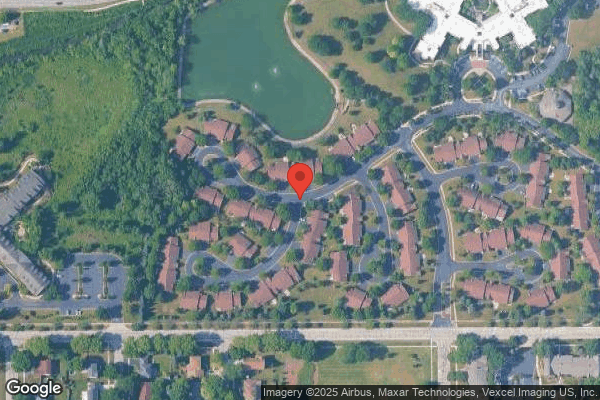
1347 CRYSTAL COURT, NAPERVILLE, IL 60563 (630) 778-6677
Non profit - Corporation 96 Beds Independent Data: November 2025
Trust Grade
88/100
#83 of 665 in IL
Last Inspection: May 2024

Within standard 12-15 month inspection cycle. Federal law requires annual inspections.

Overview

Tabor Hills Health Care Facility in Naperville, Illinois, has a Trust Grade of B+, indicating it is recommended and above average compared to other facilities. It ranks #83 out of 665 facilities in Illinois, placing it in the top half, and #6 out of 38 facilities in Du Page County, meaning only five local options are better. Unfortunately, the facility is trending worse, with issues increasing from 2 in 2023 to 5 in 2024. Staffing is a notable strength, with a 5/5 star rating and a low turnover rate of 25% compared to the state average of 46%, indicating a stable and knowledgeable staff. Notably, the facility has no fines on record, which is a positive sign. However, there are some concerns. Recent inspections revealed issues such as a hot water dish machine not reaching the required temperature, staff failing to change gloves between handling soiled and clean dishes, and the presence of expired canned food in storage. Additionally, there have been reports of pest issues in the kitchen, with flying insects found around food storage areas, which raises sanitation concerns. While Tabor Hills has strong staffing and no fines, families should consider these recent compliance issues when evaluating the facility.

Trust Score
B+
88/100
In Illinois
#83/665
Top 12%
Safety Record
Low Risk
No red flags
Inspections
Getting Worse
2 → 5 violations
Staff Stability
✓ Good
25% annual turnover. Excellent stability, 23 points below Illinois's 48% average. Staff who stay learn residents' needs.
Penalties
✓ Good
No fines on record. Clean compliance history, better than most Illinois facilities.
Skilled Nurses
✓ Good
Each resident gets 101 minutes of Registered Nurse (RN) attention daily — more than 97% of Illinois nursing homes. RNs are the most trained staff who catch health problems before they become serious.
Violations
⚠ Watch
14 deficiencies on record. Higher than average. Multiple issues found across inspections.
★★★★★
5.0
Overall Rating
★★★★★
5.0
Staff Levels
★★★★★
5.0
Care Quality
★★★★☆
4.0
Inspection Score
Stable
2023: 2 issues
2024: 5 issues

The Good

  • 5-Star Staffing Rating · Excellent nurse staffing levels
  • 5-Star Quality Measures · Strong clinical quality outcomes
  • Low Staff Turnover (25%) · Staff stability means consistent care
  • Full Sprinkler Coverage · Fire safety systems throughout facility
  • No fines on record
  • Staff turnover is low (25%)

    23 points below Illinois average of 48%

Facility shows strength in staffing levels, quality measures, staff retention, fire safety.

The Bad

No Significant Concerns Identified

This facility shows no red flags. Among Illinois's 100 nursing homes, only 1% achieve this.

The Ugly 14 deficiencies on record

May 2024 5 deficiencies
CONCERN (D)

Potential for Harm - no one hurt, but risky conditions existed

Deficiency F0676 (Tag F0676)

Could have caused harm · This affected 1 resident

Based on observation, interview and record review, the facility failed to provide restorative therapies to a resident scheduled for therapies per her plan of care. This applies to 1 of 1 resident (R41...

Read full inspector narrative →
Based on observation, interview and record review, the facility failed to provide restorative therapies to a resident scheduled for therapies per her plan of care. This applies to 1 of 1 resident (R41) reviewed for rehabilitation in a sample of 19. The findings include: R41's Medical Record, dated May 2024, shows R41's diagnoses included artificial hip, osteoarthritis right and left shoulders, cerebral infarction and transient ischemic attack, osteoarthritis left shoulder, scoliosis, and osteoporosis. Restorative Joint Mobility Evaluation 3/12/24, shows R41 had limited ROM of the front left shoulder related to stiffness, arthritic digits of the left and right hand. The evaluation shows R41 required AROM (Active Range of Motion) of BUE (Bilateral Upper Extremity) and bilateral ankles. R41 had a diagnosis of osteoarthritis of bilateral shoulders and transferred with a standing lift assisted by two staff. Care plan, initiated 3/12/24, shows R41 had a wedge compression fracture of her thoracic 11-12 vertebrae, thoraco-lumbar anterolisthesis of L4 on L5, osteoarthritis of bilateral knees and bilateral shoulders, bilateral hip replacements, lumbar degenerative joint disease, osteoarthritis, pain in the thoracic spine, and left shoulder effusion. The approaches include, Place me in a Range of Motion program. On May 6, 2024, R41 stated she was not sure if she was receiving rehabilitation services. Facility Task Description and Frequency list, undated, shows R41 was to receive restorative sit to stand exercises on days and evenings. POC (Plan of Care) Response History for staff task Restorative - NuStep: Participate NuStep for 15 minutes 3x/wk (three times per week) dated 4/16/24 to 5/7/24, shows R41 received restorative therapy exercises twice and refused twice in 22 days reviewed. The document shows staff responded NA (Not applicable) 30 times regarding R41 being offered NuStep restorative exercise during the time period. POC Response History for staff task Restorative Sit-To Stand: pull self to a standing position at a hall/bathroom railing and balance for 30 seconds x 3 reps (repetitions) with x2 (2 staff) assistance. The report shows R41 received restorative sit to stand exercises on only 7 of 28 days and several days had responses of NA (Not Applicable) or 0. On May 7, 2024, at 1:37 PM with V2 (Director of Nursing, V7 (Restorative Nurse) stated she needed to speak with staff regarding how they were documenting residents' restorative therapies. V7 stated it was her expectation that staff inform her if a resident is not performing restorative exercises so she can reassess the resident. V7 stated she was not aware that R41 was not performing her restorative exercises as staff did not notify her. Facility Policy and Procedure Restorative Services, undated, shows, The objectives of our restorative services are to: . 3. To coordinate rehabilitative services with objectives of the facility and patient's plan of care. 4. To provide and maintain a continuous restorative care program.
CONCERN (D)

Potential for Harm - no one hurt, but risky conditions existed

Deficiency F0688 (Tag F0688)

Could have caused harm · This affected 1 resident

Based on observation, interview and record review, the facility failed to apply palm protectors to a resident's contracted hands per her plan of care. This applies to 1 of 3 residents (R14) reviewed f...

Read full inspector narrative →
Based on observation, interview and record review, the facility failed to apply palm protectors to a resident's contracted hands per her plan of care. This applies to 1 of 3 residents (R14) reviewed for ROM (Range of Motion) in a sample of 19. The findings include: R14's Care Plan, initiated March 20, 2020, shows R14 was at risk for contractures due to decreased strength, impaired coordination, poor endurance and balance, and poor memory. The care plan shows R14 was to wear a palm protector which should be applied in the morning and removed at bedtime. The care plan shows staff should check for redness on the surrounding area. Physician order, dated March 18, 2024, shows R14 was to have Palm Protector applied to her hands every morning and removed before bedtime. The staff were to check for redness in the surrounding areas. On May 6, 2024, at 10:56 AM, R14 was in reclining wheelchair in the dining room. The fingers of both of R14's hands were very contracted and were closing toward palm of each hand. R14 was holding white gauze between her contracted fingers and palm in her left hand. R14 had no gauze or palm protector between her contracted fingers and palm of her right hand. On May 6, 2024, at 11:20 AM with V14 (Registered Nurse), R14 continued to have white gauze only between her contracted fingers and palm of her left hand and no gauze in her right hand between her contracted fingers and palm. V14 (Registered Nurse) stated the staff usually only put a cloth in her left hand between her contracted fingers and palm but no cloth in her right hand. On May 6, 2024, at 11:15 AM, V15 (CNA - Certified Nursing Assistant) stated R14 sometimes refuses to put anything between her contracted fingers and hands. V15 stated in the morning the staff look at both hands and place gauze in the one hand that has redness. V15 stated the staff usually use gauze as the hand protector and no palm protectors. On May 7, 2024, at 1:37 PM, V7 (Restorative Nurse) described a palm protector as sheep skin with and adhesive strap. V7 stated gauze was not considered a palm protector. V7 stated CNA or Restorative staff must do ROM (Range of Motion) exorcizes with R14's hands before they are able to apply her palm protectors to reduce the risk of injury to her contracted hands. V7 stated it was her expectation that R14 wear palm protectors bilaterally in both hands to protect her palms from her contracted fingers. V7 stated the facility should have a physician order if staff use gauze instead of the palm protectors for R14 if she did not tolerate the palm protectors. Facility Response History for Task: Palm Protector on in AM off at HS (bedtime) and check for redness on the surrounding area. Review of responses show R14 received her protector on in AM and off at HS on days including May 6, 2024, AM during which no palm protectors were observed to be applied. Observations on 5/6/24 AM as of 11:15 AM showed R14 did not have her palm protectors in place on either hand.
CONCERN (D)

Potential for Harm - no one hurt, but risky conditions existed

Accident Prevention (Tag F0689)

Could have caused harm · This affected 1 resident

**NOTE- TERMS IN BRACKETS HAVE BEEN EDITED TO PROTECT CONFIDENTIALITY** Based on observation, interview, and record review, the facility failed to ensure a resident was properly positioned in a shower...

Read full inspector narrative →
**NOTE- TERMS IN BRACKETS HAVE BEEN EDITED TO PROTECT CONFIDENTIALITY** Based on observation, interview, and record review, the facility failed to ensure a resident was properly positioned in a shower chair during a shower. This applies to 1 of 2 residents (R265) reviewed for falls in the sample of 19. The findings include: R265's EMR (Electronic Medical Record) showed R265 was admitted to the facility on [DATE], with multiple diagnoses including encephalopathy, fall, weakness, and dementia. R265's Brief Interview for Mental Status dated May 7, 2024, showed R265 was cognitively intact. R265's Functional Abilities and Goals dated May 1, 2024, showed R265 required maximal assistance from facility staff for transferring to and from the tub/shower. On May 8, 2024, at 11:28 AM, R265 said she got a shower a few days ago and the shower chair tipped over when the CNA (Certified Nursing Assistant) was done washing her. On May 8, 2024, at 11:38 AM, V9 (CNA) said she was giving R265 a shower in her room and R265 attempted to stand up to wash herself. V9 said she instructed R265 to sit back down and R265 was not evenly seated in the chair. V9 said while R265 was unevenly seated in the shower chair, V9 maneuvered the shower chair from the shower stall to the bathroom. V9 continued to say there is an uneven ledge from shower into the bathroom. V9 said since R265 was not properly positioned in the shower chair, R265 fell out of the shower chair when V9 pushed the shower chair over the shower ledge. On May 8, 2024, at 11:53 AM, the shower in R265's bathroom had an approximately one inch raised ledge for the transition from the shower into the bathroom. The facility's fall report dated May 4, 2024, showed V2 (DON/Director of Nursing) documented Upon follow up with the resident and CNA present at the time of fall incident. It was likely the resident was not positioned all the way to the back of the shower chair due to resident scooting forward in the shower chair, attempting to assist the CNA with care, resulting with resident sliding off the chair. Interventions to include providing a larger shower chair, grip strips to shower room floor. OT (Occupational Therapy) to provide positioning education to resident. Staff reeducated on the proper assessment of resident positioning in shower chair. On May 8, 2024, at 1:19 PM, V2 said her expectation is facility staff are to ensure a resident is properly positioned in the shower chair before moving the shower chair.
CONCERN (E)

Potential for Harm - no one hurt, but risky conditions existed

Deficiency F0883 (Tag F0883)

Could have caused harm · This affected multiple residents

**NOTE- TERMS IN BRACKETS HAVE BEEN EDITED TO PROTECT CONFIDENTIALITY** Based on interview, and record review, the facility failed to administer the pneumococcal vaccine to residents according to the ...

Read full inspector narrative →
**NOTE- TERMS IN BRACKETS HAVE BEEN EDITED TO PROTECT CONFIDENTIALITY** Based on interview, and record review, the facility failed to administer the pneumococcal vaccine to residents according to the CDC (Centers for Disease Control and Prevention). This applies to 4 of 5 residents (R8, R13, R17, and R56) in the sample of 19. The findings include: On May 7, 2024, at 1:22 PM, V7 (Infection Preventionist Nurse) said the facility follows CDC recommendations for pneumococcal vaccine timing. 1. R8's EMR (Electronic Medical Record) showed R8 was a [AGE] year-old resident, admitted to the facility on [DATE], with multiple diagnoses including hypertension, pneumonia, and anemia. R8's Immunization Record showed R8 received the PCV13 (13-valent pneumococcal conjugate vaccine) on March 15, 2022. R8's undated Consent to Administer Pneumococcal Polysaccharide (PPSV) Vaccine showed R8's Resident Representative consented for R8 to receive the pneumococcal vaccine. On May 8, 2024, at 1:01 PM, V8 (Infection Control Nurse) said R8 should have received the PPSV23 vaccine one year after receiving the PCV13 vaccine. V8 continued to say R8's POA (Power of Attorney) consented to the PPSV23 vaccine, but R8 has not received the vaccine. Facility documentation showed R8's POA consented for R8 to receive the PPSV23 (23-valent pneumococcal polysaccharide vaccine) on April 4, 2024. The facility does not have documentation to show R8 received the PPSV23 vaccine. 2. R13's EMR showed R13 was an [AGE] year-old resident, admitted to the facility on [DATE], with multiple diagnoses including atrial fibrillation, hypertension, and hyperlipidemia. R13's Immunization Record showed as of May 6, 2024, R13 had not received a pneumococcal vaccine. R13's Consent to Administer Pneumococcal Conjugate Prevnar (PCV13) Vaccine showed Check residents medical records first then ask resident if she wants shot. On May 8, 2024, at 12:43 PM, V8 said R13 should have been offered the pneumococcal vaccine before April 2024. The facility does not have documentation to show R13 was offered a pneumococcal vaccine prior to April 4, 2024. 3. R17's EMR showed R17 was an [AGE] year-old resident, admitted to the facility on [DATE], with multiple diagnoses including type 2 diabetes, asthma, and dementia. R17's Immunization Record showed R17 received the PCV13 vaccine on August 30, 2017. R17's Consent to Administer Pneumococcal Polysaccharide (PPSV) Vaccine showed Unknown when last received vaccination, but I wish to receive the Pneumococcal Vaccine. R17's consent was signed by R17's Resident Representative on January 31, 2021. As of May 6, 2024, the facility does not have documentation to show R17 received the PPSV23 vaccine. On May 8, 2024, at 12:43 PM, V8 said R17 was eligible for the PPSV23 vaccine one year after receiving the PCV13 vaccine. V8 said R17 should have received the PPSV23 vaccine when she was admitted to the facility. 4. R56's EMR showed R56 was an [AGE] year-old resident, admitted to the facility on [DATE], with multiple diagnoses including chronic obstructive pulmonary disease, hyperlipidemia, and tachycardia. R56's Immunization Record showed R56 received the PCV13 vaccine on September 1, 2015. R56's Consent to Administer Pneumococcal Polysaccharide (PPSV) Vaccine showed Unknown when last received vaccination, but I wish to receive the Pneumococcal Vaccine. R56's consent was signed by R56's Resident Representative on June 9, 2022. As of May 6, 2024, the facility does not have documentation to show R56 received the PPSV23 vaccine. On May 8, 2024, at 12:43 PM, V8 said R56 was eligible for the PPSV23 vaccine one year after receiving the PCV13 vaccine. V8 continued to say R56 should have received the PPSV23 vaccine when she was admitted to the facility. The facility's Pneumococcal Vaccination policy dated April 2024, showed, Purpose: All residents are provided the opportunity and encouraged to receive pneumococcal vaccinations. The resident may refuse the offer of the vaccine or may not have the vaccine administered if medically contraindicated. There are currently four types of pneumococcal vaccines: pneumococcal conjugate vaccines (PCV13, PCV15, and PCV20) and pneumococcal polysaccharide vaccine (PPSV23). The numerical value after the letters represents the number of pneumococcal bacteria strains present in a particular vaccine that render protection if a person is exposed to that component strain. CDC recommends routine administration of pneumococcal conjugate vaccine (PCV15 or PCV20) for all adults 65 years or older who have never received any pneumococcal conjugate vaccine or whose previous vaccination history is unknown. AS such, we adapt the 2022 CDC recommendation for Pneumococcal Vaccination Timing for our residents. Policy: 1. The admitting nurse is responsible to review the medical record and history to determine if any pneumococcal vaccination has been given to the resident. 2. The estimate of the date vaccine as indicated by the resident/responsible party is recorded in the resident's HER (Electronic Health Record). Procedure: .5. For adults less than 65 years and older who previously received PCV13 but who have not received all recommended doses of PPSV23, may give one dose of PPSV23 or may use PCV20 if PPSV23 is not available . The CDC's Pneumococcal Vaccine Timing for Adults dated April 1, 2022, showed, Adults 65 years or older without an immunocompromising condition, cerebrospinal fluid leak, or cochlear implant: CDC recommends one does of PPSV23 at age [AGE] years or older. Administer a single dose of PPSV23 at least one year after PCV13 was received .
CONCERN (F)

Potential for Harm - no one hurt, but risky conditions existed

Food Safety (Tag F0812)

Could have caused harm · This affected most or all residents

Based on observation, interview, and record review the facility failed to ensure the hot water dish machine reached 160 degrees Fahrenheit rinse temperature, failed to ensure staff changed gloves betw...

Read full inspector narrative →
Based on observation, interview, and record review the facility failed to ensure the hot water dish machine reached 160 degrees Fahrenheit rinse temperature, failed to ensure staff changed gloves between handling soiled and clean dishes and failed to ensure the dry storage area did not contain expired canned food products. This applies to all 63 residents who receive oral diets from the kitchen. The findings include: On May 6, 2024, at 10:11 AM, V6 (Dietary Aide) was washing dishes using the hot water dish machine. V3 (Maintenance Director) and V4 (Dining Room Supervisor) were present and were asked to validate the dish machine temperature, V3 placed the disc thermometer in the dish rack. V3 then placed the rack on the conveyor and ran it through the dish machine. Upon exiting the machine, the thermometer showed a temperature of 153 F (Fahrenheit) degrees. V3 and V4 were both present and aware of the temperature reading. At 10:19 AM, V3 placed the thermometer in the dish rack again, placed the dish rack on the conveyor, and upon exiting the machine the thermometer showed 157.6 F. V6 was placing soiled cups on the dish rack, sending the rack through the dish machine and removed the rack from the machine and touched the clean glasses, without changing gloves. V6 put soiled bowls on the dish rack, put the rack on the conveyor, then retrieved the rack from the clean side and began touching the clean bowls without changing gloves or perform hand hygiene. On May 6, 2024, at 9:40 AM, in the dry storage room canned items were found on the shelf past the expiration dates. There were 5 cans of pineapple tidbits, 107 ounces, with an expiration date of April 19, 2023, and 2 cans of pineapple chunks, 107 ounces, with an expiration date of May 22, 2023. V3 and V4 were both present in the dry storage room and made aware of the expired products. On May 7, 2024, at 9:45 AM, V4 (Food Service Supervisor) was unable to explain the system he uses for rotating stock. V4 stated he was made aware yesterday of the expired stock, and also stated he does not track food delivery dates and therefore is not able to ensure that food products that are delivered first are used first. The Facility's policy titled Dishwashing Machine Operation, undated, showed Paper thermometers are used to determine correct rinse temperature of the dishwashing machine. The Facility's policy titled Hand Washing, undated, showed Food and nutrition employees will thoroughly wash their hands .after handling soiled equipment and utensils .
Jun 2023 2 deficiencies
CONCERN (E)

Potential for Harm - no one hurt, but risky conditions existed

Infection Control (Tag F0880)

Could have caused harm · This affected multiple residents

2. On June 14,2023 at 08:51 AM, R52 needed to be transferred to the toilet. V4 (CNA- Certified Nurse Assistant) came to the room and applied gloves without doing hand hygiene. V3 (CNA) was already in ...

Read full inspector narrative →
2. On June 14,2023 at 08:51 AM, R52 needed to be transferred to the toilet. V4 (CNA- Certified Nurse Assistant) came to the room and applied gloves without doing hand hygiene. V3 (CNA) was already in R52's room. R52 was transferred to the toilet by V3 (CNA) and V4 (CNA). When R52 was done on the toilet, V3 (CNA) took a wet wipe and wiped R52's buttocks. V3 (CNA) proceeded to wipe R52's perineum with the same wet wipe without folding the wet wipe to use the clean side. Without changing gloves, V3 (CNA) proceeded to put on R52's incontinent brief, pulled R52's pants up, assisted with transfer and put a clean shirt on R52. Interview with V2 (DON- Director of Nursing) on June 15,2023 at 10:43 AM, V2 stated during incontinence care, staff are expected to wipe front to back for both male and female residents. V2 (DON) stated wiping back and then front is not acceptable. V2 (DON) stated when using wet wipes, once a wipe is dirty, staff can fold it and use the clean part or discard the wipe and get a new one. This practice should be done to prevent infection. V2 (DON) stated before putting on gloves, staff are expected to wash their hands or apply hand sanitizer. After providing incontinence care to a resident, staff are expected to take gloves off, do hand hygiene and put on new gloves. Staff should change gloves from dirty to clean. Clean gloves should be used after providing incontinent care before touching the resident and clean surfaces. This is done to prevent infection. Facility's undated Hand Hygiene Policy stated the following: . Standard: Proper hand hygiene techniques are used for the prevention of transmission of infectious diseases.Policy: .Facility follows the World Health Organization's Five Moments of Hand Hygiene model . After touching a resident (skin to skin).Hand hygiene is performed before donning PPE, and after doffing PPE. Wearing PPE, especially gloves, is not a substitute for performing hand hygiene. Hand Hygiene must be performed any time a staff member moves from a dirty site to a clean site. Facility's undated Perineal Skin Care Policy stated the following: . 9. Cleanse entire perineal area, moving from front to back, while using a clean area of washcloth for each stroke. 10. Wash entire perineal area with soapy washcloth or pre-moistened wipe, moving from front to back, while using a clean area of the washcloth, new pre-moistened wipe, or clean washcloth for each stroke.11. Remove gloves, sanitize hands and reglove. Based on observation, interview, and record review, the facility failed to implement infection control measures to prevent cross-contamination from soiled linens, soiled gloves, incontinence wipes, and resident trays. This applies to 11 of 23 residents (R4, R12, R17, R28, R42, R49, R52, R56, R60, R68, and R278) reviewed for infection control. Findings include: 1. On June 13, 2023, at 11:26 am, V7 CNA (Certified Nursing Assistant) placed a disposable incontinence brief and pants on R278 while R278 was in a standing position, V7 threw R278's soiled under pad onto the floor. R278 was assisted to her wheelchair. While still wearing soiled gloves, V7 walked out of R278's bedroom to the clean linen cart in the hallway. V7 lifted the covering of the linen cart wearing the soiled gloves and removed towels and a pillowcase. V7 returned to R278's room, removed the soiled gloves, and used hand sanitizer. R278's room contained three beds and R278 is assigned to bed #3; beds #1 and #2 were both made and ready for new admissions. V7 moved R278's soiled linen and clothing she had previously placed on bed #2, to bed #1, contaminating both beds. V7 picked up the soiled under pad from the floor and placed it on bed #1. V7 collected R278's meal tray and the soiled linen placed on bed #1 and exited the room. V7 placed the dirty meal tray on the clean linen cart before taking soiled linen into the soiled utility room. On June 15, 2023, at 10:58 am, V2 DON (Director of Nursing) stated staff should be removing their gloves and washing their hands after providing care to residents. Staff should not be going into a clean linen cart and removing clean items with gloves they had worn while providing resident care. Staff should not be placing soiled linen and used items on a clean bed. Staff should not place a meal tray that was in a residents room on top of the clean linen cart. It is an infection control issue. On June 15, 2023, at 12:18 pm V7 CNA stated she used the items on the cart for everyone down that hallway (R4, R12, R17, R28, R42, R49, R56, R60, R68, and R278). R278 is in the room by herself, but the other two beds are made and ready for new residents when they come. V7 stated she did not do hand hygiene properly when observed on June 13th. V7 stated she should not have placed the meal tray on the clean linen cart. V7 stated she did not clean the cart after she went through it. V7 stated housekeepers clean the linen carts, but she did not know when. On June 15, 2023, at 12:30 pm V8 Housekeeper stated housekeeping does not clean linen carts or their covers.
CONCERN (F)

Potential for Harm - no one hurt, but risky conditions existed

Food Safety (Tag F0812)

Could have caused harm · This affected most or all residents

Based on observation, interview, and record review, the facility failed to store food items in sanitary conditions by having unlabeled and undated food items in dry storage and in a walk-in cooler, an...

Read full inspector narrative →
Based on observation, interview, and record review, the facility failed to store food items in sanitary conditions by having unlabeled and undated food items in dry storage and in a walk-in cooler, and ice buildup on food items and the ceiling in the freezer. This affects all 70 residents consuming food from the kitchen. Findings include: On 6/14/23 at 10:10 AM, V2 (Director of Nursing - DON) stated, We have 70 residents on the certified side. Two are on gastrostomy tube (GT) feeding, but they are also on pleasure feeding. So, all 70 residents are eating from the kitchen. On 6/16/23 at 9:40 AM, during the initial kitchen tour with V5 (Assistant Dietary Manager), the dry kitchen storage was observed with a partially used five-pound [NAME] Cracker Crumbs with no label or date. On 6/16/23 at 9:45 AM, the kitchen walk-in cooler was observed with two apple pies with no label or date, and two pounds of sliced ham dated 6/5/23 (11 days earlier), partially covered with plastic wrap. On 6/16/23 at 9:45 AM, V5 stated, Sliced hams are good for seven days and should be fully covered . All food items should be labeled and dated. On 6/16/23 at 9:45 AM, the dietary freezer was observed with ice build-up on a five-pound salami, four pizza crusts (no label/date), 90 portions of Turkey and Beef Patties, blueberry bagels, and angel food cake mix. Observed freezer ceiling with ice that had formed throughout the freezer, and food was contained in cardboard boxes that were saggy with ice/condensation. Dripping water was noted at the freezer entry door from condensation that formed on the freezer ceiling. On 06/13/23 at 09:48 AM, V5 added, Ice shouldn't be built up on the freezer, food items, and with the ceiling. The facility presented a policy on storing dry goods/foods (revised 5/20/2014) that showed: Opened products are labeled, dated with the use-by date, and tightly covered to protect against contamination, including from insects and rodents. The facility presented a policy on refrigerated food prepared (revised 5/20/2014) that showed: Refrigerated food prepared in the healthcare community is labeled with the date to discard or to use by. This includes leftovers. The discard/use-by date will be a maximum of six days after preparation.
Aug 2022 7 deficiencies
CONCERN (D)

Potential for Harm - no one hurt, but risky conditions existed

Resident Rights (Tag F0550)

Could have caused harm · This affected 1 resident

Based on interview and record review the facility failed to treat a resident with respect and dignity, affecting one of twenty residents (R40) reviewed for dignity in the sample of twenty. The findin...

Read full inspector narrative →
Based on interview and record review the facility failed to treat a resident with respect and dignity, affecting one of twenty residents (R40) reviewed for dignity in the sample of twenty. The finding include: R40's Minimum Data Set, dated , July 1, 2022, shows, Brief Interview for Mental Status 15/15-Cognitively Intact. On 08/22/22 at 10:06 AM, R40 said, I asked V8 CNA-Certified Nursing Assistant to help me get out of bed. She became very irritated. She took my clothing out of the closet and threw them on my bed. She told me I was a racist; She said I was entitled. On 08/24/22 at 10:28 AM, R40 said, V8 CNA called me a racist. I asked her to help me get up. I reported it to the nurse on duty when it happened. I do not remember the date or the nurse that was working that day. I told the nurse when it happened. R40 said, when V8 CNA called me a racist and was speaking to me rudely I was bewildered. I had never treated her poorly. It was like she was having a bad day and decided to take it out on me. The way V8 CNA acted when calling me a racist made me feel bad. On 08/24/22 at 11:51 AM, V3 ADON-Assistant Director of Nursing said, V19 CEO-Chief Executive Officer was the abuse coordinator at the time, he did the investigation. V3 said, V8 CNA was R40's Primary Care Giver at the time of the incident. I attempted to contact V8 CNA today for an interview. I have not been able to reach her. On 08/24/22 at 12:00 PM, V19 CEO-Chief Executive Officer said, I spoke with R40. I also spoke with other residents in the area. I have to look at my notes to see if I interviewed any staff. No staff or resident interviews or other information was provided by V19 prior to exiting the facility. R40's Incident Report initiated 03/11/22 shows, a staff member came into her room, was very quick with her, didn't like answering questions, and seemed like she was in a rush to leave. The 3/11/22 Incident Report shows, no Certified Nursing Assistants were interviewed regarding the incident.
CONCERN (D)

Potential for Harm - no one hurt, but risky conditions existed

Deficiency F0578 (Tag F0578)

Could have caused harm · This affected 1 resident

Based on interview and record review the facility failed to verify a resident's code status upon admission to ensure residents wishes were followed for 1 of 20 (R331) reviewed for advance directives i...

Read full inspector narrative →
Based on interview and record review the facility failed to verify a resident's code status upon admission to ensure residents wishes were followed for 1 of 20 (R331) reviewed for advance directives in the sample of 12. The findings include: R331's admission Record dated 8/23/2022 shows an admission date of 8/15/2022. R331's admission Record dated 8/23/2022 does not have a code status listed under advance directives. R331's Order Summery Report as of 8/23/2022 does not have a code status order in place. On 8/24/2022 at 9:49, V3 Assistant Director of Nursing said the resident's code status should be addressed upon admission and their wishes should be entered in the computer charting system. V3 said the residents code status should match in all places. V3 said the resident's code status is found in the physician orders.
CONCERN (D)

Potential for Harm - no one hurt, but risky conditions existed

Incontinence Care (Tag F0690)

Could have caused harm · This affected 1 resident

**NOTE- TERMS IN BRACKETS HAVE BEEN EDITED TO PROTECT CONFIDENTIALITY** Based on observation, interview and record review the facility failed to ensure staff provided perineal cleansing in a manner to...

Read full inspector narrative →
**NOTE- TERMS IN BRACKETS HAVE BEEN EDITED TO PROTECT CONFIDENTIALITY** Based on observation, interview and record review the facility failed to ensure staff provided perineal cleansing in a manner to prevent infections for a resident with a history of urinary tract infections. This applies to 1 of 4 residents (R60) reviewed for bladder services in the sample of 20. The findings include: R60's Physician Order Sheets dated through August 2022 shows she is an [AGE] year old female with diagnoses including history of urinary tract infections, dementia and acute cystitis. R60's Minimum Data Set assessment dated [DATE] shows her cognition is severely impaired, requires extensive assist for toileting and frequently incontinent. On 8/22/22 at 1:19 PM, V8 (CNA) transferred R60 from the wheelchair to the toilet using the mechanical stand lift and removed her soiled incontinent brief. V8 cleansed R60's perineal area from front to back and continued to use the same contaminated area of the wipe to cleanse her. V8 did not use a clean area of the wipe with each swipe. On 8/22/22 at 12:15 PM, V9 (Agency CNA) said perineal cleansing should be from front to back and use a clean area of the wipe with each swipe to prevent infections. The facility's Perineal Skin Care Policy undated policy states, Proper perineal care is essential to protect the perineal skin from damage caused by contact with urine and stool .females: separate the labia, clean front to back using downward strokes. Use a clean area of the cloth with each downward motion .
CONCERN (D)

Potential for Harm - no one hurt, but risky conditions existed

Infection Control (Tag F0880)

Could have caused harm · This affected 1 resident

**NOTE- TERMS IN BRACKETS HAVE BEEN EDITED TO PROTECT CONFIDENTIALITY** Based on observation, interview, and record review the facility failed to ensure a resident on contact/droplet isolation remaine...

Read full inspector narrative →
**NOTE- TERMS IN BRACKETS HAVE BEEN EDITED TO PROTECT CONFIDENTIALITY** Based on observation, interview, and record review the facility failed to ensure a resident on contact/droplet isolation remained in the room, and failed to perform hand hygiene and glove exchange during peri care to prevent cross contamination. This applies to 3 of 20 residents (R331, R78, R14) reviewed for infection control in the sample of 20. The findings include: 1. R331's admission Record shows R331 being admitted to the facility on [DATE]. On 8/22/2022 at 12:15AM, R331 was observed in the communal dining room with her mask off sitting at a table waiting for lunch to be served. There were other residents sitting in the same communal dining room as R331. On 8/22/2022 at 1:29PM, V11 Registered Nurse said R331 was on contact/droplet isolation precautions because she didn't have her boosters and wasn't up to date. V11 said R331 has been eating meals in the dining room. On 8/22/2022 at 1:51PM, V4 Infection Control Preventionist said R331 was on contact/droplet isolation precautions for 10 days because she didn't have her COVID boosters and is not up to date. V4 said no residents on droplet isolation/quarantine should be eating in the common dining areas. V4 said residents on quarantine should be eating all meals in their rooms. V4 said residents on droplet isolation/quarantine who are outside of their rooms put other residents at risk for spreading infections such as COVID to other residents. The facility's CORONAVIRUS (COVID-19)-Staff and Resident Testing policy, revised August 2022, states .If the resident is asymptomatic and not up to date with COVID-19 vaccinations, quarantine for 10 days even if testing negative. 2. On 8/22/2022 at 10:20AM, V16 Certified Nursing Assistant was providing incontinence care to R78. V16 did not change her gloves or perform hand hygiene after wiping R78 and applying a clean brief. On 8/24/2022 at 10:14AM, V4 Infection Control Preventionist said gloves should be changed and hand hygiene should be performed after cleaning up a resident before applying a new brief to the resident. The facility's Incontinent Care policy, not dated, states .Wash your hand before and after changing the resident. 3. On 8/22/22 at 9:58 AM, V7 (CNA) provided perineal care to R14. With the same gloves on, V7 pulled R14's pants up, assisted with the transfer back the wheelchair, took the sit to stand lift sling off from around R14, touched the lift and touched R14's wheelchair. On 8/23/22 at 12:29 PM, V13 (CNA) said that gloves should be removed, and hands sanitized right after providing perineal care and before touching any clean surfaces to prevent the spread of germs. The facility's Hand Hygiene Policy dated 11/2018 shows, Proper hand hygiene techniques are used for the prevention of transmission or infectious diseases. [Facility] follows the World Health Organization's Five Moments of Hand Hygiene model After body fluid exposure risk Hand hygiene must be performed any time a staff member moves from a dirty site to a clean site .
CONCERN (E)

Potential for Harm - no one hurt, but risky conditions existed

Deficiency F0692 (Tag F0692)

Could have caused harm · This affected multiple residents

**NOTE- TERMS IN BRACKETS HAVE BEEN EDITED TO PROTECT CONFIDENTIALITY** 2. R21's Weights and Vitals Summary printed on 8/23/22 shows R21's weight on 7/5/22 was 150.4 pounds and R21's weight on 6/7/22 ...

Read full inspector narrative →
**NOTE- TERMS IN BRACKETS HAVE BEEN EDITED TO PROTECT CONFIDENTIALITY** 2. R21's Weights and Vitals Summary printed on 8/23/22 shows R21's weight on 7/5/22 was 150.4 pounds and R21's weight on 6/7/22 was 162.6 pounds (7.5% loss in 1 month). R21's weight on 8/23/22 was 146.4 pounds. R21's Dietitian Notes dated 7/7/22 shows that she recommended super cereal and yogurt with breakfast, pudding with lunch and a magic cup daily due to her significant weight loss. R21's Physician's Order Sheet (POS) printed on 8/25/22 does not show the above recommendations were ordered. On 8/23/22 at 1:11 PM, V5 (Registered Dietitian) said that she saw R21 on 7/7/22 due to a significant weight loss. V5 said that she recommended super cereal and yogurt with breakfast, pudding with lunch and a magic cup daily. V5 said that she emails the recommendations to the Director of Nursing and the Assistant Director of Nursing so they can get an order from the physician. V5 said that she emailed the recommendations on 7/7/22. V5 said that it must have gotten missed. 3. R12's POS printed on 8/24/22 shows that she is on nectar thick liquids and has an order for, Med Pass 2.0-Give 80 cc (cubic centimeter) after meals and at bedtime for weight loss supplement. R12's Weights and Vitals Summary printed on 8/24/22 shows that her weight was 126.4 pounds on 8/9/22 and 136.8 pounds on 5/1/22 (7.6% weight loss in 3 months). On 8/23/22 at 9:04 AM during morning medication pass, R12 did not receive Med Pass 2.0 (nutritional supplement) as ordered. On 8/23/22 at 9:04 AM, V14, Registered Nurse (RN) said that Med Pass was recalled about a week ago and they do not have anything to replace it with. On 8/23/22 at 1:11 PM, V5 (Registered Dietitian) said that the facility contacted her regarding Med Pass not being available. V5 said that she worked with them to find an alternative. V5 said that she recommended Resource (nutritional supplement) for residents on non-thickened liquids and to use a Magic Cup (frozen nutritional supplement) in place of Med Pass for residents on thickened liquids. On 8/23/22 at 1:50 PM, V2 (Director of Nursing) said that they have been out of Med Pass 2.0 since the recall on 8/10/22. V2 said that they reached out to V5 for recommendations and she said that Resource would be an alternative to order but while waiting to get it, residents on a non-thickened liquid diet should get an Ensure (nutritional drink) daily. V2 said that she did not give any recommendations for residents on a thickened liquid diet. On 8/24/22 at 10:35 AM, V11 (RN) said that she was told that Med Pass has been recalled and not to use it. V11 said that she was not directed to give anything else to replace the supplements that the residents were not receiving. 4. On 8/22/22 at 12:10 PM, R26 was in the dining room eating lunch. R26 ate 25% of her meal. On 8/23/22 at 12:12 PM, R26 was in the dining room eating lunch. R26 ate 25% of her meal. R26's POS printed on 8/24/22 shows an order dated 1/27/20 for magic cup twice a day for supplement post breakfast and dinner. R26's August Medication Administration Record does not have an order for magic cup listed. On 8/23/22 at 1:55 PM, V14 (Registered Nurse) said that when a magic cup is ordered, it will show on the EMAR (Electronic Medication Administration Record) to be given. V14 viewed R26's EMAR and said that a magic cup was not on the EMAR so it would not be given. On 8/23/22 at 1:50 PM, V3 (Assistant Director of Nursing) said that R26's magic cup was ordered wrong in the system so it will not show up on the EMAR to be given. The facility's Weights: Establishing, Monitoring, and Maintaining Policy dated 1/2019 shows, All significant weight loss and gain (5% in 1 month, 7.5% in 3 months, or 10% in 6 months) are: Reported to the attending physician/nurse practitioner for appropriate orders and interventions. The nurse will document the significant weight change, the notification and interventions in the resident's clinical record. Registered Dietitian will complete a nutritional assessment. The resident's Care Plan will be reviewed and/or updated. The facility's Dietary Supplements Policy dated 4/5/2006 shows, Dietary Supplements are ordered by physician. Residents are regularly assessed by clinical dietitian, dietary manager or physician if and when supplements are needed .Need for supplements is based on weight loss (5%-one month, 7%-3 months, 10%-6 months) Pharmacy lists supplements on Medication Administration Record (MAR). Based on observation, interview and record review the facility failed to ensure meal intakes were monitored and ordered interventions were followed through for a resident with significant weight loss, failed to initiate dietary recommendations for a resident with significant weight loss and failed to provide dietary supplements for residents with weight loss. This applies to 4 of 15 residents (R20, R21, R12, R26) reviewed for weight loss in the sample of 20. The findings include: 1. R20's Physician Order Sheets (P.O.S.) dated through August 2022 shows she is a [AGE] year old female with diagnoses including esophgeal stricture, irritable bowel syndrome, cerebral infarct, dysphagia following cerebral infarct, encounter for attention for gastrostomy, hemiplegia and hemiparesis following cerebral infarct, and anxiety. The P.O.S. shows orders to give enteral feeding Jevity 1.5 if 50 % or less of meal consumed and hold if 50 % or more of meal consumed. R20's meal intake report from August 1, 2022 to August 23, 2022 shows 27 out of 69 meals she consumed less than 50%. R20's Medication Administration Record for August 2022 shows she did not receive her enteral feeding of Jevity 1.5 23 of 27 times based on her meal consumption less than 50 %. The M.A.R. shows 15 of 22 entries of (2) indicating refusals. R20's dietary note dated 7/7/22 documents her weight continues to decline despite fair intake and supplemental enteral nutrition and recommends to add a 240 ml bolus at night. R20's weight report dated 8/23/22 5/17/22- 167 lb (pounds) 6/13/22- 156.6 lb 7/12/22- 153 lb 8/9/22- 150.8 lb (10 % weight loss in three months). On 8/23/22 at 12:13 PM, R20 was in her room during the noon meal feeding her self. She said she had some nausea in the morning, but was feeling better. On 8/23/22 at 12:20 PM, V7 (CNA) said R20 is alert but forgetful and her appetite is good someday's and other days bad. V7 said R20 complains of nausea at times. On 8/23/22 at 1:11 PM, V5 (Dietitian) said R20 should be receiving enteral feedings of Jevity 1.5 if she consumes less than 50 % of her meals and she added an additional bolus feeding at night due to weight loss. V5 said she does not know why she is losing weight if she is eating and receiving the enternal feedings as ordered. It could be an administration issue (staff not providing the feeding). V5 said R20 is cooperative and not aware of her refusing any feedings. On 8/24/22 at 9:24 AM, V6 (LPN) said R20 is alert, forgetful and can answer questions. V6 said staff should administer her enternal feeding (Jevity) if she consumes less than 50 % of her meal. V6 said R20 is cooperative with cares and has no refusals of her feedings. On 08/24/22 at 9:27 AM, R20 said she does not refuse her enteral feedings.
CONCERN (E)

Potential for Harm - no one hurt, but risky conditions existed

Respiratory Care (Tag F0695)

Could have caused harm · This affected multiple residents

5. On 8/22/2022 at 10:20AM, R78 was observed with a nasal cannula in place in her room. On 8/23/2022 at 10:14AM, R78's oxygen tubing was dated 8/6/2022. On 8/24/2022 at 10:40AM, V11 Registered Nurse...

Read full inspector narrative →
5. On 8/22/2022 at 10:20AM, R78 was observed with a nasal cannula in place in her room. On 8/23/2022 at 10:14AM, R78's oxygen tubing was dated 8/6/2022. On 8/24/2022 at 10:40AM, V11 Registered Nurse said oxygen tubing is changed once a week. On 8/24/2022 at 10:40AM, V3 Assistant Director of Nursing said oxygen tubing is to be changed weekly on nights. The facility's Oxygen Therapy policy, revised on 8/15, states .Oxygen cannula or mask, tubing and humidifier is changed weekly by 11-7 shift staff. Based on observation, interview and record review the facility failed to ensure oxygen was applied by a licensed professional as ordered and failed to ensure oxygen tubing was changed as ordered for 5 of 8 residents (R12, R21, R26, R50 and R78) reviewed for respiratory care in the sample of 20. The findings include: 1. R21's Care Plan for oxygen shows, I am currently on O2 at 3L/NC Administer my O2 as MD ordered. The position for the intervention says registered nurse or licensed practical nurse. On 8/22/22 at 12:45 PM, V13, Certified Nursing Assistant (CNA) turned off R21's portable oxygen tank to transfer her to bed for care. R21 was provided care and transferred back to her chair. V13 turned the portable oxygen dial to 2 liters and applied the oxygen to R21. On 8/23/22 at 12:14 PM, V14, Registered Nurse (RN) said that CNA's can adjust the oxygen tubing but they should not be turning on the portable tanks and adjusting the liters of oxygen administered. V14 said that the orders should be checked and followed any time oxygen is administered. The facility's Oxygen Therapy Policy revised 8/2015 does not indicated what staff members are allowed to administer oxygen. 2. R26's POS printed on 8/24/22 shows an order dated 8/28/20 for, Change nasal cannula/mask/tubing/humidifier weekly on Sat. (Saturday) on 11-7 shift-date tubing. On 8/23/22 at 9:10 AM, R26 was wearing oxygen administered by a portable oxygen tank. R26's oxygen tubing for her portable oxygen tank was dated 8/7/22. R26's Oxygen Care Plan shows, Change my nasal cannula, tubing, and humidifier bottle q (every) weekly and PRN (As Needed). 3. On 8/23/22 at 9:10 AM, R12 was wearing oxygen provided by an oxygen concentrator in her room. R12's oxygen tubing was dated 8/14/22. 4. R50's POS printed on 8/24/22 shows an order dated 7/13/21 for, Change mask/cannula/tubing every week on 11-7 shift. On 8/23/22 at 12:47 PM, R50 was wearing oxygen administered by a portable oxygen tank. R50's oxygen tubing for her portable oxygen tank was dated 8/14/22. On 8/23/22 at 12:14 PM, V14 (RN) said that oxygen tubing is changed weekly by the night shift nurses. The facility's Oxygen Therapy Policy revised 8/2015 shows, Oxygen cannula or mask, tubing and humidifier is changed weekly by 11-7 shift staff Regulate flow meter as ordered
CONCERN (F)

Potential for Harm - no one hurt, but risky conditions existed

Food Safety (Tag F0812)

Could have caused harm · This affected most or all residents

Based on observation, interview, and record review the facility failed to ensure the kitchen food storage was free of pests which applies to all 81 residents reviewed for sanitary food storage. The f...

Read full inspector narrative →
Based on observation, interview, and record review the facility failed to ensure the kitchen food storage was free of pests which applies to all 81 residents reviewed for sanitary food storage. The findings include: The CMS-672 dated 8/22/22 showed a census of 81 residents. On 8/22/22 at 10:00 AM, upon entering the kitchen's dry storage area, a swarm of flying insects were concentrated on and around the bread and bread cart in the middle of the storage room. Across the storage room there was a smaller swarm of flying insects centralized around bananas stored on a shelf. On 8/22/22 at 10:15 AM, V17 Dietary Manager and V20 Maintenance/Housekeeping Manager (while on kitchen tour) stated the facility has had problems with drain flies for about 2 months. We have had pest control in, but I am not sure what they have done in the storage area. On 8/23/22 at 9:15 AM, flying insects were in and around the bread cart. The food storage room has no drains, bug zappers lights, or other types of insect pest controls (fly traps) devices in it. On 8/23/22 at 10:10 AM, V21 Pest Control Representative verified the treatments listed on the work invoice dated 7/25/22 were focused on floor drains, sinks, and equipment in the kitchen. V21 stated he was not asked to check or provide any treatments to the food storage area.
Understanding Severity Codes (click to expand)
Life-Threatening (Immediate Jeopardy)
J - Isolated K - Pattern L - Widespread
Actual Harm
G - Isolated H - Pattern I - Widespread
Potential for Harm
D - Isolated E - Pattern F - Widespread
No Harm (Minor)
A - Isolated B - Pattern C - Widespread

Questions to Ask on Your Visit

  • "Can I speak with families of current residents?"
  • "What's your RN coverage like on weekends and overnight?"

Our Honest Assessment

Strengths
  • • Grade B+ (88/100). Above average facility, better than most options in Illinois.
  • • No major safety red flags. No abuse findings, life-threatening violations, or SFF status.
  • • No fines on record. Clean compliance history, better than most Illinois facilities.
  • • 25% annual turnover. Excellent stability, 23 points below Illinois's 48% average. Staff who stay learn residents' needs.
Concerns
  • • 14 deficiencies on record. Higher than average. Multiple issues found across inspections.
Bottom line: Generally positive indicators. Standard due diligence and a personal visit recommended.

About This Facility

What is Tabor Hills Health Care Fac's CMS Rating?

CMS assigns TABOR HILLS HEALTH CARE FAC an overall rating of 5 out of 5 stars, which is considered much above average nationally. Within Illinois, this rating places the facility higher than 99% of the state's 100 nursing homes. This rating reflects solid performance across the metrics CMS uses to evaluate nursing home quality.

How is Tabor Hills Health Care Fac Staffed?

CMS rates TABOR HILLS HEALTH CARE FAC's staffing level at 5 out of 5 stars, which is much above average compared to other nursing homes. Staff turnover is 25%, compared to the Illinois average of 46%. This relatively stable workforce can support continuity of care.

What Have Inspectors Found at Tabor Hills Health Care Fac?

State health inspectors documented 14 deficiencies at TABOR HILLS HEALTH CARE FAC during 2022 to 2024. These included: 14 with potential for harm.

Who Owns and Operates Tabor Hills Health Care Fac?

TABOR HILLS HEALTH CARE FAC is owned by a non-profit organization. Non-profit facilities reinvest revenue into operations rather than distributing to shareholders. The facility operates independently rather than as part of a larger chain. With 96 certified beds and approximately 72 residents (about 75% occupancy), it is a smaller facility located in NAPERVILLE, Illinois.

How Does Tabor Hills Health Care Fac Compare to Other Illinois Nursing Homes?

Compared to the 100 nursing homes in Illinois, TABOR HILLS HEALTH CARE FAC's overall rating (5 stars) is above the state average of 2.5, staff turnover (25%) is significantly lower than the state average of 46%, and health inspection rating (4 stars) is above the national benchmark.

What Should Families Ask When Visiting Tabor Hills Health Care Fac?

Based on this facility's data, families visiting should ask: "Can I visit during a mealtime to observe dining assistance and food quality?" "How do you handle medical emergencies, and what is your hospital transfer rate?" "Can I speak with family members of current residents about their experience?"

Is Tabor Hills Health Care Fac Safe?

Based on CMS inspection data, TABOR HILLS HEALTH CARE FAC has a clean safety record: no substantiated abuse findings (meaning no confirmed cases of resident harm), no Immediate Jeopardy citations (the most serious violation level indicating risk of serious injury or death), and is not on the Special Focus Facility watch list (a federal program monitoring the lowest-performing 1% of nursing homes). The facility has a 5-star overall rating and ranks #1 of 100 nursing homes in Illinois. While no facility is perfect, families should still ask about staff-to-resident ratios and recent inspection results during their visit.

Do Nurses at Tabor Hills Health Care Fac Stick Around?

Staff at TABOR HILLS HEALTH CARE FAC tend to stick around. With a turnover rate of 25%, the facility is 21 percentage points below the Illinois average of 46%. Low turnover is a positive sign. It means caregivers have time to learn each resident's needs, medications, and personal preferences. Consistent staff also notice subtle changes in a resident's condition more quickly. Registered Nurse turnover is also low at 7%, meaning experienced RNs are available to handle complex medical needs.

Was Tabor Hills Health Care Fac Ever Fined?

TABOR HILLS HEALTH CARE FAC has no federal fines on record. CMS issues fines when nursing homes fail to meet care standards or don't correct problems found during inspections. The absence of fines suggests the facility has either maintained compliance or corrected any issues before penalties were assessed. This is a positive indicator, though families should still review recent inspection reports for the full picture.

Is Tabor Hills Health Care Fac on Any Federal Watch List?

TABOR HILLS HEALTH CARE FAC is not on any federal watch list. The most significant is the Special Focus Facility (SFF) program, which identifies the bottom 1% of nursing homes nationally based on persistent, serious quality problems. Not being on this list means the facility has avoided the pattern of deficiencies that triggers enhanced federal oversight. This is a positive indicator, though families should still review the facility's inspection history directly.