FRIENDSHIP MANOR HEALTH CARE
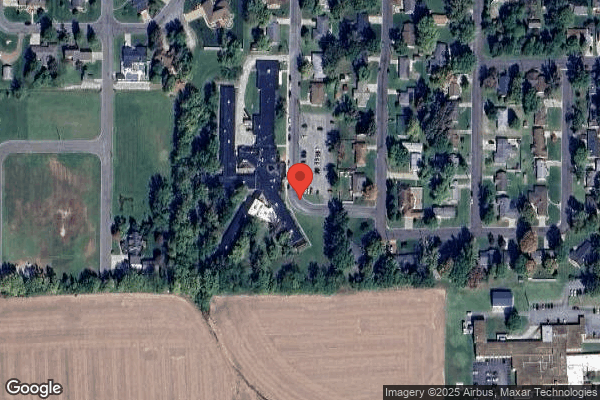
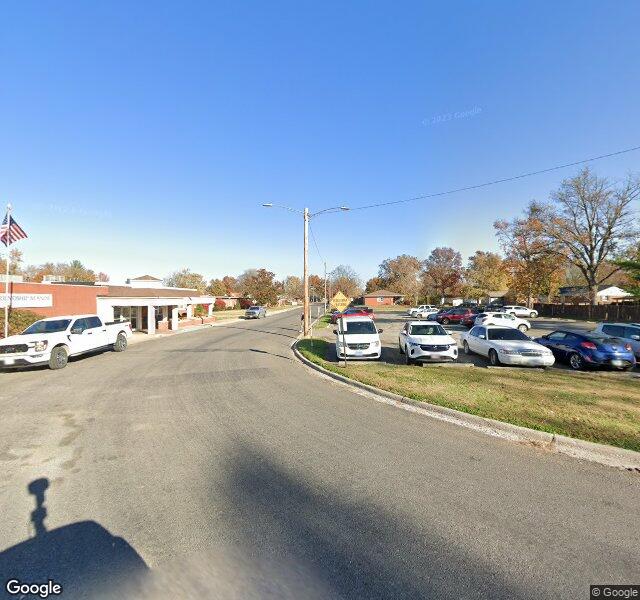
485 SOUTH FRIENDSHIP DRIVE, NASHVILLE, IL 62263 (618) 327-3041
For profit - Partnership 120 Beds Independent Data: November 2025 2 Immediate Jeopardy citations
Trust Grade
0/100
#527 of 665 in IL
Last Inspection: December 2024

Within standard 12-15 month inspection cycle. Federal law requires annual inspections.

Overview

Friendship Manor Health Care in Nashville, Illinois, has received a Trust Grade of F, indicating significant concerns about the facility's care and operations. It ranks #527 out of 665 facilities in Illinois, placing it in the bottom half, and is the only option in Washington County. While the facility is reportedly improving, with the number of issues decreasing from 26 in 2024 to 6 in 2025, there are still serious strengths and weaknesses to consider. Staffing is a major concern, with a poor rating of 1 out of 5 stars and a high turnover rate of 64%, significantly above the state average. The facility has faced $279,545 in fines, which is higher than 90% of Illinois facilities, indicating ongoing compliance issues. Specific incidents have raised alarms, including a failure to prevent a resident from developing serious pressure ulcers that required urgent medical treatment, as well as an incident where a resident eloped from the facility due to inadequate supervision. Additionally, there were findings of verbal and mental abuse affecting multiple residents, leading to significant emotional distress. While there are efforts to improve care, families should weigh these concerning issues against the facility's reported improvements.

Trust Score
F
0/100
In Illinois
#527/665
Bottom 21%
Safety Record
High Risk
Review needed
Inspections
Getting Better
26 → 6 violations
Staff Stability
⚠ Watch
64% turnover. Above average. Higher turnover means staff may not know residents' routines.
Penalties
⚠ Watch
$279,545 in fines. Higher than 78% of Illinois facilities, suggesting repeated compliance issues.
Skilled Nurses
⚠ Watch
Each resident gets only 10 minutes of Registered Nurse (RN) attention daily — below average for Illinois. Fewer RN minutes means fewer trained eyes watching for problems.
Violations
⚠ Watch
37 deficiencies on record. Higher than average. Multiple issues found across inspections.
★☆☆☆☆
1.0
Overall Rating
★☆☆☆☆
1.0
Staff Levels
★☆☆☆☆
1.0
Care Quality
★☆☆☆☆
1.0
Inspection Score
Stable
2024: 26 issues
2025: 6 issues

The Good

  • Full Sprinkler Coverage · Fire safety systems throughout facility
  • No fines on record

Facility shows strength in fire safety.

The Bad

1-Star Overall Rating

Below Illinois average (2.5)

Significant quality concerns identified by CMS

Staff Turnover: 64%

18pts above Illinois avg (46%)

Frequent staff changes - ask about care continuity

Federal Fines: $279,545

Well above median ($33,413)

Significant penalties indicating serious issues

Staff turnover is elevated (64%)

16 points above Illinois average of 48%

The Ugly 37 deficiencies on record

2 life-threatening 5 actual harm
Jul 2025 1 deficiency 1 IJ
CRITICAL (J) 📢 Someone Reported This

A family member, employee, or ombudsman was alarmed enough to file a formal complaint

Immediate Jeopardy (IJ) - the most serious Medicare violation

Pressure Ulcer Prevention (Tag F0686)

Someone could have died · This affected 1 resident

**NOTE- TERMS IN BRACKETS HAVE BEEN EDITED TO PROTECT CONFIDENTIALITY** Based on observation, record review, and interview, the facility failed to timely identify, assess and monitor, and provide trea...

Read full inspector narrative →
**NOTE- TERMS IN BRACKETS HAVE BEEN EDITED TO PROTECT CONFIDENTIALITY** Based on observation, record review, and interview, the facility failed to timely identify, assess and monitor, and provide treatment to prevent the worsening of pressure ulcers for 1 of 3 residents (R2) reviewed for pressure ulcers in a sample of 3. This failure resulted in R2 developing two unstageable pressure ulcers requiring debridement at the bedside and being started on an antibiotic treatment related to pressure ulcer infection. The Immediate Jeopardy began on 05/12/25 when due to the facility's failure to assess and monitor and provide progressive treatment, R2 developed an opened area to her buttocks which went untreated, worsened to R2 developing two unstageable pressure ulcers requiring bedside debridement and acquiring an infection which required antibiotic treatment. V1, Administrator was notified of the Immediate Jeopardy on 07/11/25 at 1:45 PM. The Immediate Jeopardy was determined to not be removed on 7/17/25, upon review of the implementation of the facility's abatement plan. The surveyor confirmed through observation, interview, and record review, that the facility did not assess all facility's residents' current skin condition and did not revise R2's Care Plan with interventions related to R2's pressure ulcers as per the facility's Abatement Plan. Findings include:On 07/09/25 at 10:50 AM, V7, Licensed Practical Nurse (LPN) did R2's dressing change at this time. R2's old dressing was removed from the left (Lt.) buttock/ischium with a moderate amount of bloody drainage noted to the old bandage. Wound bed was red/granular, and the wound was 5 centimeters (cm) x by 6cm. No odor or signs of infection noted. Old dressing removed from the right (Rt.) buttock/ischium with a moderate amount of drainage noted. The wound measured 14cmx9cm with yellow/tan/eschar covering the wound bed. There was a foul odor noted when the dressing was removed. R2's Face Sheet, print date of 07/11/25, documented R2 was admitted to the facility on [DATE] and has diagnoses of but not limited to chronic kidney disease, stage 4 (severe), dependence on renal dialysis, morbid obesity, hypertension (HTN), Atrial Fibrillation, and Type II Diabetes Mellitus. R2's Minimum Data Set (MDS), dated [DATE], documented R2 is cognitively intact with a Brief Interview for Mental Status (BIMS) of 14 out of 15, she independent with most of her activities of daily living (ADLs), and is frequently incontinent of bladder and always continent of bowel. MDS section M-skin dated 04/09/25, documented R2 did not have any pressure areas at this time, a formal assessment instrument/tool should be done, clinical assessment to be done, she is at risk for developing pressure ulcers/injuries, and she should have a pressure reducing device for her chair and her bed. R2's MDS- Ancillary Assessment, dated 04/09/25, documented R2's Braden Scale Assessment score was a 17= Mild Risk (9 or below=severe risk, 10-12=high risk, 13-14=moderate risk, and 15-18=mild risk).R2's MDS- Ancillary Assessment, dated 07/02/25, documented R2's Braden Scale Assessment score was 17.R2's last Braden Scale Assessment prior to the two above was completed on 06/05/23 with a score of 19.R2's Care Plan, admission date of 05/15/23, documented Potential for skin breakdown related to (r/t) incontinence, history (Hx) weeping lower extremities (L/E's), ace wraps for edema, morbid obesity, overactive bladder (OAB), Lt. Buttock stage 3, Rt. Buttock stage: unstageable (U). (An unstageable wound, specifically referring to a pressure ulcer, means the depth of tissue damage cannot be determined because the wound bed is obscured by slough (yellow, tan, tray, green, or brown) or eschar (tan, brown, or black). These are full-thickness injuries, but the extent of the damage below the surface cannot be seen.) Goal: R2 will develop no skin breakdown thru next review. Interventions include but are not limited to reposition self every two hours and as needed (PRN), monitor for redness or discoloration, and weekly skin checks.R2's Physician's Orders, dated 04/28/25 at 4:15 PM, documented skin check 6P-6A with showers on Monday, Wednesday & Friday. No redness, open areas, or excoriation at (@) present skin integrity = within normal limits (WNL) skin impairment = abnormal (ABN) every night shift every Mon, Wed, Fri for skin management.R2's Treatment Administration Record (TAR) for the month of May 2025 regarding weekly skin checks documented on 05/12/25 ABN. R2's Progress notes were reviewed for 05/12/25 and there was no documentation regarding R2's abnormal skin assessment. R2's Shower Sheet, dated 05/12/25, documented by V10, Certified Nursing Assistant (CNA) found a small open area to the back of R2's left thigh. V6, Licensed Practical Nurse (LPN) signed off on the shower sheet. R2's Electronic Medical Record (EMR) was reviewed and there was no documentation on 5/12/25 noting if the nurse was notified of R2's opened area, the physician was notified of the new skin condition, no measurements or wound description, and no wound assessment or evaluation done. R2's TAR dated 05/26/25, documented R2's skin check for this day was WNL.R2's Shower Sheet, dated 05/26/25, documented V10, CNA noted redness and bleeding to R2's Rt. and Lt. back thigh area. V12, LPN signed off on the shower sheet.R2's EMR was reviewed and there was no documentation regarding the nurse being notified of the open areas to R2's bilateral thighs, the physician being notified, no wound measurements or wound description, and no wound assessment or evaluation done.On 05/28/25 R2's two shower sheets above were signed off by V5, Former Wound Nurse.R2's Progress Notes, dated 5/28/2025 at 2:35 PM, documented Skin/Wound Note, Note Text: while this writer was reviewing shower sheets, redness and bleeding was noted, this writer went to residents' room and talked with resident. Resident stated some discomfort to right and left under folds of coccyx, open areas noted to both right and left under folds of coccyx, contacted MD (Medical Director), MD gave order to apply cal (calcium) alg (alginate) cover with dry dressing. ETAR (electronic treatment administration record) updated at this time.R2's Physician's Orders, dated 05/28/25, documented Left under fold of coccyx and Right under fold of coccyx- Cleanse area with NS (Normal Saline) or WC (Wound Cleanser) apply Cal Alg cover with dry dressing until healed every night shift for wound and as needed (PRN).R2's TAR/weekly skin checks, for the month of June 2025 was reviewed and documented on 06/02/25, ABN skin check. There was no documentation in R2's EMR regarding the abnormal skin check. On 06/20/25, R2's TAR/weekly skin check had open written in the space provided and there was no documentation in R2's EMR regarding any skin issues. On 06/23/25, R2's TAR/weekly skin check documented the letter o in the space provided. There was no progress notes noted regarding any skin issues. R2's TAR/weekly skin check for the date of 06/30/25, documented ABN and there were no progress notes regarding any abnormal skin findings. On 07/16/25 at 12:07 PM, V6, Infection Control Preventionist (ICP)/Wound Nurse stated if there is an abnormal finding on the weekly skin check there should be a progress note attached to it explaining why it is abnormal. R2's Progress Notes, dated 06/25/25 at 10:32 AM, documented MD gave order for resident to be evaluated by wound management.On 07/07/25 at 3:15 PM, This surveyor gave V1, Administrator a list of things that would be needed the next day. The wound care log for the past three months was one of the documents requested.On 07/08/25 at 8:35 AM, V2, Director of Nursing (DON) brought in wound care log for May and July 2025. She said the June log was jammed in the printer, and she would bring it as soon as she got it printed out.Wound care log dated 05/29/25, documented R2's wound measurements to her left buttock was 2x1x0.1 and was a stage 2. Right buttock measurements were 2.2x1.4x0.1 and was a stage 2. There was no wound care log for the month of June 2025 provided to this surveyor.R2's Physician's Orders, dated 07/01/25 at 11:19 AM, documented to contact wound management for evaluation and treatment.R2's Wound Assessment Report completed by V8, Wound Nurse Practitioner (NP), dated 07/01/25, documented R2's wound to her left buttock measured 8.0 centimeters (cm) x 4.0cm x 0.2cm and was a stage three pressure ulcer. R2's wound to her right buttock measured 14cm x 13cm and was unstageable. It also documented R2's wound to her right buttock had heavy purulent exudate (drainage that is thick, opaque, and tan, yellow, green, or brown in color is purulent. This is never a normal occurrence in the wound bed and is often associated with infection or high bacteria levels). Wound Care Education Institute. R2's Weekly Wound Assessment, dated 07/01/25, in R2's EMR documented onset date of 05/28/25, Lt. Buttock measurements 8.0x4.0x2.0 and the wound was unstageable. The Rt. buttock measurements for the wound were 14x13xUTD and the wound was unstageable. R2's Physician's Orders, dated 07/01/25, documented Left lower buttock/ischium and Right lower buttock/ischium- Cleanse area with NS or WC apply Silver Alginate, cover with silicone dressing. Change daily and PRN every night shift for wound.Wound care log dated 07/02/25, documented R2's wound measurements to her left buttock was 8x4x0.2 stage 2 and her right buttock measurements were 14x13x Unable to determine (UTD).R2's Weekly Wound Assessment, dated 07/08/25, documented R2's wounds were measuring Lt. Buttock: 8x5x0.2 and it was unstageable and the Right buttock: 14x13xUTD and was unstageable.R2's EMR was reviewed and there were no other weekly wound assessments done on the wounds to R2's Rt. and Lt. buttocks for the months of May 2025 and June 2025.R2's Progress Notes, dated 07/08/25 at 8:41 AM, documented R2 was seen by wound specialist (V8). R buttock has improved and measures 14x13xUTD. L buttock has declined and measures 8x5x0.2. Both wounds were debrided with a scalpel and forceps by V8. Awaiting final culture report on wounds.R2's wound culture that was collected on 07/02/25 documented R2 has Pseudomonas Aeruginosa in her wound. (This infection is a condition that can affect your skin, blood, lungs, GI tract and other parts of your body. Pseudomonas Aeruginosa bacteria are common in the environment, especially water, soil and produce. Symptoms vary according to where the infection is in your body. Treatment usually includes at least one type of antibiotic. A Pseudomonas Aeruginosa infection can be challenging to get rid of. It's rare for a Pseudomonas Aeruginosa infection to develop in people with a healthy immune system. But it can be serious and potentially deadly if you have a weakened immune system (immunocompromised). Common causes of weakened immune system include diabetes and kidney disease. Cleveland Clinic 2025).R2's Physician's Orders, dated 07/08/25 at 11:28 AM, documented Cipro Oral Tablet 250 milligrams (MG) (Ciprofloxacin HCl) Give 250mg by mouth two times a day for seven days for Skin management; Wound until 07/15/25.On 07/08/25 at 2:35 PM, V7, LPN said skin assessments are usually done on the resident's shower days. She said the CNA will fill out the shower sheet and then the nurse will sign off on it. V7 said if she had someone with a new skin issue, she would contact the doctor and get an order for it until they can be seen by the wound nurse. She said if it an excoriation issue she will check her medication administration record (MAR) and see if they have some kind of cream ordered or if they have an anti-fungal powder ordered before contacting the doctor. She said if it was for an open wound, she would go down and assess the wound, do the initial measurements, call the doctor to get an order put into place, and then she would give it over to the wound nurse. She said the wound nurse would be the one to do all the measuring of the wounds after that and is also the one who makes rounds with wound Nurse Practitioner (NP). On 07/09/25 at 9:00 PM, V13, LPN said the last time she seen R2's wound was a long time ago. She said she usually works the other hallways, and it just so happened they put her down there that day. She thinks it was when the wounds first started but she can't remember. She said the wound on the left was smaller and the one on the right was much bigger and looked like a bruise, maybe there was an underlying wound or something but there was no open area and had no depth. She said she hasn't worked over there since and hasn't seen the wounds recently.On 07/09/25 at 9:10 PM, V10, CNA said she assisted R2 with her shower (05/12/25) and was drying her off when she noticed the towel had blood on it, so she looked and R2 had a small open area to her left buttock/thigh area. She said she always fills out the shower sheet and hands it to the nurse so she can review it. If there are any new skin issues, she lets the nurse know so they can go down and assess it and inform the wound nurse of any new wounds and that is what she did. V10 said she isn't sure if the nurse that night went down and assessed R2's wound or not. On 05/26/25 She said when she was drying off R2 and seen the blood on the towel she thought maybe the other side had opened. She said it was hard to remember because it was a while back. She said she would have done the same thing as she did for the other wound, she found on R2. V10 said she hasn't seen R2's wounds recently but she assisted R2 with her shower the day before yesterday (07/07/25) and the wounds had bandages on them, so she didn't get to see them.On 07/10/25 at 9:00 AM, V5, Former Wound Nurse said when there is a new skin issue found the CNAs are to document it on the shower sheets, the floor nurse is to assess the wound, notify the physician, get an order for a treatment, and write it on the shower sheet. She said because of the floor nurses and agency nurses it's not being done. V5 said with R2 she was reviewing the shower sheets and seen R2's. She said she called the doctor and got an order put into place. V5 said she can't check the shower sheets every day. She said they could go weeks or however long without being checked. V5 said she was having to do her job and the floor nurses' job, and she just couldn't do it all. V5 said she informed V1, Administrator and V2, Director of Nursing (DON) and they didn't pay any attention to her, and nothing was done. V5 said she was sure things would have been different if there had been a treatment order done for R2 when it was first seen.On 07/08/25 at 12:16 PM, V8, Wound Nurse Practitioner (NP) said it depends on the facility's policy on how often skin assessments are to be done. She said they usually do them on the resident's shower days. V8 said they should be doing weekly assessments on everyone and on the residents who have wounds they should be doing a weekly wound report regardless of if they receive her services or not.On 07/10/25 at 8:55 AM, V8, NP/Wounds said she wasn't aware R2's wounds started on 05/12/25. She said R2's condition could have been different if they had a treatment put into place at that time. She said she would have had a better chance of healing and a better prognosis than now. V8 said R2 also has more of a chance of getting an infection. V8 said from 05/12/25 to 05/26/25 the wound had plenty of time to get worse.On 07/17/25 at 12:33 PM, V2, Director of Nursing, DON stated the CNAs are to do head to toe skin assessments twice a week with the resident's shower. If they find a new area or worsening area they are to report it to the nurse immediately. The nurses are to do assessments whenever they do a treatment, and the other skin checks come from the CNAs. V2 said if the CNA were to find a new area, she would expect the nurse to go down and look at it then contact the doctor or the wound nurse for further treatment.The facility's policy and procedure Prevention of Pressure Ulcers, not dated, documented Purpose: The purpose of this procedure is to provide information regarding identification of pressure ulcer risk factors and interventions for specific risk factors. It further documented General Guidelines: 2. The most common site of a pressure ulcer is where the bone is near the surface of the body including the back of the head around the ears, elbows, shoulder blades, backbone, hips, knees, heels, ankles, and toes. 3. Pressure can also come from splints, casts, bandages, and wrinkles in the bed linen. If pressure ulcers are not treated when discovered, they quickly get larger, become very painful for the resident, and often times become infected. It also documented 5. Once a pressure ulcer develops, it can be extremely difficult to heal. Pressure ulcers are a serious skin condition for the resident. It further documented Interventions and Preventive Measures: General 9. Routinely assess and document the condition of the resident's skin per Weekly Skin Integrity form for any signs and symptoms of irritation or breakdown. 10. Report any signs of a developing pressure ulcer to the physician. 11. The care process should include efforts to stabilize, reduce or remove underlying risk factors; to monitor the impact of the interventions; and to modify the interventions as appropriate. It also documented Additional Factors that Indicate Residents at Risk: The following are additional clinical conditions, treatments, and abnormal lab values that indicate that a resident is at risk for pressure ulcers: 1. Impaired/decreased mobility and decreased functional ability; 2. Co-morbid conditions, such as end stage renal disease, terminal cancer or diabetes mellitus.The facility's policy and procedure Resident Examination and Assessment, with a revised date of 02/2014, documented Purpose: The purpose of the procedure is to examine and assess the resident for any abnormalities in health status, which provides a basis for the care plan. It further documented Physical Exam 8. Skin: a. intactness; b. moisture; c. color; d. texture; and e. presence of bruises, pressure sores, redness, edema, rashes. It also documented Documentation The following information should be recorded in the resident's medical record: 1. The date and time the procedure was performed. 2. The name and title of the individual(s) who performed the procedure. 3. All assessment data obtained during the procedure. 4. How the resident tolerated the procedure. 5. If the resident refused the procedure, the reason(s) why and the intervention taken. 6. The signature and title of the person recording the data. It also documented Reporting 2. Notify the physician of any abnormalities such as, but not limited to e. wounds or rashes on the resident's skin; and f. worsening pain, as reported by the resident. 3. Report other information in accordance with facility policy and professional standards of practice.The facility's policy and procedure Pressure Ulcers/Skin Breakdown- Clinical Protocol, revised date of March 2014, documented Assessment and Recognition 1. The nursing staff and Attending Physician will assess and document an individual's significant risk factors for developing pressure sores; for example, immobility, recent weight loss, and a history of pressure ulcer(s). 2. In addition, the nurse shall describe and document/report the following: a. Full assessment of pressure sore including location, stage, length, width and depth, presence of exudates or necrotic tissue.The facility's policy Pressure Ulcer Risk Assessment, revised date of September 2013, documented Purpose The purpose of the procedure is to provide guidelines for the assessment and identification of residents at risk of developing pressure ulcers. Preparation 1. Review the resident's care plan to assess for any special needs of the resident. 2. Review current Braden Scale or facility risk assessment tool. It further documented General Guidelines 4. If pressure ulcers are not treated when discovered, they have the potential to become larger, painful and infected. It also documented 6. Once a pressure ulcer develops, it can be extremely difficult to heal. It further says 9. Pressure ulcers are a serious skin condition for the resident. 10. Routinely assess and document the condition of the resident's skin per facility wound and skin care program for any signs and symptoms of irritation of breakdown. Immediately report any signs of a developing pressure ulcer to the supervisor. Assessment 1. Risk Assessment. A pressure ulcer risk assessment will be completed upon admission, quarterly, annually and with significant changes. 2. Skin Assessment. Skin will be assessed for the presence of developing pressure ulcers on a weekly basis or more frequently if indicated. 3. Monitoring: a. Staff will perform routine skin inspections (with daily care). b. Nurses are to be notified to inspect the skin if skin changes are identified. c. Nurses will conduct skin assessments at least weekly to identify changes. It further documented Identifying Residents at Risk 4. Diagnoses and Conditions that increase risk for pressure ulcers: f. Chronic or end stage renal, liver, or heart disease, g. Diabetes. It also documented Documentation The following information should be recorded in the resident's medical record utilizing facility forms: 1. The type of assessment conducted (for example, admission Assessment, Weekly Skin Integrity tool.) 2. The date and time and type of skin care provided, if appropriate. 3. The name and title (or initials) of the individual who conducted the assessment. 4. Any changes in the resident's skin (i.e., the size and location of any red or tender areas), if identified. It also documented 12. Initiation of a (pressure or non-pressure) form related to the type of alteration in skin if new skin alteration noted. 13. Documentation in medical record addressing MD notification if new skin alteration noted with change of plan of care if indicated.
Jun 2025 1 deficiency
CONCERN (D) 📢 Someone Reported This

A family member, employee, or ombudsman was alarmed enough to file a formal complaint

Potential for Harm - no one hurt, but risky conditions existed

Pressure Ulcer Prevention (Tag F0686)

Could have caused harm · This affected 1 resident

**NOTE- TERMS IN BRACKETS HAVE BEEN EDITED TO PROTECT CONFIDENTIALITY** Based on interview and record review the facility failed to obtain timely treatment orders and complete physician ordered treatm...

Read full inspector narrative →
**NOTE- TERMS IN BRACKETS HAVE BEEN EDITED TO PROTECT CONFIDENTIALITY** Based on interview and record review the facility failed to obtain timely treatment orders and complete physician ordered treatments for one (R1) of three residents reviewed with pressure ulcers in the sample of 10. Findings include: R1's face sheet documents an admission date of 10/10/2024. Diagnosis include Congestive Heart Failure, Pneumonia, Urinary Tract Infection, Type 2 Diabetes. R1's Minimum Data Set, MDS, dated [DATE] documents R1 has no cognitive deficits. R1's MDS dated [DATE] documents R1 has 2 stage 2 unhealed pressure ulcers and is at risk for pressure ulcers. R1's care plan updated 1/23/2025 documents Potential for skin breakdown related to bowel incontinence, weakness, redness to peri area. 11/26/24 Stage 2 left buttock 3/5/25 Stage 2 right buttock; Interventions include reposition every 1-2 hours. Monitor for redness or discoloration to skin. Weekly skin checks. R1's Braden Scale for Predicting Pressure Sore Risk dated 10/31/2024 documents R1 is at high risk for pressure ulcer development. R1's shower sheets dated 6/5/2025, 6/9/2025, and 6/12/2025 all circled left heel as area of abnormality. No progress notes, treatments, or orders on corresponding dates noted. R1's weekly wound evaluation dated 6/10/2025 has no documentation of left heel. R1's weekly wound evaluation dated 6/17/2025 documents left heel stage 3. Comments stated resident does not sleep in bed, he sleeps in recliner. treatment order 6/14. May refer to wound company. Follow up in place. Medical Doctor to be consulted with Nurse Practitioner from wound company. R1's order sheet dated 6/14/2025 documents Left Heel, cleanse with normal saline or wound cleaner. Apply calcium alginate to wound and cover with dry dressing. One time a day. R1's treatment administration records, TARS, dated June 2025 document Left Heel, cleanse with normal saline or wound cleaner. Apply calcium alginate to wound and cover with dry dressing. one time a day -Order Date 6/14/2025 5:00AM. Treatments completed on 6/16/2025, 6/17/2025, and 6/18/2025. No treatment completed on 6/14/2025 and 6/15/2025. R1's Skilled Nursing assessment dated [DATE] has no documentation of left heel pressure ulcer. R1's progress notes dated 6/17/2025 at 12:03PM documents Specialized Wound Management follow up wound evaluation. Wound :1 Status: Subsequent Improving. Location: Coccyx. Primary Etiology: Pressure injury/ulcer. Severity Stage 2. No documentation of left heel pressure ulcer. R1's progress notes dated 6/17/2025 at 5:36PM document R1 was seen in the facility by Nurse Practitioner for wound company today, 6/17/25. Wound to coccyx is improving. Treatment to stay the same with no new orders. No documentation about left heel. On 6/17/2025 at 10:30AM R1 up in wheelchair with shoes on. On 6/17/2025 at 3:00PM R1 up in wheelchair with shoes on. On 6/17/2025 at 11:00AM V2, Director of Nursing, DON, stated TARS should've documented that treatment was completed on R1's heel on 6/14/2025 and 6/15/2025. V2, DON, stated It takes a little time to get the order for wound company to see but they should've documented that a treatment was done on 6/14/ 25 and 6/15/25. On 6/17/2025 at 3:20PM V3, Infection Control Specialist, ICPC/Wound nurse, stated I rounded with the wound company today. All wounds were changed. I was not in the room when the wound Nurse Practitioner treated R1's wounds so I do not know if R1's heel was looked at. On 6/18/2025 at 12:55PM V3, ICPC/Wound nurse stated I saw R1's heel before it was open. His heel was darkened and thin. We were putting skin prep on it. It was not open before 6/14/25. Facility policy with a revision date of 4/2013 states The nursing staff and attending physician will assess and document an individual's significant risk factors for developing pressure sores, for example, immobility, recent weight loss, and a history of pressure ulcers. The physician will help identify factors contributing or predisposing residents to skin breakdown; for example medical comorbidities such as diabetes or congestive heart failure, overall medical instability cancer or sepsis causing a catabolic state and macerated or fragile skin.
Feb 2025 1 deficiency 1 Harm
SERIOUS (G) 📢 Someone Reported This

A family member, employee, or ombudsman was alarmed enough to file a formal complaint

Actual Harm - a resident was hurt due to facility failures

Free from Abuse/Neglect (Tag F0600)

A resident was harmed · This affected 1 resident

**NOTE- TERMS IN BRACKETS HAVE BEEN EDITED TO PROTECT CONFIDENTIALITY** Based on interviews, observations, and record reviews the facility failed to prevent verbal and mental abuse for 4 out of 6 resi...

Read full inspector narrative →
**NOTE- TERMS IN BRACKETS HAVE BEEN EDITED TO PROTECT CONFIDENTIALITY** Based on interviews, observations, and record reviews the facility failed to prevent verbal and mental abuse for 4 out of 6 residents (R3, R4, R6, R7). This failure resulted in R3, R4, R5 and R7 experiencing psychosocial harm. Using the reasonable person concept, R3, R4, R6 and R7 experienced psychosocial harm with feelings of shame, embarrassment, humiliation or insignificance. Findings include: 1 R3 was admitted to the facility on [DATE] with diagnosis of, in part, atherosclerosis of extremities (bilateral legs), unsteadiness on feet, and unspecified displace fracture of right humerus. R3's MDS dated [DATE], documents she is cognitively intact, and requires partial/moderate assistance from staff for upper and lower body dressing as well as putting on/taking off footwear. R3's Care Plan dated 12/3/24, documents she requires assistance with activities of daily living (ADL's) related to (r/t) weakness, arthritis, history of falls, fracture of right humerus, osteoporosis and for staff to provide privacy and offer choices where available. The Care Plan continues to document R3 is at risk for falls r/t weakness, arthritis and for staff to provide a safe environment. On 1/28/25, R3's statement for the facility's investigation on alleged abuse occurring 1/24/25, documented that V3 was inappropriate with her by not helping her get out of bed and dressed because she did not want to get dressed in the bathroom. R3 stated V3 said she couldn't help because she had to do something else. On 2/10/25 at 9:40 AM, R3 stated V3 had treated her poorly a couple weeks ago. R3 stated she needed help getting up and dressed so she requested help from V3. R3 stated V3 told her she needed to get dressed in the restroom. R3 stated she told V3 she didn't want to get dressed in the restroom because there's no room but V3 told her she didn't have time and made her get dress in there. R3 stated that V3 was forceful and very rushed while putting stockings on her in the restroom, then left her in her chair to eat breakfast with just her undershirt on. R3 stated she asked V3 if she could help her put a button up shirt over her undershirt but V3 told her no, she didn't have time. R3 stated V3 left her feeling exposed and cold without her button up on. On 2/10/25 at 9:29 AM, R2 stated V3, Certified Nursing Assistant (CNA), left a couple weeks ago and did not treat the lady next door (R3) properly. R2 stated she wouldn't have allowed V3 to take care of her family the way she took care of R3. R2 stated that V3 wouldn't allow R3 to get dressed in her room, that she needed to go in the restroom to get dressed but R3 told V3 there wasn't enough room for her in there, she would prefer getting dressed in her bedroom. R2 stated V3 preceded to make R3 get dressed in the restroom. R2's Minimum Data Set (MDS) dated [DATE], documented she is cognitively intact. V5, CNA, made a handwritten witness statement included in the facility's abuse investigation for 1/24/25. V5 ' s statement included the following: R3 extremely upset. Stated she needed her shower, wasn't done on night shift previous day. Was still in p.j.'s (pajamas) at 9:00 AM. Stated V3 refused to do her shower or get her dressed for the day. R3 told V3 she doesn't like to get dressed in the B.R. (bathroom) because it's cold in there. V3 said she was going to dress her in there anyways. V5's statement continued to document, R4 rang light this morning to get up. V3 came in with an attitude and said it's you ringing again? R4 said yes, it's me again. I ' m ready to get up. V3 told R4 okay, well you can get up by yourself. R4 was almost in tears and stated I do need help. I have one leg shorter than the other. V3 said okay, hurry up, I don't have all day. V5's statement also included, R2 stated instead of working this morning, V3 was in the hallway complaining all morning about how this hall needs two people and she wasn't doing any showers. Residents ring and she doesn't answer the lights in a timely manner or when fall alarms go off she doesn't come to answer them. Has a very off-putting attitude. 2. R4 was admitted to the facility on [DATE] with diagnosis of, in part, heart failure, chronic obstructive pulmonary disease, hemiplegia and hemiparesis. R4's MDS dated [DATE], documented she is cognitively intact and requires partial/moderate assistance with all transfers. R4's Care Plan dated 1/14/25, documented she requires assistance at all times with ADL's r/t weakness, knee pain, unsteady balance and for staff to provide one assist with transfers and does not ambulate at this time. (R4 is afraid of falling when ambulating r/t history of fractures from fall). The facility's investigation for the alleged abuse occurring on 1/24/25, documented R4 stated she needs help getting out of bed and V3 asked R4 why she can't do that herself. R4's statement continued to say she told V3 she would if she could. On 2/10/25 at 9:45 AM, R4 stated V3 left a couple weeks ago; she was rude. R4 stated she told V3 she needed help getting up and V3 told her she can do it herself and refused to help her. R4 stated she continued to ask V3 for help until she finally gave in to help her. R4 stated V3 made her feel terrible. R4 stated she reported V3 to V1, Administrator, and V1 told her she would take care of it, soon after, V3 was gone and did not work at the facility any longer. On 2/10/25 at 9:50 AM, V2, CNA, stated V3 was the impatient type of person and wasn't sure if she should have been helping people with dementia. 3. R6 was admitted to the facility on [DATE] with diagnosis of, in part, Alzheimer's disease with early onset, hypertension and epilepsy. R6's MDS dated [DATE], documents she requires set-up and clean-up assistance with dressing. R6's MDS indicated R6 is not interviewable. R7 was admitted to the facility on [DATE] with diagnosis of, in part, congestive heart failure, Alzheimer's disease and vascular dementia. R7's MDS dated [DATE], documented he requires supervision/touching assistance from staff for toileting transfers and substantial/maximal assistance for toileting hygiene. R7 MDS indicated R7 was not interviewable. On 2/10/25 at 9:49 AM, R5 stated she had witnessed V3 treat other resident's poorly before she stopped working at the facility. R5 stated she heard V3 yell at R6 because R6 walked out of her room without getting dressed in the clothes she laid on her bed. R5 stated R6 needed assistance getting dressed, she has some sort of dementia and doesn't do that by herself. R5 stated she heard V3 also yell at R7 because he peed on the floor and she slipped in it. R5 stated R7 had an accident, he couldn't help it and it was wrong for her to treat him that way. R5 stated she wanted to have a come to Jesus talk with V3 because of the poor way she treated the other residents, she couldn't believe the way V3 was treating them, it was horrible. R5 stated she reported to V3, to V1, Administrator and she started an investigation, shortly after, V3 did not come back to work. R5's MDS dated [DATE] documented she is cognitively intact. The facility's investigation for alleged abuse occurring on 1/24/25, documented R5 stated she heard V3 tell the resident next door (R7) with a raised voice, You peed on the floor and I almost slipped and fell. R5's statement continued to document she heard V3 yelling at R6, I laid you out clothes, why did you come out without changing them? The facility's investigation on the alleged abuse allegations occurring on 1/24/25 documented that it was verified V3 engaged in behaviors that constituted abuse or neglect. On 2/10/25 at 1:20 PM, V1, Administrator, stated she was notified of concerns involving V3 by V5 on 1/24/25. V1 stated she does not expect any of her staff to be treating the resident's the way V3 was. V1 stated V3's behavior and actions were inappropriate, and she was terminated following her investigation. The facility's Abuse Policy dated 1/12/17, documented, It is the policy of this facility to provide each resident with an environment that is free from any type of abuse, neglect or misappropriation of property. Each resident has the right to be free from exploitation, verbal, sexual, physical, and mental abuse, corporal punishment, and involuntary seclusion. The policy defined abuse as, The will infliction of injury; unreasonable confinement; intimidation; punishment with resulting physical harm, pain, or mental anguish; or deprivation by an individual, mental, and psychosocial well-being and includes verbal abuse, sexual abuse, physical abuse and mental abuse. Mental abuse is defined as, but not limited to, humiliation, harassment, threats of punishment, or withholding of treatment or services.
Jan 2025 3 deficiencies
CONCERN (D) 📢 Someone Reported This

A family member, employee, or ombudsman was alarmed enough to file a formal complaint

Potential for Harm - no one hurt, but risky conditions existed

Accident Prevention (Tag F0689)

Could have caused harm · This affected 1 resident

**NOTE- TERMS IN BRACKETS HAVE BEEN EDITED TO PROTECT CONFIDENTIALITY** Based on interview, observation and record review the facility failed to provide a safe and hazard free environment for three of...

Read full inspector narrative →
**NOTE- TERMS IN BRACKETS HAVE BEEN EDITED TO PROTECT CONFIDENTIALITY** Based on interview, observation and record review the facility failed to provide a safe and hazard free environment for three of three residents (R4, R5, R6) on the dementia unit reviewed for accidents and hazards in the sample of 6. Findings Include: 1. R4's MDS (Minimum Data Set) dated 12/10/24 documents R4 severely cognitively impaired, and she can walk independently. R4's Electronic Health Record documents R4 has diagnoses of Alzheimer Disease, Anxiety Disorder, and Restlessness and Agitation. On 1/9/25 9:03 AM R4 was sitting in the dining room with peers. V8 Activities stated, she does walk up and down the hallway and V8 did not know that window was broken and the door is not locked. R4 unable to answer questions. 2. R5's MDS dated [DATE] documents R4 is severley cognitively impaired and she walks independently. R5's Electronic Health Record (EHR) documents R5 has diagnoses of Alzheimer Disease and Vascular Dementia. On 1/9/25 9:05 AM R5 was walking up and down the hall constantly, passing the room with broken glass. 3. R6's MDS dated [DATE] documents R6 is severly cognitively impaired, and for walking 10 feet she needs supervision or touching assistance. R6's Electronic Health Record documents Vascular Dementia Moderate with Agitation and Unspecified Dementia. On 1/9/25 at 9:16 AM R6 was returning from therapy when she got to the door of Alzheimer unit she became confused and agitated and did not want to go in. When she got to the nurses station she was looking at a magazine. Very confused unable to make sentences or answer questions. She ambulated to the nurses station independently. On 1/9/25 at 9:02 AM a room on the unit was not locked, and could be easily opened. A broken window was observed. On 1/9/25 at 9:30 AM V10 Maintenance stated the room with the broken window was supposed to be locked. I was not asked to repair it. I will have to order a window. On 1/9/25 at 9:15 AM V1 Administrator stated, I thought the room was locked. The Policy Safety and Supervision of Residents dated 12/2007 documents our facility strives to make the environment as free from accident hazards as possible. When accident hazards. The QA&A Safety Committee shall evaluate and analyze the cause of the hazard, and develop strategies to mitigate or remove the hazards.
CONCERN (F) 📢 Someone Reported This

A family member, employee, or ombudsman was alarmed enough to file a formal complaint

Potential for Harm - no one hurt, but risky conditions existed

Infection Control (Tag F0880)

Could have caused harm · This affected most or all residents

**NOTE- TERMS IN BRACKETS HAVE BEEN EDITED TO PROTECT CONFIDENTIALITY** Based on interview, record reveiw, and observation the facility failed to ensure staff readily had access to and donned appropri...

Read full inspector narrative →
**NOTE- TERMS IN BRACKETS HAVE BEEN EDITED TO PROTECT CONFIDENTIALITY** Based on interview, record reveiw, and observation the facility failed to ensure staff readily had access to and donned appropriate personal protective equipment prior to entering COVID positive resident rooms, failed to ensure isolation signage was placed to identify type of isolation required for resident rooms on isolation for COVID, and failed to document COVID testing. These failures affect 3 of 3 residents (R1, R2, R3) reviewed for infection control with the potential to affect all 59 residents residing in the facility. Findings Include: 1. R1's MDS (Minimum Data Set) dated 11/14/24 documents R1 is moderately cognitively impaired. R1's Nurses Note dated 1/7/24 documents (R1) tested positive during routine COVID test. (R1) is currently afebrile and asymptomatic. R1's Nurses Note dated 1/7/24 documents Contact Isolation precautions started related to COVID positive. COVID Positive residents should also be on droplet precautions. On 1/9/25 at 8:45 AM, R1 is lying in bed with the door open. R1 was not interviewable, because she would not answer questions. There was no isolation signage on the door or wall near her room. R1 did have an isolaion cart outside of her room. The isolation cart did not contain any N95 masks or eye protection. 2. R2's MDS dated [DATE] documents she is severely cognitively impaired. R2's Nurses Note dated 1/7/25 documents R2 tested positive for COVID during routine COVID testing. R2 is currently afebrile and asymptomatic. Contact isolation was started. COVID positive residents should also be on droplet precautions. On 1/9/25 8:50 AM, R2 is sitting up in bed being helped with her breakfast.She did not answer questions, V4 CNA (Certified Nursing Assistant) was in R2's room helping R2 eat her breakfast. V4 had on a surgical mask, a gown which she said was too small, and gloves. V4 did not have on a face shield or goggles. V4 stated I should be wearing N95 mask and face shield. There wasn't any isolation signage on R2's door or wall near her room. On 1/9/25 at 8:51 AM, V5 Unit Aide stated, we are suppose to wear N95 mask, gown and gloves. I don't know. I haven't seen any N95 or goggles. On 1/9/25 at 8:56 AM, V7 Housekeeper stated, we are suppose to wear N95 mask, gown, gloves and goggles, but we don't have goggles or face shields. On1/9/25 at 9:00 AM, V11 Medical Records and Supplies stated we have all PPE (Personal Protective Equipment). V11 went to two locked areas. The first locked room was inside the Physical Therapy room gloves and gowns were found there. The second locked room was on a closed hall, and N95 masks and face shields were found in this room. V11 stated, The Houskeeping supervisor stocks the hall carts every morning. On 1/9/25 at 9:10 AM, V9 Housekeeping Supervisor stated, I restock carts with a stethoscope, disinfectant wipes, hand sanitizer,gowns, gloves, N95/regular masks, alcohol swabs, thermometer, I check it every morning and supply it. V9 did not mention stocking the isolation carts with goggles or face shields. 3. R3's MDS dated [DATE] documents R3 is cognitively intact. On 1/9/25 8:53 AM, I'm doing okay the staff wear gown and a mask. Some wear blue some wear white. I don't have COVID. R3's curtain is not pulled. An air purifier is not present in the room. R3's Nurses Note dated 1/8/25 documents remains on contact isolation R/T (related to) roommate being Covid positive. R3 remains asymptomatic. Will continue to monitor. R3's Electronic Health Record did not document that she had been tested for COVID. On 1/9/25 at 9:15 AM, V1 Administrator stated, I don't know why they were roomed together. I don't know why there is no isolation signage on the doors. On 1/9/25 at 1:15 PM, V2 DON I believe V1 was trying to interpret the policy. I cannot speak to exactly why they were roomed together, but she was exposed to her roommate. I am off with COVID, and I just don't know what's going on. On 1/9/25 at 2:15 PM, V12 Unit Aide stated they should just be on isolation. On 1/9/25 at 2:22 PM V13 LPN, (Licensed Practical Nurse) stated they should be on droplet and contact isolation. V13 stated V13 did ask for signs, but V13 didn't receive any. On 1/9/25 at 2:25 PM V14 CNA, stated they should be on COVID Precautions. The Facility's Daily Census Sheets dated 1/9/25 documents a total of 59 residents living in the facility. Undated Facility Policy Source Control Pandemic Coronavirus documents for those HCP ( health care provider) who enters the room of a patient with suspected or confirmed (COVID) infection. The HCP should wear a respirator with a N95 filter, gown, gloves, and eye protection. The Undated Facility Policy Testing documents if cohorting only residents with the same respiratory pathogens should be housed in the same room.
CONCERN (F) 📢 Someone Reported This

A family member, employee, or ombudsman was alarmed enough to file a formal complaint

Potential for Harm - no one hurt, but risky conditions existed

Deficiency F0882 (Tag F0882)

Could have caused harm · This affected most or all residents

Based on observation, interview and record review, the facility failed to ensure they had a qualified Infection Control Preventionist (ICP) working full time in the facility. This has the potential to...

Read full inspector narrative →
Based on observation, interview and record review, the facility failed to ensure they had a qualified Infection Control Preventionist (ICP) working full time in the facility. This has the potential to affect all 59 residents living in the facility. Findings include: On 1/9/25 at 9:15 AM V1 Administrator stated, we dont have an ICP and are trying to hire one now. On 1/9/25, the facility was observed as having residents who had tested positive for COVID residing in the facility. On 1/9/25 at 1:15 PM, V2 Director of Nursing (DON) stated I believe V1 Administrator was trying to interpret the facility policy. I am off with COVID infection and I just don't know what's going on. The Facility's Daily Census Sheets dated 1/9/25 documents a total of 59 residents living in the facility.
Dec 2024 13 deficiencies 2 Harm
SERIOUS (G)

Actual Harm - a resident was hurt due to facility failures

Accident Prevention (Tag F0689)

A resident was harmed · This affected 1 resident

**NOTE- TERMS IN BRACKETS HAVE BEEN EDITED TO PROTECT CONFIDENTIALITY** Based on observation, interview, and record review, the Facility failed to implement progressive fall interventions in 2 of 11 r...

Read full inspector narrative →
**NOTE- TERMS IN BRACKETS HAVE BEEN EDITED TO PROTECT CONFIDENTIALITY** Based on observation, interview, and record review, the Facility failed to implement progressive fall interventions in 2 of 11 residents (R18, R25) reviewed for accidents and hazards in the sample of 40. This failure resulted in R18 sustaining lacerations requiring emergency room (ER) transfer and repair with sutures and R25 sustaining bruising to forehead. Findings include: 1-R18's Face Sheet documents R18 was admitted to the facility on [DATE] with diagnoses including weakness, polyneuropathy, right foot drop, lack of coordination, abnormalities of gait and mobility, age-related cognitive decline, and muscle wasting and atrophy. R18's Minimum Data Set (MDS) dated [DATE] documented R18 was moderately cognitively impaired and ambulated via wheelchair. R18's Undated Care Plan documents R18 is at risk for falls related to weakness, incontinence, history of falls, and leaning when tired. R18's 4/17/24 Progress Note documents R18 was found lying on the floor next to her bed on her right side with a significant amount of blood on the floor next to her left foot. R18 stated she was attempting to sit up on the side of the bed and lowered herself to the ground. There was bleeding between left great toe and left second toe and on underside of left great toe. Emergency Services were contacted. R18's 4/17/24 Fall Investigation documents R18 was found on floor next to her bed lying on her right side. There was bleeding to the space between her left great toe and left second toe and the underside of her left great toe. There was blood on the floor by her foot. R18 stated she was attempting to sit up on the side of the bed and lowered herself down onto the floor. Resident was sent to (Local Hospital). R18's 4/18/24 Progress Note documents R18 returned to the facility at approximately 2:20 AM with diagnosis of closed displaced fracture of proximal phalanx (bone at the base) of left great toe. There were new orders for the antibiotic Bactrim DS every 12 hours for 10 days for toe wound. The ER nurse reported R18 had 7 sutures to the laceration between left great toe and left second toe. An orthopedic surgery referral was made with plan to remove sutures in two weeks. R18's Fall Risk assessment dated [DATE] documented R18 was at high risk for falls. R18's 4/18/24 Fall Investigation does not document any progressive interventions for R18's 4/17/24 fall. R18's Care Plan does not document any new interventions for R18's 4/17/24 fall. R18's Progress Notes for the month of April 2024 do not document any new interventions for R18's 4/18/24 fall. R18's 8/30/24 Progress Note documents R18 was sent to the ER for alleged fall. R18's 8/30/24 Fall Investigation documents R18 was observed lying on her right side on a floor mat next to her bed. R18 was hallucinating and attempted to get up and stand and fell down. There was a large red bump on the right side of her forehead and a left second toe laceration with bleeding. R18 was sent to the hospital. R18's 8/30/24 ER Notes document R18 had a forehead laceration and a 2 cm (centimeter) by 2 mm (millimeter) left second toe laceration with persistent bleeding that required repair with four sutures. On 12/18/24 at 3:25 PM, V12, MDS/Care Plan Coordinator, stated she was unable to provide documentation that progressive interventions were added for R18's falls on 4/17/24 or 8/30/24. On 12/19/24 at 10:53 AM, V19, Certified Nursing Aide (CNA), and V20, CNA, transferred R18 from wheelchair to bed via mechanical lift. There was no fall mat or visible fall intervention in R18's room. V19 stated the only fall intervention in place for R18 is the call light (within reach). On 12/20/24 at 9:20 AM, V1, Administrator, and V2, Director of Nursing (DON), stated they are aware they need to work on implementing post-fall interventions. On 12/20/24 at 9:00 AM, V21, Medical Director (MD), stated he would have expected the Facility to put something in place to help prevent subsequent falls. 2-R25's Face Sheet undated documents her admitting diagnosis as Unspecified Sequelae of Unspecified Cerebrovascular Disease, Vascular Dementia Moderate with Anxiety, Unspecified Convulsions. R25's Minimum Data Set (MDS) dated [DATE] documents R25 is cognitively intact, toilet transfer, dependent, chair/bed to chair transfer dependent. Incident report dated 5/3/24 documents R25 was just transferred to wheelchair using a mechanical lift. The mechanical lift bar was unhooked. Bar on machine turned around bumped resident on the right upper forehead. Noted area raised 4 cm circle with purple bruise. On 12/19/24 at 10:00 AM V13 Social worker stated she was the administrator at that time and was unaware of the incident. On 12/20/24 at 9:50 AM V6 Registered Nurse stated she could not remember the incident or the staff involved. The facility policy Safe Lifting and Movement of Residents revised December 2013 documents in order to protect the safety and well-being of staff and residents, and to promote quality care, this facility uses appropriate techniques and devices to lift and move residents. The Facility's Falls Policy revised 9/2012 documents, The staff and physician will identify pertinent interventions to try to prevent subsequent falls and to address risks of serious consequences of falling.
SERIOUS (G)

Actual Harm - a resident was hurt due to facility failures

Deficiency F0692 (Tag F0692)

A resident was harmed · This affected 1 resident

**NOTE- TERMS IN BRACKETS HAVE BEEN EDITED TO PROTECT CONFIDENTIALITY** Based on observation, interview, and record review, the Facility failed to implement nutritional interventions to prevent weight...

Read full inspector narrative →
**NOTE- TERMS IN BRACKETS HAVE BEEN EDITED TO PROTECT CONFIDENTIALITY** Based on observation, interview, and record review, the Facility failed to implement nutritional interventions to prevent weight loss in 1 of 3 residents (R37) reviewed for nutrition in the sample of 40. This failure resulted in R37 sustaining significant, severe weight loss at the one, three, and six month marks. Findings include: R37's Face Sheet documents R37 was admitted to the facility on [DATE] with diagnoses including Alzheimer's disease, anemia, right hip pain, weakness, constipation and dehydration. R37's Minimum Data Set (MDS) dated [DATE] documented R37 was severely cognitively impaired, had impairment on one side upper extremity, and was dependent with bed mobility and transfer. R37's Care Plan initiated 6/18/24 documents R37 has a nutritional deficit. Documented interventions include, Provide and serve supplements as ordered. R37's Monthly Weight Report documents R37 weighed 99.0 pounds in June 2024 and 93.2 pounds in July 2024. This reflects a weight loss of 5.8 pounds or 5.8% body weight loss in one month. R37's Monthly Weight Report documents R37 weighed 88.0 pounds in September 2024. This reflects a weight loss of 11.0 pounds or 11.0% body weight loss in three months. R37's Monthly Weight Report documents R37 weighed 83.4 pounds in December 2024. This reflects a weight loss of 15.6 pounds or 15.7% body weight loss over 6 months. R37's Order Summary Report documents 5/23/24 order for regular diet with mechanical soft texture. On 12/19/24 at 9:59 AM, V14, Registered Dietitian (RD) stated recommendations for dietary changes are documented in both resident Progress Notes and on the Nutritional Care Form which she provides to the V1, V2 and V4 after each visit. R37's Progress Notes for the month of September 2024 do not contain any documentation from V14. The Facility's 9/19/24 Nutritional Care Form documents the Action to change R37's diet order in (Electronic Health Record) to reflect dietary meal sheet with supplement three times daily. R37's 10/24/24 Progress Note by V14 documents, Recs (Recommendations): Initiate extra protein with all meals. The Facility's 10/24/24 Nutritional Care Form documents the Action to change R37's diet order in (Electronic Health Record) to reflect dietary meal sheet which has supplement ordered three times daily. The Action column does not document giving R37 additional protein with meals. R37's Progress Notes from November 2024 do not contain any documentation from V14. The Facility's 11/26/24 Nutritional Care Form does not contain any documentation from V14 regarding R37. R37's 12/18/24 Dietary Meal Sheet for Breakfast documents mechanical soft diet with supplement three times daily. There is no documentation to provide an additional protein serving. On 12/17/24 at 12:20 PM, R37 was sleeping in bed in her room. She appeared very thin with muscle wasting and orbital wasting. There was no meal tray in the room. On 12/18/24 at 8:50 AM, R37 was feeding herself French toast in the dining room with adaptive utensils. There was no nutritional supplement on R37's tray. On 12/18/24 at 9:05 AM, V5, Dietary Aid, stated R37 refused her supplement today and refuses them the majority of the time. On 12/18/24 at 2:07 PM, V2, Director of Nursing (DON), stated there has not been good communication with V14. She stated she requested some information on weight loss from V14 a couple of weeks ago and has not yet received that information. On 12/19/24 at 9:55 AM, V2 stated she was unable to provide any documentation of meal or supplement intakes for R37, because the Facility's documentation is minimal. On 12/19/24 at 9:59 AM, V14 stated residents with weight loss are considered High Risk and are seen monthly, but she did not see R37 last month and was unaware R37 continued to lose weight or refuse nutritional supplements. She stated the Facility does not consistently track meal or supplement intakes for residents and would expect to be notified of significant weight losses between visits so they can be addressed. She stated she previously recommended adding double protein portions at meals for R37, but did not add that to the Action list for the Facility, so it was never implemented. On 12/19/24 at 10:45 AM, V4, Dietary Manager, stated R37 does not take nutritional supplements very well. V14 stated she was unsure if she had ever seen R37 in person, and her weight loss was significant over one and six months and would not be desirable. On 12/20/24 at 9:20 AM, V1, Administrator, and V2 stated this is a concern that will be addressed. On 12/20/24 at 9:00 AM, V21, Medical Director, stated he expects physician orders to be followed and supplements to be given as prescribed. The Facility's Nutrition (Impaired)/Unplanned Weight Loss - Clinical Protocol Policy revised 9/2012 documents, The nursing staff will monitor and document the weight and dietary intake of residents in a format which permits readily available comparisons over time. The threshold for significant unplanned and undesired weight loss will be based on the following criteria 1 month - 5% weight loss is significant; greater than 5% is severe. 3 months - 7.5% weight loss is significant; greater than 7.5% is severe. 6 months - 10% weight loss is significant; greater than 10% is severe. Strategies to increase a resident's intake of nutrients and calories may include fortification of foods (for example, protein added to mashed potatoes), increasing portion sizes at mealtimes, and providing between-meal snacks and/or nutritional supplementation. The Physician and staff will closely monitor residents who have been identified as having impaired nutrition or risk factors for developing impaired nutrition. Such monitoring may include: a. Evaluating the care plan to determine if the interventions are being implemented and whether they are effective in attaining the established nutritional and weight goals.
CONCERN (D)

Potential for Harm - no one hurt, but risky conditions existed

Resident Rights (Tag F0550)

Could have caused harm · This affected 1 resident

**NOTE- TERMS IN BRACKETS HAVE BEEN EDITED TO PROTECT CONFIDENTIALITY** Based on observation, interview, and record review, the Facility failed to maintain dignified existence for 1 of 1 residents (R1...

Read full inspector narrative →
**NOTE- TERMS IN BRACKETS HAVE BEEN EDITED TO PROTECT CONFIDENTIALITY** Based on observation, interview, and record review, the Facility failed to maintain dignified existence for 1 of 1 residents (R11) reviewed for resident rights in the sample of 40. Findings include: R11's Face Sheet documents R11 was admitted to the facility on [DATE] with diagnoses including multiple sclerosis, weakness, obstructive and reflux uropathy, and urinary retention. R11's Minimum Data Set (MDS) dated [DATE] documented R11 was cognitively intact, dependent for transfer, ambulated via wheelchair, and had an indwelling urinary catheter. R11's Care Plan initiated 5/10/17 documents R11 has an indwelling catheter related to neurogenic bladder. R11's Order Summary Report documents 9/13/23 order to change catheter draining bag every two weeks and as needed on night shift. The Report does not document order for the catheter itself. On 12/17/24 at 10:27 AM, R11 was lying in bed in her room. There was urinary catheter tubing extending from underneath her bedding that led to a catheter bag hanging from the underside of her bed. The bag was approximately half full of light yellow liquid. R11 stated, Did you see my catheter bag? (Do) you want to know where my cover for it is (located)? R11 pointed across the room where there was a cloth covering on her television table. R11 stated, It p***** me off. Why do you think I keep my curtain shut? People are always walking by (my room), and that is so embarrassing. On 12/18/24 at 8:22 AM, R11 was lying in bed in her room with a catheter bag hanging from the underside of the bed, approximately half full of light yellow liquid. R11 stated, regarding the catheter bag not being covered, That's the stuff I put up with (in the Facility). On 12/18/24 at 8:35 AM, V9, Certified Nursing Assistant (CNA), stated to V10, CNA, We've got to get a dignity bag on her (catheter bag cover). V10 stated, Residents have to have a dignity bag over their catheter bag when they are rolling around on the unit for sure, but it couldn't hurt having one (on) in (R11's) room. On 12/20/24 at 9:20 AM, V1, Administrator, and V2, Director of Nursing (DON), stated they would expect catheter bags to be covered in the Facility. The Facility's Resident Rights Policy revised 10/2009 documents, Employees shall treat all residents with kindness, respect, and dignity. Our facility will make every effort to assist each resident in exercising his/her rights to assure that the resident is always treated with respect, kindness, and dignity.
CONCERN (D)

Potential for Harm - no one hurt, but risky conditions existed

Notification of Changes (Tag F0580)

Could have caused harm · This affected 1 resident

**NOTE- TERMS IN BRACKETS HAVE BEEN EDITED TO PROTECT CONFIDENTIALITY** Based on interview, record review, and observation the facility failed to notify the physician and obtain an order to treat non ...

Read full inspector narrative →
**NOTE- TERMS IN BRACKETS HAVE BEEN EDITED TO PROTECT CONFIDENTIALITY** Based on interview, record review, and observation the facility failed to notify the physician and obtain an order to treat non pressure areas for one of one resident (R36) reviewed for physcian notification in the sample of 40. Findings Include: R36's Electronic Health Record (EHR) documents R36 has diagnoses in part Acquired Absence of right leg above the knee unspecified, and Peripheral Vascular Disease.R36's Minimum Data Set (MDS) dated [DATE] documents R36 is cognitively intact. On 12/17/24 01:17 PM R36 has a sore on her lower leg left that has a dressing on it, and an order was not found in the Electronic Health Record for this dressing. On 12/17/24 at 10:00 AM R36 stated my leg is leaking. R36's Nurses Note dated 12/16/24 documents resident has a sore on her lower left leg, Dressed and covered wound with TAO and bandage. No warmth or Redness around the sore. Will continue to monitor, but it weeps, and she has to put her leg up. On 12/18/24 03:40 PM V2 Director of Nursing stated, we do not have an order for the treatment. V16 Licensed Practical Nurse (LPN) stated on 12/19/24 at 10:40 AM it's scabbed over. On 12/19/24 at 2:15 PM V16 LPN entered the room to complete the R36's dressing. The area is about 1/4 centimeters and circular the top is scabbed over, but the tip is open. The area was cleansed, and Tao (triple antibiotic ointment) and a bandage was applied. When the area was cleansed, the resident stated ouch that hurts. R36 has a new area on the side of the left leg it was not measured, and she said it was quarter size. when told that was not a appropriate she (V16) stated it was about 2-3 inches. She did not measure it. She V16 stated she would call the doctor. On 12/20/21 V21 stated she did call me yesterday, but I will See this today. The facility policy Guideline for Notifying the Physicians of a Clinical Problem dated February 2014 documents the charge nurse of supervisor should contact the attending physician at any time if they feel the clinical situation requires immediate discussion and management
CONCERN (D)

Potential for Harm - no one hurt, but risky conditions existed

Free from Abuse/Neglect (Tag F0600)

Could have caused harm · This affected 1 resident

**NOTE- TERMS IN BRACKETS HAVE BEEN EDITED TO PROTECT CONFIDENTIALITY** Based upon interview, observation, and record review the facility failed to protect a resident from abuse for 1 of 1 (R207) revi...

Read full inspector narrative →
**NOTE- TERMS IN BRACKETS HAVE BEEN EDITED TO PROTECT CONFIDENTIALITY** Based upon interview, observation, and record review the facility failed to protect a resident from abuse for 1 of 1 (R207) reviewed for abuse in the sample of 40. Findings include: R207 Minimum Data Set (MDS) dated [DATE] documented that R207 was cognitively severely impaired. R207 Face Sheet undated documents R207 medical diagnosis as Alzheimer's Dementia, Unsteadiness on feet, Prostate Cancer, Hypertension, Anxiety Disorder, Diverticulosis and Angina. A Facility Reported Incident (FRI) dated 3/23/24 documents that a staff person V24 Certified Nursing Assistant (CNA) reported to the V13 the former Administrator that around 3:20 PM R207 fell out of his wheelchair. V24 CNA notified V23 Licensed Practical Nurse (LPN). V23 LPN became visibly angry and yelled`at R207 and stated You just caused me 3 more hours of work. R207 reported that V23 LPN was lecturing him and at one point had her hands on him. V23 LPN denied the allegations and reported that R207 caused bruising to her wrists from holding her (V23 ) around her wrists. Multiple staff reported witnessing V23 mistreating R207. One staff member reported witnessing V23 LPN talking aggressively to R207 when R207 propelled his wheelchair behind the nurses desk and did not want to move. The staff reported that V23 stated she wasn't going to deal with it and grabbed R207 's wrists so he would look at her and pushed his chair somewhat forcibly to get him to move. Three staff members reported observing V23 yelling at R207 Why did you have to fall? That means I have to do 3 more hours of work because of you. Based on the investigation, the facility substantiated the allegation and terminated V23 LPN's employment with the facility. V23 LPN was unavailable for interview. Attempted to contact former employees, they either no longer work at the facility, did not return calls or could not be reached. Their written statements are included with this investigation. The facility policy Abuse Prevention revised 5/3/2017 documents it is the policy of this facility to provide each resident with an environment that is free from any type of abuse, neglect or misappropriation of property.
CONCERN (D)

Potential for Harm - no one hurt, but risky conditions existed

Deficiency F0698 (Tag F0698)

Could have caused harm · This affected 1 resident

**NOTE- TERMS IN BRACKETS HAVE BEEN EDITED TO PROTECT CONFIDENTIALITY** Based on interview and record review the facility failed to monitor the resident post dialysis and paracentesis for one of one r...

Read full inspector narrative →
**NOTE- TERMS IN BRACKETS HAVE BEEN EDITED TO PROTECT CONFIDENTIALITY** Based on interview and record review the facility failed to monitor the resident post dialysis and paracentesis for one of one resident (R34) reviewed for quality of care in the sample of 40. Finding Include: R34's Electronic Health Record (EHR) documents R34 diagnoses in part are End Stage Renal Disease, Alcoholic Cirrhosis of Liver with Ascites, and Dependence on Dialysis. R34's Minimum Data Set MDS dated [DATE] documents R34 is moderately cognitively impaired. R34's Care Plan dated 10/31/24 documents resident (R34) at risk for complications r/t (related to) dx (diagnosis) of end stage renal disease and requires dialysis, occ.(occasionally) nauseas r/t (related to) dialysis, does not stay for entire length of dialysis, had paracentesis about every 4 weeks but now not needing as often. Goal Resident (R34) will have not unresolved complications and or issues related to end stage renal disease and or dialysis thru next review. Interventions check and change dressing to access site as ordered monitor for redness swelling warmth and drainage may have paracentesis whenever necessary. Monitor for signs and symptoms of fluid overload.There are no orders or documentation for this documented in the Electronic Health Record. R34's Social Service Note dated 12/11/4 documents this writer set up an appointment for paracentesis at a (Local Hospital) on 12/19/2024 at 7:00 AM. R34's Physician Order dated 6/14/24 documents standing order therapeutic paracentesis when needed standing order diagnosis liver cirrhosis with ascites. R34's Local Hospital Note dated 12/19/24 documents Ultrasound guided paracentesis was performed and 5300ml ( milliters) of amber peritoneal fluid was removed. R34's (Local Hospital) Post Paracentesis Instructions documents remove bandage in 3 to 5 days, call your ordering physician if redness or drainage occurs from puncture cite. May shower but no tub baths or soaking in the water until puncture is healed. No heavy lifting. No pulling or pushing more than 10 pounds for 2 days. Slow position changes to avoid hypotension. Follow up with ordering physician 1 week repeat procedure if needed. R34's Medication Administration Record, Treatment Administration Record, and Physician Order Sheet did not document R34's Post Paracentesis Instructions from the Local Hospital. On 12/19/24 at 2:30 PM V16 Licensed Practical Nurse (LPN) stated Usually the hospital will call (after paracentesis) and give us orders. I haven't heard anything yet. On 12/19/24 at 2:45 PM V17 LPN stated he doesn't have them (paracentesis) often but I check for bruising or pain on the stomach. On 12/19/24 R34's Physician Order Sheet (POS) did not document an order for dialysis, although he is going to dialysis.R34's POS did not document check dialysis access site. On 12/20/24 R34's POS documented dialysis treatment every m-w-f (Monday, Wednesday, Friday) for end stage renal disease. R34's POS did not document check dialysis access site. R34's Medication Administration Record (MAR) and Treatment Administration Record (TAR) did not document that the dialysis access site was checked. R34's Medication Administration Record (MAR) and Treatment Administration Record (TAR) did not document that the dialysis access site was checked. On 12/19/24 at 2:30PM V16 LPN stated, I check thrill and bruit three times a day. I'm kind of new here I don't know where to chart it. On 12/19/24 at 2:45 PM V17 LPN stated we check his access site often for thrill and bruit. We don't chart it unless something is wrong. A dialysis and a paracentesis policy was requested but not provided.
CONCERN (D)

Potential for Harm - no one hurt, but risky conditions existed

Deficiency F0811 (Tag F0811)

Could have caused harm · This affected 1 resident

Based on observation, interview, and record review the Facility failed to ensure residents who were being fed by staff had staff who were properly trained and under the supervision of a RN (Registered...

Read full inspector narrative →
Based on observation, interview, and record review the Facility failed to ensure residents who were being fed by staff had staff who were properly trained and under the supervision of a RN (Registered Nurse or LPN (Licensed Practical Nurse) for 1 out of 5 residents (R1) reviewed for need for assistance with feeding in the sample of 40. Findings include: R1's Physician Order Sheet dated December 2024 documents a diagnosis of gastroesophageal reflux disease without esophagitis, personal history of other diseases of the digestive system, acquired absence of other specified parts of digestive tract, cognitive communication deficit, dysphagia, and oropharyngeal phase. R1's POS also documents a diet of pureed texture, for add house supplement at lunch and supper. R1's Care Plan dated 7/1/2024 documents, Nutritional deficit related selective dining area, uses 2 handle cup with lid at meals, related shake hands PRN (As needed). Goal date initiated 2/14/2024 documents, Resident will have no chewing/swallowing difficulty thru next review. Intervention: Diet as ordered: Regular pureed (2/14/2024), Monitor/document/report. s/sz (signs and symptoms) of dysphagia: pocketing, choking, coughing, drooling, several attempts to swallow. On 12/17/2024 at 12:20 PM, V11 Unit Aid was feeding R1 in the dining room. No Nurses were in the dining room while V11 was feeding R1. R1 was receiving a pureed diet. On 12/17/2024 at 12:24 PM, V11 stated she was a Unit Aid and she usually helps feed residents in the facility. V11 stated she had not taken a state approved training class for assisting residents with feeding. On 12/17/2024 at 2:02 PM, V1, Administrator provided the job description of the Unit Aid, which documents the following, 1-Pass out ice and water to each resident, 2-wash wheelchairs, walkers, etc, 3-serve snacks, 4- assist resident to and from dining room, 5-make beds, 6-organize closets, night stands, remove unused or unneeded items and hangers, 7-Check and straighten room, 8- Clean residents personal items in room, ie brushes, denture cups, toothbrush replace if needed, 9-Mark clothes and personal item, 10- Put clothing protectors on residents at mealtimes. The job description does not document Unit Aids can feed residents. On 12/18/2024 at 9:16 AM, V2, Director of Nursing (DON) stated The Unit Aids do not feed resident. (V11) is a Unit Aid and does activities also. She does not have her certification and is not a paid feeding assistant. She has been assisting with feeding the dining room. I did not realize she was not able to feed residents. V2 also stated she would not expect a resident who is at high risk for choking to be fed by a unit aid. We do not have any paid feeding assistants in the building. On 12/18/2024 at 1:00 PM, V1 stated they did not have a policy on feeding assistance and or residents that need assistance with feeding. The Resident Right Policy with a revision date of 11/18 documents, our facility must treat you with dignity and respect and must care for you in a manner that promotes your quality of life. The Paid Feeding Assistants Policy with a revision date of November 2008 documents, Paid feeding Assistants must successfully complete a state-approved training course taught by a qualified professional (as defined by state law) before being permitted to feed residents. In conjunction with the facility's Registered Dietitian (RD), and an RN (Registered Nurse) will oversee the Feeding Assistant Training Program to ensure that the feeding techniques are taught correctly. Paid feeding assistants will not feed resident with complex feeding problems i.e., dysphagia).
CONCERN (F)

Potential for Harm - no one hurt, but risky conditions existed

Deficiency F0727 (Tag F0727)

Could have caused harm · This affected most or all residents

Based on interview and record review, the facility failed to ensure a Registered Nurse (RN) was working in the facility for at least 8 consecutive hours a day, 7 days a week. This failure has the pote...

Read full inspector narrative →
Based on interview and record review, the facility failed to ensure a Registered Nurse (RN) was working in the facility for at least 8 consecutive hours a day, 7 days a week. This failure has the potential to affect all 56 residents living in the facility. Findings include: On 12/17/2024 at 9:04 AM, Staffing schedules were requested from the facility for the past 14 days. On 12/17/2024 at 9:33 AM, staffing schedules were reviewed and do not document any RN working on 12/1/2024, 12/2/2024, 12/3/2024, 12/5/2024, 12/7/2024, 12/8/2024, 12/9/2024, 120/10/2024 and 12/15/2024 for a total of 9 days. On 12/17/2024 at 2:45 PM, V1, Administrator stated, We have a census of 56 residents. I know we have been short staffed with RN (Registered Nurse) coverage. On 12/17/2024 at 2:55 PM, V2, Director of Nursing stated that currently the facility has two RN's, me and V6, RN. I know they are trying to hire more RN's. The PBJ Report for the 4th quarter documents Registered Nurse (RN) was triggered and the facility had a one-star staffing rating. The Facility Assessment, dated 7/1/2023 documents, Licensed nurses providing care (Licensed Practical Nurse, Registered Nurse), staffing plan based on current Census, skilled census x 3.8, intermediate census x 2.5 total /45% days, 35% evenings, 20% nights. 25% of each shift= nurse hours. The Facility Staffing Policy dated 10/2017 documents, Our facility provides sufficient numbers of staff with the skills and competency necessary to provide care and services for all residents in accordance with resident care plans and the facility assessment. Licensed nurses and certified nursing assistants are available 24 hours a day to provide direct resident care services. The Staffing Policy with a revision date of April 2007 documents Our facility provides adequate staffing to meet need care and services for residents' population. The Facility's Daily Census Sheets dated 12/17/2024 documents a total of 56 residents living in the facility.
CONCERN (F)

Potential for Harm - no one hurt, but risky conditions existed

Staffing Information (Tag F0732)

Could have caused harm · This affected most or all residents

**NOTE- TERMS IN BRACKETS HAVE BEEN EDITED TO PROTECT CONFIDENTIALITY** Based on observation and interview the Facility failed to post staffing schedules in a clear and readable format and posted in a...

Read full inspector narrative →
**NOTE- TERMS IN BRACKETS HAVE BEEN EDITED TO PROTECT CONFIDENTIALITY** Based on observation and interview the Facility failed to post staffing schedules in a clear and readable format and posted in a prominent place, readily accessible to residents and visitors. This has the potential to affect all 56 residents living in the facility. Findings include: On 12/17/2024 a tour of the facility was conducted and no Nursing information, including the facility name, current date, total number of actual hours worked by the Registered nurses, Licensed Practical nurse (LPN), certified nursing assistants (CNA), and resident census was posted and or available to review. The 4th quarter of the PBJ report documents the facility did not have enough RN coverage for 8 consecutive hours/day and had a 1- star staffing rating. On 12/17/2024 at 1:03 PM, V2, Director of Nursing (DON) stated she was not aware posting of staff was required. On 12/17/2024 at 1:05 PM, V3, Business Office Manager stated, I know the staffing was always posted up front by the door, but we are under new management now and I am not sure if anyone has posted everything. I am not aware of any staffing posting being anywhere else in the facility. The Facility assessment dated [DATE] documents RN (Registered Nurse) or LPN (Licensed Practical Nurse) Charge Nurse: 1 for each shift. DON may be charge nurse 4 hours out of a consecutive 8 hours daily, 24.7 daily RN. No updated Assessment was provided. The Staffing Policy with a revision date of April 2007 documents Our facility provides adequate staffing to meet need care and services for residents' population. The Facility's Daily Census Sheets dated 12/17/2024 documents a total of 56 residents living in the facility.
CONCERN (F)

Potential for Harm - no one hurt, but risky conditions existed

Food Safety (Tag F0812)

Could have caused harm · This affected most or all residents

Based on observation, interview, and record review the facility failed to ensure food was stored and prepared in a manner which prevents potential contamination. This has the potential to affect all 5...

Read full inspector narrative →
Based on observation, interview, and record review the facility failed to ensure food was stored and prepared in a manner which prevents potential contamination. This has the potential to affect all 56 residents living in the facility. Findings include: On 12/17/2024 at 8:51 AM, in the kitchen next to the oven there was a fryer station and the fryer basket was covered with grease, which was old looking with lots of crisp pieces floating in the grease. The handles and basket were greasy in appearance and in need of a cleaning. On 12/17/2024 at 8:52 AM, In the walk-in refrigerator there was a large industrial clear container of unidentified meat with noodles covered in a red sauce. On 12/17/2024 at 8:53 AM, There was a tray with eight bowls of unidentified food covered with plastic that had no date or label on them. On 12/17/2024 at 8:55 AM, there was an 18 quart clear container of white liquid with no date or label. On 12/17/2024 at 8:58 AM, there was an 18 quart container filled to 12 quart line of a red liquid with no date and/or label. On 12/17/2024 at 8:59 AM, V4, Dietary Manager stated she has taken the class for Dietary Manager but has not passed the test yet. V4 stated all things in the refrigerator should always be dated and labeled. All things should be dated and labeled. On 12/17/2024 at 9:00 AM, in the freezer when opening the door there were large chunks of ice on the floor of the freezer. On the ceiling of the freezer were small dots of ice crystal dripping down onto boxes in the freezer, on a large industrial box of ice cream cups, a large industrial box of waffles, two chocolate pies, 3 cases of meat and four loaves of bread. In the corner there was a large block of ice covering a box of hamburger. On 12/17/2024 at 9:05 AM, V4 stated we have been having issues with freezer for a couple of months now. I have talked with the Maintenance Director about it and I know we have been having a large build- up of ice. On 12/18/2024 at 2:33 PM, V7, Maintenance Man stated, I am fairly new here I just started two months ago. I was told there were some issues with ice buildup in the freezer a few weeks ago. I took a look at it and I am hoping to fix it. The Food Receiving and Storage Policy with a revision date of July 2014 documents, Food shall be received and stored in a manner that complies with safe handling practices. All foods shorted in the refrigerator or freezer will be covered, labeled, and dated (use by date). Such foods will be rotated using a first in - and first out system. The freezer must keep frozen foods frozen solid. Wrappers of frozen food must stay intact until thawing. Other opened container must be dated and sealed or covered during storage. The Facility's Daily Census Sheets dated 12/17/2024 documents a total of 56 residents living in the facility.
CONCERN (F)

Potential for Harm - no one hurt, but risky conditions existed

Deficiency F0838 (Tag F0838)

Could have caused harm · This affected most or all residents

Based on interview and record review, the Facility failed to ensure the Facility Assessment was current and up to date and reviewed annually. This has the potential to affect all 56 residents living i...

Read full inspector narrative →
Based on interview and record review, the Facility failed to ensure the Facility Assessment was current and up to date and reviewed annually. This has the potential to affect all 56 residents living in the facility. Findings include: On 12/17/2024 at 10:03 AM, the Facility Assessment was requested. On 12/17/2024 at 2:33 PM, the Facility Assessment was provided by V1, Administrator. The Facility Assessment provided by V1 had a revision date of 7/1/2023. On 12/17/2024 at 2:48 PM, V1 was asked if the Facility Assessment provided was the most up to date version and V1 stated, The Facility Assessment I provided to you is the most current and up to date version. That is all I have. On 12/18/2024 at 2:03 PM, no other Facility Assessment was provided by the Facility. On 12/18/2024 at 2:19 PM, V2, Director of Nursing (DON) stated there was no policy on Facility Assessment. The Facility's Daily Census Sheets dated 12/17/2024 documents a total of 56 residents living in the facility.
CONCERN (F)

Potential for Harm - no one hurt, but risky conditions existed

Infection Control (Tag F0880)

Could have caused harm · This affected most or all residents

Based on interview and record review the facility failed to follow a comprehensive surveillance program to collect and analyze data to control infection in the facility. This had the potential to affe...

Read full inspector narrative →
Based on interview and record review the facility failed to follow a comprehensive surveillance program to collect and analyze data to control infection in the facility. This had the potential to affect all 56 resident in the facility Findings include: 1. The facility Monthly Infection Control Log for the month of November documents on 11/21/24 R54 was diagnosed with an Urinary Tract Infection (UTI) and she was given Cipro 500mg twice daily from 11/22/24 through11/28/24. The facility Monthly Infection Control Log did not document the organism causing the UTI. The facility Monthly Infection Control Log for the month of November documents R16 was diagnosed with an UTI on 11/18/24 and he was ordered Cipro 500mg twice daily from 11/18/24 through 11/23/24. The Monthly Infection Control Log did not document the organism causing the infection. The facility Monthly Infection Control Log for the month of November documents R50 has an UTI and was ordered Cipro 500mg BID from 11/3/24 through 11/15/24. The Monthly Infection Control Log did not document the organism causing the UTI. The facility Monthly infection Control Log for the month of November documents R10 had a UTI infection and was given Cephalexin 500mg twice daily starting on 11/29/24 through 12/9/24. The Monthly Infection Control Log for the month of November did not document the organism. The Facility Pressure Ulcer cumulative Report dated 12/17/24 documents R ischium measures 3x2x1 and Coccyx 5x1x.9. Treatment for ischium Gentamicin 0.1% WB pack with Calcium Alginate Rope bordered gauze dressing. The treatment for coccyx apply Cal Alginate and bordered gauze dressing, V18 Licensed Practical Nurse (LPN) completed a dressing change on her right ischium and coccyx V18 LPN left the room returned to the room did not wash hands or hand sanitize. V18 just donned gloves. V18 did not hand sanitize with glove changes. The facility's Long Term Care Facility Application for Mediare and Medicaid (CMS 671) dated 12/17/24 documents there are 56 residents living in the facility.
CONCERN (F)

Potential for Harm - no one hurt, but risky conditions existed

Deficiency F0882 (Tag F0882)

Could have caused harm · This affected most or all residents

Based on interview and record review, the Facility failed to ensure they had a qualified Infection Control Preventionist (ICP) working full time in the facility. This has the potential to affect all 5...

Read full inspector narrative →
Based on interview and record review, the Facility failed to ensure they had a qualified Infection Control Preventionist (ICP) working full time in the facility. This has the potential to affect all 56 residents living in the facility. Findings include: On 12/18/2024 at 9:03 AM, V1, Administrator stated V2, Director of Nursing (DON) was currently the Infection Control Preventionist (ICP). On 12/18/2024 at 9:12 PM, V2, Director of Nursing (DON) stated, I am the ICP but I have not taken any of the required training yet. There is no one overseeing me at this point. I am doing the best I can do. The undated Policy and Procedure Antibiotic Stewardship Policy provided by the Facility documents, 'The facility 's leadership, including the medical director, consulting pharmacist, nursing and administration leadership, and the infection preventionist, will demonstrate commitment to antibiotic stewardship through the allocation of necessary resources and support. The Infection Preventionist or designee will monitor antibiotic use and resistance on an ongoing basis and summarize and report data to the ASP team and /or QAPI Committee on a quarterly basis at minimum. The Infection Preventionist or designee will collaborate with the pharmacist during the monthly medication regimen review (MRR) to review findings and identify and irregulars including unnecessary medications (antibiotics). The Infection Preventionist or designee will provide verbal and/or written education to nursing staff on antibiotic use (stewardship and protocols yearly at a minimum and as needed if facility data suggest antibiotic (stewardship) and protocols yearly at minimum and as needed if facility data suggests antibiotic stewardship is insufficient. The Infection Prevention will analyze the data and evaluate the effectiveness of the antibiotic stewardship.
Oct 2024 2 deficiencies 1 IJ
CRITICAL (J) 📢 Someone Reported This

A family member, employee, or ombudsman was alarmed enough to file a formal complaint

Immediate Jeopardy (IJ) - the most serious Medicare violation

Accident Prevention (Tag F0689)

Someone could have died · This affected 1 resident

**NOTE- TERMS IN BRACKETS HAVE BEEN EDITED TO PROTECT CONFIDENTIALITY** Based on interview and record review, the facility failed to provide supervision/monitoring to prevent an elopement for 1 of 11 ...

Read full inspector narrative →
**NOTE- TERMS IN BRACKETS HAVE BEEN EDITED TO PROTECT CONFIDENTIALITY** Based on interview and record review, the facility failed to provide supervision/monitoring to prevent an elopement for 1 of 11 residents (R2) reviewed for supervision to prevent elopement in the sample of 11. This failure resulted in Immediate Jeopardy on 10/15/2024 with R2, eloping from the facility sometime between 3:00 PM to 4:00 PM. R2 was found by a passerby at approximately 4:30 PM, was assessed at the local hospital and returned to the facility. The Immediate Jeopardy began on 10/15/2024, when R2 eloped from the facility. On 10/22/2024 at 2:18 PM V1, Administrator and V30, Medical Records Director were notified of the Immediate Jeopardy. The surveyor confirmed by observation, interview and record review, the Immediate Jeopardy was removed on 10/29/24, but remains at Level Two because additional time is needed to evaluate the implementation and effectiveness of the in-service training. Findings include: R2's admission Assessment, dated 10/4/2024 at 9:45 AM, documents R2 was admitted from home. She was assessed to have clear speech and was orientated to person only, confused and agitated. Elopement Risk Assessment documents supervision with walk in room and locomotion on and off unit, decisions regarding tasks of daily life: moderately impaired. Behaviors: anger facility placement and verbalizing statements about leaving. Resident experienced new admission. Contributing diagnoses: Alzheimer's disease, dementia other than Alzheimer's disease, dementia other than Alzheimer's disease. Resident assessed as an elopement risk. R2's Late Entry Nurse Progress Note, dated 10/4/2024 at 10:31 AM, documents (R2) was admitted on [DATE] at 9:45 AM . from home. (R2) is unaware that family wants this to be a long-term placement as she is unsafe at home due to her progressing dementia. (R2) is confused and thinks she is at the hospital and will go home as soon as the doctor evaluates her. Resident is alert to self. R2's Nurse Progress Note, dated 10/5/2024 at 2:40 PM, documents (R2) has been anxious this day, pacing the hallway and voicing that she does not understand why she is here, she fears her family may be sick and why did they leave her here. She asks for mom and dad. Resident's POA (Power of Attorney) came to visit resident and resident became very upset and crying. R2's Nurse Progress Note, dated 10/7/2024 at 12:29 AM, documents 1 milligram (mg) Ativan administered for increased anxiety. R2's Nurse Progress Note, dated 10/7/2024 at 2:21 PM documents (V6), Medical Director documents (R2's) primary diagnosis is Alzheimer's disease. Currently she is generally awake, alert and pleasant, however she is adamant about going home, she cannot understand why she is here at the facility. (R2) is becoming increasingly forgetful and in addition she has had a problem with anger outburst and very hostile behaviors which previously were out of character for her. R2's Skilled Nursing admission Documentation, dated 10/8/2024, documents alert to person only and confused. (R2) was assessed independent with bed mobility, transfers, eating and toilet use. A note documents: resident alert to self, able to make needs known. Resident anxious this morning, carrying her purse saying she needs to leave, becoming agitated. PRN (As Needed) Ativan administered and effective. Ambulates independently, with steady gait. R2's Nurse Progress Note, dated 10/10/2024 at 2:03 PM, documents (R2) continues to seek exit today and asking for (V12) and husband able to redirect at this time. R2's Nurse Progress Note, dated 10/11/2024 at 1:01 AM, documents (R2) had an episode prior to HS (bedtime) that was long lasting where she was exit seeking and yelling out for her daughter, staff unable to redirect easily and PRN Ativan was given. She calmed after about an hour and the PRN dose was effective. Closely monitored by memory care staff. R2's admission Minimum Data Set (MDS) dated [DATE], documents resident understood and understands. Brief Interview for Mental Status (BIMS) score of 5 (severely cognitively impaired.) Physical, verbal, and other behavioral symptoms (hitting or scratching self, pacing, rummaging or verbal/vocal symptoms like screaming, disruptive sounds) occurred 1 to 3 days. Rejection of care occurred 1 to 3 days. Change in behavior or other symptoms were worse. No mobility devices. R2's Nurse Progress Note, dated 10/14/2024 at 2:00 PM, documents completed the admission MDS and assessment with (R2). (R2) is confused as to time, place and situation. (R2) was able to answer the MDS questions without issues. The questions about her history were a little more confusing for her. She is new to the facility and is on the unit. She packs her belongings every day and waits for (V12) to pick her up. (R2) was able to talk about her past and growing up. We will continue to try to get her involved in activities. R2's Nurse Progress Notes, dated 10/15/2024 at 6:40 PM, documents (R2) returned to facility via EMS via stretcher. (R2) alert and oriented to self. Speech clear. No injuries observed from previous incident. (V8), Medical Director notified of (R2's) return. R2's admission Assessment, dated 10/15/2024 at 6:40 PM documents elopement risk assessment walk in room supervision on and off unit, moderately impaired decisions regarding tasks of daily life, behaviors include: prior exit seeking, packing belongings, repeatedly opening doors/settings off alarms of secured doors, resisting redirection from staff and verbalizing statements about leaving. Contributing diagnoses include Alzheimer's disease, depression and anxiety disorder. Interventions documented include ID bracelet on, clothing marked with identification and frequent checks. R2's Nurse Progress note, dated 10/15/2024 9:42 PM, documents frequent checks on resident. V7, CNA Written Statement, dated 10/15/2024 at 5:15 PM, documents I was on the hall working and was last in contact with (R2) around 4:00 PM. She asked about going home and I instructed her we would have dinner in about 30 minutes if she could wait. I then checked on another resident and then moved onto another resident and escorted her to the bathroom where I then began to change her. I was notified of (R2) being gone around 4:45 PM. V4, LPN Written Statement, dated 10/15/2024 at 5:44 PM, documents this nurse had just finished med pass on a (different hall than R2 resided) hall, med cart parked at nurse's station when phone rang. (V9), Unit Aide answered phone at 5:40 PM. (V9) informed this nurse that police were on the phone and (R2) was in their custody, they had found her in a field and (V9) transferred the call to Administrator's office. This nurse immediately went to Administrator's and DON's offices to notify them. This nurse then went to (the hall R2's room was located) hall, head count performed. All residents accounted for except (R2). V9, Unit Aide Written Statement, dated 10/15/2024 at 6:00 PM, documents I, (V9) was passing supper when the phone rang at 4:50 PM. I answered the call from the local police department who stated they found one of our residents in a field. I made the resident's nurse aware the Administrator the police were on the phone. R2's Care Plan, updated 10/16/2024 documents focus: the resident is at risk for elopement posing a safety concern. Goal: the resident will not leave the facility without a responsible person accompanying them. Interventions: develop a plan for immediate action if elopement occurs. Educate the family and engage resident in activities such as folding washcloths/towels, washing tables in dining room to give a sense of purpose. Have photo and description readily available. Implement continuous monitoring and whereabout tracking preform elopement risk assessment on admission and quarterly secure exits, windows and potential escape routes changing codes to locked unit train staff of elopement prevention and immediate response. V1, Administrator typed statement dated 10/16/2024, documents this writer was informed around 4:30 PM on 10/15/2024 from the local Sherriff's Office that someone had called the sheriff's department about a person that was observed at the corner South Grand and [NAME] Street. Resident had been sent to local hospital Resident did return from hospital at 6:40 PM. Hospital stated no injuries. This writer also spoke with (V12) to keep her updated and told her (R2) had returned from hospital. Prior to (R2's) returning to the facility, facility provided POA information at 5:07 PM on the 15th. This writer informed the Medical Director of incident that same day. Investigation continues. 10/16/2024 left message for IDPH (Illinois Department of Public Health) to return my call. Informed my receptionist of this. On 10/15/2024 Administrator had maintenance screw all the windows on (hall R2 resides on) hall to only open 2-3 inches. There was a window left open in a vacant room. On 10/16/2024, DON and Administrator surveyed the area where (R2) was observed at. Maintenance and Administrator also surveyed the grounds of the facility with no real findings. Spoke to (V14) at 11:00 AM on 10/16/2024, Assistant Director of Nurses at hospital to thank her and the hospital for the assistance with (R2). On 10/17/2024 at 9:00 AM, R2's door was closed. Upon opening R2's bedroom door she was observed sitting on her bed with a black purse next to her. R2 told the State surveyor she wanted to go home, and she doesn't belong here, and she didn't know where her family was. R2 didn't recall being outside or at a hospital within the last few days and she was alert to name only at that time. No identification bracelet on. On 10/17/2024 at 11:20 AM, V3 Social Service Coordinator stated that (R2) was initially admitted on [DATE], (R2) was very confused and thought this was a doctor's office and as soon as she was seen by the doctor she could go home. (R2) is severely cognitively impaired and wanders up and down the memory locked unit hall from one door to the other and constantly tries to get out of the locked unit. V3 didn't see or assess (R2) on 10/15/2024 and wasn't told (R2) was exhibiting behaviors on that day. Upon admission, (R2's) family told her (R2) is no longer safe to be at home because her husband is frail with a heart condition and can't take care of (R2) anymore and she was afraid (R2) would leave the house unsupervised and would get harmed in some way. (R2's) family voiced they were afraid she would get out of the facility and get harmed in some way. On 10/17/2024 at 12:20 PM, V4, LPN (Licensed Practical Nurse) stated she worked on 10/15/2024 and was assigned to (R2) from 6:00 AM to 6:30 PM. V4 states she works with 1 CNA (Certified Nurse Aide) on the memory care locked unit and she is also assigned to other residents on three additional halls so although she is the assigned nurse to the locked unit, she is not back on the locked unit at all times when she is off the unit administering medications to other residents there is 1 CNA assigned to the unit for 11 residents who are very active and multiple residents are ambulatory and have behaviors and it is hard for her and the CNA to keep track of the residents let alone her being off the unit and leaving 11 residents with 1 CNA. Staffing has been like that for the year she has worked at the facility and even though she doesn't agree with it, it's how her schedule is set for the day to be assigned to multiple halls. V4 recalled she administered morning medication to (R2), and she took it, but she didn't recall seeing (R2) after that. V4 left the locked unit between 3:25 PM - 3:30 PM to pass evening medications on other halls and didn't recall seeing the resident at that time. V4 found out the resident was not at the facility at approximately 4:50 PM on 10/15/2024 because she was on a hall passing evening medications and overheard (V9) talking to the police on the phone and when (V9) transferred the call to (V1), (V9) told her that (R2) was in police custody, and she was found walking in a field. When she found out (R2) eloped she went to the locked unit she went and did a head count she noted the window (in R2's room) was wide open and a recliner was propped up against the window as well. All residents were accounted for at that time except for (R2). V4 didn't know how (R2) got out of the facility or if (R2) went out the window. V4 stated she never observed (R2) playing with the windows on the locked unit or anything like that. On 10/17/2024 at 1:30 PM, V7, CNA stated he worked on 10/15/2024 from 6:00 AM to 6:30 PM and was assigned to (R2) on the locked unit. V7 was the only CNA assigned to the locked unit with (V4), LPN and when (V4) had to administer medications to residents on other hall V7 was the only employee assigned to the locked unit. V7 stated he was getting residents ready for supper and that consists of toileting residents and washing their hands. V7 assisted (R2) to the bathroom and the last time V7 saw (R2) was at 3:00 PM. V7 stated he didn't know (R2) was not at the facility until (V4), LPN came and told him to do a head count of residents because the police called and reported (R2) was found walking in a field and was in police custody. V7 assisted with the head count and (V4) showed him a window in room [ROOM NUMBER] was wide open and a recliner was propped up against the window. V7 stated there are 4 or 5 residents that are exit seekers and several are transferred via sit to stand lifts, so they need 1:1 care he has to stay there with them. V7 stated he didn't hear any door alarms while he was caring for the residents in the bathroom. While he provides 1:1 care he tries to make sure all residents are safe prior to going into the bathroom but he's only 1 person and can't leave a resident on the toilet alone so he does the best he can. No other staff are there to keep an eye on the residents when he is providing 1:1 care to a resident. V7 stated he was familiar with (R2) and her wanting to always go home but she was calmer the day of 10/15/2024, she still voiced she wanted to go home but she wasn't hanging out at the exit door like she has in the past. V7 stated (R2) is alert to name only and she is extremely confused at all times. When she exit seeks and says she wants to go home V7 tells her let's eat the next meal and go from there to redirect her. V7 recalled what (R2) wore on 10/15/2024, it was pants with a t-shirt with a sweater over the t-shirt and house shoes. On 10/17/2024 at 11:40 AM, V10, Activities/Unit Aide stated she worked on the locked unit on 10/15/2024 and left at 3:00 PM and (R2) was on the unit at that time because she recalled saying bye to her. V10 was familiar with (R2) and stated (R2) always says she's going home and she's always packing her bag. V10 stated (R2) looks out the windows often but she never saw her playing or attempting to open a window. On 10/17/2024 at 11:05 AM, V2, DON stated that (R2) was admitted on [DATE] and ever since then she has wanted to go home every minute of every day. V2 knew (R2) wanted to go home prior to her eloping from the facility. (R2) was initially admitted to the facility on the memory care locked unit due to her diagnoses of dementia and early onset Alzheimer's disease. V2 stated (R2's) family was concerned (R2) would leave the facility without anyone knowing and get harmed in some way. Prior to (R2) eloping the facility she expected staff to encourage (R2) in social activities on the unit, assist with activities and monitor for worsening behaviors. After (R2) returned from the elopement she expected staff to reassess her elopement risk to see if it changed and she wasn't aware staff didn't document a reassessment of (R2's) elopement risk. Interventions that were added to (R2's) care plan after she returned to the facility included in-servicing staff on how to prevent future elopements, educate family, involve the resident in folding wash cloths and towels, 15-minute checks for 72 hours and increase monitoring of resident as needed. Staff working on the memory care locked until on 10/15/2024 reported seeing (R2) last at 4:00 PM that day. She was aware after the police called the facility at approximately 4:40 PM that the resident was found walking in a field behind the hospital, she didn't know how the resident got out of the facility. After she was aware (R2) eloped she had the memory care locked unit do a head count to ensure all other residents were there and the nurse noted a window (in R2's room) was wide open and there was a recliner pushed against the windowsill. On 10/17/2024 at 1:10 PM, V2 stated an elopement risk assessment should be completed after a resident elopes to see if the elopement risk has changed. There is no initial care plan done upon a resident's admission and a MDS is done at days 4 and 14 then a care plan is documented at day 21 after a resident is admitted . The memory care unit is a locked unit for confused residents and there is 1 nurse and 1 CNA assigned to the unit. The nurse is also assigned to other halls as well so she's not always on the unit, but the assigned CNA is always on the unit. There are 11 residents that reside on the locked unit with 4 of the 11 residents are ambulatory and V2 didn't know how many residents exit seek or set door alarms off. (R2) was readmitted the same day she eloped which was 10/15/2024. (V2) was not at the facility when (R2) was readmitted to the facility via EMS but she knew (R2) didn't sustain any injuries. On 10/16/2024 at 1:30 PM, V5, Maintenance Man stated he just started working as the maintenance man at the facility, before that he worked in the kitchen. V5 was aware a resident was found in a field a few days ago but didn't know how she got out of the facility. The Administrator asked him to screw all the windows shut so they only open approximately 2 inches one day after (R2) was readmitted to the facility. On 10/17/2024 at 10:50 AM, V1, Administrator stated she was here at the facility on 10/15/2024 from approximately 8:00 AM to 6:30 PM. She was not aware (R2) was missing from the facility until the police called the facility at approximately 4:30 PM on 10/15/2024 and they stated the resident was found walking in a field near the local hospital. V1 stated doesn't know how (R2) got out of the facility or what time she left the facility. (R2) was seen by a staff member at 3:00 PM on 10/15/2024 and that was the last time staff saw here before she eloped. After V1 was notified that the resident was not at the facility staff did a head count on the memory until and during that it was noted a window in (R2's room) was found wide open with a recliner pushed up again the heat register. V1 and other staff don't know if (R2) went out the window to get out of the facility but since then they have screwed the windows shut on the memory unit so the windows only open 2 inches so residents cannot go out the window. (R2) was transported via EMS to the hospital and then back to the facility at approximately 6:30 PM on 10/15/2024 with no injuries. (R2's) has a low BIMS score and has diagnosis of dementia and early onset Alzheimer's disease. V1 stated R2 was found wandering in a field 0.6 mile from the facility. Review of the streets surrounding the facility showed there were multiple cars driving by a curvy busy country road with no sidewalks and deep ditches on both sides of the road. There was also a pond within 150 feet of where the resident was found. (R2) was initially admitted to the facility on [DATE] and since then she's stated she wants to go home and that's why she's on the memory locked unit because she doesn't have safety awareness and to be kept safe. When (R2) states she wants to go home she expects staff to redirect her. Since she returned to the facility staff have (R2) on 15-minute checks for 72 hours and all residents every 2 hours for 72 hours. On 10/18/2024 at 8:46 AM, R2 was observed sitting on her bed dressed with house shoes on. She was packing her clothes into a plastic hospital bag and stating to call her family because she needs to go home today. No identification bracelet on. On 10/18/2024 at 9:00 AM, R2 was observed sitting on her bed her house shoes were under the bed and she now had tennis shoes on. R2 again stated tell them I am going home today and to call her family. No identification bracelet on. On 10/18/2024 at 10:48 AM, V8, Police Officer who responded to the 911 call stated no report was made for this incident because he saw it as a medical situation. 3 police officers responded to an elderly woman (R2) walking in a bean field behind the local hospital on [DATE] at 4:31 PM. The resident stated her last name and police dispatch called the local nursing home and they stated the resident resided at the facility and they didn't know she was missing. The resident was pleasantly confused at that time and had notable dementia. V8 couldn't recall what (R2) was wearing or if she had shoes on or not. (R2) was transferred to the local hospital via EMS at that time. No police report was documented because this was considered a medical transport issue. On 10/18/2024 at 9:05 AM, V6, Medical Director stated that (R2) is alert to person only and has poor safety insight. (R2) has diagnoses including dementia and early onset Alzheimer's disease. (R2) is not safe to be outside by herself due to poor safety awareness due to being confused and has anxiety often. V6 stated (R2) never wanted to be at the facility and her family told her once the doctor sees her, she can go home, and she continues to say she wants to go home. V6 didn't know how (R2) eloped from the facility but thinks she followed a family out the locked door and went out the main door of the facility. V6 wasn't aware there was a window left wide open in room [ROOM NUMBER] on the locked unit after the resident eloped. On 10/25/2024 at 2:00 PM, V1, Administrator stated (R2) now has a Electronic wandering bracelet on her ankle. V1 stated the facility had the electronic wandering system in place when (R2) was initially admitted to the facility but no one put the Wander Guard bracelet on her. V1 expected staff to assess all new residents for elopement risk and if they are determined to be an elopement then an electronic monitoring bracelet should be applied within hours of the resident being admitted to the facility. The memory care locked unit doors are not equipped for the electronic system, but all other exit doors to the facility are protected so if (R2) had the electronic wandering bracelet on, the alarm would have sounded. The Facility's Undated and Untimed Final Investigation documents (V2) was notified on 10/15/2024 at or around 4:30 PM that the local Sheriff's Office had responded to a call regarding an individual in the area of South Grand and [NAME] Street In Nashville, Illinois. This individual was identified as (R2) a memory care resident of the facility. Sheriff's Deputies transported (R2) to the local hospital per department policy, Facility investigation began Immediately and (State Survey Agency) and the facility Medical Director were notified. Facility shared pertinent medical Information regarding the resident with local hospital, including the power of attorney Information on file at the facility, at or around 5:07 PM on 10/15/2024. The resident's family was immediately notified of the elopement and was notified again when (R2) returned to the facility at 6:40 PM on 10/15/2024. The results of the investigation are as follows: (R2) was observed by staff safe and secure in her assigned room on the locked memory care unit of the facility at 4:00 PM on 10/15/2024. Following the notification by the Sheriff's Department of the discovery of the resident at 4:30 PM, the facility conducted a search of the memory care unit and discovered a window ajar in an unoccupied resident room on the unit. While a conclusive determination cannot be made with the evidence at hand, It Is suspected that (R2) exited the facility by 1 of the 2 methods: 1. Following the check on (R2) 4:00 PM she may have at some point entered the unoccupied room on the locked memory care unit and was able to open a window and exit the facility. 2. (R2) followed a visitor through the unit's secured door, with the visitor not being aware that she was a resident. She was then able to exit the facility. A search of the facility grounds and the area that the resident was found revealed no additional findings. (R2) sustained no injuries as a result of the elopement. Facility staff have been reeducated on elopement policies and procedures. The door codes to enter the locked memory care unit of the facility have been changed and distributed to staff. A new notification system has been Implemented for families to utilize to gain entry to the locked memory care unit with posted Instructions at the entrance. The facility maintenance department as inspected all windows along the locked memory care unity of the facility as has modified their operation to only allow for the window to open 2-3 Inches, per life safety codes. (R2's) care plan was updated to reflect her current status and to include the use of a Wanderguard device which was Implemented Immediately. Beginning on 10/15/2024 all memory care residents were put on 15-minute checks to continue for a period of 72 hours. Upon the expiration of the 72 hours, (R2) wlll continue to be on 15-mlnute checks while other residents will be on 2 hour checks for a continued period of-14 days and then QA Team will review. All residents of the memory care unit were reevaluated for elopement risk and statuses were updated accordingly. Elopement policies and procedures, and this incident in particular will be included in the next QA meeting to be held on 10/20/2024. R2's Hospital Emergency Department documentation dated 10/15/2024, documents chief complaint: patient presents with altered mental status. [AGE] year-old female patient resident of local nursing home for the past 5 days only with a past medical history of dementia, high blood pressure, high cholesterol and anxiety who was found wandering in a field in heavy clothing with house shoes and socks, carrying one shoe in her hand. Patient was found by a passerby who noted that patient was confused so 911 was called. Police found out that patient was a resident of local nursing home and patient was not able to say where she lived. EMS transported to ER for evaluation. We called nursing home to request paperwork and information about contacting family. We called (V12) for more information and found out that patient was just placed into the nursing home on Friday, and she had been trying/wanting to leave ever since. Previously patient was at home being cared for by her [AGE] year-old frail husband. (V12) not able to come to ER because she was taking the patient's husband to the ER for another health matter. Physical exam: awake, alert, confused, asking about parents and her missing daughter. Neurological: mental status: she is alert. Mental status is at baseline. She is disoriented and confused. Psychiatric: perception is normal, she is inattentive. Thought content is delusional. Cognition and memory is impaired. She exhibits impaired recent memory and judgement is impulsive and inappropriate. Medical Decision Making: [AGE] year-old patient with dementia found wandering in a field several blocks from nursing home where she is a new resident in the locked dementia unit. Patient found walking by a passerby and when patient was confused, they called 911. Patient checked over with no physical abnormality noted. Patient ambulatory with steady gait and had no complaints of pain, nausea, dysuria, fever or any other complaints. Patient was disoriented which (V12) confirms is her baseline. Problems addressed: confusion: chronic illness and dementia. Risk details: called patient's (V12) to discuss findings and the decision to discharge. (V12) unable to come get patient because she is with patient's husband in another ER right now. Decision made to use EMS for transport due to high elopement risk via other means as evidenced by her escape from locked unit in the nursing home and her baseline severe dementia confusion. The facility's Elopement Prevention Policy, dated 1/1/2024, documents the facility will implement individualized interventions to strive to prevent elopement. We define elopement as follows: a situation in which a resident leaves the premises or a safe area without the facility's knowledge and supervision, if necessary. Procedure: upon admission, quarterly, and after an elopement event or attempt, and with a change in condition, each resident will undergo a comprehensive elopement risk assessment using a validated tool. Assessment results will be documented in the resident's medical record and used to develop an individualized care plan for residents identified to be at risk for elopement. The interdisciplinary Team (IDT) will work with the resident and/or family to identify and implement appropriate individualized elopement prevention interventions based on assessment findings to reduce the risk of elopement while maximizing dignity and independence. Interventions may include but are not limited to electronic monitoring/alarm system, environmental modifications, protected list of names and photographs of those at risk for elopement, psychosocial interventions, regular rounds, resident/family education, staff interventions, and structured group activities. Communicate interventions during shift report and daily clinical rounds to the caregiving team. Review and revise the elopement plan of care admission, quarterly and after an elopement event or attempt and with a change in condition. The IDT will educate residents and their families about fall risks and prevention strategies. Analyze elopement incident date to identify trends and develop quality improvement initiatives. Provide regular training for all staff on elopement prevention, risk assessment, and post-elopement event management. Ensure staff competency through ongoing education and practical assessments. The QAPI Committee will review elopement incidents and outcomes regularly to ensure compliance with the policy and identify areas for improvement and implement quality improvement projects based on data analysis and feedback from staff and residents. The Immediate Jeopardy that began on 10/15/24 was removed on 10/29/2024, when the facility took the following actions to remove the immediacy: Proposed Removal Plan: The following actions have been taken to abate the risk of future elopements: • The issue has been determined to have the potential to affect all memory care residents and any other residents within the facility that have been identified as an elopement risk. • (R2) was evaluated at local hospital following the elopement and again upon returning to the facility on [DATE]. No injuries were observed at that time. (R2's) responsible party, attending physician, and State Survey Agency were all notified on 10/15/2024. • All residents on the memory care unity were placed on 15-minute checks for a period of 72 hours, beginning on 10/15/2024. At the expiration of the 72 hours, residents were placed on a 2-hour check, with the exception of (R2) remained on 15-minute checks, for a time period of 14 days and QA team will review to see if any changes need to be made. • (R2) care plan was reviewed and updated to assess exit seeking triggers and none were identified. The care plan was updated to include the use of a electronic monitoring device. • The electronic monitoring device, which is present on all exterior doors of the facility, was tested and determined to be in working order. The electronic monitoring alert system was tested and determined to be functioning properly and the electronic monitoring bracelet was placed on the resident. These items were all completed on 10/15/2024. • &nbs[TRUNCATED]
CONCERN (E) 📢 Someone Reported This

A family member, employee, or ombudsman was alarmed enough to file a formal complaint

Potential for Harm - no one hurt, but risky conditions existed

Deficiency F0725 (Tag F0725)

Could have caused harm · This affected multiple residents

Based on observation, interview and record review the facility failed to ensure adequate staffing for the memory care locked unit. This failure affects all 11 residents residing on the unit (R1, R2, R...

Read full inspector narrative →
Based on observation, interview and record review the facility failed to ensure adequate staffing for the memory care locked unit. This failure affects all 11 residents residing on the unit (R1, R2, R3, R4, R5, R22, R23, R24, R25, R26 and R27.) Reviewed for elopement on the sample list of 27. Findings include: On 10/24/2024 at 12:36 PM, V28, LPN (Licensed Practical Nurse) stated she works 6:00 PM to 6:00 AM and has been assigned to the a hall on the memory care locked unit. There is one CNA (Certified Nurse Aide) assigned to the hall with her and she is also assigned to 18 residents on a different hall, 1 resident on one hall and 4 residents on another hall. When she is off taking care of the residents on the other halls there is one CNA for 11 residents on the locked unit and that is not safe, not even during the night shift because the residents have dementia and Alzheimer's disease, and they have behaviors including wandering and even trying the locked doors and setting the locked door alarms off. V28 estimated she is not on located on the memory care hall for 4-5 hours during the 12-hour shift, so the CNA is working alone while she is not on the hall. 10/24/2024 at 1:15 PM, V21, RN (Registered Nurse) stated she works 6:00 AM to 6:00 PM and is assigned to the memory care locked unit often. V21 has to leave the locked unit to provide care to other residents who reside on two additional halls. When she is off the locked unit providing care to other residents there is one CNA assigned to the unit for 11 high acuity residents who have dementia and Alzheimer's disease, and they all need assistance with ADLs including being toileted so when she is off the unit and the one CNA is toileting a resident no staff are watching the other 10 residents. Some residents have behaviors like wandering and setting off door alarms and other residents' sundown at various times of the day so it's not safe to have one staff on the unit because no one is able to keep an eye on the other residents when that one CNA is providing 1:1 care to a resident. On 10/17/2024 at 12:20 PM, V4, LPN stated she works 6:00 AM to 6:30 PM. V4 states she works with one CNA on the memory care locked unit and she is also assigned to other residents on three additional halls, so although she is the assigned nurse to the locked unit, she is not back on the locked unit at all times when she is off the unit administering medications and treatments to other residents there is 1 CNA assigned to the unit for 11 residents who are very active and multiple residents are ambulatory and have behaviors and it is hard for her and the CNA to keep track of the residents let alone her being off the unit and leaving 11 residents with 1 CNA. Staffing has been like that for the year she has worked at the facility and even though she doesn't agree with it its how her schedule is set for the day to be assigned to multiple halls. V4 stated it is not safe to have one CNA with 11 high acuity dementia/Alzheimer's disease patients because they all need 1:1 assistance with ADLs including toileting and when the CNA is toileting a resident the other 10 residents are not supervised and that is not safe practice. On 10/17/2024 at 1:30 PM, V7, CNA stated he works 6:00 AM to 6:00 PM and is often assigned to the memory care locked unit. V7 is the only CNA assigned to the locked unit with (V4), LPN and when (V4) has to administer medications to residents on other halls V7 was the only employee assigned to the locked unit. V7 stated getting residents ready for meals consists of toileting them and washing their hands. V7 stated there are 4 or 5 residents that are exit seekers and several are transferred via sit to stand lifts so they need 1:1 care he has to stay there with them while they are on the toilet so no one is supervising the other 10 residents while he is toileting a resident and that is not safe staffing because it takes at least 10-15 minutes to toilet each resident which is a lot of time that the other 10 residents are not being supervised. While he provides 1:1 care he tries to make sure all residents are safe prior to going into the bathroom but he's only 1 person and can't leave a resident on the toilet alone so he does the best he can. No other staff are there to keep an eye on the residents when he is providing 1:1 care to a resident. On 10/24/2024 at 12:05 PM, V26, CNA stated she works on the memory care locked unit 6:00 AM to 6:00 PM and is the nurse for multiple other halls as well. When the nurse leaves the hall to provide care to other residents, she is the only staff on the hall and that is not safe. There are 11 residents on the memory care locked unit and several of them walk, wander and set off door alarms and when she is toileting one resident she can't keep an eye on the 10 other residents. V26 stated she is very vocal to administrative staff that this is not safe staffing for the acuity of the hall but they don't listen to what she says because nothing has changed. On 10/24/2024 at 12:10 PM, V18, CNA stated she doesn't work the memory care locked unit often but when she does, she is the only assigned CNA and when the nurse leaves the hall to assist other residents, she doesn't feel it is safe for residents because a lot of residents on that unit walk and others have sporadic behaviors. All 11 residents need assistance with toileting, and you can't keep an eye on other residents when you are toileting a resident. V18 doesn't find the current staffing to be a safe situation because anything can happen while she toileting another resident. On 10/17/2024 at 11:05 AM, V2, DON stated the nurse assigned to the memory care locked unit is also assigned to residents on three additional halls so the nurse is not always on the locked unit but there is a CNA on the unit at all times. There are several residents on the unit that are ambulatory, and all residents have either dementia or Alzheimer's disease and most of them are at elopement risk. V2 didn't know how many of the residents on the locked unit that try to elope or set the door alarms off. On 10/25/2024 2:15 PM. V1, Administrator stated she doesn't know exactly the nurse staffing assignments because the DON does the nurse scheduling, and she doesn't know the acuity of the memory care locked unit, but it doesn't sound safe to have 1 CNA on the unit and no staff to supervise the other residents when staff have to take care of a resident 1 on 1. The facility owners are looking at the staffing patterns and are seeing if changes need to be made. The Facility's Assessment Policy, dated 11/2022, documents evaluation of overall number of facility staff needed to ensure a sufficient number of qualified staff are available to meet. The Facility's Staffing Policy, revised December 2011, documents a minimum of 25% of nursing and personal care time shall be provided by licensed nurses, with at least 10% of nursing and personal care provided by registered nurses. Registered nurses and licensed practical nurses employed by the facility in excess of these requirement may be used to satisfy the remaining 75% of the nursing and personal care time requirements. The minimum staffing ratios shall be 3.8 hours of nursing an personal care each day for a resident needing skilled care and 2.5 hours of nursing and personal care each day for a resident needing intermediate care. The facility shall schedule nursing personnel so that the nursing needs of all residents are met. The number of staff who provide direct care who are needed at any time in the facility shall be based on the needs of the residents, and shall be determined by figuring the number of hours of direct care each resident needs per day.
Jun 2024 1 deficiency
CONCERN (E) 📢 Someone Reported This

A family member, employee, or ombudsman was alarmed enough to file a formal complaint

Potential for Harm - no one hurt, but risky conditions existed

Deficiency F0761 (Tag F0761)

Could have caused harm · This affected multiple residents

**NOTE- TERMS IN BRACKETS HAVE BEEN EDITED TO PROTECT CONFIDENTIALITY** Based on observation, interview and record review, the facility failed to secure and control the disposition of administered med...

Read full inspector narrative →
**NOTE- TERMS IN BRACKETS HAVE BEEN EDITED TO PROTECT CONFIDENTIALITY** Based on observation, interview and record review, the facility failed to secure and control the disposition of administered medications for 5 of 5 residents (R1, R2, R3, R6, R7) in the sample of 10 reviewed for disposition of medication. Findings include: 1. R1's Face sheet dated 6/6/24 documents, R1 was admitted [DATE] with a diagnosis in part of: unspecified dementia, parkinsonism, generalized anxiety disorder, depression, other abnormalities of gait and mobility, muscle wasting and atrophy, dysphagia, anorexia. R1's Brief Interview of Mental Status, (BIMS), dated 4/27/24 documents, R1 as cognitively intact and requires moderate assistance for activities of daily living, (ADLs). R1's Care Plan dated 5/9/24 documents, focus area of cognitive deficient related to dementia: medications (meds) as ordered by physician, vision impairment related to wears prescription lenses, requires assist with ADLs, receives psychotropic medications related to depression, insomnia, anxiety, receives pain medication therapy related to left hip fracture, osteoporosis, scoliosis: administered pain medications as ordered. R1's Physician Order Sheet, (POS), dated 5/6/24-6/6/24 documents, hydrocortisone cream 2.5% apply to left hip topically every day and night for pain, diclofenac gel 1%, apply to left hip topically every day and night shift for pay, apply 4 grams. R1's POS does not document an order for medications at bedside. On 6/4/24 at 9:06am, R1 was in her wheelchair coming from the dining room after breakfast. R1 stated she gets meds at the bedside part of the time and has been here a month. R1 had Hydrocortisone cream tucked under her let thigh in her wheelchair. On 6/7/2024 at 10:45AM, R1 stated, she has the Hydrocortisone, with her at all times in her wheelchair because, she has hemorrhoids and vaginal burning and has the Diclofenac at bedside for hip pain. On 6/6/24 at 11:18AM V10, Registered Nurse, (RN), stated, the care plan nurse watches residents to see if they are safe to have medications at bedside. V10 stated, she has no clue if they do an assessment for residents to have medications at bedside. V10 stated, residents can have medications in the dining room if a resident has an order. V10 further stated, there are no issues with residents bringing their medications from the dining room down the hallway in their wheelchairs if they have orders for medications at bedside. On 6/6/24 at 11:20am V3, Licensed Practical Nurse, (LPN), stated, the care plan nurse puts the orders in and deems the resident okay for medications at bedside. V3 stated she has not seen anyone taking their medication in their wheelchair down hall. On 6/6/24 at 3:12PM, V9, Minimum Data Set (MDS)/Care plan nurse, (LPN), stated, they do not have a comprehensive assessment that is reflected in their policy to assess residents' ability to have medication at bedside. V9 stated, she assesses a resident for cognitive awareness and physical mobility for self-administration of medication. V9 stated, R1 has ointment that she carries with her so she can apply it herself. V9 stated, R1 did not have a self-medication assessment. V9 stated they expect nursing supervision and oversight of medications especially if they are left in the dining room on tables for residents. On 6/6/24 at 1:43PM, V1, Administrator stated, the MDS nurse assesses the residents and makes sure they can read the labels, and the medical Doctor has to sign off the residents can have meds at bedside. V1 stated, she expects an assessment to be completed. V1 stated the aides are up and down hall and I would expect them to tell the nurse if a resident's medication was sitting at bedside. V1 stated, she expects nursing supervision and oversight of medications left for residents to administer, especially if the medications are left in the dining room unattended by staff on tables for residents to self-administer at a later time. 2. R7's Face sheet dated 6/6/24 documents, R7 was admitted [DATE] with a diagnosis in part of: unspecified dementia, Alzheimer's Disease with early onset, and epilepsy. R7's Brief Interview of Mental Status, (BIMS), dated 5/23/24 documents, R7 as severely cognitively impaired and requires supervision and set up for activities of daily living, (ADLs). R7's Care Plan dated 10/5/23 documents, focus area of cognitive deficient related to Alzheimer's, dementia: meds as ordered by physician, needs assist with direction to activity room and back, vision impairment, requires provided supervision with ADLs as needed related to weakness, 4/19/23: resident self-administers medications prepared by the nurse and left at bedside, quarterly review of independent abilities, review med with resident (when to take/apply and how much, review side effects with resident) R7's Physician Order Sheet, (POS), dated 5/6/24-6/6/24 does not document, an order for medications at bedside. R7's Self Administration Medication assessment dated [DATE] documents, R7's cognitive ability: full comprehension-yes, reliable yes/no answers-yes, unable to comprehend- no. Comments: medication may be prepared by nurse and left at bedside resident does understand how important her medication is. R7's June 2024 Medication Treatment Record, (MAR), documents, R7 received metoprolol 24mg po, (orally), on 6/4/24 11:30. On 6/4/24 at 11:28am, V3, LPN was pulling up medications for R8. R7's medication cup with one pill in it remained on the top of the medication cart while V3 finished filling R8's medication cup. V3 took both R7 and R8's prepared medication cups to their shared tabled and left the R7 and R8's medications on their table. R7 did not touch or take medications until R7 received her lunch at 12:06pm. From 11:28am until 12:06pm, there was not continuous nursing observation of R7's medication that was on her table. On 6/6/24 at 3:12PM, V9, MDS/Care plan nurse, (LPN), agreed R7's Brief Interview of Mental Status (BIMS) assessment documented, R7 as severely cognitively impaired over the last 3 evolutions. V9 stated, R7 could follow simple commands but, that R7 had impairments and there was not a comprehensive self-administration assessment for R7. V9 stated, they expect nursing supervision and oversight of medications especially if they are left in the dining room on tables for residents. On 6/6/24 at 1:43PM, V1, Administrator stated, the MDS nurse assesses the residents and makes sure they can read the labels, and the medical doctor has to sign off the residents can have meds at bedside. V1 stated, she expects a comprehensive assessment to be completed. V1 stated, R7 can follow directions and is independent but agreed R7 had been assessed on her BIMS as severely cognitively impaired. V1 stated, they will redo the self-administration assessment. V1 stated, she expects nursing supervision and oversight of medications left for residents to administer, especially if the medications are left in the dining room unattended by staff on tables for residents to self-administer at a later time. 3. R8's Face sheet dated 6/6/24 documents, R8 was admitted [DATE] with a diagnosis in part of: unsteadiness on feet, localize edema, osteoporosis, diverticulosis, dizziness, and giddiness. R8's Brief Interview of Mental Status, (BIMS), dated 4/1/24 documents, R8 as cognitively intact and requires supervision and set up for activities of daily living, (ADLs). R8's Care Plan dated 10/5/23 documents, focus area of vision impairment, requires assist with ADLs as needed. The Care Plan but does not document self-administration of medication as part of R8's plan of care. R8's Physician Order Sheet, (POS), dated 5/6/24-6/6/24 documents an order for medications at bedside. R8's Self Administration Medication assessment dated [DATE] documents, R8's cognitive ability: full comprehension-yes, reliable yes/no answers-yes, unable to comprehend- no. Comments: medication may be prepared by nurse and left at bedside. R8's June 2024 Medication Treatment Record, (MAR), documents, R8 received Tylenol 500mg po, (orally), on 6/4/24 11:30. On 6/4/24 at 11:28am, V3, LPN was pulling up medications for R8. Another medication cup with one pill in it belonging to R7's remained on the top of the medication cart while V3 finished filling R8's medication cup. V3 took both R7's and R8's prepared medication cups to their shared tabled and left the R7's and R8's medications on their table. R8 did not touch or take medications until R8 at most of her meal at 12:21pm. From 11:28am until 12:21pm, there was not continuous nursing observation of R8's medication that was on her table. 4.R2's Face sheet dated 6/6/24 documents, R2 was admitted [DATE] with a diagnosis in part of: atrial fibrillation, weakness, anxiety, mild cognitive impairment, cognitive communication deficit. R2's Brief Interview of Mental Status, (BIMS), dated 4/1/24 documents, R2 as cognitively intact and requires moderate to maximal assist for activities of daily living, (ADLs). R2's Care Plan dated 3/6/2024 Vision Impairment r/t wears reading glasses: Resident requires the following visual aids: reading glasses; Res requires assist with ADL's r/t weakness, arthritis; Resident requires supervision/set up with meals. Provide finger foods when the resident has difficulty using utensils. Resident requires assistance of 1 with hygiene, clothing adjustment; Resident has dentures. Report changes to nurse. Resident requires 1 staff participation with mouth care. The Care Plan documents self-administration of medication after prepared by the nurse and left at the bedside. R2's Physician Order Sheet, (POS), dated 5/6/24-6/6/24 documents, an order for medications at bedside. R2's Self Administration Medication assessment dated [DATE] documents, R2's cognitive ability: full comprehension-yes, reliable yes/no answers-yes, unable to comprehend- no. Comments: medication may be prepared by nurse and left at bedside. R2's June 2024 Medication Treatment Record (MAR) documents R2 received Aspirin 81mg po, (orally), diltiazem 90mg po, Myrbetriq 50mg po, vitamin D 1.25mg po, calcium 600mg po, docusate sodium 100mg po, and ferrous sulfate 325mg po on 6/4/24 07:30. On 6/4/24 8:55 AM R2 was lying in bed and seven, (7), pills were in a medication cup on edge of bedside table. The medication cup was out of reach for R2. At this time, R2 stated, the nurse usually leaves them on the tray for her to take and they are not on that side of the table. 5. R3's Face sheet dated 6/6/24 documents, R3 was admitted [DATE] with a diagnosis in part of: bipolar disorder, weakness, malaise, depression, and need for assistance with personal care. R3's Brief Interview of Mental Status, (BIMS), dated 4/15/24 documents, R3 as cognitively intact and requires moderate assist to completely dependent upon staff for activities of daily living (ADLs). R3's Care Plan dated 5/22/2023 Vision Impairment, requires assist with ADL's. The Care Plan does not document self-administration of medication after prepared by the nurse and left at the bedside. R3's Physician Order Sheet, (POS), dated 5/6/24-6/6/24 does not documents, an order for medications at bedside. R3's Clinical Records did not reveal a Self-Administration Medication Assessment. On 6/4/24 at 9:09am, R3 was lying in bed, with breakfast tray in her room and breakfast almost completely consumed. R3 was confused and stated she had not had breakfast and asked for her tray. Diclofenac Sodium 1% topical gel was on R3's bedside table. The Facility's Policy Self-Administration of Medications undated, documents: Residents in our facility who wish to self-administer their medications may do so, if it is determined that they are capable of doing so. 2. In addition to general evaluation of decision-making capacity, the staff and practitioner will perform a more specific skill assessment, including but not limited to the residents a. ability to read and understand medication labels, b. comprehension of the purpose and proper dosage and administration tie for his or her medications. 5. The staff and practitioner will document their findings and the choices of residents who are potentially capable of self-administering medications. 8. Self-administered medications must be stored in a safe and secure place, which is too accessible by other residents. Nursing will transfer the unopened medications to the resident when the resident requests them. 13. The staff and practitioner will periodically reevaluate a resident's ability to continue to self-administer medications.
Jan 2024 10 deficiencies 2 Harm
SERIOUS (G) 📢 Someone Reported This

A family member, employee, or ombudsman was alarmed enough to file a formal complaint

Actual Harm - a resident was hurt due to facility failures

Free from Abuse/Neglect (Tag F0600)

A resident was harmed · This affected 1 resident

**NOTE- TERMS IN BRACKETS HAVE BEEN EDITED TO PROTECT CONFIDENTIALITY** Based on interview and record review, the facility failed to prevent mental and physical abuse by a staff member for 1 of 3 resi...

Read full inspector narrative →
**NOTE- TERMS IN BRACKETS HAVE BEEN EDITED TO PROTECT CONFIDENTIALITY** Based on interview and record review, the facility failed to prevent mental and physical abuse by a staff member for 1 of 3 residents (R28) reviewed for abuse. This deficient practice resulted in R28 feeling sad, scared, and crying hysterically. Findings include: 1. R28's Care Plan, dated 10/10/23, documented, (R28) has Diagnosis of Dementia with agitation, has anxiety about daughter not being here, daughter restricted from visiting per adult protective services. Assist gently and kindly. If resident becomes agitated or combative; stop care, assure safety, and re approach in 10-15 minutes. R28's Minimum Data Set (MDS), dated [DATE], documents R28 is severely impaired cognitively. R28's Detailed Incident Summary, dated 12/21/2023, documented, The investigation resulted in a conclusive finding that V11, Certified Nurse's Assistant (CNA), did make contact with R28, which is by definition abuse. The investigation specifically revealed R28 has a diagnosis of unspecified dementia unspecified severity with other behavioral disturbance and agitation, anxiety disorder, and depression. (R28) had a recent medication change for medications prescribed for those diagnoses. Throughout the day (R28) was exhibiting signs of agitation and anxiety, which manifested in her pointing and shaking her finger at staff. She (R28) engaged in this behavior with staff member V11, who mirrored her behavior, and made physical contact with her person(R28) at that time. The report documented V11 did not follow facility policy for the circumstances. V5's, Housekeeper, written statement, dated 12/16/2023, documented, (V11, Certified Nurse Assistant (CNA)), was disrespectful, tells (sic) (R28) to let go of another resident's wheelchair. (R28) then raised her index finger, told (V11) she didn't want to be talked to disrespectfully and started crying. (R28) stated she was just trying to help. (V11) then reciprocated (R28's) behavior and raised his (V11) index finger at her (R28) and then hit her (R28) with his (V11) index finger. I'm not sure if his actions caused any harm to the resident, but I (V5) still believe all residents should be treated with respect. She (R28) was crying. We tried to calm her (R28) down by taking her to her room and talking about other things like the rain, her shoes, what was on TV. etc. She (R28) still remembered what happened about 5 minutes later, which means it probably had a significant impact on her. She (R28) mentioned how she didn't want to be treated like this anymore. On 1/2/24 at 2:47 PM V2, Interim Director of Nursing, stated she was not here when the incident occurred. V2 stated she was informed there was an allegation of abuse. V2 stated the allegation was investigated, and it was found that R28 had been agitated all day and having behaviors. V2 stated R28 got in V11's face, shaking her finger and V11 did the same and then hit R28. V2 stated 'touching is touching' and is abuse. V2 stated V11 was suspended when first learning of allegation. V2 stated attempts were made to contact V11 without success. V2 stated V11 was terminated, and a message was left on his phone. V2 stated if a resident is having a behavior, she would expect them to intervene and try to calm them, distract them and/or come back later. On 1/4/2024 at 9:21 AM V10, Registered Nurse (RN), stated she was working the unit on another hall. V10 stated she was on the other hall when V6, Housekeeper, reported to her V11, CNA, pointed his finger in R28's face and hit her (R28's) face. V6 stated R28 had been having episodes of increased anxiety. V6 stated she (R28) was difficult to redirect and would only be distracted for short periods of time. V10 stated she is not sure exactly where on the hall it occurred. V6 informed her R28 initially shook her finger at V11 and said, 'don't touch me'. V11 proceeded to put his finger in R28's face and hit R28 in the face. V11 stated she went to the hall and made sure R28 was safe and escorted V11 out of the building then notified the V2, Director of Nursing, and V1, Administrator. On 1/4/2023 at 9:50 AM V6, Housekeeper, stated she went on the unit to check her rooms. V6 stated R28 was walking up the hall holding on to another resident's wheelchair. V6 stated V11 attempted to remove R28's hands from the wheelchair and told R28 to let go in a mean tone of voice. V6 stated R28 said No. V6 stated V11 then told R28 to let go, again in a mean voice. V6 stated then R28, while shaking her finger at V11, stated No and don't touch me either. V6 stated V11 then pointed his finger at R28 and bopped her (R28) on the nose, face. V6 stated the hit to the face was deliberate and with some effort. V6 stated it was not accidental. V6 stated initially she was shocked but then redirected R28 to her room. V6 stated R28 was hysterical and holding on to V6. V6 stated she didn't expect R28 to remember it, but she did. V6 stated R28 appeared scared and stated, Did you see what he did to me? V6 stated she walked R28 past V11 and R28 grabbed tightly to V6 and told her she was scared and to not leave her. The facility's Abuse Prevention policy, dated 5/3/2017, It is the policy of this facility to provide each resident with an environment is free from any type of abuse, neglect, or misappropriation of property.
SERIOUS (G) 📢 Someone Reported This

A family member, employee, or ombudsman was alarmed enough to file a formal complaint

Actual Harm - a resident was hurt due to facility failures

Accident Prevention (Tag F0689)

A resident was harmed · This affected 1 resident

**NOTE- TERMS IN BRACKETS HAVE BEEN EDITED TO PROTECT CONFIDENTIALITY** Based on observation, interview, and record review, the facility failed to ensure there were foot pedals on a wheelchair while t...

Read full inspector narrative →
**NOTE- TERMS IN BRACKETS HAVE BEEN EDITED TO PROTECT CONFIDENTIALITY** Based on observation, interview, and record review, the facility failed to ensure there were foot pedals on a wheelchair while transporting 1 of 1 (R2) resident reviewed for accidents in a sample of 41. This failure resulted in R2 sustaining a right femur fracture. Findings include: On 1/2/24 at 12:28 pm, R2 was observed wearing a cast from hip to ankle on her right leg. V17, CNA (Certified Nurse Assistant), stated R2 was still in a cast from the fracture she sustained last summer. On 1/4/24 at 2:30 pm, V25, CNA, stated he recalled the incident with R2's leg fracture. V25 stated he remembers R2 having foot pedals in her room, but they were not always on her wheelchair. On 1/4/24 at 2:40 pm, V19, CNA, stated R2 was supposed to have foot pedals on her wheelchair at the time R2's leg was fractured. On 1/8/24 at 11:08 am, V26, CPC, (Care Plan Coordinator), stated she does not recall if R2 was supposed to have foot pedals on her wheelchair at the time R2 sustained the leg fracture. On 1/9/24 at 11:00 am, V1, Administrator, stated R2's foot pedals were not on her wheelchair at the time of the leg fracture because R2 could self-propel. V1 stated staff are not supposed to push residents in wheelchairs without foot pedals being on and is why the therapy department re-educated staff on proper use of foot pedals. R2's face sheet, dated 1/4/24, documented R2 was admitted to the facility on [DATE]. R2's medical diagnosis includes nondisplaced supracondylar fracture without intercondylar extension of lower end of right femur, Alzheimer's disease, Parkinson's disease, diabetes mellitus, and osteoarthritis. R2's MDS, dated [DATE], documented R2 was severely cognitively impaired. R2's Nurse's, note dated 7/22/23 at 5:26 pm, documented, (R2) was being assisted in a wheelchair to the dining room, staff member stated I went to push her, and her right knee and lower leg went back under the wheelchair like it should. She complained of pain in right knee. R2's Nurse's note, dated 7/22/23 at 10:17 pm, documented, (R2) complained of right knee pain after getting into bed. Administered prn (as needed) Tylenol per order also provided an ice pack for 15 minutes. R2's Nurse's note, dated 7/23/23 at 8:45 am, documented, (R2's) physician did visit facility and ordered (R2) to be sent to a regional hospital for evaluation. R2's Nurses note, dated 7/23/23 at 2:30 pm, documented, (Regional hospital) called facility and reported (R2) was admitted to the regional hospital for a right femur fracture above her artificial knee. Daughter called and stated, they were going to cast her leg because there was no out alignment of bones. Going to keep her to monitor condition. She will be coming back when able. Stated, she drops her feet when she is pushing her. She understands this could happen. I don't blame anyone. The facility did not have a policy on how to transport residents in wheelchairs.
CONCERN (D) 📢 Someone Reported This

A family member, employee, or ombudsman was alarmed enough to file a formal complaint

Potential for Harm - no one hurt, but risky conditions existed

Deficiency F0604 (Tag F0604)

Could have caused harm · This affected 1 resident

**NOTE- TERMS IN BRACKETS HAVE BEEN EDITED TO PROTECT CONFIDENTIALITY** Based on observation, interview and record review the facility failed to properly assess and monitor the ability for a resident ...

Read full inspector narrative →
**NOTE- TERMS IN BRACKETS HAVE BEEN EDITED TO PROTECT CONFIDENTIALITY** Based on observation, interview and record review the facility failed to properly assess and monitor the ability for a resident to release a seat belt for 1 of 1 (R52) resident reviewed for restraints, in a sample of 41. Findings include: On 1/2/24 at 12:37 pm, R52 was sitting in the TV room by nurse's station. V17 CNA, (Certified Nurse Assistant), placed R52's lunch on a bedside table in front of R52. R52 was wearing a self-release belt. V17 did not release R52's seatbelt. V17 stated R52 can release the seat belt when verbally cued. V17 then instructed R52 to release her seat belt. R52 stated, I don't know how to do that. V17 continued to cue R52. R52 was unable to release the seat belt. On 1/8/24 at 11:05 am, V26, CPC (Care Plan Coordinator), stated R52's seat belt is a restraint, and she cannot remove it because her hands are too weak. V26 stated R52 could initially remove the seat belt when it was first applied. V26 stated she does not know where the CNAS chart the restraint checks but it should be somewhere in their charting because they are supposed to removing the restraint at meals. On 1/8/25 at 12:50 pm V26, CPC, stated R52 has a restraint because her family wants it due to R52 having frequent falls. The facility was unable to provide documentation of restraint monitoring for R52. R52's physical restraint quarterly review with an effective date of 1/2/24 documented, No reduction at this time, considered a restraint due to resident unable to release belt on command due to weakness, does not restrict access to own body, will reassess during quarterly. R52's face sheet, dated 1/4/24 documented R52 was admitted to the facility on [DATE]. R52's medical diagnosis includes parkinsonism, age related cognitive decline, type 2 diabetes mellitus with diabetic polyneuropathy, atherosclerotic heart disease of coronary artery, osteoarthritis, radiculopathy, cognitive communication deficit, hypothyroidism, and gastroesophageal reflux disease. R52's care plan, dated 11/15/23, documented cognitive deficit related to intermittently confused with sun downing, resident is at risk for falls related to weakness. Resident to have self-release belt while up in wheelchair related to unaware of limitations and has poor recovery balance with an intervention to assess to keep restraint at a minimum. R52's MDS (Minimum Data Set), dated 11/1/23, documented that resident was cognitively intact. The facilities use of restraints policy, dated December 2007, documented, Restraints shall only be used for the safety and well-being of the resident and only after other alternatives have been tried unsuccessfully. Restraints shall only be used to treat the resident's medical symptoms and never for discipline or staff convenience, or for the prevention of falls. 1. Physical Restraints are defined an any manual method, or physical or mechanical device, material or equipment attached or adjacent to the resident's body that the individual cannot remove easily, which restricts freedom of movement or restricts normal access to one's body. It continues, #5. Restraints may only be used if/when the resident has a specific medical symptom that cannot be addressed by another less restrictive intervention AND a restraint is required to: a. Treat the medical symptom. It continues, 1. Physical Restraints are defined as any manual method or physical or mechanical device, material or equipment attached or adjacent to the resident's body that the individual cannot remove easily, which restricts freedom of movement or restricts normal access to one's body. 2. The definition of a restraint is based on the functional status of the resident and not the device. If the resident cannot remove a device in the same manner in which the staff applied it given that resident's physical condition and this restricts his/her typical ability to change position or place, that device is considered a restraint. It continues, 5. Restraints may only be used if/when the resident has a specific medical symptom that cannot be addressed by another less restrictive intervention AND a restraint is required to: a. Treat the medical symptom; b. Protect the resident's safety; and c. Help the resident attain the highest level of his/her physical or psychological well-being. It continues, 10. Orders for restraints will not be enforced for longer than twelve (12) hours, unless the resident's condition requires continued treatment. 11. Reorders are issued only after a review of the resident's condition by his or her physician. 12. The following safety guidelines shall be implemented and documented while a resident is in restraints: a. Restraints shall be used in such a way as not to cause physical injury to the resident and to insure the least possible discomfort to the resident. b. Physical restraints shall be applied in such a manner that they can speedily remove in case of fire or other emergency. Restraints with locking devices shall not be used. c. A resident placed in a restraint will be observed at least every thirty (30) minutes by nursing personnel and an account of the resident's condition shall be recorded in the resident's medical record. d. The opportunity for motion and exercise is provided for a period of not less than ten (10) minutes during each two (2) hours in which restraints are employed. e. Restrained residents must be repositioned at least every two (2) hours on all shifts. It continues, 19. Documentation regarding the use of restraints shall include: a. Full documentation of the episode leading to the use of the physical restraint. This includes not only the resident symptoms but also the conditions, circumstances, and environment associated with the episode; b. A description of the resident's medical symptoms (i.e., an indication or a characteristic of a physical or psychological condition) that warranted the use of restraints, c. How the restraint use benefits the resident by addressing the medical symptom, d. The type of the physical restraint used e. The length of effectiveness of the restraint time; and f. Observation, range of motion and repositioning flow sheets.
CONCERN (E) 📢 Someone Reported This

A family member, employee, or ombudsman was alarmed enough to file a formal complaint

Potential for Harm - no one hurt, but risky conditions existed

Incontinence Care (Tag F0690)

Could have caused harm · This affected multiple residents

**NOTE- TERMS IN BRACKETS HAVE BEEN EDITED TO PROTECT CONFIDENTIALITY** 2. R6's face sheet, dated 1/4/2014, documented R6 was admitted to the facility on [DATE]. R6's medical diagnosis includes unspec...

Read full inspector narrative →
**NOTE- TERMS IN BRACKETS HAVE BEEN EDITED TO PROTECT CONFIDENTIALITY** 2. R6's face sheet, dated 1/4/2014, documented R6 was admitted to the facility on [DATE]. R6's medical diagnosis includes unspecified dementia, acquired absence of right leg below knee, peripheral vascular disease, atherosclerosis, arthritis, hypertension, chronic obstructive pulmonary disease, chronic ischemic heart disease, unspecified urinary incontinence and hyperlipidemia. R6's care plan, dated 11/16/23, documented R6's is incontinent of bowel and bladder. The goal for this care plan is resident will be kept clean, dry, odor free, and have no signs or symptoms of UTI (urinary tract infection) through next review. R6's MDS (Minimum Data Set), dated 11/9/23, documented resident has moderate cognitive impairment. On 1/2/24 at 9:50 am, V18, CNA, entered R6's room with the sit to stand lift to assist R6 onto the toilet. V18 donned gloves, no hand hygiene was completed. V18 transferred R6 onto the toilet with the sit to stand lift. V18 then went out into the hallway while wearing the same gloves and came back into the restroom with two washcloths. V18 wet the washcloths while continuing to wear the same gloves and then proceeded to cleanse R6's anal region with one of the wet washcloths. V18 did not apply perineal cleanser onto the washcloth. V18 did not dry R6's buttock or anal region. V18 did not cleanse R6's frontal region. V18 tossed the washcloth with feces on it down onto the floor. V18 then transferred R6 back into her wheelchair. R6 stated, I am burning down there so bad. V18 stated, I will let tell your nurse. V18 then left the room wearing the same gloves and carried the soiled washcloth down the hallway. V18 did not place the soiled washcloth in a bag. V18 did not complete hand hygiene at any time prior, during, or after providing care to R6. V18 did not change gloves at any time while caring for R6. R6's POS (physician order sheet), documented R36 received a physician's order for an antibiotic on 1/3/24 for a UTI (urinary tract infection). 3. R36's face sheet, dated 1/4/24, documented R36 was admitted to the facility on [DATE]. R36's medical diagnosis includes hypertensive chronic kidney disease, type 2 diabetes, hypothyroidism, hypertension, hyperlipidemia, and major depressive disorder. R36's care plan, dated 12/27/23, documented R36 is incontinent at times and staff are to provide perineal care after each incontinent episode. R36's MDS, dated [DATE], documented R36 as being cognitively intact and frequently incontinent of urine. On 1/2/24 at 10:35 am, V17, CNA, donned gloves and entered R36's restroom, no hand hygiene was completed. R36 was sitting on the toilet. V17 removed R36's disposable brief. R36 stated he had a bowel movement. V17 went out into the hallway to get washcloths while wearing the same gloves. V17 returned with the washcloths in her gloved hands, wet one washcloth, cleansed R36's frontal region without cleansing his penis and then proceeded to cleanse R36's rectal area with the same gloves and washcloth and without the benefit of drying the areas were cleansed. V17 then transferred R36 via the sit to stand lift back into his wheelchair. V17 continued to wear the same gloves and then proceeded down the hallway with the washcloth containing fecal matter not contained in a bag. V17 did not complete hand hygiene nor change gloves at any time during care. On 1/2/23 at 12:28 pm, R36 was sitting in the dining room waiting on lunch to be served. R36's pants were visibly saturated in the front. At 12:57 pm, R36 was eating his lunch while still wearing the saturated pants. 4. R2's face sheet, dated 1/4/24, documented R2 was admitted to the facility on [DATE]. R2's medical diagnosis includes nondisplaced supracondylar fracture without intercondylar extension of lower end of right femur, Alzheimer's disease, Parkinson's disease, diabetes mellitus, and osteoarthritis. R2's MDS, dated [DATE], documented R2 is severely cognitively impaired. R2's care plan, dated 8/17/23, documented R2 wears adult undergarments related to incontinence. This care plan documented keep clean, dry and free of irritating substances as an intervention. On1/2/24 at 12:28 pm, R2 was transferred from her wheelchair onto a bedpan in her bed via a mechanical lift by V17, CNA, and V19, CNA. V17 and V19 removed R2's disposable brief. V17 emptied R2's urinary catheter bag with gloved hands and then carried R2's used disposable brief out of the room and down the hall while wearing the same gloves. V17 did not complete hand hygiene nor place the used brief into a bag prior to taking it out of the room at 12:46 pm. V19 responded to R2's call light. V19 completed hand hygiene and donned gloves in the hallway. V19 then retrieved a towel from a cart in the hallway and two wet washcloths from a cooler on the same cart. V19 placed the wet washcloths on the dry towel, sprayed perineal cleanser onto one washcloth, turned R2 onto her right side, and then wiped the feces from R2's anal region. V19 did not dry R2's anal or buttock region. V19 then rolled R2 onto her back. V19 did not cleanse R2's frontal region nor did V19 cleanse R2's urinary catheter. On 1/4/24 at 9:15 am, V20, CNA, stated the CNA's should be performing perineal care and catheter care every time a resident has a bowel movement. V20 stated the CNA's should be washing their hands and changing gloves often throughout the care. On 1/4/24 at 9:18 am, V19, CNA, stated when they do catheter care depends on what resident it is but the CNA's should do catheter care every time a resident has a bowel movement. On 1/9/24 at 10:50 am, V2, RN Supervisor stated she would expect the CNAS to dispose of soiled washcloths in a bag before removing the washcloth from the room. V2 stated she would expect the CNAS to wash the resident's frontal region when providing perineal care to residents. V2, stated she would expect the CNA's to perform catheter care if a resident with a urinary catheter has a bowel movement. The facilities perineal care policy, dated 10/2010, documented The purposes of this procedure are to provide cleanliness and comfort to the resident, to prevent infections and skin irritation, and to observe the resident's skin condition. 1. Place the equipment on the bedside table. Arrange the supplies so they can be easily reached. 2. Wash and dry your hands thoroughly. 3. Fill the wash basin one-half full of warm water. Place the wash basin on the bedside stand within easy reach. 4. Fold the bedspread or blanket toward the foot of the bed. 5. Fold the sheet down to the lower part of the body. Cover the upper torso with a sheet. 6. Raise the gown or lower the pajamas. Avoid unnecessary exposure of the resident's body. 7. Put on gloves. 8. Instruct the resident to bend his or her knees and put his or her feet flat on the mattress. Assist as necessary. 9. For a female resident: a. Wet washcloth and apply soap or skin cleansing agent. b. Wash perineal area, wiping front to back. (1.) Separate labia and wash area downward from front to back. (Note: if the resident has an indwelling catheter, gently wash the juncture of the tubing from the urethra down the catheter about 3 inches. Gently rinse and dry the area.) (2.) Continue to wash the perineum moving from inside outward to and including thighs, alternating from side to side, and using downward strokes. Do not reuse the same washcloth or water to clean the urethra or labia. (3.) Rinse the perineum thoroughly in same direction, using fresh water and a clean washcloth. (Note: If the resident has an indwelling catheter, hold the tubing to one side and support the tubing against the leg to avoid traction or unnecessary movement of the catheter.) (4.) Gently dry perineum. C. Instruct or assist the resident to turn on her side with her top leg slightly bent, if able. d. Rinse wash cloth and apply soap or skin cleansing agent. e. Wash the rectal area thoroughly, wiping from the base of the labia towards and extending over the buttocks. Do not reuse the same washcloth or water to clean the labia. f. Rinse thoroughly using the same technique as described in e above. g. Dry area thoroughly. 10. For a male resident: a.) Wet washcloth and apply soap or skin cleansing agent. b.) Wash perineal area starting with urethra and working outward. (Note: If the resident has an indwelling catheter, gently wash the juncture of the tubing from the urethra down the catheter about 3 inches. Gently rinse and dry the area. (1) Retract foreskin of the uncircumcised male. (2) Wash and rinse urethral area using a circular motion. (3) Continue to wash the perineal area including the penis, scrotum and inner thighs. Do not reuse the same washcloth or water to clean the urethra. c. Thoroughly rinse perineal area in same order, using fresh water and clean washcloth. (Note: if the resident has an indwelling catheter, hold the tubing to one side and support the tubing against the leg to avoid traction or unnecessary movement of the catheter.) d. Gently dry perineum following the same sequence. e. Reposition foreskin of uncircumcised male. f. Instruct or assist the resident to turn on his side with upper leg slightly bent, if able. g. Rinse washcloth and apply soap or skin cleansing agent. h. Wash and rinse the rectal area thoroughly, including the area under the scrotum, the anus, and the buttocks. i. Dry area thoroughly. 11. Discard disposable items into designated containers. 12. Remove gloves and discard into designated container. Wash and dry your hands thoroughly. Based on observation, interview, and record review, the facility failed to provide complete incontinent care as well as proper catheter care according to standards of care for 4 of 4 residents (R2, R6, R15, and R36) reviewed for incontinent care, in the sample of 41. Findings include: 1. R15's admission Record dated 1/9/2024 documents R15 has a diagnosis of Chronic Candidiasis (yeast) of the vulva and vagina, Urinary retention, Urinary Tract Infection, Urinary Incontinence, Hematuria (blood in the urine), and Acute Kidney Failure. R15's MDS dated [DATE] documents R15 is cognitively intact. R15's Care Plan dated 4/19/2017 documents R15 wears adult briefs due to bowel incontinence and the goal is to keep R15 clean, dry, odor free and have no signs/symptoms of Urinary Tract Infection (UTI). R15's 15's Care Plan dated 5/10/17 documents R15 has a catheter with a history of cystitis and sepsis. It further documents R15's catheter bag is to be kept off the floor. On 1/2/2024 at 1:19 PM, R15 stated, They (staff) are not cleaning me up right. I think they forgot what they learned in school. They are supposed to wipe me front to back, but they don't. I have been in the hospital with sepsis before and I don't want to do that again. I use pillowcases in my fat rolls, and they leave poop on them. One time the washrag they were using had poop all over it and they kept using it. On 1/8/2024 at 1:15 PM, R15's catheter bag was full of dark yellow urine and was hanging on the side of the trash can. The lower part of the catheter bag was still laying on the floor. V28, Certified Nursing Assistant (CNA) was observed emptying R15's urine out of the catheter bag and into a urinal. V28 did not perform hand hygiene prior to the procedure. V28 did not cleanse the catheter port prior to or after the procedure. V28 emptied the urinal into the toilet, did not flush it, and left the room. R15 stated, She didn't even rinse it out. That makes me so mad. It starts to smell and gets moldy looking. On 1/8/2024 at 2 PM, V18, CNA and V28, CNA transferred R15 from her recliner to her bed via mechanical lift. V18 hung R15's catheter bag above R15's head on the bar of the lift. V18 cleansed R15's buttocks, then changed gloves without the benefit of hand hygiene. V18 then began performing R15's catheter care. V28 was observed throwing the used washcloths on the floor. After cleansing R15's peri area with a wet cloth and soap, R15 had to request to be dried. On 1/8/2024 at 2:25 PM, R15 stated, There's a night shift CNA that wipes me back to front. It's even worse because I have the catheter. On 1/9/2024 at 10:34 AM, V33, CNA, stated, (R15) prefers her catheter bag hung on the trash can. She keeps pillowcases in her folds and when I come in I change them because there is BM (feces) on them. I have heard her say they wipe her back to front. The catheter bag should be kept below waist level. I keep alcohol sanitizer in the pocket to use between gloves changes. On 1/9/2024 at 11:31 AM, V2, Registered Nurse (RN) stated R15's catheter bag should be hung on the side of her bed and kept off the floor. V15 stated she would expect staff to cleanse the end of the catheter drainage bag with alcohol after emptying it. V15 stated catheter bags should be kept below the resident's waist, hand hygiene should be performed prior to initiating a procedure and between gloves changes. V2 stated she would expect staff to ensure the resident is dried after performing peri care.
CONCERN (E) 📢 Someone Reported This

A family member, employee, or ombudsman was alarmed enough to file a formal complaint

Potential for Harm - no one hurt, but risky conditions existed

Antibiotic Stewardship (Tag F0881)

Could have caused harm · This affected multiple residents

Based on interview and record review, the facility failed to follow up with hospital orders and clarify the need for an antibiotic for 5 of 5 (R31, R35, R38, R53, R164) residents reviewed for unnecess...

Read full inspector narrative →
Based on interview and record review, the facility failed to follow up with hospital orders and clarify the need for an antibiotic for 5 of 5 (R31, R35, R38, R53, R164) residents reviewed for unnecessary mediations in the sample of 41. Findings include: 1. The Facility's Infection Control Log, dated January 2023, documents R53 had a urinary infection (UTI), and R53 was prescribed an antibiotic. The infection control log document test done at hospital and UTI (at) hospital continue antibiotic here. The infection control log does not document the residents medical record number, unit and room number, adverse effects, and outcomes. A review of R53's medical record was performed. No documentation of culture results in medical record. R53's Physician Order Sheet (POS), dated January 2023, documented, Keflex Capsule 500 MG (Cephalexin) Give 1 capsule by mouth two times a day for UTI until 01/09/2023 23:59. R53's Medication Administration Record (MAR), dated January 2023, documents R53 received this antibiotic. 2. The facility's infection control log, dated August 2023, documents R35 did not have microbiology organism, infection diagnosis, documented for his Macrobid order. The infection control log does not document the residents medical record number, unit and room number, adverse effects, and outcomes. A review of R35's medical record was performed. No documentation of culture results in medical record. R35's Medication Administration Record, dated August 2023, documented R35 received this antibiotic. 3. The facility's infection control log, dated December 2023, documented R164 did not have microbiology organism documented for her urinary tract infection and Cephalexin order. The infection control log does not document the residents medical record number, unit and room number, adverse effects, and outcomes. R164's MAR, dated December 2023, documents R164 received this medication. 4. The facility's infection control log, dated December 2023, documented R38 did not have microbiology organism, infection related diagnosis documented for her Ceftin and Z pack order. The infection control log does not document the residents medical record number, unit and room number, adverse effects, and outcomes. R38's MAR, dated December 2023, documented R38 received this antibiotic. 5. The facility's infection control log, dated March 2023, documented R31 did not have microbiology organism documented for Cipro order. The infection control log documents the Culture Date and Site: 3/22/23. Organism: No Growth. Comments: UTI-ordered while awaiting culture. R31's March MAR documents R31 received the Cipro. On 1/9/2023 at 1:50 PM V2, RN Manager, stated they have problems with getting the culture results from the hospital. V2 stated this is why those areas are blank. V2 stated she has had her medical record person attempt to contact the hospital without success. V2 stated they can get into some of their (hospital) records but not all. The facility's Antibiotic Stewardship- Review and Surveillance of Antibiotic Use and Outcomes, dated July 2016, documented, Therapy was not justified if, Therapy was started awaiting culture, but no organism was isolated after 72 hours. Antibiotic usage and outcome data will be collected and documented using a facility-approved antibiotic surveillance tracking form. The data will be used to guide decisions for improvement of individual resident antibiotic prescribing practices and facility-wide antibiotic stewardship. It also documents All antibiotic regimens will be documented on the facility-approved antibiotic surveillance tracking form. The information gathered will include Resident name and medical record number; Unit and room number; Date symptoms appeared; Name of antibiotic; start date of antibiotic; Pathogen identified; site of infection; date of culture; stop date; total days of therapy; Outcome; and Adverse effects.
CONCERN (F) 📢 Someone Reported This

A family member, employee, or ombudsman was alarmed enough to file a formal complaint

Potential for Harm - no one hurt, but risky conditions existed

Deficiency F0727 (Tag F0727)

Could have caused harm · This affected most or all residents

Based on observation, interview, and record the facility failed to employ a Registered Nurse as Director of Nursing. This failure has the potential to affects all 64 residents residing in the facility...

Read full inspector narrative →
Based on observation, interview, and record the facility failed to employ a Registered Nurse as Director of Nursing. This failure has the potential to affects all 64 residents residing in the facility. Findings include: Review of the facility schedules from July 2023 to January 2024 does not list hours for Director of Nursing (DON). On 1/9/2024 at 10:50 AM V2, RN Manager, stated she is not the interim DON. V2 stated she helps where is needed but is not the DON. V2 stated they had a DON previously that no longer works at the facility. V2 stated they have been without a DON for a few months. On 1/9/2024 at 11:00 AM V1, Administrator, stated they do not have a DON at this time. V1 stated they have been without a DON since July 2023. V1 stated they are actively recruiting and have ads on indeed. On 1/9/2024 at 12:50 PM V1, Administrator, stated the facility does not have a staffing policy. V1 stated they follow the Center for Medicare and Medicaid Services guidelines. The Long-Term Care Facility Application for Medicare and Medicaid, dated 1/9/2024, documents the total number of residents 64.
CONCERN (F) 📢 Someone Reported This

A family member, employee, or ombudsman was alarmed enough to file a formal complaint

Potential for Harm - no one hurt, but risky conditions existed

Deficiency F0761 (Tag F0761)

Could have caused harm · This affected most or all residents

Based on observation, interview, and record review, the facility failed to properly store medication, label tuberculin vial and insulin pens. This has the potential to affect all 64 residents living i...

Read full inspector narrative →
Based on observation, interview, and record review, the facility failed to properly store medication, label tuberculin vial and insulin pens. This has the potential to affect all 64 residents living in the facility. Findings include: On 01/2/2024 at 9:50 AM, the facility's 300 Hall Medication Storage Room was inspected. The refrigerator located in the 300 Hall medication room contained the following: 1. One open and partially used multi dose vial of tuberculin. No open date on the box or the vial. The Tuberculin Purified Protein Derivative (Mantoux) Tubersol package insert, dated April 2016, documents, A vial of TUBERSOL which has been entered and in use for 30 days should be discarded. On 1/2/2024 at 9:54 AM the 300 Hall medication cart was inspected. The cart contained the following: 2. One open and partially used Tresiba FlexTouch Pen. No open date or resident name on pen. On 1/2/2024 at 9:55 AM V9, Licensed Practical Nurse (LPN), stated the tuberculin (TB) is a stock medication. V9 stated the TB medication is a stock medication and used for all residents in the facility. V9 stated unless they have an allergy all residents get a TB shot at least yearly. V9 stated this would be the medication that would be used. V9 verified the multi dose vial was open and in use. V9 stated she had not used the insulin pen as it is scheduled for evenings. V9 stated the pen once put in use should have the resident name on it and the open date. V9 stated the TB multi dose vial and the insulin pen have different expiration days once open. V9 stated the expiration date decreases. V9 stated the open date lets them know when that date is. On 1/4/2024 at 9:49 AM V22, LPN, stated when opening a new Tuberculin multi dose vial an open date is placed on the box. V22 stated once opened the use by date shortens to 30 days. V22 stated open date lets them know when the use by date ends. V22 stated when removing an insulin pen from the box and it is not individually labeled the nurse is to place the residents name and open date. V22 stated they do no share insulin and the name lets them know who the insulin was for. V22 stated once the pen is open the use by date shortens and the open date lets them know when that is. The facility's Storage of Medication policy, dated April 2007, documents the facility shall store all drugs and biologicals is a safe, secure, and orderly manner. It also documents Medications must be stored separately from food and must be labeled accordingly. The facility's Administering Medications policy, dated December 2012, documents when opening a multi-dose container, the date opened shall be recorded on the container. It also documents insulin pens will be clearly labeled with the resident's name or other identifying information. The Long-Term Care Facility Application for Medicare and Medicaid, dated 1/9/24, documents the total number of residents 64.
CONCERN (F) 📢 Someone Reported This

A family member, employee, or ombudsman was alarmed enough to file a formal complaint

Potential for Harm - no one hurt, but risky conditions existed

Food Safety (Tag F0812)

Could have caused harm · This affected most or all residents

Based on interview, observation, and record review, the facility failed to ensure Dietary Staff wore appropriate hair and/or beard nets and failed to properly perform hand hygiene while checking the t...

Read full inspector narrative →
Based on interview, observation, and record review, the facility failed to ensure Dietary Staff wore appropriate hair and/or beard nets and failed to properly perform hand hygiene while checking the temperature of food, and while serving food, including all diets (regular diets, special diets, and pureed foods), on the resident plates to prevent contamination and foodborne illness. This failure has the potential to affect all 64 residents living in the facility. The findings include: On 1/2/24 at 9:30 AM, a kitchen tour done with V4, Dietary Manager. V12, Cook, was seen working while finishing up breakfast with no beard net on. On 1/2/24 at 11:30 AM, while watching the kitchen staff begin the lunch process, V12, Cook, was wearing a hair net, but did not have a beard net on with facial hair hanging down his chin. V12 did not have on gloves as he prepared all utensils and dishes used for lunch and brought all food to the warming table/food line. V12 donned gloves to serve food to plates without hand hygiene performed. On 1/2/24 at 11:35 AM, V4, Dietary Manager, was seen without gloves on as she began taking the temperature of food on the warming table. V4's bare hand was in the food pan and appeared to touch the top of the food while pushing the thermometer into the food. V4 used her bare hands to push up her glasses on her face, and then proceeded to take temperatures of the food with no hand hygiene. V4 was then seen wiping off the thermometer and then placing the thermometer on the serving line counter and then, picking it back up and placing back into a food item. On 1/2/24 at 11:57 AM, V12, Cook, was seen scooping brussel sprouts onto the plates, while dropping several pieces onto the serving line counter, and then used the same serving utensil to scoop the spilled Brussel Sprouts back into the serving pan of brussel sprouts, then continued to serve onto additional plates. On 1/4/24 at 8:50 AM, V14, Cook, was seen in the kitchen with a full beard and without a beard net on. V14 was cleaning up from breakfast and working around clean dishes, pots/pans, and counters. On 1/4/24 at 12:00 PM, V14, Cook, seen preparing food and plating the food for residents. V14 has a full beard with no hair net over his beard. V14 stated he had already plated the food for all residents on the floors. On 1/4/23 at 1:35 PM, V14, [NAME] stated, We all know that we are supposed to wear the hair nets on our heads and on our beards. We have had them, but no one has ever enforced it here. If I spilled food onto the food line, I am very picky about having a clean food line. I would stop and take off my gloves and clean it up, then wash my hands, put clean gloves on, and keep going. I would never use the scoop to clean up a spill and definitely not put the food back into the pan. On 1/4/24 at 1:12 PM, V4, Dietary Manager, stated, We don't put clean gloves on until we are serving the food. Hand hygiene should be done before and after each task done, especially serving the food. When we are taking temperatures, we usually just wash our hands and don't put on gloves because we are only touching the thermometer and not the food. We do have hair nets for the beards, but we haven't used them for a long time. No previous surveyor has cited us or told us we needed to wear them. My expectation is that they keep their beards clean and trimmed. If the cook drops food onto the serving line, I will probably have another staff member clean it up and would get the cook a clean ladle to be on the safe side. They should never put the food spilled on the counter back into the pot of food that is being served to the residents. On 1/8/24 at 1:15 PM, V4 stated, For our policy, we use the CMS (Centers for Medicare and Medicaid Services) Food and Safety Requirements which specifies everything we have to follow. I believe it mentions hair net usage in there. We use the Handwashing and glove use for food service in-service toolkit. On 1/9/24 at 1:15 PM, V1, Administrator, stated, I would expect the dietary staff to wear appropriate hair nets as required and to perform proper hand hygiene and practices to prevent contamination and foodborne illness. The Facility's Handwashing and Glove Use for Food Service in-service tool kit, undated, documents handwashing is necessary after clearing dirty dishes, before putting on new gloves, and after touching hair, face, or body. Hand hygiene is essential to eliminating foodborne illness pathogens. Using gloves: Throw away the gloves after completing tasks, then wash hands, put on a new pair of gloves before starting their next task. The US food and drug administration (FDA) advises that hands be washed before making food, putting on gloves to make food. FDA also advises that hands be washed after handing dirty equipment and touching the body (such as scratching your nose). The Facility's Food Safety Requirements; from CMS Website, undated, documents Adhere to sanitary requirements (e.g., proper washing hands when entering the kitchen and between tasks, use of hair restraints) when assessing the kitchen and meal service throughout the survey process. The Resident Census and Conditions of Residents, CMS 671, dated 1/9/24, documents that the facility has 64 residents living in the facility.
CONCERN (F) 📢 Someone Reported This

A family member, employee, or ombudsman was alarmed enough to file a formal complaint

Potential for Harm - no one hurt, but risky conditions existed

Infection Control (Tag F0880)

Could have caused harm · This affected most or all residents

**NOTE- TERMS IN BRACKETS HAVE BEEN EDITED TO PROTECT CONFIDENTIALITY** 3.) R6's face sheet, dated 1/4/2024, documented R6 was admitted to the facility on [DATE]. R6's face sheet, dated 1/4/2024, docu...

Read full inspector narrative →
**NOTE- TERMS IN BRACKETS HAVE BEEN EDITED TO PROTECT CONFIDENTIALITY** 3.) R6's face sheet, dated 1/4/2024, documented R6 was admitted to the facility on [DATE]. R6's face sheet, dated 1/4/2024, documented medical diagnoses of unspecified dementia, acquired absence of right leg below knee, peripheral vascular disease, atherosclerosis, arthritis, hypertension, chronic obstructive pulmonary disease, chronic ischemic heart disease, unspecified urinary incontinence, and hyperlipidemia. R6's care plan, dated 11/16/23, documented R6's is incontinent of bowel and bladder. The goal for this care plan is resident will be kept clean, dry, odor free, and have no signs or symptoms of UTI (urinary tract infection) through next review. R6's MDS, dated [DATE], documented resident has moderate cognitive impairment. On 1/2/24 at 9:50 am, V18, CNA entered R6's room with the sit to stand lift to assist R6 onto the toilet. V18 donned gloves, no hand hygiene completed, and transferred R6 onto the toilet with the sit to stand lift. V18 then went out into the hallway while wearing the same gloves and came back into the restroom with two washcloths. V18 wet the washcloths while continuing to wear the same gloves and then proceeded to cleanse R6's anal region with one of the wet washcloths. V18 did not apply perineal cleanser onto the washcloth. V18 did not dry R6's buttock or anal region. V18 did not cleanse R6's frontal region. V18 tossed the washcloth with feces on it down onto the floor. V18 then transferred R6 back into her wheelchair. R6 stated, I am burning down there so bad. V18 stated, I will let tell your nurse. V18 then left the room wearing the same gloves and carried the soiled washcloth down the hallway. V18 did not place the soiled washcloth in a bag. V18 did not complete hand hygiene at any time prior, during, or after providing care to R6. V18 did not change gloves at any time while caring for R6. R6's POS (physician order sheet), documented R6 received a physician's order for an antibiotic on 1/3/24 for a UTI (urinary tract infection). 4.) R36's face sheet, dated 1/4/24, documented R36 was admitted to the facility on [DATE]. R36's medical diagnosis includes hypertensive chronic kidney disease, type 2 diabetes, hypothyroidism, hypertension, hyperlipidemia, and major depressive disorder. R36's care plan, dated 12/27/23, documented R36 is incontinent at times and staff are to provide perineal care after each incontinent episode. R36's MDS, dated [DATE], documented R36 as being cognitively intact and frequently incontinent of urine. On 1/2/24 at 10:35 am, V17, CNA, donned gloves and entered R36's restroom, no hand hygiene was completed. R36 was sitting on the toilet. V17 removed R36's disposable brief. R36 stated he had a bowel movement. V17 went out into the hallway to get washcloths while wearing the same gloves. V17 returned with the washcloths in her gloved hands, wet one washcloth, cleansed R36's frontal region without cleansing his penis and then proceeded to cleanse R36's rectal area with the same gloves and washcloth. V17 then transferred R36 via the sit to stand lift back into his wheelchair. V17 continued to wear the same gloves and then proceeded down the hallway with the washcloth containing fecal matter not contained in a bag. V17 did not complete hand hygiene nor change gloves at any time during care. 1/2/23 at 12:28 pm, R36 was sitting in the dining room waiting on lunch to be served. R36's pants were visibly saturated in the front. At 12:57 pm, R36 was eating his lunch while still wearing the saturated pants. 5.) R2's face sheet, dated 1/4/24, documented R2 was admitted to the facility on [DATE]. R2's medical diagnosis includes nondisplaced supracondylar fracture without intercondylar extension of lower end of right femur, Alzheimer's disease, Parkinson's disease, diabetes mellitus, and osteoarthritis. R2's MDS, dated [DATE], documented R2 is severely cognitively impaired. R2's care plan, dated 8/17/23, documented R2 wears adult undergarments related to incontinence. This care plan documented keep clean, dry and free of irritating substances as an intervention. On 1/2/24 at 12:28 pm, R2 was transferred from her wheelchair onto a bedpan in her bed via a mechanical lift by V17, CNA, and V19, CNA. V17 and V19 removed R2's disposable brief. V17 then emptied R2's urinary catheter bag with gloved hands and then carried R2's used disposable brief out of the room and down the hall while wearing the same gloves. V17 did not complete hand hygiene nor place the used brief into a bag prior to taking it out of the room. At 12:46 pm V19 responded to R2's call light. V19 completed hand hygiene and donned gloves in the hallway. V19 then retrieved a towel from a cart in the hallway and two wet washcloths from a cooler on the same cart. V19 placed the wet washcloths on the dry towel, sprayed perineal cleanser onto one washcloth, turned R2 onto her right side, and then wiped the feces from R2's anal region. V19 did not dry R2's anal or buttock region. V19 then rolled R2 onto her back. V19 did not cleanse R2's frontal region nor did V19 cleanse R2's urinary catheter. On 1/4/24 at 9:15 am, V20, CNA, stated the CNA's should be performing perineal care and catheter care every time a resident has a bowel movement. V20 stated the CNAS should be washing their hands and changing gloves often throughout the care. On 1/4/24 at 9:18 am, V19, CNA, stated when they do catheter care depends on what resident it is, but the CNAS should do catheter care every time a resident has a bowel movement. On 1/9/24 at 10:50 am, V2, RN Supervisor, stated she would expect the CNA's to perform hand hygiene before donning and doffing gloves and before and after resident contact. V2 stated she would expect the CNA's to dispose of soiled washcloths in a bag before removing the washcloth from the room. V2 stated she would expect the CNA's to wash the resident's frontal region when providing perineal care to residents. V2 stated she would expect the CNA's to perform catheter care if a resident with a urinary catheter has a bowel movement. The facilities handwashing/hand hygiene policy, dated 8/2014, documented, The facility considers hand hygiene the primary means to prevent the spread of infection. It continues, 7.) Use an alcohol-based hand rub containing at least 62% alcohol; or, alternatively, soap (antimicrobial or non-antimicrobial) and water for the following situations: a. Before and after coming on duty; b. Before and after direct contact with residents; c. Before preparing or handling medications; d. Before performing any non-surgical invasive procedures; e. Before and after handling an invasive device (e.g., urinary catheters, IV access sites); f. Before donning sterile gloves; g. Before handling clean or soiled dressing, gauze pads etc.; h. Before moving from a contaminated body site to a clean body site during resident care; i. after contact with a resident's intact skin; j. After contact with blood or bodily fluids, k. after handling used dressing, contaminated equipment etc. l. After contact with objects (e.g., medical equipment) in the immediate vicinity of the resident; m. After removing gloves; n. Before and after entering isolation precaution settings; o. Before and after handling food; p. Before and after assisting a resident with meals; and q. After personal use of the toilet or conducting personal hygiene. 8. Hand hygiene is the final step after removing and disposing of personal protective equipment. 9. The use of gloves does not replace hand washing/hand hygiene. Integration of glove use along with routine hand hygiene is recognized as the best practice for preventing healthcare-associated infections. Based on observation, interview and record review the facility failed to remove soiled gloves, perform proper hand hygiene, and dispose of soiled linen properly for 5 of 5 resident (R2, R6, R13, R15, R36) reviewed for infection control in a sample of 41. Findings include: 1. R13's admission Record, no dated, document diagnosis Acute Kidney Failure with Tubular Necrosis. On 1/4/2024 at 9:40AM observed V3, CNA, perform incontinent care. R13 was incontinent of bowel. V3 washed his hands and placed the soiled paper towels on top of the dispenser. V3, using a wet washcloth cleansed R13 buttocks and placed feces soiled wash cloth on toilet. V3 then using a wet washcloth, wiped feces from R13's buttock and placed it on the toilet. V3 then using a washcloth again wiped R13's buttock and placed the feces soiled towel on the toilet. V3, using the feces soiled gloves, applied the clean incontinent brief, pulled up pants and assisted into wheelchair touching the wheelchair handles and armrest with the feces soiled gloves. On 1/4/2023 at 9:45 AM, V3, CNA, stated he knew he need a plastic bag but did not have one. V3 stated he had used his previous bag and did not have one at this time. V3 stated that he knows he was not suppose to put the linen there but did not have a choice at the time. On 1/9/2024 at 10:50 AM V2, Registered Nurse Manager, stated that she would expect the staff to bring in supplies to throw dirty and soiled linen on. V2 stated the staff are not to place soiled linen on the toilet and remove soiled gloves before touching clean areas in the room. 2. R15's admission Record, dated 1/9/2024, documented R15 has a diagnosis of Chronic Candidiasis (yeast) of the vulva and vagina, Urinary retention, Urinary Tract Infection, Urinary Incontinence, Hematuria (blood in the urine), and Acute Kidney Failure. R15's Minimum Data Set (MDS), dated [DATE], documented R15 was cognitively intact. R15's Care Plan, dated 4/19/2017, documented R15 wears adult briefs due to bowel incontinence and the goal is to keep R15 clean, dry, odor free and have no signs/symptoms of Urinary Tract Infection (UTI). R15's, Care Plan, dated 5/10/17, documented R15 has a catheter with a history of cystitis and sepsis. It further documents R15's catheter bag is to be kept off the floor. On 1/2/2024 at 1:19 PM, R15 stated, They (staff) are not cleaning me up right. I think they forgot what they learned in school. They are supposed to wipe me front to back but they don't. I have been in the hospital with sepsis before and I don't want to do that again. I use pillowcases in my fat rolls and they leave poop on them. One time the washrag they were using had poop all over it and they kept using it. On 1/8/2024 at 1:15 PM, R15's catheter bag was full of dark yellow urine and was hanging on the side of the trash can. The lower part of the catheter bag was still laying on the floor. V28, Certified Nursing Assistant (CNA) was observed emptying R15's urine out of the catheter bag and into a urinal. V28 did not perform hand hygiene prior to the procedure. V28 also did not cleanse the catheter port prior to or after the procedure. V28 emptied the urinal into the toilet, did not flush it, and left the room. R15 stated, She didn't even rinse it out. That makes me so mad. It starts to smell and gets moldy looking. On 1/8/2024 at 2 PM, V18, CNA and V28, CNA transferred R15 from her recliner to her bed via mechanical lift. V18 hung R15's catheter bag above R15's head on the bar of the lift. V18 cleansed R15's buttocks, then changed gloves without the benefit of hand hygiene. V18 then began performing R15's catheter care. V28 was observed throwing the used washcloths on the floor. On 1/8/2024 at 2:25 PM, R15 stated, There's a night shift CNA that wipes me back to front. It's even worse because I have the catheter. On 1/9/2024 at 10:34 AM, V33, CNA, stated, (R15) prefers her catheter bag hung on the trash can. She keeps pillowcases in her folds and when I come in I change them because there is BM (feces) on them. I have heard her say they wipe her back to front. The catheter bag should be kept below waist level. I keep alcohol sanitizer in the pocket to use between gloves changes. On 1/9/2024 at 11:31 AM, V2, Registered Nurse (RN), stated R15's catheter bag should be hung on the side of her bed and kept off the floor. V15 stated she would expect staff to cleanse the end of the catheter drainage bag with alcohol after emptying it. V15 continued to state that catheter bags should be kept below the resident's waist, hand hygiene should be performed prior to initiating a procedure and between gloves changes.
CONCERN (F)

Potential for Harm - no one hurt, but risky conditions existed

Deficiency F0882 (Tag F0882)

Could have caused harm · This affected most or all residents

Based on observation, interview and record review the facility failed to ensure an Infection Control Specialist was available to answer questions and responsible for the facility's Infection Control P...

Read full inspector narrative →
Based on observation, interview and record review the facility failed to ensure an Infection Control Specialist was available to answer questions and responsible for the facility's Infection Control Program. This has the potential to affect all 64 residents living in the Facility. Findings include: On 1/2/2024 at 9:26 AM, V1, Administrator stated, V2, RN Manager, was the Infection Control Specialist. On 1/2/2024 at approximately 1:30 PM V2, RN Manager, stated she was the Infection Control Specialist. On 1/2/2024 at 9:26 AM V2's Infection Preventionist Education was requested. On 1/3/2024 at 11:00 AM V2's Infection Preventionist Education was requested. On 1/8/2024 at 10:00 AM V2's Infection Preventionist Education was requested. On 1/9/2024 at 10:50 AM V2 stated she had not complete any infection control education. V2 stated she looked on the website last night but was not sure if it was the right one. Infection Control Logs were requested for the past 6 months and were incomplete. The facility's Antibiotic Stewardship- Review and Surveillance of Antibiotic Use and Outcomes, dated July 2016, does not address the requirements of the Infection Control Preventionist/Specialist. The Long-Term Care Facility Application for Medicare and Medicaid, dated 1/9/24, documents the total number of residents 64.
Oct 2023 1 deficiency
CONCERN (E) 📢 Someone Reported This

A family member, employee, or ombudsman was alarmed enough to file a formal complaint

Potential for Harm - no one hurt, but risky conditions existed

Safe Environment (Tag F0584)

Could have caused harm · This affected multiple residents

Based on observation, interview, and record review, the facility failed to maintain a clean and sanitary environment for 5 of 5 residents (R3, R4, R6, R14 and R15) reviewed for safe/clean/comfortable ...

Read full inspector narrative →
Based on observation, interview, and record review, the facility failed to maintain a clean and sanitary environment for 5 of 5 residents (R3, R4, R6, R14 and R15) reviewed for safe/clean/comfortable environment in the sample of 15. Findings include: On 10/11/23, the facility provided a matrix which documented 14 residents, including R3, R4, R6, R14 and R15, reside on the 300-hall which is a locked Alzheimer's unit. On 10/23/23 at 10:00 AM, R3 was walking up and down the hallway on the 300-hall, which is a closed/locked Alzheimer's unit. On 10/23/23, at 10:20 AM, R4 was observed walking up and down the hallway on the 300-hall. On 10/23/23 at 10:45 AM, on the locked Alzheimer's unit the door across the room from the dining room which was not labeled did not have any type of lock on it. The door was not completely closed and was hard to open. Inside the room was a shower room. On the wall under the shower head/faucet part of the drywall and was tile missing and on the wall to the left there was drywall and tile missing. There was exposed metal and pipes. On the floor there was a large old piece of drywall with black fuzzy patches on it and old crumbled tile observed on the floor. On 10/23/23 at 10:50 AM, V10, Registered Nurse stated the shower is not in use. V10 couldn't say how long it's been that way. V10 said they haven't used that shower and haven't used it in a long time. V10 stated, It needs fixed. On 10/25/23 at 8:55 AM, V1, Administrator stated they have contractors coming into look at the bathroom on the Alzheimer's unit and give them an estimate for repair. V1 said they have had a couple of contractors who were supposed to come but they never showed up. V1 said it's been hard trying to find a contractor to come out and give them an estimate for it. V1 stated they don't use that bathroom and they have been using the other one. The facility's policy- Quality of Life- Homelike environment, revised date of May 2017, documents, Policy statement Residents are provided with a safe, clean, comfortable and homelike environment and encouraged to use their personal belongings to the extent possible. Policy Interpretation and Implementation 1. Staff shall provide person-centered care that emphasizes the residents' comfort, independence, and personal needs and preference. 2. The facility staff and management shall maximize, to the extent possible, the characteristics of the facility that reflects a personalized, homelike setting. These characteristics include: a. Clean, sanitary and orderly environment. The facility's Maintenance Service policy, revised date of 2009, documents Policy Statement Maintenance service shall be provided to all areas of the building, grounds, and equipment. Policy Interpretation and Implementation 1. The Maintenance Department is responsible for maintaining the buildings, grounds, and equipment in a safe and operable manner at all times. 2. Functions of maintenance personnel include but are not limited to: a. Maintaining the building in compliance with current federal, state, and local laws, regulations, and guidelines. b. Maintaining the building in good repair and free from hazards.
Aug 2023 3 deficiencies
CONCERN (E) 📢 Someone Reported This

A family member, employee, or ombudsman was alarmed enough to file a formal complaint

Potential for Harm - no one hurt, but risky conditions existed

Free from Abuse/Neglect (Tag F0600)

Could have caused harm · This affected multiple residents

**NOTE- TERMS IN BRACKETS HAVE BEEN EDITED TO PROTECT CONFIDENTIALITY** Based on interview and record review the Facility failed to ensure abuse did not occur for 6 of 16 residents (R2, R11, R12, R13,...

Read full inspector narrative →
**NOTE- TERMS IN BRACKETS HAVE BEEN EDITED TO PROTECT CONFIDENTIALITY** Based on interview and record review the Facility failed to ensure abuse did not occur for 6 of 16 residents (R2, R11, R12, R13, R14, and R15) reviewed for abuse in the sample of 16. The findings include: 1-R2's Physician Order Sheet (POS) dated August 2023 document a diagnosis of pneumonia, pain in right leg, pain in left leg, congestive heart failure, weakness, pain in right shoulder, lack of coordination, need for assistance with personal care, sepsis, urinary tract infection, fatigue, unsteadiness on feet, abnormal posture, cellulitis of left and right lower limbs, and dysphagia. R2's Minimum Data Set, (MDS), dated [DATE] documents, R2 was moderately impaired for cognition, needs an extensive assist of 2 staff members, for bed mobility; total dependence on staff of two staff members for transfers, toileting, he is not steady for balance and only able to stabilize with staff assistance, he has impairments on both sides of his lower extremity, and R2 uses a wheelchair. R2's Care Plan documents, R2 needs assistance with activities of daily living related to polio/weakness, pneumonia, ulcers, venous insufficiency, PVD, pain, and incontinence. R2's Care Plan does not document anything related to abuse. R2's Incident Report: Date of Incident 6/7/2023 at 5:05 PM, At approximately 5:04 PM, it was reported to facility administrator that earlier in the day at approx. 10:30 AM, staff member (V5, Certified Nursing Assistant (CNA) was witnessed by another staff (V6, CNA) in an alleged verbal altercation with resident (R2). Resident states that he feels safe and understand the meaning of verbal abuse and does not feel abused. This interview was conducted by social services, immediately upon alleged reported incident. Investigation initiated per facility protocol. Final report will be sent in 5 days. Investigation revealed (V6) witnessed the event and stated that resident had stated he did not want to get up and (V5) continued to get him up despite his request to stay in bed. She stated resident became combative and (V5) held his hands down while providing care and called him a 'baby' and asked him if 'the baby wants a bottle.' (V5) confirmed in interview that she continued to get resident dressed and she told him he needed to get up after he stated, 'he did not want to get up' and asked him if he 'needed his bottle' and proceeded to get him up. (V5) suspended pending investigation. Investigation was substantiated and (V5) was terminated from employment on 6/12/2023. On 8/3/2023 at 11:33 PM, V1, Administrator stated, I did have to terminate (V5) because of the allegation of abuse, which was substantiated. When I talked with (V5) she even admitted to verbally abusing (R3). (V5) even tried to make an excuse and tell me she was getting her medications/pills adjusted but we cannot and will not ever tolerate any abuse to any of our residents and I had to terminate her. On 8/3/2023 at 1:07 PM, V7, Social Service/Admission, stated, I was not aware anything had happened until the day (V6) came to me and she told me that she had witnessed (V5) holding (R2's) hands because (V5) had verbally provoked it. (V1) had already left for the day and I called (V1) and let her know what I had been told. It sounded like something that needed to be reported and I had her write down a statement, I made sure he was safe, and asked him what had happened. (R2) was not able to, he was asking for a pain pill, I do not think he remembered anything that happened. I asked about his day. (V1) then came back into the facility and started the investigation. I also interviewed other residents asking them about their day, or if they had seen or heard any abuse. (R2's) room is not alert and orientated and was not present when the abuse occurred. (V5) was terminated after investigation. Witness Statement Form, date of Incident 6/7/2023 documents, I (V6) was working with (V5) in (R2's) room when changing him. She told him he was getting up and he refused and said he didn't want to get up. He wanted to eat in bed. She continued to get him up and he became combative, and she held his hands down got in his face and started calling him a baby asked if the 'the baby' wants a bottle. I left immediately and told my nurse charge (V8). Witness Statement Form, completed by V5, Incident date 6/7/2023 documents, 10:20 AM, getting (R2) up out of bed. Him arguing as always about not getting up. I continued to get him dressed and telling him, he needed to get up. He was hitting me, and (V6) cleaned his bottom. I struggled to get his shirt on him and told the big baby he had to get up. Does he need his bottle? Said that a couple of times. (V6) said that was enough, we sat him up, put him in his wheelchair, that is it. On 8/3/2023 at 2:41 PM, V8, Registered Nurse (RN), stated, (V6) came up to me in the middle of my medication pass and (V6) said uncomfortable with the way (V5) was treating (R2). I told (V6), (V1) had just left the facility and instructed her to go and give a statement to (V7). A few minutes later I got a call from (V1) who told me to pull (V5) from the floor and that (V5) could not work alone and (V1) had finished the investigation. I think (V5) was working the dining room with another staff member. I went and talked with (R2) and he never complained about anything. (V5) continued to work, but with another staff. V8's undated statement documents, (V6) stated she was uncomfortable in the way (V5) was when giving care with (R2). Said resident was hitting at them. (V5) was holding his hand when speaking to (R2), and never complained about any problems. V5's Corrective Action date of incident 6/7/2023 documents, staff reported alleged physical and mental abuse. Investigation completed and substantiated. (V5) was suspended pending termination. Investigation revealed abuse, mental/physical. 2- On 8/3/2023 at 9:01 AM, all abuse investigations for the past three months were requested. No investigation was provided for (V9, Unit Aid). Resident Council Resolution Form Date 7/5/2023 Resident on South Hall complained that day shift Unit Aid (V9) is mean and hateful to them. The residents don't even want her to give them showers. Facility plan of Action: Received written statement from alert and orientated residents on South Hall regarding their complaints and will take appropriate action. Resident Council Resolution Form dated 7/27/2023. Statement by R13 dated 7/5/2023 documents, my problem with (V9) are 1- She doesn't like to help a person with anything. 2. My one leg is shorter than the other, it is hard to get in and out of bed. She says I am supposed to do it myself. It is very hard for me to do. She said if I want to be on the 200 hall (dependent) hall then I have to do it myself. She also does not like to make my bed. She says I have to do it myself and I can't. One morning I needed something from the table next to my bed. Unknow date, I called for help. She, V9, never came, V9 was the only one working this Hall. So, I got up on my own, held on to the rail of the bed, and fell and hit my head on the handle of the stand and bust my head open. I had to go to the hospital to have x-ray to see if I broke anything and get my head fixed. Plus, I also had to get a shot because my head had a foreign object. This was not fun. Statement illegible name dated 7/5/2023 documents, I don't have an issue with (V9) personally because, she doesn't make me do anything. I don't like the way she treats (R11, R14, and R5). She doesn't like to stop and help them. Statement from R15 dated 7/5/2023 documents, Unknow date, I asked (V9) to tie a shoe for me and she says, 'You can do it yourself.' I tried one day and fell on the floor. (V9) won't do anything for me. On 8/4/2023 at 11:04 AM, R16 stated, she was across the hall from (R13) and stated, The nurse Aid (V9) came and told (R13) that once she is laid down, she is not allowed to get back up. I heard her tell her that and it upset her. I do not think they should do that to her. She has one leg shorter than the other and she needs help getting up but once she is up she is up. How can staff not help her get up if she wants to get up? This is supposed to be her home. Can they do that to her? On 8/4/2023 at 12:02 PM, R13, stated, I have one leg shorter than the other and I have arthritis, so I really only need help when I have to get out bed. (V9) told me if I want to stay on this hall then once she lays me down at night I have to stay in bed. She does not like to work. On 8/4/2023 at 11:22 AM, V1, Administrator stated, Yesterday or the day before (V9), Unit Aid came and asked me if once (R13) gets laid down to bed for the night if she has to get her up to go out and smoke. I told her that this is the resident's home, and this is your job and the resident's home. Unless it does interfere with her safety. You have to get her up as many times as she wants. V9 was allowed to finish her shift but was not allowed to give care and was put in the dining room with other staff under their supervision, stated per V1. V1 then started the investigation and stated, she, V1, did not feel it was abuse, just poor customer service. The Resident Right Policy with a revision date of October 2009 documents, Employees shall treat all residents with kindness, respect and dignity. The Preventing Resident Abuse Policy with a revision date of 12/2013 documents, Our facility will not condone any form of resident abuse and will continually monitor our facility's policies, procedures, training programs, systems, etc. to assist in preventing resident abuse. The Facility goal is to achieve and maintain an abuse-free environment. The Facility Abuse Prohibition Policy with a revision date of 1/12/2017 documents, It is the policy of this facility to provide each resident with an environment that is free from any type of abuse, neglect, or misappropriation of property. Each resident has the right to be free from exploitation, verbal, sexual, physical, and mental abuse, corporal punishment, and involuntary seclusion.
CONCERN (E) 📢 Someone Reported This

A family member, employee, or ombudsman was alarmed enough to file a formal complaint

Potential for Harm - no one hurt, but risky conditions existed

Investigate Abuse (Tag F0610)

Could have caused harm · This affected multiple residents

Based on interview and record review the facility failed to report an allegation of abuse in accordance with state law, to the State Survey Agency, (Illinois Department of Public Health), for 6 of 16 ...

Read full inspector narrative →
Based on interview and record review the facility failed to report an allegation of abuse in accordance with state law, to the State Survey Agency, (Illinois Department of Public Health), for 6 of 16 residents (R2, R11, R12, R13, R14, and R15) reviewed for abuse and reporting in the sample of 16. Findings include: On 8/3/2023 at 9:01 AM, all abuse investigations for the past three months were requested. No investigation was provided for incident invaliding (V9, Unit Aid). Resident Council Resolution Form Date 7/5/2023 Resident on South Hall complained that day shift Unit Aid, (V9), is mean and hateful to them. The residents don't even want her, (V9) to give them their showers. Facility plan of Action: Received written statement from alert and orientated residents on South Hall regarding their complaints and will take appropriate action. 7/27/2023. On 8/4/2023 at 4:33 PM, V1, Administrator stated, As far as (V9) the unit Aid mentioned in the Resident Council Meeting we got statements from everyone and did not feel it was abuse but, rather poor customer service. The abuse was investigated but was not substantiated. The CNA before (V9) was a real hustler and worked hard and then she left and (V9) replaced her. The residents were use to the other staff member. I think (V9) tends to be a little on the lazy side. I am looking for a replacement but, not because she is abusive. I did not report it because, I did not feel it was abuse. I did not report it to the state of the Ombudsman. On 8/4/2023 the Facility Incident Reports by the facility was reviewed and does not document, any allegations of abuse for V9 on 7/5/2023 that were reported to the State Agency. A statement by R13 dated 7/5/2023 documents, My problem with (V9) are 1- She doesn't like to help a person with anything. 2. My one leg is shorter than the other, it is hard to get in and out of bed. She says I am supposed to do it myself. It is very hard for me to do. She said if I want to be on the 200 hall (dependent) hall then I have to do it myself. She also does not like to make my bed. She says I have to do it myself and I can't. One morning I needed something from the table next to my bed, I called for help. She never came, I got up on my own, held on to the rail of the bed, and fell and hit my head on the handle of the stand and bust my head open. I had to go to the hospital to have x-ray to see if I broke anything and get my head fixed. Plus, I also, had to get a shot because my head had a foreign object in it, this was not fun. A statement with an illegible name dated 7/5/2023 documents, I don't have an issue with (V9) personally, because she doesn't make me do anything. I don't like the way she treats (R11, R14, and R5). She doesn't like to stop and help them. A Statement from R15 dated 7/5/2023 documents, I asked (V9) to tie my shoe for me and she says, 'You can do it yourself.' I tried one day and fell on the floor. (V9) won't do anything for me. On 8/4/2023 at 11:04 AM, R16 stated, she was across the hall from (R13) and stated, The nurse Aid (V9) came and told (R13) that once she is laid down, she is not allowed to get back up. I heard her tell her that and it upset her. I do not think they should do that to her. She has one leg shorter than the other and she needs help getting up, but once she is up, she is up. How can staff not help her get up if she wants to get up? This is supposed to be her home, can they do that to her? On 8/4/2023 at 12:02 PM, R13, stated, I have one leg shorter than the other and I have arthritis, so I only need help when I have to get out bed. (V9) told me if I want to stay on this hall then once she lays me down at night I have to stay in bed. She does not like to work. On 8/4/2023 at 11:22 AM, V1, Administrator stated, Yesterday or the day before (V9), Unit Aid came and asked me if once (R13) gets laid down to bed for the night, if she has to get her up to go out and smoke. I told her that this is the resident's home and this is your job and the resident's home. Unless it does interfere with her safety. You have to get her up as many times as she wants. The Resident Right Policy with a revision date of October 2009 documents, Employees shall treat all residents with kindness, respect and dignity. The Facility Abuse Prohibition Policy with a revision date of 1/12/2017 documents, All reports of resident abuse, neglect and injuries of an unknown source shall be promptly and thoroughly investigated by facility management. The administrator or designee will report all abuse allegations to the ombudsman, the state licensing agency and other as may be required by state or local laws as soon as possible but within two hours.
CONCERN (F) 📢 Someone Reported This

A family member, employee, or ombudsman was alarmed enough to file a formal complaint

Potential for Harm - no one hurt, but risky conditions existed

Deficiency F0727 (Tag F0727)

Could have caused harm · This affected most or all residents

**NOTE- TERMS IN BRACKETS HAVE BEEN EDITED TO PROTECT CONFIDENTIALITY** Based on interview, and record review, the facility failed to employ a Registered Nurse (RN), 8 hours per day, 7 days per week. ...

Read full inspector narrative →
**NOTE- TERMS IN BRACKETS HAVE BEEN EDITED TO PROTECT CONFIDENTIALITY** Based on interview, and record review, the facility failed to employ a Registered Nurse (RN), 8 hours per day, 7 days per week. This has the potential to affect all 66 residents living in the facility. The Findings include: Staffing schedules were reviewed for the past 14 days from 8/2/2023 to 7/31/2023 and no RN (Registered Nurse) was documented working 7/25/2023, 7/30/2023 and 7/31/2023. Timecards were reviewed and do not document a RN was working for 8 consecutive hours on 7/25/2023, 7/30/2023 and 7/31/2023. On 8/3/2023 at 9:28 AM, V2, Director of Nursing stated, I worked July 29, 2023, and July 30, 2023. I am the Director of Nursing. I know because we had a resident that needed an IV (intravascular) medication and so I came in and gave it to him. I can and gave him his medication, and did some other stuff then left. I gave the resident his medication before I left. We did not have a RN working on 7/31/2023. The x on the schedules means no staff worked that day. The circle means the staff called off and did not work their scheduled shift. O/C means on call. R/O means requested off. I also know I only count for half of the hours because I am the DON. On 8/3/2023 at 3:32 PM, V1, Administrator stated, We did not have a RN working every day the week you requested. I will check with agency just to make sure. V2, the Director of Nursing came in and did some IV medications but not for all of those days. On 8/4/2023 at 9:04 AM, V8, Registered Nurse (RN) stated, I was on vacation that week (7/31/2023 to 8/1/2023) and was not working. I usually pick up days during the week for RN coverage. I know the regulations required a RN to work every day, at least 8 hours a day. The Facility assessment dated [DATE] documents, Review expectations for minimum staffing requirements at the federal and state level. Federal law required nursing homes to have sufficient staff to meet the needs of residents, to use the services of a registered nurse for at least 8 consecutive hours a day, 7 days a week. On 8/4/2023 at 1:30 PM, V1, Administrator stated there was no policy on staffing. The Facility's Resident Census and Conditions of Residents form, CMS 672, dated 8/3/2023 documented the facility had a census of 66 residents.
Dec 2022 1 deficiency
CONCERN (D) 📢 Someone Reported This

A family member, employee, or ombudsman was alarmed enough to file a formal complaint

Potential for Harm - no one hurt, but risky conditions existed

Pressure Ulcer Prevention (Tag F0686)

Could have caused harm · This affected 1 resident

Based on observation, interview, and record review, the facility failed to assess residents' risk for developing pressure ulcers, to assess a newly developed pressure ulcer, and to treat a resident's ...

Read full inspector narrative →
Based on observation, interview, and record review, the facility failed to assess residents' risk for developing pressure ulcers, to assess a newly developed pressure ulcer, and to treat a resident's pressure ulcer according to medical providers orders for 3 of 3 residents (R1, R2, and R3) reviewed for wounds in the sample of eight. Findings include: 1. R1's December 2022 Physicians Orders documented an order for,Pressure wound to right heel: Cleanse with normal saline, apply collagen soaked in normal saline, (followed by) a (gauze four inch square dressing) and (trade name absorbent rolled gauze dressing), (change)(daily) and (as needed), start date 11/18/22. On 12/6/22 at 11:20am, V10 (Registered Nurse/RN) was observed providing pressure ulcer treatment for R1 per the 11/18/22 order. R1 was observed to have a stage three right heel wound.V10 stated the dressing is to be changed daily. On 12/6/22 at 11:30am, R1 was interviewed in her room. R1 was alert and oriented to person, and place. R1 correctly stated the month and year but not the date. R1 stated the wound is to be treated daily, but on some days it is not treated at all. R1's Treatment Administration Record (TAR) for July 2022 documented an order for,(Trade name) oil emulsion pad, apply to right heel every night, start date 7/13/22, discontinue date 7/25/22. The TAR lacked documentation to indicate the treatment was done from 7/13/22 through 7/19/22. R1's Care Plan dated 9/7/22 documented a problem area, Potential for skin breakdown, (has a) right heel wound, with a corresponding intervention, (Apply) treatment as ordered. A Pressure Ulcer Policy dated March 2014 documented,The Physician will authorize pertinent orders related to wound treatments. On 12/9/22 at 8:40am, V2 (Director of Nursing/DON) acknowledged the missing wound care documentation. V2 stated she is not sure why the documentaton is missing as she believes the treatment was being done. 2. R2's Care Plan dated 5/8/22 documented a problem area of, Potential for skin breakdown. R2's 6/3/22 Nursing Progress note documented, New orders (for trade name) dry dressing to left heel for open blister. R2's medical record contained no assessment of the newly discovered wound. A Pressure Ulcer Policy dated March 2014 documented, The nurse shall describe and document/report the following: A) A full assessment of the pressure sore including location, stage, length, width, and depth, (and) presence of exudates or necrotic tissue. On 12/9/22 at 8:40am, V2 acknowledged that when R2's heel wound was discovered, a wound assessment should have been done by nursing staff. 3. R3's Face Sheet documented an admission date of 11/16/22. R3's December 2022 Physicians Orders documented an order to apply foam dressing to left buttock every three days and as needed after cleansing with wound spray or normal saline until healed. On 12/6/22 at 2:50pm,V2 was observed performing wound care for R3. R3 was noted to have a stage two pressure ulcer to the left buttock. R3's 11/29/22 Care Plan documented a problem area of, Potential for skin breakdown, (and has a) pressure area to the left buttock. R3's record did not contain a Braden Pressure Ulcer Risk Assessment. A Pressure Ulcer Policy dated March 2014 documented, The nursing staff and attending Physician will assess and document an individuals significant risk factors for developing pressure sores. On 12/9/22 at 8:40pm, V2 acknowledged the missing Braden Assessment and stated newly admitted residents should have a Braden Assessment completed at admission, and weekly thereafter for four weeks. After the four weeks are concluded, the assessment is then done quarterly. V2 stated she knew the assessment was due but she had not gotten to it yet.
Understanding Severity Codes (click to expand)
Life-Threatening (Immediate Jeopardy)
J - Isolated K - Pattern L - Widespread
Actual Harm
G - Isolated H - Pattern I - Widespread
Potential for Harm
D - Isolated E - Pattern F - Widespread
No Harm (Minor)
A - Isolated B - Pattern C - Widespread

Questions to Ask on Your Visit

  • "What changes have you made since the serious inspection findings?"
  • "What safeguards are in place to prevent abuse and neglect?"
  • "Why is there high staff turnover? How do you retain staff?"
  • "Can I speak with families of current residents?"
  • "What's your RN coverage like on weekends and overnight?"

Our Honest Assessment

Strengths
  • • Licensed and certified facility. Meets minimum state requirements.
Concerns
  • • Multiple safety concerns identified: Federal abuse finding, 2 life-threatening violation(s), Special Focus Facility, 5 harm violation(s), $279,545 in fines, Payment denial on record. Review inspection reports carefully.
  • • 37 deficiencies on record, including 2 critical (life-threatening) violations. These warrant careful review before choosing this facility.
  • • $279,545 in fines. Extremely high, among the most fined facilities in Illinois. Major compliance failures.
  • • Grade F (0/100). Below average facility with significant concerns.
Bottom line: This facility has a substantiated abuse finding. Extreme caution advised. Explore alternatives.

About This Facility

What is Friendship Manor Health Care's CMS Rating?

CMS assigns FRIENDSHIP MANOR HEALTH CARE an overall rating of 1 out of 5 stars, which is considered much below average nationally. Within Illinois, this rating places the facility higher than 0% of the state's 100 nursing homes. A rating at this level reflects concerns identified through health inspections, staffing assessments, or quality measures that families should carefully consider.

How is Friendship Manor Health Care Staffed?

CMS rates FRIENDSHIP MANOR HEALTH CARE's staffing level at 1 out of 5 stars, which is much below average compared to other nursing homes. Staff turnover is 64%, which is 18 percentage points above the Illinois average of 46%. High turnover can affect care consistency as new staff learn residents' individual needs.

What Have Inspectors Found at Friendship Manor Health Care?

State health inspectors documented 37 deficiencies at FRIENDSHIP MANOR HEALTH CARE during 2022 to 2025. These included: 2 Immediate Jeopardy (the most serious level, indicating potential for serious harm or death), 5 that caused actual resident harm, and 30 with potential for harm. Immediate Jeopardy findings are rare and represent the most serious regulatory concerns. They require immediate corrective action.

Who Owns and Operates Friendship Manor Health Care?

FRIENDSHIP MANOR HEALTH CARE is owned by a for-profit company. For-profit facilities operate as businesses with obligations to shareholders or private owners. The facility operates independently rather than as part of a larger chain. With 120 certified beds and approximately 59 residents (about 49% occupancy), it is a mid-sized facility located in NASHVILLE, Illinois.

How Does Friendship Manor Health Care Compare to Other Illinois Nursing Homes?

Compared to the 100 nursing homes in Illinois, FRIENDSHIP MANOR HEALTH CARE's overall rating (1 stars) is below the state average of 2.5, staff turnover (64%) is significantly higher than the state average of 46%, and health inspection rating (1 stars) is much below the national benchmark.

What Should Families Ask When Visiting Friendship Manor Health Care?

Based on this facility's data, families visiting should ask: "What changes have been made since the serious inspection findings, and how are you preventing similar issues?" "What safeguards and monitoring systems are in place to protect residents from abuse or neglect?" "How do you ensure continuity of care given staff turnover, and what is your staff retention strategy?" "Can you walk me through typical staffing levels on day, evening, and night shifts?" These questions are particularly relevant given the facility's Immediate Jeopardy citations, the substantiated abuse finding on record, the facility's high staff turnover rate, and the below-average staffing rating.

Is Friendship Manor Health Care Safe?

Based on CMS inspection data, FRIENDSHIP MANOR HEALTH CARE has documented safety concerns. The facility has 1 substantiated abuse finding (meaning confirmed case of resident harm by staff or other residents). Inspectors have issued 2 Immediate Jeopardy citations (the most serious violation level indicating risk of serious injury or death). The facility is currently on the Special Focus Facility watch list (a federal program monitoring the lowest-performing 1% of nursing homes nationwide). The facility has a 1-star overall rating and ranks #100 of 100 nursing homes in Illinois. Families considering this facility should ask detailed questions about what corrective actions have been taken since these incidents.

Do Nurses at Friendship Manor Health Care Stick Around?

Staff turnover at FRIENDSHIP MANOR HEALTH CARE is high. At 64%, the facility is 18 percentage points above the Illinois average of 46%. High turnover means new staff may not know residents' individual needs, medications, or preferences. It can also be disorienting for residents, especially those with dementia who rely on familiar faces. Families should ask: What is causing the turnover? What retention programs are in place? How do you ensure care continuity during staff transitions?

Was Friendship Manor Health Care Ever Fined?

FRIENDSHIP MANOR HEALTH CARE has been fined $279,545 across 2 penalty actions. This is 7.8x the Illinois average of $35,874. Fines at this level are uncommon and typically indicate a pattern of serious deficiencies, repeated violations, or failure to correct problems promptly. CMS reserves penalties of this magnitude for facilities that pose significant, documented risk to resident health or safety. Families should request specific documentation of what issues led to these fines and what systemic changes have been implemented.

Is Friendship Manor Health Care on Any Federal Watch List?

FRIENDSHIP MANOR HEALTH CARE is currently an SFF Candidate, meaning CMS has identified it as potentially qualifying for the Special Focus Facility watch list. SFF Candidates have a history of serious deficiencies but haven't yet reached the threshold for full SFF designation. The facility is being monitored more closely — if problems continue, it may be added to the official watch list. Families should ask what the facility is doing to address the issues that led to this status.