MCLEAN COUNTY NURSING HOME
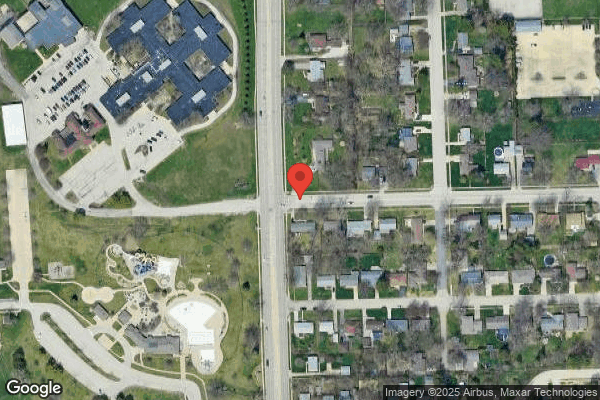
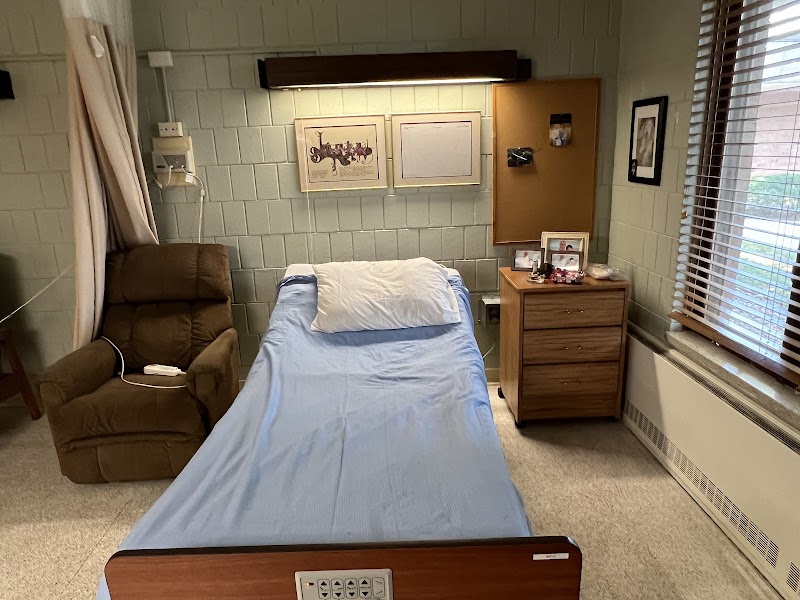
901 NORTH MAIN, NORMAL, IL 61761 (309) 888-5380
For profit - Individual 148 Beds Independent Data: November 2025
Trust Grade
70/100
#167 of 665 in IL
Last Inspection: August 2024

Within standard 12-15 month inspection cycle. Federal law requires annual inspections.

Overview

McLean County Nursing Home has a Trust Grade of B, indicating it is a good choice among nursing homes. Ranking #167 out of 665 facilities in Illinois places it in the top half, and it's #2 out of 7 in McLean County, suggesting there are only a couple of local options that are better. The facility is improving overall, with issues decreasing from 8 in 2024 to just 2 in 2025. Staffing is relatively strong with a 4 out of 5-star rating and a turnover rate of 43%, which is below the state average, indicating that staff remain familiar with residents. However, there have been concerns regarding cleanliness, such as a juice dispenser that had dried juice and mold, as well as issues with the call light response times, where residents reported that their requests for assistance were not addressed in a timely manner. Despite these weaknesses, the lack of fines and a solid staffing rating are positive indicators for prospective families.

Trust Score
B
70/100
In Illinois
#167/665
Top 25%
Safety Record
Low Risk
No red flags
Inspections
Getting Better
8 → 2 violations
Staff Stability
○ Average
43% turnover. Near Illinois's 48% average. Typical for the industry.
Penalties
✓ Good
No fines on record. Clean compliance history, better than most Illinois facilities.
Skilled Nurses
✓ Good
Each resident gets 50 minutes of Registered Nurse (RN) attention daily — more than average for Illinois. RNs are trained to catch health problems early.
Violations
⚠ Watch
29 deficiencies on record. Higher than average. Multiple issues found across inspections.
★★★★☆
4.0
Overall Rating
★★★★☆
4.0
Staff Levels
★★☆☆☆
2.0
Care Quality
★★★★☆
4.0
Inspection Score
Stable
2024: 8 issues
2025: 2 issues

The Good

  • 4-Star Staffing Rating · Above-average nurse staffing levels
  • Full Sprinkler Coverage · Fire safety systems throughout facility
  • No fines on record
  • Staff turnover below average (43%)

    5 points below Illinois average of 48%

Facility shows strength in staffing levels, fire safety.

The Bad

Staff Turnover: 43%

Near Illinois avg (46%)

Typical for the industry

The Ugly 29 deficiencies on record

Aug 2025 1 deficiency
CONCERN (D) 📢 Someone Reported This

A family member, employee, or ombudsman was alarmed enough to file a formal complaint

Potential for Harm - no one hurt, but risky conditions existed

Deficiency F0602 (Tag F0602)

Could have caused harm · This affected 1 resident

**NOTE- TERMS IN BRACKETS HAVE BEEN EDITED TO PROTECT CONFIDENTIALITY** Based on interview and record review, the facility failed to prevent misappropriation of resident property for one of three resi...

Read full inspector narrative →
**NOTE- TERMS IN BRACKETS HAVE BEEN EDITED TO PROTECT CONFIDENTIALITY** Based on interview and record review, the facility failed to prevent misappropriation of resident property for one of three residents (R89) reviewed for misappropriation in the sample list of 38.Findings include:R89's Facility Census documents R89 was admitted to the facility on [DATE] at 12:08pm.R89's Minimum Data Set (MDS) dated [DATE] documents R89's Brief interview for Mental Status (BIMS) 14, cognitively intact.R89's Facility's Observation Detail List Report dated 5/23/25 at 11:55am completed by V17 Social Service Assistant documents inventory of R89's Personal Items as Wallet/Purse/Checkbook, describe, including contents. Yes-wallet, cards and cash. No duffle bag was inventoried.R89's Credit Card Statement documents the following charges 6/3/25 $41.00, 6/10/25 $48.14, 6/13/25 $41.00, 6/19/25 $51.03, and 6/25/25 $47.02 at a local gas station.R91's Facility Census documents R91 was admitted to the facility on [DATE] at 1:00pm.R91's Facility's Observation Detail List Report dated 5/21/25 at 4:20pm completed by V17 Social Service Assistant: Documents Inventory of R1's Personal Items: Wallet/Purse/Checkbook, describe, including contents. No. The Facility's Abuse Prevention Policy and Procedure regarding, Abuse and Neglect, Involuntary Seclusion, Misappropriation of Resident Property, Resident Altercations, Injuries of Unknown Origin and social media. Revised 1/2025 documents: Each resident has the right to be free from abuse, neglect, misappropriation of resident property and exploitation. This includes but is not limited to freedom from corporal punishment, involuntary seclusion and any physical or chemical restraint not required to treat the resident's medical symptoms. Residents must not be subject to abuse by anyone, including, but not limited to; facility staff, other residents, consultants, volunteers, or staff or other agencies serving the resident, family members, legal guardians, visitors or other individuals. The Facility's Non-Clinical admission Procedure not dated documents: Nursing Home will maintain the capability of admitting residents 24 hours a day. Nursing Home will collaborate with referring entity to ensure the admission times are in the best interest of the residents, as much as practicable. Upon Arrival of admission: 4. Complete Personal Inventory Observation. On 8/12/25 at 10:59am R89 stated that on 5/23/25 R89 was admitted to the facility from the hospital. R89 stated that while being admitted by V17 Social Service Assistant, V17 asked to inventory R89's personal property. R89 stated that R89 had a blue duffle bag with some clothes in it, a clear plastic bag with toiletries and had R89's wallet and keys in R89's pants pocket. R89 stated that R89 gave V17, R89's wallet which was black with a hole in it. R89 stated that it contained $200.00 United States Currency, credit card, Illinois Driver's License, insurance card, Illinois Firearms Identification Card (FOID) and grocery store cards. R89 stated that R89 also gave V17 R89's house keys. R89 stated that on 6/29/25 R89's Son came to the facility and brought R89's credit card bill, and there were charges on 6/3/25 for $41.00, 6/10/25 for $48.14, 6/13/25 for $41.00, 6/19/25 for $51.03 and 6/25/25 for 47.02 at a local gas station. R89 stated R89 was a resident in the facility, and did not, and could not make these charges. R89 stated R89's credit card and money were supposed to be locked up in the social service office. R89 stated on 6/30/25 at 8:40am, R89 spoke to V18 Social Service Director, and asked to get R89's wallet to check to make sure R89's credit card was in R89's wallet. R89 stated V18 could not locate R89's wallet or keys in the Social Service Office. R89 stated V1 Administrator was notified, and an investigation was started, and the local police department was called.On 8/12/25 at 12:54 pm V17 Social Service Assistant stated on 5/23/25 V17 was assisting V18 Social Service Director with admitting R89 and R91. V17 stated R89 told V17 that R89 had a wallet. V17 stated that when completing R89's inventory sheet, V17 did document that R89 had a wallet, cards and cash. V17 stated that this was in error. V17 stated that V17 accidentally forgot to delete this entry after admitting the R91, who did have a wallet. V17 confirmed that R89's property inventory did document that R89 had a wallet, and that V17 typed that it contained cards and cash. V17 confirmed that R89's inventory sheet documents that R91 did not have a wallet. On 8/12/25 at 1:08pm V18 Social Service Director stated on 6/30/25 at around 8:40am V89 approached V18 and requested to see R89's wallet. V18 stated that R89 described it as black with a hole in it, and had about $200.00 cash in it, credit cards, and that R89 also had keys locked up. V18 stated R89 wanted to make sure R89's credit card was in R89's wallet. V18 stated that R89 informed V18 that R89 had some charges put on R89's credit card and doesn't know why. V18 stated that R89 wanted to make sure R89's credit card was in still in R89's wallet. V18 stated that V18 didn't recall R89 giving V18 a wallet and asked who R89 gave it to. R89 stated R89 gave it to V17 Social Service Assistant. V18 could not locate the wallet/keys in Social Service office. V18 looked in the safe in the front office and it was not there. V18 searched R89's room with R89 present and did not locate a wallet or keys. V18 stated V18 immediately notified V1 Administrator.On 8/13/25 at 11:50am V1 Administrator stated on 6/30/25 V18 Social Service Director informed V1 that V18 could not locate R89's wallet that R89 gave to V17 Social Service Assistant when R89 was admitted to the facility on [DATE]. V1 stated on 6/30/25 V1 Administrator interviewed R89 who said that the day before (6/29/25) V23, R89's Son, brought in R89's credit card statement, and R89 noticed that there were five charges on the credit card that were suspicious and were charged while R89 was in the nursing home. V1 stated R89 asked V18 if R89 could see R89's wallet to make sure R89's credit card was still present. V1 stated that V18 could not find R89's wallet or R89's keys. V1 stated R89 was understandably very anxious about the missing items. V1 stated that R89 called the bank and the bank informed R89 there were five charges in June totaling $227.19, and all charges were at a local gas station/convenience store. V1 stated on 7/2/25 V1 and V18 interviewed V17. V1 stated V17 said on 5/23/25, V17 was completing the admission process for R89 and that the inventory included wallet, cards, cash. V1 asked V17, if R89 didn't have a wallet with R89, why did you put it on the inventory. V1 stated that V17 said that V17 was doing two admissions that day (R89 and R91) and documented the wrong person. V1 said, the were no other residents admitted to the facility on (May 23rd). V1 confirmed that R89's admission inventory documents that R89 had a wallet with cash and cards in it, and that R91's admission Inventory documents that R91 did not have a wallet.
May 2025 1 deficiency
CONCERN (D) 📢 Someone Reported This

A family member, employee, or ombudsman was alarmed enough to file a formal complaint

Potential for Harm - no one hurt, but risky conditions existed

Report Alleged Abuse (Tag F0609)

Could have caused harm · This affected 1 resident

Based on interview and record review the facility failed to report an allegation of abuse to the State Agency for one (R1) of three residents reviewed for abuse in the sample list of 11. Findings inc...

Read full inspector narrative →
Based on interview and record review the facility failed to report an allegation of abuse to the State Agency for one (R1) of three residents reviewed for abuse in the sample list of 11. Findings include: R1's Investigation of Occurrence dated 4/30/25 documents, (V7, Certified Nurse's Assistant) called (V1, Administrator) to report that (R1) had reported to (V7) that (R1) had a small nightgown, and the girl behind the desk took it from me .snatched it out of my hand and claimed the staff member (V3, Certified Nursing Assistant) bruised her right inner arm. On 5/12/25 at 1:45 PM, V7 stated on 4/30/25 at 7:15 PM, R1 told her that V3 took a gown away from her causing a scratch to her hand. V7 stated she saw a red spot on R1's forearm. V7 stated she called V1 to report the incident. On 5/12/25 at 1:10 PM, V1 (Administrator) stated he received a call from V7 (Certified Nursing aide) on 4/30/2025 at 7:15 PM. V1 stated V7 reported that R1 told her that V3 snatched a gown out of her hand and bruised her right inner arm. V1 stated he did not notify the state agency. R1's medical record does not document the state agency was notified of R1's allegation of abuse. The Facility's Abuse Prevention Policy dated 1/2025 documents upon receiving an allegation of abuse the facility will immediately notify the state agency.
Aug 2024 7 deficiencies
CONCERN (D)

Potential for Harm - no one hurt, but risky conditions existed

Safe Environment (Tag F0584)

Could have caused harm · This affected 1 resident

Based on observation, interview, and record review the facility failed to maintain a mechanical wheelchair in a clean sanitary manner for one resident (R16) of five residents reviewed for wheelchair c...

Read full inspector narrative →
Based on observation, interview, and record review the facility failed to maintain a mechanical wheelchair in a clean sanitary manner for one resident (R16) of five residents reviewed for wheelchair cleanliness in a sample list of 35 residents. Findings Include: R16's Care Plan reviewed 5/21/24 documents (R16) is under the care of Hospice Services related to diagnosis of severe protein malnutrition. A further decline in Cognitive and Physical Abilities is expected, all care is directed towards maintaining comfort through end of life. On 8/12/24 at 10:15AM R16 was in her room seated in a mechanical wheelchair. R16 stated I got this special chair from hospice. It's pretty comfortable but look it's dirty. The chair was caked around the padded seat with a chunky brown and white substance. R16 stated she doesn't like sitting in a dirty chair. On 8/13/24 at 2:00PM V2, Director of Nursing verified the night shift staff are responsible for cleaning wheelchairs and all staff should wipe off any visible debris as soon as they see it. The facility did not provide a policy specific to the cleaning of wheelchairs or other equipment.
CONCERN (D)

Potential for Harm - no one hurt, but risky conditions existed

Incontinence Care (Tag F0690)

Could have caused harm · This affected 1 resident

2. R72's medical record includes a current physician's order for an indwelling urinary catheter and a diagnosis of Urinary Retention. On 8/14/24 at 9:30AM V20, Certified Nurse's Aide (CNA) and V19, Ce...

Read full inspector narrative →
2. R72's medical record includes a current physician's order for an indwelling urinary catheter and a diagnosis of Urinary Retention. On 8/14/24 at 9:30AM V20, Certified Nurse's Aide (CNA) and V19, Certified Nurse's Aide (CNA) rolled R72 in bed to complete catheter care. Upon rolling R72 the catheter tubing pulled causing visible tension at the insertion site. R72's Urinary meatus was red and slightly swollen. V19 stated R72 Should have the catheter anchored to his leg. R72 stated I broke my leg in a car accident and it's hard for me to turn and it pulls on the tubing when (the CNAs) turn me. On 8/14/24 at 1:00PM V2, Director of Nursing confirmed R72 should have an anchoring device to keep the catheter tubing from pulling. Based on observation, interview, and record review the facility failed to secure catheter tubing to prevent tension and failed to position catheter tubing so that the flow was not interrupted for two of four residents (R40, R72) reviewed for catheters in the sample list of 35. Findings include: The facility's Catheter Care policy with a reviewed date of 2/27/20 documents, 11. Secure catheter as needed. 1.) R40's Care Plan dated 8/9/24 documents diagnoses including Obstructive and Reflux Uropathy, Overactive Bladder and Urinary Tract Infection. This care plan documents R40 requires an indwelling urinary catheter related to diagnosis of Urinary Retention. The intervention dated 5/14/24 documents to manipulate the tubing as little as possible and to avoid obstructions in the drainage. On 8/14/24 at 9:56 AM, V21 and V22 Certified Nursing Assistants (CNA) prepared to complete urinary catheter care. V21 and V22 uncovered R40 and R40's urinary catheter drainage flow was being impeded by the pressure of R40's right thigh as the tubing was laying underneath the right thigh and over the side of the bed. There was no visible urine in the tubing. After completing care on R40's front side they rolled R40 onto her left side. There was a red imprint on the back of R40's right thigh where the catheter tubing had been compressed underneath R40's leg. V21 and V22 confirmed R40 did not have a securement device to anchor the tubing to her leg. On 8/14/24 at 10:44 AM, V23 Licensed Practical Nurse stated R40 had not had a securement device for a while for her catheter tubing. V23 stated that the tubing should not be placed under R40's leg either. On 8/14/24 at 12:04 PM, V2 Director of Nursing stated ideally the urinary catheter drainage tubing should not be placed underneath the resident's leg.
CONCERN (D)

Potential for Harm - no one hurt, but risky conditions existed

Deficiency F0692 (Tag F0692)

Could have caused harm · This affected 1 resident

Based on observation, interview, and record review the facility failed to implement Dietician recommendations for significant weight loss for two of three residents (R39, R40) reviewed for weight loss...

Read full inspector narrative →
Based on observation, interview, and record review the facility failed to implement Dietician recommendations for significant weight loss for two of three residents (R39, R40) reviewed for weight loss in the sample list of 35. Findings include: The facility's Weight Management Protocol with a revised date of July/2020 documents, Monthly (or as ordered by MD {medical doctor}) weights for all residents will be obtained. A copy of accurate weights will be provided to dietary monthly. Any residents with a significant weight change will be referred to the consultant dietitian. The Dietitian and food management will assess the resident's condition and make recommendations as necessary. Physician will be made aware of recommendations and place orders as needed. 1.) R39's Care Plan dated 7/14/24 documents diagnoses including Femur Fracture, Rheumatoid Arthritis, Gastroesophageal Reflux Disease, Hypothyroidism and Type 2 Diabetes Mellitus. This Care Plan documents R39 is at nutritional risk and to monitor weights monthly. R39's Nutritional Assessment completed by V26 Registered Dietician dated 6/11/24 documents R39 received a regular diet with regular texture and documents her weight was 117 pounds. R39's weight log documents her weight on 5/29/24 was 117.2 pounds and her weight on 8/8/24 was 106 pounds which was a 9.56 % (percent) weight loss in three months. V26's Weight Review note dated 7/16/24 documents R39 had an 11.1% weight decrease in one month and recommended adding a house shake with lunch to encourage weight maintenance. R39's Physician's Order Sheet dated 8/1/24 through 8/31/24 does not document an order for a house shake at lunch. On 8/13/24 at 12:00 PM, R39 was feeding herself lunch and there was no house shake served to R39. R39's menu card does not document an order for a house shake at lunch. R39's Dietary Recommendations for Physician Approval is dated 7/16/24 and documents Dietary Recommendations of adding a house shake with lunch due to a significant weight decrease in one month. This recommendation is signed by V26. There is no Physician's signature on this recommendation. On 8/14.24 at 1:14 PM, V2 Director of Nursing stated that the Dietician emails her recommendations to them monthly and they give the recommendations to the Physician or Nurse Practitioner to approve. V2 stated after they have approved the recommendations, they enter the order into the computer. V2 stated typically it can take 24 to 48 hours for this to happen. V2 confirmed that this dietary recommendation was missed. V2 stated that V26 adds the weight loss onto the Care Plans herself. R39's Care Plan does not document the significant weight loss. 2.) R40's Care Plan dated 8/9/24 documents diagnoses including Acute Respiratory Failure with Hypoxia, Stage 4 Pressure Ulcer to the Coccyx and Vitamin D Deficiency. This Care Plan documents R40 is at nutritional risk and to monitor weight daily. R40's Nutritional Assessment completed by V26 dated 5/19/24 documents R40 received a regular diet with regular texture and documents her weight was 164.6 pounds. V26's note dated 7/16/24 documents R40's current weight as 149.2 pounds and is an 11.4% decrease in 6 months. V26 recommended added a house shake at lunch to encourage weight maintenance. R40's Physician's Order Sheet dated 8/1/24 through 8/31/24 does not document an order for a house shake at lunch. On 8/14/24 at 12:41 PM, R40 was in her room eating her lunch. She was feeding herself. R40 did not have a house shake served to her with her lunch and the house shake was not on her menu card. R40's Dietary Recommendations for Physician Approval is dated 7/16/24 and documents Dietary Recommendations of adding a house shake with lunch due to a significant weigh decrease. This recommendation is signed by V26 but is not signed by a physician. On 8/14/24 at 1:14 PM, V2 confirmed R40's dietary recommendation of the house shake was missed. V2 confirmed that the significant weight loss should have been added by the Dietician to R40's Care Plan.
CONCERN (D)

Potential for Harm - no one hurt, but risky conditions existed

Medication Errors (Tag F0758)

Could have caused harm · This affected 1 resident

Based on interview and record review the facility failed to identify/track resident specific behaviors to justify the use of an antipsychotic and failed to implement nonpharmacological interventions f...

Read full inspector narrative →
Based on interview and record review the facility failed to identify/track resident specific behaviors to justify the use of an antipsychotic and failed to implement nonpharmacological interventions for one resident (R65) of five residents reviewed for unnecessary medication in a sample list of 35 residents. Findings Include: R65's medical record documents current physician's orders for the following psychotropic medications: 1. Fluoxetine (antidepressant) 10 mg (milligram) on Sundays Fluoxetine 20 mg on Monday, Tuesday, Wednesday, Thursday, Friday, Saturday. 2. Lorazepam (antianxiety) 2mg/ml (milliliter) 0.25ml every 2 hours PRN (as needed). 3. Quetiapine (antipsychotic) 37.5 mg at bedtime. R65's Treatment Administration Record (TAR) for August 2024 documents Acknowledgement of Behaviors: Episodes of self-isolating and refusal of care. There is no documentation of nonpharmacological interventions attempted. There is no specific behavior identified or tracked to justify the use of an antipsychotic medication. On 8/14/24 at 11:00AM V17, Registered Nurse (RN) Unit Manager stated The only behavior we have documented for (R72) is Self-Isolating and refusing care. V17 verified self-isolation and refusing care is not justification for an antipsychotic. The facility's Psychotropic Medication Policy reviewed February 2022 states An unnecessary medication is any medication used: 1. In an excessive dose, including duplicative therapy 2. For an excessive duration. 3. Without adequate monitoring. 4. without adequate indications of its use. 5. In the presence of adverse consequences that indicate the drug should be reduced or discontinued.
CONCERN (D)

Potential for Harm - no one hurt, but risky conditions existed

Unnecessary Medications (Tag F0759)

Could have caused harm · This affected 1 resident

**NOTE- TERMS IN BRACKETS HAVE BEEN EDITED TO PROTECT CONFIDENTIALITY** Based on observation, interview, and record review the facility failed to administer medications in accordance with Physician's ...

Read full inspector narrative →
**NOTE- TERMS IN BRACKETS HAVE BEEN EDITED TO PROTECT CONFIDENTIALITY** Based on observation, interview, and record review the facility failed to administer medications in accordance with Physician's Orders and manufacturer's recommendations for two of five residents (R4, R25) reviewed for medication administration in the sample list of 35. The facility had 2 medication errors out of 30 opportunities resulting in a 6.67% (percent) medication error rate. Findings include: The facility's Medication Administration Policy with a reviewed date of February/2024 documents, Medications will be administered to residents as prescribed and by persons lawfully authorized to do so in a manner consistent with good infection control and standards of practice. The (insulin aspart) manufacturer's instructions dated [DATE] documents, Throw away all opened insulin aspart vials after 28 days even if they still have insulin left in them. 1.) R4's Medication Administration Record (MAR) dated [DATE] through [DATE] documents an order dated [DATE] for insulin aspart U-100 insulin solution 100 units/ml (milliliters) per sliding scale before meals for diagnosis of Diabetes Mellitus. On [DATE] at 11:40 AM, V4 Licensed Practical Nurse (LPN) checked R4's blood glucose level and R4's blood glucose level was 406 which indicated R4 needed 12 units of insulin aspart. V4 removed the vial from the medication cart, cleaned the plunger and withdrew 12 units of insulin aspart from the vial. The vial had an open dated of [DATE] written on the side. V4 continued to administer the insulin to R4 in R4's stomach. After administering the insulin aspart, V4 confirmed the open date on the vial of insulin aspart said [DATE] therefore is expired and should not have been used. V4 stated she misread the date. 2.) R25's Medication Administration Record dated [DATE] through [DATE] documents an order dated [DATE] for Vitamin C 500 mg (milligrams) two tablets for a diagnosis of Vitamin Deficiency. On [DATE] at 8:50 AM, V3 LPN prepared R25's medications at the medication cart outside of R25's room. V3 removed one 500 mg tablet of Vitamin C from the bottle and confirmed that she only removed one tablet. R25 took her medications whole with water. On [DATE] at 12:04 PM, V2 Director of Nursing confirmed R25 should have received two 500 mg tablets of Vitamin C.
CONCERN (D)

Potential for Harm - no one hurt, but risky conditions existed

Deficiency F0761 (Tag F0761)

Could have caused harm · This affected 1 resident

Based on observation, record review, and interview the facility failed to label medication with date opened for two residents (R150, R151) of 25 residents reviewed for medication in a sample list of 3...

Read full inspector narrative →
Based on observation, record review, and interview the facility failed to label medication with date opened for two residents (R150, R151) of 25 residents reviewed for medication in a sample list of 35 residents Findings Include: 1.) R150's Medication Administration Record (MAR) includes a current physician's order for Refresh tears 0.5% (percent) two drops in each eye as needed every six hours. On 08/14/24 at 11:37 AM an opened bottle of Refresh eye drops with R150's name was observed on the 400 Hall medication cart not labeled with date opened. 2.) R151's Medication Administration Record (MAR) includes a current physician's order for Maxitrol (neomycin-polymyxin b-dexameth) 3.5mg(milligram)/g(gram)-10,000 unit/g-0.1 % ointment apply to right eye, ophthalmic (eye), At Bedtime. The insert for the Maxitrol eye ointment indicates it should be discarded 30 days after opening. On 08/14/24 at 11:36 AM an opened bottle of Maxitrol Eye drops with R151's name was observed on the 400 Hall medication cart not labeled with date opened. On 08/14/24 at 11:36 AM V25, Licensed Practical nurse stated we are supposed to label multidose medication containers with the time and date they are opened. I see the Maxitrol and the Refresh are not dated. I did not open either of them. The policy for medication administration provided by the facility does not address this issue.
CONCERN (F)

Potential for Harm - no one hurt, but risky conditions existed

Food Safety (Tag F0812)

Could have caused harm · This affected most or all residents

Based on observation, interview, and record review the facility failed to maintain the juice dispenser in a clean sanitary manner and failed to date perishable refrigerated foods when opened. This fai...

Read full inspector narrative →
Based on observation, interview, and record review the facility failed to maintain the juice dispenser in a clean sanitary manner and failed to date perishable refrigerated foods when opened. This failure has the potential to affect all 100 residents who reside at the facility. Findings Include: The facility's Long Term Care Application for Medicare and Medicaid dated 8/12/24 documents the facility census as 100 residents. On 8/12/24 during the walk through of the main kitchen the juice dispenser was noted to have dried juice on the surface of the nozzles and the surrounding flat surface. Some of these dried juices were covered by green fuzzy material. V8 cook verified the dispenser is used to pour drinks for all residents who reside in the facility. Opened containers of almond milk, juices, thickening agent, and ice cream toppings were in the refrigerator on the front wall of the kitchen. The containers were not dated as to when they were opened. V8 verified the containers should be labeled with the date when opened. On 8/13/24 at 10:00 AM the juice machine in the kitchen had not been cleaned. V9, Dietary Manager verified the juice machine should be cleaned daily. The facility's policy Cleaning Instructions states Coffee Makers, Urns, Juice machines, frozen yogurt and/or ice machines will be cleaned thoroughly.
Jun 2024 1 deficiency
CONCERN (D) 📢 Someone Reported This

A family member, employee, or ombudsman was alarmed enough to file a formal complaint

Potential for Harm - no one hurt, but risky conditions existed

Notification of Changes (Tag F0580)

Could have caused harm · This affected 1 resident

Based on observation, interview, and record review the facility failed to timely report a resident change of condition to the resident's representative and physician for one (R1) of four residents rev...

Read full inspector narrative →
Based on observation, interview, and record review the facility failed to timely report a resident change of condition to the resident's representative and physician for one (R1) of four residents reviewed for change in condition and injury of unknown origin in the sample list of four. Findings include: The Progress Note dated 05/31/2024 at 09:16 PM by V3, Nurse, states R1 noted to be complaining of pain during cares. The progress note states that R1 was saying ow over and over and when R1 was asked if she hurts R1 said yes. The Note documents R1's right knee was observed to be swollen and painful. The Note documents no redness or bruising was noted and alert charting to monitor for the next three days was started. The Note documents Management was made aware, and a pillow was placed under R1's knee for support and Tylenol was administered for pain. R1's Minimum Data Set completed on 5/16/2024 documents a Brief Interview for Mental Status (BIMS) score of 99. A score of 99 indicates R1 is severely cognitively impaired and unable to complete the interview. R1's Care Plan with revised date of 04/02/2024 states that for transfers: R1 requires a total body mechanical lift with the assist of two staff. The same care plan edited on 05/17/2024 states R1 is at risk for falling due to impaired mobility, impaired cognition, pain, easily fatigued and impaired safety awareness related to diagnosis of metabolic encephalopathy, dementia, chronic pain, and anemia. R1's Nursing Note dated 05/31/2024 at 9:16 PM documents nursing management was notified of the change of condition and new onset pain. The same medical record documents that the physician was not notified of the change of condition and new onset pain until 06/03/2024 at 2:13 PM. The Progress note dated 06/03/2024 at 2:13 PM states an x-ray was ordered for R1's right knee. R1's medical record progress note dated 06/04/2024 at 06:57 AM documents R1's x-ray results as right knee arthroplasty with acute periprosthetic fracture of the distal femur with posterior displacement of the major distal fracture fragment. On 6/7/24 at 11:00 AM R1 was laying in R1's bed covered, with a right knee immobilizer in place. On 6/7/24 at 1:41 PM V10, Primary Care Physician, stated the on-call practitioner should be notified any change of condition or new pain onset. On 6/7/24 at 2:45 PM V2 Director of Nursing confirmed the practitioner and power of attorney were not notified of the change of condition and new onset pain for R1 from 5/31/24 at 9:16 PM until 6/3/24 at 2:13 PM. The facility's Change in a Resident's Condition or Status Policy with review date of February 2024 documents The Unit Nurse will chart in PN (Progress Notes) and notify the resident's Attending Physician, POA (Power of Attorney), or On-Call Physician when there has been A significant change in the resident's physical/emotional/mental condition.
Aug 2023 15 deficiencies
CONCERN (D)

Potential for Harm - no one hurt, but risky conditions existed

Deficiency F0554 (Tag F0554)

Could have caused harm · This affected 1 resident

**NOTE- TERMS IN BRACKETS HAVE BEEN EDITED TO PROTECT CONFIDENTIALITY** Based on observation, interview, and record review the facility failed to assess and obtain physician's order for self-administr...

Read full inspector narrative →
**NOTE- TERMS IN BRACKETS HAVE BEEN EDITED TO PROTECT CONFIDENTIALITY** Based on observation, interview, and record review the facility failed to assess and obtain physician's order for self-administration of medication for two of two (R90, R61) residents reviewed for self-administration of medication in a sample list of 49. Finding Include: The facility's Medication Administration policy with a reviewed date of February 2023 documents, Self-Administration: Residents with appropriate cognitive status will be able to self-administer medication. The facility will complete a self-medication administration assessment to determine if resident is able to give their own medications appropriately. 1. R90's Physician's Order Summary includes a physician's order which was initiated 5/9/23 for albuterol sulfate HFA aerosol inhaler; 90 mcg/actuation; amt: 2 puffs; inhalation Special Instructions: rinse mouth after each use every 6 hours. There is no self-medication assessment documented and no physician's order to self-administer albuterol. On 08/28/23 at 12:34 PM, R90 stated he's Miserable from a respiratory infection. R90 was experiencing frequent wet sounding coughs. R90 was not covering his cough. R90 stated I've got a puffer, but it fell on the floor. A red inhaler was laying under R90's bed. R90 stated I just take it whenever I need it. On 08/28/23 at 12:40 AM V20, CNA entered the room. The lid was off the inhaler. V20 picked up the inhaler and handed it to R90. V20 nor R90 cleaned the inhaler. R90 took two puffs on the inhaler without waiting between puffs. V20 verified the inhaler was labeled Albuterol. On 8/29/23 at 10:00 AM V2, Director of Nurses (DON) verified that an assessment/physician's order for R90 to have the Albuterol inhaler at bedside for self-administration was not completed until 8/28/23 at 5:18PM. 2.) On 8/28/23 at 9:38 AM, R61 was not in R61's room, there was a tube of topical analgesic on the counter in in R61's room. On 8/29/23 at 3:12 PM, the tube of topical analgesic is still sitting on the counter in R61's room. R61's Physician Order Report dated 8/29/23 documents diagnoses including Muscle Wasting and Atrophy, Bilateral Primary Osteoarthritis of Hip, Pain in Right Hip, Pain in Left Hip and Pain Unspecified. This Physician Order Report does not document an order for the topical analgesic or an order to self-administer the topical analgesic. R61's Minimum Data Sheet (MDS) dated [DATE] documents R61 is cognitively intact and documents no impairment in range of motion in the upper and lower extremities. R61's Medical Record does not contain an assessment to self-administer the topical analgesic. On 8/29/23 at 3:03 PM, V2 Director of Nursing stated that residents can have medicine in their room if they have an assessment completed, V2 stated there should be a Physician's Order to self-administer the medication and an order for the medication. V2 confirmed there is no order for R61 to self-administer the topical analgesic and there is no current order for the topical analgesic.
CONCERN (D)

Potential for Harm - no one hurt, but risky conditions existed

Assessment Accuracy (Tag F0641)

Could have caused harm · This affected 1 resident

**NOTE- TERMS IN BRACKETS HAVE BEEN EDITED TO PROTECT CONFIDENTIALITY** 2. R89's August 2023 POS (Physician Order Sheet) documents an order dated 5/10/23 for Eliquis {Anticoagulant} 2.5 mg (milligrams...

Read full inspector narrative →
**NOTE- TERMS IN BRACKETS HAVE BEEN EDITED TO PROTECT CONFIDENTIALITY** 2. R89's August 2023 POS (Physician Order Sheet) documents an order dated 5/10/23 for Eliquis {Anticoagulant} 2.5 mg (milligrams) - one tablet BID (twice a day). R89's MDS dated [DATE] does not document that R89 received the ordered Anticoagulant during the look back time. R89's June 2023 MAR (Medication Administration Record) documents R89 received the ordered Eliquis during the look back time for the MDS. On 8/28/23 at 3:24 PM, V26 MDS Coordinator stated Anticoagulants are to be coded on the MDS. V26 reviewed R89's POS and (Treatment Administration Record) TAR and confirmed R89 did indeed receive the ordered anticoagulant. V26 confirmed the anticoagulant is not coded on the MDS. The facility Minimum Data Set Policy dated February 2023 documents the MDS should reflect the resident's status and identify resident need and enhance resident-focused care planning. Based on observation, interview and record review the facility failed to accurately code the Resident Assessment Instrument (Minimum Data Set) for two of 32 residents (R61, R89) reviewed for Minimum Data Set assessments in the sample list of 49. Findings include: The facility's Minimum Data Set (MDS) policy with a reviewed date of February 2023 documents, A Minimum Data Set will be completed for facility resident as outlined in the Resident Assessment Instrument (RAI) Manual. The facility will conduct admission and scheduled assessments for all facility residents. The assessment process includes direct observation, as well as communication with the resident and direct care staff. The MDS should reflect the resident's status and identify resident need and enhance resident-focused care planning. 1.) R61's Physician Order Report dated 8/29/23 documents diagnoses including Coronary Artery Disease and Hypertension. On 8/28/23 at 9:38 AM, R61 was not in R61's room, there was a CPAP (Continues Positive Airway Pressure) machine with tubing and mask attached and were laying on the cluttered bedside stand. On 8/29/23 at 3:12 PM, R61 was in R61's room with staff getting R61 ready to lay down in bed. R61 had the CPAP machine on the bedside stand with the mask and tubing attached. V29 Licensed Practical Nurse confirmed R61 wears the CPAP at night. R61's MDS dated [DATE] does not document the use of the CPAP machine. On 8/29/23 at 3:18 PM, V26 MDS Coordinator confirmed R61's MDS is not coded for the use of a CPAP machine. V26 stated the CPAP is not on the orders so V26 was not aware of the CPAP machine.
CONCERN (D)

Potential for Harm - no one hurt, but risky conditions existed

Deficiency F0645 (Tag F0645)

Could have caused harm · This affected 1 resident

**NOTE- TERMS IN BRACKETS HAVE BEEN EDITED TO PROTECT CONFIDENTIALITY** Based on interview and record review the facility failed to ensure that a Preadmission Screening and Resident Review (PASARR) le...

Read full inspector narrative →
**NOTE- TERMS IN BRACKETS HAVE BEEN EDITED TO PROTECT CONFIDENTIALITY** Based on interview and record review the facility failed to ensure that a Preadmission Screening and Resident Review (PASARR) level I screening and a PASARR level II screening was completed for two (R55, R97) of seven residents reviewed for PASARR screenings from a total sample list of 49 residents reviewed. Findings Include: The facility's admission procedure dated 6/13/19 documents that the facility will obtain an Omnibus Budget Reconciliation Act (OBRA), otherwise known as PASARR, level screening upon admission. 1. R55's level I PASARR dated 12/10/21, obtained by the facility on 8/30/23, documents a level II PASARR is not required due to R55 not having an SMI (Severe Mental Illness) Diagnosis upon admission to the facility on [DATE]. R55's diagnosis sheet dated 3/2/22 documents new diagnoses of Psychotic disorder with delusions and Unspecified Dementia with Behavioral Disturbances. R55's August 2023 physician order sheet documents Seroquel 25 milligrams to be given in the morning and Seroquel 50 milligrams to be given in the evening. On 8/29/23 at 1:53 PM, V6 Admissions Coordinator said that she did not know when to obtain a level II PASARR screening. On 8/29/23 at 1:0 0PM, V1 Administrator stated, I didn't realize that a level II was required. 2. R97's nursing notes dated 6/22/2023 at 3:55 PM, documents R97 was admitted to the facility. On 8/28/23 at 12:00 PM, R97's medical record did not contain a PASARR screen. On 8/29/23 at 9:39 AM, V1 Administrator stated, I'm sorry to tell you that we weren't printing off the PASARR screens off and scanning them in. V1 stated they printed them off today. R97's PASARR screen provided by V1 Administrator documents R97's PASRR was completed on 8/10/23. This PASARR documents that a PASRR was note completed on 6/22/23 when R97 was admitted to the facility. On 8/29/23 at 10:18 AM, V1 Administrator confirmed that a PASARR for R97 was not completed upon admission and was completed on 8/10/23.
CONCERN (D)

Potential for Harm - no one hurt, but risky conditions existed

Quality of Care (Tag F0684)

Could have caused harm · This affected 1 resident

Based on observation, interview and record review, the facility failed to timely complete a treatment as ordered by the physician for one of one (R4) resident reviewed quality of care on the sample li...

Read full inspector narrative →
Based on observation, interview and record review, the facility failed to timely complete a treatment as ordered by the physician for one of one (R4) resident reviewed quality of care on the sample list of 49. Findings Include: R4's August 2023 Physician Orders document an order to apply elastic bandage wraps to bilateral lower extremities between 4:00 am - 7:00 am daily for localized edema and then remove between 8:00 pm - 11:00 pm. R4's Care Plan dated 6/26/23 documents R4 has limited ability with ADLs (Activities of Daily Living) and requires assistance with ADLs due to chronic pain, easily fatigued and impaired mobility related to Osteoarthritis, Heart Failure and Muscle Weakness with an intervention for staff to apply the elastic bandage wraps every morning to R4's bilateral lower extremities and remove them at bedtime. On 8/28/23 at 9:20 AM, R4 was sitting up in a wheelchair with slippers on, feet not elevated. R4's legs were extremely edematous, with a scabbed area to left shin. R4 did not have the elastic bandage wraps on. On 8/29/23 at 8:15 AM, R4 was sitting up in Dining Room with feet resting on the wheelchair foot pedals. R4 did not have the ordered elastic bandage wraps in place. On 8/29/23 at 11:08 AM, V16 RN (Registered Nurse) stated V16 wrapped R4's legs today around 10:30 AM because V16 noticed they weren't done. V16 explained, V16 had to wrap them yesterday {8/28/23} mid-morning as well because they weren't done. V16 stated third shift is supposed to be wrapping them.
CONCERN (D)

Potential for Harm - no one hurt, but risky conditions existed

Incontinence Care (Tag F0690)

Could have caused harm · This affected 1 resident

**NOTE- TERMS IN BRACKETS HAVE BEEN EDITED TO PROTECT CONFIDENTIALITY** 2.) R94's Minimum Data Set, dated [DATE] documents that R94 requires an indwelling catheter, is a two assist for toileting and i...

Read full inspector narrative →
**NOTE- TERMS IN BRACKETS HAVE BEEN EDITED TO PROTECT CONFIDENTIALITY** 2.) R94's Minimum Data Set, dated [DATE] documents that R94 requires an indwelling catheter, is a two assist for toileting and is cognitively intact. R94's physician order sheet dated 4/4/23 documents catheter care to be performed every shift. R94's progress notes dated from admission [DATE]) to present (8/30/23) document that R94's catheter has been changed twelve times. Additionally, no consultation to urological services was found in R94's medical record. Urinary tract infections are documented in R94's medical record on three occasions, in four months, with the following treatment orders including: Cephalexin 500 milligrams (mg) twice a day for seven days beginning on 4/24/23, Macrobid 100 mg twice a day for five days beginning on 6/5/23 and Macrobid 100 mg beginning twice a day for five days on 8/25/23. The facility Catheter Care policy dated 2/2023 documents that the objective is to cleanse the urinary meatus and adjacent catheter and to make sure that after providing peri-care and before starting catheter care, to wash hands. Additionally, if at any time the resident was incontinent of bowels, perineal care should be provided with new supplies and hands washed. The catheter should be secured. The facility Incontinent Care policy dated 2/2023 documents instructions to separate the labia and start from the top to the bottom and wash one side of the meatus. Repeating on the other side using a new washcloth or different area of the same washcloth, using proper hand hygiene in-between clean and dirty cares. On 8/29/23 at 10:49 AM, V18 and V19 Certified Nursing Assistants (CNA) provided catheter and perineal care for R94. V19 CNA began with catheter care, without separating the labia, and wiped the unsecured catheter with a wet washcloth. Feces was visualized at the posterior of the catheter. V19 CNA then wiped R94's vaginal area and anus of feces without washing her hands between clean and dirty care. Neither V18 nor V19 secured the catheter, once completing cares. On 8/29/23 at 11:30AM, V2 Director of Nursing confirmed that hand hygiene and catheter care needed to be completed per policy, not as it was done for R94 at 10:49 AM on 8/29/23., On 8/30/23 at 10:45AM, V2 Director of Nursing confirmed that R94 had many issues with her catheter clogging with mucous, leaking, multiple catheterizations and infection and that a urological consultation had not been obtained. Based on observation, interview, and record review the facility failed to perform hand hygiene and prevent cross contamination during catheter care, ensure an indwelling catheter was secured to prevent it being pulled, ensure a dignity cover was covering the catheter drainage bag, ensure the catheter drainage bag was kept off of the floor, and obtain an urological consult for two of three residents (R89, R94) reviewed for indwelling catheters on the sample list of 49. Findings Include: The facility's Catheter Care Policy last reviewed in February 2023 documents do not tug or pull onto the catheter and secure indwelling catheter as needed. 1. On 8/28/23 at 9:25 AM, R89 was in a wheelchair being pushed down the hall by an unidentified staff member. R89's catheter drainage bag did not have a dignity cover on it, and the drainage bag was dragging on the floor under the wheelchair. R89's Care Plan dated 6/21/2023 documents R89 requires an indwelling urinary catheter Related to diagnosis of Neurogenic Bladder with interventions to manipulate tubing as little as possible during care to avoid obstructions in the drainage, position drainage bag below the level of the bladder, avoid allowing tubing or any part of the drainage system to touch the floor, and store collection bag inside a protective dignity pouch. R89's August 2023 Physician Order Sheet documents orders for Catheter Care to be completed every shift and on 8/10/23, an order for Gentamicin {Antibiotic} ointment 0.1 % to the left side of the penis BID (twice a day), after cleansing the area with soap and water, was implemented for a diagnosis of Unspecified Injury of the External Genitals. On 8/29/23 at 10:36 AM, V12 CNA (Certified Nursing Assistant) and V13 CNA entered R89's room to complete the ordered catheter care. R89's indwelling catheter was not secured and the head of R89's genital was slit down the head to the shaft. On 8/29/23 at 1:05 PM, V2 DON (Director of Nursing) stated catheter drainage bags should be up off the floor, and the drainage bag should be in a dignity bag if the resident is out of the room. V2 also stated that the facility has securement devices for indwelling catheters that should be used to prevent movement and pulling on the indwelling catheter during cares.
CONCERN (D)

Potential for Harm - no one hurt, but risky conditions existed

Respiratory Care (Tag F0695)

Could have caused harm · This affected 1 resident

Based on observation, interview and record review the facility failed to obtain a Physician's Order for the use of a CPAP (Continuous Positive Airway Pressure) machine, failed to obtain an order to cl...

Read full inspector narrative →
Based on observation, interview and record review the facility failed to obtain a Physician's Order for the use of a CPAP (Continuous Positive Airway Pressure) machine, failed to obtain an order to clean the CPAP equipment and failed to protect the CPAP mask and tubing from contamination for one of three residents (R61) reviewed for respiratory in the sample list of 49. Findings include: The facility's Oxygen Administration policy with a reviewed date of February 2022 documents, Administration of oxygen under positive pressure may be ordered. Positive pressure is achieved by using a special face mask with a valve which permits expiration against a controlled, calibrated resistance, ranging up to 6 cm (centimeters) of water. The optimum pressure is the maximum tolerated by the resident. Keep a plastic bag available to store the oxygen delivery (cannula or mask) when not in use. Date the bag when placed and change weekly. Guidelines for changing/cleaning respiratory equipment will be as follows: CPAP masks and reservoir - weekly. On 8/28/23 at 9:38 AM, R61 was not in R61's room, there was a CPAP machine with tubing and mask attached and were laying on the cluttered bedside stand open to air, not covered. On 8/29/23 at 3:12 PM, R61 was in R61's room with staff getting R61 ready to lay down in bed. R61 had the CPAP machine on the bedside stand with the mask and tubing attached and laying open to air. V29 Licensed Practical Nurse confirmed R61 wears the CPAP at night. R61's Physician Order Report dated 8/29/23 does not document an order for the CPAP and does not document an order to clean the CPAP mask, tubing or reservoir. On 8/29/23 at 3:13 PM V2 Director of Nursing confirmed there is no Physician's order for the CPAP or for the cleaning of the CPAP but there should be order for that. V2 stated V2 does not know where the CPAP machine came from, V2 stated V2 was not aware that R61 had a CPAP in R61's room.
CONCERN (D)

Potential for Harm - no one hurt, but risky conditions existed

Deficiency F0698 (Tag F0698)

Could have caused harm · This affected 1 resident

Based on interview and record review, the facility failed to have ongoing communication and collaboration with the dialysis facility regarding care for one of one resident (R36) reviewed for dialysis ...

Read full inspector narrative →
Based on interview and record review, the facility failed to have ongoing communication and collaboration with the dialysis facility regarding care for one of one resident (R36) reviewed for dialysis on the sample list of 49. Findings Include: On 8/28/23 at 10:00 am, R36 stated R36 goes out to dialysis three times a week. R36's Care Plan dated 6/10/23 documents R36 receives hemodialysis related to ESRD (End Stage Renal Disease) and will at times refuse dialysis with interventions of assessing for fluid excess, monitoring/recording food/fluid intake and output, monitor weights daily and notify the physician and family of significant weight changes, report abnormal labs indicative of fluid volume excess, and educate on the risks of refusing dialysis. R36's medical record did not contain any dialysis communication forms. On 8/29/23 at 9:45 AM, V7 RN (Registered Nurse) stated there is no communication between dialysis and the nursing home on a routine basis. V7 stated, V7 can only recall R36 returning to the facility once with any papers and that was because they were wanting an updated medication list. At this time, V10 RN/Unit Manager confirmed there is no communication or communication forms between dialysis and the facility for each dialysis session. On 8/29/23 at 10:13 AM, V11 Dialysis RN stated the nursing home has not been sending us any communication forms. That form should document R36's pre-dialysis weight and vitals, then the dialysis facility would document R36's post dialysis weight and vitals, any medications that was needed to be administer during R36's treatment and how R36 tolerated the treatment. V11 stated the nursing home would benefit from the communication sheets, and that most nursing homes send one with their residents.
CONCERN (D)

Potential for Harm - no one hurt, but risky conditions existed

Unnecessary Medications (Tag F0759)

Could have caused harm · This affected 1 resident

Based on observation, interview and record review, the facility failed to administer medications according to Physician's Orders and Manufacture's Recommendations for two of four residents (R4, R89) r...

Read full inspector narrative →
Based on observation, interview and record review, the facility failed to administer medications according to Physician's Orders and Manufacture's Recommendations for two of four residents (R4, R89) reviewed for medication administration on the sample list of 49. The facility had three errors out of 32 opportunities for a medication error rate of 9.38%. Findings Include: 1.) R89's August 2023 Physician Orders document orders for Levothyroxine {Thyroid Hormone} 200 mcg (Microgram) one tablet every morning, and Levothyroxine 25 mcg one tablet every morning to be taken with the 200 mcg for a total of 225 mcg every day, both to be given between 5:00 am - 10:00 am. On 8/29/23 at 8:25 AM, V7 RN (Registered Nurse) prepared all of R89's morning medications, including R89's ordered Levothyroxine, while R89 sat at the dining room table eating breakfast. There was no warning label on the Levothyroxine Card indicating that the medication needed to be given on an empty stomach. By the time, V7 had prepared R89's medications, R89 had completed breakfast and returned to the unit. V7 left the dining room and returned to the unit, then administered R89's medications. At 8:30 AM, V7 explained 89's morning medications are normally given in the dining room except when he is already finished and leaves like today. On 8/29/23 at 3:52 PM, V28 Pharmacist stated Thyroid medication should be given before meals, on an empty stomach due to absorption, that is the manufacturer's recommendation. V28 explained the pharmacy does not place warning labels on medication cards alerting staff of when to give the medication but staff can find that information through their computer system. Staff just needs to click on the medication being administered and it will pull up the package insert that tells them that information. The undated Levothyroxine computerized Clinical Drug Information Sheet documents to take on an empty stomach, at least 30 to 60 minutes before breakfast. On 8/30/23 at 1:54 PM, V2 DON (Director of Nursing) stated, the facility started doing a liberalized medication administration time of 5:00 am - 10:00 am earlier this year. 2.) R4's August 2023 Physician Orders document an order for Novolog {Fast Acting Insulin}100 units per ml (milliliter) subcutaneously to be administered before meals per sliding scale based on R4's blood glucose level with the following instructions: If Blood Sugar is 0 to 150, give 0 Units. If Blood Sugar is 151 to 200, give 2 Units. If Blood Sugar is 201 to 250, give 4 Units. If Blood Sugar is 251 to 300, give 6 Units. If Blood Sugar is 301 to 350, give 8 Units. If Blood Sugar is 351 to 400, give 10 Units. If Blood Sugar is 401 to 450, give 12 Units. If Blood Sugar is greater than 450, call the physician. Special Instructions: CALL Provider if less than 70 or above 400 On 8/29/23 at 11:12 AM, V16 RN (Registered Nurse) checked R4's blood glucose level, which was 276. On 8/29/23 at 11:16 AM, V16 prepared and administered 6 units of Novolog to R4. On 8/29/23 at 11:58 AM, 42 minutes after receiving the Novolog, R4 was served lunch. At this time, R4 stated R4 had not eaten since breakfast, around 9:00 am. The Novolog Package Insert dated 2/28/23 documents Novolog is to be given 5-10 minutes before a meal.
CONCERN (D)

Potential for Harm - no one hurt, but risky conditions existed

Medical Records (Tag F0842)

Could have caused harm · This affected 1 resident

**NOTE- TERMS IN BRACKETS HAVE BEEN EDITED TO PROTECT CONFIDENTIALITY** 3. R55's face sheet documents admission to the facility on [DATE]. On 8/28/23 at 2:25PM, V6 Admissions Coordinator stated, I ca...

Read full inspector narrative →
**NOTE- TERMS IN BRACKETS HAVE BEEN EDITED TO PROTECT CONFIDENTIALITY** 3. R55's face sheet documents admission to the facility on [DATE]. On 8/28/23 at 2:25PM, V6 Admissions Coordinator stated, I can't find R55's PASARR. On 8/29/23 at 9:39AM V1 said that the facility had not been scanning the PASARR's into the medical record and that R55's PASARR had to be requested. On 8/30/23 at 11:00AM, V1 Administrator provided R55's PASARR screening with a fax date received of 8/30/23. Based on interview and record review the facility failed to ensure medical records contained preadmission screenings for three of four residents (R97, R51, R80, R55) reviewed for preadmission screenings on the sample list of 49. Findings include: 1. R51's Electronic Medical Record documents R51 was admitted to the facility on [DATE] at 7:26 AM. On 8/28/23 at 12:00 PM, R51's medical record did not contain a PASSAR screen. On 8/29/23 at 9:39 AM, V1 Administrator stated R51's PASSAR screen was not printed when it was obtained and was not put into R51's medical record. 2. R80's Electronic Medical Record documents R80 was admitted on [DATE] at 9:59 AM. On 8/28/23 at 12:00 PM, R80's medical record did not contain a PASSAR screen. On 8/29/23 at 9:39 AM, V1 Administrator stated R80's PASSR screen was not printed when obtained and put into R80's medical record.
CONCERN (D)

Potential for Harm - no one hurt, but risky conditions existed

Infection Control (Tag F0880)

Could have caused harm · This affected 1 resident

Based on observation, interview, and record review the facility failed to utilize Personal Protective Equipment (PPE) and implement infection control interventions for one (R90) of four residents revi...

Read full inspector narrative →
Based on observation, interview, and record review the facility failed to utilize Personal Protective Equipment (PPE) and implement infection control interventions for one (R90) of four residents reviewed for infections in a sample list of 49. Findings Include: R90's Face Sheet printed includes the following diagnoses: Chronic Systolic (Congestive) Heart failure, Cough, Essential (Primary) Hypertension, Atherosclerotic Heart Disease of Native Coronary Artery without Angina Pectoris, Generalized Anxiety Disorder, Venous Insufficiency (Chronic) (Peripheral), and Lymphedema R90's progress note dated 08/26/2023 at 9:36 AM documents (R90), has productive cough, audible wheezing noted. (R90) taking Norco prn (as needed) for rib pain due to coughing. Hospice called and will be out later to see (R90). 08/26/2023 at 11:45AM documents (R90), had COVID test and was negative. On 08/28/23 at 12:34 PM R90 stated he's, Miserable from a respiratory infection. R90 was experiencing frequent wet sounding coughs. R90 was not covering his cough. R90 stated, I am really congested. R90 had visible respiratory secretions around his oxygen cannula. R90 stated, I've got a puffer, but it fell on the floor. A red inhaler was laying under R90's bed. On 08/28/23 at 12:40AM, V20 Certified Nurse's Assistant entered the room. The lid was off the inhaler. V20 picked up the inhaler and handed it to R90. V20 was not wearing gloves and did not perform hand hygiene. V20 verified the inhaler was labeled Albuterol. V20 nor R90 cleaned the inhaler. R90 took two puffs on the inhaler. There was no sign on the door indicating transmission-based precautions and there was no PPE (Personal Protective Equipment) outside R90's door. On 8/29/23 at 10:16 AM, V14 County Public Health Registered Nurse stated I would expect a resident who is experiencing active respiratory signs and symptoms to be on contact droplet precautions until they are symptom free or at very least staff should wear a mask and eye protection. I would expect at least a second COVID test on day five to be negative before the precautions are removed. Even if it isn't COVID it could be RSV (Respiratory Syncytial Virus) or other communicable respiratory disease. This is especially true when a resident does not use good respiratory hygiene. On 8/29/23 at 2:00 PM V2, Director of Nursing (DON) stated, We did one COVID test and it was negative. Based on that and the fact that (R90) has CHF (Congestive Heart Failure) I made the decision not to use any transmission-based precautions. The facility policy Standard Precautions revised 2/23/23 states Standard Precautions will be used in the care of all residents to reduce the risk of transmission of microorganisms from both recognized and unrecognized infection sources. Standard Precautions include a group of infection prevention practices that apply to all residents, regardless of suspected or confirmed infection status, in any setting in which healthcare is delivered. These include hand hygiene; use of gloves, gown, mask, eye protection or face shield (depending on anticipated exposure); and safe injection practices. Also, equipment or items in the resident's environment likely to have been contaminated with infectious body fluids must be handled in a manner to prevent transmission of infectious agent (e.g. wear gloves for direct contact; contain heavily soiled equipment; properly clean or disinfect or sterilize reusable equipment before use on another resident.) The application of standard precautions during resident care is determined by the nature of the healthcare worker-resident interaction and the extent of anticipated blood, body fluid, or pathogen exposure.
CONCERN (D)

Potential for Harm - no one hurt, but risky conditions existed

Antibiotic Stewardship (Tag F0881)

Could have caused harm · This affected 1 resident

Based on interview and record review the facility failed to follow antibiotic stewardship guidelines for one (R300) of four residents reviewed for infections in a sample list of 49. Findings Include:...

Read full inspector narrative →
Based on interview and record review the facility failed to follow antibiotic stewardship guidelines for one (R300) of four residents reviewed for infections in a sample list of 49. Findings Include: R300's hospital history and Physical dated 8/7/23 documents (R300) was admitted with diagnoses of Sepsis due to Urinary tract Infection, Right Hip Fracture, and Left ankle Fracture. R300's Face Sheet dated 8/18/23 (date of admission) also documents R300 has Metastatic Cancer and was admitted to the facility on hospice care. R300's progress Note dated 08/27/2023 at 7:59 AM documents (R300's) output from (Urinary Catheter) this AM was pink and thick. Called hospice to notify. Also reported edema in AL hand/forearm. Hospice will be calling back with any new orders. R300's progress Note dated 08/27/2023 at 9:27 AM documents Hospice called back with orders to change catheter now and start Levaquin 250 mg for 5 days. Power of Attorney called and aware of orders. There is no documentation of a culture. On 8/29/23 at 2:00 PM V2, Director of Nursing (DON) stated, We didn't get a culture (R300) is on hospice and they don't order cultures. V2 verified R300 has an indwelling urinary catheter so a sample for culture could be obtain without an invasive procedure or any discomfort to (R300). On 8/30/23 at 2:30 PM, V31 Hospice physician stated, I wasn't on call when the antibiotic was ordered for (R300). As a rule, we don't order cultures on hospice patients. However, given (R300) was recently discharged from the hospital with Sepsis due to a Urinary Tract Infection it probably would have been a good idea in this case, but the facility would have had to report that when they called us for an order. The facility's policy Antibiotic Stewardship reviewed 2/2023 documents This facility will maintain an antibiotic stewardship program with the mission of promoting the appropriate use of antibiotics to treat infections while reducing the possible adverse events associated with antibiotic use.
CONCERN (E)

Potential for Harm - no one hurt, but risky conditions existed

Resident Rights (Tag F0550)

Could have caused harm · This affected multiple residents

**NOTE- TERMS IN BRACKETS HAVE BEEN EDITED TO PROTECT CONFIDENTIALITY** Based on interview and record review the facility failed to answer call lights in a timely manner for five of 21 residents (R23,...

Read full inspector narrative →
**NOTE- TERMS IN BRACKETS HAVE BEEN EDITED TO PROTECT CONFIDENTIALITY** Based on interview and record review the facility failed to answer call lights in a timely manner for five of 21 residents (R23, R85, R28, R19, R79) reviewed for call lights in the sample list of 49. Findings include: The facility's Call Light Policy with a revised date of 11/17/19 documents, Objective: To respond to the residents' request and needs in a timely manner. Procedure: Answer the resident's call light as soon as possible. The Resident Council Meeting Minutes dated May 3, 2023, documents concerns that residents have (call) lights on and the CNA (Certified Nursing Assistant) come in and turn off the call light and tell the residents they will be right back and never show up again on all of the shifts, (call) lights are not answered in a decent time on all shifts. The Resident Council Meeting Minutes dated July 7, 2023, documents concerns that the CNAs don't answer the call lights on time, and they sit at the nurse's station and chat and don't answer the call lights. 1.) R23's Minimum Data Set (MDS) dated [DATE] documents R23 has a BIMS (Brief Interview for Mental Status) score of 12/15. 2.) R85's MDS dated [DATE] documents R85 has a BIMS score of 15/15. 3.) R28's MDS dated [DATE] documents R28 has a BIMS score of 15/15. 4.) R19's MDS dated [DATE] documents R19 has a BIMS score of 15/15. 5.) R79's MDS dated [DATE] documents R79 has a BIMS score of 13/15. On 8/29/23 at 8:47 AM, R23, R85, R28, R19 and R79 all stated that there are still issues with staff not answering call lights timely. R79 stated a lot of the time they will turn on the call light and have to wait a long time for it to get answered. R79 stated R79 does not think they have enough CNAs (Certified Nursing Assistants) here to answer the call lights. R85 stated they don't get the help that they need without waiting a long time. R85 stated that R85 has waited an hour to have the call light answered. R79 stated that R79 has waited at least 30 minutes to have the call light answered. On 8/30/23 at 10:05 AM, V2 Director of Nursing stated anyone can answer the call lights and ideally within five minutes. V2 stated that V2 has completed in servicing and audits regarding call lights but was not aware that the residents were having issues getting call lights answered timely again.
CONCERN (E)

Potential for Harm - no one hurt, but risky conditions existed

Deficiency F0760 (Tag F0760)

Could have caused harm · This affected multiple residents

**NOTE- TERMS IN BRACKETS HAVE BEEN EDITED TO PROTECT CONFIDENTIALITY** Based on observation, interview and record review, the facility failed to prevent significant medication errors by failing to ad...

Read full inspector narrative →
**NOTE- TERMS IN BRACKETS HAVE BEEN EDITED TO PROTECT CONFIDENTIALITY** Based on observation, interview and record review, the facility failed to prevent significant medication errors by failing to administer hormone medication to ensure for proper absorption contributing to abnormal lab results for a resident and failing to administer medication for a resident on dialysis. This failure affects two of five residents (R89, R36) reviewed for significant medication errors on the sample list of 49. Findings Include: 1.) R89's ongoing Census documents R89 was admitted to the facility on [DATE]. R89's ongoing TSH laboratory results document, historically from 2017 - 2019, R89's TSH levels ranged between 0.872 - 2.289 (Normal Value is 0.3 - 5.0). This ongoing TSH results do not document any other results until 8/10/23, in which R89's TSH level is 25.271. R89's Progress Notes dated 8/14/23 documents new orders received to increase R89's Levothyroxine dose based on R89's TSH (Thyroid Stimulating Hormone) level. R89's August 2023 Physician Order Sheets document a diagnosis of Hypothyroidism (underactive thyroid) with orders for Levothyroxine {Thyroid Hormone} 200 mcg (Microgram) one tablet every morning, and Levothyroxine 25 mcg one tablet every morning to be taken with the 200 mcg for a total of 225 mcg every day, both to be given between 5:00 am - 10:00 am. On 8/29/23 at 8:25 AM, V7 RN (Registered Nurse) prepared all of R89's morning medications, including R89's ordered Levothyroxine, while R89 sat at the dining room table eating breakfast. There was no warning label on the Levothyroxine Card indicating that the medication needed to be given on an empty stomach. By the time, V7 had prepared R89's medications, R89 had completed breakfast and returned to the unit. V7 left the dining room and returned to the unit, then administered R89's medications. At 8:30 AM, V7 explained 89's morning medications are normally given in the dining room except when he is already finished and leaves like today. On 8/29/23 at 3:52 PM, V28 Pharmacist stated Thyroid medication should be given before meals, on an empty stomach due to absorption, that is the manufacturer's recommendation. V28 explained the pharmacy does not place warning labels on medication cards alerting staff of when to give the medication but staff can find that information through their computer system. Staff just needs to click on the medication being administered and it will pull up the package insert that tells them that information. The undated Levothyroxine computerized Clinical Drug Information Sheet documents to take on an empty stomach, at least 30 to 60 minutes before breakfast. On 8/30/23 at 1:54 PM, V2 DON (Director of Nursing) stated, the facility started doing a liberalized medication administration time of 5:00 am - 10:00 am earlier this year (for the last five months). On 8/30/23 at 3:00 PM, V27 Nurse Practitioner stated V27 is aware that the facility has liberalized medication pass times but Levothyroxine still should be given on an empty stomach. It is absorbed best on an empty stomach. 2.) On 8/28/23 at 10:00 AM, R36 was in R36's wheelchair and stated, on Sunday, 8/27/23, R36 did not get R36's morning or noon medications, including R36's dialysis medications. R36 explained, R36 goes out for church every Sunday and staff always send medications with R36 for when R36 is out of the facility however on 8/27/23, there was a substitute nurse at the facility and when R36 returned to the facility, the nurse stated it was too late to give them. R36's MDS (Minimum Data Set) dated 6/8/23 documents R36 is alert and oriented. R36's Progress Notes dated 8/28/23 by V10 RN (Registered Nurse)/Unit Manager documents when speaking to R36's POA (Power of Attorney) this morning, the POA mentioned that R36 had reported that R36 did not receive R36's medications yesterday. Reviewed medication administration & medications were signed out by V9 Agency RN that was here yesterday. Spoke with V9 who was here yesterday and V9 stated that R36 did receive morning medications after R36 returned from church yesterday. V9 stated that R36 did not tell V9 that R36 was leaving the facility to go to church. V9 stated that if R36 would have told V9, V9 would have given R36's the ordered medications before R36 left. V9 also stated that R36 received R36's afternoon medications around 1:30. On 8/28/23 at 3:37 PM, V9 Agency RN confirmed V9 was R36's nurse on 8/27/23. V9 stated R36 was not around during morning medication pass so R36 did not receive medications at that time. V9 explained, when asking staff where R36 was, the other staff informed V9 that R36 was at church and that was R36's weekly routine. V9 stated R36 did not report to V9 that R36 was leaving the facility, if R36 had, V9 would have given R36 the ordered medications before R36 left. V9 explained around 1:30 pm, (R36) approached (V9) wanting (R36's) medications. I (V9) explained that I (V9) could only give (R36) some of the medications because if (R36) was due for them again at 5:00 pm, it was too close, and I (V9) wasn't able to administer them. V9 explained R36 was really concerned about the binder but (R36) had already eaten. V9 also explained that V30 (R36's family) reported that R36 had been back to the facility for about an hour but that V9 didn't know that because R36 didn't tell V9. V9 explained, V9 don't normally work there so I (V9) don't know (R36's) routine. V9 stated V9 did give the binder late around 1:30 - 2:00 pm per (R36) and (V30's) request but (V9) explained to (R36) it should be taken with food so it would not have the same effects and work the way it should. V9 also stated, V9 does not recall which morning and noon medicines V9 administered after R36 returned to the facility but all I (V9) know is I (V9) didn't give (R36) anything that (R36) was going to be given at 5:00 pm, except the binder. On 8/29/23 at 9:02 AM, V2 DON (Director of Nursing) confirmed that R36 is alert and oriented. The medications that were not given on 8/27/23, per V9's statement of medication not given if ordered again at 5:00 pm, are the following, according to R36's August 2023 Physician Order Sheets. Acidophilus {Probiotic for digestive and abdominal health}, schedule between 5:00 am - 10:00 am. Calcium Acetate 667 mg (milligrams) {Phosphate Binder for End Stage Renal Disease} schedule with breakfast and again at lunch {which was given late, after R36 had already eaten}Carvedilol 6.25 mg {Beta-Adrenergic Blocking Agent for Hypertension}, Fish Oil 1,000 mg for Hyperlipidemia, Minoxidil 2.5 mg {Antihypertensive for Hypertension}, Renvela 800 mg {Phosphate Binder for End Stage Renal Disease} with breakfast and again at lunch {which was given late, after R36 had already eaten}, and Saline Mist {Sodium Chloride} 0.65% for Allergic Rhinitis. On 8/29/23 at 10:13 AM, V11 Dialysis RN stated Phosphate Binders should be taken at the start of the meal so it can absorb the phosphates in the food so the patient can excrete them. If (R36) was going out that day, the nurse should have sent the medications with (R36) so they could be taken with food. On 8/29/23 at 3:46 PM, V28 Pharmacist stated both Calcium Acetate and Renvela are Phosphate Binders and should be given with food. By not giving it or giving it after the resident is finished eating, it will not work as it should and residents' phosphate levels could increase causing muscle spasms, itchy skin, weakened bones due to the depletion of calcium levels. V28 stated, not giving these medications as ordered is a significant medication error.
CONCERN (E)

Potential for Harm - no one hurt, but risky conditions existed

Deficiency F0761 (Tag F0761)

Could have caused harm · This affected multiple residents

Based on observation, interview and record review, the facility failed to ensure Scheduled II medications were locked in a permanently affixed compartment, date insulin and liquid protein when opened,...

Read full inspector narrative →
Based on observation, interview and record review, the facility failed to ensure Scheduled II medications were locked in a permanently affixed compartment, date insulin and liquid protein when opened, resident medications were properly labeled with a pharmacy label and dispose of discontinued medication for residents. This failure affects 10 of 49 (R89, R16, R23, R13, R40, R12, R81, R28, R14, and R26) residents reviewed for medication storage and labeling on the sample list of 49. Findings Include: The facility's Drug Labeling Policy dated December 2021 documents the label of each individual container shall clearly indicate the resident's full name, physician's name, prescription number, name and strength of drug, directions for administration, date of issue, the initials of the pharmacist filling the prescription, and the amount of medications contained in each individual prescription. In addition, the pharmacy's name, address, and telephone number shall be on all prescription labels. Medication containers having soiled, damaged, incomplete, illegible, or makeshift labels shall be returned to the issuing pharmacy for disposal. Medications having no labels should be destroyed in accordance with Federal and State Laws. The facility's Medication Destruction Policy dated February 2023 documents medication will be disposed of in accordance with Federal, State and Local regulations governing management of non-hazardous pharmaceuticals, hazardous waste and controlled substances. The facility's Medication Room Policy dated February 2023 documents all medications for residents will be properly labeled and stored near the nurses' station in a locked medication room, locked mobile medication cart or may be kept in resident room per provider order. All Schedule II controlled substances should be stored with two separate locks, utilizing two different keys, to access these substances. This should include the medication refrigerators. 1.) On 8/29/23 at 8:25 AM, V7 RN (Registered Nurse) was in the dining room passing medications while the medication cart was in the hall/dining room entrance. Upon returning to the cart, V7 unlocked the cart and started preparing R89's ordered medications, which included Norco (Scheduled II Narcotic) 7.5/325 mg (milligrams) and liquid protein. V7 lifted the lid to the narcotic compartment with V7's fingernail. V7 confirmed the lid was not locked and should have been. Within the unlocked narcotic compartment, there were cards of controlled substances for the following residents: Norco 5/325 mg for R1, Norco 5/325 mg for R16, Fentanyl Patches (Scheduled II Narcotic) 12 mcg (microgram)/hour for R13, and Fentanyl Patches 75 mcg/hour for R23. The bottle of liquid protein was open, half full and did not have a date on it documenting when it was opened. The label documents the liquid protein only has a shelf life of 3 months once opened. 2.) On 8/30/23 from 9:15-9:30 AM the 300 Hall Medication Room and Team 1 Medication Cart was checked with V7 RN (Registered Nurse) present. The Medication Cart contained a Humalog KwikPen (Insulin) for R16 that had a faded pharmacy label on it and was not dated when it was opened. V7 confirmed the Humalog was an active order and stated, it's an older pen, it's almost all gone. V7 stated insulin pens are to be dated when they are opened. The medication cart also contained the same undated open bottle of liquid protein from 8/29/23. There was also a biohazard bag with R40's name handwritten on it that contained four individual doses of Ipratropium Bromide with Albuterol Inhaler Solution {Anticholinergic with Bronchodilator}. There was no pharmacy label on the bag or medication. At this time, V7 stated R40 doesn't even have an order for the solution anymore; normally medications are either sent back to the pharmacy when the order is discontinued. The Medication Room refrigerator drawer had seven loose/unlabeled Compro Suppositories {Antipsychotic and Antiemetic} in it. The undated Insulin Storage Graph documents Humalog expires 28 days after being opened. 3.) On 8/30/23 between 10:15-10:30 AM, the 400 Hall Medication Room and Medication Cart was checked with V21 LPN (Licensed Practical Nurse) present. There was an open/undated bottle of Liquid Protein. V21 stated R12, R81 and R28 all have orders for Liquid Protein and use out of this unopened bottle. The Medication Room refrigerator contained a bottle of Lorazepam {Benzodiaepine} 2 mg (milligrams)/ ml (Milliliter) without a pharmacy label or resident name on it. At this time, V21 stated, that is for R14. There were also two cups of loose/unlabeled Bisacodyl {Laxative}suppositories in the refrigerator. 4.) On 8/30/23 at 10:35 AM, Team 2 Medication Cart contained an open, undated bottle of liquid protein that was halfway full. V22 LPN (Licensed Practical Nurse) stated R26 is the only resident that uses the liquid protein and confirmed the bottle should have been dated when opened.
CONCERN (F)

Potential for Harm - no one hurt, but risky conditions existed

Deficiency F0801 (Tag F0801)

Could have caused harm · This affected most or all residents

Based on interview and record review, the facility failed to have a certified dietary manager on staff. This failure has the potential to affect all 103 residents in the facility. Findings include: Th...

Read full inspector narrative →
Based on interview and record review, the facility failed to have a certified dietary manager on staff. This failure has the potential to affect all 103 residents in the facility. Findings include: The facility resident census and condition report dated 8/29/23 documents 103 residents in the facility. On 8/28/23 at 9:20 AM, V5 Dietary Manager attempted to test the low temperature dishwasher with high temperature heat strip. When this did not change for heat, V5 Dietary Manager stated that he did not realize that he needed to test the machine with a chlorine strip, but that his staff know how to test the machine. On 8/29/23 at 11:40 AM, residents were observed being served lunch at the same tables, at different times, leaving some to wait and watch others eat for long periods of time. At 1:01 PM, V2 Director of Nursing said that serving times were all over the place, and that she would prefer for the residents to be served at the same time but sometimes, it's all over the place. On 8/29/23 at 11:55 AM, R97 was sitting in the dining room eating lunch and was given a lunch tray with the wrong ticket on the tray. R97's tray belonged to a different resident and did not have correct meat consistency on the tray. On 8/29/23 at 11:59 AM, V5 Dietary Manager said that residents should receive the correct ticket and diet as ordered. On 8/30/23 at 9:30AM, V5 Dietary Manager stated that serving is done as it is because it has always been done that way, but that it is chaotic. On 8/28/23 at 9:45AM, V5 Dietary Manager stated, I have been here for two years, and I don't have my certification as a dietary manager yet.
May 2022 4 deficiencies
CONCERN (D)

Potential for Harm - no one hurt, but risky conditions existed

Deficiency F0554 (Tag F0554)

Could have caused harm · This affected 1 resident

Based on observation, interview, and record review the facility failed to assess for the ability to safely self-administer medications for one (R51) of fifteen residents reviewed for medication admini...

Read full inspector narrative →
Based on observation, interview, and record review the facility failed to assess for the ability to safely self-administer medications for one (R51) of fifteen residents reviewed for medication administration in the sample list of 42. Findings include: On 5/2/22 at 9:05am, R51 gave V3, Licensed Practical Nurse (LPN) 1 bottle of Refresh tears (lubricating eye drops), 1 bottle of Combigan (used to treat glaucoma), and an Advair Diskus (used to treat chronic pulmonary disease). On 5/2/22 at 9:06am, V3, Licensed Practical Nurse (LPN) said, R51 just gave me a bottle of refresh tears, a bottle of Combigan, and an Advair Diskus. V3 said, V3 did not give or administer these medications to R51, they are from the midnight shift nurse. V3 said, V3 does not know why the nurse left these medications with R51 and is not sure R51 is able to self-administer these medications. R51 said, V2, Director of Nursing (DON) would know if R51 is able to self-administer any medications. On 5/2/22 at 9:30am, R51 said, the night nurse always leaves my medications with me because R51 knows how to take them. R51 said, R51 has been taken them R51's whole life. R51 said, after R51 uses them R51 gives them to the day nurse when R51 is finished. R51's, May 2022 Medication Administration Record documents an order to administer Refresh tears (lubricating eye drops) 0.5 %, 1 drop per eye four times a day (6:00am, 11:00am, 5:00pm and 8:00pm) for dry eye syndrome of bilateral lacrimal glands, Combigan (used to treat glaucoma) 00.2-0.5 %, 1 drop per eye three times a day (6:00am, 12:00pm and 5:00pm) for glaucoma, and Advair Diskus (used to treat chronic pulmonary disease) 500-50 mcg/dose, one puff two times a day 6:00am and 5:00pm by inhale for Chronic obstructive pulmonary disease(COPD). There are no Physicians orders for R51 to self-administer mediations. R51's Minimum Data Set (MDS) date 3/10/22 documents R51 has the following diagnoses: chronic obstructive pulmonary disease, dry eye syndrome of bilateral lacrimal glands, and unspecified glaucoma, and R51 is cognitively intact. R51's Care Plan revised 3/9/22 has no documentation that R51 is able to self-administer medications or keep medications at the bedside. There is no documentation in R51's medical record that R51 was assessed for the ability to self-administer mediations. R51's Medication Administration Record dated May 2, 2022, at 6:00am documents V20, Licensed Practical Nurse (LPN) administered R51 Refresh tears (lubricating eye drops) 0.5 %, 1 drop per eye for dry eye syndrome of bilateral lacrimal glands, Combigan (used to treat glaucoma) 0.2-0.5 %, 1 drop per eye for glaucoma, and Advair Diskus (used to treat chronic pulmonary disease) 500-50 mcg/dose, one puff. On 5/5/22 at 12:32 PM V2, Director of Nursing (DON) said, the facility does not currently have an order for R51 to self-administer medications, or an assessment to determine the ability to self-administer medications. V2 said, R51 should have had both of these completed before R51 was allowed self-administer medications. Medication Administration policy 2/2021 documents: Residents are allowed to self-administer medications when specifically authorized by the attending physician and in accordance with the procedures for self-administration of medication.
CONCERN (D)

Potential for Harm - no one hurt, but risky conditions existed

Pressure Ulcer Prevention (Tag F0686)

Could have caused harm · This affected 1 resident

**NOTE- TERMS IN BRACKETS HAVE BEEN EDITED TO PROTECT CONFIDENTIALITY** Based on record review, observation, and interview the facility failed to ensure that R68's pressure ulcer treatment was complet...

Read full inspector narrative →
**NOTE- TERMS IN BRACKETS HAVE BEEN EDITED TO PROTECT CONFIDENTIALITY** Based on record review, observation, and interview the facility failed to ensure that R68's pressure ulcer treatment was completed using clean technique and maintain wound dressing supplies to prevent cross contamination. R68 is one of two residents reviewed for pressure ulcers on the sample list of 42. Findings include: R68's General (Physician) Order (Sheet) dated 04/22/22 documents the following: Lower coccyx/lower sacrum, cleanse with normal saline and apply antifungal barrier cream and dry dressing BID (twice daily) and PRN (as needed). R68's Physician Order Report (POS) dated 04/05/22 through 05/05/22 documents the following: R68 admitted on [DATE] to (Private) Hospice service for a diagnosis: Malignant Neoplasm of Unspecified Part of Left Bronchus or Lung. R68's Minimum Data Set, dated [DATE] documents R68 has a Brief Interview of Mental Status score of 15, out of possible 15, indicating no cognitive impairment. R68's (Private), Specialty Physician Wound Evaluation and Management Summary dated 4/28/22 documents Unstageable (due to necrosis) of the lower coccyx, full thickness. The same report summary documents R68's coccyx pressure ulcer measures, Length, 0.8 centimeters (cm) by Width, 0.6 cm and the depth not measurable. The same report documents the pressure ulcer had moderate sero-sanguineous drainage with the wound progress improved. On 05/02/22 11:13 am R68 was seated in her bedside recliner chair and stated she had a sore on her buttocks. R68 stated to V4, Certified Nursing Assistant (CNA) R68 did not want repositioned then stated, I need the new bandage now, it hurts. On 5/02/22 11:20 am V26, Licensed Practical Nurse (LPN) used hand sanitizer just outside of R68's room and donned gloves. V26, LPN then entered R68's room with pressure ulcer dressing supplies in one hand and closed the door with the other gloved hands. V4, CNA assisted R68 to a standing position in front of R68's bedside recliner. V4, CNA had R68 hold on to a front wheeled walker. V4, CNA and V26, LPN stood on each side of R68's recliner. Together, V4, CNA and V26, LPN pulled R68's slacks and under garment down around V68's thighs. R68 continued to stand in front of the recliner. V26, LPN laid a spray bottle of wound cleanser and unpackaged four by four gauze directly on the cloth seat of the recliner. V26 did not drape the recliner seat before placing the wound treatment supplies. With the same contaminated gloves used to close R68's door and adjust V68's clothes, V26, LPN peeled the adhesive border of a four inch by four-inch gauze-like dressing from off of R68's, Unstageable, Coccyx pressure ulcer. There was a small amount of yellow drainage on the soiled wound dressing when it was removed. V26, LPN picked up the unpackaged, contaminated gauze from the seat of R68's recliner, with the same contaminated gloves V26, LPN wore when entering R68's room. V26, LPN sprayed the contaminated gauze with wound cleaner. V26 cleansed R68's Coccyx pressure ulcer with contaminated gauze and the same contaminated gloves. V26, LPN completed V68's, Coccyx, Unstageable pressure ulcer treatment by applying antifungal cream to a four inch by four-inch bordered gauze-like dressing, using the same soiled gloves. V26, LPN acknowledged she did not complete hand hygiene, change the contaminated gloves or maintain a clean field to prevent cross contamination during R68's Pressure ulcer treatment. On 5/5/22 at 8:50 am V2, Director of Nursing (DON) stated V26, LPN should have washed her hands, used hand sanitizer, donned clean gloves and maintained a clean field to prevent cross contaminated during R68's coccyx pressure ulcer treatment. The (Name of the facility) Wound Care Policy dated 04/16/21 documents the following: Purpose The purpose of this procedure is to provide guidelines for the care of wounds and promote healing. The same policy documents: Procedure 1. Hand hygiene. 2. Prepare clean field, clean surface and apply surface barrier (chux pad or drape). 3. Place supplies on surface barrier in an aseptic manner. 4. Perform hand hygiene. 5. [NAME] clean gloves. 6. Consider the use of face mask, shield, and/or gown for any splashing. 7. Place barrier or absorbent pad under wound. 8. Remove the old dressing and packing and discard immediately. 9. Remove dirty gloves. 10. Hand hygiene. 11. [NAME] clean gloves. 12. Cleanse wound using aseptic or non-touch technique with gauze, may use forceps if indicated. 13. Remove and discard gloves. 14. Hand hygiene 15. [NAME] new gloves. 16. If application of ointment is required apply using tongue depressor or gauze. It would be appropriate to apply to the dressing unless otherwise indicated by the physician or orders. 17. Apply dressing as ordered. 18. Discard supplies. 19. Remove gloves. 20. Wash hands. 21. Date and initial dressing.
CONCERN (D)

Potential for Harm - no one hurt, but risky conditions existed

Accident Prevention (Tag F0689)

Could have caused harm · This affected 1 resident

**NOTE- TERMS IN BRACKETS HAVE BEEN EDITED TO PROTECT CONFIDENTIALITY** Based on record review, and interview, the facility failed to ensure a resident was provided a safe environment by leaving R34 u...

Read full inspector narrative →
**NOTE- TERMS IN BRACKETS HAVE BEEN EDITED TO PROTECT CONFIDENTIALITY** Based on record review, and interview, the facility failed to ensure a resident was provided a safe environment by leaving R34 unattended in bed during incontinence care. R34 is one of three residents reviewed for falls on the sample list of 42. Findings include: R34's Physician Order Report sheet (POS) dated 04/05/22 - 05/05/22 documents R34 was admitted to the facility on [DATE]. The same POS documents the following diagnoses on admission, initial encounter: Unspecified Dementia Without Behavioral Disturbance (Primary), Anxiety Disorder Unspecified (History), Unspecified Injury of Face Initial Encounter, Fracture of One Rib Left Side, Initial Encounter for Closed Fracture, Traumatic Ischemia of Muscle Initial Encounter, and Encounter for Palliative Care. R34's Minimum Data Set (MDS) dated [DATE] documents R34 as moderate cognitively impaired. This same MDS documents R34 is totally dependent on two staff for bed mobility, toileting and transfers. R34's Care Plan dated 3/25/22 documents R34's Problem Start Date 8/20/21 (on admission), Category: Falls, (R34) is at risk for falling related to personal history of falls, terminal illness and overall weakness. Approach: Place resident in lowered bed with protective mat next to bed to prevent injury when self transferring. On 05/2/22 at 10:29 am V18, (R34's Family Member) stated (R34) was admitted to the facility (8/20/21) after a fall at home. V18, Family Member also stated (R34) Fell out of bed while a CNA (Certified Nursing Assistant) was washing him up, a few months ago (10/12/21). R34's Event Report: Safety Event (the facility name) Fall dated 10/12/21 documents R34 had a witnessed fall on 10/12/21 at 6:15 am. The same report documents the following: The Assigned Caregiver (V23) Certified Nursing Assistant (CNA). The same report documents V23, CNA's witness statement as follows: Placed resident in low bed to do am (morning) cares. Resident (R34) was being washed and I (V23,CNA) stepped away from (the) bed to (the) sink to rewarm washcloths and get more soap. When I (V23, CNA) came back out of the bathroom (in) 'less than a minute' resident (R34) was flipping himself out of bed. Threw his (R34) legs over (the) side (of the bed) and kept rolling. Mat was not next to the bed due to cares being given. Nurse (V24, Registered Nurse/RN) notified and then she (V24, RN) checked resident (R34). The same report documents (V24, RN's) assessment recorded as: Body Observation, (box checked) other-top, back of head. Description of Injury: small irregular, less than 1 (one) inch laceration which was closed by steri-strips. On 5/5/22 at 8:50 am V2, Director of Nursing (DON) stated V23, CNA likely had the bed raised, since V23, CNA was performing resident care. V23, CNA should not have left R34, for even a minute. V2, DON also stated V2, DON did an employee huddle and re-educated staff to protect resident by providing a safe environment. V2, DON also stated the bed should have been lowered or a call light turned on to have someone else stand by assist while supplies were warmed. The facility document Nursing Huddle dated 10/12/21 documents the following: Education: Education in folder, if resident is (a) fall risk, please ensure 2 (two) staff members (assistants) when giving cares in room to decrease likely hood (likelihood) of falls.
CONCERN (D)

Potential for Harm - no one hurt, but risky conditions existed

Respiratory Care (Tag F0695)

Could have caused harm · This affected 1 resident

**NOTE- TERMS IN BRACKETS HAVE BEEN EDITED TO PROTECT CONFIDENTIALITY** Based on record review, observation and interview the facility failed to maintain respiratory suction equipment in a clean, sani...

Read full inspector narrative →
**NOTE- TERMS IN BRACKETS HAVE BEEN EDITED TO PROTECT CONFIDENTIALITY** Based on record review, observation and interview the facility failed to maintain respiratory suction equipment in a clean, sanitary manner. This failure affects one of one resident (R23) reviewed for tracheostomy care on the sample of 42. Findings include: R23's Physician, Order Summary Report Sheet (POS) dated 04/05/22 through 05/05/22 documents the following diagnoses: Personal History of Malignant Neoplasm of Larynx, Infection of Tracheostomy, Stoma - MRSA (Methicillin-resistant Staphylococcus Aureus - difficult to treat, bacterial infection), Disturbances of Salivary Secretions, and Acute Respiratory Failure with Hypoxia. The same POS documents: May suction PRN (as needed). R23's Minimum Data Set, dated [DATE] documents R23 has a Brief Interview of Mental Status (BIMS) score of 15 out of 15, indicating no cognitive impairment. On 5/2/22 at 10:00 am, R23 was seated in a bedside chair with oxygen administered at four liters. R23 had a tracheostomy (surgical created airway). R23 had a communication board in addition to speaking in a whispered tone. R23's bedside chair was positioned next to the right side of R23's bed. On the left side of R23's bed was a short dresser. On the dresser was tracheostomy equipment that included the following: A portable suctioning machine with a clear quart-size canister to contain mucous excretions, and an opened, undated sterile package containing an oral suction catheter. The suction catheter sterile package was completely opened. The suction catheter laid on top of the sterile package and was fully exposed to open air. The suction machine quart-sized canister was more than half - full of cloudy water. The canister had dark, yellowish brown, thick, mucous floating across the entire surface (approximately five-inch diameter) of the cloudy water. R23 stated he had not had the tracheostomy suctioned since sometime last week. R23 also stated R23 does not know why it was not cleaned after R23 was suctioned last. R23 also stated It does not look good to have gunk left in the container. On 5/2/22 at 10:05 am V26, Licensed Practical Nurse (LPN) acknowledged R23's Tracheostomy equipment was not clean and sanitary. V26, LPN stated V26, LPN will take care of it. On 5/5/22 at 9:00 am V2, Director of Nursing (DON) reviewed R23's Medication Administration Record (MAR) and could not identify when the last time R23's Tracheostomy was suctioned. V2, DON stated there is nothing on (R23's) MAR from last week and nothing in the nurses' notes. V2, DON stated R23 is reliable and is a 15 on his BIM's. R23's Nebulizer and tracheostomy suctioning are both prn. I don't see either were administered but if he said he was suctioned last week, V2, DON stated V2, DON believed that to be correct. V2 DON also stated V26, LPN let V28, Unit Manager know right away that R23's suction machine canister and suction catheter needed to be replaced. V2, DON stated V28, Unit Manager took care of that, right away, that morning (5/2/22). V2, DON stated the policy says to replace the suction machine canister when it is three-quarters full. V2, DON stated that replacement is likely related to hospital or frequent suctioning and R23's suctioning is prn. V2, DON also stated V2, DON expects the suction equipment to be clean and supplies in sterile packages, on hand and readily available. V2 then stated R23's canister should have been replaced and there is no way of knowing how long that was in there, dirty. The facility policy Tracheostomy Care-Suctioning dated 2/28/22 documents the following: Policy: The facility will ensure that residents who need respiratory care, including tracheal suctioning, are provided such care consistent with professional standards of practice, the comprehensive person-centered care plan and resident goals and preferences. Tracheal suctioning is performed by licensed nurse to clear the throat and upper respiratory tract of secretions.
Understanding Severity Codes (click to expand)
Life-Threatening (Immediate Jeopardy)
J - Isolated K - Pattern L - Widespread
Actual Harm
G - Isolated H - Pattern I - Widespread
Potential for Harm
D - Isolated E - Pattern F - Widespread
No Harm (Minor)
A - Isolated B - Pattern C - Widespread

Questions to Ask on Your Visit

  • "Can I speak with families of current residents?"
  • "What's your RN coverage like on weekends and overnight?"

Our Honest Assessment

Strengths
  • • No major safety red flags. No abuse findings, life-threatening violations, or SFF status.
  • • No fines on record. Clean compliance history, better than most Illinois facilities.
  • • 43% turnover. Below Illinois's 48% average. Good staff retention means consistent care.
Concerns
  • • 29 deficiencies on record. Higher than average. Multiple issues found across inspections.
Bottom line: Mixed indicators with Trust Score of 70/100. Visit in person and ask pointed questions.

About This Facility

What is Mclean County's CMS Rating?

CMS assigns MCLEAN COUNTY NURSING HOME an overall rating of 4 out of 5 stars, which is considered above average nationally. Within Illinois, this rating places the facility higher than 99% of the state's 100 nursing homes. This rating reflects solid performance across the metrics CMS uses to evaluate nursing home quality.
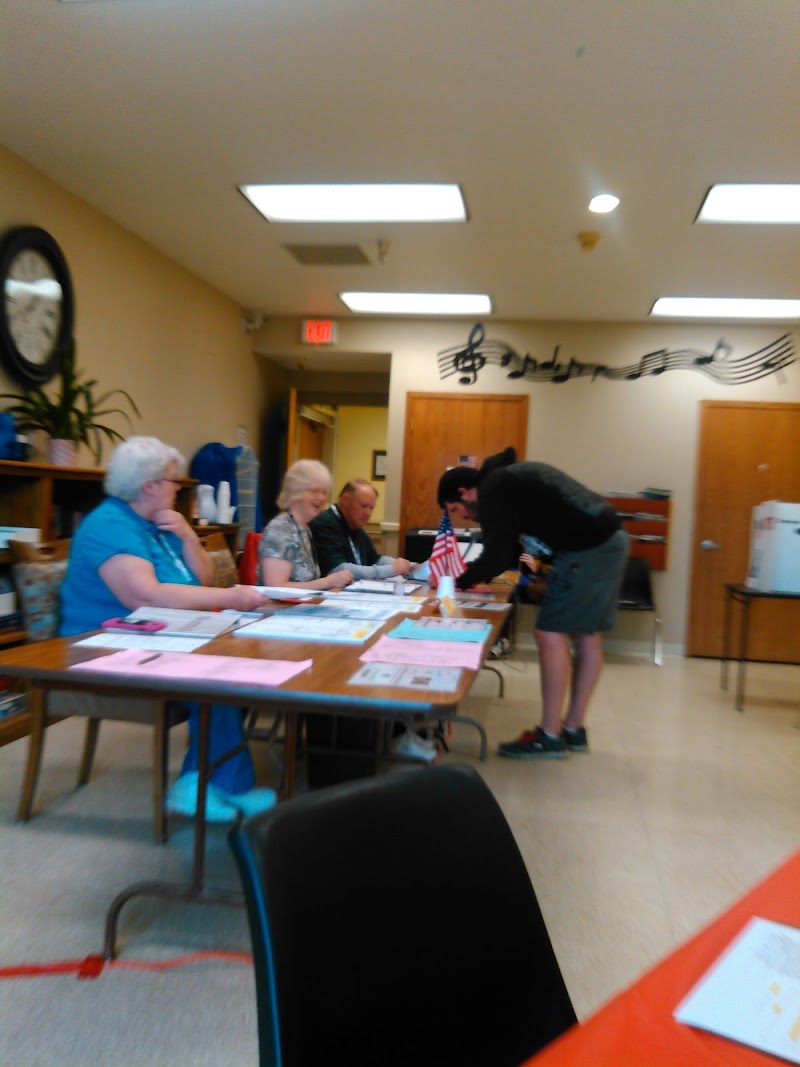
How is Mclean County Staffed?

CMS rates MCLEAN COUNTY NURSING HOME's staffing level at 4 out of 5 stars, which is above average compared to other nursing homes. Staff turnover is 43%, compared to the Illinois average of 46%. This relatively stable workforce can support continuity of care.

What Have Inspectors Found at Mclean County?

State health inspectors documented 29 deficiencies at MCLEAN COUNTY NURSING HOME during 2022 to 2025. These included: 29 with potential for harm.
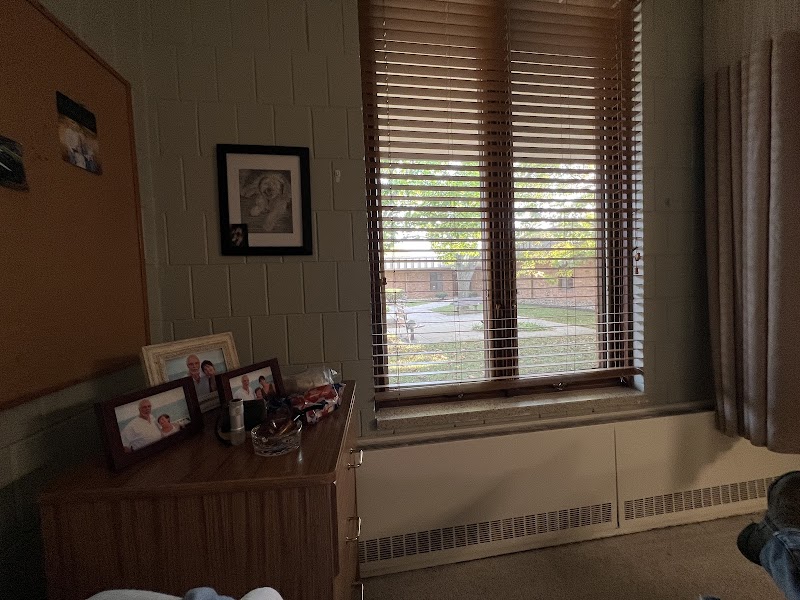
Who Owns and Operates Mclean County?

MCLEAN COUNTY NURSING HOME is owned by a for-profit company. For-profit facilities operate as businesses with obligations to shareholders or private owners. The facility operates independently rather than as part of a larger chain. With 148 certified beds and approximately 80 residents (about 54% occupancy), it is a mid-sized facility located in NORMAL, Illinois.
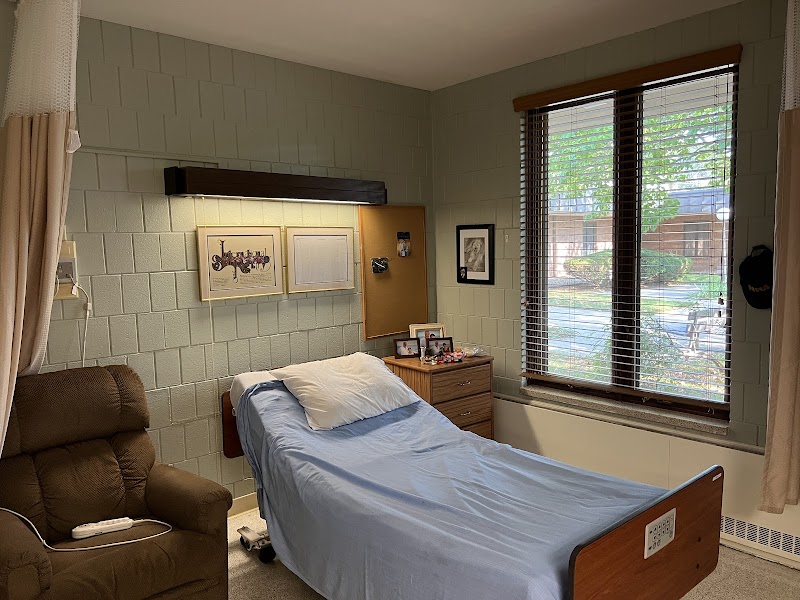
How Does Mclean County Compare to Other Illinois Nursing Homes?

Compared to the 100 nursing homes in Illinois, MCLEAN COUNTY NURSING HOME's overall rating (4 stars) is above the state average of 2.5, staff turnover (43%) is near the state average of 46%, and health inspection rating (4 stars) is above the national benchmark.

What Should Families Ask When Visiting Mclean County?

Based on this facility's data, families visiting should ask: "Can I visit during a mealtime to observe dining assistance and food quality?" "How do you handle medical emergencies, and what is your hospital transfer rate?" "Can I speak with family members of current residents about their experience?"

Is Mclean County Safe?

Based on CMS inspection data, MCLEAN COUNTY NURSING HOME has a clean safety record: no substantiated abuse findings (meaning no confirmed cases of resident harm), no Immediate Jeopardy citations (the most serious violation level indicating risk of serious injury or death), and is not on the Special Focus Facility watch list (a federal program monitoring the lowest-performing 1% of nursing homes). The facility has a 4-star overall rating and ranks #1 of 100 nursing homes in Illinois. While no facility is perfect, families should still ask about staff-to-resident ratios and recent inspection results during their visit.

Do Nurses at Mclean County Stick Around?

MCLEAN COUNTY NURSING HOME has a staff turnover rate of 43%, which is about average for Illinois nursing homes (state average: 46%). Moderate turnover is common in nursing homes, but families should still ask about staff tenure and how the facility maintains care continuity when employees leave.

Was Mclean County Ever Fined?

MCLEAN COUNTY NURSING HOME has no federal fines on record. CMS issues fines when nursing homes fail to meet care standards or don't correct problems found during inspections. The absence of fines suggests the facility has either maintained compliance or corrected any issues before penalties were assessed. This is a positive indicator, though families should still review recent inspection reports for the full picture.

Is Mclean County on Any Federal Watch List?

MCLEAN COUNTY NURSING HOME is not on any federal watch list. The most significant is the Special Focus Facility (SFF) program, which identifies the bottom 1% of nursing homes nationally based on persistent, serious quality problems. Not being on this list means the facility has avoided the pattern of deficiencies that triggers enhanced federal oversight. This is a positive indicator, though families should still review the facility's inspection history directly.