The Haven of Ridgeview
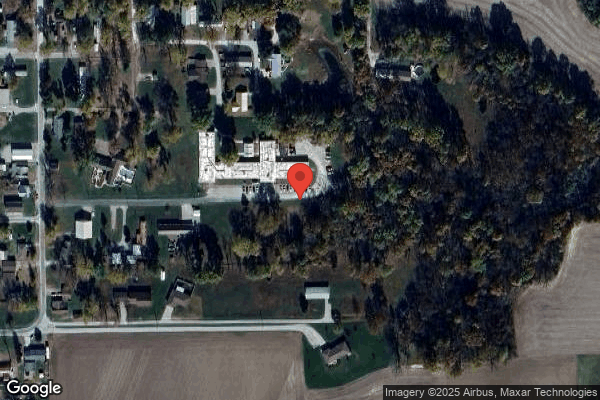
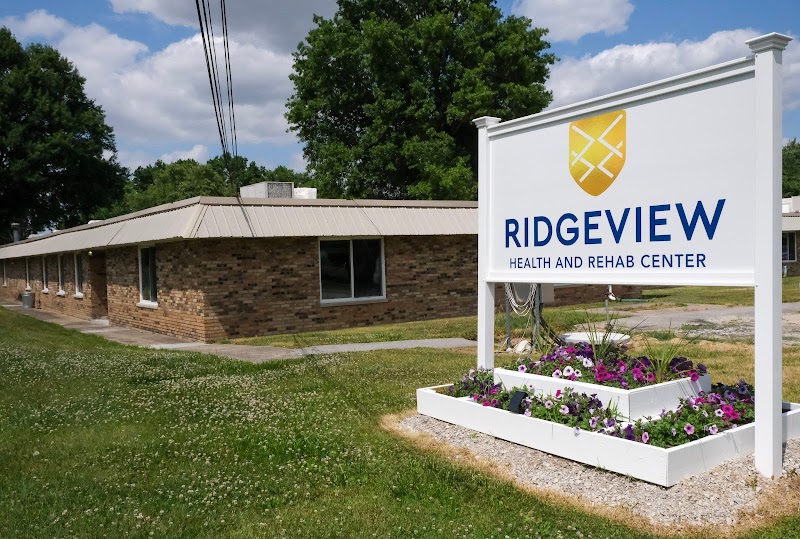
413 RIDGE LANE, OBLONG, IL 62449 (618) 592-4228
For profit - Individual 55 Beds CREST HEALTHCARE CONSULTING Data: November 2025
Trust Grade
20/100
#413 of 665 in IL
Last Inspection: October 2024

Within standard 12-15 month inspection cycle. Federal law requires annual inspections.

Overview

The Haven of Ridgeview has received a Trust Grade of F, which indicates significant concerns about care quality. In Illinois, it ranks #413 out of 665, placing it in the bottom half of nursing homes, and is #2 of 2 in Crawford County, meaning there is only one other local option that is better. The facility's trend is improving, with issues decreasing from 18 in 2024 to 4 in 2025, but it still has a lot of room for improvement. Staffing is rated average with a turnover of 38%, which is better than the state average of 46%, and while they have concerning fines totaling $84,695, they have an average level of RN coverage. Specific incidents include a resident developing serious pressure ulcers due to a lack of preventive measures, another resident experiencing severe pain without proper management, and a failure to notify a physician in a timely manner, leading to hospitalization for cellulitis. While there are some positives like improving trends and acceptable staffing turnover, the facility faces serious challenges that families should consider.

Trust Score
F
20/100
In Illinois
#413/665
Bottom 38%
Safety Record
High Risk
Review needed
Inspections
Getting Better
18 → 4 violations
Staff Stability
○ Average
38% turnover. Near Illinois's 48% average. Typical for the industry.
Penalties
⚠ Watch
$84,695 in fines. Higher than 84% of Illinois facilities, suggesting repeated compliance issues.
Skilled Nurses
○ Average
Each resident gets 40 minutes of Registered Nurse (RN) attention daily — about average for Illinois. RNs are the most trained staff who monitor for health changes.
Violations
⚠ Watch
33 deficiencies on record. Higher than average. Multiple issues found across inspections.
★★☆☆☆
2.0
Overall Rating
★★★☆☆
3.0
Staff Levels
★★☆☆☆
2.0
Care Quality
★★☆☆☆
2.0
Inspection Score
Stable
2024: 18 issues
2025: 4 issues

The Good

  • Full Sprinkler Coverage · Fire safety systems throughout facility
  • No fines on record
  • Staff turnover below average (38%)

    10 points below Illinois average of 48%

Facility shows strength in fire safety.

The Bad

2-Star Overall Rating

Below Illinois average (2.5)

Below average - review inspection findings carefully

Staff Turnover: 38%

Near Illinois avg (46%)

Typical for the industry

Federal Fines: $84,695

Well above median ($33,413)

Moderate penalties - review what triggered them

Chain: CREST HEALTHCARE CONSULTING

Part of a multi-facility chain

Ask about local staffing decisions and management

The Ugly 33 deficiencies on record

4 actual harm
Jan 2025 4 deficiencies 1 Harm
SERIOUS (G) 📢 Someone Reported This

A family member, employee, or ombudsman was alarmed enough to file a formal complaint

Actual Harm - a resident was hurt due to facility failures

Pressure Ulcer Prevention (Tag F0686)

A resident was harmed · This affected 1 resident

**NOTE- TERMS IN BRACKETS HAVE BEEN EDITED TO PROTECT CONFIDENTIALITY** Based on interview and record review, the facility failed to implement interventions to prevent the development of pressure ulce...

Read full inspector narrative →
**NOTE- TERMS IN BRACKETS HAVE BEEN EDITED TO PROTECT CONFIDENTIALITY** Based on interview and record review, the facility failed to implement interventions to prevent the development of pressure ulcers for 1 of 3 residents (R1) reviewed for pressure ulcers in the sample of 7. This failure resulted in R1 developing facility acquired moisture associated skin damage to the buttocks, a stage 2 pressure ulcer to the Left Ischium, a stage 3 pressure ulcer to the Right Ischium, and a stage 3 pressure ulcer to the Sacrum. Findings include: R1's admission Record documented an initial admission Date of 12/8/22 and a readmission date of 10/5/24. Diagnoses listed include Hemiplegia and Hemiparesis following Cerebral Infarction Affecting the Right Dominant Side, Type 2 Diabetes, Chronic Kidney Disease Stage 4 (Severe), Morbid Obesity, Epilepsy, and Aphasia. R1's 12/11/24 Braden Scale for Predicting Pressure Ulcer Risk documented a score of 11, indicating R1 is at high risk for the development of pressure ulcers. R1's Minimum Data Set, dated [DATE] documented that R1 is severely cognitively impaired to the extent that a Brief Mental Status Score could not be performed, was always incontinent of bowel and bladder, required substantial/maximal staff assistance for bed mobility, and was totally dependent on staff for transfers. The same MDS documents in Section M, Skin Conditions, that R1 is at risk for pressure ulcers/injuries and that R1 did not have any pressure ulcers/injuries. R1's Care Plan dated 12/8/24 documented a Focus area of, Pressure Ulcers, sites: Left Ischium, Right Ischium, Coccyx, with corresponding interventions, Repositioning every 2 hours and PRN (as needed). The same Care Plan also documents a Focus area of Potential for impaired skin integrity related to: Cognitive deficits, Decreased sensation, PVD (Peripheral Vascular Disease), DM (Diabetes Mellitus), hemiplegia right side, Impaired mobility, Incontinence. Documented interventions include Monitor Incontinence and provide pericare. R1's Wound Assessment and Plan Notes, authored by V6, Wound Care Nurse Practitioner, documented the following: 12/1/24: Wound location: Bilateral Buttocks, MASD (Moisture Associated Skin Damage) Wound onset date, 11/28/24. Irritant Contact Dermatitis due to dual incontinence. Coccyx, pressure injury, stage 3. Wound onset date, 11/28/24. 12/10/24:Wound location: Sacrum, pressure injury, stage 3. Declined. Wound onset date 11/28/24. Location changed (from Coccyx) to more accurately reflect current wound. Wound location: Bilateral Buttocks: Healed. Wound location: Left Ischium, pressure injury, stage 2. Onset date 12/10/24. Wound location: Right Ischium, pressure injury, stage 3. Onset date 12/10/24. R1's Nurses Notes dated 12/11/24 at 10:30pm stated, Resident not responding during care, lethargic. Resident had blood in urine and fever of 101.2. Sending resident to ER (Emergency Room) for evaluation and treatment. Power of Attorney and MD (Medical Doctor) aware. R1's (local hospital) ED (Emergency Department) Note, Physician, dated 12/11/24 documented, It was brought to my attention that the family wanted the patient to stay locally. However, after reviewing the patients chart, the patient is noted to have elevated [NAME] (Blood Cell) Count of 19.3 and continues, And white (blood) cells in the urine which may indicate sepsis with abnormality in other organs. I ordered Ceftriaxone and the family was informed that the patient willing to be transferred for a higher level of care (at a regional hospital). Assessment: Dehydration, severe. Hypernatremia. UTI (Urinary Tract infection). A (Regional Hospital) Admitting Physician History and Physical Examination dated 12/12/24 documented, [AGE] year old female with a past history significant for Diabetes Type 2, Bilateral Carotid Stenosis, Hypertension, Seizure Disorder, PVD (Peripheral Vascular Disease) presented to (Regional Hospital) on 12/12/24 with Altered Mental Status. Assessment/Plan: Altered Mental Status,Hypernatremia, UTI, Sepsis present outside facility with respiratory rate of 25, Altered Mental Status, elevated [NAME] (Blood Cell) Count of 19.3, Sacral Decubitus Ulcer present on admission, AKI (Acute Kidney Injury) on CKD (Chronic Kidney Disease). On 12/26/24 at 9:20am, V4, R1's Power of Attorney, stated on 12/11/24, V2, Director of Nurses, calledV4 to state R1 had recently developed pressure areas, had experienced a deterioration in status, and the facility was sending R1 to hospital for treatment, where R1 was found to have a UTI. V4 stated she was told by V2 that R1's pressure wounds were [NAME] Ulcers, and V2 stated these were as a result of R1 being near the end of her life. V4 stated she does not believe this is accurate as R1 has since improved and has not been under hospice care. V4 stated V4 believed R1 developed pressure wounds due to not being repositioned and changed often enough, based on V4's history of working many years as a CNA (Certified Nursing Assistant). V4 stated as an example, V4 informed staff she wanted R1 get up to the wheelchair for meals, but when V4 visited, R1 often ate meals in bed. V4 stated staff told V4 that R1, Was a fall risk, had to be transferred with a mechanical lift, and they did not have enough staff to be able to supervise her while up. V4 stated she felt the facility was leaving R1 in bed all day for staff convenience. V4 stated after R1 was discharged from the hospital on [DATE], V4 had R1 sent to a different facility, where R1's wounds and overall condition have improved. On 12/27/24 at 9:35am, V9, CNA, stated she primarily works the 6am to 6pm shift. V9 stated incontinent residents on the 6:00pm to 6:00am shift are not being changed and repositioned often enough. V9 stated most mornings when V9 arrives, including the morning of 12/27/24, incontinent, confused residents are urine soaked, with dried brown rings on bed linens, and dried feces. V9 stated although there are supposed to be at least 3 CNAs and one nurse on the 6:00pm shift, at times there are 2 CNAs and one nurse, and such was the case the previous night. V9 stated when she has verbalized concern about care and staffing to Administration, she was told to call the corporate hotline to complain. On 12/27/24 at 10:15am, V8, CNA, stated she primarily works the 6am to 6pm shift. V8 stated the facility definitely does not have enough CNAs on the 6pm to 6am shift. V8 stated when she begins her shift at 6:00am, confused incontinent residents are frequently urine soaked, with brown rings on linens, and dried feces. V8 stated R1 was always incontinent of both bowel and bladder and was unable to reposition herself. When asked about R1 developing pressure wounds, V8 stated, She probably got them from not being turned and changed enough. V8 stated in regard to R1, They just tried to turn her as best they could when they remembered and tried to keep her clean and dry. On 1/2/25 at 11:40am, V12, CNA, stated she generally works the 6am shift but has also worked the 6pm shift as well. V12 stated both shifts are often short of CNAs. V12 stated when she started her shift that morning (1/2/25), several incontinent residents were soaked with urine and had odor and brown rings on linens due to the 6:00pm shift not changing them. V12 stated, There are definitely issues with people not getting turned and changed every 2 hours. V12 stated on the 6:00pm shift, They don't do bed checks like they are supposed to. Everybody is in bed by 8:00pm or 9:00pm, then they are to do bed checks at 11:00pm, 1:00am, 3:00am, and 5:00am. They always skip the 11:00pm bed check, they do a bed check at 1:00am, then they start getting people up at 4:30am, so technically there is only one bed check, at 1am. V12 said there are times when perineal care is not done when changing incontinent residents due to time constraints, incontinence briefs are changed but the perineal area is not cleansed. This is happening a lot, mostly to confused residents who can't tell anybody what is going on. In regard to R1, V12 stated, She for sure did not get turned every two hours. She (urinated) a lot, but we did try to keep her dry, although she may not have got her perineal area cleaned. V12 stated R1's family wanted her to get up to the wheelchair for meals, and when she (V12) worked with R1, she got her up. V12 stated complaints to Administration about staffing and care, Go nowhere. Nothing ever changes. On 1/2/25 at 2:25pm, V2, Director of Nurses, stated as far as she is aware, all dependent incontinent residents are being changed, receive perineal care, and are repositioned every two hours, including on the 6:00pm shift, and she has not heard otherwise. V2 stated R1's family would not have been told R1 couldn't be gotten up due to being a fall risk or not having enough staff to supervise her as those statements would not be accurate. V2 stated R1 developed MASD (Moisture Associated Skin Damage) to both buttocks and a stage 3 pressure wound to the Coccyx on 11/28/24 and was therefore referred to V6. V2 stated R1 went on to develop a stage 3 pressure area to the Right Ischial Tuberosity and a stage 2 pressure area to the Left Ischial Tuberosity, both acquired on 12/10/24. V2 stated she assumed all of these pressure areas were [NAME] Ulcers, associated with tissue breakdown at the end of life. V2 stated R1's condition continued to deteriorate and she was sent to the hospital on [DATE] due to nausea and vomiting and change in mental status. V2 stated a Urinalysis obtained prior to the hospital admission showed evidence of UTI. V2 stated at some point in December 2024, V4 had told V1, Administrator, that R1 would not be returning to the facility after hospitalization. On 1/3/24 at 10:15am, V1, Administrator, stated V4 came to the facility in December 2024, date unknown, to state that V4 did not believe that R1's wounds could have occurred that quickly and to that extent unless R1 was not being turned and changed frequently. V1 stated V4 said R1 would therefore not be returning to the facility. V1 stated as far as she knew, R1 was being changed and turned. V1 stated she told V4 that her understanding was that R1's areas were [NAME] Ulcers. On 1/3/24 at 11:05am, V6, Wound Care Nurse Practitioner, stated she evaluated R1 on 12/1/24 for facility acquired MASD to both buttocks, and a facility acquired stage 3 pressure wound to the Coccyx, both acquired 11/28/24. V6 stated she evaluated R1 again on 12/10/24, and found the MASD to the buttocks had resolved but R1 had a facility acquired stage 2 pressure area to the Left Ischium and a facility acquired stage 3 pressure area to the Right Ischium, both acquired 12/10/24. V6 stated on 12/10/24 the Coccyx wound had deteriorated to involve the entire Sacrum at a stage 3. V6 stated within December 2024, following R1's hospitalization, she resumed treating R1, at a different facility, and last evaluated R1 on 12/31/24. V6 stated all the pressure areas are now healing and R1's overall condition has improved. V6 stated she does not endorse the use of the term [NAME] Ulcers, and would not say R1 is currently at the end of life. V6 stated overall at the time the pressure areas developed, R1's overall health was in decline. V6 stated residents should be repositioned frequently to improve blood flow, but not necessarily every two hours, the time to reposition residents varies with each individual. V6 stated not being changed frequently and the perineum not being cleansed of urine and feces would be very damaging to the skin, probably more so than not being frequently repositioned. An Incontinence Care Policy dated 5/16/22 documented, All incontinent residents will receive incontinence care in order to keep skin clean, dry, and free of irritation and/or odor. Incontinence care will be provided as required. 8. Wash all soiled skin areas and dry very well, especially between skin folds. 11. Change linen as needed. The facility policy titled Skin Integrity Protocol (undated) documents Preventative Measures: 1. Turning, positioning and pressure redistribution {off-loading) will be utilized for all residents who have been identified of being at risk for developing pressure ulcers . 3. Minimizing exposure to moisture.
CONCERN (D) 📢 Someone Reported This

A family member, employee, or ombudsman was alarmed enough to file a formal complaint

Potential for Harm - no one hurt, but risky conditions existed

Notification of Changes (Tag F0580)

Could have caused harm · This affected 1 resident

Based on interview and record review, the facility failed to notify a residents POA (Power of Attorney) of a change in condition for 1 of 3 residents (R1) reviewed for POA notification in the sample o...

Read full inspector narrative →
Based on interview and record review, the facility failed to notify a residents POA (Power of Attorney) of a change in condition for 1 of 3 residents (R1) reviewed for POA notification in the sample of 7. Findings include: R1's admission Record documented an initial admission Date of 12/8/22 and a readmission date of 10/5/24, and listed diagnoses including Hemiplegia and Hemiparesis following Cerebral Infarction Affecting the Right Dominant Side, Type 2 Diabetes, Chronic Kidney Disease Stage 4 (Severe), Morbid Obesity, Epilepsy, and Aphasia. The same admission Record identified V4 (family member) as R1's POA. R1's Wound Assessment and Plan Notes, authored by V6, Wound Care Nurse Practitioner, documented the following: 12/1/24: Wound location: Bilateral Buttocks, MASD (Moisture Associated Skin Damage) Wound onset date, 11/28/24. Irritant Contact Dermatitis due to dual incontinence. Coccyx, pressure injury, stage 3. Wound onset date 11/28/24. 12/10/24:Wound location: Sacrum, pressure injury, stage 3. Declined. Wound onset date 11/28/24. Location changed (from Coccyx) to more accurately reflect current wound. Wound location: Bilateral Buttocks: Healed. Location: Left Ischium, pressure injury, stage 2. Onset date 12/10/24. Wound location: Right Ischium, pressure injury, stage 3. Onset date 12/10/24. R1's Nurses Notes for November and December 2024 contained no documentation to indicate V4 was notified of R1's pressure ulcers. On 12/26/24 at 9:20am, V4, R1's Power of Attorney, stated on 12/11/24, V2, Director of Nurses, called V4 to state R1 had recently developed pressure areas, had experienced a deterioration in status, and the facility was sending R1 to hospital for treatment of a UTI (Urinary Tract Infection). V4 stated this was the first she had heard of R1 having pressure ulcers. On 1/2/25 at 2:25pm, V2 stated she believes that on the 4th or 5th of December, she had a conversation with V4 about R1 having developed pressure wounds. V2 stated apparently she did not document the conversation. On 1/3/25 at 11:05am, V6 (Wound Care Nurse Practitioner) stated she generally relies on facility nursing staff to communicate with resident's families. V6 stated she did not speak with V4 about R1's pressure ulcers. The facility policy titled Change of Condition Protocol (revision date 1/23/23) documents 1. The interdisciplinary team, with the assistance of the physician, will help identify individuals with a significant risk for having acute changes of condition during their stay .11. As needed, the physician will discuss with the staff and resident/patient and/or family the pros and cons of diagnosing and managing the situation in the facility or the need for hospitalization. a. Many acute changes of condition can be managed effectively in nursing facilities with outcomes that are comparable to those of hospitalization. b. This discussion should consider the patient's overall condition, prognosis, and wishes (either direct or as conveyed by a substitute decision-maker).
CONCERN (D) 📢 Someone Reported This

A family member, employee, or ombudsman was alarmed enough to file a formal complaint

Potential for Harm - no one hurt, but risky conditions existed

ADL Care (Tag F0677)

Could have caused harm · This affected 1 resident

**NOTE- TERMS IN BRACKETS HAVE BEEN EDITED TO PROTECT CONFIDENTIALITY** Based on interview and record review, the facility failed to provide incontinence care and timely toileting assistance for depen...

Read full inspector narrative →
**NOTE- TERMS IN BRACKETS HAVE BEEN EDITED TO PROTECT CONFIDENTIALITY** Based on interview and record review, the facility failed to provide incontinence care and timely toileting assistance for dependent residents for 2 of 7 residents (R1, R7) reviewed for ADL (Activities of Daily Living) care in the sample of seven. Findings include: 1. R1's admission Record documented an initial admission Date of 12/8/22 and a readmission date of 10/5/24. Documented diagnoses include: Hemiplegia and Hemiparesis following Cerebral Infarction Affecting the Right Dominant Side, Type 2 Diabetes, Chronic Kidney Disease Stage 4 (Severe), Morbid Obesity, Epilepsy, and Aphasia. R1's 12/11/24 Braden Scale for Predicting Pressure Ulcer Risk documented a score of 11, indicating R1 is at high risk for the development of pressure ulcers. R1's Minimum Data Set, dated [DATE] documented that R1 is severely cognitively impaired to the extent that a Brief Mental Status Score could not be performed, required substantial/maximal staff assistance for bed mobility, totally dependent on staff for transfers, and is always incontinent of bladder and bowel. R1's Care Plan dated 12/8/24 documents a Focus area of Potential for impaired skin integrity related to: Cognitive deficits, Decreased sensation, PVD (Peripheral Vascular Disease), DM (Diabetes Mellitus), hemiplegia right side, Impaired mobility, Incontinence. Documented interventions include Monitor Incontinence and provide pericare. The same Care Plan also documents a Focus area of (R1) has Self-Care Deficit As Evidenced by: Needs extensive assistance with ADL's related to impaired mobility, CVA, and Hemiplegia right dominate side. Documented interventions include: Bed Mobility - Assist to turn & reposition every 2 hours in bed & wheelchair, two person assist for pulling resident up in bed; may require one or two person assist for repositioning in bed depending on resident condition, and transfer: Mechanical Lift required. On 12/26/24 at 9:20am, V4, R1's Power of Attorney, stated V4 believed R1 developed pressure wounds due to not being repositioned and changed often enough, based on V4's history of working many years as a CNA (Certified Nursing Assistant). V4 stated as an example, V4 informed staff she wanted R1 get up to the wheelchair for meals, but when V4 visited, R1 often ate meals in bed. V4 stated staff told V4 that R1, Was a fall risk, had to be transferred with a mechanical lift, and they did not have enough staff to be able to supervise her while up. V4 stated she felt the facility was leaving R1 in bed all day for staff convenience. On 12/27/24 at 9:35am, V9, CNA, stated she primarily works the 6am to 6pm shift. V9 stated incontinent residents on the 6:00pm to 6:00am shift are not being changed and repositioned often enough. V9 stated most mornings when V9 arrives, including the morning of 12/27/24, incontinent, confused residents are urine soaked, with dried brown rings on bed linens, and dried feces. On 12/27/24 at 10:15am, V8, CNA, stated she primarily works the 6am to 6pm shift. V8 stated the facility definitely does not have enough CNAs on the 6pm to 6am shift. V8 stated when she begins her shift at 6:00am, confused incontinent residents are frequently urine soaked, with brown rings on linens, and dried feces. V8 stated R1 was always incontinent of both bowel and bladder and was unable to reposition herself. When asked about R1 developing pressure wounds, V8 stated, She probably got them from not being turned and changed enough. V8 stated in regard to R1, They just tried to turn her as best they could when they remembered and tried to keep her clean and dry. On 1/2/25 at 11:40am, V12, CNA, stated she generally works the 6am shift but has also worked the 6pm shift as well. V12 stated both shifts are often short of CNAs. V12 stated when she started her shift that morning (1/2/25), several incontinent residents were soaked with urine and had odor and brown rings on linens due to the 6:00pm shift not changing them. V12 stated, There are definitely issues with people not getting turned and changed every 2 hours. V12 stated on the 6:00pm shift, They don't do bed checks like they are supposed to. Everybody is in bed by 8:00pm or 9:00pm, then they are to do bed checks at 11:00pm, 1:00am, 3:00am, and 5:00am. They always skip the 11:00pm bed check, they do a bed check at 1:00am, then they start getting people up at 4:30am, so technically there is only one bed check, at 1am. V12 said there are times when perineal care is not done when changing incontinent residents due to time constraints, incontinence briefs are changed but the perineal area is not cleansed. This is happening a lot, mostly to confused residents who can't tell anybody what is going on. In regard to R1, V12 stated, She for sure did not get turned every two hours. She (urinated) a lot, but we did try to keep her dry, although she may not have got her perineal area cleaned. 2. R7's admission Record documented an admission Date of 7/18/17. Documented diagnoses include: Parkinson's Disease and Diabetes Type 2. R7's Minimum Data Set, dated [DATE] documented that R7 has no deficits in cognition and requires partial or moderate assistance from staff for toileting and transfers. R7's Care Plan with a revision date of 12/15/24 documented a problem area, (R7) has self-care deficit as evidenced by: Needs extensive assistance with ADLs related to contracture, weakness, impaired mobility, with a corresponding documented interventions including: Encourage the resident to use call bell for assistance and Toilet-use-one person physical assist required. On 1/3/24 at 10:35am, V2 stated it is her expectation that call lights should be answered within 15 to 20 minutes. On 1/3/25 at 1:10pm, R7 was alert and oriented to person, place, time, and purpose. R7 stated she has been complaining about call lights and staffing for the past few months, but it never improves. R7 stated she often waits an hour on her call light to get toileting assistance, and when CNA's finally respond, they tell her, They can't help it because they are short staffed. Sometimes they say what do you expect, there's nobody assigned to this hall, or there are only 2 CNAs in the whole building. R7 stated trying to get help is worse at bedtime, from about 7:00pm to 9:00pm. A Call Light Guidance Policy dated 8/20/22 stated, Resident call lights shall be responded to within a reasonable amount of time. An Incontinence Care Policy dated 5/16/22 documented, All incontinent residents will receive incontinence care in order to keep skin clean, dry, and free of irritation and/or odor. Incontinence care will be provided as required. 8. Wash all soiled skin areas and dry very well, especially between skin folds. 11. Change linen as needed. An undated Repositioning Procedure documented, Interventions. 3. Residents who are in bed should be on an at least every two hour repositioning schedule.
CONCERN (F) 📢 Someone Reported This

A family member, employee, or ombudsman was alarmed enough to file a formal complaint

Potential for Harm - no one hurt, but risky conditions existed

Deficiency F0725 (Tag F0725)

Could have caused harm · This affected most or all residents

**NOTE- TERMS IN BRACKETS HAVE BEEN EDITED TO PROTECT CONFIDENTIALITY** Based on interview and record review, the facility failed to provide sufficient direct care staff for meeting resident needs in ...

Read full inspector narrative →
**NOTE- TERMS IN BRACKETS HAVE BEEN EDITED TO PROTECT CONFIDENTIALITY** Based on interview and record review, the facility failed to provide sufficient direct care staff for meeting resident needs in a timely fashion. This has the ability to effect all 50 residents living at the facility. Findings include: 1. R1's admission Record documented an initial admission Date of 12/8/22 and a readmission date of 10/5/24, and listed diagnoses including Hemiplegia and Hemiparesis following Cerebral Infarction Affecting the Right Dominant Side, Type 2 Diabetes, Chronic Kidney Disease Stage 4 (Severe), Morbid Obesity, Epilepsy, and Aphasia. R1's 12/11/24 Braden Scale for Predicting Pressure Ulcer Risk documented a score of 11, indicating R1 is at high risk for the development of pressure ulcers. R1's Minimum Data Set, dated [DATE] documented that R1 is severly cognitively impaired to the extent that a Brief Mental Status Score could not be performed, required substantial/maximal staff assistance for bed mobility, totally dependent on staff for transfers, and is always incontinent of bladder and bowel. Section H, Bladder and Bowel, documents that R1 is always incontinent R1's Care Plan dated 12/8/24 documented a problem area, Pressure Ulcers, sites: Left Ischium, Right Ischium, Coccyx, with corresponding interventions, Repositioning every 2 hours and PRN (as needed). On 12/26/24 at 9:20am, V4, R1's Power of Attorney, stated that she believed R1 developed pressure wounds due to not being repositioned and changed often enough, based on V4's history of working many years as a CNA (Certified Nursing Assistant). V4 stated as an example, V4 informed staff she wanted R1 get up to the wheelchair for meals, but when V4 visited, R1 often ate meals in bed. V4 stated staff told V4 that R1, Was a fall risk, had to be transferred with a mechanical lift, and they did not have enough staff to be able to supervise her while up. On 12/27/24 at 9:35am, V9, CNA, stated she primarily works the 6am to 6pm shift. V9 stated incontinent residents on the 6:00pm to 6:00am shift are not being changed and repositioned often enough. V9 stated most mornings when V9 arrives, including the morning of 12/27/24, incontinent, confused residents are urine soaked, with dried brown rings on bed linens, and dried feces. V9 stated although there are supposed to be at least 3 CNAs and one nurse on the 6:00pm shift, at times there are 2 CNAs and one nurse, and such was the case the previous night. V9 stated when she has verbalized concern about care and staffing to Administration, she was told to call the corporate hotline to complain. On 12/27/24 at 10:15am, V8, CNA, stated she primarily works the 6am to 6pm shift. V8 stated the facility definitely does not have enough CNAs on the 6pm to 6am shift. V8 stated when she begins her shift at 6:00am, confused incontinent residents are frequently urine soaked, with brown rings on linens, and dried feces. V8 stated in regard to R1, They just tried to turn her as best they could when they remembered and tried to keep her clean and dry. On 1/2/25 at 11:40am, V12, CNA, stated she generally works the 6am shift but has also worked the 6pm shift as well. V12 stated both shifts are often short of CNAs. V12 stated when she starts at 6:00am, incontinent residents are frequently soaked with urine and have odor and brown rings on linens due to the 6:00pm shift not changing them. V12 stated, There are definitely issues with people not getting turned and changed every 2 hours. V12 stated on the 6:00pm shift, They don't do bed checks like they are supposed to. Everybody is in bed by 8:00pm or 9:00pm, then they are to do bed checks at 11:00pm, 1:00am, 3:00am, and 5:00am. They always skip the 11:00pm bed check, they do a bed check at 1:00am, then they start getting people up at 4:30am, so technically there is only one bed check, at 1:00am. V12 stated there are times when perineal care is not done when changing incontinent residents due to time constraints, incontinence briefs are changed but the perineal area is not cleansed due to insufficient time to provide care. V12 stated, This is happening a lot, mostly to confused residents who can't tell anybody what is going on. In regard to R1, V12 stated, She for sure did not get turned every two hours. She (urinated) a lot, but we did try to keep her dry, although she may not have got her perineal area cleaned.V12 stated the 6:00pm shift CNA staff are to clean wheelchairs, which they are not doing. V12 stated complaints to Administration about staffing and care, Go nowhere. Nothing ever changes. On 1/3/25 at 9:10am, V2, Director of Nurses, confirmed she is the staff member responsible for scheduling nursing and CNA staff. V2 stated the facility requires a minimum of 5-6 CNAs and 2 nurses on 6:00am to 6:00pm shift, and 1 nurse and 3 CNAs on the 6:00pm to 6:00am shift, and that they are meeting this requirement, Most of the time. V2 acknowledged difficulty attracting and retaining CNA staff and stated call ins are a problem. On 1/3/25 at 12:50pm, V1, Administrator, stated complaints about call lights have come up in Resident Council for the past few months. V1 stated they are always hiring CNA staff, but the new hires frequently call in or no show. Resident Council Meeting Minutes documented the following: 11/6/24: Wheelchairs not being washed, call lights taking a long time to be answered. 12/4/24: Wheelchairs not being washed, call lights taking a long time to be answered. A Grievance Summary dated 11/6/24 documented the following: (Filed by an anonymous resident): Call lights taking a long time at times to answer. Summary of findings: At times it does take a little longer for the call lights to be answered, depending on the time of day and staffing. A December 2024 Staff schedule documented that on Sunday 12/1/24 from 6:00am to 6:00pm, there were three CNAs and one nurse working, with an additional nurse working 8:00am to 4:00pm. On Saturday 12/14/24 from 6:00am to 6:00pm, there were three CNAs and one nurse working, with a second nurse working from 8:00am to 4:00pm. A Daily Assignment Sheet dated Friday 12/27/24 documented that from 1:00am to 6:00am, two CNAs and one nurse worked. 2. R7's admission Record documented an admission Date of 7/18/17 and listed diagnoses including Parkinson's Disease and Diabetes Type 2. R7's Minimum Data Set, dated [DATE] documented that R7 has no deficits in cognition and requires partial or moderate assistance from staff for toileting and transfers. On 1/3/24 at 10:35am, V2 stated it is her expectation that call lights should be answered within 15 to 20 minutes. On 1/3/25 at 1:10pm, R7 was alert and oriented to person, place, time, and purpose. R7 stated she has been complaining about call lights and staffing for the past few months, but it never improves. R7 stated she often waits an hour on her call light to get toileting assistance, and when CNAs finally respond, they tell her, They can't help it because they are short staffed. Sometimes they say what do you expect, theres nobody assigned to this hall, or there are only 2 CNAs in the whole building. R7 stated trying to get help is worse at bedtime, from about 7:00pm to 9:00pm. The facility's Staffing Policy dated 6/13/23 documented,The facility has developed and assigned duty hours for the nursing services department based on state/federal requirements and utilizing the staffing calculator. 3. Departmental work schedules may be revised by the Director of Nursing Services when deemed necessary and appropriate to ensure that each residents needs are met. A Call Light Guidance Policy dated 8/20/22 stated, Resident call lights shall be responded to within a reasonable amount of time. A Facilty Matrix dated 12/26/24 documented a total of 50 residents living at the facility.
Nov 2024 1 deficiency
CONCERN (D) 📢 Someone Reported This

A family member, employee, or ombudsman was alarmed enough to file a formal complaint

Potential for Harm - no one hurt, but risky conditions existed

Notification of Changes (Tag F0580)

Could have caused harm · This affected 1 resident

**NOTE- TERMS IN BRACKETS HAVE BEEN EDITED TO PROTECT CONFIDENTIALITY** Based on interview and record review the facility failed to notify the physician prior to a residents discharge for 1 of 3 resid...

Read full inspector narrative →
**NOTE- TERMS IN BRACKETS HAVE BEEN EDITED TO PROTECT CONFIDENTIALITY** Based on interview and record review the facility failed to notify the physician prior to a residents discharge for 1 of 3 residents (R1) reviewed for discharge planning in a sample of 5. Findings Include: Review of R1's admission Record documented R1's initial admission date to the facility as 08/02/2024 . The same document lists diagnoses for R1 as the following: other acute osteomyelitis, left foot and ankle, essential hypertension, alcohol use, and patient's other noncompliance with medication regimen. R1's Minimum Data Set (MDS) with an Assessment Reference Date of 08/09/2024 documented a Brief Interview for Mental Status Score of 15, indicating R1 is cognitively intact. A Progress Note dated 09/14/2024 with a time of 12:24 P.M. authored by V5 (Registered Nurse) documented R1 left the facility at 12:20 P.M., belongings, meds and narcotics sent with R1. R1 was educated on care of his wound and given his follow up appointment schedule, R1 voiced understanding. R1 left the facility via private car with friend. A form tiled (name of company)-Discharge Plan and Instruction with a date of 09/12/2024 documented that R1 had follow up appointments with the locations, date and times. The form goes on to document no home health care services were set up, no medical equipment needed, and medications were discussed with R1. R1's Order Summary Report with a Active Orders as of 09/14/2024 printed on 10/30/2024, documented an order dated 08/02/2024, for PICC (Peripherally Inserted Central Catheter) to be used for antibiotic use. The same document documented an order dated 08/02/2024, for Ertapenem 1 GM(Gram) intravenously every 24 hours for infection for 6 weeks. There were no orders documented on R1's Order Summary Report from V7 regarding R1's discharge or follow up care for the management of the PICC line. R1's Care Plan with and initiation date of 08/17/2024 has a Focus area of: Potential for infection related to IV (intravenous) use of PICC Line. The same document listed Goal: Will have no signs and symptoms of IV related complications. The same document goes on to list the interventions as administer medications as ordered, change catheter site dressing as required, change IV tubing as ordered, change sterile cap as ordered, labs as ordered, and monitor the site for redness, swelling, and or drainage. The same document went on to list a Focus Area of: The resident wishes to return/be discharged to home. The Goal is listed as: The resident will communicate an understanding of the discharge plan and describe the desired outcome. The same document went on to list the interventions as: encourage the resident to discuss feelings and concerns with discharge, evaluate the residents motivation to return to the community, make arrangements with required community resources to support independence post discharge, and prepare and give the resident contact numbers for all community referrals. On 10/30/2024 at 9:40 A.M. V3 (Hospital Social Service Worker) stated that R1 presented to the emergency room on [DATE] with the same PICC line in that was supposed to be taken out before he left the facility. V3 stated that R1 was discharged from the hospital and admitted to the facility on [DATE] for IV antibiotics. R1 was supposed to be discharged from the facility with the PICC line discontinued due to R1 having a history of being a known drug user and homeless. V3 stated that according to the discharge instructions that the facility was given from the hospital when R1 was admitted to the facility, R1 was to complete his antibiotics on 09/12/2024. V3 stated that R1 had an infection of his foot that required weeks of IV (Intravenous) antibiotics. V3 stated that once R1 was discharged from the facility there was no one caring for the PICC line and that R1 was living off of friends' couches. V3 stated that R1 told the emergency room staff that he was tying a belt around the PICC line to keep it from hanging down. V3 stated that once R1 was readmitted to the hospital on [DATE], they completed a culture of his foot where the wound was and placed a new PICC line for further treatment with IV antibiotics. V3 stated that R1 was discharged to another facility for further treatment. Review of Progress Note from local hospital dated 10/21/2024 timed 10:08 P.M. authored by V4 (Hospital Emergency Department Physician) documented Patient reportedly left the nursing home with PICC line, possibly AMA case management consulted and will be investigating. On 10/30/2024 at 1:53 P.M., an attempt was made to contact R1 at the number provided on R1's facility admission Record and the number is not a working phone number. On 10/30/2024 at 12:13 P.M. V1 (Administrator) stated that R1 was in the facility with a PICC line to receive IV antibiotics related to an infection he had in his foot. V1 stated that R1 was reported to be homeless before coming to the facility. V1 stated that the local hospital had called on 10/23/2024 to ask questions about R1. V1 stated that she verified to the hospital that R1 had completed his antibiotic and she believed that his PICC line was taken out before he was discharged . V1 then stated that she verified with V2 (Director of Nursing) if the PICC line was removed before discharge. V1 did state that the hospital asked her if R1's discharge was planned and V1 stated that she explained the process to the case manager at the hospital. V1 stated that she verified to the hospital that R1 had completed his antibiotic and she believed that his PICC line was taken out before he was discharged . On 10/30/2024 at 12:40 P.M. V2 (Director of Nursing) stated that R1 was at the facility for IV antibiotics related to osteomyelitis of his foot. V2 stated that he was supposed to be discharged after his last dose of antibiotics, but his ride couldn't come get him for a day or two. V2 stated that the plan was for R1 to return to his girlfriend's house after antibiotics were completed. V2 stated that R1 was sent home with medications and dressing supplies so he could do the dressings on his foot. R1 was also sent home with all of his medical follow up appointments. V2 stated that she was pretty sure the PICC line was taken out on the day the antibiotics were completed. V2 stated R1's last dose of antibiotics would have been 09/12/2024. V2 stated that it was her understanding that the PICC line was discontinued before R1 was discharged . On 10/30/2024 at 1:30 P.M. V5 (Registered Nurse) stated she was R1's nurse the day of discharge. V5 stated that she went over in length the importance of following up with all of his medical appointments when he is discharged . V5 stated that she is not sure if R1 still had his PICC line when he was discharged . V5 stated she did not do a skin check like you would on admission. V5 stated that she really did not know one way or another if R1 still had his PICC line and she can't really answer the question. V5 stated that she did not call the physician for discharge orders because she just thought they were already on the chart. V5 stated that she did not look to see if there were orders or not. On 10/30/2024 at 2:11 P.M. V6 (Registered Nurse) stated that she gave R1 his last dose of IV antibiotic on 09/12/2024. V6 stated she did not pull the PICC line out at that time. V6 stated she was off the next two days and did not take care of R1 anymore after 09/12/2024. On 10/31/2024 at 9:20 A.M. V1 stated she cannot find documentation in the chart for R1 to be discharged or for the PICC line to be removed. V1 stated that she is not sure why there is not an order in the electronic medical record for R1 to be discharged . V1 stated that R1's discharge was planned. V1 stated that all staff and V7 (Medical Doctor) was aware that R1 was going to leave as soon as his antibiotics were completed. V1 stated that R1 was given (company name)- Discharge Plan and Instructions form as well as a current medication list. On 10/31/2024 at 10:22 A.M. V7 (Medical Director) stated that she saw R1 on 09/04/2024 at the facility. V7 stated that she was made aware on 09/04/2024 by R1 and the facility that R1 wanted to be discharged after he completed his IV antibiotics. V7 stated there was no direct communication with the facility to her office about R1 going home. V7 stated that she did not give orders to the facility for R1 to be discharged . V7 stated that she has an office nurse who is responsible for her facility patients and the nurse was not made aware that the facility needed discharge orders. V7 stated that she would have expected the facility to discontinue R1's PICC line prior to him being discharged . V7 stated that it is standard routine care to discontinue a PICC line once the course of IV antibiotics were completed. On 10/31/2024 at 10:37 A.M. V2 (Director of Nursing) stated that it is her expectation for the nursing staff obtain discharge orders prior to discharge. V2 also stated that it is her expectation for PICC lines to be discontinued before discharge. V2 stated that there should be orders for these in the electronic medical record. The facility policy titled Discharge / Transfer Policy with a revision date of 08/15/2022 documented under the section titled purpose, 1. When the facility transfers or discharges resident under any circumstances, appropriate documentation shall be made in the resident's clinical record. The attending physician shall give orders for the transfer / discharge. 3. A written or telephone order is required from the attending physician for the transfer or discharge of a resident except in emergency situations.
Oct 2024 12 deficiencies 1 Harm
SERIOUS (G) 📢 Someone Reported This

A family member, employee, or ombudsman was alarmed enough to file a formal complaint

Actual Harm - a resident was hurt due to facility failures

Deficiency F0697 (Tag F0697)

A resident was harmed · This affected 1 resident

**NOTE- TERMS IN BRACKETS HAVE BEEN EDITED TO PROTECT CONFIDENTIALITY** Based on interview and record review, the facility failed to assess and manage pain for 1 (R198) of 2 residents reviewed for pai...

Read full inspector narrative →
**NOTE- TERMS IN BRACKETS HAVE BEEN EDITED TO PROTECT CONFIDENTIALITY** Based on interview and record review, the facility failed to assess and manage pain for 1 (R198) of 2 residents reviewed for pain management in the sample of 34. This failure resulted in R198 experiencing severe pain and anxiety, resulting in a transfer to the ER (Emergency Room). Findings include: 1. R198's admission Record documented an admission Date of 9/21/24 and listed diagnoses including Chronic Obstructive Pulmonary Disease and Anxiety Disorder. R198's Minimum Data Set, dated [DATE] documented that R198 has no deficit in cognition A Hospice Center Discharge Instructions Sheet dated 9/21/24 documented, Medications: Ativan 2mg. (milligrams) per ml. (milliliter), give 0.5ml by mouth every hour prn (as needed) for anxiety. Morphine Sulfate 20mg./ml. give 0.5ml by mouth every hour prn for pain/SOB (Shortness of Breath). R198's September 2024 Physician's Orders documented an order, Pain assessment every shift using 1-10 scale with a start date of 9/21/24. There were no medications documented to be started on 9/21/24. A September 2024 Medication Administration Record (MAR) contained no documentation that Ativan or Morphine were administered in that month. The same MAR documented that R198's pain was not assessed until 9/23/24 on the 6pm to 6am shift, at which time it was 2 on a scale of zero to ten. R198's Nursing Progress Notes documented the following: 9/21/24, 11:00am: Report received from hospice nurse. Nurse states that the resident is not eating any food but will occasionally sip on water or tea. She has a (name of indwelling urine catheter) in place. 2L NC (Oxygen at 2 liters, per nasal canula) for comfort. A&O x2 (Alert and oriented to person and place) intermittent confusion. Taking morphine for pain and ativan for agitation round the clock. Nurse states that the resident is being discharged from hospice and all orders will need to come from the admitting physician. 9/21/2024, 1:33pm: The resident arrived (to the facility) via EMS (Emergency Medical Services). 9/24/24, 5:30pm: Resident and family request to go to the ER for pain control. There was no documentation in the Progress Notes between 9/21/24 and 9/24/24 referencing R198's pain or anxiety. R198's Emergency Department (ED) Note dated 9/24/24 documented, (R198) presented to the Emergency Department for evaluation of lower abdominal pain that has been going on intermittently for the last few days. The pain is dull, 8 out of ten. Under Assessment/Plan it documents Abdominal pain, acute; acute cystitis; hypokalemia; Diagnosis: Cystitis (Urinary Tract Infection); abdominal pain; generalized weakness. Under Medication Reconciliation it documents Cephalexin 500mg.(miligram) oral every 12 hours for 10 days and Acetaminophen/Hydrocodone (Norco) 325mg-5mg, one tablet as needed every 6 hours for pain. Buspar 5mg. one tablet 3 times daily as needed for anxiety. On 10/08/24 at 12:01 PM, R198 was alert and oriented. R198 stated she was admitted on Saturday 9/21/24. R198 stated she was transferred from a hospice facility and was on round the clock medications for pain and anxiety. R198 stated she was told by facility staff that they would not be able to get these medications over the weekend. R198 stated shortly after her admission, she began to experience, Terrible pain in my abdomen, and anxiety, which exacerbated her breathing problems. R198 stated finally on 9/24/24 her family asked that she be sent to the ER to get the pain and anxiety under control. R198 stated the ER physician put her on new medications for pain and anxiety. On 10/09/24 at 9:18 AM, V2, Director of Nurses, stated when R198 was admitted on Saturday 9/21/24, she was transferred from a hospice program. V2 stated R198 had been on round the clock Ativan and Morphine, but came without medications. V2 stated normally when they get a new resident on the weekend they make sure they have the residents medication by Friday, but in this case, they were told R198 would be there on Friday, but she did not show up. V2 stated she was called the next day to say that R198 had arrived without medication. V2 stated she called the Medical Director on 9/21/24 to get medication orders for R198, but hard copy prescriptions were needed to get the medications and there was no way to obtain them. V2 further stated the pharmacy was closed, and even to take the medications out of the emergency kit, a written script was needed. V2 stated she is not sure why she did not document this call to the Medical Director. V2 stated on Monday 9/24/24, R198 was sent to the ED at the request of her family, where she was given orders for the Norco and Buspar. V2 stated every resident should have their pain assessed at least once every 12 hour shift. A Management of Pain Policy dated 5/16/22 documented, Our mission is to facilitate resident independence, promote resident comfort and preserve resident dignity. The purpose of this policy is to accomplish that mission through an effective pain management program, providing our residents the means to receive necessary comfort, exercise greater independence, and enhance dignity and life involvement. A Medication Administration Policy dated 9/27/22 stated, Medications will be administered safely to residents within the facility by licensed nurses at the specified time/timeframe, following the recommended administration method and will be documented as required.
CONCERN (D)

Potential for Harm - no one hurt, but risky conditions existed

Resident Rights (Tag F0550)

Could have caused harm · This affected 1 resident

**NOTE- TERMS IN BRACKETS HAVE BEEN EDITED TO PROTECT CONFIDENTIALITY** Based on interview and record review, the facility failed to promote resident dignity by providing timely incontinence care for ...

Read full inspector narrative →
**NOTE- TERMS IN BRACKETS HAVE BEEN EDITED TO PROTECT CONFIDENTIALITY** Based on interview and record review, the facility failed to promote resident dignity by providing timely incontinence care for 3 (R1, R198, R21) of 6 residents reviewed for resident rights in the sample of 34. Findings include: 1. R1's admission Record documented an admission date of 10/27/21 and listed diagnoses including Congestive Heart Failure and Diabetes Type 2. R1's Minimum Data Set (MDS) dated [DATE] documented that R1 has no deficits in cognition and requires partial/moderate assistance for toileting and transfers. On 10/02/2024 at 11:11 a.m., R1, who was alert and oriented, stated the staff are slow to answer the call lights. R1 stated she will wait 30 minutes to an hour for staff to answer the call light. R1 stated that there are times she will be in the bathroom waiting for 30 minutes for the staff to answer her call light. 2. R198's admission Record documented an admission date of 9/21/24 and listed diagnoses including Chronic Obstructive Pulmonary Disease (COPD)and Anxiety Disorder. R198's Minimum Data Set, dated [DATE] documented that R198 has no deficit in cognition and is dependent on staff for toileting and transfers. On 10/02/2024 at 10:55 a.m., R198 was alert and oriented. R198 stated the wait for call lights to be answered is very long. R198 stated there are days she waits up to 1 hour for the staff to answer her call light. R198 stated she does not feel it is one shift or a particular day. R198 stated she experiences discomfort while holding urine/feces while waiting for staff. R198 said the facility is not fully staffed to take care of the residents. 3. R21's admission Record documented an admission date of 6/18/24 and documented diagnoses including COPD and Diabetes Type 2. R21's MDS dated [DATE] documented that R21 has no deficits in cognition, is totally dependent on staff for toileting and transfers, and has occasional urinary incontinence. On 10/03/2024 at 11:00 a.m., R21, who was alert and oriented, stated that she has to wait a long period of time for the staff to answer her call light. R21 will have incontinence episodes waiting on her call light to be answered. R21 stated she has had 4 episodes of incontinence today waiting on the call light to be answered. On 10/9/24 at 9:18am, V2, Director of Nurses, stated call lights should be answered as soon as possible, within 15 minutes at most. A Call Light Guidance Policy, dated 8/20/22, documents, Resident call light shall be responded to within a reasonable amount of time. It is the responsibility of all staff to respond to call lights. A Resident Rights Policy dated 7/11/22 stated, Employees shall treat all residents with kindness, respect, and dignity. Federal and state laws guarantee certain basic rights to all residents of this facility. These rights include the resident's right to: A. A dignified existence.
CONCERN (D)

Potential for Harm - no one hurt, but risky conditions existed

Transfer Notice (Tag F0623)

Could have caused harm · This affected 1 resident

Based on interview and record review, the facility failed to notify the resident or resident representative in writing of hospital transfers for 1 (R19) of 4 resident reviewed for hospitalizations in ...

Read full inspector narrative →
Based on interview and record review, the facility failed to notify the resident or resident representative in writing of hospital transfers for 1 (R19) of 4 resident reviewed for hospitalizations in the sample of 34. Findings Include: R19's admission Record documented an initial admission date to the facility of 01/12/2023. R19's Nursing Note documented on 08/02/2024 at 10:45 A.M., R19 was transported and admitted for observation for D-Dimer elevation, and redness to bilateral lower extremities. R19's Nursing Note dated 08/03/2024 at 1:20 P.M., documented R19 was transported to facility per daughter in a private vehicle. On 10/04/2024 at 10:30 A.M. V3 (Business Office Manager) stated she is the person responsible for sending out the notice of transfer to the resident and / or the resident representative. V3 initially stated that the resident was not out of the building for 24 hours. After reviewing the medical record, V3 stated she was not aware that the resident was out of the building for 24 hours. V3 stated that she missed sending out the notice of transfer on R19. V3 stated she thought the times that R19 went out were different. V3 stated she also does not keep a copy of the bed hold / transfer notification when she sends those to resident representative. Facility policy titled Discharge / Transfer Policy with a revision date of 08/15/2022 documented under section titled Procedure, 6. When the facility transfers a resident to a hospital or allows a resident to go on therapeutic leave, the nursing facility must provide written information to the resident and a family member or legal representative that specifies bed to hold policy and the facilities policies regarding bed hold periods. The resident/resident responsible party will be given the Resident Rights Regarding Bed Holds and Bed Hold Form. Give a copy of the jointly signed and dated bed Hold form to the resident (or representative) and place a copy of it in the resident's medical record until the resident is readmitted .
CONCERN (D)

Potential for Harm - no one hurt, but risky conditions existed

Deficiency F0625 (Tag F0625)

Could have caused harm · This affected 1 resident

Based on interview and record review, the facility failed to notify the resident or resident representative in writing of the bed hold policy during resident transfers for 1 (R19) of 4 residents revie...

Read full inspector narrative →
Based on interview and record review, the facility failed to notify the resident or resident representative in writing of the bed hold policy during resident transfers for 1 (R19) of 4 residents reviewed for hospitalization in the sample of 34. Findings Include: R19's admission Record documented an initial admission date to the facility of 01/12/2023. R19's Nursing Note documented on 08/02/2024 with a time of 10:45 A.M., R19 was transported and admitted for observation for D-Dimer elevation, and redness to bilateral lower extremities. R19's Nursing Note dated 08/03/2024 with a time od 1:20 P.M., documented R19 was transported to facility per daughter in a private vehicle. On 10/04/2024 at 10:30 A.M. V3 (Business Office Manager) stated she is the person responsible for sending out the bed hold and the notice of transfer to the resident and / or the resident representative. V3 initially stated that the resident was not out of the building for 24 hours. After reviewing the medical record, V3 stated she was not aware that the resident was out of the building for 24 hours. V3 stated that she missed sending out the notice of transfer and bed hold. V3 stated she thought the times the resident went out were different. V3 stated she also does not keep a copy of the bed hold / transfer notification when she sends those to resident representative. The facility policy titled Discharge / Transfer Policy with a revision date of 08/15/2022 documented under section titled Procedure, 6. When the facility transfers a resident to a hospital or allows a resident to go on therapeutic leave, the nursing facility must provide written information to the resident and a family member or legal representative that specifies bed to hold policy and the facilities policies regarding bed hold periods. The resident/resident responsible party will be given the Resident Rights Regarding Bed Holds and Bed Hold Form. Give a copy of the jointly signed and dated bed Hold form to the resident (or representative) and place a copy of it in the resident's medical record until the resident is readmitted .
CONCERN (D)

Potential for Harm - no one hurt, but risky conditions existed

Pharmacy Services (Tag F0755)

Could have caused harm · This affected 1 resident

**NOTE- TERMS IN BRACKETS HAVE BEEN EDITED TO PROTECT CONFIDENTIALITY** Based on interview and record review, the facility failed to acquire medications timely from the pharmacy for administration for...

Read full inspector narrative →
**NOTE- TERMS IN BRACKETS HAVE BEEN EDITED TO PROTECT CONFIDENTIALITY** Based on interview and record review, the facility failed to acquire medications timely from the pharmacy for administration for 1 (R2) of 3 residents reviewed for pharmacy services in the sample of 34. Findings include: R2's admission Record documented an admission Date of 12/8/22 and listed diagnoses including Hemiplegia and Hemiparesis affecting the right side, and Aphasia following a CVA (Cerebral Vascular Accident). R2's Minimum Data Set, dated [DATE] documented that R2's cognition is severely impaired. R2's 10/4/24 Emergency Department (ED) Notes under Discharge Orders documented,(Start) Ertanepem 1g (gram) in sodium chloride 0.9 percent (give) 1g every 24 hours start 10/5/24 for UTI (Urinary Tract Infection). R2's Progress Notes documented the following: 10/5/24, 2:33pm: Resident arrived back to facility via EMS (Emergency Medical Transport). Resident transferred into bed via 4 assist, resident received IV (Intravenous) ABT (Antibiotic) before leaving hospital. 10/06/24, 12:00pm: Notified MD (Medical Doctor) that ABT not in facility, stated to administer when ABT arrived to facility. 10/6/24, 1:37pm: Contacted (pharmacy) regarding residents ertapenem 1 GM (Gram) IV, they stated resident was not an active resident, and they did not service this area, also stated we would have to reactivate resident by sending facesheet and copy of order over to them, this was done yesterday as well, face sheet and order form resent over to (pharmacy), who was then called to verify that they received the order and facesheet, they stated that they did and ABT should be delivered tonight. On 10/09/24 at 9:18 AM, V2, Director of Nurses, stated R2 was not given the Ertapenem because the only pharmacy who is able to provide their IV medications was closed over the weekend. V2 stated R2's medication was obtained and administration started on 10/6/24 at 1:38pm. A Medication Administration Policy dated 9/27/22 stated, Medications will be administered safely to residents within the facility by licensed nurses at the specified time/timeframe, following the recommended administration method and will be documented as required.
CONCERN (D)

Potential for Harm - no one hurt, but risky conditions existed

Medication Errors (Tag F0758)

Could have caused harm · This affected 1 resident

**NOTE- TERMS IN BRACKETS HAVE BEEN EDITED TO PROTECT CONFIDENTIALITY** Based on observation, interview and record review the facility failed to ensure residents were free from unnecessary medications...

Read full inspector narrative →
**NOTE- TERMS IN BRACKETS HAVE BEEN EDITED TO PROTECT CONFIDENTIALITY** Based on observation, interview and record review the facility failed to ensure residents were free from unnecessary medications for 1 of 5 resident (R20) reviewed for unnecessary medications in the sample of 34. The Findings Include: R20's admission Record documents an initial admission to the facility on [DATE]. The diagnoses listed on the admission Record include the following: unspecified dementia as of 06/06/2023, anxiety disorder as of 09/20/2022, bipolar disorder as of 08/26/2022, major depressive disorder as of 10/17/2019, and insomnia as of 10/25/2023. R20's Order Summary Report with Active Orders As Of 10/09/2024 documented the following medications: Clonazepam 0.5 milligram (mg) give 0.5 tablet by mouth two times a day for anxiety, Doxepin 50 mg give 1 capsule by mouth at bedtime for depression, Olanzapine 2.5 mg tablet by mouth in the evening for Depression, and Venlafaxine 150 mg give 1 tablet by mouth one time a day for depression. R20's care plan has a focus area for (R20) is on anxiolytic therapy related to anxiety dated 02/15/2022. The goal for this focus area is (R20) will remain free from any adverse side effects from this medication through next review. The interventions for this focus area are administer medication as directed by physician; attempt GDR (Gradual Dose Reduction) when appropriate, ensuring lowest strength is utilized while continuing to adequately treat diagnosis; attempt to keep schedule of day-to-day activities the same, encourage verbalization of anxious thoughts / fears; ensure behavior tracking is in place; and limit environmental stimulation. R20's care plan has also has a focus area for (R20) is on antidepressant therapy related to major recurrent depression. The goal listed for this focus is (R20) will remain free of signs and symptoms of distress, symptoms of depression, anxiety or sad mood by / through review date. The interventions listed for this focus area are: Administer medication as ordered; assist the resident in developing a program of activities that is meaningful, and of interest; observe for signs and symptoms of depression; and observe / document / report any signs and symptoms of depression including hopelessness, anxiety, sadness, insomnia, anorexia, verbalizing negative statements, repetitive anxious or health related complaints and tearfulness. On 10/02/2024 intermittent observations were made as follows: 12:20 P.M. R20 was in the dining room eating lunch, at 2:13 P.M. R20 was sleeping in her recliner in her room with the lights off. On 10/03/2024 intermittent observations were made as follows: 9:45 A.M. R20 was sleeping her in recliner in her room, at 1:45 P.M. R20 was observed sleeping in her recliner in her room. A document titled Consultant Pharmacist Recommendations to MD (Medical Director) dated 09/15/2023 documented Resident recently fell, and they have been on the following psychotropic therapy since 10-1-2022: Doxepin 50 mg by mouth every night. Note Doxepin is on the BEERS LIST - resident is [AGE] years old. Please review for a gradual dose reduction (GDR) as this may Reduce Fall Risk, such as Doxepin 25 mg po every night and document if any change in therapy is contraindicated. The Physician/Prescriber Response is left blank. According to the American Geriatric Society (https://agsjournals.onlinelibrary.[NAME].com/doi/epdf/10.1111/jgs.18372) the Beers Criteria is an explicit list of PIM's (Potentially Inappropriate Medication) that are typically avoided by older adults in most circumstances or under specific situations, such as in certain diseases or conditions. A document titled Consultant Pharmacist Recommendations to MD dated 04/22/2024 documented resident recently fell, and they have been on the following psychotropic since 04-17-2023: Clonazepan 0.25 mg po two times a day. Please review for a gradual dose reduction (GDR) as this may reduce fall risk, such as Clonazepam 0.25mg po daily and document if any change in therapy is contraindicated. The Physician/Prescriber Response is left blank. On 10/08/2024 at 2:30 PM, V2 (Director of Nursing) stated pharmacy consultant will review charts monthly and look at medications that need a gradual dose reduction attempted. V2 stated the consultant pharmacist will then email her the gradual dose reduction requests that need to be sent to the physician for approval or denial. V2 stated when she receives the gradual dose reductions from the pharmacist, V2 will then fax them over to the physicians. V2 stated that this is sometimes a problem as some of the physicians will not respond to the requests. V2 went on to say that she could not find anywhere on R20's chart where the physician had responded to either one of the gradual dose reduction requests. V2 stated she could not produce any documentation where the facility had sent the recommendation for R20 to the physician. August 2024 behavior tracking for R20, for the following behaviors: frequent crying, repeats movement, yelling / screaming, kicking/hitting, pushing, grabbing, pinching/scratching/spitting, biting, wandering, abusive language, threatening behavior, rejection of care or none of the above observed. R20 had 7 shifts not documented/filled out for any of these behaviors. R20 had 55 shifts documented as none of these above listed behaviors were observed. September 2024 behavior tracking for R20, for the following behaviors: frequent crying, repeats movement, yelling / screaming, kicking/hitting, pushing, grabbing, pinching/scratching/spitting, biting, wandering, abusive language, threatening behavior, rejection of care or none of the above observed. R20 had 9 shifts not documented/filled out for any of these behaviors. R20 had 51 shifts documented as none of these above listed behaviors were observed. The facility policy titled Unnecessary Medication Policy with a revision date of 11/03/2023 documented under Policy. It is the policy of the facility that all medications ordered by a physician shall have an appropriate indication for use, appropriate dosage/duration, and appropriate monitoring while in use. 4. Consulting pharmacist shall review resident's chart monthly for any abnormalities and notify Director of Nursing (DON) or designee of any abnormal findings and therapeutic recommendations. Director of Nursing shall notify ordering physician of recommendation promptly.
CONCERN (D)

Potential for Harm - no one hurt, but risky conditions existed

Dental Services (Tag F0791)

Could have caused harm · This affected 1 resident

Based on interview and record review, the facility failed to provide routine dental services for 1 of 1 (R31) residents reviewed for dental services in a sample of 34. The Findings Include: R31's admi...

Read full inspector narrative →
Based on interview and record review, the facility failed to provide routine dental services for 1 of 1 (R31) residents reviewed for dental services in a sample of 34. The Findings Include: R31's admission Record documents an admit date of 8/2/23. This same document includes the following diagnoses: Diabetes Mellitus, Hypertension, Polycystic Kidney Disease, and Gout. R31's July 29, 2024 quarterly Minimum Data Set (MDS) Section C, Cognitive Patterns, documents a BIMS Brief Interview of Mental Status (BIMS) score of 12, indicating R31 is cognitively intact. Section L, Oral/Dental Status, of this same MDS does not have an item checked for 1. Broken, loosely fitting full or partial dentures or 2. Mouth or facial pain, discomfort, or difficulty with chewing. R31's Care Plan does not include any dental concerns listed. On 10/2/24 at 10:00 AM, R31 stated that he has not had dentures since he came to this facility and has repeatedly wanted to get into a dentist to get them. R31 stated that it is hard for him to eat and feels like he is losing weight due to this concern. R31 stated that he has spoken to V1 (Administrator), V3 (Business Office Manager), and V8 (Previous Social Worker) about his request to see a dentist. On 10/2/24 at 12:45 PM, V1 stated that she did not know anything about R31 wanting a dentist appointment to get a set of upper dentures. V1 stated that she would speak with V3 tomorrow about it, as she is the one who makes these appointments so maybe she had some notes on it. V1 stated that they are currently working to get a dentist to come to the facility and see all the residents for dental needs if needed. On 10/3/24 at 1:30 PM, V3 stated that she does not have any information or notes on R31 needing a dentist appointment, but she is working to finalize a contract with a dentist to come to the facility monthly to see residents. V3 confirmed that no attempt to schedule an appointment for the dentist for R31 has been made. On 10/3/24 at 1:45PM, V1 stated that she cannot recall a time that he mentioned to her that he needs dentures replaced, but that he does not have upper teeth. V1 stated that V8 no longer works here, but R31 may have spoken to her about it and no follow up was done.
CONCERN (D)

Potential for Harm - no one hurt, but risky conditions existed

Infection Control (Tag F0880)

Could have caused harm · This affected 1 resident

Based on observation, interview, and record review the facility failed to clean the glucometer in between resident use for 3 (R7, R28, and R199) of 5 residents reviewed for glucose testing in the samp...

Read full inspector narrative →
Based on observation, interview, and record review the facility failed to clean the glucometer in between resident use for 3 (R7, R28, and R199) of 5 residents reviewed for glucose testing in the sample of 34. Findings Include: On 10/02/2024 at 11:26 A.M. V4 (Registered Nurse) obtained R7's blood glucose sample. V4 then placed the glucometer on the med cart on top of a towelette. V4 then draped the top part of the towelette over the glucometer. On 10/02/2024 at 11:34 A.M. V4 took the glucometer off the top of the med cart and obtained R28's blood glucose test. After getting the result and removing the test strip, V4 then placed the glucometer back on top of the med cart on the same towelette. V4 then draped part of the towelette over the glucometer. On 10/02/2024 at 11:39 A.M. V4 took the glucometer off the top of the med cart and obtained R199's blood glucose test. After getting the result and removing the test strip V4 then placed the glucometer on the med cart on top of the same towelette. V4 then draped part of the towelette over the glucometer. Medication pass continued until 12:07 P.M. At the time of the medication pass ending, the glucometer was still sitting on top of the medication cart on the same towelette. On 10/03/2024 at 1:57 P.M. V2 (Director of Nursing) stated it is her expectation that the nurses clean the glucometer after each use according to the policy. V2 stated that she would expect the nurses to use a new wipe to clean the glucometer after each resident use. On 10/08/2024 at 10:08 A.M. V4 stated that she is supposed to use a Sani - Wipe to clean the glucometer after each resident use. V4 stated the glucometer is supposed to stay wrapped up for 3 minutes after being cleaned. V4 then stated that when she did blood glucose checks on 10/02/2024 she did not clean the glucometer correctly. R7's admission Record documented an initial admission date to the facility of 12/17/2020. Diagnoses listed on this document include: acute on chronic systolic heart failure, type 2 diabetes mellitus with diabetic neuropathy, unspecified atrial fibrillation, essential hypertension, and metabolic disorder. R7's Order Summary Report that documented Active Orders as of 10/08/2024 documents an order for Humalog to be given per sliding scale. On 10/09/2024 at 12:18 P.M. V15 (Regional Nurse) stated that the order for the Humalog was the order for glucometer. R28's admission Record documented an initial admission date to the facility of 05/16/2024. Diagnoses listed on this document include: type 2 diabetes mellitus, unspecified diastolic congestive heart failure, obesity, anxiety, and essential hypertension. R28's Order Summary Report that documented Active Orders As Of 10/08/2024 documents an order for blood glucose fingerstick monitoring TID before breakfast, lunch and dinner. R199's admission Record documented an initial admission date to the facility of 12/30/2022. Diagnoses listed on this document include unspecified dementia, chronic obstructive pulmonary disease, type 2 diabetes mellitus, essential hypertension, and chronic kidney disease stage 3. R199's Order Summary Report that documented Active Orders As Of 10/08/2024 documents an order for Humalog to be given per sliding scale. On 10/09/2024 at 12:18 P.M. V15 (Regional Nurse) stated that the order for the Humalog was the order for blood glucose monitoring. On 10/08/2024 at 12:27 P.M. review of Sani-Cloth container under Cleaning procedure: All blood and other body fluids must be thoroughly cleaned from surfaces and objects before disinfection by the germicidal cloth. Open, and unfold first germicidal cloth to remove visible disposal. Contact time: Use second germicidal cloth to thoroughly wet surface. Allow surface to remain wet for three minutes, let air dry. The facility policy titled Blood Sampling Capillary (Finger Stick) Procedure with no date, under the section titled Purpose documented The purpose of this procedure is to guide the safe handling of capillary-blood sampling devices to prevent the transmission of bloodborne disease to residents and employees. Under the section titled Steps in Procedure 8. Following the manufacturer's instructions, clean and disinfect reusable equipment, parts, and/or devices after each use.
CONCERN (E)

Potential for Harm - no one hurt, but risky conditions existed

Deficiency F0692 (Tag F0692)

Could have caused harm · This affected multiple residents

Based on observation, interview, and record review the facility failed to provide diets as ordered for residents with a nutritional risk for malnutrition for 4 of 4 (R13, R31, R33 and R38) residents r...

Read full inspector narrative →
Based on observation, interview, and record review the facility failed to provide diets as ordered for residents with a nutritional risk for malnutrition for 4 of 4 (R13, R31, R33 and R38) residents reviewed for nutrition in a sample of 34. The Findings Include: 1. R13's admission Record documents and admission date of 9/5/24 and documents the following diagnoses: pressure ulcer of sacral region, Diabetes Mellitus Type 2, and Chronic Kidney Disease. R13's active Clinical Physician Orders with a print date of 10/9/24 documents a diet order of Consistent Carbohydrate Diet, Regular texture, thin liquids and double protein with all meals. On 10/3/24 at 12:30 PM, during lunch meal observation, R13 received one slice of meatloaf. On 10/4/24, at 12:35 PM, R13 received one slice of pizza. On 10/4/24 at 12:40 PM, V5 (Dietary Manager) confirmed that he only received one slice of pizza and would get him another slice as his diet order includes double protein at meals. 2. R31's Order Summary Report with a print date of 10/8/24 documents an admission date of 2/1/24 and includes the following diagnoses: Type 2 Diabetes mellitus and Chronic Kidney Disease. The current diet order also listed on this sheet is Consistent Carbohydrate diet with regular thin liquids and double protein at meals. On 10/2/24 and 10/3/24 at 12:30 PM during lunch meal observation R9 was not observed to have double protein portions served to him. On 10/3/24 at 12:35 PM, V5 confirmed that R9 did not get the double protein at this meal, which should have been two portions of pizza. R31's Progress Notes written by V11 (Registered Dietitian) documented on 9/30/24 states that R31 is triggering for significant weight loss due to refusing meals due to not wanting the food. The Progress Note further states that he does not like the food at times and has a hard time eating it. V11 recommended to continue with current diet order and to liberalize the current diet to a regular diet with no carbohydrate restrictions. V11 also recommended an appetite stimulant if physician agrees. On 10/9/24 at 11:30 AM, V2 (Director of Nursing) stated that the diet had not been liberalized yet nor an appetite stimulant initiated due to the physician not addressing the recommendations. V2 cannot provide documentation to determine if the physician has seen the recommendation, nor if the staff has followed up with the physician since 9/30/24 to see if any new orders would result from V11's recommendations. V2 went on to state that she was had R31 re-weighed today due to the large decrease in one month that triggered him for a significant weight loss and he had not lost a significant amount of weight. V2 went on to state that she will review with the staff the need to re-weigh when a large weight change is noticed when entering the weights into the computer system. 3. R33's Order Summary Report with a print date of 10/8/24 documents an admission date of 7/20/23 and includes the following diagnoses: dependent on renal dialysis, end stage renal disease, type 2 Diabetes Mellitus, and Anemia. The current diet order also listed on this sheet is Consistent Carbohydrate Diet, Mechanical Soft, Thin liquids and double protein. R33 also is to receive Med Pass 2.0 twice daily for malnutrition. On 10/2/24 at 12:45 PM, R33 had meatloaf for lunch and on 10/3/24 at 12:45 PM, R33 had pizza for lunch. V5 confirmed on 10/3/24 at 12:45 PM, that R33 should be receiving double meat portions at meals, but had only received one portion of the pizza and would go back to get him an additional serving to meet his current diet order. 4. R38's Order Summary Report documents an admission date of 8/30/24. This order sheet includes the following diagnoses: Chronic Kidney Disease and Hypertension. This same document lists the current diet order as: Pureed regular diet and Med Pass 30 milliliters three times a day. R38's Consultant Dietitian Recommendation to Physician authored by V11 documents a dietary recommendation on 9/9/24 of increasing the Med Pass to 50 milliliters three times a day. Under Reasoning it documents that R38 was admitted to the facility with diagnoses of dementia, chronic kidney disease, anemia, gastroesophageal reflux disease, hyperlipidemia, and hypertension. R38 is on a regular diet with mechanical soft texture and has fair intakes since admit. R38 is receiving MedPass 30 milliliters three times a day. Registered Dietitian recommending to increase to 60 milliliters three times a day. Under Physician/Prescriber Response the options of agree and disagree are left blank. On 10/8/24 at 2:30 PM, V2 stated that R38's Consultant Dietitian Recommendation to Physician was not previously sent to the physician and that she would ensure that it was communicated with her now to see if any new orders will be given. V2 confirmed this recommendation was not communicated to the physician to determine if new orders would be given.
CONCERN (E)

Potential for Harm - no one hurt, but risky conditions existed

Food Safety (Tag F0812)

Could have caused harm · This affected multiple residents

Based on observation, interview, and record review the facility failed to ensure proper cooking time was reached when cooking meals for 4 of 4 (R18, R20, R23 and R27) residents reviewed for food prepa...

Read full inspector narrative →
Based on observation, interview, and record review the facility failed to ensure proper cooking time was reached when cooking meals for 4 of 4 (R18, R20, R23 and R27) residents reviewed for food preparation in a sample of 34. The Findings Include: R18's Order Summary Report for 10/2024 documents a diet order of: regular texture diet and thin/regular consistency. R20's Order Summary Report for 10/2024 documents a diet order of: No Added Salt diet, regular texture and thin liquid consistency. R23's Order Summary Report for 10/2024 documents a diet order of: No Added Salt, regular texture and thin liquid consistency. R27's Order Summary Report for 10/2024 documents a diet order of: Regular diet texture, thin liquid consistency. During the lunch meal observation on 10/2/24 at 11:45 AM, the meatloaf was being prepared to place on the serving table. V17 (Cook) was taking the temperature of the food items to be served to the residents. The meatloaf was showing a high temperature of 128 degrees Fahrenheit. V17 placed it back in the oven stating that she needs to achieve desired serving temperature of 160 degrees Fahrenheit. On 10/2/23 at 12:30 PM, during the lunch meal V17 was plating resident trays and staff were delivering them to the residents in the dining room. During this time R18, R20, R23 and R27 were observed to have meatloaf on their plate that was pink and cool in the center. R18 stated that she was trying to eat around the center to not eat the cool pink center of the patty. R20 stated that this has never happened, but she has a cool pink center of her meatloaf. R27 was eating the meatloaf, and when asked if she noticed the middle was pink she stated no but it was cool in temperature. At this time V5 (Dietary Supervisor) was told about the pink and cool center of the meatloaf and she removed the plates and provided new plates to these residents. V5 checked the temperature of the meatloaf and it was at 165 degrees Fahrenheit. On 10/3/23 at 12:00 PM, V17 stated that the meatloaf on 10/2/24 was made into single serving patties, rather than the loaf. V17 stated that several trays of meat loaf patties were prepared that day for the residents, and while each tray had a patty checked for internal cooking temperature, not every patty on the tray was checked. V17 stated that likely what happened was that some of the patties were not cooked thorough and were just not the patties that were checked on that tray. The recipe for Meatloaf with Ketchup Glaze lists the following instructions: 1. In mixer bowl, combine ground beef, egg, onion, and bread crumbs; and tomato paste, Worcestershire sauce, garlic, Italian seasoning, salt, and pepper; mix on low speed 2-3 minutes just until blended. Do not over mix. 2. Spray steam table pans with non-stick cooking spray. Place meat mixture into steam table pan and shape into equal loaves. 3. Bake 30 minutes, remove pans from oven. 4. Spread ketchup evenly on top of each meatloaf. Return to oven and bake 30-35 minutes or until desired internal temperature is reached. Critical Control Point: Final internal cooking temperature 155 degrees Fahrenheit or above for 17 seconds. Critical Control Point: maintain hold 135 degrees Fahrenheit or above.
CONCERN (F)

Potential for Harm - no one hurt, but risky conditions existed

Deficiency F0725 (Tag F0725)

Could have caused harm · This affected most or all residents

**NOTE- TERMS IN BRACKETS HAVE BEEN EDITED TO PROTECT CONFIDENTIALITY** Based on interview and record review, the facility failed to provide sufficient direct care staff to meet resident's needs. This...

Read full inspector narrative →
**NOTE- TERMS IN BRACKETS HAVE BEEN EDITED TO PROTECT CONFIDENTIALITY** Based on interview and record review, the facility failed to provide sufficient direct care staff to meet resident's needs. This has the potential to effect all 49 residents living at the facility. Findings include: R1's admission Record documented an admission Date of 10/27/21 and listed Diagnoses including Congestive Heart Failure and Diabetes Type 2. R1's Minimum Data Set (MDS) dated [DATE] documented that R1 has no deficits in cognition and requires partial/moderate assistance for toileting and transfers. On 10/02/2024 at 11:11 a.m., R1, who was alert and oriented, stated the staff are slow to answer the call lights. R1 stated she will wait 30 minutes to an hour for staff to answer the call light. R1 stated that there are times she will be in the bathroom waiting for 30 minutes for the staff to answer her call light. R198's admission Record documented an admission Date of 9/21/24 and listed Diagnoses including Chronic Obstructive Pulmonary Disease (COPD)and Anxiety Disorder. R198's Minimum Data Set, dated [DATE] documented that R198 has no deficit in cognition and is dependent on staff for toileting and transfers. On 10/02/2024 at 10:55 a.m., R198 was alert and oriented. R198 stated the wait for call lights to be answered is very long. R198 stated there are days she waits up to 1 hour for the staff to answer her call light. R198 stated she does not feel it is one shift or a particular day. R198 stated she experiences discomfort while holding urine/feces while waiting for staff. R198 said the facility is not fully staffed to take care of the residents. R19's admission Record documented an admission Date of 12/10/23 and listed Diagnoses including COPD and Glaucoma. R19's MDS dated [DATE] documented that R19 has moderate deficits in cognition and is independent for toileting and transfers. On 10/02/2024 at 11:08 am, R19, who was alert and oriented, stated the facility staff are slow to answer call lights. R19 stated it all depends on who is working how fast the staff answer the call lights. R19 stated there have been days she has waited over an hour for staff to answer the call light and take her to the bathroom. R3's admission Record documented an admission Date of 7/18/17 and listed Diagnoses including Parkinson's Disease and Diabetes Type 2. R3's MDS dated [DATE] documented R3 has minimal deficits in cognition and requires partial/moderate assistance for toileting and transfers. On 10/02/2024 at 11:22 a.m., R3, who was alert and oriented, stated there have been 3-4 times recently that she has waited up to an hour for the staff to answer her call light. R3 stated the facility needs more help in order to be able to answer the call lights quickly. R21's admission Record documented an admission Date of 6/18/24 and documented Diagnoses including COPD and Diabetes Type 2. R21's MDS dated [DATE] documented that R21 has no deficits in cognition and is totally dependent on staff for toileting and transfers. On 10/03/2024 at 11:00 a.m., R21, who was alert and oriented, stated that she has to wait a long period of time for the staff to answer her call light. R21 will have incontinence episodes waiting on her call light to be answered. R21 stated she has had 4 episodes of incontinence today waiting on the call light to be answered. On 10/08/24 at 1:05pm, V2, Director of Nurses, stated she is the staff member responsible for scheduling the nurses and CNA's (Certified Nursing Assistants). V2 stated she schedules two nurses and 5 CNA's on the 6am to 6pm shift, and one nurse and 2 CNA's on the 6pm to 6am shift, with an additional CNA working 6pm to 10pm. V2 stated she has asked corporate for additional CNA's on the 6pm shift, and has been denied. On 10/9/24 at 9:18am, V2, Director of Nurses, stated call lights should be answered as soon as possible, within 15 minutes at most. An October 2024 Schedule documented that on 10/5/24 and 10/6/24, two CNA's and one nurse worked the 6pm to 6am shifts, including the period from 6pm to 10pm. A Staffing Policy dated 6/13/23 stated,3. Departmental work schedules may be revised by the Director of Nursing Services when deemed necessary and appropriate to ensure that each resident's needs are met. A Call Light Guidance Policy dated 8/20/22 documented, Resident call light shall be responded to within a reasonable amount of time. It is the responsibility of all staff to respond to call lights. The Long-Term Care Facility Application for Medicare and Medicaid form provided by the facility on 10/03/2024 documents the facility has 49 residents residing at the facility
CONCERN (F)

Potential for Harm - no one hurt, but risky conditions existed

Deficiency F0761 (Tag F0761)

Could have caused harm · This affected most or all residents

Based on observation, interview, and record review the facility failed to ensure medications were properly stored at appropriate temperatures. This failure has the potential to affect all 49 residents...

Read full inspector narrative →
Based on observation, interview, and record review the facility failed to ensure medications were properly stored at appropriate temperatures. This failure has the potential to affect all 49 residents residing in the facility. Findings Include: On 10/04/24 01:23 P.M., the medication room was observed with V2 (Director of Nursing) present. V2 stated that the most recent temperature logs for the vaccine / medication fridge were in the binder on top of the fridge. V2 stated she is not sure why Septembers was not completed and had blanks where the temperature should have been recorded. V2 also stated she was unaware that there have not been any temperatures checked for the month of October 2024. V2 stated the facility has a medication storage policy but it is not specific to the checking of the refrigerator temperatures. On 10/09/2024 at 10:08 A.M. V2 stated that the midnight nurse is responsible for checking the temperature log and making sure it is documented on their shift. V2 stated that it had been completed since 10/04/2024. The Vaccine Fridge Temps log dated September 2024 had empty lines with no temperatures recorded on 09/05/2024, 09/18/2024, and 09/30/2024. The Vaccine Fridge Temps log dated October 2024 and reviewed on 10/04/2024, had no documentation on the form, indicating that facility staff had not checked the temperatures on the fridge in the month of October. On 10/04/2024 at 1:30 P.M., the medications stored in the medication refrigerator located in the medication room included: promethegan suppositories, 1 ozempic 8 mg pen, 1 liraglutide insulin pen, 1 novolg insulin vial, 2 insulin lispro vials, 1 humulin insulin vial, and 3 locked narcotic boxes. The facilities Medication Storage policy, with revision date of 08/23/2022, documents under Policy that the facility stores all drugs and biologicals in a safe, secure, and orderly manner and in accordance with state and federal regulations. Policy Interpretation and Implementation documents 1. Drugs and biologicals used in the facility are stored in locked compartments under proper temperature, light and humidity controls. Per the US Food and Drug Administration (FDA) (www.fda.gov), it is recommended that insulin be stored in a refrigerator at approximately 36°F (Fahrenheit) to 46°F. Per the FDA Drug Database (www.accessdata.fda.gov) promethegan (promethazine) suppositories should be stored refrigerated between 36°F to 46°F and Ozempic injection should be refrigerated at 36°F to 46°F prior to the first use. The Long-Term Care Facility Application for Medicare and Medicaid form provided by the facility on 10/03/2024 documents the facility has 49 residents residing at the facility.
Jul 2024 2 deficiencies
CONCERN (E) 📢 Someone Reported This

A family member, employee, or ombudsman was alarmed enough to file a formal complaint

Potential for Harm - no one hurt, but risky conditions existed

Resident Rights (Tag F0550)

Could have caused harm · This affected multiple residents

Based on interview and record review the facility failed to answer call lights for residents needing assistance in a timely manner for 4 residents of 10 residents (R2, R5, R6, R8, R9) reviewed for cal...

Read full inspector narrative →
Based on interview and record review the facility failed to answer call lights for residents needing assistance in a timely manner for 4 residents of 10 residents (R2, R5, R6, R8, R9) reviewed for call lights in a sample of 10. Findings include: 1. R5's Current Care Plan documents R5 has Self-Care Deficit as evidenced by: Needs assistance with ADL's (Activities of Daily Living), transfers, toileting r/t (related to) paralysis d/t (due to) gun shot. Date initiated 6/21/23. Interventions/Tasks include: Encourage the resident to use bell to call for assistance. On 7/5/2024 at 8:00pm, R5 who was alert to person, place and time said he requires the assistance of one staff to transfer and assist him with activities of daily living. R5 said the facility is very short of staff and often he has to wait 20 or 30 minutes for his call light to be answered. 2. R2's current Care Plan documents R2 has Self-Care Deficit as evidenced by: Needs assistance with ADL's, bed mobility, extensive transfer. Date initiated 8/17/23. Interventions/Tasks include: Encourage the resident to use bell to call for assistance. On 7/5/2024 at 8:15pm, R2 who was alert to person, place and time said she requires the use of a whole body lifting machine to transfer. R2 said the facility is very short of staff, but the staff that are working really hard. R2 said she has to wait for at least 30 to 45 minutes to get her call light answered. R2 said a lot of time a CNA will answer her light but says they have to go find help to transfer her and it takes an hour or more for the staff to came back and transfer her. 3. R9's Current Care Plan documents R9 has Self-Care Deficit as evidenced by: Needs (one) assistance with ADL's related to pain, weakness, unsteadiness on feet, abnormalities of gait and mobility, lack of coordination. Date initiated 3/1/23. Interventions/Tasks include: Encourage the resident to use bell to call for assistance. On 7/5/2024 at 8:55pm, R9 who was alert to person, place and time said she requires the assistance of one staff to get to the toilet safely. R9 said she puts on her call light and waits and waits. R9 said it often takes an hour for her call light to get answered due to the staff helping other residents. R9 said after she gets helped to the toilet, she then has to wait for the staff to come back and answer her light to assist her off the toilet. R9 said one time she had to wait about an hour for staff to come and assist her off the toilet. 4. R8's Current Care Plan documents R8 has Self-Care Deficit as evidenced by: Needs extensive assistance with ADL's related to contracture, weakness, impaired mobility. Date initiated 2/15/22. Interventions/Tasks include: Encourage the resident to use bell to call for assistance. On 7/5/2024 at 8:20pm, R8 who was alert to person, place and time said she requires the assistance of one staff to transfer from her wheelchair to her bed and every night she has to wait about an hour for her call light to be answered. R8 said nightshift on the weekends have the most call light wait times. R8 said the facility is very short of staff and needs to hire some more. 5. R6's Current Care Plan documents R6 has Self-Care Deficit as evidenced by: Needs assistance with ADL's r/t hypotension, hemiplegic right side, dialysis. Date initiated 3/11/24. On 7/5/2024 at 8:35pm, R6 who was alert to person, place and time said she needs the assistance of one staff to transfer into and out of her bed. R6 said the facility is very short of staff and one nightshift there was only one CNA and one nurse. R6 said they tried hard and worked themselves to death, but she had to wait long periods of time for her call light to be answered to get staff assistance. On 7/5/2024 at 7:58pm, V5 and V6 (both Certified Nursing Assistants) were interviewed together. V5 and V6 said for the past month or so they have only had two CNAs on the night shift. V5 and V6 said this usually happens on the weekends and occasionally they will have three CNAs. V5 and V6 said about half of the residents who live here need a minimum of two staff to transfer and they spend all their time putting residents to bed and can not get the call lights answered very quickly. V5 and V6 said they try to get the call lights answered timely but a lot of times residents have to wait 30 to 45 minutes before we can get to them. On 7/5/2024 at 8:30pm, V1 (Administrator) said she knows the facility is short of care staff, but they try really hard to get more care staff in the facility to work. V1 said all their efforts have been unsuccessful.
CONCERN (F) 📢 Someone Reported This

A family member, employee, or ombudsman was alarmed enough to file a formal complaint

Potential for Harm - no one hurt, but risky conditions existed

Deficiency F0725 (Tag F0725)

Could have caused harm · This affected most or all residents

Based on interview and record review, the facility failed to provide a sufficient amount of staff to ensure residents care needs were being met. This failure has the potential to effect all 43 residen...

Read full inspector narrative →
Based on interview and record review, the facility failed to provide a sufficient amount of staff to ensure residents care needs were being met. This failure has the potential to effect all 43 residents living at this facility. Findings include: On 7/5/2024 at 8:30pm, V1 (Administrator) said the facility has 43 residents. V1 said of the 43 residents 19 residents require a minimum of two staff to transfer. V1 said she knows the facility is short of care staff, but they try really hard to get more care staff in the facility to work. V1 said all their efforts have been unsuccessful. V1 said the care staff usually work 12 hours shifts, 6:00am-6:00pm is dayshift and 6:00pm-6:00am is nightshift. V1 said they did not have trouble with enough staff on the dayshift, but the trouble is with the nightshift. V1 said the nightshift should have five or six care staff, but she is lucky to have three and at times she only has two. On 7/5/2024 at 7:45pm, V4 (Licensed Practical Nurse) said she works 12 hours nightshift Thursday through Sunday, every weekend. V4 said she usually only has two CNAs (Certified Nursing Assistants) and herself for a total of three care staff for all 43 residents. On 7/5/2024 at 7:58pm, V5 and V6 (both CNA's) were interviewed together. V5 and V6 said for the past month or so they have only had two CNAs on the night shift. V5 and V6 said this usually happens on the weekends and occasionally they will have three CNAs. V5 and V6 said about half of the residents who live here need a minimum of two staff to transfer and they spend all their time putting residents to bed and can not get the call lights answered very quickly. V5 and V6 said they try to get the call lights answered timely but a lot of times residents have to wait 30 to 45 minutes before we can get to them. On 7/5/2024 at 8:00pm, R5 who was alert to person, place and time said he requires the assistance on one staff to transfer and assist him with activities of daily living. R5 said the facility is very short of staff and often he has to wait 20 or 30 minutes for his call light to be answered. On 7/5/2024 at 8:15pm, R2 who was alert to person, place and time said she requires the use of a whole body lifting machine to transfer. R2 said the facility is very short of staff, but the staff that are working try really hard. R2 said she has had to wait for at least 30 to 45 minutes to get her call light answered. R2 said a lot of time a CNA will answer her light but says they have to go find help to transfer her and it takes an hour or more for the staff to came back and transfer her. On 7/5/2024 at 8:30, R7 who was alert to person, place and time said he requires the assistance of one staff to safely transfer from his wheelchair. R7 said the facility is severely short staff on the nightshift and especially on the weekends. R7 said most of the time there is only 3 staff working, a nurse and two CNAs. R7 said he gets care provided but not very quickly at times. On 7/5/2024 at 8:55pm, R9 who was alert to person, place and time said she requires the assistance of one staff to get to the toilet safely. R9 said she puts on her call light and waits and waits. R9 said it often takes and hour for her call light to get answered due to the staff helping other residents. R9 said after she gets helped to the toilet, she then has to wait for the staff to come back and answer her light to assist her off the toilet. R9 said one time she had to wait about an hour for staff to come and assist her off the toilet. On 7/5/2024 at 8:20pm, R8 who was alert to person, place and time said she requires the assistance of one staff to transfer from her wheelchair to her bed and every night she has to wait about an hour for her call light to be answered. R8 said nightshift on the weekends have the most call light wait times. R8 said the facility is very short of staff and needs to hire some more. On 7/5/2024 at 8:35pm, R6 who was alert to person, place and time said she needs the assistance of one staff to transfer into and out of her bed. R6 said the facility is very short of staff and one nightshift their was only one CNA and one nurse. R6 said they tried hard and worked themselves to death, but she had to wait long periods of time for her call light to be answered to get staff assistance. A review of the facility's nursing staff for June 2024 revealed 17 night shifts with only two CNAs and one Nurse. (6/1, 6/2, 6/7-6/11, 6/14-6/16, 6/21-6/23, 6/27-6/30) This same schedule revealed only one CNA and one Nurse on the nightshift on 6/13/24. All other night shifts in June had three CNAs and one Nurse. A review of the facility's nursing staff for July 1st through July 12th, 2024 revealed three night shifts with two CNAs and one Nurse. (7/4, 7/6, 7/7) This same schedule revealed 8 nightshifts with three CNAs and one Nurse. (7/1-7/3, 7/5, 7/8-7/10 and 7/12). One night shift (7/11/24) had 4 CNAs and one nurse. A document titled Daily Census (undated) was provided by V1 (Administrator) and documents the facility has 19 residents who require a minimum of two staff to safely transfer, 16 residents require a minimum of one staff to safely transfer and 8 residents transfer independently. A review of the facility's census, dated 7/5/2024 documents 43 residents reside at this facility.
Apr 2024 1 deficiency
CONCERN (D) 📢 Someone Reported This

A family member, employee, or ombudsman was alarmed enough to file a formal complaint

Potential for Harm - no one hurt, but risky conditions existed

Pharmacy Services (Tag F0755)

Could have caused harm · This affected 1 resident

Based on interview and record review, the facility failed to ensure medications were administered per current standards of practice for 1 (R1) of 3 residents reviewed for medication administration in ...

Read full inspector narrative →
Based on interview and record review, the facility failed to ensure medications were administered per current standards of practice for 1 (R1) of 3 residents reviewed for medication administration in the sample of 3. Findings Include: On 4/12/24 at 8:50 AM, V2 (Director of Nursing) stated she cannot recall the specific date, but does believe it was in the early afternoon, she was notified by V4 (Certified Nurse Assistant, CNA) that she had found a cup of medications in R1's room. V2 stated she spoke with V3 (Registered Nurse, RN) who was R1's nurse that day and educated her that medications could not be left at the resident's bedside, unless that resident had been assessed for self-administration of medication. V2 stated there were no ill outcomes or incidents as a result of the medications being left that required the State Agency notification. V2 stated that R1 has not been screened for self-administration of medicine, but is cognitively intact. On 4/12/24 at 9:28 AM, V3 (Registered Nurse) stated there was an occurrence a few weeks ago in which R1 did not take his medications at the time they were provided by herself and were found by V4 (CNA) at his bedside. V3 stated R1 is not confused and always takes his medications with no concerns. V3 stated she had prepared R1's medications and given them to him to take, which he said he was going to, so she moved onto the next person. V3 stated a short time later, V4 had gone to R1's room as the residents were getting ready to go outside to smoke and saw the cup of medications. V3 stated she never saw the cup of medications again, so assumes V4 gave him the meds to take. V3 stated she believes it was that same day, V2 told her not to be leaving medications at the bedside and be sure the resident took the medications in front of her. V3 stated that is not her normal practice and will ensure she observes resident's take their medications. On 4/12/24 at 9:36 AM, V4 (CNA) stated she cannot recall the exact date, but within the last few weeks there was a time during the morning that she had gone to R1's room and noticed he had left his cup of medications on his bedside table. V4 stated R1 was in the dining room, so she took the meds to R1 and just set them down beside him. V4 stated R1 made a comment something to the effect of oops, I forgot those and started to take the meds. V4 stated that she is a medication technician at her other job, so didn't really think much about taking him the cup of meds she found. V4 confirms she is not a licensed nurse. V4 stated R1 is cognitively intact. On 4/12/24 at 9:15 AM, V1 (Administrator) stated her expectation is that licensed nurses observe residents take their medications and do not leave them at the bedside. V1 stated that residents are screened for self-administration of medications in some situations, but verified R1 was not. V1 stated there was no incident or ill effects resulting from R1's medications being left at the bedside. R1's admission Record documented an original admit date to the facility as 6/5/22. Diagnoses listed on this same document include but are not limited to : Hemiplegia and Hemiparesis following Cerebral Infarction, Type 2 Diabetes Mellitus with Diabetic Neuropathy, Hypertension, Hyperlipidemia, etc . Review of the facility policy titled Subject: Medication Administration Policy/Procedure with a revision date of 9/27/22 documented, Medications will be administered safely to residents within the facility by licensed nurses at specified time/timeframe, following the recommended administration method and will be documented as required .It is the responsibility of all licensed nursing staff to safely administer medications to residents. The same policy goes on to stated, 9. Ensure medication has been swallowed before leaving.
Jan 2024 2 deficiencies 2 Harm
SERIOUS (G) 📢 Someone Reported This

A family member, employee, or ombudsman was alarmed enough to file a formal complaint

Actual Harm - a resident was hurt due to facility failures

Notification of Changes (Tag F0580)

A resident was harmed · This affected 1 resident

**NOTE- TERMS IN BRACKETS HAVE BEEN EDITED TO PROTECT CONFIDENTIALITY** Based on interview and record review, the facility failed to notify the physician in a timely manner for 1 (R2) of 3 residents r...

Read full inspector narrative →
**NOTE- TERMS IN BRACKETS HAVE BEEN EDITED TO PROTECT CONFIDENTIALITY** Based on interview and record review, the facility failed to notify the physician in a timely manner for 1 (R2) of 3 residents reviewed for physician notification. This failure resulted in the hospitalization of R2 for 2 days with a diagnosis of cellulitis of the right abdominal pannus and left lower extremity cellulitis, and insertion of a Peripherally Inserted Central Catheter (PICC) line for intravenous (IV) antibiotic therapy. The findings include: R2 ' s face sheet documents that R2 was admitted to the facility on [DATE] with a primary diagnosis of Morbid (Severe) Obesity due to excess calories. R2 ' s Minimum Data Set (MDS) dated [DATE] documents in Section C, a Brief Interview for Mental Status (BIMS) score of 15, indicating that R2 is cognitively intact. Section GG of the same MDS, Functional Abilities and Goals, documents that R2 is independent with eating, setup/clean-up assistance with oral hygiene, dependent with toileting hygiene, showering, lower body dressing, bed mobility, transfers, and partial/moderate assistance with upper body dressing. R2's Progress Notes dated 1/07/2024 documents in part . R2 reports she has a mass on her lower right side that has been constantly growing . Mass upon examination is hard, tender to palpation, warm to touch, and appears over twice the size of her left side .Nurse will reassess area tomorrow and call primary physician to determine the next steps. R2's Progress Notes has no further documentation that the primary physician was notified regarding R2's change in condition from 1/07/2024 - 1/09/2024. R2's Progress Notes dated 1/9/2024 documents in part .spoke with primary physician related to red, warm area to R2's right lower quadrant .New order to start Levaquin 500 milligrams (mg) twice daily x 10 days and probiotic x 10 days and add R2 to primary physician's rounding list of patients to see. R2's Progress Notes dated 1/11/2024 documents in part .Primary physician in house to examine R2 .New order for Clindamycin 300mg three times daily related to cellulitis to right lower quadrant. R2's Medication Administration Record (MAR) dated 1/12/2024 - 1/25/2024 documents R2 receiving ordered Clindamycin 300mg three times daily. R2's Progress Notes dated 1/11/2024 - 1/24/2024 reviewed with no further documentation after ordered Clindamycin was administered on 1/12/2024 assessing improvement of right lower abdominal pannus. R2's Progress Notes dated 1/25/2024 documents in part .R2's cellulitis to right trunk and left lower extremity persists with no improvement .R2 would like to go to the emergency department and get assessed as it is not improving .R2 is own responsible party and agreeable. Primary physician notified and aware. On 1/25/2024 at 11:00 AM, R2 was observed lying in her bed wearing a nightgown. R2's right lower abdomen and left posterior thigh has redness. R2 stated that her right side is warm to touch, and she has been taking antibiotics for two weeks now. R2 stated that her left thigh is red, warm to touch and hard to touch. R2's Progress Notes dated 1/25/2024 at 12:44 PM by V2 (Director of Nursing) documents Resident started with area to RLQ (Right Lower Quadrant) cellulitis, PO (by mouth) ATB (antibiotic) initiated. No improvement occurred; area began to grow. A new area was noted on right posterior calf as well. The same note further documents Primary Care Provider Feedback: Primary Care Provider responded with the following feedback: Send to ED (Emergency Department) for evaluation R/T (related to) failed outpatient PO ATB therapy for cellulitis to RLQ and new right calf cellulitis. R2's Hospital Record dated 1/25/2024 documents in part . presenting to the ED on 1/25/24 with complaints of worsening cellulitis of the right abdominal pannus and left lower extremity cellulitis. R2 reports she has been on antibiotics 3 times a day since 1/11/2024 (14 days). She reports worsening pain of the right lower abdomen with thickening of the skin . As patient failed oral antibiotic therapy for treatment of her cellulitis, she will need to continue IV antibiotic therapy for total of 10 days. PICC line was placed, and she was subsequently transitioned to IV antibiotics 24 hours prior to discharge. R2's Progress Notes dated 1/27/2024 documents in part .R2 returned from local hospital via ambulance with new orders for IV antibiotic to treat cellulitis to right pannus and left lower extremity .dual lumen PICC to right upper extremity. On 1/29/2024, at 1:20 PM, V2 (DON) stated that antibiotic monitoring is documented in the resident's progress notes. The facility's Antibiotic Stewardship Program Policy dated 12/13/2023 documents in part .4. Antibiotic Stewardship Actions .iv. Antibiotic time-out. At 72 hours of antibiotic initiation or first dose in the facility, each resident will be reassessed for consideration of antibiotic need, duration, selection, and de-escalation potential .Completion of antibiotic time-out must be recorded in the resident record. On 1/30/2024, at 1:30 PM, V11 (Primary Physician) stated that if R2 was assessed on 1/07/2024 and was found to have a mass that was hard to touch, red, warm to touch, and appeared twice the size as the other side, I should have been notified on 1/07/2024, not wait until 1/09/2024. V11 stated that if an antibiotic is not improving, I should be notified right away so that a different treatment can be determined. The facility's Change of Condition Policy dated 10/07/2022 documents in part .Policy - The resident's physician and responsible party will be notified of any changes that occur in the resident's condition by licensed personnel as warranted. These changes are to include but are not limited to: Symptoms of infectious process.
SERIOUS (G) 📢 Someone Reported This

A family member, employee, or ombudsman was alarmed enough to file a formal complaint

Actual Harm - a resident was hurt due to facility failures

Accident Prevention (Tag F0689)

A resident was harmed · This affected 1 resident

**NOTE- TERMS IN BRACKETS HAVE BEEN EDITED TO PROTECT CONFIDENTIALITY** Based on interview, observation, record review, the facility failed to follow fall interventions for 1 (R1) of 3 residents revie...

Read full inspector narrative →
**NOTE- TERMS IN BRACKETS HAVE BEEN EDITED TO PROTECT CONFIDENTIALITY** Based on interview, observation, record review, the facility failed to follow fall interventions for 1 (R1) of 3 residents reviewed for falls. This failure resulted in R1 experiencing a fall and receiving a broken rib. Findings: 1. R1's face sheet documents that R1 admitted to the facility on [DATE] with a diagnosis of Other Idiopathic Peripheral Autonomic Neuropathy. R1's Minimum Data Set (MDS) dated [DATE] documents in Section C, a Brief Interview for Mental Status (BIMS) score is 13, indicating that R1 is cognitively intact. Section GG, Functional Abilities and Goals, documents that R1 is independent with eating, dependent with oral hygiene, partial/moderate assistance with toileting hygiene, showering, upper/lower body dressing, bed mobility, sit to stand, chair/bed/chair transfer, toilet transfer, supervision/touching assistance with walking 50 feet with two turns. Section GG, dated 12/22/2023 documents that R1 requires set-up/clean-up assistance with eating, dependent with oral hygiene, substantial/maximal assistance with toileting hygiene, showering, partial/moderate assistance with upper/lower body dressing, personal hygiene, bed mobility, sit to stand, chair/bed/chair transfer, toilet transfer, tub/shower transfer, walk 10 feet/50 feet with two turns. R1's Care Plan documents in part . R1 is at risk for falls related to confusion, impaired mobility, incontinence, medications, osteoporosis, arthritis, and narcolepsy with a revision date of 10/23/2023; Goal: Decrease risk of fall and/or minimize injuries from falls x 90 days with a target date of 12/28/2023; Interventions: 2/01/2023 - Staff re-educated on importance of gait belt usage; 12/08/2023 - R1 is to be a two assist with all transfers until therapy is able to evaluate; 12/11/2023 - Transfer status changed to two assist until physical therapy is able to evaluate; 12/22/2021 - Educate to use walker with all transfers; 7/3/2022 - Educate staff to stay with her .Encourage use of call light; Give medications as ordered; Keep call light within reach; Keep environment free of clutter; Keep personal belongings within reach; Observe for side effects of medications; Observe for unsteady gait and balance; OT evaluate and treat if indicated; Provide adequate lighting; PT evaluate and treat if indicated. The facility's final fall investigation report dated 12/08/2023 documents A comprehensive investigation was completed and found on 12/08/2023, at approximately 4:40 PM, (R1) sustained a witnessed ground level fall in her bathroom. (R1) was being assisted by 1 staff member with her walker when her knees gave out. Licensed nursing staff immediately assessed (R1). Upon initial assessment, (R1) noted to have skin tears to right elbow, right hand, and right great toe. (R1) initially had no complaints of pain. On 12/11/2023, (R1) voiced complaint of pain to right knee and right side. Power of Attorney and Primary Physician were notified with an order obtained to complete an x-ray of right knee and right ribs. Results of the x-ray showed right lateral 9th rib fracture. The facility has completed a root cause analysis, which showed (R1) had become weak during transfer and was lowered to the ground. An appropriate intervention has been put into place in which (R1) was changed from a 1 person assist to a 2 person assist with a gait belt and walker to rest room. R1's X-ray report dated 12/11/2023 documents in part .1. Acute fracture right lateral ninth rib. R1's Fall Risk Assessment (Admission) dated 12/20/2021, documents fall risk score of 3 (low risk). R1's Fall Risk assessment dated [DATE], documents a fall risk score is 14 (high risk) and further documents that if the total score is 10 or greater, the resident should be considered at high risk for potential falls. A prevention protocol should be initiated immediately and documented on the care plan. On 1/25/2024, at 10:45 AM, R1 stated that she had a fall last month and broke one of her ribs. R1 stated that the nursing staff was helping her roommate and told her to take herself to the bathroom. R1 stated that she walked to the bathroom with her walker by herself and when she got to the sink and turned around, she fell to the floor. R1 stated that she yelled and the nursing staff came to help her off the floor. R1 stated that she was wearing non-skid footwear when she had her fall. R1 stated that she did not have any pain after the fall. R1 stated that the pain came later. R1 stated that she started having pain on her right side and an x-ray was taken that revealed a broken rib. R1 stated that she did not have a gait belt on and walked to the bathroom by herself. R1 stated that she feels that she can walk to and from the bathroom with no problem even before the fall. R1 stated that she has walked to the bathroom by herself before her fall. R1 stated that she is working with therapy now. On 1/25/2024, at 11:58 AM, V3 (Certified Nurse Aide), stated that she and V9 (Certified Nurse Aide), were in R1's room assisting R1's roommate in getting up and observed R1 take herself to the bathroom. V3 stated that R1 attempted to turn herself, fell and her arm got stuck in walker/sink and R1's foot got stuck causing a skin tear to her toe. V3 stated that R1 did not have a gait belt on. On 1/25/2024, at 9:20 AM, attempted to contact V9, left message to return call back with no call back during this survey. R1's Witnessed Fall Report dated 12/8/23 documents a witness statement from V9 stating Residents knee gave out. fell on walker into sink. Got right arm stuck in between sink and walker. Feet bent still holding walker with left hand. On 1/29/2024, at 12:00 PM, V5 (Therapy Director) stated that the last time R1 was discharged from therapy was on 4/28/2023 and it was recommended at that time R1 would be an assist of 1 person with a gait belt & walker for transferring and ambulating. V5 stated that R1 is currently in therapy at this time since her fall on 12/8/2023. V5 stated that she is currently an assist x 2 with a gait belt and walker for transferring and ambulating. On 1/29/2024, at 12:45 PM, V7 (Certified Nurse Aide), & V8 (Certified Nurse Aide), were observed assisting R1 without the use of a gait belt, and walker to ambulate R1 to her bathroom.
Nov 2023 4 deficiencies
CONCERN (D)

Potential for Harm - no one hurt, but risky conditions existed

Assessment Accuracy (Tag F0641)

Could have caused harm · This affected 1 resident

**NOTE- TERMS IN BRACKETS HAVE BEEN EDITED TO PROTECT CONFIDENTIALITY** Based on observation, interview, and record review, the facility failed to ensure Minimum Data Set (MDS) entries accurately refl...

Read full inspector narrative →
**NOTE- TERMS IN BRACKETS HAVE BEEN EDITED TO PROTECT CONFIDENTIALITY** Based on observation, interview, and record review, the facility failed to ensure Minimum Data Set (MDS) entries accurately reflected a resident's status for 3 (R26, R40, R2) of 12 reviewed for MDS accuracy in the sample of 25. Findings Include: 1. At periods throughout this survey, R26 was observed smoking in designated smoking area of the facility with no concerns observed. Review of R26's most recent MDS dated [DATE] documents in section J1300 No to the question of current tobacco use. On 11/2/23 at 2:15 PM, V1 (Administrator) stated she acknowledges the error in MDS coding in which R26 is marked as not being a current tobacco user in the 9/21/23 MDS. V1 stated the error will be corrected. 2. Review of R40's Diagnosis List documents a diagnosis of bipolar disorder dated 8/19/23. Section A1500 of R40's MDS dated [DATE], Is the resident currently considered by the state level II PASRR (Preadmission Screening and Resident Review) process to have serious mental illness and/or intellectual disability or a related condition? documented, No. On 11/2/23 at 2:28 PM, V1 (Administrator) acknowledged that R40's Minimum Data Set, dated [DATE] was incorrectly coded in section A for serious mental illness. V1 stated the correction will be made. 3. Review of R2's Physician Orders does not document current or past anticoagulant use. Review of R2's MDS dated [DATE] documents in Section N0410 that R2 received 7 days of anticoagulant use. On 11/7/23 at 12:56 PM, V1 (Administrator) confirmed that R2's 9/7/23 MDS was coded that R2 received anticoagulant therapy in error. V1 stated that a correction will be made.
CONCERN (D)

Potential for Harm - no one hurt, but risky conditions existed

Deficiency F0645 (Tag F0645)

Could have caused harm · This affected 1 resident

Based on interview and record review the facility failed to refer a resident for a Level I Preadmission Screening and Resident Review (PASARR) for 2 (R21 and R27) of 2 residents reviewed for PASARR's ...

Read full inspector narrative →
Based on interview and record review the facility failed to refer a resident for a Level I Preadmission Screening and Resident Review (PASARR) for 2 (R21 and R27) of 2 residents reviewed for PASARR's in the sample of 25. Findings Include: 1. R21's admission record, as provided by the facility, dated 11/7/23 documents an admission date of 10/17/19. R21's diagnoses included on this document include a major depressive disorder as of 10/17/19, unspecified dementia with behaviors on 6/6/23, anxiety on 9/30/22, and bipolar disorder on 8/26/22. R21's PASARR Level I and Level II two provided by V1 (Administrator) have a completion date of May 1, 2023. 2. R27's admission record, as provided by the facility, dated 11/7/23 documents an admission date of 7/20/21. R27's diagnoses included on this document include bipolar disorder on 8/26/22, schizoaffective disorder on 7/20/21, and major depressive disorder on 8/18/21. R27's PASARR Level I and Level II provided by V1 have a completion date of November 2, 2023. On 11/7/23 at 09:28 AM, V1 stated that residents admitted to the facility should receive a Level I PASARR and then referred for a Level II as needed within 30 days of admission. These residents never received the initial Level I upon admit and have been found later during an audit of records, and completed past the deadline.
CONCERN (D)

Potential for Harm - no one hurt, but risky conditions existed

Comprehensive Care Plan (Tag F0656)

Could have caused harm · This affected 1 resident

Based on observation, interview, and record review, the facility failed to develop a plan of care regarding smoking for 1 (R26) of 1 resident reviewed for smoking in the sample of 25. Findings Include...

Read full inspector narrative →
Based on observation, interview, and record review, the facility failed to develop a plan of care regarding smoking for 1 (R26) of 1 resident reviewed for smoking in the sample of 25. Findings Include: At periods throughout this survey, R26 was observed smoking in designated smoking area of the facility with no concerns observed. R26's current plan of care documented a focus area of long standing smoking history with a date initiated as 11/2/23. Review of the facility policy number C11.82, with a subject of Care Plan and revision date of 1/11/23 documented, Our facility's Care Planning/Interdisciplinary Team is responsible for the development of an individualized comprehensive care plan for each resident. On 11/2/23 at 2:15 PM, V1 (Administrator) stated she acknowledges that R26 did not have a current plan of care in place for smoking. Although R26 has always smoked when residing in the facility. V1 stated that once the care plan error was brought to their attention, a plan was then implemented.
CONCERN (D)

Potential for Harm - no one hurt, but risky conditions existed

Incontinence Care (Tag F0690)

Could have caused harm · This affected 1 resident

Based on observation, interview and record review the facility failed to provide urinary catheter care per current standards of practice for 1 (R24) of 1 resident reviewed for urinary catheters in the...

Read full inspector narrative →
Based on observation, interview and record review the facility failed to provide urinary catheter care per current standards of practice for 1 (R24) of 1 resident reviewed for urinary catheters in the sample of 25. Findings Include: Review of R24's current plan of care documents a focus area of (Name) R24 has High Risk for Urinary Tract Infection due to Indwelling catheter use, r/t (related to) wound healing. This focus area has a date initiated as 10/20/23. Review of R24's Physician Orders documents an order date and start date of 10/27/23 for Bactrim DS (Double Strength) Oral Tablet 800-160 MG (milligrams) (Sulfamethoxazole-Trimethoprim). Give 1 tablet by mouth two times a day for UTI (Urinary Tract Infection) until 11/07/2023. On 11/2/23 at 1:15 PM, urinary catheter care was observed being performed by V4 (Certified Nurse Assistant, CNA) with V2 (Director of Nursing) present. During the care provided, V4 was at no time observed cleansing the tubing of the catheter. V4 was also observed placing the moistened, used/soiled washcloths back on the bedside table in the area where the clean supplies and washcloths remained. Review of the facility policy (undated) titled, Catheter Care, Urinary Procedure stated the purpose of this procedure is to prevent catheter-associated urinary tract infections. Steps in the Procedure include . 9. Place soiled linen into a designated container . 17. Use a clean washcloth with warm water and soap to cleanse and rinse the catheter from insertion site to approximately four inches outward. On 11/2/23 at 2:33 PM, V2 (Director of Nursing) acknowledged that the catheter care was not completed in conjunction with their policy. V2 confirmed the soiled washcloths should not have been placed back with the clean materials and the catheter tubing should have been cleansed as part of the catheter care.
Oct 2023 3 deficiencies
CONCERN (D) 📢 Someone Reported This

A family member, employee, or ombudsman was alarmed enough to file a formal complaint

Potential for Harm - no one hurt, but risky conditions existed

Report Alleged Abuse (Tag F0609)

Could have caused harm · This affected 1 resident

**NOTE- TERMS IN BRACKETS HAVE BEEN EDITED TO PROTECT CONFIDENTIALITY** Based on interview and record review, the facility failed to report an injury of unknown origin to the Administrator, the State ...

Read full inspector narrative →
**NOTE- TERMS IN BRACKETS HAVE BEEN EDITED TO PROTECT CONFIDENTIALITY** Based on interview and record review, the facility failed to report an injury of unknown origin to the Administrator, the State Agency, the Office of Ombudsman, and local law enforcement for 1 of 7 residents (R1) reviewed for injuries of unknown origin in the sample of 13. Findings include: On [DATE] at 8:35am, during entrance conference, V2, Director of Nurses, stated there had been no injuries of unknown origin at the facility in the past 90 days, and V1, Administrator stated there had been no abuse investigations in the past 90 days. On [DATE] at 8:45am, V3, Certified Nursing Assistant/CNA, stated R1 was a resident at the facility for a few weeks' time from mid-[DATE] to earlier in [DATE]. V3 stated she had heard from other staff that R1 was sent to the hospital in early October and died there, and V3 stated she had not heard what was the cause of R1's death. V3 stated during R1's stay, date unknown, she noted during showering R1 that he had a huge bruise covering both buttocks. V3 stated R1's cognition varied from day to day, and when she asked R1 how he received the bruises he stated he did not know. V3 stated she reported this right after the shower to V2, and V2 stated she was aware of the bruising. V3 stated she thought she recalled hearing that the bruising was caused by a fall, but she can't remember which staff said it or when or where the fall occurred. The facility's Skin Condition Log for September and [DATE] contained no documentation about R1's bruising. The facility's Fall Log for September and [DATE] contained no documentation that R1 sustained a fall. R1's Medical Record Documented a [DATE] admission Nursing Assessment, authored by V11, Registered Nurse (RN), which stated, Skin assessed and condition on admission: Clear, intact, no skin issues. R1's Nursing Progress Notes from [DATE] to [DATE] contained no documentation related to bruising of the buttocks. R1's Physicians Orders documented an order for Skin Assessments weekly on Thursdays, with a start date of [DATE]. R1's Treatment Administration Record (TAR) documented that R1 received skin assessments on [DATE], [DATE], and [DATE], but there was nothing noted on the TAR about the condition of R1's skin. R1's Care Plan with an initiation date of [DATE] did not document a problem area related to bruising to R1's buttocks. On [DATE] at 8:40am, V2 stated she did not recall hearing that R1 had bruising to the coccyx, and she had not observed any. V2 stated R1 did not have any falls while at the facility. V2 stated R1 was admitted to the facility on palliative care following a massive Myocardial Infarction. V2 stated on [DATE], R1 became unresponsive and was transferred to the hospital, where R1 died the same day. V2 stated she had not yet had a chance to discuss R1's death with R1's Physician, but based on preadmission hospital records, V2 assumed R1 died from cardiac complications. On [DATE] at 10:45am, V10, CNA, stated she recalled seeing bruising on R1's buttocks, date unknown, and reporting it to V4, Registered Nurse, the same day. V10 stated she recalled the bruising was present over both buttocks. V10 stated she was unaware of R1 experiencing any falls at the facility. V10 stated as she recalled, the bruises were present at admission and were sustained during a fall at home. On [DATE] at 10:55am, V6, Licensed Practical Nurse, stated she observed R1 had bruising down the sides of both hips, date unknown, but does not recall R1 having bruises to the buttocks. V6 stated the bruises were sustained during a fall at home prior to admission. V6 stated she does not recall documenting the bruising and acknowledged it should have been. V6 stated she was not aware of R1 falling at the facility. On [DATE] at 11:05am, V11, Registered Nurse (RN), stated she recalled R1 at some point having bruising to the right hip and buttock. V11 stated she did R1's admission Nursing Assessment and did not recall seeing it then when she checked R1's skin, it might have been there upon admission, but V11 was not sure. V11 stated injuries of unknown origin are to be documented in the resident's medical record. V11 stated she was unaware of R1 having had any falls at the facility. On [DATE] at 12:55pm, V4 stated she did not recall observing R1 having any bruising to the buttocks and does not recall V10 reporting this to her. V4 stated she did recall V6 telling her that R1 had bruising to the area. V4 stated she was unaware of R1 having had any falls at the facility. V4 stated the procedure to follow upon discovery of an injury of unknown origin is to contact the resident's Physician, the resident's Power of Attorney (POA), and to take photos of the area for the medical record. On [DATE] at 2:40pm, V1, Administrator, stated she was not aware of R1 having had bruising to the buttocks. V1 stated per the facility's Abuse Policy, injuries of unknown origin are to be immediately investigated as possible abuse. V1 stated it is all staff's responsibility to report any allegation or witnessed abuse immediately to the Administrator. V1 stated she therefore had not reported the bruising to the State Agency, the Ombudsman, or local law enforcement. The facility's Abuse Policy dated [DATE] documented, Purpose: To provide guidance and procedures to the facility and staff to assure the residents remain to be free from abuse, neglect, exploitation, misappropriation of property, (and) deprivation of goods and services by staff or mistreatment. The facility will report all allegations of abuse immediately to the Administrator and timely to the proper authorities to include the State Agency, Ombudsman, local police department, POA, and Physician in a timely manner. The facility immediately and thoroughly investigates all allegations of abuse to include but not limited to interviews of residents, staff, visitors, and vendors. Injuries of unknown source is defined as such when all of the following criteria is met: The source of the injury was not observed by any person and the source of the injury could not be explained by the resident and the injury is suspicious because of the extent of the injury or the location of the injury (example given) the location of the injury is not generally vulnerable to trauma) or the number of injuries noted at a particular point of time or the incident of injuries over time.
CONCERN (D) 📢 Someone Reported This

A family member, employee, or ombudsman was alarmed enough to file a formal complaint

Potential for Harm - no one hurt, but risky conditions existed

Investigate Abuse (Tag F0610)

Could have caused harm · This affected 1 resident

**NOTE- TERMS IN BRACKETS HAVE BEEN EDITED TO PROTECT CONFIDENTIALITY** Based on interview and record review, the facility failed to initiate an investigation into an injury of unknown origin for 1 of...

Read full inspector narrative →
**NOTE- TERMS IN BRACKETS HAVE BEEN EDITED TO PROTECT CONFIDENTIALITY** Based on interview and record review, the facility failed to initiate an investigation into an injury of unknown origin for 1 of 7 residents (R1) reviewed for injuries of unknown origin in the sample of 13. Findings include: On [DATE] at 8:35am, V2, Director of Nurses, stated there have been no injuries of unknown origin at the facility in the past 90 days. On [DATE] at 8:45am, V3, Certified Nursing Assistant (CNA), stated R1 was a resident at the facility for a few weeks' time from mid-[DATE] to earlier in [DATE]. V3 stated she had heard from other staff that R1 was sent to the hospital in early October and died there, and V3 stated she had not heard what was the cause of R1's death. V3 stated during R1's stay, date unknown, she noted during showering R1 that he had a huge bruise covering both buttocks. V3 stated R1's cognition varied from day to day, and when she asked R1 how he received the bruises he stated he did not know. V3 stated she reported this right after the shower to V2, and V2 stated she was aware of the bruising. V3 stated she thought she recalled hearing that the bruising was caused by a fall, but she can't remember which staff said it or when or where the fall occurred. The facility's Skin Condition Log for August, September, and [DATE] contained no documentation about R1's bruising. R1's Hospital Discharge summary dated [DATE] documented, Review of Systems: Integumentary: No rash, no Pruritis, no abrasions. R1's Medical Record Documented a [DATE] admission Nursing Assessment, authored by V11, Registered Nurse (RN), which stated, Skin assessed and condition on admission: Clear, intact, no skin issues. R1's Nursing Progress Notes from [DATE] to [DATE] contained no documentation related to bruising of the buttocks. R1's Physicians Orders documented an order for Skin Assessments weekly on Thursdays, with a start date of [DATE]. R1's Treatment Administration Record (TAR) documented that R1 received skin assessments on [DATE], [DATE], and [DATE], but there was nothing noted on the TAR about the condition of R1's skin. R1's Care Plan with an initiation date of [DATE] did not document a problem area related to bruising to R1's buttocks. R1's Hospital Discharge Summery dated [DATE] documented, At arrival to the emergency room, he was hypotensive and in respiratory distress and bradycardic. He is DNR (Do Not Resuscitate) comfort care only. Review of Systems: Skin: Few cyanotic discolorations, dry skin. Assessment: Heart Failure with preserved ejection fraction. The patient expired on [DATE] at 9:30pm. On [DATE] at 8:40am, V2 stated she did not recall hearing that R1 had bruising to the coccyx, and she had not observed any. V2 stated R1 did not have any falls while at the facility. V2 stated CNAs do document resident skin observations on shower sheets, but she did not think she would be able to retrieve them from R1's electronic record. On [DATE] at 10:45am, V10, CNA, stated she recalled seeing bruising on R1's buttocks, date unknown, and reporting it to V4, Registered Nurse, the same day. V10 stated she recalled the bruising was present over both buttocks. V10 stated she was unaware of R1 experiencing any falls at the facility. On [DATE] at 10:55am, V6, Licensed Practical Nurse, stated she observed R1 had bruising down the sides of both hips, date unknown, but does not recall R1 having bruises to the buttocks. V6 stated she does not recall documenting the bruising and acknowledged it should have been. V6 stated she was not aware of R1 falling at the facility. On [DATE] at 11:05am, V11, Registered Nurse (RN), stated she recalled R1 at some point having bruising to the right hip and buttock. V11 stated she did R1's admission Nursing Assessment and did not recall seeing it then when she checked R1's skin, it might have been there upon admission, but V11 was not sure. V11 stated the procedure to be followed when injuries of unknown origin are discovered is they are to be documented in the resident's medical record. V11 stated she was unaware of R1 having had any falls at the facility. On [DATE] at 12:55pm, V4 stated she did not recall observing R1 having any bruising to the buttocks and does not recall V10 reporting this to her. V4 stated she did recall V6 telling her that R1 had bruising to the area. V4 stated she was unaware of R1 having had any falls at the facility. V4 stated the procedure to follow upon discovery of an injury of unknown origin is to contact the resident's Physician, the resident's Power of Attorney (POA), and to take photos of the area for the medical record. On [DATE] at 2:40pm, V1, Administrator, stated she was not aware of R1 having had bruising to the buttocks. V1 stated per the facility's Abuse Policy, injuries of unknown origin are to be immediately investigated as possible abuse. V1 stated it is all staff's responsibility to report any allegation or witnessed abuse immediately to the Administrator. V1 stated she therefore had not reported the bruising to the state Agency, the Ombudsman, or local law enforcement and had not initiated any investigations into the bruising of R1. There was no documentation found in R1's medical record regarding bruising to R1's buttocks. The facility's Abuse Policy dated [DATE] documented, Purpose: To provide guidance and procedures to the facility and staff to assure the residents remain to be free from abuse, neglect, exploitation, misappropriation of property, (and) deprivation of goods and services by staff or mistreatment. The facility will report all allegations of abuse immediately to the Administrator and timely to the proper authorities to include the State Agency, Ombudsman, local police department, POA, and Physician in a timely manner. The facility immediately and thoroughly investigates all allegations of abuse to include but not limited to interviews of residents, staff, visitors, and vendors. Injuries of unknown source is defined as such when all of the following criteria is met: The source of the injury was not observed by any person and the source of the injury could not be explained by the resident and the injury is suspicious because of the extent of the injury or the location of the injury (example given) the location of the injury is not generally vulnerable to trauma) or the number of injuries noted at a particular point of time or the incident of injuries over time.
CONCERN (D) 📢 Someone Reported This

A family member, employee, or ombudsman was alarmed enough to file a formal complaint

Potential for Harm - no one hurt, but risky conditions existed

Unnecessary Medications (Tag F0759)

Could have caused harm · This affected 1 resident

Based on interview, observation, and record review, the facility failed to ensure residents are free of greater than five percent medication errors for 3 (R2, R10, R13) of 13 residents reviewed for me...

Read full inspector narrative →
Based on interview, observation, and record review, the facility failed to ensure residents are free of greater than five percent medication errors for 3 (R2, R10, R13) of 13 residents reviewed for medication administration in the sample of 13. Findings include: On 10/11/23 at 8:20am, V1, Administrator, stated lunch service usually begins around noon. 1. On 10/11/23 at 12:25pm, V4, Registered Nurse, removed R10, who was alert and oriented, from the dining room where R10 was eating lunch, to a nearby office. R10 at that point had consumed about 25 percent of the meal. V4 checked R10's blood glucose level, which was 175, and then administered Humalog Insulin 9 units SQ (subcutaneously). R10 stated her insulin is supposed to be administered before she starts eating. R10's Face Sheet documented an admission date of 10/4/22, and listed diagnoses including Atrial Fibrillation, Congestive Heart Failure, and Diabetes Mellitus Type 2. R10's Physicians Orders documented an order for Humalog Solution 100 unit/ml(milliliter) Inject 8 unit SQ before meals for diabetes, Order Date 3/18/22, and Humalog Solution 100 unit/ml., inject as per sliding scale: If (glucose measures) 0-80=(administer) 0 Units, and watch for Hypoglycemia ; 81-149=0 Unit ; 150-199=1 Unit ; 200-249=2 Units ; 250-299=3 Units ; 300-349=4 Units ; 350-999=5 Units, three times daily before meals at 8:00am 12:00pm and 5:00pm for additional coverage along with scheduled 8 units of Humalog. Order Date 05/06/2022. 2. On 10/11/23 at 12:35pm, V4 removed R13, who was alert and oriented, from the dining room where R13 was eating lunch, to a nearby office. R13 had consumed about 25 percent of the meal at that time. V4 checked R13's blood glucose, which was 242, and administered 4 units of Humalog Insulin SQ. R10 stated he didn't know if his insulin is routinely given during meals. R13's Face Sheet documented an admission date of 12/30/22 and listed diagnoses including Congestive Heart Failure, Unspecified Dementia, and Type 2 Diabetes Mellitus with Unspecified Diabetic Retinopathy. R13's Physicians Orders documented an order for (Humalog) Insulin Lispro Injection Solution 100 unit/ml, inject as per sliding scale: If 80-149=0(units); 150-199=2; 200-249=4; 250-299=6; 300-49=8; 350=10 units, less than 80, assess the patient for symptoms. Greater than 350, notify Physician. Administer subcutaneously with meals at 8:00am, 12:00pm and 5:00pm for DM. (Diabetes Mellitus). Order Date 01/29/2023. On 10/11/23 at 1:00pm, V4 stated insulin should be administered after checking blood glucose and about 30 minutes prior to a meal. V4 stated the above two referenced residents were given insulin late due to medication pass running late because of, Residents being all over the place (located in different areas of the building. On 10/11/23 and 10/12/23, the Surveyor observed a total of 25 medications being passed with the above referenced insulin administrations being the two errors. This made the total medication error rate eight percent. 3. On 10/12/23 at 1:00pm, R2 was alert and oriented. R2 stated she is on insulin which she stated is to be given 10 to 30 minutes before lunch, but it is sometimes given while she is already eating. R2's Face Sheet documented an admission date of 9/6/23 with diagnoses including Congestive Heart Failure, Chronic Kidney Disease, and Diabetes Mellitus Type 2. R2's Physicians Orders documented an order for Humalog Injection Solution 100 unit/ml inject as per sliding scale: if 150-200=4; 201-250=6; 251-300=8; 301-350=10; 351-400=12, intramuscularly three times a day at 8:00am, 12:00pm and 5:00pm for Diabetes. Order Date 09/06/2023. On 10/13/23 at 2:30pm, V2, Director of Nurses, stated nursing staff should begin checking glucose levels and administering insulin administration at the beginning of the noon medication pass at around 11:30am, prior to administering the PO (by mouth) medications. A Humalog Drug Summary at https://www.pdr.net/drug-summary/?drugLabelId=291, stated, Preferably, administer Humalog shortly before a meal (in example, meal starts within 15 minutes after injection) or immediately after a meal. A Medication Administration Policy/Procedure dated 9/27/22 stated, Medications will be administered safely to residents within the facility by licensed nurses at the specific time/timeframes, following the recommended administration method and will be documented as required.
Sept 2022 4 deficiencies
CONCERN (D)

Potential for Harm - no one hurt, but risky conditions existed

Deficiency F0553 (Tag F0553)

Could have caused harm · This affected 1 resident

Based on interview and record review, the facility failed to invite a family member to a care plan meeting for one (R28) of 16 residents reviewed for care plans in the sample of 24. Findings include: ...

Read full inspector narrative →
Based on interview and record review, the facility failed to invite a family member to a care plan meeting for one (R28) of 16 residents reviewed for care plans in the sample of 24. Findings include: On 09/28/22 at 09:44 AM, V8 (Family Member/Power of Attorney(POA) of R28, stated the facility has not notified them of care plan meetings for a long time - several months now. V8 stated previously, the facility had notified them every time there was a care plan meeting. R28's Care Plan with a revision date of 08/24/22 contained no documentation to indicate V8 was involved in its revision, and R28's medical record contained no documentation to indicate V8 had been notified of the care plan meeting. R28's Face Sheet listed V8 as R28's POA. A Care Planning Policy, Special Notifications, dated 09/15/20 documented, The facility encourages the participation of both residents and families in the care planning process. At a designated time prior to the care planning conference, both the resident and the authorized representative will be informed of the time and place of the scheduled meeting. 09/28/22 at 01:27 PM V1, Corporate Chief Operating Office, acknowledged that during a recent meeting of family members, several had complaints about not having been notified of care plan meetings. V1 stated due to staff changes, notifications have not been sent out For several months. V1 stated the facility is in the process of educating new staff and re-educating current staff that invitations are to be sent with each care plan meeting, which occur at least quarterly.
CONCERN (D)

Potential for Harm - no one hurt, but risky conditions existed

Deficiency F0710 (Tag F0710)

Could have caused harm · This affected 1 resident

Based on interview and record review, the facility failed to ensure orders for a resident's immediate care needs were provided for one (R21) of 16 residents reviewed for physician services in the samp...

Read full inspector narrative →
Based on interview and record review, the facility failed to ensure orders for a resident's immediate care needs were provided for one (R21) of 16 residents reviewed for physician services in the sample of 24 Findings include: On 09/27/22 at 11:50am, V3 (Registered Nurse/RN) was observed passing medications on the facility's North Hall. V3 obtained medication cards from the drawer of the cart for R21. V3 stated there was no card for R21's Xanax 0.25 milligrams one tablet three times daily. V3 stated R21 has been out of the Xanax since 09/25/22 because the pharmacy had not yet delivered the medication. V3 made no attempt to obtain Xanax from the facility's emergency medication kit. R21's September Physicians Orders document an order for Xanax 0.25 milligrams take one tablet three times daily. R21's September Medication Administration Record documented the last dose of Xanax R21 received was at 12:00pm on 09/25/22, and R21 did not any receive Xanax on 09/26/22, 09/27/22, 09/28/22, or 09/29/22. On 09/29/22 at 12:04 PM, V3 stated R21 still did not have the Xanax. V3 stated she contacted the pharmacy that morning to see what the issue was and was told V7 (R21's Physician) needed to authorize a refill. V3 stated she called V7 and told him a refill was needed. V3 stated V7 stated a refill wasn't needed as R21 received 30 tablets of the Xanax on 09/11/22. V3 stated she pointed out to V7 that this comprised only a ten-day supply, since R21 takes the Xanax three times daily. V3 stated V7 again refused to refill the medication, but V7 did not discontinue the Xanax. V3 stated she was not really concerned about R21 going through withdrawal at any point because (R21) seemed fine. V3 stated she called the pharmacy back and asked for an access code to the emergency medication kit to obtain the Xanax from it, but the pharmacy refused to give her the code as they didn't have a refill order. V3 confirmed R21 was sent to the emergency room (ER) on 09/26/22 on V3's (day) shift. V3 stated R21 was dizzy and had an elevated blood pressure with a history of stroke. V3 stated it had not occurred to her that R21 may have been going through benzodiazepine withdrawal. V3 stated she provided ER staff with a list of R21's medications at the time of transfer. V3 stated she does not recall telling ER staff that R21 had gone several days without Xanax. On 09/29/22 at 12:37pm, R21 was alert and oriented to person, place, and time. R21 stated, I have had a rough time for the past several days. R21 stated she has felt weak, shaky, and dizzy. R21 stated she believed this to be because on 09/26/21, her blood pressure was elevated resulting in her being sent to the emergency room. R21 stated as far as she knew, she was getting all her medications as prescribed by her physician. On 09/30/22 at 10:02am, V3 stated she had not really been concerned about R21 going without the Xanax and had not monitored R21 for the possibility of benzodiazepine withdrawal. V3 stated she reported the issue to V2 (Director of Nurses), who instructed her to just keep trying the pharmacy and (V7). V3 stated she had not considered reaching out to V6 (Medical Director) about the issue, as she did not think he would prescribe R21 any medication as R21 is not his patient. A Medication Error policy dated 10/09/19 documented, Medication/treatment errors shall be documented in the Risk Management Portal. An error shall be defined as any variation in administration of medication from the physician's order and/or facility policy. When an error is discovered, (the) resident's condition is to be addressed immediately. Notify the physician of the error and update on the current condition. On 09/30/22 at 11:34am, V1 (Corporate Chief Operating Officer) stated V6 may not have refilled R21's Xanax, but as the facility's Medical Director he should have been notified of the issue. At the conclusion of the survey on 09/30/22 at 11:20am, V7 (Physician) had not returned the surveyors calls and therefore was unable to be interviewed.
CONCERN (D)

Potential for Harm - no one hurt, but risky conditions existed

Deficiency F0760 (Tag F0760)

Could have caused harm · This affected 1 resident

Based on observation, interview and record review, the facility failed to ensure that a resident's care is free from signification medication errors for one (R21) of 16 residents reviewed for medicati...

Read full inspector narrative →
Based on observation, interview and record review, the facility failed to ensure that a resident's care is free from signification medication errors for one (R21) of 16 residents reviewed for medication errors in the sample of 24 Findings include: On 09/27/22 at 11:50am, V3 (Registered Nurse) was observed passing medications on the facility's North Hall. V3 obtained medication cards from the drawer of the cart for R21. V3 stated there was no card for R21's Xanax (alprazolam) 0.25 milligrams one tablet three times daily. V3 stated R21 has been out of the Xanax since 09/25/22 because the pharmacy had not yet delivered the medication. V3 made no attempt to obtain Xanax from the facility's emergency medication kit. R21's September Physicians Orders document an order for Xanax 0.25 milligrams take one tablet three times daily. R21's September Medication Administration Record (MAR) documented the last dose of Xanax R21 received was at 12:00pm on 09/25/22, and R21 did not any receive Xanax on 09/26/22, 09/27/22, 09/28/22, or 09/29/22. R21's Nursing Progress Note dated 9/26/22 and authored by V3 (RN) documented, Resident complains of being light-headed and more shaky than normal, assessed blood pressure automatically 198/78. assessed manually 205/95. Upon nursing judgement with residents' previous history of stroke, (I) called ambulance to transfer resident to the emergency room and called the Power of Attorney and (Physicians) office to notify. R21's Emergency Department Report dated 09/26/22 stated, Medication list: Xanax 0.25milligrams one tablet three times daily. Chief Complaint: Lightheadedness and weakness. (Facility) nurse reported hypertension. History of stroke. Presentation not consistent with a stroke. Patient was given an Intravenous fluid bolus. Patient is (now) discharged in stable condition. Continue medications. On 09/29/22 at 12:04 PM, V3 stated R21 still did not have the Xanax. V3 stated she contacted the pharmacy that morning to see what the issue was and was told V7 (R21's Physician) needed to authorize a refill. V3 stated she called V7 and told him a refill was needed. V3 stated V7 stated a refill wasn't needed as R21 received 30 tablets of the Xanax on 09/11/22. V3 stated she pointed out to V7 that this comprised only a ten-day supply since R21 takes the Xanax three times daily. V3 stated V7 again refused to refill the medication, but V7 did not discontinue the Xanax. V3 stated she was not really concerned about R21 going through withdrawal at any point because (R21) seemed fine. V3 stated she called the pharmacy back and asked for an access code to the emergency medication kit to obtain the Xanax from it, but the pharmacy refused to give her the code as they didn't have a refill order. V3 confirmed R21 was sent to the emergency room (ER) on 09/26/22 on V3's (day) shift. V3 stated R21 was dizzy and had an elevated blood pressure with a history of stroke. V3 stated it had not occurred to her that R21 may have been going through benzodiazepine withdrawal. V3 stated she provided ER staff with a list of R21's medications at the time of transfer. V3 stated she does not recall telling ER staff that R21 had gone several days without Xanax. On 09/29/22 at 12:37pm, R21 was alert and oriented to person, place, and time. R21 stated, I have had a rough time for the past several days. R21 stated she has felt weak, shaky, and dizzy. R21 stated she believes this to be because on 09/26/21, her blood pressure was elevated resulting in her being sent to the emergency room. R21 stated as far as she knows, she is getting all her medications as prescribed by her physician. On 09/30/22 at 10:02am, V3 stated she had not really been concerned about R21 going without the Xanax and had not monitored R21 for the possibility of benzodiazepine withdrawal. V3 stated she reported the issue to V2 (Director of Nurses), who instructed her to just keep trying the pharmacy and (V7). V3 stated a Medication Error Report had not been done because V3's understanding is that a resident going without a prescribed medication does not constitute a medication error. V3 stated she had not considered reaching out to V6 (Medical Director) about the issue, as she did not think he would prescribe R21 any medication, as R21 is not his patient. V3 stated she had not notified the resident, R21, of R21's Xanax not being available. A Medication Error policy dated 10/09/19 documented, Medication/treatment errors shall be documented in the Risk Management Portal. An error shall be defined as any variation in administration of medication from the physician's order and/or facility policy. When an error is discovered, (the) resident's condition is to be addressed immediately. Notify the physician of the error and update on the current condition. According to https://medlineplus.gov/druginfo/meds/a684001.html, Alprazolam may cause a physical dependence (a condition in which unpleasant physical symptoms occur if a medication is suddenly stopped or taken in smaller doses), especially if you take it for several days to several weeks. Do not stop taking this medication or take fewer doses without talking to your doctor. Stopping alprazolam suddenly can worsen your condition and cause withdrawal symptoms that may last for several weeks to more than 12 months. Your doctor probably will decrease your alprazolam dose gradually. Call your doctor or get emergency medical treatment if you experience any of the following symptoms: unusual movements; ringing in your ears; anxiety; memory problems; difficulty concentrating; sleep problems; seizures; shaking; muscle twitching; changes in mental health; depression; burning or prickling feeling in hands, arms, legs or feet; seeing or hearing things that others do not see or hear; thoughts of harming or killing yourself or others; overexcitement; or losing touch with reality. On 09/30/22 at 11:34am, V1 (Corporate Chief Operating Officer) stated she was going to begin immediately re-educating nursing staff about medication errors and pharmacy services. V1 stated V6 may not have refilled R21's Xanax, but as the facility's Medical Director he should have been notified of the issue. At the conclusion of the survey on 09/30/22 at 11:20am, V7 and V2 (Director of Nurses/DON) had not returned the surveyors calls and therefore were not interviewed.
CONCERN (F)

Potential for Harm - no one hurt, but risky conditions existed

Deficiency F0727 (Tag F0727)

Could have caused harm · This affected most or all residents

Based on interview and record review, the facility failed to provide Registered Nurse coverage 8 consecutive hours a day, 7 days a week. This failure has the potential to affect all 37 residents resid...

Read full inspector narrative →
Based on interview and record review, the facility failed to provide Registered Nurse coverage 8 consecutive hours a day, 7 days a week. This failure has the potential to affect all 37 residents residing in the facility. Findings Include: The facility's Nursing Schedules were reviewed from 8/1/22 - 9/28/22 and document no RN coverage was provided at the facility for the following dates: 8/6/22 - 8/7/22; 8/13/22 - 8/14/22; 8/20/22 - 8/21/22; 8/27/22 - 8/28/22; 9/3/22 - 9/4/22; 9/10/22 - 9/11/22; 9/17/22 - 9/18/22; and 9/24/22 - 9/25/22. On 09/28/22 at 2:30 PM, V2 (Director of Nursing) acknowledged there are days that the facility does not have Registered Nurse (RN) coverage. V2 stated that the facility has two Registered Nurses employed, V3 and V4 (both Registered Nurses/RNs), but since she has been here approximately two months, no RN's work the weekend. V2 verified the accuracy of the nursing schedules provided and stated the facility does not have any nursing waivers. The Resident Census and Conditions list provided by the facility on 09/30/22 documents 37 residents currently reside at the facility.
Understanding Severity Codes (click to expand)
Life-Threatening (Immediate Jeopardy)
J - Isolated K - Pattern L - Widespread
Actual Harm
G - Isolated H - Pattern I - Widespread
Potential for Harm
D - Isolated E - Pattern F - Widespread
No Harm (Minor)
A - Isolated B - Pattern C - Widespread

Questions to Ask on Your Visit

  • "Can I speak with families of current residents?"
  • "What's your RN coverage like on weekends and overnight?"

Our Honest Assessment

Strengths
  • • 38% turnover. Below Illinois's 48% average. Good staff retention means consistent care.
Concerns
  • • Multiple safety concerns identified: 4 harm violation(s), $84,695 in fines. Review inspection reports carefully.
  • • 33 deficiencies on record, including 4 serious (caused harm) violations. Ask about corrective actions taken.
  • • $84,695 in fines. Extremely high, among the most fined facilities in Illinois. Major compliance failures.
  • • Grade F (20/100). Below average facility with significant concerns.
Bottom line: Trust Score of 20/100 indicates significant concerns. Thoroughly evaluate alternatives.

About This Facility

What is The Haven Of Ridgeview's CMS Rating?

CMS assigns The Haven of Ridgeview an overall rating of 2 out of 5 stars, which is considered below average nationally. Within Illinois, this rating places the facility higher than 0% of the state's 100 nursing homes. A rating at this level reflects concerns identified through health inspections, staffing assessments, or quality measures that families should carefully consider.

How is The Haven Of Ridgeview Staffed?

CMS rates The Haven of Ridgeview's staffing level at 3 out of 5 stars, which is average compared to other nursing homes. Staff turnover is 38%, compared to the Illinois average of 46%. This relatively stable workforce can support continuity of care.

What Have Inspectors Found at The Haven Of Ridgeview?

State health inspectors documented 33 deficiencies at The Haven of Ridgeview during 2022 to 2025. These included: 4 that caused actual resident harm and 29 with potential for harm. Deficiencies causing actual harm indicate documented cases where residents experienced negative health consequences.

Who Owns and Operates The Haven Of Ridgeview?

The Haven of Ridgeview is owned by a for-profit company. For-profit facilities operate as businesses with obligations to shareholders or private owners. The facility is operated by CREST HEALTHCARE CONSULTING, a chain that manages multiple nursing homes. With 55 certified beds and approximately 46 residents (about 84% occupancy), it is a smaller facility located in OBLONG, Illinois.

How Does The Haven Of Ridgeview Compare to Other Illinois Nursing Homes?

Compared to the 100 nursing homes in Illinois, The Haven of Ridgeview's overall rating (2 stars) is below the state average of 2.5, staff turnover (38%) is near the state average of 46%, and health inspection rating (2 stars) is below the national benchmark.

What Should Families Ask When Visiting The Haven Of Ridgeview?

Based on this facility's data, families visiting should ask: "Can I visit during a mealtime to observe dining assistance and food quality?" "How do you handle medical emergencies, and what is your hospital transfer rate?" "Can I speak with family members of current residents about their experience?"

Is The Haven Of Ridgeview Safe?

Based on CMS inspection data, The Haven of Ridgeview has a clean safety record: no substantiated abuse findings (meaning no confirmed cases of resident harm), no Immediate Jeopardy citations (the most serious violation level indicating risk of serious injury or death), and is not on the Special Focus Facility watch list (a federal program monitoring the lowest-performing 1% of nursing homes). The facility has a 2-star overall rating and ranks #100 of 100 nursing homes in Illinois. While no facility is perfect, families should still ask about staff-to-resident ratios and recent inspection results during their visit.

Do Nurses at The Haven Of Ridgeview Stick Around?

The Haven of Ridgeview has a staff turnover rate of 38%, which is about average for Illinois nursing homes (state average: 46%). Moderate turnover is common in nursing homes, but families should still ask about staff tenure and how the facility maintains care continuity when employees leave.

Was The Haven Of Ridgeview Ever Fined?

The Haven of Ridgeview has been fined $84,695 across 2 penalty actions. This is above the Illinois average of $33,926. Fines in this range indicate compliance issues significant enough for CMS to impose meaningful financial consequences. Common causes include delayed correction of deficiencies, repeat violations, or care failures affecting resident safety. Families should ask facility leadership what changes have been made since these penalties.

Is The Haven Of Ridgeview on Any Federal Watch List?

The Haven of Ridgeview is not on any federal watch list. The most significant is the Special Focus Facility (SFF) program, which identifies the bottom 1% of nursing homes nationally based on persistent, serious quality problems. Not being on this list means the facility has avoided the pattern of deficiencies that triggers enhanced federal oversight. This is a positive indicator, though families should still review the facility's inspection history directly.