HELIA HEALTHCARE OF OLNEY
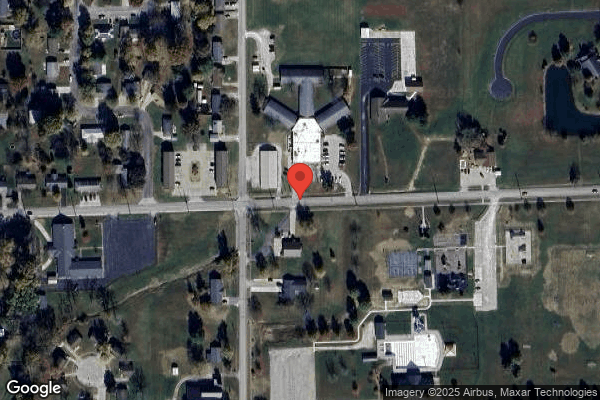
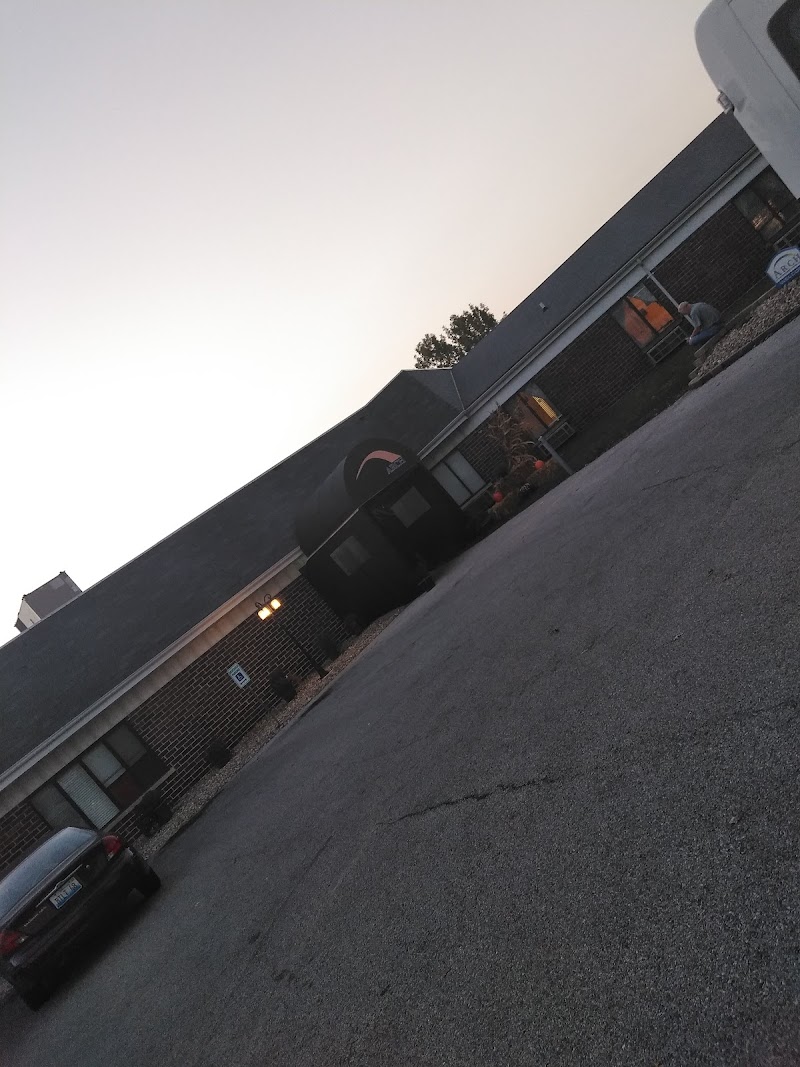
410 EAST MACK, OLNEY, IL 62450 (618) 395-7421
For profit - Corporation 118 Beds HELIA HEALTHCARE Data: November 2025
Trust Grade
85/100
#45 of 665 in IL
Last Inspection: April 2025

Within standard 12-15 month inspection cycle. Federal law requires annual inspections.

Overview

Helia Healthcare of Olney has a Trust Grade of B+, which means it is considered above average and recommended for families looking for care. It ranks #45 out of 665 facilities in Illinois, placing it in the top half, and is the top facility in Richland County. The facility is showing improvement, with the number of issues decreasing from three in 2024 to two in 2025. Staffing received a rating of 2 out of 5, indicating below-average performance, and while turnover is better than the state average at 44%, concerns about timely care have been raised, with residents reporting delays in call light responses. Specific incidents noted include the use of incorrect dishwashing sanitizer testing strips, delays in answering call lights that could take up to two hours, and complaints about food being served cold, indicating areas needing attention alongside their strong RN coverage.

Trust Score
B+
85/100
In Illinois
#45/665
Top 6%
Safety Record
Low Risk
No red flags
Inspections
Getting Better
3 → 2 violations
Staff Stability
○ Average
44% turnover. Near Illinois's 48% average. Typical for the industry.
Penalties
✓ Good
No fines on record. Clean compliance history, better than most Illinois facilities.
Skilled Nurses
⚠ Watch
Each resident gets only 27 minutes of Registered Nurse (RN) attention daily — below average for Illinois. Fewer RN minutes means fewer trained eyes watching for problems.
Violations
⚠ Watch
15 deficiencies on record. Higher than average. Multiple issues found across inspections.
★★★★★
5.0
Overall Rating
★★☆☆☆
2.0
Staff Levels
★★★★★
5.0
Care Quality
★★★★★
5.0
Inspection Score
Stable
2024: 3 issues
2025: 2 issues

The Good

  • 5-Star Quality Measures · Strong clinical quality outcomes
  • Full Sprinkler Coverage · Fire safety systems throughout facility
  • No fines on record
  • Staff turnover below average (44%)

    4 points below Illinois average of 48%

Facility shows strength in quality measures, fire safety.

The Bad

Staff Turnover: 44%

Near Illinois avg (46%)

Typical for the industry

Chain: HELIA HEALTHCARE

Part of a multi-facility chain

Ask about local staffing decisions and management

The Ugly 15 deficiencies on record

Apr 2025 2 deficiencies
CONCERN (D)

Potential for Harm - no one hurt, but risky conditions existed

Medication Errors (Tag F0758)

Could have caused harm · This affected 1 resident

**NOTE- TERMS IN BRACKETS HAVE BEEN EDITED TO PROTECT CONFIDENTIALITY** Based on interview and record review, the facility failed to review and implement gradual dose reductions (GDR's) as recommended...

Read full inspector narrative →
**NOTE- TERMS IN BRACKETS HAVE BEEN EDITED TO PROTECT CONFIDENTIALITY** Based on interview and record review, the facility failed to review and implement gradual dose reductions (GDR's) as recommended by the pharmacist and/or document a rationale for contraindication for 1 (R13) of 5 residents reviewed for unnecessary psychotropic medications in the sample of 34. Findings Include: R13's Face Sheet documented R13 was admitted to the facility on [DATE] and included the following diagnoses: acute and chronic respiratory failure, undifferentiated schizophrenia, type 2 diabetes mellitus, convulsions, hepatic failure, depressive disorders, chronic obstructive pulmonary disease, essential hypertension, sleep apnea, heart failure, atrial flutter, generalized anxiety disorder, and gastro esophageal reflux disease. R13's MDS (Minimum Data Set) dated 03/03/2025 documented R13 has a Brief Interview for Mental Status (BIMS) score of 15, indicating R13 is cognitively intact. R13's Physician Order Report with a print date of 04/10/2025 documented an order for Effexor XR (extended release) 150 milligrams (mg) by mouth daily for depressive symptoms with a start date of 07/30/2023, clozapine 100mg by mouth every night for schizophrenia with a start date of 03/22/2023, and buspirone 10 mg by mouth daily for generalized anxiety with a start date of 09/23/2023. R13's Care Plan has a focus are of: Cognitive Loss / Dementia: Problem: R13 currently goes to senior renewal. R13 has the dx of schizophrenia, dependent personality disorders, depression and anxiety. R13 is currently taking anti-psychotic, antidepressant and antianxiety. R13 does not take criticism will [sic]. R13 lacks self-confidence. when a problem comes up, she likes to look for support to make a decision. R13 is independent with her activities of daily living. For the most part R13 is alert and oriented and able to let needs known. Documented interventions are R13 goes to senior renewal program weekly, take medications and record effectiveness, allow resident to express feelings, do not confront, argue against, or deny residents thoughts, and do not judge resident in any way. R13's Point of Care History with a print date of 04/10/2025 documented behaviors monitored are verbal expressions of distress, sleep cycle issues, apathetic, anxious, or sad appearance, mood, or loss of interest with a date range of 3/11/25 - 4/10/25, and documented behaviors did not occur for these dates. The consultant pharmacist's Note to Attending Physician/Prescriber documented a Medication Regimen Review (MRR) dated 10/28/24 and stated, This resident's order noted below is due for review and dose reduction attempt. Please document current mental and behavior status; review the new dose recommended below or provide detailed reason(s) that a dose reduction is not indicated .Current order: Clozaril (clozapine) 100 mg at bedtime for schizophrenia .Date started: 12-6-2016 .Recommend to change to: 75 mg at bedtime. Under the section titled, Physician/Prescriber Response, the boxes for agree, disagree, and other are left blank, along with the space to explain the rationale, the physician/prescriber's signature, and date. Progress Notes in R13's medical record authored by V2 (Director of Nursing/DON) documented the following: 10/14/24: GDR (gradual dose reduction) requests for buspirone, clozapine and Effexor sent to psych NP (Nurse Practitioner). 10/17/24: GDR requests from 10-14 forwarded to V14 (NP) per request of V16 (NP). 12/16/24: GDR request for Clozaril emailed to (V14) psych NP, per request of V16 (NP). 02/27/25: GDR requests sent to V16 (NP) for buspirone, clozapine, and Effexor xr. 03/11/25: GDR requests for buspirone, Clozaril, and Effexor ER emailed to (V14) psych NP, per request of V16. 04/09/25: Reached back out to (V14) regarding GDR requests for Buspar, clozapine, and Effexor. Last correspondence was 3/11/25, where she stated she would review them. Email communications between V2 (DON) and V14 (NP) document the following: 10/17/24 documented V2 emailing R13's gradual dose reductions to V14. 12/16/24 documented V2 again emailing R13's GDR requests to V14. 03/11/25 documented another request from V2 for V14 to review R13's GDR requests. Return correspondence from V14 on that same day documented V14 replied Yes . 04/09/25 documented V2 emailing V14 to follow up on R13's GDR's, noting, We have state in for annual survey this week, so I was trying to get everything in order. Have you had a chance to review them yet? with V14 replying she would attempt to stop by on 04/09/25. On 04/10/2025 at 9:20 AM, V2 (DON) stated she does not know why it takes V14 (NP) so long to respond to the gradual dose reductions. V2 stated that V14 has been contacted multiple times regarding R13's gradual dose reduction. V2 stated that she has tried to stress the importance of V14 responding to the gradual dose reductions and that V14 has replied that she will review them, but she never does. V2 stated that R13 has no behaviors, and she feels that a gradual dose reduction is appropriate. On 04/11/2025 at 9:36 AM, V15 (Registered Nurse) stated R13 does not have any behaviors. V15 stated she is pleasant and gets along well with staff and other residents. On 04/11/2025 at 10:00 AM, V2 stated that V14 has not responded to any of the gradual dose reductions that have been emailed to her. V2 stated V14 has never responded to any of the requests. V1 (Administrator) was also present and stated that V1 emailed V14 on 04/09/25 at 6:00 PM trying to correspond with V14 about the gradual dose reductions. V1 stated that V14 has not responded. According to WebMD's drug interaction checker at https://www.webmd.com/interaction-checker/default.htm, there is a potential for serious interaction between venlafaxine (Effexor XR) and buspirone (Buspar) and regular monitoring by your doctor is required or alternate medication may be needed. Venlafaxine and buspirone both increase affecting serotonin levels in the blood. Too much serotonin is a potentially life-threatening situation. Severe signs and symptoms include high blood pressure and increased heart rate that led to shock. In addition, Venlafaxine and Clozapine document a significant interaction possible and close monitoring by your doctor is required. Facility policy titled Psychotropic Medication Use with a date of December 2018 documented It is the policy of (company name) that all residents receiving psychotropic medications, be monitored to ensure the least amount of medication is given to treat the diagnosis. This is accomplished through tracking behaviors and effectiveness of interventions, monitoring for side effects, reviewing data at least quarterly and dosage reduction attempt at least one quarter annually 2. Residents who use psychotropic drugs receive gradual dose reductions, and behavioral interventions, unless clinically contraindicated, in an effort to discontinue these drugs .8. The Psychoactive Medication Review (Quarterly) will be completed at least quarterly to combine the data on one form for review 9. The physician/psychiatrist will order a reduction in medication, as indicated, or document the need for continuing the current dosage, at least quarterly.
CONCERN (E)

Potential for Harm - no one hurt, but risky conditions existed

Deficiency F0761 (Tag F0761)

Could have caused harm · This affected multiple residents

Based on observation, interview, and record review, the facility failed to ensure a medication cart was locked and its keys were not accessible to 4 (R31, R42, R58 and R66) of 4 confused ambulatory re...

Read full inspector narrative →
Based on observation, interview, and record review, the facility failed to ensure a medication cart was locked and its keys were not accessible to 4 (R31, R42, R58 and R66) of 4 confused ambulatory residents reviewed for safe and secure storage of medications in the sample of 34. On 04/09/25 at 08:05 AM, V5 (Registered Nurse/RN) was observed passing medications on B Hall. V5 prepared medications for a resident and entered the residents room, leaving the medication cart unlocked and the cart keys on top of the cart, and out of V5's visual control. On 04/09/25 at 08:13 AM, V5 prepared medications for another resident and left the cart keys on top of the cart and out of V5's visual control. During these observations, there were residents or staff near the cart. On 04/10/25 at 03:01 PM, V2 (Director of Nurses/DON) confirmed the medication cart is to be kept locked and its keys in possession of the nurse passing medications. The facility's Storage of Medications Policy dated 5/1/18 documented Medications and biologicals are stored safely, securely, and properly, following manufacturers recommendations or those of the supplier. The medication supply is accessible only by licensed nursing personnel, pharmacy personnel, or staff members lawfully authorized to administer medications. B. Only licensed nurses, pharmacy personnel, and those lawfully authorized to administer medications (are) permitted to access medications. Medication rooms, carts, emergency kits/boxes, and medication supplies are locked when not attended by persons with authorized access. An undated policy for Personnel Authorized to Handle Medications in the Facility stated, Licensed nursing personnel who administer medications have authorized access to medication storage areas in the facility. Consistent with their scope of practice, licensed nurses may transcribe and transmit orders to the pharmacy(ies), receive and store medications, and have possession of the keys to all drug storage areas in the facility. Keys to medication storage areas are under the control of licensed personnel only. The facility provided a list dated 4/11/25 which documented R31, R42, R58, and R66 as being confused, ambulatory residents living at the facility.
May 2024 3 deficiencies
CONCERN (D)

Potential for Harm - no one hurt, but risky conditions existed

Deficiency F0692 (Tag F0692)

Could have caused harm · This affected 1 resident

2. R56's Face Sheet dated 05/08/24, documents an admission date of 07/08/23 with diagnoses in part, of unspecified severe protein-calorie malnutrition, hypertension, dysphagia, oropharyngeal phase, hy...

Read full inspector narrative →
2. R56's Face Sheet dated 05/08/24, documents an admission date of 07/08/23 with diagnoses in part, of unspecified severe protein-calorie malnutrition, hypertension, dysphagia, oropharyngeal phase, hypo-osmolality and hyponatremia, hyperlipidemia, and abnormal weight loss. R56's Minimum Data Set (MDS) Section GG dated 03/04/24, under eating documents that R56 requires supervision or touching assistance. R56'S Current Care Plan documents a Category of Nutritional Status, noting a problem of Resident (R56) is at risk for wt. (weight) changes. She (R56) is currently on puree diet with supplements. She is not a big eater. She has severe protein calorie malnutrition. She is currently on antidepressant for appetite, other factors that may affect the wt.: Tylenol, digoxin, diltiazem, Dulcolax (dulc) Suppository (supp), Norco, Remeron, Zofran, telmisartan, hypertension (HTN), dysphagia, chronic pain, diastolic dysfunctional, Chronic Kidney Disease (CKD), neuropathy, lumbar stenosis, cardiac arrhythmia, constipation, History (hx) of Multiple (multi) Fractures( fx) and age, with interventions in part of Provide supplements: milk (health) shakes with meals, fortified food with meals. R56's Physician Orders documents an order for Nutritional health shake q (every) meal with a start date of 08/08/23. On 05/07/24 at 11:50 AM, R56 was observed to be cognitively impaired and was not interviewable at this time. R56 was served her lunch meal of pureed diet with a glass of water and glass of flavored drink mix. No nutritional shake was served to R56. R56 ate around 25-50% of her meal and then was taken out of the dining room with no nutritional shake ever given during meal, nor any substitute for the nutritional shake. On 05/07/24 at 12:05 PM, V13 (Cook) stated that the facility ran out of nutritional health shake and didn't have enough to serve everyone that was ordered nutritional health shakes. Based on interview, observation and record review, the facility failed to provide nutritional supplements as ordered for 2 (R56, R58) of 12 residents reviewed for nutrition in a sample of 40. Findings include: 1. R45's face sheet documents an admission date of 11/11/20 and diagnoses including: Cerebral ischemia, Dementia, Polyarthritis, Repeated falls, scoliosis, lumbar region, Essential hypertension, Spinal stenosis, lumbar region without neurogenic claudication, Other specified disorders of bone density and structure, multiple sites, Osteophyte, left hip, Diaphragmatic hernia without obstruction or gangrene, Type 2 diabetes mellitus without complications, Trochanteric bursitis, right hip, Unsteadiness on feet, Gastro-esophageal reflux disease without esophagitis, Chronic kidney disease, stage 3, iron deficiency anemias, History of falling, Anxiety disorders, Insomnia, Pain in unspecified joint, Vitamin D deficiency, Hypothyroidism, Restless legs syndrome, and Dysuria. R45's Physician order sheet documents a diet order of mechanical diet with double desserts and nutritional shakes with meals with a start date of 03/10/24 and an end date documented as: open ended. On 05/07/24 at 11:45 AM, R45 was served the lunch meal and did not receive her nutritional shake, nor any substitute for the nutritional shake. On 05/07/24 at 1:30 PM, V10 (Dietary Manager) stated, the facility did run out of nutritional shakes today. V10 stated they should have provided nutritional ice creams as a substitute. V10 stated he has been trying to educate his staff on situations like this. The facility policy dated 02/2024 titled, Weight Management Program documents in part: Policy: It is the policy of (this facility) to manage resident weight through prevention, assessment, and implementation and evaluation of interventions. 12. The charge nurse will notify the attending physician of the current resident's condition and of the RD's (Registered Dietician) recommendations and document the physician's order on the physician's order sheet and the 24 hour report sheet.
CONCERN (E)

Potential for Harm - no one hurt, but risky conditions existed

Menu Adequacy (Tag F0803)

Could have caused harm · This affected multiple residents

Based on observation, interview and record review, the facility failed to provide food portions as directed by the approved menu for 4 (R42, R45, R58, R168) of 12 residents reviewed for nutrition in a...

Read full inspector narrative →
Based on observation, interview and record review, the facility failed to provide food portions as directed by the approved menu for 4 (R42, R45, R58, R168) of 12 residents reviewed for nutrition in a sample of 40. Findings include: 1. R45's face sheet documents an admission date of 11/11/20 and diagnoses that included: Cerebral ischemia, Dementia, Repeated falls, Essential hypertension, Diaphragmatic hernia without obstruction or gangrene, Type 2 diabetes mellitus without complications, Unsteadiness on feet, Gastro-esophageal reflux disease without esophagitis, chronic kidney disease, stage 3, iron deficiency anemias, Vitamin D deficiency and Hypothyroidism. R45's Physician order sheet documents a diet order of: mechanical diet with double desserts with a start date of 03/10/24 and an end date documented as: open ended. 2. R58's face sheet documents an admission date of 11/18/23 and diagnoses that included: Other specified disorders of brain, protein-calorie malnutrition, Muscle weakness (generalized), Other disorders of lung, Unsteadiness on feet, Abnormal posture, Hypokalemia, Mixed hyperlipidemia, Atherosclerosis of aorta, Unspecified convulsions, Cardiac murmur, Essential (primary) hypertension, Rhabdomyolysis, and Abnormal weight loss. R58's Physician Order Sheet documents an order of: mechanical soft diet with a start date of 11/27/23 and an end date of: open ended. 3. R42's face sheet documents an admission date of 02/08/23 with diagnosis including: Nontraumatic intracranial hemorrhage, Hemiplegia and hemiparesis following cerebral infarction affecting right dominant side, Essential (primary) hypertension, Type 2 diabetes mellitus with unspecified complications, Gastro-esophageal reflux disease without esophagitis, Chronic obstructive pulmonary disease, Atherosclerotic heart disease of native coronary artery without angina pectoris, Occlusion and stenosis of unspecified carotid artery, Dysarthria following cerebral infarction, Hypo-osmolality and hyponatremia, Personal history of transient ischemic attack (TIA), and cerebral infarction without residual deficits. R42's Physician Order Sheet documents an order stating: Diet Clarification: Mechanical Soft Consistency diet with a start date of 06/13/23 and an end date of: open ended. On 05/05/24 during lunch service, at approximately 11:30 AM, V13 (Cook) served R45, R58, and R42 a #12 scoop (2.875 ounces) of ground chicken tenders and a #30 scoop (1.125 ounces) of mashed potatoes. The recipe #1171 titled, Chicken Tenders grnd (ground) documents: serve a #6 (4.75 ounces) of ground chicken tenders. The production recipe titled, Potatoes Mashed documents: 2. serve using a #8 (3.75 ounces) scoop. On 05/06/24 during lunch service, at approximately 11:30 AM V13 (Cook) served R45, R58, and R42 approximately 1.5 scoops of the # 30 scoop (1.125 ounce) of ground Swedish meatballs. The facility document titled, cycle Day: 16, Monday 11/06/23 documents: lunch: Swedish meatballs: Mech (mechanical) soft: #6 (4.75 ounce) scp (scoop). 4. R168's face sheet documents an admission date of 05/01/24 and diagnoses including: Nontraumatic subarachnoid hemorrhage, Other cerebral infarction due to occlusion or stenosis of small artery, Chronic obstructive pulmonary disease, Acute pulmonary edema, Pulmonary fibrosis, Dysphagia, oropharyngeal phase, atrial fibrillation, disorders of brain, Anemia, Essential (primary) hypertension, Atherosclerotic heart disease of native coronary artery without angina pectoris, Cardiomegaly, Atherosclerosis of aorta, Synovitis and tenosynovitis and Gastro-esophageal reflux disease without esophagitis. R168's Physician order sheet documents an order of: Diet: regular, consistency: pureed with a start date of 05/01/24 and an end date documented as: open ended. On 05/05/24 during lunch service at approximately 11:30 AM V13 (Cook) served R168 a #16 scoop (2 ounces) of pureed chicken and a #30 scoop (1.125 ounces) of mashed potatoes, and no pureed bread. The production recipe titled, Chicken tenders pureed thick documents: 6. serve 3 heaping #16 (2 ounce) scoops per serving. The production recipe titled, Potatoes Mashed documents: 2. serve using a #8 (3.75 ounces) scoop. The recipe #779 titled, bread pureed documents: 6. serve 1 slice = 2/3 thick, 0.415 cup or 6.6 Tbsp. (tablespoon). On 05/06/24 during lunch service at approximately 11:30 AM V13 (Cook) served R168 a #30 scoop (1.125 ounces) of pureed meat, a #30 scoop (1.125 ounces) of pureed egg noodles and no pureed bread. The facility document titled, cycle Day: 16, Monday 11/06/23 documents: lunch: Swedish meatballs: Pur (pureed): #10 (3.25 ounce) scp (scoop), egg noodles: #8 (3.75 ounces) scoop pureed, buttered breadstick 2/3 slice pureed bread. On 05/08/24 at 1:30 PM, V10 (Dietary Manager) stated, all residents should receive the portion size listed on the menu or recipe unless otherwise directed by the registered dietician or the physician. All residents should receive the supplements they are ordered to have or any other dietary order including double protein, double desserts or double portions. The facility policy titled, Menus and Food Preparation dated 12/2016 documents in part: Policy: Meals shall be prepared according to the facility approved menu. The menu shall be approved by the Registered Dietitian licensed in the state of practice. Corresponding recipes shall be used in conjunction with meal service.
CONCERN (F)

Potential for Harm - no one hurt, but risky conditions existed

Food Safety (Tag F0812)

Could have caused harm · This affected most or all residents

Based on interview, observation and record review, the facility failed to ensure dishware was sanitized appropriately. This has the potential to affect all 66 residents residing at the facility. Find...

Read full inspector narrative →
Based on interview, observation and record review, the facility failed to ensure dishware was sanitized appropriately. This has the potential to affect all 66 residents residing at the facility. Findings include: On 05/05/24 at 11:00 AM, V11 (Dietary Aide) showed the test strips he uses to check the dish machine sanitizer. The test strips indicated they were for testing swimming pool water. V11 was finishing washing the breakfast dishes and tested the dish machine sanitizer with the pool test strips, which read very high. On 05/05/24 at 11:10 AM, V10 (Dietary Manager) stated the strips have been in the kitchen since before he started. V10 stated he has been the dietary manager for about 2 months. V10 acknowledged the pool test strips were not the correct strips and said he would try to find the correct strips to use. On 05/05/24 at 11:15 AM, V10 (Dietary Manager) found the appropriate chlorine test strips and tested the dish machine sanitizer with them. The test strip read approximately 10 ppm (parts per million). V10 stated, That is too low, it should be at least 50 ppm. V10 stated he would get rid of the pool test strips now. On 05/05/24 at 12:30 PM, none of the previous dishware was sanitized appropriately before use and more dishes were washed and put away without appropriate sanitization. On 05/05/24 at 1:10 PM V10 (Dietary Manager) stated, he didn't think about sanitizing the dishes another way, he is still new to this position and figuring it out. On 05/06/24 at 10:30 AM, V10 checked the dish machine sanitizer, and the chlorine test strip indicated an appropriate range of 100 ppm chlorine sanitizer. On 05/06/24 at 10:30 AM, V10 (Dietary Manager) stated, the dish machine works appropriately, and he was able to test it with the correct test strips now. The Daily Census report dated 05/05/24 documents 66 residents residing at the facility. The facility policy dated 01/2012 titled, Machine Ware Washing documents: 1. Employees that use the ware washing machine will be responsible for knowing how to use the machine, document its use, and properly maintain it after use. Steps include: Check sanitizer concentration using appropriate test strips.
Mar 2023 9 deficiencies
CONCERN (D)

Potential for Harm - no one hurt, but risky conditions existed

Resident Rights (Tag F0550)

Could have caused harm · This affected 1 resident

**NOTE- TERMS IN BRACKETS HAVE BEEN EDITED TO PROTECT CONFIDENTIALITY** Based on interview, observation and record review the facility failed to serve meals on non-disposable dishware for 6 (R4, R7, R...

Read full inspector narrative →
**NOTE- TERMS IN BRACKETS HAVE BEEN EDITED TO PROTECT CONFIDENTIALITY** Based on interview, observation and record review the facility failed to serve meals on non-disposable dishware for 6 (R4, R7, R58, R65, R70, R72) of 8 residents reviewed for dining in a sample of 45. Findings include: 1. On 02/26/23 at 2:20 PM, R4 stated the dinner is served on disposable plates. R4's Minimum Data Set (MDS) dated [DATE] documents a Brief Interview of Mental Status (BIMS) of 12 (moderately impaired). 2. On 02/26/23 at 3:00 PM, R7 stated the evening meal is served on disposable plates with disposable glassware. R7's MDS dated [DATE] documents a BIMS of 14 (cognitively intact). 3. On 02/27/23 at 11:30 AM, R58 stated, the evening meal is served on disposable plates. R58's MDS dated [DATE] documents a BIMS of 13 (cognitively intact). 4. On 02/27/23 at 12:35 PM, R65 stated, they receive their evening meal on disposable plates and glasses, one time her peanut butter and jelly sandwich was directly on the tray. R65's MDS dated [DATE] documents a BIMS of 15 (cognitively intact). 5. On 02/26/23 at 2:40 PM, R70 stated the evening meal is served on disposable plates. R70's MDS dated [DATE] documents a BIMS of 12 (moderately impaired). 6. On 02/27/23 at 12:10 PM, R72 stated the evening meal is usually served on disposable plates. R72's MDS dated [DATE] documents a BIMS of 09 (moderately impaired). On 02/26/23 at 4:45 PM a cart of hall trays was observed, and disposable plates and drink ware was being utilized. On 03/02/23 at 11:15 AM, V8 (Dietary Manager) stated the evening shift probably serves the evening meal on disposable plates and glasses because they want to get out earlier. She has some work to do in the kitchen.
CONCERN (D)

Potential for Harm - no one hurt, but risky conditions existed

ADL Care (Tag F0677)

Could have caused harm · This affected 1 resident

**NOTE- TERMS IN BRACKETS HAVE BEEN EDITED TO PROTECT CONFIDENTIALITY** Based on interview, observation, and record review, the facility failed to provide twice weekly showers and bed linen changes fo...

Read full inspector narrative →
**NOTE- TERMS IN BRACKETS HAVE BEEN EDITED TO PROTECT CONFIDENTIALITY** Based on interview, observation, and record review, the facility failed to provide twice weekly showers and bed linen changes for 2 of 2 dependent residents (R19, R57) reviewed for ADL (Activities of Daily Living) care in the sample of 45. Findings include: 1. On 02/26/23 at 11:28am, R19 was alert and oriented to person, place and time. R19 stated she is not getting twice weekly showers as she is supposed to be. R19 stated her bed linens are also supposed to be changed on shower day. R19 stated, I haven't had a shower in about two weeks, and since my bed linens haven't been changed, they are stinking so bad I have to spray deodorant on them. R19's Minimum Data Set (MDS) dated [DATE] indicated that R19 requires physical help from at least one staff member for bathing. R19's January and February Shower Sheets documented that on the week of 2/12/23, R19 got a shower once that week, on 2/14/23. As of 2/27/23, there was no documentation to indicate R19 had received a shower after 2/14/23. There was no documentation to indicate R19 had refused any showers in February 2023. 2. On 02/26/23 at 12:16pm, R57 was alert and oriented to person, place, and time. R57 stated she is not getting twice weekly showers as she is supposed to. R57's bottom bedsheet was observed to be streaked with feces. When the surveyor asked about it, R57 stated the sheets are changed on shower day, and R57 stated she had not had a shower in a week, therefore the sheets have not been changed. R57 stated a visitor saw the condition of the bottom sheet and had offered to try to change her bed for her, but she refused as she feels it is not the visitors job to change bed linens. R57's Shower Sheets for January and February 2023 documented that on the week of January 29th, R57 got one shower, on 2/1/23. These sheets further document that on the week of 1/19/23, R57 got one shower, on 2/20/23. As of 2/27/23, R57 had not been showered past 02/20/23. There was no documentation to indicate R57 had refused showers within these weeks. R57's MDS dated [DATE] documented that R57 requires physical help from at least one staff member for bathing. On 03/01/23 at 8:34am, V16 (Certified Nursing Assistant/CNA), confirmed residents are to receive two showers per week. V16 confirmed that bed linens are changed on shower day and should be changed as needed in between. V16 stated when she is scheduled as the only CNA on the A Hall, which is where R19 and R57 live, it is very hard to get all the showers and linen changes done. On 03/01/23 at 10:20am, V3 (Director of Nurses) confirmed residents are to get two showers per week with a bed linen change on shower day and in between as needed. V3 confirmed that when residents refuse a shower, it is to be documented on the shower sheets. A Bathing a Resident Policy dated July 2014 documented, It is the policy of (the facility) that residents will receive a shower/bath (to) be scheduled regularly and PRN (as needed).
CONCERN (D)

Potential for Harm - no one hurt, but risky conditions existed

Deficiency F0688 (Tag F0688)

Could have caused harm · This affected 1 resident

**NOTE- TERMS IN BRACKETS HAVE BEEN EDITED TO PROTECT CONFIDENTIALITY** Based on observation, interview and record review the facility failed to provide range of motion (ROM) exercises per physicians ...

Read full inspector narrative →
**NOTE- TERMS IN BRACKETS HAVE BEEN EDITED TO PROTECT CONFIDENTIALITY** Based on observation, interview and record review the facility failed to provide range of motion (ROM) exercises per physicians orders for 3 of 3 residents (R50, R1, R38) reviewed for ROM in the sample of 45. Findings include: 1. R50's February 2023 Physicians Order Sheet documented an order for, Restorative therapy for PROM (Passive Range of Motion) 6-7 times per week, twice a day. R50's Diagnosis List documented diagnoses including Hemiplegia and Hemiparesis to the dominant right side. R50's Minimum Data Set (MDS) dated [DATE] documented that R50 has impairment to one side of the body as well as both upper and lower extremities. R50's Care Plan with a review date of 3/1/23 documented a problem area of, Resident requires PROM to all extremities 6-7 days per week, with a corresponding intervention, Provide PROM to all extremities 3-5 repetitions per joint. R50's Point of Care History for February 2023 documented that R50 did not receive ROM at all on 2/8/23, and received ROM only once per day on 2/4/23, 2/5/23, 2/12/23, 2/15/23, 2/16/23, 2/17/23, 2/18/23, 2/20/23,2/22/23, 2/24/23, and 2/28/23. There was no documentation to indicate R50 refused ROM on any of the above referenced dates. On 02/27/23 at 2:47pm, V21 (Certified Nursing Assistant/CNA) was observed performing ROM exercises with R50. R50 was alert but could only say yes and no repeatedly in a nonsensical fashion. When asked how often R50 is getting ROM, V21 stated, I'm not sure, but probably daily. V21 began with R50's ankles, dorsi-plantar flexing each ankle once. R50 did not resist or show any signs of pain. V21 did not attempt to further exercise either ankle. V21 did not attempt to move R50's toes on either foot. V21 moved through the lower and upper extremities, doing three repetitions to each joint, skipping the neck. V21 stated she was finished with the procedure and covered R50 back up with the blanket. The surveyor asked V21 if she intended to exercise R50's neck, to which V21 replied she was not sure if the surveyor had wanted her to do that. V21 then exercised R50 neck giving only one repetition to each side and one repetition up and down, with R50 showing no signs of pain or refusal to cooperate. 2. R1's February 2023 Physician Order Sheet documented an order for, Restorative therapy program for PROM (Passive Range of Motion) 6-7 times per week twice a day. R1's Diagnosis List documented diagnoses including Cerebral Palsy, Muscle Weakness, and Abnormal Posture. R1's MDS dated [DATE] documented that R1 has one sided impairment to the upper and lower extremities. R1's February 2023 Point of Care History documented that R1 did not receive ROM at all on 2/8/23, and received ROM only once daily on 02/02/23, 02/04/23, 02/05/23, 02/12/23, 02/15/23, 02/16/23, 02/17/23,02/18/23, 02/20/23, 02/22/23, 02/24/23, and 02/28/23. There was no documentation to indicate R1 refused ROM on any of the above referenced dates. On 02/28/23 at 11:01am, V17 (CNA/Transporter/Medical Records staff) was observed performing ROM for R1. V17 stated she primarily does transport and medical records and helps on the floor when needed. R1 was alert and oriented to person, place, and time. R1 was noted to have a contracted left arm and hand. R1 stated, I haven't been moved this way in forever, it sure feels good to be stretched like this. R1 stated it has been a while since he has had any range of motion. R1 stated, When would these girls (staff) even have time to do it? They don't have enough help around here. 3. R38's February Physicians Order Sheet documented an order for, Restorative therapy program for PROM (Passive Range of Motion) 6-7 times per week three times a day. R38's Diagnosis list documented diagnoses including Quadriplegia. R38's 1/9/23 MDS documented that R38 has impairment to her upper and lower extremities on both sides. R38's February 2023 Point of Care History documented that on 02/05/23, 02/06/23, and 02/17/23, R38 did not receive ROM at all, received ROM once per day on 02/01/23, 02/02/23, 02/08/23, 02/18/23, 02/19/23, 02/20/23, 02/24/23, and 02/28/23, and received ROM twice per day on 02/03/23, 02/07/23, 02/09/23, 02/10/23, 02/12/23, 02/13/23, 02/14/23, 02/16/23, 02/21/23, 02/23/23, 02/25/23, 02/26/23, and 02/27/23. There was no documentation to indicate R38 refused ROM on any of the above referenced dates. On 02/26/23 at 12:09pm, R38 was alert and oriented to person, place, and time. R38 stated she is not engaged in physical therapy and does not get ROM services. On 02/28/23 at 11:27am, R38 stated she would not allow the surveyor to observe her ROM. On 02/28/23 at 12:40pm, when asked about the report from the above referenced residents, V3 (Director of Nurses) stated she does not believe residents are not getting ROM as ordered. V3 stated she believes there may be an issue with it not being documented. V3 stated the Restorative Aid quit about three weeks ago and has not yet been replaced, therefore it is the responsibility of the CNAs on the floor to do the ROM on their halls. A Restorative Nursing ROM Exercises Policy dated '2011' stated, Passive (ROM) (Purpose): To preserve the range of motion in joints and stimulate circulation in the unconscious, paralytic, or very weak patient.
CONCERN (D)

Potential for Harm - no one hurt, but risky conditions existed

Pharmacy Services (Tag F0755)

Could have caused harm · This affected 1 resident

Based on interview, observation and record review the facility failed to administer ordered medications per current standards of practice for 1 of 4 residents (R12) reviewed for medication administrat...

Read full inspector narrative →
Based on interview, observation and record review the facility failed to administer ordered medications per current standards of practice for 1 of 4 residents (R12) reviewed for medication administration in a sample of 45. Findings include: R12's Face Sheet documents diagnosis includes: Heart failure, Dementia, Anxiety Disorder, Atherosclerotic heart disease of native coronary artery without angina pectoris, Polyosteoarthritis, Paroxysmal atrial fibrillation, Hyperlipidemia, Angina pectoris, Hypothyroidism, Cognitive communication deficit, Presence of coronary angioplasty implant and graft, Essential (primary) hypertension, Edema, Pain, Depression. R12's Physician's Order sheet dated 02/01/23 to 02/28/23 document orders for: Atorvastatin 80 mg tablet to be given 6:00 AM - 10:00 AM, Carvedilol 3.125 mg 1 tablet to be given 6:00 AM - 10:00 AM, Furosemide 20 mg to be given 6:00 AM - 10:00 AM, Meloxicam 7.5 mg to be given 6:00 AM - 10:00 AM, Potassium Chloride 20 mg to be given 6:00 AM - 10:00 AM, Sertraline 100 mg to be given 6:00 AM - 10:00 AM. On 02/28/23 at 9:30 AM a cup of seven pills were observed located on R12's night stand. On 02/28/23 at 10:30 AM, R12 who was alert to person, place and time, stated these are her pills, she needs to take these pills still. She stated she knows what some of the pills are for, the big one is her Potassium and she thinks that tiny one is for her heart, she drops that one a lot. On 02/28/23 at 11:45 AM, V15 (Licensed Practical Nurse) identified the pills that were still left in the cup as: Atorvastatin 80 mg tablet, Carvedilol 3.125 mg, Furosemide 20 mg, Meloxicam 7.5 mg, Potassium Chloride 20 mg, Sertraline 100 mg. V15 then stated she handed R12 the pills and she had them in her hand when her roommate asked her to look at something so she walked over to her and R12 must have put the pills back into the cup. She did not realize she did not take them right then. V15 stated, she usually watches the residents take their medications. She stated, she knows they are supposed to watch them take their medications.
CONCERN (D)

Potential for Harm - no one hurt, but risky conditions existed

Deficiency F0808 (Tag F0808)

Could have caused harm · This affected 1 resident

Based on interview, observation and record review the facility failed to provide supplements as ordered by the physician for 1 of 4 residents (R7) reviewed for nutrition in a sample of 45. Findings in...

Read full inspector narrative →
Based on interview, observation and record review the facility failed to provide supplements as ordered by the physician for 1 of 4 residents (R7) reviewed for nutrition in a sample of 45. Findings include: R7 records document R7 has an admission date of 09/19/22 with diagnosis including: fracture of the tibia, type II Diabetes, Hypertension, fracture of the T12, Chronic Kidney Disease, and Coronary Artery Disease. R7's Physician Order sheet dated 12/01/22 documents an order with a start date of 12/20/22 stating offer nutritional ice cream with lunch and supper. R7's Progress Note dated 02/27/2023 at 5:58 AM by V25 (Registered Dietician) documents: R7's current body weight is 178.2 pounds and body mass index is 23.8 (within normal limits). He intakes a mechanical soft diet including diet condiments/beverages along with an evening snack, double protein with breakfast and lunch and he is offered a nutritional ice cream with lunch and supper. He is at risk for weight loss as evidenced by the acute disease stress, and the inflammatory nature of the diagnoses. R7's weights and vitals document: on 01/16/23 at 1:47 PM R7's weight was 184.2 pounds on 02/20/23 at 1:38 PM R7's weight was 178.2 pounds. On 02/26/23 at 12:10 PM, R7's lunch tray did not contain a nutritional ice cream supplement. On 02/27/23 at 12:15 PM, R7's lunch tray did not contain a nutritional ice cream supplement. On 03/02/23 at 11:20 AM, V8 (Dietary Manager) stated they have not been out of any nutritional supplements, she does not know why R7 did not receive has nutritional supplement as ordered. On 03/02/23 at 4:20 PM, V25 (Registered Dietician) stated, she would expect R7 to receive the supplement she has recommended for him.
CONCERN (F)

Potential for Harm - no one hurt, but risky conditions existed

Deficiency F0725 (Tag F0725)

Could have caused harm · This affected most or all residents

Based on interview, observation, and record review, the facility failed to provide sufficient nursing staff to ensure resident's care needs were being met in a timely manner. This failure has the pote...

Read full inspector narrative →
Based on interview, observation, and record review, the facility failed to provide sufficient nursing staff to ensure resident's care needs were being met in a timely manner. This failure has the potential to affect all 70 residents living in the facility. On 02/26/23 at 10:20am, R40 was alert and oriented to person, place, and time. R40 stated call lights can take up to two hours to be answered, and evening shift is the worst for this issue. On 02/26/23 at 10:25am, R19 was alert and oriented to person, place, and time. R19 stated she is not getting twice weekly showers and bed linen changes. On 02/26/23 at 10:35am, R17 was alert and oriented to person, place, and time. R15 stated it is rarely less than 30 minutes for his call light to be answered. On 02/26/23 at 10:50am, R125 was alert and oriented to person, place, and time. R125 stated call light wait times can be up to two hours. On 02/26/23 at 12:16pm, R57 was alert and oriented to person, place, and time. R57 stated she is not getting twice weekly showers and linen changes' bed linens were observed to be streaked with feces. R57 stated she has not had a shower in a week. R57 stated she regularly waits up to an hour for her call light to be answered. R57 stated the facility does not have enough staff on any shift. On 02/28/23 at 11:01am, R1 was observed receiving range of motion exercises. R1 stated he is not getting range of motion done regularly. R1 stated, When would these girls (staff) have time to do it? They don't have enough help around here. On 12/28/23 at 12:40pm, V3 (Director of Nurses) stated she does not believe residents are not getting range of motion regularly as she believes there is an issue with staff not documenting it. Resident Council Meeting Minutes documented the following issues: 10/27/22: Waiting too long for call lights. (Staff) hurrying in and hurrying out of the room (without meeting the resident's needs). 1/26/23: Taking too long to answer call lights. 2/23/23: Call lights take too long to answer. On 03/01/23 at 8:34am, V16, (Certified Nursing Assistant/CNA), stated getting all the showers and linen changes done can be very difficult, especially when she is assigned as the only CNA on A Hall. On 03/02/23 at 10:10am, V3, stated the facility is meeting the State of Illinois' minimum staffing requirements. V3 stated she did not believe it takes up to two hours for call lights to be answered. V3 stated it was probably the residents perception that it was taking that long. The facility's Staffing Policy dated November 2017 documented, Our facility provides adequate staffing to meet needed care and services for our resident population. Our facility maintains adequate staffing on each shift to ensure that our residents needs and services are met. The facility's Answering the Call Light Policy dated July 2014 stated, Purpose: The purpose of this procedure is to respond to the residents needs and requests .8. Answer the residents call light as soon as possible. The facility Resident Census and Conditions Form dated 02/26/23 documented a total of 70 residents living at the facility.
CONCERN (F)

Potential for Harm - no one hurt, but risky conditions existed

Deficiency F0804 (Tag F0804)

Could have caused harm · This affected most or all residents

**NOTE- TERMS IN BRACKETS HAVE BEEN EDITED TO PROTECT CONFIDENTIALITY** Based on observation, interview and record review the facility failed to provide food to residents that was palatable and at a p...

Read full inspector narrative →
**NOTE- TERMS IN BRACKETS HAVE BEEN EDITED TO PROTECT CONFIDENTIALITY** Based on observation, interview and record review the facility failed to provide food to residents that was palatable and at a preferred temperature. This has the potential to affect all 70 residents residing at the facility. Findings include: 1. On 02/26/23 at 11:05 AM, R125 who was alert to person, place and time stated the food is frequently cold, it does not matter if he eats in his room or the dining room. On 02/27/23 at 11:35 AM, R4 stated sometimes the food is cold, especially breakfast. R4's Minimum Data Set (MDS) dated [DATE] documents a Brief Interview of Mental Status (BIMS) of 12 (moderately impaired). On 02/26/23 at 12:40 PM, R19 stated the food is cold and that it is frequently a problem. R19's MDS dated [DATE] documents a BIMS of 15 (cognitively intact). On 02/27/23 at 12:12 PM, R7 stated the food is cold, he does not like the scrambled eggs, the sausage was cold this morning, especially this far down the hall. R7's MDS dated [DATE] documents a BIMS of 14 (cognitively intact). On 02/27/23 at 12:45 PM, R49 who was alert to person, place and time stated the food can be cold and it makes it taste not so great. On 02/27/23 at 11:29 AM, R65 stated the food is not hot, sometimes even cold, it is not very good and sometimes she cannot even eat it. R65's MDS dated [DATE] documents a BIMS of 15 (cognitively intact). On 02/27/23 at 12:17 PM, R72 stated the food is cold, but it is ok, usually breakfast is the coldest. R72's MDS dated [DATE] documents a BIMS of 09 (moderately impaired). 2. On 03/01/23 at 8:15 AM Breakfast menu documents: Wednesday 03/01/23 choice of cereal, choice eggs 1 egg, biscuits, and gravy 1 biscuit and 1 ounce gravy, margarine 1 each, juice of choice 6 ounces, 2% milk 8 ounces, coffee or tea 6 ounces. On 03/01/23 at 8:15 AM a metal stemmed thermometer was calibrated using the ice point method. On 03/01/23 at 8:15 AM a test tray from the food cart for the D hall was observed and had the temperature measured of the hot item on the tray, the breakfast consisted of cereal, biscuits and gravy, orange juice 6 ounces, milk 6 ounces and coffee. The biscuits and gravy were 109 degrees Fahrenheit using a calibrated metal stemmed thermometer. At that time the biscuits and gravy tasted bland with a cool temperature. On 03/02/23 at 11:20 AM, V8 (Dietary Manager) stated she does not know why the food was cold and that she was sure the food was at least at the holding temperature on the steam table. 3. Resident Council minutes dated 01/26/23 and 02/23/23 document: the food tasting awful and food being cold. The facility policy dated 12/2016 titled menus and food preparation documents: Food shall be prepared by methods that conserve nutritive value, flavor and appearance and in a form designed to meet individual needs. Food shall accommodate resident allergies, intolerances, and preferences. Food and drinks served shall be palatable, attractive and at a safe and appetizing temperature. The Resident Census and Conditions of Residents dated 02/26/23 documents 70 residents residing at the facility.
CONCERN (F)

Potential for Harm - no one hurt, but risky conditions existed

Deficiency F0809 (Tag F0809)

Could have caused harm · This affected most or all residents

**NOTE- TERMS IN BRACKETS HAVE BEEN EDITED TO PROTECT CONFIDENTIALITY** Based on interview and record review the facility failed to provide snacks to the residents. This has the potential to affect al...

Read full inspector narrative →
**NOTE- TERMS IN BRACKETS HAVE BEEN EDITED TO PROTECT CONFIDENTIALITY** Based on interview and record review the facility failed to provide snacks to the residents. This has the potential to affect all 70 residents residing at the facility. Findings include: 1. On 02/26/23 at 2:40 PM, R70 stated, they do not receive evening snacks. R70's MDS dated [DATE] documents a BIMS of 12 (moderately impaired). R70's Progress Note dated 01/25/23 at 4:11 PM by V25 (RD) documents: R70's current body weight is 142 pounds; her body mass index is 21.5 (Underweight). She intakes a regular diet along with an evening snack. She is at risk for weight loss as evidenced by the acute disease stress and the inflammatory nature of the diagnoses. 2. On 02/26/23 at 3:00 PM R7 stated, they do not receive evening snacks. R7's MDS dated [DATE] documents a BIMS of 14 (cognitively intact). R7's Progress Note dated 02/27/2023 at 5:58 AM by V25 (RD) documents: R7's current body weight is 178.2 pounds and body mass index is 23.8 (within normal limits). He intakes a mechanical soft diet including diet condiments/beverages along with an evening snack, double protein with breakfast and lunch and he is offered a magic cup with lunch and supper. He is at risk for weight loss as evidenced by the acute disease stress, and the inflammatory nature of the diagnoses. 3. On 02/26/23 at 1:30 PM R54 shook his head no when asked if receives a snack in the evening. R54's progress note dated 02/27/2023 at 6:32 AM by V25 (RD) documents R54's current body weight is 146.6 pounds-down 6% x1 month; 9% since admission. R54's body mass index is 23.66 (within normal limits). He is in facility for rehab from surgery. He intakes a regular diet including prostat@30cc's two times a day, and an evening snack. He is at risk for weight loss as evidenced by the acute stress of disease and the inflammatory nature of the diagnoses. 4. On 02/26/23 at 2:20 PM R4, stated they do not bring them snacks, especially evening snacks. R4's Minimum Data Set (MDS) dated [DATE] documents a Brief Interview of Mental Status (BIMS) of 12 (moderately impaired). 5. On 02/27/23 at 12:10 PM, R72 stated they do not receive evening snacks. R72's MDS dated [DATE] documents a BIMS of 09 (moderately impaired). R72's progress note dated 02/03/23 at 3:38 PM by V25 (Registered Dietician) documents: R72 's current body weight is 171 pounds and his body mass index is 23.19 (within normal limits). R72 intakes a regular diet along with an evening snack. Continue R72's current diet and encourage intake. 6. On 02/27/23 at 11:30 AM, R58 who was alert to person, place and time stated they do not get evening snacks. On 02/27/23 at 12:35 PM. R65 stated they do not get evening snacks and she thought they were supposed to if it was more than 14 hours between evening meal and breakfast. R65's MDS dated [DATE] documents a BIMS of 15 (cognitively intact). On 02/26/23 at 12:00 PM, V8 (Dietary Manager) stated, that breakfast was at 7:30 AM, lunch is around 11:30 AM and dinner is 4:30 - 5:00 PM. On 03/02/23 at 11:15 AM, V20 (Licensed Practical Nurse) stated she does not know why they are not given snacks to deliver to the residents in the evening, sometimes she will be given some peanut butter and jelly sandwiches for some of the diabetic residents. She would have to guess that they would come from the kitchen. On 03/02/23 at 4:20 PM, V25 (Registered Dietician/ RD) stated she expects the residents to receive an evening snack. She has the evening snack written into her dietary recommendation for several residents due to their potential for weight loss. On 03/02/23 at 11:20 AM, V8 stated they are supposed to get evening snacks, she does not know why they are not taking them to them. Resident Council Minutes dated 01/26/23 and 02/23/23 document, no evening snacks are being given to residents. The untitled undated facility Policy documents: Meal service shall be provided to residents on a regularly scheduled basis according to facility established times. There must be no more than 14 hours between a substantial evening meal and breakfast the following day, except when a nourishing snack is served at bedtime, up to 16 hours may elapse between a substantial evening meal and breakfast the following day if a resident group agrees to this meal span. An H.S. (evening) snack shall be provided by Dietary and offered to the residents by nursing. Additional snacks shall be provided between meals as ordered by the physician or per resident's request. Dietary shall be responsible for all food preparation including snacks and shall deliver meals (with assigned assistance) to the residents or to the nursing units. Snacks shall be delivered to the nursing units by dietary personnel. Nursing shall be responsible for distributing snacks to the residents. 5. Dietary shall deliver nourishments to the nursing units. Nursing shall be responsible for distribution of snacks. The Resident Census and Conditions of Residents dated 02/26/23 documents 70 residents residing in the facility.
CONCERN (F)

Potential for Harm - no one hurt, but risky conditions existed

Food Safety (Tag F0812)

Could have caused harm · This affected most or all residents

Based on interview, observation and record review, the facility failed to sanitize dishware according to minimum sanitary guidelines and failed to serve drinks and utensils using sanitary methods. Thi...

Read full inspector narrative →
Based on interview, observation and record review, the facility failed to sanitize dishware according to minimum sanitary guidelines and failed to serve drinks and utensils using sanitary methods. This has the potential to affect all 70 residents residing at the facility. Findings include: 1. On 02/26/23 at 09:30 AM the facility did not have any Chlorine test strips to test the dish machine that was using a chorine-based sanitizer, pool test strips were on top of the dish machine. V24 (Dietary) tested the dish machine by dipping the pool test strip into the water of the dish machine and comparing it to the color range on the container. V8 (Dietary Manager) stated, it is fine, see it is in the ideal range, when surveyor asked what the matching color for ideal would convert to it parts per million (PPM) V8 stated she is not good at math. On 02/26/23 at 10:30 AM, V24 (Dietary) stated, the dish machine has not been tested yet today, they do not have any test strips besides the pool strips. On 02/26/23 at 10:50 AM, V24 tested the dish machine after acquiring some chlorine test strips, the test strip read 10 ppm chlorine. On 02/26/23 at 11:00 AM, V8 stated this is the first time they have tested the dish machine today, it is reading 10 ppm chlorine. She stated she will have to see if they have another jug of dish soap or rinse. On 02/26/23 at 11:10 AM it was observed that the container of sanitizer for the dish machine had been exchanged for a different container of sanitizer. On 02/26/23 at 11:15 AM, V8 checked the dish machine again, it was still running and dishes were being washed, and the test strip read 25 ppm. V8 stated, the dish machine is good now. When the surveyor asked what the range the dish machine was supposed to be reading as, V8 stated, she could not find that information on the test strip container. On 02/26/23 at 11:17 AM, V8 observed the blank dish machine log sheet in the kitchen that states the minimum level of chlorine needed to sanitize dishware as 50 ppm, V8 stated, Oh, I guess it is low, we will have to see what we can do. I guess we could sanitize the dishes in the three-compartment sink. At 11:25 AM dishes were still being washed and put away with no sanitization via a three-compartment sink. At 12:20 PM dishes were still being washed and put away with no sanitization via a three-compartment sink. The facility policy dated 01/2012 titled, Machine Ware Washing documents: 1. Employees that use the ware washing machine will be responsible for knowing how to use the machine, document its use, and properly maintain it after use. Steps include: Check sanitizer concentration using appropriate test strips. 2. On 02/26/23 during lunch service between 11:40 AM and 1:00 PM, V23 (Dietary) touched several resident's silverware by the eating portion and several resident's drink ware by the rim after touching: wheelchair handles, the chairs in the dining room, the handle of the cart, and her eyeglasses. V8 (Dietary Manager) carried resident's drinks up against her shirt and carried several resident's drinks by the rim and after touching the cart handle, resident's chairs, the refrigerator door, the milk container, her mask, her shirt, her pants. The facility policy dated 01/2012 titled, Machine Ware Washing documents: 1. Employees that use the ware washing machine will be responsible for knowing how to use the machine, document its use, and properly maintain it after use. Steps include: Check sanitizer concentration using appropriate test strips. The Resident Census and Conditions of Residents Form dated 02/26/23 documents there are 70 residents residing in the facility.
Nov 2022 1 deficiency
CONCERN (D) 📢 Someone Reported This

A family member, employee, or ombudsman was alarmed enough to file a formal complaint

Potential for Harm - no one hurt, but risky conditions existed

Deficiency F0694 (Tag F0694)

Could have caused harm · This affected 1 resident

**NOTE- TERMS IN BRACKETS HAVE BEEN EDITED TO PROTECT CONFIDENTIALITY** Based on interview and record review, the facility failed to obtain a physician order for dressing changes and failed to change ...

Read full inspector narrative →
**NOTE- TERMS IN BRACKETS HAVE BEEN EDITED TO PROTECT CONFIDENTIALITY** Based on interview and record review, the facility failed to obtain a physician order for dressing changes and failed to change a dressing in accordance with current standards of practice for 1 (R2) of 3 residents reviewed for peripherally inserted central catheter (PICC) dressing changes in a sample of 12. Findings: R2's facility document titled, Profile documents R2 was admitted on [DATE] with a diagnosis of Acute or Chronic diastolic (congestive) heart failure. R2's facility document titled, Minimum Data Set (MDS) dated 9/21/2022, section C, Brief Interview for Mental Status (BIMS) score documents R2 has moderately impaired cognition. R2's progress note dated 10/26/22 at 5:22 p.m., by V9 (Licensed Practical Nurse/LPN) documents, Primary physician's office called and said that R2's magnetic resonance imaging (MRI) from today the 26th showed osteomyelitis. Primary physician gave orders for R2 to be sent out to the local hospital and to be admitted through there so she can get the antibiotics needed. R2 was transported out by facility vehicle. R2's hospital record documents on 10/28/2022 at 6:40 p.m., that V14 (Local Hospital Registered Nurse/RN) inserted a peripherally inserted central catheter (PICC) into R2's right upper inner arm. R2 received intravenous antibiotics and was transferred back to the facility on [DATE]. R2's progress note dated 11/16/2022 at 9:38 a.m., by V20 (LPN) documents, R2 was admitted to the local hospital for exacerbation of chronic pulmonary obstructive disease (COPD) and congestive heart failure (CHF). On 11/22/22 at 12:45 p.m., V3 (Local Hospital Nurse Manager) stated that V4 (Local Hospital Registered Nurse/RN), made her aware that when R2 was admitted to the hospital on [DATE], R2's PICC line dressing was still dated 10/28/2022. V3 stated that R2's PICC Line dressing should have been changed once a week. V3 stated V24 (Case Manager RN at local hospital) called the facility and spoke with V2 (Director of Nursing/DON) and made her aware of R2's PICC line dressing not being changed and that the dressing still had the date of 10/28/2022. V3 stated V24 asked V2 if the facility had the supplies, they needed to change PICC line dressings and if they needed more education. V3 stated that V2 told V24 they had enough supplies and that PICC line dressings are changed once a week on Tuesday but the facility did not complete it. On 11/22/22 at 1:00 p.m., V4 (Local Hospital RN) stated that when R2 was admitted to the hospital on [DATE], her PICC line dressing was dated 10/28/22. V4 stated that R2's PICC line site had crusted, dried blood underneath the dressing and observed the PICC line site to not be clean. V4 stated that V5 (Local Hospital Certified Nurse Aide/CNA), was there assisting her and observed R2's PICC line dressing to be dated 10/28/22. On 11/22/22 at 1:15 p.m., V5 (Local Hospital CNA), stated that she observed R2's PICC Line dressing dated 10/28/22 when R2 was admitted to the hospital on [DATE]. V5 stated that R2's PICC line site was not clean, had dried, crusted blood underneath the dressing. On 11/23/22 at 12:15 p.m., V6 (Local Hospital Physician) stated that R2 was admitted to the hospital on [DATE] with a diagnosis of sepsis and shortness of breath. V6 stated that V3 (Local Hospital Nurse Manager) made him aware of R2's PICC line dressing not being changed. V6 stated that PICC line dressings are usually changed once a week. On 11/23/22 at 2:45 p.m., V2 (DON) stated the local hospital inserted R2's PICC line on 10/28/2022 and R2 was readmitted back to the facility on [DATE]. V2 stated that on 11/16/22, V24 called her and asked if she was aware that R2's PICC line dressing had not been changed. V2 stated that V24 told her the date on R2's PICC line dressing was 10/28/2022. V2 stated the facility had the supplies needed to change R2's PICC line dressing and that PICC line dressings are usually changed once a week on Tuesdays. V2 stated that when R2 was readmitted back to the facility on [DATE], PICC line dressing changes were not on R2's discharge orders and the staff missed following up with the physician and obtaining an order for R2's PICC line dressing changes. V2 stated that standard practice for PICC line dressing changes is once a week. R2's hospital note dated 11/17/22 at 11:04 a.m. by V24 (RN Case Manager at local hospital) documents (V24) spoke with (V2/DON) at facility in regards to PICC line dressing changes .(V24) asked (V2) if local hospital had sent all the supplies needed and offered additional education on PICC lines .(V2) stated the facility had received all the supplies needed and that PICC line dressing changes get changed weekly on Tuesday .(V2) stated R2's PICC line dressing changes did not get completed. R2's medication administration record and physician's orders for the month of November 2022 have no PICC line dressing changes ordered. According to the Centers for Disease Control (CDC) website, https://www.cdc.gov/infectioncontrol/guidelines/bsi/recommendations.html#rec6, Guidelines for the Prevention of Intravascular Catheter-Related Infections, documents under Catheter site dressing regimens .7. Replace dressings used on short-term CVC (Central Venous Catheter) sites at least every 7 days for transparent dressings.
Understanding Severity Codes (click to expand)
Life-Threatening (Immediate Jeopardy)
J - Isolated K - Pattern L - Widespread
Actual Harm
G - Isolated H - Pattern I - Widespread
Potential for Harm
D - Isolated E - Pattern F - Widespread
No Harm (Minor)
A - Isolated B - Pattern C - Widespread

Questions to Ask on Your Visit

  • "Can I speak with families of current residents?"
  • "What's your RN coverage like on weekends and overnight?"

Our Honest Assessment

Strengths
  • • Grade B+ (85/100). Above average facility, better than most options in Illinois.
  • • No major safety red flags. No abuse findings, life-threatening violations, or SFF status.
  • • No fines on record. Clean compliance history, better than most Illinois facilities.
  • • 44% turnover. Below Illinois's 48% average. Good staff retention means consistent care.
Concerns
  • • 15 deficiencies on record. Higher than average. Multiple issues found across inspections.
Bottom line: Generally positive indicators. Standard due diligence and a personal visit recommended.

About This Facility

What is Helia Healthcare Of Olney's CMS Rating?

CMS assigns HELIA HEALTHCARE OF OLNEY an overall rating of 5 out of 5 stars, which is considered much above average nationally. Within Illinois, this rating places the facility higher than 99% of the state's 100 nursing homes. This rating reflects solid performance across the metrics CMS uses to evaluate nursing home quality.
How is Helia Healthcare Of Olney Staffed?

CMS rates HELIA HEALTHCARE OF OLNEY's staffing level at 2 out of 5 stars, which is below average compared to other nursing homes. Staff turnover is 44%, compared to the Illinois average of 46%. This relatively stable workforce can support continuity of care.

What Have Inspectors Found at Helia Healthcare Of Olney?

State health inspectors documented 15 deficiencies at HELIA HEALTHCARE OF OLNEY during 2022 to 2025. These included: 15 with potential for harm.

Who Owns and Operates Helia Healthcare Of Olney?

HELIA HEALTHCARE OF OLNEY is owned by a for-profit company. For-profit facilities operate as businesses with obligations to shareholders or private owners. The facility is operated by HELIA HEALTHCARE, a chain that manages multiple nursing homes. With 118 certified beds and approximately 71 residents (about 60% occupancy), it is a mid-sized facility located in OLNEY, Illinois.

How Does Helia Healthcare Of Olney Compare to Other Illinois Nursing Homes?

Compared to the 100 nursing homes in Illinois, HELIA HEALTHCARE OF OLNEY's overall rating (5 stars) is above the state average of 2.5, staff turnover (44%) is near the state average of 46%, and health inspection rating (5 stars) is much above the national benchmark.

What Should Families Ask When Visiting Helia Healthcare Of Olney?

Based on this facility's data, families visiting should ask: "Can you walk me through typical staffing levels on day, evening, and night shifts?" "Can I visit during a mealtime to observe dining assistance and food quality?" "How do you handle medical emergencies, and what is your hospital transfer rate?" "Can I speak with family members of current residents about their experience?" These questions are particularly relevant given the below-average staffing rating.

Is Helia Healthcare Of Olney Safe?

Based on CMS inspection data, HELIA HEALTHCARE OF OLNEY has a clean safety record: no substantiated abuse findings (meaning no confirmed cases of resident harm), no Immediate Jeopardy citations (the most serious violation level indicating risk of serious injury or death), and is not on the Special Focus Facility watch list (a federal program monitoring the lowest-performing 1% of nursing homes). The facility has a 5-star overall rating and ranks #1 of 100 nursing homes in Illinois. While no facility is perfect, families should still ask about staff-to-resident ratios and recent inspection results during their visit.

Do Nurses at Helia Healthcare Of Olney Stick Around?

HELIA HEALTHCARE OF OLNEY has a staff turnover rate of 44%, which is about average for Illinois nursing homes (state average: 46%). Moderate turnover is common in nursing homes, but families should still ask about staff tenure and how the facility maintains care continuity when employees leave.

Was Helia Healthcare Of Olney Ever Fined?

HELIA HEALTHCARE OF OLNEY has no federal fines on record. CMS issues fines when nursing homes fail to meet care standards or don't correct problems found during inspections. The absence of fines suggests the facility has either maintained compliance or corrected any issues before penalties were assessed. This is a positive indicator, though families should still review recent inspection reports for the full picture.

Is Helia Healthcare Of Olney on Any Federal Watch List?

HELIA HEALTHCARE OF OLNEY is not on any federal watch list. The most significant is the Special Focus Facility (SFF) program, which identifies the bottom 1% of nursing homes nationally based on persistent, serious quality problems. Not being on this list means the facility has avoided the pattern of deficiencies that triggers enhanced federal oversight. This is a positive indicator, though families should still review the facility's inspection history directly.