RICHLAND NURSING & REHAB
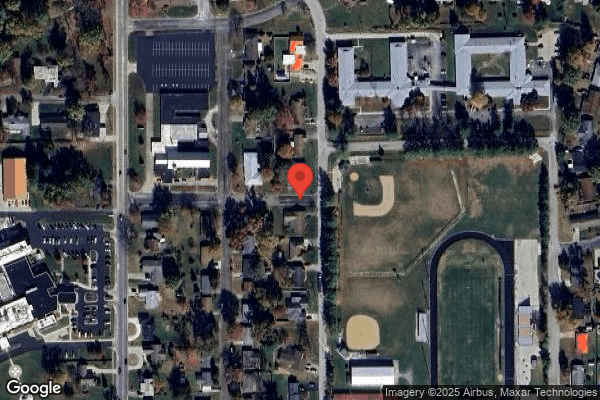
900 EAST SCOTT STREET, OLNEY, IL 62450 (618) 395-1000
For profit - Corporation 157 Beds HELIA HEALTHCARE Data: November 2025 1 Immediate Jeopardy citation
Trust Grade
0/100
#617 of 665 in IL
Last Inspection: February 2025

Within standard 12-15 month inspection cycle. Federal law requires annual inspections.

Overview

Richland Nursing & Rehab has received a Trust Grade of F, indicating significant concerns about the facility's operations and care quality. It ranks #617 out of 665 nursing homes in Illinois, placing it in the bottom half of facilities statewide, and it is the second lowest in Richland County. The situation is worsening, with the number of issues identified doubling from 10 in 2024 to 21 in 2025. Staffing is rated poorly, with a turnover rate of 48%, which is average for the state, but this lack of stability can impact care continuity. The facility has encountered serious incidents, including a cognitively impaired resident who exited the building unsupervised and suffered injuries, and multiple residents who experienced delays in assistance with daily activities, leading to distress and humiliation.

Trust Score
F
0/100
In Illinois
#617/665
Bottom 8%
Safety Record
High Risk
Review needed
Inspections
Getting Worse
10 → 21 violations
Staff Stability
⚠ Watch
48% turnover. Above average. Higher turnover means staff may not know residents' routines.
Penalties
✓ Good
$252,142 in fines. Lower than most Illinois facilities. Relatively clean record.
Skilled Nurses
⚠ Watch
Each resident gets only 29 minutes of Registered Nurse (RN) attention daily — below average for Illinois. Fewer RN minutes means fewer trained eyes watching for problems.
Violations
⚠ Watch
39 deficiencies on record. Higher than average. Multiple issues found across inspections.
★☆☆☆☆
1.0
Overall Rating
★☆☆☆☆
1.0
Staff Levels
★★☆☆☆
2.0
Care Quality
★☆☆☆☆
1.0
Inspection Score
Stable
2024: 10 issues
2025: 21 issues

The Good

  • Full Sprinkler Coverage · Fire safety systems throughout facility
  • No fines on record

Facility shows strength in fire safety.

The Bad

1-Star Overall Rating

Below Illinois average (2.5)

Significant quality concerns identified by CMS

Staff Turnover: 48%

Near Illinois avg (46%)

Higher turnover may affect care consistency

Federal Fines: $252,142

Well above median ($33,413)

Significant penalties indicating serious issues

Chain: HELIA HEALTHCARE

Part of a multi-facility chain

Ask about local staffing decisions and management

The Ugly 39 deficiencies on record

1 life-threatening 9 actual harm
May 2025 5 deficiencies 1 Harm
SERIOUS (G) 📢 Someone Reported This

A family member, employee, or ombudsman was alarmed enough to file a formal complaint

Actual Harm - a resident was hurt due to facility failures

Resident Rights (Tag F0550)

A resident was harmed · This affected 1 resident

**NOTE- TERMS IN BRACKETS HAVE BEEN EDITED TO PROTECT CONFIDENTIALITY** Based on observation, interview, and record review the facility failed to ensure residents were assisted with activities of dail...

Read full inspector narrative →
**NOTE- TERMS IN BRACKETS HAVE BEEN EDITED TO PROTECT CONFIDENTIALITY** Based on observation, interview, and record review the facility failed to ensure residents were assisted with activities of daily living (ADL's) and call lights were answered in a timely manner promoting dignity for 3 of 5 (R3, R4, R5, R10 and R13) residents reviewed for dignity in the sample of 26. This failure resulted in R13 asking for assistance to toilet for at least 35 minutes while in the dining room and common area and subsequently having an episode of incontinence. R13 was visibly upset and crying out for help during this 35-minute time frame. This would cause any reasonable person to feel embarrassed and humiliated. Findings include: 1. R13's Resident Face Sheet with a print date of 5/6/25 documents R13 was admitted to the facility on [DATE] with diagnoses that include unspecified dementia, moderate, with anxiety. R13's MDS (Minimum Data Set) dated 2/5/25 documents a BIMS (Brief Interview for Mental Status) score of 01, indicating R13 has a severe cognitive deficit. This same MDS documents R13 is frequently incontinent of urine and bowel and requires substantial/maximal assistance with toileting hygiene and partial/moderate assistance with toilet transfer. On 5/6/25 from 12:25 PM until 12:58 PM this surveyor conducted continuous observation of the common area/dining room. At 12:25 PM, when this surveyor entered this area, R13 was sitting in the dining room in her wheelchair talking with V25 (Patient Aid/PA). R13 asked V25 to take her to the bathroom. V25 responded to R13 that she couldn't but they (Certified Nursing Assistants/CNA's) would take her as soon as they could. V25 told R13, They can't stop feeding residents to take you. R13 continued to ask V25 who then told R13, They can't take you right now. They will take you as soon as they can. At 12:27 PM, R13 stopped an unknown staff member who entered the unit and asked them where she was supposed to go. R13 told this staff member she was about to pee my pants. This unknown staff member told R13 they would get to her as soon as they could. At 12:29 PM, R13 self-propelled her wheelchair out of the dining room and through the common area surrounding the nurse's station. R13 was crying out, I got to go to the bathroom. Why can't I go to the bathroom. Someone help me. R13 was visibly upset. V21 (Dietary Manager) entered the unit and R13 said Help me someone, help me. V21 told R13 she would get someone to help her. Throughout this observation, V22 and V23 (Certified Nursing Assistants/CNA's) were feeding residents in the dining room. At 12:31 PM, R13 yelled, Help, I am going to pee in the floor. R13 continued to yell for help. At 12:35 PM, R13 stated, It is an awful place when you can't get waited on in the nursing home. At 12:44 PM, R13 asked for help again with no response from staff. At 12:48 PM, R13 cried out, Help, help, help. At 12:49 PM, R13 told V21 (Dietary Manager) Help me, help me. I just peed myself. V21 moved R13's wheelchair next to a chair in the common area and sat down next to R13 and began to talk with her. R13 was visibly upset throughout this observation. On 5/6/25 at 12:59 PM, V22 (CNA) stated R13 yells out for help even if the staff have just taken her to the bathroom. V22 stated she had been told R13 was asking to toilet, and she would take her after she charted lunch. On 5/6/25 at 1:02 PM, V23 (CNA) stated they had three CNA's when they came to work this morning but one got sick and had to leave early. V23 stated they currently have two CNA's and one PA working. When asked if that was enough staff to meet the residents needs timely, V23 stated, No. V23 stated, We had people hollering to go to the bathroom while we were feeding, and we aren't allowed to stop feeding to take them to the bathroom. V23 stated they had taken R13 to toilet right before lunch (around 11:00 AM). V23 stated R13 hollers out a lot but she can tell when she urinates. On 5/6/25 at 1:13 PM, this surveyor reviewed the observation with V24 (LPN/Licensed Practical Nurse) and V24 stated R13 yelled out for help frequently and was previously on a bladder training program. V24 stated staff need to stop what they are doing and help. When asked if they were allowed to stop feeding residents to provide needed care to other residents, V24 stated she only worked on Tuesdays, so she wasn't sure if something had changed but they used to stop and help residents. On 5/6/25 at 1:31 PM, V25 (PA) stated she is not allowed to provide direct resident care, she is only there for extra eyes and support. V25 stated R13 constantly asks to go the bathroom, even after they have just taken her. On 5/6/25 at 1:37 PM, V26 (CNA) stated she clocked in for her shift at 1:00 PM and took R13 to the bathroom. V26 stated R13 had feces in her incontinence brief, and it was soaked with urine. V26 stated she also had to change R13's pants because they were wet. On 5/6/24 at 2:58 PM, V2 (Director of Nurses/DON) stated V22 (CNA) should have taken R13 to the bathroom instead of charting lunch. V2 stated they don't stop feeding because the meal will get cold, but someone should have taken over with feeding residents so the CNA's could have provided care. The facility Quality of Life Dignity policy dated 2/2012 documents, Policy: Each resident shall be cared for in a manner that promotes and enhances quality of life, dignity, respect and individuality. Procedure: .11. Demeaning practices and standards of care that compromise dignity are prohibited. Staff shall promote dignity and assist residents as needed by: .b. Promptly responding to the resident's request for toileting assistance . 2. On 5/6/25 at 9:37AM, R3, who was alert and oriented to person, place, and time, stated she has lived here a few years at least. R3 stated that the call light wait times are too long. R3 stated, Sometimes I even take myself to the bathroom because they don't answer it soon enough, and I don't want to have an accident. They (the staff) get mad at me, but I don't want to have an accident. 3. On 5/5/25 at 11:41AM, R10, who was alert and oriented to person, place and time, stated, Sometimes during lunch hour my call light can be on for an hour or longer. 4. On 5/6/25 at 9:20 AM, R5, who was alert and oriented to person, place, and time, stated that call light wait times have improved in the past two months but are still too long. She said there are residents who require two CNA's (Certified Nurse's Aides) to assist them, and that takes away from staff that can answer call lights. She says they only have two CNA's on her hall, and they need three. 5. On 5/6/25 at 9:26 AM, R4, who was alert and oriented to person, place, and time, stated that call light wait times are too long. R4 stated that on average it takes fifteen minutes to get them answered, sometimes longer. R4 stated that call light wait times are worse on evening shift when they have less staff. 6. Resident council meeting minutes dated 1/30/25 documents call light wait times as a concern for the residents. On 5/7/2025 at 11:52 AM, V1 (Administrator) stated that he would consider a reasonable amount of time to wait for a call light to be answered as ten to fifteen minutes at most. When asked if he thought that it was appropriate for a resident to take herself to the toilet without assistance, knowing that she needs assistance, but unable to wait for staff to answer her call light because of fear she may have an episode of incontinence, V1 stated no, that was not acceptable practice for assisting residents with toileting needs. Facility's call light policy dated July 2014 in step 8 under heading General guidelines documents, Answer the resident's call as soon as possible.
CONCERN (D) 📢 Someone Reported This

A family member, employee, or ombudsman was alarmed enough to file a formal complaint

Potential for Harm - no one hurt, but risky conditions existed

ADL Care (Tag F0677)

Could have caused harm · This affected 1 resident

**NOTE- TERMS IN BRACKETS HAVE BEEN EDITED TO PROTECT CONFIDENTIALITY** Based on observation, interview, and record review the facility failed to ensure residents were assisted with activities of dail...

Read full inspector narrative →
**NOTE- TERMS IN BRACKETS HAVE BEEN EDITED TO PROTECT CONFIDENTIALITY** Based on observation, interview, and record review the facility failed to ensure residents were assisted with activities of daily living (ADL's) in a timely manner for 2 of 5 (R2 and R13) residents reviewed for ADL's in the sample of 26. Findings Include: 1. R13's Resident Face Sheet with a print date of 5/6/25 documents R13 was admitted to the facility on [DATE] with diagnoses that include unspecified dementia, moderate, with anxiety. R13's MDS (Minimum Data Set) dated 2/5/25 documents a BIMS (Brief Interview for Mental Status) score of 01, indicating R13 has a severe cognitive deficit. This same MDS documents R13 is frequently incontinent of urine and bowel and requires substantial/maximal assistance with toileting hygiene and partial/moderate assistance with toilet transfer. R13's current Care Plan documents a problem area with a start date of 11/21/2024 of, Resident exhibiting Behaviors as seen by: Wandering, yelling out Help me significant number of times throughout the day and night. Refusing meds (medications), Physical aggression towards staff. This same Problem area includes the following interventions with start dates of 11/21/2024, Encourage family support and/or involvement .encourage resident to keep involvement in activities of choice .Encourage resident to vent feelings, fears, frustrations prn (as needed) Notify MD (physician) as needed .Provide meds as ordered and monitor effectiveness .Psychiatric consult as needed .1:1 visits as needed for reassurance .Call light within reach while in room .Check for pain Observe for changes in appetite, signs of withdrawal, crying and tearfulness, decreases in social interactions, and changes in routine . This same Care Plan includes a Problem area with a start date of 08/13/2024 of, Resident needs set up/supervision to substantial assistance for Activities of Daily Living. This Problem area includes the following intervention with a start date of 8/13/2024 of, Assist as needed with toileting . On 5/6/25 from 12:25 PM until 12:58 PM this surveyor conducted continuous observation of the common area/dining room. At 12:25 PM, when this surveyor entered this area, R13 was sitting in the dining room in her wheelchair talking with V25 (Patient Aid/PA). R13 asked V25 to take her to the bathroom. V25 responded to R13 that she couldn't but they (Certified Nursing Assistants/CNA's) would take her as soon as they could. V25 told R13, They can't stop feeding residents to take you. R13 continued to ask V25 who then told R13, They can't take you right now. They will take you as soon as they can. At 12:27 PM, R13 stopped an unknown staff member who entered the unit and asked them where she was supposed to go. R13 told this staff member she was about to pee my pants. This unknown staff member told R13 they would get to her as soon as they could. At 12:29 PM, R13 self-propelled her wheelchair out of the dining room and through the common area surrounding the nurse's station. R13 was crying out, I got to go to the bathroom. Why can't I go to the bathroom. Someone help me. R13 was visibly upset. V21 (Dietary Manager) entered the unit and R13 said Help me someone, help me. V21 told R13 she would get someone to help her. Throughout this observation, V22 and V23 (Certified Nursing Assistants/CNA's) were feeding residents in the dining room. At 12:31 PM, R13 yelled, Help, I am going to pee in the floor. R13 continued to yell for help. At 12:35 PM, R13 stated, It is an awful place when you can't get waited on in the nursing home. At 12:44 PM, R13 asked for help again with no response from staff. At 12:48 PM, R13 cried out, Help, help, help. At 12:49 PM, R13 told V21 (Dietary Manager) Help me, help me. I just peed myself. V21 moved R13's wheelchair next to a chair in the common area and sat down next to R13 and began to talk with her. R13 was visibly upset throughout this observation. On 5/6/25 at 12:59 PM, V22 (CNA) stated R13 yells out for help even if the staff have just taken her to the bathroom. V22 stated she had been told R13 was asking to toilet, and she would take her after she charted lunch. On 5/6/25 at 1:02 PM, V23 (CNA) stated they had three CNA's when they came to work this morning but one got sick and had to leave early. V23 stated they currently have two CNA's and one PA working. When asked if that was enough staff to meet the residents needs timely, V23 stated, No. V23 stated, We had people hollering to go to the bathroom while we were feeding, and we aren't allowed to stop feeding to take them to the bathroom. V23 stated they had taken R13 to toilet right before lunch (around 11:00 AM). V23 stated R13 hollers out a lot but she can tell when she urinates. On 5/6/25 at 1:13 PM, this surveyor reviewed the observation with V24 (LPN/Licensed Practical Nurse) and V24 stated R13 yelled out for help frequently and was previously on a bladder training program. V24 stated staff need to stop what they are doing and help. When asked if they were allowed to stop feeding residents to provide needed care to other residents, V24 stated she only worked on Tuesdays, so she wasn't sure if something had changed but they used to stop and help residents. On 5/6/25 at 1:31 PM, V25 (PA) stated she is not allowed to provide direct resident care, she is only there for extra eyes and support. V25 stated R13 constantly asks to go the bathroom, even after they have just taken her. On 5/6/25 at 1:37 PM, V26 (CNA) stated she clocked in for her shift at 1:00 PM and took R13 to the bathroom. V26 stated R13 had feces in her incontinence brief, and it was soaked with urine. V26 stated she also had to change R13's pants because they were wet. On 5/6/25 at 1:45 PM, V27 (LPN/Unit Manager) stated R13 cries out and asks to go to the bathroom all the time. This surveyor reviewed V26's interview with V27 and V27 stated, she wouldn't say R13 doesn't have to go to the bathroom when she says she does. On 5/6/24 at 2:58 PM, V2 (Director of Nurses/DON) stated V22 (CNA) should have taken R13 to the bathroom instead of charting lunch. V2 stated they don't stop feeding because the meal will get cold, but someone should have taken over with feeding residents so the CNA's could have provided care. 2.) R2's Face Sheet documents R2 has an admission date of 4/3/2020. R2's Face Sheet documents R2 has diagnosis that includes but is not limited to polyosteoarthritis, transient cerebral ischemic attack, chronic obstructive pulmonary disease, and difficulty in walking. R2's current Care Plan documents R2 needs partial assistance to total dependence for most activities of daily living related to cerebrovascular accident (stroke) with a problem start date of 10/29/2020. R2's Care Plan documents R2 requires two (person) assist with Hoyer (mechanical lift) transfers, assist as needed with ADL's (activities of daily living) and assist as needed with toileting. R2's MDS (Minimum Data Set) dated 2/17/2025 documents in section GG that R2 is dependent for shower/bathe self meaning helper does ALL of the effort. Resident does none of the effort to complete the activity. Or, the assistance of 2 or more helpers is required for the resident to complete the activity. Section GG of the MDS also records R2 is dependent for transfer to tub/shower meaning helper does ALL of the effort. Resident does none of the effort to complete the activity. Or, the assistance of 2 or more helpers is required for the resident to complete the activity. Section C of MDS documents R2 has a BIMS score of 11 documenting R2 has moderately impaired cognition. On 5/5/2025 at 11:23 AM, R2, who was alert and oriented to person, place and time, stated he hasn't received a shower in about two to three weeks now. R2 stated he does want one, and that he is supposed to get one twice a week. R2 stated he doesn't know why he hasn't gotten one in two to three weeks. R2 denies refusing a shower. R2's current Physician's Orders documents R2 is ordered to get a shower twice a week on Tuesday and Friday nights per resident's preference with a start date of 4/23/2024. R2's ADL Point of Care History in R2's EHR (Electronic Health Record) for 4/1/25-5/1/25 documents R2 did not receive a shower in between 4/4/25-4/11/25 and in between 4/15/25-4/22/25. This record documents R2 went two six-day periods of not receiving a shower. On 5/6/2025 at 2:34 PM, while reviewing R2's ADL documentation for showers, V13 (Certified Nurse's Aide/CNA) stated as far as she knew that R2 did not get a shower anytime between the dates 4/4/2025-4/11/2025 and 4/15/2025-4/22/2025. Upon reviewing the ADL documentation for showers with V13 she stated that on days 4/8/25 and 4/18/25 where it is documented by her in EHR activity did not occur in relation to shower, she entered those by mistake. V13 stated that R2 gets a bed bath every night at bedtime. There is no documentation in the EHR that documents R2 gets a bed bath every night at bedtime. On 5/6/25 at 11:42 AM, V5 (RN/Registered Nurse) stated they (the facility) has enough staff to do showers, but it is after everyone is put to bed which is around 10:30 PM. V5 stated residents may not want to get out of bed for a shower at that time, so they refuse them. On 5/7/25 at 11:52 AM, V1 stated that his expectations for showers were for them to be offered to the residents at twice per week. V1 stated they should also be able to get one more often if requested. When asked if it was an acceptable practice for someone to go six days without being assisted with showering/bathing, V1 stated no that is not an acceptable practice. V1 stated they should have been offered at least a bed bath during that time frame. Facility's bathing policy dated July 2014 states, It is the policy of (Name of Facility) that residents will receive a shower/bath will [sic]be scheduled regularly and prn (as needed). Step 10 in bathing policy states, Assist the resident in showering/bathing if necessary.
CONCERN (D) 📢 Someone Reported This

A family member, employee, or ombudsman was alarmed enough to file a formal complaint

Potential for Harm - no one hurt, but risky conditions existed

Deficiency F0744 (Tag F0744)

Could have caused harm · This affected 1 resident

**NOTE- TERMS IN BRACKETS HAVE BEEN EDITED TO PROTECT CONFIDENTIALITY** Based on observation, interview, and record review the facility failed to ensure residents with dementia received the necessary ...

Read full inspector narrative →
**NOTE- TERMS IN BRACKETS HAVE BEEN EDITED TO PROTECT CONFIDENTIALITY** Based on observation, interview, and record review the facility failed to ensure residents with dementia received the necessary person-centered care and services consistent with the resident's goals and symptomology for 3 of 3 (R13, R14, and R15) residents reviewed for dementia care in the sample of 26. Findings Include: On 5/6/25 from 12:25 PM until 12:58 PM this surveyor conducted continuous observation of the common area/dining room on the Alzheimer's unit. At 12:25 PM, when this surveyor entered this area, R13 was sitting in the dining room in her wheelchair talking with V25 (Patient Aid/PA). R13 asked V25 to take her to the bathroom. V25 responded to R13 that she couldn't but they (Certified Nursing Assistants/CNA's) would take her as soon as they could. V25 told R13, They can't stop feeding residents to take you. R13 continued to ask V25 who then told R13 They can't take you right now. They will take you as soon as they can. During this conversation, V25 was scraping food scraps off plates and stacking them to return to the kitchen. R15 was standing next to V25 while she was scraping the food. V24 (LPN/Licensed Practical Nurse) was standing behind the nurse's station and told this surveyor she had to take a card of medications to the Director of Nurses/DON, and she would be right back. At 12:26 PM, the exit door in the dining room started to alarm and there were two unknown residents attempting to exit. V25 left the dirty dishes on the cart with R15 standing next to them and went to the door to redirect the other two residents. R15 started moving the dirty dishes around, stacking them in different places and wiping them off with her bare hands. R15 smeared food on her hands and began rubbing them together while continuing to move dirty dishes and wipe at the food scraps left on the plates. At 12:27 PM, R13 stopped an unknown staff member who entered the unit and asked them where she was supposed to go. R13 told this staff member she was about to pee my pants. This unknown staff member told R13 they would get to her as soon as they could. R15 continued to move the dirty dishes and wipe the scraps of food off with her fingers. At 12:28 PM, V25 (PA) went back to the dining room and washed R15's hands. At 12:29 PM, R13 self-propelled her wheelchair out of the dining room and through the common area surrounding the nurse's station. R13 was crying out, I got to go to the bathroom. Why can't I go to the bathroom. Someone help me. R13 was visibly upset. V21 (Dietary Manager) entered the unit and R13 said Help me someone, help me. V21 told R13 she would get someone to help her. An unknown male resident opened a bathroom door and told R13 to come here. R13 told this resident she couldn't go in the bathroom without permission. Throughout this observation, V22 and V23 (Certified Nursing Assistants/CNA's) were feeding residents in the dining room. At 12:31 PM, R13 yelled, Help, I am going to pee in the floor. V25 (PA) got a book off the nurse's station and started documenting in it, while observing residents in the dining room/common area. R13 continued to yell for help. At 12:33 PM, an unknown resident attempted to pull the fire alarm located down the hallway and other unknown residents were wandering the hallways entering and exiting resident rooms. At 12:35 PM, R13 stated, It is an awful place when you can't get waited on in the nursing home. The same unknown male resident attempted to get R13 to enter the bathroom again. R13 told this resident she wasn't going in there without permission and yelled, Help. V22 and V23 continue to feed residents in the dining room, V24 (LPN) had not returned to the unit, V25 (PA) continued to document in the binder. An unknown male resident attempted to push R13's wheelchair. V25 told R13 she would have to wait to use the bathroom because other residents couldn't assist her to the toilet. R14 who had been pacing the hallways and entering and exiting resident rooms, walked into the dining room, and started eating mashed potatoes off a partially eaten plate of food that had been left on a table. V21 (Dietary Manager) stated R14 was on a mechanical soft diet and that wasn't her plate of food. V21 redirected R14 from the plate and removed the plate from the table. At 12:41 PM, V22 and V23 continue to feed residents in the dining room, V25 continued to document in the binder, multiple residents were wandering the hallways entering and exiting resident rooms. At 12:44 PM, R13 asked for help again with no response from staff. R14 walked to another table in the dining room and took a bite of another unknown residents' food. V27 (LPN-Licensed Practical Nurse/Unit Manager) stopped R14 after the first bite. V27 removed the plate and turned away, R14 went to another table and started eating another resident's food. At 12:46 PM, V27 stopped R14, took the spoon away from R14, and told R14, No, no. R14 began to pace the hallways again with other residents. At 12:48 PM, R13 cried out, Help, help, help. At 12:49 PM, R13 told V21 (Dietary Manager) Help me, help me. I just peed myself. V21 moved R13's wheelchair next to a chair in the common area and sat down next to R13 and began to talk with her. At 12:55 PM, an exit door alarm sounded, unknown residents were attempting to exit. At 12:58 PM, V22 (CNA) walked behind the nurse's station and logged onto computer. On 5/6/25 at 12:59 PM, V22 (CNA) stated R13 yells out for help even if the staff have just taken her to the bathroom. V22 stated she had been told R13 was asking to toilet, and she would take her after she charted lunch. On 5/6/25 at 1:02 PM, V23 (CNA) stated they had three CNA's when they came to work this morning but one got sick and had to leave early. V23 stated they currently have two CNA's and one PA working. When asked if that was enough staff to meet the residents needs timely, V23 stated, No. V23 stated We had people hollering to go to the bathroom while we were feeding, and we aren't allowed to stop feeding to take them to the bathroom. This surveyor reviewed with V23 the observation of the noon meal and asked her if that was a typical day. V23 stated it was but if they have a third CNA it is better, but it would be even better if they had four. V23 stated they couldn't keep up with all the residents. V23 stated R13 hollers out a lot but she can tell when she urinates. V23 stated residents wander into other rooms because they don't have enough staff to monitor them. On 5/6/25 at 1:13 PM, this surveyor reviewed the mealtime observation with V24 (LPN) and asked her if this was a typical day. V24 stated R13 yells out for help frequently and was previously on a bladder training program. V24 stated R14 got extra trays at mealtimes because she was always hungry. V24 stated it wasn't right for her to get into other people's food and it was dangerous. V24 stated staff need to stop what they are doing and help. When asked if they were allowed to stop feeding residents to provide needed care to other residents, V24 stated she only worked on Tuesdays, so she wasn't sure if something had changed, but they used to stop and help residents. On 5/6/25 at 1:23 PM, this surveyor reviewed the observation with V22 (CNA) and asked if that was a typical day and if so, why. V22 stated, Well, I am feeding and can't stop feeding and they (Administration) aren't out here helping us anymore. V22 stated residents wander in and out of other resident rooms. When asked if they ever had activities for the residents, V22 stated, they do an activity occasionally in the morning. V22 stated they painted nails this morning but that is the only activity they had. V22 stated they used to have activities all day long but not anymore. V22 stated they do take residents to the sensory room before lunch, but she didn't think they did that on 5/6/25. V22 stated they only do the sensory room on weekdays. On 5/6/25 at 1:31 PM, V25 (PA) stated she is not allowed to provide direct resident care, she is only there for extra eyes and support. V25 stated R13 constantly asks to go the bathroom, even after they have just taken her. V25 stated she went to the door to redirect the residents attempting to exit, and when she returned R15 was scraping food off the plates with her fingers. V25 stated R14 eats other residents' food, and it was part of her job to monitor her. V25 stated she had taken over with the elopement book during lunch and it was hard to multitask. V25 stated she does the best she can, but it is hard especially when there are residents that are exit seeking. On 5/6/25 at 1:37 PM, V26 (CNA) stated she clocked in for her shift at 1:00 PM and took R13 to the bathroom. V26 stated R13 had feces in her incontinence brief, and it was soaked with urine. V26 stated she also had to change R13's pants because they were wet. On 5/6/25 at 1:45 PM, V27 (LPN/Unit Manager) stated she was on lunch break when this surveyor arrived at the unit at 12:25 PM. V27 stated she started assisting with the lunch meal after her break. V27 was not sure what time that was. V27 stated R13 cries out and asks to go to the bathroom all the time. This surveyor reviewed V26's interview with V27 and V27 stated, she wouldn't say R13 doesn't have to go to the bathroom when she says she does. V27 stated could have helped but she can't hear what is going on with her office door closed and if she leaves it open the residents are knocking stuff over. On 5/5/25 at 11:38 AM, V17 (Anonymous) stated they didn't have enough staff to meet the needs of the residents timely. V17 stated if they had more staff, they could monitor better and prevent behaviors and accidents. On 5/6/25 at 2:44 PM, V15 (Activities Director) reviewed the activity calendar with this surveyor and said they at 10 they do fitness/fun, 10:30 music memories, 11:00 filling station, and 11:30 sensory group. V15 stated she did nails this morning. When asked why she did nails instead of fitness/fun, V15 stated she did the afternoon activity in the morning. V15 stated at 10:00 am she was ordering supplies and at 11:30 she was trying figure out why an activity aid wasn't on their assigned unit. V15 stated it was hectic. V15 stated they usually have one activity each day that doesn't occur as it should on the unit because it is very hectic, and they are helping calm the residents down. V15 stated they have a few select residents that are difficult to keep engaged. The facility undated (name of unit) Daily Schedules documents the following activity schedule, Tuesday and Thursday 10:00 Fitness Fun/Active Games, 10:30 Music and Memories, 11:00 Filling Station, 11:30 Sensory Group, 1:30 Hand Spa. Monday Wednesday, and Friday 9:30 Fitness Fun/Active Games, 10:30 Table Games/Puzzles, 11:00 Fold and Sort, 11:30 Sensory Group, 1:30 Daily Creations. On 5/6/24 at 2:58 PM, this surveyor reviewed the observation of the noon meal with V2 (Director of Nurses/DON). V2 stated they had a CNA go to the hospital on day shift. When asked what her expectations would be V2 stated activities should have been down there doing a sensory group. V2 stated the CNA sitting at the desk should have taken R13 to the bathroom. V2 stated they should have told her what was happening so she could have helped. V2 stated they don't have activities on the weekends. Reviewed V15 (Activity Director's) interview with V2 and V2 stated they wouldn't have to redirect residents if they provided activities like they should. R13's Resident Face Sheet with a print date of 5/6/25 documents R13 was admitted to the facility on [DATE] with diagnoses that include unspecified dementia, moderate, with anxiety. R13's MDS (Minimum Data Set) dated 2/5/25 documents a BIMS (Brief Interview for Mental Status) score of 01, indicating R13 has a severe cognitive deficit. This same MDS documents R13 is frequently incontinent of urine and bowel and requires substantial/maximal assistance with toileting hygiene and partial/moderate assistance with toilet transfer. R13's current Care Plan documents a Problem area with a start date of 11/21/2024 of, Resident exhibiting Behaviors as seen by: Wandering, yelling out Help me significant number of times throughout the day and night. Refusing meds (medications), Physical aggression towards staff. This same Problem area includes the following interventions with start dates of 11/21/2024, Encourage family support and/or involvement .encourage resident to keep involvement in activities of choice .Encourage resident to vent feelings, fears, frustrations prn (as needed) Notify MD (physician) as needed .Provide meds as ordered and monitor effectiveness .Psychiatric consult as needed .1:1 visits as needed for reassurance .Call light within reach while in room .Check for pain Observe for changes in appetite, signs of withdrawal, crying and tearfulness, decreases in social interactions, and changes in routine . This same Care Plan includes a Problem area with a start date of 08/13/2024 of, Resident needs set up/supervision to substantial assistance for Activities of Daily Living. This Problem area includes the following intervention with a start date of 8/13/2024 of, Assist as needed with toileting . R13's current Care Plan does not include progressive person-centered interventions related to the diagnosis of dementia. R14's Resident Face Sheet with a print date of 5/6/25 documents R14 was admitted to the facility on [DATE] with diagnoses that include unspecified dementia, moderate, with other behavioral disturbances and cognitive communication deficit. R14's MDS dated [DATE] documents R14 is moderately impaired in cognitive skills for daily decision making. R14's current Care Plan documents a Problem area with a start date of 3/20/24 of, Resident is cognitively impaired due to: Dementia. This Problem area includes the following interventions with start dates of 3/20/24, Call resident by name upon each interaction Observe for response .Verbal cues as needed Allow ample time for resident to respond .Simple YES/NO questions and commands Observe whereabouts . R14's Care Plan does not document person centered progressive interventions related to the diagnosis Dementia. R15's Resident Face Sheet with a print date of 5/6/25 documents R15 was admitted to the facility on [DATE] with diagnoses that include unspecified dementia and Alzheimer's disease with late onset. R15's MDS dated [DATE] documents a BIMS score of 03, indicating R15 has a severe cognitive deficit. R15's current Care Plan documents a Problem area with a start date of 2/17/2022 of Resident is cognitively impaired due to: Dementia. This Problem area includes the following interventions with start dates of 2/17/2022, Call resident by name upon each interaction .Observe for response .Verbal cues as needed .Allow ample time for resident to respond .Simple YES/NO questions and commands .Observe whereabouts R15's current Care Plan does not document progressive personalized interventions related to the diagnosis of dementia. The facility Dementia-Clinical Protocol dated 2/2012 documents under Treatment/Management, 1. For the individual with confirmed dementia, the staff and physician will identify a plan to maximize remaining function and quality of life. Under Monitoring and Follow-Up, the Protocol documents, 1. The staff will monitor the individual with dementia for changes in condition and decline in function and will report these findings to the physician. 2. The physician will help staff adjust interventions and the overall plan depending on the individual's responses to those interventions, progression of dementia, development of new acute medical conditions or complications, changes in resident or family wishes, etc.
CONCERN (E) 📢 Someone Reported This

A family member, employee, or ombudsman was alarmed enough to file a formal complaint

Potential for Harm - no one hurt, but risky conditions existed

Safe Environment (Tag F0584)

Could have caused harm · This affected multiple residents

Based on observation, interview, and record review the facility failed to maintain the Dining Room floor in a clean and sanitary condition for 14 of 14 residents (R3, R4, R5, R7, R16, R17, R18, R19, R...

Read full inspector narrative →
Based on observation, interview, and record review the facility failed to maintain the Dining Room floor in a clean and sanitary condition for 14 of 14 residents (R3, R4, R5, R7, R16, R17, R18, R19, R20, R21, R22, R23, R24, R25) reviewed for a clean homelike environment in a sample of 26. Findings include: On 5/5/25 at 11:17 AM, there were two white spots on the floor of the Dining Room used for the Center and East Halls that appear to be a dried liquid substance resembling dried milk. There were also other spots of what appeared to be dried drops of clear or semi clear liquid substances scattered throughout the Dining Room for the Center and East halls. The Dining room floor also had small pieces of debris of what appeared to be food particles, dirt and maple tree seeds strewn about on it. On 5/6/25 at 8:56 AM, the same two dried white spots of what appeared to be dried milk remained on the floor of Center and East Halls Dining Room. At that time there were also other scattered, dried drops of clear/semi clear unknown liquid scattered throughout dining room. V9 was sweeping another area of the dining room. The Dining room floor also had small pieces of debris of what appeared to be dirt, maple tree seeds and food particles strewn about on it. On 5/6/25 at 12:20 PM this surveyor took V1 (Administrator) to the East and Center halls Dining Room and showed him the dried spills of white substance, spots of what appear to be dried clear/semi clear liquid spots on the floor, and the debris of what appeared to be dirt, food particles and maple tree seeds scattered on the floor that had been on the floor the last two days. When this surveyor asked V1 if this was acceptable to his standard of cleanliness for the facility, V1 stated that was not up to his standards of cleanliness for the facility. On 5/6/25 at 10:20 AM, V9 (Housekeeper) stated that his shift is 8a-4:30pm. V9 stated that there are 3 housekeepers every day, seven days a week unless there is a call in. V9 stated that when he begins shift, he starts with Center/East halls Dining Room. V9 stated to clean the Dining Room on Center/East halls he begins by spraying tops of tables and cleans those, then he sweeps and mops the floor, and last gets the trash. V9 states that he believes three housekeepers are enough to keep the facility clean. On 5/6/25 at 9:13 AM, V4 (LPN/Licensed Practical Nurse) stated cleanliness of the facility could be better. She said that housekeepers are not good about sweeping and mopping routinely. She said that she often will sweep and mop around the nurse's station she is stationed at some time throughout the day because housekeeping staff aren't good about keeping the area clean. An undated document provided by V1 on 5/6/25 lists all of the residents who dine in Center/East Dining room and it included R3, R4, R5, R7, R16, R17, R18, R19, R20, R21, R22, R23, R24, and R25. Facility's undated cleaning policy documents, It is the policy of this facility that the workplace will be maintained in a clean and sanitary condition with a written schedule of cleaning and decontamination based on the area of the facility, type of surface to be cleaned, type of soil present and tasks being performed in the area. It is important that a clean, safe and sanitary environment is maintained for our residents. Surfaces such as tabletops, window ledges, bedside stands, counters, sinks, tubs, shower floors, toilet seats, floors, etc. will be cleaned daily using an EPA (Environmental Protection Agency) approved hospital grade disinfectant - detergent solution. These surfaces will also be cleaned as needed when spills or soiling occur.
CONCERN (F) 📢 Someone Reported This

A family member, employee, or ombudsman was alarmed enough to file a formal complaint

Potential for Harm - no one hurt, but risky conditions existed

Deficiency F0725 (Tag F0725)

Could have caused harm · This affected most or all residents

**NOTE- TERMS IN BRACKETS HAVE BEEN EDITED TO PROTECT CONFIDENTIALITY** Based on observation, interview, and record review the facility failed to ensure sufficient staff to monitor and provide timely ...

Read full inspector narrative →
**NOTE- TERMS IN BRACKETS HAVE BEEN EDITED TO PROTECT CONFIDENTIALITY** Based on observation, interview, and record review the facility failed to ensure sufficient staff to monitor and provide timely care for 4 of 7 (R8, R13, R14, and R15) residents, reviewed for staffing in the sample of 26. This failure has the potential to affect all 79 residents currently residing at the facility. Findings Include: The facility Daily Census Report dated 5/5/25 documents there are 79 residents currently residing at the facility. 1. On 5/6/25 from 12:25 PM until 12:58 PM this surveyor conducted continuous observation of the common area/dining room on the Alzheimer's unit. At 12:25 PM, when this surveyor entered this area, R13 was sitting in the dining room in her wheelchair talking with V25 (Patient Aid/PA). R13 asked V25 to take her to the bathroom. V25 responded to R13 that she couldn't but they (Certified Nursing Assistants/CNA's) would take her as soon as they could. V25 told R13, They can't stop feeding residents to take you. R13 continued to ask V25 who then told R13, They can't take you right now. They will take you as soon as they can. During this conversation, V25 was scraping food scraps off plates and stacking them to return to the kitchen. R15 was standing next to V25 while she was scraping the food. V24 (LPN/Licensed Practical Nurse) was standing behind the nurse's station and told this surveyor she had to take a card of medications to the Director of Nurses/DON, and she would be right back. At 12:26 PM, the exit door in the dining room started to alarm and there were two unknown residents attempting to exit. V25 left the dirty dishes on the cart with R15 standing next to them and went to the door to redirect the other two residents. R15 started moving the dirty dishes around, stacking them in different places and wiping them off with her bare hands. R15 smeared food on her hands and began rubbing them together while continuing to move dirty dishes and wipe at the food scraps left on the plates. At 12:27 PM, R13 stopped an unknown staff member who entered the unit and asked them where she was supposed to go. R13 told this staff member she was about to pee my pants. This unknown staff member told R13 they would get to her as soon as they could. R15 continued to move the dirty dishes and wipe the scraps of food off with her fingers. At 12:28 PM, V25 (PA) went back to the dining room and washed R15's hands. At 12:29 PM, R13 self-propelled her wheelchair out of the dining room and through the common area surrounding the nurse's station. R13 was crying out, I got to go to the bathroom. Why can't I go to the bathroom. Someone help me. R13 was visibly upset. V21 (Dietary Manager) entered the unit and R13 said, Help me someone, help me. V21 told R13 she would get someone to help her. An unknown male resident opened a bathroom door and told R13 to come here. R13 told this resident she couldn't go in the bathroom without permission. Throughout this observation, V22 and V23 (Certified Nursing Assistants/CNA's) were feeding residents in the dining room. At 12:31 PM, R13 yelled, Help, I am going to pee in the floor. V25 (PA) got a book off the nurse's station and started documenting in it, while observing residents in the dining room/common area. R13 continued to yell for help. At 12:33 PM, an unknown resident attempted to pull the fire alarm located down the hallway and other unknown residents were wandering the hallways entering and exiting resident rooms. At 12:35 PM, R13 stated, It is an awful place when you can't get waited on in the nursing home. The same unknown male resident attempted to get R13 to enter the bathroom again. R13 told this resident she wasn't going in there without permission and yelled, Help. V22 and V23 continued to feed residents in the dining room, V24 (LPN) had not returned to the unit, V25 (PA) continued to document in the binder. An unknown male resident attempted to push R13's wheelchair. V25 told R13 she would have to wait to use the bathroom because other residents couldn't assist her to the toilet. R14 who had been pacing the hallways and entering and exiting resident rooms, walked into the dining room, and started eating mashed potatoes off a partially eaten plate of food that had been left on a table. V21 (Dietary Manager) stated R14 was on a mechanical soft diet and that wasn't her plate of food. V21 redirected R14 from the plate and removed the plate from the table. At 12:41 PM, V22 and V23 continued to feed residents in the dining room, V25 continued to document in the binder, multiple residents were wandering the hallways entering and exiting resident rooms. At 12:44 PM, R13 asked for help again with no response from staff. R14 walked to another table in the dining room and took a bite of another unknown residents' food. V27 (LPN-Licensed Practical Nurse/Unit Manager) stopped R14 after the first bite. V27 removed the plate and turned away, R14 went to another table and started eating another resident's food. At 12:46 PM, V27 stopped R14, took the spoon away from R14 and told R14, No, no. R14 began to pace the hallways again with other residents. At 12:48 PM, R13 cried out, Help, help, help. At 12:49 PM, R13 told V21 (Dietary Manager) Help me, help me. I just peed myself. V21 moved R13's wheelchair next to a chair in the common area and sat down next to R13 and began to talk with her. At 12:55 PM, an exit door alarm sounded, unknown residents were attempting to exit. At 12:58 PM, V22 (CNA) walked behind the nurse's station and logged onto computer. On 5/6/25 at 12:59 PM, V22 (CNA) stated R13 yells out for help even if the staff have just taken her to the bathroom. V22 stated she had been told R13 was asking to toilet, and she would take her after she charted lunch. On 5/6/25 at 1:02 PM, V23 (CNA) stated they had three CNA's when they came to work this morning but one got sick and had to leave early. V23 stated they currently have two CNA's and one PA working. When asked if that was enough staff to meet the residents needs timely, V23 stated, No. V23 stated We had people hollering to go to the bathroom while we were feeding, and we aren't allowed to stop feeding to take them to the bathroom. This surveyor reviewed with V23 the observation that occurred, beginning at 12:25 PM, and asked her if that was a typical day. V23 stated it was and if they have a third CNA it is better, but it would be even better if they had four. V23 stated they couldn't keep up with all the residents. V23 stated they had taken R13 to toilet right before lunch (around 11:00 AM). V23 stated R13 hollers out a lot but she can tell when she urinates. V23 stated residents wander into other rooms because they don't have enough staff to monitor them. V23 stated she gets to work at 5:30 AM, and there are two CNA's on night shift, and they tell her they can't keep up. V23 stated on night shift the nurse is shared between the Alzheimer's unit and the Behavioral Unit. V23 stated that isn't enough staff to meet the needs of the residents on those units. On 5/6/25 at 1:13 PM, V24 (LPN) stated they started the shift with three CNA's and one PA but one of the CNA's had to leave between 10 and 11 AM. When asked if that was enough staff to meet the needs of the residents timely, V24 stated, I would think they would need another CNA in the afternoons. This surveyor reviewed the observation, beginning at 12:25 PM, with V24 and asked her if this was a typical day. V24 stated R13 yelled out for help frequently and was previously on a bladder training program. V24 stated R14 got extra trays at mealtimes because she was always hungry. V24 stated it wasn't right for her to get into other people's food and it was dangerous. V24 stated staff need to stop what they are doing and help. When asked if they were allowed to stop feeding residents to provide needed care to other residents, V24 stated she only worked on Tuesdays, so she wasn't sure if something had changed but they used to stop and help residents. V24 stated they don't have enough staff to meet the needs of the residents timely, everyday. V24 stated if they had more staff during meals and in the evening it would help. On 5/6/25 at 1:23 PM, this surveyor reviewed the observation with V22 (CNA) and asked if that was a typical day and if so, why. V22 stated, Well, I am feeding and can't stop feeding and they (administration) aren't out here helping us anymore. When asked if they had enough staff to meet the needs of the residents timely, V22 stated, No. V22 stated if they have three CNA's and a PA it is better. V22 stated the PA is off every Thursday, Friday, and Saturday. V22 stated they have two CNA's on evening shift and sometimes have three. When asked if they could meet the needs of the residents, V22 stated they also have to fill out the elopement book every 30 minutes, which means they have to check on half the residents every thirty minutes and document the checks. V22 stated she can keep the book up, but resident care doesn't get done as it should. On 5/6/25 at 1:31 PM, V25 (PA) stated she is not allowed to provide direct resident care, she is only there for extra eyes and support. V25 stated R13 constantly asks to go the bathroom, even after they have just taken her. V25 stated she went to the door to redirect the residents attempting to exit, and when she returned R15 was scraping food off the plates with her fingers. V25 stated R14 eats other residents' food, and it was part of her job to monitor her. V25 stated she had taken over with the elopement book during lunch and it was hard to multitask. V25 stated she does the best she can, but it is hard especially when there are residents that are exit seeking. V25 stated they had a third CNA, but she had to leave early. When asked if two CNA's and a PA were enough staff to meet the needs of the residents timely, V25 stated, No, not when it is a day like today. On 5/6/25 at 1:37 PM, V26 (CNA) stated she clocked in for her shift at 1:00 PM and took R13 to the bathroom. V26 stated R13 had feces in her incontinence brief, and it was soaked with urine. V26 stated she also had to change R13's pants because they were wet. On 5/6/25 at 1:45 PM, V27 (LPN/Unit Manager) stated she was on lunch break when this surveyor arrived to the unit at 12:25 PM. V27 stated she started assisting with the lunch meal after her break. V27 was not sure what time that was. V27 stated R13 cries out and asks to go to the bathroom all the time. This surveyor reviewed V26's interview with V27 and V27 stated, she wouldn't say R13 doesn't have to go to the bathroom when she says she does. V27 stated she could have helped but she can't hear what is going on with her office door closed and if she leaves it open the residents are knocking stuff over. V27 stated they had three CNA's and a PA at the beginning of the shift but one of the CNA's had to leave early. When asked if two CNA's and a PA were enough staff to meet the needs of the residents, V27 stated they prefer three CNA's and a PA. On 5/5/25 at 11:38 AM, V17 (Anonymous) stated they didn't have enough staff to meet the needs of the residents timely. V17 stated they felt a lot of accidents and elopements could be avoided if they had more staff. V17 stated they had three CNA's and a PA working but sometimes they only have one or two CNA's. V17 stated on night shift they share a nurse between the Alzheimer's and Behavioral units and have one CNA on the behavioral unit and two on the Alzheimer's unit. V17 stated if they had more staff, they could monitor better and prevent behaviors and accidents. On 5/5/25 at 2:51 PM, V19 (CNA) stated they are low on staffing. V19 stated it is a never-ending problem. V19 stated all care including incontinence care and showers are delayed due to staffing issues. On 5/5/25 at 3:04 PM, V20 (CNA) stated when they don't have a PA on night shift it gets hectic. V19 stated when they are feeding residents, they can't stop feeding them and assist other residents. On 5/6/25 at 3:39 PM, V28 (CNA) stated she hadn't recently worked with just one CNA on the unit, but she had in the past. V28 stated they usually have two CNA's on night shift. When asked if they had enough staff to meet the needs of the residents, V28 stated, No. V28 stated they do the best they can, but a timely manner just isn't doable. V28 stated the residents are always upset with them because of the workload and staff not getting to them quickly. On 5/6/24 at 2:58 PM, V2 (Director of Nurses/DON) stated she thought staffing was better than it had been. V2 stated they did have one CNA leave early on 5/6/25 day shift because they were sick. This surveyor reviewed the observation of the noon meal with V2, and she stated activity staff should have been on the unit doing a sensory group during that time frame. V2 stated they normally divide the residents up and it works well. V2 stated she knew it was chaotic on the unit on 5/6/24 during the mealtime. V2 stated V22 (CNA) should have taken R13 to the bathroom instead of charting lunch. V2 stated they don't stop feeding because the meal will get cold, but someone should have taken over with feeding residents so the CNA's could have provided care. When this surveyor asked who would have fed residents, V2 stated the nurse manager. This surveyor explained to V2, the nurse V24 was meeting with V2 during that time frame, V2 stated V24 should have told her what was happening or stayed on the unit to help. When asked what the staffing was like on the weekends, V2 stated, Improving. This surveyor reviewed the daily staffing sheets with V2, and she stated they have 2-3 CNA's and a nurse and no PA on the weekends. V2 stated they don't have activities or administrative staff working on the weekends and the behavioral and Alzheimer's unit share a nurse on night shift. When asked if that was enough staff to meet the needs of the residents and monitor for behaviors, V2 stated, According to state regulations that is enough staff. R13's Resident Face Sheet with a print date of 5/6/25 documents R13 was admitted to the facility on [DATE] with diagnoses that include unspecified dementia, moderate, with anxiety. R13's MDS (Minimum Data Set) dated 2/5/25 documents a BIMS (Brief Interview for Mental Status) score of 01, indicating R13 has a severe cognitive deficit. This same MDS documents R13 is frequently incontinent of urine and bowel and requires substantial/maximal assistance with toileting hygiene and partial/moderate assistance with toilet transfer. R13's current Care Plan documents a Problem area with a start date of 11/21/2024 of, Resident exhibiting Behaviors as seen by: Wandering, yelling out Help me significant number of times throughout the day and night. Refusing meds (medications), Physical aggression towards staff. This same Problem area includes the following interventions with start dates of 11/21/2024, Encourage family support and/or involvement .encourage resident to keep involvement in activities of choice .Encourage resident to vent feelings, fears, frustrations prn (as needed) Notify MD (physician) as needed .Provide meds as ordered and monitor effectiveness .Psychiatric consult as needed .1:1 visits as needed for reassurance .Call light within reach while in room .Check for pain Observe for changes in appetite, signs of withdrawal, crying and tearfulness, decreases in social interactions, and changes in routine . This same Care Plan includes a Problem area with a start date of 08/13/2024 of, Resident needs set up/supervision to substantial assistance for Activities of Daily Living. This Problem area includes the following intervention with a start date of 8/13/2024 of, Assist as needed with toileting . R14's Resident Face Sheet with a print date of 5/6/25 documents R14 was admitted to the facility on [DATE] with diagnoses that include unspecified dementia, moderate, with other behavioral disturbances and cognitive communication deficit. R14's MDS (Minimum Data Set) dated 3/14/25 documents R14 is moderately impaired in cognitive skills for daily decision making. R14's current Care Plan documents a Problem area with a start date of 3/20/24 of, Resident is cognitively impaired due to: Dementia. This Problem area includes the following interventions with start dates of 3/20/24, Call resident by name upon each interaction Observe for response .Verbal cues as needed Allow ample time for resident to respond .Simple YES/NO questions and commands Observe whereabouts . R15's Resident Face Sheet with a print date of 5/6/25 documents R15 was admitted to the facility on [DATE] with diagnoses that include unspecified dementia and Alzheimer's disease with late onset. R15's MDS dated [DATE] documents a BIMS score of 03, indicating R15 has a severe cognitive deficit. R15's current Care Plan documents a Problem area with a start date of 2/17/2022 of Resident is cognitively impaired due to: Dementia. This Problem area includes the following interventions with start dates of 2/17/2022, Call resident by name upon each interaction .Observe for response .Verbal cues as needed .Allow ample time for resident to respond .Simple YES/NO questions and commands .Observe whereabouts 2. R8's Resident Face Sheet with a print date of 5/6/25 documents R8 was admitted to the facility on [DATE] with diagnoses that include bipolar disorder, alcohol abuse, depression dizziness, dissociative and conversion disorder, fibromyalgia, and abnormalities of gait and mobility. R8's Observation Detail Report dated 5/7/25 documents a BIMS score of 07, indicating R8 has a severe cognitive impairment. R8's current Care Plan documents a Problem area with a start date of 5/1/25, Category: Falls Resident is at risk for falling R/T (related to): History of Falls. This same Problem area includes the following interventions with a start date of 5/5/25, Immediate Intervention: Pressure alarms IDT Intervention: Bed and Chair Alarms. R8's Safety Events-Event-Fall and Investigation report dated 5/5/25 documents under Notes, 5/6/2025 12:20 AM, At 2120 (9:20 PM), upon entering the room observed res (resident) lying on the floor by the recliner with the table knocked down. Res apparently attempted to ambulate independently and lost a (sic) balance falling to the floor. Head to toe assessment performed. Neuro (neurological) check WNL (within normal limits) Res stated that she hit her head on the floor. No redness, bruising or raised area noted to the back of the head. Res confused and responded inappropriately. No apparent injuries were noted. Assisted back to the recliner .Res moved to Rm (room) (number) for tonight per DON (Director of Nurse) suggestion, so she can be closely monitored by the nurses' desk .Chair alarm in place to the recliner. Demonstrated how to use call light several times and was reminded to use it for assistance. Resting quietly at present in the recliner with legs up. Call light in reach. On 5/6/25 at 11:42 AM, V5 (RN/Registered Nurse) stated she works 12-hour night shift, and it is her and two CNAs for the two halls on the long-term care unit. When asked if that was enough staff to meet the needs of the residents timely, V5 stated when she is passing medications and a resident who requires assist of two needs help and alarms are going off it would help if they had another staff member. V5 stated it can be hard to hear the alarms if she is down the halls. When asked if they had any falls that occurred due to them not being able to provide timely care, V5 stated, Yes, it happened last night. V5 stated the two CNAs were in a room providing care to a resident and she was down the hall passing medications. V5 stated a residents family member told her there was an alarm going off on the other hall and she couldn't hear it. V5 stated R8 had fallen and luckily there was no injury. V5 stated R8's chair alarm was sounding when she got to the room, and it was as loud as it would go but she still couldn't hear it on the other hall. V5 stated they moved her to a room near the nurse's station after the fall so they could monitor her better. V5 stated if the two CNA's are in a room providing care and she is passing medications there is a delay in answering call lights. V5 stated they can provide showers, but it is after everyone is put to bed so probably around 10:30 or 11:00 and resident will refuse because they don't want to get up and take a shower after going to bed. V5 stated there are certain times they are so busy and can't attend to residents on the other hall so if they had another CNA that could monitor it would help. On 5/6/24 at 2:58 PM, V2 (DON) stated she was working when R8 fell. V2 stated she had a resident family member tell her he heard a loud thump, and it was R8's bedside table that had fallen over. V2 stated she went to check on R8 and her alarm was sounding but it wasn't loud with the door closed. V2 stated she assessed R8, and she didn't have any injuries, so she got assistance, and they helped her to the recliner. V2 stated they moved R8 to a room closer to the nurse's station. V2 stated there were two CNA's and a nurse working when R8 fell. V2 stated the CNAs were assisting another resident at the time and the nurse was passing medications. V2 stated two CNA's and one nurse were enough to meet the needs of the residents on that unit. On 5/5/25 at 11:57 AM, V18 (RN) stated they don't have enough staff to meet the needs of the residents timely. V18 stated the care is provided just not in a timely manner. V18 stated there were 29 residents that resided on the unit, and it was her and one CNA working. V18 stated approximately 13 residents required some type of assistance with activities of daily living. On 5/5/25 at 12:52 PM, V13 (CNA) stated they don't have enough staff to monitor the residents. V13 stated for the residents who require a two person assist she gets the nurse or a CNA off another unit. V13 stated she does incontinence checks at 9 AM and 11 AM and provides showers after 1 PM if the other CNA comes in as scheduled. On 5/5/25 at 11:50 AM, R26 who was alert to person, place and time, stated he doesn't need any assistance with care, but they may not have enough staff to meet the needs of other residents. R26 stated The staff are over run at times. On 5/6/25 at 3:33 PM, (V1) Administrator stated when staff are feeding residents they can't assist other residents. V1 stated the nurse or DON could go help and he wasn't sure what they were meeting about but they could have met a different time. V1 stated he believed they had enough staff to meet the needs of the residents timely if they did what they were trained to do, divided tasks, and delegated. The facility Daily Assignment Sheets document from 4/23/25 through 5/5/25 documents the following staffing for night shift- one CNA on the behavioral unit, two CNA's on the Alzheimer's unit, and two CNA's on the long term care unit. The facility Staffing policy dated 11/2021 documents, Policy: The facility provides adequate staffing to meet needed care and services for our resident population and according to regulatory staffing requirements .Procedure: 1. Our facility maintains adequate staffing on each shift to ensure that our resident's needs and services are met and schedules adequate staff to meet or exceed individual state requirements.
Apr 2025 3 deficiencies 1 IJ
CRITICAL (J) 📢 Someone Reported This

A family member, employee, or ombudsman was alarmed enough to file a formal complaint

Immediate Jeopardy (IJ) - the most serious Medicare violation

Accident Prevention (Tag F0689)

Someone could have died · This affected 1 resident

**NOTE- TERMS IN BRACKETS HAVE BEEN EDITED TO PROTECT CONFIDENTIALITY** Based on interview, observation, and record review, the facility failed to prevent a cognitively impaired ambulatory resident (R...

Read full inspector narrative →
**NOTE- TERMS IN BRACKETS HAVE BEEN EDITED TO PROTECT CONFIDENTIALITY** Based on interview, observation, and record review, the facility failed to prevent a cognitively impaired ambulatory resident (R1) from exiting the facility unwitnessed and without staff supervision for 1 of 3 residents reviewed for elopement in the sample of 3. This failure resulted in R1, unknown to staff, exiting the facility and walking approximately one block away, falling and sustaining a skin tear over his left temporal region and scattered abrasions over both hands, wrists, and elbows, and then entering a private citizens unlocked vehicle. R1 was treated at the local ER (Emergency Room) for the skin tears and released later that evening. The Immediate Jeopardy began on [DATE] between 6pm and 6:18pm when R1 exited the facility's Dementia Care Unit unsupervised, walked about a block away, fell in the street, gained access to an unlocked vehicle, and was then found by police, bleeding from the head and confused about his whereabouts. V1, Administrator, was notified of the Immediate Jeopardy on [DATE] at 3:32pm. The Surveyor confirmed by observation, interview, and record review that the Immediate Jeopardy was removed on [DATE], but noncompliance remains at Level Two because additional time is needed to evaluate the implementation and effectiveness of the in-service training. R1's Face Sheet documented an admission Date of [DATE] and listed Diagnoses including Alzhiemer's Disease and Hypertensive Heart Disease with Heart Failure. R1's Minimum Data Set (MDS) dated [DATE] documented that R1 is severely cognitively impaired, wanders, and exhibits behaviors not directed toward others. The same MDS documents that R1 has no impairments in upper or lower body range of motion and requires partial to moderate assistance for walking. R1's current Care Plan documented a problem area, Problem start date: [DATE]. Resident is at risk for injuries due to exit seeking behaviors. Attempts to exit the building unattended. ELOPEMENT RISK. Approach includes: Re-direct as needed/cues; Notify all staff of residents tendency to seek exits; Diversional activities as tolerated; Check residents whereabouts; all with a start date of [DATE]. Staff to Initiate 30-minute checks, with start date of [DATE]. R1's Elopement Evaluation date [DATE] documents R1 is cognitively impaired, poor decision-making skills, and/or pertinent diagnosis (Example, dementia, Organic Brain Syndrome, Alzheimer's, delusions, hallucinations, anxiety disorder, depression, manic depression, and schizophrenia). R1's evaluation documents R1 has a history or wandering (into unsafe area), makes statements that they are leaving and displays behavior(s) that may indicate an attempt to leave, body language etc., indicating an elopement may be forthcoming. R1's evaluation documents resident is at risk for elopement, elopement care plan initiated. A Power of Attorney (POA) Health Care form dated [DATE] listed V11 as R1's POA. A Police Report dated [DATE] at 6:18pm documented, in part, On [DATE], I, (V6, Police Officer) was off-duty, when I viewed an older male sitting in the drivers seat of a Chevrolet SUV in the (name of street located 0.2 miles away from the facility) with what appeared to be blood coming from the left upper head area. As I went around the block to come back to the male subject, I called (local city) dispatch on what I viewed and kept them on the phone while I made contact with the male in the vehicle. Before approaching the vehicle, I gave the Illinois registration information to dispatch. Once at the vehicle, the male opened the drivers door, and I viewed scrapes on the palm of his right hand, skin tears that were open and bleeding, and a laceration on the outer left eyebrow area. I requested an ambulance come and check on the male, with dispatch toning out an ambulance to my location. At this time I hung up with dispatch and stayed with the male. While speaking with the male, I learned his name was (R1) and that he had fallen down in front of his vehicle. (R1) advised that he was just sitting in his car for a minute, but he was ready to go now. I viewed (R1) not to be responding correctly, and he did not seem to know where he was at. When I asked (R1) what his address was, he could not tell me and said that 'he lived on that street over there.' I asked (R1) why he was out of his vehicle and how he fell down, he advised 'that he was working on a house and was going home now.' At this time (R1) began reaching for the ignition, but I got his attention back to me advising him that I wanted him to get checked out by the medics before he goes home. (R1) then advised that this was ok, and began thanking me for stopping and helping him. I was then able to reach across the steering column and feel for ignition keys, but they were not there. At this time (R1) told me that they were probably out in the road where he fell, then pointing to the (name of two streets) intersection. At this time (name of responding Officer) was arriving on scene, as well as (name of local ambulance). I advised Medic (name of medic) on the injuries to (R1) and how he didn't know where he was, then recommending he get transported to (name of local hospital). I then went and checked the intersection (R1) pointed to to (sic) see if there were keys out there. No keys were found in the road, at the intersection, or around the vehicle that (R1) was found in. I then decided to contact (Name of Long Term Care Facility), being approx a block away and asked to speak to a supervisor. Once a supervisor got on the phone, I advised them who I was and asked if they knew a (R1). The supervisor advised that (R1) is a resident in their Alzheimer's wing. I advised that supervisor that (R1) is currently a block away from their facility, . being loaded up in an ambulance. I was then told that they would have someone there shortly. Approx 10 minutes later, two staff members arrived at my location and advised that they do not work on the wing where (R1) resides, but actually work on the behavioral wing, but were familiar with (R1). Both looked into the open rear door and advised that the male was in fact (R1). At this time one of the staff members asked who had found (R1), and I advised that I had. I explained to them who I was and who I worked for and that I would be making a report on the matter once I am back on duty. They understood and advised me that they would have their boss contact me on Monday ([DATE]). At this time that ambulance transported (R1) to the hospital to address his injuries, and I left the scene along with everyone else .On [DATE], . I then called (name of Long Term Care Facility) and spoke (to) Administrator (V1). I advised (V1) of who I was and who I work with, and how I was actually on scene this weekend when (R1) was found. (V1) advised that from what they have put together, (R1) was there for dinner and then left and was gone for approx an hour. I asked if their doors have alarms on them and he advised that they do and they are all operating and in working order. (V1) stated that there was a screen off from one of the windows on the front of the building and believe him to have exited out of this window . Emergency Department Provider Notes dated [DATE] at 7:39pm documented, [AGE] year old male who presents to the emergency department for evaluation of a ground level fall. Reportedly the patient lives in the Dementia Care Unit at a local skilled nursing facility and escaped (from) the unit. He reportedly was running, tripped and fell on the street. Emergency Management System was called and the patient brought into ER (Emergency Room) for evaluation. Skin: Skin tear over left temporal region. Scattered abrasions over hands, wrists, and elbows bilaterally. No lacerations. The patients labs, EKG (Electrocardiogram) and imaging were reviewed and reveal no significant findings as read by the Radiologist. We will discharge him back to his skilled nursing facility. Nursing Progress Notes documented the following: [DATE] at 11:05am: (R1) is exit seeking this am (morning). He is going to the front door and then is redirected and then the backdoor. When I asked what he was doing he stated, I am trying to get home. I showed him his room and where he stays. He then said Bulls**t, and walked off. He requested a ride home from me. I declined and told him I did not drive. He walked away. [DATE] at 1:18pm: Resident continues to try to go out the doors and wanting someone to let him out. This writer was going into the medication room to get a few supplies and resident stated, Give me the keys. Politely said that is not possible. Resident said, Let me try the keys to get out. Politely again stated no that the keys are not used for that. Resident still wanted the keys but he did not ask again. Resident is currently in his room watching TV. [DATE] at 4:30pm: Resident has been slapping the tables, laughing out at random times, and trying to leave out the side doors. He is difficult to redirect and states he is trying to get to his car. I redirected resident to common area and provided him with vanilla pudding. Resident has been making sexual comments to other female residents and telling them he thinks they look real good and puckering his lips. Resident redirected to disengage conversation. [DATE] at 5:00pm: Resident continues trying to exit out the side door, it took this writer and CNA (Certified Nursing Assistant) to redirect resident from the door. Resident stated to me Hey, you look good and leaned in for a kiss. I politely declined and redirected resident to a chair near the nurse's station. Resident began yelling out and laughing. I asked resident to please stop yelling as this is upsetting the other residents. [DATE] at 8:57pm: Call received at approximately 1830 (6:30pm) from off duty police officer identified as (V6). States he has a gentleman who says his name is (R1). This nurse has advised there is a resident by that name. (V6) is advised this nurse will come to sight (sic) and identify resident. On arrival at location as directed by (V6). Individual is identified as (R1). Ambulance has arrived on scene prior to this nurse and (R1) is on gurney in sitting position with safety buckles on. Calm demeanor. Note head laceration left scalp et (and) minor abrasions on left f/a (forearm). Ambulance has advised will transport to (name of local hospital) for evaluation due to possible head injury. Reported to (V2, Director of Nurses) et have given report to (V1), Facility Administrator. Call received for report from (name of ER Nurse). Resident stable w (with) all x-rays negative . Resident has stated he was looking for someone when he was walking and he fell in the gravel somewhere. (V2) notified for update. [DATE] at 9:34am: Report received from (V3, Registered Nurse). Resident returning to facility from (name of local hospital). VS (Vital signs) stable. Awaiting arrival back to facility. [DATE] at 11:04pm: Resident up walking in hall. Redirected to bedroom. Resident assisted to bathroom. He states I'm not tired, I want a snack. I responded politely that he just ate a snack and should try to get some rest. Resident agreed and was assisted back to bed, shoes removed, and lying comfortably in bed. A/O x1. (alert only to self) Speech clear. Answers questions appropriately. [DATE] at 12:00am: Resident up ambulating in halls and common area. I observed him in the common area refrigerator; redirected resident to area next to nurse's station. Resident began asking for another snack; redirected patient back to room. Resident ambulated back to nurse's station complaining of a headache, he states his head pain is bad. I gave resident Tramadol 50mg (milligrams) .for head pain. Resident then ambulated back to refrigerator and opened it and tried to grab an apple. I shut the door and discussed he cannot have a whole apple and redirected resident back to nurse's station. CNA helped resident back to bed and resident is lying comfortably in bed. A Neurological Observations Form documented that R1 received neurological checks, all of which were within normal limits, as follows: [DATE]: Every 15 minutes from 10pm to 11pm. [DATE]: Every 30 minutes from 11:30pm to 12am. [DATE]: Every hour from 1am to 3am. [DATE]: Every four hours from 7am to 11am. A 30 Minute Checks Sheet documented that R1's thirty-minute checks were initiated on [DATE] at 11:30am. An Event Report-Safety Events-Elopement dated [DATE] stated, Event date: [DATE] at 6:30pm. Where and when was resident found? (Name of street that runs behind the facility.) Did resident sustain any injury during the elopement period? Left scalp laceration and left forearm skin tear. Mental status, describe if necessary: As reported to this nurse, resident has participated in negative behavior throughout the day, opening doors, banging on furniture, agitating staff and other residents, loud yelling and exaggerated loud laughing. Interventions: As reported to this nurse, staff unable to redirect throughout shift, behaviors have escalated with louder yelling, looking for his keys to his car and motorcycle. Anger expressed over diet. Evaluation: Elopement Care Plan updated and door handle changed. A Daily Assignment Sheet dated [DATE] documented one nurse and 2 CNA's (V7 and V8) working on the Dementia Care Unit on the 7am to 7pm shift. An IDPH (Illinois Department of Public Health) final Investigation dated [DATE] documented, This is a Final Investigation regarding the report of a resident elopement on [DATE]. (R1) a [AGE] year old male with a diagnosis of Unspecified Dementia was located at the corner of (name of intersection) at the back side of the facility by an off-duty police officer at 6:35pm. (R1) was seen in the dining room of the (name of Dementia Care Unit) at 6:09pm by (V4, Licensed Practical Nurse) and at 6:15 by the CNA on duty. From investigations, (R1) had mentioned that day that he wanted to leave and find his vehicle. Redirection was given to (R1) according to Care Plan and behavior had stopped. (R1) opened door to front office door between 6:15 last time and 6:36 time phone call made to facility by off-duty police and climbed out of the window. The front office on that unit was unlocked and the screen was out of the open window. (R1) was sent to (name of local hospital) for evaluation. (R1) had a Power of Attorney, Medical Doctor, and police notified. Resident Care Plan updated upon return to include 30 minute checks. Resident remains in facility with no other incident. On [DATE] at 9:27am, V6 stated he was off duty and headed home when he observed an elderly man looking confused and with a bloodied head, sitting in a vehicle parked in front of a residence. V6 stated the man's foot was on the brake but there were no keys in the ignition. V6 stated the man was unable to answer most questions and it was very obvious he was cognitively impaired. V6 stated the man had skin tears on both arms, blood on his face from a laceration over his left eye, and abrasions to his right hand When asked about the injuries, he told V6 he fell. He stated to V6 he had been working on a house nearby and he was headed home. When asked where he lived he couldn't answer with an address but pointed and said, over there. V6 called EMS, and when they responded, one of the Paramedics recognized the man as R1, whom he had previously transported to the hospital. V6 stated he phoned the facility and asked for a supervisor, who confirmed R1 was a resident. V6 stated then 2 staff members responded to the scene and positively identified R1. V6 stated when he spoke to V1 on [DATE], V1 stated they had determined that R1 pushed out the screen of a window to elope. On [DATE] at 10:15am, V1 stated there is no video surveillance anywhere in the facility. On [DATE] at 11:35am, V4, Licensed Practical Nurse (LPN) stated she worked on the facility's Dementia Care Unit on [DATE] from 2pm to 10pm. V4 stated she had been told in report that R1 had been having increased behaviors. V4 stated from 2pm on, R1 displayed behaviors of verbal aggression, exit seeking, yelling for his keys, car, and motorcycle, yelling at and mocking other residents, and doing laps around the unit, pushing the exit doors and activating the alarms. V4 stated she had to block R1's attempts to elope by getting between him and the exits several times. V4 stated redirection with snacks, drinks, and diversion did not work at all. V4 stated she was working with 2 CNA staff and there was a lot to do with 25 residents on the unit, most of whom have behaviors, are incontinent, and require maximal assistance with ADL's (Activities of Daily Living). V4 stated after supper, at about 6:00pm, R1 was in the dining room and she gave him his scheduled medications. V4 stated she then had been sitting at the nurses station within eyesight of R1, and the 2 CNAs were doing a mechanical lift on another resident down the hall. V4 stated she left the nurses station to assist a resident and, The next thing she knew, V3, Registered Nurse, was telling her she needed to do a head count, because the police had found (R1) outside the facility. V4 stated she was surprised R1 eloped as all the exits are alarmed. V4 stated it is her understanding that apparently activity staff left an unlocked door to a small office next to the front exit, and when she and other staff checked the unit, they noticed the window in the office was open and the screen was out and laying on the ground. V4 stated she believes R1 is physically capable of climbing out a window, and it probably took R1 less than a minute to get out. V4 stated she did not have a key to that office, doesn't know who does, and has never tried to open it. V4 stated her shift ended at 10pm, which was approximately the time R1 returned from ER. V4 stated she stayed with R1 until he fell asleep at about 2am because upon his return he continued to have exit seeking behavior. V4 stated she contacted V11 (R1's POA) when R1 returned from ER and informed her R1 had gotten out of the facility, had fallen, was treated at the ER for minor injuries and had returned to the facility. V4 stated after the elopement, all residents at risk for elopement on that unit, which is the majority of them, are now on every 30-minute checks to be documented in the Elopement Binder. V4 stated if the office door had been locked, and/or if they had had another CNA or perhaps a Unit Aid, they could have provided increased supervision for R1 and he would not have eloped. On [DATE] at 12:10pm, V7, CNA, stated on [DATE] she worked 7am to 7pm on the Dementia Care Unit. V7 stated all shift, R1 was exit seeking, saying sexual things to and trying to grab staff, and asking for his motorcycle saying he was, Getting out of here. The off going shift said he had been displaying these behaviors on their shift also. V7 stated for redirection, she tried snacks, talking to R1 one to one, frequent toileting, his favorite TV shows, and playing music for him, but nothing worked. V7 stated R1 displays these behaviors often, and they fluctuate from day to day. V7 stated for the past couple of weeks, his behaviors have been worse. V7 stated on [DATE] she recalled seeing R1 after dinner sitting in the dining room at about 5:30pm. V7 stated at some point after 6pm, she heard other staff talking about R1 having eloped. V7 stated when it was discovered R1 eloped, she checked the unit and it was discovered that a small office used for storage had the door unlocked, the window was open and the screen had been pushed out. V7 stated she assumes R1 climbed out the window. V7 stated looking back, when R1 pushed on the exit doors on the north and south sides of the building, the alarms were working. V7 stated she does however think R1 has figured out that if you push on the alarmed doors they will open after 15 seconds, but stated they did not hear any door alarms going off when he was out of staffs sight. V7 stated the following day when she came to work, there was an elopement book that all elopement risk residents are to be charted on every 30 minutes. V7 stated having more staff could have prevented R1's elopement, even if it was a Unit Aid or an Activity Aid. V7 stated she feels R1's behaviors are aggravated by boredom. V7 stated multiple staff have told administration they need more help on the unit but are told the Corporation who owns the facility says they are not needed. On [DATE] at 11:25am, [DATE] at 8:45am, and [DATE] at 8:30am messages were left on V8, CNA ' s voice mail, but the Surveyors calls were not returned. On [DATE] at 2:00pm, R1 was ambulating independently around the Dementia Care Unit, alert only to himself. When asked about the elopement, R1 said he did not remember. On [DATE] at 2:37pm, the shower room on the Dementia Care Unit's north hall was observed to have an unlocked door, and a double window, the right side of which was unlocked, with no screen and no devices to prevent the window to be raised to within approximately 4 inches of the full height. V5, Maintenance Director, who was present, stated R1 could have eloped from that window, but it egresses a courtyard with a locked gate, and no evidence had been found that the gate was left unlocked. On [DATE] at 2:39pm, the alarmed glass double door exit on the north hall, which has a keypad, was checked by the Surveyor, and it was noted that 15 seconds of pressure on both doors did not activate the alarm, but the doors could be pushed open after 15 seconds. The Surveyor called over V5, who was standing at the end of the hallway, and V5 pushed on the doors and confirmed the alarm was not working but the doors were automatically opening. V5 was also able to open the doors using the keypad. V5 stated he was not sure why alarms to the exit door were not working properly, and that he checks all the exits once a week, and it was in working order last time he checked it. V5 could not recall what date he had last checked the door. When the doors opened, a residential area with an intersection of two streets was observed, which V5 stated that was the area where the police had found R1. V5 stated he would fix the door as soon as possible. V5 stated it was possible R1 could have eloped from that exit if the alarm was not working. On [DATE] at 3:10pm, V1 was notified that the Surveyor had observed the above referenced issues with the Dementia Care Unit north exit door self-releasing but not alarming. V1 stated he would be consulting with V5 about it. On [DATE] at 11:05am, V1 stated on [DATE] at around 6:45pm, he was notified by V3 that R1 had been found by police less than a block away from the property. V1 stated he was told R1 had a laceration to the head and was being sent to ER. V1 stated he instructed staff to write down their statement of events and for V7 to inspect the building to see how R1 eloped. V1 stated a Complete sweep of the property, showed the door to the small office by the front entrance was unlocked, the window was open, and the screen was out. V1 stated on [DATE] at 1pm, V1 was at the facility for an Easter egg hunt, and he observed that the window where R1 allegedly eloped as being closed with the screen in it. V1 stated activity staff had been accessing the small office where some of the supplies were kept for the Easter egg hunt. and could have left the door unlocked. V1 stated he instructed V5 to put a self-locking handle on the door of that office, which was done on [DATE]. V1 stated staff are doing every 30-minute checks on all residents at risk for elopement on the Dementia Care Unit. V1 stated V9, Social Services Director, came to the facility on [DATE] and began reeducating staff on checking exits and windows and doing visual checks on elopement risk residents every 30 minutes. On [DATE] at 8:15am, the north hall double door exit on the Dementia Care Unit was checked by the Surveyor with V5. The alarm was still not working, but the doors did not release when pressure was applied. The keypad was working. V5 stated he, Messed with, the door the previous day but could not get the alarm to work. V5 stated he called the company that services the alarm doors, but they could not come out until the following week. On [DATE] at 2:25pm, V2, Director of Nurses, stated staff chart behaviors that are unusual for the resident on an Event Report document. V2 stated staff do not do behavior tracking, but chart behaviors that are usual for the resident in the Nurses Notes. On [DATE] at 11:27 A.M. V1 stated that R1 upon his return to the facility was on neurological checks, and that after the neurological checks were completed the facility started the 30-minute checks. On [DATE] at 1:40 P.M. R1 was observed standing at the end of the hallway on the Dementia Care Unit pushing on the north exit door, and then wandering into a resident room a few seconds later. On [DATE] at 1:43 P.M. R1 was observed standing at the exit which adjoins the Behavior Unit, pushing the buttons on the keypad. On [DATE] at 8:40am, V11 (R1's POA) stated on [DATE] she was called by a facility nurse, name unknown, who told her (R1) had got outside and he fell, he had just come back from ER, but he was ok. V11 stated she was extremely upset about staff not calling her when they first became aware of the elopement, nor did they provide the full details of the event. V11 stated she has been questioning the facility's ability to adequately supervise R1 and she has been looking for an alternative placement. V11 stated, It is way more likely he got out an exit than climbing out a window, though it is possible. On [DATE] at 11:40am, V10, Physician/Medical Director, stated he was on [DATE] of the elopement. V10 stated he has concerns that the facility may be understaffed, but stated he has no control over making decisions about staffing patterns. The facility's Door Alarm/System Check Logs for March and [DATE] documented the alarmed exit doors for both of the facility's buildings were being checked once weekly. The April Log documented the alarms were checked on [DATE] and in working order, were not checked when due on [DATE], but were again checked on [DATE] after the elopement occurred. An Elopement Prevention Policy dated [DATE] stated, It is the policy of (the facility) to provide a safe and secure environment for all residents. To ensure this process, the staff will assess all residents for the potential for elopement. Determination of risk will be assigned for each individual resident and interventions for prevention be established in the plan of care to minimize the risk for elopement. 11. Door alarms are checked daily by maintenance for function. On [DATE] at 3:00pm, when asked why V5 had not been checking the alarmed doors daily per facility policy, V1 stated he was unaware that this was the policy. A Safety and Supervision of Residents Policy dated [DATE] documented, 9. Resident supervision is a core component of the systems approach to safety. The type and frequency of resident supervision is determined by the individual residents assessed needs and identified hazards in the environment. 10. The type and frequency of resident supervision may vary among residents and over time for the same resident. For example, resident supervision may need to be increased when there are temporary hazards or if there is a change in the resident's condition. The Immediate Jeopardy that began on [DATE] was removed on [DATE] when the facility took the following actions to remove the immediacy and correct the deficient practice as confirmed through observation, interview, and record review: R1 was placed on 30-minute checks which began on [DATE] at 11:30am. R1's Care Plan was updated to reflect elopement interventions on [DATE]. On [DATE], V9 ensured the office door from which R1 was believed to have accessed a window to elope, was locked. On [DATE], V5 installed a self-locking doorknob, replaced the window screen and secured the window. All residents identified at risk for elopement care plans were updated with interventions, as well as the facility's Elopement Binder by V9 on [DATE]. On [DATE], V5 installed a self-locking doorknob on the north hall shower room, and secured the window so as not to allow opening. On [DATE] at 4:01pm, V5 and V13, Corporate Regional Director, confirmed the north exit door did not automatically open with 15 seconds of pressure. On [DATE], V9 completed Elopement Assessments on all residents of the Dementia Care Unit. On [DATE], V14, Minimum Data Set Coordinator, completed a Care Plan audit on all residents of the Dementia Care Unit to ensure Care Plans addressed elopement risk. On [DATE], V13 reviewed the Resident Supervision Policy with no changes made. On [DATE], V2 and V15, LPN/Assistant DON, completed staff education on resident supervision with all staff. On [DATE], V13 completed education for V5 regarding window and door security. V5 will complete window and door audits daily for one week, twice weekly for two weeks. V2 will complete a Facility Activity Audit to identify exit seeking behavior of residents daily for one week, twice weekly for two weeks, and weekly for 4 weeks. V9 will complete an audit of the Elopement Binder to ensure it is up to date according to Elopement Assessments daily for one week, twice weekly for two weeks, and weekly for four weeks.
CONCERN (D) 📢 Someone Reported This

A family member, employee, or ombudsman was alarmed enough to file a formal complaint

Potential for Harm - no one hurt, but risky conditions existed

Notification of Changes (Tag F0580)

Could have caused harm · This affected 1 resident

**NOTE- TERMS IN BRACKETS HAVE BEEN EDITED TO PROTECT CONFIDENTIALITY** Based on interview and record review, the facility failed to timely contact a residents Power of Attorney (POA) and provide a co...

Read full inspector narrative →
**NOTE- TERMS IN BRACKETS HAVE BEEN EDITED TO PROTECT CONFIDENTIALITY** Based on interview and record review, the facility failed to timely contact a residents Power of Attorney (POA) and provide a comprehensive report of an elopement for one resident (R1) of three residents reviewed for POA notification in the sample of three. Findings include: R1's Face Sheet documented an admission Date of 3/20/24 and listed Diagnoses including Alzheimer's Disease and Hypertensive Heart Disease with Heart Failure. R1's Minimum Data Set (MDS) dated [DATE] documented that R1 is severely cognitively impaired, wanders, and exhibits behaviors not directed toward others. The same MDS documents that R1 has no impairments in upper or lower body range of motion and requires partial to moderate assistance for walking. R1's Care Plan dated 4/16/25 documented a problem area, Resident is at risk for injuries due to exit seeking behaviors. Attempts to exit the building unattended, with corresponding interventions, Re-direct as needed/cues; Notify all staff of residents tendency to seek exits; Diversional activities as tolerated; Check residents whereabouts; Staff to Initiate 30 minute checks. A Power of Attorney (POA) for Health Care form dated 3/22/24 listed V11 as R1's POA. A Police Report dated 4/12/25 at 6:18pm documented, in part, On 4/12/25, I, (V6, Police Officer) was off-duty, when I viewed an older male sitting in the drivers seat of a (vehicle) (at a location 0.2 miles away from the facility) with what appeared to be blood coming from the left upper head area. As I went around the block to come back to the male subject, I called dispatch on what I viewed and kept them on the phone while I made contact with the male in the vehicle. Before approaching the vehicle, I gave the Illinois registration information to dispatch. Once at the vehicle, the male opened the drivers door, and I viewed scrapes on the palm of his right hand, skin tears that were open and bleeding, and a laceration on the outer left eyebrow area. I requested an ambulance come and check on the male, with dispatch toning out an ambulance to my location. At this time I hung up with dispatch and stayed with the male. While speaking with the male, I learned his name was (R1) and that he had fallen down in front of his vehicle. (R1) advised that he was just sitting in his car for a minute, but he was ready to go now. I viewed (R1) not to be responding correctly, and he did not seem to know where he was at. When I asked (R1) what his address was, he could not tell me and said that he lived on that street over there. I asked (R1) why he was out of his vehicle and how he fell down, he advised that he was working on a house and was going home now. At this time (R1) began reaching for the ignition, but I got his attention back to me advising him that I wanted him to get checked out by the medics before he goes home. (R1) then advised that this was ok, and began thanking me for stopping and helping him. I was then able to reach across the steering column and feel for ignition keys, but they were not there. At this time (R1) told me that they were probably out in the road where he fell, then pointing to the intersection. At this time (responding Officer) was arriving on scene, as well as (local ambulance) I advised Medic on the injuries to (R1) and how he didn't know where he was, then recommending he get transported to (local Emergency Room/ER). I then went and checked the intersection (R1) pointed to to see if there were keys out there. No keys were found in the road, at the the intersection, or around the vehicle that (R1) was found in. Emergency Department Provider Notes dated 4/12/25 at 7:39pm documented, [AGE] year old male who presents to the emergency department for evaluation of a ground level fall. Reportedly the patient lives in the memory care unit at a local skilled nursing facility and escaped (from) the unit. He reportedly was running, tripped and fell on the street. Emergency Management System was called and the patient brought into ER for evaluation. Skin: Skin tear over left temporal region. Scattered abrasions over hands, wrists, and elbows bilaterally. No lacerations. The patients labs, EKG (Electrocardiogram) and imaging were reviewed and reveal no significant findings as read by the Radiologist. We will discharge him back to his skilled nursing facility. A Nurses Note dated 4/12/25 at 10pm, authored by V4, Licensed Practical Nurse/LPN, documented,Resident received back at facility via EMS (Emergency Management System); transferred from stretcher to bed. Resident is (alert and oriented to self) Speech is clear. Answers questions appropriately. Bilateral upper extremity strength equal. Vital signs stable. Left forehead laceration closed with surgical glue. Laceration site is clean and dry. Resident reports mild pain in head. Resident resting comfortably in bed. I called and spoke to (V11 - R1's POA) and updated on event. She verbalized understanding of resident condition today and will call with any questions or concerns. On 4/15/25 at 11:35am, V4 stated R1 returned from the ER about 10pm on 4/12/25. V4 stated when he returned, she notified V11 that R1 had gotten out of the building, had fallen and had been sent to the ER, received minor injuries, and was now back at the facility. On 4/19/25 at 8:40am, V11 stated on 4/12/25 she was called by a facility nurse, name unknown, sometime after 9pm who told her (R1) had got outside and he fell, he had just come back from ER, but he was ok. V11 stated she was extremely upset about staff not calling her when they first became aware of the elopement, nor did they provide the full details of the event. V11 stated, What if he would have gotten run over in the street? V11 stated she has been questioning the facility's ability to adequately supervise R1 and she has been looking for an alternative placement. A Change in Condition Policy dated February 2012 documented, It is the policy of (the facility) that resident change in condition will be assessed promptly and follow up activity will occur as appropriate and in a timely manner. 5. The resident's designated medical contact will also be notified. In certain circumstances, the change may warrant contacting clergy or other significant persons. A Resident Rights Policy dated 8/31/23 documented, The resident representative has the right to exercise the residents rights to the extent those rights are delegated to the resident representative.
CONCERN (E) 📢 Someone Reported This

A family member, employee, or ombudsman was alarmed enough to file a formal complaint

Potential for Harm - no one hurt, but risky conditions existed

Deficiency F0725 (Tag F0725)

Could have caused harm · This affected multiple residents

Based on interview and record review, the facility failed to adequately staff the Dementia Care Unit. This has the ability to affect all 25 residents living on that unit. Findings include: On 4/15/25 ...

Read full inspector narrative →
Based on interview and record review, the facility failed to adequately staff the Dementia Care Unit. This has the ability to affect all 25 residents living on that unit. Findings include: On 4/15/25 at 10:50am, V2, Director of Nurses/DON, stated she is the staff member responsible for scheduling nursing and CNA (Certified Nursing Assistant) staff. V2 stated the current census for the Dementia Care Unit is 25. V2 stated, We schedule one nurse and we try to schedule 2 CNA's on the Dementia Unit for both shifts, 7pm to 7am and 7am to 7pm, but sometimes it doesn't happen with CNA call ins. On 4/15/25 at 11:35am, V4, Licensed Practical Nurse/LPN, stated she works weekends on the 7am to 7pm shift on the Dementia Unit. V4 stated normally she works with 2 CNA's. V4 stated the unit is not adequately staffed as the majority of the residents are incontinent, several require a mechanical lift for transfers, several require 100% feeding assist, and many display behaviors. V4 also stated they do not have enough staff to provide one to one supervision for residents who require it. On 4/15/25 at 12:10pm, V7, CNA, stated she works the day shift on the Dementia Unit. V7 stated there is one nurse and generally 2 CNA's, which is not enough considering the level of care and supervision most require. V7 stated multiple staff have complained to administration that increased staff is needed but have been told the facility's corporate staff will not approve it. On 4/19/25 at 8:40am, V11, R1's Power of Attorney, stated when she visits R1 he often displays agitation and exit seeking behavior. V11 stated she often has difficulty finding staff to help her redirect R1 and to change R1 when he is incontinent. V11 stated at times staff will call and ask her to come to the unit as R1 is having behaviors, and V11 feels this is due to the unit not being adequately staffed and don't have time to closely supervise and redirect R1. V11 stated this is especially evident on the day shift on weekends. On 4/19/25 at 11:40am, V10, Physician/Medical Director, stated he has concerns that the facility may be understaffed, but stated he has no control over making decisions about staffing patterns. On 4/19/25 at 1pm, V12, CNA, stated she works the day shift in different areas of the facility. V12 stated when she works on the Dementia Unit, there are usually 2 CNA's and one nurse on day shift. V12 stated when their night shift relief arrives, at times there is only one CNA and they share one nurse with the Behavior Unit. On 4/19/25 at 2:50pm, V2 stated on the 7pm to 7am shift, there are 2 nurses on duty for the whole facility, with one nurse being assigned to the east building and one assigned to the west building (where the Dementia and Behavioral Units are located). Daily Assignment Sheets documented that on the following dates on the 7pm to 7am shift, there was one CNA working on the Dementia Unit and one nurse shared between the Behavior and Dementia Units: Wednesday 3/5/25, Saturday 3/29/25, Wednesday 4/2/25, Tuesday 4/15/25, Friday 4/18/25. A Staffing Policy dated November 2021 documented, The facility provides adequate staffing to meet needed care and services for our resident population and according to regulatory requirements. 1. Our facility maintains adequate staffing on each shift to ensure that our resident's needs and services are met and schedules adequate staff to meet or exceed individual state requirements are available on each shift to provide the needed care and services of each resident as outlined on the resident's comprehensive care plan. A Daily Census dated 4/15/25 documented a total of 25 resident living on the Dementia Unit.
Mar 2025 1 deficiency 1 Harm
SERIOUS (G) 📢 Someone Reported This

A family member, employee, or ombudsman was alarmed enough to file a formal complaint

Actual Harm - a resident was hurt due to facility failures

Accident Prevention (Tag F0689)

A resident was harmed · This affected 1 resident

**NOTE- TERMS IN BRACKETS HAVE BEEN EDITED TO PROTECT CONFIDENTIALITY** Based on interview and record review, the facility failed to safely transfer residents according to Transfer Assessments and Car...

Read full inspector narrative →
**NOTE- TERMS IN BRACKETS HAVE BEEN EDITED TO PROTECT CONFIDENTIALITY** Based on interview and record review, the facility failed to safely transfer residents according to Transfer Assessments and Care Plans for three residents (R2, R3, R4) of four residents reviewed for falls in the sample of six. This failure resulted in R2, on 1/27/25, falling during a transfer and fracturing his 8th left rib and dislocating his left shoulder. Findings include: 1. R2's Face Sheet documented an admission Date of 2/18/20 and listed Diagnoses including Hemiplegia and Hemiparesis Following Cerebral Infarction Affecting Left Non-dominant side, Dissociative Disorder, Intermittent Explosive Disorder, and Unspecified Dementia, Mild, With Other Behavior Disturbance. R2 Minimum Data Set (MDS) dated [DATE] documented that R2 has severe deficits in cognition and requires substantial or maximal assistance for transfers. R2's Fall Risk assessment dated [DATE] indicated R2 is at high risk for falls. R2's Transfer assessment dated [DATE] indicated R2 requires the assistance of 2 staff and a gait belt for transfers. R2's Care Plan dated 3/6/25 documented a problem area, Resident at risk for falling related to weakness and history of putting self on floor from wheelchair. Resident will become upset and will act out by causing self to fall to the floor, with corresponding interventions, Educate staff to make sure brakes (on wheelchair) are locked during transfers, and, Reeducate/Inservice staff to not leave resident unattended while on toilet. The same Care Plan documented a problem area, Resident has a history of episodes of yelling and screaming, refusing and resisting care, agitation and angry outbursts. Observed putting self on the floor out of the wheelchair, and attempting to come in close contact with other residents with his wheelchair. After having angry outbursts, resident will cause himself to fall out of his wheelchair, with a corresponding intervention, Return at later time when resisting care/treatment. R2's Incident Report sent to the Department submitted by V2 (Director of Nurses/DON) documents , On 1/27/25 R2 was transferring with assist to wheelchair from toliet and sat on the floor. The report also documents on 1/29/25 x-ray results revealed R2 has a fractured rib and dislocated shoulder. R2's 1/27/25 Fall Investigation documented, (R2) has come to the desk with request for CNA (Certified Nursing Assistant)/toilet, advised CNA will be available when current resident care completed. (R2) demonstrates anger stating,I've been waiting for 45 minutes, advised (R2) that he had just left the dining area a few minutes ago, (now) anger has escalated and spun wheelchair around, hitting wall and objects in hallway and proceeded to room. CNA has went to resident room and during transfer back to wheelchair, unpredictable quick transfer by resident, (he) missed wheelchair and sat on floor, no injury, however note severe tight spasming of both left arm and left lower extremity, resulting in left lower extremity rigid and straight, unable to adjust to within normal limit positioning. R2's Nursing Progress Notes, authored by V11, Registered Nurse, document the following: 1/27/25 at 6:00pm: (R2) has come to desk with request for CNA/toilet. Advised CNA will be available when current resident care completed. Demonstrates anger stating I've been waiting for 45 minutes. Advised that he has just left dining area a few minutes ago, anger has escalated and spun wheelchair around, hitting wall and objects in hallway and proceeded to room. CNA has went to resident room and during transfer back to wheelchair, unpredictable quick transfer by resident, missed wheelchair and sat on floor. No injury, however note severe tight spasming of both left arm, and left lower extremity, resulting in left lower extremity rigid and straight, unable to readjust to within normal limits positioning. 1/28/25 at 7:43am: This nurse completed skin assessment today due to post fall status. Note light purple bruising along left lower rib cage. Palpated site with no abnormalities felt. No complaints of pain/discomfort during assessment, however resident has shared with CNA (staff) today that my ribs and arm are broken. Reported to in house NP (Nurse Practitioner) earlier in shift with no orders received. No respiratory distress or difference in baseline abilities for repositioning/transfers were noted, administered 4:00pm hydrocodone and applied lidocaine patch over palm sized bruising of rib cage. In house NP (was) notified of resident continued complaints of soreness of this area and nursing measures completed at this time. Order received for x-ray of areas of concern (left arm and left rib cage) . 01/29/2025 at 06:29pm: Radiology results received, abnormal findings are acute nondisplaced left lateral 8th rib fracture, (and) suspected inferior subluxation of left shoulder. All other results are negative for findings. Abnormal findings reported to (V2, Director of Nurses) and in house NP for follow up this afternoon. (R2) has had no reports of increased pain or discomfort. R2's 1/29/25 X-ray Patient Report documented, :Left clavicle: Suspected inferior subluxation of the (left) shoulder, and, Acute non-displaced left lateral rib fracture. On 3/6/25 at 10:25am, R2 was alert but oriented only to self and could not give the name of the facility, current president, or the date. When R2 was asked if he remembered his 1/27/25 fall, he stated, Yes, I was in the bathroom with the CNA going from the toilet to the wheelchair and she did not lock the brakes and the wheelchair slid, and I fell. R2 stated he could not remember the name of the CNA or anything about her. On 3/11/25 at 9:00am, V11 stated R2's fall on 1/27/25 happened about 6:50 pm. V11 stated she was sitting at the nurses station charting when R2 approached, upset and yelling that he needed to go to the bathroom. V11 stated this behavior is typical for R2. V11 stated she asked him to go to his room and a CNA, whom she believes was V12, CNA, would be down there as soon as possible. V11 stated less than 5 minutes elapsed when V12 went to the room. V11 stated the next thing she knew, V12 notified her that R2 fell while getting off the toilet. V11 stated when she responded and went to the room, the wheelchair had been tipped on its side and the brakes were locked. R2's left leg and left arm, which is the side affected by his previous stroke, were very stiff. V11 stated when R2 gets agitated and mad, his left arm and leg will stiffen. V11 stated she assessed R2 and found no injuries, and R2 stated he was not hurt. V11 stated she notified V15, Nurse Practitioner, who gave no new orders. V11 stated when she worked with R2 on the following day, he had begun complaining about pain in his left shoulder and left torso and had a palm sized bruise to the left torso. V11 stated she notified V15 who ordered x rays. V11 stated the X-rays revealed a fractured rib and dislocated left shoulder. On 3/11/25 at 10:25am, V12 stated R2 is impulsive with low frustration tolerance and has a history of falls, some of which were related to attempting to self transfer. V12 stated R2 requires the assistance of one staff for transfers and, Is pretty easy to transfer, unless he is mad. V12 stated at the time of the fall, R2 was angry and agitated. V12 stated when she went to R2's room, he was already sitting on the toilet, having been transferred there by V13, CNA. V12 stated she waited outside the bathroom door as R2 does not like having staff in the bathroom with him. V12 stated R2 said he was finished, so she opened the door in time to see him falling, with the left side of the wheelchair rolling out from underneath him as the right brake was locked, but the left one was not. V12 stated if it had been locked, it probably would have prevented the fall. V12 stated she immediately notified V11, and R2 stated he was not injured. On 3/11/25 at 11:10am, V13 stated she did not recall the events on 1/27/25 and is not sure if she transferred R2 onto the toilet or if she did or did not lock the wheelchair brakes. On 3/11/25 at 11:45am, V16, Licensed Practical Nurse/Minimum Data Set Coordinator, stated R2 requires one staff for transfers, or two staff if he is having behaviors. On 3/11/25 at 12:30pm, V2, Director of Nurses, stated staff should have made sure the wheelchair brakes were locked. V2 stated R2 may have needed two staff for the transfer, or staff could have waited until he was more calm to put him on the toilet. V2 stated R2 does not like having staff in the bathroom with him, and the intervention of staying in the bathroom with him should be removed. On 3/11/25 at 3:00pm, V15 stated as a result of the fall, R2 sustained a rib fracture and shoulder dislocation, for which she referred him to an Orthopedic Surgeon. V15 stated R2 has refused to go to that appointment. 2. R3's Face Sheet documented an admission Date of 10/11/22 and listed Diagnoses including Cerebral Palsy and Hypertensive Heart Disease Without Heart Failure. R3's MDS dated [DATE] documented that R3 has no deficits in cognition. The same MDS documented that R3 requires substantial/maximal assistance for transfers. R3's Fall Risk assessment dated [DATE] documented that R3 is at high risk for falls. R3's 1/20/25 Transfer Assessment documented that R3 requires one staff and a gait belt for transfers. R3's 3/6/24 Care Plan documented a problem area, Dependent for transfers, with corresponding intervention,Staff assist with all transfers with Gaitbelt, CGA x1 (Contact Guard Assistance with one staff member), and 2WW (Wheeled Walker) after applying long socks and AFO (Ankle Foot Orthotic) to right leg. R3's Fall Investigation dated 1/27/25 documented, At approximately 8:40pm this shift, resident was being transferred to the bed per staff assist when her legs gave out and the resident had to be lowered to the floor per staff. No noted injuries at this time. Resident was not wearing shoes when legs gave out. Shoes need to be worn with all transfers. On 3/7/25 at 8:45am, R3 was alert and oriented to person, place, and time. R3 confirmed she fell during a transfer on 1/27/25. R3 stated she was in the wheelchair coming back from the toilet, and an unknown CNA did not apply her shoes, long socks, or right leg brace before attempting to transfer her to the bed. R3 stated a walker was not used. R3 stated she reminded the CNA she was supposed to have those interventions in place prior to transferring, but the CNA said, That's ok, we can do this. R3 stated as a result, her legs gave out and she began sliding when the CNA caught her with her leg and lowered her to the floor. R3 stated she was not injured. On 3/7/25 at 1:35pm, V6, CNA, stated she was the staff member present wen R3 fell on 1/27/25. V6 stated she took R3 off the toilet and into the wheelchair. V6 stated she did not apply R3's leg brace, socks, or shoes prior to the transfer, nor did she use a gait belt or walker. V6 stated at the time of the fall, she was aware of these interventions being in place but she did not implement them. V6 stated R3's legs gave out and she began to slide, so V6 braced R3 against her leg and lowered her to the floor. V6 stated R3 was not injured. 3. R4's Face Sheet documented an admission Date of 7/24/24 and listed Diagnoses including Parkinsons Disease and Neurocognitive Disorder with Lewy Bodies. R3's MDS dated [DATE] documented that R4 has moderate deficits in cognition and requires substantial/maximal assist for transfers. R4's Fall Risk assessment dated [DATE] documented that R4 is at high risk for falls. R4's Transfer assessment dated [DATE] documented that R4 requires the assistance of two staff and a gait belt for all transfers. R4's Care Plan dated 2/27/25 documented a problem area, Resident at risk for falling,with corresponding intervention,Provide toileting assistance as needed. A 2/27/25 Fall Investigation documented, Resident was transferring to bedside commode with assistance for (CNA) Resident was almost to commode just adjusting to align (to commode) and lost his balance. Resident fell on side of bed and bedside table caught his fall. (CNA) lowered him to floor. Nurse assessed resident and during assessment noticed small abrasion to left shoulder, (and) small skin tear on an older healed wound on both left forearm and buttocks. On 3/7/25 at 9:05am, R4 was alert and oriented to person and place but not time. When asked about the 2/27/25 fall, R4 stated there was one CNA, name unknown, transferring him from the recliner to the bedside commode using a gait belt, and, She let go of the gait belt for whatever reason, and I lost my balance and fell. R4 stated he sustained a couple of skin tears but no serious injury. On 3/7/25 at 11:20am, V6 stated on 2/27/25 at about 2am, she transferred R4 from the recliner to the bedside commode with a gait belt. V6 stated R4 required the assistance of one staff and a gait belt for transfers. V6 stated she put on R4's shoes and a gait belt and got him to a standing position and they started moving toward the commode. V6 stated she noticed his oxygen tubing was pulling, so she let go of R4, told him to stand still, and went to unplug the oxygen concentrator. V6 stated R4 began to fall, with the bedside table catching his fall, and she was then able to lower him to the floor. V6 stated after the fall, she was informed by the Therapy Department that R4 was to have been two assist for transfers. On 3/11/25 at 12:30pm, V2 stated staff should always transfer all residents according to their assessed needs. The facility's Safe Patient Handling Program Policy dated 9/8/23 documented, To identify, assess, and develop strategies to control the risk of injury to residents, nurses and other healthcare workers associated with lifting, transferring, repositioning, or movement of a resident. This program applies to all staff assisted resident lifts, transfers, and ambulation performed by employees under normal conditions, during the performance of non routine tasks and in the event of emergencies. All resident care will be provided in a safe, appropriate and timely manner in accordance with the resident's Care Plan. All residents will be assessed by the facility for the need for assistance transfer activities, mobility,or repositioning.
Feb 2025 8 deficiencies
CONCERN (D)

Potential for Harm - no one hurt, but risky conditions existed

Deficiency F0604 (Tag F0604)

Could have caused harm · This affected 1 resident

**NOTE- TERMS IN BRACKETS HAVE BEEN EDITED TO PROTECT CONFIDENTIALITY** Based on observation, interview, and record review, the facility failed to identify specific medical conditions or symptoms nece...

Read full inspector narrative →
**NOTE- TERMS IN BRACKETS HAVE BEEN EDITED TO PROTECT CONFIDENTIALITY** Based on observation, interview, and record review, the facility failed to identify specific medical conditions or symptoms necessitating the use of physical restraint and failed to release the restraint per the plan of care for 1 (R71) of 1 resident reviewed for restraints in a sample of 50. Findings include: R71's Resident Face Sheet documents an admission date of 08/10/24 with diagnoses including: dementia, type 2 diabetes mellitus, adjustment disorder with mixed disturbance of emotions and conduct, anxiety disorder, and age related physical debility. R71's Minimum Data Set (MDS) dated [DATE] documents a Brief Interview for Mental Status (BIMS) score of 99 indicating R71 was unable to complete the interview. Section P, Restraints and Alarms, of the same MDS documents that Restraints and Alarms are not used. R71's Care Plan documents a problem area dated 11/11/24 of resident uses restraints due to cognitive decline and unaware of safety, at risk for injuries. Seat belt to w/c (wheelchair). Resident not able to undo on command. An approach dated 08/29/24 documents: remove restraints during activities of daily living, dining, and leisure activities and use safety device as ordered prn (as needed). R71's Order Summary Sheet document an order dated 09/03/24 of: ok to use self-releasing seat belt on w/c for safety awareness deficit. On 02/02/25 between 11:35 AM and 1:15 PM a continuous observation was made of R71 while in the dining room. R71's seatbelt was never undone and R71 never made any movement towards her food or her seatbelt, she made little movement with her arms. At 11:35 AM, R71 was addressed and asked how she was with no response, she just looked at surveyor with no movement. R71's seatbelt was buckled and she was sitting at the dining room table with her food sitting covered in front of her. At 1:01 PM, R71 started receiving assistance with her food and her seat belt was still buckled. On 02/03/25 between 11:20 AM and 12:15 PM a continuous observation was made of R71. At 11:20 AM, R71's seatbelt was buckled and R71 was sitting at the dining room table. At 11:22 AM, R71 was approached and asked how she was, R71 was leaned over in her wheelchair and did not respond, just opened her eyes briefly. At 12:05 PM R71's seatbelt was buckled and R71 was assisted with lunch. From 11:20 AM to 12:15 PM, R71's seatbelt was never undone while sitting in her wheelchair at a dining room table. On 02/04/25 at 11:15 AM R71 was sitting at the dining room table with the seatbelt fastened. At 11:30 AM, R71 was being assisted with lunch at a dining room table with her seatbelt still fastened. The facility document dated 09/03/24 titled, Observation Detail List Report for R71 under Restraint/Adaptive Equipment Use it documents: is a restraint in use? With 'yes' checked; are restraints or adaptive equipment needed to control behavioral symptoms? With 'yes - rocking , constant up and down in chair with falls with injuries. If resident has any of the above conditions with behavioral manifestations, have attempts been made to control behavioral symptoms? With 'yes - bed and chair alarms, redirection, and verbal cues. If restraint or adaptive equipment is needed define what the device would be; with self-releasing seat belt listed. If restraint or adaptive equipment is needed, where would it be utilized with when in wheelchair checked. The section titled, Plan of Care documents: indicated care plan action taken, with the answer 'initiate plan of care' checked. On 02/04/25 at 1:40 PM, V17 (Certified Nurse Aide) stated she was unsure when R71's seatbelt should be undone or if R71 could undo the seatbelt on command. On 02/07/25 at 2:44 PM, V1 (Administrator) stated for a resident with a restraint they have to be able to get out of the restraint on their own, they have to be able to get out of it on command and if they have the ability to get up and walk around they should be allowed to. V1 stated he does not know the specifics with R71 but she should have been assessed for the restraint and have the ability to take it off and her abilities should be in her care plan. The facility policy dated 02/2012 titled, Restraint Use Guide documents: Nursing documentation is ongoing. The monthly summary, assessment, and care plan reviews should be done every three months at a minimum. This documentation needs to include the total numbers of minutes in a 24 hour period of the restraint is on. Documentation of the tiny things that are attempted to reduce the restraint needs to be put in the chart. Restraints add risk to the resident with increased injury potential if they fall. So, a restraint cannot be used to treat or prevent falls. Incidence of death due to strangulation, as well as other injuries, provides proof that restraints are not safety devices. So, restraints cannot be used for safety. Usually a resident with falls, safety risk or family wants the restraint has the medical symptom to provide the reason to use the restraint. It is up to nursing and therapy and the physician to document the needed information. Do not use these three areas as a reason for a restraint. 13. Record the amount of time in a 24-hour period the restraint is in place. Document when the restraint is released, such as for rest periods, bathing, 1:1 activities, and meals. Document how long the restraint is on at a time. If a resident only wears a restraint to get from the bed to the dining room, for less than an hour each time, be sure to document this. Part of reduction, is minutes out of the restraint. Facilities tend to record the resident as being in the restraint only, implying that the resident is restrained 24 hours a day.
CONCERN (D)

Potential for Harm - no one hurt, but risky conditions existed

PASARR Coordination (Tag F0644)

Could have caused harm · This affected 1 resident

**NOTE- TERMS IN BRACKETS HAVE BEEN EDITED TO PROTECT CONFIDENTIALITY** Based on interview and record review, the facility failed to ensure an individual admitted with a mental illness diagnosis was r...

Read full inspector narrative →
**NOTE- TERMS IN BRACKETS HAVE BEEN EDITED TO PROTECT CONFIDENTIALITY** Based on interview and record review, the facility failed to ensure an individual admitted with a mental illness diagnosis was referred to the appropriate state-designated authority for Level II PASARR (Preadmission Screening and Resident Review) evaluation and determination of need for any specialized services for 1 of 3 residents (R48) reviewed for PASARR requirements in a sample of 50. The Findings include: R48's Face Sheet dated 02/06/25 documents an admission date of 07/24/24. R48's Continuity of Care document dated 02/06/25 documents under problems a diagnosis of visual hallucinations effective 07/24/24 and Bipolar Disorder with an effective date of 08/01/24. R48's Minimum Data Set (MDS) dated [DATE] documents in Section C a Brief Interview for Mental Status (BIMS) score of 11 which indicates Moderately Impaired cognition. Section I under active diagnoses documents a diagnosis of bipolar disorder. R48's Illinois PASRR (Preadmission Screening and Resident Review) Level I form dated 07/24/24 under review states preadmission. Under mental health diagnosis it states check any of the following mental health conditions that are diagnosed or suspected for this individual now or in the past: other mental health diagnosis (do not include dementia) specify it documents Labile Mood. Ascend outcome documents Level I outcome as Refer for Level II Onsite. Rationale documents A PASARR level II evaluation must be conducted. That evaluation will occur as an onsite/face-to-face evaluation. R48's Notice of PASRR Level II outcome documents under PASARR determination: Level II -Excluded from PASARR-No diagnosis-No Loc (Level of Care). A document in R48's chart undated documents Agree with continued rule out. You do not have a severe mental health condition requiring evaluation through the PASRR process. You have a history of being diagnosed with Labile Mood and Visual Hallucinations per your History and Physical. However, these diagnoses are believed to be impacted by medical condition of Parkinson's disease, Lewy body disease, and memory loss. There is no evidence you have been given a severe mental health diagnosis noted within the Diagnostic and Statistical Manual of Mental Disorders by a doctor or similarly licensed professional in your current History and Physical. There is no evidence of any legal intervention/homelessness due to a serious mental health condition. You have no history of mental health services and/or psychiatric hospitalization noted due to a mental health condition. If a change occurs suggesting that you do have a severe mental health condition, then further evaluation through the PASARR process will be needed. On 02/06/25 at 10:55AM V7 (Social Service Director/SSD) stated a level II PASARR screen did not get done on R48. V7 said a Level II PASARR screen was scheduled to be done because it was recommended after the Preadmission Level I screen was done. V7 said that the Level II screen was not done, because R48 just had diagnosis of Labile Mood with some Hallucinations and they thought these diagnoses where related to some of R48's other diagnoses. V7 said that she wasn't aware that R48 received a new diagnosis of bipolar disorder on 08/01/24. V7 said that R48 should have had a new level I screen done and then a Level II screen. V7 said that staff did not notify her of the new diagnosis of Bipolar. V7 said that she has completed a new Level I with the diagnosis of Bipolar and that she will have a Level II screen completed for R48. The facility policy titled Resident Assessment-Coordination with PASARR Program dated 01/23 documents under Policy: The facility coordinates with the Preadmission Screening and Resident Review (PASARR) program to ensure that residents are appropriately placed in nursing homes for Long-Term Care. Policy explanation and Compliance Guidelines documents in part: 5. Any resident who exhibits a newly or possible serious mental disorder, intellectual disability, or a related condition will be referred promptly to the state mental health or intellectual authority for a Level II resident review.
CONCERN (D)

Potential for Harm - no one hurt, but risky conditions existed

Accident Prevention (Tag F0689)

Could have caused harm · This affected 1 resident

**NOTE- TERMS IN BRACKETS HAVE BEEN EDITED TO PROTECT CONFIDENTIALITY** Based on interview, observation, and record review the facility failed to provide adequate supervision to residents during mealt...

Read full inspector narrative →
**NOTE- TERMS IN BRACKETS HAVE BEEN EDITED TO PROTECT CONFIDENTIALITY** Based on interview, observation, and record review the facility failed to provide adequate supervision to residents during mealtime to ensure resident safety for 1 of 21 residents (R28) reviewed for dining in a sample of 50. Findings include: R28's Resident Face Sheet documents an admission date of 12/19/24 with diagnoses including: dementia, anxiety disorder, and dysphagia oropharyngeal phase. R28's Minimum Data Set (MDS) dated [DATE] documents a Brief Interview of Mental Status (BIMS) score of 99 indicating R28 was unable to complete the interview. The same MDS documents that R28 requires supervision or touching assistance with eating and requires a mechanically altered diet. R28's Care Plan documents another problem area of: resident requires a mechanically altered diet dated 12/24/2024 with interventions listed of: diet: mech (mechanical) soft and provide prn (as needed) assistance for meals with start dates of 12/24/24. R28's Care Plan documents another problem area of: resident is cognitively impaired due to dementia with a start date of 12/24/2024 with an intervention listed of: observe whereabouts with a start date of 12/24/2024. R28's Physician's Order Report dated 01/06/25 - 02/06/2025 documents a dietary order with a start date of 12/19/2024 and an end date listed as open ended of: consistency: mechanical soft. On 02/02/25 at 12:03 PM, R28 took two pieces of ham that was between one quarter of an inch to one half an inch thick from R79's plate, observed to have a regular consistency diet. R28 took a bite of one piece and walked away with one piece in each hand. On 02/02/25 at 12:25 PM, R28 grabbed a piece of ham that was between one quarter of an inch to one half an inch thick off of R74's plate, observed to have a regular consistency diet, before R74 could cover her food with her arms to keep her from getting it. R28 then took a bite and walked away. On 02/02/25 at 12:35 PM, R28 grabbed a piece ham that was between one quarter of an inch to one half an inch thick off of R66's plate, observed to have a regular consistency diet. R28 took a bite of the ham and put it back onto R66's plate. On 02/02/25 at 12:40 PM and again at 12:56 PM, R28 picked up a piece of ham, observed to be of regular consistency, off of a tray used by an unknown resident and took a bite of the ham and walked away. On 02/02/25 at 12:40 PM, V16 (Certified Nurse Aide) observed R28 take the piece of ham, told her no and tried to start picking up some of the used trays and tried to redirect R28 back to her food. On 02/02/25 at 1:10 PM, V16 (CNA) stated R28 has taken food from other residents before. On 02/06/25 at 1:40 PM, V4 (Licensed Practical Nurse) stated R28 typically takes food off of other resident's plates. They have to redirect her constantly. The facility policy dated December 2024 titled, Consistency Modified Diets Policy documents: The following diets are modified in texture to promote ease of chewing and swallowing. No two patients/residents are alike; therefore, diets must be individualized based on their chewing/swallowing ability . Mechanical soft: this diet is used for patients/resident with limited chewing ability. Foods menus include ground moist meats, poultry and fish (without bones), canned fruits and vegetables, well-cooked, soft vegetables, finely chopped fresh fruits and vegetables as tolerated, soft breads and desserts. The facility policy dated November 2021 titled, Staffing documents: 1. Our facility maintains adequate staffing on each shift to ensure that our resident's needs and services are met and schedules adequate staff to meet or exceed individual state requirements.
CONCERN (D)

Potential for Harm - no one hurt, but risky conditions existed

Menu Adequacy (Tag F0803)

Could have caused harm · This affected 1 resident

**NOTE- TERMS IN BRACKETS HAVE BEEN EDITED TO PROTECT CONFIDENTIALITY** Based on observation, interview and record review the facility failed to provide the diet as ordered for 3 (R28, R66, and R71) o...

Read full inspector narrative →
**NOTE- TERMS IN BRACKETS HAVE BEEN EDITED TO PROTECT CONFIDENTIALITY** Based on observation, interview and record review the facility failed to provide the diet as ordered for 3 (R28, R66, and R71) of 21 residents reviewed for dining in a sample of 50. Findings include: 1. R28's Resident Face Sheet documents an admission date of 12/19/24 with diagnoses including: dementia, anxiety disorder, and dysphagia oropharyngeal phase. R28's Minimum Data Set (MDS) dated [DATE] documents a Brief Interview for Mental Status (BIMS) of 99 indicating R28 was unable to complete the interview and requires supervision or touching assistance with eating. R28's Physician Order Report dated 01/06/25 - 02/06/2025 documents a dietary order with a start date of 12/19/2024 and an end date listed as open ended of: consistency: mechanical soft. On 02/03/25 at 11:30 AM R28 received her lunch with broccoli pieces that were approximately two inches long. 2. R71's Resident Face Sheet documents an admission date of 08/10/24 with diagnoses including: dementia, type 2 diabetes mellitus, adjustment disorder with mixed disturbance of emotions and conduct, anxiety disorder, and age-related physical debility. R71's MDS dated [DATE] documents a BIMS score of 99 indicating R71 was unable to complete the interview. R71's eating assistance is documented as supervision or touching assistance. R71's Care Plan documents a problem area of R71 has a BMI (Body Mass Index) that is less than 20 with an approach dated 12/24/24 listed as: provide setup help, cueing, physical help, etc. (etcetera) assistance for meals dated 09/30/24. R71's Care Plan also documents a problem area dated 12/24/24 of R71 requires a mechanically altered diet with an approach dated provide prn (as needed) assistance for meals dated 09/24/24. R71's order sheet documents a dietary order of regular diet with mechanical soft consistency dated 09/23/24. On 02/03/25 at 11:56 AM, R71 received her lunch with broccoli pieces that were approximately two inches long. On 02/06/25 at 1:04 PM, V14 (Dietary Manager) stated the spreadsheet she was given has the same listed for the vegetable for the regular diet and for the mechanical soft but, the recipe for the mechanical soft states to mince the vegetables. The facility document titled, Diet Spreadsheet Short Name format dated Monday 02/03/2025 documents: lunch: reg/NAS/CC (regular/no added salt/consistent carbohydrates): salmon patty 1 each, rice pilaf #8 scoop, broccoli 4z (ounce) spoodle, wheat bread 1 slice, snickdl (snickerdoodle) cookie 1 each and margarine 1 each. Mech (mechanical) soft: grnd (ground) slmn ptty (salmon patty) #8 scp (scoop) 2 flz gvy (fluid ounce gravy) rice pilaf #8 scoop, broccoli 4z (ounce) spoodle, wheat bread 1 slice, snickdl cookie 1 each and margarine 1 each. The undated production recipe titled, Broccoli & Cauliflower Minced & Moist documents: 3. Pulse or grind until all food pieces are tender and <4 mm (millimeters). 3. R66's Resident Face Sheet documents an admission date of 08/30/24 with diagnoses including: dementia, anxiety disorder, and cognitive communication deficit. R66's Physician Order Report documents a dietary order dated 01/29/25 of regular diet with regular consistency with special instructions: nutritional shake twice daily at lunch and dinner and finger foods every meal portions in bowls. R66's Care Plan documents a problem of nutritional status dated 01/30/25 of: R66 is at risk for impaired nutrition and hydration related to: R66 is on a regular diet with an approach dated 01/30/25 of: diet as ordered by provider: finger foods every meal portions in bowls. On 02/02/25 at 11:37 AM, R66 received mashed potatoes with gravy, green beans, ham, and a roll. On 02/02/25 at 12:40 PM, R66 ate her roll and a piece of her ham, she did not attempt to eat her mashed potatoes and gravy. On 02/06/25 at 1:04 PM V14 (Dietary Manager) stated, with the new dietician they use, it is a telehealth program and the dietician does not come to the facility. They no longer have a finger food menu to follow, so they just try to find items for them or give them the regular menu. Having a menu to follow would be helpful. V14 stated, they had to substitute mashed potatoes for the scalloped potatoes and crushed pineapple for the strawberry shortcake. On 02/06/25 at 3:51 PM V29 (Registered Dietician) stated, she did not realize the facility did not have a finger foods spreadsheet to follow, she will have to send them one. They should have a finger food spreadsheet to know what to give the residents with that dietary order. She stated mashed potatoes and gravy would not be optimal to eat as a finger food item. The facility document titled, Diet Spreadsheet Short Name format dated Sunday 02/02/2025 documents: lunch: reg/NAS/CC (regular/no added salt/consistent carbohydrates): baked ham 3z slice, sclpd pots (scalloped potatoes) 4z spoodle, green beans 4z spoodle, choice of roll 1 each, straw (strawberry) shortcake ¼ c (cup) str (strawberries) margarine 1 each. The policy dated 12/2016 titled, Menus and Food Preparation documents: meals shall be prepared according to the facility approved menu. The menu shall be approved by the Registered Dietitian licensed in the state of practice. Corresponding recipes shall be used in conjunction with meal service. When semi-convenience foods are used (such as oatmeal, farina, cake mixes), the manufacturer directions shall be followed. Food shall be prepared by methods that conserve nutritive value, flavor and appearance and in a form designed to meet individual needs. Food shall accommodate resident allergies, intolerances, and preferences. Food and drinks served hall be palatable, attractive and at a safe and appetizing temperature. Purpose: to ensure resident nutritional needs are met in conjunction with resident preferences. To ensure standards of practice in conjunction with American Medical Association and American Dietetic Association are met.
CONCERN (D)

Potential for Harm - no one hurt, but risky conditions existed

Infection Control (Tag F0880)

Could have caused harm · This affected 1 resident

Based on observation, interview, and record review, the facility failed to use appropriate infection control practices during resident care for 4 of 9 (R1, R22, R26, R78) residents reviewed for reside...

Read full inspector narrative →
Based on observation, interview, and record review, the facility failed to use appropriate infection control practices during resident care for 4 of 9 (R1, R22, R26, R78) residents reviewed for resident care observations in a sample of 50. Findings include: 1. On 2/4/2025 at 8:30am, V3 (Licensed Practical Nurse) prepared morning medications to pass to R26, but did not wash her hands or sanitize her hands prior to preparing the medications. After R26 took her medications, V3 picked up R26's medication cup and water cup by the upper rims and tossed the used medication cups in the trash. Next, V3 prepared medications for R22. V3 did not wash or sanitize her hands and administered the medications to R22. When R22 was finished taking the medications, V3 handled R22's used medication and water cups by the upper rims and tossed them in the trash. At 8:49am, V3 was observed scratching her face and messing with her own hair. V3 then prepared R78's medication and did not wash or sanitize her hands. V3 administered R78's medications. When R78 finished taking the medications, V3 grabbed R78's used medication and water cups by the used rims and tossed them into the trash. On 2/4/2025 at 9:00am, V3 said she was nervous and did not realize she was not sanitizing her hands in between passing residents their medications. On 2/4/2025 at 1:30pm, V2 (Director of Nursing) said it was her expectations for the nursing staff to sanitize their hands by washing or using alcohol based hand rub in between patient care and in between passing resident's their medications. V2 said performing hand washing or hand sanitization in between residents is considered a standard practice for nurses. 2. R1's admission Record documented R2 was admitted to this facility on 7/3/2024 with diagnoses of right femur fracture, paranoid schizophrenia, type two diabetes mellitus and neuromuscular dysfunction of bladder with indwelling urinary catheter, open wound to the (left) buttock. R1's MDS (minimum data sheet) dated 11/7/2024 documented R1 has a BIMS (brief interview for mental status) score of 15 out of 15 total which indicated R1 is cognitively intact. This same MDS documented R1 needs substantial to maximum assistance from staff for toileting, showering and uses an indwelling urinary catheter. A form titled Wound Care Telemedicine Follow up Evaluation with service provided date of 1/29/2025 documented R1 has an open wound to his left buttock. On 2/4/2025 at 1:00pm, R1's bedroom door was noted to have signage indicating R1 is on Enhanced Barrier Precautions. The signage documents the following: Enhanced Barrier Precautions, providers and staff must wear gloves and a gown for the following high-contact resident care activities: Dressing, Bathing, Transferring, Changing Linens, Providing Hygiene, Changing Briefs or Assisting with Toileting, Device Care or Use (Central Line, Urinary Catheter, Feeding Tube, Tracheostomy) and Wound Care. On 2/4/2025 at 12:30pm, V4 (Licensed Practical Nurse/Wound Care Nurse) entered R1's room to perform wound care to R1's open, left buttock wound. V4 washed her hands and donned clean gloves, but did not don a protective gown to perform the care. Immediately after performing the care, V4 was asked to describe the principles of enhanced barrier precaution as it related to R1's care and V4 answered that she did not know the answer and was not very familiar with enhanced barrier precautions. When asked if V4 had received training on enhanced barrier precautions, V4 answered yes. On 2/4/2025 at 1:00pm, V5 (Certified Nursing Assistant) entered R1's room to perform indwelling catheter care for R1. V5 washed her hands and donned gloves but did not don a protective gown as needed for enhanced barrier precautions. Immediately after performing the catheter care, V5 was asked if she had received training on enhanced barrier precautions and V5 answered yes. V5 was asked to explain the principles of enhanced barrier precautions and V5 answered that she did not know what enhanced barrier precautions were. On 2/4/2025 at 1:20pm, R1 said the staff never wear protective gowns when they perform any of his care. On 2/4/2025 at 1:30pm, V2 (Director of Nursing) said it was her expectations for the staff who perform resident care to use proper infection control measures. V2 said V3, V4 and V5 all need further training on infection control procedures and enhanced barrier precautions. Facility policy dated April 1, 2024 documented the following: Enhanced barrier precautions are used in combination with standard precautions and expand the use of personal protective equipment to donning of gown and gloves during high-contact resident care activities that provide opportunities for the transfer of multi-drug resistant organisms from staff hands and clothing. Enhanced barrier precautions will be used for any resident who meets the following criteria: infection colonization, chronic wounds and indwelling medical devices, such as urinary catheters, feeding tubes and central lines. Enhanced barrier precautions are performed for the following high-contact resident care activities: Chronic wound care and indwelling medical devices care.
CONCERN (E)

Potential for Harm - no one hurt, but risky conditions existed

Resident Rights (Tag F0550)

Could have caused harm · This affected multiple residents

**NOTE- TERMS IN BRACKETS HAVE BEEN EDITED TO PROTECT CONFIDENTIALITY** Based on interview, observation, and record review the facility failed to provide dignified dining services while maintaining re...

Read full inspector narrative →
**NOTE- TERMS IN BRACKETS HAVE BEEN EDITED TO PROTECT CONFIDENTIALITY** Based on interview, observation, and record review the facility failed to provide dignified dining services while maintaining resident's rights for 4 (R28, R66, R74, R79) of 21 residents reviewed for dining in a sample of 50. Findings include: 1.R28's Resident face sheet documents an admission date of 12/19/24 with diagnoses including: dementia, anxiety disorder, and dysphagia oropharyngeal phase. R28's Minimum Data Set (MDS) dated [DATE] documents a Brief Interview for Mental Status (BIMS) score of 99 indicating R28 was unable to complete the interview. The same MDS documents that R28 requires supervision or touching assistance with eating and has a mechanically altered diet. On 02/02/25 at 12:40 PM and again at 12:56 PM, R28 picked up a piece of ham off of a used tray from an unknown resident and took a bite of the ham and walked away. 2. R79's Resident Face Sheet documents an admission date of 07/06/24 with diagnoses including: encephalopathy, Alzheimer's disease, dementia, and cognitive communication deficit. R79's orders sheet documents a dietary order with a start date of 01/29/25 of regular diet, special instructions: double portions of protein and sides, finger foods in separate bowls. R79's care plan documents a problem area dated 06/26/2024 of R79 is at risk for impaired nutrition and hydration related to: R79 is on a regular diet with an approach dated 06/24/24 listed as diet as ordered by provider: double portions of protein and sides. Finger foods in separate bowls. R79's MDS dated [DATE] documents a BIMS score of 99 indicating resident was unable to complete the interview. R79's eating assistance is documented as supervision or touching assistance. On 02/02/25 at 12:03 PM, R28 took two pieces of ham (all of the ham) from R79's plate. R28 took a bite of one piece and walked away. On 02/02/25 at 12:06 PM, after being made aware that R28 took R79's ham V17 (Certified Nurse Aide) stated, she would call dietary and get him some more ham to eat. On 02/02/25 at 1:10 PM, V17 (Certified Nurse Aide) brought R79 some mechanical soft ham and stated, sorry there is no more regular (consistency) ham. R79 just stared at the ham and made no effort to eat it. V17 asked R79 if he wanted a peanut butter and jelly sandwich and R79 stated, yes. At 1:16 PM, R79 was given a peanut better and jelly sandwich and R79 started eating it. 3. R74's Resident Face Sheet documents an admission date of 12/20/23 with diagnoses including: dementia, and cognitive communication deficit. R74's Physician's Order Summary Report documents a dietary order dated 12/20/23 of regular diet with regular consistency. On 02/02/25 at 12:25 PM, R28 grabbed a piece of ham off of R74's plate before R74 could cover her food with her arms to keep her from getting it and took a bite and walked away. R74 told R28 that was her food and to leave it alone. 4. R66's Resident Face Sheet documents an admission date of 08/30/24 with diagnoses including: dementia, anxiety disorder and cognitive communication deficit. On 02/02/25 at 12:35 PM, R28 grabbed a piece of ham off of R66's plate, took a bite, and put it back onto R66's plate. R66 told R28 no, that is not your food, that is mine. After R28 took a bite of the ham and started putting the ham back onto R66's plate, R66 said, well keep it now, I don't want it back. After R28 put the ham back onto R66's plate, R66 pushed her plate away from her. On 02/06/25 at 1:40 PM, V4 (Licensed Practical Nurse) stated R28 typically takes food off of other resident's plates. They have to redirect her constantly. V4 stated, residents should not be allowed to take other resident's food. On 02/06/25 at 3:40 PM, V1 (Administrator) stated they do not have a policy for resident rights. The facility policy dated November 2021 titled, Staffing documents: 1. Our facility maintains adequate staffing on each shift to ensure that our resident's needs and services are met and schedules adequate staff to meet or exceed individual state requirements.
CONCERN (E)

Potential for Harm - no one hurt, but risky conditions existed

ADL Care (Tag F0677)

Could have caused harm · This affected multiple residents

**NOTE- TERMS IN BRACKETS HAVE BEEN EDITED TO PROTECT CONFIDENTIALITY** 3. R71's Resident Face Sheet documents an admission date of 08/10/24 with diagnoses including: dementia, type 2 diabetes mellitu...

Read full inspector narrative →
**NOTE- TERMS IN BRACKETS HAVE BEEN EDITED TO PROTECT CONFIDENTIALITY** 3. R71's Resident Face Sheet documents an admission date of 08/10/24 with diagnoses including: dementia, type 2 diabetes mellitus, adjustment disorder with mixed disturbance of emotions and conduct, anxiety disorder, and age related physical debility. R71's MDS dated [DATE] documents a BIMS score of 99 indicating resident was unable to complete the interview. R71's eating assistance is documented as supervision or touching assistance-helper provides verbal cues or touching/ steadying assistance as resident completes activity. R71's care plan documents a problem area of R71 has a BMI (Body Mass Index) that is less than 20 with an approach dated 12/24/24 listed as: provide setup help, cueing, physical help, etc. (etcetera) assistance for meals dated 09/30/24. R71's care plan documents a problem dated 12/24/24 of R71 requires a mechanically altered diet with an approach of provide prn (as needed) assistance for meals dated 09/24/24. R71's Physician's Order Report documents a dietary order of regular diet with mechanical soft consistency dated 09/23/24. On 02/02/25 at 12:03 PM, R71's food was sitting in front of her covered with a plate cover with R71 making no attempt at uncovering or eating the food. On 02/02/25 at 12:26 PM, R71's food was sitting in front of her covered with a plate cover with R71 making no attempts towards food. On 02/02/25 at 12:34 PM, R66 offered R71 some of her food, but did not put it close enough to her mouth for her to eat it. R71's food was sitting in front of her covered with a plate cover. On 02/02/25 at 12:47 PM, R66 removed the plate cover from R71's food and put a spoon in it and stated, here, you going to eat. At 12:56 PM, R66 stated well and moved R71's plate from in front of her to the other side of the table. On 02/02/25 at 12:54 PM, V2 (Director of Nursing) asked R71 if she was hungry and R71 stated, yes. V2 realized R71's food had been uncovered and moved and ordered R71 a new tray. On 02/02/25 at 1:01 PM, R71 was brought a new tray and received assistance eating her food. 4. R52' Resident Face Sheet documents an admission date of 12/02/21 with diagnoses including: dementia, Alzheimer's disease, major depressive disorder, and feeding difficulties. R52's Physician's Order Report documents a dietary order dated 12/12/24 of regular diet with a consistency of pureed diet. R52's MDS dated [DATE] documents a BIMS score of 99 indicating resident was unable to complete the interview. R52's eating assistance is documented as: dependent. On 02/02/25 at 11:28 AM, the dietary cart left the kitchen for (the dementia unit). On 02/02/25 at 12:55 PM, V15 (Registered Nurse) finished assisting a resident with their lunch and went to the dietary cart, (that has remained open) and took R52's tray over to him asked him if he was hungry and R52 stated, yes and started assisting him with lunch. On 02/06/25 at 1:40 PM, V4 (Licensed Practical Nurse) stated residents should not have to wait over an hour for assistance with food. The facility policy dated November 2021 titled, Staffing documents: 1. Our facility maintains adequate staffing on each shift to ensure that our resident's needs and services are met and schedules adequate staff to meet or exceed individual state requirements. Based on observation, interview, and record review the facility failed to ensure that dependent residents receive eating and bathing assistance for 4 of 5 residents (R55, R63, R71 and R52) reviewed for Activities of Daily Living in the sample of 50. The findings include: 1. R55's Face Sheet dated 02/06/25 documents an admission date of 01/11/24 with diagnoses in part of acute respiratory failure with hypoxia, heart failure, type 2 diabetes mellitus, morbid obesity, muscle weakness, other related mobility, other lack of coordination, and unsteadiness on feet. R55's Minimum Data Set (MDS) dated [DATE] documents in Section C a Brief Interview for Mental Status (BIMS) score of 15 which indicates R55 is cognitively intact. Section GG documents under shower/bathe self as dependent and Shower and Tub transfer as dependent. R55's Care Plan dated 01/13/25 documents a problem area titled Noncompliance: Resident (R55) refuses to get up for showers, use the commode, use the bedpan, or allow staff to use soap during peri care. Resident (R55) demands staff to use multiple wash clothes during peri care even after staff show resident that the washcloths are not soiled anymore from bowel movement. She (R55) demands to be wiped multiple times more, causing staff to feel uncomfortable with giving peri care due to possibly being sexually inappropriate behavior. Approaches for this problem area include in part actively involve the resident in care. Encourage resident to use bedpan/commode or to get up for showers. There was no problem area in R55's Care Plan addressing R55 being dependent with showers and/or bathing. R55's Point of Care history for showers and bathing dated 02/04/25 documents on 02/01/25 total dependence 2 plus persons physical assist for complete bed bath, 01/28/25 activity did not occur, 01/27/25 activity did not occur, 01/25/25 total dependent 2 plus person physical assist for complete bed bath, 01/21/25 activity did not occur, 01/18/25 activity did not occur, 01/13/25 total dependence 2 plus persons physical assist complete bed bath, 01/09/25 total dependence 2 plus persons physical assist complete bed bath, 01/06/25 activity did not occur, 01/02/25 activity did not occur, 12/30/24 activity did not occur, and 12/28/25 activity did not occur. The facility sheet titled Nightshift Showers documents R55 is to have a shower on Tuesday and Saturday. On 02/02/25 at 02:00PM, R55 stated that she did not get a shower on 02/01/25. R55 said that they didn't have enough staff to give her a shower or a bed bath on 02/01/25. R55 stated she hasn't had a shower in about a month or two. R55 said she does get bed baths every now and then. R55 said that she would like to take a shower, but she is two persons assist with transfers because she is a mechanical lift, and they only have two staff on night shift, and she doesn't want to take away from the other residents. R55 said that she is ok with the bed baths. On 02/02/25 at 2:00PM, R55 appeared to have oily hair, no body odor was noted. 2. R63's Face Sheet dated 02/06/25 documents an admission date of 07/01/24 with diagnoses in part of hemiplegia and hemiparesis following cerebral infarction affecting left non-dominant side, type 2 diabetes mellitus, and repeat falls. R63's Minimum Data Set (MDS) dated [DATE] documents in Section C a Brief Interview for Mental Status (BIMS) score of 09 which indicates severely impaired cognition. Section GG documents dependent with shower/bath self. Tub/shower transfers as not applicable. R63's Care Plan dated 12/24/24 with a problem of Resident (R63) needs substantial assistance to total dependent for most activities of daily living. Resident (R63) is able to feed himself. Approaches documents in part assist as needed with ADL's. R63's Point of Care history for showers and bathing dated 02/04/25 documents 02/01/25 activity did not occur, 01/29/25 at 1:42PM activity did not occur, 01/29/25 at 11:02PM total dependence 2 plus persons assist complete bed bath, 01/27/25 activity did not occur, 01/25/25 activity did not occur, 01/22/25 25 total dependence 2 plus persons assist complete bed bath, 01/18/25 activity did not occur, 01/15/25 at 12:06PM total dependence 2 plus persons assist complete bed bath, 01/15/25 at 9:41PM total dependence 2 plus persons assist complete bed bath, 1/12/25 total dependence 2 plus persons assist complete bed bath, 01/08/25 activity did not occur, 01/05/25 activity did not occur, 01/01/25 activity did not occur, 12/29/24 activity did not occur, 12/25/24 activity did not occur, 12/22/24 activity did not occur, 12/15/24 activity did not occur, 12/11/24 activity did not occur, 12/08/24 activity did not occur, 12/06/24 total dependence 2 plus persons assist complete bed bath. The facility sheet titled Nightshift Showers documents R63 is to have a shower on Wednesday and Saturday. On 02/02/25 at 02:15PM R63 who was alert and oriented to person, place and time stated that he did not get a shower or bed bath on 02/01/25 because they didn't have enough staff. On 02/06/25 at 2:21PM, R63 who was alert and oriented to person, place and time stated that he doesn't get showers or bed baths often. R63 said that he might get a bed bath occasionally. R63 stated that he doesn't remember the last time he had a bed bath or shower. R63 said that he doesn't think they have enough help to give the showers or bed baths. On 02/06/25 at 2:21PM, R63 appeared to have oily hair, half grown beard, his face was dry and flaking and he had odor noted to his body. On 02/06/25 at 12:55PM, V6 (Certified Nurse Assistant/CNA) stated that she just started working at the facility on 02/03/25. V6 said that she knows that showers did not get done on 02/05/25 because they did not have enough staff at the facility to be able to get them done. V6 stated that they had extra help today so they were able to get some of the showers that didn't get done yesterday done today. On 02/05/25 at 12:56PM, V24 (CNA) stated they didn't have enough staff yesterday to be able to get the showers done. V24 said they had some extra staff today so they was able to get some of the showers from yesterday done. V24 said that she is not sure if all of R55 and R63's shower are done all the time or not. V24 said she does know that they had a hard time getting R63's showers done a while back because they didn't have a big enough shower chair for R55. V24 said they have a big enough shower chair now. V24 said that R63's shower task showed to be done on day shift, but he is not a day shift shower, so she put in charting that activity did not occur. On 02/05/25 at 1:00PM, V26 (CNA) stated that all resident should have showers twice a week.V26 said normally showers are done but if we are short of staff they might not get done but she tries to always get hers done. V26 said that she knows that some residents who's showers are on night shift get mainly bed baths. On 02/06/25 at 2:30PM, V2 (Director of Nursing/DON) stated that she doesn't know why R55's point of care shower sheets document activity did not occur often. V2 said unless she didn't want a shower or refused it. V2 stated that showers should of gotten done on 02/01/25. V2 said that they should have had enough staff here to be able to get the showers done. V2 said she did not know why R55's point of care documentation for 02/01/25 documents that R55 received a complete bed bath when R55 stated that she did not receive a shower or bed bath that night. V2 stated that she did not know why R63's point of care history for showers and bathing document on several occasions that R63 did not receive a shower. V2 stated that R55 and R63 are a night shift showers. V2 said that she just checked the charting on R63 and for some reason his task was popping up on day shift to sign out. V2 said that she doesn't know why the task was populating to day shift when he is a night shift shower. V2 said that could be the reason so many of R63's documentation states the activity did not occur. V2 said that night shift should of checked the night shift shower sheet and still gave R63's showers or bed bath. V2 said that she didn't have no other documentation proving that R63 received a shower or bed bath. V2 said that all residents are to get showers two times a week. On 02/06/25 at 4:20PM, V27 (CNA) stated that he did not give R55 a shower on 02/01/25 even though on the point of care shower documentation states that R55 received a complete bed bath by him. V27 said that he marked off that he gave a complete bed bath thinking he would be able to get to the bed bath before the night was over on 02/01/25. V27 said that he didn't have enough time to give R55 a shower or bed bath that night. V27 said that he didn't give R63 a shower or bed bath that night either. V27 said that he did not have enough time to complete that either. V27 said that they have 2 staff members working to take care of over 30 residents at night. V27 said that if the residents aren't left up when he gets to the facility that he doesn't usually give them a shower he just gives them a bed bath. V27 said that he usually gets to the facility at 7pm. V27 said he doesn't always get all the showers done for the week. V27 said that he tries to at least get the one shower or bed bath a week done. V27 said that R55 gets a bed bath at least once a week. V27 said that he uses a shower cap with the soap in it to wash her hair in bed. V27 stated that he knows this isn't ideal to wash a resident hair like this all the time, but at least it is getting done. V27 said that if he don't get to the shower before the resident goes to bed or wakes up he is not going to wake them up in the middle of the night to give a shower or bed bath. V27 said it's hard to try to get the showers done in the morning because they are trying to get everything done and mornings are crazy and it's hard to get showers done then. V27 said he doesn't know off hand if R63 was a night shift shower or not. V27 said that he knows he gave R63 a partial shower not too long ago sometime this month. V27 said he does the best he can with what time and people he has. The facility policy titled Bathing a Resident dated 07/2014 documents under policy It is that policy of (Company Name) that residents will receive a shower/bath will be scheduled regularly and PRN (as needed) Procedure documents in part 10. Assist the resident in showering/bathing if necessary.
CONCERN (F)

Potential for Harm - no one hurt, but risky conditions existed

Deficiency F0725 (Tag F0725)

Could have caused harm · This affected most or all residents

**NOTE- TERMS IN BRACKETS HAVE BEEN EDITED TO PROTECT CONFIDENTIALITY** 3. R28's Resident face sheet documents an admission date of 12/19/24 with diagnoses including: dementia, anxiety disorder, and d...

Read full inspector narrative →
**NOTE- TERMS IN BRACKETS HAVE BEEN EDITED TO PROTECT CONFIDENTIALITY** 3. R28's Resident face sheet documents an admission date of 12/19/24 with diagnoses including: dementia, anxiety disorder, and dysphagia oropharyngeal phase. R28's Minimum Data Set (MDS) dated [DATE] documents a Brief Interview for Mental Status (BIMS) score of 99 indicating R28 was unable to complete the interview. The same MDS documents that R28 requires supervision or touching assistance with eating and has a mechanically altered diet. On 02/02/25 at 12:40 PM and again at 12:56 PM, R28 picked up a piece of ham off of a used tray from an unknown resident and took a bite of the ham and walked away. 4. R79's resident face sheet documents an admission date of 07/06/24 with diagnoses including: encephalopathy, Alzheimer's disease, dementia, and cognitive communication deficit. R79's orders sheet documents a dietary order with a start date of 01/29/25 of regular diet, special instructions: double portions of protein and sides, finder foods in separate bowls. R79's care plan documents a problem area dated 06/26/2024 of R79 is at risk for impaired nutrition and hydration related to: R79 is on a regular diet with an approach dated 06/24/24 listed as diet as ordered by provider: double portions of protein and sides. Finger foods in separate bowls. R79's MDS dated [DATE] documents a BIMS score of 99 indicating R79 was unable to complete the interview. R79's eating assistance is documented as supervision or touching assistance. On 02/02/25 at 12:03 PM R28 took two pieces of ham (all of the ham) from R79's plate. R28 took a bite of one piece and walked away. On 02/02/25 at 12:06 PM after being made aware that R28 took R79's ham V17 (Certified Nurse Aide) stated, she would call dietary and get him some more ham to eat. On 02/02/25 at 1:10 PM R79 was brought some mechanical soft ham and stated, sorry there is no more regular ham. R79 just stared at the ham and made no effort to eat it. V17 (Certified Nurse Aide) asked R79 if he wanted a peanut butter and jelly sandwich and R79 stated, yes. At 1:16 PM R79 was given a peanut better and jelly sandwich and R79 started eating it. 5. R74's Resident Face Sheet documents an admission date of 12/20/23 with diagnoses including: dementia, and cognitive communication deficit. R74's order sheet documents a dietary order dated 12/20/23 of regular diet with regular consistency. On 02/02/25 at 12:25 PM R28 grabbed a piece of ham off R74's plate before R74 could cover her food with her arms to keep her from getting it and took a bite and walked away. R74 told R28 that was her food and to leave it alone. 6. R66's resident face sheet documents an admission date of 08/30/24 with diagnoses including: dementia, anxiety disorder and cognitive communication deficit. On 02/02/25 at 12:35 PM R28 grabbed a piece off R66's plate took a bite of the ham and put it back onto R66's plate. R66 told R28 no, that is not your food, that is mine. After R28 took a bite of the ham and started putting the ham back onto R66's plate, R66 said, well keep it now, I don't want it back. After R28 put the ham back onto R66's plate, R66 pushed her plate away from her. 7. R71's resident face sheet documents an admission date of 08/10/24 with diagnoses including: dementia, type 2 diabetes mellitus, adjustment disorder with mixed disturbance of emotions and conduct, anxiety disorder, and age related physical debility. R71's MDS dated [DATE] documents a BIMS score of 99 indicating resident was unable to complete the interview. R71's eating assistance is documented as supervision or touching assistance. R71's care plan documents a problem area of R71 has a BMI (body mass index) that is less than 20 with an approach dated 12/24/24 listed as: provide setup help, cueing, physical help, etc. (etcetera) assistance for meals dated 09/30/24. R71's care plan documents a problem dated 12/24/24 of R71 requires a mechanically altered diet with an approach dated provide prn (as needed) assistance for meals dated 09/24/24. R71's order sheet documents a dietary order of regular diet with mechanical soft consistency dated 09/23/24. On 02/02/25 at 12:03 PM R71's food was sitting in front of her covered with a plate cover with resident making no attempts towards food. On 02/02/25 at 12:26 PM R71's food was sitting in front of her covered with a plate cover with resident making no attempts towards food. On 02/02/25 at 12:34 PM R66 offered R71 some of her food, but did not put it close enough to her mouth for her to eat it. R71's food was sitting in front of her covered with a plate cover. On 02/02/25 at 12:47 PM R66 removed the plate cover from R71's food and put a spoon in it and stated, here, you going to eat. At 12:56 PM R66 stated, well and moved R71's plate from in front of her to the other side of the table. On 02/02/25 at 12:54 PM V2 (Director of Nursing) asked R71 if she was hungry and R71 stated, yes. V2 realized R71's food had been uncovered and moved and ordered R71 a new tray. On 02/02/25 at 1:01 PM R71 was brought a new tray and received assistance eating her food. 8. R52' resident face sheet documents an admission date of 12/02/21 with diagnoses including: dementia, Alzheimer's disease, major depressive disorder, and feeding difficulties. R52's physician order report documents a dietary dated 12/12/24 of regular diet with a consistency of pureed diet. R52's MDS dated [DATE] documents a BIMS score of 99 indicating resident was unable to complete the interview. R52's eating assistance is documented as: dependent. On 02/02/25 at 11:28 AM the dietary cart left the kitchen for the Garden unit (the dementia unit). On 02/02/25 at 12:55 PM V15 (Registered Nurse) finished assisting a resident with their lunch and went to the dietary cart, (that has remained open) and took R52's tray over to him asked him if he was hungry and R52 stated, yes and started assisting him with lunch. On 02/02/25 at 1:10 PM R77 stated, they need more staff. On 02/02/25 at 1:30 PM V15 (Registered Nurse) stated, another aide would be helpful. On 02/06/25 at 1:40 PM V4 (Licensed Practical Nurse) stated R28 typically takes food off of other resident's plates. They have to redirect her constantly. V4 stated, residents should not be allowed to take other resident's food and residents should not have to wait over an hour for assistance with food. The facility policy dated November 2021 titled, Staffing documents: 1. Out facility maintains adequate staffing on each shift to ensure that our resident's needs and services are met and schedules adequate staff to meet or exceed individual state requirements. The Long Term Care Facility Application for Medicare and Medicaid (CMS 671) dated 2/4/25 documents that there are 78 residents residing in the facility. Based on observation, interview, and record review the facility failed to provide sufficient staff to provide care for Activities of Daily Living (ADL) and provide supervision and assistance during meals. This failure has the potential to affect all 78 residents residing in the facility. The findings include: 1. R55's Face Sheet dated 02/06/25 documents an admission date of 01/11/24 with diagnoses in part of acute respiratory failure with hypoxia, heart failure, type 2 diabetes mellitus, morbid obesity, muscle weakness, other related mobility, other lack of coordination, and unsteadiness on feet. R55's Minimum Data Set (MDS) dated [DATE] documents in Section C a Brief Interview for Mental Status (BIMS) score of 15 which indicates R55 is cognitively intact. Section GG documents under shower/bathe self as dependent and Shower and Tub transfer as dependent. R55's Care Plan dated 01/13/25 documents a problem area titled Noncompliance: Resident (R55) refuses to get up for showers, use the commode, use the bedpan, or allow staff to use soap during peri care. Resident (R55) demands staff to use multiple wash clothes during peri care even after staff show resident that the washcloths are not soiled anymore from bowel movement. She (R55) demands to be wiped multiple times more, causing staff to feel uncomfortable with giving peri care due to possibly being sexually inappropriate behavior. Approaches for this problem area include in part actively involve the resident in care. Encourage resident to use bedpan/commode or to get up for showers. No problem area addressing R55 is dependent with shower and/or bathing. R55's Point of Care history for showers and bathing dated 02/04/25 documents on 02/01/25 total dependence 2 plus persons physical assist for complete bed bath, 01/28/25 activity did not occur, 01/27/25 activity did not occur, 01/25/25 total dependent 2 plus person physical assist for complete bed bath, 01/21/25 activity did not occur, 01/18/25 activity did not occur, 01/13/25 total dependence 2 plus persons physical assist complete bed bath, 01/09/25 total dependence 2 plus persons physical assist complete bed bath, 01/06/25 activity did not occur, 01/02/25 activity did not occur, 12/30/24 activity did not occur, 12/28/25 activity did not occur. The facility sheet titled Nightshift Showers documents R55 is to have a shower on Tuesday and Saturday. On 02/02/25 at 02:00PM R55 stated that she did not get a shower on 02/01/25. R55 said that they didn't have enough staff to give her a shower or a bed bath on 02/01/25. R55 stated she hasn't had a shower in about a month or two. R55 said she does get bed baths every now and then. R55 said that she would like to take a shower, but she is two persons assist with transfers because she is a mechanical lift, and they only have two staff on night shift, and she doesn't want to take away from the other residents. R55 said that she is ok with the bed baths. On 02/02/25 at 2:00PM R55 appeared to have oily hair, no body odor was noted. 2. R63's Face Sheet dated 02/06/25 documents an admission date of 07/01/24 with diagnoses in part of hemiplegia and hemiparesis following cerebral infarction affecting left non-dominant side, type 2 diabetes mellitus, and repeat falls. R63's Minimum Data Set (MDS) dated [DATE] documents in Section C a Brief Interview for Mental Status (BIMS) score of 09 which indicates severely impaired cognition. Section GG documents dependent with shower/bath self. Tub/shower transfers as not applicable. R63's Care Plan dated 12/24/24 with a problem of Resident (R63) needs substantial assistance to total dependent for most activities of daily living. Resident (R63) is able to feed himself. Approaches documents in part assist as needed with ADL's. R63's Point of Care history for showers and bathing dated 02/04/25 documents 02/01/25 activity did not occur, 01/29/25 at 1:42PM activity did not occur, 01/29/25 at 11:02PM total dependence 2 plus persons assist complete bed bath, 01/27/25 activity did not occur, 01/25/25 activity did not occur, 01/22/25 25 total dependence 2 plus persons assist complete bed bath, 01/18/25 activity did not occur, 01/15/25 at 12:06PM total dependence 2 plus persons assist complete bed bath, 01/15/25 at 9:41PM total dependence 2 plus persons assist complete bed bath, 1/12/25 total dependence 2 plus persons assist complete bed bath, 01/08/25 activity did not occur, 01/05/25 activity did not occur, 01/01/25 activity did not occur, 12/29/24 activity did not occur, 12/25/24 activity did not occur, 12/22/24 activity did not occur, 12/15/24 activity did not occur, 12/11/24 activity did not occur, 12/08/24 activity did not occur, 12/06/24 total dependence 2 plus persons assist complete bed bath. The facility sheet titled Nightshift Showers documents R63 is to have a shower on Wednesday and Saturday. On 02/02/25 at 02:15PM, R63 who was alert and oriented to person, place and time stated that he did not get a shower or bed bath on 02/01/25 because they didn't have enough staff. On 02/06/25 at 2:21PM, R63 who was alert and oriented to person, place and time stated that he doesn't get showers or bed baths often. R63 said that he might get a bed bath occasionally. R63 stated that he doesn't remember the last time he had a bed bath or shower. R63 said that he doesn't think they have enough help to give the showers or bed baths. On 02/06/25 at 2:21PM, R63 appeared to have oily hair, half grown beard, his face was dry and flaking and he had odor noted to his body. On 02/06/25 at 12:55PM, V6 (Certified Nurse Assistant/CNA) stated that she just started working at the facility on 02/03/25. V6 said that she knows that showers did not get done on 02/05/25 because they did not have enough staff at the facility to be able to get them done. V6 stated that they had extra help today so they were able to get some of the showers that didn't get done yesterday done today. On 02/05/25 at 12:56PM, V24 (CNA) stated they didn't have enough staff yesterday to be able to get the showers done. V24 said they had some extra staff today so they was able to get some of the showers from yesterday done. V24 said that she is not sure if all if R55 and R63's shower are done all the time or not. V24 said she does know that they had a hard time getting R63's showers done a while back because they didn't have a big enough shower chair for R55. V24 said they have a big enough shower chair now. V24 said that R63's shower task showed to be done on day shift, but he is not a day shift shower, so she put in charting that activity did not occur. V24 said she does not feel that they have enough staff to be able to meet the care needs of the residents. V24 said that they have people call in. V24 said the staffing shortage is random no pattern sometimes it's good and other times it's horrible. On 02/05/25 at 1:00PM, V26 (CNA) stated that all residents should have showers twice a week.V26 said normally showers are done but if we are short of staff they might not get done but she tries to always get hers done. V26 said that she knows that some residents who's showers are on night shift get mainly bed baths. V26 said that the facility does not have enough staff to be able to meet the needs of the residents. On 02/06/25 at 2:30PM, V2 (Director of Nursing/DON) said that they technically have enough staff to be able to meet the needs of the residents per the census. V2 stated that she doesn't know why R55's point of care shower sheets document activity did not occur often. V2 said unless she didn't want a shower or refused it. V2 stated that showers should of gotten done on 02/01/25. V2 said that they should have had enough staff her to be able to get the showers done. V2 did not know why R55's point of care documentation for 02/01/25 documents that R55 received a complete bed bath when R55 stated that she did not receive a shower or bed bath that night. V2 stated that she did not know why R63's point of care history for showers and bathing document on several occasions that R63 did not receive a shower. V2 stated that R55 and R63 are a night shift shower. V2 said that she just checked the charting on R63 and for some reason his task was popping up on day shift to sign out. V2 said that she doesn't know why the task was populating to day shift when he is a night shift shower. V2 said that could be the reason so many of R63's documentation states the activity did not occur. V2 said that night shift should have checked the night shift shower sheet and still gave R63's showers or bed bath. V2 said that she didn't have any other documentation proving that R63 received a shower or bed bath. V2 said that all residents are to get showers two times a week. On 02/06/25 at 4:20PM, V27 (CNA) stated that he did not give R55 a shower on 02/01/25 even though on the point of care shower documentation it states that R55 received a complete bed bath by him. V27 said that he marked off that he gave a complete bed bath thinking he would be able to get to the bed bath before the night was over on 02/01/25. V27 said that he didn't have enough time to give R55 a shower or bed bath that night. V27 said that he didn't give R63 a shower or bed bath that night either. V27 said that he did not have enough time to complete it either. V27 said that they have 2 staff members working to take care of over 30 residents at night. V27 said that if the residents aren't left up when he gets to the facility that he doesn't usually give them a shower he just gives them a bed bath. V27 said that he usually gets to the facility at 7pm. V27 said he doesn't always get all the showers done for the week. V27 said that he tries to at least get the one shower or bed bath a week done. V27 said that R55 gets a bed bath at least once a week. V27 said that he uses a shower cap with the soap in it to wash her hair in bed. V27 stated that he knows this isn't ideal to wash a resident hair like this all the time, but at least it is getting done. V27 said that if he doesn't get to the shower before the resident goes to bed or wakes up he is not going to wake them up in the middle of the night to give a shower or bed bath. V27 said it's hard to try to get the showers done in the morning because they are trying to get everything done and mornings are crazy and it's hard to get showers done then. V27 said he doesn't know off hand if R63 was a night shift shower or not. V27 said that he knows he gave R63 a partial shower not too long ago sometime this month. V27 said he does the best he can with what time and people he has. The facility policy titled Bathing a Resident dated 07/2014 documents under policy It is that policy of (Company Name) that residents will receive a shower/bath will be scheduled regularly and PRN (as needed) Procedure documents in part 10. Assist the resident in showering/bathing if necessary.
Jan 2025 4 deficiencies 1 Harm
SERIOUS (G) 📢 Someone Reported This

A family member, employee, or ombudsman was alarmed enough to file a formal complaint

Actual Harm - a resident was hurt due to facility failures

Resident Rights (Tag F0550)

A resident was harmed · This affected 1 resident

**NOTE- TERMS IN BRACKETS HAVE BEEN EDITED TO PROTECT CONFIDENTIALITY** Based on observation, interview, and record review, the facility failed to respond to residents' requests for assistance in a ti...

Read full inspector narrative →
**NOTE- TERMS IN BRACKETS HAVE BEEN EDITED TO PROTECT CONFIDENTIALITY** Based on observation, interview, and record review, the facility failed to respond to residents' requests for assistance in a timely manner to ensure dignity and respect for quality of life for 3 (R3, R6 and R7) of 7 residents reviewed for dignity. This failure resulted in care not being provided timely, causing R3, R6 and R7 to experience discomfort/pain, and caused R3 to feel humiliation and anxiousness from sitting in urine and/or feces for extended periods of time, not knowing how long it will take for her to receive necessary assistance. Findings Include: 1. R3's Resident Face Sheet with a print date of 12/27/2024, documented R3 was admitted to the facility on [DATE], with diagnoses that included acute respiratory failure with hypoxia, chronic obstructive pulmonary disease, heart failure, secondary pulmonary arterial hypertension, major depressive disorder, type 2 diabetes mellitus, and anxiety disorder. R3's Physician Order Summary with date range from 11/27/2024 - 12/27/2024 documented an order to apply zinc cream to gluteal fold and buttocks twice daily and as needed with incontinence. R3's Minimum Data Set (MDS) dated [DATE], documented a Brief Interview for Mental Status (BIMS) score of 15, indicating R3 is cognitively intact. Section GG of R3's MDS documented R3 is a mechanical lift for transfers, and Section M Skin Conditions documented R3 was at risk for developing pressure ulcers/injuries with treatments documented as application of ointments/medications. R3's current Care Plan documented a Focus Area of Dependent transfers. May use stand up lift. Date Initiated 11/20/2024. This focus area included the following interventions: Descend from chair/bed with instruction for proper hand placement. R3's Resident Progress Note dated 12/23/2024 authored by V15 (Family Nurse Practitioner/FNP) .she is sitting up in wheelchair eating lunch. States she can tolerate sitting up for about an hour or two hours and then needs to go back to bed. States that over the weekend she sat up way to long and her bottom hurt a lot. On 12/26/2024 at 12:45 PM, R3's call light was noted to be lit above the door and the audible alert could be heard going off at the nurse's station. This surveyor was on R3's hall continuously from 12:45 PM to 1:43PM and completing intermittent observations of the call light being illuminated and heard during this time. This surveyor entered R3's room at 1:43 PM and verified with R3 that no staff had come to answer her call light. At 1:46 PM, V11 (Certified Nursing Assistant/CNA) entered R3's room and shut the call light off. V12 (CNA) also arrived and assisted V11 with putting R3 back to bed. On 12/26/2024 at 1:43 PM, R3 stated every day she has issues getting her call light answered. R3 stated that it is not a lack of the staff wanting to answer it, there just isn't enough staff to do the job. R3 verified that she turned her call light on at 12:45 PM because she wanted assistance to be put back in bed. R3 stated that it is not unusual to wait up to an hour and a half to get someone to answer her call light. R3 stated that when she has to wait long periods of time it causes her to have pain in her coccyx area that continually gets worse. R3 stated that on a weekend she waited 4 hours for a staff member to answer her call light. R3 stated that on the weekend they have less staff than during the week. R3 stated that when therapy comes in on the weekend to do her exercises, she will not get out of bed because she never knows when she will get to go back to bed. R3 stated she tells the staff when they pick up her lunch tray that she wants to go back to bed as soon as they have time. R3 said she generally waits a few minutes then turns on her call light. R3 stated that the CNA's are treated terribly and that is why the facility has trouble getting them. R3 stated that the transportation aide came in to take her vitals today and she had to ask her who she was because she has never seen her before. R3 stated that when she has to wait long periods of time, she is often incontinent of bowel and bladder. R3 stated that when she is incontinent and has to sit in it, it is humiliating. R3 stated that the areas on her coccyx burn and sting when she has to sit in urine and feces. 2. R6's Resident Face Sheet, with a print date of 12/27/2024, documented R6 was admitted to the facility on [DATE], with diagnoses that included neurocognitive disorder with Lewy bodies, peripheral vascular disease, chronic kidney disease, unspecified atrial fibrillation, essential hypertension, spinal stenosis, and unsteadiness on feet. R6's MDS dated [DATE] documented a BIMS of 10, indicating R6 has moderate cognitive impairment. The same MDS documented R6 required substantial/maximal assistance for transfers and that R6 was at risk for developing pressure ulcers with treatments documented as applications of ointments/medications and application of dressing to feet. R6's Physician Order Report with a date reference of 11/27/2024-12/27/2024 documented an order for zinc barrier cream to buttocks twice daily, betadine to tops of toes and to right and left heel daily, and calcium alginate to bilateral heels daily. R6's current Care Plan documented a focus area of Resident has a potential for diminished range of motion, date initiated 07/25/2024. This focus area includes the following interventions: .observe for signs and symptoms of discomfort and report to nurse. On 12/27/2024 at 8:58 AM, R6 stated that he has to wait to receive care a lot of days. R6 stated that he has waited over an hour for his call light to be answered. R6 stated he requires two staff to provide care for him. R6 stated that the facility needs more staff, especially on the weekends. R6 stated he has a catheter, but he does need assistance for other toileting needs. R6 stated he cannot reposition himself and has wounds. R6 stated when he waits for an hour for his call light to be answered so he can be repositioned, it causes him pain. 3. R7's Resident Face Sheet with a print date of 12/27/2024, documented R7 was admitted to the facility on [DATE], with diagnoses that include chronic respiratory failure, hyperlipidemia, essential hypertension, retention of urine, and constipation. R7's MDS dated [DATE], documented a BIMS of 15, indicating R7 is cognitively intact. The same MDS documented R7 is at risk for developing pressure ulcers/injures with treatments documented as applications of ointments/medications. R7's Physician Order Report with a reference date of 11/27/2024 - 12/27/2024, documented an order for clean open area to scrotum, apply pink polymem foam, cover change daily and as needed. R7's electronic medical record in the section under Wound Management documented R7 has shearing to right buttock. On 12/27/2024 at 9:00 AM, R7 stated the care in the facility lacks due to not enough staff. R7 stated there is trouble getting call lights answered. R7 stated there are times he waits up to an hour for his light to be answered. R7 stated he looks at his cell phone when he turns the light on, so he knows how long it takes for them to respond. R7 stated that it is all shifts and weekends are typically worse. R7 stated the facility does not have enough staff to care for the residents. R7 stated he has sores on his coccyx and waits over an hour for the staff to put cream on him. R7 stated that the pain in his coccyx gets worse when he has to wait long periods of time. On 12/26/2024 at 1:50 PM, V11 (CNA) stated there are only 2 CNA's on this side (East/Center) of the building today. V11 stated she is exhausted trying to care for this many residents with just one other CNA. V11 stated that it takes 45 minutes to complete checking on residents on one hall and the other residents who need help often have to wait longer than what they should. V11 stated that the Transportation Aide/CNA was supposed to help today but she only did some vitals and answered a few call lights. On 12/26/2024 at 1:57 PM, V1 (Administrator) and V2 (DON/Director of Nurses) stated that there were two call-in's today. V2 stated the Transportation Aide was helping on the floor for a little bit until she had to leave to take an appointment, leaving two CNA's to cover all the residents on East/Center, which is 34. On 12/27/2024 at 9:05 AM, V14 (RN/Registered Nurse) stated staffing is a problem in the facility. V14 stated there are some mornings there is one CNA and one PA (Personal Assistant) to start the day off. V14 stated that residents have to wait for care to be provided because the PA cannot provide any care. V14 stated the CNA schedule is posted with not enough staff and she will ask the department heads to come in and help. V14 stated that there are times none of them will come in to help. V14 stated this is an ongoing issue with the facility but it is worse currently. V14 stated the nurses nor the CNA's can provide the care that the residents need. On 12/27/2024 at 11:31 AM, V18 (Ombudsman) stated that she has had several complaints from residents about the facility being understaffed. V18 stated that the residents are complaining that the staffing shortage is causing the residents to have to wait long periods of time for call lights to be answered. Company policy titled Answering the Call Light with a revision date of June 2020 documented under section General Guidelines 8. Answer the resident's call light as soon as possible.
CONCERN (F) 📢 Someone Reported This

A family member, employee, or ombudsman was alarmed enough to file a formal complaint

Potential for Harm - no one hurt, but risky conditions existed

Deficiency F0725 (Tag F0725)

Could have caused harm · This affected most or all residents

**NOTE- TERMS IN BRACKETS HAVE BEEN EDITED TO PROTECT CONFIDENTIALITY** Based on interview, observation and record review, the facility failed to ensure sufficient staff were scheduled/available to pr...

Read full inspector narrative →
**NOTE- TERMS IN BRACKETS HAVE BEEN EDITED TO PROTECT CONFIDENTIALITY** Based on interview, observation and record review, the facility failed to ensure sufficient staff were scheduled/available to provide timely care to meet residents' needs. This failure has the potential to affect all 85 residents currently residing at the facility. Findings Include: 1. R3's Resident Face Sheet with a print date of 12/27/2024, documented R3 was admitted to the facility on [DATE], with diagnoses that included acute respiratory failure with hypoxia, chronic obstructive pulmonary disease, heart failure, secondary pulmonary arterial hypertension, major depressive disorder, type 2 diabetes mellitus, and anxiety disorder. R3's Physician Order Summary with date range from 11/27/2024 - 12/27/2024 documented an order to apply zinc cream to gluteal fold and buttocks twice daily and as needed with incontinence. R3's Minimum Data Set (MDS) dated [DATE], documented a Brief Interview for Mental Status (BIMS) score of 15, indicating R3 is cognitively intact. Section GG of R3's MDS documented R3 is a mechanical lift for transfers, and Section M Skin Conditions documented R3 was at risk for developing pressure ulcers/injuries with treatments documented as application of ointments/medications. R3's current Care Plan documented a Focus Area of Dependent transfers. May use stand up lift. Date Initiated 11/20/2024. This focus area included the following interventions: Descend from chair/bed with instruction for proper hand placement. R3's Resident Progress Note dated 12/23/2024 authored by V15 (Family Nurse Practitioner/FNP) .she is sitting up in wheelchair eating lunch. States she can tolerate sitting up for about an hour or two hours and then needs to go back to bed. States that over the weekend she sat up way to long and her bottom hurt a lot. On 12/26/2024 at 12:45 PM, R3's call light was noted to be lit above the door and the audible alert could be heard going off at the nurse's station. This surveyor was on R3's hall continuously from 12:45 PM to 1:43 PM and completing intermittent observations of the call light being illuminated and heard during this time. This surveyor entered R3's room at 1:43 PM and verified with R3 that no staff had come to answer her call light. At 1:46 PM, V11 (Certified Nursing Assistant/CNA) entered R3's room and shut the call light off. V12 (CNA) also arrived and assisted V11 with putting R3 back to bed. On 12/26/2024 at 1:43 PM, R3 stated every day she has issues getting her call light answered. R3 stated that it is not a lack of the staff wanting to answer it, there just isn't enough staff to do the job. R3 verified that she turned her call light on at 12:45 PM because she wanted assistance to be put back in bed. R3 stated that it is not unusual to wait up to an hour and a half to get someone to answer her call light. R3 stated that when she has to wait long periods of time it causes her to have pain in her coccyx area that continually gets worse. R3 stated that on a weekend she waited 4 hours for a staff member to answer her call light. R3 stated that on the weekend they have less staff than during the week. R3 stated that when therapy comes in on the weekend to do her exercises, she will not get out of bed because she never knows when she will get to go back to bed. R3 stated she tells the staff when they pick up her lunch tray that she wants to go back to bed as soon as they have time. R3 said she generally waits a few minutes then turns on her call light. R3 stated that the CNA's are treated terribly and that is why the facility has trouble getting them. R3 stated that the transportation aide came in to take her vitals today and she had to ask her who she was because she has never seen her before. R3 stated that when she has to wait long periods of time, she is often incontinent of bowel and bladder. R3 stated that when she is incontinent and has to sit in it, it is humiliating. R3 stated that the areas on her coccyx burn and sting when she has to sit in urine and feces. 2. R6's Resident Face Sheet, with a print date of 12/27/2024, documented R6 was admitted to the facility on [DATE], with diagnoses that included neurocognitive disorder with Lewy bodies, peripheral vascular disease, chronic kidney disease, unspecified atrial fibrillation, essential hypertension, spinal stenosis, and unsteadiness on feet. R6's MDS dated [DATE] documented a BIMS of 10, indicating R6 has moderate cognitive impairment. The same MDS documented R6 required substantial/maximal assistance for transfers and that R6 was at risk for developing pressure ulcers with treatments documented as applications of ointments/medications and application of dressing to feet. R6's Physician Order Report with a date reference of 11/27/2024-12/27/2024 documented an order for zinc barrier cream to buttocks twice daily, betadine to tops of toes and to right and left heel daily, and calcium alginate to bilateral heels daily. R6's current Care Plan documented a focus area of Resident has a potential for diminished range of motion, date initiated 07/25/2024. This focus area includes the following interventions: .observe for signs and symptoms of discomfort and report to nurse. On 12/27/2024 at 8:58 AM, R6 stated that he has to wait to receive care a lot of days. R6 stated that he has waited over an hour for his call light to be answered. R6 stated he requires two staff to provide care for him. R6 stated that the facility needs more staff, especially on the weekends. R6 stated he has a catheter, but he does need assistance for other toileting needs. R6 stated he cannot reposition himself and has wounds. R6 stated when he waits for an hour for his call light to be answered so he can be repositioned, it causes him pain. 3. R7's Resident Face Sheet with a print date of 12/27/2024, documented R7 was admitted to the facility on [DATE], with diagnoses that include chronic respiratory failure, hyperlipidemia, essential hypertension, retention of urine, and constipation. R7's MDS dated [DATE], documented a BIMS of 15, indicating R7 is cognitively intact. The same MDS documented R7 is at risk for developing pressure ulcers/injures with treatments documented as applications of ointments/medications. R7's Physician Order Report with a reference date of 11/27/2024 - 12/27/2024, documented an order for clean open area to scrotum, apply pink polymem foam, cover change daily and as needed. R7's electronic medical record in the section under Wound Management documented R7 has shearing to right buttock. On 12/27/2024 at 9:00 A.M. R7 stated the care in the facility lacks due to not enough staff. R7 stated there is trouble getting call lights answered. R7 stated there are times he waits up to an hour for his light to be answered. R7 stated he looks at his cell phone when he turns the light on, so he knows how long it takes for them to respond. R7 stated that it is all shifts and weekends are typically worse. R7 stated the facility does not have enough staff to care for the residents. R7 stated he has sores on his coccyx and waits over an hour for the staff to put cream on him. R7 stated that the pain in his coccyx gets worse when he has to wait long periods of time. On 12/26/24 at 8:45 AM, this surveyor entered the facility on East/Center unit where Long Term Care Skilled Nursing Facility (SNF) residents are housed. At approximately 9:00 AM, during initial tour of the facility, this surveyor noted the (dementia and behavioral health) unit to be in its own separate building with one unit housing the Dementia Care Unit and one unit housing residents with behavioral challenges. On 12/26/2024 at 1:21 PM, V1 (Temporary Administrator & Social Service Director/SSD) stated that they have adequate staffing. On (dementia and behavioral health) they have 2 nurses and 4 CNA's, on East/Center, they have 1 nurse and 3-4 CNA's. V1 stated that (dementia and behavioral health) has 53 residents and East/Center has 34 residents. On 12/26/2024 at 1:30 PM, V2 (Director of Nursing/DON) stated the facility needs more staff. V2 stated they have had staff leave to go to other facilities and they are not getting any applications. V2 stated that on (dementia and behavioral health) unit they would ideally staff 3-4 CNA's and 2 nurses and on East/Center they staff 3-4 CNA's and one nurse. V2 stated that the Transportation Aide (who is also a CNA) helps at times on the floor. On 12/26/2024 at 1:50 PM, V11 (CNA) stated there are only 2 CNA's on this side (East/Center) of the building today. V11 stated she is exhausted trying to care for this many residents with just one other CNA. V11 stated that it takes 45 minutes to complete checking on residents on one hall and the other residents who need help often have to wait longer than what they should. V11 stated that the Transportation Aide/CNA was supposed to help today but she only did some vitals and answered a few call lights. On 12/26/2024 at 1:53 PM, V12 (CNA) stated there were two call-in's today and if V11 hadn't agreed to work, she has no idea how today would have gone. V12 stated that staffing has been an ongoing problem that is getting worse. V12 stated that she was told by V13 (Assistant Director of Nursing/Registered Nurse) there are not enough CNA's to make the January schedule. On 12/26/2024 at 1:57 PM, V1 (Administrator) and V2 (DON) stated that there were two call-in's today. V2 stated they got V11 to cover one of the call-ins and the Transportation Aide was helping on the floor for a little bit until she had to leave to take an appointment, leaving two CNA's to cover all the residents on East/Center, which is 34. On 12/26/2024 at 1:59 PM, V7 (Registered Nurse/RN) stated that transport aide helped for a little bit by answering some call lights and completing vital signs. V7 stated that staffing is a big issue in the facility. On 12/26/2024 at 2:43 PM, V13 (Assistant DON/RN) stated she is the nurse responsible for making the CNA schedule. V13 stated that she tried to have 6 CNA's on day shift and 5 CNA's on night shift. V13 stated that she is not allowed to staff more than 7 CNA's on day shift per her Corporate/Regional team. V13 stated that she is struggling with the January 2025 schedule because of two day shift CNA's quitting and one day shift CNA moving to night shift. V13 stated that the facility has been having a big issue with call-in's as well. V13 stated there were 3 CNA's that called in today. V13 stated that she was working on the floor, and no one told her until after 9 AM that there were call-ins. V13 stated that occasionally they will pull the transport aide to help cover call-ins when the appointment schedule allows. V13 stated that she reached out to the regional director last week about the staffing issue that the facility was facing with call-ins and the January 2025 schedule. V13 stated that she was told by the regional director that she was not allowed to use agency CNA's to help cover where the schedule is short. V13 stated the schedule has been really bad on weekends. V13 stated that there are times there are only 4 CNA's total for all the residents on the weekends. V13 stated that it is hard to pull from (dementia and behavioral health) side because they only have 3 to start with as well. The facility's December CNA Schedule documented there were 6 day shift CNA's scheduled on 12/26/24. The facility's Daily Assignment Sheet dated 12/26/2024 also documented 6 CNA's were scheduled to work day shift. Neither the schedule nor the daily assignment sheet reflected that there were two call-ins on 12/26/2024. On 12/27/2024 at 8:30 AM, V1 stated there was one CNA call in for the day. The December CNA Schedule and the Daily Assignment Sheet for 12/27/2024 documented that there are 6 CNA's scheduled and no documentation of any call-ins. On 12/27/2024 at 9:05 AM, V14 (RN) stated staffing is a problem in the facility. V14 stated there are some mornings there is one CNA and one PA (Personal Assistant) to start the day off. V14 stated that residents have to wait for care to be provided because the PA cannot provide any care. V14 stated the CNA schedule is posted with not enough staff and she will ask the department heads to come in and help. V14 stated that there are times none of them will come in to help. V14 stated this is an ongoing issue with the facility but it is worse currently. V14 stated the nurses nor the CNA's can provide the care that the residents need. On 12/27/2024 at 2:05 PM, V2 stated that the schedule and the daily assignment sheets do not match with how much staff is in the building. V2 stated that if there was a call in it is marked on the schedule and occasionally will get marked on the daily staffing sheet. V2 stated that on 12/26/24 and 12/27/24 they had several call-ins and those are not reflected on the daily assignment sheet. V2 stated the schedule has not been updated either to reflect the accurate number of staff that were working. V2 stated they try to cover call-ins and are sometimes not successful. V2 stated that V1 and V2 try to help answer call lights and provide care to the residents. On 12/27/2024 at 2:23 PM, V2 stated that neither the schedule nor the daily assignment sheet gets updated to reflect the actual staff that are working. V2 stated sometimes the documents get updated when there is a call-in and sometimes no one updates it. On 12/31/2024 at 10:45 AM, V2 stated the schedule for Saturday 12/28/24 did not change. V2 stated there were only two CNA's scheduled to cover East/Center which has 34 residents. V2 stated the nurse helped the aides as much as she could but there was only one nurse for East/Center. The facility policy titled Staffing with a revision date of November 2021, documented The facility provides adequate staffing to meet needed care and services for our resident population. The policy further documents, 1. Our facility maintains adequate staffing on each shift to ensure that our resident's needs and services are met and schedules adequate staff to meet or exceed individual state requirements. The facility Resident Matrix, with no date on it, documented 87 residents currently reside at the facility with 2 of those being in the hospital.
CONCERN (F) 📢 Someone Reported This

A family member, employee, or ombudsman was alarmed enough to file a formal complaint

Potential for Harm - no one hurt, but risky conditions existed

Food Safety (Tag F0812)

Could have caused harm · This affected most or all residents

Based on observation, interview, and record review the facility failed to maintain the kitchen in a clean, sanitary and pest free condition. This has the potential to affect all 85 residents living in...

Read full inspector narrative →
Based on observation, interview, and record review the facility failed to maintain the kitchen in a clean, sanitary and pest free condition. This has the potential to affect all 85 residents living in the facility. Findings Include: During a tour of the kitchen on 12/26/2024 at 9:07 AM, the following items were observed: 1. There were no paper towels at the handwashing sink in the kitchen. 2. The storeroom was noted to have jelly packets on the floor and pieces of cereal on the floor under the shelving. 3. There were specs of food particles all over the floor along with dust, dirt and debris. 4. There was a paper bait trap noted in between two shelving units that had dead bugs on it, along with dead bugs noted behind the oven. Some of the dead bugs were noted to be roaches. 5. Two bones were noted on the floor directly under a metal table in the center of the room. 6. Dirt and debris was noted under the sink and shelving units in the kitchen. There was also a towel under the sink where the drain was leaking that was brown and speckled. During a follow-up tour of the kitchen on 12/27/2024 at 8:42 AM, the following was observed: 1. Food crumbs were noted to be in the bottom of the steam table. 2. Water standing on the floor under the sink 3. Pieces of cereal were still on the floor in the storeroom next to the bait trap. 4. Jelly packets and pepper packets were on the floor in the storeroom. 5. Noticeable food crumbs on the floor throughout the entire kitchen. On 12/27/24 at 8:42 AM, V5 (Dietary Manager) stated the food crumbs do not come off the floor. The flakes on the floor were easily moved with the end of this surveyor's ink pen. On 12/26/2024 at 8:50 AM, V1 (Temporary Administrator-Social Service Director/SSD) stated they have had roaches in the kitchen for a while. The (pest control) company had been coming to spray routinely for it. It was brought to V1's attention a few weeks ago that there were bugs in the kitchen. V1 stated that she contacted (Name of Pest Control Company) to come back and do a different treatment plan for the kitchen. V1 stated that V8 (Pest Control Employee) is coming once a week to do the treatment on the kitchen. V1 stated V8 was here on 12/13/24 and completed a treatment plan. V1 stated that V8 did not come back until 12/23/24 as he was waiting on the chemicals to come in that he had ordered to treat the kitchen. On 12/26/2024 at 9:16 AM, V5 (Dietary Manager) stated that the morning staff and the evening staff are responsible for cleaning the kitchen. V5 stated that the kitchen was cleaned on 12/25/2024 before the evening staff went home. V5 stated she did not know there were bugs and debris on the floor, and she was not aware of the bones on the floor. On 12/27/2024 at 2:10 PM, V1 stated it was her expectation for the kitchen to be clean. V1 stated that V5 has a cleaning schedule, and she expects for the staff who work in the dietary department to follow it. On 12/31/2024 at 9:37 AM, V5 (Dietary Manager) stated there was a staff member who recently cleaned the kitchen floors. V5 stated they were waxed, and she hopes the floors will continue to look as good as they do. When questioned about a cleaning schedule, V5 stated she threw away the old cleaning schedule once she made a new one. V5 stated that it was her expectation for the kitchen to be cleaned continuously and per the new cleaning schedule that she made. On 12/31/2024 at 9:51 AM, V17 (Pest Control Employee) stated the facility has an issue with roaches. V17 stated that cleanliness at the facility is an issue. V17 stated he has had conversations with the facility about the cleanliness in the kitchen being an issue. V17 stated he told the facility the bugs will not go to the bait when there are food particles all over the floor and counters. The facility Cleaning Schedule Policy dated February 2012 documents the following: There will be a written, comprehensive cleaning schedule posted and monitored to maintain the cleanliness and sanitation of the food service department. PROCEDURE: 1. The food service manager is responsible for developing a cleaning schedule for the department. He/she will also monitor compliance and overall cleanliness and sanitation of the department. 2. The cleaning schedule will include: a. Each piece of equipment b. Specific position assigned to complete the task c. Frequency of cleaning; i.e. after each use, daily, weekly d. The method and agents to be used for cleaning will be written for each task. 3. A cleaning schedule will be posted and employees will initial and date tasks when completed. The facility Cleaning and Sanitation - General policy dated January 2012 documented The kitchen will be maintained in a clean and sanitary condition.6. Food that falls on the floor will be discarded 8. Work surfaces will be kept neat and clean during food p reparation and service.
CONCERN (F) 📢 Someone Reported This

A family member, employee, or ombudsman was alarmed enough to file a formal complaint

Potential for Harm - no one hurt, but risky conditions existed

Deficiency F0925 (Tag F0925)

Could have caused harm · This affected most or all residents

**NOTE- TERMS IN BRACKETS HAVE BEEN EDITED TO PROTECT CONFIDENTIALITY** Based on interview, observation, and record review, the facility failed to maintain an effective pest control program to rid the...

Read full inspector narrative →
**NOTE- TERMS IN BRACKETS HAVE BEEN EDITED TO PROTECT CONFIDENTIALITY** Based on interview, observation, and record review, the facility failed to maintain an effective pest control program to rid the facility of roaches and bed bugs. This failure has the potential to affect all 85 residents currently residing in the facility. Findings Include: 1. On 12/26/2024 at 8:58 AM, V1 (Temporary Administrator/Social Service Director/SSD) stated they recently had a resident admitted with bed bugs. V1 stated that R1 was admitted from the hospital on [DATE]. V1 stated that R1's family brought in clothes on 12/07/2024 and staff found bed bugs in the clothes. V1 stated that R1 lives in an apartment in town, and she notified the housing authority of the bed bugs that were on R1's clothes. V1 stated that R2 was R1's roommate and R2 was moved to a different room. R1 was admitted to the hospital for other issues on 12/14/24. V1 initially stated that (Name of Pest Control company) came in and treated R1 and R2's room on 12/16/2024. V1 stated the rooms were heat treated and she continued to do the tape test in the rooms of R1 and R2, in the living room and the furniture at the nurse station and has not had any bed bugs. V1 explained the tape test consisted of her using tape at the edges of the furniture where seams were to see if there were bed bugs in the crevasses. On 12/26/2025 at 9:30 AM, V7 (Registered Nurse/RN) stated the bugs were found on 12/07/2024 when the family brought R1's clothes into the facility. V7 initially stated that when the bugs were found, R2 was moved to a different room and R1 had been sent to the hospital for a reason not related to bed bugs. V7 stated that the bed bug was found within 5 minutes of the family bringing in R1's clothes. V7 stated there were not any other bugs found since that day. On 12/26/2024 at 10:28 AM, during a follow-up interview, V1 stated that on 12/07/24 when they found the first bug, they knew it came into the facility in a bag of clothes that the family brought in that day. V1 stated that the staff saw it immediately and brought it to her. V1 stated after the first bug was found, that is when she started doing the tape tests. V1 stated that she wanted to make sure that it was an isolated incident. V1 stated that on 12/15/24, the staff found another bug in the room of R1 and R2. V1 stated at that time R2 was moved to a different room. V1 stated she returned to work on 12/16/24 and that is when (Name of Pest Control Company) was called and came in to do a treatment of the rooms (R1 and R2's shared room and R2's new room). V1 stated the rooms were treated on 12/19/2024. On 12/26/2024 at 10:44 AM, V2 (Director of Nursing/DON) stated the second bug was found on 12/15/24 on V10 (Certified Nursing Assistant/CNA). V2 stated at that time, R2 was moved to a new room and R1 had been sent to the hospital for other medical issues. V2 stated that the family of R1 had continued to visit and bring items in for R1 between 12/7 and 12/14. V2 stated that R1 and R2's belongings were bagged and cleaned. V2 stated that V1 had been checking in between the first and second bug being found to see if they had been in any other places. V2 stated she has not seen any. On 12/26/2024 at 11:11 AM, V10 (CNA) stated that she was working night shift on 12/15/2024. At approximately 10:00 PM, V10 stated she had just walked into the dining room and saw a bed bug on her clothes. V10 stated the only room she had been in recently was R1 and R2's room. V10 stated she notified the nurse on duty and sent a picture of the bug to the CNA group chat that has the DON (V2) in it. V10 stated that V2 told her to put the bed bug in a bag and leave it for V1. V10 stated that she is working here on Christmas break since she is home from college and is not aware of any other issues with bed bugs. V10 stated she heard rumors about the facility not wanting to treat the room but is unsure if those rumors are true or not. V10 stated she has heard staff talking about how they are getting bed bug bites on their ankle, but she has never been bit and she has not heard of any residents being bitten by bed bugs. On 12/26/2024 at 11:40 AM, V1 stated she could not find the policy on 12/07/24 when the first bug was found. V1 stated that they did not implement the policy because she could not find it on the server. Company policy Bed Bugs Infestation with a revision date of March 2017 documented .2. Collect specimens and submit to pest management professionals qualified to identify them. 3. Call Pest Control Manager to perform an on-sight inspection. 4. Secure the residents room to prevent other residents from entering and post a DO NOT ENTER. 2. On 12/26/2024 at 9:07 AM in the facility kitchen, the storeroom was noted to have jelly packets on the floor and pieces of cereal on the floor under the shelving. There were also specs of food particles all over the floor. Two bones were noted on the floor directly under a metal table in the center of the room. A paper bait trap was noted in between two shelving units that had dead bugs on it, along with dead bugs noted behind the oven. Some of the dead bugs were noted to be roaches. On 12/27/2024 at 8:42 AM, food crumbs were noted to be in the bottom of the steam table, cereal was still noted on the floor in the storeroom next to the bait trap, jelly and pepper packets were on the floor in the storeroom and there were noticeable food crumbs on the floor throughout the kitchen. Water was standing on the floor under the sink. On 12/26/2024 at 8:50 AM, V1 (Temporary Administrator/SSD-Social Services Director) stated they have had roaches in the kitchen for a while. The (pest control) company had been coming to spray routinely for it. It was brought to V1's attention a few weeks ago that the bugs in the kitchen were worse. V1 stated that she contacted pest control to come back and do a different treatment plan for the kitchen. V1 stated that V8 (Pest Control employee) is coming once a week to do the treatment on the kitchen. V1 stated V8 was here on 12/13/2024 and completed a treatment plan. V1 stated that V8 did not come back until 12/23/2024 as he was waiting on the chemicals to come in that he had ordered to treat the kitchen. On 12/26/2024 at 9:08 AM, V3 (Cook) stated the kitchen has always had issues with bugs. V3 stated that it gets better, then it gets worse. V3 stated the pest company was here earlier in the week and did a treatment on the kitchen. V3 stated that she has seen them (bugs) more in the dish room than anywhere else in the kitchen. On 12/26/2024 at 9:13 AM, V4 (Dietary Aide) stated she has seen bugs in the dish room. V4 stated they have been there for a while. V4 stated she has not seen any today but has seen them in the dish room. On 12/26/2024 at 9:16 AM, V5 (Dietary Manager) stated they have had off and on problems with bugs being in the kitchen. V5 stated that on Monday, (Name of Pest Control Company) was at the facility and treated the kitchen. V5 stated that V8 assured her that this treatment would work and would take care of all the bugs. V5 stated (Name of Pest Control Company) had been doing routine treatments of the facility and it helped for a period of time. V5 stated that the morning staff and the evening staff are responsible for cleaning the kitchen. V5 stated that the kitchen was cleaned on 12/25/2024 before the evening staff went home. V5 stated she did not know there were bugs and debris on the floor, and she was not aware of the bones on the floor. On 12/26/2024 at 9:22 AM, V6 (Dietary Aide) stated she saw bugs in the dish room early this morning. On 12/26/2024 at 10:35 AM, V9 (Maintenance) stated that (Name of Pest Control Company) had been doing routine sprays on the facility. V9 stated that the last Administrator was not happy with that company and had threatened to fire them if they did not fix the bug problem. V9 stated that is when V8 (Pest Control Employee) took over coming to the facility. On 12/27/2024 at 8:42 AM, V3 (Cook) stated she has not seen any bugs today in the kitchen or dish room. On 12/31/2024 at 9:51 AM, V17 (Pest Control employee) stated the facility has an issue with roaches. V17 stated that cleanliness at the facility is an issue. V17 stated he's had conversations with the facility about the cleanliness in the kitchen being an issue. V17 stated he told the facility the bugs will not go to the bait when there are food particles all over the floor and counters. V17 stated that the new treatment plan is to treat the facility weekly and see how the progress is after 4 weeks. V17 stated that after the 4 weeks, they will readjust the treatment plan as needed. V17 stated that when his company was notified on 12/16/2024 of the bed bug problem they came into the facility on [DATE] and heat treated two rooms. According to https://www.pestworld.org/news-hub/pest-articles/keeping-kitchens-pest-free/, the following is recommended under Keeping Kitchens Pest Free: Prevention As a First Line of Defense Against Pests NPMA (National Pest Management Association) recommends the following preventative measures to ensure your kitchen, pantry . remain pest free: Immediately wipe up any crumbs or spills from countertops, tables, floors and shelves. Store food in airtight containers and dispose of garbage regularly in sealed receptacles. Eliminate all moisture sites, including leaking pipes and clogged drains. The facility Pest Control, Garbage and Refuse Policy documents: It is the policy of (Name of Corporation) that dumpsters are to be maintained so as to discourage rodents and pests and to prevent foul odors. The facility shall contract with a pest control vendor for routine inspections and monitoring and periodic pest control services to prevent and extinguish pest issues. Procedure: 1. Maintenance and dietary will monitor the outside dumpsters to ensure they are in good repair and that the lids are kept closed at all times 3. Facility staff shall monitor high risk areas of the facility for evidence of pests. 4. A Pest control vendor shall make routine, periodic visits for routine inspections and monitoring for pests. 5. If evidence of an infestation is present, staff shall notify the Administrator or maintenance director for increased pest control services. The facility matrix report provided to this surveyor on 12/26/2024 documented a census of 85 in house with two in the hospital.
Aug 2024 1 deficiency 1 Harm
SERIOUS (G) 📢 Someone Reported This

A family member, employee, or ombudsman was alarmed enough to file a formal complaint

Actual Harm - a resident was hurt due to facility failures

Free from Abuse/Neglect (Tag F0600)

A resident was harmed · This affected 1 resident

**NOTE- TERMS IN BRACKETS HAVE BEEN EDITED TO PROTECT CONFIDENTIALITY** Based on interview and record review the facility failed to prevent physical abuse of a resident from another resident with a kn...

Read full inspector narrative →
**NOTE- TERMS IN BRACKETS HAVE BEEN EDITED TO PROTECT CONFIDENTIALITY** Based on interview and record review the facility failed to prevent physical abuse of a resident from another resident with a known history of aggression towards other residents in 1 of 3 residents (R1) reviewed for abuse in the sample of 33. This failure resulted in R1 being slapped, choked, and hit in the stomach by R2. These actions would cause a reasonable person to have feelings of fear and insecurity while living in their home. Findings included: R1's Resident Face Sheet documented R1 was admitted to this facility on 5/1/2023 with diagnoses of Dementia without behaviors, Psychotic Disturbance, Mood Disturbance and Anxiety. R1's MDS (Minimum Data Set), dated 5/13/2024, documented R1 with a BIMS (Brief Interview for Mental Status) score of 8 out of 15 total indicating R1 has severe cognitive impairment. R2's Resident Face Sheet documented R2 was admitted to this facility on 12/9/2023 with the diagnoses of Moderate Dementia with Agitation Intermittent Explosive Disorder, Delusional disorders and Cognitive Communication Deficit among others. R2's MDS, dated [DATE], documented R2 with a BIMS score of 0 out of 15 total indicating R2 has severe cognitive impairment. R2's Care Plan documented a focus problem of: Exhibiting problems of wandering, physical aggressiveness towards staff and other residents, sexually inappropriate towards other residents with a start date for this focus problem of 12/11/2023. On 8/3/2024 at 8:55am, V10 (Family of R1) said R2 has been a resident at this facility for about three months. V10 said R2 thinks R1 is his wife. V10 said R2 wants to sit by R1 in the dining room and at times puts his arm around R1. V10 said R2 will follow R1 around the unit and if R1 does not go with R2 then R2 becomes angry and becomes belligerent. V10 said R2 has attacked R1 twice, the first time R2 hit and choked R1 and the second time R2 punched R1 in the stomach. V10 said R1 was not injured, did not need to go to the hospital, quickly forgot what happened and calmed down after 90 minutes. V10 said she has told R1 to avoid R2 but R1 can't remember anything. On 8/5/24 at 9:30am R1 was noted in the dining room. At that time R1 was confused and unable to give any details of any altercations involving R2. A facility form titled Grievance/Concern/Complaint form completed by V10 (Family) on 8/2/2024 documents the following, On two separate occasions (R2) has hit (R1). Previous interventions have failed. (R2) thinks (R1) is his wife and will not leave (R1) alone. A form in R2's EHR (electronic health record) titled Event Report and dated 6/9/2024 documented R2 had slapped and pushed (R1) up against a wall and started choking her. A Progress Note in R2's EHR documented, on 6/9/2024 at 1:47pm, V12 and V13 (both Certified Nursing Assistants/CNAs) witnessed (R2) slap (R1), pushed her against the wall and started choking her, CNAs were able to separate R2 and R1. A form titled Long Term Care Facility-Serious Injury, Incident and Communicable Disease Report dated 6/9/2024 at 1:00pm, documented a physical altercation between R2 towards R1 in which R2 became upset with R1, slapped R1 on the face, pushed R1 into the wall and placed his hands on her neck. Staff immediately intervened and separated R2 and R1. R1 was assessed and found to have no physical injuries. On 8/5/2024 at 9:45am, V9 (Licensed Practical Nurse/LPN) said on 7/31/2024 in the afternoon, R2 became confused and thought R1 was his wife. V9 said when R1 disagreed with R2 and said she was not his wife, R2 became physically aggressive towards R1. V9 said, I tried to get to R1 because I could see R2 getting angry with R1, but before I could get to them, R2 slapped R1 on the face, pushed R1 into the wall and put his hands on R1's neck. V9 said she, V12 and V13 immediately separated R1 and R2 and neither were found with any injuries after the event. A form in R2's EHR titled Event Report and dated 7/31/2024 documented R2 hit R1. A Progress Noted in R2's EHR documented the following on 7/31/2024 at 3:29pm, (R2) grabbed a hold of (R1's) walker and would not let go. (R1) yelled out and when staff came to help, R2 punched R1 in the stomach. A form titled Long Term Care Facility-Serious Injury, Incident and Communicable Disease Report dated 7/31/2024 at 3:30pm, documented a resident to resident altercation in which (R2) grabbed a hold of R1's walker and would not let go. (R1) yelled out for help and as staff approached , (R2) hit (R1) in the stomach. Staff separated R2 from R1. R1 was assessed and found to have no physical injuries. On 8/5/2024 at 10:00am, V11 (Housekeeper) said on 7/31/2024, she witnessed R2 become angry with R1 for not believing she was his wife and when R1 refused R2, R2 hit R1 in the stomach. V11 said she and V5 (CNA) immediately separated R1 and R2. V11 said neither R1 nor R2 had any injuries from the event. On 8/5/2024 at 10:45am, V1 (Administrator) said she investigated two allegations of abuse for R2 towards R1 for dates of 6/9/2024 and 7/31/2024 in which R2 was physically abusive to R1 and both events are substantiated as abuse. V1 said R2 did physically abuse R1 on both of those dates and new interventions have been put into place for both events. V1 said on 7/31/2024, R2 was placed on 15 minute checks and will remain on 15 minute checks indefinitely due to R2's cognitive level and repeated events with R1. A facility policy titled Abuse Prevention Program (revision date 9/29/2022) documents the following: Definition of abuse in part as, The willful infliction of injury, intimidation or punishment with resulting physical harm, pain or mental anguish and This facility desires to prevent abuse, neglect, or misappropriation of property by establishing a resident sensitive and resident secure environment.
Feb 2024 2 deficiencies 2 Harm
SERIOUS (G) 📢 Someone Reported This

A family member, employee, or ombudsman was alarmed enough to file a formal complaint

Actual Harm - a resident was hurt due to facility failures

Accident Prevention (Tag F0689)

A resident was harmed · This affected 1 resident

**NOTE- TERMS IN BRACKETS HAVE BEEN EDITED TO PROTECT CONFIDENTIALITY** Based on observation, interview, and record review, the facility failed to initiate a safe transfer to a wheelchair for 1 of 3 r...

Read full inspector narrative →
**NOTE- TERMS IN BRACKETS HAVE BEEN EDITED TO PROTECT CONFIDENTIALITY** Based on observation, interview, and record review, the facility failed to initiate a safe transfer to a wheelchair for 1 of 3 resident (R2) reviewed for safety in a sample of 5. This failure resulted in R2, during a transfer, receiving a laceration to her leg requiring an emergency room visit and a total of 16 stitches to the wound. Findings include: R2's Face Sheet documented an admission date of 7/11/23, and listed diagnoses including Bipolar Disorder, Unspecified Dementia, Diabetes Type 2, and Chronic Peripheral Venous Insufficiency. R2's Minimum Data Set (MDS), dated [DATE], documented a Brief Interview for Mental Status Score of 8, indicating R2 had moderate deficits in cognitive functioning. The same MDS documented R2 utilized a wheelchair for mobility and was totally dependent on staff for transfers. R2's Care Plan, dated 2/19/24, documented a problem area,Dependent transfers, with a corresponding goal, Transfer from chair/bed without injury, safely, using (mechanical lift). The Care Plan further documented a problem area, Resident has impaired skin integrity due to: Chronic Lymphedema to the (bilateral lower extremities), a skin tear to left calf, a laceration to right outer calf with stitches, and a deep tissue injury to right heel, with a corresponding goal, Resident will have skin show signs of healing, and associated interventions, Assist with mobility and transfers, and, Ensure proper body alignment when in bed or chair. R2's Physicians Orders documented an order for Xarelto (anticoagulant) 10 milligrams take one tablet daily in the afternoon, with a start date of 7/11/23. R2's Facility Incident Report sent to the Department on 2/26/24 documents: Incident date: 2/16/24 .BIMS is an 8. Diagnosis Edema, unspecified. Unsteadiness on feet. Muscle weakness (generalized). Other lack of coordination. (R2) was being transferred to her w/c (wheelchair) and received skintear that she went to (Name of Hospital) ER and received stitches for. Res (resident) was 3 assisted to w/c (wheelchair) when during transfer to w/c pool noodle that was in place to w/c on area to attach foot pedals came off from r (right) side of wheel chair and res received a skintear/ laceration to RLE (Right lower extremity). Pain management in place . Therapy evaluating a carefoam chair for resident transfers. An Event Report for R2, dated 2/16/24, documented, At 1615 (2:15pm) 3 assist for resident from toilet to wc (wheelchair). In process of transfer noted large amt (amount) blood pooling under rt (right) foot. Padding required for wheelchair in place on left, however right has fallen off. Approximately 100-150 milliliters of blood noted on floor. On call administration (staff) notified and was advised to send to ER (Emergency Room). R2's 2/16/24 Emergency Department Report stated, [AGE] year old female presents to the emergency department for evaluation of a wound to her right leg. The patient reportedly was taking a shower and the patients leg got caught on a sharp object, causing a wound. They put a bandage on it and she was sent to the ER (Emergency Room) for evaluation. History is very limited as the patient has dementia. Most of the history was obtained from the EMS (Emergency Management System) who transported the patient to the ER. 15 centimeter 'V' shaped laceration over lateral aspect of right lower leg. The wound was irrigated and then closed without difficulty. Number of sutures: 16. A document titled, (R2) laceration to RLE (right lower extremity) investigation completed 2/19/24 stated,(R2) was 3 assisted from toilet to wheelchair. She received laceration to RLE and was sent to (local ER) for treatment. She received 16 sutures r/t (related to) incident. Root cause of laceration was pool noodle was in place and became dislodged during transfer. On 2/21/24 at 1:25pm, V2, Director of Nursing, stated when the incident occurred on 2/16/24, there were pool noodle pieces attached to both legs of the wheelchair to protect R2's fragile skin from the armature where the foot pedals attach to the frame. V2 stated, Somehow at some point the right pool noodle piece fell off, and when they were transferring her back into the wheelchair her leg made contact with the exposed wheelchair leg, and even though the surface was not sharp, it cut her leg and she had to have 16 stitches. On 2/22/24 at 8:20am, R2 was lying in bed and was alert only to herself. R2's wheelchair was in the room and the foot pedals were not attached. Taped on each side of the frame to the armature where the pedals attach were pieces of pool noodle approximately 6 inches in length. R2's right leg was visible and the shin was covered with an elastic bandage. The Surveyor asked R2 if she remembered her leg getting hurt and she said,Yes, but the rest of her responses were non sensical. On 2/22/25 at 2:05pm, V17, Licensed Practical Nurse, was observed providing wound care for R2. R2 was noted to have a v-shaped laceration, approximately 3.5 inches long on each angle, to the right outer shin. The wound had multiple stitches and appeared to be healing well, with no drainage, redness, or odor. On 2/22/23 at 2:20pm, V15, Certified Nursing Assistant (CNA) stated she, V16, CNA, and V8, Registered Nurse, were transferring R2 from the toilet in the shower room to R2's wheelchair. V15 stated during the transfer, the piece of pool noodle on the right side of the wheelchair fell off and R2's shin made contact with the frame of the wheelchair where the foot pedal attaches on that side, causing a skin tear and profuse bleeding. V15 stated the pool noodle had a slit so it could be slid over the part of the frame where the leg support/foot pedals attach, but it was not secured on. On 2/22/24 at 245pm, V16 stated V15 and V8 had R2 on the shower room toilet and asked V16 for help transferring R2 to her wheelchair. V16 stated V15 and V8 stood on either side and lifted R2 while V16 pulled up R2's pants. V16 stated as they were pivoting R2 into the wheelchair, the pool noodle on the right side came off and they saw R2 was bleeding. V16 stated she had never previously witnessed the pool noodles come off. V16 stated both the pool noodles were on the wheelchair when V16 entered the shower room. V16 stated she thought the pool noodles were taped on, but she was not sure. V16 stated after the incident, staff were educated that they need to be more careful with R2's legs during transfers and to make sure the pool noodles are attached prior to transfers. On 2/23/24 at 8:10am, V8 stated she, V15, and V16 transferred R2 from the toilet to R2's wheelchair when suddenly they saw blood pooling on the floor and determined it was coming from R2's right leg. V8 stated she immediately put pressure on the leg and was not paying attention to the wheelchair, but found out later the pool noodle came off the wheelchair on the right side. V8 stated R2's skin is very fragile and additionally she is on Xarelto. V8 stated she did not personally witness it, but had heard R2 had previously been injured in identical circumstances. V8 stated after the incident, staff used ductwork tape to secure the pool noodles on. V8 stated staff have also been discussing the possibility of getting a different wheelchair for R2. An Event Report for R2, dated 1/10/24, documented, Skin tear to left lower extremity. Activity during skin tear: Repositioning. A Nursing Progress Note dated, 1/10/24, documented, Resident received skin tear to lower left extremity when repositioning resident in wheelchair. Skin tear measures 7.5 centimeters by 0.1 centimeter. Foot pedals were not in place at time of transferring resident from bed to chair, (new intervention added is) placing pool noodle on foot pedal area. On 2/23/24 at 10:00am, V2 stated on 1/10/24, R2 received a skin tear while being repositioned in her wheelchair and her leg came in contact with the part of the chair where the foot pedals attach. V2 stated the intervention of placing the pool noodles was added after the 1/10/24 incident. V2 stated initially, the pool noodles were not attached, but slid over the armature and were to be used when the resident was self propelling and did not need the foot pedals. V2 stated at some point, V2 attached the pool noodles semi permanently using medical grade tape. V2 stated she believes she notified the therapy department of this intervention, And they were OK with it. V2 stated she was not sure if therapy had evaluated R2's wheelchair. V2 stated on 1/29/24, R2's transfer status went from 3 staff assist to mechanical lift due to progressive weakness in R2's legs. On 2/23/24 at 11:00am, R2's wheelchair was again observed. The pool noodle pieces were taped to the armature where the foot pedals attach, but the one on the left leg was loose and able to be spun around, exposing the metal armature. On 2/23/24 at 12:05pm, V14, Physical Therapy Assistant/Director of Therapy Services, stated she was aware of the intervention involving the pool noodles for R2. V14 stated the therapy department has evaluated R2 several times since her admission, but not since the 1/10/24 or 2/16/24 incidents. V14 stated they have tried changing R2's wheelchair several times, but R2 refuses them by not wanting to sit in a new chair or trying to get out of it. V14 stated a custom chair could be ordered, but it would cost thousands of dollars, R2's insurance might not cover it, and R2 might still refuse to use it. V14 stated, I guess we could get permission (from insurance) to do another evaluation and call in a wheelchair specialist. The Surveyor notified V14 the pool noodle on the left side was loose, potentially exposing R2 to injury. V14 stated, I guess we could try something more secure. . On 2/23/24 at 12:30pm, V2 stated after the 2/16/24 incident, staff were educated to always use a mechanical lift to transfer R2. V2 stated it was determined in addition to the issue with the pool noodle coming off, the skin tear might have been avoided by using a mechanical lift, which at the time staff were supposed to be using. V2 stated she has now discussed the issue with the therapy department, and therapy is going to evaluate R2 for the use of a pressure reducing mobile specialty chair. V2 stated they already have such a chair which had belonged to another resident and is no longer being used. An Inservice Sign In Sheet dated 2/19/24 documented, Topic: Use of (trade name mechanical lift). When someone is recommended to be a (mechanical lift), we need to follow through and use the (lift).
SERIOUS (G) 📢 Someone Reported This

A family member, employee, or ombudsman was alarmed enough to file a formal complaint

Actual Harm - a resident was hurt due to facility failures

Deficiency F0692 (Tag F0692)

A resident was harmed · This affected 1 resident

**NOTE- TERMS IN BRACKETS HAVE BEEN EDITED TO PROTECT CONFIDENTIALITY** Based on interview and record review, the facility failed to assess for risk of dehydration, to contact a medical provider to re...

Read full inspector narrative →
**NOTE- TERMS IN BRACKETS HAVE BEEN EDITED TO PROTECT CONFIDENTIALITY** Based on interview and record review, the facility failed to assess for risk of dehydration, to contact a medical provider to report lack of food and fluid intake, and to implement in a timely manner orders for labs to identify dehydration for 1 of 3 residents (R1) reviewed for hydration in the sample of 5. This failure resulted in R1 requiring hospitalization from 2/4/24 through 2/14/24 for a diagnosis of dehydration and requiring IV (Intravenous) fluid replacement. Findings include: R1's Face Sheet documented an admission date of 1/19/24, and listed diagnoses including Huntington's Disease, Unspecified Dementia, Unspecified Psychosis, and Moderate Protein-Calorie Malnutrition. R1's Minimum Data Set(MDS), dated [DATE], documented R1 requires substantial/maximum assistance from staff for eating, defined as, The ability to use suitable utensils to bring food and/or liquid to the mouth and swallow food and/or liquid once the meal is placed before the resident,and a BIMS (Brief Interview for Mental Status Score) of 99, indicating R1's cognition is so impaired that the examination could not be completed. This MDS documented R1's admission weight as 123lb (pounds) and height as 62 inches. R1's Care Plan, dated 1/31/24, documented a problem area,Resident is at risk for alteration in weight due to Huntington's Disease and Malnutrition, with a corresponding goal, Encourage fluids with meals and in between. R1's Initial Nutrition Assessment, dated 1/23/24, authored by V11, Registered Dietician, documented R1's diet order was for a regular diet with mechanical soft texture and thin liquids. This Assessment further documented R1 was experiencing swallowing problems, R1's 1/23/24 weight was 125.5 pounds, and R1 required 1500ml (milliliters) of fluid intake per day. R1's 1/31/24 Dietary Progress Note authored by V12, Dietary Manager, documented,How many full meals does resident eat daily: Less than one full meal. Does resident consume 2+ servings of fruit or vegetables per day?: No. How much fluid (water, juice, coffee, tea, milk) is consumed per day?: 3-5 cups. A 1/23/24 Speech Evaluation documented, Reason for Referral: [AGE] year old female resident of the (facility) who was referred for Speech Therapy related to difficulty chewing and swallowing. She also has difficulty communicating related to Huntington's disease. Diet recommendations: Solids, puree consistencies. Liquids, thin liquids. R1's Daily Vitals Log documented the following: 1/27/24: No fluid intake documented. 1/28/24: No fluid intake documented. 1/29/24: 1900ml fluid consumed. 1/30/24: 975ml fluid consumed. 1/31/24: 1000ml fluid consumed. 2/1/24: 475ml fluid consumed. 2/2/24: 400ml fluid consumed. 2/3/24: No fluid intake documented. 2/4/23: 920ml fluid consumed. 2/5/24: Fluids not taken. 2/6/24: Fluids not taken. A General Order for R1 with an order received date of 1/26/24 documented,Physician order: Order Description: CBC with diff (Complete Blood Count with Differential), (vitamin) B12 (level), vitamin D (level), Folate (level), Depakote level. There was no corresponding Nursing Progress Note and no Physicians Progress Note to indicate why this lab order was given. A Lab Report with a specimen collected date of 2/5/24 and a specimen reported date of 2/5/24 documented,Sodium-greater than 180 (no reference range listed). Blood Urea Nitrogen: 117 (reference range 7-25). Creatinine 2.2 (reference range 0.6-1.2). Nursing Progress Notes for R1 documented the following: 2/4/24: No behaviors noted from resident all weekend. Resident with poor appetite and fluid intake. Will only take 3-4 bites each meal and sometimes will spit it out. Residents front teeth appear to have caries. Dentist appointment may be necessary. Will pass on to night nurse to inform day nurse tomorrow. Labs to be drawn in a.m. No signs or symptoms of distress. Has taken medications all weekend. 2/6/24: Writer obtained lab results from (local lab), noted many abnormal lab results and high critical BUN (Blood Urea Nitrogen) of 117. Writer faxed results to (V9, Physician) office and reported to on call (Physician). Writer notified (V9) of (R1) refusing bedtime medication and also other medications as well. (R1) is refusing to eat and drink. Writer requested if (V9) would like to place her on comfort care. 2/6/24: Labs were faxed to (V9) earlier this am for review. Call received from (V13, Nurse Practitioner) at office for orders to contact family concerning future plan of care as resident has commented to staff that she wants to die and has refused any oral fluids, food and some medications when offered. Administration is unable to contact family at this time with numbers provided. Order also received for [NAME] (emergency room Department)(transfer) for IV fluids related to abnormal labs if family and/or resident are in agreement to this course of treatment. PSR(Psychosocial Rehabilitation Staff) and Social Service were at bedside to talk with resident. She has agreed to hospital and has taken most of her medications at all times throughout day. Has eaten approximately 2 ounces with Occupational Therapy at bedside today. Resident rests comfortably in padded bed. Noted sporadic uncontrolled movements, especially of all extremities continues. Resident has very unwell appearance with waxen skin tone, bruises (as a result of self-injurious behavior) are healing. 2/6/24: EMS (Emergency Medical Services) transported resident to (local hospital) as directed with report given to EMS team. Resident is cooperative with a calm demeanor at time of leaving facility. 2/6/24: Verified status of resident and is admitted to (local hospital) for observation due to abnormal labs. 2/14/24: Readmit from (local hospital) per EMS on cart. Responsive and aware of staff at bedside. Transferred from cart to padded bed with EMS and staff support. incontinent of small amount soft tan stool and clear urine, skin care per staff and barrier cream applied as preventative. No skin impairment of back or buttocks. no paperwork was provided with transfer. Report was received from (nurse) at (local hospital). admission discharge for hospital was increased sodium, dehydration and failure to thrive. IV(Intravenous Fluid infusion) was removed from right lower extremity at discharge. Resident is NPO(Nothing by Mouth) with no swallow reflex. Edema to bilateral lower extremities. Family have been contacted by hospital and have made decision for Hospice/Comfort Care at this time. Daughter is POA(Power of Attorney). Nursing Progress Notes from 1/27/24 through 2/3/24 contained no documentation related to R1's poor fluid intake nor of any attempts to contact R1's Physician. Nursing Progress Notes from 1/26/24 through 2/4/24 contained no documentation about labs being drawn. An 1/24/24 R1's Rehabilitation evaluation status post functional decline, note, authored by V10, Nurse Practitioner (collaborating with V9, Physician), stated,Patient to be seen today for rehab evaluation status post functional decline. Patient is a [AGE] year-old female admitted to skilled facility from a sister facility. Patient admitted to behavioral health unit with plan to remain on unit long term. Current diagnosis of Huntington's disease with past medical history of generalized anxiety, unspecified dementia, psychosis, depressive disorder, iron deficiency anemia, disorder of the eye and adnexa, protein calorie malnutrition, and specified abnormal involuntary movements, chest pain, vitamin deficiency, and hypercalcemia. (R1) will be receiving speech services for cognition and dysphasia. Patient evaluated today in hallway with staff present period staff reports patient arrived recently was transferred here from sister facility. Staff state patient has been very active and wandering throughout unit, and says patient has been very inconsistent and impulsive. Noted to have head helmet on for protection. Staff report she has had anger outbursts and has put herself on the floor. Awaiting orders for medication to calm patient down. Patient allowed staff to assess her in hallway and in her room. Patient sat outside a bed calm but quickly wanting to get up. Able to move all extremities appropriately. Does not appear to be in any pain currently. Speech has no concerns for their ability to work with the patient at this time. No further issues voiced. There was no documentation to indicate V10 had assessed R1's hydration status during this visit, and there was no documentation V10 had evaluated R1 after 1/24/24. A Hospital Discharge summary, dated [DATE], documented, Active hospital problem (on admission): Diagnosis: Principal problem: Hypernatremia. Hypokalemia, Acute Kidney Injury, Thrombocytopenia, Functional Quadriplegia, Dehydration, Huntington's Disease. Labs (on admission): Sodium: 146 (reference range 136-145). Blood Urea Nitrogen: 40. (reference range 10-20). Potassium: 3.1(reference range 3.5-5.1. Chloride: 123 (reference range 98-107). R1 is a [AGE] year old female with a history of Huntington's Disease who presented to the hospital for dehydration. She was admitted through the emergency room with severe dehydration, she was started on IV fluids, she did respond to this, it did take quite some time to rehydrate her as her sodium level was quite elevated and she was able to be brought back to nearly normal levels. We made attempts to try to feed her, and she was seen by speech therapy, unfortunately she was not safe to be fed. Discussed with her family about a possible feeding tube, they did not wish for her to have a feeding tube, and wish for her to be made hospice care. Will discharge her back to the nursing home under hospice care. On 2/21/24 at 1045am, V4, Certified Nursing Assistant (CNA), stated prior to returning from the hospital on hospice, R1 required extensive feeding and fluid assistance from staff. V4 stated she would estimate R1's daily fluid requirement to be about 2000 ml daily. V4 stated CNA and nursing staff had all discussed among them R1's decline and refusal to take in food and fluids and decrease in urine output. V4 stated R1 had difficulty swallowing as well as physical acting out behaviors and movements due to Huntington's Disease which made feeding R1 food and fluids difficult. V4 stated when R1 was first admitted , she had almost constant behaviors including self-injurious behavior, but she was eating and drinking pretty well and could ask for fluids. V4 stated staff tried specialty cups and utensils when feeding R1 but R1 began spitting out food and fluids. V4 stated R1 continued to decompensate and required hospitalization in early February 2024. V4 stated CNA and nursing staff are responsible for documenting residents fluid intake in the medical record. V4 stated if the resident consumes no fluid or refuses fluid, there are menu options in the system to indicate that. On 2/21/24 at 11:05am, V5, CNA, stated she started working at the facility on 1/26/24. V5 stated when she first started taking care of R1, R1 was able to ask for a drink and her fluid intake was pretty good. V5 stated she would estimate R1's fluid needs to be about 64 ounces (approximately 1856 ml) per day. V5 stated she does not remember exactly when, but R1 began refusing food and fluids. V5 stated her approach to keep R1 hydrated was to ask her often if she wanted a drink. V5 stated unless residents have congestive heart failure, fluids should always be encouraged. V5 stated the CNA and nursing staff were all aware R1 had decompensated and was not taking in adequate fluids and had a decrease in urine output. V5 stated there were days when R1 had no fluid intake at all. V5 stated she communicates with nursing staff multiple times per day about the status of the residents she is responsible for, including R1. V5 stated CNA staff is responsible for charting fluid intake in the medical record. V5 stated there is a drop down option for residents refusing fluids but the record should not be left blank. V5 stated, There are days we are so busy it's possible things weren't charted the way they should have been. On 2/21/24 at 11:45am, V8, Registered Nurse, stated CNA staff were keeping her appraised of R1's poor fluid intake and urine output. V8 stated R1 was not getting anywhere near 1500ml of fluid per day at any point when V8 worked with her. V8 stated R1's jaw was really lax and food and fluids would drain out of her mouth. V8 stated she remembers R1 at some point going two days without any fluid intake. V8 stated she did not recall contacting R1's medical provider until she reviewed R1's labs on her night shift from 6pm to 6am on 2/5/24 and 2/6/24,and she recalled the sodium level being was extremely high. V8 stated V13, one of the Nurse Practitioners who collaborates with V9, gave the order to send R1 to the hospital, which was done immediately. V8 stated before R1 went to the hospital, she was not hospice or comfort care. V8 stated the idea had circulated among staff, but they couldn't get ahold of the family to discuss those options. V8 stated on 2/6/24, R1 said, I want to die. V8 stated if V9 or V10, Nurse Practitioner who collaborates with V9 and is present in the facility Monday through Friday, saw R1 during her stay at the facility, she was not aware of it. On 2/21/24 at 1:25pm, V2, Director of Nursing, stated when R1 was first admitted to the facility, she could ambulate and at times self feed. V2 stated R1 was very unhappy about being placed in a facility, and had maladaptive behaviors in addition to her issues with Huntingtons Disease. V2 stated they sent R1 to the emergency room on 1/21/24, but they sent R1 back with no new orders. V2 stated the facility then attempted to get R1 hospitalized in a behavioral medicine unit, but the ones they checked either had no beds or would not accept R1. V2 stated after a couple days, R1 was calmer and exhibited fewer behaviors. V2 stated to her knowledge, neither V9 nor V10 evaluated R1 from her admission until she went to the hospital on 2/6/24. V2 confirmed it is the CNAs responsibility to document residents fluid intakes. V2 stated her staff did not keep her updated about the fact that R1 was not eating or drinking. V2 stated if labs are routine, the lab will come and draw them on Mondays, Wednesdays, and Fridays, but R1's labs should have been drawn as soon as possible upon receiving the order, and V2 stated the facility has been having problems with this issue of late, and she has been providing staff retraining. On 2/21/24 at 1:45pm, V10 stated she evaluated R1 on 1/22/24 for a new resident history and physical. V10 stated to her knowledge, the facility did not attempt to contact her about R1 not eating or drinking. V10 stated she counts on the staff to contact her if there is a change in a resident's condition. On 02/23/2024 at 12:58pm, V2 was asked if there is a routine screening for assessing a residents hydration. V2 stated a Dehydration Evaluation is done when staff notice the resident is not eating and drinking or is losing weight. V2 acknowledged a Dehydration Evaluation had not been done for R1. A Hydration Policy, dated December 2016, documented, It is the policy of (the facility)to provide residents with adequate fluids, including water and other liquids that are consistent with resident needs and preferences, and are sufficient to maintain resident hydration. A Change in a Resident's Condition or Status Policy dated November 2016 documented,A facility must immediately inform the residents, consult with the residents Physician, and notify, consistent with his or her authority, the residents representative when there is (example given changes in level of care, resident rights, etcetera.) 1. The Nurse Supervisor/Charge Nurse will notify the residents Attending Physician or on-call Physician when there has been: D A significant change in the residents physical/emotional/mental condition/psychosocial status to either life-threatening conditions or clinical complications. 2. A significant change of condition is a decline or improvement in the resident's status that: A. Will not normally resolve itself without intervention by staff or by implementing standard disease-related clinical interventions (is not 'self limiting').
Jan 2024 1 deficiency
CONCERN (D) 📢 Someone Reported This

A family member, employee, or ombudsman was alarmed enough to file a formal complaint

Potential for Harm - no one hurt, but risky conditions existed

Deficiency F0919 (Tag F0919)

Could have caused harm · This affected 1 resident

Based on observation, interview, and record review, the facility failed to ensure there was a functional call light system for 2 of 4 residents (R3 and R4) reviewed for call lights in a sample of 4. ...

Read full inspector narrative →
Based on observation, interview, and record review, the facility failed to ensure there was a functional call light system for 2 of 4 residents (R3 and R4) reviewed for call lights in a sample of 4. Findings include: 1. R3's face sheet documented an admission date of 3/28/23, and diagnoses including: spinal stenosis, schizophrenia, bipolar disorder, depression, morbid obesity, insomnia. R3's Minimum Data Set (MDS) documented a Brief Interview for Mental Status (BIMS) score of 15, indicating R3 was cognitively intact. R3's MDS documented R3 required substantial/ maximal assistance with rolling left to right, and supervision or touching assistance with sit to lying, sit to stand, chair to bed transfer, and toilet transfer. On 1/24/24 at 10:54 AM, R3 said the call light in his room had not been functioning for about two weeks. R3 said if he was in bed and needed assistance, he had to scream until a staff member heard him and came to his room. At that time, R3's call light was tested and was not functioning. R3's room did not have a bell or other means of alerting staff R3 needed assistance. 2. R4's face sheet documented an admission date of 1/8/20, and diagnoses including: major depressive disorder, type 2 diabetes mellitus, dysphagia, insomnia, urinary incontinence. R4's 12/26/23 MDS documented a BIMS score of 15, indicating R4 was cognitively intact. R4's MDS documented R4 required partial/ moderate assistance with sit to lying, sit to stand, chair to bed transfer, and toilet transfer. On 1/24/24 at 12:11 PM, R4 said with V1 (Administrator) present, the call light in his room had not been functioning for about a week. R4's call light was tested and was not functioning. R4's room did not have a bell or other means of alerting staff R4 needed assistance. V1 said she had not been made aware of any call lights not functioning. V1 said the Maintenance Director was not in the facility at that time, but V1 would have him try to fix the call lights when he returned. V1 said until R3 and R4's call light could be fixed, R3 and R4 would be given bells to alert staff if they needed assistance. V1 said the facility had some problems with their sprinkler system freezing and breaking, possible causing R3 and R4's call lights not to work. On 1/24/24 at 2:29 PM, V3 (Maintenance Director) said an outside electrical company was responsible for fixing the call lights. V3 said he had called the outside electrical company on 1/22/24 to fix R3 and R4's call lights, and was told the company would not be able to send out a technician until 1/25/24. V3 said the call light system would stop functioning when beds were raised and lowered, bumping where the cord enters the call light box in the wall. On 1/24/24 at 2:36 PM, V2 (Director of Nursing/ DON) said she expected staff to provide residents with bells if their call lights were not functioning and alert V3 to have the call light fixed. The facility's revised June 2020 Answering the Call Light policy documented, . The purpose of this procedure is to respond to the resident's requests and needs . 4. Be sure the call light is plugged in at all times. 5. When the resident is in bed or confined to a chair be sure the call light is within easy reach of the resident . 7. Report all defective call lights to the nursing supervisor promptly .
Jan 2024 6 deficiencies 1 Harm
SERIOUS (G)

Actual Harm - a resident was hurt due to facility failures

Deficiency F0760 (Tag F0760)

A resident was harmed · This affected 1 resident

**NOTE- TERMS IN BRACKETS HAVE BEEN EDITED TO PROTECT CONFIDENTIALITY** Based on interview and record review, the facility failed to provide anti-anxiety medications as prescribed for 1 (R47) of 3 res...

Read full inspector narrative →
**NOTE- TERMS IN BRACKETS HAVE BEEN EDITED TO PROTECT CONFIDENTIALITY** Based on interview and record review, the facility failed to provide anti-anxiety medications as prescribed for 1 (R47) of 3 residents reviewed for behavior in the sample of 40. This failure resulted in R47 engaging in severe behaviors, including self-injurious behavior, and R47 was transferred to the local hospital for evaluation and treatment, requiring 6 staples to a head laceration. Findings Include: R47's Face sheet documented an admission date to the facility of 11/6/19. Diagnoses on this same form include, but are not limited to Major Depressive Disorder; Undifferentiated Schizophrenia; Schizoid Personality Disorder; Dementia in other diseases classified elsewhere, unspecified severity, with mood disturbance; Anxiety Disorder; and Suicidal Ideations. V9 (Physician) is documented as being R47's physician. Review of R47's Minimum Data Set (MDS), dated [DATE], documented a Brief Interview for Mental Status score of 9, indicating she has moderate cognitive impairment. Review of R47's Physician Orders document an open ended order with a start date of 12/11/23 for Lorazepam, 0.5 mg (milligrams), 1 tablet, by mouth twice a day. R47's Plan of Care documented a problem area category of Behavioral Symptoms with problem start date of 07/09/21, and an edited date of 11/3/23 that stated, Resident exhibiting problems as seen by: coming out of room and into common areas while being undressed, history of: rolling on floor, causing self inflicted wounds, throwing self against wall, furniture or the floor, physical aggression. An Approach listed for this problem area included an entry dated 07/09/21 that stated, Provide meds as ordered and monitor effectiveness. Review of R47's Medication Administration Record from 1/1/24 - 1/8/24 documented R47's did not receive any doses of her prescribed Lorazepam on 1/5/23, 1/6/23, 1/7/23, or morning dose on 1/8/23. R47's Progress Notes on 1/7/24 at 12:47 pm, document the following entry, at 1100 (11:00 AM) resident was found in hallway outside her bedroom door naked, rolling back and forth on floor. She was escorted back into her room, redressed. she immediately disrobed again and began running into doors et (and) walls. Took bed apart et pieces strewn about room. She began rolling over bed parts et onto the tile floor. Staff has intervened, resident assisted to standing pos. (position) et immediately throws self to floor again. 2 staff assist required due to resident running out of room, 3 doors down, witnessed throwing self onto floor, bed frame et onto mattress purposely banging head on wall behind her. Escorted back to her room, gown placed on her, CNA (Certified Nurse Assistant) w (with) resident for safety et this nurse to phone to call (V10, physician) (on call). While nurse is on phone CNA has requested assist et resident has thrown self onto floor, hitting head on electrical receptacle. small laceration just above rt (right) temple. Blood loss moderate. Order recvd (received) to send to [NAME] (emergency room Department) due to head injury. Code yellow initiated for additional staff support. Lying face down on tile floor when this nurse entered room. Log roll to assess w no impairment of extremities noted. Code yellow initiated for additional assist. Resident aware of surroundings et staff, limited verbal, pearl, pale, cool skin, resp (respirations) even et relaxed. ble ^ (bilateral lower extremities elevated) above level of heart. EMS (Emergency Medical Services) notified for transport, arrival, report et vs (vital signs) provided. Blanket lift by EMS team to cart, out of facility w EMS at 1125 (11:25 AM). stable w (with) c collar on per EMS. The local hospital After Visit Summary, dated 1/7/24, documents final diagnoses as: scalp laceration, initial encounter; head injury, initial encounter; ground-level fall. A computed tomography of her brain without contrast was completed with no acute intracranial hemorrhage noted. Procedure Orders documented in the same hospital documents provide note laceration repair was needed. Review of R47's Progress Note documented an entry dated 1/8/24 at 2:23 pm, which stated Report recvd (received) from (local hospital) for return to facility after tx. (treatment) scans were completed on neck, shoulders and back w no fx (fracture) identified. Mult (multiple) contusions, bruising et small skin injuries identified over posterior body surface. rt (right) temple lac (laceration) repair w (with) 6 staples placed. EMS has transported resident back to facility via cot, securement straps released after resident has agreed to lie still. Placed in recliner (due to bed remains disassembled at this time) via 2 man blanket lift, comfortable et stable. Staples are intact, large bandaide to left mid back area. Moving all extremities w no pain. Resident is quiet for approx (approximately) 1 hr (hour) et then becomes somewhat restless, fidgeting but manageable. Disrobing self repeatedly. Redressed et blanket provided for comfort, redirection is successful for brief time et activity is soon repeated. report to oncoming nurse at 1530 (3:30 PM) w (with) bed in process of being reassembled. On 01/19/24 at 12:02 pm, V1 (Administrator) stated she acknowledges there was a delay in the facility receiving R47's Lorazepam medication, which resulted in R47 receiving missed doses of the medication. V1 stated they recently changed pharmacies, and despite their repeated faxing of the orders, the pharmacy was saying they were not receiving the order. V1 stated the medication could not be taken from the convenience kit due to being a controlled medication, with no physical prescription on file with the pharmacy. On 01/19/24 at 12:42 pm, V1 stated she spoke with V8 (Nurse Practitioner/NP). V1 stated V8 expressed she believed she was notified of the medication not being available for R47. V1 stated V8 expressed the medication was left on hold until available due to R47 not experiencing any behaviors at that time. On 1/19/24 at 10:01 am, V9 (Physician) stated his expectation would be for residents to receive medications as ordered. V9 stated R47 not receiving her anti anxiety medication could definitely play a role in the behavioral episode R47 experienced on 1/7/24, resulting in injury. V9 stated he is not sure why R47 wouldn't have received this medication, as he is available by phone 24 hours a day to give necessary orders. V9 stated he does not recall if he was notified, but can assume not, if it was not documented, and R47 continued to not receive her medication. The undated facility policy titled Unavailable Medications documented, Medications used by residents in the nursing facility may be unavailable for dispensing from the pharmacy on occasion .The facility must make every effort to ensure that medications are available to meet the needs of each resident.
CONCERN (D)

Potential for Harm - no one hurt, but risky conditions existed

Resident Rights (Tag F0550)

Could have caused harm · This affected 1 resident

**NOTE- TERMS IN BRACKETS HAVE BEEN EDITED TO PROTECT CONFIDENTIALITY** Based on observation, interview, and record review, the facility failed to maintain resident dignity by ensuring residents are a...

Read full inspector narrative →
**NOTE- TERMS IN BRACKETS HAVE BEEN EDITED TO PROTECT CONFIDENTIALITY** Based on observation, interview, and record review, the facility failed to maintain resident dignity by ensuring residents are appropriately dressed for one (R71) of one resident reviewed for resident rights in the sample of 40. Findings include: R71's Face Sheet documented an admission date of 2/23/23, and listed diagnoses including Unspecified Dementia, Severe, and Encephalopathy, Unspecified. A Minimum Data Set (MDS), dated [DATE], documented a Brief Interview for Mental Status (BIMS) score of zero, indicating R71 is rarely understood due to severely impaired cognition. The same MDS documented R71 is always incontinent of urine and is totally dependent on staff for dressing and toileting. On 1/16/24 from 10:57am to 12:16pm, lunch was observed in the facility's Memory Care Unit. R71 was sitting in her wheelchair, being fed by staff. R71 was wearing a short dress or long top made of thin fabric, which did not cover R71's legs or adult incontinence brief. The surveyor asked R71 if her legs were cold or if she minded that they were exposed, but R71 replied with a string of unrelated words. On 1/16/24 at 1:19pm, V11 (R71's Family/Power of Attorney-POA) stated R71 does not have any dresses at the facility, so R71 must have been wearing a long top during lunch on 1/16/23. V11 stated R71 is extremely confused, and while V11 does not think R71 would have had long term negative effects from this event, if she were alert she would not have wanted her lower body to be exposed in this manner. On 1/19/24 at 8:08am, V2 (Director of Nursing) stated R71 could have been dressed in the morning by overnight staff or could have been changed out of her pants if they were soiled, by day staff. V2 stated staff should have ensured R71 was completely dressed while in common areas, or at the very least put a blanket over her lower half. The facility's undated Resident Rights Policy documented, You have the right to safety and good care. Your facility must provide services to keep your physical and mental health, and sense of satisfaction.
CONCERN (D)

Potential for Harm - no one hurt, but risky conditions existed

PASARR Coordination (Tag F0644)

Could have caused harm · This affected 1 resident

Based on interview and record review, the facility failed to refer a resident for a Level II (2) Preadmission Screening and Resident Review (PASRR) for 1 (R14) of 2 residents reviewed for coordination...

Read full inspector narrative →
Based on interview and record review, the facility failed to refer a resident for a Level II (2) Preadmission Screening and Resident Review (PASRR) for 1 (R14) of 2 residents reviewed for coordination of PASRR assessments in the sample of 40. The Findings Include: R14's face sheet documents an admission date of 8/20/19, and includes the following diagnoses: major depressive disorder with diagnosis date of 8/19/22, unspecified psychosis not due to a substance or known physiological condition with diagnosis date of 5/7/20, and generalized anxiety with diagnosis date of 8/19/22. R14's current Level 1 PASRR, dated 2/22/11, from the previous facility that R14 was transferred from, documents long term care placement was appropriate. On 1/18/23 at 2:00 PM, when asked if R14 had a Level 2 PASRR, V7 (Social Services) stated she would immediately refer R14 for a Level 2 PASARR review. V7 stated the mental health diagnoses that came post admission to this facility would need a level 2 completed, and those were missed. The facility policy Resident Assessment-Coordination with PASRR Program, dated 1/2023, documents the facility coordinates with the PASRR program to ensure that residents are appropriately placed in nursing homes for long term care. 3. Recommendations, such as specialized services, from a PASRR Level II determination and/or PASRR evaluation report will be incorporated into the resident's assessment, care planning, and transitions of care. 4. Any Level II who experience a significant change in status will be referred promptly to the State Mental Health or Intellectual Disability authority for additional resident review.
CONCERN (D)

Potential for Harm - no one hurt, but risky conditions existed

Deficiency F0645 (Tag F0645)

Could have caused harm · This affected 1 resident

Based on interview and record review, the facility failed to complete a PASRR (Preadmission Screening and Resident Review) Level II screening for 1 (R73) of 3 residents reviewed for PASRR Screening in...

Read full inspector narrative →
Based on interview and record review, the facility failed to complete a PASRR (Preadmission Screening and Resident Review) Level II screening for 1 (R73) of 3 residents reviewed for PASRR Screening in the sample of 40. Findings Include: R73's Face Sheet documented an admission date to the facility of 3/28/23. This same face sheet documented R73 has diagnoses including but not limited to Schizophrenia and Bipolar Disorder. R73's PASRR Level 1 screening, dated 3/28/23, documented no mental health diagnosis is known or suspected. Due to this inaccurate entry, no level II PASRR screening was indicated. On 01/18/24 at 12:52 PM, V7 (Social Services) stated she recognized the 3/28/23 Level I screening was incorrectly marked that R73 does not have a serious mental illness. V7 stated she will make the referral for a Level II to be completed. The facility policy, dated 1/2023, and titled Resident Assessment - Coordination with PASRR Program, stated, The facility coordinates with the preadmission screening and resident review (PASRR) program to ensure that residents are appropriately placed in nursing homes for Long -Term Care.
CONCERN (D)

Potential for Harm - no one hurt, but risky conditions existed

Unnecessary Medications (Tag F0759)

Could have caused harm · This affected 1 resident

Based on observation, interview, and record review, the facility failed to ensure it was free of a medication error rate greater than 5%, with two medication errors out of 25 opportunities for error, ...

Read full inspector narrative →
Based on observation, interview, and record review, the facility failed to ensure it was free of a medication error rate greater than 5%, with two medication errors out of 25 opportunities for error, resulting in an 8% error rate. This deficient practice affected one (R5) of four residents observed for medication administration in the sample of 40. Findings include: R5's Face Sheet documented an admission date of 10/21/19, and listed diagnoses including Diabetes Type 2, Schizoaffective Disorder, Hypertension, and Atherosclerotic Heart Disease. R5's January 2024 Physicians Orders documented an order for isosorbide mononitrate 30 milligram extended release one tablet daily in the morning, and calcium antacid (calcium carbonate) 200 milligrams with calcium 500 milligrams chewable tablet, give two tablets every four hours as needed for indigestion. There was no physicians orders R5's medications may be self-administered. R5's January 2024 Medication Administration Record documented on 1/17/23 and 1/18/23, R5 did not receive the isosorbide. On 1/17/24 at 8:19am, V5 (Registered Nurse/RN) was observed passing medications on the facility's East Hall. V5 prepared R5's morning medications, with the exception of the isosorbide. V5 placed the calcium antacid tablets in a separate medication cup. V5 stated the isosorbide was not in the cart, but it had been ordered on 1/15/23, but had not arrived yet. V5 stated since the facility switched pharmacy companies, there has been a problem with getting some of residents medication consistently. V5 stated V5 worked yesterday, and R5 received the isosorbide, so today was the first dose R5 had missed. V5 took the medications into R5's room and administered all the medications, but left the cup of calcium antacid at R5's bedside. There were a total of 25 medication opportunities with two errors made, thus making the medication error rate 8 percent. On 01/17/2024 at 10:15am, R5 was alert and oriented to person, place, and time. R5 stated that if the facility runs out of a residents medications, the resident may have to wait several days to get them. On 01/19/24 at 8:13am, V2 (Director of Nursing) stated since the facility switched pharmacy companies at the end of 2023, there has been an issue with medications not being delivered timely.V2 stated the issue with the isosorbide was apparently due to an insurance payment issue. V2 stated had they been aware, the facility would have paid for the medication. V2 stated the pharmacy did not have V2's email address but they do now, so hopefully improved communication will help alleviate this problem. An undated Medication Administration Policy documented, Medications are administered as prescribed in accordance with good nursing principles and practices and only by persons legally authorized to do so. 14. Residents are allowed to self administer medications when specifically authorized by the attending physician and in accordance with procedures for self administration. (See Section IIA10.)18. The resident is always observed after administration to ensure that the dose was completely ingested.
CONCERN (E)

Potential for Harm - no one hurt, but risky conditions existed

Deficiency F0883 (Tag F0883)

Could have caused harm · This affected multiple residents

**NOTE- TERMS IN BRACKETS HAVE BEEN EDITED TO PROTECT CONFIDENTIALITY** Based on observation, interview, and record review, the facility failed to: (1) ensure updated education was provided regarding ...

Read full inspector narrative →
**NOTE- TERMS IN BRACKETS HAVE BEEN EDITED TO PROTECT CONFIDENTIALITY** Based on observation, interview, and record review, the facility failed to: (1) ensure updated education was provided regarding the benefits and potential side effects of all available pneumococcal vaccines; (2) offer and/or administer the pneumococcal vaccine in accordance with current standards of practice to residents eligible to receive the vaccine for 4 (R4, R52, R76, R79) of 5 residents reviewed for immunizations in the sample of 40; and (3) update the facility's Immunization policy and Pneumonia Vaccination Informed Consent form to include Vaccination Timing for Adults following the most recent recommendations from the Centers for Disease Control and Prevention (CDC). This had the potential to affect any residents eligible to receive the Pneumococcal vaccines. Findings Include: 1. R4's electronic medical record (EMR) and face sheet revealed R4 was admitted to the facility on [DATE], and was [AGE] years of age with diagnoses that included but were not limited to chronic systolic (congestive) heart failure (primary), unspecified dementia, Chronic obstructive pulmonary disease, unspecified, chronic atrial fibrillation, unspecified, and type 2 diabetes mellitus without complications. There was no reproducible evidence in R4's EMR that showed the resident or resident representative had been provided education regarding the current CDC recommendations for pneumococcal vaccination, and no evidence to show R4 had received the current recommendation of the PCV 20 (Pneumococcal 20-Valent Conjugate) vaccine. R4's untitled consent document for pneumococcal vaccine is signed by R4 on 7/1/21 and only includes information regarding PCV 13 and PPSV23 (Pneumococcal Polysaccharide vaccine). The document is marked with an X in the box that states, I consent to the administration of the pneumococcal vaccine, however there is no information regarding PCV15 or PCV 20 on this consent form. 2. R52's EMR and face sheet revealed R52 was admitted to the facility on [DATE], and was [AGE] years old with diagnoses that included but were not limited to unspecified systolic (congestive heart failure), Wernicke's encephalopathy, essential (primary) hypertension, encounter for screening for diabetes mellitus, chronic obstructive pulmonary disease, and Acute upper respiratory infection, unspecified (History of). There was no reproducible evidence in R52's EMR that showed the resident or resident representative had been provided education regarding the current CDC recommendations for pneumococcal vaccination, and no evidence to show R52 had received the current recommendation of the PCV 20 (Pneumococcal 20-Valent Conjugate) vaccine. R52's untitled consent document for pneumococcal vaccine is signed by R52 on 7/1/21, and only includes information regarding PCV 13 and PPSV23 (Pneumococcal Polysaccharide vaccine). The document is marked with an X in the box that states I consent to the administration of the pneumococcal vaccine, however there is no information regarding PCV15 or PCV 20 on this consent form. 3. R76's EMR and face sheet revealed R76 was admitted to the facility on [DATE], and was [AGE] years old with diagnoses that included but were not limited to chronic obstructive pulmonary disease, unspecified, atherosclerotic heart disease of native coronary artery without angina pectoris, and chronic systolic (congestive) heart failure. There was no reproducible evidence in R76's EMR that showed the resident or resident representative had been provided education regarding the current CDC recommendations for pneumococcal vaccination, and no evidence to show R76 had received a pneumonia vaccine. R76's Vaccine Consent and Release form documents, The long-term care setting offers administration of the Pneumococcal Vaccination as outlined by the Ceners for Disease Control. A Pneumococcal Vaccination fact sheet will be provided to you prior to administration of the vaccine. In conjunction with the physician of your choice the long-term care setting will assess contra-indicators prior to administration by licensed nursing staff. The option for I agree to the Pneumococcal vaccination schedule and understand associated risks is selected with Do Not Recall also selected in relation to where and when R76's last shot was given. This form is signed by R76's reisdent representative and dated 6/14/2023. 4. R79's EMR and face sheet revealed R79 was admitted to the facility on [DATE], and was [AGE] years old with diagnoses including but not limited to Bronchitis, not specified as acute or chronic, bronchiectasis, uncomplicated, Atherosclerotic heart disease of native coronary artery with unspecified angina pectoris, essential (primary) hypertension, and panlobular emphysema. There was no reproducible evidence in R79's EMR that showed the resident or resident representative had been provided education regarding the current CDC recommendations for pneumococcal vaccination, and no evidence to show R79 had received a pneumonia vaccine. R79's Vaccine Consent and Release form documents, The long-term care setting offers administration of the Pneumococcal Vaccination as outlined by the Ceners for Disease Control. A Pneumococcal Vaccination fact sheet will be provided to you prior to administration of the vaccine. In conjunction with the physician of your choice the long-term care setting will assess contra-indicators prior to administration by licensed nursing staff. The option for I agree to the Pneumococcal vaccination schedule and understand associated risks is selected with Do Not Recall also selected in relation to where and when R79's last shot was given. This form is signed by R79's POA and dated 12/11/2023. On 1/17/2024 at 9:38 am, upon review of the immunization log documented in residents' charts for R4, R52, R76, and R79, V2 (Director of Nursing/DON) acknowledged missing doses for pneumococcal vaccines in accordance with current standards of practice. V2 stated R4 and R52 had not received the additional PVC (pneumococcal conjugate vaccine) or PPSV23 (pneumococcal polysaccharide vaccine) vaccines, but V2 received orders for pneumococcal vaccines on 1/16/2024 and entered them into the matrix charting system. The vaccines should arrive to the facility today, and will be administered to R4 and R52 this evening. V2 acknowledged R76 and R79 had not been given the pneumococcal vaccine upon admission, but V2 will obtain orders and pneumococcal vaccinations will be given to R76 and R79. The Facility's Infection and Control Program Policies and Procedure, revision date August 2018, was reviewed. The organization has made a commitment to prudent infection prevention and control measures by promoting the concept of compassionate, common sense resident and patient care, with an emphasis on cleanliness and infection prevention strategies .Followed by Immunization and Vaccination section: General Statement- The organization receives one time consent from residents/patients for vaccines, as recommended by CDC (Center for Disease Control and Prevention) guidelines: influenza, pneumococcal, tetanus, pertussis, and hepatitis B. These are standing orders for influenza, pneumococcal, tetanus, and hepatitis B vaccination for all residents/patients. Other vaccines are offered per CDC guidelines and applicable regulation. The Facility's Pneumococcal Vaccine policy with revision date of December 2016 documents: Policy .Procedure: 1. Upon admission, the facility will attempt to determine when the last pneumococcal vaccine was received by the resident, if at all and whether the vaccine was a PCV13 (Prevnar) or a PPSV23 (Pneumovax) .2. Immunization information will be recorded on the Vaccination Log 4. Each resident will be offered vaccination unless the immunization is medically contraindicated, has been refused or the resident has already been immunized. If the resident desires vaccination they must sign a Vaccination Authorization Form . The Pneumonia Vaccination policy did not include the most recent CDC recommendations for administering the series of Pneumococcal vaccines. The facility's Pneumococcal Vaccination Informed Consent did not address the Pneumococcal Vaccines Timing for Adults. According to https://www.cdc.gov/vaccines/schedules/hcp/imz/adult.html#note-pneumo, the following recommendations were retrieved as of 1/19/24: Age 65 years or older who have: Not previously received a dose of PCV13, PCV15, or PCV20 or whose previous vaccination history is unknown: 1 dose PCV15 OR 1 dose PCV20. If PCV15 is used, administer 1 dose PPSV23 at least 1 year after the PCV15 dose (may use minimum interval of 8 weeks for adults with an immunocompromising condition,* cochlear implant, or cerebrospinal fluid leak). Previously received only PCV7: follow the recommendation above. Previously received only PCV13: 1 dose PCV20 OR 1 dose PPSV23. If PCV20 is selected, administer at least 1 year after the last PCV13 dose. If PPSV23 is selected, administer at least 1 year after the last PCV13 dose (may use minimum interval of 8 weeks for adults with an immunocompromising condition,* cochlear implant, or cerebrospinal fluid leak). Previously received only PPSV23: 1 dose PCV15 OR 1 dose PCV20. Administer either PCV15 or PCV20 at least 1 year after the last PPSV23 dose. If PCV15 is used, no additional PPSV23 doses are recommended. Previously received both PCV13 and PPSV23 but NO PPSV23 was received at age [AGE] years or older: 1 dose PCV20 OR 1 dose PPSV23. If PCV20 is selected, administer at least 5 years after the last pneumococcal vaccine dose. If PPSV23 is selected, see dosing schedule at cdc.gov/vaccines/vpd/pneumo/downloads/pneumo-vaccine-timing.pdf. Previously received both PCV13 and PPSV23, AND PPSV23 was received at age [AGE] years or older: Based on shared clinical decision-making, 1 dose of PCV20 at least 5 years after the last pneumococcal vaccine dose. For guidance on determining which pneumococcal vaccines a patient needs and when, please refer to the mobile app, which can be downloaded here: cdc.gov/vaccines/vpd/pneumo/hcp/pneumoapp.html.
Apr 2023 1 deficiency
CONCERN (D) 📢 Someone Reported This

A family member, employee, or ombudsman was alarmed enough to file a formal complaint

Potential for Harm - no one hurt, but risky conditions existed

Deficiency F0557 (Tag F0557)

Could have caused harm · This affected 1 resident

**NOTE- TERMS IN BRACKETS HAVE BEEN EDITED TO PROTECT CONFIDENTIALITY** Based on interview and record review, the facility failed to ensure residents were allowed the right to retain personal possessi...

Read full inspector narrative →
**NOTE- TERMS IN BRACKETS HAVE BEEN EDITED TO PROTECT CONFIDENTIALITY** Based on interview and record review, the facility failed to ensure residents were allowed the right to retain personal possessions for 1 of 3 (R1) residents reviewed for resident rights in the sample of 12. Findings Include: R1's Resident Face Sheet, with a print date of 4/18/23, documents R1 was admitted to the facility on [DATE] with diagnoses that include bipolar disorder, schizoaffective disorder, major depressive disorder, anxiety disorder, suicidal ideations, unspecified psychosis, neuroleptic induced parkinsonism, morbid obesity, and moderate intellectual disabilities. R1's progress notes, dated 3/26/23 at 4:08 PM, documents, (R1) again proceeds to alarmed door, setting off alarm, opening door et (and) has proceeded to foyer area before nurse has blocked her exit from building. She is again escorted into building to sitting w (with) in nurse eye site. (R1) is advised cell phone will be confiscated if she attempts to exit again. When nurse has walked away (R1) has again proceeded to door and set off alarm, began proceeding to outside. At sound of door alarm fellow residents are yelling to alert nurse of resident exiting building. Code yellow called w response of mental health tec (technician) and cna (certified nursing assistant). (R1) cell phone is removed from her person by this nurse. (R1) is advised phone will remain in nurse possession for 1 hour. phone will be returned to her in her demonstration of no exit seeking behavior in that time frame. (R1) is angry yelling give me back my phone this nurse has advised phone will be returned in 1 hour. mental health tec has had private conversation w (R1) and (R1) has agreed to phone confiscation x 1 hr (hour) she has proceeded to dining area as directed for supper meal. R1's progress notes, dated 3/26/23 at 6:47 PM, documents, (R1) has left dining area and standing at door, repeatedly setting alarm off but not going through door. (R1) is monitored by this nurse during this behavior activity. (R1) has also attempted to gain access to med cart, opening top drawer, when nurse has turned to talk to another resident. (R1) has then followed nurse to desk area demanding her phone be returned. (R1) is denied and reminded due to continued behaviors. (R1) then proceeds to resident phone room et witnessed by this nurse and cna throwing self unto (sic) floor in doorway. (R1) is advised she will need to get up as instructed in past. She is able to standing posi (position) w chair. She then has sat in chair for approx (approximately) 20 mins (minutes) in phone room and is obs (observed) on phone, in conversation and is overheard stating, I'm fine, give me 15 mins (minutes) and I will call you back. (R1) has approached desk et demanding phone back. This nurse has called (V1/Administrator) to intervene in escalated situation. Sheriff's office has called during conversation et they were advised 911 assistance is not needed at this time. (V1) has had phone conversation w (R1) w plan for her to recve (receive) pain med if needed and go to her room for the noc (night). (R1) is somewhat resistant to this but eventually escorted to her room. Head to toe assessment completed for resident change of plane. no injuries or impairments are identified. On 4/17/23 at 1:25 PM, V7 (RN/Registered Nurse) stated she took R1's phone away from her when R1 was charging the door. V7 stated she told R1 she would have to take her phone away if she kept doing it, and R1 kept calling 911. V7 stated she had R1's phone from about 5-7 PM. On 4/19/23 at 3:45 PM, when asked if she was involved with the incident that occurred on 3/26/23 when R1's phone was confiscated, V2 (DON/Director of Nurses) stated she wasn't aware of it until she read the progress note. When asked what she thought of R1's phone being confiscated, V2 stated it was a gray area. The facility Personal Property policy, dated 2/2012, documents, Residents are permitted to retain and use personal possessions and appropriate clothing, as space permits .The facility will promptly investigate any complaints of misappropriation or mistreatment of resident property.
Feb 2023 7 deficiencies 2 Harm
SERIOUS (G)

Actual Harm - a resident was hurt due to facility failures

Incontinence Care (Tag F0690)

A resident was harmed · This affected 1 resident

**NOTE- TERMS IN BRACKETS HAVE BEEN EDITED TO PROTECT CONFIDENTIALITY** Based on record review and interview, the facility failed to ensure residents exhibiting symptoms of urinary tract infections we...

Read full inspector narrative →
**NOTE- TERMS IN BRACKETS HAVE BEEN EDITED TO PROTECT CONFIDENTIALITY** Based on record review and interview, the facility failed to ensure residents exhibiting symptoms of urinary tract infections were properly identified, treated, and assessed for medical management for 1 of 1 resident (R3) reviewed for urinary tract infections in a sample of 37. This failure resulted in R3 being hospitalized with sepsis for 4 days. The Findings Include: R3's resident face sheet documents an admission date of 1/13/23, and a date of birth as 11/10/41. This same document includes the following medical diagnoses: bipolar disorder, unspecified psychosis, major depressive disorder, anxiety disorder, unspecified dementia, retention of urine, overactive bladder, cognitive communication deficit, urinary tract infection and constipation. R3's Minimum Data Set (MDS) assessment, dated 1/19/23, documents in section C that R3 has a Brief Interview for Mental Status (BIMS) score of 10, indicating moderate cognitive impairment. Section H of the same MDS assessment documents R3 has an indwelling catheter. R3's care plan documents a problem area of having an indwelling catheter. The goal is to have resident care managed appropriately as evidenced by not exhibiting signs of a urinary tract infection or urethral trauma, dated 1/24/23. Approaches to this problem and goal are: assess the drainage every shift and as needed; record the amount, type, color, and odor along with observing for leakage; and report signs of a urinary tract infection (acute confusion, urgency, frequency, bladder spasms, nocturia, burning, pain/difficulty, nausea, emesis, chills, fever, low back/flank pain, malaise, foul odor, concentrated urine, blood in urine). R3's care plan also documents a problem of occasional incontinence of bowel and bladder, dated 1/16/23. Approaches include call light within reach, notify MD (Medical Doctor) as needed, observe skin condition during care for red and open areas, provide incontinent care as needed, toilet as scheduled and PRN (as needed), and turn and reposition while in bed or in chair for comfort and to reduce risk of impaired skin. February Physician Order Report documents R3 has an order for a catheter, dated 1/23/23 and an order dated 2/4/23, for ciproflaxacin 500 mg twice a day with administration times of 7:00 AM to 10:00 AM and 3:00 PM to 6:00 PM, both ordered by V12 (Physician). R3's progress note, dated 2/3/23 at 7:49 PM, documents R3 was found unresponsive when staff entered her room. R3 was transferred to the local Emergency Room. R3's progress note, dated 2/4/23 at 12:11 AM, documents, Resident returned to the facility via w/c (wheelchair) van with CNA (Certified Nurse's Assistant). Dx (diagnosis) UTI (Urinary Tract Infection) . R3's nurse progress note on 2/5/23 at 8:42 PM documents .(R3) is very foul and resistive demeanor at this time. Has been resistive to care with staff all day. Has refused her p.o. (by mouth) medication all day as well. Stating to staff 'I'm dead I cannot swallow!' (R3) was diagnosed with a UTI (urinary tract infection) recently in the ED (Emergency Department) at (Name of local hospital). Dut (sic) to her s/s (signs and symptoms) of dementia she has poor memory and possibly cannot understand the importance of taking her medication especially while having an infection. Will notify her PCP (primary care physician), possible change of route of ABT (antibiotic). February Physician Order Report documents R3 has an order, with a start date of 2/5/23 and ending on 2/13/23 for amoxicillin 875 milligrams one tab twice daily, with administration times of 7:00 AM to 10:00 AM and 3:00 PM to 6:00 PM, ordered by V12. On 2/7/23 at 10:18 AM, nursing progress notes document .Foley (catheter) in place with cloudy yellow, strong odor drng (drainage).' On 2/7/23, R3's nursing progress notes at 4:19 PM documents noted just 50 mL (milliliters) output in catheter drainage bag emptied. Tubing assessment requires resolving a kink in tubing near entry site of cath (catheter). Irrig. (irrigated) w (with) 60 mL of NSS (normal sterile saline) et (and) return of 60 mL clear yellow urine via syringe. Cath tubing posi (positioned) to allow proper drainage, note slightly cloudy yellow urine free flowing into drainage bag. On 2/8/23 R3's nursing progress note documents at 1:18 PM resident continues to refuse medication. During morning med (medications) pass the resident spat out her medicine once the medicine was in mouth. At lunch the resident did the same and was questioned as to why and she replied 'the devil made me do it.' On 2/9/23 at 2:36 PM, R3's nursing progress notes document resident has refused both breakfast and noon medications. She is speaking incoherently when prompted and spits her medication out with multiple attempts. On 2/9/23 at 3:53 PM, R3's nursing progress notes authored by V11 (Wound Nurse) documents resident is very confused and floor nurse stated she wouldn't eat, take meds or talk to anyone. On 2/11/23 at 10:03 AM, R3's progress note documents that resident's daughter called and was informed of her mother's condition. Resident is refusing to eat today. Medicine administration resulted in resident spitting out medicine. On 2/13/23 at 5:53 PM, R3's nursing progress note documents (R3) has eaten very little today. Spits anything out that is offered. She refused all am meds including amoxicillin. Took lunch meds but refused supper meds. (R3) has the appearance of declining condition with poor comprehension when spoken to speaking at times of her past and at times scattered non related conversation w (sic) to self. On 2/14/23 at 1:53 PM, R3's nursing progress notes document (R3) has refused all medications and food today when offered . Mult (multiple) attempts at med (medication) admin (administration) were met w (with) resistance, hitting at nurse, spitting on nurse and telling nurse to leave her alone. On 2/14/23 at 2:03 PM, R3's nursing progress notes document that a call was made to (R3's) daughter regarding refusal of medications/food, decreased cognitive level and resistance to care, and discussed alternate routes of feeding such as tube feeding or possible comfort care focused treatment. On 2/14/23 at 11:45 PM, R3's nursing progress notes document that R3 has refused all her medication including her urinary tract infection antibiotic. R3's catheter at this time is draining medium yellow urine. On 2/15/23 at 10:04 AM, R3's nursing progress notes documents, Resident refused AM (morning) medications. CNA (Certified Nurse Assistant) offered water and resident attempted to grab the cup and throw water back at CNA. On 2/18/23 at 4:25 AM, R3's nursing progress notes documents, When resident saw this nurse arrive outside of her room with medication cart, she immediately stated 'I can't take medicine again. Thank you though sweetie.' Fluids encouraged but spit back out. Resident denies any pain or discomfort. On 2/18/23 at 5:05 AM, R3's nursing progress notes authored by V10 (Registered Nurse/RN) documents this nurse entered resident's room to empty foley catheter, and again offered resident's AM medication to her. Again, resident refused medicine and stated 'I can't honey. I'm over a thousand years old. I really am. I really can't take any medicine this morning.' Foley catheter had 200 cc (cubic centimeter) dark/amber colored urine with small amt (amount) of sediment present. Resident is afebrile and denies any pain/discomfort. Will report to day shift nurse about possibly obtaining UA (urinalysis). Resident tolerated very small amt (amount) of water by mouth with much encouragement . On 2/18/23 at 9:55 AM, R3's nursing progress note authored by V9 (Licensed Practical Nurse/LPN) documents resident refused am meds (medications) despite multiple attempts. (R3) said 'If you give it to me I'll spit it out.' Nurse attempted to encourage resident to take the medication. She refused. On 2/20/23 at 11:25 AM, R3's nursing progress notes documents, CNA notified nurse that (R3) was found unresponsive in the dining room. Nurse assessed resident and could not rouse resident. Contacted (V12's) office for orders to send resident .Called POA (Power of Attorney), ADON (Assistant Director of Nursing), and Eroom (Emergency Room) to notify of event and give report. There was no documentation in the progress notes above that V12 or V6 (Nurse Practitioner) were notified of R3's refusing of the antibiotic and other medications prescribed and urine output or color prior to the resident being sent to the emergency room (ER) on 2/20/23. On 2/20/23 at 2:12 PM, R3's nursing progress notes documents, contacted (hospital) ER to check on resident. Hospital stated (R3) is septic and that they are waiting on a urine and CT (Computed Tomography) and that she will be admitted . R3's hospital After Visit Summary documents R3 was hospitalized from [DATE] to 2/24/23 for severe sepsis with septic shock. On 2/24/23 at 12:30 PM, V2 (Director of Nursing) provided a written and signed document stating, I spoke with (Name of V9/LPN) regarding R3. (V9) stated she was made aware of the amber colored urine during report on 2/18/2023. Night nurse (V10) stated R3 was afebrile and didn't have any complaints. V9 then went in to assess R3. R3 denied any complaints and vitals were WNL (within normal limits). V9 stated that she did not meet criteria for UA (urinalysis). V9 monitored fluid intake. V2 also confirmed at this time that the physician was not notified by V9 of urine color and sediment in catheter bag. On 02/24/23 at 12:43 PM, V6 (Nurse Practitioner) stated the facility should have done a Situation, Background, Assessment, and Recommendation (SBAR) or a more thorough assessment to determine if the symptoms warranted an antibiotic or further intervention and should have called the physician to report findings observed in the catheter bag. V9 (LPN) and V10 (RN) were not available for interview during the time frame needed during the survey. There was no reproducible evidence in R3's medical record to show physician notification was made regarding R3's dark/amber colored urine with sediment present the morning of 2/18/23.
SERIOUS (G)

Actual Harm - a resident was hurt due to facility failures

Deficiency F0692 (Tag F0692)

A resident was harmed · This affected 1 resident

**NOTE- TERMS IN BRACKETS HAVE BEEN EDITED TO PROTECT CONFIDENTIALITY** Based on observation, interview, and record review, the facility failed to ensure dietary supplements were provided for 2 of 2 (...

Read full inspector narrative →
**NOTE- TERMS IN BRACKETS HAVE BEEN EDITED TO PROTECT CONFIDENTIALITY** Based on observation, interview, and record review, the facility failed to ensure dietary supplements were provided for 2 of 2 (R60 and R63) residents reviewed for nutrition in the sample of 37. This failure resulted in R60 having a significant weight loss of 5.98% in one month and 14 pounds (12.1%) in six months, and R63 having a 5.21% significant weight loss in one month, and a 14 pound (12.2%) significant weight loss in six months. Findings Include: 1. R60's Resident Face Sheet, with a print date of 2/23/23, documents R60 was admitted to the facility on [DATE], with diagnoses that include Alzheimer's disease, dementia, psychotic disturbances, major depressive disorder, anxiety disorder, dysphagia, muscle weakness, and depression. R60's MDS (Minimum Data Set), dated 1/23/23, documents R60 has a moderate cognitive impairment. R60's Physician Order Report, dated 2/23/23 to 2/23/23 documents a physician order, dated 9/13/22 to 10/03/22, for a regular pureed diet with nectar thick liquids. This same report documents an order, dated 10/03/22 to current, for a regular diet, mechanical soft with nectar thick liquids. Special instructions under this same order are documented as, super cereal at breakfast and power potatoes at lunch, magic cup at dinner. R60's Care Plan, dated 2/22/23, documents a Problem Area, with a start date of 1/5/23 of Resident has experienced weight loss. With interventions listed for this problem area as, Assess for dehydration Assure (dentures, partial plates, etc.) are in place before meals. Assure a proper fit. Diet: Mech (mechanical) Soft, Nectar thick liquids. Encourage oral intake of foods and fluids. Monitor and record intake of food. Monitor for signs of malnutrition .Monitor/record weight. Notify MD (physician) and family of significant weight change. Provide PRN (as needed) assistance for meals. Provide supplements: Super cereal at breakfast, Power potatoes at lunch, Magic Cup at dinner. Report abnormal labs Report labs indicative of malnutrition . R60's Vitals Report, dated 2/23/22 to 2/23/23, documents the following weights; 7/16/22- 125 pounds, 8/2/22- 116 pounds, 8/15/22- 116 pounds, 8/22/22 117 pounds, 9/5/22- 110 pounds, 9/12/22- 108 pounds, 9/19/22 - 106 pounds, 9/26/22- 108 pounds, 10/03/22- 110 pounds, 10/26/22- 103 pounds, 10/31/22- 103 pounds, 11/07/22- 105 pounds, 12/05/22- 103 pounds, 1/9/23 - 104.5 pounds, and 2/3/22 102 pounds. This indicates R60 has had a significant weight loss of 17.6% from 7/16/22 to 2/3/22, and 5.98% from 8/22/22 to 9/5/22. R60's dietary progress notes document the following. 9/28/22 Noted significant wt (weight) loss of 7.7% x (times) 1 month and 13.6% x 2 months. Wt 108 lb. (pound) BMI (Body Mass Index) 21.8, low for age. Resident (R60) on regular, pureed diet with nectar thick liquids, super cereal at breakfast, power potatoes at lunch and Magic Cup at supper and 60 ml (milliliters) 2.0 Cal (calorie) supplement BID (twice daily). Intake generally less than 50% Noted orders for diuretic. Recommend adding appetite stimulant to help promote intake, as additional food will likely not increase intake. Monitor and refer to RD (Registered Dietitian) as needed. 10/26/22 Noted significant wt loss of 12.0% (15 lb) x (times) 3 months. Wt 110 lb. BMI (Body Mass Index) 22.2, low for age. Wt stable x 1 month Noted orders for diuretic. Resident on regular, mech (mechanical) soft diet with nectar thick liquids, super cereal at breakfast, power potatoes at lunch, Magic Cup at supper, and house supplement 60 ml BID. Intake ranges 0-100%, but intake averages approximately 50%. No diet changes recommended as wt stable x 1 month. 12/21/22 Noted significant wt loss of 11.2% (13lb) x 4 months. Wt 103 lb. BMI 20.8, low for age Resident (R60) on regular, mech soft diet with nectar thick liquids, super cereal at breakfast, power potatoes at lunch, Magic Cup at supper, and 60 (sic) house supplement BID. Intake ranges 26-100%, fair. No diet changes recommended at this time. RD (Registered Dietitian) to follow prn (as needed). 1/18/23 Noted significant wt loss of 16.4% (20lb) x 6 months. admission wt likely an error. Current wt 104.5 lb. BMI 21.2, low for age. Resident (R60) on mechanical soft diet with nectar thick liquids, super cereal at breakfast, power potatoes at lunch and Magic Cup at supper, and 60 ml (milliliters) House supplement BID. Intake ranges 0-100%. Recommend d/c (discontinue) Magic Cup and add Mighty Shake BID, as Magic Cup has been difficult for dietary staff to order. RD to follow PRN (as needed). 2/15/23 Noted significant wt loss of 12.1% (14lb) x 6 months. Wt down slightly x 1 and 3 months. Wt 102 lb. BMI 20.6, low for age. Resident (R60) on a regular, mech soft diet with nectar thick liquids, super cereal at breakfast, power potatoes at lunch and Magic Cup at dinner. Intake generally 26-75% Recommend adding 60 ml house supplement 1 x daily to help prevent further wt loss. RD to follow prn. On 02/21/23 at 11:48 AM, R60 was observed in the dining room eating the noon meal. R60 was served a mechanical soft diet of pork, scalloped potatoes, lima beans, and dessert. There were no power potatoes observed on R60's plate. On 02/23/23 at 12:01 PM, R60 was observed in the dining room eating the noon meal. R60 was served a mechanical soft diet of chicken a la king, with green beans and dessert. There were no power potatoes observed on R60's plate. R60's meal card that accompanied this meal was observed, and documented super cereal under Breakfast, with no supplements or directions documented under Lunch or Dinner. 2. R63's Resident Face Sheet, with a print date of 2/23/23, documents R63 was admitted to the facility on [DATE], with diagnoses that include Alzheimer's disease, vascular dementia, major depressive disorder, generalized anxiety disorder, and dysphagia. R63's Physician Order Report, dated 2/23/22 to 2/23/23, documents a physician order, dated 2/22/23, for regular, pureed diet with thin liquids. Under special instructions this order documents, Magic Cup BID (twice daily), Super cereal at breakfast, Power potatoes at lunch and dinner. Textured maroon spoon. This same Physician Order Report documents a physician order, dated 10/04/22 to 2/22/23, for regular, pureed diet with thin liquids, and under special instructions documents, Magic cup BID, super cereal at breakfast, power potatoes at lunch and dinner. R63's Care Plan, dated 1/20/23, documents a Problem Area of, Resident has experienced weight loss, with interventions documented as, Assure (dentures, partial plates, etc.) are in place before meals. Assure a proper fit. Diet: Pureed. Encourage oral intake of food and fluids. Monitor and record intake of food. Monitor for signs of malnutrition .Monitor/Record weight. Notify MD and family of significant weight change. Offer available substitutes if resident has problems with the food being served. Provide assistance with meals. Provide supplements: Magic Cup BID, super cereal at breakfast, power potatoes at lunch and dinner, house supplement 60 cc (cubic centimeters) TID (three times daily). Report abnormal labs . Report labs indicative of malnutrition . R63's Vitals Report, dated 2/23/22 to 2/23/23, documents the following weights: 2/28/22- 116 pounds, 3/2/22 116 pounds, 3/8/22- 120 pounds, 4/4/22- 124 pounds, 8/10/22- 113 pounds (indicates a 8.87% weight loss), 8/15/22 - 115 pounds, 8/22/22 - 109 pounds (indicates a 5.21% weight loss), 8/29/22- 107.5, 9/5/22- 103 pounds, 9/12/22- 104 pounds, 9/19/22- 104 pounds, 9/26/22- 106 pounds, 10/03/22 - 100.5 pounds (indicates a 5.18% weight loss), 10/10/22- 102 pounds, 10/26/22- 104 pounds, 10/31/22- 103 pounds, 12/05/22- 104 pounds, 1/2/23- 100 pounds, 2/3/23- 96 pounds, 2/13/23- 101 pounds, 2/13/23 - 101 pounds, 2/20/23 - 103 pounds. This indicates R63 has had a 11.20% weight loss in one year. R63's progress notes were reviewed, and documents R63 refused to be weighed on 6/3/22, 7/6/22, and 8/2/22. On 2/24/23 at 10:15 AM, V2 (Director of Nursing) stated R63 frequently refuses to be weighed and has a care plan for refusal of care. R63's Progress Notes document the following; 4/27/22 RD WT (Registered Dietitian/weight) Note- Noted significant wt (weight) gain of 6.9% (8lb/pounds) x (times)1 month and 7.8% (9lb) x 2 months. Wt 124lb. BMI (Body Mass Index) 24.2, normal for age. Resident on regular diet with regular texture and consistency with 60ml (milliliters) house supplement 2.0 Cal (calorie) BID (twice daily). Intake generally 51-100%, but noted few meals less than 50%. No note of edema. Recommend decreasing house supplement to 60mL 1x (times) daily as intake is good and BMI normal for age. Monitor and refer to RD as needed. 8/29/22 RD Wt Note- Noted significant wt loss of 12.1% x 140 days. Wt 109lb. BMI 21.3, low for age. No skin issues to note. Medication reviewed. No new labs available to review. Resident on regular, pureed diet with thin liquids and 60ml 2.0 Cal supplement BID. Mighty Shake is to temporarily replace 2.0 Cal until it is back in stock. Intake of meals generally ranges 1-50%, low. Recommend adding Magic Cup BID to help prevent further wt loss. Monitor and refer to RD as needed. 9/28/22 RD Wt Note- Noted significant wt loss of 14.5% x 3 months. Wt fairly stable x 1 month. Wt 106lb. BMI 20.7. Resident on regular, pureed diet with thin liquids, Magic Cup 1 x daily and power potatoes at lunch and supper with 60ml 2.0 Cal supplement BID. Intake generally less than 50%, low. Recommend adding Mighty Shake as snack 1x daily to help promote wt gain. Monitor and refer to RD as needed. 11/02/22 Annual Nutrition Assessment-86 y/o F (year old female) with dx (diagnosis) including Alz (Alzheimer's), dementia, depression, anxiety, HTN (hypertension), HLD (hyperlipidemia), GERD (gastroesophageal reflux disease), dysphagia. Noted significant wt loss, as of 10/31, of 10.4% (12lb) x 2.5 months. Wt 103lb. BMI 20.1, low for age. Resident continues on regular, pureed diet with thin liquids and 60ml house supplement TID (three times daily). Intake ranges 51-75%. Medication reviewed. No new labs. Skin intact. Estimated needs listed in assessment. Recommend adding Magic Cup 1x daily to help prevent further wt loss. RD to follow prn. 1/18/23 RD WT Note-Noted wt loss of 11.5% (13lb) x 5 months. Wt stable x 3 months and wt down x 1 month, not significant. Wt 100lb. BMI 19.5, low for age. Resident on regular, pureed diet with thin liquids with 60ml house supplement TID. Intake 26-100%. No skin issues to note. No new labs. Noted orders for laxative. Recommend adding super cereal at breakfast to help promote intake. RD to follow prn. 2/15/23 RD Wt Note-Noted significant wt loss of 12.2% (14lb) x 6 months. Wt stable c 1 and 3 months. Wt 101lb. BMI 19.7, low for age. Resident on regular, pureed diet with thin liquids, Magic Cup BID, super cereal at breakfast, and power potatoes at lunch and dinner. Intake generally ranges 1-75%. No skin issues to note. No new labs. Noted orders for laxative. No diet changes recommended at this time as wt stable x 1 and 3 months. RD to follow prn. On 02/23/23 at 12:19 PM, R63 was observed in the dining room being fed the noon meal by staff. R63 had three bowls of pureed food, two with a tan/cream colored substance, one with a green substance and a small cup with a purple substance. The meal card that accompanied R63's meal was observed, and documents pureed diet, with no supplements or instructions documented on the meal card. On 02/23/23 at 12:27 PM, V3 (Dietary Manager) stated if someone was served a pureed diet on 2/23/23, they would have received three bowls of food, one with green beans, one with chicken a la king, and one with a biscuit. V3 stated if they were served power potatoes, the resident would have gotten a fourth bowl of food. V3 stated on 2/21/23, if a resident had gotten power potatoes, they would have have been served mashed potatoes as well as scalloped potatoes. When asked how staff know what supplements to serve, V3 stated it would be listed on the residents meal cards. This surveyor reviewed with V3 the meal cards that accompanied R60 and R63's noon meals, and she stated each resident has two cards, one for breakfast, and one for lunch and dinner. V3 stated she has had an issue with the cooks using the breakfast cards to serve lunch and dinner. V3 stated if they do that then they wouldn't know what supplements were to be served. On 02/24/23 at 11:47 AM, V8 (Registered Dietitian) stated both R60 and R63 have had significant weight loss over six months. V8 stated R60 and R63 should have been served power potatoes at lunch. V8 stated she would expect the facility staff to follow the dietary orders documented in the medical record. When asked if not getting the supplements would be the cause of R60 and R63's significant weight loss, V8 stated she couldn't determine the exact cause, because there could be so many other things involved, but it has the potential to effect weight. V8 stated when she was at the facility on 2/15/23, she observed R60 and R63 eat, and the facility staff used the correct meal cards, and they were served the correct supplements. On 2/23/23 at 3:11 PM, V6 (Nurse Practitioner) stated she would expect the staff to follow the dietary recommendations, but she didn't think it would make a difference for R60 and R63. V6 stated they have both had a decline in condition and neither one (R60 and R36) eat well anyway. The facility Nutritional Assessments policy dated 1/2012 documents, All residents who experience significant or undesirable weight loss shall be assessed for nutritional status and required interventions by the registered, licensed dietitian. A course of action increasing calories shall be implemented unless the weight loss is deemed desirable and necessary for improvement of medical status. Under Procedures this policy documents, 1. Residents shall be weighted and weights reported monthly to the RDLD (Registered Dietitian/Licensed Dietitian). If significant weight loss is identified or low body weight is identified, a request for supplementation for once daily, twice daily, or three times daily shall be made by the consultant dietitian to the physician through the Director of Nursing or his/her designee. 2. Once the order is approved, the Dietary Manager shall communicate the request to the dietary staff through documentation on the tray card. 3. Dietary staff shall provide the increased calories according to the physician order
CONCERN (D)

Potential for Harm - no one hurt, but risky conditions existed

Report Alleged Abuse (Tag F0609)

Could have caused harm · This affected 1 resident

**NOTE- TERMS IN BRACKETS HAVE BEEN EDITED TO PROTECT CONFIDENTIALITY** 2. R7's Long-Term Care Facility and IID (Individuals with Intellectual Disabilities) Serious Injury Incident Initial Report, dat...

Read full inspector narrative →
**NOTE- TERMS IN BRACKETS HAVE BEEN EDITED TO PROTECT CONFIDENTIALITY** 2. R7's Long-Term Care Facility and IID (Individuals with Intellectual Disabilities) Serious Injury Incident Initial Report, dated 09/25/22, regarding a resident to resident altercation includes - R111 (perpetrator) and R7 (victim) - Detailed Incident Summary - On 09/25/22 at 11:05 AM, R111 BIMS (Brief Interview for Mental Status) of 10 dx (diagnoses) to include schizoaffective disorder, major depressive disorder, other seizures, personal history of TBI (traumatic brain injury), muscle weakness, ataxic qaid, grabbed resident R7 by the left wrist and twisted. Resident R7, BIMS of 12 dx include schizoaffective disorder, major depressive disorder, Alzheimer's, unspecified dementia, unspecified severity without behavioral disturbance and anxiety. Staff immediately separated residents. Nurse assessed R7 and she had complaints about left wrist pain. No redness or bruising noted. Mobile x-ray ordered for R7. Investigation to follow. The facility investigative file contained the following interviews dated 09/25/22 in part - R7 stated R111 was going outside to smoke and she knew he wasn't supposed to, so she tried to stop him and he grabbed her wrist and hurt it .R111 stated he wanted to go outside and smoke and R7 tried to stop him .nurse stated R111 wanted to smoke and R7 took it upon herself to stop him. R111 grabbed R7's left wrist. Staff separated them right away and a left wrist x-ray was ordered for R7 .R7's initial report documents the police were not notified of this incident. R7's record included a nursing note, dated 09/25/2022 at 2:46 PM, resident left wrist twisted by another resident left arm has pain and some slight swelling noted. Physician on call informed and gave order for x-ray to left forearm, wrist and hand. (mobile x-ray company) called. R7's Long-Term Care Facility and IID Serious Injury Incident Final Report, dated 09/25/22, included additional information; R7 took it upon herself to stop R111 from going outside. R111 grabbed R7's left wrist and twisted. Staff immediately separated residents. Nurse assessed R7 and she had complaint of left wrist pain. No redness or bruising noted. Mobile x-ray ordered for R7. R7's x-rays were negative per radiologist .Record reviewed. Care plan reviewed. R7's x-ray of left wrist and left forearm dated 09/25/22 document a negative result with no acute abnormalities. R7's final report documents the police were not notified of this incident. On 02/24/23 at 1:00 PM, V2 (Director of Nursing - DON) confirmed police were not notified regarding the incident between R7 and R111 that occurred on 09/25/22. The facility policy titled, Abuse Prevention Program dated December 16, 2016 includes the following - Definitions: Abuse - Abuse is the willful infliction of injury .Instances of abuse of all residents, irrespective of any mental or physical condition, cause physical harm, pain or mental anguish. It includes ., physical abuse, . Willful, as used in this definition of abuse, means the individual must have acted deliberately, not that the individual must have intended to inflict injury of harm. Procedures for Prevention: 8. External Reporting of Potential Abuse . h. Informing law enforcement .2. Physical abuse involving physical injury inflicted on a resident by another resident . Based on observation, interview, and record review, the facility failed to ensure allegations of abuse were reported to the Administrator and local law enforcement for 2 of 3 residents (R7 and R76) investigated for abuse in the sample of 37. Findings Include: 1. R65's Resident Face Sheet, with a print date of 2/24/23, documents R65 was admitted to the facility on [DATE] with diagnoses that include seizure disorder, unspecified dementia with behavioral disturbances, and Alzheimer's disease. R65's MDS (Minimum Data Set), dated 1/26/23, documents R65 has a moderate cognitive impairment. R65's Care Plan, dated 12/09/22, documents a Problem Area of Resident is at risk for adverse consequences R/T (related to) receiving antipsychotic medication for treatment This same care plan documents interventions that include, Assess if the resident's behavioral symptoms present a danger to the resident and/or others. Intervene as needed Monitor resident's behavior and response to medication. Quantatively and objectively document the resident's behavior This same Care Plan documents a Problem Area of Res (resident) is at risk of abuse/neglect, with interventions that include, Report any abuse or suspected abuse to admin (administrator) immediately. R76's Resident Face Sheet, with a print date of 2/24/23, documents R76 was admitted to the facility on [DATE] with diagnoses that include memory deficit following cerebral infarct, unspecified dementia without behavioral disturbances, mood disturbance, and anxiety. R76's MDS, dated [DATE], documents a BIMS (Brief Interview for Mental Status) score of 09, which indicates R76 has a moderate cognitive impairment. R76's Care Plan, dated 1/20/23, documents a Problem Area of Resident is considered to be at risk for abuse/neglect (per assessment) due to dx (diagnosis) of cognitive deficits. This same care plan documents interventions that include, address all complaints/concerns promptly with grievance policy and procedure. Report any suspected of abuse/neglect to administrator immediately. On 2/23/23 at 12:10 PM, this surveyor was in the dining room and observed R65 attempting to take R76's walker. R76 told R65 not to take it, and R65 turned away. R65 then returned to R76's table and attempted to take R76's food. R76 took R65's hand and pushed it away, R76 then stood up from her chair and used her right hand to push on R65's chest, to push her away from her food. On 2/23/23 at 12:12 PM, this surveyor spoke with V7 (Registered Nurse/RN), who was standing at the window by the nurses station looking into the dining room, and asked her if she had witnessed the physical altercation between R65 and R76. V7 stated she had. I confirmed with V7 this surveyor did not need to report the altercation to anyone and V7 stated, No. On 2/24/23 at 11:00 AM, V2 (Director of Nurses/DON) stated she was not aware of the peer to peer abuse between R65 and R76 and would begin an investigation immediately. R65's progress notes, dated 2/24/23 at 12:20 PM, documents, Head to toe assessment completed by this nurse. no s/s (signs/symptoms) of injury r/t (related to) incident in D.R. (dining room) 2-23. Denies pain/discomfort. This resident does not remember incident r/t Dx. (diagnosis): Dementia. R76's progress notes, dated 2/24/23 at 12:22 PM, documents, Head to toe assessment completed by this nurse. no s/s of injury r/t incident in D.R. 2-23. denies pain/discomfort. resident does not remember incident 2-23. The facility Serious Injury Incident Report, dated 2/24/23, documents under Detailed Incident Summary, 2/23/23 Res (R65) had an alleged altercation with res (R76). Investigation to follow. On 02/24/23 at 12:22 PM, V2 (Director of Nursing/DON) stated she would expect staff to report incidents of peer to peer physical altercations immediately. On 02/24/23 at 12:23 PM, V1 (Administrator) stated V7 (RN) told her she didn't witness the altercation between R65 and R76. V1 stated then V7 stated she had a million things going on, so she might have told this surveyor she didn't need to report it and then forgot. When asked if she would expect staff to report incidents of peer to peer physical altercations V1 stated, Yes. The facility Abuse Prevention Program, dated 12/16/16, documents, Abuse: Abuse is the willful infliction of injury, unreasonable confinement, intimidation, or punishment with resulting physical harm, pain or mental anguish Willful, as used in this definition, means the individual must have acted deliberately, not that the individual must have intended to inflict injury or harm 5. Internal Reporting Requirements and Identification of Allegations. Employees are required to report any incident, allegations, or suspicion of potential abuse, neglect, or misappropriation of property they observe, hear about, or suspect immediately to the administrator .7. Internal investigation of abuse, neglect or misappropriation allegations and response. a. All incidents will be documented, whether or not abuse occurred, was alleged, or suspected.
CONCERN (D)

Potential for Harm - no one hurt, but risky conditions existed

PASARR Coordination (Tag F0644)

Could have caused harm · This affected 1 resident

**NOTE- TERMS IN BRACKETS HAVE BEEN EDITED TO PROTECT CONFIDENTIALITY** 2. R22's Face Sheet documents admission to this facility on 12/15/20, with a primary diagnosis of acute and chronic respiratory ...

Read full inspector narrative →
**NOTE- TERMS IN BRACKETS HAVE BEEN EDITED TO PROTECT CONFIDENTIALITY** 2. R22's Face Sheet documents admission to this facility on 12/15/20, with a primary diagnosis of acute and chronic respiratory failure with hypoxia. R22 acquired an additional diagnosis of major depressive disorder, recurrent, severe with psychotic symptoms, dated 06/21/21. R22's OBRA I (Omnibus Budget Reconciliation Act) Screening dated 11/04/20 indicated he was appropriate nursing facility services at that time. However, R22's record has no documentation of being referred for a PASRR II screening on 06/21/21. On 02/24/23 at 11:20 AM, V5 (Social Services Director) confirmed R22 had not been referred for a level II PASRR on 06/21/21, as V5 did not realize that was a requirement. Based on interview and record review, the facility failed to ensure a referral for Level 2 PASRR (Preadmission Screening and Resident Review) screening was completed for 2 of 3 residents (R22 and R68) reviewed for PASRR in the sample of 37. Findings Include: 1. R68's Resident Face Sheet, with a print date of 2/23/23, documents R68 was admitted to the facility on [DATE]. R68's facility face sheet documents diagnoses that include Alcohol dependence with alcohol-induced persisting dementia, vascular dementia, delusional disorders, and schizoaffective disorders. R68's MDS (Minimum Data Set), dated 1/16/23, documents R68 has a moderate cognitive impairment. R68's Notice of PASRR Level 1 Screen Outcome, dated 4/28/22, documents, PASARR Level I Determination: No Level II required- No SMI (serious mental illness)/ID (Intellectual Disability)/RC (related condition). R68's Psychiatric Consulting Progress Notes, dated 5/31/22, documents medications as zyprexa 5 mg (milligrams) daily and seroquel 50 mg twice daily. This same progress note lists medical history as, alcohol dependence with alcohol induced dementia, hyponatremia, hypertension, inguinal hernia, diverticulitis, hepatic sclerosis, and gastroesophageal reflux disorder. Under impression Axis 1, this progress note documents, Dementia related to alcohol dependence, Delusional disorder, anxiety. R68's Psychiatric Consulting Progress Notes, dated 7/20/22, documents under Chief Complaint: Schizoaffective, Anxiety, Insomnia. On 2/22/23, this surveyor requested R68's Level II PASSAR screening from the facility. The facility provided this surveyor with a copy of R68's Level I PASSAR screen, with a note attached to it that documented not referred for a Level II screening. On 2/23/23 at 12:43 PM, V5 (Social Services Director/SSD) stated R68 was admitted to them from a sister facility. V5 stated R68 had a diagnosis of schizoaffective disorder on 5/18/22 from the previous facility and that same diagnosis is documented on 7/20/22 at this facility. V5 stated R68 was on seroquel and it was increased on 5/16/22, and R68 was started on zyprexa on 5/18/22, all prior to moving to this facility. V5 stated this was all done after R68's Level I screening was completed on 4/28/22, and no Level II screen was requested after the psychiatric diagnoses were given.
CONCERN (E)

Potential for Harm - no one hurt, but risky conditions existed

Deficiency F0804 (Tag F0804)

Could have caused harm · This affected multiple residents

Based on interview, observation, and record review, the facility failed to provide attractive, palatable meals for 4 of 4 residents (R5, R26, R28, R47) reviewed for food palatability in the sample of ...

Read full inspector narrative →
Based on interview, observation, and record review, the facility failed to provide attractive, palatable meals for 4 of 4 residents (R5, R26, R28, R47) reviewed for food palatability in the sample of 37. Findings include: On 2/21/23 at 10:52 AM, R26 was alert and oriented to person, place, and time. R26 stated, The food here is awful. Sometimes its unrecognizable as to what it even is. A lot of peanut butter and jelly gets eaten around here. On 2/21/23 at 11:22 AM, R5 was alert and oriented to person and place but not time. R5 stated food palatability, Depends on who is cooking that day. Usually it's pretty awful. On 02/21/23 at 12:06 PM, R47 was alert and oriented to person, place, and time. R47 stated, The food here leaves a lot to be desired. It's not what you would call good. Resident Council Meeting Minutes, dated 1/29/22, documented,(Complaints):Food (is) sitting too long after it's cooked, (and) cold, undercooked fish (was served) a week ago. On 2/23/23 at 10:29 AM, V4, Psychosocial Case Manager, stated there are frequent complaints from residents about the appearance and palatability of the food. V4 stated residents with the financial means frequently order out. The 02/23/23, the Lunch Menu documented the meal to be served as chicken ala king over biscuit, lettuce salad, and blueberry pie. The Chicken ala King Recipe documented the dish is to contain diced onion, seeded diced green pepper, mushrooms stems and pieces, margarine, chicken base, hot water, milk, flour, and cooked diced chicken. On 02/23/23 at 12:21 PM, a regular texture tray was tested by the surveyor. The chicken ala king entrée consisted of small cubes of chicken in a grayish green, gelatinous appearing sauce, which appeared to contain a large amount of black pepper. This was served over a biscuit. This entrée was served hot enough to be palatable. The sauce had a gummy consistency. The biscuit was tough and chewy, in spite of being covered in the sauce. The chicken cubes were tender. The overall taste of the dish was bland. There were no vegetables discernible in the dish. Accompanying the entrée was an iceberg lettuce salad with dressing on the side and blueberry pie. The salad was served cold and was reasonably attractive and palatable. The pie was served warm and was reasonably attractive and palatable. On 02/23/23 at 1:25 PM, R5 was asked for feedback about lunch and stated,mI didn't touch it (the lunch entrée). It looked like literal (excrement.) On 02/23/23 at 1:36 PM, R26 stated,I didn't even taste it (lunch entrée). It looked absolutely horrible. I decided I would just eat a couple biscuits, but they were too stale to eat. On 02/23/23 at 1:44 PM, R28 was alert and oriented to person, place, and time. R28 stated, The food here is sometimes ok, sometimes not. R28 stated the lunch entrée, Looked awful. I tried it, but I was only able to eat a bite or two. It didn't taste very good, and the biscuit was hard. On 02/24/23 at 9:00 AM, V3, Dietary Manager, acknowledged the presentation of the above referenced dish was unappetizing. V3 stated she did not taste the dish before it went out, as she does not personally like any of the components. V3 stated the black specks in the dish were not black pepper, but ground up mushrooms. V3 stated perhaps the vegetables were not visible as they had been very finely diced, which she stated could account for the gray green color. V3 stated she was unaware of any recent complaints about the food. V3 stated she did note yesterday several of the lunch trays on the East Hall came back untouched. A Menus and Food Preparation Policy, dated December 2016, stated, Food and drinks served shall be palatable, attractive, and at a safe and appetizing temperature.
CONCERN (F)

Potential for Harm - no one hurt, but risky conditions existed

Deficiency F0761 (Tag F0761)

Could have caused harm · This affected most or all residents

Based on observation, interview, and record review, the facility failed to ensure expired medications were properly disposed of. This failure has the potential to affect all 79 residents residing in t...

Read full inspector narrative →
Based on observation, interview, and record review, the facility failed to ensure expired medications were properly disposed of. This failure has the potential to affect all 79 residents residing in the facility. The Findings Include: On 02/23/23 at 10:46 AM, the East/Center medication room contained the following expired medication - 1) one bottle of Acetaminophen 325 mg (Milligram), 1,000 tablet bottle, with an expiration date of 08/2022 partially used and on the stock shelf; 2) In the refrigerator was a zip lock pouch with five Insulin Glargine injection (100 Units/ml (milliliter) pens - two of which were expired dated 05/2022. There was no resident name on the insulin pens. On 02/23/23 at 11:26 AM, the medication room on the dementia unit was observed to include the following expired medication -3) one bottle of vitamin E 180 mg/400 U (100 soft gels), expiration date 06/2022; 4) one bottle of vitamin E 180 mg/400 U (100 soft gels), expiration date 09/2022; 5) one bottle of antacid extra strength 750 (60 tablets), expiration date 10/2022; 6) Bisacodyl suppositories 10 mg, expiration date 02/2022. On 02/23/23 at 1:20 PM, V2 (DON - Director of Nursing) stated she believed some of the expired medications were on the to be destroyed shelf in the medication rooms, but confirmed they should have been removed and properly disposed of. V2 also stated she did not know why the bag on insulin pens was left in the medication room refrigerator, adding they most likely belonged to a resident who had been discharged or expired, since there was no resident name, but also should have also been removed/disposed of properly. V2 stated the Tylenol, Tums, and suppositories were stock meds, and could be used for anyone if necessary. On 02/23/23, when observing the medication rooms, there was no designated location or labeling to clearly indicate the outdated bottles of medication and insulin pens listed above had been separated for disposition. All of these expired medications were placed with other medications that were not expired, and the insulin pens were in the refrigerator with other labeled insulin that also were not expired. The facility policy titled, Storage and Expiration of Medications, Biologicals, Syringes, and Needles dated most recent revision 10/31/16 included - Applicability: This policy 5.3 sets forth the procedures relating to the storage and expiration dates of medications, biologicals, syringes, and needles. Procedure: . 4. Facility should ensure that mediations and biologicals that: (1) have an expired dated on the label . , are stored separate from other medications until destroyed or returned to the pharmacy or supplier . 15. Facility should ensure that medications and biologicals for expired or discharged or hospitalized residents are stored separately, away from use, until destroyed or returned to the provider . The facility policy titled, Disposal/Destruction of Expired or Discontinued Medications dated most recent revision 06/30/16 included - Applicability: This policy 8.2 sets forth procedures relating to medication disposal and destruction. Procedure: 1. Facility staff should destroy and dispose of medications in accordance with Facility policy . 4. Facility should place all discontinued or outdated medication in a designated, secure location which is solely for discontinued medications or marked to identify the medications are discontinued and subject to destruction . The Residents Census and Conditions of Residents form dated 2/21/23 documents there are currently 79 residents living in the facility.
CONCERN (F)

Potential for Harm - no one hurt, but risky conditions existed

Food Safety (Tag F0812)

Could have caused harm · This affected most or all residents

Based on observation, record review, and interview, the facility failed to ensure that dish machine sanitizer level with within recommended limits to effectively sanitize dishes and food surfaces were...

Read full inspector narrative →
Based on observation, record review, and interview, the facility failed to ensure that dish machine sanitizer level with within recommended limits to effectively sanitize dishes and food surfaces were effectively cleaned to prevent cross contamination. This has the potential to affect all 79 residents residing in the facility. The Findings Include: On 2/21/23 at 10:15 AM, V3 (Dietary Manager) stated they do not keep a log of sanitizer level checks. V3 stated she has been the supervisor for about six months, and to her knowledge, no one checks the sanitizer level in the dish machine. V3 stated they do not use strips to check the sanitizer level, it is checked by watching the temperature gauge. When asked what the temperature gauge should read to determine if proper sanitization level is reached ,V3 stated 120-140 degrees. V3 acknowledges at this time, the dish machine uses chlorine sanitizer and the machine is not sanitized by hot water temperature. V3 used two different test strips one for a quaternary sanitizer, and one for a chlorine sanitizer, and both strips did not change color to give any indication of sanitizer being present in the dish machine. V3 stated at this time, she is unsure of what her back up plan is for when the dish machine goes down. V3 stated she will contact the maintenance man to work on the machine. On 2/21/23 at 10:30AM, the countertop deli/meat slicer was found to have dried food debris on the blade and sides of the machine. V3 indicated the plastic bag covering the machine indicated it was clean and ready for use. A policy titled Proper Dishwashing, with a revision date of 01/2012, documents, Proper dishwashing is an important part of a good sanitization program. Mechanical dishwashing relies on a machine to wash, rinse, and sanitize When chemicals are used to sanitize, test strips must be available to check the proper concentrations (Chlorine 50-200 parts per million). The Resident Census and Condition of Residents Form dated 02/21/2023 documents that 79 residents reside in the facility.
Understanding Severity Codes (click to expand)
Life-Threatening (Immediate Jeopardy)
J - Isolated K - Pattern L - Widespread
Actual Harm
G - Isolated H - Pattern I - Widespread
Potential for Harm
D - Isolated E - Pattern F - Widespread
No Harm (Minor)
A - Isolated B - Pattern C - Widespread

Questions to Ask on Your Visit

  • "What changes have you made since the serious inspection findings?"
  • "Can I speak with families of current residents?"
  • "What's your RN coverage like on weekends and overnight?"

Our Honest Assessment

Strengths
  • • Licensed and certified facility. Meets minimum state requirements.
Concerns
  • • Multiple safety concerns identified: 1 life-threatening violation(s), 9 harm violation(s), $252,142 in fines, Payment denial on record. Review inspection reports carefully.
  • • 39 deficiencies on record, including 1 critical (life-threatening) violation. These warrant careful review before choosing this facility.
  • • $252,142 in fines. Extremely high, among the most fined facilities in Illinois. Major compliance failures.
  • • Grade F (0/100). Below average facility with significant concerns.
Bottom line: Trust Score of 0/100 indicates significant concerns. Thoroughly evaluate alternatives.

About This Facility

What is Richland Nursing & Rehab's CMS Rating?

CMS assigns RICHLAND NURSING & REHAB an overall rating of 1 out of 5 stars, which is considered much below average nationally. Within Illinois, this rating places the facility higher than 0% of the state's 100 nursing homes. A rating at this level reflects concerns identified through health inspections, staffing assessments, or quality measures that families should carefully consider.

How is Richland Nursing & Rehab Staffed?

CMS rates RICHLAND NURSING & REHAB's staffing level at 1 out of 5 stars, which is much below average compared to other nursing homes. Staff turnover is 48%, compared to the Illinois average of 46%.

What Have Inspectors Found at Richland Nursing & Rehab?

State health inspectors documented 39 deficiencies at RICHLAND NURSING & REHAB during 2023 to 2025. These included: 1 Immediate Jeopardy (the most serious level, indicating potential for serious harm or death), 9 that caused actual resident harm, and 29 with potential for harm. Immediate Jeopardy findings are rare and represent the most serious regulatory concerns. They require immediate corrective action.

Who Owns and Operates Richland Nursing & Rehab?

RICHLAND NURSING & REHAB is owned by a for-profit company. For-profit facilities operate as businesses with obligations to shareholders or private owners. The facility is operated by HELIA HEALTHCARE, a chain that manages multiple nursing homes. With 157 certified beds and approximately 80 residents (about 51% occupancy), it is a mid-sized facility located in OLNEY, Illinois.

How Does Richland Nursing & Rehab Compare to Other Illinois Nursing Homes?

Compared to the 100 nursing homes in Illinois, RICHLAND NURSING & REHAB's overall rating (1 stars) is below the state average of 2.5, staff turnover (48%) is near the state average of 46%, and health inspection rating (1 stars) is much below the national benchmark.

What Should Families Ask When Visiting Richland Nursing & Rehab?

Based on this facility's data, families visiting should ask: "What changes have been made since the serious inspection findings, and how are you preventing similar issues?" "Can you walk me through typical staffing levels on day, evening, and night shifts?" "Can I visit during a mealtime to observe dining assistance and food quality?" "How do you handle medical emergencies, and what is your hospital transfer rate?" These questions are particularly relevant given the facility's Immediate Jeopardy citations and the below-average staffing rating.

Is Richland Nursing & Rehab Safe?

Based on CMS inspection data, RICHLAND NURSING & REHAB has documented safety concerns. Inspectors have issued 1 Immediate Jeopardy citation (the most serious violation level indicating risk of serious injury or death). The facility has a 1-star overall rating and ranks #100 of 100 nursing homes in Illinois. Families considering this facility should ask detailed questions about what corrective actions have been taken since these incidents.

Do Nurses at Richland Nursing & Rehab Stick Around?

RICHLAND NURSING & REHAB has a staff turnover rate of 48%, which is about average for Illinois nursing homes (state average: 46%). Moderate turnover is common in nursing homes, but families should still ask about staff tenure and how the facility maintains care continuity when employees leave.

Was Richland Nursing & Rehab Ever Fined?

RICHLAND NURSING & REHAB has been fined $252,142 across 6 penalty actions. This is 7.1x the Illinois average of $35,600. Fines at this level are uncommon and typically indicate a pattern of serious deficiencies, repeated violations, or failure to correct problems promptly. CMS reserves penalties of this magnitude for facilities that pose significant, documented risk to resident health or safety. Families should request specific documentation of what issues led to these fines and what systemic changes have been implemented.

Is Richland Nursing & Rehab on Any Federal Watch List?

RICHLAND NURSING & REHAB is not on any federal watch list. The most significant is the Special Focus Facility (SFF) program, which identifies the bottom 1% of nursing homes nationally based on persistent, serious quality problems. Not being on this list means the facility has avoided the pattern of deficiencies that triggers enhanced federal oversight. This is a positive indicator, though families should still review the facility's inspection history directly.