ACCOLADE HC OF PAXTON ON PELLS
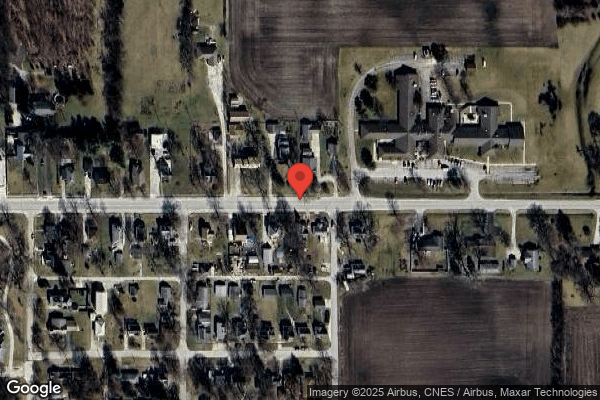
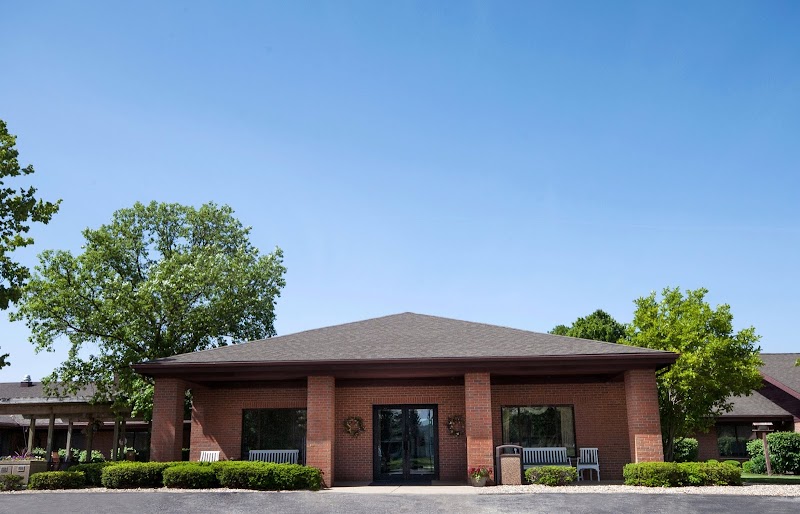
1001 EAST PELLS STREET, PAXTON, IL 60957 (217) 379-4361
For profit - Limited Liability company 106 Beds ACCOLADE HEALTHCARE Data: November 2025
Trust Grade
0/100
#421 of 665 in IL
Last Inspection: January 2025

Within standard 12-15 month inspection cycle. Federal law requires annual inspections.

Overview

Accolade HC of Paxton on Pells has received an F trust grade, which indicates significant concerns about the quality of care provided. Ranked #421 out of 665 in Illinois, this facility is in the bottom half of nursing homes statewide, and it is #3 out of 4 in Ford County, meaning only one local option is better. While the facility has shown improvement in reducing issues from 25 in 2024 to 17 in 2025, it still has serious staffing concerns, reflected in a poor rating of 1/5 stars and less RN coverage than 89% of Illinois facilities. There are also substantial fines totaling $130,776, which is average but still indicates compliance issues. Specific incidents include failures to properly assess and manage pressure wounds for residents, resulting in worsening conditions, and a lack of adequate care planning for a resident with PTSD, which contributed to an emergency hospitalization. Overall, while there are some signs of improvement, families should be cautious given the facility's numerous deficiencies and staffing challenges.

Trust Score
F
0/100
In Illinois
#421/665
Bottom 37%
Safety Record
High Risk
Review needed
Inspections
Getting Better
25 → 17 violations
Staff Stability
⚠ Watch
46% turnover. Above average. Higher turnover means staff may not know residents' routines.
Penalties
✓ Good
$130,776 in fines. Lower than most Illinois facilities. Relatively clean record.
Skilled Nurses
⚠ Watch
Each resident gets only 21 minutes of Registered Nurse (RN) attention daily — below average for Illinois. Fewer RN minutes means fewer trained eyes watching for problems.
Violations
⚠ Watch
53 deficiencies on record. Higher than average. Multiple issues found across inspections.
★☆☆☆☆
1.0
Overall Rating
★☆☆☆☆
1.0
Staff Levels
★★☆☆☆
2.0
Care Quality
★★☆☆☆
2.0
Inspection Score
Stable
2024: 25 issues
2025: 17 issues

The Good

  • Full Sprinkler Coverage · Fire safety systems throughout facility
  • No fines on record

Facility shows strength in fire safety.

The Bad

1-Star Overall Rating

Below Illinois average (2.5)

Significant quality concerns identified by CMS

Staff Turnover: 46%

Near Illinois avg (46%)

Higher turnover may affect care consistency

Federal Fines: $130,776

Well above median ($33,413)

Significant penalties indicating serious issues

Chain: ACCOLADE HEALTHCARE

Part of a multi-facility chain

Ask about local staffing decisions and management

The Ugly 53 deficiencies on record

5 actual harm
Sept 2025 1 deficiency
CONCERN (D) 📢 Someone Reported This

A family member, employee, or ombudsman was alarmed enough to file a formal complaint

Potential for Harm - no one hurt, but risky conditions existed

Accident Prevention (Tag F0689)

Could have caused harm · This affected 1 resident

**NOTE- TERMS IN BRACKETS HAVE BEEN EDITED TO PROTECT CONFIDENTIALITY** Based on interview and record review the facility failed to prevent elopement of a resident when staff did not verify that the e...

Read full inspector narrative →
**NOTE- TERMS IN BRACKETS HAVE BEEN EDITED TO PROTECT CONFIDENTIALITY** Based on interview and record review the facility failed to prevent elopement of a resident when staff did not verify that the exit door was properly secured after use. This failure effected one (R1) of three residents reviewed for elopement. Findings include:R1's Facility Census documents R1 was admitted to the facility on [DATE] and has the following medical diagnoses; Dementia, Metabolic Encephalopathy, Type 2 Diabetes, Muscle Wasting and Atrophy, Lack of Coordination, Abnormal Posture, Abnormalities of Gait and Mobility, Difficulty in Walking, Intervertebral Disc Degeneration, Alzheimer's Disease, Heart Failure, Anxiety Disorder, Colostomy, Fall on Same Level, Depression, Cognitive Communication Deficit, Repeated Falls, Weakness and Age-related Cognitive Decline.On 9/12/25 at 10:10 AM, V3 Licensed Practical Nurse stated on 8/27/25 at 6:15 PM V3 and V4 Certified Nursing Assistant went outside to smoke, exiting the employee service door which has a key code lock. V3 stated that sometimes the door does not lock if it doesn't close all the way, and V3 is unsure if it locked that day. V3 stated that shortly after returning into the facility V4 informed V3 that R1 was outside of R1's room tapping on the window. V3 stated V4 went and pushed R1 in R1's wheelchair back into the facility and to R1's room. On 9/12/25 at 10:56 AM, V4 Certified Nursing Assistant stated that on 8/27/25 at 6:15pm V4 and V3 Licensed Practical Nurse went outside to smoke. V4 stated that while walking to the employee service door V4 observed R1 in the hallway. V4 stated that V4 and V3 used the employee service door to go outside, and this door does have a keypad lock. V4 stated that sometimes the door doesn't latch, and you have to pull it closed to lock. V4 stated V4 does not recall if V4 or V3 pulled the door closed to make sure was locked. V4 stated that at 6:20 PM V4 and V3 returned back into the facility. V4 was gathering supplies to change a resident, and upon walking past R1's room, V4 heard a knocking noise. V4 stated V4 went into the room and observed R1 knocking on the window from outside. V4 stated V4 and another CNA went outside and got R1 and brought R1 to R1's room. On 9/12/25 at 1:01 PM, R1 stated that a couple of weeks ago R1 followed the girls out the door, and when R1 got out the door it locked and R1 could not get back in. R1 stated that R1 went over to a room window and knocked on the window until staff seen R1 and came and got R1 back inside the facility.On 9/12/25 V1 Administrator stated that on 8/27/25 at 6:25 PM V8 Certified Nursing Assistant called V1 and informed V1 that R1 was outside of R1's window knocking on R1's window from outside. V1 stated V4 further stated to V1 that this was around 6:15 PM and V4 and V3 Licensed Practical Nurse were going outside for a smoke, and R1 appeared to be propelling back towards the dining room. V1 stated that V4 informed V1 that V4 retuned back into the facility about 5 minutes later, and while passing R1's room heard knocking on the window, and upon going into R1's room, observed R1 outside R1's window. V1 stated that V1 interviewed V3 Licensed Practical Nurse who stated to V1 that V3 and V4 went outside to smoke, exiting the employes service door. V1 stated V3 returned back into the facility at 6:20pm and V4 informed V3 that R1 was outside knocking on R1's window. V1 stated V3 brought R1 back into the facility. V1 stated that neither V3 nor V4 were able to confirm if the door locked when they exited the facility. The Facilities Missing Person's Policy revised 1/23 documents: Purpose: to provide facility staff with the guidance for ensuring the health, safety and welfare of all the residents, and protocol to be followed when a resident is noted to be missing. Policy: Each unit charge nurse, during their respective tour of duty will be aware and responsible for knowing the location of their residents at all times. When residents are participating in various programs such as physical therapy, recreational activities, dining, etc., the staff at these program areas will exercise sound judgement and be aware and responsible for the health, safety and welfare of their participants. Nursing personnel must report and investigate all reports of missing residents.
Aug 2025 2 deficiencies 2 Harm
SERIOUS (G) 📢 Someone Reported This

A family member, employee, or ombudsman was alarmed enough to file a formal complaint

Actual Harm - a resident was hurt due to facility failures

Pressure Ulcer Prevention (Tag F0686)

A resident was harmed · This affected 1 resident

**NOTE- TERMS IN BRACKETS HAVE BEEN EDITED TO PROTECT CONFIDENTIALITY** Based on observation, interview, and record review the facility failed to thoroughly and accurately assess and measure pressure ...

Read full inspector narrative →
**NOTE- TERMS IN BRACKETS HAVE BEEN EDITED TO PROTECT CONFIDENTIALITY** Based on observation, interview, and record review the facility failed to thoroughly and accurately assess and measure pressure wounds at least weekly for two residents (R2, R3) of three residents in a sample list of nine residents. This failure caused (R2, R3) to experience worsening of facility acquired pressure ulcers.Findings Include:1. R3's Current diagnoses list includes the following diagnoses: Hearing Loss, Anxiety, Muscle Wasting and Atrophy, Difficulty Walking, Depression, Pressure Ulcer Left Buttock, and History of Lumbar Spinal Fusion.R3's wound assessment dated [DATE] by V7, Licensed Practical Nurse (LPN) Wound nurse documents R3 has a Stage 3 Facility Acquired Pressure Ulcer first identified on 7/2/25. There are no wound assessments or measurements observed documented prior to 7/8/25. The 7/8/25 assessment documents the wound as measuring 5 CM (Centimeters) in length by 4 CM in width by 0.2 CM in depth. A photograph included in the wound assessment supports this assessment.On 8/25/25 at 11:00AM, V7 verified there was no wound assessment or measurements on this wound between 7/2/25 and 7/8/25. V7 stated I was on vacation, and I became aware of (R3's) wound during my vacation, but I didn't get back to measure it until 7/8/25.R3's Care Plan problem list was updated by V2, Director of Nursing on 7/31/25 to include (R1) has an unstageable pressure ulcer of the sacrum related to Immobility and incontinence of bowels. This differs from the 7/8/25 Wound assessment and no wound related interventions are documented to have been added to R3's Care Plan since 4/30/25. R3's wound assessment dated [DATE] by V7, Licensed Practical Nurse (LPN) Wound nurse documents R3 has an unstageable Facility Acquired Pressure Ulcer first identified on 7/2/25. The 8/12/25 assessment documents the wound as measuring 9 CM in length by 10 CM in width by 2CM in depth. V7 documented the presence of undermining at 7 O'clock to 9 O'clock measuring 2.0 CM and at 3 O'clock to 4 O'clock measuring 2.0 CM. A photograph included in the wound assessment documents an oval shaped wound over half covered by black leathery tissue with rolled edges and a narrow deep tract surrounding half the wound. On 8/25/25 at 7:40AM, V21 (R3's family member) stated I was told by the facility (R3) had a Stage 3 pressure ulcer, but when I went to the hospital when (R3) was supposed to be having a suprapubic catheter put in I was shocked by what I saw. The odor was so bad it made me nauseated. The wound was deep and partly covered with black rotting flesh. The hospital couldn't do the catheter because of this horrible wound.2. R2's current diagnoses list includes the following diagnoses: Macular Degeneration, Gout, Anxiety, Peripheral Vascular Disease, and History of Vertebral and Hip fractures.R1 was R2's roommate on 8/10/25. R1's progress note dated 8/10/25 at 9:55PM documents Was told per CNA (Certified Nursing Assistant) that (R2) was doing care on her roommate. Went to (R1and R2's) room and (R1) was standing by (R2's) bed side rubbing (R2's) feet and telling nurse that there might be something wrong with (R2's) feet. Explained to (R1) that it is our job to take care of her roommate. (R1) acknowledged this and stated she would not do it again. Explained to (R1) about state laws and that this is not allowed. R2's progress note dated 8/13/25 at 2:13PM documents Called to the shower room by CNA. Noted discolored areas to bilateral heels. Areas assessed. R2 denied pain. Wound nurse, (physician) and Power of Attorney notified. Foam dressings applied and heels floated. R2's Physician's orders document a treatment to cleanse wound, apply skin prep and a bordered foam dressing was initiated at that time.R2's Multi Wound Chart Details by V9, Wound Care Physician's Assistant dated 8/19/25 documents Initial Exam Stage 2 Pressure Ulcer Right, Distal, Plantar, Posterior, Inferior, heel measuring 1.0CM in length 0.5 CM in width 0.1 CM in depth and Left Distal, Plantar, Posterior, Inferior, heel measuring 3.0CM in length 1.5 CM in width 0.1 CM in depth. R2's Wound assessment dated [DATE] by V7 wound nurse documents the wounds are Deep Tissue Injuries as opposed to Stage 2 Pressure Ulcers. V9's documentation states the wounds were acquired 8/10/25 as opposed to 8/13/25. V9's wound care orders included in the 8/19/25 document state Cleanse wound with 0.125% Dakin's solution while the actual order being administered states to cleanse with wound cleanser. On 8/26/25 at 10:00AM, V7 stated (R2's) heel wounds are closed unstageable pressure ulcers. You would not want to clean intact skin with Dakin's solution. The order in place is to clean with wound cleanser apply skin prep and cover with foam border dressing. V7 removed in place foam border dressings from R2's heel wounds. R2's left heel observed to have a half dollar sized purple intact Deep Tissue Injury. R2's right heel observed to have a dime sized purple Deep Tissue Injury.On 8/26/25 at 1:35PM V9 stated (R2's) heel wounds are Deep Tissue Injuries. V9 verified Dakin's Solution would not be used for intact skin. When asked why his wound assessment indicated both wounds are Stage 2 Pressure injuries V9 stated I believe I documented that by mistake. When asked what type of experience or certification V9 maintains in Wound Care V9 stated I've been a Physician's Assistant for a long time. V9 did not indicate any specialized wound care experience or certification.
SERIOUS (G) 📢 Someone Reported This

A family member, employee, or ombudsman was alarmed enough to file a formal complaint

Actual Harm - a resident was hurt due to facility failures

Deficiency F0699 (Tag F0699)

A resident was harmed · This affected 1 resident

Based on interview and record review the facility failed to identify potential triggers for Post Traumatic Stress Disorder (PTSD) and failed to initiate resident centered interventions to address PTSD...

Read full inspector narrative →
Based on interview and record review the facility failed to identify potential triggers for Post Traumatic Stress Disorder (PTSD) and failed to initiate resident centered interventions to address PTSD for one resident (R1) admitted to the facility with a diagnosis of PTSD of three residents reviewed for admission transfer discharge rights in a sample list of nine residents. Consequently, R1 experienced an exacerbation of behavioral symptoms leading to emergent hospitalization.Findings include:R1's progress note documents R1 was admitted to the facility from home on 7/17/25 at 3:09PM. R1's physician's note dated 7/1/25 documents R1 is a candidate for assisted living. R1's most recent diagnoses list includes the following diagnoses: Parkinson's Disease, Chronic Obstructive Pulmonary Disease, Lupus Erythematosus, Generalized Anxiety Disorder, Post-Traumatic Stress Disorder, Major Depression, Osteoarthritis, and Sedative/Hypnotic/Anxiolytic Dependence.R1's Brief Trauma Questionnaire dated 7/28/25 fails to address R1's Diagnosis of PTSD and fails to identify possible triggers for behavior. R1's Care Plan updated 8/19/25 does not include interventions or possible triggers in relation to R1's PTSD.Surveyor attempted to reach R1 by phone on 8/25/25 at 8:13AM, 8/26/25 at 1:52PM and 8/27/25 at 10:00AM. The message mailbox was full. Unable to leave message.On 8/25/25 at 12:00PM V5, Social Service Director stated R1 was high functioning. V5 stated he had spoken with R1 in regard to whether or not R1 might be interested in assistance to find a less restrictive placement option. V1, Administrator and V5 both stated R1 was never going to be involuntarily discharged it was just an offer of assistance should that be R1's wishes. V5 stated after that conversation R1 became very suspicious of staff and seemed to believe she was being discharged which was not the case.On 8/11/25 at 11:49AM, V16 Licensed Clinical Social Worker (LCSW) contracted by the facility documented in R1's progress notes Client presents in severe emotional distress on this date. Client appears to be in a manic episode and experiencing symptoms of posttraumatic stress disorder. Client is verbally stating she is getting kicked out of the nursing home and put on the streets to be homeless, which is not true confirmed by multiple administrators and staff at this facility. Client is seen packing her bags and using her roommate's phone to make phone calls to leave. Client does not have anywhere to go. Client is making multiple accusations towards staff that they are kicking her out based on her age, race, and disabilities although staff is not making client leave. Through assessment, clinician identifies client is experiencing a manic, post-traumatic stress disorder trigger due to her challenges in interpersonal relationships and childhood/family trauma. Client does not feel welcome here and due to this personal belief, she is unable to be redirected or regulated emotionally at this time. Clinician utilized multiple interventions, including mindfulness of deep breathing, sorting through thoughts, and emotions, identifying emotions, encouragement of active listening, and removing client from the stressful environment without any success. Social services director and administration are involved in client's care. Client will be sent out for a psychiatric evaluation if she is agreeable or leaving AMA (Against Medical Advice).V1 Administrator's Social Service Note dated 8/11/25 at 5:21PM stated At approximately 5:00pm, (R1) was at front door demanding to be let out as she wanted to leave the facility. She had her belongings packed. When asked to sign AMA paperwork, (R1) stated she would not sign the papers as she did not see a doctor. (R1) was informed that if she left the facility the police would be called as the facility was looking out for her safety. (R1) stated to call the police as she was leaving. (R1) exited front door. The police were notified. V17, LPN, (Licensed Practical Nurse) stayed with (R1), until police arrived. (V19 local police officer) was informed of the incidents that occurred throughout the day, that lead resident to this point. (V19) stated that the conversation that was had with the resident in the parking lot, and writer was recorded on camera. (V19) stated even though she did not sign AMA paperwork, (R1) was alert and oriented and willing to make the decision to leave AMA without signing papers. (V19) stated (R1) would become the concern of the Police Department at this time. Staff continued to monitor (R1) and (V19). At 5:42pm, (V19) continued to remain with (R1) in the parking lot and an ambulance arrived on scene. EMT entered facility and received paperwork for transport to (hospital). (family member) was updated on the situation and was appreciative of the update. On 8/27/25 at 10:45AM V17, verified that V17 was observing R1 at all times from the time R1 went into the parking lot until R1 consensually left in the ambulance to be transferred to the hospital for evaluation and treatment. V5 stated R1 then opted to be discharged from the hospital in the care of a family member.
Jan 2025 14 deficiencies 1 Harm
SERIOUS (G)

Actual Harm - a resident was hurt due to facility failures

Pressure Ulcer Prevention (Tag F0686)

A resident was harmed · This affected 1 resident

**NOTE- TERMS IN BRACKETS HAVE BEEN EDITED TO PROTECT CONFIDENTIALITY** Based on observation, interview, and record review the facility failed to develop and implement pressure relieving interventions...

Read full inspector narrative →
**NOTE- TERMS IN BRACKETS HAVE BEEN EDITED TO PROTECT CONFIDENTIALITY** Based on observation, interview, and record review the facility failed to develop and implement pressure relieving interventions, complete pressure ulcer and skin assessments, and notify the physician of new pressure ulcers to obtain treatment orders for one of four residents (R70) reviewed for pressure ulcers in the sample list of 38. These failures resulted in R70 developing two stage two and one stage three pressure ulcers. Findings include: On 1/13/25 at 9:15AM, 12:38 PM, 1:46 PM and 2:05 PM R70 was sitting in a wheelchair in R70's room. R70 was in her wheelchair in the assisted dining room from 11:50 AM until 12:23PM. At 2:08 PM V12 and V13 Certified Nursing Assistants (CNA) entered R70's room with a full mechanical lift and transferred R70 into bed. R70 was wearing pressure relieving boots. V12 and V13 stated R70 was not laid down after breakfast today due to having a shower and being in activities, but R70 is supposed to lay down between meals. V13 stated we try to offload pressure when R70 is in the wheelchair by shifting her weight with a rolled bath blanket that was used today. V12 and V13 stated R70 did not start using pressure relieving boots until after R70's heel wound developed. On 1/14/25 between 12:10 PM and 12:52 PM V9 Wound Nurse, V18 Wound Nurse Practitioner, and V40 CNA entered R70's room to assess R70's wounds and administer wound treatments. V18 removed an undated dressing from R70's right heel which contained a moderate amount of tan colored drainage. There was a circular open wound to R70's right heel. V18 stated the wound was a stage three pressure ulcer. As V18 cleansed the wound, R70 said oh and tried to pull her foot away. This wound measured 1.76 centimeters (cm) long by 2.31 cm wide by 0.2 cm deep. There was a superficial open area to R70's left buttock, which V18 stated was a stage two pressure ulcer. This wound measured 1.66 cm by 2.83 cm by 0.1 cm. V40 and V9 turned R70 in bed and there was an undated dressing that was partially dislodged on R70's right ischium. V40 stated V40 was unsure how long the wound had been there and V9 stated V9 was not aware of the wound. V18 stated the wound was a stage two pressure ulcer and to apply calcium alginate with a bordered dressing. This wound measured 1.66 cm by 2.83 cm by 0.1 cm. V9 cleansed each wound and administered the wound treatments as ordered but did not date any of the wound dressings. R70 yelled out oh, oh, ow and had facial grimacing as V9 cleansed and dressed R70's right heel wound. V9 and V40 told R70 I'm sorry when R70 cried out in pain. V9 stated the nurses are supposed to document weekly skin assessments under the assessments section of the resident's electronic medical record (EMR). V9 confirmed R70's dressings were not labeled with a date. V9 stated staff have been using a pillow to shift R70's weight in the wheelchair, but R70 should be laid down between meals to offload pressure and repositioned from side to side in bed, and R70 can't tolerate being up as much as R70 used to. V9 stated R70 has scheduled Tylenol but was unsure when the last dose was given. V9 confirmed V9 did not coordinate pain medication administration prior to R70's treatments. On 1/15/25 at 10:30 AM V2 Director of Nursing (DON) entered R70's room to observe R70's buttock wounds. V2 confirmed the left buttock wound observed on 1/14/25 was the left buttock wound that was previously healed as of 1/7/25, and not the gluteal cleft wound. The facility's Wound Report dated 7/13/24-1/13/25 documents R70 had a stage two pressure ulcer of right buttock on 10/27/24 that healed on 11/12/24, a stage two pressure ulcer of the coccyx on 11/12/24 that healed on 11/22/24, a stage two pressure ulcer to the left buttock on 12/21/24 that healed on 1/7/25 and a stage three pressure ulcer to the right heel as of 1/7/25. R70's Wound Report dated 11/1/24-1/14/25 documents an abrasion/trauma wound of the gluteal cleft as of 1/7/25. R70's Minimum Data Set (MDS) dated [DATE] documents R70 has severe cognitive impairment, is dependent on staff assistance for toileting, hygiene, transfers, and bed mobility, and has no pressure ulcers. R70's Braden Assessments dated 10/28/24 and 12/22/24 document R70 is at moderate risk for developing pressure ulcers. R70's current Care Plan documents R70 is at risk for skin impairment and has not been updated to include R70's pressure ulcers or any new pressure relieving interventions since 2022. There are no pressure relieving interventions documented on R70's EMR profile or in the section for CNA charting. R70's ongoing weight log documents R70's weight (pounds) as follows: 120 on 4/4/24, 107.5 on 8/6/24, 102.5 on 9/4/24, 103 on 10/6/24 (14.17% loss in six months), 97.5 on 11/12/24 (5.34% in one month), 98 on 12/1/24, and 95 on 1/5/25 (15.93% loss in six months). R70's Skin Assessments dated 12/6/24 and 1/10/25 document no new wounds but does not identify if there were any existing wounds found on the head-to-toe assessment as instructed. R70's Skin assessment dated [DATE] documents R70's stage two pressure ulcer to the left buttock measured 1.0 centimeter (cm) x 0.5 cm x less than 0.1 cm deep. These skin assessments document a turn schedule as the only pressure relieving interventions, the sections for specialized mattress, heels floated, and heel protectors are not marked. There are no other documented skin assessments in R70's EMR between 12/1/24 and 1/14/25. R70's Nursing Note dated 1/6/2025 at 12:51 PM documents V9 Wound Nurse was notified that R70 had an open area to the right heel that was previously scabbed over, and a treatment order was implemented. R70's Nursing Note dated 1/10/2025 at 12:52 PM documents an air mattress was applied to R70's bed and R70's wheelchair cushion was changed. There is no documentation that R70's right ischium wound was reported to a physician and treatment orders were implemented prior to 1/14/25. R70's December 2024 Treatment Administration Record (TAR) documents a treatment order to cleanse left buttock wound, apply skin protectant to the periwound, apply calcium alginate, and cover with a hydrocolloid dressing three times per week initiated on 12/21/24. R70's January 2025 TAR documents R70's left buttock wound treatment was discontinued on 1/7/25 when this wound resolved and there are no treatments for this wound after. There are no documented treatments for R70's right heel wound prior to 1/7/25. These TARs document R70's skin assessments were completed on 12/13/24, 12/20/24, 12/27/24 and 1/3/25, but there are no corresponding skin assessments documented to indicate if R70's skin was intact or impaired. There are no documented assessments in R70's EMR of R70's left buttock wound until 12/22/24, R70's right heel wound prior to 1/7/25, R70's left buttock wound between 1/8/25 and 1/13/25, or R70's right ischium wound prior to 1/14/25. R70's Multi Wound Chart Details documents on 1/7/25 R70's right heel stage three pressure ulcer measured 1.8 cm by 1.8 cm by 0.3 cm and this wound was debrided (removal of dead tissue), and R70's gluteal cleft wound measured 1.9 cm by 0.2 cm by no measurable depth. This report documents to elevate R70's heels off bed at all times, turn/reposition frequently per facility protocol and avoid direct pressure to wound site. R70's January 2025 Medication Administration Record documents Tylenol Extra Strength Tablet 500 milligrams three times daily as of 8/28/23 and the noon dose was not administered as of 12:46 PM on 1/14/25. There are no other pain medication orders. On 1/14/25 at 12:53 PM V18 Wound Nurse Practitioner stated R70 should be repositioned side to side in bed every two hours using cushions to relieve pressure and R70 should not be up in the wheelchair for more than two hours. V18 stated V18's office was not aware of R70's right ischium wound prior to today. On 1/14/25 at 1:37 PM V18 stated R70 should have pressure relieving boots or heels floated with a pillow when in bed. V18 confirmed weight loss is a risk factor that can contribute to the development of pressure ulcers and pressure relieving interventions should be implemented to prevent skin breakdown. V18 stated R70's skin is thin and wounds can develop overnight. On 1/14/25 at 12:57 PM V12 CNA stated R70 has had a dressing to the right buttock for at least three or four days. On 1/14/25 at 1:00 PM V10 Licensed Practical Nurse stated V10 had not yet given R70's scheduled noon dose of Tylenol today. V10 stated V10 reported R70's right ischium wound to V9 yesterday, but V9 thought V10 was referring to R70's left buttock wound. V10 stated yesterday V10 covered the wound with a dressing but did not do anything else besides notify V9. V10 stated the wound was not there on Friday (1/10/25) when V10 last cared for R70. On 1/14/25 at 1:28 PM V40 CNA stated pressure relieving interventions are listed as part of the CNA charting or on the resident's dashboard profile in the EMR. On 1/14/25 at 1:30 PM V12 CNA stated prior to the pressure relieving boots, V12 used pillows to float R70's heels in bed. V12 stated depending on who works night shift depends on if R70's pressure relieving interventions are implemented as V12 has come on duty and found that R70's heels weren't floated or boots weren't in place. On 1/14/25 at 1:35 PM V9 stated R70's pressure relieving boots weren't implemented until last week. V9 stated pressure relieving interventions should be listed on the bottom of the skin assessments and was unsure where this information is documented for the CNAs to see. On 1/14/25 between 4:15PM and 4:28PM V2 DON stated skin assessments should be done weekly and documented in the assessment section of the resident's EMR and confirmed R70's missing skin assessments in December 2024 and January 2025. V2 stated that is something V2 was going to work on, V9 was recently hired within the last two weeks and V2 planned to have V9 follow up on skin assessments to ensure they were being completed and follow up to ensure pressure relieving interventions are implemented. V2 stated pressure relieving boots and an air mattress were initiated last week for R70. V2 stated V2 is working on having the pressure relieving interventions on the resident's profile and on the [NAME], which is pulled from the resident's care plan. V2 confirmed R70's profile does not document pressure relieving interventions. V2 stated V2 has been having a hard time keeping up with wounds and updating the care plans. V2 stated V2 was not aware that R70's left buttock wound had reopened and that it had healed on 1/7/25. V2 stated V20 was not aware of R70's right ischium wound, and the nurse should have notified V9. V2 confirmed there were no documented assessments for this wound prior to today. V2 confirmed staff should coordinate pain medication prior to wound treatments and stated it is hard since the facility doesn't always know what time V18 will be rounding. On 1/15/25 at 8:50 AM V2 stated wound dressings are not dated, per facility policy, and the TAR is used as the documentation for when dressings are changed. At 12:35 PM V2 confirmed all of R70's December 2024 and January 2025 wound assessments were provided. On 1/15/25 at 10:50 AM V28 Nurse Practitioner stated V28 was not consulted regarding R70's pain during wound treatments and the nurses should be coordinating pain medication to be given prior to wound treatments. On 1/15/25 at 11:30 AM V15 MDS Coordinator confirmed R70's care plan had not been updated with R70's pressure ulcers and pressure relieving interventions. The facility's Wound Treatments policy dated April 2023 documents to implement prevention protocol according to resident needs, turn at least every two hours, reposition in chair, and provide appropriate redistribution and pressure reducing devices. The facility's Treatment Administration policy dated April 2023 documents treatment orders are documented on the Treatment Administration Record, ensure pain medication is offered and given as needed prior to treatments, and document all significant observations in the resident's electronic medical record. The facility's Skin and Wound Management Guidelines dated April 2023 documents to notify the wound care nurse of new alterations in skin, if the wound nurse is not in the facility, then the staff nurse must notify the physician and obtain a treatment order. This guide documents to ensure immediate pressure relieving interventions are implemented. This guide documents the wound care nurse will assess, measure, photograph, and document; and update the resident's plan of care with identified site and new interventions. This guide documents the nurse management or wound care nurse will review shower documentation and weekly skin checks to ensure compliance and identify new wounds at an early stage and will round to ensure residents are positioned correctly and heels are off loaded.
CONCERN (D)

Potential for Harm - no one hurt, but risky conditions existed

Resident Rights (Tag F0550)

Could have caused harm · This affected 1 resident

**NOTE- TERMS IN BRACKETS HAVE BEEN EDITED TO PROTECT CONFIDENTIALITY** Based on observation, interview, and record review the facility failed to maintain privacy during wound care for one (R70) of 24...

Read full inspector narrative →
**NOTE- TERMS IN BRACKETS HAVE BEEN EDITED TO PROTECT CONFIDENTIALITY** Based on observation, interview, and record review the facility failed to maintain privacy during wound care for one (R70) of 24 residents reviewed for privacy in the sample of 38. Findings include: R70's Minimum Data Set, dated [DATE] documents R70 has severe cognitive impairment. On 1/14/25 between 12:10 PM and 12:52 PM V9 Wound Nurse, V18 Wound Nurse Practitioner, and V40 Certified Nursing Assistant (CNA) performed R70's wound assessments and treatments. V9 and V40 entered and exited R70's room during R70's wound care. The privacy curtain wasn't pulled to block the view from R70's doorway and hallway while R70's buttocks/perineal area was exposed. On 1/15/25 at 9:05 AM V9 confirmed R70's privacy curtain should have been pulled during R70's wound care to block the view from the doorway and hallway. On 1/15/25 at 10:30 AM V2 Director of Nursing entered R70's room to observe R70's wounds. V2 did not pull the privacy curtain to block the view from the hallway and R70's doorway. V31 CNA entered and exited R70's room while R70's buttocks/perineal area was exposed. V2 stated the privacy curtain should be pulled during wound care. The facility's policy titled Resident Privacy and Dignity dated 8/2/24 documents Privacy will be maintained for all the residents receiving ADLS (Activities of Daily Living) such as bathing, dressing and pericare with the resident room/shower room door closed and curtain drawn.
CONCERN (D)

Potential for Harm - no one hurt, but risky conditions existed

Deficiency F0688 (Tag F0688)

Could have caused harm · This affected 1 resident

**NOTE- TERMS IN BRACKETS HAVE BEEN EDITED TO PROTECT CONFIDENTIALITY** Based on observation, interview, and record review the facility failed to offer services to maintain or increase range of motion...

Read full inspector narrative →
**NOTE- TERMS IN BRACKETS HAVE BEEN EDITED TO PROTECT CONFIDENTIALITY** Based on observation, interview, and record review the facility failed to offer services to maintain or increase range of motion for one of three residents (R34) reviewed for range of motion in the sample list of 38. Findings include: On 1/13/25 at 9:04 AM R34 was sitting in a wheelchair in R34's room and there was a brace on R34's right leg. R34 stated R34 is unable to walk and unable to move R34's right arm and leg, and R34 has not received any therapy services or exercise programs since R34 admitted to the facility. On 1/13/25 at 3:41 PM V15 MDS (Minimum Data Set) Coordinator stated the facility doesn't have restorative nursing services where participation is recorded, but they have walk to dine programs. At 3:48 PM V15 stated R34 has not yet been evaluated by therapy since R34 transferred from another facility where therapy had just been completed. On 1/14/25 at 3:47 PM V2 Director of Nursing stated V2 just became aware yesterday that skilled nursing facilities (SNF) are supposed to offer restorative nursing services and confirmed this had not been implemented for R34. On 1/14/25 at 3:53 PM V2 stated we don't really have restorative services, but we have therapy evaluate and treat periodically. V1 Administrator stated R34 had transferred from another SNF where R34 received therapy, R34 was on the list to be screened by therapy but then R34 got pneumonia. V1 stated therapy is supposed to screen R34 tomorrow. R34's admission Minimum Data Set (MDS) dated [DATE] documents R34 has moderate cognitive impairment and has impaired range of motion to one upper and one lower extremity. This MDS documents R34 did not receive therapy or restorative nursing services. R34's current care plan documents R34 admitted on [DATE] and has diagnoses of hemiplegia of the right dominant side and Cerebral Infarction. This care plan does not document a problem, goals, and interventions to address R34's impaired range of motion. There is no documentation in R34's medical record that therapy or restorative nursing services were provided for R34's impaired range of motion. R34's January 2025 Medication Administration Record documents R34 received antibiotics for respiratory infection/pneumonia from 1/3/25-1/14/25. The facility's Functional Maintenance Program dated September 2022 documents: A resident may be started on a functional maintenance program when he or she is admitted to the facility with functional needs, but is not a candidate for formalized rehabilitation therapy, or when functional needs arise during a long-term stay, or in conjunction with formalized rehabilitation therapy. Generally, functional maintenance programs are initiated when a resident is discharged from formalized physical, occupational, or speech rehabilitation therapy. The facility will complete a Contracture Risk Evaluation upon admission, with a significant change in condition, and quarterly to assess risks. Residents at risk will have custom interventions added to their plan of care to prevent decline or to maintain current functional status. Therapy will provide recommendations for maintenance programming based on therapy outcomes or screenings. Individual custom tasks will be documented in (electronic charting system) of the EHR (electronic health record). Measurable objectives, goals and interventions will be documented in the care plan.
CONCERN (D)

Potential for Harm - no one hurt, but risky conditions existed

Accident Prevention (Tag F0689)

Could have caused harm · This affected 1 resident

Based on interview and record review the facility failed to investigate and record a fall incident and failed to complete fall risk assessments for one of one resident (R39) reviewed for falls on the ...

Read full inspector narrative →
Based on interview and record review the facility failed to investigate and record a fall incident and failed to complete fall risk assessments for one of one resident (R39) reviewed for falls on the sample list of 38. Findings include: On 01/14/25 at 08:40 AM R39 reported slipping out of his wheelchair when R39 was in transport van because the full mechanical lift sling was under R39 and caused R39 to slip down in R39's wheelchair. R39 explained that R39 did not completely hit the van floor but rather slipped to the edge of the chair and R39's legs were holding R39 up because R39's legs were pinned against the seat in front of R39. R39 stated R39 did not hit the floor. On 01/16/25 at 09:09 AM V2 (DON) provided an electronic mail from V29, transporter, dated Tuesday, December 31, 2024, at 6:42 AM. V29's email to V2 explained that on December 30th, 2024, V29 was transporting R39. V29 stated that within blocks of the destination, R39 stated that he was sliding out of R39's chair a bit. V29 explained that on arrival at the location, R39 was now midway between R39's wheelchair and the floor, with R39's jacket hooked on the handle, helping R39 stay upright. V29 called 911 for fire department with help getting R39 into R39's wheelchair. V29 reported that R39 was a bit slower than usual to answer V29's questions, stated R39 did not have the same energy that R39 displayed prior to leaving the facility. V29 stated that was cause for concern so V29 asked for a nurse to come for a quick evaluation of R39. V29 stated the unidentified nurse decided to call an ambulance and the ambulance transported R39 to the hospital. On 1/14/25 at 12:55 PM, V2, DON, stated R39 did not have a fall on 1/3/25, instead that is when V2 put in the documentation and explained R39 slid down in R39's chair while on the van on 12/30/24. V2 stated V2 didn't consider it a fall and did not do an investigation or even talk to R39 about it yet and confirmed no new interventions were put into place at that time. V2 stated the fall on 1/9/25 was due to poor positioning and R39 had to be lowered to the ground. R39's Falls Progress Notes document a fall on 1/3/25 and 1/9/25. There are no fall risk assessments in R39's medical record since 2023 until 1/2/25 = low risk, and 1/9/25 = low risk (not accurate as it doesn't score previous fall). R39's Care Plan dated 12/20/24 was not updated after the fall on 1/3 with a new intervention. This care plan was updated after the fall on 1/9/25 with new intervention of staff education on appropriate positioning when transferring. On 1/14/25 at 1:04 PM, V2 (DON) confirmed no fall risk assessments were completed in 2024 and stated they should be done quarterly and as needed with a fall or change in condition. The facilities Accidents & Incidents Policy dated November 2023 states all accidents/incidents involving a resident will be investigated, and then recorded in Risk Management of the electronic medical record software. It is the responsibility of the Charge Nurse to complete the Accident and Incident Risk Management report and notify attending physician and responsible parties and document information accordingly. It is the responsibility of the DON (Director of Nursing)/Designee to investigate and ensure appropriate completion, notification, and follow-up on all Accidents and Incidents. The Charge Nurse must conduct an immediate investigation of the accident/incident and implement immediate appropriate interventions to affected parties. The Interdisciplinary Team will be notified of the accident/incident so that appropriate changes may be made to the care plan as needed.
CONCERN (D) 📢 Someone Reported This

A family member, employee, or ombudsman was alarmed enough to file a formal complaint

Potential for Harm - no one hurt, but risky conditions existed

Incontinence Care (Tag F0690)

Could have caused harm · This affected 1 resident

Based on observation, interview and record review, the facility failed to perform hand hygiene before and after catheter care to prevent potential contamination and failed to ensure a urinary drainage...

Read full inspector narrative →
Based on observation, interview and record review, the facility failed to perform hand hygiene before and after catheter care to prevent potential contamination and failed to ensure a urinary drainage bag was covered with a dignity bag for one of one resident (R39) reviewed for catheters on the sample list of 38. Findings Include: On 1/13/25 at 8:40 am and 3:12 PM, R39 was lying in bed and had an uncovered urinary catheter drainage bag hanging on the bed frame, which was visible from the hallway. On 1/14/25 at 8:40 am, R39 was lying in bed and had an uncovered urinary catheter drainage bag hanging on the bed frame, which was visible from the hallway. On 1/15/25 at 11:25 AM, R39 was lying in bed and the urinary catheter drainage bag was hanging on the bed frame, covered in a dignity bag. At this time, V33 and V34 CNAs (Certified Nursing Assistants) both stated that catheter drainage bags should be in a dignity bag at all times. V33 and V34 donned gloves to provide catheter care using disposable wash rags but did not wash their hands before donning gloves. After catheter care was completed, with the same gloved hands, V33 and V34 proceeded to place an incontinence brief onto R39, adjust R39's sheets and blankets, and reposition R39's call light. V33 and V34 then removed their gloves and exited the room without performing hand hygiene. V33 and V34 both confirmed they did not perform hand hygiene before or after catheter care. The facility Catheter Care and Maintenance Policy dated March 2024 documents a resident's catheter drainage bag will be concealed with a privacy covering. The facility Hand Washing Policy dated March 2024 documents the facility considers hand hygiene the primary means to prevent the spread of infections. All staff will properly wash hands after direct contact with any contaminated substances, after direct resident care, and as instructed. Employees must wash their hands for 15 to 20 seconds using antimicrobial or non-antimicrobial soap and water under the following conditions: before and after direct contact with residents, when hands are visibly dirty or soiled with blood or other bodily fluids, after contact with blood, body fluids, secretions, mucous membranes, and after removing gloves.
CONCERN (D) 📢 Someone Reported This

A family member, employee, or ombudsman was alarmed enough to file a formal complaint

Potential for Harm - no one hurt, but risky conditions existed

Deficiency F0692 (Tag F0692)

Could have caused harm · This affected 1 resident

**NOTE- TERMS IN BRACKETS HAVE BEEN EDITED TO PROTECT CONFIDENTIALITY** Based on interview and record review the facility failed to obtain a re-admission weight, notify the physician and resident repr...

Read full inspector narrative →
**NOTE- TERMS IN BRACKETS HAVE BEEN EDITED TO PROTECT CONFIDENTIALITY** Based on interview and record review the facility failed to obtain a re-admission weight, notify the physician and resident representative of significant weight loss, and develop a plan of care to address significant weight loss for one of three residents (R77) reviewed for weight loss on the sample list of 38. Findings Include: The facility's Weight Management policy dated August 2017 documents all residents will be weighed on admission, re-admission, and weekly for the first four weeks, then monthly thereafter. Weekly weights will also be done with a significant change of condition. Any significant weight loss will be reviewed with the physician to obtain an order for a nutritional supplement until the resident's condition is discussed during weekly risk meetings. The resident's care plan will be updated to include interventions promoting weight gain or loss. The family or Power of Attorney will be notified of significant weight changes and plan of care which will be documented in the resident's medical record. R77's Medical Diagnoses List dated January 2025 documents R77 is diagnosed with Severe Protein Calorie Malnutrition, Muscle Wasting and Atrophy, Dysphagia, and Adult Body Mass Index of 19.9 or less. R77's Clinical Census list dated January 2025 documents R77 was discharged to the hospital on 8/18/24 and was re-admitted to the facility on [DATE]. R77's Progress Note dated 8/15/24 documents R77 was positive for Covid-19 and R77's Progress Note dated 8/18/24 documents R77 had a change of condition was sent to the emergency room for evaluations. R77's progress note dated 8/28/24 documents R77 returned to the facility on 8/27/24 and had been diagnosed with Pneumonia. R77's Weight Log documents on 8/6/24 R77's weight was 131 pounds. The same Weight Log documents on 9/4/24 R77's weight was 112 pounds. This is a 14.5% weight loss in one month. R77's Electronic Medical Record does not have documentation of a re-admission weight within 24 hours of admission, physician notification or family notification regarding R77's significant weight loss, or a weight specific care plan addressing R77's risk for or actual weight loss with related interventions. On 1/15/25 at 1:23 PM V2 Director of Nurses confirmed a re-admission weight should be taken within 24 hours. V2 also confirmed if a resident has lost a significant amount of weight, the resident's physician and family should be notified of the weight loss. V2 also confirmed residents at risk for weight loss or with actual unplanned weight loss should have a documented plan of care with interventions in place to prevent further weight loss. V2 confirmed there was no documentation that any of these things were done for R77.
CONCERN (D)

Potential for Harm - no one hurt, but risky conditions existed

Respiratory Care (Tag F0695)

Could have caused harm · This affected 1 resident

Based on observation, interview, and record review the facility failed to maintain hygienic care and storage of continuous positive airway pressure (CPAP) masks and oxygen nasal cannulas, and failed t...

Read full inspector narrative →
Based on observation, interview, and record review the facility failed to maintain hygienic care and storage of continuous positive airway pressure (CPAP) masks and oxygen nasal cannulas, and failed to develop a care plan for respiratory care and diagnosis for two of three residents (R57, R34) reviewed for oxygen in the sample list of 38. Findings include: 1.) On 1/13/25 at 9:17 AM R57's CPAP mask was uncovered and on top of the CPAP machine on R57's night stand. On 1/13/25 at 3:31 PM V14 Licensed Practical Nurse (LPN) stated CPAP masks are cleaned daily and confirmed the masks should be stored in a bag when not in use. V14 entered R57's room and confirmed R57's CPAP mask was uncovered and on top of the CPAP machine on R57's night stand. V14 stated V14 will need to get a bag to store the CPAP mask in. V14 stated R57 uses the CPAP at night, but sometimes removes it himself during the night. On 1/15/25 at 8:50 AM V2 Director of Nursing stated CPAP masks are cleaned daily per manufacturer's guidelines, placed on a towel in the bathroom to dry, and then should be stored in a plastic bag when not in use during the day. R57's January 2024 Treatment Administration Record documents R57 uses a CPAP nightly and to remove the CPAP every morning at 5:00 AM, wash with warm soapy water, air dry, and place in a plastic bag when fully dry. The CPAP cleaning guidelines dated 2025, provided by the facility, documents to disassemble, wash and rinse the CPAP mask, and place on a towel to dry. 2.) On 1/13/25 at 9:05 AM R34 was in R34's room. R34's oxygen concentrator was off and R34's oxygen tubing was draped over top of the concentrator with the nasal cannula on the floor. There was no bag to store R34's oxygen tubing. R34 stated R34 uses oxygen when needed and the tubing was just changed last night. At 12:23 PM R34's oxygen concentrator remained off and R34's oxygen nasal cannula remained on the floor. There was no bag to store R34's oxygen tubing when not in use. R34's January 2024 Medication Administration Record documents R34 was on antibiotics from 1/3/25 thru 1/14/25 for respiratory infection/pneumonia and R34 receives scheduled nebulizer treatments as of 11/27/24. R34's Physician Order dated 11/27/24 documents may use oxygen to maintain oxygen saturation of greater than 91% as needed for Chronic Obstructive Pulmonary Disease (COPD). R34's current care plan does not address R34's COPD or oxygen and nebulizer use. On 1/13/25 at 3:31 PM V14 LPN stated oxygen tubing should be stored in a bag when not in use. V14 entered R34's room and R34 was wearing oxygen at 2 liters per minute per nasal cannula. V14 confirmed there was no bag for oxygen tubing storage and confirmed there should be. 1/14/25 9:00 AM V10 LPN stated V10 had not changed R34's oxygen tubing yesterday and V10 was unaware that R34's nasal cannula was on the floor. V10 stated R34 had not used oxygen during V10's shift on 1/13/25, and there should be a bag on the oxygen concentrator to store the tubing when not in use. On 1/15/25 at 8:50AM V2 Director of Nursing stated if oxygen is not in use, then the tubing should be placed in a plastic bag that is attached to the oxygen concentrator. V2 stated R34 does remove her oxygen tubing at times, but if she wasn't using the oxygen then the nurse should have placed it in a bag. On 1/15/25 at 11:30 AM V15 Minimum Data Set/Care Plan Coordinator confirmed R34's care plan did not include COPD or oxygen and nebulizer use.
CONCERN (D)

Potential for Harm - no one hurt, but risky conditions existed

Medication Errors (Tag F0758)

Could have caused harm · This affected 1 resident

Based on interview and record review the facility failed to ensure that as needed psychotropic medication was limited to 14 days for one of five residents (R49) reviewed for unnecessary medications on...

Read full inspector narrative →
Based on interview and record review the facility failed to ensure that as needed psychotropic medication was limited to 14 days for one of five residents (R49) reviewed for unnecessary medications on the sample list of 38. Findings include: R49's November 2024 - January 2025 MAR (Medication Administration Record) documents R49 was started on Lorazepam {Antianxiety} 2 mg (milligrams) per 1 ml (milliliter) - give 0.25 ml every 4 hours as needed for agitation/restlessness which was ordered on 11/14/2024 {greater than 14 days ago}. These MAR's also document that R49 has not used this PRN (as needed) medication since 11/18/2024. On 1/15/25 at 1:39 PM, V2, Director of Nursing (DON) stated that PRN (as needed) orders which are for psychotropic medications are limited to 14 days. The facilities Psychotropic Medications Protocol dated January of 2024 documents when a PRN psychotropic mediation is ordered, it will have a 14 day stop date and the resident will be reassessed by the physician for further use. The protocol lists psychotropic medications as any medication that is used for or listed as used for antipsychotic, antidepressant, antimanic, or ant-anxiety behavior modification or behavior management purposes.
CONCERN (E)

Potential for Harm - no one hurt, but risky conditions existed

Deficiency F0625 (Tag F0625)

Could have caused harm · This affected multiple residents

**NOTE- TERMS IN BRACKETS HAVE BEEN EDITED TO PROTECT CONFIDENTIALITY** 3. On 1/14/24 at 3:12pm V1 Administrator confirmed the facility does attach the Bed Hold Policy to the Resident's Transfer paper...

Read full inspector narrative →
**NOTE- TERMS IN BRACKETS HAVE BEEN EDITED TO PROTECT CONFIDENTIALITY** 3. On 1/14/24 at 3:12pm V1 Administrator confirmed the facility does attach the Bed Hold Policy to the Resident's Transfer paperwork when the resident is sent to the emergency room however, they do not provide a written copy upon transfer to the resident's representative. On 1/14/24 at 12:15am V7 Licensed Practical Nurse stated that on 11/4/24 V7 sent R25 to the hospital due to shortness of breath. V7 stated that V7 did not provide R25's representative with a copy of the bed hold policy. On 1/14/25 at 12:55 pm V2 Director of Nursing (DON) stated after talking with the nurses, they are no longer doing the bed holds at the time of hospitalization. V2 also stated nothing is being send to families. R25's Orders-General Note dated 11/4/24 at 7:16am documents R25 leaving with Ambulance bed hold sent with R25, cell phone and charger. The facility could not provide documentation that R25's representative was provided a written copy of the Bed Hold Policy when R25 was transferred to the emergency room on [DATE]. 4. On 1/14/24 at 3:12pm V1 Administrator confirmed the facility does attach the Bed Hold Policy to the Resident's Transfer paperwork when the resident is sent to the emergency room however, they do not provide a written copy upon transfer to the resident's representative. On 1/14/25 at 12:55 pm V2 Director of Nursing (DON) stated after talking with the nurses, they are no longer doing the bed holds at the time of hospitalization. V2 also stated nothing is being send to families. R52's Communication with Family Note dated 11/20/24 at 8:53am documents spoke with R52's Power of Attorney concerning R52's change in condition and Nurse Practitioner order to send for further evaluation. R52's Power of Attorney agrees with plan of care and requests that R52 be sent to the hospital. R52's Nursing Note dated 9/19/24 at 1:45pm documents staff spoke to R52's Power of Attorney regarding change in condition and new order. R52's Power of Attorney agrees with plan of care to send to hospital. Ambulance here to transport R52 to hospital. R52 was transferred to stretcher with 3 assists. Left the facility at this time. R52's medical record does not contain documentation that a bed hold notice or a written notice of transfer was provided to R52's representative for R52's hospitalizations on 11/20/24 and 9/19/24. The facility could not provide documentation that R52's representative was provided a written copy of the Bed Hold Policy when R52 was transferred to the emergency room on 9/19/24 and 11/20/24. Based on interview and record review, the facility failed to notify a resident and their representative in writing about a hospital transfer and failed to provide a bed hold notice for four of four residents (R39, R17, R25 and R52) reviewed for hospitalizations on the sample list of 38. Findings Include: 1. R39's ongoing Census documents R39 was hospitalized from [DATE] - 7/24/24 and 12/30/24 - 1/2/25. R39's medical record does not contain a copy of the facility Bed Hold Policy. On 01/14/25 at 8:40 AM, R39 stated R39 went to the hospital recently but unsure of the exact date. R39 stated the facility did not talk with him about a Bed Hold Policy. On 1/14/25 at 12:21 pm, V2 DON (Director of Nursing) stated Bed Holds are to be filled out by the nurses when a resident is sent to the hospital; a copy is sent with the resident, and we keep a copy. On 1/14/25 at 12:55 pm, V2 DON stated after talking with the nurses, they are no longer doing the Bed Holds at the time of hospitalization and also stated nothing is being sent to families. 2. R17's ongoing census documents R17 was hospitalized from [DATE]-[DATE] and 2/6-2/9/24. R17's medical record does not contain a copy of the facility Bed Hold Policy. On 1/14/25 at 12:21 pm, V2 DON (Director of Nursing) stated Bed Holds are to be filled out by the nurses when a resident is sent to the hospital; a copy is sent with the resident, and we keep a copy. On 1/14/25 at 12:55 pm, V2 DON stated after talking with the nurses, they are no longer doing the Bed Holds at the time of hospitalization and also stated nothing is being sent to families. The facility Discharge/Transfer Policy dated August 2023 documents before a facility transfers a resident to a hospital or allows a resident to go on therapeutic leave, the nursing facility must provide written information to the resident and a family member or legal representative that specifies the duration of the facilities bed to hold policy and the facilities policies regarding bed hold periods. The resident/resident responsible party will be given the Resident Rights Regarding Bed Holds. Give a copy of the jointly signed and dated Bed Hold form to the resident (or representative) and place a copy of it in the residents' medical record until the resident is readmitted .
CONCERN (F)

Potential for Harm - no one hurt, but risky conditions existed

Deficiency F0801 (Tag F0801)

Could have caused harm · This affected most or all residents

Based on interview and record review the facility failed to employ sufficient staff with the appropriate competencies and skills sets to carry out the functions of the food and nutrition services. Thi...

Read full inspector narrative →
Based on interview and record review the facility failed to employ sufficient staff with the appropriate competencies and skills sets to carry out the functions of the food and nutrition services. This failure has the potential to affect all 92 residents within the facility. Findings include: The Long-Term Care Facility Application for Medicare and Medicaid Services dated 1/13/25 documents 92 residents reside in the facility. On 1/13/25 at 9:00 AM V3, dietary manager, stated V3 is not a certified dietary manager and has no certifications. On 1/14/25 at 11:00 AM V2, Director of Nursing (DON), stated that V7, Registered Dietician (RD), visits once a week on Tuesdays and is not in the facility full time. On 1/14/25 at 2:13 PM, V7 stated while she does consult at facility for weight loss and dietary recommendation for residents, she does not write the menus and has been told by facility administration that they have an outside company that deals with menus, food ordering, education, and kitchen. V7 stated she has offered educational services as well as menu writing. V7 stated she had concerns with nutritional values of the menus. V7 stated she has attempted to get in touch with this company and filed a formal complaint on 12/11/24 with V1 administrator and contracted dietary company. V7 stated she has had no response from company but has informed both that she will not approve the next menu cycle. On 1/14/25 at 2:23 PM, V24 Registered Dietician (RD) from consulting dietary services company stated the registered dietician, who wrote the menus for facility is no longer employed with the company. V24 stated she believes the local RD inspects the kitchen at the facility and ensures menus are followed, but she does not have accurate name or contact information for the local RD and no collaboration has been attempted. V24 stated they are a software company and have not been onsite recently at this facility. V24 stated the facility is responsible for alternative menus and ensuring compliance. On 1/14/25 at 3:50 PM, V3 provided a binder containing dietary staff certifications. This binder contained food handling certifications for 11 dietary staff, including aides and cooks. V3's food safety certification was not included. V3 stated she is having trouble printing her certification off of the computer but is working on it. On 1/15/24 V3 was not in the facility. V1 stated at 10:05 AM on 1/16/25 that V3 does not have any certifications for dietary at this time. The Facility policy titled Director of Food and Nutrition Services, undated, documents the director of food and nutrition services will be responsible for all aspects of the food and nutrition services department including but not limited to food safety, staff safety, cost management, and meeting nutritional needs of patients/residents served. The policy also documents that the requirements for dietary manager include holding an active certified dietary manager or food service manager certification.
CONCERN (F)

Potential for Harm - no one hurt, but risky conditions existed

Menu Adequacy (Tag F0803)

Could have caused harm · This affected most or all residents

**NOTE- TERMS IN BRACKETS HAVE BEEN EDITED TO PROTECT CONFIDENTIALITY** 2.) The facility's Daily Spread Sheet Week 2 Monday documents puree chicken, puree penne pasta, puree Italian vegetables, and pu...

Read full inspector narrative →
**NOTE- TERMS IN BRACKETS HAVE BEEN EDITED TO PROTECT CONFIDENTIALITY** 2.) The facility's Daily Spread Sheet Week 2 Monday documents puree chicken, puree penne pasta, puree Italian vegetables, and puree pears for the puree noon meal. The noon meal in the assisted dining room of the 100 and 200 halls was observed on 1/13/25 from 11:50 AM until 12:25 PM. Small dishes of pears or applesauce were distributed to the residents. R70's meal was served in a three-compartment plate and R70 was not served or offered fruit. V13 CNAs fed R70's lunch, V13 stated R70's lunch was pureed vegetables, pureed chicken and pasta, and pureed mashed potatoes. Dishes of ice cream were brought around and offered to all residents in this dining room and was served to R70. R70's meal ticket documented pureed pears as part of the noon meal. V13 confirmed R70 was not served fruit for lunch as her meal ticket indicates. V13 stated R70 was given ice cream instead since R70 wanted the ice cream. R70 ate a few bites of R70's meal, was finished eating at 12:23 PM and transported out of the dining room. R7's Minimum Data Set, dated [DATE] documents R70 has severe cognitive impairment and has had a significant weight loss in one or six months. On 01/14/25 at 3:24 PM V19 Registered Dietitian stated the staff should serve R70 the food that is listed on R70's meal ticket and ice cream would not be considered an appropriate substitute for pears. V19 stated V19 had asked the dietary staff today if they have had any substitutes because they haven't been logging that information, and V19 was told there hasn't been any substitutes. V19 stated applesauce would be a substitute for pears and should be logged, and has told dietary staff this previously. The facility's (contracted dietary based company) Menu Substitutions policy dated 2014 documents substitutes should be available, planned with the dietitian, and of similar nutritive value from the same food group as the menu item. Based on observation, interview and record review, the facility failed to assure that menus and menu substitutions are developed, prepared, and followed to meet residents' therapeutic diets and nutritional needs while using established national guidelines. This failure affects one of four residents (R70) reviewed for nutrition and has the potential to affect all 92 residents residing in the facility. Findings include: 1.) The Long-Term Care Facility Application for Medicare and Medicaid Services dated 1/13/25 documents 92 residents reside in the facility. Continuous observations of the lunch meal service were conducted on 1/14/25 from 11:28AM-12:35PM as follows: The steam table set up at the kitchen service window included a large pan of barbecue pork (regular texture), small pan of mechanical soft pork, and small pan of puree pork. The mid-steam table contained two containers of hot vegetables one for mechanical soft texture and one for puree. Directly to the left of the hot vegetables was a large pan of regular cold coleslaw. Individual scoops for each item were placed in the food. All scoops were the same size a half cup scoop. There were no other items on the steam table. The rolling cart contained trays of dessert bars that were all one portion size. Individual dining tickets were handed to V20, cook, for plate service. Tickets indicated resident name and diet including allergies and preferences. V20 proceeded to plate food for each ticket based upon mechanical texture of diet. Mechanical soft diet received ground meat and hot vegetable, piece of cornbread and dessert bar. Puree received puree meat, pureed hot vegetable, and cup of pureed dessert bar. Regular texture received whole pieces of meat, scoop of coleslaw, cornbread, and dessert bar. There were no variations of items served based upon therapeutic diets and no smaller or larger portions were served. There were no fruit items served during this meal. During this lunch service on 1/14/25 individual tickets were observed as follows: At 12:00 PM, R44's meal ticket dated 1/14/25 titled Week 2 Tuesday Lunch documents for Low Concentrated Sweets (LCS)/ No Added Salt (NAS) diet: BBQ Pork Shoulder (#12 scoop = 2oz pro); Coleslaw (diet) (#8 scoop = ½ cup); spiced pear bar (½ piece); cornbread (1 Piece); margarine (1tsp); coffee/tea (6 oz); sugar substitute, pepper (1 ea.). R44's plate served contained 1 scoop (1/2 cup) barbecue pork, ½ cup regular coleslaw, and 2 slices of white bread. At 12:05 PM, R42's meal ticket dated 1/14/25 titled Week 2 Tuesday Lunch documents for Low Concentrated Sweets (LCS)/ No Added Salt (NAS) diet: BBQ Pork Shoulder (#12 scoop = 2oz pro); Coleslaw (diet) (#8 scoop = ½ cup); spiced pear bar (½ piece); cornbread (1 Piece); margarine (1tsp); coffee/tea (6 oz); sugar substitute, pepper (1 ea.). R42's plate served contained 1 scoop (1/2cup) barbecue pork, ½ cup regular coleslaw, 1 piece of cornbread, 1 full dessert bar, and a chocolate shake (8 ounces). The document titled (Facility) Menu F/W 24/25 Week at a Glance for Regular/Regular week 2, documents Tuesday Lunch meal as BBQ Pork shoulder (PP, double protein), coleslaw (V, vegetable), spiced pear bar (G, grain), cornbread (G) with option of salad in small bowl. There was no fruit or salad observed or offered at this meal. Document titled Daily Spreadsheet Week 2 Tuesday documents variations of daily menu based upon therapeutic diet ordered. The Spreadsheet documents Low concentrated sweets (LCS) diet is to receive diet coleslaw instead of regular and one half of dessert bar instead of whole. On 1/14/25 at 1:30 PM, V2 Director of Nursing (DON), provided the recipe book that dietary staff use when preparing the menu. The recipe book contains recipes for regular diet and additives for making puree. There are no recipes for low salt or low concentrated sugars. On 1/14/25 at 1:40 PM, V20 confirmed the book that V2 provided is the book used to prepare food on the menu. V20 denied knowledge of any variations and showed the binders utilized in the kitchen. Two binders were labeled Menu Handbook were noted and V20 stated V20 has no idea what those are for and stated they never use them. The Menu Handbook dated last revision of September 2021, contains information from the contracted dietary service company which includes current the menu and menu spreadsheets. The Handbook contains policy and procedures for therapeutic diet guidelines and appropriate nutritional substitutions, calorie count breakdown of each item, and how each item is counted towards national nutritional guidelines. Page 3 of the menu handbook documents the general diet is planned following guidance from the Dietary Guidelines for Americans 2020-2025 and the Food exchange list provided by the Academy of Nutrition and Dietetics. Documents general diet follows guidelines for 2000 calorie level which includes 6 ounces of protein, 5 fruit and vegetable servings including one source of vitamin C with breakfast daily and 3 sources of Vitamin A per week, 6 servings of grains and 2 servings of dairy. Documents general diet is then altered for resident needs. At 2:13 PM on 1/14/25, V19, facility Registered Dietician, stated she has serious concerns with the facility's current menu not meeting state requirements of five plus servings of fruits and vegetables with Vitamin A and Vitamin C. V19 stated the menu does not meet the required minimum national dietary standards. V19 stated she has attempted to explain to V1, administrator, but is told an outside company makes menu choices. V19 stated she has reached out to the consulting dietary company to discuss her concerns several times with no response and on 12/11/24 she filed a formal complaint and informed the facility she will not be approving the next quarter menus. At 2:23 PM on 1/14/25, V24, contracted Registered Dietician Supervisor, stated the dietician assigned to the facility no longer works for the company. V24 stated facility menus are written based upon the facilities needs and the dietary manager can make changes through the software. V24 stated they use a combination method when counting fruits and vegetable daily servings. V24 stated there is a sample list of appropriate menu substitutions provided but ultimately the facility makes that list according to their budget. V24 stated that she is unclear why the facility would not be following dietary changes for low concentrated sweets or no added salt diet. At 2:00 PM on 1/15/25 V28, facility Nurse Practitioner, stated she was unaware that residents were not receiving appropriate diets. V28 stated this could negatively affect resident health and treatment especially if they aren't receiving minimum nutritional needs. The document titled Menu Nutritional Analysis documents breakdown of all the foods on the menu for week. The Analysis documents that by receiving a regular diet, residents that require a no added salt diet are receiving an extra 871 mg of sodium in four weeks, and residents that require a LCS diet are receiving an extra 25 grams of carbohydrates. The facility order listing report dated 1/15/25 documents 49 of the current 92 residents' dietary orders are for low concentrated sweets (LCS), no added salt (NAS) or both LCS and NAS. On 1/16/25 at 9:37AM, V19, Registered Dietician, stated she has reviewed the upcoming quarter menus, and while these do have more fruit and vegetables than the last menu, these still don't meet dietary needs in V19's opinion. V24 stated that garnishes are being counted such as taco toppings, fruit gelatin, etcetera as servings. V19 stated she is hesitant to count some of the casseroles in the vegetable servings as it is unlikely you are truly getting a serving in each slice of casserole and the same with the tomato salad which is a tomato slice on top of some lettuce. V19 stated many residents don't receive the garnishes or are offered fruit due to allergies and no substitutions with equal nutritive value are being offered. The Facility assessment dated [DATE] documents in Part 2: Services and Care offered based upon resident needs documents that individual dietary requirements, therapeutic diets, nutrition, hydration, cultural or ethical dietary needs including any fluid and dietary restrictions are provided.
CONCERN (F)

Potential for Harm - no one hurt, but risky conditions existed

Food Safety (Tag F0812)

Could have caused harm · This affected most or all residents

Based on observation, interview and record review, the facility failed to store, prepare, distribute, and serve food in accordance with professional standards for food service safety. This failure has...

Read full inspector narrative →
Based on observation, interview and record review, the facility failed to store, prepare, distribute, and serve food in accordance with professional standards for food service safety. This failure has the potential to affect all 92 residents in facility. Findings include: The Long-Term Care Facility Application for Medicare and Medicaid Services dated 1/13/25 documents 92 residents reside in the facility. On 01/13/25 at 8:30 AM V3 Dietary Manager gave a tour of the kitchen and storage area. There was food debris noted inside the toaster, on the countertop in front of the toaster and on the floor directly inside the kitchen door. There were boxes of food from a delivery that were stacked in the food prep area in front of both coolers and the dry storage. There were clear bulk bin containers on a rolling cart behind the kitchen door next to the sink and cooler in a heavy traffic area. The label on the bin documents dry cereal. Inside the walk-in freezer, the top right shelf contained clear bins dated 3/13/24 labeled Meatballs. The substance inside was unidentifiable and contained a block of solid substance with freezer burn crystals noted throughout. The standing cooler next to the stove contained sliced ham in a clear bag that was not labeled with a date. Directly under the sliced ham, the shelf contained sliced cheese wrapped in clear plastic and a bag of shredded cheese. In the dietary aide cooler, there were four trays containing clear small serving bowls with a white gelatin substance, all uncovered, and none were dated. V3, dietary manager, stated the bowls contained pudding. In the dry storage, there were four large bins sitting on the floor against the wall in the back. The bins were labeled as follows: Oatmeal with date of 7/15/24, no expiration date noted; brown sugar dated 9/9/24 no expiration date, one uncovered scoop noted on top of the brown sugar bin with one half of a scoop covered in the dry oatmeal. The flour bins were dated 9/9/24 and sugar bin dated 10/29/24 and had no expiration or discard dates. At 11:25 AM on 1/14/25, the clear, bulk bins containing the dry cereal remained as noted above. On 1/14/25 between 11:28AM-12:35PM continuous observation of lunch meal service were completed and included: The steam table set up at the kitchen service window included large pan of barbecue pork (regular texture), a small pan of mechanical soft pork, and puree pork. The mid-steam table contained two containers of hot vegetable one for mechanical soft texture and one puree. Directly to left of hot vegetables was large pan of cold coleslaw. The rolling cart with trays of dessert bars was next to the steam table. Individual dining tickets were handed to V20, cook, for plate service. The tickets indicated resident name and diet including allergies and preferences. V20 did not temp the food prior to serving. At 11:45 PM on 1/14/25 V21 Dietary Aide was requested to obtain the temperature of all food on the steam table with temperatures as follows regular meat 156 degrees Fahrenheit (F), mechanical meat 173 degrees F, puree meat 171 degrees F, mechanical hot vegetable 173 degrees F. pureed hot vegetable 172 degrees F, and cold coleslaw 54 degrees F. Food service continued at current temperatures. There were no other temperature checks observed. V21 stated there are no issues with temperatures of food currently. There was no hand hygiene performed during the meal service and no glove changes made after touching surfaces. V20 used gloved hand to place cornbread on each individual plate served to resident. At 12:10 PM, V3 Dietary Manager, stated they usually don't check the temperature food during service. V20, cook, provided a binder where temperatures and menus are kept at 1:15 PM on 1/14/25. V20 demonstrated binders are used for temperature logs and current weeks recipe for menu. The Document titled Production Sheet - 1/14/2025 - Facility Menu F/W 24/25 Week 2 Tuesday documents food serving temperatures at service time start. Ground BBQ Pork Shoulder 130. Coleslaw 36. On 1/14/25 at 2:13 PM V19, Registered Dietician, stated she has serious concerns with the dietary services. V19 stated that while she is the in-house dietician, the facility uses an outside consulting group for menus, food ordering, and kitchen services. V19 stated that V1, administrator, has told her that this consulting company manages food services and inspection. V19 stated that a start food temperature of 130 degrees F is below the 140 benchmark for hot foods and that especially with pork, her concern is that the meat was not cooked to temperature and therefore could cause residents to become very ill. V19 also stated that coleslaw at a temperature of 54 degrees F should have been immediately pulled off service. At 2:34 PM on 1/14/25, V24, contracted Registered Dietician Supervisor, stated the person assigned to the facility no longer works for the company. V24 stated she is not aware of the last time that someone from their company had been into the facility but stated she will contact the administrator. On 1/14/25 at 3:45 PM V3, Dietary Manager prepared the dinner meal. On 1/15/25 at 10:00 AM, the food service temperature log does not document the temperature of the food served prior, during or after meal service. On 1/15/25 at 11:50 AM, the walk-in freezer still contained the clear bin on the top shelf of the cooler dated 3/13/24 Meatballs. The substance inside was unidentifiable and contained a block of solid substance with freezer burn crystals throughout. The cooler labeled dietary aides, contained two trays of a yogurt like substance. The tray on the top shelf has pink colored yogurt dished into individual soufflé cups with another serving tray placed upside down on top of cups. There was no covering on each individual cup, no identifying label, and no dates. The next tray contained an opened yogurt container with no date. The second shelf directly under contained a white yogurt substance dished into individual portion cups that were uncovered and undated with a serving tray placed upside down on top of the cups. The yogurt container next to this tray was also opened and undated. The left side of dietary aides cooler contained a shelf with a tray containing employee drinks, some unopened, and others with lids with straws. There were two containers of thickened lemon water that were not labeled with dates. In the cold storage next to the stove, there were two large slabs of red meat on trays, uncovered, both had dark red substance pooling on the tray underneath around the raw meat. At 2:00 PM on 1/15/25 V28, facility Nurse Practitioner, stated that any food not handled, stored, or cooked appropriately could cause residents to have adverse effects such as gastrointestinal upset, nausea, vomiting, diarrhea, and dehydration. The Undated facility policy, titled Chapter 3: Food production and food safety 3-22;3-23 Food Storage, documents scoops must be provided for bulk foods, the scoops are not to be stored in food and must be kept covered in protected area near the containers. Scoops are to be washed and sanitized on a regular basis. The same policy documents all foods must be covered, labeled, and dated with use by date. All leftover food must be used within 7 days or discarded per 2017 Federal Food Code. All meats, fish and poultry are to be stored below fruits, vegetables, and dairy products in coolers. The Undated facility policy, titled Chapter 3: Food production and food safety 3-26; General food preparation and handling documents, all thawing meat must be kept in a drip pan in a manner to avoid cross contamination, all meat must be cooked to temperature and internal temperature must be checked at interval times. The Dietary document titled (Name) food safety and sanitation dated 2014 documents food should not be kept in the danger zone of 41 degrees F to 135 degrees F; hot foods should be served at 135 degrees F and above and all cold foods should be served at 41 degrees F and below.
CONCERN (F) 📢 Someone Reported This

A family member, employee, or ombudsman was alarmed enough to file a formal complaint

Potential for Harm - no one hurt, but risky conditions existed

Infection Control (Tag F0880)

Could have caused harm · This affected most or all residents

**NOTE- TERMS IN BRACKETS HAVE BEEN EDITED TO PROTECT CONFIDENTIALITY** 5. On 01/13/25 at 09:20 AM, R39 had an EBP (Enhanced Barrier Precautions) sign posted outside of R39's room but there was no PPE...

Read full inspector narrative →
**NOTE- TERMS IN BRACKETS HAVE BEEN EDITED TO PROTECT CONFIDENTIALITY** 5. On 01/13/25 at 09:20 AM, R39 had an EBP (Enhanced Barrier Precautions) sign posted outside of R39's room but there was no PPE (Personal Protective Equipment) cart at R39's door. At this time, R39 stated staff wear gloves but not gowns when providing cares to R39. On 1/14/25 at 08:40 AM, R39 was lying in bed with a urinary catheter in place. The EBP sign remained posted outside of R39's room. At this time, R39 stated R39 had been told by V30 LPN (Licensed Practical Nurse) that his urine was cloudy but then a couple weeks later, R39 ended up being hospitalized with a UTI (Urinary Tract Infection). On 1/15/25 at 9:08 AM, V30 LPN stated R39 has a history of UTI's and confirmed that V30 had noticed R39's urine was cloudy, prior to R39 being hospitalized with a UTI. V30 stated V30 had written that update on a communication sheet for V28 NP (Nurse Practitioner) but that V28 never responded or replied to the update. V30 stated V28 is in the facility two days one week and three days the next. V30 provided a copy of the undated/untitled communication form that documents on 12/15/24, R39's urine is starting to get cloudy-do you want a UA (Urinalysis)? This communication form did not have a response from V28. R39's Hospital Discharge Note dated 1/2/25 documents R39 was hospitalized from [DATE] - 1/2/25 for a UTI. On 1/15/25 at 9:30 AM, V2 DON (Director of Nursing) stated that nursing staff are to notify the provider on call when a change of condition is observed. On 01/15/25 at 11:25 AM, an EBP sign remained posted at R39's door but there was no PPE cart in sight. V33 and V34 CNAs entered R39's room to provide catheter care and donned gloves but did not don a gown. V33 and V34 completed catheter care and exited R39's room. At this time, both V33 and V34 stated they have received EBP training but normally do not wear gowns when performing catheter cares for R39. The facility's Catheter Care and Maintenance Policy dated March 2024 documents, residents with indwelling catheters will receive the appropriate care and monitoring as indicated in the procedures. The facility will monitor the resident's urine for unusual appearance (i.e., blood, color, consistency, odor, etc.) and will report any changes in condition such as pain or the resident experiencing fullness in the bladder, to the health care provider. The facility will monitor the resident for signs and symptoms of urinary tract infection and urinary retention which can include abdominal distention and pain, changes in volume and appearance of urinary output, fever, altered mental status or increased confusion, nausea, or vomiting, etc. Negative findings will be reported to the health care provider. The facilities Physician Notification of Resident Change of Condition Policy dated August 2023 documents, the resident's attending physician will be notified of changes that occur in the resident's condition by Licensed Personnel as warranted. 4.) R45's current care plan documents R45 has an ostomy and buttock wound. On 01/14/25 at 3:15 PM Wound care observed for R45 with wound nurse practitioner V18 and wound nurse V9. There was an EBP sign on the door and there was no personal protective equipment available outside R45's room or visualized in R45's room. No gowns or masks were worn by either V18 or V9 while assessing R45's wounds and hand hygiene was not performed before or after R45's treatment. V18 donned one glove only while touching R45 and assessing the wound. V9 brought in the treatment cart with wound care into R45's room and placed next to R45's bed. V9 did not change gloves or perform disinfection at any time prior, during, and after R45's treatment. V9 placed used instruments on top of the treatment cart, then opened drawers and grabbed items with the same dirty gloves on. On 1/14/25 between 4:15 PM and 4:28 PM V2 Director of Nursing confirmed EBP is implemented for residents with pressure ulcers and urinary catheters and gowns/gloves should be worn for all high contact cares. V2 stated V2 will need to do more education with staff on EBP. Based on observation, interview, and record review the facility failed to track culture results and organisms as part of the resident infection control logs. This failure has the potential to affect all 92 residents in the facility. The facility also failed to implement enhanced barrier precautions (EBP), provide hygienic wound care, and identify and report changes in urine for four of 24 residents (R24, R70, R45, R39) reviewed for infection control in the sample list of 38. Findings include: 1.) The facility's August 2024 - January 2025 resident infection control logs do not document culture results for wound or urinary tract infections or tracking of bacterial organisms as part of the surveillance monitoring used to identify any trends. On 1/16/25 at 9:24 AM V1 Administrator confirmed the facility's infection control logs do not document if cultures were completed or tracking of organisms. V1 stated that is something we are doing, but it just isn't logged. The facility's Long Term Care Facility Application for Medicare and Medicaid Services dated 1/13/25 documents a census of 92 residents. The facility's Surveillance and Baseline Calculations for Nosocomial Infections policy dated April 2024 documents the Infection Control Nurse or Designee is responsible for monitoring infections to determine incidences of infections, outbreaks, probably cause, and prevention. This policy documents an infection incidence report will be completed monthly, quarterly, and annually and information will be obtained including laboratory records and infection control rounds. 2.) On 1/13/25 at 2:08 PM V12 and V13 CNAs entered R70's room with a full mechanical lift and transferred R70 into bed. V12 and V13 did not apply a gown prior to entering R70's room. There was a sign on R70's door indicating EBP and to wear a gown and gloves during high contact care including transfers. V13 stated the EBP sign on R70's door was for R70's roommate. V12 and V13 stated EBP is followed only for when they are providing urinary catheter or wound care. On 1/14/25 between 12:10 PM and 12:52 PM V9 Wound Nurse, V18 Wound Nurse Practitioner, and V40 CNA entered R70's room to assess R70's wounds and administer wound treatments. These staff were not wearing gowns during R70's wound care. V9 brought the treatment cart into R70's room and placed supplies on top of the cart including R70's wound supplies and the cellular phone used to photograph wounds. V9 cleansed and applied R70's wound treatments to the left buttock wound, right ischium wound, and right heel wound. During R70's wound treatments V9 did not consistently perform hand hygiene and glove changes prior to and during each wound treatment, after handling the cellular phone, after removal of soiled dressings, after cleansing wounds, and after applying the treatment. V9 tore a piece of calcium alginate that was applied to R70's right heel and right ischium wounds while wearing the same gloves used when handling the cellular phone. V9 did not disinfect the cellular phone or treatment cart prior to or after R70's wound care. V9 left R70's room and continued rounding with V18 down the hallway with the treatment cart and cellular phone. The EBP sign remained posted on R70's door. On 1/14/25 between 4:15 PM and 4:28 PM V2 Director of Nursing stated V9 should not have taken the treatment cart into R70's room since R70 is on EBP. V2 confirmed EBP is implemented for residents with pressure ulcers and urinary catheters and gowns/gloves should be worn for all high contact cares. V2 stated V2 will need to do more education with staff on EBP. On 1/15/25 at 9:05 AM V9 stated V9 was not aware that a treatment cart should not be brought into a resident's room during wound treatments. V9 stated V9 uses a bleach wipe to disinfect scissors after use and the cellular phone used to photograph wounds. V9 confirmed V9 did not disinfect the cellular phone and treatment cart after R70's wound treatments on 1/14/25. V9 stated hand hygiene should be performed during wound care when moving from soiled to clean and when changing gloves. V9 stated V9 changes gloves and performs hand hygiene after removing soiled dressings and then V9 cleans the wound and applies the clean dressing. V9 confirmed V9 was inconsistent with glove changes and hand hygiene during R70's wound care. V9 stated V9 was not aware of EBP until after V2 spoke with V9 yesterday. V9 confirmed gowns were not worn during R70's wound care. The facility's Infection Control Enhanced Barrier Precautions policy dated 10/21/22 documents EBP expands the use of gown and gloves to be worn during high contact resident care activities that provide opportunities to transfer multidrug resistant organisms (MDROs) to staff hands and clothing that may be indirectly transferred to other residents. This policy documents that residents with indwelling medical devices and wounds are at high risk of acquiring MDROs. The facility's Hand Washing policy dated March 2024 documents hand hygiene is used to prevent the spread of infections and staff should wash their hands before/after direct contact with residents; after contact with blood, body fluids, secretions, mucous membranes, or non-intact skin; after removing gloves; and after handling items potentially contaminated with blood, body fluids or intact skin. This policy documents to use hand sanitizer if hands are not visibly soiled before/after direct resident contact; before performing non-surgical invasive procedures; before handling clean or soiled dressings; before moving from contaminated body site to a clean site during cares; after contact with a resident's skin; after handling soiled dressings and contaminated equipment; and after removing gloves. The facility's Treatment Administration policy dated April 2023 documents to place all necessary supplies in the treatment cart, complete the treatment as ordered using stringent infection prevention and control measures and discard disposable dressings and return reusable items to the proper location. 3.) On 1/14/25 at 1:35 PM V12 Certified Nursing Assistant (CNA) was in R24's room using a sit to stand mechanical lift to transfer R24. R24 was not wearing a gown or gloves during R24's transfer. There was a sign on R24's door indicating EBP and to wear gown and gloves for high contact care including transfers. There was no personal protective equipment cart in or near R24's room. R24's Physician Order dated 2/21/24 documents R24 uses a urinary catheter. R24's Physician Order dated 3/12/24 documents R24 is on EBP.
CONCERN (F)

Potential for Harm - no one hurt, but risky conditions existed

Deficiency F0882 (Tag F0882)

Could have caused harm · This affected most or all residents

**NOTE- TERMS IN BRACKETS HAVE BEEN EDITED TO PROTECT CONFIDENTIALITY** Based on interview and record review the facility failed to have a qualified Infection Preventionist with the required training ...

Read full inspector narrative →
**NOTE- TERMS IN BRACKETS HAVE BEEN EDITED TO PROTECT CONFIDENTIALITY** Based on interview and record review the facility failed to have a qualified Infection Preventionist with the required training in infection prevention and control. This failure has the potential to affect all 92 residents in the facility. Findings include: The facility's Facility assessment dated [DATE] documents the facility will have an Infection Control Preventionist as part of its staffing plan. On 1/14/25 at 10:48 AM V1 Administrator stated V9 Wound Nurse/Infection Preventionist was recently hired as the Infection Preventionist for the facility with the intention of V9 completing the Infection Prevention training course. V1 stated nurse managers and V1 have collectively been overseeing the Infection Preventionist role prior to V9 being hired. On 1/15/25 at 1:33 PM V1 confirmed V1 does not have completed infection prevention training to provide for any of the nurse managers who are involved in the infection control program. On 1/15/25 at 9:05 AM V9 stated V9 has not officially taken over as the facility's Infection Preventionist and V1 has been handling the infection prevention and control. V9 stated V9 has not completed the infection prevention and control training course. The facility's Long Term Care Facility Application for Medicare and Medicaid Services dated 1/13/25 documents a census of 92 residents.
Sept 2024 1 deficiency
CONCERN (D) 📢 Someone Reported This

A family member, employee, or ombudsman was alarmed enough to file a formal complaint

Potential for Harm - no one hurt, but risky conditions existed

Report Alleged Abuse (Tag F0609)

Could have caused harm · This affected 1 resident

**NOTE- TERMS IN BRACKETS HAVE BEEN EDITED TO PROTECT CONFIDENTIALITY** Based on interview and record review the facility failed to immediately report an allegation of potential sexual abuse to the Ab...

Read full inspector narrative →
**NOTE- TERMS IN BRACKETS HAVE BEEN EDITED TO PROTECT CONFIDENTIALITY** Based on interview and record review the facility failed to immediately report an allegation of potential sexual abuse to the Abuse Coordinator and to the State Surveying Agency. This failure has the potential to affect two of three residents (R1, R2) reviewed for abuse in the sample of three. Findings Include: The untitled facility investigation dated 8/28/24 documents in the morning meeting on 8/28/24 at approximately 10:15 AM it was mentioned that R2 was found in R1's bed the night before. V1 Administrator had not been made aware of the incident until that moment. An investigation began and staff were interviewed. V4 Certified Nursing Assistant (CNA) stated she worked the evening before (8/27/24) and witnessed R2 on top of the covers in R1's bed kissing R1 on the cheek. V4 stated she called down the hall for V5 Licensed Practical Nurse (LPN) to come and assist. V5 LPN stated V4 called for her to come and help because R2 was in R1's bed. Neither V4 nor V5 reported the incident to V1 Administrator/Abuse Coordinator. R1's Medical Diagnoses list dated September 2024 documents R1 is diagnosed with Multi-System Degeneration of the Autonomic Nervous System, Encephalopathy, Epilepsy, Depression, Mood Disorder, Anxiety, Convulsions, Speech Disturbances, and Muscle Weakness. R1's Minimum Data Set, dated [DATE] documents R1 is severely cognitively impaired and dependent on staff for bed mobility and transfers. R2's Medical Diagnoses list dated September 2024 documents R2 is diagnosed with Schizophrenia and Disorders of the Brain. R2's Minimum Data Set, dated [DATE] documents R2 is moderately cognitively impaired, walks independently with a cane, and wanders. R2's wandering significantly intrudes on the privacy of others. On 9/4/24 at 3:50 PM V5 Licensed Practical Nurse stated on the evening of 8/27/24 at approximately 8:30 PM V4 CNA called her down to help get R2 out of R1's bed. V5 stated when she got down to R1's room, V4 had helped R2 off the bed and she was standing beside R1's bed. V5 stated R2 was removed from R1's room. V5 stated she asked V4 why she called her down there and V4 stated R2 was in R1's bed. V5 stated if that was the case, V4 needed to call V1 Administrator and report it. V4 confirmed she herself did not report the incident to V1 Administrator. On 9/4/24 at 11:25 AM V4 Certified Nurse Assistant (CNA) confirmed on the evening of 8/27/24 at approximately 8:30 PM she observed R2 laying in bed beside R1. R2 was on top of the covers cuddling with R1 and gave R1 a kiss on the cheek. V4 stated she yelled for the nurse on duty (V5 LPN) and went into R1's room and told R2 to get up, that R1 was not her husband, and she needed to go back to her own room. V4 stated she removed R2 from R1's room. V4 stated V1 Administrator should have been notified of the incident as potential abuse however V4 thought that V5 LPN was going to call and notify V1, and she apparently did not. On 9/5/24 at 11:45 AM V1 Administrator confirmed staff should always immediately report potential incidents of abuse to the Abuse Coordinator (V1). In this case, V4 CNA should have reported the incident to V1 Administrator when it occurred. V1 confirmed the incident was not reported to the Department of Public Health.
May 2024 2 deficiencies
CONCERN (D) 📢 Someone Reported This

A family member, employee, or ombudsman was alarmed enough to file a formal complaint

Potential for Harm - no one hurt, but risky conditions existed

Deficiency F0660 (Tag F0660)

Could have caused harm · This affected 1 resident

Based on interview and record review the facility failed to re-evaluate and coordinate discharge plans to address the needs of a resident (R1) being discharged home and notify the physician of changes...

Read full inspector narrative →
Based on interview and record review the facility failed to re-evaluate and coordinate discharge plans to address the needs of a resident (R1) being discharged home and notify the physician of changes in the discharge plan for one of three residents reviewed for discharge in the sample list of six. Findings include: R1's Physician Order dated 3/5/24 given by V16 Nurse Practitioner documents okay to discharge home with home health pt/ot (physical and occupational therapy). R1's Wound Evaluation & Management Summary dated 3/6/24 and recorded by V20 Wound Physician documents R1's right heel stage three pressure ulcer measured 0.4 centimeters (cm) long by 0.3 cm wide by 0.01 cm deep, had moderate serous drainage, and was 100% subcutaneous tissue. This note documents R1's left heel stage three pressure ulcer measured 1 cm by 3 cm by 0.2 cm, had moderate serous drainage, had 10% thick necrotic (dead) tissue, and 80% subcutaneous tissue. The treatment orders were calcium alginate covered with a foam dressing three times weekly and to wear pressure relieving boots when in bed. R1's Post Discharge Plan of Care dated 3/5/24 documents R1 will discharge home and under the section titled Wound Care, Treatments, Therapy (home health company) will evaluate and setup schedule/frequency, and pt/ot will continue for strengthening. This plan of care does not identify if wound care will be provided by home health and does not list any follow up appointments with a wound clinic. R1's Nursing Note dated 3/6/2024 at 11:32 AM recorded by V11 Post Acute Care Coordinator documents V11 spoke with V21 (R1's Family) regarding R1's discharge planned for 3/8/24 and (home health agency) was set up to be R1's home health provider. There is no documentation after this note of communication with V16 Nurse Practitioner, R1, V21 or V9 (R1's Family) that R1 was not accepted for home health services or to discuss scheduling a wound clinic appointment. R1's Nursing Note dated 3/8/24 at 4:00 PM documents R1 discharged home. On 4/30/24 at 10:33 AM R1 stated R1 admitted to the facility in February 2024 and discharged in March 2024 with facility acquired pressure ulcers to R1's heels. R1 stated the facility did not set up an appointment with a wound clinic or home health services for R1. R1 stated R1's family called V17 (R1's Physician) about R1's heel wounds in early April 2024, R1 was transferred to the hospital, and then a wound clinic appointment was scheduled. On 4/30/24 at 12:39 PM V20 Post Acute Care Coordinator stated V20 is responsible for setting up home health services and follow up appointments prior to a resident's discharge. V20 stated R1 had follow up appointments with V17 and a sleep study scheduled, and referrals had been sent to the three home health agencies that service the area. V20 stated R1 was declined by one home health agency due to R1's insurance, one agency was out of network for R1's insurance, and one agency was not accepting new patients. When asked if V20 reported R1's denial for home health to anyone, V20 replied that V20 reported this to R1 and R1's family and offered to set up a wound clinic appointment with transportation, but they declined. V20 stated V20 typically documents discharge information in a progress note, but sometimes V20 forgets to document. On 4/30/24 at 1:40 PM V16 Nurse Practitioner stated if the resident has wounds upon discharge, then the facility should set up home health services, and the primary physician determines the need for a wound clinic appointment during the resident's follow up appointment. V16 stated the staff probably should have notified V16 of R1's denial for home health services and V16 would have recommended for R1 to stay in the facility longer. On 4/30/24 at 3:00 PM V2 Director of Nursing stated R1 discharged home per family's wishes and (home health agency) is documented as R1's home health provider. V2 stated V2 was not aware that R1 was declined home health services. V2 stated if a resident is declined for home health, then we should follow up with the physician and schedule an appointment with an outpatient wound clinic. On 4/30/24 at 3:30 PM V2 stated V2 spoke with V20 and confirmed R1 discharged home without home health services. V2 stated V20 should have documented V20's follow up with R1 and R1's family. On 4/30/24 at 3:20 PM V13 Scheduler at (R1's assigned home health agency) confirmed R1 was not admitted for home health services. The facility's Discharge/Transfer policy dated August 2023 documents the facility will provide discharge planning that begins on admission and complete the Discharge Planning Assessment and Care Plan which includes expected outcomes and services. This policy documents the interdisciplinary team will review discharge planning to ensure appropriate discharge summary including outpatient services, discharge status, diet, and needed community services to be provided.
CONCERN (D) 📢 Someone Reported This

A family member, employee, or ombudsman was alarmed enough to file a formal complaint

Potential for Harm - no one hurt, but risky conditions existed

Pressure Ulcer Prevention (Tag F0686)

Could have caused harm · This affected 1 resident

**NOTE- TERMS IN BRACKETS HAVE BEEN EDITED TO PROTECT CONFIDENTIALITY** Based on observation, interview, and record review the facility failed to conduct and thoroughly document weekly skin assessment...

Read full inspector narrative →
**NOTE- TERMS IN BRACKETS HAVE BEEN EDITED TO PROTECT CONFIDENTIALITY** Based on observation, interview, and record review the facility failed to conduct and thoroughly document weekly skin assessments, identify a newly reopened pressure ulcer, notify the physician, and obtain pressure ulcer treatment orders for one (R4) of three residents reviewed for pressure ulcers in the sample list of six. Findings include: On 4/30/24 at 9:25 AM R4 stated R4 has two buttock wounds that developed in the facility. R4's Minimum Data Set, dated [DATE] documents R4 is cognitively intact, R4 is at risk for pressure ulcers, has one stage two pressure ulcer and two stage three pressure ulcers that were facility acquired. There are no documented weekly skin assessments in R4's medical record after 2/25/24 until 3/22/24, and then not again until 4/5/24. R4's Nursing Note dated 04/17/2024 at 3:02 PM documents R4 was evaluated by V20 Wound Physician and R4's left buttock wound is healed. R4's Nurses Weekly Skin assessment dated [DATE] documents no new skin issues but does not identify if R4 has a wound or if skin is intact. There is no documentation in R4's medical record after 4/17/24 and prior to 4/24/24 that this wound reopened, the wound was assessed/measured, the physician was notified, or treatments were implemented. R4's Nursing Note dated 4/24/2024 at 4:19 PM documents R4 was evaluated by V20, R4's wound had reopened, and an order for calcium alginate and foam dressing was initiated. R4's Wound Evaluation & Management Summary recorded by V20 documents R4 has cluster of stage two pressure ulcers to the left buttock that measured 0.5 centimeters (cm) long by 0.4 cm wide by 0.1 cm deep. On 4/30/24 between 10:47 AM and 11:15 AM V10 Wound Nurse stated R4's left buttock wound reopened after recently being healed. There were two small, open, red wounds to R4's left buttock. V10 cleansed the wounds, applied Calcium Alginate and a foam dressing. On 4/30/24 at 11:18 AM V10 stated skin assessments are documented weekly by the nurses. On 4/30/24 at 3:26 PM V12 Licensed Practical Nurse stated R4 had a small open area to R4's left buttock when V12 completed R4's skin assessment on 4/19/24. V12 confirmed the physician should be notified and wounds measured when new wounds are identified. V12 stated V12 did not consider it to be a new wound since it was chronic and V12 did not realize the wound was closed prior. On 4/30/24 at 3:05 PM V2 Director of Nursing V2 confirmed skin assessments should be documented weekly in the assessments section of the resident's Electronic Medical Record. V2 viewed R4's skin assessments and confirmed there were none documented after 2/25/24 until 3/22/24, and then note again until 4/5/24. V2 stated V2 noticed that the weekly skin assessments do not identify if wounds are present or if skin is intact. On 4/30/24 at 3:30 PM V2 was asked about documentation for R4's wound assessments/measurements, wound treatments, and physician notification after 4/17/24 and prior to 4/24/24. V2 stated V2 will look, but if it's not in the record then it's not there. On 5/6/24 at 9:15 AM V2 was asked if V2 was able to locate R4's documentation that was requested on 4/30/24. V2 stated V2 was unable to locate the requested documentation. The facility's Skin Condition Monitoring policy dated June 2020 documents nurses weekly skin assessments will be initiated for all residents and when new wounds/skin abnormalities are found the area needs to be assessed and documented and notify the physician to obtain treatment orders.
Mar 2024 18 deficiencies 1 Harm
SERIOUS (G)

Actual Harm - a resident was hurt due to facility failures

Deficiency F0692 (Tag F0692)

A resident was harmed · This affected 1 resident

**NOTE- TERMS IN BRACKETS HAVE BEEN EDITED TO PROTECT CONFIDENTIALITY** Based on observation, interview, and record review the facility failed to notify the resident representative and physician of si...

Read full inspector narrative →
**NOTE- TERMS IN BRACKETS HAVE BEEN EDITED TO PROTECT CONFIDENTIALITY** Based on observation, interview, and record review the facility failed to notify the resident representative and physician of significant weight loss, update a care plan with interventions to address/prevent weight loss for (R11) and implement nutritional recommendations for three (R11, R40, R4) of four residents reviewed for nutrition in the sample list of 50. This failure resulted in R11 experiencing a severe weight loss of 12.01 % in six months. Findings include: 1.) R11's Minimum Data Set (MDS) dated [DATE] documents R11 has severe cognitive impairment and a significant one-month weight loss that was not physician prescribed. R11's Care Plan dated 11/10/23 documents R11 has unplanned and unexpected weight loss and includes interventions to notify the physician and dietitian immediately when weight loss persists, evaluate weight loss, and follow facility protocol for weight loss. This care plan does not document that R11 receives any nutritional supplements or any new interventions after 11/10/23. R11's Diet order dated as revised 4/9/21 documents regular diet, pureed texture, honey consistency, and to offer a frozen nutritional supplement twice daily. There are no other supplement orders documented. R11's weight log with date range 10/24/18-3/12/24 includes the following weights: 150 pounds (lbs) on 7/3/23. 145 lbs on 8/1/23. 143.2 lbs on 9/3/23. 135 lbs on 10/6/23 (10% loss in three months/5.73% loss in one month). 134 lbs on 11/6/23 and 12/4/23. 130.5 lbs on 1/2/24. 126 lbs on 2/8/24 (12.01% loss in six months). 123 lbs on 3/12/24 (8.21% loss in three months). There is no documentation in R11's medical record that R11's physician and representative were notified of R11's weight loss between 10/6/23 and 3/19/24. R11's Nutrition/Dietary Note dated 10/11/23 at 4:12 PM documents R11's Body Mass Index (BMI) is 18.9 (low) and R11 had a significant weight loss of 5.7% in one month, 10% in three months, and 11.2 % in six months. This note documents that a frozen nutritional supplement is offered to R11 twice daily. R11's Nutrition/Dietary Notes dated 12/5/23 at 12:05 PM and 12/12/23 at 12:20 PM document a recommendation to add a nutritional shake three times daily. R11's Nutrition/Dietary Note dated 1/9/24 at 11:34 AM documents R11 had a significant weight loss of 13% in six months and includes a recommendation to add nutritional shakes three times daily. This note documents R11's BMI was 18.3. R11's Nutrition/Dietary Note dated 2/13/2024 at 11:49 AM documents R11 triggered for a 13.1 % loss in six months and R11's BMI is 17.7. This note documents R11's diet is pureed with honey thickened liquids and staff report that R11 enjoys coffee and would be more accepting of coffee with the supplement rather than a supplement alone. This note documents a recommendation to give (nutritional supplement) 60 cc (cubic centimeters) three times daily in R11's honey thickened coffee. There is no documentation that this recommendation was reported to R11's physician or implemented. R11's Nutritional Supplement Intake Log with date range 2/19/24-3/18/24 does not identify what supplement is given and there are 33 of 58 entries that are missing/not recorded. This log documents Not Applicable for the noon meal on 3/6-3/8/24 and for the evening meal on 2/19/24 and 2/26/24. On 3/19/24 at 11:30 AM, R11 was sitting at the dining room table eating lunch which consisted of coffee, creamed corn, mashed potatoes, and pureed meat. On 3/19/24 at 11:39 AM R11 ate all of R11's meal and R11 was not served any nutritional supplements. On 3/19/24 at 12:49 PM V3 Dietary Manager viewed R11's meal ticket and stated R11's meal ticket documents to give a nutritional shake for the noon meal and a frozen nutritional supplement at the noon and supper meals. R11's meal ticket documents the nutritional shake, and the frozen nutritional supplement are each 118 milliliters. V3 stated R11 sometimes refuses the supplements, and the staff may not have given R11's supplements since R11 refuses them at times. V3 stated the staff should still offer R11 the supplements and dietary staff know what supplements to serve by looking at the dietary tickets. V3 stated the Certified Nursing Assistants are responsible for documenting supplement intakes. V3 confirmed R11's supplement intake documentation does not consistently document the supplements are given twice daily or differentiate between the nutritional shakes and frozen nutritional supplement. On 3/19/24 at 1:51 PM V2 Director of Nursing (DON) stated the facility has weekly weight meetings with V13 Registered Dietitian (RD) and weights are reviewed during the meetings. V2 stated V13 runs the weight report and the residents with weight changes are reviewed. V2 stated the nurses are the first to review the weights and they should notify the resident's family and physician, and document this in the nursing notes. V2 stated the nutritional shakes and frozen nutritional supplements are served by dietary staff and the nutritional supplement comes from the nurses, and these supplements should be documented as part of the resident's diet order and documented on the Medication Administration Record. V2 reviewed R11's diet order and confirmed the frozen nutritional supplement is the only documented supplement. V2 stated V13 sends V13's recommendations via electronic mail to V2 and the recommendations are then given to V29 Nurse Practitioner for review during V29's weekly rounds. V7 Assistant DON stated R11 wouldn't accept the nutritional supplement and R11 only likes coffee. V7 stated there was talk of putting the nutritional supplement in R11's coffee like a creamer, but V7 didn't think that was implemented since staff was unsure if it would curdle. On 3/19/24 between 2:54 PM and 3:24 PM V2 confirmed the 60-cc nutritional supplement recommended on 2/21/24 was not implemented. V2 stated it was not followed up with the physician or Nurse Practitioner. V2 confirmed there was no documentation that R11's family and physician were notified of R11's weight loss. V2 stated V2 could not locate documentation of when the nutritional shake was implemented. V2 stated weight loss should be updated with new interventions on the care plan. On 3/19/24 at 2:12 PM V13 RD stated V13 attends the facility's weekly weight meetings and generates a report for one, three, and six months. V13 stated it depends on when the staff have all of the resident weights in on when V13 runs this weight report. V13 stated V13's typed recommendations are given to the facility during the weight meetings and V13 prepares a generated report for the staff to notify the physician of V13's recommendations. V13 stated R11 was not accepting the nutritional shakes three times daily that was recommended in January, so that was why V13 changed to the (nutritional supplement) in February to be given in R11's coffee. V13 stated staff should document in the progress notes if the resident is refusing supplements, and if there isn't a note then V13 assumes the resident is taking the supplement. V13 stated V13 had asked for staff to put the supplements such as the frozen nutritional supplement in a separate order so it is easier to identify. V13 confirmed R11 should still be getting the frozen nutritional supplement if it is listed on R11's diet order. V13 stated if the resident isn't getting the supplements, this can contribute to further weight loss. The facility's Weight Management policy dated March 2023 documents a resident's unexplained significant weight loss will be reviewed with the physician to obtain orders for a nutritional supplement, this will be discussed during the weekly risk meeting to determine appropriate interventions and the resident's care plan will be updated to include weight interventions. This policy documents to notify the resident's family/representative of significant weight changes and the care plan, and document this in the resident's medical record. This policy documents the Director of Nursing is responsible for reporting the dietary recommendations to the Physician and Nurse Practitioner to obtain approval. 2.) R4's electronic weight log documents R4 weighed 157 pounds on 9/1/23 and weighed 123.5 pounds on 3/4/24 (21.66 percent weight loss). R4's Nutrition/Dietary Note dated 3/9/23 at 10:11 PM documents R4's current weight as 123.5 pounds. This note documents R4 has a weight loss of 8.33 percent at one month, and 25.86 weight loss in six months. This note documents R4 had a recent diet change to pleasure feedings, allowing him to have regular texture and is now eating more as he can have foods, he likes due to texture change. This note documents R4 receives a health shake twice a day and high protein ice cream with meals. On 3/20/24 at 11:48 AM, R4 was sitting at a table eating lunch. R4 was eating a hotdog and a bowl of soup was on R4's table. There was a container of yogurt and pudding sitting in front of R4. A health shake and ice cream were not on R4's table. On 3/20/24 at 11:50 AM, V4 Cook/Dietary Aide provided R4's dietary slip. This slip dated 3/20/24 documents R4 should receive a health shake, high protein ice cream, two hotdogs, soup, and whole milk for the lunch meal. At that time, V4 confirmed that R4 is supposed to receive a health shake and high protein ice cream with his lunch meal. V4 stated R4 did not receive a health shake or the high protein ice cream with his lunch and stated they are supposed to offer it but didn't. 3.) R40's electronic health record weight log documents R40 weighed 272.5 on 9/5/23 and weighed 220.6 on 3/12/24 (19.05 percent weight loss) R40's Nutrition/Dietary Note dated 2/23/2024 at 10:25 AM documents R40's pressure and diabetic ulcers. This note documents R40 has a significant weight loss of 16.47 percent in six months and documents to offer a health shake twice a day. On 3/20/24 at 11:55 AM, R40 was lying in bed eating lunch. R40's lunch was sitting on the bedside table. A health shake was not present on R40's bedside table. R40 stated he did not get a health shake and that he had a little piece of cake, chicken, and a salad. On 3/20/24 at 12:00 PM, V4 Cook/Dietary Aide provided R40's dietary slip. This slip dated 3/20/24 documents R40 should receive health shake, chicken ala king, chocolate cake, and a side salad. At that time, V4 confirmed that R40 is supposed to receive a health shake with his lunch meal. V4 stated R40 did not receive a health shake and they are supposed to offer it but didn't.
CONCERN (D)

Potential for Harm - no one hurt, but risky conditions existed

Deficiency F0554 (Tag F0554)

Could have caused harm · This affected 1 resident

**NOTE- TERMS IN BRACKETS HAVE BEEN EDITED TO PROTECT CONFIDENTIALITY** Based on observation, interview, and record review the facility failed to assess for self-administration of medication for one (...

Read full inspector narrative →
**NOTE- TERMS IN BRACKETS HAVE BEEN EDITED TO PROTECT CONFIDENTIALITY** Based on observation, interview, and record review the facility failed to assess for self-administration of medication for one (R6) of one resident reviewed for self-administration of medications in the sample list of 50. Findings include: On 3/18/24 at 10:40 AM R6 stated the nurses give R6's medications, but R6 does everything else on R6's own. There was a bottle of [NAME] nasal spray and a Ventolin inhaler on R6's bedside table. R6's current Physician Orders do not document an order for [NAME]. R6's Physician Order dated 3/12/21 documents Ventolin 90 micrograms per actuation inhale two puffs every four hours as needed for shortness of breath. There are no orders for R6 to self-administer these medications and no assessments for R6's ability to self-administer these medications. On 3/19/24 between 2:54 PM and 3:24 PM V2 Director of Nursing (DON) stated there should be an order and an assessment to keep medication at the bedside and to self-administer, and this would also be care planned. V2 confirmed R6 does not have an order for [NAME] or to self-administer Ventolin. V2 stated V2 did not see an assessment for R6's ability to self-administer these medications. The facility's Self Administration of Medication dated August 2017 documents the interdisciplinary team is responsible for assessing and determining if residents are able to self-administer medications, and a resident will not keep medications in his/her room unless ordered by the physician. This policy documents the Assessment Form for Self-Administration of Medications will be used to evaluate the resident's cognitive, physical and visual abilities, and the resident's care plan will document the self-administration of medication program. .
CONCERN (D)

Potential for Harm - no one hurt, but risky conditions existed

Incontinence Care (Tag F0690)

Could have caused harm · This affected 1 resident

Based on observation, interview, and record review the facility failed to prevent the risk of urinary tract infections by failing to prevent the back flow of urine while providing catheter care for on...

Read full inspector narrative →
Based on observation, interview, and record review the facility failed to prevent the risk of urinary tract infections by failing to prevent the back flow of urine while providing catheter care for one (R40) of three residents reviewed for catheter care on the sample list of 50. Findings include: R40's care plan dated 10/24/2018 documents R40's is at risk for Urinary Tract Infection due to catheter use. On 3/19/24 at 2:01 PM, V21 and V6 Certified Nursing Assistants provided catheter care to R40. R40 was lying in bed. After finishing with R40's catheter care, V21 and V6 stated they were going to move R40 up in bed. Urine was present in the indwelling catheter tubing that was lying on the bed. V6 took the catheter drainage bag off of the rail of the bed and placed the drainage bag on top of R40's legs. The drainage bag was placed on R40's legs below the knees. V6 then elevated the bottom half of the bed. After raising the bed, R40's legs were at a ninety angle and the drainage bag was above the level of R40's bladder. The urine inside of the catheter tubing back flowed towards the catheter tubing insertion site. After raising R40 in bed, V6 then lifted the catheter collection bag up above the level of the bladder and placed it on the rail on the side of the bed. When V6 lifted the collection bag, the urine inside of the catheter tubing back flowed towards the catheter insertion site. The facility's Catheter Care Policy with a revision date of March of 2024 documents the purpose of the policy is to provide guidelines for care and maintenance of indwelling catheters in the proper manner in order to prevent infection. This policy documents that the drainage bag will be held lower than the bladder at all times to prevent the urine in the tubing and drainage bag from flowing back into the urinary bladder.
CONCERN (D)

Potential for Harm - no one hurt, but risky conditions existed

Respiratory Care (Tag F0695)

Could have caused harm · This affected 1 resident

**NOTE- TERMS IN BRACKETS HAVE BEEN EDITED TO PROTECT CONFIDENTIALITY** Based on observation, interview, and record review the facility failed to obtain physician orders for the administration of oxyg...

Read full inspector narrative →
**NOTE- TERMS IN BRACKETS HAVE BEEN EDITED TO PROTECT CONFIDENTIALITY** Based on observation, interview, and record review the facility failed to obtain physician orders for the administration of oxygen, change and label oxygen tubing and humidifier bottles for (R28). (R28) is one of one resident reviewed for oxygen in the sample list of 50. Findings include: R28's Physician's Order Sheet (POS) dated March 2024 has no documented orders to administer oxygen per nasal cannula, or to change oxygen tubing and humidifier bottle. R28's Facilities Census documents R28 was admitted to the facility on [DATE] and has the following medical diagnoses; heart failure, need for assistance with personal care, morbid (severe) obesity due to excess calories, venous insufficiency (chronic) (peripheral), shortness of breath, edema, and cardiac murmur. The Facilities Oxygen Administration Policy dated February 2021 documents: Purpose: The purpose of this procedure is to provide guidelines for the oxygen administration. To Administer oxygen to the resident when sufficient oxygen is being carried to the blood to the tissues. Policy: Oxygen therapy will be administered to the resident only upon written order of a licensed physician. It was be administered by the way of an oxygen mask, nasal cannula and/or nasal catheter. 14. Care and use of prefilled disposable humidifiers: A. Prefilled disposable humidifiers will be changed when necessary. I. Label humidifier with date open. Tubing will be changed as needed. On 3/19/24 at 8:58am observed oxygen concentrator next to R28's bed, with tubing and nasal cannula in a bag, and oxygen tubing and humidifier bottle dated 3/4/24. On 3/19/24 at 8:58am R28 stated R28 uses oxygen at night and gets oxygen through a nasal cannula and staff will assist with placing it on. On 3/19/24 at 11:07am V2 Director of Nursing (DON) stated R28 did not have any orders for the administration of oxygen. V2 stated R28's oxygen tubing and humidifier bottle should have been changed and dated on 3/17/24. V2 stated the administration of oxygen, changing of the tubing and humidifier bottle should be documented in the resident's Treatment Administration Record (TAR).
CONCERN (D)

Potential for Harm - no one hurt, but risky conditions existed

Deficiency F0697 (Tag F0697)

Could have caused harm · This affected 1 resident

Based on observation, interview, and record review the facility failed to give pain medication prior to a pressure ulcer treatment for one (R40) of two residents reviewed for pain on the sample list o...

Read full inspector narrative →
Based on observation, interview, and record review the facility failed to give pain medication prior to a pressure ulcer treatment for one (R40) of two residents reviewed for pain on the sample list of 50. Findings include: On 3/20/24 at 10:51 AM, R40 was lying in bed. V30 Wound Nurse/Licensed Practical Nurse turned R40 to his left side to apply a new treatment to his pressure ulcer. R40 was saying Ow when V30 was turning him. At that time, R40 stated they have not given him pain medicine today. V30 stated they can give R40 pain medication before treatments and therapy. R40's care plan with an initiation date of 10/24/18 documents R40 is at risk of pain. This care plan documents an intervention to provide pain medication prior to treatments and therapy. R40's Medication Administration Record dated March of 2024 documents an order for as needed Acetaminophen 500 milligrams two tabs as needed every eight hours and Tramadol Hydrochloride 50 milligrams every twelve as needed for pain. This record does not document that R40 received pain medication prior to his treatment.
CONCERN (D)

Potential for Harm - no one hurt, but risky conditions existed

Deficiency F0700 (Tag F0700)

Could have caused harm · This affected 1 resident

Based on observation, interview, and record review the facility failed to attempt alternatives prior to the use of bed rails for one (R27) of one residents reviewed for bed rails on the sample list of...

Read full inspector narrative →
Based on observation, interview, and record review the facility failed to attempt alternatives prior to the use of bed rails for one (R27) of one residents reviewed for bed rails on the sample list of 50. Findings include: On 3/19/24 at 11:00 AM, R27 was lying in bed. One quarter bed rails were elevated on each side of the bed. R27 stated he uses them to move in bed. R27's bed rails assessments dated 5/5/22, 11/5/23, and 1/18/24 do not document alternatives tried prior to his use of the side rails. On 3/19/24 at 12:42 PM, V2 Director of Nursing stated R27 was admitted in April of 2022, and it appears that his first bed rail assessment was completed on 5/5/22. V2 stated this bed rail assessment does not document what alternatives were attempted prior to the use of the bed rails. V2 stated R27's subsequent assessments completed on 11/5/23 and 1/18/24 do not document what was attempted either. V2 stated V2 cannot find in R27's medical record alternatives that were attempted prior to the use of the bed rails. The facility's side rail policy dated 11/20/21 documents the facility must attempt to use appropriate alternatives prior to installing a bed rail.
CONCERN (D)

Potential for Harm - no one hurt, but risky conditions existed

Deficiency F0745 (Tag F0745)

Could have caused harm · This affected 1 resident

**NOTE- TERMS IN BRACKETS HAVE BEEN EDITED TO PROTECT CONFIDENTIALITY** Based on observation, interview, and record review the facility failed to assess the need for emotional support after the loss o...

Read full inspector narrative →
**NOTE- TERMS IN BRACKETS HAVE BEEN EDITED TO PROTECT CONFIDENTIALITY** Based on observation, interview, and record review the facility failed to assess the need for emotional support after the loss of roommates (R42, R202, R203) for one (R8) of 24 residents reviewed for environment on the sample list of 50. Findings include: On [DATE] at 10:16 AM, R8 pointed over to the other side of her room and stated she (R42) is dying. The privacy curtain was pulled, and hospice staff were walking in and out of the room. R42 was lying on the bed wearing oxygen. R42's breathing was slightly labored. R8 stated all the roommates that she gets are dying. R8 stated it bothers her. R8 states they call it the dying room. R8 stated it makes her sad when her roommates die and when they put people in there to die. On [DATE] at 10:00 AM, V9 Social Service Director stated that there is no documentation that anyone has seen R8 after her room mates have passed away. V9 provided census reports that document R8's previous roommates. V9 stated that R42 passed away yesterday. V9 stated R42 went on hospice on [DATE] and passed away on [DATE]. V9 stated V9 had not talked to R8 previously about loss of roommates or talk to R8 about R42 actively dying until [DATE]. V9 stated R202 was also R8's roommate and she passed away on [DATE]. V9 stated R203 was R8's roommate prior to that and was on hospice for two days then expired on [DATE]. V9 provided psychiatry notes for R8 and stated there is no type of assessment for grieving the loss of R8's roommates. R8's medical record did not contain any type of assessment or note regarding the death of R8's roommates. R8's psychiatry notes dated [DATE], [DATE], and [DATE], do not document that R8 was assessed after R8's roommates passed away to determine if emotional support was needed.
CONCERN (D)

Potential for Harm - no one hurt, but risky conditions existed

Deficiency F0761 (Tag F0761)

Could have caused harm · This affected 1 resident

**NOTE- TERMS IN BRACKETS HAVE BEEN EDITED TO PROTECT CONFIDENTIALITY** Based on observation, interview, and record review the facility failed to ensure medication labels were legible, label eye drops...

Read full inspector narrative →
**NOTE- TERMS IN BRACKETS HAVE BEEN EDITED TO PROTECT CONFIDENTIALITY** Based on observation, interview, and record review the facility failed to ensure medication labels were legible, label eye drops with opened dates, and ensure medications were not used after expiration. This failure affects three (R39, R48, R148) of 13 residents reviewed for medication storage in the sample list of 50 residents. Findings include: 1.) R39's [DATE] Medication Administration Record (MAR) documents Lorazepam (anxiety medication) 2 MG/ML (milligrams per milliliter) give 0.25 ml by mouth twice daily at 8:00 AM and 8:00 PM and give every four hours as needed. On [DATE] at 10:02 AM V17 Licensed Practical Nurse (LPN) administered R39's medications including Lorazepam 0.25 ml. R39's Lorazepam bottle label was not legible, and the printed words were no longer visible to identify the medication and strength. R39's name and Lorazepam was handwritten on the label. V17 stated staff called pharmacy yesterday to request a new bottle of Lorazepam and V17 was unsure how long the label had been like that. V17 stated it was caused from the medication leaking out of the bottle. On [DATE] at 10:54 AM V2 Director of Nursing stated medications should be reordered if the label is not able to be read and confirmed V17 should not have administered R39's Lorazepam from that bottle. 2.) On [DATE] at 10:43 AM the 200-hall medication cart was viewed with V12 LPN. R48's Latanoprost 0.005% eye drops with dispensed date of [DATE] was not labeled with an opened date. V12 stated the medication needed to be thrown away since a new one had been delivered. R148's Latanoprost 0.005% eye drops were not labeled with an opened date, and the label documented the medication was dispensed on [DATE] and to discard after [DATE]. V12 stated R148's Latanoprost is still a current order and V12 was unsure if eye drops should be labeled with opened dates. V12 stated R148's family had brought in R148's eye medications. On [DATE] at 10:54 AM V2 stated eye drops are to be labeled with opened dates and R148's Latanoprost will need to be discarded since it is expired. R48's [DATE] MAR documents an order dated [DATE] to give Latanoprost 0.005% 1 drop in each eye daily. R148's [DATE] MAR documents administration of Latanoprost 0.005% 1 drop each eye daily. The Latanoprost Ophthalmic Solution 0.005% manufacturer's insert dated [DATE] documents Once the bottle is opened for use, it may be stored at room temperature up to 25 C (Degrees Celsius) (77F (Degrees Fahrenheit) for 6 weeks. The facility's Labeling of Medications policy dated [DATE] documents medication labels should be legible; the resident's name, medication, and strength should be included on the label; and medications with damaged/illegible labels should be returned to the pharmacy for relabeling or disposal. This policy documents opened dates should be documented for unit dose packages of medications. .
CONCERN (D)

Potential for Harm - no one hurt, but risky conditions existed

Deficiency F0805 (Tag F0805)

Could have caused harm · This affected 1 resident

**NOTE- TERMS IN BRACKETS HAVE BEEN EDITED TO PROTECT CONFIDENTIALITY** Based on observation, interview, and record review the facility failed to provide food in the consistency and texture that is pr...

Read full inspector narrative →
**NOTE- TERMS IN BRACKETS HAVE BEEN EDITED TO PROTECT CONFIDENTIALITY** Based on observation, interview, and record review the facility failed to provide food in the consistency and texture that is prescribed for one (R11) of four residents reviewed for nutrition in the sample list of 50. Findings include: R11's Minimum Data Set, dated [DATE] documents R11 has severe cognitive impairment., has coughing or choking when swallowing medications or meals, and is on a mechanically altered diet. R11's Diet Order dated 4/9/21 documents regular diet, pureed texture, and honey consistency. R11's Speech Language Pathology Evaluation and Plan of Treatment dated 2/1/24 documents R11 has dementia and Dysphagia (trouble swallowing). This evaluation documents R11 was referred to speech therapy for coughing at meals, and a recommendation to continue pureed solids and honey thick liquids. On 3/19/24 at 11:30 AM, R11 was sitting at the dining room table eating lunch. Between bites of food, R11 coughed forcefully and R11's face turned red. R11 coughed so forcefully that R11's dentures were coming out of R11's mouth. V16, V19, and V20 Certified Nursing Assistants were sitting across the room feeding other residents. No staff checked on R11 to see if R11 needed help or to check that the consistency of R11's diet was as physician ordered. R11's creamed corn was not honey consistency and contained chunks of corn kernels. On 3/19/24 at 11:42 AM a test tray was sampled. The creamed corn had a runny consistency and contained chunks/pieces and skin of corn. On 3/19/24 at 12:04 PM V3 Dietary Manager scooped a spoonful of the pureed creamed corn and stated, that would be considered more of a nectar thick consistency. V3 stated the consistency of the corn was appropriate for a puree diet and R11 coughs like that all the time. V3 confirmed R11's ordered diet is for honey thickened liquids. On 3/19/24 between 2:54 PM and 3:24 PM V2 stated corn is not able to be pureed and should not have been given for pureed diet. V2 stated pureed food should not leave anything on the tongue, and confirmed should be pasty consistency. On 3/20/24 at 9:49 AM V11 Speech Therapist stated V11 evaluated R11 due to reports of coughing during meals and R11's diet was puree with honey thickened liquids. V11 stated R11's coughing during meals was R11's baseline and there was no room for improvement or progress due to R11's dementia. V11 stated corn can be pureed but should be smooth texture and consistency. V11 stated it would not be appropriate for R11's diet if the creamed corn had chunks/pieces of corn/skin and if the liquid portion was not honey thick consistency. V11 stated it could possibly have contributed to R11's coughing during the meal. The facility's Texture and Consistency-Modified Diets policy dated 2017 documents The food and nutrition services department will be responsible for preparing and serving the diet texture and fluid consistency as ordered. Care will be taken to serve the foods and fluids as ordered on the consistency-altered diet or fluids.
CONCERN (D)

Potential for Harm - no one hurt, but risky conditions existed

Deficiency F0883 (Tag F0883)

Could have caused harm · This affected 1 resident

**NOTE- TERMS IN BRACKETS HAVE BEEN EDITED TO PROTECT CONFIDENTIALITY** Based on interview and record review the facility failed to offer and administer pneumococcal vaccines to ensure residents are u...

Read full inspector narrative →
**NOTE- TERMS IN BRACKETS HAVE BEEN EDITED TO PROTECT CONFIDENTIALITY** Based on interview and record review the facility failed to offer and administer pneumococcal vaccines to ensure residents are up to date for two (R80, R40) of five residents reviewed for immunizations in the sample list of 50. Findings include: 1.) R80's Immunization Tab of R80's electronic medical record documents R80 received PPSV23 on 5/5/2009 and R80 is over age [AGE]. R80's March 2024 Medication Administration documents R80 admitted to the facility on [DATE]. There is no documentation that R80 was offered the pneumonia vaccine after admission or that R80 received any other doses of the pneumococcal vaccine besides the PPSV23 in 2009. 2.) R40's Immunization Tab of R40's electronic medical record documents R40 received PPSV23 on 10/31/2011, 7/28/2021, and 9/25/2021; and R40 is over age [AGE]. R40's pneumococcal vaccination consent form dated 10/14/18 documents consent for vaccine administration. There is no documentation that R40 was administered any other pneumococcal vaccines besides PPSV23. On 3/20/24 at 12:18 PM V14 Infection Preventionist stated V14 obtains resident vaccination consents and residents are offered vaccinations initially as part of the admission contract. V14 stated pneumococcal vaccination status is reviewed annually. V14 stated V14 has a difficult time determining if residents are up to date with pneumococcal vaccinations and V14 has mainly been focusing on influenza and COVID-19 (Human Coronavirus) vaccinations. V14 stated the resident's vaccinations are documented under immunizations in the resident's electronic medical record. V14 reviewed R80's and R40's immunization records. V14 confirmed both R80 and R40 have PPSV23 as the only documented pneumococcal vaccination, and confirmed R80 and R40 were not offered additional pneumococcal vaccinations. The facility's Pneumo (Pneumococcal) Vaccination policy dated March 2023 documents the facility will offer residents pneumonia vaccinations based on the Centers for Disease Control and Prevention (CDC) Guidelines, and the Director of Nursing is responsible for ensuring residents receive the pneumonia vaccine and documentation is completed. This policy documents that residents will be screened yearly and offered the Pneumovax PPSV23 (Pneumococcal Polysaccharide) and/or PCV13 (Pneumococcal Conjugate), PCV15, and PCV20, and vaccination information will be documented in the Immunization Tab of the resident's electronic medical record. This policy documents for residents [AGE] years old and older who have received PPSV23, give one dose of PCV15 or PCV20 at least one year after the most recent PPSV23 vaccination. The CDC Pneumococcal Vaccine Timing for Adults dated 3/15/23 documents to make sure pneumococcal vaccinations are up to date and recommends for people over age [AGE] who have only received PPSV23, to have PCV15 or PCV20 at least one year after the most recent pneumococcal vaccination.
CONCERN (D)

Potential for Harm - no one hurt, but risky conditions existed

Deficiency F0909 (Tag F0909)

Could have caused harm · This affected 1 resident

**NOTE- TERMS IN BRACKETS HAVE BEEN EDITED TO PROTECT CONFIDENTIALITY** Based on observation, interview, and record review the facility failed to regularly inspect bed rails and ensure the bed rails w...

Read full inspector narrative →
**NOTE- TERMS IN BRACKETS HAVE BEEN EDITED TO PROTECT CONFIDENTIALITY** Based on observation, interview, and record review the facility failed to regularly inspect bed rails and ensure the bed rails were secured to the bed for one (R27) of one residents reviewed for bed rails on the sample list of 50. Findings include: R27's medical record documents R27 was admitted to the facility on [DATE]. This record contained a side rail assessment dated [DATE] that documents R27 uses side rails for bed mobility and positioning. On 3/19/24 at 11:00 AM, R27 was lying in bed. One quarter bed rails were elevated on each side of the bed. R27 stated he uses the bed rail to move in bed. The bed rail on R27's left side moved easily outward at least six inches when pushed toward R27 and away from R27. This bed rail did not remain securely in place to the bed's frame. On 3/19/24 at 1:18 PM, V10 Maintenance Director stated he has been here since January of 2022 and has not inspected R27's bed since he has been here. V10 stated V10 found an inspection sheet at the back of his binder where he keeps the assessments, but the sheet is undated and was done prior to him coming to the facility. V10 stated V10 is unsure if R27 occupied the bed when the bed was inspected. V10 stated he inspects bed rails when there is a change or when applying bed rails. V10 stated he has not regularly inspected R27's bed rails. The bed rail inspection sheet provided by V10 is undated and does not document who occupied the bed. This inspection sheet is labeled with a room number only.
CONCERN (E)

Potential for Harm - no one hurt, but risky conditions existed

Resident Rights (Tag F0550)

Could have caused harm · This affected multiple residents

**NOTE- TERMS IN BRACKETS HAVE BEEN EDITED TO PROTECT CONFIDENTIALITY** Failures at this level required more than one deficient practice statement. A. Based on observation, interview, and record revi...

Read full inspector narrative →
**NOTE- TERMS IN BRACKETS HAVE BEEN EDITED TO PROTECT CONFIDENTIALITY** Failures at this level required more than one deficient practice statement. A. Based on observation, interview, and record review the facility failed to promote dignity while dining for four (R11, R22, R7, R23) of 24 residents reviewed for dignity in the sample list of 50. B. Based on interview and record review, the facility failed to provide timely assistance to residents when answering call lights. This failure affects five residents (R2, R45, R56, R68, and R76) of 50 reviewed for resident rights on the sample list of 50. Findings include: a.1.) On 3/19/24 at 11:30 AM, R11 was sitting at the dining room table eating lunch with R22, R7, and R23. Between bites of food, R11 coughed forcefully and R11's face turned red. R11 coughed so forcefully that R11's dentures were coming out of R11's mouth. The bites of food in R11's mouth were coughed out and landed across the table near R7's food. V16, V19, and V20 Certified Nursing Assistants were sitting across the room feeding other residents and no staff came to R11's table or to check on R11. On 3/19/24 at 12:00 PM R7 stated It is upsetting with (R11) coughing during meals, but I'm (R7) not sure what can be done about it. It happens almost every day. R11's Minimum Data Set (MDS) dated [DATE] documents R11 has severe cognitive impairment and has coughing or choking when swallowing medications or meals. R11's Nursing Notes dated 1/27/24 at 7:42 AM, 1/29/24 at 12:41 PM, and 2/11/24 at 7:33 AM document R11 was coughing multiple times while eating and drinking in the dining room. R7's MDS dated [DATE] documents R7 has moderate cognitive impairment. R22's MDS dated [DATE] documents R22 has moderate cognitive impairment. R23's MDS dated [DATE] documents R23 has cognitive impairment. On 3/19/24 at 12:04 PM V3 Dietary Manager stated R11 coughs like that all the time. On 3/19/24 between 2:54 PM and 3:24 PM V2 Director of Nursing stated when R11 is coughing, staff should check on R11 and make sure R11 is ok, instruct R11 to swallow, and make sure R11's airway is clear. V2 stated If (R11) is coughing and coughing out food, I (V2) suppose we should have (R11) sit at another table. I (V2) wouldn't want someone coughing on my food. The facility's Resident Privacy and Dignity policy dated 8/2/17 documents the purpose of the policy is to provide all residents with a home like environment that promotes dignity and respect to the residents of the facility. This policy documents It is the responsibility of all staff to ensure that all residents have privacy and dignity. b.1.) On 3/19/2024 at 1:10 PM, R45 reported staff entered R45's room and shut R45's activated call light off and then left the room without assisting R45 and never returning to assist R45. R45 reported turning the call light on a second time and staff will similarly return to shut off the call light again without assisting R45 before leaving R45's room and not returning. R45 stated you might as well not turn it (the call light) on. R2, R56, and R68 were all present during R45's comments about staff responses to call lights and these residents reported having the same experience as R45 with staff turning off call lights and not assisting residents. On 3/20/2024 at 1:29PM, R76 reported staff sometimes come into R76's room and shut the call light off and don't provide assistance to R76 before leaving and then never returning. R76 reported staff have turned off R76's call light twice in a row without providing assistance before leaving R76's room and not returning. Resident Council Meeting Minutes (February 21, 2024) document call lights are not being answered in a timely manner and Certified Nurse Assistants (CNA) shut off resident call lights and state they will be right back and do not return, or if they return, they return an hour or more later.
CONCERN (E)

Potential for Harm - no one hurt, but risky conditions existed

ADL Care (Tag F0677)

Could have caused harm · This affected multiple residents

**NOTE- TERMS IN BRACKETS HAVE BEEN EDITED TO PROTECT CONFIDENTIALITY** Based on observation, interview, and record review the facility failed to provide assistance for fingernail care, toenail care, ...

Read full inspector narrative →
**NOTE- TERMS IN BRACKETS HAVE BEEN EDITED TO PROTECT CONFIDENTIALITY** Based on observation, interview, and record review the facility failed to provide assistance for fingernail care, toenail care, shaving, and timely assistance for toileting/incontinence cares for four (R69, R81, R76, R21) of five residents reviewed for Activities of Daily Living (ADLs) in the sample list of 50 residents. Findings include: 1.) On 3/18/24 at 10:38 AM R69 stated R69 has no control of R69's urine, R69's skin is very tender, and R69 has to ask staff for toileting. R69 stated R69 hasn't seen a podiatrist since R69 admitted to the facility, and R69's toenails are long, curved past R69's toes, and are painful. R69 stated the facility told R69 that a podiatrist would be at the facility last Thursday (3/14/24) to see R69, but R69 was never seen by a podiatrist. V32 (R69's Friend) removed R69's socks. R69's toenails were thick and built up. V32 stated on 3/15/24 after supper, V31 (R69's Family) found R69 sitting in the dining room soaked with urine that was dripping from R69's wheelchair. On 3/18/24 at 2:02 PM V31 stated V31 visited R69 on 3/15/24 around 6:00 PM, and R69 was asleep in the dining room and R69 had a puddle of urine underneath of R69's wheelchair. V31 stated R69's personal gel cushion in R69's wheelchair was soaked with urine and V31 is unsure if the cushion will come clean. V31 stated V31 was told that R69 was last toileted at 1:00 PM and wanted to go to the activity party that day, and staff did not have time to toilet R69 after that. V31 stated no one had toileted R69 during those six hours until 7:00 PM, and R69 should be changed every two hours. V31 stated it isn't the first time that R69 has told V31 that R69 is afraid R69 will have a puddle of urine underneath R69's chair, and R69 still wants R69's dignity. V31 stated R69's toenails are horrible and V31 met with V9 Social Services Director on 3/13/24 and was told that the podiatrist would see R69 on 3/14/24, and V9 was unsure why R69 had not seen the podiatrist previously. V31 stated V31 was told on admission that the facility had a podiatrist who rounds regularly and R69 would be seen by the facility's podiatrist. V31 stated R69 has been complaining that R69's feet hurt and needs bigger shoes, but that is because of R69's toenails. R69's Minimum Data Set (MDS) dated [DATE] documents R69 has moderate cognitive impairment, is dependent on staff for toileting hygiene, always incontinent of bowel and bladder, and requires substantial/maximal assistance for personal hygiene. R69's Care Plan dated as revised 7/7/23 documents R69 has an ADL self-care deficit and requires extensive assistance of one staff person for personal hygiene and toileting. R69's Care Plan revised 7/7/23 documents R69 has incontinence and includes an intervention to check for incontinence every two hours and as needed. This care plan documents R69's diagnosis include cerebral infarction with left sided hemiparesis/hemiplegia. R69's Podiatry Consent form dated 10/13/23 documents V31 consented for podiatry services for R69. R69's Grievance/Complaint Form dated 3/15/24 documents V31 found R69 soaked with urine when V31 arrived. On 3/18/24 at 4:05 PM V35 Registered Nurse stated last Friday (3/15/24) V31 was here and upset because R69 was dripping urine underneath of R69's wheelchair. V35 stated V35 thought the CNAs had toileted R69 prior to supper that night, but R69 told V31 that R69 had not been toileted prior to supper. V35 confirmed R69's recall ability. On 3/19/24 at 1:27 PM V9 Social Services Director stated R69 has not been seen by the podiatrist, R69 was added to the podiatry list last week and was to been seen on 3/14/24. V9 stated R69 was not seen by the podiatrist since R69 was not in R69's room when the podiatrist rounded that day. On 3/20/24 at 2:45 PM V9 stated residents are seen by the podiatrist monthly. On 3/19/24 at 4:03 PM V15 CNA stated V15 was assigned to R69's care on the evening of 3/15/24. V15 stated that day, the prior CNA gave V15 report that R69 was last toileted around 12:00 PM and R69 was in the activity party when V15 arrived for V15's shift that afternoon. V15 stated V15 was busy getting other residents up for supper and did not get to toilet R69 until around 6:00 PM when V31 requested for R69 to be changed. V15 confirmed R69's pants were soaked with urine. V15 stated residents are to be toileted every two hours. On 3/19/24 at 4:30 PM V7 Assistant Director of Nursing (ADON) stated residents who are incontinent should be checked/changed every two hours and as needed. On 3/20/24 at 10:54 AM V2 DON stated it is unacceptable for a resident to go five hours without toileting/incontinence cares. 2.) On 3/18/24 at 9:20 AM R81 was lying in bed eating breakfast. R81's fingernails were long, approximately 1/4-inch past R81's fingertips. There was a dark substance underneath R81's fingernails. R81 had long facial hair to cheeks, chin, and upper lip. R81 stated R81 prefers to be shaved and the facility's razors are cheap. R81 stated R81's fingernails haven't been trimmed, R81 prefers them to be shorter, and R81 attempted to trim one fingernail himself. On 3/19/24 at 8:48 AM R81 was lying in bed eating breakfast. R81's fingernails remained long and dirty and R81's facial hair was long. R81's MDS dated [DATE] documents R81 has moderate cognitive impairment, is dependent on staff for bathing, and requires substantial/maximal assistance for personal hygiene. R81's Care Plan revised 4/22/23 documents R81 has an ADL self-care deficit and includes interventions to check nail length and trim/clean on bath days and as needed. There is no documentation that R81 refuses fingernail care or shaving. On 3/19/24 between 9:25 AM and 9:30 AM V16 CNA confirmed nail care and shaving is part of bathing cares. V16 stated R81 has refused in the past to allow us to trim R81's fingernails, but V16 hasn't offered or trimmed R81's nails in a while. V16 stated R1 used to have an electric razor and V16 stated V16 will have to look for R81's electric razor. V16 confirmed R81 is cooperative for shaving. V16 stated refusals of care should be documented in the behavior tracking. V16 stated we are supposed to soak resident nails whenever we see that they are dirty. V16 entered R81's room and stated (R81's) nails are very long and very dirty. V16 offered to trim and clean R81's nails and R81 accepted V16's offer. On 3/19/24 at 10:30 AM V2 DON stated shaving and trimming fingernails should be done as part of shower/bathing and as needed. V2 stated R81 has refused to allow staff to trim R81's nails and V2 has been working with staff to document refusals. V2 stated staff should reattempt three times for refusals of care. V2 confirmed if a resident refuses nail care it should still be reattempted periodically. The facility's Nail Care (Finger & Toes) policy dated February 2020 documents the nursing staff are responsible for ensuring nail care is provided for all residents as needed, residents' nails will be kept neat and clean, and document refusals of nail care which will be reflected on the care plan. The facility's Shaving Resident (Male/Female) revised June 2023 documents residents will be free from facial hair and will be shaved on shower days and as needed or upon request, and shaving is the responsibility of the Certified Nursing Assistants (CNAs). The facility's Toileting and Incontinence Care policy dated May 2021 documents the CNAs are responsible for providing toileting assistance, and residents will receive toileting assistance in accordance with their plan of care. 3. R21's comprehensive assessment (12/31/2023) documents R21 is always incontinent of bowel and bladder and requires substantial/maximal staff assistance for toileting hygiene. R21's Care Plan (1/16/2024) documents R21 is dependent on staff for assistance with toileting and an intervention for facility staff to assist R21 with toileting as needed after meals. On 3/19/2024 at 1:17PM, R21 reported waiting two hours recently after supper time to get changed out of a soiled incontinence brief. Resident Council Meeting Minutes (February 21, 2024) document R21 reported to the Resident Council an instance of having to wait on facility staff almost four hours to have R1's wet incontinence brief changed, call lights not being answered in a timely manner and Certified Nurse Assistants (CNA) shut off resident call lights and state they will be right back and do not return, or if they return, they return an hour or more later. 4. R76's comprehensive assessment (1/23/2024) documents R76 is always incontinent of bladder and occasionally incontinent of bowel and is dependent on staff for toileting hygiene. R76's Care Plan (2/19/2024) documents R76 is totally dependent on staff for assistance with toileting. On 3/20/2024 at 1:29PM, R76 reported waiting an hour recently to get a soiled brief changed while R76 was seated in a wheelchair in the hallway. R76 reported staff told R76 they were busy getting residents into bed so R76 would have to wait. R76 reported being pissed off about not receiving timely incontinent care.
CONCERN (E)

Potential for Harm - no one hurt, but risky conditions existed

Unnecessary Medications (Tag F0759)

Could have caused harm · This affected multiple residents

Based on observation, interview, and record review the facility failed to administer medications timely as ordered and in accordance with manufacturer's instructions for three (R7, R31, R39) of 11 res...

Read full inspector narrative →
Based on observation, interview, and record review the facility failed to administer medications timely as ordered and in accordance with manufacturer's instructions for three (R7, R31, R39) of 11 residents reviewed for medication administration in the sample list of 50. This failure resulted in six medication errors out of 25 opportunities, a 24% medication error rate. Findings include: 1.) R7's March 2024 Medication Administration Record (MAR) documents D-Mannose (Urinary Tract Infection preventative) 500 milligrams (mg) by mouth, Methanamine Hippurate (anti-infective) 500 mg by mouth, and Metoprolol (decreases blood pressure) 25 mg by mouth are scheduled twice daily at 9:00 AM and 6:00 PM. On 03/18/24 at 4:22 PM V18 Licensed Practical Nurse (LPN) administered R7's medications that included D-Mannose 500 mg, Methanamine Hippurate 500 mg and Metoprolol Tartrate 25 mg, which was over an hour and thirty minutes prior to the scheduled/ordered time. 2.) R39's March 2024 MAR documents Depakote (seizure medication) Delayed Release Sprinkle 125 mg give 4 capsules (500 mg) by mouth at 8:00 AM and 11:00 AM and 5 capsules (625 mg) by mouth at 7:00 PM, and Lorazepam (anxiety medication) 2 MG/ML (mg per milliliter) give 0.25 ml by mouth twice daily at 8:00 AM and 8:00 PM. On 3/19/24 at 10:02 AM V17 LPN administered R39's medications including Depakote 500 mg and Lorazepam 0.25 ml, which was over two hours past the ordered/scheduled time. R39's Lorazepam bottle label was not legible, and the printed words were no longer visible to identify the medication and strength. R39's name and Lorazepam was handwritten on the label. V17 stated staff called pharmacy yesterday to request a new bottle of Lorazepam and V17 was unsure how long the label had been like that. V17 stated it was caused from the medication leaking out. On 3/19/24 at 10:09 AM V17 stated we have an hour before and after the scheduled time to administer medications, and the facility is looking into implementing liberalized medication pass or having a third nurse to float between the 100 and 200 halls. V17 confirmed R39 has scheduled doses of Depakote at 11:00 AM and 7:00 PM. V17 stated V17 will have to adjust the time that V17 gives the scheduled 11:00 AM dose and second shift to adjust the time for the 7:00 PM dose. On 3/19/24 between 2:54 PM and 3:24 PM V2 Director of Nursing (DON) stated the 100 and 200 halls are heavier halls with 30 or more residents each and it is nearly impossible to administer medications timely. V2 stated the nurses have an hour window before and after the scheduled medication time to administer medications. On 3/20/24 at 10:54 AM V2 stated medications should be reordered if the label is not able to be read and confirmed V17 should not have administered R39's Lorazepam from that bottle. 3.) R31's March 2024 MAR documents an order dated 3/4/24 for Prednisolone Acetate (steroid) 1% give one drop in left eye four times daily after cataract surgery. The Prednisolone manufacturer's insert dated May 2022 documents to shake well prior to use. On 3/19/24 at 11:15 AM V8 LPN administered R31's Prednisolone eye drop into R31's left eye. V8 did not shake the bottle of medication prior to administration. On 3/19/24 at 11:50 AM V8 confirmed V8 did not shake R31's Prednisolone eye drop bottle prior to administration. V8 stated V8 was not aware that Prednisolone eye drops needed to be shaken prior to administration. V8 confirmed R31's Prednisolone eye drop bottle contained a label instructing to shake well. The facility's Administration of Medications policy dated August 2023 documents medications should be administered per physician orders and on a timely basis. The facility's Labeling of Medications policy dated August 2017 documents medication labels must be legible and the resident's name, drug, and strength should be included on the label.
CONCERN (F)

Potential for Harm - no one hurt, but risky conditions existed

Staffing Information (Tag F0732)

Could have caused harm · This affected most or all residents

Based on observation, interview, and record review the facility failed to post staffing data which included staffing hours and the facility census. This failure has the potential to affect all 90 resi...

Read full inspector narrative →
Based on observation, interview, and record review the facility failed to post staffing data which included staffing hours and the facility census. This failure has the potential to affect all 90 residents residing in the facility. Findings include: On 3/21/24 at 11:20 AM, a picture frame containing a daily assignment sheet dated 3/20/24 was sitting on the receptionist's desk at the lobby's entrance. This daily assignment sheet did not include the total number of hours for staffing or the resident census number. V34, Receptionist who was sitting at the desk, stated that is what the facility posts for daily staffing. When asked if this sheet included the total number of staffing hours and the number of residents, V34 stated no. The facility's Long-Term Care Facility Application for Medicare and Medicaid dated 3/18/24 documents a census of 90 residents.
CONCERN (F)

Potential for Harm - no one hurt, but risky conditions existed

Deficiency F0801 (Tag F0801)

Could have caused harm · This affected most or all residents

Based on observation, interview, and record review, the facility failed to employ a clinically qualified Director of Food and Nutrition Services and failed to employ a person-in-charge (PIC) with the ...

Read full inspector narrative →
Based on observation, interview, and record review, the facility failed to employ a clinically qualified Director of Food and Nutrition Services and failed to employ a person-in-charge (PIC) with the required Food Protection Manager Certification. These failures have the potential to affect all 90 residents in the facility. Findings include: On 3/18/2024 at 10:02AM, V3 (Dietary Manager) was actively supervising dietary operations in the facility kitchen. V3 reported being the full-time manager of the facility food service (person in charge) and reported not being a clinically qualified Certified Dietary Manager or having equivalent training. V3 denied meeting the State of Illinois standards to be a food service manager or dietary manager. V3 also denied being a certified Food Protection Manager, as required, for every person in charge of a food service. V3 reported the food in the kitchen is available for all residents to eat. V3 denied: -being a dietician; -being a certified dietary manager; -having an associate's or higher degree in food service management or in hospitality; -having 2 or more years of experience in the position of director of food and nutrition services in a nursing facility setting; -being a graduate of a dietetic and nutrition school or program authorized by the Accreditation Council for Education in Nutrition and Dietetics, the Academy of Nutrition and Dietetics, or the American Board of Nutrition; -being a graduate, prior to July 1, 1990, of a Department (the State Agency) approved course that provided 90 or more hours of classroom instruction in food service supervision and having experience as a supervisor in a health care institution which included consultation from a dietician; -or having completed an Association of Nutrition & Foodservice Professionals approved Certified Dietary Manager or Certified Food Protection Professional course. On 3/18/2024 at 11:45AM, V2 (Director of Nursing) reported the facility dietician works in the facility part of one day per week. The Food and Drug Administration Food Code (2022) documents a dietary service Person in Charge (PIC) shall be a Certified Food Protection Manager. Throughout the duration of the survey from 3/18/2024 to 3/20/2024, the kitchen failed to have necessary sanitation test equipment (chemical test strips used to test dish sanitizer solution concentration) and failed to effectively sanitize dishes in the three-basin sink. The Facility Assessment (12/2023) documents a dietician or other clinically qualified nutrition professional is needed to provide competent support and care for the facility's resident population every day and during emergencies. The Long-Term Care Facility Application for Medicare and Medicaid (3/18/2024) documents 90 residents reside in the facility.
CONCERN (F)

Potential for Harm - no one hurt, but risky conditions existed

Food Safety (Tag F0812)

Could have caused harm · This affected most or all residents

Based on observation, interview, and record review, the facility failed to have necessary sanitation test equipment and failed to effectively sanitize dishes. These failures have the potential to affe...

Read full inspector narrative →
Based on observation, interview, and record review, the facility failed to have necessary sanitation test equipment and failed to effectively sanitize dishes. These failures have the potential to affect all 90 residents in the facility. Findings include: On 3/18/2024 at 10:02AM, V4 (Cook) was washing and sanitizing dishes in the kitchen three-basin sink. The sanitizer solution in the sink basin tested 100 parts per million (ppm) by Illinois Department of Public Health (IDPH) sanitizer chemical test strip. V3 (Dietary Manager) was present and observed the test strip and agreed the solution tested 100ppm. On 3/18/2024 at 11:30AM, the above three-basin sink remained in use with dishes present in the sink. The sanitizer solution concentration again tested 100ppm with the State Agency test strip. V3 directly observed the test strip and agreed the strip measured 100ppm. V3 denied the kitchen had any sanitizer test strips for staff to verify the correct concentration of sanitizer solution was prepared to effectively sanitize dishes. A direction sheet was posted on the wall immediately above the sink documenting a minimum sanitizer concentration of 150ppm is required for effective dish sanitation. On 3/20/2024 at 1:26PM, dishes were present in the above three-basin sink and the sanitizer solution in the sink measured 100ppm by the State Agency test strip. V3 was present and observed the test strip and agreed the strip measured a sanitizer concentration of 100ppm was present in the sink. The Long-Term Care Facility Application for Medicare and Medicaid (3/18/2024) documents 90 residents reside in the facility.
CONCERN (F)

Potential for Harm - no one hurt, but risky conditions existed

Safe Environment (Tag F0921)

Could have caused harm · This affected most or all residents

Based on observation, interview, and record review the facility failed to provide a comfortable environment by failing to provide warm showers. This failure has the potential to affect all 90 resident...

Read full inspector narrative →
Based on observation, interview, and record review the facility failed to provide a comfortable environment by failing to provide warm showers. This failure has the potential to affect all 90 residents residing in the facility. Findings include: On 3/18/24 at 10:08 AM, R76 stated one of her main complaints is getting cold showers. R76 stated the water doesn't stay hot for very long. R76 stated the water will be warm at first and then all of a sudden it will turn cold before her shower is finished. On 3/20/24 at 9:15 AM, V33 Shower Aide walked out of the shower room. V6 Certified Nurse's Assistant walked over to where V33 was standing. V33 and V6 stated they work as the shower aides for the facility. V6 stated they do get complaints about the water getting cold during the showers. V6 stated on Monday (3/18/24) the residents were complaining about the water getting cold. V6 stated this happens on and off several times a week and it just depends on the day. On 3/20/24 at 9:19 AM, V10 Maintenance Director stated he has had multiple work orders regarding the showers in the last few months. V10 stated the staff will turn in work orders. V10 stated V10 thinks that the staff leave the water on the whole time they are giving showers and they are emptying out the water heater tanks. Work order #799 created on 7/27/23 documents a heading of cold water and under notes documents freezing cold water. Work order #1162 created on 10/12/23 documents a heading of water not warming up and documents checked hot water heaters. Mixing valve at 110 degrees, water temperatures at 103.7 degrees. Mixing valve was running colder than normal. Turned heat up slightly. Work order #1533 created on 1/2/24 documents a heading of no hot water. The facility's Long-Term Care Facility Application for Medicare and Medicaid dated 3/18/24 documents a census of 90 residents.
Jan 2024 4 deficiencies
CONCERN (D) 📢 Someone Reported This

A family member, employee, or ombudsman was alarmed enough to file a formal complaint

Potential for Harm - no one hurt, but risky conditions existed

Report Alleged Abuse (Tag F0609)

Could have caused harm · This affected 1 resident

**NOTE- TERMS IN BRACKETS HAVE BEEN EDITED TO PROTECT CONFIDENTIALITY** Based on interview and record review, the facility failed to report an allegation of misappropriation of resident property to th...

Read full inspector narrative →
**NOTE- TERMS IN BRACKETS HAVE BEEN EDITED TO PROTECT CONFIDENTIALITY** Based on interview and record review, the facility failed to report an allegation of misappropriation of resident property to the resident representative for two of eight residents (R1, R11) reviewed for misappropriation of property on the sample list of 11. Findings Include: The facility's untitled Abuse Prevention Policy dated 10/3/21 documents residents have the right to be free from abuse, neglect, misappropriation of resident property, corporal punishment, and involuntary seclusion. This policy defines misappropriation of resident property as the deliberate misplacement, exploitation, or wrongful, temporary, or permanent, use of a resident's belongings or money without the resident's consent. If mistreatment has occurred, the resident's representative and Department of Public Health shall be informed as soon as possible of any allegations of abuse. The resident representative will be informed of the report of potential mistreatment, that an investigation is being conducted and the outcome of the investigation. The facility's Final Abuse Investigation Report for Diversion dated 1/8/24 documents on 12/29/23, a Hospice Nurse reported a concern to V1 Administrator that during a medication audit for R1, it was noted that R1's PRN (as needed) Norco {Narcotic} was only being given by one nurse at approximately the same time each day. R1 was admitted to the facility on [DATE] and on hospice on 7/18/23. V3 RN (Registered Nurse) was hired on 9/13/23 and is the primary evening shift nurse for Cart 1, where R1 resides. V2 DON (Director of Nursing) and V1 pulled narcotic sheets for R1, and it was noted that R1's PRN Norco 5-325 mg (milligram) was signed out during V3's shift at approximately the same time every shift. The narcotic sheet was compared to the MAR (Medication Administration Record), with the PRN Norco being signed out on the MAR per V3 in accordance with the narcotic sheet. V3 was suspended pending investigation. As part of the investigation, video surveillance from 12/27/23, the last day V3 worked, was reviewed. It was noted that V3 performed a shift count with the outgoing nurse. Following the shift count, V3 was seen at the medication cart at 2:11 pm, pulling a medication from the narcotic box, and then proceeded to go behind the nurse's station and consume the medication. R1's PRN Norco was signed out on the narcotic sheet and the MAR for that date and approximate time, but V3 was not seen administering the PRN medication to R1. Following the viewing of the camera footage, V3 was terminated immediately per V1 and V2. V3 did not deny that V3 consumed the medication and accepted the termination. [NAME] Police Department was notified of the findings and sent an officer out to the facility to open a case file. Further investigation continued with the V2 and V1 reviewing all narcotic count sheets on all nursing medication carts. No other licensed nurses were noted to have any trends or patterns of distributing PRN narcotic medications. R11 had stated that R11 knew that R11 had PRN medication available but stated R11 had not asked for it since being at the facility. Based on the results of the investigation, the facility has found evidence to support the allegation. V3 was viewed on the facility camera consuming the narcotic medication that V3 signed out for R1. Within this Final Abuse Investigation, there is no documentation that R1 or R11's representatives were notified of the alleged misappropriation or the outcome of the investigation. On 1/16/24 at 12:58 pm, V1 Administrator confirmed resident representatives were not notified of the alleged misappropriation of medication or the outcome of the investigation due to there not being any negative outcome.
CONCERN (D) 📢 Someone Reported This

A family member, employee, or ombudsman was alarmed enough to file a formal complaint

Potential for Harm - no one hurt, but risky conditions existed

Pharmacy Services (Tag F0755)

Could have caused harm · This affected 1 resident

**NOTE- TERMS IN BRACKETS HAVE BEEN EDITED TO PROTECT CONFIDENTIALITY** Based on interview and record review, the facility failed to timely remove a discontinued controlled medication from the medicat...

Read full inspector narrative →
**NOTE- TERMS IN BRACKETS HAVE BEEN EDITED TO PROTECT CONFIDENTIALITY** Based on interview and record review, the facility failed to timely remove a discontinued controlled medication from the medication cart for prompt destruction of the medication for one of eight residents (R11) reviewed for misappropriation of medication on the sample list of 11. Findings Include: R11's December 2023 Physician Orders document R11 had an order for Clonazepam {Benzodiazepine} 0.5 mg (milligrams) - one tablet BID (twice a day) PRN (as needed) for anxiety that was discontinued on 12/22/23. R11's undated Controlled Drug Receipt/Record/Disposition Form documents the pharmacy dispensed 30 tablets of 0.5 mg Clonazepam to the facility on [DATE]. This Form documents on 12/26/23 {4 days after medication was discontinued}and 12/27/23 {5 days after medication was discontinued}, V3 RN (Registered Nurse) signed out and removed the medication from the medication card for administration to R11, leaving 19 tablets in the medication card. This form also documents that on 1/8/24 {17 days after medication was discontinued}, 19 tablets of medication were destroyed by V1 Administrator and V2 DON (Director of Nursing). On 1/17/24 at 1:34 pm, V2 stated the nurses bring V2 discontinued narcotics then V1 and V2 destroy them together however if V2 is not at the facility when the medication is discontinued, the medication stays in the lock box, per our policy. The nurses will then give them to V2 when V2 returns however since this issue, V2 has learned to check with the nurses on Monday mornings and Fridays before I (V2) leave for the weekend regarding any discontinued medications that need removed from the carts, as they shouldn't be left in there for more than a couple of days, like over a weekend. The facility's Destroying Medication Policy dated August 2017 documents discontinued medications will be destroyed as soon as possible.
CONCERN (E) 📢 Someone Reported This

A family member, employee, or ombudsman was alarmed enough to file a formal complaint

Potential for Harm - no one hurt, but risky conditions existed

Deficiency F0602 (Tag F0602)

Could have caused harm · This affected multiple residents

**NOTE- TERMS IN BRACKETS HAVE BEEN EDITED TO PROTECT CONFIDENTIALITY** Based on interview and record review, the facility failed to repeatedly ensure residents were free of misappropriation of proper...

Read full inspector narrative →
**NOTE- TERMS IN BRACKETS HAVE BEEN EDITED TO PROTECT CONFIDENTIALITY** Based on interview and record review, the facility failed to repeatedly ensure residents were free of misappropriation of property/medication for two of eight residents (R1, R11) reviewed for misappropriation of property on the sample list of 11. Findings Include: The facility's Final Abuse Investigation Report for Diversion dated 1/8/24 documents on 12/29/23, a Hospice Nurse reported a concern to V1 Administrator that during a medication audit for R1, it was noted that R1's PRN (as needed) Norco {Narcotic} was only being given by one nurse at approximately the same time each day. R1 was admitted to the facility on [DATE] and on hospice on 7/18/23. V3 RN (Registered Nurse) was hired on 9/13/23 and is the primary evening shift nurse for Cart 1, where R1 resides. V2 DON (Director of Nursing) and V1 pulled narcotic sheets for R1, and it was noted that R1's PRN Norco 5-325 mg (milligram) was signed out during V3's shift at approximately the same time every shift. The narcotic sheet was compared to the MAR (Medication Administration Record), with the PRN Norco being signed out on the MAR per V3 in accordance with the narcotic sheet. V3 was suspended pending investigation. As part of the investigation, video surveillance from 12/27/23, the last day V3 worked, was reviewed. It was noted that V3 performed a shift count with the outgoing nurse. Following the shift count, V3 was seen at the medication cart at 2:11 pm, pulling a medication from the narcotic box, and then proceeded to go behind the nurse's station and consume the medication. R1's PRN Norco was signed out on the narcotic sheet and the MAR for that date and approximate time, but V3 was not seen administering the PRN medication to R1. Following the viewing of the camera footage, V3 was terminated immediately per V1 and V2. V3 did not deny that V3 consumed the medication and accepted the termination. [NAME] Police Department was notified of the findings and sent an officer out to the facility to open a case file. Further investigation continued with V2 and V1 reviewing all narcotic count sheets on all nursing medication carts. No other licensed nurses were noted to have any trends or patterns of distributing PRN narcotic medications. R11 had stated that R11 knew that R11 had PRN medication available but stated R11 had not asked for it since being at the facility. Based on the results of the investigation, the facility has found evidence to support the allegation. V3 was viewed on the facility camera consuming the narcotic medication that V3 signed out for R1. There was no resident harm related to this diversion. V3 was terminated. 1. R1's MDS (Minimum Data Set) dated 10/28/23 documents R1 is alert and oriented. R1's ongoing Diagnosis Listing documents the following diagnoses: Hemiplegia and Hemiparesis following a Cerebral Infarction affecting the left non-dominant side, Osteoarthritis, and Other Intervertebral Disc Degeneration of the Lumbar Region. R1's December 2023 Physician Orders document orders for Norco 5-325 mg - 1 tablet every 12 hours PRN for pain, received on 10/5/23 and MS Contin {Narcotic} 15 mg BID (twice a day) received on 10/9/23. R1's Controlled Drug Receipt/Record/Disposition Forms from 10/4/23 - present document V3 is the only nurse to have signed out and administered R1's PRN Norco. V3 signed the medication out on 10/8, 10/11, 10/12, 10/13, 10/16, 10/18, 10/20, 10/21, 10/22, 20/24, 10/25, 10/26, 10/27, 11/3, 11/4, 11/5, 11/8 (at 2:00 pm & 2:27 pm), 11/9, 11/12, 11/13 (at 2:23 pm & 3:06 pm), 11/15, 11/17, 11/18, 11/19, 11/21, 11/22, 11/23, 11/24, 11/25, 11/28, 11/29, 12/1, 12/2, 12/3, 12/5, 12/6, 12/7, 12/8, 12/9, 12/11, 12/12, 12/13, 12/15, 12/16, 12/17, 12/19, 12/20, 12/21, 12/26, and 12/27/23 for a total of 52 doses. On 1/16/24 at 2:05 pm, R1 stated R1 has some general pain, explaining what [AGE] year-old do you know that doesn't have pain? R1 stated R1 receives scheduled pain medication but rarely ever ask for additional pain medication. R1 also stated R1 has not had a change in the number of pills R1 takes in the past month or two {since V3 was terminated}. On 1/16/24 at 2:59 pm, V8 RN stated R1 gets routine/scheduled morphine at bedtime for pain but never asks for any PRN pain medications in addition to the scheduled morphine. On 1/17/24 at 8:50 am, V10 RN stated R1 never asks for PRN pain medications now that R1 takes scheduled MS Contin however prior to that, R1 would ask for PRN pain medications. On 1/17/24 at 1:27 pm, V2 stated with V1 present, that R1's Norco was discontinued on 1/8/24 after V2 with V12 Hospice Nurse, because upon interviewing R1 during the investigation, R1 didn't even know or remember that R1 had a PRN order for pain medications and nobody had been giving it since V3 was terminated. 2. R11's MDS (Minimum Data Set) dated 12/17/23 documents R11 is moderately impaired for decision making. R11's December 2023 Physician Orders document an order for Clonazepam {Benzodiazepine} 0.5 mg (milligrams) - 1 tablet BID (twice a day) PRN (as needed) for anxiety. R11's Controlled Drug Receipt/Record/Disposition Forms from 12/9/23 - current document that V3 RN (Registered Nurse) signed out R11's Clonazepam for administration on 12/9, 12/11, 12/12, 12/13, 12/15, 12/16, 12/17, 12/20, 12/21, 12/26 and 12/27/23 for a total of 11 doses and was the only nurse to ever sign out this PRN medication. On 1/16/24 at 2:15 pm, R11 was sitting up in the recliner in R11's room with family present. R11 stated R11 gets R11's routine medication as ordered and that the only PRN medication that R11 ever asks for is a nebulizer treatment. On 1/16/24 at 3:00 pm, V8 RN (Registered Nurse) stated R11 never asks for anything PRN other than an occasional breathing treatment. V8 also stated V8 didn't even know R11 had a PRN anxiety medication explaining, R11 is always cool, calm and collected. On 1/17/24 at 8:50 am, V10 RN confirmed R11 never asks for anything PRN other than an occasional breathing treatment. On 1/17/24 at 1:34 pm, V2 DON (Director of Nursing) confirmed that during R1's misappropriation of medication investigation and finding R11's medication always being signed out by V3 only, V2 questioned R11 about the use of the PRN Clonazepam and was told by R11 that R11 only has asked for a nebulizer treatment and not the Clonazepam. V2 stated V3 had to have been taking R11's medications because V3 is the only one signing them out and R11 wasn't taking them. The facility's untitled Abuse Prevention Policy dated 10/3/21 documents the resident has the right to be free from abuse, neglect, misappropriation of resident property, corporal punishment, and involuntary seclusion. This policy also defines misappropriation of resident property as the deliberate misplacement, exploitation, or wrongful, temporary or permanent, use of a resident's belongings or money without the resident's consent.
CONCERN (E) 📢 Someone Reported This

A family member, employee, or ombudsman was alarmed enough to file a formal complaint

Potential for Harm - no one hurt, but risky conditions existed

Investigate Abuse (Tag F0610)

Could have caused harm · This affected multiple residents

**NOTE- TERMS IN BRACKETS HAVE BEEN EDITED TO PROTECT CONFIDENTIALITY** Based on interview and record review, the facility failed to complete a thorough investigation into an allegation of misappropri...

Read full inspector narrative →
**NOTE- TERMS IN BRACKETS HAVE BEEN EDITED TO PROTECT CONFIDENTIALITY** Based on interview and record review, the facility failed to complete a thorough investigation into an allegation of misappropriation of property for five of eight residents (R1, R3, R8, R9, R10 and R11) reviewed for misappropriation of property on the sample list of 11. Findings Include: The facility's Reporting/Investigating Resident Abuse Policy dated April 2019 documents any individual who has reason to believe that physical abuse, mistreatment, or neglect has occurred must immediately notify the Administrator. An investigation will be initiated immediately by the Administrator/Designee. The investigation shall consist of, where possible and appropriate: an interview with the person(s) reporting the incident, the resident, any witness to the incident, staff members having contact with the resident during the period of the alleged incident, and the resident's roommate, family members, and visitors. The facility's Final Abuse Investigation Report for Diversion dated 1/8/24 documents on 12/29/23, a Hospice Nurse reported a concern to V1 Administrator that during a medication audit for R1, it was noted that R1's PRN (as needed) Norco {Narcotic} was only being given by one nurse at approximately the same time each day. R1 was admitted to the facility on [DATE] and on hospice on 7/18/23. V3 RN (Registered Nurse) was hired on 9/13/23 and is the primary evening shift nurse for Cart 1, where R1 resides. V2 DON (Director of Nursing) and V1 pulled narcotic sheets for R1, and it was noted that R1's PRN Norco 5-325 mg (milligram) was signed out during V3's shift at approximately the same time every shift. The narcotic sheet was compared to the MAR (Medication Administration Record), with the PRN Norco being signed out on the MAR per V3 in accordance with the narcotic sheet. V3 was suspended pending investigation. As part of the investigation, video surveillance from 12/27/23, the last day V3 worked, was reviewed. Further investigation continued with V2 and V1 reviewing all narcotic count sheets on all nursing medication carts. R8, R3, R8, R9, R10 and R11 all also receive PRN controlled medications and reside on the same hall as R1. Copies of their current Controlled Drug Receipt/Record/Disposition forms were included in this investigation, along with their December MAR's. Interview statements from them were also included but there were no interview/witness statements from any staff members in the investigation folder. On 1/16/24 at 12:45 pm, V2 stated V1 had V2 go through the narcotic sign out books and watch the videos together. V2 stated V1 and V2 only watched the video from 12/27/23, V3's last day worked. We reviewed everything in the book. I (V2) know that (V1) reviewed the MAR's, {but} don't know how far how far back (V1) went. V2 stated V2 interviewed three residents who use or have orders for PRN controlled substances but did not interview any staff members to see if they ever witnessed anything or had any suspicions of V3 taking resident medications. On 1/16/24 at 1:58 pm, V1 stated V12 Hospice Nurse, came to V1 on 12/29/23 with a concern that R1's Norco was always being administered by the same nurse, V3. V3's last day of work was on 12/27/23 so that is the date we watched the video footage and seen V3 take a pill that V3 had gotten from the medication cart. V1 stated V1 was only able to go back on video footage to 12/26 due to the camera's not working before that. V1 stated as soon as we seen V3 on camera taking the pill, we terminated V3. V1 stated V1 was only checking the current (December 2023) narcotic sign out sheets and did not go back further in time to try and pinpoint when V3 started taking/signing out the PRN medications. V1 also stated V1 did not interview any staff, only the residents who also had PRN controlled substances ordered.
Aug 2023 2 deficiencies
CONCERN (D) 📢 Someone Reported This

A family member, employee, or ombudsman was alarmed enough to file a formal complaint

Potential for Harm - no one hurt, but risky conditions existed

ADL Care (Tag F0677)

Could have caused harm · This affected 1 resident

**NOTE- TERMS IN BRACKETS HAVE BEEN EDITED TO PROTECT CONFIDENTIALITY** Based on interview and record review the facility failed to provide showers as scheduled for three (R1, R2, R3) of four resident...

Read full inspector narrative →
**NOTE- TERMS IN BRACKETS HAVE BEEN EDITED TO PROTECT CONFIDENTIALITY** Based on interview and record review the facility failed to provide showers as scheduled for three (R1, R2, R3) of four residents reviewed for showers in the sample list of seven. Findings include: 1.) On 7/31/23 at 8:42 AM R1 stated there have been issues with R1 getting showers, and R1 is scheduled to receive showers twice per week. R1's Minimum Data Set (MDS) dated [DATE] documents R1 is cognitively intact and is dependent on one staff person for bathing assistance. R1's Care Plan revised 11/17/21 documents R1 has an Activity of Daily Living self care deficit and includes an intervention (R1) is totally dependent on (2) staff to provide bath/shower twice weekly and as necessary. R1's shower documentation documents R1's showers are scheduled twice weekly on Tuesdays and Fridays, not applicable is documented on 6/9/23, 6/13/23, 7/21/23 and 7/25/23. There is no documentation that R1 was offered or provided a shower from 6/9/23 until 6/15/23 and from 7/20/23 until 7/28/23. 2.) On 7/31/23 at 8:48 AM R2 stated there have been times where R2 was not given a shower twice per week as scheduled. R2's MDS dated [DATE] documents R2 is cognitively intact and requires assistance of one staff person for bathing. R2's shower documentation documents R2's showers are scheduled twice weekly on Mondays and Thursdays, there is no documentation that R2 was offered or received a shower after 6/12/23 until 6/19/23. 3.) On 7/31/23 at 8:59 AM R3 stated R3's showers are scheduled twice weekly and R3 requires staff assistance for bathing. R3's admission MDS dated [DATE] documents R3 admitted to the facility on [DATE], R3 is cognitively intact and requires assistance of one staff person for bathing. R3's shower documentation documents R3's showers are scheduled twice weekly on Tuesdays and Fridays. Not applicable is documented on 7/11/23, 7/14/23, and 7/21/23. There is no documentation that R3 received a shower after 7/7/23 until 7/18/23, and after 7/18/23 until 7/25/23. On 7/31/23 at 12:50 PM V2 stated showers are scheduled to be given twice weekly. On 8/1/23 at 7:25 AM R1's, R2's, and R3's shower documentation was reviewed with V2, and V2 confirmed missing shower documentation for dates listed above. V2 stated V2 was not sure why staff were documenting not applicable on scheduled shower days, and V2 confirmed staff should document shower was given or that the resident refused. The facility's Bath/Shower policy with revised date August 2021 documents the certified nursing assistants are responsible for providing showers per the schedule.
CONCERN (E) 📢 Someone Reported This

A family member, employee, or ombudsman was alarmed enough to file a formal complaint

Potential for Harm - no one hurt, but risky conditions existed

Incontinence Care (Tag F0690)

Could have caused harm · This affected multiple residents

**NOTE- TERMS IN BRACKETS HAVE BEEN EDITED TO PROTECT CONFIDENTIALITY** Based on observation, interview, and record review the facility failed to provide timely response to requests for toileting and ...

Read full inspector narrative →
**NOTE- TERMS IN BRACKETS HAVE BEEN EDITED TO PROTECT CONFIDENTIALITY** Based on observation, interview, and record review the facility failed to provide timely response to requests for toileting and incontinence care, and failed to provide timely incontinence care for six residents (R1, R2, R4, R5, R6, R7) reviewed for toileting assistance/incontinence care in the sample list of seven. Findings include: 1.) On 7/31/23 at 8:42 AM R1 stated R1 waits over an hour at times for R1's call light to be answered and R1 has to wait for incontinence care. R1 stated R1 requires two staff to provide R1's incontinence care, so R1 has to wait while the staff goes to find assistance. On 7/31/23 at 1:32 PM V7 Certified Nursing Assistant (CNA) answered R1's call light. R1 requested incontinence care. V7 told R1 that V7 needed assistance and V7 would return. V7 left R1's room. At 1:47 PM R1 stated R1 was incontinent of urine and V7 told R1 that V7 needed to find additional assistance, and V7 has not yet returned. At 1:48 PM V7 and V5 transferred R6 (another resident on R1's unit) into bed and provided incontinence care. At 1:59 PM V7 stated V7 answered R1's call light, R1 requested incontinence care, and R1 requires assistance of two staff. V7 stated V7 was waiting for V4 CNA to assist with R1's care. At 2:02 PM V7 and V4 entered R1's room and provided R1's incontinence care. R1's brief was wet with a moderate amount of urine. R1's Minimum Data Set, dated [DATE] documents R1 is cognitively intact, requires extensive assistance of two staff for bed mobility and toileting, and R1 is always incontinent of bowel and bladder. R1's Care Plan revised on 1/4/23 documents R1 is at risk for falls and includes interventions to ensure R1's call light is within reach, encourage call light use, and R1 needs prompt response to care requests. R1's Grievance/Complaint Form dated 5/1/23 documents R1 reported concern that R1's call light is turned off before task is completed and staff forget to return. The Grievance/Complaint Form dated 7/21/23 documents V25 Ombudsman reported concerns that call light response times are long. 2.) On 7/31/23 at 8:48 AM R2 stated R2 has to wait for staff to assist R2 off of the toilet, and R2's call light wait time varies between 15 and 90 minutes. R2 stated this usually occurs during the day when the CNAs are assisting with meals. R2 stated R2 tries not to go to the bathroom during that time frame, but when you gotta go, you gotta go. R2's MDS dated [DATE] documents R2 is cognitively intact, requires limited assistance of one staff person for toileting. 3.) On 7/31/23 at 4:56 AM R4 was lying in bed asleep. On 7/31/23 at 4:58 AM V15 stated R4 was last provided incontinence care at 2:45 AM and V15 just started rounds again which are conducted every 2 hours. Between 4:58 AM and 5:04 AM, and 5:10 AM and 5:45 AM, V15 and V16 CNAs were the only CNAs working R4's unit, and they did not enter R4's room and provide care. At 5:46 AM V15 entered R4's room and provided incontinence care. R4's brief was wet with urine and there was a strong urine odor. On 8/1/23 at 6:42 AM V15 confirmed R4 was not changed after 2:45 AM until 5:46 AM (3 hours later). V15 stated some nights are busier than others and it is hard to get to the residents timely to provide incontinence care. R4's MDS dated [DATE] documents R4 has moderate cognitive impairment, is dependent on one staff person for toileting, and is frequently incontinent of bowel and bladder. R4's Care Plan dated as revised 3/11/20 documents R4 is at risk for developing pressure ulcers and includes an intervention to provide incontinence care after each incontinent episode. R4's Care Plan dated as revised 9/12/22 documents R4 is incontinent of bowel and bladder and includes an intervention to check for incontinence care every 2 hours. 4.) On 7/31/23 at 9:26 AM, 9:54 AM, 10:15 AM, 10:40 AM, 10:54 AM, 11:05 AM, 11:12 AM R5 was sitting in a reclining back wheelchair in the common area on the East unit. At 11:20 AM an unidentified staff member transported R5 into the assisted dining room. At 12:00 PM R5 was sitting in the dining room. At 1:03 PM R5 was lying in bed. On 7/31/23 at 11:35 AM V4 stated V4 is assigned to R5's hallway and R5 was last provided incontinence care at 8:30 AM. At 1:14 PM V4 CNA stated R5 was laid down and provided incontinence care at 12:25 PM and R5's brief was wet with a large amount of urine. V4 confirmed R5 was not changed after 8:30 AM until 12:25 PM (almost 4 hours later). V4 stated residents are suppose to be checked/changed every two hours, but sometimes we don't have enough time. V4 stated R5's hallway has a lot of residents who require two assist for care. On 8/1/23 at 4:58 AM V15 stated R5 was last provided incontinence care at 2:45 AM and V15 just started rounds again which are conducted every two hours. Between 4:58 AM and 5:04 AM, 5:10 AM and 5:45 AM, and between 6:02 AM and 6:20 AM R5 was in bed and no staff provided incontinence cares. At 6:21 AM R5 was lying in bed. V15 and V5 CNAs entered R5's room and provided incontinence care. R5's brief was wet with urine and contained dark brown bowel movement. R5's frontal perineal area was pink. There was bowel movement on R5's buttocks. V15 stated it's stuck as V15 wiped bowel movement from R5's buttocks multiple times. On 8/1/23 at 6:42 AM V15 confirmed R5 was not changed after 2:45 AM until 6:21 AM (over 3 hours later). V15 stated some nights are busier than others and it is hard to get to the residents timely to provide incontinence care. R5's MDS dated [DATE] documents R5 has severe cognitive impairment, requires extensive assistance of one staff for transfers and toileting, and R5 is frequently incontinent of bowel and bladder. 5.) On 7/31/23 at 9:26 AM, 9:54 AM, R6 was sitting in a reclining back wheelchair in the common area on the East unit. At 10:40 AM R6 was sitting in a wheelchair in the hallway. At 10:46 AM V4 and V6 CNAs entered R6's room, transferred R6 into bed with a full mechanical lift, and provided incontinence care. There was a strong urine odor. R6's brief was wet with urine. V4 and V6 stated they were unsure when R6 was last provided incontinence care, and V5 would know when R6 was last changed. On 7/31/23 at 11:37 AM V5 CNA stated R6 was last changed before breakfast around 7:00 AM (3 hours and 46 minutes prior to being changed at 10:46 AM). At 1:48 PM V5 stated residents should be checked and provided incontinence care every 2 hours, and sometimes we get behind. R6's MDS dated [DATE] documents R6 has severe cognitive impairment, is dependent on two staff for transfers and toileting, and is always incontinent of bowel and bladder. R6's Care Plan revised 8/7/21 documents R6 is at risk for impaired skin integrity and includes an intervention to keep R6's skin clean and dry. This care plan documents R6 is incontinent and includes an intervention to cleanse perineal area after each incontinent episode. 6.) On 7/31/23 at 1:18 PM R7's call light was on. The electronic call light system at the nurses station indicated R7's call light had been on for 18 minutes. At 1:24 PM R7's call light was still on, and the call system indicated the call light had been on for 24 minutes. R7 came to the desk and requested assistance to the toilet. R7 stated R7's call light has been on for 15-20 minutes. At 1:27 PM V19 Licensed Practical Nurse answered R7's call light and assisted R7. R7's MDS dated [DATE] documents R7 requires extensive assistance of one staff person for toileting, and R7 is frequently incontinent of bowel and bladder. R7's Care Plan dated 7/27/23 documents R7 is at risk for falls and includes interventions Anticipate and meet the resident's needs and Be sure the resident's call light is within reach and encourage the resident to use it for assistance as needed. The resident needs prompt response to all requests for assistance. The facility's Call Light Report dated 7/24/23 through 7/31/23 at 3:09 PM documents the maximum response time for a call light was 29 minutes and five seconds. On 8/1/23 at 7:25 AM V2 Interim Director of Nursing stated call lights should be answered immediately, within 5 minutes, unless the staff are with someone. Then they should answer it as quickly as possible. V2 stated 20 minutes is not timely, during meals and if staff are assisting other residents the staff can only do so much. V2 would expect residents to wait no more than 10 minutes for toileting/incontinence care requests. V2 stated a 30 minute wait is too long. V2 stated residents should be checked for incontinence every 2 hours. The facility's Toileting and Incontinent Care policy dated as revised May 2021 documents proper assistance with toileting and incontinence care is needed to ensure skin remains clean, dry, free of irritation and odor. This policy documents residents will be provided toileting assistance/needs in accordance with their care plan and incontinence care should be provided after each incontinent episode.
May 2023 4 deficiencies
CONCERN (D)

Potential for Harm - no one hurt, but risky conditions existed

Safe Environment (Tag F0584)

Could have caused harm · This affected 1 resident

**NOTE- TERMS IN BRACKETS HAVE BEEN EDITED TO PROTECT CONFIDENTIALITY** Based on observation, interview, and record review, the facility failed to honor a resident's right to use personal belongings b...

Read full inspector narrative →
**NOTE- TERMS IN BRACKETS HAVE BEEN EDITED TO PROTECT CONFIDENTIALITY** Based on observation, interview, and record review, the facility failed to honor a resident's right to use personal belongings by failing to maintain possession of a resident's personal wheelchair. This failure affects one resident (R52) out of one reviewed for personal property on the sample list of 31. Findings include: On [DATE] at 4:43 pm, R52 stated, My main issue right now is one time I went to the hospital, and when I came back my wheelchair was missing, just gone. This one they (facility staff) put me in is an (company name) and mine was a (second company name) and was a bariatric wheelchair (sic). They keep telling me mine is in storage but no one ever goes to get it or check on it. My hand doesn't work very well and this wheelchair is hard to roll. R52 further stated, This all happened back in the late part of 2020. I came in here for my second time in September of 2020 and they put me in a wheelchair but it didn't fit me like my own wheelchair, so I called my daughter and she brought in my personal wheelchair and wrote my name on the back of it. Then I ended up going to the hospital and when I came back my wheelchair was gone. This wheelchair they have me in presses against the side of my leg when I sit in it for a long time. R52's Medical Diagnoses List documents R52 experiences Hemiparesis and Hemiplegia due to a Cerebral Vascular Disease Affecting the Left Non-Dominant Side, Polyneuropathy, Chronic Obstructive Pulmonary Disease, Heart Failure, Morbid Obesity, Asthma, Rheumatoid Arthritis, Lymphedema, Weakness, Chronic Fatigue, and Dependence on Wheelchair. R52's Weight Record dated all throughout R52's stay at the facility, documenters R52 has weighed between 244 pounds and 260 pounds, with a peak in March of 2022 of 315 pounds due to the Lymphedema R52 experienced. R52's Mobility assessment dated [DATE] documents R52 experiences moderately impaired mobility. On [DATE] at 9:30 am, V12, Housekeeping Supervisor, stated, I do know (R52) has a walker in the storage room in therapy because it has her name on it, but I don't ever remember seeing a wheelchair with her name on it. On [DATE] at 10:19 am, V13 Rehabilitation Therapist, stated, We do have (R52's) roller walker in therapy because she is not safe using it, and I have worked here for over a year and the wheelchair (R52) is in now is the only one I have ever seen her in. On [DATE] at 10:25 am, there was not a wheelchair with R52's name on it in the storage room in the therapy department. On [DATE] at 10:48 am, R52 displayed a picture of her personal wheelchair on her cell phone which clearly displayed the brand name of her wheelchair which was not the same brand name of the wheelchair R52 was currently using. This picture was taken alongside the facility Social Service Director, V7. On [DATE] at 1:32 pm, V2, Director of Nursing, stated, I can not ever remember (R52) having a personal wheelchair at the facility. I checked her admission inventory sheet and there is not a wheelchair listed on the sheet. On [DATE] at 1:37 pm, R52 stated, My wheelchair wouldn't be on the inventory sheet because I didn't have it here when I was admitted , my daughter brought it in after my admission. My wheelchair I got when I lived in Virginia before I came back here, and when it disappeared I was in room [ROOM NUMBER] with (former, now deceased resident's name). R52 continued, Besides this wheelchair not rolling very well, my pulmonologist says I should keep my feet elevated because I had a period of having real bad lymphedema and had to use special pumps on my legs, and this wheelchair they have me in wont allow the foot pedals to raise up but my wheelchair did have pedals that would raise up to elevate my feet. R52's Census Detail did confirm R52 re-admitted to the facility [DATE] and resided in room [ROOM NUMBER] just prior to a hospitalization on [DATE]. This same Census Detail documents R52 returned from the hospital to a different room number after this hospitalization. On [DATE] at 8:38 am, V1, Administrator, stated, So last night I did a full sweep of every wheelchair in the facility and couldn't find one with (R52's) name on it, then I went across town to (sister facility) and looked through that facility and their storage but couldn't find it there either. Then I went to (now closed sister facility) and looked because we sometimes put things in storage there, but it wasn't there. V1 continued to state, I had our therapist (V13) call (R52's) daughter (V10) and the daughter did confirm that (R52's) other daughter (V11) brought (R52's) personal wheelchair to the facility and wrote (R52's) name on the back. V1 provided an email from V13, Rehabilitation Therapist, which also documented V13 had spoken to R52's daughter (V10) who confirmed that her sister (V11) did bring R52's personal wheelchair to the facility and wrote R52's name on the back with a permanent marker. On [DATE] at 8:38 am, V1, Administrator, also stated, So I wrote out a grievance Form for this situation and my plan to resolve this issue is to immediately get another chair from our supply here at the facility that will meet (R52's) preferences to elevate her feet, then we will make a referral to the (electric wheelchair company) to see if she qualifies to be fitted for an electric wheelchair and if so then our therapy team will train her how to use it, then if the electric chair solution doesn't work out I will just buy a new wheelchair according to her preference and that wheelchair will become her property and be added to her inventory sheet. The facility's Grievance/ Complaint Form dated [DATE] documents the resolutions as stated by V1, Administrator, 1) Immediately get chair with foot pedals to meet preferences of (R52's initials). 2) (Electric wheelchair company name)) to assess for custom power chair and therapy train on use. 3) If unable to do (number) 2, purchase new chair and it will become (R52's initials) personal property and added to inventory. R52's Nursing Progress Notes dated [DATE] documents a Care Plan discussion with R52 and R52's daughter (unidentified which daughter) about getting a custom wheelchair for R52 and that a referral had been made to the facility's Director of Rehab. There was no further documentation that this referral had been followed up. R52's Assessments did not document any assessment for a custom nor electric wheelchair. R52's Miscellaneous Tab did not document any custom nor electric wheelchair assessment. V1 stated, There was different therapy staff back then so that must not have been passed along to the new staff. V1 further stated, During the pandemic, we transferred resident to and from our sister facility across town, it is just possible that someone used (R52's) wheelchair to transport a resident across town and then never came back here or went home with it form there. As of [DATE] at 11:50 am, R52 had not been provided the wheelchair that V1 documented in the grievance form resolution.
CONCERN (D)

Potential for Harm - no one hurt, but risky conditions existed

Accident Prevention (Tag F0689)

Could have caused harm · This affected 1 resident

**NOTE- TERMS IN BRACKETS HAVE BEEN EDITED TO PROTECT CONFIDENTIALITY** Based on interview and record review, the facility failed to supervise a resident (R62) with a known history of multiple falls. ...

Read full inspector narrative →
**NOTE- TERMS IN BRACKETS HAVE BEEN EDITED TO PROTECT CONFIDENTIALITY** Based on interview and record review, the facility failed to supervise a resident (R62) with a known history of multiple falls. R62 is one of one resident reviewed for falls in the sample of 31. Findings Include: R62's Physician Order Sheet dated May 2023 includes the following diagnoses: Dementia, Major Depression, Insomnia, Alzheimer's Disease and Restlessness and Agitation. R62's Minimum Data Set, dated [DATE] documents R62 as being severely cognitively impaired and needing extensive assist of two persons for transfers. Facility Incident Reports for R62 document the following falls: 5/18/23 Resident (R62) attempting self-transfer from bed. Unsupervised, no injury. Root Cause - Self Transfer. Intervention - Encourage (R62) to utilize appropriate seating and not sit on floor. 5/19/23 Resident (R62) found on floor on mat beside bed. Unsupervised, no injury. Root Cause - Self Transfer. Intervention - Scoop mattress. 5/21/23 Resident (R62) seen on floor in Television Room holding (R62's) head. Unsupervised, hematoma noted to left side of forehead. Root Cause - Self Transfer. Intervention - Encourage use of Ativan for restlessness and agitation. 5/22/23 Resident (R62) found on floor on mat next to bed holding head. Unsupervised, no injury noted. Root Cause - Self Transfer. Intervention - Encourage Resident to Sleep in bed and not the floor. 5/24/23 Resident (R62) in Television Room and fell out of chair. Left elbow skin tear and hit right side of head on the floor. Hospice Nurse came to evaluate due to resident's ALOC (Altered Level of Conciseness). R62 is documented as being Lethargic and Drowsy. Hospice Nurse cleaned wound, applied steri strips, and covered wound. (R62) deemed to be okay by hospice, will continue to monitor. Unsupervised. Root Cause - (R62) became restless, attempted to move self forward out of chair and fell forward out of wheelchair. Intervention - Hospice to bring alternative chair to accommodate (R62's) needs as (R62) continues to decline. On 5/25/23 at 11:30 am, V1 Administrator confirmed that R62 was in the Television Room unsupervised and a staff member happened to be walking by and saw the resident falling forward, but was not able to get to R62 in time. V1 also confirmed that R62 should have been in direct sight of staff and should have been sat at the nursing station.
CONCERN (F)

Potential for Harm - no one hurt, but risky conditions existed

Deficiency F0801 (Tag F0801)

Could have caused harm · This affected most or all residents

Based on observation, interview, and record review, the facility failed to designate a qualified director of food and nutrition services. This failure has the potential to affect all 93 residents resi...

Read full inspector narrative →
Based on observation, interview, and record review, the facility failed to designate a qualified director of food and nutrition services. This failure has the potential to affect all 93 residents residing in the facility, all or most of whom consume food prepared in the facility kitchen. Findings include: On 5/23/23 at 9:16 am, V4, [NAME] and Dietary Aid, identified V3 by name and stated, (V3) is the Dietary Manager. On 5/23/23 at 9:36 am, V3 stated, I am the Dietary Manager. On 5/23/23 at 9:36 am, V3, Dietary Manager, was actively directing the processes in the facility kitchen. Further observations on 5/23/23 at 10:16 am, 11:23 am, 3:38 pm, and 4:46 pm, V3 continued to direct the operations in the facility's kitchen. On 5/23/23 at 10:20 am, V3 stated, I started as Dietary Manager February 9, 2022. I have not completed the CDM (Certified Dietary Manager) course. I am enrolled in the course and completed 17 out of 26 modules. At 3:38 pm, V3 stated she did not meet the state requirements by stating, I don't have a 90 hour course completed. I don't have any military experience or previous food management experience, the only other training I have is a 4 hour course for the cooking safety which is equivalent to the old state FSS (food service safety) certificate. V3 further stated, When I finish this course at (local community college) we will have to pass an exam, then passing that exam allows us to take a state test for the CDM. On 5/25/23 at 8:50 am, V1, Administrator, stated, I am aware of the requirements for a Dietary Manager as of November 2019. I think (V3) has completed something like 19 out of 24 modules in the CDM course. V3's Course Progress Report (undated) documents V3 has completed 17 of 26 weeks in the (local community college). On 5/26/23 at 9:45 am, V2, Director of Nursing, stated, We have 2 residents (R58 and R344) who are NPO (nothing by mouth). The facility's Resident Census and Conditions of Residents dated 5/24/23 documents 93 residents reside in the facility, all of whom, with the exception of R58 and R344 who take nothing by mouth, consume food prepared in the facility kitchen.
CONCERN (F)

Potential for Harm - no one hurt, but risky conditions existed

Food Safety (Tag F0812)

Could have caused harm · This affected most or all residents

Based on observation, interview, and record review, the facility failed to store temperature controlled foods in a manner to prevent contamination of ready to eat foods, failed to maintain sanitation ...

Read full inspector narrative →
Based on observation, interview, and record review, the facility failed to store temperature controlled foods in a manner to prevent contamination of ready to eat foods, failed to maintain sanitation of food preparation equipment, and failed to prevent cross contamination between serving utensils and food items. These failures have the potential to affect all 93 residents residing in the facility, all or most of whom consume food prepared in the facility kitchen. Findings include: 1. On 5/23/23 at 9:16 am, there was one 25 pound bag approximately 25 percent full of granulated brown sugar in the facility dry storage area. This bag had a manual scoop sitting inside the bag in direct contact with the sugar. There was also a 25 pound bag approximately 25 percent full of fine white crystal sugar. This bag also had a manual scoop inside the bag in direct contact with the sugar. On 5/23/23 at 9:38 am, V3, Dietary Manager, stated, We have to get our supply company to get us some small containers to keep our scoops in, but we haven't gotten them yet. 2. On 5/23/23 at 9:36 am, the facility industrial mixer was covered with a large clear plastic bag. The mixer gearbox, armature locks, and debris shield had dried batter splatters and areas with dry flour debris directly over the mixing bowl. On 5/23/23 at 9:36 am, V3, Dietary Manager, stated, Well, normally if the mixer is covered in plastic I would say it is ready to be used, but I can see that (splatters and flour) and it would need cleaned before using it. 3. On 5/23/23 at 9:20 am, there was an unlabeled and undated plastic bag of ready to eat (heat and eat) pancakes on the lowest shelf of the facility walk-in freezer. These pancakes were obviously not in their original packaging as the plastic bag had a press and zip style closure. There was boxes of chicken, pork, turkey, and hamburger. On 5/23/23 at 10:16 am, V3, Dietary Manager, stated, The pork, chicken, and turkey are per-cooked, but the hamburger is raw, not pre-cooked. I understand if there is a freezer failure (pause), I need to get in here and re-order these items. On 5/25/25 at 8:50 am, V1, Administrator, stated, I understand you found a few things in the kitchen. The things you found are like low hanging fruit that just should never happen. On 5/26/23 at 9:45 am, V2, Director of Nursing, stated, We have 2 residents (R58 and R344) who are NPO (nothing by mouth). The facility policy Food Storage (general) dated 3/2020, documents, store flour, sugar, and similar foods in air tight containers with the handles of the scoops out of the food product. Store raw meat, poultry, and fish separately from cooked and raw ready-to-eat food such as fruits and vegetables by arranging each type of food in equipment or containers so that cross contamination is prevented. Seal and label open frozen foods. The facility's Resident Census and Conditions of Residents dated 5/24/23 documents 93 residents reside in the facility, all of whom, with the exception of R58 and R344 who take nothing by mouth, consume food prepared in the facility kitchen.
May 2023 4 deficiencies
CONCERN (D) 📢 Someone Reported This

A family member, employee, or ombudsman was alarmed enough to file a formal complaint

Potential for Harm - no one hurt, but risky conditions existed

Notification of Changes (Tag F0580)

Could have caused harm · This affected 1 resident

Based on interview and record review the facility failed to provide notification of falls to the resident's physician and resident's representative. This failure affected two of three residents (R1, R...

Read full inspector narrative →
Based on interview and record review the facility failed to provide notification of falls to the resident's physician and resident's representative. This failure affected two of three residents (R1, R2) reviewed for falls in the sample of five. Findings include: The facility's Accident and Incidents policy dated 2/1/22 documents when an accident or incident occurs it is the responsibility of the Charge Nurse to complete the Accident and Incident Risk Management and notify attending physician and responsible parties and document information accordingly. The same policy documents the Physician, responsible party/family, and Director of Nursing will be notified of each fall. 1. R1's Medical Diagnoses dated 5/1/23 documents R1 is diagnosed with Dementia with Agitation, Muscle Weakness, Unsteadiness on Feet, and Difficulty Walking. R1's undated Fall Incident Report documents R1 had an unwitnessed fall on the early morning hours of 4/22/23. R1 was found by staff in between his bed and the wall. There was no documentation of the fall itself or post-fall notifications in R1's progress notes. 2. R2's Medical Diagnoses dated 5/1/23 documents R2 is diagnosed with Dementia with Agitation, Left Foot Drop, Lack of Coordination Restlessness, and Muscle Weakness. R2's undated Fall Incident Report documents R2 had an unwitnessed fall in the evening hours of 4/7/23. R2 was found on the floor by his bed. It took multiple staff to get R2 back into bed due to his agitation and combativeness. There was no documentation of the fall itself or post-fall notifications in R2's progress notes. On 4/30/23 at 2:10 PM V2 Director of Nurses confirmed it was reported by V13 Certified Nurses Assistant that R1 had fallen out of bed and V12 Registered Nurse did not notify R1's physician or responsible party of the fall. V2 DON stated V12 RN admitted to not reporting the fall and admitted she forgot to make notification to R1's physician and responsible party. V2 DON confirmed V12 RN was also the nurse on duty when R2 fell out of bed and there was no documentation of the fall and no notifications done. V2 DON confirmed after both R1 and R2's falls, V12 RN should have documented the falls and notified the resident's physician and responsible party.
CONCERN (D) 📢 Someone Reported This

A family member, employee, or ombudsman was alarmed enough to file a formal complaint

Potential for Harm - no one hurt, but risky conditions existed

Free from Abuse/Neglect (Tag F0600)

Could have caused harm · This affected 1 resident

**NOTE- TERMS IN BRACKETS HAVE BEEN EDITED TO PROTECT CONFIDENTIALITY** Based on interview and record review the facility failed to protect a resident's right to be free from staff to resident verbal/...

Read full inspector narrative →
**NOTE- TERMS IN BRACKETS HAVE BEEN EDITED TO PROTECT CONFIDENTIALITY** Based on interview and record review the facility failed to protect a resident's right to be free from staff to resident verbal/mental abuse. This failure affected one of three residents (R2) reviewed for abuse in the sample of five. Findings include: R2's Medical Diagnoses dated 5/1/23 documents R2 is diagnosed with Dementia with Agitation, Left Foot Drop, Lack of Coordination Restlessness, and Muscle Weakness. R2's Minimum Data Set, dated [DATE] documents R2 is moderately cognitively impaired and requires limited to extensive assistance from staff for Activities of Daily Living. The Facility Report dated 4/30/23 documents a suspected abuse/neglect occurred between a nurse (V12 Registered Nurse) and R2. On 4/30/23 at 4:27 PM V13 Certified Nurses Assistant (CNA) stated on the evening of 4/7/23, R2 fell on the floor and was acting very combative. R2 was hitting, kicking, biting, and in a state of aggression. V13 stated after staff got R2 back into his bed, while continuing to hold R2's arms down, V12 Registered Nurse told R2, You are lucky I can't F*****g hit you back. V13 CNA stated V12 RN then let go of R2's arms and stated she (V12) doesn't deserve to be treated like this as she walked out of the room. On 4/30/23 at 3:43 PM V4 Certified Nurses Assistant (CNA) stated on the evening of 4/7/23, R2 was found on the floor by his bed. V4 stated she was one of the staff members that helped get R2 back in bed. V4 confirmed R2 was hitting, kicking, biting, and in a state of aggression. V4 stated after staff got R2 back into his bed, while continuing to hold R2's arms down, V12 Registered Nurse told R2, You are lucky I can't hit you back. V4 CNA stated V12 RN then let go of R2's arms and walked out of the room. On 4/30/23 at 4:00 PM V2 Director of Nurses confirmed this alleged verbal/mental abuse incident had not been reported by staff to V2 DON or V1 Administrator. V2 stated V4 CNA and V14 CNA should have reported the alleged mental/verbal abuse immediately after it happened on the evening of 4/7/23. V2 confirmed the alleged abuse would be investigated and V12 would be suspended pending the outcome of that investigation. V2 confirmed if V12 RN did tell R2 that he is lucky she can't hit him back while holding his arms down, that would be threatening and abusive and would not be tolerated. On 5/1/23 at 11:30 AM V14 Regional Nurse Consultant stated the facility is in the middle of conducting their abuse investigation since they were just made aware of the alleged abuse. V14 stated V4 CNA and V14 CNA should have reported the alleged mental/verbal abuse immediately after it happened on the evening of 4/7/23. The facility's Abuse Prevention Policy dated January 2022 documents the facility affirms the right of their residents to be free from abuse, neglect, misappropriation of resident property, corporal punishment, and involuntary seclusion. The facility therefore prohibits mistreatment, neglect or abuse of its residents, and has attempted to establish a resident sensitive and resident secure environment. Examples of verbal abuse include, but are not limited to, threats of harm and saying things to frighten a resident. Mental Abuse includes, but is not limited to, humiliation, harassment, threats of punishment or deprivation. Employees are required to report any incident, allegation or suspicion of potential abuse, neglect or misappropriation of property they observe, hear about, or suspect to the administrator or an immediate supervisor who must then immediately report it to the administrator. All incidents will be documented, whether or not abuse occurred, was alleged or suspected. Any incident or allegation involving abuse, neglect or misappropriation will result in an abuse investigation and reporting to State Agency after investigation has been started.
CONCERN (D) 📢 Someone Reported This

A family member, employee, or ombudsman was alarmed enough to file a formal complaint

Potential for Harm - no one hurt, but risky conditions existed

Report Alleged Abuse (Tag F0609)

Could have caused harm · This affected 1 resident

**NOTE- TERMS IN BRACKETS HAVE BEEN EDITED TO PROTECT CONFIDENTIALITY** Based on interview and record review the facility failed to immediately report alleged staff to resident verbal/mental abuse to ...

Read full inspector narrative →
**NOTE- TERMS IN BRACKETS HAVE BEEN EDITED TO PROTECT CONFIDENTIALITY** Based on interview and record review the facility failed to immediately report alleged staff to resident verbal/mental abuse to the administrator. This failure affected one of three residents (R2) reviewed for abuse in the sample of five. Findings include: R2's Medical Diagnoses dated 5/1/23 documents R2 is diagnosed with Dementia with Agitation, Left Foot Drop, Lack of Coordination Restlessness, and Muscle Weakness. R2's Minimum Data Set, dated [DATE] documents R2 is moderately cognitively impaired and requires limited to extensive assistance from staff for Activities of Daily Living. The Facility Report dated 4/30/23 documents a suspected abuse/neglect occurred between a nurse (V12 Registered Nurse) and R2. On 4/30/23 at 4:27 PM V13 Certified Nurses Assistant (CNA) stated on the evening of 4/7/23, R2 fell on the floor and was acting very combative. R2 was hitting, kicking, biting, and in a state of aggression. V13 stated after staff got R2 back into his bed, while continuing to hold R2's arms down, V12 Registered Nurse told R2, You are lucky I can't F*****g hit you back. V13 CNA stated V12 RN then let go of R2's arms and stated she (V12) doesn't deserve to be treated like this as she walked out of the room. V13 CNA denied immediately reporting this incident to V1 Administrator and stated she didn't think anything would be done about it anyway. V13 stated she did report it in writing to V1 a couple weeks later but nothing had been done as far as she knows. On 4/30/23 at 3:43 PM V4 Certified Nurses Assistant (CNA) stated on the evening of 4/7/23, R2 was found on the floor by his bed. V4 stated she was one of the staff members that helped get R2 back in bed. V4 confirmed R2 was hitting, kicking, biting, and in a state of aggression. V4 stated after staff got R2 back into his bed, while continuing to hold R2's arms down, V12 Registered Nurse told R2, You are lucky I cant hit you back. V4 CNA stated V12 RN then let go of R2's arms and walked out of the room. V4 CNA denied immediately reporting this incident to V1 Administrator and stated she didn't know if they would do anything about it. On 4/30/23 at 4:00 PM V2 Director of Nurses confirmed this alleged verbal/mental abuse incident had not been reported by staff to V2 DON or V1 Administrator. V2 stated V4 CNA and V14 CNA should have reported the alleged mental/verbal abuse immediately after it happened on the evening of 4/7/23. On 5/1/23 at 11:30 AM V14 Regional Nurse Consultant stated the facility is in the middle of conducting their abuse investigation since they were just made aware of the alleged abuse. V14 stated V4 CNA and V14 CNA should have reported the alleged mental/verbal abuse immediately after it happened on the evening of 4/7/23. The facility's Abuse Prevention Policy dated January 2022 documents the facility affirms the right of their residents to be free from abuse, neglect, misappropriation of resident property, corporal punishment, and involuntary seclusion. The facility therefore prohibits mistreatment, neglect or abuse of its residents, and has attempted to establish a resident sensitive and resident secure environment. Examples of verbal abuse include, but are not limited to, threats of harm and saying things to frighten a resident. Mental Abuse includes, but is not limited to, humiliation, harassment, threats of punishment or deprivation. Employees are required to report any incident, allegation or suspicion of potential abuse, neglect or misappropriation of property they observe, hear about, or suspect to the administrator or an immediate supervisor who must then immediately report it to the administrator. All incidents will be documented, whether or not abuse occurred, was alleged or suspected. Any incident or allegation involving abuse, neglect or misappropriation will result in an abuse investigation and reporting to State Agency after investigation has been started.
CONCERN (D) 📢 Someone Reported This

A family member, employee, or ombudsman was alarmed enough to file a formal complaint

Potential for Harm - no one hurt, but risky conditions existed

Accident Prevention (Tag F0689)

Could have caused harm · This affected 1 resident

Based on interview and record review the facility failed to document falls in the medical record, complete post-fall physical assessments, notify physicians and resident representatives, complete a fa...

Read full inspector narrative →
Based on interview and record review the facility failed to document falls in the medical record, complete post-fall physical assessments, notify physicians and resident representatives, complete a fall investigation with root cause identification, and implement new interventions. This failure affected two of three residents (R1, R2) reviewed for falls in the sample of five. Findings include: R1's Medical Diagnoses dated 5/1/23 documents R1 is diagnosed with Dementia with Agitation, Muscle Weakness, Unsteadiness on Feet, and Difficulty Walking. R1's Fall Incident Report dated 5/1/23 documents R1 had an unwitnessed fall on the early morning hours of 4/22/23. R1 was found by staff in between his bed and the wall. The Investigation/Root Cause, and new Fall Intervention were not completed until 5/1/23. There was no nurse documentation of the fall itself, post-fall physical assessments, or post-fall notifications in R1's progress notes. R2's Medical Diagnoses dated 5/1/23 documents R2 is diagnosed with Dementia with Agitation, Left Foot Drop, Lack of Coordination Restlessness, and Muscle Weakness. R2's undated Fall Incident Report documents R2 had an unwitnessed fall in the evening hours of 4/7/23. R2 was found on the floor by his bed. It took multiple staff to get R2 back into bed due to his agitation and combativeness. The Investigation/Root Cause, and new Fall Intervention were not completed until 5/1/23. There was no nurse documentation of the fall itself, post-fall physical assessments, or post-fall notifications in R2's progress notes. On 4/30/23 at 2:10 PM V2 Director of Nurses confirmed it was reported by V13 Certified Nurses Assistant that R1 had fallen out of bed and V12 Registered Nurse did not notify R1's physician or responsible party of the fall. V2 DON stated V12 RN admitted to not reporting the fall and admitted she forgot to make notifications to R1's physician and responsible party. V2 confirmed there was no documentation of the fall or post-fall physical assessments in R1 or R2's medical records. V2 DON confirmed V12 RN was also the nurse on duty when R2 fell out of bed and there was no documentation of the fall and no notifications done. V2 DON confirmed after both R1 and R2's falls, V12 should have documented the falls, completed post-fall physical assessments, and notified the resident's physician and responsible party. V2 confirmed for both R1 and R2's falls, fall investigations, root causes, and new interventions had not been completed because she (V2 DON) had been unaware the falls even occurred. On 5/1/23 at 11:30 AM V14 Regional Nurse Consultant confirmed the facility now knows R1 and R2's falls were not documented or reported by V12 Registered Nurse. V14 confirmed notifications and post-fall physical assessments were not completed as they should have been. V14 also confirmed the facility just completed fall investigations, root cause analysis, and new fall interventions for R1 and R2's falls. V14 confirmed V12 RN was disciplined for not following post fall policy and procedures. The facility's Accident and Incidents policy dated 2/1/22 documents when an accident or incident occurs it is the responsibility of the Charge Nurse to complete the Accident and Incident Risk Management and notify attending physician and responsible parties and document information accordingly. The same policy documents it is the responsibility of the DON/Designee to investigate and ensure appropriate completion, notification, and follow-up on Accidents and Incidents that require further investigation. The same policy documents the Physician, responsible party/family, and Director of Nursing will be notified of each fall. The same policy documents all accidents and incidents, including injuries of an unknown origin, must be reported to the department supervisor, and an Accident/ Incident Report must be completed in the electronic medical record under Risk Management on the shift that the accident or incident occurred. After a accident occurs, staff must provide immediate assistance and not move the victim until he/she has been examined for possible injuries. The resident will be placed on 72-hour charting as follow up. The Charge Nurse will place the residents name on the 24-Hour Report Form. The Interdisciplinary Team will be notified of the accident/incident so that appropriate changes may be made to the care plan as needed. There will be a follow-up assessment and accompanying documentation within risk management.
Dec 2022 1 deficiency 1 Harm
SERIOUS (G) 📢 Someone Reported This

A family member, employee, or ombudsman was alarmed enough to file a formal complaint

Actual Harm - a resident was hurt due to facility failures

Accident Prevention (Tag F0689)

A resident was harmed · This affected 1 resident

**NOTE- TERMS IN BRACKETS HAVE BEEN EDITED TO PROTECT CONFIDENTIALITY** Based on observation, interview, and record review the facility failed to identify a self closing door as an accident hazard and...

Read full inspector narrative →
**NOTE- TERMS IN BRACKETS HAVE BEEN EDITED TO PROTECT CONFIDENTIALITY** Based on observation, interview, and record review the facility failed to identify a self closing door as an accident hazard and failed to transfer a resident per the plan of care and assessment for one (R1) of four residents reviewed for accidents in the sample list of 16. These failures resulted in R1 sustaining a posttraumatic amputation of the right third finger distal phalanx (fingertip). Findings include: R1's Minimum Data Set, dated [DATE] documents R1 is cognitively intact and requires assistance of two staff for transfers. R1's Care Plan revised on 11/15/22 documents R1 has an Activity of Daily Living self care performance deficit and includes an intervention dated 10/15/2020 to transfer R1 with assistance of two staff and the use of a mechanical sit to stand lift. R1's laceration report dated 11/15/22 at 5:50 AM documents: V26 Certified Nursing Assistant (CNA) told V24 Registered Nurse (RN) that R1 put R1's finger in the bathroom door and the fingernail was cut off. V24 assessed R1's hand, and R1's fingertip had cut off. The root cause of R1's injury was Resident (R1) got finger smashed in door of bathroom due to door closing automatically. Intervention: all staff in-serviced, door hinge changed to not close automatically. V26's witness statement dated 11/15/22 documents at approximately 4:43 AM V26 transferred R1 with a mechanical sit to stand lift from the bed to the bathroom. As V26 positioned R1 over the toilet and R1's bathroom door began to close at the same time that R1 reached out and placed R1's hand on the door jam near the door hinge. The door then closed on R1's right middle fingertip, and R1 jerked R1's hand back. There was blood dripping onto the floor. R1's Hospital Summary dated 11/15/22 documents: R1 presented to the emergency room with right middle finger injury. R1 was using the bathroom with a sit to stand mechanical lift, when the door closed on R1's right middle finger. R1 had right middle fingertip tenderness with an open wound. R1's encounter diagnoses are listed as Closed nondisplaced fracture of distal phalanx of right middle finger and open fracture of tuft of distal phalanx of finger. R1's Right Hand X-Ray dated 11/15/22 at 7:44 AM documents: Diagnosis/Reason for Exam: blunt trauma, distal 3rd digit wound/injury, also pain to digits 4-5 without wound. Findings/Impression: Loss of the soft tissue and distal bony cortex at the third finger distal phalanx, consistent with posttraumatic distal digit amputation site. The facility's undated investigation report of R1's right middle finger injury documents: R1's bathroom door hinge was changed from a hinge that was designed to close automatically to a door requiring manual closure. The facility is providing education to staff on transfers. On 11/28/22 at 10:56 AM R1 had a bandage covering R1's right middle finger. R1 stated: R1's bathroom door would not stay open, and would automatically close. Around June/July 2022 R1 requested a doorstop for R1's bathroom door, and was told that the facility was looking into implementing a magnetic strip. A few weeks ago V26 transferred R1 to the bathroom with the sit to stand lift. R1's hand was on the door frame and the door closed on R1's finger cutting off the tip of R1's finger. It happened so fast. The door had been closing slowly, and staff would have to use their foot to hold the door open. Now staff use two people when transferring R1. They took the pins out of the hinge after the incident, so that the doors won't close automatically. On 11/30/22 at 1:54 PM V25 Wound Nurse administered R1's right middle fingertip wound treatment. R1's fingertip was amputated and R1's finger had approximately half the length of a fingernail. R1's wound was open, red, and surrounded by white tissue. On 11/28/22 at 10:51 AM V27 CNA stated about 3-4 weeks ago R1's bathroom door would not stay open. We had to use (R1's) room door to hold it open. These doors are heavy. They hurt when they close and hit you. V27 reported the door issue to an unidentified staff person, but did not fill out a work order for maintenance staff. On 11/28/22 at 11:12 AM V7 Maintenance Director stated V7 was notified there was a problem with R1's bathroom door when R1 got R1's finger cut. After the incident we removed pins and springs from the hinges of R1's bathroom door, and 9 other resident bathroom doors. No one had reported any problems with the doors prior to R1's incident. On 11/30/22 at 2:12 PM V24 RN stated: On the day of R1's injury, V26 told V24 that R1's finger was bleeding. V26 had transferred R1 to the toilet with the mechanical lift, R1 put R1's hand on the doorframe, and the door closed on R1's hand. Initially V26 said the fingernail was cut off, but the tip of R1's finger was cut off. V24 placed the fingertip on ice and notified the physician and ambulance. On 11/30/22 at 2:25 PM V26 CNA stated: V26 transferred R1 with a sit to stand mechanical lift by V26's self into the bathroom. Before R1 was positioned over the toilet, R1 raised R1's hand. I think (R1) was trying to stop the door from closing on me (V26). R1's hand was in the gap between the door and the doorframe, near the hinge. It closed on R1's finger, and R1 started hollering. R1's bathroom door was different than all of the other doors. It closed super fast and would slam shut on you. R1's door had always been like that, and other staff mentioned that they had similar problems with the door. V26 did not report R1's door issues to anyone. Having a second staff person for R1's transfer may have helped prevent R1's injury. On 11/30/22 at 2:55 PM V1 Administrator stated: Staff have the ability to fill out work order requests for maintenance. V1 was not aware of any issues with the self closing bathroom doors prior to R1's injury. On 11/30/22 at 3:30 PM V2 Director of Nursing confirmed R1's Care Plan and MDS document R1 requires assistance of two staff and mechanical sit to stand lift. On 12/1/22 at 9:05 AM V3 CNA stated the 100 halls were where the self closing bathroom doors were at and they've all been replaced. We had asked if we could get something to slow (R1's) door down and it just didn't happen. We had been asking for 6 months to a year. On 12/1/22 at 9:27 AM V5 CNA stated we used to prop (R1's) bathroom door with the outside door to keep it open. A trash can wouldn't even keep it open because it was too heavy. We tell the nurse if something is broken. We don't usually do the computer thing for work orders. They knew about (R1's) door. We had told them it was a problem and what happened to her was traumatic for all of us. On 12/1/22 at 9:20 AM V4 Maintenance Technician stated: V4 changed the bathroom door hinges, including R1's. R1's door would shut fast. The hinges were changed from spring loaded to regular hinges. We did it to keep anyone else from getting hurt. I didn't know that (R1) was having trouble with (R1's) door.
Understanding Severity Codes (click to expand)
Life-Threatening (Immediate Jeopardy)
J - Isolated K - Pattern L - Widespread
Actual Harm
G - Isolated H - Pattern I - Widespread
Potential for Harm
D - Isolated E - Pattern F - Widespread
No Harm (Minor)
A - Isolated B - Pattern C - Widespread

Questions to Ask on Your Visit

  • "Can I speak with families of current residents?"
  • "What's your RN coverage like on weekends and overnight?"

Our Honest Assessment

Strengths
  • • Licensed and certified facility. Meets minimum state requirements.
Concerns
  • • Multiple safety concerns identified: 5 harm violation(s), $130,776 in fines. Review inspection reports carefully.
  • • 53 deficiencies on record, including 5 serious (caused harm) violations. Ask about corrective actions taken.
  • • $130,776 in fines. Extremely high, among the most fined facilities in Illinois. Major compliance failures.
  • • Grade F (0/100). Below average facility with significant concerns.
Bottom line: Trust Score of 0/100 indicates significant concerns. Thoroughly evaluate alternatives.

About This Facility

What is Accolade Hc Of Paxton On Pells's CMS Rating?

CMS assigns ACCOLADE HC OF PAXTON ON PELLS an overall rating of 1 out of 5 stars, which is considered much below average nationally. Within Illinois, this rating places the facility higher than 0% of the state's 100 nursing homes. A rating at this level reflects concerns identified through health inspections, staffing assessments, or quality measures that families should carefully consider.
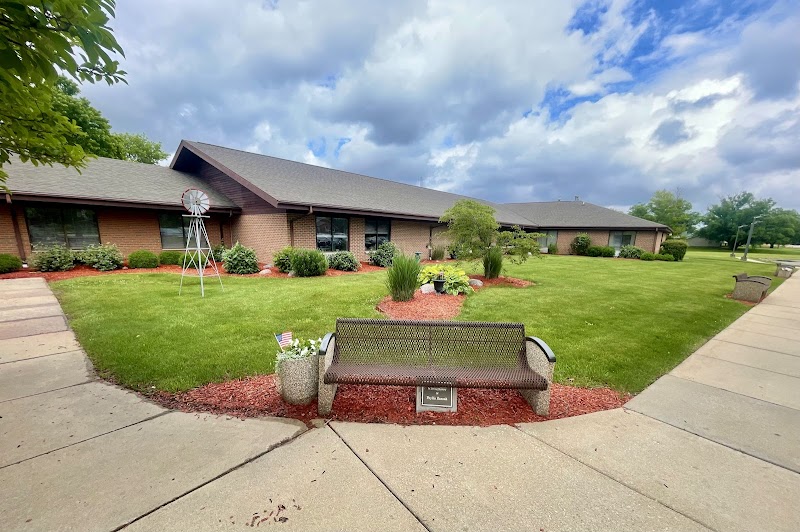
How is Accolade Hc Of Paxton On Pells Staffed?

CMS rates ACCOLADE HC OF PAXTON ON PELLS's staffing level at 1 out of 5 stars, which is much below average compared to other nursing homes. Staff turnover is 46%, compared to the Illinois average of 46%. RN turnover specifically is 58%, which is notably high. RNs provide skilled clinical oversight, so turnover in this role can affect medical care quality.

What Have Inspectors Found at Accolade Hc Of Paxton On Pells?

State health inspectors documented 53 deficiencies at ACCOLADE HC OF PAXTON ON PELLS during 2022 to 2025. These included: 5 that caused actual resident harm and 48 with potential for harm. Deficiencies causing actual harm indicate documented cases where residents experienced negative health consequences.
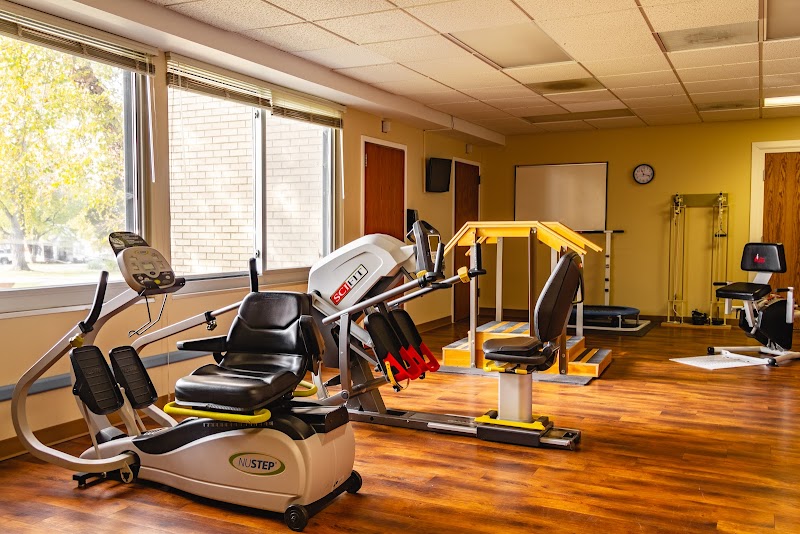
Who Owns and Operates Accolade Hc Of Paxton On Pells?

ACCOLADE HC OF PAXTON ON PELLS is owned by a for-profit company. For-profit facilities operate as businesses with obligations to shareholders or private owners. The facility is operated by ACCOLADE HEALTHCARE, a chain that manages multiple nursing homes. With 106 certified beds and approximately 92 residents (about 87% occupancy), it is a mid-sized facility located in PAXTON, Illinois.
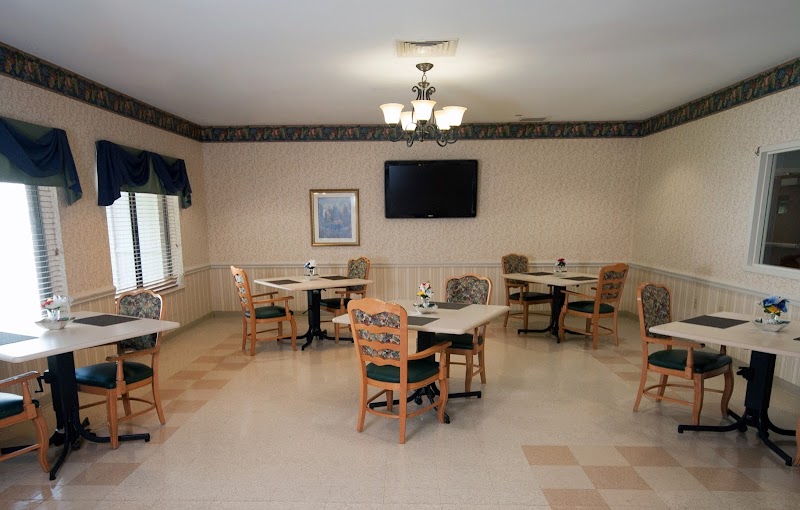
How Does Accolade Hc Of Paxton On Pells Compare to Other Illinois Nursing Homes?

Compared to the 100 nursing homes in Illinois, ACCOLADE HC OF PAXTON ON PELLS's overall rating (1 stars) is below the state average of 2.5, staff turnover (46%) is near the state average of 46%, and health inspection rating (2 stars) is below the national benchmark.

What Should Families Ask When Visiting Accolade Hc Of Paxton On Pells?

Based on this facility's data, families visiting should ask: "Can you walk me through typical staffing levels on day, evening, and night shifts?" "Can I visit during a mealtime to observe dining assistance and food quality?" "How do you handle medical emergencies, and what is your hospital transfer rate?" "Can I speak with family members of current residents about their experience?" These questions are particularly relevant given the below-average staffing rating.

Is Accolade Hc Of Paxton On Pells Safe?

Based on CMS inspection data, ACCOLADE HC OF PAXTON ON PELLS has a clean safety record: no substantiated abuse findings (meaning no confirmed cases of resident harm), no Immediate Jeopardy citations (the most serious violation level indicating risk of serious injury or death), and is not on the Special Focus Facility watch list (a federal program monitoring the lowest-performing 1% of nursing homes). The facility has a 1-star overall rating and ranks #100 of 100 nursing homes in Illinois. While no facility is perfect, families should still ask about staff-to-resident ratios and recent inspection results during their visit.

Do Nurses at Accolade Hc Of Paxton On Pells Stick Around?

ACCOLADE HC OF PAXTON ON PELLS has a staff turnover rate of 46%, which is about average for Illinois nursing homes (state average: 46%). Moderate turnover is common in nursing homes, but families should still ask about staff tenure and how the facility maintains care continuity when employees leave.

Was Accolade Hc Of Paxton On Pells Ever Fined?

ACCOLADE HC OF PAXTON ON PELLS has been fined $130,776 across 6 penalty actions. This is 3.8x the Illinois average of $34,387. Fines at this level are uncommon and typically indicate a pattern of serious deficiencies, repeated violations, or failure to correct problems promptly. CMS reserves penalties of this magnitude for facilities that pose significant, documented risk to resident health or safety. Families should request specific documentation of what issues led to these fines and what systemic changes have been implemented.

Is Accolade Hc Of Paxton On Pells on Any Federal Watch List?

ACCOLADE HC OF PAXTON ON PELLS is not on any federal watch list. The most significant is the Special Focus Facility (SFF) program, which identifies the bottom 1% of nursing homes nationally based on persistent, serious quality problems. Not being on this list means the facility has avoided the pattern of deficiencies that triggers enhanced federal oversight. This is a positive indicator, though families should still review the facility's inspection history directly.