HALLMARK HEALTHCARE OF PEKIN
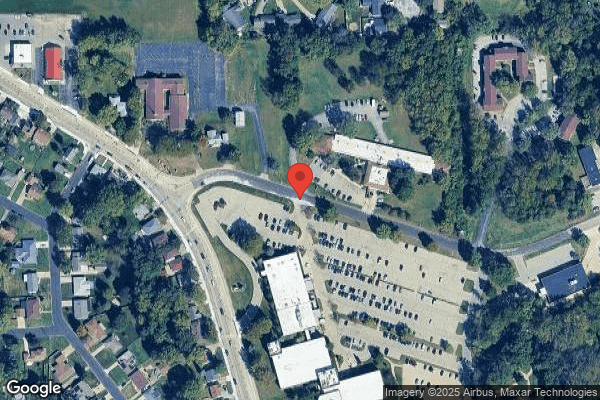
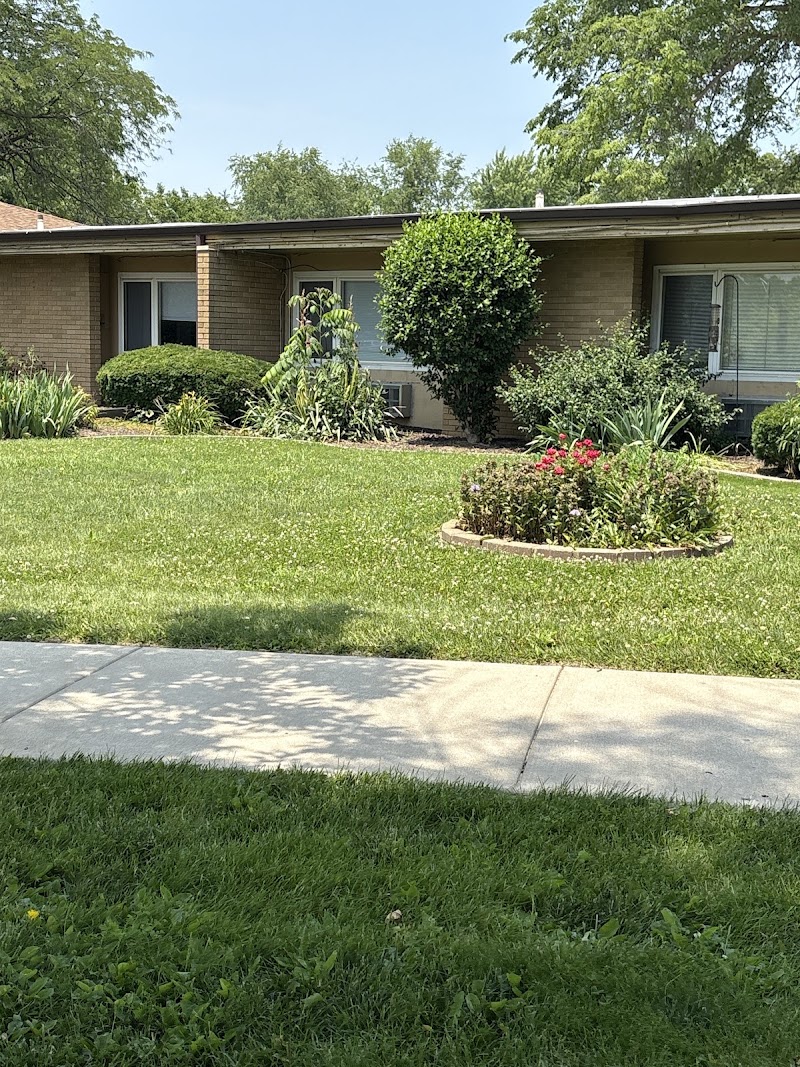
2501 ALLENTOWN ROAD, PEKIN, IL 61554 (309) 347-3121
For profit - Corporation 71 Beds CREST HEALTHCARE CONSULTING Data: November 2025 1 Immediate Jeopardy citation
Trust Grade
0/100
#539 of 665 in IL
Last Inspection: October 2024

Within standard 12-15 month inspection cycle. Federal law requires annual inspections.

Overview

Hallmark Healthcare of Pekin has received a Trust Grade of F, indicating significant concerns about the quality of care provided. With a state rank of #539 out of 665 in Illinois, the facility is in the bottom half, and it ranks #6 out of 8 in Tazewell County, meaning there are only two better local options. The facility's trend shows some improvement, having reduced the number of issues from 12 in 2024 to 8 in 2025, but the overall quality remains poor, with a staffing rating of just 1 out of 5 stars and a concerning turnover rate of 72%, much higher than the state average. Additionally, the facility has incurred $16,624 in fines, which is average but still raises questions about compliance. Specific incidents of concern include severe medical neglect leading to a resident experiencing life-threatening dehydration and complications due to a lack of timely medical intervention. Another resident faced serious health issues, including acute renal failure, due to improper monitoring and care for their urinary catheter. Furthermore, a resident with severe malnutrition lost a significant amount of weight, requiring hospitalization. While there are some areas of improvement, these serious deficiencies highlight both existing weaknesses and the urgent need for better care at this facility.

Trust Score
F
0/100
In Illinois
#539/665
Bottom 19%
Safety Record
High Risk
Review needed
Inspections
Getting Better
12 → 8 violations
Staff Stability
⚠ Watch
72% turnover. Very high, 24 points above average. Constant new faces learning your loved one's needs.
Penalties
✓ Good
$16,624 in fines. Lower than most Illinois facilities. Relatively clean record.
Skilled Nurses
○ Average
Each resident gets 38 minutes of Registered Nurse (RN) attention daily — about average for Illinois. RNs are the most trained staff who monitor for health changes.
Violations
⚠ Watch
46 deficiencies on record. Higher than average. Multiple issues found across inspections.
★☆☆☆☆
1.0
Overall Rating
★☆☆☆☆
1.0
Staff Levels
★★☆☆☆
2.0
Care Quality
★★☆☆☆
2.0
Inspection Score
Stable
2024: 12 issues
2025: 8 issues

The Good

  • Full Sprinkler Coverage · Fire safety systems throughout facility
  • No fines on record

Facility shows strength in fire safety.

The Bad

1-Star Overall Rating

Below Illinois average (2.5)

Significant quality concerns identified by CMS

Staff Turnover: 72%

25pts above Illinois avg (46%)

Frequent staff changes - ask about care continuity

Federal Fines: $16,624

Below median ($33,413)

Minor penalties assessed

Chain: CREST HEALTHCARE CONSULTING

Part of a multi-facility chain

Ask about local staffing decisions and management

Staff turnover is very high (72%)

24 points above Illinois average of 48%

The Ugly 46 deficiencies on record

1 life-threatening 4 actual harm
Sept 2025 1 deficiency
CONCERN (D) 📢 Someone Reported This

A family member, employee, or ombudsman was alarmed enough to file a formal complaint

Potential for Harm - no one hurt, but risky conditions existed

Infection Control (Tag F0880)

Could have caused harm · This affected 1 resident

Based on observation, interview, and record review, the facility failed to implement enhanced barrier precautions for one of three residents (R1) reviewed for infection control in a sample of three. F...

Read full inspector narrative →
Based on observation, interview, and record review, the facility failed to implement enhanced barrier precautions for one of three residents (R1) reviewed for infection control in a sample of three. Findings Include:R1's current Physician Order Sheet documents, Enhanced Barrier Precautions related to indwelling (urinary) drainage catheter.On 9/16/25 at 1:40pm, R1 was in bed, with a urinary drainage bag hanging on the lower aspect of his bed frame. R1's urinary drainage bag contained approximately 400 milliliters of clear yellow urine. R1's door did not have a sign indicating EBP. On 9/17/25 at 10:00am, V4, Hospice Certified Nursing Assistant, was performing morning personal hygiene for R1. V4 then pushed R1 back to the main dining room. On 9/17/25 at 10:20am, V4 was unable to speak of the facility's Enhanced Barrier Precautions. V4 stated that she only wears gloves while performing personal care, unless the resident is on contact or droplet isolation. V4 verified that she only had gloves and a mask on while performing R1's personal care. On 9/17/25 at 11:00am, V3, Assistant Director of Nursing/Licensed Practical Nurse, stated that signs are to be outside of the resident's room indicating the type of isolation the resident is on. V3 verified that any resident with an indwelling urinary catheter is to be on EBP. V3 also stated that there should be an isolation cart outside of the room. V3 verified that R1 did not have an EBP sign on his door. The facility's Enhanced Barrier Precautions policy, revised 12/10/24, documents that EBP (Enhanced Barrier Precautions) are used in conjunction with standard precautions and expand the use of PPE (personal protective equipment) to donning of gowns and gloves during high contact resident care activities that provide opportunities for transfer of MDROs (multidrug resistant organisms) to staff hands and clothing. EHB are indicated for residents with any of the following has a wound or indwelling medical device and secretions or excretions that are unable to be covered or contained and are not known to be infected or colonized with any MDRO. For residents for whom EBP are indicated, EBP is employed when performing the following high-contact resident care activities: dressing, bathing/showering, transferring, providing hygiene, changing linens, changing briefs, or assisting with toileting. Device care or use: central line, urinary catheter, feeding tube or tracheostomy, ventilator. wound care: any skin opening requiring a dressing.
Jun 2025 6 deficiencies 1 IJ
CRITICAL (J) 📢 Someone Reported This

A family member, employee, or ombudsman was alarmed enough to file a formal complaint

Immediate Jeopardy (IJ) - the most serious Medicare violation

Free from Abuse/Neglect (Tag F0600)

Someone could have died · This affected 1 resident

**NOTE- TERMS IN BRACKETS HAVE BEEN EDITED TO PROTECT CONFIDENTIALITY** Based on interview and record review the facility neglected to notify the physician and seek medical treatment after a significa...

Read full inspector narrative →
**NOTE- TERMS IN BRACKETS HAVE BEEN EDITED TO PROTECT CONFIDENTIALITY** Based on interview and record review the facility neglected to notify the physician and seek medical treatment after a significant decline in condition for one of three residents (R1) reviewed for neglect in the sample of nine. These failures resulted in R1 significantly declining in condition for two weeks before the facility sought medical treatment and sent R1 to the hospital on 5/10/25 for evaluation where R1 was admitted to the ICU (Intensive Care Unit) and remains in the hospital currently for treatment of Medical Neglect, Severe Dehydration, Acute Encephalopathy, Hypernatremia, Bladder Obstruction, Lactic Acidosis, Complicated Urinary Tract Infection, Sepsis, Metabolic Acidosis, Contractures to the Lower Extremities, and Bacterial Pneumonia. These failures resulted in an Immediate Jeopardy. The immediate jeopardy started on 4/29/25 when R1 started declining and the physician wasn't notified and treatment wasn't obtained, resulting in R1 going two weeks without medical treatment and R1 being admitted to the to the ICU and remains in the hospital currently for treatment of Medical Neglect, Severe Dehydration, Acute Encephalopathy, Hypernatremia, Bladder Obstruction, Lactic Acidosis, Complicated Urinary Tract Infection, Sepsis, Metabolic Acidosis, Contractures to the Lower Extremities, and Bacterial Pneumonia.' V1/Administrator and V2/Director of Nursing were notified of the Immediate Jeopardy on 6/3/25 at 3:08 PM. The surveyor confirmed by interview and record review that the Immediate Jeopardy was removed, and the deficient practice was corrected, on 5/13/25, prior to the start of the survey and was therefore Past Noncompliance. Findings include: The facility's Acute Change of Condition Policy, dated 1/23/23, documents Purpose: To provide facility guidance when a change of condition occurs with a resident. Policy: This facility shall identify and treat residents with acute change of conditions. Policy Interpretation and Implementation: 2. Direct care staff, including nursing assistants, will be trained in recognizing subtle but significant changes in the resident and how to communicate these changes to the Nurse. 6. Before contacting a physician about someone with an acute change of condition, the nursing staff will collect pertinent details to report to the physician, for example, the history of present illness and previous and recent test results for comparison. a. Phone calls to attending or on-call physicians should be made by an adequately prepared nurse who has collected and organized pertinent information, including the resident/patient's current symptoms and status, history, current medications and SBAR (Situation, Background, Assessment, and Recommendation) in Point Click Care). 7. The nursing staff will contact the physician based on the urgency of the situation. For emergencies they will call or page the physician and request a prompt response. 8. The attending physician (or a practitioner providing backup coverage) will respond in a timely manner to notification of problems or changes in condition and status. a. The nursing staff will contact the medical director for additional guidance and consultation if they do not receive a timely or appropriate response. 9. The nurse and physician will discuss and evaluate the situation. a. the physician should request information to clarify the situation. 10. The staff and physician will discuss possible causes of the condition change based on factors including resident/patient history, current symptoms, medication regimen, and diagnostic test results. 13. The physician and staff will identify relevant resident/patient wishes, including advance directives and POLST (Physician Orders for Life-Sustaining Treatment) orders related to life-sustaining treatments. 14. If it is decided, after sufficient review, that care or observation cannot reasonable be provided in the facility, the physician will authorize transfer to an acute hospital, Emergency Room, or another appropriate setting. The facility's Abuse Policy, dated 1/9/24, documents Purpose: To provide guidance and Procedures to the facility and staff to assure the residents remain to be free from abuse, neglect, exploitation, misappropriation of property, deprivation of goods and services by staff or mistreatment. Abuse Policy: The facility affirms the right of our residents to be free from abuse, neglect, exploitation, misappropriation of property, deprivation of goods and services by staff or mistreatment. The facility therefore prohibits abuse, neglect, exploitation, misappropriation of property, and mistreatment of residents. Definitions: Neglect means the failure to provide goods and services to a resident that are necessary to avoid physical harm, pain, or mental anguish. Neglect means a facility's failure to provide, or willful withholding of, adequate medical care, mental health treatment, psychiatric rehabilitation, person care, or assistance with activities of daily living that is necessary to avoid physical harm, mental anguish, or mental illness of a resident including deprivation of goods and services. On 5/28/25 at 12:21 PM V4/Director of Rehab stated, (R1) was able to straighten both legs out and he was able to bend both legs by the time he finished physical therapy (2/14/25). (R1) was a little resistant, but with dementia techniques we were able to get him to participate. (R1) was 25% (percent) weight bearing due to his right hip fracture at that time. He could stand up straight but did not know his limitations with weight bearing limitations. On 5/29/25 at 9:22 AM V10/SSD stated, I had tried to contact (V8/R1's Family Member) a week or so prior to the call on 5/8/25 and 5/9/25 regarding (R1's) major decline. I was trying to reach out to (V8) regarding hospice. I left (V8) a message asking if he could call me back. When I finally spoke to (V8) and let him know that (R1) has been getting worse, has lost weight, not eating, and possibly (R1) needing a gastrostomy tube, (V8) would not give me an answer on Hospice and kept telling me he would have to speak to (V16/R1's Family Member). I did let (V8) know how bad (R1) was and told him he didn't have much time to decide about hospice. I did not call (V14/R1's Physician) regarding (R1's) condition and I am not aware if nursing notified (V14) of (R1's) condition. The nursing staff just tell me what to call the families over and they wanted me to consult with (V8) regarding (R1's) decline in condition. On 5/29/25 at 9:44AM V11/CNA (Certified Nursing Assistant) stated around two weeks prior to R1 being sent out to the hospital R1 started not being as active as he normally was. V11 stated, Usually I could talk to (R1) and (R1) would talk back. (R1) started sleeping all the time and wasn't eating as much. I did notice (R1's) urine was darker than usual with a little less output. I believe I reported (R1's) urine color and output to (V12/Licensed Practical Nurse). (R1's) pain was also getting worse prior to being sent out to the hospital. (R1) just started moaning in pain all the time. (R1's) lower legs were bent at the knees and (R1) was unable to straighten them out. (R1) use to be able to straighten his legs. On 5/29/25 at 9:55AM V12/LPN stated, At least a week (maybe two weeks) before (R1) went to hospital (R1) was having a decline in his condition. (R1) stopped eating and wouldn't let us get him out of bed. I don't remember anyone reporting (R1's) urine color or output to me, I don't typically monitor that the CNA's usually do. I was at least (R1's) nurse two to three times a week. I reported to (V10/SSD) about (R1's) decline in condition. I did not notify the doctor however and should have. I did not document on (R1's) decline because I was communicating with (V10) regarding hospice, I should have documented. If we notice a change in condition, we should notify the physician immediately. On 5/29/25 at 10:15 AM V13/LPN stated I went to (V10/SSD) regarding a hospice consult around a week or so prior to (R1) being sent to the local hospital. I noticed (R1) was not eating and was having failure to thrive. I did not notify (V7/Dietitian or V14/R1's Physician) of my concerns with (R1) not eating and should have. Typically, we would fill out an SBAR (Situation, Background, Assessment, and Recommendation) and would send it to the doctor. I just assumed (V14) had already seen (R1) recently. On 5/28/25 at 1:54 PM V6/Hospital Registered Nurse stated I was the admitting nurse when (R1) got admitted to the ICU (Intensive Care Unit) on 5/10/25. (R1) could not straighten his legs, they were incredibly contracted. (R1's) legs were both completely bent at the knees where (R1) could not straighten either leg out. I doubt (R1) will ever be able to walk again. (R1's) mouth and teeth were caked with black sludge that took me ten minutes and 12 different swabs to even try to get it out of his mouth. (R1) had a lack of oral care like no one ever cleaned his mouth. (R1) had a horrible smell, (R1's) private area was excoriated and had an (indwelling urinary catheter) and a lack of it being cleaned. (R1's) groin was very red everywhere. The head of (R1's) penis, from the catheter rubbing and not cared for was actually split. (R1) was in severe pain and all he could do was cry out. It was one of the worst things I have seen, I felt completely horrible for (R1). (R1) had to have been completely neglected for a while. I was able to give him a bath here and treat him without (R1) refusing any care. (R1) remains in the hospital at this time and is still being treated. On 5/29/25 at 11:27 AM V14/R1's Physician stated that the last time he had visited R1 was on 4/8/25. V14 verified he was not made aware of R1 repetitive refusals of eating and drinking his med pass, refusing weekly weights, R1's significant weight loss, or R1's decline. V14 stated, It's not right if the (local hospital) had emptied two liters of urine from (R1's) bladder when (R1) arrived at the hospital. I am not sure what orders the facility had to change the urinary catheter, but if the facility staff would have notified me, I would have referred (R1) to a Urologist to assist in caring for (R1's) urinary catheter. Not changing (R1's) urinary catheter since January 2025 could have contributed to (R1's) infection and being hospitalized . I was not made aware of (R1's) declining condition. I last saw (R1) on 4/8/25 and I do not have any record of the facility notifying me of (R1's) change in condition. I would have sent (R1) right to the hospital and not messed with doing anything in house if the facility would have notified me of his condition. On 5/29/25 at 2:54 PM V7/Dietitian verified the lack of R1 eating and drinking would have led to hypernatremia. On 5/31/25 at 11:36 AM V8/R1's Family Member stated, I would call and speak to (R1) a couple of times a week from the time of (R1's) admission until he was admitted to the hospital. (R1) wasn't all the way cognitively there, but he could hold a conversation. I would call the facility and speak with the nurses, and they would always tell me (R1) was doing good, and that some Nurse Practitioner would see (R1) every Tuesday and monitor his labs, vital signs, and condition. A few days after (R1) being sent to the hospital I received a call from (V10/SSD) suggesting that (R1) receive hospice care due to (R1) not eating, having a significant weight loss, and (R1's) decline. (V10) stated (R1) started to really decline around a few weeks prior to this where he was becoming super weak. I told (V10) I wanted to speak with (V16/R1's Family Member) before making any decisions because (R1) always wanted to be a full code. I was waiting for a call back from (V16) when I then received a call from (V2/Director of Nursing/DON). (V2) told that we really need to get (R1) on hospice. I asked (V2) if (R1) was going to die and (V2) stated Oh no, no, no (R1) is just declining food at this point. I told (V2) I wanted (R1) sent out to the hospital to be evaluated and (V2) told me if they would send (R1) out to the hospital, the hospital would just send him right back because there is nothing the hospital can do. The next day I received a call from (V15/Registered Nurse/RN) that (R1) was lethargic and barely moving so (V15) sent (R1) to the local hospital. (V15) told me she could not take it anymore with (R1's) condition and that her conscious got the best of her, so (V15) decided she needed to send (R1) to the emergency room. The hospital then reached out to me and told me what (R1's) condition was and told me that my dad was severely dehydrated, malnourished, and was neglected. (R1) was in critical condition and they didn't know if he was going to make it. (R1) remains in the hospital as of today still being treated for his medical conditions. On 6/2/25 at 9:59 AM V18/Hospital Physician stated, I was the admitting physician that admitted (R1) to the hospital on 5/10/25. I did (R1's) assessment. (R1) had an indwelling catheter. (R1's) urine looked very, very dirty and had a lot of sediment in the urine. (R1) appeared very dry looking, he was dehydrated, and his oral cavity had tons of sludge like material with crusting in his mouth. (R1) came in with Acute Kidney Injury and his creatine lab was five times over his baseline number of one, implying that (R1) was very dehydrated and had been dehydrated for a while. His creatine lab was 4.94 which indicates someone has been dehydrated for at least more than two days. (R1) appeared very malnourished. (R1) did not get like that in just one day. I felt (R1) should have been hospitalized well before he was sent to us. On 6/2/25 at 11:51 AM V2/Director of Nursing verified R1's Electronic Health Record does not include documentation of V14 (R1's Physician) or V7 (Dietician) being notified of R1's 13.9 % weight loss within six months as of 5-7-25, R1's decrease in meal consumption and refusal of meals between 4/29/25 through 5/9/25, R1's decreased consumption of med pass between 5/1/25 through 5/9/25, or R1's nutritional care plan not being revised until 5-8-25. V2 stated, I know I spoke to (V8) on 5/9/25 to go over (R1's) decline again and possibly needing hospice services. (V10/SSD) had called (V8) regarding (R1) possibly needing a gastrostomy tube. (V8) had questions regarding that. (V8) did ask if (R1) needed to be sent out to the hospital and I did tell (V8) that if we did send him out, the hospital probably would not do anything and send him right back. I have no documentation of a physician being notified of (R1's) significant decline in condition from 4/29/25 through 5/10/25. (V14/R1's Physician) should have been notified right away when (R1) started not eating/drinking and started having his significant decline. R1's admission Record, dated 5/28/25, documents R1 is a [AGE] year-old male admitted to the facility on [DATE] with the following, but not limited to, diagnoses: Type Two Diabetes Mellitus, Unspecified severe Protein-Calorie Malnutrition, Depression, Poly Osteoarthritis, Chronic Kidney Disease, Obstructive and Reflux Uropathy, Celiac Disease, and Hypertension. R1's Order Summary Report, dated 5/28/25, documents R1 is a full code, has an indwelling urinary catheter, and an order for weekly weights. R1's MDS (Minimum Data Set) Assessment, dated 1/17/25, documents R1 had no behaviors. R1's MDS Assessment, dated 4/18/25, documents R1 had other behavioral symptoms not directed towards others (physical symptoms such as hitting or scratching self, pacing, rummaging, public sexual acts, disrobing in public, throwing, or smearing food or bodily wastes, or verbal/vocal symptoms like screaming, disruptive sounds). R1's MDS Assessments, dated 1/17/25 and 4/18/25, did not document R1 had rejected cares, had a weight loss, or had any upper or lower impairments. R1's MDS Assessment, dated 5/10/25, documents R1 rejected cares and had a weight loss of five % (percent) or more in the last month or loss of ten % or more in the last six months. R1's Progress Note, dated 3/29/25 and signed by V7/Dietitian documents R1's oral intake is typically 75 to 100% of meals per chart. R1's Nutritional Assessment, dated 4/21/25 and signed by V7/Dietitian documents R1 had no decrease in food intake. R1's Nutritional Risk Assessment, dated 4/29/25 and signed by V7/Dietitian documents R1 had a decrease in oral food intake and eats zero to 75% of meals. R1's Percentage of Meal, dated 4/29/25 through 5/9/25 does not document consistent meal percentages consumed. This forms documents in eleven days R1 consumed 26 to 50% of a meal four times and in eleven days consumed zero to 25% of a meal 15 times. This same form documents in eleven days R1 refused or did not receive a meal three times. R1's Medication Administration Record (MAR) does not document R1's Physician ordered weekly weights were completed from 3/1/25 through 5/10/25. R1's Contracture Risk Assessments, dated 1/1/25 and 4/14/25, document R1 does not have any contractures. These same assessments document R1 was at moderate to severe risk for contractures related to (R1's) diagnoses. R1's Physical Therapy Evaluation and Plan of Treatment, dated 12/23/25 and signed by V17/Physical Therapist, documents Initial Assessment/Current Level of Function and Underlying Impairments: Musculoskeletal System Assessment- Contracture: Functional Limitations Present due to Contracture= No. R1's Physical Therapy Evaluation and Plan of Treatment, dated 1/14/25 and signed by V17/Physical Therapist, documents Initial Assessment/Current Level of Function and Underlying Impairments: Musculoskeletal System Assessment- Contracture: Functional Limitations Present due to Contracture= No. R1's emergency room Summary, dated 5/10/25, documents Musculoskeletal: Comments: Chronically contracture (to the) lower extremities. R1's Behavior Log, dated March 2025, documents R1 refused care twice out of 31 days. R1's Behavior Log, dated April 2025, documents R1 refused care zero times out of 30 days. R1's Behavior Log, dated 5/1/25 through 5/10/25, documents R1 refused care one time out of ten days. R1's Electronic Health Record does not include documentation of V14 (R1's Physician) or V7 (Dietitian) being notified of R1's 13.9 % weight loss within six months as of 5/7/25, R1's decrease in meal consumption and refusal of meals between 4/29/25 through 5/9/25, and R1's decreased consumption of med pass between 5/1/25 through 5/9/25. R1's Electronic Health Record dated 4/28/25 through 5/10/25 (date of hospitalization) does not include documentation of the facility contacting V14 (R1's Physician) or seeking medical treatment for two weeks once R1 started to have a decrease in appetite, decrease in fluid consumption, increase in weakness, increase in behaviors, and rejecting cares. R1's Electronic Medical Record from admission [DATE]) through R1's discharge to the hospital (5/10/25) does not include evidence of the facility monitoring R1's fluid intake. R1's care plan, dated 5/20/25, documents (R1) is at high risk for urinary tract infection due to catheter use, related to indwelling catheter secondary to diagnosis of Obstructive Uropathy. Goal: (R1) will not experience any decline in mental status related UTI (Urinary Tract Infection) through review date. Interventions: Change catheter and drainage bag per medical doctor orders, empty catheter drainage collection bag every shift, ensure catheter tubing and drainage bag are properly positioned to prevent urinary backflow or contamination, observe for and notify doctor for fever, abdominal tenderness, flank pain, altered mental status, malodor (odor), hematuria (blood in urine) or abnormal urine clarity/consistency, provide catheter irrigation as ordered. This same care plan documents Date Initiated 12/23/2024: (R1) has potential for altered nutrition and hydration related to diagnoses of Type Two Diabetes Mellitus, Dementia, and Cancer. (R1) also limits himself on foods he eats. Gluten free, no red meat or pork. Goal: (R1) will have no signs or symptoms of altered nutrition/hydration through review date. Interventions dated 12/23/24: Monitor weights as ordered and notify Physician of significant Weight Change. R1's Care Plan does not include any revisions or nutritional interventions to address R1's seven pound weight loss within one week on 4/23/25, R1's 13.9 % weight loss within six months as of 5-7-25, R1's decrease in meal consumption and refusal of meals between 4/29/25 through 5/9/25, or R1's decreased consumption of med pass between 5/1/25 through 5/9/25, until 5-8-25 (two days before R1 was admitted to the hospital). On 5-8-25 R1's Nutritional Care Plan documents, 5-8-25 Encourage (R1) to eat all meals in the dining room and chart any refusals. Notify physician of any further increase in oral intake for appropriate intervention. Provide supplements as ordered-refer to MAR. Staff to provide supervision with cueing during mealtimes. R1's Electronic Medical Record, including R1's Progress Notes, Care Plan, and Treatment Administration Records from admission [DATE]) through R1's discharge to the hospital (5/10/25) does not include documentation of R1's urinary catheter being changed. R1's Treatment Administration Record (TAR), dated 4/1/25-4/30/25, does not document R1's urinary output on 4/20, 4/21, 4/24, 4/25, 4/30/25 dayshift amounts and on 4/18, 4/19, 4/23, 4/25 and 4/27/25 evening shift amounts, for a total of ten undocumented urine output recordings in the month of April. R1's TAR, dated 5/1/25-5/31/25, documents a total day shift urine output for R1 on 5/9/25 of 100 milliliters (ml) and a total evening shift urine output of 600 ml (for a total of 700 ml). This TAR does not document R1's urinary output on 5/3/25 dayshift or 5/7/25 evening shift. R1's Progress Note, dated 5/8/25 and signed by V10/SSD, documents (V10) left a message for (V8/R1's family Member) regarding the decline in (R1) and hospice services and new POLST (Physician Orders for Life-Sustaining Treatment). (V10) will follow up. R1's Progress Note, dated 5/9/25 and signed by V10/SSD documents (V10) contacted (V8/R1's Family Member) regarding the decline in (R1). (V10) talked about (R1's) significant weight loss, refusing to eat, and wounds. (V10) explained hospice care or gastrostomy for nutrition. (V8) stated he wanted to talk with (V16/R1's Family Member) first before deciding what to do. (V8) stated that the earliest he would be able to come from out of town would be around 6/1/25. (V10) told (V8) that he needs to make a decision before then. (V8) is going to call back once he speaks with (V16). (V10) will follow up. R1's Progress Note, dated 5/10/25 and signed by V15/RN (Registered Nurse), documents (R1) lethargic with involuntary jerking, very slow to respond, increased weakness and fatigue noted, slow to responds and slurred speech, hypotension noted, Blood Pressure 66 systolic/44 diastolic. Emergency Contact (V16/R1's Family Member) notified and request (R1) be evaluated at Emergency Room. 911 called and Emergency Medical Transport arrived, paramedics placed on IV (Intravenous Fluids) at facility and administered EKG (Electrocardiogram). (R1) in route to (local hospital) at this time. R1's Local Hospital emergency room Note, dated 5/10/25, documents Chief Complaint: Dysuria- Per SNF (skilled nursing facility). (R1) has had a UTI (Urinary Tract Infection) for several days. Had antibiotic and has been completed. (R1) presents with purulent (thick, milky white, yellow, green, or brown discharge) drainage in (R1's) indwelling urinary catheter bag. (R1) alert to self per baseline. HPI (History of Present Illness): (R1) is a [AGE] year-old male presenting to the emergency department for sepsis. (R1) presents to the emergency department by ambulance from nursing home. (R1) has a history of dementia and is alert to self only at baseline. (R1) has a chronic indwelling urinary catheter. Staff reports that (R1) has been treated for UTI for the past several weeks. (R1) has been appearing to have lower abdominal pain. (R1's) catheter isn't having significant urine output but has been noted to have purulent appearing content in urinary catheter bag. (R1) has had blood around his urethra. Review of systems by age: Genitourinary: Positive for dysuria (painful urination). Constitutional: Appearance: (R1) is ill-appearing. Genitourinary: Hypospadias (urethra opening on the posterior of the penile shaft) with blood around urethra. Purulent drainage noted in indwelling bag without significant blood clots or gross blood. Medical Decision Making: (R1) presents to emergency department for concern of Sepsis/Urinary Infection. Nursing home staff reports that (R1) appeared to have lower abdominal discomfort as well as purulent drainage from his chronic indwelling catheter. (R1) had blood around the urethra and had hypospadias noted. Nursing staff replaced (R1's) urinary catheter and had immediate return of two liters (2,000 milliliters) of purulent appearing urine. (R1) has acute renal failure with creatinine greater than four as well as metabolic acidosis with lactic acidosis. (R1's) urinalysis appears significantly concerning for infection. Urine culture was sent. CT (computed tomography) scan showed right-sided hydroureteronephrosis (ureters and kidneys are dilated due to a blockage or obstruction in the urinary tract) without obstructing stone. This same summary notes also documents Critical care was necessary to treat or prevent imminent or life-threatening deterioration of the following conditions: Sepsis, Renal failure, and Cardiac failure. Clinical Impression: 1. Acute Renal Failure, Bladder Obstruction, Complicated UTI, Lactic Acidosis, Metabolic Acidosis, and Bacterial Pneumonia. R1's Hospital Progress Note, dated 5/10/25 and signed by V6/Hospital Registered Nurse documents (R1)'s mouth was caked with crusty sludge like material. It took over ten swabs to perform oral care. Was able to move the sludge from his mouth. (R1) was also noted to have a very crusty indwelling catheter at the penis. (R1) is very thin and dehydrated. Nose is crusty with dried mucous. (R1) has a very unwashed smell about him. This same note documents R1 is contracted and difficult to straighten legs. R1's Hospital Progress Note, dated 5/11/25 and signed by V18/Hospital Physician, documents Physical Exam: General- 78-years-old male poorly built, poorly nourished. Assessment and Plan: Acute Cystitis: (R1's) Urinalysis showed 3+ (three plus) blood, positive leukocyte esterase. Urine looked dirty in foley bag with sediment and cloudy urine. On Intravenous antibiotics currently. Acute Kidney Injury, Dehydration, and Chronic Kidney Disease Stage 2: (R1's) baseline creatine is around 1. Current creatinine is around 3.83 which improved from 4.9 with Intravenous fluids. (R1) severely dehydrated on arrival. (R1's) foley catheter was exchanged upon arrival. Concern with Osteomyelitis Pressure Wound on Right Thigh: Ordered x-ray right femur but (R1) has contracture and is not able to extend the right lower extremity due to ongoing pain. Medical Neglect: (R1) arrived at the hospital showing signs of neglect including severe dehydration with poor oral care, and poor foley catheter care. R1's Hospital History and Physical, dated 5/10/25 and signed by V18/Hospital Physician, documents Physical Exam: General- [AGE] year-old male poorly built, poorly nourished, appears to be in moderate distress. Lungs- rhonchi noted on the right lung. Assessment/Plan: Acute Metabolic Encephalopathy: (R1) is alert, not oriented to time, place or person. Not able to follow commands. Ordered computed tomography of brain as well. Encephalopathy is multifactorial likely from infection, dehydration, hypernatremia. Severe malnutrition: Concern for Refeeding Syndrome: (R1) appeared malnourished. BMI (Body Mass Index) is 18.4. Will consult dietitian once (R1) mentation improves. (R1) is at high risk for refeeding syndrome. Will monitor and replete electrolytes closely. The Immediate Jeopardy that began on 4/29/25 was removed and the deficient practice corrected on 5/13/25 when the facility took the following actions to remove the Immediacy and correct the noncompliance. 1. R1 still remains in the hospital and will not be returning to the facility (as per family.) 2. On 5/13/25 resident chart reviews were conducted for the following areas: Change in condition, Significant Weight Change, Resident Exhibiting Signs/Symptoms of Dehydration, Hydration Status, and Foley Catheter Status by the clinical team and consulting team. 3. On 5/12/25 V30/Chief Executive Officer in-serviced the facility's interdisciplinary team on the Change in Condition Policy, Assessments/Identification/Hydration Policy, Signs of Symptoms of Dehydration, Foley Catheter Policy, Facility Weight and Nutrition Policy, and Physician and Interested Party Notification. 4. On 5/13/25 V2/Director of Nursing in-serviced all licensed nursing staff on the Change in Condition Policy, Assessments/Identification/Hydration Policy, Signs of Symptoms of Dehydration, Foley Catheter Policy, Facility Weight and Nutrition Policy, and Physician and Interested Party Notification. 5. On 5/13/25 V2/Director of Nursing in-serviced all CNA's on Foley Catheter Policy and Hydration Policy. 6. On 5/14/25, 5/18/25, 5/27/25, and 6/3/25 V2/Director of Nursing audited three residents on each date for any changes in condition. 7. On 5/14/25, 5/18/25, 5/27/25, and 6/3/25 V2/Director of Nursing audited three residents on each date to ensure they are receiving catheter care, physician orders to change catheters are in place, care plans are updated, and catheter output is documented. 8. On 5/15/25, 5/22/25, 5/29/25, and 6/5/25 the V1/Administrator held a quality assurance meeting where the results from the quality assurance audits were reviewed, and additional interventions were implemented. Completion Date: 5/13/25.
SERIOUS (G) 📢 Someone Reported This

A family member, employee, or ombudsman was alarmed enough to file a formal complaint

Actual Harm - a resident was hurt due to facility failures

Incontinence Care (Tag F0690)

A resident was harmed · This affected 1 resident

**NOTE- TERMS IN BRACKETS HAVE BEEN EDITED TO PROTECT CONFIDENTIALITY** Based on Interview and Record review, the facility failed to ensure a resident with diagnoses of Chronic Kidney Disease and Obst...

Read full inspector narrative →
**NOTE- TERMS IN BRACKETS HAVE BEEN EDITED TO PROTECT CONFIDENTIALITY** Based on Interview and Record review, the facility failed to ensure a resident with diagnoses of Chronic Kidney Disease and Obstructive and Reflux Uropathy (urine flow obstruction) was monitored for urinary catheter obstruction, failed to document physician ordered urinary output, and provide indwelling urinary catheter changes every 30 days or as needed for one of three residents (R1) reviewed for urinary tract infections in a sample of nine. This failure resulted in R1 experiencing a significant change in condition and being sent to the local emergency room with a subsequent admission to the hospital's critical care unit for diagnoses including Acute Renal Failure, Bladder Obstruction, Complicated urinary Tract Infection, Lactic Acidosis and Metabolic Acidosis. This past noncompliance occurred from 4/29/25 through 5/13/25. Findings include: The facility's Catheter Insertion/Maintenance Policy, dated 5/7/25, documents Purpose: To provide staff with guidelines for the proper insertion of an indwelling urinary catheter. Policy: An indwelling urinary catheter is to be inserted only by order of the physician. Replacement of (indwelling urinary) catheters will be done every thirty days or as needed when clogged/dislodged/accidental removal or ordered by the physician. The indwelling urinary bag shall be changed every week. Indwelling urinary catheters may be flushed as needed for maintenance/to clear clogs or slow drainage. The facility's Indwelling Catheter Care Policy, dated 10/7/22, documents Purpose: To provide guidance to facility staff on the care of residents with an indwelling foley catheter within the facility to prevent catheter-associated urinary tract infections. Policy: The facility shall maintain and care for foley catheters per the facility, following physician orders and adhering to facility infection control and best nursing practice standards. Policy Interpretation and Implementation: c. Empty the collection bag and perform indwelling catheter care at least every shift. R1's MDS (Minimum Data Set), dated 4/18/25 documents R1 has an indwelling urinary catheter. R1's current Care Plan, dated 5/20/25, documents R1 has diagnoses including Chronic Kidney Disease, Obstructive and Reflux Uropathy and Benign Prostatic Hyperplasia (BPH) with lower urinary tract symptoms. This same care plan documents R1 has Impaired urinary elimination related to obstruction of urethra related to BPH. Interventions: (Indwelling urinary) catheter as ordered, notify doctor of any complaints of problems with voiding. This same care plan documents R1 is High risk for urinary tract infection due to catheter use, related to indwelling catheter secondary to diagnosis of Obstructive Uropathy. Goal: (R1) will not experience any decline in mental status related UTI (urinary tract infection) through review date. Interventions: Change catheter and drainage bag per medical doctor orders, empty catheter drainage collection bag every shift, ensure catheter tubing and drainage bag are properly positioned to prevent urinary backflow or contamination, observe for, and notify doctor for fever, abdominal tenderness, flank pain, altered mental status, malodor (odor), hematuria (blood in urine) or abnormal urine clarity/consistency, provide catheter irrigation as ordered. This care plan also contains a plan of care, dated 4/29/25, that (R1) has a urinary tract infection as evidence by burning at catheter site and abnormal urinalysis. Interventions: Monitor intake and output, monitor/document/report to medical doctor as needed for signs and symptoms of urinary tract infection: frequency, urgency, malaise (feeling unwell), foul smelling urine, dysuria, fever, nausea, and vomiting, flank pain, supra-pubic pain, hematuria, cloudy urine, altered mental status, loss of appetite, behavioral changes, obtain and monitor laboratory/diagnostic work as ordered. Report results to medical doctor and follow up as indicated. R1's Physician Order Sheet, dated 5/1/25, documents R1 has physician orders of (Indwelling urinary) catheter output every shift, start date 4/15/25. This same order sheet documents the following physician orders with a start date of 2/6/25, (Indwelling urinary) catheter 16 French balloon to gravity drainage for Obstructive Uropathy. (Indwelling urinary) catheter may irrigate with 100cc (cubic centimeters) normal saline as needed if tube clogging. May re-insert (indwelling urinary) catheter as needed for malfunction or dislodgement as needed. R1's Treatment Administration Record (TAR), dated 5/1-5/31/25, documents a treatment order dated 5/7/25 to (Indwelling urinary): 16 French 10 ml (milliliter) balloon to gravity drainage for obstructive uropathy, every night shift every 30 days. This TAR does not document that R1's (indwelling urinary) catheter was changed in May 2025. This same administration record documents (Indwelling urinary) catheter output every shift. This TAR documents a total day shift urine output for R1 on 5/9/25 of 100 milliliters (ml) and a total evening shift urine output of 600 ml (for a total of 700 ml). This TAR does not document R1's urinary output on 5/3/25 dayshift or 5/7/25 evening shift. R1's TAR, dated 4/1-4/30/25, documents (Indwelling urinary) catheter output every shift. This TAR does not document R1's urinary output on 4/20, 4/21, 4/24, 4/25, and 4/30/25 dayshift amounts. This same TAR does not document R1's urinary output on 4/18, 4/19, 4/23, 4/25 and 4/27/25 evening shift amounts, for a total of ten undocumented urine output recordings in the month of April. This same TAR does not document R1's (indwelling urinary) catheter was changed for the month of April 2025. R1's Nursing progress notes, dated 1/1/25-5/10/25, do not document R1's (indwelling urinary) catheter has ever been changed. R1's Nursing Progress notes, dated 4/1/2025 at 11:29 PM, document (R1) is having increased confusion, agitation, and burning at (indwelling urinary) catheter site, urine is concentrated and amber in color. Fluids encouraged, resident is afebrile, urine collected for testing. Urinalysis (UA) and Culture and Sensitivity ordered. Urine placed in refrigerator and will go out with lab in AM. R1's Nursing Progress notes, dated 4/6/2025 at 4:07 PM, document (R1's) (indwelling urinary) catheter is patent and draining cloudy yellow urine. UA results are pending. R1's Provider visit summary, dated 4/8/25 and signed by V14 (R1's Physician), documents Diagnosis and all orders for this visit: Sepsis, due to unspecified organism, unspecified whether acute organ dysfunction present. Assessment and Plan: Patient (R1) with recurrent urinary tract infection with UA results demonstrating enterococcus faecalis (bacteria) growth greater than 100,000 colonies per high powered field. I (V14) do not recall this, nor do staff. Do not recall seeing this, nor being treated. R1's Nursing Progress Notes, dated 5/5/25-5/10/25, does not document the consistency/color of R1's urine or the patency of R1's (indwelling urinary) catheter. R1's Nursing Progress notes, dated 5/10/25 at 3:45 AM documents (R1) lethargic with involuntary jerking, very slow to respond, increased weakness and fatigue noted, slow to respond and slurred speech, hypotension (low blood pressure) noted, BP (blood pressure) 66/44. Emergency contact (V16, R1's family) notified and (V16) requested resident be evaluated at ER (Emergency Room) 911 (emergency) called and Emergency Medical Transport's arrived, paramedics placed (Intravenous peripheral line) at facility and administered EKG (electrocardiogram), (R1) in route to (local hospital) at this time. R1's Local Hospital emergency room Note, dated 5/10/25, documents Chief Complaint: Dysuria (painful urination)- Per SNF (skilled nursing facility). (R1) has had a UTI (urinary tract infection) for several days. Had antibiotic and has been completed. (R1) presents with purulent (thick, milky white, yellow, green, or brown discharge) drainage in (R1's) indwelling urinary catheter bag. (R1) alert to self per baseline. HPI (History of Present Illness): (R1) is a [AGE] year-old male presenting to the emergency department for sepsis. (R1) presents to the emergency department by ambulance from (facility). (R1) has a history of dementia and is alert to self only at baseline. (R1) has a chronic (indwelling urinary) catheter. Staff reports that (R1) has been treated for UTI for the past several weeks. (R1) has been appearing to have lower abdominal pain. (R1's) catheter isn't having significant urine output but has been noted to have purulent appearing content in urinary catheter bag. (R1) has had blood around his urethra. Review of systems by age: Genitourinary: Positive for dysuria (painful urination). Constitutional: Appearance: (R1) is ill-appearing. Genitourinary: Hypospadias (urethra opening on the posterior of the penile shaft) with blood around urethra. Purulent drainage noted in indwelling bag without significant blood clots or gross blood. Medical Decision Making: (R1) presents to emergency department for concern of sepsis/urinary infection. (Facility) staff reports that (R1) appeared to have lower abdominal discomfort as well as purulent drainage from his chronic (indwelling) catheter. (R1) had blood around the urethra and had hypospadias noted. Nursing staff replaced (R1's) urinary catheter and had immediate return of two liters (2,000 milliliters) of purulent appearing urine. (R1) has acute renal failure with creatinine greater than four as well as metabolic acidosis with lactic acidosis. (R1's) urinalysis appears significantly concerning for infection. Urine culture was sent. CT (computed tomography) scan showed right-sided hydroureteronephrosis (ureters and kidneys are dilated due to a blockage or obstruction in the urinary tract) without obstructing stone. This same summary notes also documents Critical care was necessary to treat or prevent imminent or life-threatening deterioration of the following conditions: Sepsis, Renal failure, and Cardiac failure. Clinical Impression: 1. Acute renal failure, Bladder Obstruction, Complicated UTI, Lactic Acidosis, Metabolic Acidosis, and Bacterial Pneumonia. R1's Hospital Progress Note, dated 5/10/25 and signed by V6 (Hospital Registered Nurse), documents (R1) was also noted to have a very crusty (indwelling urinary) tube at the penis. (R1) is very thin and dehydrated. R1's Hospital Progress Note, dated 5/11/25 and signed by V18 (Hospital Physician), documents Physical Exam: General- 78-years-old male poorly built, poorly nourished. Assessment and Plan: Acute Cystitis: (R1's) Urinalysis showed 3+ blood, positive leukocyte esterase. Urine looked dirty in foley bag with sediment and cloudy urine. On Intravenous antibiotics currently. Acute Kidney Injury, Dehydration, and Chronic Kidney Disease Stage 2: (R1's) baseline creatine is around 1. Current creatinine is around 3.83 which improved from 4.9 with Intravenous fluids. (R1) severely dehydrated on arrive. (R1's) (indwelling urinary) catheter was exchanged upon arrive. Medical Neglect: (R1) arrived at the hospital showing signs of neglect including severe dehydration with poor oral care, and poor (indwelling urinary) catheter care. On 5/28/25 at 1:54 PM V6 (Hospital Registered Nurse) stated I was the admitting nurse when (R1) got admitted to the ICU (Intensive Care Unit). (R1's) private area was excoriated and had a (indwelling urinary) catheter and a lack of it being cleaned. (R1's) groin was very red everywhere. The head of (R1's) penis, from the catheter rubbing and not cared for was actually split. On 5/28/25 at 3:10 PM V2/DON (Director of Nursing) stated that they notified R1's physician via fax on 4/6/25. V2 stated that they never received a response from the physician regarding R1's urinalysis results. V2 confirmed they did not try to get ahold of R1's physician again on 4/6 or 4/7/25 and R1's physician did not provide orders until 4/8/25 for an antibiotic to start on 4/9/25 (three days after facility received urinalysis results). On 5/29/25 at 9:44AM V11/CNA (Certified Nursing Assistant) stated that around two weeks prior to R1 being sent out to the hospital R1 started not being as active as he normally was. V11 stated, Usually I could talk to (R1) and (R1) would talk back. (R1) started sleeping all the time and wasn't eating as much. I did notice (R1's) urine was darker than usual with a little less output. I believe I reported (R1's) urine color and output to (V12/Licensed Practical Nurse/LPN). I usually go to (V12) for most things. We (CNA's) were responsible for catheter care. I noticed (R1's) tip of penis was getting slimy and then would start to crust over. I am not sure what was causing it. On 5/29/25 at 9:55AM V12/LPN stated, At least a week (maybe two weeks) before (R1) went to hospital (R1) was having a decline in his condition. (R1) stopped eating and wouldn't let us get him out of bed. I don't remember anyone reporting (R1's) urine color or output to me, I don't typically monitor that the CNA's usually do. I was at least (R1's) nurse two to three times a week. I reported to (V10/Social Service Director) about (R1's) decline in condition. I did not notify the doctor however and should have. I did not document on (R1's) decline because I was communicating with (V10) regarding hospice, I should have documented. If we notice a change in condition, we should notify the physician immediately. V12 stated that when the nursing staff receives lab results and they are abnormal, they would expect the physician to respond that day. If they don't the next nurse that would come on shift should follow up and if they cannot get ahold of the physician there is an on-call number to call after hours. On 5/29/25 at 11:27 AM (V14/R1's Physician) confirmed he did not receive R1's urinalysis results, dated 4/6/25, until he was at the facility on 4/8/25 and stated he would have started R1 on an antibiotic for a UTI prior to 4/8/25 if he would have received R1's urinalysis results. V14 stated, It's not right if the (local hospital) had emptied two liters of urine from (R1's) bladder when (R1) arrived at the hospital. I am not sure what orders the facility had to change the urinary catheter, but if the facility staff would have notified me, I would have referred (R1) to a Urologist to assist in caring for (R1's) urinary catheter. Not changing (R1's) (indwelling urinary) catheter since January 2025 could have contributed to (R1's) infection and being hospitalized . I was not made aware of (R1's) declining condition. I last saw (R1) on 4/8/25 and I do not have any record of the facility notifying me of (R1's) change in condition. I would have sent (R1) right to the hospital and not messed with doing anything in house if the facility would have notified me of his condition. V14 verified the facility should have monitored R1's urine color and output every shift. On 6/2/25 at 9:59 AM V18/Hospital Physician stated, I was the admitting physician that admitted (R1) to the hospital on 5/10/25. I did (R1's) assessment. (R1) had an (urinary indwelling) catheter. (R1's) urine looked very, very, dirty and had a lot of sediment in the urine. On 6/2/25 at 11:51 AM V2/DON verified R1's urinary catheter outputs should have been documented every shift. Prior to this survey date, the facility had taken the following action to correct the noncompliance: 1. R1 still remains in the hospital and will not be returning to the facility (as per family.) 2. On 5/13/25 resident chart reviews were conducted for Residents Exhibiting Signs/Symptoms of Dehydration, Hydration Status, and Foley Catheter Status by the clinical team and consulting team. 3. On 5/12/25 V30/Chief Executive Officer in-serviced the facility's interdisciplinary team on Assessments/Identification/Hydration Policy, Signs of Symptoms of Dehydration, and Foley Catheter Policy. 4. On 5/13/25 V2/Director of Nursing in-serviced all licensed nursing staff on Assessments/Identification/Hydration Policy, Signs of Symptoms of Dehydration, and Foley Catheter Policy. 5. On 5/13/25 V2/Director of Nursing in-serviced all CNA's on Foley Catheter Policy and Hydration Policy. 6. On 5/14/25, 5/18/25, 5/27/25, and 6/3/25 V2/Director of Nursing audited three residents on each date to ensure they are receiving catheter care, physician orders to change catheters are in place, care plans are updated, and catheter output is documented. 8. On 5/15/25, 5/22/25, 5/29/25, and 6/5/25 the V1/Administrator held a quality assurance meeting where the results from the quality assurance audits were reviewed, and additional interventions were implemented.
SERIOUS (G) 📢 Someone Reported This

A family member, employee, or ombudsman was alarmed enough to file a formal complaint

Actual Harm - a resident was hurt due to facility failures

Deficiency F0692 (Tag F0692)

A resident was harmed · This affected 1 resident

**NOTE- TERMS IN BRACKETS HAVE BEEN EDITED TO PROTECT CONFIDENTIALITY** Based on interview and record review the facility failed to obtain physician ordered weekly weights and notify the Physician and...

Read full inspector narrative →
**NOTE- TERMS IN BRACKETS HAVE BEEN EDITED TO PROTECT CONFIDENTIALITY** Based on interview and record review the facility failed to obtain physician ordered weekly weights and notify the Physician and Registered Dietitian of a resident's repetitive nutritional supplement refusals, decreased meal consumption, and significant weight loss for a resident with a diagnosis of Severe Protein-Calorie Malnutrition for one of three residents (R1) reviewed for weight loss in a sample of nine. These failures resulted in R1 experiencing a severe significant weight loss of 13.9 percent in less than six months and requiring admission to a local hospital critical care unit for treatment of the diagnoses of Hypernatremia, Acute Metabolic Encephalopathy, and Severe Malnutrition/concern for refeeding syndrome (Fatal Metabolic Response). This past noncompliance occurred from 4/29/25 through 5/13/25. Findings include: The facility's Weight Assessment and Intervention Policy, dated 11/22/24, documents Policy Statement: The multidisciplinary team will strive to prevent, monitor, and intervene for undesirable weight loss for our residents. 2. Weights will be recorded in (Electronic Computer System) under the resident's Weight/Vitals tab. 7. The threshold for significant unplanned and undesired weight loss will be based on the following criteria (where percentage of body weight equals (usual weight minus actual weight) / (usual weight) times 100): c. 6 months- 10% (percent) weight loss is significant; greater than 10% is severe. 9. If this is an undesirable weight change, resident will be referred to Dietitian, Doctor and family will be notified. Care Planning: 1. Care planning for weight loss or impaired nutrition will be a multidisciplinary effort and will include the Physician, nursing staff, the Dietitian, the Consultant Pharmacist, and the resident or resident's legal surrogate. 2. Individualized care plans shall address to the extent possible: a. The identified causes of weight loss; b. Goals and benchmarks for improvement; and c. Time frames and parameters for monitoring and reassessment. The facility's Hydration Policy, dated 5/8/24, documents Policy: This facility will strive to provide adequate hydration and to prevent and treat deyhdration. 1. Policy interpretation and Implementation. b. The Physician will be notified of any nutritional or hydration changes. R1's admission Record documents R1 is a [AGE] year-old male who admitted to the facility on [DATE] with the following, but not limited to, diagnoses: Unspecified Severe Protein-Calorie Malnutrition, Dementia, and Type Two Diabetes Mellitus with Diabetic Chronic Kidney Disease. R1's Physician's Order dated 1/16/25 documents, Med Pass (Medication) Pass 2.0 Calorie (nutrition supplement) TID (Three Times Daily). R1's Order Summary Report, printed 5/28/25, documents Order date: 1/30/25. Start date: 2/5/25. Weekly weights one time a day every Wednesday for weekly weights. R1's Progress Note, dated 3/29/25 and signed by V7/Dietitian, documents R1's current weight of 151 pounds. This same progress notes documents R1's oral intake typically is 75 - 100% (percent) of meals per day. R1's MAR (Medication Administration Record) dated, March 2025, documents R1 has an order for weekly weights one time a day every Wednesday for weekly weights and does not document weekly weights on 3/5, 3/12, 3/19, and 3/26/25. R1's MAR dated, April 2025, documents R1 has an order for weekly weights one time a day every Wednesday for weekly weights and does not document weekly weights on 4/2, 4/9, 4/16, and 4/30/25. This same MAR documents a physician order for Med (Medication) Pass 2.0 Calorie (nutrition supplement) three times a day related to unspecified severe protein-calorie intake administer 90 ml (milliliters). From 4/1 through 4/30/25 this same MAR does not document milliliters consumed of the Med Pass. R1's MAR, dated May 2025, documents R1 has a physician order for Med Pass. This same MAR documents on 5/1, 5/3, and 5/4/25 at 9:00 AM R1 consumed zero milliliters of med pass, on 5/1, 5/4, and 5/9/25 at 2:00 PM R1 consumed zero milliliters of med pass, and on 5/1, 5/2, and 5/3/25 at 8:00 PM R1 consumed zero milliliters of med pass. R1's Nutritional Risk assessment dated [DATE] and signed by V7 (Dietitian) documents R1's weight on 4/18/25 was 150.5 pounds and within one-week R1 lost seven pounds, weighing 143.5 pounds on 04/23/25. This same Nutritional Risk Assessment documents R1's seven-pound weight loss was undesirable and V7 ordered an increase in R1's med pass to 60 ml three times daily, even though R1 has been receiving med pass 60 ml three times daily since 1/16/25. R1's MDS (Minimum Data Set) Assessment, dated 5/10/25, documents R1 had a weight loss of five % or more in the last month or loss of ten % or more in the last six months and was not on a physician-prescribed weight loss regimen. R1's Percentage of Meal, dated 4/29/25 through 5/9/25 does not document consistent meal percentages consumed. This forms documents in eleven days R1 consumed 26 to 50% of a meal four times and in eleven days consumed zero to 25% of a meal 15 times. This same form documents in eleven days R1 refused or did not receive a meal three times. R1's Weights and Vital Summary, dated 5/29/25, documents R1's weights on 12/22/24 was 157lbs (pounds), on 4/18/25 was 150.5lbs and on 5/7/25 was 135.2lbs, reflecting a 13.9% (percent) weight loss in less than six months and a 10.2% weight loss from 4/18/25 to 5/7/25 (less than three weeks). R1's Progress Note, dated 5/8/25 and signed by V3/ADON (Assistant Director of Nursing), documents Weight Warning: (R1) continues to lose weight due to poor appetite. (R1) is on med pass during the day. Remeron may need to be increased due to poor appetite. (R1) refuses to eat even when fed. Message sent to (family members) about a possible hospice evaluation. R1's Electronic Health Record does not include documentation of V14 (R1's Physician) or V7 (Dietitian) being notified of R1's 13.9 % weight loss within six months as of 5-7-25, R1's decrease in meal consumption and refusal of meals between 4/29/25 through 5/9/25, and R1's decreased consumption of med pass between 5/1/25 through 5/9/25. R1's Care Plan dated 5/20/25, documents Date Initiated 12/23/2024: (R1) has potential for altered nutrition and hydration related to diagnoses of Type Two Diabetes Mellitus, Dementia, and Cancer. (R1) also limits himself on foods he eats. Gluten free, no red meat or pork. Goal: (R1) will have no signs or symptoms of altered nutrition/hydration through review date. Interventions dated 12/23/24: Monitor weights as ordered and notify Physician of significant Weight Change. R1's Care Plan does not include any revisions or nutritional interventions to address R1's seven pound weight loss within one week on 4/23/25, R1's 13.9 % weight loss within six months as of 5-7-25, R1's decrease in meal consumption and refusal of meals between 4/29/25 through 5/9/25, or R1's decreased consumption of med pass between 5/1/25 through 5/9/25, until 5-8-25 (two days before (R1) was admitted to the hospital). On 5-8-25 R1's Nutritional Care Plan documents, 5-8-25 Encourage (R1) to eat all meals in the dining room and chart any refusals. Notify physician of any further increase in oral intake for appropriate intervention. Provide supplements as ordered-refer to MAR. Staff to provide supervision with cueing during mealtimes. R1's Progress Note, dated 5/9/25 and signed by V10/SSD (Social Service Director/SSD), documents (V10) contacted (V8/R1's Family Member) regarding the decline in (R1). (V10) talked about (R1's) significant weight loss, refusing to eat, and wounds. (V10) explained hospice care or gastrostomy for nutrition. (V8) stated he wanted to talk with (V16/R1's Family Member) first before deciding what to do. (V8) stated that the earliest he would be able to come from out of town would be around 6/1/25. (V10) told (V8) that he needs to make a decision before then. (V8) is going to call back once he speaks with (V16). (V10) will follow up. R1's Progress Note, dated 5/10/25 and signed by V15/RN (Registered Nurse), documents (R1) lethargic with involuntary jerking, very slow to respond, increased weakness and fatigue noted, slow to responds and slurred speech, hypotension noted, Blood Pressure 66 systolic/44 diastolic. Emergency Contact (V16/R1's Family Member) notified and request (R1) be evaluated at Emergency Room. 911 called and Emergency Medical Transport arrived, paramedics placed on IV (Intravenous Fluids) at facility and administered EKG (Electrocardiogram). (R1) in route to (local hospital) at this time. R1's Hospital History and Physical, dated 5/10/25 and signed by V18/Hospital Physician, documents Physical Exam: General- [AGE] year-old male poorly built, poorly nourished, appears to be in moderate distress. Assessment/Plan: Dehydration: (R1's) baseline creatinine is around 1. Current creatinine is around 3.3, which improved from 4.9 with intravenous fluids. (R1) is severely dehydrated on arrival. Hypernatremia: Likely from poor oral intake. Switch intravenous fluids to D5W (dextrose and water) after reviewing labs. Acute Metabolic Encephalopathy: (R1) is alert, not oriented to time, place or person. Not able to follow commands. Ordered computed tomography brain as well. Encephalopathy is multifactorial likely from infection, dehydration, hypernatremia. Severe malnutrition: Concern for Refeeding Syndrome: (R1) appeared malnourished. BMI (Body Mass Index) is 18.4. Will consult dietitian once (R1) mentation improves. (R1) is at high risk for refeeding syndrome. Will monitor and replete electrolytes closely. On 5/28/25 at 1:54 PM V6 (Hospital Registered Nurse) stated that she was the admitting nurse when R1 got admitted to the ICU (Intensive Care Unit) on 5/10/25 and R1 appeared severely malnourished, thin, and dehydrated. V6 stated, (R1) had to of not been eating or drinking anything or very little for days. It was one of the worst things I have seen, I felt completely horrible for (R1). On 5/29/25 at 9:44 AM V11/CNA (Certified Nursing Assistant) stated around two weeks prior to R1 being sent out to the hospital R1 started not being as active as he normally was. V11 stated, Usually I could talk to (R1) and (R1) would talk back. (R1) started sleeping all the time and wasn't eating as much. On 5/29/25 at 9:55AM V12/LPN (Licensed Practical Nurse) stated, At least a week (maybe two weeks) before (R1) went to hospital (R1) was having a decline in his condition. (R1) stopped eating and wouldn't let us get him out of bed. I was at least (R1's) nurse two to three times a week. On 5/29/25 at 10:15 AM V13/LPN stated I went to (V10/Social Service Director) regarding a hospice consult around a week or so prior to (R1) being sent to the local hospital. I noticed (R1) was not eating and was having failure to thrive. I did not notify (V7/Dietitian) or (V14/R1's Physician) of my concerns with (R1) not eating and should have. Typically, we would fill out an SBAR (Situation, Background, Assessment, and Recommendation) and would send it to the doctor. I just assumed (V14) had already seen (R1) recently. On 5/29/25 at 3:43 PM V15/LPN stated I know (R1) hadn't been eating or drinking very well for a while. (R1) would just lay there. On 4/26/25 I received an order from (V14/R1's Physician) to start (R1) on Mirtazapine, but I did not notify (V14/R1's Physician) of R1 refusing any meals or drinks and/or losing weight after that. I know the week prior to (R1) being sent to the hospital (R1) was not wanting to eat or drink anything when I was there. On 5/29/25 at 11:27 AM V14/R1's Physician stated the last time he had visited R1 was on 4/8/25. V14 verified he was not made aware of R1 repetitive refusals of eating and drinking his med pass, refusing weekly weights, R1's significant weight loss, or R1's decline. V14 stated, I was not aware of R1's condition after 4/8/25. I last saw (R1) on 4/8/25 and I do not have any record the facility notified me of any major changes in (R1's) condition. On 5/29/25 at 2:54 PM V7/Dietitian verified the lack of R1 eating and drinking would have led to hypernatremia. The last time I reviewed (R1) was on 4/29/25. I was not aware of the significant weight loss that triggered on 5/7/25. I was aware that (R1's) oral intake had decreased when I reviewed him on 4/29/25. I was not aware that (R1) had not been drinking his Med Pass 2.0 or I wouldn't have suggested to increase his Med Pass from 60 ml (milliliters) to 90 ml. If (R1) was having a significant decline with eating and drinking that is a pattern, then they should be letting me know right away as well as documenting it every shift so I can review it. On 6/2/25 at 9:59 AM V18/Hospital Physician stated, I was the admitting physician that admitted (R1) to the hospital on 5/10/25. I did (R1's) assessment. (R1) appeared very malnourished and thin. (R1) did not get like that in just one day. I felt (R1) should have been hospitalized well before he was sent to us. On 6/2/25 at 11:51 AM V2/Director of Nursing verified R1's Electronic Health Record does not include documentation of V14 (R1's Physician) or V7 (Dietitian) being notified of R1's 13.9 % weight loss within six months as of 5-7-25, R1's decrease in meal consumption and refusal of meals between 4/29/25 through 5/9/25, and R1's decreased consumption of med pass between 5/1/25 through 5/9/25, or R1's nutritional care plan not being revised until 5-8-25. V2 also stated, If (R1) was refusing weights or his meals/drinks the physician should have been notified at that time. Prior to the survey date, the facility had taken the following action to correct the noncompliance: 1. R1 still remains in the hospital and will not be returning to the facility (as per family.) 2. On 5/13/25 resident chart reviews were conducted for the following areas: Significant Weight Change, Resident Exhibiting Signs/Symptoms of Dehydration, and Hydration Status. 3. On 5/12/25 V30/Chief Executive Officer in-serviced the facility's interdisciplinary team on the Assessment/Identification/Hydration Policy, Signs of Symptoms of Dehydration, Facility Weight and Nutrition Policy, and Physician and Interested Party Notification. 4. On 5/13/25 V2/Director of Nursing in-serviced all licensed nursing staff on the Assessments/Identification/Hydration Policy, Signs of Symptoms of Dehydration, Facility Weight and Nutrition Policy, and Physician and Interested Party Notification. 5. On 5/13/25 V2/Director of Nursing in-serviced all CNA's on Facility Weight and Nutrition Policy. 6. On 5/14/25, 5/18/25, 5/27/25, and 6/3/25 V2/Director of Nursing audited three residents on each date to ensure weekly weights are being done for a resident with physician ordered weekly weights, significant weight losses are being identified, physician and dietician notification is being done regarding the significant weight loss and any nutritional refusals. 7. On 5/15/25, 5/22/25, 5/29/25, and 6/5/25 the V1/Administrator held a quality assurance meeting where the results from the quality assurance audits were reviewed, and additional interventions were implemented.
CONCERN (D) 📢 Someone Reported This

A family member, employee, or ombudsman was alarmed enough to file a formal complaint

Potential for Harm - no one hurt, but risky conditions existed

Report Alleged Abuse (Tag F0609)

Could have caused harm · This affected 1 resident

Based on Interview and Record review the facility failed to report an allegation of Injury of Unknown Origin to the facility's Abuse Coordinator and the State Agency for one of three residents (R4) re...

Read full inspector narrative →
Based on Interview and Record review the facility failed to report an allegation of Injury of Unknown Origin to the facility's Abuse Coordinator and the State Agency for one of three residents (R4) reviewed for Injury of Unknown Origin in the sample of nine. Findings include: R4's Nursing progress note, dated 5/16/25 at 2:40 PM and signed by V13 (Licensed Practical Nurse), documents (R4) continues increased confusion, lethargy (weakness) and not at baseline with ADLS (Activities of Daily Living) order received to send to Emergency Department for evaluation and treatment. Family aware and (Emergency services) called. R4's Nursing progress note, dated 5/16/2025 at 8:40 PM and signed by V22 (Licensed Practical Nurse), documents Nurse (V22) received call from (V20, R4's family member). (V20) told nurse that (R4) would not be coming to the facility tonight due to transfer to a (tertiary) hospital. (R4) was given a CT (Computed Tomography) of the head scan which showed internal bleeding. (V20) asked if his (R4) had a fall within the last 24 hours, because the hospital informed (V20) the internal bleeding could be from a possible unwitnessed fall. (V22) informed (V20) that no falls were documented or reported within the last 24 hours. (V20) informed (V22) that he will be keeping in touch if anything else comes up. R4's electronic medical record, dated May 2025, documents the last recorded fall for R4 occurred on 5/13/25 without R4 striking his head or suffering any injury. On 5/31/25 at 8:59 AM, V2 (Director of Nursing) stated We (the facility) do not have any injuries of unknown origin, or bruises of unknown origin in past six months. On 6/3/25 at 2:53 PM, V22 (Licensed Practical Nurse) stated I was the nurse working the evening after (R4) was transferred to the hospital. I took a call from the resident's family (V20) and wrote a nursing note regarding it. I notified the DON (Director of Nursing, V2) of this information because (R4) was sent out prior to my shift and then family called to let me know the emergency room had identified a new head bleed injury that happened in the last 24 hours. I was not able to find any falls or incidents so I felt like the DON should be aware of this information. On 6/3/25 at 2:40 PM, V2 (Director of Nursing) confirmed it was reported to her that R4's family member (V20) called and updated the facility on R4's transfer to a tertiary hospital for a fresh brain bleed that was believed to have occurred in the prior 24 hours. V2 stated We did not do a written investigation or report to (the state agency). We didn't know how he got the injury, and we didn't have any documented falls in the prior 24 hours. On 6/3/25 at 3:34 PM, V1 (Administrator) confirmed she is the facility's Abuse Coordinator. V1 stated I do know that (R4) transferred out and that he had a brain bleed. I was not informed of the injury being reported after he left, to have happened in the prior 24 hours. Reading the nursing note, I do see how it should have been identified and investigated because we don't know what happened and there aren't any recent incidents to show what the bleed was caused from. I did not report the incident (to the state agency) or document an investigation to solve an injury of unknown origin. The facility's Accidents and Incidents policy, dated 9/7/23, documents Purpose: To provide staff with guidelines for investigating, reporting, and recording accidents and incidents. Policy: All accidents/incidents involving a resident shall require an incident report. Accidents and incidents, including injuries of an unknown origin, must be reported to the department supervisor, and an incident report should be completed on the shift that the accident or incident occurred. The facility's Abuse policy, dated 1/9/24, documents To provide guidance and procedures to the facility and staff to assure the residents remain to be free from abuse, neglect, exploitation, misappropriation of property, deprivation of goods and services by staff or mistreatment. The administrator and/or designee is the facility abuse coordinator for the facility. It is the responsibility of all facility staff to assure that all residents remain to be free from abuse, including injuries of unknown origin, neglect, exploitation, misappropriation of property, deprivation of goods and services by staff or mistreatment. It is all staff responsibility report any allegation or witnessed abuse immediately to the Administrator (Abuse Coordinator). This policy also documents The facility will report all allegations of abuse immediately to the Administrator and timely to the proper authorities to include (the state agency), ombudsman, local police department, power of attorney, and medical doctor in a timely manner. The facility will timely report all allegations of abuse initial/final to (the state agency) according to the state and federal guidelines. This same policy documents Injuries of unknown source is defined as such when all of the following criteria is met: the source of the injury was not observed by any person and the source of the injury could not be explained by the resident and the injury is suspicious because of the extent of the injury or the location of the injury (the location of the injury is not generally vulnerable to trauma) or the number of injuries noted at a particular point of time or the incident of injuries over time.
CONCERN (D) 📢 Someone Reported This

A family member, employee, or ombudsman was alarmed enough to file a formal complaint

Potential for Harm - no one hurt, but risky conditions existed

Investigate Abuse (Tag F0610)

Could have caused harm · This affected 1 resident

Based on Interview and Record Review, the facility failed to investigate an injury of unknown origin for one of three residents (R4) reviewed for Injuries of Unknown Origin in the sample of 9. Finding...

Read full inspector narrative →
Based on Interview and Record Review, the facility failed to investigate an injury of unknown origin for one of three residents (R4) reviewed for Injuries of Unknown Origin in the sample of 9. Findings include: R4's Nursing progress note, dated 5/16/25 at 2:40 PM and signed by V13 (Licensed Practical Nurse), documents R4 was transferred to the local Emergency Department for evaluation and treatment. R4's Nursing progress note, dated 5/16/2025 at 8:40 PM and signed by V22 (Licensed Practical Nurse), documents Nurse (V22) received call from (V20, R4's family member). (V20) told nurse that (R4) would not be coming to the facility tonight due to transfer to a (tertiary) hospital. (R4) was given a CT (Computed Tomography) of the head scan which showed internal bleeding. (V20) asked if his (R4) had a fall within the last 24 hours, because the hospital informed (V20) the internal bleeding could be from a possible unwitnessed fall. (V22) informed (V20) that no falls were documented or reported within the last 24 hours. R4's electronic medical record, dated May 2025, documents the last recorded fall for R4 occurred on 5/13/25 without R4 striking his head or suffering any injury. On 5/31/25 at 8:59 AM, V2 (Director of Nursing) stated We (the facility) do not have any injuries of unknown origin, or bruises of unknown origin in past six months. V2 confirmed there are no abuse investigations to review related to injuries of unknown origin. On 6/3/25 at 2:53 PM, V22 (Licensed Practical Nurse) stated I was the nurse working the evening after (R4) was transferred to the hospital. I took a call from the resident's family (V20) and wrote a nursing note regarding it. I notified the DON (Director of Nursing, V2) of this information because (R4) was sent out prior to my shift and then family called to let me know the emergency room had identified a new head bleed injury that happened in the last 24 hours. I was not able to find any falls or incidents so I felt like the DON (V2) should be aware of this information. V22 confirmed he did not complete an incident report or have any other communications (related to R4's injury) with V2 or R4's family after the phone call on 5/16/25. On 6/3/25 at 2:40 PM, V2 (Director of Nursing) stated We did not do a written investigation or report to (the state agency). We didn't know how (R4) got the injury and we didn't have any documented falls (for R4) in the prior 24 hours. On 6/3/25 at 3:34 PM, V1 (Administrator) confirmed she is the facility's Abuse Coordinator. V1 stated I do know that (R4) transferred out and that he had a brain bleed. I was not informed of the injury being reported after he left, to have happened in the prior 24 hours. Reading the nursing note, I do see how it should have been identified and investigated because we don't know what happened and there aren't any recent incidents to show what the bleed was caused from. I did not report the incident (to the state agency) or document an investigation to solve an injury of unknown origin. The facility's Accidents and Incidents policy, dated 9/7/23, documents Purpose: To provide staff with guidelines for investigating, reporting, and recording accidents and incidents. Policy: All accidents/incidents involving a resident shall require an incident report. The interdisciplinary team (IDT) will complete an investigation to determine root cause and implement appropriate interventions. Accidents and incidents, including injuries of an unknown origin, must be reported to the department supervisor, and an incident report should be completed on the shift that the accident or incident occurred. The Interdisciplinary Team (IDT) will conduct a thorough investigation of the accident/incident. Findings of the investigation, including root cause of the accident/incident and appropriate interventions will be in the incident report and implemented. The facility's Abuse policy, dated 1/9/24, documents To provide guidance and procedures to the facility and staff to assure the residents remain to be free from abuse, neglect, exploitation, misappropriation of property, deprivation of goods and services by staff or mistreatment. The administrator and/or designee is the facility abuse coordinator for the facility. It is the responsibility of all facility staff to assure that all residents remain to be free from abuse, including injuries of unknown origin, neglect, exploitation, misappropriation of property, deprivation of goods and services by staff or mistreatment. This policy also documents The facility immediately and thoroughly investigates all allegations of abuse to include but not limited to interviews of residents and staff, visitors, and vendors. This same policy documents Injuries of unknown source is defined as such when all of the following criteria is met: the source of the injury was not observed by any person and the source of the injury could not be explained by the resident and the injury is suspicious because of the extent of the injury or the location of the injury (the location of the injury is not generally vulnerable to trauma) or the number of injuries noted at a particular point of time or the incident of injuries over time.
CONCERN (D) 📢 Someone Reported This

A family member, employee, or ombudsman was alarmed enough to file a formal complaint

Potential for Harm - no one hurt, but risky conditions existed

Quality of Care (Tag F0684)

Could have caused harm · This affected 1 resident

**NOTE- TERMS IN BRACKETS HAVE BEEN EDITED TO PROTECT CONFIDENTIALITY** Based on Interview and Record review, the facility failed to ensure a resident was provided nursing assessments, vital signs, an...

Read full inspector narrative →
**NOTE- TERMS IN BRACKETS HAVE BEEN EDITED TO PROTECT CONFIDENTIALITY** Based on Interview and Record review, the facility failed to ensure a resident was provided nursing assessments, vital signs, and timely provider notifications to ensure medical intervention was received with an acute change of condition for one of four residents (R4) reviewed for change of condition in the sample of nine. Findings include: R4's care plan, dated 4/14/25, documents R4 has diagnoses including but not limited to Atrial Fibrillation, Hypertension, Type II Diabetes Mellitus, Parkinson's Disease, Congestive Heart Failure, Cardiac Pacemaker, and Neurocognitive Disorder with Lewy Bodies. This care plan documents (R4) is at risk for potential falls with injury related to a history of falls prior to admission, weakness, diagnosis of Lewy Body Dementia with confusion, poor balance, gait instability, diagnosis of Diabetes, and daily use of Psychotropic medication. This same care plan documents R4 requires physical assistance of one staff member for transferring and ambulating, and setup help only/ cuing is required with eating. On 6/2/25 at 12:15 PM, V19 (R4's Family Member) stated (R4) was sent out to the hospital on 5/16/25. I was there visiting him just the day before (Thursday 5/15) and he wasn't having confusion. I got a call on 5/16 at 10:47 AM and the nurse (V13, Licensed Practical Nurse) said that (R4) was confused and she thought maybe he had a UTI (Urinary Tract Infection). (V13) said the doctor (V29, R4's Physician) was on his way and would see (R4) today. At 1:10 PM I called back to see what they found out and (V13) said (V29) was on vacation and they (nursing staff) didn't realize it. (V13) said they may send him out for a urinalysis to the hospital. At 2:33 PM, (V13) called me back and said (R4) was going to the hospital. I asked what the (prompt care doctors office) said and (V13) said they didn't get a response back, but that (R4) could not feed himself. I agreed he needed to go out to the hospital because that is a huge change. (R4) would need to be seen right away. (V20, R4's Family) was able to get to the hospital to be with him. (R4) got to the hospital according to the chart records around 3:30 PM. The emergency room told (V20) that (R4) had a fresh brain bleed from hitting his head hard. We (family) had no knowledge of a fall. If (R4) was unable to feed himself that is a big change, not subtle, because he's always been fine with his own meals. On 6/2/25 at 1:58 PM, R9 stated (R4) ate at my table for meals a lot. On the day he went to the hospital (R4) couldn't pick up his fork. He was confused and wasn't making any sense. I think maybe (R4) wasn't at my table for breakfast, but I know at lunch (R4) had a lot of confusion and could not eat on his own which was a big change for him. He had dementia but this was way more, (R4) just was not making any sense. R4's Nursing progress note, dated 5/16/25 at 11:20 AM and signed by V13 (Licensed Practical Nurse), documents Change in condition, increased confusion, increased lethargy, SBAR (Situation, Background, Assessment, Recommendation) sent to (prompt care physician's office), (V19, R4's Family) notified. R4's Nursing progress note, dated 5/16/25 at 2:40 PM and signed by V13, documents (R4) continues increased confusion, lethargy (weakness) and not at baseline with ADLS (Activities of Daily Living), order received to send to Emergency Department for evaluation and treatment. Family aware and (Emergency services) called. R4's electronic medical record, dated May 2025, does not document a nursing assessment was provided to R4 on 5/16/25 and documents the last neurological assessment for R4 was completed on 5/15/25 at 3:32 AM. This record also documents the last set of vital signs including blood pressure, pulse and oxygen saturation was completed for R4 on 5/15/25 at 3:29 AM. On 6/3/25 at 11:35 AM, V13 (Licensed Practical Nurse) confirmed that R4 was her assigned resident on 5/16/25 when he went to the hospital. V13 stated On 5/16 my shift started at 6:00 AM but I don't think I was R4's nurse right away. V13 stated she first assumed care of R4 at around 11:00 AM and noticed he wasn't acting right. V13 stated I noticed he had a change from his baseline, and he wasn't acting normal. I called the family (V19) and I tried to contact the provider (V29) via fax. R4 was lethargic, not acting normal and was mumbling his words, which was all new behavior. I never got a response back from (V29) and at 2:40 PM (over three and a half hours from the first recognized change in R4's cognition), I sent (R4) to the Emergency Room. I believe when I first saw (R4) he was in his room and then he was taken to lunch and wasn't able to eat or do anything. That would have been around noon. I would assume I took vital signs and if I did, they would be in the computer. (R4's) increased confusion was not normal for him, nor was the mumbled speech. (R4) had a change in condition, was off and needed evaluated which is why I ultimately sent him to the hospital. From the first recognition of his change around 11:00 AM until EMS (Emergency Medical Services) was called (2:40 PM) his condition remained about the same, no better and no worse. V13 confirmed her method of reaching out to providers was all by fax and she did not call the provider (V29) or an on-call provider when no response was received from the fax. R4's local emergency room record, dated 5/16/25, documents R4 admitted to the local emergency room at 3:17 PM with symptoms of left side facial drooping, blurred vision, altered mental status and slurred speech. This record documents R4 was transferred to a higher level of care hospital (tertiary) for a neurosurgical evaluation and admission. R4's Tertiary hospital Discharge summary, dated [DATE], documents R4 was admitted to the tertiary hospital's Intensive Care Unit on 5/16/25 and started on medication (Nicardipine, calcium channel blocker) to keep (R4's) systolic blood pressure below 140 (millimeters of mercury). On 6/3/24 at 3:20 PM, V2 (Director of Nursing) confirmed R4's medical record does not document vital signs, nursing assessments, neurological checks, or a successful provider notification with response, throughout the morning and afternoon of 5/16/25 when R4 was exhibiting a change in baseline and new onset of significant deficits. V2 stated she would expect nurses to complete these nursing assessments when a resident is showing significant changes like R4 was on 5/16/25. The facility's Acute Change of Condition policy, dated 1/23/23, documents Purpose: To provide facility guidance when a change of condition occurs with a resident. Policy: The facility shall identify and treat residents with acute change of conditions. This policy also documents Direct care staff, including nursing assistants, will be trained in recognizing subtle but significant changes in the resident and how to communicate these changes to the nurse. Before contacting a physician about someone with an acute change of condition, the nursing staff will collect pertinent details to report to the physician, for example, the history of present illness and previous and recent test results for comparison. Phone calls to attending or on-call physicians should be made by an adequately prepared nurse who has collected and organized pertinent information, including the residents/patient's current symptoms and status, history, current medications, etc. (etcetera). The nursing staff will contact the physician based on the urgency of the situation. For emergencies, they will call or page the physician and request a prompt response. The attending physician (or practitioner providing backup coverage) will respond in a timely manner to notification of problems or changes in condition and status. The nursing staff will contact the medical director for additional guidance and consultation if they do not receive a timely or appropriate response.
Apr 2025 1 deficiency
CONCERN (D) 📢 Someone Reported This

A family member, employee, or ombudsman was alarmed enough to file a formal complaint

Potential for Harm - no one hurt, but risky conditions existed

Pressure Ulcer Prevention (Tag F0686)

Could have caused harm · This affected 1 resident

**NOTE- TERMS IN BRACKETS HAVE BEEN EDITED TO PROTECT CONFIDENTIALITY** Based on interview and record review, the facility failed to fully assess and complete a skin inspection assessment upon admissi...

Read full inspector narrative →
**NOTE- TERMS IN BRACKETS HAVE BEEN EDITED TO PROTECT CONFIDENTIALITY** Based on interview and record review, the facility failed to fully assess and complete a skin inspection assessment upon admission, obtain initial treatment orders upon admission, perform daily skin checks, and provide weekly documentation assessments for one (R1) of three residents reviewed for pressure ulcer/skin conditions in a sample of three. Findings include: R1's medical record documents he was admitted to the facility on [DATE] and discharged from the facility on 4/11/25. R1's medical record documents the following diagnoses: Gangrene of right leg with right above the knee amputation, Rhabdomyolysis (breakdown of muscle tissue), Diabetes, and Muscle Wasting. R1's Braden Score, dated 3/25/25, documents R1 is at high risk for pressure ulcers. R1's admission note, dated 3/25/25, documents Sacrum open area noted upon admission. R1's current care plan for the facility documents (R1) admitted to the facility with an open area to his sacrum. admitted with a Stage three pressure injury to the coccyx. R1's Minimum Data Set/MDS, dated [DATE], documents R1 is not cognitively intact, requires substantial/maximum assistance of two people for activities of daily living, uses a wheelchair, is frequently incontinent of bowels, at risk for pressure ulcers, and has a surgical wound. R1's Skin Inspection/Nursing Weekly Assessment ordered every Tuesday in the afternoon, with an order date of 3/25/2025, documents on 4/1/25 and 4/8/25 the skin inspection/nursing weekly assessment was signed off by the nurses on R1's TAR/Treatment Administration Record, but R1's medical record has no documentation on R1's pressure ulcer to his coccyx. R1's skin and wound note, dated 4/8/25 at 3:05PM by V10 NP/Nurse Practitioner, documents the following: Reason for visit: New admission to the facility, skin/wound assessment. His medical history includes the following: Type 2 Diabetes Mellitus/DM, Chronic Anemia, Smoking, Peripheral Artery Disease/PAD, and Atrial Fibrillation/Afib where these co-morbidities could delay wound healing. Patient also seen today for a stage three pressure ulcer to his coccyx that was present on admission. SKIN: History of a chronic wound to coccyx; Primary Etiology: Pressure Ulcer/Injury; Stage/Severity: Stage 3; Wound Status: Present on Admission; Size: 3 cm/centimeters x 2 cm x 0.2 cm. Calculated area is 6 sq/square cm. Wound Base: 0% epithelial, 100% granulation, 0% slough; Exposed Tissues: Epithelium, Dermis, Subcutaneous; Wound Edges: Attached; Peri-wound: Intact; Treatment Recommendations: 1. Cleanse with wound cleanser, 2. apply Hydrocolloid to base of the wound, 3. change PRN/as needed, and three times per week. R1's medical record has an order, dated 4/9/25, for the following: Wound. Coccyx. Cleanse with wound cleanser. Pat dry. Apply Hydrocolloid three times a week and PRN/as needed every night shift on Tuesday, Thursday, and Saturday. On 4/30/25 at 1:16PM, V2 DON/Director of Nursing verified R1's medical record documents R1 has an open area to his coccyx upon admission [DATE]), and on 4/9/25 (14 days after admission) the facility obtained orders for R1's stage three pressure ulcer to his coccyx. V2 also verified there was no further documentation or orders in R1's medical record regarding any treatment to R1's pressure ulcer to his coccyx prior to 4/9/25; no completed skin inspection assessment upon admission [DATE]); no daily skin checks; and no weekly documentation on R1's pressure ulcer was in his medical record. On 4/30/25 at 2:30PM, V1 Administrator stated, We missed it (R1's pressure ulcer) upon admission, (R1) did not have wound orders when he admitted , and we did not get wound orders until 4/9/25 when (V10 NP) saw (R1). Facility Pressure Ulcer policy, revised 8/31/23, documents When a pressure ulcer is identified, whether in-house or upon a resident's admission, the area will be assessed, a skin inspection assessment shall be completed, and initial treatment orders started per physician orders. Daily skin checks shall be initiated on residents with a pressure wound to provide increased monitoring from nursing staff. Resident may be referred to wound physician for evaluation and treatment. Physician order for treatment will include: Specific site, Type of treatment, and how often treatment is to be completed. Documentation of the pressure ulcer must occur upon identification and at least once a week and as needed until healed. Assessment is to include: Characteristics: (size, depth, color, drainage); presence of granulation tissue, necrotic tissue; treatment; prevention (turning and repositioning, skin care, protective devices); and update physician and resident/Power of Attorney.
Nov 2024 1 deficiency
CONCERN (E) 📢 Someone Reported This

A family member, employee, or ombudsman was alarmed enough to file a formal complaint

Potential for Harm - no one hurt, but risky conditions existed

Resident Rights (Tag F0550)

Could have caused harm · This affected multiple residents

**NOTE- TERMS IN BRACKETS HAVE BEEN EDITED TO PROTECT CONFIDENTIALITY** Based on observation, interview, and record review the facility failed to ensure resident dignity was maintained by failing to e...

Read full inspector narrative →
**NOTE- TERMS IN BRACKETS HAVE BEEN EDITED TO PROTECT CONFIDENTIALITY** Based on observation, interview, and record review the facility failed to ensure resident dignity was maintained by failing to ensure call lights were answered in a timely manner for four residents (R1, R2, R3 and R4) of four residents reviewed for call light response time in a sample list of four. Findings Include: 1.) R1's admission Record printed on 11/1/24 at 9:57 AM documents R1 was admitted to the facility 10/1/24 with diagnoses of Sepsis, Asthma, Obesity, Class 3, Essential (Primary) Hypertension, Chronic Kidney Disease, Stage 3, Localized Edema, Pneumonia, Chronic Right Heart Failure, Low Back Pain, Polycystic Kidney, Adult Type, Hypothyroidism, Irritable Bowel Syndrome, Pressure Ulcer of Other Site, Stage 2, and Neuromuscular Dysfunction Of Bladder. On 11/1/24 at 11:00 AM R1 stated on 10/26/24 at 1:00PM R1 pushed the call light as R1 had been incontinent of bowel at that time. R1 stated R1 knows it was 1:00PM as R1 stated she looked at the time due to having to wait a long time for her call light to be answered previously. R1 stated it was 3:00PM before staff came to change/clean her up. R1's Minimum Data Set completed on [DATE], documents a Brief Interview for Mental Status (BIMS) score of 15. A score of 15 indicates R1 is cognitively intact. R1's Care Plan dated 10/1/24 documents- Toilet Use: Two person physical assistance required. The same Care Plan documents R1 has a Self-Care Deficit as Evidenced by a recent hospitalization for weakness secondary to a diagnosis of Sepsis. The Care Plan documents R1 currently requires staff assistance for the completion of her ADL's (Activities of Daily Living). 2.) R2's admission Record printed on 11/1/24 at 12:14 PM documents R2 was admitted on [DATE] with a diagnoses of Multiple Sclerosis, Chronic Obstructive Pulmonary Disease, Mild Protein-Calorie Malnutrition, Idiopathic Pulmonary Fibrosis, Spastic Hemiplegia, Panlobular Emphysema, Mild Intermittent Asthma With (Acute) Exacerbation, Irritant Contact Dermatitis Due To Fecal, Urinary or Dual, Incontinence, Laceration Without Foreign Body of Left Buttock, Bariatric Surgery Status, Zoster with other Complications, Hypothyroidism, Hyperlipidemia, Major Depressive Disorder, Anxiety Disorder, Insomnia, Obstructive Sleep Apnea, Disorders of Acoustic Nerve, Essential (Primary) Hypertension, Atherosclerotic Heart Disease of Native Coronary Artery, Angina Pectoris, Atrial Fibrillation, Diastolic (Congestive) Heart Failure, Allergic Rhinitis, Eosinophilic Esophagitis, Gastro-Esophageal Reflux Disease, Gout, Pain In Thoracic Spine, Chronic Kidney Disease, Stage 2, Flaccid Neuropathic Bladder, Benign Prostatic Hyperplasia without Lower Urinary Tract, Tachycardia, Localized Edema, and Cachexia. On 11/1/24 at 10:45AM R2 was laying in his bed, R2 stated there are extended call light wait times, sometimes exceeding 30 minutes and he will call his wife for help who calls the facility to get someone to come help him. R2's Minimum Data Set completed on [DATE], documents a Brief Interview for Mental Status (BIMS) score of 13. A score of 13 indicates R2 is cognitively intact. R2's Care Plan dated 4/1/2024 documents Self-Care Deficit as evidenced by recent hospitalization for diagnoses of urinary tract infection and Sepsis. The Care Plan documents R2 currently requires staff assistance for the completion of his ADL's (Activities of Daily Living). The same care plan dated 4/1/24 documents Toilet Use - One-person physical assist required. 3.) R3's admission Record printed on 11/1/24 at 12:43 PM documents R3 was admitted to the facility 2/28/2024 with diagnoses of Secondary Malignant Neoplasm, Spastic Hemiplegia Affecting Left Nondominant Side, Personal History of Transient Ischemic Attack (Tia), and Cerebral Infarction without Residual Deficits, Malignant Neoplasm of Lower Lobe, Right Bronchus or Lung, Mixed Hyperlipidemia, Dysphagia, Long Term (Current) use of Anticoagulants, Hypersomnia, Unilateral Primary Osteoarthritis, Right Hip, Sleep Apnea, personal history of Pulmonary Embolism, Basal Cell Carcinoma of Skin, Anxiety Disorder, Mild Protein-Calorie Malnutrition, Contracture, Left Hand, Major Depressive Disorder, and Local Infection of the Skin and Subcutaneous Tissue. On 11/1/24 at 1:00 PM R3 was escorted to the conference room and agreed to be interviewed. R3 stated call light times can be a very long wait sometimes greater than 30 minutes. R3's Minimum Data Set completed on Sep 25, 2024, documents a Brief Interview for Mental Status (BIMS) score of 15. A score of 15 indicates R3 is cognitively intact. R3 Care Plan dated 3/1/2024 documents R3 has a Self-Care Deficit as evidenced by left sided spastic Hemiplegia secondary to a history of cerebral vascular accident, Osteoarthritis of the right hip, and weakness. The Care Plan documents R3 currently requires staff assistance for the completion of his ADL's (Activities of Daily Living). The same dated care plan documents Toilet Use: Two-person physical assistance required. 4.) R4's admission Record printed on 11/1/24 at 2:35 PM documents R4 was admitted to the facility 5/12/2023 with diagnoses of Essential (Primary) Hypertension, Allergic Rhinitis, Dependence on other enabling machines and devices, Allergy Status, Venous Insufficiency (Chronic), Sleep Apnea, Ventral Hernia without obstruction or Gangrene, Anxiety Disorder, Major Depressive Disorder, Glaucoma, Anemia, Vitamin D Deficiency, Body Mass Index [BMI]40.0-44.9, Morbid (Severe) Obesity, Atherosclerotic Heart Disease of Native Coronary Artery without Angina Pectoris, Polyneuropathy, Benign Prostatic Hyperplasia with Lower Urinary Tract Symptoms, Atrioventricular Block, Hyperlipidemia, Atrial Fibrillation, Pleural Effusion, Hypotension, Presence of Cardiac Pacemaker, Pulmonary Fibrosis, Chronic Venous Hypertension (Idiopathic) with Ulcer of Left Lower Extremity, Insomnia, Type 2 Diabetes Mellitus with other Skin Complications, Bariatric Surgery Status, Gastro-Esophageal Reflux Disease without Esophagitis, Intestinal Adhesions [Bands], with Partial Obstruction, and Pressure Ulcer of Right Heel, Stage 4. On 11/1/24 at 2:15 PM R4 was sitting in the wheelchair at the bedside, R4 stated that it can take up to and over 30 minutes for his call light to be answered. R4's Minimum Data Set completed on [DATE], documents a Brief Interview for Mental Status (BIMS) score of 15. A score of 15 indicates R4 is cognitively intact. R4's Care Plan dated 8/22/2024 documents Self-Care Deficit as evidenced by: Needs (extensive) assistance with ADLs related to pain, weakness, lack of coordination, reduced mobility and abnormalities of gait and mobility. The Care Plan documents R4 currently requires staff assistance for the completion of his ADL's (Activities of Daily Living). On 11/1/24 at 10:30 AM V1 Administrator acknowledged the facility has extended call light wait times. On 11/1/24 at 11:13 AM V4 stated she is the SSD (Social Service Director) and one of her jobs is to talk to the residents. V4 stated she has received complaints from multiple residents about extended or long call light wait times. On 11/1/24 at 2:30 PM V2 Assistant Director of Nurses acknowledged the facility has extended call light times. V2 states they are working on it. Resident Council Minutes dated 10/7/24 document residents would like a quicker response time to call lights. The Call Light Guidance Policy: Issued Date: 9/22/20 Revised: 8/20/22 documents that resident call lights shall be responded to within a reasonable amount of time.
Oct 2024 10 deficiencies
CONCERN (D)

Potential for Harm - no one hurt, but risky conditions existed

Report Alleged Abuse (Tag F0609)

Could have caused harm · This affected 1 resident

**NOTE- TERMS IN BRACKETS HAVE BEEN EDITED TO PROTECT CONFIDENTIALITY** Based on record review and interview the facility failed to implement their Abuse Policy to report staff-to-resident abuse to th...

Read full inspector narrative →
**NOTE- TERMS IN BRACKETS HAVE BEEN EDITED TO PROTECT CONFIDENTIALITY** Based on record review and interview the facility failed to implement their Abuse Policy to report staff-to-resident abuse to the administrator immediately for one of one resident (R7) reviewed for abuse reporting in the sample of 32. Findings include: R7's MDS (Minimum Data Set) assessment dated [DATE] documents R7 is cognitively intact. On 9-29-24 at 9:20 AM V5 (Registered Nurse/RN) stated, (V6/CNA/Certified Nursing Assistant) reported to me on 9-28-24 around 12:30 PM that (R7) was saying that (V6) yanked on her arm (R7's arm) rough and hurt (R7's) shoulder. I have only worked here three weeks and was not trained on the abuse policy. I did not report (R7's) allegations to (V1/Administrator). I just thought it was a racist issue. On 9-29-24 at 9:30 AM V4 (CNA) stated on 9-28-24 around 12:15 PM R7 was refusing care from V6 (CNA). V4 stated R7 reported to her that V6 was rough during cares and was rude to R7. V4 stated she did not report R7's allegation to V1. On 9-29-24 at 9:18 AM V1 stated, (V5) should have reported to me immediately when (R7) reported her concerns about (V6) to (V5). (V5) has received abuse training on the facility's abuse policy on 9-3-24. The facility's Abuse Policy dated 1-9-24 documents, It is all staff responsibility to report any allegation or witnessed abuse immediately to the Administrator (Abuse Coordinator). The facility will report all allegations of abuse immediately to the Administrator.
CONCERN (D)

Potential for Harm - no one hurt, but risky conditions existed

Pressure Ulcer Prevention (Tag F0686)

Could have caused harm · This affected 1 resident

Based on observation, interview, and record review the facility failed to implement physician ordered pressure relieving interventions for a resident identified as being a high risk for pressure ulcer...

Read full inspector narrative →
Based on observation, interview, and record review the facility failed to implement physician ordered pressure relieving interventions for a resident identified as being a high risk for pressure ulcer development for one of three residents (R13) reviewed for pressure ulcers in the sample of 32. This failure resulted in R13 developing a painful, facility acquired stage four pressure ulcer to the left heel that became infected with MRSA (Methicillin Resistant Staphylococcus Aureus) and Proteus Mirabilis and required surgical debridement on multiple occasions. Findings include: R13's MDS (Minimum Data Set) Assessments dated 3-8-24 and 9-6-24 documents R13 is cognitively intact. R13's Braden Scale for Predicting Pressure Sore Risk dated 6-12-24 documents R13 is at high risk for developing pressure sores, is chairfast and her ability to walk is severely limited or non-existent, is completely immobile and does not make even slight changes in body or extremity position without assistance, has adequate nutrition, and requires moderate to maximum assistance in moving. R13's Current Care Plan documents R13 has a pressure injury to the left posterior heel with interventions to apply a heel floating device while R13 is in bed, provide off-loading of ulcer site, and reposition every two hours. This same Care Plan documents R13 has the potential for impaired skin integrity with interventions to ensure bilateral heel protectors are in place while in bed or chair as she will allow. R13's Wound Evaluation and Management Summary dated 4-9-24 and signed by V18 (Wound Physician) documents, Chief complaint: (R13) has wounds on her left posterior heel full thickness. Stage four pressure wound of the left posterior heel full thickness. Etiology: Pressure. Stage four. Duration less than one day. Wound size: 1.7 cm (centimeters) length by 1.5 cm width by 0.7 cm depth. Exudate moderate serosanguinous (pinkish-yellowish drainage). Slough (dead tissue) 40 percent. Recommendations: (pressure relieving heel boots). Reposition per facility protocol. Float heels in bed. Off-load wound. Management and prognosis presented; importance of wound off-load and wearing the boots while in wheelchair emphasized. Surgical excisional debridement procedure to remove necrotic tissue and establish the margins of viable tissue. R13's Wound Evaluation and Management Summary dated 9-3-24 and signed by V18 (Wound Physician) documents, Chief complaint: Stage four pressure wound of the left posterior heel full thickness. Etiology: Pressure. Stage four. Duration over 148 days. Wound size: 1.7 cm length by 0.6 cm width by 0.2 cm depth. Exudate light serosanguinous. Slough 20 percent. Recommendations: (pressure relieving boots). Reposition per facility protocol. Float heels in bed. Off-load wound. Surgical excisional debridement procedure to remove necrotic tissue and establish the margins of viable tissue. Dressing treatment plan: Silver Sulfadiazine apply once daily for 16 days. Gauze island with border apply once daily as needed. R13's Left Heel Wound Culture dated 7-9-24 documents, Heavy growth of Proteus Mirabilis. Heavy growth of (MRSA). R13's Physician's Order dated 7-9-24 documents, Tetracycline Hydrochloride 500 mg (milligrams) one tablet two times daily for MRSA of left heel wound for 14 days. On 9-30-24 from 9:10 AM through 12:05 PM R13 was lying in bed on her back with a four-inch raised mat under her knees. R13 had a four-by-four dressing to the left heel. R13's heels were lying directly on the mattress with no pressure relief or off-loading. R13 did not have pressure relieving boots on during this time. On 9-30-24 at 9:10 AM R13 stated, I was told I got the sores on my heels from rubbing my heels on the mattress. That sore is painful, especially when the doctor looks at it. They do not put heel boots on me. My heel boots are in the closet, and no one has been putting them on me. I need them because I have blisters on my heels, and I know I should wear them. On 9-30-24 at 12:08 PM V15 (CNA/Certified Nursing Assistant) entered R13's room and stated, I have not tried to turn (R13) since this morning around 7:00 AM. I do not know if (R13) has heel protector boots or not. I have worked here since August 1, 2024, and I have only seen (R13) wear heel boots one time. I know the boots were green. I have not tried to put heel boots on (R13) ever before. V15 also confirmed R13's heels were laying directly on the bed without pressure relief. V15 then exited R13's room and did not off-load R13's heels off the bed or apply heel pressure relieving boots before exiting the room. On 9-30-24 from 12:08 PM through 2:05 PM R13 was in lying bed on her back with a four-inch raised mat under her knees. R13 had a four-by-four dressing to the left heel. R13's heels were lying directly on the mattress with no pressure relief or off-loading. R13 did not have pressure relieving boots on during this time. On 10-1-24 from 9:30 AM through 10:35 AM R13 was in lying bed on her back with four inch raised mat under her knees. R13 had a four-by-four dressing to the left heel. R13's heels were lying directly on the mattress with no pressure relief or off-loading. R13 did not have on pressure relieving boots at these times. On 10-1-24 at 10:40 AM V14 (Assistant Director of Nursing) stated, I did not know (V18/Wound Physician) had ordered pressure relieving heel boots and off-loading. I thought we (the facility) were just supposed to off-load (R13's) heels. (R13's) heels are not off-loaded off the mattress. I will have to educate the staff on proper positioning of the off-loading device to ensure (R13's) heels are always off the bed. The staff did not have the off-loading device positioned correctly. On 10-1-24 at 10:50 AM V9 (LPN/Licensed Practical Nurse) stated, I did not see on (V18's) recommendations that (R13) needs heel boots on. I rounded with (V18). I know (R13) has pressure relieving boots in her closet and the staff have not put them on. On 10-1-24 at 11:00 AM V14 (Assistant Director of Nursing/ADON) removed R13's dressing to the left heel pressure ulcer. V21 (Wound Nurse Practitioner) cleansed the wound with normal saline and measured the wound at 1.7 cm by 0.9 cm by 0.2 cm with 10 percent slough covering the wound. The wound bed was dark red with a small amount of serosanguinous drainage. V21 applied honey alginate to the wound bed and covered with a four-by-four gauze and tape. On 10-1-24 at 11:00 AM V21 (Wound Nurse Practitioner) stated, (R13's) heels should be always off-loaded. The wound on (R13's) left heel was caused by pressure and was facility acquired. I prefer (R13) to have pressure relieving boots on always. The facility's Pressure Ulcer Prevention, Identification and Treatment policy dated 4-1-2020 documents Purpose: To provide guidelines that will assist nursing staff in prevention, identification, and appropriate treatment of pressure ulcers. Policy: Prevention program including Turning and Positioning, will be utilized for all residents who have been identified of being at risk for developing pressure ulcers. The facility will initiate an aggressive treatment program for those residents who have pressure ulcers. Responsibility: A pressure ulcer is defined as any lesion caused by unrelieved pressure those results in damage to underlying tissue. Pressure ulcers usually occur over bony prominence and are graded or staged to classify the degree of tissue damage observed. The staging method is one method of describing the extent of the tissue damage in the pressure sore. Stage IV: Full thickness tissue loss with exposed bone, tendon, or muscle. Slough or eschar may be present on some parts of the wound bed. Often including undermining and tunneling. Pressure Sore Prevention Guidelines and Suggested Interventions: Positioning device should be used to keep bony prominence from direct contact with each other. Residents who are completely immobile should have pressure reducing devices to totally relieve pressure on heels and raise the heels completely off bed.
CONCERN (D)

Potential for Harm - no one hurt, but risky conditions existed

Pharmacy Services (Tag F0755)

Could have caused harm · This affected 1 resident

Based on observation, interview, and record review the facility failed to obtain physician ordered scheduled medication from the pharmacy for one of fifteen residents (R2) reviewed for pharmacy servic...

Read full inspector narrative →
Based on observation, interview, and record review the facility failed to obtain physician ordered scheduled medication from the pharmacy for one of fifteen residents (R2) reviewed for pharmacy services in the sample of 32. Findings include: R2's Physician Orders, dated 9/29/24, documents Order date: 9/12/24: Cyclobenzaprine hydrochloride 10 mg (milligrams) one tablet by mouth three times a day for muscle spasms. On 9/29/24 at 8:23 AM V9/LPN (Licensed Practical Nurse) was administering R2's scheduled medications. R2's Cyclobenzaprine Hydrochloride 10 mg was not available in the medication cart. V9 stated, We (the facility) have been having trouble getting this medication in from pharmacy and I am not sure why. On 9/30/24 at 2:10 PM V9/LPN stated, R2 was still out of her Cyclobenzaprine 10 mg tab. V9 stated, I did not notify the (R2's) doctor yesterday or today that R2 was out of her Cyclobenzaprine. I did just call the pharmacy and it is something to do with insurance coverage for that medication. On 9/30/24 at 2:30 PM V2/DON verified R2's Cyclobenzaprine was not given yesterday or today. V2 stated, The nurses should notify the resident and the resident's doctor right away when a resident is out a medication. R2's Medication Administration Record, dated 9/2024, documents R2 missed six scheduled doses of Cyclobenzaprine on 9/29/24 and 9/30/24. The facility's Unavailable Medications policy, dated 8/2020, documents Policy: Medications used by residents in the nursing facility may be unavailable for dispensing from the pharmacy on occasion. This may be due to pharmacy being temporarily out of stock of a particular product, a drug recall, or manufacturer's shortage of an ingredient, or may be a permanent situation due to the medication no longer being produced. The facility must make every effort to ensure that medications are available to meet the needs of each resident. Procedures: The pharmacy staff shall: 1. Notify nursing staff that the order (products) is/are unavailable. 2. Notify nursing staff of when it is anticipated that the drug(s) that is/are available. The nursing staff shall: 1. Notify the attending physician (or on-call physician when applicable) of the situation and explain the circumstances, expected availability, and alternative therapy(ies) available. If the facility nurse is unable to obtain a response from the attending physician or on-call physician, the nurse should notify the nursing supervisor and contact the Facility medical Director for orders and/or direction. 2. Obtain a new order and cancel/discontinue the order for the non-available medication. 3. Notify the pharmacy of the replacement order.
CONCERN (D)

Potential for Harm - no one hurt, but risky conditions existed

Medication Errors (Tag F0758)

Could have caused harm · This affected 1 resident

**NOTE- TERMS IN BRACKETS HAVE BEEN EDITED TO PROTECT CONFIDENTIALITY** Based on observation, interview, and record review the facility failed to perform anti-psychotic drug assessments, failed to per...

Read full inspector narrative →
**NOTE- TERMS IN BRACKETS HAVE BEEN EDITED TO PROTECT CONFIDENTIALITY** Based on observation, interview, and record review the facility failed to perform anti-psychotic drug assessments, failed to perform gradual dose reductions, and failed to document behaviors and diagnosis to justify the use of an anti-psychotic medication for one of five residents (R38) reviewed for the use of anti-psychotic medication with the diagnosis of Dementia in the sample of 32. Findings include: R38's current Physician's Order document R38 was admitted to the facility on [DATE]. R38's OBRA (Omnibus Budget Reconciliation Act) Initial Screen dated 1-16-22 documents R38 does not have a mental illness. R38's MDS (Minimum Data Set) Assessments dated 4-26-24 and 7-24-24 document R38 receives an anti-psychotic medication on a routine basis, has had no gradual dose reduction attempts, and has no physician documentation as to why a gradual dose reduction is clinically contraindicated. R38's Initial Psychiatric Evaluation dated 2-3-23 and signed by V22 (Psychiatric Nursing Practitioner) documents, Assessment: Dementia with psychotic disturbance, unspecified dementia severity, unspecified dementia type. Recommendations: Start Seroquel (anti-psychotic medication) 12.5 mg (milligrams) every night. R38's Order Summary Report dated 10-1-24 documents R38 has been receiving Seroquel 50 mg two times daily since 9-23-23. R38's current Care Plan documents R38 receives an anti-psychotic medication for the diagnosis of Dementia with agitation. R38's Medical Record does not include evidence or documentation of a gradual dose reduction attempt of R38's Seroquel since 9-23-23. R38's Medical Record does not include evidence or documentation of an anti-psychotic medication assessment since the start of R38's Seroquel on 2-3-23. R38's Behavior Tracking Report dated 4-1-24 through 9-30-24 documents R38 has had no behaviors. On 9-29-24 at 10:00 AM R38 was in bed. R38 was well-groomed and pleasant. R38 was alert and orientated and had no behaviors. R38 stated I do not want all my medications. The medications make me tired. On 9-30-24 at 12:08 PM V15 (CNA/Certified Nursing Assistant) stated, I have not noticed (R38) to have any behaviors. On 10-1-24 at 11:00 AM V2 (Director of Nursing) stated, (R38) has not had any behaviors in the last six months for the use of Seroquel and has never had a gradual dose reduction of the Seroquel. We (the facility) have not done any anti-psychotic medication assessments for (R38's) Seroquel use. The Psychotropic Medication Protocol (not dated) documents Purpose: To provide guidance to facility staff in the implementation, monitoring and gradual dose reductions of psychotropic medications. Initiating a Psychotropic Medication: Appropriate diagnosis/justification must be obtained. Initial Psychotropic Assessment shall be completed. Behavior tracking shall be initiated, specific to the medication and the targeted behaviors in POC (Plan of Care). Quarterly - Initiate potential GDR/Gradual Dose Reduction.
CONCERN (E)

Potential for Harm - no one hurt, but risky conditions existed

Deficiency F0558 (Tag F0558)

Could have caused harm · This affected multiple residents

**NOTE- TERMS IN BRACKETS HAVE BEEN EDITED TO PROTECT CONFIDENTIALITY** Based on observation, interview, and record review the facility failed to ensure the call light was in reach for one resident (R...

Read full inspector narrative →
**NOTE- TERMS IN BRACKETS HAVE BEEN EDITED TO PROTECT CONFIDENTIALITY** Based on observation, interview, and record review the facility failed to ensure the call light was in reach for one resident (R26) out of 15 residents reviewed for call lights in the sample 32. Findings include: R26's Current Medical Record documents that R26 was admitted to the facility on [DATE] with diagnoses that included Chronic Obstructive Pulmonary Disease/COPD, Chronic Respiratory Failure with Hypercapnia, Emphysema, Essential (Primary) Hypertension, Chronic Kidney Disease, and Type 2 Diabetes Mellitus with Hyperglycemia. R26's Minimum Data Set assessment dated [DATE] documents R26 has a BIMs (Brief Interview of Mental Status) of 14 (cognition intact). R26 requires partial assistance for activities of daily living, transfers and is dependent on staff for toileting. On 9/29/24 at 10:55 AM, R26 was sitting in her wheelchair in her room wearing oxygen. R26 did not have the call light in reach. R26 stated that she did not have the call light since staff got her out of bed. On 9/29/24 at 10:57 AM, V8/Certified Nursing Assistant/CNA came into R26's room and found R26's call light near the head of R26's bed on the floor. V8 verified that R26 should have had the call light in reach. On 10/1/24 at 1:28 PM, V2/Director of Nursing stated that the call light should always be in reach of the resident. The Call Light Guidance policy dated 8/20/24, documents 2. A call light activation device shall be kept within resident reach while in resident rooms and bathrooms.
CONCERN (E)

Potential for Harm - no one hurt, but risky conditions existed

Respiratory Care (Tag F0695)

Could have caused harm · This affected multiple residents

**NOTE- TERMS IN BRACKETS HAVE BEEN EDITED TO PROTECT CONFIDENTIALITY** 3. R41's current POS (Physician Order Sheet) documents a Physician order for Ipratropium-Albuterol Solution 0.5-2.5 (3) mg(milli...

Read full inspector narrative →
**NOTE- TERMS IN BRACKETS HAVE BEEN EDITED TO PROTECT CONFIDENTIALITY** 3. R41's current POS (Physician Order Sheet) documents a Physician order for Ipratropium-Albuterol Solution 0.5-2.5 (3) mg(milligram)/3ml (milliliter) inhale orally two times a day and every 4 hours as needed. On 9/29/24 at 8:50 AM R41's nebulizer tubing and nebulizer mask were lying on R41's bedside table un-dated and unbagged. On 9/29/24 at 8:53AM V9/Licensed Practical Nurse verified R41's nebulizer tubing and nebulizer mask were undated and un-bagged. V9 stated, The nebulizer tubing and mask should be changed at least once a week and placed in a bag when not in use. 4 R2's POS, dated 9/29/24, does not document a physician order for the use of oxygen. On 9/29/24 at 8:45 AM R2 was sitting in her wheelchair in her room. R2 had oxygen flowing at 3.5 liters via nasal cannula. R2's nasal cannula was un-dated. V9/Licensed Practical Nurse verified that R2's nasal cannula tubing was undated. V9 stated, Oxygen tubing should be changed weekly and dated. On 9/30/24 at 2:00 PM V2/Director of Nursing verified R2 did not have a current order for oxygen. V2 stated, I am unsure why there is not an order for (R2) to wear oxygen, (R2) always has oxygen on. Based on observation, interview and record review, the facility failed to ensure nebulizer masks and nebulizer tubing were dated and stored in a bag between uses for two resident (R41 and R161), failed to ensure a resident had a physician order for oxygen for one resident (R2) and failed to ensure nasal cannula tubing were dated for two of six residents (R26 and R161) reviewed for respiratory care in a sample of 32. Findings include: 1. On 9/29/24 at 10:55 AM R26 was sitting in her wheelchair in her room wearing oxygen. There was no date on the oxygen tubing. R26 stated I don't know how often they change the tubing, but I know it is not once a week. On 9/29/24 at 10:56 AM V8/CNA/Certified Nursing Assistant verified there was no date on the oxygen tubing. On 10/1/24 at 1:34 PM, V2/Director of Nursing stated that oxygen tubing should be changed at least once a week and labeled with the date. R26's admission Record printed 9/29/24 at 10:32 AM documents that R26 was admitted to the facility 5/18/23 with diagnoses that include Chronic Obstructive Pulmonary Disease/COPD, Chronic Respiratory Failure with Hypercapnia, and Emphysema. R26's Minimum Data Set assessment dated [DATE], documents R26 has a BIMs (Brief Interview for Mental Status) of 14 (cognition intact). R26's Physician Order Summary dated 10/1/24 at 10:55 AM, documents Oxygen at 6 (six) liters via nasal cannula continuous every shift related to COPD. Change oxygen tubing weekly on Sunday night shift and as needed for infection control. R26's Care Plan documents that R26 has altered respiratory status and difficulty breathing related to diagnosis of COPD. Oxygen via nasal cannula as ordered. 2. On 9/29/24 11:00 AM R161 was lying in bed wearing oxygen. There was no date on the oxygen tubing. R161 also had a nebulizer machine in his room on the bedside table. The nebulizer mask was still attached to the tubing and machine. There was no date on the mask or tubing and no bag to store the mask in. R161 stated I don't know when the tubing was last changed. On 9/29/24 at 11:03 AM V8/CNA verified there was no date on the oxygen tubing or nebulizer tubing. On 10/1/24 at 1:34 PM, V2/Director of Nursing stated that oxygen tubing should be changed at least once a week and labeled with the date. V2 also stated that nebulizer tubing should also be labeled, and the mask should be stored in a plastic bag when not in use. R161's admission Record printed 10/1/24 at 10:40 AM documents that R161 was admitted to the facility on [DATE] with diagnoses that include Acute Respiratory Failure with Hypoxia, Centrilobular Emphysema, and Chronic Obstructive Pulmonary Disease. R161's Minimum Data Set assessment dated [DATE], documents R161 has a BIMs (Brief Interview for Mental Status) of 15 (cognition intact). R161's Physician Order Summary dated 10/1/24 at 10:42 AM, documents Oxygen at 5 (five) to 7 (seven) liters via nasal cannula continuous every shift. Change oxygen tubing every Sunday on night shift and place date on tubing. R161's Care Plan documents that R161 has altered respiratory status and difficulty breathing related to diagnosis of Respiratory Failure, Emphysema, and COPD. Oxygen via nasal cannula as ordered. The facility's Nebulizer Therapy policy, dated 4/1/20, documents Purpose: To provide guidelines to Licensed nursing staff for the proper administration of nebulizers per physician order. Nebulizer treatments are given to liquefy and moisten secretions or instill medications. Procedure: 8. Rinse all parts of nebulizer under warm water after each treatment. Wash all parts under warm soapy water daily. Store in plastic bag when not in use. Change mouthpiece, tubing and nebulizer monthly. The facility's Oxygen Administration policy, dated 3/17/22, documents Procedure: 16. Care and Use of Prefilled Disposable Humidifiers: I. Label humidifier with date opened. Tubing will be changed and dated weekly. 17. Care and Use of Reusable Humidifiers: G. Label humidifier with date opened. Tubing will be changed and dated weekly. 22. When Oxygen cannula/Mask is not in use it should be stored in a zip lock or like bag attached to the oxygen concentrator.
CONCERN (F)

Potential for Harm - no one hurt, but risky conditions existed

Grievances (Tag F0585)

Could have caused harm · This affected most or all residents

Based on interview and record review, the facility failed to educate residents on what a grievance is, have grievance forms readily available in a public area in the facility, and allow a resident to ...

Read full inspector narrative →
Based on interview and record review, the facility failed to educate residents on what a grievance is, have grievance forms readily available in a public area in the facility, and allow a resident to file a grievance anonymously if desired. This has the potential to affect all 59 residents living in the facility. Findings: On 9/30/24 at 10 AM, during the Group Meeting, Residents, R9, R10, R50, R211, all stated that they did not know what a grievance was, where forms were kept, how to file a grievance and it could be done anonymously. All four stated that they were interested in having this available to them for future use. R10 stated, it would be nice to let (the administration) know if something was going on without giving your name. On 10/01/24 at 10:15 AM, V1, Administrator, stated, Residents are welcome to tell staff if they have an issue. We don't actually call them grievances, more like concerns. V10, Social Services Director, will record the concern and look into the issue. We do not have grievance forms displayed anywhere for residents or family to fill out. I never thought about the possibility that they would want to do so anonymously. The document, Grievance Policy, and Procedure, dated 9/17/19, states, (The purpose of this policy) is to offer guidance to the facility in identifying, investigating, and resolving grievances reported by residents, visitors, family members or staff. In accordance with federal law, the facility shall post a sign or signs notifying individuals of the right to file a grievance or complaint, including the right to file this action anonymously. The facility's CMS (Centers for Medicare and Medicaid Services) Long Term Care Facility Application for Medicare and Medicaid Form 671 dated 9/29/24 and signed by V1, Administrator, documents 59 residents currently reside within the facility.
CONCERN (F)

Potential for Harm - no one hurt, but risky conditions existed

Investigate Abuse (Tag F0610)

Could have caused harm · This affected most or all residents

**NOTE- TERMS IN BRACKETS HAVE BEEN EDITED TO PROTECT CONFIDENTIALITY** Based on record review and interview the facility failed to implement their Abuse Policy to remove an alleged perpetrator from d...

Read full inspector narrative →
**NOTE- TERMS IN BRACKETS HAVE BEEN EDITED TO PROTECT CONFIDENTIALITY** Based on record review and interview the facility failed to implement their Abuse Policy to remove an alleged perpetrator from direct care of residents once an allegation of abuse was made by R7. This failure has the potential to affect all 59 residents residing within the facility. Findings include: V6's (CNA's) Attendance Card dated 9-28-24 documents V6 worked on 9-28-24 from 6:09 AM through 2:17 PM. R7's MDS (Minimum Data Set) assessment dated [DATE] documents R7 is cognitively intact. On 9-29-24 at 9:20 AM V5 (Registered Nurse/RN) stated, (V6/CNA/Certified Nursing Assistant) reported to me on 9-28-24 around 12:30 PM that (R7) was saying that (V6) yanked on her arm (R7's arm) rough and hurt (R7's) shoulder. I did not remove (V6) from resident care or have (V6) leave the facility. I have only worked here three weeks and was not trained on the abuse policy. On 9-29-24 at 9:18 AM V1 stated, (V5) should have reported to me immediately when (R7) reported her concerns about (V6) to (V5). (V6) should have been suspended immediately once (R7) made an allegation. On 9-30-24 at 10:45 AM V6 (CNA) stated, On 9-28-24 around 12:00 PM (R7) started yelling at me to get out of her room and said I hurt her shoulder when moving her. I immediately let (V5) know that (R7) was upset and said I moved her too hard or too fast and I hurt her. I went back in her room around 1:00 PM and (R7) told me to get out of there again. I think I was moving (R7) too fast. (V5) did not suspend me when I informed (V5) around 12:00 PM that (R7) said I hurt her and (R7) was upset with me. I continued to work until a little after 2:00 PM and tried to take care of (R7) again around 1:00 PM. All the residents are on the same hallway at the facility, so I take care of all the residents whenever they need something. The facility's CMS (Centers for Medicare and Medicaid Services) Long Term Care Facility Application for Medicare and Medicaid Form 671 dated 9/29/24 and signed by V1/Administrator documents 59 residents currently reside within the facility. The facility's Abuse Policy dated 1-9-24 documents, The facility is committed to protecting our residents from abuse, neglect, exploitation, misappropriation of property or mistreatment by a court of law: or have a disciplinary action against their license by a state licensing body as the result of a finding of abuse, neglect, exploitation, misappropriation of property, or mistreatment. Procedure: Any staff member or person suspected of abuse will be escorted by staff out of the facility and will be notified that they are not permitted back into the facility until the investigation has been complete.
CONCERN (F)

Potential for Harm - no one hurt, but risky conditions existed

Deficiency F0944 (Tag F0944)

Could have caused harm · This affected most or all residents

Based on record review and interview the facility failed to ensure direct care staff received annual QAPI (Quality Assurance and Performance Improvement) in-service training. This failure has the pote...

Read full inspector narrative →
Based on record review and interview the facility failed to ensure direct care staff received annual QAPI (Quality Assurance and Performance Improvement) in-service training. This failure has the potential to affect all 59 residents residing within the facility. Findings include: The facility's Annual Training Logs were reviewed and do not include evidence of the facility providing employees with QAPI training. On 10-01-24 at 10:27 AM V1 (Administrator) stated, We (the facility) do not do QAPI training with any of the staff. The facility does not have a policy on providing QAPI training. The facility's CMS (Centers for Medicare and Medicaid Services) Long Term Care Facility Application for Medicare and Medicaid Form 671 dated 9/29/24 and signed by V1, Administrator, documents 59 residents currently reside within the facility.
MINOR (C)

Minor Issue - procedural, no safety impact

Deficiency F0847 (Tag F0847)

Minor procedural issue · This affected most or all residents

Based on interview and record review, the facility failed to explain the arbitration agreement to the resident, or their representative in a form or manner they could understand and explain that the a...

Read full inspector narrative →
Based on interview and record review, the facility failed to explain the arbitration agreement to the resident, or their representative in a form or manner they could understand and explain that the agreement must be rescinded within 30 days of signing the agreement. This has the potential to affect all 59 residents residing in the facility. Findings include: On 9/29/24 at 11:57 AM, V12 Social Services stated that she does the admission packet with the resident or their representative when a resident is admitted . V12 tells the resident/representative that if there is a conflict between the facility and the resident there will be an arbitrator and they will work it out. V12 also tells the resident/representative that they have 60 days to rescind the agreement. V12 does not tell them (resident/representative) they are giving up there right to sue the facility if they sign the arbitration agreement. V12 tells them to read the agreement and decide what they want to choose. On 9/30/24 at 10:00 AM, at the Resident Council Meeting there were four residents in attendance R9, R10, R50, and R211. All four stated that they did not know what the arbitration agreement was, and it was not explained to them. None of the residents knew if they or their representative had signed the agreement. On 9/30/24 at 12:08 PM V16/R162's Power of Attorney stated that he did not understand that he was giving up R162's right to sue the facility by signing the Arbitration Agreement. V16 also stated that he wanted to change his mind and was going to talk to V12 and tell V12 he wanted to change the agreement. On 9/30/24 at 1:05 PM, R50 stated that the Arbitration Agreement was not explained to him that he was giving up his rights. R50 did not know if he had signed the contract but would not have signed it if R50 knew what it meant. On 10/1/24 at 10:24 AM, V20/R50's Power of Attorney for Finance stated that she signed the admission papers for R50. It was not explained to V20 that signing the arbitration agreement meant she was giving up any rights for R50. V20 also stated that she would have talked it over with R50 and let him decide since R50 is cognitively intact. On 10/1/24 at 1:10 PM, V1/Administer stated that there is no policy about the Arbitration Agreement. It is important that the resident/resident representative understand what the Arbitration Agreement means. V1 also stated that V16 did get with V12 and chose to not sign the Arbitration Agreement. R50's Arbitration and Limitation of Liability Agreement Between Resident and Facility signed 2/28/24 by V20/R50's Power of Attorney documents that V20 accepted the arbitration agreement. R162's Arbitration and Limitation of Liability Agreement Between Resident and Facility signed 9/27/24 by V16/R162's Power of Attorney documents that V16 accepted the arbitration agreement. The facility's CMS (Centers for Medicare and Medicaid Services) Long Term Care Facility Application for Medicare and Medicaid Form 671 dated 9/29/24 and signed by V1/Administrator documents 59 residents currently reside within the facility.
Jan 2024 1 deficiency
CONCERN (D) 📢 Someone Reported This

A family member, employee, or ombudsman was alarmed enough to file a formal complaint

Potential for Harm - no one hurt, but risky conditions existed

Accident Prevention (Tag F0689)

Could have caused harm · This affected 1 resident

Based on observation, interview and record review, the facility failed to ensure its staff follow safety precautions to prevent hand injury and failed to provide timely medical care for one resident (...

Read full inspector narrative →
Based on observation, interview and record review, the facility failed to ensure its staff follow safety precautions to prevent hand injury and failed to provide timely medical care for one resident (R1) reviewed for injury in a sample of three. These failures resulted in R1 sustaining pain and swelling in his right hand and being transported to the Emergency Department/ED. Findings include: R1's Radiology Results Report, Reported 1/11/24, documents: Impression: 1. Suspicious for volar dislocation of the middle phalanx at the right long finger PIP/proximal interphalangeal joint. R1's Hospital Notes dated 1/11/24 documents: R1 was evaluated and treated in our Emergency Department on 1/11/24. X-ray Impression: No acute osseous abnormality. After Visit summary: No acute abnormalities seen on imaging. Recommend stabilization and symptom management. The Facility's Report Form-(State Department) Notification for R1, dated 1/10/24, documents: Statement: It was reported to (V3 Assistant Director of Nursing/ADON) that (R1) had a finger injury. Upon investigation, it was discovered that (V7 Certified Nursing Assistant/CNA) had been undressing R1 when his finger became caught in his shirt. While V7 CNA was removing (R1's) shirt, his third digit on his right contracted hand got caught on his shirt as it as being pulled off. R1 states it hurt his finger, but it happened so quickly that it was unable to be stopped. The facility's Daily Assignment Sheet, dated 1/8/24, documents V7 and V8 Certified Nursing Assistants/CNAs worked on the night shift and were R1's CNAs when he sustained injury to his middle finger on right hand. R1's diagnosis includes: hemiplegia and hemiparesis affecting right dominant side, contracture right hand. R1's current Care Plan documents: Self-care deficit as evidence by: Needs assistance with Activities of Daily Living/ADLs related to weakness to right side related to recent Cardiovascular Accident/CVA and contracture of the right hand. R1's Minimum Data Set (MDS) (Dated 11/20/23) documents R1 has a BIMS (Brief Interview of Mental Status) score of 12. (MDS indicates that on a scale of 0 - 15, 13 to 15 cognitively intact; 8 to 12 moderate impairment; and 0 to 7 severe impairment.) On 1/30/24 at 12:35pm, V5 Certified Nursing Assistant/CNA stated that R1 has to be dressed a certain way due to right sided weakness from a stroke and stated that R1's right hand was a little contracted. On 1/30/24 at 12:55pm, R1 stated that two Certified Nursing Assistants/CNAs (identified as V7 and V8) were assisting him to get undressed for bed on 1/8/24. Stated that his middle finger on right hand got injured when it got stuck in the sleeve while (V7 CNA) was taking his flannel shirt off; stated that he yelled stop' at that time. At this same time, R1 also stated that his right hand does hurt when it is moved; stated that the facility sent him to the Emergency Department/ED a couple of days later when his hand began hurting. R1 stated, They looked at my hand; that's about it; I think they X-rayed it. On 1/30/24 at 3:10pm, V7 Certified Nursing Assistant/CNA stated that she was R1's CNA on 1/8/24 when his finger injury occurred; V7 stated she was not aware of his right hand being contracted. V7 CNA stated, No one told me about R1. On 1/31/24 at 9:50am, V4 EMT/Emergency Medical Transport stated that they transferred R1 to the ED on 1/11/24. V4 EMT stated, (R1's) finger was red and swollen with lots of pain, substantial amount when trying to move the finger. On 1/31/24 at 12:55pm, V3 Assistant Director of Nursing/ADON stated that there was no treatment for (R1) prior to therapy reporting his pain on 1/10/24; V3 stated that nursing staff had not noticed R1's swelling. V3 stated, The protocol would have been the standing order--to do ice and elevation treatment. At this time, V3 ADON also stated and showed that she entered the standing order for ice and elevation for R1's injury in the facility's Electronic Health Record (Treatment Administration Record/TAR); order date 1/11/24; stated and showed there was no staff signage on the order. V3 ADON stated, I put the order in under Other and nursing staff did not see the order to sign off on. (R1) has not had treatment for his hand. The facility's Accidents and Incidents Policy, dated 9/7/23, documents: Purpose: To provide staff with guidelines for investigating, reporting, and recording Accidents and incidents. An accident/incident is any occurrence which is not consistent with the routine operation of the facility or the routine care of a particular resident It may involve injury or damage to property. The facility's (State) Long-Term Care Ombudsman Program Residents' Rights, dated 11/2018, documents, Your rights to safety: Your facility must provide services to keep your physical and mental health, at their highest practical levels.
Dec 2023 6 deficiencies 1 Harm
SERIOUS (G) 📢 Someone Reported This

A family member, employee, or ombudsman was alarmed enough to file a formal complaint

Actual Harm - a resident was hurt due to facility failures

Free from Abuse/Neglect (Tag F0600)

A resident was harmed · This affected 1 resident

Based on observation, interview and record review, the facility failed to protect the resident's right to be free from verbal abuse by staff for one resident (R8) out of three residents reviewed for a...

Read full inspector narrative →
Based on observation, interview and record review, the facility failed to protect the resident's right to be free from verbal abuse by staff for one resident (R8) out of three residents reviewed for abuse in a sample of eight. This failure resulted in R8 having feelings of being intimidated for prolonged periods of time. Findings include: The facility's Abuse policy dated 10/24/22 documents The administrator and/or designee is the facility abuse coordinator for the facility. It is the responsibility of all facility staff to assure that all residents remain to be free from abuse, including injuries of unknown origin, neglect, exploitation, misappropriation of property, deprivation of goods and services by staff or mistreatment. R8s minimum data set (MDS) documents a brief interview of mental status (BIMS) of 15. A BIMS of 12 -15 indicates a resident is cognitively intact with 15 being the highest score. On 12/7/23 at 9:35 AM, V6, Certified Nursing Assistant, observed entering R8's room. Upon entry of R8's room, R8 stated I want to get up. V6 replied in a stern tone I said 10:30. R8 stated But I want to get up now. V6 replied raising her voice You think you're above everyone else? It'll be 10:30 like I said! You want to play games? Then that's what we'll do we'll start playing games! At this point R8 started crying and stated, Every time you're my CNA, you do this to me. V6 replied in an even louder tone stating I'm down here working hard to be here (raising voice) on time (yelling) for you! While still crying R8 started talking and V6 interrupted her started stating that she was going to (V1, Administrator) to be taken off of R8's group. As R8 was still trying to speak, V6 started yelling I'm not going back and forth with you! I'm not going to let you disrespect me! At that point, while still crying, R8 pointed to this surveyor and stated, He's from the state and just heard everything you said. V6 turned looked at this surveyor and stated, I don't care. On 12/7/23 at 9:40 AM, V1 Administrator, was informed of the incident. V1 stated That's not how we do things here. (R8) can be a very difficult person to work with, but that's still no excuse. (V6, CNA) should have walked out of the room and taken a moment instead of arguing with (R8). On 12/7/23 at 9:55 AM, V1 Administrator, stated I went down to talk with (R8) about the situation, but she didn't say much. I think she's still upset about the situation. (V6, CNA) has taken off the floor and sent home. On 12/7/23 at 10:45 AM, R8 stated No I'm not OK. It's not the first time (V6, CNA) has yelled at me. (R8's voice started cracking and her eyes became watery) Every time (V6) works with me, she makes me feel belittled. Like I'm not good enough. She treats me as though she's the boss and has power over me. Every time she's here I feel intimidated. I feel this way the entire time (V6) is here. It's the whole shift until she goes home. I didn't tell anyone because it won't do any good.
CONCERN (E) 📢 Someone Reported This

A family member, employee, or ombudsman was alarmed enough to file a formal complaint

Potential for Harm - no one hurt, but risky conditions existed

Resident Rights (Tag F0550)

Could have caused harm · This affected multiple residents

**NOTE- TERMS IN BRACKETS HAVE BEEN EDITED TO PROTECT CONFIDENTIALITY** Based on observation, interview and record review, the facility failed to protect a resident's right to have their call light an...

Read full inspector narrative →
**NOTE- TERMS IN BRACKETS HAVE BEEN EDITED TO PROTECT CONFIDENTIALITY** Based on observation, interview and record review, the facility failed to protect a resident's right to have their call light answered in a timely manner for four residents (R1, R2, R4 and R5) reviewed for call lights in a sample of eight. Findings include: The facility's Call Light Guidance policy dated 9/22/20 documents Resident call light shall be responded to within a reasonable amount of time. R1's minimum data set (MDS) documents a brief interview of mental status (BIMS) of 14. R2, R4 and R5's MDS documents a BIMS of 15. A BIMS of 12-15 indicates an individual is cognitively intact. The facility's Resident Council Minutes dated 8/29/23 and 10/30/23 documents Resident stated call light wait times are long. On 12/6/23 at 8:48 AM, R1 stated It would take the CNAs (Certified Nursing Assistant) two hours to answer my call light. I got tired of waiting for my call light to be answered one night so I transferred myself to the wheelchair and went out in the hallway and found a CNA sleeping. That explains why they take so long to answer the call light. On 12/6/23 at 9:15 AM, R5 stated It takes a long time for them to answer the call light. I would say up to an hour. On 12/6/23 at 9:30 AM, R2 stated Sometimes it may be an hour before they answer my call light. Most of the tine I sit here just waiting wondering how long it'll be today. On 12/6/23 at 9:35 AM, R4 stated Them answering my call light is a joke. It takes them hours to answer it. It's not just once. It happens regularly. On 12/7/23 at 3:30 AM, V11, CNA stated I heard there was a CNA on third shift sleeping and not answering call lights, but I only heard. I didn't see it. She's not here anymore. On 12/7/23 at 5:23 AM, V1, Administrator, stated There was a CNA that was caught sleeping, but she was in her probationary period and was let go. I'll have you talk to (V14, Human Resources) when she comes in because she'll know more about it. It only happened the one time. On 12/7/23 at 8:30 AM, V14, Human Resources, stated (V15, CNA) was caught sleeping on third shift. She was new and still in her probationary period. We had a meeting set up to find out what happened, but she never showed up to the meeting or work. I never heard from her again. From what I understand, it was an isolated incident. On 12/7/23 from 9:00 AM to 9:35 AM, a continued observation of call lights was conducted. room [ROOM NUMBER]'s call light came on at 9:04 AM and was answered by staff at 9:25 AM. room [ROOM NUMBER]'s call light came on at 9:04 AM and was answered by staff at 9:28 AM. On 12/7/23 at 12:25 PM, V1, Administrator, stated I think 30 minutes is not timely. I would say 20 minutes is pushing it. You saw longer than normal wait times for the call lights because around 9:00 AM is one of our busiest times. On 12/7/23 at 12:30 PM, V2, Director of Nursing (DON) stated I would like the call lights to be answered no more than 20 minutes. If my loved one was in a nursing home, it would want them to wait any longer than that.
CONCERN (E) 📢 Someone Reported This

A family member, employee, or ombudsman was alarmed enough to file a formal complaint

Potential for Harm - no one hurt, but risky conditions existed

Deficiency F0676 (Tag F0676)

Could have caused harm · This affected multiple residents

**NOTE- TERMS IN BRACKETS HAVE BEEN EDITED TO PROTECT CONFIDENTIALITY** Based on interview and record review, the facility failed to provide showers to four residents (R1, R2, R4 and R5) out of five r...

Read full inspector narrative →
**NOTE- TERMS IN BRACKETS HAVE BEEN EDITED TO PROTECT CONFIDENTIALITY** Based on interview and record review, the facility failed to provide showers to four residents (R1, R2, R4 and R5) out of five residents reviewed for showers in sample of eight. Findings include: The facility's Bath and Shower procedure undated documents The purpose of this procedure are to promote cleanliness, provide comfort to the resident and to observe the condition the resident's skin . Document procedure in the resident's electronic health record. The facility's AM shower schedule documents R1, R4 and R5 are to receive showers on Wednesday and Saturday and R2 on Tuesday and Friday. R1's medical record documents R1 was admitted to the facility on [DATE] and discharged on 11/16/23. R1's medical record does not document a shower was completed during this time frame. On 12/7/23 at 11:00 AM, V1, Administrator, stated they do not have a completed shower sheet or documentation showing R1 received a shower during her stay. R2's medical record and shower sheets does not document R2 received a bed bath or shower from 11/3/23 until 11/23/23. R4's medical record and shower sheets does not document R4 received a bed bath or shower from 11/8/23 until 11/19/23. R5's medical record and shower sheets does not document R5 received a bed bath or shower from 11/8/23 until 11/18/23. On 12/6/23 at 7:50 AM, V7, Licensed Practical Nurse (LPN) stated With there only being three CNAs in the building, we do miss showers, but we try to make it up on Sunday. That doesn't always happen, but they try. If a resident refuses a shower, the resident has to sign a refusal and the nurse has to talk to them. That happens rarely though. Most residents grab their shower when they can because who knows when they'll get their next one. On 12/6/23 at 8:05 AM, V6, Certified Nursing Assistant (CNA), stated When you have three CNAs to 60 residents, sometimes showers don't get done. It happens a lot. On 12/6/23 at 8:10 AM, V8, CNA, stated We only have three CNAs today. When that happens, we aren't able to get all the showers completed so they get pushed to the next day and the next. We're always playing catchup. There are times when they just don't get done. On 12/6/23 at 8:15 AM, V9, CNA stated Only having three CNAs to 60 residents happens more than usual. As a result, not all the cares like showers get done. On 12/6/23 at 8:48 AM, R1 stated I wasn't getting my shower when I was there. I was there for about two and a half weeks and never got one. On 12/6/23 at 9:15 AM, R5 stated I'm supposed to get my showers on Wednesday and Saturday but I'm not getting them on time. Sometimes I have to wait until late in the afternoon and other times I just don't get one. On 12/6/23 at 9:30 AM, R2 stated I've been here a couple of weeks, and no one has offered to give me a shower. I got tired of waiting, so I asked for some towels and started cleaning myself in the sink. On 12/6/23 at 9:35 AM, R4 stated I wasn't getting my bed baths like I was supposed to. I had to go two weeks between baths.
CONCERN (F) 📢 Someone Reported This

A family member, employee, or ombudsman was alarmed enough to file a formal complaint

Potential for Harm - no one hurt, but risky conditions existed

Deficiency F0725 (Tag F0725)

Could have caused harm · This affected most or all residents

**NOTE- TERMS IN BRACKETS HAVE BEEN EDITED TO PROTECT CONFIDENTIALITY** Based on observation, interview and record review, the facility failed to identify and provide the sufficient staffing necessary...

Read full inspector narrative →
**NOTE- TERMS IN BRACKETS HAVE BEEN EDITED TO PROTECT CONFIDENTIALITY** Based on observation, interview and record review, the facility failed to identify and provide the sufficient staffing necessary to meet the needs of the residents. This failure has the potential to affect all 60 residents residing in the facility. Findings include: The facility's Facility Assessment revised 2018, does not include staffing requirements necessary to meet the needs of the residents based on the resident population and census. The facility's Resident Council Minutes dated 9/25/23 documents Resident stated not enough CNAs (Certified Nursing Assistant). The facility's Resident Council Minutes dated 11/27/23 documents Department Concern: g. Nursing: Would like to see more CNA help. On 12/6/23 at 7:40 AM, V10, Registered Nurse (RN) stated We only have the three CNAs here right now for 60 residents. We normally run with four, but there are days we only have three. On 12/6/23 at 7:50 AM, V7, Licensed Practical Nurse (LPN) stated With there only being three CNAs in the building, we do miss showers, but we try to make it up on Sunday. That doesn't always happen, but they try. The residents have complained that things aren't getting done. We have a lot of two person assists on this side of the hall, so I jump in and spot. When you only have three CNAs to 60 residents, things aren't getting done. On 12/6/23 at 8:05 AM, V6, CNA, stated We only have three CNAs today with 60 residents. When you have three CNAs to 60 residents, sometimes showers don't get done. It happens a lot. I've heard the residents complain, but we try our best to prioritize what we have to do because there isn't enough of us to get everything done. On 12/6/23 at 8:10 AM, V8, CNA, stated We only have three CNAs today. When that happens, we aren't able to get all the showers completed so they get pushed to the next day and the next. We're always playing catchup. There are times when they just don't get done. On 12/6/23 at 8:15 AM, V9, CNA stated Only having three CNAs to 60 residents happens more than usual. As a result, not all the cares like showers get done. On 12/6/23 at 8:48 AM, R1 stated They don't have enough CNAs. I didn't get my shower because they said they didn't have enough staff. It would take the CNAs two hours to answer my call light. I got tired of waiting for my call light to be answered one night so I transferred myself to the wheelchair and went out in the hallway and found a CNA sleeping. On 12/6/23 at 9:15 AM, R5 stated When I asked them why I wasn't getting my shower or why it takes them so long to answer my call light, I always get the same answer. They're short of staff. Then hire some more! We shouldn't have to suffer because the company won't pay for more staffing. On 12/6/23 at 9:30 AM, R2 stated I've been here a couple of weeks, and no one has offered to give me a shower. I got tired of waiting, so I asked for some towels and started cleaning myself in the sink. I would like to get a shower, but I know they're short staffed, so I try not to bother them. On 12/6/23 at 9:35 AM, R4 stated The excuse they give me of why it takes them hours to answer my call light or why they didn't give me a bed bath is staffing. They don't have enough staff to meet everyone's needs. The DON (Director of Nursing) even had to pass medication one day because there weren't enough nurses. On 12/6/23 at 3:15 PM, V1, Administrator, stated I didn't know the Facility Assessment had to include what our staffing numbers had to be. Right now, I can't answer your questions on what our staffing ratios for our resident population should be. I'll have to talk to corporate and see if we can get the Facility Assessment updated for you. The facility's Daily Assignment Sheet dated 10/1/23 through 12/6/23 was reviewed. The daily assignment sheet dated 12/6/23 documents four CNAs on AM shift. On 12/7/23 at 8:40 AM, V2, Director of Nursing was given back the daily nursing schedule and asked why 12/6/23 documents four CNAs working on AM shift when there were only three CNAs working. V2 stated Oh, the nurses didn't write down the call off. V2, was given the daily nursing assignments and asked to correct them to show who was actually working and who wasn't. On 12/7/23 from 9:00 AM to 9:35 AM, a continued observation of call lights was conducted. room [ROOM NUMBER]'s call light came on at 9:04 AM and was answered by staff at 9:25 AM. room [ROOM NUMBER]'s call light came on at 9:04 AM and was answered by staff at 9:28 AM. On 12/7/23 at 12:25 PM, V1, Administrator, stated You saw longer than normal wait times for the call lights because around 9:00 AM is one of our busiest times. On 12/7/23 at 1:08 PM, V1, Administrator, stated I was told we won't have the updated Facility Assessment for you. Corporate said they need to do a re-assessment to see what our staffing numbers need to be for our resident population. As far as the daily staffing sheets go, not all of them are accurate. The nurses were not adding the call offs. I tried to print the payroll report, but it's not going to show you what you need. I don't know what to tell you at this point. The facility's census report dated 12/6/23 and verified by V1, Administrator, documents 60 residents residing in the facility.
CONCERN (F) 📢 Someone Reported This

A family member, employee, or ombudsman was alarmed enough to file a formal complaint

Potential for Harm - no one hurt, but risky conditions existed

Food Safety (Tag F0812)

Could have caused harm · This affected most or all residents

Based on observation, interview and record review, the facility failed to prevent cross contamination of food products during meal service. This failure has the potential to affect all 60 residents re...

Read full inspector narrative →
Based on observation, interview and record review, the facility failed to prevent cross contamination of food products during meal service. This failure has the potential to affect all 60 residents residing in the facility. Findings include: The facility's Proper Hand Washing and Glove Use policy dated 2020 documents 7. Gloves are changed any time hand washing would be required. This includes when leaving the kitchen for break, or to another location in the building; after handling potentially hazardous raw food; or if the gloves become contaminated by touching the face, hair, uniform or other non-food contact surfaces such as door handles and equipment. On 12/7/23 at 7:15 AM, V4, Food Service Director (FSD), observed standing at the steam table preparing meal trays for breakfast meal. V4 picked up sausage and toast with her gloved hand and placed it on a plate, handed it to another kitchen staff worker who placed it in a food warmer. V4 then walked around the steam table to the kitchen entry, grabbed the door handle, opened the door, and assisted another staff member push the food warmer out the door. V4 then grabbed another food warmer, pushed it to the corner of the steam table, walked back around the steam table and proceeding grabbing toast and sausage with the same gloved hand and prepared more resident trays. V4 did not change her gloves or perform hand hygiene during the entire observation. On 12/7/23 at 7;26 AM, V4, FSD, verified she did not change her gloves and stated We should be changing our gloves before serving food if we've been touching other items in the kitchen. I now realize what I was doing. I grabbed the food warmer and door handle and then grabbed the sausage and toast with the same gloves. Sometimes we get caught up in a routine and forget to change gloves. The facility's census report dated 12/6/23 documents 60 residents residing in the facility. V5, MDS (Minimum Data Set) coordinator, verified all 60 residents eat the meals served by the facility.
CONCERN (F) 📢 Someone Reported This

A family member, employee, or ombudsman was alarmed enough to file a formal complaint

Potential for Harm - no one hurt, but risky conditions existed

Deficiency F0838 (Tag F0838)

Could have caused harm · This affected most or all residents

Based on interview and record review the facility failed to complete their facility assessment to include the staffing requirements needed to care for the resident population and census. The facility ...

Read full inspector narrative →
Based on interview and record review the facility failed to complete their facility assessment to include the staffing requirements needed to care for the resident population and census. The facility also failed to review the facility assessments annually. This failure has the potential to affect all 60 residents residing in the facility. Findings include: The facility's Facility Assessment revised 2018, does not include staffing requirements necessary to meet the needs of the residents based on the resident population and census. On 12/6/23 at 3:15 PM, V1, Administrator, verified the Facility Assessment was last reviewed in 2018 and stated I wasn't aware the Facility Assessment needed to be reviewed every year. I didn't know it had to include what our staffing numbers had to be. Right now, I can't answer your questions on what our staffing ratios for our resident population should be. I'll have to talk to corporate and see if we can get the Facility Assessment updated. On 12/7/23 at 1:08 PM, V1, Administrator, stated I was told we won't have the updated Facility Assessment for you. Corporate said they need to do a re-assessment to see what our staffing numbers need to be for our resident population. The facility's census report dated 12/6/23 and verified by V1, Administrator, documents 60 residents residing in the facility.
Aug 2023 10 deficiencies 1 Harm
SERIOUS (G)

Actual Harm - a resident was hurt due to facility failures

Accident Prevention (Tag F0689)

A resident was harmed · This affected 1 resident

**NOTE- TERMS IN BRACKETS HAVE BEEN EDITED TO PROTECT CONFIDENTIALITY** Based on observation, interview, and record review, the facility failed to provide supervision to a cognitively impaired reside...

Read full inspector narrative →
**NOTE- TERMS IN BRACKETS HAVE BEEN EDITED TO PROTECT CONFIDENTIALITY** Based on observation, interview, and record review, the facility failed to provide supervision to a cognitively impaired resident with a history of falling, for one of one resident reviewed (R55) for falls with major injury and failed to ensure a wandering resident did not enter other residents rooms for one of one resident (R29) in a sample of 56. This failure resulted in R55 falling from her wheelchair as she was unsupervised, on 8/06/23 and sustaining a left hip fracture. Findings include: 1. On 8/21/23 at 11:54 am, R55 was sitting in a high back reclining wheelchair with a lap tray. R55 was non-verbal and leaning forward with her head resting on the lap tray. On 8/22/23 at 10:23 am, R55 was sleeping in bed with a staff member sitting in the doorway providing 1:1 supervision. The Electronic Record Face Sheet documents R55 was admitted to the facility on [DATE] with the diagnoses of Non-displaced Fracture of the Second Cervical Vertebra with Subsequent Encounter for Fracture with Routine Healing, Aftercare Following Surgery on the Nervous System, Encephalopathy, History of Falling and Major Depressive Disorder. A Fall Risk Assessment completed 6/16/23 determined R55 to be high risk for falls. Nursing Notes, dated 6/17/23, document R55 was transferred to the local Hospital for chest pain, was admitted for Pneumonia, Urinary Tract Infection and Acute Metabolic Encephalopathy and did not return to the facility until 7/10/23. R55's 7/10/23 Hospital Transfer/readmission documentation indicates R55 was started on Seroquel (Anti-psychotic) 25 mg (milligrams) daily during that hospitalization and orders were given for R55 to continue the Seroquel 25 mg daily. A repeat Fall Risk Assessment on 7/10/23 documents R55 continued to be high risk for falling. R55's Plan of Care, which was revised on 7/13/23 documents (R55) is at risk for falls and injuries (related to) a (history) of falls prior to admission, use of narcotics for pain control, poor safety awareness secondary to (a diagnosis) of Dementia, daily use of Psychotropic medication, daily use of Antipsychotic medication and age. (R55) gets agitated when staff try to redirect her. Nursing Progress Notes document R55 fell a total of eight times between 7/14/23 and 8/03/23. Physician's Orders document R55's Anti-psychotic medication, Seroquel was doubled in dose to 25 mg twice per day (on 7/19/23), an additional Anti-psychotic, Zyprexa 2.5 mg daily was added on 7/28/23. Physician's orders document R55's Seroquel was doubled again on 7/29/23, to 50 mg twice per day. Manufacture's Prescribing Information cites patients on Seroquel are at an increased risk of sedation, somnolence and dizziness, which could lead to falling. Fall Investigations indicate R55 experienced her first fall at the facility on 7/14/23, when R55 was witnessed by staff to stand from her wheelchair, land on her buttocks when she went to sit down, sustaining no injury. The next Fall Investigation, dated 7/15/23, documents R55 was observed by staff to stand from the dining room table, lose her balance and fall to the ground, without injury. The 7/15/23 Fall Investigation determined R55 was barefoot when she fell and needed to always have proper footwear on. A Fall Investigation, dated 7/17/23, documented R55 experienced an unwitnessed fall and was found, uninjured, by staff sitting on the floor in front of her wheelchair in the dining room. Documentation indicates the facility put a Dycem (non-slip pad) in the seat and added an anti-roll back devices to R55's wheelchair. A 7/18/23 Fall Investigation documented R55 was found lying on her side in the hallway and the fall was unwitnessed. The 7/18/23 Fall Investigation determined R55 was uninjured and had likely wandered into the hallway looking for a bathroom, so a nightlight was placed in R55's room and she was to be encouraged to toilet prior to bedtime. Another Fall Investigation, dated 7/23/23, documents staff observed R55 stand from her wheelchair and then kneel onto the floor before staff could assist her. The 7/23/23 Fall Investigation determined R55 was restless in the dining room, stood independently and was uninjured, with instructions for staff to offer R55 to lay down in bed between meals. A Fall Investigation, dated 7/30/23, documents staff observed R55 standing next to her wheelchair, turn and fall onto her right side, sustaining a skin tear to her right wrist and a bump to the left side of her head. The 7/30/23 Fall Investigation determined Resident has Dementia and is confused. Attempted to stand from chair without assistance, with an intervention of a pressure alarm to be placed in R55's wheelchair. Another Fall Investigation, dated 8/02/23, documents staff observed R55 get up out of her wheelchair and fall to the floor, without sustaining an injury. The 8/02/23 Fall Investigation determined R55 attempted to stand unassisted and lost her balance, with an intervention of Supervision will be increased by way of sitting at the nurse's station and management offices with staff and engaging in meaningful conversation. A Fall Investigation, dated 8/03/23, documents staff witnessed R55 standing in the hallway with her wheelchair behind her as she fell backwards onto her buttocks. The 8/03/23 Fall Investigation concluded that R55 was uninjured, has poor safety awareness due to Dementia and recommended applying a soft lap restraint to keep (R55) safe from falls. Lastly, a Fall Investigation, dated 8/06/23 at 11:20 am, documents, This nurse was notified by (resident's Certified Nursing Assistant) that this resident had a fall out in the hallway. This nurse witnessed resident on the ground next to wheelchair with (Certified Nursing Assistant) and staff present at the scene. (R55) unable to state what happen(ed) and if she is experiencing any pain. (R55) unable to give description. Vitals (within normal limits). No injuries noted. (R55) unable to state any pain. No visible sign of trauma noted. Skin intact. Oriented to self. (R55) is now being (placed) on 1:1 supervision by staff. Nursing Notes from 8/06/23 document R55 had displayed signs of discomfort during transfer to bed at 9:00 pm, and at Around (11:00 pm) CNA (Certified Nursing Assistant) told nurse (R55) continued to display signs of pain during bed check. Resident held her left hip while lying down while grimacing, so nurse called to have resident sent to (local Hospital) to have her hip (x-rayed). Hospital Records, dated 8/07/23, document R55 was found to have an acute, displaced, overriding subcapital left femoral neck fracture with overriding at the fracture site. The Hospitalist Discharge summary, dated [DATE], documents Family opted against surgery (of femoral neck fracture) and instead wanted her moved to palliative/comfort care, had agitation related to Dementia, being in new setting, etc. An Administrative Summary/Verification of Incident Investigation dated 8/06/23, documents (R55) had a fall in the hallway out of her wheelchair, not witnessed. Resident was unable to state what she was doing, due to her cognitive status. She was likely attempting to get out of (her) wheelchair to ambulate unassisted. The nurse immediately assessed resident, and vital signs (were) completed. (R55) had no noted abnormalities, edema, redness, and no open areas, so she was assisted back to (her) wheelchair per staff. (R55) continued with 1 on 1 supervision by (Certified Nursing Assistant). (R55) was being transferred to bed by staff later that night and she was noted to show signs of discomfort. The nurse completed assessment and sent resident to Hospital for an evaluation related to her signs and symptoms of pain during weight bearing activities. (R55) was diagnosed with a left hip fracture and returned to the facility. A witness statement, from V18 (Certified Nursing Assistant), dated 8/07/23, documents I don't remember exactly what time I actually toileted the resident that day, but when I take care of her, I normally attempt to take her to the bathroom every hour or hour and a half. That day, I went to break and let the nurse know I was leaving the unit. When I came back on the unit, I saw (R55) laying in the hallway. I was gone approximately 15 minutes. (R55) was a couple feet from her wheelchair, so it appeared she may have tried to ambulate without assistance. I immediately went and got the nurse. On 8/24/23 at 11:40 am, V2 (Director of Nursing) stated R55 had repeatedly fallen because she would stand from her chair and try to ambulate independently. V2 stated R55 could only ambulate with a gait belt and standby assistance of staff. V2 stated they tried using a soft lap restraint in R55's wheelchair to remind her she shouldn't stand independently, but R55 would just pull it off the wheelchair and throw it. V2 stated they tried using a pressure alarm in the seat of R55's wheelchair, but that agitated R55, and she would turn it off. V2 indicated, this was when they decided R55 should be at the Nurse's Station for increased supervision by staff when up in her wheelchair. V2 stated she would expect staff to have R55 within arm's reach, not just visual supervision. V2 stated her investigation into the 8/06/23 fall concluded that R55 was in the hallway by the Social Service office, and not at the Nurse's Station when she fell. According to V2, based on the location of where R55 was found on the floor and the location of her wheelchair, it appeared R55 had stood from her chair and taken a couple of steps and then fell. V2 stated, even if R55 had been left at the Nurse's Station, she needed to be monitored because she would propel away, so, someone had to watch her. V2 confirmed that V18 had left the unit for break at the time of R55 fall and there was no staff around to witness the incident. On 8/24/23 at 1:19 pm, V10 (Licensed Practical Nurse) stated she was R55's nurse on 8/06/23. V10 stated she gave R55 her medication around 11:00 am, and at that time R55 was sitting in her wheelchair in the hallway near the Social Service office. V10 didn't recall any additional staff in the area at that time. V10 then took her medication cart into the dining room to finish her medication pass. V10 indicated, several minutes later, she heard V18 (Certified Nursing Assistant) say R55 was on the floor. V10 stated she assessed R55 for injury and R55 did not express any verbal or non-verbal indicators of pain, so they assisted R55 back into her wheelchair. V10 stated she then took R55 into the dining room with her so she could monitor her more closely. V10 stated staff are to watch R55 closely, because she needs constant supervision, she likes to get up (on her own). V10 stated she was unaware that V18 had been out on break when R55 fell and indicated if she had known, she would have brought her (R55) with me on my med (medication) pass. V10 stated she was unaware that R55 had been care planned to be at the Nurse's Station for increased supervision, as well. 2. A Wandering/Elopement Policy dated 10/18/22 states, If identifies as at risk for wandering or elopement; the resident's care plan will include strategies and interventions that shall (be) implemented to maintain the resident's safety, including but not limited, to electronic monitoring device, room placement, frequent checks, etc. R29's Minimum Data Set assessment dated [DATE] documents R30 is severely cognitively impaired and requires supervision for locomotion on and off the unit and utilizes a wheelchair for mobility. R29's care plan dated 5/23/22 documents R29 is an elopement risk. This care plan instructs staff to, Provide re-direction and Diversion as needed. An additional intervention on R29's care plan dated 1/27/21 instructs staff to, keep within staff supervision when out of room. On 8/21/23 at 1:30p.m. while R10 was seated in a wheelchair in his room talking to visitors and with the privacy curtain closed, R29 self-propelled her wheelchair into R10's room around the privacy curtain and began to speak aggressively to R10 and the visitors. R29 seemed confused, disoriented, and was mumbling nonsensically but aggressively. V14 (Certified Nurse Aide) could be seen in the hallway walking towards R10's room. When V14 was just outside R10's room, V14 saw that R29 was in R10's room near R10 and R10's visitors, V14 shrugged her shoulders and turned to walk away. One of R10's visitors called out for V14 to come remove R29 from R10's room. V14 stated she did not know R29's name but that V14 knew which room belonged to R29 which was at the other end of the hallway. Once V14 had escorted R29 out of R10's room, R10 stated that R29 frequently wanders into his room without being invited. R10 stated he realizes R29 is confused and wanders, however, R10 stated he does not want R29 to wander into his room without permission. R10 stated that earlier that morning R29 wandered into his room while he was, On the pot, which made R10 uncomfortable. On 8/24/23 at approximately 2:39p.m. V1 (Administrator) was discussing R10's concerns including his concern with R29 wandering into R10's room and invading R10's privacy. V1 stated, V10's particular.
CONCERN (D)

Potential for Harm - no one hurt, but risky conditions existed

Deficiency F0583 (Tag F0583)

Could have caused harm · This affected 1 resident

**NOTE- TERMS IN BRACKETS HAVE BEEN EDITED TO PROTECT CONFIDENTIALITY** Based on observation, interview and record review the facility failed to ensure a wandering resident did not enter another resid...

Read full inspector narrative →
**NOTE- TERMS IN BRACKETS HAVE BEEN EDITED TO PROTECT CONFIDENTIALITY** Based on observation, interview and record review the facility failed to ensure a wandering resident did not enter another resident's room without permission which affects two of 24 residents (R10, R29) reviewed for privacy in a sample of 24. Findings include: A Wandering/Elopement Policy dated 10/18/22 states, If identifies as at risk for wandering or elopement; the resident's care plan will include strategies and interventions that shall (be) implemented to maintain the resident's safety, including but not limited, to electronic monitoring device, room placement, frequent checks, etc. R29's Minimum Data Set assessment dated [DATE] documents R30 is severely cognitively impaired and requires supervision for locomotion on and off the unit and utilizes a wheelchair for mobility. R29's care plan dated 5/23/22 documents R29 is an elopement risk. This care plan instructs staff to, Provide re-direction and Diversion as needed. An additional intervention on R29's care plan dated 1/27/21 instructs staff to, keep within staff supervision when out of room. On 8/21/23 at 1:30p.m. while R10 was seated in a wheelchair in his room talking to visitors and with the privacy curtain closed, R29 self-propelled her wheelchair into R10's room around the privacy curtain and began to speak aggressively to R10 and the visitors. R29 seemed confused, disoriented, and was mumbling nonsensically but aggressively. V14 (Certified Nurse Aide) could be seen in the hallway walking towards R10's room. When V14 was just outside R10's room, V14 saw that R29 was in R10's room near R10 and R10's visitors, V14 shrugged her shoulders and turned to walk away. One of R10's visitors called out for V14 to come remove R29 from R10's room. V14 stated she did not know R29's name but that V14 knew which room belonged to R29 which was at the other end of the hallway. Once V14 had escorted R29 out of R10's room, R10 stated that R29 frequently wanders into his room without being invited. R10 stated he realizes R29 is confused and wanders, however, R10 stated he does not want R29 to wander into his room without permission. R10 stated that earlier that morning R29 wandered into his room while he was, On the pot, which made R10 uncomfortable. On 8/24/23 at approximately 2:39p.m. V1 (Administrator) was discussing R10's concerns including his concern with R29 wandering into R10's room and invading R10's privacy. V1 stated, V10's particular.
CONCERN (D)

Potential for Harm - no one hurt, but risky conditions existed

Safe Environment (Tag F0584)

Could have caused harm · This affected 1 resident

Based on observation, interview, and record review the facility failed to ensure a resident's bathroom was clean for two of 24 residents (R10, R26) reviewed for a clean, homelike environment in a samp...

Read full inspector narrative →
Based on observation, interview, and record review the facility failed to ensure a resident's bathroom was clean for two of 24 residents (R10, R26) reviewed for a clean, homelike environment in a sample of 24. Findings include: A Deep Clean Procedures policy (undated) states, Starting in a clockwise rotation from the resident room door: clean, polish, scrub, scrape, dust, disinfect, sweep, wipe, and mop everything in the room, including dust mop and damp mop the entire room, and check all corners, ceiling and floor for cobwebs. A grievance log dated 7/31/23 documents that R10 complained to the facility about cleanliness. On 8/22/23 at 1:09 pm, R10 stated he had concerns with the cleanliness of the floor in his bathroom. R10 stated there is a build-up of dirt and grime at the baseboards and in the corners, and it has been that way for a while now. R10 stated he is going to have his family member clean it for him, because it wasn't getting taken care of by the facility. On 8/23/23 at 11:00a.m. R10 was in his room seated in a wheelchair. R10 stated he shares his room with R26. R10 stated his bathroom was not being properly cleaned stating that a visitor commented to him on the soiled condition of his bathroom. Upon inspection of R10's bathroom at that time there was black crumbly debris on the floor between the toilet and the wall. The corners of R10 and R26's bathroom, near the floor, had cobwebs and a spider in a spider web. The floor in front of their shower had soiled pieces of paper and a small adhesive dressing was sticking out from under the bathmat. R10 stated he had complained to the facility that his bathroom was not being swept properly a few weeks ago but it is still not being properly swept clean. On 8/23/23 at 11:33a.m. V19 (Housekeeper) stated that she cleans residents' rooms and bathrooms every day. V19 stated she hadn't cleaned R10 and R26's room yet but was going to be heading to their room shortly. On 8/24/23 at 10:00a.m. R10 and R26's bathroom still had the debris on the floor between the toilet and the wall, the soiled paper and adhesive dressing under the bathmat was still present. There was dirt along R10's baseboard, and cobwebs with a spider was still in the corners of the bathroom. R10 stated that V19 had cleaned R10's room and bathroom the day before, however, R10 stated, his bathroom is still not very clean. R10 demonstrated that he now had a dustpan and stated that as soon as his family brings him a broom, he will try to clean the bathroom himself. On 8/24/23 at 2:39p.m. V1 (Administrator) stated that housekeepers are supposed to clean residents' rooms and bathrooms every day. V1 stated in response to R10's concerns about the cleanliness of his room, bathroom, and the facility, (R10's) particular.
CONCERN (D)

Potential for Harm - no one hurt, but risky conditions existed

Respiratory Care (Tag F0695)

Could have caused harm · This affected 1 resident

Based on observation, interview and record review the facility failed to ensure oxygen tubing and nebulizer tubing was dated and stored in a bag between uses for one of one resident (R40) reviewed for...

Read full inspector narrative →
Based on observation, interview and record review the facility failed to ensure oxygen tubing and nebulizer tubing was dated and stored in a bag between uses for one of one resident (R40) reviewed for respiratory care in a sample of 24. Findings include: An Oxygen Administration policy dated 3/17/22 states, When Oxygen cannula/Mask is not in use it should be stored in a (plastic) or like bag attached to the oxygen concentrator. An Oral Inhalation Administration policy dated 9/2018 states, When equipment is completely dry, store in a plastic bag marked with the resident's name and the date. On 8/22/23 at 9:01a.m. R40 was lying in bed resting. R40's oxygen concentrator was located at the head of the bed between the bed and the window. R40's oxygen tubing was rolled up, laying on top of the concentrator and was undated and not placed in a plastic bag. R40's nebulizer machine was laying on R40's recliner with the tubing and mouthpiece laying on the linens in the recliner without being dated or placed in a plastic bag. On 8/22/23 at 9:09a.m. V13 (Licensed Practical Nurse) was preparing to administer R40's nebulizer treatment. V13 entered R40's room and verified R40's oxygen tubing, nebulizer tubing and mouthpiece were not dated and not placed in plastic bags stating, Normally it would be dated in a plastic bag.
CONCERN (D)

Potential for Harm - no one hurt, but risky conditions existed

Medication Errors (Tag F0758)

Could have caused harm · This affected 1 resident

**NOTE- TERMS IN BRACKETS HAVE BEEN EDITED TO PROTECT CONFIDENTIALITY** 2. R16's current Diagnoses includes the following: Schizophrenia and Major Depressive Disorder. R16's current Physician's Order ...

Read full inspector narrative →
**NOTE- TERMS IN BRACKETS HAVE BEEN EDITED TO PROTECT CONFIDENTIALITY** 2. R16's current Diagnoses includes the following: Schizophrenia and Major Depressive Disorder. R16's current Physician's Order Sheet documents the following orders: Risperidone Tablet 4mg (milligrams) give one tablet by mouth one time a day related to Schizophrenia, give with a 3mg tab to equal 7mg daily dose (date of order 06/07/22); and Risperidone tablet 3mg give one tablet by mouth one time a day related to Schizophrenia, give with a 4mg tab to equal 7mg daily dose (date of order 06/01/23). On 08/21/23 at 11:23 AM, R16 was lying in bed watching television. R16 was dressed, groomed and wearing glasses. R16 denied having concerns at this time. R16 stated he has a history of, mental problems a long time ago, and stated he feels he is currently stable. From 08/21/23 - 08/24/23, R16 was observed on multiple occasions, and no adverse behaviors were displayed by R16. R16's Monthly Behavior Monitoring Records (dated 03/2023 - 08/2023) do not document any specific behaviors in which R16 is being monitored for, or any adverse behaviors displayed by R16 during this time. R16's Progress Notes (dated 02/01/23 - 08/24/23) do not document any adverse behaviors were displayed by R16 during this time. R16's current care plan has no mention of any adverse behaviors that R16 displays. On 08/23/23 at 03:00 PM, V2 (Director of Nursing) stated she was unsure of any identified target behaviors displayed by R16. V2 stated R16 has not displayed any recent adverse behaviors. On 08/24/23 at 11:00 AM, V5 (Care Plan/Minimum Data Set Coordinator) stated she has worked at the facility for nearly one year and has never seen R16 display an adverse behavior. V5 stated she does not know any target behaviors displayed by R16. V5 then stated R16 is cooperative, and not a harm to himself or others. V5 stated a gradual dose reduction on R16's Risperidone has not been suggested or attempted since June 2022. V5 stated, He has not had any behaviors, so I am not sure why a GDR (gradual dose reduction) has not been attempted. 3. R30's Minimum Data Set (MDS) assessment dated [DATE] documents R30 is severely cognitively impaired, has verbal behavioral symptoms directed towards others 1 to 3 days per week, R30's behaviors are unchanged from the previous MDS assessment, and requires extensive assistance of two staff for bed mobility and transfers; is totally dependent on staff for locomotion on and off the unit, has limitation in range of motion to both upper extremities, and uses a wheelchair for mobility. R30's current care plan documents R30 has contractures to both hands, uses a mechanical lift for transfers, and can be resistive to care at times. In addition, R30's care plan documents that R30 has the behavior of yelling out help me and is not able to identify what she needs help with due to R30's diagnosis of dementia. This same care plan documents that R30 has severe cognitive deficits related to dementia, Alzheimer's disease, and has significant confusion. Further, R30's care plan documents that R30 has significant communication deficits related to dementia and Alzheimer's disease and is not able to make her needs known. R30's list of current diagnoses includes Alzheimer's Disease with late onset, Unspecified psychosis not due to a substance or known physiological condition, Major Depressive disorder, recurrent, severe with psychotic symptoms, Unspecified Dementia, unspecified severity, with other behavioral disturbance, anxiety disorder. R30's physician's orders (POS) dated 4/10/23 document R30's antipsychotic medication, Risperidone, was decreased from 0.25mg (milligrams) 1 tablet two times daily to 0.25mg 1/2 tablet two times daily on that date. However, R30's POS documents R30's Risperidone was again increased to 0.25mg 1 tablet two times daily on 7/6/23 related to R30's diagnosis of Depressive disorder, recurrent, severe with psychotic symptoms. R30's monthly behavior tracking record (dated 5/2023 - 8/2023) do not document any specific behaviors in which R30 is being monitored for. R30's monthly behavior tracking record dated 6/2023 - 7/2023 do not demonstrate R30 had an increase of behaviors to warrant the increase of R30's Risperidone from 0.25mg 1/2 tab two times daily to 0.25mg 1 tab two times daily. R30's monthly behavior tracking record documents that in the 36 days prior to R30's increase in Risperidone, R30 had the behavior of yelling/screaming on two occasions. R30's current monthly behavior tracking record dated 8/2023 documents that, so far this month, R30 has had the behavior of yelling/screaming on six occasions. On 8/22/23 at 9:30a.m. R30 was in her room lying in bed holding onto a baby doll. R30 was pleasant and calm but did not speak when spoken to. At 12:00p.m. R30 was in the dining room being fed by staff. R30 was calm, pleasant, and without behaviors. On 8/23/23 at 12:00p.m. R30 was in the dining room being fed by V14 (Certified Nurse Aide). R30 was calm, pleasant, and without behaviors. On 8/24/23 at 9:00a.m. V9 (Certified Nurse Aide) stated that R30 has the behaviors of yelling out random things such as I want to go to the park. V9 stated R30 often will repeat these random phrases over and over. V9 stated that she does not think R30 is distressed when she is yelling out these random statements. V9 stated that giving R30 one of her babydolls to hold when she is yelling out will usually help calm R30 down. R30's Nurse Practitioner's progress note dated 8/22/23 documents R30's primary diagnoses are late onset Alzheimer's disease with behavioral disturbances, and dementia with behavioral disturbances. On 8/23/23 at 9:14a.m. V2 (Director of Nurses) stated she manages residents' antipsychotic medications to ensure diagnoses and symptoms warrant the use of antipsychotic medications. V2 stated gradual dose reductions and dose adjustments are recommended by the facility's pharmacist. V2 was unable to provide what behaviors warranted R30's Risperidone increase on 7/6/23 but stated she thinks R30's behaviors are much improved with the increase in R30's antipsychotic medication. Based on interview, observation and record review, the facility failed to identify target behaviors, document consistent adverse behaviors, attempt a gradual dose reduction, provide justification for duplicative therapy and justification for a dosage increase to warrant the continued use of an antipsychotic medication for three of four residents (R16, R30 and R55) reviewed for antipsychotic medications in the sample of 56. Findings include: The facility policy, titled Psychotropic Medications Policy Chemical Restraints (revised 5/25/23) documents Purpose: To provide guidelines to ensure that residents who receive antipsychotic/psychoactive medications are maintained at the safest and lowest dosage necessary to control the resident's condition. Policy: In accordance with federal and state regulations, it is this facility's policy that residents will not be given unnecessary medications. Psychotropic/Psychoactive medication will not be prescribed without the informed consent of the resident, the resident's guardian, or other authorized representative. Additional informed consent is not required for reductions in dosage levels or deletion of a specific medication. The informed consent may provide for a medication administration program of sequentially increased dosages or combination of medications to establish the lowest effective dose that will achieve the desired therapeutic outcome. The informed consent will be inclusive of common side effects of the medications to be administered. Residents shall only be given antipsychotic drugs when clinically indicated according to appropriate diagnosis and physician's order. Residents who receive antipsychotic/psychoactive medications shall have gradual dose reductions attempted in accordance with state and federal regulation and behavior interventions reviewed, unless clinically contraindicated. Responsibility: It is the responsibility of the Charge Nurse/Physician, monitored by the Director of Nursing (or designee) and the Pharmacy Consultant to administer, prescribe and monitor antipsychotic medications administration. Procedure: 1. When an antipsychotic/psychoactive medication is selected for use, the specific clinical diagnosis for which the drug is being given must be in the resident record. 2. The resident, resident's guardian, or authorized representative will be provided with and have signed an Informed Consent for Psychotropic Medications. Psychotropic medications shall be used only after alternative methods have been tried unsuccessfully and only upon the written order of a physician and after informed consent had been obtained from the resident representative. 3. The resident/representative will be given information regarding the need for, the desired effects and the potential side effects of the medication. This enables the resident/representative to make an informed decision regarding the use of the medication. The family or resident will be included in the care planning process. 4. Chemical restraints will not be used to limit or control resident behavior for the convenience of staff. 5. A behavior tracking record is to be used to keep record of resident behaviors as required by federal regulations. 6. Each resident taking antipsychotic/psychoactive medications shall have their medications reviewed and documented by a physician 2 times per year, monthly by the Pharmacy Consultant, and quarterly or as needed by the Interdisciplinary Team. 7. Residents who use antipsychotic, antianxiety, or sedative/hypnotic medications will be reviewed as appropriate for gradual dose reduction, as per federal and state regulations, unless the physician documents in the medical record the need to maintain the resident's regimen. 8. Residents receiving psychotropic/psychoactive medications are to be monitored for the onset/presence of side effects by the appropriate Charge Nurse. Onset of side effects, and/or any change in the presence of side effects is to be documented in the medical record and the physician shall be notified. 9. All residents who receive antipsychotic medications will have an AIMS assessment completed every 6 months and as needed. 10. Residents receiving antipsychotic drugs will be maintained on the lowest dosage possible. 1. On 8/21/23 at 11:54 am, R55 was sitting in a high back reclining wheelchair with a lap tray. R55 was non-verbal and leaning forward with her head resting on the lap tray During lunch that day, the staff had to physically hold R55's head in an upright position to try to get her to eat. On 8/22/23 at 10:23 am, R55 was sleeping in bed with a staff member sitting in the doorway providing 1:1 supervision. R55 was unable to engage in any meaningful conversation at that time and was non-verbal. The Electronic Record Face Sheet documents R55 was admitted to the facility on [DATE] with the diagnoses of Non-displaced Fracture of the Second Cervical Vertebra with Subsequent Encounter for Fracture with Routine Healing, Aftercare Following Surgery on the Nervous System, Encephalopathy, History of Falling and Major Depressive Disorder. Nursing Notes, dated 6/17/23, document R55 was transferred to the local Hospital for chest pain, was admitted for Pneumonia, Urinary Tract Infection and Acute Metabolic Encephalopathy and did not return to the facility until 7/10/23. R55's 7/10/23 Hospital Transfer/readmission documentation indicates R55 was started on Seroquel (Anti-psychotic) 25 mg (milligrams) daily during that hospitalization and orders were given for R55 to continue the Seroquel 25 mg daily for the diagnosis of Behaviors. On 7/14/23, Nursing Notes document R55 was transferred to the local Hospital for altered mental status, behavioral symptoms (e.g., agitation, psychosis). 7/14/23 Nursing Notes detail R55 as kicking, hitting and pinching staff, taking a push pin from a cork board and attempting to stab a CNA (Certified Nursing Assistant) with it, flipping a table and chair, attempting to leave the building and throw herself onto the floor. Nursing Notes on 7/14/23 document R55 was returned to the facility three hours later after receiving a onetime does of Zyprexa (antipsychotic) intramuscularly and no additional new orders. Nursing Notes document on 7/18/23, R55 was transferred to the local Hospital again for chest pain and R55 had sustained a fall. On 7/19/23, R55 was returned to the facility with no new orders, according to Nursing Notes. Later on 7/19/23, Physician's Orders document that the facility's Nurse Practitioner increased R55's Seroquel to 25 mg twice per day for the diagnosis of Behaviors. The Nurse Practitioner's Progress Note, from 7/19/23, documents Patient seen today for follow-up since admission to SNF (Skilled Nursing Facility) and follow-up regarding dementia related behavior concerns. Patient is at SNF for (therapy) post C1-C2 Spinal fusion with open repair of fracture on 6/10/23. Patient has had 3 (emergency room) visits since this injury and admission to SNF. She was treated and returned to SNF. Patient seen today seated in wheelchair at time of assessment with hard c-collar in place. She continues to be notably confused, consistent with previous documentation. She is alert and oriented x 1. Review of systems attempted; however nonsensical cervical speech noted. She does not appear to be in pain or discomfort. She is currently being treated for pneumonia through 7/21/23. Review of systems attempted, however unreliable due to confusion. Patient states prior to recent surgery she lived at home with her husband. She denies any sores or wounds to her skin. Her c-collar appears to be ill fitting. Nursing staff report patient was given a new c-collar at recent (emergency room) visit. This appears to be too large for her. C-collar is up under her nose and over her mouth. Nursing staff have repeatedly adjusted it and it does not stay in place appropriately. Recommend Nursing staff reach out to orthopedics for any further recommendations regarding c-collar. Patient has multiple notations of continued dementia related behaviors, violent behavior to other residents and staff noted 7/14/23. She was recently started on Seroquel at bedtime, will recommend we increase Seroquel to 25 mg (by mouth) twice daily. However, R55's Behavior Tracking and Nursing Notes, from 7/15/23 to 7/19/23, document no further physical behaviors from R55 after 7/14/23, only a fall from her wheelchair on 7/15/23 and refusal to wear her neck brace on 7/16/23. On 7/28/23, the Physician's Orders document R55 was to receive a onetime dose of Zyprexa (antipsychotic) 5 mg for Dementia with Behavioral Disturbances, and then was to start Zyprexa 2.5 mg daily for combativeness and increase Seroquel to 50 mg twice per day (which was doubling the dose). R55's Behavior tracking from 7/19/23 to 7/28/23 and Nursing Notes document no behaviors other than R55 wandering on 7/27/23. On 7/29/23, Nursing Notes document, (R55) continues to get up from (wheelchair). Resident combative with staff during cares, resident reapproached and is cooperative and (R55) noted hitting and kicking staff prior to bedtime this shift, (R55 continues) to keep standing up and attempting to walk without staff assistance. Staff (continue) to attempt to redirect (R55) and remind (R55) to wait for assistance. (R55) refuses and became physically aggressive with staff when trying to assist (R55). (R55) flipped over a chair in the dining room while other residents were present. (R55) made multiple attempts to put self on floor, however, staff witnessed and was able to intervene. (R55) went into management office and grabbed scissors attempting to throw them at staff but did not hit anyone. (R55) noted to be more calm. (R55) taken to bathroom and assisted into bed, remains in bed at this time without further incident. Nursing Notes document on 7/29/23 that R55 became combative with her spouse and staff and was sent to the local hospital for a psychiatric evaluation. Nursing Notes document R55 was returned to the facility on 7/30/23 with the diagnosis of Urinary Tract Infection and was started on an antibiotic. On 8/02/23, Nursing Notes document R55 was sent to the local Hospital again for attempting to hit other residents without contact and putting herself on her hands and knees on the floor but was returned to the facility the same day with a new antibiotic, after determining she was started on the incorrect antibiotic for the Urinary Tract Infection three days prior. Nursing Progress Notes document R55 fell a total of nine times between 7/14/23 and 8/06/23, after starting the initial antipsychotic (Seroquel), and sustained a left hip fracture as a result of the last fall on 8/06/23. Seroquel and Zyprexa Manufacture's Prescribing Information cites patients on Seroquel/Zyprexa are at an increased risk of sedation, somnolence and dizziness, which could lead to falling. Both Seroquel and Zyprexa's Manufacturer Prescribing information contain a Black Box Warning citing that elderly patients with Dementia-related psychosis treated with antipsychotic drugs are at an increased risk of death. On 8/24/23 at 12:33 pm, V16 (Consultant Pharmacist) stated she completed a medication review for R55 on 8/01/23 and her only recommendation was that R55 needed an AIMS assessment, since she was taking two Antipsychotic medications (Zyprexa and Seroquel). V16 stated she did not address or question R55's use of dual antipsychotics or the increase in the dose of the Seroquel from 25 mg daily to 100 mg daily between 7/10/23 and 7/29/23. V16 confirmed that, if R55's Seroquel needed to be increased, it could have been increased by a smaller dose. V16 indicated she was unaware that R55 had fallen nine times between 7/14/23 and 8/06/23 and confirmed that elderly residents on antipsychotics are at an increased risk of falling. On 8/24/23 at 11:38 am, V2 (Director of Nursing) stated she is responsible for the over site of Psychotropic Medication use in the facility. V2 was unable to determine why R55's Seroquel was increased on 7/19/23, when she had no further behaviors since being sent to the hospital on 7/14/23, or the justification for R55 being given a onetime dose of Zyprexa 5 mg on 7/28/23. V2 noted that R55 did have significant behaviors on 7/29/23 but was unaware R55's Seroquel was doubled in dose and started on an additional antipsychotic (Zyprexa) the same day and indicated she would have requested a medication review by the physician and/or pharmacist for the use of dual antipsychotics. V2 was questioned regarding what non-pharmacological interventions staff attempted with R55, prior to increasing the dose of Seroquel and adding Zyprexa daily. V2 stated R55 was able to walk prior to falling and breaking her hip, so staff would take her outside, as R55 enjoyed that; however, R55 would not let staff guide her and she would want to get up from her wheelchair and grab at the fence. V2 indicated R55 would use a busy blanket or place silverware, but those things would only hold her attention for a short time. V2 concluded that some of R55's behaviors near the end of July 2023 could have been exacerbated by the fact that she had a Urinary Tract Infection, as that can increase confusion in some patients.
CONCERN (D)

Potential for Harm - no one hurt, but risky conditions existed

Deficiency F0847 (Tag F0847)

Could have caused harm · This affected 1 resident

**NOTE- TERMS IN BRACKETS HAVE BEEN EDITED TO PROTECT CONFIDENTIALITY** Based on observation, interview and record review the facility failed to ensure a binding arbitration agreement was thoroughly e...

Read full inspector narrative →
**NOTE- TERMS IN BRACKETS HAVE BEEN EDITED TO PROTECT CONFIDENTIALITY** Based on observation, interview and record review the facility failed to ensure a binding arbitration agreement was thoroughly explained and residents understood its meaning prior to obtaining a signature for two of three residents (R58, R59) reviewed for binding arbitration in a sample of 24. An Arbitration Tracking Log dated 6/2/23 to 8/22/23 documents that R58 and R59 were admitted to the facility on [DATE], and both accepted the binding arbitration agreement. R58 and R59's Electronic Agreement to Arbitrate Health Care Negligence Claims Notice to Patients forms dated 7/8/23, with electronic check marks in the acceptance box, documents both R58 and R59 signed the facility's arbitration agreement 7/8/23 which states, This agreement provides that any claims which may arise out of your health care will be submitted to a panel of arbitrators, rather than to a court for determination. This agreement requires all parties signing it to abide by the decision of the arbitration panel. These same agreements document they were not signed by a witness until 7/13/23 for R58 and 7/11/23 for R59. R58's admission progress notes dated 7/6/23 document R58 was alert and oriented at the time of admission to the facility. R59's admission progress notes dated 7/6/23 documents R59 was alert and oriented but forgetful at times at the time of admission to the facility. On 8/24/23 at 9:42a.m. R58 and R59, who are roommates, were lying in their beds resting. Both R58 and R59 appeared oriented to time, place, and person, and were able to answer questions appropriately. R58 and R59 stated when they were admitted to the facility, there were documents that had to be signed, but neither R58 nor R59 remember receiving education explaining what a Binding Arbitration agreement means. R58 stated that R58 wants the ability to bring legal action against the facility if the need arises. R59 stated that R59 is retired from working in the legal field and would never have signed a Binding Arbitration agreement had it been properly explained. Both R58 and R59 stated that not until after they signed their admission contracts with the facility; did they designate a family member as their Power of Attorney (POA), and therefore, they signed all of their own admission documents. On 8/24/23 at 9:52a.m. V1 (Administrator) stated that sometimes the facility's admission paperwork can be overwhelming to newly admitted residents. V1 stated that perhaps R58 and R59 read the Arbitration agreement but didn't understand what they read and/or signed the agreement without understanding what they were signing. V1 stated that V1 thinks that sometimes residents are given information such as the Arbitration agreement too soon after admission when they have so much information given to them at once and they don't remember everything they signed.
CONCERN (F)

Potential for Harm - no one hurt, but risky conditions existed

Food Safety (Tag F0812)

Could have caused harm · This affected most or all residents

Based on observation, interview and record review the facility failed to ensure refrigerated foods were labeled with date opened, opened foods were stored in covered containers to prevent contaminatio...

Read full inspector narrative →
Based on observation, interview and record review the facility failed to ensure refrigerated foods were labeled with date opened, opened foods were stored in covered containers to prevent contamination, the kitchen floors were kept clean and free of debris, spills on the floor in the walk in cooler were cleaned, peeling paint was not hanging from the ceiling in food preparation areas, black spots were not covering the light fixture and ceiling above the ice machine, dust was not hanging from duct work over food preparation areas, and disinfectant used on the food preparation areas was the proper strength. These failures have the potential to affect all 56 residents in the facility. Findings include: A Food Storage policy dated 9/1/2021 states, All foods will be stored wrapped or in covered containers, labeled and dated, and arranged in a manner to prevent cross contamination, and All packaged and canned food items will be kept clean, dry, and properly sealed. In addition, this policy states, Storage areas will be neat, arranged for easy identification, and date marked as appropriate. A Sanitizer policy dated 9/2/2021 states, Sanitizer to be tested after dispensed before use. In addition, this policy states, The Dining Services staff will be knowledgeable in the proper technique for processing (facility) sanitizer, and All Sanitizer will be checked periodically for correct ppm (parts per million), at 200 PPM. On 8/21/23 V11 (Dietary Manager) was in the kitchen assessing the condition of the food preparation areas, refrigerators, freezer, and food storage areas. In the freezer located near a table in the kitchen were partially used bags of gluten free burgers, gluten free chicken patties, and waffle fries. None of these items were labeled with the date opened and the packages of gluten free burgers and chicken patties were not sealed with the contents left open to air. V11 verified all opened foods are supposed to be resealed once open and a date opened label is supposed to be affixed to the package/ container. Just outside the freezer on a rack of spices was a 3lbs (pounds) box of kosher salt which had the lid ripped open along the edge leaving the salt exposed to potential contamination. Around the periphery of the kitchen, and under a sink and ice machine was dirt, debris, and food crumbs. Inside the walk-in cooler, immediately in front of the door to the walk-in freezer was a frozen spill of orange material. V11 stated that another staff member spilled orange juice, but it froze before they were able to clean it up. In the dry storage area, there was an opened 25 lbs. bag of flour which was undated with the top of the packaging rolled down to close the bag. There were no staff in the back preparation area near the ice machine, yet there was shredded cheese and food debris on a preparation table. V11 stated that this was where dietary staff were preparing the raw chicken for the noon meal. There was a shelf next to this preparation table which contained an opened plastic bag of large tea bags which were unlabeled and left open to air. There was a 25 lbs. bag of dry breadcrumbs in the original bag which was open to air, undated, and the bag appeared to have been cut down from the top as the breadcrumbs were being used. There was dust hanging from the ductwork located in a crisscross fashion throughout the kitchen with some of the dust hanging directly over the steam serving table. There was a piece of paint peeled back and hanging down over the food preparation area where dietary staff were preparing a cheesecake dessert. There were many blackened spots covering the ceiling and light fixtures above the dishwashing station, food preparation area, and ice machine. At 10:05a.m. V11 verified the hanging dust, peeling paint, and black spots on the ceiling stating that she had never really looked up at the ceiling before. V11 stated she does not believe the kitchen staff are responsible for ensuring there is not soiling or debris hanging from the ceiling or its fixtures. At 10:10a.m. V12 (Dietary) was in the kitchen preparing to sanitize the food preparation areas. V12 proceeded to take a wet cloth from a sanitizing bucket to wipe down the food preparation surfaces. V12 was asked to test the concentration of the sanitizer to ensure it was the correct concentration. V12 used a test strip to dip into the sanitizer liquid then compared the color of the strip to the color diagram on the test strip bottle then stated the concentration of the sanitizer was 150ppm. V12 stated that the sanitizer was at the correct concentration which was a range of 150-200ppm. A manufacturers information poster located on the wall next to the sanitizer dispenser clearly showed that the concentration of the sanitizer was supposed to be 200ppm to properly sanitize food preparation surfaces. On 8/23/23 at 3:04p.m. the large refrigerator located in the dining room contained a tray of fruit cups and servings of cheesecake which was undated. There was another bowl of opened canned fruit in juice which was unlabeled and uncovered. V11 verified the foods on the trays in that refrigerator were opened and unlabeled. The Resident Census and Conditions of Residents form, dated 8/21/2023 and signed by V5 (Care Plan/Minimum Data Set Coordinator), documents 56 residents currently reside in the facility.
CONCERN (F)

Potential for Harm - no one hurt, but risky conditions existed

Garbage Disposal (Tag F0814)

Could have caused harm · This affected most or all residents

**NOTE- TERMS IN BRACKETS HAVE BEEN EDITED TO PROTECT CONFIDENTIALITY** Based on observation, interview, and record review the facility failed to properly dispose of garbage which has the potential to...

Read full inspector narrative →
**NOTE- TERMS IN BRACKETS HAVE BEEN EDITED TO PROTECT CONFIDENTIALITY** Based on observation, interview, and record review the facility failed to properly dispose of garbage which has the potential to affect all 56 residents in the facility. Findings include: A Housekeeper job description policy form (undated) states that housekeeping duties include, Empties, cleans and relines wastebaskets and places bags in receptacle to be transported to dumpster, and Cleans entrances and exits. A grievance log dated 7/31/23 documents that R10 complained to the facility about cleanliness. On 8/24/23 at 8:45a.m. R10 stated that he complained to the facility that there was always trash just outside the door near the dining room which leads to a [NAME] where residents like to sit with their visitors. R10 stated that the trash and cigarette butts are visible to residents as they come and go to the dining room for meals and activities. R10 stated that area is not pleasant to look at. R10 stated the window to his room faces the [NAME] and he can see the overflowing trash can from his bedroom window too. R10 stated he regularly looks out his window at the birds and deer who [NAME] around his birdfeeders. On 8/24/23 at 8:55a.m. the trashcan outside the glass door near the dining room was full of trash with an additional full trash bag placed on top of the already full trashcan. There were two empty disposable moistened washcloths boxes next to the trash can and a larger box with loose garbage in it placed on the ground on the other side of the trash can. There was a smaller concrete trash can which was full and overflowing next to the larger trash can. There were cigarette butts littering the ground all around the trash cans and boxes. The lid to the larger trash can was open and hanging down. The top of this lid had a sign attached which stated, Only Nursing Garbage Goes in This Container. There was a roll of clear trash bags under the wheels of the larger trash can. V8 (Licensed Practical Nurse) was inside the building preparing to pass medications to residents. V8 approached the glass door and verified the condition of the overflowing trash cans, cigarette butts, and empty boxes. V8 stated that residents and staff smoke outside in that area and nursing staff dispose of garbage in the larger garbage can. V8 stated that staff should have taken the overflowing garbage to the dumpster located around the side of the building from the [NAME] area. On 8/24/23 at 2:39p.m. V1 (Administrator) verified that R10 had complained about cleanliness in the facility. V1 stated that nursing staff use the garbage containers to empty waste generated during the day. V1 verified that residents also use that area outside the dining room including for smoke breaks. V1 stated in response to R10's concerns about the garbage outside the facility near the [NAME], (R10's) particular.
CONCERN (F)

Potential for Harm - no one hurt, but risky conditions existed

Infection Control (Tag F0880)

Could have caused harm · This affected most or all residents

Based on interview and record review, the facility failed to conduct annual testing to rule out the presence of opportunistic waterborne pathogens in the facility's water system. This failure has the ...

Read full inspector narrative →
Based on interview and record review, the facility failed to conduct annual testing to rule out the presence of opportunistic waterborne pathogens in the facility's water system. This failure has the potential to affect all 56 residents currently residing in the facility. Findings Include: The facility's Legionella Water Management Program (revised July 2017) documents, Our facility is committed to the prevention, detection and control of water-borne contaminants, including Legionella. The purposes of the water management program are to identify areas in the water system where Legionella bacteria can grow and spread, and to reduce the risk of Legionnaire's disease. A final report from a local water treatment company (dated 11/25/2020), documents the following result after the facility's water system was tested, Analytical Report, total Legionella- Not detected. On 8/24/2023 at 10:30 AM, V1 (Administrator) indicated the facility has not tested their water system for the presence of Legionella since 2020 and stated, I am unable to locate any other yearly testing. 2020 is the last year I have test results available. On 8/23/2023 at 11:15 AM, V6 (Maintenance Director) stated, I knew nothing about this Legionella testing, until yesterday, it was brought to my attention. I was gone for a while and just came back in February. I knew nothing about this, so the testing did not get done. (V15, Corporate Maintenance) was doing things around here when there was no maintenance man here. It just did not get done. The Resident Census and Conditions of Residents form, dated 8/21/2023 and signed by V5 (Care Plan/Minimum Data Set Coordinator), documents 56 residents currently reside in the facility.
CONCERN (F)

Potential for Harm - no one hurt, but risky conditions existed

Safe Environment (Tag F0921)

Could have caused harm · This affected most or all residents

Based on observation, interview and record review the facility failed to ensure dining room ceiling tiles located directly over residents' dining tables were clean, free of dark stains and not bulging...

Read full inspector narrative →
Based on observation, interview and record review the facility failed to ensure dining room ceiling tiles located directly over residents' dining tables were clean, free of dark stains and not bulging. This failure has the potential to affect all 56 residents in the facility. Findings include: A General Maintenance and Monitoring policy dated 9/15/19 gives as its purpose, To provide guidelines on maintenance rounds for facility upkeep to maintain a safe and hazard free environment. In addition, this policy states, The maintenance Director is responsible for upkeep and repair of facility equipment, and The Administrator will monitor that repairs are completed in a timely manner. On 8/21/23 at 12:21p.m. the ceiling in the center of the dining room, directly above where residents were eating their noon meal, had a brownish black discoloration in a ring pattern with two of the tiles severely bulging downward. These ceiling tiles remained in the same condition throughout the survey from 8/21/23 to 8/24/23. On 8/22/23 at11:45a.m. V4 (R37's family) stated, The dining room has some ceiling tiles that need replaced. It looks like some of the tiles have black mold on them. They need to be changed. On 8/23/23 at 2:00p.m. V1 (Administrator) verified the dining room ceiling tiles are discolored and bulging. V1 stated that the tiles became stained a few weeks ago from sweating from the pipes in the ceiling located above the tiles. V1 stated that the problem with the pipes is ongoing, and the facility has not replaced the stained ceiling tile because the new tile would become wet from the pipes. In addition, V1 stated the ceiling tiles have already been ordered but just haven't arrived at the facility yet. On 8/24/23 at 11:45a.m. V6 (Maintenance Director) verified the ceiling tiles in the dining room directly above where residents eat their meals had brown and black circular stains with two of the tiles severely bulging. V6 stated that the tiles were just ordered from a building supply store that morning. V6 stated the facility was waiting for the owner to approve of the purchase before ordering the new tiles. V6 stated the tiles became wet from the pipes in the ceiling sweating and dripping onto the tiles. The Resident Census and Conditions of Residents form dated 8/21/2023 and signed by V5 (Care Plan/Minimum Data Set Coordinator), documents 56 residents currently reside in the facility.
Dec 2022 2 deficiencies
CONCERN (D) 📢 Someone Reported This

A family member, employee, or ombudsman was alarmed enough to file a formal complaint

Potential for Harm - no one hurt, but risky conditions existed

Pressure Ulcer Prevention (Tag F0686)

Could have caused harm · This affected 1 resident

**NOTE- TERMS IN BRACKETS HAVE BEEN EDITED TO PROTECT CONFIDENTIALITY** Based on observation, interview, and record review, the facility failed to perform pressure ulcer treatments to prevent cross-co...

Read full inspector narrative →
**NOTE- TERMS IN BRACKETS HAVE BEEN EDITED TO PROTECT CONFIDENTIALITY** Based on observation, interview, and record review, the facility failed to perform pressure ulcer treatments to prevent cross-contamination and potential infection, perform hand hygiene and glove changes during wound care, ensure physician ordered treatments were completed as ordered, and failed to obtain a physician ordered referral for a Wound Doctor evaluation of a pressure ulcer for two (R4 and R5) of five residents reviewed for pressure ulcers in a sample of 15. Findings include: The facility's Dressings, Dry/Clean (undated) policy, documents Purpose: The purpose of this procedure is to provide guidelines for the application of dry, clean dressings .Steps in the Procedure: 1. Establish a clean field. 2. Place the clean equipment on the clean field. Arrange the supplies so they can be easily reached .4. Position resident and adjust clothing to provide access to affected area. 5. Perform hand hygiene. 6. Put on clean gloves. Loosen tape and remove soiled dressing. 7. Pull glove over dressing and discard into plastic or biohazard bag. 8. Perform hand hygiene. 9. Open dressing equipment using clean technique. 10. Label tape or dressing with date, time, and initials. Place on clean field. 11. Perform hand hygiene. 12. Put on clean gloves .14. Cleanse the wound with ordered cleanser. If using gauze, use clean gauze for each cleansing stroke. Clean from the least contaminated area to the most contaminated area (usually, from the center outward). 15. Use dry gauze to pat the wound dry. 16. Apply the ordered dressing and secure with tape or bordered dressing per order .17. Discard disposable items into the designated container. 18. Remove disposable gloves and discard into designated container. 19. Perform hand hygiene. The facility's Handwashing/Hand Hygiene policy, revised May 2021, documents: Policy Statement: This facility considers hand hygiene the primary means to prevent the spread of infections. Policy Interpretation and Implementation: 7. Use an alcohol-based hand rub containing at least 62% alcohol; or, alternatively, soap (antimicrobial or non-antimicrobial) and water for the following situations: .h. Before moving from a contaminated body site to a clean body site during resident care; .j. After handling used dressings, contaminated equipment, etc.; l. After removing gloves. 1. R4's current Physician Order Sheet/POS documents a wound treatment of Cleanse area to coccyx, cover with hydrocolloid every three days and prn (as needed) every 72 hours. R4's Minimum Data Set/MDS assessment, dated 9-11-22, documents R4 requires extensive assist x (times) two staff for bed mobility, is always incontinent of bowel and bladder, has diagnoses including End Stage Renal Disease/ESRD, Alzheimer's disease, and Protein Malnutrition. On 12-2-22, at 2:20pm, R4 was observed in bed. V4 Licensed Practical Nurse/LPN and V7 Certified Nurse Assistant /CNA assisted R4 to turn onto R4's left side. With gloved hands, V4 un-taped and opened V4's soiled incontinent brief leaving it open under R4's buttocks. R4's brief was soiled with urine and smears of stool. R4's coccyx had a dime sized open, moist, reddened area exposed. With the same soiled gloves, V4 removed R4's dressing and left R4's soiled brief as the clean field. V4 removed V4's gloves and hand sanitized. V4 donned clean gloves then began cleansing R4's coccyx wound. During various strokes, V4 used the same area of the gauze while cleansing and patting R4's wound dry. V4 used hand sanitizer, donned clean gloves, applied a clean dressing and rolled up R4's soiled brief under R4. With the same soiled gloves, V4 retrieved the cleansing wipes and a clean incontinent brief from a dresser drawer then changed gloves and performed incontinence care. On 12-2-22, at 2:54pm, V4 LPN stated that V4 should have changed V4's gloves after lowering R4's dirty incontinent brief and when going from dirty to clean and perform hand hygiene with glove changes. V4 should not have used R4's dirty incontinent brief as the clean field, and V4 should use a clean area of the gauze for each wipe during cleansing. The facility's Wound assessment dated [DATE] and signed by V11 Registered Nurse/RN, documents R4 acquired a Stage II pressure ulcer to R4's coccyx on 8-11-22. This same assessment documents a Wound Doctor referral from R4's primary care doctor. On 12-9-22, at 2:43pm, V11 RN stated the following: V11 is the one who obtained the verbal order from R4's primary care physician for the Wound Doctor (V10) to see R4. V11 stated V11 was unable to reach the resident representative for verbal consent that evening. V11 is unsure if the family was ever reached for verbal consent. Without a signed consent V10 cannot see (treat) the resident. On 12-9-22, at 3:00pm, V12 RN stated the following: V12 is the nurse who makes wound rounds with V10 Wound Doctor. V12 does not remember any August Wound Doctor referral for R4's coccyx wound or any signed consent for V10 to see R4. V12 does not recall seeing R4 for a coccyx wound until recently. The facility's Wound Assessment, dated 12-2-22, documents R4 has a Stage II pressure ulcer to R4's coccyx measuring 1.0 cm (centimeters) x 1.0 cm x 0. R4's electronic medical record, from August - December 2, 2022, does not include any evaluation or treatment notes by V10 Wound Doctor regarding R4's Stage II coccyx pressure ulcer. On 12-7-22, at 12:15pm, V2 Director of Nursing/DON confirmed that R4's primary care physician ordered a Wound Doctor referral in August 2022 and R4 should have been seen at that time. V2 also stated that during treatments staff should change gloves when going from dirty to clean, start with a clean field, and use a new part of the gauze when cleansing/drying the wound. On 12-9-22, at 1:44pm, V10 the facility's Wound Medical Doctor/MD stated the following: V10 was unaware of R4's pressure ulcer in August 2022. After they do skin assessments, they are to refer all of their new wounds for new admissions and residents who have been there for a long time to V10. V10 confirmed that R4 was not seen by V10 in August 2022. 2. R5's current Physician order, documents on 7-8-22, an order for Coccyx Duoderm, one every 7 days. Wash with soap and water, pat dry. On 12-2-22, at 2:37pm, R5 observed in bed. V4 Licensed Practical Nurse/LPN lowered R5's pants and un-taped the left side of R5's incontinence brief. R5 turned over to R5's right side for wound care exposing a nickel sized, moist, reddened, open area to R5's coccyx without any covering or dressing noted. With the same gloved hands, V4 then cleansed R5's wound using R5's opened soiled brief as the clean field placing each soiled gauze onto the soiled brief. V4 used another gauze and wiped stool from R5's rectum. With the same soiled gloves, V4 continued to cleanse and dry R5's coccyx wound then folded R5's soiled brief under R5. On 12-2-22, at 2:55pm, V4 LPN confirmed that there was no prior dressing on R5's wound nor one found in R5's incontinent brief or bed linens, V4 should have changed gloves and performed hand hygiene after soiling gloves, and V4 should not have used R5's soiled brief as a clean field. R5's admission Minimum Data Set/MDS assessment, dated 7-13-22, documents R5 admitted with a stage II pressure ulcer, is cognitively intact, has diagnosis of Protein Malnutrition, Hemiplegia, and Diabetes Mellitus II, needs extensive assist for bed mobility, is occasionally incontinent of urine and frequently incontinent of bowel. The facility's Wound Assessment, dated 12-2-22, documents R5 has a Stage II pressure ulcer to coccyx measuring 1.0cm (centimeter) x 0.5cm x 0. On 12-13-22, at 12:05pm, V2 Director of Nursing/DON stated the following: R5 already had a treatment ordered that, according to R5's Hospice plan of care, Hospice wanted the treatment continued as preventative. Therefore, R5 should have already had a dressing on when V4 LPN went to do the treatment on 12-2-22.
CONCERN (D) 📢 Someone Reported This

A family member, employee, or ombudsman was alarmed enough to file a formal complaint

Potential for Harm - no one hurt, but risky conditions existed

Medical Records (Tag F0842)

Could have caused harm · This affected 1 resident

Based on observation interview and record review, the facility failed to ensure resident wound treatments were documented for two (R4 and R5) of five residents reviewed for pressure ulcer documentatio...

Read full inspector narrative →
Based on observation interview and record review, the facility failed to ensure resident wound treatments were documented for two (R4 and R5) of five residents reviewed for pressure ulcer documentation in a sample of 15. Findings include: The facility's Pressure Ulcer Prevention, Identification and Treatment policy, revised 5-19-22, documents Procedure: Documentation of the pressure ulcer must occur upon identification and at least once a week until healed. Assessment is to include .c. Treatment and response to treatment. On 12-2-22, between 2:20pm and 2:55pm, V4 Licensed Practical Nurse/LPN performed wound care for R4 and R5's pressure ulcers. On 12-10-22, at 12:30pm R4 and R5's December 2022 Treatment Administration Records/TARs did not include any documentation of R4 or R5's wounds treatments being completed by V4 on 12-2-22. On 12-10-22, at 12:50pm, V4 Licensed Practical Nurse/LPN stated that V4 did not chart R4's pressure ulcer treatment. V4 stated that V4 really never was trained and just got V4's license less than one month ago. V4 also stated that V4 did not chart R5's pressure ulcer treatment and didn't realize that V4 was supposed to. R4's Treatment Administration Records/TARs, dated June-December 2022, do not document R4's pressure ulcer treatments as having been completed. R5's TARs, dated July-December 2022, do not document R5's pressure ulcer treatments as having been completed. The facility was unable to provide documentation that R4 and R5's pressure ulcer treatments were completed as physician ordered. On 12-7-22, at 12:15pm, V2 Director of Nursing/DON stated that staff are supposed to document the completed wound treatments on the TAR. V2 confirmed at this time that neither R4's nor R5's pressure ulcer treatments were being signed out as completed.
Nov 2022 1 deficiency
CONCERN (D) 📢 Someone Reported This

A family member, employee, or ombudsman was alarmed enough to file a formal complaint

Potential for Harm - no one hurt, but risky conditions existed

Pressure Ulcer Prevention (Tag F0686)

Could have caused harm · This affected 1 resident

Based on observation, interview, and record review, the facility failed to ensure pressure ulcer interventions were in place for one (R3) of three residents reviewed for pressure ulcers in the sample ...

Read full inspector narrative →
Based on observation, interview, and record review, the facility failed to ensure pressure ulcer interventions were in place for one (R3) of three residents reviewed for pressure ulcers in the sample of three. Findings include: The facility's Pressure Ulcer Prevention Identification and Treatment policy, undated, documents Purpose: To provide guidelines that will assist nursing staff in prevention, identification and appropriate treatment for pressure ulcers .Responsibility: It is the responsibility of the Charge Nurse/Designee to monitor for healing process, and ensure appropriate treatments are in use . Facility's Pressure ulcer/wound log, dated 11-15-22, documents R3 has a pressure ulcer to R3's left posterior heel that is facility acquired, stage is unable to be determined; deep tissue injury with 100% necrosis. R3's current Care plan documents R3 has potential for impaired skin integrity related to weakness, history of skin breakdown, and diagnosis of diabetes .Deep tissue injury noted to the left heel. Interventions include: Ensure bilateral heel protectors are in place while in bed or chair and When in bed and up in chair heel protectors to be worn. R3's Braden skin assessment, dated 10-27-22, documents R3 is at risk for pressure ulcers. On 11-17-22, at 11:00am R3 was observed lying supine in bed with R3's legs/heels flat on R3's mattress. R3's heels are not off loaded with any pillow or soft foam boots. On 11-17-22, at 11:37am R3 was observed lying supine in bed with R3's legs/heels on mattress and not off loaded with a pillow or soft foam boots. At this time V3 Registered Nurse/RN performed wound care for R3's pea sized necrotic area to R3's left posterior heel. R3's soft cushion boots noted on dresser in R3's room. On 11-17-22, at 11:41am, V3 confirmed that R3 was lying in bed without any boots or offloading for R3's heels. V3 stated that R3 should have boots on or have (R3's) heels up on a pillow. Sometimes (R3) kicks them off. V3 stated I know they just repositioned (R3)because (R3) had a bowel movement and I'm guessing they didn't put them back on. On 11-17-22, at 12:24pm, V7 Certified Nursing Assistant/CNA stated that V7 gave (R3) a complete bed change today after breakfast around 8 or 9 am. V7 stated I must not have put (R3's) boots back on. (R3) wears them to keep pressure off (R3's) heels.
Sept 2022 7 deficiencies
CONCERN (D)

Potential for Harm - no one hurt, but risky conditions existed

Comprehensive Care Plan (Tag F0656)

Could have caused harm · This affected 1 resident

2. R54's medical record documents R54 has a left-hand contracture. On 09/06/22 at 10:20 AM R54 stated I'm supposed to have a carrot in my left hand to help prevent this (contracture), but they lost m...

Read full inspector narrative →
2. R54's medical record documents R54 has a left-hand contracture. On 09/06/22 at 10:20 AM R54 stated I'm supposed to have a carrot in my left hand to help prevent this (contracture), but they lost my carrot. It's been a few days since I've used it. They call it a carrot because it looks like a carrot. It's a soft pillow like device that fits into my hand and opens it up. The staff don't know where it's at. On 09/07/22 at 1:32 PM, V6, Certified Occupational Therapy Aide (COTA) stated We did the evaluation for (R54)'s left hand contracture. After the assessment, we started her on a trial to use a therapy carrot to see how she does with it. (R54) is doing really good with it because (R54) actually uses her carrot more than any other resident. The carrot helps prevent further contraction (Tightening) of the hand. She's supposed to have the carrot. I brought you (R54)'s Occupational Therapy (OT) evaluation and highlighted the section that address the need for interventions of her contracture. R54's Occupational Therapy (OT) evaluation dated 8/29/22 through 9/27/22 documents Clinical impression/Reason for skilled services: Patient would benefit from skilled OT interventions to provide continued assessment of orthotic and establish wear schedule with caregiver and patient education as needed as well as address underlying impairments that are impacting functional performance. R54's current care plan does not address R54's left-handed contraction or interventions for the left-hand contracture. On 9/9/22 at 8:57 AM, V2 Director of Nursing (DON) stated I looked at the (R54)'s care plan and her contracture wasn't added to it. We have a new Care Plan Coordinator that's still learning, so it was missed. It definitely should have been in there. Facility Care Planning policy, revised 7/14/22, documents To utilize the results of the comprehensive assessment to develop, revise, and review resident's care plan. To provide a method for all staff to have needed information in caring for the residents. Each resident will have a plan of care to identify problems, needs and strengths that will identify how the interdisciplinary team will provide care. The resident care plan is the tool used to coordinate all care provided to the resident to be sure care is necessary, appropriate, and planned to meet the individual needs of the resident. It is the responsibility of the staff to ensure that when providing care, the care plan information is utilized. Concerns and problems sources are, but not limited to: relating to diagnoses, physician's orders, and problems related to preventive care. Approach/Plan: List care to be provided for the problem listed. The care must be necessary and appropriate to accomplish the goal stated. Individualized care for the unique needs of the resident. List preventive measures. Resident Care Plan Documentation and Use of the Plan: The MDS/Minimum Data Set nurse shall evaluate every new order form the physician to determine if the resident's care plan requires updating, and the resident care plan must be kept current. 1. R27's online record documents R27 has the following diagnoses: Chronic Kidney Disease Stage 3 and Heart Failure. R27's physician order sheet, dated September 1-30th 2022, documents the following: Daily weight monitoring due to Heart Failure every day for Heart Failure; and tubigrips to bilateral lower extremities every shift. R27's current care plan does not include R27's diagnoses of Heart Failure and Chronic Kidney Disease Stage 3, or R27's orders for his daily weights and tubigrips for both of his lower legs. On 9/6/22 at 10:18 AM, R27 was in his room in his wheelchair with his bilateral tubigrips on. On 9/08/22 at 11:50 AM, V2 DON/Director of Nursing stated, Our last Care plan/MDS-Minimum Data Set person quit in July (2022), so we are covering as best we can, we hired our current Care plan/MDS person about two weeks ago. On 9/08/22 at 11:54 AM, V5 ADON/Assistant Director of Nursing and prior care plan coordinator/MDS stated We are behind with care plan updates, our last care plan person has been gone for about three weeks, and we try to update the care plans quarterly (every three months) and as the need arises. I see (R27's) care plan has monthly weights but has nothing about his daily weights, bilateral tubigrips, Chronic Kidney Disease Stage 3 or Heart Failure diagnoses but we will add them. Based on observation, record review and interview the facility failed to develop a comprehensive care plan for two (R 27 and R 54) of 15 residents reviewed for care plans in a total sample of 24. Findings Include:
CONCERN (D)

Potential for Harm - no one hurt, but risky conditions existed

Deficiency F0657 (Tag F0657)

Could have caused harm · This affected 1 resident

Based on observation, interview, and record review, the facility failed to update a care plan to include current pressure ulcers and interventions for one (R25) of 15 residents reviewed for care plan ...

Read full inspector narrative →
Based on observation, interview, and record review, the facility failed to update a care plan to include current pressure ulcers and interventions for one (R25) of 15 residents reviewed for care plan revision in a sample of 24. Findings include: Facility Care Planning policy, revised 7/14/22, documents To utilize the results of the comprehensive assessment to develop, revise, and review resident's care plan. To provide a method for all staff to have needed information in caring for the residents. Each resident will have a plan of care to identify problems, needs and strengths that will identify how the interdisciplinary team will provide care. The resident care plan is the tool used to coordinate all care provided to the resident to be sure care is necessary, appropriate, and planned to meet the individual needs of the resident. It is the responsibility of the staff to ensure that when providing care, the care plan information is utilized. Concerns and problems sources are, but not limited to relating to diagnoses, physician's orders, and problems related to preventive care. Approach/Plan: List care to be provided for the problem listed. The care must be necessary and appropriate to accomplish the goal stated. Individualized care for the unique needs of the resident. List preventive measures. Re-evaluation date: All care plans must/shall be updated at least quarterly and as needed. Update the Resident Care Plan: Update the resident care plan on problems according to facility policy, as need arises. Resident Care Plan Documentation and Use of the Plan: The MDS/Minimum Data Set nurse shall evaluate every new order form the physician to determine if the resident's care plan requires updating, and the resident care plan must be kept current. R25's physician order sheet, dated September 1-30th 2022, documents the following: Heel protectors on at all times except during cares four times a day, Med Pass 2.0 three times a day for weight loss give 90mL/milliliters may substitute health shake if not available, and 30cc/cubic centimeters prostat TID/three times a day for wound healing. Wound of the right lateral foot-cleanse with wound cleanser and apply xeroform and cover with a bordered gauze dressing change every three days and PRN/as needed every night shift. Wound of the right hip-cleanse with wound cleanser apply silver alginate and cover with a bordered foam dressing change daily and PRN every night shift for wound. Wound of the left lateral buttock-cleanse with wound cleanser and apply silver alginate and cover with a dry dressing change daily and PRN every night shift for wound. Wound of the left anterior knee-cleanse with wound cleanser apply xeroform and cover with a bordered gauze dressing change every three days and PRN every night shift for wound. Wound of the left hip-cleanse with wound cleanser apply silver alginate and cover with a bordered foam dressing change daily and PRN every night shift for wound. On 9/07/22 at 12:50 PM, R25 was in bed with bilateral heel protectors on. R25's right foot, right hip, left buttock, left knee, and left hip dressings were intact. R25's current care plan does not have all of R25's current pressure ulcers indicated on the care plan and does not include R25's current skin/wound healing orders including bilateral heel protectors, prostat for wound healing, and med pass for weight loss. On 9/08/22 at 11:50 AM, V2 DON/Director of Nursing stated, Our last Care plan/MDS-Minimum Data Set person quit in July (2022), so we are covering as best we can, we hired our current Care plan/MDS person about two weeks ago. On 9/08/22 at 11:54 AM, V5 ADON/Assistant Director of Nursing and prior care plan coordinator/MDS stated We are behind with care plan updates, our last care plan person has been gone for about three weeks, and we try to update the care plans quarterly (every three months) and as the need arises. V5 verified all of R25's pressure ulcers, prostat, med pass supplement, and bilateral heel protectors were not on R25's care plan and should be since they are part of her individualized care plan.
CONCERN (D)

Potential for Harm - no one hurt, but risky conditions existed

Quality of Care (Tag F0684)

Could have caused harm · This affected 1 resident

Based on record review and interview, the facility failed to document circumstances requiring a discharge to the hospital and monitoring upon readmission for one resident (R14) of 3 residents reviewed...

Read full inspector narrative →
Based on record review and interview, the facility failed to document circumstances requiring a discharge to the hospital and monitoring upon readmission for one resident (R14) of 3 residents reviewed for change of condition in a total sample of 24. Findings Include: The Facility's admission Procedure policy dated 5/17/22 documents It is the responsibility of all staff to ensure the needs of a new admission into the facility are met and the documentation is in place addressing the interventions utilized with in the time frame defined by CMS (Center for Medicaid and Medicare Services). The Facility's admission Procedure Policy documents When a resident is admitted to the nursing unit the admitting nurse must document the following information in the nurses' notes, admission form, or other appropriate place as designated by the facility. a) The date and the time of the resident's admission, b) The resident's age, sex, race and marital status, c) From where the resident was admitted (i.e., hospital, home, other facility) d) reason for the admission, e) The admitting diagnosis, f) The general condition of the resident upon admission, g) The time the Attending Physician was notified of the resident's admission, h) The presence of a catheter, dressings, etc., i) A brief description of any disabilities (i.e., blind, deaf, hemiplegia, speech impairment paralysis, mobility, etc.), j) Any known allergies, k) Prosthesis required (i.e., glasses, dentures, hearing aid, artificial limbs, eye, etc.), l) The height and weight of the resident, m) Initiate the initial care plan, n) The signature and title of the person recording the data. R14's Medical Record documents R14 was discharged to the hospital on 7/21/22. R14's Nurse's Notes do not include any documentation of an assessment or reasoning regarding why R14 went to the hospital. R14's Hospital Discharge Record dated 7/24/22 documents You were treated for Metabolic Encephalopathy. R14's Medical Record documents that she returned to the facility on 7/24/22. R14's record does not include why R14 was hospitalized and does not include any monitoring or assessments of R14 regarding R14's Metabolic Encephalopathy. On 9/7/22 at 9:00 AM V1 (Administrator) confirmed there was no documentation regarding R14's recent hospitalization and stated Why (R14) went to the hospital should definitely be charted, and the nurses should have been monitoring her since she came back. On 9/8/22 at 1:00 PM V2 (Director of Nursing) confirmed there was no documentation regarding R14's recent hospitalization. V2 also confirmed there has been no monitoring of R14's condition since she returned from the hospital on 7/24/22.
CONCERN (D)

Potential for Harm - no one hurt, but risky conditions existed

Deficiency F0688 (Tag F0688)

Could have caused harm · This affected 1 resident

Based on observation, interview and record review, the facility failed to follow occupational therapy's treatment plan to utilize an orthotic device to help prevent further contraction of the left han...

Read full inspector narrative →
Based on observation, interview and record review, the facility failed to follow occupational therapy's treatment plan to utilize an orthotic device to help prevent further contraction of the left hand for one resident (R54) of three residents reviewed for range of motion out of a sample of Findings Include: The facility's Restorative Program/Range of Motion policy revised 2/3/22 documents Purpose: To provide residents with limited range of motion appropriate treatment and services to increase or prevent further decrease in range of motion. R54's medical record documents R54 has a left-hand contracture. On 09/06/22 at 10:20 AM, observation of R54's left hand contracture. Resident can slightly open left hand. Upon R54 opening her left hand, it's observed that there's no device preventing R54's fingernails from coming in contact with her palm or to prevent further contracture. R54 stated I'm supposed to have a carrot in my left hand to help prevent this, but they lost my carrot. It's been a few days since I've used it. They call it a carrot because it looks like a carrot. It's a soft pillow like device that fits into my hand and opens it up. The staff don't know where it's at. On 09/07/22 at 1:13 PM, R54 observed lying in bed with napkin rolled up in her left hand. R54 stated I put the napkin in my hand because my fingernails are digging into my hand and it's starting to hurt. They still don't have my carrot. I keep asking for it, but they still can't find it. On 09/07/22 at 01:32 PM, V6, Certified Occupational Therapy Aide (COTA) stated We did the evaluation for (R54)'s left hand contracture. After the assessment, we started her on a trial to use a therapy carrot to see how she does with it. (R54) is doing really good with it because actually uses her carrot more than any other resident. The carrot helps prevent further contraction (Tightening) of the hand and it also helps prevent her fingernails from digging into her hand. When I went in to see her yesterday, (R54) had a washcloth in her hand because the staff couldn't find her carrot. We usually have a box of carrots in therapy. If they lose it, the staff can come down and ask for a new one so I'm not sure why she went without one. I brought you (R54)'s Occupational Therapy (OT) evaluation and highlighted the section that address the need for interventions of her contracture. R54's Occupational Therapy (OT) evaluation dated 8/29/22 through 9/27/22 documents Clinical impression/Reason for skilled services: Patient would benefit from skilled OT interventions to provide continued assessment of orthotic and establish wear schedule with caregiver and patient education as needed as well as address underlying impairments that are impacting functional performance. On 9/8/22 at 2:00 PM, V2, Director of Nursing (DON) stated (R54) shouldn't have gone without a carrot. If there's a box of them in therapy, then someone should have gone down and got her a new one. She should have had it.
CONCERN (D)

Potential for Harm - no one hurt, but risky conditions existed

Respiratory Care (Tag F0695)

Could have caused harm · This affected 1 resident

Based on observation, interview and record review the facility failed to hang oxygen (O2) in use signage, document O2 titration, tubing and humidification bottle changes and failed to date O2 tubing f...

Read full inspector narrative →
Based on observation, interview and record review the facility failed to hang oxygen (O2) in use signage, document O2 titration, tubing and humidification bottle changes and failed to date O2 tubing for one (R155) of one resident reviewed for oxygen therapy in a sample of 15. Findings include: Facility Oxygen Administration Policy, revised 3/17/22, documents: to administer oxygen to the resident when insufficient oxygen is being carried by the blood to the tissues; oxygen therapy will be administered to the resident upon the written order of a licensed physician; it is the responsibility of the Charge Nurse to ensure that residents, who have an order for oxygen or will be obtaining an order for oxygen are receiving the proper amount via the proper way; required equipment includes a No Smoking/Oxygen in Use sign; check the order and place the oxygen in use sign on the outside of the room entrance door; observe the resident to be sure oxygen is being tolerated; prefilled disposable humidifiers will be changed when necessary; and label humidifier with date opened and tubing will be changed and dated weekly. R155's Physician Order Sheet, dated 9/7/22, documents R155's diagnoses including Chronic Obstructive Pulmonary Disease, Chronic Kidney Disease, and Dependence of Supplemental Oxygen; and a physician's order for oxygen at two liters per nasal canula (2LNC) continuous. R155's Medication and Treatment Administration Records, dated 8/22/22 through 9/6/22, does not document O2 titration use or changing of tubing/humidification bottle change. On 9/6/22 (8:55 AM, 9:43 AM and 1:12 PM) and 9/7/22 (8:41 AM, 11:36 AM and 12:10 PM), R155's oxygen was on and titrated at two liters per nasal canula (2LNC) via a room concentrator. There is no date on the oxygen tubing and no oxygen in use sign was on the door. On 9/8/22, at 2:48 PM, V5 (Assistant Director of Nursing/DON) verified that R155's oxygen tubing was not dated. On 9/7/22, at 11:42 AM, V2 (Assistant Director of Nursing/DON) stated, I do not see, on the Medication Administration or Treatment Administration Records, that we are changing and documenting the tubing and humidification bottle for (R155). I will get that added to the Medication Administration and Treatment Records.
CONCERN (D)

Potential for Harm - no one hurt, but risky conditions existed

Medication Errors (Tag F0758)

Could have caused harm · This affected 1 resident

Based on record review and interview, the facility failed to identify and document specific behaviors necessitating the need for psychotropic medications for one resident (R41) of three residents revi...

Read full inspector narrative →
Based on record review and interview, the facility failed to identify and document specific behaviors necessitating the need for psychotropic medications for one resident (R41) of three residents reviewed for psychotropic medications in a total sample of 24. Findings Include: The Facility's Psychotropic Medications Policy dated 5/26/2022 documents In accordance with federal and state regulations, it is this facility's policy that residents will not be given unnecessary medications. The Facility's Psychotropic Medications Policy documents A behavior tracking record is used to keep record of resident's behaviors as required by federal regulations. The care plan will include objectives for gradual dose reduction as well as alternative interventions to assist in gradual dose reduction in accordance with Federal Regulations. R41's Physician Order Sheet for September 2022 documents R41's psychotropic medications as: Zolpidem 10 mg (milligrams) every night, Duloxetine 30 mg every day for Depression, Sertraline Hydrochloride 100 mg every day for Depression, Lorazepam 0.5 mg twice daily for Anxiety, Hydroxyzine 25 mg three times a day for Anxiety, Hydroxyzine 25 mg every 12 hours as needed for Anxiety. R41's Behavior Monitoring lists frequent crying, repeats movement, yelling/screaming, kicking/hitting, pushing, grabbing, pinching/scratching/spitting, biting, wandering, abusive language, threatening behavior, sexually inappropriate, rejection of care, and none of the above observed. On 9/7/22 at 1:12 PM V7 (Social Services Director) confirmed that the behavior monitoring form for R41 is a generic form with most possible behaviors listed for staff to choose from. V7 stated We do put specific behaviors on the behavior monitoring forms if we know them. I cannot think of any behaviors for (R41) that she has ever displayed in my 2 years of working with her. V7 could not explain why R41 would be on two medications for depression, two medications for anxiety and a medication for Insomnia. I am not aware of any issues with (R41).
CONCERN (D)

Potential for Harm - no one hurt, but risky conditions existed

Infection Control (Tag F0880)

Could have caused harm · This affected 1 resident

Based on observation, interview and record review, the facility failed to maintain transmission-based precautions for two residents (R31, R41) of five residents reviewed for infection control in a tot...

Read full inspector narrative →
Based on observation, interview and record review, the facility failed to maintain transmission-based precautions for two residents (R31, R41) of five residents reviewed for infection control in a total sample of 24. Findings include: The facility's Isolation for Transmission Based Precautions policy revised 6/20/22 documents Contact Precautions: 4. Staff will wear gloves (clean, non-sterile) when entering the room. 5. Staff and visitors will wear disposable gown upon entering the room and remove before leaving the room and will avoid touching potentially contaminated surfaces with clothing after gown is removed. Droplet Precautions: 4. Gloves, gown, and goggles should be worn if there is a risk of spraying respiratory secretions. The facility's Personal Protective Equipment (PPE) policy dated 5/31/22 documents 5. Provide the right supplies to ensure easy and correct use of PPE. a. Post signs on the door or wall outside of the resident's room to advise staff to take precautions. Signage on affected rooms will include the type of precautions to be utilized and instructions to use specific appropriate PPE. b. The facility will utilize Transmission Based Precautions appropriate to the circumstances as defined by the CDC (Center for Disease Control) to assure the selection of PPE. The CDC's (Center for Disease Control and Prevention) Prevent the Spread of C. diff guidelines dated 7/20/21 documents C. diff germs are carried from person to person in the feces. If someone with C. diff (or caring for someone with C. diff) doesn't clean their hands with soap and water after using the bathroom, they can spread the germs to people and things they touch. C. diff can also live on people's skin for months. People who touch an infected person's skin can pick up the germs on their hands. Alcohol based hand sanitizers are ineffective in killing c. diff due to the spores. Washing with soap and water is the best way to prevent the spread from person to person. 1. R41's current physician order dated 8/11/22 documents Droplet Isolation precautions for MRSA (Methicillin-resistant Staphylococcus aureus) of the Sputum. On 09/07/22 at 9:14 AM, V3, Licensed Practical Nurse (LPN), observed entering R41's room with N95 mask and face shield on. There is a sign posted at the entryway of R41's room identifying R41 as being under droplet isolation precautions. V3, LPN entered the room and did not don additional PPE, walked across the room to the window where R41 was sitting and gave R41 a medication cup with medication in it and a cup of water. R41 poured the medications directly into her mouth from the medication cup, drank the water from the cup and then handed the medication cup and water cup back to V3, LPN. V3, LPN threw them in the garbage and exited the room. After exiting the room, V3, LPN sanitized her hands and stated I don't know why (R41) is on isolation precautions. I can look it up. It looks like she's on droplet isolation for MRSA of the sputum. V3, LPN, looked behind her at the isolation cart outside of R41's room and acknowledged she should have worn droplet precaution level PPE when entering R41's room. 2. R31's current physician order dated 8/3/22 documents Isolation for C. Diff (Clostridium Difficile). On 09/07/22 at 9:27 AM, V4, Medical Records (MR), was observed entering R31's room with only a N95 and face shield on. There was a sign posted at the entryway of R31's room identifying R31 as being under contact isolation precautions. V4, MR, was observed touching R31 with ungloved hand, speaking with R31 and then exiting the room. After exiting the room, V4, MR, used hand sanitizer and stated I don't know why (R31) is under contact precautions. I didn't notice it when I went in. I was just walking by, saw the call light on, so I went in to see what she needed. I should have worn the gown and gloves when entering the room. On 9/8/22 at 2:00 PM, V1, Administrator and V2, Director of Nursing (DON) and V6, Assistant Director of Nursing (ADON) verified R31 and R41 are under transmission-based precautions and stated V3, LPN-Licensed Practical Nurse, and V4 MR, should have worn the identified level of PPE-Personal Protective Equipment when entering R31 and R41's room. V2, DON, stated V4, MR, should have washed her hands with soap and water instead of using the hand sanitizer due to (R31) having C. Diff. On 9/9/22 at 11:00 AM, V2, Director of Nursing (DON), stated We don't have a policy that addresses C. diff. We just use the CDC-Centers for Disease Control and Prevention standards of practice.
Understanding Severity Codes (click to expand)
Life-Threatening (Immediate Jeopardy)
J - Isolated K - Pattern L - Widespread
Actual Harm
G - Isolated H - Pattern I - Widespread
Potential for Harm
D - Isolated E - Pattern F - Widespread
No Harm (Minor)
A - Isolated B - Pattern C - Widespread

Questions to Ask on Your Visit

  • "What changes have you made since the serious inspection findings?"
  • "Why is there high staff turnover? How do you retain staff?"
  • "Can I speak with families of current residents?"
  • "What's your RN coverage like on weekends and overnight?"

Our Honest Assessment

Strengths
  • • Licensed and certified facility. Meets minimum state requirements.
Concerns
  • • Multiple safety concerns identified: 1 life-threatening violation(s), 4 harm violation(s), Payment denial on record. Review inspection reports carefully.
  • • 46 deficiencies on record, including 1 critical (life-threatening) violation. These warrant careful review before choosing this facility.
  • • $16,624 in fines. Above average for Illinois. Some compliance problems on record.
  • • Grade F (0/100). Below average facility with significant concerns.
Bottom line: Trust Score of 0/100 indicates significant concerns. Thoroughly evaluate alternatives.

About This Facility

What is Hallmark Healthcare Of Pekin's CMS Rating?

CMS assigns HALLMARK HEALTHCARE OF PEKIN an overall rating of 1 out of 5 stars, which is considered much below average nationally. Within Illinois, this rating places the facility higher than 0% of the state's 100 nursing homes. A rating at this level reflects concerns identified through health inspections, staffing assessments, or quality measures that families should carefully consider.

How is Hallmark Healthcare Of Pekin Staffed?

CMS rates HALLMARK HEALTHCARE OF PEKIN's staffing level at 1 out of 5 stars, which is much below average compared to other nursing homes. Staff turnover is 72%, which is 25 percentage points above the Illinois average of 46%. High turnover can affect care consistency as new staff learn residents' individual needs. RN turnover specifically is 73%, which is notably high. RNs provide skilled clinical oversight, so turnover in this role can affect medical care quality.

What Have Inspectors Found at Hallmark Healthcare Of Pekin?

State health inspectors documented 46 deficiencies at HALLMARK HEALTHCARE OF PEKIN during 2022 to 2025. These included: 1 Immediate Jeopardy (the most serious level, indicating potential for serious harm or death), 4 that caused actual resident harm, 40 with potential for harm, and 1 minor or isolated issues. Immediate Jeopardy findings are rare and represent the most serious regulatory concerns. They require immediate corrective action.

Who Owns and Operates Hallmark Healthcare Of Pekin?

HALLMARK HEALTHCARE OF PEKIN is owned by a for-profit company. For-profit facilities operate as businesses with obligations to shareholders or private owners. The facility is operated by CREST HEALTHCARE CONSULTING, a chain that manages multiple nursing homes. With 71 certified beds and approximately 60 residents (about 85% occupancy), it is a smaller facility located in PEKIN, Illinois.
How Does Hallmark Healthcare Of Pekin Compare to Other Illinois Nursing Homes?

Compared to the 100 nursing homes in Illinois, HALLMARK HEALTHCARE OF PEKIN's overall rating (1 stars) is below the state average of 2.5, staff turnover (72%) is significantly higher than the state average of 46%, and health inspection rating (2 stars) is below the national benchmark.

What Should Families Ask When Visiting Hallmark Healthcare Of Pekin?

Based on this facility's data, families visiting should ask: "What changes have been made since the serious inspection findings, and how are you preventing similar issues?" "How do you ensure continuity of care given staff turnover, and what is your staff retention strategy?" "Can you walk me through typical staffing levels on day, evening, and night shifts?" "Can I visit during a mealtime to observe dining assistance and food quality?" These questions are particularly relevant given the facility's Immediate Jeopardy citations, the facility's high staff turnover rate, and the below-average staffing rating.

Is Hallmark Healthcare Of Pekin Safe?

Based on CMS inspection data, HALLMARK HEALTHCARE OF PEKIN has documented safety concerns. Inspectors have issued 1 Immediate Jeopardy citation (the most serious violation level indicating risk of serious injury or death). The facility has a 1-star overall rating and ranks #100 of 100 nursing homes in Illinois. Families considering this facility should ask detailed questions about what corrective actions have been taken since these incidents.

Do Nurses at Hallmark Healthcare Of Pekin Stick Around?

Staff turnover at HALLMARK HEALTHCARE OF PEKIN is high. At 72%, the facility is 25 percentage points above the Illinois average of 46%. Registered Nurse turnover is particularly concerning at 73%. RNs handle complex medical decisions and coordinate care — frequent RN changes can directly impact care quality. High turnover means new staff may not know residents' individual needs, medications, or preferences. It can also be disorienting for residents, especially those with dementia who rely on familiar faces. Families should ask: What is causing the turnover? What retention programs are in place? How do you ensure care continuity during staff transitions?

Was Hallmark Healthcare Of Pekin Ever Fined?

HALLMARK HEALTHCARE OF PEKIN has been fined $16,624 across 1 penalty action. This is below the Illinois average of $33,245. While any fine indicates a compliance issue, fines under $50,000 are relatively common and typically reflect isolated problems that were subsequently corrected. Families should ask what specific issues led to these fines and confirm they've been resolved.

Is Hallmark Healthcare Of Pekin on Any Federal Watch List?

HALLMARK HEALTHCARE OF PEKIN is not on any federal watch list. The most significant is the Special Focus Facility (SFF) program, which identifies the bottom 1% of nursing homes nationally based on persistent, serious quality problems. Not being on this list means the facility has avoided the pattern of deficiencies that triggers enhanced federal oversight. This is a positive indicator, though families should still review the facility's inspection history directly.