SUNNY ACRES NURSING HOME

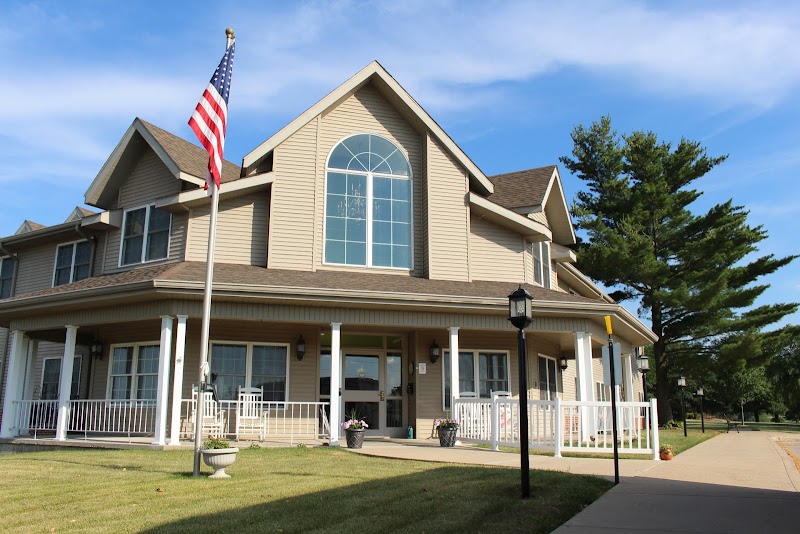
19130 SUNNY ACRES ROAD, PETERSBURG, IL 62675 (217) 632-2334
For profit - Individual 99 Beds HERITAGE OPERATIONS GROUP Data: November 2025 1 Immediate Jeopardy citation
Trust Grade
0/100
#640 of 665 in IL
Last Inspection: March 2025

Within standard 12-15 month inspection cycle. Federal law requires annual inspections.

Overview

Sunny Acres Nursing Home in Petersburg, Illinois, has received a Trust Grade of F, which indicates significant concerns regarding the quality of care. Ranking #640 out of 665 facilities in Illinois places them in the bottom half, and they are the only option in Menard County. The facility is worsening, with issues increasing from 15 in 2023 to 26 in 2025. Staffing has an average rating of 3 out of 5, with a turnover rate of 55%, which is higher than the state average. However, there have been alarming incidents, such as a resident being sent to the emergency room due to a lack of monitoring for a urinary catheter and staff verbally abusing residents, raising serious concerns about the quality of care and safety.

Trust Score
F
0/100
In Illinois
#640/665
Bottom 4%
Safety Record
High Risk
Review needed
Inspections
Getting Worse
15 → 26 violations
Staff Stability
⚠ Watch
55% turnover. Above average. Higher turnover means staff may not know residents' routines.
Penalties
⚠ Watch
$138,087 in fines. Higher than 81% of Illinois facilities, suggesting repeated compliance issues.
Skilled Nurses
○ Average
Each resident gets 40 minutes of Registered Nurse (RN) attention daily — about average for Illinois. RNs are the most trained staff who monitor for health changes.
Violations
⚠ Watch
43 deficiencies on record. Higher than average. Multiple issues found across inspections.
★☆☆☆☆
1.0
Overall Rating
★★★☆☆
3.0
Staff Levels
★★☆☆☆
2.0
Care Quality
★☆☆☆☆
1.0
Inspection Score
Stable
2023: 15 issues
2025: 26 issues

The Good

  • Full Sprinkler Coverage · Fire safety systems throughout facility
  • No fines on record

Facility shows strength in fire safety.

The Bad

1-Star Overall Rating

Below Illinois average (2.5)

Significant quality concerns identified by CMS

Staff Turnover: 55%

Near Illinois avg (46%)

Higher turnover may affect care consistency

Federal Fines: $138,087

Well above median ($33,413)

Significant penalties indicating serious issues

Chain: HERITAGE OPERATIONS GROUP

Part of a multi-facility chain

Ask about local staffing decisions and management

The Ugly 43 deficiencies on record

1 life-threatening 4 actual harm
Aug 2025 2 deficiencies
CONCERN (D) 📢 Someone Reported This

A family member, employee, or ombudsman was alarmed enough to file a formal complaint

Potential for Harm - no one hurt, but risky conditions existed

Deficiency F0558 (Tag F0558)

Could have caused harm · This affected 1 resident

Based on Observation, Interview and Record Review, the facility failed to ensure a resident was provided with an appropriately sized wheelchair, preferred toileting equipment and showers for one of th...

Read full inspector narrative →
Based on Observation, Interview and Record Review, the facility failed to ensure a resident was provided with an appropriately sized wheelchair, preferred toileting equipment and showers for one of three residents (R2) reviewed for accommodations in the sample of 16.Findings include:The facility's Resident Rights policy, dated 11/2018, documents As an individual living in long term care facility, you retain the same rights as every citizen of Illinois and of the United States. The following regulations provide clarity on specific rights granted to residents living in long-term care facilities: You have the right to make your own choices. Your facility must treat you with dignity and respect and must care for you in a manner that promotes your quality of life. Your facility must provide services to keep your physical and mental health, at their highest practical levels.R2's current Care Plan, dated 8/26/25, documents R2 has the following diagnoses but not limited to, Congestive Heart Failure, Morbid Obesity, Chronic Kidney Disease, Lymphedema, Irritable Bowel Syndrome and Pain. This care plan documents (R2) is at risk for constipation related to opioid medication use, decreased mobility. She has IBS (irritable bowel syndrome) which could contribute to constipation or cause diarrhea. Encourage resident to sit on toilet to evacuate bowels if possible. (R2) stated that she prefers to do her own favorite activities in her room. Such as television, (social media) and word search. (R2) is active in our Resident Council, and we meet on the first Thursday of each month at 2:00 PM, and she likes to be there. (R2) is at risk for an ADL (Activities of Daily Living) Self Care Performance Deficit related to weakness, need for therapy services to improve mobility and function. Toilet use: Needs one assist for toileting for bowel movement or urination using a bed pan. Transfer: 7/30/25, (mechanical lift) with two (person) assistance for transfers from bed to wheelchair and then can stand and use walker to transfer for toileting needs and into or out of recliner. Will sit in wheelchair and be transferred using (mechanical lift) back into bed from wheelchair as well. 8/26/25, Staff to use bariatric (mechanical lift) only.R2's Minimum Data Set assessment, dated 5/21/25, documents R2 has intact cognition.On 8/27/25 at 10:15 AM, R2 was lying in her room in a bariatric bed. R2 stated she has spent a lot of time in bed lately. R2 stated For several weeks I didn't get out of bed. They (staff) said it wasn't safe for me to be transferred until they had all the proper equipment. I don't have a wheelchair that fits, I have outgrown it. It is miserable for me to sit in the wheelchair that I have, because it is too small. I would like to get up to a wheelchair to get out of the room or go to doctors' appointments and things of that type. I think my current two chairs are around 24 inches and I need larger than that. I am squeezed in there and it's very uncomfortable. Before this week, it has been several weeks that I have just been in bed. I have been told if I want a bariatric bedside commode, I will have to pay for that myself. I can't use the toilet because of the (mechanical lift) and so I have had to use the bedpan, and I do not like it. I would rather be able to get on a commode when I need to use it and not the bedpan. I would also much rather be up in the shower with running water and wash my hair, but I haven't been to the shower room in over a month because the last girl who helped me didn't feel comfortable. There is an aide (V12, Certified Nursing Assistant) who comes in at 5:00 AM because that is when I like my showers, but I don't know if there's not enough help or what, because she is by herself and so I only have gotten bed baths for several weeks.R2's Shower Sheets, dated 7/31/25-8/25/25, document R2 has been given only bed baths and no showers for over three weeks.On 8/27/25 at 12:25 PM, V12 (Certified Nursing Assistant) stated When staff have transferred and assisted (R2) they have been getting hurt. It really does take two people. If I don't have help, then (R2) only gets a bed bath. We have a bariatric shower chair, but our commodes are plastic, and I am not sure they would be safe. (R2) gets scheduled showers on Monday and Friday and she will tell me (if she wants a shower). If there are no other staff to help, (R2) gets a bed bath. (R2) toilets on the bedpan. I don't think we have a bariatric commode to use for her. (R2) could get up to toilet if we had the right equipment. Her wheelchair and the commodes do not fit her and so her recliner is the only place for her to go right now.On 8/27/25 at 12:45 PM, V13 (Certified Occupational Therapy Assistant) stated (R2) has had a recent weight gain. Staff brought to our attention that the shower chair and (R2's) wheelchair are too small now. The largest commode they have here is a size 28 inch and (R2) would probably need larger than that. V13 confirmed that the facility's shower chair is suitable for R2, but her wheelchair and the available commodes are too small to use. On 8/27/25 at 1:10 PM, V1 (Administrator in Training), stated (R2) is adamant that they (showers) occur first thing in the morning. It is a busy time of day for staff, so we have an aide that comes in early. I am not sure why there wouldn't be enough staff to at least get her transferred to the shower chair though. That seems doable for staff to get completed. We have been searching for a commode since we don't have one the appropriate size for (R2). Her wheelchair does not fit her either. We realize these are accommodations that need met to care for (R2) properly.
CONCERN (E) 📢 Someone Reported This

A family member, employee, or ombudsman was alarmed enough to file a formal complaint

Potential for Harm - no one hurt, but risky conditions existed

Safe Environment (Tag F0584)

Could have caused harm · This affected multiple residents

**NOTE- TERMS IN BRACKETS HAVE BEEN EDITED TO PROTECT CONFIDENTIALITY** Based on Observation, Interview and Record Review, the facility failed to ensure resident rooms were kept free from leaking wate...

Read full inspector narrative →
**NOTE- TERMS IN BRACKETS HAVE BEEN EDITED TO PROTECT CONFIDENTIALITY** Based on Observation, Interview and Record Review, the facility failed to ensure resident rooms were kept free from leaking water condensation, water damaged ceilings and dark fuzzy discoloration on the walls and ceilings for 15 of 16 residents (R1, R3, R4, R5, R6, R7, R8, R9, R10, R11, R12, R13, R14, R15, R16) reviewed for environment in the sample of 16.Findings include:The facility's Resident Rights policy, dated 11/2018, documents As an individual living in long term care facility, you retain the same rights as every citizen of Illinois and of the United States. The following regulations provide clarity on specific rights granted to residents living in long-term care facilities: Your facility must be safe, clean, comfortable, and homelike.The facility's Mold policy, dated 6/14/17, documents Molds are microscopic organisms found everywhere in the environment, indoors and outdoors. Most molds are harmless, but some can cause infections, allergy symptoms and produce toxins. Inhalation is the exposure of most concern to cleanup workers. It is our policy to remediate immediately upon notification of mold. How to recognize mold: Sight, usually appear as gray or black and can be fuzzy. This policy also documents Always notify your facilities manager upon finding mold or mildew. Identify moisture problems and remove excess moisture with a wet-dry vacuum and dry out the building as quickly as possible.The facility's Fall Assessment and management Policy, dated 6/2024, documents It is the policy of this facility to assess each resident's fall risk on admission, quarterly, and with each fall. This will help facilitate an interdisciplinary approach for care planning to appropriately monitor, assess and ultimately reduce injury risk. Factors related to the risk will be addressed and care planned. This policy also documents Interventions will be based on the fall risk assessment and the circumstances surrounding the risk for injury or actual injury or fall. Some examples may be, Falls related to environmental hazards.On 8/27/25 at 10:10 AM, R4's room was observed. R4's ceiling near the room's entry way had a strip of black speckled fuzzy substance on the white ceiling that was scattered amongst an approximate two foot by three-inch area, horizontal to the doorway. The ceiling over R4's bed was lowered, and the corners, wallpapered walls and ceiling contained several speckled gray areas.R1's current care plan, dated 8/26/25, documents R1 has diagnoses including but not limited to Lack of Coordination, Unsteadiness on Feet and Abnormalities of Gait and Mobility. This care plan documents (R1) is at risk for falls related to weakness, hypertension, use of devices such as walker for ambulation, use of psychotropic medications. Fall on 6/10/25 and 8/26/25. Interventions, ensure that (R1) is wearing appropriate footwear with non-slip soles or non-skid socks when ambulating or mobilizing in wheelchair. Night light on in room/bathroom to illuminate area and decrease trip/fall hazards.On 8/27/25 at 10:50 AM, R1 was sitting in a recliner chair in her room. R1's ceiling in front of her recliner contained a large square shaped air vent. The ceiling around the vent was stained tan and bubbled in multiple areas. The ceiling also contained a large metal tract for a privacy curtain and some areas along the tract also were surrounded by tan stained marks. At this time, R1 stated When the air conditioning runs a lot, it will drip water on the floor. I usually put some paper towel over the water when it happens. At this same time on the opposite side of R1's room, near R8's recliner chair, the ceiling contained a smoke detector. This smoke alarm had a ring surrounding it approximately two to three centimeters in width of speckled gray and dark gray scattered spots, along with tan stained areas surrounding. R1 stated facility staff and maintenance are aware of the damages. On 8/27/25 at 10:55 AM, R3's room was observed with a ceiling air conditioning vent which was surrounded by multiple areas of tan stains and bubbled paint. R3's smoke alarm was pulled down approximately eight inches from the ceiling and hanging by covered electrical wires. Surrounding the smoke alarm were areas of tan stains on the ceiling.On 8/27/25 at 11:00 AM, V11 (Certified Nursing Assistant) confirmed the ceiling damage in R1, R3 and R8's rooms. V11 stated There is water that drips when it is hot, and the AC (air conditioner) runs frequently. The smoke detector in (R3's room) has been pulled down because they had condensation behind the detector, so they had to pull it out to dry. All the rooms on this side (Rose Lane) drip when it's hot. They all have damage on the ceiling.On 8/27/25 at 11:05 AM, V2 (Director of Nursing) toured the facility's [NAME] Lane hallway and rooms. V2 confirmed that every room in the [NAME] Lane hallway has tan stains surrounding the air vents on the ceilings. V2 stated (V4, Maintenance Supervisor) is trying to reach out to corporate and get a solution for the air conditioner drip problem. It's been an issue for close to a month. When it is hot, the vents will drip onto the floor. The rooms on [NAME] Lane are the ones affected. V2 confirmed the dark gray speckled areas around the smoke detector in R1 and R8's room and the dark black speckled area on R4's ceiling. V2 stated the damage appears to be from water or moisture in the ceiling. On 8/27/25 at 11:20 AM, V4 (Maintenance Supervisor) Confirmed there he has had work orders for the water dripping in [NAME] Lane rooms. V4 stated I believe the room for the work order was room [ROOM NUMBER] or 9 (R14 or R15 and R16's rooms). We had fans blowing constantly in the ceiling. That pulls warm air from the outside and it meets the cool air which causes the moisture. R4 confirmed R17's room has a large black speckled area on the ceiling and over R4's bed there are gray scattered areas on the wallpaper and ceiling. V4 stated There is a vent directly above (R4's) bed and the moisture could be coming from the vents blowing through to the other side of the building. V4 stated he was made aware of the moisture problem, and he has been in contact with (V14, Corporate [NAME] President of Maintenance) for about a month regarding the moisture around air vents, but nothing has been finalized yet to correct the ongoing issue. The facility's (undated) Room Roster provided by V1 (Administrator in Training) on 8/26/25, documents R1, R3 and R5-R16 all reside in the facility's [NAME] Lane hallway.
Jul 2025 5 deficiencies 1 Harm
SERIOUS (G) 📢 Someone Reported This

A family member, employee, or ombudsman was alarmed enough to file a formal complaint

Actual Harm - a resident was hurt due to facility failures

Free from Abuse/Neglect (Tag F0600)

A resident was harmed · This affected 1 resident

**NOTE- TERMS IN BRACKETS HAVE BEEN EDITED TO PROTECT CONFIDENTIALITY** Based on observation, interview, and record review the facility failed to protect a resident from staff-to-resident mental and v...

Read full inspector narrative →
**NOTE- TERMS IN BRACKETS HAVE BEEN EDITED TO PROTECT CONFIDENTIALITY** Based on observation, interview, and record review the facility failed to protect a resident from staff-to-resident mental and verbal abuse for two of three residents (R4 and R9) reviewed for abuse in the sample of 17. These findings resulted in V5 (CNA/Certified Nursing Assistant) yelling at R4 and causing R4 to feel belittled, to feel like a child, and feel verbally abused.Findings include:The facility's Abuse Prohibition Policy, dated 3/15/2018, documents Abuse and Neglect Prohibited: 1. All residents have the right to be free of from verbal, sexual, physical, mental abuse, corporal punishment, involuntary seclusion, neglect, misappropriation of property, and exploitation. Abuse is the willful infliction of injury, unreasonable confinement, intimidation, or punishment with resulting in physical harm, pain, or mental anguish. Abuse includes deprivation by an individual, including a caretaker, of goods or services that are necessary to attain or maintain physical, mental, or psychosocial well-being. Mental Abuse includes, but is not limited to, humiliation, harassment, threats of punishment or deprivation, or offensive physical contact by an employee or agent. Verbal Abuse means the use by an employee or agent of oral, written, or gestured language that includes disparaging and derogatory terms to a resident or within his or her hearing or seeing distance, regardless of the resident's age, ability to comprehend, or disability. All staff are trained that a facility will treat all residents with respect and dignity, promote and protect the rights of all residents and recognize their individuality.1.R9's Compliment/Complaint From dated 5/15/25 and signed by V17 (Prior Director of Nursing) documents, Care Concern: (R9) stated he has the same (CNA/V5) last night as the night before and (V5) was rude again about (R9's) cares. Investigation: Spoke with (R9) and (R9) stated that (V5) appeared to be frustrated with providing (R9) cares.V5's Employee Disciplinary Action Form dated 5/15/25 and signed by V17 (Prior Director of Nursing) and V5 documents V5 received a verbal warning due to V5's code of conduct for having rude/discourteous behavior toward R9. This same form documents, Plan for improvement: Treat all residents with dignity and respect.R9's Progress Notes dated 5/22/25 document R9 was discharged from the facility.2.R8's admission Record documents R8 is a [AGE] year-old admitted to the facility on [DATE].R8's MDS (Minimum Data Set) dated 7/3/25 document R8 is cognitively intact and has no behaviors.R8's current Care Plan documents R8 has a history of abuse as a very young child and will maintain current level of functioning through next review dated 10/19/25.R8's Compliment/Complaint form dated 7/11/25 and signed by V3 (Speech Language Pathologist/SLP) documents, Reported by (R8) to (V3). Last night (7/10/25), (R8) used her call light to ask for assistance to the restroom. (CNA/Certified Nursing Assistant/V5) answered the light. (R8) states (V5/CNA) was mean to (R8) and yelled at (R8) for using (R8's) call light. (V5/CNA) stated that (R8) has always transferred on her own before and didn't understand why (R8) needed help now.On 7/23/25 at 11:52 AM V3 (SLP) stated, On 7/11/25 (R8) reported to me that (V5/CNA) was mean and yelled at (R8) the night before and did not want to assist (R8) to the restroom. It seemed like it really bothered (R8). I immediately wrote the statement and gave the statement to (V2/DON). I did not report this to (V1/Administrator in Training) as I felt like (V2) would report the allegation to (V1).On 7/23/25 at 12:15 PM R8 was lying in bed. R8 stated with her eyebrows raised and drawn together, (V5/CNA) came into her room (7/10/25) at night and said in a loud voice What do you want? I (R8) told (V5) that I needed to go to the restroom and (V5) stated, You (R8) have been going on your own all along. I do not know why you need my help! I (R8) explained to (V5) that I have been declining and feeling sick lately and needed help. (V5) then helped me to my wheelchair and the restroom and (V5) yelled at me I am not going to wipe your butt either. I felt belittled and verbally abused and felt like (V5) was treating me like a child.
CONCERN (D) 📢 Someone Reported This

A family member, employee, or ombudsman was alarmed enough to file a formal complaint

Potential for Harm - no one hurt, but risky conditions existed

Report Alleged Abuse (Tag F0609)

Could have caused harm · This affected 1 resident

Based on interview and record review the facility failed to implement their Abuse Policy to immediately report an allegation of abuse to the Administrator and the State Agency for one of three residen...

Read full inspector narrative →
Based on interview and record review the facility failed to implement their Abuse Policy to immediately report an allegation of abuse to the Administrator and the State Agency for one of three residents (R4) reviewed for Abuse in the sample of 17.Findings include:The facility's Abuse Prohibition Policy, dated 3/15/2018, documents, A facility employee or agent or covered individual who becomes aware of alleged abuse or neglect of a resident shall immediately report the matter to the facility administrator. A facility administrator who becomes aware of alleged abuse or neglect of a resident shall immediately report the matter by telephone and in writing to the resident's representative. The administrator shall provide the Illinois Department of Public Health (IDPH) with initial notice of the alleged abuse, neglect, or incident of unknown origin by telefaxing the Department a copy of a report of the incident completed immediately after the incident becomes known. R8's Compliment/Complaint form dated 7/11/25 and signed by V3 (Speech Language Pathologist/SLP) documents, Reported by (R8) to (V3). Last night (7/10/25), (R8) used her call light to ask for assistance to the restroom. (CNA/Certified Nursing Assistant/V5) answered the light. (R8) states (V5/CNA) was mean to (R8) and yelled at (R8) for using (R8's) call light. (V5/CNA) stated that (R8) has always transferred on her own before and didn't understand why (R8) needed help now.The facility's Abuse Investigations and R8's Electronic Medical Record dated 7-11-25 through 7/24/25 were reviewed and do not include evidence of R8's abuse allegation being reported to the State Agency.On 7/23/25 at 11:30 AM V1 (Administrator-In-Training) stated, No one reported to me that (R8) reported to (V3/SLP) on 7/11/25 that (R8) felt like (V5/CNA) was mean or yelled at (R8).On 7/23/25 at 11:40 AM V2 (Director of Nursing/DON) stated, I was not aware of (R8) reporting to (V3/SLP) that she felt like (V5/CNA) was mean and yelled at her. I just saw (R8's) statement today when I was pulling the grievances from (V9's/Social Service Director's) grievance book. After I saw (R8's) written statement about (R8) reporting (V5) was mean and yelled at her, I did not report this to (V1).On 7/23/25 at 11:52 AM V3 (SLP) stated, On 7/11/25 (R8) reported to me that (V5/CNA) was mean and yelled at (R8) the night before and did not want to assist (R8) to the restroom. It seemed like it really bothered (R8). I immediately wrote the statement and gave the statement to (V2/DON). I did not report this to (V1/Administrator in Training) as I felt like (V2) would report the allegation to (V1).On 7/25/25 at 9:45 AM V1 (Administrator-In-Training) stated the facility still has not reported R8's allegation of V5/CNA yelling at R8 and being mean to R8 to the state agency. (V1) stated, After collaboration with the IDT (Inter-Disciplinary Team) we felt like the report was already late, so it did not matter if I reported the allegation now.
CONCERN (D) 📢 Someone Reported This

A family member, employee, or ombudsman was alarmed enough to file a formal complaint

Potential for Harm - no one hurt, but risky conditions existed

Accident Prevention (Tag F0689)

Could have caused harm · This affected 1 resident

**NOTE- TERMS IN BRACKETS HAVE BEEN EDITED TO PROTECT CONFIDENTIALITY** Based on observation, interview, and record review the facility failed to prevent resident injury during transfer in a wheelchai...

Read full inspector narrative →
**NOTE- TERMS IN BRACKETS HAVE BEEN EDITED TO PROTECT CONFIDENTIALITY** Based on observation, interview, and record review the facility failed to prevent resident injury during transfer in a wheelchair, failed to investigate the cause of the injury, and failed to develop interventions after the injury to prevent future injuries for one of three residents (R4) reviewed for accidents in the sample of 17.Findings include:The facility's Occurrence Reporting to (local State Agency) Policy and Procedure dated 10/3/11 documents, The facility shall maintain a file of all written reports of each incident and accident affecting a resident that is not the expected outcome of a resident's condition or disease process. Procedure: Provide immediate care to the resident. Initiate the appropriate monitoring of the resident. Notify the physician and family of the occurrence. If the occurrence requires it, complete a Risk Watch Occurrence Report form. Staff will document specific information relating to the occurrence including the exact description of facts surrounding the occurrence. Include statements by the resident or any witnesses.R4's admission Record documents R4 is a [AGE] year-old admitted to the facility on [DATE].R4's MDS (Minimum Data Set) assessment dated [DATE] documents R4 is severely cognitively impaired.R4's Progress Notes dated 7/14/25 at 10:14 AM and signed by V13 (MDS Coordinator) documents, Therapy staff reported left ring finger bruised. Noted left ring finger with bruise to first and second knuckles. Dark purple and approximately dime sized. Report from (CNA//Certified Nursing Assistant/V6) that finger was pinched between wheelchair ad table in dining room on 7/11/25 which may have resulted in the bruises. (R4) able to move fingers without issues. Grasp is ok. Denies pain when asked.R4's Medical Record does not include a Risk Watch Occurrence Form with an investigation as to how the bruises occurred to R4's left hand fingers, or an intervention and update to R4's care plan to prevent R4 from further injuries.On 7/23/25 at 10:15 AM R4 was sitting in a wheelchair. R4's left third and fourth fingers both had a dime-sized purple bruise. On 7/23/25 at 10:20 AM V6 (CNA) stated, (R4's) bruises were my fault. On (7/11/25) when I was moving (R4) in her wheelchair from the dining room table I did not make sure (R4's) hand was inside the wheelchair and I pinched (R4's) finger between the table and the wheelchair.On 7/23/25 at 11:30 AM (V1/Administrator) stated, There was no investigation done or Risk Watch Occurrence Form completed after (R4) got the bruises to her left fingers. V1 verified at this time that there should have been an investigation done and (R4's) care plan should have been updated with an intervention to prevent further injuries.
CONCERN (E) 📢 Someone Reported This

A family member, employee, or ombudsman was alarmed enough to file a formal complaint

Potential for Harm - no one hurt, but risky conditions existed

Safe Environment (Tag F0584)

Could have caused harm · This affected multiple residents

Based on observation, interview, and record review the facility failed to ensure residents' room walls, restroom floors, toilets, and sinks were clean, maintained, and in good repair, failed to ensure...

Read full inspector narrative →
Based on observation, interview, and record review the facility failed to ensure residents' room walls, restroom floors, toilets, and sinks were clean, maintained, and in good repair, failed to ensure the facility was free of odor, failed to ensure waste receptacles were lined, and failed to properly dispose of soiled washcloths for ten of ten residents (R2, R4, R5, R10, R11, R12, R13, R15, R16, and R17) reviewed for clean/comfortable/homelike environment in the sample of 17.Findings include:The facility's Maintenance Supervisor Job Description dated 5/30/24 documents, Job Summary: Provide necessary maintenance for the facility, equipment in every department, and do maintenance and repairs as requested by staff and residents. Essential Job Functions: Replace float units in facility toilets and washers and unclog drains and remove sink traps for cleaning. Replace ceiling and floor tile. Paint walls, ceilings, doors, window and door frames, tables, chairs, shelves, racks, and parking-space stripes.The facility Housekeeping/Laundry Supervisor Job Description dated 3/4/24 documents, Ensure the facility is maintained in a clean, safe, and comfortable manner. Supervise day-to-day housekeeping/laundry functions of assigned personnel. Assure that refuse is disposed of daily and in accordance with the established sanitation procedures.The facility's Resident Council Minute Meetings dated 7/3/25 document, Some agency staff are throwing soiled (adult briefs) onto floor. Housekeeping: Weekends the trash is not being taken out.On 7/23/25 from 10:15 AM through 10:30 AM a tour of the facility was done. During this tour it was noted R4, R11, and R16 all share a restroom. R4, R11, and R16's restroom sink drain was not working and the entire sink was full of standing water and the restroom smelled strongly of urine. R4, R11, and R16's toilet was full of urine and stool and would not flush. The floor tiles surrounding R4, R11, and R16's stool, were stained with an orangish-brownish substance. The wall behind R16's recliner had a baseball sized area of missing drywall and had multiple linear lines of missing paint. R10, R12, and R17's restroom floor tiles surrounding the toilet had a dark black stain and the entire sink had a brownish-greenish stain. R2, R5, R13, and R15 all share a restroom. R2, R5, R13, and R15's floor tiles surrounding the stool had a dark black stain and the lid to the top of the toilet tank was missing. Three used washcloths were sitting on the top of R2, R5, R13 and R15's sink and there was trash in the waste can with no liner.On 7/23/25 at 10:20 AM V6 (CNA/Certified Nursing Assistant) stated, (R4, R11, and R16's) sink drain has not drained, and their toilet has not flushed right for over a year. (R4, R11, and R16's) bathroom sink and the floor is stained.On 7/23/25 at 10:30 AM both R11 and R16 both verified their toilet has never flushed right and their sink does not drain. R11 and R16 also verified their restroom floor has been stained for quite some time and the housekeepers could not do a better job.On 7/23/25 at 10:45 AM R17 stated, My bathroom needs to be deep cleaned. The floor is stained and the sink.On 7/25/25 at 1:45 PM V1 (Administrator-in-Training) did a tour of the facility with this surveyor and verified R4, R11, and R16's restroom sink drain and toilet were not working, the bathroom floor was stained, and the wall behind R16's recliner had missing drywall. V1 also verified R2, R5, R10, R12, R13, and R15's and R17's floor tiles surrounding their toilets had dark black stains and the lid to the top of the toilet tank was missing.
CONCERN (F) 📢 Someone Reported This

A family member, employee, or ombudsman was alarmed enough to file a formal complaint

Potential for Harm - no one hurt, but risky conditions existed

Investigate Abuse (Tag F0610)

Could have caused harm · This affected most or all residents

Based on interview and record review the facility failed to implement their Abuse Policy to thoroughly investigate an allegation of abuse and protect residents from the alleged perpetrator (V5/CNA/Cer...

Read full inspector narrative →
Based on interview and record review the facility failed to implement their Abuse Policy to thoroughly investigate an allegation of abuse and protect residents from the alleged perpetrator (V5/CNA/Certified Nursing Assistant) after an allegation of staff-to-resident abuse was made. These failures have the potential to affect all 78 residents residing within the facility.Findings include:The facility's Daily Census Report dated 7/23/25 documents the facility currently has 78 residents residing within the facility.The facility's Abuse Prohibition Policy, dated 3/15/2018, documents, The administrator or designee shall investigate all allegations of abuse or neglect. The administrator shall be responsible for resident's protection from retaliation during and after the investigation. When an allegation of suspected abuse is received that an employee of a long-term care facility is the perpetrator of the abuse, that employee shall immediately be barred from any further contact with residents of the facility, pending the outcome of any further investigation, prosecution, or disciplinary action against the employee. If the incident involves alleged abuse by an employee as the perpetrator of the abuse, then the administrator shall immediately the employee suspected to be involved in the alleged abuse without pay pending investigation of the incident. If an employee is suspected perpetrator of the abuse, then the employee shall be kept separate from all residents until further orders.R8's MDS (Minimum Data Set) dated 7/3/25 document R8 is cognitively intact and has no behaviors.R8's Compliment/Complaint form dated 7/11/25 and signed by V3 (Speech Language Pathologist/SLP) documents, Reported by (R8) to (V3). Last night (7/10/25), (R8) used her call light to ask for assistance to the restroom. (CNA/Certified Nursing Assistant/V5) answered the light. (R8) states (V5/CNA) was mean to (R8) and yelled at (R8) for using (R8's) call light. (V5/CNA) stated that (R8) has always transferred on her own before and didn't understand why (R8) needed help now.On 7/23/25 at 12:15 PM R8 stated, (V5/CNA) came into her room (7/10/25) at night and said in a loud voice What do you want? I (R8) told (V5) that I needed to go to the restroom and (V5) stated, You (R8) have been going on your own all along. I do not know why you need my help! I (R8) explained to (V5) that I have been declining and feeling sick lately and needed help. (V5) then helped me to my wheelchair and the restroom and (V5) yelled at me I am not going to wipe your butt either. I felt belittled and verbally abused and felt like (V5) was treating me like a child. On 7/23/25 at 11:30 AM V1 (Administrator-In-Training) stated, (V5/CNA) has never been suspended pending investigation regarding (R8's) allegation of (V5) yelling at (R8) and being mean to (R8) and an investigation has not been done.On 7/25/25 at 9:45 AM V1 (Administrator-In-Training) stated V5/CNA has never been suspended pending investigation regarding R8's allegation of V5 yelling at R8 and being mean to R8 and an investigation has not been done. V1 confirmed V5 was not suspended even after this surveyor confirmed V1 was aware of R8's allegation on 7/23/25 at 11:30 AM. V1 stated V5 has worked in the facility since 7/11/25 and helps take care of all residents within the facility.V5's Timecard dated 7/11/25 through 7/24/25 documents V5 has worked 11 days/shifts, with the most recent shift being on 7/24/25 from 10:05 PM through 6:06 AM.
Jun 2025 1 deficiency
CONCERN (D) 📢 Someone Reported This

A family member, employee, or ombudsman was alarmed enough to file a formal complaint

Potential for Harm - no one hurt, but risky conditions existed

Report Alleged Abuse (Tag F0609)

Could have caused harm · This affected 1 resident

**NOTE- TERMS IN BRACKETS HAVE BEEN EDITED TO PROTECT CONFIDENTIALITY** Based on interview and record review, the facility failed to report allegations of staff to resident physical abuse to the Admin...

Read full inspector narrative →
**NOTE- TERMS IN BRACKETS HAVE BEEN EDITED TO PROTECT CONFIDENTIALITY** Based on interview and record review, the facility failed to report allegations of staff to resident physical abuse to the Administrator/Abuse Coordinator for one (R1) of four residents reviewed for abuse in a sample of four. Findings include: The facility's Abuse Prohibition Policy, Revised 3/15/18, documents: All residents have the right to be free from verbal, sexual, physical, mental abuse, corporal punishment, involuntary seclusion, neglect, misappropriation of property, exploitation. An owner, licensee, administrator, employee or agent of a facility shall not abuse or neglect a resident. Reporting - Allegations of Abuse and Neglect: 1. A facility employee or agent or covered individual who becomes aware of alleged abuse or neglect of a resident shall immediately report the matter to the facility administrator. R1's Minimum Data Set (MDS) dated [DATE] documents R1 has a BIMS (Brief Interview of Mental Status) score of 15. (MDS indicates that on a scale of 0 - 15, 13 to 15 cognitively intact; 8 to 12 moderate impairment; and 0 to 7 severe impairment.) On 6/11/25 at 9:50am, R1 indicated that a couple of weeks ago on Wednesday (5/28/25) two Black Certified Nursing Assistants/CNAs, one male and one female (names unknown-the male later identified by staff as V6 Agency CNA with description), were assisting her at bedtime around 8:30pm. R1 stated that while changing her, (V6) was rubbing her at first and then patted her bottom. R1 stated: I didn't appreciate that; told him to quit, he did and left the room and the girl finished; after that, did not want men taking care of me. Told him to get out and he did. On 6/11/25 at 11:35am, V12 Activity Director stated that at the 6/5/25 Resident Council Meeting, R1 patted R1's right thigh and said, I don't like it when they (Caregivers) do that. V12 stated that she did not get an explanation of R1's statement. V12 stated: Looking back, feel foolish and sorrowful; felt this was about R1's (full mechanical lift); she had also been talking about this, and there was a lot of cross talk with the other residents also talking in the meeting; my mind did not think regarding abuse; would have taken it to (V1 Abuse Coordinator) right away. On 6/11/25 at 12:05pm, V13 Activity Aide stated that when she visited R1 about two weeks ago, that R1 talked to her about two Black caregivers (Certified Nursing Assistants/CNAs), one a Black male. Stated that R1 said she did not like the big black one (male); that on the evening shift, they (two Black CNAs) came in and changed her; and (R1) said she did not like the Black male caregiver. V13 said okay; and then R1 said, I just wanted to let you know I did not like him. V13 stated that she did not let anyone else know about this conversation and did not report this. V13 stated, Thinking back now, maybe should have let someone know about this. On 6/11/25 at 11:40am, V1 Administrator stated that she is the Abuse Coordinator, policy is to tell the Administrator as the Abuse Coordinator immediately. V1 stated, Whether there is doubt or not, both V12 and V13 should have reported R1's concerns to me right away.
Mar 2025 14 deficiencies 1 Harm
SERIOUS (G)

Actual Harm - a resident was hurt due to facility failures

Deficiency F0697 (Tag F0697)

A resident was harmed · This affected 1 resident

**NOTE- TERMS IN BRACKETS HAVE BEEN EDITED TO PROTECT CONFIDENTIALITY** Based on interview and record review the facility failed to administer a prescribed opioid medication to keep resident's pain co...

Read full inspector narrative →
**NOTE- TERMS IN BRACKETS HAVE BEEN EDITED TO PROTECT CONFIDENTIALITY** Based on interview and record review the facility failed to administer a prescribed opioid medication to keep resident's pain controlled, failed to perform a pain assessment while the resident was not receiving her prescribed opioid medications, and failed to notify the physician of the need for a refill order and complaints of increased pain for one of one resident (R32) reviewed for pain in the sample of 35. These findings resulted in R32 experiencing stress and excruciating pain for over a week, that radiated to the neck and jaw. Findings include: The Facility's Management of Pain Policy dated 4/4/12 documents Our mission is to facilitate resident independence, promote resident comfort and preserve resident dignity. The purpose of this policy is to accomplish that mission through an effective pain management program, providing our residents the means to receive necessary comfort, exercise greater independence, and enhance dignity and involvement. We will achieve these goals through: Promptly and accurately assessing and diagnosing pain. Monitoring treatment efficacy and side effects. Using pain medication judiciously to balance the residents desired level of pain relief with the avoidance of unacceptable adverse consequences. A standard format for assessing, monitoring and documenting pain in both cognitively intact and cognitively impaired residents will be utilized. As part of a comprehensive approach to pain assessment and management, pain will be considered the fifth vital sign at the facility, along with temperature, pulse, respiration, and blood pressure. For the purpose of this policy, pain is defined as Whatever the experiencing person says it is, existing whenever the experiencing person says it does. Procedure 1. Resident/Family Involvement Upon admission, all residents and families will receive the facility handout, A Message of Care to our Residents and Families - Facts about pain, encouraging residents to report pain early so pain management can be more effective. Residents will be asked to periodically measure satisfaction related to pain and its management. 2. Physician Communication and Involvement - Pain will be assessed and managed in a timely fashion, especially if it is a recent onset. The physician will be notified of resident's complaint of pain when not relieved by medication as ordered by the physician. Thorough communication with the physician will ensure an appropriate pain management plan. Pain Screening- By receiving input from someone who knows the resident well, pain management can be more specific to the resident. If the resident scores five or above on the pain questionnaire the comprehensive pain assessment must be completed. The United States Food and Drug Administration Safety Communication Website article dated 4/9/19 documents, Opioid's are a class of powerful prescription medicines that are used to manage pain when other treatments and medicines cannot be taken or are not able to provide enough pain relief. Rapid discontinuation can result in uncontrolled pain. R32's Face Sheet documents R32 is a [AGE] year-old female admitted to the facility on [DATE] with the following, but not limited to, diagnoses: Primary Generalized (Osteo) Arthritis, Neuropathy, and GERD (Gastroesophageal Reflux Disease). R32's current Care Plan documents (R32) is at risk for pain related to arthritis, neuropathy, GERD. Goal: (R32) will not have an interruption in normal activities due to pain through the review date. Interventions: Administer analgesia as ordered and monitor effectiveness of pain medications used. Evaluate the effectiveness of pain interventions utilized, both medical and non-medical. Review for compliance, alleviating of symptoms, dosing schedules and resident satisfaction with results, impact on functional ability and impact on cognition. Monitor/document for probable cause of each pain episode. Remove/limit causes where possible. Monitor/record/report to Nurse (R32's) complaints of pain or requests for pain treatment. Notify physician if interventions are unsuccessful or if current complaint is a significant change from (R32's) past experience of pain. R32's MDS (Minimum Data Set) Assessment, dated 2/21/25, documents R32 is cognitively intact. This same MDS documents R32 frequently had pain or was hurting in the last five days that occasionally made it hard to sleep, occasionally limited her day-to-day activities due to pain, and rated her worst pain as a seven out of ten. R32's Progress Note dated 2/23/25 at 11:41 AM documents Fentanyl Transdermal Patch 72 Hour 100 MCG (microgram)/Hr (hour) apply 1(one) patch trans dermally in the afternoon every 3 (three) days for chronic pain and remove per schedule. Waiting for signed order from doctor. R32's Medication Administration Record (MAR) dated 2/1/25 through 2/28/25 documents Fentanyl Transdermal Patch 72 Hour 100 MCG/HR. Apply one patch trans dermally in the afternoon every three day(s) for chronic pain and remove per schedule. Start date 9/11/24. This same MAR documents R32 did not receive her scheduled Fentanyl Transdermal Patch 100 MCG/HR from 2/17/25 through 2/24/25. The pain assessment documents that R32 rated her pain at a level five or above eight times between 2/17/25 through 2/25/25. R32's Electronic Medical Record and Progress Notes dated 2/17/25 through 2/25/25 (dates R32's pain was rated above a five) includes evidence of only one comprehensive pain evaluation being completed on 2/21/25 during this timeframe. R32's Pain Evaluation dated 3/21/25 documents R32 was experiencing pain frequently over the past five days, rated at a level seven (indicating the pain was as bad as it could be). This same Evaluation documents no new care plan interventions or clinical suggestions were made to address R32's pain. On 3/3/25 at 10:45 AM, R32 stated I wear a pain patch and on 2/17/25 I did not get my new patch. I kept asking the staff and nothing was done about it. I was told at one point that they needed to get a physician's order. I don't know if it was not followed up on or what happened. On 2/25/25 I was so upset because it had been well over a week that I had waited for the pain patch to be replaced. I was having stabbing pain in my neck and jaw I think from the stress from the amount of pain I was under. I thought I was having a heart attack. I was hurting and frustrated that no one would help me get my medication. I was in excruciating pain for over a week. I didn't get the patch until 2/25/25. On 3/4/25 at 11:35 AM, V21/Pharmacist stated We did not get a request to refill (R32's) Fentanyl patch until 2/24/25. The last time the order was filled was 1/13/25 which should have lasted a month. On 3/4/25 at 11:51 AM, V22/R32's Primary Care Physician's Nurse stated 2/24/25 was the first time we were notified that (R32) needed the order for her fentanyl patch. Our office should have been notified of the need for (R32's) Fentanyl Patch refill before (R32) ran out. On 3/5/25 at 8:50 AM, V1 (Administrator) stated, When (R32) was out of her Fentanyl Patch somebody should have reached out to (R32's) physician to get the refill order or to see if the patch could have been pulled from back-up. The staff should have let the physician know that (R32) was in pain and see if there was something else, we (the facility) could do to control (R32's) pain. (R32) should not have had to go without her Fentanyl Patch. The staff should have contacted me or (V2/Director of Nursing) when the Fentanyl Patch was not available so one of us could have followed up on it. There is no documentation that the physician, me, or (V2) were notified of (R32) going without her scheduled Fentanyl Patch or (R32's) complaints of pain from 2/17/25 to 2/25/25. During the timeframe of 2/17/25 to 2/25/25 we had agency staff taking care of (R32) and were not familiar with (R32). I think that is why there was no follow-up. Any pain rating above a seven indicates pain that is as bad as it can be. On 3/5/25 at 9:00 AM V18 (CNA/Certified Nursing Assistant) stated, Every time I would take (R32's) meal tray into her between 2/17/25 to 2/25/25, (R32) would complain of pain and say to me, I just do not understand why they (the staff) are not getting me my pain patch and I have to go this long in pain.
CONCERN (D)

Potential for Harm - no one hurt, but risky conditions existed

Deficiency F0604 (Tag F0604)

Could have caused harm · This affected 1 resident

**NOTE- TERMS IN BRACKETS HAVE BEEN EDITED TO PROTECT CONFIDENTIALITY** Based on observation, interview, and record review the facility failed to evaluate the use of physical restraints and prevent th...

Read full inspector narrative →
**NOTE- TERMS IN BRACKETS HAVE BEEN EDITED TO PROTECT CONFIDENTIALITY** Based on observation, interview, and record review the facility failed to evaluate the use of physical restraints and prevent the use of physical restraints to prevent a resident (R5) from self-transferring out of bed for one of one resident (R5) reviewed for physical restraints in the sample of 35. Findings include: The facility's Abuse Prohibition Policy, dated 3/15/2018, documents Abuse and Neglect Prohibited: 1. All residents have the right to be free of from verbal, sexual, physical, mental abuse, corporal punishment, involuntary seclusion, neglect, misappropriation of property, exploitation. This includes but is not limited to freedom from corporal punishment, and involuntary seclusion and physical or chemical restraints not required to treat the resident's symptoms. When the use of restraints is indicated, the facility must use the least restrictive alternative for the least amount of time with ongoing re-evaluation and documentation of the need for restraints. The facility's Restraint Program Policy and Procedure, dated 11/10/15, documents, Policy: It is the policy of this facility to provide appropriate care for residents in relation to restraint utilization. Procedure: 1. Prior to the use of any restraint (unless the restraint is used in an emergency situation) each resident is assessed for potential alternatives by using the restraint Pre-Restraining and Quarterly Evaluation. 2. Documentation of alternatives are then listed in the resident's plan of care. R5's Order Summary Report, dated 3/3/25, documents R5 was admitted to the facility on [DATE] with the following, but not limited to, diagnoses: Insomnia, Anxiety Disorder, Muscle Weakness, Hallucinations, Cognitive Communication Deficit, Poly-Osteoarthritis, Major Depressive Disorder, and Dementia with Agitation. R5's MDS (Minimum Data Set) assessment dated [DATE] documents R5 is severely cognitively impaired. R5's current Care Plan documents, (R5) is at risk for falls due to poor safety awareness and diagnoses of Hypertension, Alzheimer's, Depression, and Anxiety with use of psychotropic medications which could increase fall risks. (R5) has a mat next to bed and puts herself on mat at times, rolls self out of bed, or attempts to sit on edge of her bed at times. This same care plan documents the following interventions: 1/21/25 maintain use of low bed, concave mattress, body pillow, alarm to bed, and mat to open side of bed to maintain as safe an environment as possible given that resident will continue to roll from bed, sit on side of bed, or place self on mat next to bed. On 3/3/25 at 11:43 AM R5 was lying in bed with her eyes open. R5 was unable to answer questions appropriately. A perimeter defining mattress was on the bed, and (R5's) right side of bed was up against the wall. On the opposite side of the bed (left side), a body pillow was tucked underneath the fitted sheet, next to R5's left side. R5 was not visible from the doorway due to the height of the body pillow. On 3/3/25 at 12:21 PM R5 was lying in bed in a gown sleeping with the head of bed slightly raised. R5's bed remained pushed up against the right side of the wall with a body pillow tucked underneath the fitted sheet, next to R5's left side. R5 was not visible from the doorway due to the height of the body pillow. On 3/4/25 at 9:30 AM R5 was lying in bed with her eyes open. A body pillow remained tucked underneath R5's fitted sheet, next to R5's left side and the right side of R5's bed remained pushed up against the wall. R5 was not visible from the doorway due to the height of the body pillow. On 3/3/25 at 12:29 PM V5/CNA (Certified Nursing Assistant) verified a body pillow was being utilized underneath R5's fitted sheet on the left side of R5's bed. V5/CNA stated, A body pillow is underneath the fitted sheet on the left side of (R5's) bed to prevent (R5) from getting out of bed or rolling out of bed. (R5) tries to climb down to the end of her bed to get out of the bed since the body pillow prevents her from getting out of the bed. When (R5) tries to climb to the bottom of her bed to get out, (R5's) bed alarm goes off alerting us that (R5) is trying to get up. On 3/3/25 at 2:45 PM V11/CNA verified a body pillow was being utilized underneath R5's fitted sheet on the left side of R5's bed. V11/CNA stated, The body pillow was placed on the left side of (R5's) bed to prevent (R5) from getting up or rolling out of bed and falling. On 3/3/25 at 2:26 PM V13/Restorative Registered Nurse stated, I oversee the resident's fall interventions along with a daily team. (R5's) falls since 12/26/24 has had five falls from self-transferring out of bed or rolling out of bed. (R5) has had a body pillow on the left side of (R5). We (facility staff) just replaced the pillow due to the pillow not being firm enough to prevent (R5) from getting up. We also put (R5) on a concave mattress, low bed, a fall matt that alarms, and a bed alarm. (R5's) bed is against the right wall. All these interventions are to keep (R5) from getting out of bed unsupervised and harming herself. If (R5) had increased supervision or one-on-one of staff that would keep (R5) from falling. I know now that these fall interventions, including the body pillow, concave mattress, low bed, and alarms are being used to restrain (R5) and a restraint assessment has not been completed for these interventions. On 3/5/25 at 9:26 AM V1/Administrator stated, The staff are not supposed to be putting the body pillow underneath the fitted sheet and restraining R5 to the bed. I will have to educate the staff.
CONCERN (D)

Potential for Harm - no one hurt, but risky conditions existed

PASARR Coordination (Tag F0644)

Could have caused harm · This affected 1 resident

**NOTE- TERMS IN BRACKETS HAVE BEEN EDITED TO PROTECT CONFIDENTIALITY** Based on interview and record review the facility failed to request a PASRR (Pre-admission Screening and Resident Review) for on...

Read full inspector narrative →
**NOTE- TERMS IN BRACKETS HAVE BEEN EDITED TO PROTECT CONFIDENTIALITY** Based on interview and record review the facility failed to request a PASRR (Pre-admission Screening and Resident Review) for one of one resident (R10) reviewed for PASRR in a sample of 35. Findings Include: R10's admission Record documents that R10 was admitted to the facility on [DATE] with the following, but not limited to, diagnoses: Vascular Dementia, Unspecified Severity, With Other Behavioral Disturbance, Major Depressive Disorder, and Anxiety Disorder. R10's MDS (Minimum Data Set) Assessment, dated 1/30/25, documents R10 is cognitively intact, has no hallucinations or delusions, has no physical/verbal/or other behaviors directed at others, and does not reject care. R10's Medical Record does not include evidence of the facility obtaining R10's PASRR Level I prior to admission to the facility. On 3/3/25 at 2:24 PM, V1/Administrator stated the facility had not obtained a level I PASRR for R10.
CONCERN (D)

Potential for Harm - no one hurt, but risky conditions existed

Deficiency F0645 (Tag F0645)

Could have caused harm · This affected 1 resident

**NOTE- TERMS IN BRACKETS HAVE BEEN EDITED TO PROTECT CONFIDENTIALITY** Based on record review and interview the facility failed to refer a resident to the PASRR (Preadmission Screening and Resident R...

Read full inspector narrative →
**NOTE- TERMS IN BRACKETS HAVE BEEN EDITED TO PROTECT CONFIDENTIALITY** Based on record review and interview the facility failed to refer a resident to the PASRR (Preadmission Screening and Resident Review) State Agency to obtain a Level II PASRR after being diagnosed with a Mental Illness for one of one resident (R10) reviewed for Mental Illness in the sample of 35. Findings Include: R10's admission Record documents that R10 was admitted to the facility on [DATE] with the following, but not limited to, diagnoses: Major Depressive Disorder and Anxiety Disorder. R10's Diagnoses Listing documents R10 was diagnosed with Delusional Disorder (a serious mental illness) on 11/24/23. R10's current Physician Orders documents R10 has an order for Quetiapine (Antipsychotic medication) 12.5 mg (milligrams) by mouth at bedtime related to Delusional Disorders. R10's Medical Record does not include evidence of the facility obtaining R10's PASRR Level II after being diagnosed with Delusional Disorder. On 3/3/25 at 2:24 PM, V1/Administrator stated the facility does not have a level II PASRR for R10. V1 stated, It was never requested.
CONCERN (D)

Potential for Harm - no one hurt, but risky conditions existed

Comprehensive Care Plan (Tag F0656)

Could have caused harm · This affected 1 resident

Based on interview and record review the facility failed to develop a Care Plan for oxygen use for one of 18 residents (R185) reviewed for care plans in the sample of 35. Findings include: The Reside...

Read full inspector narrative →
Based on interview and record review the facility failed to develop a Care Plan for oxygen use for one of 18 residents (R185) reviewed for care plans in the sample of 35. Findings include: The Resident Care policy dated 11/2017 documents A Comprehensive person-centered care plan shall be developed and implemented to meet the resident's preferences and goals, and address the residents medical, physical, mental, and psychosocial needs, while honoring resident rights to choose. This care plan shall include goals, measurable objectives, and interventions to meet identified resident needs. The comprehensive care plan may be completed in conjunction with the admission MDS (Minimum Data Set), or within the first 48 hours of stay. If completed as replacement for the baseline care plan, the comprehensive care plan must be modified based on information gathered during completion of the admission MDS (Minimum Data Set) assessment, as well as ancillary assessments and observations. The modified Comprehensive care plan must be completed by day 21 of the residents stay. All plans of care must be reviewed and revised by the interdisciplinary team after each assessment, including both the comprehensive and quarterly assessment. R185's admission Record dated 9/28/23, documents R185 has a diagnoses which included, Parkinson's Disease with Dyskinesia, Dementia in Other Diseases Classified Elsewhere, Unspecified Severity, with Anxiety, Restlessness and Agitation. R185's Physicians Orders printed 3/4/25, documents Oxygen at two liters as needed to keep oxygen saturation above 91 percent. Order date 2/3/25. R185's Care Plan printed 3/5/25 does not include an oxygen care plan. On 3/4/25 at 2:34 PM, V13/Restorative Registered Nurse stated (R185) uses oxygen as needed. V13 also verified that R185 does not have an oxygen plan of care.
CONCERN (D)

Potential for Harm - no one hurt, but risky conditions existed

ADL Care (Tag F0677)

Could have caused harm · This affected 1 resident

**NOTE- TERMS IN BRACKETS HAVE BEEN EDITED TO PROTECT CONFIDENTIALITY** Based on observation, interview, and record review the facility failed to ensure a resident's fingernails (R36's) were kept trim...

Read full inspector narrative →
**NOTE- TERMS IN BRACKETS HAVE BEEN EDITED TO PROTECT CONFIDENTIALITY** Based on observation, interview, and record review the facility failed to ensure a resident's fingernails (R36's) were kept trimmed and cleaned and ensure a resident (R32) received a shower or bath at least once a week for two of two residents (R32 and R36) reviewed for ADLs (Activities of Daily Living) in the sample of 35. Findings include: 1. The facility's Nail Care Policy dated 9-8-2005 documents, Nails and feet need special attention to prevent infection, injury, and odors. Long or broken nails may scratch the skin or snag clothing. Routine nail care may include cleaning, filing, or cutting. R36's current Care Plan documents R36 is at risk for an ADL self-care deficit related to the diagnosis of Multiple Sclerosis, Osteoporosis, and Hypertension. On 03/03/25 at 10:36 AM and 03/04/25 at 9:25 AM R36 was sitting in her room in a wheelchair. During these times, all R36's fingernails were long, jagged, and had brown matter underneath. R36 stated, I cannot remember last time my nails were clipped and cleaned. On 03/04/25 at 9:25 AM V12 (CNA/Certified Nursing Assistant) stated, Eww! (R36's) nails need cleaned and trimmed. (R36's) nails should be trimmed with every bed bath. 2. R32's Face Sheet documents R32 is a [AGE] year-old female admitted to the facility on [DATE] with diagnoses which included Acute and Chronic Diastolic Congestive Heart Failure, Acute and Chronic Respiratory Failure with Hypoxia, Muscle Weakness, need for Assistance with Personal Care, Chronic Obstructive Pulmonary Disease with Acute Exacerbation, Hypertensive Heart and Chronic Kidney Disease with Heart Failure, Lymphedema, and Primary Generalized (Osteo) Arthritis. R32's Brief Interview for Mental Status/BIMS dated 2/21/25 documents a BIMS of 15 (cognition intact). R32's MDS (Minimum Data Set) Assessment documents R32 has an upper extremity impairment on one side, requires partial assistance of staff for showers, and requires substantial assistance of staff for personal hygiene. R32's Care Plan printed 3/3/25 documents (R32) is at risk for ADL (activity of daily living) Self Care Performance Deficit r/t (related to) weakness. Interventions: Bathing -requires 1 (one) staff participation with bathing. R32's Bathing Task printed 3/4/25 documents that R32's days for bathing are on Tuesdays and Fridays. R32's Skin Monitoring Shower Review dated 1/1/25 through 1/31/25 documents R32 did not receive a shower or bath from 1/4/25 through 1/24/25. On 3/3/25 at 10:45 AM R32 stated, I don't get bathed as often as I would like. There is no consistency with bathing. It all depends on when the staff have time. I went for over a week without a shower when I had influenza. I was not given a bed bath either. I have only refused one shower and that was when it was below zero outside, and the shower room gets cold. I like to be kept clean. On 3/5/25 at 10:30 AM V1/Administrator stated, The facility does not have a policy on how often showers should be offered. We (the facility) follow the standard and residents should get a shower once a week or as requested.
CONCERN (D)

Potential for Harm - no one hurt, but risky conditions existed

Quality of Care (Tag F0684)

Could have caused harm · This affected 1 resident

**NOTE- TERMS IN BRACKETS HAVE BEEN EDITED TO PROTECT CONFIDENTIALITY** Based on interview and record review the facility failed to follow a physician ordered treatment for one of one resident (R32) r...

Read full inspector narrative →
**NOTE- TERMS IN BRACKETS HAVE BEEN EDITED TO PROTECT CONFIDENTIALITY** Based on interview and record review the facility failed to follow a physician ordered treatment for one of one resident (R32) reviewed for skin alterations in the sample of 35. Findings include: The Wound Policy dated 3/28/24 documents It is the policy of this facility to provide nursing standards for assessment, prevention, treatment, and protocols to manage residents at any level of risk for skin breakdown and for wound management. Procedure: Wound- an area of skin impairment or damage which has been manifested or resulted other than by pressure for which treatment and/or observation is provided until such time as that area has resolved by healing. Treatment continues per physician's orders until the wound and/or ulcer is healed. R32's Face Sheet documents R32 is a [AGE] year-old female admitted to the facility on [DATE] with the diagnoses which included Acute and Chronic Diastolic Congestive Heart Failure, Acute and Chronic Respiratory Failure with Hypoxia, Muscle Weakness, need for Assistance with Personal Care, Chronic Obstructive Pulmonary Disease with Acute Exacerbation, Hypertensive Heart and Chronic Kidney Disease with Heart Failure, Lymphedema, and Primary Generalized (Osteo) Arthritis. R32's Brief Interview for Mental Status/BIMS dated 2/21/25 documents a BIMS of 15 (cognition intact). R32's Physician Order printed 3/3/25 documents Cleanse wound on umbilical area of abdomen, pack wound and undermined area with collagen and apply calcium alginate with silver using a single piece, cover with gauze island dressing every day shift for wound healing. Start date 2/10/25. R32's Treatment Administration Record (TAR) dated 2/1/25 - 2/28/25 documents Cleanse wound on umbilical area of abdomen, pack wound and undermined area with collagen and apply calcium alginate with silver using a single piece, cover with gauze island dressing every day shift for wound healing. Start date 2/10/25. This same TAR documents R32's treatment was not signed as being done on 2/13, 2/17, 2/20, 2/26, and 2/28/25. On 3/3/25 at 10:45 AM R32 stated that the abdominal dressing changes are not done as ordered on her abdominal wound. On 3/5/25 at 1:38 PM, V1/Administrator and V4/Registered Nurse both verified that according to R32's TAR, R32's abdominal dressing was not done daily as ordered.
CONCERN (D)

Potential for Harm - no one hurt, but risky conditions existed

Deficiency F0688 (Tag F0688)

Could have caused harm · This affected 1 resident

Based on observation, interview, and record review the facility failed to develop and implement services to maintain and/or improve range of motion limitations and failed to develop a care plan to add...

Read full inspector narrative →
Based on observation, interview, and record review the facility failed to develop and implement services to maintain and/or improve range of motion limitations and failed to develop a care plan to address limitations in range of motion for two of two residents (R3 and R36) reviewed for limitations in range of motion in the sample of 35. Findings include: 1. R3's MDS (Minimum Data Set) Assessments dated 1-3-25 and 10-4-24 document R3 is cognitively intact, has functional limitations in range of motion to both sides of the lower extremities, and does not receive passive or active range of motion restorative programs. R3's current Physician's Order Sheets document R3 has the diagnosis of Muscle Weakness. R3's Contracture Risk Evaluation dated 1-3-25 documents R3 is at high risk of developing contractures. R3's current Care Plan does not include a plan of care to address R3's limitations in range of motion. On 3-3-25 at 10:18 AM R3 was sitting in a wheelchair with her legs elevated. R3 stated she cannot move her legs on her own and staff do not do range of motion exercises with her. 2. R36's MDS Assessments dated 12-3-24 and 10-2-24 document R36 has functional limitations in range of motion to one side of the upper and lower extremities and does not receive passive or active range of motion restorative programs. R36's current Physician's Order Sheets documents R36 has the diagnoses of Muscle Weakness, Muscle Wasting and Atrophy, and Multiple Sclerosis. R36's Contracture Risk Evaluation dated 12-30-24 documents R36 at moderate risk of developing contractures. R36's current Care Plan does not include a plan of care to address R36's limitations in range of motion. On 3-3-25 at 10:46 AM R36 was sitting in a wheelchair. R36's right foot was pointed inward. R36 stated the staff does not do range of motion exercises with her. On 3-4-25 at 9:25 AM V12 (CNA/Certified Nursing Assistant) stated, I do not believe (R3 or R36) get range of motion exercises or restoratives. On 3-4-25 at 10:05 AM V13 (Restorative Nurse) stated, (R3 and R36) do not receive range of motion restoratives and do have limitations in range of motion. (R3 and R36) have not had a care plan developed to address their limitations in range of motion.
CONCERN (D)

Potential for Harm - no one hurt, but risky conditions existed

Accident Prevention (Tag F0689)

Could have caused harm · This affected 1 resident

**NOTE- TERMS IN BRACKETS HAVE BEEN EDITED TO PROTECT CONFIDENTIALITY** Based on observation, interview, and record review the facility failed to provide adequate supervision to prevent falls for one ...

Read full inspector narrative →
**NOTE- TERMS IN BRACKETS HAVE BEEN EDITED TO PROTECT CONFIDENTIALITY** Based on observation, interview, and record review the facility failed to provide adequate supervision to prevent falls for one of one resident (R5) reviewed for falls in the sample of 35. Findings include: The facility's Fall Assessment and Management Policy, dated 6/2024, documents Policy: It is the policy of this facility to assess each resident's fall risk on admission, quarterly, and with each fall. This will help facility an interdisciplinary approach for care planning to appropriately monitor, assess, and ultimately reduce injury risk. Factors related to the risk will be addressed and care planned. R5's MDS (Minimum Data Set) assessment dated [DATE] documents R5 is severely cognitively impaired. R5's Fall Investigations dated 10/15/24 to 1/13/25 document R5 has had six falls out of bed during this timeframe with three of these falls resulting in either bruising or skin tears. On 3/3/25 at 11:43 AM R5 was lying in bed with her eyes open. R5 was unable to answer questions appropriately. A perimeter defining mattress was on the bed, and R5's right side of bed was up against the wall. On the opposite side of the bed (left side), a body pillow was tucked underneath the fitted sheet, next to R5's left side. R5 was not visible from the doorway due to the height of the body pillow. On 3/3/25 at 12:21 PM R5 was lying in bed in a gown sleeping with the head of bed slightly raised. R5's bed remained pushed up against the right side of the wall with a body pillow tucked underneath the fitted sheet, next to R5's left side. R5 was not visible from the doorway due to the height of the body pillow. On 3/4/25 at 9:30 AM R5 was lying in bed with her eyes open. A body pillow remained tucked underneath R5's fitted sheet, next to R5's left side and the right side of R5's bed remained pushed up against the wall. R5 was not visible from the doorway due to the height of the body pillow. On 3/4/25 at 2:26 PM V13/Restorative Registered Nurse stated, I oversee the resident's fall interventions along with a daily team. (R5's) falls since 12/26/24 has had five falls from self-transferring out of bed or rolling out of bed. (R5) has had a body pillow on the left side of her we just replaced due to the pillow not being firm enough, a concave mattress, low bed, and a fall matt that alarms, and a bed alarm. (R5's) bed is against the right wall. All these interventions are to keep (R5) from getting out of bed unsupervised and harming herself. If (R5) had increased supervision or one-on-one of staff that would keep (R5) from falling. On 3/5/25 at 9:26 AM V1/Administrator stated, You cannot see (R5) in her room while (R5) is lying in bed from the hallway because of (R5's) roommates' recliner. (R5's) roommate likes to get up quite a bit, and there was no other way to rearrange (R5) and her roommates' room. (R5's) body pillow also contributes to staff not being able to supervise (R5) while in bed.
CONCERN (D)

Potential for Harm - no one hurt, but risky conditions existed

Incontinence Care (Tag F0690)

Could have caused harm · This affected 1 resident

**NOTE- TERMS IN BRACKETS HAVE BEEN EDITED TO PROTECT CONFIDENTIALITY** 2. R79's Face Sheet documents R79 is a [AGE] year-old male admitted to the facility on [DATE] with diagnoses which included Chro...

Read full inspector narrative →
**NOTE- TERMS IN BRACKETS HAVE BEEN EDITED TO PROTECT CONFIDENTIALITY** 2. R79's Face Sheet documents R79 is a [AGE] year-old male admitted to the facility on [DATE] with diagnoses which included Chronic Kidney Disease, Stage 3, and Benign Prostatic Hyperplasia with Lower Urinary Tract Symptoms. R79's MDS (Minimum Data Set) Assessment documents R79 has an indwelling urinary catheter. On 3/3/25 at 11:30 AM, R79 was lying in bed sleeping. The bed was in the low position with the urinary catheter bag hanging on the side of the bed. Half of the urinary catheter bag was on the floor folded under the bed. On 3/3/25 at 3:03 PM, R79's bed was in the low position with half of the urinary catheter bag resting on the floor. On 3/4/25 at 8:27 AM, R79's bed was in the low position with half of the urinary catheter bag on the floor. On 3/4/25 at 1:47 PM, V4/Registered Nurse/Infection Preventionist stated that R79's urinary catheter bag should never be touching the floor. Based on observation, interview, and record review the facility failed to properly keep the catheter bag off the floor for one resident (R79) and failed to change gloves, perform hand hygiene, and perform indwelling urinary catheter care per facility policy for one resident (R39) for two of three residents (R39 and R79) reviewed for urinary catheters in the sample of in the sample of 35. Findings include: The facility's Catheter Care-Female, dated 8/1/05, states To cleanse the meatus and adjacent catheter. Cleanse area of insertion of catheter into meatus using a clean washcloth prepared with soap and water or perineal care cleanser. Cleanse downward from top to bottom on one side, and then repeat on the other side using a clean washcloth. Cleanse catheter tubing one and a half to two inches down from insertion site. Rinse well with clean cloths, following same procedure as for washing. Dry with a clean towel. The Urinary Catheter Insertion Competency- Key (un-dated) documents Catheter bag must be placed so that no part of the bag touches the floor or is attached to a movable area of the chair or bed such as a bed rail or reclinable footrest. 1. On 03/04/2025 at 12:44 PM, V16 (CNA/Certified Nursing Assistant) was preparing catheter care for R39. V16 donned gloves and began R39's indwelling catheter care. During catheter care, V16 used a warm soapy washcloth and washed R39's meatus doing downward swipes and not folding the washcloth to the clean parts. V16, did not obtain another washcloth to rinse R39's meatus. With the same gloves and without washing her hands, V16 then placed a clean adult brief on R39. V16 did not wash R39's catheter tubing after cleansing R39's perineum area. On 03/04/2025 at 1:00 PM, V16 stated, I should have had multiple wash clothes that were soapy, non-soapy, and dry while performing (R39's) catheter care and changed my gloves and washed my hands in between touching dirty to clean. V16 verified she should have cleansed the catheter tubing during R39's catheter care.
CONCERN (D)

Potential for Harm - no one hurt, but risky conditions existed

Respiratory Care (Tag F0695)

Could have caused harm · This affected 1 resident

Based on observation, interview, and record review the facility failed to date oxygen tubing and a humidifier bottle for one of one resident (R185) reviewed for oxygen in the sample of 35. Findings i...

Read full inspector narrative →
Based on observation, interview, and record review the facility failed to date oxygen tubing and a humidifier bottle for one of one resident (R185) reviewed for oxygen in the sample of 35. Findings include: The Oxygen Administration policy dated 1/28/25 documents To administer oxygen in conditions in which insufficient oxygen is carried by the blood to the tissues. Procedure 12. Nasal cannulas, oxygen tubing, humidifiers and reservoirs will be tagged with date and initials of date changed. 14. Guidelines for changing respiratory equipment will be as follows: a. Oxygen tubing weekly. b. Humidifier bottles weekly. R185's Physicians Orders printed 3/4/25, documents Oxygen at two liters as needed to keep oxygen saturation above 91 percent. Order date 2/3/25. On 3/3/25 at 10:42 AM, R185 was lying in bed sleeping. R185's oxygen tubing and humidifier bottle were not labeled with the date or initials. On 3/3/25 at 11:28 AM, V4/Registered Nurse/ verified R185's oxygen tubing and humidifier bottle were not labeled with the date or initials.
CONCERN (E)

Potential for Harm - no one hurt, but risky conditions existed

Medication Errors (Tag F0758)

Could have caused harm · This affected multiple residents

**NOTE- TERMS IN BRACKETS HAVE BEEN EDITED TO PROTECT CONFIDENTIALITY** Based on observation, interview, and record review the facility failed to follow a physician's order to reduce an anti-psychotic...

Read full inspector narrative →
**NOTE- TERMS IN BRACKETS HAVE BEEN EDITED TO PROTECT CONFIDENTIALITY** Based on observation, interview, and record review the facility failed to follow a physician's order to reduce an anti-psychotic medication for one resident (R17) and failed to document behaviors and diagnoses to justify the use of anti-psychotic medications for four of six residents (R5, R10, R17, R64) reviewed for anti-psychotic drug use with the diagnosis of Dementia in the sample of 35. Findings include: The Psychotropic Medication policy dated 11/28/17 documents, Intent: Residents are free from unnecessary psychotropic medication use. Psychotropic medication is any drug that affects brain activity associated with mental processes and behavior. These medications include but not limited to 1) Antianxiety 2) Antidepressant 3) Antipsychotic. These medications are to be given to treat a specific condition/medical symptom that is diagnosed and documented in the clinical record. Specific condition/medical symptoms alone are not enough to justify pharmacological use. An evaluation must be done to determine other possible physical, mental, behavioral, and psychosocial needs. B) Dose, Duration, Monitoring 1) Evaluation of pharmacological ongoing effectiveness towards therapeutic goal. 2) Evaluation of the effectiveness of the non-pharmacological approaches prior to medication administration. 3) Quarterly evaluation or more frequent if needed to determine if a reduction is warranted. C) Gradual Dose Reduction (GDR). 1) Resident's should receive the lowest effective dose of psychotropic medication for the resident's physical, mental, and psychosocial well-being. 2) GDR is to be attempted within the first year in two separate quarters, (with at least one month between attempts), unless clinically contraindicated. 1. R17's Current Order Summary Report dated 3-3-25 documents, Order date 9-18-24: Seroquel 25 mg (milligrams) 1.5 tablets (37.5 mg) at bedtime related to unspecified Dementia, unspecified severity, with agitation. R17's Pharmacy Requisition signed by V17 (R17's Physician) documents V17 ordered R17's Seroquel to be reduced from 37.5 mg every night to 25 mg every night. R17's MDS (Minimum Data Set) assessment dated [DATE] documents R17 does not have behaviors that put others or himself at risk for physical injury or illness. R17's current electronic Physician's Order document, Seroquel Oral Tablet 25 MG Warning: Increased mortality in elderly patients with dementia-related psychosis. Elderly patients with dementia-related psychosis treated with antipsychotic drugs are at an increased risk of death. Quetiapine is not approved for the treatment of patients with dementia-related psychosis, suicidal thoughts, and behavior. On 3-3-25 from 11:30 AM through 12:20 PM R17 was sitting in a high-back chair in the dining room. R17 was exhibiting no behaviors during this time. On 3-3-25 at 10:15 AM V5 (CNA/Certified Nursing Assistant) stated, (R17) does not have any behaviors. On 3-3-25 at 10:51 AM V15 (R17's Family Member) stated, (R17) has not been having behaviors for a very long time. (R17) in the past had a behavior of urinating in spots he was not supposed to. On 3-3-25 at 2:15 PM V10 (RN/Registered Nurse) stated, (R17) does not have any behaviors. (R17) just gets anxious at times and tried to slide down the seat of his chair. On 3-4-25 at 1:30 PM V4 (RN) stated, I am responsible for monitoring all of the residents' psychotropic drug use. (R17's) Seroquel was supposed to be reduced from 37.5 mg to 25 mg every night on 1-31-25. I missed the order. (R17) only has anxiety. (R17's) behaviors and diagnoses do not justify the use of Seroquel. 2. R64's current Order Summary Report dated 3-3-25 documents, Order Date: Seroquel 25 mg one tablet in the morning related to Dementia with Psychotic Disturbance and Unspecified Behavioral Syndromes Associated with Physiological Disturbances and Physical Factors. R64's MDS assessment dated [DATE] documents R64 has no behaviors and does not have behaviors that put others or herself at risk for physical injury or illness. This same MDS documents R64 has not had a physician documented gradual dose reduction attempt. R64's current electronic Physician's Order documents, Seroquel Oral Tablet 25 MG Warning: Increased mortality in elderly patients with dementia-related psychosis. Elderly patients with dementia-related psychosis treated with antipsychotic drugs are at an increased risk of death. Quetiapine is not approved for the treatment of patients with dementia-related psychosis, suicidal thoughts, and behavior. On 3-3-25 at 10:30 AM R64 was sitting in a wheelchair coloring in a book. R64 was polite and was not exhibiting behaviors at this time. On 3-4-25 at 1:30 PM V4 (RN) stated, (R64) only has a behavior once or twice a month of getting anxious. (R64) does not have behaviors that put herself or others at risk for harm or injury. (R64) does not have a diagnosis or behaviors to warrant the use of Seroquel. 3. R10's admission Record documents that R10 was admitted to the facility on [DATE] with the following, but not limited to, diagnoses: Vascular Dementia, Unspecified Severity, With Other Behavioral Disturbance, Major Depressive Disorder, Anxiety Disorder, and Delusional Disorders. R10's MDS Assessment, dated 1/30/25, documents R10 is cognitively intact, has no hallucinations or delusions, has no physical/verbal/or other behaviors directed at others, and does not reject care. This same MDS documents R10 receives an antipsychotic medication. R10's current Physician Orders documents R10 has an order for Quetiapine (Antipsychotic medication) 12.5 mg/milligram by mouth at bedtime related to Delusional Disorders. R10's Care Plan, dated 3/3/25, documents R10 has a history of hallucinations with use of antipsychotic medication. R10's Behavior Tracking for September 2024 through February 2025 documents that R10 had one behavior of cursing at others, one time refusing care, twice accusing others, three times expressing frustration/anger at others, and four times of agitation not directed at others. R10's Physical Device/Psychoactive Medication Initial and Quarterly Evaluation dated 1/30/25 documents Please indicate any appropriate diagnosis/indications that contribute to the use of antipsychotic medication: 6. expressions or indications of distress that are significant to the resident 12. dementia with behavior disorder. 13. behaviors that interfere with judgment. Psychotropic Medication Order Quetiapine 12.5 mg every day at bedtime. On 3/4/25 at 8:28 AM, R10 was lying in bed asleep. R10 had no behaviors at this time. On 3/5/25 at 11:16 AM, R10 was sitting in her room doing a word search. R10 was calm and pleasant. R10 stated that she does not have any hallucinations or delusions. On 3/4/25 at 8:28 AM, V9/Licensed Practical Nurse stated that R10 does not bother any residents or staff and is not a harm to herself. On 3/4/25 at 10:10 AM, V13/Restorative Nurse stated that she has not seen R10 be a harm to staff/residents or be a harm to herself. On 3/5/25 at 11:21 AM, V24/Social Services stated that R10 hallucinates and sees things that are not there. V24 also stated that R10 is not a harm to herself or others. 4. R5's admission Record, dated 3/5/25, documents R5 was admitted to the facility on [DATE] with the following, but not limited to, diagnoses: Insomnia, Anxiety Disorder, Muscle Weakness, Hallucinations, Cognitive Communication Deficit, Poly-Osteoarthritis, Major Depressive Disorder, and Dementia with Agitation. R5's MDS (Minimum Data Set) assessment dated [DATE] documents R5 is severely cognitively impaired. R5's Order Summary Report dated 3/3/25 documents, Order date 6/21/24: Seroquel 50 mg 1.5 tablets (75 mg) two times daily related to Dementia, unspecified severity, with agitation. R5's current electronic Physician's Order document, Seroquel Oral Tablet 50 MG Warning: Increased mortality in elderly patients with dementia-related psychosis. Elderly patients with dementia-related psychosis treated with antipsychotic drugs are at an increased risk of death. Quetiapine is not approved for the treatment of patients with dementia-related psychosis, suicidal thoughts, and behavior. On 3/3/25 at 11:43 AM R5 was lying in bed with her eyes open. R5 was unable to answer questions appropriately. R5 had no behaviors observed at this time. On 3/3/25 at 12:21 PM R5 was lying in bed sleeping. R5 had no behaviors observed at this time. On 3/4/25 at 9:30 AM R5 was lying in bed with her eyes open. R5 had no behaviors observed at this time. On 3/4/25 at 1:50 PM V4/Registered Nurse stated, (R5) does not have behaviors or a diagnosis to justify the use of Seroquel. (R5's) only behavior is trying to get up out of bed, especially at night.
CONCERN (E)

Potential for Harm - no one hurt, but risky conditions existed

Infection Control (Tag F0880)

Could have caused harm · This affected multiple residents

Based on Observation, Interview, and Record Review the facility failed to complete hand hygiene between residents receiving medications, follow Enhanced Barrier Precautions during direct resident care...

Read full inspector narrative →
Based on Observation, Interview, and Record Review the facility failed to complete hand hygiene between residents receiving medications, follow Enhanced Barrier Precautions during direct resident cares, and dispose of soiled washcloths in a sanitary manner for five of 25 residents (R6, R27,R30, R39, R47) reviewed for infection control in the sample of 35. Findings include: The facility's Medication Administration policy, dated 1/11/10, documents Objective: To provide accuracy during medication pass to assure quality for residents. Procedure: Wash hands according to facility protocol. Wash prior to medication pass, after administering eye preparations and after removing gloves and when hands become soiled. The Facility's Enhanced Barrier Precautions Protocol Policy, revised 4/8/24, documents, Enhanced Barrier Precautions expands the use of Personal Protective Equipment (PPE) beyond situations in which exposure to blood and body fluids is anticipated, refers to the use of gown and gloves during high-contact resident care activities that provide opportunities for transfer of Multi-Drug-Resistant Organisms (MDROs) to staff hands and clothing. If Enhanced Barrier Precautions are required, a sign should be placed outside the resident's room to assist in educating staff, residents, and visitors on appropriate personal protection. When required, Enhanced Barrier Precautions apply to everyone caring for the resident. This same policy documents, Hand hygiene practices must be followed. Personal Protective Equipment, PPE (e.g., gloves and gowns) should be used during high-contact resident care activities. Examples of high-contact resident care activities requiring gowns and glove use include: Dressing, Providing Hygiene, Device Care or use for urinary catheter, and feeding tube. 1. On 3/5/25 at 3/5/25 9:08 AM, V23 (Licensed Practical Nurse), administered medications to R27 in her room. After administering the medications, V23 picked up R27's television remote and programmed R27's television channel by pushing buttons on the remote control. V23 then handed the remote back to R27 and exited the room. V23 then unlocked her medication cart and began preparing medications for R30. V23 entered R30's room at 9:14 AM and administered her medications. R30 stated to V23 that she had gotten sick with a large amount of emesis this morning and she hadn't felt very well throughout the night. V23 took the empty medication cup from R30 and discarded it in the trash. Upon completion of medications, V23 exited R30's room, unlocked her medication cart, prepared and then administered R47's medications in R47's room. Throughout the medication administration V23 did not complete hand hygiene between residents rooms, before or after administering medications. On 3/5/25 at 9:25 AM, V23 exited R47's room and walked over to a wall hand sanitizer pump in the hallway. V23 stated Typically I have the sanitizer bottle in my medication cart and I don't know where it is today. Typically I sanitize my hands a lot, especially if I touch a resident. 2. R6's Physician Order Sheet, dated 3/5/25, documents R6 has a gastrostomy tube. On 03/03/2025 at 10:45 AM R6's room did not have an Enhanced Barrier Precaution sign outside or inside of R6's room. On 03/03/2025 at 10:46 AM, V13 (Restorative RN/Registered Nurse) verified R6 did not have an Enhanced Barrier sign on her door and stated she did not know R6 should be in Enhanced Barrier Precautions. 3. R39's Physician Order Sheet, dated 3/5/25, documents R39 has an indwelling catheter. On 03/04/2025 at 12:44 PM, V16 (CNA/Certified Nursing Assistant) entered R39's room without sanitizing her hands or donning a gown. V16 provided incontinence care to R39 without wearing a gown. On 03/04/2025 at 1:00 PM, V16/CNA stated she did not know R39 was in Enhanced Barrier Precautions. V16 verified she did not sanitize her hands prior to applying gloves or wear a gown during cares. On 3/3/25 at 10:00 AM V1/Administrator provided a list of residents who were in Enhanced Barrier Precautions which included R6 and R39.
CONCERN (F)

Potential for Harm - no one hurt, but risky conditions existed

Food Safety (Tag F0812)

Could have caused harm · This affected most or all residents

Based on observation, interview and record review, the facility failed to properly cleanse a food thermometer before use and between foods when checking steam table food temperatures, ensure a hairnet...

Read full inspector narrative →
Based on observation, interview and record review, the facility failed to properly cleanse a food thermometer before use and between foods when checking steam table food temperatures, ensure a hairnet was worn correctly in the kitchen, label and date open food items in refrigerators and dry food storage areas, ensure freezers contained internal thermometers and thermometers in working condition, use dishwasher temperature testing strips that reflect the required dish surface temperature, check the surface temperature daily to ensure dishes reach the required temperature during the rinse cycle of a high temperature sanitation dish machine, and ensure juice and coffee dispensers in the main dining room were clean and free from buildup and slime. These failures have the potential to affect all 85 residents residing in the facility. Findings include: The facility's Food and Nutrition Services Manager Job Description (undated), documents Job Summary: Production and service of high-quality meals; organize, supervise, and train dietary employees; purchase food and supplies; provide a sanitary and infection free environment; participate in the assessment process; write care plans; prepare menus; make decisions. This job description also documents Essential Job Functions: Supervise the receiving and storage of food. Supervise food preparation and service. Maintain high sanitation standards. Ensure maintenance of equipment. Supervise cleaning procedures to ensure safe and sanitary conditions are maintained within the food service department, including kitchen, dining room, and freezers. The facility's Personal Hygiene: Illness, Shoes, Hair Restraints policy, dated 2/2022, documents Employees shall use effective hair restraints such as hats, hair coverings or nets, beard restraints and clothing that cover body hair that are designed and worn to effectively keep their hair from contacting exposed food, and clean equipment. Anyone entering a kitchen or serving area will have their hair restrained and/or a beard guard. This will be worn throughout the time in the kitchen and when handling food. On 3/3/25 10:50 AM, V7 (Dietary Manger) entered the facility's kitchen and placed a hairnet on her head. Throughout the entire kitchen tour, steam table temperature checks and freezer/fridge walk through, V7 had her hair partially covered in a hair net with approximately six to eight inches of ponytail uncovered and hanging on her shoulder, outside of the hairnet. On 3/3/25 at 10:55 AM, V7 took a food thermometer out of her shirt pocket, rinsed the thermometer probe under tap water for approximately two seconds and then took a paper towel and wiped it dry. V7 then proceeded to check steam table food temperatures of Chicken Breasts, Cheesy Rice, Mixed Vegetables, [NAME] Beans, Ground Chicken, Pureed Chicken, Pureed Rice, and Pureed [NAME] Beans. In between each food temperature, V7 wiped the thermometer probe off with the original dry paper towel and then inserted the probe into the next item. On 3/3/25 at 11:05 AM, upon completing steam table temperatures, V7 confirmed that the thermometer should be wiped with a food safe sanitizing wipe or alcohol wipe between foods. V7 stated Yes, when staff do temperatures they should use the cleansing wipes. Normally I would, but I didn't know where those were at. The facility's Food Labeling and Dating policy, dated 2/2022, documents Labeling and dating food is important to assure foods are used in a timely manner. Proper food labeling includes: name of product, date stored and in some cases, the time of the day. The food must be labeled and dated if it is removed from its original container. Leftover foods placed in a container must be cooled down properly, labeled and dated. On 3/3/25 at 11:10 AM, the kitchen reach-in refrigerator contained a large tub of lettuce with a lid that was not labeled or dated. At this time V7 confirmed that the tub should be labeled and dated and now needs to be discarded because it wasn't labeled. On 3/3/25 at 11:12 AM, the kitchen's dry food storage room contained two bags of spiral pasta, one bag of dried milk, one bag of breadcrumbs, and two plastic containers of cereal (out of original package), that all were opened and undated. Directly outside of the dry food storage room was a rack containing packages of breads. This rack contained two loaves of wheat bread, one package of hot dog buns and one package of cinnamon bread, all packages were open and undated. V7 confirmed that this time that the opened dry storage food items and breads should all be dated with the dates the items were opened. On 3/3/25 at 11:15 AM, the facility's walk-in refrigerator contained a large container of ham salad, labeled beets. At this time, V7 confirmed the container does not contain beets and does not have a label for what is inside. In this same refrigerator another large metal container with several sandwiches insides was covered with foil, without a label or date. V7 stated It's ham salad sandwiches and the container should have been labeled and dated. On 3/3/25 at 11:17 AM, the facility's upright walk-in freezer contained a thermometer inside with a broken center and an unreadable temperature recording. At this time, V7 confirmed the thermometer is broken and not readable. On 3/3/25 at 11:19 AM, the facility's large chest freezer contained several bags of vegetables and did not have an internal thermometer. V7 stated I know there was one (thermometer) in here, but it's not in here now. I don't know why. The facility's Heat Sanitizing Log procedure, dated 2/2022, documents Wash temperature, 150 degrees Fahrenheit. Rinse/Sanitize temperature, 180 degrees Fahrenheit. If temperatures are not 150 or 180, notify your manager immediately. The facility's Dishwasher testing strip (undated), documents 71 degrees Celsius/ 160 degrees Fahrenheit. If center (of testing strip) is black, then correct temperature has been achieved. On 3/3/25 at 11:20 AM V8 (Dietary Aide) stated he is the one who checks the dishwasher temperatures each day and stated, It is a high-temp dishwasher. V8 stated he records the outside temperature of the digital reading to check the temperature during a dishwashing cycle. V8 denied using any strips or surface level thermometers during the dish cycle and stated, It isn't broken (outside thermometer) because it's a new machine and gives us the temperature recording on the outside. At this time V8 located some temperature testing strips. V8 stated I forgot we had these. V8 then confirmed that the strips will turn black when they reach a temperature of only 160 degrees. On 3/3/25 at 11:25 AM, the juice machine in the facility's main dining room contained orange slime, a bright red gel-like substance and smeared slime like debris on the underside plastic casing of the machine, where the juice spout nozzles are located. At this time the coffee machine dispenser nozzles and surroundings on the machine's underside, contained dried brown splatters and debris. V7 and V8 both stated those areas on both machines should be cleaned in the evening, but the cleaning is not documented anywhere, to prove it is ever completed. On 3/3/25 at 11:28 AM, V7 stated Staff should be wearing hairnets in the kitchen to contain their hair. V7 confirmed her ponytail is not fully in her hairnet and stated I don't usually go in the kitchen. I am usually out in the dining room or in my office. The facility's Long Term Care Application for Medicare and Medicaid dated 3/3/25 and signed by V1 (Administrator) documents 85 residents reside in the facility.
Jan 2025 4 deficiencies 1 IJ
CRITICAL (J) 📢 Someone Reported This

A family member, employee, or ombudsman was alarmed enough to file a formal complaint

Immediate Jeopardy (IJ) - the most serious Medicare violation

Incontinence Care (Tag F0690)

Someone could have died · This affected 1 resident

Based on observation, interview, and record review the facility failed to ensure a resident's indwelling urinary catheter maintained patency, monitor a resident's urinary output, notify the physician ...

Read full inspector narrative →
Based on observation, interview, and record review the facility failed to ensure a resident's indwelling urinary catheter maintained patency, monitor a resident's urinary output, notify the physician of no/decreased urinary output, obtain physician ordered urinalysis results, and follow up with the physician in regards to abnormal urinalysis results, for two of three residents (R1 and R5) reviewed for indwelling urinary catheters and has the potential to affect all five residents (R1, R3, R4,R5, R6) with indwelling urinary catheter out of a total sample of six. These failures resulted in R1 not having urinary output documented for two days, without physician notification or medical intervention, resulting in R1 being sent to the emergency room (ER) for evaluation and subsequent hospitalization and treatment receiving intravenous fluid and antibiotic medication for the diagnosis of a UTI (Urinary Tract Infection) positive for ESBL (Extended-Spectrum Beta-Lactamase an antibiotic resistant urinary tract infection) and E. coli (Escherichia coli bacteria that is a common cause of UTI), as well as cystitis (bladder inflammation) and hydronephrosis (excess fluid in kidney due to a backup of urine). These failures also resulted in a repeated hospitalization for R1 where again she was diagnosed with a UTI as well as encephalopathy (brain disease that alters brain function or structure, common cause includes infections and can be life threatening if left untreated). These failures resulted in an Immediate Jeopardy. While the immediacy was removed on 1/27/25, the facility remained out of compliance at a Severity Level 2 as additional time is needed to evaluate the implementation and effectiveness of the facility's removal plan and quality assurance monitoring. Findings include: The Facility Assessment, revised 7/30/24, documents that the facility provides bladder training programs, urinary catheter maintenance, prevention of infections, and management of medical conditions such as urinary tract infections. The facility's Guidelines for Physician Notification of Change in Resident Condition policy, revised 4/2019, documents Certified Nursing Assistants (CNA) are responsible for reporting any changes they observe to their charge nurse and it's the responsibility of the charge nurse to notify the physician of a significant change in condition before the end of the shift. The facility's Catheter Protocol Policy, dated 2/1/10, documents when monitoring for accurate intake and output, the clinical record shall reflect the intake and output for each 24-hour period. Observations of abnormal amounts of urine, color, clarity, or odor shall be documented in the clinical record and notification shall be made to the attending physician and Power of attorney as indicated. Orders shall be followed. 1.) On 1/7/25 at 9:05 AM, R1 was sitting in a manual wheelchair in R1's room with an indwelling urinary catheter. The catheter drainage bag contained yellow urine with sediment in the catheter tubing. R1's Nurse progress notes document on 12/19/24 a fax was sent to V9 Medical Director that R1's urine was dark and slimy with a foul odor. R1's Physician Orders, dated 12/19/24, document V9 gave an order for the facility to obtain a urinalysis for R1. R1's Nurse Progress Notes, dated 12/23/24, document the facility was notified R1's urinalysis indicated a UTI positive for ESBL and E. coli. R1's Point of Care Response History documented on 12/25/24 R1 had no documentation of urine output for second shift (3PM-11PM). On 12/26/24 there was no urine output documentation for third shift (11pm-7AM) or dayshift (7AM-3PM) and 50 milliliters of urine output on second shift. On 12/27/24 third shift and dayshift documented R1's urine output as zero and there was no documentation on second shift. R1's medical record did not contain notification to V9 Medical Director of R1's absent/decreased urine output. R1's current medical chart has no documentation of a physician being notified regarding R1's abnormal urinalysis on 12/23/25 or a follow up with a physician order to treat R1's UTI from 12/23-12/28/24. On 1/7/24 at 10:30 AM, V2 Director of Nursing confirmed nursing staff did not document follow up regarding R1's decreased/absent urinary output and did not document notification of the physician from 12/23/24- 12/28/24. V1 stated I tell the staff all the time to document it, or it didn't happen. On 1/16/25 at 9:08 AM, V13 CNA stated V13 came into work on the 12/28/24 at 6:00 AM, and V13 noticed R1 had no urine in her indwelling catheter bag. V13 stated she reported to V10 Registered Nurse on 12/28/24 in the afternoon that R1 had no urinary output on dayshift. V13 stated V13 and V10 laid R1 in bed after being notified from dining room staff that R1 was throwing up in dining room and was more confused. V13 stated she noticed brown urine in R1's depend, but not in R1's indwelling catheter bag. V13 stated V10 told V13 she was going to irrigate R1's indwelling catheter, but V13 was not successful. R1's Nurse's note, dated 12/28/24 at 9:18 PM, document, R1 complains of pain at the indwelling urinary catheter site, brown mucus discharge coming from vagina. R1 hasn't voided in two days per CNA and documentation. Tried to flush indwelling urinary catheter unable to flush. Took indwelling urinary catheter out and R1 urinated large amount in adult incontinent brief two times. R1 is positive for ESBL and E. coli per urinalysis culture. R1 is more confused than normal. Notified V9 ordered to take indwelling urinary catheter out and send to ER. On 1/8/24 at 11:35 AM, V10 Registered Nurse stated after V13 made her aware that R1 had no urine output in R1's indwelling catheter. V10 called V8 R1's Family Member who requested R1 be sent to emergency room since R1 had not urinated in two days. V10 stated she called 911 and sent R1 to the local emergency room for evaluation. R1's Emergency Department progress notes, dated 12/28/24, document R1 was kept in the hospital overnight and received IV fluids and antibiotics. R1 was noted to have a UTI due to urinary retention and evidence of cystitis and hydronephrosis secondary to urinary retention. The physician documents in R1's Emergency Department/Room progress note, At presentation: the differential diagnosis considered could potentially be life threatening or risk to bodily function. On 1/7/25 at 1:00 PM, V6 emergency room Nurse, stated V6 was working in emergency room when R1 arrived on 12/28/24 and provided her care. V6 stated the facility nurse reported to V6 that R1 had not urinated in her indwelling urinary catheter drainage bag in two days. V6 stated the emergency room placed a new indwelling catheter in R1 and had dark gold urine return. V6 further stated that he felt it was concerning that R1 had not voided in two days before R1 was sent to the emergency room. R1's Nurse Progress note, dated 12/29/24 documents R1 came back from emergency room with orders for Cephalexin (antibiotic) 5 milligrams by mouth, three times a day for seven days for the treatment of a UTI. R1's Point of Care Response History, dated 1/2/25 to 1/23/25, documents that R1's urinary output should be documented every shift. However, there is no documentation of R1's urinary output being obtained on the following dates: 1/2/25 day shift and second shift; 1/3/25 day shift; 1/4/25 day shift; 1/5/25 day shift and second shift; 1/6/25 day shift and third shift; 1/7/25 day shift; 1/9/25 day shift. The Point of Care Response History also documents the following decreased urinary outputs: 1/5/25 100 milliliters on third shift; 1/6/25 15 milliliters on second shift; 1/9/25 50 milliliters on second shift. R1's medical chart has no documentation of V9 being notified of R1's decreased urinary output until 1/9/25. R1's Nurse Progress Note, dated 1/9/25 at 1:06 PM, documents, This nurse was informed that R1's output was 75 milliliters and urine is thick with foul smell. V9 informed through fax, awaiting reply. R1's Nurse progress Note signed by V3 Licensed Practical Nurse, dated 1/9/25 at 2:40 PM, documents Received orders from V9 to recheck R1's urinalysis. On 1/16/25 at 12:31 PM, V3 stated that V3 worked on 1/9/25 and received the order for R1's urinalysis on 1/9/25 because R1 was having decreased urinary output. V3 stated she didn't obtain R1's urinalysis on 1/9/25 because she didn't have time and she passed it on to the oncoming nurse. V3 further stated she returned to work on 1/13/25 and R1's urinalysis was still in the refrigerator at the nurse's station. V3 stated V3 obtained a new urinalysis after finding the lab was not processed on 1/10/25. On 1/16/25 at 1:13 PM, V14 Registered Nurse stated that V14 worked third shift the night on 1/9-1/10. V14 stated V3 asked V14 to obtain the urinalysis for R1. V14 stated R1's urine was dark yellow, contained sediment and was murky. V14 stated she made V3 aware that V14 collected R1's urine early Friday morning (1/10/25) and gave R1's urine sample to V3 on 1/10/25 at shift change. V3 placed R1's urinalysis in refrigerator and stated she would take care of it. R1's medical record has no documentation of R1's urinalysis being obtained from 1/9/25 thru 1/13/25. R1's Point of Care Response History, dated 1/2/25 to 1/23/25, lacks documentation on 1/12/25 of R1's urinary output being obtained on 2nd shift. R1's Nurse Progress Note signed by V3, dated 1/13/25 at 11:45 AM, documents R1 straight catheterized to get urine sample. R1 fought with staff the whole time and stated it hurt. R1's urine sample is green, thick, and has a foul odor so R1 will be sent out to hospital. R1's hospital records dated 1/13/25, documents R1 was admitted to hospital to receive intravenous antibiotics for treatment of a Urinary Tract Infection (UTI) and encephalopathy (brain disease that alters brain function or structure, common cause includes infections and can be life threatening if left untreated). R1's Point of Care Response History, dated 1/2/25 to 1/23/25, documents decreased or absent urinary output on the following days: 1/17/25 zero urine output on third shift, 150 milliliters on day shift; 1/18/25 125 milliliters on second shift. There is no documentation of urinary outputs being obtained on 1/18/25 day shift and third shift. R1's medical record does not contain documentation of physician notification of R1's absent/decreased urine output. On 1/21/25 at 10:00 AM, V2 Director of Nursing confirms there is no documentation of a urinalysis being obtained on 1/9/25. V2 stated that urinalysis should have been collected the same day it was ordered. V2 further stated she was not aware R1's medical chart had days with absent or decreased urinary output. On 1/22/25 at 9:05AM, V9 Medical Director stated V9 would expect the facility to call and notify V9 if a resident with a catheter has not voided in an eight-hour shift. V9 stated my office, nor I received a phone call from the facility that they did not receive antibiotic orders for R1 on 12/23/24. V9 stated she reviewed all phone calls with her office which are documented, and none were received from the facility from 12/23/24-12/28/24. V9 further stated the facility also has my personal cell phone and I was not notified on my cell phone either. V9 stated R1 could have become very sick because of the facility not notifying V9 of absent or low urine output. V9 stated R1 could have developed sepsis (life threatening complication of an infection) and had to be admitted to hospital and receive IV antibiotics. V9 stated the facility has not made V9 aware of low or no urine output for R1. V9 confirms she was not notified R1s urinalysis was not collected on 1/9/25. V9 stated I was not made aware until sometime after. V9 stated there are a couple of good nurses here but the facility uses a lot of agency staff, and it scares me what kind of care they are providing when they work because it's not the same. 2.) R5's Point of Care Response History, documents R5 has a suprapubic indwelling catheter and on 12/31/24, no urine output documented on second shift. On 1/3/25 no urine output documented on dayshift, and second shift documented 100 milliliters. On 1/5/25 200 milliliters of urine output on dayshift and there was no documentation on second shift. On 1/8/25 zero urine output was documented on second shift. On 1/9/25, zero output was documented on third shift, dayshift 150 milliliters of urine output and second shift 50 milliliters. On 1/10/25, 250 milliliters of urine output on third shift, zero output on dayshift, and 250 milliliters on second shift. 1/11/25 175 milliliters on third shift, zero output on day shift and no documentation for second shift. On 1/12/25 zero output documented on third shift and zero on day shift. There is no documentation in R5's medical record that an MD (Medical Doctor) was notified of absent/decreased urine output. An immediate Jeopardy situation was identified to have started on 12/23/24 when the physician wasn't notified regarding R1's 12/23/24 abnormal urinalysis results indicating a UTI positive for ESBL and E. coli, or a follow up with a physician regarding R1's decreased/absent urinary output from 12/23/24-12/28/24. On 1/23/25 at 9:00 AM, the V1 administrator and V2 Director of Nursing were notified of the immediate Jeopardy. The facility submitted an abatement plan on 1/23/25 and was advised by the regional office to make revisions before it would be accepted. The final abatement plan was submitted and accepted on 1/23/25. On 1/27/25, the Removal plan was confirmed through observation, interview, and record review that the facility took the following actions to remove the Immediate Jeopardy: 1. QA Tool Urinary Status Report. Utilizing Urinary Status Report Tool was implemented 1/23/25 by V2 Director of Nursing and V22 Infection Preventionist. This is a new process for shift-to-shift communication and medical provider notification and follow up to ensure physician orders and labs are obtained timely and physician is notified of results. This is a practice to exchange the information related to urinary output on each shift verbally with a signature from the CNA and the nurse they are giving report to. 2. All clinical staff were in-serviced on monitoring outputs for residents with indwelling catheters which includes completing, monitoring, reporting, and documenting by V22/Infection Preventionist, V2 Director of Nursing, and V1 Administrator on 1/23/25 3. All licensed staff were in-serviced on physician orders and labs being obtained timely and the notification of the physician timely by V22/Infection Preventionist, V2 Director of Nursing on 1/23/25. 4. All licensed staff were in-serviced on physician notification of change in urinary status or any change in condition by V22/Infection Preventionist, V2 Director of Nursing on 1/23/25. 5. New staff will be educated during onboarding and will have an in-service sign off sheet to show the education has been completed. This will be completed by V22 IP Nurse. 4. A binder was created for agency staff with the educational documents of the same information all of the in-house staff was educated on, and they are to read and sign off on prior to starting their next shift. This binder was created on 1/23/25 by V2. 5. V2 Director of Nursing or designee will monitor for compliance to ensure compliance of intervention by auditing three times a week for four weeks.
SERIOUS (G) 📢 Someone Reported This

A family member, employee, or ombudsman was alarmed enough to file a formal complaint

Actual Harm - a resident was hurt due to facility failures

Notification of Changes (Tag F0580)

A resident was harmed · This affected 1 resident

Based on record review and interview the facility failed to notify the physician of decreased/absent urinary output, resident having a urinary tract infection with no antibiotic medication orders, and...

Read full inspector narrative →
Based on record review and interview the facility failed to notify the physician of decreased/absent urinary output, resident having a urinary tract infection with no antibiotic medication orders, and urinalysis labwork being collected four days after ordered for one (R1) of five residents reviewed for physician notification in the total sample of six. These failures resulted in R1 being transferred to the emergency room for evaluation and subsequent hospitalization and treatment for an UTI (Urinary Tract Infection) receiving intravenous fluid and antibiotic medication. These failures also resulted in a repeated hospitalization for R1 where again she was diagnosed with a UTI as well as encephalopathy (brain disease that alters brain function or structure, common cause includes infections and can be life threatening if left untreated). Findings include: The Facilities Guidelines for Physician Notification of Change in Resident Condition revised 4/2019 documents it is the responsibility of each nurse to notify the physician of a significant change in condition before the end of each shift. R1's Nurse Progress Notes dated 12/23/2024 at 12:48, documents the facility received a call that R1's urine was positive for ESBL (Extended-Spectrum Beta-Lactamase an antibiotic resistant urinary tract infection) and E. coli (Escherichia coli bacteria that is a common cause of UTI), Faxed results to V9 Medical Director. R1's current medical record has no documentation of the physician being notified to follow up regarding R1's abnormal urinalysis results from 12/23/24-12/28/24. R1's Nurse progress Note dated 12/28/24 at 9:18 PM, documents R1 had no urinary output in indwelling urinary catheter for two days. R1 was sent to emergency room by ambulance for evaluation. R1's Emergency Department progress notes, dated 12/28/24, document R1 was kept in the hospital overnight and received IV fluids and antibiotics. R1 was noted to have a UTI due to urinary retention and evidence of cystitis (bladder inflammation) and hydronephrosis (excess fluid in kidney due to a backup of urine) secondary to urinary retention. The physician documents in R1's Emergency Department progress note, At presentation: the differential diagnosis considered could potentially be life threatening or risk to bodily function. On 1/7/25 at 1:00 PM, V6 emergency room Nurse, stated V6 was working in emergency room when R1 arrived on 12/28/24 and provided her care. V6 stated the facility nurse reported to V6 that R1 had not urinated in her indwelling urinary catheter drainage bag in two days. V6 stated the emergency room placed a new indwelling catheter in R1 and had dark gold urine return. V6 further stated that he felt it was concerning that R1 had not voided in two days before R1 was sent to the emergency room. On 1/22/25 at 9:05AM, V9 Medical Director stated V9 would expect the facility to call and notify V9 if a resident with a catheter has not voided in an eight-hour shift. V9 stated my office, nor I received a phone call from the facility that they did not receive antibiotic orders for R1. V9 stated she reviewed all phone calls with her office which are documented, and none were received from the facility from 12/23/24-12/28/24. V9 further stated the facility also has my personal cell phone and I was not notified on my cell phone either. V9 stated R1 could have become very sick because of the facility not notifying V9 of urine output. V9 stated R1 could have developed sepsis and had to be admitted to hospital and receive IV antibiotics. V9 stated the facility has not made V9 aware of low or no urine output for R1. V9 stated there are a couple of good nurses here but the facility uses a lot of agency staff, and it scares me what kind of care they are providing when they work because it's not the same. On 1/22/25 at 10:04 AM, V16 Physician stated V16 was on call while V9 was on vacation from 12/25-12/31. V16 stated he did not receive any phone calls from facility regarding R1. V16 stated he checked with office staff who also have no record of facility contacting office during that time frame regarding R1. R1's Nurse Progress Notes dated 1/9/2025 at 1:06 PM, documents that R1's urinary output was 75 milliliters and urine is thick with foul smell. V9 informed through fax, awaiting reply. R1's Physician Orders dated 1/9/25 contains an order for a urinalysis to be completed. R1's current medical record has no documentation of R1's urinalysis being collected until 1/13/25 nor of V9 being notified of the delay in the collecting of R1's urinalysis. R1's Nurse Progress Note signed by V3, dated 1/13/25 at 11:45 AM, documents R1 straight catheterized to get urine sample. R1 fought with staff the whole time and stated it hurt. R1's urine sample is green, thick, and has a foul odor so R1 will be sent out to hospital. R1's hospital records dated 1/13/25 documents R1 was admitted to local hospital to receive intravenous antibiotics with a diagnosis of urinary tract infection and encephalopathy (Brain disease that alters brain function or structure. Common cause includes infections and can be life threatening if left untreated). On 1/21/25 at 10:00 AM, V2 Director of Nursing confirmed there was no documentation of a urinalysis being obtained on 1/9/25. V2 stated that urinalysis should have been collected the same day it was ordered. On 1/22/25 at 9:30 AM, V9 stated she was not notified R1s urinalysis was not collected on 1/9/25. V9 stated she expects labs to be collected the same day as ordered unless indicated otherwise.
CONCERN (D) 📢 Someone Reported This

A family member, employee, or ombudsman was alarmed enough to file a formal complaint

Potential for Harm - no one hurt, but risky conditions existed

Deficiency F0713 (Tag F0713)

Could have caused harm · This affected 1 resident

Based on interview, and record review the facility failed to ensure a Physician was available for emergency calls related to changes in condition for one (R1) out of six residents reviewed for physici...

Read full inspector narrative →
Based on interview, and record review the facility failed to ensure a Physician was available for emergency calls related to changes in condition for one (R1) out of six residents reviewed for physician services in the total sample of six. Findings include: The facilities Resident Care Policy and Procedure revised 4/2019 documents it is the responsibility of each nurse to notify the physician of a significant change in condition before the end of their shift. If the nurse is unable to contact the physician, the nurse may use judgement to send resident to the hospital for evaluation and treatment. R1's Nurse Progress Note dated 12/28/24 at 9:18 PM, documents R1 had a rash covering R1's body, brown mucous and brown discharge was coming from R1's vagina, and R1 had not urinated in her indwelling catheter for two days. The same Nurse Progress note documents R1's urine culture obtained 12/23/24 contained ESBL (Extended-Spectrum Beta-Lactamase an antibiotic resistant urinary tract infection) and E Coli (Escherichia coli bacteria that is a common cause of UTI). R1's electronic medical chart did not contain new orders for treatment or documentation of a physician response. On 1/7/25 at 10:00 AM, V1 Administrator stated nursing staff had issues reaching a Physician on call while V9 Medical Director was on vacation from12/23/24 through 12/28/24. V1 stated V1 told nursing staff if there is an issue, and they can't reach a physician for orders then send the resident to the emergency room for evaluation. V1 confirmed the Medical Director or a Physician covering the facility needs to be available by phone for emergencies. On 1/7/25 at 1:00 PM, V6 Emergency Room/ Registered Nurse, stated V6 was working in local emergency room when R1 arrived from facility by ambulance. V6 stated the facility reported to emergency room staff they were unable to reach V9 by phone or fax for three days. On 1/7/25 at 1:30 PM, V8 Family Member stated on 12/28/24 V10 called and told me R1 had not voided in two days and had a rash on her body. V8 stated V10 asked if I would like R1 sent to the local emergency room to be evaluated since she could not reach a physician by phone. V8 stated he requested R1 be sent to emergency room. 1/8/24 at 11:35 AM, V10 Registered Nurse stated V10 was the nurse who worked on 12/28/24 and V10 stated she noticed another nurse had faxed V9 several times during the week about the results of R1's urine culture with no response. V10 stated she called V9 several times on 12/28/24 and received no call back from a physician. V10 stated the Certified Nursing Assistants kept telling me R1 was not voiding and was more confused than normal. V10 stated she finally called V8 Family Member about R1's situation and V8 agreed R1 should be sent to emergency room for evaluation.
CONCERN (D) 📢 Someone Reported This

A family member, employee, or ombudsman was alarmed enough to file a formal complaint

Potential for Harm - no one hurt, but risky conditions existed

Laboratory Services (Tag F0770)

Could have caused harm · This affected 1 resident

Based on interview and record review, the facility failed to obtain a physician ordered urinalysis result timely for one (R1) of four residents reviewed for laboratory services in a total sample of si...

Read full inspector narrative →
Based on interview and record review, the facility failed to obtain a physician ordered urinalysis result timely for one (R1) of four residents reviewed for laboratory services in a total sample of six. Findings include: The Facilities Physician Orders policy revised 5/2022 documents if for any reason, a physician's order cannot be followed, the physician shall be notified, and notification shall be documented in the medical record. R1's Nurse Progress Notes dated 1/9/2025 at 1:06 PM, documents that R1's urinary output was 75 milliliters and urine is thick with foul smell. V9 informed through fax, awaiting reply. R1's Physician Orders dated 1/9/25 contains an order for a urinalysis to be completed. On 1/16/25 at 12:31 PM, V3 Licensed Practical Nurse stated V3 worked on 1/9/25 and received the order for R1's urinalysis on 1/9/25 because R1 was having decreased urinary output. V3 stated she didn't obtain R1's urinalysis on 1/9/25 because she didn't have time and she passed it on to the oncoming nurse. V3 further stated she returned to work on 1/13/25 and R1's urinalysis was still in the refrigerator at the nurse's station. V3 stated V3 obtained a new urinalysis after finding the lab was not processed on 1/10/25. On 1/16/25 at 1:13 PM, V14 Registered Nurse stated that V14 worked third shift the night on 1/9-1/10. V14 stated V3 asked V14 to obtain the urinalysis for R1. V14 stated R1's urine was dark yellow, contained sediment and was murky. V14 stated she made V3 aware that V14 collected R1's urine early Friday morning (1/10/25) and gave R1's urine sample to V3 on 1/10/25 at shift change. V3 placed R1's urinalysis in refrigerator and stated she would take care of it. R1's current medical record has no documentation of R1's urinalysis being collected until 1/13/25 nor of V9 being notified of the delay in the collecting of R1's urinalysis. R1's Nurse Progress Note signed by V3, dated 1/13/25 at 11:45 AM, documents R1 straight catheterized to get urine sample. R1 fought with staff the whole time and stated it hurt. R1's urine sample is green, thick, and has a foul odor so R1 will be sent out to hospital. R1's hospital records dated 1/13/25 documents R1 was admitted to local hospital to receive intravenous antibiotics with a diagnosis of urinary tract infection and encephalopathy (brain disease that alters brain function or structure, common cause includes infections and can be life threatening if left untreated). On 1/21/25 at 10:00 AM, V2 Director of Nursing confirmed there was no documentation of a urinalysis being obtained on 1/9/25. V2 stated that urinalysis should have been collected the same day it was ordered. On 1/22/25 at 9:30 AM, V9 Medical Director stated she was not notified R1s urinalysis was not collected on 1/9/25. V9 stated she expects lab tests to be completed the same day as ordered unless told otherwise.
Dec 2023 7 deficiencies
CONCERN (D)

Potential for Harm - no one hurt, but risky conditions existed

PASARR Coordination (Tag F0644)

Could have caused harm · This affected 1 resident

**NOTE- TERMS IN BRACKETS HAVE BEEN EDITED TO PROTECT CONFIDENTIALITY** Based on interview and record review the facility failed to refer and obtain a level two PASARR (Preadmission screening and Resi...

Read full inspector narrative →
**NOTE- TERMS IN BRACKETS HAVE BEEN EDITED TO PROTECT CONFIDENTIALITY** Based on interview and record review the facility failed to refer and obtain a level two PASARR (Preadmission screening and Resident Review) after a new diagnosis of Schizophrenia was identified for one resident (R18) of two residents reviewed for a level two PASARR in a sample of 45. Findings include: R18's Interagency Certification of Screening Results dated and signed 6-21-21 documents a negative level one pre-screen. R18's admission Record documents R18 was admitted to the facility on [DATE]. This same form documents R18 has a diagnosis of Schizophrenia with an onset date of 09-20-2022. On 12/6/2023 at 2:03 PM, V4 Regional Nurse Consultant confirmed no level two PASARR was obtained since R18's new diagnosis of Schizophrenia and should have been.
CONCERN (D)

Potential for Harm - no one hurt, but risky conditions existed

Comprehensive Care Plan (Tag F0656)

Could have caused harm · This affected 1 resident

Based on interview and record the facility failed to develop a comprehensive care plan for one (R75) of 19 residents reviewed for care planning in the sample of 45. Findings include: The facility's ...

Read full inspector narrative →
Based on interview and record the facility failed to develop a comprehensive care plan for one (R75) of 19 residents reviewed for care planning in the sample of 45. Findings include: The facility's Resident Care Policy and Procedure Policy dated 11/2017 documents, Subject: Care Plan Process. Policy and Procedure: Comprehensive Care Plan: A Comprehensive person-centered care plan shall be developed and implemented to meet the resident's preferences and goals, and address the resident's medical, physical, mental and goals, measurable objectives, and interventions to meet identified resident needs. The comprehensive care plan may be completed in conjunction with admission MDS (Minimum Data Set), or within the first 48 hours of stay. If completed as a replacement for the baseline care plan, the comprehensive care plan must be modified based on information gathered during completion of the admission MDS assessment, as well as ancillary assessments and observations. The modified Comprehensive care plan must be completed by day 21 of the residents stay. The facility's Resident Care Policy and Procedure dated 11/2017 documents, Subject: Resident Assessment and Care Planning. Policy: Facilities will meet each Resident's Assessment needs as outlined in Sections 483.20(b), comprehensive assessments, 483.20(c) quarterly assessments of the State Operations Manual, Appendix PP. Each Resident's Care Planning needs will be met as presented in 483.21, Comprehensive Person-Centered care planning of the State Operations Manual, Appendix PP. 1. The facility must complete a comprehensive assessment of a resident's needs, using the resident assessment instrument (RAI) specified by the state. 2. The facility must complete successive assessments as as stipulated in 483.20, and following the guidance of the Resident Assessment (RAI) Manual. 3. The facility shall complete any additional assessments required by the resident's specific condition. 4. The facility shall develop a comprehensive care plan for each resident that includes measurable objectives and timetables to meet resident's medical, nursing, and mental and psychosocial needs, as well as preferences for care and goals. This comprehensive care plan is person centered, and may be continuation of the baseline care plan established within 48 hours of admission. R75's current POS (Physician Order Sheet) documents an order for a referral to a hospice program on 10-17-23. R75's Care Plan dated 11-03-23 did not document a plan of care for Hospice Services. On 12-05-23 at 10:43 AM, R75 confirmed R75 is receiving Hospice Services and should have been included in R75's care plan. On 12-06-23 at 2:05 PM, V10 MDS (Minimum Data Set Coordinator/Care plan Coordinator) confirmed R75's current plan of care does not include Hospice services. V10 stated, I always put it on the care plan when the residents receive Hospice Services, I am not sure why I didn't on (R75's) care plan.
CONCERN (D)

Potential for Harm - no one hurt, but risky conditions existed

Pressure Ulcer Prevention (Tag F0686)

Could have caused harm · This affected 1 resident

Based on observation, interview, and record review the facility failed to report, assess and provide treatment for a new pressure ulcer for one (R56) of four residents reviewed for pressure ulcers in ...

Read full inspector narrative →
Based on observation, interview, and record review the facility failed to report, assess and provide treatment for a new pressure ulcer for one (R56) of four residents reviewed for pressure ulcers in the sample of 45. Findings include: The facility's Wound and Ulcer Policy and Procedure, revised 1/20/2018, documents It is the policy of this facility to provide nursing standards for assessment, prevention, treatment, and protocols to manage residents at any level of risk for skin breakdown and for wound management. This policy defines: Pressure Ulcer - A pressure ulcer is localized injury to the skin and /or underlying tissue usually over a bony prominence, as a result of pressure, or pressure in combination with shear. Stage I - Non-blanchable erythema - intact skin with nonblanchable redness of a localized area usually over a boney prominence. Darkly pigmented skin may not have visible blanching, color may differ from the surrounding area. Stage II - Partial Thickness Skin Loss - Partial thickness loss of dermis presenting as a shallow open ulcer with a red-pink wound bed (without bruising or slough), or as an intact or open/ruptured serum-filled blister. Suspected Deep Tissue Injury (DTI) - Depth Unknown. Purple or maroon localized area of discolored intact skin or blood-filled blister due to damage of underlying soft tissue from pressure and/or shear. This same policy documents when a resident is found to have a wound or licensed nurse will complete an ulcer skin assessment. When an existing or newly developed pressure ulcer(s) is present, a skin assessment (skin check) will be documented each shift to monitor the individual resident's tolerance to the current repositioning schedule and the facility will re-evaluate the frequency of repositioning if indications of further breakdown occur. On 12/7/23 at 1:21 pm, V3 (Wound Nurse) stated if someone finds a new wound they should be letting her know, completing an ulcer assessment, and getting a treatment order. On 12/7/23 at 11:28 am, V3 (Wound Nurse) stated she was not aware that R56 had a right lower buttock wound and that no one had reported any new wounds. Accompanied with V3 Wound Nurse, an assessment of R56's right lower buttock revealed a right lower buttock wound. V3 Wound Nurse stated I would classify this as a DTI (Deep Tissue Injury) and if someone had reported it to her she would have had V20 APN (Adavanced Practice Nurse)/Wound Specialist look at the wound while at the facility today. V3 stated V20 comes weekly on Thursday and will have to look at R56 next week. The current POS (Physician's Orders Sheet) for R56, does not include a treatment order for R56's right lower buttock wound. The current Medical Record for R56 does not include an Pressure Ulcer Assessment being completed.
CONCERN (D)

Potential for Harm - no one hurt, but risky conditions existed

Respiratory Care (Tag F0695)

Could have caused harm · This affected 1 resident

Based on observation, interview and record review the facility failed to have a Physician's Order for the use of Oxygen for one resident (R53) of 3 reviewed for oxygen in a total sample of 45. Findin...

Read full inspector narrative →
Based on observation, interview and record review the facility failed to have a Physician's Order for the use of Oxygen for one resident (R53) of 3 reviewed for oxygen in a total sample of 45. Findings Include: The Facility's Oxygen Administration dated 5/1/2017 documents the objective of the policy is to administer oxygen in conditions in which insufficient oxygen is carried by the blood to the tissues. The Facility's Oxygen Administration policy documents Oxygen may not be dispensed without a physician's order. On 12/5/23 at 10:15 AM and throughout the survey R53 had oxygen on at 4 liters per minute via nasal cannula. R53 stated I've had oxygen for years. R53's Physician Order Sheet for December 2023 does not include an order for any oxygen for R53. On 12/7/23 at 11:30 AM V1 (Administrator) confirmed that R53 did not have an order for oxygen. She (R53) should have an order for the oxygen.
CONCERN (D)

Potential for Harm - no one hurt, but risky conditions existed

Medication Errors (Tag F0758)

Could have caused harm · This affected 1 resident

**NOTE- TERMS IN BRACKETS HAVE BEEN EDITED TO PROTECT CONFIDENTIALITY** Based on observation, interview, and record review, the facility failed to provide an appropriate indication for the use of an a...

Read full inspector narrative →
**NOTE- TERMS IN BRACKETS HAVE BEEN EDITED TO PROTECT CONFIDENTIALITY** Based on observation, interview, and record review, the facility failed to provide an appropriate indication for the use of an antipsychotic medication, document and care plan targeted behaviors to warrant the use of an antipsychotic medication, and perform GDR (Gradual Dose Reductions) for two of five residents (R18 and R32) reviewed for antipsychotics in the sample of 45. Findings include: The facility's Psychotropic Medication policy 11-28-17 documents, Intent: Residents are free from unnecessary psychotropic medication use. Psychotropic medication is any drug that affects brain activity associated with mental processes and behavior. These medications include but not limited to 1) Antianxiety 2) Antidepressant 3) Antipsychotic 4) Hypnotic. These medications are to be given to treat a specific condition/medical symptom that is diagnosed and documented in the clinical record. Specific condition/medical symptoms alone are not enough to justify pharmacological use. An evaluation must be done to determine other possible physical, mental, behavioral, psychosocial needs. A) Indications for Use for psychotropic medication may include but not limited to 1) Expressions for indications of distress. 2) Symptoms are clinically significant that is causing a functional decline. 3) Non-pharmacological approaches were implemented and not effective or were clinically contraindicated. Other indications for use: 2) Enduring conditions: Psychotropic medications may be used to treat an enduring (i.e. non-acute, chronic, or prolonged) condition. a) Symptoms and therapeutic goals must be identified and documented. b) must ensure that the expressions or indications of distress are: Not due to medical condition or problem. Not due to environmental stressors, not due to psychological stressors, that any of these could be expected to improve or resolve if the underlying condition is treated; And c) The documentation shows that the resident's distress persists and quality of life is negatively affected, and multiple non-pharmacological approaches have been attempted and failed. c) The documentation shows that the resident's distress persists, and quality of life is negatively affected, and multiple non-pharmacological approaches have been attempted and failed. 3) New admissions: Residents that are admitted with a psychotropic medication need a) Orders for immediate care. b) PASRR (Preadmission Screening Resident Review) c) Evaluation by physician and consultant pharmacist for the use of the medication and whether a reduction or discontinuation can occur. B) Dose, Duration, Monitoring 1) Evaluation of pharmacological ongoing effectiveness towards therapeutic goal. 2) Evaluation of the effectiveness of the non-pharmacological approaches prior to medication administration 3) Quarterly evaluation or more frequent if needed to determine if a reduction is warranted. C) Gradual Dose Reduction 1) Resident's should receive the lowest effective dose of psychotropic medication for resident's physical, mental, and psychosocial well-being. 2) GDR is to be attempted within the first year in two separate quarters, (with at least on month between attempts), unless clinically contraindicated. 3) If treating expressions or indications of distress related to dementia, the GDR may be contraindicated for the following reasons 1) Target symptoms returned or worsted after a recent attempt of GDR, and b) Physician has documented rationale why a reduction would impair residents function or increase distressed behavior. 1. R18's Census List documents R18 has an admission date of 6-29-21. R18's Physician Orders dated 12-6-23 document R18 has received Risperidone (anti-psychotic medication) 0.25mg (milligrams) by mouth at bedtime for the diagnosis of Dementia in other diseases classified elsewhere, mild, with mood disturbance and Schizophrenia. R18's MDS assessment dated [DATE] documents R18 is moderately cognitively impaired and has no behavioral symptoms that impact the resident or others, cause significant risk of injury to himself or others, or interfered with R18's cares. R18's Care Plan dated 10-30-23 does not include the targeted behaviors or non-pharmacological interventions to address targeted behaviors for the use of R18's Seroquel. R18's Behavior Monitoring and Interventions Report dated 1-23-23 to 12-7-23 documents R18 had only one behavior on 8/27/23 of insomnia. The history had no documentation of any other behaviors occurring during that time period. R18's Gradual Dose Report dated 5-15-23 documents the recommendation to reduce R18's Risperidone from 0.25mg every night (HS) to 0.25mg ever other HS. This same report documents the discussion that the reduction was denied related to (R18) having Thought Disorder. On 12-5-23 from 10:48 AM to 11:15 AM R18 was sitting in R18's wheelchair at a table in the dining room. R18 was preparing to eat lunch. R18 had no behaviors during this time. On 12-7-23 at 10:35AM R18 was sitting in wheelchair wheeling herself down the hallway. R18 had no behaviors during this time. On 12-7-23 at 10:40AM V15 LPN (Licensed Practical Nurse) stated, I have worked here for 28 years and have taken care of R18 since R18 has been here. I have never witnessed R18 have any behaviors or aggressiveness. R18 has refused a couple of times to walk when encouraged to do so, but it's not all the time. On 12-7-23 at 11:24AM V11 SSD (Social Service Director) stated, I do the mood/behavior care plan. I did not include targeted behaviors for (R18) for the use of Seroquel. I also update the behavior tracking log to include targeted behaviors for residents on psychotropic medications. I did not put targeted behaviors on the behavior tracking log for (R18) because I have not witnessed or had reported to me any behaviors from R18. On 12-7-23 at 11:51AM V4 (Regional Nurse Consultant) confirmed there is no documentation in R18's EHR (electronic health record) regarding a failed GDR (gradual dose reduction) for R18. V4 stated, I do not see any attempted GDR's since (R18) has been admitted here (the facility). On 12-8-23 at 9:15AM V1(Administrator) and V2 DON (Director of Nursing) reviewed R18's gradual dose report dated 5-15-23 and confirmed that there was no record of R18 having Thought disorder in R18's electronic health medical record. 2. R32's current POS (Physician Order Sheet) documents an admission date of 7-5-2019. This same form documents R32 has received Seroquel (anti-psychotic medication) 50mg by mouth at bedtime for the diagnosis of Major Depressive Disorder. R32's MDS dated [DATE] documents R18 is cognitively intact and has no behavioral symptoms that impact others, cause significant injury others, or interfered with R18's cares. R32's Gradual Dose reports dated 9-26-23 and 12-5-22 documents a recommendation to reduce R32's Seroquel from 50mg HS to 25mg every HS. This same reports documents that the reduction was denied with no clinical rationale and evidence regarding the reason for denying the reduction. On 12-5-23 from 11:12 AM to 11:30 AM R32 was sitting in R32's wheelchair sitting at the dining room table eating lunch. R32 had no behaviors at this time. On 12-6-23 at 9:00 AM R32 was sitting in his wheelchair in his room. R32 had no behaviors during this time. On 12-7-23 at 3:30PM V4 Regional Nurse Consultant confirmed that there was no record of R34 having an attempted GDR since admission. On 12-8-23 at 11:00AM V1 Administrator confirmed R32's diagnosis of Major Depressive Disorder is not an appropriate diagnosis for the use R32's Seroquel.
CONCERN (F)

Potential for Harm - no one hurt, but risky conditions existed

Deficiency F0809 (Tag F0809)

Could have caused harm · This affected most or all residents

Based on record review and interview the facility failed to provide night time snacks. This failure has the potential to affect all residents in the facility who receive nutrition in the form of food....

Read full inspector narrative →
Based on record review and interview the facility failed to provide night time snacks. This failure has the potential to affect all residents in the facility who receive nutrition in the form of food. Findings Include: The Facility's undated Menus and Meal Service documents Snacks are available between meals. Evening (HS) snacks will be available to all residents. On 12/7/23 at 10:00 AM during resident council meeting R4,R35,R49,R55 and R62 all stated there were no snacks passed at bedtime. On 12/7/23 at 10:05 AM R4 stated I would like to have a snack at bed time. It depends on who is working whether or not I can get one. On 12/7/23 at 10:15 AM R35 stated I think snacks are available if we want them. But we have to go find them. I would like them to be offered to me, sometimes I am already in bed and would like a snack. On 12/7/23 at 11:00 AM V7 (Registered Nurse) stated I work some second shifts and I have never seen snacks for passing at night or any list of who gets a snack or who wants one. On 12/7/23 at 11:05 AM V 14 (Dietary Manager) stated We fill the hydration carts and we fill a tub full of snacks that is in the clean utility room. To my knowledge, no one passes them and there are no specific residents who need to get a snack. V 14 confirmed that R48 is the only resident who does not eat food). The Long Term Care Application for Medicare and Medicaid dated 12/6/23 lists 79 resident who currently reside in the facility.
CONCERN (F)

Potential for Harm - no one hurt, but risky conditions existed

Infection Control (Tag F0880)

Could have caused harm · This affected most or all residents

Based on record review, interview and observation the facility failed to use Personal Protective Equipment appropriately during a COVID outbreak. This failure has the potential to affect all 79 reside...

Read full inspector narrative →
Based on record review, interview and observation the facility failed to use Personal Protective Equipment appropriately during a COVID outbreak. This failure has the potential to affect all 79 residents who currently reside in the facility. Findings Include: The Facility's COVID-19 Testing and Response Plan dated 8/29/23 documents This facility recognizes that residents living in a congregate setting are at high risk of being affected by SARS-CoV-2 (COVID-19). Risk factors associated with living in a congregate setting and characteristics of the populations served (often older adults with chronic medical conditions) can result in more severe disease from COVID-19. Staff, family members, visitors & any person(s) who are exposed to communicable disease may represent a clinical safety risk as well. The following protocol is for the purpose of protecting the well-being of any individual including, but not limited to residents, staff, family members, visitors and any person(s), considering the COVID-19 emergence in the United States. This protocol enables the facility to prevent and/or decrease the risk of COVID-19 transmission by following this testing plan and response strategy. Test results will be evaluated on an individual basis to determine an appropriate plan of action. The Facility's COVID-19 Testing and Response Plan documents Healthcare workers must use proper PPE (Personal Protective Equipment) when exposed to a resident with suspected or confirmed COVID-19 or other sources of SARS-CoV-2. If a facility is experiencing an outbreak of COVID-19 or other respiratory illnesses, at a minimum, HCP (Health Care Providers) must wear a well-fitted mask while on the unit or the floor experiencing the outbreak. On 12/7/23 upon entry to the facility at 8:30 AM it was noted that some staff had on N95 masks and some had on surgical masks and some had no masks on at all. On 12/7/23 at 8:35 AM V2 (Director of Nursing) stated she wasn't sure what is going on regarding some staff wearing masks and some not. On 12/7/23 at 9:15 AM V7 (Registered Nurse) stated (V6/Certified Nurse Aide) did not feel well this morning so she tested for COVID and she was positive so I sent her home. V7 was not wearing any type of mask. V7 stated I'm waiting for them to tell me what to do. V7 confirmed that she worked with V6 this morning and that she was the one who was sent V6 home for a positive COVID test. On 12/7/23 at 10:00 AM V1 (Administrator) confirmed that all staff should be wearing a surgical mask in resident care areas. On 12/7/23 at 10:05 AM V12 (housekeeping) was on her knees scrubbing the front of the nurse's desk with R42 in his wheelchair directly next to her. V12's surgical mask was under her nose and R42 did not have any mask on. On 12/7/23 at 10:40 AM V19 (Certified Nurse Aide) was walking down the hallway with surgical mask under her nose. When asked she pulled it up and said yeah I know. On 12/7/23 at 11:00 AM V16 (Dietary Aide) and V17 (Dietary Aide) were serving drinks and taking lunch orders from residents with their surgical masks under their noses. No residents in the dining room had masks on. On 12/7/23 at 11:10 AM V18 (Dietary Aide) was in the dining room loading a cart with no mask of any sort on. On 12/7/23 at 1:20 PM V8 (Infection Preventionist/Registered Nurse) stated As soon as (V6/Certified Nurse Aide) tested positive everyone in the building should have had at least a surgical mask on. N95s can be worn per preferences. The Long Term Care Medicare and Medicaid Application dated 12/7/23 lists 79 resident currently reside in the facility.
Oct 2023 1 deficiency
CONCERN (D) 📢 Someone Reported This

A family member, employee, or ombudsman was alarmed enough to file a formal complaint

Potential for Harm - no one hurt, but risky conditions existed

Deficiency F0726 (Tag F0726)

Could have caused harm · This affected 1 resident

Based on interview and record review, the facility failed to follow their protocol for monitoring residents after a head injury for one (R1) of three residents reviewed for monitoring in a sample of t...

Read full inspector narrative →
Based on interview and record review, the facility failed to follow their protocol for monitoring residents after a head injury for one (R1) of three residents reviewed for monitoring in a sample of three. Finding include: R1's progress note dated 9-29-23 at 7:20 pm documents R1 was found on the floor in his room with a scratch on his forehead and ear. E3 RN/Registered Nurse notified R1's POA/Power of Attorney and physician who agreed the facility would monitor R1's condition and send him to the hospital if anything changed. R1's progress notes dated 9-30-23 at 11:50 am document R1 had no pupil construction reaction to bilateral eyes. R1's physician sent R1 to the hospital for evaluation. R1's hospital record document R1 was admitted with a bilateral subdural hematoma requiring surgery to repair. The facility's Head Injuries policy dated 2-27-12 documents In the event that a resident receives a head injury, the resident should be assessed and the resident monitored for the following: severe headache vomiting, resident becomes very sleepy and difficult to arouse, seizures, weakness or inability to move extremities, irregular breathing, blurring or double vision, any changes in level of consciousness, bleeding from eyes, ears, nose or throat, changes in vital signs, changes in eye opening, motor response, or verbal response. Vital signs and neurological assessments are completed every 15 minutes for one hour, then every one hour for four hours, then every 2 hours for the rest of the 24 hour period, then every shift for 72 hours. R1's medical record contains only three Neurological Assessments completed on 9-30-23 at 8:15 am, 10:15 am and 11:50 am which all documented the same results. The facility provided a vital sign sheet completed for R1's assessment period. This sheet does not contain any neurological assessments, only vital signs. On 10-7-23 at 10:40 am, E2 DON/Director of Nursing stated if a resident has a head injury, nursing staff should complete the Neurological Assessment in the computer system in the time frames noted in the Head Injury policy. E2 confirmed R1's did not have the neurological assessments required for a head injury. On 10-7-23 at 10:05 am, E3 RN/Registered Nurse stated she was the nurse on duty the night R1 fell. E3 stated R1 was acting as he always did that night. E3 could not say if she completed the neurological assessments throughout her night shift. On 10-7-23 at 11:45 am, E5 RN/Registered Nurse stated on 9-20-23, about lunch time, E4 LPN/Licensed Practical Nurse was approaching with R1. E5 noted R1 did not look right. E5 assessed R1 finding him slumped to the side in the wheelchair appearing to stare off into space, his pupils fixed and incoherent. E5 had E7 RN assess R1 also both agreeing that R1 needed to be sent to the hospital for evaluation. E5 informed E4, R1's nurse who agreed to send him to the hospital.
Feb 2023 7 deficiencies 1 Harm
SERIOUS (G)

Actual Harm - a resident was hurt due to facility failures

Pressure Ulcer Prevention (Tag F0686)

A resident was harmed · This affected 1 resident

**NOTE- TERMS IN BRACKETS HAVE BEEN EDITED TO PROTECT CONFIDENTIALITY** Based on observation, interview, and record review, the facility failed to develop and implement pressure ulcer prevention measu...

Read full inspector narrative →
**NOTE- TERMS IN BRACKETS HAVE BEEN EDITED TO PROTECT CONFIDENTIALITY** Based on observation, interview, and record review, the facility failed to develop and implement pressure ulcer prevention measures for two of two residents (R63, R20) reviewed for pressure ulcers in a sample of 35. These failures resulted in R63 and R20 developing stage 4 pressure ulcers. Findings include: A Wound and Ulcer Policy and Procedure policy dated as revised 1/10/2018 states, It is the policy of this facility to provide nursing standards for assessment, prevention, treatment, and protocols to manage residents at any level of risk for skin breakdown and for wound management. This policy states that a Specialty mattress with enhanced pressure reducing/relieving properties may be placed on the resident's bed and chair as indicated and skin contact surfaces may be padded to protect boney prominences with approaches/interventions placed in the resident's care plan. In addition, this policy states, When an existing or newly developed pressure ulcer(s) is present, a skin assessment (skin check) will be documented each shift to monitor the individual resident's tolerance to the current repositioning schedule (tissue tolerance) and the facility will re-evaluate the frequency of repositioning if indications of further breakdown occur. 1. R63's Minimum Data Set (MDS) assessment dated [DATE] documents R63 requires extensive assistance of two people for bed mobility, transfers, toilet use, and personal hygiene. R63's Braden Scale for Predicting Pressure Ulcer Risk, dated 11/1/2022, documents R63 is at risk for developing pressure ulcers because R63 responds to verbal commands but cannot always communicate discomfort or the need to be turned, or has some sensory impairment which limits ability to feel pain or discomfort in 1 or 2 extremities; R63's skin is often but not always moist requiring R63's linen needing changed at least once a shift; R63's ability to walk is severely limited or non-existent and R63 cannot bear own weight and/or must be assisted into chair or wheelchair; R63 moves feebly or requires minimum assistance and during a move, R63's skin probably slides to some extent against sheets, chair, restraints, or other devices; R63 maintains relatively good position in chair or bed most of the time but occasionally slides down. R63's admission nursing progress note dated 12/8/22 at 1:50p.m. states R63 was readmitted from the hospital on that date with, skin is intact with bright redness noted to BLE (bilateral lower extremities) from knees down with 2-3+pitting edema. This same note states, per hospital RN (Registered Nurse) in report, 2 different doctors looked at (R63's) legs with no concerns or new orders. R63's nursing progress note dated 12/12/22 at 8:39p.m. documents, Writer observed a pressure area to outer aspect of left heel. Measuring 3.25 L x 2.5 W. No pain from area. Bil lower extremities remain very tender to touch, bright red/purple in color. This note does not document whether any interventions were developed to treat R63's pressure area or to prevent R63's pressure area from getting worse. R63's nursing progress note dated 12/15/22 at 8:39p.m. documents, Blister to left heel remains intact, skin prep applied to try and toughen skin. This nurse tried to elevate R63's heels off bed, but R63 began screaming, that hurts! I don't like it this way, removed pillow and advised that I will look for booties for protection. There are no nursing progress notes indicating whether booties for protection were ever applied to R63's feet. R63's nursing progress note dated 12/19/22 at 11:21a.m. documents R63 was evaluated by a Wound Physician on that date, who diagnosed R63's left heel wound as an unstageable pressure ulcer measuring 3.0cm (centimeters) x 3.5cm. R63's Medication and Treatment Administration Records (MAR/TAR) dated 12/8/2022 to 12/31/22 do not document R63 was receiving skin assessments every shift after R63 returned from the hospital with bright red lower extremities on 12/8/22, after a pressure area was assessed on 12/12/22, after V14 diagnosed R63's left heel as having an unstageable pressure ulcer on 12/19/22, after V7 (Wound Physician) diagnosed R63's left heel ulcer as deteriorating to a stage 3 pressure ulcer on 12/28/22, or after V7 diagnosed R63's left heel as deteriorating to a stage 4 pressure ulcer on 1/4/23. An Initial Wound Evaluation and Management Summary dated 12/19/22 documents that R63 was evaluated by V14 (Wound Physician) on that date and diagnosed with an unstageable deep tissue pressure injury to the posterior lateral left foot measuring 3.0cm long x 3.5cm wide and without depth which developed 12/12/22. R63's Wound Evaluation and Management Summary dated 12/28/22 and entered by V7 (Wound Physician) documents R63's left heel wound had deteriorated to a stage 3 pressure ulcer by that date measuring 3.0cm long x 3.5cm wide. This note documents that the facility was only using pillows to elevate R63's left heel at that time. V7's recommendation at the end of this visit was for R63 to have a specialized pressure relieving boot for R63's left foot and to off-load R63's wound. R63's Wound Evaluation and Management Summary dated 1/4/23 documents that R63's left heel wound was now assessed to be a full thickness stage 4 pressure wound of R63's left, posterior, lateral heel measuring 3cm long x 2.9cm wide with the depth not measurable. This same summary documents R63 required surgical excisional debridement to her left heel stage 4 wound to remove necrotic tissue and establish margins of viable tissue. R63's Wound Evaluation and Management Summary dated 1/11/23 documents that R63 again required surgical excisional debridement of R63's stage 4 left heel pressure ulcer to establish margins of viable tissue. R63's care plan, dated as revised on 1/31/23, documents R63 is at risk for impaired skin integrity and that R63 developed a stage 4 pressure ulcer to her left lateral heel on 12/12/22. This same care plan does not include any new interventions were added to prevent the development of pressure ulcers since the care plan was initiated 10/5/2022. The only addition to R63's impaired skin integrity care plan was to monitor wound dressing to make sure it is intact and adhering, on 12/12/22. On 2/1/23 at 9:50a.m., V4 (Wound Nurse/Assistant Director of Nursing), V3 (Director of Nursing /DON) and V7 (Wound Physician) entered R63's room to evaluate R63's stage 4 pressure ulcer to R63's left lateral heel. V4 removed R63's dressing. R63's wound was an oval area approximately 3.0cm long by approximately 2.5cm wide with a tannish/orange wound bed and without drainage. V7 stated R63's wound looked 80% (percent) improved from the week before. At 10:10a.m., V7 stated he took over R63's care from V14 at the end of 12/2022. V7 stated R63's left lateral heel wound was already a stage 3 or 4 when he assessed the wound for the first time on 12/28/22. V7 stated that R63's stage 4 left heel pressure ulcer was avoidable and could have been prevented if staff had performed daily skin assessments and implemented pressure relieving interventions while R63's pressure ulcer was only a stage 1. On 2/1/23 at 11:40a.m., V4 stated she is considered the Wound Nurse for the facility. V4 stated she has only been working at the facility since 10/2022. V4 stated she did not know when R63's wound first developed and did not know what interventions were in place for pressure ulcer prevention before R63 developed her initial pressure wound on 12/12/22, before R63's wound became an unstageable pressure ulcer on 12/19/22, before R63's wound became a stage 3 pressure ulcer on 12/28/22 and before R63's wound became a stage 4 pressure ulcer on 1/4/23. V4 verified that R63's wound was not identified until 12/12/22, four days after R63 was readmitted from the hospital. V4 also verified that nursing documentation from 12/8/22 shows that R63's skin was intact at the time of readmission. V4 stated she does not know when R63 was provided with pressure-relieving boots, but states V7 wrote an order for the boots on 12/28/22. 2. On 2/1/23 at 10:32 a.m., R20 was lying in bed and did not have a low air loss mattress in place. R20's Minimum Data Set assessment dated [DATE], documents R20 has severely impaired cognition, requires extensive assist of two staff for bed mobility and transfers, and is unable to ambulate. R20's Care Plan dated 12/7/22, documents R20 has a Stage IV pressure ulcer on her coccyx and is to have a low air loss mattress on (her) bed. R20's Ulcer/Wound documentation dated 1/27/21, documents R20 developed a facility-acquired stage II pressure ulcer on the coccyx on 1/25/21. R20's Wound Physician Evaluation and Management Summary, dated 2/1/23, documents R20's pressure ulcer to the coccyx first identified on 1/25/21, is now a stage IV pressure ulcer that is 2.5 cm (centimeters) by 1.3 cm. with four cm. undermining. On 2/2/23 at 9:58 a.m., V4 (Assistant Director of Nursing/Wound Nurse) stated R20's bed does not have a low air loss mattress in place. V4 stated R20's care plan interventions for the stage IV pressure ulcer include putting a low air loss mattress in place. V4 stated the low air loss mattress is very helpful for residents that have mobility deficits. V4 stated during her investigation of R20's wound, she discovered R20's coccyx wound was facility acquired. V4 stated R20's coccyx wound was identified as a stage II on 1/25/21 and at some point, worsened to a stage IV.
CONCERN (D)

Potential for Harm - no one hurt, but risky conditions existed

Deficiency F0558 (Tag F0558)

Could have caused harm · This affected 1 resident

**NOTE- TERMS IN BRACKETS HAVE BEEN EDITED TO PROTECT CONFIDENTIALITY** Based on observation, interview, and record review, the facility failed to ensure a resident was offered and assisted with a sho...

Read full inspector narrative →
**NOTE- TERMS IN BRACKETS HAVE BEEN EDITED TO PROTECT CONFIDENTIALITY** Based on observation, interview, and record review, the facility failed to ensure a resident was offered and assisted with a shower at least one time per week for one of one resident (R41) in the sample of 35. Findings include: On 1/31/23 at 10:45 a.m., R41's room had a strong urine odor. On 2/2/23 at 10:24 a.m., R41 had greasy hair that appeared wet. R41's room had a strong urine odor. R41's Minimum Data Set (MDS) assessment dated [DATE], documents R41 is cognitively intact with a Brief Interview for Mental Status score of fifteen out of fifteen. This same MDS documents R41 requires extensive assistance of one staff for personal hygiene and bathing. R41's Skin Monitoring/Shower Sheet form documents R41 received showers on the following dates: 1/8/23, 1/18/23, 1/22/23. On 2/2/23 at 10:30 am., R41 stated she has not been offered/assisted with a shower since 1/22/23. R41 stated her scheduled shower days are Wednesday and Saturday. R41 stated she is not able to shower without staff assistance. On 2/2/23 at 1:10 p.m., V2 (Administrator) stated the facility does not have a policy regarding resident showers. V2 stated all residents residing at the facility are scheduled for two showers per week, but there are currently three shower rooms being remodeled that has caused a decrease in some of the residents' showers. V2 stated R41 should be getting one shower a week at a minimum.
CONCERN (D)

Potential for Harm - no one hurt, but risky conditions existed

Deficiency F0578 (Tag F0578)

Could have caused harm · This affected 1 resident

**NOTE- TERMS IN BRACKETS HAVE BEEN EDITED TO PROTECT CONFIDENTIALITY** Based on interview and record review, the facility failed to ensure a resident's Practitioner Order for Life-Sustaining Treatme...

Read full inspector narrative →
**NOTE- TERMS IN BRACKETS HAVE BEEN EDITED TO PROTECT CONFIDENTIALITY** Based on interview and record review, the facility failed to ensure a resident's Practitioner Order for Life-Sustaining Treatment (POLST) was signed by the Physician for one of twenty four residents (R384) reviewed for advance directives in the sample of 35. Findings include: The facility's Advance Directive Policy, dated 11/2022, documents Residents will be afforded the opportunity upon admission to the facility to submit any Advance Directive regarding their care in this facility, thereby informing the facility of each resident's desires regarding medical decision making and end of life care. Advance Directives include but are not limited to: Power of Attorney for Health Care, Living Will, IDPH (Illinois Department of Public Health) Uniform Practitioner Order for Life-Sustaining Treatment (POLST), Medically Administered Nutrition including feeding tubes. This same policy documents The IDPH Practitioner Order for Life-Sustaining Treatment (POLST) is an individual's signed and dated document that reflects an individual's wishes about receiving cardiopulmonary resuscitation (CPR) in the event the individual has no pulse and is not breathing. To formulate a valid Practitioner Order for Life-Sustaining Treatment, the signature of a Qualified Practitioner (Physician, Licensed Resident (second year or higher), Advanced Practice Nurse, or Physician Assistant, is required, so you should consult with your health care professional. This facility will honor and respond timely to any verbal or written request by the resident or his/her legal representative for a change in DNR status during the resident stay. R384's POLST, dated [DATE], documents R384 wishes to be a DNR (Do Not Resuscitate) with Selective Treatment. This form does not document a Physician or Practitioner's signature. This form documents an undated, handwritten note attached that states, Doctor Refused to sign. R384's current Physician Order Sheet for [DATE] does not contain an order for R384's Advanced Directive or Resuscitation status. On [DATE] at 2:50 PM, V2 (Administrator) stated, R384 did not have an Advance Directive. He was sent out to the hospital yesterday. When he was in the facility, the staff told me he was a DNR. I do not know why the POLST was not signed by V8 (R384's Physician) or why that happened. I am trying to find out who is responsible for putting that note on his POLST form. On [DATE] at 3:05 PM, V3 (Director of Nursing/DON) stated The POLST has to be signed by the Physician or else it is not an active order.
CONCERN (D)

Potential for Harm - no one hurt, but risky conditions existed

Deficiency F0688 (Tag F0688)

Could have caused harm · This affected 1 resident

**NOTE- TERMS IN BRACKETS HAVE BEEN EDITED TO PROTECT CONFIDENTIALITY** Based on observation, interview, and record review, the facility failed to implement services to maintain and/or improve range ...

Read full inspector narrative →
**NOTE- TERMS IN BRACKETS HAVE BEEN EDITED TO PROTECT CONFIDENTIALITY** Based on observation, interview, and record review, the facility failed to implement services to maintain and/or improve range of motion limitations for three of six residents (R39, R58, R63) reviewed for limited range of motion in the sample of 35. Findings include: 1. R39's Minimum Data Set (MDS) assessment dated [DATE] documents R39 is cognitively intact; requires extensive assistance of one person for bed mobility, transfers, dressing, toilet use, personal hygiene; does not walk, has functional limitation in range of motion to both lower extremities, and uses a wheelchair for locomotion. R39's Contracture Risk Evaluation dated 11/15/22 documents R39 is at high risk for developing contractures because R39 is confused at times, is non-ambulatory, needs assistance at times for positioning, has diagnoses which predisposes him to contractures. This same evaluation, signed by V9 (Restorative Nurse), does not include whether a range of motion program will be implemented or whether R39 previously received treatment and services for range of motion (ROM), whether R39's was able to maintain his ROM, declined or the reason ROM services were not being provided. R39's care plan, dated as revised 8/25/21, documents that R39 is at risk for an activities of daily living (ADL) self-care performance deficit related to R39's diagnoses, which include Parkinson's disease, dementia, and muscle weakness. This care plan does not include interventions to address R39's contracture risk or interventions to maintain or improve R39's functional limitation in range of motion. On 2/1/23 at 9:06a.m., R39 was seated in a wheelchair in his room. R39 stated he is unable to walk and requires the use of a wheelchair for locomotion. R39 states that staff use a mechanical lift to transfer him from place to place, such as to the chair or to the bathroom. R39 stated staff are not providing any range of motion exercises to his joints including his arms, shoulders, legs, or hips. On 2/1/23 at 9:20a.m. V13 (Certified Nurse Aide/CNA) stated that she is one of R39's regular CNAs. V13 stated that R39 is not on a range of motion program. On 2/1/23 at 12:28p.m. V9 stated that R39 uses a sit/stand mechanical lift for transfers and is unable to walk anymore. V9 stated that R39 has a diagnosis of Parkinson's disease and is at risk for developing contractures to his joints. V9 stated that because of R39's contracture risk and immobility, R39 should be receiving range of motion exercises to help maintain or prevent R39's further loss in range of motion. V9 verified that R39 was not on an active or passive range of motion program to address R39's risk for contractures and functional limitation in range of motion. 2. R63's Minimum Data Set (MDS) assessment dated [DATE] documents R63 is cognitively intact and requires extensive assistance of two people for bed mobility, transfers, dressing, toilet use and personal hygiene. This same MDS documents R63 walked only once or twice during the assessment period, uses a wheelchair for mobility, and has a functional limitation in range of motion to one lower extremity. R63's Contracture Risk Evaluation dated 1/24/23 documents R63 is at high risk for developing contractures to her joints because R63 is confused at times, is non-ambulatory, needs assistance for positioning at times, has diagnoses which predispose R63 to contractures, R63 requires a sit/stand mechanical lift for transfers, and R63 requires extensive assistance for activities of daily living (ADL) care. R63's care plan dated 10/6/22 states that R63 is at risk for an ADL self-care performance deficit related to R63's diagnoses of weakness, A-fib, and malignant neoplasm of colon. This care plan does not include interventions to address R63's contracture risk or interventions to maintain or improve R63's functional limitation in range of motion. On 1/31/23 at 12:40p.m., R63 was seated in a wheelchair in her room. R63 stated she is unable to walk and has not walked since prior to her admission to the facility 10/5/22. R63 stated staff use a mechanical lift to transfer R63 from placed to place. R63 stated she is not receiving any therapy services, nor is she receiving any range of motion exercises to her joints. On 2/01/23 at 12:23 p.m., V9 (Restorative Nurse) verified R63 is not on a range of motion program to address R63's contracture risk and V9 is Not sure why. V9 stated that R63 is only receiving restorative services for grooming. V9 stated, No one told me she was a sit/stand, for transfers. V9 stated R63 should be receiving active or passive range of motion services to maintain or improve R63's functional range of motion. 3. R58's Minimum Data Set (MDS) assessment, dated 12/2/22, documents that R58 is severely cognitively impaired, does not walk, and requires extensive assistance of two people for bed mobility dressing and personal hygiene. In addition, R58's MDS documents R58 is dependent on staff for transfers and toilet use, R58 has functional limitation in range of motion to one upper and one lower extremity and uses a wheelchair for mobility. R58's restorative care plan intervention dated as revised 9/26/22 documents R58 is receiving restorative passive range of motion (PROM) services to his right upper and lower extremities only. On 1/31/23 at 1:13p.m., R58 was seated in a wheelchair in the dining room. R58 was able to feed himself using his left arm while R58's right arm was laying limply in R58's lap. At 1:45p.m., R58 was seated in a wheelchair scooting himself down the hallway. R58's right ankle was crossed over R58's left ankle while R58 used his left foot to scoot his wheelchair. On 2/1/23 at 12:30p.m., V9 (Restorative Nurse) stated that R58 is at risk for developing contractures because R58 is wheelchair bound and is unable to use his right arm or leg. V9 stated that R58 is on a passive range of motion program for his right upper and lower extremities but not for any other joints to maintain or improve their functional limitation in range of motion.
CONCERN (D)

Potential for Harm - no one hurt, but risky conditions existed

Deficiency F0692 (Tag F0692)

Could have caused harm · This affected 1 resident

2. R35's current medical record documents R35's weight on 12/2/22 was 124.3 pounds and on 1/10/23 was 116.9 pounds. R35's current care plan, dated 1/5/2, documents Registered Dietician to evaluate an...

Read full inspector narrative →
2. R35's current medical record documents R35's weight on 12/2/22 was 124.3 pounds and on 1/10/23 was 116.9 pounds. R35's current care plan, dated 1/5/2, documents Registered Dietician to evaluate and make diet change recommendations PRN (as needed). R35's most recent nutrition progress note, dated 1/20/23 and signed by V5 (Dietician), documents RD (Registered Dietician) will recommend resuming 90 ml (milliliters) of Med Pass (fortified nutritional supplement) two times daily, diet and supplement are appropriate to meet estimated needs and maintain skin integrity. R35's current physician order, dated 2/1/23, does not contain an order for Med Pass. On 2/02/23 at 11:20 AM, V3 (Director of Nursing/DON) confirmed that the Med Pass for (R35) did not get transcribed to the physician order sheet and has not been given since the dietician's order. V3 stated, We are trying to come up with a new process. It is a combination of myself and the floor nurses to make sure that the dietician orders get transcribed. I am not sure how this was missed. Based on observation, interview and record review, the facility failed to ensure residents received nutritional supplement as ordered for two of two residents (R58, R35) reviewed for nutrition in a sample of 35. Findings include: A Dietitian Recommendation Process policy dated 1/2022 states, Dietitian recommendations will be completed in an organized and timely manner. In addition, this policy states, The Dietitian may make recommendations regarding resident care, which does not require a change in physician's orders. The recommendations will be documented. The Director of Nursing (DON) and the Food and Nutrition Services Manager are responsible for implementing these recommendations in their respective departments, and The Director of Nursing or designee will seek the physician's order changes in a timely manner. This policy states that these physician's order changes should be obtained in two to three days. 1. R58's weight log documents that on 11/4/22 R58's weight was 186.5 lbs (pounds). By 12/20/22, R58's weight had dropped to 179.2 lbs. This same weight log documents that by 1/17/23 R58's weight was 166.5 lbs which is a loss of 7.09% in a four-week period. R58's care plan intervention dated 1/5/22 states, RD (Registered Dietitian) to evaluate and make diet change recommendations PRN (as needed) R58's RD note dated 1/20/23 documents R58 suffered a 7.1% weight loss since 12/20/22 from an unknown etiology. As an intervention to prevent further weight loss, this RD note recommends R58 receive the protein supplement Med Pass 60ml (milliliters) two times daily related to continued weight loss. This note further documents that Diet and supplement are appropriate to meet estimated (caloric) needs and maintain skin integrity. R58's physician's orders (POS) active as of 2/1/23 do not include Med Pass 60ml two times daily, which was added to the physician's orders list. On 2/2/23 at 9:30a.m., V6 (Licensed Practical Nurse/LPN) stated that she is currently R58's nurse. V6 stated that R58 does not receive Med Pass 60ml two times daily as a dietary supplement. V6 proceeded to open R58's electronic medical record (EMAR) to demonstrate that R58 does not have an order for Med Pass 60ml two times daily. V6 also demonstrated that R58's Medication Administration Record (MAR) does not include Med Pass 60ml was being administered to R58. On 2/2/23 at 9:45a.m., V3 (Director of Nursing/DON) stated that when the Registered Dietitian makes a recommendation for changes to a resident's diet, either herself or the floor nurse will implement those recommendations by entering them into the resident's physician's orders. V3 stated there is no specific process for who monitors the RD's recommendations and ensures those recommendations are implemented, but usually it is herself or the resident's floor nurse. V3 verified that R58's RD recommendation for Med Pass 60ml two times daily was not transcribed to R58's POS on 1/20/23 and, therefore, R58 has not been receiving the Med Pass.
CONCERN (D)

Potential for Harm - no one hurt, but risky conditions existed

Medication Errors (Tag F0758)

Could have caused harm · This affected 1 resident

Based on observation, interview and record review, the facility failed to document appropriate indications for use of an antipsychotic medication and perform gradual dose reductions at least yearly fo...

Read full inspector narrative →
Based on observation, interview and record review, the facility failed to document appropriate indications for use of an antipsychotic medication and perform gradual dose reductions at least yearly for one of five residents (R39) reviewed for unnecessary medication in a sample of 35. Findings include: A Psychotropic Medication policy, dated as revised 11/28/2017, gives as its intent, Residents are free from unnecessary medication use. This policy states, Psychotropic medication is any drug that affects brain activity associated with mental processes and behavior. These medications include but not limited to, antipsychotics. This policy states, These medications are to be given to treat a specific condition/medical symptom that is diagnoses and documented in the clinical record, and Additionally, Antipsychotic medication may be indicated for use if 1) Behavioral symptoms present a danger to the resident or others: 2) Expressions or indications of distress that are significant distress to the resident; 3) If not clinically indicated, multiple non-pharmacological approaches have been attempted but did not relieve the symptoms which are presenting a danger or significant distress; and/or 4) GDR (Gradual Dose Reduction) was attempted, but clinical symptoms returned. In addition, this policy states, Requirements for GDR must be followed, and After the first year, a GDR must be attempted annually, unless clinically contraindicated. Further, this policy states that is the antipsychotic medication is used to treat a condition other than Dementia, the GDR may be contraindicated under certain situations. R39's list of current diagnoses includes Major Depressive Disorder, Insomnia, Disorientation, Parkinson's Disease, Unspecified Dementia, unspecified severity, with other behavioral disturbance. R39's physician's orders (POS) dated 7/16/20 documents R39 was prescribed the antipsychotic medication Seroquel 50mg (milligrams) 1 tablet by mouth at bedtime for the diagnosis of Dementia in other diseases classified elsewhere without behavioral disturbance. R39's behavior tracking sheets, dated 1/2023 to 2/2/23, document R39 is being monitored for the behaviors of anxiousness and hallucinations. R39's Physical Device/Psychoactive Medication Initial and Quarterly Evaluation dated 11/15/22 documents under K. Emotional, Environments, and Social Considerations which affect R39's behaviors as Resident has a diagnosis of Alzheimer's/Dementia. Under M. Recommendations/Alternatives to Psychoactive Medications, there are no recommendations or alternatives marked. Under O. Diagnosis or Indication for use, the diagnosis/indication for use of an antipsychotic is listed as dementia with behaviors. Under S. Additional Information documentation shows R39's physician documented a GDR for Seroquel was contraindicated as of 12/16/21. R39's Pharmacy Note to Attending Physician/Prescriber dated 11/16/22 states R39 is being administered Seroquel 50mg every night before bed. This note states that, The Centers for Medicare and Medicaid Services (CMS) requires attempts at dosage reductions on medications used for psychiatric symptoms, unless clinically contraindicated. R39's Pharmacy note recommends R39's Seroquel be reduced to 25mg every night before bed. In addition, this same note instructs R39's physician to document why a GDR is indicated should the physician refuse to reduce R39's dose of Seroquel. This pharmacy note documents that on 12/5/22, R39's physician disagreed with the pharmacy recommendation for a GDR to R39's Seroquel without providing an explanation for why a reduction would be contraindicated. R39's nursing progress note dated 1/30/23 at 7:26p.m. documents R39 was, Hollering out Help, Help, Help, repetitive, with other things said while in room. This is recurring issue. On 2/1/23 at 9:06a.m., R39 was seated in a wheelchair in his room with his eyes closed. R39 was able to answer questions appropriately but kept his eyes closed during the entire conversation. At 9:20a.m., V13 (Certified Nurse Aide/CNA) stated she is R39's usual daytime CNA. V13 stated that R39 keeps his eyes closed all the time and she frequently reminds him to open his eyes. V13 stated that R39 does not usually have behaviors but that he does sometimes think a party is going on at the nurse's desk, especially during shift change when there is more noise while staff are giving shift-to-shift report. V13 stated that because R39 keeps his eyes closed all the time, he may not realize what he is hearing is the shift-to-shift report. V13 stated that sometimes R39 thinks he is supposed to leave to attend a wedding. V13 stated that when R39 thinks he needs to leave for an event or when he thinks there's a party out in the hallway, staff remind R39 where he is. On 2/2/23 at 12:29p.m., V3 (Director of Nurses/DON) stated she cannot find documentation that R39 has ever had a GDR attempted since his Seroquel was first prescribed 7/16/20. V3 verified R39's diagnosis being used as an indication for the use of Seroquel is Dementia in other diseases classified elsewhere without behavioral disturbance.
CONCERN (D)

Potential for Harm - no one hurt, but risky conditions existed

Deficiency F0760 (Tag F0760)

Could have caused harm · This affected 1 resident

Based on observation, interview and record review, the facility failed to ensure insulin was given as ordered for one of five residents (R25) reviewed for significant medication errors in a sample of ...

Read full inspector narrative →
Based on observation, interview and record review, the facility failed to ensure insulin was given as ordered for one of five residents (R25) reviewed for significant medication errors in a sample of 35. Findings include: A Medication Administration policy dated 1/11/2010 states, It is the policy of this facility to accurately administer medication following physician's orders. R25's physician's orders (POS) dated 6/2/2022 documents R25 receives Basaglar KwikPen insulin 28 units subcutaneously two times daily related to R25's diagnosis of Type 2 Diabetes Mellitus with Other Specified Complication. R25's Medication Administration Record (MAR) dated 1/31/23 documents R25 was supposed to receive Basaglar Kwikpen insulin at 8:00a.m. and 5:00p.m. that day, however, only the 5:00p.m. dose was administered. This same MAR also documented R25's blood sugar was 190mg/dl prior to breakfast on that date. On 1/31/23 at 10:48a.m., V10 (Licensed Practical Nurse/LPN) was standing at the medication cart in the hallway, preparing to pass residents' medications. V10 stated she was preparing to pass her morning medications and her noon medications. V10 stated residents would be eating lunch at 11:30a.m. and so she needed to finish her 8:00a.m. morning med pass so she could also administer her noon med pass. V10 stated her morning medications were late because V10 came in to work late. V10 stated that the night nurse did not pass any of V10's morning medications. R25 rolled her wheelchair to where V10 was standing and asked why she had not received her insulin dose before breakfast. V10 stated, Didn't the night nurse give it to you? and R25 stated, No. She never gives it. V10 explained to R25 that V10 was late getting to work that morning and missed giving residents their 8:00a.m medications but thought that the night nurse might have given R25 her morning insulin. V10 stated she would give R25 her insulin now but R25 stated she was upset that she had not received her morning insulin before breakfast like she was supposed to, and now it was almost time for lunch. On 2/2/23 at 8:20a.m. V3 (Director of Nurses/DON) stated that all medication should be administered to residents on time. V3 stated that nurses have a window of time where they can appropriately pass their medications one hour before and one hour after the time the medication is scheduled. V3 stated that once V10 realized R25's insulin had not been given, she should have called R25's physician and obtained orders for how to proceed. V3 stated that if V10 was going to be late, the night shift nurse should have started the morning medication pass, including administering insulin, until V10 arrived to work so R25's 8:00a.m. insulin dose would not have been missed.
Nov 2022 2 deficiencies
CONCERN (F) 📢 Someone Reported This

A family member, employee, or ombudsman was alarmed enough to file a formal complaint

Potential for Harm - no one hurt, but risky conditions existed

Deficiency F0801 (Tag F0801)

Could have caused harm · This affected most or all residents

Based on observation, interview and record review, the facility failed to have a Certified Dietary Manager working full time in the facility to manage and ensure that staff follow facility policy and ...

Read full inspector narrative →
Based on observation, interview and record review, the facility failed to have a Certified Dietary Manager working full time in the facility to manage and ensure that staff follow facility policy and procedures, state and federal regulations and sanitation practices. This has the potential to affect all 88 residents living in the facility. Findings: The policy Food Temperature Monitoring, dated 4/15, states, All foods and beverages will be checked for appropriate temperatures prior to serving. Temperatures will be recorded on the Food Temperature Log and kept for period of no less than seven (7) days. The danger zone (temperature) is 41 degrees Fahrenheit (F) to 135 degrees F. Any food that has decreased (a) decreased internal temperature to below 135 degrees F will be reheated to an internal temperature of 165 degrees F and held for 15 seconds. The policy Menus and Menu Service, dated 11/22, states, Room trays may be needed. The food and Nutrition Services Manager will be responsible for monitoring the room tray process. The kitchen was entered on 10/31/22 at 11:30 AM. Most of the hot luncheon foods had been put into the steam table. Requested V15, Cook, to calibrate the thermometers before taking the food temperatures. V15 stated, I have to guess if the thermometer is calibrated correctly because the thermometer's lowest temperature is 50 degrees Fahrenheit (F). (Thermometers are calibrated at 32 degrees F) When asked what the danger zone temperature is V15 stated, I think it's 145 degrees F. (correct answer is 135 degrees F) I try to get the tray line temperatures up to 200 degree F, before actually putting the food in the steam table. I take the (food temperatures) when the food comes out of the oven, not in the steam table. I'm not sure what temperature I would reheat food to if it wasn't hot enough. I think 185 or so for 30 seconds to a minute. That's how they trained me where I used to work, no one has told me how to here. I let my sanitation license lapse and now don't have a current one. On 1031/22 at 11:45 AM, V4 (Business Office Manager/BOM), stated, We don't have a Dietary Manager and haven't for a couple of months. I do have the credentials for Dietary Manager although I haven't worked as one for a while. I am also responsible to complete my business office duties - like payroll, etc . it's hard to manage the kitchen, too, I'm tired. The facility has hired dietary staff that are not aware of all of the regulations that we have to follow in a nursing home. I do what I can to teach (the dietary staff) how to correctly do things. There's a lot of information posted in the kitchen to help everyone know what they should do. On 10/31/22 at 1:30 PM, V5, V6, V7 (Certified Nursing Assistants/CNAs) each stated that residents have complained about the cold temperature of the food to them, especially in the evening. V7 stated, It seems like the meals are brought at different times every day, usually late. And we usually aren't told that the trays are here, depending on the person from Dietary that brings the trays. This morning I was helping a resident, and when I came out of their room, the rack of breakfast trays was sitting in the hall. V5 and V6 voiced similar statements. On 11/01/22 at 11:15 AM, V8 (Dietary Employee) stated, Work in the kitchen is terrible. The Dietary Manager left two months ago, and no one is really in change, but everyone thinks they are in charge. It gets confusing and staff don't always get along very well. I don't cook but usually take the carts to the floors. I always let the staff on the floor know that they trays are there so they can start serving the residents. I don't want any of the residents to wander up and handle someone else's food, and I want the food to be hot when the residents get their meal. Sometimes the trays are late getting to the residents. I don't think we have enough carts or something. I just do what I'm told. On 11/01/22 at 11:10 AM, R1 stated, The food is cold more often than it is hot. The breakfast meal today was grizzly today. I couldn't eat it. I sent it back to the kitchen. The second tray was no better. I didn't eat breakfast at all. I don't think anyone listens to me when I complain. I'm so disappointed with the meals. On 11/01/22 at 11:22 AM, V11, R2's family member, stated, The food at the facility has not been good lately, it's cold and not appetizing. We have been bringing in food in for R2 so she would have something good to eat. Also, it doesn't seem like they have enough staff in the kitchen. I've seen the Certified Nursing Assistants working in the kitchen and you know they probably don't know how to do things like they should be done. I think they are supposed to take sanitation classes to work in a kitchen. On 11/01/22 at 12:15 PM, R3 stated, My food is cold most of the time. They're busy. Sometimes I do have them heat the tray up for me, but I usually just eat what I'm able to. What can I do? I've complained but nothing changes. I sit here, where I have a view of the hallway. I see the food cart sit in the hallway for a long time before the girls serve the trays. On 11/01/22 at 1:45 PM, V17 (Cook) stated, We would have had the trays out to the floors on time, but we don't have enough racks to take the meals out on, so we have to wait until residents are finished on one floor before we can send the trays to another floor. On 11/01/22 at 1:50 PM, V4 (Business Office Manager) stated, It's true that we don't have enough racks and can't get everyone fed on time. It's because they are all eating in their rooms because we have COVID in the facility. Here is what we have of the temperature log taken for the steam table temperatures. Some of the cooks haven't been taking the temperatures. On 11/01/22 at 1:30 PM, V14 (Registered Nurse/RN) stated, The trays are often late and are getting later and later. We are just now getting the lunch trays. The residents complain about the food being cold and not wanting to eat them. We heat up the food when we can. The food has been getting noticeably worse and the residents know it, too. On 11/03/22 at 10:27 AM, V1 (Administrator) acknowledged that the facility does not have a full-time dietary manager, stating during a phone interview, We have been struggling to find a dietary manager. We have had one interview and two more are scheduled. We want to get someone in the kitchen who is experienced and can get the kitchen running smoothly again. We are working to educate our current staff. R1, R2, R3's medical records were reviewed for Poor Preparation/Cold Food, Meals not served on time. (R1's) weight has remained stable. (R2) has lost weight, but her condition has declined and is now on Hospice. The family indicates that (R2) is not interested in eating. (R3) has lost 8.3 # or 6 % of her weight in the past month. No other issues in these records noted. The Centers for Medicare and Medicaid (CMS) Resident's Census and Condition of Residents' Report, form 672, dated 8/31/22 and signed by V18 (Regional Field Nurse) documents that at the time of the survey 88 residents reside in the facility.
CONCERN (F) 📢 Someone Reported This

A family member, employee, or ombudsman was alarmed enough to file a formal complaint

Potential for Harm - no one hurt, but risky conditions existed

Deficiency F0804 (Tag F0804)

Could have caused harm · This affected most or all residents

Based on interview and record review, the facility failed to consistently take the steam table food temperatures prior to serving meal trays and failed to serve palatable hot food to three residents r...

Read full inspector narrative →
Based on interview and record review, the facility failed to consistently take the steam table food temperatures prior to serving meal trays and failed to serve palatable hot food to three residents reviewed for receiving hot food (R1, R2, R3) in a sample of three. This has the potential to affect all 88 residents residing in the facility. Findings: The policy Food Temperature Monitoring, dated 4/15, states, All foods and beverages will be checked for appropriate temperatures prior to serving. Temperatures will be recorded on the Food Temperature Log and kept for a period of no less than seven (7) days. The Food Temperature Log for Meal Service for the past seven days (10/24/22 - 10/30/22) had temperatures taken only ten of the 21 days, (or the steam table temperatures were taken less than 50 % of the meals in the last seven days). A policy for meal distribution was not available. The kitchen was entered on 10/31/22 at 11:30 AM. Most of the hot luncheon foods had been put into the steam table. Requested that V15 (Cook) to calibrate the thermometers before taking the food temperatures. V15 stated, I have to guess if the thermometer is calibrated correctly because the thermometer's lowest temperature is 50 degrees Fahrenheit (F). (Thermometers are calibrated at 32 degrees F.) Requested V15 to find a thermometer which could be calibrated correctly. Once this thermometer was correctly calibrated, the steam table food temperatures taken were within normal range. Trays are covered and put on an open food rack when taken to the floors. Observations on both 10/31/22 and 11/01/22, saw staff immediately begin distributing luncheon trays to the residents when the food rack arrived on the floors. The plated temperature of the food was within normal range (150 degrees Fahrenheit and above). Residents did receive hot meals for lunch on these days. There was a delay for some residents in getting the carts delivered to their floor. On 10/31/22 at 1:30 PM, V5, V6, V7 (Certified Nursing Assistants/CNAs) each stated that residents have complained about the cold temperature of the food to them, especially in the evening. V7 stated, It seems like the meals are brought at different times every day, usually late. And we usually aren't told that the trays are here, depending on the person from Dietary that brings the trays. This morning I was helping a resident, and when I came out of their room, the rack of breakfast trays was sitting in the hall. None of us knew that the food cart was on the floor. I started taking the trays into the residents' rooms, but the food wasn't hot. Who wants to eat cold scrambled eggs? We heat up the meals as we can. We also divide our time with assisting residents eating. Mealtimes are busy. V5 and V6 voiced similar statements. On 11/01/22 at 11:15 AM, V8 (Dietary Employee) stated, I always let the staff on the floor know that the trays are there so they can start serving the residents. I don't want any of the residents to wander up and handle someone else's food off the resident trays on the cart, and I want the food to be hot when the residents get their meal. Sometimes the trays are late getting to the resident's floor. I don't think we have enough carts or something. I just do what I'm told. On 11/01/22 at 11:10 AM, R1 stated, The food is cold more often than it is hot. The breakfast meal was grizzly today. I couldn't eat it. I sent it back to the kitchen. The second tray was no better. I didn't eat breakfast at all. I don't think anyone listens to me when I complain. I'm so disappointed with the meals. On 11/01/22 at 11:22 AM, V11, R2's family member, stated, The food may come from the kitchen hot, but most of the time it sits in the hallway for at least 20 minutes, usually longer, before staff start to deliver the trays to the residents. I'm here most of the time during meals as (R2) needs assistance eating. I get both R2's and R1's trays for them as soon as I see the cart. I sometimes see other resident's family members do the same thing. The food has been cold, and the quality of the meals has been increasingly worse. We bring in food for R2. Regretfully (R2's) condition isn't good right now and (she) isn't eating, she doesn't ' want to. I've talked to the CNAs, Certified Nursing Assistants, about why it takes so long for them to deliver the trays and was told that they are trying to get the trays to everyone as quickly as they can but they also need to help feed residents. Or, if a resident needs to go to the bathroom or something they need to stop and help the resident. I'm not saying that residents should be neglected, I'm just saying something needs to change because what they are doing now isn't working. I don't know what the best answer would be, but maybe if they would deliver all of the trays to the residents before stopping to feed just one. These residents deserve better than this. On 11/01/22 at 12:15 PM, R3 stated, My food is cold most of the time. They're busy. Sometimes I do have them heat the tray up for me, but I usually just eat what I'm able to. What can I do? I think I'm losing weight. I've complained but nothing changes. I sit here where I have a view of the hallway. I see the food cart sit in the hallway for a long time before the girls serve the trays. On 11/01/22 at 1:30 PM, V14 (Registered Nurse/RN) stated, The trays are often late and are getting later and later. We are just now getting the lunch trays. The residents complain about the food being cold. We heat up the food when we can. The food has been getting noticeably worse. Everyone is noticing it. On 11/01/22 at 1:40 PM, V17 (Cook) took the temperature of the foods that were left over that were still on the steam table. All of the temperatures were within normal range,160 degrees Fahrenheit and above. There was no issue with food temperatures in the kitchen. V17 stated, We would have had the trays out to the floors on time, but we don't have enough racks to take the meals out on, so we have to wait until residents are finished on one floor before we can send the trays to another floor. On 11/01/22 at 1:50 PM, V4 (Business Office Manager) stated, It's true that we don't have enough racks and can't get everyone fed on time. It's because they are all eating in their rooms because we have COVID in the facility. Here is what we have of the temperature logs taken for the steam table temperatures. Some of the cooks haven't been taking the temperatures. R1, R2, R3's medical records were reviewed for Poor Preparation/Cold Food, Meals not served on time. R1's weight has remained stable. R2 has lost weight, but her condition has declined and is now on Hospice. Family indicates that R2 is not interested in eating. R3 has lost 8.3 # or 6 % of her weight in the past month. No other issues noted in these records. The Centers for Medicare and Medicaid (CMS) Resident's Census and Condition of Residents' Report, form 672, dated 8/31/22 and signed by V18 (Regional Field Nurse) documents that at the time of the survey 88 residents reside in the facility.
Understanding Severity Codes (click to expand)
Life-Threatening (Immediate Jeopardy)
J - Isolated K - Pattern L - Widespread
Actual Harm
G - Isolated H - Pattern I - Widespread
Potential for Harm
D - Isolated E - Pattern F - Widespread
No Harm (Minor)
A - Isolated B - Pattern C - Widespread

Questions to Ask on Your Visit

  • "What changes have you made since the serious inspection findings?"
  • "What safeguards are in place to prevent abuse and neglect?"
  • "Can I speak with families of current residents?"
  • "What's your RN coverage like on weekends and overnight?"

Our Honest Assessment

Strengths
  • • Licensed and certified facility. Meets minimum state requirements.
Concerns
  • • Multiple safety concerns identified: Federal abuse finding, 1 life-threatening violation(s), 4 harm violation(s), $138,087 in fines, Payment denial on record. Review inspection reports carefully.
  • • 43 deficiencies on record, including 1 critical (life-threatening) violation. These warrant careful review before choosing this facility.
  • • $138,087 in fines. Extremely high, among the most fined facilities in Illinois. Major compliance failures.
  • • Grade F (0/100). Below average facility with significant concerns.
Bottom line: This facility has a substantiated abuse finding. Extreme caution advised. Explore alternatives.

About This Facility

What is Sunny Acres's CMS Rating?

CMS assigns SUNNY ACRES NURSING HOME an overall rating of 1 out of 5 stars, which is considered much below average nationally. Within Illinois, this rating places the facility higher than 0% of the state's 100 nursing homes. A rating at this level reflects concerns identified through health inspections, staffing assessments, or quality measures that families should carefully consider.
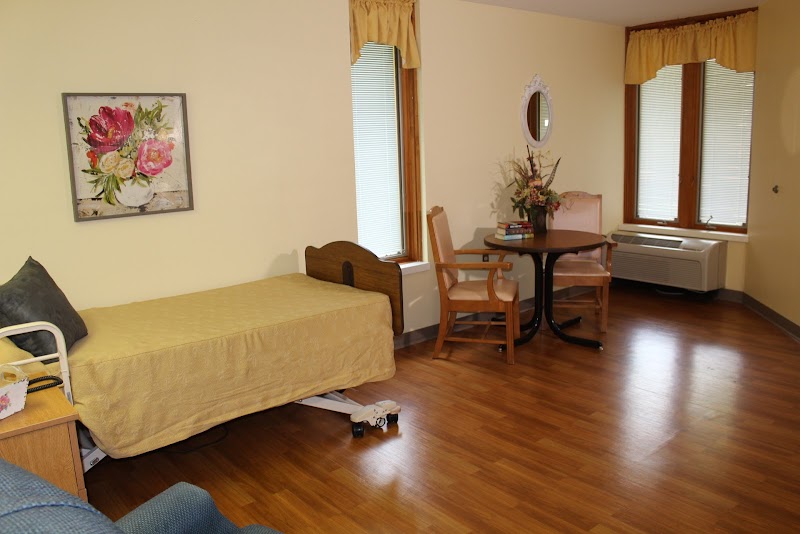
How is Sunny Acres Staffed?

CMS rates SUNNY ACRES NURSING HOME's staffing level at 3 out of 5 stars, which is average compared to other nursing homes. Staff turnover is 55%, compared to the Illinois average of 46%. RN turnover specifically is 60%, which is notably high. RNs provide skilled clinical oversight, so turnover in this role can affect medical care quality.

What Have Inspectors Found at Sunny Acres?

State health inspectors documented 43 deficiencies at SUNNY ACRES NURSING HOME during 2022 to 2025. These included: 1 Immediate Jeopardy (the most serious level, indicating potential for serious harm or death), 4 that caused actual resident harm, and 38 with potential for harm. Immediate Jeopardy findings are rare and represent the most serious regulatory concerns. They require immediate corrective action.
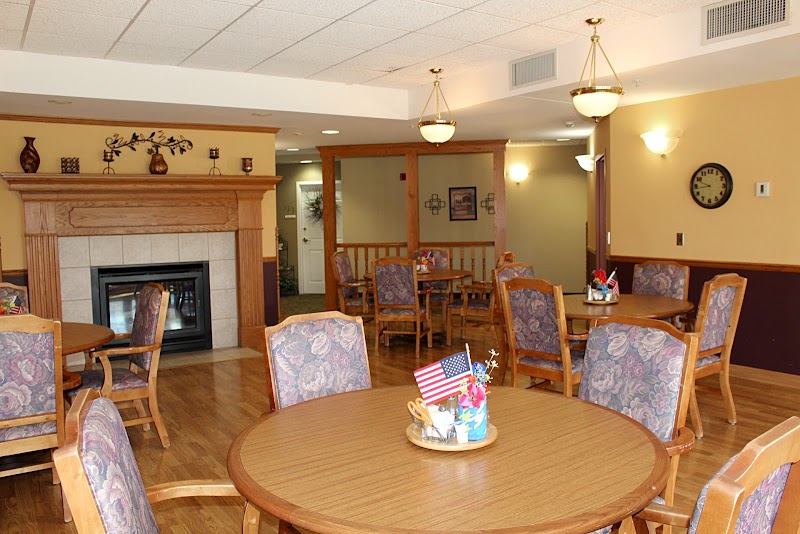
Who Owns and Operates Sunny Acres?

SUNNY ACRES NURSING HOME is owned by a for-profit company. For-profit facilities operate as businesses with obligations to shareholders or private owners. The facility is operated by HERITAGE OPERATIONS GROUP, a chain that manages multiple nursing homes. With 99 certified beds and approximately 79 residents (about 80% occupancy), it is a smaller facility located in PETERSBURG, Illinois.
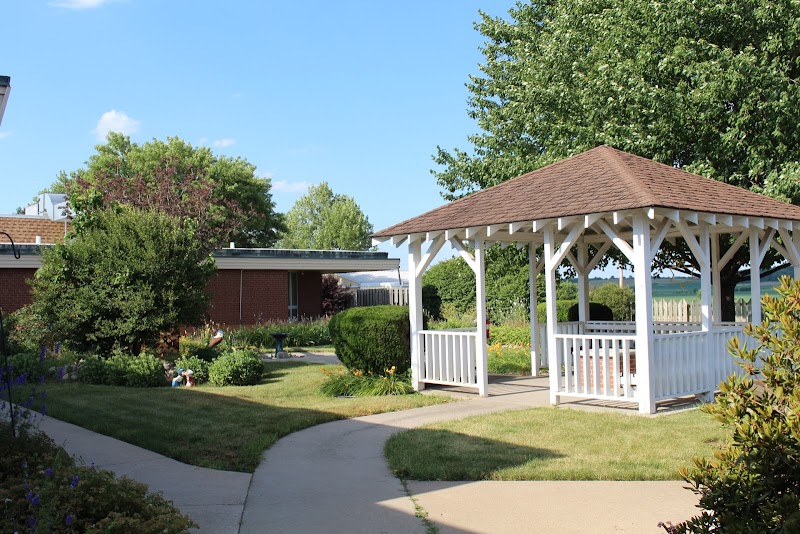
How Does Sunny Acres Compare to Other Illinois Nursing Homes?

Compared to the 100 nursing homes in Illinois, SUNNY ACRES NURSING HOME's overall rating (1 stars) is below the state average of 2.5, staff turnover (55%) is near the state average of 46%, and health inspection rating (1 stars) is much below the national benchmark.

What Should Families Ask When Visiting Sunny Acres?

Based on this facility's data, families visiting should ask: "What changes have been made since the serious inspection findings, and how are you preventing similar issues?" "What safeguards and monitoring systems are in place to protect residents from abuse or neglect?" "Can I visit during a mealtime to observe dining assistance and food quality?" "How do you handle medical emergencies, and what is your hospital transfer rate?" These questions are particularly relevant given the facility's Immediate Jeopardy citations and the substantiated abuse finding on record.

Is Sunny Acres Safe?

Based on CMS inspection data, SUNNY ACRES NURSING HOME has documented safety concerns. The facility has 1 substantiated abuse finding (meaning confirmed case of resident harm by staff or other residents). Inspectors have issued 1 Immediate Jeopardy citation (the most serious violation level indicating risk of serious injury or death). The facility has a 1-star overall rating and ranks #100 of 100 nursing homes in Illinois. Families considering this facility should ask detailed questions about what corrective actions have been taken since these incidents.

Do Nurses at Sunny Acres Stick Around?

SUNNY ACRES NURSING HOME has a staff turnover rate of 55%, which is 9 percentage points above the Illinois average of 46%. Moderate turnover is common in nursing homes, but families should still ask about staff tenure and how the facility maintains care continuity when employees leave.

Was Sunny Acres Ever Fined?

SUNNY ACRES NURSING HOME has been fined $138,087 across 1 penalty action. This is 4.0x the Illinois average of $34,460. Fines at this level are uncommon and typically indicate a pattern of serious deficiencies, repeated violations, or failure to correct problems promptly. CMS reserves penalties of this magnitude for facilities that pose significant, documented risk to resident health or safety. Families should request specific documentation of what issues led to these fines and what systemic changes have been implemented.

Is Sunny Acres on Any Federal Watch List?

SUNNY ACRES NURSING HOME is not on any federal watch list. The most significant is the Special Focus Facility (SFF) program, which identifies the bottom 1% of nursing homes nationally based on persistent, serious quality problems. Not being on this list means the facility has avoided the pattern of deficiencies that triggers enhanced federal oversight. This is a positive indicator, though families should still review the facility's inspection history directly.