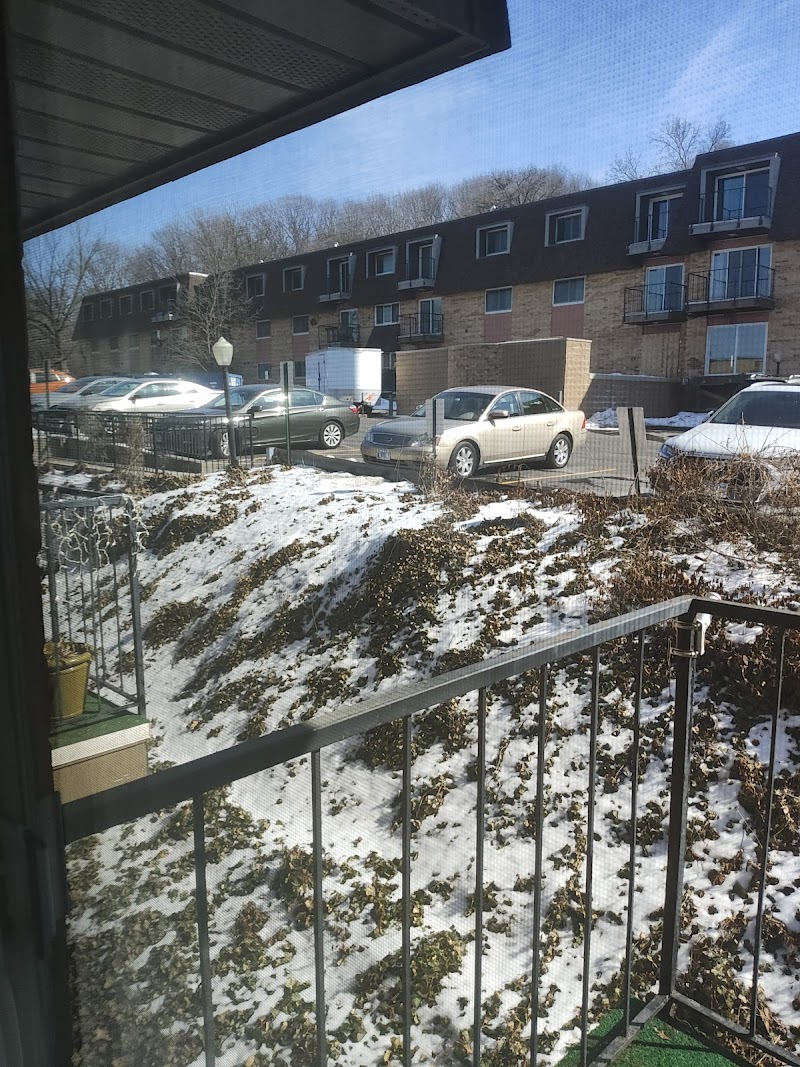
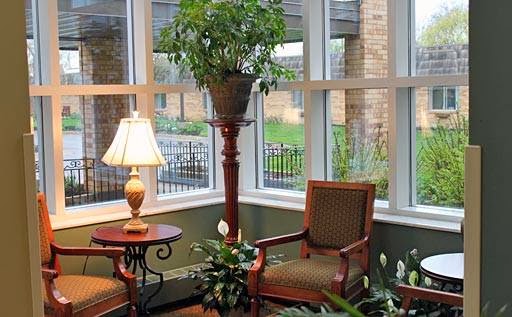

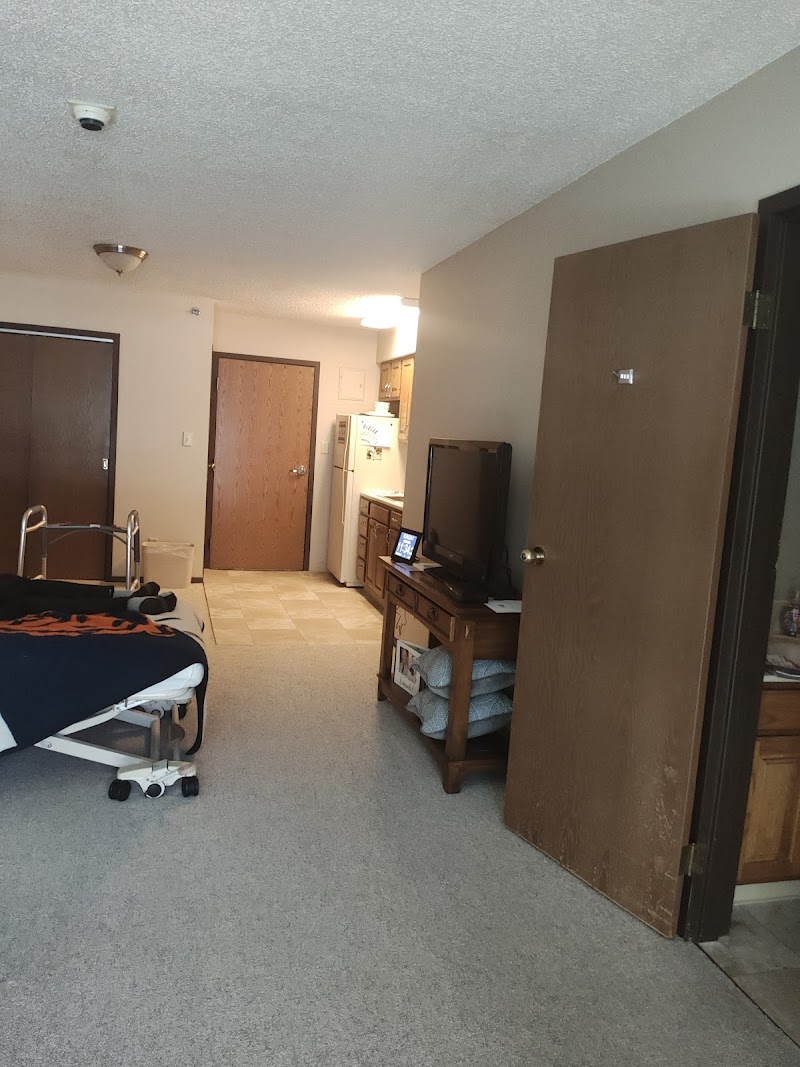
FRIENDSHIP MANOR

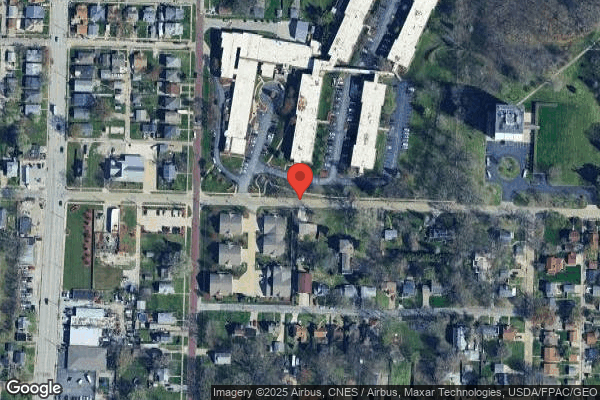
1209 21ST AVENUE, ROCK ISLAND, IL 61201 (309) 786-9667
Non profit - Other 94 Beds Independent Data: November 2025
Trust Grade
40/100
#237 of 665 in IL
Last Inspection: May 2025

Inspected within the last 6 months. Data reflects current conditions.

Overview

Friendship Manor in Rock Island, Illinois, has a Trust Grade of D, which signifies below average performance with some concerns. It ranks #237 out of 665 facilities in Illinois, placing it in the top half, and #2 out of 9 in Rock Island County, indicating it is one of the better local options. Unfortunately, the facility is currently worsening, with issues increasing from 2 in 2024 to 12 in 2025. Staffing is a relative strength, rated 4/5 stars with a turnover rate of 34%, which is better than the state average; however, RN coverage is concerning, as it is lower than 77% of Illinois facilities. The facility has faced fines of $52,417, which is average, but there have been serious incidents, including a resident falling and fracturing her femur due to unsafe transfer practices, and another resident falling from bed, resulting in a laceration that required staples. While there are strengths in staffing stability, the facility has significant weaknesses that families should consider.

Trust Score
D
40/100
In Illinois
#237/665
Top 35%
Safety Record
High Risk
Review needed
Inspections
Getting Worse
2 → 12 violations
Staff Stability
○ Average
34% turnover. Near Illinois's 48% average. Typical for the industry.
Penalties
⚠ Watch
$52,417 in fines. Higher than 84% of Illinois facilities, suggesting repeated compliance issues.
Skilled Nurses
○ Average
Each resident gets 33 minutes of Registered Nurse (RN) attention daily — about average for Illinois. RNs are the most trained staff who monitor for health changes.
Violations
⚠ Watch
17 deficiencies on record. Higher than average. Multiple issues found across inspections.
★★★☆☆
3.0
Overall Rating
★★★★☆
4.0
Staff Levels
★★☆☆☆
2.0
Care Quality
★★★☆☆
3.0
Inspection Score
Stable
2024: 2 issues
2025: 12 issues

The Good

  • 4-Star Staffing Rating · Above-average nurse staffing levels
  • Full Sprinkler Coverage · Fire safety systems throughout facility
  • No fines on record
  • Staff turnover below average (34%)

    14 points below Illinois average of 48%

Facility shows strength in staffing levels, fire safety.

The Bad

3-Star Overall Rating

Near Illinois average (2.5)

Meets federal standards, typical of most facilities

Staff Turnover: 34%

12pts below Illinois avg (46%)

Typical for the industry

Federal Fines: $52,417

Above median ($33,413)

Moderate penalties - review what triggered them

The Ugly 17 deficiencies on record

3 actual harm
Sept 2025 1 deficiency 1 Harm
SERIOUS (G) 📢 Someone Reported This

A family member, employee, or ombudsman was alarmed enough to file a formal complaint

Actual Harm - a resident was hurt due to facility failures

Accident Prevention (Tag F0689)

A resident was harmed · This affected 1 resident

**NOTE- TERMS IN BRACKETS HAVE BEEN EDITED TO PROTECT CONFIDENTIALITY** Based on interview and record review, the facility failed to ensure 1 of 3 residents (R1) was transferred safely. This failure r...

Read full inspector narrative →
**NOTE- TERMS IN BRACKETS HAVE BEEN EDITED TO PROTECT CONFIDENTIALITY** Based on interview and record review, the facility failed to ensure 1 of 3 residents (R1) was transferred safely. This failure resulted in R1 falling and fracturing her right femur.The findings include: On 9/12/25 at 12:45 PM, V9 (Certified Nursing Assistant/CNA) said she was R1's CNA when R1 fell on the morning of 9/2/25. V9 said a couple days prior when she was caring for R1, R1 complained of arm pain and wanted to get up in her chair because of her arm pain. The morning of 9/2/25, R1 complained of right arm pain again and asked V9 to put her in her chair (recliner). V9 said she changed and dressed R1 with pants, shoes, socks, and a clean brief, then she helped position R1 on the side of her bed. V9 said she put the transfer aid device/lift machine, up against the bed and assisted R1 to put her feet on the platform, then R1 grabbed the bar and V9 used the back of R1's pants to help her stand up. V9 said the lift machine was so close to the bed, she couldn't get the paddles down, so she took the brakes off and pulled the lift machine out away from the bed. V9 said before she could get the paddles down, R1 said I'm falling and let go of the bar. V9 said she tried to grab the back of R1's pants/brief to somewhat catch her, so she didn't have a direct hit on the floor, but R1 ended up falling on the floor into a sitting position with her legs straight out. V9 said the machine got pushed out in front of R1. V9 said she went and told V8 (Licensed Practical Nurse/LPN). V9 said R1 was screaming at them and yelling that her leg hurt, that they broke her leg, and they dropped her on the ground. V9 said she felt that something was wrong, because R1 doesn't really yell at her like that. V9 said she should have used a gait belt when transferring R1. V9 said she was told R1 fractured her leg. V9 said she probably should have automatically had a gait belt on R1 when using the machine so she could have held it and prevented R1 from falling. V9 said she wasn't thinking there was going to be issues with the transfer, so she didn't use one.On 9/12/25 at 12:23 PM, V10 (Certified Nursing Assistant/CNA) said V9 came and got him because she needed his help because R1 was on the floor outside of her bathroom. V10 said V9 told him when she was putting the paddles (of the machine) in position, R1 sat back, and the paddles were not in place and R1 fell onto the floor. V10 said R1 did not have a gait belt on when he arrived to assist V9 with R1. V10 said you should always use a gait belt when transferring a resident, especially when using a device where the resident needs to pull themselves up. V10 said if a resident was having arm pain while preparing to use the lift machine to transfer them, he would stop the process. V10 said they are empowered to use their own judgement and could get a total lift device instead. V10 said R1 is a little feisty and unpredictable and he feels like there should be two persons to transfer R1 specifically. V10 said she can be rambunctious at times, and she doesn't want to help much at times. V10 said when using the machine, you scooch the machine right up to the resident, put their feet on the platform, lock the brakes, and the resident reaches for the bar. The staff member uses the gait belt to assist the resident to standing. Once they are standing securely, staff gets the paddles into position as quickly and as smartly as possible, then instructs the resident to lean back on their bottom. On 9/12/25 at 2:10 PM, V8 (LPN) said he was R1's nurse when she fell. V8 said V9 came to him and needed help with R1. V8 said when he got to R1's room, R1 was tangled in the lift machine in front of her bathroom door. V8 said she was dangling half in and half out of the lift. R1's feet were off the platform, her arms were draped over the grab bar, and one paddle was in the up position and the other was in the down position. V8 said R1 was hollering and screaming; she was hanging from the lift. V8 said R1 couldn't move because she was basically wedged in by the paddle. V8 said they moved the paddle and lowered R1 down to the floor. V8 said when using the machine, they are supposed to lock the brakes, use a gait belt to help the resident so they can grab the bar, and then engage the paddles so they can lean back/sit on them. V8 said R1 complained of right lower extremity pain, so he requested an Xray. V8 said R1 eventually went to the hospital and was diagnosed with a displaced fracture.On 9/12/25 at 11:35 AM, V3 (Director of Rehab/Physical Therapist) said when using a lift machine for a resident transfer, the machine is positioned directly in front of the resident, their feet go onto the platform, the machine is locked so it doesn't roll forward, then the resident reaches out and pulls themself to a standing position and the paddles are rotated down to form a seat and the resident's knee/shins saddle into the knee/shin pads and they sit onto the seat formed by the paddles. V3 said the machine can be used with one staff person with the resident wearing a gait belt. V3 said the resident has to have the core strength to pull themself up into a standing position.On 9/12/25 at 1:42 PM, V2 (Director of Nursing/DON) said R1 had been a transfer via the lift machine. V2 said R1 was getting weaker and either fell, or almost fell, so they changed her to a (name of a different kind of lift machine). V2 said R1 hated that lift because it was uncomfortable, so they went back to a (name of previous lift machine). V2 said R1 has not been ambulatory for at least two years. V2 said when using the lift machine, it is required to use a gait belt on the resident.R1's Detailed Summary (undated) provided by the facility shows R1's diagnoses include, but are not limited to, osteoarthritis, arthritis, tremor, unsteadiness on feet, need for assistance with personal care, muscle weakness (generalized), difficulty in walking, history of falling, and weakness. R1's Interdisciplinary Notes dated 9/2/25 at 6:33 AM show R1 was on the floor this morning from a transfer with the (name of lift machine). R1 did not have seat pads in place and was not standing up well, and she let go of the bar and went down to the floor. R1's legs caught and were tangled on the (name of lift machine). R1 was screaming about her right leg being broken. R1's current care plan provided by the facility shows R1 has a potential to fall due to impaired balance. R1 is unable to ambulate and has a history of falls. R1 has severely impaired cognition. R1 can become agitated with staff, combative, and verbally aggressive and resistive to cares. R1 requires extensive staff assistance for transfers. R1's Minimum Data Set, dated [DATE] shows R1 has severely impaired cognition and requires substantial/maximal assistance (helper does MORE THAN HALF the effort. Helper lifts or holds trunk or limbs and provides more than half the effort) with sit to stand, chair/bed-to chair transfer, roll left and right, sit to lying, and lying to sitting on side of bed.R1's results of her right femur Xray obtained on 9/2/25 show the Xray was taken due to right leg pain after a fall. The Impression shows a displaced periprosthetic fracture of the distal right femur.The facility's (name of lift) Transfer Aid Policy/Procedure (undated) shows the steps for use are to raise the two split seat units so they are parallel to the side of the device, have the patient positioned at the edge of the surface to be transferred from, move the (name of lift) in front of the patient and position the patient so their feet are firmly on the platform and their knees and shins are in contact with the two cupped kneepads. LOCK the casters, have the patient grasp the cross bar closest to them and, using their own strength, pull themselves up into a standing position securely on the base platform. Lower both of the split seat units into position to form a complete seat, then have the patient lower themselves down onto the seat while keeping their knees and shins in the kneepads while continuing to hold the cross bar with both hands. Then UNLOCK the casters and move the device to the new surface.
May 2025 10 deficiencies
CONCERN (D)

Potential for Harm - no one hurt, but risky conditions existed

Resident Rights (Tag F0550)

Could have caused harm · This affected 1 resident

Based on observation, interview, and record review the facility failed to ensure a resident that required assistance was provided care in a dignified manner for one resident (R225) of 18 reviewed for ...

Read full inspector narrative →
Based on observation, interview, and record review the facility failed to ensure a resident that required assistance was provided care in a dignified manner for one resident (R225) of 18 reviewed for dignity in a sample of 35. Findings include: The facility's Dignity policy, revised 02/2021, documents that each resident shall be cared for in a manner that promotes and enhances his or her sense of well-being, level of satisfaction with life, and feelings of self-worth and self-esteem. Residents are treated with dignity and respect at all times. This form also documents that demeaning practices and standard of care that compromise dignity are prohibited. Staff are expected to promote dignity and assist residents; for example: a. helping the resident to keep urinary catheter bags covered; b. promptly responding to a resident's request for toileting assistance. R225's current care plan documents that (R225) is receiving hospice care for end of life. (R225) will be kept comfortable and allowed to die with dignity through the next review. This form documents to assist (R225) with care needs that (R225) is unable to perform. Respect (R225) privacy and rights. This form also documents to assist (R225) with toileting needs at least every two hours. On 5/12/25 11:15am, V9 (Certified Nursing Assistant/CNA) entered the resident's room to answer R225's call light. R225 asked V9 to use the toilet. V9 told R225 that he had a brief on and to urinate in the brief. At 11:25am, R225 had the call light on again. R225 told V9 that he needed to use the bathroom. V9 again told R225 that he had a brief on, to urinate in the brief. V9 covered R225 up with a blanket and walked out of the room. On 5/12/25 at 11:30am, V9 stated that R225 is a mechanical lift, and it will not fit into the bathroom. V9 also stated that the mechanical lift sling does not allow residents to sit on the toilet. V9 stated that R225 had a brief on and could be changed when he was put to bed after lunch. On 5/12/25 at 11:50am, V12 (Registered Nurse) stated that V9 should never have told R225 to urinate in his brief. V12 stated that R225 can use the bathroom while in a mechanical lift sling. On 5/13/25 at 10:00am, V2 (Director of Nursing) verified that mechanical lifts can be assisted to the toilet if needed. V2 verified that R225 should have been assisted to the toileted, and not told to urinate in his brief.
CONCERN (D)

Potential for Harm - no one hurt, but risky conditions existed

PASARR Coordination (Tag F0644)

Could have caused harm · This affected 1 resident

**NOTE- TERMS IN BRACKETS HAVE BEEN EDITED TO PROTECT CONFIDENTIALITY** Based on interview and record review, the facility failed to include an active mental illness diagnosis during a PASARR (Pre-adm...

Read full inspector narrative →
**NOTE- TERMS IN BRACKETS HAVE BEEN EDITED TO PROTECT CONFIDENTIALITY** Based on interview and record review, the facility failed to include an active mental illness diagnosis during a PASARR (Pre-admission Screening and Resident Review) screen for one of one resident (R43) reviewed for PASARR screening, in the sample of 35. Findings Include: The facility policy, Guidelines for PASARR Process, dated 5/17/2023 documents, PASARR is a federally mandated process that requires all states to pre-screen all residents regardless of their payer source or age who are seeking admission to a Medicaid funded nursing facility. PASARR has three goals (including) To ensure residents receive the required services for mental illness. Residents who are confirmed to have Mental Illness are evaluated to determine the need for specialized services, and appropriate placement options are reviewed. R43's facility Face Sheet documents that R43 was admitted to the facility on [DATE] with the following diagnoses: Major Depressive Disorder, Bipolar Disorder and Generalized Anxiety Disorder. R43's Notice of PASARR Level 1 Screen Outcome, dated 12/14/2023 and signed as accurate and complete by V10 (Social Services Director) documents, Mental Health Diagnoses: Check any or all of the following mental health conditions that are diagnosed or suspected for this individual now or in the past: Depression/Depressive disorder. On 5/15/2025 at 9:50 A.M., V10 verified she signed R43's Notice of PASARR on 12/14/2023. At that time V10 stated she did not include R43's diagnosis of bipolar disorder on R43's Level 1 Screen as she didn't think it was an active diagnosis. V10 confirmed that bipolar disorder is an active diagnosis for R43 and should have been included at the time of R43's Level 1 screen was performed.
CONCERN (D)

Potential for Harm - no one hurt, but risky conditions existed

Deficiency F0688 (Tag F0688)

Could have caused harm · This affected 1 resident

Based on interview, and record review, the facility failed to ensure restorative services were being provided for one of three residents (R27) reviewed for range of motion in a sample of 35. Findings ...

Read full inspector narrative →
Based on interview, and record review, the facility failed to ensure restorative services were being provided for one of three residents (R27) reviewed for range of motion in a sample of 35. Findings include: The facility's Resident Mobility and Range of Motion policy (not dated) documents, Residents with limited range of motion will receive treatment and services to increase and/or prevent a further decrease in ROM (range of motion). Residents with limited mobility will receive appropriate services, equipment, and assistance to maintain or improve mobility unless reduction in mobility is unavoidable. Interventions may include therapies, the provision of necessary equipment, and/or exercises and will be based on professional standards of practice and will be consistent with state laws and practice arts. R27's Restorative: Passive Range of Motion to LUE (left upper extremity) and LLE (left lower extremity) 6 to 7 days a week for minimum of at least 15 minutes dated 5/1/25-5/12/25. The following dates were not documented as being done on 5/3/25, 5/7/25, 5/9/25, and 5/11/25. R27's Restorative: Active Range of Motion to RLE (right lower extremity), Active Range of Motion to RUE (right upper extremity) 6 to 7 days a week for minimum of at least 15 minutes dated 5/1/25-5/12/25. The following dates were not documented as being done on 5/3/25, 5/7/25, 5/9/25, and 5/11/25. On 5/12/2025 at 11:30 A.M., R27 was in her room, dressed, and in her wheelchair. R27 stated she does not receive physical therapy anymore and the CNAs (Certified Nursing Assistants) do not help her with any range of motion. R27 stated the only time she gets any range of motion activity in her left arm is when she does it by herself because the CNAs do not have time. On 5/15/25 at 10:30 A.M., V2 (Director of Nursing) confirmed the dates R27 did not receive range of motion.
CONCERN (D)

Potential for Harm - no one hurt, but risky conditions existed

Incontinence Care (Tag F0690)

Could have caused harm · This affected 1 resident

Based on observation, interview, and record review the facility failed to perform indwelling urinary catheter care per the facility's policy for one of one residents (R323) reviewed for urinary cathet...

Read full inspector narrative →
Based on observation, interview, and record review the facility failed to perform indwelling urinary catheter care per the facility's policy for one of one residents (R323) reviewed for urinary catheters in the sample of in the sample of 35. Findings include: The facility's Urinary Catheter Care, dated/reviewed August 2024, states The purpose of this procedure is to prevent urinary catheter-associated complications, including urinary tract infections. Perineal Care, use soap and water or bathing wipes for routine daily. Routine Perineal Hygiene, wash basin, soap and water and washcloths or bathing wipes, towels, bed protector and personal protective equipment (gowns, gloves, mask, as needed). Steps in the procedure, place the clean equipment on the bedside stand or overbed table. Arrange the supplies so they can be easily reached. Wash and dry your hands thoroughly. Fill the ash basin one half full of warm water (or if using bathing wipes, open the package). Place the wash basin or wipes on the bedside stand within easy reach. Put on gloves. Provide privacy. Cover the resident with a sheet or towel, exposing only the perineal area. Remove catheter from securement device. For a male resident use a washcloth with warm water and soap (or a clean bathing wipe) to cleanse around the meatus. Cleans the glans using circular strokes form the meatus outward and down. Change the position of the washcloth (or wipe) with each cleansing stroke. With a clean washcloth (or wipe), rinse the using the above technique. Use clean washcloth with warm water and soap (or bathing wipe) to cleans and rinse the catheter from insertion site to approximately four inches outward. Secure catheter with catheter securement device. Check drainage tubing and bag to ensure that the catheter is draining properly. Discard disposable items into designated containers. Remove gloves and discard into designated container. Wash and dry your hands thoroughly. Reposition covers. Make resident comfortable. Place call light within easy reach of the resident. Clean wash basin and return to designated storage area. Clean the beside stand and/or overbed table to its proper position. Wash and dry hands thoroughly. On 05/12/2025 at 12:35 PM, V16 (Certified Nursing Assistant) was preparing catheter care for R323. V16 wash her hands, donned gloves, and a gown then began R323's indwelling catheter care. V16 used alcohol swabs to clean R323's meatus and around the urinary catheter tube. R323's meatus and urinary catheter tube had dried blood covering the area. V16 used a new alcohol swab each time the previous swab was covered in dried blood. V16 then used another alcohol swab to clean down the urinary catheter tube. V16 then removed catheter leg bag. V16 did not wash R323's perineum area. On 05/12/2025 at 12:45 PM, V16 stated, I should have had multiple wash clothes that were soapy, non-soapy, and dry while performing (R323's) catheter care. V16 verified she should have cleansed the perineum during R323's catheter care.
CONCERN (D)

Potential for Harm - no one hurt, but risky conditions existed

Respiratory Care (Tag F0695)

Could have caused harm · This affected 1 resident

Based on observation, interview, and record review the facility failed to follow a physician order for oxygen use and ensure an oxygen care plan was developed for one resident (R29) reviewed for oxyge...

Read full inspector narrative →
Based on observation, interview, and record review the facility failed to follow a physician order for oxygen use and ensure an oxygen care plan was developed for one resident (R29) reviewed for oxygen in the sample of 35. Findings Include: The facility's Oxygen Administration Policy, reviewed August 2024, documents The purpose of this procedure is to provide guidance for safe oxygen administration. Verify that there is a physician's order for this procedure, assemble the equipment and supplies needed. Turn on the oxygen. Unless otherwise ordered, start the flow of oxygen at the rate of 2 or 3 liters per minute. R29's Physician Order Sheet, dated 5/12/25, documents oxygen therapy at 2 liters per minute per nasal cannula. On 5/13/2025 at 1:15 PM, R29 was sitting in her wheelchair with oxygen flowing at 3.5 liters per nasal cannula. On 5/13/2025 at 1:30 PM, V13 (Registered Nurse/RN) confirmed R29's oxygen per nasal cannula was set at 3.5 liters. On 5/14/2025 at 10:00 AM, R29 was sitting in her wheelchair with oxygen flowing at 4 liters per nasal cannula. R29's current Care Plan, dated 5/9/2025, does not address R29's oxygen use. On 5/14/2025 at 10:35 AM, V2 (Director of Nursing) verified R29's order for oxygen should have been set at 2 liters per nasal cannula. V2 also verified that R29's current care plan did not address R29's oxygen use. On 5/14/2025 at 11:00 AM, V13 (RN) confirmed R29's oxygen per nasal cannula was set at 4 liters. V13 verified that R29's oxygen should not have been set that high.
CONCERN (D)

Potential for Harm - no one hurt, but risky conditions existed

Deficiency F0745 (Tag F0745)

Could have caused harm · This affected 1 resident

**NOTE- TERMS IN BRACKETS HAVE BEEN EDITED TO PROTECT CONFIDENTIALITY** Based on observation, interview and record review, the facility failed to update a plan of care and failed to offer medically re...

Read full inspector narrative →
**NOTE- TERMS IN BRACKETS HAVE BEEN EDITED TO PROTECT CONFIDENTIALITY** Based on observation, interview and record review, the facility failed to update a plan of care and failed to offer medically related social services for one of one resident (R53), whose son recently passed away unexpectedly, in a sample of 35. Findings Include: The facility job description for Social Service Designee documents, Purpose: The primary purpose of your position as Social Services Designee, is to perform duties and implement programs that meet physical, mental and psychosocial needs of the residents. R53's facility Face Sheet documents that R53 was admitted to the facility on [DATE] with the following diagnoses: Cerebral Infarct with Hemiplegia, Hypertension and Arthritis. R53's recent Minimum Data Set Assessment, dated [DATE] documents R53's cognition as 13 out of a maximum score of 15 (cognitively intact). R53's Nursing Progress Notes, dated [DATE] document, (R53's) daughter made this nurse aware that (R53's) son had a massive stroke and is in a (regional Trauma Center). (R53) will need to be ready by 8:30 (A.M.) tomorrow ([DATE]) morning (for pick up) and sent with lunch and dinner medications. R53's Nursing Progress Notes, dated [DATE] document, (R53) tearful this morning. Family came and told (R53) that her son had passed away late last night. On [DATE] at 1:59 P.M., R53 was seated in a wheelchair in her room. R53 was tearful concerning the recent, unexpected death of her son. A review of R53's current Care Plan on [DATE] makes no mention of R53's recent loss nor does it include a plan to monitor and assist R53 in dealing with her loss. On [DATE] at 1:00 P.M., V10 (Social Services Director) stated she was made aware of the recent, unexpected loss of R53's son last week, had not met R53 about the recent loss of her son nor developed a plan of care to address R53's recent loss. On [DATE] at 1:29 P.M., R53 was seated in a wheelchair in her room, crying. At that time, R53 stated her son died very unexpectedly after suffering a stroke. R53 further stated he was only 63 and actively employed as a local fireman. R53 stated she constantly thinks of him, cries daily and no staff have talked to her about her loss.
CONCERN (D)

Potential for Harm - no one hurt, but risky conditions existed

Deficiency F0760 (Tag F0760)

Could have caused harm · This affected 1 resident

Based on interview and record review the facility failed to administer a physician ordered antibiotic to a resident with a diagnosis of UTI (Urinary Tract Infection), for one of one resident (R323) re...

Read full inspector narrative →
Based on interview and record review the facility failed to administer a physician ordered antibiotic to a resident with a diagnosis of UTI (Urinary Tract Infection), for one of one resident (R323) reviewed for medication errors in a sample of 35. Findings include: The facility's Administering Medications policy, dated/reviewed 10/2024, documents Medications are administered in a safe and timely manner, and as prescribed. Staffing schedules are arranged to ensure that medications are administered without unnecessary interruptions. Medications administered in accordance with prescriber orders, including any required time frame. The facility's Adverse Drug Reaction/Medication Errors policy, dated/reviewed 9/2024, documents The interdisciplinary team monitors medication usage in order to prevent and detect medication-related problems such as adverse drug reactions and side effects. A medication error is defined as the preparation or administration of drugs or biological which is not in accordance with physician's orders, manufacturer specifications, or accepted professional standards and principals of the professionals' providing services. Examples of medication errors include omission-a drug is ordered but not administered. R323's Physician Order sheet, dated 05/2025, documents R323 has Physician ordered Tetracycline 500 mg (milligram) capsule (generic), one capsule by mouth twice daily for UTI (urinary tract infection). This order has a start date of 5/12/2025. R323's Medication Administration record, dated 5/2025, documents from 5/12/2025-5/13/2025, R323 did not receive a dose of Tetracycline at scheduled times. (N) was documented as (not administered), with no documented explanation. On 5/14/2025 at 1:00 PM, V2 (Director of Nursing) confirmed R323's Tetracycline was not administered at 8:00 AM or 4 PM on 5/12/2025-5/13/2025. V2 stated This medication should not have taken three days to fill and receive for R323.
CONCERN (D)

Potential for Harm - no one hurt, but risky conditions existed

Infection Control (Tag F0880)

Could have caused harm · This affected 1 resident

Based on observation, interview and record review facility staff failed to cleanse a shared blood glucose monitoring machine after use and between residents for two residents (R30 and R43) of two resi...

Read full inspector narrative →
Based on observation, interview and record review facility staff failed to cleanse a shared blood glucose monitoring machine after use and between residents for two residents (R30 and R43) of two residents reviewed for blood glucose monitoring, in a sample of 35. Findings Include: The facility policy, Shared Glucometer Cleaning Protocol, dated (revised) 2/11/2020 directs staff, The disinfectant recommended for the (glucometer) at this facility is a low-level disinfectant. Glucometers shared by multiple (residents) will be thoroughly wiped with an approved low-level disinfectant and allowed to dry after every use and between every (resident). Use a fresh, approved low level disinfectant wipe each time the glucometer is used. Wipe all surfaces, top, bottom and sides. Avoid wetting the meter test strip port. Allow to air dry before use on the next (resident). Throughout the procedure, perform appropriate hand hygiene. R30's current Physician Order Sheet, dated May 2025 includes the following diagnosis: Diabetes Mellitus. Also included is the following physician order: (Blood glucose monitoring) four times a day for Diabetes Mellitus. R43's current Physician Order Sheet, dated May 2025 includes the following diagnosis: Diabetes Mellitus. Also included is the following physician order: (Blood glucose monitoring) four times a day for Diabetes Mellitus. On 5/12/25 at 11:03 A.M., V11 (Licensed Practical Nurse/LPN) prepared to perform blood glucometer testing for R30. V11 applied gloves, removed the shared blood glucose monitor from the top drawer of the medication cart and without disinfecting the monitor, entered R30's room and obtained a blood sample from R30's finger. Upon completion of the test, V11 exited R30's room, removed her gloves, applied an alcohol-based hand gel to her hands, and placed the uncleansed blood glucose monitor in the top drawer of the medication cart. At that time, V11 prepared to administer medications for the next resident. On 5/12/2025 at 11:23 A.M., V11 (LPN) prepared to perform blood glucometer testing for R43. V11 applied gloves, removed the shared blood glucose monitor from the top drawer of the medication cart and without disinfecting the monitor, entered R43's room and obtained a blood sample from R43's finger. Upon completion of the test, V11 exited R43's room, removed her gloves, applied an alcohol-based hand gel to her hands, and placed the uncleansed blood glucose monitor in the top drawer of the medication cart. At that time, V11 confirmed she had not disinfected the shared blood glucose monitor after use for R30 and again after use for R43.
CONCERN (F)

Potential for Harm - no one hurt, but risky conditions existed

Food Safety (Tag F0812)

Could have caused harm · This affected most or all residents

Based on observation, interview and record review, the facility failed monitor and record cool down temperatures for prepared meats and leftover items that were prepared ahead and stored in the facili...

Read full inspector narrative →
Based on observation, interview and record review, the facility failed monitor and record cool down temperatures for prepared meats and leftover items that were prepared ahead and stored in the facility's fridge for future use. These failures have the potential to affect all 72 residents residing in the facility. Findings include: The facility's General HACCP (Hazard Analysis and Critical Control Point) Guidelines for Food Safety policy, dated 2021, documents Food and nutrition services staff will be educated and supervised on all HACCP information and procedures. A good training program and the proper systems and tools will help to assure a successful HACCP/Food Safety Program. Cool from 135 degrees Fahrenheit to 70 degrees Fahrenheit in two hours and from 70 degrees Fahrenheit to 41 degrees Fahrenheit in four hours (not to exceed six hours). If food is not cooled to 41 degrees Fahrenheit within six hours, reheat to 165 degrees Fahrenheit for at least 15 seconds within two hours and discard if not served immediately. This includes mechanically altered foods. Take temperatures frequently to determine if altered methods are needed. The facility's (undated) HACCP Cooling log documents Food labels Cool Down Procedure. Item, Date, Temp, and Initial. Cool to 70 degrees within two hours and 70 degrees then 41 degrees or below in an additional four hours On 5/12/24 at 10:45 AM, the facility's refrigerator located next to the stove in the kitchen contained several leftover metal food containers including but not limited to turkey, ham, green beans, carrots, and roast beef. At this time V15 (Executive Chef) stated We have not had to keep cool down temperatures since Thanksgiving of 2024. V15 stated he was not aware that staff placed turkey, ham, green beans, and carrots in the refrigerator over the weekend. The facility's Resident Room roster dated 5/12/25 and provided by V1 (Administrator), documents there are 72 residents residing in the facility.
MINOR (C)

Minor Issue - procedural, no safety impact

Deficiency F0947 (Tag F0947)

Minor procedural issue · This affected most or all residents

Based on interview and record review, the facility failed to ensure Certified Nursing Assistants (CNAs) completed a minimum of 12 training hours including Dementia training, in a 12-month period. This...

Read full inspector narrative →
Based on interview and record review, the facility failed to ensure Certified Nursing Assistants (CNAs) completed a minimum of 12 training hours including Dementia training, in a 12-month period. This failure has the potential to affect all 72 residents residing in the facility. Findings include: The facility's Annual Facility Assessment, dated June 2024, documents the facility will employee direct care Certified Nursing Assistants to provide long term resident care 24 hours a day. This assessment also lists annual trainings required for CNAs employed to include Abuse, Neglect and Exploitation Prevention policy, Blood Borne Pathogens, COVID-19, Handwashing, Missing Resident procedure, Grievance, and Sepsis. This list of annual trainings for nursing assistants does not include Dementia. On 5/13/25 at 11:00 AM and 12:50 PM, V2 (Director of Nursing) provided completed training for Certified Nursing Assistants V7, V8 and V9. The training provided does not document a total of 12 hours completed from May 2024 to May 2025. The training provided does not document Dementia as a focus topic for any of the training completed in the past year. On 5/13/25 at 2:15 PM, V2 and V4 (Assistant Director of Nursing), confirmed that they cannot provide proof that CNAs have received 12 hours of training in the past 12 months and confirmed that Dementia is not a training topic of education in the past 12 months. The facility's Resident Room roster dated 5/12/25 and provided by V1 (Administrator), documents there are 72 residents residing in the facility.
Apr 2025 1 deficiency 1 Harm
SERIOUS (G) 📢 Someone Reported This

A family member, employee, or ombudsman was alarmed enough to file a formal complaint

Actual Harm - a resident was hurt due to facility failures

Accident Prevention (Tag F0689)

A resident was harmed · This affected 1 resident

**NOTE- TERMS IN BRACKETS HAVE BEEN EDITED TO PROTECT CONFIDENTIALITY** Based on observation, interview, and record review the facility failed to ensure a resident was safely positioned in bed for 1 o...

Read full inspector narrative →
**NOTE- TERMS IN BRACKETS HAVE BEEN EDITED TO PROTECT CONFIDENTIALITY** Based on observation, interview, and record review the facility failed to ensure a resident was safely positioned in bed for 1 of 3 residents (R2) reviewed for safety in the sample of 5. This failure resulted in R2 falling from her bed and sustaining a laceration requiring staples. The findings include: R2's physician visit form documents she was admitted to the facility on [DATE] with multiple diagnoses including vascular dementia, and history of falling. R2's quarterly resident assessment and care screening of 2/17/25 documents her to have severe cognitive impairment. Her mobility assessment shows she requires substantial/maximal assistance with rolling right to left. Meaning the helper provides more than half of the effort to perform the task. The 2/17/25 care plan for hospice services notes R2 requires extensive to dependent assistance with 1 staff for all cares and uses a mechanical lift for transfers. The facility incident report of 3/26/25 documents R2 had a fall at 4:50 AM in her bedroom by the bedside. The description of the incident was staff preparing resident to get up and resident rolled out of the bed and fell on the floor with head injury and bleeding. Sent to the ER (emergency room) for further evaluation. On 4/9/25 at 10:22 AM, V13 (Certified Nursing Assistant/CNA) said on the morning of 3/26/25, she was getting R2 ready to get out of bed. When she does care for any resident, she has the bed in the high position, so it is easier on her back, and she had R2's bed in the high position, probably to her waist or higher. V13 said during cares, R2 can either be stiff and difficult to move, or she is wiggly. V13 said on that morning, after she had R2 dressed, she rolled her towards the wall, and placed the mechanical lift sling under her and needed to pull it through. V13 said she moved R2's bed out from the wall, and standing between the wall and the bed, she rolled R2 towards the other side, and R2 began moving her legs and fell off the side of the bed. She said the bed had no side rails, so R2 just fell to the floor, landing on the concrete floor on her back. V13 said there was nothing she could do to stop it because she was on the opposite side of the bed. V13 said there was immediately blood present, and she notified the nurse. The ED (emergency department) report for 3/26/25 documents the reason for the visit was a laceration to the scalp. The physical exam shows a 1 cm (centimeter) laceration to the occipital (back of the head) area. The laceration repair included the placement of 4 staples. On 4/9/25 at 11:00 AM, R2 said she had no pain and forgot she had staples to her head. She was sitting up in her reclining wheelchair visiting with her sister. She had no bruising or signs of any further injury. On 4/9/25 at 2:30 PM, V2 (Director of Nursing) said the incident was reported to her, and she spoke with V13 about the details. She said V13 was by herself when providing care for R2, when she went to the opposite side of the bed, leaving R2 facing the open side of the bed. V13 reported to her, she was placing the mechanical lift sling when R2 put her foot out over the edge of the bed and fell because there was no one there to catch her. V2 said none of the beds have side rails, so there was nothing to catch R2. V2 said she did not know how high the bed was raised at the time of the fall; a lot of staff raise the beds for better body mechanics. She said maybe it was not safe to have 1 person providing care. And R2's fall mat should have been in place. On 4/10/25 at 8:20 AM, V12 (Licensed Practical Nurse/LPN) said on the morning of 3/26/25, V13 had poked her head out of R2's room and notified him of the fall. Upon arrival to R2's room he found her lying on the floor, face up with blood coming from her head. V12 said he immediately called 911 to have her sent out to the emergency room. He said R2 was on the concrete floor and the fall mat was off to the side. He observed R2's bed to be in a higher position, probably about 3 feet up in the air. The facility's 2018 falls and fall risk management defines a fall as unintentionally coming to rest on the ground, floor, or other lower level. Fall risk factors 1. Environmental factors that contribute to the risk of falls include c. incorrect bed height. 2. Resident conditions that may contribute to the risk of falls include: c. delirium and other cognitive impairment.
Jul 2024 2 deficiencies 1 Harm
SERIOUS (G)

Actual Harm - a resident was hurt due to facility failures

Accident Prevention (Tag F0689)

A resident was harmed · This affected 1 resident

3. The admission MDS (Minimum Data Set) dated 6/27/24 documents R18 is cognitively intact, upper body dressing at partial/moderate assistance, lower body dressing at substantial/maximal assistance, an...

Read full inspector narrative →
3. The admission MDS (Minimum Data Set) dated 6/27/24 documents R18 is cognitively intact, upper body dressing at partial/moderate assistance, lower body dressing at substantial/maximal assistance, and putting on/taking off footwear at dependent. The current Fall Care Plan for R18 documents R18 has the potential for falls due to impaired balance, requires one to one assist with standing and walking short distances and is a high risk for falls. This Care Plan also documents R18 fell on 7/17/24 with new intervention put in place to encourage R18 to stay where she is seated until staff can help her. The facility's final report and investigation dated 7/19/24 documents R18 had a fall on 7/17/24 while sitting on the side of the bed receiving staff assistance getting dressed and documents that a CT showed: subarticular sclerosis of the medial tibial plateau compatible with nondisplaced impaction fracture injury. The Progress note dated 7/17/24 at 9:06am documents at 7:45am resident (R18) was being assisted from bed. She was seated on the side of the bed. Resident (R18) scooted to the edge of the bed and slid off of the bed landing first on her knees and then forward on her forehead. No loss of consciousness. Large hematoma to forehead. Ice applied. This note also documents R18 received a Skin tear on left upper arm and a bruise to the left knee and complained of pain in her right knee. R18 sent to local hospital for evaluation. On 07/21/24 at 08:26 AM R18 noted to be lying in bed with a large, raised, pinkish-red bump to left forehead, bilateral eyes with dark, purple discoloration around orbits and chin area. R18 stated that Wednesday (7/17/24) she was getting out of bed when she slid off the side onto the floor hitting her face on the metal base of the over bed table. R18 stated she went to the hospital and was found to have a crack in her leg below her right knee. R18 stated she is to wear a brace to her right leg and a brace to her right wrist. Neither brace noted in room. On 07/22/24 at 12:45 PM R18 noted sitting in wheelchair in room with Lower Extremity brace to right leg and feet on wheelchair pedals. Bruising to face is turning green in color today. On 07/24/24 at 11:20 AM R18 noted to be sitting alone in her wheelchair in her room. A Falling star sticker noted on R18's door and on her wheelchair. On 7/24/24 at 09:30 AM V9 (CNA) stated on 7/17/24 that she was assisting R18 with dressing with bed at mid-level when V13 (CNA) came into R18's room to ask a question. V9 stated she turned her head toward V13 and answered question. V13 gasped causing V9 to turn back to R18 and noted R18 laying on the floor. V9 stated she should not have turned away from R18 because fall would not have happened. On 07/24/24 at 09:40 AM V10 (Registered Nurse/RN) stated she was called to R18's room by V13 stating R18 had fallen. V10 entered R18's room and V9 was kneeling next to R18 laying on the floor. V10 stated she assessed R18's vital signs, did a neurological check, cleaned and bandaged skin tear to left arm and assessed R18's range of motion (ROM). During ROM V10 noted a small bruise to R18's left knee and R18 complained of soreness to her right knee. V9 and V13 put R18 in bed and R18 was sent to local hospital for evaluation. Based on observation, interview, and record review the facility failed to follow the facility's fall program and provide supervision for three (R15, R18, and R60) of six residents reviewed for falls in the sample of 28. These failures resulted in: R15's hospitalization resulting from nasal fractures; R18's hospitalization resulting from a tibial fracture; and R60's hospitalizations resulting from a right hip fracture and then left hip fracture. Findings include: The facility's undated Managing Falls and Fall Risk policy and procedure, documents: Based on previous evaluations and current data, the staff will identify interventions related to the resident's specific risks and causes to try to prevent the resident from falling and to try to minimize complications from falling. Resident-Centered Approaches to Managing Falls and Fall Risk: 1. The staff will implement a resident-centered fall prevention plan to reduce the specific risk factor(s) of falls for each resident at risk or with a history of falls . 5. If falling recurs despite initial interventions, staff will implement additional or different interventions, or indicate why the current approach remains relevant. 6. If underlying causes cannot be readily identified or corrected, staff will try various interventions, based on assessment of the nature or category of falling, until falling is reduced or stopped, or until the reason for the continuation of the falling is identified as unavoidable. Monitoring Subsequent Falls and Fall Risk: 1. The staff will monitor and document each resident's response to interventions intended to reduce falling or the risks of falling . 3. If the resident continues to fall, staff will re-evaluate the situation and whether it is appropriate to continue or change current interventions. The Falling Star Program sign documents A falling star is placed on the doorway and w/c (wheelchair) if resident meets the following criteria: 1) Has had more than 2 or more falls in the past 3 months. Follow these Falling Star Guidelines: 1) Do Not leave unattended in the bathroom or room (if up in w/c), 2) Refer to restorative, 3) Attempt to keep in highly visible area when up in w/c. The facility's Falling Star Program, dated 6/1/2023, documents Upon admission, the nursing staff will review a resident's record for a history of falls, especially falls in the last 90 days and recurrent or periodic bouts of falling over time. The fall risk assessment will be used to implement the Falling Star program to alert staff that a resident has a higher risk for falling. The Falling Star symbol will be placed on the resident's name tag and wheelchair if applicable. The Falling Star program would be implemented if the resident triggers high risk for falls per the fall assessment. The interventions for the Falling Star program should be resident specific and follow the care plan. On 7/23/24 at 3:39 pm, V3 (Chief Nursing Director) and V2 (Director of Nursing/DON) stated they do all the reportable fall incidents together to determine route cause and make sure there are interventions in place. On 7/24/24 at 10:55 am, V3 (Chief Nursing Director) confirmed the Falling Star Program posted signage was for residents who are at a high risk for falls, depends on the resident, and resident specific. V3 confirmed these residents should not be left unsupervised. 1. R15's Face Sheet includes the following diagnoses for R15 as: Alzheimer's Disease, Unspecified Dementia, Generalized Anxiety Disorder, Major Depressive Disorder, Cognitive Communication Deficit, Lack of Coordination, and Need for Assistance with Personal Care. The Annual MDS (Minimum Data Set) Assessment for R15, dated 6/20/24, documents R15 with severe cognitive impairment and requires substantial to maximal assistance with toileting hygiene, bathing, lower body dressing, personal hygiene. R15 requires partial to moderate assistance with oral hygiene, upper body dressing and is dependent for putting on/removing footwear. R15 requires substantial to maximal assistance with all mobility. The Fall Risk Assessment for R15, dated 3/25/24 and 6/20/24, document a fall risk score of 13 and 12 respectively and documents A score of 10 or more indicates High Risk for Falls. The current Care Plan for R15, documents R15 has potential to fall due to impaired balance, requires one-to-one assist to transfer with a non-mechanical lift, and does not call for assist consistently. R15 requires extensive assistance from staff with bed mobility, dressing, bathing, hygiene, transfers, and toileting. This same Care plan documents R15 had prior falls on 9/25/23, 12/20/23, and 2/28/24. Interventions include to assist with reposition every two hours and as needed. An intervention was added after R15's 9/25/23 fall to not be left unattended in her room while sitting in her wheelchair. The Progress Note for R15, dated 7/18/24 at 5:54 pm, documents (R15) unwitnessed fall from w/c to floor in hallway. Nurse sitting at nurse's station and heard. (R15) observed lying on right side, right arm under body, (R15) facing the floor. (R15) bleeding from nose and above left eye. Cool compress applied to side of nose and left eye. R15 sent to the local hospital for evaluation and treatment. The Progress Note for R15, dated 7/18/24 at 9:28 pm, documents R15 returned from local hospital with fractured nose and to apply ice and elevate head of bed for comfort. Hospice service was notified, and new order received for safety mats at bedside. Discoloration right eye and nose and bruise to right elbow. The Incident Report for R15, dated 7/18/24 at 5:30 pm, R15 had unwitnessed fall in the hallway from her wheelchair to the floor resulting in bruising with bleeding from contusion. R15 has a history of multiple falls, R15 was leaning forward in her wheelchair and fell out. R15 complained of pain and was sent to the local hospital for evaluation. The Hospital Discharge paperwork, dated 7/18/24, includes a Maxillofacial (face and jawbones) CT (Computed Tomography), dated 7/18/24 that documents findings as: Mildly displaced left greater than right nasal bone fracture, slightly deviated to the left. Overlying nasal bridge swelling. Right preseptal periorbital superior orbital rim contusion. There is minimal fluid stranding left ethmoid air cells. Impression: Right superior periorbital soft tissue preseptal contusion changes. Suspect nondisplaced bilateral nasal bone fractures. On 7/21/24 at 9:57 am, R15 was sitting in recliner lounge chair with her eyes closed. Yellow and green fading discoloration was noted surrounding R15's bilateral eyes and to bridge of R15's nose. R15's wheelchair was across the room out of R15's reach with a Falling Star sticker attached to the back of her wheelchair and name plate on doorway, a non-mechanical lift was in R15's bathroom and floor fall mats were in an upright position leaning against the wall. On 07/23/24 at 10:55 AM, R15 was sitting on the toilet in her bathroom with a non-mechanical lift placed in front of her and there were no staff present. At 10:57 AM, V8 (Certified Nursing Assistant/CNA) entered R15's bedroom, walked into R15's bathroom, assisted R15 off the toilet with the non-mechanical lift, assisted R15 to sit in the wheelchair, and pushed R15 out of the bedroom into the hallway. On 7/23/24 at 11:04 AM, V8 (CNA) stated R15 does not generally get up by herself. On 7/24/24 at 10:45 AM, R15's bathroom call light illuminated outside of R15's bedroom. Entered R15's bedroom with V3 (Chief Nursing Director) and observed R15 sitting on the toilet in the bathroom, a non-mechanical lift in front of her, and no staff present. V3 assisted R15 off the toilet with the non-mechanical lift and assisted R15 to sit in the wheelchair. A Falling Star sticker was attached to the back of R15's wheelchair and posted to R15's name plate at entrance of bedroom. A Falling Star Program instruction sheet was posted on the Nurses Station peg board documenting Do Not leave unattended in the Bathroom or room (if up in w/c) and Attempt to keep in highly visible area when up in w/c. On 7/24/24 at 10:55 AM, V3 (Chief Nursing Director) stated she does not feel that R15 is unsafe on the toilet. R15's 7/18/24 fall was in the hallway, due to R15 leaning in the wheelchair and R15 had not done that before and hasn't done that since her fall. On 7/24/24 at 11:15 am, the video surveillance, dated 7/18/24, was reviewed with V3. This video shows R15 sitting in her wheelchair, leaning forward, head positioned over her knees, bilateral arms over wheelchair armrests, hands holding onto the chair wheels, propelling her wheelchair out of her bedroom with no staff supervising. R15 continued to attempt to propel the wheelchair forward, head moving forward until she fell out of the wheelchair, hitting her head on the floor. On 7/24/24 at 10:56 AM, V11 (Licensed Practical Nurse/LPN) stated the Falling Star program is for residents at risk for falls and they should not be left in their room. We usually keep them near the nurse's station. On 7/24/24 at 10:59 AM, V12 (CNA) stated the stars on the doors are for residents who are at risk for falling. They should not be left in the bathroom by themselves. V12 stated R15 will try to get up by herself at times, and I would not leave her in the bathroom by herself. We try to keep her near the nurse's station so we can keep an eye on her. 2. R60's Face Sheet includes the following diagnoses: Dementia, Cognitive Communication Deficit, Fracture of Left Femur, Fracture of Right Femur, Fracture around Internal Prosthetic Hip Joint, Unsteadiness on Feet, and Need for Assistance with Personal Care. The admission MDS (Minimum Data Set) Assessment for R60, dated 2/4/24, documents R60 with severe cognitive impairment with no functional limitations in range of motion. R60 requires partial to moderate assistance of staff for all activities of daily living, dependent for lower body dressing and putting on footwear, and requires partial to moderate assistance for all mobility. R60 has a history of falls within the last 2 to 6 months prior to admission and one fall without injury since admission and was not receiving skilled therapy services. The Quarterly MDS Assessment for R60, dated 5/26/24, documents R60 with moderately impaired cognition, functional limitation in range of motion to one lower extremity, now requiring substantial to maximal assistance for toileting hygiene, bathing, lower body dressing, footwear, personal hygiene. R60 now requires substantial to maximal assistance with all mobility. R60 with falls in last month, falls in last 2 to 6 months, fracture related to falls, and receiving skilled therapy services. The Fall Risk Assessments for R60, dated 2/4/24, 3/6/24, 4/24/24, and 5/24/24 document R60 with fall risk scores greater than 10. These forms also document A score of 10 or more indicates High Risk for Falls. The current Care Plan for R60, documents R60 with dementia, confusion, and severe impaired cognition requiring cues and supervision for safe decision making, monitor positioning while in wheelchair and assist as needed. Needs reminders of using the call light. Fall risk-staff to monitor. Will try to self-transfer at times, has a hx (history) of falls and has poor safety awareness. R60 requires one-to-one assist to stand and walk short distances, and history of self-transfers. R60 has had five unwitnessed falls and two witnessed falls between 2/21/24 through 5/16/24 with unwitnessed fall on 4/20/24 resulting in a right hip fracture and 5/16/24 unwitnessed fall resulting in a left hip fracture. Interventions include Offer bed or recliner after meals; Toilet prior to putting in recliner or offered to stay up; Monitor positioning when in wheelchair and assist as needed. The Incident Report and Fall Investigation for R60, dated 2/21/24 at 6:30 pm, documents R60 had an unwitnessed fall in her room trying transfer from her wheelchair to her bed, and doesn't remember to use her call light for assistance. The interventions were to ask R60 if she wanted to sit in her recliner or go to bed after meals and R60 was educated to use her call light and for staff to check on R60. The Incident Report and Fall Investigation for R60, dated 3/2/24 at 9:00 am, documents R60 had unwitnessed fall in her room from her recliner and was found scooting on her buttocks from her room into the hallway looking for help. The reports document R60 had taken off her slippers, does not use the call light, is unaware of her limitations, requires one-to-one assist to stand. The intervention listed was for staff to ensure R60 is toiled prior to placing in recliner or wheelchair. The Incident Report and Fall Investigation for R60, dated 3/19/24 at 6:35 pm, documents R60 had a witnessed fall in the Activity Center during Bingo, was moving back and forth in her wheelchair, and slid out onto the floor on her buttocks. The investigation documents R60 has a history of falls, does not use her call light, requires one-to-one assist for transfers and ambulation. Dementia is main factor related to this fall, as well as her previous level of independence. The intervention listed is for staff to monitor R60's positioning when up and to assist as needed. The Incident Report and Fall Investigation for R60, dated 4/20/24 at 10:10 pm, documents R60 had an unwitnessed fall in her room from bed and found on the floor next to her bathroom during the CNA care rounds, was sent to the local hospital and diagnosed with a right hip fracture requiring surgical repair. This investigation documents R60 is non-verbal, and grimacing in pain when attempts to move right hip and leg, sent to the local hospital, diagnosed with a right hip fracture requiring surgical repair. The immediate intervention listed was for bed to be in the lowest position. The Incident Report and Fall Investigation for R60, dated 5/12/24 at 1:00 pm, documents R60 had an unwitnessed fall from her wheelchair in front of the Nurse's Station and was found sitting on the floor in front of her wheelchair. R60 was trying to get out of the wheelchair. This investigation documents R60 does not ask for assist and requires one-to-one assist with transfers and ambulation. V12 and V14 CNAs were in other resident rooms assisting and V15 RN (Registered Nurse) was downstairs in another part of the facility, indicating R60 was left unsupervised. Intervention listed was to lay R60 down after lunch and staff were educated Do Not leave (R60) alone. The Incident Report and Fall Investigation for R60, dated 5/14/24 at 8:00 am, documents R60 had witnessed fall during therapy services, became weak and shaky, and was lowered to the floor. The intervention listed was to work slowly and monitor R60 and for blood work review. The Incident Report and Fall Investigation for R60, dated 5/16/24 at 6:15 pm, documents R60 had an unwitnessed fall in the hallway, self-transferred from her wheelchair, walked to the nurse's medication cart, picked up the pill crusher mechanism, which is heavy and fell to her left side. R60 was sent to the local hospital and diagnosed with a left hip fracture requiring surgical repair. This investigation documents R60 is currently receiving therapy for her right hip fracture, is unsafe to be up without one-to-one assist, and will self-transfer without asking for assist. R60's room was moved this day closer to nurse's station. This investigation also documents V14 (CNA) had taken meal trays downstairs, V16 (CNA) was in another resident room assisting, and V17 (Licensed Practical Nurse/LPN) was downstairs in another part of the facility, indicating that R60 was left unsupervised. On 7/21/24 at 9:00 AM R60's doorway held a name plate with a Falling Star sticker and fall mats were upright resting against the wall. R60 was not in her room at this time. On 7/21/24 at 10:00 AM, and 7/22/24 at 3:00 pm, R60 was sitting in a wheelchair across from the nurse's station with a Falling Star attached to the back of R60's wheelchair. On 7/24/24 at 10:44 AM, R60 was sitting in a wheelchair across from the nurse's station with no staff supervising. On 7/24/24 at 10:59 AM, V12 (CNA) stated the stars on the doors are for residents who are at risk for falling. They should not be left in the bathroom by themselves. V12 stated R60 will try to get up by herself at times, and I would not leave her in the bathroom by herself. We try to keep her near the nurse's station so we can keep an eye on her. On 7/23/24 at 3:39 pm, V3 (Chief Nursing Director) and V2 (DON) confirmed R60 had an unwitnessed fall in her bedroom, by her bathroom, went out to the local hospital and received surgical repair of her right hip on 4/20/24. V3 stated the Intervention for R60's fall was not to leave her in her room when she is up in a wheelchair. V3 stated R60 was previously on the memory care unit prior to coming to the rehab floor where she was with her husband and was able to be up and about independently. R60 was not used to asking for help and is confused. We watched R60's fall on 5/16/24 on the camera and R60 just got up, walked to the medication cart, picked up the pill crusher and fell over and not sure what you mean by root cause of the fall. R60 has Dementia, is confused, and a high risk for falls. V3 and V2 stated they are unsure of fall interventions or route cause for R60's fall on 5/16/24. V3 stated R60 doesn't know what is going on and doesn't know why she fell. V3 stated the facility doesn't do one-on-one monitoring, the CNAs have to answer call lights, and the nurse was passing medications when R60 fell on 5/16/24. V3 stated We always have enough staff on that floor. The current Care Plan for R60 does not reflect R60's individualized specific needs related to her previous falls. There is no documented evaluation for the various interventions based on R60's assessment, nature and category of her falls, and no monitoring or response to implemented failed or successful interventions, resulting in continued falls for R60.
CONCERN (F)

Potential for Harm - no one hurt, but risky conditions existed

Infection Control (Tag F0880)

Could have caused harm · This affected most or all residents

Based on observation, interview and record review, the facility failed to implement Enhanced Barrier Precautions throughout the facility to protect vulnerable residents and prevent the spread of multi...

Read full inspector narrative →
Based on observation, interview and record review, the facility failed to implement Enhanced Barrier Precautions throughout the facility to protect vulnerable residents and prevent the spread of multi-drug resistant organisms (MDROs). This failure has the potential to affect all 73 residents residing in the facility. Findings include: The facility's Enhanced Barrier Precautions policy, dated 8/2022, documents Enhanced barrier precautions (EBPs) are utilized to prevent the spread of multi-drug resistant organisms. EBPs employ targeted gown and glove use during high contact resident care activities when contact precautions do not otherwise apply. Examples of high contact resident care activities requiring the use of gown and gloves for EBPs include Dressing, Bathing/Showering, Transferring, Providing Hygiene, Changing Linens, Changing briefs or Assisting with toileting, Device care or use (Central Line, Urinary Catheter, Feeding Tube, Tracheostomy/Ventilator), and Wound Care (any skin opening requiring a dressing). This same policy also documents EBPs are indicated (when contact precautions do not otherwise apply) for residents with wounds and/or indwelling medical devices regardless of MDRO colonization. EBPs remain in place for the duration of the resident's stay or until resolution of the wound or discontinuation of the indwelling medical device that places them at increased risk. Staff are trained prior to caring for residents on EBP's. Signs are posted on the door or wall outside the resident room indicating the type of precautions and PPE (Personal Protective Equipment) required. PPE is available outside of the resident rooms. On 7/21/24 at 8:00 AM the facility's resident hallways were toured in entirety and no residents were observed to be in isolation or to have signs on their doors to indicate any EBPs. On 7/22/24 at 1:00 PM V7 (Certified Nursing Assistant/CNA) performed suprapubic catheter care on R26. V7 wore gloves but did not wear a gown or any other PPE. On 7/23/24 at 10:00 AM V4 (Licensed Practical Nurse/Infection Control Preventionist) and V5 (Licensed Practical Nurse) performed R26's right shin and right foot wound care. R26's wounds had a moderate amount of clear drainage noted on the dressings and in and around the wounds. V4 and V5 did not wear a gown during the wound care. On 7/23/24 at 10:38 AM, V4 confirmed she is in charge of the facility's infection prevention program. V4 stated Currently (R275) is the only resident on Transmission Based Precautions, of any kind, and it is Contact isolation for C-Diff (Clostridium Difficile colitis). (R275) was just admitted and is the only one we've had in isolation for a couple months. We have not implemented any Enhanced Barrier Precautions on anyone. At this time V4 confirmed R5, R12, R21, R26, and R58 all have indwelling urinary catheters. V4 then confirmed R6, R18 and R52 all have pressure ulcer wounds. V4 confirmed that residents residing in the facility or newly admitted to the facility with open wounds, open lines (intravenous or central lines), feeding tubes, tracheostomies or indwelling urinary catheters have not been placed in EBP because the facility has not implemented those precautions on anyone. V4 stated We aren't implementing the enhanced barrier precautions on residents because I didn't realize it was mandatory. The facility's Roster Census Status, dated 7/21/24, and provided by V1 (Administrator) documents 73 residents currently reside in the facility.
Jul 2023 3 deficiencies
CONCERN (D)

Potential for Harm - no one hurt, but risky conditions existed

Incontinence Care (Tag F0690)

Could have caused harm · This affected 1 resident

Based on observation, interview and record review the facility failed to perform catheter care in a clean manner for one resident (R62) of three residents reviewed for catheters in a total sample of 3...

Read full inspector narrative →
Based on observation, interview and record review the facility failed to perform catheter care in a clean manner for one resident (R62) of three residents reviewed for catheters in a total sample of 38. This failure resulted in R62 having repeated Urinary Tract Infections. Findings Include: The Facility's undated Catheter Care Policy documents the purpose of this procedure is to prevent urinary catheter-associated complications, including urinary tract infections. General Guidelines: follow aseptic technique. The Center for Disease Control website documents Require healthcare personnel to perform hand hygiene in accordance with Centers for Disease Control and Prevention (CDC) recommendations. Use an alcohol-based hand rub or wash with soap and water for the following clinical indications: Immediately before touching a patient; Before performing an aseptic task (e.g., placing an indwelling device) or handling invasive medical devices; Before moving from work on a soiled body site to a clean body site on the same patient; After touching a patient or the patient ' s immediate environment; After contact with blood, body fluids or contaminated surfaces and Immediately after glove removal. On 7/18/23 V8 (R62's spouse/Health Care Power of Attorney) stated (R62) has had eleven UTIs (Urinary Tract Infections) since he went (to the facility) in October 2022. On 07/18/23 at 9:35 AM V6 (Certified Nurse Assistant/CNA) and V4 (Assistant Director of Nurses/ADON/Registered Nurse) performed catheter care. V6 (CNA) pulled down R62's absorbent undergarment and tucked it between his legs. V6 stated Not too messy, just a little mucous. Without washing performing any hand hygiene, V6 then retracted R62's foreskin and washed urethral opening. V6 went on to wash and rinsed R62's perineal area then put both soiled washcloths on the clean side of the towel lying on the bed and wrapped them up in the towel and then dried R62's urethral opening and perineal area with the side of the towel that hand been on the bed. On 7/18/23 at 9:45 AM V4 (ADON) stated (V6 CNA) should have changed her gloves and washed her hands between clean and dirty and she should not have used the towel laying on the bed with the bunched-up washcloths. V4 also confirmed that R62 has chronic urinary tract infections. The Facility's Antimicrobial Use Tracking Log dated October 2022 documents R62 had burning and dark urine on 10/26/23, UTI (Urinary Tract Infection) was marked and R62 received Rocephin 1 Gram daily on 10/26/22,10/27/22,10/28/22 and 10/29/22. The Facility's Antimicrobial Use Tracking Log dated November 2022 documents R62 had Negative UA (Urinalysis) UTI (Urinary Tract Infection) was marked and R62 received Ciprofloxacin 500 mg (milligrams) on 11/12/22 and 11/14/22, then the culture returned on 11/19/22 to show growth of Staphylococcus Aureus and R62 received Keflex 500 mg (milligrams) from 11/19/22-12/2/23. The Facility's Antimicrobial Use Tracking Log dated February 2023 documents R62 had (urinary)odor, pain (with urination) and altered mental status, UTI was marked, R62 received Keflex 500 mg (milligram) daily 2/11/23,2/12/23 and 2/13/23. The Tracking Log documents the urine culture was received and showed resistance to Levaquin, so the antibiotic was changed to Levaquin 500 mg every day on 2/14/23-2/20/23. The Facility's Antimicrobial Use Tracking Log dated April 2023 documents R62 had (urinary) odor, pain (with urination) UTI (Urinary Tract Infection) was marked. R62 received Amoxicillin 500 mg (milligram) 4/16/23-4/31/23. The Facility's Antimicrobial Use Tracking Log dated June 2023 documents R62 had burning (at catheter insertion site) urgency and frequency of urination, UTI (Urinary Tract Infection) was marked. R62 received Keflex 500 mg (milligram) 6/2/23-6/6/23. R62's Nurse's Notes document for unknown reasons a urinalysis was obtained on 7/9/23 when those results were called to V11 (Urologist) and V 11 ordered Augmentin 875 mg (milligrams). On 7/19/23 at 12:00 PM V10 (Doctor) stated that contamination during catheter care can lead to repeated urinary tract infections.
CONCERN (D)

Potential for Harm - no one hurt, but risky conditions existed

Medication Errors (Tag F0758)

Could have caused harm · This affected 1 resident

**NOTE- TERMS IN BRACKETS HAVE BEEN EDITED TO PROTECT CONFIDENTIALITY** Based on observation, interview and record review the facility failed to identify an appropriate indication for use of an antips...

Read full inspector narrative →
**NOTE- TERMS IN BRACKETS HAVE BEEN EDITED TO PROTECT CONFIDENTIALITY** Based on observation, interview and record review the facility failed to identify an appropriate indication for use of an antipsychotic medication and failed to identify specific target behaviors in the care plan for one residents (R178) with Dementia diagnosis of five residents reviewed for unnecessary medications in the sample of 38. Findings include: Facility Policy/Psychopharmacological Medication Use (undated) documents: Residents will receive psychotropic medication when necessary to treat specific conditions for which they are indicated and effective. Policy does not include obtaining consent to administer psychotropic medications, indications or expressions of distress or potential adverse consequences. On 7/18/23 at 2:45pm V9 (Social Service Director/SSD) acknowledged the facility's Psychotropic policy is very outdated and does not cover some of the necessary elements of psychotropic medication management. 1) Current Physician's Orders indicate R178 is [AGE] years old, was admitted on [DATE] with diagnoses that include Unspecified Dementia without Behavioral Disturbance and Unspecified Mood Disorder. Physician's Orders indicate R178 receives Seroquel 12.5mg twice daily for Behavioral Disorders associated with Dementia (initiated on 6/27/23). Antipsychotic/Neuroleptic Medication Use Consent Form dated 7/1/23 indicates consent was received for R178 to receive Seroquel To treat behavior problems such as combativeness, explosiveness, or manic behavior. Used also to treat depression and anxiety, or to control hallucinations or delusions. Used for management of psychotic disorders. MAR (Medication Administration Record)/Behavior Monitoring dated 6/2123 indicates R178 is monitored every shift for crying, yelling, and screaming. MAR indicates R178 had no behaviors documented in 6/2023. MAR dated 7/2023 indicates R178 had six yelling behaviors and two episodes of anxiety. MAR indicates R178 has received Seroquel daily since 6/28/23. On 7/17/23 and 7/18/23 R178 was observed in various areas of the unit, usually self-propelling wheelchair. R178 often had a distressed, anxious facial expression. R178 displayed word salad when spoken to and did seem consoled by reassurances. Current Care Plan indicates R178 has diagnosis of behavioral disorders associated with Dementia for which R178 receives Seroquel. Care Plan does not indicate target behaviors to be monitored. On 7/19/23 at 11:15am V2 (Chief Nursing Director) stated that verbal consent was received on 6/27/23 for R178's Seroquel, however the form was not signed until 7/1/23. V2 acknowledged there also wasn't any progress note indicating a verbal consent to initiate Seroquel on 6/28/23. V2 acknowledged that R178 received Seroquel on 6/28, 6/29, and 6/30, 2023 without a (verbal or written) consent in R178's medical record.
CONCERN (F)

Potential for Harm - no one hurt, but risky conditions existed

Food Safety (Tag F0812)

Could have caused harm · This affected most or all residents

Based on observation, interview and record review the facility failed to store food items in accordance with professional standards for food service safety in the facility refrigerator by not discardi...

Read full inspector narrative →
Based on observation, interview and record review the facility failed to store food items in accordance with professional standards for food service safety in the facility refrigerator by not discarding outdated food items. This failure has the potential to affect all 79 Residents residing in the Facility. Findings include: Facility Census and Conditions Report, dated 7/16/23, documents 79 Residents residing in the Facility. Facility Food Storage Policy and Procedure Manual, dated 3/2023, documents: sufficient storage facilities will be provided to keep foods safe, wholesome and appetizing; food will be stored by methods designed to prevent contamination or cross contamination; food should be dated as it is placed on the shelves if required by state regulation; leftover food must be used within three days or discarded; and all foods should be covered, labeled and dated and routinely monitored to assure foods (including leftovers) will be consumed by their safe use by dates or discarded. On 07/16/23, at 6:35 am, the Facility refrigerator located closest to the food preparation area had the following items: salsa (dated 7/12/23); sliced beef (dated 7/8/23); sliced ham (dated 7/5/23); wrapped onion half (dated 7/12/23); gluten free cooked pasta (dated 7/10/23); chopped chicken pieces (dated 7/11/23); egg salad (dated 7/13/23); dinner rolls (dated 7/10/23); wheat bread (dated 7/7/23); and prepared gelatin with fruit (dated 7/12/23). On 7/17/23, at 6:50 am, the Facility refrigerator located closest to the food preparation area had the following items: onion half in metal container (dated 7/10/23); sliced ham (dated 7/15/23); tomato puree (dated 7/12/23); and sliced beef (dated 7/8/23). On 7/16/23, at 6:40 am, V7 (Dietary Aide) stated, The label that is on the food is the date that that the food was opened or prepared. It should be used within three days. We did a lot of preparation last week for the weekend meals, so some of this food has been in the refrigerator since then.
Understanding Severity Codes (click to expand)
Life-Threatening (Immediate Jeopardy)
J - Isolated K - Pattern L - Widespread
Actual Harm
G - Isolated H - Pattern I - Widespread
Potential for Harm
D - Isolated E - Pattern F - Widespread
No Harm (Minor)
A - Isolated B - Pattern C - Widespread

Questions to Ask on Your Visit

  • "Can I speak with families of current residents?"
  • "What's your RN coverage like on weekends and overnight?"

Our Honest Assessment

Strengths
  • • 34% turnover. Below Illinois's 48% average. Good staff retention means consistent care.
Concerns
  • • Multiple safety concerns identified: 3 harm violation(s), $52,417 in fines, Payment denial on record. Review inspection reports carefully.
  • • 17 deficiencies on record, including 3 serious (caused harm) violations. Ask about corrective actions taken.
  • • $52,417 in fines. Extremely high, among the most fined facilities in Illinois. Major compliance failures.
  • • Grade D (40/100). Below average facility with significant concerns.
Bottom line: Trust Score of 40/100 indicates significant concerns. Thoroughly evaluate alternatives.

About This Facility

What is Friendship Manor's CMS Rating?

CMS assigns FRIENDSHIP MANOR an overall rating of 3 out of 5 stars, which is considered average nationally. Within Illinois, this rating places the facility higher than 99% of the state's 100 nursing homes. This mid-range rating indicates the facility meets federal standards but may have areas for improvement.

How is Friendship Manor Staffed?

CMS rates FRIENDSHIP MANOR's staffing level at 4 out of 5 stars, which is above average compared to other nursing homes. Staff turnover is 34%, compared to the Illinois average of 46%. This relatively stable workforce can support continuity of care.

What Have Inspectors Found at Friendship Manor?

State health inspectors documented 17 deficiencies at FRIENDSHIP MANOR during 2023 to 2025. These included: 3 that caused actual resident harm, 13 with potential for harm, and 1 minor or isolated issues. Deficiencies causing actual harm indicate documented cases where residents experienced negative health consequences.

Who Owns and Operates Friendship Manor?

FRIENDSHIP MANOR is owned by a non-profit organization. Non-profit facilities reinvest revenue into operations rather than distributing to shareholders. The facility operates independently rather than as part of a larger chain. With 94 certified beds and approximately 75 residents (about 80% occupancy), it is a smaller facility located in ROCK ISLAND, Illinois.

How Does Friendship Manor Compare to Other Illinois Nursing Homes?

Compared to the 100 nursing homes in Illinois, FRIENDSHIP MANOR's overall rating (3 stars) is above the state average of 2.5, staff turnover (34%) is significantly lower than the state average of 46%, and health inspection rating (3 stars) is at the national benchmark.

What Should Families Ask When Visiting Friendship Manor?

Based on this facility's data, families visiting should ask: "Can I visit during a mealtime to observe dining assistance and food quality?" "How do you handle medical emergencies, and what is your hospital transfer rate?" "Can I speak with family members of current residents about their experience?"

Is Friendship Manor Safe?

Based on CMS inspection data, FRIENDSHIP MANOR has a clean safety record: no substantiated abuse findings (meaning no confirmed cases of resident harm), no Immediate Jeopardy citations (the most serious violation level indicating risk of serious injury or death), and is not on the Special Focus Facility watch list (a federal program monitoring the lowest-performing 1% of nursing homes). The facility has a 3-star overall rating and ranks #1 of 100 nursing homes in Illinois. While no facility is perfect, families should still ask about staff-to-resident ratios and recent inspection results during their visit.

Do Nurses at Friendship Manor Stick Around?

FRIENDSHIP MANOR has a staff turnover rate of 34%, which is about average for Illinois nursing homes (state average: 46%). Moderate turnover is common in nursing homes, but families should still ask about staff tenure and how the facility maintains care continuity when employees leave.

Was Friendship Manor Ever Fined?

FRIENDSHIP MANOR has been fined $52,417 across 3 penalty actions. This is above the Illinois average of $33,603. Fines in this range indicate compliance issues significant enough for CMS to impose meaningful financial consequences. Common causes include delayed correction of deficiencies, repeat violations, or care failures affecting resident safety. Families should ask facility leadership what changes have been made since these penalties.

Is Friendship Manor on Any Federal Watch List?

FRIENDSHIP MANOR is not on any federal watch list. The most significant is the Special Focus Facility (SFF) program, which identifies the bottom 1% of nursing homes nationally based on persistent, serious quality problems. Not being on this list means the facility has avoided the pattern of deficiencies that triggers enhanced federal oversight. This is a positive indicator, though families should still review the facility's inspection history directly.