Generations at Rock Island
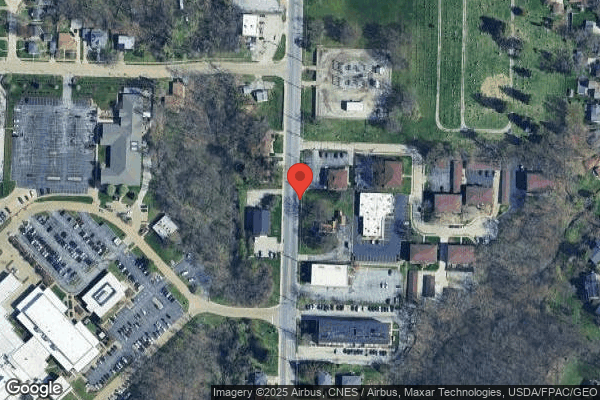
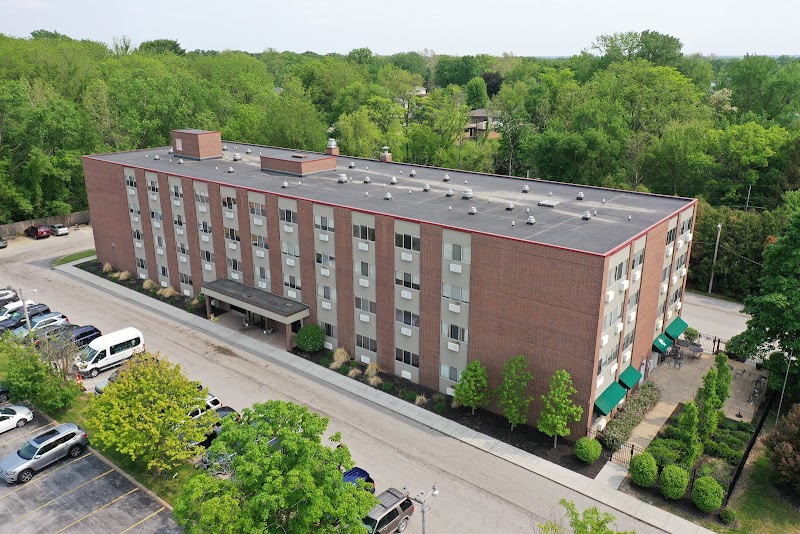
2545 24TH STREET, ROCK ISLAND, IL 61201 (309) 788-0458
For profit - Limited Liability company 177 Beds GENERATIONS HEALTHCARE Data: November 2025 2 Immediate Jeopardy citations
Trust Grade
0/100
#534 of 665 in IL
Last Inspection: August 2024

Within standard 12-15 month inspection cycle. Federal law requires annual inspections.

Overview

Generations at Rock Island has received a Trust Grade of F, indicating significant concerns about the quality of care provided. With a state ranking of #534 out of 665, and #7 out of 9 in Rock Island County, this facility falls in the bottom half for both state and county rankings, suggesting limited options for families looking for better alternatives. While the facility is showing improvement in its trend, reducing issues from 11 in 2024 to 10 in 2025, there are still serious deficiencies. Staffing is concerning, with only 1 out of 5 stars and a high turnover rate of 54%, indicating instability among caregivers. Notably, there were critical incidents where a resident who wandered off was not adequately supervised, and another resident was not properly monitored for potential abuse, highlighting serious safety risks. On a positive note, the facility has not incurred any fines, which is a good sign, but overall, the issues raised indicate that families should thoroughly consider their options before choosing this nursing home.
Trust Score
F
0/100
In Illinois
#534/665
Bottom 20%
Safety Record
High Risk
Review needed
Inspections
Getting Better
11 → 10 violations
Staff Stability
⚠ Watch
54% turnover. Above average. Higher turnover means staff may not know residents' routines.
Penalties
✓ Good
No fines on record. Clean compliance history, better than most Illinois facilities.
Skilled Nurses
○ Average
Each resident gets 30 minutes of Registered Nurse (RN) attention daily — about average for Illinois. RNs are the most trained staff who monitor for health changes.
Violations
⚠ Watch
30 deficiencies on record. Higher than average. Multiple issues found across inspections.
★☆☆☆☆
1.0
Overall Rating
★☆☆☆☆
1.0
Staff Levels
★★★★☆
4.0
Care Quality
★☆☆☆☆
1.0
Inspection Score
Stable
2024: 11 issues
2025: 10 issues

The Good

  • 4-Star Quality Measures · Strong clinical quality outcomes
  • Full Sprinkler Coverage · Fire safety systems throughout facility
  • No fines on record

Facility shows strength in quality measures, fire safety.

The Bad

1-Star Overall Rating

Below Illinois average (2.5)

Significant quality concerns identified by CMS

Staff Turnover: 54%

Near Illinois avg (46%)

Higher turnover may affect care consistency

Chain: GENERATIONS HEALTHCARE

Part of a multi-facility chain

Ask about local staffing decisions and management

The Ugly 30 deficiencies on record

2 life-threatening 1 actual harm
Sept 2025 1 deficiency
CONCERN (D) 📢 Someone Reported This

A family member, employee, or ombudsman was alarmed enough to file a formal complaint

Potential for Harm - no one hurt, but risky conditions existed

Accident Prevention (Tag F0689)

Could have caused harm · This affected 1 resident

**NOTE- TERMS IN BRACKETS HAVE BEEN EDITED TO PROTECT CONFIDENTIALITY** Based on interview and record review, the facility failed to ensure a resident was safely transferred with a full mechanical lif...

Read full inspector narrative →
**NOTE- TERMS IN BRACKETS HAVE BEEN EDITED TO PROTECT CONFIDENTIALITY** Based on interview and record review, the facility failed to ensure a resident was safely transferred with a full mechanical lift according to their plan of care for 1 of 3 residents reviewed for safety/supervision in the sample of 5.The findings include:R2's electronic face sheet printed on [DATE] showed R2 has diagnoses including but not limited to congestive heart failure, morbid obesity, muscle weakness, and muscle wasting.R2's facility assessment dated [DATE] showed R2 has no cognitive impairment and is dependent on staff for transfers.R2's care plan dated [DATE] showed, The resident has an ADL (Activities of Daily Living) self-care performance deficit related to weakness, balance/endurance deficit .the resident requires mechanical lift with 2 staff assist for transfers.On [DATE] at 10:40AM, R2 stated, The first I had an issue with (V3-Certified Nursing Assistant-CNA) taking care of me was about 2 months ago. The (full body mechanical lift) wasn't working right or the battery was dead or something and it quit working and she wanted to sit me on the edge of the bed and she was going to lift under my arms and drop me in the chair. She picked me up under my arms and the other girl was behind me.There were 2 aides in here I just can't remember who the other one was. She scares me when she transfers me because she's not nice about it and she shouldn't be transferring me without the lift. They told me I need the lift at all times. That's the only way I feel safe.On [DATE] at 12:14PM, V3 stated, This incident was a few months ago. (R2) had her call light on in her wheelchair to use the bathroom. The (full body mechanical lift) was dying but we had enough battery to get her to bed. As we were getting her on the bed the (full body mechanical lift) died and we got her positioned onto the bed pan. We told her to wait a few minutes so we could charge it for about 15 minutes. We got her off the bed pan and there wasn't enough charge on the lift. We asked (V2-Director of Nursing) if we could do a 2 person transfer for her and he said it was fine. We do transfers like this all the time. I put the gait belt around her and (V2) was behind her. We put her in the wheelchair and it was just fine. There were a lot of people using the lifts that day so that's why it must have been dead.(V4-CNA) was the other aide in there. If I thought it was wrong or would have hurt her I never would have done it. I have seen people use a stand lift for her so I didn't really think it was much different.On [DATE] at 12:30PM, V4 stated, The transfer for (R2) was me and (V3) and we did it from the chair to the bed and she just kind of did the pivot transfer. I guided her hips onto the bed but didn't do much more. (V3) just grabbed her under her arms and got her to the bed that way. We didn't have any problems that day but her ability to bear weight isn't consistent. They have tried a stand lift with her but she was crying. (V2) was never even in the room or part of the conversation so I'm not sure why (V3) is saying that she got permission from him.On [DATE] at 12:54PM, V2 stated, I was not in the room at all during the transfer of (R2) nor did I have any knowledge that there was an issue with the lifts that day. They didn't ask me anything about transferring her without the (full body mechanical) lift.I honestly have no idea what they are talking about and I was never involved. A nurse could not change the residents transfer status without therapy evaluating them first or the doctor's order. If a resident is not able to be transferred with the (full body mechanical lift) we have back up batteries on each floor as well as another lift on each floor.The facility's undated policy titled, Transfer Belts/Gait Belt Policy showed, Policy: To promote safety in transferring and ambulating residents, a gait belt will be utilized by nursing or therapy staff.4. Grasp the secured gait belt to provide stability and balance during the transfer.The facility's undated policy titled, Limited Resident Lift Policy showed, . Use mechanical lifting devices and other approved patient handling aids for high-risk resident handling and movement tasks except when absolutely necessary such as in a medical or environmental emergency or evacuation.
Aug 2025 2 deficiencies 1 IJ (1 affecting multiple)
CRITICAL (K) 📢 Someone Reported This

A family member, employee, or ombudsman was alarmed enough to file a formal complaint

Immediate Jeopardy (IJ) - the most serious Medicare violation

Accident Prevention (Tag F0689)

Someone could have died · This affected multiple residents

**NOTE- TERMS IN BRACKETS HAVE BEEN EDITED TO PROTECT CONFIDENTIALITY** Based on observation, interview, and record review, the facility failed to adequately supervise a known wandering resident (R1),...

Read full inspector narrative →
**NOTE- TERMS IN BRACKETS HAVE BEEN EDITED TO PROTECT CONFIDENTIALITY** Based on observation, interview, and record review, the facility failed to adequately supervise a known wandering resident (R1), failed to have systems in place to monitor the front door alarms after hours and failed to have interventions in place for a known faulty (electronic wandering device) door alarm system for one (R1) of twenty-two residents reviewed for elopement/wandering. These failures resulted in R1, a moderately cognitively impaired resident with the diagnosis of Vascular Dementia, eloping from the facility to a grassy area out front of the building, by a curb, close to a busy road attempting to get on a city bus. This failure has the potential to affect all seven (R4-R10) Elopement Risk residents who reside off the secured floor in the facility.These failures resulted in an Immediate Jeopardy. While the Immediate Jeopardy was removed on 8/28/25, the facility remains out of compliance at a severity level two. Additional time is needed to monitor the effectiveness of the implementation of protocols and oversight visits.Findings include:The facility policy titled Door Alarm Policy, reviewed 8/22/25, documents but not limited to, It is the policy of Generations at Rock Island to ensure resident safety and security through the use of door alarms. All doors leading to the outside MUST meet these requirements: 1. The alarm must only be disengaged at the door itself, either by push button code or key. No alarm may be disengaged from the nurse's station or any other location without physical evidence gathered by a staff member of reason for trigger reported directly to the person silencing the alarm. 2. The alarm must ring continuously until physically disengaged through key or code. 3. Exit doors MUST NOT have the alarm codes posted. Door alarms require immediate attention and response by facility staff to ensure the safety of all residents.3. Immediate response requires any employee to physically go to the door that has an alarm sounding to establish why the alarm was triggered. 5. Testing (including actual activation) and documentation of testing will be completed weekly. Any malfunctions are to be reported to the Administrator and repaired as quickly as possible.R1's admission record documents R1's date of admission to the facility was 8/9/24 and his diagnoses include but are not limited to: Type 2 Diabetes Mellitus with Diabetic Neuropathy, Chronic Obstructive Pulmonary Disease, Acute on Chronic Systolic (congestive) Heart Failure, Anxiety Disorder and Vascular Dementia Unspecified Severity with Agitation.R1's Minimum Data Set (MDS) Assessment, dated 6/2/25, documents R1 has a Brief Interview for Mental Status (BIMS) score of 10/15, indicating moderate cognitive impairment, documents R1 has non-Alzheimer's dementia and documents R1's ambulation for distances over 10 feet as supervision or touching assistance.R1's physician orders dated 4/6/25, documents R1 has an order for a (electronic wandering device) ankle bracelet to prevent elopement from facility and orders dated 4/7/25 to check/record (electronic wandering device) placement and function every shift.R1's current care plan documents R1 Has cognitive deficits related to vascular Dementia and non-traumatic intracerebral hemorrhage and at risk for wandering r/t (related to) dx (diagnosis) of dementia. At times will wander around without purpose. Has entered other rooms and easily redirected. (electronic wandering device) in place. R1's current Care Plan contains no documentation of R1's elopement risk prior to 8/1/25.R1's elopement risk assessment dated [DATE], documents R1 is an elopement risk with a score of four (4).On 8/26/25 at 3:00pm, V1 (Administrator) stated, We do not have any documentation stating what the elopement risk assessment score means but anything greater than a one (1) means they are at risk so probably the higher the score the greater risk.R1's Risk Management Report, dated 7/31/25, documents, Exit behavior actively attempting to leave building staff successful in redirecting and (V14/Licensed Practical Nurse/LPN) statement: I (V14/LPN) received a phone call from dispatch around 8:33pm making us aware that a resident was trying to get on the bus. I was outside bringing him (R1) back in the facility when the police arrived. The resident was still on the facility property in the grass near the smoking patio/courtyard. He did not leave the property. He was easily redirected back inside. We moved him to the 4th floor for heightened supervision and increased security.On 8/22/25 at 1:30pm, V14 (Licensed Practical Nurse/LPN) stated on 7/31/25 around 8:30pm he (V14) was getting off the elevator onto the first floor when he noted the front lobby door alarm was going off and the reception phone ringing. V14 (LPN) answered the phone, and the local police dispatch was calling to inform the facility of a suspected resident attempting to get on the bus. V14 (LPN) went outside and found R1 in a grassy area, next to the curb in front of the facility attempting to get on a city bus.On 8/22/25 at 1:50pm V1 (Administrator) and V2 (Administrator in Training/AIT) stated that the front door alarm will alarm on the panel at the nurse's station on the second floor.On 8/22/25 at 1:55pm observation of alarm panel on second floor at the nurse's station shows no door alarm sounding when V1 (Administrator) set off the door alarm. V14 (Licensed Practical Nurse/LPN) was present at second floor nurse station and verified that the front door alarm was not sounding on the panel at the nurse's station.On 8/22/25 at 2:00pm, V16 (Maintenance Director) stated that he became aware approximately the middle of July 2025 of an issue with the facility's (electronic wandering device) door alarm system not always working as it should, meaning it should alarm at the nurse's station on the second floor if set off but it does not always do this. V16 verified V16 did not notify V1 (Administrator) or attempt to contact the electronic wandering device company regarding the faulty system. At this time, V16 showed the panel on the second floor at the nurse's station where the electronic wandering device system will sometimes alarm if set off. When asked about the door alarm going off not related to the (electronic wandering device), V16 stated, I don't know of any panel except for the front reception desk that will alarm if the front door is alarming. V16 verified that the front door alarm cannot be heard over the alarm panel at the second-floor nurse's station.8/22/25 at 2:10pm V13 (Human Resources) stated, No, if the front door alarm goes off and it is not because of a (electronic wandering device) then I am not aware that it is heard on any of the floors except the reception desk.On 8/22/25 at 2:30pm, V1 (Administrator) was noticeably frustrated and stated today is the first she has heard anything about there being issues with the door alarms. V1 verified V16 did not report the facility's (electronic wandering device) door alarm system not always working as it should to V1.On 8/26/25 at 11:55am, V17 (Registered Nurse/RN) stated, I was R1's nurse the evening he got out of the building. Approximately 8:30pm I received a phone call on my personal cell phone from V14 (Licensed Practical Nurse/LPN) stating he (V14) was outside with R1 because he (R1) was trying to get on the bus. I went down to assist getting R1 back into the building and then called V2 (Administrator in Training/AIT) and told her what had occurred and was advised to move R1 to the 4th floor to the secured unit for increased safety. R1 was fully dressed in only socks on his feet when he was found but did have his (electronic wandering device) in place to his ankle. The (electronic wandering device) was checked to make sure it was functioning, and it showed that it was but unsure why the door did not stop him from going out. I do not recall hearing any door alarms sounding from the panel at the second-floor nurse's station. I don't know how V14 (LPN) knew R1 was outside but if it wasn't for him, I'm not sure when we would have known R1 was gone since there is no one watching the front door after 8:00pm. I was informed a few days later that there is a glitch to the door system when it comes to the (electronic wandering device).On 8/26/25 at 11:44am, V18 (Certified Nursing Assistant/CNA) stated, I saw (R1) around 7:30pm-8:00pm when I was doing rounds on (R1's) roommate. (R1) had asked me if his shirt looked like it fit so I helped him button it up and then started telling him how nice he looked. He was wearing that button up shirt, a pair of boxers and socks sitting on the side of his bed. He then laid down in bed. I did not hear any door alarms go off on the panel at the nurse's station but was informed by V17 (Registered Nurse/RN) that (R1) was outside, so I ran down the stairs to assist getting him in the building and then realized he needed his wheelchair, so I went back up to get it. Once I got back downstairs, they had him in the building. I assisted him into the wheelchair, and he (R1) was yelling at me I told you I was going to the tavern to see the ladies. (R1) never said anything to me about going to the tavern prior to that statement.On 8/26/25 at 10:17am, V37 (City Bus Head of Security) stated, It is documented that our driver called 911 at 8:32pm stating there was a confused man in socks trying to get on the bus.On 8/26/25 at 10:39am, V38 (Front desk Clerk of Police department) stated, (City Bus) called around 8:21pm, police dispatched but no need to engage due to staff had resident and were taking him back to the building.On 8/26/25 at 12:25pm, V20 (Licensed Practical Nurse/LPN) stated, There is no way to hear the front door alarm up here on the third floor. Just the stairwell door alarms are heard here. I was not aware of an issue with the alarm system until (R1) got out. If a (electronic wander device) is near the doors, they lock down so you can't go out, so I don't know at what point it stopped working.On 8/27/25 at 9:15am, V1 (Administrator) stated, The alarms, front door alarm and (electronic wander device) are supposed to be sounding on the second-floor alarm panel.On 8/26/25 R4, R5, R6, R7, R8, R9 and R10's elopement risk assessments reviewed indicating they are all at risk for elopement and facility census report documents they all live on the second and third floors of the building which are not secured units. V1 (Administrator) and V2 (Administrator in Training/AIT) were notified of the Immediate Jeopardy on 8/27/25 at 11:32am.The surveyor confirmed through observation, interview, and record review that the facility took the following actions to remove the Immediate Jeopardy: 1. R1 was immediately assessed by nursing and moved to the 4th floor secured unit on 7/31/2025.2. Staff were in-serviced/trained on elopement precautions and facility's policy and procedure for monitoring residents at risk for elopement on 8/1/2025 by facility management.3. Resident elopement assessments for all residents reviewed and updated accordingly on 8/1/2025 by the IDT/Interdisciplinary Team. Elopement care plans reviewed and updated by the IDT team.4. Staff educated by QAT (Quality Assurance Team) members on 8/1/2025 on identifying residents at risk for elopement and policy and procedure for reporting to leadership to ensure proper interventions/care plans are initiated timely. Residents at risk were placed/updated in missing resident binder at the reception desk.5. Social services assessed current residents for elopement precautions on 8/1/2025 and ensured all at risk residents have updated care plan and intervention in place.6. Code [NAME] (Elopement-missing person) drill was performed on 8/1/25 and ongoing by Administration.7. Maintenance Director (V16) completed an immediate audit of door security systems on 8/1/2025 and daily thereafter.8. On 8/1/2025 Local Vendor was in facility to check over the Access and Wander guard and noted it to be working with a low volume and inconsistently. Quote for upgrade was being drafted for wander guard system.9. 8/22/2025 Facility implemented 24/7 reception area observation until such time that all staff are educated on the camera monitoring process and/or the repairs are completed.10. 8/22/2025 facility placed a designated camera alert system at the main entrance to alert 2nd floor staff when the (electronic wandering system) and or main entrance door alarm sounds. This system will remain in place until (electronic wandering system) is fully operational. (V1) will conduct random audits every shift to ensure that the camera alert system at the main entrance functions appropriately.11. 8/22/2025 Local Vendor and (electronic wandering system) Vendor in communication with Maintenance Director and Facility V1 (Administrator)/V2 (Administrator in Training) in relation to repairs vs replacement. On 8/25/25 after communications with vendors it was determined that repair was not feasible, and system replacement would be required. On 8/26/2025 Quote for replacement of system was approved and signed for installation. 12. 8/29/25 Vendor representatives are scheduled to be on-site to coordinate final installation details and requirements. Installation will be initiated promptly thereafter.13. On 8/22/2025 all staff in all departments were in-serviced on Elopement prevention, Missing residents and Door Alarm Policies and procedures by QAT members. No staff will be allowed to work after 8/22/2025 without the listed training.14. Code [NAME] (Elopement-missing person) drill will be performed randomly for one month and monthly thereafter for 6 months by QAT members.15. Maintenance Director/Designee will do daily door alarm audits for 30 days and then weekly and as needed going forward.16. V1/V2 will enforce the interventions of plan of removal of immediacy and assurance of continued compliance.17. V1/V2 and QAT will ensure that monitoring interventions are implemented immediately, and care planned appropriately.
CONCERN (F) 📢 Someone Reported This

A family member, employee, or ombudsman was alarmed enough to file a formal complaint

Potential for Harm - no one hurt, but risky conditions existed

Social Worker (Tag F0850)

Could have caused harm · This affected most or all residents

Based on interview and record review the facility failed to employ a full time qualified Social Worker in a facility licensed for 177 beds. This has the potential to affect all 70 residents who reside...

Read full inspector narrative →
Based on interview and record review the facility failed to employ a full time qualified Social Worker in a facility licensed for 177 beds. This has the potential to affect all 70 residents who reside in the facility.Findings include: The facility Director of Social Services job description, not dated, documents but not limited to, Qualifications: 1. Either a B.A. (Bachelor of Arts) in Psychology or Sociology; a B.A. or M.A. (Master of Arts) in Social Work; or a Licensed Clinical Social Worker's certificate. 2. Two years experience in the field of social work in a long term care environment is preferred.Facility Midnight Census Report, dated 8/22/25, documents occupied facility beds at 70 with empty beds at 107 and Detailed Census Report, dated 2/1/25 through 8/28/25, documents a daily census ranging from 66-81.On 8/28/25 at 9:35am, V2 (Administrator in Training/AIT) stated, We are licensed for 177 beds. V2 also verified that V15 (Social Service Director/SSD) is not Licensed and stated that she was a CNA (Certified Nursing Assistant).On 8/28/25 at 10:26am, V15 (Social Service Director/SSD) stated, I was a CNA (Certified Nursing Assistant) prior to this Social Service position. I took this around the end of May. I do not have a license or certificate in Social Services or any type of degree and no previous Social work experience.Neither V2 (Administrator in Training/AIT) or V15 (Social Service Director/SSD) were able to produce a license or certificate for V15 (SSD) in Social Work.
Aug 2025 4 deficiencies
CONCERN (D) 📢 Someone Reported This

A family member, employee, or ombudsman was alarmed enough to file a formal complaint

Potential for Harm - no one hurt, but risky conditions existed

Resident Rights (Tag F0550)

Could have caused harm · This affected 1 resident

**NOTE- TERMS IN BRACKETS HAVE BEEN EDITED TO PROTECT CONFIDENTIALITY** Based on interview and record review, the facility failed to treat a resident (R1) with dignity. This applies to 1 of 3 resident...

Read full inspector narrative →
**NOTE- TERMS IN BRACKETS HAVE BEEN EDITED TO PROTECT CONFIDENTIALITY** Based on interview and record review, the facility failed to treat a resident (R1) with dignity. This applies to 1 of 3 residents reviewed for dignity in the sample of 3. The findings include:R1's electronic face sheet printed on 8/2/25 showed R1 has diagnoses including but not limited to acute & chronic respiratory failure with hypoxia, hemiplegia and hemiparesis affecting left non-dominant side, cerebral infarction, dysphagia, and Raynaud's syndrome.R1's facility assessment dated [DATE] showed R1 has no cognitive impairment, is dependent on staff for toileting, and is frequently incontinent of bowel and bladder.On 8/2/25 at 12:27PM, R1 was asked if he has ever had any issues with any staff members and he stated, Oh yes. When I first came back from the hospital I was transferring from the stretcher to the bed and it hit me really fast that I had to have a bowel movement so I asked the aide if she could take me and she said We aren't going to walk you in there today. You just got back from the hospital. You can just go in your depends and we can clean it up. I was shocked because nobody has ever told me that. I was furious because I pay to be taken care of, not to be told to go to the bathroom in my pants. I had to wait until the next shift came on to get changed and the aide that helped me said it was a huge mess, and I never should have been treated like that. The aide that told me to go in my pants was (V4-Certified Nursing Assistant). She's not the normal aide that takes care of me. My regular aide is wonderful. This aide I am not very familiar with, and she hasn't taken care of me since that night. I know it was night shift because I got back to the facility after 11pm .On 8/2/25 at 1:20PM, V4 stated, The last time I worked with (R1) I was helping with cares. He was just coming in from the hospital and had just gotten off the stretcher. I helped him take his clothes off. He was wet and soaked through all of his clothes, so I started changing him. The other aide came in and we got him changed. In between the clothes being changed he said he needed to go to the bathroom, but he was already wet, so I told him he was already wet, so we didn't need to go into the bathroom. When the other aide (V5) came in, I told her he needed to go to the bathroom and then I was just in there for a bit and then I left the room. I don't even know what I did wrong. I didn't think he needed to go into the bathroom because he was already wet. Surveyor attempted to contact (V5-CNA-Certified Nursing Assistant with no return call).On 8/2/25 at 3:16PM, V3 (Director of Nursing) stated, If a resident requests to go to the bathroom, the aides should be honoring that request no matter what the circumstances are. (R1) is a resident who is able to walk and use the restroom so there would be no reason to deny him that right. I'm not sure what happened in this situation but it's definitely a dignity concern. The only reason an aide wouldn't take a resident into the bathroom is if it wasn't safe for the resident to go into the bathroom and then they should be attempting to explain that to the resident. That's not what happened in this situation from what I can tell. She (V4) just didn't want to take (R1) to the bathroom.The Illinois Long-Term Care Ombudsman Program Residents' Rights for People in Long Term Care Facilities dated 11/18 showed, Your facility must treat you with dignity and respect and must care for you in a manner that promotes your quality of life .your facility must provide services to keep your physical and mental health, at their highest practical levels .
CONCERN (D) 📢 Someone Reported This

A family member, employee, or ombudsman was alarmed enough to file a formal complaint

Potential for Harm - no one hurt, but risky conditions existed

Grievances (Tag F0585)

Could have caused harm · This affected 1 resident

**NOTE- TERMS IN BRACKETS HAVE BEEN EDITED TO PROTECT CONFIDENTIALITY** Based on interview and record review, the facility failed to follow their policy and keep a resident (R1) informed of the status...

Read full inspector narrative →
**NOTE- TERMS IN BRACKETS HAVE BEEN EDITED TO PROTECT CONFIDENTIALITY** Based on interview and record review, the facility failed to follow their policy and keep a resident (R1) informed of the status of a grievance. This applies to 1 of 3 residents reviewed for grievances in the sample of 3.The findings include:R1's electronic face sheet printed on 8/2/25 showed R1 has diagnoses including but limited to acute & chronic respiratory failure with hypoxia, hemiplegia and hemiparesis affecting left non-dominant side, cerebral infarction, dysphagia, and Raynaud's syndrome.R1's facility assessment dated [DATE] showed R1 has no cognitive impairment.On 8/2/25 at 2:02PM, R1 stated, I am very frustrated by a complaint I had with (V4-Certified Nursing Assistant (CNA). The staff are aware of it and they reported it for me. I hope it never happens again. (V4-CNA) hasn't taken care of me since that day but I didn't hear anything more about it. Nobody from Administration ever came and interviewed me or anything so I don't even know if they have the full story.On 8/2/25 at 3:16PM, V3 (Director of Nursing) stated, On July 26th, it was reported to me that (V4) refused to provide cares to (R1). V1 (Administrator) was contacted, and she said it was a customer service issue, so we did an in-service on customer service for the staff and (V4) was suspended for 2 days but now she is back to work. I was just told that it would be investigated .I wasn't involved in any of it. I don't know who spoke with (R1), if anyone. I was just told since it wasn't an abuse investigation all we had to do was an in-service for all staff.On 8/2/25 at 3:58PM, V2 (Operations Specialist) stated, I feel so bad that this didn't really get handled correctly. I know we haven't spoken with (R1) about any of this and I feel like we kind of dropped the ball on this one. We should have followed up with him right away so that he knew we were addressing his concerns and let him know of the outcome.The facility's undated policy titled, Grievance Policy and Procedure showed, (Facility) is committed to protecting the rights of all residents and maintaining a culture of dignity, transparency, and responsiveness. Residents have the right to voice grievances without fear of coercion, discrimination, retaliation, or reprisal .Residents and/or their representatives have the right to .2. Receive prompt acknowledgment and a timely written response to grievances .
CONCERN (D) 📢 Someone Reported This

A family member, employee, or ombudsman was alarmed enough to file a formal complaint

Potential for Harm - no one hurt, but risky conditions existed

Deficiency F0692 (Tag F0692)

Could have caused harm · This affected 1 resident

**NOTE- TERMS IN BRACKETS HAVE BEEN EDITED TO PROTECT CONFIDENTIALITY** Based on observation, interview, and record review, the facility failed to implement dietician recommendations for a resident (R...

Read full inspector narrative →
**NOTE- TERMS IN BRACKETS HAVE BEEN EDITED TO PROTECT CONFIDENTIALITY** Based on observation, interview, and record review, the facility failed to implement dietician recommendations for a resident (R1) receiving tube feedings. This applies to 1 of 1 residents reviewed for tube feedings in the sample of 3.The findings include:R1's electronic face sheet printed on 8/2/25 showed R1 has diagnoses including but not limited to acute & chronic respiratory failure with hypoxia, hemiplegia and hemiparesis affecting left non-dominant side, cerebral infarction, dysphagia, and Raynaud's syndrome.R1's facility assessment dated [DATE] showed R1 has no cognitive impairment and receives tube feedings.R1's care plan dated 3/17/25 showed, The resident requires tube feeding related to oropharyngeal dysphagia. Receiving tube feeding and water flushes for all nutrition & hydration needs According to RD (Registered Dietician): BMI (Body Mass Index)- 22.3 low for age. Has significant weight loss of 8.2% in 4 days (4/28-5/2); however, weights are relatively stable x 1m. Regimen meets/exceeds calorie & protein needs RD to evaluate quarterly and PRN (as needed). Monitor caloric intake, estimate needs. Make recommendations for changes to tube feeding as needed.The resident is dependent with tube feeding and water flushes. See physician's orders for current feeding orders .R1's admission notes dated 7/26/25 showed, New order received from physician to use Osmolite 1.5 for continuous feed of 60ml/hr, 150 water flush every 4 hours until can clarify feeding with dietician on Monday and can get Osmolite 1.2 if needed .R1's RD progress note dated 7/30/25 showed, Recommendations: Osmolite 1.5cal 60ml/hr x 20 hours. Add liquid protein 30mL BID (twice daily).R1's physician's orders as of 8/2/25 showed, Osmolite 1.5 Cal Oral Liquid (Nutritional Supplements) Give 60 ml via G-Tube every shift forNutrition. Administer 60 mL every hour. As of 8/2/25, R1's dietician recommendations to feed R1 for 20 hours a day were not initiated nor were the recommendations for R1 to receive Liquid Protein 30mL BID.On 8/2/25 at 12:27PM, R1 stated, I receive my feedings 24 hours a day and that hasn't changed at all since I have been back from the hospital. I would know because I rely on my feedings as my only source of nutrition.On 8/2/25 at 3:09PM, V9 (Licensed Practical Nurse) stated, (R1's) current feeding orders are Osmolite 1.5 cal continuous feedings at 60ml/hr. Dietary recommendations are usually handled by 1st and 2nd shift and we would call and get the orders on the same day the recommendations are given I assume. I am a 3rd shift nurse but that's just basic nursing that if you get a recommendation, you call and get an order. The physicians rely on the dieticians to assess every resident's nutritional status, and they usually don't argue their orders and if they do we let the dietician speak with the physician.On 8/2/25 at 3:16PM, V3 (Director of Nursing) stated, I did ask for the dietician to see (R1) and she would give recommendations to the dietary manager and then she will also send me a copy. Dietary Manager will then call the dietician to clarify the recommendations. The nurse on the floor will call and get orders for the recommendations. I would expect that the recommendations were implemented within 24 hours but I'm not sure if it happens that way in this facility. I have only been here a month, but I would think if there were recommendations, we should have them entered as an order by now. It's already been 3 days so that is too long.The facility was unable to provide a policy related to dietician recommendations as of 8/2/25 at 4:00PM.
CONCERN (D) 📢 Someone Reported This

A family member, employee, or ombudsman was alarmed enough to file a formal complaint

Potential for Harm - no one hurt, but risky conditions existed

Tube Feeding (Tag F0693)

Could have caused harm · This affected 1 resident

**NOTE- TERMS IN BRACKETS HAVE BEEN EDITED TO PROTECT CONFIDENTIALITY** Based on observation, interview, and record review, the facility failed to obtain physicians orders for a resident (R1) with a G...

Read full inspector narrative →
**NOTE- TERMS IN BRACKETS HAVE BEEN EDITED TO PROTECT CONFIDENTIALITY** Based on observation, interview, and record review, the facility failed to obtain physicians orders for a resident (R1) with a G-tube (Gastrostomy tube). This applies to 1 of 1 residents reviewed for G-tubes in the sample of 3.The findings include:R1's electronic face sheet printed on 8/2/25 showed R1 has diagnoses including but not limited to acute & chronic respiratory failure with hypoxia, hemiplegia and hemiparesis affecting left non-dominant side, cerebral infarction, dysphagia, and Raynaud's syndrome.R1's facility assessment dated [DATE] showed R1 has no cognitive impairment and requires tube feedings.R1's care plan dated 3/17/25 showed, The resident requires tube feeding related to oropharyngeal dysphagia. Receiving tube feeding and water flushes for all nutrition & hydration needs .provide local care to G-Tube (Gastrostomy Tube) site as ordered and monitor for signs and symptoms of infection.R1's physician's orders for 7/25/25-8/2/25 showed no orders for G-tube site care.On 8/2/25 at 3:09PM, V9 (Licensed Practical Nurse) stated, (R1) used to have orders for g-tube site care but I don't see any in the system. It is important to clean that site to prevent infection so I'm not sure why he doesn't have any orders for it. Normally we would clean it at least daily and as needed if the dressing comes off or is soiled.On 8/2/25 at 3:16PM, V3 (Director of Nursing) stated, Any resident that has a G-tube should have orders for the head of the bed to be elevated, G-tube flushing, and G-tube site care. These are standard orders at any facility or hospital that you work in, and the nurses should have realized these were missing. We need to make sure we are cleaning the site to prevent infection.The facility's policy titled, Physician Orders Guidelines dated 5/2025 showed, At the time of admission, the facility must have physician orders for the resident's care. The facility will have orders to provide essential care to the residents, consistent with the residents mental and physical status upon admission .
Jul 2025 2 deficiencies 1 IJ
CRITICAL (J) 📢 Someone Reported This

A family member, employee, or ombudsman was alarmed enough to file a formal complaint

Immediate Jeopardy (IJ) - the most serious Medicare violation

Free from Abuse/Neglect (Tag F0600)

Someone could have died · This affected 1 resident

**NOTE- TERMS IN BRACKETS HAVE BEEN EDITED TO PROTECT CONFIDENTIALITY** Based on observation, interview, and record review the facility failed to implement interventions to ensure a resident was free ...

Read full inspector narrative →
**NOTE- TERMS IN BRACKETS HAVE BEEN EDITED TO PROTECT CONFIDENTIALITY** Based on observation, interview, and record review the facility failed to implement interventions to ensure a resident was free from physical abuse resulting in potential injury for 2 of 3 residents (R2, R11) reviewed for abuse in the sample of 12. The immediate jeopardy began on 6/11/25 at 6:50 PM when R1 returned to the facility from being evaluated at the acute care hospital after grabbing R11 by the neck. R1's care plan was updated to include 1:1 supervision on 6/11/25. No evidence was found of R1 being on 1:1 supervision until 6/18/25 after the second incident when R1 pushed R2 to the floor. V1 (Administrator) was notified of the Immediate Jeopardy on 7/18/25 at 11:23 AM. The surveyor confirmed by observation, interview, and record review that the Immediate Jeopardy was removed, and the deficient practice corrected, on 6/18/25, prior to the start of the survey and was therefore Past Noncompliance or removed on 6/18/25 and the deficient practice corrected on 6/18/25, prior to the start of the survey and was therefore Past Noncompliance.Based on observation, interview, and record review the facility failed to implement interventions to ensure a resident was free from physical abuse resulting in potential injury for 2 of 3 residents (R2, R11) reviewed for abuse in the sample of 12. The immediate jeopardy began on 6/11/25 at 6:50 PM when R1 returned to the facility from being evaluated at the acute care hospital after grabbing R11 by the neck. R1's care plan was updated to include 1:1 supervision on 6/11/25. No evidence was found of R1 being on 1:1 supervision until 6/18/25 after the second incident when R1 pushed R2 to the floor. V1 (Administrator) was notified of the Immediate Jeopardy on 7/18/25 at 11:23 AM. The surveyor confirmed by observation, interview, and record review that the Immediate Jeopardy was removed, and the deficient practice corrected, on 6/18/25, prior to the start of the survey and was therefore Past Noncompliance or removed on 6/18/25 and the deficient practice corrected on 6/18/25, prior to the start of the survey and was therefore Past Noncompliance. The findings include:R1's face sheet showed she was admitted to the facility 7/2/23 with diagnoses to include severe dementia with agitation, Alzheimer's Disease, Type 2 Diabetes, generalized anxiety disorder, psychotic disorder not due to a substance or known physiological condition, insomnia, and depression. R1's facility assessment dated [DATE] showed she had been experiencing physical and verbal behavioral symptoms directed toward others 4-6 days of the 7-day review period. This same assessment indicated these behaviors had become worse since compared to R1's prior assessment.R1's Care Plan initiated 2/6/25 showed, Coping Psychotic Disorder. Resident has dementia and confusion. Can get angry and lash out at other residents and staff, both verbally and physically. Most times, there is no obvious trigger. Interventions: 6/11/25: 1 on 1 until at baseline for mood and behavior.R2's face sheet showed she was admitted to the facility 7/2/20 with diagnoses to include dementia with other behavioral disturbance, vascular dementia, heart failure, cerebrovascular disease, chronic kidney disease, peripheral vascular disease difficulty in walking, lack of coordination, and a history of falling. R2's facility assessment dated [DATE] showed she has severe cognitive impairment.R11's face sheet showed she was admitted to the facility on [DATE] with diagnoses to include Alzheimer's Disease with late onset, cerebral infarction, vascular dementia with agitation, hypertension, psychophysiologic insomnia, nontraumatic subdural hemorrhage, anxiety disorder, and major depressive disorder. R11's facility assessment showed she has severe cognitive impairment.R1‘s Incident Report dated 6/11/25 at 2:50 PM showed, Resident to Resident Altercation. Statement from the CNA (Certified Nursing Assistant) was that this resident became agitated by another resident [R11] when [R11] banged her walker on the floor, which made [R1] stand up and grab the resident [R11] by the neck.R11's Incident Report dated 6/11/25 at 2:50 PM showed, This nurse was told by the CNA that this resident was banging her walker against the floor when another resident stood up and grabbed this resident by the neck.R1's Nursing Note dated 6/11/25 at 6:50 AM showed, Resident returned to the facility with no changes to her medication. Information packet on managing stress was attached to discharge orders.R1's Incident Report dated 6/18/25 at 4:01 AM showed, Resident to Resident Altercation. Nursing Description: At 3:45 AM, this nurse was called by CNA at doors to locked area while nurse was a nurse's station to come help because [R1] was agitated in her room. While quickly walking the 20 or so feet to the door to assist CNA this nurse and CNA witnessed resident quickly charge out of her room and self-ambulate across the lounge. CNA and myself hurried to [R1] and before we reached [R1] she reached another resident who was walking with a cane in the hallway next to the lounge and shoved her over causing her to fall back. CNA and myself separated [R1] and the other resident. [R1] continued to be aggressive swinging at and pinching staff while screaming nonsensical words. This nurse attempted to talk with [R1] and to calm her and to redirect her with no progress. Resident continued to be agitated.[physician] notified of resident status and situation and order to send to ER (emergency room) for evaluation was obtained.R1's care plan initiated 2/6/25 showed, . Psychotic Disorder. Resident has dementia and confusion. Can get angry and lash out at other residents and staff, both verbally and physically. Most times, there is no obvious trigger. Interventions: 6/11/25: 1:1 until at baseline for mood and behavior. R1's complete medical record was reviewed including her abuse investigations dated 6/11/25 and 6/18/25 with no evidence of 1:1 being conducted for R1 between 6/11/25 and 6/18/25.R1'S Care Plan initiated 2/6/25 showed, Behavior Management. Resident can be triggered by nothing and start to act angry and hard to calm down. It can lead to her hitting and getting belligerent toward other residents and staff. Has been known to shove tables when agitated. 1:1 Supervision initiated 6/18/25.R1's One on One Direct Care Log dated 6/18/25 showed she returned from the hospital at 7:15 AM and 1:1 supervision started.The facility's staffing scheduled showed they started scheduling staff to do 1:1 supervision starting 6/19/25.R1's Behavior Monitoring and Interventions Report showed, . 6/15/25: cursing at others, screaming at others, agitated, neglecting self care, refusing care.On 7/16/25 at 1:07 PM, V8 CNA said, With [R1] it is all about how you approach her when it comes to her behaviors. If you explain to her what you are doing, she complies pretty well. If she is agitated, she gets very aggressive. She hits and kicks, scratches. I was here when [R1] and [R11] had the incident (6/11/25). [R11] had been fine throughout the whole morning. It was in the afternoon when she gets agitated, she gets to shaking, I asked her what is wrong, that didn't help. [R11] proceeded to grab her walker and bang her walker on the floor. [R1] was sitting in [R1's] designated area and was resting her eyes and when [R11] banged the walker on the floor, it woke [R1] up. [R1] was confused and scared. [R11] was walking toward me aggressively so [R1] got up and walked toward [R11] and proceeded to try and hit [R11]. I separated them but she grabbed her by the neck. [R11] screamed. I separated them really quickly. She had no injuries from that. [R11] didn't know why [R1] did that. [R11] is very aggressive as well.On 7/16/25 at 12:01 PM, V9 CNA (Certified Nursing Assistant) said, [R1] has behaviors, she gets combative with cares, and she is attention seeking. If she sees you 1:1 providing care with another resident that irritates her. She comes at the patient you are caring for. She starts to yell but it depends on what kind of day she is having. She will try to hit them. Redirection is hard for [R1]. If she is going after another resident, she does not handle redirection at all, she gets locked in on them, you just have to try to intervene and keep the patient safe. The incident with [R1] and [R2] on 6/18/25, [R1 pushed [R2]. [R1] was getting irate, and I peeked out to the outside of the closed unit doors to let the nurse know [R1] had charged at [R2]. [R2] was pushed to the ground that day, she said she was hurting so the nurse sent her out and nothing was wrong with her. [R1] has been a 1:1 here lately.R1's Acute Care Hospital documents showed she arrived at the acute care hospital 6/18/25 at 4:45 AM for aggressive behavior. R1's same hospital documents showed, . Patient apparently pushed another resident down this morning.R2's 6/18/25 Nursing Note entered at 5:45 AM showed, At 3:45 this morning, Resident was witnessed self-ambulating with cane in hallway next to the lounge when another resident who came walking out of their bedroom and appeared to be agitated and quickly self-ambulated across the lounge, charging at this resident. Resident shoved her which caused her to lose her balance and fall to her back. Initially resident stated that she had no pain but quickly stated that she did indeed have pain in her lower back and bilateral hip area, unable to rate and states it is ‘bad'. Resident returned at 5:45 AM from emergency room with no new orders. Resident denies pain at this time. R2's care plan initiated 12/13/24 showed, The resident is at risk for falls related to confusion, gait/balance problems. On 7/16/25 at 11:15 AM, V6 CNA Scheduler (Certified Nursing Assistant scheduler) said, I schedule both nurses & CNAs. Only have one 1:1 resident here currently. That is [R1]. She has been 1:1 since mid June, maybe around the 15th, due to really bad behaviors. She needs 1:1 on all shifts, including while she is sleeping. The nursing staff gets an order for it and the Director of Nursing, or the Administrator tell me who needs it and how long they need to be on it. All schedules were requested from V6 for R1's 1:1 supervision. The first time 1:1 was documented on the schedule showed 6/19/25. On 7/16/25 at 12:25 PM, V12 CNA (Certified Nursing Assistant) said [R1] is really combative, she has been combative since she has been there. She has put her hands on damn near all the staff here. [R1] has terrible behavior. We are scared of her. She is like this with both staff and residents. If you aren't familiar to her, she gets really bad. She is not a good resident to have, and she is a lot of care. They have 1:1 now. [R1] gets agitated with redirection, sometimes it gets better, sometimes it doesn't. You got to know how to work with her and that is not an easy task because she will turn on you. You have to get her away from noise, light, and people. We have to keep her separated from the other people. The 1:1 has been going on for maybe a month now. Her behavior has been going on since she has been here.On 7/16/25 at 2:02 PM, V18 (Housekeeper) stated R1 gets irritated if the CNAs rush her during care. R1 yells out, Slow down when she is rushed. It is a defense mechanism. I saw R1 attack another resident in the past. It was 6 or 8 months ago. She grabbed another resident's head and shook it. It was [R12], I had to step in between both of them to get R1 to let go. [R12] was upset and crying. It happened really fast and quick. I told the nurse about it but can't remember her name. I haven't seen any behaviors recently. Lately she is just spaced out. On 7/18/25 at 12:45 PM, V2 (Regional Director of Clinical Operations) said, R1 has been on 1:1 since 6/18/25. On 7/18/25 at 1:50 PM, V3 DON (Director of Nursing) said, . If someone is placed 1:1 supervision, this means there are eyes on the resident. They also need to keep track of what is going on around them, maybe someone else is getting agitated and you know it is going to get this resident agitated as well. If a resident is on 1 on 1 supervision, I would expect a staff member to always be with the resident.The facility's policy and procedure with revision date 01/2019 showed, Abuse Prevention Program. Policy: It is the policy of this facility to prohibit and prevent resident abuse. Residents who allegedly mistreated another resident will be immediately removed from contact with that resident during the course of the investigation. The accused resident's condition shall be immediately evaluated to determine the most suitable therapy, care approaches and placement, considering his or her safety, as well as the safety of the other residents and employees of the facility. Physical Abuse: Hitting, slapping, pinching, kicking, etc. The Immediate Jeopardy that began on 6/11/25 was removed on 6/18/25 when the facility completed the following actions: Investigation of abuse completed and reported to IDPH, alleged perpetrator and alleged victim's physician notified of alleged abuse. Both R11 & R2 were immediately separated and assessed for any signs of injury or trauma.R1 placed on 1 on 1 supervision effective 6/18/2025.The whole house audit for residents with aggressive behaviors completed and ensured care plan interventions are in place on 7.18.2025 by the MDS Nurse and Regional Reimbursement SpecialistAll staff In-servicing by LNHA and Designee initiated on 6/18/2025 on Abuse reporting policy and repeated on 7/18/2025 Abuse Prevention Policy, one on one supervision and dementia care including behavior emergencies.In-servicing training by QAT members on the Abuse Prevention Policy, supervision and dementia care including behavior emergencies. and one on one supervision with all staff will continue, and any remaining employees must be trained prior to reporting for work for their next shift scheduled. Quality Assurance Activities to ensure the alleged deficient practice will not recur include: QAT will Audit 3 Resident Behavior Tracking and Behavior care plans weekly x 4 to monitor for continues compliance. The facility will follow state and federal guidelines regarding Abuse Reporting by requiring reporting of all reports of abuse to be reported to the Regional Consultants and facility QA Committee for follow up and review.In-service training by DON/LNHA on Abuse Prevention Policy, supervision and dementia care including behavior emergencies with all staff will continue monthly for the next 3 months, then quarterly x 3 by the LNHA/Designee. LNHA will enforce the interventions of plan of removal of immediacy and assurance of continued compliance. The Removal Plan is executed as required in response to a Statement of Deficiencies against the facility know as Generations at Rock Island. This Removal Plan is not an admission of an agreement with, the validity of any facts or violations cited in the summary statements of deficiencies. This Removal Plan is not a waiver of any rights of defense, which may be available under Illinois Statues, Illinois Administrative Code, or Federal Law of Regulations. The facility believes that the immediacy was removed as of 6/18/2025 with the establishment of residents initiated 1 on 1 & Staff training of facility Abuse Prevention and one on one supervision policies. Staff have been re-educated on facility policies and procedures and in-servicing will be ongoing.completion date: 7.18.2025
SERIOUS (G) 📢 Someone Reported This

A family member, employee, or ombudsman was alarmed enough to file a formal complaint

Actual Harm - a resident was hurt due to facility failures

Quality of Care (Tag F0684)

A resident was harmed · This affected 1 resident

**NOTE- TERMS IN BRACKETS HAVE BEEN EDITED TO PROTECT CONFIDENTIALITY** Based on interview and record review the facility failed to assess respiratory status for one resident (R3) who displayed respir...

Read full inspector narrative →
**NOTE- TERMS IN BRACKETS HAVE BEEN EDITED TO PROTECT CONFIDENTIALITY** Based on interview and record review the facility failed to assess respiratory status for one resident (R3) who displayed respiratory changes of three residents reviewed for change of condition in the sample of five.This deficient practice resulted in a delay in the assessment of the resident's respiratory status and subsequent need for additional medical intervention.The findings include:Physician Order Summary Report indicates R3 was admitted to the facility on [DATE] with diagnoses that include, Dysphagia, Cerebral infarction, Generalized Anxiety Disorder, Gastrostomy, Acute Respiratory Failure with Hypoxia.On [DATE] V7, LPN (Licensed Practical Nurse) stated that she was R3's assigned nurse on [DATE]. V7 stated that R3 was more anxious than usual, had a persistent dry non-productive cough and was obsessed with wiping his tongue with toilet paper. V7 stated R3 appeared to be trying to clear his throat or cough something up. V7 stated R3's mouth was dry, and she gave R3 mouth swabs. V7 stated she did not assess R3's lungs or obtain an oxygen saturation level but did obtain vitals and they were ok.There are no vital signs or oxygen saturation levels documented for [DATE].Progress Note dated [DATE] at 8:08pm indicates V34 (LPN) went to assess resident due to increased lethargy and pale color; found oxygen saturation at 78% on room air; unable to obtain blood pressure; administered oxygen via nasal cannula and R3 became unresponsive. Note indicates Code Blue was called at 8:10pm and chest compressions initiated by staff; 911 dispatched at 8:12pm and EMS (Emergency Medical Services) arrived at 8:20pm and took over compressions. Note indicates R3 was then transferred to the hospital.On [DATE] at 9:50am V34 stated she was R3's assigned nurse on [DATE]. V34 stated she gave R3 his 3pm bolus tube feeding and noticed R3 was phlegmy, throaty. V34 stated at that time R3 was talking and asked for a pain pill. V34 stated when she went in to give R3 his 8pm tube feeding, R3's color was off pale and R3's oxygen saturation was 78%. V34 stated she went to get the portable oxygen and when she returned R3 was going unresponsive. V34 stated she did a sternal rub and yelled for the CNA to call a Code Blue. Staff immediately arrived assisted R3 to the floor and started CPR (Cardiopulmonary Resuscitation). V34 stated she did not know if there was a protocol for listening to a resident's lungs. V34 stated she did not listen to R3's lungs as R3 was not spitting anything up.On [DATE] at 9:25am V36, RT (Respiratory Therapist) stated that she was asked by V2, RDCO (Regional Director of Clinical Operations) to see R3. V36 stated there was no reason given (R3) was just on my list. I only saw him one time. V36 stated R3 was not gurgly at that time. and did not need any further respiratory support. V36 stated if R3 became gurgly she would think she would be contacted to reassess.R3's Care Plan indicated R3 received enteral nutrition via gravity or bolus with interventions that included to monitor/document/report as needed any signs/symptoms of dysphagia, choking, coughing, drooling.On [DATE] at 9:50am V4, ADON (Assistant Director of Nursing) stated e performed a respiratory assessment on R3 once per V2, RDCO request. V4 confirmed that assessment was completed on [DATE]. V4 stated there were no abnormal findings. V4 stated he had heard R3 had been congested before and thought that's why V2 wanted R3 assessed. V2 also stated that he had heard in passing that R3 frequently spit phlegm up into napkins. V4 stated if R3 were to become more gurgly or phlegmy or any other respiratory changes from baseline or just seemed different a respiratory assessment should be done, and physician should be notified.Facility Policy/ Guidelines for Enteral Feeding Adult dated [DATE] documents: The nurse will assess the following prior to initiating the tube feeding, each time the tube is accessed, every eight hours or as needed: Respiratory status, observe for signs of aspiration (i.e. sudden intense cough, increased amount of secretions, cyanosis or decreased breath sounds).Facility Policy/Change in Condition Guidelines 5/2025 documents: Change in Condition: Any deviation from a resident's baseline status, including physical, mental, or psychosocial changes. Immediate Response: Perform a nursing assessment; Notify the Charge Nurse and/or attending physician immediately if warranted; Initiate appropriate clinical interventions.Facility Policy/Respiratory assessment Guidelines dated 6/2025 documents: Purpose: To ensure best practices and (Federal) expectations for ongoing monitoring, early identification of deterioration and documentation for residents' respiratory status. Frequency of Assessment Guidelines: As needed for any change in condition (this may include increased cough, fever, confusion, shortness of breath, decreased oxygen saturation levels. All respiratory assessments and interventions/outcomes should be documented in the resident's health record.
Jan 2025 1 deficiency
CONCERN (D) 📢 Someone Reported This

A family member, employee, or ombudsman was alarmed enough to file a formal complaint

Potential for Harm - no one hurt, but risky conditions existed

Notification of Changes (Tag F0580)

Could have caused harm · This affected 1 resident

Deficiency Text Not Available

Read full inspector narrative →
Deficiency Text Not Available
Aug 2024 9 deficiencies
CONCERN (D)

Potential for Harm - no one hurt, but risky conditions existed

Deficiency F0625 (Tag F0625)

Could have caused harm · This affected 1 resident

Based on record review and interview the facility failed to provide the resident and the resident's representative the facility's written bed hold policy within 24 hours of transfer for two of two res...

Read full inspector narrative →
Based on record review and interview the facility failed to provide the resident and the resident's representative the facility's written bed hold policy within 24 hours of transfer for two of two residents (R50 and R60) reviewed for bed holds in a total sample of 31. Findings include: The facilities Bed Hold Policy dated 3/2023 documents, Under Normal circumstances, if you leave the facility for a hospitalization, you will be readmitted to the first available bed in a semi-private room. Under certain conditions, we can reserve your existing bed for you, at your request, so when you return to the facility, you will have the same bed if you are hospitalized . If you are a private pay, Medicare, or Medicaid resident, we will hold your same bed and room for you as long as you wish, at a charge to you as established in the resident contract signed on admission. If your care is being paid for by the Veteran's Administration, we will hold your bed for 48 hours unless prior approval for a longer period has been received from the VA (Veteran's Administration) that initiated your contract. Per the NHCA (Nursing Home Care Act), this facility will hold a bed for a maximum of ten days when you are hospitalized . On the 11th day, the facility will no longer hold a bed for you, but as you are still a resident, you will receive the next available bed when you are ready to return, even if there is a waiting list. There is no requirement under the NHCA to hold a bed for ten days during a therapeutic home visit. However, you are still considered a resident and will be given the next available bed when you are ready to return, even if there is a waiting list. After the thirtieth (30th) day, the resident will be formally discharged from the facility's roster. At this time, the resident can reapply for admission to the facility. 1) R50's medical record documents hospitalizations on 10/14/23, 2/22/24, 5/28/24, and 6/10/24. R50's progress notes dated 10/14/23, 2/22/24, 5/28/24, and 6/10/24 has no documentation that facility's bed hold policy was given or reviewed with R50 or family. On 08/29/24 3:01 PM V1 (Administrator) stated that bed hold policy was not sent or gone over with R50 or his family on 10/14/23, 2/22/24, 5/28/24, and 6/10/24. 2) Resident Census Record indicates R60 was transferred to the hospital on the following dates in 2024: 1/4/24, 2/11/24, 4/16/24, 4/30/24, 5/27/24, 6/7/24, 6/13/24, 7/27/24, 8/2/24 and 8/21/24. Facility Transfer/Discharge Status Form which includes Bed Hold Notices were only provided for transfers to the hospital in 2023, no Bed Hold Notices were found or presented for any of R60's transfers in 2024. On 8/29/24 at 10:30am R60 stated he did not recall receiving a bed hold form when discharged to the hospital. On 8/29/24 at 10:45am V1 (Administrator) stated R60 did not get a bed hold when transferred to the hospital.
CONCERN (D)

Potential for Harm - no one hurt, but risky conditions existed

Comprehensive Care Plan (Tag F0656)

Could have caused harm · This affected 1 resident

Based on observation, interview, and record review, the facility failed to develop a care plan to include a resting hand splint for one (65) of one resident reviewed for devices in a sample of 31. Fin...

Read full inspector narrative →
Based on observation, interview, and record review, the facility failed to develop a care plan to include a resting hand splint for one (65) of one resident reviewed for devices in a sample of 31. Findings include: R65's current orders for August 2024, documents LUE (left upper extremity) RHS (resting hand splint) wearing schedule: Patient should wear LUE RHS two hours prior to each meal and at night. Splint off during hygiene/bathing and feeding. If red or white spots are present, discontinue use and contact therapy. Before Meals and At Bedtime 07:30 AM, 11:30 AM, 04:30 PM, 08:00 PM. On 8/27/24 at 11:20 AM and 8/29/24 at 10:40 AM, R65's hand splint was sitting on a shelf in her room. R65's current care plan does not have R65's resting hand splint documented. On 8/29/24 at 4:01 PM, V8 (Registered Nurse/Care Plan Coordinator) verified R65's care plan needed updated.
CONCERN (D)

Potential for Harm - no one hurt, but risky conditions existed

Deficiency F0657 (Tag F0657)

Could have caused harm · This affected 1 resident

2. R50's physician orders, dated 6/20/24, documents site (left upper inner thigh): HD (Hemodialysis) Catheter- Monitor site for bleeding and signs and symptoms of infection. On 08/27/24 11:20 AM, R50'...

Read full inspector narrative →
2. R50's physician orders, dated 6/20/24, documents site (left upper inner thigh): HD (Hemodialysis) Catheter- Monitor site for bleeding and signs and symptoms of infection. On 08/27/24 11:20 AM, R50's dialysis catheter observed in left upper, inner thigh. R50's Current Care Plan, as of 8/29/24 at 1:00 PM, has not been revised to reflect dialysis catheter to left inner, upper thigh. On 08/29/24 01:50 PM V8 (Registered Nurse/Care Plan Coordinator) and V9 (Licensed Practical Nurse/Restorative Nurse) stated R50's current care plan does not show documentation that R50 has a dialysis catheter to his left inner, upper thigh. Based on observation, interview, and record review, the facility failed to revise a care plan to remove checking an AV/Arteriovenous fistula site; failed to include who to contact for emergencies/complications, failed to include a target weight; failed to have an assessment and care of the central dialysis port; and failed to include resident specific dialysis orders for two (R13 and R50) of 18 residents reviewed for care plan revisions in a sample of 31. Findings include: The facility's Comprehensive Care Plans policy dated 4/2017 documents, To develop a comprehensive, person-centered plan of care, consistent with the resident's rights, that includes measurable objectives and time frames to meet the resident's medical, nursing, and mental and psychosocial needs. The comprehensive care plan will include: services that are to be furnished to attain or maintain the resident's highest practicable physical, mental, psychosocial well-being while preventing decline when possible, and areas of potential risk to the resident with interventions to eliminate or reduce risk. Care Plans are revised as changes in the resident's condition dictates, but no less than on a quarterly basis. 1. R13's medical record documents the following diagnoses: End stage renal disease; Dependence on renal dialysis. R13's medical record documents R13's AV fistula was discontinued, and his right chest dialysis port was put in 4/1/24. On 8/27/24 11:30 AM, R13 was in his room, alert and oriented, and had a right chest long central catheter port wrapped in gauze. At that same time R13 stated I go to dialysis five days a week here. R13's left upper arm had a scar that was healed and R13 stated I had a shunt there for dialysis, but it got infected, so they had to remove it and put in this chest catheter for dialysis. R13's current care plan has no specific dialysis orders related to the type of dialyzer, flow rate, and length of time; target weights; who to contact for emergencies/complications; or care or assessment of the dialysis port. R13's current care plan has R13's left upper arm AV/Arteriovenous fistula site still documented. On 8/29/24 at 4:01 PM, V8 (Registered Nurse/Care Plan Coordinator) stated V13's care plan was not updated to remove R13's left arteriovenous catheter. V8 also confirmed R13's Care Plan did not address complications, emergencies, target weight, nephrologist, or assessment of the right chest catheter site. V8 stated R13's Care Plan, needs updated.
CONCERN (D)

Potential for Harm - no one hurt, but risky conditions existed

Quality of Care (Tag F0684)

Could have caused harm · This affected 1 resident

**NOTE- TERMS IN BRACKETS HAVE BEEN EDITED TO PROTECT CONFIDENTIALITY** Based on interview and record review the facility failed to follow physician's orders to flush an indwelling urinary catheter an...

Read full inspector narrative →
**NOTE- TERMS IN BRACKETS HAVE BEEN EDITED TO PROTECT CONFIDENTIALITY** Based on interview and record review the facility failed to follow physician's orders to flush an indwelling urinary catheter and failed to identify and document changes in urine output/characteristics for one resident (R76) of four residents reviewed for urinary catheters in the sample of 31. Findings include: Facility Policy/Change in a Resident's Condition or Status dated 3/2023 documents: The nurse will notify the resident's attending physician or physician extender when: There is need to alter the resident's treatment significantly; deems necessary or appropriate in the best interest of the resident. The nurse will record in the resident's medical record any changes in the resident's medical condition or status. R76's Physician Order Report indicates R76 was admitted to the facility on [DATE]. R76 is [AGE] years old and has diagnoses that include Diabetes Mellitus with Chronic Diabetic Kidney Disease, Stage 3 Chronic Kidney Disease, Personal History of Urinary Tract Infections, Polyneuropathy and Acute Cystitis without Hematuria. Physician Orders indicate R76 had an indwelling urinary catheter (order date 12/7/23) with the following orders: Order Date 5/17/24: acetic acid solution 0.25%, 60 ml (milliliters) irrigation; Special Instructions: Flush catheter with 60ml daily AND (as needed) for increased sediment/mucus or blockage. Order Date 5/17/24: Normal Saline Flush 0.9%, 60ml. Special Instructions: Flush catheter with 60ml daily AND (as needed) for increase sediment/mucus blockage. Diagnosis: Neuromuscular Dysfunction of Bladder. R76's Medication Administration Record (MAR) dated 8/1/24 to 8/8/24 indicates that R76 was transcribed for R76 to only receive (as needed) acetic acid and Normal Saline irrigation/flushes of her indwelling urinary catheter despite the MAR indicating the Special Instructions documented Daily and as needed. On 8/29/24 at 1:04pm V6 (Registered Nurse/RN) stated that during report (on 8/7/24/evening shift) she was receiving report from the off-going, evening shift nurse (V7) who told her that R76 was having possible catheter problems and indicated the problems had to do with R76's urine output. V7 (Licensed Practical Nurse/LPN) reported that R76 had no output on evening shift, had not looked into the problem and suggested irrigating R76's catheter. V6 stated that V7 reported that she was unsure if R76's catheter was blocked or R76 just didn't have any output. V7 reported that she did not irrigate R76's catheter on her shift. V6 also stated that during initial rounds to get the residents' oxygen readings - including R76 - she found R76 was sleeping comfortably. V6 stated that approximately 45 minutes later, R76 was yelling, and she went immediately to R76's room along with a CNA (Certified Nurse Assistant). V6 stated they changed R76's position however R76 continued to indicate she was uncomfortable. V6 stated that she noticed R76's urine in the catheter tubing at that time was mucus(y), milky and amber colored. V6 stated that was not what R76's urine usually looked like. V6 stated that she then flushed R76's catheter and then did a bladder scan to determine if R76's low urine output was due to the catheter being clogged and to determine how much urine was in R76's bladder. V6 stated that when she was talking to the day shift nurse the following morning (8/08/24) she was told that R76 also had no output during the previous day (9/07/24). V6 stated I was not aware of that until the following morning, the evening shift nurse (V7) did not report that. V6 also stated My rule of thumb is if there is no output in 8 hours, that is abnormal. If there is no output and if there are orders to flush, that's what should be done and also bladder scan - which is what I did. Progress Note dated 8/8/24 at 2:31am indicates This nurse heard (R76) yelling out from the hallway, and the CNA and myself ran down to (R76's) room to find (R76) in distress and pointing at her back/butt, indicating that she wanted to be turned. We turned (R76) and this seemed to be effective at that time. Note indicates R76 had reportedly had catheter issues/inadequate urine output on the previous shift and had 300 ml of opaque, milky, amber-colored urine in her drainage bag at this time. Note indicate V6 proceeded to irrigate (R76's) catheter and perform a bladder scan. Note indicates R76 was not yelling at that time and seemed to be relaxed while she was performing the bladder scan. Note indicates the scan resulted in 000 ml as the reading. On 8/29/24 at 2:15pm V7 (LPN) stated (on 8/7/24) R76 did have low urine output and told staff to push fluids. V7 stated R76 had approximately 300ml urine output on that evening, but usually has about 800ml out. V7 stated that R76's urine was yellow/amber with sediment. V7 stated I didn't think about irrigating (R76's catheter). (R76) used to have orders to flush her catheter every evening but then the order changed. (V6) suggested flushing (R76's) catheter not me. V7 stated she forgot to document R76's urine output (on 8/7/24) on the MAR. No progress notes from day shift or evening shift on 8/7/24 were found or presented to indicate R76's low or absent urine output or characteristics of urine that may have indicated a blockage or infection. On 8/29/24 at 12:45pm V9 (LPN) stated that she spoke with V11 (Nurse Practitioner/NP) who changed R76's orders to (as needed) only because she thought maybe the flushes were causing R76's UTI's (urinary tract infections). V9 stated I forgot to change the Special Instructions to take out the daily flushes. At that time V9 was asked if she had made a progress note regarding her conversation with V11 about the changes to R76's orders - V9 responded that she would check. V9 returned later with a progress note dated 5/17/24 at 12:45pm that indicated This nurse spoke with (V11) about UTI. (V11) voiced concern about flushes (and) gave NO (Nursing Order) for acetic acid from scheduled to (as needed). MAR updated to reflect changes. Progress Note dated 5/17/24 at 12:45pm Progress Note Details indicates R76's Progress Note dated 5/17/24 was created on 8/29/24 at 2:48pm. This creation date was not included in the progress note V9 provided earlier. On 8/30/24 at 10:32am V1 (Administrator) stated I don't know why (V9) put that note in there. No one told her to do that. I think she put it in after she realized her mistake. She shouldn't have done that. On 8/30/24 at 9:00am V11 (Nurse Practitioner) stated I don't recall changing the order or discussing it with the nurse. (R76) had chronic UTI's because she had a catheter. I don't recall changing the order because of the reason you're telling me. (R76) was followed by Urology. I don't know who originally ordered the daily flushes. R76 did have good fluid intake and urine output so it would be a change for her to have a decrease. NP Note dated 5/9/24 indicates R76 was seen by V11 on that date. Note indicates R76's urine in catheter was clear yellow. Note did not indicate any concern for catheter flushes causing R76's UTI's. Physician Note dated 5/14/24 indicates R76 was seen by the physician on that date. Note did not indicate any concern for catheter flushes causing R76's UTI's. On 8/30/24 at 9:40am V2 (Director of Nursing) stated It's up to the nurse's discretion when to flush the catheter. It would depend on what the urine looks like, not just on output. But according to V6 (RN) (R76's urine) was cloudy. V6 did the right thing by trying to flush and scanning. R76's Care Plan (edited 7/17/24) indicates R76 has an indwelling urinary catheter; has acetic acid solution flush daily for catheter. Care Plan indicates to avoid obstructions in drainage; document urinary output every shift/record amount, type, color, odor.
CONCERN (D)

Potential for Harm - no one hurt, but risky conditions existed

Deficiency F0688 (Tag F0688)

Could have caused harm · This affected 1 resident

Based on observation, interview, and record review, the facility failed to apply a resting hand splint for one (R65) of one resident reviewed for devices in a sample of 31. Findings include: Facility ...

Read full inspector narrative →
Based on observation, interview, and record review, the facility failed to apply a resting hand splint for one (R65) of one resident reviewed for devices in a sample of 31. Findings include: Facility Splint-Brace Assistance, reviewed 6/24, documents When splints and other contracture devices are part of the plan, therapy will instruct nursing staff on their use and recommend a schedule for applying and removing the device. Facility Certified Nursing Assistant, updated 10/2013, documents Carry out assignments for resident care including restorative nursing procedures. R65's current orders for August 2024, documents LUE (left upper extremity) RHS (resting hand splint) wearing schedule: Patient should wear LUE RHS two hours prior to each meal and at night. Splint off during hygiene/bathing and feeding. If red or white spots are present, discontinue use and contact therapy. Before Meals and At Bedtime 07:30 AM, 11:30 AM, 04:30 PM, 08:00 PM. R51's Treatment Record for August 2024 has no documentation of R65's application of her resting hand splint. R51's medical record has no charting in the CNA (Certified Nursing Assistant) charting of R65's resting hand splint. On 8/27/24 at 11:20 AM and 8/29/24 at 10:40 AM, R65 was in bed and does not have her left resting hand splint on. R51's hand splint was sitting on a shelf in her room. 08/29/24 3:32 PM - Observations of R65's room, R65 lying in bed with fall mat on right side of bed, wheelchair in corner of the room with foot pedals in the seat, metal trough with thick foam on shelf, hand splint on shelf. R65 states the trough pinches her arm and she doesn't like to wear it, It doesn't help anyway. 08/29/24 3:44 PM V12 (CNA) stated she is unfamiliar with R65's arm splints and referred to the nurse. 08/29/24 3:50 PM V7 (Licensed Practical Nurse) walked into R65's room and observed the trough and hand splint. V7 stated R65 does not like to wear the trough because it's uncomfortable, but she typically gets her to wear it. V7 stated she doesn't know what the hand splint is, she's never seen it before. 08/30/24 10:15 AM V14 (Physical Therapist) stated RHS stands for resting hand splint and confirmed R65 should be using both the trough and resting hand splint as ordered.
CONCERN (D)

Potential for Harm - no one hurt, but risky conditions existed

Deficiency F0698 (Tag F0698)

Could have caused harm · This affected 1 resident

2. R50's physician orders dated 6/20/24 documents Dialysis 5 times a week. R50's physician orders as of 8/29/24 has no documentation of an individualized dialysis prescription. On 08/29/24 at 2:00 PM...

Read full inspector narrative →
2. R50's physician orders dated 6/20/24 documents Dialysis 5 times a week. R50's physician orders as of 8/29/24 has no documentation of an individualized dialysis prescription. On 08/29/24 at 2:00 PM, V3 (Assistant Director of Nursing) stated R50's current physician orders do not have an individualized dialysis prescription, dialysis unit keeps specific orders. V10 (Registered Nurse) stated that specific individualized dialysis orders are kept in the dialysis unit because they administer the dialysis. Facility orders for dialysis patients are generic with additional orders to monitor sites and vital signs after treatment. V10 stated that dialysis communication sheets are sent with patient to dialysis and return with documentation from dialysis. Based on observation, interview, and record review, the facility failed to have specific dialysis orders related to the type of dialyzer, flow rate, and length of time; target weights; and care of the dialysis port for two (R13 and R50) of two residents reviewed for dialysis in a sample of 31. Findings include: Facility Care of Dialysis Resident policy, revised 5/17, documents To prevent complications pre and post dialysis treatment and to provide a safe environment. Monitor access site, identify any problems with site and report to physician and dialysis center. All physician orders are to be followed. 1. On 8/27/24 11:30 AM, R13 was in his room, alert and oriented, and had a right chest long central catheter port wrapped in gauze. At that same time R13 stated I go to dialysis five days a week here. R13's medical record documents the following diagnoses: End stage renal disease; Dependence on renal dialysis. R13's medical record has no specific dialysis orders related to the type of dialyzer, flow rate, and length of time; target weights; or care of the dialysis port. On 8/29/24 at 11 AM, V17 (Licensed Practical Nurse/LPN) stated they have a communication form from dialysis, but it does not state any specifics on the dialysate from dialysis, no specific orders for dialysis except R13 goes to dialysis five days a week, no target weight, and care of the dialysis port is done by dialysis. On 8/29/24 10:03 AM, V15 and V16 (Registered Nurses/RNs) on the dialysis unit both stated they are contracted by the facility, facility does not have access to their records for specific resident orders for dialysis and expect the staff to observe and be aware of any concerns with resident's dialysis access sites.
CONCERN (D)

Potential for Harm - no one hurt, but risky conditions existed

Deficiency F0883 (Tag F0883)

Could have caused harm · This affected 1 resident

**NOTE- TERMS IN BRACKETS HAVE BEEN EDITED TO PROTECT CONFIDENTIALITY** Based on interview and record review, the facility failed to have pneumonia vaccination records documented in the resident recor...

Read full inspector narrative →
**NOTE- TERMS IN BRACKETS HAVE BEEN EDITED TO PROTECT CONFIDENTIALITY** Based on interview and record review, the facility failed to have pneumonia vaccination records documented in the resident record and failed to offer pneumonia vaccinations for two (R13 and R65) of five residents reviewed for pneumonia vaccinations in a sample of 31. Findings include: Facility Immunizations, revised 7/2022, documents It is the policy of this facility to offer Influenza and Pneumococcal vaccinations to all residents. Pneumococcal vaccine will be offered to all residents upon admission unless they report prior immunization. Facility will make best efforts to validate prior immunization. 1. R13's medical record documents V13 was admitted to the facility on [DATE], and has no documentation R13 has received, or was offered the pneumonia vaccine. On 8/27/24 after surveyor spoke to V4 (Infection Preventionist/IP), V4 IP documented a progress note in R13's medical record of the following: Resident offered PNA (pneumonia) vaccine and he reports that he will take. Informed resident that the clinic will be 10/5/24 and I will return with a consent for him to sign and he was agreeable. 2. R65's medical record documents R65 was admitted to the facility on [DATE], and has no documentation R65 has received, or was offered the pneumonia vaccine. On 8/27/24 after surveyor spoke to V4, V4 documented a progress note in R65's medical record of the following: Resident offered PNA vaccine and declined. On 8/27/24 at 11:00 AM, V4 stated there is a vaccination clinic scheduled for October 15th for the flu/pneumonia vaccination for staff and residents. On 8/28/24 at 12:40 PM, V4 stated, I missed getting their immunizations on admission, and they did not have as a prior vaccination when I asked them yesterday.
CONCERN (D)

Potential for Harm - no one hurt, but risky conditions existed

Deficiency F0887 (Tag F0887)

Could have caused harm · This affected 1 resident

**NOTE- TERMS IN BRACKETS HAVE BEEN EDITED TO PROTECT CONFIDENTIALITY** Based on interview and record review, the facility failed to have Covid-19 vaccination records documented in the resident record...

Read full inspector narrative →
**NOTE- TERMS IN BRACKETS HAVE BEEN EDITED TO PROTECT CONFIDENTIALITY** Based on interview and record review, the facility failed to have Covid-19 vaccination records documented in the resident record and failed to offer Covid-19 vaccinations for three (R13, R61 and R65) of five residents reviewed for Covid-19 vaccinations in a sample of 31. Findings include: Facility Covid Vaccine Policy, undated, documents The facility has made arrangements with a pharmacy to provide Covid vaccines to residents. The facility will continue to promote, encourage, and provide vaccination for all residents. 1. R13's medical record documents V13 was admitted to the facility on [DATE], and has no documentation R13 has received, or was offered the Covid-19 vaccine. On 8/27/24 after surveyor spoke to V4 (Infection Preventionist/IP), V4 documented a progress note in R13's medical record of the following: Resident offered Covid-19 vaccine and he reports that he will take. Informed resident that the clinic will be 10/15/24 and I will return with a consent for him to sign and he was agreeable. 2. R65's medical record documents R65 was admitted to the facility on [DATE], and has no documentation R65 has received, or was offered the Covid-19 vaccine. On 8/27/24 after surveyor spoke to V4, V4 documented a progress note in R65's medical record of the following: Resident offered Covid-19 vaccine and declined. 3. R61's medical record documents R61 was admitted to the facility on [DATE], and has no documentation R61 has received, or was offered the Covid-19 vaccine. On 8/27/24 after surveyor spoke to V4, V4 documented a progress note in R61's medical record of the following: Resident offered Covid-19 vaccine and declined stating I don't believe in that stuff. On 8/27/24 at 11:00 AM, V4 stated there is a vaccination clinic scheduled for October 15th for the flu/pneumonia vaccination for staff and residents. On 8/28/24 at 12:40 PM, V4 stated, I missed getting their immunizations on admission, and they did not have as a prior vaccination when I asked them yesterday.
CONCERN (F)

Potential for Harm - no one hurt, but risky conditions existed

Deficiency F0882 (Tag F0882)

Could have caused harm · This affected most or all residents

Deficiency Text Not Available

Read full inspector narrative →
Deficiency Text Not Available
Jun 2024 1 deficiency
CONCERN (D) 📢 Someone Reported This

A family member, employee, or ombudsman was alarmed enough to file a formal complaint

Potential for Harm - no one hurt, but risky conditions existed

Report Alleged Abuse (Tag F0609)

Could have caused harm · This affected 1 resident

Based on interview, observation and record review, the facility failed to ensure an allegation of verbal abuse was immediately reported to the Administrator for one of six residents (R4) reviewed for ...

Read full inspector narrative →
Based on interview, observation and record review, the facility failed to ensure an allegation of verbal abuse was immediately reported to the Administrator for one of six residents (R4) reviewed for abuse in the sample of six. Findings include: The facility's Abuse Prevention Guidance Policy (revised 10/2022) documents the following: Employees are required to report any incident, allegation, or suspicion or potential abuse, neglect, exploitation, mistreatment or misappropriation of resident property they observe, hear about, or suspect to the administrator immediately, to an immediate supervisor who must then immediately report it to the administrator or to a compliance hotline or compliance officer. In the absence of the administrator, reporting can be made to an individual who has been designated to act in the administrator's absence. The facility's Abuse Investigation (dated 06/06/24) documents the following: (V2 former Director of Nursing) reported to this administrator that when she gave (V12 Certified Nursing Assistant/CNA) a write-up for improper time clock usage/break times, (V12) became angry saying that she was being picked on. (V12) went on saying that she was bringing her cell phone to record people when she works. When (V2) explained why she wasn't allowed to do that, (V12) stated that 'Everyone here is calling people f*cking b*tches and I'm going to record them.' When (V2) asked who was doing this and who was being called names, (V12) stated, 'There's a lot of people and it's toward the residents.' (V2) explained that this was an abuse allegation and she needed (V12) to be specific and give the employee names and the resident names, (V12) said, 'I am not telling you anything,' and (V12) left the facility. (V2) notified (V1 Administrator) and the investigation was started immediately. This same investigation documents, (V1) interviewed (V12). (V12) was very upset with the write-up that was given to her. (V12) was observed sitting outside for over 40 minutes while she was still clocked in. (V12) admitted to having already taking all three breaks and said she was trying to 'make up her time' she had missed. (V1) explained to (V12) that the write-up was a warning and that if it happened again, she would be suspended. (V12) became very angry saying, 'There's CNAs calling residents f*cking b*tch, but I get written up for this?' When (V12) was asked which CNAs and which residents, she said it was (V5 Unit Manager/CNA). When asked if there were other CNAs doing this, (V12) said no. When asked which resident (V5) had called names, (V12) said (R4). When (V12) was asked when this happened, she said she couldn't remember exactly. (V1) then re-educated (V12) on the abuse policy including identifying what, when and how to report allegations of abuse. This investigation also documents the following staff were interviewed and indicated they had witnessed V5 verbally abuse R4: V18, V22 and V23 (Certified Nursing Assistants). On 06/20/24 at 02:40 PM, V12 (CNA) stated she has heard V5 (CNA) swear at R4, It was a few weeks ago. I cannot remember the exact date. We were cleaning (R4's) room up. (V5) called (R4) a b*tch. (R4) cannot hear, but she can read your body language. I reported this to (V2 Former Director of Nursing) and (V3 Assistant Director of Nursing) a few days later. V12 confirmed that she did not immediately report her concern to V1 (Administrator). On 06/25/24 at 09:55 AM, V18 (CNA) stated she heard V5 (Unit Manager/CNA) mumble under her breath, The b*tch need a shower. V18 stated, Her (V5) comment was directed at (R4), and (R4) is confused. (R4) is very hard of hearing, but she can pick up on body language. V18 stated this incident occurred approximately 3-4 months ago, and she did not immediately report what she had observed to anyone, and eventually reported this to V1 (Administrator). V22 and V23 (CNA) were unable to be reached for telephone interview regarding the allegations of abuse that they reported witnessing. On 06/25/24 at 01:20 PM, R4 was sitting at the table in the fourth floor's day room with V12 (CNA) and several other residents. R4 was dressed, groomed, and pleasantly confused. Due to R4's impaired cognition, she was unable to answer interview questions. R4 appeared well-cared for and did not appear in any distress. V12 stated that R4 is, Very hard of hearing. On 06/25/24 at 02:00 PM, V1 (Administrator) stated, All of these allegations began after (V12 and V18) were written up in early June. Then those CNAs, as well as V22 and V23 (CNAs) reported allegations of abuse that they did not immediately report to me (V1).
Jan 2024 1 deficiency
CONCERN (D) 📢 Someone Reported This

A family member, employee, or ombudsman was alarmed enough to file a formal complaint

Potential for Harm - no one hurt, but risky conditions existed

Accident Prevention (Tag F0689)

Could have caused harm · This affected 1 resident

**NOTE- TERMS IN BRACKETS HAVE BEEN EDITED TO PROTECT CONFIDENTIALITY** Based on observation, interview and record review the facility failed to safely operate a mechanical lift transfer for one resid...

Read full inspector narrative →
**NOTE- TERMS IN BRACKETS HAVE BEEN EDITED TO PROTECT CONFIDENTIALITY** Based on observation, interview and record review the facility failed to safely operate a mechanical lift transfer for one resident (R5) and failed to transfer one resident (R6) via mechanical lift as identified in the plan of care of three residents reviewed for mechanical lift transfers in the sample of seven. Findings include: Facility Policy/Mechanical Lift dated 2/2017 documents: A (full) mechanical lift should be used for heavy residents or for those who are disabled. Two staff members are required for this procedure. This policy's procedure for placing the sling under the resident does not include removing the sling once the resident is placed into a chair. Facility Policy/Mechanical Lifts dated 5/17 documents: Staff are not to operate the mechanical lift by themselves when a resident does not have independent sitting balance. Current Physician Orders indicate R5 was admitted to the facility on [DATE] with diagnoses that include Muscular Dystrophy, Diabetes Mellitus, Lymphedema and Obesity. Current Comprehensive assessment dated [DATE] indicates R5 has mild cognitive impairment. Current Care Plan indicates R5 is at risk for falls related to difficulty with balance, use of wheelchair; requires assist of two staff for sit-to-stand transfers (dated/edited 1/15/24). Fall Incident Report dated 1/4/24 indicates R5 fell during transfer with a sit-to-stand mechanical lift while being toileted and received an elbow abrasion. Report indicates R5 stated she fell back and could not hold onto the lift. Report Conclusion indicates R5 had a fall due to non-compliance of proper lift use. On 1/30/24 at 1:15pm R5 stated When I fell through the sling, it wasn't on the hooks right and I didn't have a safety strap on. On 1/30/24 at 1:45pm surveyor entered R5's room and observed V4 (Certified Nursing Assistant/CNA) lowering R5 into a wheelchair with a sit-to-stand lift and then removing the lift sling. No other staff were present in R5's room. At that time V4 stated Another CNA was in the room assisting with (R5's) transfer just before you entered. No staff were seen in the hallway or exiting R5's room prior to surveyor entering R5's room. V4 was unable to recall the CNA's name who was assisting with the transfer. After V4 left R5's room, R5 stated that V4 did not have any assistance with her transfer, that V4 alone transferred R5. On 1/30/24 at 1:55pm R6 (R5's spouse) was sitting in the resident's room in a wheelchair. V4 stated that she needed to transfer R6 into bed. At that time V4 stated she needed to get the (sit-to-stand) lift back to get R6 into bed. On 1/30/24 at 2:00pm V3 (Assistant Director of Nursing) entered R5 and R6's room and stated that they were going to use a full mechanical lift to transfer R6 back into bed from the wheelchair. V3 stated that would be the safest method of transfer for R6 as he is not consistent in his ability to stand, is at risk of his knees buckling and/or letting go of the hand grips as he cannot consistently follow directions. At that time, V4 (CNA) and V5 (CNA) lifted R6 to a standing position by going under each of R6's arms, while V3 placed a full mechanical lift sling into R6's wheelchair and then lowered R6 back down into the wheelchair. V3, V4 and V5 confirmed that R6 did not get out of bed in the morning with a full mechanical lift transfer as the sling would have been left in the chair. At that time, R5 (spouse) stated that R6 can sometimes stand, and this morning two CNAs just got under each of R6's arms and did a (pivot) transfer from the bed to the wheelchair. On 1/31/24 at 11:30am V13 (Restorative Nurse) stated Both of the aides (V16, V20) involved in the fall were newer. (R5) told V16 and V20 that she didn't want the sling safety strap so V16 and V20 didn't use it. Both were educated that residents don't get to decide about the safety equipment. V13 stated if a resident refuses safety interventions they don't transfer the resident and immediately notify the nurse. V13 stated I honestly didn't take into account that V16 is not a CNA (Certified Nurse Assistant) when I did the fall review. NA's (Nursing Assistants) should only be observing, can't be the 2nd person with a transfer. Current Care Plan indicates R6 has an inability to transfer self-related to generalized weakness. (R6) is a full mechanical lift for transfers. (dated1/30/24)
Jul 2023 6 deficiencies
CONCERN (D)

Potential for Harm - no one hurt, but risky conditions existed

Deficiency F0645 (Tag F0645)

Could have caused harm · This affected 1 resident

**NOTE- TERMS IN BRACKETS HAVE BEEN EDITED TO PROTECT CONFIDENTIALITY** Based on record review and interview the facility failed to perform a PASARR Level I or II for one of three residents (R10) revi...

Read full inspector narrative →
**NOTE- TERMS IN BRACKETS HAVE BEEN EDITED TO PROTECT CONFIDENTIALITY** Based on record review and interview the facility failed to perform a PASARR Level I or II for one of three residents (R10) reviewed for PASARR (Preadmission Screening and Resident Review) screening in the sample of 32. Findings include: R10's Continuity of Care document, dated 7/12/23, documents that R10 was admitted to the facility on [DATE], and R10 has the diagnoses of Psychotic disorder, Bipolar disorder, Schizoaffective disorder, and Delusional disorder. R10's OBRA (Omnibus Budget Reconciliation Act) Screen, dated 6/27/17, documents that there is no reasonable basis for suspecting DD (Developmental Disorder) or MI (Mental Illness). R10's current medical record has no documentation of a PASARR level I or level II screen. On 07/12/23 at 11:57 AM, V1 (Administrator) confirmed that R10 should have had a PASARR Level I or II completed at admission, however it was not done.
CONCERN (D) 📢 Someone Reported This

A family member, employee, or ombudsman was alarmed enough to file a formal complaint

Potential for Harm - no one hurt, but risky conditions existed

Respiratory Care (Tag F0695)

Could have caused harm · This affected 1 resident

Based on interview and record review, the facility failed to obtain physician orders for tracheotomy care for one resident (R1) out of two residents reviewed for tracheotomies in a sample of 32. Findi...

Read full inspector narrative →
Based on interview and record review, the facility failed to obtain physician orders for tracheotomy care for one resident (R1) out of two residents reviewed for tracheotomies in a sample of 32. Findings include: R177's care plan documents Problem: Potential for complications related to tracheotomy (trach). Approach: Suction as needed per MD (Medical Doctor) order. Approach: Provide tracheotomy care every shift and PRN (As Needed). Change trach ties every shift and PRN R177's physician orders documents an order start date of 4/17/23 and end date of 4/24/23 for Tracheal Suction PRN/increased tracheal secretions. Trach care (tracheal stoma, ties and inner cannula change or clean) every shift. R177's medical record census report documents R177 was sent to the hospital on 4/17/23, returned from the hospital on 4/24/23 and then was sent back to the hospital on 5/16/23. R177's physician orders does not include an order for tracheotomy care and suctioning from 4/24/23 through 5/16/23. On 7/12/23 at 11:30 AM, V1, Administrator, verified R177 did not have a physician order for tracheotomy care during R177's stay from 4/24/23 through 5/16/23. On 7/12/23 at 2:33 PM, V11, Regional Nurse Consultant, stated Our tracheotomy policy doesn't say we have to have a physician's order for trach care. However, I saw in (R177)'s medical record that the nurses were still providing trach care without physician orders. There should have been orders in place and I did question the nurses about it. What happened is the orders didn't get restarted when she came back from the hospital on 4/24/23 and the nurses were going off the old orders set for trach care instead of putting new ones in.
CONCERN (D)

Potential for Harm - no one hurt, but risky conditions existed

Medication Errors (Tag F0758)

Could have caused harm · This affected 1 resident

Based on observation, interview, and record review, the facility failed to warrant the increase in an antipsychotic following a GDR (Gradual Dose Reduction for one of two (R38) residents reviewed for ...

Read full inspector narrative →
Based on observation, interview, and record review, the facility failed to warrant the increase in an antipsychotic following a GDR (Gradual Dose Reduction for one of two (R38) residents reviewed for antipsychotics in the sample of 32. Findings include: The facility's Drug Reduction policy, dated 10/17, documents, Residents who use antipsychotic drugs shall receive gradual dose reductions and behavioral interventions, unless clinically contraindicated, in an effort to discontinue these drugs. Should the gradual dose reduction cause an adverse effect on the resident, and the gradual dose reduction is discontinued, documentation of this decision and the reasons for it must be included in the clinical record. On 07/10/23 at 10:14 AM, R38 was lying in bed with the television on. R13 (Certified Nursing Assistant) was in R38's room, applied a gait belt around R38, and assisted him to transfer from his bed into his wheelchair and positioned a bedside table in front of him. R38 was pleasant and did not display any behaviors. On 07/10/23 at 11:45 AM, R38 was sitting in a wheelchair with a lunch tray positioned in front of him on a bedside table. R38 was not displaying any behaviors. On 07/13/23 at 11:13 AM, R38 was alert lying in bed asking for help, but no other psychotic behaviors noted. R38's care plan, dated 7/11/23, documents, R38 has verbal & physical behavioral tendencies. Can become tearful at times when staff encourage him to be more independent Will loudly call/yell for nursing staff down the hallway instead of utilizing his call light Calls out repeatedly when scared he is all alone Will be redirected that staff is here to help and sometimes need to be in other rooms with reassurance that they will come back to check on him. R38's Physician Order Report, dated 7/1-7/12/23, documents that R38 has an order dated 6/9/23 to receive Paliperidone (antipsychotic) 6 mg (milligram) by mouth daily for the diagnosis of Schizoaffective disorder. R38's Psychiatrist note, dated 6/5/23, documents, He reported feeling okay and then endorsed feeling 'nervous when alone, I don't like to be alone.' He denied symptoms of panic, depression, and psychosis when screened. He reported sleeping/eating well. Medications reviewed. R38 continues to engage in attention-seeking, calling for 'help' when people walk by though not expressing to responding staff what he needs. He has otherwise been compliant with medications/care and has not been aggressive/combative. Assessment & Plan: Schizoaffective disorder bipolar type: Plan decrease Paliperidone to 3 mg by mouth daily per GDR. R38's Nurses' notes, dated 6/8/23 at 2:10 a.m., document, R38 yelling help throughout shift. R38 states he does not know what he needs help with. R38 short and yelling at staff. Difficult to redirect. R38's Nurse Practitioner Progress note, dated 6/8/23 at 12:46 p.m., documents, R38 was evaluated today for routine rounds. Sitting in the wheelchair in the hallway and appears to be doing well. Unable to obtain much history due to impaired cognition. He is requesting to go back to his room to take a nap. No needs/concerns per nursing staff. Assessment & Plan: Bipolar disorder, insomnia, Generalized Anxiety Disorder: Pleasant without behavioral disturbance currently. Continue Trazodone, Paliperidone, Hydrolyzing, and Latvian. R38's Nurses' notes, dated 6/9/23, documents, Calls out repeatedly when scared he is all alone, redirected staff is here to help and sometimes need to be in other rooms and we will check back with him every 20-30 minutes. When he calls for help and we ask what he needs often he says 'I don't know.' at other times coherent in conversation. R38's MAR (Medication Administration Record), dated 6/1-6/30/23, documents that R38 began receiving Paliperidone 3 mg on 6/6/23 and it was stopped after R38's 6/9/23 dose and increased back to 6 mg daily. R38's Behavior Point of Care History, dated 6/1-6/15/23, documents that R38 had four occurrences of behaviors: 6/8 one occurrence on both 2nd and 3rd shift of 'other behavior'; 6/12 one occurrence on 3rd shift of 'other behavior'; 6/15 one occurrence of yelling on 1st shift. The history also documents the behaviors on 6/8/23 were: 2:23 a.m. R38 yells disrupts the other resident's sleep; 4:38 p.m. R38 kept trying to put self on the floor. R38 yelling help even though all needs are met. R38's Psychiatrist note, dated 6/19/23, documents, Complaint: break thru Anxiety. He reported feeling 'hungry' and denied symptoms of depression/anxiety/psychosis/mood swings/irritability when screened. R38 did verbalized awareness of intermittently calling out for 'help.' He stated, 'I don't know' when asked why he does this and then stated, 'because I get anxious.' he was unable to elaborate as to why he gets nervous. Per staff, PRN (as needed) Florae has been effective in providing relief. Assessment & Plan: Schizoaffective disorder bipolar type: Plan continue Paliperidone 6 mg by mouth every day due to GDR failure (staff reports of increase agitation soon after decreased to 3 mg). On 07/13/23 at 11:00 AM, V 15 (Dementia Coordinator) stated, (R38) has a history of delusions, but during the GDR attempt, the only behaviors I'm seeing are agitation and anxiety. I wasn't really on board with the increase of the Paliperidone back to the 6 mg.
CONCERN (D)

Potential for Harm - no one hurt, but risky conditions existed

Deficiency F0810 (Tag F0810)

Could have caused harm · This affected 1 resident

Based on observation, interview and record review, the facility to provide assistive devices during meals to ensure a resident maintains or improves their ability to eat or drink independently for one...

Read full inspector narrative →
Based on observation, interview and record review, the facility to provide assistive devices during meals to ensure a resident maintains or improves their ability to eat or drink independently for one of one resident (R5) reviewed for assistive devices in the sample of 32. Findings include: The facility's Self-Help Devices (Adaptive Equipment) policy (undated) documents the following: Self-help feeding devices will be provided in the tray to clients who require them. R5's current face sheet documents R5's diagnosis to include: Alzheimer's disease with late onset; Type 2 diabetes mellitus with diabetic chronic kidney disease; Mood disorder; Anxiety disorder; Vascular dementia with agitation; Muscle weakness; Other lack of coordination; Cognitive communication deficit; Weakness; Adult failure to thrive; and Dysphagia, oral phase. R5's current Physician's Orders document the following order (initially ordered 03/23/23): Use of sippy cup and weighted utensils to aid with eating and drinking. On 07/10/23 at 02:00 PM, V14 (R5's daughter), stated, My mom's hands have always been a little shaky, but it has gotten progressively worse since she's been at the facility. My main concern is her eating. She is supposed to have weighted silverware. She is a good eater if she can just get it in her mouth. Her husband comes just about every day and helps her with lunch. He has missed a few days due to a procedure. On 07/10/23 at 11:55 AM, R5 was sitting low in bed with a bedside table positioned in front of her. A lunch tray was sitting on the bedside table and R5 was attempting to feed herself. The head of R5's bed was elevated to approximately 60 degrees, and R5 appeared to have slid downward in bed toward the foot of her bed. R5 had an obvious tremor in her hands and stated, I always shake, especially when I eat. My daughter will come and help me eat sometimes. My husband does too, but he just had surgery and he hasn't been able to come as much lately. I really need to be scooted back up in my bed. R5 had a plastic spoon in her hand, and attempted to take a bite of her ground meat. Approximately 50 percent of what R5 had scooped onto her spoon fell off and landed on R5's gown and bedding during this attempt due to her tremor. R5 then picked up a full cup of coffee to take a drink, and spilled several small amounts of coffee on herself and her bed during this attempt due to her tremor. On 07/10/23 at 12:05 PM, V13 (Certified Nursing Assistant) entered R5's room to assist R5 in repositioning in bed. V13 provided assistance and R5 was repositioned upright and directly in front of her lunch tray. V13 then handed R5 the plastic spoon sitting on her meal plate and stated, She is supposed to have weighted silverware. I don't know why they sent her this plastic stuff. Her coffee cup should also have a lid. She will have this spilled all over. V13 then instructed R5 to use her call light if she needs any further assistance and exited R5's room. On 07/10/23 at 01:25 PM, V13 stated that R5 consumed only 50% of her lunch meal. V13 stated, I was going to go help her eat, and she said she was full. I had to change her gown and her sheets. She had her lunch and coffee spilled all over herself and the bed.
CONCERN (D)

Potential for Harm - no one hurt, but risky conditions existed

Infection Control (Tag F0880)

Could have caused harm · This affected 1 resident

Based on observation, interview and record review, the facility failed to cleanse the skin to be injected with alcohol and failed to wear gloves while administering an injection for two residents (R23...

Read full inspector narrative →
Based on observation, interview and record review, the facility failed to cleanse the skin to be injected with alcohol and failed to wear gloves while administering an injection for two residents (R23 and R42) of five residents that were observed during medication pass, in a total sample of 32. Findings Include: The facility policy, Insulin Administration Procedure, dated (revised) 05/23 directs staff, To assure the proper administration of Insulin to residents. Wash hands and wear gloves. Clean the area of skin to be injected with alcohol. Allow the alcohol to evaporate completely before injecting insulin. Inject Insulin into the subcutaneous tissue at a 90- degree angle. Dispose of used syringe and needles in the Sharp's container. Remove gloves and wash hands. 1.) R23's current Physician Order Sheet dated July 2023 includes the following diagnosis: Type 2 Diabetes Mellitus. This same form includes the following medications: Humalog U-100 Insulin (Insulin Lispro) 100 unit/mL (milliliter) solution. Per Sliding Scale, subcutaneous, three times a day before meals. If Blood Sugar is less than 60, call MD (Medical Doctor). If Blood Sugar is 70 to 139, give 0 Units . If Blood Sugar is 140 to 180, give 3 Units . If Blood Sugar is 181 to 240, give 4 Units. On 7/10/23 at 11:14 A.M., V6/Licensed Practical Nurse (LPN) applied gloves and performed a blood sugar check for R23, with a result of 189. V6/LPN removed her gloves and returned to the medication cart. At that time, V6/LPN withdrew a bottle of Lispro Insulin form the top drawer, wiped the top with an alcohol pad, injected air and withdrew 4 Units of Insulin. Without applying gloves, V6/LPN returned to R23's room, and without cleansing R23's abdomen injection site with alcohol, V6/LPN injected the 4 Units of Insulin into R23's abdomen. V6/LPN then returned to the medication cart and applied alcohol-based hand sanitizer to her hands. 2.) R42's current Physician Order Sheet, dated July 2023 includes the following diagnosis: Type 2 Diabetes Mellitus. This same form includes the following medications: Novolog Insulin 70/30, inject 10 Units subcutaneous, before meals, three times daily. Hold if glucose under 100. Also, Humalog U-100 Insulin (Insulin Lispro) 100 unit/mL (milliliter) solution. Per Sliding Scale, subcutaneous, three times a day before meals. If Blood Sugar is less than 60, call MD (Medical Doctor). If Blood Sugar is 131 to 180, give 2 Units. On 7/10/23 at 11:35 A.M., V6/Licensed Practical Nurse (LPN) applied gloves and performed a blood sugar check for R42, with a result of 152. V6/LPN removed her gloves and returned to the medication cart. At that time, V6/LPN withdrew a bottle of Novolog 70/30 Insulin form the top drawer, wiped the top with an alcohol pad, injected air and withdrew 10 Units of Insulin. V6/LPN then withdrew a bottle of Lispro Insulin from the top drawer, wiped the top with an alcohol pad, injected air and withdrew 2 Units of Insulin. Without applying gloves, V6/LPN returned to R42's room, and without cleansing R42's abdomen injection site with alcohol, V6/LPN injected the 10 Units of Novolog 70/30 Insulin into R23's abdomen., V6/LPN then injected the 2 Units of Lispro Insulin just below the previous site. V6/LPN then returned to the medication cart and applied alcohol-based hand sanitizer to her hands. At that time, V6/LPN verified she had not cleansed R23 or R42's skin with alcohol prior to injecteing Insulin nor did she wear gloves while injecting Insulin to R23 and R42.
CONCERN (E)

Potential for Harm - no one hurt, but risky conditions existed

Deficiency F0761 (Tag F0761)

Could have caused harm · This affected multiple residents

Based on observation, interview and record review, the facility failed to properly label and store daily medications. This failure has the potential to affect all 24 residents (R2, R8, R9, R16, R17, R...

Read full inspector narrative →
Based on observation, interview and record review, the facility failed to properly label and store daily medications. This failure has the potential to affect all 24 residents (R2, R8, R9, R16, R17, R21, R23, R26, R31, R33, R34, R36, R41, R42, R50, R52, R55, R59, R66, R71, R73, R178, R179 and R227 )residing on the facility Second Floor. FINDINGS INCLUDE: The facility policy (revised 05/01/2018) Storage of Medication directs staff, Medications and biological's are stored safely, securely and properly. (Pharmacy) dispenses medications in containers that meet regulatory requirements. Medications are kept in these containers. On 7/13/23 at 10:03 A.M. an observation of the facility's Second Hall Medication Cart showed twenty five various, unknown pills present, loose in the bottom of the medication cart drawer. At that time, V7/Registered Nurse stated, I'm not sure what those pills are or who they belong to.
Feb 2023 3 deficiencies
CONCERN (D)

Potential for Harm - no one hurt, but risky conditions existed

Report Alleged Abuse (Tag F0609)

Could have caused harm · This affected 1 resident

**NOTE- TERMS IN BRACKETS HAVE BEEN EDITED TO PROTECT CONFIDENTIALITY** Based on observation, interview and record review the facility failed to report a facial bruise of unknown origin to the State A...

Read full inspector narrative →
**NOTE- TERMS IN BRACKETS HAVE BEEN EDITED TO PROTECT CONFIDENTIALITY** Based on observation, interview and record review the facility failed to report a facial bruise of unknown origin to the State Agency for one resident (R44) of one resident reviewed for abuse in the sample of 31. Findings include: Facility Policy/Facility Abuse Prevention Guidance dated/revised 10/2022 documents: For resident injuries not involving an allegation of abuse or neglect, the administrator will appoint a person to gather facts to determine as to whether the injury should be classified as an injury of unknown source. An injury should be classified as an injury of unknown source when all of the following conditions are met: - The source of the injury was not observed by any person; and - The source of the injury could not be explained by the resident; and - The injury is suspicious because of the extent of the injury or the location of the injury (for example: the injury is located in an area not usually vulnerable to trauma) or the number of injuries observed at one particular point in time or the incidence of injuries over time. If an injury is classified as an injury of unknown source the State Agency will be notified and time frames for reporting and investigating abuse will be followed. External Reporting: Initial reporting of an allegation of abuse shall be made to the State Agency immediately by email or phone. Current Physician's Order Report indicates R44 was admitted to the facility on [DATE] with diagnoses that include Unspecified Dementia with Other Behavioral Disturbance, Mood Disorder with Mixed Features and Other Psychotic Disorder not due to a substance or known psychological condition. Comprehensive assessment dated [DATE] indicates R44 is severely cognitively impaired. Occurrence Report dated 2/5/23 at 8:40pm indicates staff observed a bruise to R44's face; R44 was assessed and noted a light yellowish bruise to the left side of R44's face near R44's eye which measured 2cm (centimeter) x 2.5cm. Report indicates R44 was unable to voice how the bruise was acquired. On 2/8/23 at 2:45pm R44 was sitting in the activity/common area of the Memory Care Unit. At that time, R44 had a light yellow/green bruise on left side of face/corner of left eye. Occurrence Report and internal investigation did not include reporting to the State Agency. On 2/8/23 at 3:10pm V1, Administrator acknowledged R44's bruise met the criteria for injury of unknown origin and acknowledged she did investigate R44's bruise immediately however because the investigation did not substantiate abuse she did not report the bruise to the State Agency.
CONCERN (D)

Potential for Harm - no one hurt, but risky conditions existed

Assessment Accuracy (Tag F0641)

Could have caused harm · This affected 1 resident

Based on observation, interview, and record review the facility failed to accurately input hospice services in the MDS (minimum data set) assessment for one (R41) of 18 residents reviewed for MDS accu...

Read full inspector narrative →
Based on observation, interview, and record review the facility failed to accurately input hospice services in the MDS (minimum data set) assessment for one (R41) of 18 residents reviewed for MDS accuracy in the sample of 31. Findings include: The facility Resident MDS Assessment policy, dated 04/16, documents 3. Information derived from the comprehensive assessment enables the staff to plan care that allows the resident to reach his/her highest practicable level of functioning and includes, as a minimum: a. Medically defined condition and prior medical history (medical history before entering the facility and current medical diagnoses; f. Special treatments or procedures (treatments and procedures that are not part of basic services provided. On 2/8/23 at 2:05 pm, R41 was sitting in a wheel chair in the activity area/dining area with furrowed brow and refused to speak. The Physician Orders for R41, dated February 2023, documents a physician order for the local hospice service for R41 on 8/22/22. The current Care Plan for R41, documents hospice services were initiated on 4/7/22 and revised on 11/8/22. The local hospice contract is signed and dated as of 4/7/22. The Quarterly MDS's for R41 dated 1/16/23 and 10/18/22, do not include hospice services were provided for R41. On 2/9/23 at 2:32 pm, V3 Alzheimer's Unit Director confirmed R41 is receiving hospice services and should have been included on R41's MDS.
CONCERN (E)

Potential for Harm - no one hurt, but risky conditions existed

Medication Errors (Tag F0758)

Could have caused harm · This affected multiple residents

**NOTE- TERMS IN BRACKETS HAVE BEEN EDITED TO PROTECT CONFIDENTIALITY** 5) R42's Physician Order Sheet dated February 2023 documents Lorazepam 0.5 mg (milligrams) twice a day as needed. R42's Lorazepa...

Read full inspector narrative →
**NOTE- TERMS IN BRACKETS HAVE BEEN EDITED TO PROTECT CONFIDENTIALITY** 5) R42's Physician Order Sheet dated February 2023 documents Lorazepam 0.5 mg (milligrams) twice a day as needed. R42's Lorazepam order was dated 7/22/2022. R42's Medication Administration Record for January and February 2023 documents R42 has received his as needed Lorazepam sporadically throughout both months. On 2/9/23 at 11:30 AM V2 (Interim Director of Nursing) stated (R42) should not have had the (as needed) order for Lorazepam. There should be no open ended (as needed) psychotropic medication orders at all. This one must have gotten missed. Based on observation, interview and record review the facility failed to provide an appropriate indication for use of an antipsychotic medication and failed to identify specific target behaviors for four residents (R9, R12, R32, R44) with a diagnosis of Dementia of five residents reviewed for unnecessary medications in the sample of 31. The facility also failed to provide a consent for antipsychotic medication administration for two residents (R12, R44) and failed to ensure an as needed psychotropic medication was limited to fourteen days for one resident (R42) of five residents reviewed for psychotropic medications in a total sample of 31. Findings include: Facility Policy/Psychotropic Medication dated 1/2021 documents: The facility will ensure that residents who have not used psychotropic drugs are not given them unless the medication is necessary to treat a specific condition that is diagnosed and documented in the clinical record. 1. The indication for any psychotropic medication will be documented in the clinical record to include an appropriate supporting diagnosis and identification of behavioral symptom(s) being treated. 6. Consent: Provide the resident/representative with information on the medication, indication (for use), dose, side effects, adverse consequences and goal of treatment. 7. Ongoing documentation must include a root cause analysis of behavioral indicators or symptoms, monitoring for efficacy and adverse consequences. 9. The goals of psychotropic medication and non-pharmacologic approaches will be addressed in the resident's care plan. 11. PRN (as needed) orders for psychotropic drugs are limited to 14 days. If the physician believes that the PRN order should be extended beyond the 14 days, the physician must document the rationale in the medical record. Current Physician's Order Report indicates R9 is [AGE] years old, was admitted to the facility 5/22/17 and has diagnoses that include Vascular Dementia with other Behavioral Disturbance, Psychotic Disorder (not due to a substance or known physiological condition), Bipolar Disorder. Order Report indicates R9 receives Perphenazine (antipsychotic) 2mg (milligram) daily times 5 days/week (date started 8/26/22). No diagnosis for Perphenazine was included on R9's Order Report or on current MAR (Medication Administration Record). Current Comprehensive Assessment indicates R9 is moderately cognitively impaired. Assessment indicates R9 does not experience delusions or hallucinations. Current Care Plan indicates R9 receives antipsychotic medication related to Bipolar Disorder and has tearfulness, sad affect, mood distress, loud verbal crying; can become verbally aggressive and refuses medications and meals at times. On 2/7, 2/8 and 2/9, 2023 R9 was seen at random times throughout the day in her room and in the milieu. At those time R9 had no negative behaviors and no observable signs/symptoms of distress. On 2/9/23 at 9:50am V6, CNA (Certified Nurse Assistant) stated that R9's main behavior is noise making. On 2/9/23 at 10:00am V3, Alzheimer's Unit Manager stated that R9's target behaviors are screaming, crying and physically aggressive with staff. Behavior Analysis Report (CNA documentation) 12/1/22 through 2/9/23 found only one incident each month of R9 making disruptive sounds. No other behaviors were identified. Progress Note dated 1/16/23 at 2:46pm indicates R9 was tearful and not making sense; not able to follow more than one simple command at one time. Note indicates (R9) was able to be soothed just by telling her she will be okay. Behavioral Psychiatry Note dated 1/16/23 indicates Target symptoms have not been sufficiently relieved by non-pharmacological interventions. Note further indicates R9 in emotional distress off/on due to lack of contact with spouse. Psychotropic Medication Consent dated 8/26/22 does not include reason/target symptoms for perphenazine use. 2) Current Physician's Order Report indicates R12 is [AGE] years old, was admitted to the facility 9/21/21 and has diagnoses that include Dementia without Behavioral Disturbance, Mood Disturbance and Anxiety, Psychotic Disorder (not due to a substance or known physiological condition), Schizoaffective Disorder - Depressive type, Bipolar Disorder and Delusional Disorders. Order Report indicates R12 receives Risperidone (antipsychotic) 0.5mg at bedtime (date initiated 4/7/22) for diagnosis of Other psychotic disorder (not due to a substance or known physiological condition). Current Comprehensive Assessment indicates R12 is moderately cognitively impaired. Assessment indicates R12 does experience delusions. No documentation was found or presented identifying what delusions R12 was experiencing. Current Care Plan indicates R12 receives antipsychotic medication however does not include target behaviors identified to justify antipsychotic medication administration. On 2/7, 2/8 and 2/9, 2023 R12 was seen at random times throughout the day in her room. At those time R12 had no negative behaviors and no observable signs/symptoms of distress. On 2/9/23 at 9:50am V6, CNA (Certified Nurse Assistant) stated that R12's main behavior is resisting care with ADL's (Activities of Daily Living). On 2/9/23 at 10:00am V3, Alzheimer's Unit Manager stated that R12 is fairly new to the Dementia Unit and is unhappy with that move. V3 stated that R12 had exit seeking on the unit she came from. Behavior Analysis Report (CNA documentation) 12/1/22 through 2/9/23 found no behaviors identified for the time period reviewed. Behavioral Psychiatry Note dated 1/16/23 indicates Target symptoms have not been sufficiently relieved by non-pharmacological interventions. Note does not identify what the target symptoms are; does indicate (R12) does not respond to internal stimuli. No Psychotropic Medication Consent was found or presented for Risperidone administration. On 2/9/23 at 2:45pm V3 stated she could not locate the consent for risperidone for R12. 3) Current Physician's Order Report indicates R32 is [AGE] years old, was admitted to the facility 11/12/18 and has diagnoses that include Alzheimer's Disease with late onset, Unspecified Dementia with Other Behavioral Disturbance, Anxiety Disorder and Unspecified Psychosis. Order Report indicates R32 receives Risperidone (antipsychotic) 1 mg at bedtime (date initiated 6/17/22) for diagnosis of Unspecified psychosis (not due to a substance or known physiological condition). Current Comprehensive Assessment indicates R32 is severely cognitively impaired. Assessment indicates R32 experiences delusions and hallucinations and has verbal and physical behavior symptoms. No documentation was found or presented identifying what delusions R32 was experiencing. Current Care Plan indicates R32 has verbal/physical behaviors mostly directed at staff during cares; yells at staff and other residents; attempts to reach out and touch/grab others and has also yelled/called out instead of using call light. Care plan also identifies wandering Is not oriented to her surroundings and does not know location of room. Care Plan also identifies R32 trying to scoot/roll out of bed instead of waiting for assistance and rejects care from staff at times striking out at staff. Care Plan identifies R32 receives antipsychotic medication related to unspecified Dementia with behavioral disturbances, and unspecified psychosis. R32 will have instances of inappropriate laughter, episodes of tearfulness, and instances of agitation (verbally or physically) towards others. Resident does have times of wanting to spend time alone in room and not wanting to be around other peers/staff. On 2/7, 2/8 and 2/9, 2023 R32 was seen at random times throughout the day in her room and in the milieu. At those time R32 had no negative behaviors and no observable signs/symptoms of distress. On 2/9/23 at 9:50am V6, CNA (Certified Nurse Assistant) stated that R32's main behaviors are outbursts, grabbing out and trying to roll out of bed. On 2/9/23 at 10:00am V3, Alzheimer's Unit Manager stated that R32's target behaviors are striking out at staff when mad, yelling and refusing medications. Behavior Analysis Report (CNA documentation) 12/1/22 through 2/9/23 found no behaviors identified for the time period reviewed. Behavioral Psychiatry Note dated 1/30/23 indicates Target symptoms have not been sufficiently relieved by non-pharmacological interventions. Note does not identify target symptoms. Note indicates per chart review and discussion with staff (R32) has not been aggressive or resistant to care and will occasionally smile. Psychotropic Medication Consent dated 6/17/22 does not include reason/target symptoms for risperidone use. 4) Current Physician's Order Report indicates R44 is [AGE] years old, was admitted to the facility 2/9/22 and has diagnoses that include Dementia with Behavioral Disturbance, Mood Disorder, Psychotic Disorder (not due to a substance or known physiological condition) and Encephalopathy. Order Report indicates R44 receives Olanzapine (antipsychotic) 10mg at bedtime (date initiated 12/6/22) for diagnosis of Other psychotic disorder (not due to a substance or known physiological condition). Current Comprehensive Assessment indicates R44 is severely cognitively impaired. Assessment indicates R44 experiences delusions and wanders. No documentation was found or presented identifying what delusions R44 was experiencing. Current Care Plan indicates R44 receives antipsychotic medication related to Other psychotic disorder not due to a substance or known physiological condition. Care Plan identifies behaviors of wandering, grabbing at others and other physical behaviors. On 2/7, 2/8 and 2/9, 2023 R44 was seen at random times throughout the day in her room and in the milieu. At those time R44 had no negative behaviors and no observable signs/symptoms of distress. On 2/9/23 at 9:50am V6, CNA (Certified Nurse Assistant) stated that R44's main behaviors are verbal, moving furniture and rattling tables. On 2/9/23 at 10:00am V3, Alzheimer's Unit Manager stated that R44 came from an abusive home/past trauma and can be aggressive when being defensive, however is becoming less defensive and easier to redirect. Behavior Analysis Report (CNA documentation) 12/1/22 through 2/9/23 found; Two occurrences of R44 wandering in 2/2023 One occurrence of making disruptive sounds on 1/20/23 One occurrence of shaking tables, putting hands in everyone's face on 1/15/23 One occurrence of trying to get physical with other residents on 1/28/23 One occurrence of pacing on 1/2/23 Three occurrences of wandering on 1/13/23, 1/17/23 and 1/29/23 One occurrence of rummaging on 12/23/22 Two occurrences of wandering on 12/10/22 and 12/11/22 Behavioral Psychiatry Note dated 1/16/23 indicates Target symptoms have not been sufficiently relieved by non-pharmacological interventions. Note does not identify what the target symptoms are. Note indicates per charting (R44) will still occasionally wander at times and was noted grabbing peers on 1/13/23. Note indicates R44 has been calmer and has not been combative and not engaged in destructive or belligerent behaviors. Psychotropic Medication Consent dated 12/14/22 indicates consent was given for Quetiapine 100mg twice daily, and did not include consent for Olanzapine. On 2/9/23 at 10:05am V3, Alzheimer's Unit Manager stated that she thought all of the diagnoses for the antipsychotic medications were approved. V3 agreed that the behaviors R9, R12, R32 and R44 are all behaviors associated with Dementia.
Understanding Severity Codes (click to expand)
Life-Threatening (Immediate Jeopardy)
J - Isolated K - Pattern L - Widespread
Actual Harm
G - Isolated H - Pattern I - Widespread
Potential for Harm
D - Isolated E - Pattern F - Widespread
No Harm (Minor)
A - Isolated B - Pattern C - Widespread

Questions to Ask on Your Visit

  • "What changes have you made since the serious inspection findings?"
  • "What safeguards are in place to prevent abuse and neglect?"
  • "Can I speak with families of current residents?"
  • "What's your RN coverage like on weekends and overnight?"

Our Honest Assessment

Strengths
  • • No fines on record. Clean compliance history, better than most Illinois facilities.
Concerns
  • • Multiple safety concerns identified: Federal abuse finding, 2 life-threatening violation(s), 1 harm violation(s). Review inspection reports carefully.
  • • 30 deficiencies on record, including 2 critical (life-threatening) violations. These warrant careful review before choosing this facility.
  • • Grade F (0/100). Below average facility with significant concerns.
Bottom line: This facility has a substantiated abuse finding. Extreme caution advised. Explore alternatives.

About This Facility

What is Generations At Rock Island's CMS Rating?

CMS assigns Generations at Rock Island an overall rating of 1 out of 5 stars, which is considered much below average nationally. Within Illinois, this rating places the facility higher than 0% of the state's 100 nursing homes. A rating at this level reflects concerns identified through health inspections, staffing assessments, or quality measures that families should carefully consider.

How is Generations At Rock Island Staffed?

CMS rates Generations at Rock Island's staffing level at 1 out of 5 stars, which is much below average compared to other nursing homes. Staff turnover is 54%, compared to the Illinois average of 46%. RN turnover specifically is 71%, which is notably high. RNs provide skilled clinical oversight, so turnover in this role can affect medical care quality.

What Have Inspectors Found at Generations At Rock Island?

State health inspectors documented 30 deficiencies at Generations at Rock Island during 2023 to 2025. These included: 2 Immediate Jeopardy (the most serious level, indicating potential for serious harm or death), 1 that caused actual resident harm, and 27 with potential for harm. Immediate Jeopardy findings are rare and represent the most serious regulatory concerns. They require immediate corrective action.

Who Owns and Operates Generations At Rock Island?

Generations at Rock Island is owned by a for-profit company. For-profit facilities operate as businesses with obligations to shareholders or private owners. The facility is operated by GENERATIONS HEALTHCARE, a chain that manages multiple nursing homes. With 177 certified beds and approximately 69 residents (about 39% occupancy), it is a mid-sized facility located in ROCK ISLAND, Illinois.

How Does Generations At Rock Island Compare to Other Illinois Nursing Homes?

Compared to the 100 nursing homes in Illinois, Generations at Rock Island's overall rating (1 stars) is below the state average of 2.5, staff turnover (54%) is near the state average of 46%, and health inspection rating (1 stars) is much below the national benchmark.

What Should Families Ask When Visiting Generations At Rock Island?

Based on this facility's data, families visiting should ask: "What changes have been made since the serious inspection findings, and how are you preventing similar issues?" "What safeguards and monitoring systems are in place to protect residents from abuse or neglect?" "Can you walk me through typical staffing levels on day, evening, and night shifts?" "Can I visit during a mealtime to observe dining assistance and food quality?" These questions are particularly relevant given the facility's Immediate Jeopardy citations, the substantiated abuse finding on record, and the below-average staffing rating.

Is Generations At Rock Island Safe?

Based on CMS inspection data, Generations at Rock Island has documented safety concerns. The facility has 1 substantiated abuse finding (meaning confirmed case of resident harm by staff or other residents). Inspectors have issued 2 Immediate Jeopardy citations (the most serious violation level indicating risk of serious injury or death). The facility has a 1-star overall rating and ranks #100 of 100 nursing homes in Illinois. Families considering this facility should ask detailed questions about what corrective actions have been taken since these incidents.

Do Nurses at Generations At Rock Island Stick Around?

Generations at Rock Island has a staff turnover rate of 54%, which is 8 percentage points above the Illinois average of 46%. Moderate turnover is common in nursing homes, but families should still ask about staff tenure and how the facility maintains care continuity when employees leave.

Was Generations At Rock Island Ever Fined?

Generations at Rock Island has no federal fines on record. CMS issues fines when nursing homes fail to meet care standards or don't correct problems found during inspections. The absence of fines suggests the facility has either maintained compliance or corrected any issues before penalties were assessed. This is a positive indicator, though families should still review recent inspection reports for the full picture.

Is Generations At Rock Island on Any Federal Watch List?

Generations at Rock Island is not on any federal watch list. The most significant is the Special Focus Facility (SFF) program, which identifies the bottom 1% of nursing homes nationally based on persistent, serious quality problems. Not being on this list means the facility has avoided the pattern of deficiencies that triggers enhanced federal oversight. This is a positive indicator, though families should still review the facility's inspection history directly.