Goldwater Care Roseville
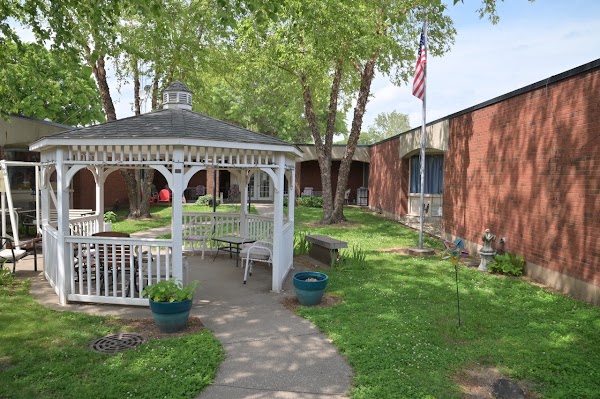
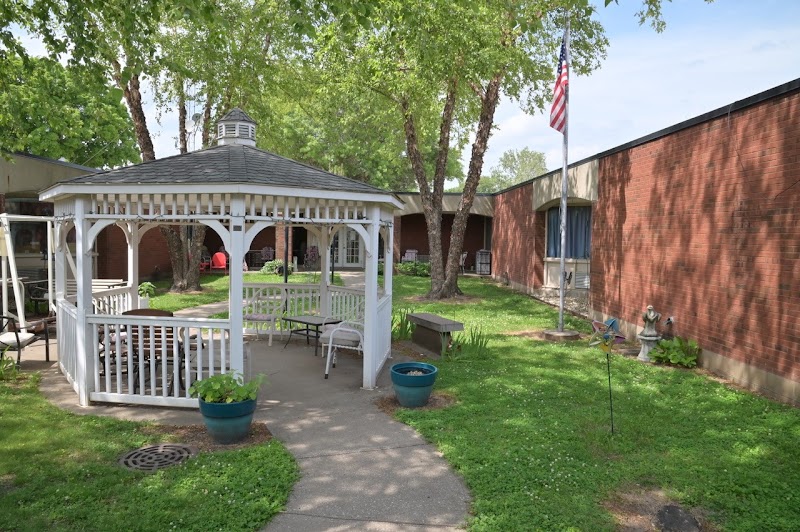
145 S CHAMBERLAIN ST, BOX 770, ROSEVILLE, IL 61473 (309) 426-2134
For profit - Limited Liability company 99 Beds GOLDWATER CARE Data: November 2025 2 Immediate Jeopardy citations
Trust Grade
0/100
#537 of 665 in IL
Last Inspection: March 2025

Within standard 12-15 month inspection cycle. Federal law requires annual inspections.

Overview

Goldwater Care Roseville has received a Trust Grade of F, indicating significant concerns about the quality of care provided, which is considered poor. It ranks #537 out of 665 nursing homes in Illinois, placing it in the bottom half of all facilities in the state, and #2 out of 2 in Warren County, meaning only one other local option is available that may be better. The facility is worsening, with the number of reported issues increasing from 12 in 2024 to 14 in 2025. Staffing is a concern, with a low rating of 1 out of 5 stars and a turnover rate of 53%, which is average for Illinois, meaning staff may not be familiar with the residents. The facility has faced fines totaling $64,201, which is average, but there are critical incidents that raise alarms, such as a resident experiencing chest pain for over two hours without a working call system to alert staff, and multiple residents feeling unsafe due to a malfunctioning nurse call system in their bathrooms. Overall, while there are some average staffing levels, the critical issues regarding resident safety and care cannot be overlooked.
Trust Score
F
0/100
In Illinois
#537/665
Bottom 20%
Safety Record
High Risk
Review needed
Inspections
Getting Worse
12 → 14 violations
Staff Stability
⚠ Watch
53% turnover. Above average. Higher turnover means staff may not know residents' routines.
Penalties
⚠ Watch
$64,201 in fines. Higher than 75% of Illinois facilities, suggesting repeated compliance issues.
Skilled Nurses
○ Average
Each resident gets 37 minutes of Registered Nurse (RN) attention daily — about average for Illinois. RNs are the most trained staff who monitor for health changes.
Violations
⚠ Watch
39 deficiencies on record. Higher than average. Multiple issues found across inspections.
★☆☆☆☆
1.0
Overall Rating
★☆☆☆☆
1.0
Staff Levels
★★☆☆☆
2.0
Care Quality
★★☆☆☆
2.0
Inspection Score
Stable
2024: 12 issues
2025: 14 issues

The Good

  • Full Sprinkler Coverage · Fire safety systems throughout facility
  • No fines on record

Facility shows strength in fire safety.

The Bad

1-Star Overall Rating

Below Illinois average (2.5)

Significant quality concerns identified by CMS

Staff Turnover: 53%

Near Illinois avg (46%)

Higher turnover may affect care consistency

Federal Fines: $64,201

Above median ($33,413)

Moderate penalties - review what triggered them

Chain: GOLDWATER CARE

Part of a multi-facility chain

Ask about local staffing decisions and management

The Ugly 39 deficiencies on record

2 life-threatening 2 actual harm
Sept 2025 4 deficiencies 1 IJ (1 facility-wide)
CRITICAL (L) 📢 Someone Reported This

A family member, employee, or ombudsman was alarmed enough to file a formal complaint

Immediate Jeopardy (IJ) - the most serious Medicare violation

Deficiency F0919 (Tag F0919)

Someone could have died · This affected most or all residents

⚠️ Facility-wide issue

**NOTE- TERMS IN BRACKETS HAVE BEEN EDITED TO PROTECT CONFIDENTIALITY** Based on observation, interview, and record review the facility failed to successfully develop a plan and implement an accessibl...

Read full inspector narrative →
**NOTE- TERMS IN BRACKETS HAVE BEEN EDITED TO PROTECT CONFIDENTIALITY** Based on observation, interview, and record review the facility failed to successfully develop a plan and implement an accessible call system for all residents once an electronic call system became inoperable. These failures resulted in R1 being admitted from the hospital into a bed without a working call system on [DATE]. R1 was admitted with the diagnoses of Atrial Fibrillation, Repeated Falls, Acute and Chronic Right Heart Failure, Morbid Obesity, Hypertension, and Venous Insufficiency, and on [DATE] R1 was experiencing chest pain for over two hours without access to a working call system or staff response. These failures affect all 40 residents residing within the facility and resulted in R1 experiencing fear, chest pain, and shortness of breath for over two hours without staff intervention and R1 requiring emergency services for the treatment of a new onset of atrial fibrillation.These failures resulted in an Immediate Jeopardy. The Immediate Jeopardy started on [DATE] when R1 was admitted to the facility from the hospital into a bed without a working call light. V1 (Administrator), V2 (Director of Nursing) and V17 (Regional Clinical Director) were notified of the Immediate Jeopardy on [DATE] at 1:20 PM. While the immediacy was removed on [DATE], the facility remains out of compliance at a severity Level II as additional time is needed to evaluate the implementation and effectiveness of their removal plan and Quality Assurance monitoring. Findings include:The facility's Census Report dated [DATE] documents 40 residents reside within the facility.The facility's Call Light policy dated [DATE] documents, Purpose: To respond to residents' requests and needs in a timely and courteous manner. Guidelines: Resident call lights will be answered in timely manner. 1. All residents that have the ability to use a call light shall have the nurse call light system available at all times and within easy accessibility to the resident at the bedside or other reasonable accessible location. 2. All staff should assist in answering call lights. Nursing staff members shall go to resident rooms to respond to call system and promptly cancel the call light when the room is entered. 5. Hand bells will be provided for alert dependent residents when positioned out of reach of permanent call light when needed. 6. Call bell system defects will be reported promptly to the Maintenance Department for servicing. Check room frequently until system is repaired.The facility's Plan of Correction F919 dated as completed on [DATE] documents, Residents who need assistance with ADLs (Activities of Daily Living) will be provided increased/frequent rounding to aid the resident. If call light system is not audible, an alternate call light device will be provided by the facility. Education is provided to the residents who require an alternate call light device. All staff were in-serviced on the facility's Call Light policy including but not limited to respond to residents' request and needs in a timely and courteous manner, an alternate call light device will be provided to call for assistance, call bell system defects will be reported promptly to the Maintenance Director for servicing, and check rooms frequently until system is repaired by (V2) or (V1/Administrator).The facility's Resident Council Minutes dated 6/2025 and 8/2025 document, Call lights getting fixed. Order and waiting for them (call lights) to be installed.The facility's Resident Council Minutes dated 7/2025 document, Maintenance: Call lights.The facility's Inservice Form dated [DATE] documents V2 (Director of Nursing) provided an in-service to staff regarding the facility's call light system.R1's admission Record and current Physician's Orders document R1 is a [AGE] year-old admitted to the facility from the hospital on [DATE] at 4:26 PM with the diagnoses of Vertebra Compression Fracture, Morbid Severe Obesity, Atrial Fibrillation, Unsteadiness On Feet, Depression, Hypertension, Acute and Chronic Right Heart Failure, Venous Insufficiency, Neuralgia and Neuritis, Repeated Falls, and Acute and Chronic Diastolic Congestive Heart Failure (CHF).R1's MDS (Minimum Data Set) dated [DATE] documents R1 is cognitively intact, has impairments in functional range of motion to bilateral lower extremities, is dependent on staff for transfers and sitting to lying in bed, and does not ambulate.R1's Order Summary Report dated [DATE] documents R1 received oxygen at two liters per nasal cannula continuously for Shortness of Breath related to Acute and Chronic Right Heart Failure since [DATE].R1's current Care Plan documents R1 is dependent on staff for transfers, lying to sitting, sitting to lying, and transfers. This same Care Plan documents R1 is a full code and wants resuscitation and CPR (Cardio-Pulmonary Resuscitation), including intubation and mechanical ventilation.R1's current Care Plan documents, Started dated [DATE]: Focus: have altered cardiovascular status related to A-Fib Arrythmia, CHF, and Hypertension. Goal: I will be free from complication of cardiac problems through the review date. Interventions/Tasks: Assess for chest pain every shift. Enforce the need to call for assistance if pain starts.R1's Health Status Note dated [DATE] at 11:48 PM and signed by V7 (LPN/Licensed Practical Nurse) documents, At 10:15 (PM) I was approached by (V11/CNA/Certified Nursing Assistant) from 100-hall that (R1) was requesting her vitals to be checked due to not feeling right. I had not officially switched over from 200-hall over to 100-hall, so I did not have (R1's) full background of why (R1) was here or who (R1) was at that moment. When I went into (R1's) room, (R1) stated (R1) had chest pain and when (R1) initially hit her call light the pain was going into her left arm. The pain then went away in my arm. (R1) did stated that (R1) was d/c (discharged ) from cardiac unit with A-fib (Atrial Fibrillation) and arrived (at the facility) on Friday ([DATE]) afternoon. I obtained vitals- BP (Blood Pressure) 148/82 systolic/diastolic, SPo2 (saturation of peripheral oxygen) 94% (percent), R (respirations) 20, pain 4/5 (four out of five) on pain scale. (R1's) HR (heartrate) was tachy (tachycardia) & irregular initially. When I (V7) assessed (R1) apically it was 74, then I did obtain a radial at 73 with pulse regular rate. I reached out (V12/Physician) at 10:55 PM and (V12) stated I should send (R1) out to E.R. (Emergency Room) for assessment d/t (due/to) recent stay in cardiac unit for (R1's) A-fib. I called 911 at 10:57 PM. EMT (Emergency Medical Transport) showed up at 11:20 PM and left with (R1) at 11:28 PM. R1's EMS (Emergency Medical Services) Pre-Hospital Communication Form documents R1 was sent by ambulance to the hospital on [DATE] at 11:59 PM due to complaints of chest pain that started worsening 30 minutes prior and back pain. This same Form documents EMS administered an Intravenous Solution, gave R1 four baby aspirins, and increased R1's oxygen to four liters continuously. R1's Hospital History and Physical dated [DATE] document R1 was treated at the hospital emergency department for a new onset of Atrial Fibrillation with an irregular rate and rhythm and Congestive Heart Failure. R1's Census Report documents R1 was moved from the room she was admitted to on [DATE] to another room on [DATE].The facility's Outside Electrical Company Invoice dated [DATE] documents, [DATE] Nurse Call System: (V6/Maintenance Director) needed me (technician) to install a station in one of the residents' rooms (R1's) and test. Swapped bad station with one (V6) provided. Tested and works like other rooms.R2's admission Record documents R2 is an [AGE] year-old that was admitted to the facility on [DATE] with the diagnoses of Hemiplegia and Hemiparesis of the Left Non-Dominant side, Diabetes Mellitus, Chronic Obstructive Pulmonary Disease Hypertension, and Aphasia.R2's MDS dated [DATE] and current Care Plan documents R2 requires assistance of staff for transfers and sitting to lying.R2's current Care Plan documents R2 is at high risk for falls. This same Care Plan documents, Interventions: Be sure (R2's) call light is within reach and encourage (R2) to use if for assistance as needed. (R2) needs prompt response to all requests for assistance.R3's admission Record documents R3 is a [AGE] year-old admitted to the facility on [DATE] with the diagnoses of Hypertension, Depression, Traumatic Subarachnoid Hemorrhage, Orthostatic Hypotension, Retention of the Urine, Difficulty Walking, Unsteadiness on Feet, Mood Disorder, and Chronic Obstructive Pulmonary Disease.R3's MDS dated [DATE] and current Care Plan documents R3 requires assistance of staff for transfers and sitting to lying.R3's current Care Plan documents R3 is at risk for falls. This same Care Plan documents, Interventions: Be sure (R3's) call light is within reach and encourage (R3) to use if for assistance as needed. (R3) needs prompt response to all requests for assistance.R4's admission Record documents R4 is a [AGE] year-old admitted to the facility on [DATE] with the diagnoses of Hemiplegia and Hemiparesis affecting the Left Non-Dominant Side, Cerebrovascular Disease, Epilepsy, Acute Respiratory Failure with Hypoxia, Abnormalities of Gait and Mobility, Muscle Wasting and Atrophy, Hypertension, Acute Embolism, Acute Kidney Failures, and Abnormalities of Breathing.R4's MDS dated [DATE] and current Care Plan documents R4 is cognitively intact, is dependent on staff for transfers, toileting hygiene, and sitting to lying, and is unable to walk.R4's current Care Plan documents R4 has a potential for falls and has bowel incontinence. This same Care Plan documents, Interventions: Ensure (R4's) call light is within reach and answer promptly.On [DATE] from 9:15 AM through 9:30 AM a tour was done of the facility. The facility's electronic call light system was inoperable at both nursing stations and all resident rooms during this time. On [DATE] at 9:15 AM R1 was sitting in a wheelchair in her room. R1 was upset and stated, This facility is killing me. When I was admitted here, I was put in a room that did not have a call light. My roommate's (R6's) call light would work but mine never did. I was not given a bell or anything to get the staff's help when I needed it. I would either have my roommate use her call light or yell for help when I needed it. I would tell the nurses my call light was not working, and they would tell me it was working. I tried to explain to the nurses that the light outside of my room was only coming on when my roommate was using the call light, not when I was pushing mine. None of the nurses would listen to me. On [DATE] around 9:00 PM I started having chest pain that was going down my back and left arm. My roommate was out of the facility so I could not get her to use her call light to get me help from the staff. I tried to use my call light and kept yanking and yanking trying to get the call light to work. I yanked the call light completely out of the wall trying. I was short of breath and trying to concentrate. I was so scared. I had just been in the hospital due to my heart and for A-fib and found out the A-fib was causing my weakness and falls. About an hour later, I was able to get a staff member (unknown) to come to my room. I asked that staff member to get me help because I was having chest pain. Nobody came back for over an hour. I just kept concentrating trying not to pass out and control my chest pain. I asked that same staff member an hour later to get me help. Finally, a nurse came in and could tell I was in A-fib and having chest pain. I was sent to the emergency room and was treated for A-Fib. Then I returned to the facility and was still not given a call light that worked or a bell. No one did anything about my call light until several days later. I was finally moved to a different room several days later that had a working call light.On [DATE] at 1:15 PM R4 was lying in bed. R4 had a bell at the bedside on the side table. R4 stated, They (facility staff) can shove this bell up their a***s! Using the bell is a joke! The staff do not respond to the bell and three days ago I laid in s**t in my pants for over three hours. I am tired of it. I had a stroke and cannot move my left side at all.On [DATE] at 1:20 PM R3 was lying in bed with a bedside table on the right side of R3's bed. R3 did not have a working call light or a bell at the bedside. R3 stated, I don't think I have ever had a bell to use. I just wait on the staff to come in and take care of me.On [DATE] at 1:30 PM R2's room did not have a working call light or bell.On [DATE] at 1:30 PM V13 (CNA) entered R2 and R3's room and searched R2 and R3's room for bells. V13 confirmed R2 and R3 did not have bells at the bedside or working call lights. V13 stated, I do not recall (R2) or (R3) ever having a bell. (R3) does try to get up and falls. (R2) struggles with speaking.On [DATE] at 12:08 PM V7 (LPN/Licensed Practical Nurse) stated, I have worked at the facility since March or [DATE]. I was working at 6:00 PM through 6:00 AM from [DATE] through [DATE]. Around 10:00 PM I was finishing up on another hallway when a newer CNA (unknown name) came over and said (R1) was not feeling well and wanted her vital signs taken. Around an hour or so later this same CNA came back and said she could not find the other nurse and stated (R1) thought something was wrong with her heart. I went to assess (R1), and I knew nothing about (R1). I took (R1's) vitals and I took (R1's) pulse and her heart was skipping beats, and I could tell (R1) was in A-Fib (Atrial Fibrillation). (R1) told me she came from the cardiac unit, and I was instantly concerned. (V8/LPN) assisted me. I decided to send (R1) to the emergency room. (R1) ended up being in A-Fib. (R1) said she was feeling off that day. At times call lights are not working right at the facility. I remember (R1) saying she was having chest pain for quite a while and (R1) said she had to wait for somebody to help her because her call light was not working, and she could not ask for help.On [DATE] at 12:00 PM V6 (Maintenance Director) stated, I know (R1's) call light was not working and had been pulled out of (R1's) wall but I did not document when that was reported to me. I contacted an outside company to fix the call light. I don't think (R1) was moved rooms until the day the company came and fixed (R1's) call light. We (the facility) have had trouble with our call light system and call lights not working ever since I have been here. We (the facility) currently have the call system out of service and a new call light system is being installed. The call light system has been out of service since last Tuesday ([DATE]).On [DATE] at 1:30 PM V13 (CNA) stated, When (R1) was admitted here, (R1's) room never did have a working call light. I am not sure if (R1) was given a bell.On [DATE] at 1:32 PM R5 was sitting on the edge of the bed in her room. R5 stated, When (R1) was my roommate, (R1's) call light never did work. My call light would work. I was on a home visit when (R1) was sent out to the hospital.On [DATE] at 1:35 PM V2 (Director of Nursing) stated, I gave an in-service to staff on [DATE] regarding the facility's call light system not working properly and all residents will be given hand bells to use in place of the call lights and all staff were to increase rounding on residents to check on all the residents care needs. The facility's call light system was put out of order last Tuesday ([DATE]). I announced the call light system not working in the dining room, in the morning of last Tuesday. The technicians are still working on putting in a new system. All residents should have a bell to use within reach and in every bathroom. We (the facility) did not develop a specific plan for the call light system being out except for the in-service of staff to do more frequent rounding of the residents and all residents are to have bells at the bedside and bathrooms.On [DATE] at 3:15 PM V11 (CNA) stated, I know (R1's) call light was not working in (R1's) room when (R1) was admitted here. I worked the next night ([DATE]) after (R1) had returned from the hospital and (R1) was still in the same room without a working call light. (V8/LPN) was livid that the facility would put (R1) in a room without a working call light, knowing (R1) had a heart condition. The facility has had a lot of problems with the call lights working properly.On [DATE] at 11:00 AM V2 (Director of Nursing) confirmed none of the residents' care plans had been updated with an alternate call system (bells) or to increase supervision/rounding for all residents while the electronic call system was inoperable.On [DATE] at 4:53 PM V14 (CNA) stated, On [DATE] I checked on (R1) around 10:00 PM. (R1) said she had been trying to use her call light for quite some time because (R1) was not feeling well and could not get the call light to work. (R1) stated she had to jerk the call light completely out of the wall to get the light to work. When I went into (R1's) room the call light was completely out of the wall. (R1) said she was feeling funny and needed her vitals checked. (R1) said she was admitted from the cardiac unit. I went and told (V15/LPN) and (V15) never did check on (R1). I went around a half an hour to 45 minutes later and told (V7/LPN). (V7) took over and I know (R1) was sent out to the hospital. I know there have been several issues with the call lights not working within the facility.Immediate Jeopardy Removal Plan On [DATE] from 10:00 AM through 10:25 AM a tour was done of the facility with V1 to confirm the facility's actions to remove the Immediate Jeopardy. During this tour R1, R4, R7, R8, R9, R10, and R11's bathroom call lights were tested by V1 and did not work. R1, R4, R7, R8, R9, R10, and R11's bathrooms did not have bells in them as alternatives to the call lights not working and as stated in their abatement plan to be completed as of [DATE]. V1 stated, I was told by (V6/Maintenance Director) that all call lights were working except for the hallway that does not have residents residing. I had no idea (R1, R4, R7-R11's) bathroom call lights were not working. I will have to go somewhere and get bells to put in those bathrooms.On [DATE] at 10:45 AM V2 (Director of Nursing) stated, I did an audit of all resident rooms yesterday to ensure all rooms had bells at the bedside in case the call light system was not working. I did not check any of the residents' bathrooms to ensure there were bells.On [DATE] at 10:45 AM V6 (Maintenance Director) confirmed that no one had informed him that R1, R4, R7, R8, R9, R10, and R11's bathroom call lights were not working so therefor he did not have a record in the service repair/work order binder to document when the call lights were out of service and when repairs will be made. V6 stated, I will have to call the call light installers and see if I can get them back out here to fix this.On [DATE] at 10:48 AM V17 (Regional Clinical Director) stated the Immediate Jeopardy abatement plan was supposed to be completed by [DATE] and V2 should have done an audit of all resident rooms and resident bathrooms to ensure there were bells as a back up to the call light system and V6 should have been informed that the call lights were not working in R1, R4, R7, R8, R9, R10, and R11's bathrooms. V17 stated, I will be re-in servicing all staff today to ensure all staff are notifying (V6) immediately of any call lights that are not working, and I will make sure (V2) audits all rooms and bathrooms to ensure there are bells.On [DATE] this surveyor confirmed through observation, interview, and record review that the facility took the following actions to remove the Immediate Jeopardy:1. All resident care plans were updated by V2 on [DATE] to ensure residents receive frequent rounding every 30 minutes to ensure needs are met and bells within reach if a call light is found to be inoperable. Staff will complete a work order and submit to the Maintenance Department for service or repairs. The Maintenance Director will keep all work orders which will document what type of repair was conducted, with date and time of said repair. The Administrator and/or Director of Nursing will be responsible for overseeing and maintaining plan until call light system is back online and operating appropriately.2. On [DATE] V1, V2, and V17 in-serviced all staff on the facility's Call Light policy including reporting call bell system defects promptly to the Maintenance Department for servicing and checking rooms frequently until the call light system is repaired, providing dependent residents with a hand bell whenever a call light is found to be inoperable, and answering call lights promptly. 3. On [DATE] V17 educated V2 on the facility's Comprehensive Care Plan policy, including but not limited to developing a comprehensive care plan within seven days after completion of the comprehensive assessment that includes services that are to be furnished to attain or maintain the resident's highest practicable physical, mental, and psychosocial well-being, resident's goals for admission and desired outcomes, resident's preference and potential for future discharge, including the resident's desire to return to the community and any referrals to local contact agencies.4. On [DATE] V1 and V17 educated V6 (Maintenance Director) to document when call lights were out of service, when repairs were made, and keeping a service repair/work order binder to document when call lights are out of service and when repairs are made.5. On [DATE] at 2:30 PM V1 ensured all resident bathrooms were provided with hand bells.6. V2 completed daily audits to ensure all call lights were operational and hand bells were within reach of all residents that did not have working call lights with the exception of 300 hall which closed and does not currently have residents. These audits will continue for six weeks.7. On [DATE] V17 re-in serviced all staff including V1 and V17 on ensuring V17 receives a work order whenever call lights are not working and ensuring V17 documents in the maintenance binder when the call lights are inoperable and are repaired.8. On [DATE] the new call system was fully operational and working on all of 100 and 200 hallway bathrooms and resident rooms. All resident rooms and bathrooms had bells as back up call devices. These bells were within reach of all residents.Completion Date: [DATE]
CONCERN (F) 📢 Someone Reported This

A family member, employee, or ombudsman was alarmed enough to file a formal complaint

Potential for Harm - no one hurt, but risky conditions existed

Safe Environment (Tag F0584)

Could have caused harm · This affected most or all residents

Based on observation, interview, and record review the facility failed to ensure the cooling/heating vent located in the dining room was free of debris, and residents' bathroom walls, cove base, caulk...

Read full inspector narrative →
Based on observation, interview, and record review the facility failed to ensure the cooling/heating vent located in the dining room was free of debris, and residents' bathroom walls, cove base, caulking around the toilets, and air conditioner vent were clean, maintained, and in good repair. These failures have the potential to affect all 40 residents who reside within the facility.Findings include:The facility's Census Report dated 9/3/25 documents 40 residents reside within the facility.The facility's Housekeeping Director's Job Description dated 3/23/17 documents, Essential Duties and Responsibilities: Clean, wash, sanitize, and/or polish fixtures, ledges, room heating/cooling units, bathroom fixtures, etc. (etcetera).The facility's Housekeeper's Job Description dated 3/23/17 documents, The primary purpose of the housekeeper is to perform the day-to-day activities of the housekeeping department in accordance with current federal, state, and local standards, guidelines, and regulations governing our facility, and as may be directed by the Administrator, and/or the Director of Environmental Services, to assure that our facility is maintained in a clean, safe, and comfortable manner. Essential Duties and Responsibilities: Clean, wash, sanitize, and/or polish fixtures, ledges, room heating/cooling units, bathroom fixtures, etc.The facility's Maintenance Director's Job Description dated 5/2/17 documents, Ensure that all supplies, equipment, etc. are maintained to provide a safe and comfortable environment. Promptly report equipment of facility damage to the Administrator.On 9/3/25 from 9:15 AM through 9:30 AM a tour of the facility was done. During this tour R1's bathroom had a two-foot piece of cove base behind the toilet that had pulled away from the wall, and the wall behind this piece of cove base had chunks of drywall missing and the chunks of drywall were lying in the floor. The caulking surrounding R1's toilet was stained with a black substance. R1's bathroom wall had multiple linear lines of missing paint. The bottom half of R1's wall air conditioner vent was covered in fuzzy debris. The caulking surrounding R2 and R3's toilet was stained with a black substance and R2 and R3's bathroom wall had multiple linear lines of missing paint. R4's bathroom had a two-foot long piece of cove base that had pulled away from the wall, and the wall behind this of cove base had chunks of drywall missing and the chunks of drywall were lying in the floor. The caulking surrounding R4's toilet was stained with a black substance. The main dining room had a four- foot by two-foot heating/cooling vent located at the top of the dining room wall. This vent was completely covered in thick, brown debris.On 9/6/25 from 10:00 AM through 10:25 AM V1 (Administrator) did a tour of the facility with this surveyor and verified R1 and R4's bathrooms had cove base away from the wall and the wall behind the cove base had chunks of drywall missing with chunks of drywall lying on the floor, the caulking around R1, R2, R3, and R4's toilets was stained with a black substance, and R1, R2, and R3's bathroom walls had numerous linear lines of missing paint. On 9/3/25 at 9:15 AM R1 stated, My bathroom is disgusting. Just look at it. My vent in my air conditioner needs cleaned too.On 9/3/25 at 9:30 AM R4 stated, This place is a s**thole. The bathroom stinks.On 9/3/25 at 11:40 AM R1 stated, Look at that vent (dining room vent). I have asthma and should not have to breath in all that dust. On 9/3/25 at 11:45 AM V15 (Housekeeper) stated, It is not my responsibility to clean the air vent in the dining room. That is the Maintenance Director's (V6's) job.On 9/3/25 at 11:55 AM V16 (Housekeeper) stated, I have never cleaned the vent in the dining room.On 9/3/25 at 12:00 PM V6 (Maintenance Director) stated, I have never cleaned the vents on the walls in the dining room. I will be honest I have been too busy.On 9/3/25 at 1:35 PM V2 (Director of Nursing) confirmed all residents use the main dining room. V2 stated, All residents, including (R5/who is fed by a gastrostomy tube), use the dining room. (R5) comes to the dining room for socialization.On 9/6/25 at 10:25 AM V1 (Administrator) stated, I am aware that a lot of the residents' bathrooms need to be repaired or updated.
CONCERN (F) 📢 Someone Reported This

A family member, employee, or ombudsman was alarmed enough to file a formal complaint

Potential for Harm - no one hurt, but risky conditions existed

Deficiency F0944 (Tag F0944)

Could have caused harm · This affected most or all residents

Based on record review and interview the facility failed to provide QAPI (Quality Assurance and Performance Improvement) training to all employees. This failure has the potential to affect all 40 resi...

Read full inspector narrative →
Based on record review and interview the facility failed to provide QAPI (Quality Assurance and Performance Improvement) training to all employees. This failure has the potential to affect all 40 residents residing within the facility.Findings include:The facility's Census Report dated 9/3/25 documents 40 residents reside within the facility.The Facility Assessment Tool dated 12/10/24 documents all Certified Nursing Assistants shall receive QAPI training.The facility's Annual In-Service Schedule does not include in-servicing regarding QAPI.The facility's Staff In-Services dated 9/1/24 through 9/6/25 were reviewed and do not include QAPI training.On 9/6/25 at 10:50 AM V2 (Director of Nursing) verified facility staff have not received QAPI training.
CONCERN (F) 📢 Someone Reported This

A family member, employee, or ombudsman was alarmed enough to file a formal complaint

Potential for Harm - no one hurt, but risky conditions existed

Deficiency F0946 (Tag F0946)

Could have caused harm · This affected most or all residents

Based on record review and interview the facility failed to provide training regarding the facility's Compliance and Ethics Program to all employees. This failure has the potential to affect all 40 re...

Read full inspector narrative →
Based on record review and interview the facility failed to provide training regarding the facility's Compliance and Ethics Program to all employees. This failure has the potential to affect all 40 residents residing within the facility.Findings include:The facility's Census Report dated 9/3/25 documents 40 residents reside within the facility.The facility's Annual In-Service Schedule does not include in-servicing regarding the facility's Compliance and Ethics Program.The Facility Assessment Tool dated 12/10/24 documents facility required staff training. Under this section of the Facility Assessment Tool, the Compliance and Ethics Program is not listed as a required staff training.The facility's Annual In-Service Schedule does not include in-servicing regarding the facility's Compliance and Ethics Program.The facility's Staff In-Services dated 9/1/24 through 9/6/25 were reviewed and do not include training regarding the facility's Compliance and Ethics Program.On 9/6/25 at 10:50 AM V2 (Director of Nursing) verified facility staff have not received training regarding the facility's Compliance and Ethics Program.
Jun 2025 2 deficiencies 1 Harm
SERIOUS (H) 📢 Someone Reported This

A family member, employee, or ombudsman was alarmed enough to file a formal complaint

Actual Harm - a resident was hurt due to facility failures

Deficiency F0919 (Tag F0919)

A resident was harmed · This affected multiple residents

**NOTE- TERMS IN BRACKETS HAVE BEEN EDITED TO PROTECT CONFIDENTIALITY** Based on observation, interview and record review the facility failed to provide a functioning nurse call system in resident bat...

Read full inspector narrative →
**NOTE- TERMS IN BRACKETS HAVE BEEN EDITED TO PROTECT CONFIDENTIALITY** Based on observation, interview and record review the facility failed to provide a functioning nurse call system in resident bathrooms for all facility residents. This failure resulted in four of four residents (R1, R2, R3 and R4) expressing fear and anxiety during toileting in their rooms due to a non-functioning nurse call system. Findings include: The facility policy, Call Lights, dated (revised) 2/2/18 documents, Purpose: To respond to resident's requests and needs in a timely and courteous manner. Resident call lights will be answered in (a) timely manner. All residents that have the ability to use a call light shall have the nurse call light system available at all times and within easy accessibility to the resident at the bedside or other reasonable accessible location. Bathroom lights will be viewed as emergencies and immediate attention given. Call bell system defects will be reported promptly to the Maintenance Director for servicing. 1.) R1's facility admission Record form documents R1's medical diagnoses as: Hemiplegia and Hemiparesis Following Cerebral Infarction; Fibromyalgia, Osteoarthritis, Cerebral Infarction, Bursitis, Pain and Chronic Kidney Disease (Severe). R1's current Minimum Data Set Assessment, dated April 4, 2025, documents, Section C-Cognitive Patterns (Brief Interview for Mental Status) as 14:15 (cognitively intact). This same form documents, Section GG-Functional Abilities Toileting as 01 (dependent). R1's current Care Plan includes the following Focus area: (R1) is at risk for falls. Also included is the following Interventions: Be sure (R1)'s call light is within reach and encourage (R1) to use it for assistance as needed. (R1) needs prompt response to all requests for assistance. On 6/2/2025 at 11:00 A.M., R1 stated the call light in her bathroom has been down for months. R1 states she has waited anywhere from 15 to 30 minutes for staff to come help her off the toilet. R1 states she is totally dependent on staff in the bathroom. R1 states the facility just gave her a bell to ring while she is in the bathroom [ROOM NUMBER]- 3 weeks ago. R1 states a few weeks ago staff placed her on the toilet and left her with a bell. R1 states the bell slipped from her hand and she had no way to notify staff she needed assistance. R1 states she sat on toilet for 30 minutes waiting. R1 states, It really bothers me. It makes me very nervous and fearful when I need to use the toilet. I am completely helpless and if I fell, I would have to lay there. R1 states she and her son have both been to V1/Administrator many times in the past few months and all they (are told) is that it is being worked on. On 6/2/25 at 11:03 A.M. the (nurse) call button was pushed in (R1)'s bathroom. No light outside of (R1)'s room door activated. No audible sound was heard outside of (R1)'s room door. An observation of the facility 200 Hall wing (nurse) call light (system) board shows no light on for (R1)'s room, to notify staff that R1 would need assistance in the bathroom. The observation was verified with V11/Certified Nursing Assistance (CNA). At that time V11/CNA stated that the facility nurse call system in resident's bathrooms had been down for many months. V11/CNA states she had observed (V7/Maintenance Director) working on the system, but the nurse call system would continue to malfunction. 2.) R2's facility admission Record form documents R2's medical diagnoses as: Spinal Stenosis, Lumbosacral Region; Type 2 Diabetes Mellitus with Diabetic Neuropathy; Chronic Pain Syndrome; Spondylosis; History of Fracture of the Pelvis; Low Back Pain; Primary Generalized Osteoarthritis. R2's current Minimum Data Set Assessment, dated May 14, 2025, documents, Section C-Cognitive Patterns (Brief Interview for Mental Status) as 15:15 (cognitively intact). This same form documents, Section GG-Functional Abilities Toileting as 03 (partial/moderate assist). R2's current Care Plan includes the following Focus area: (R2) is at risk for falls. Also included is the following Interventions: Be sure (R2)'s call light is within reach and encourage (R2) to use it for assistance as needed. (R2) needs prompt response to all requests for assistance. On 6/2/25 at 10:51 A.M. an observation of R2's bathroom (nurse) call (system) button on the wall in (R2)'s bathroom, showed a red button with no string attached for R2 to pull. At that time the (nurse) call light button was activated. No light activated above R2's room door, or audible sound was heard. At that time, R2 stated, I am at risk for falling. I have fallen many times, and I need my walker to ambulate. I fell in the bathroom and my call light wasn't working. I had to yell for help. It took a while for the staff to come. When I am in my bathroom with the door closed, you can't hear a bell ringing or if there aren't any staff outside your door, they can't hear you yell. I have complained about this (broken system) many times to (V1/Administrator). It's been about a year. All they say is they are working on it. I am afraid to go to the bathroom. I have no way to summon staff. On 6/2/25 at 10:54 A.M. an observation of the facility 100 Hall nurse's station call board shows no light activated for (R2)'s room, to notify staff that R2 would need assistance in the bathroom. The observation was confirmed with V8/Licensed Practical Nurse (LPN). At that time V8/LPN stated the (nurse) call system in the resident's bathrooms have been broken for a long time. 3.) R3's facility admission Record form documents R3's medical diagnoses as: Restless Legs Syndrome; Chronic Gout Right Ankle and Foot; Abnormalities of Gait and Mobility; Nocturia; Unsteadiness on Feet; Polyosteoarthritis; Spinal Stenosis; Scoliosis, History of Falling. R3's current Minimum Data Set Assessment, dated May 8, 2025, documents, Section C-Cognitive Patterns (Brief Interview for Mental Status) as 14:15 (cognitively intact). This same form documents, Section GG-Functional Abilities Toileting as 03 (partial/moderate assist). R3's current Care Plan includes the following Focus area: (R3) is at risk for falls. Also included is the following Interventions: Be sure (R3)'s call light is within reach and encourage (R3) to use it for assistance as needed. (R3) needs prompt response to all requests for assistance. On 6/2/25 at 11:11 A.M., R3 stated right now he doesn't think his bathroom (nurse) call light (system) is working. States he wears a whistle around his neck all day and all night to be able to summon help from the staff. States he doesn't feel safe in the bathroom and is afraid to go without the whistle. States he is unsure how long call system has been broken. At that time the (nurse call) system was activated in R3's bathroom. No light above (R3)'s door activated, and no sound was audible to alert staff. The nurse call system did not activate at the 100 Hall nurse's station. Verified with V9/Registered Nurse who states the nurse call light system is not working. 4.) R4's facility admission Record form documents R4's medical diagnoses as: Type 2 Diabetes Mellitus with Diabetic Polyneuropathy; Epilepsy; Lack of Coordination; Pain; Chronic Instability of Right Knee; Rheumatoid Arthritis; Bilateral Primary Osteoarthritis of Knee; Restless Legs Syndrome. R4's current Minimum Data Set Assessment, dated March 11, 2025, documents, Section C-Cognitive Patterns (Brief Interview for Mental Status) as 14:15 (cognitively intact). This same form documents, Section GG-Functional Abilities Toileting as 05 (set up or clean up assistance). R4's current Care Plan includes the following Focus area: (R4) is at risk for falls. Also included is the following Interventions: Be sure (R4)'s call light is within reach and encourage (R4) to use it for assistance as needed. (R4) needs prompt response to all requests for assistance. On 6/3/25 at 8:50 A.M., R4 stated she recalls falling in her bathroom on 4/18/25. States she usually takes self to the bathroom. States call light in bathroom is non-functional. States staff gave her a bell to ring. States she stood from wheelchair, got dizzy, her hand slipped off the assist rail and she fell hard, hitting her head against the wall and her right knee and ended up on buttocks. States she was unable to reach the bell prior to the fall, to ask for assistance or after the fall. States she crawled to the doorway and had to yell for help. States she was hurting really bad and was in a lot of pain and requested to go to the ER (Emergency Room). States she had X-rays and blood work, and doctor was concerned about her right knee. States she received pain medication while in the ER to help with the pain. States she wishes she had a call light with a long cord in her bathroom in case she fell again and landed on floor, at least she could call for help. States she is fearful of using the bathroom now after the fall and is afraid if she fell again, she would break something. At that time an activation of (R4)'s bathroom (nurse) call light (system) was performed. No light above (R4)'s room door activated to alert staff. No audible sound to alert staff was heard. The nurse call system did not activate at the facility 100 Hall Nurse's Station. V9/Registered Nurse verified R4's non functioning bathroom nurse call light system. On 6/3/25 at 11:24 A.M., V1Administartor confirmed the bathroom (nurse) call light system throughout the entire facility was not working. V1/Administrator stated that (R1) and (R1)'s family had come to her and expressed concern with (R1)'s fear of being left on the toilet, due to the non-functioning nurse call system. At that time, V1/Administrator stated she was not aware of R2, R3 and R4's fear and anxiety during toileting in their rooms, due to a non-functioning nurse call system.
CONCERN (F) 📢 Someone Reported This

A family member, employee, or ombudsman was alarmed enough to file a formal complaint

Potential for Harm - no one hurt, but risky conditions existed

Administration (Tag F0835)

Could have caused harm · This affected most or all residents

Based on observation, interview and record review the facility failed to provide a functioning bathroom nurse call light system. This failure has the potential to affect all 44 current facility reside...

Read full inspector narrative →
Based on observation, interview and record review the facility failed to provide a functioning bathroom nurse call light system. This failure has the potential to affect all 44 current facility residents. Findings include: The facility Concern Form, dated 3/17/2025 documents, Nature of concern: Call lights not working. The facility form Resident Council Minutes, dated April 2025 documents, Maintenance: Call lights not working. The facility form, Resident Council Minutes, dated May 2025 documents, Call lights not working. The facility Concern Form, dated 6/2/25 documents, Nature of concern: Call lights- bathroom (s), ongoing. On 6/2/25 at 10:51 A.M. an observation of R2's bathroom (nurse) call (system) button on the wall in (R2)'s bathroom, showed a red button with no string attached for R2 to pull. At that time the (nurse) call light button was activated. No light activated above R2's room door, or audible sound was heard. At that time, R2 stated, I have complained about this (broken system) many times to (V1/Administrator). It's been about a year. All they say is they are working on it.' On 6/2/25 at 10:54 A.M. an observation of the facility 100 Hall nurse's station call board shows no light activated for (R2)'s room, to notify staff that R2 would need assistance in the bathroom. The observation was confirmed with V8/Licensed Practical Nurse (LPN). At that time V8/LPN stated the (nurse) call system in the resident's bathrooms have been broken for a long time. On 6/2/25 at 11:00 A.M., R1 stated the call light in her bathroom has been down for months. R1 states she and her son have both been to V1/Administrator many times in the past few months and all they (are told) is that it is being worked on. On 6/2/25 at 11:03 A.M. the (nurse) call button was pushed in (R1)'s bathroom. No light outside of (R1)'s room door activated. No audible sound was heard outside of (R1)'s room door. An observation of the facility 200 Hall wing (nurse) call light (system) board shows no light on for (R1)'s room, to notify staff that R1 would need assistance in the bathroom. The observation was verified with V11/Certified Nursing Assistant (CNA). At that time V11/CNA stated that the facility nurse call system in resident's bathrooms has been down for many months. On 6/2/25 at 11:11 A.M., the (nurse call) system was activated in R3's bathroom. No light above (R3)'s door activated, and no sound was audible to alert staff. The nurse call system did not activate at the 100 Hall nurse's station. Verified with V9/Registered Nurse who states the nurse call light system is not working. On 6/2/25 at 11:22 A.M., V7/Maintenance Director stated he has been an employee of the facility since February 2025. V7 states the (nurse) call system has been down as long as he has been here. V7 states (the facility) has had a local company out many times to work on the system, but it always fails again. V7 states the circuit board that operates the system has no parts available as the system is outdated. V7 states someone in the past has attempted to rig the system back together, but the system always fails again. V7 states V1/Administrator is aware of the situation. V7 states the (facility) corporate management staff is aware of the situation and three bids were obtained in May 2025 for the installation of a new system. V7 states he is unsure if the bids have been accepted and when the work will start on the new system. On 6/2/25 at 11:24 A.M., V1 Administartor confirmed the bathroom (nurse) call light system throughout the entire facility was not working. V1 states the system has been down since at least early January (2025). V1 states a local company has been out multiple times to look at the system, but they are unable to get it operational. V1 states corporate staff were made aware of the situation on 1/8/25. V1 states on 5/22/25 Regional Corporate staff were given quotes to review for the replacement of the call system. V1 confirms that she is unsure when the facility bathroom nurse call system will be replaced and functioning. The facility Midnight Census Report dated 6/2/25 and provided by V1/Administrator documents 44 residents currently reside in the facility.
Mar 2025 6 deficiencies
CONCERN (D)

Potential for Harm - no one hurt, but risky conditions existed

Deficiency F0645 (Tag F0645)

Could have caused harm · This affected 1 resident

Based on record review and interview the facility failed to obtain a Level Two PASRR (Preadmission Screening and Resident Review) for one resident (R12) of three residents reviewed for PASRR in a tota...

Read full inspector narrative →
Based on record review and interview the facility failed to obtain a Level Two PASRR (Preadmission Screening and Resident Review) for one resident (R12) of three residents reviewed for PASRR in a total sample of 28. Findings Include: R12's PASRR Level I Form dated 08/01/2023 documents Reason for screening: This nursing facility resident has never had a PASRR Level I screen. R12's PASRR Level I dated 08/01/2023 documents Mental Health Diagnoses: Schizophrenia suspected; Major depression current, Anxiety current. R12's Notice of PASRR Outcome Explanation; Notice of PASRR Level II Onsite Evaluation Required. Your health care professional and (Company) completed a Preadmission Screening and Resident Review (PASRR) Level I screen for you. This screen shows that you need a face-to-face Level II evaluation. PASRR Level I screens, and Level II evaluations are required by Federal law, 42 U.S.C. 1396 (e)(7). You need this evaluation because you may have serious mental illness or an intellectual/developmental disability. The purpose of this evaluation is to decide whether a nursing facility is able to meet your needs. R12's Medical Record did contain any documentation of a Level II PASSR evaluation. On 3/4/25 at 2:00 PM V4 (Regional Operation Manager) confirmed R12's medical record did not contain a Level II PASSR evaluation. We don't have any further documentation about (R12)'s Level II PASSR. It must have gotten missed.
CONCERN (D)

Potential for Harm - no one hurt, but risky conditions existed

Incontinence Care (Tag F0690)

Could have caused harm · This affected 1 resident

**NOTE- TERMS IN BRACKETS HAVE BEEN EDITED TO PROTECT CONFIDENTIALITY** Based on observation, interview, and record review the facility failed to assess a resident for indwelling urinary catheter remo...

Read full inspector narrative →
**NOTE- TERMS IN BRACKETS HAVE BEEN EDITED TO PROTECT CONFIDENTIALITY** Based on observation, interview, and record review the facility failed to assess a resident for indwelling urinary catheter removal for one of four residents (R45) reviewed for an indwelling urinary catheter in a sample of 28. Findings include: R45's admission Record documents that R45's date of admission to the facility was 11/16/24 and her diagnoses on admission include Unspecified Diastolic Congestive Heart Failure, Hypertension, Hypomagnesium, Arthropathy, Chronic Kidney Disease, and Peripheral Vascular Disease. R45's Minimum Data Set (MDS) assessment documents a Brief Interview for Mental Status (BIMS) score of 12/15, indicating moderate cognitive impairment and documents the use of an indwelling urinary catheter. R45's Physician Order dated 12/10/24 documents R45 has an order for indwelling urinary catheter 18 French with a 30 cubic centimeter (cc) bulb for Neuromuscular Dysfunction of the Bladder. R45's admission bowel and bladder assessment dated [DATE] documents R45 goes to the bathroom with assistance and is usually continent. R45's Electronic Medical Record (EMR) Health Status note dated 12/6/24 documents, resident short of breath O2 (oxygen) on at 3L (liters) per NC (nasal cannula), O2 (oxygen) saturation 85 percent (%). resp (respiration) rate 28. 98.4 T (temperature) unable to obtain a BP (blood pressure) due to severe jerking movements in all upper and lower limbs. EMR also documents R45 was sent to emergency room and admitted to the hospital for Sepsis, Upper Respiratory Infection, and Hypoxia. R45's re-admission bowel and bladder assessment documents R45 returned from hospital on [DATE] with indwelling urinary catheter. On 3/4/25 at 9:42am R45 was sitting in her recliner with an indwelling urinary catheter hanging in a dignity bag on the side of her trash can beside her. R45 stated, I (R45) do not know why I have a catheter, and nobody has talked to me about removing it. R45's EMR has no documentation regarding conversations with R45 to remove the indwelling urinary catheter. On 3/05/25 at 2:00pm, V9/Certified Nursing Assistant stated that R45 did not have a catheter prior to going to the hospital but returned with one. V9 also stated that R45 utilized the bathroom with assistance before hospitalization. On 3/05/25 at 2:48pm V2/Director of Nursing stated, It is the expectation that any resident that did not have an indwelling urinary catheter prior to a hospitalization and returns with one, that the nursing staff get orders for removal.
CONCERN (D)

Potential for Harm - no one hurt, but risky conditions existed

Deficiency F0692 (Tag F0692)

Could have caused harm · This affected 1 resident

Based on record review and interview the facility failed to weigh one resident as recommended (R8) of three residents reviewed for weight loss in a total sample of 28. Findings Include: The Facility...

Read full inspector narrative →
Based on record review and interview the facility failed to weigh one resident as recommended (R8) of three residents reviewed for weight loss in a total sample of 28. Findings Include: The Facility's Dietary policy dated 10/17/19 documents Residents identified at nutritional risk may be weighed weekly or bi-weekly as per physician order or Interdisciplinary Team recommendation. R12's Medical Record documents R12's weight on 01/09/25 was 237 pounds. R12's Medical Record documents R12's weight on 2/11/25 was 222 pounds. R12's Weight Progress Note dated 2/17/25 documents Dietitian weight review weight 222 pounds (-6.3%) noted in one month. Please change diet to: (due to) weight loss for 1 month resident to have weekly weights (for) four weeks. R12's Medical Record did not have any documentation of any weights after the 2/11/25, 222 pounds weight. On 3/5/25 V8 (Dietary Manager) confirmed that the dietician had recommended weekly weights on 2/17/25 due to weight loss. V8 also confirmed that R12's medical record did not contain any documentation of any weights after 2/11/25.
CONCERN (D)

Potential for Harm - no one hurt, but risky conditions existed

Medication Errors (Tag F0758)

Could have caused harm · This affected 1 resident

**NOTE- TERMS IN BRACKETS HAVE BEEN EDITED TO PROTECT CONFIDENTIALITY** Based on observation, interview, and record review the facility failed to provide an appropriate indication for use of antipsych...

Read full inspector narrative →
**NOTE- TERMS IN BRACKETS HAVE BEEN EDITED TO PROTECT CONFIDENTIALITY** Based on observation, interview, and record review the facility failed to provide an appropriate indication for use of antipsychotic medications for one of five (R47) residents reviewed for unnecessary medications in a sample of 28. Findings include: The facility's policy titled Psychotropic Medication- Gradual Dosage Reduction, revised 2-1-18, documents, Purpose: To ensure that residents are not given psychotropic drugs unless psychotropic drug therapy is necessary to treat a specific or suspected condition as per current standards of practice, and are prescribed at the lowest therapeutic dose to treat such conditions. R47's admission Record documents R47's date of admission to the facility was 7/14/23 and his diagnoses on admission include Hypertension, Anxiety Disorder, Benign Prostatic Hyperplasia with Lower Urinary Tract Symptoms, Hyperlipidemia, Unspecified Dementia (Unspecified Severity) without Behavioral Disturbance, Psychotic Disturbance, Mood Disturbance, and Anxiety, and Cerebral Infarction due to Unspecified Occlusion or Stenosis of Right Posterior Cerebral Artery. R47's Minimum Data Set (MDS) assessment dated [DATE], documents a Brief Interview for Mental Status (BIMS) score of 11/15, indicating moderate cognitive impairment and Section E/Behaviors documents no behaviors exhibited. R47's Physician Order dated 11/10/24, documents R47 has an order for Seroquel 25 milligrams/mg (antipsychotic medication) give 0.5 tablet by mouth one time a day for mood disorder related to Vascular Dementia (Moderate) with Mood Disturbance. R47's task- Monitor Behavior symptoms dated 2-4-25 to 2-20-25, documents no behaviors. On 3/4/25 at 10:36am, R47 observed sitting up in wheelchair calmly watching television. On 3/05/25 at 11:50am, R47 observed sitting up in wheelchair in room calmly watching television. On 3/05/25 at 1:00pm, R47 observed sitting up in wheelchair watching television and in no distress. On 3/05/25 at 12:05pm, V7/Licensed Practical Nurse stated that R47 was started on Seroquel shortly after he (R47) admitted to the facility due to aggression. V7 stated R47 was never aggressive toward other residents or staff, just objects in R47's room. V7 also stated that she (V7) has not noticed any aggressive behaviors from him for quite some time and verified that R47 takes Seroquel (antipsychotic medication) for Vascular Dementia with Mood Disturbance. On 3/05/25 at 2:10pm, V2/Director of Nursing stated, R47 has a current order for Seroquel (antipsychotic medication) 25mg (milligrams) take half a tablet by mouth daily for Vascular Dementia with Mood Disturbance. V2 stated, I am not sure of the regulations for antipsychotic medications. V2 also verified that R47 has not had any documented behaviors in his Electronic Medical Record for the past month.
CONCERN (D)

Potential for Harm - no one hurt, but risky conditions existed

Infection Control (Tag F0880)

Could have caused harm · This affected 1 resident

**NOTE- TERMS IN BRACKETS HAVE BEEN EDITED TO PROTECT CONFIDENTIALITY** Based on observation, interview, and record review the facility failed to initiate and follow Enhanced Barrier Precautions for o...

Read full inspector narrative →
**NOTE- TERMS IN BRACKETS HAVE BEEN EDITED TO PROTECT CONFIDENTIALITY** Based on observation, interview, and record review the facility failed to initiate and follow Enhanced Barrier Precautions for one resident of thirteen residents (R26) reviewed for infection control in a sample of 28. Findings include: The facility's policy titled Enhanced Barrier Precautions, review/revised 4/8/24, documents, Purpose: To reduce risk of transmitting multidrug-resistant organisms (MDRO) and targeted MDRO when contact precautions do not apply for residents identified as higher risk. Guidelines: Enhanced Barrier Precautions (EBP) refer to an infection control intervention designed to reduce transmission of multidrug-resistant organisms that employs targeted gown and glove use during high contact resident care activities. EBP are used in conjunction with standard precautions and expand the use of Personal Protective Equipment (PPE) to donning of gown and gloves during high-contact resident care activities that provide opportunities for transfer of MDROs to staff hands and clothing. R26's admission Record documents that R26's date of admission to the facility was 5/21/24 and his diagnoses on admission include Type 2 Diabetes Mellitus with Unspecified complications, Chronic Obstructive Pulmonary Disease, Generalized Anxiety, Hypertension, and Chronic Viral Hepatitis C. R26's Minimum Data Set (MDS) assessment dated [DATE], documents R26 has a Brief Interview for Mental Status (BIMS) score of 15/15, indicating cognition intact and documents R26 has Chronic Viral Hepatitis C. R26's current care plan documents R26 has a need for Enhanced Barrier Precautions related to Hepatitis C. On 3/04/25 at 9:31am, No Enhanced Barrier Precautions (EBP) sign observed, or Personal Protective Equipment (PPE) observed outside or inside R26's room. R26 stated he has Hepatitis C and staff are only wearing gloves when they do cares for him. R26 also stated he has never seen them wear a gown. On 3/05/25 at 12:00pm No EBP sign or PPE outside or inside room observed. On 3/05/25 at 1:00pm, V7/Licensed Practical Nurse stated, EBP is used for residents and staff safety and any resident that has an indwelling medical device such as a catheter should be on EBP or any resident that has a wound or transmissible infection. V7 also stated, I would think R26 would qualify for Enhanced Barriers since he (R26) has Hepatitis. On 3/07/25 at 7:35am, V3/Assistant Director of Nursing stated, EBP is used for wounds, catheters, and requires donning gloves and gown prior to any direct care with a resident. V3 also stated, Infections should be placed on EBP protocol as well. V3 verified that she (V3) considers Viral Hepatitis C as an infection that warrants EBP and verified that R26 currently does not have EBP or PPE in place and he should.
CONCERN (E)

Potential for Harm - no one hurt, but risky conditions existed

Deficiency F0700 (Tag F0700)

Could have caused harm · This affected multiple residents

Based on observation, record review and interview the facility failed to assess for the risk of entrapment from side rails for five residents (R3, R8, R11, R31 and R38) of thirteen residents reviewed ...

Read full inspector narrative →
Based on observation, record review and interview the facility failed to assess for the risk of entrapment from side rails for five residents (R3, R8, R11, R31 and R38) of thirteen residents reviewed for siderails in a total sample of 28. Findings Include: The Facility's Side Rails/Bed Rails Policy dated 10/24/22 documents before bed rails are installed, the facility should: Check with the manufacturer(s) to make sure the bed rails, mattress, and bed frame are compatible, since most bed rails and mattresses are purchased separately from the bed frame. Rails should be selected and placed to discourage climbing over rails to get in and out of bed, which could lead to falling over bed rails. When installing and using bed rails, the facility should: Ensure that the bed's dimensions are appropriate for the resident; Confirm that the bed rails to be installed are appropriate for the size and weight of the resident using the bed; Install bed rails using the manufacturer's instructions to ensure a proper fit; Inspect and regularly check the mattress and bed rails for area of possible entrapment; Regardless of mattress width, length, and/or depth, the bed frame, bed rail and mattress should leave no gap wide enough to entrap a resident's head or body. Gaps can be created by movement or compression of the mattress which may be caused by resident weight, resident movement or bed position, or by using a specialty mattress, such as an air mattress, mattress pad or water bed; Check bed rails regularly to make sure they are still installed correctly as rails may shift or loosen over time. R3's Side Rail Assessment dated 1/31/25 documents resident requested for mobility assistance and least restrictive rail device that is appropriate for this resident: quarter rail on the right. On 3/5/25 at 1:00 PM R3's empty bed was made and had the right half side rail in the up position. R8's Side Rail Assessment dated 7/16/24 documents has the resident expressed a desire to have Side Rails/Assist Bar for safety and/or comfort? a. Yes. Bed rail placement recommendations: bilateral. On 3/4/25 at 9:30 AM R8's bed was made, and the full left side rail was in the up position and the right siderail was in the down position. R8 stated that he uses the bed rails while in bed to help turn and position. R11's Side Rail Assessment dated 10/14/24 documents has the resident expressed a desire to have Side Rails/Assist Bar for safety and/or comfort? a. Yes. Bed rail placement recommendations: bilateral. On 3/5/25 at 1:10 PM R11's bed was made with the left side rail in the up position and the right side rail in the down position. R31's Side Rail Assessment dated 8/9/24 documents has the resident expressed a desire to have Side Rails/Assist Bar for safety and/or comfort? A. Yes. Bed rail placement recommendations: Right. On 3/5/25 at 1:12 PM R31's bed was made with the right half side rail in the up position. R38's Side Rail Assessment dated 12/16/24 does not document any reasoning for R38's side rails to be in the up position at all. R38's Side Rail Assessment dated 12/16/24 documents least restrictive rail device that is appropriate for this resident: 3. Half rail right. On 3/5/25 at 1:13 PM R38's bed was made with the right half side rail in the down position. On 3/5/25 at 1:15 PM V5 (Certified Nurse Aid) stated that R38 did use a half side rail on the right to help turn herself while in bed. On 3/7/25 at 10:00 AM V1 (Administrator) confirmed that R3, R8, R11, R31 and R38 use side rails to help turn and position themselves in bed. V1 stated the facility had no documentation of any assessment for entrapment with the use of side rails for R3, R8, R11, R31 or R38. We are currently training our new Maintenance Director regarding entrapment assessments that should be done.
Feb 2025 2 deficiencies
CONCERN (D) 📢 Someone Reported This

A family member, employee, or ombudsman was alarmed enough to file a formal complaint

Potential for Harm - no one hurt, but risky conditions existed

Report Alleged Abuse (Tag F0609)

Could have caused harm · This affected 1 resident

Based on interview, observation, and record review the facility failed to report alleged verbal, mental, and physical abuse to the State Agency for one of three residents (R3) reviewed for abuse in th...

Read full inspector narrative →
Based on interview, observation, and record review the facility failed to report alleged verbal, mental, and physical abuse to the State Agency for one of three residents (R3) reviewed for abuse in the sample of four. Findings include: The Facility's Abuse Prevention and Reporting-Illinois Policy, revised 10/24/2022, documents, Any allegation of abuse will be reported to the Department of Public Health immediately, but not more than two hours after the allegation of abuse. On 2/18/2025 at 9 A.M, R3 stated there was a day when V6 (CNA/Certified Nursing Assistant) was yelling and being loud while she tried to sleep. R3 stated she told V6 to be quiet and V6 called her crazy. R3 stated she told V2 (DON/Director of Nursing) about this. On 2/18/2025 at 9 A.M, R3 stated that the last time she was in the hospital she remembers the day she came back on 2/1/2025, V5 (CNA/Certified Nursing Assistant) was helping her in bed while using the mechanical lift and grabbed her right wrist to put it back in the mechanical lift. R3 stated she felt a jolt of pain in her right shoulder. R3 stated she told V5 that it hurt and yelled out. R3 stated V5 looked at her and turned around facing V6 (CNA/Certified Nursing Assistant) and yelled Did you see anything? Did you see me hurt her? R3 stated V5 then said Is it going to be like this now? I did not hurt you! Why would you say that? R3 stated after that V5 stated You are crazy. R3 stated she told V2 the day after this happened on 2/2/2025. On 2/18/2025 at 3 P.M, V2 stated R3 did report to her that staff were mean to her. On 2/19/2025 at 10:30 A.M, V1 was unable to provide documentation of R3's allegations of potential abuse being reported to the Stated Agency. V1 confirmed R3's allegations of potential abuse were not reported to the State Agency.
CONCERN (D) 📢 Someone Reported This

A family member, employee, or ombudsman was alarmed enough to file a formal complaint

Potential for Harm - no one hurt, but risky conditions existed

Investigate Abuse (Tag F0610)

Could have caused harm · This affected 1 resident

Based on interview, and record review, the facility failed to investigate allegations of potential physical, mental, and verbal abuse and ensure the alleged victim was protected from further abuse dur...

Read full inspector narrative →
Based on interview, and record review, the facility failed to investigate allegations of potential physical, mental, and verbal abuse and ensure the alleged victim was protected from further abuse during the investigation for one of three residents (R3) reviewed for abuse in the sample of four. Findings include: The Facility's Abuse Prevention and Reporting-Illinois, revised 10/24/2022, documents, Employees of this facility who have been accused of abuse, will be removed from the resident contact immediately. The employee shall not be permitted to return to work until the results of the investigation have been reviewed by the administrator and it is determined that any allegation of abuse is unsubstantiated. All incidents will be document whether or not abuse was alleged or suspected. Any incident or allegation involving abuse will result in an investigation. The appointed investigator will, at minimum, attempt to interview the person who reported the incident, anyone likely to have direct knowledge of the incident and the resident, if interview able. Any written statements that have been submitted will be reviewed, along with any pertinent medical records or other documents. Residents to whom the accused has regularly provided care, and employees with whom the accused has regularly worked, will be interviewed to determine whether any one has witnessed any prior abuse by the accused individual. R3's BIMS (Brief Interview of Mental Status) score from January 27th, 2025, had a score of 15, meaning cognitively intact. On 2/18/2025 at 9 A.M, R3 stated there was a day when V6 (CNA/Certified Nursing Assistant) was yelling and being loud while she tried to sleep. R3 stated she told V6 to be quiet and V6 called her crazy. R3 stated she told V2 (DON/Director of Nursing) about this. On 2/18/2025 at 9 A.M, R3 stated that the last time she was in the hospital she remembers the day she came back on 2/1/2025, V5 (CNA/Certified Nursing Assistant) was helping her in bed while using the mechanical lift and grabbed her right wrist to put it back in the mechanical lift. R3 stated she felt a jolt of pain in her right shoulder. R3 stated she told V5 that it hurt and yelled out. R3 stated V5 looked at her and turned around facing V6 (CNA/Certified Nursing Assistant) and yelled Did you see anything? Did you see me hurt her? R3 stated V5 then said to her Is it going to be like this now? I did not hurt you! Why would you say that? R3 stated after that V5 stated You are crazy. R3 stated she told V2 the next day on 2/2/2025. On 2/19/2025 at 12:40 P.M, V5 stated on 2/1/2025 she remembers being in R3's room with V6 putting R3 in the mechanical lift. V5 stated R3 had her arms outstretched laying back into the mechanical lift. V5 stated she lightly grabbed R3's right wrist to put it safely inside the mechanical lift and R3 shouted Ouch! that hurt!. V5 said she stepped back and looked at V6 and stated Wow! What?! I just lifted your wrist, that's crazy! I barely touched you, and I did not hurt you!. V5 stated she then finished getting R3 back into bed. V5 stated she works all over the building. She does not stay in one hall. On 2/19/2025 at 11 A.M, V6 stated on 2/1/2025 when she was helping V5 transfer R3 back into bed and she remembers R3 shouting to V5 that she hurt her. V6 stated V5 turned around and said did I hurt her? I barely touched her. V6 stated she did not report this incident. V6 also stated she works all over the building. She does not stay in one hall. On 2/18/2025 at 3 P.M, V2 stated she remembers when R3 was back from the hospital on 2/1/25 and she remembers R3 stating that staff were mean, but she did not say who it was or what was said. V2 stated she did report to V1(Administrator) about this information. On 2/19/2025 at 10:20 A.M, V2 stated R3 told her about V6, but she only told her Some CNA's (Certified Nursing Assistants) were being mean V2 stated R3 did not tell her who or what was said. V2 stated she should have investigated R3's allegations, and she should have reported it to V1. On 2/19/2025 at 10:30 A.M, V1 stated she was aware of V6's incident of R3 stating she was being mean to her by V2, but it was not investigated.
Apr 2024 12 deficiencies
CONCERN (D)

Potential for Harm - no one hurt, but risky conditions existed

Deficiency F0645 (Tag F0645)

Could have caused harm · This affected 1 resident

**NOTE- TERMS IN BRACKETS HAVE BEEN EDITED TO PROTECT CONFIDENTIALITY** Based on interview and record review, the facility failed to perform a PASARR (Pre-admission Screening and Resident Review) leve...

Read full inspector narrative →
**NOTE- TERMS IN BRACKETS HAVE BEEN EDITED TO PROTECT CONFIDENTIALITY** Based on interview and record review, the facility failed to perform a PASARR (Pre-admission Screening and Resident Review) level I re-screening for one of two residents (R4) reviewed for PASARR screening, in the sample of 20. Findings Include: R4's Face sheet documents R4 was admitted to the facility on [DATE] with the following diagnoses: Bipolar Disorder, Depression, and Post-Traumatic Stress Disorder. R4's OBRA-I (Omnibus Budget Reconciliation Act) Initial Screen (dated 01/22/20) documents R4 was evaluated on 01/20/20. This form documents, Screening is valid for 90 days from date of screening. R4's current medical record does not include a PASARR (Preadmission Screening and Resident Review) level I, or any additional screenings. On 04/17/24 at 11:05 AM, V1 (Administrator in Training) stated that she cannot provide a copy of any screening in addition to the OBRA-I Initial Screen conducted on 01/20/20 for R4.
CONCERN (D)

Potential for Harm - no one hurt, but risky conditions existed

Deficiency F0657 (Tag F0657)

Could have caused harm · This affected 1 resident

3. R35's Care plan, dated 8/7/2023, documents the following: R35 has a noted stage 2 (pressure ulcer) to right gluteal fold, measures 2.5 centimeters (cm) x 1.5cm x 0.2cm. R35's Treatment sheet, dated...

Read full inspector narrative →
3. R35's Care plan, dated 8/7/2023, documents the following: R35 has a noted stage 2 (pressure ulcer) to right gluteal fold, measures 2.5 centimeters (cm) x 1.5cm x 0.2cm. R35's Treatment sheet, dated 2/1/2024, does not document that R35 has an open area on right gluteal fold. R35's Treatment sheet, dated 3/1/2024 through 3/31/2024, does not document that R35 has an open area on the right gluteal fold. R35's Skin Only Evaluation, dated 3/19/2024, documents, Note, R35 's previously had MASD (Moisture Associated Skin Damage) area is resolved. Skin: Does resident have current skin issues-No On 4/15/2024 at 10:15 AM, R35 observation was done. There were no open areas to right gluteal fold. On 4/18/2024 at 8:30AM V2/DON (Director of Nurses) stated,R35 does not have any skin issues or open areas at this time. 2. On 4/15/24 at 9:30 A.M., R32 was in bed sleeping. 2-3 plus edema was noted to R32's bilateral lower legs and feet. R32's current Physician Order Sheet (April 2024) includes the following diagnosis and orders: Edema; Lasix Oral Tablet 20 MG (milligrams), Give 20 mg by mouth one time a day for BLE (Bilateral Lower Extremities) swelling. R32's current Care Plan, dated 2/28/24 does not address the current edema in R32's bilateral lower legs. On 4/17/24 at 12:51 P.M., V7/Care Plan Coordinator verified that R32's care plan did not address R32's edema. Based on observation, interview and record review the facility failed to update a plan of care for three residents (R4, R32 and R35) of three residents reviewed for care plan accuracy, in a sample of 20. Findings Include: The facility's policy, Comprehensive Care Planning, dated (revised) 7/20/22 directs staff, It is the (facility) policy to comprehensively assess and periodically reassess each resident admitted to this facility. The results of this resident assessment shall serve as the basis for determining each resident's strengths, needs, goals, life history and preferences to develop a person centered comprehensive plan of care .The care plan shall be reviewed and revised as necessary to reflect the resident's current medical, nursing and mental and psychological needs as identified. 1. R4's Laboratory Specimen Result form (dated 04/08/24) documents R4's urine specimen collected on 04/02/24 contained substantial growth for VRE (Vancomycin Resistant Enterococcus). R4's current Physician's Orders document the following medication order: Ceftriaxone Injection 500 milligrams inject 500 milligrams intramuscularly one time a day for VRE (Vancomycin Resistant Enterococcus)/UTI (Urinary Tract Infection). R4's Progress Notes (dated 04/15/24) documents the following: Continues on IM (intramuscular) Rocephin due to VRE (Vancomycin Resistant Enterococcus). No adverse reactions. Foley catheter patent draining clear yellow urine, no sediment or blood noted. No complaint of abdominal discomfort. Fluids encouraged and taken well. Contact isolation maintained. R4's current care plan has no mention of Contact Isolation Precautions in place for VRE (Vancomycin Resistant Enterococcus) in his urine. On 04/17/24 at 10:33 AM, V7 (Licensed Practical Nurse/Care Plan Coordinator) confirmed that R4's care plan was not revised to reflect R4's Contact Isolation Precautions status.
CONCERN (D)

Potential for Harm - no one hurt, but risky conditions existed

Accident Prevention (Tag F0689)

Could have caused harm · This affected 1 resident

**NOTE- TERMS IN BRACKETS HAVE BEEN EDITED TO PROTECT CONFIDENTIALITY** 3. On 4/15/24 at 11:08 AM, R23 was in her room lying in bed. R23's high-back wheelchair was placed next to her bed and a mechani...

Read full inspector narrative →
**NOTE- TERMS IN BRACKETS HAVE BEEN EDITED TO PROTECT CONFIDENTIALITY** 3. On 4/15/24 at 11:08 AM, R23 was in her room lying in bed. R23's high-back wheelchair was placed next to her bed and a mechanical lift sling was sitting in the chair. R23's Minimum Data Set assessment, dated 6/28/23, documents R23 requires Substantial/Maximal Assistance when sitting to lying: The ability to move from sitting on side of bed to lying flat on the bed. This assessment defines substantial/maximal assistance as Helper does more than half the effort. Helper lifts or holds trunk or limbs and provides more than half the effort. R23's current care plan, dated 2/6/24, documents R23 has diagnoses of Unsteadiness on Feet, Reduced Mobility, Abnormalities of Gait, and Dementia. This same care plan documents (R23) is at risk for falls. She has a fall assessment score of 13 and is at high risk. (R23) requires extensive assist with ADL's (Activities of Daily Living) and mobility. (R23) has poor safety awareness and poor memory. R23's progress notes dated 6/27/2023 at 6:48 PM documents (R23) appears to have experienced an alleged Intentional Change in Plane, witnessed without head involvement. Evaluation of the resident and event occurred on or about 6/27/2023 at 6:35 PM. Just prior to/at the time of the event (R23) appears to have been being assisted to bed. Witness to the event includes: (V14, Certified Nursing Assistant, CNA). Was sitting on the bed then went down to the floor on her knees. Staff's immediate response is noted as: Request help for other staff and assess resident. Enabler in use included: W/C (wheelchair), (sit to stand lift device). Management/Intervention: Facility staff actions/interventions and response at time of the event includes: Request help from other staff. Assess resident. R23's Fall investigation note, dated 6/27/24, documents While resident was being assisted to bed, she leaned forward while sitting on the edge of the bed and fell to her knees. Resident unable to give description. On 4/17/24 at 1:55 PM, CNA V14 stated I don't remember that fall (6/27/24) at all for (R23). There should always be two people assisting with lifts. I don't remember when (R23) changed from a (sit to stand lift) to a (mechanical lift). She is a (mechanical lift) now. When she used the (sit to stand lift) you would need two people, especially with her because she would need someone to support her back when she's upright. She is not safe to sit unsupported. On 4/18/24 at 8:45 AM, V3 (Assistant Director of Nursing) stated I do not have a witness statement from this event. I know the new intervention after this fall was to change her to a (Mechanical lift) instead of the (sit to stand) lift. On 4/18/24 at 8:50 AM, V2 (Director of Nursing) stated We put the request for staff to ask for help as an intervention on her report. There should be two staff in there when using a lift device, that is policy. (V14) was the only one in there according to the report, (V14) was the only witness to the fall. It's policy to have two staff with lifts and should have been two staff in there at the time. I don't see where I have any witness statements from the event. V2 then confirmed if someone is being transferred to bed with a lift they should wait in the room until the resident is laying down and that (R23's) fall investigation list only one CNA as a witness to the fall. Based on observation, interview and record review the facility failed to implement interventions to reduce a resident's risk of a fall (R32, R41) and failed to provide adequate supervision to prevent falls for resident (R23), for three of three residents reviewed for falls in a sample of 20. FINDINGS INCLUDE: The facility policy, Fall Prevention dated (revised) 11/10/18 directs staff, To provide for resident safety and to minimize injuries related to falls. All staff must observe residents for safety. If residents with a high risk code are observed up or getting up, help must be summoned, or assistance must be provided to the resident. Appropriate interventions will be implemented for residents determined to be at high risk for falls. 1. R32's current Physician Order Sheet, dated April 2024 documents that R32 was admitted to the facility on [DATE] with the following diagnoses: Anxiety Disorder, Osteoarthritis, Spinal Stenosis, Altered Mental Status and Alzheimer's Disease. R32's current Fall Risk Evaluation, dated 2/29/24 documents R32 is at risk for falls. R32's current Care Plan, dated 2/28/24 identifies the following Focus Areas and Interventions: Resident has risk factors that require monitoring and intervention to reduce potential for self injury and fall. Interventions: Keep call light within reach at all times. Answer promptly and notify resident that help is coming. On 4/15/24 at 9:30 A.M., (R32) was asleep in bed. No call light was near (R32). (R32's) call light was on the floor, under the bed. At that time, V6/Registered Nurse confirmed that R32 was high risk for falls and R32's call light was not in reach. 2. R41's current Physician Order Sheet, dated April 2024 documents that R41 was admitted to the facility on [DATE] with the following diagnoses: Dementia, Cerebral Infarction, Neurocognitive Disorder with Lewy Bodies and Depression. R41's current Fall Risk Evaluation, dated 4/8/24 documents R41 is at risk for falls. R41's current Care Plan, dated 7/14/23 identifies the following Focus Areas and Interventions: (R41) is high risk for falls. Interventions: Uses a pad alarm at all times. Staff to check function and placement every shift and as needed. On 04/15/24 9:50 A.M., (R41) was in his room, in a wheelchair. A blue chair alarm was hanging from the back of (R41's) wheelchair. The chair alarm was not currently connected to a power source and was not functioning. At 9:53 A.M., V6/Registered Nurse (RN) verified R41's alarm was not connected and functioning.
CONCERN (D)

Potential for Harm - no one hurt, but risky conditions existed

Incontinence Care (Tag F0690)

Could have caused harm · This affected 1 resident

Based on observation, interview and record review, the facility failed to ensure an indwelling urinary catheter was secured with a securement device for one of three residents (R33) reviewed for indwe...

Read full inspector narrative →
Based on observation, interview and record review, the facility failed to ensure an indwelling urinary catheter was secured with a securement device for one of three residents (R33) reviewed for indwelling urinary catheters in the sample of 20. Findings Include: The facility's Catheterizations (Indwelling) Catheter Insertion policy (revised 02/2018) documents: Secure the catheter to the thigh and attach drainage collection unit. R33's current medical record documents R33's diagnoses to include: Neuromuscular Dysfunction of Bladder. On 04/15/24 at 10:30 AM, R33 was reclined in a recliner operating her tablet. R33 stated she currently has an indwelling urinary catheter. R33's indwelling urinary catheter drainage bag was secured to the lower aspect of her wheelchair and was draining clear, yellow urine. On 04/17/24 at 11:30 AM, R33 was lying in bed covered with a blanket. V16 and V17 (Certified Nursing Assistants) entered R33's room to provide indwelling urinary catheter care. V16 and V17 applied gloves, uncovered R33 and assisted her to remove her pants. An indwelling urinary catheter in place, and R33's catheter was not secured with any type of securement device. V17 confirmed that R33's catheter was not secured and stated, We usually have them (indwelling catheter) secured in a device that is stuck on her leg. She should have one in place to hold her catheter. On 04/17/24 at 02:05 PM, V2 (Director of Nursing) stated all indwelling urinary catheters should be secured with a securement device.
CONCERN (D)

Potential for Harm - no one hurt, but risky conditions existed

Deficiency F0744 (Tag F0744)

Could have caused harm · This affected 1 resident

Based on interview and record review, the facility failed to develop a dementia plan of care for one of three residents (R32) reviewed for dementia care, in the sample of 20. Findings Include: R32's ...

Read full inspector narrative →
Based on interview and record review, the facility failed to develop a dementia plan of care for one of three residents (R32) reviewed for dementia care, in the sample of 20. Findings Include: R32's electronic diagnoses dated 3/6/24, document that R32 has a diagnosis of Alzheimer's Dementia. R32's current Care Plan, dated 2/28/24, has no documentation of a comprehensive care plan addressing R32's diagnosis of Alzheimer's Dementia. On 4/17/24 at 12:56 P.M., V17/Care Plan Coordinator) confirmed there is no dementia plan of care for R32.
CONCERN (D)

Potential for Harm - no one hurt, but risky conditions existed

Medication Errors (Tag F0758)

Could have caused harm · This affected 1 resident

Based on observation, interview and record review the facility failed to ensure the physician evaluated and documented the rationale for the continued use of a PRN (as needed) psychotropic medication ...

Read full inspector narrative →
Based on observation, interview and record review the facility failed to ensure the physician evaluated and documented the rationale for the continued use of a PRN (as needed) psychotropic medication for one of three residents (R24) in a sample of 20. FINDINGS INCLUDE: The facility policy, Psychotropic Medication Policy, dated (revised) 6/17/22 directs staff, It is the policy of this facility that residents shall not be given unnecessary drugs. Residents must not have PRN orders for psychotropic medications unless the medication is necessary to treat a diagnosed specific condition. PRN orders for antipsychotic medications only, Time Limitation: 14 days, Exception: None, If the attending physician or prescribing practitioner wishes to write a new order for the PRN antipsychotic, the attending physician or prescribing practitioner must first evaluate the resident to determine if the new order for the PRN antipsychotic is appropriate. R24's physician order, dated 3/8/24 documents, Haldol (antipsychotic medication) IM (Intramuscular) every 12 hours, as needed every 12 hours for Anxiety Disorder. A second clarification physician order for Haldol is dated 3/15/24. R24's current Physician Order Visit note is dated 11/16/2023. No further physician visit notes are available on R24's chart. On 4/17/24 at 10:54 A.M., V7/Care Plan Coordinator verified the missing physician evaluation and documentation for the continues use of (R24's) antipsychotic medication. V7/Care Plan Coordinator stated, (R24) has not been seen by her physician since November 2023.
CONCERN (D)

Potential for Harm - no one hurt, but risky conditions existed

Deficiency F0773 (Tag F0773)

Could have caused harm · This affected 1 resident

Based on interview and record review, the facility failed to ensure physician orders were implemented for laboratory tests for one of one resident (R33) reviewed for Insulin in the sample of 20. Findi...

Read full inspector narrative →
Based on interview and record review, the facility failed to ensure physician orders were implemented for laboratory tests for one of one resident (R33) reviewed for Insulin in the sample of 20. Findings Include: R33's current Physician's Orders document the following medication order: Insulin Glargine Subcutaneous Solution (Insulin Glargine) Inject 35 unit subcutaneously two times a day related to Type 2 Diabetes Mellitus without Complications. R33's current Physician's Orders document the following order: Hemoglobin A1C every 3 Months. R33's medical record does not document any Hemoglobin A1C results since her date of admission to the facility (7/12/23). On 04/17/24 11:15 AM, V2 (Director of Nursing) stated a Hemoglobin A1C has not been completed on R33 since she was admitted to the facility, It was missed. We should have been monitoring this.
CONCERN (F)

Potential for Harm - no one hurt, but risky conditions existed

Food Safety (Tag F0812)

Could have caused harm · This affected most or all residents

Based on observation, interview and record review, the facility failed to ensure facility staff had hair and facial hair fully restrained during food production and clean-up activities. This failure h...

Read full inspector narrative →
Based on observation, interview and record review, the facility failed to ensure facility staff had hair and facial hair fully restrained during food production and clean-up activities. This failure has the potential to affect all 43 residents currently residing in the facility. FINDINGS INCLUDE: The facility policy, Personal Hygiene and Dress Code, dated (revised) 10/16 directs staff, It is the policy of (facility) that the Food Service Employees adhere to the facility's dress code that will ensure safe, sanitary meal production and service and presents a professional appearance. Food Service staff involved in food production and clean-up will adhere to the department dress code that includes: Hair net or appropriate hair coverings, including facial hair covering, while involved in food production and clean-up activities. On 4/15/24 at 9:01 A.M., V8/Dietary Manger, V9/Cook, V10/Dietary Aide, V11/Dishwasher and V12/Maintenance Director were in the facility kitchen. V9/Cook was cooking food over the kitchen stove. V10/Dietary Aide was stacking clean, plates and cups, V11/Dishwasher was washing the morning meal dishes and V12/Maintenance Director was leaned over the kitchen stove, removing screens above the stove. At that time, V8, V9, and V10's hair was only partially restrained with a hair restraint. Large strands of hair were unrestrained on the tops, sides and backs of each employee's head. V11/Dishwasher had on a ball cap that left the sides and back of his hair unrestrained. V11 had no hair restraint covering his beard. V12/Maintenance Director was also wearing only a ball cap that left the front, sides and back of his hair unrestrained. V12 had no hair restraint covering his beard. On 4/15/24 at 9:35 A.M., V10/Dietary Manager verified that all staff facility staff should have all hair restrained while in the facility kitchen. The CMS Long- Term Care Application For Medicare and Medicaid form, dated 4/15/2024 and signed by V1/Administrator, documents 43 residents currently reside in the facility.
CONCERN (F)

Potential for Harm - no one hurt, but risky conditions existed

Infection Control (Tag F0880)

Could have caused harm · This affected most or all residents

4. R42's Physician Order Sheet, dated 4/15/24, documents R42 has an order for 20 French suprapubic catheter (urinary) 25 milliliter balloon. Change monthly and as needed one time a day every one month...

Read full inspector narrative →
4. R42's Physician Order Sheet, dated 4/15/24, documents R42 has an order for 20 French suprapubic catheter (urinary) 25 milliliter balloon. Change monthly and as needed one time a day every one month starting on the 3rd for one day(s) related to Calculus of Kidney with Calculus of Ureter and as needed. On 4/15/24 at 11:15 AM, R42 was sitting in his room sitting in recliner with his eyes closed. R42's door or room did not contain any signs for Enhanced Barrier Precautions or Personal Protective Equipment (PPE) to wear into the room for advanced barrier precautions. On 4/16/24 at 9:38 AM and 4/17/24 at 1:40 PM, R42 was observed in his room sleeping in a chair. R42's room did not contain any signs or PPE to alert that R42 is in any type of isolation. On 4/17/24 at 1:50 PM, V18 (Licensed Practical Nurse) confirmed that R18 has a supra-pubic urinary catheter and is not in any type of isolation. The Center for Medicare and Medicaid Services Form 671 titled 'Long term Care Facility Application for Medicare and Medicaid,' dated 04/16/24 and signed by V1 (Administrator in Training) documents 43 residents currently reside in the facility. 3. R35's Physician Order Sheet dated, 4/1/2024, documents, Catheter care change monthly, 16 French Caude and as needed. R35's Care plan, dated 2/1/2024, documents, R35 has a 16 French with 10 ML (milliliter) balloon (urinary) catheter. On 4/15/2024 at 10 AM R35 was laying in R35's bed resting. R35's urinary catheter and tubing was securely hanging from the bed rail. R35 was turned and repositioned by staff who were not gowned or gloved. Signage for the enhanced barrier precautions was not on R35's door. On 4/17/2024 at 10:30 AM V3/ADON (Assistant Director of Nursing) stated, We were not aware of the Enhance barrier precautions until yesterday. I did not get the memo from back in January that corporate sent to us. The company had all their computers hacked and none of the emails that were sent out to the facilities were received from corporate. We placed the residents that have catheters and wounds in enhance barrier precautions, just today. All staff were in-serviced regarding the enhanced barrier precautions, and they understand what needs to be done when caring for R35. Based on interview, observation and record review, the facility failed to implement Contact Isolation Precautions and Enhanced Barrier Precautions to contain the potential spread of Multi Drug-Resistant Organisms. This failure has the potential to affect all 43 residents currently residing in the facility. Findings include: The facility's Transmission Based Precautions Policy (revised 12/14/09) documents the following: Contact Precautions: Are designed to reduce the risk of transmission of epidemiologically important microorganisms by direct or indirect contact. Direct contact transmission involves skin to skin contact and physical transfer of microorganisms to a susceptible host from an infected or colonized person, such as occurs when personnel turn residents, bathe residents, or also can occur between two residents, with one serving as the source of infectious microorganisms and the other as a susceptible host. Indirect contact transmission involves contact of a susceptible host with a contaminated intermediate object usually inanimate in the resident's environment. Contact Precautions apply to specified residents known or suspected to be infected or colonized with epidemiologically important microorganisms that can be transmitted by direct or indirect contact. The facility's Contact Precautions policy (revised 12/09) documents the following: In addition to Standard Precautions, use Contact Precautions, or the equivalent for specified residents known or suspected to be infected or colonized with epidemiologically important microorganisms that can be transmitted by direct contact with the resident (hand or skin to skin contact that occurs when performing resident care activities that require touching the residents dry skin) or indirect contact (touching with environmental surfaces or resident care items in the residents environment). This same policy documents, In addition to wearing gloves as outlined under Standard Precautions, wear gloves when entering the room. In addition to wearing a gown as outlined under Standard Precautions, wear a gown when entering the room if you anticipate that your clothing will have substantial contact with the resident, environmental surfaces, or items in the residents room. The facility's Enhanced Barrier Precautions policy (dated 07/13/23) documents, Enhanced Barrier Precautions require use of a gown and gloves during high-contact resident care activities that provide opportunities for the transfer of MDRO's to staff hands and clothing. EBP (Enhanced Barrier Precautions) is primarily intended to use for care that occurs within a resident's room, when high-contact resident care activities are bundled together. Outside of a resident's room, EBP should be followed when performing transfers in the shower/assisting with shower and when assisting a resident with toileting in common restrooms. High-contact care activities include: Dressing, Bathing/Showering, Transfers, Hygiene, Changing linens, Changing briefs or toileting, Caring for medical devices (i.e. central lines, urinary catheters, feeding tubes, tracheostomies, drainage tubes, ports), Wound care (pressure ulcers, diabetic ulcers, unhealed surgical wounds, chronic venous stasis wounds), and Skilled Therapies. 1. On 04/15/24 at 10:55 AM, R4 was sitting in a wheelchair in his room drawing a picture. R4 stated he currently has an indwelling urinary catheter and facility staff cleanses his catheter daily, They put on gloves before cleaning my catheter. R4 stated that facility staff members have not been wearing gowns when assisting him with cares recently. R4's Laboratory Specimen Result form (dated 04/08/24) documents R4's urine specimen collected on 04/02/24 contained substantial growth for VRE (Vancomycin Resistant Enterococcus). R4's current Physician's Orders document the following medication order: Ceftriaxone Injection 500 milligrams inject 500 milligrams intramuscularly one time a day for VRE (Vancomycin Resistant Enterococcus)/UTI (Urinary Tract Infection). R4's Progress Notes (dated 04/15/24) documents the following: Continues on IM (intramuscular) Rocephin due to VRE (Vancomycin Resistant Enterococcus). No adverse reactions. Foley catheter patent draining clear yellow urine, no sediment or blood noted. No complaint of abdominal discomfort. Fluids encouraged and taken well. Contact isolation maintained. On 04/15/24 at 11:05 AM, V15 (Certified Nursing Assistant) stated she is one of the Certified Nursing Assistants assigned to work the 200 hall for the day, and no resident residing in the 200 hall was currently on isolation precautions. On 04/15/23 at 10:30 AM, no signage for isolation precautions was posted on R4's door, and no bin containing PPE (Personal Protective Equipment) was present near the entry to R4's room or inside his room. On 04/15/24 at 11:20 AM, V6 (Registered Nurse) stated that R4 is currently on Contact Isolation Precautions for VRE of his urine, and confirmed there is no signage posted alerting individuals to R4's isolation precautions. V6 also confirmed there is no availability of PPE for staff to access prior to entering R4's room. On 04/15/24 at 01:00 PM, R4 was propelling in the hallway toward his room. R4's indwelling urinary drainage bag was sitting inside of a dignity bag secured to the lower aspect of his wheelchair. No signage was posted on R4's door indicating any type of Isolation Precautions, and PPE was not available to access at the entrance to R4's room. On 04/15/24 at 01:38 PM, V15 (Certified Nursing Assistant) entered R4's room to empty his indwelling urinary catheter bag. V15 washed her hands, applied gloves and removed R4's urinary catheter drainage bag from the dignity bag secured to the lower aspect of his wheelchair. V15 opened the valve on the drainage bag and drained approximately 650 milliliters of dark yellow urine into a graduated cylinder. V15 then emptied the cylinder full of urine into R4's toilet. V15 did not apply a gown prior to emptying R4's urinary drainage bag or handling the graduated cylinder full of urine. V15 then confirmed her previous statement indicating no residents in the 200 hall are currently in isolation precautions. On 04/16/24 at 10:05 AM, V6 (Registered Nurse) was observed hanging signage on the door to R4's room indicating Contact Isolation Precautions are currently in place. V6 also positioned a small plastic bin containing PPE (Personal Protective Equipment) in the hallway near the entrance to R4's room. V6 then stated that although R4 has been in contact isolation precautions since 04/08/24, she was just now hanging the required postings and placing the appropriate PPE required for individuals prior to entering R4's room. On 04/16/24 at 12:45 PM, V1 (Administrator in Training) stated that all staff can go anywhere throughout the building to provide assistance to the residents, Some residents require two assist, which means that two staff can assist with providing care no matter which hall they have been assigned to for the day. The CNAs (Certified nursing Assistants) are basically assigned a hallway to ensure required charting is completed. Staff can go to the dining room during meals to assist if and when needed, and they can also go to the activity room when a resident needs help. For first and second shift, we like to run four to five CNAs ideally. If we have extra (5th) then they are the floater between both halls. Two CNAs on each hall typically. They answer all call lights, doesn't matter what hall. They work together. 2. On 04/15/24 at 10:30 AM, R33 was reclined in a recliner operating her tablet. An indwelling urinary catheter drainage bag was secured to the lower aspect of R33's wheelchair and was draining clear, yellow urine. R33 stated facility staff provide daily cares to her indwelling urinary catheter. No signage for Enhanced Barrier Precautions was posted on R33's door, and no PPE supplies were available for access near the entrance to R33's room. R33 stated staff wear gloves when providing cares for her indwelling urinary catheter, but staff have not been wearing gowns. R33's Current Physician's Orders document the following: Catheter care every shift. Catheter output every shift for output. These orders do not document any type of order for Enhanced Barrier Precautions. R33's current care plan has no mention of Enhanced Barrier Precautions currently in place. On 04/15/24 at 11:20 AM, V6 (Registered Nurse) verified there is no sign for Enhanced Barrier Precautions posted on R33's door, or bin containing PPE supplies near the entrance to the doorway. V6 stated, We don't have any residents in the building on Enhanced Barrier Precautions.
CONCERN (F)

Potential for Harm - no one hurt, but risky conditions existed

Deficiency F0947 (Tag F0947)

Could have caused harm · This affected most or all residents

Based on Interview and Record Review, the facility failed to provide a minimum of twelve hours of nurse aide training over a twelve month period. This failure has the potential to affect all 43 reside...

Read full inspector narrative →
Based on Interview and Record Review, the facility failed to provide a minimum of twelve hours of nurse aide training over a twelve month period. This failure has the potential to affect all 43 residents in the facility. Findings include: The facility's Certified Nursing Assistant (CNA) training folder, provided by V3 ADON (Assistant Director of Nursing) does not contain the required minimum of twelve hours of CNA training for the past year for CNA's currently working in the facility. On 4/18/24 at 8:25 AM, V3 (ADON) stated I am not able to find any of the CNA training for the last year. I only have January 2024 forward and that is not the twelve hours. I do not have proof that all CNA's were trained at least 12 hours and that it included Dementia and Abuse training. The Center for Medicare and Medicaid Services Form 671 titled 'Long term Care Facility Application for Medicare and Medicaid,' dated 04/16/24 and signed by V1 (Administrator in Training) documents 43 residents currently reside in the facility.
MINOR (C)

Minor Issue - procedural, no safety impact

Deficiency F0568 (Tag F0568)

Minor procedural issue · This affected most or all residents

Based on interview and record review, the facility failed to ensure a quarterly statement of the resident's financial record was provided. This failure has the potential to affect all 43 residents cur...

Read full inspector narrative →
Based on interview and record review, the facility failed to ensure a quarterly statement of the resident's financial record was provided. This failure has the potential to affect all 43 residents currently residing in the facility. Findings Include: The facility's Resident Right Manual, provided to all residents at time of admission, documents the following: Your rights regarding your money. You have the right to manage your own money. The facility must not require you to let them manage your money or be your Social Security representative payee. If you ask the facility to manage your money, it may only spend your money with your permission. It must give you a current, itemized written statement at least once every three months, and it must put your money in a bank account that earns interest for you. On 04/16/24, during the group meeting with residents who have previously attended resident council meetings, R18, R19, R34 and R38 did not know how much money they currently have in their accounts. R18, R19, R34 and R38 stated they have not received any type of account balance statement for several months. On 04/16/24 at 10:55 AM, R18 stated, The last time I asked what my balance was, it took a while. They (facility staff) had to email someone in the corporate office before they could let me know how much money I have. I go shopping with my sister sometimes, and the last time I asked for my money it ended up taking two weeks. Someone should be able to tell you how much money you have when you have asked. On 04/17/24 at 10:15 AM, V1 (Administrator in Training) could not provide a current financial statement balance for any resident of the facility. V1 stated, I haven't been figuring the quarterly statements. I wasn't aware that I was supposed to be keeping them current manually. V1 verified that the facility currently manages funds for all the residents, and all residents have not received a financial statement since last year in 2023. The Center for Medicare and Medicaid Services Form 671 titled 'Long term Care Facility Application for Medicare and Medicaid,' dated 04/16/24 and signed by V1 (Administrator in Training) documents 43 residents currently reside in the facility.
MINOR (C)

Minor Issue - procedural, no safety impact

Deficiency F0577 (Tag F0577)

Minor procedural issue · This affected most or all residents

Based on observation, interview, and record review, the facility failed to ensure the results of any surveys, certifications, and complaint investigations conducted during the past three years were av...

Read full inspector narrative →
Based on observation, interview, and record review, the facility failed to ensure the results of any surveys, certifications, and complaint investigations conducted during the past three years were available for review. This has the potential to affect all 43 residents currently residing in the facility. Findings include: On 04/16/24, during the group meeting with residents who have previously attended Resident Council meetings, R18, R19, R34 and R38 did not know where in the facility to access the facility's previous annual and complaint survey results and did not know that all (State Agency) survey results were accessible. On 04/16/23 at 11:20 AM, a binder titled, 'Certification Survey Results for Public Inspection' was located on an end table near the entrance to the building in the front hallway across from V1 (Administrator in Training) and V2's (Director of Nursing) offices. At this same time, V1 verified the most recent survey results that the survey binder contained were from a complaint investigation conducted on 01/18/2023. V1 stated, I haven't kept it current, and confirmed the facility's 2023 annual survey and additional complaint investigations conducted after 01/18/23 were not included in the binder. The Center for Medicare and Medicaid Services Form 671 titled 'Long term Care Facility Application for Medicare and Medicaid,' dated 04/16/24 and signed by V1 (Administrator in Training) documents 43 residents currently reside in the facility.
Nov 2023 1 deficiency 1 IJ
CRITICAL (J) 📢 Someone Reported This

A family member, employee, or ombudsman was alarmed enough to file a formal complaint

Immediate Jeopardy (IJ) - the most serious Medicare violation

Free from Abuse/Neglect (Tag F0600)

Someone could have died · This affected 1 resident

**NOTE- TERMS IN BRACKETS HAVE BEEN EDITED TO PROTECT CONFIDENTIALITY** Based on interview and record review the facility failed to protect a vulnerable resident (R1) from physical abuse that resulted...

Read full inspector narrative →
**NOTE- TERMS IN BRACKETS HAVE BEEN EDITED TO PROTECT CONFIDENTIALITY** Based on interview and record review the facility failed to protect a vulnerable resident (R1) from physical abuse that resulted in bodily harm; R1 was found to be bloodied and battered on [DATE]. This affected one of four residents reviewed for abuse in a sample of four. This failure resulted in an Immediate Jeopardy. While the immediacy was removed on [DATE], the facility remains out of compliance at a Severity Level 2 while the facility continues to monitor and adjust the implemented procedures. Findings include: The document Abuse Prevention Program dated [DATE], states, The facility reserves the right of our residents to be free from abuse. This facility prohibits abuse of its residents and has attempted to establish a resident sensitive and resident secure environment. The purpose of this policy is to assure that the facility is doing all that is within its control to prevent occurrences of abuse. This is done by: conducting required pre-employment screening of employees; orienting and training employees on how to deal with stress and difficult situations; how to recognize and report occurrences of abuse immediately to supervisory personnel; training on activities that constitute abuse; establishing an environment that promotes resident sensitivity, resident security and prevention of abuse of residents; dementia management and resident abuse prevention; immediately protecting residents involved in identified reports of possible abuse; procedures for reporting of potential incidents of abuse. This facility is committed to protecting our residents from abuse by any facility staff. The definition of abuse is the willful injection of injury or punishment with resulting physical harm, pain or mental anguish. Willful in this context means the individual must have acted deliberately not that the individual must have intended to inflict injury or harm. R1's Five Day admission Minimum Data Set (MDS), Resident Assessment and Care Screening, dated [DATE], Section B, Hearing, Speech and Vision, states, Ability to Hear, Adequate; Ability to express ideas and wants, Understood; Ability to understand others, Understands - clear comprehension; Ability to see in adequate light, Adequate. Section C, Cognitive Patterns, BIMS, Brief Interview of Mental Status score of 5 out of 15 points (0-7 points = severely impaired cognition); Section D, Mood Score of 0 out of 27 points; Section E, Behavior, Behavioral Symptoms not directed toward others occurred one to three days; Section GG, Functional Abilities and Goals; R1 needed some help - partial assistance from another person to complete self-care, indoor mobility (Ambulation) and Functional Cognition; Roll left to right, Lying to sitting on side of bed, both are coded as Substantial/Maximal Assistance, (Helper does MORE THAN HALF the effort. Helper lifts or holds trunk or limbs and provides more than half the effort.); Sit to Lying is coded Partial/Moderate Assistance (Helper does LESS THAN HALF the effort, Helper lifts, holds, or supports trunk or limbs, but provides less than half the effort); Sit to Stand, Chair/bed-to-chair Transfer, Toilet Transfer, Tub/Shower transfer are coded Dependent - (Helper does ALL of the effort. Resident does none of the effort to complete the activity. Or the assistance of two or more helpers is required for the resident to complete the activity. (R1's) Care Plan for Mobility, initiated [DATE]; Impaired Physical Mobility related to Weakness as evidenced by (R1) requires assist with Activities of Daily Living and Mobility. One staff assist with bed mobility, hygiene and dressing. (R1) transfers with two staff Stand Pivot Transfer (SPT) to wheelchair (R1) will propel self distances. (R1) feeds (himself) in Resident Dining Room (RDR) with one staff verbal cues. (R1) hollers out for Family member or Mamma. Staff redirect. (R1) is receiving therapies to increase strength, bed mobility, standing, cognition and problem solving. Care Plan for Anti-Anxiety initiated [DATE]; (R1) uses Anti-Anxiety medications for adjustment issues and anxiety. (R1) often yells out for family member and Mamma. (R1) yells out for the police and negative statements. (R1) can be very tearful. The initial report sent to the Illinois Department of Public Health on [DATE] at 11:25 PM states, Injury of Unknown Origin; [AGE] year old male resident with a BIMS (Brief Interview of Mental Status) score of five (5) (out of 15) (was) found to have discoloration to (the) left side of (R1's) face from unknown origin. Investigation initiated by the Administrator in Training and the Assistant Director of Nursing. The Director of Nursing (was) notified. The Power of Attorney (was) notified. Per the physician's orders, (R1) was sent to the emergency room for evaluation. Investigation ongoing. The five-day, final report continues, The root cause has been determined with the assistance of the local Police Department to be physical abuse. (R1) returned to the facility with no significant injuries. The employee involved was arrested on [DATE] and has been terminated from employment. (R1's) Power of Attorney and Physician have been notified. V8's Witness Statement written on [DATE],(V9) and I went to put (R1) back in bed. (R1) was screaming and yelling. (V9) asked (R1) if (he) wanted something to drink and (R1) said yes. I sat on the bed so (R1) quit trying to climb out. (V9) brought the juice but it didn't calm (R1) down. (V9) left to go do a shower and I put (R1's) wheelchair in front of the bed. I did try and roll R1 towards the wall and put a pillow behind him before I left the room. I went down to the resident's room that V9 was helping in the shower to get (the) bed ready. Then I helped transfer the resident into bed. The police report, dated [DATE] at 10:31 PM, written by V7, Police Officer, states, On [DATE], V7 spoke with (V4), Assistant Director of Nursing, in reference to a complaint of elder abuse. (V4) stated that on [DATE] at 8:30 PM (V4) was alerted by (V6), Registered Nurse, that (R1) had reportedly been abused. (R1) stated to (V6), that (R1) had been injured by (V8), Certified Nursing Assistant. (V4) stated the incident occurred between 7:00 PM and 8:00 PM. The suspect, (V8), has been suspended pending the completion of the internal investigation. (V7) inquired on the nature of the injuries to which (V4) stated that (R1) had a 12 to 15 centimeter bruise on (R1's) face. (V4) stated that (R1) has dementia and a history of falling. The most recent (fall) being on [DATE]. When asked if this could have caused the bruising observed [DATE], (V4) stated no. When asked about the history of (R1), (V4) stated that (R1) has not had any altercations with residents or a history of self harm to (V4's) knowledge. At the time of this report, (R1) was in the process of being transported to the hospital. The emergency room report, dated [DATE], states, (R1) is a very pleasant [AGE] year-old male coming to the emergency room for facial bruising. (R1) resides at a local nursing facility. Per nursing home staff, at baseline (R1) is only oriented to (himself) and (he) is not ambulatory. (R1) has been in (his) normal state of health today. (R1) went to bed around 7:00 PM. Staff checked on (R1) around 7:45 PM and noticed left-sided facial bruising. (R1) was still in a bed. They have suspicion that (R1) (did not) fall since he cannot ambulate independently well and would have needed multiple staff members to get him off the ground. There is some concern about possible abuse. Police have already been involved. (R1) cannot give any history secondary to (his) underlying dementia. Staff reports (R1) is currently at baseline. Upon arrival, (R1) seems to be in good spirits, making jokes. (R1) has some tenderness to the neck, but otherwise denying pain everywhere else. No other complaints. On Eliquis. CT reports showing no evidence of acute traumatic injuries. Incidental finding of possible normal pressure hydrocephalus. Clinical Impression: 1. Contusion of face, initial encounter 2. Cerebral ventriculomegaly. (R1) discharged . On [DATE] at 12:06 PM, (R1) stated, I was at a different (facility) the other night and he tried to kill me. I'm glad I'm here now as (the staff) are nice to me. When asked what happened (R1) was unable to reply. (R1) again stated, He tried to kill me, but I fought him off. On [DATE] at 12:12 PM, V9, Certified Nursing Assistant, stated (during a phone interview), (R1) was in (his) bed in his room yelling, which (R1) does frequently in the evenings. When I went into (his) room, (R1) had his feet off of the bed. I tried to put them back under the sheets but (R1) was agitated and pushed my hand away. I went out to the nurses' desk and asked (V8, V10), Certified Nursing Assistants, if one of them could help me with (R1). We were walking back to (R1's) room and (V8) stated, 'I just want to pop (R1) in the mouth.' When we got to (R1's) room (R1) was yelling and (V8) yelled at (R1) and told him to 'Shut up. You (R1) wanted to get into bed and now you're going to stay there.' I was really surprised to hear (V8) raise her voice to (R1). We got (R1) situated in (his) bed and covered up. I needed to help another resident take a shower and told (V8) that I was going to go do that. (V8) was picking up (R1's) room and I thought (she) would also be leaving the room after me. I gave the other resident a shower and put her into her bed. It took about 15 to 20 minutes. When I was walking back to the nurses' station, (V10), Certified Nursing Assistant, asked me to come into (R1's) room. (V6), Registered Nurse was also in the room attempting to give (R1) (his) medications. (V6) asked me if (R1) had fallen. I told her that I was with (R1) just 15 to 20 minutes ago and (he) was fine at that time. I had not been aware that (R1) had fallen during that time. I noticed that there was blood on (R1's) pillowcase and bed sheets and that (R1's) lip was purple and swollen with a cut that was bleeding on the side of his mouth. (R1) had a red handprint on the left side of (his) face going up to (his) temple. (R1) was yelling, 'He's going to kill me, I had to fight him.' (V8) came into the room and then (R1) pointed at (V8) and said, 'He hit me!' (V8) just laughed it off and left the room. On [DATE] at 12:31, V10, Certified Nursing Assistant, stated (during a phone interview), I had been in another resident's room and was returning to the nurses' desk when I walked past (R1's) room and heard (R1) yelling. (V6), Registered Nurse, met me and asked me to help her give (R1) (his) medications. When we went into (R1's) room we noticed the blood on (R1's) sheets and pillow. I turned on the overhead light and that's when I saw blood, some dried and his swollen busted lip and a red handprint on (R1's) face. (R1) shouted, 'Why does he want to kill me?' (V6) and I were trying to figure out what happened to (R1). If (R1) had fallen out of bed (he) would have needed two of us to get (R1) back into bed and with a mechanical lift. That's when we saw (V9), Certified Nursing Assistant, walking by the room. We asked (V9) to come in and if (R1) had fallen out of bed. (V9) said that (R1) had not fallen that (she) was aware of and was shocked to see (R1's) face and the blood on the bed. (V8), Certified Nursing Assistant, walked into the room and (R1) pointed at (V8) and said, 'That's who tried to kill me, don't let him get away.' (V8) chuckled and left the room. Things just seemed off; we couldn't think of any explanation of how (R1) was hurt except that (V8) had done something. On [DATE] at 12:43 PM, V6, Registered Nurse, stated, (during a phone interview), I went in to give (R1) (his) medications at 6:30 PM or so. (R1) wasn't interested in taking them at that time so I decided to wait a bit. (R1) was fine at that time. I took a lunch break and came back in a half of an hour. I asked (V10), Certified Nursing Assistant, to help me give (R1) his medications. When we went into (R1's) room we were surprised to see that (R1's) mouth was swollen and bleeding and that he had a red mark on (his) face. (R1) was yelling, 'Call the police, he's going to kill me.' We helped (R1) sit up in bed and saw the blood on the sheets and pillowcase. (V10) saw (V9), Certified Nursing Assistant, walking by the room and asked her to come in. We asked her if (R1) had fallen out of bed and (V9) didn't know of any fall. (V9) told us she was in (R1's) room [ROOM NUMBER] or so minutes prior with another staff, V8, Certified Nursing Assistant, and (R1) had been fine when she left him with (V8). V9 said she'd gone to give another resident a shower and help her to bed. When (V9) saw (R1's) face she had no idea what had happened. (V8), Certified Nursing Assistant, walked into the room. (R1) became agitated and yelled, 'There he is!' Once (V8) left (R1) became calmer and we were able to change him and get (R1) into a wheelchair. I took (R1) to the nurses' station and gave him his medications and he continued to calm down. I called the ADON and Administrator and let them know that there had been an incident. They told me to keep (R1) at the nurses' station and that all the employees were to stay at the facility until they were able to get there. On [DATE] at 10:10 AM, V3, Director of Nursing, stated, I knew (V8), Certified Nursing Assistant, as I had worked with (V8) at our sister facility. (V8) has always been very pleasant and good with the residents. (V8) has had a troubled family history. (Her) husband committed suicide a few years ago and (V8's) son committed suicide about a year ago. I reached out to V8 by phone and text after this incident. (V8) told me that (she) wasn't feeling well and couldn't see - everything was blurry. (V8) also indicated that (she) was contemplating suicide. When asked (V8) did not explain what happened with (R1) on [DATE] but kept saying that (she) was innocent. I was concerned about (V8's) mental state and notified the police requesting that a 'well check' be sent to (V8's) home. The next day I received a call from (V8) saying that she had spent the night at the hospital and was feeling better. (V8) said that the hospital was going to discharge (her), and she would then come into our facility to talk with us. The police came to the facility prior to (V8) arriving here. (V8) was arrested in the parking lot before (she) came into the facility. We do have (V8's) Witness Statement from the evening the incident occurred, but we never talked to (V8), so we do not know what she is saying about the incident. On [DATE] at 12:30 PM, V4, Assistant Director of Nursing, stated, I was called at 8:15 PM on [DATE] and informed about the incident with (R1). I asked everyone to stay at the nursing home that was involved and that (V8) stay at the nurses' station and not be with residents. I arrived at 9:00 PM and began an investigation. (R1) had been taken to the nursing station on the other side of the building. (V6), Registered Nurse, and I took (R1) to (his) room and did a head-to-toe physical assessment. There were no new marks on (R1's) arms. (R1) had a split lip and also a red mark on (his) left cheek in the form of fingers/hand that reached up to (his) temple. After the assessment, (R1) grabbed my hand and kissed it and told me, 'Someone wants to kill me, don't let them.' (V1), Administrator arrived at 10:00 PM. I notified the police, (R1's) doctor and (R1's) Power of Attorney. (V7), Police Officer, arrived about a half hour after I called. I gave him the details of the incident. (V7) also interviewed (V6), Registered Nurse, and (V8, V9, V10), Certified Nursing Assistants. (R1) had been sent to the hospital for assessment. (R1) is on a blood thinner and we wanted to make sure that (he) was okay. The hospital took X-Rays and returned (R1) to the facility. On [DATE] at 10:55 AM, V8, Certified Nursing Assistant., stated, (during a phone interview), I was at the nurses' station on the evening of [DATE]. (V9), Certified Nursing Assistant came out and asked me to come help with (R1). (R1) was making a lot of noise and trying to get out of bed. We tried to calm (R1) down, asking (R1) if (he) would like something to eat or drink and (V9) got (R1) some juice. Then (V9) said she would see if (V6), Registered Nurse, could give (R1) (his) evening medications to help calm (R1) down. (V9) said (V6) was on (her) lunch break and that (V9) needed to help another resident take a shower. (R1) continued to scream out, it bothers other residents. I was trying to quiet (R1) down and put my hand a few inches over (R1's) face without touching (him) to get (R1's) attention. I told (R1) to be quiet but it didn't help. I rolled (him) toward the wall (the other side of the bed is against the wall) and put a pillow underneath him toward the outside of the bed so (R1) couldn't roll out of bed. I also put (R1's) wheelchair against the bed in case (he) did get up. It was 7:30 and I needed to take the residents outside that smoke, so I left the room. (R1) was fine when I left (R1), just yelling for (his) wife. When I came back onto the hall later, I opened the shower door and asked (V9) if (she) needed help with the resident she was giving a shower to. I got the mechanical lift and took it to that resident's room and helped (V9) get that resident into bed. Then I took the mechanical lift and continued to help residents get into bed that wanted to. Then I walked down the hall and saw (V6), Registered Nurse, (V9 and V10), Certified Nursing Assistants, in (R1's) room. I stood at the doorway. (R1) pointed at me and said, 'Get out of here, He's trying to kill me!' I just kinda laughed it off and left to help other residents. I don't know what was going on. The Immediate Jeopardy was identified to have begun on [DATE] when (R1) was found bloodied and battered, determined to be Physical Abuse by the facility and the local police department. V1, Administrator in Training and V3, Director of Nursing, were notified of the Immediate Jeopardy on [DATE] at 10:50 AM. The surveyor confirmed through interview and record review the facility took the following actions to remove the Immediate Jeopardy. 1. On [DATE], (V8), Certified Nursing Assistant, was released from employment at the facility. 2. On [DATE], V13, Social Services Director, and all staff are to observe and monitor (R1) for a decline and/or adverse consequences. 3. On [DATE], (V13), Social Services Director, began to review all residents to identify those residents at risk for abuse. (V13) verified the Behavior Tracking/Interventions are individualized/appropriate for each resident. Completed [DATE]. 4. On [DATE], (V1), Administrator and (V3), Director of Nursing, initiated the Abuse Prevention and Dementia Training to all staff in all departments. This was completed one-on-one and via telephone education. An additional In-Service was provided to all staff in all departments on [DATE] per (V1). As of [DATE] staff not available for training will not be allowed to work until training is completed by facility management. This is for both Abuse and Dementia Training. Currently there are four full-time employees that will not be allowed to work their next scheduled shift without being provided with training. The PRN (Pro re [NAME], as needed) employees will be trained prior to their next scheduled shift. 5. (V13) will review all behaviors daily in the morning QA (Quality Assurance) meeting and as needed with the facility review one time weekly in the morning QA meetings. Behaviors will be reviewed again Monthly. This review will continue daily/weekly and monthly per the facility procedure.
Jul 2023 4 deficiencies 1 Harm
SERIOUS (G) 📢 Someone Reported This

A family member, employee, or ombudsman was alarmed enough to file a formal complaint

Actual Harm - a resident was hurt due to facility failures

Deficiency F0692 (Tag F0692)

A resident was harmed · This affected 1 resident

**NOTE- TERMS IN BRACKETS HAVE BEEN EDITED TO PROTECT CONFIDENTIALITY** Based on observation, interview, and record review, the facility failed to monitor weights upon admission, complete physician or...

Read full inspector narrative →
**NOTE- TERMS IN BRACKETS HAVE BEEN EDITED TO PROTECT CONFIDENTIALITY** Based on observation, interview, and record review, the facility failed to monitor weights upon admission, complete physician ordered daily weights, and document intakes for a resident dependent of gastrostomy tube feedings for three of three residents (R1) reviewed for g-tubes (gastrostomy tube) in the sample of four. These failures resulted in R1 being admitted to the hospital with the diagnosis of dehydration. Findings include: The facility's Enteral Feedings policy, dated 2/08, documents, It is the policy of the facility to provide commercially prepared products for enteral feedings via a nasogastric, g-tube, jejunostomy tube, or PEG tube when it is has been determined that oral feedings are not sufficient to meet physical requirements. Purpose: To ensure a safe, nutritionally appropriate product which provides a source of complete nutrition in a form that will pass through a tube into the digestive system, and which will maintain nutritional status as designated. The fluid intake for the resident receiving a tube feeding should be equivalent to the fluid needs as assessed by the Dietician. Fluid needs may not be met by product alone in which case water flush ordered may be recommended to meet the needs of the tube fed resident. A record of daily intake of the tube feeding and the flushes for the resident will be kept by the nursing department. The facility's Weight Monitoring policy, dated 3/19, documents, New admission weight is obtained within 24 hours of admit and on the following two consecutive days after admission by CNA as directed by nurse. If there is an actual significant weight change (i.e., +\- 5% in one month, +\- 7.5% in three months, +\- 10% in six months), the resident, POAHC (Power of Attorney Healthcare)/family/guardian, physician and dietician are notified. All new admissions and re-admissions will be weighed weekly for at least four weeks. If weight is stable, weight will be monitored monthly. 1. On 7/26/23 at 10:00 a.m., R1 was lying in bed and appeared to be sleeping. R1 had a g-tube feeding infusing at 55 ml (milliliters)/hr (hour). R1's Physician's orders, dated 7/26/23, document that R1 was admitted to the facility on [DATE], and has orders to be NPO (Nothing by Mouth) due to dysphagia following Cerebral Infarction. R1 also has orders to receive Glucerna 1.2 continuous at 55 ml (milliliters)/hour and 100 ml flush of water every four hours. R1's Nutrition care plan, dated 6/16/23, documents, The resident has chosen to receive nutrition via tube feeding related to Dysphagia, Swallowing problem. R1 takes NPO (nothing by mouth). She receives nutrition via G-Tube. R1's Dietician Review, dated 6/7/23, documents that the most current weight (on that date) for R1 was 158 lbs (pounds) from 5/1/23. R1's Weight Summary, dated 7/26/23, has no documentation of a weight upon admission 5/26/23. The summary documents R1's first weight was obtained on 6/15/23 of 133 lbs (25 lbs/15.8% weight loss in less than a month). The summary also documents that as of 7/26/23 R1 had only been weighed two other times once on 7/12/23 of 133 lbs and 7/26/23 of 132 lbs. There is also no documentation of weights on 6/21/23 or 7/21/23 upon readmission from the hospital. R1's Nurses notes, dated 5/29/23 at 9:00 p.m., document, Vital signs: 97.7 degrees Fahrenheit, 75/45 (Blood pressure), 78 (Pulse), 22 (Respirations), 83% oxygen (saturation) on room air. R1 not responding to touch or verbal stimuli. R1's Nurses' notes, dated 5/29/23 at 9:25 p.m., document, Oxygen applied at four liters per nasal cannula. 93% oxygen (saturation). Blood pressure 63/37. Oxygen saturations continue to decrease at this time. Crash cart obtained. R1's Nurses' notes, dated 5/29/23 at 9:35 p.m., document, R1 out of facility. Transported by ambulance service. R1's Hospital Encounter, dated 5/29/23, documents, Principal problem: Hypotension due to hypovolemia. Summary of History and Hospital Course: She was admitted due to profound hypotension likely volume depletion. Hydrated well and improving. R1's Hospital Discharge summary, dated [DATE], documents that R1 was admitted to the hospital from 6/1-6/7/23. Hospital course: R1 was admitted [DATE] with dysphagia. Initially R1 was admitted to an outside hospital for hypotension and dehydration secondary to hypovolemia. She had acute kidney injury at the time, both of which resolved after fluid resuscitation. R1's Intake/Output, dated 7/27/23, documents that from 5/26-7/27/23 while R1 was in the facility there was documentation of R1's intakes from g-tube feedings or water flushes. On 7/26/23 at 9:30 a.m., V11 (Registered Nurse) stated, When (R1) arrived at the hospital she had bad hygiene. Her hands and fingernails were dirty. A month prior to this she was here (hospital) with dehydration, and she has a g-tube. This shouldn't be happening. There's no reason for her to be dehydrated if she gets everything from her g-tube. On 7/27/23 at 1:30 p.m., V10 (R1 family), stated, I asked the nursing home why my mom was hospitalized with dehydration because anything she takes in is from them. I was confused. It just didn't make sense. The only response I got was that they were trying to figure out her feeding and flush orders. On 7/27/23 at 12:29 p.m., V4 (Medical Director) stated, Getting accurate intakes/outputs and weights are the way to monitor how a resident is doing both nutritionally and hydration wise. With the constant fluid and feeding going in you wouldn't have that problem. I wouldn't think a resident who is receiving only g-tube feeding and hydration would be dehydrated. A resident should be weighed when they are admitted . You need to know what their weight is to know how they are doing. (R1) should have been weighed when she was admitted . I'd be curious to hear why she wasn't weighed until 6/15/23. On 7/27/23 at 1:45 p.m., V2 (Director of Nursing) stated, Upon admission, a resident should be weighed on the day of admission, daily for three days, then weekly for four weeks. V2 confirmed that R1 was not weighed upon admission nor readmission as well as weekly. V2 stated, The intakes documented for (R1) don't have the actual amount that she took in feeding wise or water wise. If intake/outputs aren't being done and weights aren't being done, we don't have any way to know how the residents are doing nutritionally. These things weren't done before (R1) was hospitalized with dehydration. So, we have no way of knowing what went on to cause her to become dehydrated. 2. R2's Physician's orders, dated 7/26/23, document that R2 has the diagnosis of complication of Ventricular Intracranial shunt, and an order to be weighed daily that was ordered on 4/26/23. R2's TAR (Treatment Administration Records), dated 5/23, 6/23 & 7/23, have no documentation of R2 receiving daily weights. On 7/27/23 at 1:45 p.m., V2 (Director of Nursing) confirmed that R2 has not had daily weights completed since 5/23. V2 stated, (R2) has been on daily weights since 10/22, but I'm not sure why she is on daily weights. It could have been from when she had a VP (Ventriculoperitoneal) shunt. It has since been removed.
CONCERN (D) 📢 Someone Reported This

A family member, employee, or ombudsman was alarmed enough to file a formal complaint

Potential for Harm - no one hurt, but risky conditions existed

Deficiency F0657 (Tag F0657)

Could have caused harm · This affected 1 resident

Based on observation, interview, and record review, the facility failed to revise a care plan to include what size/type of gastrostomy tube (g-tube) a resident has and what to do if a gastrostomy tube...

Read full inspector narrative →
Based on observation, interview, and record review, the facility failed to revise a care plan to include what size/type of gastrostomy tube (g-tube) a resident has and what to do if a gastrostomy tube comes out for two of three residents (R1, R2) reviewed for g-tubes in the sample of four. Findings include: 1. On 7/26/23 at 10:00 a.m., R1 was lying in bed on her back with her feet elevated and appeared to be sleeping. R1 had a g-tube feeding infusing at 55 ml (milliliters)/hr (hour). R1's Behavior note, dated 6/16/23 at 8:21 a.m., documents, R1 noted to have pulled out G-tube from abdomen. R1's Care plan, dated 6/16/23, documents, The resident has chosen to receive nutrition via tube feeding. (SPECIFY TUBE TYPE) in place; Size (SPECIFY); Tube length is (SPECIFY TUBE LENGTH VISIBLE). related to Dysphagia, Swallowing problem, R1 takes NPO (Nothing by mouth). She receives nutrition via G-Tube. Jevity 1.5 at 45 ml (milliliters)/hr (hour) continuous. Flushes as ordered. She has dysphagia. R1's care plan directs to include the tube type, size, and length; however, those areas are blank. Also, R1's care plan does not include what to do in the case of R1's gastrostomy tube coming out. 2. On 7/26/23 at 10:20 a.m., R2 was alert sitting in her wheelchair. R2 pulled her shirt up to show that she had a g-tube to her left abdomen. R2's Care plan, dated 5/15/23, documents, R2 receives Enteral nutrition support. Related diagnosis dysphagia. R2 has a g-tube and receives four times a day feedings. Patency checked prior to each feeding, flushes per MAR (Medication Administration Record) and change split sponge daily. Dietary services evaluate monthly and PRN (as needed). She receives her medications as ordered via g-tube. R2's care plan does not include what to do in the case of R2's gastrostomy tube coming out. On 7/27/23 at 11:30 a.m., V3 (Care Plan Coordinator) confirmed that R1 nor R2's care plans were revised to include what to do if the gastrostomy tube comes out and R1s care plan does not include what size/type of gastrostomy tube (g-tube) the resident has.
CONCERN (D) 📢 Someone Reported This

A family member, employee, or ombudsman was alarmed enough to file a formal complaint

Potential for Harm - no one hurt, but risky conditions existed

ADL Care (Tag F0677)

Could have caused harm · This affected 1 resident

Based on observation, interview, and record, the facility failed to provide hygiene cares to residents dependent on staff assistance for two of four residents (R1, R4) reviewed for ADL (Activities of ...

Read full inspector narrative →
Based on observation, interview, and record, the facility failed to provide hygiene cares to residents dependent on staff assistance for two of four residents (R1, R4) reviewed for ADL (Activities of Daily Living) assistance in the sample of four. Findings include: 1. R1's Care plan, dated 6/16/23, documents, (R1) has limited physical mobility related to Neurological deficits, weakness. R1 is dependent for cares. She requires full assist with ADL's, hygiene and transfers with two staff and mechanical lift to reclining wheelchair propelled per staff. She receives daily nutrition via gastrostomy tube. She does not make needs known. R1's Physician's orders, dated 7/26/23, documents that R1 is NPO (Nothing by Mouth) due to the diagnosis of Dysphagia following Cerebral Infarction, and that R1 is dependent of gastrostomy feedings. On 7/26/23 at 9:30 a.m., V11 (Registered Nurse) stated, When (R1) arrived at the hospital she had bad hygiene. Her hands and fingernails were dirty. On 7/26/23 at 10:00 a.m., R1 was sleeping. R1's bilateral hands had long fingernails extending past her fingertips. R1's right hand had dark brown matter under her fingernails. On 7/27/23 at 11:00 a.m., R1 was lying in bed. When spoken to R1 stares off with no tracking of her eyes. R1's lips and tongue had white/yellow stringy patches scattered throughout. R1's bilateral hands had long fingernails extending past her fingertips. R1's right hand had dark brown matter under her fingernails. V5 (Licensed Practical Nurse) confirmed R1's mouth debris, long fingernails, and brown matter under her fingernails, and stated, (R1) should have had mouth care done already today, and you can tell she did not have it done. On 7/27/23 at 1:05 p.m., V9 (CNA-Certified Nursing Assistant) stated, Mouth care should be done in the morning when we are getting residents up. I did not get (R1's) mouth care done today because we got busy. On 7/27/23 at 1:30 p.m., V10 (R1 family), I don't know if she's been checked on as much as she should be. Her mouth will be all filled with yellow crusty film stuff that we have to ask staff to clean her mouth out. Her nails are always long and have brown stuff that looks like poop under them. 2. R4's Care plan, dated 5/1/23, documents, Self care deficit-needs supervision and/or assist to complete quality care. R4 is alert with confusion noted. He is able to make needs known at times. R4 is dependent of staff to complete ADLs, but he is able to participate when set up and verbal cues are given by staff. R4 is incontinent of bowel and bladder at times and is on a continence program. R4 was admitted with right hand contracture. Interventions: Provide bathing, hygiene, dressing, and grooming. Fingernail care on shower day and as needed. On 7/26/23 at 10:05 a.m., R4 was alert, but confused, sitting in the activity area in a recliner. R4's right hand was in a contracted position and only able to partially open it. R4's fingers were in a straight locked position. R4's fingernails were of a long length extended past his fingertips. R4's right hand had a brown wet substance in the palm and between the fingers that had a sour smell to it. Multiple fingers on R4's bilateral hands had a dark brown substance underneath of them. On 7/26/23 at 10:15, V5 confirmed that R4's fingernails needed trimmed and cleaned out, and his right hand needed cleaned. On 7/27/23 at 1:45 p.m., V2 (Director of Nursing) stated, Oral care, skin care, fingernails, and hair care should be done on residents at a minimum of one time a day.
CONCERN (D) 📢 Someone Reported This

A family member, employee, or ombudsman was alarmed enough to file a formal complaint

Potential for Harm - no one hurt, but risky conditions existed

Tube Feeding (Tag F0693)

Could have caused harm · This affected 1 resident

**NOTE- TERMS IN BRACKETS HAVE BEEN EDITED TO PROTECT CONFIDENTIALITY** Based on observation, interview, and record review, the facility failed to provide a gastrostomy tube feeding as ordered by the ...

Read full inspector narrative →
**NOTE- TERMS IN BRACKETS HAVE BEEN EDITED TO PROTECT CONFIDENTIALITY** Based on observation, interview, and record review, the facility failed to provide a gastrostomy tube feeding as ordered by the physician, failed to ensure staff are educated on what to do if a g-tube (gastrostomy tube) comes out, failed to check for placement prior to administering medications, failed to ensure a g-tube was flushed prior to and after administering medications, and failed to ensure a resident was wearing an abdominal binder for three of three residents (R1, R2, R3) reviewed for g-tubes in the sample of four. Findings include: The facility's Enteral Feedings policy, dated 2/08, documents, Commercially prepared tube feedings are ordered by the attending physician and dispensed from the nursing department. Physician order will be obtained for all infusion orders prior to initiation of feeding. Placement of tube will be confirmed via aspiration of residual. If unable to confirm placement via aspiration, air installation method may be used. Placement will be confirmed: Prior to initiating a flush; Prior to instillation of flush/medication administration; Prior to initiating new feeding and/or adding product to an already infusing produce; Minimally every six hours if product infuses continuous; PRN (as needed) when clinical indication of tube placement is suspect. The facility's Replacement of Gastrostomy Tube policy, dated 4/07, documents, It is the policy of the facility, with physician order and unless contraindicated, that a licensed nurse may replace a gastrostomy tube when necessary. Equipment: Replacement gastrostomy tube (if replacement tube not available, may use Foley catheter on a temporary basis). The facility's Administration of Medication via a Feeding Tube policy, dated 3/17/23, documents, Check for tube placement by checking for residual. If no residual is aspirated, verify placement by placing stethoscope over stomach and instilling approximately 30 ml (milliliters) of air. Auscultate for air instillation, proceed if heard. Using a 30 ml or larger syringe, rinse the tube with 30 ml of warm water before administration of prepared medications. Pulverize crushed medications and disperse well in water as indicated above before administration via the tube. Flush tube with 5 ml water between crushed and liquid medications. Flush/rinse tube with 30 ml of water after administration of prepared medications. 1. R1's Physician's orders, dated 7/26/23, document that R1 has orders to be NPO (Nothing by Mouth) due to dysphagia following Cerebral Infarction. R1 also has orders to receive Glucerna 1.2 continuous at 55 ml/hour, 100 ml flush of water every four hours, and medication orders to receive Gabapentin 100 mg via g-tube three times a day and Norco 5/325 mg four times a day. R1's physician's orders have no orders for what to do if R1's g-tube came out, what size/type of g-tube R1 has, nor orders to check for placement of R1's g-tube. R1's Nutrition care plan, dated 6/16/23, documents, The resident has chosen to receive nutrition via tube feeding related to Dysphagia, Swallowing problem. R1 takes NPO (nothing by mouth). She receives nutrition via G-Tube. Jevity 1.5 at 45 ml (milliliters)/hour continuous. Flushes as ordered. She has dysphagia. Interventions Check for tube placement and gastric contents/residual volume per facility protocol and record. R1's Psychotropic care plan, dated 6/16/23, documents that R1 has a history of pulling out her tracheostomy and G-tube several times. R1's Behavior note, dated 6/16/23 at 8:21 a.m., documents, R1 noted to have pulled out G-tube from abdomen. R1's Hospital Discharge summary, dated [DATE], documents that R1 was hospitalized from 6/17-6/23/23 with the principal problem of percutaneous endoscopic tube placement. The summary also documents, Hospital Course: R1 was admitted [DATE] with status post percutaneous endoscopic gastrostomy (PEG) tube placement. R1 presented in the setting of recurrent displacement of PEG tube. Underwent replacement by surgery. Surgery team noted that if she has displacement in the next 6-8 weeks, surgery service should be contacted for admission urgently as felt to be a surgical emergency and they noted that will need 14-18 French tube to be inserted and gastrostomy tract to maintain patency and prevent trachea closure and advised to continue abdominal binder at all times. Case summary: PEG placement on 4/18 who was admitted to the hospital for prerenal hypovolemia leading to hypotension and AKI on 5/30. Recent admission with g-tube dislodgement requiring operative replacement as g-tube had been out three days and tract had sealed. PEG placement on 6/5/23. R1 transferred from ED for g-tube dislodgement, out since 6/16/23 morning. Assessment and Plan: PEG tube dislodgement: PEG tube was placed on 6/18/23. If PEG tube is inadvertently removed in the first 6-8 weeks after placement, THIS IS A SURGICAL EMERGENCY. Please contact surgery team as soon as possible if R1 is inpatient or go to the emergency department to be evaluated. Please place a Foley or other 14-18 French tube into the gastrostomy tract to maintain patency and prevent tract closure. Must wear abdominal binder at all times. On 7/26/23 at 10:00 a.m., R1 was lying in bed sleeping. R1 had a g-tube feeding infusing at 55 ml (milliliters)/hr. It was in a bag labeled with the date only of 7/26/23. A carton of Jevity 1.5 was on the bedside table. R1 was not wearing an abdominal binder. On 7/26/23 at 11:50 a.m., V6 (Licensed Practical Nurse-LPN) stated that R1 was getting Norco and Gabapentin for her noon medications. V6 had a small cup with a white colored liquid and confirmed that both of those medications (Norco & Gabapentin) were in the cup. V6 stopped the g-tube feeding that was infusing at 55 ml/hr. V6 stated that R1's feeding was Jevity 1.5. R1 was not wearing an abdominal binder. Without checking placement, V6 flushed R1's g-tube with 30 ml of water by gravity. Then, she administered the medications mixed together, and finished with a flush of 30 ml of water. Placement was not checked at any time. V6 stated, I didn't check for placement. I only check it if it's necessary, if we think there is a problem. V6 also confirmed that R1 did not have an abdominal binder on. On 7/27/23 at 11:00 a.m., V5 (LPN) applied gloves and opened a Neurontin 100 mg capsule into a medicine cup. Then, V5 crushed a Norco 5/325 mg tablet into another medicine cup. V5 applied PPE and entered R1's room. V5 disconnected R1's feeding and added 60 ml of water to the piston syringe to flush the g-tube by gravity. Before the water was cleared of the syringe, V5 added the medicine cup containing the Neurontin mixed with 30 ml of water. Prior to the medication clearing the syringe, V5 added 30 ml of water. Prior to the water clearing the syringe, V5 added the Norco mixed with 30 ml of water. Prior to the Norco clearing the syringe, V5 added the 60 ml of water ending flush. On 7/27/23 at 1:10 p.m., V5 confirmed that when she was administering R1's medications, she did not ensure that the g-tube tubing was cleared before each step of the process including flushes. R1's MAR (Medication Administration Record)/TAR (Treatment Administration Record), dated 7/1/23, have no documentation of R1's g-tube being checked for placement. On 7/27/23 at 1:30 p.m., V10 (R1's family), stated, She's pulled her g-tube out multiple times now. The last time she was in the hospital and had the surgery to put her g-tube back in, the hospital told the facility that she had to wear the abdominal binder at all times so that she couldn't pull it out again. 2. R2's Physician's orders, dated 7/26/23, document that R2 has orders for 2.0 Calorie Supplement 80 ml three times a day via g-tube, 100 ml flush of water three times a day, and Jevity 1.5 8 oz carton two times a day via g-tube. R2's physician's orders have no orders for what to do if R1's g-tube came out or what size/type of g-tube R2 has. On 7/26/23 at 10:20 a.m., R2 was sitting in her wheelchair, and pulled her shirt up to show that she had a g-tube to her left abdomen. 3. R3's Physician's orders, dated 7/27/23, document that R3 has the following orders: 60 ml water flush three times a day for g-tube, Jevity 1.5 Cal/Fiber 50 ml/hr (hour) via g-tube starting at 8:00 p.m. and stopping at 5:00 a.m. for malnutrition. R3's Physician's orders have no orders for type/size of g-tube, checking placement of R3's g-tube, or what to do if R3's g-tube comes out. On 7/26/23 at 10:30 a.m., R3 was alert lying in bed with a g-tube to his left abdomen. R3 was not hooked up to a g-tube feeding at the time. R3's Nurses' notes, dated 6/10/23 at 6:00 a.m., document, Resident pulled G-tube and port broke off. Unable to flush easily. New order to send out to replace and return. R3's Nurses' notes, dated 7/16/23 at 8:47 p.m., document, The resident had the g-tube tube on the floor by the bed when the CNA (Certified Nursing Assistant) walked in to check on the resident. This nurse went to assess the resident and the resident was continuing to yell out a bunch of words. The g-tube site was not bleeding or didn't look swollen or red either. This nurse then notified physician and got new orders to send resident to ER (Emergency Room) to evaluate and treat. R3's Plan of Care note, dated 7/17/23 at 9:59 a.m., documents, Resident pulled his g-tube twice over the weekend and sent to ER (Emergency Room). Resident also with nausea and vomiting and leaking around g-tube site. G-tube replaced by hospital. On 7/27/23 at 12:10 p.m., V8 (RN) stated, If a resident's g-tube is out. I'm immediately sending them out. We don't have capability to ensure proper placement of the g-tube if I tried to put it back in. I don't even feel comfortable attempting to. (R1) wears a binder because she pulls out her g-tube. On 7/27/23 at 12:29 p.m., V4 (Medical Director) stated, If a g-tube comes out the nurse should know to try to put it back in or replace it with a new one. The information regarding what kind of tube they have, and the size should be available to the nurses. If they can't get the tube back in, they should use a foley catheter to try and at least keep it open and send them to the ER. On 7/27/23 at 1:45 p.m., V2 (Director of Nursing) stated, If a g-tube comes out the nurses should replace it with an indwelling foley catheter if we don't have a 2nd g-tube available. It needs something in it, so it doesn't close. Every time the nurses access the g-tubes, they should be checking placement by aspiration. So, before medications are administered placement should have been check. V2 confirmed that (R1, R2, and R3's) physician's order did not include orders for what to do if their g-tubes were to come out or the type/size of their g-tubes. V2 also confirmed that (R1 and R3) also did not have orders for checking placement of their g-tubes. V2 stated, (R1's) abdominal binder should be on at all times. It was my understanding that we should be still using it because of her pulling her g-tube out several times. (R1's) current order is to receive Glucerna tube feeding.
May 2023 8 deficiencies
CONCERN (D)

Potential for Harm - no one hurt, but risky conditions existed

Deficiency F0558 (Tag F0558)

Could have caused harm · This affected 1 resident

Based on interview, observation and record review, the facility failed to ensure a resident's toileting preferences were met for one of 16 residents (R34) reviewed for accommodation of needs in the sa...

Read full inspector narrative →
Based on interview, observation and record review, the facility failed to ensure a resident's toileting preferences were met for one of 16 residents (R34) reviewed for accommodation of needs in the sample of 25. Findings include: On 05/08/23 at 11:15 AM, R34 was sitting in her wheelchair watching television with a full mechanical lift sling in place underneath of her. Both of R34's ankle joints appeared deformed and were contracted and rotated inward with her feet pointing downward. R34 stated she has contractures in her ankles due to her diagnosis of MS (Muscular Sclerosis). R34 stated that staff places her on a bedpan instead of the toilet because she is a full mechanical lift, and stated, It is such an inconvenience. I haven't been on the toilet in over three months. It's real hard for me to use the bedpan. I'd rather be placed on the toilet. The bedpan is uncomfortable and hurts my back. I have told them that I want to sit on the toilet. The (mechanical lift) will not fit in my bathroom. It's hard enough to get in there in my wheelchair just to brush my teeth. R34 denied ever being offered an alternative to the bedpan and suggested wanting to try using a mechanical lift sling made specifically for toileting needs. On 05/09/23 at 3:00 PM, V4 (Assistant Director of Nursing) stated that R34 is placed on the bedpan for all toileting needs. On 05/10/23 at 8:50 AM, V12 (Licensed Practical Nurse) stated that R34 transfers with a full mechanical lift, and therefore, is placed on the bedpan for all toileting needs, She hasn't been placed on the toilet since she became a (full mechanical lift) transfer. On 05/10/23 at 1:40 PM, V4 (Assistant Director of Nursing) stated the facility has not attempted to provide any alternative to the bedpan for R34's toileting needs. V4 stated that R34's bathroom is not large enough to utilize with a full mechanical lift. V4 stated other transfer options for R34, such as a sliding board or a toileting sling for the mechanical lift have not been considered.
CONCERN (D)

Potential for Harm - no one hurt, but risky conditions existed

Assessment Accuracy (Tag F0641)

Could have caused harm · This affected 1 resident

**NOTE- TERMS IN BRACKETS HAVE BEEN EDITED TO PROTECT CONFIDENTIALITY** Based on interview and record review, the facility failed to accurately assess and document a resident's skin condition on the R...

Read full inspector narrative →
**NOTE- TERMS IN BRACKETS HAVE BEEN EDITED TO PROTECT CONFIDENTIALITY** Based on interview and record review, the facility failed to accurately assess and document a resident's skin condition on the Resident Assessment Instrument and failed to accurately assess and document a resident's falls for three of 16 residents (R7, R13, R36) reviewed for accuracy of assessments, in a sample of 25. FINDINGS INCLUDE: The facility policy, Comprehensive Assessment/Minimum Data Set, dated (revised) 11/1/2017 directs staff, It is the (facility) policy to comprehensively assess and periodically reassess each resident admitted to this facility. The results of this resident assessment shall serve as the basis for determining resident strengths, needs, goals, life history and preferences to develop a comprehensive plan of care for each resident with the goal of attaining or maintaining the resident's highest practical physical, mental, and psychosocial well-being. 1. R7's (facility) Weekly Wound Tracking form, documents R7 developed a Stage 2 pressure wound to the sacrum on 2/7/23. This same form documents on 4/5/23 that R7 continued to have the pressure wound to the sacrum. R7's Minimum Data Set Assessment, dated 04/10/2023 documents, Skin Conditions, Section M0210 Unhealed Pressure Ulcers/Injuries: Does this resident have one or more unhealed pressure ulcers/injuries: 0 (No). On 5/9/23 at 11:40 A.M., V10/Minimum Data Set Coordinator stated, I see I made a mistake on (R7's) MDS. (R7) should have been coded as having a pressure wound on the April 2023 MDS. 2. R13's (facility) Fall Analysis Report, dated 2022 documents that R13 had a fall on 10/22/22 and 10/28/22. R13's facility Fall Analysis Report, dated 2023 documents that R13 had a fall on 1/5/23. R13'S Minimum Data Set Assessment, dated 02/06/2023 documents, Section J Health Conditions, J1800 Any falls since Admission/Entry or Reentry: Code 0 (No). On 5/10/23 at 10:01 A.M., V10/Minimum Data Set Coordinator verified she didn't code R13's falls on the 02/06/23 Minimum Data Set Assessment, as required. 3. R36's Weekly Wound Tracking Reports dated 4/5/23, 4/12/23, 4/19/23, 4/27/23 document R36's right heel wound was a stage 2 pressure ulcer and R36's coccyx wound was a stage 2 pressure ulcer. On 5/8/23 at 12:27p.m., on 5/9/23 at 10:45a.m., and 12:51p.m., and on 5/10/23 at 10:21a.m. and 2:33p.m., V4 (Assistant Director of Nurses/ ADON) stated that she is the facility's Wound Nurse. V4 stated that she documents residents' weekly pressure ulcer wound measurements, describes the wounds, and documents the stage of the wounds on the Weekly Wound Tracking Report. V4 stated that R36 was readmitted to the facility on [DATE] with a large pressure ulcer to the coccyx area which required surgery and a wound vacuum machine to assist in healing. V4 stated that on 1/29/23 R36 developed another wound to his right heel which V4 has also been measuring, describing, and staging on R36's Weekly Wound Tracking Report. V4 stated that R36 has been receiving treatment from a wound specialist, V16, at a wound clinic since returning from the hospital, 12/30/23. V4 stated that R36's coccyx and right heel wounds have greatly improved since R36's readmission [DATE] and V4 states she believes R36's wound specialist is calling both R36's right heel and coccyx wounds stage 2 pressure ulcers. V4 stated that at one time R36's coccyx wound contained broken skin, with exposed muscle visible within the wound. V4 stated she may have staged R36's right heel and coccyx pressure ulcers incorrectly. R36's Minimum Data Set (MDS) assessment dated [DATE] Section M documents R36 has two stage 2 pressure ulcers. On 5/10/23 at 2:00p.m. V15 (Wound Clinic Certified Medical Assistant) stated she assists V16 (R36's Wound Specialist) with residents' wound care in their wound clinic. V15 stated that R36's right heel pressure ulcer is considered a stage 3 and R36's coccyx wound is a stage 4 pressure ulcer. V15 stated that the correct way to stage a pressure ulcer is to only change the stage of the wounds when they worsen but never change the wound's stage to a lessor stage. V15 stated that, for instance, R36's right heel is a healing stage 3 and R36's coccyx wound is a healing stage 4 pressure ulcer. On 5/11/23 at 9:50a.m. V10 Minimum Data Set Coordinator(MDSC) assessment coordinator stated that Section M of the MDS should be accurately coded with the correct number of a resident's pressure ulcers and with the correct stage. V10 stated she codes Section M of the MDS based on V4's wound assessments. V10 demonstrated that R36's most recent wound assessment (Skin Condition Update) dated 5/3/23, signed by V4, documents R36 has stage 2 pressure ulcers to R36's right heel and coccyx. V10 stated that originally R36 had a stage 4 pressure ulcer to the coccyx but, now that it is healing, R36's coccyx pressure ulcer is considered a stage 2 pressure ulcer.
CONCERN (D)

Potential for Harm - no one hurt, but risky conditions existed

Deficiency F0657 (Tag F0657)

Could have caused harm · This affected 1 resident

Based on interview and record review, the facility failed to update a plan of care to include fall interventions for one resident (R13) of three residents reviewed for falls, in sample of 25. FINDINGS...

Read full inspector narrative →
Based on interview and record review, the facility failed to update a plan of care to include fall interventions for one resident (R13) of three residents reviewed for falls, in sample of 25. FINDINGS INCLUDE: The facility policy Comprehensive Care Planning dated (revised) 7/20/22 documents, It is the policy of the facility to comprehensively assess and periodically reassess each resident admitted to this facility. The results of this resident assessment shall serve as the basis for determining each resident's strengths, needs, goals, life history and preferences to develop a person-centered comprehensive plan of care for each resident. The facility policy, Fall Prevention, dated (revised) 11/10/18 directs staff, To provide for resident safety and to minimize injuries related to falls; decrease falls and still honor each resident's wishes/desires for maximum independence and mobility. All falls will be discussed in the morning quality assurance meeting and any new interventions will be written on the care plan. The facility form, Fall Analysis 2022/2023, documents that R13 fell in the facility on 10/22/22, 10/28/22, 01/05/23, 02/28/23, 04/06/23 and 04/10/23. R13's Care Plan, dated 07/18/22 includes the following Problem/Need Area: Falls- (R13) is a high risk for falls. A review of the Approaches/Interventions are all dated 07/18/22, except for an intervention added after the 10/22/22 fall. On 5/10/23 at 11:10 A.M., V10/Minimum Data Set Coordinator verified no fall interventions were added R13's care plan for the 10/28/22, 01/05/22, 02/28/23, 04/06/23 fall, or the fall that occurred on 04/28/23.
CONCERN (D)

Potential for Harm - no one hurt, but risky conditions existed

Pressure Ulcer Prevention (Tag F0686)

Could have caused harm · This affected 1 resident

**NOTE- TERMS IN BRACKETS HAVE BEEN EDITED TO PROTECT CONFIDENTIALITY** 3. The facility Wound Care policy, dated 3/16/2023, documents, Policy: To avoid introducing organisms into a wound. Procedure: 8...

Read full inspector narrative →
**NOTE- TERMS IN BRACKETS HAVE BEEN EDITED TO PROTECT CONFIDENTIALITY** 3. The facility Wound Care policy, dated 3/16/2023, documents, Policy: To avoid introducing organisms into a wound. Procedure: 8.) Wash your hands 9.) Apply non-sterile gloves 10.) Remove soiled dressing and place in plastic bag. 12.) Remove and discard soiled gloves. 13.) Wash your hands. 16.) Put on non-sterile gloves. 17.) Cleanse wound per physician's order. 18.) Apply topical medication 19.) Apply dressing without touching wound 21.) Remove your gloves and discard in plastic bag. 24.) Wash your hands. R38's current Physician's Order Sheet, dated 5/1/2023 through 5/31/2023, documents Site: coccyx- cleanse, pat dry, apply a medicated absorbent dressing to wound bed, cover with foam border every other day and as needed. R38's Weekly Wound Tracking, dated March 4/27/23, documents; coccyx area pressure ulcer stage 4- 6 x 7.2 x 0.1 CM (centimeters). On 5/8/2023 at 1:15PM V12/LPN (Licensed Practical Nurse) performed the pressure ulcer treatment for R38's midline coccyx area. V12/LPN started the treatment by applying non-sterile gloves, did not wash his hands prior to starting the treatment. V12/LPN removed the soiled dressing from the coccyx area, removed soil gloves and applied another pair of clean gloves without washing his hands. V12 proceeded to clean the coccyx area, removed his gloves, and did not wash his hands prior to the application of a new pair of gloves. V12/LPN then applied a clean dressing to R38's coccyx area, removed his gloves and threw them in garbage can, then left the room without washing his hands. On 5/8/2023 at 1:45PM V12/LPN stated, I feel pretty nervous. I have never done a treatment in front of a surveyor before. What did I do wrong? On 5/9/2023 at 2:00PM V4/ADON (Assistant Director of Nurses) stated, I do expect the nurses, when doing treatments, to remove soiled gloves and wash their hands. 2. On 05/08/23 at 11:00 AM, R40 was lying in bed with bilateral heel protectors in place. R40 stated he is diabetic and recently returned from the hospital with open wounds. R40 stated, A couple of my wounds were healed until I went to the hospital. Every time I go to the hospital I either get a wound, or one that I already have gets worse. R40's Skin Condition Update form (dated 05/03/23) documents R40 has a Stage II pressure ulcer measuring one centimeter by 2.5 centimeters on his right foot. R40's Physician's Order Sheet documents the following order (dated 05/05/23): Clean right foot with normal saline. Apply (medicated foam dressing) and cover with rolled gauze. Change every other day. On 05/09/23 at 10:05 AM, V12 (Licensed Practical Nurse) performed wound care and dressing changes to R40's coccyx, left foot wounds and right foot wound. A round, open pressure ulcer measuring one centimeter by two centimeters was present on R40's right foot. On 05/11/23 at 10:00 AM, V4 (Assistant Director of Nursing) stated that R40 returned to the facility from a local hospital on the evening of 04/26/23. V4 stated that R40 had an open wound on his right foot at the time he returned, however, V4 was not made aware of the wound until, a few days later. V4 then confirmed that treatment orders for R40's right foot pressure ulcer were not implemented until 05/05/23. Based on observation, interview, and record review the facility failed to ensure a pressure ulcer risk assessment was conducted as per facility policy, failed to properly assess a wound to include a wound description with the correct pressure ulcer stage, provide a wound treatment for a newly acquired wound, and perform hand hygiene during a dressing change for three of six residents (R36, R38, R40) reviewed for pressure ulcers in a sample of 25. Findings include: A Decubitus Care/Pressure Areas policy dated 1/2018 states, It is the policy of this facility to ensure a proper treatment program has been instituted and is being closely monitored to promote the healing of any pressure ulcer. This policy instructs nurses to, 2) The pressure area will be assessed and documented on the Treatment Administration Record or the Wound Documentation Record. 3) Complete all areas of the Treatment Administration Record or Wound Documentation Record. i) Document size, stage, site, depth, drainage, color, odor, and treatment (upon obtaining from the physician). In addition, this policy instructs staff to, Document the stages of pressure ulcers as follows: (a) Suspected deep tissue injury: purple or maroon localized area of discolored intact skin or blood-filled blister due to damage of underlying soft tissue from pressure and/or shear. (b) Stage I: redness, which does not resolve 30 minutes after pressure is relieved, no broken skin (c) Stage II: broken skin, an abrasion, blister, or shallow crater (d) Stage III: broken skin, affects full thickness and presents as a deep crater (e) Stage IV: broken skin, muscle and/or bone exposed. In addition, this policy instructs for staff to, Notify the physician for treatment orders. Further, this policy instructs for staff to document the wound assessment initially and at least weekly. A Pressure Sore Prevention Guidelines policy dated 3/16/23 states, It is the facility's policy to provide adequate interventions for the prevention of pressure ulcers for residents who are identified as HIGH or MODERATE risk for skin breakdown as determined by the Braden Scale. This policy states, The nurse will complete a skin assessment on all residents upon admission then weekly for four weeks. After the weekly skin assessment are completed, they must then be done with an annual, quarterly and significant change MDS (Minimum Data Set assessment) or in the event a pressure ulcer develops. 1. R36's admission MDS (Minimum Data Set) assessment dated [DATE] documents R36 was originally admitted to the facility on [DATE]. R36's MDS discharge assessment dated [DATE] documents R36 discharged to the hospital on that date. R36's Entry Tracking MDS dated [DATE] documents R36 readmitted to the facility on that date. On 5/10/23 at 2:00p.m. V15 (Wound Clinic Certified Medical Assistant) stated she assists V16 (R36's Wound Specialist) with residents' wound care in their wound clinic. V15 stated that V16's documentation in R36's medical record shows that R36's right heel pressure ulcer is considered a stage 3 and R36's coccyx wound is a stage 4 pressure ulcer. V15 stated that the correct way to stage a pressure ulcer is to only change the stage of the wounds when they worsen but never change the wound's stage to a lessor stage. V15 stated that, for instance, R36's right heel is a healing stage 3 and R36's coccyx wound is a healing stage 4 pressure ulcer. R36's current care plan lists as a pressure ulcer prevention intervention, Skin risk assessment: Braden Scale weekly x 4 (four) weeks upon admission or readmission and then quarterly. R36's Braden Scale for Predicting Pressure Ulcer Risk documents R36 was assessed only two times during R36's initial four weeks at the facility on 11/9/22 and 11/21/22; and R36 was assessed only one time in the four weeks following R36's second admission to the facility which occurred at the time of R36's readmission on [DATE]. R36's Weekly Wound Tracking reports dated 1/3/23, 1/17/23, 1/24/23 document R36 had an unstageable pressure ulcer to the coccyx on those dates, but these reports do not describe the drainage, odor or treatment ordered for this wound. R36's Weekly Wound Tracking reports dated 2/7/23, 2/14/23, 2/21/23, 2/28/23 document that R36 was being treated for a stage 2 pressure ulcer to R36's right heel. These same reports document that on 2/7/23, 2/14/23, and 2/21/23 R36's coccyx wound was considered a stage 4 pressure ulcer but on 2/28/23 this report documents R36's coccyx wound was changed to a stage 2 pressure ulcer. R36's Weekly Wound Tracking Reports dated 3/7/23, 3/14/23, 3/21/23, 3/28/23 document R36's right heel remained a stage 2 pressure ulcer and R36's coccyx wound was a stage 2 pressure ulcer. R36's Weekly Wound Tracking Reports dated 4/5/23, 4/12/23, 4/19/23, 4/27/23 document R36's right heel wound was a stage 2 pressure ulcer and R36's coccyx wound was a stage 2 pressure ulcer. R36's Skin Conditions Update dated 5/3/23 and signed by V4 (Assistant Director of Nurses) document R36's right heel and coccyx wounds are both stage 2 pressure ulcers. On 5/10/23 at 10:00a.m. V12 (Licensed Practical Nurse) and V14 (Registered Nurse) entered R36's room to apply treatments to R36's right heel and coccyx pressure ulcers. R36's right heel had an oval shaped wound to the upper part of R36's heel which measured approximately 1.2 cm (centimeters) long x 0.4 cm wide x 0.1cm deep. R36's right heel wound bed was dry and a pinkish tan in color. R36's left heel skin was intact and without a pressure ulcer. The top of R36's right buttock and coccyx area had a large, scarred area with deep crevices. The area appeared healed, without drainage and was open to air. V12 stated that R36 originally had a very large wound to his coccyx which required surgery and a wound vacuum machine to aide in healing. V12 stated that R36's right heel wound has also improved and is much smaller that when it first developed. V12 stated that R36 has never had a left heel pressure ulcer since being admitted to the facility. On 5/8/23 at 12:27p.m., on 5/9/23 at 10:45a.m., and 12:51p.m., and on 5/10/23 at 10:21a.m. and 2:33p.m., V4 stated that she is the facility's Wound Nurse. V4 stated that she documents residents' weekly pressure ulcer wound measurements, describes the wounds, and documents the stage of the wounds on the Weekly Wound Tracking Report. V4 stated that R36 was readmitted to the facility on [DATE] with a large pressure ulcer to the coccyx area which required surgery and a wound vacuum machine to assist in healing. V4 stated that on 1/29/23 R36 developed another wound to his right heel which V4 has also been measuring, describing, and staging on R36's Weekly Wound Tracking Report. V4 stated that R36 has been receiving treatment from a wound specialist, V16, at a wound clinic since returning from the hospital, 12/30/22. V4 stated that R36's coccyx and right heel wounds have greatly improved since R36's readmission [DATE] and V4 states she believes R36's wound specialist is calling both R36's right heel and coccyx wounds stage 2 pressure ulcers. V4 stated that when R36 was readmitted to the facility on [DATE], R36's coccyx wound contained broken skin, with exposed muscle visible within the wound. V4 stated she may have documented the stage of R36's right heel and coccyx pressure ulcers incorrectly. V4 stated that she also assesses residents Braden pressure ulcer risk at the time of admission or readmission to the facility. V4 stated that after a resident's initial Braden assessment at the time of admission, she believes residents are assessed again either every six months or quarterly. V4 verified that R36 was not assessed using the Braden Scale for Predicting Pressure Ulcer Risk every week for four weeks after R36's admission on [DATE] and readmission on [DATE].
CONCERN (D)

Potential for Harm - no one hurt, but risky conditions existed

Deficiency F0688 (Tag F0688)

Could have caused harm · This affected 1 resident

Based on interview, observation and record review, the facility failed to ensure a resident with limited range of motion was provided appropriate treatment and services to maintain and/or prevent a fu...

Read full inspector narrative →
Based on interview, observation and record review, the facility failed to ensure a resident with limited range of motion was provided appropriate treatment and services to maintain and/or prevent a further decrease for one of two residents (R34) reviewed for limited range of motion in the sample of 25. Findings include: R34's current Physician's Order Sheet documents R34's diagnoses to include: Spastic Paralysis, Arthritis, Weakness, Muscular Sclerosis Atrophy, Bilateral Ankle Turned In, and Muscle Spasms. On 05/08/23 at 11:15 AM, R34 was sitting in her wheelchair watching television with a full mechanical lift sling in place underneath of her. Both of R34's ankle joints appeared deformed and were contracted and rotated inward with her feet pointing downward. R34 stated she has contractures in her ankles due to her diagnosis of MS (Muscular Sclerosis). R34 then stated that staff does not perform any type of range of motion exercises with her. R34 stated she received therapy in the past but completed it several months ago. R34's Therapy Discharge Notice form (dated 11/09/22) documents the following: (R34) will be discharged from physical therapy and occupational therapy on 11/17/22. Resident requires participation in a restorative rehab program for ROM (range of motion) for BUE (bilateral upper extremities) and BLE (bilateral lower extremities). R34's Range of Motion Assessment (dated 05/01/23) documents a score of 13, indicating Moderate Risk (treatment may include, but is not limited to basic Range of Motion, positioning, turning, ambulating, as indicated by individual resident needs). This same assessment documents R34 has moderate impairment (50 - 80% functional range of motion of joint) of the following joints: shoulders, elbows, wrists, fingers, thumbs, hips, knees, and toes. This assessment also documents R34's ankles are contracted (less than 25% functional range of motion of joint). R34's current medical record has no documentation of any range of motion program in place. On 05/10/23 at 12:10 PM, V4 (Assistant Director of Nursing) stated that R34 does not have a range of motion program in place, and R34 would benefit from range of motion exercises.
CONCERN (D)

Potential for Harm - no one hurt, but risky conditions existed

Accident Prevention (Tag F0689)

Could have caused harm · This affected 1 resident

Based on interview and record review, the facility failed to ensure the placement and function of a physician ordered fall intervention for one of three residents (R13) reviewed for falls, in a sample...

Read full inspector narrative →
Based on interview and record review, the facility failed to ensure the placement and function of a physician ordered fall intervention for one of three residents (R13) reviewed for falls, in a sample of 25. FINDINGS INCLUDE: R13's current Physician Order Sheet, dated April 2023 includes the following diagnoses: Dementia, Osteoarthritis, Arthritis and Anxiety. R13's current Fall Risk Assessment, dated April 2023 documents R13's fall risk as a 22 (High Risk is 10 points or more). R13's (facility) Reporting Form, dated 04/06/23 documents, 4/6/23 at 3:25 A.M., (R13) observed on floor in her room. Ambulating to bathroom, incontinent of urine, pajamas loose around waist, inadequate footwear, didn't use call light prior to getting out of bed. (R13) attempted to ambulate to bathroom. Distracted by loose fitting pj's. Pain and injury noted to let hip. Sent to E.R. (Emergency Room). R13's emergency room Notes, dated 4/6/23 document, (R13) presents to ED (Emergency Department) via EMS (Emergency Medical Services) from (facility) with complaints of a fall. Reports nursing home staff found (R13) on floor against bookshelf. Reports fall was unwitnessed. Reports (R13) complains of left hip pain and some generalized head pain. Called (facility) staff. Staff relates hearing (R13) fall. Reports (R13) tripped and fell because pants were wrapped around her legs. Reports (R13) found lying down on floor on left side with head up against bookshelf. Reports (R13) was probably going to the bathroom and did not use walker because (R13) was incontinent of urine. Reports chronic left shoulder pain along with bilateral wrist pain/hand due to carpal tunnel. Care Timeline: CT (Computerized Tomography) Head/Neck, Spine. X-Ray Left Hip and Left Shoulder. Impressions: Blunt Head Trauma, Fall, Hypokalemia, Pulmonary Edema, Closed Fracture of Left Inferior Pubic Ramus. Disposition: Discharge. R13's Physician Orders, dated 04/06/23 documents New order per Medical Doctor: Monitor placement of pad alarm every shift. R13's Treatment Administration Record, dated April 2023 documents staff failed to assess the placement and function of the pad alarm on 4/9/23, 4/11/23, 4/14/23, 4/17/23, 4/21/23, 4/26/23 and 4/30/23. R13's Treatment Administration Record, dated May 2023 documents staff failed to assess the placement and function of the pad alarm on 5/3/23, 5/6/23 and 5/7/23. On 5/10/23 at 11:30 A.M., V4/Assistant Director of Nurses verified the missing staff documentation for R13's pad alarm.
CONCERN (D)

Potential for Harm - no one hurt, but risky conditions existed

Medication Errors (Tag F0758)

Could have caused harm · This affected 1 resident

Based on interview and record review, the facility failed to document a clinical rationale for duplicative antidepressant therapy for one of three residents (R34) reviewed for psychotropic medications...

Read full inspector narrative →
Based on interview and record review, the facility failed to document a clinical rationale for duplicative antidepressant therapy for one of three residents (R34) reviewed for psychotropic medications in the sample of 25. Findings include: R34's current Physician's Order Sheet documents R34's diagnoses to include: Depression and Mood Disorder. These same orders document the following medication orders: Paroxetine (antidepressant) 40mg (milligrams) take one tablet by mouth once daily for Mood Disorder; Bupropion (antidepressant) 75mg take one tablet by mouth twice daily. R34's medical record has no written justification for duplicative antidepressant therapy. On 05/10/23 at 11:45 AM, V10 (Care Plan Coordinator) confirmed R34's medical record contains no written justification for R34's duplicative antidepressant therapy.
CONCERN (F) 📢 Someone Reported This

A family member, employee, or ombudsman was alarmed enough to file a formal complaint

Potential for Harm - no one hurt, but risky conditions existed

Food Safety (Tag F0812)

Could have caused harm · This affected most or all residents

Based on Observation, Interview and Record review, the facility failed to ensure the kitchen ceiling was kept clean, dry and without damage, a ceiling exhaust vent was cleaned and without debris and t...

Read full inspector narrative →
Based on Observation, Interview and Record review, the facility failed to ensure the kitchen ceiling was kept clean, dry and without damage, a ceiling exhaust vent was cleaned and without debris and the ice machine scoop was kept in a separate drainage compartment. This deficiency has the potential to affect all 46 residents residing in the facility. Findings include: The facility's Exhaust Hood policy, dated 10/2012, documents It is the policy of (the facility) to limit the life safety concerns and fire hazards associated with commercial cooking equipment. Designated staff in the facility shall perform routine cleaning of equipment, including hood surfaces, grease filters and light fixtures. Exhaust hoods, fans and ducts shall be cleaned to remove combustible contaminants prior to surfaces becoming heavily contaminated with grease or oily sludge. The facility's Ice Machine policy, dated 10/2017, documents It is the policy of (the facility) to assure that ice is handled in a clean, sanitary manner. Ice is handled only with the use of an ice scoop. The scoop for ice is kept in a covered, drained container separate from the ice and is not stored in the ice. On 5/8/23 at 10:05 AM, a kitchen tour was conducted with V8 (Dietary Manager). At this time the ice machine scoop was laying in the ice machine on top of cubed ice. V8 stated That's where we keep the scoop, inside the cooler with the ice. During this tour, the kitchen ceiling was observed and had areas that contained peeling paint and black speckled clusters scattered on the ceiling. This black and peeling area is above a vegetable steamer which was actively steaming during the tour. V8 confirmed the steamer may be the cause of the black areas on the ceiling. A large exhaust vent, directly over the kitchen's steam/serving table, was coated with dirt, dust and fuzzy debris. V8 confirmed the vent was dirty and stated (V11, Maintenance Director) is in charge of getting that vent cleaned. On 5/8/23 at 10:20 AM, V11, Maintenance Director, confirmed it is his job to manage the exhaust vent in the kitchen and he is aware that it needs cleaned. V11 also confirmed that there are areas of the kitchen ceiling that come in contact with steam and contain peeling paint and a black speckled substance. V11 stated The last time I cleaned it (exhaust vent), I believe was January, but I have no documentation to prove that. When I took it down before, I didn't know if it was going to go back up because it's in such poor shape. The entire kitchen is supposed to be getting a new ceiling. Not sure of date that will happen. On 5/11/23 at 10:00 AM, V1 (Administrator) stated We are aware of the black spots on the ceiling, and we are trying to figure out how to get it fixed. We are also aware of the dusty and dirt filled vent and we know this is a big concern. The facility's Resident Census and Conditions of Residents dated 5/9/23 and signed by V10 (Minimum Data Set Assessment Coordinator), documents 46 residents reside in the facility.
Understanding Severity Codes (click to expand)
Life-Threatening (Immediate Jeopardy)
J - Isolated K - Pattern L - Widespread
Actual Harm
G - Isolated H - Pattern I - Widespread
Potential for Harm
D - Isolated E - Pattern F - Widespread
No Harm (Minor)
A - Isolated B - Pattern C - Widespread

Questions to Ask on Your Visit

  • "What changes have you made since the serious inspection findings?"
  • "Can I speak with families of current residents?"
  • "What's your RN coverage like on weekends and overnight?"

Our Honest Assessment

Strengths
  • • Licensed and certified facility. Meets minimum state requirements.
Concerns
  • • Multiple safety concerns identified: 2 life-threatening violation(s), 2 harm violation(s), $64,201 in fines. Review inspection reports carefully.
  • • 39 deficiencies on record, including 2 critical (life-threatening) violations. These warrant careful review before choosing this facility.
  • • $64,201 in fines. Extremely high, among the most fined facilities in Illinois. Major compliance failures.
  • • Grade F (0/100). Below average facility with significant concerns.
Bottom line: Trust Score of 0/100 indicates significant concerns. Thoroughly evaluate alternatives.

About This Facility

What is Goldwater Care Roseville's CMS Rating?

CMS assigns Goldwater Care Roseville an overall rating of 1 out of 5 stars, which is considered much below average nationally. Within Illinois, this rating places the facility higher than 0% of the state's 100 nursing homes. A rating at this level reflects concerns identified through health inspections, staffing assessments, or quality measures that families should carefully consider.
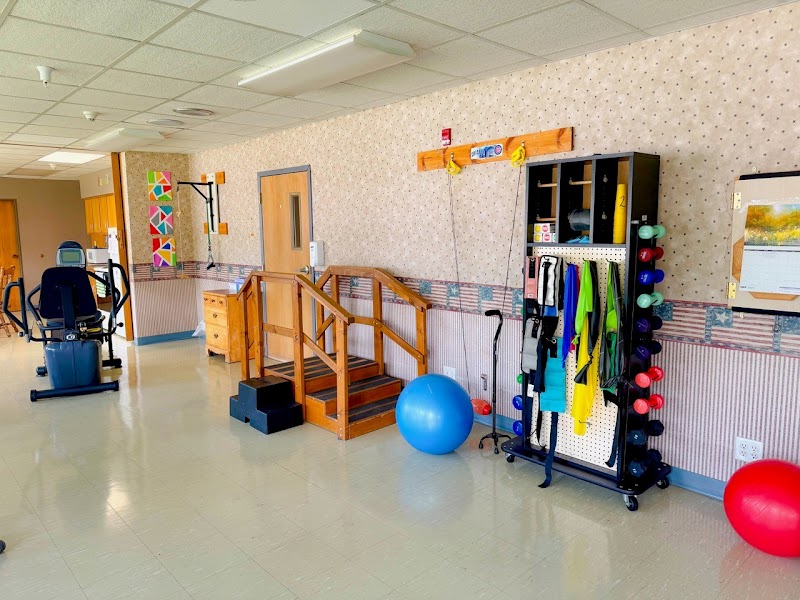
How is Goldwater Care Roseville Staffed?
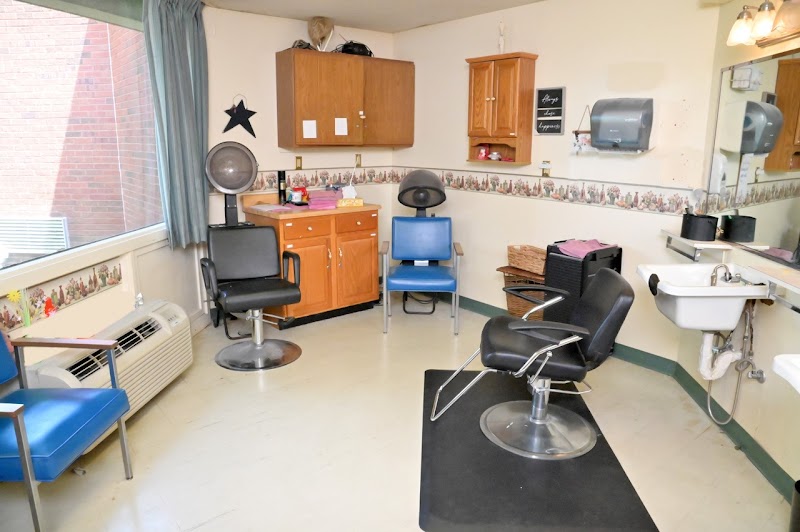
CMS rates Goldwater Care Roseville's staffing level at 1 out of 5 stars, which is much below average compared to other nursing homes. Staff turnover is 53%, compared to the Illinois average of 46%.

What Have Inspectors Found at Goldwater Care Roseville?

State health inspectors documented 39 deficiencies at Goldwater Care Roseville during 2023 to 2025. These included: 2 Immediate Jeopardy (the most serious level, indicating potential for serious harm or death), 2 that caused actual resident harm, 33 with potential for harm, and 2 minor or isolated issues. Immediate Jeopardy findings are rare and represent the most serious regulatory concerns. They require immediate corrective action.

Who Owns and Operates Goldwater Care Roseville?

Goldwater Care Roseville is owned by a for-profit company. For-profit facilities operate as businesses with obligations to shareholders or private owners. The facility is operated by GOLDWATER CARE, a chain that manages multiple nursing homes. With 99 certified beds and approximately 45 residents (about 45% occupancy), it is a smaller facility located in ROSEVILLE, Illinois.

How Does Goldwater Care Roseville Compare to Other Illinois Nursing Homes?

Compared to the 100 nursing homes in Illinois, Goldwater Care Roseville's overall rating (1 stars) is below the state average of 2.5, staff turnover (53%) is near the state average of 46%, and health inspection rating (2 stars) is below the national benchmark.

What Should Families Ask When Visiting Goldwater Care Roseville?

Based on this facility's data, families visiting should ask: "What changes have been made since the serious inspection findings, and how are you preventing similar issues?" "Can you walk me through typical staffing levels on day, evening, and night shifts?" "Can I visit during a mealtime to observe dining assistance and food quality?" "How do you handle medical emergencies, and what is your hospital transfer rate?" These questions are particularly relevant given the facility's Immediate Jeopardy citations and the below-average staffing rating.

Is Goldwater Care Roseville Safe?

Based on CMS inspection data, Goldwater Care Roseville has documented safety concerns. Inspectors have issued 2 Immediate Jeopardy citations (the most serious violation level indicating risk of serious injury or death). The facility has a 1-star overall rating and ranks #100 of 100 nursing homes in Illinois. Families considering this facility should ask detailed questions about what corrective actions have been taken since these incidents.

Do Nurses at Goldwater Care Roseville Stick Around?

Goldwater Care Roseville has a staff turnover rate of 53%, which is 7 percentage points above the Illinois average of 46%. Moderate turnover is common in nursing homes, but families should still ask about staff tenure and how the facility maintains care continuity when employees leave.

Was Goldwater Care Roseville Ever Fined?

Goldwater Care Roseville has been fined $64,201 across 1 penalty action. This is above the Illinois average of $33,721. Fines in this range indicate compliance issues significant enough for CMS to impose meaningful financial consequences. Common causes include delayed correction of deficiencies, repeat violations, or care failures affecting resident safety. Families should ask facility leadership what changes have been made since these penalties.

Is Goldwater Care Roseville on Any Federal Watch List?

Goldwater Care Roseville is not on any federal watch list. The most significant is the Special Focus Facility (SFF) program, which identifies the bottom 1% of nursing homes nationally based on persistent, serious quality problems. Not being on this list means the facility has avoided the pattern of deficiencies that triggers enhanced federal oversight. This is a positive indicator, though families should still review the facility's inspection history directly.