AXIOM HEALTHCARE OF ROSICLARE
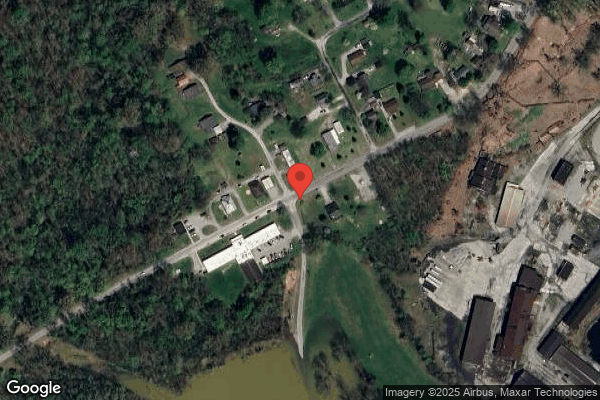

1807 FAIRVIEW RD, ROSICLARE, IL 62982 (618) 285-6613
For profit - Individual 62 Beds AXIOM HEALTHCARE Data: November 2025 1 Immediate Jeopardy citation
Trust Grade
3/100
#459 of 665 in IL
Last Inspection: November 2024

Within standard 12-15 month inspection cycle. Federal law requires annual inspections.

Overview

Axiom Healthcare of Rosiclare has received a Trust Grade of F, indicating poor performance with significant concerns regarding care quality. Ranked #459 out of 665 facilities in Illinois, they fall in the bottom half, but they are the only option in Hardin County. The facility's trend is stable, maintaining 15 issues since last year, which is concerning given the nature of the problems identified. Staffing is a relative strength, with a turnover rate of 38%, lower than the state average of 46%, but the overall staffing rating is only 1 out of 5 stars. Unfortunately, the facility has incurred $132,266 in fines, which is higher than 88% of Illinois facilities, raising red flags about compliance issues. RN coverage is below average, being less than 87% of other facilities, which can impact the quality of care. Specific incidents from inspections reveal serious concerns: a resident developed an unstageable pressure ulcer due to inadequate interventions, and another resident faced significant weight loss because they did not receive proper assistance with eating. Additionally, there were critical issues regarding food safety and pest control, which could affect all residents. Overall, while there are some staffing strengths, the numerous health and safety violations present significant risks for prospective residents.

Trust Score
F
3/100
In Illinois
#459/665
Bottom 31%
Safety Record
High Risk
Review needed
Inspections
Holding Steady
15 → 15 violations
Staff Stability
○ Average
38% turnover. Near Illinois's 48% average. Typical for the industry.
Penalties
✓ Good
$132,266 in fines. Lower than most Illinois facilities. Relatively clean record.
Skilled Nurses
⚠ Watch
Each resident gets only 23 minutes of Registered Nurse (RN) attention daily — below average for Illinois. Fewer RN minutes means fewer trained eyes watching for problems.
Violations
⚠ Watch
35 deficiencies on record. Higher than average. Multiple issues found across inspections.
★☆☆☆☆
1.0
Overall Rating
★☆☆☆☆
1.0
Staff Levels
★☆☆☆☆
1.0
Care Quality
★★☆☆☆
2.0
Inspection Score
Stable
2023: 15 issues
2024: 15 issues

The Good

  • Full Sprinkler Coverage · Fire safety systems throughout facility
  • No fines on record
  • Staff turnover below average (38%)

    10 points below Illinois average of 48%

Facility shows strength in fire safety.

The Bad

1-Star Overall Rating

Below Illinois average (2.5)

Significant quality concerns identified by CMS

Staff Turnover: 38%

Near Illinois avg (46%)

Typical for the industry

Federal Fines: $132,266

Well above median ($33,413)

Significant penalties indicating serious issues

Chain: AXIOM HEALTHCARE

Part of a multi-facility chain

Ask about local staffing decisions and management

The Ugly 35 deficiencies on record

1 life-threatening 2 actual harm
Nov 2024 3 deficiencies
CONCERN (D)

Potential for Harm - no one hurt, but risky conditions existed

Deficiency F0645 (Tag F0645)

Could have caused harm · This affected 1 resident

**NOTE- TERMS IN BRACKETS HAVE BEEN EDITED TO PROTECT CONFIDENTIALITY** Based on interview and record review, the facility failed to ensure a Level II Preadmission Screening and Resident Review (PASRR...

Read full inspector narrative →
**NOTE- TERMS IN BRACKETS HAVE BEEN EDITED TO PROTECT CONFIDENTIALITY** Based on interview and record review, the facility failed to ensure a Level II Preadmission Screening and Resident Review (PASRR) was completed for a resident with a diagnosed mental disorder for 1 (R27) of 1 resident reviewed for PASRR Screening in the sample of 18. Findings Include: 1. R27's admission Record documented an initial admission date to the facility of 1/23/23. The current admission Date is listed as 05/10/2024 and included a diagnosis of psychotic disorder with delusions due to known physiological condition with onset date of 05/10/2024. R27's Notice of PASRR Level I Screen Outcome dated 5/7/24 documented a PASRR Level I Determination of No Level II Required - No SMI (Serious Mental Illness)/ID (Intellectual Disability/RC (Related Condition). In the section titled Diagnoses under Mental Health Diagnoses this document noted No mental health diagnosis is known or suspected. Under the section titled Mental Health Medications it is noted that R27 was currently prescribed: Zyprexa pill, 2.5mg/day for a diagnosis of Altered Mental Status. Under the section titled Ascend Outcome it's documented No Level II Required - No SMI/ID/RC. Rationale: The Level I screen indicates that a PASRR disability is not present because of the following reason: There is no evidence of a PASRR condition of an Intellectual/developmental disability or serious behavioral health condition. If changes occur or new information refutes these findings, a new screen must be submitted. R27's Minimum Data Set, dated [DATE] in Section I - Active Diagnoses documented a diagnosis of psychotic disorder (other than schizophrenia). On 11/22/24 at 9:01 AM, V7 (Business Office Manager) stated she was responsible for ensuring residents' PASRR screenings were completed. V7 said R27's admission was prior to V7 being hired, and V7 was not sure why a PASRR Level II screening was not completed for R27. V7 said she would make a referral to have R27's PASRR Level II screening completed. On 11/22/24 at 10:44 AM, V1 (Administrator) acknowledged the error in the PASRR screening of R27 and stated R27 will be referred to have the Level II completed. V1 said she expected staff would follow the facility's PASRR policy. V1 said the facility would conduct an audit to ensure no other residents were also eligible to have a Level II screening. The facility's 11/13/18 Preadmission Screening and Annual Resident Review (PASARR) policy documented in part . Procedure . 1. admission and readmission . a. The facility will participate in or complete the Level I screen for all potential admissions regardless of payer source to determine if the individual meets the criterion for mental disorder . intellectual disability . or related condition . b. Based upon the Level I screen, if an individual is determined to meet the above criterion, the facility will refer the potential admission to the State PASARR representative for the Level II screening process .
CONCERN (D)

Potential for Harm - no one hurt, but risky conditions existed

Medication Errors (Tag F0758)

Could have caused harm · This affected 1 resident

Based on interview and record review, the facility failed to ensure residents were free from unnecessary psychotropic medications for 2 (R5, R24) of 5 residents reviewed for Gradual Dose Reductions (G...

Read full inspector narrative →
Based on interview and record review, the facility failed to ensure residents were free from unnecessary psychotropic medications for 2 (R5, R24) of 5 residents reviewed for Gradual Dose Reductions (GDR) in a sample of 18. Findings Included: 1. R5's admission Record documented an admission date of 7/21/2012 and included diagnoses of unspecified dementia, unspecified severity, with psychotic disturbance, depression unspecified and anxiety. R5's current Medication Administration Record (MAR) for November 2024 documented R5 is prescribed the following psychotropic medications: Duloxetine 30mg (milligrams) take one capsule by mouth once daily at 8 AM, Alprazolam (sub for Xanax) .25mg tablet take ½ tablet (.125) by mouth twice daily at 8 AM and 5 PM, Risperidone .25mg tablet take 1 tablet by mouth twice daily at 8 AM and 5 PM, Trazodone 50mg tablet take ½ tablet (25mg) by mouth daily at 5 PM, and Zoloft (Sertraline) 25mg 1 tablet by mouth daily at 5 PM. A Pharmacy Consultation Report dated 4/29/2024 documented the following: Under Comment: R5 has received an antidepressant, sertraline 25 mg daily for management of depressive symptoms since 11/2023. Under Recommendation: documents, If this therapy is to continue at the current dosage, it is recommended that a) the prescriber document an assessment of risk versus benefit, indicating that it continues to be a valid therapeutic intervention for this individual; b) the facility interdisciplinary team ensures ongoing monitoring for effectiveness and potential adverse consequences (e.g., appetite changes, falls), and check DECLINE below .Alternatively, please attempt a gradual dose reduction (GDR) of sertraline to 25mg QOD (every other day) X (times) 2 weeks, then discontinue. Under Rationale for recommendation: documents Dose reductions should occur in modest increments over adequate periods of time to minimize withdrawal symptoms and to monitor symptom recurrence (e.g., GDR is attempted in 2 separate quarters, with at least 1 month between attempts, within the first year in which an individual is admitted on a psychotropic medication or after the prescriber has initiated such medication, unless clinically contraindicated. This consultation report with pharmacist recommendations was signed by the Consultant Pharmacist on 4/29/24. Under the Physician's Response, V6 (Physician) checked the section that documented I decline the recommendation above because GDR is CLINICALLY CONRAINDICATED for this individual as indicated below. (NOTE: Please check option #1 or #2 AND provide patient specific rationale on the lines below). #1 is checked on this report, which documents Continued use is in accordance with the current standard of practice and a GDR attempt at this time is likely to impair the individual's function or cause psychiatric instability by exacerbating an underlying medical condition of psychiatric disorder AS DOCUMENTED BELOW. Under the section that states Please provide CMS (Centers for Medicare and Medicaid Services) REQUIRED patient-specific rationale describing why a GDR attempt is likely to impair function or cause psychiatric instability in this individual, V6 left this section blank, with no patient specific rationale provided to explain why the recommendation for reduction was being declined. Additionally, V6 did not signed this 4/29/24 recommended consultation report until 7/11/24. On 11/21/2024 at 10:59 AM, V2 (Assistant Director of Nursing/Licensed Practical Nurse) stated she had not been employed with the facility at the time of the 4/29/24 pharmacy consultation report for R5, and she was not aware of why the GDR form had not been followed up on prior to 7/11/2024 by V6 (Physician). 2. R24's admission Record documented an admission date of 4/1/2022 and included diagnoses of unspecified dementia, unspecified severity, with other behavior disturbance, and depression. R24's current MAR for November 2024 documented R5 is prescribed Risperidone .25mg tablet, take one tablet twice daily (DX (diagnosis): Dementia w/ (with) behavioral disturbance). The most recent pharmacy Consultation Report provided by the facility was dated 8/07/2023 and documented the following: Under Comment: R24 receives Risperidone 0.25mg BID (twice per day) for expressions or indications of distress related to dementia (e.g., BPSD (behavioral and psychological symptoms of dementia), dementia with psychosis). Under Recommendation: documented Please attempt a gradual dose reduction (GDR) of Risperidone to 0.25mg HS (night) while concurrently monitoring for reemergence of symptoms and/or withdrawal symptoms. Under Rational for Recommendation documented CMS requires that antipsychotics, being used to treat expressions or indications of distress related to dementia be evaluated at least quarterly with documentation regarding continued clinical appropriateness. Dose reductions should occur in modest increments over adequate periods of time to minimize withdrawal symptoms and to monitor symptom recurrence (e.g., GDR is attempted in 2 separate quarters, with at least 1 month between attempts, within the first year in which an individual is admitted on a psychotropic medication or after the prescriber has initiated such medication, unless clinically contraindicated). Under Physician Response V6 (Physician) checked the box I accept the recommendation(s) above, please implement as written and signed the form on 8/9/23. There was no Pharmacy Consultation Report available or provided by the facility for August of 2024, when the next GDR would have been due. During the survey (11/19/24 - 11/22/24) however, the facility provided a Pharmacy Consultation Report dated 11/19/24, with a fax stamp showing the form was faxed to the provider/physician (V6) on 11/20/24. This Consultation Report documented the following recommendations from the pharmacist: Under Comment R24 receives Risperidone 0.25mg BID for expressions or indications of distress related to dementia with psychosis) since 8/17/23. According to the charting during this time period, she tolerated the medication reduction well. There are a couple notes of increased confusion, however she does have dementia and BIMS score was 4 on 9/20/23. She is also taking Mirtazapine 7.5mg HS for depression since 4/1/22. Under Recommendation documents Please attempt a gradual dose reduction (GDR) of Risperidone to 0.25mg daily. Under Rational for Recommendation: CMS requires that antipsychotics, being used to treat expressions or indications of distress related to dementia, be evaluated at least quarterly with documentation regarding continued clinical appropriateness. Dose reductions should occur in modest increments over adequate periods of time to minimize withdrawal symptoms and to monitor symptom recurrence (e.g., GDR is attempted in 2 separate quarters, with at least 1 month between attempts, within the first year in which an individual is admitted on a psychotropic medication or after the prescriber has initiated such medication, unless clinically contraindicated). This document was signed by the consultant pharmacist on 11/19/24, however the section for the physician to sign had not yet been completed. On 11/20/24 at 1:30 PM, V2 stated she received the GDR form for Risperidone 0.25mg on 11/19/2024 and faxed it to V6 (Physician) for review, acceptance, or declining recommendation. V2 stated, she does not know why she received this GDR form in November 2024 and not within the year time frame of August 2023 to August 2024. On 11/21/24 at 9:52 AM, V3 (Regional Consultant) stated the facility does not have a specific GDR policy. V3 stated, the facility follows the regulations for GDR of psychotropic medications. On 11/21/24 at 10:11 AM, V1 (Administrator) stated her expectations for GDR psychotropic medications would be to follow the facility policy and/or the regulation guidelines that document to attempt reductions within the specified timeframes. V1 stated, the previous owners of the facility did not have a GDR policy and she was unaware if the new owners have a policy. V1 stated, she understands that if a medication review is not completed within the timeframe guidelines, then the resident would not be free from unnecessary medication.
CONCERN (F)

Potential for Harm - no one hurt, but risky conditions existed

Deficiency F0727 (Tag F0727)

Could have caused harm · This affected most or all residents

Based on observation, interview and record review, the facility failed to maintain a full time Director of Nursing and to have a Registered Nurse (RN) for at least 8 consecutive hours a day, 7 days a ...

Read full inspector narrative →
Based on observation, interview and record review, the facility failed to maintain a full time Director of Nursing and to have a Registered Nurse (RN) for at least 8 consecutive hours a day, 7 days a week. This failure has the potential to affect all 34 residents living in the facility. Findings Include: The Long Term Care Facility Application For Medicare and Medicaid document dated 11/19/2024, documents 34 residents residing in the facility. The facility's nursing schedules document there was no RN on shift for coverage on the following dates: 9/3/2024, 9/7/2024, 9/21/2024, 9/25/2024, 9/26/2024, 9/30/2024, 10/5/2024, 10/9/2024, 10/10/2024, 10/14/2024, 10/15/2024, 10/19/2024, 10/21/2024, 10/22/2024, 10/23/2024, 10/28/2024, 10/29/2024, 11/6/2024, 11/13/2024,11/14/2024, 11/18/2024, 11/19/2024 and 11/21/2024. On 11/21/2024 at 10:45 AM, V1 (Administrator) and V3 (Regional Manager) both stated that the facility currently did not have the services of a Director of Nurses (DON) or a Registered Nurse (RN) eight hours a day, seven days a week. V2 and V3 stated the facility was actively in the process of trying to hire a full time RN. At this time, V1 stated that they had been without a DON since 4/29/2024. V1 further stated that they are really trying to recruit an RN to work here so they can accept more residents, but with the lack of coverage they are limited on what they can accept. On 11/20/2024 at 12:30 PM, V2 (Assistant Director of Nursing/Licensed Practical Nurse) stated that there has not been a DON since she started working here in June of 2024. On 11/21/2024 at 2:00PM, V4 (Licensed Practical Nurse) stated that there are many days when no RN is on shift. V4 stated that currently they do not have any residents requiring treatments that only RN's can do, like IV (Intravenous) antibiotics. The Personnel Policy, dated September 2024, documents: To define basic staffing requirements and patterns for all facility personnel 1. The facility operates in compliance with applicable federal, state, and local laws, regulations and codes with accepted professional standards and principles that apply to professionals. Standards for individual positions may be found with the appropriate department staffing patterns in the departmental manuals
Oct 2024 1 deficiency
CONCERN (D) 📢 Someone Reported This

A family member, employee, or ombudsman was alarmed enough to file a formal complaint

Potential for Harm - no one hurt, but risky conditions existed

ADL Care (Tag F0677)

Could have caused harm · This affected 1 resident

**NOTE- TERMS IN BRACKETS HAVE BEEN EDITED TO PROTECT CONFIDENTIALITY** Based on observation, interview, and record review the facility failed to assist dependent residents with repositioning and inco...

Read full inspector narrative →
**NOTE- TERMS IN BRACKETS HAVE BEEN EDITED TO PROTECT CONFIDENTIALITY** Based on observation, interview, and record review the facility failed to assist dependent residents with repositioning and incontinence care for 2 of 3 residents (R5 and R 15) reviewed for Activities of Daily Living (ADL's) in a sample of 18. The findings include: 1. R5's New admission Information sheet in the medical record documents and admission date of 2/24/2017. R5's Physician Order Sheet dated 9/1/2024, documents diagnoses including Physical Debilitation, Hypertension, Anxiety, Osteoarthritis, Psychosis, and Moderate to Severe Dementia. R5's Minimum Data Set (MDS) dated [DATE] documents a Brief Interview for Mental Status (BIMS) score of 2, indicating R5 has severe cognitive impairment. Section GG, Functional Abilities and Goals, documents R5 is totally dependent on staff for all functional abilities. Section H, Bladder and Bowel, documents R5 is always incontinent of bowel and bladder. R5's Care Plan documents a Focus area of the risk for alteration in skin integrity related to decreased mobility. Documents interventions, with revision date of 8/27/2024, include peri care and barrier cream as needed after incontinent episodes. The same Care Plan also documents a Focus area dated 5/16/2024 of R5 requiring staff assist with ADL's (Activity of Daily Living). Intervention dated 8/27/2024, assist with bed mobility. Focus dated 8/28/2024, documents R5 is incontinent of Bowel and Bladder. Documented interventions, dated 8/28/2024, include change every 2 hours and as needed per staff and clean peri area with each incontinence episode. On 9/26/2024 at 12:15 PM, upon entering the facility, R5 was observed sitting in the day area in a geriatric recliner, positioned on left hip with a pillow observed behind the right hip. From 12:30PM through 3:18PM R5 was observed to be remaining in the same position in the geriatric recliner, on the left hip with a pillow placed under the right hip. R5 remained in the same location in the day room area. On 9/26/2024 at 3:20PM, V2 (Licensed Practical Nurse/ Minimum Data Set Director) stated that R5 should be repositioned and have peri/incontinence care every 2 hours. V2 stated R5 had been in day room area since lunch. On 9/26/2024 at 3:30PM, V5 (Certified Nursing Assistant/CNA) was asked how often R5 should be checked and repositioned and V5 stated every 2 hours at least. V5 stated she works 2PM -10PM and she assumes R5 was checked and repositioned around 1:00PM. V5 stated R5 is always incontinent of bowel and bladder and is dependent on the staff for incontinence care and repositioning. V5 stated R5's skin always looks red. On 9/26/2024 at 3:30PM, V5 and V6 (CNAs) took R5 to her room per the geriatric recliner and transferred R5 to the bed with the mechanical lift. R5 was provided incontinence care with noted redness to peri area and thighs. A new disposable undergarment was placed on R5 and R5 was transferred back to the geriatric recliner with the mechanical lift. 2. R15's New admission Information sheet in the medical record documents an admission date of 6/7/2023. R15's Physicians Order Sheet dated 9/1/2024 documents diagnoses including Left Middle Cerebral Cardiovascular Accident, Right Sided Hemiparesis, Aphasia, Hypertension, and Depression. R15's MDS dated [DATE] documents a BIMS score of 1, indicating R15 has severe cognitive impairment. Section GG, Functional Abilities and Goals, documents R15 requires substantial/maximal assistance for toileting and dressing and R15 requires partial/moderate assist for turning and repositioning and showers. Section H, Bladder and Bowel, documents R15 is always incontinent of bowel and bladder and is not on a toileting program. R15's Restorative Nursing Program Documentation documents that R15 is involved in a dressing program, transfer program, bed mobility program, and passive range of motion program. R15's Care Plan documents a Focus area, with a revision date 8/29/2024, of Bowel and Bladder incontinence. Documented interventions for this focus area, dated 8/29/2024, include check resident every 2 hours and assist with toileting as needed and provide peri care after each incontinence episode. R15's Care plan also documents a Focus area, with a revision date of 6/11/24, of alteration in skin integrity related to decreased mobility with documented interventions including staff assistance with peri care and toileting. On 9/26/2024 at 12:15 PM, upon entering the facility, R15 was observed sitting in the day area in a standard wheelchair. From 12:30PM through 3:18PM, R15 was observed to remained in the wheelchair with periods of leaning over and sleeping. Throughout this time, R15 remained in the same location in the day room area. On 9/26/2024 at 3:20PM, V2 (Licensed Practical Nurse /Minimum Data Set Director) stated R15 should be repositioned and have peri/incontinence care every 2 hours. V2 stated R15 had been in Day Room since lunch. On 9/26/2024 at 3:50PM, V5 (CNA) was asked how often R15 should be checked and repositioned. V5 stated every 2 hours at least. V5 stated she came in to work at 2 PM and she assumes R15 was checked and repositioned by the day shift on the 1:00PM rounds. V5 stated R15 is always incontinent of bowel and bladder and dependent on the staff for transfers and incontinence care. On 9/26/2024 at 3:50PM, R15 was taken to her room via wheelchair by V5. V5 transferred R15 using a gait belt. V5 provided incontinence care with urine noted to disposable undergarment. A new disposable undergarment was placed on R15 and R15 was left in bed to rest. The facility policy titled Preventative Skin Care, dated 1/18, documents It is the facility's policy to provide preventative skin care through repositioning and careful washing, rinsing, drying, and observation of the resident's skin condition to keep them clean, comfortable, well groomed, and free from pressure ulcers.
Jul 2024 1 deficiency
CONCERN (F) 📢 Someone Reported This

A family member, employee, or ombudsman was alarmed enough to file a formal complaint

Potential for Harm - no one hurt, but risky conditions existed

Deficiency F0925 (Tag F0925)

Could have caused harm · This affected most or all residents

Based on observation, interview, and record review the facility failed to maintain an effective pest control program to rid the facility of flies and roaches. This failure has the potential to affect ...

Read full inspector narrative →
Based on observation, interview, and record review the facility failed to maintain an effective pest control program to rid the facility of flies and roaches. This failure has the potential to affect all 40 residents currently residing at the facility. Findings Include: The facility Nurses Midnight Census report provided to this surveyor on 7/8/24 document 40 residents currently reside at the facility. On 7/8/24 at 10:32 AM, there was a live roach crawling under the three-compartment sink and in the dry food storage area. There were multiple flies seen in the food preparation area. V8 (Dietary Manager) stated the roaches are better now. V8 stated the exterminator came in and is due back anytime now. On 7/8/24 and 7/9/24 between 10:00 AM and 4:00 PM, each time this surveyor walked through the dining room there were multiple flies observed. The dining room was located between the room this surveyor was sitting in and the nurse's station, the resident rooms, and the administrator's office. This surveyor made multiple trips each day through the dining room area. On 7/8/24 at 11:05 AM, R11, an alert and oriented resident, observed lying in bed and stated they have flies like crazy. A single fly was observed flying around her head and over the bed table. R11 stated she hadn't seen as many roaches lately. On 7/9/24 at 10:49 AM, R8, an alert and oriented resident, stated he had seen roaches in his room, and he stomps them when he sees them. On 7/8/24 at 1:03 PM, V26 (Cook/Dietary Aid) stated the exterminator came in last month and it has knocked the population of roaches down significantly. When asked about the flies seen in the kitchen V26 stated they are waiting on fly traps. On 7/8/24 at 1:12 PM, V27 (Cook/Dietary Aid) stated they had been seeing some roaches and had been letting V4 (Maintenance Director) know, and he had been spraying. V27 stated she had been told they were waiting for fly traps for the flies they had. On 7/8/24 at 1:18 PM, V18 (Cook) stated they had seen roaches and had let V4 know, and he had sprayed. V18 stated he thought they were getting fly traps for the flies. On 7/9/24 at 3:26 PM, when asked what they had done about the roaches, V4 (Maintenance Director) stated they had gotten the pest control company back to the facility and were trying to be a little cleaner. When asked what a little cleaner meant, V4 stated they aren't leaving stuff laying around. V4 stated they also leave the light on in the kitchen at night. V4 stated they are trying to keep them knocked down the best they can until the exterminator can get them under control. On 7/9/24 at 3:46 PM, V1 (Administrator) stated the pest control company came in on 6/5/24 and should be coming back soon. V1 stated the June service was an extra visit and they are only coming once a month. V1 stated no one had called the pest control company to let them know they had seen more roaches because the company was aware they had an infestation. V1 stated they told them it would take 6 months to a year to eradicate them. When asked about the flies V1 stated, they are horrible. V1 stated they can't spray anything or have fly tape, so they are trying the little buckets of solution to try to attract them outside. The facility undated Insect and Pest Control Policy documents, It is the policy of (name of company) to contract with a duly licensed exterminating service to protect and/or control against infestations of insects and rodents. A preventative treatment, both interior and exterior, shall be applied at least monthly. Treatments will be applied more often if required. Chemical, materials and equipment used to control insects and rodents will be provided by the Vendor and will be in accordance with current Federal and State specifications for use in nursing homes. Methods of applications shall be in accordance with current Federal and State regulations and manufacturer's recommendations. Policy Interpretation and Implementation .4. Any employee observing insects or rodents shall inform their supervisor giving the exact location and type of infestation .6. The maintenance person shall contact the contracted pest control company for eradication.
Jun 2024 10 deficiencies 1 IJ (1 facility-wide)
CRITICAL (L) 📢 Someone Reported This

A family member, employee, or ombudsman was alarmed enough to file a formal complaint

Immediate Jeopardy (IJ) - the most serious Medicare violation

Food Safety (Tag F0812)

Someone could have died · This affected most or all residents

⚠️ Facility-wide issue

Based on observation, interview, and record review the facility failed to store food in accordance with professional standards for food service safety and maintain floors, walls, and equipment in a sa...

Read full inspector narrative →
Based on observation, interview, and record review the facility failed to store food in accordance with professional standards for food service safety and maintain floors, walls, and equipment in a safe and sanitary condition. This failure has the potential to affect all 40 residents residing in the facility. Findings Include: The facility Nurses Midnight Census provided to this surveyor on 6/3/24 documents 40 residents currently reside at the facility. On 6/3/24 at 11:16 AM, this surveyor opened the refrigerator door in the kitchen and observed fruit in individual bowls sitting on the shelf, uncovered and undated. On 6/3/24 at 11:20 AM, this surveyor showed V8 (Dietary Manager) the uncovered, undated fruit in the refrigerator and V8 told V6 (Cook) that all food should be covered and dated. On 6/3/24 at 11:20 AM, a roach crawled out from underneath the freezer and crawled towards this surveyor's feet. At that time V8 (Dietary Manager) stated they have been without pest control services. V8 stated she was aware of the roaches and there had been an uptick and them since they hadn't had pest control services. On 6/4/24 at 10:22 AM, this surveyor walked into the kitchen and observed a trash bag with what appeared to be dirty linens sitting on the floor by the door. The ice machine was sitting to the left and had scaly white and rust colored residue on the side, down the side, and on the front around the rim of the lid and on the inside of the lid. A soiled wet blanket was spread out in the middle of the floor between the ice machine and the dishwasher. V6 (Cook) stated the blanket was on the floor because the drain kept backing up and they had to order a new tool to snake the drain. The trays sitting on the dishwasher drain with clean silverware in it was covered with a black and scaly appearing residue. The kitchen floors were dirty, the walls behind and under the three-compartment sink and the stove was dirty with a greasy appearing residue. There was a black residue on the wall behind the dishwasher and garbage disposal that ran the length of the wall and was near the caulk above the sink. V8 (Dietary Manager) stated the black residue behind the sink/disposal area was a buildup of grease and stuff. V8 stated the residue on the food trays is calcium from the local water. V8 took her fingernail and scraped a layer of the residue off. V8 stated they run the trays through the dishwasher with bleach. V8 stated the ice machine has calcium build up on it also, from years of leaking and maintenance is responsible for cleaning it monthly. On 6/5/24 at 11:07 AM, V4 (Maintenance Director) stated he hadn't worked at the facility long so he hadn't cleaned the ice machine yet but will be cleaning it this month. V4 stated he was aware of the black substance behind the dishwasher/disposal. V4 stated he wasn't sure what it was, but he was planning to take the caulk out, clean it, and apply new caulk. On 6/5/24 at 11:08 AM, V18 (Laundry/Housekeeping/Dietary Aid) stated the black substance behind the dishwasher/disposal was gone. V18 stated he cleaned the area with bleach and a wire brush, and it took the substance off. V18 stated he cleaned under everything but hadn't had the opportunity to deep clean. V18 stated they hadn't done anything with the dish crates and thought they may have to power wash them to get the scaly substance off. On 6/3/24 at 3:17 PM, V1 (Administrator) stated they had not had pest control services since 12/2023. V1 stated at one point the company told them to purchase something at a local store, but she told them she didn't think that would work and she was concerned about using the chemicals. V1 stated the facility had not put anything in place to mitigate pests. On 6/5/24 at 1:32 PM, V1 (Administrator) stated pest control had been called and was supposed to be at the facility on 6/1/24 and 6/4/24 and hadn't come. V1 stated the pest control company was supposed to come again on 6/5/24. On 6/5/24 at 1:32 PM, V1 (Administrator) stated food in the refrigerator should be covered and dated. V1 stated daily cleaning may prevent some of the calcium build up. V1 stated pest control has been called and was supposed to be at the facility on 6/1/24 and didn't come. The facility policy Kitchen Sanitation dated 10/20 documents, Policy: It is the policy of (name of company) to comply with public health standards and local and state sanitation regulations. Procedure: 1. The Food Service Manager will monitor sanitation of the Dietary Department on a daily basis. 2. The Dietary Sanitation QA (Quality Assurance) Review (see attached form) shall be used as a tool to monitor compliance with sanitation standards and identify which areas need corrective action. 3. The Food Service Manager will develop a cleaning schedule for the department and ensure that dietary employees complete cleaning tasks as scheduled. 4. The Food Service Manager shall provide cleaning instructions for each area and piece of equipment in the kitchen and specify which chemical and personal protective equipment should be used for each task. 5. In-service training should be scheduled periodically to review sanitation standards. The facility policy Refrigerator and Freezer Storage dated 10/14 documents, It is the policy of (name of company that any item placed in the refrigerators and freezers must be covered, labeled and dated with a date-marking system that tracks when to discard perishable food
SERIOUS (G) 📢 Someone Reported This

A family member, employee, or ombudsman was alarmed enough to file a formal complaint

Actual Harm - a resident was hurt due to facility failures

Pressure Ulcer Prevention (Tag F0686)

A resident was harmed · This affected 1 resident

Based on observation, interview, and record review the facility failed to implement interventions to prevent the development of new pressure ulcers for a resident at high risk and failed to timely ide...

Read full inspector narrative →
Based on observation, interview, and record review the facility failed to implement interventions to prevent the development of new pressure ulcers for a resident at high risk and failed to timely identify a new pressure ulcer for 1 of 3 (R13) residents reviewed for pressure ulcers in the sample of 17. This failure resulted in R13 developing an unstageable pressure ulcer to her right heel. Findings Include: R13's New admission Record undated, documented R13's initial admission date to the facility as 11/05/2014. R13's POS (Physician Order Sheet) dated 6/1/2024, documents diagnosis to include Dementia, Hypertension, Diabetes Mellitus, Hyperlipidemia, Degenerative Joint Disease, Cyclic Neutropenia, and Depression. R13's POS includes orders for Skin Prep to Left Heel twice a day with order date of 4/25/2024, and float heels while in bed as tolerated with order date of 3/13/2024. R13's MDS (Minimum Data Set) dated 1/2/2024 includes a BIMS (Brief Interview for Mental Status) score of 00 indicating Severely Cognitively Impaired. The same MDS documented in section GG, R13 requires total dependence of staff for Activities of Daily Living. R13's Braden Scale for Predicting Pressure Ulcer Risk assessments dated 4/13/24 and 5/9/24 both document a total score of 14 indicating R13 is at a high-risk level for developing pressure ulcers. The section of Wound Review indicates R13 currently has an unresolved pressure ulcer. Under the section of Skin Treatment Review indicates mattress type is Foam, and heel protectors. R13's current Plan of Care documented a date of April 2024. Focus category of Skin Integrity with Focus Information of Potential for impaired skin integrity r/t (related to) dx (diagnoses): Diabetes Mellitus and decreased mobility. The section for Goal documents resident will be free of skin breakdown thru the next 90 days, goal start date is documented a 1/12/2015 with goal date documented as 7/24. Section of Plan of Care for Intervention/Task documents all interventions with start date of 1/12/2015. There were no interventions listed to float heels while in bed as tolerated. On 6/4/2024 at 10:05am, V13 (Licensed Practical Nurse/LPN) administered treatment to R13's Left Heel. V13's heels were both flat on the bed and were not floated off the bed at time of entering the room. R13's mattress was noted to be a standard mattress. V13 removed the sock to R13's left heel and applied skin prep, then placed the sock back on her left foot. V13 then stated, I always apply it to the right heel as well. V13 then removed the sock off R13's right foot and started applying skin prep to right heel and V13 stated, Oh wow look at this heel, it is really red, looks worse than the left heel. V13 then stated, I am not saying anymore. V13 then replaced the sock to the right foot, covered R13's feet back up, left R13's heels flat on the bed without floating the heels off the bed and left the room. On 6/4/2024 at 2:10pm, this surveyor observed V3 (MDS Coordinator/Infection Preventionist) assess R13's heels. Upon entering room R13's heels were not floated off the bed. V3 assessed R13's right heel and stated, this heel injury area is bigger than the one on the left heel. V3 stated this heel is very red and mushy. V3 stated these heels should be floated or have boots on them. V3 stated I will get treatment orders for the right heel and add the right heel to the weekly/monthly logs. On 6/5/2024 at 9:10am, observation was made of R13 in bed resting on her back with a pillow wedged under her thighs and both heels flat on the bed. On 6/5/2024 at 11:06am observation was made of R13 in bed resting on her back without the pillow under her thighs with both heels flat on the bed. On 6/5/2024 at 2:00pm R13 was resting in bed positioned on right side with pillow between knees and heels flat on the bed. R13's Monthly Wound Tracking Report dated 5/2024 documents R13 has a wound to left heel. This document includes a description of R13's wound to Left Heel as: Stage is Unstageable, Measurements are 0.2cm (centimeters) length, 0.2 cm width and 0 cm depth, no drainage, acquired in facility, and no odor. This same document does not include date of onset of wounds. R13's Monthly Wound Tracking Report does document a pressure ulcer to R13's right heel that is being assessed and tracked. On 6/4/2024 at 9:55am, V13 (LPN/Licensed Practical Nurse) provided R13's Facility Weekly Wound Tracking log which documents on Mondays for the month of May 2024, weekly descriptions of left heel wounds for R13. This record documents assessments of left heel on 5/6/2024 measuring 0.3cm length, 0.3 cm width, 0 cm depth, no odor, no drainage, pink in color, on 5/13/2024 measuring 0.2cm length, 0.2 cm width, 0 cm depth, no odor, no drainage, pink in color, on 5/20/2024 measuring 0.1cm length, 0.1cm width, 0 cm depth, no odor, no drainage, pink in color, on 5/27/2024 measuring 0.1cm length, 0.1cm width, 0 cm depth, no odor, no drainage, and pink in color. At that time V13 stated wound assessments were not done as of this time for this week, and they should have been done yesterday. There was no documentation on the log that R13 had a pressure ulcer to the right heel. On 6/4/2024 at 3:45pm, V3 (MDS Coordinator/Infection Preventionist) presented a copy of the Facility Weekly Wound Tracking log. The log documents R13 has Area #1 Left Heel with no documentation of assessment and Area # 2 Right Heel includes documentation of Date of Assess: 6/4/2024, Type: P (Pressure), Stage: U (Unstageable) Measurements: 3.3cm Long, 2cm Width, 0cm depth, Drainage: none, Odor: none, Wound color: red, Date of Onset: 6/4/2024, MD/Family notified marked Yes. On 6/5/2024 at 1:05pm, V12 (Certified Nurse Assistant/CNA) stated she takes care of R13. V12 stated we are supposed to keep her heels floating while in bed, she also has a boot to wear sometimes too. V12 stated I try to keep her on her side most of the time. V12 stated R13 is total care and is incontinent of bowel and bladder. V12 stated R13 doesn't communicate normally, and she must have assistance in turning and repositioning. On 6/5/2024 at 1:10pm, V10 (CNA) stated she provides care to R13. V10 stated R13 is totally dependent on staff for all needs. V10 stated I know we are to float her heels while she is in bed. V10 stated she had not noticed the area to her right heel before. V10 stated it has been a while since she gave R13 a shower. V10 stated if she would have noticed the area, she would have reported it to the nurse immediately. V10 stated R13 depends on the staff for proper turning and repositioning. V10 stated we are not assigned specific residents we work together. On 6/4/2024 at 10:55am, V1 (Administrator) stated the floor nurses do the monitoring of the wounds in the facility and the treatments. The floor nurses make sure the interventions are in place too. V1 then stated V3 is our MDS Coordinator and Infection Preventionist, she also keeps up with all the wounds and makes wound logs since we don't have a Director of Nurses. V1 stated she is the one that orders the specialized mattresses and the only specialized mattresses they use are the air loss mattresses. V1 stated the delivery time is very quickly and she has not had any issues with ordering. On 6/4/2024 at 1:50am, V3 stated my duties are MDS, Infection Preventionist and I make the wound logs but that is all I do with wounds, and I get the information from the floor nurses for the wound log. V3 stated the Director of Nurses (DON) always kept up with the wounds like assessing the wounds weekly, assuring the interventions are in place including prevention, assuring the treatments are getting done and the wounds are healing. V3 stated I am not doing all that a DON would do, I am only here on Mondays, Tuesdays, and Wednesday from 2pm to 10pm and I don't have time to do the wound stuff with doing MDS and Infection Preventionist. V3 stated the IDT (Interdisciplinary Team) decides the interventions. V3 explained she was aware that R13 was on a standard mattress and should be on a specialized air loss mattress. On 6/6/2024 at 10:03 am, V19 (Physician), stated he expected the facility to follow his orders for wound care and prevention such as floating the heels. V19 also stated he expects the facility to follow their policy and procedure for Wound Care and Prevention. V19 stated he was aware of the issues with R13's left heel. V19 was asked if he was aware of the unstageable right heel pressure and V19 stated I am going to call the facility and discuss treatments and the need for pressure relief for R13. V19 said there is a need for an air loss mattress for R13. R13's POS (Physician Order Sheet) dated 6/1/2024 documents on 6/4/24 there is a handwritten order to apply skin prep to right outer heel each shift and PRN (as needed). The facility document titled (Company name) Preventative Skin Care. Policy statement reads It is the facility's policy to provide preventative skin care through repositioning and careful washing, rinsing, drying, and observation of the resident's skin condition to keep them clean, comfortable, well groomed, and free from pressure ulcers. The section of this document with subtitle of Equipment reads 1. Lotion, 2. Barrier Cream, 3. Special Mattresses (i.e., gel, foam, water, air, etc.), 4. Special chair cushion (i.e., gel, foam, air, etc.), 5. Pillows or positioning devices. The section of this document with subtitle of Procedure reads #6 Special mattresses and or chair cushions will be used on any resident identified as being high risk for potential skin breakdown.
CONCERN (D) 📢 Someone Reported This

A family member, employee, or ombudsman was alarmed enough to file a formal complaint

Potential for Harm - no one hurt, but risky conditions existed

Deficiency F0561 (Tag F0561)

Could have caused harm · This affected 1 resident

**NOTE- TERMS IN BRACKETS HAVE BEEN EDITED TO PROTECT CONFIDENTIALITY** Based on interview and record review the facility failed to ensure residents were able to choose what time they got up in the mo...

Read full inspector narrative →
**NOTE- TERMS IN BRACKETS HAVE BEEN EDITED TO PROTECT CONFIDENTIALITY** Based on interview and record review the facility failed to ensure residents were able to choose what time they got up in the morning for 1 of 5 (R12) residents reviewed for resident's rights in the sample of 17. Findings include: R12's undated New admission Information sheet documents R12 was admitted to the facility on [DATE]. R12's Physician's Order Sheet dated 6/1/24 to 6/30/24 documents R12 has diagnoses that include intractable seizures, debility, anxiety syndrome, and intermittent explosive disorder. R12's MDS (Minimum Data Set) dated 5/15/24 documents a BIMS (Brief Interview for Mental Status) score of 11 indicating R12 has a moderate cognitive deficit. This same MDS documents R12 is dependent on staff for chair/bed to chair transfers. R12's current Care Plan documents a Focus Category of Safety dated August 2019. This Focus Category includes the following interventions dated August 2024, Encourage resident to use call light and ask for help when feeling unsure of transfer/ambulation ability .Check every two hours when in bed for safety .Toilet per schedule and as needed when restless or agitated May use Hoyer lift for transfers prn (as needed) . R12's Care Plan does not address R12's preferences related to when she gets up and/or goes to bed. R12's Interview for Daily Preferences assessment dated [DATE] and 5/15/24 documents it is somewhat important for R12 to be able to choose her own bedtime. This assessment does not document information related to what time R12 prefers to get up in the morning. On 6/3/24 at 2:51 PM, when asked if staff had ever told a resident they had to get up early, R11 (R12's roommate) pointed to R12. R11 stated staff say they have to get R12 up before the morning shift arrives. R11's undated New admission Information documents R11 was admitted to the facility on [DATE]. R11's MDS dated [DATE] documents a BIMS score of 15, which indicates R11 is cognitively intact. On 6/4/24 at 10:41 AM, V16 (Activities Director/Social Services Director) stated one wing of the facility is gotten up in the morning by midnight shift because it is too hard to get all of the residents up by 7:30 AM when breakfast is served. V16 stated V17 (Family Member) doesn't want R12 gotten up that early and he was told they do it to assist day shift. On 6/4/24 at 11:18 AM, V2 (Anonymous) stated V17 brought R1 getting up early in a care plan meeting and asked that R12 be allowed to sleep in the morning. V2 stated V1 (Administrator) told V17 it was better for staff to be able to get the residents up and ready for breakfast. On 6/4/24 at 11:58 AM, V17 (Family Member) stated R12 was having to get up really early and he told V1 (Administrator) he didn't want her to have to get up that early. V17 stated V1 told him she would see what they could do about it. On 6/4/24 at 1:56 PM, V10 (Certified Nursing Assistant/CNA) stated she gets to work at 6:00 AM and R12 is up when she gets to work. When asked why residents are up that early V10 stated midnight shift gets a few residents up for them to be helpful. V10 stated those residents like to get up that early. On 6/4/24 at 2:06 PM, V14 (CNA) stated she works day shift and gets to the facility at 6:00 AM. V14 stated there are residents up when she gets to the facility and R12 is one of them. V14 stated she wasn't sure why they were up before 6:00 AM. V14 stated none of the residents have said anything about getting up that early but sometimes R12 isn't up when she gets to the facility. On 6/4/24 at 2:15 PM, V18 (CNA) stated there is a list of residents that midnight shift gets up before day shift arrives. V18 stated R12 is on the list but will sometimes refuse to get up. On 6/5/24 at 10:20 AM, when asked what time she got up in the morning R12 stated, 5. When asked if she wanted to get up that early, she stated, No. when asked what happened if she told them she didn't want to get up that early R12 shrugged her shoulders. R12 was able to answer simple questions but was not able to have a full conversation. On 6/5/24 at 10:21 AM, R11 stated they get R12 up at 5:00 AM. When asked if R12 ever told staff she didn't want to get up and R11 stated R12 moans like she doesn't want to, and staff tell her she has to get up. On 6/5/24 at 1:32 PM, V1 (Administrator) stated R12 only gets up early when she wants to. V1 stated some days she gets up early and other days she doesn't. V1 then asked this surveyor if R12 had told this surveyor what time she wanted to get up. When asked for a resident rights policy this surveyor was provided with an undated packet titled Illinois Long Term Care Ombudsman Program Resident's Rights for people in Long-Term Care Facilities. This packet documents under, Your rights to participate in your own care You have the right to choose activities and schedules (including sleeping and waking times).
CONCERN (D) 📢 Someone Reported This

A family member, employee, or ombudsman was alarmed enough to file a formal complaint

Potential for Harm - no one hurt, but risky conditions existed

Report Alleged Abuse (Tag F0609)

Could have caused harm · This affected 1 resident

**NOTE- TERMS IN BRACKETS HAVE BEEN EDITED TO PROTECT CONFIDENTIALITY** Based on interview and record review the facility failed to report an allegation of staff to resident abuse to the State Survey ...

Read full inspector narrative →
**NOTE- TERMS IN BRACKETS HAVE BEEN EDITED TO PROTECT CONFIDENTIALITY** Based on interview and record review the facility failed to report an allegation of staff to resident abuse to the State Survey Agency for 1 of 3 (R3) residents reviewed for abuse in the sample of 17. Findings Include: On 6/3/24 at 3:17 PM, V1 (Administrator) stated this surveyor had been provided with all of the facility abuse/neglect investigations. When asked if she had any reports of a resident being forced down the hall and yelling, V1 stated, No. At this time this surveyor reported an allegation of abuse to V1 of an unknown resident being pushed down the hall, dragging their feet, while an unknown staff member yelled at the resident. On 06/04/2024 the facility provided this surveyor with a document titled; Incident Investigation Form dated 5/24/24. This form included the following. Newly admitted resident (R4), had her husband (V21) in visiting. (V21) stated on 5/24/24 that during his visit to see his wife on 5/23/24 that he did not like how a nurse talked to a resident. (V21) stated nurse yelled at resident on shift 2-10 PM. Nurse over the phone: V22 (RN/Registered Nurse) stated resident (R3) is the only resident he could think of regarding (V21) comment. Nurse stated (R3) is hard of hearing and will not tolerate a hearing device and you have to speak loudly so resident can hear. Nurse stated (R3) was trying to grab on a med-cart and nurse began to redirect (R3) away from med-cart and in a different direction. CNAs (Certified Nursing Assistants) over the phone: (V15) worked until 10 PM and did not hear or see anything. V14 worked until 6 PM and stated she did not hear anything like this. V23 worked 2 pm until 10 PM, she is no longer an employee and will not answer phone. V24 worked 2 PM to 10 PM and does not recall anything happening regarding that complaint. In conclusion, this facility is unable to substantiate (V21's) claim. On 6/4/24 at 11:18 AM, V2 (Anonymous) stated on an unknown date, V21 (Family Member) reported he was visiting with R4 on an evening shift, when he saw one of the female residents being pushed down the hall and being yelled at. V2 stated V21 reported the resident was being physically pushed and was dragging her feet. V2 stated V21 reported if that is happening when people are witnessing it what is happening when no one is around. V2 stated, V21 was not able to identify the staff member or the resident. V2 stated since V1 (Administrator) was there at the time V21 reported it she assumed it was investigated. On 6/5/24 at 1:32 PM, V1 (Administrator) stated she didn't believe the allegation this surveyor reported to her on 6/3/24 was the same allegation that was documented in the incident investigation dated 5/24/24, but stated it was the only one she could recall. V1 stated she spoke to the nurse regarding the allegation on 5/24/24 and he said R3 was the only resident it could have been because she was hearing impaired and wouldn't tolerate a hearing device. When asked if she reported the allegation from 5/24/24 to the State Survey Agency, V1 stated she didn't because they didn't have a specific resident name so there was no resident to report on. R3's undated New admission Information sheet documents R3 was admitted to the facility on [DATE]. R3's Physician's Order Sheet dated 6/1/24 to 6/30/24 documents R3's diagnoses include left hip nailing, dementia, osteoarthritis, depression, and anemia. R3's MDS (Minimum Data Set) dated 5/22/24 documents a BIMS (Brief Interview for Mental Status) score of 01, which indicates R3 has a severe cognitive deficit. This same MDS documents under Section J, R3 has a history of falls with injuries. R3's current Care Plan documents a Focus Category of Communication dated 5/2024. The interventions included for this care plan dated 2/22/24 are as follows: Use questions that require yes/no answers or one to two word responses when resident is experiencing problems with communicating. Validate response thru repeating answers. Establish eye contact and face resident prior to communication. Assure resident you are listening by maintaining eye contact throughout conversation. Acknowledge resident at each greeting. Reduce environmental distractions. Take to quiet area as needed. The facility Abuse Prevention Program policy dated 3/5/2009 documents, This facility affirms the right of our residents to be free from abuse, neglect, misappropriation of resident property, corporal punishment, and involuntary seclusion. This facility therefore prohibits mistreatment, neglect or abuse of its residents, and has attempted to establish a resident sensitive and resident secure environment. The purpose of this policy is to assure that the facility is doing all that is within its control to prevent occurrences of mistreatment, neglect or abuse of our residents. Under External Reporting the facility policy documents, 1. Initial Reporting of Allegations. If, during the course of an incident investigation, the administrator or designee has determined that there is a reasonable cause to suspect mistreatment has occurred, the resident's representative and the (State Survey Agency) shall be informed with 24 hours. (State Survey Agency) shall be informed that an occurrence of potential mistreatment has been reported and is being investigated. A written report shall be sent to the (State Survey Agency) .2. Five-day Final Investigation Report. Within five working days after the report of the occurrence, a complete written report of the conclusion of the investigation, including steps the facility has taken in response to the allegation, will be sent to the (State Survey Agency) .
CONCERN (D) 📢 Someone Reported This

A family member, employee, or ombudsman was alarmed enough to file a formal complaint

Potential for Harm - no one hurt, but risky conditions existed

Investigate Abuse (Tag F0610)

Could have caused harm · This affected 1 resident

**NOTE- TERMS IN BRACKETS HAVE BEEN EDITED TO PROTECT CONFIDENTIALITY** Based on interview and record review the facility failed to thoroughly investigate an allegation of staff to resident abuse for ...

Read full inspector narrative →
**NOTE- TERMS IN BRACKETS HAVE BEEN EDITED TO PROTECT CONFIDENTIALITY** Based on interview and record review the facility failed to thoroughly investigate an allegation of staff to resident abuse for 1 of 3 (R3) residents reviewed for abuse in the sample of 17. Findings Include: On 6/3/24 at 3:17 PM, V1 (Administrator) stated this surveyor had been provided with all of the facility abuse/neglect investigations. When asked if she had any reports of a resident being forced down the hall and yelling, V1 stated, No. At this time this surveyor reported an allegation of abuse to V1 of an unknown resident being pushed down the hall, dragging their feet, while an unknown staff member yelled at the resident. On 06/04/2024 the facility provided this surveyor with a document titled; Incident Investigation Form dated 5/24/24. This form includes the following. Newly admitted resident (R4), had her husband (V21) in visiting. (V21) stated on 5/24/24 that during his visit to see his wife on 5/23/24 that he did not like how a nurse talked to a resident. (V21) stated nurse yelled at resident on shift 2-10 PM. Nurse over the phone: V22 (RN/Registered Nurse) stated resident (R3) is the only resident he could think of regarding (V21) comment. Nurse stated (R3) is hard of hearing and will not tolerate a hearing device and you have to speak loudly so resident can hear. Nurse stated (R3) was trying to grab on a med-cart and nurse began to redirect (R3) away from med-cart and in a different direction. CNAs (Certified Nursing Assistants) over the phone: (V15) worked until 10 PM and did not hear or see anything. V14 worked until 6 PM and stated she did not hear anything like this. V23 worked 2 pm until 10 PM, she is no longer an employee and will not answer phone. V24 worked 2 PM to 10 PM and does not recall anything happening regarding that complaint. In conclusion, this facility is unable to substantiate (V21's) claim. On 6/4/24 at 11:18 AM, V2 (Anonymous) stated on an unknown date, V21 (Family Member) reported he was visiting with R4 on an evening shift, when he saw one of the female residents being pushed down the hall and being yelled at. V2 stated V21 reported the resident was being physically pushed and was dragging her feet. V2 stated V21 reported if that is happening when people are witnessing it what is happening when no one is around. V2 stated, V21 was not able to identify the staff member or the resident. V2 stated since V1 (Administrator) was there at the time V21 reported it she assumed it was investigated. On 6/5/24 at 1:32 PM, V1 (Administrator) stated she didn't believe the allegation this surveyor reported to her on 6/3/24 was the same allegation that was documented in the incident investigation dated 5/24/24, but stated it was the only one she could recall. V1 stated she spoke to the nurse regarding the allegation on 5/24/24 and he said R3 was the only resident it could have been because she was hearing impaired and wouldn't tolerate a hearing device. When asked if she had interviewed any other staff or residents, V1 stated she had not. When asked if she had started an investigation on the allegation this surveyor reported on 6/3/24, V1 stated, I didn't do an investigation because I thought it was the same allegation. R3's undated New admission Information sheet documents R3 was admitted to the facility on [DATE]. R3's Physician's Order Sheet dated 6/1/24 to 6/30/24 documents R3's diagnoses include left hip nailing, dementia, osteoarthritis, depression, and anemia. R3's MDS (Minimum Data Set) dated 5/22/24 documents a BIMS (Brief Interview for Mental Status) score of 01, which indicates R3 has a severe cognitive deficit. This same MDS documents under Section J, R3 has a history of falls with injuries. R3's current Care Plan documents a Focus Category of Communication dated 5/2024. The interventions included for this care plan dated 2/22/24 are as follows: Use questions that require yes/no answers or one-to-two-word responses when resident is experiencing problems with communicating. Validate response thru repeating answers. Establish eye contact and face resident prior to communication. Assure resident you are listening by maintaining eye contact throughout conversation. Acknowledge resident at each greeting. Reduce environmental distractions. Take to quiet area as needed. The facility Abuse Prevention Program policy dated 3/5/2009 documents, This facility affirms the right of our residents to be free from abuse, neglect, misappropriation of resident property, corporal punishment, and involuntary seclusion. This facility therefore prohibits mistreatment, neglect or abuse of its residents, and has attempted to establish a resident sensitive and resident secure environment. The purpose of this policy is to assure that the facility is doing all that is within its control to prevent occurrences of mistreatment, neglect or abuse of our residents. Under Investigation Procedures the policy documents, Regardless of the specific nature of the allegation .the investigation shall consist of: a review of the initial written reports. Completion of a written report on the status of the investigation of the occurrence; An interview with the person (s) reporting the incident; Interviews with any witness to the incident; an interview with the resident; Where appropriate, an interview with the resident's attending physician or psychiatrist; A review of the medical records of any residents involved in the occurrence; If the accused individual is an employee, review the personnel file to check for references, background check, and documentation of orientation and training; An interview with staff members having contact with the resident and accused individual during the period of the alleged incident; Where appropriate, interviews with the resident's roommate, family members, visitors, or others who were in the vicinity of the incident; Interviews with other residents to which the accused individual has regular contact; Interview other employees to determine if they have ever witnessed other incidents of mistreatment involving the accused individual; Obtain address, phone number, and social security number of the accused individual; an interview with the accused individual or individuals (with a witness present); and a review of all circumstances surrounding the incident.
CONCERN (D) 📢 Someone Reported This

A family member, employee, or ombudsman was alarmed enough to file a formal complaint

Potential for Harm - no one hurt, but risky conditions existed

ADL Care (Tag F0677)

Could have caused harm · This affected 1 resident

**NOTE- TERMS IN BRACKETS HAVE BEEN EDITED TO PROTECT CONFIDENTIALITY** Based on observation, interview, and record review the facility failed to provide timely incontinence care per current standards...

Read full inspector narrative →
**NOTE- TERMS IN BRACKETS HAVE BEEN EDITED TO PROTECT CONFIDENTIALITY** Based on observation, interview, and record review the facility failed to provide timely incontinence care per current standards of practice for 2 of 3 (R12 and R16) residents reviewed for incontinence care in the sample of 17. Findings Include: 1. R12's undated New admission Information sheet documents R12 was admitted to the facility on [DATE]. R12's Physician's Order Sheet dated 6/1/24 to 6/30/24 documents R12's diagnoses include intractable seizures, debility, depression, and anxiety. R12's current Care Plan documents a Focus Category dated 8/2019 of Continence. This Focus area includes the following interventions dated 8/2024, Allow brief when up. Assist to change PRN (as needed) .Consider scheduled toileting if pattern is evident. Set schedule per pattern. Include resident in decision making R12's MDS (Minimum Data Set) dated 5/15/24 documents a BIMS (Brief Interview for Mental Status) score of 11, which indicates R12 has a moderate cognitive impairment. This same MDS documents R12 is dependent on staff for toileting. On 6/5/24 at 10:21 AM, R11 stated R12 had been up since around 5:00 AM, had been taken to breakfast, brought back to the room and hadn't been checked or changed since she was gotten up. Intermittent observation of R12 began at this time. No staff were observed entering R12's room or providing care to R12. R11's undated New admission Information documents R11 was admitted to the facility on [DATE]. R11's MDS dated [DATE] documents a BIMS score of 15, which indicates R11 is cognitively intact. On 6/5/24 continuous observations of R12 began at 11:15 AM. R12 was sitting next to her bed, in a reclined chair with footstool. Continuous observation continued until 11:51 AM with no staff entering R12's room and/or providing care. At 11:51 AM, V25 (CNA/Certified Nursing Assistant) entered R12's room and stood at the foot of her bed until V14 (CNA) entered the room. Neither V25 nor V14 took incontinence care supplies into R12's room with them. They shut the door to R12's room. This surveyor knocked on the door and asked R12 if care could be observed. At this time, V14 exited the room and returned with incontinence care supplies and V10 (CNA). R12 was transferred to bed by V10 and V25 using a gait belt. R12's pants were saturated with urine and the bed pad under R12 was saturated with urine. R12 was placed in bed and her pants were removed. V25 removed the incontinence brief that was saturated from front to back and was dark yellow/brown. R12 was dressed in a new incontinence brief and clean pants, then transferred to her chair. V10, V14, and V25 all stated they had checked and changed R12 when she was brought back from breakfast at approximately 8:45 AM. This indicates a discrepancy in the time frames as told to this surveyor by R11. Based on the interviews of R11, V10, V14, and V25, R12 had either not been changed since she was gotten up at approximately 5:00 AM or had not been changed since her return from breakfast at approximately 8:45 AM. 2. R16's undated New admission Information sheet documents R16 was admitted to the facility on [DATE]. R16's Physician's Order sheet dated 6/1/24 to 6/30/24 documents R16's diagnoses include hypertension, dementia, and depressive disorder. R16's MDS dated [DATE] documents a BIMS score of 08, which indicates R16 has a moderate cognitive impairment. R16's bowel and bladder assessment dated [DATE] documents R16 requires supervision to find the bathroom, is continent of bladder with occasional incontinence. R16's current Care Plan documents a Focus Category of ADL (Activities of Daily Living) dated 5/2024. This Focus area includes the following interventions, .Assist Resident to toilet upon rising and hs (hour of sleep) and after all meals as tolerated. Place brief on when up. Pad on bed, change q (every) 2 hrs (hours) and prn (as needed) when repositioning. Cleanse peri-area after each incontinent episodes (sic). Barrier cream as needed upon cleansing. On 6/5/24 at 11:30 AM, R16 was walking down the hallway towards this surveyor. R16 was redirected back to the other hallway by V10 (CNA). When R16 turned around to walk the other way, the back of her pants was noted to be wet. R16 walked to the common area and started down the other hallway when V20 (RN/Registered Nurse) redirected R16 to the dining room. At 11:35 AM, R16 was observed in the dining room area, pants were soaked. At 12:04 PM, R16 walked to the bathroom by herself, exited the bathroom at 12:07 PM, R16's pants remained soaked. At 12:10 PM, R16 was assisted to the bathroom. On 6/5/24 at 12:15 PM, R16's room was observed by this surveyor. The rocking chair next to R16's bed had a cushion in it that was wet. This surveyor then saw R16 exiting the bathroom with V14 (CNA). V14 stated R16 takes herself to the bathroom all the time. When asked about the wet cushion in R16's rocking chair, V14 stated R16 probably went to her room and urinated in the rocking chair, then took herself to the bathroom. On 6/5/24 at 1:32 PM, V1 (Administrator) stated she would expect residents to be changed as needed and shouldn't be made to wait for care. V1 stated she would expect residents to get care timely to prevent skin breakdown and infections. V1 stated if the care plan says they should be assisted to toilet, then they should be assisted.
CONCERN (D) 📢 Someone Reported This

A family member, employee, or ombudsman was alarmed enough to file a formal complaint

Potential for Harm - no one hurt, but risky conditions existed

Accident Prevention (Tag F0689)

Could have caused harm · This affected 1 resident

**NOTE- TERMS IN BRACKETS HAVE BEEN EDITED TO PROTECT CONFIDENTIALITY** Based on observation, interview, and record review the facility failed to ensure interventions to prevent falls were implemented...

Read full inspector narrative →
**NOTE- TERMS IN BRACKETS HAVE BEEN EDITED TO PROTECT CONFIDENTIALITY** Based on observation, interview, and record review the facility failed to ensure interventions to prevent falls were implemented and followed for 1 of 3 (R3) residents reviewed for falls in the sample of 17. Findings Include: R3's undated New admission Information sheet documents R3 was admitted to the facility on [DATE]. R3's Physician's Order Sheet dated 6/1/24 to 6/30/24 documents R3's diagnoses include left hip nailing, dementia, osteoarthritis, depression, and anemia. R3's MDS (Minimum Data Set) dated 5/22/24 documents a BIMS (Brief Interview for Mental Status) score of 01, which indicates R3 has a severe cognitive deficit. This same MDS documents under Section J, R3 has a history of falls with injuries. R3's current Care Plan documents a Focus Category of Safety dated 5/2024. This focus area includes the following interventions. 4/24/24 rolled out of bed- unwitnessed, body pillow for comfort and positioning when in bed as tol (tolerated). R3's Fall Risk assessment dated [DATE] documents a score of 24, which indicates R3 is at high risk of falls. The facility Quality Improvement Review dated 4/24/24 documents, R3 rolled out of bed. Yelled for help. Staff noted her on floor. Bruise to (Rt-right) forehead and (Rt) elbow. Care plan status Comfort Care. Staff In-serviced: Using body pillow to help prevent rolling out of bed. Intervention: Body pillow to go along res (resident/R3) on bed for comfort/positioning as resident allows. On 6/4/24 at 1:20 PM and 3:36 PM, R3 was in bed sleeping, the foot board was padded, there was no body pillow observed on the bed. On 6/5/24 at 9:32 AM, R3 was in bed sleeping, covered with blanket, no body pillow observed. On 6/5/24 at 9:37 AM, V10 (CNA/Certified Nursing Assistant) walked with this surveyor to R3's room. There was no body pillow in R3's bed. V10 checked the closet and stated her body pillow may be in laundry. V10 placed a regular size pillow next to R3. On 6/5/24 at 1:32 PM, V1 (Administrator) stated she had been told R3 didn't have the body pillow in place after this surveyor observations. V1 stated staff told her it was in laundry, and she told them they needed to get another pillow and make sure R3 has a pillow where it is supposed to be. V1 stated she preferred the body pillow over a regular size pillow, and they should have at least one back up. The facility Fall Prevention Policy dated 11/10/18 documents, Policy: to provide for resident safety and to minimize injuries related to falls; decrease falls and still honor each resident's wishes/desires for maximum independence and mobility. Under Procedure the policy documents.5. Immediately after any resident fall the unit nurse will assess the resident and provide any care or treatment needed for the resident. A fall huddle will be conducted with staff on duty to help identify circumstances of the event and appropriate interventions. 6. The unit nurse will place documentation of the circumstances of a fall in the nurse's notes or on an AIM for Wellness form along with any new intervention deemed to be appropriate at the time. The unit nurse will also place any new intervention on the CNA assignment worksheet. 7. Report all falls during the morning Quality Assurance meetings Monday through Friday. All falls will be discussed in the Morning Quality Assurance meeting and any new interventions will be written on the care plan.
CONCERN (D) 📢 Someone Reported This

A family member, employee, or ombudsman was alarmed enough to file a formal complaint

Potential for Harm - no one hurt, but risky conditions existed

Incontinence Care (Tag F0690)

Could have caused harm · This affected 1 resident

**NOTE- TERMS IN BRACKETS HAVE BEEN EDITED TO PROTECT CONFIDENTIALITY** Based on observation, interview, and record review the facility failed to provide incontinence care per current standards of pra...

Read full inspector narrative →
**NOTE- TERMS IN BRACKETS HAVE BEEN EDITED TO PROTECT CONFIDENTIALITY** Based on observation, interview, and record review the facility failed to provide incontinence care per current standards of practice for 1 of 3 (R12) residents reviewed for incontinence care in the sample of 17. Findings Include: 1. R12's undated New admission Information sheet documents R12 was admitted to the facility on [DATE]. R12's Physician's Order Sheet dated 6/1/24 to 6/30/24 documents R12's diagnoses include intractable seizures, debility, depression, and anxiety. R12's current Care Plan documents a Focus Category dated 8/2019 of Continence. This Focus area includes the following interventions dated 8/2024, Allow brief when up. Assist to change PRN (as needed) .Consider scheduled toileting if pattern is evident. Set schedule per pattern. Include resident in decision making R12's MDS (Minimum Data Set) dated 5/15/24 documents a BIMS (Brief Interview for Mental Status) score of 11, which indicates R12 has a moderate cognitive impairment. This same MDS documents R12 is dependent on staff for toileting. On 6/5/24 at 11:51 AM, V10, V14, and V19 (Certified Nursing Assistants/CNAs) provided incontinence care to R12. V19 took a washcloth out of the basin that was sitting at the foot of the bed and put no rinse peri wash on the cloth. V19 then washed R12's pubic area in circular and up and down motion. V19 got a second wash cloth, applied more no rinse peri wash, and washed down R12's inner legs near her groin area. V19 then took a dry washcloth and wiped the suds from the no rinse peri wash off. V19 did not wash near R12's labia. R12 was assisted to turn to her side and V19 wiped R12's buttocks using current standards of practice. V19 doffed his gloves and donned a new pair without performing hand hygiene. On 6/5/24 at 1:32 PM, V1 (Administrator) stated she would expect incontinence care would be provided per current standards of practice. The facility Perineal Cleansing policy dated 12/17 documents, Policy: To eliminate odor; to prevent irritation or infection and to enhance resident's self-esteem .Procedure .5. Wash pubic area including upper inner aspect of both thighs and frontal portion of the perineum. a. Use long strokes from the most anterior down to the base of the labia. b. After each stroke refold the cloth to allow use of another area Remove gloves and wash hands with soap & (and) water, cleansing gel, or (Brand name solution) .
CONCERN (E) 📢 Someone Reported This

A family member, employee, or ombudsman was alarmed enough to file a formal complaint

Potential for Harm - no one hurt, but risky conditions existed

Resident Rights (Tag F0550)

Could have caused harm · This affected multiple residents

Based on observation, interview, and record review the facility failed to ensure residents rights were protected when they failed to ensure their privacy by not providing a curtain or door to cover th...

Read full inspector narrative →
Based on observation, interview, and record review the facility failed to ensure residents rights were protected when they failed to ensure their privacy by not providing a curtain or door to cover the commode stall area in the women's common area bathroom. This failure has the potential to affect 33 female residents currently residing at the facility. Findings Include: The facility Nurses Midnight Census report provided to this surveyor by the facility on 6/3/24 documents 33 female residents currently reside at the facility. The facility resident rooms were observed to have no private/semi-private bathrooms. There was only one women's shower/bathroom located at the end of the women's hall for the women to use. On 6/3/24 at 11:31 AM, the women's shower room/bathroom was observed by this surveyor and had three stalls with commodes in them. There was a curtain covering the entrance to one commode area, and no curtain or covering over the entrance to the other two commode areas. On 6/3/24 at 11:33 AM, V7 (Certified Nursing Assistant/CNA) stated she thought the curtains that covered the entrance to the two commode stalls were in laundry since they were normally hanging up. On 6/3/24 at 11:46 AM, V5 (Laundry) stated she thought she saw one of the curtains in the clean utility room, but she didn't know about the other one. V5 stated there are normally three curtains hanging. V5 left the interview and returned a few minutes later with one curtain and stated she found one of the curtains but not the other one. On 6/3/24 at 2:07 PM, R6 was interviewed and was alert and oriented at the time of this interview. R6 stated she used the women's bathroom/shower room, and she wasn't sure why they didn't have curtains over the commode stall entrances. R6 stated, Maybe they are washing them. On 6/3/24 at 2:34 PM, the women's bathroom/shower room was observed by this surveyor. There was one curtain covering one commode stall and a second curtain that was hanging over a second commode stall. This second curtain was missing 6 hanging hooks. Five of the six missing hooks were not able to be placed due to the curtain holes that held the hooks were ripped. This made the curtain drape down in a fashion that only half of the entrance to the commode stall could be covered. The third commode stall did not have a curtain. On 6/3/24 at 2:40 PM, R1 was interviewed and was alert and oriented at the time of the interview. R1 stated she had lived at the facility 3-4 years and as long as she can remember they have been missing one of the curtains in the women's bathroom/shower room. On 6/4/24 at 10:22 AM, the women's bathroom/shower room was observed and was still missing a curtain for one commode stall entrance, the second commode stall entrance curtain was still hanging with half the hooks missing. On 6/4/24 at 11:18 AM, V2 (Anonymous) stated the curtains in the women's bathroom/shower room have been missing for more than a month or two. On 6/4/24 at 1:56 PM, V10 (CNA) stated she thinks the curtains in the women's bathroom/shower room have been missing since she started working at the facility in 2/2024. On 6/4/24 at 2:06 PM, V14 (CNA) stated she knew one of the curtains in the women's bathroom/shower room had been missing for a while. On 6/4/24 at 2:23 PM, V15 (CNA) stated she had worked at the facility since 2/2024 and the curtains were missing all the time. V15 stated they would get soiled and when she first started working, they were gone for a while, then V1 (Administrator) asked about them and they were back up, but now they have taken them down to clean again. On 6/5/24 at 9:35 AM, the women's bathroom/shower room commode stalls were still missing one curtain and a second curtain is only half hanging. On 6/5/24 at 1:32 PM, V1 (Administrator) stated she had the laundry/housekeeping supervisor price check curtains, and she is planning to replace them. When asked for the facility Resident Rights policy this surveyor was provided with an undated packet titled, Illinois Long Term Care Ombudsman Program Resident's Rights for People in Long-Term Care Facilities. Under Your rights to dignity and respect, it documents Your facility must treat you with dignity and respect and must care for you in a manner that promotes your quality of life. Under, Your rights to privacy and confidentiality it documents, You have a right to privacy and confidentiality of your personal and medical records. Your medical and personal care are private. Facility staff must respect your privacy when you are being examined or given care.
CONCERN (F) 📢 Someone Reported This

A family member, employee, or ombudsman was alarmed enough to file a formal complaint

Potential for Harm - no one hurt, but risky conditions existed

Deficiency F0925 (Tag F0925)

Could have caused harm · This affected most or all residents

Based on observation, interview, and record review the facility failed to maintain an effective pest control program. This has the potential to affect all 40 residents residing at the facility. Findi...

Read full inspector narrative →
Based on observation, interview, and record review the facility failed to maintain an effective pest control program. This has the potential to affect all 40 residents residing at the facility. Findings Include: The facility Nurses Midnight Census provided to this surveyor on 6/3/24 documents 40 residents currently reside at the facility. On 6/3/24 at 11:20 AM, a roach crawled out from underneath the freezer and crawled towards this surveyor's feet. V8 (Dietary Manager) stated they have been without pest control services. V8 stated she was aware of the roaches and there had been an uptick in them since they hadn't had pest control services. On 6/3/24 at 11:46 AM, V4 (Maintenance Director) gave this surveyor a pest control summary dated 12/27/23. V4 stated that was the last report he had from a pest control company. V4 stated he was told the pest control company had been at the facility once since 12/2023 but he could not find any report documenting that. V4 stated he had worked at the facility about two weeks and had not had any reports of roaches in the kitchen. V4 stated he had been told he could call the pest control company and he called but they hadn't gotten back to him with a date of service. On 6/3/24 at 1:01 PM, V4 provided this surveyor with a pest control contract dated 10/2019. When asked why they hadn't had the pest control company in the facility since they had a contract, V4 stated he wasn't sure, but he thought it may be because of the company bankruptcy. V4 stated he was just given the ok to call the pest control company on 5/31/24. When asked if they were doing anything internally to mitigate the pests, V4 stated, I don't know. On 6/3/24 at 2:36 PM, R9 who was alert to person, place and time stated she had seen roaches and spiders in the facility. On 6/3/24 at 2:40 PM, R1 who was alert to person, place and time stated she had seen roaches, water bugs, and ants in the facility. On 6/4/24 at 11:58 AM, V17 (Family Member) was sitting at the dining room table with R12. This surveyor observed V17 swiping flies off R12's food. V17 stated there are a lot of flies. V17 stated they come in every time someone opens the door. V17 stated they need fly strips in the facility, but he doesn't think those are legal. On 6/4/24 at 1:56 PM, V10 (Certified Nursing Assistant/CNA) stated they have flies and roaches. V10 stated they use a fly swatter for the flies, and they have a roach man who comes in every so often and sprays. On 6/4/24 at 2:15 PM, V7 (CNA) stated they have flies and a few cock roaches here and there, but not like an infestation. On 6/4/24 at 2:23 PM, V15 (CNA) stated they have flies and a few roaches. On 6/3/24 at 3:17 PM, V1 (Administrator) stated they had not had pest control services since 12/2023. V1 stated at one point the company told them to purchase something at a local store, but she told them she didn't think that would work and she was concerned about using the chemicals. V1 stated the facility had not put anything in place to mitigate pests. On 6/5/24 at 1:32 PM, V1 (Administrator) stated pest control had been called and was supposed to be at the facility on 6/1/24 and 6/4/24 and hadn't come. V1 stated the pest control company was supposed to come again on 6/5/24. The facility undated Insect and Pest Control Policy documents, It is the policy of (name of company) to contract with a duly licensed exterminating service to protect and/or control against infestations of insects and rodents. A preventative treatment, both interior and exterior, shall be applied at least monthly. Treatments will be applied more often if required. Chemicals, materials and equipment used to control insects and rodents will be provided by the Vendor, and will be in accordance with current Federal and State specifications for use in nursing homes. Methods of applications shall be in accordance with current Federal and State regulations and manufacturer's recommendations.
Dec 2023 14 deficiencies 1 Harm
SERIOUS (G)

Actual Harm - a resident was hurt due to facility failures

Deficiency F0692 (Tag F0692)

A resident was harmed · This affected 1 resident

**NOTE- TERMS IN BRACKETS HAVE BEEN EDITED TO PROTECT CONFIDENTIALITY** Based on observation, interview, and record review the facility failed to provide assistance with eating for 1 (R30) of 4 reside...

Read full inspector narrative →
**NOTE- TERMS IN BRACKETS HAVE BEEN EDITED TO PROTECT CONFIDENTIALITY** Based on observation, interview, and record review the facility failed to provide assistance with eating for 1 (R30) of 4 residents reviewed for nutrition out of a sample of 38. This failure resulted in R30 having a significant weight loss of 14.8% in 6 months. The Findings Include: R30's Minimum Data Set (MDS) documents a most recent admission date of 11/25/22. The November 2023 Physician Orders includes the following diagnoses: Chronic Obstructive Pulmonary Disease, Hypertension, malignant neoplasm of eye, and dementia. Current Diet order is listed as regular diet. R30's care plan with a goal date of 2/24 lists a goal that resident weight will be a proper Body Mass Index (BMI). Interventions with a start date of 3/15/23 is listed for the following: serve diet as ordered and tolerated, see orders/tray card for current diet, set up tray per resident preference, Ensure proper/comfortable positioning at table, record intake for each meal, and offer substitutes for foods not eaten, note any reporting chewing/swallowing difficulties or changes in habits or intake and notify nurse for follow up with physician, allow use of clothing protector per resident/family preference, encourage the resident to participate to the fullest extent possible with each interaction, praise all efforts for eating/nutritional care. An intervention with the start date 3/15/23 is to use lids on coffee cups to prevent spills. R30's report of monthly weight and vitals for the 2023 year lists the following weights: June 2023 is 135 pounds, July 2023 is 131 pounds, August 2023 is 125 pounds, September 2023 is 123 pounds, October 2023 is 119 pounds, and November 2023 is 115 pounds. R30 has had a significant weight loss of 14.8% over the last 6 months. On 12/1/23 at 10:30 AM, V1 (Administrator) stated that R30 does not have current supplements ordered due to poor intake of those supplements. V1 stated that several different types had been trialed. R30's Skilled activities of daily living (ADL) reports that are filled out by the CNAs (Certified Nursing Assistants) for June and July for eating are coded daily as an 'S' which is described on the form to be: Set Up/Clean Up by helper but resident completes the ADL on own. The ADL assist report for June and July is coded as a '1' for all meals that is defined as '1' being supervision (oversight, encouragement or cueing). August ADL assist report documents R30 is coded as a '1' and '2.' A '2' is defined as being limited assistance (resident highly involved in activity and staff provide non-weight bearing assistance). The August ADL report lists R30 as an 'S' or a 'V' (verbal cueing/supervision/touching, helper may touch/steady/contact guard). The September skilled ADL report lists R30 as an 'S' all month except one meal she refused. The September ADL assist report documents R30 as being a '2' for eating. The October skilled ADL sheet documents that R30 is coded as an 'S' for eating and no skilled ADL assist report was provided. November 2023 skilled ADL report was coded as an 'S' for R30, and no skilled assist report was provided. R30's Minimum Data Set (MDS) dated [DATE] is a quarterly assessment and codes eating as R30 requiring set up or clean up assistance, set up or clean up provided, resident completes activity. The annual MDS with a 12/1/23 acceptance date is coded the same as the 8/30/23 quarterly. These documents also show that R30 has a BIMS (Brief Interview for Mental Status) score of 4, which indicates severe cognitive impairment. On 12/1/23 at 10:30 AM, V15 (Regional MDS Coordinator) stated that the MDS's are coded based on the CNA daily ADL report and ADL assist report. V15 stated that she is not in the building daily, as she is a regional MDS coordinator. V15 further stated that prior to taking on a regional position she was the floating MDS coordinator for this facility, so the facility has not had a full-time person in the MDS position for some time. V15 stated that she questions what can be done if many residents need assistance with eating because they do not have enough CNAs to do that and they are looking at reducing the nursing hours. On 11/29/23 at 11:50pm, R30 was in her room with lunch tray and drinks on the bedside table. R30's tray contained the regular diet of pulled pork, macaroni and cheese, butternut squash, and fruit cup (strawberries in juice/syrup and bananas). R30 was lying in bed with eyes closed. Observations of R30 conducted at approximately 15-minute intervals revealed R30 not attempting to eat, tray still untouched at bedside. No staff were observed going in the room to encourage her to eat or offer assistance. Housekeeping was noted entering in room at approximately 12:45PM cleaning up soda that R30 had spilled on the floor. R30 was awake and sitting up with bedside table & tray in front of her at this time but had still not taken any bites of food. At 12:52 PM, R30 started eating her fruit cup with her fingers, which contained cut up strawberries in a juice/syrup, despite having rolled up silverware in front of her. After finishing this, R30 did not attempt to eat any of the other food items on her tray. At approximately 12:58pm, V4 and V8 (CNAs) came to room. When asked at this time if R30 requires assistance with eating, V4 stated no she didn't. When asked about R30 eating the strawberries in juice/syrup with her fingers despite having silverware and pointing out the fact she did not attempt to eat any other meal items. V4 stated, yes R30 has been declining. R30 was not offered any alternative food items before her tray was picked up with only the fruit cup eaten. On 11/30/23 at 11:55PM, R30 was observed up to dining table with lunch meal of taco salad, rice, and vegetable being served at this time. From 11:55am to 12:20pm, R30 sat with meal in front of her, not eating, with no staff prompting or encouraging her to eat the taco salad meal. At 12:20pm, R30 was brought a peanut butter and jelly sandwich (which had been requested by staff for her tablemate (R5), but R30 still sat without eating it. At 12:29pm, V7 (Licensed Practical Nurse/LPN) began verbally prompting R30 to eat the sandwich, and she responded by taking bites of the sandwich until she finished it. On 12/01/23 at 11:30 AM, R30 was observed sleeping laying across her bed across, with her feet hanging over the side of the bed towards the floor and her head against the wall. On 12/01/23 at 12:15 PM, R30's lunch tray was delivered to her room. At this time, the tray was placed in her room on the bedside table while the resident remained asleep. At 12:47 PM, housekeeping was removing the untouched tray from R30's room. The cover was still on the food, the silverware was still wrapped in the napkin, and the drinks still had the covers on them. Intermittent observations of R30 were completed throughout the lunch service from 11:30AM -12:47PM and R30 remained in this position with an untouched tray without staff intervention or assistance. On 12/01/23 at 12:47 PM, V1 (Administrator) came to R30's room as housekeeping was removing R30's tray from the room and acknowledged that the tray had not been touched, the silverware remained wrapped, the cover was still on the plate as well as the lids on the drinks. R30 was still sleeping at this time. R30's nutritional assessment signed off on 11/17/23 by V16 (Regional Dietitian) documents the following: weight of 115.7 pounds is below acceptable BMI (Body Mass Index) range of (21.92)-underweight or age with significant weight loss noted for 6 months (15.55%). Resident diet/supplement prescription is noted above and resident feeds self. Oral intake is reported as approximately 25-50% of most meals per the November intake log. Varied oral intake may alter weights. R30's food and fluid intake sheet for November 2023 shows a varied intake of 0-100%, with the resident usually showing an intake of 25-50%. On 12/5/23 at 12:56 PM, V16 (Regional Dietitian) stated that when she is in the facility, she observes mealtimes, reviews charts, and speaks with residents. V16 stated that she had not witnessed the issues survey staff have observed this week with R30 not eating. V16 stated that what she had seen was that R30 was able to feed herself. V16 said that CNAs fill out the ADL sheets and that is how the care plan and MDS are filled out to determined how residents are to be assisted. V16 stated she trialed all the different supplements for R30 and said that she had not been made aware that R30 needed assistance and was not eating on her own anymore. V16 stated she was just told R30 had poor intake. V16 said she would expect staff to tell her if there were any issues with residents needing more assistance, then see if adding that as an intervention would improve intake and stabilize R30's weight loss.
CONCERN (D)

Potential for Harm - no one hurt, but risky conditions existed

Deficiency F0561 (Tag F0561)

Could have caused harm · This affected 1 resident

Based on observation, interview, and record review the facility failed to allow an independent smoker the right to choose when to smoke for 1 (R32) of 4 residents reviewed for smoking in a sample of 3...

Read full inspector narrative →
Based on observation, interview, and record review the facility failed to allow an independent smoker the right to choose when to smoke for 1 (R32) of 4 residents reviewed for smoking in a sample of 38. Findings include: R32's face sheet documented an admission date of 5/4/23. R32's 11/1/23 through 11/30/23 Physician Order Sheet (POS) documented diagnoses including ischemic stroke, hypertension, bipolar affective disorder. R32's 5/17/23 care plan documented R32 is independent with Activities of Daily Living (ADLs) and benefits from supervision when showering for safety. R32's 11/4/23 Fall Risk Assessment documented a score of 5, indicating R32 was not at high risk for falls. R32's 11/4/23 Elopement Evaluation documented a score of 1, indicating R32 was not at risk of leaving the facility unattended. R32's 10/6/23 Minimum Data Set (MDS) documented a Brief Interview for Mental Status (BIMS) score of 15, indicating R32 was cognitively intact. On 11/28/23 at 10:42 AM, R32 said he was capable of independently going out to smoke by himself but could only smoke 4 times a day at the designated smoking times. R32 said all the smokers in the facility had to be supervised by staff while smoking. On 11/29/23 at 3:34 PM, R32 was observed in the designated smoking area wearing a smoking apron with staff present. R32's first cigarette was lit by staff. R32 smoked the cigarette and extinguished the cigarette safely and independently. R32 lit his second cigarette, smoked the cigarette, and extinguished the cigarette safely and independently. On 11/30/23 at 1:14 PM, R32 was observed in the designated smoking area wearing a smoking apron with staff present. R32 lit his cigarette, smoked the cigarette, and extinguished the cigarette safely and independently. On 12/1/23 at 12:18 PM, V3 (Registered Nurse/RN) said all residents who smoke must wear a smoking apron and be supervised by staff while smoking. V3 said if any resident asks to go smoke when it is not a designated smoking time, they will be told no. On 11/30/23 at 4:12 PM, V1 (Administrator) was asked why R32 was not able to smoke when R32 wanted due to R32 being independent with Activities of Daily Living (ADLs). V1 said it was the corporate facility policy all residents had to be supervised while smoking during the designated smoking times. R32's 11/30/23 Resident Smoking Assessment documented in part . to abide by the smoking policy, understands that a change in condition may necessitate an assessment, impact the status of participating in the smoking procedures and result in discontinuance or modification of smoking procedures. Resident agrees to smoke only in attendance of staff, approved family member or volunteer . R32 was designated as being able to smoke independently documenting in part . Independently: Resident exhibits physical ability to smoke independently as evidenced by the evaluation of motor and cognitive skills . R32's 11/30/23 Smoking Safety Risk Assessment documented a total score of 0, indicating . May independently be able to handle smoking material (score 0-4) . The facility's undated Information/ Schedule for Resident Smoking policy documented in part . Below are our scheduled smoking times and designated staff to accompany resident. Times: 9:00 AM CNA, 1:00 PM Housekeeper, 3:30 PM Kitchen, 7:30 PM Nurse/ CNA. At these times, the resident can be taken out to the smoking area for 10 minutes (max 2 cigarettes) . Smoke Apron must be worn by resident . Do NOT take their whole pack out with them .
CONCERN (D)

Potential for Harm - no one hurt, but risky conditions existed

Transfer Notice (Tag F0623)

Could have caused harm · This affected 1 resident

**NOTE- TERMS IN BRACKETS HAVE BEEN EDITED TO PROTECT CONFIDENTIALITY** Based on interview and record review, the facility failed to provide resident/resident representative with required notice of tr...

Read full inspector narrative →
**NOTE- TERMS IN BRACKETS HAVE BEEN EDITED TO PROTECT CONFIDENTIALITY** Based on interview and record review, the facility failed to provide resident/resident representative with required notice of transfer/discharge for 2 of 2 residents (R2, R33) reviewed for hospitalizations in the sample of 38. The findings include: 1. R33's document labeled new admission information note that R33 was admitted to the facility on [DATE]. R33's Physician's orders dated 12/1/23-12/31/23 with diagnoses to include, left middle cerebral CVA (Cerebral vascular accident), right sided hemiparesis, aphasia. R33's Nurses Notes dated 11/12/23 documents R33 was taken by ambulance and transported to an out of state hospital. Document labeled Nursing Home to Hospital Transfer Form dated 11/12/23 note that R33 was sent to a local hospital emergency room. The reason for transfer is noted as Pulled out G-tube. 2. R2's document labeled new admission information note that R2 was admitted to the facility on [DATE]. R2's Physician's orders dated 11//1/23-11/30/23 document diagnoses to include dementia, depression, Alzheimer's, glaucoma. R2's Nurse progress note dated 10/22/23 document that on 10/22/23, R2 was sent to a local hospital per families request for not acting right. On 11/29/23 at 11:00am, V9 (Licensed Practical Nurse/LPN) said that the nurses call the resident representative or inform the resident when they are sending them to the hospital. V9 said they do not mail anything on the transfer. On 11/29/23 at 1:58pm, V20 (Regional Quality Assurance Nurse) said it is the nurse's responsibility to inform the resident/resident representative about the reason for transfer. V20 said they do not mail anything that she is aware of. On 12/5/23 at 1:00pm, V12 (Business Office Manager) said she does not mail any transfer information to resident's representative. V12 said that the nurse takes care of calling them about the reason for transfer.
CONCERN (D)

Potential for Harm - no one hurt, but risky conditions existed

Deficiency F0625 (Tag F0625)

Could have caused harm · This affected 1 resident

**NOTE- TERMS IN BRACKETS HAVE BEEN EDITED TO PROTECT CONFIDENTIALITY** Based on interview and record review, the facility failed notify resident/resident representative in writing of the bed hold pol...

Read full inspector narrative →
**NOTE- TERMS IN BRACKETS HAVE BEEN EDITED TO PROTECT CONFIDENTIALITY** Based on interview and record review, the facility failed notify resident/resident representative in writing of the bed hold policy for 2 of 2 residents (R2, R33) reviewed for hospitalizations in the sample of 38. The findings include: 1. R33's document labeled new admission information note that R33 was admitted to the facility on [DATE]. R33's Physician's orders dated 12/1/23-12/31/23 with diagnoses to include, left middle cerebral CVA (Cerebral vascular accident), right sided hemiparesis, aphasia. R33's Nurses Notes dated 11/12/23 documents R33 was taken by ambulance and transported to an out of state hospital. Document labeled Nursing Home to Hospital Transfer Form dated 11/12/23 note that R33 was sent to a local hospital emergency room. The reason for transfer is noted as Pulled out G-tube. 2. R2's document labeled new admission information note that R2 was admitted to the facility on [DATE]. R2's Physician's orders dated 11//1/23-11/30/23 document diagnoses to include dementia, depression, Alzheimer's, glaucoma. R2's Nurse progress note dated 10/22/23 document that on 10/22/23, R2 was sent to a local hospital per families request for not acting right. On 11/29/23 at 1:58pm, V20 (Regional Quality Assurance Nurse) said that prior to transfer to the hospital, the nurse goes over the bed hold policy with the resident or resident representative via telephone and writes a verbal ok. V20 said they do not mail them to her knowledge. V20 said that V12 (Business Office Manager) keeps a list for the ombudsman and sends them monthly. On 12/5/23 at 1:00pm, V12 (Business Office Manager) said she does not mail or provide the bed hold policy to the resident/resident representative. V12 said the nurses go over it with the resident/resident representative at the time of transfer. V12 said the room rate is not listed on their bed hold policy. Document labeled Bed Hold Guarantee Policy revised 8/1/17 notes the facility strives to ensure that each Medicaid Resident, who is discharged to an acute care setting or takes a therapeutic leave, has a bed reserved for his/her return. Beds shall be held for 10 days for hospitalization and therapeutic leave for Medicaid recipients and indefinitely for private pay residents who elect to pay the charges. The document does not specify what the room rate is. Document labeled Notice of Bed Hold Policy revised 9/2018 notes that if you are a Medicaid resident and you are admitted to the hospital or take a therapeutic leave, Illinois Medicaid does not pay to hold your bed. You are guaranteed a bed in this facility upon return if: .As a Medicaid resident you or the responsible party has agreed to pay the Public Aid rate for days in excess of the 10 days or as a private pay resident have insured a hold on your bed through reimbursement at the current private pay rate.
CONCERN (D)

Potential for Harm - no one hurt, but risky conditions existed

Quality of Care (Tag F0684)

Could have caused harm · This affected 1 resident

Based on observation, interview and record review, the facility failed to ensure results of a urine culture and sensitivity were received timely and physician notification of those results were commun...

Read full inspector narrative →
Based on observation, interview and record review, the facility failed to ensure results of a urine culture and sensitivity were received timely and physician notification of those results were communicated to ensure necessary treatment for a urinary tract infection for 1 (R29) of 3 residents reviewed for urinary tract infections out of a sample of 38. Findings include: R29's face sheet documented an admission date of 6/1/22. R29's 12/1/23 through 12/31/23 Physician Orders Sheet (POS) documented diagnoses including neurogenic bladder, Benign Prostatic Hypertrophy (BPH), fracture of head/ neck of right femur, subsequent encounter for closed fracture with routine healing, atrial fibrillation, chronic obstructive pulmonary disease, and anemia. R29's 11/8/23 Minimum Data Set (MDS) documented a Brief Interview for Mental Status (BIMS) score of 10, indicating moderate cognitive impairment. R29's 12/1/23 through 12/31/23 POS documented a 9/29/23 order to change foley catheter monthly and as needed and a 9/29/23 order to flush foley catheter twice daily as needed if tubing becomes blocked. R29's 11/5/23 at 1:00 PM Nurses Notes documented in part . UA (urinalysis) obtained (after) flushing. Notify (Medical Doctor) of results. Still (with) pain all over . R29's report on urinalysis done on 11/5/23 documented a trace of occult blood, positive for nitrite, 2+ leukocyte esterase, 16-20 white blood cells, 3-5 red blood cells, and 1+ bacteria. The reference range for these results are occult blood negative, nitrite negative, leukocyte esterase negative, white blood cell none seen to 3-5 seen, red blood cells none seen to 3-5 seen, bacteria negative. R29's Medical Record contain the 11/5/23 urinalysis but did not document the 11/5/23 culture and sensitivity or any documentation notifying the physician of the 11/5/23 culture and sensitivity. R29's 11/5/23 at 5:30 PM Nurses Notes documented in part . Lab results sent to (Medical Doctor with) orders to begin Doxycycline 100 (milligrams 1 tab twice a day for 1 week) Family aware. Resident confused (and) restless. Woke up didn't know where he was . On 11/28/23 at 10:32 AM, R29 was lying in bed with catheter collection bag hanging from bedframe. R29 catheter tubing and collection bag contained dark yellow urine with a large amount of mucous/ sediment. On 11/27/23, 11/28/23, and 11/30/23, R29's 11/5/23 urine culture and sensitivity were requested from V1 (Administrator) due to the results not being present in R29's medical record. On 11/30/23 at 3:38 PM, V17 (Infection Preventionist/ Licensed Practical Nurse) presented R29's urine culture and sensitivity report document a collection date of 11/5/23, a physician acknowledgment date of 11/8/23, and a fax date of 11/30/23. R29's urine culture and sensitivity physician acknowledgment were pre-printed on the results received from the lab. R29's urine culture and sensitivity report documented the organism was resistant to tetracycline (Doxycycline is in the family of tetracycline). V17 said the facility had just received R29's urine culture on 11/30/23 after she had called the lab to request the urine culture and sensitivity report on 11/30/23. V17 said she was unsure if anyone had notified R29's physician of the urine culture and sensitivity documenting the organism was resistant to the antibiotic ordered. R29's Nurses Notes did not document any communication with R29's physician pertaining to R29's 11/5/23 urine culture and sensitivity report. R29's 11/1/23 through 11/30/23 Medication Administration sheet documented R29 had received doxycycline 100 milligrams twice a day for a week from 11/5/23 through 11/12/23 and 11/22/23 through 11/30/23. On 11/30/23 at 3:52 PM, V17 said she had notified R29's physician on 11/30/23 of the 11/5/23 urine culture and had received orders to repeat the urinalysis with culture and sensitivity if indicated. On 12/1/23 at 11:24 AM, V6 (Physician) said he expected to be notified if a urine culture and sensitivity was received and documented resistance to the antibiotic being given. R29's report on urinalysis done on 11/30/23 documented 2+ occult blood, positive nitrite, 1+ leukocyte esterase, too many to count white blood cells, too many to count red blood cells, and 3+ bacteria. On 12/1/23 at 1:36 PM, V6 (Physician) said if R29 had been changed to an antibiotic that the 11/5/23 urine culture and sensitivity had been sensitive to it is possible R29's 11/30/23 urinalysis would have improved. On 12/1/23 at 12:00 PM, V7 (LPN) said a few months ago the lab the facility used stopped automatically sending lab results to the facility. V7 said nursing staff had to call the lab and follow up on lab results and ask them to be faxed to the facility. V7 said sometimes she had to call the lab two to three times requesting the labs be faxed to the facility. V7 said any labs that needed to be followed up on would be written on the calendar so the nurse working that day would know to call for the lab to be faxed to the facility. V7 said she was unsure if anyone had called to follow up on R29's 11/5/23 urine culture and sensitivity. V7 said if she received a urine culture and sensitivity, and it documented the antibiotics being administered were resistant she would notify the resident's physician for a possible change in antibiotic. The facility's revised 12/7/17 Notification for Change in Resident Condition or Status policy documented in part . The facility and/ or facility staff shall promptly notify appropriate individuals (i.e., . Physician .) of changes in the resident's medical/ mental condition and/ or status . The nurse supervisor/ charge nurse will notify the resident's attending physician or on-call physician when there has been: . m. Abnormal lab findings . 3. Except in medical emergencies, notifications will be made within twenty-four (24) hours of a change in condition occurring in the resident's medical/ mental condition or status .
CONCERN (D)

Potential for Harm - no one hurt, but risky conditions existed

Incontinence Care (Tag F0690)

Could have caused harm · This affected 1 resident

**NOTE- TERMS IN BRACKETS HAVE BEEN EDITED TO PROTECT CONFIDENTIALITY** Based on interview, observation and record review, the facility failed to provide incontinence care in a timely manner for 1 of ...

Read full inspector narrative →
**NOTE- TERMS IN BRACKETS HAVE BEEN EDITED TO PROTECT CONFIDENTIALITY** Based on interview, observation and record review, the facility failed to provide incontinence care in a timely manner for 1 of 1 resident (R9) reviewed for bowel and bladder in the sample of 38. The findings include: R9's face sheet document that R9 was admitted to the facility on [DATE]. R9's Physician's order's dated 12/1/23-12/31/23 list some of R9's diagnoses as physical debilitation, dementia, DJD (degenerative joint disease), anxiety disorder, dysphagia. MDS (Minimum Data Set) dated 9/13/23 note in Section C note a BIMS (Brief Interview of Mental Status) of 01 which indicates severe cognitive impairment. Section GG of the same MDS note for toileting hygiene and chair/bed to chair transfers R9 is dependent-helper does all the effort-Resident does none of the effort to complete the act. This same MDS also documents R9 is always incontinent. R9's care plan note a problem area with a start date of 1/1/23 of alteration in bladder/bowel elimination: Resident is incontinent of bladder and bowel. Some listed approaches/interventions are, pad appropriately for dignity and comfort, turn and reposition every 2 hours, assist prn. All with a start date of 1/1/23. The same care plan notes a problem area of potential for impaired skin integrity related to decreased mobility. Some listed approaches/interventions are maintain clean, dry, wrinkle free linens. On 11/28/23 beginning at 8:30 am, R9 was noted to be sitting in a reclining chair in front of the television in the front area of the facility. The reclining chair was in a reclining position with her feet elevated. During intervals of approximate 15-30 minutes in length R9 was noted in the same place in the same reclining position until 3:45pm. At approximately 3:45pm, V8 (Certified Nursing Assistant/CNA) was asked to lay R9 down for a skin observation. V8 and V11(CNA) put R9 in bed, R9's gown was observed to be wet up her back, the incontinent pad underneath R9 was also soaked. R9's incontinence brief was completely saturated with urine and had a brown color. A strong odor was also observed. R9's coccyx and buttocks were reddened, with no open areas noted. After providing incontinence care, V11 went to R9's roommates bedside table and removed protective barrier ointment and V8 told V11 not to use that and to go get a new tube of the ointment. On 11/28/23 at 3:50pm, neither V8 nor V11 answered when asked if R9 had been changed all day. On 12/05/23 at 1:11 PM, V10 (family member) said she thinks they usually do not change her until they put her back in bed in the afternoon. On 12/5/23 at 2:00pm, V1 (Administrator) said it would be her expectation that residents be checked at least every 1-2 hours to see if they are wet. On 12/5/23 at 2:10pm, V17 (Registered Nurse) said she would expect that residents be checked at least every 2 hours and be laid down after breakfast and lunch.
CONCERN (D)

Potential for Harm - no one hurt, but risky conditions existed

Menu Adequacy (Tag F0803)

Could have caused harm · This affected 1 resident

Based on observation, interview, and record review the facility failed to provide physician ordered therapeutic diets for 2 (R21 and R29) of 4 residents reviewed for nutrition in a sample of 38. Findi...

Read full inspector narrative →
Based on observation, interview, and record review the facility failed to provide physician ordered therapeutic diets for 2 (R21 and R29) of 4 residents reviewed for nutrition in a sample of 38. Findings include: 1. R29's face sheet documented an admission date of 6/1/22. R29's 12/1/23 through 12/31/23 Physician Orders Sheet (POS) documented diagnoses including fracture of head/neck of right femur, subsequent encounter for closed fracture with routine healing, atrial fibrillation, chronic obstructive pulmonary disease, anemia. R29's 11/8/23 Minimum Data Set (MDS) documented a Brief Interview for Mental Status (BIMS) score of 10, indicating moderate cognitive impairment. R29's 12/1/23 through 12/31/23 POS documented a 9/14/23 diet order for mechanical soft with extra sauces and gravies, double protein every meal, super cereal at breakfast, nutritional drink once daily. R29's meal card documented R29 is to receive double protein at meals. On 11/30/23 at 8:03 AM, R29's morning meal tray was observed being delivered to R29 containing mechanical soft sausage, eggs, super cereal, toast, coffee, and nutritional juice drink. R29's meal tray contained a single portion of mechanical soft sausage and eggs; no double protein was observed. On 11/29/23 at 2:35 PM, R29 said he didn't think he received double protein on his meal trays. R29 said he thought he received a normal number of proteins on his meal trays. On 12/5/23 at 12:57 PM, V16 (Regional Dietitian) said she would expect R29 to have received a double portion of the mechanical sausage or the eggs on 11/30/23. V16 said the double protein was ordered to add extra calories for R29 for weight gain and wound healing. On 12/1/23 at 1:20 PM, V2 (Dietary Manager) said she expected kitchen staff to serve R29 meals as ordered. V2 said R29's 11/30/23 morning meal tray should have contained double portions of both the mechanical sausage and a double portion of eggs. 2. R21's face sheet documented an admission date of 10/15/20. R21's 11/1/23 through 11/30/23 Physician Orders Sheet (POS) documented diagnoses including left hip nailing, dementia, depression, anemia, vitamin D deficiency. R21's 11/1/23 through 11/30/23 POS documented a 9/20/23 diet order for finger foods only with thin liquids. R21's 10/6/23 Minimum Data Set (MDS) documented a Brief Interview for Mental Status (BIMS) score of 2, indicating severe cognitive impairment. R29's meal card documented R29 is supposed to receive finger foods. On 11/29/23 at 12:00pm, R21 was in the dining room eating her lunch. R21 was observed picking up her food items with her fingers. R29 did not have silverware available. At 12:25pm, V4 (Certified Nursing Assistant/ CNA) stated R29 is on finger foods. At 12:30pm, V2 (Dietary Manager) stated that there are different menu items for those on finger foods. V2 provided the menu for the finger foods which documented Pulled Pork on Bun, Carrots, drained and a banana. R29 had the drained carrots and banana but did not receive the pulled pork on bun. R29 was served and ate the pulled pork, macaroni and cheese with her fingers. On 12/5/23 at 12:57 PM, V16 (Regional Dietitian) said she expected the facility to provide residents with finger food orders with the appropriate foods as listed on the diet spreadsheet. V16 said finger food orders are used for residents who prefer to eat with their hands to increase oral intake. The facility's Week 4 Wednesday diet spreadsheet documented residents with a diet order for finger foods should have received pulled pork on bun, carrots drained, and a banana. The facility's revised 10/2020 Therapeutic & Mechanically Altered Diets policy documented in part . A therapeutic diet is a diet ordered to manage problematic health conditions . A mechanically altered diet is a diet specifically prepared to alter the consistency of food in order to facilitate oral intake . 1. A physician's order is written for all diets including therapeutic and mechanically altered diets 3. The Food Service Manager and/ or dietitian write an extension of the regular diets using the same foods when possible . 6. Portion sizes are evident for each item on the menu extensions . 8. The facility prepares and serves all therapeutic and mechanically altered diets as planned .
CONCERN (D)

Potential for Harm - no one hurt, but risky conditions existed

Antibiotic Stewardship (Tag F0881)

Could have caused harm · This affected 1 resident

Based on observation, interview, and record review the facility failed to ensure residents who require antibiotics are prescribed the appropriate antibiotics to treat infections for 1 (R29) of 3 resid...

Read full inspector narrative →
Based on observation, interview, and record review the facility failed to ensure residents who require antibiotics are prescribed the appropriate antibiotics to treat infections for 1 (R29) of 3 residents reviewed for urinary tract infections in a sample of 38. Findings include: 1. R29's face sheet documented an admission date of 6/1/22. R29's 12/1/23 through 12/31/23 Physician Orders Sheet (POS) documented diagnoses including neurogenic bladder, Benign Prostatic Hypertrophy (BPH), fracture of head/ neck of right femur, subsequent encounter for closed fracture with routine healing, atrial fibrillation, chronic obstructive pulmonary disease, anemia. R29's 11/8/23 Minimum Data Set (MDS) documented a Brief Interview for Mental Status (BIMS) score of 10, indicating moderate cognitive impairment. R29's 11/5/23 at 1:00 PM Nurses Notes documented in part . UA (urinalysis) obtained (after) flushing. Notify (Medical Doctor) of results. Still (with) pain all over . R29's 11/5/23 urinalysis documented a trace of occult blood, positive for nitrite, 2+ leukocyte esterase, 16-20 white blood cells, 3-5 red blood cells, and 1+ bacteria. The reference range for these results are occult blood negative, nitrite negative, leukocyte esterase negative, white blood cell none seen to 3-5 seen, red blood cells none seen to 3-5 seen, bacteria negative. R29's 11/5/23 at 5:30 PM Nurses Notes documented in part . Lab results sent to (Medical Doctor with) orders to begin Doxycycline 100 (milligrams 1 tab twice for 1 week) Family aware. Resident confused (and) restless. Woke up didn't know where he was . On 11/28/23 at 10:32 AM, R29 was lying in bed with catheter collection bag hanging from bedframe. R29 catheter tubing and collection bag contained dark yellow urine with a large amount of mucous/ sediment. On 11/30/23 at 3:38 PM, V17 (Infection Preventionist/Licensed Practical Nurse) presented R29's urine culture and sensitivity with a collection date of 11/5/23, a physician acknowledgment date of 11/8/23, and a fax date of 11/30/23. R29's urine culture and sensitivity documented the organism was resistant to tetracycline (Doxycycline is in the family of tetracycline). V17 said the facility had just received R29's urine culture on 11/30/23 after she had called the lab to request the urine culture and sensitivity. V17 said she was unsure if anyone had notified R29's physician of the urine culture and sensitivity documenting the organism was resistant to the antibiotic ordered. V17 said she expected staff to notify a resident's physician when a resident was being treated with an antibiotic that the organism was resistant to for possible antibiotic changes. R29's Nurses Notes did not document any communication with R29's physician pertaining to R29's 11/5/23 urine culture and sensitivity. R29's 11/1/23 through 11/30/23 Medication Administration sheet documented R29 had received Doxycycline 100 milligrams twice a day for a week from 11/5/23 through 11/12/23 and 11/22/23 through 11/30/23. On 11/30/23 at 3:52 PM, V17 said she had notified R29's physician of the 11/5/23 urine culture and had received orders to repeat the urinalysis with culture and sensitivity if indicated. On 12/1/23 at 11:24 AM, V6 (Physician) said he expected to be notified if a urine culture and sensitivity was received and documented resistance to the antibiotic being given. R23's 11/30/23 urinalysis documented 2+ occult blood, positive nitrite, 1+ leukocyte esterase, too many to count white blood cells, too many to count red blood cells, and 3+ bacteria. On 12/1/23 at 1:36 PM, V6 (Physician) said if R29 had been changed to an antibiotic that the 11/5/23 urine culture and sensitivity had been sensitive to it is possible R29's 11/30/23 urinalysis would have improved. The facility policy titled Antibiotic Stewardship Program (review date 6/7/17) under the section Core Elements of Antibiotic Stewardship documents Reporting: Provide regular feedback on antibiotic use and resistance to prescribing clinicians, nursing staff, or other relevant staff. The Leadership Commitment Statement of the same policy documents in part .Antibiotic Stewardship is the act of using antibiotics appropriately-that is, using them only when truly needed and using the right antibiotic for each infection.
CONCERN (D)

Potential for Harm - no one hurt, but risky conditions existed

Deficiency F0883 (Tag F0883)

Could have caused harm · This affected 1 resident

Based on interview and record review the facility failed to follow the Immunization of Residents policy and failed to provide the Pneumococcal Immunization for 1 (R29) of 5 residents reviewed for immu...

Read full inspector narrative →
Based on interview and record review the facility failed to follow the Immunization of Residents policy and failed to provide the Pneumococcal Immunization for 1 (R29) of 5 residents reviewed for immunizations in a sample of 38. Findings include: 1. R29's face sheet documented an admission date of 6/1/22. R29's Physician Orders Sheet (POS) documents diagnoses including fracture of head/ neck of right femur, subsequent encounter for closed fracture with routine healing, atrial fibrillation, chronic obstructive pulmonary disease, anemia. R29's 11/8/23 Minimum Data Set (MDS) documented a Brief Interview for Mental Status (BIMS) score of 10, indicating moderate cognitive impairment. R29's Immunization Record documented R29 had not received any pneumococcal vaccines prior to or since admission to the facility. R29's 11/30/23 Social Services Progress Notes documented .Spoke with (R29's Power of Attorney/ POA) about pneumonia vaccine and stated (R29's POA) wants to talk with doctor and will let us know (R29's POA) decision . The facility was not able to produce any other documentation on educating or offering R29 a pneumococcal vaccine prior to 11/30/23. On 12/5/23 at 8:54 AM, V1 (Administrator) said the facility did not have any other documentation for R29 pertaining to pneumococcal vaccinations. V1 said R29 had documentation from his admission from the hospital documenting no pneumococcal vaccination. On 12/5/23 at 11:48 AM, V17 (Infection Preventionist/ Licensed Practical Nurse) said she was responsible to review resident Immunization Records to ensure pneumococcal vaccinations are given. V17 said on 11/30/23 R29's POA had declined R29 receiving the pneumococcal vaccine until R29's POA spoke with R29's physician. V17 said she did not know why R29 had not had any pneumococcal vaccinations. The facility's revised 5/19/23 Immunization of Residents policy documented in part . will offer immunization and vaccinations that aid in the prevention of infection disease unless medically contraindicated or otherwise ordered by the resident's physician or the facility's medical director . Procedure: 1. Explain to the resident, resident's guardian or the resident's Durable Power of Attorney for Health Care, at the time of admission and at the start of the recognized mass immunization period, the importance of vaccination against common illnesses such as pneumonia and influenza. 2. Obtain written order for the vaccination . 3. Obtain permission/ consent from the resident, resident's guardian, or the resident's Durable Power of Attorney for Health Care to administer the ordered vaccine . 4. Verify the date of last vaccination. Obtain proof of previous Pneumococcal . vaccination for residents when able. Assess all newly admitted resident's pneumococcal . vaccination status upon admission and record last known immunization on the resident's Immunization Record . 5. Offer the PCV13, PCV15, PCV20 or PPSV 23 as indicated utilizing the Pneumonia Vaccine Timing Guidelines . Offer the Pneumococcal vaccine within 30 days of admission .
CONCERN (E)

Potential for Harm - no one hurt, but risky conditions existed

ADL Care (Tag F0677)

Could have caused harm · This affected multiple residents

**NOTE- TERMS IN BRACKETS HAVE BEEN EDITED TO PROTECT CONFIDENTIALITY** Based on observation, interview and record review, the facility failed to accurately assess residents to ensure the necessary le...

Read full inspector narrative →
**NOTE- TERMS IN BRACKETS HAVE BEEN EDITED TO PROTECT CONFIDENTIALITY** Based on observation, interview and record review, the facility failed to accurately assess residents to ensure the necessary level of assistance was provided with eating for 4 of 4 (R2, R5, R28, and R30) residents reviewed for meal assistance in a sample of 38. The Findings Include: 1. R30's Minimum Data Set (MDS) documents a most recent admission date of 11/25/22. The November 2023 Physician Orders includes the following diagnoses: Chronic Obstructive Pulmonary Disease, Hypertension, malignant neoplasm of eye, and dementia. Current Diet order is listed as regular diet. On 12/1/23 at 10:30 AM, V1 (Administrator) stated that R30 does not have current supplements ordered due to poor intake of those supplements. V1 stated that several different types had been trialed. R30's report of monthly weight and vitals for the 2023 year lists the following weights: June 2023 is 135 pounds, July 2023 is 131 pounds, August 2023 is 125 pounds, September 2023 is 123 pounds, October 2023 is 119 pounds, and November 2023 is 115 pounds. R30's care plan with a goal date of 2/24 lists a goal that resident weight will be a proper Body Mass Index (BMI). Interventions with a start date of 3/15/23 is listed for the following: serve diet as ordered and tolerated, see orders/tray card for current diet, set up tray per resident preference, Ensure proper/comfortable positioning at table, record intake for each meal, and offer substitutes for foods not eaten, note any reporting chewing/swallowing difficulties or changes in habits or intake and notify nurse for follow up with physician, allow use of clothing protector per resident/family preference, encourage the resident to participate to the fullest extent possible with each interaction, praise all efforts for eating/nutritional care. An intervention with the start date 3/15/23 is to use lids on coffee cups to prevent spills. R30's Skilled activities of daily living (ADL) reports that are filled out by the CNA's (Certified Nurse Assistants) for June and July for eating are coded daily as an 'S' which is described on the form to be: Set Up/Clean Up by helper but resident completes the ADL on own. The ADL assist report for June and July is coded as a '1' for all meals that is defined as '1' being supervision (oversight, encouragement or cueing). August ADL assist report documents R30 is coded as a '1' and '2.' A '2' is defined as being limited assistance (resident highly involved in activity and staff provide non-weight bearing assistance). The August ADL report lists R30 as an 'S' or a 'V' (verbal cueing/supervision/touching, helper may touch/steady/contact guard). The September skilled ADL report lists R30 as an 'S' all month except one meal she refused. The September ADL assist report documents R30 as being a '2' for eating. The October skilled ADL sheet documents that R30 is coded as an 'S' for eating and no skilled ADL assist report was provided. November 2023 skilled ADL report was coded as an 'S' for R30, and no skilled assist report was provided. R30's Minimum Data Set (MDS) dated [DATE] is a quarterly assessment and codes eating as R30 requiring set up or clean up assistance, set up or clean up provided, resident completes activity. The annual MDS with a 12/1/23 acceptance date is coded the same as the 8/30/23 quarterly. These documents also show that R30 has a BIMS (Brief Interview for Mental Status) score of 4, which indicates severe cognitive impairment. On 11/29/23 at 11:50pm, R30 was in her room with her regular meal lunch tray and drinks on the bedside table. The tray contained pulled pork, macaroni and cheese, butternut squash, and a fruit cup (strawberries and bananas in juice/syrup). R30 was lying in bed with eyes closed. Observations of R30 conducted at approximately 15-minute intervals revealed R30 not attempting to eat, tray still untouched at bedside. No staff were observed going in the room to encourage her to eat or offer assistance. Housekeeping was noted entering in room at approximately 12:45 PM cleaning up soda that R30 had spilled on the floor. R30 was awake and sitting up with bedside table & tray in front of her at this time but had still not taken any bites of food. At 12:52 PM, R30 started eating her fruit cup, which contained cut up strawberries in a juice/syrup. She was eating this with her fingers despite having rolled up silverware in front of her. After finishing this, R30 did not attempt to eat any of the other food items on her tray. At approximately 12:58pm, V4 and V8 (both Certified Nursing Assistants/CNA) came to room. When asked at this time if R30 requires assistance with eating, V4 stated no she didn't, that she can feed herself. When asked about R30 eating the strawberries in juice/syrup with her fingers despite having silverware and pointing out the fact she did not attempt to eat any other meal items, V4 stated, yes R30 has been declining. On 11/30/23 at 11:55PM, R30 was observed up to the dining table with her lunch meal being served at this time. From 11:55am to 12:20pm, R30 sat with meal in front of her, not eating, with no staff prompting or encouraging her to eat the taco salad meal. At 12:20pm, without attempting to encourage or feed her the regular meal, R30 was brought a peanut butter and jelly sandwich (which had been requested by staff for her tablemate (R5), but R30 still sat without eating the sandwich. After 35 minutes of not eating lunch, at 12:29pm, V7 (Licensed Practical Nurse/LPN) began verbally prompting R30 to eat the sandwich, and she responded by taking bites of the sandwich until she finished it. On 12/01/23 at 11:30 AM, R30 was observed sleeping laying across her bed across, with her feet hanging over the side of the bed towards the floor and her head against the wall. At 12:15 PM, R30's lunch tray was delivered to her room. At this time, the tray was placed in her room on the bedside table while the resident remained asleep. At 12:47 PM, housekeeping was removing the untouched tray from R30's room. The cover was still on the food, the silverware was still wrapped in the napkin, and the drinks still had the covers on them. Intermittent observations of R30 were completed throughout the lunch service from 11:30AM -12:47PM and R30 remained in this position with an untouched tray without staff intervention or assistance. On 12/01/23 at 12:47 PM, V1 (Administrator) came to R30's room as housekeeping was removing R30's tray from the room and acknowledged that the tray had not been touched, the silverware remained wrapped, the cover was still on the plate as well as the lids on the drinks. R30 was still sleeping at this time. 2. R2's new admission information sheet has an admit date of 2/1/18. R2's November 2023 physician orders include the following diagnosis: dementia, depression, and chronic obstructive pulmonary disease. The diet order is listed as pureed with thickened liquids. R2's care plan has a goal date of November of 2023 with a goal that resident will feed self every meal through the next 90 days. The interventions listed with a start date of 12/17/21 include serve diet as ordered and tolerated, see orders/tray card for current diet. Set up tray per resident preference, ensure proper/comfortable positioning at table, record intake for each meal, offer substitutes for foods not eaten, notify nurse for follow up with physician and follow guidelines for comfort focused treatment, allow use of clothing protector per resident/family preference, encourage the resident to participate to the fullest extent possible with each interaction, provide ample time to eat and encourage resident to eat 75%-100% of meals, praise all efforts at the eating/nutritional care, medications as ordered, (brand name supplement) as ordered. An intervention with a start date of 5/28/23 is to provide (brand name supplement) three times a day. An intervention of 6/29/23 is to mix (brand name supplement) and milk per resident preference and an intervention on 11/30/23 is to assist resident as needed while eating. R2's skilled ADL's report for June of 2023 document eating as 'D' for dependent at breakfast and supper and 'S' for set up at lunch time. The ADL assist report for June of 2023 documents R2 as a '1' for all meals all month long indicating she is only requiring supervision-oversight, encouragement or cueing. R2's July 2023 skilled ADL report lists the resident as 'D' for meals. The July 2023 ADL Assist report documents a '2' for all meals indicating that limited assistance/resident is highly involved in activity. R2's ADL assist report for August 2023 documents the resident as a '2' and '3' (extensive assistance/resident is involved in activity). R2's August 2023 ADL report for eating is coded as 'D' for dependent. R2's September 2023 ADL assist report is coded as '2' AND '4' (total dependence/full staff performance every time during this ADL). R20's Skilled ADL report is coded as a 'D' for September of 2023. R2's Skilled ADL report for October of 2023 is coded as a 'D.' R2's November 2023 skilled ADL report documents eating as a 'D.' R2's most recent annual MDS dated [DATE] has her coded as a '5' indicating that she requires set up/clean up and resident completes activity. This same MDS documents a BIMS score of 3, indicating she has severe cognitive impairment. On 11/29/23 at approximately 11:55pm, R2's pureed lunch meal of pulled pork, macaroni and cheese, butternut squash and fruit cup were sitting in front of her at the dining room table. R2 had a spoon available but was intermittently dipping her finger in her pureed food items, then sucking the food off her finger. At 12:25pm, V4 (CNA) was asked if R2 required assistance. She stated no and said R2 tends to get frustrated if they try to help her. No staff were observed to assist or encourage R2 with eating until 12:40pm. At this time, V8 (CNA) sat down beside R2 and started feeding R2 with the spoon. R2 then proceeded to eat with no issues of frustration noted. On 11/30/23 at approximately 11:55pm, R2 was in the dining room and served her pureed lunch meal of taco salad, rice & green beans. R2 had a spoon available but was intermittently dipping her finger in her pureed food items and sucking the food off her finger. At 12:08PM, V7 (Licensed Practical Nurse/LPN) began feeding R2 and she responded well to being fed, however threw up at 12:10PM. After cleaning her up, V7 resumed assisting R2 to eat. R2 ate less than 25% of her lunch meal. 3. R5's new admission information sheet documents an admission date of 7/21/12. R5's November 2023 physician orders listed the following diagnosis: depression, anxiety, panic disorder with borderline psychosis, and dementia with psychosis. The current diet order is listed as a regular diet. R5's most recent quarterly MDS dated [DATE] has her coded as a partial/moderate assistance that the helper does less than half the effort for eating. This same MDS documents R5 having a BIMS of 4, indicating that she has severe cognitive impairment. R5's June ADL assist report documents that she is a '1' for eating assistance. R5's skilled ADL report for June of 2023 documents as an 'S' and 'M' indicating a maximal assistance at the evening meal. The July 2023 ADL report documents R5 as an 'S' and 'P' (partial assist/helper does less than half the effort). The July 2023 ADL assist report documents R5 as a supervision at meals. R5's August 2023 ADL assist report documents eating at a '2.' The August 2023 eating report documents R5 needed 'P', 'D' and 'V' (verbal curing/supervision/touching) at meals for the month. The September 2023 ADL assist report documents that R5 required a '2' or a '3' for eating assistance. The September 2023 ADL report documents that R5 required a 'D', 'P' and 'S' for assistance for the month at meals. The October 2023 skilled ADL report documents R5 required an 'S' for meal assistance the entire month. The November 2023 skilled ADL report has R5 receiving 'P' for all meals. R5's care plan with a goal date of 1/24 documents a problem of Potential risk for altered nutritional status and/or weight loss related to leaving 25% of meal uneaten at times. The goal is to maintain weight +/- 3 pounds for the next 90 days. The interventions for this problem are to provide the diet as ordered, honor food preferences, offer snacks, resident consent to use clothing protector and provide ample time to eat. On 11/29/23 at approximately 11:55pm, R5 was in the dining room at her table with her regular lunch meal of pulled pork, macaroni and cheese, butternut squash, and fruit cup in front of her. She was observed intermittently picking at the food with her fingers but not taking large bites or using her silverware. She was heard mumbling something unintelligible after putting the small bites in her mouth and pushing herself back from the table. This went on for about 45 minutes with her not eating and not being encouraged or offered assistance. At 12:40pm, R5 stated more clearly I don't like it. Surveyor asked R5 if she did not like her lunch food today and she again said, I don't like it, it's cold. Surveyor stated she can ask for something different, and she responded, I don't want nothin. At this time, a staff member came out and told R5 she would bring her a bologna sandwich. R5 said she didn't want anything, but at 12:55pm when the sandwich was brought out, R5 proceeded to eat some of the sandwich. On 11/30/23 at approximately 11:55pm, R5 was in the dining room at her table with her regular lunch meal of taco salad, rice and vegetable served. She sat with food in front of her not eating for 25 minutes. Without encouraging or offering assistance to eat the regular meal, at 12:20 PM, staff asked R5 if she wanted something different and brought R5 a bologna sandwich. R5 still did not eat and pushed herself away from the table. At 12:29pm, V7 (LPN) began prompting/encouraging R5 to eat her sandwich. She ate approximately ¼ of the sandwich. 4. R28's new admission information record documents an admission date of 1/13/23. R28's physician orders include the following diagnosis: dementia and anxiety. The current diet order is a regular mechanical soft with (brand name supplement) twice daily. R28's quarterly MDS dated [DATE] indicate that R28 requires eating set up/cleanup and resident completes the activity and documents a BIMS of 1 indicating that she is severely cognitively impaired. R28's care plan has a written in statement titled Nutrition with a date of 8/29/23 that resident may eat food with fingers at times. R28's ADL assist for June 2023 documents that she requires supervision for meals. The June 2023 skilled ADL report documents that R28 requires 'S' for breakfast and lunch and 'M' for evening meal. July 2023 skilled ADL report for eating is coded as 'S' for breakfast and lunch and 'P' for dinner. August 2023 ADL assist report documents that R28 is a variety of '1', '2', and '3' for meal assistance. The skilled ADL assist sheet for August of 2023 documents for eating that R28 requires 'P' for all meals. R28's September 2023 ADL assist sheet foe eating is coded as requiring either a '2' limited assistance or a '4' total dependence throughout the month. The September 2023 skilled ADL report documents R28 needed 'M' maximal assist or 'P' partial assist for meals throughout the month. The October 2023 skilled ADL report documents that R28 required 'P' partial assist and 'M' maximal assist throughout the month for eating assistance. The November 2023 skilled ADL report documents that R28 requires 'S' set up/clean up assistance or 'P' partial assist throughout the month for meals. On 11/29/23 at approximately 11:55pm, R28 was observed sitting in the dining room at her table with the regular lunch meal of pulled pork, macaroni and cheese, butternut squash, and fruit cup in front of her. She was observed intermittently using her fingers to pick up small bits of food items, despite having silverware in front of her. From 11:55pm to 12:40pm, R28 was not encouraged or assisted to eat. She was not prompted to use her silverware and was not asked if she liked the meal or wanted something different. When her tray was picked up at the end of meal service her plate was still full of food. On 11/30/23 at approximately 11:55pm, R28 was observed sitting in the dining room at her table with the regular lunch meal of taco salad, rice, and green beans in front of her. She was observed using her fingers to pick up small bits of food items, despite having silverware in front of her. From 11:55pm to 12:40PM, R28 was not encouraged to use her silverware throughout the duration of the lunch meal. She ate a plain soft tortilla and small bits of the other food items, but her plate was still very full at the end of the meal. On 12/1/23 at 10:30 AM, V15 (Regional MDS Coordinator) stated that the MDS's are coded based on the CNA daily ADL report and ADL assist report. V15 stated that she is not in the building daily, as she is a regional MDS coordinator. V15 further stated that prior to taking on a regional position she was the floating MDS coordinator for this facility, so the facility has not had a full-time person in the MDS position for some time. V15 stated that she questions what can be done if large number of residents need assistance with eating because they do not have enough CNAs to do that and they are looking at reducing the nursing hours.
CONCERN (F)

Potential for Harm - no one hurt, but risky conditions existed

Deficiency F0725 (Tag F0725)

Could have caused harm · This affected most or all residents

Based on observation, interview, and record review the facility failed to provide adequate staff to meet resident needs. This has the potential to affect all 36 residents in the facility. Findings in...

Read full inspector narrative →
Based on observation, interview, and record review the facility failed to provide adequate staff to meet resident needs. This has the potential to affect all 36 residents in the facility. Findings include: 1. R30's Minimum Data Set (MDS) documents a most recent admission date of 11/25/22. R30's November 2023 Physician Orders includes the following diagnoses: Chronic Obstructive Pulmonary Disease, Hypertension, malignant neoplasm of eye, and dementia. Current Diet order is listed as regular diet. R30's most recent Minimum Data Set (MDS) dated is a quarterly assessment and document R30 has a BIMS (Brief Interview for Mental Status) of 4 that indicates she is cognitively impaired. On 11/29/23 during the noon time meal service several residents who required assistance with eating were in the dining room. During this time 2 Certified Nursing Assistants (CNA) were working the floor and two office staff who were CNAs were present in the dining room to assist residents. On 11/29/23 at 11:50 AM, R30 was in her room with her (regular meal) lunch tray and drinks on the bedside table. R30 was lying in bed with eyes closed. Observations at approximately 15-minute intervals revealed R30 not attempting to eat, tray still at bedside. No staff observed going in room to encourage her to eat or assist. Housekeeper noted in room at approximately 12:45pm cleaning up soda R30 had spilled on the floor. R30 was awake and sitting up with bedside table & tray in front of her at this time, had still not taken any bites of food. At 12:52 PM R30 started eating her fruit cup, which contained cut up strawberries in a juice/syrup. She was eating this with her fingers despite having rolled up silverware in front of her. After finishing this, she did not attempt to eat any other food items. At approximately 12:58pm, V4 (CNA) and V8 (CNA) came to room. Asked if R30 requires assistance and V4 stated no she didn't. When asked about her eating juicy strawberries with her fingers despite having silverware, and pointing out the fact she did not attempt to eat any other meal items, V4 stated, yes R30 has been declining. V4 was asked why no one had been in R30's room to encourage R30 to eat. V4 said I don't know how they expect 2 CNAs to assist all these people needing assistance with eating. On 12/01/23 at 12:15 PM, R30's lunch tray was delivered to her room. At this time, the tray was placed in her room on the bedside table while the resident remained asleep. At 12:47 PM, housekeeping was removing the untouched tray from R30's room. The cover was still on the food, the silverware was still wrapped in the napkin, and the drinks still had the covers on them. Intermittent observations of R30 were completed throughout the lunch service from 11:30AM -12:47PM and R30 remained in this position with an untouched tray without staff intervention or assistance. On 12/01/23 at 12:47 PM, V1 (Administrator) came to R30's room as housekeeping was removing R30's tray from the room and acknowledged that the tray had not been touched, the silverware remained wrapped, the cover was still on the plate as well as the lids on the drinks. R30 was still sleeping at this time. 2. On 11/28/23 at 10:51 AM, R187 said the other day he waited for 45 minutes for a staff member to assist him urinate. R187 said during the night there was only two staff for the entire facility and call light times were too long to meet his needs. R187's face sheet documented an admission date of 11/10/23. R187's MDS documented a BIMS Indicating R187 was cognitively intact. On 11/28/23, V10 (Family member) said she feels there is not enough staff at the facility. V10 said that sometimes there is only 2 staff in the facility. V10 also said that they are frequently told they must wait or need 2 people for help. V10 said that sometimes they must wait longer than 15 minutes for assistance with any needs. On 12/1/23 at 12:18 PM, V3 (Registered Nurse/RN) said most the time on day shift there are 2 licensed nurses and 2 CNAs. V3 said the night shift will sometimes have 1 licensed nurse and 1 CNA. V3 said 4 nursing staff on day shift and 2 nursing staff on night shift cannot meet all the resident needs. On 12/1/23 at 12:32 PM, V4 (CNA/Certified Nurse Assistant) said when there are only 2 CNAs on day shift, they could not get all the resident needs met. On 12/5/23 at 1:30pm, V4 said that the past weekend was terrible. V4 said they worked with only 2 CNAs all weekend and that last night (12/5/23) there was only 1 CNA from 2am to 6am. On 12/1/23 at 12:35 PM, V5 (CNA) said she usually worked from 6:00 AM to 6:00 PM. V5 said when there is only 2 CNAs working on day shift, they could not get all the resident needs met. V5 said due to night shift low staffing day shift would try to assist as many residents as possible to bed for the night prior to 6:00 PM. The facility Daily Nursing Staff documented on 11/3/23 and 11/17/23 the night shift had 1 RN and 1 CNA, on 11/3/23, 11/5/23, 11/6/23, 11/11/23, 11/12/23, 11/13/23, and 11/17/23 the day shift had 2 licensed nurses and 2 CNA. The Long-Term Care Facility Application for Medicare and Medicaid (form CMS 671) dated 11/28/23 documents that there are 36 residents residing at the facility.
CONCERN (F)

Potential for Harm - no one hurt, but risky conditions existed

Deficiency F0727 (Tag F0727)

Could have caused harm · This affected most or all residents

Based on interview and record review the facility failed to provide the services of a Director of Nursing on a full-time basis. This has the potential to affect all 36 residents living in the facility...

Read full inspector narrative →
Based on interview and record review the facility failed to provide the services of a Director of Nursing on a full-time basis. This has the potential to affect all 36 residents living in the facility. Findings include: 1. On 12/5/23 at 9:58 AM, V1 (Administrator) said the facility had not had a full time Director of Nursing (DON) since December 26, 2022. V1 said she had interviewed 2 or 3 applicants for DON, but no one had accepted the position. V1 said the facility had advertised for the position but they had not had anyone interested. The facility working schedules documented the last day the facility had a full time DON was 12/26/22. The facility's undated Facility Assessment Tool documented the facility should have nursing personnel with administrative duties (DON) 5 days per week. The Long-Term Care Facility Application for Medicare and Medicaid (form CMS 671) dated 11/28/23 documents that there are 36 residents residing at the facility.
CONCERN (F)

Potential for Harm - no one hurt, but risky conditions existed

Deficiency F0806 (Tag F0806)

Could have caused harm · This affected most or all residents

Based on observation, interview and record review the facility failed to obtain food preferences and offer substitute options to residents at mealtime. This has the potential to affect all 36 resident...

Read full inspector narrative →
Based on observation, interview and record review the facility failed to obtain food preferences and offer substitute options to residents at mealtime. This has the potential to affect all 36 residents residing in the facility. The Findings Include: 1. R1's new admission information sheet documents an admission date of 6/17/22. R1 was alert to person and place during the interview on 12/1/23 at 12:30 PM when she stated that she is never asked about meal preferences or options other than the main selection. R1 stated that she is blind, so she would not be able to read the board if they did fill it out. R1 stated that she just gets what they serve her at meals, and that is what she eats. R4's food preference questionnaire is dated 6/17/23. 2. R4's new admission information sheet documents an admission date of 1/11/19. R4 was alert to person and place during the interview on 12/1/23 at 12:30 PM when she stated that she is never asked what her food preferences are, nor do they offer or tell the residents what the substitute options are for the meals. R4's food preference questionnaire that is dated 1/11/19 documents that that she 'likes most everything' under favorite foods, along with documenting what drinks she prefers with meals. 3. R6's new admission information sheet documents an admission date of 7/26/12. R6 was alert to person and place during the interview on 12/1/23 at 12:30 PM when she stated that she is never offered the substitute option for the meal, nor is it posted on the meal board in the dining room. R6 stated that she just eats what she likes off the plate that is placed in front of her and doesn't bother to ask for anything else. R6 stated that this week she did not eat the macaroni/pulled pork on 11/29/23, the taco salad on 11/30/23 nor the fish on 12/1/23, which were the main entree of each meal. R6 stated that no one asked or offered her any substitute options when she didn't eat them. R6 stated that no one reviews the menu prior to the meal with the residents. R6's food preference questionnaire is dated 12/1/23. The previous food preference questionnaire in R6's medical record was dated August 2019. On 12/1/23 at 1:30 PM, V2 (Dietary Manager) stated that the residents are to have an updated food preference questionnaire annually. V2 at this time checked R6's medical record and stated that it was time to update it due to not being updated since 2019. R6's diet card provided from the kitchen on 12/1/23 was blank under the likes and dislikes and V2 at this time also stated that was inaccurate because she knows that R6 doesn't like some foods and that she would update all of this right now. 4. R12's new admission information sheet documents an admission date of 1/3/17. R12 was alert to person and place during the interview on 12/1/23 at 12:30 PM when she stated that the staff do not go over the menus with residents prior to the meal to get options to select from in case they do not like the main entree. R12 also stated that they do not post the substitutes on the menu board for the meals. R12 does not remember being asked about what foods she likes and dislikes. R12's chart had a food preference questionnaire dated 12/1/23 and no other sheets found in her chart with previous completion dates. On 12/05/23 at 11:31 AM, V9 (Certified Nursing Assistant) stated that they normally just give a bologna or peanut butter and jelly sandwich when they notice the resident is not eating or if they ask for something else, but if they would ask the kitchen staff, they could probably heat something up. On 12/05/23 at 1:19 PM, V16 (Regional Registered Dietitian) stated that someone should be speaking with residents prior to the meal to determine if they need a substitute choice for the meal. V16 stated that this could be any department including certified nurse assistants, activities, or the kitchen. The kitchen should have a hot protein and vegetable choice for alternate selections. V16 also stated at this time that the food preference questionnaire is filled out on admission and as needed if there are any food complaints or concerns with dietary needs. No alternate selections were observed to be written on the meal board in the dining room for the lunch meals on 11/28/23-12/1/23 or 12/5/23. Residents who did not eat the meals at lunch time were offered bologna or peanut butter sandwiches during these days. No hot selections were observed as being offered as substitutes. On 12/5/23 at 11:30 AM, V2 stated that she isn't sure what the alternate selections are for today and acknowledges it is not written on the meal board but said something is in the oven. On 12/5/23 at 1:30 PM, V19 (Director of Operations) stated that there is not a policy on filling out the food preference questionnaire. The Long-Term Care Facility Application for Medicare and Medicaid (form CMS 671) dated 11/28/23 documents that there are 36 residents residing at the facility. A policy for Meal Alternatives with a revision date of 04/17 documents that it is the policy to provide appropriate alternates to those residents who dislike or do not eat the main entree and vegetable to help ensure adequate nutritional intake. The Procedure of the policy is as follows: 1. The general menus are posted within the facility. 2. An appropriate entree and vegetable alternate is prepared and readily available at meals. The alternate may be provided to the resident who dislikes the main entree and vegetable and may also be offered to a resident who eats less than 50% of their entree and vegetable at the meal. Other dining options may be available as well, such as, but not limited to, an always available menu, buffet, or restaurant style menu. 3. If the resident refuses the original entree/or the alternate; the nurse shall be informed. Refusal to eat or poor intake should be documented in the resident's medical record.
CONCERN (F) 📢 Someone Reported This

A family member, employee, or ombudsman was alarmed enough to file a formal complaint

Potential for Harm - no one hurt, but risky conditions existed

Deficiency F0925 (Tag F0925)

Could have caused harm · This affected most or all residents

Based on observation and interview the facility failed to maintain an effective pest control program. This has the potential to affect all 36 residents in the facility. Findings include: On 11/28/23...

Read full inspector narrative →
Based on observation and interview the facility failed to maintain an effective pest control program. This has the potential to affect all 36 residents in the facility. Findings include: On 11/28/23 at 10:05 AM, on the initial tour of the kitchen, two live cockroaches were seen under the three-part sink. V2 (Dietary Manager) verified there were two cockroaches under the three-part sink and said she would tell V18 (Maintenance Director). On 12/1/23 at 1:19 PM, a piece of brownish colored food was observed lying on the floor in front of the stove with three live cockroaches around it and one live cockroach on the floor beside the stove. On 12/5/23 at 11:05 AM, V18 said the pest control company came to the facility monthly. V18 said when the pest control company came to the facility, they would compile a report of any infestations they found. V18 said the pest control company had not reported any infestations of cockroaches. V18 said if any concerns were reported of cockroaches, he would call corporate, and they would schedule the pest control company to come to the facility for an extra visit. V18 said on 11/28/23 when V2 had reported the cockroaches in the kitchen he had not called corporate because it was only one report. V18 said he would only call corporate if there were multiple reports of cockroaches. V18 said he had not had to call corporate for an extra pest control company visit in longer than a year. On 12/1/23 at 12:18 PM, V3 (Registered Nurse/RN) said she frequently saw cockroaches in the facility in the dining room, nurse's station, and bathrooms. V3 said she would report to V18 any time she saw cockroaches in the facility. On 12/5/23 at 11:48 AM, V17 (Infection Preventionist/ Licensed Practical Nurse) said she expected V18 to follow the facility policy if cockroaches were discovered in the kitchen. The facility's undated Insect and Pest Control Policy documented in part . A preventative treatment, both interior and exterior, shall be applied at least monthly. Treatments well be applied more often if required . 1. This facility maintains an on-going pest control program to ensure that the building is kept free of insects and rodents . 4. Any employee observing insects or rodents shall inform their supervisor giving the exact location and type of infestation . 6. The maintenance person shall contact the contracted pest control company for eradication . The Long-Term Care Facility Application for Medicare and Medicaid (form CMS 671) dated 11/28/23 documents that there are 36 residents residing at the facility.
Jul 2023 1 deficiency
CONCERN (E) 📢 Someone Reported This

A family member, employee, or ombudsman was alarmed enough to file a formal complaint

Potential for Harm - no one hurt, but risky conditions existed

ADL Care (Tag F0677)

Could have caused harm · This affected multiple residents

**NOTE- TERMS IN BRACKETS HAVE BEEN EDITED TO PROTECT CONFIDENTIALITY** Based on interview and record review, the facility failed to provide residents with weekly scheduled showers for 6 (R1, R3, R4, ...

Read full inspector narrative →
**NOTE- TERMS IN BRACKETS HAVE BEEN EDITED TO PROTECT CONFIDENTIALITY** Based on interview and record review, the facility failed to provide residents with weekly scheduled showers for 6 (R1, R3, R4, R5, R6, R7) of 7 residents reviewed for showers in a sample of 7. The Findings Include: 1. R1's July POS (Physician's Order Sheet) documents an admission date to this facility of 05/18/21 with diagnoses to include incomplete quad, alcoholic, cirrhosis of liver, ascites, paraplegia, osteomyelitis of cervical spine, quadriplegia C5-C7 (cervical spine), and incomplete fusion. R1's most recent quarterly MDS (Minimum Data Set) dated 6/20/23 documents are Section C that R1 has a Brief Interview for Mental Status (BIMS) score of 15, indicating R1 is cognitively intact. Section G documents that R1 is totally dependent on staff for bathing. On 07/05/23 at 9:05 AM, R1 stated she has been a resident in this facility for 2 years. R1 stated her showers are scheduled to be given during second shift on Wednesday and Saturday, usually around 3:00 PM or right after supper time. R1 stated at this time she had not been given a shower for over 3 weeks now. R1 stated she thinks this is because the facility has lost several staff from second shift in the last few weeks. R1 stated the CNAs (Certified Nursing Assistants) who are here are aware she had not received an actual shower in weeks. R1 stated she gets her face washed and her hair brushed. When asked what kind of hygienic care she receives, R1 stated the only time she gets any kind of body care is when she has been incontinent of bowel. R1 stated she is a paraplegic from a previous accident and is totally dependent on staff for her care. R1's progress note dated 07/01/23 at 10:00 PM by V7 (Registered Nurse/RN) documents, Resident complaining of not having a real shower in some time being that 2 aides are present on floor, so asked resident if she wanted shower now as it's only 10:00 PM. They say they would gladly give one. She stated, No, I don't want to. The facility Shower Sheet Schedule indicates R1 receives her showers during the evening shift on Wednesday and Saturday. R1's shower sheets dated April 2023 to July 5, 2023, document she has missed 14 showers in this time frame with the last shower received on 06/13/23 confirming it has been over three weeks since R1 was given a shower. 2. R3's most recent quarterly MDS dated [DATE] documents in section C that R3 has a BIMS score of 15, indicating she is cognitively intact. Section G documents that R3 is totally dependent on staff for bathing. The facility Shower Sheet Schedule indicates R3 receives her showers during the evening shift on Sunday and Thursday. R3's shower sheets dated April 2023 to July 5, 2023, document she has missed 15 showers during this time. On 07/06/23 at 9:15 AM, R3 stated there is a big crowd in the facility and CNAs do their best. R3 stated they are very good about washing her when she does not get a shower. 3. R4's most recent quarterly MDS dated [DATE] documents in section C that R4 has a BIMS score of 9, indicating R4 has moderate cognitive impairment. Section G documents that R4 requires physical help in part with bathing. The facility Shower Sheet Schedule indicates R4 receives her showers during the evening shift on Saturday and Thursday. R4's shower sheets dated April 2023 to July 5, 2023, document she has missed 16 showers during this time. On 07/06/23 at 10:30 AM, R4 was asked if she was scheduled for two showers a week. R4 stated, Yes, I am. When asked if she was getting two showers a week, she stated No, I'm not. When asked if she would like to be getting her scheduled showers, she stated, Yes! 4. R5's most recent quarterly MDS dated [DATE] documents are section C that R5 has a BIMS score of 14, indicating R5 is cognitively intact. Section G documents that R5 requires supervision and oversight help with bathing. The facility Shower Sheet Schedule indicates R5 receives her showers during the evening shift on Sunday and Wednesday. R5's shower sheets dated April 2023 to July 5, 2023, document she has missed 12 showers during this time. On 07/06/23 at 9:22 AM, R5 stated she does not always get her showers. R5 stated she is relatively independent but does require help in the shower, so she doesn't fall. When asked if she would like to get her two scheduled showers a week, she stated, I'd at least like to get one. 5. R6's most recent quarterly MDS dated [DATE] indicates she is moderately cognitively impaired with a BIMS score of 12. Section G documents that R6 requires physical help in part with bathing. The facility Shower Sheet Schedule indicates R6 receives her showers during the evening shift on Tuesday and Friday. R6's shower sheets dated April 2023 to July 5, 2023, document she has missed 12 showers during this time. On 07/06/23 at 9:24 AM, when asked specific questions, R6 was able to answer and be understood. When asked if she was getting her two weekly showers, she said no. When asked what days she is scheduled to be given a shower, she said Tuesdays and Fridays. When asked if she would like to be getting her showers, R6 said yes. 6. R7's most recent quarterly MDS dated [DATE] indicates she is moderately cognitively intact with a BIMS score of 10. Section G documents that R7 is totally dependent on staff for bathing. The facility Shower Sheet Schedule indicates R7 receives her showers during the evening shift on Monday and Thursday. R7's shower sheets dated April 2023 to July 5, 2023, document she has missed 15 showers during this time. On 07/06/23 at 9:30 AM, R7 was asked if she was getting her scheduled showers. R7 replied, They don't do them. When asked why, she said she didn't know and shrugged her shoulders. When asked if she would like to be getting two showers a week, R7 nodded her head and stated, Yes. On 07/05/23 8:50 AM, V6 (CNA) stated she works a lot of 12-hour shifts now and there are a lot of showers for 2 CNAs to complete on 2:00 PM to 10:00 PM shift. V6 stated right now they don't have any full-time CNAs on evenings. V6 stated they have one that works a few days a week and one that works just under full-time during a 15-day schedule period. V6 stated they are trying their best with what they have. V6 stated she does know R1 had missed some showers. V6 stated no one other than CNAs help with showers. V6 confirmed they are always able to provide incontinence care, catheter care, and everything else. It's only the showers that don't get done. V6 stated in the morning they do give quick bed baths, so the residents don't have an odor. On 07/05/23 at 9:58 AM, V4 (CNA) stated there is an issue on the evening shift with not enough CNAs due to losing 4-5 CNAs recently for various reasons. V4 stated this has happened in the last several weeks, and CNAs here are doing everything they can. V4 stated she was not aware of any resident who has not gotten at least a bed bath. V4 stated, We have been diligent on residents getting pericare, catheter care, and overall washing/hygiene care. On 07/05/23 at 10:45 AM, V5 (CNA) stated evening shift from 2:00 PM to 10:00 PM is short CNAs because they have lost several recently, and that's when showers are done. V5 stated day shift CNAs usually work from 6:00 AM to 2:00 PM, but a couple of CNAs are working 12-hour shifts at this time to try and get as much done as they can, including resident showers. V5 stated this allows us to cover part of the evening shift and help them out. V5 stated when showers are done, the CNAs turn in the shower sheet for that resident. On 07/05/23 at 2:20 PM, V8 and V9 (CNAs) were present on second shift. When asked if they were able to complete resident showers scheduled twice a week on second shift, they both stated it just depended on the workload. V9 stated when we had 3-4 CNAs on a shift, we would get them done and do extra. Now, showers do not always get done. V9 stated they take special care to wash residents well and do an extra check before their shift ends and provide incontinence/hygiene care at bedtime when they used to be doing paperwork at the end of shift, but the residents come first. V9 stated they did hire 2 new CNAs, but they never showed up. V8 and V9 stated the day shift CNAs do a good job washing people up and that makes a big difference. The facility policy titled, Bath/Shower reviewed 03/20/23 includes the following statement, The policy and procedures of the facility are not intended to replace sound clinical judgement in the delivery of health care and are not intended to replace the prevailing standard of care. The policy also includes - Policy: To Ensure adequate hygiene needs are met. A bath/shower is scheduled for all residents in the facility at least weekly. Responsibility: All nursing staff . Procedure: . 6. Assist resident with ambulation/transfer/mobility to the tub/shower room . 10. Assist the resident on to the tub/shower chair, if appropriate . 17. Shampoo hair unless done by beautician. 18. Bathe, rinse, and dry upper body with special attention under breasts. 19. Bathe and rinse lower body with special attention to groin, skin folds, and between toes. 20. Wash and rinse genital area and peri-anal area. Dry thoroughly. 21. Dry lower body . On 07/06/23 at 9:35 AM, when asked about the difference in the shower schedule documenting 2 showers per week versus the facility policy requiring 1 shower a week, V1 (Administrator) stated, We try to ensure residents are at least getting showered once a week, so our policy documents one shower weekly, but our schedule is for two showers weekly.
Oct 2022 5 deficiencies
CONCERN (D)

Potential for Harm - no one hurt, but risky conditions existed

Deficiency F0638 (Tag F0638)

Could have caused harm · This affected 1 resident

Based on interview, and record review the facility failed to perform resident assessments in a timely manner for 2 of 6 residents (R4, R8) reviewed for assessments in a sample of 26. The Findings Incl...

Read full inspector narrative →
Based on interview, and record review the facility failed to perform resident assessments in a timely manner for 2 of 6 residents (R4, R8) reviewed for assessments in a sample of 26. The Findings Include: R4's New admission Information sheet documents admission to this facility on 06/17/22. R4's most recent MDS, section A2300 - admission assessment observation date reflects 06/24/22. R4's quarterly MDS is 33 days overdue. R8's New admission Information sheet documents admission to this facility on 03/16/21. R8's most recent MDS, section A2300 - admission assessment observation date reflects 06/25/22. R8's quarterly MDS is 32 days overdue. On 10/27/22 at 1:44 PM, V7 (Registered Nurse - RN/MDS - Minimum Data Set) confirmed he is responsible for completing the MDS assessments and inputting the data into their computer system. When asked to confirm when the most recent MDS was completed for R4 and R8, V7 stated R4 had her annual assessment on 06/24/22, and R8 had her quarterly assessment on 06/25/22. V7 provided the calendar/planner book where he handwrote R4 due to be re-assessed on 09/24/22 and R8 due to be reassessed on 09/25/22, stating he was about 3 weeks behind. V7 continued to state he started these assessments on paper but had not completed them and was unable to locate them. The facility policy titled, Comprehensive Assessment/MDS dated 10/01/19 includes - It is the policy of (facility) to comprehensively assess and periodically reassess each resident admitted to this facility. The results of this resident assessment shall serve as the basis for determining resident strengths, needs, goals, life history, and preferences to develop a comprehensive plan of care for each resident with the goal of attaining or maintaining the resident's highest practical physical, mental, and psychosocial well-being . 5. The MDS shall be re-evaluated according to the following schedule. A) Quarterly within 92 days of previous ARD (Assessment Reference Date)/MDS .
CONCERN (D)

Potential for Harm - no one hurt, but risky conditions existed

Deficiency F0692 (Tag F0692)

Could have caused harm · This affected 1 resident

**NOTE- TERMS IN BRACKETS HAVE BEEN EDITED TO PROTECT CONFIDENTIALITY** Based on observation, interview, and record review the facility failed to provide a physician ordered dietary supplement for 1 (...

Read full inspector narrative →
**NOTE- TERMS IN BRACKETS HAVE BEEN EDITED TO PROTECT CONFIDENTIALITY** Based on observation, interview, and record review the facility failed to provide a physician ordered dietary supplement for 1 (R23) of 3 residents reviewed for nutrition in a sample of 26. Findings include: R23's face sheet documented an admission date of 8/1/22. R23's undated Resident MDS (Minimum Date Set)/ Diagnosis Information sheet documented diagnoses including pneumonia, C. difficile associated diarrhea with colitis, hypertension, dementia, anemia chronic, hypokalemia. R23's 8/8/22 MDS documented a Brief Interview for Mental Status (BIMS) score of 7, indicating severe cognitive impairment. R23's October 2022 Physician Order Sheet (POS) documented an 8/18/22 order for (nutritional supplement) three times a day. R23's Care Plan documents in part .Potential risk for altered nutritional status and/ or weight loss . Provide diet as ordered. See POS for current diet order- (nutritional supplement) as ordered, Start 08/01/2022 . R23's Report of Monthly Weight and Vitals form documented a weight of 153lbs August 2022, 148lbs September 2022, 147lbs October 2022. R23's meal card did not document any nutritional supplements ordered. R23's Nutritional assessment dated [DATE] documented in part . Summary of Risk Factors . Below acceptable wt (weight) range, Poor intake/ potential less than 75%, Dementia, BMI (Body Mass Index) less than 23 . Dietitian Nutritional Assessment . will recommend to add . (nutritional supplement) BID (~580 calories and 18 g [grams] protein daily) . On 10/25/22 at 12:05 PM and on 10/26/22 at 11:43 AM, R23 was sitting in the dining room eating the noon time meal. R23 was given a mechanically altered meal tray, but no nutritional supplement was provided. On 10/26/22 at 12:12 PM, V4 (Certified Nurse's Assistant (CNA)/ Activities Director/ Social Services) said when facility staff are passing meal trays to residents the meal card will have any nutritional supplements ordered written on it. V4 said if a resident's meal card documents a nutritional supplement, and none is on the resident's meal tray the staff should return to the kitchen to retrieve the nutritional supplement. On 10/26/22 at 12:14 PM, V15 (Cook) said when the meal trays are being prepared any nutritional supplement will be written on the resident's meal card. V15 said there was only one resident in the facility who received the specific nutritional supplement R23 was ordered, and the resident named was not R23. V15 said R23's meal card did not have any nutritional supplements documented on it. On 10/27/22 at 10:46 AM, V16 (Dietician) said R23 was reviewed by a dietician on 8/17/22. V16 said R23 was recommended to have a dietary supplement two times daily because R23 was underweight for R23's age, had poor intake, and had a pressure injury. V16 said a Dietician would give a recommendation but the resident's Primary Care Provider (PCP) would order dietary supplements if they agreed the resident needed them. V16 said she expected facility staff to give residents dietary supplements as ordered. V16 said R23 did have some weight loss but it was not significant weight loss. V16 said if R23 was receiving the dietary supplement there would be a boost in R23's caloric and protein intake. V16 said if R23 was refusing the dietary supplement she expected the facility to notify V16 to reevaluate R23 for a different nutritional supplement. The facility's 10/2014 Resident Weight Monitoring policy documented in part . 9. The Dietitian shall review and document . any recommended nutritional interventions . 10. Nursing contacts the physician to convey recommendations from the . Dietitian, and obtains any new orders .
CONCERN (D)

Potential for Harm - no one hurt, but risky conditions existed

Tube Feeding (Tag F0693)

Could have caused harm · This affected 1 resident

**NOTE- TERMS IN BRACKETS HAVE BEEN EDITED TO PROTECT CONFIDENTIALITY** Based on observation, interview, and record review the facility failed to properly check placement of a gastrostomy tube prior t...

Read full inspector narrative →
**NOTE- TERMS IN BRACKETS HAVE BEEN EDITED TO PROTECT CONFIDENTIALITY** Based on observation, interview, and record review the facility failed to properly check placement of a gastrostomy tube prior to administering medication and feeding for 1 of 1 resident (R13) reviewed for gastrostomy tube placement in a sample of 26. Findings include: R13's face sheet documented R13 was admitted to the facility on [DATE]. R13's Resident MDS (Minimum Date Set)/ Diagnosis Information documented diagnoses including: neuroacanthocytosis, epilepsy without mention of intracut epilepsy, dysphagia status post G-tube (gastrostomy tube) placement. R13's Physician Order Sheet (POS) documented in part .Check G-tube placement before feedings/Meds (Medications) . R13's 7/12/22 Minimum Data Set (MDS) documented a Brief Interview for Mental Status (BIMS) score of 13, indicating R13 was cognitively intact. On 10/27/22 at 11:09 AM, V11 (Licensed Practical Nurse/LPN) checked R13's G-tube placement by injecting 30cc of air and auscultating over the stomach prior to giving medication and feeding. V11 did not attempt to check residual for placement of R13's G-tube. On 10/28/22 at 8:29 AM, V18 (Registered Nurse/RN) said G-tube placement should be checked aspiration of residual. V18 said if the G-tube is not in the stomach and auscultation of air is used to verify placement air bubbling will still be heard. V18 said if there is any question the G-tube is not in the stomach the resident should have an X-ray completed to verify placement. V18 said if the G-tube is not placed correctly in the stomach and medications and/ or feedings is given the resident could develop an infection in the abdominal cavity and/ or peritonitis. The facility's 11/6/18 Administration of Medication Via a Feeding Tube policy documented in part . 13. Check for tube placement by checking residual .
CONCERN (F)

Potential for Harm - no one hurt, but risky conditions existed

Food Safety (Tag F0812)

Could have caused harm · This affected most or all residents

**NOTE- TERMS IN BRACKETS HAVE BEEN EDITED TO PROTECT CONFIDENTIALITY** Based on observation, interview, and record review the facility failed to maintain the kitchen in a clean, sanitary and pest fre...

Read full inspector narrative →
**NOTE- TERMS IN BRACKETS HAVE BEEN EDITED TO PROTECT CONFIDENTIALITY** Based on observation, interview, and record review the facility failed to maintain the kitchen in a clean, sanitary and pest free condition. The facility also failed to maintain sanitizer solutions at a safe level to be used on food contact surfaces. This failure has the potential to affect all 34 residents living in the facility. The Findings Include: During the initial tour of the kitchen on 10/25/22 at 9:30 AM the following items were observed: 1. A cockroach was observed crawling up the wall by the kitchen handwash sink and crawling across the sink. 2. A gallon size water pitcher with red liquid with no lid was on the ground next the stove. V1 (Dietary Manager) stated that she believed this was de-[NAME]. 3. Food debris was on the floor under the refrigeration unit. 4. The area under the three-compartment sink needed swept with accumulation of food debris and dirt underneath it. 5. Items were on the floor behind the ice machine. 6. Items were on the floor under the counters and shelving units. 7. The quaternary sanitizer bucket test strip showed that the solution had 400ppm (parts per million) of sanitizer level in it. At this time of the initial tour V10 stated that the quaternary sanitizer bucket would be disposed of and new solution made due to the solution being too strong. V10 stated that the recommendation is the solution should be 200ppm. When asked what the ratio of water and sanitizer is to make the manufacturer recommended 200ppm solution V1 stated that she does not know. V10 at this time stated that they do not have a policy or instructions on how prepare the mixture. V10 thinks it is about 1 pump per sanitizer to water in the bucket. When asked how much water to add to the 'pump' of solution she stated that she did not know. On follow up visits to the kitchen on 10/25/22 at 11:00 AM, cockroaches were observed to be seen crawling up the wall behind the stove, on the floor in front of the stove and more by the steam table. V1 stated at this time that the exterminator had been in this month to do pest control maintenance. When asked if the exterminator was here specifically for cockroaches or if he knew they were experiencing issues she said that they had just seen a couple at that time. V10 went on to state that there are bait stations set up in the kitchen in various places. Also, during the follow up visit to the kitchen the sanitizer level for the quaternary solution was asked to be checked again. The test strip V10 used to check the level of quaternary sanitizer registered at 400 ppm. V10 again stated that they have not received any training on the mixing of the sanitizer and water to ensure that the proper level is attained to effectively and safely sanitize the kitchen equipment. V10 stated that they do have the dispenser that automatically mixes it, but they just don't use that one. The kitchen staff just use the hand pump jug of quaternary sanitizer and add water to that. V10 stated that the sanitizer log is filled out for the month of October, and it shows that the level is 200ppm daily when checked. V10 stated at this time they would fix the level of sanitizer again to ensure it was at the appropriate level. V10 stated that she is aware that too high of a level can leave a buildup level of sanitizer on the food contact surfaces that could be unsafe. Six-month review of pest control service records documents each month from June 2022 through October 2022 that under the recommendations area/device: an accumulation of food product from damaged goods noted. Please remove food product to prevent attraction by pests. Food debris on the floor under shelves and equipment. The Resident Census and Conditions of Residents Form dated 10/25/22 documents that 34 residents reside in the facility.
CONCERN (F)

Potential for Harm - no one hurt, but risky conditions existed

Deficiency F0925 (Tag F0925)

Could have caused harm · This affected most or all residents

**NOTE- TERMS IN BRACKETS HAVE BEEN EDITED TO PROTECT CONFIDENTIALITY** Based on observation, interview and record review the facility failed to maintain a pest free environment. This has the potentia...

Read full inspector narrative →
**NOTE- TERMS IN BRACKETS HAVE BEEN EDITED TO PROTECT CONFIDENTIALITY** Based on observation, interview and record review the facility failed to maintain a pest free environment. This has the potential to affect all 34 residents in the facility. The Findings Include: During the initial tour of the kitchen on 10/25/22 at 9:30 AM the following were observed: a cockroach was observed crawling up the wall by the kitchen hand wash sink and crawling across the sink. A gallon size water pitcher with red liquid with no lid was on the ground next the stove that V10 (Dietary Manager) stated that she believed this was de-[NAME]. Food debris was on the floor under the refrigeration unit. The area under the three-compartment sink needed swept with accumulation of food debris and dirt underneath it. Items were on the floor behind the ice machine and items were on the floor under the counters and shelving units. On follow up visits to the kitchen on 10/25/22 at 11:00 AM, cockroaches were observed to be seen crawling up the wall behind the stove, on the floor in front of the stove, and more by the steam table. V10 stated at this time that the exterminator had been in this month to do pest control maintenance. When asked if the exterminator was here specifically for cockroaches or if he knew they were experiencing issues she said that they had just seen a couple at that time. V10 went on to state that there are bait stations set up in the kitchen in various places. Six-month review of pest control service records documents each month from June 2022 through October 2022 that under the recommendation's area/device: an accumulation of food product from damaged goods noted. Please remove food product to prevent attraction by pests. Food debris on the floor under shelves and equipment. The facility's non dated insect and pest control policy states, ' A preventative treatment, both interior and exterior shall be applied at least monthly. Treatments will be applied more often if required. This facility maintains an on-going pest control program to ensure that the building is kept free of insects and rodents.' The Resident Census and Conditions of Residents Form dated 10/25/22 documents that 34 residents reside in the facility.
Understanding Severity Codes (click to expand)
Life-Threatening (Immediate Jeopardy)
J - Isolated K - Pattern L - Widespread
Actual Harm
G - Isolated H - Pattern I - Widespread
Potential for Harm
D - Isolated E - Pattern F - Widespread
No Harm (Minor)
A - Isolated B - Pattern C - Widespread

Questions to Ask on Your Visit

  • "What changes have you made since the serious inspection findings?"
  • "Can I speak with families of current residents?"
  • "What's your RN coverage like on weekends and overnight?"

Our Honest Assessment

Strengths
  • • 38% turnover. Below Illinois's 48% average. Good staff retention means consistent care.
Concerns
  • • Multiple safety concerns identified: 1 life-threatening violation(s), 2 harm violation(s), $132,266 in fines, Payment denial on record. Review inspection reports carefully.
  • • 35 deficiencies on record, including 1 critical (life-threatening) violation. These warrant careful review before choosing this facility.
  • • $132,266 in fines. Extremely high, among the most fined facilities in Illinois. Major compliance failures.
  • • Grade F (3/100). Below average facility with significant concerns.
Bottom line: Trust Score of 3/100 indicates significant concerns. Thoroughly evaluate alternatives.

About This Facility

What is Axiom Healthcare Of Rosiclare's CMS Rating?

CMS assigns AXIOM HEALTHCARE OF ROSICLARE an overall rating of 1 out of 5 stars, which is considered much below average nationally. Within Illinois, this rating places the facility higher than 0% of the state's 100 nursing homes. A rating at this level reflects concerns identified through health inspections, staffing assessments, or quality measures that families should carefully consider.
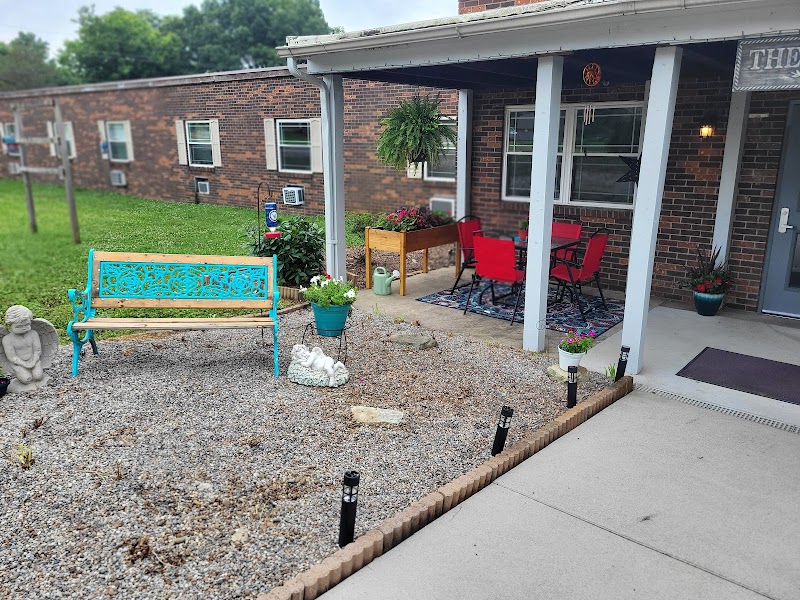
How is Axiom Healthcare Of Rosiclare Staffed?

CMS rates AXIOM HEALTHCARE OF ROSICLARE's staffing level at 1 out of 5 stars, which is much below average compared to other nursing homes. Staff turnover is 38%, compared to the Illinois average of 46%. This relatively stable workforce can support continuity of care.

What Have Inspectors Found at Axiom Healthcare Of Rosiclare?

State health inspectors documented 35 deficiencies at AXIOM HEALTHCARE OF ROSICLARE during 2022 to 2024. These included: 1 Immediate Jeopardy (the most serious level, indicating potential for serious harm or death), 2 that caused actual resident harm, and 32 with potential for harm. Immediate Jeopardy findings are rare and represent the most serious regulatory concerns. They require immediate corrective action.
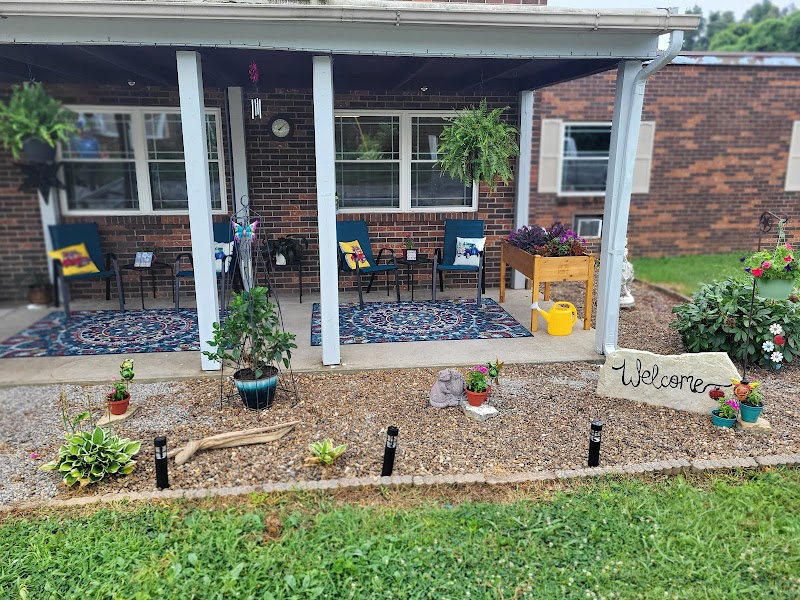
Who Owns and Operates Axiom Healthcare Of Rosiclare?

AXIOM HEALTHCARE OF ROSICLARE is owned by a for-profit company. For-profit facilities operate as businesses with obligations to shareholders or private owners. The facility is operated by AXIOM HEALTHCARE, a chain that manages multiple nursing homes. With 62 certified beds and approximately 34 residents (about 55% occupancy), it is a smaller facility located in ROSICLARE, Illinois.
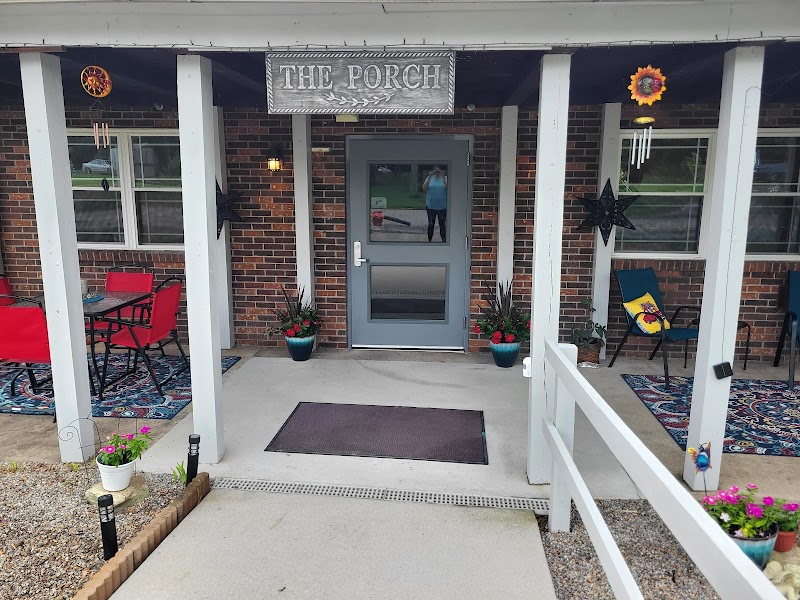
How Does Axiom Healthcare Of Rosiclare Compare to Other Illinois Nursing Homes?

Compared to the 100 nursing homes in Illinois, AXIOM HEALTHCARE OF ROSICLARE's overall rating (1 stars) is below the state average of 2.5, staff turnover (38%) is near the state average of 46%, and health inspection rating (2 stars) is below the national benchmark.

What Should Families Ask When Visiting Axiom Healthcare Of Rosiclare?

Based on this facility's data, families visiting should ask: "What changes have been made since the serious inspection findings, and how are you preventing similar issues?" "Can you walk me through typical staffing levels on day, evening, and night shifts?" "Can I visit during a mealtime to observe dining assistance and food quality?" "How do you handle medical emergencies, and what is your hospital transfer rate?" These questions are particularly relevant given the facility's Immediate Jeopardy citations and the below-average staffing rating.

Is Axiom Healthcare Of Rosiclare Safe?

Based on CMS inspection data, AXIOM HEALTHCARE OF ROSICLARE has documented safety concerns. Inspectors have issued 1 Immediate Jeopardy citation (the most serious violation level indicating risk of serious injury or death). The facility has a 1-star overall rating and ranks #100 of 100 nursing homes in Illinois. Families considering this facility should ask detailed questions about what corrective actions have been taken since these incidents.

Do Nurses at Axiom Healthcare Of Rosiclare Stick Around?

AXIOM HEALTHCARE OF ROSICLARE has a staff turnover rate of 38%, which is about average for Illinois nursing homes (state average: 46%). Moderate turnover is common in nursing homes, but families should still ask about staff tenure and how the facility maintains care continuity when employees leave.

Was Axiom Healthcare Of Rosiclare Ever Fined?

AXIOM HEALTHCARE OF ROSICLARE has been fined $132,266 across 2 penalty actions. This is 3.8x the Illinois average of $34,402. Fines at this level are uncommon and typically indicate a pattern of serious deficiencies, repeated violations, or failure to correct problems promptly. CMS reserves penalties of this magnitude for facilities that pose significant, documented risk to resident health or safety. Families should request specific documentation of what issues led to these fines and what systemic changes have been implemented.

Is Axiom Healthcare Of Rosiclare on Any Federal Watch List?

AXIOM HEALTHCARE OF ROSICLARE is not on any federal watch list. The most significant is the Special Focus Facility (SFF) program, which identifies the bottom 1% of nursing homes nationally based on persistent, serious quality problems. Not being on this list means the facility has avoided the pattern of deficiencies that triggers enhanced federal oversight. This is a positive indicator, though families should still review the facility's inspection history directly.