RUSHVILLE NURSING & REHAB CTR
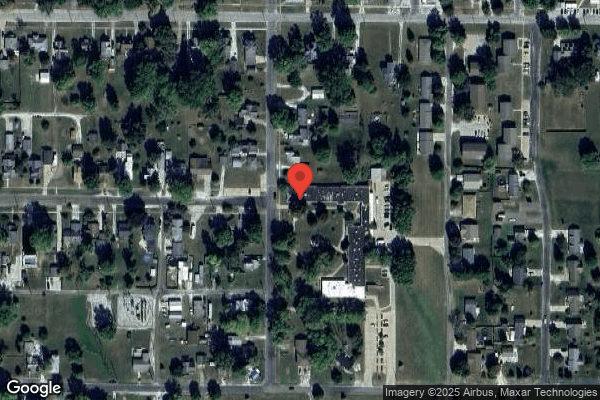
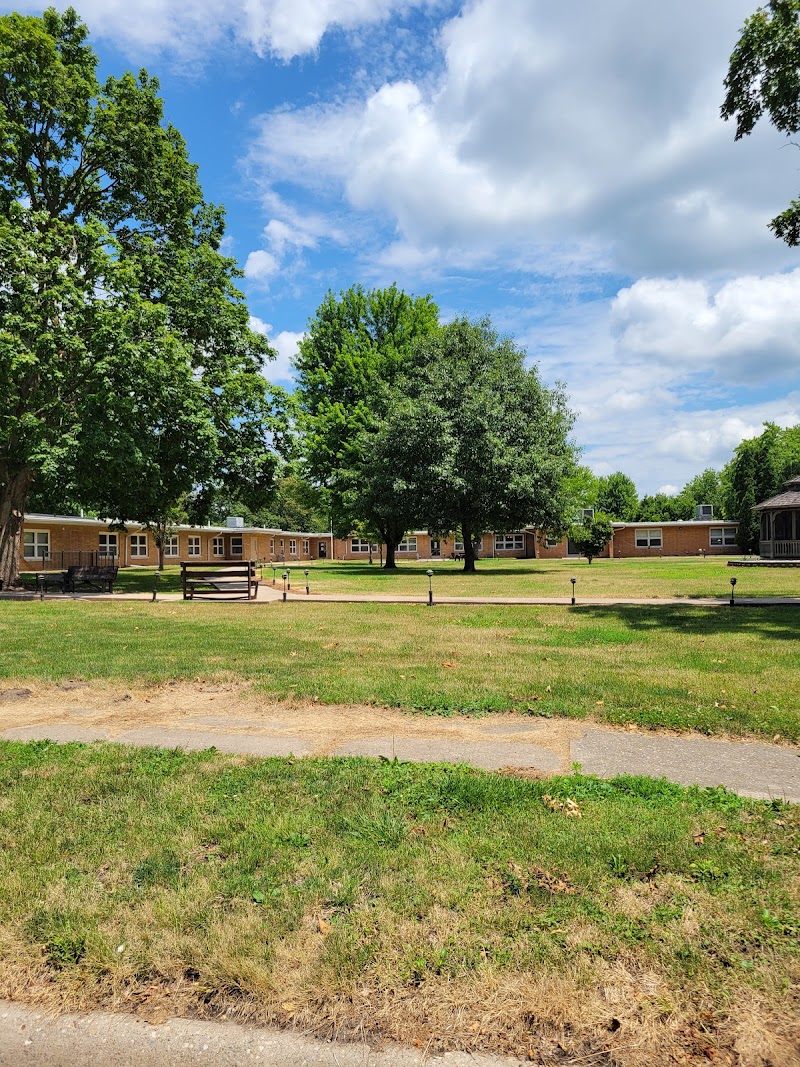
135 SOUTH MORGAN STREET, RUSHVILLE, IL 62681 (217) 322-3201
For profit - Limited Liability company 96 Beds ATIED ASSOCIATES Data: November 2025
Trust Grade
30/100
#399 of 665 in IL
Last Inspection: April 2025

Within standard 12-15 month inspection cycle. Federal law requires annual inspections.

Overview

Rushville Nursing & Rehab Center has received a Trust Grade of F, indicating significant concerns and a poor overall rating for the facility. Ranking #399 out of 665 nursing homes in Illinois places it in the bottom half, although it is the only option in Schuyler County. The facility's trend is worsening, with issues increasing from 6 in 2024 to 11 in 2025. Staffing is a weakness here, rated at 1 out of 5 stars, with a turnover rate of 51%, which is average compared to the state. Additionally, the facility has recorded $45,279 in fines, which is concerning, and while RN coverage is average, it is important to note that there have been serious incidents, such as a resident suffering a femur fracture due to improper use of a gait belt and another developing unstageable pressure ulcers from inadequate skin assessments. Overall, families should be aware of both the facility's serious deficiencies and its average staffing and RN coverage when considering care options.

Trust Score
F
30/100
In Illinois
#399/665
Bottom 40%
Safety Record
High Risk
Review needed
Inspections
Getting Worse
6 → 11 violations
Staff Stability
⚠ Watch
51% turnover. Above average. Higher turnover means staff may not know residents' routines.
Penalties
✓ Good
$45,279 in fines. Lower than most Illinois facilities. Relatively clean record.
Skilled Nurses
✓ Good
Each resident gets 43 minutes of Registered Nurse (RN) attention daily — more than average for Illinois. RNs are trained to catch health problems early.
Violations
⚠ Watch
26 deficiencies on record. Higher than average. Multiple issues found across inspections.
★★☆☆☆
2.0
Overall Rating
★☆☆☆☆
1.0
Staff Levels
★★★☆☆
3.0
Care Quality
★★★☆☆
3.0
Inspection Score
Stable
2024: 6 issues
2025: 11 issues

The Good

  • Full Sprinkler Coverage · Fire safety systems throughout facility
  • No fines on record

Facility shows strength in fire safety.

The Bad

2-Star Overall Rating

Below Illinois average (2.5)

Below average - review inspection findings carefully

Staff Turnover: 51%

Near Illinois avg (46%)

Higher turnover may affect care consistency

Federal Fines: $45,279

Above median ($33,413)

Moderate penalties - review what triggered them

Chain: ATIED ASSOCIATES

Part of a multi-facility chain

Ask about local staffing decisions and management

The Ugly 26 deficiencies on record

3 actual harm
Aug 2025 1 deficiency
CONCERN (D) 📢 Someone Reported This

A family member, employee, or ombudsman was alarmed enough to file a formal complaint

Potential for Harm - no one hurt, but risky conditions existed

Accident Prevention (Tag F0689)

Could have caused harm · This affected 1 resident

Based on record review and interview the Facility failed to initiate appropriate fall interventions for one of four Residents (R6) reviewed for falls in a sample of six.Findings include:The Facility F...

Read full inspector narrative →
Based on record review and interview the Facility failed to initiate appropriate fall interventions for one of four Residents (R6) reviewed for falls in a sample of six.Findings include:The Facility Fall Clinical Protocol Policy, revised 8/2008, documents: as part of the initial assessment, the Physician will help identify individuals with a history of falls and risk factors for subsequent falling; staff will continue to collect and evaluate information until either the cause of falling is identified, or it is determined that the cause cannot be found, or that finding a cause would not change the outcome or management of falling and fall risk; based on the preceding assessment, the staff and physician will identify pertinent interventions to try to prevent subsequent falls and to address risks of serious consequences of falling; and staff and physician will monitor and document the individual's response to interventions intended to reduce falling or the consequences of falling.The Facility Resident Rights Policy, dated 2007, documents Personal Safety, the Resident has the right to expect safety as the Facility practice and environment are concerned.R6's current Care Plan, documents: diagnoses including Cerebrovascular Accident/CVA, Osteoarthritis, Depression, Diabetes and Depression; Activities of Daily Living performance deficit related to CVA and Hemiplegia affecting the right dominant side; and behaviors of agitation with difficulties falling/staying asleep; short term memory deficits. The Care Plan also documents the 2/14/25 fall interventions as educating on keeping wheelchair brakes locked; the 4/21/25 fall interventions as sign placed in room reminding to wear non-skid socks or shoes at all times; and the 7/5/25 fall interventions as non-skid strips placed on bathroom floor and a sign in room and bathroom reminding to lock wheelchair brakes.R6's Minimum Data Set/MDS documents: Section C (Cognitive Patterns), dated 3/18/25, documents moderate cognitive loss on R6's Brief Interview for Mental Status/BIMS (score 8/15); and Section GG (Functional Abilities) requiring substantial/maximal assistance with transfers.The Facility Fall Report, dated 2/1/25 through 2/28/25, documents R6's fall on 2/14/25 at 1:00 pm. R6 was found on the floor in the common area.The Facility Fall Report, dated 4/1/25 through 4/30/25, documents R6's fall on 4/21/25 at 2:20 pm. R6 was found on the floor in the common area.The Facility Fall Report, dated 7/1/25 through 7/31/25, documents R6's fall on 7/5/25 at 12:00 am, in R6's bathroom. R6's Event Report, dated 2/14/25 at 1:00 pm, documents R6 slid from unlocked wheelchair while trying to grab a boxed puzzle from the bottom shelf on the television stand in the common area (Day Room). The Event Report documents that R6 was screaming for help on right side, wheelchair unlocked and not near him; R6 stated that R6 slid from the wheelchair while trying to grab a puzzle.R6's Fall Details Report, dated 4/21/25 at 2:20 pm, documents R6 was found lying on right side on floor next to toilet, call light was off, wheelchair not in use and was off to side and R6 only wearing socks on feet. The Fall Details Report documents an intervention of a sign placed in R6's room to remind to wear non-skid socks or shoes at all times.R6's Event Report, dated 7/15/25 at 12:00 am, documents R6 had an unwitnessed fall in R6's bathroom. R6 was found sitting on the bathroom floor with wheelchair against the wall from R6. R6 stated that when R6 attempted to transfer back to wheelchair, the wheelchair rolled away from R6, causing R6 to land on the floor.On 8/14/25 at 11:50 am, V10 (Restorative Nurse/Licensed Practical Nurse) stated, I do understand that just educating (R6) or placing signs in (R6's) room was probably not the best intervention, given his cognition.On 8/14/25 at 1:00 pm, V2 (Director of Nursing) stated, We probably need different interventions for (R6) other than just educating or putting signs in (R6's) room. V2 verified that R6 is cognitively impaired and that the fall interventions were not appropriate for R6.
Apr 2025 10 deficiencies
CONCERN (D)

Potential for Harm - no one hurt, but risky conditions existed

Resident Rights (Tag F0550)

Could have caused harm · This affected 1 resident

Based on observation, interview and record review the facility failed to ensure that a resident was treated with respect for one resident (R46) of 18 residents reviewed for respect and dignity in a to...

Read full inspector narrative →
Based on observation, interview and record review the facility failed to ensure that a resident was treated with respect for one resident (R46) of 18 residents reviewed for respect and dignity in a total sample of 33. Finding Include: The Facility's undated Personal Cell Phone Use documents purpose: to assure that the resident privacy issues are maintained and to eliminate any distraction from responsibilities and duties. Personal cell phones must be turned off when reporting for work and stored in the employee's purse, car, or locker. They are not allowed to be carried on the employee's person while actively working. Employees may check/use their cell phones during break times only Please note employees may not bring the cell phone into any resident areas at any time regardless to break status. On 4/8/25 at 8:30 AM V4 (Transportation/Certified Nurse Aid) was in the dining room assisting R46 while eating. V4 had a utensil in one hand feeding R46 while looking at her phone and texting on her phone with her other hand. V4 stated she did not normally use her phone during cares. On 4/8/25 at 11:00 AM R46 did not answer any questions asked of her. R46's MDS (Minimum Data Set) dated 2/5/25 documents that R46 is rarely/never understood. On 4/8/25 at 2:00 PM V2 (Director of Nursing) and V1 (Administrator) both confirmed that staff should not be on their phones while giving any cares.
CONCERN (D)

Potential for Harm - no one hurt, but risky conditions existed

Deficiency F0605 (Tag F0605)

Could have caused harm · This affected 1 resident

**NOTE- TERMS IN BRACKETS HAVE BEEN EDITED TO PROTECT CONFIDENTIALITY** Based on observation, interview, and record review the facility failed to ensure chemical restraints were not utilized for one ...

Read full inspector narrative →
**NOTE- TERMS IN BRACKETS HAVE BEEN EDITED TO PROTECT CONFIDENTIALITY** Based on observation, interview, and record review the facility failed to ensure chemical restraints were not utilized for one resident (R12) of five residents reviewed for psychotropic medication in a total sample of 33. This failure resulted in over sedation and physical functioning for R12. Findings Include: The Facility's Abuse Prevention Policy and Procedure, dated 2/2020, documents Chemical Restraint is any drug that is used for discipline or convenience and is not required to treat medical symptoms or behavior manifestations of mental illness. The Facility's undated Psychopharmacological Drug Use Procedure documents the procedure is to assure the appropriate monitoring is provided to residents receiving psychopharmacological drugs, that the lowest possible dose necessary for the benefit of the resident to improve or control mood, mental status and/or behavior is utilized, and to reduce or eliminate the usage of these medications. The Facility's undated Psychopharmacological Drug Use Procedure documents Antipsychotic medications in persons with dementia should not be used if one or more of the following is/are the only indication: 1. Wandering 2. Poor self-care 3. Restlessness 4. Impaired memory 5. Mild anxiety 6. Sadness or crying alone that is not related to depression or other psychiatric disorders,7. Insomnia 8. Inattention or indifference to surroundings 9. Fidgeting 10. Nervousness 11. Uncooperativeness (e.g. refusal of or difficulty receiving care). R12's Medical Record documents that she was admitted on [DATE] with diagnosis to include Conversion disorder with seizures or convulsions, generalized anxiety and unspecified dementia, unspecified severity, with other behavioral disturbance. R12's Physician Order Sheet dated March 2024 documents that R12 was admitted on Risperdal 2 mg (milligrams) every night for unspecified Dementia, unspecified severity, with other behavioral disturbance. R12's Medical Record documents that on 11/15/24 she was sent to a hospital for an increase in behaviors. R12's Psychiatric Evaluation from the hospital documented by V22 (Nurse Practitioner) dated 11/22/24 documents (R12)'s aggressive behavior has also continued to get worse, and she would have temper tantrums that would last one to three days with a daughter she was living with. She was continually aggressive with staff at the facility she was residing in. She does have severe Dementia. She also was continually refusing meds, and she was psychiatrically admitted on [DATE]. R12's Medical Record documents that she was readmitted to the facility after hospitalization on 12/9/2024 with a new diagnosis of Bipolar Disorder and her Risperidone had been changed from 2 mg (milligrams) by mouth to Risperidone 125 mg subcutaneous once a month. R12's Behavior/Intervention Monthly Flow Record identified the following behaviors to be monitored for R12: easily agitated, cursing staff, restlessness, non-compliant/getting up by herself, insomnia, false allegations, yelling/screaming at others, crying/tearful, depressed/withdrawn, hallucinations and delusions. R12's Admission MDS (Minimum Data Set) dated 3/31/24 documents that R12 had no hallucinations, or delusions, no physical behavioral symptoms directed towards others (e.g. hitting, kicking, pushing, scratching, grabbing, abusing others sexually), no verbal behavioral symptoms directed toward others (e.g. threatening others, screaming at others, cursing others), no other behavioral symptoms not directed towards others (e.g. physical symptoms such as hitting or scratching self, pacing, rummaging, public sexual acts, disrobing in public, throwing or smearing food or bodily wastes, or verbal/vocal symptoms like screaming, disruptive sounds), no rejection of care (e.g. blood work, taking medications, ADL (Activities of Daily Living) that is necessary to achieve the resident's goals for health and well-being. R12's MDS (Minimum Data Set) dated 12/25/2024 documents R12 had no hallucinations or delusions, No physical behavioral symptoms directed towards others (e.g. hitting, kicking, pushing, scratching, grabbing, abusing others sexually), no other behavioral symptoms not directed towards others (e.g. physical symptoms such as hitting or scratching self, pacing, rummaging, public sexual acts, disrobing in public, throwing or smearing food or bodily wastes, or verbal/vocal symptoms like screaming, disruptive sounds. R12's MDS dated [DATE] also documents had no instances of rejection care (e.g. bloodwork, taking medications, ADL (Activities of Daily Living) assistance) that is necessary to achieves resident's goals for health and well-being. R12's MDS documents that she had Verbal behavioral symptoms directed toward others (e.g. threatening others, screaming at others, cursing others) 1 to 3 days out of 7 days. R12's MDS dated [DATE] documents R12 had hallucinations and delusions. R12's MDS documents that R12 had no physical behavioral symptoms directed toward others (e.g. hitting, kicking, pushing, scratching, grabbing abusing others sexually), no verbal behavioral symptoms directed toward others (e.g. threatening others, screaming at others, cursing at others), no other behavioral symptoms not directed toward others (e.g. physical symptoms such as hitting or scratching self, pacing, rummaging, public sexual acts, disrobing in public, throwing or smearing food or bodily wastes, or verbal/vocal symptoms like screaming, disruptive sounds) and no instances of rejection of care (e.g. blood work, taking medications, ADL assistance)that is necessary to achieves resident's goals for health and well-being. On 4/7/25 at 11:30 AM V21 (Social Services) confirmed the behaviors listed on R12's Behavior/Intervention Monthly Flow Record. V21 stated that the false allegations being monitored for R12 is related to R12 stating that staff members are sleeping with her husband. V21 stated that R12 very easily agitated and can get very nasty when (staff) attempt to do anything (give cares). V21 stated that the yelling/screaming at others behavior can be described as R12 yelling when cares are being done or attempted and that R12 sometimes just yells for nothing. On 4/8/25 at 1:00 PM V7 (Registered Nurse) confirmed that after R12 was admitted in March 2024 she had an increase in aggression and agitation. V7 described the aggression and agitation displayed by R12 to be refusing cares, yelling out, cursing staff and hallucinations/delusions. V7 stated R12's hallucinations/delusions behaviors could be described as speaking in 3rd person, speaking as if she actually is her husband, believing that staff are sleeping with her husband who has been dead for years. V7 stated that R12 can be combative with cares also, but she is very hard of hearing and can't see very well, so that may be some of that. V7 denied any self-harming behavior by R12 stated I know she was putting herself on the floor sometimes, but from what I understood she would just lay on the ground, she did not throw herself on the floor. V7 denied any aggression or violence towards any other residents by R12. V7 stated R12's Risperidone was changed from pill form to shot form because R12 was refusing the pill. R12's Nurse's Note dated 4/2/2025 documents (R12) sleeping in recliner all this morning, was cleaned up and dressed by staff.(R12) would not rouse enough to take oral meds, scheduled insulin given. (R12) typically sleeps for a day or 2 post (Antipsychotic) injection. On 04/08/25 at 1:00 PM V7 (Registered Nurse) stated that R12 is very tired for a couple of days after her antipsychotic medication is administered via injection. V7 reported that R12 has had a significant decline in her physical condition related to her not being able to do as much for herself physically. R12's Admission MDS dated [DATE] documents that R12 used a cane previously, no wheelchair use. R12's MDS indicates that R12 required supervision or touching assistance (Helper provides verbal cues and/or touching/steadying and/or contact guard assistance as resident completes activity. Assistance may be provided through the activity or intermittently) for oral hygiene and toileting hygiene. R12's MDS documents that she required partial moderate assistance (Helper does less than half the effort. Helper lifts, holds or supports trunk or limbs, but provides less than half the effort) for eating, shower/bathe self, dressing upper body and personal hygiene. R12's MDS documents that she required substantial/maximum assistance (Helper does more than half the effort. Helper lifts or holds trunk or limbs and provides more than half the effort) for lower body dressing and putting on footwear. R12's MDS dated [DATE] documents that R12 used a wheelchair. R12's MDS documented that R12 required partial moderate assistance (Helper does less than half the effort. Helper lifts, holds or supports trunk or limbs, but provides less than half the effort) for eating, upper and lower body dressing, putting on footwear and personal hygiene. R12's MDS documents that she required Substantial/maximal assistance (Helper does more than half the effort. Helper lifts or holds trunk or limbs and provides more than half the effort) for oral hygiene, toileting hygiene and shower/bathe self. R12's MDS dated [DATE] documents that R12 used a wheelchair. R12 required partial/moderate assistance (helper does less than half the effort. helper lifts, holds, or supports trunk or limbs, but provides less than half the effort) for eating and upper body dressing. R12's MDS documents that she required substantial/maximal assistance (Helper does more than half the effort. Helper lifts or holds trunk or limbs and provides more than half the effort) for oral hygiene and personal hygiene. R12's MDS documents that R12 was dependent (helper does all the effort. Resident does none of the effort to complete the activity. Or the assistance of 2 or more helpers is required for the resident to complete the activity) for toileting hygiene, shower/bathe self, lower body dressing and putting on footwear. On 4/9/25 at 11:00 AM V16 (Nurse Practitioner) stated that R12 was admitted on Risperidone 2 mg (milligrams) in pill form and has had increasing behaviors and has since been admitted to the hospital and her Risperidone was changed from pill form to shot form due to R12 refusing to take the medicine. V16 stated that R12 had many harmful behaviors which have led to V16 declining to reduce her antipsychotic medication. V16 described these behaviors as easily agitated and refusing cares. V16 confirmed that staff from the facility have informed her that R12 sleeps and refuses to participate in any cares for a couple days after she is given the antipsychotic injection. But she comes right back around in a couple of days and begins with the harmful behaviors again.
CONCERN (D)

Potential for Harm - no one hurt, but risky conditions existed

PASARR Coordination (Tag F0644)

Could have caused harm · This affected 1 resident

Based on record review and interview the facility failed to obtain a Preadmission Screening and Resident Review (PASRR) after a significant change in condition for one resident (R12) of one reviewed f...

Read full inspector narrative →
Based on record review and interview the facility failed to obtain a Preadmission Screening and Resident Review (PASRR) after a significant change in condition for one resident (R12) of one reviewed for PASRRs in a total sample of 33. Findings Include: The Facility Admission policy dated November 2016 documents PASSR screens must be valid and reviewed on admission, annually and upon any significant change. All residents with a newly evident or possible serious mental disorder, intellectual disability, or a related condition should be referred for a level II resident review upon a significant change in status admission. R12's admission Physician Order Sheet dated March 2024 documents R12 was admitted with diagnoses that include but were not limited to conversion disorder with seizures, dementia and anxiety. R12's admission Physician Order Sheet did not include any serious mental illness diagnosis. R12's PASSR Level I dated 3/26/2024 did not document any serious mental illness diagnosis. R12's Nurse's Note dated 11/15/2024 document that R12 was sent to the hospital due to increased behaviors. R12's Nurse's Note dated 11/21/24 documents that R12 was transferred from the area hospital to an inpatient psychiatric hospital related to behaviors. R12's Nurse's Note dated 12/9/24 document that R12 returned to the facility from an inpatient psychiatric hospital stay. R12's readmission Physician Order Sheet dated December 2024 documents that R12 was on subcutaneous Risperidone 125 mg (milligrams) every month for bipolar disorder. On 4/7/25 at 11:00 AM V21 (Social Service Director) confirmed that R12's bipolar diagnosis was new from her hospitalization in November/December 2024. V21 confirmed that no repeat PASSR had been done. On 4/9/25 at 2:00 PM V1 (Administrator) confirmed that no level II PASSR had been done after R12's significant change in mental health diagnosis and that it should have been done.
CONCERN (D)

Potential for Harm - no one hurt, but risky conditions existed

Incontinence Care (Tag F0690)

Could have caused harm · This affected 1 resident

Based on observation, interview, and record review the facility failed to ensure indwelling urinary catheters were placed securely off the floor in a sanitary manner for two (R41 and R119) of six resi...

Read full inspector narrative →
Based on observation, interview, and record review the facility failed to ensure indwelling urinary catheters were placed securely off the floor in a sanitary manner for two (R41 and R119) of six residents reviewed for indwelling urinary catheters in the sample of 33. Findings include: The facility Urinary Catheter Care policy and procedure, dated September 2005, documents The purpose of this procedure is to prevent infection of the resident's urinary tract. Be sure the catheter tubing and drainage bag are kept off the floor. 1. The current Physician Orders for R41 documents a 7/29/24 physician order for R41 to use a 16 FR (french)/10cc (cubic centimeter) balloon indwelling urinary catheter for the diagnosis of Urinary Retention. The current Care Plan for R41 documents R41 requires an indwelling urinary catheter for a diagnosis of Urinary Retention and requires Enhanced Barrier Precautions due to placement of indwelling urinary catheter. The documented goals as follows: R41 will have catheter care managed appropriately with no signs of infection and to reduce the spread of infectious agents, minimize the transmission of infection, and reduce the risk of colonization. The interventions include Do not allow tubing or any part of the drainage system to touch the floor; Follow facility's Infection Control and Enhanced Barrier Precautions policies/procedures; Use principles of infection control and enhanced barrier precautions; and Teach resident/caregiver the chain of infection/methods of transmission. On 4/6/25 at 9:36 AM R41 was sitting in his wheelchair in the hallway with an indwelling urinary catheter bag hanging from underneath his wheelchair. The catheter was not in a protective dignity bag, urine visible in the catheter tubing, and the catheter tubing was dragging the floor. 2. The current Physician Orders for R119 documents a 4/2/25 physician order for R119 to use a 16 FR/10cc balloon indwelling urinary catheter for the diagnosis of Urinary Retention. The current Care Plan for R119 documents R119 requires an indwelling urinary catheter for diagnosis of Urinary Retention and requires Enhanced Barrier Precautions due to placement of indwelling urinary catheter. The documented goals as follows: R119 will have catheter care managed appropriately with no signs of infection and to reduce the spread of infectious agents, minimize the transmission of infection, and reduce the risk of colonization. The interventions include: Teach resident/caregiver the chain of infection/methods of transmission and Use principles of infection control and enhanced barrier precautions. On 4/6/25 at 7:30 AM R119 was lying in bed with an indwelling urinary catheter. The indwelling urinary catheter drainage bag was not in a protective dignity bag, urine visible in the catheter tubing and both the drainage bag and tubing were resting on the floor. On 4/9/25 at 2:30 PM, V1 Administrator and V2 DON (Director of Nursing) confirmed indwelling urinary catheter bags should be in protective dignity bags and catheter bags and catheter tubing should not be on the floor.
CONCERN (D)

Potential for Harm - no one hurt, but risky conditions existed

Respiratory Care (Tag F0695)

Could have caused harm · This affected 1 resident

Based on observation, interview, and record review the facility failed to ensure oxygen tubing is changed weekly and ear pads are used for residents wearing oxygen for two (R25 and R119) of two reside...

Read full inspector narrative →
Based on observation, interview, and record review the facility failed to ensure oxygen tubing is changed weekly and ear pads are used for residents wearing oxygen for two (R25 and R119) of two residents reviewed for respiratory care in the sample of 33. Findings include: The facility Oxygen Administration policy and procedure, dated March 2004, documents The purpose of this procedure is to provide guidelines for safe oxygen administration. Securely anchor the tubing so that it does not rub or irritate the resident's nose, behind the resident's ears, etc. Place ear protectors as needed for residents utilizing oxygen more than 8 hours a day. Observe the resident upon set up and periodically thereafter to be sure oxygen is being tolerated. If the resident refused the procedure, the reasons(s) why and the interventions taken are to be documented in resident medical record. Notify the supervisor if the resident refuses the procedure. 1. The Progress Note for R119, dated 4/2/25, documents R119 readmitted to the facility from the local hospital on 4/1/25 with diagnoses: Adult Failure to Thrive related to Influenza A, pneumonia, dehydration with renal failure and was having hypoxia with oxygen saturations in the 80's requiring supplemental oxygen to keep blood oxygen saturations between 88-94%. Staff will administer oxygen and assist with head of bed elevation to prevent shortness of breath. The current Physician Order Report for R119 documents the following orders dated 4/1/25: Oxygen via nasal cannula, titrate oxygen to keep blood oxygen saturations between 88-94% every shift; Use ear pads for continuous oxygen; Check oxygen saturation every shift; Change and label oxygen tubing and mask weekly and change as needed. The current Care Plan for R119 documents (R119) has a dx (diagnosis) of chronic lung disease and exhibits the following symptoms: easily fatigued, shortness of breath placing resident at risk for death. This plan of care does not address or list interventions regarding R119's use of oxygen or R119's behavior of removing his oxygen. On 4/6/25 at 7:20 AM, R119 was lying in bed on his left side without ear pads or nasal cannula in his nares and with a pillow partially covering R119's head. The oxygen concentrator next to R119's bed was running at 3.5 liters and R119's undated nasal cannula was resting on R119's bed under a blanket. On 4/7/25 at 10:13 AM, R119 was lying in bed without ear pads or oxygen on and nasal cannula oxygen tubing was resting across R119's overbed table. On 4/8/25 at 10:21 AM, R119 is lying in bed without oxygen in place with the nasal cannula resting next to R119, on the bed. There were no ear pads in place for the oxygen tubing and the oxygen concentrator was on and blowing three liters of oxygen into the air. On 4/8/25 at 10:53 AM, V17 LPN (Licensed Practical Nurse) and V18 CNA (Certified Nursing Assistant) entered R119's room to provide care. V18 CNA performed cares for R119 and at no time did V17 LPN or V18 CNA attempt to put R119's nasal oxygen cannula back in place and no education given to R119 regarding R119s' need for the oxygen. After the completion of R119's care, V18 CNA retrieved the nasal cannula from R119's bed and placed it on R119 without ear pads. On 4/8/25 at 10:53 AM, V17 LPN confirmed R119 did not have oxygen on, and oxygen tubing should not be on the floor. V17 LPN stated R119 is non-compliant with his oxygen and frequently takes it off and staff have to put it back on. V17 confirmed R119 has had oxygen since returning from the hospital on 4/1/25 for pneumonia, influenza A, and chronic lung conditions. 2. R25's Treatment Administration Record dated March 2025 documents Oxygen: Change tubing and mask weekly and PRN (As Needed) once a week on Sunday. On 04/07/25 at 12:06 PM R25's Oxygen tubing and humidifier both had labels dated 3/23/25 and there was no ear pads placed on the tubing. On 4/7/25 at 2:00 PM V9 (Registered Nurse) confirmed that R25's oxygen tubing and humidifier was dated 3/23/25. V9 stated that the tubing and humidifier were overdue for change. On 4/9/25 at 2:30 PM, V1 Administrator and V2 DON (Director of Nursing) were unaware to confirm the facility oxygen policy and procedure documented residents with continuous oxygen are to have ear pads placed when used.
CONCERN (D)

Potential for Harm - no one hurt, but risky conditions existed

Medication Errors (Tag F0758)

Could have caused harm · This affected 1 resident

**NOTE- TERMS IN BRACKETS HAVE BEEN EDITED TO PROTECT CONFIDENTIALITY** 2. The current Physician Order Sheet for R119, documents a 4/1/25 physician order for Risperdal 0.25 mg (milligrams) daily at 8:...

Read full inspector narrative →
**NOTE- TERMS IN BRACKETS HAVE BEEN EDITED TO PROTECT CONFIDENTIALITY** 2. The current Physician Order Sheet for R119, documents a 4/1/25 physician order for Risperdal 0.25 mg (milligrams) daily at 8:00 AM for Vascular dementia with psychotic disturbance ordered by V16 NP (Nurse Practitioner). The Behavior/Intervention Monthly Flow Records for R119, dated March 13th through March 27th, 2025, and April 1st through April 8th, 2025, a total of 24 days, documents R119's targeted behaviors warranting the use of an antipsychotic as easily agitated and throwing food. These reports document R119 was easily agitated 13 of 24 days and throwing food on one of 24 days on 3/13/25. There are no other targeted behaviors listed for the use of R119's antipsychotic use. The Quarterly MDS (minimum data set) Assessment for R119, dated 3/25/25, documents R119 with moderately impaired cognition, moderate depression, and verbal behavioral symptoms occurring four to six times weekly. The facility facsimile communication form for R119, dated 3/19/25 was sent to V19 NP requesting diagnosis as: Antipsychotic Risperdal prescribed 3/19/25 for (R119) violent behavior. May we have dx (diagnosis) of (one) of the following: Brief psychotic disorder or Dementia with psychotic disturbance or Dementia with behavioral disturbance by V7 MDS (minimum data set) Nurse/Psychotropic Nurse. This form is signed and dated by V19 NP on 3/19/25 and documents Moderate vascular dementia with psychotic disturbance. On 4/6/25 from 6:30 am through 11:00 AM and on 4/7/25 and 4/8/25 from 9:00 AM through 3:00 PM R119 was lying in bed with no behaviors. R119's room was located across from the Nurses Station and R119 was lying in bed with no behaviors. On 4/8/25 at 10:20 AM, V17 LPN (Licensed Practical Nurse) stated R119 is extremely hard of hearing, does not see very well, so staff use a dry erase board to help communicate with R119. On 4/9/25 at 2:30 PM, V1 Administrator and V2 DON (Director of Nursing) confirmed R119 targeted behaviors for the use of Risperdal was easily agitated and throwing food. V1 and V2 stated R119 has been resistive to cares, yells at staff, and hit a therapy staff with his cane. The Quarterly Psychoactive Medication Evaluation for R119, dated 4/3/25, documents R119 continues to receive Risperdal and behaviors controlled. Based on observation, interview, and record review the facility failed to attempt gradual dose reduction for one resident (R12) and failed to have clinical indication for the use of an antipsychotic medication for one resident (R119) of five residents reviewed for psychotropic medications in the sample of 33. Findings include: The facility's Psychotropic Medication Policy and Procedure, dated February 2014, documents Policy: To establish the process for monitoring the use of and the reduction of doses of psychotropic medications without compromising the president's health and safety, ability to function appropriately, or the safety of others. 2. Residents shall not be given antipsychotic drugs unless antipsychotic drug therapy is necessary to treat a specific or suspected condition as diagnosed and documented in the clinical record or to rule out the possibility of one of the conditions listed in guidelines of recognized external review agencies. 3. Residents who receive antipsychotic drugs shall receive gradual dose reductions and behavior interventions, unless clinically contraindicated. The facility's undated Psychopharmacologic Drug Use Procedure, documents Documentation of behaviors and conditions requiring the use of these medications must be done on a routine basis including resident response to the medication. The following examples of antipsychotic drugs should not be used in excess of the listed doses for resident with organic mental syndromes unless higher doses (as evidenced by the resident's response or the resident's clinical record) are necessary to maintain or improve the resident's functional status. Risperidone is listed on the facility list as maximum dose of 4 mg (milligrams) in divided dose of 2 mg doses. When antipsychotic drugs are used outside these Guidelines, they may be deemed unnecessary drugs as a result of excessive dose. Antipsychotic medications may be considered for elderly residents with dementia but only after medical, physical, functional, psychiatric, social and environmental causes have been identified and addressed. Antipsychotic medications must be prescribed at the lowest possible dosage for the shortest period of time and are subject to gradual dose reduction and review. Antipsychotic medications in persons with dementia should not be used if one or more of the following is/are the only indication: 1. Wandering, 2. Poor self-care, 3. Restlessness, 4. Impaired memory, 5. Mild Anxiety, 6. Sadness or crying alone that is not related to depression or other psychiatric disorders, 7. Insomnia, 8. Inattention or indifference to surroundings, 9. Fidgeting, 10. Nervousness, 11. Uncooperativeness (e.g. refusal of or difficulty receiving care. This policy and procedure also documents that diagnoses alone do not warrant the use of an antipsychotic unless: The behavioral symptoms present a danger to the resident or others; and one or both of the following: The symptoms are identified as being due to mania or psychosis (such as: auditory, visual, or other hallucinations; delusions, paranoid or grandiosity); or Behavioral interventions have been attempted and included in the plan of care, except in an emergency. 1. R12's Physician Order Sheet dated March 2025 documents that R12 receives the antipsychotic medication Risperidone 150 mg (milligrams) every month for bipolar disorder. R12's Medical Record documents that R12 was readmitted to the facility on [DATE] after a hospitalization with order for Risperidone 125 mg. R12's Behavior/Intervention Monthly Flow Record dated January, February and March 2025 documents the following identified behaviors being monitored for R12: Hallucinations, Delusions, crying/tearful, depressed/withdrawn, false accusations, yelling and screaming at others, restless, noncompliance by getting up by herself, easily agitated, cursing staff and difficulty falling and staying asleep. On 4/7/25 at 11:30 AM V21 (Social Services) confirmed the behaviors listed on R12's Behavior/Intervention Monthly Flow Record. V21 stated that the false allegations being monitored for R12 is related to R12 stating that staff members are sleeping with her husband. V21 stated that R12 very easily agitated and can get very nasty when (staff) attempt to do anything (give cares). V21 stated that the yelling/screaming at others behavior can be described as R12 yelling when cares are being done or attempted and that R12 sometimes just yells for nothing. V21 confirmed R12 had not had any attempts or documentation of any failed gradual dose reductions of R12's antipsychotic medications at any time. On 4/8/25 at 1:00 PM V7 (Registered Nurse) described the aggression and agitation displayed by R12 to be refusing cares, yelling out, cursing staff and hallucinations/delusions. V7 stated R12's hallucinations/delusions behaviors could be described as speaking in 3rd person, speaking as if she actually is her husband, believing that staff are sleeping with her husband who has been dead for years. V7 stated that R12 can be combative with cares also, but she is very hard of hearing and can't see very well, so that may be some of that. V7 denied any self-harming behavior by R12 stated I know she was putting herself on the floor sometimes, but from what I understood she would just lay on the ground, she did not throw herself on the floor. V7 denied any aggression or violence towards any other residents by R12. confirmed R12 had not had any attempts or documentation of any failed gradual dose reductions of R12's antipsychotic medications at any time. R12's Nurse's Note dated 3/27/25 at 4:08 PM documents response on res (resident) behaviors per (V16/Nurse Practitioner) increase (Risperdal) to 150 mg injection SQ (Subcutaneous). R12's Pharmacy Recommendation dated 3/11/25 documents a request to gradually reduce R12's antipsychotic medication Risperidone. V16 (Nurse Practitioner) marked patient is currently stable. Dose reduction is contraindicated because benefits outweigh risks, and a reduction is likely to impair the resident's function and/or cause psychiatric instability. On 4/9/25 at 11:00 AM V16 (Nurse Practitioner) stated that R12 had many harmful behaviors which have led to V16 declining to reduce her antipsychotic medication. V16 described these behaviors as easily agitated and refusing cares. V16 reported that she regularly meets with (V11/R12's Health Care Power of Attorney) when V16 comes to the facility to see R12. V16 reported that V11 is very supportive of R12 being on antipsychotic medications related to her behaviors.
CONCERN (D)

Potential for Harm - no one hurt, but risky conditions existed

Deficiency F0849 (Tag F0849)

Could have caused harm · This affected 1 resident

**NOTE- TERMS IN BRACKETS HAVE BEEN EDITED TO PROTECT CONFIDENTIALITY** Based on interview and record review, the facility failed to ensure the Hospice's coordinated communication and required documen...

Read full inspector narrative →
**NOTE- TERMS IN BRACKETS HAVE BEEN EDITED TO PROTECT CONFIDENTIALITY** Based on interview and record review, the facility failed to ensure the Hospice's coordinated communication and required documents were available and accessible to the facility staff. This deficiency affects one of one resident (R11) reviewed for Hospice care management in a sample of 33 residents. Findings include: The Hospice Services Policy not dated documented Hospice service will conduct assessments and develop a hospice plan of care which will be integrated with the resident's overall plan of care and maintained in the medical record or other location with the interdisciplinary care plan. All hospice service staff will write a progress note for each resident visit indicating treatment provided and pertinent information related to the resident's condition which is available in the medical record for all interdisciplinary staff to access. Hospice service staff will attend care plan conferences and participate in the resident's care planning process. The Long Term Care Hospice Service Agreement dated 5/19/2019 documented responsibilities of facility were to obtain the Hospice's Plan of Care, Medications, Orders, Election Form and the Certification of Terminal Illness. R11's Face Sheet documented R11 was admitted on [DATE] and elected Hospice benefits on 11/13/24 with a terminal diagnosis of Dementia, age-related Osteoarthritis with pathological fracture of Femur. R11's current Care Plan lacked specific Hospice responsibilities/interventions. R11's medical record lacked a Hospice Plan of Care, Election forms, Physician certification of terminal illness and/or copies of clinical notes. On 4/7/25 at 11:05 AM, V19 (Licensed Practical Nurse) stated the nurses assess on each resident at shift change and this is how staff know if a resident is on Hospice or not. V19 stated R11's Hospice Nurse Aide calls the day before they come to the facility and give a time. V19 stated The nurses don't call. We don't know when they (nurses) are coming. Sometimes they (Hospice nurses) come and go, and we don't even know they have been here. V19 stated there was not a Hospice binder for R11. On 4/7/25 at 11:15 AM, V21 (Social Services) stated there is a general Hospice binder with contact information located on each wing but not a specific one for R11. At 11:45 AM, V21 stated I found out that if hospice has a change (in cares/medications), they (Hospice staff) write on the POS (Physician's Order Sheet) and it should be scanned into the record. V21 reviewed R11's record and agreed there were no Hospice documents scanned into the computer. On 4/9/25 at 1:00 PM, V19 (Hospice Nurse) stated she does not leave R11's plan of care or visit notes at the facility.
CONCERN (E)

Potential for Harm - no one hurt, but risky conditions existed

Deficiency F0804 (Tag F0804)

Could have caused harm · This affected multiple residents

Based on observation, interview and record review the facility failed to ensure food stays warm for six residents (R11, R12, R26, R47, R50, and R119) of six residents reviewed in a total sample of 33....

Read full inspector narrative →
Based on observation, interview and record review the facility failed to ensure food stays warm for six residents (R11, R12, R26, R47, R50, and R119) of six residents reviewed in a total sample of 33. Findings Include: The Facility's undated Hot Food Service Temperatures policy documents foods will be served to the residents at a temperature that is palatable to prevent injury such as burned mouth or lips. Food will be offered to be reheated if it is not within resident's preferred food temperatures or another tray will be offered. On 4/8/25 at 8:30 AM R11, R12, R26, R47, R50, and R119's breakfast trays were sitting out on the dining room tables with either a lid or other plates on top of the dishes. R11, R12, R26, R47, R50, and R119 were not in the dining room at this time. On 4/8/25 at 8:35 AM V4 (Certified Nurse Aid/Transportation) stated that these residents had not come out to the dining room yet and she wasn't sure how long the trays had been sitting at the tables without residents present. V4 stated that staff routinely deliver trays to the resident's regular spot whether the resident is present or not. V4 stated I told them (R26) was in the shower. She is going to be a while. The food back here (assisted area of dining room) is not always hot when I feed it to the residents because people put it on the table whether or not the person is here. On 4/8/25 at 8:40 AM V6 (Dietary Manager) entered the dining room and asked V4 (Certified Nurse Aid/Transportation) where R11, R12, R26, R47, R50, and R119 were. V4 stated she did not know. V6 picked up R47's tray and walked it to R47's room. R47 was sitting in her recliner with her eyes closed. V4 (Dietary Manager) sat meal tray on R47's bedside table and left the room. Food temperatures at that time were scrambled eggs 89 degrees Fahrenheit and sausage 88 degrees Fahrenheit. R47 was pleasantly confused and did not answer any questions in a sensical manner. On 4/8/25 at 8:50 AM R11, R12, R26, R50, and R119's trays were no longer in the dining room. V4 (Certified Nurse Aid/Transportation) stated she didn't know where the trays went. On 4/8/25 at 9:30 AM V6 (Dietary Manager) stated that food should only be served if the residents are present. We have a lot of food temperature complaints because once the food leaves the steam table it automatically starts to lose temperature.
CONCERN (E)

Potential for Harm - no one hurt, but risky conditions existed

Antibiotic Stewardship (Tag F0881)

Could have caused harm · This affected multiple residents

**NOTE- TERMS IN BRACKETS HAVE BEEN EDITED TO PROTECT CONFIDENTIALITY** Based on interview and record review the facility failed to identify, monitor, and review prophylactic antibiotic use for four o...

Read full inspector narrative →
**NOTE- TERMS IN BRACKETS HAVE BEEN EDITED TO PROTECT CONFIDENTIALITY** Based on interview and record review the facility failed to identify, monitor, and review prophylactic antibiotic use for four of four residents (R17, R21, R38, R49) for antibiotic stewardship in the sample of 33. Findings include: The Infection Prevention and Control Program dated 2019 documented an antibiotic stewardship program that includes antibiotic use protocols and a system to monitor antibiotic use. Antibiotic Stewardship and review including reviewing data to monitor the appropriate use of antibiotics in the resident population. The Infection Preventionist will oversee the facility Antibiotic Stewardship Program. review of the use of antibiotics is a vital aspect of the infection prevention and control program. Involve the consultant pharmacist with the oversight by identifying antibiotics prescribed for resistant organisms. Track antibiotic use monthly and completes an antibiogram yearly or as directed by the Medical Director and the Quality Assurance Committee. The Antibiotic Stewardship Policy dated 11/28/17 documented the physician, nursing and pharmacy are the leads responsible for promoting and overseeing antibiotic stewardship activities. The facility maintains a consultant pharmacist with antibiotic stewardship-specific drug expertise. The facility will utilize the McGeer's criteria when considering initiation of antibiotics. The Infection Control Log documented R17, R21, R8 and R49 had no signs or symptoms and received prophylactic antibiotics for urinary tract infections which were ordered by V13 (Urologist). 1. R17's Face Sheet indicated R17 was admitted on [DATE] with diagnoses of Chronic Respiratory Failure, Tubulo-Interstitial Nephritis and Personal history of Urinary (Tract) Infections. R17's Physician Order dated 4/4/25 and has no end date documented to administer an Antibiotic for Urinary Tract Infection Prophylaxis. 2. R21's Face Sheet documented R21 was admitted on [DATE] with diagnoses of Adjustment Disorder with Mixed Anxiety and Depressed Mood, Neuromuscular Dysfunction of Bladder, Infection and Inflammatory Reaction due to Indwelling Urethral Catheter, Stress Incontinence and Personal history of Urinary (Tract) Infections. R21's Physician's Order dated 11/27/24 through 2/27/25 for an Antibiotic medication was for a Personal History of Urinary Tract Infection. 3. R38's Face Sheet indicated R38 was admitted on [DATE] with diagnoses of Osteoarthritis, Major Depressive Disorder and Interstitial Cystitis. R38's Physician's Order dated 10/15/24 and had no end date documented to administer an Antibiotic and did not indicate a diagnosis/reason for the medication. 4. R49's Face Sheet indicated R49 was admitted on [DATE] with diagnoses of Polyosteoarthritis, Schizoaffective Disorder and Urge Incontinence. R49's Physician's Order dated 1/24/25 through 4/24/25 documented to administer an Antibiotic and did not indicate a diagnosis/reason for the medication. R49's Physician's Order dated 2/28/25 through 4/16/25 documented to administer an Antibiotic for Urge Incontinence. The QA (Quality Assurance) Committee meeting minutes for each quarter of 2024 were reviewed. The attendance sheets documented V15 (Pharmacist) attended the QA meetings on 2/6/25 and 8/6/24. The Consultant Pharmacist's Medication Regimen Review reports included psychotropic medications and did not include antibiotic usage. The Infection Report Summary did not include prophylactic antibiotic use surveillance data. On 4/8/25 at 2:00 PM, V14 (Infection Preventionist) stated Urge Incontinence was not a diagnosis that required an Antibiotic. V14 stated V13 (Urologist) was the only physician that ordered prophylactic antibiotics for urinary tract infections. On 4/9/25 at 2:30 PM, V1 (Administrator) and V2 (Director of Nursing) stated the Antibiotic Stewardship program was not all inclusice and needed improvement.
CONCERN (F)

Potential for Harm - no one hurt, but risky conditions existed

Infection Control (Tag F0880)

Could have caused harm · This affected most or all residents

2. The current Care Plan for R41 documents R41 requires Enhanced Barrier Precautions due to indwelling urinary catheter and interventions including: Follow facility's Infection Control and Enhanced Ba...

Read full inspector narrative →
2. The current Care Plan for R41 documents R41 requires Enhanced Barrier Precautions due to indwelling urinary catheter and interventions including: Follow facility's Infection Control and Enhanced Barrier Precautions policies/procedures; Use Principles of infection control and enhanced barrier precautions; Teach resident/caregiver the chain of infection/methods of transmission; and Practice good handwashing. On 4/8/25 at 11:15 AM V18 CNA (Certified Nursing Assistant) performed indwelling urinary catheter care for R41. After completing care, with same soiled gloves on, V18 CNA assisted R41 with pulling up his pants, and threw garbage into R41's garbage can. V18 CNA then removed her gloves and applied a new set of gloves without performing hand hygiene, covered and positioned R41 with a bed sheet, moved R41's overbed table next to R41's bed, opened the window blinds, pulled back the privacy curtain, got into R41's nightstand retrieving a chocolate candy bar and handed it to R41. 3. The current Care Plan for R119 documents R119 requires Enhanced Barrier Precautions due to indwelling urinary catheter and interventions including: Follow facility's Infection Control and Enhanced Barrier Precautions policies/procedures; Use Principles of infection control and enhanced barrier precautions; Teach resident/caregiver the chain of infection/methods of transmission; and Practice good handwashing. On 4/8/25 at 10:52 am, V18 CNA (Certified Nursing Assistant) performed indwelling urinary catheter care for R119. After completing care, with same soiled gloves on, V18 CNA applied R119's clean brief and pulled up R119's pants. V18 CNA removed her soiled gloves and applied a new set of gloves without performing hand hygiene, placed call light in R119's hand, picked up R119's oxygen nasal cannula from the bed and placed it to R119's nares and wrapped around R119's ears. On 4/8/25 at 11: 35 AM, V17 LPN (Licensed Practical Nurse) and V18 CNA confirmed V18 CNA did not perform hand hygiene after removing her soiled gloves and should have. V17 LPN and V18 CNA confirmed V18 CNA should not have touched anything prior to washing her hands. V17 LPN stated she provided V18 CNA with hand sanitizer and V18 CNA stated she had hand sanitizer in her pocket. Based on observation, interview and record review the facility failed to perform hand hygiene after glove removal for two (R41 and R119) of 18 reviewed for infection control and failed to adhere to masking during an influenza outbreak. The failure of non-masking has the potential to affect all 71 residents currently residing in the facility. Findings Include: The Facility's undated Preventing and Controlling ARI (Acute Respiratory Illness) in Skilled Nursing Facilities and Other Facilities Providing Nursing Care documents Ensure everyone, including residents, visitors, and HCP (Health Care Providers) are aware of recommended Infection Prevention and Control (IPC) practices in the facility, including when specific IPC actions are being implemented in response to new infections in the facility or increases in respiratory virus levels in the community. Source control is recommended for individuals in health care settings who have suspected or confirmed respiratory infection or respiratory trends or observed trends). The facility Urinary Catheter Care policy and procedure, dated September 2005, documents The purpose of this procedure is to prevent infection of the resident's urinary tract. Staff are to wash and dry hands thoroughly, put on gloves, provide catheter care, discard disposable items, remove gloves, discard gloves, wash and dry hands thoroughly, reposition bed coverings, make resident comfortable, place call light, clean wash basin and bedside table, and to then wash and dry hands thoroughly again. The facility Hand-Washing/Hand Hygiene Policy, dated March 2020, documents It is he policy of the facility to assure staff practice recognized hand-washing/hand hygiene procedures as a primary means to prevent the spread of infections among residents, personnel, and visitors. alcohol based hand rubs (ABHR) can be used for hand hygiene when hands are not visibly soiled or contaminated with blood or bodily fluids. When hands are not visibly soiled, employees may use an alcohol-based hand rub (foam, gel, liquid) containing at least 60% alcohol in all of the foolwing situations: a. before direct contact with residents; b. after direct contact with a resident but prior to direct contact with another resident; c. before donning gloves; g. before moving from a contaminated body site to a clean body site during resident care; h. before and after putting on and upon removeal of PPE (personal protective equipment), including gloves; i. after contact with a resident's intact skin; j. after handling used dressings, potentially contaminated equipment; l. after contact with potentially infectious material; m. after removing gloves. The use of gloves does not replace compliance with hand-washing/hand hygiene procedures. If soap and water are not available, use an alcohol-based hand sanitizer that contains at least 60% alcohol, and wash with soap and water as soon as possible. The facility Personal Protective Equipment - Using Gloves policy and procedure, dated June 2005, documents Wash hands after removing gloves. (Note: Gloves do not replace handwashing.) 1. On 4/6/25 at 6:00 AM a sign indicating the facility was in Flu (Influenza) Outbreak Status and Masking beyond this point is recommended, please see nurse with questions was on the entry doorway to the facility. On 4/6/25 at 8:00 AM V14 (Infection Preventionist) stated that the facility was in flu outbreak status due to a resident testing positive. We put all the residents on TamiFlu and are masking. On 4/8/25 at 10:30 AM V5 (Hairdresser) standing in the North hallway speaking with another staff member. V5 did not have a mask on. V5 stated No one told me we were wearing masks. All staff, including the staff member V5 was speaking to had masks on. V5 continued to walk from North Hall to South Hall with no mask on. On 4/8/25 at 10:35 AM V14 (Infection Preventionist) stated that anyone who walked through the entire building without a mask on during a flu outbreak status would be putting all residents at risk of getting the flu. Why do you ask? We do not have any families or visitors that I know of that refuse to mask when we ask them to. On 4/9/25 at 2:20 PM, V1 Administrator stated the facility recommends all staff, contracted staff, and visitors to wear masks during the facility flu outbreak.
Dec 2024 1 deficiency 1 Harm
SERIOUS (G) 📢 Someone Reported This

A family member, employee, or ombudsman was alarmed enough to file a formal complaint

Actual Harm - a resident was hurt due to facility failures

Accident Prevention (Tag F0689)

A resident was harmed · This affected 1 resident

**NOTE- TERMS IN BRACKETS HAVE BEEN EDITED TO PROTECT CONFIDENTIALITY** Based on observation, interview, and record review the facility failed to utilize a gait belt during ambulation, for one residen...

Read full inspector narrative →
**NOTE- TERMS IN BRACKETS HAVE BEEN EDITED TO PROTECT CONFIDENTIALITY** Based on observation, interview, and record review the facility failed to utilize a gait belt during ambulation, for one resident (R2) of three residents, in a total sample of three residents reviewed for supervision. This failure resulted in R2 being hospitalized , with a femur fracture which required surgical intervention. Findings Include: Facility Policy, entitled Gait Belts, dated 4/13, document, Gait belts are used to help prevent injury of staff or residents during transfers and ambulation; 1. Gait belts should be used by all staff when ambulating or transferring a resident with an unsteady gait. R2's Electronic Medical Record/EMR document R2's diagnosis to include: Displaced supracondylar fracture with intracondylar extension of lower end of left femur, Muscle wasting and atrophy, Muscle Weakness, Chronic obstructive pulmonary disease, Heart Disease, Hypertension, Peripheral vascular disease, Displaced fracture of proximal phalanx of left lesser toe, Displaced fracture of proximal phalanx of right little finger, Legal blindness, and osteoporosis. R2's Quarterly, Minimum Data Set, dated [DATE] [seven days before R2's fall], document: Section GG The resident is dependent-helper does all of the effort. Resident does none of the effort to complete the activity [For transfers] chair/bed to chair transfer, toilet, transfer, and tub/shower transfer. [And the resident is a] partial/moderate assist to walk 10 feet and to walk 50 feet with two turns. Positioning sit to lying, lying to sitting on the side of the bed, and sit to stand, resident requires substantial/maximal assistance-helper does more than half the effort. R2's progress notes document: 10/29/24 3:35 p.m., Called to resident room. Resident noted to be sitting on floor left leg turned inward from hip to knee, Resident complaining of pain. Right ankle turned inward. Complaining of pain, no pulse noted. Aide to back of resident sitting behind her. States resident went to pivot and tried to sit too soon and fell to floor. Called for assistance. VS [Vital Signs] obtained. Called 911. POA [Power of Attorney] called. Resident to be transported to [hospital] for eval[uation]; 10/29/24 3:50 p.m., Ambulance left with resident to transport to [hospital]; 10/29/24 7:07 p.m., [hospital] called, and states resident is being flown out to [another hospital] for multiple fractures; 10/30/24 11:25 a.m., This nurse called [hospital] and had her x-ray reports faxed to the facility. X-ray reports resulted in resident having a left acute, comminuted fracture of the distal femur with intra-articular extension in the knee, and a right interval splining of the comminuted fractures of the distal tibia and fibula diaphysis; 11/4/24 4:16 p.m., [R2], an [AGE] year old female, was readmitted from hospital after her recent hospitalization for orthopedic surgery. During the resident's hospitalization, [R2] has experienced a decline in her ability to function. R2's x-ray result, dated 10/29/24, document findings as commuted, displaced distal, femoral shaft/metaphysis fracture. R2's hospital surgical report, dated 10/30/24, document the procedure performed was open reduction, internal fixation, left supracondylar distal femur fracture with intracondylar extension; and intramedullary fixation of a right tibial shaft fracture. On 11/26/24, at 11:55 a.m. V2/Director of Nursing confirmed a gait belt was not used while V4/Certified Nursing Assistant was ambulating R2 at the time of R2's fall. On 11/26/24, at 12:40 p.m., V5/Director of Rehabilitation confirmed R2 is blind and can only see shadows; ambulates with a front-wheeled walker; Requires one assist during ambulation; a gait belt was used during therapy and Everyone should have a gait belt used unless they are independent. On 11/26/24, at 12:50 p.m., V3/Assistant Director of Nursing confirmed R2 was not wearing a gait belt at the time of her fall; R2 is blind; R2 has a fear of falling; and R2 needs assistance ambulating. On 11/26/24, at 1:30 p.m., R2 confirmed not wearing a gait belt when she fell and fractured her leg. On 12/4/24, at 11:40 a.m., V1/Administrator confirmed, prior to R2 falling, R2 required one assist with a gait belt and walker. V1 also confirmed V4 was terminated for not following the facility Gait Belt Policy as V4 did not use a gait belt when assisting R2. On 12/4/24, at 12:07 p.m., V5 confirmed, prior to R2's fall, R2 required one assist, a gait belt, and a walker, for ambulation. On 12/4/24, at 12:25 p.m., and 12:35 p.m., V9/Certified Nursing Assistant and V10/Certified Nursing Assistant confirmed R2 required one assist/gait belt/walker when up ambulating.
Jun 2024 5 deficiencies
CONCERN (D)

Potential for Harm - no one hurt, but risky conditions existed

Deficiency F0558 (Tag F0558)

Could have caused harm · This affected 1 resident

Based on interview, observation and record review, the facility failed to ensure a call light was accessible within a resident's reach for 1 of 24 residents (R9) reviewed for accommodation of needs in...

Read full inspector narrative →
Based on interview, observation and record review, the facility failed to ensure a call light was accessible within a resident's reach for 1 of 24 residents (R9) reviewed for accommodation of needs in the sample of 35. Findings include: The facility's Answering the Call Light policy (revised August 2008) documents the following: Call lights must be accessible to residents from their bed or other sleeping accommodation. On 06/10/24 at 10:25 AM, R9 was lying in bed watching television. R9's call light was clipped to a bedside commode that was approximately three feet out of her reach. R9 stated, They never give me my call light when I am in bed. It doesn't reach very well to my bed, so I always have to get out of bed to get it. I shouldn't have to get up to find my call light every time I need to use it. At 10:28 AM, V7 (Certified Nursing Assistant), entered R9's room and confirmed her call light is not within her reach. V7 stated, Well, let me wipe it down before I hand it to you since it's been clipped to your commode. On 06/13/24 at 01:35 PM, V3 (Registered Nurse) stated a call light should always be within a resident's reach when a resident is lying in bed.
CONCERN (D)

Potential for Harm - no one hurt, but risky conditions existed

PASARR Coordination (Tag F0644)

Could have caused harm · This affected 1 resident

**NOTE- TERMS IN BRACKETS HAVE BEEN EDITED TO PROTECT CONFIDENTIALITY** Based on interview, observation and record review, the facility failed to ensure a PASARR (Preadmission Screening and Resident R...

Read full inspector narrative →
**NOTE- TERMS IN BRACKETS HAVE BEEN EDITED TO PROTECT CONFIDENTIALITY** Based on interview, observation and record review, the facility failed to ensure a PASARR (Preadmission Screening and Resident Review) was completed after a facility resident was later identified with a mental disorder for one of three residents (R31) reviewed for PASARR in the sample of 35. Findings include: R31's OBRA-I (Omnibus Budget Reconciliation Act) Initial Screen form (dated 06/01/21) documents screening indicated nursing facility services are appropriate, and R31's face sheet documents R31's primary diagnosis at time of admission [DATE]) to the facility was Guillain-Barre syndrome. R31's Current Diagnosis documents R31 was later diagnosed with Schizoaffective Disorder on 02/24/22. R31's medical record does not include a Preadmission Screening and Resident Review after R31 was diagnosed with Schizoaffective Disorder on 02/24/22. On 06/13/24 at 09:53 AM, V5 (Social Service Director) stated R31 never had a PASARR completed when she was diagnosed with Schizoaffective Disorder on 02/24/22.
CONCERN (D)

Potential for Harm - no one hurt, but risky conditions existed

Deficiency F0688 (Tag F0688)

Could have caused harm · This affected 1 resident

Based on Observation, Interview and Record review, the facility failed to provide lower extremity Range of Motion programing to a resident with limited joint mobility and a diagnosis of Foot Drop for ...

Read full inspector narrative →
Based on Observation, Interview and Record review, the facility failed to provide lower extremity Range of Motion programing to a resident with limited joint mobility and a diagnosis of Foot Drop for one of one resident (R61) reviewed for limited range of motion in the sample of 35. Findings include: The facility's Rehabilitative Nursing Care policy, dated 4/2007, documents Rehabilitative nursing care is provided for each resident admitted . General rehabilitative nursing care is that which does not require the use of a qualified professional therapist to render such care. Nursing personnel are trained in rehabilitative nursing which is developed and coordinated through the resident's care plan. The facility's Range of Motion policy, dated 1/31/2018, documents The facility will ensure that a resident who enters the facility without a limited range of motion does not experience reduction in range of motion unless the resident's clinical condition demonstrates that a reduction in range of motion is unavoidable. The facility will ensure that a resident with a limited range of motion receives appropriate treatment and services to increase range of motion and/or to prevent further decrease in range of motion. On 6/11/24 at 10:05 AM, R61 was sitting in her room in a recliner chair with her feet elevated. R61's bilateral feet were stationary in the extended toe pointed position. When asked R61 could not bend her ankle joints back towards her legs for flexion. At this time R61 stated she isn't in therapy and she does not get exercises with Nursing Assistants or Nurses. R61 stated No they do not come in and do any exercises with me. R61's care plan, dated 6/11/2024 documents (R61) requires active range of motion to BUE (Bilateral Upper Extremities) related to Hypertension, Restless legs syndrome, Pain in left hip, Pain in right hip and Other fatigue and requires a restorative nursing AROM (Active Range of Motion) program. (R61) will maintain useful motion to BUE, as evidence by (R61) will perform two sets of reps of AROM to BUE with staff supervision and verbal cues two times a day through next review. This care plan does not document the limitations to R61's bilateral lower extremities or list a Range of Motion plan for her lower extremities. R61's electronic face sheet, printed on 6/12/24, documents R61 has a diagnosis of Foot drop, left foot, Diagnosis 1/9/24, chronic. On 6/13/24 at 11:55 AM, V2 (Director of Nursing) confirmed (R61) is not receiving physical therapy, has a medical diagnosis of Foot Drop and does not have a Range of Motion program in place for her lower extremities. V2 stated I'm not sure who puts that programming in place or why (R61) doesn't have a lower extremity restorative programming.
CONCERN (D)

Potential for Harm - no one hurt, but risky conditions existed

Accident Prevention (Tag F0689)

Could have caused harm · This affected 1 resident

**NOTE- TERMS IN BRACKETS HAVE BEEN EDITED TO PROTECT CONFIDENTIALITY** Based on interview and record review the facility failed to safely transfer 1 resident (R27) of 6 residents reviewed for transfe...

Read full inspector narrative →
**NOTE- TERMS IN BRACKETS HAVE BEEN EDITED TO PROTECT CONFIDENTIALITY** Based on interview and record review the facility failed to safely transfer 1 resident (R27) of 6 residents reviewed for transfers in a sample of 35. Findings include: The Gait Belt policy dated 4/13 documents Gait belts are used to help prevent injury of staff or resident during transfers and ambulation. 1. Gait belts should be used by all staff when ambulating or transferring a resident with an unsteady gait. 9. To transfer the resident, assist to standing by holding the belt at the waist and pivot the resident to the chair. On 6/10/24 at 1:46 PM, V10/R27's Power of Attorney stated that there are times when R27 has bruises on her arms and the facility said it happened when transferring R27. On 6/12/24 at 12:38 PM, V2/Director of Nursing (DON) stated that the staff are to use a gait belt and not hold on to a resident's arm when doing a transfer. R27's current computerized medical record, documents R27 is a [AGE] year-old female admitted to the facility on [DATE] with diagnoses which included Vascular Dementia, Unspecified Severity, with Other Behavioral Disturbance, Chronic Obstructive Pulmonary Disease, Chronic Diastolic (Congestive) Heart Failure, and Long Term (Current) Use of Anticoagulants, Eliquis. R27's MDS (Minimum Data Set) dated 4/10/24 documents a BIMS (Brief Interview for Mental Status) Score of 10/15, indicating moderate mental impairment and dependent on staff for transfers. R27's Care Plan dated 6/4/24, documents, (R27) has a bruise to her right hand/lower arm received during transfer. R27's Skin Issue Details Report dated 6/4/24 at 11:00 AM, documents that R27 has a new bruise to her right hand 12 cm/centimeters by 5 cm. R27's Skin Occurrence Report dated 6/4/24 at 11:00 AM, documents that R27 has a bruise to her right hand. The CNAs were in-serviced on transfers. Other contributing factors: Anticoagulants- bruises easily. Resident Statement: The girls held onto my arm when they helped me up. R27's Investigation Report dated 6/4/24 documents that V2/DON was alerted at 11:00 AM on 6/4/24 that R27 has a bruise to her right hand. When R27 was asked what happened R27 stated The girls held onto my arm when they helped me up. An In-service was provided to CNA's (Certified Nursing Assistants) on proper transfer techniques. R27's Nursing Note dated 6/4/2024 at 1:41 PM, documents Orders received to monitor bruise to right hand received during transfer daily until healed.
CONCERN (D)

Potential for Harm - no one hurt, but risky conditions existed

Medication Errors (Tag F0758)

Could have caused harm · This affected 1 resident

Based on interview and record review, the facility failed to document justification for the use of duplicative antidepressant therapy for one of five residents (R1) reviewed for psychotropic medicatio...

Read full inspector narrative →
Based on interview and record review, the facility failed to document justification for the use of duplicative antidepressant therapy for one of five residents (R1) reviewed for psychotropic medications in the sample of 35. Findings include: The facility's Psychotropic Medications Policy (undated) documents the following: This facility shall ensure that residents do not receive psychotropic drugs unless such therapy is necessary to treat a specific condition is diagnosed by the attending physician or psychiatric consultant. Attempts will be made to reduce or discontinue use of such medications whenever possible without compromising resident's health and safety, ability to function appropriately, or the safety of others. R1's current Physician's Orders document the following medication orders: Bupropion (antidepressant) 200 milligrams by mouth daily; and Paroxetine (antidepressant) 40 milligrams by mouth twice daily. On 06/13/24 at 01:30 PM, V3 (Registered Nurse) stated she is the individual that manages psychotropic medications for the residents in the facility. V3 stated that R1 is not a harm to herself or others and she rarely displays any adverse behaviors. V3 stated she is not sure why R1 is taking two antidepressants, and verified that this information was not documented in R1's medical record.
Sept 2023 1 deficiency
CONCERN (D) 📢 Someone Reported This

A family member, employee, or ombudsman was alarmed enough to file a formal complaint

Potential for Harm - no one hurt, but risky conditions existed

Deficiency F0761 (Tag F0761)

Could have caused harm · This affected 1 resident

Based on observation, interview and record review the facility failed to observe ingestion of medication for one resident (R3) during observation of a routine medication pass. Findings Include: The ...

Read full inspector narrative →
Based on observation, interview and record review the facility failed to observe ingestion of medication for one resident (R3) during observation of a routine medication pass. Findings Include: The Facility's Medication Administration Policy dated 01/2018 documents Medications shall be prepared and administered only to residents for whom they were ordered, by the same licensed nurse. Setting up doses for more than one (1) scheduled administration is not permitted. No medication may be returned to its original container once removed from the container. The Facility's Medication Administration Policy also documents Residents to indicate a desire to self administer medications will be assessed, using an assessment tool, by the interdisciplinary care plan team and information given to the physician for approval. Residents will be allowed to self administer medications only when the attending physician has written an order for self administration. The use and response to this medication will be monitored by licensed nurses. On 9/4/23 at 8:45 AM while V7 (RN) was preparing medications for a different resident (R4), R3 approached the medication cart while walking with a wheeled walker with a small tray on it. On R3's tray on her walker was a clear cup full of medicine. V7(RN) immediately grabbed the cup and said I thought you took your medicine already. R3 stated I always let my food settle before I take them, you know that. V7 took the cup of medicine and returned it to her medication cart and stated I will take those down to (R3) later after her food settles. V7 stated the cup was full of R3's scheduled morning medications which V7 had given her earlier that included: Acetaminophen 1000 mg (milligrams), Allegra 80 mg, Citalopram 10 mg, Clonazepam .25 mg, famotadine 20 mg, metoprolol 25 mg and Senna 8.6 mg. On 9/4/23 at 9:30 A.M. V7 stated I shouldn't have left (R3)'s medication with her, I should have waited until she took them. I also should not have put the unlabeled clear cup of medicine back in my cart.
May 2023 6 deficiencies 1 Harm
SERIOUS (G)

Actual Harm - a resident was hurt due to facility failures

Pressure Ulcer Prevention (Tag F0686)

A resident was harmed · This affected 1 resident

**NOTE- TERMS IN BRACKETS HAVE BEEN EDITED TO PROTECT CONFIDENTIALITY** Based on observation, record review and interview, the facility failed to implement pressure relieving interventions and perform...

Read full inspector narrative →
**NOTE- TERMS IN BRACKETS HAVE BEEN EDITED TO PROTECT CONFIDENTIALITY** Based on observation, record review and interview, the facility failed to implement pressure relieving interventions and perform daily Diabetic foot skin assessments for one of two residents (R47) reviewed for impaired skin integrity, in a sample of 27. These failures resulted in R47 developing unstageable pressure ulcers to the right and left heel after being admitted to the facility, which lead to osteomyelitis of the left heel and a delay in his discharge back to home. Findings include: The facility policy, titled Pressure Ulcer and Wound Prevention/Management Program (updated 12/05/2006) documents, Purpose: To identify residents who are at risk for pressure ulcers and skin breakdown. To prevent pressure ulcers and skin breakdown. To provide a guideline for the appropriate nursing management of skin breakdown when it occurs. Responsibility: Director of Nursing, Licensed Nurses, Certified Nursing Assistants, Restorative Nursing, Care Plan Coordinator, Dietitian, Physician and Medical Director. Policy: It is the policy of this facility to ensure that residents who enter the facility without pressure ulcers do not develop pressure ulcers unless the individual's clinical condition demonstrates that the pressure ulcers were unavoidable; ensure a resident who has been admitted with pressure ulcers or develops pressure ulcers in-house receives necessary treatment and services to promote healing, prevent infection and prevent new sores from developing, when possible. The policy further documents, 3. Residents' skin will be inspected during daily bathing, dressing, showering, and incontinence care with special attention to bony prominences by CNAs (Certified Nursing Assistants) and staff nurses. Bony prominences include: Occipital, chin, scapula, elbow, sacrum, ischium, iliac crest, trochanter, knee, malleolus, and heel. Other common areas of breakdown include lower extremities and toes. 4. Weekly skin assessments will be completed for residents who are mild and moderate risk for breakdown. Daily skin assessments will be completed for residents who are high and severe risk for breakdown. Facility will determine where documentation of skin assessments will be completed. The Electronic Medical Record documents R47 was admitted to the facility on [DATE] for aftercare following a left total hip replacement, with the goal of returning to his home after completing Physical and Occupational Therapy. R47's admitting diagnoses include: Type 2 Diabetes Mellitus, Long Term (current) use of Insulin, Left Femur Fracture, Osteoarthritis and Anemia. An Initial/Baseline Care Plan dated 1/10/23 documents R47 required extensive assistance for bed mobility, was at risk for pressure sore/ulcer/skin injury and needed Positioning-turn and reposition every two hours and as needed. R47's Comprehensive Plan of Care, with a start date of 1/10/23, documents R47 is at risk for pressure ulcers (related to) weakness, related to (Diabetes Mellitus Type II), Folate Anemia, Primary Osteoarthritis, with a short term goal of (R47's) skin will remain intact. The Comprehensive Plan of Care instructs staff to do the following to prevent R46 from experiencing skin breakdown: Avoid shearing skin during positioning, transferring and turning; Keep clean and dry as possible, Keep linens clean, dry and wrinkle free, Pressure relieving device to chair and bed, Provide incontinence care after each incontinent episode, Report any signs of skin breakdown, Use absorbent, skin-friendly pads/briefs, Use moisture barrier product to perineal area. The Comprehensive Plan of Care failed to include instruction to staff for turning and repositioning R47 or frequency of R47's skin assessments. A Minimum Data Set assessment, dated 1/16/23, documents R47 as having a BIMS (Brief Interview of Mental Status) of 15, which indicates R47 is cognitively intact, requires the extensive assistance of 2+ staff members for bed mobility (turning/repositioning), and as at risk for developing pressure ulcers/injuries. The 1/16/23 Minimum Data Set assessments documents, under M1200. Skin and Ulcer/Injury Treatments the following marked as implemented: Pressure reducing device for chair and bed; however, Turning/repositioning program and Nutritional or hydration intervention were not marked as implemented at that time. A Braden Scale assessment (scores risk of pressure ulcer development), dated 1/25/23, documents R47 is at Moderate Risk for the development of pressure ulcers, based on his ability to respond meaningfully to pressure related discomfort, level of physical activity, limited ability to make changes in body position independently, inadequate oral/nutritional intake, and requiring moderate to maximum assistance to move his body. The 1/25/23 Braden Scale assessment checks off the following interventions as being implemented: Pressure relieving device for chair and bed and other preventative or protective skin care; again, turning/repositioning program and nutrition or hydration intervention was not checked off as being implemented by staff. Nursing Progress notes, dated 1/27/23, document R47 continues to require extensive staff assistance with bed mobility. On 2/01/23, R47 experienced weight loss when his weight decreased from 176.8 pounds (1/11/23) to 169.8 pounds in three weeks. A Nursing Progress note dated 2/06/2023 at 5:58 AM, documents (R47) noted to have (two) areas to right heel and one area to left heel. No (sign/symptoms) of infection noted. Heels offloaded. (Physician) notified via fax and will have wound doctor evaluate today. Skin Integrity Conditions reports, dated 2/06/23, documents R47 was found to have the following wounds: 1.) Right heel, facility acquired, unstageable wound measuring 1.0 cm (centimeters) x 0.5 cm; 2.) Right heel, facility acquired, unstageable Deep Tissue Injury, measuring 4.5 cm x 2.5 cm, with a black and purple wound bed; and 3.) Left heel, facility acquired, unstageable Deep Tissue Injury, measuring 5.0 cm x 4.0 cm, with a black and purple wound bed, and serosanguineous exudate. The 2/06/23 Skin Integrity Conditions report documents staff then implemented a turning and repositioning program, ulcer/wound care and treatment and a nutrition/hydration intervention for R47. On 2/06/2023, a Daily Diabetic foot inspection was initiated for R47 as well according to the documented Daily Skin Checks. On 2/09/23, Nursing Progress notes document, Resident was seen by wound physician via telehealth this afternoon for evaluation of bilateral heels. Left heel: diabetic wound. 3.4 (cm) x 5.0 (cm) Wound is closed. Cleansed and betadine applied and left (open to air). Placed off-loading boot on. Right heel: diabetic wound 4.0 (cm) x 4.0 (cm). Wound is closed. Cleansed and betadine applied and left (open to air). Placed off-loading boot on. Resident was having poor blood sugar control which contributed to the development of these wounds. He states that he rubs his heels on his sheets at night when he is trying to sleep. Wound doctor suggests to continue painting heels with betadine and leaving (open to air) and to continue with off-loading boots at all times except when bathing, transferring, ambulating, etc. Physician did order the following labs to be performed: CBC (Complete Blood Count), CMP (Complete Metabolic Pane), A1C (Hemoglobin A1C), pre-albumin. He also ordered a multivitamin daily, Vitamin C 500 mg (twice per day), and zinc sulfate 220 mg (orally for) 14 days as well as a protein supplement with meals or per dietary. Will have dietary manager ask dietician. Resident did state during rounds that he is not going to be taking any extra medications to help the healing process. Education provided. On 2/15/23, Nursing Progress notes document the following, This RN (Registered Nurse) sent fax to (Primary Care Physician) updating her on (R47's) wounds. She replies back: CBC, CMP, Sedimentation Rate, CRP (C-Reactive Protein) STAT (as soon as possible), MRI (Magnetic Resonance Imaging) bilateral heels- (to rule out) Osteomyelitis, -Schedule with (Wound Clinic as soon as possible) for debridement, (discontinue) Betadine to heels. (Begin treatment of) Calcium Alginate to bilateral heels and cover with ABD pad and kling/kerlix daily and (as needed), (start antibiotic) Augmentin 875 mg (orally every 12 hours for 14 days). On 2/16/23, Nursing Progress notes document R47's heel wounds had increased in size, with the left heel measuring 4.0 (cm) x 7.0 (cm) x 0.0 (cm) and the right heel measuring 8.5 (cm) x 11.0 (cm) x 0.0 (cm) and R47 was referred to the local Wound Clinic due to the facility's Wound Doctor only being able to do telehealth. A Wound Clinic Note, dated 2/20/23 by V10 (Wound Doctor), documents (R47) has a large wound of the right heel that measures 2.8 cm by 3.8 cm circumferentially, by 0.1 cm deep. A black eschar that is adherent occupies nearly the entire surface of the wound. No discharge. No surrounding Heat, erythema or fluctuance. There is a similar wound of the left posterior heel that measures 4.8 cm by 7.5 cm circumferentially, by 0.1 cm deep. It has the same characteristics as the wound about the right posterior heel. The Wound Clinic Note later documents, Assessment: 1. Large multifactorial unstageable pressure wounds of both heels. 2. Contributions from immobility, pressure, diabetes, diabetic neuropathy and arterial insufficiency. A 5/16/23 MRI of R47's lower extremities documents R47 had developed acute Osteomyelitis of the left heel. Wound Management Notes, dated 5/18/23, document R47's Left Heel wound as measuring 4.0 cm x 6.0 cm and Right Heel wound as measuring 2.5 cm x 5.5 cm. On 5/23/23 at 2:08 PM, V16 (Registered Nurse/Wound Nurse) and V17 (Licensed Practical Nurse) provided wound care to R47. At that time, R47 had a left heel wound, slightly larger than a golf ball, with a black center and a right heel wound, approximately the size of a quarter, with a black center. On 5/24/23 at 11:20 AM, R47 stated he needed the help of staff to turn over and change positions in bed when he was admitted to the facility from the hospital, and R47 indicated he still needs assistance to do so. R47 stated, When I came (to the facility), my heels would just lay flat on the bed, not up and off like now. When R47 was asked if staff would routinely help him turn and reposition on a scheduled or regular basis after he was admitted , R47 stated No, but they do more so now that I have sores on my feet. R47 stated, I want to go home, but now I can't because I have these (pointing to his feet) that need taken care of. On 5/24/23 at 11:27 AM, V2 (Director of Nursing) stated, facility protocol is for all residents that have Diabetes to be placed on a nightly foot skin check upon admission. V2 confirmed that R47's daily foot skin assessments were not implemented until his heel wounds were found on 2/06/23. On 5/25/23 at 12:29 PM, V16 stated she determines if a resident needs to be on a turning and repositioning program, based on their assessed risk for pressure ulcer development based and if they are able to turn and reposition themselves. V16 concluded that R47 was not able to turn and reposition himself independently when he was admitted to the facility and R47 did have multiple factors that put him at risk for skin breakdown. V16 stated it was unknown why R47 was not placed on a turning and repositioning program at the time of admission. On 5/25/23 at 8:41 AM, V10 (Wound Doctor) stated he saw R47 in his outpatient wound clinic about two weeks after R47's wounds initially developed. V10 stated R47's wounds are as a result of pressure to his heels, over a boney prominence, along with multifactorial contributions, such as his immobility, Diabetes Mellitus, nutrition, and arterial insufficiency. V10 stated, given R47's immobility and risk factors for pressure ulcer development at the time of his admission to the facility, nursing staff should have implemented basic interventions, like scheduled turning and repositioning and daily skin assessments. V10 stated The key to daily skin assessments is to identify skin breakdown early, as a Stage I, and to prevent progression. Routine skin checks would prevent wounds, like (R47's) from being first identified at the size and progression his were. V10 stated, resident wounds that are found to be necrotic on the initial assessment, indicate a lack of ongoing skin assessments by staff. V10 stated R47's left heel now has Osteomyelitis which could very likely lead to amputation of the left foot.
CONCERN (D)

Potential for Harm - no one hurt, but risky conditions existed

Deficiency F0657 (Tag F0657)

Could have caused harm · This affected 1 resident

Based on observation, interview, and record review the facility failed to revise a smoking care plan for one (R31) of 18 residents reviewed for care planning in the sample of 27. Findings include: Th...

Read full inspector narrative →
Based on observation, interview, and record review the facility failed to revise a smoking care plan for one (R31) of 18 residents reviewed for care planning in the sample of 27. Findings include: The facility's Care Plan policy and procedure, dated April 2015, documents 3. Each resident's Comprehensive Care Plan has been designed to: a. Incorporate identified problem areas. b. Incorporate risk factors associated with identified problems. c. Build on resident's strengths. d. Reflect treatment goals and objectives in measurable outcomes. e. Identify the professional services that are responsible for each element of care. f. Aid in preventing or reducing declines in the resident's functional status and/or functional levels. g. Enhance the optimal functioning of the resident by focusing on a rehabilitative program, as needed. h. Be respectful of a resident's health beliefs, practices and cultural and linguistic needs. i. Reflect the resident's needs and preferences and align with the resident's cultural identity. 5. Care Plans are revised as changes in the resident's condition dictates. On 5/25/23 at 10:09 AM, V14 MDS (Minimum Data Set) Coordinator stated she is responsible for completing all the resident MDS assessments and that different Department Heads update the residents Care Plans either quarterly or when something changes. The current Care Plan for R31, documents I (R31) am a current every day smoker and do not wish to stop. I require supervision while smoking. The Physician Order Report for R31, dated 5/25/23, documents a physician order on 3/1/23 as: Nicorette lozenge; 4 mg (milligrams); 1 to 2 lozenges; buccal (cheek cavity) four times a day; 7:30 am, 11:00 am, 4:00 PM, and 7:00 PM. The Physician Order Report for R31, dated 5/25/23, documents a physician order on 3/29/23 as: Nicorette lozenge; 4 mg; buccal Special Instructions: May have PRN (as needed) for 1 lozenge during middle of night as needed. During investigation on 5/21/23 through 5/24/23 from 9:00 AM through 2:00 PM, R31 was not observed smoking at any time. On 5/23/23 at 2:00 PM, R31 stated she quit smoking back in August of last year and her doctor gave her nicotine lozenges to use. On 5/25/23 at 9:45 AM, V15 CNA (Certified Nursing Assistant) stated (R31) used to smoke but hasn't for a few months. V15 CNA stated R31 now uses nicotine lozenges. On 5/25/23 at 10:09 AM, V14 MDS Coordinator stated Activities or Social Services update the smoking Care Plans. V14 MDS Coordinator stated R31 hasn't smoked for a couple months that I know of and her Care Plan should have been updated when she quit smoking. On 5/25/23 at 10:11 AM, V4 SSD (Social Service Director) stated she is responsible for updating the resident smoking care plans. V4 SSD stated R31 quit a while ago and (V4) should have updated R31's current Care Plan.
CONCERN (D)

Potential for Harm - no one hurt, but risky conditions existed

Medication Errors (Tag F0758)

Could have caused harm · This affected 1 resident

**NOTE- TERMS IN BRACKETS HAVE BEEN EDITED TO PROTECT CONFIDENTIALITY** 2. On 05/22/23 at 10:10 AM, R26 was sitting up in her wheelchair in her room sleeping. On 05/23/23 at 03:03 PM, R26 was sitting...

Read full inspector narrative →
**NOTE- TERMS IN BRACKETS HAVE BEEN EDITED TO PROTECT CONFIDENTIALITY** 2. On 05/22/23 at 10:10 AM, R26 was sitting up in her wheelchair in her room sleeping. On 05/23/23 at 03:03 PM, R26 was sitting up sleeping in her wheelchair in her room. R26's Physician order report, dated 3/14-5/23/23, documents that R26 has orders to receive Risperidone (antipsychotic) 2 mg (milligrams) by mouth twice a day (5/16/23) and that R26 was admitted to the facility on [DATE]. R26's Psychotropic Drug Use Care plan, dated 4/13/23, documents that R26 is at risk for adverse consequences related to receiving antipsychotic medication for the treatment of her Vascular Dementia with behavioral disturbance. R26's Physician order report, dated 3/14-5/23/23, documents that R26 was admitted on [DATE] with the orders to receive Seroquel (antipsychotic) 50 mg (milligrams) by mouth daily for the diagnosis of Major Depressive Disorder. The report also documents that on 3/15/23 an order was received to administer Haldol (antipsychotic) 0.5 mg intramuscularly (IM) now and again in one hour if no improvement in behaviors. Then, on 3/16/23 Haldol 1 mg intramuscularly was ordered again, but at a higher dose, to be given immediately and again one hour later if first dose was ineffective as well as adding Risperidone (antipsychotic) 2 mg by mouth twice a day to R26's scheduled medications. R26's Nurses' notes, dated 03/15/2023 at 04:29 PM, document, R26 continues to be disruptive to others. She is yelling and saying hateful things in a hateful tone. When redirection is attempted, she just starts to laugh. At this time, was taken out of dining room due to behaviors. (Physician) notified of behaviors and orders received for Haldol 0.5 mg IM now and if no improvement in one hour, may repeat Haldol 0.5 mg IM. Also wants a straight catheter UA (urinalysis) with culture when resident calms down. R26's Nurses' notes, dated 3/15/2023 at 04:29 PM, document, IM Haldol administered as ordered. R26's Nurses' notes, dated 03/15/2023 at 05:30 PM, document, Resident remains hyper alert and disruptive. Sitting at CNA (Certified Nursing Assistant) desk with staff and is speaking in slang associations. Continues to cuss and be hateful to others. Second dose of Haldol IM given as ordered. R26's Phone consent, dated 3/15/23, documents that verbal consent was given for R26 to receive PRN Haldol. The consent has no behaviors, or a diagnosis documented to warrant the administration of the Haldol. R26's Nurse's notes, dated 3/16/23 at 12:50 a.m., document, R26 disruptive and waking others up. CNA reports R26 cursing saying, 'shut the f*** up' to roommate who is snoring loudly. CNA says R26 has taken incontinent brief off multiple times and urinated on floor/bed even after offering to toilet just prior. CNA says resident threw pitcher of water onto floor. Staff ask R26 to lower her voice and R26 yells, I don't give a s*** if people hear me. They need to get the h*** up.' R26 asking to be covered up then throws linens on floor. R26 having full conversations with people not there and thinks people are out to get her. R26 wanting hair and nails done because she thinks she is moving in with maintenance man and wants to leave now. R26 yelling, 'All these a******* need to get up now. If I can't sleep nobody needs to'. CNA reports resident bit her when trying to perform incontinent cares. R26 has been calling this nurse as well as other staff fat a** and asking our weight. R26 laughs at staff hysterically when trying to redirect. R26's Nurses' notes, dated 03/16/2023 at 01:15 AM, document, Physician returned call and updated on behaviors. Order for 1 mg Haldol IM stat then may give 2nd dose of 1 mg IM in 1 hour if first dose ineffective. R26's Nurses' notes, dated 03/16/2023 at 03:04 AM, document, First dose Haldol given at 01:20 (AM) and R26 is calm at this time. Will continue to monitor. R26's Nurses' notes, dated 03/16/2023 at 10:19 AM, document, Physician called to check status of R26 behaviors. R26 is being verbally aggressive to staff and residents. Per physician ok to give R26 1 mg IM Haldol. Haldol given as ordered. R26's Nurses' notes, dated 3/16/23 at 11:43 a.m., document that orders were received to change the time of administration for R26's Seroquel and add Risperidone (antipsychotic) 2 mg by mouth twice a day for the diagnosis of Dementia with behavioral disturbances. R26's Nurses' notes, dated 03/16/2023 at 03:20 PM, document, Dx (diagnosis): Depression. R26 to continue antipsychotic medications and antidepressants as ordered by physician. R26's Nurses' notes, dated 03/17/2023 at 02:20 PM, document, R26 has been less verbally inappropriate this shift. She has yelled out a couple of times but significantly less than yesterday. Mood appears calm except the couple of episodes earlier, but they were not at another, the yelling was in general in the dining room. R26's Urinalysis results, dated 3/19/23, document that R26's urine cultured to have growth of morganella morganii. R26's Nurses notes, dated 03/19/2023 01:32 PM, document, Physician ordered Keflex (antibiotic) 500 mg PO (by mouth) BID (twice a day) for 7 days for UTI (Urinary Tract Infection). R26's Physician note, dated 3/21/23, documents, Assessed: Dementia with behavioral disturbance. Since returning to facility, R26 initially had significant outburst and was not easily redirected. Today at time noted heightened conversation but was redirectable. 3/14/23: was started on Risperidone 2 mg BID continue medication as R26 reaccumulates back to facility hoping the behaviors will resolve and baseline will re-develop. R26 sitting in wheelchair in no acute distress and pleasant to visit with. Reports no concerns today, did have heightened conversation about, 'Let me tell you living through mums is hard and I will get the hell out of here.' When talked about facility she did not report being in one and could not understand why she was home and now here. R26's Nurses' notes, dated 3/26/23 at 12:50 p.m., document, Depression is managed with antidepressant and antipsychotic medications. These appear to be effective. R26 has been more relaxed and quieter with no behaviors observed or reported as of this time. R26's Nurses' notes, dated 03/26/2023 at 11:00 PM, document, No behaviors this shift. ABT (antibiotic) for UTI completed this AM. R26's Nurses' notes, dated 03/28/2023 at 01:44 PM, document, Physician here to see R26. Due risk of heart irregularity R26 will not stay on two antipsychotics. Increase Risperdal to 2 mg by mouth in the morning and 3 mg by mouth at bedtime. Decrease Seroquel to 25 mg by mouth at 5pm for one week then every other day for one week then discontinue. R26's Physician note, dated 3/28/23, documents, Dementia with behavioral disturbance. R26 had significant behaviors when returned. Has appeared to become more stable since readmission. Initially Haldol was used with starting of Risperidone. Given R26 was already on Seroquel with risk heart irregularities will start taper of Seroquel. Will increase Risperidone to 2 mg in am and 3 mg at bedtime. Since readmission significant behaviors have occurred and following use of Haldol, Seroquel was initiated which overall has benefited R26. Staff reports at times remains with time of short answer and redirectable agitation. R26 sitting in wheelchair in no acute distress and pleasant to visit with. R26's Behavior/Intervention Monthly Flow Records, dated 3/23, document that R26 was monitored for the following behaviors: irritability/agitation, restless/anxious, difficulty falling/staying asleep, rude to staff and others. R26's Physician note, dated 5/15/23, documents, Assessed: Dementia with behavior disturbance. Today R26 appears to be fatigued. No behaviors per staff. R26 sitting in wheelchair in no acute distress and pleasant to visit with. Appears very tired today. Visited with staff and report overall has been more fatigued lately. R26's Nurses' notes, dated 05/19/2023 08:44 PM, document, R26 in bed and drowsy at this time. R26's Behavior/Intervention Monthly Flow Record, dated 5/2023 and as 5/23/23, documents that R26 continues to be monitored for the following behaviors: irritability, restless/anxious, rude to staff and/or peers, and difficulty falling/staying asleep. The record has no documentation of any behavioral episodes occurring from 5/1-5/23/23. On 05/24/23 at 12:12 PM, V1 (Administrator) stated, (R26's) diagnosis for the use of her Risperdal is Vascular dementia with behavioral disturbance. The behaviors we are treating are irritability, agitation, restless, anxious, difficulty in falling/staying asleep, being rude to staff and others. The behaviors do not put her or others at risk for harm. The behaviors she exhibited when they gave her the PRN Haldol was yelling at others, cussing, calling staff names, disruptive behaviors, and yelling saying hateful things. Non-pharmacological staff interventions I see are we redirected her to remove from the dining room due to her disruptive behaviors. (R26) was here before and had a time where she had lots of behaviors. Her medications needed adjusted then, so I think the staff assumed that's what was going on. They did a UA (urinalysis) and determined that she had a UTI (Urinary Tract Infection) during this time as well. 3. R39's Physician Order Report, dated 5/23/23, documents that R39 has an order to receive Zyprexa (antipsychotic) 5 mg (milligrams) by mouth at bedtime that was ordered on 2/22/23. R39's Psychotropic Drug Use care plan, dated 7/7/22, documents, R39 receives antipsychotic medication related to her diagnosis of Dementia with behavioral disturbance and unspecified Psychosis. R39's Mood Care plan, dated 5/22/23, documents, R39 is displaying signs and symptoms of mood distress as evidenced by finding little interest or pleasure in doing things secondary to the diagnosis of MDD (Major Depressive Disorder). R39's Behavior care plan, dated 5/23/23, documents, R39 has physical behavioral symptoms directed toward staff (hitting). R39's Consultant Pharmacist Communication to Physician, dated 2/1/23, documents a recommendation to decrease R39's Zyprexa 5 mg by mouth at bedtime. The recommendation also documents, This medication includes a black box warning regarding the increased risk of mortality in elderly dementia patients. The recommendation was accepted, and the physician ordered to decrease the Zyprexa to 2.5 mg by mouth at bedtime. R39's Psychotropic Medication Monitoring, most recent date 2/22/23, documents that R39's Zyprexa is prescribed for the diagnosis of Dementia with behaviors, and the most recent GDR (Gradual Dose Reduction) was on 2/17/23 when the Zyprexa was decreased to 2.5 mg daily. However, the monitoring documents that this reduction failed, and it was increased back to 5 mg daily on 2/22/23. R39's Nurses' notes, dated 2/21/23 at 6:30 p.m., document, R39 sitting in recliner in another resident's room. Refused to leave when other resident suggest she do so. Became verbally abusive to staff and attempts to hit staff. Eventually redirected R39 and she went to sit by CNA (Certified Nursing Assistant) desk. R39's Nurses' notes, dated 2/21/23 at 6:49 p.m., document, R39 has been fixated on exit doors this afternoon and wandering in and out of other resident rooms and being verbally aggressive as well as hitting staff. R39's Nurses' notes, dated 2/22/23 at 1:38 p.m., document, R39 continues on a decreased dose of Zyprexa with continued behaviors observed. Resistive to cares this AM, refused AM medications and yells at staff when assist attempted. R39's Nurses' notes, dated 2/22/23 at 2:08 p.m., document, N.O (new order): Increase Zyprexa back to 5 mg PO (by mouth) QHS (every day at bedtime). Failed dose reduction. R39's Nurses' notes, dated 2/23/23 at 11:52 p.m., document, R39 to start an increased dose of Zyprexa 5 mg on 02/23/23. R39 was very agitated this evening. Attempts to redirect by staff were not successful. R39 left alone for a few minutes then staff would reattempt cares then R39 was more cooperative. R39's Nurses' notes, dated 2/23/23 at 1:44 p.m., document, R39 to start an increased dose of Zyprexa 5 mg on 2/23/23. R39 was very agitated this morning as she was very compacted and needed to have a BM (Bowel Movement). Staff did help assist with this and R39 is better. R39's Nurses' notes, dated 2/23/23 at 8:46 p.m., document, Zyprexa increase starting tonight. She has been restless. Has required increased supervision due to opening exit doors and setting alarms off. She has been easily re-directed. She did not have any behaviors when staff provided incontinent cares. Currently resting quietly in bed. R39's Behavior/Intervention Monthly Flow Record, dated 2/1/23, documents that R39 was being monitored for verbal aggression towards staff, physical aggression towards staff, difficulty falling/staying asleep, and restless. The record also documents from 2/17/23 (decrease) to 2/22/23 (increase) that R39 had one episode of verbal aggression towards staff on 2/19/23 day shift and three episodes on 2/20/23 day shift as well as three episodes of physical aggression towards staff on that same date/shift. On 05/23/23 at 10:52 AM, V4 (Social Services Director) stated, (R39's) behaviors are physical aggression towards staff, irritability, restless/anxious, and difficulty falling/staying asleep. She doesn't put herself or others at risk for harm. On 05/24/23 at 12:06 PM, V1 (Administrator) stated, The behaviors that caused (R39's) increase in Zyprexa were wandering, agitation, restlessness, and difficulty falling asleep. Based on observation, interview, and record review the facility failed to perform a GDR (Gradual Dose Reduction) for one resident (R1), document a diagnosis and clinical indication to warrant the use of an antipsychotic and comprehensively evaluate and assess for underlying conditions or stressors, non-pharmacological behavioral interventions, and psychotropic drug use prior to administering a PRN (as needed) antipsychotic for one resident (R26), and document clinical indications to justify the increase of an antipsychotic for one resident (R39), of four residents reviewed for anti-psychotic medication use in the sample of 27. Findings include: The Psychotropic Medication Policy dated 5/2017, documents This facility shall ensure that residents do not receive psychotropic drugs unless such therapy is necessary to treat a specific condition diagnosed by the attending physician or psychiatric consultant. Attempts will be made to reduce or discontinue use of such medications whenever possible without compromising resident's health and safety, ability to function appropriately, or the safety of other. Gradual Dose Reduction - The tapering of a daily medication dosage to determine if the medication can be eliminated altogether As needed or PRN psychotropic drugs shall be used only when the resident has a specific condition to which the medication is indicated in one of the following conditions exists: b. Drug is being used to manage unexpected harmful behaviors that failed to respond to interventions other than psychotropic drugs. 1. On 05/24/23 11:25 AM, V1 (Administrator) stated that on 1/23/20 R1's Seroquel (antipsychotic)was decreased from 600 milligrams/mg to 400 mg. R1 has not had any other Seroquel reduction attempts since then. On 5/24/23 at 12:02 PM, V1 (Administrator) stated that she has discussed the need for medication reductions with V8 (R1's Primary Care Physician). V8 does not like to do medication reductions for psychotropic medication. V1 also stated that she understands psychotropic medication needs to be reduced to the lowest dose possible. Behavior Tracking needs to be documented along with the attempts to lower psychotropic medication. On 5/24/23 at 3:40 PM, V1 stated that none of the behaviors that are being tracked for R1 requires the use of a psychotropic medication. On 5/24/23 at 1:57 PM, V4 (Social Service Director) stated that the only behavior R1 has is she does some hoarding of small salt and pepper packets. R1 gives them to her family when they come in to visit. Sometimes R1 is noncompliant with care but does not bother the residents and gets along with the staff. On 5/23/23 at 8:15 AM, R1 was sitting in her wheelchair at the breakfast table eating breakfast. R1 was alert, oriented, calm, quiet and did not display any behaviors. R1 stated that she takes a lot of medication, and she is not sure what they all are. On 5/25/23 at 8:20 AM, R1 was sitting in her wheelchair in the dining room eating breakfast. R1 was at a table with one other resident. R1 was alert, oriented, calm, and answered questions in a pleasant calm manner. R1's Face Sheet documents R1 was admitted to the facility with Major Depressive Disorder, Recurrent Severe Without Psychotic Features, Anxiety Disorder, Obsessive- Compulsive Disorder, and Persistent Mood (Affective) Disorder. R1's Physician Order Sheet dated 5/24/23, documents that R1 has an order to receive Seroquel 400 mg (milligrams) tablet by mouth at bedtime for persistent mood (affective) disorder. R1's MDS (Minimum Data Set), dated 3/27/23, documents that R1 is cognitively intact, has no behaviors, and receives an antipsychotic medication daily. The MDS also documents that R1 has not had a GDR. R1's Care Plan 5/24/23, documents that R1 uses psychotropic medication. (R1) is at risk for adverse consequences related to receiving antipsychotic medication for treatment of her major depression disorder with psychotic features. R1's care plan does not document R1's target behaviors for the use of the psychotropic medication. The last Gradual Dose Reduction for R1 was done on 1/23/20. R1's Care Plan also documents the following approach: Attempt to give the lowest dose possible. R1's Behavior/Intervention Record for 3/1/23 - 5/24/23, documents the behaviors being tracked are non- compliant refusal of cares, irritability/agitation, hoarding items, and cursing staff/or peers. The Consultant Pharmacist Communication to Physician Report documents that V9 (Pharmacy Consultant) recommended a gradual dose reduction for R1's psychotropic medication, Seroquel 400 mg, by mouth at bedtime on 10/3/20, 4/6/21, 9/2/21, 2/4/22, 12/2/22, and 5/5/23. The recommendations were sent to V8 (R1's Primary Care Physician). V8 marked all the requests as GDR (Gradual Dose Reduction) not possible clinically without a negative effect on the underlying psychiatric illness or An attempted GDR is likely to result in impairment of function or increased distressed behavior. (There were no GDR attempts made since 1/23/20.)
CONCERN (D)

Potential for Harm - no one hurt, but risky conditions existed

Deficiency F0808 (Tag F0808)

Could have caused harm · This affected 1 resident

Based on observation, interview, and record review, the facility failed to serve physician ordered supplements for three of six residents (R3, R12, R39) reviewed for nutrition in the sample of 27. Fin...

Read full inspector narrative →
Based on observation, interview, and record review, the facility failed to serve physician ordered supplements for three of six residents (R3, R12, R39) reviewed for nutrition in the sample of 27. Findings include: The facility's Therapeutic Diets policy, dated 4/2007, documents, Therapeutic diets shall be prescribed by the attending physician. A therapeutic diet must be prescribed by the resident's attending physician. The physician's diet order should match the terminology used by Food services. The Food Services Manager will establish and use a tray identification system to ensure that each resident receives his or her diet as ordered. Residents on therapeutic diets will not receive extra or reduced portions or modifications that are not part of the diet, unless approved by the attending physician in conjunction with the clinical dietitian. 1. On 05/22/23 at 12:44 PM, R3 was served turkey salad, capri vegetables, and peach cobbler. R3 was not served a high protein high calorie frozen supplement. R3 stated, I don't get an ice cream cup with my lunch. R3's Physician Orders, dated 5/24/23, document that R3 has an order to receive a Magic Cup (high calorie high protein frozen supplement) twice a day with lunch and dinner dated 4/29/22. R3's Nutritional care plan, dated 5/5/23, documents, (R3) is on a General diet, thin liquids, magic cup (high protein high calorie frozen supplement) at lunch and supper, health shakes TID (three times a day) and this may put her at nutritional risk if she does not follow proper diet regimen. The care plan also documents the intervention of: R3 will receive magic cup (high protein high calorie frozen supplement) at lunch and supper and health shakes TID from dietary. R3's RD (Registered Dietician) Annual Review, dated 5/11/23, documents, Occasional poor appetite reported per progress noted. At increased risk of malnutrition. General diet, mechanical soft texture, thin liquids. Magic cup (high protein high calorie frozen supplement) BID (twice a day) with lunch and supper meal. Estimated daily nutrition needs: 1500-1800 kcals/day (25-30kcals/kg-kilograms), 60g-grams protein/day (1g/kg), 1500mL (milliliters) fluid minimum for maintenance. Current diet with supplements BID exceed daily nutrition needs. Continue current diet, which is supportive of nutrition needs. 2. On 05/22/23 at 12:41 PM, R12 was served a lunch meat sandwich, Jell-O, and peach crisp by V11 (Dietary Aide). R12 was not served a high calorie high protein frozen supplement. R12 stated, I don't get one of those things. V11 confirmed that R12 was not served a high calorie high protein frozen supplement. R12's Physician Order Report, dated 5/1-5/25/23, documents that R12 received an order on 5/19/23 to receive a frozen nutritional treat/Magic cup (high calorie high protein frozen supplement) at lunch and dinner. R12's Care plan, dated 4/7/23, documents, R12 is at a potential for malnutrition risk due to having osteoarthritis, heart disease and other medical conditions and scoring a 15 on the nutritional risk scale. R12's RD (Registered Dietician) note, dated 05/18/2023 at 10:03 PM, documents, Weight change note: Height 64 Weight 5/17-95.2# (pounds) BMI (Body Mass Index)-16.34, underweight. Significant weight loss over past 6 months; trending weight loss since then. 5/1/23-96.6#, 3/1/23-101#, indicating a 5.7% loss; 12/2/22-103.4#, 11/3/22-107.8#, indicating 12.6# (11.6%) significant loss over past 6 months. Diet-NAS (no added sodium), regular, thin liquids with nutritional health shake at breakfast. NKFA (No known food allergies) or chewing/swallowing issues noted. Intakes per Dietary Manager~75%. Diet remains appropriate for diagnosis HTN, but intakes may not be consistent and meeting estimated needs as evidenced by weight loss. Recommend starting frozen nutritional treat (high calorie high protein frozen supplement)/Magic Cup at lunch and dinner. Continue health shake at breakfast. 3. R39's Physician Order Report, dated 5/23/23, documents an order for R39 to receive a frozen nutritional treat (high calorie high protein frozen supplement) one time a day at lunch. R39's Nutritional Status care plan, dated 4/22/23, documents, R39 requires a mechanical soft diet, health shake at breakfast, nutritional treat at lunch, but due to Dementia and other medical conditions this may lead to nutritional risk if proper diet regimen isn't followed. On 05/22/23 at 12:11 PM, R39 alert, sitting up in her wheelchair at the dining room table. R39 was served rotini and meat sauce, sweet potatoes, capri vegetables, 2% milk, coffee and pink lemonade. R39 was not served a high calorie high protein frozen supplement. On 05/22/23 at 12:33 PM, V13 (CNA-Certified Nursing Assistant) was assisting R39. V13 stated if a resident is supposed to have a magic cup (high protein high calorie frozen supplement) it is on their card. V13 confirmed that R39 had Magic cup on her card that was lying on the table, and that R39 was not served one. On 05/24/23 at 12:45 PM, V5 (Dietary Manager) stated, We are not serving the Magic cups (high protein high calorie frozen supplement) or the 2 cal (high protein high calorie supplement) supplements. I haven't been able to order magic cups or 2cal for over a year now. My dietician is aware of this. If a resident has those ordered than we serve them mighty (supplement) shakes instead. On 5/25/23 at 9:55 a.m., V12 (Registered Dietician) stated, A few months ago, (V5 Dietary Manager) told me that they were having issues with receiving the 2 cal (high protein high calorie supplement) and the magic cup (high protein high calorie frozen supplement). As far as I knew they had resolved that issue and they were able to receive. I know I just recommended some this month. I recommend these supplements when residents are losing weight and not eating much so they can get the needed protein and increase in calories. The magic cup (high protein high calorie frozen supplement) has more protein in it than the mighty (supplement) shakes.
CONCERN (F)

Potential for Harm - no one hurt, but risky conditions existed

Deficiency F0806 (Tag F0806)

Could have caused harm · This affected most or all residents

Based on observation, record review and interview the facility failed to consistently offer substitutes at mealtimes. This failure has the potential to affect all 56 residents who reside in the facili...

Read full inspector narrative →
Based on observation, record review and interview the facility failed to consistently offer substitutes at mealtimes. This failure has the potential to affect all 56 residents who reside in the facility. Findings Include: The Facility's undated Food Substitution Policy documents Resident may be offered a planned substitute entrée if desired. An alternate menu will be posted in addition to the planned menu. On 5/22/23 at 11:00 AM after V6 (Dietary Aide) listed the lunch options R208 stated he did not like either option. V6 stated I need you tell me which one you would rather. On 5/22/23 at 11:05 AM V6 (Dietary Aide) stated Sometimes we have mashed potatoes as a substitute but not today, and those are usually only offered to the lactose intolerant residents. On 5/23/23 at 10:00 AM during resident group meeting R26, R34, R35, R37, R38, R40 and R108 all stated it can be difficult to get a substitute. On 5/23/23 during group R40 stated The food is gross; you get a choice of two things. If you don't like one of the two things, you just eat the sides. On 5/23/23 during group R180 stated I have asked for a grilled cheese before, and they (dietary staff) told me they simply don't have the time. So, I could have lunch meat sandwich that was already made. On 05/22/23 at 10:45 AM, R7 was alert sitting up in bed. R7 stated, This menu is meant to make people gain weight. Not all of us want to gain weight. We've requested lighter options and just different options in general. We've requested this at resident council minutes, but (V5 Dietary Manager) isn't very receptive. We are told they aren't able to get the things we are requesting, even just salad. There are no substitutes outside of what's on the menu except for lunch meat and peanut butter and jelly sandwiches. On 05/22/23 at 10:55 AM, V11 (Dietary Aide) came into R7's room to take R7's lunch order. R7 ordered the rotini with meat sauce and the peach crisp. R7 declined the sweet potatoes and the capri vegetable. V11 stated, We don't have a substitute for the potatoes or the vegetables today. Sometimes we have mashed potatoes but that is only offered to the residents who are lactose intolerant. We sometimes have another vegetable as well but not today. On 05/22/23 at 12:08 PM, R7 was served rotini with meat sauce, applesauce, cottage cheese and peach cobbler. On 5/23/23 at 11:15 AM V7 (Cook) stated We make deli meat sandwiches and peanut butter and jelly sandwiches ahead of time so that residents can have that if they do not like what is being served. On 5/23/23 at 2:00 PM V5 (Dietary Manager) stated The way residents can know what is available for substitutes is to ask a dietary staff member. I don't post the menu ahead of time, and the substitute list isn't posted either. If we have it in the kitchen to make, the dietary staff should always cook what a resident is requesting. The Resident Census and Condition Report dated 5/21/23 documents 56 residents currently reside in the facility.
CONCERN (F)

Potential for Harm - no one hurt, but risky conditions existed

Food Safety (Tag F0812)

Could have caused harm · This affected most or all residents

Based on observation, interview, and record review the facility failed to store dry goods in a clean and sanitary manner. This failure has the potential to affect all 56 residents who currently reside...

Read full inspector narrative →
Based on observation, interview, and record review the facility failed to store dry goods in a clean and sanitary manner. This failure has the potential to affect all 56 residents who currently reside in the facility. Findings Include: The Facility's undated Storage of Dry Goods/Foods Policy documents non-refrigerated foods, disposable dishware and other dry goods are stored in a clean, dry area which is free from contaminants. The Storage of Dry Goods/Foods Policy documents Plastic containers with tight-fitting lids will be used for storing flour, sugar, bulk cereal, dried vegetables, etc. Opened products are labeled, dated with the use by date and tightly covered to protect against contamination including from insects and rodents. On 5/22/23 at 9:10 AM, In the kitchen dry storage room there were 8 boxes full of various dry food stuffs sitting directly on the floor and two paper bags full of loaves of bread sitting directly on the floor. V5 (Dietary Manager) stated We got our delivery on Friday (5/19/23) and we are still working on getting it put away. On 5/22/23 at 9:20 AM in the kitchen dry storage room there was a big bag of flour that was sitting directly on the concrete floor and was opened on the top. V5 (Dietary Manager) stated That should have been dumped into the proper container and dated.
Dec 2022 1 deficiency 1 Harm
SERIOUS (G) 📢 Someone Reported This

A family member, employee, or ombudsman was alarmed enough to file a formal complaint

Actual Harm - a resident was hurt due to facility failures

Accident Prevention (Tag F0689)

A resident was harmed · This affected 1 resident

**NOTE- TERMS IN BRACKETS HAVE BEEN EDITED TO PROTECT CONFIDENTIALITY** Based on record review and interview, the facility failed to ensure a resident identified as a fall risk was wearing proper foot...

Read full inspector narrative →
**NOTE- TERMS IN BRACKETS HAVE BEEN EDITED TO PROTECT CONFIDENTIALITY** Based on record review and interview, the facility failed to ensure a resident identified as a fall risk was wearing proper footwear and was provided adequate supervision, and failed to conduct a fall investigation according to facility policy, for one of three residents (R1) reviewed for falls in a sample of three. These failures resulted in R1 falling in her room on 11/04/22 and sustaining a Left Femoral Neck Fracture (Hip). Findings include: The facility policy, titled Falls - Clinical Protocol (revised August 2008) documents, 1. As part of the initial assessment, the physician will help identify individuals with a history of falls and risk factors for subsequent falling. The policy indicates, 3. The staff will document risk factors for falling in the resident's record and discuss the resident's fall risk. a. Risk factors for subsequent falling include: lightheadedness or dizziness, multiple medications, musculoskeletal abnormalities, peripheral neuropathy, gait and balance disorders, cognitive impairment, weakness, environmental hazards, confusion, visual impairment and illness affecting the central nervous system and blood pressure. The policy advised that, 5. The staff will evaluate and document falls that occur while the individual is in the facility; for example, when and where they happen, any observations of the events, etc. The policy further documents, 1. For an individual who has fallen, staff will attempt to define possible causes within 24 hours of the fall. a. Causes refer to factors that are associated with or that directly result in a fall; for example, a balance problem caused by an old or recent stroke. b. Often, multiple factors in varying degrees contribute to a falling problem and 3. The staff and physician will continue to collect and evaluate information until either the cause of the falling is identified, or it is determined that the cause cannot be found or that finding a cause would not change the outcome or the management of falling and fall risk. 1. Based on the preceding assessment, the staff and physician will identify pertinent interventions to try to prevent subsequent falls and to address risks of serious consequences of falling. The Electronic Medical Record documents R1 was admitted to the facility on [DATE] with Diagnoses of Unspecified Dementia without Behavioral Disturbance, Psychotic Disturbance, Mood Disturbance, Anxiety, Muscle Weakness, and Difficulty in Walking. A Minimum Data Set assessment, dated 10/13/22, documents R1 had significant cognitive impairment, utilized a wheeled walker or a wheelchair for mobility, required an extensive assist of one person to ambulate in her room and the extensive assistance of two staff to toilet. A Fall Risk Assessment, dated 10/11/22, determined R1 was at high risk for falling, due to confusion, the use of Anti-depressants and Anti-hypertensives, and impaired neuromuscular function. R1's Current Plan of Care (initiated on 1/11/2022) documents, (R1) is at risk for falling (related to) Hallucinations, Unspecified Disorientation, Unspecified Muscle weakness (generalized) and Essential (primary) hypertension. (R1) is also receiving anti-hypertensive, antidepressant and diuretic medications which can increase (R1's) risk for falls, and instructs staff to Keep (R1's) personal items and frequently used items within reach and Provide (R1) with proper, well-maintained footwear. Nursing Progress Notes document R1 was found on the floor of her room on 7/02/22, 7/10/22 and 9/05/22, and sustained no injury from those falls. A Fall Details Report, dated 11/04/22 by V6 (Licensed Practical Nurse), documents at 8:20 pm, CNA (Certified Nursing Assistant) called writer to resident's room. Resident found sitting on floor with one slipper on and barefoot other foot. Resident was not using walker which was not near her. Resident sitting in lots of dried blood. Large hematoma noted to left side, back of head with dried blood. Resident lethargic and unable to get upright. The Fall Details Report documents, at the time of the fall R1's walker was not in use, she was wearing slippers. The Follow Up (Occurrence) Report completed by V2 (Director of Nursing), documents (R1) was observed sitting on the floor with one slipper on and barefoot on the other foot. (R1) was not using walker. (R1) noted to have a large hematoma to the left back of head. Upon assessment by nurse, resident lethargic and unable to sit upright. (R1) stated she was going to the bathroom. (R1) transferred to (Hospital) for evaluation. It appears that the resident got out of bed to go to the restroom without staff assistance. Resident was not using walker. Resident had one slipper on and barefoot on the other foot. Hospital Orthopedic Records, dated 11/05/22, document R1 was transferred to their hospital after sustaining a unwitnessed ground level fall in the Nursing Home trying to ambulate without her wheeled walker, that resulted in a Left Displaced Femoral Neck Fracture. The Final Reportable Investigation regarding R1's 11/04/22 fall, dated 11/05/22 at 1:50 pm documents, (R1) was found on floor in her room. Sent to (Emergency Room) for evaluation. Investigation Initiated. Alert and moderately cognitive female resident got up out of bed and self ambulated to use the restroom and fell in room. (R1) admitted to Hospital with diagnosis of Left Femur Fracture. The Final Reportable Investigation, Fall Details Report and Follow Up Report fail to document any additional information, including witness statement of the timeline of events. On 12/07/22 at 1:42 pm, V5 (Certified Nursing Assistant) stated, on 11/04/22 she and V7 (Certified Nursing Assistant) were putting residents to bed a little after 8:00 pm. V5 stated when they got to R1's room, the door was closed, which was unusual because R1's door was usually open so she could be seen. V5 stated she opened the door and saw R1 on the sitting on the floor with a bloody head and blood on the floor next to her. V5 could not recall any other specific details regarding R1 at the time of the fall. V5 stated the the two nurses on duty came pretty quick and R1 was sent out by ambulance. V5 stated R1 was both continent and incontinent, and R1 would frequently take herself to the bathroom on her own. V5 stated R1 was always up and down, up and down, so she needed to be watched closely. V5 stated no one from Administration questioned her regarding the circumstances surrounding R1's fall. On 12/07/22 at 2:16 pm, R4 (R1's roommate) stated she was not in the room at the time of R1's 11/04/22 fall. R4 stated she was being taken to her room by V5 and V7, to be put to bed. R4 stated when they approached their room the door was closed, and it's never closed. R4 explained that staff needed to watch R1, because she'd get up on her own, so the door was to be open. R4 stated staff opened the door and she saw R1 sitting on the floor, facing the wall that is to the right when you enter the room, with the bedside table near her. According to R4, R1 kept saying I had an accident over and over. R4 stated R1 had dried blood on her head and there was dried blood on the floor, it looked like it had been there for a bit. R4 stated R1 would often take herself to the bathroom, even though she wasn't supposed to without help. On 12/07/22 at 3:32 pm, V6 (Licensed Practical Nurse) stated she had started her shift on 11/4/22 at 6:00 pm, received report and started her evening medication pass. While passing medications, the CNAs (Certified Nursing Assistants) told her there was an emergency in R1's room. V6 stated when she entered R1's room, R1 was sitting on the floor facing towards her bed, as if she had been walking back from the bathroom. R1 had dried blood on her head and there was dried blood on the floor, which made her conclude that R1 had been sitting there for awhile. V6 stated R1 was wearing one slipper, the kind you slide your foot into, with no back, which had a non-skid bottom, and the other slipper had come off R1's foot. According to V6, R1's walker was at the foot board of her bed and not near her. V6 stated staff were to keep her walker right next to her bed, because (R1) likes to get up on her own and use the bathroom, even though she is not supposed to. V6 stated R1 did not verbalized to her what she was doing when she fell, but was guarding her left side so she immediately called 911. V6 stated she was not questioned or interviewed regarding the details of R1's fall by V1 (Administrator) or any in Management, and she just completed an occurrence report. On 12/07/22 at 1:26 pm, V1 (Administrator) stated he was pretty sure he obtained witness statements when he did the investigation for R1's 11/04/22 fall, but does not know why those statements were not included in his final investigation details. Those statements were unable to be located. On 12/07/22 at 1:20 pm, V3 (Regional Administrator) stated, in order to determine what actually occurred, all fall investigations are to include witness accounts of what occurred just prior to and at the time of the resident fall, that's just part of your investigation. On 12/08/22 at 10:23 am, V2 (Director of Nursing) stated she started interviewing staff last night and this morning regarding R1's 11/04/22 fall. V2 stated it was determined after talking to Dietary Staff, R1 was observed in her bed in her room at approximately 7:00 - 7:30 pm on 11/04/22, and then was found on the floor at 8:20 pm. V2 stated that left approximately an hour to an hour and 20 minutes that the facility is unable to account for what R1 was actually doing. V2 stated staff should have been checking in on her (R1) as it was known that R1 frequently took herself to the bathroom independently, even though she required assistance. V2 concluded that a slipper sock or some type of non-skid footwear that can't slide off the foot would have been a safer option for R1 to have been wearing, rather than a traditional slipper.
Nov 2022 1 deficiency
CONCERN (D) 📢 Someone Reported This

A family member, employee, or ombudsman was alarmed enough to file a formal complaint

Potential for Harm - no one hurt, but risky conditions existed

Accident Prevention (Tag F0689)

Could have caused harm · This affected 1 resident

Based on Interview and Record review, the facility failed to ensure a resident was assessed by a licensed nurse after falling inside of a moving vehicle for one of three residents (R5) reviewed for ac...

Read full inspector narrative →
Based on Interview and Record review, the facility failed to ensure a resident was assessed by a licensed nurse after falling inside of a moving vehicle for one of three residents (R5) reviewed for accidents in the sample of six. Findings include: The facility's Falls- Clinical Protocol policy, dated 8/2008, documents The staff will evaluate and documents falls that occur while the individual is in the facility; for example, when and where they happen, any observations of the events, etcetera. Falls should be categorized as a) those that occur while trying to rise from a sitting or lying to an upright position, b) those that occur while upright and attempting to ambulate, and c) other circumstances such as sliding out of a chair or rolling from a low bed the floor. They should also be identified as witnessed or unwitnessed events. R5's current Care Plan, dated 11/1/22, documents R5 has diagnoses of Parkinson's disease, [NAME] Matter brain disease, Stage three pressure ulcer to sacral region and Abnormalities of gait and mobility. R5's Fall Details report, dated 10/17/22, documents on 10/13/22 at 3:30 PM Staff reported (R5) slid out of his wheelchair onto his buttocks on the transportation bus. On 11/3/22 at 9:20 AM, V11 (Certified Nursing Assistant (CNA)/Transportation driver) stated I picked (R5) up from the hospital. (R5) was OK but possibly confused. I had to pull over twice. (R5) kept leaning forward trying to reach the seatbelt in front of him. I pulled off again because I could see (R5) sliding way down in his seat. The seat was at his back by the time I got to him. I assessed him but I couldn't lift (R5) up to his chair. (R5) was suspended by the seat belt. I called (V1, Administrator). At some point a police officer pulled up behind me and helped me get (R5) back to his seat. I waited for (V12, Activity director) and (V1) to come assess (R5). We were about 30 minutes from the facility when this happened so it was over an hour before we got back to the facility. On 11/9/22 at 2:10 PM, V2 (Director of Nursing (DON)) stated (V1) is not a nurse. (V12) is the Activity Director and a CNA but not a nurse. (V1) handled the situation with (R5) when he fell while being transported back to the facility. If a resident falls in the building then a nurse has to assesses the resident immediately after the fall. (V1) didn't want a nurse to have to leave the floor. I was there that day. I know when the incident occurred, (V13, Assistant DON and V3 Minimum Data Set (MDS) coordinator/Registered Nurse) would've been in the building. I am not sure why (V1) didn't have one of us go to the scene to assess (R5). It was 4:30 PM before they got (R5) back to the facility, so office nurses would have just left for the day, meaning we were in the building when the incident occurred. On 11/9/22 at 2:35 PM, V1 (Administrator) confirmed that it was V12 and himself who went to the scene of the incident to assess R5. V1 confirmed neither himself or V12 are nurses. V1 stated (R5) didn't actually fall, (V11) lowered him to the ground. If I thought he needed a nurse I would've called 911(emergency number). I didn't send the DON, ADON or MDS nurses because they were all busy.
Understanding Severity Codes (click to expand)
Life-Threatening (Immediate Jeopardy)
J - Isolated K - Pattern L - Widespread
Actual Harm
G - Isolated H - Pattern I - Widespread
Potential for Harm
D - Isolated E - Pattern F - Widespread
No Harm (Minor)
A - Isolated B - Pattern C - Widespread

Questions to Ask on Your Visit

  • "Can I speak with families of current residents?"
  • "What's your RN coverage like on weekends and overnight?"

Our Honest Assessment

Strengths
  • • Licensed and certified facility. Meets minimum state requirements.
Concerns
  • • Multiple safety concerns identified: 3 harm violation(s), $45,279 in fines, Payment denial on record. Review inspection reports carefully.
  • • 26 deficiencies on record, including 3 serious (caused harm) violations. Ask about corrective actions taken.
  • • $45,279 in fines. Higher than 94% of Illinois facilities, suggesting repeated compliance issues.
  • • Grade F (30/100). Below average facility with significant concerns.
Bottom line: Trust Score of 30/100 indicates significant concerns. Thoroughly evaluate alternatives.

About This Facility

What is Rushville Nursing & Rehab Ctr's CMS Rating?

CMS assigns RUSHVILLE NURSING & REHAB CTR an overall rating of 2 out of 5 stars, which is considered below average nationally. Within Illinois, this rating places the facility higher than 0% of the state's 100 nursing homes. A rating at this level reflects concerns identified through health inspections, staffing assessments, or quality measures that families should carefully consider.
How is Rushville Nursing & Rehab Ctr Staffed?

CMS rates RUSHVILLE NURSING & REHAB CTR's staffing level at 1 out of 5 stars, which is much below average compared to other nursing homes. Staff turnover is 51%, compared to the Illinois average of 46%.

What Have Inspectors Found at Rushville Nursing & Rehab Ctr?

State health inspectors documented 26 deficiencies at RUSHVILLE NURSING & REHAB CTR during 2022 to 2025. These included: 3 that caused actual resident harm and 23 with potential for harm. Deficiencies causing actual harm indicate documented cases where residents experienced negative health consequences.
Who Owns and Operates Rushville Nursing & Rehab Ctr?

RUSHVILLE NURSING & REHAB CTR is owned by a for-profit company. For-profit facilities operate as businesses with obligations to shareholders or private owners. The facility is operated by ATIED ASSOCIATES, a chain that manages multiple nursing homes. With 96 certified beds and approximately 68 residents (about 71% occupancy), it is a smaller facility located in RUSHVILLE, Illinois.
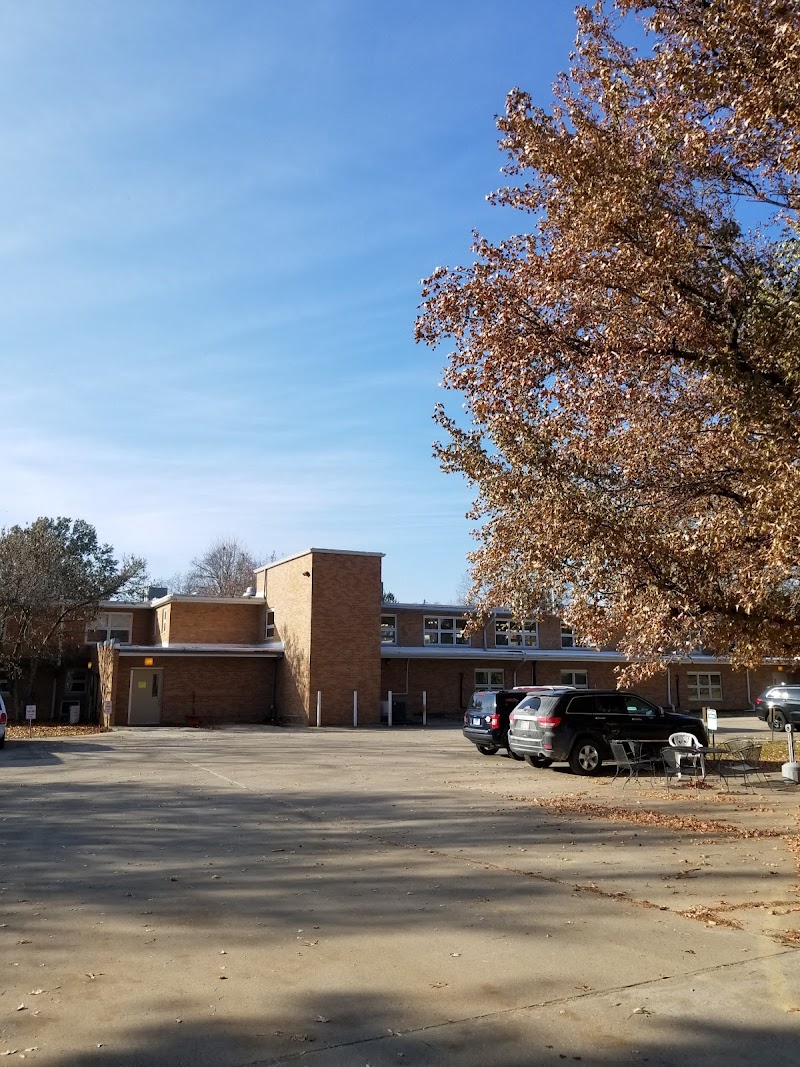
How Does Rushville Nursing & Rehab Ctr Compare to Other Illinois Nursing Homes?

Compared to the 100 nursing homes in Illinois, RUSHVILLE NURSING & REHAB CTR's overall rating (2 stars) is below the state average of 2.5, staff turnover (51%) is near the state average of 46%, and health inspection rating (3 stars) is at the national benchmark.

What Should Families Ask When Visiting Rushville Nursing & Rehab Ctr?

Based on this facility's data, families visiting should ask: "Can you walk me through typical staffing levels on day, evening, and night shifts?" "Can I visit during a mealtime to observe dining assistance and food quality?" "How do you handle medical emergencies, and what is your hospital transfer rate?" "Can I speak with family members of current residents about their experience?" These questions are particularly relevant given the below-average staffing rating.

Is Rushville Nursing & Rehab Ctr Safe?

Based on CMS inspection data, RUSHVILLE NURSING & REHAB CTR has a clean safety record: no substantiated abuse findings (meaning no confirmed cases of resident harm), no Immediate Jeopardy citations (the most serious violation level indicating risk of serious injury or death), and is not on the Special Focus Facility watch list (a federal program monitoring the lowest-performing 1% of nursing homes). The facility has a 2-star overall rating and ranks #100 of 100 nursing homes in Illinois. While no facility is perfect, families should still ask about staff-to-resident ratios and recent inspection results during their visit.

Do Nurses at Rushville Nursing & Rehab Ctr Stick Around?

RUSHVILLE NURSING & REHAB CTR has a staff turnover rate of 51%, which is about average for Illinois nursing homes (state average: 46%). Moderate turnover is common in nursing homes, but families should still ask about staff tenure and how the facility maintains care continuity when employees leave.

Was Rushville Nursing & Rehab Ctr Ever Fined?

RUSHVILLE NURSING & REHAB CTR has been fined $45,279 across 1 penalty action. The Illinois average is $33,532. While any fine indicates a compliance issue, fines under $50,000 are relatively common and typically reflect isolated problems that were subsequently corrected. Families should ask what specific issues led to these fines and confirm they've been resolved.

Is Rushville Nursing & Rehab Ctr on Any Federal Watch List?

RUSHVILLE NURSING & REHAB CTR is not on any federal watch list. The most significant is the Special Focus Facility (SFF) program, which identifies the bottom 1% of nursing homes nationally based on persistent, serious quality problems. Not being on this list means the facility has avoided the pattern of deficiencies that triggers enhanced federal oversight. This is a positive indicator, though families should still review the facility's inspection history directly.