PRAIRIE CROSSING LVG & REHAB
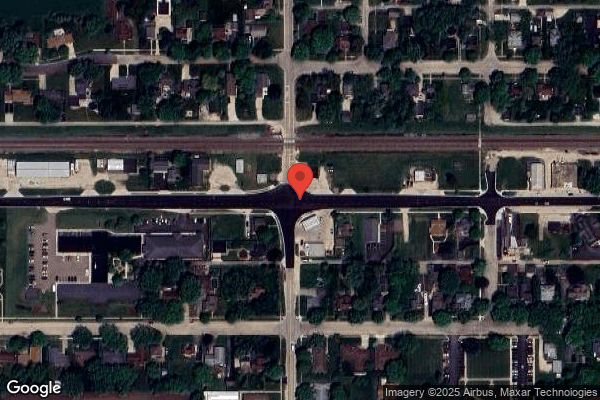
409 WEST COMANCHE ROAD, SHABBONA, IL 60550 (815) 824-2194
For profit - Limited Liability company 91 Beds Independent Data: November 2025
Trust Grade
55/100
#179 of 665 in IL
Last Inspection: October 2024

Within standard 12-15 month inspection cycle. Federal law requires annual inspections.

Overview

Prairie Crossing LVG & Rehab has a Trust Grade of C, which means it is average and falls in the middle of the pack. It ranks #179 out of 665 facilities in Illinois, placing it in the top half, and #3 of 7 in De Kalb County, indicating only two local options are better. The facility is improving, with the number of issues decreasing from four in 2023 to three in 2024. Staffing is a strength here, with a rating of 4 out of 5 stars and a turnover rate of 40%, which is below the state average. However, the facility has incurred $39,635 in fines, which is concerning but not unusually high for Illinois. Specific incidents of concern include a failure to adequately cleanse a stage four pressure ulcer, putting a resident at risk for infection and delayed healing. Another serious issue involved a resident with a history of falls who sustained a hip fracture due to lack of supervision. Additionally, the facility did not perform catheter changes as required, leading to infections in multiple residents. While there are strengths in staffing and an improving trend, these serious deficiencies highlight significant areas needing attention.

Trust Score
C
55/100
In Illinois
#179/665
Top 26%
Safety Record
High Risk
Review needed
Inspections
Getting Better
4 → 3 violations
Staff Stability
○ Average
40% turnover. Near Illinois's 48% average. Typical for the industry.
Penalties
✓ Good
$39,635 in fines. Lower than most Illinois facilities. Relatively clean record.
Skilled Nurses
○ Average
Each resident gets 40 minutes of Registered Nurse (RN) attention daily — about average for Illinois. RNs are the most trained staff who monitor for health changes.
Violations
⚠ Watch
14 deficiencies on record. Higher than average. Multiple issues found across inspections.
★★★★☆
4.0
Overall Rating
★★★★☆
4.0
Staff Levels
★★☆☆☆
2.0
Care Quality
★★★★☆
4.0
Inspection Score
Stable
2023: 4 issues
2024: 3 issues

The Good

  • 4-Star Staffing Rating · Above-average nurse staffing levels
  • Full Sprinkler Coverage · Fire safety systems throughout facility
  • No fines on record
  • Staff turnover below average (40%)

    8 points below Illinois average of 48%

Facility shows strength in staffing levels, fire safety.

The Bad

Staff Turnover: 40%

Near Illinois avg (46%)

Typical for the industry

Federal Fines: $39,635

Above median ($33,413)

Moderate penalties - review what triggered them

The Ugly 14 deficiencies on record

3 actual harm
Oct 2024 2 deficiencies
CONCERN (D)

Potential for Harm - no one hurt, but risky conditions existed

Quality of Care (Tag F0684)

Could have caused harm · This affected 1 resident

**NOTE- TERMS IN BRACKETS HAVE BEEN EDITED TO PROTECT CONFIDENTIALITY** Based on interview and record review, the facility failed to ensure daily weights were obtained for a resident with a diagnosis ...

Read full inspector narrative →
**NOTE- TERMS IN BRACKETS HAVE BEEN EDITED TO PROTECT CONFIDENTIALITY** Based on interview and record review, the facility failed to ensure daily weights were obtained for a resident with a diagnosis of heart failure, and failed to notify the resident's doctor when weight gain was outside of the set parameters for 1 of 1 resident (R19) reviewed for congestive heart failure (CHF) in the sample of 15. The findings include: R1's admission Record, printed by the facility on 10/2/24 showed he had diagnoses including, but not limited to, heart failure, dementia, Parkinson's disease, anxiety, depression, and obstructive and reflux uropathy (a disorder of the urinary tract that occurs due to obstructed urinary flow). R19's Order Summary Report, printed by the facility on 10/2/24, showed an order dated 5/14/24 for daily weights and to update V13 (R19's Cardiologist) if R19 had a gain of more than 2-3 pounds (lbs.) overnight or 5 pounds (lbs.) in a week. The report showed the order was still active on 10/2/24. R19's facility assessment dated [DATE] showed he had severe cognitive impairment, required partial/moderate assistance from staff for toileting, bathing, and transfers, and substantial to maximal assist for lower body dressing and putting on/taking off footwear. Section I of the assessment showed R19's primary medical condition was debility, cardiorespiratory conditions. R19's undated/untitled document, provided by the facility on 10/3/24 showed R19's weight on 6/30/24 was 201.6 lbs. R19's Weights and Vitals Summary, printed by the facility on 10/2/24, showed R19's weight on 7/1/24 was 204.9 lbs. (a 3.3 lb. gain in one day). R19's Weights and Vitals Summary, printed by the facility on 10/2/24, also showed the following: On 7/5/24 R19 weighed 200.6 lbs. On 7/6/24 R19 weighed 206.5 lbs. (a 5.9 lb. increase). On 7/24/24 R19 weighed 201.4 lbs. On 7/25/24 R19 weighed 208.3 lbs. (a 6.9 lb. increase). On 8/6/24 R19 weighed 199.9 lbs. No weight was entered for 8/7/24. On 8/8/24 R19 weighed 206.1 lb. (a 6.2 lb. increase). On 9/26/24 R19 weighed 198.5 lbs. On 9/27/24 R19 weighed 202.9 lbs. (an increase of 4.4 lbs.). On 9/29/24 R19 weighed 203.3 lbs. On 9/30/24 R19 weighed 206.6 lbs. (an increase of 3.3 lbs.). R19's Progress Notes from 7/1/24-10/2/24 were reviewed. The only documentation during that time period of V13 being notified regarding R19's weights was on 9/30/24. R19's Weights and Vitals Summary, printed by the facility on 10/2/24, showed no weights entered for the following days: 7/20/24; 7/27/24; 7/28/24; 8/3/24; 8/7/24; 8/13/24; 8/17/24; 9/8/24; 9/14/24; and 9/22/24. R19's July 2024-September 2024 Medication Administration Records showed no weights entered for the following days: 7/27/24; 7/28/24; 9/8/24; and 9/22/24. R19's care plan initiated on 7/3/24 showed he had a diagnosis of heart failure. The care plan showed Daily weight monitoring. The care plan also showed Monitor/document/report PRN (as needed) any (signs or symptoms) of Heart Failure .weight gain unrelated to intake . On 10/3/24 at 9:05 AM, V2 (Director of Nursing-DON) said R19's orders show to do daily wts and update (V13) if he has a 2-3 lb. weight gain. V2 looked through R19's electronic medical record for documentation that V13 had been notified on the dates in question while this surveyor waited. V2 said she did not see any documentation in R19's progress notes or in the electronic miscellaneous tab showing that V13 had been updated regarding R19's weights, other than on 9/30/24. V2 said R19 should have been reweighed and V13 should have been updated if there was that much of a difference in his weight. V2 said she did not see anything showing (V13) was updated until 9/30/24. It is important to notify the cardiologist. the resident could be having an exacerbation of CHF, that is what we are monitoring for when doing daily weights. V2 said she would continue to look and see if she could find any documentation showing that V13 was notified. At 10:51 AM, V2 said We looked for notification to the cardiologist and did not see anything. At 11:20 AM, V2 said R19 should have been weighed daily because there was an order for daily weights. The facility's policy and procedure titled Acute Condition Changes-Clinical Protocol, with a review date of 8/29/24, showed Notification: 1. The Nurse will notify the resident's Attending Physician or On-Call Physician when there has been .h. Instructions to notify the physician of changes in the resident's condition.
CONCERN (F)

Potential for Harm - no one hurt, but risky conditions existed

Food Safety (Tag F0812)

Could have caused harm · This affected most or all residents

Based on Observation, interview and record review the facility failed to cool a pork roast before freezing and failed to use serving utensils while serving food. This applies to all residents in the f...

Read full inspector narrative →
Based on Observation, interview and record review the facility failed to cool a pork roast before freezing and failed to use serving utensils while serving food. This applies to all residents in the facility. The findings include: The CMS (Center for Medicare and Medicaid) 671 dated 1/10/24 shows there are 43 residents in the facility. On 10/1/2024 at 10:00 AM, a pork roast was observed in the refrigerator wrapped in aluminum foil with the date 9/18/2024 written on it. V3 Dietary Manager said the roast was cooked before for another meal and the leftovers were placed in the freezer. The roast was removed from the freezer on 9/18/2024 to thaw and will be used for a meal this week. V3 said they usually don't do this, that meals are prepared the day they are used, so a cooling log could not be provided. V3 said cooling logs should be used to reduce the risk of food borne illnesses. On 10/1/2024 at 1:26 PM, V4 [NAME] said when food is saved for leftovers the temperatures are checked but not logged anywhere, we just do it in our heads. On 10/2/2024 at 12:15 PM, V4 was observed serving the noon meal. V4 was wearing gloves and was observed placing garlic bread on the resident's plates with her gloved hands. V4 was also observed placing a slice of lasagna onto the plates using a spatula and using her hands to guide the lasagna onto the plates. V4 was observed while wearing the same gloves going to the storage room and into drawers for utensils. V4 did not change her gloves after leaving the work area. On 10/2/24023 at 1:16 PM, V3 said the cooks are supposed to be using utensils to plate the food and should not be using their hands. I expect the staff to use utensils to prevent cross contamination. The facility policy dated 2017 for Bare hand contact with food shows staff will use clean barriers such as single use gloves, tongs, deli paper and spatulas when handling food. Gloves are just like hands. They get soiled. Anytime a contaminated surface is touched, the gloves must be changed. The facility policy dated 2017 for general HACCP (Hazard Analysis Critical Control Points) shows to cool food 135 degrees Fahrenheit (F) to 70 degrees F in 2 hours and from 70 degrees F to 41 degrees F in 4 hours.
Jul 2024 1 deficiency
CONCERN (D) 📢 Someone Reported This

A family member, employee, or ombudsman was alarmed enough to file a formal complaint

Potential for Harm - no one hurt, but risky conditions existed

ADL Care (Tag F0677)

Could have caused harm · This affected 1 resident

**NOTE- TERMS IN BRACKETS HAVE BEEN EDITED TO PROTECT CONFIDENTIALITY** Based on observation, interview, and record review the facility failed to ensure a dependent residents was provided showers for ...

Read full inspector narrative →
**NOTE- TERMS IN BRACKETS HAVE BEEN EDITED TO PROTECT CONFIDENTIALITY** Based on observation, interview, and record review the facility failed to ensure a dependent residents was provided showers for 1 of 3 residents (R1) reviewed for activities of daily living in the sample of 7. The findings include: R1's face sheet showed she was admitted to the facility on [DATE] with diagnoses to include sepsis, pneumonia, urinary tract infection, seizures, dysphasia, aphasia, peripheral vascular disease, pressure ulcer of right buttock, incontinence without sensory awareness, irritant contact dermatitis due to fecal, urinary, or dual incontinence. R1's facility assessment dated [DATE] showed R1 is dependent upon staff for all cares. R1's care plan initiated 3/21/2016 showed, [R1] has an ADL (activities of daily living) self-care performance deficit related to limited mobility and weakness secondary to cardiovascular accident with right hemiplegia and requires extensive assist with ADL's and dependent on staff for transfers . [R1] requires extensive assist of 2 staff with bathing/showering per should schedule and as necessary . On 7/31/24 at 11:30 AM, R1 was in her bed receiving incontinence care from staff. R1's hair appeared dirty and unkempt. R1's mouth was dry, and she had a thick layer of residue across her teeth. On 7/31/24 at 11:14 AM, V7 CNA (Certified Nursing Assistant) said showers are done for residents twice a week and completed on Monday through Friday. V7 said showers are not documented in the electronic record but are documented on shower sheets. On 7/31/24 at 11:19 AM, V4 RN (Registered Nurse) said shower sheets are completed by the CNAs, the nurses sign off on them, and then they are given to her as the Wound Care Nurse to keep records. V4 said showers are only documented on shower sheets. On 7/31/24 at 11:21 AM, V4 provided R1's shower sheets for July 2024. There were 2 shower sheets provided with one dated 7/17/24 showing R1 refused a shower and one 7/24/24 indicated the shower was completed. There was no evidence found that R1 had more than 1 shower given to her for the month of July. On 7/31/24 at 10:34 AM, V8 (Registered Nurse from Day Surgery at local acute care hospital) said R1 had been to their department on 7/30/24 for a procedure. V8 said when R1 arrived for the procedure she appeared unkempt, her hair appeared dirty, she was wearing a dirty, foul smelling hospital gown, and it appeared to have been quite some time since she received oral care because her teeth were covered in a thick layer of plaque or debris. On 7/31/24 at V2 DON (Director of Nursing) said she expects residents to receive at least one shower each week. V2 said the CNAs should offer the shower more than once and if they refuse the nurse should be notified of the refusal. The facility's policy and procedure for providing resident care and showers was requested. V1 (Administrator) said the facility does not have a policy regarding providing showers. The facility's policy and procedure titled Mouth Care showed, . the purposes of this procedure are to keep the resident' slips and oral tissues moist, to cleanse and freshen the resident's mouth, and to prevent infections of the mouth .
Sept 2023 4 deficiencies 3 Harm
SERIOUS (G)

Actual Harm - a resident was hurt due to facility failures

Pressure Ulcer Prevention (Tag F0686)

A resident was harmed · This affected 1 resident

**NOTE- TERMS IN BRACKETS HAVE BEEN EDITED TO PROTECT CONFIDENTIALITY** Based on observation, interview, and record review the facility failed to cleanse a stage four pressure ulcer in a manner to pre...

Read full inspector narrative →
**NOTE- TERMS IN BRACKETS HAVE BEEN EDITED TO PROTECT CONFIDENTIALITY** Based on observation, interview, and record review the facility failed to cleanse a stage four pressure ulcer in a manner to prevent cross contamination and failed to ensure staff were knowledgeable in the use of a pressure reduction device for 1 of 2 residents (R42) reviewed for pressure in the sample of 14. These failures resulted in R42 being at an increased risk of infection and delayed wound healing. The findings include: R42's face sheet printed on 9/13/23 showed diagnoses including but not limited to Alzheimer's disease, chronic obstructive pulmonary disease, diabetes mellitus, protein-calorie malnutrition, chronic kidney disease, neuromuscular bladder, and stage 4 pressure ulcer of the sacral region (lower back/upper buttock area). R42's facility assessment dated [DATE] showed moderate cognitive impairment and extensive staff assistance required for bed mobility, dressing, toilet use, and personal hygiene. The same assessment total staff dependence required for transfers. The assessment showed a urinary catheter in use and R42 is always incontinent of bowel. R42's physician orders showed an order dated 9/12/23 to: Place calcium alginate into wound on sacrum, after cleansing the wound with N.S. (normal saline) .cover with protective dressing/bandage, every day shift related to pressure ulcer of sacral region, stage 4. The orders showed an additional order dated 9/12/23 to: Place pressure relieving device on bed and wheelchair. (Both orders were dated as of the day the survey). R42's Medication Administration Records (MAR) showed recent antibiotic use for wound infections. The August 2023 MAR showed documentation of tigecycline intravenous administered for ten days (8/4 to 8/13) for a MRSA wound infection. The MAR showed amoxicillin-pot clavulanate oral tablets administered for 10 days (8/25 to 9/4) for wound infection. R42's most recent weekly wound assessment dated [DATE] showed the stage 4 pressure ulcer to the sacrum present on admission. The assessment showed the wound was 4 cm long, 2 cm wide, and 1 cm deep (centimeters). Visible tissue was epithelial (pink) and granulated (beefy red). On 9/12/23 at 10:29 AM, R42 was lying in bed on her back and stated she has a sore on her butt. R42 said it has been there awhile and they put a dressing on it daily. A pressure reducing air mattress overlay was under R42. The dial on the machine showed it was set at just over the 120 mark. At 10:37 AM, V3 (WCN-Wound Care Nurse) and V4 (CNA-Certified Nurse Aide) rolled R42 to her side. A large white, damp dressing was hanging loosely off her sacral area. V3 stated there was a tele-visit scheduled with the wound doctor in approximately 15 minutes and she would apply a fresh dressing when she was done with the physician's visual assessment. R42's pressure reduction mattress pad was set at the 80 mark. At 10:53 AM, V3 (WCN) and V18 (Nurse Liaison) rolled R42 to her side. V3 removed the dressing and held a tele visit via cell phone with V17 (Wound Physician). V17 stated to continue with the daily cleansing and calcium alginate wound care treatments. On 9/12/23 at 11:24 AM, V3 (WCN) wore gloves and removed the damp dressing from R42's sacrum. A golf ball size open wound with reddened skin surrounding it was observed. V3 used a gauze pad soaked in normal saline and blotted randomly at the wound. V3 blotted up, down, in and out across the wound. V3 poured more saline solution onto the same gauze pad a second time and blotted the wound again. V3 wore the same contaminated gloves and placed a calcium alginate pad on the wound then used a cotton swab to push it down. V3 readjusted the calcium alginate pad with her finger while wearing the same gloves. V3 placed a bordered foam dressing over the wound while still wearing the same contaminated gloves. V3 did not change gloves or sanitize her hands during the dressing change. V3 said she does the dressing change each day and as needed during the week. The floor nurses do it over the weekends. R42's pressure pad dial showed it was just under the 60 mark. On 9/12/23 at 2:41 PM, R42 was lying in bed. The pressure pad dial showed a setting pass the 280 mark. V5 (CNA Supervisor) was questioned by this surveyor what the pressure reduction devices hanging on the foot of resident beds were used for. V5 said she did not know what the machine was and had no idea how they should be set up. V5 stated she needed to ask her DON (Director of Nurses). V5 and V2 (DON) returned to the unit together approximately five minutes later. V2 was shown the pressure reducing device and stated they are used to prevent skin breakdown. V2 observed the setting on R42's device and said it is set well beyond the 280 mark and is as firm as it can be set. V2 said she did not know how the mattress should be set and will need to look into it. On 9/12/23 at 3:01 PM, V1(Administrator/Registered Nurse) said the air mattresses are set based on resident comfort. If they say it feels fine, then we leave it alone. If the skin looks reddened, it should be turned to a softer setting. We look for facial grimacing if the resident is non-verbal or just looks uncomfortable. V1 said pressure ulcer mattresses are set based on a resident's individual preferences. We turn it softer or firmer based on how they look and what they report as to the feel of it under them. On 9/13/23 at 9:08 AM, R42 was in bed and the pressure reduction pad was set beyond the 280 mark. On 9/13/23 at 1:05 PM, V3 (WCN) stated she had no idea what R42's mattress setting should be at. V3 said she did not know who sets it or how it is set. V3 said she has nothing to do with the pressure device settings. V3 said wound treatments should be done in a manner to help healing. V3 said the wound should be cleansed as ordered and kept clean while doing the treatment. V3 said it is important not to infect the wound in anyway while doing the treatments. V3 said she starts with hand hygiene and a fresh pair of gloves. V3 said she keeps the same gloves on until she is done with the treatment. V3 did not mention any glove changes were necessary while doing wound treatments. V3 said she wipes the inside and outside of the wound in a blotting manner. V3 said a cotton swab is used to fit the calcium alginate into the wound and it is important nothing dirty touches the wound. It could become contaminated. V3 and the surveyor observed R42's pressure reduction device together. It was set at the 120 mark. V3 said she had no idea what the numbers represent and maybe V1 (Administrator) would know. On 9/13/23 at 2:15 PM, V1 (Administrator/RN) said gloves should be changed anytime they are contaminated. Wounds should probably be cleaned from the inner area to the outer area. Nurses should be doing the dressing changes per the facility policy and the wound care nurse is the one that knows the proper technique. It is important to prevent infection. Poor wound care can delay healing and lead to other complications. Infected wounds can become systemic and R42 had just completed a round of antibiotics related to a sacral wound infection. V1 said the point of the pressure reduction mattress is to reduce pressure. It is based on resident comfort. V1 said we stick our hand under the mattress to judge if it is too soft or too hard. Our technique is based on the manufacturer's instructions. At 2:38 PM, V1 and the surveyor observed R42's mattress setting at the 60 mark. V1 turned the dial to 180 and said, I have no idea how or why this dial setting works. On 9/14/23 at 4:33 PM, V17 (Wound Physician) stated R42 has a tricky sacral wound. It is a chronic problem and staff should be cleaning it according to the orders. Cleansing the wound bed should be done per the facility's protocol. A fresh gauze pad is needed for each wipe or each time it is touched. The area should not be blotted because that will not thoroughly clean the wound. Gloves should be changed between dirty and clean use. It is important before going on to any treatments. V17 said gloves should be changed after cleansing the wound. New gloves should be worn to apply the calcium alginate and another set of new gloves to put the dressing over the wound. V17 said hand hygiene should be done between glove changes. V17 said R42 was on an antibiotic recently and poor wound cleansing can increase her risk for another infection. V17 said R42's wound has the risk of decreased healing, increased pain, and a septic infection if wound care is not done properly. V17 said R42's pressure reduction mattress should be used per the manufacturer recommendations and staff need to know how to use it. It needs to be more than just comfort based. V17 said the standard is to set it at a level so the mattress sinks to about 20%. The facility should have a policy or procedure to explain to the staff how to use her pressure reduction mattress. Not knowing how to use it puts her at an increased risk for poor wound healing. The manufacturer instructions for R42's pressure reduction pad (undated) showed: 7. Please use pressure adjust knob to give maximum patient comfort. The facility was unable to provide any additional information related how to ensure it was providing the necessary pressure reduction or instructions on how to use the pad. The facility's Clean Dressing Change policy last review dated 7/28/2023 states under the purpose section: It is the policy of this facility to provide wound care in a manner to decrease potential for infection and/or cross-contamination. The policy states under the steps in the procedure section: 9. Loosen the tape and remove the existing dressing .10. Remove gloves, pulling inside out over the dressing. Discard into appropriate receptacle. 11. Wash hands and put on clean gloves. 12. Cleanse the wound as ordered, taking care to not contaminate other skin surfaces or other surfaces of the wound (i.e., clean outward from the center of the wound). Pat dry with gauze. 13. Measure wound using disposable measuring guide as indicated. 14. Wash hands and put on clean gloves. 15. Apply topical ointments or creams and dress the wound as ordered .16. Secure the dressing.)
SERIOUS (G)

Actual Harm - a resident was hurt due to facility failures

Accident Prevention (Tag F0689)

A resident was harmed · This affected 1 resident

**NOTE- TERMS IN BRACKETS HAVE BEEN EDITED TO PROTECT CONFIDENTIALITY** Based on observation, interview and record review, the facility failed to supervise a resident at high risk for falls, with prev...

Read full inspector narrative →
**NOTE- TERMS IN BRACKETS HAVE BEEN EDITED TO PROTECT CONFIDENTIALITY** Based on observation, interview and record review, the facility failed to supervise a resident at high risk for falls, with previous falls in the facility, and failed to supervise a resident with wandering behaviors for 2 of 8 residents (R41, R26) reviewed for safety and supervision in the sample of 14. This failure resulted in R41 falling, sustaining a hip fracture, and being sent out to a local hospital for evaluation and surgical treatment. The findings include: 1. R41's admission Record, printed by the facility on 9/13/23, showed she had diagnoses including vascular dementia, severe, with behavioral disturbance, a history of falling, unsteadiness on feet, and abnormalities of gait and mobility. The admission Record also showed a diagnoses added on 4/29/23 (upon readmission from a local hospital) of nondisplaced intertrochanteric fracture of left femur (left hip fracture). The admission Record showed R41 resides on the dementia care unit of the facility. R41's progress note dated 4/21/23 showed 7:15 PM, V6 (Licensed Practical Nurse-LPN) heard a noise coming from the dementia care unit's dining room. Upon investigation, R41 was observed lying on the floor of the dining room. R41's progress note dated 4/22/23 at 6:00 AM showed R41's doctor was updated about R41 having increased pain during the night. R41 was able to bear weight but was refusing to take steps. The note showed R41 was favoring her left leg and knee. The note showed a new order was given to X-ray R41's left hip, femur and knee. R41's progress note dated 4/22/23 at 9:30 AM showed R41 had another fall in her room and was found lying on her left side on the floor. The note showed R41 was attempting to stand up unassisted and continued to put her left hand on her left thigh, saying Ouch when R41 attempted to take a step. The note showed the company that was notified to perform the X-ray was on the way to the facility. R41 was placed on one-to-one staff supervision at that time, due to attempts to self-transfer/ambulate. R41's progress note dated 4/22/23 at 11:58 AM showed R41's X-ray results showed an acute intertrochanteric hip fracture. R41's progress note dated 4/22/23 at 12:14 PM showed a new order was received from R41's Physician to send her to a local hospital's emergency department for evaluation and treatment of her left hip, due to X-ray results and signs of pain. The facility's document titled Incidents by Incident Type, printed by the facility on 9/13/23, showed between 7/25/22 - 9/13/23 R41 had 17 falls in the facility. The document showed 12 of R41's falls occurred before the fall resulting in a fracture that occurred on 4/21/23. The document showed R41's falls had occurred in the hallway, in the dining room, in R41's room, in R41's bathroom, and in the lounge area. R41's facility assessment dated [DATE] showed R41 had severe cognitive impairment, short-term and long-term memory problems, and continuous inattention. The assessment also showed R41 had falls in the facility and wandering behaviors. The assessment also showed R41 required supervision when walking. R41's Morse Fall Scale (a tool to determine a resident's risk for falls) dated 4/4/23 showed R41 had a high risk for falling. On 9/14/23 at 8:38 AM V6 (LPN) said she thinks R41 was in the dining room when R41 fell on 4/21/23. V6 stated, she (R41) had so many falls, I (V6) think this is the one where she was in the dining room. V6 said she was in the hallway passing medications when she heard R41 fall. V6 said she went into the dining room and R41 was on the floor. V6 said R41 did not complain of pain at the time and was trying to get up on her own. V6 said no staff were in the dining room at the time of R41's fall, they were getting other residents up. V6 said there were other residents in the dining room at that time, however, she does not recall which residents. V6 said R41 had falls before that incident. V6 said R41 had been sitting up at a table in the dining room, prior to her fall. V6 said R41 would not stay anywhere, she was walking at the time and got up on her own. V6 said R41 was, and still is, restless and is constantly going. V6 said R41 was a fall risk. V6 said it is probably not a good idea to have her (R41) in the dining room with no staff present, considering she is a fall risk. On 9/14/23 at 12:28 PM, V13 (Certified Nursing Assistant-CNA) said the day R41 fell in the dining room and sustained a hip fracture, V13 was in another resident's room assisting the resident. V13 said by the time she got done assisting the other resident and went out of the room, R41 had already been assessed and was back up in her chair. V13 said V6 (LPN) informed her R41 had fallen. V13 said she did not consider R41 a fall risk, prior to that incident, because R41 had not had any falls on her shift. V13 said the only time she would consider R41 a fall risk was when she was agitated and pacing, but that did not happen very often. V13 said when she went through her initial training at the facility, she was told that staff should be in the dining room at all times when there are any residents in the dining room; regardless of whether it is when they are serving food or eating. V13 said she does not know if there were staff in the dining room at the time or not because was assisting another resident. On 9/14/23 11:00 AM, V16 (Psychiatric Nurse Practitioner) said R41 has dementia, wandering behaviors, and a history of falls and should not be left in the dining room unsupervised. V16 said she feels that no residents should be in the dining room unsupervised; whether it is during a meal, or before a meal, in case there is an emergency situation. V16 said there should be someone in the dining room when there are residents in there. Staff should respond as soon as they hear the sensor alarm going off. R41's care plan, with a revision date of 5/1/23, showed R41 is at risk for a decline in physical mobility due to Alzheimer's and a recent hip fracture with repair, significant mobility change. The care plan showed R41 was non-ambulatory with CNA and is totally dependent on one staff for locomotion, using a wheelchair. R41's care plan initiated on 6/15/22 showed R41 is at risk for falls related to cognitive deficit and poor safety awareness secondary to dementia. The care plan showed R41 wandered and had impulsive behaviors. The facility assessment dated [DATE] showed R41 requires extensive assist from two staff members for transfers. The assessment showed R41 had two falls in the facility since reentry or the prior assessment. R41's History and Physical documentation printed on 4/29//23 (the day R41 returned to the facility) showed, Assessment: 1. Left hip intertrochanteric fracture. 2. Advanced dementia .Plan: Case discussed with orthopedic surgery. Tentative plan for surgical fixation on Monday, 4/24/23. R41's progress note dated 4/29/23 showed R41 returned to the facility via ambulance post hospitalization for intertrochanteric fracture of left femur. Post-op dressing dry and intact to left hip surgical incision. On 9/12/23 at 9:39 AM, A bed alarm went off on the dementia care unit of the facility. The alarm was coming from R41's room. R41 was sitting up in bed. Her left leg was over the side of her bed and she was bringing her right leg over to the side of the bed. R41's hands were on the bed on both sides of her, like she was getting ready to push herself up to stand up. This surveyor cued R41 to stay in bed and wait for staff 3 times (whenever she was making the motion to attempt to stand up) between 9:39 - 9:42 AM. At 9:42 AM, V11 CNA came through the door of the memory care unit and went into R41's room. Just prior to R41's alarm sounding, V14 (CNA) had entered a resident's room next to R41's room and closed the door. On 9/13/23 at 2:16 PM, V4 (CNA) was asked what intervention were in place to prevent R41 from falling. V4 said she thinks the interventions in place are to her pull alarm and low bed right now. V4 said as soon as we hear her alarm, we come running. On 9/14/23 at 8:18 AM, V2 (Director of Nursing-DON) was asked which residents would be a candidate for a sensor alarm. V2 said residents who have fallen a million times. V2 said the alarm gives staff a little time to get to the resident before they fall on the ground. V2 said staff should respond to the alarm as soon as possible when the alarm goes off. On 9/14/23 at 11:00 AM, V16 (Psychiatric Nurse Practitioner) said staff should respond as soon as they hear the sensor alarm going off. The facility's policy and procedure titled Fall Prevention and Management, approved on 5/18/18, showed Fall Prevention: 1. Conduct fall assessments on the day of admission, quarterly, and review after each fall .7. All staff must observe residents for safety. If residents with a high-risk code are observed up or getting up, help must be summoned or assistance must be provided to the resident . 2. R26's admission Record, printed by the facility on 9/13/23, showed R26 was admitted to the facility on [DATE] and had diagnoses including dementia with behavioral disturbance, restlessness and agitation, anxiety disorder, and major depressive disorder. R26's facility assessment dated [DATE] showed she had severe cognitive impairment and wandering behaviors. The assessment showed R26 required supervision of staff when walking in her room and in the corridor on the unit. R26's Wandering/Elopement assessment dated [DATE] showed she was able to be independently mobile and had a diagnosis of dementia/Alzheimer's/Confusion. The assessment showed R26 exhibited pacing, wandering, trying to get out of the door, find family or friend, and/or perceived the need to be doing something other than what they are doing (e.g., go to work, get home, fix supper, do chores). On 9/12/23 At 2:58 PM, R26 was not in her room, or in the dining room of the dementia care unit. This surveyor walked down the hall, looking into other resident rooms that had the door open. At 2:59 PM, V4 and V10 (Certified Nursing Assistants-CNAs) were coming out of another resident's room and were asked if they knew where R26 was. V4 and V10 said R26 was in the dining room coloring. V12 (Agency Manager) had just entered the dementia care unit and was informed that this surveyor was looking for R26. V12 looked in R26's room and knocked on the bathroom door in R26's room, with no reply. V12 told V4 and V10 to start checking the other residents' rooms. The rooms were searched and R26 was found in the bathroom belonging to R44 (a male resident). R26 said she was using the bathroom. R26's care plans were reviewed, showing no care plan that addresses R26's wandering behaviors. On 9/13/23 at 2:18 PM, V4 (CNA) said she did not see anything in R26's electronic charting about wandering behaviors. On 9/13/23 at 2:40 PM, V15 (MDS/Care Plan Coordinator) was asked to look in R26's care plans for one that addresses her wandering behaviors. V15 looked through the care plans and said she did not see anything in R26's Care plans about wandering/ elopement risk. Adding, Unfortunately. V15 said R26's facility assessment dated [DATE] showed she had wandering behaviors. V15 said We usually address that in the care plans. V15 brought up section V Care Area Assessment Summary (CAAs) and said the CAAS section of the 8/21/23 MDS (facility assessment) triggered for wandering under behaviors. V15 said a care plan should have been initiated. R26's progress note dated 8/15/23 showed R26 sometimes wanders into the wrong room but is easily redirected. R26's progress note dated 8/19/23 showed, R26 refusing to stay out of other residents' room. When redirected, R26 tells staff to shut up. R26 is restless and non-stop pacing the hall, entering other resident rooms. R26's behavior note dated 8/20/23 showed she was repeatedly trying to exit the building from any door possible. Pacing back and forth up and down the halls and taking things from other residents' rooms. The note showed, Resident requires constant supervision. Another behavior note dated 8/20/23 showed R26 eating other residents' food. R26's Care plan conference note dated 9/6/23 showed R26 does wander into other resident's rooms and gets in other residents' personal space. On 9/13/23 at 2:53 PM, V1 (Administrator) said the purpose of the care plans are so staff know how to care for a resident, and to put interventions in place to keep the residents safe. The facility's policy and procedure titled Resident Wandering and Elopement, with an approval date of 2/13/2019, showed 1. The staff will identify residents who are at risk for harm because of unsafe wandering) including elopement). 2. The staff will assess at-risk individuals for potentially correctable risk factors related to unsafe wandering. 3. The resident's care plan will indicate the resident is at risk for elopement or other safety issues. Interventions to try to maintain safety will be included. 4. Nursing staff will document circumstances related to unsafe actions, including wandering, by a resident. Staff will institute a detailed monitoring plan, as indicated for residents who are assessed to have a high-risk of elopement or other unsafe behavior.
SERIOUS (G)

Actual Harm - a resident was hurt due to facility failures

Incontinence Care (Tag F0690)

A resident was harmed · This affected 1 resident

**NOTE- TERMS IN BRACKETS HAVE BEEN EDITED TO PROTECT CONFIDENTIALITY** Based on observation, interview, and record review the facility failed to ensure catheter changes were performed as ordered and ...

Read full inspector narrative →
**NOTE- TERMS IN BRACKETS HAVE BEEN EDITED TO PROTECT CONFIDENTIALITY** Based on observation, interview, and record review the facility failed to ensure catheter changes were performed as ordered and failed to ensure catheter care orders were in place for 2 of 3 residents (R6, R20) reviewed for catheters in the sample of 14. This failure resulted in catheters having a gray discoloration for residents with recurrent urinary tract infections (R6, R20), R6's urine was cloudy yellow with sediment, and R20's urine was thick, foul-smelling, and amber in color. The findings include: 1. On 9/14/23 at 10:05 AM, V10 and V11 (Certified Nursing Assistants - CNAs) transferred R6 to bed from the wheelchair. V10 and V11 laid R6 on her back and removed her pants and incontinence brief. R6 had an indwelling catheter inserted. The catheter was attached to a leg bag. The leg back was secured to R6's right inner leg. There was cloudy yellow urine, with sediment draining into the leg bag. V11 used a washcloth to cleanse R6's catheter tubing. The catheter tubing was discolored from the insertion site (nearest the body) to the Y in the tubing. (This type of indwelling catheter had a Y at the distal end of the tubing, one side connected to the drainage system and the other was used to inflate the balloon of the catheter). The catheter tubing from R6's body to the beginning of the Y was a dark gray discoloration. The tubing at the of the Y was a tan color (The original color of this type of indwelling catheter was tan). V10 and V11 provided catheter care, emptied R6's leg bag, and attached R6's regular drainage bag. R6's Face Sheet dated 9/14/23 showed diagnoses to include, but not limited to: TBI (traumatic brain injury), asthma, diabetes, generalized muscle weakness, diabetes, need for assistance with personal cares, difficulty walking, unsteadiness on feet, Extended Spectrum Beta Lactamase (ESBL) Resistance (a multi-drug resistant organism that causes bladder infections (UTIs), anxiety, history of bladder infections, neuromuscular dysfunction of the bladder, chronic obstructive pyelonephritis, retention of urine, vascular dementia, depression, and bipolar disorder. R6's facility assessment dated [DATE] showed R6 had long and short-term memory problems; required extensive assistance from staff for transfers, personal hygiene, and toilet use; and had an indwelling urinary catheter. R6's Physician Visit dated 8/10/23 showed R6 had recurrent UTIs. R6's Urology Visit Summary dated 4/26/23 showed R6 was seen for a UTI associated with an indwelling catheter and recurrent UTIs. R6's Lab Report dated 4/15/23 showed R6's Urine Culture was positive for ESBL. R6's Physician Order Sheet dated 9/14/23 showed R6 had an order for catheter care every shift. This document showed R6 had an order for Contact Isolation precautions (due to an UTI caused by ESBL), initiated on 4/20/23. R6 had an order a 16 French (catheter size), 10 cc balloon change monthly and as needed, to be initiated 4/20/23. R6's Treatment Administration Records (TARs) dated June 2023 through [DATE] were reviewed. R6's TARs showed R6's catheter had not been changed since 6/9/23 (3 months prior to this observation). R6's TARs showed that R6's indwelling catheter was not changed monthly, as ordered. R6's Progress Notes were reviewed from 6/10/23 to 9/13/23. There were no entries that showed R6's indwelling catheter had been changed. These progress notes showed R6 was hospitalized for ESBL from 4/14/23 - 4/20/23. R6's Progress Note dated 9/13/23 showed the facility had collected a urine specimen for urinalysis and culture and sensitivity. R6's Care Plan revised 1/11/23 showed R6 had an indwelling catheter related to a neurogenic bladder. The interventions included Change per MD orders. On 9/14/23 at 10:21 AM, V6 (Licensed Practical Nurse) said she was the nurse for R6's hall. V6 stated, I think the catheters are changed monthly and PRN (as needed). There should be a doctor's order for that. We (the nurses) should follow the physician's order. V6 said she thought the facility might have changed the policy and she wasn't sure exactly. V8 (RN) walked up to the nurses' station. V6 asked V8 what the policy was for changing the indwelling catheters. V8 stated, I know it has changed recently. I believe the catheter change is now PRN (as needed), but I would have to check our policy to be sure. V6 said some reasons to change an indwelling catheter PRN could be the catheter isn't flowing right, it's leaking, or it doesn't flush. The surveyor asked V6 if discoloration of the catheter tubing was an indication to change the catheter. V6 said she wasn't sure what that meant. The surveyor described the dark gray, discoloration on R6's tan catheter tubing. V6 replied, That would be concerning. They shouldn't change color. V6 said it is important the nurses change the catheter to ensure it is working properly and not building up infection. V6 said R6 has had UTIs. The surveyor asked how the nurse knows when the catheter was changed last. V6 said she would have to check the TAR. V6 reviewed R6's September TAR and stated, I don't see that the catheter was changed in September, but this order says to change it monthly. V6 reviewed R6's TARs until she found the last time R6's catheter change was documented. V6 stated, It looks like it wasn't changed since 6/9/23. That's not right. It should have been changed. V6 informed V7 (LPN in training), Let's get those sizes (of the catheters) written down. We'll need to change those. V6 said the facility's supply of catheters was kept on the front hall. On 9/14/23 at 10:40 AM, V1 (Administrator) said the facility has two types of catheters. The 100% silicone that R20 needs (this catheter tubing is clear) and the silicone coated one that has latex (this catheter tubing is tan). R6 used the tan catheter. The surveyor informed V1 that R6's catheter had a dark gray discoloration from the insertion site to the Y on the catheter. V1 replied, I will have to take a look. At 11:15 AM, V1 said she did see the discoloration on R6 and R20's catheters. V1 said both R6 and R20 were seen by urology. At 12:07 PM, V1 said the only policy related to catheters that the facility had was the Catheter Care Policy that was provided. (This policy did not contain any information regarding when to change the indwelling catheter.) On 9/14/23 at 1:20 PM, V9 (Urologist) said R6 was seen in his office, V9 does not go to the facility. V9 said he saw R6 in April 2023 for urinary tract infections. V9 said he expects the catheter to be changed monthly. V9 said he would expect the facility to follow the physician's orders. V9 said he had never heard of indwelling catheters being changed PRN. The surveyor informed V9 that R6's last catheter changed was 6/9/23. V9 replied, Well that's a month or two late. V9 said R6's catheter should not be discolored. V9 said that should be an indication to change the catheter, but it really should be done monthly and this wouldn't be an issue. The surveyor asked for a catheter policy. The facility provided Catheter Care Policy (reviewed 7/28/23). This policy does not include information regarding when to change an indwelling catheter. (V1 (Administrator) said this was the only policy the facility had for catheters. 2. On 9/14/23 at 9:39 AM, V10 and V11 (CNAs) transferred R20 from her wheelchair to her bed, using a total lift. R20 was laid on her back and her pants were removed. R20 had an indwelling catheter attached to a leg back. The leg back was secured to her right leg. There was dark amber urine in the leg bag. V10 and V11 provided catheter care. R20's catheter was gray from her body to the Y in the tubing. (R20's catheter color is normally clear). V11 emptied R20's leg bag. The urine was sluggish to drain. V11 stated, It gets like this from time to time. Her position doesn't help. R20 was lying on her back in bed with her right leg slightly bent. The urine wasn't flowing freely down to the drain spot. V11 moved R20's leg, so the urine could be drained. Thick, amber, foul-smelling urine slowly drained from the leg bag. There were strings of sediment that were hanging from the drain spot. R20's urine appeared thick and was sluggish to drain. V11 (CNA) said it gets like this sometimes. R20's Face Sheet dated 9/14/23 showed diagnoses to include, but no limited to: chronic pain syndrome, MRSA (Methicillin Resistant Staph Aureus) infection, multiple sclerosis, dysphagia, anxiety, depression, generalized muscle weakness, seizures, and bipolar disorder. R20's facility assessment dated [DATE] showed she had severe cognitive impairment; required extensive assistance for personal hygiene and bed mobility; was totally dependent on staff for transfers and toilet use; and had an indwelling catheter. R20's POS dated 9/14/23 showed orders for an indwelling catheter, size 16 French with a 10 ml balloon. Change PRN (as needed). R20 did not have orders of Catheter Care every shift. R20's July 2023 to [DATE] TARs were reviewed. The last documented catheter change was 7/25/23. There was no documentation of catheter care being provided every shift. On 9/14/23 at 10:21 AM, V6 (Licensed Practical Nurse) said she was the nurse for R20's hall. V6 stated, I think the catheters are changed monthly and PRN (as needed). There should be a doctor's order for that. V6 said she thought the facility might have changed the policy and she wasn't sure exactly. V8 (RN) walked up to the nurses' station. V6 asked V8 what the policy was for changing the indwelling catheters. V8 stated, I know it has changed recently. I believe the catheter change is now PRN (as needed), but I would have to check our policy to be sure. V6 said some reasons to change an indwelling catheter PRN could be the catheter isn't flowing right, it's leaking, or it doesn't flush. The surveyor asked V6 if discoloration of the catheter tubing was an indication to change the catheter. V6 said she wasn't sure what that meant. The surveyor described the gray, discoloration on R20's clear catheter tubing. V6 replied, That would be concerning. They shouldn't change color. V6 said it is important the nurses change the catheter to ensure it is working properly and not building up infection. V6 said R20 had a history of UTIs. The surveyor asked how the nurse knows when the catheter was changed last. V6 said she would have to check the TAR. V6 reviewed R6's September TAR and stated, I don't see that the catheter was changed in September. V6 reviewed R20's TARs until she found the last time R20's catheter change was documented. V6 stated, It looks like it wasn't changed since 7/25/23. That's not right. It should have been changed. V6 informed V7 (LPN in training), Lets write get those sizes (of the catheters) written down. We'll need to change those. V6 said the facility's supply of catheters was kept on the front hall. V6 said catheter care should be ordered every shift for all residents with catheters. V6 said she did not see catheter care orders for R20. V6 said catheter care is important to decrease the risk of infection. The surveyor described R20's urine as thick, amber, and foul-smelling. V6 replied, That could be a sign of an UTI. I don't see that she (R20) has had urinalysis done since May. On 9/14/23 at 10:40 AM, V1 (Administrator) said the facility has two types of catheters. The 100% silicone that R20 needs (this catheter tubing is clear) and the silicone coated one that has latex (this catheter tubing is tan). The surveyor informed V1 that R20's catheter had a gray discoloration from the insertion site to the Y on the catheter. V1 replied, I will have to take a look. At 11:15 AM, V1 said she did see the discoloration on R6 and R20's catheters. V1 said both R6 and R20 were seen by urology. At 12:07 PM, V1 said the only policy related to Catheters that the facility had was the Catheter Care Policy that was provided. (This policy did not contain any information regarding when to change the indwelling catheter.) On 9/14/23 at 1:20 PM, V9 (Urologist) said R6 was seen in his office, he does not go to the facility. V9 said he had not seen R20 since November 2022. V9 said he expects the catheter to be changed monthly and for catheter care to be ordered. V9 said he had never heard of indwelling catheters being changed PRN. The surveyor informed V9 that R20's last catheter change was 7/25/23. V9 said R20's catheter should not be discolored. V9 said that should be an indication to change the catheter, but it really should be done monthly and this wouldn't be an issue. The surveyor asked for a Catheter policy. The facility provided Catheter Care Policy (reviewed 7/28/23). This policy does not include information regarding when to change an indwelling catheter. (V1 (Administrator) said this was the only policy the facility had for catheters).
CONCERN (D)

Potential for Harm - no one hurt, but risky conditions existed

Infection Control (Tag F0880)

Could have caused harm · This affected 1 resident

Based on observation, interview and record review the facility failed to sanitize resident equipment and failed to provide peri care in a manner to prevent cross contamination for 3 of 3 residents (R3...

Read full inspector narrative →
Based on observation, interview and record review the facility failed to sanitize resident equipment and failed to provide peri care in a manner to prevent cross contamination for 3 of 3 residents (R31, R39, R41) reviewed for infection control in the sample of 14. The findings include: 1. On 9/13/23 at 7:45 AM, V6 (Licensed Practical Nurse) used a glucometer to perform a blood sugar check on R31. V6 laid the glucometer on top of the medication cart after it was exposed to R31's blood. V6 did not clean or sanitize the device in any way. V6 completed the medication administration for R31, then continued onto the next resident's room to administer medications. The facility supplied a list of residents that V6 was administering blood sugar checks on for 9/13/23 and from the same medication cart. The list consisted of R31 and R39. On 9/13/23 at 3:13 PM, V6 stated she should have cleaned the glucometer right after use. It has germs on it that could be passed onto the next person. V6 said she should have rubbed it down with a sanitizing wipe and left if on for at least two minutes. There is the potential that germs could go from the glucometer to the top of the cart and then get passed onto the next resident when their medications are prepared. On 9/13/23 at 3:26 PM, V2 (Director of Nurses, Infection Control Preventionist) stated the glucometers need to be cleaned between residents and based on manufacturer instruction. It should be wiped off and left wet as long as the manufacturer shows. It should be done after each use. It comes in contact with blood and there is the potential for cross contamination between residents. Blood borne pathogens can be spread. The facility's Super Sani-Cloth germicidal disposable wipes instructions states: To disinfect nonfood contact surfaces only. Unfold a clean wipe and thoroughly wet surface. Allow treated surface to remain wet for two (2) minutes. Let air dry. The facility's Glucometer Disinfection policy last review dated 7/28/23 states: 5. The nurse shall use a surface disinfectant to wipe the surface of the glucometer. The surface shall include all areas of the meter excluding the read-out window. Follow manufacture guidelines for length of cleaning time. 2. R41's admission Record, printed by the facility on 9/13/23, showed she had diagnoses including vascular dementia, severe, with behavioral disturbance, generalized muscle weakness, and need for assistance with personal care. The admission Record showed R41 resides on the dementia care unit of the facility. On 9/13/23 at 2:07 PM, V4 (Certified Nursing Assistant-CNA) was providing incontinent care for R41. V4 used one wash cloth to wipe R41's right groin area, folded the washcloth, and wiped R41's right groin a second time. Stool was visible on the washcloth at this point. V4 folded the washcloth again, then wiped R41's left groin area twice, folding the washcloth in between wipes. More stool was observed on the washcloth when V4 wiped R41's right groin area. V4 folded the washcloth a fourth time and then wiped down R41's middle, labial area. V4 placed the soiled washcloth in a garbage bag located on R41's chair. V4 picked up another washcloth to rinse, using the same technique. V4 placed that washcloth in the garbage bag and dried R41's front side with a towel. V4 rolled R41 onto her right side, then picked up the same visibly soiled washcloth she used to clean R41's front side and started cleaning stool from R41's buttocks. V4 folded the cloth and wiped again, then placed the soiled washcloth back into the garbage bag. V4 grabbed the washcloth that she had rinsed R41's front side out of the garbage bag and used it to rinse R41's buttocks. V4 then dried the area and placed a clean incontinent brief on R41 and pulled her pants up. On 9/13/23 at 2:55 PM, V1 (Administrator/Registered Nurse-RN) said she would think a washcloth should not be folded and used again after 2-3 times of folding the cloth. V1 said once the washcloth becomes soiled, a new washcloth should be used. V1 said it is important to do this so bacteria are not introduced into the opening of the body and to prevent UTIs (urinary tract infections). The facility's policy and procedure titled Perineal Care, approved on 7/1/2019, showed the purpose of the procedure was to provide cleanliness and comfort to the resident, to prevent infections and skin irritation, and to observe the resident's skin condition. The policy showed 9. For a female resident: a. Wet washcloth and apply soap or skin cleansing agent. b. Wash perineal area, wiping from front to back. (1) Separate labia and wash area downward from front to back .(2) Continue to wash the perineum moving from inside outward to and including thighs, alternating from side to side, and using downward strokes. Do not reuse the same side of washcloth to clean the urethra or labia.
Jul 2022 7 deficiencies
CONCERN (D)

Potential for Harm - no one hurt, but risky conditions existed

Quality of Care (Tag F0684)

Could have caused harm · This affected 1 resident

**NOTE- TERMS IN BRACKETS HAVE BEEN EDITED TO PROTECT CONFIDENTIALITY** Based on observation, interview and record review the facility failed to identify a wound prior to becoming infected. This appli...

Read full inspector narrative →
**NOTE- TERMS IN BRACKETS HAVE BEEN EDITED TO PROTECT CONFIDENTIALITY** Based on observation, interview and record review the facility failed to identify a wound prior to becoming infected. This applies to 1 of 12 residents (R19) reviewed for quality life in the sample of 12. The findings include: R19's face shows she is a [AGE] year-old female with diagnoses including Alzheimer's, dementia, anxiety, and osteoporosis. The Minimum Data Set assessment dated [DATE] shows her cognition is severely impaired, requires extensive assist with bed mobility transfers, toileting and is frequently incontinent. R19's Skin Braden Scale dated 2/23/22 shows she is at risk for developing pressure sores. The nurse's note dated 2/16/22 documents R19 skin is normal with no skin issues present. R19's nurse's note dated 2/21/22 documents at 2:40 AM, a large, raised area to the right of her coccyx was observed. The redness measured 10.0 cm (centimeters) x 9.0 cm with a dark area to the center measuring 1.0 cm x 1.0 cm. R19's Physician Wound progress note dated 2/21/22 documents R19 has a right buttock full thickness wound (wound that extends beyond the two layers of the skin) measuring 2 cm x 0.2 cm x 0.5 cm. There is moderate amount of drainage of the wound with 100% eschar. The same report showed an I & D (Incision & Drainage) was performed at the bedside with immediate release of purulent fluid (thick drainage indicating an infection). R19's Physician Wound progress note dated 2/28/22 documents R19 has a right buttock full thickness wound measuring 1.4 cm x 1.2 cm x 0.8 cm with moderate amount of drainage with no change to the wound progression. R19's nursing note dated 2/28/22 documents wound culture obtained of the right buttock and antibiotic initiated. R19's Laboratory Report showed the specimen was collected on 2/28/22 and the final wound report received on 3/3/22 showed heavy growth of MRSA (Staphylococcus aureus, Methicillin resistant) in the buttock wound. On 7/25/22 at 9:07 AM, V7 (CNA) said R19 has a wound to her backside. R19 was lying on her back. A foam dressing was observed to the right coccyx/buttock. At 1:42 PM, R19 was observed lying on her back. On 7/26/22 at 12:18 PM, V11 (LPN) said on 2/21/22 she observed a dark area to her right coccyx with redness surrounding the area. V11 said R19 likes to lay on her back, and she needs assistance with bed mobility and transfers. V11 said the wound was not reported to her prior. On 7/26/22 at 9:44 AM, V4 (RN) said any new skin issues should be reported to nursing and assessed. On 7/26/22 at 10:36 AM, V2 (Director of Nursing) said R19's right buttock wound was infected with MRSA. On 7/26/22 at 12:00 PM, V14 (Director of Clinical Services) said she was not sure how R19 developed her wound on her right buttock. V14 said the wound was infected with MRSA. On 7/26/22 at 12:34 PM, V12 (Wound Physician) said infectious wounds take time to develop. The most recent Wound Physician Progress note dated 6/29/22 documents R19's right buttock is an infectious wound measuring 0.4 cm x 0.3cm x 0.3 cm with undermining at 6:00 and ends at 9:00. The peri wound skin is exhibited with erythema (redness). The same report showed debridement of the wound was performed. (The facility did not provide the wound progress notes from July 2022).
CONCERN (D)

Potential for Harm - no one hurt, but risky conditions existed

Deficiency F0688 (Tag F0688)

Could have caused harm · This affected 1 resident

**NOTE- TERMS IN BRACKETS HAVE BEEN EDITED TO PROTECT CONFIDENTIALITY** Based on observation, interview and record review the facility failed to apply an arm splint to a resident with a hand contractu...

Read full inspector narrative →
**NOTE- TERMS IN BRACKETS HAVE BEEN EDITED TO PROTECT CONFIDENTIALITY** Based on observation, interview and record review the facility failed to apply an arm splint to a resident with a hand contracture for 1 of 5 residents (R15) reviewed for restorative care in the sample of 12. The findings include: R15's care plan dated July 14, 2022 showed R15 had a contracture to her right hand due to her diagnosis of limited physical mobility related to her right sided hemiparesis from a CVA (cerebrovascular accident). The care plan showed facility staff were to apply a palmar (palm of the hand) splint to R15's right hand during the day and remove the splint at night. R15's resident assessment dated [DATE] showed R15 was severely cognitively impaired. On July 25, 2022 at 9:10 AM, V5 Certified Nursing Assistant (CNA) provided cares to R15 in her room. R15's right hand was contracted with the fingers of her right hand contracted/bent at the mid-knuckle area. No spontaneous movement of R15's right arm or leg were noted. No splint was noted to R15's right hand. An arm splint was noted in a storage container located directly across from R15's bed. On July 25, 2022 at 1:34 PM, R15 was asleep in bed. No splint was noted to R15's contracted right hand. On July 26, 2022 at 8:24 AM, R15 was lying in bed. No splint was noted to R15's contracted right hand. An arm splint was noted in a storage container located directly across from R15's bed. On July 26, 2022 at 9:48 AM, V5 CNA stated, I took care of (R15) yesterday. I didn't put a splint on her arm yesterday. I know she used to have a splint for her right hand, but I don't know if she still does. On July 26, 2022 at 9:52 AM, V7 CNA stated, I don't know if (R15) still has a splint for her right hand. I haven't offered it to her today or even looked for it. On July 26, 2022 at 9:57 AM, V3 Restorative Licensed Practical Nurse stated, (R15) has a splint for her contracture to her right hand. It should be in her room. CNA's are responsible for making sure it is applied. She has refused it in the past, but staff should attempt to offer it daily and document if she refuses. Staff should document her refusal under the restorative task charting in the computer. R15's Restorative Task report dated June 27, 2022-July 25, 2022 showed no documentation of R15 refusing to wear her right hand splint. On July 27, 2022 at 9:30 AM, V13 Regional Director of Operations stated the facility did not have a policy on restorative cares or the use of splints.
CONCERN (D)

Potential for Harm - no one hurt, but risky conditions existed

Accident Prevention (Tag F0689)

Could have caused harm · This affected 1 resident

Based on observation, interview and record review the facility failed to ensure residents were transferred and ambulated in a safe manner for 2 of 12 residents (R35, R36) reviewed for safety and super...

Read full inspector narrative →
Based on observation, interview and record review the facility failed to ensure residents were transferred and ambulated in a safe manner for 2 of 12 residents (R35, R36) reviewed for safety and supervision in the sample of 12. The findings include: 1. R35's current care plan showed R35 was at risk for falls due to weakness, a gait balance problem, and her diagnosis of dementia with behaviors. The care plan showed R35 transferred and ambulated with the assistance of staff and a rolling walker. The facility's Incident/Accident Logs printed July 25, 2022 showed R35 had fallen 8 times in the facility from May 2022-July 2022. On July 25, 2022 at 8:50 AM, V5 Certified Nursing Assistant (CNA) transferred R35 out of bed, into a standing position, and began walking with R35, while holding onto the waistband of R35's pants. No gait belt was noted around R35's waist. 2. R36's current care plan showed R36 was at risk for falls related to weakness, deconditioning, pain to her lower extremities, and her history of previous falls. The care plan showed R36 transferred and ambulated with the assistance of one staff member. On July 25, 2022 at 8:54 AM, V5 CNA transferred R36 off of the toilet and ambulated R36 from the toilet to a recliner in her room, while holding onto R36's waist. No gait belt was noted around R36's waist. On July 25, 2022 at 9:02 AM, V5 CNA stated, Gait belts should be placed around the waist of residents and used whenever they are walked, transferred, or toileted. On July 26, 2022 at 9:27 AM, V2 Director of Nursing (DON) stated, Gait belts should be used whenever residents, that need staff assistance, are transferred and ambulated. Staff should be using gait belts with (R35 and R36). (R35) has had a lot of falls lately. The facility's Safe Lifting and Movement of Residents policy dated April 26, 2022 showed, In order to protect the safety and well-being of staff and residents, and to promote quality care, this facility uses appropriate techniques and devices to lift and move residents .4. Gait belts shall be used on residents unless residents are independent with ambulation or contraindicated in the resident's care plan .
CONCERN (D)

Potential for Harm - no one hurt, but risky conditions existed

Incontinence Care (Tag F0690)

Could have caused harm · This affected 1 resident

Based on observation, interview and record review the facility failed to provide incontinence care to a resident and failed to maintain an indwelling urinary catheter bag below the level of the bladde...

Read full inspector narrative →
Based on observation, interview and record review the facility failed to provide incontinence care to a resident and failed to maintain an indwelling urinary catheter bag below the level of the bladder for residents with a history of urinary tract infections (UTI). These failures apply to 2 of 6 residents (R21, R45) reviewed for incontinence care and urinary catheter care in the sample of 12. The findings include: 1. R21's current care plan showed R21 required extensive assistance of one staff for toileting related to her diagnoses of anoxic brain injury and muscle weakness. The care plan showed R21 had a history of recurrent urinary tract infections (UTIs). Staff were to check R21 at least every 2 hours for incontinence. Wash, rinse, and dry soiled areas. On July 25, 2022 at 9:15 AM, V6 Certified Nursing Assistant (CNA) transferred R21 to the toilet and removed R21's soiled incontinence brief. As R21 began urinating into the toilet, R21 stated, Ouch, it hurts to pee. R21 finished urinating and made no attempts to wipe herself. At 9:20 AM, V6 CNA assisted R21 off the toilet, placed a clean incontinence brief on R21, and transferred her to a wheelchair. At no time did V6 CNA wipe or cleanse R21's perineal area upon completion of R21 urinating in the toilet. On July 25, 2022 at 9:24 AM, V6 CNA stated, No, I didn't wipe (R21) after she went to the bathroom. I should have. On July 26, 2022 at 9:27 AM, V2 Director of Nursing (DON) stated, If residents are toileted and unable or unwilling to wipe themselves, staff should cleanse the area, wiping front to back. 2. R45's current care plan showed R45 had an indwelling urinary catheter with a history of UTIs. The care plan showed, Position catheter bag and tubing below the level of the bladder . On July 25, 2022 at 10:20 AM, V5 and V6 CNA's entered R45's room and began providing cares. An indwelling urinary catheter bag hung off of the left side of R45's bed. At 10:21 AM, V6 CNA lifted R45's urinary catheter bag up over R45 and laid the bag in R45's bed (above the level of R45's bladder). A backflow of dark yellow urine, towards R45, was noted in the catheter tubing. At 10:23 AM, R45's urinary catheter bag fell off of R45's bed, landing on the floor. At 10:25 AM, V6 CNA noticed R45's urinary catheter bag lying on the floor, picked the bag up, and laid it next to R45 in bed. A backflow of dark yellow urine, towards R45, was noted in the catheter tubing. At 10:31 AM, V5 and V6 transferred R45 from her bed to a wheelchair using a mechanical lift. V6 CNA placed R45's urinary catheter bag in R45's lap, above the level of her bladder, for the transfer. On July 25, 2022 at 10:31 AM, V4 Registered Nurse stated, (R45) has a history of UTI's. Catheter bags should be kept below the level of the bladder. The facility's Catheter Care, Urinary policy dated July 20, 2022 showed, The urinary drainage bag must be held or positioned lower than the bladder at all times to prevent the urine in the tubing and drainage bag from flowing back into the urinary bladder.
CONCERN (D)

Potential for Harm - no one hurt, but risky conditions existed

Deficiency F0692 (Tag F0692)

Could have caused harm · This affected 1 resident

**NOTE- TERMS IN BRACKETS HAVE BEEN EDITED TO PROTECT CONFIDENTIALITY** Based on interview and record review the facility failed to identify a resident's significant weight loss. The facility failed t...

Read full inspector narrative →
**NOTE- TERMS IN BRACKETS HAVE BEEN EDITED TO PROTECT CONFIDENTIALITY** Based on interview and record review the facility failed to identify a resident's significant weight loss. The facility failed to implement weight loss interventions for a resident with significant weight loss. These failures apply to 1 of 5 residents (5) reviewed for weight loss in the sample of 12. The findings include: R5's care plan dated December 6, 2021 showed R5 was at risk for weight loss related to her diagnoses of diabetes, congestive heart failure, and dementia. R5's Weights and Vitals Summary printed July 26, 2022 showed R5 weighed 222 pounds (lbs.) on April 4, 2022 and 202.4 lbs. on July 15, 2022 which showed a significant weight loss of 8.83% (19.6 lbs.) in 3 months. R5's Registered Dietician assessment dated [DATE] showed R5 had sustained an 8.8% weight loss over 3 months using 4/4/22 weight and down 9 pounds over 1 month. The assessment showed R5 also had a worsening wound to her left leg. The assessment showed the registered dietician ordered a liquid protein supplement (Prostat), twice a day, for R5 for wound healing and additional calories . R5's physician order summary report dated July 25, 2022 showed no physician orders for a liquid protein supplement. On July 26, 2022 at 9:08 AM, V4 Registered Nurse stated she was not aware that R5 had lost weight. V4 stated, (R5) does not have an order to get Prostat (liquid protein supplement). She doesn't get it. I would be giving it to her if she did have an order to get it during med (medication) pass. On July 27, 2022 at 8:05 AM, V3 Licensed Practical Nurse (LPN) stated, The CNAs (certified nursing assistants) weigh residents and report the weights to me. I then place the weights in the computer. I monitor the weights for any weight loss. If there is weight loss, I notify the registered dietician and physician and make sure interventions are put into place if ordered. If the registered dietician recommends a supplement or fortified foods on her assessment, I review the dietician's assessment and make sure the orders are placed in the computer. The goal is to try to stop the weight loss before it becomes significant. On July 27, 2022 at 9:08 AM, V3 LPN stated, I was aware (R5) has been losing weight but not aware it had become significant. She is not on a weight loss program. I have not communicated with the registered dietician at all about her weight loss. I did not let her know that (R5) had been losing weight. I know the dietician saw her on July 20, 2022. I have the dietician's assessment she completed on R5 here on my desk, but I haven't read it yet. V3 LPN then retrieved R5's dietician assessment report, dated July 20, 2022, from a pile of papers on her desk and began reading it. V3 LPN stated, I see she ordered Prostat (liquid protein supplement) for (R5). It hasn't been ordered for her yet. I wasn't aware the dietician recommended it for (R5). The dietician never communicated with me verbally after she assessed (R5) on July 20, 2022. The facility's Weight Assessment and Intervention policy dated July 20, 2022 showed, The multidisciplinary team will strive to prevent, monitor, and intervene for undesirable weight loss for our residents .Negative trends will be evaluated by the treatment team whether or not the criteria for significant weight loss has been met .Interventions will be care planned and implemented where indicated where indicated and re-evaluate with next weighing .
CONCERN (D)

Potential for Harm - no one hurt, but risky conditions existed

Deficiency F0883 (Tag F0883)

Could have caused harm · This affected 1 resident

**NOTE- TERMS IN BRACKETS HAVE BEEN EDITED TO PROTECT CONFIDENTIALITY** Based on interview and record review the facility failed to administer the pneumococcal vaccine as recommended by the CDC (Cente...

Read full inspector narrative →
**NOTE- TERMS IN BRACKETS HAVE BEEN EDITED TO PROTECT CONFIDENTIALITY** Based on interview and record review the facility failed to administer the pneumococcal vaccine as recommended by the CDC (Centers for Disease Control) for 3 of 5 residents (R13, R24 and R34) reviewed for immunizations in the sample of 12. The findings include: 1. R34's Face Sheet shows that she is [AGE] years old and admitted to the facility on [DATE]. R34's Pneumococcal Consent for Vaccine Administration form dated 6/15/22 shows that she wishes to have the vaccine. R34's Immunization record printed on 7/26/22 shows that she has not received the pneumococcal vaccine. 2. R13's Face Sheet shows that she is [AGE] years old with diagnoses of: chronic obstructive pulmonary disease, dependence on supplemental oxygen, pulmonary fibrosis and a history of COVID-19. R13's Immunization report shows that she received the Pneumococcal PCV 13 vaccine on 5/12/21. 3. R24's Face Sheet shows that she is [AGE] years old. R24's Immunization Report shows that she received the Pneumococcal PCV 13 vaccine on 5/21/21. On 7/26/22 at 12:40 PM, V2 (Director of Nursing) said that R24 and R13 are due for their second pneumonia vaccine. V2 said that R34 did not get her vaccine due to being on new admission isolation and then developed COVID. On 7/26/22 at 9:43 AM, V2 (Director of Nursing) said that all residents should have 2 pneumonia vaccines , the 13 and 23, one year apart. V2 said that the residents vaccine status is obtained on admission. If they are due for the vaccine, a consent form is obtained and the resident is given the vaccine. The facility's Vaccination of Residents Policy dated 7/1/19 shows, Vaccines that are developed for facility population demographic will be provided in the same procedures. Informational materials, consent will be made available to the resident and representatives. New vaccines manufacturer guidelines and CDC recommendations will be adhered to. The CDC Pneumococcal Vaccination document dated 1/24/22 shows, There are two kinds of pneumococcal vaccines available in the United States: Pneumococcal conjugate vaccines (PCV13, PCV15, and PCV20) and Pneumococcal polysaccharide vaccine (PPSV23). CDC recommends PCV13 for all children younger than 2 years old and people 2 through [AGE] years old with certain medical conditions. For those who have never received any pneumococcal conjugate vaccine, CDC recommends PCV15 or PCV20 for adults 65 years or older .If PCV15 is used, this should be followed by a dose of PPSV23. The CDC Pneumococcal Vaccine Recommendations reviewed on 1/24/22 shows, CDC recommends routine administration of pneumococcal conjugate vaccine (PCV15 or PCV20) for all adults 65 years or older who have never received any pneumococcal conjugate vaccine or whose previous vaccination history is unknown: If PCV15 is used, this should be followed by a dose of PPSV23 one year later.
CONCERN (E)

Potential for Harm - no one hurt, but risky conditions existed

Infection Control (Tag F0880)

Could have caused harm · This affected multiple residents

Based on observation, interview and record review the facility failed to ensure staff wore PPE (personal protective equipment) when providing cares to a resident on contact isolation precautions. The ...

Read full inspector narrative →
Based on observation, interview and record review the facility failed to ensure staff wore PPE (personal protective equipment) when providing cares to a resident on contact isolation precautions. The facility failed to ensure staff wore eye protection during a time of high community COVID-19 transmission rate. The facility failed to perform hand hygiene during medication administration. These failures apply to 7 of 12 residents (R21, R39, R10, R2, R9, R4, R19) reviewed for infection control in the sample of 12. The findings include: 1. A facility list dated July 25, 2022 showed R21 was on contact isolation precautions due to her diagnosis of ESBL (Extended Spectrum Beta Lactamase bacterial infection) of her urine. On July 25, 2022 at 9:15 AM, a contact isolation sign hung on the door of R21's room. The sign showed staff/visitors should don PPE (personal protective equipment) including a mask, gloves, and gown prior to entering the room. An isolation cart with PPE was stationed outside of R21's door. V6 Certified Nursing Assistant (CNA) stood beside R21, in her room, wearing only a mask. V6 CNA wore no gloves or gown. At 9:20 AM, V6 CNA transferred R21 to the toilet and removed R21's incontinence brief that was soiled with urine, without donning gloves or a gown. While R21 sat on the toilet, V6 CNA then exited R21's room to don gloves and a gown and returned to assist R21 off of the toilet. On July 25, 2022 at 9:24 AM, V6 CNA stated, I should have worn a gown and gloves when I was in (R21's) room, especially when I helped her to the bathroom. On July 26, 2022 at 9:27 AM, V2 Director of Nursing stated staff should wear PPE including gloves, mask, and gown when toileting a resident on contact isolation for ESBL of the urine. The facility's Isolation-Categories of Transmission-Based Precautions policy dated July 20, 2022 showed, Implement Contact Precautions for residents with known or suspected to be infected with microorganisms that can be transmitted by direct contact with the resident or indirect contact with environmental surfaces or resident-care items in the resident's environment. The policy showed staff should don a gown and gloves prior to entering a resident's room on contact isolation. 2. On 7/26/22 at 8:21 AM, V8 (Certified Nursing Assistant) was feeding R2 breakfast. V8 had no eye protection on. On 7/26/22 at 8:21 AM, V7 (Certified Nursing Assistant) was feeding R39 breakfast. V7 had glasses on but no eye protection. On 7/25/22 at 2:18 PM, V9 (Environmental Service Supervisor) was sitting within 6 feet of R10 and singing with her. V9 had glasses on but no eye protection. On 7/27/22 at 10:38 AM, V1 (Administrator) said that glasses are not considered eye protection. It has to be a face shield and goggles. V1 said that eye protection needs to be worn at all times. V1 said that the facility is currently in an outbreak and the county community transmission rate is high. The facility's Coronavirus-(COVID-19) Policy reviewed on 3/30/22 shows, PPE (Personal Protective Equipment) .For those residents not suspected to have COVID-19, HCP (Health Care Personnel) should use the community transmission levels to determine the appropriate PPE to wear. When community transmission levels are substantial or high, HCP must wear a well-fitted face mask and eye protection. The facility's Personal Protective Equipment-Using Protective Eyewear Policy reviewed on 6/24/21 shows, Personal eyeglasses should not be considered as adequate protective eyewear. The CDC (Centers for Disease Control) Data Tracker for 7/20/22-7/26/22 shows that the facility's county COVID transmission level is high. 3. On 7/26/22 at 8:21 AM, V4 (RN) prepared R9's medications at the medication cart in the hallway. V4 entered the dining room spoon fed R9's medications then left the dining room and did not perform hand hygiene before and after administering the medications. V4 continued to give medications to R4 and R19 and did not perform hand hygiene before and after administering the medications. (hand sanitizer was located on V4's medication cart). On 7/26/22 at 9:43 AM, V2 (DON) said staff should perform hand hygiene in between residents. The facility's Hand Hygiene Policy states, Proper hand hygiene practices reduce the transmission of pathogenic microorganisms to residents, visitors and other staff members .all personal working in long term care facilities are required to wash their hands before and after resident contact
Understanding Severity Codes (click to expand)
Life-Threatening (Immediate Jeopardy)
J - Isolated K - Pattern L - Widespread
Actual Harm
G - Isolated H - Pattern I - Widespread
Potential for Harm
D - Isolated E - Pattern F - Widespread
No Harm (Minor)
A - Isolated B - Pattern C - Widespread

Questions to Ask on Your Visit

  • "Can I speak with families of current residents?"
  • "What's your RN coverage like on weekends and overnight?"

Our Honest Assessment

Strengths
  • • 40% turnover. Below Illinois's 48% average. Good staff retention means consistent care.
Concerns
  • • Multiple safety concerns identified: 3 harm violation(s), $39,635 in fines, Payment denial on record. Review inspection reports carefully.
  • • 14 deficiencies on record, including 3 serious (caused harm) violations. Ask about corrective actions taken.
  • • $39,635 in fines. Higher than 94% of Illinois facilities, suggesting repeated compliance issues.
  • • Grade C (55/100). Below average facility with significant concerns.
Bottom line: Mixed indicators with Trust Score of 55/100. Visit in person and ask pointed questions.

About This Facility

What is Prairie Crossing Lvg & Rehab's CMS Rating?

CMS assigns PRAIRIE CROSSING LVG & REHAB an overall rating of 4 out of 5 stars, which is considered above average nationally. Within Illinois, this rating places the facility higher than 99% of the state's 100 nursing homes. This rating reflects solid performance across the metrics CMS uses to evaluate nursing home quality.

How is Prairie Crossing Lvg & Rehab Staffed?

CMS rates PRAIRIE CROSSING LVG & REHAB's staffing level at 4 out of 5 stars, which is above average compared to other nursing homes. Staff turnover is 40%, compared to the Illinois average of 46%. This relatively stable workforce can support continuity of care.

What Have Inspectors Found at Prairie Crossing Lvg & Rehab?

State health inspectors documented 14 deficiencies at PRAIRIE CROSSING LVG & REHAB during 2022 to 2024. These included: 3 that caused actual resident harm and 11 with potential for harm. Deficiencies causing actual harm indicate documented cases where residents experienced negative health consequences.

Who Owns and Operates Prairie Crossing Lvg & Rehab?

PRAIRIE CROSSING LVG & REHAB is owned by a for-profit company. For-profit facilities operate as businesses with obligations to shareholders or private owners. The facility operates independently rather than as part of a larger chain. With 91 certified beds and approximately 51 residents (about 56% occupancy), it is a smaller facility located in SHABBONA, Illinois.

How Does Prairie Crossing Lvg & Rehab Compare to Other Illinois Nursing Homes?

Compared to the 100 nursing homes in Illinois, PRAIRIE CROSSING LVG & REHAB's overall rating (4 stars) is above the state average of 2.5, staff turnover (40%) is near the state average of 46%, and health inspection rating (4 stars) is above the national benchmark.

What Should Families Ask When Visiting Prairie Crossing Lvg & Rehab?

Based on this facility's data, families visiting should ask: "Can I visit during a mealtime to observe dining assistance and food quality?" "How do you handle medical emergencies, and what is your hospital transfer rate?" "Can I speak with family members of current residents about their experience?"

Is Prairie Crossing Lvg & Rehab Safe?

Based on CMS inspection data, PRAIRIE CROSSING LVG & REHAB has a clean safety record: no substantiated abuse findings (meaning no confirmed cases of resident harm), no Immediate Jeopardy citations (the most serious violation level indicating risk of serious injury or death), and is not on the Special Focus Facility watch list (a federal program monitoring the lowest-performing 1% of nursing homes). The facility has a 4-star overall rating and ranks #1 of 100 nursing homes in Illinois. While no facility is perfect, families should still ask about staff-to-resident ratios and recent inspection results during their visit.

Do Nurses at Prairie Crossing Lvg & Rehab Stick Around?

PRAIRIE CROSSING LVG & REHAB has a staff turnover rate of 40%, which is about average for Illinois nursing homes (state average: 46%). Moderate turnover is common in nursing homes, but families should still ask about staff tenure and how the facility maintains care continuity when employees leave.

Was Prairie Crossing Lvg & Rehab Ever Fined?

PRAIRIE CROSSING LVG & REHAB has been fined $39,635 across 3 penalty actions. The Illinois average is $33,475. While any fine indicates a compliance issue, fines under $50,000 are relatively common and typically reflect isolated problems that were subsequently corrected. Families should ask what specific issues led to these fines and confirm they've been resolved.

Is Prairie Crossing Lvg & Rehab on Any Federal Watch List?

PRAIRIE CROSSING LVG & REHAB is not on any federal watch list. The most significant is the Special Focus Facility (SFF) program, which identifies the bottom 1% of nursing homes nationally based on persistent, serious quality problems. Not being on this list means the facility has avoided the pattern of deficiencies that triggers enhanced federal oversight. This is a positive indicator, though families should still review the facility's inspection history directly.