SHELBYVILLE HEALTHCARE & SENIOR LIVING
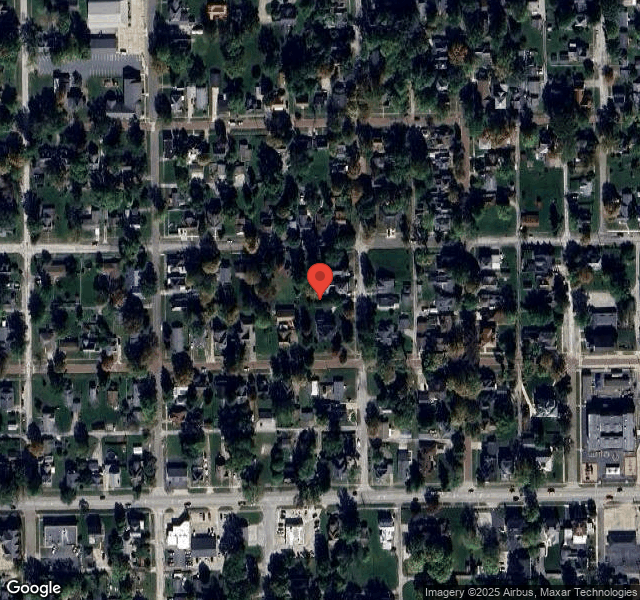
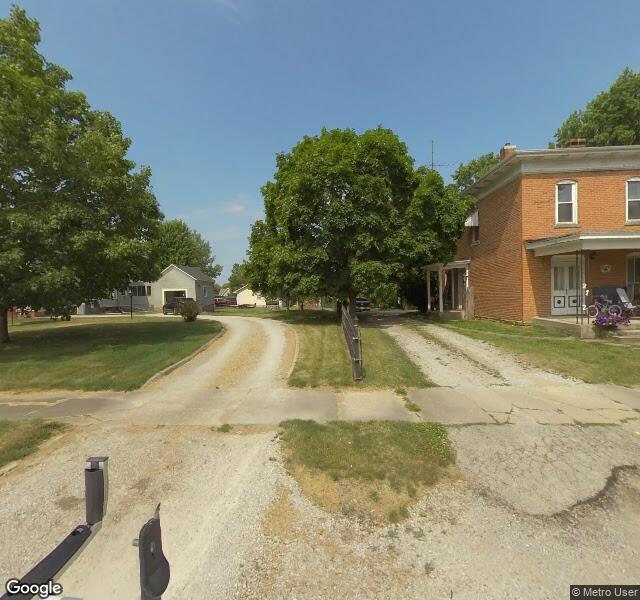
2116 SOUTH 3RD DACEY DRIVE, SHELBYVILLE, IL 62565 (217) 774-2128
For profit - Corporation 80 Beds POINTE MANAGEMENT Data: November 2025
Trust Grade
33/100
#632 of 665 in IL
Last Inspection: August 2024

Within standard 12-15 month inspection cycle. Federal law requires annual inspections.

Overview

Shelbyville Healthcare & Senior Living has received a Trust Grade of F, indicating poor quality and significant concerns about the care provided. It ranks #632 out of 665 nursing homes in Illinois, placing it in the bottom half of facilities statewide, and #3 out of 3 in Shelby County, meaning only one other local option is better. While the facility is improving, having reduced issues from 9 to 5 in the last year, it still has serious problems, including a lack of a Full-Time Director of Nurses, which affects the quality of care for all residents. Staffing is a concern, with only 1 star for staffing and less RN coverage than 96% of Illinois facilities, which means many critical nursing tasks may be overlooked. Specific incidents include a resident suffering from untreated wounds due to improper transcriptions of physician orders, leading to hospitalization, highlighting the need for better management and adherence to care plans.

Trust Score
F
33/100
In Illinois
#632/665
Bottom 5%
Safety Record
Moderate
Needs review
Inspections
Getting Better
9 → 5 violations
Staff Stability
○ Average
Turnover data not reported for this facility.
Penalties
○ Average
$3,483 in fines. Higher than 56% of Illinois facilities. Some compliance issues.
Skilled Nurses
⚠ Watch
Each resident gets only 14 minutes of Registered Nurse (RN) attention daily — below average for Illinois. Fewer RN minutes means fewer trained eyes watching for problems.
Violations
⚠ Watch
45 deficiencies on record. Higher than average. Multiple issues found across inspections.
★☆☆☆☆
1.0
Overall Rating
★☆☆☆☆
1.0
Staff Levels
★☆☆☆☆
1.0
Care Quality
★★★☆☆
3.0
Inspection Score
Stable
2024: 9 issues
2025: 5 issues

The Good

  • Full Sprinkler Coverage · Fire safety systems throughout facility
  • No fines on record

Facility shows strength in fire safety.

The Bad

1-Star Overall Rating

Below Illinois average (2.5)

Significant quality concerns identified by CMS

Federal Fines: $3,483

Below median ($33,413)

Minor penalties assessed

Chain: POINTE MANAGEMENT

Part of a multi-facility chain

Ask about local staffing decisions and management

The Ugly 45 deficiencies on record

1 actual harm
Aug 2025 1 deficiency
CONCERN (D) 📢 Someone Reported This

A family member, employee, or ombudsman was alarmed enough to file a formal complaint

Potential for Harm - no one hurt, but risky conditions existed

Quality of Care (Tag F0684)

Could have caused harm · This affected 1 resident

**NOTE- TERMS IN BRACKETS HAVE BEEN EDITED TO PROTECT CONFIDENTIALITY** Based on interview and record review the facility failed to provide timely treatment of a resident's left lower back and left hi...

Read full inspector narrative →
**NOTE- TERMS IN BRACKETS HAVE BEEN EDITED TO PROTECT CONFIDENTIALITY** Based on interview and record review the facility failed to provide timely treatment of a resident's left lower back and left hip skin tears. The facility also failed to update the resident's skin care plan with the facility acquired skin tears. These failures affected one (R3) out of three residents reviewed for Accidents in a sample list of three residents. Findings include:R3's Minimum Data Set (MDS) dated [DATE] documents R3 as severely cognitively impaired. This same MDS documents R3 is dependent on staff for oral hygiene, toileting, bathing, dressing, personal hygiene, bed mobility and transfers. R3's Skin Integrity Care plan initiated 2/17/25 does not include updated interventions for R3's Left Lower Back and Left Hip skin tears obtained at facility on 7/3/25. R3's Physician Order Set (POS) dated July 2025 documents a physician order starting 7/7/25 to monitor R3's Left Hip skin tear for decrease in size/severity and signs and symptoms (s/s) of infection (increased warmth, drainage, smell, decreased function) daily until healed. This same POS documents a physician order starting on 7/10/25 with no end date to apply Zinc cream every shift to R3's Left Hip skin tear. This same POS documents a physician order starting 7/7/25 and ending 7/10/25 to cleanse R3's Left Lower Back skin tear and cover with dry dressing daily and as needed. R3's Wound Assessment and Plan dated 7/3/25 documents R3's Left Lower Back skin tear as measuring 4.0 centimeters (cm) long by 4.0 cm wide by 0.1 cm deep with an onset date of 7/3/25. This same assessment documents R3's Left Hip skin tear as measuring 4.0 cm long by 1.6 cm wide by 0.1 cm deep with an onset date of 7/3/25. This same wound assessment documents physician orders to cleanse R3's Left Hip and Left Lower Back skin tears, cover with a dry dressing daily and as needed. R3's Treatment Administration Record (TAR) dated July 2025 documents R3's treatments for skin tears starting 7/7/25. There is no physician orders documented on R3's TAR prior to 7/7/25 for the treatment of R3's skin tears. On 8/1/25 at 12:15 PM V9 (Wound Nurse/Licensed Practical Nurse/LPN) stated R3 obtained his Left Lower Back and Left Hip skin tears at the facility. V9 stated she first noted R3's two skin tears on 7/3/25 when rounding with V10 (Wound Physician Assistant/PA). V9 stated she received orders for treatment on 7/3/25 but did not enter V10's verbal orders until 7/7/25 when she received V10's written orders. V9 (Wound Nurse/LPN) stated she should have entered R3's wound treatment orders on 7/3/25. V9 stated R3's two skin tears were caused by staff pulling on R3's incontinence brief or linens too hard when providing incontinence cares causing a shearing effect. V9 stated she should have completed an incident report or risk management but did not. V9 stated R3's care plan should have been updated with his two new facility acquired skin tears to help prevent further incidents. The facility policy titled Skin Condition Monitoring revised January 2018 documents upon notification of a skin lesion wound, or other skin abnormality, the nurse will assess and document the findings in the nurses' notes and complete the Quality Assurance (QA) form for Newly Acquired Skin Condition. The nurse will obtain a treatment order that includes the type of treatment, location of area to be treated, frequency of how often treatment is to be performed, how area is to be cleansed and stop date if needed. Any skin abnormality will have a specific treatment order until area is resolved. The facility will provide proper monitoring, treatment, and documentation of any resident with skin abnormalities. The facility policy titled Preventative Skin Care revised January 2018 documents staff will practice care in moving and lifting residents, prevent shearing forces during moving and transfers, prevent pulling resident across the sheets and avoid scratches, bruises and skin irritation.
Apr 2025 4 deficiencies 1 Harm
SERIOUS (G) 📢 Someone Reported This

A family member, employee, or ombudsman was alarmed enough to file a formal complaint

Actual Harm - a resident was hurt due to facility failures

Quality of Care (Tag F0684)

A resident was harmed · This affected 1 resident

**NOTE- TERMS IN BRACKETS HAVE BEEN EDITED TO PROTECT CONFIDENTIALITY** Deficiencies at this level require more than one deficiency practice statement. A. Based on interview and record review the faci...

Read full inspector narrative →
**NOTE- TERMS IN BRACKETS HAVE BEEN EDITED TO PROTECT CONFIDENTIALITY** Deficiencies at this level require more than one deficiency practice statement. A. Based on interview and record review the facility failed to transcribe and implement physician ordered wound treatments, failed to ensure wound supplies were provided and treatments were completed as ordered. The facility failed to accommodate a request for physician ordered wound treatments to be supplied or changed to an alternative treatment. The facility also failed to notify the provider of the facility changing the dressing orders, not transcribing/implementing Wound Physician Assistant (PA) orders, and not notifying the Wound PA of a resident request to change wound dressing orders for one (R1) resident out of five residents reviewed for wound care in a sample list of five residents. R1 experienced pain, embarrassment and worsening of his bilateral extremity wounds resulting in a 15-day hospitalization for the treatment of his BLE wounds and infection. B. Based on observation, interview, and record review the facility failed to assess, monitor, notify the physician of a wound and failed to obtain treatment orders. The facility also failed to prevent cross contamination during wound care for one (R2) resident out of five residents reviewed for wound care in a sample list of five residents. Findings include: A. R1's undated Face Sheet documents admitted to the facility on [DATE] and lists R1's medical diagnoses as Lymphedema, Chronic Venous Hypertension with ulcer of lower extremity, Diabetes Mellitus Type II, Parkinson's Disease, Cellulitis of Right and Left Lower Limbs, Morbid Obesity, Chronic Kidney Disease Stage 3, Acute Kidney Failure and Chronic Congestive Heart Failure. R1's Minimum Data Set (MDS) dated [DATE] documents R1 as cognitively intact. This same MDS documents R1 as requiring supervision with bathing and putting on and removing footwear. R1's care plan intervention dated 9/19/24 instructs staff to Keep skin clean and dry. 9/19/24 Follow facility policies/protocols for the prevention/treatment of skin breakdown. R1's Physician Order Sheet (POS) dated December 15-31, 2024, January 1-31, 2025, and February 1-20, 2025, document physician orders to cleanse R1's bilateral lower extremities (BLE) with soap and water, apply zinc to peri wound, (Brand name dressing used to absorb wound drainage) with silver to open wounds, cover with (Brand name compression bandage system) twice per week and as needed. Once (Brand name compression bandage system) is tolerated, then change to weekly if drainage slows and dressing is intact. R1's Physician Order Sheet (POS) dated February 21-28 documents a physician order to cleanse R1's BLE with soap and water, apply (Brand name petroleum impregnated gauze) soaked gauze to open areas, (Brand name semi-rigid compression bandage), zinc oxide to peri wound then wrap with dry gauze from mid foot to high calf with compression gauze twice per week and as needed. R1's Wound Assessment and Plan dated 1/2/25, 1/9/25, 1/23/25 documents a physician order to cleanse R1's BLE, apply Zinc oxide to peri wound, apply (Brand name dressing used to absorb wound drainage) Silver followed by two- or four-layer compression wraps depending on what is available twice per week or sooner if dressings are saturated and as needed. R1's Wound Assessment and Plan dated 1/30/25 document a physician order to cleanse R1's BLE, apply Zinc Oxide to peri wounds, apply (Brand name petroleum impregnated gauze) cut to fit to open areas, cover with absorbent gauze, two- or three-layer compression wraps depending on what is available three times per week or sooner if dressings are saturated and as needed. This same plan documents R1's newly acquired Right and Left Dorsal open areas to cleanse, apply Calcium Alginate, cover with absorbent pad, and wrap daily and as needed. R1's Wound Assessment and Plan dated 2/6/25 and 2/20/25 documents a physician order to cleanse R1's BLE, apply Zinc Oxide to peri wounds, apply (Brand name petroleum impregnated gauze) cut to fit to open areas, cover with absorbent gauze, two- or three-layer compression wraps depending on what is available three times per week or sooner if dressings are saturated and as needed. This same plan documents in addition to R1's BLE dressing orders the facility is to provide (Brand name semi-rigid compression bandage) when available, Calcium Alginate and compression wraps three times per week or sooner if saturated. R1's Wound Assessment and Plan dated 3/13/25 documents a physician order to cleanse R1's BLE and bilateral dorsal feet, apply Zinc Oxide to peri wounds, apply absorbent gauze, wrap with dry gauze and then compression gauze three times per week and as needed. R1's Skin Evaluation assessment dated [DATE] documents R1's Left Lower Extremity (LLE) Cellulitis/Venous Lymphedema wounds measuring 22.0 centimeters (cm) long by the entire circumference of R1's LLE by 0.1 cm deep as macerated with heavy serosanguinous drainage that is painful to R1. This same assessment documents R1's Right Lower Extremity (RLE) Cellulitis/Venous Lymphedema wounds measuring 20.0 centimeters (cm) long by the entire circumference of R1's RLE by 0.2 cm deep as macerated with heavy serosanguinous drainage that is painful to R1. This same assessment lists R1's Right Dorsal Foot open lesion measures 6.0 cm long by 6.0 cm wide by 0.1 cm deep as macerated with moderate serosanguinous drainage and R1's Left Dorsal Foot open lesion measures 8.0 cm long by 8.0 cm wide by 0.1 cm deep as macerated with minimal serosanguinous drainage. R1's Final Culture and Sensitivity report dated 2/9/25 documents R1's Right Leg culture showed Proteus Mirabilis, Providencia Stuartii, Stenotrophomonas Maltophilia and Diptheroids. The undated facility Sign Out/Acceptance of Responsibility for Leave of Absence form documents R1 signed himself out on 3/16/25 at 9:30 PM. This same form documents R1's destination was to the hospital. R1's Nurse Progress Note dated 3/16/25 at 9:54 PM documents R1 signed himself out at 9:30 PM to go to the emergency room for bilateral lower extremity (BLE) pain. This same note documents R1 stated he can't stand the pain anymore. R1's Nurse Progress Note dated 3/17/25 at 1:44 AM documents the hospital called to report to the facility R1 was being admitted to the hospital for BLE wounds. R1's Hospital Records document R1 had multiple ulcers stage 2 through 3 on both lower legs, the rest of the affected area on both lower legs had Moisture Associated Skin Dermatitis (MASD). This same report documents R1's dressings were saturated and R1's bilateral lower legs were weeping. R1's Hospital Record dated 3/16/25 documents R1 as wearing garbage bags around his legs and plastic booties, for which he is sitting in about two inches of yellow serous fluid from his legs. This same record documents R1's extremities show no cyanosis, claudication with +4 bilateral lower extremity and pedal, extensive weeping consistent with his Lymphedema history, multiple non-healing venous stasis wounds, macerated tissue to the Left foot and ankle. This same record documents (R1's) dressings are saturated through and he is dressed with plastic bags over his wound dressings. R1) is not getting appropriate wound management for not only his Cellulitis and nonhealing wounds but also his Lymphedema. (R1's) Bilateral lower extremities are erythematous and edematous. Multiple scattered shallow full-thickness skin loss noted. Most of the wound beds are red and moist. There is a wound on the Right Lower Leg that has a small amount of slough noted. There is a large amount of serosanguinous drainage present. Scattered areas of maceration noted. Circumference of the right calf is 51 centimeters (cm). Circumference of the left calf is 53 cm. On 4/2/25 at 8:30 AM V10 (Licensed Practical Nurse/LPN) stated R1 complained of pain on 3/16/25 to his BLE. V10 stated she administered pain medication to R1. V10 stated R1 asked for more pain medication 20 minutes later and she instructed R1 to give the pain medication time to work. V10 stated R1 reported he was 'in too much pain that he could not stand it'. V10 stated R1 would occasionally refuse dressing changes if the facility did not have the appropriate dressings. V10 stated R1 had a friend take him to the hospital that night (3/16) and he was admitted for the treatment of his wounds. V10 stated she did not have a chance to change R1's dressings that evening. On 4/3/25 at 9:45 AM R1 stated the facility did not follow the physician orders for his dressing changes to his BLE. R1 stated he had asked for V11 (Wound Physician Assistant/PA) to be called and asked for a different type of dressing and was told the facility does not have a way to contact V11. R1 stated he was told to wear garbage bags on his lower legs to catch the drainage. R1 stated the staff would use rolled gauze to wrap his leg and then use the same gauze to tie the garbage bags onto his legs so that they would stay up. On 4/3/25 at 10:20 AM V11 (Wound PA) stated the facility did not notify her of R1's request for different treatments, her dressing orders not being completed as ordered, the facility not having the correct wound supplies or that the facility was using garbage bags to contain the drainage. V11 stated R1 was alert and oriented and would sometimes refuse dressings. V11 stated the facility should have investigated why the dressings would be refused to prevent deterioration of R1's BLE wounds. V11 stated garbage bags should not have been used to contain wound drainage and would have caused harm to R1 by keeping the drainage next to the wounds and exposing R1's feet to unnecessary maceration due to sitting in wound drainage. On 4/3/25 at 11:00 AM V14 (Wound Nurse/LPN/Infection Preventionist/IP) stated V11 (Wound PA) would see R1 weekly and change his dressing orders according to what R1 would agree to. V14 stated many time the dressing order was changed but V14 did not change the order in the computer due to being told by the corporation that R1's specific types of dressings were too costly and could not be ordered. V14 stated she did not reach out to V11 (Wound PA) to report the dressings were not ordered and that R1 had been getting the wrong dressings. V14 stated R1's wounds did deteriorate during his stay in the facility due to the wrong dressings being put on, the staff not changing R1's dressings more frequently due to cost of the supplies and not re-approaching R1 if he did refuse to see why R1 was refusing his dressing changes. B. R2's undated Face Sheet documents medical diagnoses as Morbid Obesity, Chronic Obstructive Pulmonary Disease (COPD), Heart Failure, Peripheral Vascular Disease, Paroxysmal Atrial Fibrillation, Chronic Venous Hypertension, Acute Nephritic Syndrome, Lymphedema, Cellulitis and Body Mass Index (BMI) greater than 70. R2's care plan intervention dated 10/17/23 documents staff are to Monitor/document location, size, and treatment of impairment. Report abnormalities, failure to heal, signs and symptoms of infection, maceration etc. to Physician. R2's Physician Order Sheet (POS) dated March and April 2025 does not document a treatment order for R2's open Left Elbow wound. R2's Nurse Progress Note dated 3/24/25 documents R2 has sores on her Left Elbow/Bicep area. On 4/2/25 at 10:30 AM R2 stated she has open sores on her Right Lower Leg due to her Lymphedema. R2 stated she has blisters on her Left Elbow area that popped. R2 stated the staff have been aware of this area for about a week but have not put any dressing on yet. On 4/2/25 at 10:35 AM R2 was laying in her bed with her arms exposed, above the covers. R2's Left Elbow had two nickel sized intact blistered areas and one quarter sized open area draining clear/yellow fluid onto R2's sheets. R2's Left Elbow wounds did not have any dressing in place. On 4/2/25 at 1:15 PM V10 (LPN) and V14 (Wound Nurse/LPN/IP) completed R2's dressing change to her Right Lower Extremity (RLE) open wounds. V10 cleansed R2's RLE, applied antibiotic ointment and Calcium Alginate rope. V10 turned away from R2 to get the absorbent gauze, then turned back and saw that R2's Calcium Alginate rope had dropped onto the towel below R2's leg. R2's Calcium Alginate rope dropped directly onto the section of R2's towel that was soiled with blood and serous fluid from R2's open wounds. V10 picked up the contaminated Calcium Alginate rope and placed it again on the wound and continued to finish the dressing change. On 4/2/25 at 2:00 PM V10 Licensed Practical Nurse (LPN) stated she cross contaminated R2's open draining wound due to V10 saw the Calcium Alginate rope sitting in the wound drainage on the towel and continued to put that contaminated rope back on R2's open wound. V10 stated she should have gotten a new piece of rope. V10 stated cross contaminating an open wound could cause an infection. On 4/3/25 at 2:30 PM V14 (Wound Nurse/LPN/IP) stated she was informed on 4/2/25 of R2's Left Elbow open wounds. V14 stated staff should have obtained an order for a protective dressing when this area was first observed last week (3/24/25) and then gotten an order change after it opened three days ago (3/31/25). V14 stated the facility is conducting a house wide training next week on wound care, following physician orders, timely reporting of any new skin areas and other areas of concern. The facility policy titled Skin Conditioning Monitoring revised 3/16/23 documents upon notification of a skin lesion wound, or other sin abnormality, the nurse will assess and document the findings in the nurses' notes and complete a skin evaluation. The nurse will then implement the following procedure: notify the physician, obtain treatment order which includes type of treatment, location of area, frequency of how often treatment is to be performed, how area is cleansed and a stop date if needed. The facility policy titled Dressing Change revised 3/16/23 documents staff should follow the physician order for treatments.
CONCERN (D) 📢 Someone Reported This

A family member, employee, or ombudsman was alarmed enough to file a formal complaint

Potential for Harm - no one hurt, but risky conditions existed

Resident Rights (Tag F0550)

Could have caused harm · This affected 1 resident

**NOTE- TERMS IN BRACKETS HAVE BEEN EDITED TO PROTECT CONFIDENTIALITY** Based on interview and record review the facility failed to ensure the dignity of one (R1) resident out of five residents review...

Read full inspector narrative →
**NOTE- TERMS IN BRACKETS HAVE BEEN EDITED TO PROTECT CONFIDENTIALITY** Based on interview and record review the facility failed to ensure the dignity of one (R1) resident out of five residents reviewed for resident rights in a sample list of five residents. Findings include: The undated facility pamphlet titled Illinois Long-Term Care Ombudsman Program Residents' Rights for People in Long Term Care Facilities documents the facility must treat you with dignity and respect and must care for you in a manner that promotes your quality of life. R1's undated Face Sheet documents admitted to the facility on [DATE] and lists R1's medical diagnoses as Lymphedema, Chronic Venous Hypertension with ulcer of lower extremity, Diabetes Mellitus Type II, Parkinson's Disease, Cellulitis of Right and Left Lower Limbs, Morbid Obesity, Chronic Kidney Disease Stage 3, Acute Kidney Failure and Chronic Congestive Heart Failure. R1's Minimum Data Set (MDS) dated [DATE] documents R1 as cognitively intact. This same MDS documents R1 as requiring supervision with bathing and putting on and removing footwear. R1's care plan intervention dated 9/19/24 instructs staff to Keep skin clean and dry. 9/19/24 Follow facility policies/protocols for the prevention/treatment of skin breakdown. R1's Skin Evaluation assessment dated [DATE] documents R1's Left Lower Extremity (LLE) Cellulitis/Venous Lymphedema wounds measuring 22.0 centimeters (cm) long by the entire circumference of R1's LLE by 0.1 cm deep as macerated with heavy serosanguinous drainage that is painful to R1. This same assessment documents R1's Right Lower Extremity (RLE) Cellulitis/Venous Lymphedema wounds measuring 20.0 centimeters (cm) long by the entire circumference of R1's RLE by 0.2 cm deep as macerated with heavy serosanguinous drainage that is painful to R1. This same assessment lists R1's Right Dorsal Foot open lesion measures 6.0 cm long by 6.0 cm wide by 0.1 cm deep as macerated with moderate serosanguinous drainage and R1's Left Dorsal Foot open lesion measures 8.0 cm long by 8.0 cm wide by 0.1 cm deep as macerated with minimal serosanguinous drainage. R1's Hospital Record dated 3/16/25 documents R1 as wearing garbage bags around his legs and plastic booties, for which he is sitting and about two inches of yellow serous fluid from his legs. On 4/2/25 at 2:00 PM V14 Wound Nurse/Licensed Practical Nurse (LPN)/Infection Preventionist (IP) stated V14 did tell R1 he was to wear garbage bags over his lower legs to help control the mess from the drainage. V14 stated R1 would walk the halls and leave wet footprints everywhere from all the drainage in his legs. V14 stated that was the only thing she could think of to help because the facility did not have the budget to be able to re-wrap his lower legs multiple times per day. V14 stated she realizes that wasn't the best method and should have changed R1's dressings instead of putting garbage bags over his legs. On 4/3/25 at 9:47 AM R1 stated the facility told him he had to wear garbage bags over both of his lower legs to help contain all the drainage from his open wounds on his bilateral lower legs and feet. R1 stated he was told he could not come out of his room unless he wore the garbage bags. R1 stated the nurses would put plastic booties on his feet and then have him put each lower leg inside a garbage bag. R1 stated the nurses would wrap gauze around his lower leg and then tie the gauze in a knot around his leg just below his knees to help keep the garbage bag from falling. R1 stated That was embarrassing. How would you like to wear something like that. But I couldn't come out of my room otherwise. People would stare at my legs. They (facility) said they couldn't afford to keep wrapping my legs all day so that was their way of keeping the drainage off the floor. One nurse (unknown) even told me they (staff) didn't have time to keep mopping up after me.
CONCERN (E) 📢 Someone Reported This

A family member, employee, or ombudsman was alarmed enough to file a formal complaint

Potential for Harm - no one hurt, but risky conditions existed

Infection Control (Tag F0880)

Could have caused harm · This affected multiple residents

**NOTE- TERMS IN BRACKETS HAVE BEEN EDITED TO PROTECT CONFIDENTIALITY** Based on observation, interview, and record review the facility failed to initiate Enhanced Barrier Precautions (EBP) for four r...

Read full inspector narrative →
**NOTE- TERMS IN BRACKETS HAVE BEEN EDITED TO PROTECT CONFIDENTIALITY** Based on observation, interview, and record review the facility failed to initiate Enhanced Barrier Precautions (EBP) for four residents (R2, R3, R4, R5) out of five residents reviewed for EBP in a sample list of five residents. Findings include: 1. R2's Care plan intervention dated 10/17/23 does not document a focus area, goal nor interventions for Enhanced Barrier Precautions (EBP). On 4/1/25 at 10:00 AM R2 does not have a sign on her door indicating she is on Enhanced Barrier Precautions (EBP). R2 does not have any Personal Protective Equipment (PPE) outside of her room or any adjacent rooms. On 4/2/25 at 10:15 AM V10 (Licensed Practical Nurse/LPN) and V14 (Wound Nurse/Infection Preventionist/IP) gathered wound supplies, walked into R2's room and stated they were ready to provide wound care for R2. V10 and V14 were not wearing gowns. On 4/2/25 at 11:05 AM V10 and V14 both stated they should have worn gowns. V14 stated R2 should have been on EBP and was not. V10 stated there was no EBP sign on R2's door so she did not think R2 needed EBP. 2. R3's Electronic Medical Record (EMR) documents R3 has open sores on both feet due to Lymphedema. R3's Physician Order Sheet (POS) dated April 2025 does not document a physician order for R3 to be placed on Enhanced Barrier Precautions (EBP) prior to 4/2/25. R3's Care plan initiated 3/7/25 does not include a focus area, goal nor interventions for EBP. On 4/2/25 at 12:30 PM R3 was sitting in his recliner chair in his room. R3's bilateral feet were wrapped with compression wraps which left toes exposed. R3's feet were resting directly on the floor. R3 was not wearing any socks or shoes. R3's floor was littered with debris and spills of food particles. R3 did not have a sign on his door indicating he is on Enhanced Barrier Precautions (EBP). R3 does not have any Personal Protective Equipment (PPE) outside of his room. On 4/2/25 at 12:35 PM R3 stated the staff will 'usually' wear gloves to change his dressings on his feet and have never worn a gown of any sort. 3. R4's Minimum Data Set (MDS) dated [DATE] documents R4 as severely cognitively intact. R4's Electronic Medical Record (EMR) documents R4 has an open Stage 3 Pressure Ulcer on her Left Heel that drains serous fluid. R4's Care plan dated 4/2/25 does not include a focus area, goal nor interventions for EBP. On 4/1/25 at 12:00 PM R4 did not have an Enhanced Barrier Precautions (EBP) sign posted on her door nor Personal Protective Equipment (PPE) supplies accessible to staff. On 4/2/25 at 3:30 PM R4 did not have an Enhanced Barrier Precautions (EBP) sign posted on her door nor Personal Protective Equipment (PPE) supplies accessible to staff. 4. R5's Medical Record documents medical diagnoses as Chronic Congestive Heart Failure, Chronic Obstructive Pulmonary Disease (COPD), history of pressure ulcers and Staphylococcus infection and open draining Hematoma to Right Lower Extremity. R5's Care plan initiated 9/16/24 does not document a focus area, goal nor interventions to address R5's open draining Right Lower Extremity (RLE) wound nor Enhanced Barrier Precautions (EBP). On 4/1/25 at 12:05 PM R5 did not have an Enhanced Barrier Precautions (EBP) sign posted on her door nor Personal Protective Equipment (PPE) supplies accessible to staff. On 4/2/25 at 3:35 PM R5 did not have an Enhanced Barrier Precautions (EBP) sign posted on her door nor Personal Protective Equipment (PPE) supplies accessible to staff. On 4/3/25 at 1:20 PM V14 (Wound Nurse/LPN/IP) stated R2, R3, R4 and R5 should have been placed on EBP and were not. V14 stated she was not aware of EBP until 4/2/25. V14 stated she is going to research it and ensure all residents who are supposed to be on EBP will be placed on EBP. V14 stated there are other residents in the facility who would meet the same criteria but have not been on EBP. V14 stated EBP has not been monitored or tracked since the she was not aware of what EBP was. The facility policy titled Enhanced Barrier Precautions dated 4/24/24 documents Enhanced Barrier Precautions (EBP) should be used when contact precautions do not apply for residents with open wounds that require a dressing change. EBP requires use of a gown and gloves during high-contact resident care activities that provide opportunities for the transfer of Multi Drug Resistant Organisms (MDRO) to staff hands and clothing. High contact care activities include wound care (pressure ulcers, diabetic ulcers, unhealed surgical wounds, chronic venous stasis wounds).
CONCERN (F) 📢 Someone Reported This

A family member, employee, or ombudsman was alarmed enough to file a formal complaint

Potential for Harm - no one hurt, but risky conditions existed

Deficiency F0727 (Tag F0727)

Could have caused harm · This affected most or all residents

Based on observation, interview, and record review the facility failed to employ a Full Time Director of Nurses (DON). This failure has the potential to affect all 37 residents residing in the facilit...

Read full inspector narrative →
Based on observation, interview, and record review the facility failed to employ a Full Time Director of Nurses (DON). This failure has the potential to affect all 37 residents residing in the facility. Findings include: The Facility Midnight Census Report dated 4/1/25 documents 37 residents reside in the facility. On 4/1/25-4/3/25 at various times there was no DON present in the facility. On 4/1/25 at 9:50 AM V1 (Administrator) stated the facility has not had anyone in the Director of Nursing role since early February 2025. V1 stated the DON plays an important role in the quality of care every resident receives. On 4/3/25 at 1:10 PM V14 (Wound Nurse/Licensed Practical Nurse/Infection Preventionist) stated she is struggling to keep up with all her duties because she is managing programs, working the floor, the wound nurse, the infection control nurse and 'all around' person to answer questions. V14 stated having a DON would reduce some of the problems in the facility due to the DON could assist with resident concerns and monitor programs so that nothing would get missed.
Aug 2024 7 deficiencies
CONCERN (D)

Potential for Harm - no one hurt, but risky conditions existed

Deficiency F0578 (Tag F0578)

Could have caused harm · This affected 1 resident

**NOTE- TERMS IN BRACKETS HAVE BEEN EDITED TO PROTECT CONFIDENTIALITY** Based on interview and record review, the facility failed to honor the resident's right to formulate advanced directives. This f...

Read full inspector narrative →
**NOTE- TERMS IN BRACKETS HAVE BEEN EDITED TO PROTECT CONFIDENTIALITY** Based on interview and record review, the facility failed to honor the resident's right to formulate advanced directives. This failure affects one resident (R179) out of 16 reviewed for advanced directives on the sample list of 28. Findings include: On [DATE] at 1:57 PM, R179's Electronic Medical Record did not include any information about R179's wishes or election of advanced directives (code status). This same record documents R179 was admitted to the facility on [DATE]. On [DATE] at 2:00 PM, R179 stated, No, no, no, I would not like to be resuscitated. R179 continued, I don't think I am being selfish about it; I am just in pain all the time and I wouldn't want to be brought back for that. R179's Face Sheet dated [DATE] documents R179 is his own responsible party. On [DATE] at 2:10 PM, V3 (Licensed Practical Nurse) looked through R179's Electronic Medical Record, as well as R179's paper chart, and stated, I don't see anything signed as DNR (Do Not Resuscitate) so he would be treated as a full code (all efforts to resuscitate) until there is a signed DNR. On [DATE] at 2:24 PM, V11 (Social Services Director) stated, I have talked with (R179) and he does want to be a DNR with select treatment. I took the POLST (Practitioner Ordered Life Sustaining Treatment) form to the doctor (V6) to have him sign it but what usually happens is I take the forms to his office on a Monday and go back on Friday to pick them up. V11 continued, Unfortunately (R179) would be treated as a full code until we get the signed POLST form. The facility's policy Advanced Directives dated as revised [DATE] documents, Any decision made by the resident shall be indicated in the chart in a manner easily understood by staff. Advanced directives specifying full code/ attempt resuscitation/ CPR (cardio-pulmonary resuscitation), or the absence of determination, shall be recorded as full code. Those residents indicating do not attempt resuscitation/ DNR shall be recorded as DNR. This same policy documents this information shall be obtained on the day of admission to this facility. Code status shall be entered on the physician order sheet. As of [DATE] at 11:57 AM, R179's Physician Order Sheet did not include R179's wishes to be DNR. R179's electronic header, viewable from any portion or screen of R179's Electronic Medical Record, did not indicate R179's code status.
CONCERN (D)

Potential for Harm - no one hurt, but risky conditions existed

Safe Environment (Tag F0584)

Could have caused harm · This affected 1 resident

**NOTE- TERMS IN BRACKETS HAVE BEEN EDITED TO PROTECT CONFIDENTIALITY** Based on observation, interview, and record review the facility failed to promote resident's right to a safe, comfortable homeli...

Read full inspector narrative →
**NOTE- TERMS IN BRACKETS HAVE BEEN EDITED TO PROTECT CONFIDENTIALITY** Based on observation, interview, and record review the facility failed to promote resident's right to a safe, comfortable homelike environment. This failure affects one of two residents (R14) reviewed for the environment on the sample of 28. Findings include: R14's Minimum Data Set, dated [DATE] documents the following: R14's Brief Interview of Mental Status score as 14 out of a possible 15, which indicates no cognitive impairment. On 08/06/24 at 10:05 am, R14 was lying in bed. Between the head of R14's bed and R14's bedside dresser there was an unpainted, 10-inch hole. The hole had loose, crumbling white plaster-like substance. R14 stated I have gotten use to looking at that. It is not pretty. The hole in the wall has been there since I came to the facility, two years ago. It could use some attention. On 8/7/24 at 11:15 am, during a resident group meeting, R14 stated I told you yesterday about the hole in my wall. You saw it. It is terrible. I set on the side of my bed and eat. I can't help but see it. You should have looked at the ceiling. Rain came in and dripped down, leaving my ceiling is disrepair. The maintenance man (V9 Maintenance Director) said there was a plastic (private grocery company) bag in the gutter. He (V9) removed it and I have not had any leaks since. The ceiling still looks terrible. I have had leaks before, and the old owner never fixed the roof leaks. I would really like my whole room remodeled but that is an unreasonable request. The ceiling and hole in the wall should be repaired though. On 8/7/24 at 1:35 pm V9 (Maintenance Director) and surveyor entered R14's room. There was a three foot long by eight-inch-wide area of the ceiling that had dark brown stains that appeared to be from water seepage. There were also chunks of plaster, stained with water marks bulging at the wall and ceiling junction. The wall below the junction had a two-foot wide by one-foot-high section, above the top window frame with plaster chipped plaster and water like marks. V9 then confirmed the hole on the wall between resident bed and dresser was crumbling plaster. V9 stated The roof was repaired approximately three years ago. The damage to (R14's) ceiling, and wall above the window was a troubled area then and continues to be a troubled area. There was a plastic bag in the gutter and a ton of rain backed up to that troubled area of (R14's) window and ceiling. That was a few months ago. Corporate is very aware of these issues in (R14's) room. They have to release the funds in order for these areas to be fixed. They have not released the funds. The undated facility policy Physical Plant & Environmental Policy & Guidelines documents the following: Policy Statement: It is of the utmost importance to provide a safe, hospitable, clean and organized facility and grounds to ensure an environment that is conducive to providing the best care, comfort and home-like surroundings for residents. A well-maintained building and environment is also important for creating safe work surroundings across all departmental staffing and their ability to effectively, and efficiently provide care and great living environment to all residents and all necessary resources to do so. The building and grounds must be maintained in the best presentable state and must be done so through routine maintenance and upkeep, housekeeping, and ensuring compliance with current federal, state, local and NFPA codes. This includes making certain a safe and hospitable environment as possible is maintained in the event of an emergency for sheltering in place. Policy Implementation: The facility Administrator must ensure that the overall scope and effective procedures are followed by each departments supervisors and staff or request of approved contractors for creating and maintaining a safe and comfortable environment for the residents, visitors and staff. Ensure maintenance work orders are completed in a timely manner and ensure items necessary for repairs are ordered to complete repairs. Maintenance/Approved Contractors
CONCERN (D)

Potential for Harm - no one hurt, but risky conditions existed

Quality of Care (Tag F0684)

Could have caused harm · This affected 1 resident

**NOTE- TERMS IN BRACKETS HAVE BEEN EDITED TO PROTECT CONFIDENTIALITY** Based on observation, interview, and record review the facility failed to ensure R14's Bilevel positive airway pressure (Bi-PAP)...

Read full inspector narrative →
**NOTE- TERMS IN BRACKETS HAVE BEEN EDITED TO PROTECT CONFIDENTIALITY** Based on observation, interview, and record review the facility failed to ensure R14's Bilevel positive airway pressure (Bi-PAP) mask was replaced in a timely manner which resulted in facial skin breakdown. This failure affected one of one resident (R14) reviewed for the respiratory medical equipment on the sample list of 28. Findings include: R14's Current Physician Order Summary Sheet documents the following: BiPAP wear nightly. Observe resident every four hours while in use. Cleanse mask as needed after each use every shift related to Chronic Obstructive Pulmonary Disease (COPD) Unspecified. R14's Minimum Data Set, dated [DATE] documents the following: R14's Brief Interview of Mental Status score as 14 out of a possible 15, which indicates R14 has no cognitive impairment. R14's Care Plan dated 8/04/24 documents the following: Resident has a potential impairment related to fragile skin. The resident will maintain or develop clean and intact skin by the review date. Educate resident/family/caregivers of causative factors and measures to prevent skin injury. R14's same Care Plan documents the following: The resident has oxygen therapy related to COPD. The resident will have no signs or symptoms of poor oxygen absorption through the review date. BiPAP when sleeping. Setting: expiratory pressure: 5: inspiratory pressure: 15. On 08/06/24 at 9:57 am R14 was lying in bed with an undated Bi-level Positive Airway Pressure (BPAP) facemask on R14's full face secured with straps. On 8/7/24 during resident group interview at approximately 11:15 am, R14 had raw, red bumpy, irritated skin around R14's mouth. The irritated skin above R14's upper lip extended up both sides of R14's nose. The irritated skin on both sides of R14's mouth extended under R14's bottom lip. R14 stated There are liners that go inside my CPAP (Bi-Pap on Physician Order) mask that prevent chapping and irritating my chin and around my mouth. I have been telling the nurses and they passed it on the (V1) Administrator and the DON (V2 Director of Nursing). She (V2) orders all the medical stuff and I have waited well over a week. On 8/8/24 at 8:40 am V2 (DON) acknowledged R14's raw, red, bumpy irritated skin and stated she followed up with medical supply distributor yesterday regarding R14's BiPAP mask order. V2 stated The medical supply company said the facility already received the mask. V2 stated she searched throughout the facility and cannot find the mask was ever received. V2 stated she re-ordered and is having the BiPAP mask shipped overnight. V2 also stated It (new mask) should be here today. (R14's) face is visibly red and irritated. We should have followed up on the original order sooner. The facility provided Resident Rights for People In Long-Term Care Facilities pamphlet dated revised November 2018 documents the following: You should receive the services and/or items included in the plan of care.
CONCERN (D)

Potential for Harm - no one hurt, but risky conditions existed

Accident Prevention (Tag F0689)

Could have caused harm · This affected 1 resident

**NOTE- TERMS IN BRACKETS HAVE BEEN EDITED TO PROTECT CONFIDENTIALITY** Based on observation, interview and record review the facility failed to implement a resident's departure alert system safety br...

Read full inspector narrative →
**NOTE- TERMS IN BRACKETS HAVE BEEN EDITED TO PROTECT CONFIDENTIALITY** Based on observation, interview and record review the facility failed to implement a resident's departure alert system safety bracelet intervention, for twelve days after a resident's elopement. This failure affects one of four residents (R129) reviewed for incident /accidents on the sample list of 28. Findings include: R129's admission Diagnoses Sheet dated 7/24/24 documents the following: Altered Mental Status, Unspecified, Other Abnormalities of Gait and Mobility, Unspecified Lack of Coordination. Unsteady On Feet, and Other Malaise. R129's Admission, Elopement Risk Assessments dated 7/24/24 documents R129 is at high risk of elopement, has a history of elopement from home, is ambulatory, cannot communicate and wanders into other resident rooms. R129's Minimum Data Set (MDS) dated [DATE] documents R129 has a Brief Interview of Mental Status Score of 00 out of a possible 15, which indicates severe cognitive impairment. The same MDS documents R129 has had wandering behaviors 1-3 days during the seven day look back period. R129's Behavior Note signed by V11 (Social Service Director) dated 07/26/2024 at 11:06 am documents the following: Note Text: Res (resident R129) has been wandering the halls and exit seeking. She is easy to redirect and wants staff to go outside with her. She would benefit from having a (departure alert system bracelet) for safety. Orders have been put in for new (departure alert system bracelets) as there are no extras in the building. Please monitor carefully. R129's Health Status Note dated 7/26/24 signed by V14 (Licensed Practical Nurse/LPN) dated 07/26/2024 at 11:59 documents the following: Note Text: Res exited facility x1 (one time). Staff responded to door alarm sounding. Res redirected back inside facility without difficulty. R129's Health Status Note dated 7/30/2024 at 05:40 am documents the following: Note Text: Res (R129) up and wandering since (11:00 pm), (over the time period of six hours and forty minutes per this note note). Res attempted to exit out of back door this morning. Easily redirected. On 8/6/24 at 9:25 am V5 (Certified Nursing Assistant/CNA) was walking with R129 into the dining room. V5 stated I have my hands full, she (R129) likes to wander. On 08/6/24 between 10:15 am - 11:00 am, R129 was observed independently ambulating throughout halls and common areas. On 08/06/24 at 12:35 PM, R129 was seated in the dining room in a straight back chair. R129 does not have a departure alert system safety bracelet on R129's ankles or wrist. On 8/6/24 at 12:55 pm V2 (Director of Nursing) stated (R129) needs a (departure alert system) bracelet. The facility has ordered some, but they have not come in yet. I am not sure what the delay is. V2 acknowledged R129 has been exit seeking. V2 confirmed R129 had actually gotten out of the building (7/26/24). On 8/6/24 at 1:05 pm, V1 (Administrator) provided a (private name) supply sheet dated 7/26/24 that documented Resident Transmitter with Band, Waterproof and stated the form V1 provided was the purchase order for R129's (departure alert system) bracelet. Surveyor identified the on the form V1 provided, that it does not say R129's safety device was ordered. What the form documents is as follows: Dear (V9 Maintenance Director), Thank you for giving me the opportunity to quote the products listed below. The product listed was documented as Resident Transmitter with Band, Waterproof price of three $621.53. On 8/7/24 at 9:30 am V1 (Administrator) stated It turned out that the (departure alert system) bracelet for (R129), had not been ordered. That sheet I gave you (8/6/24 at 1:05 pm) was just a quote (noted above). I thought that was an actual order. (R129) should have had one right away. I got her one yesterday from a sister facility. She has it one on now. On 8/7/24 at 10:15 am V12 (R129's Family Member) returned call. V12 stated She (R129) had gotten out of our home four times. A couple times all the way to a busy street. A neighbor (unidentified) brought her (R129) home. I tried changing the locks. I tried everything to keep her safe. On 8/7/24 at 12:15 pm an exit door alarm had sounded at the end of the hall. V13 (Transportation Department) intervened. V13 walked with R129 down the hallway. V13 stated (R129) wanders all over the place. I was just bringing her back from the other hall, she was trying to exit and set off the alarm. On 8/7/24 at 12:22 pm V8 (Housekeeper) stated V8 working in the hall on 7/26/24, heard the door alarm sound. V8 went right away and found (R129) had gotten out of the building. On 8/7/24 at 1:15 pm V14 (LPN) stated I was the nurse the day (R129) exited the building. She did not get far. The door alarmed and one of the staff (V8 Housekeeper) brought her in (from outside the building). She (R129) was not upset. I did not do a full head to toe assessment. I looked her over briefly, she was her normal self. We got her a snack right away. She stays busy and wanders a lot. We have to give her activities to do to keep her attention diverted. I did not call her husband. I notified him when he came in that day. I asked him what kind of things she like to do. He said she likes to fold towels. He said the hospital had her doing that and it kept her distracted. She was in the hospital before ever admitting here. I told (V2) from the get-go, that (R129) needed a (departure alert system bracelet). I reported she (R129) exited the building that day too. (R129) definitely needs to have a (departure alert system bracelet). I thought V2 was going to get her one. We did not have one in the facility for her to even use. On 8/7/24 at 2:40 pm V2confirmed R129 was supposed to have a (departure alert system bracelet) on, post elopement of 7/26/24, and that the (departure alert system) safety bracelet was the only intervention post R129's elopement of 7/26/24. V2 also stated R129 should have had a (departure alert system bracelet) on when she was admitted [DATE], because R129's family member V12 had alerted the facility R129 'had eloped from home'. The facility Elopement Prevention Policy dated October 2006 documents the following: Policy: It is the policy of (Private Corporation Name) to provide a safe and secure environment for all residents. To ensure this process, the staff will assess all residents for the potential for elopement. Determination of risk will be assigned for each individual resident and interventions for prevention be established in the plan of care to minimize the risk for elopement.
CONCERN (D)

Potential for Harm - no one hurt, but risky conditions existed

Infection Control (Tag F0880)

Could have caused harm · This affected 1 resident

**NOTE- TERMS IN BRACKETS HAVE BEEN EDITED TO PROTECT CONFIDENTIALITY** Based on observation, interview and record review the facility failed to implement timely infection control precautions for a re...

Read full inspector narrative →
**NOTE- TERMS IN BRACKETS HAVE BEEN EDITED TO PROTECT CONFIDENTIALITY** Based on observation, interview and record review the facility failed to implement timely infection control precautions for a resident positive with bacteria in the urine, provide Personal Protective Equipment (PPE) to ensure effective infection control when caring for residents, provide designated trash receptacles in resident room, ensure staff wore appropriate PPE during direct care, and implement a room change for a resident to prevent potential cross contamination. These repeated failures were ongoing 08/04/24-08/06/24. These failures affected two of two residents (R7 and R19) reviewed for infection control on the sample list of 28. Findings include: On 08/06/24 between 10:00 and 11:00 am, R7 and R19 had a sign posted on their bedroom door that stated enhanced barrier precautions. There was no signage for contact isolation precaution. There were no PPE (Personal Protective Equipment) supplies set up of outside R7 and R19's room. There were no designated receptacles in R7 and R19's room for discarding soiled PPE after removal. R7 was not in their shared room. R19 was asleep in their shared bedroom. On 08/06/24 at 11:03 AM V3 (Licensed Practical Nurse/LPN) stated (R7) is on Contact isolation precautions as of today, for ESBL (Extended spectrum beta-lactamase, bacteria) in (R7's) urine. Her (R7's) roommate (R19) will be moved to room (specific room number) when the roommate (R19) wakes up. The facility Resident Infection Control Antimicrobial Log dated August 2024 documents R7 had a house acquired infection (HAI), an onset of ESBL infection in R7's urine on 8/4/24 and was started on Augmentin (antibiotic) twice daily for five days. The same log documents R7 requires isolation precautions. The facility Resident Infection Control Antimicrobial Log dated July 2024 documents R19 had a recent HAI urinary tract infection of a Non-MDRO (Multidrug-resistant Organisms) organism, with an onset date of 07/19/24 that required antibiotic treatment of Amoxicillin 500 milligrams twice a day for seven days. R7's Current diagnoses list documents the following: Alzheimer's Disease, Unspecified. R7's Minimum Data Set, dated [DATE] documents R7 has a Brief Interview of Mental Status score of 05 out of a possible 15, indicating severe cognitive impairment. R7's Health Status Note: dated 08/04/2024 at 09:13 am documents the following: Note Text: (V19 Nurse Practitioner) notified of urine culture results. NO's (new order) rec'd (received) for Augmentin 500/125 (milligram) BID (twice a day) x5 D (days). On 8/6/24 at 1:05 pm V3 (LPN) reviewed R7's culture and sensitivities result and stated, (R7's) Urine was collected on 8/1/24 and final results showed ESBL on 8/4/24. Augmentin was started 8/4/24. Her Primary Care Physician Office (V6) just called me this morning with the results (final). I don't know what the delay was. V3 also stated I was not working. (R7) should have been on contact isolation immediately and (R19) moved to another room. They have both been using the same bathroom. I put a bedside commode in (R7's) room now. V3 also stated the CNA (V7 Certified Nursing Assistant) should have been wearing PPE while giving (R7) a shower this morning. We did clean the shower chair immediately following (R7's) shower. (R7) has a depends (incontinence brief) on now to prevent any accidents. She has a history of dribbling, though she uses the toilet. On 8/8/24 at 11:07 am R7 was in the shower room at the sink, fully dressed with wet hair. V7 (CNA) stated she was getting ready to dry R7's hair. There was a pile of wet towels on the floor of the shower stall. There was one small trash receptacle next to the sink. There was no sign of soiled PPE in the trash receptacle. V7 stated I just completed (R7's) shower and I did not wear PPE, because (R7) does not have a catheter or a pressure ulcer, so I don't have to wear PPE. Just gloves are all. V7 then stated I did not know she (R7) had ESBL in her urine. I would have worn full PPE. We are supposed to wear a gown and eye protection when there is a possible chance of urine splashing. On 8/8/24 at 1:05 pm V18 (Infection Preventionist) stated the following: When V18 came in Monday (8/5/24), R7 had been started on an antibiotic. We discussed this in morning meeting. I got it on the infection control log. V18 also stated All nursing staff are aware they must put on PPE during personal care. The CNA (V7) CNA that gave (R7) a shower should have had on a gown, gloves and eye protection on. The facility policy Implementation of Personal Protective Equipment (PPE) Use in Nursing Homes to Prevent Spread of Multidrug-resistant Organisms (MDROs) Updated: July 12, 2022 documents the following: Key Points: 1. Multidrug-resistant organism (MDRO) transmission is common in skilled nursing facilities, contributing to substantial resident morbidity and mortality and increased healthcare costs. 2. Enhanced Barrier Precautions (EBP) are an infection control intervention designed to reduce transmission of resistant organisms that employs targeted gown and glove use during high contact resident care activities. 3. EBP may be indicated (when Contact Precautions do not otherwise apply) for residents with any of the following: *Wounds or indwelling medical devices, regardless of MDRO colonization status Infection or colonization with an MDRO. 4. Effective implementation of EBP requires staff training on the proper use of personal protective equipment (PPE) and the availability of PPE and hand hygiene supplies at the point of care. 5. Standard Precautions, which are a group of infection prevention practices, continue to apply to the care of all residents, regardless of suspected or confirmed infection or colonization status. The same policy documents: Implementation: When implementing Contact Precautions or Enhanced Barrier Precautions, it is critical to ensure that staff have awareness of the facility's expectations about hand hygiene and gown/glove use, initial and refresher training, and access to appropriate supplies. To accomplish this: Post clear signage on the door or wall outside of the resident room indicating the type of Precautions and required PPE (e.g., gown and gloves). Make PPE, including gowns and gloves, available immediately outside of the resident room. Ensure access to alcohol-based hand rub in every resident room (ideally both inside and outside of the room). Position a trash can inside the resident room and near the exit for discarding PPE after removal, prior to exit of the room or before providing care for another resident in the same room. The same policy directs staff to implement Contact Precautions that include: Don gloves and gown before room entry and doff before room exit: change before caring for another resident. (Face protection may also be needed if performing activity with risk of splash or spray).
CONCERN (F)

Potential for Harm - no one hurt, but risky conditions existed

Deficiency F0727 (Tag F0727)

Could have caused harm · This affected most or all residents

Based on interview and record review the facility failed to provide Registered Nurse (RN) for at least 8 consecutive hours a day, 7 days a week for 10 days in a total of 39 days reviewed. This failure...

Read full inspector narrative →
Based on interview and record review the facility failed to provide Registered Nurse (RN) for at least 8 consecutive hours a day, 7 days a week for 10 days in a total of 39 days reviewed. This failure affects 25 residents residing in the facility. Findings include: The Long-Term Facility Application for Medicare and Medicaid form CMS 671 dated August 7, 2024 documents the census for the facility as 25 residents. Reviewing the facility's nurse assignment sheets for the months of July and August 2024. The facility had 10 days out of the 39 days reviewed which did not document RN time of 8 hours per day. The facility did not have a RN working at least 8 consecutive hours a day on 7/6/24, 7/7/24, 7/13/24, 7/14/24, 7/20/24, 7/21/24,7/27/24, 7/28/24, 8/3/24 and 8/4/24. V2 (Director of Nurses) confirmed on 8/8/24 at 12pm, Yes, this is correct we do not have the RN coverage for the weekends.
MINOR (B)

Minor Issue - procedural, no safety impact

Deficiency F0912 (Tag F0912)

Minor procedural issue · This affected multiple residents

Based on observation, interview, and record review, the facility failed to provide a minimum of 80 square feet of floor space per resident bed. This failure affects 23 residents (R1 through R11, R13, ...

Read full inspector narrative →
Based on observation, interview, and record review, the facility failed to provide a minimum of 80 square feet of floor space per resident bed. This failure affects 23 residents (R1 through R11, R13, R14, R17 through R24, R26, and R179) on the sample list of 28. Findings include: Historical room size documentation and actual measurements demonstrate the facility's rooms 101 through 111, 201 through 210, and 301 through 311 do not provide 80 square feet per resident bed. Rooms 101 through 111 and 201 through 210 provide 73 square feet per resident bed, and rooms 301 through 311 provide 78 square feet per resident bed. On 8/6/24 at 11:30 AM, V1, Administrator, stated, I am aware of the undersized rooms. It is every room except for the back hall (400 hall). We get the tag every year and then we have to go through the process of applying for a waiver because there isn't anything we can do about it. The facility's Declaration of Room Sizes dated as revised 8/1/21 documents rooms 101 through 111, 201 through 210, and 301 through 311 do not meet the requirements for 80 square feet per resident bed. The Medicare/ Medicaid Certification and Transmittal dated from the most recent annual survey 7/19/2023, maintained at the State Survey Agency Regional Office, documents all 80 beds in the facility are certified Title 18 (Medicare) or Title 19 (Medicaid). The facility's Room Roster dated 8/5/24 documents (R1 through R11, R13, R14, R17 through R24, R26, and R179) reside in the undersized resident rooms.
Mar 2024 2 deficiencies
CONCERN (E) 📢 Someone Reported This

A family member, employee, or ombudsman was alarmed enough to file a formal complaint

Potential for Harm - no one hurt, but risky conditions existed

Deficiency F0825 (Tag F0825)

Could have caused harm · This affected multiple residents

**NOTE- TERMS IN BRACKETS HAVE BEEN EDITED TO PROTECT CONFIDENTIALITY** Based on observation, interview, and record review the facility failed to provide rehabilitation services to four (R1, R2, R3, R...

Read full inspector narrative →
**NOTE- TERMS IN BRACKETS HAVE BEEN EDITED TO PROTECT CONFIDENTIALITY** Based on observation, interview, and record review the facility failed to provide rehabilitation services to four (R1, R2, R3, R4) residents out of four residents reviewed for Rehabilitation Services in a sample list of four residents. Findings include: The Facility Daily Census dated 3/20/24 documents 24 residents reside in facility. The Facility Assessment updated 1/9/2024 documents the facility will provide therapy services including Physical Therapy (PT), Speech Therapy (ST) and Occupational Therapy (OT). On 3/20/24 at 3:45 PM V1 (Administrator) stated The previous therapy company gave our facility five days' notice that they were leaving. Their last day was 2/18/24. We (facility) have not had any therapy services since 2/18/24. We (facility) have been working diligently on regaining therapy services from another therapy company. We have not admitted any new residents but those that are involved have not received any therapy. 1.) R1's undated Face Sheet documents R1 admitted to facility on 2/22/2023. R1's Minimum Data Set (MDS) dated [DATE] documents R1 as cognitively intact. R1's Physician Order Sheet (POS) dated March 2024 documents physician orders dated 2/8/24 with no discontinuation date for Occupational Therapy (OT) and Physical Therapy (PT) to evaluate and treat as indicated and to start OT upon authorization from insurance carrier. The facility 'Therapy List' updated 2/20/2024 documents R1 was approved for ten therapy visits to be provided three times per week from 2/13/24-3/8/24. On 3/20/24 at 12:48 PM R1 stated I was receiving therapy to strengthen my legs. I only saw them one time before they left. They (therapy) haven't been back since. That was about a month ago. My doctor told me that therapy would be good for me to get stronger. I don't want to lose the strength in my legs. I have a lot of stents around my heart, so I am not supposed to exert myself too much. My doctor told me that strengthening my legs would help my heart not work so hard. I hope my heart doesn't get any worse. I don't know what would happen. 2.) R2's undated Face Sheet documents R2 admitted to facility on 6/3/22. R2's Minimum Data Set (MDS) dated [DATE] documents R2 as cognitively intact. R2's Physician Order Sheet (POS) dated March 2024 documents a physician order starting 2/13/24 for Speech Therapy to Evaluate and Treat as Indicated. Therapy to start upon authorization from insurance carrier. R2's Nurse Progress Note dated 3/6/24 at 10:30 AM documents Care plan meeting held today. Review of cares showed concerns with speech and therapy service needs. Advised that the company is in process of switching over to a new therapy service and unfortunately it is taking longer than projected. Once the new service is up and running, (R2) will be on a list of residents needing therapy services. The facility 'Therapy List' updated 2/20/2024 documents R2 was approved for ten therapy visits from 2/2/24-3/1/24. On 3/20/24 at 12:45 PM R2 stated R2 was receiving therapy and is not now. R2 stated The therapy company quit so I don't get therapy anymore. 3.) R3's undated Face Sheet documents R3 admitted to facility on 12/28/23. R3's Minimum Data Set (MDS) dated [DATE] documents R3 as cognitively intact. R3's Physician Order Sheet (POS) dated March 2024 documents a physician order starting 2/2/24 with no discontinuation date for Skilled Physical Therapy five times a week for four weeks to include therapeutic exercise, therapeutic activities, neuromuscular reeducation, gait training, electrical stimulation, ultrasound, short-wave diathermy per plan of care End Stage Renal Disease (ESRD). This same POS documents a physician order starting 1/29/24 for Skilled Occupational Therapy three times a week for four weeks to include therapeutic exercise, self-care, neuromuscular reeducation, therapeutic activities, wheelchair management, safety awareness, diathermy/Electric Stimulation (Estim) for diagnosis of ESRD. R3's Nurse Progress Noted dated 2/21/23 at 2:23 PM documents Advised (R3) that due to unforeseen circumstances that our therapy services would be placed on a hold until a new service would be able to start up. The new company is projected to start next week to continue services. (R3) was offered to have an order place to hold therapy order until the new company can start care or have discharge planning started to return home. On 3/20/24 at 3:35 PM R3 stated I came here from the hospital for therapy. They (facility) told me that the therapy department that was here just left one day. (V1) keeps telling me that there is a new therapy company starting but I have not had any therapy in a month. I was on therapy to get my legs stronger so I can go back home. Now, I am just laying here in bed rotting. I want to go home. My legs used to work in the hospital so it wouldn't take much for them to hold me up again. If I don't get therapy soon, I will leave to go somewhere else who has therapy. 4.) R4's undated Face Sheet documents R4 admitted to facility on 2/14/24 and discharge date d of 2/24/24. R4's Minimum Data Set (MDS) dated [DATE] documents R4 as cognitively intact. R4's Physician Order Sheet (POS) dated March 2024 documents a physician order starting 2/15/24 with a discontinuation date of 2/24/24 for Skilled Occupational Therapy five times a week for four weeks to include therapeutic exercise, self-care, neuromuscular reeducation, therapeutic activities, and group therapy. R4's Nurse Progress Note dated 2/21/24 at 11:26 AM documents Advised (R4) that due to unforeseen circumstances that our therapy services would be placed on a hold until a new service would be able to start up. (R4) was offered to have an order place to hold therapy order until the new company can start care or have discharge planning started to return home. On 3/20/24 at 2:30 PM V5 (Licensed Practical Nurse/LPN) stated R4 was utilizing therapy services while at facility. V5 stated R4 went home because R4 could get therapy through home health services since the therapy company quit coming to the facility. On 3/20/24 at 1:30 PM the facility therapy office/gym was locked. On 3/20/24 from 12:15 PM-4:00 PM No therapy employees were present at facility.
CONCERN (F) 📢 Someone Reported This

A family member, employee, or ombudsman was alarmed enough to file a formal complaint

Potential for Harm - no one hurt, but risky conditions existed

Deficiency F0727 (Tag F0727)

Could have caused harm · This affected most or all residents

Based on interview and record review the facility failed to provide a Registered Nurse (RN) at least eight consecutive hours a day. This failure has the potential to affect all 24 residents residing i...

Read full inspector narrative →
Based on interview and record review the facility failed to provide a Registered Nurse (RN) at least eight consecutive hours a day. This failure has the potential to affect all 24 residents residing in facility. Findings include: The Daily Census dated 3/20/24 documents 24 residents reside in facility. The Facility Daily Staffing Sheets dated 3/2/24, 3/3/24, 3/9/24, 3/10/24, 3/16/24 and 3/17/24 does not document an RN on duty. The Facility Assessment updated 1/9/24 documents the facility will provide a Registered Nurse (RN) at least eight hours per day. On 3/20/24 at 3:45 PM V2 (Director of Nurses) stated the facility does not have adequate Registered Nurse (RN) coverage. V2 stated We (facility) do not have any RN coverage on the weekends. I am hiring but having trouble finding RNs to work the weekends. I work Monday-Friday only. I am on call on the weekends, but I am not in the building for eight hours. I might come in for a few minutes here and there but not for the whole eight hours.
Jul 2023 12 deficiencies
CONCERN (D)

Potential for Harm - no one hurt, but risky conditions existed

Deficiency F0552 (Tag F0552)

Could have caused harm · This affected 1 resident

Based on interview and record review the facility failed to complete Psychotropic Medication consent forms for three (R9, R18, R33) out of five residents reviewed for unnecessary medications in a samp...

Read full inspector narrative →
Based on interview and record review the facility failed to complete Psychotropic Medication consent forms for three (R9, R18, R33) out of five residents reviewed for unnecessary medications in a sample list of 23 residents. Findings include: 1.) R9's Medical Record documents medical diagnoses of Depression, Anxiety and Bipolar disorder. R9's Physician Order Sheet (POS) dated June 2023 documents a physician order dated 6/27/23 for Trazadone 25 mg every 24 hours as needed. This same POS documents a physician order for Divalproex Sodium Extended Release (ER) 500 mg every bedtime. R9's undated Psychotropic Medication Consent form documents R9's Trazadone (antidepressant, sedative) 25 milligrams (mg) daily at bedtime was changed to As Needed. This same document does not document benefits to R9, nor date consent was signed, nor witness to signing of consent. R9's undated Psychotropic Medication Consent form for Divalproex Sodium 500 mg every bedtime does not include a witness signature. On 7/17/23 at 1:40 PM, R9 stated I take some meds for my condition. They (medications) help me. They (facility) did not give me anything to sign about them. My sister is my Power of Attorney (POA). She signs everything for me. 2.) R18's undated Face Sheet documents an admission date of 6/15/23 with medical diagnosis of Depression. R18's Physician Order Sheet (POS) dated June 2023 and July 2023 documents a physician order starting 6/15/23 for Zoloft 25 milligrams (mg) daily for Depression. R18's Consent for Psychotropic Medication dated 6/16/23 does not document a diagnosis nor witness signature. R18's Nurse Progress Notes do not document any behaviors or signs of depression. On 7/17/23 at 10:45 AM R18 stated I don't know what medications I take. They (facility) just give me pills. I know what my Dialysis pills are but for the rest, your guess is as good as mine. No one has ever explained to me what the other medications are for. I am not depressed or anything. I am mad my body won't work any more like it used to. Those strokes really did a number on me. 3.) R33's Physician Order Sheet (POS) dated July 2023 documents a physician order for Seroquel 100 milligrams (mg) twice daily for Major Depressive Disorder from 3/1/23-7/6/23/23. This same POS documents a physician order for Seroquel 200 mg twice daily starting 7/7/23 with no end date. This same POS documents a physician order for Seroquel 400 mg every evening at bedtime starting 2/22/23 with no end date. R33's Psychotropic medication consent dated 7/7/23 does not document a Diagnosis for the use of Seroquel. On 7/18/23 at 8:30 AM, V2 (Director of Nurses/DON) stated The admission nurse or the nurse taking the order should get the consent for the Psychotropic medication. The consent should include the diagnosis, reason for taking the medication, the side effects, and benefits. It should also be signed and dated by the resident, resident's representative, and a facility witness. All of these things need to be completed on the consent. We (facility) should also obtain a new consent with each new Psychotropic medication and with any increase in dosage. I will have to do an in-service on this with our nurses. The facility policy titled 'Psychotropic Medication Policy' revised 6/17/22 documents Psychotropic medication shall not be administered without the informed consent of the resident, resident's guardian, or other authorized representative.
CONCERN (D)

Potential for Harm - no one hurt, but risky conditions existed

Accident Prevention (Tag F0689)

Could have caused harm · This affected 1 resident

**NOTE- TERMS IN BRACKETS HAVE BEEN EDITED TO PROTECT CONFIDENTIALITY** Based on observation, interview and record review the facility failed to implement resident centered fall interventions and fail...

Read full inspector narrative →
**NOTE- TERMS IN BRACKETS HAVE BEEN EDITED TO PROTECT CONFIDENTIALITY** Based on observation, interview and record review the facility failed to implement resident centered fall interventions and failed to completely investigate falls/determine root cause for one of five residents (R5) reviewed for falls in a sample list of 23. Findings include: 1.) R5's Order Summary dated 7/16/23 documents diagnoses including Metabolic Encephalopathy, Cerebral Infarction, Dementia, Repeated Falls, Muscle Wasting and Atrophy, Muscle Weakness, Need for Assistance with Personal Care, Difficulty in Walking, Unsteadiness on Feet, Cognitive Communication Deficit and Unspecified Dementia with Agitation. This Order Summary documents R8 was admitted on [DATE]. R5's Minimum Data Set (MDS) dated [DATE] documents R5 requires extensive assistance of two staff for transfers and limited assistance of one staff member for ambulating in R5's room. R5's Fall Investigation dated 6/29/23 at 6:00 AM documents, Incident Description: (R5) laying on floor on left side. Lift chair beside (R5) with leg rest up. (R5) states (R5) slid off footrest of the chair onto the floor while trying to get out of chair. (R5) states (R5) slid onto (R5's) buttock but (then) laid down and put hand under (R5's) head to be more comfortable. There was no root cause determined for this fall. On 7/17/23 at 2:13 PM, V2 (Director of Nursing/DON) stated regarding R5's fall on 6/29/23 that R5 is supposed to be a one assist and R5 got up without assistance. V2 stated that V2 does not know why R5 was getting up. V2 stated that R5 is non-compliant. R5's Incident Audit Report dated 7/17/23 for the fall on 7/11/23 documents, Nurse walked in room and observed (R5) sitting on floor about a foot from (R5's) recliner. (R5) had recliner reclined all the way and appears that (R5) slid off the foot of the recliner. (R5) had a pre-existing scab to the left elbow that was bleeding around the scab. No other injuries noted. There was no root cause determined for this fall. This report documents an intervention of a motion alarm. On 7/17/23 at 2:13 PM, V2 stated regarding R5's fall on 7/12/23 that it appeared R5 tried to independently transfer R5's self. V2 stated that R5 is supposed to have a motion alarm in R5's room now because R5 turns off the pressure alarm. On 7/16/23 at 8:31 AM, R5 was in R5's room in the recliner. There was a pressure pad alarm sitting in the wheelchair. There was no motion alarm visible in R5's room. On 7/17/23 at 9:56 AM, V12 (Certified Nursing Assistant/CNA) was in R5's room with another unidentified CNA. V12 stated that R5 walks, and they just help R5. R5 walked out of the bathroom with a gait belt on and a walker in front of R5. V12 and the unidentified CNA were holding onto R5 while walking behind R5 and next to R5. R5 walked to the recliner and sat down on a pressure pad alarm that was sitting in the recliner. V12 lowered the recliner and raised the footrest with the controller. V12 stated that as soon as R5 sits on the pressure alarm it activates. On 7/18/23 at 10:34 AM, V2 stated that R5 had the motion alarm in R5's room yesterday (7/17/23) but it was on the bed. V2 stated it was supposed to be on the floor and R5 was not supposed to have the pressure alarm in place. V2 stated that the motion alarm is on the floor where it is supposed to be now and V2 removed the pressure alarm from R5's room. The facility's Fall Prevention policy with a revised date of 11/10/18 documents, Policy: To provide for resident safety and to minimize injuries related to falls; decrease falls and still honor each resident's wishes/desires for maximum independence and mobility.
CONCERN (D)

Potential for Harm - no one hurt, but risky conditions existed

Respiratory Care (Tag F0695)

Could have caused harm · This affected 1 resident

Based on observation, interview, and record review the facility failed to administer oxygen at the correct setting for one of two residents (R8) reviewed for oxygen administration in the sample list o...

Read full inspector narrative →
Based on observation, interview, and record review the facility failed to administer oxygen at the correct setting for one of two residents (R8) reviewed for oxygen administration in the sample list of 23. Findings include: The facility's Oxygen Therapy policy with a reviewed date of March, 2019 documents, Oxygen (O2) is administered to promote adequate oxygenation and provide relief of symptoms of respiratory distress. Procedure: 1. Verify physician's order. 8. Adjust delivery rate per the physician's order. R8's Order Summary dated 7/16/23 documents diagnoses including Chronic Obstructive Pulmonary Disease, Diabetes, Cerebral Infarction, Hypertension and Presence of Cardiac Pacemaker. This Order Summary documents an order for oxygen at 2 - 5 liter per minute per nasal cannula continuously every day and night shift with a start date of 2/1/23. On 7/16/23 at 9:21 AM, R8 is in R8's bed and has oxygen on via a nasal cannula and the oxygen concentrator is on and set at 1.5 liters per minute. On 7/17/23 at 9:46 AM, R8 is in R8's bed and R8's oxygen concentrator is set at 1.5 liters per minute. On 7/17/23 at 1:38 PM, R8 is in R8's bed in R8's room and R8's oxygen is on via a nasal cannula and the oxygen concentrator is set at 1.5 liters per minute. On 7/17/23 at 2:20 PM, V2 (Director of Nursing/DON)confirmed that the oxygen was set on 1.5 liters and stated that V2 thinks that it is supposed to be set on 2 liters per minute. On 7/17/23 at 3:00 PM, V2 confirmed R8's Physician's Orders document R8's oxygen concentrator is supposed to be set at 2 liters per minute.
CONCERN (D)

Potential for Harm - no one hurt, but risky conditions existed

Infection Control (Tag F0880)

Could have caused harm · This affected 1 resident

**NOTE- TERMS IN BRACKETS HAVE BEEN EDITED TO PROTECT CONFIDENTIALITY** Based on observation, interview, and record review, the facility failed to prevent cross contamination during pressure ulcer dr...

Read full inspector narrative →
**NOTE- TERMS IN BRACKETS HAVE BEEN EDITED TO PROTECT CONFIDENTIALITY** Based on observation, interview, and record review, the facility failed to prevent cross contamination during pressure ulcer dressing change for one (R186) resident of two residents reviewed for pressure ulcers. Findings include: R186's Medical Diagnosis list documents a diagnosis of Stage 4 Sacral Pressure Ulcer. R186's Minimum Data Set (MDS) dated [DATE] documents R186 as moderately cognitively impaired. This same MDS documents R186 as requiring extensive assistance of two people for bed mobility, transfers, dressing, toileting, and extensive assistance of one person for personal hygiene. R186's Physician Order Sheet (POS) dated July 2023 documents a physician order for Eravacycline Dihydrochloride Intravenous Solution Reconstituted 50 milligrams (mg) every 12 hours for wound infection. This same POS documents a physician order for Linezolid Oral Tablet 600 MG twice daily for Stage 4 Sacral Pressure Ulcer infection. On 7/17/23 at 2:20 PM, V4 (Licensed Practical Nurse/LPN) completed R186's Stage 4 Sacral Pressure Ulcer dressing change with V9 (Certified Nursing Aide/CNA) assisting. V4 (LPN) removed R186's saturated dressing and placed it on an incontinence pad that was underneath R186. After V4 completed the dressing change, V9 (CNA) removed the incontinence pad saturated with wound drainage and stool. V9 (CNA) handed the soiled, saturated incontinence pad over R186's mid-section to V4. V9 continued to adjust R186's gown, sheets and covers while wearing same contaminated gloves. V4 (LPN) placed the soiled, saturated incontinence pad in a garbage can across the room. V4 then returned to R186 to adjust covers without using hand hygiene. On 7/17/23 at 2:45 PM, V9 (Certified Nurse Aide/CNA) stated, I didn't realize what I was doing but I can see why we (staff) should not do that. It could cause (R186's) wound to get worse. On 7/17/23 at 2:50 PM, V4 (LPN) stated, I thought I did so good right up until the end. R186 has a horrible pressure ulcer that is already infected. I should have been more careful. On 7/18/23 at 8:30 AM, V2 (Director of Nurses/DON) stated, Our (facility) staff should never pass a soiled incontinence brief with infected wound drainage over the top of any resident. R186 already has an infected Stage 4 Pressure Ulcer. We (facility) do not need to make it any worse. I will educate our staff on cross contamination of pressure wounds. The facility policy titled 'Dressing Change' revised 3/16/23 documents staff should remove soiled dressing and place in plastic bag.
CONCERN (D)

Potential for Harm - no one hurt, but risky conditions existed

Antibiotic Stewardship (Tag F0881)

Could have caused harm · This affected 1 resident

**NOTE- TERMS IN BRACKETS HAVE BEEN EDITED TO PROTECT CONFIDENTIALITY** Based on interview and record review the facility failed to follow their Antibiotic Stewardship policy for one of two (R19) res...

Read full inspector narrative →
**NOTE- TERMS IN BRACKETS HAVE BEEN EDITED TO PROTECT CONFIDENTIALITY** Based on interview and record review the facility failed to follow their Antibiotic Stewardship policy for one of two (R19) residents reviewed for Antibiotic Stewardship in a sample list of 23. Findings include: The facility policy titled 'Antibiotic Stewardship Program' reviewed 3/20/23 documents the use of antibiotics in healthcare to protect residents and reduce the threat of antibiotic resistance through a set of commitments and actions designed to optimize the treatment of infections while reducing adverse events associated with antibiotic use. This same policy instructs staff to determine whether the resident's documented signs and symptoms align with the recommended minimum criteria for initiating antibiotics. This same policy instructs staff to determine whether the infection met the criteria for Centers for Disease Control and Prevention (CDC) standard definitions for infection surveillance in long term care. R19's diagnoses list printed 7/19/23 at 9:31AM includes the following diagnoses: Chronic Obstructive Pulmonary Disease and Morbid Obesity. R19's smoking assessment dated [DATE] documents R19 smokes. R19's Medication Administration Record (MAR) dated July 1, 2023, to July 31st, 2023, includes an order for: Levaquin (antibiotic) Oral Tablet 750 MG (Levofloxacin) Give 1 tablet by mouth in the morning related to CHRONIC OBSTRUCTIVE PULMONARY DISEASE. There is no documentation to support an infectious disease process. There are no orders for lab or X-ray to indicate an infectious process. On 7/19/23 at 10:30AM, V11 (Care Plan Coordinator) stated, I saw that there was an order for Levaquin for (R19) and no chest X-ray or lab or any notes to indicate an infection. I wondered about that myself. V11 verbalized the facility does not use a specific criterion for antibiotic necessity.
CONCERN (E)

Potential for Harm - no one hurt, but risky conditions existed

Comprehensive Care Plan (Tag F0656)

Could have caused harm · This affected multiple residents

**NOTE- TERMS IN BRACKETS HAVE BEEN EDITED TO PROTECT CONFIDENTIALITY** 3. R15's progress note dated 7/17/2023 at 12:37PM documents Hospice services continues as directed. Resident displays signs /sym...

Read full inspector narrative →
**NOTE- TERMS IN BRACKETS HAVE BEEN EDITED TO PROTECT CONFIDENTIALITY** 3. R15's progress note dated 7/17/2023 at 12:37PM documents Hospice services continues as directed. Resident displays signs /symptoms of pain today. PRN (as needed) pain management as directed with effective results noted. R15's Minimum Data Set (MDS) dated [DATE] documents R15 receives hospice services. On 7/17/23 at 11:30AM, V4 (Licensed Practical Nurse/LPN) stated, R15 is on hospice. R15's Care Plan dated 5/26/23 does not include Hospice services. On 7/19/23 at 11:00AM, V11 (Care Plan Coordinator) stated, I see R15's hospice is not on the care plan. It should have been. I will put it on today. 4. R19's smoking assessment dated [DATE] documents R19 smokes. R19 was observed smoking at designated smoking times/areas daily supervised by staff. R19's Care Plan dated 5/26/23 does not include smoking safety. R19's Minimum Data Set (MDS) dated [DATE] documents R19 smokes. On 7/19/23 at 11:00AM, V11 (Care Plan Coordinator) stated I see R19's smoking is not on the care plan. It should have been. I will put it on today. The facility's policy Comprehensive Care Plan revised 7/20/22 states It is the policy of (the facility) to comprehensively assess and periodically reassess each resident admitted to the facility. This resident assessment shall serve as a basis for determining each resident's strengths, needs, goals, life history, and preferences to develop a person-centered care plan for each resident to describe the services that are to be furnished to attain or maintain the resident's highest practicable physical, mental, and psychosocial well-being. Based on observation, interview and record review, the facility failed to have comprehensive care plans for four of twelve residents (R5, R8, R15, R19) reviewed for care plans in the sample list of 23. Findings include: 1.) R5's Order Summary dated 7/16/23 documents diagnoses including Metabolic Encephalopathy, Cerebral Infarction, Dementia, Repeated Falls, Muscle Wasting and Atrophy, Muscle Weakness, Need for Assistance with Personal Care, Difficulty in Walking, Unsteadiness on Feet, Cognitive Communication Deficit and Unspecified Dementia with Agitation. This Order Summary documents R5 was admitted on [DATE]. The facility's Fall Analysis Log provided on 7/16/23 documents R5 had a fall on 6/29/23 where R5 slid off the footrest of the recliner and on 7/12/23 where R5 attempted an unsafe transfer. R5's Baseline Care Plan dated 6/5/23 does not document any risk for falling or any interventions to prevent falls. R5's Bed Rail/Transfer Bar Evaluation dated 6/5/23 documents R5 has a history of falls. R5's Care Plan dated 7/12/23 documents R5 had an actual fall with no apparent injury. Interventions listed for this problem are that a motion alarm was applied, determine, and address causative factors of the fall, monitor for pain, bruises, or any changes, check range of motion every shift for 72 hours post fall and vital signs every shift for the first 24 hours. There is no documented fall care plan prior to 7/12/23. On 7/16/23 at 8:31 AM, R5 was in R5's room in the recliner. There was a pressure pad alarm sitting in the wheelchair. There was no motion alarm visible in R5's room. On 7/18/23 at 10:34 AM, V2 stated that R5 had the motion alarm in R5's room yesterday (7/17/23) but it was on the bed. V2 stated it was supposed to be on the floor and R5 was not supposed to have the pressure alarm in place. On 7/19/23 at 12:10 PM, V11 (Care Plan Coordinator/Minimum Data Set Nurse and Infection Preventionist) confirmed that there was not a fall care plan documented prior to the fall on 6/29/23. 2.) R8's Order Summary dated 7/16/23 documents diagnoses including Chronic Obstructive Pulmonary Disease, Diabetes, Cerebral Infarction, Hypertension and Presence of Cardiac Pacemaker. This Order Summary documents an order for oxygen at 2 - 5 liter per minute per nasal cannula continuously every day and night shift with a start date of 2/1/23. R8's Care Plan dated 5/12/22 documents R8 has a potential for alteration in cardiac status with an intervention of oxygen and monitoring per physician's orders. Head of bed up to prevent SOB (shortness of breath), may monitor O2 (oxygen) sats (saturation) as needed. R8's Care Plan does not document that R8 receives oxygen continuously or document any interventions to monitor signs and symptoms of low oxygen or to make sure oxygen nasal cannula is in place. On 7/16/23 at 9:21 AM, R8 is in R8's bed and has oxygen on via a nasal cannula and the oxygen concentrator is on and set at 1.5 liters per minute. On 7/19/23 at 12:10 PM, V11 confirmed that V11 needs to add continuous oxygen to R8's Care Plan and V11 stated V11 will add interventions for the oxygen to R8's Care Plan as well.
CONCERN (E)

Potential for Harm - no one hurt, but risky conditions existed

Medication Errors (Tag F0758)

Could have caused harm · This affected multiple residents

3.) R9's Medical Record documents medical diagnoses of Depression, Anxiety and Bipolar disorder. R9's Physician Order Sheet (POS) dated June 2023 documents a physician order dated 6/27/23 for Trazado...

Read full inspector narrative →
3.) R9's Medical Record documents medical diagnoses of Depression, Anxiety and Bipolar disorder. R9's Physician Order Sheet (POS) dated June 2023 documents a physician order dated 6/27/23 for Trazadone 25 mg every 24 hours as needed. This same POS documents a physician order for Divalproex Sodium Extended Release (ER) 500 mg every bedtime. R9's Medical Record does not include behavior tracking from 2/1/23-7/18/23. R9's Nurse Progress Note dated 6/3/23 at 9:25 AM, documents, (R9) became upset and yelling at staff when staff would not transfer (R9) without walker. When staff attempted to advise why the walker was needed, (R9) began to yell/cuss at staff. (R9) threw his walker at staff. 4.) R18's undated Face Sheet documents an admission date of 6/15/23 with a medical diagnosis of Depression. R18's Physician Order Sheet (POS) dated July 2023 documents a physician order for Zoloft 25 mg daily for Depression. R18's Nurse Progress Notes do not document any behaviors or signs of depression. R18's Medical Record does not include behavior tracking from 2/1/2023-7/18/23. On 7/18/23 at 9:05 AM, V2 (Director of Nurses/DON) stated behavior tracking was not completed for R9 or R18 since February 2023. V2 stated Our facility started charting electronically on 2/1/23 so apparently those two (R9, R18) got missed when we (facility) inputted all of that information. The facility policy titled 'Psychotropic Medication Policy' revised 6/17/22 documents the behavioral tracking sheet of the facility will be implemented to ensure the behaviors will be monitored. Based on interview and record review the facility failed to complete psychotropic medication assessments, implement/evaluate resident centered interventions, and identify and track targeted behaviors for four of six residents (R19, R12, R9 and R18) reviewed for psychotropic medications in a sample list of 23 residents. Findings include: 1. R19's Medication Administration Record (MAR) for July, 1.2023 to July 31,2023 include orders for: 1. CLONAZEPAM (antianxiety) 0.5 Milligram Give 1 tablet orally at bedtime 2. QUETIAPINE (antipsychotic) 25 MG TAB Give 1 tablet orally at bedtime. 3. TRAZODONE (anti-depressant) 150 MG TABLET Give 2 tablet orally at bedtime. 4. VENLAFAXINE ER (antidepressant) 150 MG Capsules Give 1 capsule orally two times a day. R19's Psychotropic Medication Quarterly evaluations are dated 8/26/22, 11/22/22, and 5/25/23. Therefore, they are not done on a quarterly basis. There is no documented psychotropic assessment for R19's Venlafaxine ER. There are no resident specific targeted behaviors being tracked. No nonpharmacological interventions are documented. 2. R12's Medication Administration Record (MAR) for July, 1.2023 to July 31,2023 includes orders for: 1. DULOXETINE HCL DR (antidepressant) 20 MG CAP Give 1 capsule orally one time a day. 2. Buspirone (antianxiety) Tablet 5 MG Give 1 tablet by mouth two times a day. QUETIAPINE (antipsychotic) 25 MG TAB Give 1 tablet orally two times a day. R12's physician's orders for Duloxetine and Quetiapine originated 2/1/23 and R12's order for Buspirone originated 5/4/23. There are no resident specific targeted behaviors being tracked. No nonpharmacological interventions are documented. R12's Psychotropic Medication Quarterly evaluations are dated 6/8/23 and 7/7/23. Therefore, they are not done on a quarterly basis. On 7/19/23 at 11:30AM, V10 (Licensed Practical Nurse/LPN) verified that there are missing psychotropic assessments and nonpharmacological interventions for R19 and R12. V10 stated, I didn't realize the CNAs need to document the interventions they implement when a behavior happens and how the resident responds.
CONCERN (F)

Potential for Harm - no one hurt, but risky conditions existed

Deficiency F0727 (Tag F0727)

Could have caused harm · This affected most or all residents

Based on interview and record review the facility failed to provide the services of a Registered Nurse for eight consecutive hours seven days a week for 11 of 14 days reviewed. This failure has the po...

Read full inspector narrative →
Based on interview and record review the facility failed to provide the services of a Registered Nurse for eight consecutive hours seven days a week for 11 of 14 days reviewed. This failure has the potential to affect all 34 residents residing in the facility. Findings Include: The facility's Nurse Staffing policy with a review date of 12/7/17 documents, It is the policy of (the facility) to provide sufficient licensed and unlicensed nursing staff on each shift of the day to attain or maintain the highest practical, physical, mental, and psychosocial well-being of each resident. Nurse staffing shall be based upon resident evaluation by the Administrator and the Director of Nursing as specified by the Illinois Department of Public Health. On 7/16/23 at 7:55 AM, V4 (Licensed Practical Nurse/LPN) stated that V4 was the only nurse working in the building at that time. The facility's nursing daily working schedules from 7/1/23 through 7/14/23 document the facility did not have the services of a Registered Nurse (RN) for eight consecutive hours on 7/2/23, 7/3/23, 7/4/23, 7/5/23, 7/6/23, 7/7/23, 7/8/23, 7/9/23, 7/12/23, 7/13/23 and 7/14/23. On 7/17/23 at 11:13 AM, V2 (Director of Nursing/DON) confirmed that if there is no RN's (Registered Nurses) documented on the daily staffing sheets there was no RN on duty. If it was a weekend, V2 stated that V2 came in to do the PICC (Peripherally Inserted Central Catheter) line and confirmed if V2 wasn't written on the daily schedule V2 did not work on the floor. The facility's Resident Census and Conditions of Residents report dated 7/16/23 documents 34 residents reside in the facility.
CONCERN (F)

Potential for Harm - no one hurt, but risky conditions existed

Food Safety (Tag F0812)

Could have caused harm · This affected most or all residents

Based on observation, interview, and record review, the facility failed to prevent cross contamination during meal service in a sample list of 34 residents. This failure has the potential to affect al...

Read full inspector narrative →
Based on observation, interview, and record review, the facility failed to prevent cross contamination during meal service in a sample list of 34 residents. This failure has the potential to affect all 34 residents residing in facility. Findings include: The Daily Census Midnight Report dated 7/16/23 documents 34 residents residing in facility. On 7/16/23 at 12:00 PM, V13 (Head Cook) applied gloves to plate lunch meal. V13 rubbed V13's temple area on face two separate times while wearing serving gloves. V13 then used same contaminated gloves to serve meals. V13 (Head Cook) wore same contaminated gloves to adjust V13's glasses one time, then a separate time, V13 used same contaminated gloves to remove glasses. V13 picked up a meal card from the floor, removed gloves, and used the sink sprayer to rinse the tips of V13's fingers on Left hand for less than two seconds. V13 did not use hand hygiene during meal service after contaminating serving utensils used to plate resident meals. On 7/16/23 at 12:45 PM, V13 (Head Cook) stated, I can't believe I even did that. I know better than to cross contaminate all of the food for the residents. I should have changed my gloves or just not even messed with my face or glasses. I have been doing this long enough to know better. On 7/18/23 at 1:00 PM, V14 (Certified Dietary Manager/CDM) stated, Our (facility) staff has all been trained over and over about cross contamination issues in the kitchen. (V13) Head [NAME] does know better than to wear gloves and touch (V13's) face and glasses. V13 should have removed her gloves, performed hand hygiene, and then went on to finish plating meals. The facility policy titled 'Glove Usage' dated 10/17 documents employees will wash their hands thoroughly before and after wearing or changing gloves. Gloves should be changed after sneezing, coughing, or touching hair and/or face.
CONCERN (F)

Potential for Harm - no one hurt, but risky conditions existed

Deficiency F0868 (Tag F0868)

Could have caused harm · This affected most or all residents

Based on interview and record review the facility failed to have the required members attend the Quality Assurance Performance Improvement (QAPI) meetings. This failure has the potential to affect all...

Read full inspector narrative →
Based on interview and record review the facility failed to have the required members attend the Quality Assurance Performance Improvement (QAPI) meetings. This failure has the potential to affect all 34 residents residing in the facility. Findings include: On 7/17/23 at 9:30 AM, the QAPI Quarterly Meeting sign in sheets provided by V1 (Administrator) documents the Quarter 4 of 2022 meeting dated 10/4/22 sign in sheet did not have a Director of Nursing in attendance, the Quarter 1 of 2023 meeting dated 1/3/23 sign in sheet did not have a Director of Nursing in attendance, and the Quarter 2 of 2023 meeting dated 4/4/23 sign in sheet did not have a Director of Nursing in attendance. On 7/17/23 at 9:35 AM, V1 (Administrator) confirmed that they did not have a Director of Nursing (DON) at those meetings. V1 stated that they just hired a DON in May, and they went a long time without one. The facility's Resident Census and Conditions of Residents report dated 7/16/23 documents 34 residents reside in the facility.
CONCERN (F)

Potential for Harm - no one hurt, but risky conditions existed

Deficiency F0912 (Tag F0912)

Could have caused harm · This affected most or all residents

Based on observation, interview and record review, the facility failed to provide bedrooms that measure at least 80 square feet per resident bed. This failure affects 34 out of 34 residents all of who...

Read full inspector narrative →
Based on observation, interview and record review, the facility failed to provide bedrooms that measure at least 80 square feet per resident bed. This failure affects 34 out of 34 residents all of whom occupy Medicare or Medicaid certified beds in the facility. Findings include: The facility Daily Midnight Census Report dated 7/16/23 documents 34 residents reside in facility. The undated Centers for Medicare and Medicaid Services Certification and Transmittal, documents 80 of the facility's 80 beds are certified Title 18 (Medicare) and/or Title 19 (Medicaid). Rooms 402-407 are double occupancy and dually certified for Medicare and Medicaid, while rooms 101-112, 201-210, 300-311 and 401 are double occupancy and certified for Medicaid. On 7/17/23 at 1:30 PM, observed V8 (Maintenance Director) measure a resident room. Room measured 72.5 square feet per resident bed in a double occupancy room. Observed R33's room to contain two twin beds, two dressers, one recliner chair, a double-sized closet and privacy curtain to separate beds. On 7/17/23 at 2:00 PM, R33 stated, My room is fine the way it is. I would like a palace, but that ain't gonna happen. It is close but I don't mind. On 7/16/23 at 9:30 AM, V1 (Administrator) stated facility has 80 certified beds all of which do not meet the regulation size of 80 square feet per resident. V1 stated This happens every year. None of our (facility) rooms are regulatory size. They are all too small. We (facility) use some of the rooms for offices but if we had to, we could always turn those back into resident dual occupancy rooms.
MINOR (C)

Minor Issue - procedural, no safety impact

Staffing Information (Tag F0732)

Minor procedural issue · This affected most or all residents

Based on observation, interview, and record review the facility failed to post daily Nurse staffing. This failure has the potential to affect all 34 residents residing in facility. Findings include: ...

Read full inspector narrative →
Based on observation, interview, and record review the facility failed to post daily Nurse staffing. This failure has the potential to affect all 34 residents residing in facility. Findings include: The Facility Resident Census and Conditions of Residents report dated 7/16/23 documents 34 residents reside in facility. On 7/16/23, 7/17/23 and 7/18/23 there was no daily nurse staffing information posted in the facility. On 7/17/23 at 12:01 PM, V1 (Administrator) confirmed there is no daily nurse staffing information posted in the facility. V1 stated V1 was not aware that it needed to be posted.
May 2023 2 deficiencies
CONCERN (D) 📢 Someone Reported This

A family member, employee, or ombudsman was alarmed enough to file a formal complaint

Potential for Harm - no one hurt, but risky conditions existed

Accident Prevention (Tag F0689)

Could have caused harm · This affected 1 resident

**NOTE- TERMS IN BRACKETS HAVE BEEN EDITED TO PROTECT CONFIDENTIALITY** Based on interview and record review the facility failed to thoroughly investigate, complete a root cause analysis, or initiate...

Read full inspector narrative →
**NOTE- TERMS IN BRACKETS HAVE BEEN EDITED TO PROTECT CONFIDENTIALITY** Based on interview and record review the facility failed to thoroughly investigate, complete a root cause analysis, or initiate resident centered interventions for residents after falling. This failure affects two (R1, R2) of three residents reviewed for falls in a sample list of four. Findings Include: R1's diagnoses list printed 5/2/23 includes the following diagnoses: Heart Failure, Major Depression, anxiety disorder, Alzheimer's Disease, Dementia, Hemiplegia, and history of Cerebral Vascular Accident. R1's Minimum Data Set (MDS) dated [DATE] documents R1 is moderately cognitively impaired and has a history of multiple falls. R1's Fall Risk assessment dated [DATE] documents R1 is at risk for falls. R1's fall investigation documentation dated 3/23/23 at 9:30AM and 4/2/23 at 4:38AM document R1 was found on the floor of her room after unwitnessed falls. No root cause analysis is documented for these falls. No updated resident centered fall interventions are included in R1's Care Plan following these falls. R1's fall investigation documentation dated 4/2/23 at 7:05AM documents R1 noted lying on left side on floor in room. Moderate amount of blood around (R1's) head. R1 was documented to have been sent to the hospital emergency room.R1's progress note dated 4/2/23 at 10:15AM documents (R1) returned from Emergency Room. Bruising to forehead and nose. Skin tear covered with Band-Aid. No root cause analysis is documented for this fall. No updated resident-centered fall interventions are included in R1's Care Plan following this fall. R1's fall investigation documentation dated 4/6/23 at 8:35AM documents R1 noted on left side lying on room floor. R1 alert and oriented x4. No new injuries noted. No root cause analysis is documented for this fall. No updated resident-centered fall interventions are included in R1's Care Plan following this fall. R2's diagnoses list printed 5/2/23 includes the following diagnoses: Heart Failure, Major Depression, anxiety. R2's Minimum Data Set (MDS) documents R2 is severely cognitively impaired. and at risk for falls. R2's fall investigation documentation dated 4/18/23 at 8:06AM documents R2 was standing at the front hall yelling and stated (R2) cannot walk any more. R2 backed up to the wall and grabbed the handrail and put self to floor. On 5/3/23 at 10:00AM V3 (Licensed Practical Nurse/LPN) stated, On 4/18/23 (R2) did not fall hard. R2 just eased herself to the floor and sat down. We notified the doctor and got orders for X-rays, but R2 became febrile and not well shortly after the fall and we sent her to the hospital where she was admitted with pneumonia. We followed up and got the X-rays after R2 returned (4/24/23). The X-ray results showed R2 had a fractured pelvis. R2's X-ray report dated 4/25/23 documents nondisplaced fracture of the superior and inferior pubic rami identified. Age undetermined. No root cause analysis is documented for this fall. No updated resident-centered fall interventions are included in R2's Care Plan following this fall. On 5/3/23 at 2:00PM, V1 (Administrator) stated, The nurses have shared with me that they don't feel the new incident reports in our electronic system are adequate. This is part of our transition from paper charts to electronic medical records. The facility's policy Fall Prevention, revised 11/10/18, states,Policy: To provide for resident safety and to minimize injuries related to falls, decrease falls, and still honor each resident's wishes/desires for maximum independence and mobility. Immediately following any resident fall the unit nurse will assess the resident and provide any care or treatment needed for the resident. A fall huddle will be conducted with staff on duty to help identify circumstances of the event and appropriate interventions. The unit nurse will place documentation of the circumstances of the fall in the nurse's notes or on the AIMS (Assessment, Intervention, Monitor) for Wellness form along with any new intervention deemed to be appropriate at the time. The unit nurse will also place any new interventions on the CNA assignment worksheet. Report all falls during the morning quality assurance meeting Monday through Friday. All falls will be discussed in morning quality assurance meeting and any new interventions will be written on the care plan.
CONCERN (F) 📢 Someone Reported This

A family member, employee, or ombudsman was alarmed enough to file a formal complaint

Potential for Harm - no one hurt, but risky conditions existed

Deficiency F0727 (Tag F0727)

Could have caused harm · This affected most or all residents

**NOTE- TERMS IN BRACKETS HAVE BEEN EDITED TO PROTECT CONFIDENTIALITY** Based on interview and record review the facility failed to employ a Director of Nursing from January 2023 until 5/1/23 and fai...

Read full inspector narrative →
**NOTE- TERMS IN BRACKETS HAVE BEEN EDITED TO PROTECT CONFIDENTIALITY** Based on interview and record review the facility failed to employ a Director of Nursing from January 2023 until 5/1/23 and failed to provide the services of a registered nurse for eight consecutive hours seven days a week. This failure has the potential to affect all 35 residents residing in the facility. Findings Include: The resident roster dated 5/2/23 documents 35 residents reside at the facility. The facility's nursing working schedule from 4/1/23 until 4/30/23 documents the facility did not have the services of a Registered Nurse (RN) for eight consecutive hours any day in the month of April. On 4/2/23, V1 (Administrator) stated, We have not had a Director of Nursing (DON) since January of 2023 until V2 (Director of Nursing /DON) started today (5/2/23). We do not have RN coverage for eight consecutive hours, seven days a week. We do not have any RNs working full time or part time in this building. We depend on coverage from a companywide registry, and that is not every day. V1 verified the documentation on the working schedule provided was an accurate record of RN coverage. The facility assessment dated [DATE] documents the facility accepts residents with a variety of clinically complex conditions. The staffing plan designates the facility will staff with a full time DON and five Licensed Nurses in every 24-hour period. The facility's policy Nurse Staffing (not dated) states It is the policy of (the facility) to provide sufficient licensed and unlicensed nursing staff on each shift of the day to attain or maintain the highest practical, physical, mental, and psychosocial well-being of each resident. Nurse staffing shall be bases upon resident evaluation by the Administrator and the Director of Nursing as specified by the Illinois Department of Public Health.
Mar 2023 3 deficiencies
CONCERN (D) 📢 Someone Reported This

A family member, employee, or ombudsman was alarmed enough to file a formal complaint

Potential for Harm - no one hurt, but risky conditions existed

Pressure Ulcer Prevention (Tag F0686)

Could have caused harm · This affected 1 resident

Based on observation, interview and record review the facility failed to provide wound treatment as ordered by physician and failed to initiate resident centered interventions to prevent the worsening...

Read full inspector narrative →
Based on observation, interview and record review the facility failed to provide wound treatment as ordered by physician and failed to initiate resident centered interventions to prevent the worsening of a pressure ulcer for residents. These failures affect two (R1, R4) of four residents reviewed for pressure ulcers in a sample list of four residents. Findings include: The facility's policy Decubitus Care/Pressure Areas revised 1/2018 states It is the policy of this facility to ensure a proper treatment program has been instituted and is being closely monitored to promote the healing of any pressure ulcers. This policy further states When a pressure ulcer is identified additional interventions must be established and noted on the Care Plan in an effort to prevent worsening or reoccurring pressure ulcers. 1. R1's Physician's Order Sheet (POS) for 3/1/23 through 3/31/23 includes the following diagnoses: Congestive Heart Failure, Chronic Obstructive Pulmonary Disease, Diabetes, Fluid Retention, Morbid Obesity, Muscular Dystrophy, and Rabdomyelosis with history of Urosepsis, Retroperitoneal abscess, and Clostridium Difficile (C-Diff). R1's progress note dated 1/16/23 by V8 (Advanced Practice Nurse/APN) documents Nursing staff reports R1 was readmitted to the facility after hospitalization from 12/24/22 to 1/5/23. According to (R1's) medical records (R1) was primarily admitted for septic shock secondary to right sided retroperitoneal abscess possible secondary to perforated appendicitis. (R1) was discharged with drain in place. (R1) was seen by infectious disease due to enterococcus and extended-spectrum beta-lactamase (ESBL). (R1) was treated with broad spectrum antibiotics She was given oral vancomycin for C-Diff diarrhea. V12's (Medical Doctor) progress note from R1's Discharge Record from hospital stay 3/5/23 until 3/7/23 documents No new abscess or fluid collection. (Bulb type surgical drain) has migrated into the subcutaneous tissue. Hence, surgery drain can be removed. (Drain was removed) V12's discharge diagnoses are documented as: Urosepsis, Complicated Urinary Tract infection with indwelling Foley Catheter, History of ESBL and Methicillin-resistant Staphylococcus aureus (MRSA). V12's discharge summary also documents Present on Admission: 1. Left Gluteal Stage II Pressure Ulcer 2. Coccyx Pressure Ulcer Stage II 3. Left Ischeal Tuberosity Stage III Pressure Ulcer and 4. Right Gluteal Pressure Ulcer Unstageable. R1's POS for 3/1/23 through 3/31/23 also includes active physician's orders for: 1.Wound to upper midline abdominal: Cleanse with wound cleanser or Normal Saline. Pat dry. Apply single layer of xeroform to wound bed. Cover with 4 x 4 island dressing. Change daily & PRN (as needed). 2. Left Buttock: Cleanse area with Normal Saline/Wound Cleanser. Pat dry. Apply calcium alginate to wound bed. Cover with hydrocolloid. Change dressing every day shift every 3 days. 3. Stage II of Sacrum: Cleanse with Normal Saline/Wound Cleanser. Pat dry. Apply calcium alginate to wound bed. Cover with hydrocolloid 4x4. Change dressing every day shift every 3 days. On 3/9/22 at 10:55AM R1 was in her room in bed. R1's shirt was wet with a red liquid from breakfast. V9 (Certified Nursing Assistant/CNA) and V10 (CNA) walked into room to answer R1's light. R1 was soiled. V9 and V10 turned R1 and removed R1's incontinence garment. R1 had a large amount of yellow liquid bowel movement with a foul odor. R1's groin and perianal area was beefy red and excoriated. R1 had a dime sized open area to her right lower abdomen which was pink and oozing a small amount of clear fluid. No dressing was present to the previously mentioned drain site. R1 had three dime sized stage II pressure areas to her right buttock. No dressing was in place. Both R1's legs were edematous and pale. R1's left leg had an orange peel appearance and was very tender when CNAs touched it. V3 (Licensed Practical Nurse/LPN) entered the room. Surveyor inquired if R1 has C-Diff. V3 stated She has had it, but it was treated. V3 stated she was not aware if R1 is symptomatic; if so R1 needs to be on contact precautions. V3 verified the dressings were ordered and should have been in place. On 3/9/23 at 8:11AM V11 (Registered Nurse/RN) from hospital where (R1) was inpatient from 3/5/23 to 3/7/23 stated When (R1) was transferred to us from (local hospital) R1 appeared to be neglected. There was a (bulb type post-surgical drain) in her abdomen. We were unsure how long that had been in place, but it was not in place and not functioning. (R1) had a pressure ulcer under the drain tubing where it was placed taped. She had several other pressure ulcers as well. There was no documentation at the facility of any pressure ulcer to the abdominal drain site. On 3/9/23 at 3:30PM V8 (APN) stated The dressings were ordered and they should have been in place as ordered. We were concerned about the drain being left in so long, but (R1) had been sent from (local hospital) to (remote higher level of care hospital) in January when she had the abscess. (R1) came back to the facility with the drain. We were trying to get a general surgeon here to remove the drain. I believe there was an appointment to see the local surgeon but then (R1) went back to the hospital (3/5-3/7) and it was removed there. She has had chronic urinary tract infections and is probably colonized with C-diff. If (R1) is having watery foul-smelling diarrhea (R1) should be on contact precautions. C-Diff is definitely very communicable. 2. R4's Physician's Order Sheet (POS) for 3/1/23 through 3/31/23 includes the following diagnoses: Malignant Neoplasm of the Bone, Neoplasm Related Pain, Diabetes with Neuropathy, Unstageable Pressure Ulcer to the Sacrum. R4 has a current Physician's Order for Santyl Ointment 250units/gram Apply to coccyx topically every shift. 1. Cleanse with wound cleanser 2. apply Santyl 3. Then calcium alginate and foam dressing. On 3/13/23 at 2:00PM V6 (LPN) entered R4's room to provide treatment. V6, assisted by V7 (CNA) turned R4 to her side, removed old dressing, and appropriately cleansed R4's wound. V6 then applied Santyl ointment per order. V6 did not apply calcium alginate as ordered but rather applied foam border dressing to wound. V6 reported R4 had been medicated ½ hour prior to this treatment. V6 stated The foam dressing goes right over the Santyl. R4's Care Plan initiated 2/20/23 documents (R4) requires pressure reducing/relieving device. On 3/13/23 at 2:00PM V4 (LPN) stated We talked about putting a pressure relieving mattress on (R4's) bed. (R4) came to us with an unstageable pressure ulcer on her coccyx. I'll go down and get that on right now. On 3/13/23 at 3:00PM there was no pressure relieving mattress on R4's bed.
CONCERN (D) 📢 Someone Reported This

A family member, employee, or ombudsman was alarmed enough to file a formal complaint

Potential for Harm - no one hurt, but risky conditions existed

Infection Control (Tag F0880)

Could have caused harm · This affected 1 resident

Based on observation, interview, and record review the facility failed to observe contact precautions for one resident with symptomatic Clostridium Difficile (C-Diff). This failure affects one (R1) of...

Read full inspector narrative →
Based on observation, interview, and record review the facility failed to observe contact precautions for one resident with symptomatic Clostridium Difficile (C-Diff). This failure affects one (R1) of four residents reviewed for infection control. Findings include: R1's Physician's Order Sheet (POS) for 3/1/23 through 3/31/23 includes the following diagnoses: Congestive Heart Failure, Chronic Obstructive Pulmonary Disease, Diabetes, Fluid Retention, Morbid Obesity, Muscular Dystrophy, and Rabdomyelosis with history of Urosepsis, Retroperitoneal abscess, and Clostridium Difficile (C-Diff). R1's progress note dated 1/16/23 by V8 (Advanced Practice Nurse/APN) documents Nursing staff reports R1 was readmitted to the facility after hospitalization from 12/24/22 to 1/5/23. According to (R1's) medical records (R1) was primarily admitted for septic shock secondary to right sided retroperitoneal abscess possible secondary to perforated appendicitis. (R1) was discharged with drain in place. (R1) was seen by infectious disease due to enterococcus and extended-spectrum beta-lactamase (ESBL). (R1) was treated with broad spectrum antibiotics. She was given oral vancomycin for C-Diff diarrhea. R1's progress note dated 2/21/23 at 2:15AM documents (R1) continues on antibiotic for C-Diff, loose stool noted and within/in norm for res. Isolation precautions continue and in place. No adverse effects noted. V12's (Medical Doctor) Discharge Record from hospital stay 3/5/23 until 3/7/23 documents: R1's discharge diagnoses are: Urosepsis, Complicated Urinary Tract infection with indwelling Foley Catheter, History of ESBL and Methicillin-resistant Staphylococcus aureus (MRSA). On 3/9/22 at 10:55AM R1 was in her room in bed. V9 (Certified Nursing Assistant/CNA) and V10 (CNA) walked into room to answer R1's light. There was no isolation cart in the hallway outside R1's room. V9 and V10 did not wear gown or mask when entering into R1's room. There was no sign on R1's door to announce transmission-based precautions were in place. R1 was soiled. V9 and V10 turned R1 and removed R1's incontinence garment. R1 had a large amount of yellow liquid bowel movement with a foul odor. R1's groin and perianal area was beefy red and excoriated. V3 (Licensed Practical Nurse/LPN) entered the room. Surveyor inquired if R1 had C-Diff. V3 stated She has had it, but it was treated. V3 stated she was not aware if (R1) is symptomatic, but if so she needed to be on contact precautions. By 12:30PM contact precautions were in place, supply cart outside the door and signage posted. On 3/9/23 at 3:30PM V8 (APN) stated (R1) has had chronic urinary tract infections and is probably colonized with C-diff. If (R1) is having watery foul-smelling diarrhea (R1) should be on contact precautions. C-Diff is definitely very communicable. On 3/13/23 at 2:30PM V6 (LPN) stated I worked Sunday (3/12/23). (R1) was out in the dining room in her wheelchair with her (family member). (R1) is still having the liquid bowel movements. I think it's just (R1's) normal. The facility's policy Transmission Based Precautions revised 12/7/18 states Contact Precautions: are designed to reduce the risk of transmission of epidemiologically important microorganisms by direct and indirect contact. Direct Contact transmission involves skin to skin contact and physical transfer of microorganisms to susceptible host from an infected or colonized person, such as occurs when personnel turns residents, bathes residents, or also can occur between two residents (e.g.) by hand contact, with one serving as the source of infectious microorganism and the other as a susceptible host. Indirect contact transmission involves contact of susceptible host with a contaminated intermediate object usually inanimate in the resident's environment.
CONCERN (F) 📢 Someone Reported This

A family member, employee, or ombudsman was alarmed enough to file a formal complaint

Potential for Harm - no one hurt, but risky conditions existed

Deficiency F0727 (Tag F0727)

Could have caused harm · This affected most or all residents

**NOTE- TERMS IN BRACKETS HAVE BEEN EDITED TO PROTECT CONFIDENTIALITY** Based on interview and record review the facility failed to employ a Director of Nursing from January 2023 until present and has...

Read full inspector narrative →
**NOTE- TERMS IN BRACKETS HAVE BEEN EDITED TO PROTECT CONFIDENTIALITY** Based on interview and record review the facility failed to employ a Director of Nursing from January 2023 until present and has failed to provide the services of a registered nurse for eight consecutive hours seven days a week. This failure has the potential to affect all 35 residents residing in the facility. Findings include: The facility's nursing working schedule from 2/1/23 until 3/13/23 documents the only days the facility had the services of a Registered Nurse (RN) for eight consecutive hours was the following: 2/6/23, 2/8/23, 2/10/23, 2/12/23, 3/6/23, and 3/7/23. All other days in this time period do not document RN coverage. On 3/9/23 V1 (Administrator) stated We have not had a Director of Nursing (DON) since January of 2023. We do not have RN coverage for eight consecutive hours seven days a week. We do not have any RNs full time or part time in this building. We depend on coverage from a companywide registry and that is not every day. V1 verified the documentation on the working schedule provided was an accurate record of RN coverage. The facility assessment dated [DATE] documents the facility accepts residents with a variety of clinically complex conditions. The staffing plan designates the facility will staff with a full time DON and five Licensed Nurses in every 24 hour period. No policy was provided to address RN coverage or DON coverage. The resident roster dated 3/9/23 documents 35 residents reside at the facility.
Jan 2023 1 deficiency
CONCERN (F) 📢 Someone Reported This

A family member, employee, or ombudsman was alarmed enough to file a formal complaint

Potential for Harm - no one hurt, but risky conditions existed

Deficiency F0727 (Tag F0727)

Could have caused harm · This affected most or all residents

Based on interview and record review, the facility failed to provide the required eight hours of Registered Nurse staffing coverage per 24-hour period for 43 of 57 days reviewed for staffing and faile...

Read full inspector narrative →
Based on interview and record review, the facility failed to provide the required eight hours of Registered Nurse staffing coverage per 24-hour period for 43 of 57 days reviewed for staffing and failed to employ a qualified Director of Nursing. These failures have the potential to affect all 32 residents in the facility. Findings include: Facility staffing schedules (December 2022-January 2023) document the facility did not have a Registered Nurse working anytime on December 1-6, 11, 14-17, 19-20, 23-25, 25-31 or January 1-5, 7-8, 11-14, 16-22, and 24-25. The same record documents the facility did not have a Director of Nursing working in the facility during those time periods. On 1/25/2023 at 1:20PM, V1 (Administrator) reported the facility does not have a Registered Nurse working eight hours per day and currently only employs as-needed Registered Nurses for skilled care needs. On 1/25/2023 at 2:21PM, V1 reported the facility last employed a full-time Director of Nursing in December, 2022. The facility Resident Census and Conditions of Residents report (1/24/2023) documents 32 residents reside in the facility.
Jun 2022 13 deficiencies
CONCERN (D)

Potential for Harm - no one hurt, but risky conditions existed

Deficiency F0557 (Tag F0557)

Could have caused harm · This affected 1 resident

Based on observation, interview, and record review the facility failed to promote dignity by failing to ensure a urinary catheter bag was covered for two (R25, R126) of three residents reviewed for ca...

Read full inspector narrative →
Based on observation, interview, and record review the facility failed to promote dignity by failing to ensure a urinary catheter bag was covered for two (R25, R126) of three residents reviewed for catheters on the sample list of 22. Findings include: 1. On 6/05/22 at 8:16 AM, R25 was sitting in a chair in the room facing the doorway. R25 was visible from the open doorway and was wearing a gown. A walker was placed next to the chair in which R25 was sitting. R25's indwelling catheter drainage bag was hanging from a side bar on the walker. The indwelling catheter tubing extended from the drainage bag to the chair and up the gown that R25 was wearing. The urine inside the catheter drainage bag and the indwelling catheter tubing was visible from the doorway. On 6/6/22 at 9:00 AM, R25 was sitting in a chair in the room facing the doorway. R25's indwelling catheter bag was not covered and was hanging from the walker sitting next to the chair. The urine inside the bag was visible. On 6/7/22 at 1:39 PM, R25 was sitting in a chair in the room facing the doorway. R25's indwelling catheter bag was not covered and was hanging from the walker sitting next to the chair. The urine inside the bag was visible. R25's catheter care plan dated 9/22/20 includes an intervention to cover drainage bag to promote privacy. On 6/6/22 at 12:00 PM, V3 Director of Nursing stated the staff should be following the catheter policy and resident care plans when providing catheter care and that she had just trained all the staff regarding catheter care. 2. On 6/05/22 at 10:07 AM, R126 was lying in bed. R126 was visible from the open doorway. R126's catheter drainage bag was hanging from the bed frame and was uncovered. The urine inside the catheter drainage bag was visible in bag. R126's catheter care plan dated 11/22/20 includes an intervention to cover drainage bag to promote privacy. On 6/6/22 at 12:00 PM, V3 Director of Nursing stated the staff should be following the catheter policy and resident care plans when providing catheter care and that she had just trained all the staff regarding catheter care.
CONCERN (D)

Potential for Harm - no one hurt, but risky conditions existed

Deficiency F0578 (Tag F0578)

Could have caused harm · This affected 1 resident

**NOTE- TERMS IN BRACKETS HAVE BEEN EDITED TO PROTECT CONFIDENTIALITY** Based on record review and interview the facility failed to obtain Advanced Directives for two (R176, R226) residents reviewed f...

Read full inspector narrative →
**NOTE- TERMS IN BRACKETS HAVE BEEN EDITED TO PROTECT CONFIDENTIALITY** Based on record review and interview the facility failed to obtain Advanced Directives for two (R176, R226) residents reviewed for Advanced Directives in a sample list of 22 residents. The facility policy titled 'Advanced Directives' reviewed 9/27/2017 documents the following: Policy: The Patient Self Determination Act states that individuals have the right to make their own decisions, and to formulate Advanced Directives to serve as decisions when the individual is incapacitated. It is the policy of this facility to honor resident's wishes as expressed in advanced directives regarding medically indicated treatments whenever possible. This facility shall take all steps necessary to comply with state and federal legislation relating to advanced directives. Any decision made by the resident shall be indicated in the chart in the manner easily understood by all staff. Those residents indicating Do Not Attempt Resuscitation/DNR shall be recorded as DNR. 1. R176's undated Face Sheet documents an admission date of 6/3/22. R176's Cognitive assessment dated [DATE] documents a Brief Interview for Mental Status score of three out of 15 possible points indicating severe cognitive impairment. R176's Physician Order for Life Sustaining Treatment (POLST) dated 5/26/22 document Do Not Resuscitate. This same POLST was signed by (V7) Power of Attorney (POA) and not signed by (V8) Physician. R176's Physician Order Sheet (POS) dated June 1-30-2022 document a Physician order dated 6/3/22 of Full Code. R176's Baseline Care Plan does not include any information on Advanced Directives. On 6/06/22 09:40 AM V3 Director of Nurses stated any resident who admits to facility should have Advanced Directives in place. The resident's preferences should be honored. If the resident wants to be a 'Full Code' then the staff should be able to have that information readily available to carry out the resident's wishes. The Physician Order for Life Sustaining Treatment (POLST) dated 5/26/22 says Do Not Resuscitate and the Physician Order Sheet (POS) says (R176) as a 'Full Code'. This could be confusing to our nursing staff. It would really be up to the nurses as to what to do in case of emergency. It should be up to the resident. All nurses should be able to carry out the resident's wishes. This is frightening. It is really an ethical issue too. We (facility) have to make sure the paperwork matches what the resident wants. We (facility) should have just driven to the Physician office that day and got the POLST signed or at least called (V8) Physician to get a verbal order. 2. R226 had no advanced directive in his chart since the admission date of 5/31/22. Social Service notes dated 5/31/22 document that R226 signed a (POLST) form on 5/31/22 (admission) indicating that R226 did not want resuscitation measures attempted, should cardiac arrest occur. R226's admission assessment dated [DATE] documents R226 as cognitively intact. On 6/5/22 at 12:30PM, R226 stated, With the medical problems I've got, I'm on the backside of life. I signed that paper because I wouldn't survive surgery or anything. I'm ok with what comes next and I don't want all the stuff done. On 6/5/22 at 10:05AM V4 Minimum Data Set Coordinator stated that when there is no advanced directive on the chart, the resident is considered a full code and R226 would be coded if cardiac arrest should occur. V2 Regional Director of Operations (RDO) stated that the facility should have an advanced directive on the chart by now as the resident had admitted 6 days prior.
CONCERN (D)

Potential for Harm - no one hurt, but risky conditions existed

MDS Data Transmission (Tag F0640)

Could have caused harm · This affected 1 resident

**NOTE- TERMS IN BRACKETS HAVE BEEN EDITED TO PROTECT CONFIDENTIALITY** Based on interview and record review the facility failed to transmit Minimum Data Set (MDS) assessments within 14 days of comple...

Read full inspector narrative →
**NOTE- TERMS IN BRACKETS HAVE BEEN EDITED TO PROTECT CONFIDENTIALITY** Based on interview and record review the facility failed to transmit Minimum Data Set (MDS) assessments within 14 days of completing the assessment for two (R4, R5) of 14 residents reviewed for MDS assessments on the sample list of 22. Findings include: 1. R4's quarterly MDS assessment was dated 4/20/22. The facility's MDS submission report documents R4's 4/20/22 quarterly MDS assessment was transmitted on 6/1/22. On 6/06/22 at 9:57 AM, V4 MDS/Care Plan Coordinator stated R4's last MDS assessment was a quarterly assessment dated [DATE]. V4 stated it was not transmitted until 6/1/22. 2. R5's quarterly MDS assessment was dated 4/21/22. The facility's MDS submission report documents R5's 4/21/22 quarterly MDS assessment was transmitted on 6/1/22. On 6/06/22 at 9:57 AM, V4 MDS/Care Plan Coordinator stated R5's last MDS assessment was a quarterly assessment dated [DATE]. V4 stated it was not transmitted until 6/1/22.
CONCERN (D)

Potential for Harm - no one hurt, but risky conditions existed

Deficiency F0657 (Tag F0657)

Could have caused harm · This affected 1 resident

Based on interview and record review the facility failed to update a resident's care plan with a significant weight loss for one(R8) of 12 residents reviewed for care plans in the sample list of 22. F...

Read full inspector narrative →
Based on interview and record review the facility failed to update a resident's care plan with a significant weight loss for one(R8) of 12 residents reviewed for care plans in the sample list of 22. Findings include: R8's Physician Orders Sheet (POS) dated 6/1/22 through 6/30/22 documents diagnoses including Dementia, Late Onset Alzheimer's Disease Without Behaviors and Arthritis. This POS documents orders for a Mechanical Soft diet, Fortified Food Every Day, frozen nutritional supplement at lunch and supper, built up utensils and a divided plate and 60 ml (milliliters) of an extra calorie drink twice a day. R8's Request for Diet Change dated 2/25/22 completed by V16 Dietician documents a noted significant weight loss of 9.2% x (times) one month, 11.1% x 3 months and 12.3% x 6 months. Recommend adding a frozen nutritional supplement at lunch and supper to help prevent further weight loss. R8's Care Plan dated 5/9/22 documents R8 has the potential risk for altered nutritional status with interventions of a frozen nutritional supplement at lunch and supper, divided plate and built up handle utensils. The Goal documented is that R8 will have no significant weight change. The significant weight loss documented by V15 is not documented on R8's Care Plan. On 6/7/22 at 9:37 AM, V4 Care Plan Coordinator confirmed R8's significant weight loss was not on the Care Plan and stated V4 did not know why it did not get added to the Care Plan.
CONCERN (D)

Potential for Harm - no one hurt, but risky conditions existed

Pressure Ulcer Prevention (Tag F0686)

Could have caused harm · This affected 1 resident

Based on observation, interview, and record review the facility failed to provide pressure ulcer interventions by failing to apply barrier cream after incontinence cares for one (R126) of two resident...

Read full inspector narrative →
Based on observation, interview, and record review the facility failed to provide pressure ulcer interventions by failing to apply barrier cream after incontinence cares for one (R126) of two residents reviewed for pressure ulcers on the sample list of 22. Findings include: On 6/06/22 at 12:09 PM, V10 and V11 Certified Nursing Assistants assisted R126 with catheter care and incontinence cares. R126's left buttock had multiple areas of excoriation which were red and opened. There was no treatment present to these areas. After cares were finished V10 and V11 placed a new incontinence brief on R126 but did not apply cream to R126's left buttock. The facility's pressure ulcer log dated 4/28/22 documents R126 has facility acquired sheared areas to the left buttock. R126's pressure ulcer care plan documents an intervention dated 4/25/22 to apply brand name (barrier cream) to bilateral inner thighs and bilateral buttocks every shift. R126's continence care plan dated 11/22/20 documents an intervention to apply house stock barrier cream after each incontinent episode. On 6/6/22 at 12:30 PM, V5 Licensed Practical Nurse stated currently R126's sheared areas are being treated with creams only. V5 stated the creams are supposed to be applied every shift and after incontinence cares.
CONCERN (D)

Potential for Harm - no one hurt, but risky conditions existed

Accident Prevention (Tag F0689)

Could have caused harm · This affected 1 resident

**NOTE- TERMS IN BRACKETS HAVE BEEN EDITED TO PROTECT CONFIDENTIALITY** Based on observation, interview, and record review the facility failed to prevent a fall by failing to ensure straps were secure...

Read full inspector narrative →
**NOTE- TERMS IN BRACKETS HAVE BEEN EDITED TO PROTECT CONFIDENTIALITY** Based on observation, interview, and record review the facility failed to prevent a fall by failing to ensure straps were secure on a mechanical lift and failed to reassess interventions for an increase in self injurious behaviors of hitting the side rails and headboard during cares for two of two residents (R23, 126) reviewed for accidents in a sample list of 22 residents. Findings include: 1. On 6/05/22 at 9:21 AM, R126's bed had 1/2 side rails were elevated on both sides of the bed. The side rails were not padded. On 6/6/22 at 12:09 PM, R126's side rails were elevated on each side of the bed. These side rails were not padded. The bed was pushed up to the wall and there were holes and dents noted on the wall from the mid section to the head of the bed. R126's nursing notes dated 6/2/22 at 9:10 AM documents, (R126) finished with breakfast and asked by staff to go to room so she can be laid down. (R126) telling staff to Go to hell and calls staff (expletive). Staff assisted to room. (R126) continues yelling at staff and attempting to punch staff. Four staff in room due to physical behaviors. (R126) assisted to bed using the (mechanical) lift. Once in bed (R126) began hitting head and fist on side rails and headboard. Reduction attempted with success. (R126) continue self harm behavior and yelling/cursing at staff. On 6/7/22 at 9:54 AM, V11 Certified Nurse's Assistant stated when giving cares to R126, she will out of no where have anger outbursts. V11 stated she will bawl up her fists and hit herself, the wall, or the side rails with the outside of her hand. She has put two holes in the wall from hitting the wall. R126's Behavioral Care Plan documents a review on 4/21/22 to continue with no changes. This includes a hand written note that states, Behaviors - Angry outbursts - hitting the wall/SR (siderail) overbed table and yelling and cursing at staff. R126's Behavior tracking sheets documents R126 had greater then 150 episodes of angry outbursts of hitting the wall and side rails in March, April, and May of 2022. R126's Side rail assessment dated [DATE] documents that if combative behaviors are present than padding of the side rails should be considered. On 6/6/22 at 1:00 PM, V3 Director of Nursing stated that no new interventions have been attempted and that R126's self injurious behaviors have not been reassessed for R126's side rails including padding the side rails. V3 stated the behaviors of hitting the side rails have increased in the last couple months. On 6/7/22 at 10:00 AM, R126's side rails were padded. R126 stated that it hurts when she hits the side rails and that the padding will help it not hurt. 2. R23's incident form dated 5/14/22 document that R23 had to be lowered to the floor due to a strap on the mechanical lift coming off during the transfer. R23's Minimum Data Set, dated [DATE] documents R23 as cognitively intact and a required transfer assistance of two persons. On 6/6/22 at 11:35AM, V3 Director of Nursing stated, V9 Certified Nursing Assistant (CNA) was using the sit to stand by herself and didn't have the strap latched on R23. V9 CNA lowered R23 to the floor. I did an in-service on the 25th with all of the CNAs on the proper use of the mechanical lift and gait belts. They are supposed to use 2 people at all times with the (mechanical lift). On 6/7/22 at 9:07AM, V9 Certified Nursing Assistant stated, I had just gotten R23 out of the shower and I had her up in the (mechanical lift) and when I had her up in the lift the strap came off. I got help and we lowered (R23) to the ground. R23 didn't get hurt and I know that I should have had 2 people with the lift, that's on me. I got training from (V1 Administrator and V3 Director of Nursing) on how to use the lift. On 6/7/22 at 8:45AM, R23 stated that R23 wasn't hurt when lowered to the floor. We were both scared when it happened, but I'm ok. The facility undated, Limited Resident Lift Program and Equipment Use Training Requirements documents Sit to Stand requirements include two persons for transfers. On 6/7/22 at 1:00PM, V3 Director of Nursing stated, This is the education that I used for the training on the 25th for the (mechanical lift) education.
CONCERN (D)

Potential for Harm - no one hurt, but risky conditions existed

Incontinence Care (Tag F0690)

Could have caused harm · This affected 1 resident

Based on observations, interviews, and record reviews the facility failed to prevent the back flow of urine in the indwelling catheter tubing, failed to secure catheter tubing in place, and failed to ...

Read full inspector narrative →
Based on observations, interviews, and record reviews the facility failed to prevent the back flow of urine in the indwelling catheter tubing, failed to secure catheter tubing in place, and failed to prevent the cross contamination of a catheter for two of two residents (R25, R126) reviewed for catheter care on the sample list of 22. Findings include: 1. On 6/06/22 at 12:09 PM V10 and V11 Certified Nursing Assistants assisted R126 with catheter care and transfer. V11 took R126's indwelling catheter collection bag which was half full of urine and placed it up on the corner of the bed. The urine inside of the tubing which contained sediment was moving back and forth inside the tubing and moving up to the tubing insertion site at the urethra. When V11 pulled the covers down the tubing to R126's catheter was not secured in place. V10 provided catheter care and threw the used washcloths in a bag laying on the bed. V11 took the bag of dirty wash clothes out of the room touching the bag, blankets, and doorknob on the way out of the room. A mechanical lift sling was placed under the resident and was attached to the mechanical lift frame. V11 then lifted catheter bag up into the air and attached it to the extra loop on the mechanical lift sling which was above the bladder. The urine in the catheter tubing moved up to the insertion site at the urethra. R126 was then lowered into a wheelchair. V11 then opened the port to the urine collection bag while wearing the same gloves which were worn from the start of catheter care and emptied V11's catheter drainage bag. V11 then closed the port without cleaning the port. R126's catheter care plan dated 11/22/20 documents interventions to keep drainage bag below level of bladder to prevent reflux and to secure catheter to leg to avoid tension on urinary meatus. On 6/6/22 at 12:00 PM, V3 Director of Nursing stated the staff should be following the catheter policy and resident care plans when providing catheter care and that she had just trained all the staff regarding catheter care. 2. On 6/6/22 at 2:37 PM, V9 and V13 Certified Nursing Assistant's assisted R25 with catheter care. When pulling back the blanket it was noted that R25's catheter tubing was not secured in place. R25's indwelling catheter collection bag was then placed on the bed and the urine in the tubing was moving in the tubing up towards the insertion site at R25's urethra. After V9 and V13 were finished cleaning the catheter, they did not secure the catheter in place. R25's catheter care plan dated 9/22/20 documents interventions to keep drainage bag below level of bladder to prevent reflux. On 6/6/22 at 12:00 PM, V3 Director of Nursing stated the staff should be following the catheter policy and resident care plans when providing catheter care and that she had just trained all the staff regarding catheter care.
CONCERN (D)

Potential for Harm - no one hurt, but risky conditions existed

Deficiency F0692 (Tag F0692)

Could have caused harm · This affected 1 resident

Based on observation, interview and record review the facility failed to provide built up silverware, a divided plate and a nutritional supplement at meals as ordered for a history of significant weig...

Read full inspector narrative →
Based on observation, interview and record review the facility failed to provide built up silverware, a divided plate and a nutritional supplement at meals as ordered for a history of significant weight loss for one of five residents (R8) reviewed for weight loss in the sample list of 22. Findings include: The facility's Resident Weight Monitoring policy with a revised date of 9/2008 documents, It is the policy of (the facility) that resident weights are recorded and monitored at least monthly. If there is an actual significant weight change, the resident, family/guardian, physician and dietitian are notified. The Food Service Manager and/or dietitian reviews the resident's nutritional status and makes recommendation for intervention in the nutrition progress notes. R8's Physician Orders Sheet (POS) dated 6/1/22 through 6/30/22 documents diagnoses including Dementia, Late Onset Alzheimer's Disease Without Behaviors and Arthritis. This POS documents orders for frozen nutritional supplement at lunch and supper, built up utensils and a divided plate. R8's Request for Diet Change dated 2/25/22 completed by V16 Dietician documents a noted significant weight loss of 9.2% x (times) one month, 11.1% x 3 months and 12.3% x 6 months. Recommend adding a frozen nutritional supplement at lunch and supper to help prevent further weight loss. V8 Physician agreed to the recommendation and signed the recommendation on 3/1/22. R8's Care Plan dated 5/9/22 documents R8 has the potential risk for altered nutritional status with interventions of a frozen nutritional supplement at lunch and supper, divided plate and built up handle utensils. On 6/5/22 at 8:16 AM, R8 was in R8's room eating breakfast. R8 was using a regular fork to eat oatmeal. R8's regular spoon and knife were still wrapped up inside a napkin. On 6/5/22 at 12:50 PM, R8 was in the dining room eating lunch. R8 did not have built up silverware. R8 was attempting to use regular silverware to feed self. On 6/6/22 at 12:53 PM R8 was eating lunch and did not have a divided plate and had regular silverware, R8 also did not have the frozen nutritional supplement. On 6/6/22 at 12:53 PM V4 Care Plan Coordinator confirmed that R8 did not have a divided plate, built up silverware or a frozen nutritional supplement and stated that R8 should have had them. The facility's Pharmacy Diet Listing printed on 5/20/22 documents R8 should have a frozen nutritional supplement at lunch and supper, built up utensils and a divided plate. R8's Diet card provided by the V12 Dietary Manager on 6/6/22 at 1:35 PM documents R8 should have a divided plate, large handle silverware and a frozen nutritional supplement at lunch and Dinner. On 6/6/22 at 1:35 PM, V12 stated that dietary department adds the frozen nutritional supplement to the tray at the kitchen serving window before staff take the trays to the residents. V12 stated that pharmacy prints out a supplement list and that is how they know what supplements to give to which residents. V12 confirmed that R8 should have received a frozen nutritional supplement at lunch today and kitchen staff should have added it to R8's tray.
CONCERN (D)

Potential for Harm - no one hurt, but risky conditions existed

Deficiency F0700 (Tag F0700)

Could have caused harm · This affected 1 resident

Based on observation, interview, and record review the facility failed to accurately complete a side rail assessment for one of one residents (R126) reviewed for side rails on the sample list of 22. ...

Read full inspector narrative →
Based on observation, interview, and record review the facility failed to accurately complete a side rail assessment for one of one residents (R126) reviewed for side rails on the sample list of 22. Findings include: On 6/05/22 at 9:21 AM, R126 was lying in bed. Half side rails were elevated on both sides of R126's bed. R126's Behavior tracking sheets documents R126 had greater then 150 episodes of angry outbursts of hitting the wall and side rails in March, April, and May of 2022. On 6/7/22 at 9:54 AM, V11 stated when giving cares to R126, she will out of no where have anger outbursts and become combative hitting the side rails. R126's side rail assessment with a review date of 4/20/22 and 4/27/22 documents the answer of no for the question of is the resident combative with cares. On 6/6/22 at 1:00 PM, V3 Director of Nursing confirmed that the side rails assessment was not accurately completed because R126 does have combative behaviors during cares.
CONCERN (D)

Potential for Harm - no one hurt, but risky conditions existed

Deficiency F0757 (Tag F0757)

Could have caused harm · This affected 1 resident

Based on record review and interview the facility failed to adequately monitor a blood thinning medication for one(R19) of six residents reviewed for unnecessary medications in the sample list of 22. ...

Read full inspector narrative →
Based on record review and interview the facility failed to adequately monitor a blood thinning medication for one(R19) of six residents reviewed for unnecessary medications in the sample list of 22. Findings include: R19's Physician's Order Sheet (POS) dated 2/1/22 through 2/28/22 documents diagnoses including DVT (Deep Vein Thrombosis) and A-fib (Atrial Fibrillation). This POS documents an order for Warfarin Sodium (blood thinner) 4 mg (milligrams) once daily in the morning. This POS does not document any laboratory orders for monitoring blood work. R19's Pharmacy Recommendation dated 2/8/22 documents, (R19 receives warfarin and the most recent INR (International Normalized Ratio) (blood coagulation factor) documented in the medical record is 2/1 from 12/1/21 (greater than 30 days old). Recommendation: Please consider monitoring an INR on the next convenient lab (laboratory) day and at least monthly thereafter, increasing the frequency when clinically appropriate (e.g. {example}, acute illness, dose adjustments, change in interacting medication or diet, signs of bleeding). Rationale for Recommendation: Warfarin has a BOXED WARNING describing the potential for major, sometimes fatal, bleeding. To avoid adverse consequences (e.g., bleeding, thrombosis), individuals should be closely and continually assessed both clinically and through appropriate INR monitoring. Signed by V17 Consultant Pharmacist. V8 Physician accepted the recommendation and signed it on 2/14/22. R19's Nurse's Note dated 2/11/22 at 8:00 AM documents, Cont (continue) same dose of Coumadin (Warfarin) et (and) recheck in 1 mo (month). Lab req (request) made for 3-9-22 et placed in lab book. The signature of the writer is illegible. R19's Laboratory Reports document an INR of 2.1 dated 12/1/21. The next INR documented is dated 2/10/22 of 2.8. V8 documented to continue the same dose and recheck in one month. There is no documentation in R19's medical record of an INR being drawn between 12/1/21 and 2/10/22, greater than 60 days without monitoring. On 6/6/22 at 10:31 AM, V6 Corporate Nurse stated that the facility does not have a coumadin monitoring policy. V6 stated that the laboratory policy states that they will follow Physician's Orders. On 6/6/22 at 12:13 PM, V5 Licensed Practical Nurse confirmed that the laboratory faxes the results of the blood draws to the facility. On 6/7/22 at 12:18 PM, V18 Consultant Pharmacist stated that coumadin levels should be monitored at a minimum of once a month if they are within a therapeutic range and much more frequently if they are not within therapeutic range. On 6/7/22 at 1:00 PM, V3 Director of Nursing confirmed that there were no INR results for R19 between 12/1/21 and 2/10/22.
CONCERN (D)

Potential for Harm - no one hurt, but risky conditions existed

Deficiency F0761 (Tag F0761)

Could have caused harm · This affected 1 resident

Based on observation, interview, record review the facility failed to store a medication at the recommended temperature for one (R7) of 27 residents reviewed for medication storage on the sample list ...

Read full inspector narrative →
Based on observation, interview, record review the facility failed to store a medication at the recommended temperature for one (R7) of 27 residents reviewed for medication storage on the sample list of 22. Findings include: On 6/7/22 at 8:51 AM, R7's box of 27 pre-filled syringes of Copaxone 20 milligrams per milliliter were stored in a refrigerator in the medication room. This refrigerator contained a thermometer that read 25 degrees Fahrenheit. V14 Licensed Practical Nurse was present. V14 reviewed the storage directions on the box while the refrigerator door was left open. The label on the box stated the Copaxone should be stored between 36 and 46 degrees Fahrenheit. V14 then checked the temperature on the thermometer in the refrigerator. V14 stated that the thermometer now read 28 degrees Fahrenheit which was still too cold. The package insert with a revision date of July 2020 documents Copaxone should be stored at 36 to 46 degrees Fahrenheit.
CONCERN (F)

Potential for Harm - no one hurt, but risky conditions existed

Deficiency F0727 (Tag F0727)

Could have caused harm · This affected most or all residents

Based on interview and record review the facility failed to provide registered nursing eight hours a day, seven days a week. This failure has the potential to affect all 27 residents in the facility. ...

Read full inspector narrative →
Based on interview and record review the facility failed to provide registered nursing eight hours a day, seven days a week. This failure has the potential to affect all 27 residents in the facility. Findings include: On 6/5/22 at 8:51AM, V3 Director of Nursing stated, We don't have eight hours of registered nursing coverage seven days a week because I am the only registered nurse on staff, and I don't work weekends. The facility's May 2022 schedule documents no registered nurse coverage on the schedule for weekends. The facility's Resident Census and Conditions of Residents form dated 6/6/22 documents 27 residents reside in the building.
CONCERN (F)

Potential for Harm - no one hurt, but risky conditions existed

Infection Control (Tag F0880)

Could have caused harm · This affected most or all residents

**NOTE- TERMS IN BRACKETS HAVE BEEN EDITED TO PROTECT CONFIDENTIALITY** Based on observation, interview and record review, the facility failed to implement isolation procedures for two (R176 and R226)...

Read full inspector narrative →
**NOTE- TERMS IN BRACKETS HAVE BEEN EDITED TO PROTECT CONFIDENTIALITY** Based on observation, interview and record review, the facility failed to implement isolation procedures for two (R176 and R226) residents in a total sample list of 22. This failure has the potential to affect all 27 residents. The Facility Policy titled 'COVID-19 Control Measures' revised 3/25/22 documents the following: New admissions and readmissions that are not up to date with their COVID-19 vaccinations, are to be quarantined for ten days. Contact Precautions-post signage on door. Droplet Precautions-post signage on door. 1. R226's Face Sheet documents an admission date of 5/31/22. The facility Resident Covid Vaccination Monitoring form dated 6/1/22 documents R226 refused all COVID-19 vaccinations. On 6/5/22 at 9:00AM, R226 was sitting in his resident room with the door open. No personal protective equipment was outside of the door. No isolation signage was on the door or anywhere near the room, and staff were entering and exiting the room without the use of gowns, gloves, eye protection and respirators throughout the day. On 6/5/22 at 11:00AM, R226 went outside to smoke without wearing a mask. On 6/6/22 at 11:30AM V3 Director of Nursing stated, If they aren't vaccinated and they come to us, they are supposed to be in isolation. On 6/6/22 at 1:00PM, observed V1 Administrator putting personal protective equipment by R226's door and explaining to R226 that he had to observe isolation procedures due to vaccination status and facility policy. On 6/7/22 at 1:30PM, V1 Administrator confirmed that R226 had not been placed in isolation until 6/6/22. 2. R176's undated Face Sheet documents an admission date of 6/3/22 and medical diagnoses of Acute Cerebral Vascular Accident (CVA), ST Elevation Myocardial Infarction, Tonic Clonic Seizures, Depression and Right-Side Weakness. R176's Cognitive assessment dated [DATE] documents a Brief Interview for Mental Status score of three out of 15 possible points indicating severe cognitive impairment. R176's Medical Record does not document COVID-19 vaccination status nor dates of COVID-19 vaccinations being received. R176's Hospital Records dated 5/13/22-6/3/22 does not document COVID-19 vaccination status nor COVID-19 vaccinations being administered. On 6/5/22 at 8:50 AM R176 was lying in bed with room door open. There were no posted signs alerting staff of droplet or contact precautions on outside of R176's door or room. There was no isolation bin with Personal Protective Equipment (PPE) set up outside of (R176's) room. On 6/6/22 at 9:20 AM V4 Licensed Practical Nurse (LPN)/Infection Preventionist (IP) stated I (V4) talked to (R176's) family who said (R176) has had COVID-19 vaccinations but unable to provide proof of vaccination status and unsure who may have administered the vaccinations. We (facility) did not know over the weekend if (R176) had been vaccinated against COVID-19 or not. (R176) should have been placed on contact and droplet precautions as soon as (R176) admitted . We (facility) still do not know for sure that (R176) ever was vaccinated or not. I (V4) was going to call the local Health Department today to see what information they have on (R176). We (facility) started (R176)'s quarantine (droplet and contact precautions) yesterday (6/5/22). The nursing staff including nurses and Certified Nurse Aides (CNA) have been in and out of that room all weekend without wearing the proper Personal Protective Equipment (PPE). That could put all the other staff and residents at risk. The facility's Resident Census and Conditions of Residents form dated 6/6/22 documents 27 residents reside in the building.
Understanding Severity Codes (click to expand)
Life-Threatening (Immediate Jeopardy)
J - Isolated K - Pattern L - Widespread
Actual Harm
G - Isolated H - Pattern I - Widespread
Potential for Harm
D - Isolated E - Pattern F - Widespread
No Harm (Minor)
A - Isolated B - Pattern C - Widespread

Questions to Ask on Your Visit

  • "Can I speak with families of current residents?"
  • "What's your RN coverage like on weekends and overnight?"

Our Honest Assessment

Strengths
  • • $3,483 in fines. Lower than most Illinois facilities. Relatively clean record.
Concerns
  • • 45 deficiencies on record, including 1 serious (caused harm) violation. Ask about corrective actions taken.
  • • Grade F (33/100). Below average facility with significant concerns.
Bottom line: Trust Score of 33/100 indicates significant concerns. Thoroughly evaluate alternatives.

About This Facility

What is Shelbyville Healthcare & Senior Living's CMS Rating?

CMS assigns SHELBYVILLE HEALTHCARE & SENIOR LIVING an overall rating of 1 out of 5 stars, which is considered much below average nationally. Within Illinois, this rating places the facility higher than 0% of the state's 100 nursing homes. A rating at this level reflects concerns identified through health inspections, staffing assessments, or quality measures that families should carefully consider.

How is Shelbyville Healthcare & Senior Living Staffed?

CMS rates SHELBYVILLE HEALTHCARE & SENIOR LIVING's staffing level at 1 out of 5 stars, which is much below average compared to other nursing homes.

What Have Inspectors Found at Shelbyville Healthcare & Senior Living?

State health inspectors documented 45 deficiencies at SHELBYVILLE HEALTHCARE & SENIOR LIVING during 2022 to 2025. These included: 1 that caused actual resident harm, 42 with potential for harm, and 2 minor or isolated issues. Deficiencies causing actual harm indicate documented cases where residents experienced negative health consequences.

Who Owns and Operates Shelbyville Healthcare & Senior Living?

SHELBYVILLE HEALTHCARE & SENIOR LIVING is owned by a for-profit company. For-profit facilities operate as businesses with obligations to shareholders or private owners. The facility is operated by POINTE MANAGEMENT, a chain that manages multiple nursing homes. With 80 certified beds and approximately 36 residents (about 45% occupancy), it is a smaller facility located in SHELBYVILLE, Illinois.

How Does Shelbyville Healthcare & Senior Living Compare to Other Illinois Nursing Homes?

Compared to the 100 nursing homes in Illinois, SHELBYVILLE HEALTHCARE & SENIOR LIVING's overall rating (1 stars) is below the state average of 2.5 and health inspection rating (3 stars) is at the national benchmark.

What Should Families Ask When Visiting Shelbyville Healthcare & Senior Living?

Based on this facility's data, families visiting should ask: "Can you walk me through typical staffing levels on day, evening, and night shifts?" "Can I visit during a mealtime to observe dining assistance and food quality?" "How do you handle medical emergencies, and what is your hospital transfer rate?" "Can I speak with family members of current residents about their experience?" These questions are particularly relevant given the below-average staffing rating.

Is Shelbyville Healthcare & Senior Living Safe?

Based on CMS inspection data, SHELBYVILLE HEALTHCARE & SENIOR LIVING has a clean safety record: no substantiated abuse findings (meaning no confirmed cases of resident harm), no Immediate Jeopardy citations (the most serious violation level indicating risk of serious injury or death), and is not on the Special Focus Facility watch list (a federal program monitoring the lowest-performing 1% of nursing homes). The facility has a 1-star overall rating and ranks #100 of 100 nursing homes in Illinois. While no facility is perfect, families should still ask about staff-to-resident ratios and recent inspection results during their visit.

Do Nurses at Shelbyville Healthcare & Senior Living Stick Around?

SHELBYVILLE HEALTHCARE & SENIOR LIVING has not reported staff turnover data to CMS. Staff turnover matters because consistent caregivers learn residents' individual needs, medications, and preferences. When staff frequently change, this institutional knowledge is lost. Families should ask the facility directly about their staff retention rates and average employee tenure.

Was Shelbyville Healthcare & Senior Living Ever Fined?

SHELBYVILLE HEALTHCARE & SENIOR LIVING has been fined $3,483 across 1 penalty action. This is below the Illinois average of $33,114. While any fine indicates a compliance issue, fines under $50,000 are relatively common and typically reflect isolated problems that were subsequently corrected. Families should ask what specific issues led to these fines and confirm they've been resolved.

Is Shelbyville Healthcare & Senior Living on Any Federal Watch List?

SHELBYVILLE HEALTHCARE & SENIOR LIVING is not on any federal watch list. The most significant is the Special Focus Facility (SFF) program, which identifies the bottom 1% of nursing homes nationally based on persistent, serious quality problems. Not being on this list means the facility has avoided the pattern of deficiencies that triggers enhanced federal oversight. This is a positive indicator, though families should still review the facility's inspection history directly.