SILVIS CENTER FOR NURSING REHAB & CARE
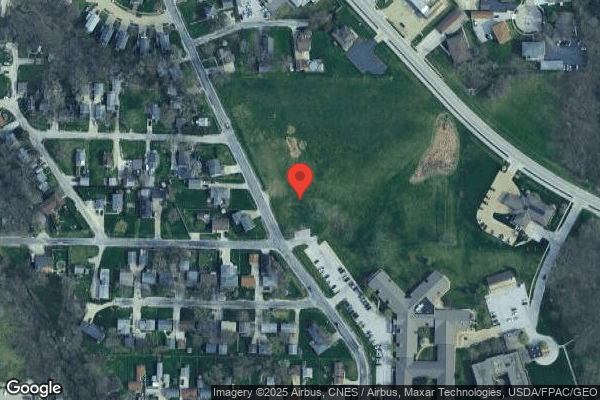
1455 HOSPITAL ROAD, SILVIS, IL 61282 (309) 281-3270
For profit - Limited Liability company 102 Beds WESLEYLIFE Data: November 2025
Trust Grade
40/100
#403 of 665 in IL
Last Inspection: March 2025

Within standard 12-15 month inspection cycle. Federal law requires annual inspections.

Overview

Silvis Center for Nursing Rehab & Care has a trust grade of D, which indicates below-average performance and some concerns about the quality of care. Ranking #403 out of 665 facilities in Illinois places them in the bottom half, while they are #4 of 9 in Rock Island County, meaning only three local options are better. The facility's trend is worsening, with issues increasing from 7 in 2024 to 9 in 2025. Staffing is a concern, as they received 1 out of 5 stars for staffing, but they have a low turnover rate of 0%, which is significantly better than the state average of 46%. Although there have been no fines, two serious incidents were noted, including a failure to monitor a resident's weight properly, resulting in hospitalization, and a failure to provide a necessary BiPAP machine, leading to respiratory failure. Additionally, there were issues with recording resident council meeting minutes, which could affect all residents by not addressing their concerns.

Trust Score
D
40/100
In Illinois
#403/665
Bottom 40%
Safety Record
Moderate
Needs review
Inspections
Getting Worse
7 → 9 violations
Staff Stability
○ Average
Turnover data not reported for this facility.
Penalties
✓ Good
No fines on record. Clean compliance history, better than most Illinois facilities.
Skilled Nurses
○ Average
Each resident gets 34 minutes of Registered Nurse (RN) attention daily — about average for Illinois. RNs are the most trained staff who monitor for health changes.
Violations
⚠ Watch
21 deficiencies on record. Higher than average. Multiple issues found across inspections.
★★☆☆☆
2.0
Overall Rating
★☆☆☆☆
1.0
Staff Levels
★★☆☆☆
2.0
Care Quality
★★★☆☆
3.0
Inspection Score
Stable
2024: 7 issues
2025: 9 issues

The Good

  • Full Sprinkler Coverage · Fire safety systems throughout facility
  • No fines on record

Facility shows strength in fire safety.

The Bad

2-Star Overall Rating

Below Illinois average (2.5)

Below average - review inspection findings carefully

Chain: WESLEYLIFE

Part of a multi-facility chain

Ask about local staffing decisions and management

The Ugly 21 deficiencies on record

2 actual harm
May 2025 3 deficiencies 2 Harm
SERIOUS (G) 📢 Someone Reported This

A family member, employee, or ombudsman was alarmed enough to file a formal complaint

Actual Harm - a resident was hurt due to facility failures

Quality of Care (Tag F0684)

A resident was harmed · This affected 1 resident

**NOTE- TERMS IN BRACKETS HAVE BEEN EDITED TO PROTECT CONFIDENTIALITY** Based on observation, interview, and record review the facility failed to ensure daily weights were completed as ordered for a r...

Read full inspector narrative →
**NOTE- TERMS IN BRACKETS HAVE BEEN EDITED TO PROTECT CONFIDENTIALITY** Based on observation, interview, and record review the facility failed to ensure daily weights were completed as ordered for a resident with congestive heart failure and failed to identify an increase in weight for a resident with congestive heart failure for 1 of 3 residents (R1) reviewed for weights in the sample of 9. This failure resulted in R1's weight not being monitored appropriately, changes not being communicated with the physician, and R1 being transferred to the acute care hospital for treatment of congestive heart failure exacerbations on 4/3/25 and 4/10/25. The findings include: R1's face sheet showed she was admitted to the facility on [DATE] with diagnoses to include acute diastolic congestive heart failure, chronic obstructive pulmonary disease with acute exacerbation, need for assistance with personal care, acute and chronic respiratory failure with hypoxia, primary pulmonary hypertension, other forms of dyspnea, obstructive sleep apnea, and anxiety disorder. R1's facility assessment dated [DATE] showed she has severe cognitive impairment and requires substantial to maximum assist of staff for most cares. On 5/2/25 at 1:08 PM, R1 said, . The daily weights have not happened the way I want it to. Since I've been here it has not hardly been done at all. The fluid content in my body has to be monitored. I used to weigh myself every day at home . R1's 2/3/25 hospital discharge orders showed, . Discharge Plan . Reason for admission: CHF (Congestive Heart Failure) exacerbation . Instructions for Patients with Heart Failure: Please weigh daily (with the same scale and at the same time each day if possible) . Report weight gain of 3 lbs in 1 day or 5 lbs in 1 week to cardiologist . R1's weight under the vitals tab in the electronic record showed on 2/3/25 she weighed 210 lbs (pounds). R1's February 2025 eMAR (electronic Medication Administration Record) showed an order start date of 2/4/25 for Daily weight due to CHF one time a day. Report a weight gain of greater than 3 pounds in 1 day . R1's weight was documented on this eMAR on 2/4/25 as 216.5 lbs (a weight gain of 6.5 lbs in one day). R1's medical record showed no evidence of notification to her physician on 2/4/25 of the 6.5 lbs weight gain. R1's 2/5/25 nursing note entered at 2:37 PM showed, Possible admission to hospital. Currently on 2 liters of oxygen and COVID positive . R1's record showed she remained in the acute care hospital until 2/18/25. R1's 2/18/25 hospital discharge orders showed, . Discharge Plan . Acute bronchitis with COPD . COVID-19 . Hypoxia . Instructions for Patients with Heart Failure: Please weigh daily (with the same scale and at the same time each day if possible) . Report weight gain of 3 lbs in 1 day or 5 lbs in 1 week to cardiologist . R1's census showed she was present in the facility from 2/18/25 through 2/25/25. R1's eMAR showed an order started 2/19/25 for Daily weights x 3, Weekly weight x 4, monthly weight . No order was entered to reflect daily weights. R1's record showed weights documented 2/19/25 as 186, 2/20/25 as 186, and 2/21/25 as 185.6. No weights were documented for 2/22/25, 2/23/25, 2/24/25 or 2/25/25 due to the incorrect order being entered. R1's record showed she remained in the acute care hospital from [DATE] through 3/5/25. R1's 3/5/25 hospital discharge orders showed, Discharge Plan: . Instructions for Patients with Heart Failure: Please weigh daily (with the same scale and at the same time each day if possible) . Report weight gain of 3 lbs in 1 day or 5 lbs in 1 week to cardiologist . R1's census showed she was present in the facility from 3/5/25 through 4/3/25. R1's eMAR showed an order start date of 3/6/25 for Daily weights x 3, Weekly weight x 4, monthly weight . No order was entered to reflect daily weights until 3/27/25. R1's record showed her weight documented 3/6/25 as 185.6 lbs, 3/7/25 as 201.4 lbs, and 3/8/25 as 204.1 lbs. R1's medical record showed no evidence of notification to the physician of her weight change 3/7/25. No weights were documented from 3/9/25 through 3/26/25 due to the incorrect order being entered. No daily weights were entered 4/1/25, 4/2/25, or 4/3/25. R1's 4/3/25 nursing note entered at 9:48 AM showed, Patient resting in bed with eyes closed. Had to sternal rub to wake her up. Did respond to verbal stimuli but would not stay awake. Blood pressure 88/48 pulse ox 90 % on room air, appears short of breath, using accessory muscles. Notified [R1's doctor], okay to send to emergency department for evaluation and treatment . R1's record showed she remained in the acute care hospital from [DATE] through 4/7/25. R1's 4/7/25 hospital discharge orders showed, . Hospital Course: . presented to the hospital with worsening shortness of breath and cough. admitted for acute CHF and was requiring 2L of O2 throughout the day, rather than only at night. She was diuresed with intravenous Lasix and transitioned back to oral Lasix, her dyspnea (difficulty breathing) resolved . Discharge Plan: . Instructions for Patients with Heart Failure: Please weigh daily (with the same scale and at the same time each day if possible) . Report weight gain of 3 lbs in 1 day or 5 lbs in 1 week to cardiologist . R1's census showed she was in the facility from 4/7/25 through 4/10/25. One weight was documented between 4/7/25 and 4/10/25. 1 of 3 weights completed as ordered. R1's 4/10/25 nursing note entered at 11:47 AM showed, Call placed to [R1's Physician], reviewed current assessment findings of increased confusion . Respirations 32 utilizing abdominal accessory muscles with spO2 98% on 2L per nasal cannula, lung sounds with expiratory wheezing . Guest will open eyes with verbal and tactile stimulation for short periods. New order received for Albuterol Nebulizer treatment one time, reassess after nebulizer treatment and call report back to [R1's Physician]. R1's 4/10/25 nursing note entered at 12:18 PM showed, Call placed to [R1's Physician], reviewed assessment. New order received to send to [acute care hospital] for respiratory distress. R1's 4/17/25 hospital discharge orders showed, . Hospital Course: . presented with dyspnea and was admitted with acute on chronic respiratory failure secondary to CHF exacerbation and metabolic encephalopathy . Discharge Plan: . Instructions for Patients with Heart Failure: Please weigh daily (with the same scale and at the same time each day if possible) . Report weight gain of 3 lbs in 1 day or 5 lbs in 1 week to cardiologist . R1's census showed she has been in the facility from 4/17/25 through current. R1's eMAR shows from 4/18/25 through 4/30/25 there were 5 daily weights not completed as ordered. R1's care plan initiated 4/24/25 showed R1 has Congestive Heart Failure but did not include information regarding daily weights or physician notification of weight changes. On 5/6/25 at 11:25 AM, V4 RN (Registered Nurse) said daily weights are important for monitoring residents with CHF to monitor how their heart is functioning and identify when they are retaining fluid. On 5/6/25 at 3:40 PM, V2 DON (Director of Nursing) said, This is considered an order for daily weights. I expect daily weights to be done daily to monitor for fluid overload. Typically, if there is an order for parameters, usually weight gain over 3 lbs in one day we would contact [R1's Physician] so she can evaluate if there should be a need for a fluid restriction, add or change a diuretic, or possibly the need to be seen. Daily weights are important for monitoring the fluid for people with CHF because if there is too much fluid they can go into cardiac arrest especially with quick fluctuations. On 5/6/25 at 12:49 PM, V7 (R1's Physician) said she has concerns with the facility completing daily weights. V7 said she is frustrated because she sees R1 every week for the most part and tries to communicate with the facility staff. V7 said part of the problem she feels is that the staff are always changing so there is not the follow through with the orders. V7 said she has expected to receive updates on R1's weights including notification of significant changes as the parameters on R1's record shows. V7 said she has received R1's weights one time since she was admitted to the facility. V7 said R1 has CHF which is the reason she is on daily weights. The daily weights monitor for fluid retention and the need to modify her medications and diuretics. V7 said she would expect them to have given me her weights so she could adjust R1's medications and possibly prevent her from having to go to the hospital. The facility's weight policy was obtained but did not include daily weights. On 5/6/25 at 3:40 PM, V2 DON said the facility does not have a policy regarding care of residents with Congestive Heart Failure or have a policy related specifically to daily weights. V2 said the order for daily weights would be expected to be completed as all other physician orders are.
SERIOUS (G) 📢 Someone Reported This

A family member, employee, or ombudsman was alarmed enough to file a formal complaint

Actual Harm - a resident was hurt due to facility failures

Respiratory Care (Tag F0695)

A resident was harmed · This affected 1 resident

**NOTE- TERMS IN BRACKETS HAVE BEEN EDITED TO PROTECT CONFIDENTIALITY** Based on observation, interview, and record review the facility failed to ensure a resident with an order for a BiPAP (Bilevel P...

Read full inspector narrative →
**NOTE- TERMS IN BRACKETS HAVE BEEN EDITED TO PROTECT CONFIDENTIALITY** Based on observation, interview, and record review the facility failed to ensure a resident with an order for a BiPAP (Bilevel Positive Airway Pressure) machine was provided one for 1 of 3 residents (R1) reviewed for respiratory devices in the sample of 9. This failure resulted in R1 being hospitalized for respiratory failure due to not using BiPAP machine. The findings include: R1's face sheet showed she was admitted to the facility on [DATE] with diagnoses to include acute diastolic congestive heart failure, chronic obstructive pulmonary disease with acute exacerbation, need for assistance with personal care, acute and chronic respiratory failure with hypoxia, primary pulmonary hypertension, other forms of dyspnea, obstructive sleep apnea, and anxiety disorder. R1's facility assessment dated [DATE] showed she has severe cognitive impairment and requires substantial to maximum assist of staff for most cares. On 5/6/25 at 10:45 AM, V12 (R1's Power of Attorney) said R1 had a CPAP prescribed at home and they were in the middle of getting her settings readjusted when she went into the hospital. V12 said they took R1's home CPAP machine to the facility for use with the settings she was using at home. V12 said coming out of the hospital on 4/17/25 there was an order for a BiPAP because she was doing well on a BiPAP in the hospital. V12 said he was concerned that the facility did not have the BiPAP available until 4/22/25 (5 days after R1 returned from the hospital) which caused her to have marked difficulty with disorientation, cognitive ability, and sleep patterns . R1's 2/3/25 hospital discharge orders showed, Durable Medical Equipment (DME)(CPAP) See instructions: BiPAP at 14/7, mask and supplies . R1's 2/3/25 Admission/readmission Screener assessment showed no oxygen used and showed no information regarding R1 wearing a CPAP or BiPAP at night. R1's census showed she went back to the acute care hospital 2/5/25 and was readmitted to the long term care facility 2/18/25. R1's 2/18/25 hospital discharge orders showed, Durable Medical Equipment (DME)(CPAP) See instructions: BiPAP at 14/7, mask and supplies . R1's 2/18/25 Admission/readmission Screener assessment showed no oxygen was used and no CPAP or BiPAP was used. R1's February 2025 eMAR (electronic Medication Administration Record) and eTAR (electronic Treatment Administration Record) showed no orders for applying either a CPAP or a BiPAP at night. R1's census showed she went back to the acute care hospital 2/25/25 and was readmitted to the long term care facility 3/5/25. R1's 3/5/25 hospital discharge orders showed, Durable Medical Equipment (DME)(CPAP) See instructions: BiPAP at 14/7, mask and supplies . R1's 3/5/25 Admission/readmission Screener assessment showed no information related to R1's oxygen use, CPAP, or BiPAP use. R1's March 2025 eMAR showed an order started 3/5/25 for CPAP worn at night- 14/7, every night related to sleep apnea . Between 3/5/25 and 3/31/25, there was documentation of 6 nights which R1 did not wear her CPAP. R1's census showed she went back to the acute care hospital 4/3/25 and returned to the facility 4/7/25. R1's 4/7/25 hospital discharge orders showed, Durable Medical Equipment (DME)(CPAP) See instructions: BiPAP at 14/7, mask and supplies . R1's 4/7/25 Admission/readmission Screener assessment showed R1 was wearing oxygen at 2 LPM and had neither a CPAP or a BiPAP. R1's April 2025 eMAR showed no order for CPAP or BiPAP entered upon R1's return to the facility 4/7/25. R1's census showed she went back to the acute care hospital 4/10/25 and returned to the long term care facility 4/17/25. R1's 4/17/25 hospital discharge orders showed, Durable Medical Equipment (DME)(CPAP) See instructions: BiPAP at 14/7, mask and supplies . Hospital Course: was admitted with acute on chronic respiratory failure secondary to CHF exacerbation and metabolic encephalopathy. Respiratory failure due to noncompliance with diet and not using BiPAP. Family initially wanted a different skilled nursing facility but are now agreeable to go back to where she came from. She is requiring 2L of oxygen and is supposed to be on BiPAP at night. Patient has not been compliant with this, and long discussions have been had with her daughter regarding continuing current treatment she encouraged her mom to be compliant with BiPAP . Strongly recommend complying with BiPAP at night or patient is at risk for readmission . R1's 4/17/25 Admission/readmission Screener assessment showed R1 using oxygen but indicated no for CPAP/BiPAP. R1's care plan initiated 4/24/25 (the first indication in R1's care plan of BiPAP use) showed, The resident utilizes a BiPAP related to Obstructive Sleep Apnea . The resident intermittently refuses to wear BiPAP as prescribed, placing them at risk for respiratory complications such as hypoxia, fatigue, and poor sleep quality . Use BiPAP as scheduled. R1's April 2025 eMAR showed an order started 4/17/25 for BiPAP at night- bilevel 14/7. The facility provided a receipt showing a BiPAP machine was delivered by their Durable Medical Equipment provider on 4/22/25. R1's same eMAR showed R1 has refused wearing the BiPAP 4 times between 4/17/25 and 4/30/25 and being compliant with wearing the BiPAP 10 nights. On 5/6/25 at 12:49 PM, V7 (R1's Physician) said, [R1] had been on BiPAP in the past in the hospital. She historically had not wanted to wear her CPAP when she was at home. Since she has been at the facility, she has not been wearing it. In part, she has hesitation to wear it, but it's only been the last week that her BiPAP was even there for her to use . Based off of the orders she had coming from the hospital she should have had the BiPAP starting all the way back 2/3/25 when she first admitted . I think the reason it was done now after this admission is there was more detail in the discharge because there was a conversation about hospice. I think it was a more forceful conversation that she has to have the BiPAP or she is not going to make it. For her, the BiPAP is very important . On 5/6/25 12:06 PM, V2 DON (Director of Nursing) said, [R1] had a CPAP at home that she was noncompliant with it . We tried to encourage her to use her CPAP, but it was hit or miss. She brought it from home when she was admitted . She went back to the hospital and when she returned to us, they changed her to a BiPAP on her last hospitalization . The family is aware that she has a lot of reasons she doesn't like wearing it. Not sure the reason, just uncomfortable. The BiPAP was delivered 4/22/25. We are fine tuning DME process. Typically, the equipment is here within a couple of days. I think the ordering of this fell on a holiday weekend and it ended up being several more days. [V7] (R1's physician) was fine with her using her CPAP until the BiPAP arrived. [Reviewing the documents from the hospital] it clearly looks like the order was for BiPAP all along (from 2/3/25) so I don't know why there was confusion . It is here and set to 16/6 which is the correct setting. I would have expected them to clarify what she was supposed to have based on the orders we received. We should have known exactly what the settings were, and it should have been on the eMAR. The facility's policy and procedure with review date of 5/6/2025 showed, Policy for CPAP/BiPAP . BiPAP provides continuous positive pressure to the airways of spontaneously breathing residents . Purpose: to augment breathing . to treat sleep disorders . to correct arterial hypoxemia . to decrease work of breathing . to increase compliance .
CONCERN (E) 📢 Someone Reported This

A family member, employee, or ombudsman was alarmed enough to file a formal complaint

Potential for Harm - no one hurt, but risky conditions existed

Deficiency F0725 (Tag F0725)

Could have caused harm · This affected multiple residents

**NOTE- TERMS IN BRACKETS HAVE BEEN EDITED TO PROTECT CONFIDENTIALITY** Based on observation, interview, and record review the facility failed to ensure sufficient staffing to provide dependent reside...

Read full inspector narrative →
**NOTE- TERMS IN BRACKETS HAVE BEEN EDITED TO PROTECT CONFIDENTIALITY** Based on observation, interview, and record review the facility failed to ensure sufficient staffing to provide dependent residents with cares for 5 of 5 residents (R4, R6, R7, R8, R9) reviewed for staffing in the sample of 9. The findings include: 1. R4's face sheet showed she was admitted to the facility 3/11/21 with diagnoses to include hemiplegia and hemiparesis following cerebral infarction, Type 2 Diabetes, hypertensive heart disease, congestive heart failure, major depressive disorder, osteoarthritis, and generalized anxiety disorder. R4's facility assessment dated [DATE] showed she has no cognitive impairment. This same assessment showed R4 is occasionally incontinent of bowel of bladder. On 5/6/25 at 2:23 PM, R4 was in her wheelchair sitting in the hallway. R4 said, Last night they only had 3 CNAs and 1 nurse. The nurses rarely help at night. My call light takes an hour or more most of the time. I have accidents all the time while I'm waiting for them to answer my call light to help me to go to the bathroom and it makes me feel degraded and humiliated. I hate it. I don't think it is fair. They will tell me, 'sorry but you are not the only one in here.' Call lights are not their priority. I'm the resident council president and we discuss call light wait times and staffing in every meeting. I'm really tired of this. 2. R6's face sheet showed she was admitted to the facility 3/26/25 with diagnoses to include nondisplaced fracture of left femur, atrial fibrillation, hypertensive heart and chronic kidney disease with heart failure, congestive heart failure, hyperlipidemia, lack of coordination, and anxiety disorder. R6's facility assessment dated [DATE] showed she has moderate cognitive impairment, is dependent on staff for toileting needs, and is frequently incontinent of urine. On 5/6/25 at 1:44 PM, R6 said it takes staff between 30 minutes to an hour to answer her call light. R6 said she uses her call light because she needs to be changed because she is incontinent. R6 said she had not been changed since staff were in her room this morning to get her up for the day. R6's call light was on. R6 had a visitor in the room with her and they stated the call light had already been on for over 20 minutes at the time the surveyor entered the room. R6's call light was observed being answered at 1:50 PM. 3. R7's face sheet showed she was admitted to the facility 3/17/25 with diagnoses to include end stage renal disease, chronic respiratory failure, chronic obstructive pulmonary disease, acute respiratory failure with hypoxia, muscle wasting and atrophy, rheumatoid arthritis, weakness, depression, and dependence on renal dialysis. R7's facility assessment dated [DATE] showed she has no cognitive impairment, requires substantial to maximum assist with toileting, and is frequently incontinent. On 5/6/25 at 1:18 PM, R7 was frail appearing and sitting in her chair with oxygen in place. R7 said it takes staff at least 30 minutes to answer her call light when she needs to get up to go to the bathroom or get up into her chair. R7 said she has urinated in her brief waiting for assistance, and she does not like that, but she knows the staff have other people to take care of too. 4. R8's face sheet showed he was admitted to the facility 5/1/25 with diagnoses to include aftercare following joint replacement surgery, rheumatoid arthritis, polyneuropathy, hypertension, and disorders of bladder. On 5/6/25 at 1:35 PM, R8 was laying in his bed with his right foot and leg completed wrapped in bandages. R8 had a urinal at bedside. R8 said he is not able to bear weight on his right leg due a surgery. R8 said he is sorry to have to tell the surveyor this, but he uses the urinal and turns on his call light to have it emptied. R8 said he unfortunately gives up in regard to having the light answered and he has to dump the urinal in the trash can near the bed in order to be able to use it again. 5. R9's face sheet showed he was admitted to the facility 5/1/25 with diagnoses to include Type 2 Diabetes, hypertensive heart disease and chronic kidney failure, repeated falls, and depression. On 5/6/25 at 1:45 PM, R9 was in the bathroom with V10 (R9's spouse). V10 exited the bathroom to talk with the surveyor. V10 said R9's stay at the facility is not going well. V10 said R9 arrived last Thursday and requires assistance to get into and out of the bathroom. V10 said R9 waits over 30 minutes to have his call light answered to go to bathroom consistently and often wets himself before they can get to him. On 5/6/25 at 2:40 PM, V6 LPN (Licensed Practical Nurse) was near the nursing station preparing medications for R8. R8's MAR (Medication Administration Record) was open and showed he was due to receive hydrocodone at 12:00 PM and Gabapentin scheduled at 1:00 PM. R8's hydrocodone was administered 1 hour and 40 minutes outside of the scheduled time and his Gabapentin was administered 40 minutes outside of the scheduled time. V6 said the first shift nurse did not finish the lunch medication pass prior to shift change. The facility's resident council meeting minutes for February 2025 showed, Nursing: 2 residents said they had received their medication late, and 2 other residents said they had received double doses of medicine within two hours of each other . Administration: Residents raised concerns about CNA staffing. 11 out of 11 residents at the council said they feel there is not enough staff to help with care. [The facility staff member at the meeting] informed them that they meet the minimum staffing requirements and that he will bring this issue up to the administrator . Therapy: 3 of the residents at the council said they are not getting enough restorative therapy because the aide is being pulled to the floor. The facility's resident council meeting minutes for March 2025 showed, . Nursing: Residents said call lights are being turned off before their needs are met. They would like them to be left on until their needs are met. 6 out of the 12 residents at the council said they hadn't received a shower. [Staff member in the meeting] then asked the group if they hadn't had a shower in more than a week, the residents said yes . The facility's resident council meeting minutes for April 2025 showed, . they noted that call light wait times are longer than an hour and a half. When CNAs enter the rooms, they turn off the call lights and leave before providing help. The residents reported that CNAs often tell them, 'I'll be back in a minute.' and that this issue is especially bad during the 3rd shift . On 5/6/25 at 2:00 PM, V8 CNA (Certified Nursing Assistant) said some days are better than others but often they do not have time to get to everyone. There is often not enough time to get showers done. V8 said they used to have 3 CNAs and 2 nurses on their assignment, but they have switched to 1 nurse and due to call offs, there are often only 2 CNAs. V8 said with only one nurse they can't help out because they are passing medications for most of their shift. V8 said the skilled unit is high acuity and they have many residents who require 2 assist so they are often looking for help. On 5/6/25 at 12:48 PM, V7 (Physician) said, There is a different staff member there every time I go there, I have tried to contact the DON in the past with no luck. The communication with them is not good . the staffing there is not ideal. When I was there one of the last times, the nurse told me she was the only nurse available. When my office calls the facility, they often might not be able to get anyone to answer the phone. I have one patient there and she is not there anymore, I will no longer be following my patients there because they can't tell me what is going with the patient. The last 2 times I have seen my patient there she has been in bed, wearing a hospital gown, and she should be up and dressed because I'm usually there between 1:30 PM and 2:00 PM. On 5/6/25 at 3:40 PM, V2 DON (Director of Nursing) said she is aware they have had complaints regarding call lights not being answered timely. V2 said the call lights came up in their annual survey. V2 said this is something they are working hard at changing. V2 said she feels the delay in answering call lights is a culture change because when the facility changed hands nursing ratios were cut back and management roles were added. The whole change process is difficult. V2 said she expects lunch medications to be passed within the allotted time frames, one hour before and one hour after their scheduled time. V2 said she has spoken with the nurse managers about monitoring the medication administration records around 11:30 AM to ensure the nurses are on track with their medication pass. V2 said they have plenty of nurse managers around that can help out if the floor nurse is struggling to get tasks done. The facility's call light policy with revision date 3/27/19 showed, . All staff responds promptly when the call system is activated. The facility's policy and procedure with review date 5/6/25 showed, Medication Administration . Medications must be prepared and administered within one hour of the designated time or as ordered .
Mar 2025 4 deficiencies
CONCERN (D)

Potential for Harm - no one hurt, but risky conditions existed

Deficiency F0583 (Tag F0583)

Could have caused harm · This affected 1 resident

Based on observation, and interview, the facility failed to ensure resident privacy was protected by not closing the door, during nursing care, for one resident (R262) of 16 residents (R5, R8, R18, R2...

Read full inspector narrative →
Based on observation, and interview, the facility failed to ensure resident privacy was protected by not closing the door, during nursing care, for one resident (R262) of 16 residents (R5, R8, R18, R20, R21, R34, R35, R39, R40, R45, R268, R312, R313, R314, and R315), reviewed for privacy, in a total sample of 29. FINDINGS INCLUDE: On 03/18/25, at 12:00 p.m., while standing in the hallway by R262's room door, the State Agency observed R262's door to be open. R262 was heard vomiting and complaining to V4/Licensed Practical Nurse that her stomach was hurting. V5/R262's Daughter was standing in the hallway by R262's door. On 03/18/25, at 12:00 p.m., V5 stated, The door should be closed. On 03/18/25, at 12:03 p.m., at 12:03 V4 came out of R262's room. When asked about R262's door being open and R262 being heard in the hallway vomiting and complaining about pain, V4 stated, [the door] should have been closed for privacy.
CONCERN (D)

Potential for Harm - no one hurt, but risky conditions existed

Deficiency F0692 (Tag F0692)

Could have caused harm · This affected 1 resident

Based on record review and interview the facility failed to reweigh a resident after a significant change for one resident (R8) of three residents reviewed for weight change in a total sample of 29. ...

Read full inspector narrative →
Based on record review and interview the facility failed to reweigh a resident after a significant change for one resident (R8) of three residents reviewed for weight change in a total sample of 29. Findings Include: R8's Medical Record documents her weight on 11/3/24 as 125.8 pounds. R8's Medical Record documents her weight to be 173 pounds on 11/22/24 and again on 12/1/24. R8's Progress Note dated 12/27/24 documents that the Registered Dietician did not make any new recommendations for R8's diet because she questioned the accuracy of the weight. Registered Dietician documented This weight was possibly done with her wheelchair. On 3/19/25 at 2:25 PM V2 (Director of Nursing) stated (R8) did not have any significant weight gain. She should have been reweighed after the 11/22/24 weight of 173. We have no specific policy to say that, but good nursing judgement should have told (staff) that (R8) did not gain almost 50 pounds in one month.
CONCERN (D)

Potential for Harm - no one hurt, but risky conditions existed

Medication Errors (Tag F0758)

Could have caused harm · This affected 1 resident

Based on record review and interview the facility failed to attempt a gradual dose reduction of a psychotropic medication for one resident (R39) of five residents reviewed for unnecessary medications ...

Read full inspector narrative →
Based on record review and interview the facility failed to attempt a gradual dose reduction of a psychotropic medication for one resident (R39) of five residents reviewed for unnecessary medications in a total sample of 29. Findings Include: The Facility's Psychotropic Drugs Usage policy dated 11/2017 documents Psychotropic drug use is based upon the comprehensive assessment of the resident. Psychotropic medications are given as necessary to treat a specific condition that is diagnosed and documented. Residents receiving psychotropic medications will have gradual dose reductions and behavioral interventions implemented unless contraindicated. The Facility's Psychotropic Drugs Usage policy dated 11/2017 documents Dosage reduction of antipsychotics, anxiolytics, and hypnotics are attempted per CMS guidelines unless clinically contraindicated. The physician weighs the risk versus the benefit and documents it in the medical record if the gradual dose reduction is causing an adverse effect on the resident or is deemed a failure, the gradual dose reduction is discontinued. Documentation of this decision and the reason for it are included in the clinical record. R39's Physician Order Sheet documents 06/22/2023 Olanzapine (antipsychotic) 12.5 mg (milligrams) every day for Schizoaffective type Bipolar. R39's Medical Record did not include any documentation of any attempts to gradually reduce R39's Olanzapine since 06/22/2023. On 6/20/25 at 2:00 PM V1 (Registered Nurse/Administrator) stated that she is the person currently responsible for the facility's psychotropic medication program. V1 confirmed that R39 had not had any gradual dose reductions since 2023. V1 confirmed that CMS guidelines would have been to attempt a gradual dose reduction every year so R39 should have at least one GDR (gradual dose reduction) done by July 2024 or documentation of why we don't think it should be done. V1 confirmed neither documentation was available for R39.
CONCERN (F)

Potential for Harm - no one hurt, but risky conditions existed

Deficiency F0565 (Tag F0565)

Could have caused harm · This affected most or all residents

Based on record review and interview the facility failed to only allow residents in the resident council meeting, failed to record attendance at resident council meeting minutes, failed to identify re...

Read full inspector narrative →
Based on record review and interview the facility failed to only allow residents in the resident council meeting, failed to record attendance at resident council meeting minutes, failed to identify residents who had concerns during resident council meeting minutes and failed to resolve concerns voiced in the resident council meeting. These failures have the potential to affect all 62 residents who currently reside in the facility. Findings Include: The Illinois Long Term Care Ombudsman Resident Council Tool Kit for Staff Liaison documents A resident council is an independent group of long term care facility residents who typically meet at a minimum of once a month to discuss concerns and suggestions in the facility and to plan activities that are important to them. Resident Councils are structured in various ways, but usually every resident living in a facility is an automatic member of the council. All grievances raised during the meeting should be recorded in the minutes. Responses to grievances should be received in a timely manner as indicated in the facility's grievance policy. Responses should be specific and should be reflected in subsequent minutes. The Illinois Long Term Care Ombudsman Program Resident Council Tool Kit for Staff Liaison documents Families and friends of residents who live in the community retain the right to form family councils. If there is a family council in the facility, or if one is formed at the request of family members or the ombudsman, a facility shall make information about the family council available to all current and prospective residents, their families and their representatives. The information shall be provided by the family council, prospective members or the ombudsman. The Facility's Resident Council Minutes dated 4/6/24 document We had 14 residents at council. Also in attendance were two family members. The Resident Council Minutes did not document the names of anyone present other than V8 (Activity Director). The Facility's Resident Council Minutes dated 5/2/24 document Environmental Services: sides of toilets not being cleaned and wiped down. 3 out of 6 residents had this problem. The Resident Council Minutes did not document the names of the residents with this concern or what the plan was to address this concern. The Resident Council Minutes for the next month dated 6/6/2024 did not document any resolution to this concern. The Facility's Resident Council Minutes dated 5/2/24 document We had 6 residents at council. Also in attendance was the food and nutrition director. The Resident Council Minutes did not document the names of any of the residents at the meeting, nor did the minutes address the reasoning for the food and nutrition director in the meeting or who invited that person. The Facility's Resident Council Minutes dated 6/6/24 document Maintenance: sink was making a noise in two of the resident's rooms. The Resident Council Minutes do not document which residents had this concern or what the plan was to address the concern. The Facility's Resident Council Minutes for the next month dated 7/11/24 does not document any resolution to this concern. The Facility's Resident Council Minutes dated 6/6/24 documents We had 8 residents at council. The minutes do not identify the name of any of the residents present. The Facility's Resident Council Minutes dated 7/11/24 documents We had 5 residents at council. Also in attendance was the ombudsman, the food and nutrition director and the head chef. The minutes do document the names of any of the residents present. The minutes do not document the name or the reasoning for the food and nutrition director and the head chef to be in the meeting, nor who invited them. The Facility's Resident Council Minutes dated 8/1/24 document Environmental Services: All 7 residents at the council said their floor needs to be scrubbed; Nursing: All 7 residents at the council said they are concerned about the CNA's long nails. Both concerns had (V8/Activity Director) will write up grievance form and submit to the appropriate department. The Resident Council Minutes did not identify the names of which residents had concerns. The next months Resident Council Minutes dated 9/5/24 do not document any resolution to these concerns.
Feb 2025 1 deficiency
CONCERN (E) 📢 Someone Reported This

A family member, employee, or ombudsman was alarmed enough to file a formal complaint

Potential for Harm - no one hurt, but risky conditions existed

Pharmacy Services (Tag F0755)

Could have caused harm · This affected multiple residents

**NOTE- TERMS IN BRACKETS HAVE BEEN EDITED TO PROTECT CONFIDENTIALITY** Based on interview and record review the facility failed to ensure medications were administered timely to 5 of 5 residents (R1-...

Read full inspector narrative →
**NOTE- TERMS IN BRACKETS HAVE BEEN EDITED TO PROTECT CONFIDENTIALITY** Based on interview and record review the facility failed to ensure medications were administered timely to 5 of 5 residents (R1-R5) reviewed for medication administration in the sample of 5. The findings include: 1. R1's facility assessment dated [DATE] show R1 has no cognitive impairment. On 2/6/25 at 10:20 AM, R1 was alert in bed. R1 said there has been changes lately. R1 said he used to get his morning meds by 7:30 AM. Now it's been very late. Review of R1's medication administration record (MAR) dated 2/1/25 documents: -R1's Carvedilol tablet 25 mg 1 tablet for hypertension twice daily (BID) to be given at 8AM, 8PM. R1's Carvedilol 8AM dose was given at 12:14 PM. (more than four hours late.) -Doxazosin tablet 4 mg for hypertension BID to be given at 8AM, 8PM. R1's Doxazosin 8AM dose was given at 12:14 PM. (more than four hours late.) -Furosemide tablet for swelling BID 8AM-8PM. R1's 8AM morning dose was given at 12:14 PM. (more than four hours late.) 2. R2's facility assessment dated [DATE] show R2 has no cognitive impairment. On 2/6/25 at 10:30 AM, R2 was alert in bed. R2 said last weekend her medications were given late. Review of R2's MAR dated 2/1/25 documents: -Gabapentin 100 mg 1 capsule BID for neuropathy, 8AM, 8PM. R2's Gabapentin 8AM dose was given at 12:06 PM. (more than four hours late.) -Eliquis 5mg 1 tablet BID to prevent blood clot to be given at 8AM, 4PM. R2's Eliquis 8AM dose was given at 12:06PM. (more than four hours late.) 3. R3's facility assessment dated [DATE] show R3 is alert and able to verbalize her needs. On 2/6/25 at 10:10 AM, R3 was in bed with her oxygen on. R3 said medications are late, it just depends when they get to you. Review of R3's (MAR) dated 2/1/25 documents: - Fluticasone and salmeterol inhaler for chronic obstructive pulmonary disease to be given BID at 8AM, 4PM. On 2/1/25, R3's inhaler 8AM dose was given at 11:35 AM. (3.5 hours late) 4. R4's facility assessment dated 12/27 shows R4 is alert and able to verbalize her needs. On 2/6/25 at 9:40 AM, R4 was sitting in her wheelchair. R4 said there has been times her medication was given to her late, R4 said she was not in pain but would like her meds timely to anticipate the pain. Review of R4's MAR dated 2/1/25 documents: -R4's Hydrocodone 5/325 mg (pain medication) 1 tab BID to be given 8AM, 8PM. On 2/1/25 R4's Hydrocodone that was due at 8AM was given at 11:55 AM. (almost four hours late) 5. On 2/6/25 at 10 AM, R5 was sitting in her wheelchair in her room. R5 said she was fine; she was waiting for her meds. Review of R5's (MAR) dated 2/1/25 documents: -R5's Alprazolam 0.5 mg BID to be given at 8AM, 4PM for anxiety. On 2/1/25, R5's Alprazolam that was due at 8AM was given at 11:02 AM. (three hours late) -R5's Hydralazine 25 mg 1 tablet TID for hypertension. (8AM, 12 PM and 4PM.) The 8AM dose was given at 10:55 AM. (almost three hours late) -R5's Buspirone 15 mg 1 tablet TID for anxiety. (8AM, 12 PM and 4PM.) R5's 8AM dose was given at 10:55 AM. (almost three hours late) On 2/6/25 at 10:30 AM, V3 (License Practical Nurse- LPN) said she worked last 2/1/25 which was a Saturday. She was one of the morning Nurses in the Skilled Unit. That day there was scheduled two Nurses with 24 residents in the skilled unit. V3 said she called V2 (Director of Nursing DON) around 10AM, when the Agency Nurse that was one of the Nurses in the Long Term Care did not show up. V3 said her and the other Short Term/Skilled Unit Nurse (V4) went to the Long Term and administered morning meds. V3 confirmed the morning meds in the long term unit (where R1-R5 were) were administered late. On 2/6/25 at 12:44 PM. V2 (DON) said on 2/1/25 she gave direction that the Skilled Unit only needs 1 nurse (with only 24 residents) and 2 Nurses in the Long Term Unit. It was almost 11AM when the other Nurse moved to the Long Term. V2 said R1-R5 were all residents in the Long Term Unit and their meds were late. V2 said medications should be given an hour before or an hour after it was due. Medications are important to treat residents' sickness and symptoms. The facility policy entitled Medication Administration (undated) states, All medications are administered safely and appropriately to aid residents to overcome illness, relieve and prevent symptoms and help in diagnosis. 19. If the medication is given at a different time from the scheduled time, update the MAR to reflect administration time. Scheduled medications will be given within an hour window before and after its scheduled and as preferred by resident.
Feb 2025 1 deficiency
CONCERN (E) 📢 Someone Reported This

A family member, employee, or ombudsman was alarmed enough to file a formal complaint

Potential for Harm - no one hurt, but risky conditions existed

Resident Rights (Tag F0550)

Could have caused harm · This affected multiple residents

Based on interview, observation and record review, the facility failed to ensure call lights were responded to in a timely manner for 8 of 8 residents (R1, R2, R3, R8, R9, R10, R12 and R13) reviewed f...

Read full inspector narrative →
Based on interview, observation and record review, the facility failed to ensure call lights were responded to in a timely manner for 8 of 8 residents (R1, R2, R3, R8, R9, R10, R12 and R13) reviewed for improper nursing care in the sample of 13. Findings include: The facility's Call light Policy (revised 03/27/19) documents the following: All staff responds promptly when the call system is activated. On 01/16/25 at 02:30 PM, R1 stated, Sometimes you just have to wait a few moments because they may be helping someone else. They come as soon as they can, but it can be 30 minutes on some days. On 01/16/25 at 02:50 PM, R2 was lying in bed watching television. R2 stated there is ample staff in the building most of the time and added that staff can appear overworked and stressed on days when they seem to have less scheduled, I think it's harder on them if someone can't come to work because they are sick, and it can take longer for staff to respond to call lights on those days. Sometimes if they are busy with someone else, you have to wait your turn. I've waited as long as 30 minutes, or someone has come within 5 minutes. On 01/16/25 at 03:10 PM, R3 was sitting upright in bed watching television with the head of her bed elevated approximately 60 degrees. R3 stated, There has been a big change here. This place was sold a little over a month ago. All of the staff are very nice to me. I have never met such a kind group of people. Sometimes you have to be patient when they are busy. They all work very hard and have a lot of people that rely on them for help. It seems like there used to be another person working. It has taken them quite a bit longer to respond to call lights lately. On 01/30/25 from 01:00 PM - 01:38 PM, R8 was sitting in her wheelchair with a bedside table positioned in front of her. R8 stated, I don't want to be here. I have Lyme's Disease and have to re-learn how to walk. I got it back in 2020 when I was mowing my mom's grass. I had to scrape over 30 ticks off of my ankles and ended up with a huge bullseye rash on my thigh. Recently, I've just had a bad bout and have went downhill fast. R8 then stated that staff, Take too long to answer my light and I think it's disgusting. I was on an antibiotic several weeks ago, and it gave me terrible diarrhea. I had an accident and waited 1 hour and fifty-five minutes for someone to respond. Believe me- I timed how long it took someone to respond. Imagine sitting in diarrhea for that long. That is inexcusable. The call light to R8's room was on at 01:00 PM when this surveyor entered the room, which had been activated by R13 (R8's roommate). An unidentified staff member responded to R13's call light need at 01:17 PM while R8 was being interviewed. On 01/30/25 at 01:34 PM, R13 (R8's roommate) stated, They never come when you turn your light on. You have to wait forever. On 01/30/25 at 02:25 PM, R9 was sitting up in bed wearing non-slip socks. R9 stated she was very hard of hearing. R12 (R9's roommate) spoke up with details to add while an interview was conducted with R9. R9 stated she has been at the facility for 8 years, and verified she recently fell at the facility, I was standing in my room and just went down backwards. (R12) saw me fall and called for help, but no one came. She had to get out of bed, and yell down the hall for someone. R12 then pointed to her nearby call light and added, I hit my light after (R9) fell. I had to get out of bed and yell for help because it takes them so long to come answer your light. It is usually at least 20 minutes before someone comes. On 01/30/25 at 02:40 PM, R10 stated, The service here is terrible. You have to wait forever for someone to come if you need help. If you push your call light you might as well forget it because they do not come. I have waited well over an hour for someone to come. On 01/15/25 at 02:05 PM, V9 (Licensed Practical Nurse) stated the facility has recently cut the staffing numbers following a change in ownership. V9 stated, Staff members are stressed out and overwhelmed at times and have been having a difficult time getting things done. On 01/16/25 at 09:30 AM, V14 (Certified Nursing Assistant) stated the facility recently made staffing changes after the facility changed ownership. V14 stated, They cut the staff hours. It is hard not to fall behind because I feel like we need more staff. It seems like the residents have had to wait longer, and they are not getting the care they were used to. Monthly Resident Council Minutes (dated 11/07/24) document the following: Nursing: Residents at council said their call lights are not being answered in a timely order. On 02/03/25 at 09:40 AM, V2 (Director of Nursing) stated all staff are responsible for responding to a resident's call light and call lights should be answered in a timely manner.
May 2024 6 deficiencies
CONCERN (D)

Potential for Harm - no one hurt, but risky conditions existed

Quality of Care (Tag F0684)

Could have caused harm · This affected 1 resident

**NOTE- TERMS IN BRACKETS HAVE BEEN EDITED TO PROTECT CONFIDENTIALITY** Based on observation, interview and record review, the facility failed to incorporate hospital discharge cervical neck brace and...

Read full inspector narrative →
**NOTE- TERMS IN BRACKETS HAVE BEEN EDITED TO PROTECT CONFIDENTIALITY** Based on observation, interview and record review, the facility failed to incorporate hospital discharge cervical neck brace and skin care instructions into the care plan and treatment plan for one resident (R65) of six residents reviewed for skin care in the sample of 39. Findings include: Facility Policy/Skin Protocol - Prevention and Treatment of Skin Integrity Impairment dated 5/2024 documents: It is the policy of (the facility) to properly identify and assess residents whose clinical conditions increase the risk for impaired skin integrity, and pressure ulcers/pressure injuries, to implement preventative measures, and to provide appropriate treatment modalities for wounds according to (facility) standards of care. The care plan for Skin Integrity is to be initiated, or evaluated and revised based on response, outcome, and needs of the resident. Hospital (Trauma) Instructions dated 4/17/24 at 12:55pm document: Collar/Neck Care: Wear your collar at all times unless your doctor has given other instructions. The only time the collar may be removed is when you are lying flat, without a pillow. Remember not to turn your head. Keep movement of your head and neck to a minimum without the collar on. When you are lying flat, the collar can be removed. The neck can be washed with soap and water. The neck should be washed, and you should look for areas of skin breakdown 2 to 3 times a day. Area of skin breakdown may develop under the chin and over the collar bones. An extra set of collar pads will be provided to protect the skin. Pads should be hand washed daily with soap and water and air dried. Padding may also be used between the collar and any sore spots. Use a soft material like cotton or thin foam pad. Skin Care Under Brace: 2 to 3 times per day have another person help with skin care. Need to keep your head and neck completely still while the brace is open. While laying [SIC] flat, open front half of neck brace. Hold the front of the brace secure while the back is opened. Look at the skin for areas of redness, pressure marks, rash or blisters. Cleanse neck with soap and water, pat dry and then refasten brace. The medical team would prefer that you sponge bath until given permission to shower by your doctor. Physician Order Summary Report dated 5/1/24 to 5/31/24 indicates R65 was admitted to the facility on [DATE] with diagnoses that include Displaced Fracture of Second Cervical Vertebra, Left Pubis Fracture and Multiple Rib Fractures. Report indicates to monitor skin and pressure points under cervical collar every shift for skin breakdown and Cervical collar on at all times every shift for C-2 (Cervical-2) fracture. Treatment Administration Record (TAR) indicates on day shift 5/1, 5/2, 5/7, 5/9, 5/10 and 5/11, 2024 skin checks were not documented as being done. Noted on the wall above bed was the instruction sheet for the cervical neck collar and skin care. At that time, V11, Spouse stated that the instruction sheet came with R65 from the hospital, and it was also posted above R65's bed in the skilled unit. At that time, both V11 and R65 expressed frustration that skin checks were not being done to ensure there is no skin breakdown from the collar. V11 and R65 could only remember twice having R65's skin completely checked. On 5/22/24 at 1:15pm V7, LPN (Licensed Practical Nurse) stated the instruction sheet should have been incorporated into R65's TAR and into R65's care plan when she was in the other unit (skilled nursing unit) and transferred into her current treatment plan. On 5/23/24 at 9:30am V2, DON (Director of Nursing) acknowledged the hospital instruction sheet care instructions should have been included in R65's treatment plan while residing in the skilled nursing unit.
CONCERN (D)

Potential for Harm - no one hurt, but risky conditions existed

Accident Prevention (Tag F0689)

Could have caused harm · This affected 1 resident

Based on record review and interview the facility failed to have all doors alarmed at all times. This failure has the potential to affect all residents who wander (R1, R25, R33, R34, R39, R48 and R54)...

Read full inspector narrative →
Based on record review and interview the facility failed to have all doors alarmed at all times. This failure has the potential to affect all residents who wander (R1, R25, R33, R34, R39, R48 and R54) Findings Include: The Facility's Elopement Precautions Policy dated 4/2023 documents It is the policy of (this facility) to promote safety for all residents and to control potential elopement and wandering of our residents. Resident will be assessed for potential for eloping or wandering upon admission and periodically thereafter, with a minimum of annual evaluations. The resident care team will be advised and the at risk resident will be placed on elopement prevention. The Elopement Precautions policy documents the definition of Elopement as a resident leaving without permission. All residents at risk for elopement will be placed on electronic monitoring unless in a dementia specific household. Resident on electronic monitoring will be fitted with arm or ankle bands or will have clothing fitted with tracking devices. The Interdisciplinary Team will decide which device is most appropriate. The Elopement Precautions policy documents (This facility) has electronic door alarms, which will sound when opened or triggered by a tracking device. These doors must remain activated at all times. The community's plant management department/and or clinical team checks the electronic monitoring system regularly and the department can be contacted at any time team members have concerns. The Facility's Elopement Risk book had pictures and information for the following residents identified as elopement risk: R1, R25, R33, R34, R39, R48 and R54. R39's Elopement Missing Resident Investigation dated 4/30/24 documents that R39 was found outside of the building on the sidewalk in the buildings parking lot. The investigation documents that R39 was fully dressed with jacket and gloves. R39 is quoted as saying he thought he had to go to work. R39 was assisted back inside without any troubles. The Investigation included written statements from staff who report they last saw R39 in his room fully dressed at 4:00 AM which is not unusual for this resident. The investigation documents that the security cameras showed R39 exit his room in his wheelchair and go out the ambulance door at 4:22 AM. Staff members spotted R39 outside and brought him in at 4:24 AM. On 5/22/24 at 1:30 PM V2 (Director of Nursing) stated that she watched the video, and she could see that R39 easily pushed the door open, stated that the door should have needed him to push for 15 seconds consecutively and R39's electronic monitoring bracelet should have also set off the doors, but it didn't. V2 stated I could see him leave with no time delay on the door and when I switch to a different view I could see staff members, they did not react to any noise which they would have if the alarm had sounded. It was clear that the alarm did not go off. V2 provided door monitoring logs for April and May 2024. These logs showed the Ambulance door was not being checked until after R39's elopement. V2 stated, We found out that maintenance was checking all of the doors as they should except that one door because they did not have the key to reset it once the alarm went off. V2 stated I think they quit doing it during COVID. On 5/23/24 at 12:30 PM V1 (Administrator) stated, I still don't know why that alarm didn't work that night (4/30/24, R39's elopement) it worked immediately afterwards and has worked since.
CONCERN (E)

Potential for Harm - no one hurt, but risky conditions existed

Medication Errors (Tag F0758)

Could have caused harm · This affected multiple residents

4) R48's Physician Order Sheet dated May 2024 documents a diagnosis of Bipolar Disorder current episode manic without psychotic features, depressive episodes, anxiety disorder and schizoaffective diso...

Read full inspector narrative →
4) R48's Physician Order Sheet dated May 2024 documents a diagnosis of Bipolar Disorder current episode manic without psychotic features, depressive episodes, anxiety disorder and schizoaffective disorder. R48's Physician Order Sheet dated May 2024 documents that R48 takes Quetiapine (antipsychotic) 25 mg (milligrams) every day, Lorazepam 1 mg in the morning and 2 mg at night and Citalopram 20 mg at bedtime. R48's Current Care Plan dated 5/15/24 documents The resident uses antipsychotic medications related to behaviors secondary to Bipolar Disorder and Schizoaffective Disorder. The care plan does not document what the identified behaviors are for the use of the antipsychotic medication. The Current Care Plan dated 5/15/24 does not include any information related to the antidepressant or the antianxiety medication that R48 takes. R48's Pharmacist's Recommendation to Prescriber dated 4/5/24 documents According to documentation, R48, may be a candidate for gradual dose reduction. The indication stated for the citalopram is depression. She is also taking olanzapine 12.5mg at bedtime for schizoaffective disorder and lorazepam 1 mg in the morning and 2 mg at bedtime for anxiety. No significant behaviors have been documented recently. Dose reductions should occur in modest increments over adequate periods of time to minimize withdrawal symptoms and to monitor symptom recurrence. Recommendation: Gradual dose reduction (GDR) to Citalopram tab 10 mg: take 1.5 tablet (15 mg at bedtime). R48's Pharmacist Recommendation to Prescriber dated 4/5/24 documents that V15 marked Disagree and wrote GDR potentially could exacerbate underlying psychiatric condition. Mental health is stable at this time. On 5/23/24 at 9:00 AM V2 (Director of Nursing) confirmed that there were no documented GDRs on any of R48's current psychotropic medications. V2 also confirmed that R48's care plan did not include any identified target behaviors or any personalized nonpharmacological interventions. Based on record review and interview the facility failed to attempt a gradual dose reduction, failed to identify target behaviors, failed to document any behaviors to justify the use of psychotropic medications, and failed to attempt nonpharmacological interventions for four (R27, R28, R39 and R48) of five residents reviewed for unnecessary medications in a total sample of 39. Findings Include: The Facility's Psychotropic Medication Use-Routine/PRN (As needed) policy dated 5/2024 documents (This facility) use of psychotropic medications will be based on a comprehensive assessment of a resident. Each (facility) must ensure that psychotropic medications will be monitored for proper dose including duplicate therapy, duration, evidence of adequate monitoring for efficacy and adverse consequences and to prevent identify and respond to adverse consequences. The Facility's Psychotropic Use-Routine/PRN (As needed) policy documents that behavior monitoring should address the behaviors identified that are applicable to the medication being utilized. Baseline Care Plans are to include psychotropic medications ordered and monitoring for target behaviors and adverse consequence monitoring. The policy also documents Dose reductions should occur in modest increments over adequate periods of time to minimize withdrawal symptoms and to monitor symptom recurrence. Requirement to perform a GDR may be met if, for example: within the first year in which a resident is admitted on a psychotropic medication or after the prescribing practitioner has initiated a psychotropic medications, a facility attempts a GDR in two separate quarters (with at least one month between the attempts) and Require PCP (Primary Care Physician) to supply clinical rational for failure to decrease dose discontinue medications as it relates to the specific resident's needs. The Facility's Psychotropic Medication Use-Routine/PRN (As needed) policy documents the definition of Behavioral interventions as individualized, non-pharmacological approaches to care that are provided as part of a supportive physical and psychosocial environment, directed toward understanding, preventing, relieving, and/or accommodating a resident's distress or loss of abilities as well as maintaining or improving a resident's mental, physical or psychosocial wellbeing. The Facility's policy documents the definition of Gradual Dose Reduction as the stepwise tapering of a dose to determine if symptoms, conditions, or risks can be managed by a lower dose or if the dose or medications can be discontinued. The Facility's policy documents the definition of Indications for use as the identified, documented clinical rationale for administering a medication that is based upon an assessment of the resident's condition and therapeutic goals and is consistent with manufacturer's recommendations and/or clinical practice guidelines, clinical standards of practice, medication references, clinical studies or evidence-based review articles that are published in medical and/or pharmacy journals. 1) R27's Physician Order Sheet dated May 2024 documents a diagnosis of dementia with moderate severity with psychotic symptoms. R27's Physician Order Sheet documents that R27 takes Olanzapine (antipsychotic) 2.5 mg (milligrams) daily. R27's Care Plan dated 7/13/2023 documents The resident uses antipsychotic medications. R27's care plan did not include any target behaviors. R27's Pharmacist's Recommendation to Prescriber dated 4/5/24 documents (R27) has been on the following antipsychotic for dementia related behaviors for more than 3 months (since 4/2023): Olanzapine tab 2.5 mg (milligrams) take 1 tablet by mouth daily. Antipsychotics are potentially inappropriate in older adults due to risk of falls and tardive dyskinesia, and they carry a Black Box Warning for increased risk of death when used in elderly patients with dementia-related psychosis. Recommendation: Trial discontinuation of Olanzapine tab 2.5 mg. V15 (Nurse Practitioner) marked Disagree. Prescriber Comments: Resident is tolerating medications without difficulties and has not had any worsening behaviors. Continue current dose. On 5/22/24 at 1:30 PM V2 (Director of Nursing) confirmed that no GDR (Gradual Dose Reduction) had ever been attempted on R27's Olanzapine. V2 confirmed that R27's documentation did not include any target behaviors for the use of the antipsychotic medication either. 2) R28s undated Facesheet documents diagnosis of Unspecified Depression. On 5/22/24 at 11AM, R28 stated he does feel depressed and has made nurses aware that his antidepressant doesn't work. R28's current Physician order sheet dated May 2024 shows that on 5/19/23 R28 was started on Trazadone (antidepressant) 50 mg (milligrams) at bedtime for depression. Record review and verbal confirmation from V2, Director of Nursing showed no attempts to do a gradual dose reduction were done. R28s Medical Record indicates Trazadone 50 mg daily at bedtime was started 5/2023. R28's Electronic Medical Record does not show a gradual dose reduction. Pharmacy Recommendation states According to documentation, (R28) is a candidate for a gradual dose reduction (for Trazodone). Dose reductions should occur in modest increments over adequate periods of time to minimize withdrawal symptoms and to monitor system reoccurrence. Physician Order Summary Report indicates R28 also has orders for Sertraline (antidepressant) 75 mg daily. On 5/9/24 V15, NP (Nurse Practitioner) declined gradual dose reduction stating, Gradual dose reduction could worsen his depression and he suffers from insomnia this could make it difficult to sleep. On 05/22/24 12:54 PM V2 stated We went thru a period of time with changing management and pharmacies and I'm going to be honest the assessments were not being done but we have a PIP (Performance Improvement Plan) in place to correct it. 3) R39's Physician Order Sheet dated May 2024 documents diagnosis of major depressive disorder and unspecified dementia, unspecified severity without behavioral disturbance, psychotic disturbance and anxiety. R39's Physician Order Sheet dated May 2024 documents that R39 takes Quetiapine (antipsychotic) 12.5 mg (milligrams) every night for depression. R39's Current Care plan dated 8/24/23 documents This resident uses an antipsychotic medication related to recurrent major depressive disorder. R39's care plan did not include any identified target behaviors or personalized non-pharmacological interventions. On 5/23/24 at 9:00 AM V2 (Director of Nursing) confirmed that there were no identified target behaviors or personalized care plan interventions related to R39's use of antipsychotic medication for depression.
CONCERN (E)

Potential for Harm - no one hurt, but risky conditions existed

Infection Control (Tag F0880)

Could have caused harm · This affected multiple residents

2. On 5/22/24 at 1:30 PM V8, CNA (Certified Nurse Assistant) performed catheter care on R27 while she was lying in bed. V8 did not change her gloves and/or perform any hand hygiene after catheter care...

Read full inspector narrative →
2. On 5/22/24 at 1:30 PM V8, CNA (Certified Nurse Assistant) performed catheter care on R27 while she was lying in bed. V8 did not change her gloves and/or perform any hand hygiene after catheter care and before reaching into R27's bedside table for powder, redressing R27's bottom half with clean undergarment and slacks, pulled down R27's top and then put her gloved hands on R27's shoulders and adjusted her top half in the bed. On 5/22/24 at 2:00 PM V8 stated I should have taken off my gloves after performing cares and washed my hands before I touched anything else. Based on record review, interview and observation the facility failed to perform hand hygiene during cares for two residents (R27 and R54) of 15 residents reviewed for infection control procedures in a total sample of 39. Findings include: Facility policy Hand Washing and Hand Hygiene dated 6/2021 states Hand Hygiene must be performed after touching contaminated items and before and after performing cares. On 5/22/24 at 11:00 AM V6, RN (Registered Nurse) put on gloves before going in R54's resident's room and touched a computer and medication cart with gloved hands. V6 then then took insulin into R54's room and administered insulin injection without changing gloves or performing hand hygiene prior.
CONCERN (F)

Potential for Harm - no one hurt, but risky conditions existed

Deficiency F0868 (Tag F0868)

Could have caused harm · This affected most or all residents

Based on interview and record review the facility failed to provide/have the Medical Director attend (QA) Quality Assurance meetings. This failure has the potential to affect all 72 Residents who resi...

Read full inspector narrative →
Based on interview and record review the facility failed to provide/have the Medical Director attend (QA) Quality Assurance meetings. This failure has the potential to affect all 72 Residents who resided in the facility. Findings include: Facility Policy/Corporate QAPI (Quality Assurance Performance Improvement) dated 4/2024 documents The QAPI Program consists of monthly and quarterly meetings, daily quality assurance activities and Medical Director and Leadership team will meet to collaborate on day to day decision. QAPI sign-in sheets dated for 3/19/2024 did not include signatures from V16, Medical Director/ Physician. On 05/22/24 at 08:47 AM V1, (Administrator) confirms V16, Medical Director did not attend the QA meeting on 3/19/24 or review QA information.
CONCERN (F)

Potential for Harm - no one hurt, but risky conditions existed

Deficiency F0882 (Tag F0882)

Could have caused harm · This affected most or all residents

Based on interview and record review, the facility failed to ensure the Infection Preventionist, who is responsible for assessing, developing, implementing, monitoring, and managing the Infection Prev...

Read full inspector narrative →
Based on interview and record review, the facility failed to ensure the Infection Preventionist, who is responsible for assessing, developing, implementing, monitoring, and managing the Infection Prevention and Control Program (IPCP) was certified. This has the potential to affect all 72 residents living in the facility. Findings include: The Infection Preventionist Job Description dated 8/1/19 states, Infection Preventionist Responsibilities: Attends all Infection Control Committee Meetings and coordinates the implementation of committee recommendations; Completes and/or trains team members to complete Infection Surveillance Reports (Logs) and supervises follow up interventions; Completes quarterly reviews of types/number of infections developed by residents after admission; Advises others of Isolation Protocol and handling of residents with infections, as needed; Assists in development and/or implementation of improved infection control measures; Assists with in-service training programs on Infection Control and Prevention; Acts as a liaison with the local health department in reporting infectious diseases in the facility, as necessary; Examines the environmental cleanliness of all departments and initiates necessary cultures; Works with the lab department to coordinate rapid, accurate culture and sensitivity reports; Completes periodic community rounds to ensure techniques and procedures are performed in accordance to standards; Participates in and makes recommendations to the Quality Assurance Committee; Compiles data from the Infection Control Log and prepares a summary for the Quarterly Infection Control Report, using the Monthly Infection Control Report. Upon entrance to the facility on 5/21/24 at 9:00 AM, V1 (Administrator) provided a list of key personnel in the facility. This form does not designate the name of the current Infection Preventionist. At this time, V1 stated V5 (Care Plan Coordinator) is the facility's current Infection Preventionist. On 5/23/24 at 11:36 AM, V5 (Care Plan Coordinator) stated V5 has a current Infection Prevention Certification, but V5 does not oversee the Infection Prevention Program or complete anything with it. V5 stated, I would just get the information to the appropriate person. On 5/23/24 at 10:07 AM, V3 (Assistant Director of Nursing) stated V3 works as the current Infection Preventionist at the facility but has not completed the Infection Preventionist Certification. V3 stated, I am halfway through the training. The Department of Health and Human Services Centers for Medicare & Medicaid Services Form-671, dated 5/21/2024, documents 72 residents reside in the facility.
Jan 2024 1 deficiency
CONCERN (D) 📢 Someone Reported This

A family member, employee, or ombudsman was alarmed enough to file a formal complaint

Potential for Harm - no one hurt, but risky conditions existed

ADL Care (Tag F0677)

Could have caused harm · This affected 1 resident

Based on interview and record review, the facility failed to ensure showers were provided to four residents (R1, R3, R5, and R6) of six residents reviewed for weekly showers, in a total sample of six....

Read full inspector narrative →
Based on interview and record review, the facility failed to ensure showers were provided to four residents (R1, R3, R5, and R6) of six residents reviewed for weekly showers, in a total sample of six. Findings include: 1. R1's Care Plan documents, The resident is dependent on staff for meeting emotional, intellectual, physical, and social needs related too. (if dependent) Physical Limitations Guest does need assistance at this time dues to a significant amount of falls. BATHING/SHOWERING: The resident needs assist of one with bathing twice per week R1's Shower documentation shows R1 did not receive a shower from 12/17/23 to 12/24/23. On 1/11/24, at 11:15 a.m., R1 confirmed not receiving a shower for a full week in December 2023. 2. R3's Care Plan dated 05/22/23 documents The resident has an ADL (activities of daily living) self-care performance deficit r/t (related to) weakness and impaired mobility s/p (status post) hospitalization. Interventions include, Bathing/showering: The resident needs assist of one with bathing twice per week, PRN (as needed) and more frequently if desired. Please provide bed bath / sponge bath if patient is unable or unwilling to shower. Shower documentation for R3 shows she received a shower on 11/28/23 and refused a shower on 12/1/23. The next documented shower was 12/15/23. 3. R5's Care Plan dated 04/22/23 documents The resident has an ADL self-care performance deficit r/t impaired balance. Interventions include, Bathing showering: Staff assist of 1 providing 2 baths/showers per week if needed/desired. Encourage resident to wash her face and hands. Will require extensive to total assist with bathing. Shower for R5 shows she received a shower on 12/09/23. The next documented shower was 12/23/23. On 01/11/24 at 10:31 AM, R5 stated, I want two showers per week. R5 further stated she usually gets showers about once a week. 4. R6's Care Plan revised on 09/25/23 documents Resident has an ADL self-care performance deficit r/t HX (history) of CVA (cerebral vascular accident) and right sided weakness. Interventions include, Bathing/showering: Staff assist of 1 providing 2 baths/showers per week and as needed. Hand guest washcloth and have him wash his upper body. Resident has a history of refusing showers. Document and inform charge nurse if shower is refused. Shower documentation shows R6 received a shower on 11/27/23. The next documented shower was 12/06/23. On 1/12/24, at 1:31 p.m., V1/Administrator confirmed the facility has no further documentation on missing showers for R1, R3, R5, and R6.
Oct 2023 2 deficiencies
CONCERN (D)

Potential for Harm - no one hurt, but risky conditions existed

Deficiency F0602 (Tag F0602)

Could have caused harm · This affected 1 resident

**NOTE- TERMS IN BRACKETS HAVE BEEN EDITED TO PROTECT CONFIDENTIALITY** Based on Interview and Record Review, the facility failed to protect a resident from misappropriation of narcotic pain medicatio...

Read full inspector narrative →
**NOTE- TERMS IN BRACKETS HAVE BEEN EDITED TO PROTECT CONFIDENTIALITY** Based on Interview and Record Review, the facility failed to protect a resident from misappropriation of narcotic pain medication for one of three residents (R1) reviewed for misappropriation in the sample of five. Findings include: The facility's Abuse Policy/ Resident Protection plan, dated 4/2023, documents (The facility) encourages and supports all residents, staff, families, visitors, volunteers and resident representatives in reporting any suspected acts of abuse. Dependent Adult Abuse is the willful infliction any of the following: Physical, Verbal, Sexual, Mental including verbal, non-verbal and social media (photographs and recordings), Personal Degradation, Neglect, Misappropriation of resident property, Exploitation, Corporal Punishment, Involuntary Seclusion, Physical or Chemical restraint, Mistreatment, Injury of Unknown Origin. This policy also documents It is the policy of (The Facility) that each resident will be free from abuse. Definitions: Misappropriation: of resident property means the deliberate misplacement, exploitation or wrongful, temporary, or permanent use of a resident's belongings or money without the resident's consent. R1's electronic medical record documents R1 was admitted to the facility on [DATE] from the hospital. R1's electronic Medication Administration Record, dated 8/1/23-8/31/23, documents R1 has an order for Oxycontin (Narcotic pain medication) 10 milligrams extended release to be given every 12 hours for pain. This order has a start date of 8/24/23 at 12:00 AM. This same record does not document R1 was given any Oxycontin from 8/24/23 through 8/29/23 at 12:00 PM, for a total of 11 consecutive doses not given. The facility's Proof of Delivery form, dated 8/24/23, documents V8 (Licensed Practical Nurse) received a delivery from the pharmacy for R1's Oxycontin extended release 10 milligram tablets with a quantity received of 24. R1's Medication report, dated 8/30/23, documents Resident did not receive scheduled Oxycodone (Oxycontin) 8/24/23 thru 8/29/23. Discovered card was delivered but no record of administration or card being utilized. The facility investigation interviews sheet dated 8/30/23 documents that on 8/30/23 at 4:45 PM, V7 (Registered Nurse) stated On August 24th around 11:00 AM, the pharmacy came to drop off medications for the new admission (R1). (V8) stayed to do this process with me. We both signed off on all three medications for the same resident. We counted off on the 25th and the count was still good when we counted. I worked third shift on August 27th. This same interview documents that the Oxycontin and the sign out sheet could not be located on 8/27/23 for R1 and that V7 notified V1 (Administrator) of the missing medication. On 10/3/23 at 11:00 AM, V2 (Director of Nursing) confirmed R1 did not receive any of his scheduled Oxycontin from 8/24-8/29/23. V2 stated The narcotic (sign out) sheet for the original Oxycontin disappeared. I found out the Oxycontin medication card was missing on 8/28/23 (Monday). They (staff who allegedly took the medication) had taken out the sign sheet and the entire card (with pills). The nurse (V7, Registered Nurse) who had accepted the medication from pharmacy came back to work and realized that the medication and card was missing. (V7) realized the medication was missing on Sunday night. She notified the ADON (Assistant Director of Nursing, V3) who was on call and then I found out about it the next morning. On 10/2/23 at 11:30 AM, V1 (Administrator) confirmed that she conducted an investigation to find R1's missing Oxycontin medication. V1 stated After interviews, looking over schedules and investigating the incident, I am positive it was (V5 or V6, Licensed Practical Nurses) who are agency nurses that took (R1's) narcotic medication but I do not know which nurse. The entire card was missing but then found in the trash and had all of the medication punched out and removed. We do not have a camera in the medication room. All other cameras were reviewed.
CONCERN (D)

Potential for Harm - no one hurt, but risky conditions existed

Deficiency F0760 (Tag F0760)

Could have caused harm · This affected 1 resident

**NOTE- TERMS IN BRACKETS HAVE BEEN EDITED TO PROTECT CONFIDENTIALITY** Based on Interview and Record Review, the facility failed to administer a scheduled narcotic pain medication to a newly admitted...

Read full inspector narrative →
**NOTE- TERMS IN BRACKETS HAVE BEEN EDITED TO PROTECT CONFIDENTIALITY** Based on Interview and Record Review, the facility failed to administer a scheduled narcotic pain medication to a newly admitted post closed reduction right hip surgery resident for one of three residents (R1) reviewed for medication in the sample of five. Findings include: The facility's Medication Administration policy, dated 11/2023 documents Practice: to establish a standard for nurses to follow for medication administration. Outcomes: To minimize nursing time in administration of medication during medication pass. Decrease the potential for medication errors. This policy also documents The eMAR (Electronic Medication Administration Record) will have prescribed medications listed including: initial date ordered, correct dose, in accordance with manufacture's specifications and with standards of practice, the correct person, the correct route, the correct dosage form, and at the correct time of administration. Controlled substance administration, ensure that the most current order is followed and that scheduled substance administration records (narcotic count sheets) reflect the most current dose, route, and frequency. R1's Pre-admission Operative Report, dated 8/20/23, documents on 8/20/23 R1 underwent an operation of Closed reduction right total hip arthroplasty dislocation. R1's electronic medical record documents R1 was admitted to the facility on [DATE] from the hospital. R1 no longer resides at the facility. R1's electronic Medication Administration Record, dated 8/1/23-8/31/23, documents R1 has an order for Oxycontin (Narcotic pain medication) 10 milligrams extended release to be given every 12 hours for pain. This order has a start date of 8/24/23 at 12:00 AM. This same record does not document R1 was given any Oxycontin from 8/24/23 through 8/29/23 at 12:00 PM, for a total of 11 consecutive doses not given. R1's Medication report, dated 8/30/23, documents Resident did not receive scheduled Oxycodone (Oxycontin) 8/24/23 thru 8/29/23. Discovered card was delivered but no record of administration or card being utilized. On 10/3/23 at 11:00 AM, V2 (Director of Nursing) confirmed R1 missed 11 doses of his narcotic pain medication from 8/24/23-8/29/23. V2 stated The script didn't get confirmed by the staff here and so it wasn't popping up that it was due. I had to educate the nurses as to what to look for to confirm orders, so they show medications that are due. Only the Oxycontin (For R1) was like that. All the other medications were confirmed.
Jun 2023 3 deficiencies
CONCERN (D)

Potential for Harm - no one hurt, but risky conditions existed

Pressure Ulcer Prevention (Tag F0686)

Could have caused harm · This affected 1 resident

Based on observation, interview and record review, the facility failed to perform hand hygiene during wound care for two of two residents (R36 and R58) reviewed for wound care in a sample of 28. Find...

Read full inspector narrative →
Based on observation, interview and record review, the facility failed to perform hand hygiene during wound care for two of two residents (R36 and R58) reviewed for wound care in a sample of 28. Findings include: The facility's Dressing Change policy, revised 7/2016, documents to put on first pair of gloves, remove soiled dressing and discard in a plastic bag, dispose of gloves in the plastic bags, then wash hands, put on the second pair of disposable gloves. R36's current POS, (Physician Order Sheet), documents to cleanse R36's right lower leg wound with normal saline, apply a Silver Sulfadiazine (medicated ointment) then cover with a gauze dressing and wrap, daily. On 6/7/23 at 10:20am, V5, Registered Nurse, applied gloves and removed the dressing from R36's right lower leg wound, which was covered with a greenish-white drainage. V5 then cleansed R36's wound with normal saline, then removed gloves. V5 did not remove her gloves or perform hand hygiene after removing R36's coccyx dressing, before cleansing the wound. R58's current POS, documents to cleanse right buttocks wound with normal saline, pat dry. Apply medicated dressing and cover with a foam dressing three times weekly. On 6/7/23 at 10:40am, V5, Registered Nurse, applied gloves and removed the dressing from R58's coccyx wound. R58's coccyx wound was pink, measuring 1.5cm (Centimeters) by 1.0cm. V5 then cleansed R58's wound with normal saline, then removed her gloves. V5 did not remove her gloves or perform hand hygiene after removing R58's coccyx dressing, before cleansing the wound. On 6/7/23 at 11:00am, V5 verified that she did not perform hand hygiene before cleansing R36 and R58's wounds.
CONCERN (D)

Potential for Harm - no one hurt, but risky conditions existed

Medication Errors (Tag F0758)

Could have caused harm · This affected 1 resident

Based on interview, observation and record review, the facility failed to ensure a medical indication and consistent adverse behaviors were documented to warrant the use of an antipsychotic medication...

Read full inspector narrative →
Based on interview, observation and record review, the facility failed to ensure a medical indication and consistent adverse behaviors were documented to warrant the use of an antipsychotic medication for one of five residents (R40) reviewed for unnecessary medications in the sample of 28. Findings include: The facility's Psychotropic Use Guide-Routine/PRN (as needed) policy (dated 10/2022) documents the following: Residents who have not used psychotropic drugs are not given these drugs unless the medication is necessary to treat a specific condition as diagnosed and documented in the clinical record. R40's current medical record documents R40's diagnoses as follows: Encounter for Palliative Care; Adult Failure to Thrive; Atrial Fibrillation; Hypertension; Other Specified Depressive Episodes; Anxiety Disorder, Hypothyroidism. R40's current Physician's Orders documents the following medication order: Seroquel 50 milligrams take one tablet by mouth twice daily (date of order 05/26/23). On 06/05/23 at 10:30 AM, R40 was sitting up in a chair visiting with (V10, R40's Daughter). R40 was alert and pleasant, smiled and stated things are going well at the facility. R40 denied having any issues or concerns. V10 stated she has concerns about R40 falling. V10 stated, I requested that they put rails on the bed to help prevent (R40) from falling, and I was told the (State Agency) will not allow this. No adverse behaviors were displayed by R40 during this time. R40's Psychotherapeutic Medication Informed Consent Form (dated 05/26/23) documents consent was obtained for Seroquel 50 milligrams to be administered. On this same form, the section titled, The following information has been explained about the medication listed above: The benefit(s) to be obtained in using this medication, which are: is blank and does not have any benefits or medical indications documented. R40's Nursing Progress Note (dated 05/27/23) documents the following: This Resident has been sleeping for this shift and has been unarousable. (V9, Nurse Practitioner) called regarding new Seroquel order, as resident cannot wake up long enough to swallow medication. New order to hold morning dose of Seroquel in am, to give HS (bedtime) dose whenever resident wakes up and is alert enough to swallow medicine. R40's Nursing Progress Note (dated 05/28/23) documents the following: (Hospice Registered Nurse) here in facility. Did discuss Seroquel order. Per (V11, Hospice Physician), states (R40) is to take Seroquel as scheduled. Resident's sleepiness is to be expected and requires time to get used to medication. (Hospice Registered Nurse) did speak with family regarding sleepiness. Family is in agreement that Seroquel is to be given as scheduled, as they would prefer her to be sleepy rather than her trying to get out of bed. On 06/08/23 at 11:40 AM, V9 (Nurse Practitioner) stated that hospice started R40 on Seroquel due to confusion and repeated falls. V9 stated that R40 is a harm to herself because she, climbs out of bed and falls. V9 then stated R40 has been having hallucinations, and when asked to explain the detail of the hallucinations, V9 replied, I don't know. R40's current medical record was reviewed and has no documentation of any hallucinations displayed by R40, or a medical indication for the use of R40's Seroquel. R40's Hospice Comprehensive Assessment and Plan of Care Update Report (dated 05/31/23) documents the following progress note: Spoke to (V9, Nurse Practitioner) regarding (V10, R40's Daughter) concerns for risk for falls. (V9) recommended increasing Lorazepam 1 milligram at bedtime or schedule more frequently. Unable to place full side rails as is considered a restraint. Spoke to (V11, Hospice Physician) who recommends Seroquel 50 milligrams twice daily. Discussed with (V10) and education provided. (V10) verbalized understanding and agreed. Received written order from (V9). Informed facility nurse, and order sent to pharmacy.
CONCERN (D)

Potential for Harm - no one hurt, but risky conditions existed

Deficiency F0808 (Tag F0808)

Could have caused harm · This affected 1 resident

Based on observation, interview and record review, the facility failed to provide a physician-ordered special diet for one of one resident (R41) reviewed for special diets in a sample of 28. Findings...

Read full inspector narrative →
Based on observation, interview and record review, the facility failed to provide a physician-ordered special diet for one of one resident (R41) reviewed for special diets in a sample of 28. Findings include: The facility's Diet Order Crosswalk, undated, documents that nectar-like liquids coat a spoon and drip off. R41's current Physician Order Sheet documents an order for a regular diet, regular texture with nectar thick consistency liquids. All of R41's meals are to be consumed sitting upright in a wheelchair or in the dining room with supervision to reduce the risk of aspiration. On 6/6/23 at 2:35pm, R41 was lying in bed drinking a 4 ounce of regular consistency cola, with a straw. R41 drank the entire can of cola. There were no staff in the room to provide supervision. On 6/6/23 at 2:40pm, V4, Registered Nurse, stated that R41 is not supposed to have regular liquids and is supposed to be supervised while eating or drinking. On 6/7/23 at 12:40pm, R41 was served a lunch tray with a 4 ounce can of cola, regular consistency. R41 drank half the can of cola with a straw before eating lunch. On 6/8/23 at 10:45am, V8, Consultant Nurse, verified that R41 does not have a dietary waiver, and should be served nectar-thick liquids. V8 verified that the facility does not have a specific policy for dietary orders but following physician orders is considered a nursing standard of practice.
Understanding Severity Codes (click to expand)
Life-Threatening (Immediate Jeopardy)
J - Isolated K - Pattern L - Widespread
Actual Harm
G - Isolated H - Pattern I - Widespread
Potential for Harm
D - Isolated E - Pattern F - Widespread
No Harm (Minor)
A - Isolated B - Pattern C - Widespread

Questions to Ask on Your Visit

  • "Can I speak with families of current residents?"
  • "What's your RN coverage like on weekends and overnight?"

Our Honest Assessment

Strengths
  • • No fines on record. Clean compliance history, better than most Illinois facilities.
Concerns
  • • 21 deficiencies on record, including 2 serious (caused harm) violations. Ask about corrective actions taken.
  • • Grade D (40/100). Below average facility with significant concerns.
Bottom line: Trust Score of 40/100 indicates significant concerns. Thoroughly evaluate alternatives.

About This Facility

What is Silvis Center For Nursing Rehab & Care's CMS Rating?

CMS assigns SILVIS CENTER FOR NURSING REHAB & CARE an overall rating of 2 out of 5 stars, which is considered below average nationally. Within Illinois, this rating places the facility higher than 0% of the state's 100 nursing homes. A rating at this level reflects concerns identified through health inspections, staffing assessments, or quality measures that families should carefully consider.
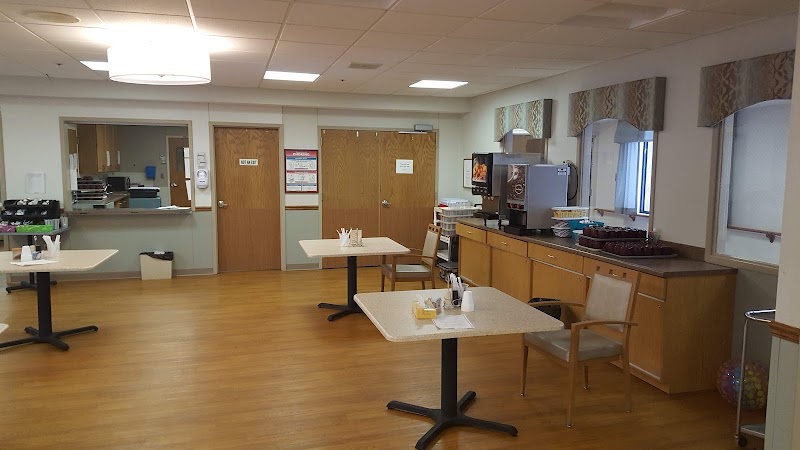
How is Silvis Center For Nursing Rehab & Care Staffed?

CMS rates SILVIS CENTER FOR NURSING REHAB & CARE's staffing level at 1 out of 5 stars, which is much below average compared to other nursing homes.

What Have Inspectors Found at Silvis Center For Nursing Rehab & Care?

State health inspectors documented 21 deficiencies at SILVIS CENTER FOR NURSING REHAB & CARE during 2023 to 2025. These included: 2 that caused actual resident harm and 19 with potential for harm. Deficiencies causing actual harm indicate documented cases where residents experienced negative health consequences.

Who Owns and Operates Silvis Center For Nursing Rehab & Care?

SILVIS CENTER FOR NURSING REHAB & CARE is owned by a for-profit company. For-profit facilities operate as businesses with obligations to shareholders or private owners. The facility is operated by WESLEYLIFE, a chain that manages multiple nursing homes. With 102 certified beds and approximately 64 residents (about 63% occupancy), it is a mid-sized facility located in SILVIS, Illinois.

How Does Silvis Center For Nursing Rehab & Care Compare to Other Illinois Nursing Homes?

Compared to the 100 nursing homes in Illinois, SILVIS CENTER FOR NURSING REHAB & CARE's overall rating (2 stars) is below the state average of 2.5 and health inspection rating (3 stars) is at the national benchmark.

What Should Families Ask When Visiting Silvis Center For Nursing Rehab & Care?

Based on this facility's data, families visiting should ask: "Can you walk me through typical staffing levels on day, evening, and night shifts?" "Can I visit during a mealtime to observe dining assistance and food quality?" "How do you handle medical emergencies, and what is your hospital transfer rate?" "Can I speak with family members of current residents about their experience?" These questions are particularly relevant given the below-average staffing rating.

Is Silvis Center For Nursing Rehab & Care Safe?

Based on CMS inspection data, SILVIS CENTER FOR NURSING REHAB & CARE has a clean safety record: no substantiated abuse findings (meaning no confirmed cases of resident harm), no Immediate Jeopardy citations (the most serious violation level indicating risk of serious injury or death), and is not on the Special Focus Facility watch list (a federal program monitoring the lowest-performing 1% of nursing homes). The facility has a 2-star overall rating and ranks #100 of 100 nursing homes in Illinois. While no facility is perfect, families should still ask about staff-to-resident ratios and recent inspection results during their visit.

Do Nurses at Silvis Center For Nursing Rehab & Care Stick Around?

SILVIS CENTER FOR NURSING REHAB & CARE has not reported staff turnover data to CMS. Staff turnover matters because consistent caregivers learn residents' individual needs, medications, and preferences. When staff frequently change, this institutional knowledge is lost. Families should ask the facility directly about their staff retention rates and average employee tenure.

Was Silvis Center For Nursing Rehab & Care Ever Fined?

SILVIS CENTER FOR NURSING REHAB & CARE has no federal fines on record. CMS issues fines when nursing homes fail to meet care standards or don't correct problems found during inspections. The absence of fines suggests the facility has either maintained compliance or corrected any issues before penalties were assessed. This is a positive indicator, though families should still review recent inspection reports for the full picture.

Is Silvis Center For Nursing Rehab & Care on Any Federal Watch List?

SILVIS CENTER FOR NURSING REHAB & CARE is not on any federal watch list. The most significant is the Special Focus Facility (SFF) program, which identifies the bottom 1% of nursing homes nationally based on persistent, serious quality problems. Not being on this list means the facility has avoided the pattern of deficiencies that triggers enhanced federal oversight. This is a positive indicator, though families should still review the facility's inspection history directly.