ALLURE OF STOCKTON

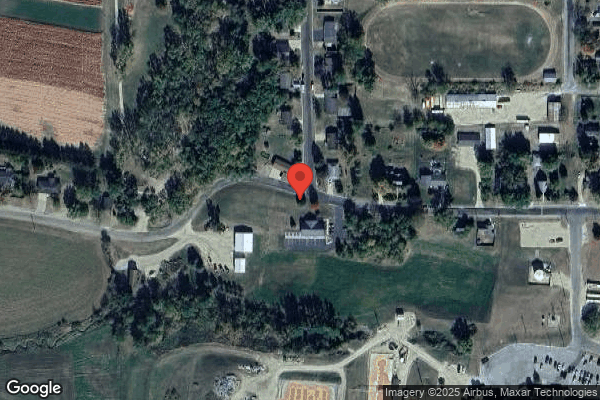
501 FRONT STREET, STOCKTON, IL 61085 (815) 947-2215
For profit - Corporation 49 Beds ALLURE HEALTHCARE SERVICES Data: November 2025
Trust Grade
80/100
#100 of 665 in IL
Last Inspection: June 2024

Within standard 12-15 month inspection cycle. Federal law requires annual inspections.

Overview

Allure of Stockton has a Trust Grade of B+, indicating it is above average and generally recommended for families considering care options. It ranks #100 out of 665 facilities in Illinois, placing it in the top half of nursing homes in the state, and it is the best option in Jo Daviess County. However, the facility is experiencing a worsening trend, with the number of reported issues increasing from 5 in 2023 to 6 in 2024. Staffing is a concern, rated at 2 out of 5 stars, but the turnover rate is low at 10%, which is significantly better than the state average, suggesting that staff members are familiar with the residents. Notably, there have been some compliance issues, such as a failure to label an opened vial of Tuberculin, which is important for ensuring proper health protocols, and cleanliness concerns in the food service area. While the facility has no fines on record and has good RN coverage, these specific incidents highlight areas needing improvement.

Trust Score
B+
80/100
In Illinois
#100/665
Top 15%
Safety Record
Low Risk
No red flags
Inspections
Getting Worse
5 → 6 violations
Staff Stability
✓ Good
10% annual turnover. Excellent stability, 38 points below Illinois's 48% average. Staff who stay learn residents' needs.
Penalties
✓ Good
No fines on record. Clean compliance history, better than most Illinois facilities.
Skilled Nurses
○ Average
Each resident gets 39 minutes of Registered Nurse (RN) attention daily — about average for Illinois. RNs are the most trained staff who monitor for health changes.
Violations
⚠ Watch
19 deficiencies on record. Higher than average. Multiple issues found across inspections.
★★★★☆
4.0
Overall Rating
★★☆☆☆
2.0
Staff Levels
★★★★☆
4.0
Care Quality
★★★★☆
4.0
Inspection Score
Stable
2023: 5 issues
2024: 6 issues

The Good

  • 4-Star Quality Measures · Strong clinical quality outcomes
  • Low Staff Turnover (10%) · Staff stability means consistent care
  • Full Sprinkler Coverage · Fire safety systems throughout facility
  • No fines on record
  • Staff turnover is low (10%)

    38 points below Illinois average of 48%

Facility shows strength in quality measures, staff retention, fire safety.

The Bad

Chain: ALLURE HEALTHCARE SERVICES

Part of a multi-facility chain

Ask about local staffing decisions and management

The Ugly 19 deficiencies on record

Jun 2024 6 deficiencies
CONCERN (D)

Potential for Harm - no one hurt, but risky conditions existed

Resident Rights (Tag F0550)

Could have caused harm · This affected 1 resident

**NOTE- TERMS IN BRACKETS HAVE BEEN EDITED TO PROTECT CONFIDENTIALITY** Based on observation, interview, and record review the facility failed to ensure a resident was provided catheter care in a dign...

Read full inspector narrative →
**NOTE- TERMS IN BRACKETS HAVE BEEN EDITED TO PROTECT CONFIDENTIALITY** Based on observation, interview, and record review the facility failed to ensure a resident was provided catheter care in a dignified manner for 1 of 1 residents (R1) reviewed for catheters in the sample of 13. The findings include: On 6/05/24 at 1:28 PM, V7 (CNA- Certified Nursing Aide) and V8 (Restorative Aide) entered R1's room to provide catheter care. R1's roommate was seated in her wheelchair, watching TV. V7 explained that she was going to provide catheter care to R1 and pulled the privacy curtain between R1's side of the room and the roommate's side. R1's room had 3 windows on the opposite side of her bed. Each window had it's own blind. The center window had the blinds closed, but the left and right window blinds were open. There was a clear view to the sidewalk, street, and diagonal street parking from R1's window. V7 and V8 removed R1's linens and exposed her perineum and lower body. V7 provided catheter care to R1. During this care, a white sedan pulled into the diagonal parking, facing R1's room. A male exited the car and walked down the sidewalk, passed R1's open blinds. R1's body was fully exposed from the waist down. V7 completed catheter care and R1 decided to get up for the afternoon activity. V7 and V8 turned R1 side to side placing an incontinence brief and dressing her. V7 and V8 used a total, mechanical lift to transfer R1 from the bed to her wheelchair. R1's left and right window blinds remained open throughout. R1 said she's used to the CNAs seeing her because she needs help, but wouldn't want anyone to be able to see her private parts. R1's Facesheet dated 6/5/24 showed diagnoses to include, but no limited to: morbid obesity, chronic ischemic heart disease, diabetes, acute on chronic respiratory failure, mild protein-calorie malnutrition, neuromuscular dysfunction of bladder, history of colon cancer, intervertebral disc degeneration (lumbar region), Barrett's Esophagus, cataracts, major depressive disorder, dyshidrosis, seborrheic dermatitis, peripheral vascular disease, psoriasis vulgaris, and gout. R1's facility assessment dated [DATE] showed she had severe cognitive impairment and required substantial/maximal assistance from staff for personal hygiene, toilet use, and rolling side to side in bed. On 6/6/24 at 8:21 AM, V9 (CNA) said it's important to close the privacy curtains and window blinds, during catheter care. V9 said it's for the resident's privacy and dignity. On 6/6/24 at 9:56 AM, V6 (RN - Registered Nurse) said R1 has had the catheter for a long time. V6 said the privacy curtain and blinds should be pulled during resident care, so no one can see inside. The facility's Catheter Car Policy reviewed 2/1/22 showed, It is the policy of this facility to ensure that resident's with indwelling catheters receive appropriate catheter care and maintain their dignity and privacy when indwelling catheters are in use . Compliance Guidelines: .3. Provide privacy by closing the door, closing the blinds/curtains, pulling the room dividing curtain, etc . The facility's Resident Rights Policy reviewed 2/1/22 showed, The facility will inform the resident both orally and in writing, in a language that the resident understands, of his or her rights and all rules and regulations governing resident conduct and responsibilities during the stay in the facility . 10. The facility will ensure that all direct care and indirect care staff members, including contractors and volunteers, are educated on the rights of residents and the responsibility of the facility to properly care for it's residents . Resident rights. The resident has the right to a dignified existence, self-determination, and communication with and access to persons and services inside and outside the facility. 4. Respect and dignity. The resident has a right to be treated with respect and dignity .
CONCERN (D)

Potential for Harm - no one hurt, but risky conditions existed

Quality of Care (Tag F0684)

Could have caused harm · This affected 1 resident

**NOTE- TERMS IN BRACKETS HAVE BEEN EDITED TO PROTECT CONFIDENTIALITY** Based on observation, interview and record review the facility to complete assessments including wound measurements for a reside...

Read full inspector narrative →
**NOTE- TERMS IN BRACKETS HAVE BEEN EDITED TO PROTECT CONFIDENTIALITY** Based on observation, interview and record review the facility to complete assessments including wound measurements for a resident with a reoccurring wound. This applies to one of two residents (R6) reviewed for non-pressure wounds in the sample of 13. The findings include: The facility face sheet for R6 shows diagnoses to include heart disease, hemiplegia, obesity, chronic kidney disease and mild protein-calorie malnutrition. The facility assessment dated [DATE] for R6 shows him to be cognitively intact and is dependent on staff for all activities of daily living. The weekly skin assessments for R6 dated 5/14/24, 5/21/24 and 5/28/24 shows scar tissue open to left buttock. No measurements or other assessment of the wound observed in the record. On 6/5/24 at 9:56 AM, R6 was observed lying in bed receiving incontinence care by the staff. A small opening was observed on R6's left lower buttock near his leg. The area that was open was surrounded by a darker red color skin. No drainage was observed at the open area. On 6/5/24 at 1:41 PM, (V2) Assistant Director of Nursing said she is responsible for the weekly wound assessments. V2 said R6's wound to his left buttock has been opening often, but heals quickly. R6 was seen by the wound care physician before, but is currently not being seen. V2 said the area is the same area and the Physician determined it to be an area of trauma. V2 said the staff are trying to figure out why the area is re-opening so frequently. V2 said when a resident is seen by the wound care physician, the weekly measurements are documented with that assessment. V2 said the weekly wound assessments she uses does not have a place for wound measurements and she relies on the Certified Nursing Assistants to let her know if the wounds are getting bigger or smaller. V2 said it's important to monitor the wounds weekly for improvement and to see if the current wound treatment is working or needs to be changed. The facility policy with a revision date of 2/1/22 for wound treatment management shows 5. treatment decisions will be based on: b.) characteristics of the wound 2)size-including shape, depth, and presence of tunneling and/or undermining The effectiveness of treatments will be monitored through ongoing assessments of the wound .
CONCERN (D)

Potential for Harm - no one hurt, but risky conditions existed

Incontinence Care (Tag F0690)

Could have caused harm · This affected 1 resident

**NOTE- TERMS IN BRACKETS HAVE BEEN EDITED TO PROTECT CONFIDENTIALITY** Based on observation, interview, and record review the facility failed to ensure a resident had an anchoring device for an indwe...

Read full inspector narrative →
**NOTE- TERMS IN BRACKETS HAVE BEEN EDITED TO PROTECT CONFIDENTIALITY** Based on observation, interview, and record review the facility failed to ensure a resident had an anchoring device for an indwelling catheter for 1 of 1 residents (R1) reviewed for catheters in the sample of 13. The findings include: On 6/5/24 at 1:28 PM, V7 (CNA - Certified Nursing Aide) and V8 (Restorative Aide) entered R1's room to provide catheter care. V7 and V8 pulled R1's blankets down and moved her gown to expose R1's perineum and lower legs. R1 had a silicone, indwelling catheter in place. The catheter was not anchored to her leg. The catheter tubing ran along R1's right leg, curled on the bed, then extended to the catheter bag that was hooked on the bed-frame. R1's right and left thigh did not have any tape or evidence of a securing device being in place. R1's bedding did not contain a catheter anchoring device. V7 (CNA) provided catheter care, then R1 decided she wanted to get dressed for the day and participate in an activity. V7 and V8 rolled R1 side to side while applying an incontinence brief, dressing R1, and transferring R1 to the wheelchair with a mechanical, total lift. R1's catheter was not anchored to her leg. R1's Facesheet dated 6/5/24 showed diagnoses to include, but no limited to: morbid obesity, chronic ischemic heart disease, diabetes, acute on chronic respiratory failure, mild protein-calorie malnutrition, neuromuscular dysfunction of bladder, history of colon cancer, intervertebral disc degeneration (lumbar region), Barrett's Esophagus, cataracts, major depressive disorder, dyshidrosis, seborrheic dermatitis, peripheral vascular disease, psoriasis vulgaris, and gout. R1's facility assessment dated [DATE] showed she had severe cognitive impairment and required substantial/maximal assistance from staff for personal hygiene, toilet use, and rolling side to side in bed. R1's Progress Note dated 5/7/24 showed the CNA reported to the nurse that R1's indwelling catheter was out with the balloon intact. On 6/6/24 at 8:21 AM, V9 (CNA) said the facility has white adhesive dressing that hold the resident catheters in place. V9 stated, They are nice and they keep the catheter from pulling. I think they are supposed to be used when a resident has a catheter. On 6/6/24 at 9:56 AM, V6 (RN - Registered Nurse) said R1 has had the catheter for a long time. V6 said in May R1's catheter had dislodged, with the balloon intact. V6 said she wasn't sure why that happened. The surveyor asked why R1 didn't have a catheter anchoring device in place. V6 said R1's catheter should have an anchoring device to keep the catheter for dislodging. The facility's Catheter Car Policy reviewed 2/1/22 showed, It is the policy of this facility to ensure that resident's with indwelling catheters receive appropriate catheter care and maintain their dignity and privacy when indwelling catheters are in use .
CONCERN (F)

Potential for Harm - no one hurt, but risky conditions existed

Deficiency F0761 (Tag F0761)

Could have caused harm · This affected most or all residents

**NOTE- TERMS IN BRACKETS HAVE BEEN EDITED TO PROTECT CONFIDENTIALITY** Based on observation, interview, and record review the facility failed to ensure an opened vial of Tuberculin was labeled with a...

Read full inspector narrative →
**NOTE- TERMS IN BRACKETS HAVE BEEN EDITED TO PROTECT CONFIDENTIALITY** Based on observation, interview, and record review the facility failed to ensure an opened vial of Tuberculin was labeled with an open date. This has the potential to affect all the residents residing in the facility. The findings include: The facility's CMS form 671 dated [DATE] showed there were 22 residents residing in the facility. On [DATE] at 10:40 AM, V6 (RN - Registered Nurse) used a key to open the black, medication refrigerator, in the facility's only medication room. On the top shelf of the refrigerator was a sealed, clear plastic bag with 3 unopened vials of Tuberculin inside. To the left of this bag was an opened vial of Tuberculin, with approximately 1/3 of the fluid remaining in the vial. This vial was not labeled with an open date. The surveyor asked V6 what this vial was used for. V6 stated, We use that to do the TB tests on all new admissions and then once a year for our long-term residents. That vial should have an open date on it. It's not labeled, so I will need to throw it away. V6 said the open dates are important, so the nurse knows when the medication had expired. V6 stated, I think those vials are only good for 30 days. V6 said she did not know when the vial had been opened. The facility's Labeling of Medication and Biologicals Policy reviewed [DATE] showed, All medications and biologicals used in the facility will be labeled in accordance with current state and federal regulations to facilitate consideration of precautions and safe administration of medications . 8. Labels for multi-use vials must include: a. The date the vial was initially opened or accessed (needle punctured); b. All opened or accessed vials should be discarded within 28 days unless the manufacturer specifies a different (shorter or longer) date for that opened vial. c. Unopened or accessed (needle-punctured) vials should be discarded according to the manufacturer's expiration date .
CONCERN (F)

Potential for Harm - no one hurt, but risky conditions existed

Food Safety (Tag F0812)

Could have caused harm · This affected most or all residents

Based on observation, interview, and record review the facility failed to clean ceiling fans above the food service area and failed to clean and defrost a freezer. This applies to all residents in the...

Read full inspector narrative →
Based on observation, interview, and record review the facility failed to clean ceiling fans above the food service area and failed to clean and defrost a freezer. This applies to all residents in the facility. The findings include: The Centers for Medicare and Medicaid (CMS) 671 dated 6/4/24 shows there are 22 residents in the facility. On 6/4/24 at 9:21 AM, the freezer in the dry storage room was observed with large amounts of frost present throughout the entire freezer. The food within the freezer was covered with frost crystals. On 6/4/24 at 11:45 AM, the kitchen staff were observed preparing the lunch trays for the residents. Above the food service area were two working ceiling fans covered with a black substance. The cleaning schedule and procedures check list shows the freezers should be defrosted if ice build up is present. The list also shows to clean ceilings and light fixtures during non-food production hours, clean free from dust and debris. On 6/06/24 at 9:10 AM, (V3) (food service supervisor) said it's important to keep the work areas clean to prevent contamination of the food and the freezer should be defrosted to keep the freezer temperature maintained and to prevent the food from getting freezer burnt. The facility policy for sanitation inspection with a revision date of 2/1/22 shows it is the policy of this facility to conduct inspections to ensure food service areas are clean, sanitary and in compliance with applicable state and federal regulations. 1.All food service areas shall be kept clean, sanitary 4. sanitation inspections will be conducted in the following manner: a) daily-food service staff shall inspect refrigerators. coolers, freezers, storage area temperatures and dishwasher temperatures daily. b) weekly the dietary manager shall inspect all food service areas weekly to ensure the areas are clean and comply with sanitation and food service regulations.
CONCERN (F)

Potential for Harm - no one hurt, but risky conditions existed

Staffing Data (Tag F0851)

Could have caused harm · This affected most or all residents

Based on interview and record review the facility failed to submit required payroll based journal (PBJ) data. This effects all residents in the facility. The findings include: The Centers for Medicare...

Read full inspector narrative →
Based on interview and record review the facility failed to submit required payroll based journal (PBJ) data. This effects all residents in the facility. The findings include: The Centers for Medicare and Medicaid (CMS) 671 dated 6/4/24 shows there are 22 residents in the facility. The [NAME] Report 1705D for the fiscal year quarter 1 2024 shows the facility triggered for failed to have licensed nursing coverage 24 hours a day and one star staffing rating. The facility was able to produce time card records showing a nurse was on duty for all infraction dates of 10/1/23, 10/4/23, 10/5/23, 10/9/23, 10/10/23, 10/13/23, 10/14/23, 10/15/23, 10/19/23, 10/28/23, 10/29/23, 11/11/23, 11/15/23, 11/23/23, 11/24/23, 11/25/23, 12/9/23 and 12/23/23. On 6/05/24 at 11:38 AM, (V4) (Office Assistant) said she receives the spreadsheet from (V5) (Vice President of Operations) and she fills in all the staff hours of the social services, activities, dietary, management staff, and any outside agency staff and returns the spread sheet to V5. V4 said she does not understand why the information did not show up correctly in the PBJ data report. On 6/05/24 at 2:45 PM, V5 he does not understand why the PBJ data is not correct. V5 said he has numerous ways to track the data and have it input into the system.
May 2023 5 deficiencies
CONCERN (D)

Potential for Harm - no one hurt, but risky conditions existed

Quality of Care (Tag F0684)

Could have caused harm · This affected 1 resident

Based on observation, interview, and record review, the facility failed to provide wound care treatment as prescribed by the physician and in manner to promote resident comfort. This failure applies t...

Read full inspector narrative →
Based on observation, interview, and record review, the facility failed to provide wound care treatment as prescribed by the physician and in manner to promote resident comfort. This failure applies to 1 of 1 (R126) residents in the sample of 13. The findings include: R126's Transfer/Discharge Report (Face Sheet) showed an admission date of 4/25/23, with diagnoses to include: venous insufficiency, obesity, right artificial hip joint. On 5/2/23 at 2:20 PM, R126 had a dressing to her right hip, left calf, and right calf. R126 was alert and oriented to person, place, time, and her condition. V4, Licensed Practical Nurse (LPN), entered R126's room to provide wound care. V4 provided wound care to R126's right hip and completed the care at 2:30 PM. V4 then proceeded to R126's right leg wound. Prior to removing the right leg dressing, R126 asked if V4 was going to soak the dressing prior to removal; V4 did not respond. After V4 removed R126's right leg dressing she applied an antimicrobial/petroleum based gauze dressing. V4 covered this dressing with an absorbent pad and gauze wrap. V4 completed the right leg dressing change at 2:48 PM. At 2:53 PM, prior to starting the left leg dressing change, R126 stated the left leg was her most painful leg, and she again asked V4 to soak the dressing prior to removal. V4 did not respond. R126 stated soaking the dressing with saline solution allows the dressing to come off more easily, and with less pain. V4 did not soak R126's left leg dressing and began removing the dressing. As V4 removed the antimicrobial/petroleum dressing, the dressing was adhered to an open area on R126's left outer shin area. As V4 reached this area R126 yelled Owww. R126 shut her eyes covered her face, and again asked V4 to soak the dressing. V4 soaked the area with wound cleanser and attempted to remove the dressing; R126 again yelled Owww. R126 stated other nurses soak it with water, let it soak for a time, then remove the dressing. At 3:12 PM, V4 returned to R126's room with saline solution, soaked the wound, and removed the dressing. V4 again applied a antimicrobial/petroleum based dressing; then absorbent pad; then covered with a gauze wrap. V4 completed the wound care at 3:30 PM. (An hour and 10 minutes later.) On 5/03/23 at 8:44 AM, R126 stated, I've never had a dressing change hurt like that before, at least not since I was in the hospital. I told her to soak the dressing. That makes the dressings come off so much easier. The other nurse that does the dressing change on nights will soak the dressing and they come right off and it doesn't hurt. If she had offered me a pain pill before the dressing change, I wouldn't have accepted it, because it never hurt like that before. All the nurses should know how to take care of my dressing. There was an agency nurse that did my dressing change, and she was even aware of soaking the dressing. I think she was aware of it because of how badly the dressing change went yesterday. Normally, they can change all three dressings in about 20 minutes; that took too long. Yes, all nurses should know how to do my dressing changes and they should know to soak both legs dressing to make it less painful. I did tell her many times to soak the dressings. Normally they soak them before they remove them, long before it gets to the point of it hurting. On 5/03/23 at 1:31 PM, V2, Director of Nursing, stated dressing changes can be painful because the wounds are sensitive and inflamed. V2 stated some techniques to minimize pain during dressing changes are to pre-medicate with pain medication; moisten the dressing; and to remove the dressing slowly and gently. V2 stated if a resident requested the dressing be soaked prior to removal. she would check for an order to do so. and if there was not order, she would obtain the order. V2 stated while reviewing R126's wound care orders, V4 should have applied the antimicrobial/petroleum dressing as well as a second petroleum only dressing. V4 stated the additional petroleum based dressing could aid in the dressing removal, and possibly be more comfortable for the resident. R126's Medication Review Report (Physician Order Sheet) showed an active order starting on 4/26/23 to apply a antimicrobial/petroleum based dressing as well as a petroleum only based dressing. The facility's Wound Treatment Management policy (Implemented 9/2021) showed, Wound treatments will be provided in accordance with physician orders, including the cleansing method, type of dressing, and frequency of dressing change . The policy showed, Treatment decisions will be based on .Goals and preferences of the resident .
CONCERN (D)

Potential for Harm - no one hurt, but risky conditions existed

Pharmacy Services (Tag F0755)

Could have caused harm · This affected 1 resident

Based on observation, interview, and record review, the facility failed administer the correct dose of an antipsychotic medication and failed to notice an antipsychotic medication on the floor of the ...

Read full inspector narrative →
Based on observation, interview, and record review, the facility failed administer the correct dose of an antipsychotic medication and failed to notice an antipsychotic medication on the floor of the facility. This applies to 1 resident (R15) outside the sample. The findings include: On 5/2/23 at 2:00 PM, a white and brown, oblong capsule was seen on the floor next to the medication cart parked by the dining area. The medication cart showed the only resident in the facility taking that medication was R15. The blister card listed that medication as Thiothixene 5 mg (milligrams) with 2 capsules in each blister. R15's Face Sheet showed her diagnoses includes, schizoaffective bipolar type, anxiety and dementia with agitation. R15's 5/2023 POS (Physician Order Sheet) shows, she (R15) is ordered Thiothixene 5 mg, 2 capsules, by mouth, every morning for schizoaffective disorder. On 5/4/23 at 10:20 AM, V1 (Administrator) said, (R15) is the only resident to get Thiothixene, and if a pill was found on the floor, it means she didn't get her full dose. V1 said it's important to administer medications as ordered by the Physician so the resident can get the full benefits from the medication. On 5/4/23 at 11:15 AM, V5, RN (Registered Nurse), said, The nurse should inspect the med cup before giving the cup to the resident to make sure all pills made it into the cup. The Nurse should inspect the med cart surface and the floor for accidental spills of medication and waste any dropped medication, so no other residents take medication not prescribed to them. The 9/2021 Medication Administration Policy and Procedure shows, the MAR (Medication Administration Record) should be reviewed to identify all medication to be administered, all medications should be administered 60 minutes prior or after scheduled time, and all medication should be administered as ordered by a Physician.
CONCERN (D)

Potential for Harm - no one hurt, but risky conditions existed

Infection Control (Tag F0880)

Could have caused harm · This affected 1 resident

Based on observation, interview, and record review, the facility failed to provide incontinence care to prevent cross-contamination. This failure applies to 1 of 2 residents (R11) in the sample of 13....

Read full inspector narrative →
Based on observation, interview, and record review, the facility failed to provide incontinence care to prevent cross-contamination. This failure applies to 1 of 2 residents (R11) in the sample of 13. The findings include: R11's Transfer/discharge Report (Face Sheet) showed and original admission date of 7/28/2020, with diagnoses to include: Alzheimer's disease, diabetes, and overactive bladder. R11's 4/6/23 Minimum Data Set (MDS) showed she had moderate cognitive impairment with a brief interview for mental status score (BIMS) of 12 out of 15. The MDS showed R11 required extensive assistance of two staff for toilet use to include cleaning herself after elimination. The MDS showed she was always incontinent of bowel and bladder. R11's Medication Review Report (Physician Orders Sheet) showed an active order for an antibiotic to prevent urinary tract infections (UTIs). On 5/02/23 at 1:13 PM, R11 stated, I have had many UTIs (urinary tract infections). I'm not sure the last time I had one. On 5/02/23 at 10:28 AM, V6 and V7 Certified Nursing Assistants (CNAs) provided incontinence care for R11. While providing incontinence care, V7 wiped a bowel movement (BM) from R11's buttocks with a washcloth. Without changing gloves, V7 then touched R11 as well as R11's clean brief with the same gloved hand used to wipe the bowel movement. On 5/03/23 at 1:31 PM, V2, Director of Nursing, stated, The purpose of glove use is to protect us (staff) and the resident from cross-contamination. I would agree that when gloves are grossly contaminated, removing gloves is an easy way to remove a lot of contamination and should be followed up with hand hygiene. During incontinence care, staff should change gloves after wiping a BM prior to touching any clean surface including the resident. This is to prevent contamination of those surfaces. The facility's Helping a Resident with Toileting Needs policy (implemented 9/2021) showed .If the resident needs help with wiping when finished, put on new gloves. Help with wiping .removed your gloves and dispose of them in the trash bag .
CONCERN (E)

Potential for Harm - no one hurt, but risky conditions existed

Unnecessary Medications (Tag F0759)

Could have caused harm · This affected multiple residents

Based on observation, interview, and record review, the facility failed to administer medications at ordered times. There were 27 opportunities with 9 errors, resulting in a 33.33% medication error ra...

Read full inspector narrative →
Based on observation, interview, and record review, the facility failed to administer medications at ordered times. There were 27 opportunities with 9 errors, resulting in a 33.33% medication error rate. This applies to 4 of 4 residents (R7,R15,R28,R126) observed in the medication pass. The findings include: 1) R7's electronic face sheet printed on 5/3/23 showed R7 has diagnoses including but not limited to heart disease, major depressive disorder, hypertension, and venous insufficiency. R7's medication administration record (MAR) for May 2023 showed R7 receives Carvedilol 25mg and Sacubitril-Valsartan 97-103mg at 8AM and 5PM. On 5/2/23 at 9:35AM, V4 (Licensed Practical Nurse-LPN) administered R7's Carvedilol 25mg and Sacubitril-Valsartain 97-104mg. (1 hour and 35 minutes past the scheduled administration time) On 5/2/23 at 9:40AM, V4 stated, My whole screen is red and I'm late on all of my remaining medications. I was busy this morning doing skin checks and wound treatments so that is why I am late giving medications. I probably should have prioritized my time better but there's nothing I can do about it now. 2) R15's electronic face sheet, printed on 5/3/23, showed R15 has diagnoses including but not limited to altered mental status, major depressive disorder, schizoaffective disorder, disorder or psychological development, anxiety disorder, and dementia with agitation. R15's MAR for May 2023 showed R15 receives amantadine 100mg and oxcarbazepine 600mg at 8AM and 8PM, benztropine 0.5mg, lithium 150mg, and Haldol 1mg at 8AM and 5PM. On 5/2/23 at 10:14AM, V5 (Registered Nurse) administered R15's amatadine 100mg, benztropine 0.5mg, Haldol 1mg, lithium 150mg, and oxcarbazepine 600mg. (2 hours and 14 minutes past the scheduled administration time) 3) R28's electronic face sheet, printed on 5/3/23, showed R28 has diagnoses including but not limited to anxiety disorder, psychotic disorder, and major depressive disorder. R28's MAR for May 2023 showed R28 receives Dilantin 100mg at 8AM, 12PM, and 8PM. On 5/2/23 at 9:41AM, V4 administered R28's Dilantin 100mg. (1 hour and 41 minutes past the scheduled administration time) 4) R126's electronic face sheet, printed on 5/2/23, showed R126 has diagnoses including but not limited to hypertension, venous insufficiency, acute cystitis, and severe sepsis. R126's MAR for May 2023 showed R126 receives Potassium Chloride 10meq at 8AM and 5PM. On 5/2/23 at 10:03AM, V4 administered R126's Potassium Chloride 10meq. (2 hours and 3 minutes past the scheduled administration time) On 5/3/23 at 11:41AM, V2 (Director of Nursing) stated, Medications administered over 1 hour before or 1 hour after their scheduled time would be considered a medication error. (V4, LPN) did inform me of the late medications yesterday, but she notified the physician, so we thought that would be sufficient. I didn't realize she was that late on administering medications. She can always let us know so that a nursing supervisor can help her pass medications. The facility's policy titled, Medication Administration, dated 09/2021, showed, Medications are administered by licensed nurses, or other staff who are legally authorized to do so in this state, as ordered by the physician and in accordance with professional standards of practice .11. Compare medication source with MAR (Medication Administration Record) to verify resident name, medication name, form, dose, route, and time .b. Administer within 60 minutes prior to or after scheduled time unless otherwise ordered by a physician .
CONCERN (F)

Potential for Harm - no one hurt, but risky conditions existed

Food Safety (Tag F0812)

Could have caused harm · This affected most or all residents

Based on observation, interview, and record review, the facility failed to label food items, failed to ensure a functional thermometer was utilized in two freezers, and failed to maintain a freezer to...

Read full inspector narrative →
Based on observation, interview, and record review, the facility failed to label food items, failed to ensure a functional thermometer was utilized in two freezers, and failed to maintain a freezer to prevent ice buildup. These failures have the potential to affect all residents in the building. The findings include: The Resident Census and Condition Report, dated 5/2/23, showed 29 residents residing in the building. On 5/2/23 at 8:59AM, The facility's standing freezer located in the dry storage room had an unlabeled fast food cup full of a pink frozen substance and 2 packages of unlabeled food. The thermometer in the freezer was unable to measure an accurate temperature, due to the scale line being broken and tilted, giving an inaccurate temperature reading. The freezer shelves were all lined with thick blocks of ice and packed full of bags of frozen food items. There was no additional room in the freezer and bags were falling off shelves during observation. On 5/2/23 at 9:09AM, containers of brown sugar, butter, and peanut butter were placed in a cabinet underneath the food preparation area. All 3 containers had no label showing the contents or date on them. On 5/2/23 at 9:20AM, the facility's free-standing freezer had 2 packs of unlabeled meat with no date, 3 bags of breaded meat that were unlabeled, and 1 bag of hamburger patties that did not have a date on it and was opened. The thermometer for the freezer was buried under 4 packs of bread and covered in ice. V3 (Dietary Manager) dug the thermometer out of the freezer and chipped the ice off the outside of the thermometer. V3 stated the thermometers should be in working condition, and able to be easily read to ensure that the freezers are at the appropriate temperature. On 5/2/23 at 10:45AM, V3 stated the freezers should be free of ice buildup to allow adequate cooling and freezing in the freezer. V3 stated if too much ice builds up, then the freezer will shut down and the food will not be kept frozen. V3 stated all food items should be labeled with a received date and when they are opened; that date and a use by date should be put on the package or container. V3 stated all items should have a label with what the item is so all staff know what they are pulling form the refrigerator or freezer to cook, and it will help them know how to thaw and prepare the food. The facility's policy titled, Food Safety Requirements, dated 09/2021, showed, It is the policy of this facility to procure food from sources approved or considered satisfactory by federal, state and local authorities. Food will also be stored, prepared, distributed, and served in accordance with professional standards for food service safety .c .Practices to maintain safe refrigerated/frozen storage include: i. Monitoring food temperatures and functioning of the equipment daily and at routine intervals during all hours of operation.
Apr 2022 8 deficiencies
CONCERN (D)

Potential for Harm - no one hurt, but risky conditions existed

Deficiency F0688 (Tag F0688)

Could have caused harm · This affected 1 resident

Based on observation, interview, and record review, the facility failed to apply a hand and wrist splint to prevent contractures for 1 of 2 residents (R19) reviewed for positioning and mobility in the...

Read full inspector narrative →
Based on observation, interview, and record review, the facility failed to apply a hand and wrist splint to prevent contractures for 1 of 2 residents (R19) reviewed for positioning and mobility in the sample of 13. The findings include: R19's electronic face sheet, printed on 4/21/22, showed R19 has diagnoses including but not limited to: COVID-19, type 2 diabetes, hemiplegia and hemiparesis, aphasia, dysphagia, fibromyalgia, dementia without behaviors, cerebral infarction, and anxiety disorder. R19's care plan, dated 5/19/20, showed, Contracture of right hand secondary to cerebrovascular accident. Palm protector to (R19's) right hand. Please wash and dry (R19's) right hand 2-3 times daily. If or when palm protector becomes soiled, please contact therapy and she will clean the protector and provide a clean one for (R19) to wear. Remove for skin care twice per day. R19's facility assessment, dated 2/3/22, showed R19 has severe cognitive impairment. R19's physician's orders for April 2022 showed, palm protector to (R19's) right hand. Please cleanse, wash, and dry (R19's) right hand 2-3 times daily. Hand carrot or rolled washcloth to right hand to reduce contractures. R19's certified nursing assistant task list for April 2022 showed, Carrot or rolled wash cloth to right hand. Please cleanse, wash, and dry (R19's) right hand 2-3 times daily. Remove for skin care twice daily. On 4/19/22 at 11:06AM, R19 was sitting up in R19's reclining wheelchair in R19's room with R19's hands in R19's lap. R19's right hand was slightly closed, and had no brace or splint on it. A brace was laying on the windowsill on R19's side of the room, and another brace was laying on R19's bedside table. On 4/20/22 at 8:14AM, both of R19's braces were laying on R19's bedside table while R19 was in the dining room eating breakfast. At 8:29AM, staff brought R19 back to R19's room, covered R19 with a blanket, and left the room. Both of R19's braces continued sitting on R19's bedside table. On 4/19/22 at 1:05PM, V8 (Certified Nursing Assistant) stated, (R19) has a splint for her hand that should be on at all times during the day. We are only supposed to take it off to clean it. There is no reason why she wouldn't have it on. On 4/20/22 at 1:16PM, V7 (Registered Nurse) stated, (R19) is supposed to have a palm protector to her right hand to prevent contractures. She wears the carrot in her hand at night but the palm protector should be on during the day. She does not have any history of refusing it or taking it off by herself. The facility's Splint Placement In-service, dated 3/8/22, showed, This is an example of proper splint placement for (R19). Please make sure that the strap on the top is not pulled too tight as this could cause skin breakdown. Attached to this document were photographs showing proper splint placement for R19.
CONCERN (D)

Potential for Harm - no one hurt, but risky conditions existed

Accident Prevention (Tag F0689)

Could have caused harm · This affected 1 resident

Based on observation, interview, and record review, the facility failed to ensure fall prevention interventions were in place for 2 of 3 residents (R27,R6) reviewed for falls in the sample of 13. The ...

Read full inspector narrative →
Based on observation, interview, and record review, the facility failed to ensure fall prevention interventions were in place for 2 of 3 residents (R27,R6) reviewed for falls in the sample of 13. The findings include: 1. R27's electronic face sheet, printed on 4/21/22, showed R27 has diagnosis including but not limited to: COVID-19, Parkinson's disease, repeated falls, sciatica, Alzheimer's disease, and major depressive disorder. R27's facility assessment, dated 2/20/22, showed R27 has no cognitive impairment and requires 1 person assistance for transfers. R27's care plan, dated 7/26/21, showed, (R27) has an activities of daily living self-care performance deficit related to disease processes: Parkinson's disease, Alzheimer's dementia, gait instability, and history of falls. (R27) requires 1 assistance by staff to move between surfaces. Refuses assistance. R27's care plan, dated 4/19/22, showed, (R27) is a high risk for falls related to confusion, gait/balance problems, and history of falls. Resident appears to be intentionally falling at times related to behaviors. Resident states I want to fall 200 times before I die. I am at 113. Falls on 3/9/22 and 3/16/22 with no injury. Falls on 4/11/22 and 4/17/22. Keep wheelchair out of room, ensure bed is in low position, floor mats next to bed, follow fall protocol, large print signage in room, educate resident to use call light for staff to remove floor mat to get up. R27's certified nursing assistant daily tasks for April 2022 showed no documentation of R27's refusals for assistance with activities of daily living or poor safety awareness. R27's nursing progress notes, dated 4/18/22, showed, Fall was not witnessed. Fall occurred in the resident's room. Did injury occur as a result of the fall: Yes. Staples to back of resident's head. On 4/19/22 at 1:25PM, R27 stated, I had a fall over the weekend. I sat up and fell over and hit my head on the nightstand. The fall mat is supposed to be on the floor in case I fall out of bed. It is supposed to be put it down whenever I'm in bed. R27's fall mat was folded up and leaning against the wall opposite of R27's bed. R27 was lying in bed at this time. No large print signage was observed in R27's room. On 4/20/22at 8:16AM, R27 was lying in bed. R27's fall mat was folded up and leaning against the wall opposite of his bed. No large print signage was observed in R27's room. On 4/20/22 at 1:08PM, V7 (Registered Nurse) stated, (R27) is a fall risk and has had a recent fall with injury. Fall prevention measures for him are to ensure his call light is within reach, gripper socks when ambulating, education about safety reminders, walker, assistance with making his bed, removed shelf, large print signage in room, and floor mats are to be removed by staff when resident wants to get up. If the fall prevention measures are not present in his room then he could fall and get injured. The facility's policy titled, Fall Prevention Program, implemented 2/1/22, showed, Each resident will be assessed for fall risk and will receive care and services in accordance with their individualized level of risk to minimize the likelihood of falls. 2. R6's admission Record (Face Sheet) showed an original admission date of 7/15/2020, with diagnoses to include: Alzheimer's, abnormalities of gait, weakness, impaired balance (ataxia), lack of coordination, and need for assistance with personal care. R6's 2/25/22 Post Fall Evaluation showed, Reason for fall; was trying to get something to drink .Conclusion: Need to make sure that fluids are available at bedside. On 4/19/22 at 9:03 AM, R6 was asleep and laying on R6's back in bed. R6 had a nutritive shake in R6's hand, which was open and had a straw in it. R6 had no bedside table, and R6's nightstand was a few feet outside of R6's reach. R6 had no cups of water in R6's room. (With the exception of R6's call light, R6 was in the same condition at 1:04 PM and 2:25 PM.) On 4/20/22 at 11:02 AM, R6 did not speak; however, when asked where R6's call light was located, R6 was able to point to it's location in R6's bed. R6 had no bedside table, the nightstand was as described previously, and R6 had no water or nutritive shake. On 4/20/22 at 12:41 PM, R6 was on the floor between R6's bed and R6's night stand antempting to crawl or roll to R6's nightstand. While R6 was on the floor, R6 had an out stretched arm attempting to reach something on R6's nightstand. R6 had no water in R6's room, no bedside table, and R6's nightstand was in the same location as before. While R6 was on the floor, no alarm was sounding, and there was no alarm in R6's bed. R6's Care Plan (as of 4/20/22 at 11:10 AM) showed R6 was a high risk for falls with interventions to include: .Be sure (R6's) call light is within reach .Bed pad alarm (alarm was entered twice in the care plan), .have cups available within reach .ensure bedside table is within reach . R6's updated care plan, provided on 4/21/22, showed the bedside table intervention was removed and replaced with nightstand. On 4/20/22 at 1:52 PM, V7, Registered Nurse, stated R6 does occasionally use R6's call light. R6 said it would be important for R6 to have R6's nightstand next to R6, water available to R6, and to have R6's call light within reach to prevent falls. On 4/20/22 at 12:56 PM, V13, Certified Nursing Assistant, stated R6 doesn't use the call light often, but R6 does use it occasionally. V13 said R6 did not have any cups of water in R6's room (V13 was the CNA who responded to R6 being on the floor at 12:41 PM), and having R6's nightstand with water near her is important to prevent falls. The facility's Fall Prevention Program (implemented 2/1/22) showed protocols to prevent falls include Call light and frequently used items are within reach .
CONCERN (D)

Potential for Harm - no one hurt, but risky conditions existed

Incontinence Care (Tag F0690)

Could have caused harm · This affected 1 resident

Based on observation, interview, and record review, the facility failed to offer and provide incontinence care in a manner to prevent a urinary tract infection for 1 resident (R7) with a history of ur...

Read full inspector narrative →
Based on observation, interview, and record review, the facility failed to offer and provide incontinence care in a manner to prevent a urinary tract infection for 1 resident (R7) with a history of urinary tract infections. These failures apply to 1 of 1 residents reviewed for bowel and bladder incontinence in the sample of 13. The findings include: R7's electronic face sheet, printed on 4/21/22, showed R7 has diagnosis including, but not limited to: unspecified diastolic congestive heart failure, type 2 diabetes, chronic obstructive pulmonary disease, cerebral infarction, and peripheral vascular disease. R7's care plan, dated 6/30/21, showed, (R7) has mixed bladder incontinence: stress incontinence due to leakage and obesity, urge incontinence related to diabetes mellitus, and functional incontinence related to needing assistance with mobility and clothing management, osteoarthritis, and pain. (R7) has exhibited some stubborn behavior with bladder incontinence. When staff has offered to toilet her she stated, I'm 83 y/o and who gives a sh*t. Offer and encourage toileting upon rising, after meals, at bedtime, and as needed. Wash, rinse, and dry perineum. Change clothing as needed after incontinence episodes and monitor for signs and symptoms of urinary tract infection. R7's facility assessment, dated 4/8/22, showed R7 has no cognitive impairment, requires 1 staff member assistance for hygiene, and is frequently incontinent of bowel & bladder. R7's medication administration record for March 2022 showed R7 completed a 7 day course of antibiotics for a urinary tract infection. On 4/19/22 at 2:08PM, V8 and V9 (Certified Nursing Assistants) were providing incontinence care for R7. R7 stated R7 has not receive incontinence care or been offered toileting assistance or incontinence care since R7 got out of bed this morning. R7 usually gets out of bed around 9-9:30AM. V8 and V9 stated they were unsure of when R7 last received incontinence care or offered toileting assistance. V9 then began providing perineal care to R7, and wiped 3 times down front of vaginal area with the same side of a soap filled washcloth. R7 was then turned over on R7's side and V9 wiped 3 times with the same side of the washcloth & over R7's vaginal area. V9 removed R7's shirt that was soiled with urine, and R7's urine saturated incontinence brief. V9 applied a clean incontinence brief and clean shirt to R7, with the same gloves V9 provided incontinence care with. V9 stated the staff offer and provide toileting and bathroom assistance every 2 hours or as needed for residents. V9 stated, (R7) does call when she is ready to lay down and get changed, but staff should be checking in on her too and offering toileting assistance. She has a history of skin breakdown so it's important to make sure she is being changed and getting out of her soiled clothing. Gloves should be changed when going from soiled to clean tasks due to the risk of infection. I should have flipped the washcloth and towel over to a new area before wiping because those are soiled areas once they have touched her. On 4/20/22 at 1:06PM, R7 stated, I was changed this morning around 9:30AM or so when I had my shower. They haven't offered to change me since then. I know I'm wet, but hopefully I get to lay down soon. R7's certified nursing assistant daily tasks for April 2022 showed no bowel and bladder elimination assistance or personal hygiene assistance were completed on 4/19/22. On 4/20/22, no documentation was present for either task until 9:30PM. The facility's policy titled, Incontinence, dated 2/1/22, showed, Based on the resident's comprehensive assessment, all residents that are incontinent will receive appropriate treatment and services .4. Residents that are incontinent of bladder or bowel will receive appropriate treatment to prevent infections and to restore continence to the extent possible.
CONCERN (D)

Potential for Harm - no one hurt, but risky conditions existed

Medication Errors (Tag F0758)

Could have caused harm · This affected 1 resident

Based on interview and record review, the facility failed to track and document behaviors for a resident receiving an antipsychotic medication for 1 of 4 residents (R22) reviewed for antipsychotic med...

Read full inspector narrative →
Based on interview and record review, the facility failed to track and document behaviors for a resident receiving an antipsychotic medication for 1 of 4 residents (R22) reviewed for antipsychotic medications in the sample of 13. The findings include: R22's electronic face sheet, printed on 4/21/22, showed R22 has diagnoses including, but not limited to: anxiety disorder, delusional disorders, major depressive disorder, and dementia without behaviors. R22's care plan, dated 12/8/21, showed, The resident uses psychotropic medications related to behavior management. Discuss with physician and family regarding ongoing need for use of medication. Consult with pharmacy, physician to consider dosage reduction when clinically appropriate at least quarterly. R22's facility assessment, dated 2/22/22, showed R22 has severe cognitive impairment. R22's Psychotropic evaluation, dated 3/28/22, showed, -on occasion can be combative & agitated with care. R22's physician's orders for April 2022, showed, Risperdal 0.25mg with meals for delusional disorder and Risperdal 0.5mg at bedtime for delusional disorder. On 4/21/22 at 11:08AM, V8 (Certified Nursing Assistant) stated, Behavior documentation is located in the certified nursing assistants (CNA's) charting. (R22) has behaviors like aggression and rejection of cares. There should be an area in her chart to document that and the CNA's should be documenting every shift when she has behaviors. R22's CNA task documentation for the past 30 days showed no behavior documentation. On 4/21/22 at 11:12AM, V7 (Registered Nurse) stated, When behaviors are reported to the nurses, the documentation is put in the residents chart as a behavior note or a health status note under progress notes. There are a few residents that have behavior tracking on their medication administration record but I don't see that (R22 has that on hers). (R22) mainly has sun downing behaviors that occur at night. She has good days and bad days, some days she sleeps all day and other she is alert and awake. R22's nursing progress notes showed no behavioral progress notes since 10/2021. On 4/21/22 at 11:46AM, V1 (Director of Nursing) stated, (R22) does not have behavior tracking documented because it looks like someone entered it as an as needed task for the aides to document. I know she has behaviors, but I don't see them documented in her medical record. The nurse's notes are not consistent regarding behavior documentation. I agree that it is hard to show necessity for a psychotropic medication when there are no behaviors documented. They should be documented so that the pharmacist and physician can justify continued need for the medication. The facility's policy titled, Gradual Dose Reduction of Psychotropic Drugs, dated 2/1/22, showed, Residents who use psychotropic drugs receive gradual dose reduction and behavioral interventions, unless clinically contraindicated, in an effort to discontinue these drugs.
CONCERN (F)

Potential for Harm - no one hurt, but risky conditions existed

Menu Adequacy (Tag F0803)

Could have caused harm · This affected most or all residents

Based on observation, interview, and record review, the facility failed to follow the facility's lunch menu on 4/19/22, and did not follow the recipe for pureed ham, provide pureed bread for residents...

Read full inspector narrative →
Based on observation, interview, and record review, the facility failed to follow the facility's lunch menu on 4/19/22, and did not follow the recipe for pureed ham, provide pureed bread for residents, or measure the portion sizes for the ham. This applies to all 33 facility residents. The findings include: The facility's CMS (Centers for Medicare & Medicaid Services) form 672 Resident Census and Condition of Residents, dated April 19, 2022, showed 33 residents reside in the facility. On 4/19/22 at 11:13 AM, V5 (Cook) took the ham out of the oven, cut off some pieces of ham and placed them into a food processor. V5 did not weigh the ham to see if the portion size was correct. V5 took a glass, put cold 2% milk in it and added it to the ham in the food processor to puree the ham. V5 turned on the food processor. V5 looked at the consistency of the ham, and it was still chunky. V5 grabbed more 2% milk and added it to the ham. V5 continued to use the food processor to puree the ham. V5 dumped the ham that was supposed to be pureed into a pan. The ham did not look completely pureed and milk was visible. On 4/19/22 at 11:34 AM, V5 took the ham out of the oven and carved the ham into random sized slices. V5 used tongs to place different sized pieces of ham on residents plates. V5 served ham, roasted potatoes, corn bread, peas and carrots for the regular consistency diets. V5 plated up the food for the three residents (R1, R14 & R25) on pureed diets, and they did not receive any pureed cornbread. On 4/19/22 at 11:53 AM, V5 stated It is an estimated guess when it comes to the meat as to how much the resident is going to get. V5 stated V5 forgot about making the pureed cornbread. On 4/19/22 at 1:05 PM, V3 (Dietary Manager) stated V3 should have used the ham juice and not milk to puree the ham. V3 stated V3 heard V5 did not make the pureed cornbread. V3 stated they should follow the menus. The Pureed Glazed Ham recipe (winter 2021-2022, day 24) showed, Dissolve pork base in water to make broth. Place prepared meat in a sanitized food processor. Gradually add broth; blend until smooth. The regular consistency Glazed Baked Ham recipe (winter 2021-2022, day 24) showed, Using a meat slicer, slice the ham into 3 ounce portions. Set the dial on #13-15; weigh slices randomly to maintain 3 ounce portion control. On 4/20/22 at 10:30 AM, during the group interview, the residents stated sometimes the portions of food that are served look skimpy. They stated the food trays do not have the same amount of food on them; one person may get more food than another person. The Diet Spreadsheet week 4 for the winter 2021-2022 menu showed on 4/19/22 residents on a regular diet should have received 3 ounces of baked ham. Residents on pureed diets should have received pureed cornbread. The facility's Puree Food Preparation policy (2/1/22) showed, Residents receiving puree diets should always receive portions equivalent to those served on the regular or therapeutic diet ordered per the facility policy and procedure.
CONCERN (F)

Potential for Harm - no one hurt, but risky conditions existed

Deficiency F0805 (Tag F0805)

Could have caused harm · This affected most or all residents

Based on observation, interview, and record review the facility failed to ensure the ham was pureed to the correct consistency for the lunch meal on 4/19/22 for 1 of 1 residents (R1) reviewed for pure...

Read full inspector narrative →
Based on observation, interview, and record review the facility failed to ensure the ham was pureed to the correct consistency for the lunch meal on 4/19/22 for 1 of 1 residents (R1) reviewed for pureed diets in the sample of 33 and 2 residents (R14 & R25) outside of the sample. The findings include: On 4/19/22 at 11:13 AM, V5 (Cook) took the ham out of the oven, cut off some pieces of ham and placed them into a food processor. V5 did not weigh the ham to see if the portion size was correct. V5 took a glass, put cold 2% milk in it and added it to the ham in the food processor to puree the ham. V5 turned on the food processor. V5 looked at the consistency of the ham and it was still chunky. V5 grabbed more 2% milk and added it to the ham. V5 continued to use the food processor to puree the ham. V5 dumped the ham that was supposed to be pureed into a pan. The ham did not look completely pureed and milk was visible. On 4/19/22 at 12:20 PM, a test tray of pureed food was obtained. The pureed ham was sitting in milk and was not the correct texture. The ham was stringy and had to be chewed. The Pureed Glazed Ham recipe (winter 2021-2022, day 24) showed, Dissolve pork base in water to make broth. Place prepared meat in a sanitized food processor. Gradually add broth; blend until smooth. If product needs thinning, gradually add an appropriate amount of liquid to achieve a smooth, pudding or soft mashed potato consistency. On 4/19/22 at 1:05 PM, V3 (Dietary Manager) stated V3 should have used the ham juice and not milk to puree the ham. V3 stated they should follow the menus. V3 stated the texture of a pureed diet should be like baby food. The facility's Puree Food Preparation policy (2/1/22) showed, Each resident must receive and the facility must provide food that is prepared by methods that conserve nutritive value, flavor, and appearance. Puree foods should be prepared in a manner to prevent lumps or chunks. The goal is a smooth, soft, homogenous consistency similar to soft mashed potatoes. Puree food preparation guidelines per serving: Meats: add 1 teaspoon of beef broth or beef gravy.
CONCERN (F)

Potential for Harm - no one hurt, but risky conditions existed

Food Safety (Tag F0812)

Could have caused harm · This affected most or all residents

Based on observation, interview, and record review, the facility failed to ensure the kitchen was cleaned on a regular basis. The facility failed to ensure the kitchen did not have grease on walls, co...

Read full inspector narrative →
Based on observation, interview, and record review, the facility failed to ensure the kitchen was cleaned on a regular basis. The facility failed to ensure the kitchen did not have grease on walls, cobwebs and thick dust to surfaces. The facility failed to ensure staff wear hair nets in the kitchen. This applies to all 33 facility residents. The findings include: The facility's CMS (Centers for Medicare & Medicaid Services) form 672 Resident Census and Condition of Residents, dated April 19, 2022, showed 33 residents reside in the facility. On 4/19/22 at 8:53 AM, the handwashing sink in the kitchen had a brown build up around the drain and the white sink had brown dried buildup all over it. The faucet on the handwashing sink had a white crusty substance on it. Thick dust and cobwebs were on the ceiling, walls, ceiling fans, and exposed pipes including pipes above the food preparation areas. There was crusty debris on stainless steel 3 compartment sink rubber mat where pans and other kitchen items dry. V5 (Cook) was standing at the 3-compartment sink washing, rinsing and sanitizing pans. On 4/19/22 at 9:05 AM, V3 (Dietary Manager) stated, My sink, all my pipes, ceiling fan, corners and ceiling need to be cleaned. It's on my list and I am working on it, but I am trying to get stuff done in here and still have other stuff to do out there. On 4/19/22 at 9:10 AM, V3 stated the facility just got the new chemical sanitizer system on 3/10/22, and they ran out of sanitizer on 4/14/22. V3 stated bleach was being used as a sanitizer right now in the 3-compartment sink. V3 used a test strip to check for levels of chlorine, dipped it into the sink with sanitizer, and it read 200 ppm (parts per million). V3 stated the water was cold, and the test strip should read 50 ppm for the bleach. V3 stated the temperature of the water in the sink should be 110 degrees Fahrenheit. V3 stated V3 needed to add more water to the sink with the sanitizer. A sign was posted above the 3-compartment sink that showed, Wash in water at, at least 110 degrees Farenheit with a good detergent; rinse thoroughly in clean hot water after washing to remove cleaners and abrasives; sanitize in warm water with sanitizer for one minute 110 degrees at least 50 ppm, air dry - sanitizer contact time is important. do not towel dry. V3 stated the sign was for the chlorine sanitizer and not the new sanitizer system. On 4/19/22 at 9:15 AM, there was grease and dust built up on the wall behind the oven/stove. On 4/19/22 at 9:20 AM, V4 (Dietary Aide) was not wearing a hair net when V4 walked in and out of the kitchen several times. V4 brought resident food trays in to clean them off and place them in the washing station directly across from the food prep station and oven/stove area. On 4/19/22 at 9:40 AM, V3 (Dietary Manager) tested the chemicals in the single rack, low temperature dishwasher. The test strip read at 25 ppm. V3 stated the reading should be at 50 ppm, and the dishwasher sanitizes using a chlorine-based product called sodium hypochlorite. V3 stated they have always used the chlorine test strips to test the sanitizer. V3 stated, The dishwasher doesn't keep its temperature. It will show 101 on the outside and is 4 degrees hotter. It has been doing this for the last 3-4 weeks. The sensor has been out in the dish machine, and it is not reading correctly. The dishwasher hasn't sanitized right in the last 2 years. I have worked here for 20 years in kitchen and recently took over as Dietary Manager. On 4/19/22 at 9:45 AM, the bucket with cleaning solution with a rag in it that was sitting in a kitchen sink was tested by V3 and read 200 ppm. V3 stated it was bleach that was used in the sanitizer bucket. V3 stated the rag in the bucket is used to wipe down tables, counters etc, and should be at 50 ppm. On 4/19/22 at 1:05 PM, V3 (Dietary Manager) stated the Daily/Weekly Cleaning Schedule, dated 4/7, showed it was documented the walls of the kitchen were cleaned. V3 stated that the walls were only cleaned on the bottom portion, but not the upper part of the walls. V3 stated there weren't any Daily/Weekly Cleaning Schedules for the facility prior to April 2022. V3 stated hair nets are to be worn in the kitchen so no hair gets in the food or on the surfaces. V3 stated the dishwasher was a single rack, low temperature machine that reads 105, but the temperature was 109 degrees Fahrenheit. V3 stated the dishwasher temperature should be 120 degrees Fahrenheit. V3 stated, During the day the temperature of the dishwasher won't maintain its temperature when I have to fight laundry for hot water. The temperatures are better in the evening than in the day; but they are still on the low side. The heating sensor element is out, and maintenance can't find a replacement part. I have talked to the different maintenance people we have had, and they can't either get the part and/or don't want to work on it. The facility's Sanitation Inspection policy (2/1/22) showed, It is the policy of this facility, as part of the department's sanitation program, to conduct inspections to ensure food service areas are clean, sanitary and in compliance with applicable state and federal regulations. All food service area shall be clean, sanitary, free of litter, rubbish and protected from rodents, roaches, flies and other insects. The department shall establish a sanitation program for food services based on applicable state and federal requirements. The dietary manager shall develop and provide food service personnel with standard operating procedures for sanitation daily inspections. The facility's policy Manual Warewashing-3 Compartment Sink policy (2/1/22) showed, Third sink sanitizing - fill with hot water (171 degrees Fahrenheit) or use chemical sanitizer: . chlorine at 50-100 ppm. Confirm appropriate temperature or concentration prior to washing and record on sanitation control log. The sanitizing sink should be monitored for the proper temperature, if hot water sanitization is used and for proper chemical concentration if chemical sanitization is used. The facility's policy Dishwasher Temperature policy (2/1/22) showed, For low temperature dishwashers (chemical sanitization): The wash temperature shall be 120 degrees Fahrenheit. The sanitizing solution shall be 50 ppm hypochlorite (chlorine) on dish surface in final rinse. The facility's Sanitizing Buckets policy (4/2017) showed, Sanitizer concentration will be checked using a test kit. The following sanitizer concentrations are recommended and use of test strips to monitor accuracy of the sanitizer. Chlorine 50 - 100 ppm.
CONCERN (F)

Potential for Harm - no one hurt, but risky conditions existed

Deficiency F0883 (Tag F0883)

Could have caused harm · This affected most or all residents

Based on interview and record review, the facility failed to offer and provide influenza vaccinations between October 1, 2021 and March 31, 2022. This applies to all 33 facility residents. The finding...

Read full inspector narrative →
Based on interview and record review, the facility failed to offer and provide influenza vaccinations between October 1, 2021 and March 31, 2022. This applies to all 33 facility residents. The findings include: On 4/20/22 at 11:30 AM, five residents (R3, R6, R15, R28 & R32) were reviewed for the receipt or declination of the influenza vaccination. There was no documentation to show the residents were offered the influenza vaccination, consented, or declined receiving it. There was no documentation showing the residents received the administration of the influenza vaccine between October 1, 2021 through March 31, 2022. On 4/20/22 at 12:00 PM, V1 (Administrator) stated, We are looking for immunization information but I don't know where the previous DON (Director of Nursing) put it. On 4/20/22 at 12:20 PM, V2 (Assistant Administrator) stated, Some consents and/or refusals for vaccinations are scanned into the computer and some are not. We are looking for them. On 4/20/22 at 2:30 PM, V6 (Corporate Regional Nurse) stated, I know the DON was instructed to give residents the Influenza vaccine. On 4/21/22 at 10:05 AM, V7, RN (Registered Nurse), stated, They were looking for the consents for influenza last night. There were 7 residents that did not get the flu shot and it was given yesterday. The DON that was here said that she gave them. There is a 4 month window that they are to receive them. V10, LPN (Licensed Practical Nurse), gave the immunizations yesterday. They they should have been given earlier. On 4/21/22 at 10:18 AM, V10, LPN, stated, I was given this list yesterday and I was told to give the flu shot. The DON was in charge of the program. I don't know why it was not done. You would have to ask her and she isn't here anymore. I know (V1) and (V2) were working on getting the consents done yesterday. Normally we give it in October or November. Its supposed to be given between October and March every year. I know I have two more residents to give the flu shot to today. V10 gave a copy of the Flu Vaccine Temperature Log, dated 4/20/22, and it showed 20 residents had received the influenza vaccine on 4/20/22. On 4/21/22 at 10:21 AM, V1 (Administrator) stated, (V12, RN) the old DON supposedly got consents. I cant find them. I called pharmacy and they said she got the consents. I asked if they (influenza vaccination) were given and they said we have the vaccine but it was never given. I called the medical director and he said we could still give it until the end of May so we got consents and/or declinations yesterday. We started giving the flu vaccine yesterday. The DON did not implement and follow the influenza program. She was supposed to get a consent or refusal and give the immunization. V1 confirmed the facility's policy is to offer the influenza vaccination between October 1, 2021 and March 31, 2022. The facility's Influenza Vaccination policy (2/1/22) showed, It is the policy of this facility to minimize the risk of acquiring, transmitting or experiencing complications from influenza by offering our residents, staff members, and volunteer workers annual immunization against influenza. Influenza vaccinations will be routinely offered annually from October 1st through March 31st unless such immunization is medically contraindicated, the individual has already been immunized during this time period, or refuses to receive the vaccine.
Understanding Severity Codes (click to expand)
Life-Threatening (Immediate Jeopardy)
J - Isolated K - Pattern L - Widespread
Actual Harm
G - Isolated H - Pattern I - Widespread
Potential for Harm
D - Isolated E - Pattern F - Widespread
No Harm (Minor)
A - Isolated B - Pattern C - Widespread

Questions to Ask on Your Visit

  • "Can I speak with families of current residents?"
  • "What's your RN coverage like on weekends and overnight?"

Our Honest Assessment

Strengths
  • • Grade B+ (80/100). Above average facility, better than most options in Illinois.
  • • No major safety red flags. No abuse findings, life-threatening violations, or SFF status.
  • • No fines on record. Clean compliance history, better than most Illinois facilities.
  • • 10% annual turnover. Excellent stability, 38 points below Illinois's 48% average. Staff who stay learn residents' needs.
Concerns
  • • 19 deficiencies on record. Higher than average. Multiple issues found across inspections.
Bottom line: Generally positive indicators. Standard due diligence and a personal visit recommended.

About This Facility

What is Allure Of Stockton's CMS Rating?

CMS assigns ALLURE OF STOCKTON an overall rating of 4 out of 5 stars, which is considered above average nationally. Within Illinois, this rating places the facility higher than 99% of the state's 100 nursing homes. This rating reflects solid performance across the metrics CMS uses to evaluate nursing home quality.

How is Allure Of Stockton Staffed?

CMS rates ALLURE OF STOCKTON's staffing level at 2 out of 5 stars, which is below average compared to other nursing homes. Staff turnover is 10%, compared to the Illinois average of 46%. This relatively stable workforce can support continuity of care.

What Have Inspectors Found at Allure Of Stockton?

State health inspectors documented 19 deficiencies at ALLURE OF STOCKTON during 2022 to 2024. These included: 19 with potential for harm.

Who Owns and Operates Allure Of Stockton?

ALLURE OF STOCKTON is owned by a for-profit company. For-profit facilities operate as businesses with obligations to shareholders or private owners. The facility is operated by ALLURE HEALTHCARE SERVICES, a chain that manages multiple nursing homes. With 49 certified beds and approximately 28 residents (about 57% occupancy), it is a smaller facility located in STOCKTON, Illinois.

How Does Allure Of Stockton Compare to Other Illinois Nursing Homes?

Compared to the 100 nursing homes in Illinois, ALLURE OF STOCKTON's overall rating (4 stars) is above the state average of 2.5, staff turnover (10%) is significantly lower than the state average of 46%, and health inspection rating (4 stars) is above the national benchmark.

What Should Families Ask When Visiting Allure Of Stockton?

Based on this facility's data, families visiting should ask: "Can you walk me through typical staffing levels on day, evening, and night shifts?" "Can I visit during a mealtime to observe dining assistance and food quality?" "How do you handle medical emergencies, and what is your hospital transfer rate?" "Can I speak with family members of current residents about their experience?" These questions are particularly relevant given the below-average staffing rating.

Is Allure Of Stockton Safe?

Based on CMS inspection data, ALLURE OF STOCKTON has a clean safety record: no substantiated abuse findings (meaning no confirmed cases of resident harm), no Immediate Jeopardy citations (the most serious violation level indicating risk of serious injury or death), and is not on the Special Focus Facility watch list (a federal program monitoring the lowest-performing 1% of nursing homes). The facility has a 4-star overall rating and ranks #1 of 100 nursing homes in Illinois. While no facility is perfect, families should still ask about staff-to-resident ratios and recent inspection results during their visit.

Do Nurses at Allure Of Stockton Stick Around?

Staff at ALLURE OF STOCKTON tend to stick around. With a turnover rate of 10%, the facility is 36 percentage points below the Illinois average of 46%. Low turnover is a positive sign. It means caregivers have time to learn each resident's needs, medications, and personal preferences. Consistent staff also notice subtle changes in a resident's condition more quickly.

Was Allure Of Stockton Ever Fined?

ALLURE OF STOCKTON has no federal fines on record. CMS issues fines when nursing homes fail to meet care standards or don't correct problems found during inspections. The absence of fines suggests the facility has either maintained compliance or corrected any issues before penalties were assessed. This is a positive indicator, though families should still review recent inspection reports for the full picture.

Is Allure Of Stockton on Any Federal Watch List?

ALLURE OF STOCKTON is not on any federal watch list. The most significant is the Special Focus Facility (SFF) program, which identifies the bottom 1% of nursing homes nationally based on persistent, serious quality problems. Not being on this list means the facility has avoided the pattern of deficiencies that triggers enhanced federal oversight. This is a positive indicator, though families should still review the facility's inspection history directly.