EASTVIEW HEALTHCARE & SENIOR LIVING
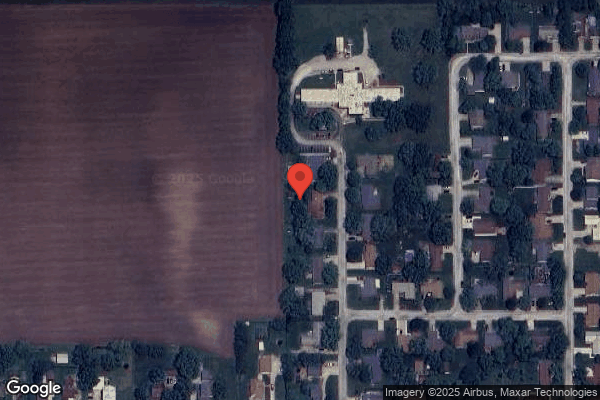
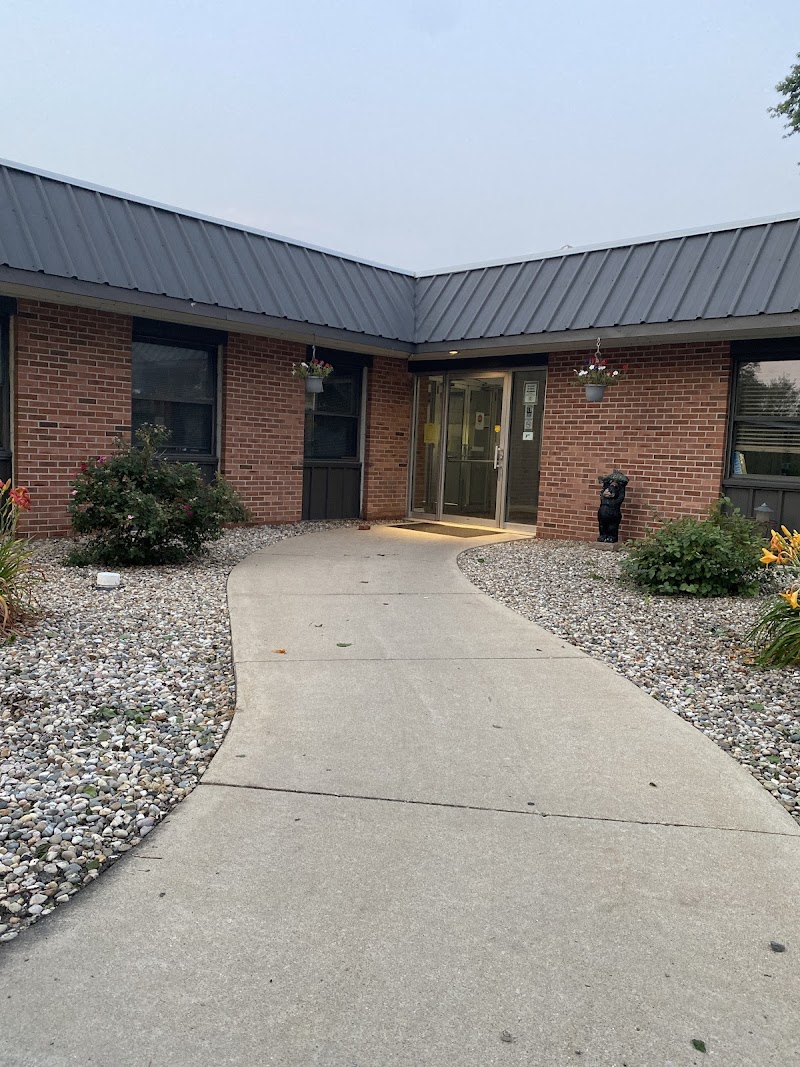
100 EASTVIEW PLACE, SULLIVAN, IL 61951 (217) 728-7367
For profit - Limited Liability company 63 Beds POINTE MANAGEMENT Data: November 2025 1 Immediate Jeopardy citation
Trust Grade
0/100
#506 of 665 in IL
Last Inspection: November 2024

Within standard 12-15 month inspection cycle. Federal law requires annual inspections.

Overview

Eastview Healthcare & Senior Living has received a Trust Grade of F, indicating significant concerns about the quality of care provided. Ranked #506 out of 665 facilities in Illinois, it falls in the bottom half of the state, though it is the top facility in Moultrie County with only one other option. The facility is showing some signs of improvement, having reduced issues from 7 to 5 over the past year, but overall staffing is a major concern with a 1-star rating and less RN coverage than 97% of Illinois facilities. Additionally, the facility has incurred $228,745 in fines, which is alarming as it exceeds the fines of 96% of other facilities in the state. Specific incidents include a resident being physically abused by another resident due to inadequate supervision, leading to serious safety concerns. There were also failures to implement fall prevention measures that resulted in injuries for two residents, and a pressure ulcer on a resident worsened due to a lack of proper treatment. While the facility has low staff turnover at 0%, which is a positive sign, the overall performance and recent incidents raise serious questions about resident safety and care quality.

Trust Score
F
0/100
In Illinois
#506/665
Bottom 24%
Safety Record
High Risk
Review needed
Inspections
Getting Better
7 → 5 violations
Staff Stability
○ Average
Turnover data not reported for this facility.
Penalties
⚠ Watch
$228,745 in fines. Higher than 77% of Illinois facilities, suggesting repeated compliance issues.
Skilled Nurses
⚠ Watch
Each resident gets only 13 minutes of Registered Nurse (RN) attention daily — below average for Illinois. Fewer RN minutes means fewer trained eyes watching for problems.
Violations
⚠ Watch
53 deficiencies on record. Higher than average. Multiple issues found across inspections.
★☆☆☆☆
1.0
Overall Rating
★☆☆☆☆
1.0
Staff Levels
★☆☆☆☆
1.0
Care Quality
★★☆☆☆
2.0
Inspection Score
Stable
2024: 7 issues
2025: 5 issues

The Good

  • Full Sprinkler Coverage · Fire safety systems throughout facility
  • No fines on record

Facility shows strength in fire safety.

The Bad

1-Star Overall Rating

Below Illinois average (2.5)

Significant quality concerns identified by CMS

Federal Fines: $228,745

Well above median ($33,413)

Significant penalties indicating serious issues

Chain: POINTE MANAGEMENT

Part of a multi-facility chain

Ask about local staffing decisions and management

The Ugly 53 deficiencies on record

1 life-threatening 4 actual harm
Aug 2025 5 deficiencies 1 Harm
SERIOUS (G) 📢 Someone Reported This

A family member, employee, or ombudsman was alarmed enough to file a formal complaint

Actual Harm - a resident was hurt due to facility failures

Accident Prevention (Tag F0689)

A resident was harmed · This affected 1 resident

**NOTE- TERMS IN BRACKETS HAVE BEEN EDITED TO PROTECT CONFIDENTIALITY** Based on observation, interview, and record review the facility failed to implement fall prevention measures for two of two resi...

Read full inspector narrative →
**NOTE- TERMS IN BRACKETS HAVE BEEN EDITED TO PROTECT CONFIDENTIALITY** Based on observation, interview, and record review the facility failed to implement fall prevention measures for two of two residents (R2, R7) reviewed for falls on the sample list of 13. These failures resulted in R2 experiencing a displaced fracture of the right hand, and R7 a fractured nasal bone. Findings Include:Falls and Fall Risk Management policy dated March 2018 documents Based on previous evaluations and current data, the staff will identify interventions related to the resident's specific risks and causes to try to prevent the resident from falling and to try to minimize complications from falling.1. Facility Reported Incident Final Investigation dated August 19, 2025, documents on August 11th, 2025, the Certified Nursing Assistant (CNA) reported that while giving R7 a shower, R7 lunged forward out of the chair and onto the floor. Nurse assessed immediately and R7 was sent to the emergency room (ER). Conclusion: X-Ray found nasal bone fracture.R7's undated care plan documents diagnosis of Unspecified Dementia; Bipolar; Schizoaffective Disorder; Major Depressive Disorder; and Alzheimer's. The same document documents an admission date of 6/14/2021.R7's Minimum Data Set (MDS) documents on 08/19/2025 that R7 is severely cognitively impaired. The MDS documents R7 as dependent on staff for all cares including showers. R7's record review of progress notes documents a progress note dated 8/11/2025 at12:29pm stated the CNA yelled for a nurse from the shower room. The Nurse reported to the shower room to note resident face down on the floor with a pool of blood. The CNA stated that R7 thrashed herself forward and the CNA couldn't catch R7 in time before R7 hit the floor. Support provided for R7's head and 911 called. R7 was noted to have a possible fracture to nose and swelling to left eye. Both nurses remained with resident to monitor and keep her safe from further injury until Emergency Medical Services (EMS) arrived. All parties notified.R7's progress note dated 8/11/2025 at 5:00pm which stated R7 returned from ER via stretcher and EMT's. R7 was alert and had contusions on the left side of R7's face from eyebrow down to below cheek. Report states she has nasal bone fracture.R7's care plan documents under Falls section: educate staff on keeping chair in reclined position when R7 is in chair for proper positioning and comfort due to R7's strong thrusting body movements uncontrolled. Date Initiated: 04/07/2025R7's care plan documents the resident has a nasal bone fracture related to falling out of the shower chair. Date Initiated: 08/12/2025On 8/26/25 V12 License Practical Nurse (LPN) stated on 08/11/25 that R7 was getting a shower from V11 CNA, when V11 yelled out the shower room door for a nurse. V12 stated V12 ran to the shower room and observed R7 lying face down with a pool of blood coming from under R7's face. V11 stated she assessed R7 and rolled R7 over and noted that R7 had what looked like a nasal fracture with blood coming from the nares (nostrils). V11 stated EMS (Emergency Medical Services) was called to take R7 to the local hospital. V11 stated that all staff knew R7 rocks/lunges forward when seated and usually two nursing staff give R7 a shower. V11 stated there was only one CNA (V11) in the shower room at time of fall.On 08/27/25 at 10:10am, V11 Certified Nurse's Aide, stated that R7 lunged forward from the shower chair on 08/11/25. V11 stated that a second CNA had left the shower room to get R7 some clean clothing. V11 stated that R7 has a known history of lunging forward unexpectedly from chairs. V11 stated V11 was standing to the left side and behind the shower chair and was unable to reach the shower chair as R7 lunged forward falling from the shower chair and landing on the floor. V11 then stated that V11 opened the shower room door and yelled for a nurse.On 08/26/2025 at 12:45pm, V16 (R7's family) stated she was informed of R7 falling from the shower chair in the shower room. V16 stated the hospital told her that R7 had a broken nose. V16 stated that R7 has been known to be lunging/rocking when sitting up for as long as she can remember, and the staff know this.2. Facility Reported Incident Final Investigation dated July 9th, 2025, documents on July 5th, 2025, R2 was pushing on bed during care and rolled onto her right hand. Staff stated that as he (CNA) rolled R2 over to change her, R2 put her right hand down on the mattress and R2 rolled on top of R2's right hand. R2 was transferred to the ER for evaluation and the x-ray revealed a minimally displaced fracture involving the fifth proximal phalanx. R2 returned to the facility with a soft cast in place.Review of R2's hospital records dated 7/5/25 at 11:22 PM documents This is an [AGE] year-old female NHR (Nursing Home Resident) with a history of dementia who is nonverbal at baseline brought to the ED (Emergency Department) by EMS after her right hand became caught underneath her in bed with audible pop and subsequent swelling and bruising noted to the right little finger and hand. IMPRESSION: Obliquely oriented minimally displaced fracture involving the fifth proximal phalanx.R2's undated care plan documents diagnosis of: Unspecified Dementia; Type 2 Diabetes; Hypertensive Heart Disease; Generalized Anxiety Disorder; Major Depressive Disorder; and Cognitive Communication Deficit. The same document has an admission date 09/09/2019.R2's MDS (Minimum Data Set) dated 8/8/25 documents R2 as severely cognitively impaired. The same MDS documents R2 as dependent on staff for all cares.On 8/25/25 at 11:49am, call placed to V13, R2's Family, unanswered, Voicemail left.On 8/25/25 at 11:56am, V8 LPN stated V9 CNA was providing cares for R2 by pushing R2 over onto R2's side and R2 was pushing back. When R2 relaxed R2's body moved forward on to R2's right hand and V9 heard an audible pop. V9 noted the right 5th digit was pointed in the wrong direction so V9 came and got the nurse.On 8/25/25 at 12:50pm, V9 CNA stated R2 was being combative with cares after having a bowel movement. V9 stated V9 left the room to allow R2 to calm down and returned a few minutes later. V9 stated that R2 grabbed the side of the bed and was pushing against being turned but needed cleaned up. V9 was trying to clean R2 up when R2 relaxed R2's body moved forward onto R2 right hand. V9 stated he heard a pop and looked at R2 noting R2's pinky appeared dislocated and V9 got the nurse. V9 stated there was another agency CNA in the building and V9 could have asked her for help but did not want to scare her off on her first time working in the facility by asking her to help with a difficult resident so he chose to proceed on his own.
CONCERN (E) 📢 Someone Reported This

A family member, employee, or ombudsman was alarmed enough to file a formal complaint

Potential for Harm - no one hurt, but risky conditions existed

Free from Abuse/Neglect (Tag F0600)

Could have caused harm · This affected multiple residents

Based on interview and record review the facility failed to protect residents rights to be free from resident to resident physical abuse. This failure affects four of four residents (R3, R4, R5, R6) r...

Read full inspector narrative →
Based on interview and record review the facility failed to protect residents rights to be free from resident to resident physical abuse. This failure affects four of four residents (R3, R4, R5, R6) reviewed for abuse in the sample list of 13. Findings Include:Abuse, Neglect, Exploitation and Misappropriation Prevention Program dated April 2021 documents: Residents have the right to be free from abuse, neglect, misappropriation of resident property and exploitation. This includes but is not limited to freedom from corporal punishment, involuntary seclusion, verbal, mental, sexual or physical abuse, and physical or chemical restraint not required to treat the resident's symptoms.The facility reported incident final investigation dated July 25th, 2025, documents on July 18th, 2025, at 4:50pm was reported by R4 that R3 made contact with R4's right forearm. The same document documents: After a thorough investigation the facility has determined that the incident did occur.The facility reported incident final investigation dated August 13th, 2025, documents on August 7th, 2025, at 11:30pm it was reported to Nurse that R3 went into R4's room on the evening of the 6th. R3 entered R4's room through their adjoining bathrooms. R3 was going through R4's' things and R4 yelled to make R3 stop. R4 then reported on the morning of the 7th that R3 made contact with R4's hand.The facility reported incident final investigation dated July 29th, 2025, documents on July 26th, 2025, at 3:00pm it was reported to the Nurse that R3 made contact with R6's right wrist. The CNA reported to Nurse that R3 walked up to other residents playing cards. The other residents playing cards started yelling at R3 to get away. R3 then made contact with R6's right wrist.The facility reported incident final investigation dated August 12th, 2025, documents on August 6th, 2025, at 10:00am staff witnessed a resident-to-resident incident. As V12 License Practical Nurse (LPN), was doing a one-to-one with R3 when R3 made contact with the top of R6's hand. After a thorough investigation it was determined that R3 wanted the book that R6 had and R6 stopped her from taking it causing R3 to react.The facility reported incident final investigation dated July 29th, 2025, documents on July 26th, 2025, at 07:30am it was reported that R3 made contact with R5. The facility has determined that the incident did occur.On 8/25/25 at 1:20pm, V12 LPN, stated that R3 did make contact with R6 on 8/6/25 while V12 was providing one-to-one cares to R3.On 8/26/25 at 12:20pm, V1 Administrator confirmed that R3 has been investigated and had been involved in multiple incidents involving R4, R5, and R6 on various dates in which R3 has abused the other residents.On 8/26/25 at 1:04pm, V3 LPN confirmed that R3 has been investigated and known to make contact with R4, R5, and R6 on various dates.
CONCERN (F) 📢 Someone Reported This

A family member, employee, or ombudsman was alarmed enough to file a formal complaint

Potential for Harm - no one hurt, but risky conditions existed

Deficiency F0727 (Tag F0727)

Could have caused harm · This affected most or all residents

Based on interview and record review, the facility failed to designate and maintain a full-time Director of Nursing (DON). This deficiency has the potential to affect all 50 residents in the facility ...

Read full inspector narrative →
Based on interview and record review, the facility failed to designate and maintain a full-time Director of Nursing (DON). This deficiency has the potential to affect all 50 residents in the facility by compromising the oversight and coordination of nursing services. Findings Include:Review of staffing schedules from 7/25/25 thru 8/25/25 confirmed that no licensed nurse was designated as Director of Nursing (DON) and no interim appointment was made.On 8/25/25 at 1:20pm, V12 Licensed Practical Nurse (LPN), confirmed there is no DON at this time and stated we haven't had a DON for a few weeks now.On 8/26/25 at 12:20pm, V1 Administrator stated, We've been trying to hire a Director of Nursing (DON), but we haven't been able to find anyone. We do have an interim DON starting soon.On 8/27/25 at 1:35pm, V2 Corporate Nurse stated the facility does not have a DON at this time, but we do have an interim DON starting soon.The Facility Census dated 8/21/25 documents there are 50 residents currently in the facility.
CONCERN (F) 📢 Someone Reported This

A family member, employee, or ombudsman was alarmed enough to file a formal complaint

Potential for Harm - no one hurt, but risky conditions existed

Deficiency F0801 (Tag F0801)

Could have caused harm · This affected most or all residents

Based upon interview and record review, the facility failed to employee a certified dietary manager for food services. This failure has the potential to affect all 50 residents currently residing in f...

Read full inspector narrative →
Based upon interview and record review, the facility failed to employee a certified dietary manager for food services. This failure has the potential to affect all 50 residents currently residing in facility.Findings include:Facility Census dated 8/21/25 documents there are 50 residents currently residing in the facility.Dietary Services food certifications reviewed on 8/21/25. Certifications include food safety for all dietary staff. Certifications do not include Dietary Manager Certification.On 8/21/25 at 1:00pm, V4 Dietary Manager (DM) stated she is not certified for dietary management.On 8/27/25 at 11:57am, V5 Registered Dietician (RD), stated she consults for facility and primarily approves menus and completes dietary recommendations for residents. V5 stated V5 is at facility on average approximately 16 hours a month. V5 confirms the facility has a newer dietary manager that is not certified at this time. On 8/27/25 at 12:50pm, V1 Administrator and V2 Regional Nurse confirmed that V4 DM is not a certified dietary manager and that V4 is not currently enrolled in any certification courses.
CONCERN (F) 📢 Someone Reported This

A family member, employee, or ombudsman was alarmed enough to file a formal complaint

Potential for Harm - no one hurt, but risky conditions existed

Deficiency F0804 (Tag F0804)

Could have caused harm · This affected most or all residents

Based upon observation, interview and record review, the facility failed to ensure meals were palatable and at a safe and appetizing temperature. This failure has the potential to affect all 50 reside...

Read full inspector narrative →
Based upon observation, interview and record review, the facility failed to ensure meals were palatable and at a safe and appetizing temperature. This failure has the potential to affect all 50 residents currently residing at facility. Facility Resident Census dated 8/21/25 documents that there are 50 residents currently residing in the facility.The Food Temperature Chart for August reviewed. Chart dated 8/10/25-8/16/25 documents food temperatures at meal service. Breakfast meal for dates 8/11 and 8/12 are missing documentation. Lunch meal for dates 8/10, 8/11, 8/12, and 8/13 are missing, and dinner meal for dates 8/15 and 8/16 are missing documentation. Vegetable temperatures are being documented at 200 degrees Fahrenheit (F) at time of service. Chart dated 8/17/25-8/23/25 missing documentation for the 8/17/25 dinner meal. Facility Food Temperature Chart for 8/21/25 lunch meal documented food temps as follows: meat 210 degrees F, ground meat 200 degrees F, pureed meat 192 degrees F, vegetables 185 degrees F, pureed vegetables 192 degrees F, fruit 31 degrees F, and milk 31 degrees F. No temperatures were documented for pasta.On 8/21/25, the lunch menu includes one piece of glazed meatloaf, four ounces of garlic buttered noodles, four ounces of broccoli. The recipes provided include holding temperature of food at time of service. Glazed meatloaf recipe documents to hold at 135 degrees F or above during the entire service period, noodles and broccoli are to hold at 135 degrees F for service.On 8/21/25 at 12:10pm, R5 stated very rarely do I get warm food, breakfast is always ice cold.On 8/21/25 at 12:15pm, R13's hospice aide was observed taking R13's lunch plate back to kitchen. R13 stated R13's food had just been delivered, and the food was cold. Meat temperature on the plate was 111.5 degrees Fahrenheit (F) and the pasta side temped at 98.4 degrees F.On 8/21/25 at 12:20pm, R11 stated food was cold today, the food is always cold.On 8/21/25 at 12:25pm, V4 Dietary Manager (DM) provided a test tray (photo attached) that included meat and pureed meat, noodles and vegetable. Regular texture meat temped at 194.6 degrees F, pureed meat was 120 degrees F, noodles temped at 110 degrees F and vegetable temped at 108 degrees F. The food was served on a Styrofoam plate, and a notable amount of liquid grease was pooling on the plate under the food. Regular texture meat was extremely hot to palate, flavor was palatable. Pureed meat had same flavor and was cold to palate. Noodles were cold to palate, very bland and very greasy. Vegetables were cool to the palate and had no flavor. The menu displayed on the whiteboard next to the kitchen entrance listed glazed meatloaf, garlic buttered noodles, broccoli, roll, and an apricot pie bar as mid-day meal. On 8/21/25 at 12:35pm, R12 stated the portions provided at lunch today did not reflect their normal portion sizes for protein. R12 stated they hardly get any protein and when they do its very small.On 8/21/25 at 12:45pm, V6 (R1's spouse) was at the lunch table with R1. V6 was feeding R1 pizza that V6 had brought into facility. V6 stated the food is always cold and the portion sizes are tiny. V6 stated they had pulled pork on a bun a few days ago and the portion of meat was so small that it wasn't visible on the bun until the top was removed. V6 stated that breakfast is the worst meal of the day. V6 stated the menu for breakfast never changes and consists of eggs, cereal, juice and maybe some fruit. V6 stated the eggs are always cold and the breakfast meal is always served on Styrofoam plates and bowls.On 8/25/25 at 12:02pm, V15 Dietary Aide was observed portioning out food onto resident plates for service. Resident meal cards containing diet type, restrictions, allergies and preferences listed on cards were utilized when plating food. Food observed included hamburger bun, ham salad, plain potato chips, melon, and chocolate cake. Portion sizes were not uniform, ham salad placed on bun was approximately size of half dollar, chips were placed by hand full, melon pieces varied from 3-5 pieces depending on what fit in small portion bowl, cake was cut in rectangular shape and approximately 1inch by 2inches in size. No observations were noted of food temping during service. Alternative options available included turkey burger and mashed potatoes. At 12:20pm, V4 was asked to perform temperature checks on hot food. No thermometer was available. This surveyor provided thermometer. Turkey burgers that were being held in steam table had internal temp of 117 degrees F, and mashed potatoes temped at 177 degrees F. 8/25/25 at 12:30pm, R11 stated the chips are stale, there never seems to be enough to eat, and they don't offer seconds anymore.8/25/25 at 12:35pm, V6 R1's spouse stated the chips are stale and you can't see the meat inside the bun. 8/26/25 at 1:35pm, R12 stated that often the meals provided contain meat that seems overcooked. R12 stated meat is rubbery and tough. R12 also stated that potato items such as tater tots and French fries are very undercooked.On 8/27/25 at 1:30pm, V4 Dietary Manager (DM) stated she has not been provided any education since the first day of employment and neither has the dietary aides. V4 stated that currently the left side of the oven doesn't get to temp, the flat top griddle is slow to warm and the steam table that is utilized to hold food during meal service does not regulate temperatures. V4 confirmed staff does not always check food temperatures and is unclear if they know what unsafe food temps are.Facility policy titled Food Preparation and Service dated November 2022 documents proper hot and cold temperatures are maintained during food distribution and service and any food held in the danger zone of 41 degrees F to 135 degrees F must be discarded after 4 hours. Any food held in steam table for service must be temped often.Facility policy titled Monitoring Food Temperatures dated 2020 documents all hot foods should temp no lower than 120 degrees F at point of service for palatability.
Nov 2024 6 deficiencies
CONCERN (D)

Potential for Harm - no one hurt, but risky conditions existed

Deficiency F0604 (Tag F0604)

Could have caused harm · This affected 1 resident

**NOTE- TERMS IN BRACKETS HAVE BEEN EDITED TO PROTECT CONFIDENTIALITY** Based on observation, interview, and record review, the facility failed to identify specific medical conditions or symptoms nece...

Read full inspector narrative →
**NOTE- TERMS IN BRACKETS HAVE BEEN EDITED TO PROTECT CONFIDENTIALITY** Based on observation, interview, and record review, the facility failed to identify specific medical conditions or symptoms necessitating the use of physical restraints, failed to assess safe use of restraints, and failed to release a physical restraint every two hours per plan of care. This failure affects two residents (R24, R28) of two reviewed for restraints in the sample list of 22. Findings Include: The facility policy titled Physical Restraint/Enabler Policy revised 7/24/18 documents physical restraints are any manual method or physical or mechanical device, equipment or material attached, or adjacent to the resident's body which the individual cannot remove easily and which restricts freedom of movement or normal access to his or her body. A device that may constitute a physical restraint may include, but is not limited to: bed rails, self-release waist restraints, soft waist restraints, lap top cushions, vest restraints, Geri-chair with tray table, arm restraints, leg restraints, personal alarms and hand mitts. Allow a two-finger width between the resident's body and the physical restraint. Release the physical restraint at a minimum of every two hours. During this period the resident shall be ambulated (if applicable), repositioned, toileted or changed, and/or skin care and nursing care provided, as appropriate. 1.) R24's undated Face Sheet documents medical diagnoses as Dementia, Insomnia and Hypertension. This same face sheet documents R24 admitted to facility on 10/24/24. R24's Physician Order Sheet (POS) dated November 2024 documents a physician order starting 10/31/24 to apply a self releasing seat belt when R24 is up in her wheelchair. R24's Minimum Data Set (MDS) dated [DATE] documents R24 is severely cognitively impaired. This same MDS documents R24 is dependent on staff for toileting, bathing, dressing, personal hygiene, bed mobility and transfers. R24's Care Plan intervention dated 11/13/24 instructs staff to apply self releasing seat belt due to R24 leaning forward. This same care plan documents an intervention dated 11/13/24 to Release device and assist to reposition at least every two hours and PRN for restlessness. R24's Physical Restraint/Enabler assessment dated [DATE] documents R24's physical restraint is treating the conditions of leaning forward, attempting to stand and proper body positioning. This same assessment documents R24 is ambulatory, has no weight bearing restrictions, and has no Musculoskeletal or Neurological Disorder that interferes with ambulation. On 11/12/24 at 12:00 PM R24 sitting at her dining room table eating lunch with seat belt connected to itself via Velcro straps. R24's seat belt sat loosely between R24's mid thighs and knees. On 11/12/4 at 1:30 PM R24 was sitting in her wheelchair with a seatbelt attached laying on R24's Left Knee between her mid thigh and knee. R24 was sitting in her wheelchair with her legs crossed. R24's buttocks and legs were entirely to the side of the raised pommel. On 11/13/24 at 8:30 AM R24 sitting at her dining room table eating breakfast with seat belt connected to itself via Velcro straps. R24's seat belt sat loosely between R24's mid thighs and knees. On 11/13/24 at 3:45 PM V5 Licensed Practical Nurse (LPN)/Resident Care Coordinator (RCC) asked R24 to remove her seatbelt. R24 looked at V5 and smiled. R24 did not attempt to remove her seatbelt. R24's seatbelt was fastened with Velcro with a personal alarm sewn into the back of the seatbelt. On 11/14/24 at 11:55 PM R24 was sitting at her dining room table eating lunch with a seat belt connected to itself via Velcro straps. R24's seat belt sat loosely between R24's mid thighs and knees. On 11/13/24 at 2:00 PM V6 Certified Nurse Aide (CNA) stated R24's seatbelt has not been released since before breakfast when R24 was assisted out of bed. V6 stated V6 did offer toileting to R24 before lunch and R24 declined. V6 stated R24's seatbelt is so loose R24 can reposition herself without staff having to do it for R24. On 11/14/24 at 4:00 PM V5 LPN/RCC asked R24 to remove her seatbelt. R24's seatbelt was fastened with Velcro with a personal alarm sewn into the back of the seatbelt. R24 looked at V5 and smiled. R24 did not attempt to remove her seatbelt. V5 removed R24's personal alarm which sounded and then reconnected R24's personal alarm again. R24 stood up with her seatbelt in connected. R24 felt her seatbelt with her Right hand and then immediately sat back down. V3 Minimum Data Set (MDS)/Licensed Practical Nurse (LPN) approached R24 at this time and asked R24 to remove her seatbelt. R24's seatbelt was fastened with Velcro with a personal alarm sewn into the back of the seatbelt. R24 looked at V3 and smiled. R24 did not attempt to remove her seatbelt. V3 MDS/LPN stated R24 should not have a personal alarm in her wheelchair. V3 MDS/LPN stated We (facility) aren't supposed to have that many restraints. (R24) can stand and take a few steps but we (facility) are afraid she will fall so that is why she has the seatbelt and pommel cushion. V3 stated R24 would scoot her buttocks forward in her wheelchair under the seat belt to attempt to stand so the pommel cushion was placed in R24's wheelchair to prevent her from standing. On 11/14/24 at 12:46 PM V2 Regional Director of Operations stated any resident utilizing a physical restraint should have a medical diagnosis documented as the primary reason for use. V2 stated any resident who is using a physical restraint should have that restraint released every two hours for repositioning. V2 stated R24's seatbelt restraint should not be so loose. V2 stated R24's seatbelt restraint being so loose could cause a safety hazard. 2. R28's diagnosis list (printed 11/14/2024) documents diagnoses including: Severe Dementia, Cognitive Communication Deficit, Anxiety Disorder, Osteoarthritis, Depression, and Post Traumatic Stress Disorder. R28's quarterly assessment (9/21/2024) documents R28 has severe cognitive impairment, does not have impaired upper or lower extremity range of motion, and does not use any type of physical restraint. R28's Physician Orders (11/14/2024) document: lap tray when up in reclining chair and release every two hours and when one-to-one with staff. The same record does not document any specific medical need for R28's lap tray restraint. On 11/12/2024 at 11:31 AM R28 was seated in a wheelchair in R28's room with a lap tray positioned in front of R28 with a belt attaching the tray to the wheelchair. R28 appeared to be actively attempting to remove the tray and twisting the tray upwards and side to side. On 11/12/2024 at 11:34 AM V13 (Certified Nurse Aide) reported the facility uses the lap tray when R28 is up in the wheelchair to keep R28 from trying to get out of the wheelchair. V13 reported staff recently removed R28's lap tray but R28 attempted to get out of the wheelchair three to four times so staff replaced the tray. On 11/12/2024 at 1:20 PM R28 was seated in R28's wheelchair in R28's room and was moving the lap tray around in upwards and side to side motions. R28's progress notes (10/31/2024) document attempted to remove lap tray. Resident did go three days without attempting to stand by self. On 11/4/24 resident was noted to be in room and had stood up. On 11/5/2024 resident was attempting to stand up again in dining room. Lap tray was re-applied for resident safety. He is able to move lap tray around and in different angles. On 11/14/2024 at 11:40 AM V3 (Minimum Data Set Coordinator) reported R28 is not able to remove the lap tray independently and the facility recently tried a trial removal of the lap tray but R28 tried to get up from R28's wheelchair so the tray was replaced. On 11/14/2024 at 2:50 PM V22 (Certified Nurse Aide) reported R28 attempts to get up from R28's wheelchair. V22 reported R28 is able to remove R28's socks without the tray in place but unable to do so with the tray present on R28's wheelchair. V22 reported the lap tray is used to keep R28 from attempting to get up from the wheelchair. V22 reported the pieces of pool noodles were recently placed on R28's lap tray because he was getting bilateral skin tears from the tray.
CONCERN (D)

Potential for Harm - no one hurt, but risky conditions existed

Incontinence Care (Tag F0690)

Could have caused harm · This affected 1 resident

**NOTE- TERMS IN BRACKETS HAVE BEEN EDITED TO PROTECT CONFIDENTIALITY** Based on observation, interview and record review the facility failed to provide timely incontinence care and incontinence care ...

Read full inspector narrative →
**NOTE- TERMS IN BRACKETS HAVE BEEN EDITED TO PROTECT CONFIDENTIALITY** Based on observation, interview and record review the facility failed to provide timely incontinence care and incontinence care in accordance with facility standards for two of two residents (R22 and R10) reviewed for incontinence care in a sample list of 22 residents. Findings Include: The facility policy titled Perineal Cleansing reviewed 12/17 documents staff should wash pubic area including upper inner aspect of both thighs and frontal portion of perineum prior to washing resident buttocks and to dry areas thoroughly after cleansing. The basic infection control concept for perineal care is to wash from the cleanest to the dirtiest and remember to change or remove gloves and wash hands when going from working with contaminated items to clean items. 1.) R22's undated Face Sheet documents medical diagnoses as Dementia, Cognitive Communication Disorder, Acute Kidney Failure and Diabetes Mellitus Type II. R22's Minimum Data Set (MDS) dated [DATE] documents R22 as severely cognitively impaired. This same MDS documents R22 as dependent on staff for toileting, bathing, dressing, transfers and requires maximum assistance for personal hygiene. R22's Care Plan intervention dated 7/22/24 documents R22 requires extensive assistance of two staff for toileting. On 11/12/24 observations were made every 15 minutes of R22 sitting her wheelchair from 10:30 AM through 1:00 PM without staff offering or assisting R22 with incontinence care. On 11/13/24 from 11:00 AM through 3:00 PM R22 sat in her wheelchair without staff offering nor assisting R22 with incontinence care. At 2:00 PM R22 was sitting at the end of her hallway in her wheelchair. R22's pants were saturated with urine from front perineal area up to her upper hip area. R22's mechanical lift sling was saturated with urine. R22 had two softball sized urine puddles on the floor underneath her wheelchair. V5 Licensed Practical Nurse (LPN)/Resident Care Coordinator (RCC) stated R22 is fully saturated with urine and should be provided incontinence care. On 11/13/24 at 3:00 PM V9 and V12 Certified Nurse Aide (CNA's) provided incontinence care for R22. R22's seat of her wheelchair was wet with urine. R22's pants and mechanical lift sling were saturated with urine. R22's incontinence brief was grossly saturated with foul smelling urine. On 11/13/24 at 3:30 PM V9 and V12 Certified Nurse Aide (CNA's) stated neither V9 nor V12 had offered or assisted R22 with incontinence care since they started their shift. V9 CNA stated I came in early today at 11:00 AM and haven't had time to do anything with (R22). (R22) should have been checked before lunch but I just didn't get to her. 2.) R10's undated Face Sheet documents medical diagnoses as Dementia and History of Urinary Tract Infections (UTI). R10's Minimum Data Sheet (MDS) dated [DATE] documents R10 as severely cognitively impaired. This same MDS documents R10 is dependent on staff for toileting, bathing, dressing, personal hygiene, bed mobility and transfers. On 11/13/24 at 1:35 PM V6 and V10 Certified Nurse Aides (CNA) provided incontinence care for R10. V6 CNA cleansed R10's buttocks, assisted R10 to her back and then cleansed her front perineal area. V6 did not dry R10's buttocks nor front perineal area after cleansing with no rinse cleanser. V6 did not change gloves or use hand hygiene throughout entire process. V6 did not provide barrier cream to R10's buttocks. R10's incontinence brief was thoroughly saturated, light brown in color and had a strong urine smell. On 11/13/24 at 1:50 PM V6 Certified Nurse Aide (CNA) stated V6 should have used hand hygiene, applied barrier cream and cleansed R10's front perineal area prior to cleansing R10's buttocks. V6 CNA confirmed R10's incontinence brief was saturated with urine. V6 CNA stated (R10's) incontinence brief was so wet and heavy because she hasn't been changed (provided incontinence care) since before lunch around 11:00 AM. (R10) has had a UTI before so we (staff) probably shouldn't wait so long with (R10) because sitting in urine can cause UTI's. On 11/14/24 at 12:45 PM V2 Regional Director of Operations stated residents who are incontinent and rely on staff to provide cares should be provided incontinence care every two hours. V2 stated staff should change their gloves when their gloves become contaminated. V2 stated staff should follow the incontinence care policy by cleansing the front perineal area prior to cleansing the back perineal area. V2 stated improper incontinence care and residents sitting in urine for long periods of time could cause a resident to get a UTI.
CONCERN (D)

Potential for Harm - no one hurt, but risky conditions existed

Respiratory Care (Tag F0695)

Could have caused harm · This affected 1 resident

**NOTE- TERMS IN BRACKETS HAVE BEEN EDITED TO PROTECT CONFIDENTIALITY** Based on observation, interview and record review the facility failed to properly store and date nebulizer tubing for one of one...

Read full inspector narrative →
**NOTE- TERMS IN BRACKETS HAVE BEEN EDITED TO PROTECT CONFIDENTIALITY** Based on observation, interview and record review the facility failed to properly store and date nebulizer tubing for one of one resident (R5) reviewed for oxygen in a sample list of 22 residents. Findings Include: The facility policy titled Nebulizer Therapy dated 10/07 documents staff should store Nebulizer tubing in a plastic bag and change mouthpiece tubing and nebulizer weekly. R5's undated Face Sheet documents medical diagnoses as Dementia, Intellectual Disabilities, Chronic Obstructive Pulmonary Disorder (COPD), Glaucoma, Chronic Systolic Heart Failure, Dependence on Wheelchair and Need for Assistance with Personal Care. R5's Minimum Data Set (MDS) dated [DATE] documents R5 as cognitively intact. R5's Physician Order Sheet (POS) dated November 2024 documents a physician order for Oxygen at 3 Liters (L)/minute via nasal cannula continuously. This same POS documents a physician order dated 8/21/24 to Change Hand Held Nebulizer (HHN)Tubing, reservoir and Respiratory bag weekly and as needed (PRN) when in use. Date and initial tubing, reservoir and respiratory bag. On 11/12/24 at 11:30 AM R5's Nebulizer machine was sitting on top of R5's bedside dresser with a clear plastic bag attached that was labeled 10-23-24 (initials) (R5) nebs. R5's nebulizer tubing was sitting in R5's top drawer bedside dresser with multiple other personal items. On 11/13/24 at 8:40 AM R5's Nebulizer tubing was connected to the nebulizer machine sitting on R5's bedside dresser with the tubing inside the top drawer of the dresser. On 11/13/24 at 8:45 AM V7 Licensed Practical Nurse (LPN) confirmed R5's Nebulizer tubing was in R5's top bedside dresser drawer. V7 stated the tubing should be changed every week on night shift and should be kept in a plastic bag when not in use. On 11/14/24 at 12:55 PM V2 Regional Director of Operations stated the facility is supposed to change every resident's Oxygen and Nebulizer tubing weekly. V2 stated all the respiratory tubing should be stored in a clean plastic bag when not in use.
CONCERN (F)

Potential for Harm - no one hurt, but risky conditions existed

Deficiency F0727 (Tag F0727)

Could have caused harm · This affected most or all residents

Based on observation, interview, and record review the facility failed to employ a full time Director of Nurses and failed to provide eight consecutive hours of Registered Nurse coverage for four of f...

Read full inspector narrative →
Based on observation, interview, and record review the facility failed to employ a full time Director of Nurses and failed to provide eight consecutive hours of Registered Nurse coverage for four of fourteen days reviewed. These failures have the potential to affect all 42 residents residing in the facility. Findings Include: Facility Nursing Staff Daily Assignment Sheets reviewed from 11/1/24 through 11/14/24 document four days (11/5/24, 11/8/24, 11/9/24, 11/10/24) that the facility failed to use the services of a Registered Nurse for at least eight consecutive hours. On 11/14/24 at 2:28 PM V2 Regional Administrator confirmed the facility currently has no Director of Nurses (DON) employed by the facility and the previous DON's last day was 9/18/24. V2 also confirmed there were four days since 11/1/24 that the facility did not have the required eight consecutive hours of Registered Nurse (RN) coverage. From 11/12/24 through 11/15/24 there was no DON observed working in the facility. The Long-Term Care Facility Application for Medicare and Medicaid dated 11/12/24 documents the facility currently has 42 residents residing in the facility.
CONCERN (F)

Potential for Harm - no one hurt, but risky conditions existed

Deficiency F0868 (Tag F0868)

Could have caused harm · This affected most or all residents

Based on interview and record review the facility failed to ensure required personnel attended the Quality Assessment and Assurance (QAA) committee meetings. This failure has the potential to affect a...

Read full inspector narrative →
Based on interview and record review the facility failed to ensure required personnel attended the Quality Assessment and Assurance (QAA) committee meetings. This failure has the potential to affect all 42 residents in the facility. Findings Include: The January 2024 QAA meeting attendance signature sheet does not document the facility Director of Nursing or Infection Preventionist was present for the meeting. The April 2024, July 2024, and November 2024 QAA meeting attendance signature sheets do not document the facility Director of Nursing was present for any of these meetings. On 11/14/24 at 2:28 PM V2 Regional Administrator confirmed the facility's Quality Assessment and Assurance Committee meets at least quarterly and the required members include the facility Administrator, the Director of Nurses (DON), the Infection Preventionist (IP), the Medical Director or Designee, and two other staff members. V2 confirmed after review of the last four quarterly QAA sign in sheets, there was no DON present at any of the last four meetings and no IP present at the January 2024 meeting. The Long-Term Care Facility Application for Medicare and Medicaid dated 11/12/24 documents the facility currently has 42 residents residing in the facility.
CONCERN (F)

Potential for Harm - no one hurt, but risky conditions existed

Infection Control (Tag F0880)

Could have caused harm · This affected most or all residents

**NOTE- TERMS IN BRACKETS HAVE BEEN EDITED TO PROTECT CONFIDENTIALITY** Based on observation, interview and record review facility staff failed to don appropriate Personal Protective Equipment (PPE) w...

Read full inspector narrative →
**NOTE- TERMS IN BRACKETS HAVE BEEN EDITED TO PROTECT CONFIDENTIALITY** Based on observation, interview and record review facility staff failed to don appropriate Personal Protective Equipment (PPE) while providing resident care and failed to prevent cross contamination during medication administration for three of three residents (R11, R26, R5) reviewed for Infection Control in a sample list of 22 residents. This failure has the potential to affect all 42 residents residing in the facility. Findings Include: 1.) R11's undated Face Sheet documents medical diagnoses as Dementia, Alzheimer's Disease and active COVID-19. R11's Physician Order Sheet (POS) dated November 2024 documents a physician order dated 11/10/24 for R11 to be placed on Droplet and Contact Isolation for positive COVID-19 test to end on 11/20/24. R11's Minimum Data Set (MDS) dated [DATE] documents R11 as cognitively intact. R26's undated Face Sheet documents medical diagnoses as Alzheimer's Disease and current COVID-19 infection. R26's Physician Order Sheet (POS) dated November 2024 documents a physician order starting 11/11/24 to obtain a full set of vital signs every four hours due to COVID-19 positive. R26's Minimum Data Set (MDS) dated [DATE] documents R26 as severely cognitively impaired. On 11/13/24 at 11:10 AM V6 Certified Nurse Aide (CNA) obtained R11 and R26's blood pressure and pulse in R11 and R26's room (R11, R26 are roommates). R11 and R26's door displayed signs that indicated PPE for contact and droplet precautions is to be worn when entering R11, R26's room. R11, R26's room also had a three drawer dresser containing Personal Protective Equipment (PPE). V6 CNA was not wearing gloves nor a protective gown when obtaining R11, R26's vital signs. The front of V6 CNA's sweatshirt touched both R11, R26's bedside tables and R26's lap tray attached to the wheelchair R26 was sitting in. On 11/13/24 at 11:20 AM V6 Certified Nurse Aide (CNA) stated R11 and R26 are both COVID-19 positive and on contact and droplet isolation. V6 stated V6 should have worn a gown and gloves when obtaining R11, R26's vital signs. V6 stated V6 should have used hand hygiene between caring for COVID-19 positive residents and should have cleaned the equipment in between using it on separate COVID-19 positive residents. 2.) R5's Minimum Data Set (MDS) dated [DATE] documents R5 as cognitively intact. R5's Physician Order Sheet dated November 2024 documents a physician order for Symbicort 80-4.5 micrograms (mcg). Give two puffs every morning for Chronic Obstructive Pulmonary Disorder (COPD). On 8/13/24 at 8:25 AM V7 Licensed Practical Nurse (LPN) wore gloves to administer R5's Symbicort Inhaler in R5's room. V7 LPN wore the same gloves to pick up R5's Oxygen Nasal Cannula that was laying on R5's floor. V7 LPN then proceeded to administer R5's second puff of R5's Symbicort inhaler without using hand hygiene or change gloves. On 8/13/24 at 8:40 AM V7 Licensed Practical Nurse (LPN) stated V7 should have changed gloves and used hand hygiene prior to administering R5's second puff from her Symbicort inhaler. On 8/13/24 at 1:30 PM R5 stated That nurse (V7) touched her gloves to the floor and then pushed on my inhaler right at my mouth. I didn't like that but I need my inhaler. On 8/14/24 at 12:00 PM V2 Regional Director of Operations stated nurses should perform hand hygiene before and after touching anything possibly contaminated. V2 stated V7 should have either waited to finish R5's medication administration or washed her hands and performed hand hygiene before administering R5's second puff of R5's Symbicort inhaler. 3. On 11/13/24 at 12:28 PM V6 Certified Nurses Assistant (CNA) was observed in R26's room standing directly in front of R26's chair assisting her with eating the noon meal. R26 is Covid positive. The only PPE V6 was wearing was a surgical mask covering only her mouth and not her nose. V6 CNA stated she doesn't know what she is supposed to be wearing in a room with droplet precautions because she has never worked during a Covid outbreak. There was Droplet Precaution sign on R26's door with instructions on what Personal Protective Equipment (PPE) should be worn in R26's room. On 11/13/24 at 12:34 PM V7 Licensed Practical Nurse (LPN) confirmed V6 CNA should have been wearing gloves, gown, eye protection, and a N95 mask while feeding a resident with Covid On 11/13/24 at 12:38 PM V5 Infection Preventionist confirmed V6 CNA should be wearing gloves, gown, eye protection, and a N95 mask while providing care or feeding a resident with Covid. On 11/15/24 at 1:45 PM V2 Regional Administrator confirmed Certified Nurses Assistants have access to all residents in the facility and if they do not utilize the required PPE while caring for residents with Covid, the risk for potentially exposing other residents and staff throughout the facility significantly increases. The Covid-19 Control Measures policy dated May 2023 documents in the event of a facility outbreak, all health care personnel must wear an N95 mask and eye protection when caring for all residents. The undated Contact Precautions sign documents staff are to wear gloves and gowns when entering a resident's room that is on Isolation Precautions. Then undated Droplet Precautions sign documents staff are to have their mouth, nose, and eyes fully covered when entering a resident's room that is on Droplet Precautions. The Long-Term Care Facility Application for Medicare and Medicaid dated 11/12/24 documents the facility currently has 42 residents residing in the facility.
Mar 2024 1 deficiency
CONCERN (E) 📢 Someone Reported This

A family member, employee, or ombudsman was alarmed enough to file a formal complaint

Potential for Harm - no one hurt, but risky conditions existed

Deficiency F0825 (Tag F0825)

Could have caused harm · This affected multiple residents

**NOTE- TERMS IN BRACKETS HAVE BEEN EDITED TO PROTECT CONFIDENTIALITY** Based on observation, interview and record review the facility failed to ensure therapy services were provided for five (R1, R2,...

Read full inspector narrative →
**NOTE- TERMS IN BRACKETS HAVE BEEN EDITED TO PROTECT CONFIDENTIALITY** Based on observation, interview and record review the facility failed to ensure therapy services were provided for five (R1, R2, R3, R4 and R5) of five residents reviewed for therapy services from a sample list of five residents. Findings include: On 3/20/24 at 12:55PM, V1 Administrator stated, Therapy's last day in this building was February 19, 2024. We are supposed to have a new company starting later this week. On 3/20/24 and 3/21/23, there no therapy providers were in the facility and no residents were receiving therapy services. 1.) R3's progress notes document that R3 was admitted to the facility on [DATE]. R3's physician orders dated 2/7/24 document orders for speech, occupational and physical therapy services. R3's therapy orders dated 2/8/24 document speech therapy to be done five times a week for four weeks. R3's occupational therapy notes dated 2/8/24 document occupational therapy to be done five times a week for four weeks. R3's physical therapy order dated 2/15/24 document physical therapy to be done three times a week for four weeks. R3's therapy notes document R3's last speech therapy treatment was on 2/16/24, last physical therapy treatment was on 2/16/24 and last occupational therapy treatment was on 2/18/24. On 3/20/24 at V2 Licensed Practical Nurse stated, (R3) was doing well with therapy, she was walking. 2.) R4's medical record documents admission to the facility on [DATE]. R4's physician orders dated 1/26/24 document an order for occupational therapy. R4's therapy orders dated 1/27/24 document occupational therapy services to be provided for 12 sessions over six weeks. R4's therapy orders document the last occupational therapy treatment date was 2/13/24. On 3/20/24 at 2:15PM, R4 was sleeping in a reclining wheel chair positioned in front of her television. R4 appears comfortable, dry and odorless. On 3/21/24 at 10:50AM, V7 Certified Nursing Assistant stated, I know that they would take her to therapy and now she is declining, but I can't say what the therapy did. 3.) R5's medical record documents that R5 was admitted to the facility on [DATE]. R5's physician orders document therapy services orders dated 1/20/24. R5's therapy orders dated 1/30/24 documents physical therapy order three times a week for four weeks. R5's therapy orders document that the last day of therapy services was provided on 2/16/24. On 3/20/24 at 1:50PM, R5 was self-propelling his wheelchair down the hallway. R5 Appears clean, dry and alert. R5 stated, I was on therapy until they lost them, so now I'm not on therapy and I really want to walk. They were helping me with that. I want to do it again, but they haven't got anybody.4.) R1's electronic census documents R1 was readmitted from the hospital on 1/31/24. R1's Physician's Order dated 2/2/24 documents an Occupational Therapy Clarification Order - Skilled Occupational Therapy 5 times a week for 4 weeks to include therapeutic exercise, self care, neuromuscular reeducation, therapeutic activities, wheelchair management and safety awareness. R1's Physician's Order dated 2/2/24 documents as of 1/1/24 Physical Therapy Clarification Order - Skilled Physical Therapy 3 times a week for 4 weeks to include therapeutic exercise, therapeutic activities, neuromuscular reeducation and gait training. R1's Occupational Therapy Plan of Care dated 2/2/24 documents the frequency and duration as five times a week for four weeks. R1's Physical Therapy Plan of Care dated 2/1/24 documents the frequency and duration as three times a week for four weeks. On 3/20/24 at 2:59 PM, V5 Registered Nurse stated she feels like R1 was getting stronger with the therapy. On 3/20/24 at 3:01 PM, V4 Licensed Practical Nurse/Minimum Data Set float nurse stated that R2 is not receiving any restorative programs at this time according to the task manager in the computer. 5.) R2's electronic census documents R2 was readmitted from the hospital on 1/25/24. R2's Physician's Order dated 1/30/24 documents as of 1/29/24 Speech Therapy Clarification Order - Skilled Speech Therapy 5 times a week for 4 weeks for Dysphagia to include Oral Pharyngeal exercises, therapeutic feedings, diet texture analysis and develop and train compensatory techniques. R2's Speech Therapy Plan of Care dated 1/29/24 documents the frequency and duration as five times a week for four weeks. On 3/20/24 at 2:59 PM, V5 stated that [NAME] was getting speech therapy and they got her to start eating foods orally. They are hoping to get her completely off of the tube feedings. V5 confirmed that R2 is not receiving any speech therapy right now. On 3/21/24 at 9:21 AM, V6 R2's husband confirmed that R2 was receiving speech therapy and that it helped her start eating again.
Dec 2023 4 deficiencies 1 Harm
SERIOUS (G) 📢 Someone Reported This

A family member, employee, or ombudsman was alarmed enough to file a formal complaint

Actual Harm - a resident was hurt due to facility failures

Pressure Ulcer Prevention (Tag F0686)

A resident was harmed · This affected 1 resident

**NOTE- TERMS IN BRACKETS HAVE BEEN EDITED TO PROTECT CONFIDENTIALITY** Based on record review and interview, the facility failed to provide treatment and services to prevent the development and worse...

Read full inspector narrative →
**NOTE- TERMS IN BRACKETS HAVE BEEN EDITED TO PROTECT CONFIDENTIALITY** Based on record review and interview, the facility failed to provide treatment and services to prevent the development and worsening of a residents pressure ulcer. These failures affect one (R1) of three residents reviewed for pressure ulcers in the sample list of five. These failures resulted in R1's facility acquired pressure ulcer worsening. Findings include: R1's undated Face Sheet document R1's diagnoses as Alzheimer's Disease, Fracture of unspecified part of neck of unspecified femur, subsequent encounter for closed fracture with routine healing, methicillin resistant staphylococcus aureus infection as the cause of disease classified elsewhere. R1's March 2023 Weekly Wound Tracking documents on 3/9/23 R1's Stage Four pressure ulcer measured 0.5 cm by 0.2 cm by 0.1 cm. There are no documented measurements/assessments after 3/9/23 until 3/31/23 when R1's ulcer was larger and measured 2.5 cm by 2.5 cm by 0.8 cm. R1's Treatment Administration Record (TAR) dated March 2023, documents no treatments being completed on the following dates: 3/1/23 day and evening shifts, 3/3/23 day shift, 3/4/23 day shift, 3/5/23 evening shift, 3/9/23 evening shift, 3/10/23 day shift, 3/11/23 day shift, 3/12/23 day shift, 3/21/23 day shift, 3/25/23 evening shift, 3/27/23 evening shift, 3/29/23 day shift, and 3/30/23 day shift. On 12/12/23 at 12:06 PM, V13 Licensed Practical Nurse (LPN) stated that V13 found R1 lying in urine and feces all the time, R1's bed and R1 herself would be soaked. V13 stated R1 was only repositioned when the nurses did it because the Certified Nursing Assistant's (CNA) never did it. On 12/12/23 at 2:08 PM, V14 LPN stated V14 worked at the facility R1 was at before they both came to this facility. V14 stated R1's wound got worse and worse at this facility. V14 stated R1 should have been repositioned but don't think the CNA's did it at all or very often and she would frequently have to remind them to do it. V14 stated she did find R1 lying in urine and feces. On 12/12/23 at 2:37 PM, V21 Medical Doctor (MD) stated if treatments were not documented as being completed and the (R1's) wounds were not treated then yes the wounds will get worse. V21 stated wound assessments should be completed every time the dressing is changed with measurements and wound descriptions. On 12/13/23 at 1:43 PM V15 Corporate Nurse stated the nurses should follow the facility's policy when a pressure ulcer is identified and wound assessments should include size, drainage, and depth. V15 confirmed wounds should be assessed upon identification, the stage of the ulcer should be included, and R1's initial wound assessment does not identify the stage. V15 stated barrier cream can be applied by the CNA's and applications are not recorded. V15 stated daily skin checks are documented on the Treatment Administration Record (TAR). V15 reviewed R1's July 2022 TAR and confirmed it does not document daily skin checks were completed or barrier cream application. At 1:53 PM V15 provided R1's July 2022 wound log and confirmed the log does not identify the stage of the wound prior to 7/28/22. V15 stated the nurses don't always have to stage the wound. R1's medical record documents the following related to pressure ulcer history: R1's Care Plan dated 7/13/22 documents R1 has incontinence and includes interventions for use of incontinence briefs, change as needed, assess skin with each incontinence episode, and apply barrier cream as needed. This Care Plan documents to provide scheduled toileting assistance upon rising, before/after meals, and before bed. This Care Plan documents R1 is at high risk for developing pressure ulcers due to thin skin, poor safety awareness, and Alzheimer's Disease. This care plan documents interventions for daily skin checks, document any new skin conditions and to apply barrier cream to perineal area with each incontinence episode and as needed, and assist R1 to turn and reposition per schedule or at least every 2 hours. R1's July 2022 Treatment Administration Record (TAR) does not document R1's care plan interventions for daily skin checks and barrier cream application were implemented after admission on [DATE]. R1's admission assessment dated [DATE], documents R1 admitted with redness to R1's sacrum. This assessment does not document R1 had any open wounds upon admission. R1's admission Minimum Data Set (MDS) dated [DATE] documents R1 has short/long term memory impairment and R1 is dependent on two or more staff for assistance with bed mobility, transfers, and toileting. This MDS documents R1 is at risk for developing pressure ulcers and did not have pressure ulcers when R1 admitted to the facility. R1's Newly Acquired Skin Conditions form dated 7/26/22, documents R1 has a pressure area of the coccyx that measures 6 centimeters (cm) by 5 cm. R1's Nursing Note dated 7/26/22 documents R1 has an open area to R1's coccyx and a calcium alginate treatment was applied. R1's July 2022 Weekly Wound Tracking report documents R1's ulcer began on 7/26/22 and the wound was pink with minimal drainage and the wound was classified as a Stage Four on 8/19/22. There is no documentation in R1's medical record of the stage of this pressure ulcer prior to 7/28/22. R1's Wound Evaluation & Management Summary dated 7/28/22, recorded by V20 Wound Physician, documents R1 has a full thickness pressure ulcer of the sacrum that was unstageable due to necrosis (dead tissue.) This wound measured 5.5 cm by 4.5 cm by 0.1 cm deep and 20% of the wound was necrotic tissue which was subsequently debrided. The facility's Aseptic Wound and Skin Treatment Procedure dated Reviewed 1/18, documents the purpose of this policy is to prevent contamination of a wound, to promote circulation and healing, prevent further deterioration of skin tissue, prevent necrosis of deeper body structures, and promote resident comfort.
CONCERN (D) 📢 Someone Reported This

A family member, employee, or ombudsman was alarmed enough to file a formal complaint

Potential for Harm - no one hurt, but risky conditions existed

Accident Prevention (Tag F0689)

Could have caused harm · This affected 1 resident

**NOTE- TERMS IN BRACKETS HAVE BEEN EDITED TO PROTECT CONFIDENTIALITY** Based on interview and record review, the facility failed to properly transfer one resident (R1) of three residents reviewed for...

Read full inspector narrative →
**NOTE- TERMS IN BRACKETS HAVE BEEN EDITED TO PROTECT CONFIDENTIALITY** Based on interview and record review, the facility failed to properly transfer one resident (R1) of three residents reviewed for falls on the sample list of five. Finding include: R1's undated Face Sheet document R1's diagnoses as Alzheimer's Disease, Fracture of unspecified part of neck of unspecified femur, subsequent encounter for closed fracture with routine healing, methicillin resistant staphylococcus aureus infection as the cause of disease classified elsewhere, Neuralgia and Neuritis, Radiculopathy, R1's admission Minimum Data Set (MDS) dated [DATE], documents R1 has short/long term memory impairment, and totally dependent with two or more staff for assistance with bed mobility, transfers, and toileting. R1's Computerized Tomography (CT) dated 7/5/23, results documents: comminuted (broken in at least two places, a severe trauma due to serious trauma like falls from a high place, creates shatter-like breaks) fracture of right femur involving portions of the neck, intertrochanteric region, and proximal shaft, variable sized fracture fragments with variable displacement. R1's Discharge summary dated [DATE]-[DATE], documents a hoyer lift is used at the nursing facility for transfers to a chair. The facility's Final Incident Report dated 7/10/23, documents R1 had no falls or injury to right leg or hip, R1 unable to communicate how right leg/hip was injured, R1 is non-weight bearing and uses a mechanical lift to be transferred. On 12/12/23 at 12:06 PM, V13 Licensed Practical Nurse (LPN) stated R1 was found to have a fracture in her femur when going to the Emergency Room. V13 stated when R1 was at the facility the Certified Nursing Assistants (CNA) did not use a mechanical lift to transfer R1. V13 stated she saw the CNA's pick R1 up like a baby and cradle R1, or two people would transfer without a mechanical lift, or put their arms under R1's arms and pick R1 up from R1's chair and drop R1 in R1's bed. V13 stated R1 was contracted. V13 stated all of the CNA's V13 worked with did not transfer R1 correctly and V13 told the staff numerous times to use a mechanical lift with R1 but they would not. On 12/12/23 at 2:08 PM, V14 LPN stated V14 worked at the facility R1 was at before they both came to this facility. V14 stated R1 required a mechanical lift with two assist for transfers but would frequently see the CNA's transfer R1 without the mechanical lift and would remind them to use the mechanical lift to transfer R1. The facility's Mechanical Lift Policy dated Revised 10/20/08, documents a mechanical lift may be used to lift and move a resident with limited ability during a transfer while providing safety and security for the resident.
CONCERN (D) 📢 Someone Reported This

A family member, employee, or ombudsman was alarmed enough to file a formal complaint

Potential for Harm - no one hurt, but risky conditions existed

Infection Control (Tag F0880)

Could have caused harm · This affected 1 resident

Based on observation, interview, and record review, the facility failed to implement infection control during incontinent care. The facility also failed to properly clean a wound for one resident (R2)...

Read full inspector narrative →
Based on observation, interview, and record review, the facility failed to implement infection control during incontinent care. The facility also failed to properly clean a wound for one resident (R2), of three residents reviewed for infection control in the sample list of five. Findings include: R2's undated Face Sheet documents R2's diagnoses as: Urinary Tract Infection, Diabetes Mellitus Type II, Peripheral Arterial Disease. R2's Wound Evaluation and Management Summary dated 11/2/23, documents a diabetic wound of the right, first toe full thickness and a diabetic wound of the right distal, plantar. lateral foot. R1's Physician Order Sheet (POS) dated 12/2023, documents treatments as: right lateral foot, apply foam and tape to area three times a week; and right first toe, apply two by two gauze soaked with Betadine (Antiseptic) solution, then cut an abdominal (dressing) pad to size and gauze wrap twice a day. On 12/6/23 at 1:15 PM, V2 Licensed Practical Nurse (LPN) performed a treatment to R2's right foot and toe. At this same time, V2 stated R2 had foot drop and R2's toe was rubbing against the bed so we added cushions to it. During the treatment, V2 removed R2's dirty dressing, changed gloves and washed hands, put on clean gloves, put wound cleanser on a 2 x 2 gauze pad and proceeded to clean R2's right lateral foot and R2's right tip of big toe using the same side of the 2 x 2 gauze pad without changing the sides of the gauze pad or getting a clean gauze pad. The facility Aseptic Wound and Skin Treatment Procedure Policy dated Reviewed 1/18, documents clean the wound as ordered, clean from center outward, never going back over area which has been cleaned. On 12/7/23 at 3:14 PM, V10 Certified Nursing Assistant (CNA) and V12 CNA were in R2's room and took off R2's pant stating they were going to do perineal care for R2. During the procedure, V10 removed R2's dirty depends and used wet cloths to clean R2's bottom. After cleaning the dirty area (contaminated with feces), V10 did not change V10's glove or wash V10's hands and continued to use the same dirty gloves to use clean cloths to wipe R2's bottom, the same dirty gloves to dry off R2, the same dirty gloves to put a depends on R2. After this procedure, V10 removed the soiled gloves and then washed V10's hands. When V10 was asked about the procedure, V10 stated V10 knew what she did was wrong but continued anyway. On 12/13/23 at 2:10 PM, V15 Corporate Nurse stated the nurse (V2) should have changed sides of the gauze pad when cleaning R2's wound or got a clean gauze pad. V15 stated while doing incontinent/perineal care, CNA (V10) should have changed her gloves when going from dirty to clean. The facility's Hand Hygiene Policy dated Updated 8/14/23, documents to wash hands before and after direct resident care and when moving from contaminated body site to clean body site during resident care.
CONCERN (F) 📢 Someone Reported This

A family member, employee, or ombudsman was alarmed enough to file a formal complaint

Potential for Harm - no one hurt, but risky conditions existed

Deficiency F0727 (Tag F0727)

Could have caused harm · This affected most or all residents

**NOTE- TERMS IN BRACKETS HAVE BEEN EDITED TO PROTECT CONFIDENTIALITY** Based on observation, interview, and record review the facility failed to employ a Registered Nurse to serve as full time Direct...

Read full inspector narrative →
**NOTE- TERMS IN BRACKETS HAVE BEEN EDITED TO PROTECT CONFIDENTIALITY** Based on observation, interview, and record review the facility failed to employ a Registered Nurse to serve as full time Director of Nurses. This failure has the potential to affect all 45 residents who reside in the facility. Findings Include: On 12/6/2023 at 12:50 PM, V1 Administrator confirmed the facility does not currently employ a Registered Nurse to serve as full time Director of Nurses. Upon survey entrance and throughout the survey (12/6/23- 12/14/23) there was no Director of Nurses present and/or employed by the facility. The facility's Facility assessment dated [DATE], documents a full time Director of Nurses is required in order to meet the resident's needs and provide support and care for the facility's resident population. The facility's Room Roster/Census given on 12/6/2023 documents 45 residents currently reside in the facility.
Oct 2023 17 deficiencies 1 Harm
SERIOUS (G)

Actual Harm - a resident was hurt due to facility failures

Free from Abuse/Neglect (Tag F0600)

A resident was harmed · This affected 1 resident

Based on interview and record review the facility failed to protect the resident's right to be free from physical abuse by another resident for two residents (R23, R46) of 16 residents reviewed for ab...

Read full inspector narrative →
Based on interview and record review the facility failed to protect the resident's right to be free from physical abuse by another resident for two residents (R23, R46) of 16 residents reviewed for abuse on the sample list of 29. This failure resulted in R23 requiring emergency services for lacerations to the bridge and left side of the nose. This past noncompliance occurred from 9/12/23 to 9/19/23. Findings include: The facility's final report to Illinois Department of Public Health dated 9/18/23 documents on 9/12/23 at 2:00 PM, R46 was standing in the hallway at the end of the hall near R23's room. R23 wheeled himself to the door and then stood up and went at R46 screaming for R23 to not go in his room. R46 reacted by hitting R23 in the nose and R23 hit him back. R23 and R46 were immediately separated and assessed. R46 had no injuries but R23 had a laceration on the bridge of the nose. Both were sent to the Emergency room. R23's Hospital records dated 9/12/23 document R23 has a one centimeter laceration to the bridge and side of the nose. This record indicates the lacerations are caused from a resident to resident altercation that occurred in the facility. On 10/24/23 at 1:01 PM, V16 Housekeeper stated on 9/12/23 she witnessed the incident between R23 and R46. V16 stated: R23 was in his room and R46 was out in the hallway. R23 thought R46 was going to go into his room. R46 was just by the door. Then R23 started yelling at R46. V16 stated she got in between them and was really scared. V16 stated they were punching each other in the face. V16 stated several Certified Nursing Assistants came and separated them. R23 had to go to the hospital for a laceration on the nose. On 10/23/23 at 1:45 PM, V1 Administrator stated on 9/12/23, R23 and R46 were in a resident to resident altercation in which they struck each other. Prior to the survey date of 10/24/23 the facility took the following actions to correct the noncompliance. The facility submitted a plan of correction with a completion date of 9/19/23. A follow-up survey dated 10/17/23 was conducted and found the facility to be in compliance by taking the following actions: 1. V1 Administrator in-serviced all staff on the facility's Abuse Prevention Policy and Responding to Anger and Aggression in Dementia. 2. Care plans were updated with new resident centered behavior interventions. 3. The Interdisciplinary team reviewed residents whom displayed aggressive behaviors daily during their morning Quality Assurance meetings and implemented additional interventions based on the root cause or trigger of the behavior. 4. V1 Administrator is taking responsibility for implementing and communicating interventions and ensuring they are being followed. 5. Residents who are currently on a behavior management program or are having increased behaviors have been reviewed during weekly Psychotropic/Behavior Quality Assurance meetings with the Quality Assurance Team to ensure that current behavior interventions are effective and if non-effective new interventions were developed and implemented based on the root cause of the behavior. 6. V1 Administrator has been responsible to ensure that any new interventions will be communicated to the staff and IDT will monitor to ensure interventions are being followed. 7. The facility's Quality Assurance Committee has monitored compliance through the daily and weekly internal Quality Assurance process.
CONCERN (D)

Potential for Harm - no one hurt, but risky conditions existed

PASARR Coordination (Tag F0644)

Could have caused harm · This affected 1 resident

**NOTE- TERMS IN BRACKETS HAVE BEEN EDITED TO PROTECT CONFIDENTIALITY** Based on interview and record review the facility failed to obtain a new PASARR (Pre-admission screening and resident review) sc...

Read full inspector narrative →
**NOTE- TERMS IN BRACKETS HAVE BEEN EDITED TO PROTECT CONFIDENTIALITY** Based on interview and record review the facility failed to obtain a new PASARR (Pre-admission screening and resident review) screening when a change in behaviors occurred for one (R46) of four residents reviewed for PASARR on the sample list of 29. Findings include: R46's PASARR screening dated 7/19/23 documents R46 has a diagnosis of Dementia and that R46 has no mental health conditions and is not receiving antidepressants, mood stabilizers, antipsychotics, or other mental health medications prescribed currently or in the last six months for mental health. This form documents a level two is not required. This form documents, There is no evidence of a PASARR condition of an intellectual/developmental disability or a serious behavioral health condition. If changes occur or new information refutes these findings, a new screen must be submitted. R46's Electronic Health Record (EHR) documents R46 was admitted to the facility on [DATE]. R46's EHR documents a physician order dated 10/20/23 for Haloperidol Lactate (antipsychotic) Injection Solution 5 milligrams per milliliter (mg/ml); Inject 1 mg intramuscularly every 6 hours as needed for Aggression. This record documents an order dated 9/12/23 for Seroquel (antipsychotic) 50 MG (Quetiapine Fumarate); Give 1 tablet by mouth at bedtime related to Insomnia. This record also includes an order dated 8/22/23 for Trazodone Hydrochloride 150 MG; Give 1 tablet by mouth at bedtime related to Insomnia and an order dated 8/22/23 for Depakote 500 mg for Dementia with Behavioral Disturbance. R46's Behavior Tracking dated 10/10/23 through 10/23/23 documents behaviors of grabbing others, frustration and anger towards others, agitation, delusions, hitting others, physically aggressive towards others, entering others' room and personal space, refusing cares, wandering, anxious, restlessness, grabbing others, rummaging, hoarding, insomnia, and cursing at others. On 10/23/23 at 1:45 PM, V1 stated R46 did not have behaviors when he first admitted but then started having behaviors a couple days later on 7/29/23 when R46 was involved in a resident to resident incident. V1 stated the behaviors continued until they sent him out today to be admitted to an inpatient psychiatric facility. On 10/24/23 at 11:35 AM, V13 sister facility Administrator stated a new PASARR should be completed when a resident is displaying new behaviors or increased behaviors.
CONCERN (D)

Potential for Harm - no one hurt, but risky conditions existed

Deficiency F0645 (Tag F0645)

Could have caused harm · This affected 1 resident

Based on interview and record review, the facility failed to ensure that a Preadmission Screening and Resident Review (PASARR) level II screening was completed for one (R1) of four residents reviewed ...

Read full inspector narrative →
Based on interview and record review, the facility failed to ensure that a Preadmission Screening and Resident Review (PASARR) level II screening was completed for one (R1) of four residents reviewed for PASARR level II screenings, from a total sample list of 29. Findings Include: R1's level I PASARR dated 8/24/04, documents that a level II PASARR is required due to R1's history of depression with electric shock therapy treatments and inpatient psychiatric hospitalizations. R1's undated diagnosis sheet documents diagnoses of Schizophrenia, Anxiety and Major Depression. R1's October 2023 physician order sheet documents the following psychotropic medications: Risperidone .25 milligrams (mg), to be given six of seven days for schizophrenia, Sertraline 50 mg daily to be given for major depression, Lorazepam .25 mg to be given twice daily for anxiety and Buspar 10 mg to be given twice daily for anxiety. On 10/23/23 at 1:45 PM, V1 Administrator stated, We can't find the Level II PASARR for (R1) and they are saying it wasn't done. She should have had it done.
CONCERN (D)

Potential for Harm - no one hurt, but risky conditions existed

Comprehensive Care Plan (Tag F0656)

Could have caused harm · This affected 1 resident

Based on observation, interview and record review the facility failed to develop a comprehensive care plan for contractures for one of 15 residents (R35) reviewed for care plans on the sample list of ...

Read full inspector narrative →
Based on observation, interview and record review the facility failed to develop a comprehensive care plan for contractures for one of 15 residents (R35) reviewed for care plans on the sample list of 29. Findings include: R35's Occupational Therapy Plan of Care report dated 12/9/21 documents treatment diagnoses including Right Elbow Contracture, Left Elbow Contracture, Right Wrist Contracture, Left Wrist Contracture, Right Hand Contracture and Left Hand Contracture. This report documents a goal of R35 using a resting hand splint for contracture prevention. R35's electronic care plan initiated 6/15/23 does not document any contracture diagnoses nor does it document any contracture as a concern or interventions to prevent decline. On 10/22/23 at 9:08 AM, R35 was in R35's room in R35's wheelchair leaning over the lap cushion. R35's hands were clinched closed and no cushions were in R35's hands but there was one of the cushions on top of the dresser. On 10/22/23 at 12:02 PM, V20 R35's family stated R35's hands are so contracted that V20 is not sure if they can even clean them. V20 stated that sometimes R35's hands even smell. V20 stated that R35 has hand contracture cushions that R35 is supposed to be wearing but V20 hasn't seen R35 have them in R35's hands in at least a couple of weeks. On 10/24/23 at 2:17 PM, V19 Corporate Minimum Data Set/Care Plan Coordinator confirmed R35's contractures were not documented on R35's care plan.
CONCERN (D)

Potential for Harm - no one hurt, but risky conditions existed

Deficiency F0660 (Tag F0660)

Could have caused harm · This affected 1 resident

Based on interview and record review the facility failed to provide discharge planning to one (R47) of one residents reviewed for discharge planning from a total sample list of 29 residents. Findings ...

Read full inspector narrative →
Based on interview and record review the facility failed to provide discharge planning to one (R47) of one residents reviewed for discharge planning from a total sample list of 29 residents. Findings include: The facility provided undated transfer and discharge policy documents that the facility and the physician are required to document regarding discharge in the resident's clinical record. R47's undated census sheet documents that R47 discharged from the facility on 10/13/23. R47's medical record does not contain an order for discharge, discharge goals, a discharge plan or R47's needs at the time of discharge. On 10/24/23 at 1:34PM, V1 Administrator said that she thought she recalled R47 wanting to go home but that she could not find any documentation related to the discharge.
CONCERN (D)

Potential for Harm - no one hurt, but risky conditions existed

Deficiency F0661 (Tag F0661)

Could have caused harm · This affected 1 resident

Based on interview and record review the facility failed to develop a discharge summary for one (R47) of one residents reviewed for discharge planning from a total sample list of 29 residents. Finding...

Read full inspector narrative →
Based on interview and record review the facility failed to develop a discharge summary for one (R47) of one residents reviewed for discharge planning from a total sample list of 29 residents. Findings include: The facility provided undated transfer and discharge policy and procedure documents that the facility and the physician are required to document regarding discharge in the resident's clinical record. R47's undated census sheet documents that R47 discharged from the facility on 10/13/23. R47's medical record does not contain a physician's order for discharge, a discharge summary, a reconciliation of medications or plans for outpatient services. R47's discharge summary from physical therapy services dated 10/12/23 documents that R47 had not performed car transfers and is to have outpatient therapy services. On 10/24/23 at 1:34PM, V1 Administrator stated that she thought that R47 was supposed to have outpatient therapy and that there should be discharge information documented in the medical record, but that she was unable to locate any information except the physical therapy discharge notes. On 10/24/23 at 3:33PM, V18 Family Member stated, The facility didn't help me arrange any therapy for us before he was discharged and he really needs therapy. I am going to talk to his doctor about getting therapy outpatient. They didn't tell us about his medication and didn't send us home with any medicine.
CONCERN (D)

Potential for Harm - no one hurt, but risky conditions existed

Deficiency F0676 (Tag F0676)

Could have caused harm · This affected 1 resident

Based on observation, interview, and record review the facility failed to address and implement interventions for a decline in the ability to communicate for one (R23) of 16 residents reviewed for com...

Read full inspector narrative →
Based on observation, interview, and record review the facility failed to address and implement interventions for a decline in the ability to communicate for one (R23) of 16 residents reviewed for communication on the sample list of 29. Findings include: On 10/23/23 at 10:35 AM, R23 was sitting in the lobby of the facility. R23 could not hear when he was spoken very loudly to. R23 yelled I don't have my hearing aides and I can't hear nothing. I never got them back. I need them. On 10/23/23 at 10:35 AM, V9 Certified Nurse's Assistant stated R23 would be interviewable however the hospital lost his hearing aides a couple months ago. V9 stated R23's glasses are also missing. V9 stated R23 can't communicate with them. On 10/23/23 at 3:33 PM, V12 Transport stated R23 has an internal implant and a processor and when he went to the hospital in July the hearing aide/processor went missing. R23's Health Status Note dated 7/8/2023 at 4:59 AM documents, (R23) agitated this shift due to not having hearing aide. On 10/23/23 at 11:30 AM, V11 Certified Nurse's Assistant stated it's been two or three months since R23 has had his hearing device. V11 stated R23 will get frustrated because of not being able to hear. V11 stated this contributes to R23's behaviors. V11 stated before his hearing device went missing R23 was able to communicate with them. V11 stated no one has told the staff how to communicate with R23 and he does not have a communication board or anything like that. R23's care plan dated 6/07/23 documents R23 has sensorineural hearing loss. This care plan included an update dated 10/23/23 that documents R23 returned from the hospital in July without R23's hearing device. This care plan does not include new communication interventions for R23 after his hearing device was lost.
CONCERN (D)

Potential for Harm - no one hurt, but risky conditions existed

Deficiency F0688 (Tag F0688)

Could have caused harm · This affected 1 resident

**NOTE- TERMS IN BRACKETS HAVE BEEN EDITED TO PROTECT CONFIDENTIALITY** Based on observation, interview and record review the facility failed to provide adaptive equipment to prevent further reduction...

Read full inspector narrative →
**NOTE- TERMS IN BRACKETS HAVE BEEN EDITED TO PROTECT CONFIDENTIALITY** Based on observation, interview and record review the facility failed to provide adaptive equipment to prevent further reduction in Range of Motion for one of one resident (R35) reviewed for Range of Motion in the sample list of 29. Findings include: R35's Occupational Therapy Plan of Care dated 12/28/21 documents diagnoses of Right Elbow Contracture, Left Elbow Contracture, Right Wrist Contracture, Left Wrist Contracture, Right Hand Contracture and Left Hand Contracture. R35's Minimum Data Set (MDS) dated [DATE] documents no impairment in range of motion. R35's MDS dated [DATE] documents no impairment in range of motion. On 10/22/23 at 12:02 PM, V20 R35's family stated that R35's hands are contracted and R35 is supposed to have a hand contracture cushion in both hands but V20 has not seen them in R35's hands for at least a couple of weeks. On 10/22/23 at 9:08 AM, R35 was in R35's room in R35's wheelchair leaning over the lap cushion. R35's hands were clinched closed and no cushions were in R35's hands but there was one of the cushions on top of the dresser. On 10/22/23 at 12:07 PM and on 10/23/23 at 9:21 AM R35's hands were closed tight and R35's elbows were bent at least 90 degrees and R35 was sitting in the wheelchair with a lap cushion across her lap. On 10/24/23 at 10:47 AM, V13 Sister Facility Administrator stated the hand cushions are to keep R35 from digging into R35's palm.
CONCERN (D)

Potential for Harm - no one hurt, but risky conditions existed

Tube Feeding (Tag F0693)

Could have caused harm · This affected 1 resident

Based on observation, interview, and record review, the facility failed to elevate the head of bed during enteral feeding and failed to completely transcribe a dietician's enteral feed orders. This fa...

Read full inspector narrative →
Based on observation, interview, and record review, the facility failed to elevate the head of bed during enteral feeding and failed to completely transcribe a dietician's enteral feed orders. This failure affects one resident (R13) of one reviewed for enteral feeding in the sample list of 29. Findings include: 1. R13's medical diagnosis list (10/23/2023) documents R13's diagnoses include: Gastro-Esophageal Reflux Disease, Hemiplegia (paralysis of one side of the body), Hemiparesis (weakness on one side of the body), Stroke, Asthma, Chronic Obstructive Pulmonary Disease, Epilepsy (seizure disorder), and Muscle Weakness. R13's comprehensive assessment (7/12/2023) documents R13 requires extensive assistance or is totally dependent on staff to complete all activities of daily living. R13's Physician Orders (10/23/2023) document R13 receives nutrition via enteral feed. R13's Care Plan (10/23/2023) documents R13's head of bed needs to be elevated to 45 degrees during and thirty minutes after receiving enteral feed. On 10/22/2023 at 10:07 AM, R13 was in bed receiving enteral feed solution via a pump and R13's head of bed was level and not elevated. On 10/22/2023 at 1:15 PM, R13 was in bed receiving enteral feed and R13's head of bed remained level. On 10/23/2023 at 2:27 PM, R13 was in bed receiving enteral feed and R13's head of bed remained level. 2. R13's Physician Orders (10/23/2023) documents R13 receives enteral feed (Diabetic Source AC 1.2) at a rate of 65 milliliters per hour. The order does not document a total volume, total duration, or total calorie amount R13 is to receive per day. V6's (Consulting Dietician) progress notes (9/8/2023 and 10/23/2023) document R13 is to receive enteral feel for 23 hours per day. On 10/23/2023 at 3:50 PM, V7 (Dietary Manager) reported V6's (Consulting Dietician) progress notes (9/8/2023) document R13 should receive enteral feed at a rate of 65 milliliters per hour for 23 hours per day. V7 reported R13's head of bed should be elevated at least 30 degrees at all times R13 is receiving enteral feed and facility staff should be aware of the need to elevate R13's head of bed to prevent aspiration. On 10/24/23 at 9:50 AM, V15 (Licensed Practical Nurse) reported R13 receives enteral feed continuously and R13's head of bed should be elevated anytime R13 is receiving enteral feed. The facility Enteral Feedings policy (February 2008) documents a resident receiving enteral feeding will be maintained with the head of bed elevated 30-45 degrees during and for at least 30 minutes after each feeding.
CONCERN (D)

Potential for Harm - no one hurt, but risky conditions existed

Respiratory Care (Tag F0695)

Could have caused harm · This affected 1 resident

Based on observation, interview and record review the facility failed to provide oxygen therapy as ordered for one (R1) of one residents reviewed for oxygen therapy on the sample list of 29. Findings...

Read full inspector narrative →
Based on observation, interview and record review the facility failed to provide oxygen therapy as ordered for one (R1) of one residents reviewed for oxygen therapy on the sample list of 29. Findings include: The facility provided oxygen therapy policy dated 3/2019 documents that oxygen is administered to promote adequate oxygenation and to provide relief of symptoms of respiratory distress. If humidification is indicated, date the prefilled bottles when changed. R1's physician order sheet dated 3/15/23 documents an order for oxygen at three liters per nasal cannula with tubing and humidification changes weekly and as needed. On 10/22/23 at 10:15 AM, R1's concentrator is running at 4 liters per nasal cannula and the humidification bottle is dated 10/12/23. On 10/23/23 at 9:18 AM, R1's concentrator is running at 3 liters per nasal cannula, R1 is lying in bed and R1's water bottle is dry and dated 10/12/23. On 10/24/23 at 1:20 PM, R1 was wearing a nasal cannula in her bedroom with oxygen running at 3 liters per nasal cannula and the water bottle continues to be dry with the date of 10/12/23. On 10/24/23 at 1:25 PM, V15 Licensed Practical Nurse stated, There should be water in the bottle. It keeps the residents from drying out. I will change the tubing and the water. It is supposed to be changed weekly.
CONCERN (D)

Potential for Harm - no one hurt, but risky conditions existed

Drug Regimen Review (Tag F0756)

Could have caused harm · This affected 1 resident

Based on interview and record review the facility failed to address a pharmacy recommendation for one (R46) of five residents reviewed for unnecessary medications on the sample list of 29. Findings in...

Read full inspector narrative →
Based on interview and record review the facility failed to address a pharmacy recommendation for one (R46) of five residents reviewed for unnecessary medications on the sample list of 29. Findings include: The facility's Pharmacy Consultation Summary report dated 9/20/23 documents a recommendation for R46 for, Valproic Acid (Divalproex Sodium) containing product; monitor SDC (Serum Depakote Concentration). On 10/24/23 at 10:47 AM, V13 sister facility Administrator stated R46's pharmacy recommendation to draw a Depakote level was not addressed by the facility.
CONCERN (D)

Potential for Harm - no one hurt, but risky conditions existed

Infection Control (Tag F0880)

Could have caused harm · This affected 1 resident

**NOTE- TERMS IN BRACKETS HAVE BEEN EDITED TO PROTECT CONFIDENTIALITY** Based on observation, interview and record review the facility failed to prevent potential cross contamination by failing to per...

Read full inspector narrative →
**NOTE- TERMS IN BRACKETS HAVE BEEN EDITED TO PROTECT CONFIDENTIALITY** Based on observation, interview and record review the facility failed to prevent potential cross contamination by failing to perform hand hygiene and change gloves during incontinence care and failing to maintain clean linens for two of two residents (R31, R35) reviewed for incontinence care in the sample list of 29. Findings include: The facility's Perineal Cleansing policy with a reviewed date of December 2017 documents, Policy: To eliminate odor; to prevent irritation or infection and to enhance resident's self-esteem. Note: The basic infection control concept for peri-care (perineal-care) is to wash from the cleanest to the dirtiest area and remember to change or remove gloves and wash hands when going form working with contaminated items to clean items. 1.) R31's Order Summary Report dated 10/24/23 documents diagnoses including Acute Kidney Failure with Tubular Necrosis and Urinary Tract Infection. R31's Minimum Data Set (MDS) dated [DATE] documents R31 is cognitively intact, requires extensive assistance of one person for toileting and is always incontinent of bowel and bladder. On 10/23/23 at 1:52 PM, R31 was lying in bed in R31's room. V8 and V9 Certified Nursing Assistants (CNA) prepared supplies to perform incontinence care for R31. V8 and V9 washed their hands and donned gloves. V8 and V9 then uncovered R31, opened R31's incontinence brief and began to wash R31's perineal area. After washing the front of R31, without performing hand hygiene or changing gloves, they assisted R31 to roll to R31's side, removed the saturated incontinence brief, folded the wet bed pad underneath R31 and washed R31's buttocks and anal area. Without performing hand hygiene or changing gloves, V8 and V9 assisted R31 to roll back and placed a clean brief and bed pad underneath R31. After getting the incontinence brief fastened V8 removed V8's gloves and without performing hand hygiene, V8 touched R31's blouse and stated that it was also wet so V8 and V9 changed R31's blouse. There was a visible brown substance on the bedsheet between R31's knees. V8 stated that R31 had diarrhea earlier and confirmed it was stool on the sheet and stated V8 did not get R31's sheet changed. Without changing R31' sheet, V8 and V9 covered R31 back up with the top sheet and blanket. V9 removed V9's gloves and then they both washed their hands. 2.) R35's Order Summary Report dated 10/23/23 documents diagnoses including Dementia, Alzheimer's Disease, Anxiety, Metabolic Encephalopathy and Muscle Weakness. R35's MDS dated [DATE] documents R35 is severely cognitively impaired, requires extensive assistance of two persons for toileting and is always incontinent of bladder and occasionally incontinent of bowel. On 10/23/23 at 1:10 PM, V9 and V10 CNAs assisted R35 into bed and washed their hands and donned gloves. They opened the incontinence brief and washed the front perineal area and R35 became combative. With the same gloves on, they assisted R35 to roll to R35's side, R35 was not combative on R35's side. V9 washed R35's back side, hips and anal area. They stated that R35 is ordered to lay without a brief on. With the same gloves on, they repositioned the bed pad underneath R35 and covered R35 up with the top sheet and bed spread. V9 then removed V9's gloves and washed V9's hands. V10 lowered the bed and laid the mat on the floor next to the bed then removed V10's gloves and washed V10's hands. On 10/24/23 at 2:17 PM, V13 Sister Facility Administrator stated that staff should change their gloves anytime they go from a dirty area to a clean area.
CONCERN (D)

Potential for Harm - no one hurt, but risky conditions existed

Deficiency F0883 (Tag F0883)

Could have caused harm · This affected 1 resident

Based on interview and record review the facility failed to provide education for and offer Pneumococcal vaccines for two of five residents (R23, R24) reviewed for vaccinations on the sample list of 2...

Read full inspector narrative →
Based on interview and record review the facility failed to provide education for and offer Pneumococcal vaccines for two of five residents (R23, R24) reviewed for vaccinations on the sample list of 29. Findings Include: 1.) R23's Care Plan with a revised date of 9/6/23 documents diagnoses including Neurocognitive Disorder with Lewy Bodies, Dementia, Parkinson's Disease, Generalized Epilepsy, Morbid Obesity and Cochlear Implant Status. There is no documentation in R23's medical record of Pneumococcal vaccination history or that the facility provided education regarding the Pneumococcal vaccine, offered the vaccine, or that the vaccine was given or declined. 2.) R24's Order Summary Report dated 10/24/23 documents diagnoses including Dementia, Disorder of Thyroid, Cardiomegaly and Chronic Kidney Disease. There is no documentation in R24's medical record of Pneumococcal vaccination history or that the facility provided education regarding the Pneumococcal vaccine, offered the vaccine, or that the vaccine was given or declined. On 10/24/23 at 1:18 PM, V13 Sister Facility Administrator confirmed there are a lot of residents that need their Pneumococcal vaccine and V13 stated that V13 just ordered 40 doses of the Pneumococcal vaccine. On 10/24/23 at 2:35 PM, V13 confirmed they do not have any consents signed yet for the Pneumococcal vaccine.
CONCERN (D)

Potential for Harm - no one hurt, but risky conditions existed

Deficiency F0909 (Tag F0909)

Could have caused harm · This affected 1 resident

Based on observation, interview, and record review, the facility failed to maintain resident bed side rails in a safe condition. This failure affects two residents (R4, R40) of two reviewed for bed si...

Read full inspector narrative →
Based on observation, interview, and record review, the facility failed to maintain resident bed side rails in a safe condition. This failure affects two residents (R4, R40) of two reviewed for bed side rails in the sample list of 29. Findings include: R4's medical diagnosis list (10/24/2023) documents R4's diagnoses include: Hemiplegia (paralysis of one side of the body), Hemiparesis (weakness on one side of the body), Stroke, Epilepsy (seizure disorder), and Reduced Mobility. R4's comprehensive assessment (9/6/2023) documents R4 has impaired range of motion in upper and lower extremities and has severely impaired cognition. R4's Physician Orders (10/24/2023) document R4 receives the medication Levetiracetam to prevent seizures. R4's Care Plan (10/24/2023) documents R4 utilizes half-length bed side rails for mobility and staff should observe for injury or entrapment related to the side rail use and to reposition as needed to avoid injury. R40's medical diagnosis list (10/24/2023) documents R40's diagnoses include: Dementia and Muscle Weakness. R40's Physician Orders (10/24/2023) document R40 receives the medication Divalproex to prevent convulsions. On 10/24/2023 at 1:26 PM, R4's left and right bed side rails were both in the upward position. Both side rails had a seven inch gap between the top of the rail and the headboard and also had a seven and a half inch spacing between the vertical supports of the rail. R40, the roommate of R4, was sleeping in the adjacent bed which also had the exact same bed side rails as R4, including excessively wide spacing between the vertical supports and an excessive gap between the top of the side rail and R40's headboard. R40's left bed side rail was in the upward position as R40 slept. On 10/24/2023 at 1:44 PM, V13 (sister facility Administrator) observed the above bed side rails and reported yeah, that's (the side rail gap between the center supports of the side rail) too wide (for safety). The Food and Drug Administration Hospital Bed System Dimensional and Assessment Guidance to Reduce Entrapment (3/10/2006) documents to reduce the risk of entrapment, injury, and death, the maximum safe spacing in a bed side rail system should not exceed 4 3/4.
CONCERN (E)

Potential for Harm - no one hurt, but risky conditions existed

Medication Errors (Tag F0758)

Could have caused harm · This affected multiple residents

**NOTE- TERMS IN BRACKETS HAVE BEEN EDITED TO PROTECT CONFIDENTIALITY** 5. R13's medical diagnosis list (10/23/2023) documents R13's primary diagnosis is Unspecified Dementia: unspecified severity wit...

Read full inspector narrative →
**NOTE- TERMS IN BRACKETS HAVE BEEN EDITED TO PROTECT CONFIDENTIALITY** 5. R13's medical diagnosis list (10/23/2023) documents R13's primary diagnosis is Unspecified Dementia: unspecified severity without behavioral disturbance, psychotic disturbance, mood disturbance and anxiety. R13's Physician Orders (10/23/2023) document the following anti-psychotic medication orders: Risperidone (anti-psychotic medication), give a 0.25 milligram tablet orally one time daily and Quetiapine (anti-psychotic medication), give a 100 milligram tablet orally one time daily. On 10/24/2023 at 9:00AM, R13's electronic medical record (undated) did not document any psychotropic medication assessment for R13's anti-psychotic medication use. On 10/24/2023 at 9:36 AM, V13 (sister facility Administrator) reported the facility does not have any psychotropic medication assessments for R13's psychotropic medication use. The facility Psychotropic Medication Policy (11/28/2017) documents psychotropic medications will only be used for residents with approved psychiatric diagnoses and documented evidence of maladaptive behavior considered harmful to themselves or others, destructive to property, or if emotional problems exist which cause the resident frightful distress. On 10/24/2023 at 11:30 AM, V15 (Licensed Practical Nurse) denied R13 has indicators of persistent psychotic distress or persistent behaviors endangering R13 or other people. R13's electronic medical record (undated) does not document any specific targeted behaviors or indicators of persistent psychotic distress necessitating the use of antipsychotic medication. R13's Care Plan (10/23/2023) does not document any specific targeted behaviors, expressions of psychotic distress, or non-pharmacological interventions in lieu of anti-psychotic medication use for R13. 4.) R46's Electronic Health Record (EHR) documents R46 was admitted to the facility on [DATE]. R46's EHR documents a physician order dated 10/20/23 for Haloperidol Lactate (antipsychotic) Injection Solution 5 milligrams per milliliter (mg/ml); Inject 1 mg intramuscularly every 6 hours as needed for Aggression. This record documents an order dated 9/12/23 for Seroquel (antipsychotic) 50 MG (Quetiapine Fumarate); Give 1 tablet by mouth at bedtime related to Insomnia. This record also includes an order dated 8/22/23 for Trazodone Hydrochloride 150 MG; Give 1 tablet by mouth at bedtime related to Insomnia and and order dated 8/22/23 for Depakote 500 mg for Dementia with Behavioral Disturbance. R46's EHR does not include assessment for the use of R46's Psychotropic medications (Haloperidol Lactate, Seroquel, Trazodone and Depakote). On 10/24/23 at 9:00 AM, V13 Sister Facility Administrator stated R46 was not assessed for the use of psychotropic medications. Based on interview and record review the facility failed to complete Psychotropic medication assessments and care plan targeted behaviors and interventions for five of five residents (R35, R9, R24, R46, R13) reviewed for Unnecessary medications in the sample list of 29. Findings include: 1.) R35's Order Summary Report dated 10/23/23 documents diagnoses including Unspecified Dementia, Unspecified Severity with Agitation, Alzheimer's Disease, Bipolar Disorder, Anxiety Disorder, Metabolic Encephalopathy, Epilepsy and Major Depressive Disorder. This Order Summary Report documents orders for Haloperidol (antipsychotic) 1 mg (milligram) tablet two times a day related to Bipolar Disorder, Seroquel Tablet (antipsychotic) 25 mg give 6.25 mg at bedtime related to Bipolar Disorder and Anxiety Disorder, and Trazodone (antidepressant) 100 mg one tablet in the evening related to Major Depressive Disorder. R35's electronic medical record did not contain any psychotropic medication assessments and R35's paper chart did not contain any psychotropic medication assessments after September 2022. R35's Behavior Monitoring and Interventions Report dated 10/24/23 documents R35 has Physical Behaviors Directed at Others, Verbal Behaviors Directed at Others, Socially Inappropriate Behaviors and Other Behaviors Not Directed at Others in September and October of 2023. On 10/24/23 at 9:37 AM, V13 Sister facility Administrator confirmed they had no psychotropic medication assessments for R35 for the last 12 months. 2.) R9's Order Summary Report dated 10/24/23 documents diagnoses including Anxiety Disorder, Unspecified Dementia with Other Behavioral Disturbance, Insomnia and Depression. This Order Report documents orders for Bupropion SR (Sustained Release) (antidepressant) 100 mg every 12 hours related to Depression, Duloxetine HCL (Hydrochloride) (antidepressant) Delayed Release Sprinkle 20 mg give two capsules two times a day related to Depression, Mirtazapine (antidepressant) 15 mg one tablet at bedtime related to Depression and Risperidone (antipsychotic) 0.25 mg give half a tablet every other day related to Anxiety Disorder. R9's electronic medical record did not contain any psychotropic medication assessments and R9's paper chart did not contain any current psychotropic medication assessments. R9's Behavior Monitoring and Interventions Report dated 10/24/23 documents R9 has Physical Behaviors Directed at Others, Verbal Behaviors Directed at Others and Other Behaviors Not Directed at Others in September and October of 2023. On 10/24/23 at 9:37 AM, V13 confirmed there were no current psychotropic medication assessments for R9. 3.) R24's Order Summary Report dated 10/24/23 documents diagnoses including Unspecified Dementia Without Behaviors and Major Depressive Disorder. This Order Summary documents orders for Buspirone HCL (antianxiety) 7.5 mg two times a day for Anxiety, Sertraline HCL (antidepressant) 25 mg once a day related to Major Depressive Disorder and Trazodone HCL (antidepressant) 150 mg give half a tablet every evening for Agitation and Insomnia. R24's Behavior Monitoring and Interventions Report dated 10/24/23 documents R24 has Socially Inappropriate Behaviors, Verbal Behaviors Directed at Others and Other Behaviors Not Directed at Others in September and October of 2023. On 10/24/23 at 9:37 AM, V13 confirmed there were no current psychotropic medication assessments for R24.
CONCERN (F)

Potential for Harm - no one hurt, but risky conditions existed

Deficiency F0727 (Tag F0727)

Could have caused harm · This affected most or all residents

Based on observation, interview, and record review the facility failed to employ a full time Director of Nursing and staff a Registered Nurse for eight consecutive hours a day. This failure has the po...

Read full inspector narrative →
Based on observation, interview, and record review the facility failed to employ a full time Director of Nursing and staff a Registered Nurse for eight consecutive hours a day. This failure has the potential to affect all 44 residents residing in the facility. Findings include: The facility's Long Term Care Application for Medicaid and Medicare form dated 10/23/23 and signed by V1 Administrator documents there are 44 residents residing in the facility. On 10/22/23, 10/23/23, and 10/24/23 from 8:30 AM to 4:00 PM there was not a Director of Nursing working in the facility. The facility's nursing schedules dated September 2023 and October 2023 do not document that a Registered Nurse worked for 8 consecutive hours on 9/26/23, 9/29/23, 10/1/23, 10/2/23, 10/10/23, 10/15/23, 10/16/23, 10/20/23, 10/23/23, or 10/24/23. On 10/24/23 at 9:15 AM, V1 Administrator stated there has not been a full time Director of Nursing since 9/15/23. V1 confirmed there was not a Registered Nurse working for 8 consecutive hours per day on 9/26/23, 9/29/23, 10/1/23, 10/2/23, 10/10/23, 10/15/23, 10/16/23, 10/20/23, 10/23/23, and 10/24/23.
CONCERN (F)

Potential for Harm - no one hurt, but risky conditions existed

Deficiency F0801 (Tag F0801)

Could have caused harm · This affected most or all residents

Based on observation, interview, and record review, the facility failed to employ a clinically qualified Director of Food and Nutrition Services and failed to employ a person-in-charge (PIC) with the ...

Read full inspector narrative →
Based on observation, interview, and record review, the facility failed to employ a clinically qualified Director of Food and Nutrition Services and failed to employ a person-in-charge (PIC) with the required Food Protection Manager Certification. These failures have the potential to affect all 44 residents in the facility. Findings include: On 10/23/2023 at 10:46 AM, V7 (Dietary Manager) was actively supervising dietary operations in the facility kitchen. V7 reported being the full-time manager of the facility food service (PIC) and reported not being a clinically qualified Certified Dietary Manager or having equivalent training. V7 also denied being a certified Food Protection Manager, as required, and denied any other dietary staff were certified Food Protection Managers. V7 denied: -being a dietician; -being a certified dietary manager; -having an associate's or higher degree in food service management or in hospitality; -having 2 or more years of experience in the position of director of food and nutrition services in a nursing facility setting; -being a graduate of a dietetic and nutrition school or program authorized by the Accreditation Council for Education in Nutrition and Dietetics, the Academy of Nutrition and Dietetics, or the American Board of Nutrition; -being a graduate, prior to July 1, 1990, of a Department (Illinois Department of Public Health) approved course that provided 90 or more hours of classroom instruction in food service supervision and having experience as a supervisor in a health care institution which included consultation from a dietician; -or having completed an Association of Nutrition & Foodservice Professionals approved Certified Dietary Manager or Certified Food Protection Professional course. The Food and Drug Administration Food Code (2022) documents a dietary service Person in Charge (PIC) shall be a Certified Food Protection Manager. On 10/23/2023 at 11:30AM, V6 (facility consulting Dietician) reported V7 is not a Certified Dietary Manager and does not have the equivalent training and also reported being unaware V7 was not a Certified Food Protection Manager. The Facility Assessment (2023) documents a full-time clinically qualified nutrition professional is needed to provide competent support and care for the facility's resident population every day and during emergencies. The facility Long-Term Care Facility Application for Medicare and Medicaid (10/23/2023) documents 44 residents reside in the facility.
Aug 2023 2 deficiencies
CONCERN (D) 📢 Someone Reported This

A family member, employee, or ombudsman was alarmed enough to file a formal complaint

Potential for Harm - no one hurt, but risky conditions existed

Report Alleged Abuse (Tag F0609)

Could have caused harm · This affected 1 resident

**NOTE- TERMS IN BRACKETS HAVE BEEN EDITED TO PROTECT CONFIDENTIALITY** Based on interview and record review the facility failed to immediately report alleged staff to resident verbal/mental abuse to ...

Read full inspector narrative →
**NOTE- TERMS IN BRACKETS HAVE BEEN EDITED TO PROTECT CONFIDENTIALITY** Based on interview and record review the facility failed to immediately report alleged staff to resident verbal/mental abuse to the administrator. This failure affected three of five residents (R2, R5, R7) reviewed for staff mistreatment in the sample of nine. Findings Include: The facility's Abuse Prevention Program dated May 2021 documents the facility affirms the rights of the residents to be free from abuse. The policy defines verbal abuse as the use of language that willfully includes disparaging or derogatory terms to residents or within their hearing distance regardless of their age, ability to comprehend, or disability. The policy documents employees are required to immediately report any potential or alleged abuse to their supervisor and administrator. 1. R2's Medical Diagnoses dated August 2023 documents R2 is diagnosed with Profound Intellectual Disabilities, Cerebral Palsy, Anxiety, Obsessive Compulsive Disorder, Depression, Need for Assistance with Personal Care, and Reduced Mobility. R2's Minimum Data Set, dated [DATE] documents R2 is severely cognitively impaired. 2. R5's Medical Diagnoses dated August 2023 documents R5 is diagnosed with Dementia and Anxiety Disorder. R5's Minimum Data Set, dated [DATE] documents R5 is severely cognitively impaired. 3. R7's Medical Diagnoses dated August 2023 documents R7 is diagnosed with Disorder of Psychological Development, Schizophrenia, Need for Assistance with Personal Care, and Dysphagia. R7's Minimum Data Set, dated [DATE] documents R7 is severely cognitively impaired. On 8/9/23 at 12:39 PM V5 Certified Nurses Assistant stated she often works with V16 CNA. V5 stated she has witnessed V16 yelling at R2 and has told her to shut up. V5 stated she has witnessed V16 call R5 a crack head. V5 stated she has witnessed V16 being very forceful and intimidating when speaking to R7. R7 often does not want to eat and V16 will almost force the food in her mouth. R7 will start crying. V5 confirmed she feels like V16 has been verbally abusive to these residents. V5 stated she has reported these incidents to nurses on duty but nothing has been done. V5 confirmed she has not reported these incidents directly to the V1 Administrator. On 8/9/23 at 1:23 PM V7 Certified Nurses Assistant stated he works with V16 CNA on second shift and has witnessed her tell residents to shut up and has called residents, including R5 a crack head. V7 stated he has not reported these incidents to anyone but does feel it could be considered abusive. On 8/9/23 at 2:10 PM V8 Certified Nurses Assistant stated she often works with V16 CNA. V8 stated she has witnessed V16 tell R2 to shut up. V8 also stated she has witnessed V16 call R5 a crack head. V8 also stated she feels V16 is too rough with R7 when attempting to get her to eat. V8 stated V16 will almost force the food into R7's mouth and V8 stated it could put R7 at risk for choking. V8 stated R7 will start to cry and scream out and V16 does not treat R7 with kindness or respect. V8 confirmed she feels like V16 has been verbally abusive to these residents. V8 stated she has reported these incidents to nurses on duty and nothing has been done. V8 confirmed she has not reported these incidents directly to the V1 Administrator. On 8/10/23 at 2:51 PM V1 Administrator stated the allegations of abuse concerning V16 being verbally abusive towards R2, R5, and R7 have never been reported to her by staff. V1 confirmed staff are supposed to immediately report any suspicion or allegation of abuse directly to her so that she can begin the investigation and ensure the resident's safety. V1 confirmed staff failed to report verbal abuse.
CONCERN (E) 📢 Someone Reported This

A family member, employee, or ombudsman was alarmed enough to file a formal complaint

Potential for Harm - no one hurt, but risky conditions existed

Free from Abuse/Neglect (Tag F0600)

Could have caused harm · This affected multiple residents

**NOTE- TERMS IN BRACKETS HAVE BEEN EDITED TO PROTECT CONFIDENTIALITY** Based on interview and record review the facility failed to protect a resident's right to be free from staff to resident verbal/...

Read full inspector narrative →
**NOTE- TERMS IN BRACKETS HAVE BEEN EDITED TO PROTECT CONFIDENTIALITY** Based on interview and record review the facility failed to protect a resident's right to be free from staff to resident verbal/mental abuse. This failure affected four of five residents (R2, R3, R5, R7) reviewed for staff mistreatment in the sample of nine. Findings Include: The facility's Abuse Prevention Program dated May 2021 documents the facility affirms the rights of the residents to be free from abuse. The policy defines verbal abuse as the use of language that willfully includes disparaging or derogatory terms to residents or within their hearing distance regardless of their age, ability to comprehend, or disability. 1. R2's Medical Diagnoses dated August 2023 documents R2 is diagnosed with Profound Intellectual Disabilities, Cerebral Palsy, Anxiety, Obsessive Compulsive Disorder, Depression, Need for Assistance with Personal Care, and Reduced Mobility. R2's Minimum Data Set, dated [DATE] documents R2 is severely cognitively impaired. The Facility Final Investigation Report dated 8/2/23 documents a suspected verbal abuse occurred between a V16 Certified Nurses Assistant and R2. R2 reported that V16 told R2 to shut up. R2 was crying and upset. 2. R3's Medical Diagnoses dated August 2023 documents R3 is diagnosed with Dementia, Intellectual Disabilities, Schizophrenia, Bipolar, Psychotic Disorder, Major Depression, Need for Assistance with Personal Care, and Muscle Weakness. R3's Minimum Data Set, dated [DATE] documents R3 is cognitively intact. On 8/10/23 at 10:31 AM R3 stated V16 CNA bites her (R3's) head off. V16 is mean to her. V16 will snap at her and yell at her. V16 makes her cry. V16 talks to her in a hateful way. 3. R5's Medical Diagnoses dated August 2023 documents R5 is diagnosed with Dementia and Anxiety Disorder. R5's Minimum Data Set, dated [DATE] documents R5 is severely cognitively impaired. 4. R7's Medical Diagnoses dated August 2023 documents R7 is diagnosed with Disorder of Psychological Development, Schizophrenia, Need for Assistance with Personal Care, and Dysphagia. R7's Minimum Data Set, dated [DATE] documents R7 is severely cognitively impaired. On 8/10/23 at 10:49 AM R7 stated she doesn't like V16 CNA. V16 is mean to her. On 8/9/23 at 12:39 PM V5 Certified Nurses Assistant stated she often works with V16 CNA. V5 stated she has witnessed V16 yelling at R2 and has told her to shut up. V5 stated she has witnessed V16 call R5 a crack head. V5 stated she has witnessed V16 being very forceful and intimidating when speaking to R7. R7 often does not want to eat and V16 will almost force the food in her mouth. R7 will start crying. V5 confirmed she feels like V16 has been verbally abusive to these residents. V5 stated she has reported these incidents to nurses on duty but nothing has been done. On 8/9/23 at 1:23 PM V7 Certified Nurses Assistant stated he works with V16 CNA on second shift and has witnessed her tell residents to shut up and has called residents, including R5 a crack head. V7 stated he has not reported these incidents to anyone but does feel it could be considered abusive. On 8/9/23 at 2:10 PM V8 Certified Nurses Assistant stated she often works with V16 CNA. V8 stated she has witnessed V16 tell R2 to shut up. V8 also stated she has witnessed V16 call R5 a crack head. V8 also stated she feels V16 is too rough with R7 when attempting to get her to eat. V8 stated V16 will almost force the food into R7's mouth and V8 stated it could put R7 at risk for choking. V8 stated R7 will start to cry and scream out and V16 does not treat R7 with kindness or respect. V8 confirmed she feels like V16 has been verbally abusive to these residents. V8 stated she has reported these incidents to nurses on duty and nothing has been done. On 8/10/23 at 2:51 PM V1 Administrator stated the allegations of abuse concerning V16 being verbally abusive towards R2, R5, and R7 have never been reported to her by staff. V1 stated that kind of behavior is not acceptable and would not be tolerated. V1 stated it is not ok to treat residents like that or speak to residents in that way.
Jul 2023 2 deficiencies
CONCERN (E) 📢 Someone Reported This

A family member, employee, or ombudsman was alarmed enough to file a formal complaint

Potential for Harm - no one hurt, but risky conditions existed

Resident Rights (Tag F0550)

Could have caused harm · This affected multiple residents

Based on observation, interview, and record review the facility failed to provide adequate incontinence care supplies to promote the right to dignity for four (R4, R7, R8 and R10) of 11 residents revi...

Read full inspector narrative →
Based on observation, interview, and record review the facility failed to provide adequate incontinence care supplies to promote the right to dignity for four (R4, R7, R8 and R10) of 11 residents reviewed for incontinence on the sample list of 11. Findings include: 1. R7's care plan with a revision date of 7/3/23 documents R7 has bladder incontinence. On 7/6/23 at 10:24 AM, R7 was lying in bed and was not wearing an incontinence brief. V11 Certified Nurse's Assistant was in the room and confirmed R7 was not wearing a brief. R7 stated she has to go without incontinence briefs at times. R7 stated she doesn't like to wet the bed and she likes to wear a brief. R7 stated it's embarrassing to wet the bed. 2. R8's care plan with a revision date of 10/23/22 documents R8 has bladder incontinence. This care plan includes an intervention to allow a brief when out of bed and to pad the bed. On 7/6/23 at 10:29 AM, R8 stated the facility will run out of incontinence briefs and the facility won't have anything to put on her. R8 stated she had a stroke so now she is incontinent. R8 stated she will wet the bed now and that it doesn't make me feel good to have to wet the bed. 3. R10's care plan with a revision date of 4/11/23 documents R10 has bladder incontinence. This care plan includes an intervention to allow a brief when out of bed and to pad the bed. On 7/6/23 at 10:36 AM, R10 was lying in bed reading a book. R10 stated she has to go without briefs at times. R10 stated that she isn't wearing a brief now. R10 stated she has to wet the bed and it doesn't make her feel good and it's embarrassing. R10 stated the facility runs out a lot. At that time, R10 did not have an incontinent brief on and was lying on an incontinence pad. 4. R4's care plan dated 9/12/22 documents R4 has bladder incontinence. This care plan documents an intervention to pad appropriately for dignity and comfort. On 7/6/23 at 9:34 AM, V4 Licensed Practical Nurse stated the facility has a shortage of incontinence briefs. V4 stated R4 was sitting in the lobby without a brief yesterday and was crying because she didn't want to wet her pants. On 7/6/23 At 9:28 AM, V6, V7, and V8 Certified Nurse's Assistants were in the hallway discussing the lack of briefs in the facility. V7 stated they have to put the residents to bed without incontinence briefs. V7 stated they have incontinence pads only and so the residents have to wet the bed. V6 stated R4 was upset in the dining room yesterday because she did not have a brief on and she wet through her pants. V6 stated the residents are made to wet the bed. V8 stated I am on my third barrel of wet linens for the day. On 7/6/23 at 10:45 AM, V13 Certified Nurse's Aide stated we haven't had enough linens and basically the residents have to wet the bed.
CONCERN (E) 📢 Someone Reported This

A family member, employee, or ombudsman was alarmed enough to file a formal complaint

Potential for Harm - no one hurt, but risky conditions existed

Deficiency F0558 (Tag F0558)

Could have caused harm · This affected multiple residents

Based on observation, interview, and record review the facility failed to provide incontinence briefs so that residents could get out of bed and attend meals in the dining room and attend activities. ...

Read full inspector narrative →
Based on observation, interview, and record review the facility failed to provide incontinence briefs so that residents could get out of bed and attend meals in the dining room and attend activities. This failure affected two (R7, R10) of 11 residents reviewed for incontinence on the sample list of 11. Findings include: 1. R7's care plan with a revision date of 7/3/23 documents R7 has bladder incontinence. On 7/6/23 at 10:24 AM, R7 was lying in bed. R7 stated she couldn't get up for breakfast because she didn't have any incontinence briefs on. At that time, V11 Certified Nurse's Assistant confirmed R7 was not wearing briefs. R7 stated she wanted to go to activities but couldn't because of no briefs. 2. R10's care plan with a revision date of 4/11/23 documents R10 has bladder incontinence. This care plan includes an intervention to allow a brief when out of bed and to pad the bed. On 7/6/23 at 10:36 AM, R10 was lying in bed reading a book. R10 stated she has to go without briefs at times and stated that she isn't wearing a brief now. R10 stated the facility runs out a lot. R10 stated she was left in bed and couldn't go to activities because of having no briefs to put on. On 7/6/23 at 9:28 AM, V7 Certified Nurse's Assistant stated the facility they do not have enough incontinence briefs and that residents are having to stay in bed and some can't get up for breakfast. On 7/6/23 at 9:34 AM, V4 Licensed Practical Nurse stated we definitely have a shortage of incontinence briefs. V4 stated if the residents are in bed its because they can't get up because they don't have briefs on.
May 2023 4 deficiencies 1 IJ (1 affecting multiple)
CRITICAL (K) 📢 Someone Reported This

A family member, employee, or ombudsman was alarmed enough to file a formal complaint

Immediate Jeopardy (IJ) - the most serious Medicare violation

Free from Abuse/Neglect (Tag F0600)

Someone could have died · This affected multiple residents

**NOTE- TERMS IN BRACKETS HAVE BEEN EDITED TO PROTECT CONFIDENTIALITY** Based on interview and record review the facility failed to protect residents' rights to be free from physical abuse by another ...

Read full inspector narrative →
**NOTE- TERMS IN BRACKETS HAVE BEEN EDITED TO PROTECT CONFIDENTIALITY** Based on interview and record review the facility failed to protect residents' rights to be free from physical abuse by another resident and failed to implement interventions to prevent reoccurring physical abuse for four of four residents (R1,R2,R3,R9) reviewed for abuse in the sample list of nine residents. These failures resulted in R1 physically abusing R2, R3 and R9. The Immediate Jeopardy began on 2/11/23 when R1 (who has a history of physical abuse towards other residents) slapped R3 on her arm. R1 was placed on one on one supervision when out of bed. On 4/15/23 R1 was unsupervised, wandered into R2's room and physically assaulted R2. On 4/24/23 R1 was unsupervised and put his hands around R9's throat. V1 Administrator was notified of the Immediate Jeopardy on 4/28/23 at 11:00 AM. The surveyor confirmed by observation, interview and record review that the Immediate Jeopardy was removed on 4/28/23 but non-compliance remains at Level 2 because additional time is needed to evaluate the implementation and effectiveness of the in-service training. Findings include: R1's Physician Order Sheet (POS) dated April 2023 documents R1 is diagnosed with Dementia with other Behavioral Disturbances, [NAME] Disease, Schizophrenia and Psychotic Disorder. R1's Minimum Data Set (MDS) dated [DATE] documents R1 is severely cognitively impaired. The same MDS documents R1 has hallucinations, delusions, and wanders. R1's Minimum Data Set (MDS) dated [DATE] documents R1 has hallucinations, physical behavior symptoms directed towards others such as hitting, kicking, pushing, scratching. The same MDS documents R1 wanders daily and significantly intrudes on the privacy of others. R1's Psychosocial Evaluation dated 3/30/23 documents R1 demonstrates poor safety awareness, poor judgment, wanders, enters other's bedrooms uninvited, is socially inappropriate, gets angry and aggressive, anxious, agitated, is physically aggressive and physically abusive. R1's Care Plan dated April 2023 documents R1 wanders aimlessly throughout the facility and significantly intrudes on others privacy. Staff are to monitor R1's location every 15 minutes and provide one-on-one supervision when R1 is out of bed ambulating in facility. The same Care Plan documents R1 uses psychotropic medications related to behaviors such as wandering and violent aggression towards staff and others. R1's behavior management program includes one on one staff supervision due to wandering and aggressive behavior when awake and out of bed. The facility's Final Report dated 2/11/23 documents on 2/11/23 at 10:40 AM R1 entered the dining room during a group activity and sat down on another resident's walker. V5 Activity Aide asked R1 to move off of the walker and R1 began hitting V5 and also struck R3 who was sitting nearby. R3 stated she was just sitting there and R1 struck her on the arm really hard. In order to keep both R1 and other residents safe, R1 was placed on one-on-one supervision when out of bed. On 4/27/23 at 10:00 AM R3 stated she remembers R1 hitting her on the arm during an activity in the dining room. R3 stated R1 hit her pretty hard and it hurt. R3's Minimum Data Set, dated [DATE] documents R3 is cognitively intact. The facility's Final Report dated 4/21/23 documents on 4/15/23 R1 entered R2's room unsupervised and when asked to leave, R1 began repeatedly hitting R2 in the neck and hit her with a belt. The Behavior Note dated 4/15/23 at 12:25 PM documents R1 entered R2's room and repeatedly struck R2 in the throat with his fist and then preceded to hit R2 with a belt in the chest. On 4/25/23 at 2:40 PM V4 Licensed Practical Nurse (LPN) stated R1 is independently ambulatory, severely cognitively impaired, impulsive, physically aggressive, combative with care, has a history of physical aggression with other residents, is very quick and almost walk/runs down the halls, is strong and could hurt other residents. V4 stated she was the nurse on 4/15/23 when R2 came out of her room and up to the nurses station. V4 stated R2 was very upset and said that R1 had wandered into her room and as R2 was telling him to leave, R1 started to repeatedly hit R2 in the upper chest/neck area. R2 also stated R1 had his belt in his hand and swung the belt at R2. V4 LPN stated R2 is cognitively intact and was visibly shaken with the incident. V4 LPN stated staff are supposed to provide one-on-one supervision for R1 when he is out of bed, but there is often not enough staff to do so. V4 LPN stated on 4/15/23 R1 was not being monitored one-on-one but really needed to be so that he wouldn't hurt anyone else. On 4/26/23 at 1:30 PM R2 stated R1 was in her room, and R2 got out of the chair to tell R1 to get out. That is when R1 began hitting R2 on her neck/chest. R2 stated it hurt very bad and R1 is a very strong man. R2 stated R1 had his belt off and it was in his hand, and he swung it at R2 but it did not make contact. R2 said she screamed out and went down the hallway to get help. Staff then went to get R1 out of R2's room. R2 stated she sat down in a chair by the nurses station and was very shaken by the altercation. R2 stated she is very scared of R1 and does not want him near her. R2 stated she has still seen R1 walking around the facility unsupervised since the incident. R2's Brief Interview for Mental Status (BIMS) Evaluation dated 4/17/23 documents R2 has a moderate cognitive impairment. The facility's Incident Report Form dated 4/25/23 documents on the evening of 4/24/23 R1 was in the hallway and grabbed R9 around the neck. On 4/25/23 at 2:40 PM V4 Licensed Practical Nurse stated she worked the evening of 4/24/23 and was at the nurses station when she heard R9 scream out. R9 was in the hallway coming towards the nurses station. V4 approached her to find out why she screamed and V9 repeated over and over that the man (R1) put his hands around her neck and she doesn't know why he did that. V4 stated R9 was visibly upset by what happened and she was very confused as to why R1 would do that. V4 LPN stated R1 was not being supervised one on one during the shift because they did not have enough staff to watch him at all times and get their work done. On 4/26/23 at 1:20 PM R9 stated she does not remember the man putting his hands around her throat but if he did, she would not like it. R9's MDS dated [DATE] documents R9 is moderately cognitively impaired. On 4/27/23 at 3:30 PM V1 Administrator confirmed R1 was not being supervised one on one during any of the three abuse incidents involving R1. V1 confirmed R1 should have been being monitored one on one due to his history of physical aggression towards others. On 5/2/23 at 2:20 PM V23 Medical Director confirmed R1 is a cognitively impaired resident who has a history of physical aggression towards others. R1 is ambulatory on his own, wanders, and should have been monitored closely by staff. R1 should not have been allowed unsupervised access to other residents. The facility should have followed their intervention of one-on-one supervision for R1 to keep him and other resident's safe and free from abuse. The facility Abuse Prevention Program dated 11/28/16 documents the facility affirms the right of residents to be free from abuse. Residents who allegedly mistreat or abuse another resident will be removed from contact with that resident during the investigation and the accused resident's condition will be evaluated to determine the most suitable care approaches to implement considering the safety of everyone involved. The Immediate Jeopardy that began on 2/11/23 was removed on 4/28/23 when the facility took the following actions to remove the Immediate Jeopardy: 1. R1 was transferred to a mental health facility on 4/26/23. 2. Facility staff reviewed related policies regarding Abuse Prevention Program- completed on 4/28/23 by V23 Regional Clinical Director. 3. Staff were in-serviced regarding Abuse Policy, Identifying residents at-risk for abuse, Implementing person-centered interventions and identifying behavior triggers- completed on 4/28/23 by V23 Regional Clinical Director. 4. Staff were in-serviced regarding one to one monitoring for residents who are at risk for harming others- completed on 4/28/23 by Regional Clinical Director. 5. Staff were in-serviced regarding Department Directors to assist with providing one to one supervision if nursing department cannot- completed on 4/28/23 by V23 Regional Clinical Director. 6. All staff were in-serviced regarding Abuse Policy, one on one monitoring- completed on 4/28/23 by V23 Regional Clinical Director. 7. Residents involved in physical abuse allegations were reviewed for targeted behaviors and personalized interventions were put in place- completed on 4/28/23 by Regional Clinical Director. 8. All residents at risk for abuse and aggressive behaviors were identified and personalized interventions put in place- completed on 4/28/23 by V23 Regional Clinical Director. 9. Interdisciplinary Team was in-serviced to review residents for changes in behaviors, investigate potential triggers, and ensure person centered interventions are developed and communicated to staff- completed on 4/28/23 by Regional Clinical Director. 10. All identified residents with identified behaviors will be reviewed in a weekly behavior Quality Assurance meeting- ongoing for completion. 11. Residents with aggressive behaviors will be discussed in morning meeting and a root cause analysis will be completed to determine potential triggers- ongoing for completion.
SERIOUS (G) 📢 Someone Reported This

A family member, employee, or ombudsman was alarmed enough to file a formal complaint

Actual Harm - a resident was hurt due to facility failures

Accident Prevention (Tag F0689)

A resident was harmed · This affected 1 resident

**NOTE- TERMS IN BRACKETS HAVE BEEN EDITED TO PROTECT CONFIDENTIALITY** Based on interview and record review the facility failed to provide proper footwear and adequate assistance for R4, resulting in...

Read full inspector narrative →
**NOTE- TERMS IN BRACKETS HAVE BEEN EDITED TO PROTECT CONFIDENTIALITY** Based on interview and record review the facility failed to provide proper footwear and adequate assistance for R4, resulting in R4's fall with serious injury. R4 sustained nasal fractures that required emergency medical care at the hospital. R4 is one of three residents reviewed for falls on the sample list of 9. Findings include: R4's current diagnoses sheet documents the following diagnoses: Vascular Dementia, Unspecified Severity with Agitation, Cognitive Communication Deficit and Unsteadiness on Feet. R4's Minimum data Set (MDS) dated [DATE] documents R4 has severe cognitive impairment requires extensive physical staff assistance with dressing. The same MDS documents R4 requires limited physical staff assistance with walking in room and in corridors. R4's Fall Risk assessment dated [DATE] documents R4's score of 12 points. The same fall risk assessment documents 10 or more points indicates resident is at high risk for falls. R4's Health Status Note dated 3/9/2023 at 7:55 PM documents the following: Note Text: CNA summoned writer to East hallway. res (resident/R4) noted sitting on floor in front of CNA, blood noted to facial area, res (R4) eased back onto pillow, area cleansed. 0.9 cm (centimeter) vertical laceration noted to medial bridge of nose, area approximated and 1 (one) steri-strip applied; swelling noted to nasal area; 6.5 cm x 4 cm (length by width) hematoma noted mid-forehead. Neuros (neurological assessment) initiated and WNL (within normal limits) for res (R4), EMS (Emergency Medical Service) notified at 20:06 (8:06 PM), responded at 20:10 (8:10 PM) and departed facility with res (R4) at 2015 (8:15 PM) in route to (local hospital) ER (emergency room). R4's Hospital ED (emergency department) Course/Medical Decision Making record dated 3/9/23 documents the following: Diagnostic Studies/Procedures: Exam (examination), CT (computed tomography) of Head after fall. Impression: Acute Fracture of both nasal bones. R4's IDPH (Illinois Department of Public Health), Final Report dated 3/17/23 documents the following: It was reported that (R4) and independent walker (MDS above documents R4 requires physical staff assistance) had a fall that occurred 03/9/23, in the hallway that resulted in a nasal fracture. The same report documents an investigation was conducted, which resulted in the following determination: Conclusion: The IDT team (Interdisciplinary Team) performed a root cause analysis and has placed appropriate interventions in place. The resident was noted to (sic) not have been wearing the proper footwear at the time of the incident. Staff educated to ensure (R4) wears shoes or slipper socks while ambulating. (R4) also continues to work with therapy for muscle strengthening. On 4/25/23 at 2:40 PM, V4 (Licensed Practical Nurse) LPN confirmed R4 fell forward on 03/9/23 and fractured her nose. V4 stated she asked the (V8), CNA who was there, what happened, and at first (V8) denied knowing what (R4) tripped over but eventually admitted to (V4) that she (V8) was walking behind (R4) and hugging (R4) from behind when she (R4) tripped over V8's foot and they both fell to the ground. (V8) yelled for help. (V4) LPN stated (R4's) face was bloody, her nose and mouth were bleeding, (R4) had a goose egg on her forehead, and a small laceration to her nose. On 4/26/23 at 1:45 PM, V8, Certified Nursing Assistant (CNA) stated The evening (R4) fell, I was (assigned to) her (R4's) CNA after 2:00 PM. I (V8, CNA) noticed that she was sleeping when I first came in. She did not have socks or shoes on. I didn't get her up for supper or I would have put shoes or non-skid socks on her (R4). I don't know who got her (R4) up (ready for supper). We (staff unidentified) all know that all residents are supposed to have them (shoes or non-slip socks) on, if they can walk. After supper (R4) was sleeping on the couch, again without socks or shoes. When she (R4) woke up, I (V8, CNA) should have put shoes or socks on her. I don't know why I didn't. She walks on her own all the time. I walked with her, on the side of her (R4), in the hall just before she fell (3/9/23). I was holding her hand, as a gesture of kindness. Our hands were linked together and (R4) still had bare feet. Usually, she (R4) walks by herself. She tripped over something, I think it was her own feet. I tried to stop her fall (R4) but I couldn't. She fell face first and broke her nose. I felt so bad. On 4/26/23 at 2:10 PM, V16, Certified Nursing Assistance (CNA) adamantly stated I (V16, CNA) was charting in the break room. I came out to the nurse station to get a drink. I looked down the hall immediately before (R4's) fall. (V8, CNA) was walking behind (R4). (V8, CNA) had her arms wrapped around (R4), about chest high. Like in a bear hug. I took a drink of water and before I could set the water down, I heard (V8, CNA) scream for me to get a nurse. I didn't see the fall itself. But it happened literally, within seconds after I saw (V8, CNA) walking behind (R4) like that. They were both on the floor kind of behind the linen cart. (R4) usually walks alone. (R4) walks pretty slow. (V8, CNA) is hyper-energetic. (V8, CNA) may have been rushing her (R4) a bit. I don't think (V8, CNA) meant to cause (R4) a problem. She (V8, CNA) felt really bad that (R4) fractured her nose. On 4/27/23 at 9:30 am, V18, Regional Director of Clinical Operations/ Registered Nurse stated I help with reportables ( falls with injury, that must be reported to IDPH) and (I) am part of the IDT team that reviews all falls with injury. (R4's) fall, I know (V8, CNA) was walking with (R4) in the hallway. I understood (R4) tripped over her own feet. She did not have proper footwear. V18 also stated The cause of R4 nasal fracture was the fall, due to the root cause, (R4) was bare foot. It is the standard for safety that all ambulatory residents have on shoes or non-slip-wear to prevent falls. On 4/27/23 at 10:35 am, V1, Administrator/Licensed Practical Nurse confirmed V1 assist with all fall investigations. V1 reviewed R4's fall investigation witness statements. V1 confirmed V16, CNA statement that documents V8, CNA was walking behind R4 in the hall immediately before the fall. V1, Administrator, Ok, I understand there is direct correlation that may have contributed to (R4's) fall, with (V8) walking behind (R4). That coupled with (R4) not wearing shoes or non-slip socks. The facility Fall Prevention policy dated revised 11/10/18 documents the following: Policy: To provide for resident safety and to minimize injuries related to falls; decreases falls and still honor each resident's wishes/desires for maximum independence and mobility. Responsibility: All staff Procedure: 1. Conduct fall assessments on the day of admission, quarterly, and with a change in condition. 2. Identify, on admission, the resident's risk for falls. A visual prompt may be placed on the name plaque by the entrance to the resident's room. If used, any assistive device such as a walker or cane will be identified with the same visual prompt to match the prompt at the entrance to the room. This system provides staff a visual alert to monitor those at risk for falls. (blank documentation space) indicates high risk for falls. (The facility should signify what the visual prompt will be and if none is used signify with N/A) All staff must observe residents for safety. If residents with a high risk code are observed up or getting up, help must be summoned or assistance must be provided to the resident. The same facility Fall Prevention policy documents Fall Prevention Interventions: 18. Non skid footwear 33. Remind staff to allow residents to proceed at their own pace.
CONCERN (D) 📢 Someone Reported This

A family member, employee, or ombudsman was alarmed enough to file a formal complaint

Potential for Harm - no one hurt, but risky conditions existed

Abuse Prevention Policies (Tag F0607)

Could have caused harm · This affected 1 resident

**NOTE- TERMS IN BRACKETS HAVE BEEN EDITED TO PROTECT CONFIDENTIALITY** Based on interview and record review the facility failed to recognize potential resident to resident physical abuse. This failur...

Read full inspector narrative →
**NOTE- TERMS IN BRACKETS HAVE BEEN EDITED TO PROTECT CONFIDENTIALITY** Based on interview and record review the facility failed to recognize potential resident to resident physical abuse. This failure affected two of four residents (R1, R9) reviewed for abuse in a sample of nine. Findings include: The facility Abuse Prevention Program dated 11/28/16 documents the facility affirms the right of residents to be free from abuse. Residents who allegedly mistreat or abuse another resident will be removed from contact with that resident during the investigation and the accused resident's condition will be evaluated to determine the most suitable care approaches to implement considering the safety of everyone involved. The facility will train employees how to recognize and report occurrences of mistreatment, exploitation, neglect, and abuse immediately to supervisory personnel. R1's Physician Order Sheet (POS) dated April 2023 documents R1 is diagnosed with Dementia with other Behavioral Disturbances, [NAME] Disease, Schizophrenia and Psychotic Disorder. R1's Minimum Data Set (MDS) dated [DATE] documents R1 is severely cognitively impaired. The same MDS documents R1 has hallucinations, delusions, and wanders. R1's Minimum Data Set (MDS) dated [DATE] documents R1 has hallucinations, physical behavior symptoms directed towards others such as hitting, kicking, pushing, scratching. The same MDS documents R1 wanders daily and significantly intrudes on the privacy of others. R1's Psychosocial Evaluation dated 3/30/23 documents R1 demonstrates poor safety awareness, poor judgment, wanders, enters other's bedrooms uninvited, is socially inappropriate, gets angry and aggressive, anxious, agitated, is physically aggressive and physically abusive. R1's Care Plan dated April 2023 documents R1 wanders aimlessly throughout the facility and significantly intrudes on others privacy. Staff are to monitor R1's location every 15 minutes and provide one-on-one supervision when R1 is out of bed ambulating in the facility. The same Care Plan documents R1 uses psychotropic medications related to behaviors such as wandering and violent aggression towards staff and others. R1's behavior management program includes one on one staff supervision due to wandering and aggressive behavior when awake and out of bed. The facility's Incident Report Form dated 4/25/23 documents on the evening of 4/24/23 R1 was in the hallway and grabbed R9 around the neck. On 4/25/23 at 2:40 PM V4 Licensed Practical Nurse (LPN) stated R1 is independently ambulatory, severely cognitively impaired, impulsive, physically aggressive, combative with care, has a history of physical aggression with other residents, is very quick and almost walk/runs down the halls, is strong and could hurt other residents. L4 Licensed Practical Nurse stated she worked the evening of 4/24/23 and was at the nurses station when she heard R9 scream out. R9 was in the hallway coming towards the nurses station. V4 approached her to find out why she screamed and V9 repeated over and over that the man (R1) put his hands around her neck and she doesn't know why he did that. V4 stated R9 was visibly upset by what happened and she was very confused as to why R1 would do that. L4 LPN stated R1 was not being supervised one on one during the shift because they did not have enough staff to watch him at all times and get their work done. On 4/26/23 at 11:26 AM V10 Registered Nurse confirmed R1 is independently ambulatory, severely cognitively impaired, impulsive, physically aggressive, combative with care, has a history of physical aggression with other residents, is very quick, is strong and could hurt other residents. V10 RN confirmed R1 is not supervised on-on-one all of the time because they don't have enough staff to do so. V10 stated on the evening of 4/24/23, R1 walked past R9 and put his hands around her throat. R9 was confused about what was happening and screamed out. V10 stated V4 LPN went to R9 and they both walked up to the nurses station. V10 stated R9 was not physically injured but kept repeating, I don't know why he (R1) would put his hands on my neck, why would he do that? V10 RN stated she immediately called and reported the incident to V1 Administrator because she felt the incident was potential physical abuse. V10 RN stated V1 Administrator told her it was not abuse and V10 did not need to document it as such. On 4/26/23 at 1:20 PM R9 stated she does not remember the man putting his hands around her throat but if he did, she would not like it. R9's MDS dated [DATE] documents R9 is moderately cognitively impaired. On 4/27/23 at 3:30 PM V1 Administrator confirmed R1 should have been being supervised one on one when out of bed due to his history of physical aggression towards others. V1 confirmed V10 RN reported R1 putting his hands around R9's neck on the evening of 4/24/23 however V1 stated she did not feel like this was potential abuse and therefore did not report it or investigate it as such.
CONCERN (F) 📢 Someone Reported This

A family member, employee, or ombudsman was alarmed enough to file a formal complaint

Potential for Harm - no one hurt, but risky conditions existed

Deficiency F0727 (Tag F0727)

Could have caused harm · This affected most or all residents

**NOTE- TERMS IN BRACKETS HAVE BEEN EDITED TO PROTECT CONFIDENTIALITY** Based on interview and record review the facility failed to use the services of a Registered Nurse (RN) for at least eight conse...

Read full inspector narrative →
**NOTE- TERMS IN BRACKETS HAVE BEEN EDITED TO PROTECT CONFIDENTIALITY** Based on interview and record review the facility failed to use the services of a Registered Nurse (RN) for at least eight consecutive hours a per day. This failure has the potential to affect all 55 residents in the facility. Findings include: Facility Nursing Staff Daily Assignment Sheets reviewed from 3/11/23 through 4/20/23 documented nine days (3/17, 3/18, 3/19, 3/20, 3/28, 4/1, 4/2, 4/7, 4/11) that the facility failed to use the services of a Registered Nurse for at least eight consecutive hours. On 4/27/23 at 3:30 PM V1 Administrator confirmed the facility did not have eight hours of Registered Nurse coverage every day. V1 also confirmed the facility's average daily census was around its current census of 55 residents. The facility's Facility assessment dated [DATE] documents a Registered Nurse is needed every day in order to provide competent support and care for the facility's resident population.
Sept 2022 12 deficiencies
CONCERN (D)

Potential for Harm - no one hurt, but risky conditions existed

Free from Abuse/Neglect (Tag F0600)

Could have caused harm · This affected 1 resident

**NOTE- TERMS IN BRACKETS HAVE BEEN EDITED TO PROTECT CONFIDENTIALITY** Based on record review and interview the facility failed to ensure that one resident (R16) was not subjected to physical abuse b...

Read full inspector narrative →
**NOTE- TERMS IN BRACKETS HAVE BEEN EDITED TO PROTECT CONFIDENTIALITY** Based on record review and interview the facility failed to ensure that one resident (R16) was not subjected to physical abuse by another resident (R18). R16 and R18 are two of two residents reviewed for abuse in a sample list of 29 Findings include: R18's Physician's Order Sheet (POS) for 9/1/22 to 9/30/22 includes the following diagnoses: Depression, Anxiety, and Dementia with Psychosis. R18's Care Plan updated 9/11/22 documents Specific behaviors: Verbal Aggression, Physical Aggression, Tearfulness, Wandering, Toileting in inappropriate areas, Refusal of Care, Rummaging through other's belongings, and yelling. R18's Minimum Data Set (MDS) dated [DATE] documents R18 is severely cognitively impaired and has hallucinations, delusions, physical and verbal behaviors directed toward others, wandering, and other behaviors. R16's Physician's Order Sheet (POS) for 9/1/22 to 9/30/22 includes the following diagnoses: Chronic Severe Cardiovascular Disease, Type II Diabetes, Major Depression, Mild Neurocognitive Disorder, and Chronic Obstructive Pulmonary Disease. R16's MDS dated [DATE] documents R16 is cognitively intact and exhibits no behavioral symptoms. The facility's final report of 8/21/22 documents (V14) Training Nurse's Aide (TNA) heard (R18) and (R16) arguing about something. (R18) punched (R16) twice. On 9/11/22 at 9:45AM R16 stated I was just walking down the hallway minding my own business when (R18) came wheeling up behind me and told me to 'get out of the way' I told her she was rude and she punched me two times really hard in my back. There were no staff around, but then (V14) came out and tried to get (R18) away from me. (V14) pulled the wheelchair back and (R18) had a death grip on the hand rail and (R18) fell on her behind. I'm in my 80's and I'm pretty weak. I'm here to get stronger and go home. Getting punched made me feel helpless. On 9/12/22 at 11:00AM V1, Administrator in Training verified that the altercation between (R18) and (R16) occurred as reported to the State Agency. The facility's policy Abuse Prevention Program revised 12/28/16 states The facility affirms the right of our residents to be free of abuse, neglect, misappropriation of resident property, and exploitation as defined below. This policy further states Physical abuse includes hitting, slapping,pinching, kicking, and controlling behavior through corporal punishment.
CONCERN (D)

Potential for Harm - no one hurt, but risky conditions existed

Deficiency F0604 (Tag F0604)

Could have caused harm · This affected 1 resident

**NOTE- TERMS IN BRACKETS HAVE BEEN EDITED TO PROTECT CONFIDENTIALITY** 2. R8's Physician's Order Sheet POS for September 1,2022 through September 30, 2022 includes the following diagnoses: Dementia w...

Read full inspector narrative →
**NOTE- TERMS IN BRACKETS HAVE BEEN EDITED TO PROTECT CONFIDENTIALITY** 2. R8's Physician's Order Sheet POS for September 1,2022 through September 30, 2022 includes the following diagnoses: Dementia with Psychosis, Alzheimer's Disease, Agitation, Anxiety, Depression, Altered Mental Status, and History of Falls. R8's Minimum Data Set (MDS) dated [DATE] documents R8 is severely cognitively impaired, has delusions, hallucinations, and behaviors directed toward others. R8's Care Plan was updated 8/12/22 to include Geriatric Chair with lap tray under fall interventions. On 9/11/22 at 12:00PM R8 was observed in a Geriatric Chair with a lap tray in place. On 9/12/22 at 8:30AM R8 was observed in a Geriatric Chair with a lap tray in place. On 09/13/22 at 01:59 PM V2, Licensed Practical Nurse(LPN) confirmed R8 has no physician's order for restraint and no restraint assessment. V2 stated (R8) can get up but not safely. We put her in the (Geriatric) chair to keep her from falling. She has fallen recently and had stitches to her head and a fractured nose. 3. R20's Physician's Order Sheet POS for September 1,2022 through September 30, 2022 includes the following diagnoses: Dementia, Bipolar Disease, Alzheimer's Disease, Developmental Delay, Seizures, and History of Falls. R20's Minimum Data Set (MDS) dated [DATE] documents R20 is severely cognitively impaired, and has physically, verbally and other behaviors directed toward others. R20's Care Plan updated 3/21/22 documents Will use enabler to preserve proper alignment, and ensure safety without side effects. Quarterly and PRN (AS Needed) assessment of needs/functional abilities and progress note for restraint need/reduction with discussion by IDT (interdisciplinary team). R20's most recently documented Physical Enabler/Restraint Use/Reduction Evaluation is dated 1/6/22. On 09/11/22 at 01:54 PM R20 was in the common area in a high backed wheelchair with a lap cushion in place. R20 was slumped forward with her head and face on the cushion On 09/13/22 at 01:59 PM V2, Licensed Practical Nurse (LPN) confirmed R20 has no physician's order for restraint and R20's most recent restraint assessment was 1/6/22 and the assessments should be done at least quarterly. Based on observation, interview and record review the facility failed to obtain physician's orders and assess for the use of physical restraints for three of three residents (R100, R8, R20) reviewed for restraints in the sample list of 29. Findings include: The facility's Physical Restraint/Enabler policy with a revised date of 8/18/11 documents, To allow residents to be free of physical restraints which are not required to treat the resident's medical symptoms or as a therapeutic intervention. Physical restraints shall not be used for the purpose of discipline or convenience. Physical restraints is any manual method or physical or mechanical device, material, or equipment attached or adjacent to the resident's body, which the individual cannot remove easily and which restricts freedom of movement or normal access to one's body. They include, but are not limited to: bed rails, self-release waist restraints, soft waist restraints, lap top cushions, vest restraints, (reclining geriatric) chair with tray table, arm restraints, leg restraints, personal alarms and hand mitts. Procedure: 1. Complete Physical Restraint Assessment. 4. Obtain M.D. (Medical Doctor) order for restraint or adaptive device/enabler. The order must include: specific medical/physical reason, type of restraint/enabler, 'release and reposition at least every two hours' and when to be used. 13. Release the physical restraint at a minimum of every two hours. During this period the resident shall be ambulated (if applicable), repositioned, toileted or changed, and/or skin care and nursing care provided, as appropriate. 16. Place physical restraint problem on the resident's care plan. The care plan must address the duration, type, and circumstances under which the restraint can be used. 17. After initial documentation, all physical restraints require quarterly documentation regarding the type of physical restraint used, resident's response to the physical restraint, and if any reduction plan has been attempted. 1.) R100's Minimum Data Set (MDS) dated [DATE] documents diagnoses including Unspecified Dementia with Behaviors, Urinary Tract Infection, Diabetes Mellitus, Cerebrovascular Accident and Non-Alzheimer's Dementia. This MDS documents R100 requires extensive assistance of one person for transfers. R100's Physician's Order Sheet dated 9/1/22 through 9/30/22 does not document an order for a lap cushion or a foam wheelchair cushion. R100's Care Plan dated 8/24/22 documents, Least restrictive measure to insure safety include use of device that limits movement and accessibility (meets definition of physical restraint) Device in place (lap cushion), used because frequent falls, family request, related diagnosis/condition Dementia. This Care Plan documents interventions of assessing quarterly and as needed, Restraint type lap buddy, in use when in w/c (wheelchair), release every 2 hours, at meal times when attended, during one on one activities and PRN (as needed). This Care Plan does not document the use of the foam wheelchair cushion in addition to the lap cushion. R100's medical record contains A.I.M. (Asses, Intercommunicate, Manage) for Wellness forms that document R100 had falls on 8/25/22, 8/26/22 and 9/2/22. These A.I.M.s forms do not document what interventions were developed after these falls. R100's Physical Restraint/Enabler Consent form is dated 8/26/22 and documents the reason for the Restraint/Enabler is positioning due to history of CVA (Cardiovascular Accident), the type of Restraint/Enabler is lap (cushion), release (with) supervised meals/bedtime, and alternatives tried is PPA (pressure alarm) in w/c (wheelchair). This consent documents that a telephone consent was obtained and is signed by V2 Licensed Practical Nurse/Director of Nursing License Pending. R100's Minimum Data Set (MDS) dated [DATE] documents R100 requires limited assistance of one staff member for bed mobility and locomotion and extensive assistance of one staff member for transfers. This MDS documents that no physical restraints are being used and documents that a bed alarm and a chair alarm are being used daily. On 9/11/22 at 10:15 AM, R100 is in R100's wheelchair and has a lap cushion across the front of R100 in R100's wheelchair. On 9/11/22 at 11:53 AM, R100 is in the dining room in R100's wheelchair with the lap cushion across the front of R100's wheelchair. On 9/12/22 at 9:00 AM, R100 is by the Nurse's station in R100's wheelchair with the lap cushion across the front of R100 in the wheelchair. On 9/13/22 at 9:30 AM, R100 is in front of the Nurse's station in R100's wheelchair with the lap cushion across the front of R100 in R100's wheelchair. On 9/13/22 at 11:17 AM, R100 was in R100's room by R100's self in R100's wheelchair with the lap cushion across the front of R100's wheelchair. R100 is rummaging through R100's clothing in the drawers. On 9/14/22 at 9:00 AM, R100 was in front of the Nurse's station in R100's wheelchair with the lap cushion across the front of R100 in R100's wheelchair. On 9/14/22 at 11:20 AM, R100 was outside in the gazebo area with the V10 Activity Director and V4 Activity Assistant and was in R100's wheelchair with the lap cushion across the front of R100 in R100's wheelchair. R100 also had the foam wheelchair cushion in the wheelchair that R100 was sitting on. V10 confirmed R100 had the lap cushion and the foam wheelchair cushion in place. On 9/14/22 at 11:04 AM, V3 LPN/CPC (Care Plan Coordinator) stated that the lap cushion was a fall intervention. V3 stated that they implemented a low bed, keep R100 in a populated area when up in the wheelchair and a mattress on the floor beside R100's bed. V3 confirmed that there should be a Physician's Order for the lap cushion. V3 confirmed that V3 did not code the lap cushion as a restraint on the MDS because V3 does not think the lap cushion is a restraint. V3 stated that V3 thought R100 could remove the lap cushion by R100's self. R100's Nurse's Note dated 8/26/22 at 10:15 AM by V13 LPN documents R100 received a laceration and documents V13 received a verbal consent for the lap cushion for R100 for positioning and safety related falls. On 9/14/22 at 11:15 AM, V1 Administrator in Training stated that there is no restraint assessment for R100's lap cushion. On 9/14/22 at 11:20 AM, V10 asked R100 to remove the lap cushion from in front of R100 in the wheelchair. R100 did not. V10 tapped on the lap cushion and asked R100 to take the lap cushion off two more times. R100 just ramble on about something being over there and did not comprehend what V10 was asking R100 to do.
CONCERN (D)

Potential for Harm - no one hurt, but risky conditions existed

Incontinence Care (Tag F0690)

Could have caused harm · This affected 1 resident

**NOTE- TERMS IN BRACKETS HAVE BEEN EDITED TO PROTECT CONFIDENTIALITY** Based on observation, interview and record review the facility failed to obtain a Physician's Order for an indwelling urinary ca...

Read full inspector narrative →
**NOTE- TERMS IN BRACKETS HAVE BEEN EDITED TO PROTECT CONFIDENTIALITY** Based on observation, interview and record review the facility failed to obtain a Physician's Order for an indwelling urinary catheter, failed to obtain an order to change and maintain an indwelling catheter and failed to prevent possible cross contamination by failing to keep the indwelling urinary catheter drainage tubing off the floor for one of one resident (R100) reviewed for catheters in the sample list of 29. Findings include: The facility's Urinary Drainage Collection Unit policy with a revised date of 2/2018 documents, Purpose: To provide a sterile collection unit for urinary drainage to minimize entry of bacteria into the bladder. 10. Hang the urinary drainage unit below the bladder level, not touching the floor. R100's Physician Order Sheet (POS) dated 9/1/22 through 9/30/22 documents R100 was admitted on [DATE]. This POS does not document an order for an indwelling urinary catheter use or an order to change and maintain an indwelling urinary catheter. R100's Care Plan dated 8/24/22 documents R100 has an alteration in Bladder Elimination with an (indwelling) urinary catheter. Diagnosis of Obstructive Uropathy. Drainage to bedside drainage bag. This Care Plan documents change catheter per order and PRN (as needed) if plugged. See POS for change order (there is no order). R100's laboratory report dated 8/31/22 documents R100 has a positive urine culture. R100's POS documents an order dated 8/31/22 for Keflex (antibiotic) 500 mg (milligrams) by mouth twice a day for seven days for diagnosis of uti (Urinary Tract Infection). On 9/13/22 at 11:17 AM, R100 was in R100's room in R100's wheelchair. R100's indwelling urinary catheter drainage tubing was dragging on the floor. On 9/13/22 at 1:18 PM, R100 was in R100's wheelchair by the Nurse's station and R100's indwelling urinary catheter drainage tubing was dragging on the floor. On 9/14/22 at 12:41 PM, V2 Licensed Practical Nurse/Director of Nursing/License Pending confirmed that staff should not allow R100's indwelling urinary catheter drainage tubing to touch the floor.
CONCERN (D)

Potential for Harm - no one hurt, but risky conditions existed

Deficiency F0700 (Tag F0700)

Could have caused harm · This affected 1 resident

**NOTE- TERMS IN BRACKETS HAVE BEEN EDITED TO PROTECT CONFIDENTIALITY** Based on observation, interview and record review the facility failed to assess a resident for risk of entrapment prior to insta...

Read full inspector narrative →
**NOTE- TERMS IN BRACKETS HAVE BEEN EDITED TO PROTECT CONFIDENTIALITY** Based on observation, interview and record review the facility failed to assess a resident for risk of entrapment prior to installing half side rails for one of two residents (R42) reviewed for side rails in the sample list of 29. Findings include: 1.) R42's Physician Order Sheet (POS) dated 9/1/22 through 9/30/22 documents diagnoses including History of Falls, Syncope, Dementia with Behavior Disturbances, Dizziness and Insomnia. R42's Minimum Data Set (MDS) dated [DATE] documents R42 is severely cognitively impaired and requires limited assistance of one staff for bed mobility and extensive assistance of one staff for transfers. R42's Care Plan does not document the use of a side rail. On 9/11/22 at 9:50 AM, R42's bed had a left side rail up, it was loose and was able to be pulled back and forth easily. This side rail had one bar that ran horizontally through the middle and had approximately a 4 inch space above and below the horizontal bar that ran the length of the half side rail. R42's medical record does not contain a side rail assessment for the risk of entrapment for R100's use of the side rail. On 9/14/22 at 11:58 AM, V1 Administrator in Training confirmed they do not have a side rail assessment for R42.
CONCERN (D)

Potential for Harm - no one hurt, but risky conditions existed

Deficiency F0740 (Tag F0740)

Could have caused harm · This affected 1 resident

**NOTE- TERMS IN BRACKETS HAVE BEEN EDITED TO PROTECT CONFIDENTIALITY** Based on observation, interview, and record review the facility failed to implement resident specific behavioral interventions f...

Read full inspector narrative →
**NOTE- TERMS IN BRACKETS HAVE BEEN EDITED TO PROTECT CONFIDENTIALITY** Based on observation, interview, and record review the facility failed to implement resident specific behavioral interventions for one resident (R6) who wanders into other residents' rooms and walks in public areas disrobed. R6 is one of one residents reviewed for unsafe wandering in a sample list of 29 residents. Findings Include: R6's Physician's Orders Sheet (POS) for September 1, 2022 through September 30, 2022 includes the following diagnoses: Bipolar Disorder, Dementia with aggressive behavior, Parkinson's Disease, Anxiety, and major depression. R6's Minimum Data Set (MDS) dated [DATE] documents R6 is severely cognitively impaired and has Hallucinations, Delusions, wanders, and has other behavioral symptoms. R6's Care Plan updated 9/7/22 does not include interventions for wandering. On 9/12/22 at 10:30AM R6 was walking down west hall with no clothes from the waist down exposing his genitals and buttocks. On 9/12/22 at 2:00PM R6 was wandering down east hall going in and out of other resident's rooms. On 9/15/22 at 2:59PM R6 was standing at the nurse's station with no clothes from the waist down exposing his genitals and buttocks. Resident Council Minutes (June 3, 2022) document R24 presented a complaint of R6 wandering into R24's room and another instance where R24 was getting dressed and R6 wandered into R24's room. On 9/12/2022 at 9:13AM, R2, R14, R17, and R24 all reported R6 frequently wanders throughout the facility. R17 reported R6 wanders around the facility, into other resident's rooms, and has got on R17's bed before. R14 reported R6 has wandered into R14's room twice. R24 reported a resident laid on R24's bed on 9/11/2022 and also urinated on the bed. On 9/13/2022 at 3:0PM, V10 (Activities Director) reported being the facility grievance official who took R2, R14, R17, and R24's complaints from the June, 2002 Resident Council meeting. V10 reported telling V2 (Director of Nursing) of R6 wandering into other residents' rooms and urinating on floors, but V10 was unsure what any facility staff did to address the resident complaints from the June, 2022 Resident Council meeting. On 9/14/2022 at 1:45PM, R17 reported facility staff did not respond to resident complaints of R6's wandering around the facility and into other residents' rooms. R17 reported R6 wanders into R17's room almost every night. R14 again reported R6 had wandered into R14's room. On 9/13/22 at 11:00AM V2, Licensed Practical Nurse (LPN) stated (R6) wanders. We know he goes into other resident's rooms, but he doesn't respond to redirection. We are aware he has urinated in other resident's rooms. I don't know what else we can do. The facility's policy Behavioral Specific Unit Training Requirements dated 12/20/05 states (The facility) will provide appropriate training to individuals working with residents with behavioral problems to help meet the resident's needs taking into consideration the severity, the resident's physical ability, behavior patterns, and social and medical needs.
CONCERN (D)

Potential for Harm - no one hurt, but risky conditions existed

Medication Errors (Tag F0758)

Could have caused harm · This affected 1 resident

**NOTE- TERMS IN BRACKETS HAVE BEEN EDITED TO PROTECT CONFIDENTIALITY** Based on interview and record review the facility failed to obtain informed consent, assess and care plan for the use of psychot...

Read full inspector narrative →
**NOTE- TERMS IN BRACKETS HAVE BEEN EDITED TO PROTECT CONFIDENTIALITY** Based on interview and record review the facility failed to obtain informed consent, assess and care plan for the use of psychotropic medications for one resident (R8) of five residents reviewed for psychotropic medications in a sample list of 29 residents. Findings include: R8's Physician's Order Sheet (POS) for September 1,2022 through September 30, 2022 includes the following diagnoses: Dementia with Psychosis, Alzheimer's Disease, Agitation, Anxiety, Depression, Altered Mental Status, and History of Falls. R8 has current physician's orders for the following psychotropic medications: Divalproex (mood stabilizer) 125 mg twice daily. Risperdal (antipsychotic) 0.25 mg twice daily. Trazadone (antidepressant) 50 mg at bed time. R8's Minimum Data Set (MDS) dated [DATE] documents R8 is severely cognitively impaired, has delusions, hallucinations, and behaviors directed toward others. There is no documentation of informed consents for R8's use of Divalproex or Trazadone. R8's most recent Psychotropic medication assessment is dated 3/8/22. R8's Care Plan dated 12/9/20 addresses only antianxiety medication. The Care Plan fails to address R8's use of an antipsychotic or an antidepressant. On 9/12/22 V3, Care Plan Coordinator stated I see that R8's quarterly psychotropic assessment is not done and I don't have the other two consents. The facility's psychotropic medication policy revised 6/17/22 states Psychotropic medications shall not be prescribed or administered without the informed consent of the resident, the residents guardian or other authorized representative. This policy also states Any resident receiving psychotropic medication will have the psychotropic medication evaluation at a minimum of every quarter.
CONCERN (D)

Potential for Harm - no one hurt, but risky conditions existed

Deficiency F0909 (Tag F0909)

Could have caused harm · This affected 1 resident

Based on observation, interview and record review the facility failed to appropriately install, inspect for areas of entrapment and maintain side rails for two of two residents (R42, R15) reviewed for...

Read full inspector narrative →
Based on observation, interview and record review the facility failed to appropriately install, inspect for areas of entrapment and maintain side rails for two of two residents (R42, R15) reviewed for side rails in the sample list of 29. Findings include: 1.) R42's Physician Order Sheet (POS) dated 9/1/22 through 9/30/22 documents diagnoses including History of Falls, Syncope, Dementia with Behavior Disturbances, Dizziness and Insomnia. On 9/11/22 at 9:50 AM, R42's bed had a left side rail up, it was loose and was able to be pulled back and forth easily. This side rail had one bar that ran horizontally through the middle and had approximately a 4 inch by 2 1/2 foot space above and below the horizontal bar that runs the length of the half side rail. As the side rail was pulled away from the mattress it created a gap between the mattress and the side rail of approximately 3 to 4 inches wide. 2.) R15's Physician Order Sheet dated 9/1/22 through 9/30/22 documents diagnoses including Mental Retardation, Parkinson's Disease, Morbid Obesity, Dementia and Seizure Disorder. On 9/11/22 at 9:45 AM, R15's bed had a left 1/2 side rail in the up position and it was very loose and able to be moved back and forth easily when pulled on. When the side rail was pulled away from the bed it created a large gap between the side rail and the mattress of approximately four inches. On 9/12/22 at 11:42 AM, V9 Maintenance Director stated V9 didn't know it was V9's job to measure and inspect the bed rails. V9 stated V9 was just told by V1 Administrator in Training that it is V9's job. V9 stated that there are measurements from 2021, but V9 hasn't measured or assessed them yet.
CONCERN (E)

Potential for Harm - no one hurt, but risky conditions existed

Deficiency F0565 (Tag F0565)

Could have caused harm · This affected multiple residents

Based on interview and record review, the facility failed to respond to a resident council complaint concerning a wandering resident (R6) for four of four residents (R24, R2, R17, R14) reviewed for gr...

Read full inspector narrative →
Based on interview and record review, the facility failed to respond to a resident council complaint concerning a wandering resident (R6) for four of four residents (R24, R2, R17, R14) reviewed for grievances on the sample list of 29 residents. Findings include: Resident Council Minutes (June 3, 2022) document R24 presented a complaint of R6 wandering into R24's room and another instance where R24 was getting dressed and R6 wandered into R24's room. Resident Council Minutes (July 1, 2022 and August 1, 2022) do not document any follow-up to R24's complaint from the June, 2022 Resident Council meeting. On 9/12/2022 at 9:13AM, R2, R14, R17, and R24 all reported R6 frequently wanders throughout the facility. R17 reported R6 wanders around the facility, into other resident's rooms, and has got on R17's bed before. R14 reported R6 has wandered into R14's room twice. R24 reported a resident laid on R24's bed on 9/11/2022 and also urinated on the bed. On 9/13/2022 at 3:0PM, V10 (Activities Director) reported being the facility grievance official who took R2, R14, R17, and R24's complaints from the June, 2002 Resident Council meeting. V10 reported telling V2 (Director of Nursing) of R6 wandering into other residents' rooms and urinating on floors, but V10 was unsure what any facility staff did to address the resident complaints from the June, 2022 Resident Council meeting. On 9/14/2022 at 1:45PM, R17 reported facility staff did not respond to resident complaints of R6's wandering around the facility and into other residents' rooms. R17 reported R6 wanders into R17's room almost every night. R14 again reported R6 had wandered into R14's room.
CONCERN (F)

Potential for Harm - no one hurt, but risky conditions existed

Deficiency F0727 (Tag F0727)

Could have caused harm · This affected most or all residents

Based on interview and record review, the facility failed to provide the required eight hours of Registered Nurse staffing coverage per 24-hour period for three of thirteen days reviewed for staffing ...

Read full inspector narrative →
Based on interview and record review, the facility failed to provide the required eight hours of Registered Nurse staffing coverage per 24-hour period for three of thirteen days reviewed for staffing and failed to employ a qualified Director of Nursing. These failures have the potential to affect all 49 residents in the facility. Findings include: Daily Assignment Sheets (August 2022) document the facility did not have any Registered Nurse working anytime on 9/3/2022, 9/4/2022, and 9/10/2022. On 9/13/2022 at 11:23AM, V1 (Administrator) reported V2 is not a Registered Nurse but is the full-time Director of Nursing for the facility. On 9/14/1022 at 10:54AM, V2 reported working at the facility since May 2022 as the Director of Nursing and reported being a Licensed Practical Nurse and not a Registered Nurse as required to be fully qualified for the Director of Nursing position. V2 reported the facility did not have any Registered Nurse working in the facility on 9/4/2022 and 9/10/2022. On 9/14/2022 at 1:47PM, V2 reported the facility did not have a Registered Nurse working in the facility on 9/3/2022. The facility Resident Census and Conditions of Residents report (9/11/2022) documents 49 residents reside in the facility and residents in the facility.
CONCERN (F)

Potential for Harm - no one hurt, but risky conditions existed

QAPI Program (Tag F0867)

Could have caused harm · This affected most or all residents

Based on interview and record, the facility Quality Assessment and Assurance (QAA) committee failed to document the identification of quality deficiencies and the facility's efforts to correct those i...

Read full inspector narrative →
Based on interview and record, the facility Quality Assessment and Assurance (QAA) committee failed to document the identification of quality deficiencies and the facility's efforts to correct those issues in the facility. This failure has the potential to affect all 49 residents in the facility. Findings include: On 9/13/2022 at 11:25AM, V1 (Administrator) provided two attendance sheets (4/14/2022 and 7/6/2022) for the previous year's QAA meetings. V1 was not sure what, if any, facility issues had been identified for improvement by the QAA meeting during the previous year. On 9/14/2022 at 1:29PM, V1 could not locate any additional documentation of what issues the facility has brought to the QAA committee to improve or resolve in the facility. The facility Resident Census and Conditions of Residents report (9/11/2022) documents 49 residents reside in the facility.
CONCERN (F)

Potential for Harm - no one hurt, but risky conditions existed

Deficiency F0868 (Tag F0868)

Could have caused harm · This affected most or all residents

Based on interview and record review, the facility failed to complete required quarterly Quality Assessment and Assurance (QAA) committee meetings and failed to ensure required personnel attended the ...

Read full inspector narrative →
Based on interview and record review, the facility failed to complete required quarterly Quality Assessment and Assurance (QAA) committee meetings and failed to ensure required personnel attended the QAA committee meetings. This failure has the potential to affect all 49 residents in the facility. Findings include: On 9/13/2022 at 11:25AM, V1 (Administrator) provided two attendance sheets (4/14/2022 and 7/6/2022) for the previous year's QAA meetings. V1 reported being unsure if the facility had completed more QAA meetings in the previous year than represented on the two signature sheets. The April 2022 QAA meeting attendance signature sheet does not document the facility Director of Nursing was present for the meeting. On 9/14/2022 at 10:45AM, V1 reported the facility is unable to document any additional QAA meetings than above or any issues brought to any QAA meetings. The facility Resident Census and Conditions of Residents report (9/11/2022) documents 49 residents reside in the facility.
MINOR (C)

Minor Issue - procedural, no safety impact

Infection Control (Tag F0880)

Minor procedural issue · This affected most or all residents

Based on interview and record review, the facility failed to develop a water management plan that included a detailed assessment of the facility's water system, identification of specific control meas...

Read full inspector narrative →
Based on interview and record review, the facility failed to develop a water management plan that included a detailed assessment of the facility's water system, identification of specific control measures and limits, system monitoring, and interventions including testing protocols when control limits are not met to reduce the risk of growth of Legionella and other pathogens in the facility's water system. This failure has the potential to affect all 49 residents in the facility. Findings include: On 9/13/2022 at 12:02PM, V1 provided the facility water management plan Legionella Management Procedure (8/10/2018). The plan does not include a detailed assessment of the facility's water system (a detailed diagram or written description of the facility's water system) to assist with the identification of potential areas of risk for waterborne infections in the facility's water system. V1 reported the above plan was all we (the facility) have for the facility Legionella and waterborne infection policy. The same record did not document the required consideration of the ASHRAE (American Society of Heating, Refrigerating and Air-Conditioning Engineers) standard, (CDC) Centers for Disease Control and Prevention Water Management Program toolkit, or Environmental Protection Agency (EPA) standards to minimize the risk of waterborne pathogens in the facility water system. The plan did not identify any specific testing protocols or acceptable ranges for control measures, or any corrective actions when control limits are not maintained. On 9/14/2022 at 11:00AM, V9 (Maintenance Director) was not aware of any additional facility policy for Legionella or specific control measures used to reduce Legionella risk in the facility. The facility Resident Census and Conditions of Residents report (9/11/2022) documents 49 residents reside in the facility.
Understanding Severity Codes (click to expand)
Life-Threatening (Immediate Jeopardy)
J - Isolated K - Pattern L - Widespread
Actual Harm
G - Isolated H - Pattern I - Widespread
Potential for Harm
D - Isolated E - Pattern F - Widespread
No Harm (Minor)
A - Isolated B - Pattern C - Widespread

Questions to Ask on Your Visit

  • "What changes have you made since the serious inspection findings?"
  • "What safeguards are in place to prevent abuse and neglect?"
  • "Can I speak with families of current residents?"
  • "What's your RN coverage like on weekends and overnight?"

Our Honest Assessment

Strengths
  • • Licensed and certified facility. Meets minimum state requirements.
Concerns
  • • Multiple safety concerns identified: Federal abuse finding, 1 life-threatening violation(s), 4 harm violation(s), $228,745 in fines, Payment denial on record. Review inspection reports carefully.
  • • 53 deficiencies on record, including 1 critical (life-threatening) violation. These warrant careful review before choosing this facility.
  • • $228,745 in fines. Extremely high, among the most fined facilities in Illinois. Major compliance failures.
  • • Grade F (0/100). Below average facility with significant concerns.
Bottom line: This facility has a substantiated abuse finding. Extreme caution advised. Explore alternatives.

About This Facility

What is Eastview Healthcare & Senior Living's CMS Rating?

CMS assigns EASTVIEW HEALTHCARE & SENIOR LIVING an overall rating of 1 out of 5 stars, which is considered much below average nationally. Within Illinois, this rating places the facility higher than 0% of the state's 100 nursing homes. A rating at this level reflects concerns identified through health inspections, staffing assessments, or quality measures that families should carefully consider.

How is Eastview Healthcare & Senior Living Staffed?

CMS rates EASTVIEW HEALTHCARE & SENIOR LIVING's staffing level at 1 out of 5 stars, which is much below average compared to other nursing homes.

What Have Inspectors Found at Eastview Healthcare & Senior Living?

State health inspectors documented 53 deficiencies at EASTVIEW HEALTHCARE & SENIOR LIVING during 2022 to 2025. These included: 1 Immediate Jeopardy (the most serious level, indicating potential for serious harm or death), 4 that caused actual resident harm, 47 with potential for harm, and 1 minor or isolated issues. Immediate Jeopardy findings are rare and represent the most serious regulatory concerns. They require immediate corrective action.

Who Owns and Operates Eastview Healthcare & Senior Living?

EASTVIEW HEALTHCARE & SENIOR LIVING is owned by a for-profit company. For-profit facilities operate as businesses with obligations to shareholders or private owners. The facility is operated by POINTE MANAGEMENT, a chain that manages multiple nursing homes. With 63 certified beds and approximately 45 residents (about 71% occupancy), it is a smaller facility located in SULLIVAN, Illinois.

How Does Eastview Healthcare & Senior Living Compare to Other Illinois Nursing Homes?

Compared to the 100 nursing homes in Illinois, EASTVIEW HEALTHCARE & SENIOR LIVING's overall rating (1 stars) is below the state average of 2.5 and health inspection rating (2 stars) is below the national benchmark.

What Should Families Ask When Visiting Eastview Healthcare & Senior Living?

Based on this facility's data, families visiting should ask: "What changes have been made since the serious inspection findings, and how are you preventing similar issues?" "What safeguards and monitoring systems are in place to protect residents from abuse or neglect?" "Can you walk me through typical staffing levels on day, evening, and night shifts?" "Can I visit during a mealtime to observe dining assistance and food quality?" These questions are particularly relevant given the facility's Immediate Jeopardy citations, the substantiated abuse finding on record, and the below-average staffing rating.

Is Eastview Healthcare & Senior Living Safe?

Based on CMS inspection data, EASTVIEW HEALTHCARE & SENIOR LIVING has documented safety concerns. The facility has 1 substantiated abuse finding (meaning confirmed case of resident harm by staff or other residents). Inspectors have issued 1 Immediate Jeopardy citation (the most serious violation level indicating risk of serious injury or death). The facility has a 1-star overall rating and ranks #100 of 100 nursing homes in Illinois. Families considering this facility should ask detailed questions about what corrective actions have been taken since these incidents.

Do Nurses at Eastview Healthcare & Senior Living Stick Around?

EASTVIEW HEALTHCARE & SENIOR LIVING has not reported staff turnover data to CMS. Staff turnover matters because consistent caregivers learn residents' individual needs, medications, and preferences. When staff frequently change, this institutional knowledge is lost. Families should ask the facility directly about their staff retention rates and average employee tenure.

Was Eastview Healthcare & Senior Living Ever Fined?

EASTVIEW HEALTHCARE & SENIOR LIVING has been fined $228,745 across 4 penalty actions. This is 6.5x the Illinois average of $35,366. Fines at this level are uncommon and typically indicate a pattern of serious deficiencies, repeated violations, or failure to correct problems promptly. CMS reserves penalties of this magnitude for facilities that pose significant, documented risk to resident health or safety. Families should request specific documentation of what issues led to these fines and what systemic changes have been implemented.

Is Eastview Healthcare & Senior Living on Any Federal Watch List?

EASTVIEW HEALTHCARE & SENIOR LIVING is not on any federal watch list. The most significant is the Special Focus Facility (SFF) program, which identifies the bottom 1% of nursing homes nationally based on persistent, serious quality problems. Not being on this list means the facility has avoided the pattern of deficiencies that triggers enhanced federal oversight. This is a positive indicator, though families should still review the facility's inspection history directly.