THE HAVEN OF TUSCOLA
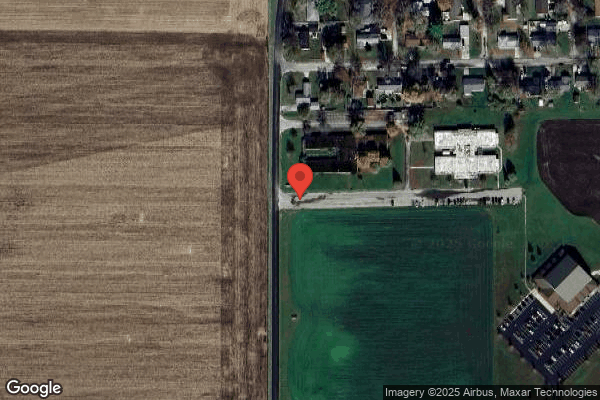
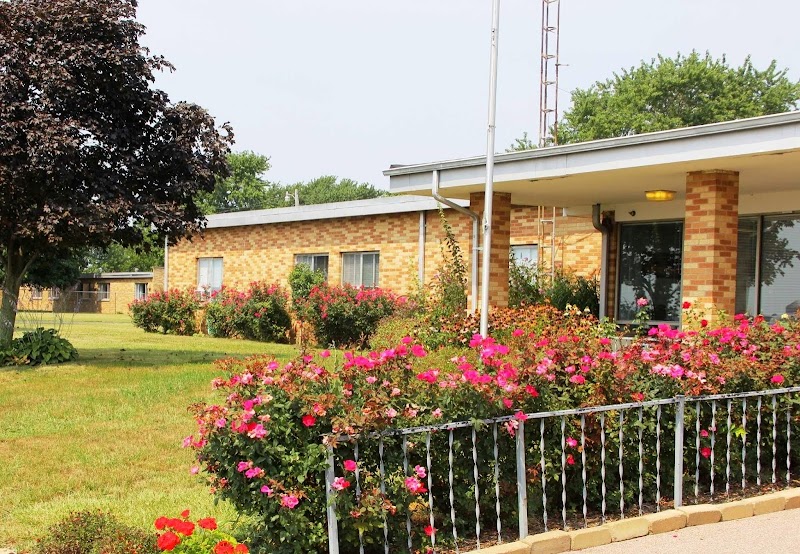
1203 EGYPTIAN TRAIL, TUSCOLA, IL 61953 (217) 253-4791
For profit - Limited Liability company 71 Beds HAVEN HEALTHCARE Data: November 2025
Trust Grade
10/100
#651 of 665 in IL
Last Inspection: January 2025

Within standard 12-15 month inspection cycle. Federal law requires annual inspections.

Overview

The Haven of Tuscola has a Trust Grade of F, which means it has significant concerns and is performing poorly overall. It ranks #651 out of 665 facilities in Illinois, placing it in the bottom half of state facilities and #4 out of 4 in Douglas County, indicating it is not a preferred option locally. While the facility is improving, having reduced issues from 42 to 14 over the past year, it still has a concerning staffing rating of 0 stars and a 60% turnover rate, which is higher than the state average. Families should also note that the home has faced $47,653 in fines, signaling potential compliance problems, and it has serious incidents including delays in obtaining urine samples for testing, leading to a urinary tract infection for a resident, and failures in managing congestive heart failure that resulted in hospitalization. Overall, while there are some signs of improvement, the facility's serious issues and poor ratings are significant red flags for families considering care for their loved ones.

Trust Score
F
10/100
In Illinois
#651/665
Bottom 3%
Safety Record
High Risk
Review needed
Inspections
Getting Better
42 → 14 violations
Staff Stability
⚠ Watch
60% turnover. Above average. Higher turnover means staff may not know residents' routines.
Penalties
⚠ Watch
$47,653 in fines. Higher than 83% of Illinois facilities, suggesting repeated compliance issues.
Skilled Nurses
○ Average
RN staffing data not reported for this facility.
Violations
⚠ Watch
92 deficiencies on record. Higher than average. Multiple issues found across inspections.
★☆☆☆☆
1.0
Overall Rating
☆☆☆☆☆
0.0
Staff Levels
★☆☆☆☆
1.0
Care Quality
★☆☆☆☆
1.0
Inspection Score
Stable
2024: 42 issues
2025: 14 issues

The Good

  • Full Sprinkler Coverage · Fire safety systems throughout facility
  • No fines on record

Facility shows strength in fire safety.

The Bad

1-Star Overall Rating

Below Illinois average (2.5)

Significant quality concerns identified by CMS

Staff Turnover: 60%

13pts above Illinois avg (46%)

Frequent staff changes - ask about care continuity

Federal Fines: $47,653

Above median ($33,413)

Moderate penalties - review what triggered them

Chain: HAVEN HEALTHCARE

Part of a multi-facility chain

Ask about local staffing decisions and management

Staff turnover is elevated (60%)

12 points above Illinois average of 48%

The Ugly 92 deficiencies on record

4 actual harm
Jan 2025 14 deficiencies
CONCERN (D)

Potential for Harm - no one hurt, but risky conditions existed

Deficiency F0554 (Tag F0554)

Could have caused harm · This affected 1 resident

**NOTE- TERMS IN BRACKETS HAVE BEEN EDITED TO PROTECT CONFIDENTIALITY** Based on observation, interview, and record review the facility failed to assess for the ability to self administer medications ...

Read full inspector narrative →
**NOTE- TERMS IN BRACKETS HAVE BEEN EDITED TO PROTECT CONFIDENTIALITY** Based on observation, interview, and record review the facility failed to assess for the ability to self administer medications for one of one resident (R4) reviewed for self administration of medications in the sample list of 32. Findings include: The facility's Medication Administration policy dated 11/18/17 documents to observe the resident consume and swallow medications, never leave prepared medications unattended, and medications should not be left at the bedside unless there is a physician order to do so. The facility's Self Medication Administration Assessment form documents to assess the resident's cognition, decision making ability, vision, physical ability, coordination, and eligibility to self administer medications. On 1/26/25 at 9:00 AM R4 was in a wheelchair in R4's room. There was a Wixela inhaler, a bottle of Fluticasone, and a medication cup containing several pills on R4's bedside table. R4 stated R4 self administers one puff of the inhaler daily and the medications were R4's morning medications which R4 won't take until after breakfast. R4's Minimum Data Set, dated [DATE] documents R4 as cognitively intact. R4's January 2025 Physician Order Summary documents orders for Amlodipine 5 milligrams (mg) by mouth (PO) daily, Calcium Carbonate with Vitamin D 600 mg - 400 international units one tablet PO daily, Cranberry 250 mg two tablets PO daily, Hydroxyzine Hydrochloride 25 mg one tablet PO daily, Mucus Relief Extended Release 600 mg one tablet PO daily, Omeprazole 20 mg PO daily, Senna 8.6 mg two tablets PO daily, Wixela 500/50 micrograms (mcg) inhale one puff twice daily, and Fluticasone 50 mcg one spray each nostril twice daily; and all of these medications are scheduled to be given at 8:00 AM. There are no physician orders for R4 to self administer these medications. R4's medical record does not contain an assessment for the ability to self administer medication. R4's active care plan does not address R4's self administration of medications. On 1/26/25 at 9:17 AM V4 Licensed Practical Nurse stated V4 leaves R4's medications at the bedside for R4 to self administer, because R4 won't take them if the nurse stands there to watch R4. V4 stated we used to get physician orders for residents to self administer medications, but V4 was unsure if this practice is still followed. On 1/26/25 at 12:28 PM V2 Assistant Director of Nursing stated residents who self administer medications or keep medications at the bedside should have a physician's order to do so and they are currently in the process of getting these orders for R4. At 12:55 PM V2 stated there is a self medication administration assessment form that we use but one has not been completed yet for R4.
CONCERN (D)

Potential for Harm - no one hurt, but risky conditions existed

Quality of Care (Tag F0684)

Could have caused harm · This affected 1 resident

Based on observation, interview and record review the facility failed to ensure the correct size brief was available for a resident to prevent skin breakdown for one of one resident (R33) reviewed for...

Read full inspector narrative →
Based on observation, interview and record review the facility failed to ensure the correct size brief was available for a resident to prevent skin breakdown for one of one resident (R33) reviewed for skin care from a total sample list of 32 residents. Findings include: The facility provided Skin Condition Monitoring Policy dated 1/2018 documents that it is the policy of this facility to provide proper monitoring, treatment, and documentation of any resident with skin abnormalities. R33's care plan dated 4/23/24 documents that R33 is at an increased risk for skin abnormalities and requires weekly monitoring and safety measures to prevent dermatologic reactions. R33's wound assessment and plan dated 1/23/25 documents a new left abdominal fold wound with an order to cleanse with wound cleanser, apply honey coated absorbent dressing then cover with bordered gauze dressing daily and as needed. R33's nurse's notes dated 1/27/25 document wound culture results show infection in the wound with new orders received to provide Levofloxacin 250mg daily for three days. On 1/27/25 at 3:40PM V11 Licensed Practical Nurse provided wound care to R33. R33's wound is located under the left pannus, approximately one inch wide with an unknown depth, red and swollen. On 1/27/25 at 3:45 PM, R33 stated the wound began when the facility did not provide her correct size, extra large briefs (2XL), and instead had her wear smaller extra large (XL) briefs resulting in the brief rubbing her skin until there was an open wound. On 1/28/25 at 7:45AM, V12 Certified Nursing Assistant stated that the facility runs out of 2 XL briefs for R33 a lot and that when she has to wear the XL briefs, they rub her skin. On 1/27/24 at 4:15PM, V2 Assistant Administrator stated the last time 2XL briefs were ordered was 12/17/24, so they would have been out of briefs for several weeks. Certainly using smaller briefs that are needed could cause skin irritation.
CONCERN (D)

Potential for Harm - no one hurt, but risky conditions existed

Accident Prevention (Tag F0689)

Could have caused harm · This affected 1 resident

**NOTE- TERMS IN BRACKETS HAVE BEEN EDITED TO PROTECT CONFIDENTIALITY** Based on observation, interview, and record review the facility failed to complete a safe full mechanical lift transfer, thoroug...

Read full inspector narrative →
**NOTE- TERMS IN BRACKETS HAVE BEEN EDITED TO PROTECT CONFIDENTIALITY** Based on observation, interview, and record review the facility failed to complete a safe full mechanical lift transfer, thoroughly investigate a fall and document details of a fall and physician notification in the resident's medical record for one of two residents (R31) reviewed for falls in the sample list of 32. Findings include: On 1/26/25 at 8:36 AM R31 was lying in bed and stated within the last few months R31 was dropped out of the full mechanical lift sling during a transfer. R31 stated R31 was sent to the hospital due to R31 hitting his head during the fall but did not sustain any injuries. R31 stated there were two certified nursing assistants (CNAs) during the transfer, but the straps of the sling weren't secure and came off of the lift causing the fall. On 1/27/25 at 9:12 AM R31 was sitting in a wheelchair in R31's room with a full body cloth sling positioned underneath of R31. R31 stated this was not the type of sling that was used during R31's fall, which hasn't been used since the fall occurred. At 9:45 AM V7 and V10 CNAs transferred R31 from the wheelchair into bed with a full mechanical lift and a full body sling. R31's Face Sheet documents R31 has a diagnosis of hemiplegia and hemiparesis following cerebral infarction that affects R31's left non-dominant side. R31's Minimum Data Set (MDS) dated [DATE] documents R31 as cognitively intact and R31 is dependent on staff for transfers. R31's active Care Plan documents as of 3/8/24 R31 transfers with two staff and a full mechanical lift. This Care Plan documents R31 had a fall, root cause was related to positioning and improper full mechanical lift sling, and new intervention for CNA/Nursing staff to use full sling for every full mechanical lift transfer except when showering. The only documentation in R31's medical record regarding this fall is a nursing note dated 8/24/24 at 2:00 PM that documents R31 was sent to the emergency room following a fall and hitting R31's head. There is no documentation of any specific details regarding this fall, that a fall investigation was completed, or that R31's physician was notified. On 1/17/25 at 9:53 AM V7 stated V7 was assisting V8 CNA with R31's full mechanical lift transfer the day of R31's fall. V7 stated V8 was controlling the lift remote and once R31 was in the air above his wheelchair the lift sling shifted up R31's back and to the right causing R31 to fall out the side of the sling, between the upper and lower straps. V7 stated V7 tried to break R31's fall but R31 hit R31's left shoulder. V7 stated V7 thought the sling that was used at the time of R31's fall was too small for R31 and R31 now uses an extra large sling. On 1/27/25 at 10:08 AM V6 MDS/Care Plan Coordinator reviewed the fall investigations binder and confirmed there was no fall packet or fall investigation for R31's fall. V6 stated V6 would see if V6 could locate a fall packet for R31's fall. At 10:31 AM V6 stated V6 was unable to locate a fall packet or investigation for R31's 8/24/24 fall. On 1/27/25 at 1:10 PM V8 CNA stated the sling that was used during R31's fall was the type where the leg straps cross between the legs, but the leg straps were positioned on each side of R31's legs during that transfer. V8 stated the fall was months ago, V8 thought R31 had slid down in his wheelchair and thought the strap of the lift broke during the transfer. V8 stated the leg straps should have been positioned between R31's legs during the transfer, but we did not do that since it caused R31 discomfort and this caused R31 to slip down and fall out of the sling. V31 reviewed the mechanical lift sling chart and verified the full back U style sling was used during R31's transfer fall. On 1/27/25 at 1:17 PM V9 Licensed Practical Nurse stated V9 was the nurse assigned to R31 the day R31 fell and the CNAs reported the leg straps of the sling were not crisscrossed during R31's transfer. V9 stated R31 was already on the floor when V9 got to R31's room, V9 assessed R31 and notified R31's physician. V9 stated V9 may have forgot to document that information. On 1/27/25 at 3:40 PM V2 Assistant Director of Nursing stated we determined that the sling used for R31's transfer fall was the type that crosses between the legs and the staff did not do that for R31's transfer. V2 stated V2 conducted an audit of all of the slings to ensure the proper slings were used and R31 no longer uses that style of sling. V2 confirmed there was no additional documentation to provide for R31's fall. The undated User Instruction Manual for the facility's full mechanical lift provided on 1/27/25, documents always check that the sling is suitable with the correct size and capacity for the particular patient, never use a sling that is frayed or damaged, always fit the sling and carry out lifting operations according to the users instructions provided, and check the slings daily for signs of damage or fraying. The undated Patient Lift instructions for use provided by the facility on 1/27/25 documents prior to transfer slightly raise the patient to verify the sling is attached properly to the mechanical lift and use a sling that is recommended by the resident's doctor, nurse or medical attendant for the resident's comfort and safety. These instructions document for a U shaped sling, position the top of the sling along the patient's upper arms and cross the leg straps between or underneath of the legs. The facility's Fall Prevention policy dated 11/10/18 documents following a resident fall the nurse will assess the resident and provide care, a fall huddle will be conducted with the on duty staff to determine circumstances of the event and appropriate interventions, and the nurse will document the circumstances of the fall and new interventions in the nurses notes of Assess Intervene Monitor for Wellness form. This policy documents falls will be discussed during the morning Quality Assurance meetings. The facility's Notification for Change in Resident Condition or Status policy dated 12/7/17 documents the nurse will notify the resident's physician when the resident is involved in an accident or incident and this will be recorded in the resident's medical record.
CONCERN (D)

Potential for Harm - no one hurt, but risky conditions existed

Incontinence Care (Tag F0690)

Could have caused harm · This affected 1 resident

Based on observation, interview, and record review the facility failed to provide hygienic incontinence care to one (R7) of one residents reviewed for incontinence care from a total sample list of 29 ...

Read full inspector narrative →
Based on observation, interview, and record review the facility failed to provide hygienic incontinence care to one (R7) of one residents reviewed for incontinence care from a total sample list of 29 residents. Findings include: The facility policy dated 12/2017 documents that the purpose of the policy is to eliminate odor, prevent irritation and infection and to enhance resident's self esteem. Directions include washing pubic area including the upper inner aspect of both thighs as well as the penis and scrotum by retracting the foreskin and washing carefully to remove secretions and washing the area under the scrotum. The area should be rinsed after washing and dried and the anal area should be washed with changing gloves and washing hands when going from contaminated to clean areas. R7's care plan dated 10/23/24 documents that R7 is dependent for toileting. On 1/28/25 at 9:36AM, V13 Certified Nursing Assistant (CNA) provided incontinence care for R7. During incontinence care, V13 CNA failed to cleanse R7's pubic area thoroughly, failed to retract R7's foreskin to cleanse the area, failed to rinse the area after washing the penis and the anal area and failed to change gloves after cleansing and before applying a clean brief. On 1/28/25 at 10:00AM, V13. stated that she should have cleaned R7's perineal area more thoroughly and changed her gloves between contaminated and clean fields.
CONCERN (D)

Potential for Harm - no one hurt, but risky conditions existed

Tube Feeding (Tag F0693)

Could have caused harm · This affected 1 resident

Based on interview and record review the facility failed to monitor an enteral feeding including inputs and outputs and failed to monitor the weights of a resident receiving enteral feedings for one (...

Read full inspector narrative →
Based on interview and record review the facility failed to monitor an enteral feeding including inputs and outputs and failed to monitor the weights of a resident receiving enteral feedings for one (R30) of one resident reviewed for enteral feedings from a total sample list of 32 residents. Findings include: The facility provided Enteral Feeding Closed System Ready to Hang Product documents that the enteral feeding amounts and other related information is to be documented on the flow record and or treatment/medication administration record. R30's Medication Administration Record dated January 2025 documents a tube feeding order for Jevity 1.5 calorie to be given at 65 milliliters per hour for 23 hours, to be held one hour before the administration of Levothyroxine and flushed with 100 cubic centimeters of water every four hours. R30's care plan dated 10/16/24 documents that tube placement and gastric contents/residual volume is to be checked and documented. Additionally, R30's care plan documents that R30 will maintain adequate nutrition and hydration status as evidenced by stable weights. R30's Medication Administration Record, Treatment Administration Record, nor food and fluid intake and output sheet document tube placement checks, residual checks, intakes nor outputs. R30's care plan dated 2/13/24 documents weights to be obtained daily. R30's physician order dated December 16, 2024 documents an order for weekly weights. R30's weight sheets from October 2025 through January 2025 do not document daily or weekly weights. On 1/27/25 at 9:00AM, V2 Assistant Director of Nursing stated that inputs and outputs should always be documented on residents with tube feeding and there should be evidence of auscultation of the stomach and placement checks. Not doing that makes it look like we are neglecting the patient and not providing them with the proper nutrition or monitoring. On 1/28/25 at 10:00AM, V2 Assistant Director of Nursing stated that R30's weights had not been obtained or monitored as ordered.
CONCERN (D)

Potential for Harm - no one hurt, but risky conditions existed

Medication Errors (Tag F0758)

Could have caused harm · This affected 1 resident

Based on interview and record review the facility failed to implement a gradual dose reduction for one (R1) resident of five residents reviewed for psychotropic medications from a total sample list of...

Read full inspector narrative →
Based on interview and record review the facility failed to implement a gradual dose reduction for one (R1) resident of five residents reviewed for psychotropic medications from a total sample list of 32 residents. Findings include: The facility psychotropic medication policy dated 6/17/22 documents that psychotropic medications shall not be used without proper monitoring. Additionally, residents who use antipsychotic medications will receive a gradual dose reduction at least twice in a year. R1's January 2025 Physician Order Summary documents orders for Sertraline (antidepressant) 75 milligrams (mg) by mouth daily since 11/27/23. The facility's Pharmacy Consultation Summary Report dated 9/27/24 documents R1 has ongoing antidepressant use and to attempt a gradual dose reduction (GDR). There is no documentation in R1's medical record that a GDR was attempted as recommended. On 1/27/25 at 1:42 PM V2 Assistant Director of Nursing reviewed the pharmacy report and confirmed R1 should have had a GDR attempted in September 2024. V2 stated usually pharmacy gives us a form to send to the physician to sign and V2 will have to look for additional information. At 2:02 PM V2 provided R1's Pharmacy Consultation Report dated 9/30/24 that documents R1 has received Sertraline 75 mg daily since R1 admitted to the facility in April 2022, a recommendation to consider a gradual dose reduction to 50 mg daily, and this recommendation was accepted by the provider. V2 stated this ordered GDR was never implemented and it will be initiated today.
CONCERN (E)

Potential for Harm - no one hurt, but risky conditions existed

Respiratory Care (Tag F0695)

Could have caused harm · This affected multiple residents

**NOTE- TERMS IN BRACKETS HAVE BEEN EDITED TO PROTECT CONFIDENTIALITY** Based on observation, interview, and record review the facility failed to implement orders, maintain supplies, provide hygienic ...

Read full inspector narrative →
**NOTE- TERMS IN BRACKETS HAVE BEEN EDITED TO PROTECT CONFIDENTIALITY** Based on observation, interview, and record review the facility failed to implement orders, maintain supplies, provide hygienic care, accurately complete assessments and develop care plans for oxygen, nebulizer, continuous positive airway pressure (CPAP), and humidifier use for for four of six residents (R1, R4, R28, R33) reviewed for respiratory care in the sample of 32. Findings include: 1.) The facility's Oxygen Therapy policy dated [NAME] 2019 documents there should be a written physician order for oxygen use, administer the flow rate as ordered, change tubing weekly, date the tubing and record on the treatment administration record (TAR). This policy documents to date humidification bottles when changed and record changes on the TAR. On 1/26/25 at 9:50 AM R1 was sitting on the side of the bed wearing oxygen at 2 liters per minute per nasal cannula. R1's oxygen humidification bottle was empty and dated 1/12/25. R1 stated it needs water and is changed about once per month. R1's January 2025 Physician Order Summary (POS) does not have active orders for oxygen use other than weekly tubing and humidification changes. R1's January 2025 TAR documents to change oxygen tubing and humidifier weekly on Sundays as of 11/15/24. This TAR is not signed on 1/19/25 to indicate this order was implemented as scheduled. R1's active care plan does not document oxygen use. On 1/26/25 at 11:10 AM V4 Licensed Practical Nurse (LPN) stated the night nurse is suppose to change oxygen tubing and humidification bottles weekly and label with dates. V4 stated V4 noticed this hasn't been getting done and V4 tries to change them when V4 has time. V4 stated the facility has been out of humidification bottles and currently doesn't have a supply. V4 stated R1 wears oxygen continuously at two liters per minute and should have an order for oxygen. V4 confirmed R1 does not have an active physician order for oxygen use. On 1/27/25 at 2:58 PM V6 Minimum Data Set (MDS)/Care Plan Coordinator reviewed R1's care plan and confirmed it does not address oxygen use. 2.) The facility's Cleaning Procedure for Room Humidifiers dated January 2003 documents to reduce the risk of infection with proper cleaning of the unit always clean the unit prior to refilling and to use a mixture of vinegar and water to clean the unit by running this mixture for 30 minutes. This policy documents to empty the cleaning solution, then refill the unit for use and always use distilled water. The facility's Nebulizer Therapy policy dated October 2007 documents to rinse all parts of the nebulizer with warm water after each use and wash all parts of the nebulizer in warm soapy water daily, rinse well, let air dry, and store in a plastic bag. This policy documents to change the mouthpiece and tubing weekly and record disinfecting procedures and equipment changes on the treatment sheet. On 1/26/25 at 9:00 AM R4 was sitting in a wheelchair in R4's room. There was an oxygen concentrator in R4's room with oxygen tubing that was dated 1/5/25. There was a nebulizer machine on a table with an uncovered nebulizer mask/tubing dated 1/12/25 that appeared dirty. R4 stated R4 uses oxygen every night, R4 had a nebulizer treatment earlier this morning, and R4 was unsure how often the tubing was changed. At 12:20 PM there was a humidifier running in R4's room and there was a dried white substance on the top of the machine. V26, R4's Family, stated V26 uses tap water to fill R4's humidifier and turns the machine on. V26 and R4 both stated the machine needs to be cleaned and that no one routinely cleans it. On 1/27/25 at 9:35 AM R4's uncovered nebulizer mask and tubing was dated 1/26/25 and was on top of R4's nebulizer machine. R4's MDS dated [DATE] documents R4 as cognitively intact. R4's active care plan does not address nebulizer or humidifier use. R4's January 2025 POS does not document orders for humidifier use or routine care of the machine. R4's January 2025 TAR documents to change oxygen tubing/humidification bottle and nebulizer equipment weekly on Sundays. This TAR does not document these orders were implemented on 1/19/25 as scheduled and on 1/12/25 no supplies is recorded for the oxygen tubing/humidification bottle change. This TAR does not document any routine care for R4's humidifier. On 1/26/25 at 11:10 AM V4 LPN stated the night nurse is suppose to change the nebulizer masks/tubing weekly and V4 noticed this hasn't been getting done so V4 tries to change them when V4 has time. At 1:33 PM V4 stated V4 was unsure if there should be a physician's order for humidifier use and V4 does not provide any care for R4's humidifier. V4 stated V26 provides all the setup and care of the machine. V4 confirmed the machine should be cleaned routinely. On 1/27/25 at 11:49 AM V9 LPN stated V9 entered R4's room and initiated R4's nebulizer treatment. V9 stated V9 does not rinse or clean nebulizer masks/chambers after nebulizer treatments. On 1/27/25 at 2:58 PM V6 MDS/Care Plan Coordinator confirmed R4's care plan does not address humidifier or nebulizer use. V6 stated V6 wasn't aware that R4 uses a humidifier. On 1/27/25 at 3:40 PM V2 Assistant Director of Nursing (ADON) confirmed there should be physician orders for humidifier use and routine care/cleaning. V2 stated V2 was not aware that R4 was using a humidifier until yesterday. V4 stated the nurses should rinse nebulizer mask and chamber with water after each use, allow to air dry, and then store in a bag when not in use. 3.) The facility's CPAP and BiPAP (bilevel positive airway pressure) policy dated 3/18/13 documents CPAP use must be ordered by a physician to include type of unit, inspiratory positive airway pressure, device, frequency, oxygen if applicable, and humidification if applicable. This policy documents to clean the circuits and filters weekly and as needed. On 1/26/25 at 8:43 AM there was an uncovered CPAP mask lying on R28's bed. There was a crust of substance built up on the mask. R28 stated the nursing staff doesn't clean R28's mask, R28 just uses a wet wipe to wipe down the inside of the mask once a week. R28 stated R28 uses the CPAP every night and prefers not to use humidification with it. R28 stated an oxygen company comes to the facility about every three months and looks at R28's CPAP. R28's MDS dated [DATE] does not document CPAP use. R28's active care plan documents R28 as alert and oriented to person, place, and time and does not include CPAP use. R28's January 2025 Physician Orders Summary and TAR do not document orders for CPAP use or routine care/cleaning. On 1/26/25 at 10:54 AM V4 LPN confirmed R28 does not have an active TAR. V4 stated R28 should have orders for CPAP use and care, which would be documented on the POS and TAR. On 1/26/25 at 2:58 PM V6 MDS/Care Plan Coordinator confirmed R28's MDS and care plan does not address CPAP use. V6 stated V6 was not aware that R28 uses a CPAP. On 1/27/25 at 3:40 PM V2 ADON stated there should be orders for CPAP use, V2 orders CPAP masks which are replaced about every 90 days, and the nurses should routinely clean the mask. 4.) R33's undated care plan documents the following diagnoses: hypertension, hyperlipidemia, anxiety disorder, major depressive disorder, chronic obstructive pulmonary disease, insomnia, chronic pain syndrome, obesity, fibromyalgia, mitral valve prolapse, amnesia, restless legs syndrome, osteoarthritis, urinary incontinence, mild dysphasia, and obstructive sleep apnea. R33's care plan dated 3/8/24 documents that R33 has shortness of breath related to chronic obstructive pulmonary disease, restrictive lung disease and obstructive sleep apnea that requires oxygen and that the humidifier and tubing are to be changed weekly. On 1/26/24 at 12:00PM, R33's oxygen humidifier bottle was empty and dated 1/5/25. On 1/26/24 at 12:21PM, V4 Licensed Practical Nurse stated that the facility was currently out of oxygen humidifier bottles and that two weeks ago when she worked they were down to one bottle left. On 1/27/24 at 3:30PM, R33 stated that she had petroleum jelly in her bathroom because her (nares) were so dry from not having humidification with her oxygen for weeks. On 1/27/24 at 3:45PM, V2 Assistant Director of Nursing stated that there was a lapse of time between when the past director of nursing last ordered and when she had taken over the ordering of supplies for the facility.
CONCERN (E)

Potential for Harm - no one hurt, but risky conditions existed

Deficiency F0727 (Tag F0727)

Could have caused harm · This affected multiple residents

**NOTE- TERMS IN BRACKETS HAVE BEEN EDITED TO PROTECT CONFIDENTIALITY** Based on interview and record review the facility failed to provide the services of a registered nurse for eight consecutive hou...

Read full inspector narrative →
**NOTE- TERMS IN BRACKETS HAVE BEEN EDITED TO PROTECT CONFIDENTIALITY** Based on interview and record review the facility failed to provide the services of a registered nurse for eight consecutive hours seven days a week every twenty-four hours and failed to employ a full time Director of Nursing. This failure has the potential to affect all 38 residents who reside in the facility. Findings include: The Long-Term Care Facility Application For Medicare and Medicaid dated 1/26/25 documents 38 residents reside at the facility. The facility's nursing work schedule for the month of January 2025 documents the facility did not have the services of a Registered Nurse (RN) for eight consecutive hours on January 2, 4, 7 and 27, 2025. The facility assessment dated [DATE] documents that facility accepts residents with a variety of clinically complex conditions. The facility assessment documents that a Director of Nursing and Registered Nurses are provided by the facility. On 1/28/25 at 11:01AM, V2 Assistant Director of Nursing confirmed that there has not been a Director of Nursing on staff since 1/10/25 and that there were no Registered Nurses on duty for a period of 24 hours on January 2, 4, 7 and 27 of 2025.
CONCERN (E)

Potential for Harm - no one hurt, but risky conditions existed

Pharmacy Services (Tag F0755)

Could have caused harm · This affected multiple residents

**NOTE- TERMS IN BRACKETS HAVE BEEN EDITED TO PROTECT CONFIDENTIALITY** 3.) On 1/26/25 at 8:43 AM R28 stated the facility has new nurses or agency nurses who don't administer R28's early morning medic...

Read full inspector narrative →
**NOTE- TERMS IN BRACKETS HAVE BEEN EDITED TO PROTECT CONFIDENTIALITY** 3.) On 1/26/25 at 8:43 AM R28 stated the facility has new nurses or agency nurses who don't administer R28's early morning medications. R28 stated R28 should have gotten Lantus, Lyrica (Pregabalin) and Omeprazole this morning but didn't receive these medications and an agency nurse (identified as V24 Registered Nurse) worked last night. R28 stated it was the first time that nurse had worked in the facility. R28 stated R28 has rheumatoid arthritis and fibromyalgia which requires pain medication. R28's January 2025 Physician's Order Summary (POS) documents orders for Omeprazole 20 milligrams (mg) by mouth daily at 6:00 AM prior to breakfast, Pregabalin (pain medication)150 mg by mouth three times daily and Lantus insulin 100 units per milliliter give 30 units subcutaneously twice daily. R28's January 2025 Medication Administration Record (MAR) documents these medications are scheduled at 6:00 AM and Omeprazole and Pregabalin are not signed out as given at 6:00 AM on 1/26/25. On 1/26/25 at 10:31 AM V4 Licensed Practical Nurse (LPN) confirmed an agency nurse, V24, worked night shift last night and had not worked in the facility prior. V4 stated R28 told V4 that R28's 6:00 AM medications were not given and R28 is cognitively intact. V4 confirmed R4's MAR does not document Omeprazole and Pregabalin were administered at 6:00 AM as ordered. V4 stated V4 administered R28's 6:00 AM Lantus as soon as V4 found out, which was at 9:00 AM. V4 stated there have been problems with night shift agency nurses not administering medications. 4.) On 1/26/25 at 9:54 AM R9 stated R9's only complaint is that the agency nurses don't have any idea of care needs, theses nurses don't always pass medications and R9 did not receive R9's scheduled early morning medications this morning. R9's Minimum Data Set, dated [DATE] documents R9 as cognitively intact. R9's January 2025 MAR documents to administer Hydrocodone/Acetaminophen 7.5-325 mg one tablet by mouth three times daily at 5:00 AM, 12:00 PM, and HS (bedtime). This MAR does not document that this medication was administered at 5:00 AM on 1/26/25. On 1/26/25 at 10:31 AM V4 LPN stated R9 told V4 that R9's 5:00 AM medications were not administered and R9 is cognitively intact. V4 confirmed R9's 5:00 AM Hydrocodone was not documented as given on 1/26/25. Based on interview and record review the facility failed to administer medications as ordered for four (R2, R9 R28 and R33) of four residents reviewed for medication administration from a total sample list of 32 residents. Findings include: The facility provided Medication Administration Policy dated 11/18/17 documents that medications must be prepared and administered within one hour of the designated time or as ordered. Document any medications not administered for any reason by circling initials and documenting on the back of the medication administration record, the date, the time, the medication and the dosage, and the reason for the omission and initials. 1.) R2's undated care plan documents a diagnosis of Autoimmune Thyroiditis. R2's Medication Administration Record dated 1/26/25 documents an order for Levothyroxine 75 micrograms, and that R2 did not receive her 5:00AM dose. On 1/26/24 at 3:35PM, V4 Licensed Practical Nurse stated that she was calling the doctor now to let them know that the night nurse (V24) did not give R2 her 5:00AM Levothyroxine. V4 then stated, (V24) did not give most of the rest of the residents their early morning medications. 2.) R33's undated care plan documents the following diagnoses: hypertension, hyperlipidemia, anxiety disorder, major depressive disorder, chronic obstructive pulmonary disease, insomnia, chronic pain syndrome, obesity, fibromyalgia, mitral valve prolapse, amnesia, restless legs syndrome, osteoarthritis, urinary incontinence, mild dysphagia, and obstructive sleep apnea. R33's Minimum Data Set, dated [DATE] documents that R33 is cognitively intact and that R33 requires assistance with toileting. R33's Medication Administration Record dated 1/26/25 documents orders for the following medications to be administered at 5:00AM: Levothyroxine 200 milligrams, Pregabalin 75 milligrams, Hydrocodone / APAP 5-325, and Lorazepam 1 milligram. R33's nurse's notes dated 1/26/25 document that the on-call provider was notified at 1:40PM that the 5:00AM medications were not given timely. On 1/26/25 at 9:00AM, R33 stated that she did not receive her 5:00AM medications this morning. On 1/26/24 at 10:38AM, V5 RN stated, (R33) didn't get her 5:00AM meds (medications) today. I gave them when I got here. On 1/26/25 at 4:00PM, V2 Assistant Director of Nursing stated that she was made aware that the night nurse did not give the residents many of their early morning medications and that (V24 RN) would no longer be able to work at this facility.
CONCERN (E)

Potential for Harm - no one hurt, but risky conditions existed

Deficiency F0883 (Tag F0883)

Could have caused harm · This affected multiple residents

**NOTE- TERMS IN BRACKETS HAVE BEEN EDITED TO PROTECT CONFIDENTIALITY** Based on interview and record review the facility failed to offer pneumococcal vaccination to four of five residents (R1, R4, R2...

Read full inspector narrative →
**NOTE- TERMS IN BRACKETS HAVE BEEN EDITED TO PROTECT CONFIDENTIALITY** Based on interview and record review the facility failed to offer pneumococcal vaccination to four of five residents (R1, R4, R28, R31) reviewed for immunizations in the sample list of 32. Findings include: The Centers for Disease Control and Prevention (CDC) Pneumococcal Vaccine Timing for Adults dated 3/15/23 documents it is recommended that adults age [AGE] or older with no prior pneumococcal vaccination should be given PCV20 (pneumococcal conjugate vaccine), or be given PCV15 followed by PPSV23 (pneumococcal polysaccharide vaccine) a year later. Adults age [AGE] or older who have already received PCV13 (but not PCV15 or PCV20) at any age and PPSV23 at or after the age of 65 and in consultation with their provider may choose to administer PCV20 five years after their last pneumococcal vaccination. The facility's Influenza and Pneumococcal Immunizations policy dated November 2016 documents residents will be educated on the pneumococcal vaccine and will be given the opportunity to accept or refuse the vaccine. This policy documents the standard of practice time period for the pneumococcal vaccine is five years (not the current CDC guidance) and the facility will maintain documentation of resident's immunizations. 1.) R28's Face Sheet documents R28 admitted to the facility on [DATE] and R28 is over age [AGE]. R28's active immunization report does not document that R28 is up to date with the pneumococcal vaccinations and R28 last received Prevnar13 and Pneumovax23 in 2016. There is no documentation in R28's medical record that R28 was offered this vaccine prior to 1/26/25. 2.) R31's Face Sheet documents R31 admitted to the facility on [DATE] and R31 is over age [AGE]. R31's active immunization report does not document R31 has ever received a pneumococcal vaccination. There is no documentation in R31's medical record that R31 was offered this vaccine prior to 1/26/25. 3.) R4's Face Sheet documents R4 admitted to the facility on [DATE], R4 is over age [AGE], and R4's diagnoses include acute respiratory insufficiency and chronic obstructive pulmonary disease. R4's active immunization report does not document R4 has ever received a pneumococcal vaccination. There is no documentation in R4's medical record that R4 was offered this vaccine prior to 1/26/25. 4.) R1's Face Sheet documents R1 admitted to the facility on [DATE] and is over age [AGE]. R1's active immunization record does not document that R1 has ever received a pneumococcal vaccination. There is no documentation in R1's medical record that R1 was offered this vaccine prior to 1/26/25. On 1/27/25 at 12:20 PM V2 Assistant Director of Nursing/Infection Preventionist stated the facility had an immunization clinic in December 2024 for influenza, COVID-19 and Respiratory Syncytial Virus, but the pneumococcal vaccine was not included as part of that clinic. V2 stated V2 recently obtained resident consents for the pneumococcal vaccination. At 12:38 PM V2 provided R28's, R31's, R4's, and R1's pneumonia vaccine consent forms dated 1/26/25. V2 confirmed the accuracy of these residents' immunization records. V2 stated V2 has worked in the facility for six months and is not aware that during that time the pneumococcal vaccine was offered or available to be given. On 1/27/25 at 1:49 PM V3 Regional Clinical Nurse stated there was no additional documentation to provide that the pneumococcal vaccine was offered prior to 1/26/25 for R1, R4, R28 and R31. V3 stated that is something we identified as a problem that we are working to fix.
CONCERN (F)

Potential for Harm - no one hurt, but risky conditions existed

Deficiency F0576 (Tag F0576)

Could have caused harm · This affected most or all residents

**NOTE- TERMS IN BRACKETS HAVE BEEN EDITED TO PROTECT CONFIDENTIALITY** Based on interview and record review the facility failed to deliver mail on Saturdays to five (R8, R9, R23, R35, and R37) of six...

Read full inspector narrative →
**NOTE- TERMS IN BRACKETS HAVE BEEN EDITED TO PROTECT CONFIDENTIALITY** Based on interview and record review the facility failed to deliver mail on Saturdays to five (R8, R9, R23, R35, and R37) of six residents reviewed for mail and package delivery on Saturdays from a sample list of 32. This failure also has the potential to affect all 38 residents residing in the facility. Findings include: On 1/27/25 between 9:41 AM and 10:00 AM during a Resident Council Meeting, R8, R9, R23, R35, and R37 stated they don't get their mail on Saturdays. R8 and R9 reported that it's put on the Activity Director's (V25) desk and V25 hands it out on Mondays. R8's Minimum Data Set (MDS) dated [DATE] documents that R8 is cognitively intact. R9's MDS dated [DATE] documents R9 is cognitively intact. R23's MDS dated [DATE] documents that R23's cognitive abilities are moderately impaired. R35's MDS dated [DATE] documents that R35 is cognitively intact. R37's MDS dated [DATE] documents R37's cognitive abilities are moderately impaired. On 01/27/25 at 10:44 AM, V25 stated that residents get their cards that come in the mail on Saturdays, but the rest of the mail is put on V17's, Business Office Manager desk so V17 can determine where it goes. On 01/28/25 at 08:35 AM, V1 Administrator stated that mail is passed out on Saturdays by the Certified Nurse Assistants. On 01/28/25 at 8:36 AM, V17 stated that not all mail goes out on Saturdays, just cards. V17 reported that V17 goes through the other mail on Mondays and holds some mail like things from IDPH and saves for the Residents' Power of Attorneys or will contact them for permission to open it. V1 and V17 stated that not handing out all the mail on Saturdays has the the potential to affect all residents in the building. V1 stated, I guess we will have to figure something out for Saturdays. The facilities Long-Term Care Facility Application for Medicare and Medicaid dated 1/26/2025 documents 38 residents reside in the facility.
CONCERN (F)

Potential for Harm - no one hurt, but risky conditions existed

Deficiency F0729 (Tag F0729)

Could have caused harm · This affected most or all residents

Based on interview and record review the facility failed to verify eligibility for employment through the healthcare workers registry prior to commencing employment for two Certified Nurse's Aides of ...

Read full inspector narrative →
Based on interview and record review the facility failed to verify eligibility for employment through the healthcare workers registry prior to commencing employment for two Certified Nurse's Aides of five Certified Nurse's Aides reviewed for Healthcare Worker Background checks in a sample list of 32. This failure has the potential to affect all 38 residents residing at the facility. Findings Include: The facility's Long-Term Care Facility Application for Medicare and Medicaid dated 1/26/25 documents the facility census as 38. The facility's employee roster documents V20, CNA (Certified Nurse's Aide) began employment at the facility on 11/15/24. The registry verification documents eligibility was verified as of 11/19/24. The facility's employee roster documents V21, CNA (Certified Nurse's Aide) began employment at the facility on 11/18/24. The registry verification documents eligibility was verified as of 12/2/24. On 1/28/25 at 3:30PM V1, Administrator verified all CNAs employed at the facility have the potential to care for all/any resident residing at the facility.
CONCERN (F)

Potential for Harm - no one hurt, but risky conditions existed

Food Safety (Tag F0812)

Could have caused harm · This affected most or all residents

Based on observation, interview, and record review the facility failed to ensure foods were labeled and stored appropriately. This failure has the potential to affect all 38 residents in the facility....

Read full inspector narrative →
Based on observation, interview, and record review the facility failed to ensure foods were labeled and stored appropriately. This failure has the potential to affect all 38 residents in the facility. Findings include: The facility's undated Storage of Food and Supplies policy documents prepared foods stored in the refrigerator will be covered and labeled with a date and expiration date and all foods will be covered, labeled and dated. The facility's undated Labeling and Dating Foods policy documents the following: Foods prepared to be held cold will be labeled with the date and time of preparation and potentially hazardous foods with sell by, use by, or expiration dates will be labeled with opened dates and discard/use by or expiration dates. Commercially processed and packaged foods will be labeled with opened dates and will be discarded by the third day or best by date. Opened shelf stable condiments should be refrigerated and labeled with opened and discard dates. On 1/26/25 between 7:57 AM and 8:17 AM an initial tour of the kitchen was conducted. The upright cooler contained individual plastic bags of chopped lettuce and shredded cheese, sliced cheese in plastic wrap, an opened plastic container of cottage cheese, a square plastic container of diced peaches, and a pitcher of orange juice that did not have dates labeled. There were hot dogs in a zip closing plastic bag that was dated 1/1/25, but did not have a discard or expiration date. The upright freezer contained individual sealed plastic bags of frozen chicken wings, egg patties, crumbled sausage, sausage patties, and sausage links that were not labeled with expiration dates or use by dates. There were opened unlabeled bags of breadsticks and chicken breasts that had ice crystallization, the bags were not sealed and the food exposed to air/contaminants. The chest freezer contained bags of carrots, peas, breadsticks, and corn that had no dates labeled. The outdoor cooler contained two metal trays of prepared broccoli and cheese casserole and a pan of prepared pork with gravy that were not labeled with dates. There were opened bags of lettuce, cheese cubes, and shredded cheese, and opened jars of mayonnaise and ranch dressing that were not labeled with opened or use by dates. V19 Dietary Manager confirmed all of the food and drinks should be labeled with opened and discard dates. V19 stated V19 will need to throw away the hot dogs and breadsticks. V19 stated bagged items are taken out of the original packaged boxes due to limited space and that is why some of the items do not have date labels. V19 stated the broccoli and cheese casserole and the pork were made yesterday, and they should have been labeled with dates. The facility's Long Term Care Application for Medicare and Medicaid dated 1/26/25 documents 38 residents reside in the facility.
CONCERN (F)

Potential for Harm - no one hurt, but risky conditions existed

Infection Control (Tag F0880)

Could have caused harm · This affected most or all residents

Based on observation, interview and record review the facility failed to implement COVID-19 transmission based precautions for one of three residents (R14) reviewed for infection control in the sample...

Read full inspector narrative →
Based on observation, interview and record review the facility failed to implement COVID-19 transmission based precautions for one of three residents (R14) reviewed for infection control in the sample list of 32. The facility also failed to ensure COVID-19 (human coronavirus) symptomatic employees were restricted from work and tested timely for COVID-19. This failure has the potential to affect all 38 residents in the facility. Findings include: The facility's COVID-19 Control Measures policy dated 5/19/23 documents the following: All healthcare personnel will be educated to notify the Administrator, Director of Nursing, or Infection Preventionist if they have tested positive for COVID-19, developed symptoms of COVID-19, or have had prolonged close contact with someone with COVID-19. Healthcare personnel who have been exposed should wear a well fitted facemask for 10 days, self monitor and report symptoms and not report to work when ill; if healthcare personnel are ill, ask if testing was done and obtain results. COVID-19 positive residents should be placed on transmission based precautions for 10 days and healthcare personnel should wear N95 respirator, eye protection, gowns and gloves when caring for COVID-19 positive residents. 1.) The facility's Resident and Employee COVID-19 logs dated 12/27/24-1/17/25 documents the following: The outbreak began on 12/27/24 when five residents and two employees (V18 and V14 Certified Nursing Assistants {CNAs}) tested positive. On 12/28/24 V15 Registered Nurse (RN) tested positive. A total of 17 residents and 11 employees have tested positive during the outbreak. On 1/27/25 at 3:30 PM V14 CNA stated V14 worked the day that V14 tested positive for COVID-19 and V14 had worked with symptoms of sneezing and runny nose. V14 stated V14 had symptoms at the start of V14's shift at 1:00 PM, tested positive around 4:30 PM, and was sent home. V14 stated V14 did not test for COVID-19 until later that afternoon once V14 found out there were residents who had tested positive. V14 stated V14 worked on the North Hall of the facility that day and was not wearing a mask at the time. V14 stated V18 CNA was also working on the North Hall that day, and tested positive and was sent home. On 1/27/25 at 4:15 PM V15 RN stated V15 had worked with symptoms of what V15 thought was a sinus infection for three days prior to testing positive. V15 stated V15 had a family member that had tested positive a few days prior to V15, which is what prompted V15 to test. V15 stated V15 did not report V15's symptoms or test sooner due to thinking V15's symptoms was just a sinus infection. The facility's Day Shift Assignment Sheet dated 12/26/24 documents V15 was scheduled for 6:00AM-6:00 PM. The facility's Evening Shift Assignment dated 12/27/24 documents V14 worked on the North Hall. V14's time card documents on 12/27/24 V14 worked from 12:59 PM until 4:46 PM. V15's time card documents on 12/26/24 V15 worked from 5:50 AM until 6:32 PM. On 1/27/25 between 11:01 AM and 11:26 AM V2 Assistant Director of Nursing/Infection Preventionist confirmed the facility is in a COVID-19 outbreak that began on 12/27/24 when residents and V14 and V18 CNAs tested positive. V2 stated on 12/27/24 residents first reported symptoms and were tested, then V14 and V18 tested positive and reported they had been sick. V2 stated V2 was unsure how long V14 and V18 had been experiencing symptoms prior to testing and they only tested since they found out residents had tested positive. V2 confirmed the outbreak has affected all halls of the facility. V2 stated V15 RN worked on the North Hall of the facility on 12/27/24 and staff sometimes cross over to help on the other halls. V2 stated staff should report symptoms to V2 or their supervisor and the staff should stay home if symptomatic and test for COVID-19. V2 stated V2 did not know that V15 had a family member test positive or V2 would have tested V15 sooner. V2 stated masks were not initiated until after the outbreak was identified on 12/27/24. The facility's Long Term Care Facility Application for Medicare and Medicaid dated 1/26/25 documents 38 residents reside in the facility. 2.) On 01/26/25 at 9:43 AM, a Transmission-Based Precaution's sign was posted on the door above a cart that was stocked with PPE (Personal Protective Equipment) outside of R14's room. On 01/26/25 at 12:08 PM, V5 Registered Nurse stated that she often reminds Certified Nurse Assistants the importance of applying PPE every time they enter R14's room but sometimes they must be reminded. On 01/26/25 at 1:20 PM, V16 [NAME] was pushing R14's wheelchair out of R14's room. V16 was not wearing PPE and R14 was not wearing a mask. At that time, V5 told V16 that R14 needed to have a mask on when going out to smoke. V16 was overheard saying, she has to wear a mask just to go out and smoke? V5 repeated that R14 was required to wear a mask when outside of room. On 01/27/25 at 1:28 PM, V16 was observed pushing R14 down the hall in a wheelchair. V16 was not wearing PPE and R14 was not wearing a mask. On 1/28/25 between 11:01 AM and 11:26 AM, V2 Assistant Director of Nursing stated COVID-19 positive residents are restricted to their rooms and only those who smoke are allowed to come out of their room. V2 stated isolated residents should wear a mask when out of their room, staff are to wear full personal protective equipment, and they should go out a separate door when going to smoke. V2 stated V2 was aware that V16 did not follow this procedure with R14. The facility's Infection control log dated January 2025 documents that R14 tested positive for COVID-19 on 1/17/25. This log documents R14 was on isolation until 1/28/25.
Oct 2024 3 deficiencies
CONCERN (D) 📢 Someone Reported This

A family member, employee, or ombudsman was alarmed enough to file a formal complaint

Potential for Harm - no one hurt, but risky conditions existed

ADL Care (Tag F0677)

Could have caused harm · This affected 1 resident

**NOTE- TERMS IN BRACKETS HAVE BEEN EDITED TO PROTECT CONFIDENTIALITY** Based on observation, interview, and record review the facility failed to provide a dependent resident with dressing assistance ...

Read full inspector narrative →
**NOTE- TERMS IN BRACKETS HAVE BEEN EDITED TO PROTECT CONFIDENTIALITY** Based on observation, interview, and record review the facility failed to provide a dependent resident with dressing assistance of compression stocking for one of four residents (R1) reviewed for wounds/activities of daily living assistance on the sample list of four. Findings include: R1's Physician Order Summary sheet (POS) dated 10/1/24 - 10/31/24 documents the following: Diabetes Mellitus Type II, Other Sequela Of Cerebral Infarction With Diabetic Neuropathy, Unspecified, Morbid (Severe) Obesity Due to Excess Calories. R1's same POS documents the following treatment orders: Elevate Legs after each meals, (name brand) Compression hose, On in am off at HS (bedtime). R1's Wound Assessment and Plan dated 10/24/24 documents the following: Diabetic Wound, Dorsal Aspect of Left Foot. Wound Onset: 08/17/24 Healing Status: Healing. Depth of Tissue Involvement: Full Thickness: with Fat Layer Exposed Wound Measurement: 4cm (centimeters). Length x 5.6cm. Width x <0.1 cm. Depth Wound Bed Tissue Composition at Beginning of Visit: 90% Epithelial / 10% Granulation Periwound: Within Normal Limits Signs and Symptoms of Infection: None Exudate: Minimal R1's Minimum Data Set (MDS) dated [DATE] documents R1 had a Brief Interview of Mental Status score of 15 out of a possible 15, indicating no cognitive impairment. R1's (Formal Name) skin assessment dated [DATE] for predicting pressure ulcers documents R1 is chairfast and requires moderate to maximum assistance with moving. The same assessment documents R1 is at high risk for developing pressure ulcers. The same assessment documents R1 has unresolved diabetic foot ulcers. R1's ADL (Activities of Daily Living) Flow Sheet (Formal Name - Certified Nursing Assistants Care Plan Guidance) dated October 2024 documents R1 is dependant on two person physical assistance with dressing. On 10/29/24 at 1:45 pm R1 seated in a bedside recliner with R1's bilateral feet elevated. Bilateral lower legs visibly swollen. V6, Licensed Practical Nurse (LPN) removed R1's ankle high cotton sock from R1's left foot to complete R1's wound treatment. R1 stated, I am supposed to have on my hose. V6, LPN confirmed R1 does not have on R1's compression hose. V6, LPN stated, I signed (initialed the treatment sheet) the (name brand compression) off. I thought that they were already on. I signed the treatment sheet because I thought the CNA's (Certified Nursing Assistants) put them on this morning. They usually do. I should have checked before I documented they were on. You can see the swelling in her (R1's) legs. The (name brand compression socks) are supposed to be on all day, and taken off in the evening. R1 stated, The compression socky (sock-like) things have not been on for two days. They went to laundry. I have mentioned it both days. The CNA's, I thought were still waiting for them to come back from laundry.
CONCERN (D) 📢 Someone Reported This

A family member, employee, or ombudsman was alarmed enough to file a formal complaint

Potential for Harm - no one hurt, but risky conditions existed

Quality of Care (Tag F0684)

Could have caused harm · This affected 1 resident

**NOTE- TERMS IN BRACKETS HAVE BEEN EDITED TO PROTECT CONFIDENTIALITY** Based on observation, interview and record review the facility failed to prevent cross contamination between wounds, during woun...

Read full inspector narrative →
**NOTE- TERMS IN BRACKETS HAVE BEEN EDITED TO PROTECT CONFIDENTIALITY** Based on observation, interview and record review the facility failed to prevent cross contamination between wounds, during wound treatment for one of four residents (R3) reviewed for wounds on the sample list of four. Findings include: R3's Physician Order Sheet (POS) dated 10/01/24-10/31/24 documents the following: Site; Right Buttock Cleanse with NSS (Normal Saline) and apply a thin layer of Hydrogel and Zinc Cream every shift and prn (as needed). The same POS documents: R (right) Breast, clean w (with) wound cleanser and cover w (with) bordered gauze (dressing), daily and prn. R3's Wound Assessment and Plan signed by V9, Wound Nurse Practitioner documents the following: Visit Date: October 24, 2024 Discussed care and course of treatment and obtained general consent to evaluate and treat. Wound Visit Type: Active/Initial Phase of Treatment Wound Location: right breast Wound Type: Other abscess Depth of Tissue Involvement: Part Thk (thickness): Limited To Exposed Epidermis/Dermis Wound Measurement: 0.5cm. Length x 0.5cm. Width x <0.1 cm. Depth Wound Bed Tissue Composition at Beginning of Visit: 100% Epithelial. COMMENTS: PCP (Primary Care Physician) reviewed wound culture results with MRSA (Methicillin-resistant staphylococcus aureus) (bacterial infection that is contagious and difficult to treat) indicated and patient now on Clindamycin and Bactrim (antibiotic medication). R3's Minimum Data Set, dated [DATE] documents Brief Interview of Mental Status score of 15 out of a possible 15, indicating no cognitive impairment. On 10/29/24 at 2:40 pm V10 and V11 Certified Nursing Assistants (CNA's) assisted R3 with a full-body mechanical lift transfer and incontinence care at which time the dressing on R3's right buttocks came off on its own. V10 and V11, CNA positioned R3 in a side lying position. V6, Licensed Practical Nurse entered R3's room, while V10 and V11, CNA's assisted R3 to maintain a side lying position. V6 entered R3 room with gloves and a gown already on. V6 carried wound treatment supplies in her right gloved hand and opened R3's bedroom door with her left gloved hand. V6 pulled back the privacy curtain back with the same gloved she had contaminated when V6 touched the door as she opened it. V6 moved personal items on R3's bedside table and set her normal saline wound cleanser and Hydrogel gel and zinc on R3's bedside dresser. V6 continued with the same soiled gloves. R3 had a dime sized open are on her right buttocks and an dime size, open red-raw area on R3's right posterior upper thigh. The right upper thigh area appeared to be an open blister with loose white skin at the superior aspect. R3 stated the right upper thigh wound was new, V6, LPN agreed. R3 stated she noticed the new area on the right posterior thigh when she got up today, because it was it was 'stinging'. V6 continued with the same soiled gloves. V6 used one four by four piece of gauze saturated in normal saline wound cleanser and washed R3's right posterior upper thigh, new open area. V6 wore the same gloves contaminated by the door, curtain, and bedside dresser items. V6 did not change her gloves or perform hand hygiene. V6, LPN continued with the same soiled four by four wet gauze used to wash R3's right upper thigh wound. V6 continued the right buttocks treatment, with the same soiled gloves and soiled four by four inch wet gauze. V6 washed R3's right buttocks wound. V6 disposed of the soiled four by four gauze. V6 applied Hydrogel and zinc with the fingers area of the same soiled gloves. V6 disposed of the soiled gloves, and gown and used hand sanitizer for the first time during wound treatments. V6 stated she will call the Nurse Practitioner for orders to treat the new area on R3's right posterior upper thigh. R3's right upper posterior thigh left opened to air after being assessed and cleansed. V10 and V11 pulled R3's sweat pants up and over the open right upper thigh wound, further contaminating the new open are with sweat pants. On 10/29/24 at 3:00 pm V6, LPN confirmed that she failed to wash her hands or use hand sanitizer during R3's dressing change, failed to change her gloves when they were soiled, failed to wash each wound separately to prevent cross contamination and used the same soiled gloves to apply treatment cream/gel. V6, LPN stated, I guess I was just nervous being watched by you (surveyor). The facility policy Aseptic Wound and Skin Treatment Procedure dated 3/16/23 documents the following: Purpose: To prevent contamination of the wound, protect wound from mechanical injury, to stimulate, restore, and promote circulation and healing, prevent further deterioration of skin tissue, prevent necrosis of deeper body structures, and to promote resident comfort. Responsibility: Licensed Personnel The same policy documents: Procedure: 7. Wash your hands. 8. Establish your clean and dirty fields. Remember the dirty field should be the farthest away from your clean field. (Place the plastic bag at the end or foot of the bed to receive soiled dressings). 9. Put on gloves and removed soiled dressings and place in plastic bag at the end of the bed. 10. Observe area for any signs and symptoms of infection and healing process. 11. Remove gloves and place in plastic bag. 12. Wash your hands. 13. Put on clean gloves. 14. Clean the wound as ordered. Clean from center outward, never going back over area, which has been cleaned. (If two (2) wounds, treat each wound as separate wounds). 15. Place soiled sponges used for cleaning wound in the plastic bag. 16. Remove gloves and place in plastic bag. 17. Wash your hands. 18. Put on clean gloves. 19. Apply clean dressing as ordered, using gloves or no-touch technique. 20. Remove gloves and discard in plastic bag. 21. Initial and date the dressing. 22. Close plastic bag securely with a knot and place in trash can on treatment cart or in dirty utility room in trash labeled biohazard. 23. Position resident comfortably and leave call light within reach. 24. Wash your hands. 25. Document procedure on treatment sheet.
CONCERN (D) 📢 Someone Reported This

A family member, employee, or ombudsman was alarmed enough to file a formal complaint

Potential for Harm - no one hurt, but risky conditions existed

Infection Control (Tag F0880)

Could have caused harm · This affected 1 resident

**NOTE- TERMS IN BRACKETS HAVE BEEN EDITED TO PROTECT CONFIDENTIALITY** Based on observation, interview, and record review the facility failed post infection control/contact isolation precaution sign ...

Read full inspector narrative →
**NOTE- TERMS IN BRACKETS HAVE BEEN EDITED TO PROTECT CONFIDENTIALITY** Based on observation, interview, and record review the facility failed post infection control/contact isolation precaution sign to alert staff and visitors to wear personal protective equipment, and failed to wear personal protective gowns during high risk personal care care These failures affected one of four (R3) residents reviewed for wound/infection control on the sample list of four. Findings include: R3's Physician Order Sheet (POS) dated 10/01/24-10/31/24 documents the following: Site; Right Buttock Cleanse with NSS (Normal Saline) and apply a thin layer of Hydrogel and Zinc Cream every shift and prn (as needed). The same POS documents: R (right) Breast, clean w (with) wound cleanser and cover w (with) bordered gauze (dressing), daily and prn. R3's Wound Assessment and Plan signed by V9, Wound Nurse Practitioner documents the following: Visit Date: October 24, 2024 Discussed care and course of treatment and obtained general consent to evaluate and treat. Wound Visit Type: Active/Initial Phase of Treatment Wound Location: right breast Wound Type: Other abscess Depth of Tissue Involvement: Part Thk (thickness): Limited To Exposed Epidermis/Dermis Wound Measurement: 0.5cm. Length x 0.5cm. Width x <0.1 cm. Depth Wound Bed Tissue Composition at Beginning of Visit: 100% Epithelial. COMMENTS: PCP (Primary Care Physician) reviewed wound culture results with MRSA (Methicillin-resistant staphylococcus aureus) (bacterial infection that is contagious and difficult to treat) indicated and patient now on Clindamycin and Bactrim (antibiotic medication). R3's Minimum Data Set, dated [DATE] documents R3 is always incontinent of bowel and bladder. R3's ADL (Activities of Daily Living) care plan flow sheet dated October 2024 documents R3 is on Contact Isolation Precautions On 10/29/24 at 2:40 pm R3's bedroom had an infection control dresser, set-up with gowns an and gloves, outside R3's room. There was no sign to indicate R3 was on any type of infection control isolation or enhanced barrier precautions. V6, Licensed Practical Nurse (LPN) asked V10 and V11 Certified Nursing Assistants (CNA's) to transfer R3 to bed in order for V6, LPN could complete R3's wound dressing treatment on R3's buttocks. V10 and V11 entered R3's room without a gown on. V10 and V11 CNA's transferred R3 from her wheelchair to bed with a full-body mechanical lift. V10 and V11, CNA's used hand sanitizer and donned gloves, but did not don gowns. V10 and V11 provided R3 incontinence care and repositioning. R3 was incontinent of an extra large bowel movement and a large amount of urine that continued to be excreted as residents incontinence brief was being removed. R3's linen savor sheet on the bed was totally saturated with urine. R3's soiled linen and incontinence brief was removed by V10 and V11, CNA. V10 and V11 repeatedly used hand sanitizer and donned new gloves, but did not don gowns during incontinence and linen change. V10 and V11 maintained R3's side lying position while V6 provided wound care to R3's right buttock and right upper posterior thigh dime size open area. R3's right upper posterior thigh wound remain open to air. V10 and V11 pulled R3's sweat pants up and over the open right upper thigh wound. V10 and V11, CNA's never wore gowns throughout transferring resident , incontinence care, linen change , assisting with wound care and re-dressing R3. On 10/29/24 at 3:00 pm V6 stated, The CNA's (V10 and V11) should have had on gowns when providing incontinence care. I should have said something to them when they prepped (R3) for the wound care and provided incontinence care. Any resident with open wounds is on enhanced barrier precautions. With (R3) she is on contact isolation precautions for MRSA in her breast wound. I had already changed that, but they still should have had on gowns. On 10/30/24 at 9:10 am V2, Director of Nursing/ Infection Control Preventionist stated enhance barrier precautions are required for all resident with wounds. Isolation and enhanced barrier precautions signs are to be posted. V2 also stated (R3) is most definitely on Contact Isolation (precautions) for MRSA in her breast wound. The CNA's (V10 and V11) should have gowned when providing personal care, transferring (R3) as well as positioning (R3) during her wound treatments. The facility Enhanced Barrier Precautions (EBP) policy dated 7/13/23 documents the following: Purpose: To reduce transmission of multidrug-resistant organisms. Enhance Barrier Precautions (EBP) should be used when contact precautions do not apply, for residents with any of the following: Open wounds that require a dressing change, and Infection with a colonized MDRO (Multidrug-Resistant Organism). The same policy documents Examples of MDRO's: includes MRSA (Methicillin-resistant staphylococcus aureus). The same policy documents EBP require use of a gown and gloves (Personal Protective Equipment) during high-contact resident care activities that provide opportunities for the transfer of MDRO's to staff hands and clothing. EBP is primarily intended to use for care that occurs within a resident's room, when high-contact resident care activities are bundled together. High-contact care activities include: Dressing, Transfers, Changing briefs or toileting, and Wound care (pressure ulcers, diabetic ulcers, unhealed surgical wounds, chronic venous stasis wounds). The same policy directs staff as follows: 1. Educate staff on EBP. 2. Identify residents with an infection or colonized with a MDRO, residents with medical devices or chronic wounds that do not require contact precautions. 3. Review Contact precautions to ensure that Enhanced Barrier Precautions are appropriate. 3. Post approved EBP signage that indicates high-contact activities. 4. Ensure that disposable or washable isolation gowns and gloves are available to HCP (Health Care Providers), where high-contact resident care activities may be required. 5. Keep a container or hamper inside resident's room for HCP to dispose of PPE.
Aug 2024 5 deficiencies
CONCERN (D) 📢 Someone Reported This

A family member, employee, or ombudsman was alarmed enough to file a formal complaint

Potential for Harm - no one hurt, but risky conditions existed

Resident Rights (Tag F0550)

Could have caused harm · This affected 1 resident

**NOTE- TERMS IN BRACKETS HAVE BEEN EDITED TO PROTECT CONFIDENTIALITY** Based on observation, interview and record review the facility failed to maintain a residents' dignity by not providing timely i...

Read full inspector narrative →
**NOTE- TERMS IN BRACKETS HAVE BEEN EDITED TO PROTECT CONFIDENTIALITY** Based on observation, interview and record review the facility failed to maintain a residents' dignity by not providing timely incontinence care for one (R1) of three residents reviewed for incontinence care in a sample of seven residents. Findings include: R1's Face Sheet documents R1 was admitted to facility on 6/21/24. R1's Cognitive assessment dated [DATE] documents R1 as cognitively intact. R1's Minimum Data Set (MDS) dated [DATE] documents R1 as being dependent on staff for dressing, toileting and personal hygiene. This same MDS documents R1 requires the assistance of two staff members and a total body mechanical lift for transfers. a.) On 8/14/24 at 10:15 AM R1 stated I had to lay in my own urine all night long. I put on my call light four times that night (8/7/24). (V23) Certified Nurse Aide (CNA) answered my call light each time, turned it off and left my room. (V23) did not change my incontinence brief or pad underneath me. I had to lay in urine all night. On the fourth time I put on my call light (V23) and (V10) CNA's both came in and changed me. I shouldn't have to lay in pee for hours and hours. Four times I put on my call light. Each time I waited at least an hour in between because I thought (V23) CNA would come back but she never did. By the time they (V10, V23) changed me before their shift was over, I was soaking wet with urine. My brief was soaked, my incontinence pad underneath me was soaked and my bed sheets were wet. I told (V4) (R1's) family member the next morning (8/8/24) and (V4) told (V1) Administrator about it. (V1) Administrator came and talked to me later in the day (8/8) and said the staff should be changing me every two hours and whenever I ask them too. (V1) needs to tell the staff that! On 8/14/24 at 10:35 AM V10 Certified Nurse Aide (CNA) stated V23 CNA and V10 worked together on night shift starting 8/7/24 and ending on 8/8/24. V10 stated I had not been in (R1's) room until the early morning of 8/8/24. After (V23) and I got finished cleaning (R1) up, (R1) thanked me for helping her because (V23) kept turning off her call light and not changing her incontinence brief. I had seen (R1's) call light on a few times that night but that was (V23's) side of the hall so I thought (V23) was taking care of it. I was busy helping my own residents. (R1's) incontinence brief, the incontinence pad she was laying on, the flat and fitted sheets and part of her comforter were soaked with urine. You could tell (R1) had been laying there for a long time. On 8/15/24 at 3:00 PM V23 Certified Nurse Aide (CNA) stated R1 is incontinent of urine. V23 stated I don't ever check on (R1) every two hours. I know (R1) is incontinent but she can use her call light so I don't need to check on her. I remember that night (8/7/24). (R1) was pretty upset with me. (V1) Administrator called me the next day (8/8/24) and told me I am supposed to check all incontinent residents every two hours no matter if they are oriented or not. I know when we (V10, V23) did go in and change (R1) she was pretty wet. I had to change her whole bed. I don't remember shutting her call light off but I could have if I were busy with something else. I probably did just shut it off thinking I would get back to her and forgot. I hate the way (R1) felt about it all. I feel bad for making (R1) feel upset. b.) On 8/14/24 at 1:15 PM V10 and V16 Certified Nurse Aides (CNA) completed perineal care for R1. V10 and V16 CNA's transferred R1 from her recliner chair using a total body mechanical lift to her bed. R1's incontinence brief was fully saturated with urine. The inside cotton of R1's incontinence brief had separated and clumped into pieces. R1's incontinence pad on her recliner chair had yellow spots on it in the center where R1 had been sitting. On 8/14/24 at 1:31 PM V16 Certified Nurse Aide (CNA) stated V16 had not assisted R1 with any cares since arriving for her shift at 8:00 AM. V16 CNA stated (V10, V11 and V16) CNA's are the only staff assigned to (R1's) hall. There wouldn't be anyone else that provided cares to (R1). On 8/14/24 at 1:34 PM V10 Certified Nurse Aide (CNA) stated V10 had not assisted R1 with any cares since arriving for her shift at 6:00 AM. On 8/14/24 at 1:40 PM V11 Certified Nurse Aide (CNA) stated V11 had not provided any cares for R1 since arriving on her shift at 5:00 AM. V11 stated I know (V10 and V16) CNA's changed (R1's) incontinence brief a few minutes ago but I don't think anyone has been in there since this morning when she got up. V11 CNA stated any resident who is incontinent should be checked on and have their incontinence brief changed if needed at least every two hours. On 8/14/24 at 1:35 PM R1 stated It feels good to be clean. No one has moved me since I got up at 6:00 AM. I haven't been moved and nobody has changed my incontinence brief since they (staff) got me up at 6:00 AM. I had bed sores before and now my butt is red again. I don't want to get bedsores again and I know sitting in urine isn't good for my skin. c.) On 8/15/24 at 8:00 AM R1 was laying in her bed in her room. R1's room smelled of urine. R1 stated at that time Today is my shower day so I don't get up until I get my shower. On 8/15/24 at 9:00 AM R1 was laying in her bed in her room. R1's room still smelled of urine. On 8/15/24 at 11:45 AM R1 stated I put my call light on at 9:15 AM. One of the girls (V15 Certified Nurse Aide) came in and told me that Hospice was coming today and that they (Hospice staff) would help me get changed and showered when they arrived. (V14) Hospice CNA came in at 10:00 AM. I had been laying in bed in my own urine since they (staff) changed me around 5:00 AM. This is just awful. I didn't do anything to deserve this. No one should have to lay in their own urine. I understand if they (staff) get busy and I am not the one person they have to take care of but hours on end is awful. On 8/14/24 at 11:55 AM V14 Hospice Certified Nurse Aide (CNA) stated I see (R1) four times a week. I gave (R1) a bath yesterday (8/13/24) and saw that her bottom was very red. (R1) told me that the staff leave her laying in urine for hours on end. Sometimes when I get (R1) up, her sheets are really soaked with urine. I let the staff know but I haven't seen any real change. On 8/15/24 at 11:55 AM V11 Certified Nurse Aide (CNA) stated V11 had not assisted R1 with any cares since arriving for her shift at 5:00 AM. On 8/15/24 at 11:57 AM V16 Certified Nurse Aide (CNA) stated V16 had not assisted R1 with any cares since arriving for her shift at 8:15 AM. On 8/15/24 at 12:00 PM V7 Certified Nurse Aide (CNA) stated V7 had not assisted R1 with any cares since arriving for her shift at 3:00 AM. V7 stated I think (R1) was changed right before the other girl (V23) CNA left but I know I didn't help (R1) at all. I was on the other side of the hall. On 8/16/24 at 2:05 PM V2 Director of Nurses (DON) stated all residents should be offered and/or provided incontinence care every two hours and as needed. V2 DON stated a resident's call light should be answered and cares provided at that time or the staff should leave the resident call light on so that other staff are aware that the resident still may need something. V2 DON stated Leaving any resident to lay in their own urine for hours is unacceptable. This could lead to infection such as a Urinary Tract Infection (UTI), Pressure Ulcers or even Depression. I will be doing education with the staff to make sure they understand how important it is to provide cares timely and to maintain resident dignity. V2 DON confirmed that V7, V11 and V16 CNA's would be the only staff caring for R1 on 8/14/24 and V10, V11 and V16 CNA's would be the only staff caring for R1 on 8/15/24. The Illinois Long Term Care Ombudsman Program Resident's Rights for People in Long Term care revised 11/18 documents the facility must treat residents with dignity and respect and must care for residents in a manner that promotes their quality of life.
CONCERN (D) 📢 Someone Reported This

A family member, employee, or ombudsman was alarmed enough to file a formal complaint

Potential for Harm - no one hurt, but risky conditions existed

Deficiency F0558 (Tag F0558)

Could have caused harm · This affected 1 resident

**NOTE- TERMS IN BRACKETS HAVE BEEN EDITED TO PROTECT CONFIDENTIALITY** Based on observation, interview and record review the facility failed to ensure a residents' preferences for personal care (toil...

Read full inspector narrative →
**NOTE- TERMS IN BRACKETS HAVE BEEN EDITED TO PROTECT CONFIDENTIALITY** Based on observation, interview and record review the facility failed to ensure a residents' preferences for personal care (toileting) were honored. This failure affects one (R5) of three residents reviewed for dignity in a sample list of seven residents. Findings include: R5's undated Face Sheet documents R5 admitted to facility on 12/1/2023. R5's Physician Order Sheet (POS) dated August 2024 documents R5's medical diagnoses as Hypertension, Hypothyroidism, Gastroesophageal Reflux Disease (GERD), Restless Leg Syndrome, Cerebral Palsy, Asthma and Sleep Apnea. R5's Cognitive assessment dated [DATE] documents R5 as cognitively intact. R5's Care Plan intervention dated 2/22/24 documents R5 requires the assistance of two staff members and a total body mechanical lift for transfers. R5's Minimum Data Set (MDS) dated [DATE] documents R5 as cognitively intact. This same MDS documents R5 as dependent on staff for toileting and requires maximum assistance for lower body dressing and bathing. On 8/14/24 and 8/15/24 at various times during first and second shifts R5 did not have a commode in her room. On 8/15/24 at 1:00 PM R5 stated I asked to have a commode put in my room so that I could use the commode instead of the bedpan. They (staff) make me use the bedpan at night to have a bowel movement. I have to lay on that thing for an hour sometimes because I am on Iron (supplement) and it makes it hard to go to the bathroom. I am getting sore spots on my butt because I have to lay on the bedpan so long. I used a commode for years and now I can't because they won't let me. R5 stated (V21) Minimum Data Set (MDS)/Care Plan Coordinator came to my room and told me I couldn't have a commode. (V21) told me that I can't use a commode because I go too much. I am not a complainer. I just want to use the commode. I don't understand why they (facility) isn't allowing me to have one since I have used one here before. On 8/16/24 at 9:00 AM V1 Administrator stated V21 MDS/Careplan nurse has been counseled on resident rights, preferences and dignity. V1 administrator stated After (R5) complained to me about being told she couldn't use the commode, I should have had two people go talk with her. V1 further stated, (R5) will be assessed for the use of a commode and then the facility will provide one if (R5) is considered safe to use one. I really don't see a problem with it. We (facility) will most likely be able to honor (R5's) preference of using a commode instead of a bedpan. V1 stated the facility does not have a policy regarding resident preferences. V1 stated the staff are expected to honor any reasonable resident preference as a standard of care.
CONCERN (D) 📢 Someone Reported This

A family member, employee, or ombudsman was alarmed enough to file a formal complaint

Potential for Harm - no one hurt, but risky conditions existed

ADL Care (Tag F0677)

Could have caused harm · This affected 1 resident

**NOTE- TERMS IN BRACKETS HAVE BEEN EDITED TO PROTECT CONFIDENTIALITY** Based on observation, interview and record review the facility failed to provide timely incontinence care for a resident depende...

Read full inspector narrative →
**NOTE- TERMS IN BRACKETS HAVE BEEN EDITED TO PROTECT CONFIDENTIALITY** Based on observation, interview and record review the facility failed to provide timely incontinence care for a resident dependent on staff assistance with toileting and a history of skin breakdown. This failure affects one (R1) of three residents reviewed for incontinence care in a sample of seven residents. Findings include: R1's Face Sheet documents R1 was admitted to facility on 6/21/24. R1's Cognitive assessment dated [DATE] documents R1 as cognitively intact. R1's Medical Record documents R1's medical diagnoses as Acute Systolic Heart Failure, Anxiety Disorder, Chronic Kidney Disease Stage 3, Stage II Left Buttock Pressure Ulcer, History of Falls, Human Metapneumovirus, Morbid Obesity, Paroxysmal Atrial Fibrillation, Stage 3 Right Buttock Pressure Ulcer and Unsteadiness on Feet. R1's Minimum Data Set (MDS) dated [DATE] documents R1 as being dependent on staff for dressing, toileting and personal hygiene. This same MDS documents R1 requires the assistance of two staff members and a total body mechanical lift for transfers. a.) On 8/14/24 at 10:15 AM R1 stated I had to lay in my own urine all night long. I put on my call light four times that night (8/7/24). (V23) Certified Nurse Aide (CNA) answered my call light each time, turned it off and left my room. (V23) did not change my incontinence brief or pad underneath me. I had to lay in urine all night. On the fourth time I put on my call light (V23) and (V10) CNA's both came in and changed me. I shouldn't have to lay in pee for hours and hours. Four times I put on my call light. Each time I waited at least an hour in between because I thought (V23) CNA would come back but she never did. By the time they (V10, V23) changed me before their shift was over, I was soaking wet with urine. My brief was soaked, my incontinence pad underneath me was soaked and my bed sheets were wet. I told (V4) (R1's) family member the next morning (8/8/24) and (V4) told (V1) Administrator about it. (V1) Administrator came and talked to me later in the day (8/8) and said the staff should be changing me every two hours and whenever I ask them too. (V1) needs to tell the staff that! On 8/14/24 at 10:35 AM V10 Certified Nurse Aide (CNA) stated V23 CNA and V10 worked together on night shift starting 8/7/24 and ending on 8/8/24. V10 stated I had not been in (R1's) room until the early morning of 8/8/24. After (V23) and I got finished cleaning (R1) up, (R1) thanked me for helping her because (V23) kept turning off her call light and not changing her incontinence brief. I had seen (R1's) call light on a few times that night but that was (V23's) side of the hall so I though (V23) was taking care of it. I was busy helping my own residents. (R1's) incontinence brief, the incontinence pad she was laying on, the flat and fitted sheets and part of her comforter were soaked with urine. You could tell (R1) had been laying there for a long time. On 8/15/24 at 3:00 PM V23 Certified Nurse Aide (CNA) stated R1 is incontinent of urine. V23 stated I don't ever check on (R1) every two hours. I know (R1) is incontinent but she can use her call light so I don't need to check on her. I remember that night (8/7/24). (R1) was pretty upset with me. (V1) Administrator called me the next day (8/8/24) and told me I am supposed to check all incontinent residents every two hours no matter if they are are oriented or not. I know when we (V10, V23) did go in and change (R1) she was pretty wet. I had to change her whole bed. I don't remember shutting her call light off but I could have if I were busy with something else. I probably did just shut it off thinking I would get back to her and forgot. I hate the way (R1) felt about it all. I feel bad for making (R1) feel upset. b.) On 8/14/24 at 1:15 PM V10 and V16 Certified Nurse Aides (CNA) completed perineal care for R1. V10 and V16 CNA's transferred R1 from her recliner chair using a total body mechanical lift to her bed. R1's incontinence brief was fully saturated with urine. The inside cotton of R1's incontinence brief had separated and clumped into pieces. R1's incontinence pad on her recliner chair had yellow spots on it in the center where R1 had been sitting. On 8/14/24 at 1:31 PM V16 Certified Nurse Aide (CNA) stated V16 had not assisted R1 with any cares since arriving for her shift at 8:00 AM. V16 CNA stated (V10, V11 and V16) CNA's are the only staff assigned to (R1's) hall. There wouldn't be anyone else that provided cares to (R1). On 8/14/24 at 1:34 PM V10 Certified Nurse Aide (CNA) stated V10 had not assisted R1 with any cares since arriving for her shift at 6:00 AM. On 8/14/24 at 1:40 PM V11 Certified Nurse Aide (CNA) stated V11 had not provided any cares for R1 since arriving on her shift at 5:00 AM. V11 stated I know (V10 and V16) CNA's changed (R1's) incontinence brief a few minutes ago but I don't think anyone has been in there since this morning when she got up. V11 CNA stated any resident who is incontinent should be checked on and have their incontinence brief changed if needed at least every two hours. On 8/14/24 at 1:35 PM R1 stated It feels good to be clean. [NAME] has moved me since I got up at 6:00 AM. I haven't been moved and nobody has changed my incontinence brief since they (staff) got me up at 6:00 AM. I had bed sores before and now my butt is red again. I don't want to get bedsores again and I know sitting in urine isn't good for my skin. c.) On 8/15/24 at 8:00 AM R1 was laying in her bed in her room. R1's room smelled of urine. R1 stated at that time Today is my shower day so I don't get up until I get my shower. On 8/15/24 at 9:00 AM R1 was laying in her bed in her room. R1's room still smelled of urine. On 8/15/24 at 11:45 AM R1 stated I put my call light on at 9:15 AM. One of the girls (V15 Certified Nurse Aide) came in and told me that Hospice was coming today and that they (Hospice staff) would help me get changed and showered when they arrived. (V14) Hospice CNA came in at 10:00 AM. I had been laying in bed in my own urine since they (staff) changed me around 5:00 AM. This is just awful. I didn't do anything to deserve this. [NAME] should have to lay in their own urine. I understand if they (staff) get busy and I am not the one person they have to take care of but hours on end is awful. On 8/14/24 at 11:55 AM V14 Hospice Certified Nurse Aide (CNA) stated I see (R1) four times a week. I gave (R1) a bath yesterday (8/13/24) and saw that her bottom was very red. (R1) told me that the staff leave her lay in urine for hours on end. Sometimes when I get (R1) up, her sheets are really soaked with urine. I let the staff know but I haven't seen any real change. On 8/15/24 at 11:55 AM V11 Certified Nurse Aide (CNA) stated V11 had not assisted R1 with any cares since arriving for her shift at 5:00 AM. On 8/15/24 at 11:57 AM V16 Certified Nurse Aide (CNA) stated V16 had not assisted R1 with any cares since arriving for her shift at 8:15 AM. On 8/15/24 at 12:00 PM V7 Certified Nurse Aide (CNA) stated V7 had not assisted R1 with any cares since arriving for her shift at 3:00 AM. V7 stated I think (R1) was changed right before the other girl (V23) CNA left but I know I didn't help (R1) at all. I was on the other side of the hall. On 8/16/24 at 2:05 PM V2 Director of Nurses (DON) stated all residents should be offered and/or provided incontinence care every two hours, and as needed. V2 DON stated a resident's call light should be answered and cares provided at that time or the staff should leave the resident call light on so that other staff are aware that the resident still may need something. V2 DON stated Leaving any resident to lay in their own urine for hours is unacceptable. This could lead to infection such as a Urinary Tract Infection (UTI), Pressure Ulcers or even Depression. I will be doing to education with the staff to make sure they understand how important it is to provide cares timely and to maintain resident dignity. V2 DON confirmed that V7, V11 and V16 CNA's would be the only staff caring for R1 on 8/14/24 and V10, V11 and V16 CNA's would be the only staff caring for R1 on 8/15/24.
CONCERN (D) 📢 Someone Reported This

A family member, employee, or ombudsman was alarmed enough to file a formal complaint

Potential for Harm - no one hurt, but risky conditions existed

Incontinence Care (Tag F0690)

Could have caused harm · This affected 1 resident

**NOTE- TERMS IN BRACKETS HAVE BEEN EDITED TO PROTECT CONFIDENTIALITY** Based on observation, interview and record review the facility failed to prevent cross contamination during incontinence care fo...

Read full inspector narrative →
**NOTE- TERMS IN BRACKETS HAVE BEEN EDITED TO PROTECT CONFIDENTIALITY** Based on observation, interview and record review the facility failed to prevent cross contamination during incontinence care for one (R1) resident out of three residents reviewed for incontinence care in a sample list of seven residents. Findings include: R1's Face Sheet documents R1 was admitted to facility on 6/21/24. R1's Cognitive assessment dated [DATE] documents R1 as cognitively intact. R1's Medical Record documents R1's medical diagnoses as Acute Systolic Heart Failure, Anxiety Disorder, Chronic Kidney Disease Stage 3, Stage II Left Buttock Pressure Ulcer, History of Falls, Human Metapneumovirus, Morbid Obesity, Paroxysmal Atrial Fibrillation, Stage 3 Right Buttock Pressure Ulcer and Unsteadiness on Feet. R1's Minimum Data Set (MDS) dated [DATE] documents R1 as being dependent on staff for dressing, toileting and personal hygiene. This same MDS documents R1 requires the assistance of two staff members and a total body mechanical lift for transfers. On 8/14/24 at 1:15 PM V10 and V16 Certified Nurse Aides (CNA) completed perineal care for R1. V16 CNA did not wash hands prior to providing incontinence care. V16 CNA wore the same pair of disposable gloves for the entire procedure. V16 CNA did not change gloves, wash hands nor use alcohol based hand rub prior to or during incontinence care for R1's front perineal area and buttocks areas. V16 CNA did not apply barrier cream to R1's buttocks after providing incontinence care. On 8/14/24 at 1:30 PM V16 Certified Nurse Aide (CNA) stated she should have washed her hands prior to beginning perineal care for R1. V16 CNA stated V16 should have changed gloves and applied barrier cream after providing incontinence care. On 8/15/24 at 1:50 PM V2 Director of Nurses stated staff should follow infection control guidelines when providing incontinence care. V2 stated hand washing is an integral part of trying to prevent the spread of organisms and maintaining basic hygiene. V2 DON stated I will reeducate the staff on proper technique when providing incontinence cares to all residents. The facility policy titled Perineal Cleansing revised 9/21/2010 documents the basic infection control concept for perineal care is to wash from the cleanest to the dirtiest are and remember to change or remove gloves and wash hands when going from working with contaminated items to clean items.
CONCERN (E) 📢 Someone Reported This

A family member, employee, or ombudsman was alarmed enough to file a formal complaint

Potential for Harm - no one hurt, but risky conditions existed

Deficiency F0712 (Tag F0712)

Could have caused harm · This affected multiple residents

**NOTE- TERMS IN BRACKETS HAVE BEEN EDITED TO PROTECT CONFIDENTIALITY** Based on observation, interview and record review the facility failed to ensure five (R1, R2, R5, R6, R7) residents received tim...

Read full inspector narrative →
**NOTE- TERMS IN BRACKETS HAVE BEEN EDITED TO PROTECT CONFIDENTIALITY** Based on observation, interview and record review the facility failed to ensure five (R1, R2, R5, R6, R7) residents received timely Physician visits out of five residents reviewed for Physician visits in a sample list of seven residents. Findings include: 1.) R1's Face Sheet documents R1 was admitted to facility on 6/21/24. R1's Cognitive assessment dated [DATE] documents R1 as cognitively intact. R1's Minimum Data Set (MDS) dated [DATE] documents R1 as being dependent on staff for dressing, toileting and personal hygiene. This same MDS documents R1 requires the assistance of two staff members and a total body mechanical lift for transfers. R1's Medical Record does not document a Physician visit since admission. On 8/14/24 at 9:30 AM R1 stated I have not been seen by any Physician since I have been here (facility). 2.) R2's undated Face Sheet documents R2 admitted to facility on 7/3/24. R2's Minimum Data Set (MDS) dated [DATE] documents R2 as moderately cognitively impaired. R2's Cognitive assessment dated [DATE] documents R2 as moderately cognitively impaired. R2's Medical Record does not document a physician visit since admission to facility. 3.) R5's undated Face Sheet documents R5 admitted to facility on 12/1/2023. R5's Physician Order Sheet (POS) dated August 2024 documents R5's medical diagnoses as Hypertension, Hypothyroidism, Gastroesophageal Reflux Disease (GERD), Restless Leg Syndrome, Cerebral Palsy, Asthma and Sleep Apnea. R5's Cognitive assessment dated [DATE] documents R5 as cognitively intact. R5's Medical Record does not document a Physician visit since admission. On 8/15/24 at 12:20 PM R5 stated R5 has not been seen by a Physician since her admission to facility on 12/1/2023. R5 stated R5 I have seen by (V20) Nurse Practitioner several times but never an actual doctor here at this facility. I have went to the hospital and seen doctors there, but never here at this facility. 4.) R6's undated Face Sheet documents R6 admitted to facility on 6/14/24. R6's Medical Record documents medical diagnoses as Femur Fracture, Diabetes Mellitus Type II, Supraventricular Tachycardia, Obstructive Sleep Apnea and Hyperlipidemia. R6's Medical Record does not document a Physician visit. 5.) R7's undated Face Sheet documents R7 admitted to facility on 6/10/24. R7's Medical Record documents medical diagnoses as Dementia, Hyperlipidemia, Chronic Pain, Congestive Heart Failure, Anxiety Disorder and Psoriatic Arthritis. R7's Medical Record does not document a Physician visit. On 8/14/24-8/16/24 during various hours and shifts at facility there were no observations of V24 Medical Director and/or V20 Nurse Practitioner. On 8/15/24 at 12:10 PM V20 Nurse Practitioner stated I am considered to have full practice authority. I do not need a Physician to review my progress notes. I do not require Physician collaboration. As far as I am aware, the facility does not know this. I have not told them that. Whenever a new resident admits to the facility I am the person who completes their admission assessment, signs off on the medications and/or treatments and orders general living orders. On 8/15/24 at 1:45 PM V2 Director of Nurses (DON) stated (V24) Medical Director does not routinely see residents. (V24) comes to our facility quarterly for mandatory meetings and is available if we (facility) need his guidance for any specific resident's care. (V20) Nurse Practitioner sees all of our new admission residents. (V20) completes the initial visits and follows up with residents regularly. (V20) has full practice authority so she does not need a Physician to see the residents. There is no other Physician that has any residents here. (V24) Medical Director is the Physician for 100% of our residents. I guess we (facility) will have to get (V24) to start seeing residents. On 8/16/24 at 9:10 AM V1 Administrator stated the facility does not have any policy that documents a Physician must see any resident nor the timeliness of Physician visits for new admissions or established residents. V1 stated Since (V24) Medical Director is our only Physician, he should be seeing all of our new residents. I was not aware of the fact that newly admitted residents had to be seen by a Physician. I thought them seeing a Nurse Practitioner was ok. We (facility) will adjust who sees our residents and when.
Jun 2024 4 deficiencies
CONCERN (D) 📢 Someone Reported This

A family member, employee, or ombudsman was alarmed enough to file a formal complaint

Potential for Harm - no one hurt, but risky conditions existed

Report Alleged Abuse (Tag F0609)

Could have caused harm · This affected 1 resident

**NOTE- TERMS IN BRACKETS HAVE BEEN EDITED TO PROTECT CONFIDENTIALITY** Based on interview and record review the facility failed to report an allegation of staff to resident mental abuse to the State ...

Read full inspector narrative →
**NOTE- TERMS IN BRACKETS HAVE BEEN EDITED TO PROTECT CONFIDENTIALITY** Based on interview and record review the facility failed to report an allegation of staff to resident mental abuse to the State Agency for one (R5) of three residents reviewed for abuse in a sample list of six residents. Findings include: R5's Physician Order Sheet (POS) dated June 2024 documents R5's medical diagnoses as Hypertension, Chronic Kidney Disease, Cardiovascular Disease, Anemia, Hyperlipidemia, Nocturnal Muscle Spasm and Cerebral Vascular Accident (CVA). R5's Cognitive assessment dated [DATE] documents R5 as cognitively intact. R5's Minimum Data Set (MDS) dated [DATE] documents R5 as requiring maximum assist for transfers, bed mobility, personal hygiene and toileting. R5's Grievance Report dated 6/6/24 documents V10 Certified Nurse Aide (CNA) allegedly was mentally abusive to R5. The facility was unable to provide documentation of R5's allegation of abuse being reported to the State Agency. On 6/8/24 at 3:55 PM V1 Administrator stated R5's allegation of abuse was not reported to the State Agency. V1 Administrator stated the facility Abuse Policy instructs V1 Administrator/Abuse Coordinator to report an allegation of abuse and the facility abuse policy was not followed. The facility policy titled 'Abuse Prevention Program' revised 11/28/2016 documents a written report will be sent to the State Agency within 24 hours and should contain the following information: Resident name, age, medical diagnosis, mental status of the resident who was allegedly abused or neglected, type of abuse, date/time/location and circumstances of abuse, any obvious injury or complaints of injury and steps the facility has taken to protect the resident.
CONCERN (D) 📢 Someone Reported This

A family member, employee, or ombudsman was alarmed enough to file a formal complaint

Potential for Harm - no one hurt, but risky conditions existed

Investigate Abuse (Tag F0610)

Could have caused harm · This affected 1 resident

**NOTE- TERMS IN BRACKETS HAVE BEEN EDITED TO PROTECT CONFIDENTIALITY** Based on interview and record review the facility failed to thoroughly/timely investigate an allegation of staff to resident men...

Read full inspector narrative →
**NOTE- TERMS IN BRACKETS HAVE BEEN EDITED TO PROTECT CONFIDENTIALITY** Based on interview and record review the facility failed to thoroughly/timely investigate an allegation of staff to resident mental abuse and failed to remove the accused staff member from resident care during the investigation for one of three residents (R5) reviewed for abuse on the sample of six residents. Findings include: R5's Physician Order Sheet (POS) dated June 2024 documents R5's medical diagnoses as Hypertension, Chronic Kidney Disease, Cardiovascular Disease, Anemia, Hyperlipidemia, Nocturnal Muscle Spasm and Cerebral Vascular Accident (CVA). R5's Cognitive assessment dated [DATE] documents R5 as cognitively intact. R5's Grievance Report dated 6/6/24 documents V10 Certified Nurse Aide (CNA) allegedly was mentally abusive to R5. The facility was unable to provide documentation of R1's allegation of abuse being investigated timely. On 6/8/24 at 11:45 AM V1 Administrator stated V1 interviewed R5 on the morning of 6/6/24 after V14 Social Service Director (SSD) reported R5's allegation to V1. V1 Administrator stated no staff were interviewed, no other residents were interviewed besides R5 and V10 Certified Nurse Aide (CNA) was not interviewed nor suspended. V1 Administrator stated V10 has not worked since the evening of 6/5/24. On 6/8/24 at 12:50 PM V14 Social Service Director (SSD) stated R5 came to V14 on the morning of 6/6/24 to report an allegation from the evening of 6/5/24. V14 stated R5 reported that (R5) wanted to go to bed and (V10) told her she was busy and wait until 10:00 PM. So you (R5) will sit there till 10:00 PM. When (V10) came back and put (R5) to bed (V10) was telling (R5) to control her legs. (R5) said she could not and (V10) told (R5) that she needed to control them, so do it. Then (V10) wanted (R5) to roll over and (R5) can not roll over much on Left side. (R5) told (V10) I can't and (V10) said well then I could shove you off of the bed. When (V10) left (R5) (V10) did not leave (R5) her call light. Then (V11) Certified Nurse Aide (CNA) came in and asked Why are you at the end of the bed and have no call light? (R5) told (V11) that the other CNA (V10) left me there. On 6/8/24 at 4:05 PM V10 Certified Nurse Aide (CNA) stated I worked the night of 6/5/24 from 5:00 PM until 1:00 AM the morning of 6/6/24. My next scheduled day to work is today (6/8/24). I came in to work at 1:00 PM and went straight to the halls to work. No one ever called me and suspended me. About 2:30 PM today (V1) Administrator talked to me and had me write a written statement of what happened that night. (V1) never told me what any allegation was, just write a statement of what I did. I am surprised I wasn't suspended. That is what normally happens whether the person is guilty or not. The facility policy titled 'Abuse Prevention Program' revised 11/28/2016 documents employees of the facility who have been accused of mistreatment, exploitation, neglect, abuse or misappropriation of resident property will be immediately removed from resident contact until the results of the investigation have been reviewed by the Administrator or designee. Employees accused of alleged mistreatment, exploitation, neglect, abuse or misappropriation of resident property shall not complete their shift as a direct care provider to residents.
CONCERN (D) 📢 Someone Reported This

A family member, employee, or ombudsman was alarmed enough to file a formal complaint

Potential for Harm - no one hurt, but risky conditions existed

Deficiency F0919 (Tag F0919)

Could have caused harm · This affected 1 resident

**NOTE- TERMS IN BRACKETS HAVE BEEN EDITED TO PROTECT CONFIDENTIALITY** Based on observation, interview and record review the facility failed to provide individual functioning call lights to two (R1, ...

Read full inspector narrative →
**NOTE- TERMS IN BRACKETS HAVE BEEN EDITED TO PROTECT CONFIDENTIALITY** Based on observation, interview and record review the facility failed to provide individual functioning call lights to two (R1, R2) residents out of six residents reviewed for call lights in a sample list of six residents. Findings include: R1's undated Medical Diagnosis List documents R1's medical diagnoses as Acute Kidney Injury, Chronic Depression, Trans Ischemic Attack (TIA), Vitamin B12 Deficiency, Congestive Heart Failure (CHF), Chronic Obstructive Pulmonary Disease (COPD) and Diabetes Mellitus Type II. R1's Cognitive assessment dated [DATE] documents R1 as cognitively intact. R2's undated Medical Diagnosis List documents R2's medical diagnoses as Osteoarthritis of both Knees, Urinary Incontinence, Cerebral Meningioma, Restrictive Lung Disease, Restless Leg Syndrome, Fibromyalgia, Degenerative Disc Disease, Hypertension, Depression, Chronic Pain, Chronic Obstructive Pulmonary Disease (COPD), Obesity and Anxiety. R2's Cognitive assessment dated [DATE] documents R2 as cognitively intact. On 6/8/24 at 12:15 PM R1 and R2 are sitting in separate recliner chairs in their shared room. R1 and R2 both stated their call lights do not work. R2 stated They (facility) gave us a bell to ring when we need something, but no one can hear it. I don't know what we would do if something really bad happened. They only gave us one bell. Our call lights have been out for three weeks. They (facility) told us that an electrician is supposed to be coming but they have never been here. On 6/8/24 at 12:18 PM R2 rang the call bell with no response from staff. Both R1 and R2's Oxygen concentrators were running, a stand up fan was running and also the window air conditioning unit was running making a low air sound. R1 and R2's door was closed to their room. The bell sound was not able to be heard right outside R1 and R2's room, nor across the hall, nor at the nurses station. No staff responded to R2's bell. On 6/8/24 at 12:40 PM V4 Agency Licensed Practical Nurse (LPN) stated R1 and R2's call lights have not been functioning. V4 stated I was standing at my medicine cart across the hall from (R1, R2) room and did not hear the bell being rung. On 6/8/24 at 12:45 PM V5 Certified Nurse Aide (CNA) stated (R1, R2's) call lights have been out for weeks. Their light doesn't come on outside their door. There is a board at the nurses station that will sound when a call light is on but it doesn't tell which room's call light is going off. On 6/8/24 at 12:46 PM a hand written note taped to the call light board at the nurses station documents Room (R1 and R2's room number) call light is not working outside of their room or on this board. It is sounding from the board only. On 6/8/24 at 2:05 PM V11 Maintenance Director stated R1 and R2's call lights have been non-functioning for three weeks. V11 stated the corporate electrician has been called and supposed to come and fix R1 and R2's call lights on 6/10/24. V11 stated (R2) was given one ringer bell to be able to contact staff for both (R1, R2). On 6/9/24 at 2:00 PM V1 Administrator confirmed R1 and R2's call lights have been non-functional. V1 stated the corporate electrician is scheduled to come fix R1 and R2's call lights on 6/10/24.
CONCERN (E) 📢 Someone Reported This

A family member, employee, or ombudsman was alarmed enough to file a formal complaint

Potential for Harm - no one hurt, but risky conditions existed

Safe Environment (Tag F0584)

Could have caused harm · This affected multiple residents

**NOTE- TERMS IN BRACKETS HAVE BEEN EDITED TO PROTECT CONFIDENTIALITY** Based on observation, interview and record review the facility failed to ensure four (R1, R2, R3, ,R4) residents have a homelike...

Read full inspector narrative →
**NOTE- TERMS IN BRACKETS HAVE BEEN EDITED TO PROTECT CONFIDENTIALITY** Based on observation, interview and record review the facility failed to ensure four (R1, R2, R3, ,R4) residents have a homelike, clean environment out of four residents reviewed for Physical Environment in a sample list of six residents. Findings include: Resident Council Minutes dated 3/18/24 document a nursing concern of Aides (CNA) putting clothes on floor, beds not being made, call lights not answered in timely manner, sheets not changed, bed pans need to be put out of sight and in a bag and housekeeping needs improvement with picking up trash, mopping floors and cleaning bathrooms. Resident Council Minutes dated 4/15/24 document concerns of residents ask for beds being made and report weekend trash issues. 1. R1's undated Medical Diagnosis List documents R1's medical diagnoses as Acute Kidney Injury, Chronic Depression, Trans Ischemic Attack (TIA), Vitamin B12 Deficiency, Congestive Heart Failure (CHF), Chronic Obstructive Pulmonary Disease (COPD) and Diabetes Mellitus Type II. R1's Cognitive assessment dated [DATE] documents R1 as cognitively intact. R2's undated Medical Diagnosis List documents R2's medical diagnoses as Osteoarthritis of both Knees, Urinary Incontinence, Cerebral Meningioma, Restrictive Lung Disease, Restless Leg Syndrome, Fibromyalgia, Degenerative Disc Disease, Hypertension, Depression, Chronic Pain, Chronic Obstructive Pulmonary Disease (COPD), Obesity and Anxiety. R2's Cognitive assessment dated [DATE] documents R2 as cognitively intact. On 6/8/24 at 12:17 PM R1 and R2's shared bathroom showed paper debris on the floor, the bathroom garbage can was full to the top with soiled incontinence briefs and the toilet riser had smeared stool on it and was stained brown around the back half of the riser. R1, R2's bathroom had a very strong foul odor of bowel movement and body odor. On 6/8/24 at 12:15 PM R1 and R2 are sitting in separate recliner chairs in their shared room. R1 stated R1 uses the toilet riser and calls for staff to clean the inside of it after he is finished in the bathroom. R1 stated the staff don't clean the toilet riser for 'hours and hours' and then R2 uses the same toilet. R2 stated R2 does not need the toilet riser but I have to sit on that (bowel movement smeared) thing because I have to go and no one will clean it when we call for help. R2 stated the housekeeper does come into their room 'most every day.' R2 stated This room needs a good cleaning. There is always garbage on the floor. The bathroom is a mess. Someone needs to scrub hard on that toilet. On 6/9/24 at 1:00 PM V1 Administrator stated R1 and R2's toilet riser has been replaced. V1 stated R1 and R2 do like to keep a lot of items in their room but should have a clean room to live in everyday. V1 stated all residents should be able to live in a clean room everyday. 2. R3's undated Medical Diagnosis List documents R3's medical diagnoses as Inability to ambulate due to Knee, Multiple Sclerosis, Chronic Obstructive Pulmonary Disease (COPD), Class 3 Severe Obesity, Cardiovascular Accident (CVA) and Diabetes Mellitus Type II. R3's Cognitive assessment dated [DATE] documents R3 as cognitively intact. On 6/8/24 at 9:05 AM R3's closet does not have a door. R3's bathroom wall above the baseboard has large areas approximately six inches tall of paint missing for several feet. There is a black cable wire hanging from a ceiling tile that is not connected to anything approximately five feet long next to the entry door. R3's floor has multiple pieces of debris and stains on tile floor. On 6/8/24 at 8:42 AM R3 stated the housekeepers don't do a very good job. They come around but don't really clean anything. I kept a clean house. I like it that way but this is not at all what I would consider clean. 3. R4's undated Medical Diagnosis List documents R4's medical diagnoses as Cerebral Infarction due to Occlusion of Right Internal Coronary Artery, Physical Debility, Cerebral Vascular Accident (CVA) and Hypertension. R4's Cognitive assessment dated [DATE] documents R4 as moderately cognitively impaired. On 6/8/24 at 9:15 AM R4 stated The staff are very nice here. I don't have any complaints other than my room could be cleaned more often. The housekeeper comes in about twice a week. It really needs cleaned more often than that. I share a room with another lady. That means we have to share a bathroom too. That at least should be cleaned every day. On 6/8/24 at 11:50 AM V11 Maintenance Director stated R3's closet door was broken. V11 stated (R3's) closet door was a hazard so we just took it down. We (facility) are supposed to be getting curtain rod style doors to keep the closets covered. The missing paint in (R3's) room has been there awhile. I am the only maintenance person. They (facility) have had me doing landscaping so I haven't had time to get things taken care of in the resident rooms. I have a clipboard for staff to write down room problems but no one uses it. V11 showed the facility maintenance report log with last entry of 10/13/2020.
May 2024 5 deficiencies
CONCERN (D) 📢 Someone Reported This

A family member, employee, or ombudsman was alarmed enough to file a formal complaint

Potential for Harm - no one hurt, but risky conditions existed

Deficiency F0805 (Tag F0805)

Could have caused harm · This affected 1 resident

Based on observation, interview, and record review the facility failed to prepare the safe texture of pureed food for three residents (R6, R7, R8) out of three residents reviewed for pureed diet order...

Read full inspector narrative →
Based on observation, interview, and record review the facility failed to prepare the safe texture of pureed food for three residents (R6, R7, R8) out of three residents reviewed for pureed diet orders in the sample list of nine. Findings include: On 4/26/24 at 12:30 PM V6 [NAME] removed three large trays of prepared cups of coleslaw from the reach in cooler. V6 [NAME] placed R6, R7, R8's coleslaw on their perspective plates. The coleslaw appeared lumpy and had many bits of slaw that were not pureed texture. V6 [NAME] stated Coleslaw doesn't puree very well. You can never get those little pieces pureed like they should be. Pureed foods should be like pudding. It does taste just like coleslaw though. 1.) R8's Physician Order Sheet (POS) dated April 2024 documents a physician order for R8 to receive pureed foods. On 4/26/24 at 1:30 PM R8 was sitting at a table in the dining room eating lumpy coleslaw. R8 began coughing when swallowing the coleslaw. 2.) R7's Physician Order Sheet (POS) dated April 2024 documents a physician order for R7 to receive pureed foods. On 4/26/24 at 1:28 PM R7 was sitting in the wheelchair in the dining room eating lumpy coleslaw. R7 stated I don't like this. It is hard to eat. 3.) R6's Physician Order Sheet (POS) dated April 2024 documents a physician order for R6 to receive pureed foods. On 4/26/24 at 1:25 PM R6 was sitting in the wheelchair at a dining room table eating lumpy coleslaw. R6 stated I don't think they (staff) are supposed to let me eat this but they gave it to me so I will. I guess it's ok. The undated facility policy titled 'Therapeutic and Mechanically Altered Diets' documents that therapeutic and mechanically altered diets are ordered by the physician and planned by the dietician. A therapeutic diet is a diet ordered to manage problematic health conditions. A mechanically altered diet is a diet specifically prepared to alter the consistency of food in order to facilitate oral intake. Examples include soft solids, pureed foods, and ground meat. Diets for residents who can only take liquids that have been thickened are also included in this definition.
CONCERN (E) 📢 Someone Reported This

A family member, employee, or ombudsman was alarmed enough to file a formal complaint

Potential for Harm - no one hurt, but risky conditions existed

Deficiency F0804 (Tag F0804)

Could have caused harm · This affected multiple residents

**NOTE- TERMS IN BRACKETS HAVE BEEN EDITED TO PROTECT CONFIDENTIALITY** Based on observation, interview, and record review the facility failed to serve foods that were palatable to five (R1, R2, R3, R...

Read full inspector narrative →
**NOTE- TERMS IN BRACKETS HAVE BEEN EDITED TO PROTECT CONFIDENTIALITY** Based on observation, interview, and record review the facility failed to serve foods that were palatable to five (R1, R2, R3, R5, R9) residents out of five residents reviewed for Dietary Services in a sample list of nine residents. Findings include: 1.) R9's Cognitive assessment dated [DATE] documents R9 as cognitively intact. On 4/26/24 at 1:12 PM R9 was sitting in her wheelchair at the dining room table. R9 was attempting to cut through a breaded fish filet. R9 stated I might as well give up. This thing is rock hard, burnt and cold. R9 picked up the fish filet showing the bottom side which was blackened. R9 gently tossed the fish filet back onto her plate and it made a 'clink' sound as it hit the plate. 2.) R1's Cognitive assessment dated [DATE] documents R1 as cognitively intact. On 4/25/24 at 12:45 PM R1 stated R1 is the Resident Council President. R1 stated the residents have had multiple complaints about the quality of the foods served. R1 stated The meat is cold; the drinks are room temperature, and the meals are typically an hour late. R1 stated Last nights' soup (R1 used air quotes) was vile stuff. It was milk with two small pieces of sliced carrot and hard uncooked navy beans. It was room temperature with no seasoning. It was supposed to be Tuscany soup but that was plain milk. There was no seasoning of any kind. It was not a cream soup. Just plain milk. It kind of had a funny taste. I didn't eat much of it because it tasted bad to me. 3.) R2's Cognitive assessment dated [DATE] documents R2 as cognitively intact. On 4/25/24 at 10:35 AM R2 stated The food here (facility) is terrible. It is cold. They always serve the meals an hour late then wonders why the food is cold. Last night was especially bad. It was warmed up milk with two small pieces of carrot and some kind of hard beans. It turns my stomach. Literally, my stomach aches after I eat anything here, so I just order out or have somebody bring me something that won't make me sick. 4.) R3's Cognitive assessment dated [DATE] documents R2 as cognitively intact. On 4/25/24 at 10:40 AM R3 stated This place isn't that bad except for the food. It is just awful. I know the kitchen has struggled to get staff but at least they could hire someone who knows how to cook. They brought me a soup bowl of milk with two small pieces of carrots in it last night. I literally said, I am not eating this s*** (expletive). All we get is cold food and cold coffee. The meals are always late. I ate the chicken fried steak a couple of days ago and it made my belly hurt all afternoon after that. 5.) R5's Cognitive assessment dated [DATE] documents R5 as cognitively intact. On 4/25/24 at 1:00 PM R5 stated the care received by the facility is very good except for the dietary department. R5 stated the food is continually served cold and an hour late. R5 stated The supper they (facility) served last night was embarrassing. I have never had such terrible food. It was supposed to be Tuscany soup. What we (residents) were served was lukewarm milk with two slices of carrots and hard uncooked navy beans. I couldn't eat it. It was terrible. On 4/25/24 at 1:20 PM V8 Certified Nurse Aide (CNA) stated V8 worked the evening of 4/23/24. V8 CNA stated I don't know who cooked last night but it looked awful. The residents all complained about that soup. It looked like white milk with no seasonings or anything, but it had carrots and beans in it. Milk with carrots and beans. That is what they (residents) had to eat. And it was an hour late again. I don't know what goes on in the kitchen, but meals are usually an hour late, especially lunch and supper. On 4/26/24 at 2:28 PM V1 Administrator stated the kitchen staff are all new employees. V1 stated residents should be served meals that are palatable. V1 stated the food should be at the proper temperature and taste good. V1 Administrator stated There will always be differences in residents preferences for spices and foods but the general meal should be palatable.
CONCERN (F) 📢 Someone Reported This

A family member, employee, or ombudsman was alarmed enough to file a formal complaint

Potential for Harm - no one hurt, but risky conditions existed

Deficiency F0801 (Tag F0801)

Could have caused harm · This affected most or all residents

Based on observation, interview, and record review the facility failed to employ a clinically qualified director of food and nutrition services. This failure has the potential to affect all 38 residen...

Read full inspector narrative →
Based on observation, interview, and record review the facility failed to employ a clinically qualified director of food and nutrition services. This failure has the potential to affect all 38 residents residing in the facility. Findings include: The facility daily census report dated 4/25/24 documents 38 residents residing in facility. On 4/25/24 from 10:00 AM-4:00 PM there was no Dietary Manager (DM) or Certified Dietary Manager (CDM) onsite. On 4/26/24 from 10:00 AM-4:00 PM there was no Dietary Manager (DM) or Certified Dietary Manager (CDM) onsite. On 4/25/24 V1 Administrator stated the facility does not have a CDM or DM. V1 stated the previous CDM left the facility in February 2024 and has not been replaced.
CONCERN (F) 📢 Someone Reported This

A family member, employee, or ombudsman was alarmed enough to file a formal complaint

Potential for Harm - no one hurt, but risky conditions existed

Deficiency F0802 (Tag F0802)

Could have caused harm · This affected most or all residents

Based on observation, interview, and record review the facility failed to employ dietary staff who had completed safe food handling training. This failure has the potential to affect all 38 residents ...

Read full inspector narrative →
Based on observation, interview, and record review the facility failed to employ dietary staff who had completed safe food handling training. This failure has the potential to affect all 38 residents residing in facility. Findings include: The Facility Daily Census Report dated 4/25/24 documents 38 residents reside in facility. During observations made in the dietary department from 4/25/24-4/30/24 there were no dietary staff or ancillary staff assisting in the dietary department who had completed basic safe food handling training. On 4/25/24 at 12:00 PM V20 Housekeeper assisted in the dietary department in the kitchen during lunch service. On 4/25/24 from 11:00 AM-1:30 PM V3 Cook, V6 Cook, V7 Cook, V4 Dietary Aide and V20 Housekeeper confirmed they do not have their Food Handler's Certificate. On 4/26/24 at 2:00 PM V1 Administrator stated the facility does not have any employees who work in the dietary department who have the required Food Handler's Certificate. V1 Administrator stated the facility has had major changes in the dietary staff'. V1 Administrator stated the training for the dietary staff is important and the facility is working on getting all staff trained.
CONCERN (F) 📢 Someone Reported This

A family member, employee, or ombudsman was alarmed enough to file a formal complaint

Potential for Harm - no one hurt, but risky conditions existed

Food Safety (Tag F0812)

Could have caused harm · This affected most or all residents

Based on observation, interview and record review the facility failed to ensure expired food products were disposed of and not served to residents, monitor food temperatures, monitor freezer and refri...

Read full inspector narrative →
Based on observation, interview and record review the facility failed to ensure expired food products were disposed of and not served to residents, monitor food temperatures, monitor freezer and refrigerator temperatures, prevent cross contamination during food service, properly label and store foods, maintain a sanitary kitchen environment, store chemicals and soiled cleaning equipment away from food storage areas, and monitor temperatures/sanitizer levels for the dishwasher to ensure dishes were sanitized prior to resident use. These failures have the potential to affect all 38 residents residing in the facility. Findings include: The Facility Census Report dated 4/25/24 documents 38 residents reside in facility. 1. On 4/26/24 at 12:22 PM V6 [NAME] removed tartar sauce from a gallon container dated 3/29/24 and placed the tartar sauce on resident lunch plates. V6 [NAME] stated We (facility) are so far behind getting lunch out I don't have time to put the tartar sauce in fancy little cups. I just have to get the trays out. On 4/26/24 at 12:25 PM V7 [NAME] confirmed the tartar sauce was expired by 29 days. V7 [NAME] stated Oh Boy. I hope no one gets sick from eating that. V6 [NAME] and V7 [NAME] discussed the expired tartar sauce and then proceeded to serve residents the lunch meal including the expired tartar sauce. 2. On 4/25/24 at 11:37 AM V6 [NAME] used gloved hand to pull a handful of raw hamburgers out of large bag of hamburger. V6 [NAME] then added a few shakes of seasoning salt to the raw burger, formed it into a patty and cooked the hamburger patty for seven minutes. V6 [NAME] did not obtain the temperature of the hamburger patty after cooking. V6 [NAME] stated (R4) likes a hamburger every day. On 4/25/24 at 12:25 PM V6 [NAME] placed cooked taco seasoned hamburger, pureed taco seasoned hamburger, southwest vegetables, scalloped potatoes with ham, pureed peas, and Spanish rice on the steam table. V6 [NAME] did not obtain the temperature of the foods after cooking nor prior to serving to residents. V6 [NAME] stated I can see the steam, so I know they are all done. 3. The facility 'Dishwashing Record/Low Temperature/Chemical' Log dated April 2024 documents the dishwasher PH level was obtained three times per day from 4/8/24-4/15/24. The dishwasher Parts Per Million (PPM) number was not documented, only a 'check' mark documenting it was completed. This same log documents the dishwasher temperature was obtained three times per day from 4/8/24-4/15/24, for the breakfast meal 4/16/24-4/21/24, and for the lunch meal on 4/16/24 and 4/21/24. This same log documents all temperatures obtained ranged from 102 Degrees Fahrenheit to 116 degrees Fahrenheit. This same log does not document any other PH levels or temperatures obtained for the month of April 2024. On 4/26/24 at 11:01 AM V7 [NAME] placed a metal pan from the food blender into the dishwashing machine and started the machine. V7 [NAME] stated I hope this gets clean this time. I have no idea how to run this machine. I have never tested the temperature. I don't know what strip you are talking about. The manager is supposed to take care of all those things. I just cook. V7 [NAME] then used same metal pan to puree fish filets which were served to residents. On 4/25/24 and 4/26/24 during dietary observations the container labeled 'Lo Temp Sanitizer' was empty. This same container was connected to the dishwasher via a hose that ran from the dishwasher to the empty container of sanitizer. Dietary staff continued to use dishwasher to wash dishes that were used to serve meals to residents. On 4/25/24 at 12:05 PM V3 [NAME] stated the sanitizer jug is empty. V3 [NAME] stated the Dietary Manager is supposed to check for those things. On 4/26/24 at 3:00 PM V1 Administrator stated the dishwasher requires the sanitizer to sanitize the resident dishes. V1 Administrator stated the staff should monitor the level of the sanitizer and ensure the dishes are sanitized prior to serving food on them. On 4/30/24 at 3:10 PM V11 Regional Maintenance Director stated the facility dishwasher requires the sanitizer to sanitize the dishes. V11 stated there is no alarm and/or visual sensor that alerts staff as to when the sanitizer is getting low. V11 stated The staff are supposed to monitor the level of the sanitizer and change the jug when it is needed. 4. On 4/25/24 at 11:48 AM the walk-in cooler located outside the building contained an open bag of black bananas. V3 [NAME] picked up a banana out of this container and it dripped liquid onto floor and onto V3's hand. This same walk-in cooler contained an open container of tomatoes that was laying on its side directly over a bag of potatoes that had been ripped open over the entire length of the bag. One of the tomatoes was dripping over potatoes. This same walk-in cooler contained two bags of celery which both had several brown and black stalks that had leaked black juice onto eggs sitting below the celery. The floor of the walk-in cooler was littered with debris and a green liquid spill about two foot wide by one foot long. The cooler had musty odor. On 4/25/24 at 11:15 AM V3 [NAME] stated The bananas are rotten. They need to be thrown out. I see some of the tomatoes have rotted too. We (facility) need to clean this whole thing up. It is gross. On 4/26/24 at 2:49 PM the walk-in cooler located outside the building continued to contain the tomatoes dripping onto the potatoes and the bags of brown/black celery leaking juice onto the eggs. The floor of walk-in cooler remained littered with debris and the green liquid spill. Multiple gallons of opened 2% milk dated 4/12/24 were also sitting in crates in the walk-in cooler. The cooler continued to have a musty odor. On 4/26/24 at 9:50 AM V7 [NAME] stated That milk was supposed to be thrown out. I don't know why anyone would move expired milk from one cooler to another. That is just lazy. It needs to be thrown out. On 4/26/24 at 1:50 PM V1 Administrator stated, I am not sure what that smell is but there is definitely a foul smell. On 4/26/24 at 1:00 PM V7 [NAME] picked up a thermometer that had been laying on a food prep counter where foods had just been prepared. V7 [NAME] rinsed the thermometer under tap water for three seconds and then used the contaminated thermometer to test the temperature of R4's hamburger patty. V7 [NAME] did not use detergent nor sanitize the thermometer prior to using it to test the temperature of R4's hamburger patty. V7 [NAME] stated the hamburger patty was at 89 degrees Fahrenheit. V7 [NAME] rinsed the same thermometer under tap water for seven seconds and then used the same contaminated thermometer to again test the temperature of R4's hamburger patty. V7 [NAME] stated I would normally wipe the thermometer off with an alcohol wipe, but we are out of those, so I just rinsed it off a bit. On 4/25/24 at 11:25 AM the facility hot holding bins on the steam table showed multiple pieces of eggs, two pieces of aluminum foil and multiple pieces of unidentifiable debris floating in gray colored water. V6 [NAME] placed large steam pans of prepared foods for lunch service including taco meat, southwest vegetable blend, Spanish rice, and scalloped potatoes with pieces of ham in the contaminated bins. V6 [NAME] then lifted a large pan of taco meat back out of the holding bin with contaminated water which dripped over vegetables, rice, and potato dish. On 4/26/24 at 10:49 AM the facility hot holding bins on the steam table had pieces of eggs, aluminum foil and multiple other unidentifiable debris floating in gray water. V7 [NAME] moved the full-sized pan of baked breaded fish fillets over the top of the baked potato wedges. Water droplets from the contaminated water well fell from the bottom of the fish fillet pan onto the potato wedges. On 4/26/24 at 1:10 PM V7 [NAME] stated After yesterday, I thought they (facility) were going to clean all of this mess up, but I guess they didn't. That looks like eggs, foil and who knows what else is in there. On 4/25/24 at 10:01 AM V3 [NAME] was preparing lunch with a hair net on the back half of her head. V3's bangs and the hair on the sides of V3's head were not contained in the hair net. On 4/25/24 at 10:05 AM a half empty bottle of red liquid sat on the food prep area touching packaging for foods being served for lunch. V3 [NAME] stated That is my pop. I know we aren't supposed to have that kind of thing in here, but I get thirsty. It gets so hot in here, it's unreal. I normally have that fan running (pointing to a box fan sitting on the food prep counter) but since state (State Agency) is here, I am not supposed to run it. On 4/26/24 at 10:50 AM a large box fan was running on 'HI' while sitting in front of an open window in the kitchen. The fan was blowing cool air directly over steam table. 5. On 4/25/24 at 10:30 AM the kitchen wall next to the stove had multiple half dollar sized splatters of dried red and yellow substances. The kitchen walls behind the food preparation areas were covered in splatters of unknown substances. The kitchen window directly behind the food prep area had a two-foot wide by eight-inch-tall area of white liquid streaks. Serving spoons, spatulas and measuring spoons were in a metal drawer with multiple pieces of food debris touching the utensils. Serving bowls stored under the food preparation area had visible dirt and debris on them. Serving plates, plastic cups and saucers sat on plastic trays on the floor under the clean dish storage area. On 4/26/24 at 11:00 AM a large amount of black and brown grease build up was observed on the back splash of the stove and entire length of the flat top grill. On 4/26/24 at 12:50 PM the kitchen wall next to stove continued to have multiple half dollar sized splatters of dried red and yellow substances and the kitchen walls behind the food preparation areas continued to be covered in splatters of unknown substances. [NAME] liquid streaks remained on the window behind the food prep area and cooking utensils remained in the drawer with food debris touching the utensils. The serving bowls stored under food preparation area continued to have visible dirt and debris on them and serving plates, plastic cups and saucers were still on plastic trays on the floor. On 4/25/24 at 10:00 AM V3 [NAME] stated the facility has not had a Certified Dietary Manager (CDM) or Dietary Manager for a while. V3 [NAME] stated I started a month ago and we (facility) haven't had anyone in charge of the kitchen the entire time I have worked here. (V1) Administrator comes in occasionally and checks on things but not very often. This place really needs to be cleaned. We (facility) are supposed to keep a much cleaner kitchen than what this is but without anyone managing the place, this is what you get. On 4/25/24 at 10:20 AM V4 Dietary Aide stated the Dietary Manager is supposed to keep the cleaning schedules. V4 Dietary Aide stated Since we (facility) do not have a Dietary Manager, we have not had any cleaning schedules. I know what my duties are in cleaning. I try to train the new staff what they are supposed to do but you can see this kitchen is in a mess. It needs to have a good cleaning. 6. On 4/25/24 at 10:20 AM the large reach in cooler contained several half empty gallon containers of milk not labeled with an open date. The use by date printed on the milk containers was 4/12/24. This same cooler contained packages of cheese, deli meats, eggs, prepared containers of drinks and bags of lettuce with no labels or expiration dates. The cooler contained a gallon size plastic container of shredded cheddar cheese with no label or expiration date and a half gallon plastic container of thick yellow runny liquid with no label or expiration date. The large reach in freezer contained a bag of opened, unsealed frozen hash browns with no open date documented on the bag. The chest freezer was filled with multiple clear bags of frozen vegetables with no labels or expiration dates. The dry storage area contained an open half gallon jug of soy sauce with brown liquid on the outside of the container which was not labeled with an open date. Cans of food products were sitting directly on the floor of dry storage area. On 4/25/24 at 11:40 AM V7 [NAME] stated I just came in today to see what I am cooking for lunch tomorrow. I will be by myself tomorrow. V7 [NAME] pulled bag of unlabeled food product out of reach in freezer and asked What is this? How am I supposed to cook anything if I can't tell what it is? On 4/30/24 at 11:00 AM V11 Regional Dietary Manager stated all of the foods should be labeled stating what the food is, use by date and opened date. V11 stated the state of the dietary department at this facility is unacceptable. V11 stated V11 observed the rotten foods and unsanitary conditions of the kitchen. V11 stated the cleanliness of the kitchen area is very important and the staff is working to regain a more sanitary environment. 7. On 4/25/24 at 10:28 AM a storage shelf, containing multiple kinds of cleaning chemicals, was positioned next to the chest freezer. A soiled mop head was also on the chemical shelf and was hanging over the top of the chest freezer. The facility policy 'Kitchen Sanitation' revised October 2020 documents the Food Service Manager will monitor sanitation of the dietary department on a daily basis, develop a cleaning schedule for the department and ensure that dietary employees complete cleaning tasks as scheduled and provide cleaning instructions for each area and piece of equipment in the kitchen, and specify which chemical and person protective equipment should be used for each task. In-service should be scheduled periodically to review sanitation standards. The facility policy 'Equipment Temperatures' revised September 2008 documents the facility will monitor all refrigerators and freezers daily to ensure that they maintain the correct temperatures, record the temperatures on the 'Refrigerator Temperature Log,' record the temperature on the 'Freezer Temperature Log.' The Food Service Manager will monitor the records to ensure their completion and maintain a record of temperature logs for at least six months. The facility dish machine policy revised October 2009 documents for low temperature dish machines the temperature of the wash water shall not be less than 120 degrees Fahrenheit (F). The policy states before washing anything, use a test strip to check the sanitizer level. For Chlorine sanitizers, the level should be 50-100 parts per million (PPM). Record either the temperatures or sanitizer level on the Dish machine Temperature/Sanitizer Log. Wash dishes according to equipment directions. The facility policy 'Food Temperature' revised April 2017 documents the cook is responsible for taking and recording the temperatures for all hot and cold food at each meal. Properly sanitize thermometer between each food item tested. Food temps should be taken prior to the meal service and recorded on the Food Temperature Chart. Hot foods must read a minimum of 135 degrees Fahrenheit (F) before residents can be served. Inform the Food Service Manager or designee of any temperature not within acceptable range. Appropriate action should be taken to ensure food safety. For hot food, it should be immediately reheated to 165 degrees F for at least 15 seconds before it can be served to residents. Cold foods should be placed in the freezer to ensure quick chilling to 41 degrees or below. The facility policy 'Dish and Utensil Handling' revised October 2016 documents tableware should be washed, rinsed, and sanitized after each use. Cleaned and sanitized equipment and utensils shall be handled in a way that protects them from contamination. The facility policy 'Chemical Safety' revised October 2020 documents all chemicals will be stored according to federal, state, and local regulatory agencies. Chemicals are stored properly. Chemicals are to be stored separate from all food and food contact surfaces, regardless of packaging.
Feb 2024 25 deficiencies
CONCERN (D)

Potential for Harm - no one hurt, but risky conditions existed

Deficiency F0552 (Tag F0552)

Could have caused harm · This affected 1 resident

Based on interview and record review the facility failed to obtain psychotropic medication consents for one (R8) of five residents reviewed for unnecessary medications in the sample list of 36. Findi...

Read full inspector narrative →
Based on interview and record review the facility failed to obtain psychotropic medication consents for one (R8) of five residents reviewed for unnecessary medications in the sample list of 36. Findings include: R8's February 2024 Physician's Order Summary documents an order for Clonazepam (antianxiety) 0.5 milligrams (mg) twice daily dated 1/3/24. This summary documents R8's diagnoses include Dementia with Lewy body, Psychosis, and Bipolar. R8's Psychotropic Medication Consent-Antianxiety dated 6/8/23 documents signed consent for the use of Clonazepam 0.25 mg daily at bedtime omit Sundays. There is no documented consent for the increase of Clonazepam to 0.5 mg twice daily in R8's medical record. On 2/21/24 at 2:08 PM V3 Assistant Director of Nursing stated V3 provided all of R8's psychotropic medication consents and V3 is responsible for obtaining the consents. The facility's Psychotropic Medication Policy dated 6/17/22 documents Psychotropic medication shall not be prescribed or administered without the informed consent of the resident, the resident's guardian, or other authorized representative.
CONCERN (D)

Potential for Harm - no one hurt, but risky conditions existed

Deficiency F0554 (Tag F0554)

Could have caused harm · This affected 1 resident

Based on observation, interview and record review the facility failed to observe a resident consume medications during medication administration for one of one resident (R4) reviewed for self-administ...

Read full inspector narrative →
Based on observation, interview and record review the facility failed to observe a resident consume medications during medication administration for one of one resident (R4) reviewed for self-administration of medication in the sample list of 36. Findings include: R4's Physician's Order Sheet (POS) dated 2/1/24 through 2/29/24 documents diagnosis of Macular Degeneration. This POS documents orders for Amlodipine Besylate 5 mg (milligrams) once a day, Calcium 600 - Vitamin D3 400 tablet daily, Cranberry 250 mg capsules daily, Levothyroxine 75 mcg (micrograms) take one tablet daily on an empty stomach one hour prior to eating or other medications, Omeprazole 20 mg once daily, Senna Laxative 8.6 mg take two tablets every morning, Polyethylene Glycol Powder dissolve 17 grams in liquid every other day, Benzonatate 200 mg twice daily, Fluticasone 50 mcg nasal spray use one spray in both nostrils twice daily, Gabapentin 100 mg twice daily and Acetaminophen 325 mg take one tablet three times daily. On 2/20/24 at 9:54 AM, R4 was in the doorway of R4's room and stated that she took one of her pills but needs cold water to take the rest of them. There was a medication cup with 10 pills in it and a nose spray bottle of Fluticasone Propionate 50 mcg sitting on the bedside table. There were two large pink capsules, two small white capsules, one brown gel capsule, one medium size round white tablet, one smaller round white tablet and one purple oblong tablet. On 2/20/24 at 9:58 AM, V6 Licensed Practical Nurse confirmed that he left the medications there because R4 does not like to take them in the dining room. V6 stated that R4 takes them after she eats breakfast. V6 stated that he occasionally watches her take them but not always. V6 stated that he just comes back and gets the medication cup. V6 confirmed that these are R4's 8:00 AM medications. V6 confirmed that the pills were R4's Amlodipine, Calcium, Cranberry Capsules, Levothyroxine, Omeprazole, Senna Laxative, Benzonatate, Gabapentin and Tylenol. V6 stated that R4 keeps the nasal spray (Fluticasone Propionate) at the bedside and administers that herself. On 2/22/24 at 11:51 AM, V2 Director of Nursing stated that she expects the nurse to stay with the resident while they take their medication unless there is an order for bedside administration. At this same time, V9 Regional Infection Preventionist stated that they would also have to have a self-administration of medication assessment, an order from the doctor and it would have to be on the care plan. V9 confirmed that R4 is not supposed to be self-administering medications. V9 stated that V9 completed an in-service with V6 on 2/20/24 regarding all of the medication administration policy. The facility's Medication Administration policy with a Revised date of 11/18/17 documents, Drugs and biologicals are administered only by physicians and licensed nursing personnel. Observe the resident consume the medication to (ensure) resident swallows' medication. Never leave prepared medications unattended. No medications should be left at bedside unless specifically ordered by the physician and then only in limited amounts as described by the physician.
CONCERN (D)

Potential for Harm - no one hurt, but risky conditions existed

Deficiency F0558 (Tag F0558)

Could have caused harm · This affected 1 resident

**NOTE- TERMS IN BRACKETS HAVE BEEN EDITED TO PROTECT CONFIDENTIALITY** Based on observation, interview, and record review the facility failed to provide an individualized fitting wheelchair and commo...

Read full inspector narrative →
**NOTE- TERMS IN BRACKETS HAVE BEEN EDITED TO PROTECT CONFIDENTIALITY** Based on observation, interview, and record review the facility failed to provide an individualized fitting wheelchair and commode for one (R45) of 16 residents reviewed for accommodation of needs on the sample list of 36. Findings include: R45's Physician's order sheet documents R45 was admitted to the facility on [DATE]. On 2/20/24 at 9:10 AM, R45 was sitting in his wheelchair. R45 stated his wheelchair and commode are too small. R45 stated it hurts when sitting in the chair. R45's sides were pushing up against the sides of the wheelchair. R45's commode was present in the room and appeared to be the same width as the wheelchair. On 2/22/24 at 11:45 AM, V2 Director of Nursing stated R45 came from home with a walker. V2 stated a nurse or Certified Nurse's Assistant should have gone to the storage room and got him a wheelchair. On 2/22/24 at 11:44 AM, V8 Regional Director of Operations stated there isn't anyone specific in the facility who would measure the chair's size for the resident.
CONCERN (D)

Potential for Harm - no one hurt, but risky conditions existed

Investigate Abuse (Tag F0610)

Could have caused harm · This affected 1 resident

Based on interview and record review, the facility failed to investigate an injury of unknown origin for one resident (R21) of one resident reviewed for abuse in the sample list of 36. Findings includ...

Read full inspector narrative →
Based on interview and record review, the facility failed to investigate an injury of unknown origin for one resident (R21) of one resident reviewed for abuse in the sample list of 36. Findings include R21's Newly Acquired Skin Conditions report dated 12/9/23, documents bruising and swelling to left hand and thumb, reported by V16 Certified Nurse Assistant (CNA) to V12 Licensed Practical Nurse (LPN), R21 reported R21 does not know how the injury occurred. No other interviews with staff and other residents were documented as being obtained for this injury of unknown origin. On 2/21/24 at 11:25 AM, V9 Regional Infection Preventionist, stated this is all we have for this while handing over a newly acquired skin condition form, AIM for wellness form, and resident investigation form. V9 stated no further investigation was completed per the abuse policy. On 2/22/24 at 9:58 AM, V1 Administrator in Training (AIT), stated there should have been an investigation for abuse done which includes interviewing other residents and other staff. The facility's Abuse Prevention Policy dated Revised 11/28/2016, documents once an allegation of injuries of unknown origin, the administrator will appoint a person to take charge of the investigation including interviewing any witnesses, interviewing any staff members having contact with the resident, interviewing the resident's roommate and visitors or others in the vicinity, interviewing other resident, and interviewing other employees to determine if anyone has ever witnessed any abuse.
CONCERN (D)

Potential for Harm - no one hurt, but risky conditions existed

Comprehensive Care Plan (Tag F0656)

Could have caused harm · This affected 1 resident

**NOTE- TERMS IN BRACKETS HAVE BEEN EDITED TO PROTECT CONFIDENTIALITY** Based on interview and record review the facility failed to develop comprehensive care plans for two (R6, R45) of 16 residents r...

Read full inspector narrative →
**NOTE- TERMS IN BRACKETS HAVE BEEN EDITED TO PROTECT CONFIDENTIALITY** Based on interview and record review the facility failed to develop comprehensive care plans for two (R6, R45) of 16 residents reviewed for care plans on the sample list of 36. Findings include: 1. R6's Face Sheet documents R6 was admitted to the facility on [DATE] with a diagnosis of Hypertension, Hypothyroidism, Gastro Esophageal Reflux Disease, Cerebral Palsy, Asthma, and Sleep Apnea. R6's care plan binder did not contain a comprehensive care plan. On 2/21/24 at 11:40 AM, V11 Care Plan Coordinator stated R6 does not have a comprehensive care plan. V11 stated that the facility is behind on completing the care plans. 2. R45's face sheet documents R45 was admitted on [DATE] with diagnoses of Urinary Tract Infection and Embolic Stroke. R45's care plan binder did not contain a comprehensive care plan. On 2/21/24 at 11:40 AM, V11 Care Plan Coordinator stated R45 does not have a comprehensive care plan. V11 stated that the facility is behind on completing the care plans.
CONCERN (D)

Potential for Harm - no one hurt, but risky conditions existed

Deficiency F0659 (Tag F0659)

Could have caused harm · This affected 1 resident

Based on observation, interview and record review the facility failed to administer a medication according to physician's orders and manufacturers recommendations for one of one resident (R4) reviewed...

Read full inspector narrative →
Based on observation, interview and record review the facility failed to administer a medication according to physician's orders and manufacturers recommendations for one of one resident (R4) reviewed for following physician's orders in the sample list of 36. Findings include: The facility's Conformance with Physician Medication Orders policy with a reviewed date of 9/27/17 documents, All medications, including cathartics, headache remedies, or vitamins, etc. (etcetera), shall be given only upon the written order of a physician. These medications shall be given as prescribed and at the designated time. R4's Physician's Order Sheet dated 2/1/24 through 2/29/24 documents an order for Levothyroxine (Thyroid) 75 mcg (micrograms), take one tablet by mouth once daily on an empty stomach one hour prior to eating or other medications with an order date of 12/9/23 and this medication is scheduled to be given at 8:00 AM. On 2/20/24 at 9:54 AM, R4 was in the doorway of R4's room and stated that R4 needs cold water to take her pills. There was a cup of 10 pills on R4's bedside table. One of those pills was Levothyroxine 75 mcg. On 2/20/24 at 9:58 AM, V6 Licensed Practical Nurse confirmed that R4 receives Levothyroxine with the 8:00 AM medication pass and V6 confirmed that R4 has just finished eating her breakfast and receives the Levothyroxine with all of her other 8:00 AM medications.
CONCERN (D)

Potential for Harm - no one hurt, but risky conditions existed

Deficiency F0676 (Tag F0676)

Could have caused harm · This affected 1 resident

**NOTE- TERMS IN BRACKETS HAVE BEEN EDITED TO PROTECT CONFIDENTIALITY** Based on observation, interview, and record review, the facility failed to provide methods for communication for a resident who ...

Read full inspector narrative →
**NOTE- TERMS IN BRACKETS HAVE BEEN EDITED TO PROTECT CONFIDENTIALITY** Based on observation, interview, and record review, the facility failed to provide methods for communication for a resident who has limited English proficiency and failed to provide a call light (to alert staff of resident needs) to be within the resident's reach for one resident (R39) of four residents in the sample list of 36. Findings include: R39's Minimum Data Set (MDS) dated [DATE], documents R39's diagnoses as: Coronary Artery Disease, Aphasia, Cerebrovascular Infarct due to Thrombus of left middle Cerebral Artery, Hemiplegia following Cerebral Infarct affecting right dominant side, Age-related Physical Debility, and Weakness. This same MDS documents R39 is rarely/never understood and requires substantial/maximal assistance with toileting. R39's Care Plan dated 12/13/23, documents R39's refusal of care including lab draws and doctor visits, is generally related to a communication barrier; R39 has difficulty making needs and wants known for continence and encourage resident to use call light to alert staff of needs; R39 has expressive aphasia following a prior Cerebral Vascular Accident (CVA) and R39's speech is unclear and rarely understood; R39 has a language barrier which makes completing assessments difficult; R39 has an impairment on both sides of lower extremities; and uses a wheelchair for mobility and requires assist with transfers, in non-ambulatory. On 2/20/24 at 11:39 AM, R39 does not appear to understand when spoken to during an interview and R39's call light not within R39's reach. On 02/20/24 11:43 AM, R39's Nursing Progress Notes dated 10/2/23, document R39 arrived at the facility at approximately 2:00 PM, does not speak any English. Nursing Progress Notes dated 12/4/23, 12/6/23, and 12/8/23, all document R39 refused lab draws. On 2/21/24 at 8:41 AM, R39's call light is not within R39's reach. On 2/21/24 at 2:55 PM, R39's call light is not within R39's reach. On 2/21/24 at 3:19 PM V2 the Director of Nursing (DON) observed R39's call light in R39's room and stated the call light is not within R39's reach. At this same time V2 DON tried to engage in conversation with R39 but R39 could not converse and appeared confused at questions/comment directed towards R39. On 2/22/24 at 10:17 AM, V15 Certified Nursing Assistant (CNA) stated R39's call light is not within R39's reach and V15 began tearing up stating there is a communication problem with R39 and V15 cannot figure out what R39 wants or needs all the time, nobody can understand him (R39) and he (R39) cannot understand anybody and it's very frustrating. The facility's Facility assessment dated [DATE], documents prior to all admissions a screening process is completed to ensure that the facility can meet the needs of the residents in need of service and if the facility chooses to accept a resident that suffers from a condition the facility may not be as familiar with, the facility is able to seek out training and/or refresher training to best meet the residents' needs. The facility's A.M. Care Policy dated Reviewed 3/20/23, documents to place call light within easy reach.
CONCERN (D)

Potential for Harm - no one hurt, but risky conditions existed

Quality of Care (Tag F0684)

Could have caused harm · This affected 1 resident

**NOTE- TERMS IN BRACKETS HAVE BEEN EDITED TO PROTECT CONFIDENTIALITY** Based on interview and record review, the facility failed to obtain daily weights and failed to follow up with the medical docto...

Read full inspector narrative →
**NOTE- TERMS IN BRACKETS HAVE BEEN EDITED TO PROTECT CONFIDENTIALITY** Based on interview and record review, the facility failed to obtain daily weights and failed to follow up with the medical doctor for weight gain for 2 residents (R21, R22) of two residents reviewed for daily weights in the sample list of 36. Findings include: 1. R21's Cardiology Consultation report dated 11/2/23, documents R21's diagnosis as: history of Acute Systolic Heart Failure due to Ischemic Cardiomyopathy. R21's Care Plan (CP) dated 12/14/23, documents R21 is at risk for weight shifts related to Congestive Heart Failure (CHF); daily weights related to CHF. R21's Nutritional assessment dated [DATE], documents significant weight change for five days, R21 on daily weights, continue daily weights. R21's calendars for daily weight documentation, documents November 25, 26, 29, 30, of 2023, no weights being obtained; December 11, 12, 13, 14, 29, of 2023, no weights being obtained; February 3, 4, 9, 10, 16, of 2024, no weights being obtained. On 2/21/24 at 11:16 AM, V2 Director of Nursing (DON) stated weights should be done every day to monitor for increase in weight related to water increase due to heart issues. The facility's Resident Weight Monitoring Policy dated Revised 3/19 procedure, documents the monthly weight report is printed and reviewed by the Dietary Manager and DON by the eighth of the month. The facility's Notification for Change in Resident Condition or Status dated Revised 12/7/17, documents the nurse will notify the resident's attending physician or on-call physician if any symptom, sign, or apparent discomfort that is sudden in onset or a marked change in relation to usual signs or symptoms. 2. R22's Physician's Order Sheet (POS) dated 2/1/24 through 2/29/24 documents diagnoses including Coronary Artery Disease, Heart Failure, Hypertension, Diabetes Mellitus Type 2 and Urinary Retention. This POS documents an order dated 1/24/22 to obtain weight once daily and record if weight gain of 3 pounds or greater and/or 5 pounds in one week to notify the Physician. There is a handwritten note on this to see weight book. R22's Medication Administration Record (MAR) and Treatment Administration Record (TAR) dated 2/1/24 through 2/29/24 and R22's MAR and TAR dated 1/1/24 through 1/31/24 and R22's MAR and TAR dated 12/1/23 through 12/31/23 do not document any daily weights. R22's monthly weight log dated February 1 through February 29 documents daily weights were completed. R22's monthly weight log for January 1 through January 31 does not document a daily weight on 1/7/24, 1/12/24, 1/15/24, 1/18/24, 1/20/24 and 1/21/24. For January six out of the 31 days had no recorded daily weight. R22's monthly weight log for December 1 through December 31, 2023, documents weights were not completed on 12/10/23, 12/15/23, 12/20/23 and 12/24/23. For December four out of the 31 days did not have daily weights completed. R22's Nurse's Notes dated 1/19/24 at 6:30 PM documents, Resident with reportable weight gain in last 2 days 277.4 - (to) 282.8, reported to on call doctor (V22 on call physician). Waiting order. Reported to next nurse to follow up. Signed by V12 Licensed Practical Nurse agency. (5.4 pounds in two days) R22's Nurse's Notes do not document any follow up with the Physician. There is no note that the Physician returned a call or that anyone attempted to contact the physician again. On 2/21/24 at 10:12 AM, V12 stated that there is a binder with daily weights, but it is not at the nurse's station where it is supposed to be at this time. On 2/21/24 at 10:20 AM, V8 Regional Director stated that they document daily weights in the daily weight binders, and they are monitored by the dietary manager and nursing staff daily and at the end of the month they are placed in their closed medical record file. On 2/21/24 at 10:49 AM, V2 Director of Nursing stated that daily weights should be documented in the daily weight log if it's not there than she would assume they were not done. On 2/21/24 at 11:54 AM, V2 stated that there is no documentation that the physician responded regarding the weight gain and no documentation of any follow up by the nurses.
CONCERN (D)

Potential for Harm - no one hurt, but risky conditions existed

Pressure Ulcer Prevention (Tag F0686)

Could have caused harm · This affected 1 resident

Based on observation, interview, and record review the facility failed to document wound measurements upon admission, document weekly skin checks, document weekly wound measurements, document that a t...

Read full inspector narrative →
Based on observation, interview, and record review the facility failed to document wound measurements upon admission, document weekly skin checks, document weekly wound measurements, document that a treatment was provided as ordered by the physician and develop a pressure ulcer plan of care for one (R45) of one resident reviewed for pressure ulcers on the sample list of 36. Findings include: On 2/20/24 at 9:10 AM R45 stated his bottom is sore. On 2/21/24 at 1:54 PM, V12 Licensed Practical Nurse and V16 Certified Nurse's Assistant provided R45 with incontinence care and treatment to the left and right buttocks. R45's right and left buttocks were red and purple and had multiple healed and scarred areas to R45's right and left buttocks. R45's admission Assessment documents R45's Buttocks/Coccyx has stage 2 pressure ulcers that are open and bleeding and has multiple recently healed areas. This assessment documents R45 has sheering to the buttocks and moisture related redness to abdomen folds. This assessment documents R45's left hip fold has a recently closed area and scab to left hip and right hip. This assessment does not contain measurements for the wounds. R45's treatment sheet dated 1/11/24 to 1/31/24 documents a treatment order dated 1/11/24 to cleanse the buttocks/coccyx with normal saline and apply a foam dressing and tape. This treatment is not signed off for the 6:00 AM to 6:00 PM shift for the 15th, 16th, 22nd, 25th, 16th, 29th, or 30th. This treatment is not signed off for the 6:00 PM to 6:00 AM shift. No measurements or weekly skin checks are on this document. R45's treatment sheet for 2/1/24 through 2/29/24 does not document that a treatment was provided from 6:00 PM to 6:00 AM from 2/1/24 to 2/20/24. This sheet does not document weekly skin checks or measurements for R45's wounds. R45's care plan binder does not include a plan of care for R45's pressure ulcers or risk for pressure ulcers. On 2/21/24 at 11:40 AM, V11 Care Plan Coordinator stated R45 does not have a comprehensive care plan.
CONCERN (D)

Potential for Harm - no one hurt, but risky conditions existed

Accident Prevention (Tag F0689)

Could have caused harm · This affected 1 resident

**NOTE- TERMS IN BRACKETS HAVE BEEN EDITED TO PROTECT CONFIDENTIALITY** Based on observation, interview, and record review the facility failed to complete a smoking assessment and develop a plan of ca...

Read full inspector narrative →
**NOTE- TERMS IN BRACKETS HAVE BEEN EDITED TO PROTECT CONFIDENTIALITY** Based on observation, interview, and record review the facility failed to complete a smoking assessment and develop a plan of care for smoking for one of one (R6) resident reviewed for smoking on the sample list of 36. Findings include: On 2/21/24 at 3:23 PM, R6 was outside smoking. R6 took a cigarette out of the pack and attempted too light it with a lighter. On 2/22/24 at 1:14 PM, R6 was outside smoking. V23 Activity Director was sitting outside at a picnic table facing away from R6. V23 stated it should state on their care plan what supervision the residents require when smoking. V23 stated V23 did not know what R6's smoking status. R6's smoking assessment dated [DATE] does not document the outcome of R6's smoking assessment. R6's baseline care plan dated 12/2/23 does not document that R6 smokes cigarettes. R6's care plan binder did not contain a comprehensive care plan. On 2/21/24 at 11:40 AM, V11 Care Plan Coordinator stated R6 does not have a comprehensive care plan. On 2/22/24 at 1:03 PM, V21 Social Service Director stated that she is responsible for completing the resident's smoking assessment. V21 stated the assessment should contain a recommendation and outcome. V21 stated the staff would know what a resident's smoking status is by looking at the care plan. V21 stated R6 should have a smoking care plan.
CONCERN (D)

Potential for Harm - no one hurt, but risky conditions existed

Incontinence Care (Tag F0690)

Could have caused harm · This affected 1 resident

Based on observation, interview, and record review the facility failed to provide toileting for two (R6, R45) of 16 residents reviewed for toileting on the sample list of 36. Findings include: On 2/2...

Read full inspector narrative →
Based on observation, interview, and record review the facility failed to provide toileting for two (R6, R45) of 16 residents reviewed for toileting on the sample list of 36. Findings include: On 2/20/24 at 9:28 AM, R6 stated they won't transfer her to the toilet or commode and the staff make her go on a bedpan. R6 stated she doesn't like to do that. At that time a commode was present in R6's room. On 2/20/24 at 2:08 PM, V3 Assistant Director of Nursing stated the staff haven't been properly trained on how to transfer her to the toilet. V3 stated the staff can use the mechanical lift to toilet. R6's baseline care plan documents R6 is a commode with one assist. 2. On 2/20/24 at 9:08 AM, R45 states he can't get into his bathroom and the commode in his room is too small to use. R45 stated R45 doesn't get to use the toilet. At that time, a commode was sitting against the wall in R45's room. On 2/20/24 at 2:08 PM, V3 Assistant Director of Nursing stated the staff haven't been properly trained on how to transfer R45 to the toilet.
CONCERN (D)

Potential for Harm - no one hurt, but risky conditions existed

Respiratory Care (Tag F0695)

Could have caused harm · This affected 1 resident

Based on observation, interview, and record review the facility failed to change oxygen and nebulizer tubing for one (R10) of two residents reviewed for respiratory care in the sample list of 36. Find...

Read full inspector narrative →
Based on observation, interview, and record review the facility failed to change oxygen and nebulizer tubing for one (R10) of two residents reviewed for respiratory care in the sample list of 36. Findings include: On 2/20/24 at 9:28 AM R10 was wearing oxygen per nasal cannula at 4 liters per minute (l/min). The oxygen tubing was dated 2/24/23. There was a nebulizer mask/tubing dated 2/4/24 on top of R10's nightstand. R10 stated R10 recently had pneumonia and has Chronic Obstructive Pulmonary Disease. On 2/21/24 at 9:55 AM R10 stated R10 gets scheduled nebulizer treatments three times daily and as needed during the night. R10's February 2024 Physician's Order Summary documents orders for oxygen at 4 l/min, DuoNeb 0.5 milligrams per 3 milliliters administer via nebulizer four times daily as needed (8/17/23), and Albuterol 2.5 milligrams per 3 milliliters administer per nebulizer four times daily as needed (9/5/23). R10's February 2024 Treatment Administration Record documents to change oxygen tubing and nebulizer tubing/mask weekly, and this was not documented as completed after 2/4/24 until 2/20/24. R10's February 2024 Medication Administration Record documents R10 received nebulizer treatments 18 times between 2/4/24 and 2/20/24. R10's Care Plan dated 1/30/24 documents R10 was diagnosed with Pneumonia and prescribed antibiotics. On 2/21/24 at 11:32 AM V3 Assisted Director of Nursing stated nebulizer and oxygen tubing are changed weekly. V3 stated V3 changed R10's oxygen and nebulizer tubing/mask yesterday (2/20/24) and confirmed the tubing had not been changed the previous week. The facility's Respiratory Equipment/Product Changes policy dated March 2004 documents weekly changes for nebulizer and oxygen tubing.
CONCERN (D)

Potential for Harm - no one hurt, but risky conditions existed

Deficiency F0805 (Tag F0805)

Could have caused harm · This affected 1 resident

**NOTE- TERMS IN BRACKETS HAVE BEEN EDITED TO PROTECT CONFIDENTIALITY** Based on observation, interview and record review the facility failed to provide the correct consistency for a pureed diet for t...

Read full inspector narrative →
**NOTE- TERMS IN BRACKETS HAVE BEEN EDITED TO PROTECT CONFIDENTIALITY** Based on observation, interview and record review the facility failed to provide the correct consistency for a pureed diet for two (R13 and R15) of two residents reviewed for pureed diets in the sample list of 36. Findings include: The facility policy dated 10/2012 documents that the Method of Pureeing food includes blending mixture to a smooth, pudding-like consistency. R13's Physician Order Sheet dated February 2024 documents R13 having the following diagnoses: Hyperlipidemia, Paroxysmal Atrial Fibrillation, Physical Debility, Abnormalities of Gait and Mobility, Chronic Kidney Disease, Spinal Stenosis, Depression, Anxiety, Dysphasia and Weakness. R13's Physician Order Sheet dated February 2024 documents R13 to have a pureed diet. R15's Physician Order Sheet dated February 2024 documents R15 having the following diagnoses: [NAME] Ataxia, Weakness, Abnormal Gait, Anxiety, Depression, Tourette's Syndrome, Dysphasia and Abnormal Weight Loss. R15's Physician Order Sheet dated February 2024 documents R15 to have nectar thick liquids and to have a pureed diet. On 2/20/24 at 11:30AM, V1 Administrator/Acting [NAME] stated that the pureed pork was ready to serve. On 2/20/24 at 11:32AM, the pureed pork was lumpy in texture. On 2/20/24 at 11:35AM, V10 Facility Dietician sampled the pureed pork and stated that it was lumpy and that it should be a smooth, pudding like consistency. On 2/20/24 at 11:36AM, V1 Administrator/Acting [NAME] stated that she added milk to the pork to make the consistency what she thought it should be. V1 Administrator then stated that she was unaware that there was a recipe for all pureed foods and that she did not use the recipe to make the pureed foods. On 2/20/24 at 11:37AM, V10 Facility Dietician stated that the recipe should always be used and that she would assist V1 Administrator to make the pureed pork correctly for lunch. On 2/20/24 at 4:00PM, V1 Administrator/Acting [NAME] stated that there are currently two residents on pureed diets, R13 and R15 and that the reason for a pureed diet is to prevent them from choking.
CONCERN (D)

Potential for Harm - no one hurt, but risky conditions existed

Deficiency F0887 (Tag F0887)

Could have caused harm · This affected 1 resident

**NOTE- TERMS IN BRACKETS HAVE BEEN EDITED TO PROTECT CONFIDENTIALITY** Based on interview and record review the facility failed to offer COVID boosters for two (R45, R44) of five residents reviewed f...

Read full inspector narrative →
**NOTE- TERMS IN BRACKETS HAVE BEEN EDITED TO PROTECT CONFIDENTIALITY** Based on interview and record review the facility failed to offer COVID boosters for two (R45, R44) of five residents reviewed for vaccinations on the sample list of 36. Findings include: 1. R45's face sheet documents R45 was admitted on [DATE]. R45's medical record contains a blank immunizations record. On 2/21/23 at 9:39 AM, V2 Director of Nursing stated R45 is due for a COVID booster. V2 stated R45's consents for vaccinations does not appear to be completed upon admission. At 10:06 AM, V2 looked through a consent binder and stated R45 did not have immunization consents. 2. R44's face sheet documents R44 was admitted on [DATE]. R44's medical record contain an immunization record that is blank. On 2/21/23 at 9:39 AM, V2 stated R44 is a new admit, have not audited her chart for immunizations. V2 stated hospital paperwork documents R44's last COVID vaccine was given in 2021. V2 stated R44 would be due for a booster. V2 stated there are no vaccination consents in consent binder for R44.
CONCERN (E)

Potential for Harm - no one hurt, but risky conditions existed

MDS Data Transmission (Tag F0640)

Could have caused harm · This affected multiple residents

**NOTE- TERMS IN BRACKETS HAVE BEEN EDITED TO PROTECT CONFIDENTIALITY** Based on interview and record review the facility failed to timely submit Minimum Data Sets (MDSs) for six (R43, R39, R27, R16, ...

Read full inspector narrative →
**NOTE- TERMS IN BRACKETS HAVE BEEN EDITED TO PROTECT CONFIDENTIALITY** Based on interview and record review the facility failed to timely submit Minimum Data Sets (MDSs) for six (R43, R39, R27, R16, R33, R32) of 36 residents reviewed for MDS in the sample list of 36. Findings include: R43's MDS with Assessment Reference Date (ARD) 10/13/23 documents completion date of 11/20/23 and transmission date of 12/6/23. R39's MDS with ARD 10/13/23 documents completion date of 11/8/23 and transmission date of 11/14/23. R27's MDS with ARD 10/16/23 documents completion date of 11/7/23 and transmission date of 12/6/23. R16's MDS with ARD 10/10/23 documents completion date of 11/9/23 and transmission date of 11/21/23. R33's MDS with ARD 10/6/23 documents completion date of 11/6/23 and transmission date of 11/21/23 . R32's MDS with ARD 10/11/23 documents completion date of 11/6/23 and transmission date of 12/6/23. The undated MDS report documents R43's MDS dated [DATE], R39's MDS dated [DATE], R27's MDS dated [DATE], R16's MDS dated [DATE], R33's MDS dated [DATE], and R32's MDS dated [DATE] were submitted on 2/21/24. On 2/21/24 at 2:55 PM V19 Corporate Clinical Reimbursement Specialist stated R43 admitted on [DATE], R43's MDS with ARD 10/13/23 was submitted late on 12/6/23 and should have been submitted by 11/2/23. V19 stated R39 admitted on [DATE], went to the hospital and returned on 10/6/23, so R39's MDS had an ARD of 10/13/23, and was transmitted on 11/24/23. V19 stated we have 28 days after admission to transmit an MDS and 28 days from ARD to submit Quarterly MDSs. V19 stated R27's Quarterly MDS with ARD 10/16/23 was transmitted on 12/6/23, R16's Quarterly MDS with ARD 10/10/23 was transmitted on 11/21/23, R33's admission MDS with ARD 10/6/23 was transmitted on 11/21/23, R32's admission MDS with ARD 10/11/23 was transmitted on 12/6/23. V19 confirmed all of these MDSs were transmitted late. V19 stated we lost our entire coding system and had to manually enter MDSs into the software system. On 2/21/24 at 3:10 PM V19 stated R43, R39, R27, R16, R33, and R32 had January MDSs that were not submitted timely and V19 will print that report. V19 stated V19 just discovered this and will transmit them today. V19 stated the MDS has to be completed within 14 days of admission or 14 days of the ARD for quarterly MDS.
CONCERN (E)

Potential for Harm - no one hurt, but risky conditions existed

Deficiency F0692 (Tag F0692)

Could have caused harm · This affected multiple residents

Based on observation, interview, and record review the facility failed to implement physician ordered nutritional supplements, document supplement intakes, and update a care plan with weight loss and ...

Read full inspector narrative →
Based on observation, interview, and record review the facility failed to implement physician ordered nutritional supplements, document supplement intakes, and update a care plan with weight loss and nutritional interventions for four (R198, R13, R39, R4) of four residents reviewed for nutrition in the sample list of 36. Findings include: The facility's Meal and Supplement Consumption Documentation policy revised March 2020 documents supplements provided by dietary staff are recorded on the Food and Fluid Intake Sheet. 1.) R198's Dietitian Note dated 8/1/23 documents R198's weight 142 pounds (lbs), body mass index (BMI) 26, and weight fluctuation and gradual weight loss within desirable range based on BMI. R198 had recent urinary tract infection, confusion, and fair intakes. This note documents to increase frozen nutritional supplement to twice daily. R198's Dietitian Note dated 9/25/23 documents weight of 134.8 lbs which is down 12% in six months, and R198's diet includes a frozen nutritional supplement daily. R198's Dietitian Note dated 1/15/24 documents significant weight loss of 16% in six months, R198 weighed 126 lbs and BMI 23 normal per age. R198's usual body weight ranges 140-155 lbs and weight loss is likely related to pending fluid status, recent hospitalization, and diuretic use. R198's diet includes a frozen nutritional supplement daily. R198's Dietitian Note dated 2/20/24 documents R198 weighs 115.2 lbs a significant loss of 10.8 lbs/8.6% in one month. R198's BMI is 21.03 and optimal BMI is greater than 22. This note documents R198's weight fluctuates due to diuretic use, overall weight decline is anticipated due to advanced age of 103, and to consider increasing the frozen nutritional supplement to twice daily. R198's January and February 2024 daily weights document the following: 126.4 on 1/3/24, 127.2 on 1/4/24, 128 on 1/5/24, 121.8 on 1/15/24, 120.4 on 1/22/24, 115.2 on 1/29/24, 115.2 on 2/1/24, 111 on 2/13/24, 113.6 on 2/20/24, and 115.4 on 2/20/24. R198's Nursing Note dated 1/29/24 documents R198 had a 5 lb. weight loss in one week and a total of 11 lb. weight loss for the month. Physician orders were received for a frozen nutritional supplement three times daily. This order is not transcribed to R198's Physician's Order Summary, the facility's Diet Listing Report, or R198's dietary tray card. R198's Care Plan revised 6/10/23 documents R198 needs education related to high BMI and includes an intervention for a frozen nutritional supplement daily. This Care Plan has not been updated to reflect R198's weight loss or any new interventions after 6/10/23 to address this weight loss. R198's February 2024 Physician Order Summary and the facility's Diet Listing Report dated 2/21/24 document R198's diet order does not include any nutritional supplements. R198's September 2023-February 2024 Food and Fluid Intake Sheets do not document supplement intakes. On 2/20/24 at 12:40 PM R198 was eating lunch which included pork steak, dinner roll, carrots, party potatoes, and escalloped apples. R198's meal did not include any supplements. At 12:57 PM R198 ate less than 25 % of the meal and there were no nutritional supplements given. On 2/21/24 at 12:18 PM V15 Certified Nursing Assistant (CNA) served R198's lunch tray of broccoli, mashed potatoes, open faced turkey sandwich with gravy, and blueberry dessert. R198 was not served a frozen nutritional supplement. At 12:44 PM V14 (R198's Family) was sitting with R198 in the dining room, R198 had only taken bites of the sandwich, and V14 gave R198 a protein shake. On 2/20/24 at 11:13 AM V14 stated R198 has not been eating well, has lost a lot of weight, currently weighs 116, and staff give R198 milk shakes. On 2/21/24 at 12:34 PM V14 stated V14 was notified of R198's recent weight loss and addition of the frozen nutritional supplements, (R198) loves those (frozen nutritional supplement). V14 stated R198 did not eat much of R198's lunch today. On 2/21/24 at 12:46 PM V15 CNA stated R198 gets a shake from the kitchen only at breakfast and then at lunch if R198 doesn't eat. V17 CNA and V15 CNA stated R15 and R13 are the only residents in the assisted dining room (where R198 eats) who receive frozen nutritional supplements, which is more of a gelatin type nutritional supplement. V16 CNA stated dietary staff record the meal and supplement intakes when they collect the trays. On 2/21/24 at 12:28 PM V7 Dietary Aid stated R198 gets a shake in the mornings and drinks all of it, which was implemented a few weeks ago. V7 confirmed R198's meal tray card does not document any supplements. V7 stated the facility has been out of the frozen nutritional supplements for approximately one year, a gelatin nutritional supplement is given instead, and R198 is not given this supplement. V7 stated supplements are documented on the intake sheets and served by dietary on the meal trays. V1 Administrator in Training/Cook stated nutritional supplements are reported during morning meetings to notify dietary, and V5 Dietary Manager has been out sick for a couple of weeks. On 2/21/24 at 1:29 PM V2 Director of Nursing stated if a new supplement is ordered it is reported to dietary during the morning meetings, and V2 confirmed diet orders including supplements should be documented as part of the diet order on the Physician's Order Summary. V2 stated V2 thinks R198 doesn't like the frozen nutritional supplement and confirmed implementation/refusal should be documented. V2 stated V2 was not sure who was responsible for recording supplement intakes, and V5 may be recording it. V2 stated we have been giving R198 shakes that V14 brings in. On 2/21/24 at 1:33 PM V11 Minimum Data Set/Care Plan Coordinator stated care plans should be updated for weight loss. V11 stated V11 attends weekly weight meetings and updates the care plans during the meetings, but the facility hasn't had a weight meeting since last month. V11 confirmed R198's care plan has not been updated to address R198's weight loss and interventions. 2.) On 2/21/24 at 12:46 PM V17 CNA and V15 CNA stated R15 and R13 are the only residents in the assisted dining room who receive frozen nutritional supplements, which is more of a gelatin type nutritional supplement. V15 stated R13 is supposed to get this supplement at lunch, but did not receive one today. R13's meal tray did not contain a frozen or gelatin nutritional supplement and R13 had consumed all of the noon meal. V16 CNA stated dietary staff record the meal and supplement intakes when they collect the trays. On 2/21/24 at 12:56 PM V15 CNA confirmed R13 accepts and eats the frozen/gelatin nutritional supplement. R13's February 2024 Physician's Order Summary and the facility's Diet Listing Report dated 2/21/24 document R13's diet includes a fortified supplement three times daily with meals and a frozen nutritional supplement with lunch and supper. R13's February 2024 Physician's Order Summary Documents R13's Diagnoses of Friedreich's Ataxia, Tourette's, Dysphagia, and Abnormal Weight Loss. R13's Food and Fluid Intake Sheets dated September 2023-February 2024 do not document any supplement intakes. 3.) R39's undated Face Sheet documents R39's diagnosis as Cerebral Infarction due to Embolism of left middle Cerebral Artery. R39's Care Plan dated 12/12/23, documents history of weight loss with gastrostomy tube and need for increased nutrients related to a history of malnutrition, supplement three times a day with meals, see tray card for current diet. The facility's undated Diet Listing log documents 2.0 calorie supplement 90 milliliters (ml) with meals for R39. The facility's Food & Fluid Intake Sheets for October, November, December 2023, and January and February 2024, have no entries for supplement intake on any day. On 2/20/24 at 12:00 PM, R39's lunch was served with no supplement included. On 2/21/24 and 2/22/24, R39's breakfast and lunch did not include a supplement. On 2/22/24 at 9:58 AM, V1 Administrator stated the dietary aides pass out the supplements when they are passing drinks out and R39's supplement should be included on R39's diet card. On 2/22/24 at 10:25 AM, V7 dietary aide stated R39 does not have any supplements on R39's diet card so we have not been giving R39 a supplement at meals. 4.) R4's Physician's Order Sheet dated 2/1/24 through 2/29/24 documents an order for a frozen nutritional supplement three times daily with meals. R4's note by V20 Dietician dated 11/27/23 documents R4 was readmitted from the hospital due to influenza A, BMI (Body Mass Index) 21 (underweight per age) and documents R4 is on a regular diet with frozen nutritional supplement three times a day. R4's Diet Listing printed on 2/21/24 documents R4 is supposed to get a frozen nutritional supplement three times daily with meals. On 2/20/24 at 12:42 PM, R4 was feeding R4's self a hamburger, cooked carrots, creamy cheese potatoes and cooked apples. There was no frozen nutritional supplement provided to R4 at this meal. On 2/21/24 at 12:28 PM, R4 was feeding R4's self-roasted turkey, mashed potatoes with gravy, broccoli and a slice of bread. There was no frozen nutritional supplement provided to R4 at this meal. On 2/21/24 at 12:49 PM, V7 Dietary Aide confirmed that R4's meal tray card did not document the frozen nutritional supplement until today. V7 stated V7 was not aware that R4 was supposed to have one at meals.
CONCERN (E)

Potential for Harm - no one hurt, but risky conditions existed

Medication Errors (Tag F0758)

Could have caused harm · This affected multiple residents

Based on interview and record review the facility failed to complete psychotropic assessments, ensure psychotropic assessments were accurate, care plan for behaviors and interventions, and document be...

Read full inspector narrative →
Based on interview and record review the facility failed to complete psychotropic assessments, ensure psychotropic assessments were accurate, care plan for behaviors and interventions, and document behaviors to justify increasing psychotropic medications for four (R8, R24, R45, R41) of five residents reviewed for unnecessary medications in the sample list of 36. Findings include: 1.) R8's February 2024 Physician's Order Summary documents orders for Quetiapine (antipsychotic) 12.5 milligrams (mg) in the morning (2/27/23) and 50 mg at bedtime (9/6/23), and Clonazepam (antianxiety) 0.5 mg twice daily (1/3/24). This summary documents R8's diagnoses include Dementia with Lewy body, Psychosis, and Bipolar. R8's Psychotropic Medication Assessments dated 2/27/23 and 6/1/23 for Clonazepam does not identify targeted behaviors for this medication, the section to record this information is incomplete. There are no documented Psychotropic Medication Assessments for Quetiapine and Clonazepam after 6/1/23 in R8's medical record. The Pharmacy Report dated 1/29/24 document R8's Clonazepam was increased to 0.5 mg twice daily on 10/24/23. There is no documentation in R8's medical record that R8 had an increase in behaviors and nonpharmacological interventions were attempted prior to increasing this medication. R8's October 2023 Behavior Tracking Record documents the targeted behavior of verbal aggression, and there were no recorded behaviors during this month. February 2024 Behavior Tracking Record documents there are no recorded behaviors for this month. On 2/21/24 at 10:55 AM V16 Certified Nursing Assistant (CNA) stated R8's behaviors are currently well managed and R8 used to argue with roommates, have verbal outbursts, and talk constantly. V16 stated R8 had more behaviors in August 2023 and after that when R8 was on isolation for COVID (coronavirus)-19. On 2/21/24 at 11:09 AM V11 Minimum Data Set (MDS)/Care Plan Coordinator stated psychotropic medication assessments are completed quarterly with the MDS schedule. V11 stated V11 is behind in completing these assessments. V11 confirmed R8 has not had a psychotropic assessment completed since 6/1/23. V11 stated if the resident has behavior tracking then the targeted behavior should be listed on the psychotropic assessment. On 2/21/24 at 2:08 PM V3 Assistant Director of Nursing reviewed the pharmacy report and confirmed R8's Clonazepam was increased to 0.5 mg twice daily in October 2023. V3 stated V3 thinks R8 had increased anxiety at that time and that is why the medication was increased. V3 stated V3 will look for documented behaviors to justify this medication increase. On 2/22/24 at 9:47 AM V3 stated V3 is still looking for R8's behavior documentation that was requested. The facility failed to provide documentation to justify the increase in R8's Clonazepam in October 2023. 2.) R24's February 2024 Physician's Order Summary documents orders for Quetiapine 37.5 mg every morning and 25 mg every evening as of 8/16/23 and Mirtazapine (antidepressant) 30 mg daily since 1/11/23. R24's Diagnoses include Anxiety, Dementia, and Depression. R24's August 2023 Physician's Order Summary documents an order dated 8/16/23 to increase Quetiapine from 15 mg twice daily to 37.5 mg in the morning and 25 mg in the evening. The pharmacy report dated 1/29/24 documents R24's Quetiapine was increased to 25 mg twice daily on 3/20/23. R24's Care Plan dated 1/30/23 documents R24 takes psychotropic medications to manage mood and/or behaviors of delirium and depression. This care plan does not identify specific targeted behaviors and nonpharmacological interventions to respond/prevent these behaviors. R24's Psychotropic Medication Quarterly Evaluation dated 6/20/23 documents Mirtazapine 30 mg and the section to record targeted behaviors is left blank/incomplete. R24's Psychotropic Medication Quarterly Evaluations dated 3/22/23, and 6/20/23 incorrectly documents Quetiapine 25 mg as the total daily dose. There are no documented psychotropic assessments after 6/20/23 in R24's medical record. R24's August 2023 Nursing Notes do not document an increase in behaviors prior to increasing Quetiapine. There are no March 2023 and August 2023 Behavior Tracking forms in R24's medical record. R24's October 2023 Behavior Tracking documents targeted behavior of cussing at staff and refusing care. This behavior is only recorded for one day, 10/14, and the behavior decreased after approaching R24 calmly/quietly. R24's February 2024 Behavior Tracking documents a targeted behavior of verbal aggression towards staff and refusing care, and there are no recorded behaviors for this month. The nonpharmacological interventions listed are to approach calmly and quietly, walk R24 through cares to reduce anxiety, allow R24 to vent feelings, and utilize two staff when providing cares. On 2/21/24 at 9:48 AM V16 CNA stated R24 frequently refuses showers by saying R24 is sick, and R24 hoards items such as jelly containers and cups in R24's room. V16 stated when R24 refuses showers we re-approach R24, have another staff person offer R24 a shower, or offered R24 a shower the next day. On 2/21/24 at 11:09 AM V11 MDS/Care Plan Coordinator confirmed R24 has no documented psychotropic assessments after 6/20/23. V11 stated if the resident has behavior tracking then the targeted behavior should be listed on the psychotropic assessment. On 2/21/24 at 2:08 PM V3 stated R24's Quetiapine was increased in March and again in August 2023. At this time documentation of R24's behaviors to support the increase of this medication was requested. On 2/22/24 at 9:47 AM V3 stated V3 is still looking for R24's behavior documentation for March and August that was previously requested. On 2/22/24 at 11:59 AM V9 Regional Infection Preventionist confirmed R24's March and August behavior documentation cannot be found. The facility's Psychotropic Medication Policy dated 6/17/22 documents to attempt to rule out social and environmental factors of behaviors and attempt nonpharmacological interventions prior to prescribing psychotropic medications. This policy documents residents who receive psychotropic medications will have a psychiatric diagnosis or documented evidence of behaviors that could be harmful to themselves/others, destructive to property, or cause the resident frightful distress; and Behavior Tracking sheets will be used to document and monitor behaviors. This policy documents Psychotropic Medication Evaluations will be completed at least quarterly, and the care plan will identify problems, approaches, and goals to address the resident's behaviors. 3. R41's physician order dated 1/25/24 documents an order for Zoloft (Antidepressant) 50 milligrams one tablet by mouth once daily. R41's undated Psychotropic medication assessment is not completed. On 2/21/24 at 1:37 PM, V11 Care Plan Coordinator stated she has not completed medications assessments for R41's use of Zoloft. 4. R45's physician order dated 1/11/24 documents Buspirone Hydrochloride (antianxiety medication)15 milligrams one tablet by mouth every am and at bedtime. R45's physician order dated 1/11/24 documents Duloxetine Hydrochloride (antidepressant) 60 milligrams, one capsule by mouth once daily. R45's medical record did not contain an assessment for the use of the Buspirone Hydrochloride or the Duloxetine Hydrochloride. On 2/21/24 at 1:37 PM, V11 Care Plan Coordinator stated she has not completed medications assessments for R45's use of Buspirone or Duloxetine.
CONCERN (E)

Potential for Harm - no one hurt, but risky conditions existed

Deficiency F0761 (Tag F0761)

Could have caused harm · This affected multiple residents

Based on observation, interview and record review the facility failed to document an open date of insulin upon opening a new pen/vial for five of five residents (R32, R18, R17, R22, R28) reviewed for ...

Read full inspector narrative →
Based on observation, interview and record review the facility failed to document an open date of insulin upon opening a new pen/vial for five of five residents (R32, R18, R17, R22, R28) reviewed for medication storage in the sample list of 36. Findings include: The facility's Procurement and Storage of Medications policy with a Reviewed date of 3/16/23 documents, All medication containers shall be labeled with the date opened by the person breaking the container seal. R32's Physician's Order Sheet (POS) dated 2/1/24 through 2/29/24 documents orders for Insulin Aspart 100 units/milliliters (ml) give per sliding scale with an order date of 10/5/23 and an order for Lantus pen 100 units/ml inject 12 units subcutaneously (sub-q) every morning and 10 units sub-q every night at bedtime with an order date of 11/27/23. R18's POS dated 2/1/24-2/29/24 documents orders for Lantus pen 100 units/ml inject 70 units sub-q every morning with an order date of 12/8/22 and an order for Insulin Lispro (Humalog) 100 units/ml inject 15 units sub-q with morning meal with an order date of 12/14/22. R17's POS dated 2/1/24-2/29/24 documents an order for Insulin Glargine pen (Lantus) inject 30 units sub-q twice daily with an order date of 10/18/23. R22's POS dated 2/1/24-2/29/24 documents an order for Humalog pen 100 units/ml with an order date of 8/21/23 and a dose change to 12 units sub-q three times a day dated 2/2/24. This POS also documents an order for Lantus pen 100 units/ml dated 11/8/23 with a dosage change on 2/2/24 to 38 units sub-q at bedtime. R28's POS dated 2/1/24-2/29/24 documents an order for Novolog flex pen 100 units/ml per sliding scale with an order date of 9/18/23 and an order for Basaglar 100 units/ml KwikPen inject 52 units sub-q at bedtime with an order date of 9/18/23. On 2/21/24 at 2:53 PM during the medication cart review on the north hall with V12 Licensed Practical Nurse none of the insulin had documented open dates. At this time V12 confirmed that none of the insulin in the medication cart that had been opened had any dates written on them to indicate when they were opened. In this medication cart there was a Lantus pen and an Insulin Aspart pen for R32. There was a Lantus pen and an Insulin Lispro vial for R18. There was an Insulin Glargine pen for R17. There was a Humalog Quick pen and a Lantus pen for R22. There was a Basaglar Quick pen and a Novolog pen for R28. All of these did not have any open dates on them. On 2/22/24 at 1:43 PM, V9 Regional Infection Preventionist stated nurses are expected to date insulin when opened.
CONCERN (E)

Potential for Harm - no one hurt, but risky conditions existed

Deficiency F0825 (Tag F0825)

Could have caused harm · This affected multiple residents

**NOTE- TERMS IN BRACKETS HAVE BEEN EDITED TO PROTECT CONFIDENTIALITY** Based on observation, interview, and record review the facility failed to ensure therapy services were provided for five of six ...

Read full inspector narrative →
**NOTE- TERMS IN BRACKETS HAVE BEEN EDITED TO PROTECT CONFIDENTIALITY** Based on observation, interview, and record review the facility failed to ensure therapy services were provided for five of six residents (R17, R41, R44, R148, R149) reviewed for therapy services on the sample list of 36. Findings include: 1. On 2/20/24 at 9:34 AM, R17 was lying in bed. R17 stated, I am not getting ordered therapy due to the company not paying the bill. That is the reason I am here, is to get better and go home. Friday was my last day with therapy because they quit. R17's face sheet documents R17 was admitted to the facility on [DATE]. R17's Therapy order sheet dated 2/5/24 documents R17 will receive Occupational therapy five times a week for four weeks. 2. R41's physician's order dated 2/5/24 documents an order for physical therapy five times a week for four weeks for therapeutic exercise, therapeutic activity, Neurological Re-educations, gait training, and group therapy. On 2/22/24 at 1:38 PM, R41 was lying in bed. R41 stated she has not seen therapy this week. R41 stated they had been working on walking. 3. R44's face sheet documents R44 was admitted on [DATE]. R44's physician order dated 2/5/24 document an order for physical therapy five times a week for four weeks for therapeutic exercise, therapeutic activity, Neurological Re-education, Gait training, and Group Therapy. On 2/22/24 at 9:51 AM, R44 was lying in bed with a wheelchair beside the bed. R44 stated Friday (2/16/24) was the last time she got therapy. R44 stated the facility told her they are hoping to have therapy in here by 2/26/24. R44 stated we didn't have a clue they were quitting; they were here one day and then they weren't. R44 stated when she was receiving therapy, she was doing all kinds of things including arm exercises and going up and down stairs. R44 stated therapy had her up and walking for the first-time last week. R44 stated, I need therapy so I can go home. I have been trying to do therapy myself. R44 stated the staff haven't given me therapy since therapy quit. 4. On 2/22/24 at 10:49 AM, V24 (R148's Family Member) stated R148 had fallen at home and broke her pelvis prior to coming into the facility. V24 stated she was admitted to the facility for rehabilitation. V24 stated she was not aware that therapy had quit. V24 stated R148 was going to therapy every day that she was supposed to get it. R148's Occupational Therapy order dated 1/30/24 documents an order for occupational therapy five times a week for four weeks for therapeutic exercises, therapeutic activity, neurological re-education, self care management, training, and group therapy. R148's Physical Therapy order dated 1/31/24 documents an order for physical therapy five times a week for four weeks. 5. On 2/22/24 at 9:55 AM, R149 stated, When I was home, I fell three times and had a lot of bruising. I went to the hospital, and they said that I needed to go to a facility for rehabilitation to get stronger. I have hairline fractures on my sitting bone. I came here for therapy, and it was very good. I had physical and occupational therapy last week. They came in and asked me if I wanted to stay here or go somewhere else. I didn't feel like moving again, so I decided to stay and wait it out. They didn't know when the new therapy would start. I brought a band with me, and therapy gave me exercises to do. A pamphlet of exercises was sitting on the bedside table. R149 then sighed heavily. R149's Occupational Therapy order dated 2/6/24 documents an order for occupational and physical therapy five times a week times for four weeks for therapeutic exercises, therapeutic activity, neurological re-education, self-care management, training, and group therapy. On 2/21/24 at 2:30 PM, V8 Regional Director of Operations stated that the facility's therapy group quit last Friday (2/15/24). V8 stated the facility should have therapy back in the building by Monday (2/26/24). V8 stated they had to put everyone's therapy on hold, or they would have to be transferred to somewhere else to get therapy. On 2/20/24, 2/21/24, and 2/22/24 from 8:00 AM to 3:00 PM there were no therapists working in the therapy room.
CONCERN (E)

Potential for Harm - no one hurt, but risky conditions existed

Deficiency F0883 (Tag F0883)

Could have caused harm · This affected multiple residents

**NOTE- TERMS IN BRACKETS HAVE BEEN EDITED TO PROTECT CONFIDENTIALITY** Based on interview and record review the facility failed to determine vaccinations status and offer influenza and pneumococcal v...

Read full inspector narrative →
**NOTE- TERMS IN BRACKETS HAVE BEEN EDITED TO PROTECT CONFIDENTIALITY** Based on interview and record review the facility failed to determine vaccinations status and offer influenza and pneumococcal vaccinations upon admission for four (R45, R41, R44, and R35) of five residents reviewed for immunizations on the sample list of 36. Findings include: 1. R45's face sheet documents R45 was admitted on [DATE]. R45's medical record contains an immunization record that is blank. R45's Influenza vaccine and Pneumonia consent in R45's chart is blank. On 2/21/24 at 10:06 AM, V2 Director of Nursing stated residents are asked upon admission if they would like to have an influenza and pneumonia vaccine. V2 stated V2 is in charge of the facility's immunizations. V2 stated she has not looked at R45's immunizations record or medical history to see if R45 would be eligible for vaccinations. V2 then looked through a consent binder and stated R45 did not have immunization consents. V2 stated she is unsure of R45's vaccination status. V2 confirmed R45 was not offered an influenza or pneumococcal vaccination. 2. R41's face sheet documents R41 was admitted on [DATE]. R41's medical record contains an immunization record that is blank. R41's pneumococcal vaccine consents are blank. On 2/21/23 at 9:44 AM, V2 stated R41's chart has not been audited. V2 stated her consents were not completed upon admission. V2 stated the facility does not have information regarding R41's pneumonia vaccination status. 3. R44's face sheet documents R44 was admitted on [DATE]. R44's medical record contain an immunization record that is blank. R44's medical record contains an Influenza and pneumonia vaccine consent that is blank. On 2/21/23 at 10:09 AM, V2 stated R44 is a new admit and she has not audited her chart for immunizations. V2 stated hospital paperwork documents an influenza vaccine was last given on 10/10/2022. V2 stated she received a PPV23 on 8/27/18 and she is unsure if she would be due for another one. 4. R35's face sheet documents R35 was admitted on [DATE]. R35's medical record does not contain an immunization record. R35's consent flu and pneumonia documents R35 wants to be vaccinated dated 10/6/23. On 2/21/23 at 10:09 AM, V2 stated R35 has not been vaccinated for flu or pneumonia.
CONCERN (F)

Potential for Harm - no one hurt, but risky conditions existed

Deficiency F0801 (Tag F0801)

Could have caused harm · This affected most or all residents

**NOTE- TERMS IN BRACKETS HAVE BEEN EDITED TO PROTECT CONFIDENTIALITY** Based on observation, interview, and record review the facility failed to employer a clinically qualified Director of Food and N...

Read full inspector narrative →
**NOTE- TERMS IN BRACKETS HAVE BEEN EDITED TO PROTECT CONFIDENTIALITY** Based on observation, interview, and record review the facility failed to employer a clinically qualified Director of Food and Nutrition. This failure has the potential to affect all 47 residents residing in the facility. Findings include: On 2/20/24 at 9:00AM, V1 Administrator/Acting [NAME] stated that V10 Dietary Manager is not a clinically qualified nutrition professional. Throughout the duration of this survey, from 2/20/24 through 2/22/24, V10 Dietary Manager was not present in the facility. Throughout the duration of the survey, from 2/20/24 through 2/22/24, the facility failed to properly label opened refrigerator items, failed to check the steam table food temperatures for safety (TCS) foods, failed to properly label time and temperature control for safety (TCS) foods, failed to test the dishwasher for sanitation purposes and failed to use pasteurized eggs when serving soft, cooked eggs. The Facility assessment dated [DATE] documents that the facility will employ a full time clinically qualified nutrition professional to serve as the director of food and nutrition services. The Long-Term Care Facility Application for Medicare and Medicaid dated 2/21/24 documents 47 residents reside in the facility.
CONCERN (F)

Potential for Harm - no one hurt, but risky conditions existed

Deficiency F0802 (Tag F0802)

Could have caused harm · This affected most or all residents

**NOTE- TERMS IN BRACKETS HAVE BEEN EDITED TO PROTECT CONFIDENTIALITY** Based on observation, interview and record review the facility failed to have sufficient dietary staff to provide meals in a tim...

Read full inspector narrative →
**NOTE- TERMS IN BRACKETS HAVE BEEN EDITED TO PROTECT CONFIDENTIALITY** Based on observation, interview and record review the facility failed to have sufficient dietary staff to provide meals in a timely manner. This failure has the potential to affect all 47 residents who reside at the facility. Findings include: The Long-Term Care Facility Application for Medicare and Medicaid dated 2/21/24 documents 47 residents reside in the facility. The Facility assessment dated [DATE] documents that the staffing plan for the dietary department includes three food and nutrition services staff on the day shift and two food and nutrition services staff on the second shift in addition to the full time Dietary Manager. The facility provided schedule (2024) documents on the following dates: Sunday February 18, one dietary aid was scheduled for the first shift and one dietary aid was scheduled for the second shift, with no cook scheduled for either shift. Monday February 19, one dietary aid was scheduled for the day shift, no dietary aid was scheduled for the evening shift, and no cook was scheduled for either shift. Tuesday February 20, one dietary aid was scheduled for the day shift, no dietary aid was scheduled for the evening shift, and no cook was scheduled for either shift. Wednesday February 21, one dietary aid was scheduled for the first shift and a cook was scheduled for the evening shift, and no dietary aid was scheduled for the evening shift. Thursday February 22, one dietary aid was scheduled for the day shift, no dietary aid was scheduled for the evening shift, and no cook was scheduled for either shift. During the entire survey, the Dietary Manager was not present. The facility provided mealtime sheet documents that breakfast will be served at 7:30AM, lunch will be served at 12:00PM and dinner will be served at 5:30PM. On 2/21/24 at 1:00PM, V1 Administrator/Acting [NAME] said that she had cooked breakfast on Sunday February 18, lunch and dinner on Monday February 19, lunch and dinner on Tuesday February 20, lunch on February 21 and will be cooking dinner on February 21. On 2/20/24 at 9:20AM, V7 Dietary Aid said, Another cook just quit. We just can't keep staff. No one wants to work. On 2/20/24 at 11:30AM, V1 Administrator/Acting [NAME] was cooking the lunch meal. On 2/20/24 at 12:30PM, the residents were served lunch at 12:30PM. On 2/20/24 at 4:00PM, V1 Administrator/Acting [NAME] was cooking the dinner meal. On 2/21/24 at 11:00AM, V1 Administrator/Acting [NAME] was cooking the lunch meal. On 2/21/23 at 11:35AM, R27 was sitting in the dining room and said, Our meals have been delayed for a half an hour since V5 Dietary Manager has been out sick. I would really like to eat on time. On 2/21/23 at 11:37AM, R35 was sitting at a table in the dining and stated, Sometimes it's closer to an hour waiting for our meals.
CONCERN (F)

Potential for Harm - no one hurt, but risky conditions existed

Food Safety (Tag F0812)

Could have caused harm · This affected most or all residents

**NOTE- TERMS IN BRACKETS HAVE BEEN EDITED TO PROTECT CONFIDENTIALITY** Based on observation, interview, and record review, the facility failed to properly label opened refrigerator items, check steam...

Read full inspector narrative →
**NOTE- TERMS IN BRACKETS HAVE BEEN EDITED TO PROTECT CONFIDENTIALITY** Based on observation, interview, and record review, the facility failed to properly label opened refrigerator items, check steam table food temperatures for safety (TCS) foods (R5, R8, R10, R12, R26, R31 and R36) properly label time and temperature control for safety (TCS) foods, test the dishwasher for sanitation purposes and use pasteurized eggs when serving soft, cooked eggs (R4, R9, R31). These failures have the potential to affect 10 (R5, R8, R10, R12, R26, R31, R4, R9, R31 and R36) of 10 residents reviewed for altered diets on the sample list of 36 and all 47 residents residing in the facility. Findings include: The Long-Term Care Facility Application for Medicare and Medicaid dated 2/21/24 documents 47 residents reside in the facility. 1.) The facility Food Temperature Policy dated 4/2017 documents that it is the policy of [NAME] Health Care to ensure that food is served at a temperature that is proper to prevent the growth of harmful bacteria and other food borne illnesses. Hot foods must read a minimum of 135 degrees Fahrenheit before residents can be served. The Food Service Manager should maintain food temperature charts for one year. On 2/20/24 at 11:00AM, V1 Administrator/Acting [NAME] stated that the mechanically ground pork was ready to serve. The following resident's physician orders sheets document orders for mechanical soft food: R5, R8, R10, R12, R26, R31 and R36. On 2/20/24 at 11:01AM, the mechanically ground pork was temperature checked at 130 degrees Fahrenheit. V1 Administrator/Acting [NAME] stated that it should have reached 135 degrees Fahrenheit on the steam table and that it would have to be reheated to 165 degrees Fahrenheit before being served. 2.) The facility Food Temperatures policy dated 4/2017 documents that the cook is responsible for taking and recording the temperatures for all hot and cold food at each meal. On 2/22/24 at 9:30AM, V1 Administrator/Acting [NAME] stated that she did not fill out a temperature food log, and that the food temperature logs from prior to the survey could not be located and that they should be documented at every meal. 3.) The facility Ware-washing - Dishwashing Policy dated 10/2009 documents for low temperature dish machines, before washing anything, use a test strip to check the sanitizer level. On 2/20/24 at 9:00AM, V1 Administrator/Acting [NAME] stated that no one in the facility knew how to test the dishwasher to ensure the appropriate level of sanitation. On 2/20/24 at 9:05AM, V7 Dietary Aid stated that she had never been trained to test the dishwasher sanitizer and that V5 Dietary Manager usually did it. On 2/20/24 at 1:00PM, V1 Administrator/Acting [NAME] could not produce a history of sanitation checks or sanitation test strips. We can't find them. 4.) The facility policy dated 10/2020 documents that all items will be dated upon receipt and that leftovers will be stored in covered, labeled and dated containers under refrigeration. When using only part of a product, the remaining product should be in the original package or air tight container and labeled and dated. On 2/20/24 at 8:52AM, the following items were open and being stored in the facility kitchen refrigerator without a label and dated on the container. These items included: cubed chicken (in a facility container), sliced turkey in plastic wrap, pears (in a facility container), macaroni salad, and ranch dressing. On 2/20/24 at 11:15AM, V10 Dietician said that she noticed unlabeled foods in the refrigerator and that they were high risk foods, they should have labels on them. 5.) The facility Shell Egg Policy dated 4/2015 documents that pasteurized shell eggs should be used for soft-cooked, undercooked, or sunny-side up eggs. On 2/20/24 at 8:53AM, facility eggs in the refrigerator were unpasteurized. On 2/20/24 at 9:00AM, V1 Administrator/Acting [NAME] retrieved the egg container from the cooler and confirmed that all of the eggs in the facility were unpasteurized. On 2/20/24 at 8:55AM, V7 Dietary Aid stated that R4, R9 and R31 all like runny eggs and that is how they are cooked for them. On 2/20/24 at 4:23PM, R9 stated, V5 Dietary Manager cooks them just the way we like them, and that's runny. On 2/20/24 at 4:24PM, R31 confirmed that he likes his eggs runny. On 2/20/24 at 4:38PM, R4 stated, They are a little runny when I get them. I like them like that.
CONCERN (F)

Potential for Harm - no one hurt, but risky conditions existed

Deficiency F0868 (Tag F0868)

Could have caused harm · This affected most or all residents

Based on interview and record review the facility failed to have an Infection Preventionist attend quarterly quality meetings. This failure has the potential to affect all 47 residents in the facility...

Read full inspector narrative →
Based on interview and record review the facility failed to have an Infection Preventionist attend quarterly quality meetings. This failure has the potential to affect all 47 residents in the facility. Findings include: The Long-Term Care Facility Application for Medicare and Medicaid dated 2/21/24 documents 47 residents reside in the facility. The undated facility provided Quality Assurance Plan documents that the quality assurance plan will involve infection control monitoring. The facility provided quarterly quality meeting attendance form dated 10/18/2023 and 1/15/2024 documents no Infection Preventionist present at either meeting. On 2/20/24 at 2:00PM, V9 Infection Preventionist stated that she was responsible for the facility's infection control program for the past year. On 2/20/24 at 3:00PM, V2 Director of Nursing stated that V9 Infection Preventionist is who provides infection control information to the quality committee when she is present. On 2/20/24 at 2:18PM, V8 Regional Director of Operations confirmed that no Infection Preventionist was present at the 10/18/23 or 1/15/24 quarterly, quality meeting.
CONCERN (F)

Potential for Harm - no one hurt, but risky conditions existed

Infection Control (Tag F0880)

Could have caused harm · This affected most or all residents

Based on interview and record review the facility failed to trend the facility's monthly infections. This failure has the potential to affect all 47 residents residing in the facility. Findings inclu...

Read full inspector narrative →
Based on interview and record review the facility failed to trend the facility's monthly infections. This failure has the potential to affect all 47 residents residing in the facility. Findings include: The facility's Infection Control Surveillance and Monitoring policy with a review dated of 7/18/23 documents monitoring of the day-to-day operation of the Infection Control Program will be completed by the Director of Nursing or the Infection Control Preventionist. This policy documents that the Infection Control Log will be updated on a daily basis in order to analyze data and identify trends that would indicate the need for additional controls to prevent any further spread of an infection. The facility's Resident Infection Control and Antimicrobial Log dated January of 2024 does not document the summary for total number of infections or the type of Infections. This log is blank for the identified pattern/trend and intervention. This log does not document a summary for the infections in January 2024. On 2/21/24 at 10:45 AM, V9 Regional Infection Preventionist stated she must not have completed the trending for the facility's infections for January 2024. The facility's The Long-Term Care Facility Application for Medicare and Medicaid dated 2/21/24 documents there are 47 residents residing in the facility.
Oct 2023 6 deficiencies 1 Harm
SERIOUS (G) 📢 Someone Reported This

A family member, employee, or ombudsman was alarmed enough to file a formal complaint

Actual Harm - a resident was hurt due to facility failures

Incontinence Care (Tag F0690)

A resident was harmed · This affected 1 resident

**NOTE- TERMS IN BRACKETS HAVE BEEN EDITED TO PROTECT CONFIDENTIALITY** Based on interview and record review the facility failed to timely obtain a urinalysis and follow up with the physician to treat...

Read full inspector narrative →
**NOTE- TERMS IN BRACKETS HAVE BEEN EDITED TO PROTECT CONFIDENTIALITY** Based on interview and record review the facility failed to timely obtain a urinalysis and follow up with the physician to treat a urinary tract infection for one (R1) of three residents reviewed for change in condition in the sample list of ten. This failure resulted in R1 being hospitalized with Acute Encephalopathy secondary to Urinary Tract Infection and Sepsis. Findings include: R1's September 2023 Physicians Order Summary (POS) documents an order dated 9/19/23, signed by V4 Nurse Practitioner, to obtain urinalysis with culture and sensitivity. There is no documentation in R1's medical record that attempts were made to obtain R1's urine sample until 9/24/23 (5 days later). R1's Urine Culture and Sensitivity (C&S) collected on 9/24/23 at 9:30 PM and reported on 9/28/23 2:09 PM, documents R1's urine contained 70-99,000 Colony Forming Units per milliliter (ml) of Escherichia (E.) Coli (bacteria) ESBL (Extended Beta-Lactamase) (multidrug resistant organism). R1's urinalysis dated as reported 9/28/23 at 2:09 PM documents a handwritten notation that the results were reported to V4 via (electronic communication software). There is no documentation in R1's medical record of communication with V4 or V6 Physician regarding R1's urine C&S results and whether or not orders were given, or if R1 had Urinary Tract Infection (UTI) symptoms. There is no documentation in R1's medical record that R1 received antibiotic treatment between 9/28/23 and 10/14/23. R1's Nursing Note dated 10/14/23 at 6:00 PM documents R1 had increased confusion. R1's Nursing Note dated 10/15/23 at 10:00 PM documents R1's Power of Attorney (V5) voiced concerns that R1 was semi-lethargic (sluggish) and feeling bad. V5 requested R1 be tested for UTI and explained that R1 had been on an antibiotic approximately 2-3 weeks ago. V5 asked what antibiotic R1 had been given and after review of R1's Medication/Treatment Administration Records and POS there were no antibiotic orders written. V5 then requested for R1 to be transferred to the hospital. R1's Hospital Discharge Summary documents R1 admitted on [DATE] and discharged on 10/24/23. This Summary documents R1's admission diagnoses as Acute Encephalopathy (brain damage/disease) sec (secondary) to Complicated UTI and includes a diagnosis of Sepsis (a life threatening complication of an infection that can damage multiple organ systems). This summary documents R1 presented to the hospital with confusion and lethargy, and R1's urine culture showed E. Coli ESBL. On 10/30/23 at 9:17 AM V5 (R1's Power of Attorney) stated V5 had requested R1 be tested for a Urinary Tract Infection (UTI) in September 2023 and R1's results came back on 9/28/23 as positive for a UTI. V5 stated the staff told me there was no medication ordered to treat R1's UTI, but when I viewed the unidentified nurse's computer screen (electronic communication software) it showed an order for Bactrim (antibiotic) Double Strength twice daily for five days. V5 stated the unidentified floor nurse told V5 that the nurse located the order, but V3 Assistant Director of Nursing forgot to implement the order. V5 stated on 10/14/23 R1 had slurred speech and was sleepy and on 10/15/23 R1 would not eat and was transferred to the hospital. V5 stated a resistive strain of E. Coli was found in R1's urine, R1 was admitted to the hospital for 9 days, and R1 was given intravenous antibiotics. On 10/30/23 at 12:11 PM V3 Assistant Director of Nursing (ADON) stated V3 uploaded R1's Urine C&S on 9/28/23 into (electronic communication software) and did not receive any response back from the nurse practitioner. On 10/30/23 at 2:27 PM V7 Licensed Practical Nurse (LPN) stated V5 came to visit R1 on 10/15/23 in the afternoon and R1 was sent to the hospital and diagnosed with a UTI. V7 stated V5 told V7 that V5 had previously requested that R1 be checked for UTI and R1 was supposed to have been given antibiotics. V7 stated V7 did not know what V5 was talking about, because V7 could not locate any orders for an antibiotic for R1. V7 stated V3 ADON had uploaded R1's urine C&S results into the (electronic communication software) and the following response message from V4 was unable to be viewed, it showed deleted. On 10/30/23 at 3:16 PM V8 LPN stated V8 sent R1 to the hospital on [DATE], R1 was not R1's self, and R1 was more confused and slower to respond. On 10/30/23 at 12:13 PM V2 Director of Nursing stated all of the facility's nurses have access to (electronic communication software) and the nurses obtain orders through this system or by contacting the physician/Nurse Practitioner directly. V2 stated physician notification with new orders, is documented in a nursing note and on the POS; if there are no new orders the communication should be documented in a nursing note. The (electronic communication software) was viewed with V2, R1's Urine C&S dated 9/28/23 was uploaded, and the following message from V4 Nurse Practitioner showed up as deleted. There was no further communication between facility staff and V4 Nurse Practitioner regarding R1's urine culture. V2 stated the laboratory company comes to the facility on Mondays, Wednesdays, and Fridays to obtain/pick up laboratory samples. At 4:00 PM V2 confirmed there is no documentation in R1's medical record that R1's 9/28/23 Urine C&S was reviewed with V4 or V6 (R1's Physician). On 10/30/23 at 2:00 PM V4 stated urine samples should be obtained as soon as possible, and within 24 hours of the order. V4 stated V4 did not specify to wait until 9/24/23 to obtain R1's urine culture. V4 stated V4 recalls being notified on 9/28/23 of R1's urine C&S and referred to (electronic communication software). V4 confirmed V4's response message was deleted. V4 stated V4 ordered an antibiotic to treat R1's UTI. V4 stated if a UTI is not treated it can lead to Sepsis and Encephalopathy. The facility's Notification for Change in Resident Condition or Status policy dated as revised 12/7/17 documents the nurse will notify the resident's physician of changes in a resident's condition including when there is a need to alter treatment significantly, symptoms of an infectious process, and abnormal laboratory results. This policy documents to record information regarding the change in the condition in the resident's medical record. The facility's Conformance with Physician Medication Orders policy dated as reviewed on 9/27/17 documents physician's orders may be obtained by telephone or electronic facsimile, telephone orders must be signed by the nurse and the physician, and the resident's Physician Order Sheet will include a complete and accurate list of medications.
CONCERN (D) 📢 Someone Reported This

A family member, employee, or ombudsman was alarmed enough to file a formal complaint

Potential for Harm - no one hurt, but risky conditions existed

Notification of Changes (Tag F0580)

Could have caused harm · This affected 1 resident

Based on interview and record review the facility failed to report a resident's (R2) weight gain and laboratory results to the physician. R2 is one of three residents reviewed for change in condition ...

Read full inspector narrative →
Based on interview and record review the facility failed to report a resident's (R2) weight gain and laboratory results to the physician. R2 is one of three residents reviewed for change in condition in a sample list of ten. Findings include: R2's Diagnosis Log documents R2 has Chronic Diastolic Heart Failure and Asthma. R2's October 2023 Physician Order Summary (POS) documents an order to weigh R2 on Mondays, Wednesdays, and Fridays, and this order does not include parameters for when to notify R2's physician. R2's October 2023 Medication Administration Record documents R2 receives Furosemide (diuretic) 20 milligrams by mouth daily. R2's laboratory results dated as reported on 10/20/23 at 12:57 PM documents R2's [NAME] Blood Cell count was 12.8 (normal range 4.5-10.8), Protein 5.4 (normal 6-8.3), and Albumin was 3.2 (normal 3.5-5.5). R2's October 2023 Daily Weight Log documents on 10/26/23 R2 weighed 219.8 pounds and on 10/27/23 R2 weighed 228.8 pounds (an increase of 4 pounds in one day). There is no documentation in R2's medical record that R2's physician was notified of R2's weight gain or R2's 10/20/23 laboratory results. On 10/30/23 at 2:00 PM V4 Nurse Practitioner stated staff should be monitoring Congestive Heart Failure (CHF) complications including daily vital sings and weights, and the provider should be notified of a weight gain of 3 or more pounds (lbs) in 24 hours and 5 lbs or more in one week. V4 stated Basic Metabolic Panel, kidney function, and Albumin levels are also monitored. V4 confirmed adjustments in diuretics are made when weight gains are reported. On 10/30/23 at 12:13 PM V2 Director of Nursing stated all of the nurses have access to the (electronic communication software) and orders are obtained through that system or by contacting the Nurse Practitioner. V2 stated notifications with new orders would be documented on the POS and nursing notes, and if there are no new orders then it should be documented in a nursing note. On 10/31/23 at 10:12 AM V2 stated laboratory results are sent to the facility via electronic facsimile and the nurses are responsible for reporting the results to the physician. V2 confirmed there is no documentation in R2's medical record that R2's physician was notified of R2's 10/20/23 laboratory results. At 10:20 AM V2 reviewed (electronic communication software) and R2's 10/20/23 laboratory results were uploaded, but there was no documented response from the physician/nurse practitioner. V2 confirmed there was no documentation that the physician/nurse practitioner reviewed the results and if there were any orders given. V2 stated the nurses should follow up with the provider if they do not hear back in order to confirm that there are no new orders. At 12:00 PM V2 confirmed there is no documentation that R2's physician was notified of R2's weight gain noted on 10/27/23. V2 stated the standard of care for CHF is to notify for a weight gain of 3 or more lbs in 24 hours and 5 or more lbs in a week. The facility's Notification for Change in Condition or Status dated as revised 12/7/17 documents the nurse will notify the resident's physician for changes in a resident's condition including when there is a need to alter treatment significantly and abnormal laboratory results, and to record information regarding the change in the resident's condition in the resident's medical record.
CONCERN (D) 📢 Someone Reported This

A family member, employee, or ombudsman was alarmed enough to file a formal complaint

Potential for Harm - no one hurt, but risky conditions existed

Comprehensive Care Plan (Tag F0656)

Could have caused harm · This affected 1 resident

Based on interview and record review the facility failed to develop a care plan with problems, goals, and interventions to address Congestive Heart Failure for two (R2, R3) of three residents reviewed...

Read full inspector narrative →
Based on interview and record review the facility failed to develop a care plan with problems, goals, and interventions to address Congestive Heart Failure for two (R2, R3) of three residents reviewed for changes in condition in the sample list of ten. Findings include: 1.) R2's Cumulative Diagnosis Log documents R2 has Chronic Diastolic Heart Failure. R2's October 2023 Physician Order Summary (POS) documents an order to weigh R2 on Mondays, Wednesdays, and Fridays. This order does not include parameters for weight gain and when to notify R2's physician. R2's October 2023 Medication Administration Record (MAR) documents R2 receives Furosemide (diuretic) 20 milligrams (mg) by mouth daily. R2's Care Plan revised 10/29/23 does not include a problem, goal, and interventions for Congestive Heart Failure (CHF). 2.) R3's Cumulative Diagnosis Log documents R3 has CHF. R3's Hospital After Visit Summary dated 10/18/23 documents heart failure discharge instructions including a sodium restricted diet low in fat and cholesterol, monitor weight daily and report weight gain of 3 or more pounds (lbs) in 24 hours and 5 lbs in one week, report shortness of breath at rest, dizziness, and swelling in feet/ankles/lower legs. R3's October 2023 MAR documents R3 receives Furosemide 20 mg daily. R3's Care Plan revised 10/28/23 does not include a problem, goal, and interventions for CHF. On 10/31/23 at 12:00 PM V2 Director of Nursing stated the resident's care plan should include the resident's conditions. V2 confirmed CHF and monitoring/interventions should be on R2's/R3's care plans. On 10/31/23 at 12:50 PM V14 Care Plan/Minimum Data Set Coordinator stated V14 provided R2's and R3's entire care plan, so if they have a care plan for CHF and monitoring it would be there (on the care plan).
CONCERN (D) 📢 Someone Reported This

A family member, employee, or ombudsman was alarmed enough to file a formal complaint

Potential for Harm - no one hurt, but risky conditions existed

Quality of Care (Tag F0684)

Could have caused harm · This affected 1 resident

**NOTE- TERMS IN BRACKETS HAVE BEEN EDITED TO PROTECT CONFIDENTIALITY** Based on interview and record review the facility failed to accurately transcribe physician orders for three (R1, R2, R3) of thr...

Read full inspector narrative →
**NOTE- TERMS IN BRACKETS HAVE BEEN EDITED TO PROTECT CONFIDENTIALITY** Based on interview and record review the facility failed to accurately transcribe physician orders for three (R1, R2, R3) of three residents reviewed for physician's orders in the sample list of ten. Findings include: 1.) R1's Hospital Discharge Orders dated 10/24/23 documents an order for Benzonatate 100 milligrams (mg) take one capsule three times daily as needed for cough. R1's October 2023 Physician Order Summary (POS) does not document the Benzonatate order was transcribed onto R1's POS as an active order. R1's October 2023 Medication Administration Record (MAR) documents Benzonatate was not administered prior to 10/28/23. This medication was administered on 10/28/23 at 3:30 PM, on 10/29/23 at 12:30 PM, 5:30 PM, and 7:30 PM, and on 10/30/23 at 9:00 AM. On 10/30/23 at 10:09 AM R1 stated R1 has COVID-19 with cold symptoms which started on 10/26/23. R1 stated R1 gets medication for R1's COVID-19 symptoms, but the medication doesn't seem to help. On 10/30/23 at 2:27 PM V7 Licensed Practical Nurse stated on 10/28/23 V5 (R1's Power of Attorney) asked if Tessalon [NAME] (Benzonatate) was being given to R1. V7 stated V7 had to contact the on-call Nurse Practitioner (V12), because V7 did not see an order for the medication. V7 stated the Nurse Practitioner (V12) told V7 it was an active order listed on R1's hospital discharge orders on 10/24/23. V7 stated the order had not been transcribed to R1's POS and MAR until V7 transcribed the order on 10/28/23. On 10/30/23 at 12:13 PM V2 Director of Nursing reviewed the (electronic communication software) communication between the facility and nurse practitioner regarding R1. The facility requested Benzonatate for R1 on 10/28/23 and the nurse practitioner responded R1 already had an order for the medication per R1's hospital discharge orders. On 10/31/23 at 12:00 PM V2 stated the nurses should follow hospital discharge orders when transcribing the orders. 2.) R2's Hospital Discharge summary dated [DATE] documents a new order for Dexamethasone (steroid) 2 mg by mouth as directed with tapered dosing for 15 doses: 6 mg twice daily for 5 days, 4 mg twice daily for 5 days, and 2 mg twice daily for 5 days. This summary documents a new order for Albuterol 2.5 mg/3 milliliter (ml) (0.083%) inhalation solution via nebulizer four times per day for one week for wheezing/shortness of breath, then change to every six hours as needed. R2's POS dated 10/9/23-10/31/23 documents R2 has diagnoses of Pneumonia and Congestive Heart Failure, the order for Dexamethasone was transcribed as daily (not twice daily as ordered), and the order for Albuterol nebulizer was transcribed correctly as four times daily for 7 days then every 6 hours as needed. R2's October 2023 MAR does not document the Albuterol order was transcribed to administer four times daily for one week or that Albuterol was administered between 10/9/23 and 10/16/23. This MAR documents Dexamethasone was only given daily and not twice daily as ordered. On 10/15/23 at 9:51 AM R2 stated R2 was hospitalized for Pneumonia at the end of September 2023 and R2 had a cough at that time. On 10/31/23 at 12:00 PM V2 reviewed R2's hospital discharge orders and confirmed the Dexamethasone and Albuterol orders were not transcribed correctly. 3.) R3's Hospital Discharge summary dated [DATE] documents discharge instructions for heart failure including weighing daily and to report weight gain of 3 pounds (lbs) over night or 5 lbs in one week. R3's September 2023 MAR documents to obtain R3's weight weekly and notify the physician if gain of 5 lbs or more in a week. R3's October 2023 POS and MAR does not document the order for daily weights with parameters to notify the physician of 3 lbs or more gain in 24 hours and 5 lb gain in one week. On 10/31/23 at 12:00 PM V2 confirmed R3 does not have an order for daily weights with parameters to notify the physician of 3 lb gain or more in 24 hours and 5 lb in one week.
CONCERN (D) 📢 Someone Reported This

A family member, employee, or ombudsman was alarmed enough to file a formal complaint

Potential for Harm - no one hurt, but risky conditions existed

Pharmacy Services (Tag F0755)

Could have caused harm · This affected 1 resident

Based on observation, interview, and record review the facility failed to ensure a COVID-19 medication was available to be administered as ordered for two (R1, R2) of three residents reviewed for phys...

Read full inspector narrative →
Based on observation, interview, and record review the facility failed to ensure a COVID-19 medication was available to be administered as ordered for two (R1, R2) of three residents reviewed for physician's orders in the sample list of ten. Findings include: 1.) On 10/30/23 at 10:09 AM R1 had a loose cough and was lying in bed wearing oxygen at 2 liters per minute per nasal cannula. R1 stated R1 has COVID-19 with cold like symptoms that started on 10/26/23. R1 stated R1 receives medications for R1's COVID-19 symptoms, but the medications doesn't seem to help. R1's COVID-19 test dated 10/26/23 documents a positive result. R1's Physician Order dated 10/28/23 documents to administer Paxlovid (antiviral COVID-19 treatment) 300 milligrams (mg) twice daily for five days. R1's October 2023 Medication Administration Record (MAR) documents R1 was given Benzonatate for cough on 10/28/23 at 3:30 PM, 10/28/23 at 12:30 PM, 10/29/23 at 5:30 PM, 10/29/23 at 7:30 PM, and 10/30/23 at 9:00 AM. This MAR documents Paxlovid 300 mg was not administered 10/28/23-10/30/23. R1's Nursing Note dated 10/30/23 at 9:00 AM documents V5 (R1's Power of Attorney) called the facility and asked about R1's Paxlovid that was ordered on 10/28/23. This note documents the pharmacy was contacted and that since the order was sent after 4:00 PM cut off time the medication was not delivered with the 10/28/23 delivery, and the pharmacy stated they will try to run the order through R1's insurance and deliver the medication tonight. There is no documentation in R1's medical record that the backup pharmacy was contacted. On 10/30/23 at 2:27 PM V7 Licensed Practical Nurse (LPN) stated R1 had a cough and some congestion over the weekend (10/28-10/29/23) and V5 called and asked V7 about Paxlovid. V7 stated V7 contacted the on-call provider (V12 Nurse Practitioner) and obtained the Paxlovid order on 10/28/23. V7 stated if you don't get the order put into pharmacy by the time the pharmacist leaves at 1:00 PM on Saturdays, then the medication does not get delivered until Monday. V7 stated the facility has a backup pharmacy to contact to obtain medications. V7 confirmed V7 had not contacted the backup pharmacy to have Paxlovid delivered for R1. 2.) On 10/30/23 at 9:51 AM R2 was coughing and sneezing multiple times. R2 stated two days ago R2's nose was congested and R2 tested positive for COVID-19. R2 stated R2 also has a cough and is suppose to start Paxlovid tomorrow. On 10/30/23 at 1:30 PM R2 was coughing. R2's COVID-19 test dated 10/29/23 documents R2 tested positive. R2's Physician Order dated 10/29/23 documents to administer Paxlovid 150 mg/100 mg dose twice daily for five days. R2's Nursing Note dated 10/29/23 at 1:05 PM documents R2 tested positive for COVID-19 and symptoms included nausea, congestion, and cough. New orders were received for Paxlovid 150 mg/100 mg dose twice daily for five days. There is no documentation in R2's medical record that the backup pharmacy was contacted to order the medication. R2's October 2023 MAR documents Paxlovid was not administered on 10/29/23 and 10/30/23 and includes a notation that the medication had not arrived to administer the 8:00 AM dose on 10/30/23. On 10/30/23 at 12:56 PM V13 LPN stated R2 tested positive for COVID-19 on 10/29/23 and R2 had nasal congestion. V13 notified the on call provider and Paxlovid was ordered. V13 stated V13 sent the order to the pharmacy, but the orders don't get processed until Monday. V13 stated the pharmacy does not deliver medications on Sunday and the facility has a convenience medication box to access, but it does not include Paxlovid. On 10/30/23 at 3:56 PM V3 Assistant Director of Nursing (ADON) stated V3 had to get a clarification order today for R1's Paxlovid, since the pharmacy notified them that the order was put in only as 300 mg (not 300 mg/100 mg). V3 stated today the pharmacy said based on R2's kidney function and age R2's dose should be 300 mg/100 mg and not the ordered 150 mg/100 mg dose, so V3 had to get a new order. On 10/30/23 at 4:01 PM V2 DON stated the facility has an afterhours pharmacy for the nurses to contact to obtain medications after the normal pharmacy hours, but they don't always deliver the medications any sooner than the regular pharmacy. On 10/30/23 at 2:00 PM V4 Nurse Practitioner stated Paxlovid needs to be given within five days of COVID-19 diagnosis or symptom onset, and physician orders should be implemented within 24 hours of the order being given. V4 stated the facility has issues with pharmacy deliveries and it is unfortunate. The Conformance with Physician Medication Orders policy dated as reviewed 9/27/17 documents medications should be given as prescribed including at the designated times. The facility's pharmacy policy Reordering, Changing, and Discontinuing Orders dated as revised 1/1/22 documents the facility will submit physician orders to the pharmacy and the facility staff should review the order status for potential issues and pharmacy response.
CONCERN (E) 📢 Someone Reported This

A family member, employee, or ombudsman was alarmed enough to file a formal complaint

Potential for Harm - no one hurt, but risky conditions existed

Infection Control (Tag F0880)

Could have caused harm · This affected multiple residents

**NOTE- TERMS IN BRACKETS HAVE BEEN EDITED TO PROTECT CONFIDENTIALITY** Based on observation, interview, and record review the facility failed to implement infection control measures to prevent the sp...

Read full inspector narrative →
**NOTE- TERMS IN BRACKETS HAVE BEEN EDITED TO PROTECT CONFIDENTIALITY** Based on observation, interview, and record review the facility failed to implement infection control measures to prevent the spread of COVID-19 (Human Coronavirus) during an outbreak by failing to post isolation signage to identify COVID-19 positive rooms, ensure staff wore appropriate Personal Protective Equipment (PPE) in COVID-19 positive rooms, ensure staff change PPE upon leaving COVID-19 positive rooms, and keep COVID-19 positive room doors closed. These failures affect nine (R1, R2, R3, R5, R6, R7, R8, R9, R10) of ten residents reviewed for infections in the sample list of ten residents. Findings include: The facility's COVID-19 Control Measures policy dated as revised 5/19/23 documents the following: During a COVID-19 outbreak all healthcare personnel must wear an N95 (respirator mask) and eye protection when caring for all residents or when in areas where staff will encounter residents. Additional PPE including gown and gloves will be worn to provide care for COVID-19 positive and suspected residents. Transmission based precautions will be initiated for residents with respiratory symptoms. COVID-19 positive or suspected resident rooms should have doors closed unless it jeopardizes the safety of the resident, then this rational will be documented on the resident's care plan. Staff will be provided education including Hand Hygiene, Standard and Droplet Precautions and PPE use; and additional education should be provided with increased COVID-19 activity. Additional resources include state agency. Updated Interim Guidance and CDC (Centers for Disease Control and Prevention) Guidance for Preventing the Spread of COVID-19. The state agency COVID-19 Updated Interim Guidance for Nursing Homes Following the End of the Public Health Emergency dated as revised 5/25/23 documents healthcare workers must wear proper PPE including gown, gloves, N95 mask, and eye protection when exposed to a resident who is suspected or confirmed COVID-19 positive. This guidance documents isolation signage should be posted to identify COVID-19 isolation rooms and staff should wear PPE upon entering the room. The CDC Transmission Based Precautions guidance dated 1/7/16 documents for contact precautions wear gown and gloves when coming into contact with the patient or patient's environment, apply PPE upon room entry, and discard PPE before exiting the room in order to contain pathogens. On 10/30/23 at 9:05 AM there was a sign posted on the entrance doors to the facility that documented a date 10/25/23 and that the facility has COVID-19 positive residents. On 10/30/23 at 9:20 AM, 9:30 AM, and at 9:51 AM R2's/R3's room door was wide open and there was no isolation signage posted to indicate they were on contact/droplet precautions. There was an isolation cart located outside of the room containing PPE. There were no other resident rooms that contained a PPE cart outside of the room, indicating these rooms were not on isolation. At 9:51 AM R2 was coughing and sneezing multiple times while the door was open and R2 was not wearing a mask. R2 stated two days ago R2's nose was congested and R2 tested positive for COVID-19 and was placed on isolation. R2 stated R2 has a cough. R2 stated R3 (R2's roommate) was coughing and blowing R3's nose and tested positive two days before R2. At 1:30 PM R2's/R3's room door was wide open and R2 was coughing while not wearing a mask. On 10/30/23 at 9:51 AM the PPE cart outside of R2's/R3's room contained gowns, gloves, and surgical masks. It did not contain N95 masks or eye protection. On 10/31/23 at 9:20 AM R2's/R3's PPE cart was viewed with V2 and V2 confirmed the cart did not contain N95 masks and eye protection. On 10/30/23 at 10:00 AM R1's/R5's room door was wide open and there was no isolation signage posted to indicate R1/R5 were on contact/droplet precautions. There was a cart located outside of the room containing PPE. There were resident rooms located on R1's/R5's hallway that did not contain PPE containers outside of the room (indicating these rooms were not on isolation). At 10:09 AM R1 had a loose cough and was not wearing a mask. R1 was lying in bed wearing oxygen at 2 liters per minute per nasal cannula. R1 stated R1 has COVID-19 and R1's cold like symptoms started on 10/26/23. On 10/31/23 at 9:05 AM R2's/R3's room door was wide open and V9 Certified Occupational Therapy Assistant was sitting on R2's bed providing therapy. V9 was only wearing gloves and an N95 mask with the lower strap positioned below V9's chin and not behind V9's head to secure the mask snugly to V9's face. There was contact/droplet isolation signage posted outside of the room. At 9:08 AM V9 left the room wearing the same N95 mask and gloves worn in R2's/R3's room. V9 stated V9 usually wears a gown in the COVID-19 rooms in addition to the PPE currently worn (N95 mask and gloves). V9 stated V9 has not been wearing eye protection, because the facility does not provide eye protection. V9 stated V9 has been changing V9's N95 mask once per day and confirmed not upon leaving COVID-19 positive rooms. V9 stated V9 currently provides therapy services to 9 residents, both COVID-19 negative and positive residents. V9 stated initially the facility did not tell therapy staff which residents were COVID-19 positive and there were no signs posted to indicate which residents were on droplet/contact isolation precautions. At 10:57 AM V9 stated V9 has been working in the facility a few days per week since the COVID-19 outbreak began. V9 stated V9 works at the facility in the mornings and then works at other facilities the remainder of the day. On 10/31/23 at 9:13 AM V10 Certified Nursing Assistant was in R2's/R3's room obtaining R3's blood pressure. V10 was wearing gown, gloves, and an N95 mask. V10 had on regular glasses and was not wearing eye protection. V10 did not change V10's N95 mask upon leaving the room and the room door was left wide open. On 10/31/23 at 11:31 AM V11 Dietary Aid entered R2's/R3's room to deliver drinks. V11 was only wearing an N95 mask and gloves and was not wearing a gown and eye protection. V11 left the room and did not change/discard V11's N95 mask worn in the room. R2's/R3's room door was wide open both when V11 was in the room and after V11 left the room. V11 confirmed eye protection and gown was not worn in the room. V11 stated V11 wears an N95 mask and gloves into COVID-19 rooms, but usually V11 does not go into the COVID-19 positive rooms. On 10/30/23 at 10:39 AM V2 Director of Nursing stated the COVID-19 outbreak began on 10/25/23 when R9's family contacted the facility to report they had tested positive and had been in the facility to visit R9. R9 was tested that day and tested positive. V2 stated all residents were tested on [DATE]. V2 stated the only trend V2 has identified is that all the COVID-19 positive residents had recent hospital stays and receive therapy. At this time V2 provided a list of COVID-19 positive residents (R1, R2, R3, R5-R10). On 10/31/23 at 9:20 AM V2 stated COVID-19 positive room doors should be closed, unless there is a separate dedicated COVID-19 unit. V2 confirmed the facility does not have a dedicated unit and negative/positive rooms are commingled on hallways. V2 confirmed contact/droplet precaution signage should be posted to identify COVID-19 positive rooms. V2 confirmed staff should wear eye protection, gown, gloves, and an N95 in positive rooms and PPE should be discarded upon leaving the room. R1's COVID-19 test dated 10/26/23 documents a positive result. R2's COVID-19 test dated 10/29/23 documents a positive result. R3's COVID-19 test dated 10/28/23 documents a positive result. R1's, R2's, or R3's medical records and care plans do not include documented rational that their room doors should remain open.
Jul 2023 1 deficiency
CONCERN (D) 📢 Someone Reported This

A family member, employee, or ombudsman was alarmed enough to file a formal complaint

Potential for Harm - no one hurt, but risky conditions existed

Accident Prevention (Tag F0689)

Could have caused harm · This affected 1 resident

**NOTE- TERMS IN BRACKETS HAVE BEEN EDITED TO PROTECT CONFIDENTIALITY** Based on interview and record review the facility failed to ensure the safety of three (R1, R3, R4) residents by not supervising...

Read full inspector narrative →
**NOTE- TERMS IN BRACKETS HAVE BEEN EDITED TO PROTECT CONFIDENTIALITY** Based on interview and record review the facility failed to ensure the safety of three (R1, R3, R4) residents by not supervising residents during scheduled smoking. This failure affects three of four residents reviewed in a sample list of four residents. Findings Include: The facility's undated Smoking Policy states, It is the policy of the Health Care Center smoking is only permitted outside the facility according to the following guidelines. There will be no smoking inside the facility by either resident on staff. Guidelines: 1. Smoking will be permitted by residents and staff in an approved outside location. 2. Residents must always be accompanied by a staff member to smoke and may not keep his/her own smoking materials. 3. Outside area must be at least 15' from any entrance. 4. Metal ashtrays shall be provided in smoking area. 5. Unauthorized ashtrays (Those of improper composition or location) shall be removed or replaced as soon as they are discovered. R1's Physician's Order Sheet (POS) from 6/1/23 to 6/30/23 includes the following diagnoses: Right Tibia Plateau Fracture, Anxiety, Diabetic Neuropathy, Knee Pain, and Obesity. R1's Minimum Data Set, dated [DATE] documents R1 is cognitively intact and scored 15 of 15 on the Brief Inventory of Mental Status (BIMS). This MDS also documents R1 utilizes a wheelchair for mobility. R1's Care Plan includes an entry dated 9/14/23 Resident chooses to continue to smoke. On 7/24/23 at 4:30PM R1 stated, (V8, Unit Aide) took me and the two other residents who smoke (R3, R4) out to the courtyard at around 7:30PM on the fourth of July. (V8) left us out there so (V8) could clock out before 8:00PM. (V8) didn't tell anyone we were out there alone. R1 stated R1 was left on loose gravel and none of the smokers who were in wheelchairs could propel the wheelchairs through the gravel to get back in. R1 stated around 8:20PM, it was hot, but I managed to drag my wheelchair to the door. The door was too heavy for me to open it and get back in, but I was able to open it a little and make the alarm go off. Five minutes or so later they came back and got us in. R3's Physician's Order Sheet (POS) from 7/1/23 to 7/31/23 includes the following diagnoses: Diabetes with Polyneuropathy and Weakness. R3's Minimum Data Set, dated [DATE] documents R3 is cognitively intact and scored 15 of 15 on the Brief Inventory of Mental Status (BIMS). This MDS also documents R3 utilizes a wheelchair for mobility and requires extensive assistance of one staff for locomotion. R3's Care Plan includes an entry dated 3/24/23 Resident has chosen to continue to smoke. On 7/24/23 at 1:00PM R3 stated on 7/4/23, (V8) took me and the other two smokers to the courtyard to smoke about 7:30PM. (V8) left us to go clock out about 15 minutes later. R3 stated there was no staff present to supervise and I can't roll the wheelchair in that gravel to get to the door. If (R1) hadn't been able to get to the door to set off the alarm, I don't know how long we would have been out there. I think we got in about 8:15PM. R4's Physician's Order Sheet (POS) from 7/1/23 to 7/31/23 includes the following diagnoses: Weakness, Abnormalities of Gait, Diabetes with Neuropath, an Chronic Obstructive Pulmonary Disease. R4's Minimum Data Set, dated [DATE] documents R4 is cognitively intact and scored 15 of 15 on the Brief Inventory of Mental Status (BIMS). This MDS also documents R4 utilizes a wheelchair for mobility and requires extensive assistance of one staff for locomotion. R4's Care Plan includes an entry dated 9/16/23 (R4) continues to smoke with no desire to quit. On 7/24/23 at 1:00PM R3 stated on 7/4/23 (V8) took us three smokers (R1, R3, R4) out in the courtyard to smoke. I think a little after 7:30PM. (V8) left at around 7:45PM and if (R1) hadn't been able to struggle up to trip the door alarm nobody in the facility would have known we were still out there. On 7/25/23 at 11:10PM V8 stated she worked 7/4/23 from 12:58PM to 7:58PM. V8 stated, I took the three smokers out a little after 7:30PM and I came in to clock out. I clocked out at 7:58PM. V8 stated she left the facility after clocking out. V8 stated she told (V9) CNA (Certified Nurse's Aide) she was leaving and assumed (V9) knew the smokers were still out in the courtyard. On 7/25/23 at 1:00PM V9, CNA stated (V8) told me earlier she was leaving at eight o ' clock, but when she actually left, I was in a resident's room giving care. I never knew (V8) left until (R1) opened the door enough to set off the alarm. None of the residents who were left out there could have gotten back in without help.
Jun 2023 4 deficiencies 1 Harm
SERIOUS (G) 📢 Someone Reported This

A family member, employee, or ombudsman was alarmed enough to file a formal complaint

Actual Harm - a resident was hurt due to facility failures

Incontinence Care (Tag F0690)

A resident was harmed · This affected 1 resident

Based on interview and record review the facility failed to follow physician's orders, assess, monitor, and complete follow-up for a Urinary tract Infection with indwelling urinary catheter for one re...

Read full inspector narrative →
Based on interview and record review the facility failed to follow physician's orders, assess, monitor, and complete follow-up for a Urinary tract Infection with indwelling urinary catheter for one resident (R1) of three residents reviewed for catheters in a sample list of three residents. This failure caused R1 to develop a Catheter Associated Urinary Tract Infection resulting in hospitalization for Sepsis. Findings Include: R1's Post Hospital Evaluation dated 5/1/23 by V10, Advanced Practice Nurse documents the following diagnoses: Congestive Heart Failure, Syncope, Fall with Fractured Ankle, and Urinary Retention with a Urinary Tract Infection. This evaluation also documents Indwelling Catheter would like it out as soon as possible. This evaluation also documents Perioperative urine retention, noted to be associated with Urinary Tract Infection of E. coli (Escherichia coli). Continue Keflex (sensitive) through 5/5/23. R1's Discharge Physician's Orders from the hospital dated 4/28/23 document a physician's order for Keflex 500 (MG) Milligrams four times daily for seven days. This would be 28 500 MG doses in 7 days. R1's Medication Administration Record for April and May 2023 documents the facility gave a total of 22 doses of Keflex from 4/29/23 until 5/10/23 (10 days). Six of the 28 doses were omitted completely. There is no documentation the physician was notified of these errors. R1's Post-Acute Note dated 5/8/23 by V5, Medical Director documents please plan to follow-up with our Urology Clinic outpatient for further care of your urinary retention. This evaluation also documents follow up on your urine cultures. R1's Physician's Order Sheet documents an order dated 5/8/23 (R1) has a Foley Catheter in place. Please keep it in place one more week. There is no documentation to support a Urology consult was ever obtained. There is no documentation to support follow-up cultures were ever obtained. On 6/5/23 at 8:45AM V9, R1's family member stated R1 called us 5/17/23 at 5:33PM and complained to be shivering, not feeling well, and call light not being answered. We called the facility and asked them to check on R1. On 5/18/23 at 1:24 PM two family members visited R1 and saw that R1 looked terrible and was under eight blankets and still chilling. We were also told by staff R1 had diarrhea since 5/17/23. We called V2 the Director of Nursing and she kept kind of brushing us off saying R1 did not have a fever and was being taken care of. At the hospital R1's temperature was 102.2. R1's hospital record from 5/19/23 documents R1's temperature was 102.2 On 5/19/23 R1's 8:40AM R1's AIMS (Assess, Intercommunicate, and Manage) note by V2, Director of Nursing documents R1 sent to emergency room for evaluation and treatment. The symptoms included in this assessment are malaise, fever, low back pain, decreased mobility, and weakness. R1's Nurse's Note dated 5/19/23 documents R1 complained of diarrhea times three days R1's hospital note dated 5/20/23 at 3:24PM by V11 Medical Hospitalist documents: R1 sent to emergency room with patient having fever, chills, as well as not eating and drinking much and on arrival at emergency department patient diagnoses Sepsis secondary to complicated Urinary Tract Infection due to chronic foley catheterization. R1's blood culture is positive for E. coli (Escherichia coli). On 6/5/23 at 4:05PM V2 Director of Nursing confirmed the facility failed to correctly administer the ordered antibiotic, did not follow-up with the recommendations to seek Urology consult or re-culture the urine and did not remove the catheter as ordered. V2 stated my expectation would be that a skilled assessment and baseline care plan should be done on admission and a skilled nursing assessment should be completed every shift and the Urinary Tract infection and catheter should be addressed in all of this documentation. When asked if V2 could provide the documentation V2 expected for R1 V2 stated I cannot. On 5/6/23 at 10:30AM V5, Medical Director stated If the antibiotic was not completed as ordered it actually could decrease its effectiveness against the infection. R1 had some urinary retention after her surgery and a Urinary Tract Infection. V5 stated it should have been re-cultured as we recommended, and we would expect the facility to follow-up on the recommendation to see Urology. It would be safe to say the E. coli did not clear up from the UTI we treated a few weeks ago and that was seen in the blood cultures, but in any case, the infection got worse again and R1 became septic and was hospitalized .
CONCERN (D) 📢 Someone Reported This

A family member, employee, or ombudsman was alarmed enough to file a formal complaint

Potential for Harm - no one hurt, but risky conditions existed

Notification of Changes (Tag F0580)

Could have caused harm · This affected 1 resident

Based on interview and record review the facility failed to notify a residents representative of condition change for one resident (R1) of three residents reviewed for condition change in a sample lis...

Read full inspector narrative →
Based on interview and record review the facility failed to notify a residents representative of condition change for one resident (R1) of three residents reviewed for condition change in a sample list of three residents. Findings Include: R1's Post Hospital Evaluation dated 5/1/23 by V11, Advanced Practice Nurse documents the following diagnoses: Congestive Heart Failure, Syncope, Fall with Fractured Ankle, and Urinary Retention with a Urinary Tract Infection. R1's Nurse's Note dated 5/19/23 documents R1complained of diarrhea times three days. Obtain stool sample to be sent tomorrow. Clear Liquid diet for 24 hours. There is no documentation to support the facility notified R1's Power of Attorney or alternate resident representative. On 6/5/23 at 8:45AM V9, R1 family member stated Other family members and I would call the facility and ask for the Director of Nursing to call us back and we would not get calls. V9 stated R1 told me on 5/17/23 and 5/18/23 she was sick with chills, back pain, and diarrhea and had vomited. V9 stated I would call the facility and ask if they would check on R1 and I would not get called back. On 6/5/23 at 4:05PM V2 Director of Nursing stated, There is no documentation R1's Power of Attorney was notified of the diarrhea for three days, R1 was documented as having. The facility's policy Notification for Changes in Resident Condition or Status revised 12/7/17 states The facility and/or facility staff shall promptly notify appropriate individuals (i.e., Administrator, Director of Nursing, Physician, Health Care Power of Attorney etc.) of changes in the resident's medical/mental condition and/or status.
CONCERN (D) 📢 Someone Reported This

A family member, employee, or ombudsman was alarmed enough to file a formal complaint

Potential for Harm - no one hurt, but risky conditions existed

Deficiency F0655 (Tag F0655)

Could have caused harm · This affected 1 resident

Based on record review and interview the facility failed to initiate a base line care plan for one resident (R1) reviewed for Care Plans in a sample list of three residents. Findings include: R1's P...

Read full inspector narrative →
Based on record review and interview the facility failed to initiate a base line care plan for one resident (R1) reviewed for Care Plans in a sample list of three residents. Findings include: R1's Post Hospital Evaluation dated 5/1/23 by V11, Advanced Practice Nurse documents the following diagnoses: Congestive Heart Failure, Syncope, Fall with Fractured Ankle, and Urinary Retention with a Urinary Tract Infection. R1's Nurse's Note dated 4/28/23 at 5:30PM documents R1 was admitted to the facility at that time. There is no baseline care plan documented from 4/28/23 until the comprehensive Care Plan is documented as implemented on 5/13/23. On 6/5/23 at 4:00PM V2, Director of Nursing was asked if she could provide documentation to support a baseline Care Plan was initiated to meet the basic care needs of R1. V2 stated I don't see a baseline Care Plan documented. The facility's policy Baseline Care Planning Revised 3/16/22 states It is the policy of (the facility) to promptly assess and plan care for each resident admitted to the facility. Pending completion of the Comprehensive Resident Assessment and Care Plan, the interdisciplinary team shall assess each resident for potential needs. A Plan of Care (baseline Care Plan) shall be developed to include instructions needed to provide effective person-centered care to each resident, based on his/her initial assessment and professional standards of quality care, to serve as a functional guide in delivery of care until such time a comprehensive plan is developed.
CONCERN (D) 📢 Someone Reported This

A family member, employee, or ombudsman was alarmed enough to file a formal complaint

Potential for Harm - no one hurt, but risky conditions existed

Medical Records (Tag F0842)

Could have caused harm · This affected 1 resident

**NOTE- TERMS IN BRACKETS HAVE BEEN EDITED TO PROTECT CONFIDENTIALITY** Based on interview and record review the facility failed to maintain a complete medical record for one resident (R1) of three re...

Read full inspector narrative →
**NOTE- TERMS IN BRACKETS HAVE BEEN EDITED TO PROTECT CONFIDENTIALITY** Based on interview and record review the facility failed to maintain a complete medical record for one resident (R1) of three residents reviewed for medical records in a sample list of three residents. Findings Include: The facility's Medical Record Policy (not dated) states Medical Records and their maintenance is an absolutely integral portion of a resident's care. The integrity and accuracy of the medical record is obviously crucial to quality care and treatment. Future diagnosis and treatment may depend upon its reliability. R1's Post Hospital Evaluation dated 5/1/23 by V11, Advanced Practice Nurse documents the following diagnoses: Congestive Heart Failure, Syncope, Fall with Fractured Ankle, and Urinary Retention with a Urinary Tract Infection. R1's Nurse's Note dated 4/28/23 at 5:30PM documents R1 was admitted to the facility at that time. There is no admission Assessment or daily skilled charting in R1's medical record from admission 4/28/23 until R1 was hospitalized [DATE]. There is no Care Plan documented from 4/28/23 until 5/13/23 when the comprehensive Care Plan was initiated. There are no vital signs recorded in R1's medical record from 5/3/23 until 5/19/23. On 6/5/23 at 4:05PM V2 Director of Nursing stated, my expectation would be that a skilled assessment and baseline care plan should be done on admission and a skilled nursing assessment should be completed every shift and the Urinary Tract infection and catheter should be addressed in all of this documentation. When asked if V2 could provide the documentation V2 expected for R1 V2 stated I cannot.
May 2023 4 deficiencies 1 Harm
SERIOUS (G) 📢 Someone Reported This

A family member, employee, or ombudsman was alarmed enough to file a formal complaint

Actual Harm - a resident was hurt due to facility failures

Quality of Care (Tag F0684)

A resident was harmed · This affected 1 resident

**NOTE- TERMS IN BRACKETS HAVE BEEN EDITED TO PROTECT CONFIDENTIALITY** Based on observation, interview, and record review the facility failed to assess and implement interventions to manage Congestiv...

Read full inspector narrative →
**NOTE- TERMS IN BRACKETS HAVE BEEN EDITED TO PROTECT CONFIDENTIALITY** Based on observation, interview, and record review the facility failed to assess and implement interventions to manage Congestive Heart Failure (CHF) by failing to administer diuretic medications, obtain daily weights, daily vital signs and implement physician orders to monitor swelling and shortness of breath for one resident (R3) out of four residents reviewed for following physician orders in a sample list of four residents. This failure resulted in R3 being hospitalized for exacerbation of CHF. Findings include: R3's Minimum Data Set (MDS) dated [DATE] documents R3 as cognitively intact. This same MDS documents R3 requires total assistance of two staff for transferring and toileting. R3's Care Plan does not include a focus area, goal nor interventions for Congestive Heart Failure (CHF). R3's Physician Order Sheet (POS) dated May 1-31, 2023, documents a physician order dated 11/17/22 for Lasix 20 milligrams (mg) twice daily. R3's Physician Order Sheet dated April 1-30, 2023, documents an order to increase R3's Lasix to 60 milligrams in the morning and 20 mg in evening for four days (4/13/23-4/16/23). This same POS documents physician orders dated 1/21/22 to obtain blood pressure and pulse daily. This same POS documents a physician order dated 1/24/23 to obtain weights daily. R3's Medication Administration Record (MAR) dated April 1-30, 2023, does not document Lasix 20 milligrams as being administered the evenings of 4/13/23-4/16/23 or that R3's Lasix 20 mg twice daily was restarted on 4/17/23 after the four day increase prior to R3's hospitalization for exacerbation of Congestive Heart Failure (CHF) on 4/21/23. This same MAR documents physician orders to obtain blood pressure, pulse, and weight daily. This same MAR's does not document R3's blood pressure, pulse, and weight from 4/1/23-4/21/23 and 4/28-4/30/23. R3's Treatment Administration Record (TAR) April 1-30, 2023, does not document R3's weight, blood pressure nor pulse was obtained for 4/1/23-4/21/23 and 4/28/23-4/30/23. R3's medical record documents a physician order dated 4/18/23 to monitor swelling and shortness of breath. This same medical record does not document monitoring of shortness of breath or swelling for R3 from 4/18/23-4/21/23. R3's Hospital Record documents R3 was admitted to hospital on [DATE] with a diagnosis of Exacerbation of CHF due to 'having worsening shortness of breath and weight gain over the past few weeks. (R3) lower legs also showed significant swelling indicative of an acute exacerbation of Chronic Heart Failure (CHF) likely due to not receiving (R3's) proper diuretic regimen at facility'. On 5/23/23 at 1:00 PM V2 Director of Nurses (DON) stated The missed medications mostly came from two agency nurses that are no longer here. They (V11, V12) just signed off medications and did not give the medications to the residents. (R3) did not receive her Lasix like it had been ordered. (R3) has been on Lasix for a long time. The physician increased the dose for four days and it should have been clarified as to what dose (R3) should have received after those four days were up but again those agency nurses failed to do their jobs. Unfortunately (R3) ended up in the hospital because of it. V2 stated (R3's) Medical Record had daily vital signs and daily weights listed as orders for months that have not been completed. (R3's) weekly weights have been documented but I don't have any documentation of daily weights or vital signs. V2 stated R3 had a physician order to monitor R3's edema and shortness of breath. V2 stated R3's monitoring of shortness of breath and edema should be on the Treatment Administration Record (TAR) or in the nurse progress notes or in the skilled nursing notes but are not. V2 stated I know there is a problem and we (facility) have been trying to go through each chart in morning meeting, but I haven't got to (R3's) chart yet. Part of the problem is we (facility) do not have a CHF protocol, so it is just left up to the nurses to decide what to do. I have been working the floor so much I haven't had time to do the chart reviews. I will call the Physician and ask what should be done. V2 DON stated We (facility) should obtain daily weights on every resident who has Congestive Heart Failure (CHF). The physician should be notified of a weight gain of three pounds in a day or five pounds in a week. This was not done for (R3). I don't know why (R3) did not get Lasix on the evenings of 4/13-4/16/23 or from 4/17-4/21. This was a time when we (facility) had two agency nurses (V11, V12) working and they (V11, V12) just simply didn't do their jobs. On 5/23/23 at 3:45 PM V19 Nurse Practitioner (NP) stated R3 should not have been taken off of her Lasix. V19 NP stated (R3) has chronic Congestive Heart Failure (CHF). Whoever took the order to increase (R3's) Lasix order from 4/13-4/16 should have asked about whether the Lasix should be continued. (R3) should not have gone any amount of days without her Lasix or some sort of diuretic. V19 stated There is a general expectation for any CHF resident. Daily weights should have been done, monitoring of (R3's) swelling should have been done. The nurses should notify the Physician or Nurse Practitioner when there is an increase of three pounds in a day or five pounds in a week.
CONCERN (D) 📢 Someone Reported This

A family member, employee, or ombudsman was alarmed enough to file a formal complaint

Potential for Harm - no one hurt, but risky conditions existed

Safe Environment (Tag F0584)

Could have caused harm · This affected 1 resident

**NOTE- TERMS IN BRACKETS HAVE BEEN EDITED TO PROTECT CONFIDENTIALITY** Based on observation and interview the facility failed to provide a homelike environment by failing to maintain resident rooms i...

Read full inspector narrative →
**NOTE- TERMS IN BRACKETS HAVE BEEN EDITED TO PROTECT CONFIDENTIALITY** Based on observation and interview the facility failed to provide a homelike environment by failing to maintain resident rooms in good repair for two (R1, R2) out of four residents reviewed for Physical Environment in a sample list of four residents. Findings include: 1.) R1's Cognitive assessment dated [DATE] documents R1 as cognitively intact. On 5/19/23 at 9:00 AM surveyor observed R1's room to have large basketball sized area of peeled paint along with dozens of smaller circular areas of chipped paint. R1's room had multiple nickel sized indentations on walls that were visible to residents and visitors. On 5/19/23 at 9:10 AM R1 stated, I would never live like this at home. Just look at those walls. It looks like an elephant ran into them. It is awful. 2.) R2's Minimum Data Set (MDS) dated [DATE] documents R2 as cognitively intact. On 5/19/23 at 9:27 AM surveyor observed R2's room to not have any baseboards around the entire room. Surveyor notes R2's room to have hundreds of small nickel sized brown spots entire circumference several inches up from floor of R2's room where previous baseboard had been. On 5/19/23 at 9:28 AM R2 stated That looks terrible. I would not live like that at home. I hope they get that fixed soon. I know they (facility) have a lot to do but the walls and baseboards are not very nice to look at. I am embarrassed when anyone comes in. I think they (facility) can do much better. On 5/19/23 at 1:45 PM V4 Maintenance Supervisor stated We (facility) have been working on room improvements. I am the Maintenance Supervisor, Lawn Care and Transport person so unfortunately my time is limited to fixing the major projects like when we don't have hot water or if there is a leak or something. All of the rooms needed work. I have started on some on the other wing, but I am only one person. I am starting with (R1's) room today since it is the worst. I have the baseboards for (R2's) room but haven't had time to put them on yet.
CONCERN (E) 📢 Someone Reported This

A family member, employee, or ombudsman was alarmed enough to file a formal complaint

Potential for Harm - no one hurt, but risky conditions existed

Resident Rights (Tag F0550)

Could have caused harm · This affected multiple residents

**NOTE- TERMS IN BRACKETS HAVE BEEN EDITED TO PROTECT CONFIDENTIALITY** Based on observation, interview, and record review the facility failed to respond timely to activated call lights, failed to ens...

Read full inspector narrative →
**NOTE- TERMS IN BRACKETS HAVE BEEN EDITED TO PROTECT CONFIDENTIALITY** Based on observation, interview, and record review the facility failed to respond timely to activated call lights, failed to ensure call lights were positioned within resident's reach, and failed to provide an adequate supply of incontinence briefs for four of four (R1, R2, R3, R4) residents reviewed for dignity in a sample list of four residents. Findings include: 1.) R2's Minimum Data Set (MDS) dated [DATE] documents R2 as cognitively intact. This same MDS documents R2 as requiring extensive assistance of two people for bed mobility, transfers and toileting. R2's Care Plan focus area of Continence documents R2 Has a Stage 4 Pressure Ulcer on Coccyx. (R2) is incontinent of bladder and bowel which compromises skin further and increases risk of infection. R2's Grievance/Complaint Log dated May 2023 documents R2 complained 'call light' on 5/6/23 with no date listed as resolved. R2's Grievance Complaint Report dated 5/7/23 documents At 8:30 AM for two days I would put on my call light needing to be changed. Staff turned my light off and said 'I don't feel good. I'm going home. Around 11:00 AM they (staff) told me to wait again. At lunch they (staff) told me to wait again. Staff told me they would come back. This report also documents staff in-service will be completed on 5/10/23. On 5/19/23 at 9:25 AM R2 stated The staff are very kind to me. They (staff) help me with anything I ask. The only issue is that sometimes it takes them (staff) 30 minutes or more to be able to check on me when I turn on my call light. A few times it took a lot longer than that and I complained about it. Since then, it has gotten better but it is more than a little scary when you don't know if anyone is out there to help you. R2 stated If I had one complaint it would be the length of time it takes for the staff to help me. I have an incision on my butt, and it is supposed to stay clean and dry. I am incontinent of urine and bowel so If I turn on my call light to let the staff know I need to be changed, they (staff) need to come quickly so that my incision does not get infected. 2.) R4's Minimum Data Set (MDS) dated [DATE] documents R4 as cognitively intact. This same MDS documents R4 as requiring total dependence of one person for toileting and extensive assistance of one person for personal hygiene. R4's Care plan documents an intervention dated 3/24/20 to assist (R4) on toilet upon rising and at bedtime and after all meals as tolerated, place brief on when up, pad on bed, change every two hours and as needed when repositioning. Assist (R4) with cleansing perineal area after each incontinent episode. R4's Grievance Communication Report documents R4 complained of 'pull up-call lights' on 5/7/23 which was resolved on 5/10/23. R4's Grievance Complaint Report dated 5/8/23 documents My call light is not answered timely. This same report documents staff in-service was completed on 5/8/23. On 5/19/23 at 11:43 AM R4 stated Sometimes it takes 25-30 minutes for the staff to answer my call light. My family has to pay for my briefs. I have to wear pull ups. They (facility) told me my size (2X) was ordered but not been delivered yet. I don't know why they (facility) just doesn't go to a local retail store and buy them. I know it might cost a few extra cents, but I have to sit in a wet diaper longer than I should because I don't want my family to have to pay any more than they have to. I hate that I can't hold my bladder already but to have to sit in it just makes it all worse. 3.) R1's Medical Record documents R1 admitted to facility on 5/15/23. This same medical record does not document a Baseline Care Plan. This same medical record documents medical diagnoses of Cerebral Vascular Accident (CVA) Right Side Affected, Fracture of Right Proximal Fibula Ambulatory Dysfunction, Right Side Weakness, History of Urinary Tract Infection, Type 2 Diabetes, Inability to Ambulate, Restless Leg Syndrome and Weakness. R1's Cognitive assessment dated [DATE] documents R1 as cognitively intact. On 5/19/23 at 9:30 AM R1 was observed sitting in R1's wheelchair in R1's room. R1's call light was laying on top of the bedside table which was positioned on R1's right side. R1 was using R1's left hand to rub R1's right hand and arm. R1 had a pillow placed between R1's right arm and the side of the wheelchair. R1 lifted up R1's right arm a few inches and maneuvered R1's right hand to turn from facing down to side facing position. R1 demonstrated with R1's Left arm that R1 could not reach the call light. On 5/19/23 at 9:35 AM R1 stated At least they (staff) put the call light where I can see it even though I can't reach it. I guess I could yell out for help if I needed something. Sometimes they (staff) clip the call light to the back of my wheelchair when I am sitting in it. How am I supposed to reach it then? I can't move my right arm very well since my second stroke. I have had accidents waiting for help to the bathroom. I don't like that at all. I am supposed to be going back to my assisted living and they won't take me if I need too much help. I am supposed to be getting better not worse. On 5/19/23 at 9:50 AM V2 Director of Nurses (DON) entered R1's room to adjust the call light. V2 DON positioned R1's call light within R1's reach. V2 DON stated to R1 We need to get that fixed. You can't reach it way over there. On 5/19/23 at 9:55 AM V2 Director of Nurses (DON) stated Call lights are supposed to be within the resident's reach at all times. (R1) had a Cerebral Vascular Accident (CVA) which affected her right side. There is no way (R1) could have reached that call light. I am constantly telling the staff to make sure the resident's call light is within reach. 4.) R3's Medical Record documents medical diagnoses of Acute on Chronic Heart Failure with preserved ejection fraction, Peripheral Edema, Blurry Vision Left Eye Diabetic Retinopathy, Type II Diabetes Mellitus, Morbid Obesity and Hypertension. R3's Minimum Data Set (MDS) dated [DATE] documents R3 as independent in decision making skills. This same MDS documents R3 as requiring total dependence of staff for bed mobility, transfers, dressing, toileting, and personal hygiene. R3's Physician Order Sheet (POS) dated May 1-31, 23 documents R3 requires a Urinary Catheter which is to be changed monthly. On 5/23/23 at 2:30 PM R3 stated I have a catheter, so I don't have to worry about sitting in urine. I am incontinent of bowel and sometimes it does take 30-40 minutes for the girls (staff) to get me changed. I use a total mechanical lift so that takes two staff members. It takes them longer with me because my Certified Nurse Aide (CNA) has to find another CNA to help lift me. They (facility) has enough help but we still have to wait for the help we (residents) need because they are so busy. I don't like to sit in stool. It makes me feel like a baby. It can't be helped but they (staff) could get to me quicker. On 5/23/23 at 3:30 PM V2 Director of Nurses (DON) stated This facility does provide incontinence briefs and pull-ups for all the residents who need them. There is no reason that any resident should be buying their own incontinence supplies. I do order (R4's) size of 2X but the staff use them on people who don't need that big of a size so then (R4) doesn't have enough. I will have to order more and just put some in (R4's) closet and hope the staff don't take them too. V2 Director of Nurses stated This facility has enough staff but sometimes they (staff) get busy or are on breaks so it might be hard to find another staff member to help temporarily. The staff know they can always ask me to help. Call lights should be answered as quickly as possible. 30-45 minutes is too long for someone to wait to have their light answered. The staff do not know what that resident needs until the call light is responded to. The resident might need something simple or maybe they are in dire need of help. We (facility) doesn't know if the staff aren't answering call lights. I know that has been a problem and I am working on it. Residents should be checked and changed every two hours and as needed. I am ashamed to say that my residents have to sit in urine or feces for any length of time but that long is not acceptable. That can affect their whole mindset. It could even cause Depression.
CONCERN (E) 📢 Someone Reported This

A family member, employee, or ombudsman was alarmed enough to file a formal complaint

Potential for Harm - no one hurt, but risky conditions existed

Deficiency F0760 (Tag F0760)

Could have caused harm · This affected multiple residents

**NOTE- TERMS IN BRACKETS HAVE BEEN EDITED TO PROTECT CONFIDENTIALITY** Based on observation, interview, and record review the facility failed to transcribe and administer medications for two of four ...

Read full inspector narrative →
**NOTE- TERMS IN BRACKETS HAVE BEEN EDITED TO PROTECT CONFIDENTIALITY** Based on observation, interview, and record review the facility failed to transcribe and administer medications for two of four residents (R1 and R3) reviewed for medications in a sample list of four residents. Findings include: R1). R1's Cognitive assessment dated [DATE] documents R1 is cognitively intact. R1's Hospital records documents R1 was discharged to facility on 5/15/23 with medications: Amlodipine 10 milligrams (mg) daily, Aspirin 81 mg delayed release tablet daily, Atorvastatin 40 mg daily, Clopidogrel 75 mg daily, Acetaminophen 500 mg every four hours as needed for pain, Azelastine nasal spray one spray in each nostril daily, Carvedilol 6.25 mg twice daily, Lamotrigine 75 mg twice daily, Levothyroxine 88 micrograms (mcg) daily, Losartan 100 mg daily, Ropinirole 0.25 mg daily one to three hours before bed and Sertraline 50 mg daily. R1's Physician Order Sheet (POS) dated May 1-31, 2023 and Medication Administration Record (MAR) dated May 1-31, 2023 documents physician orders to administer Amlodipine 10 milligrams (mg), Aspirin 81 mg delayed release tablet daily, Atorvastatin 40 mg daily, Clopidogrel 75 mg daily, Acetaminophen 500 mg every four hours as needed for pain, Azelastine nasal spray one spray in each nostril daily, Carvedilol 6.25 mg twice daily, Lamotrigine 75 mg twice daily, Levothyroxine 88 micrograms (mcg) daily, Losartan 100 mg daily, Ropinirole 0.25 mg daily one to three hours before bed and Sertraline 50 mg daily. R1's MAR dated May 1-31, 2023, does not document any medications administered from 5/15/23-5/18/23 including four doses of Amlodipine 10 mg, Aspirin 81 mg, Azelastine Nasal Spray, Clopidogrel 75 mg, Losartan 100 mg, Ropinirole 0.25 mg, Sertraline 50 mg, six doses of Carvedilol 6.25 mg, Lamotrigine 75 mg and two doses of Levothyroxine 88 micrograms (mcg). R1's MAR dated May 1-31, 2023, or Nurse Progress Notes do not document reasons for R1's medications not being administered from 5/15/23-5/18/23. On 5/19/23 at 3:30 PM surveyor observed R1's medications in medication cart noting Amlodipine 10 milligrams (mg) had two pills missing out of a total of 30 pills originally distributed, Clopidogrel 75 mg daily had two pills missing out of a total of 21 pills originally distributed, Azelastine nasal spray bottle was present unopened in medication cart top drawer, Carvedilol 6.25 mg twice daily had two pills missing out of a total of 30 pills, Lamotrigine 75 mg twice daily had four pills missing out of a total of 60 pills, Levothyroxine 88 micrograms (mcg) daily had three pills missing out of a total of 30 pills, Losartan 100 mg daily had two pills missing out of a total of 30 pills, Ropinirole 0.25 mg daily had two pills missing out of a total of 30 pills, Sertraline 50 mg daily had two pills missing out of a total of 30 pills originally distributed to facility. R3 did not have any Atorvastatin available. On 5/19/23 at 9:45 AM R1 stated I haven't been getting my medication. I am supposed to take Ropinirole. I really need it. Especially at night. I also take my Thyroid medication and something for my stroke. I got it this morning in the hall but haven't gotten it but a few days since I came here. My Physician gives me my medications for good reason. I am supposed to take them, and they (facility) are supposed to give them to me. I don't know what the problem is. On 5/23/23 at 2:20 PM V2 Director of Nurses (DON) stated the facility has not had any documented medication errors for the past two months. V2 stated a medication error can happen when a resident is given the wrong medication or given a medication at the wrong time, dose, or frequency, or not giving a medication that was ordered without reason and notification to the Physician. V2 DON stated Apparently there were numerous medication errors that occurred with (R1) that no one reported. Missing out on those medications could be very detrimental for (R1). (R1) needs those medications due to her recent Cerebral Vascular Accident (CVA). Not getting (R1's) Plavix and Aspirin could mean that (R1) could have another CVA. (R1) could die from that alone not to mention all the other bad things that could happen to (R1) from not getting any of her medications. I am embarrassed this even happened. 2.) R3's Minimum Data Set (MDS) dated [DATE] documents R3 as cognitively intact. R3's Physician Order Sheet (POS) dated May 1-31, 2023, documents a physician order dated 11/17/22 for Lasix 20 milligrams (mg) twice daily. R3's Hospital Discharge record dated 4/28/23 documents a physician order for Lispro Insulin to be given by sliding scale two units for every 50 milligrams (mg)/Deciliter (dl) above 150 blood glucose level. R3's Physician Order Sheets (POS) dated April 1-30, 2023, and May 1-31, 2023, do not document a physician order for any Lispro sliding scale insulin from 4/28/23-5/10/23. This same POS documents an order to increase R3's Lasix to 60 milligrams (mg) in the morning and 20 mg in the evening for four days (4/13/23-4/16/23). R3's Medication Administration Record (MAR) dated April 1-30, 2023, and May 1-31, 2023, do not document a physician order for any Lispro sliding scale insulin from 4/28/23-5/10/23. This same MAR documents Lasix 20 mg in the evening for four days (4/13/23-4/16/23) as not being administered and that R3's Lasix 20 mg twice daily was not restarted on 4/17/23. On 5/23/23 at 1:00 PM V2 Director of Nurses (DON) stated We (facility) know this has been a problem. The missed medications mostly came from two agency nurses that are no longer here. They (V11, V12) just signed off medications and did not give the medications to the residents. (R3's) sliding scale insulin was never transcribed from the hospital orders onto the POS and MAR. (R3) also did not receive her Lasix like it had been ordered. (R3) has been on Lasix for a long time. The physician increased the dose for four days and it should have been clarified as to what dose (R3) should have received after those four days were up but again those agency nurses failed to do their jobs. The facility policy titled 'Medication Administration' revised 11/18/17 documents any medication not administered for any reason by circling initials and documenting on the back of the MAR, the date, the time, the medication and dosage, reason for omission and initials. If the medication is not available for a resident, call the pharmacy and notify the physician when the drug is expected to be available. Notify the physician as soon as practical when a scheduled dose of a medication has not been administered for any reason. Report errors in medication administration immediately per policy.
May 2023 5 deficiencies 1 Harm
SERIOUS (G) 📢 Someone Reported This

A family member, employee, or ombudsman was alarmed enough to file a formal complaint

Actual Harm - a resident was hurt due to facility failures

Quality of Care (Tag F0684)

A resident was harmed · This affected 1 resident

**NOTE- TERMS IN BRACKETS HAVE BEEN EDITED TO PROTECT CONFIDENTIALITY** Based on interview and record review the facility failed to ensure a resident received medications and monitoring for congestive...

Read full inspector narrative →
**NOTE- TERMS IN BRACKETS HAVE BEEN EDITED TO PROTECT CONFIDENTIALITY** Based on interview and record review the facility failed to ensure a resident received medications and monitoring for congestive heart failure management, and failed to obtain wound treatment orders, complete skin assessments, and provide wound care for one of one residents (R1) reviewed for Congestive Heart Failure and stasis ulcers on the sample list of six residents. These failures resulted in R1 being readmitted to the hospital with Congestive Heart Failure and worsening lower extremity wounds. Findings include: R1's Medical Record documents R1 admitted to facility on 4/15/23, was discharged to hospital on 4/21/23 and returned to facility on 4/22/23. R1's Cognitive assessment dated [DATE] documents R1 as cognitively intact. R1's Baseline Care Plan dated 4/15/23 documents R1 as dependent on staff for all cares and has current wounds. R1's Hospital Record dated 4/15/23 documents medical diagnoses as Congestive Heart Failure (CHF) Acute on Chronic, Acute Kidney Injury (AKI), Neuropathy, Bilateral Knee Pain, Renal Failure, Cellulitis of Left Lower Extremity, Chronic Back Pain, Chronic Respiratory Failure, Chronic Obstructive Pulmonary Disorder (COPD), Degenerative Joint Disease, Generalized Weakness, Coronary Artery Bypass Graft (CABG), Iron Malabsorption, Paroxysmal Atrial Fibrillation, Presence of Cardiac Pacemaker, Severe Mitral Insufficiency, Severe Tricuspid Regurgitation, Skin Ulcer of Pretibial Region of Right Lower Extremity, Traumatic open wound of Lower Leg with Delayed Healing, Venous Stasis Ulcers of both Lower extremities, Vitamin B12 Deficiency, Anemia due to Stage 4 Chronic Kidney Disease, Ischemic Cardiomyopathy and Coronary Artery Disease (CAD). R1's Hospital Discharge Transfer Record dated 4/15/23 documents physician orders to obtain daily weight, daily skin assessments and daily vital signs. These same discharge orders included physician orders to continue Torsemide (Diuretic) 40 milligrams daily, Amlodipine (Antihypertensive) 5 mg daily and Carvedilol (Antihypertensive and treatment of Heart failure) 6.25 mg twice daily. This same record documents to follow up with (V14) facility Physician for ongoing medical care at the facility. R1's Physician Order Sheet (POS) dated April 1-30, 2023, are not signed by a physician. This same POS does not include orders for obtaining daily weight, daily skin assessments and daily vital signs. This same POS does not include physician orders to continue Torsemide 40 milligrams daily, Amlodipine 5 mg daily and Carvedilol 6.25 mg twice daily. R1's Medication Administration Record (MAR) dated April 1-30, 2023, does not document physician orders to obtain daily weight, daily skin assessments and daily vital signs. This same MAR does not include physician orders to continue Torsemide 40 milligrams daily, Amlodipine 5 mg daily and Carvedilol 6.25 mg twice daily. R1's medical record does not include documentation of (V14) Physician being notified of R1's admission to facility, nor medication reconciliation from (V14) Physician. R1's Weekly Wound Tracking dated 4/15/23 documents R1's Right Lower Extremity Venous Ulcer as 15 centimeters (cm) long by width of entire circumference with minimal drainage, R1's Right Foot Venous Ulcer as 20 cm long by width of entire circumference with minimal drainage, R1's Left Lower Extremity Venous Ulcer as 14 cm long by width of entire circumference with minimal drainage and R1's Left Foot wound as 19 cm by 10 cm with no depth and minimal drainage. R1's Weekly Wound Tracking dated April 1-30, 2023, does not document R1's Left Foot, Left Lower Extremity, Right Foot and Right Lower Extremity Venous Stasis Ulcers were assessed on 4/22/23 nor 4/29/23. R1's Treatment Administration Record (TAR) dated 4/15/23 does not include any physician ordered daily skin assessments nor physician orders for treatments for R1's Left Foot, Left Lower Extremity, Right Foot and Right Lower Extremity Venous Stasis Ulcers from 4/15/23-4/25/23. This same TAR documents a physician order dated 4/26/23 to wash R1's bilateral lower extremities and feet with soap and water, apply Extra Protective Cream (EPC) cream, wrap with gauze and compression gauze daily. R1's TAR does not document R1's dressings were completed on 4/26/23, 4/27/23, 4/28/23 and 4/30/23. R1's Nurse Progress Note dated 4/21/23 at 10:49 AM documents (R1) feet purple and no pedal pulses were present. Provider recommended sending to emergency department for evaluation. R1's Hospital record dated 4/15/23 documents principal problem as 'End Stage Systolic Heart Failure, Acute on Chronic'. R1's Nurse Progress Note dated 4/24/23 documents (R1) is a [AGE] year-old female who is in Post-Acute Care following two hospitalizations as follows: 4/3/23-4/15/23 Congestive Heart Failure (CHF), acute and chronic, 4/21/23-4/22/23 CHF bilateral leg Cellulitis/Edema, Acute Kidney Injury (AKI). Skin exam: General redness of bilateral lower legs, a few open areas are shallow, small with no inflammation. Strict daily weight, record in Medication Administration Record (MAR), contact provider for weight gains. Venous Stasis Dermatitis of both lower extremities: with recent diagnosis for Cellulitis bilateral. On 4/29/23 at 2:25 PM V2 Director of Nurses (DON) stated the facility is unable to provide any documentation of any weights being obtained for R1. V2 DON stated all new residents should have admission weights. V2 DON stated any resident who has an order for daily weights should be weighed daily. V2 DON stated If we (facility) had weighed (R1) daily like the discharge orders clearly say to do, then maybe (R1) might not have ended up in the hospital. We (facility) clearly failed. On 4/29/23 at 3:30 PM V11 (R1's) husband stated (R1) has had Congestive Heart Failure (CHF) for years. (R1) has been in and out of the hospital many times for CHF. When (R1) came in here on 4/15/23 she could walk and now she can't. (R1's) lower legs and feet got really swollen and blistered up. Then the blisters opened and now (R1) has these open sores, and she can't walk anymore because her feet hurt so bad. (R1) had to go to the hospital because they (facility) were not taking care of her feet. They (facility) should have been weighing her every day from the day she got here but they didn't. That is why (R1's) CHF got so bad her feet swelled up. (V14) didn't even know about it because the facility never told her. (R1) can't be without her diuretic and the facility never gave it to her in the beginning. The Torsemide didn't get started again until (R1) had to go to the hospital again. On 4/30/23 at 2:00 PM V2 Director of Nurses (DON) stated the facility should have read the entire discharge orders, transcribed all physician orders to (R1's) Physician Order Sheet (POS), Medication Administration Record (MAR) and Treatment Administration Record (TAR). V2 DON stated the facility should have done a skin assessment and nursing assessment on admission. V2 DON stated, Since none of these things were done, several of (R1's) physician orders were never followed. V2 stated We (facility) should have clarified the Amlodipine, Carvedilol, (lab) and Torsemide orders with (V14) Physician. We (facility) never did those things so (R1) did get worse and had to be hospitalized for the CHF and her cellulitis in her bilateral feet. We (facility) never got any weights or did any skin checks. I know we (facility) really made a lot of mistakes with (R1). I should have reviewed (R1's) admission but I was too busy working the floor. On 5/1/23 at 8:00 AM V9 Nurse Practitioner (NP) stated This facility has had history of not notifying medical providers of new admission, discharges or changes in a resident's condition. (R1) has a long history of Congestive Heart Failure (CHF). (V14) Physician nor I were ever notified of (R1's) admission to this facility. We (V9, V14) did not review any of (R1's) hospital discharge orders since we did not know (R1) was at facility. (R1's) medications listed on the hospital discharge orders should have been reviewed with (V14) or me upon (R1's) admission to facility. I have seen this problem before with this facility. I provide an order to obtain daily weights and they don't get done. I don't get notified of daily weights for other residents there also. The first time we (V9, V14) were made aware of (R1's) admission to facility was on 4/21/23 when the facility called (V3) who was the on call Advanced Practice Registered Nurse (APRN) to notify of (R1's) blue and purple feet with no pulses. (V3) NP gave orders then to send (R1) to the hospital for evaluation. I saw (R1) for the first time on 4/24/23 and treated that visit as a new patient visit since there had been no reconciliation of (R1's) medications the first week she was at the facility. Basically (R1's) bilateral lower legs were edematous due to the CHF and very poor heart function which caused the blisters. (R1's) blisters then broke open which caused her to have open sores on both lower legs and feet. We (V9, V14) might have been able to help prevent that from happening but will never know since we did not even know (R1) was at facility.
CONCERN (D) 📢 Someone Reported This

A family member, employee, or ombudsman was alarmed enough to file a formal complaint

Potential for Harm - no one hurt, but risky conditions existed

Resident Rights (Tag F0550)

Could have caused harm · This affected 1 resident

**NOTE- TERMS IN BRACKETS HAVE BEEN EDITED TO PROTECT CONFIDENTIALITY** Based on observation, interview and record review the facility failed to ensure the dignity of three (R1, R2, R3) residents by n...

Read full inspector narrative →
**NOTE- TERMS IN BRACKETS HAVE BEEN EDITED TO PROTECT CONFIDENTIALITY** Based on observation, interview and record review the facility failed to ensure the dignity of three (R1, R2, R3) residents by not ensuring privacy during wound dressing change and not answering call lights timely causing residents to remain in soiled incontinence briefs for extended periods of time. These failures affect three residents of six residents reviewed for timeliness of call lights being answered in a sample list of six residents. Findings include: R2's Minimum Data Set (MDS) dated [DATE] documents R2 as cognitively intact. This same MDS documents R2 requires extensive assistance of two people using a mechanical lift for transfers and toileting. On 4/29/23 at 9:05 AM R2's call light was activated from 8:50 AM-9:25 AM continually with no staff response. On 4/30/23 at 8:25 AM R2 stated I have had to sit in urine several times for an hour or more because they (facility) don't have enough staff. I have to just wait and sit in my own urine. It is embarrassing. One time I had a visitor who saw me like that. I was so embarrassed. R3's Minimum Data Set (MDS) dated [DATE] documents R3 as cognitively intact. This same MDS documents R3 requires total assistance of two people for transfers and toileting. On 4/29/23 at 12:30 PM R5 stated Thursday night (4/27/23) I had to wait one hour and 20 minutes before I could get help to be put to bed. I had my call light on all that time, and no one came to answer it. I am incontinent already, so I just sat there in urine for all that time. That can't be good for my skin. There have been times there are only two CNAs in the building for the whole shift. On 4/30/23 at 9:40 AM observed R3's call light activated continually until 10:17 AM with no staff response. R1's Cognitive assessment dated [DATE] documents R1 as cognitively intact. R1's Baseline Care Plan dated 4/15/23 documents R1 as dependent on staff for all cares and has current wounds. On 4/29/23 at 1:00 PM V5 Registered Nurse (RN) completed R1's dressing change to bilateral lower extremities and feet. On 4/29/23 at 2:13 PM while V5 Registered Nurse (RN) had both of R1's feet exposed during R1's dressing change of R1's Venous Stasis Ulcers. V5 RN left R1's room door wide open and privacy curtain was not pulled. Visitors and staff walked by R1's room several times looking in. At 2:40 PM V4 Licensed Practical Nurse (LPN) walked into R1's room during dressing change and stated What is going on in here? I came to look at your (R1's) feet. V5 RN responded We are doing ok. You (V4) shouldn't be in here right now. V4 LPN left R1's room. At 2:45 PM V13 Certified Nurse Aide (CNA) entered R1's room and made R6 (R1's) roommate's bed during R1's Venous Stasis Ulcer dressing changes. On 4/30/23 at 2:30 PM R1 stated I did not like that everybody was walking by my room and peering in to see my ugly sores on my feet. A couple of staff members just came in and acted like it was their right to be in my room. I did not invite them in. They had no business in there. It is just my feet, but I don't want to feel like I am on parade. I wish (V5) would have just closed my door. On 4/29/23 at 12:00 PM V2 DON stated Sometimes our facility is short of CNA's. Our corporate agency pool does not include CNA's and I have been told I am not allowed to hire outside agency CNA's. The scheduled shifts for CNA's are 5:00 AM-1:00 PM, 1:00 PM-9:00 PM and 9:00 PM-5:00 AM. We (facility) are supposed to have four CNAs for day shift, three CNAs for second shift and two CNAs for night shift. There are not any other management staff who are certified or licensed to assist residents with cares, so it is really just the CNA staff directly hired by the facility who are actually working. V2 DON stated I am sure the residents do have to wait sometimes for staff to assist them. It is not uncommon for our CNAs to work short, but I do the best I can to help them. I schedule four CNAs for day shift. When they (staff) call off, I try to fill their spots but there are only so many to call to begin with. V2 DON stated V5 RN should have provided privacy during R1's dressing change. V2 DON stated facility does not have a call light or dignity policy.
CONCERN (D) 📢 Someone Reported This

A family member, employee, or ombudsman was alarmed enough to file a formal complaint

Potential for Harm - no one hurt, but risky conditions existed

Deficiency F0710 (Tag F0710)

Could have caused harm · This affected 1 resident

**NOTE- TERMS IN BRACKETS HAVE BEEN EDITED TO PROTECT CONFIDENTIALITY** Based on interview and record review the facility failed to ensure one (R1) resident care was supervised by a Physician upon adm...

Read full inspector narrative →
**NOTE- TERMS IN BRACKETS HAVE BEEN EDITED TO PROTECT CONFIDENTIALITY** Based on interview and record review the facility failed to ensure one (R1) resident care was supervised by a Physician upon admission to facility. This failure affects one (R1) out of three residents reviewed for Physician supervision in a sample list of six residents. Findings include: R1's Cognitive assessment dated [DATE] documents R1 as cognitively intact. R1's Hospital Record dated 4/15/23 documents medical diagnoses as Congestive Heart Failure (CHF) Acute on Chronic, Acute Kidney Injury (AKI), Neuropathy, Bilateral Knee Pain, Renal Failure, Cellulitis of Left Lower Extremity, Chronic Back Pain, Chronic Respiratory Failure, Chronic Obstructive Pulmonary Disorder (COPD), Degenerative Joint Disease, Generalized Weakness, Coronary Artery Bypass Graft (CABG), Iron Malabsorption, Paroxysmal Atrial Fibrillation, Presence of Cardiac Pacemaker, Severe Mitral Insufficiency, Severe Tricuspid Regurgitation, Skin Ulcer of Pretibial Region of Right Lower Extremity, Traumatic open wound of Lower Leg with Delayed Healing, Venous Stasis Ulcers of both Lower extremities, Vitamin B12 Deficiency, Anemia due to Stage 4 Chronic Kidney Disease, Ischemic Cardiomyopathy and Coronary Artery Disease (CAD). R1's Hospital Discharge Transfer Record dated 4/15/23 documents physician orders to obtain daily weight and vital signs. These same discharge orders included physician orders to continue Torsemide 40 milligrams daily, Amlodipine 5 mg daily and Carvedilol 6.25 mg twice daily. This same record documents to follow up with (V14) facility Physician for ongoing medical care at facility. R1's Physician Order Sheet (POS) dated April 1-30, 2023, are not signed by a physician. R1's Baseline Care Plan dated 4/15/23 documents R1 as dependent on staff for all cares and has current wounds. R1's medical record does not include documentation of (V14) Physician being notified of R1's admission to facility, nor medication reconciliation from (V14) Physician. On 5/1/23 at 8:00 AM V9 Nurse Practitioner (NP) stated This facility has had history of not notifying medical providers of new admission, discharges or changes in a resident's condition. (R1) has a long history of Congestive Heart Failure (CHF). (V14) Physician nor I were ever notified of (R1's) admission to this facility. We (V9, V14) did not review any of (R1's) hospital discharge orders since we did not know (R1) was at facility. (R1's) medications listed on the hospital discharge orders should have been reviewed with (V14) or me upon (R1's) admission to facility. The first time we (V9, V14) were made aware of (R1's) admission to facility was on 4/21/23 when the facility called (V3) who was the on call Advanced Practice Registered Nurse (APRN) to notify of (R1's) blue and purple feet with no pulses. (V3) NP gave orders then to send (R1) to the hospital for evaluation. Basically (R1's) bilateral lower legs were edematous due to the CHF and very poor heart function which caused the blisters. (R1's) blisters then broke open which caused her to have open sores on both lower legs and feet. We (V9, V14) might have been able to help prevent that from happening but will never know since we did not even know (R1) was at facility. On 5/1/23 at 1:30 PM V2 Director of Nurses (DON) stated I was not aware that (R1's) medical provider was not notified of her admission on [DATE]. The nurses probably didn't notify (V9) Nurse Practitioner or (V14) Physician. The nurses should always notify the resident's physician whenever they admit, discharge or with any significant change in medical condition.
CONCERN (D) 📢 Someone Reported This

A family member, employee, or ombudsman was alarmed enough to file a formal complaint

Potential for Harm - no one hurt, but risky conditions existed

Medical Records (Tag F0842)

Could have caused harm · This affected 1 resident

**NOTE- TERMS IN BRACKETS HAVE BEEN EDITED TO PROTECT CONFIDENTIALITY** Based on interview and record review the facility failed to maintain a complete medical record for one (R1) resident out of thre...

Read full inspector narrative →
**NOTE- TERMS IN BRACKETS HAVE BEEN EDITED TO PROTECT CONFIDENTIALITY** Based on interview and record review the facility failed to maintain a complete medical record for one (R1) resident out of three residents reviewed for medical records in a sample list of six residents. Findings include: R1's Cognitive assessment dated [DATE] documents R1 as cognitively intact. R1's Hospital Record dated 4/15/23 documents medical diagnoses as Congestive Heart Failure (CHF), Coronary Artery Bypass Graft (CABG), Paroxysmal Atrial Fibrillation, Presence of Cardiac Pacemaker, Severe Mitral Insufficiency, Severe Tricuspid Regurgitation, Ischemic Cardiomyopathy and Coronary Artery Disease (CAD). R1's Hospital Discharge Transfer Record dated 4/15/23 documents physician orders to obtain daily weight and vital signs. These same discharge orders included physician orders to continue Torsemide (Diuretic) 40 milligrams daily, Amlodipine (Antihypertensive) 5 mg daily and Carvedilol (Antihypertensive treatment of Heart Failure) 6.25 mg twice daily. This same record documents to follow up with (V14) facility Physician for ongoing medical care at the facility. R1's medical record does not include documentation of physician orders to obtain daily weight and vital signs from 4/15/23-4/22/23. R1's Medication Administration Record (MAR) and Physician Order Sheet (POS) dated April 1-30, 2023, do not include physician orders to continue Torsemide 40 milligrams daily from 4/15/23-4/22/23 and Amlodipine 5 mg daily and Carvedilol 6.25 mg twice daily from 4/15/23-4/30/23. On 4/30/23 at 12:45 PM R1 stated I don't think I am getting all of my pills. I know I am not getting a few of them because I know what they look like, and this place (facility) isn't giving them to me. On 4/30/23 at 2:00 PM V2 Director of Nurses (DON) stated All of the physician orders that (R1) came from the hospital with should have been transcribed onto the POS and MAR but were not. The admitting nurse should have done it but for whatever reason did not. I should have followed up as a second check system but I was too busy working the floor, so I didn't get it done. I didn't even know about this until today (4/30/23). The facility policy titled 'Conformance with Physician Medication Orders' reviewed 9/27/17 documents a complete and accurate listing of current medication orders will be maintained on the resident's Physician Order Sheet (POS).
CONCERN (D) 📢 Someone Reported This

A family member, employee, or ombudsman was alarmed enough to file a formal complaint

Potential for Harm - no one hurt, but risky conditions existed

Infection Control (Tag F0880)

Could have caused harm · This affected 1 resident

**NOTE- TERMS IN BRACKETS HAVE BEEN EDITED TO PROTECT CONFIDENTIALITY** Based on observation, interview and record review the facility failed to prevent cross contamination during R1's bilateral lower...

Read full inspector narrative →
**NOTE- TERMS IN BRACKETS HAVE BEEN EDITED TO PROTECT CONFIDENTIALITY** Based on observation, interview and record review the facility failed to prevent cross contamination during R1's bilateral lower extremity dressing changes to Venous Stasis Ulcers for one (R1) resident out of three residents reviewed for wound care in a sample list of six residents. Findings include: R1's Cognitive assessment dated [DATE] documents R1 as cognitively intact. R1's Hospital Record dated 4/15/23 documents medical diagnoses as Congestive Heart Failure (CHF) Acute on Chronic, Acute Kidney Injury (AKI), Neuropathy, Cellulitis of Left Lower Extremity, Skin Ulcer of Pretibial Region of Right Lower Extremity, Traumatic open wound of Lower Leg with Delayed Healing, Venous Stasis Ulcers of both Lower extremities, and Coronary Artery Disease (CAD). R1's Treatment Administration Record (TAR) dated April 1-30, 2023, documents an order to wash R1's bilateral lower extremities and feet with soap and water, apply Extra Protective Cream (EPC) cream, wrap with gauze and compression gauze daily. On 4/29/23 at 1:00 PM V5 Registered Nurse (RN) completed R1's dressing change to bilateral lower extremities and feet. V5 RN did not provide clean field to set supplies on. V5 RN set supplies directly on R1's contaminated bedside table. V5 RN did not clean R1's bedside table prior to setting dressing supplies on it. V5 RN removed R1's left lower extremity (LLE) soiled gauze dressing and placed it in garbage can. V5 RN picked up R1's garbage can that was half full of trash and moved it closer to V5. V5 RN did not change gloves or perform hand hygiene after picking up R1's garbage can and cleansing R1's open Venous Stasis Ulcers on Left Lower Extremity (LLE) and Left Foot. R1's Left Foot has multiple open circular shaped open areas ranging in size from the size of a pencil eraser to nickel sized. R1's gauze dressings were moderately saturated with yellow and pink drainage. R1's bilateral feet and ankle areas were dark purple with dry, scaly skin flaking off. V5 RN sprayed wound cleanser on R1's Lower Left Extremity and Left Foot, then set wound cleanser bottle on floor next to R1's foot multiple times throughout dressing change. V5 RN repeated this process with R1's Right Lower Extremity and Right Foot. On 4/30/23 at 2:10 PM V2 Director of Nursing (DON) stated V5 RN should have provided a clean field for all the supplies to do R1's wound dressing changes. V2 DON stated cross contamination during a dressing change could lead to R1's wounds getting infected. V2 DON stated nurses should never place wound supplies on the floor and then use those supplies during wound care. V2 DON stated The floor is the dirtiest place of all. I can't believe that even happened. I will educate that nurse on infection control during wound care. The facility policy titled 'Dressing Change' revised 7/07 documents to avoid introducing organisms into a wound the Licensed nurse should set up a clean area for supplies, wash hands, apply non-sterile gloves, remove the soiled dressing, remove and discard soiled gloves, wash hands, put on non-sterile gloves, apply dressing, remove and discard gloves.
Feb 2023 2 deficiencies
CONCERN (D) 📢 Someone Reported This

A family member, employee, or ombudsman was alarmed enough to file a formal complaint

Potential for Harm - no one hurt, but risky conditions existed

Deficiency F0625 (Tag F0625)

Could have caused harm · This affected 1 resident

On 12/28/22, R2 was transferred to the emergency department for evaluation and treatment. Notifications to the physician and power of attorney were made by the facility, but no bed hold notification w...

Read full inspector narrative →
On 12/28/22, R2 was transferred to the emergency department for evaluation and treatment. Notifications to the physician and power of attorney were made by the facility, but no bed hold notification was documented as given to R2 or R2's family member at any time. On 1/30/23, R2 was transferred to the emergency department for evaluation and treatment. Notifications to the physician and R2's power of attorney were made by the facility, but no bed hold notification was documented as given to R2 or R2's family member at any time. On 10/27/22 R3 was transferred to the emergency department for evaluation and treatment. Notifications to the physician and R3's power of attorney were made by the facility, but no bed hold notification was documented as given to R3 or R3's family member at any time. On 2/9/23 at 1:40PM, V1 Administrator stated, I'm not sure if we keep a copy with bed holds. On 2/9/23 at 2:00PM, V1 Administrator stated, If there isn't a copy of the bed hold or documentation in the chart, then I think that we have to say that it wasn't done. The facility Bed Hold Guarantee Policy (September 2018) documents a resident, or their representative will receive a bed hold policy notification at the time of discharge or therapeutic leave if possible, but the notice will be provided no later than 24 hours following discharge or leave from the facility. Based on interview and record review, the facility failed to provide required bed-hold policy notifications to three (R1, R2, R3) of three residents reviewed for bed hold notifications in the sample list of three. Findings include: R1's Nurse Notes (1/24/2023) document R1 was transferred to the hospital on 1/24/2023 for evaluation and treatment. R1's medical record (undated) does not document the facility provided R1 or R1's representative any bed-hold policy notification at the time of R1's transfer to the hospital or at any time subsequent to the transfer. On 2/9/2023 at 1:25PM, V2 (Director of Nursing) reported being not one hundred percent sure R1 or R1's representative received a bed-hold policy notification when R1 transferred to the hospital on 1/24/2023. On 2/14/2023 at 1:53PM, V6 (R1's representative) denied receiving any bed-hold policy notification at the time of R1's transfer to the hospital on 1/24/2023 or at any later time.
CONCERN (F) 📢 Someone Reported This

A family member, employee, or ombudsman was alarmed enough to file a formal complaint

Potential for Harm - no one hurt, but risky conditions existed

Deficiency F0727 (Tag F0727)

Could have caused harm · This affected most or all residents

Based on interview and record review, the facility failed to provide the required eight hours of Registered Nurse staffing coverage per 24-hour period for two of fifteen days reviewed for staffing. Th...

Read full inspector narrative →
Based on interview and record review, the facility failed to provide the required eight hours of Registered Nurse staffing coverage per 24-hour period for two of fifteen days reviewed for staffing. This failure has the potential to affect all 42 residents in the facility. Findings include: Facility staffing schedules (January 2023-February 2023) document the facility did not have any Registered Nurse working anytime on February 4th and 5th. On 2/14/2023 at 11:23AM, V1 (Administrator) reported the facility did not have a Registered Nurse working anytime on February 4, 2023 and February 5, 2023. The facility Daily Roster (2/9/2023) documents 42 residents reside in the facility.
Jan 2023 14 deficiencies
CONCERN (D)

Potential for Harm - no one hurt, but risky conditions existed

Comprehensive Assessments (Tag F0636)

Could have caused harm · This affected 1 resident

**NOTE- TERMS IN BRACKETS HAVE BEEN EDITED TO PROTECT CONFIDENTIALITY** R9's medical record contains an annual MDS assessment dated [DATE]. There is not an annual MDS assessment for December of 2022. ...

Read full inspector narrative →
**NOTE- TERMS IN BRACKETS HAVE BEEN EDITED TO PROTECT CONFIDENTIALITY** R9's medical record contains an annual MDS assessment dated [DATE]. There is not an annual MDS assessment for December of 2022. The MDS Assessment Due List provided by V12 Clinical Reimbursement Specialist dated 1/10/23 documents R9 was due for a Comprehensive Annual assessment on 12/01/22. On 1/10/23 at 2:11 PM, V12 stated R9's Annual assessment has not been completed. Based on interview and record review the facility failed to complete timely admission and Annual Minimum Data Set (MDS) Assessments (Resident Assessment Instrument/RAI) for two of 13 residents (R136, R9) reviewed for MDS assessments in the sample list of 26. Findings include: The facility's Comprehensive Assessment/MDS policy with a revised date of 11/1/2017 documents, It is the policy of (the facility) to comprehensively assess and periodically reassess each Resident admitted to this facility. The results of this Resident assessment shall serve as the basis for determining Resident strengths, needs, goals, life history and preferences to develop a comprehensive plan of care for each Resident with the goal of attaining or maintaining the Resident's highest practicable physical, mental, and psychosocial well-being. The Resident Assessment Instrument (RAI) shall be the guide utilized for all comprehensive assessments, care area assessment and care planning. The MDS shall be re-evaluated according to the following schedule. a. Quarterly-within 92 (days) of previous ARD (Assessment Reference Date)/MDS b. Annually-within 366 days of previous Comprehensive ARD/MDS. R136's Physician Order Sheet dated 1/1/23 through 1/31/23 documents R136 was admitted to the facility on [DATE] with diagnoses including Abnormal Liver Function Tests, Bipolar Depression, Anasarca (Generalized swelling), Chronic Back Pain, Gastric Ulcer, Abdominal Pain, Morbid Obesity and Hypertension. R136's MDS is dated 12/8/22 and documents R136 was admitted from the hospital on [DATE]. On 1/10/23 at 1:17 PM, V3 Licensed Practical Nurse/Minimum Data Set Nurse stated R136's admission MDS was not submitted until 1/5/23 and confirmed it was submitted late. The CMS (Centers for Medicare and Medicaid Services) Submission Report provided by V12 Clinical Reimbursement Specialist on 1/10/23 at 2:11 PM, documents R136's admission MDS Assessment is more than 14 days past due. At this time V12 confirmed R136's MDS was not submitted on time.
CONCERN (D)

Potential for Harm - no one hurt, but risky conditions existed

Pressure Ulcer Prevention (Tag F0686)

Could have caused harm · This affected 1 resident

**NOTE- TERMS IN BRACKETS HAVE BEEN EDITED TO PROTECT CONFIDENTIALITY** On 1/9/23 at 1:35 PM, V4 Registered Nurse/Assistant Director of Nursing and V5 Registered Nurse provided dressing changes for R1...

Read full inspector narrative →
**NOTE- TERMS IN BRACKETS HAVE BEEN EDITED TO PROTECT CONFIDENTIALITY** On 1/9/23 at 1:35 PM, V4 Registered Nurse/Assistant Director of Nursing and V5 Registered Nurse provided dressing changes for R17. There was gauze wrapped around the entire length of both of R17's shins. V5 cut the gauze with scissors and removed the gauze from R17's legs. The scissors were not sanitized after removing the gauze. R17's shins was covered with dried flaking white skin and there were several open red weeping areas to the shins. V5 cleansed the wounds and shins with wound cleanser. V4 then picked up the scissors and cut multiple pieces of Calcium Alginate and placed them on the open areas. V5 and V4 wrapped gauze around R17's shins and then wrapped R17's shin with an elastic bandage. V5 and V4 did not remove their gloves or sanitize their hands after removing the gauze or after cleansing the wounds prior to applying the new dressing. V5 and V4 then turned R17 in bed to provide incontinence care. V4 cleansed R17 perineal area and buttocks. V4 walked away and changed gloves. V4 then cleansed R17's wound with wound cleanser. R17's wound was quarter size, and the wound bed was pink. V4 did not change gloves or sanitize the scissors used previously and cut pieces of Calcium Alginate and applied it into the wound. The wound was then covered with a dressing. The facility's dressing change policy with a revision date of 7/07 documents gloves should be changed, and hands sterilized after removing a soiled dressing and then again after cleansing the wound and applying a new dressing. Based on observation, interview and record review the facility failed to prevent cross contamination during Pressure Ulcer dressing changes and failed to complete dressing changes as ordered for two of three residents (R139, R17) reviewed for Pressure Ulcers in the sample list of 26. Findings include: The facility's Decubitus Care/Pressure Areas policy with a revised date of 1/2018 documents, It is the policy of this facility to ensure a proper treatment program has been instituted and is being closely monitored to promote the healing of any Pressure Ulcer. The pressure area will be assessed and documented on the Treatment Administration Record or the Wound Documentation Record. Complete all areas of the Treatment Administration Record or Wound Documentation Record. The facility's Dressing Change policy with a revised date of 7/2007 documents, Policy: To avoid introducing organisms into a wound. Procedure: 7. Set up clean area for supplies. 8. Wash your hands. 9. Apply non-sterile gloves. 10. Remove soiled dressing and place in plastic bag. 11. Observe area for any signs and symptoms of infection and healing process. 12. Remove and discard soiled gloves. 13. Wash your hands. 14. Open dressing packages. 15. Arrange topical medication or irrigating solution if ordered by the physician. 16. Put on non-sterile gloves. 17. Cleanse wound per physician's order or use gauze and forceps or cotton applicators. 18. Apply topical medication or irrigate per physician's order, using applicator, tongue blade, cotton balls or gauze squares. 19. Apply dressing without touching wound or side of dressing. 20. Secure dressing according to type of dressing or physician's order. 21. Remove your gloves and discard in plastic bag. 22. Assist the resident to a comfortable position. 23. Discard all equipment in appropriate container. 24. Wash your hands. 25. Document procedure in nurse's notes. Note: If there are multiple wounds, change each dressing separately to avoid contamination from one site to the other. R139's Minimum Data Set (MDS) dated [DATE] documents diagnoses including Cancer, Urinary Tract Infection and Diabetes Mellitus. This MDS documents R139 has a stage 2 Pressure Ulcer that was present on admission. On 1/8/23 at 10:13 AM, R139 stated that R139 has a sore on R139's bottom and does not think the facility is taking good care of it. R139's Treatment Administration Record (TAR) dated 1/1/23 through 1/31/23 documents an order for the Sacral Wound to cleanse well twice a day, apply wound gel and cover with gauze dressing. Change twice a day and as needed. This TAR does not document signatures to indicate the treatment was completed for 1/1/23 am and pm, 1/2/23 am and pm, 1/3/23 pm, 1/4/23 am and pm, 1/5/23 pm, 1/6/23 am and pm, 1/7/23 pm and 1/8/23 pm. On 1/10/23 at 9:31 AM, V4 Assistant Director of Nursing sanitized V4's hands at the Nurse's Station and proceeded to R139's room. V4 had a few pieces of 2-inch x (by) 2 inch gauze in a plastic cup which V4 stated was sprayed with wound cleanser, a bordered gauze dressing opened and written on with the date and V4's initials, the wound gel and some gloves. V4 carried those items into R139's room and laid them on R139's bedside table on top of R139's personal items. V4 did not have a clean area for the dressing change supplies. Without washing or sanitizing V4's hands, V4 donned gloves, pulled R139's slacks down and removed the dressing. Wearing the same gloves, V4 took a piece of the wet gauze and wiped over the same area of the open wound five times then used the other piece of wet gauze and wiped the other side of the gluteal fold. V4 changed gloves and applied wound gel to V4's third finger on the right hand and tapped the wound gel onto the open wound, tapping several times over the same area. V4 removed the glove from the right hand and applied the bordered gauze dressing. V4 pulled R139's slacks up with one gloved hand and one ungloved hand. V4 removed the glove from the left hand and exited R139's room without washing or sanitizing V4's hands. On 1/10/23 at 11:30 AM, V2 Director of Nursing stated that wounds are supposed to be cleaned with wound cleanser and gauze cleaning from the middle outward. V2 stated that Pressure Ulcer dressing changes are supposed to be completed as ordered. V2 stated if it is ordered to be done twice a day it should be completed twice a day. On 1/10/23 at 1:14 PM, V2 stated that nurses are supposed to initial in the box on the Treatment Administration Record when they have completed a treatment. V2 stated if it is not documented it was not done.
CONCERN (D)

Potential for Harm - no one hurt, but risky conditions existed

Accident Prevention (Tag F0689)

Could have caused harm · This affected 1 resident

Based on observation, interview and record review the facility failed to secure an Oxygen tank for one of one resident (R6) reviewed for Oxygen in the sample list of 26. Findings include: The facility...

Read full inspector narrative →
Based on observation, interview and record review the facility failed to secure an Oxygen tank for one of one resident (R6) reviewed for Oxygen in the sample list of 26. Findings include: The facility's Oxygen Storage and Assembly policy with a revised date of 1/2002 documents, Policy: To properly store and assemble Oxygen tanks and accessories in a safe and correct manner. Safety and Storage of Oxygen Tanks 1. Store tanks in a cool place away from a source of heat. 2. A chain, on a cart or on a stand must secure tanks. R6's Physician Order Sheet (POS) dated 1/1/23 through 1/31/23 documents R6's most recent admission as 10/28/22. R6's POS documents diagnoses including Hypoxia, Ischemic Stroke, Acute Encephalopathy and Anxiety. This POS documents an order for Hospice care and an order for Oxygen at 2 Liters via nasal cannula as needed for comfort. On 1/08/23 at 9:42 AM, R6 was in R6's room in R6's reclining chair with the feet elevated. There was an unsecured Oxygen tank sitting on the floor next to the recliner. On 1/10/23 at 10:48 AM, the Oxygen tank in R6's room was still not secured, the tank was sitting on the floor next to the recliner. On 1/11/23 at 8:45 AM, V11 Maintenance, stated that Oxygen tanks should be stored in the Oxygen room and secured in crates. V11 confirmed that Oxygen tanks should not be freestanding in the resident's rooms.
CONCERN (D)

Potential for Harm - no one hurt, but risky conditions existed

Incontinence Care (Tag F0690)

Could have caused harm · This affected 1 resident

**NOTE- TERMS IN BRACKETS HAVE BEEN EDITED TO PROTECT CONFIDENTIALITY** Based on observation, interview and record review the facility failed to prevent cross contamination during incontinence care fo...

Read full inspector narrative →
**NOTE- TERMS IN BRACKETS HAVE BEEN EDITED TO PROTECT CONFIDENTIALITY** Based on observation, interview and record review the facility failed to prevent cross contamination during incontinence care for one of one resident (R136) reviewed for incontinence care in the sample list of 26. Findings include: The facility's Perineal Cleansing policy with a revised date of 9/21/10 documents, Policy: To eliminate odor; to prevent irritation or infection and to enhance resident's self-esteem. Procedure: Female-without catheter 5. Wash pubic area including upper inner aspect of both thighs and frontal portion of perineum. a. Use long strokes from the most anterior down to the base of the labia b. After each stroke refold the cloth to allow use of another area. 11. Wash peri-anal area thoroughly with each stroke beginning at the base of the labia and extending up over the buttocks. a. Refold cloth, as before, to provide clean area. b. Washing should alternate side to side, ending with the center anal area. 12. Place soiled items in plastic bag. 13. Rinse cloth and entire area in the same sequence as above, if applicable. 14. Dry area thoroughly. 15. Remove gloves and wash hands with soap & (and) water, cleansing gel or (foam cleanser). 16. Apply new incontinent product, clothes or reposition comfortably. 17. Wash hands with soap & water, cleansing gel or (foam cleanser). Note: The basic infection control concept for peri-care is to wash from the cleanest to the dirtiest area and remember to change or remove gloves and wash hands when going from working with contaminated items to clean items. R136's Physician Order Sheet dated 1/1/23 through 1/31/23 documents R136 was admitted to the facility on [DATE] with diagnoses including Abnormal Liver Function Tests, Bipolar Depression, Anasarca (Generalized swelling), Chronic Back Pain, Gastric Ulcer, Abdominal Pain, Morbid Obesity and Hypertension. R136's Minimum Data Set (MDS) dated [DATE] documents R136 is frequently incontinent of bowel and bladder. On 1/8/23 at 9:13 AM, V9 and V10 Certified Nursing Assistants (CNA) transferred R136 from the wheelchair to the bed via full mechanical lift. V9 and V10 donned gloves and V9 removed R136's incontinence brief that was saturated with urine and had some visible stool in it. With R136 on R136's left side, V9 applied a foam cleanser to a wet washcloth and wiped R136's buttocks. With the same gloves on, V9 placed a clean brief underneath R136. R136 rolled to R136's back and with the same gloves V9 removed R136's slacks and V9 applied foam cleanser to a wet washcloth and with the same area of the cloth wiped R136's front perineal area three times. With the same gloves, V9 fastened the clean incontinence brief and put on clean slacks and placed the clean mechanical lift sling underneath R136. V9 left the room with the dirty clothes and soiled incontinent brief. When V9 re-entered the room V9 was wearing gloves and V9 and V10 transferred R136 to the recliner using the full mechanical lift. When finished, V9 and V10 did not perform any hand hygiene before leaving R136's room. On 1/10/23 at 1:52 PM, V2 Director of Nursing stated staff should perform incontinence care by wiping from the front to back and should use a clean area of the cloth with each wipe. V2 stated staff should wash their hands before donning gloves.
CONCERN (D)

Potential for Harm - no one hurt, but risky conditions existed

Drug Regimen Review (Tag F0756)

Could have caused harm · This affected 1 resident

Based on interview and record review the facility failed to address pharmacy recommendations for one (R25) of 13 residents reviewed for medication monitoring reviews on the sample list of 26. Finding...

Read full inspector narrative →
Based on interview and record review the facility failed to address pharmacy recommendations for one (R25) of 13 residents reviewed for medication monitoring reviews on the sample list of 26. Findings include: R25's pharmacy Consultation Report provided by V2 Director of Nursing dated 8/1/22 through 8/22/22 documents a recommendation to discontinue Multivitamins, Vitamin D, Magnesium, Florastor, Lipitor, and Vitamin C. R25's pharmacy Consultation Report provided by V2 dated 12/1/22 through 12/12/22 documents a recommendation to document the rationale for continuing R25's as needed Ativan. These consultations were not signed as received by the physician until 1/9/23. On 1/10/23 at 10:00 AM, V2 stated the facility had not addressed the pharmacy recommendations made by the pharmacy until 1/9/23.
CONCERN (D)

Potential for Harm - no one hurt, but risky conditions existed

Deficiency F0757 (Tag F0757)

Could have caused harm · This affected 1 resident

**NOTE- TERMS IN BRACKETS HAVE BEEN EDITED TO PROTECT CONFIDENTIALITY** Based on interview and record review the facility failed to review a resident's medication orders to prevent duplicate therapy a...

Read full inspector narrative →
**NOTE- TERMS IN BRACKETS HAVE BEEN EDITED TO PROTECT CONFIDENTIALITY** Based on interview and record review the facility failed to review a resident's medication orders to prevent duplicate therapy and the potential for excess dosage for one of 13 residents (R136) reviewed for medications in the sample list of 26. Findings include: R136's Physician's Order Sheet (POS) dated 1/1/23 through 1/31/23 documents R136 was admitted on [DATE] and documents diagnoses including Abnormal Liver Function Tests, Anasarca (Generalized Swelling), Bipolar Depression, Chronic Back Pain, Depression, Hypertension, Morbid Obesity and Abdominal Pain. R136's POS dated 1/1/23 through 1/31/22 documents an order dated 12/5/22 for Acetaminophen 325 mg (milligrams) take two tablets (650mg) by mouth four times a day for Chronic Pain. This dosage would total 2,600 milligrams in a 24-hour period. This POS also documents an order for Acetaminophen 325 mg, two tablets by mouth every four hours as needed. This dosage has the potential to total 3,900 milligrams in a 24-hour period. The total potential Acetaminophen in a 24-hour period has the potential to be 6,500 milligrams in a 24-hour period. On 1/10/23 at 1:31 PM, V8 Pharmacist stated the maximum dose of Acetaminophen should not exceed 4 grams (4,000 milligrams) in a 24-hour period. V8 confirmed with the scheduled and as needed orders R136 has the potential to exceed the maximum dosage of 4 grams Acetaminophen a day. V8 stated the potential problem of receiving more than 4 grams of Acetaminophen a day would be that it may cause elevated Liver enzymes which may indicate some intracellular Hepatic damage.
CONCERN (E)

Potential for Harm - no one hurt, but risky conditions existed

Deficiency F0638 (Tag F0638)

Could have caused harm · This affected multiple residents

Based on interview and record review the facility failed to complete quarterly Minimum Data Set assessments every three months for seven (R8, R13, R14, R21, R22, R23, and R28) of 26 residents reviewed...

Read full inspector narrative →
Based on interview and record review the facility failed to complete quarterly Minimum Data Set assessments every three months for seven (R8, R13, R14, R21, R22, R23, and R28) of 26 residents reviewed for quarterly assessments on the sample list of 26. Findings include: The facility's Comprehensive/MDS (Minimum Data Set) policy with a revision date of 11/1/17 documents, 5. The MDS shall be re-evaluated according to the following schedule. a. Quarterly - within 92 of previous ARD (assessment reference date)/MDS. The facility's Submission report dated 1/5/23 documents R8 was due for a quarterly MDS (Minimum Data Set) assessment on 11/18/22. This report documents this assessment was not completed until 12/12/22. On 11/10/23 at 2:11 PM, V12 Clinical Reimbursement Specialist stated R8's quarterly assessment was due on 11/18/22 but was not completed until 12/12/22. The facility's MDS Assessments Due List dated 1/10/23 documents R13 was due for a quarterly MDS on 12/7/22. On 1/10/23 at 2:11 PM, V12 Clinical Reimbursement Specialist stated R13's quarterly MDS assessment was due on 12/7/22 and has not been completed at this time. The facility's Submission report dated 12/6/22 documents R14 was due for a quarterly MDS (Minimum Data Set) assessment on 11/08/22. This report documents this assessment was not completed until 12/06/22. On 11/10/23 at 2:11 PM, V12 Clinical Reimbursement Specialist stated R14's quarterly assessment was due on 11/08/22 but was not completed until 12/06/22. The facility's Submission report dated 1/5/23 documents R21 was due for a quarterly MDS (Minimum Data Set) assessment on 11/16/22. This report documents this assessment was not completed until 12/12/22. On 11/10/23 at 2:11 PM, V12 Clinical Reimbursement Specialist stated R21's quarterly assessment was due on 11/16/22 but was not completed until 12/12/22. The facility's Submission report dated 12/6/22 documents R22 was due for a quarterly MDS (Minimum Data Set) assessment on 11/02/22. This report documents this assessment was not completed until 12/06/22. On 11/10/23 at 2:11 PM, V12 Clinical Reimbursement Specialist stated R22's quarterly assessment was due on 11/02/22 but was not completed until 12/06/22. The facility's MDS Assessments Due List dated 1/10/23 documents R23 was due for a quarterly MDS on 11/30/22. On 1/10/23 at 2:11 PM, V12 Clinical Reimbursement Specialist stated R23's quarterly MDS assessment was due on 11/30/22 and has not been completed at this time. The facility's Submission report dated 1/5/23 documents R28 was due for a quarterly MDS (Minimum Data Set) assessment on 11/16/22. This report documents this assessment was not completed until 12/12/22. On 11/10/23 at 2:11 PM, V12 Clinical Reimbursement Specialist stated R28's quarterly assessment was due on 11/16/22 but was not completed until 12/12/22.
CONCERN (E)

Potential for Harm - no one hurt, but risky conditions existed

Comprehensive Care Plan (Tag F0656)

Could have caused harm · This affected multiple residents

**NOTE- TERMS IN BRACKETS HAVE BEEN EDITED TO PROTECT CONFIDENTIALITY** On 1/9/23 at 1:35 PM, R17 had a quarter sized Pressure Ulcer to the left buttock. R17's face sheet documents R17 was admitted on...

Read full inspector narrative →
**NOTE- TERMS IN BRACKETS HAVE BEEN EDITED TO PROTECT CONFIDENTIALITY** On 1/9/23 at 1:35 PM, R17 had a quarter sized Pressure Ulcer to the left buttock. R17's face sheet documents R17 was admitted on [DATE]. R17's Pressure Ulcer Care Plan is dated 1/9/23. There is no other Pressure Ulcer care plan in the medical record. On 1/10/23 at 9:30 AM, V4 Minimum Data Set/ Care Plan Coordinator stated there was not a Pressure Ulcer care plan developed for R17 until 1/9/23. V4 stated R17's Pressure Ulcer was present on admission. R25's physician's order sheet documents an order dated 6/7/22 for Morphine 20 mg/ml (milligrams/milliliter) take 0.25 ml by mouth every four hours as needed. R25's Care Plan dated 5/6/22 does not include a Care Plan for Pain. R25's physician's order sheet documents an order dated 3/7/22 for Eliquis (Anticoagulant) 5 milligrams one tablet by mouth twice daily. R25's Care Plan dated 5/6/22 does not include an Anticoagulant Care Plan. On 1/10/23 at 9:30 AM, V4 Minimum Data Set/ Care Plan Coordinator stated there is not a Pain or Anticoagulant Care Plan for R25. Based on interview and record review the facility failed to develop a Comprehensive Care Plan for four residents (R139, R136, R24, R86) the facility also failed to develop a Care Plan for Pressure Ulcers, Anticoagulant, and Pain for two residents (R17, R25). These failures affect six (R139, R136, R24, R86, R17, and R25) of 13 residents reviewed for Care Plans in the sample list of 26. Findings include: The facility's Comprehensive Care Planning policy with a revised date of 7/20/22 documents, It is the policy of (the facility) to comprehensively assess and periodically reassess each Resident admitted to this facility. The results of this Resident assessment shall serve as the basis for determining each Resident's strengths, needs, goals, life history and preferences to develop a person-centered comprehensive plan of care for each Resident that will describe the services that are to be furnished to attain or maintaining the Resident's highest practicable physical, mental, and psychosocial well-being. The Resident Assessment Instrument (RAI) shall be the guide utilized for all comprehensive assessments, care area assessment and care planning. The following procedures shall be utilized in the development and maintenance of care plans: 1. The Comprehensive Care Plan (CCP) shall be developed within 7 days of the completion of the RAI (Resident Assessment Instrument). b. The Care Plan shall be revised as necessary when the needs/problems and care and services specified in the plan of care no longer reflect those of the Resident. R139's Physician's Order Sheet (POS) dated 1/1/23 through 1/31/23 documents R139 was admitted on [DATE]. R139's Minimum Data Set (MDS) dated [DATE] documents diagnoses including Cancer, Urinary Tract Infection, Diabetes Mellitus, Depression, Macular Degeneration, Colostomy Status and Polyneuropathy. This MDS's Care Area Assessment (CAA) Summary documents Care Areas Triggered and to be addressed on the Care Plan are Visual Function, ADL (Activities of Daily Living) Function, Indwelling Catheter, Psychosocial Well-Being, Mood State, Activities, Falls, Nutrition, Dehydration, Pressure Ulcers, Psychotropic Drugs, Pain and Return to Community Referral. On 1/10/23 at 2:00 PM, V3 Care Plan Nurse provided R139's Care Plan dated 1/10/23 and confirmed that V3 completed R139's Comprehensive Care Plan this day. R136's Physician's Order Sheet (POS) dated 1/1/23 through 1/31/23 documents R136 was admitted on [DATE] and documents diagnoses including Abnormal Liver Function Tests, Anasarca (Generalized Swelling), Bipolar Depression, Chronic Back Pain, Depression, Hypertension, Morbid Obesity and Abdominal Pain. R136's MDS dated [DATE] documents Care Areas Triggered and to be addressed on the Care Plan are ADL Function, Urinary Incontinence, Psychosocial Well-Being, Mood State, Activities, Falls, Nutrition, Dental Care, Pressure Ulcer, Psychotropic Drug Use and Pain. On 1/11/23 at 12:31 PM, V3 Care Plan Nurse stated that R136 does not have a Comprehensive Care Plan completed yet. R86's Physician Order Sheet dated January 2023 documents R86 was admitted to the facility on [DATE]. R86's Baseline Care Plan is dated 12/16/22. R86 does not have a Comprehensive Care Plan. On 1/9/23 at 2:30 PM, V3 Care Plan Coordinator confirmed R86's Comprehensive Care Plans should have been completed. R24's Physician Order Sheet dated January 2023 documents R24 was admitted to the facility on [DATE]. R24's Baseline Care Plan is dated 9/26/22. R24 does not have a Comprehensive Care Plan. On 1/9/23 at 2:30 PM V3 Care Plan Coordinator confirmed R24's Comprehensive Care Plans should have been completed.
CONCERN (E)

Potential for Harm - no one hurt, but risky conditions existed

Deficiency F0657 (Tag F0657)

Could have caused harm · This affected multiple residents

**NOTE- TERMS IN BRACKETS HAVE BEEN EDITED TO PROTECT CONFIDENTIALITY** R9's Medication Administration Record for 12/1/22 through 12/31/22 documents R9 received Clonazepam 0.25 mg by mouth every night...

Read full inspector narrative →
**NOTE- TERMS IN BRACKETS HAVE BEEN EDITED TO PROTECT CONFIDENTIALITY** R9's Medication Administration Record for 12/1/22 through 12/31/22 documents R9 received Clonazepam 0.25 mg by mouth every night except Sundays. R9's Psychotropic Care Plan dated 1/7/22 does not document R9's use of an antianxiety medications. On 1/9/22 at 10:55 AM, V3 Minimum Data Set Coordinator stated that R9's Care Plan was not updated to include R9's use of an antianxiety medication. R14's Hospital After Discharge summary dated [DATE] to 11/1/22 documents an order to provide a minced and moist diet with one-on-one supervision, assist with feeding; standard aspiration precautions; straws ok; small sips/bites; single sips; meds crushed in puree; maintain upright posture during/after eating for 30 minutes; ensure patient alert for oral intake; small frequent meals; eliminate distractions. R14's Nutrition Care Plan dated 8/12/22 documents R14 is on a puree diet with nectar thick liquids. This Care Plan does not document that R14 should be provided a minced and moist diet with one-on-one supervision, assist with feeding; standard aspiration precautions; straws ok; small sips/bites; single sips; meds crushed in puree; maintain upright posture during/after eating for 30 minutes; ensure patient alert for by mouth/PO; small frequent meals; eliminate distractions. On 1/9/22 at 10:55 AM, V3 Minimum Data Set Coordinator stated Care Plan was not updated after R14 returned from the hospital on [DATE] with new diet orders. R25's POS documents an order dated 10/3/22 for Mirtazapine tablet 15 milligrams (mg) one tablet by mouth once daily and 7.5 mg one tablet by mouth once daily. R25's Psychotropic Care Plan with a start date of 5/6/22 was not updated to include Mirtazapine. On 1/9/22 at 10:55 AM, V3 Minimum Data Set Coordinator stated R25's Care Plan was not updated after R25's new order for Mirtazapine. Based on interview and record review the facility failed to revise and update resident's Comprehensive Care Plans. This failure affected four of thirteen residents (R9, R11, R14, R25) reviewed for Care Plans on the sample list of 26. Findings include: The facility's Comprehensive Care Planning policy dated 7/20/22 documents a resident's Care Plan will be reviewed after each annual, significant change, or quarterly Minimum Data Set and will be revised as necessary to reflect the resident's current medical, nursing, mental, and psychosocial needs. R11's Physician Order Sheet (POS) dated January 2023 documents R11 was admitted to the facility on [DATE]. R11's POS documents R11 has an order for Risperidone (Antipsychotic) 0.5 milligrams. R11's Comprehensive Care Plan dated documents R11 is on an Anxiolytic Psychotropic Medication however does not document R11 is on an Antipsychotic Psychotropic Medication. On 1/11/23 at 9:30 AM V3 Care Plan Coordinator confirmed R11's Comprehensive Care Plans should have been revised and updated to include her Antipsychotic medication back in September of 2022 when it was first prescribed.
CONCERN (E)

Potential for Harm - no one hurt, but risky conditions existed

Deficiency F0700 (Tag F0700)

Could have caused harm · This affected multiple residents

**NOTE- TERMS IN BRACKETS HAVE BEEN EDITED TO PROTECT CONFIDENTIALITY** Based on observation, interview, and record review the facility failed to assess the risk of entrapment for four of four residen...

Read full inspector narrative →
**NOTE- TERMS IN BRACKETS HAVE BEEN EDITED TO PROTECT CONFIDENTIALITY** Based on observation, interview, and record review the facility failed to assess the risk of entrapment for four of four residents (R9, R25, R15, R136) reviewed for side rails on the sample list of 26. Findings include: The facility's Determining Need for Use of Bed Rail/Transfer Bar dated 5/12/17 documents, a. Complete a Bed Rail/Transfer Bar Evaluation at the time of admission, when the resident has a significant change and at least every 90 days. b. Complete the Bed Rail/Transfer Bar Evaluation to determine the need, type of bed enabler, entrapment considerations, and risks versus benefits prior to initiation of any alternative device application. On 1/8/22 at 2:00 PM, there were side rails observed up times two on both sides of R9's bed. R9's last side rail assessment in R9's medical record is dated 3/2/22. On 1/8/22 at 9:07 AM, R25 was observed lying in bed and there were side rails up on both sides of the bed. R25's last side rail assessment in R25's medical record is dated 3/8/22. R136's Physician Order Sheet dated 1/1/23 through 1/31/23 documents R136 was admitted to the facility on [DATE] with diagnoses including Abnormal Liver Function Tests, Bipolar Depression, Anasarca (Generalized swelling), Chronic Back Pain, Gastric Ulcer, Abdominal Pain, Morbid Obesity and Hypertension. R136's Minimum Data Set (MDS) date 12/8/22 documents R136 is totally dependent on two staff physical assistance for bed mobility. On 1/8/23 at 9:13 AM, R136's right siderail is observed in the up position on the bed. On 1/9/23 at 1:24 PM, R136's right siderail is observed in the up position on the bed. R136's Bed Rail/Transfer Bar Evaluation dated 12/1/23 and 12/9/23 do not document an evaluation of the entrapment risk. R15's Physician Order Sheet dated 1/1/23 through 1/31/23 documents R15 was admitted on [DATE]. R15's MDS dated [DATE] documents diagnoses including Diabetes Mellitus, Arthritis, Schizoaffective Disorder, Myalgia and Other Chronic Pain and documents R15 requires supervision and set up only for bed mobility. On 1/8/23 at 10:06 AM, R15's left siderail is observed in the up position on the bed. On 1/9/23 at 1:25 PM, R15's left siderail is observed in the up position on the bed. R15's Bed Rail/Transfer Bar Evaluation dated 7/6/21 documents R15 doesn't require bed rails. The last Evaluation is dated 3/23/22 and there is no siderail use documented. There is no siderail Evaluation after 3/23/22. On 1/10/23 at 1:17 PM, V3 Minimum Data Set/Care Plan Nurse stated that V3 is new and is still learning.
CONCERN (E)

Potential for Harm - no one hurt, but risky conditions existed

Medication Errors (Tag F0758)

Could have caused harm · This affected multiple residents

**NOTE- TERMS IN BRACKETS HAVE BEEN EDITED TO PROTECT CONFIDENTIALITY** R9's Medication Administration Record for 12/1/22 through 12/31/22 documents R9 received Quetiapine 25 milligrams 1/2 tablet (12...

Read full inspector narrative →
**NOTE- TERMS IN BRACKETS HAVE BEEN EDITED TO PROTECT CONFIDENTIALITY** R9's Medication Administration Record for 12/1/22 through 12/31/22 documents R9 received Quetiapine 25 milligrams 1/2 tablet (12.5 mg) by mouth every morning and Quetiapine 50 mg one tablet by mouth at bedtime and Clonazepam 0.25 mg by mouth every night except Sundays. R9's medical record contained a Psychotropic Medication assessment dated is 3/22/22. R9's medical record did not contain any other Psychotropic Assessment. On 1/9/22 at 10:55 AM, V3 Minimum Data Set Coordinator stated R9's Psychotropic Assessments have not been completed on a quarterly basis. R22's Physician Order sheet dated 1/1/23 through 1/31/23 documents an order dated 1/21/22 for Fluoxetine Hydrochloride (antidepressant) 20 milligrams, take 2 capsules by mouth once daily. R22's medical record does not contain a Psychotropic Assessment for Fluoxetine Hydrochloride. On 1/9/22 at 10:55 AM, V3 Minimum Data Set Coordinator stated R22's Psychotropic Assessments have not been completed on a quarterly basis. R25's physician's order sheet documents an order dated 6/14/22 for Olanzapine 2.5 milligrams one tablet by mouth at bedtime, an order dated 10/3/22 for Mirtazapine tablet 15 milligrams (mg) one tablet by mouth once daily and 7.5 mg one tablet by mouth once daily, and an order for Lorazepam 2 mg/ml administer 0.5 mg by mouth as needed for anxiety/agitation. R25's Psychotropic Medication quarterly evaluation is dated 3/7/22. There are no other Psychotropic assessments in R25's medical record and documents R25 is receiving Olanzapine 2.5 milligrams. R25's medical record did not contain any other Psychotropic assessments. On 1/9/22 at 10:55 AM, V3 Minimum Data Set Coordinator stated R25's Psychotropic assessments have not been completed on a quarterly basis. Based on interview and record review the facility failed to complete initial and quarterly Psychotropic Medication assessments. This failure effected five of five residents (R11, R86, R9, R22, R25) reviewed for unnecessary medications on the sample list of 13. Findings include: The facility's Psychotropic Medication Policy dated 6/17/22 documents a Pre-Psychotropic Medication Evaluation will be completed prior to the administration of any newly prescribed Psychotropic Medication, a Psychotropic Medication Evaluation will be completed within 14 days of admission for any residents already taking Psychotropic Medication, and any resident receiving Psychotropic Medications will have a Psychotropic Medication Evaluation done at a minimum of every quarter. R11's Physician Order Sheet dated January 2023 documents R11 is prescribed Risperidone (Antipsychotic) 0.5 milligrams at night. R11's Risperidone was first prescribed on 9/9/22. There is no Pre-Psychotropic Medication Evaluation completed for R11's Risperidone. On 1/10/23 at 4:15 PM V2 Director of Nurses confirmed the facility failed to assess R11's Psychotropic Medication prior to the initial administration. R86's Physician Order Sheet dated January 2023 documents R86 is prescribed Quetiapine (Antipsychotic) 25 milligrams at bedtime and Mirtazapine (Antidepressant) 15 milligrams at bedtime. R86's Quetiapine was already prescribed upon admission [DATE]) and the dose was doubled on 12/29/22. R86's Mirtazapine was first prescribed on 12/29/22 and the dose was doubled on 1/4/23. There is no Psychotropic Medication Quarterly Evaluation completed for R86's Quetiapine. There is no Pre-Psychotropic Medication Evaluation completed for R86's Mirtazapine. On 1/10/23 at 4:15 PM V2 Director of Nurses confirmed the facility failed to assess R86's Psychotropic Medications within 14 days of admission and prior to initial administration.
CONCERN (F)

Potential for Harm - no one hurt, but risky conditions existed

Deficiency F0868 (Tag F0868)

Could have caused harm · This affected most or all residents

Based on interview and record review, the facility failed to ensure the required quarterly Quality Assessment and Assurance (QAA) committee meetings were completed. This failure has the potential to a...

Read full inspector narrative →
Based on interview and record review, the facility failed to ensure the required quarterly Quality Assessment and Assurance (QAA) committee meetings were completed. This failure has the potential to affect all 44 residents in the facility. Findings include: The undated Quality Assurance Plan documents the facility's Quality Assurance Team will conduct meetings quarterly at a minimum. On 1/9/23 at 11:00 AM V1 Administrator provided two QAA Meeting Sign-in Sheets for the previous year's QAA meetings. On 1/10/23 at 4:00 PM V1 Administrator confirmed the facility only held two QAA meetings over the last year. The facility Resident Census and Conditions of Residents report dated 1/9/2023 documents 44 residents reside in the facility.
CONCERN (F)

Potential for Harm - no one hurt, but risky conditions existed

Infection Control (Tag F0880)

Could have caused harm · This affected most or all residents

Based on observation record review the facility failed to follow their COVID-19 Control Measure policy by failing to ensure nursing staff were wearing masks and eye protection while working in the fac...

Read full inspector narrative →
Based on observation record review the facility failed to follow their COVID-19 Control Measure policy by failing to ensure nursing staff were wearing masks and eye protection while working in the facility. This failure had the potential to affect all 44 residents residing in the facility. Findings include: The facility's COVID-19 Control Measure policy with a revision date of 11/7/22 documents, 7. For facilities residing in a county where the Community Transmission Level is substantial or high, employees providing services to resident must wear a facemask and eye protection. On 1/8/23 at 8:00 AM, V13 Licensed Practical Nurse was observed walking down the hall and was not wearing a surgical mask. V5 Registered Nurse was observed standing in the hallway at a treatment cart. V5 was observed not wearing a surgical mask. The facility's undated Community Transmission Levels log provided by V2 Director of Nursing documents that the Community Transmission Levels are high for the week of January 6, 2023. The facility's Census and Condition report dated 1/9/23 signed by V3 Minimum Data Set/Care Plan Coordinator documents there are 44 residents residing in the facility.
MINOR (C)

Minor Issue - procedural, no safety impact

Staffing Data (Tag F0851)

Minor procedural issue · This affected most or all residents

Based on interview and record review the facility failed to accurately submit payroll data. This failure has the potential to affect all 44 residents residing in the facility. Findings include: The f...

Read full inspector narrative →
Based on interview and record review the facility failed to accurately submit payroll data. This failure has the potential to affect all 44 residents residing in the facility. Findings include: The facility's Census and Condition report dated 1/9/23 signed by V3 Minimum Data Set/Care Plan Coordinator documents there are 44 residents residing in the facility. The Payroll Based Journal Staffing Data Report for Quarter 4 2022 (July 1 - September 30) documents that no Registered Nursing hours were reported for 7/1/22, 07/4/22, 7/15/22, 07/26/22, 7/27/22, 8/1/22, 8/4/22, 8/5/22, 8/6/22, 8/7/22, 8/15/22, 8/17/22, 8/20/22, 8/21/22, 8/26/22, 8/29/22, 8/30/22, 9/6/22, 9/14/22, 9/15/22, 9/17/22 or 9/18/22. The Payroll Based Journal Staffing Data Report for Quarter 4 2022 (July 1 - September 30) documents the facility did not a have a licensed nurse 24 hours per day on 7/1/22, 07/2/22, 7/6/22, 7/15/22, 8/1/22, 8/4/22, 8/5/22, 8/6/22, 8/17/22, 8/30/22, 8/31/22, 9/3/22, 9/4/22, 9/6/22, 9/7/22, 9/8/22, 9/9/22, 9/11/22, 9/14/22, 9/15/22, 9/16/22, 9/20/22, 9/22/22, 9/23/22, 9/26/22, 9/29/22, and 9/30/22. The facility's daily staffing reports provided by V2 Director of Nursing dated for July of 2022 through September of 2022 documents a Registered Nurse was working in the building for at least eight hours per day and there was 24 hours of nursing coverage per day. On 1/10/23 at 10:00 AM, V2 Director of Nursing stated the facility always has a Registered Nurse for eight hours a day and a nurse working in the facility 24 hours a day. On 1/10/23 at 10:30 AM, V1 Administrator stated the data that was submitted was incorrect as no agency staffing hours or department head nurses was submitted. V1 stated the hours submitted do not match the hours actually worked by nurses in the facility.
Understanding Severity Codes (click to expand)
Life-Threatening (Immediate Jeopardy)
J - Isolated K - Pattern L - Widespread
Actual Harm
G - Isolated H - Pattern I - Widespread
Potential for Harm
D - Isolated E - Pattern F - Widespread
No Harm (Minor)
A - Isolated B - Pattern C - Widespread

Questions to Ask on Your Visit

  • "Why is there high staff turnover? How do you retain staff?"
  • "Can I speak with families of current residents?"
  • "What's your RN coverage like on weekends and overnight?"

Our Honest Assessment

Strengths
  • • Licensed and certified facility. Meets minimum state requirements.
Concerns
  • • Multiple safety concerns identified: 4 harm violation(s), $47,653 in fines, Payment denial on record. Review inspection reports carefully.
  • • 92 deficiencies on record, including 4 serious (caused harm) violations. Ask about corrective actions taken.
  • • $47,653 in fines. Higher than 94% of Illinois facilities, suggesting repeated compliance issues.
  • • Grade F (10/100). Below average facility with significant concerns.
Bottom line: Trust Score of 10/100 indicates significant concerns. Thoroughly evaluate alternatives.

About This Facility

What is The Haven Of Tuscola's CMS Rating?

CMS assigns THE HAVEN OF TUSCOLA an overall rating of 1 out of 5 stars, which is considered much below average nationally. Within Illinois, this rating places the facility higher than 0% of the state's 100 nursing homes. A rating at this level reflects concerns identified through health inspections, staffing assessments, or quality measures that families should carefully consider.
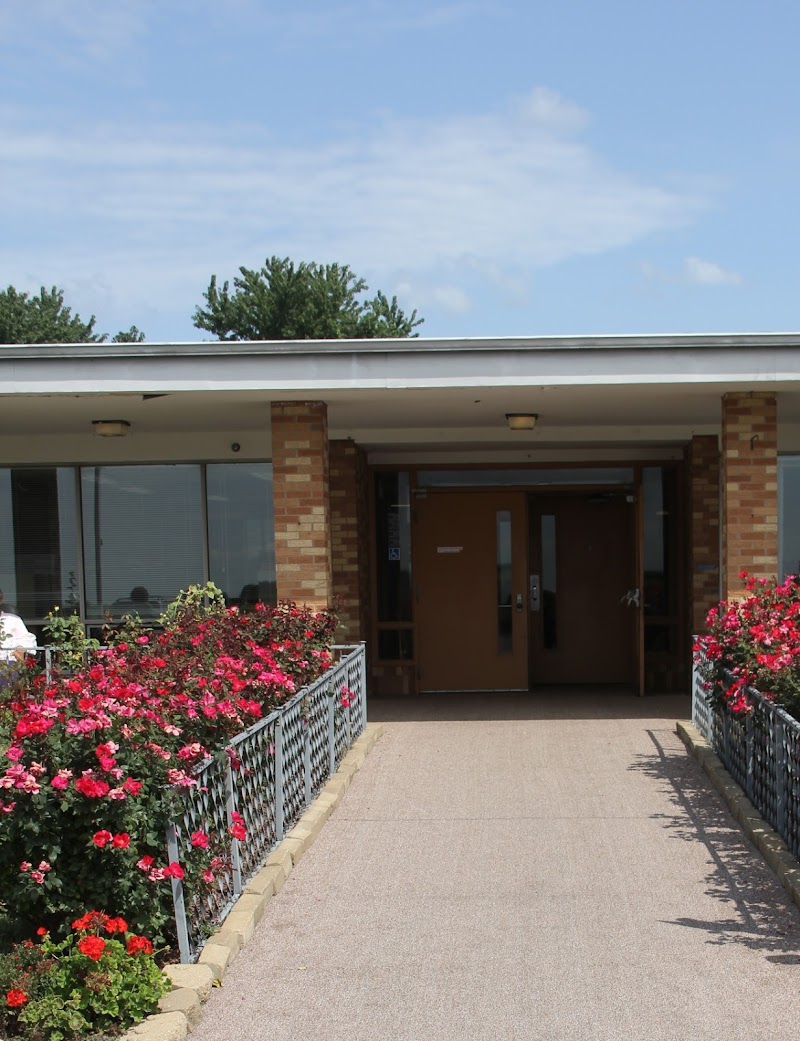
How is The Haven Of Tuscola Staffed?

Staff turnover is 60%, which is 13 percentage points above the Illinois average of 46%. High turnover can affect care consistency as new staff learn residents' individual needs. RN turnover specifically is 80%, which is notably high. RNs provide skilled clinical oversight, so turnover in this role can affect medical care quality.

What Have Inspectors Found at The Haven Of Tuscola?

State health inspectors documented 92 deficiencies at THE HAVEN OF TUSCOLA during 2023 to 2025. These included: 4 that caused actual resident harm, 87 with potential for harm, and 1 minor or isolated issues. Deficiencies causing actual harm indicate documented cases where residents experienced negative health consequences.

Who Owns and Operates The Haven Of Tuscola?

THE HAVEN OF TUSCOLA is owned by a for-profit company. For-profit facilities operate as businesses with obligations to shareholders or private owners. The facility is operated by HAVEN HEALTHCARE, a chain that manages multiple nursing homes. With 71 certified beds and approximately 0 residents (about 0% occupancy), it is a smaller facility located in TUSCOLA, Illinois.

How Does The Haven Of Tuscola Compare to Other Illinois Nursing Homes?

Compared to the 100 nursing homes in Illinois, THE HAVEN OF TUSCOLA's overall rating (1 stars) is below the state average of 2.5, staff turnover (60%) is significantly higher than the state average of 46%, and health inspection rating (1 stars) is much below the national benchmark.

What Should Families Ask When Visiting The Haven Of Tuscola?

Based on this facility's data, families visiting should ask: "How do you ensure continuity of care given staff turnover, and what is your staff retention strategy?" "Can I visit during a mealtime to observe dining assistance and food quality?" "How do you handle medical emergencies, and what is your hospital transfer rate?" "Can I speak with family members of current residents about their experience?" These questions are particularly relevant given the facility's high staff turnover rate.

Is The Haven Of Tuscola Safe?

Based on CMS inspection data, THE HAVEN OF TUSCOLA has a clean safety record: no substantiated abuse findings (meaning no confirmed cases of resident harm), no Immediate Jeopardy citations (the most serious violation level indicating risk of serious injury or death), and is not on the Special Focus Facility watch list (a federal program monitoring the lowest-performing 1% of nursing homes). The facility has a 1-star overall rating and ranks #100 of 100 nursing homes in Illinois. While no facility is perfect, families should still ask about staff-to-resident ratios and recent inspection results during their visit.

Do Nurses at The Haven Of Tuscola Stick Around?

Staff turnover at THE HAVEN OF TUSCOLA is high. At 60%, the facility is 13 percentage points above the Illinois average of 46%. Registered Nurse turnover is particularly concerning at 80%. RNs handle complex medical decisions and coordinate care — frequent RN changes can directly impact care quality. High turnover means new staff may not know residents' individual needs, medications, or preferences. It can also be disorienting for residents, especially those with dementia who rely on familiar faces. Families should ask: What is causing the turnover? What retention programs are in place? How do you ensure care continuity during staff transitions?

Was The Haven Of Tuscola Ever Fined?

THE HAVEN OF TUSCOLA has been fined $47,653 across 2 penalty actions. The Illinois average is $33,555. While any fine indicates a compliance issue, fines under $50,000 are relatively common and typically reflect isolated problems that were subsequently corrected. Families should ask what specific issues led to these fines and confirm they've been resolved.

Is The Haven Of Tuscola on Any Federal Watch List?

THE HAVEN OF TUSCOLA is not on any federal watch list. The most significant is the Special Focus Facility (SFF) program, which identifies the bottom 1% of nursing homes nationally based on persistent, serious quality problems. Not being on this list means the facility has avoided the pattern of deficiencies that triggers enhanced federal oversight. This is a positive indicator, though families should still review the facility's inspection history directly.