SUNRISE SKILLED NUR & REHAB
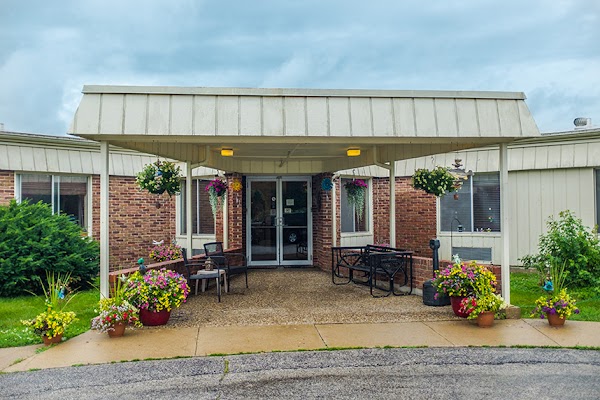

333 SOUTH WRIGHTSMAN STREET, VIRDEN, IL 62690 (217) 965-4821
For profit - Limited Liability company 99 Beds CREST HEALTHCARE CONSULTING Data: November 2025 1 Immediate Jeopardy citation
Trust Grade
1/100
#641 of 665 in IL
Last Inspection: July 2024

Within standard 12-15 month inspection cycle. Federal law requires annual inspections.

Overview

Sunrise Skilled Nursing and Rehabilitation in Virden, Illinois has received a Trust Grade of F, indicating significant concerns regarding the quality of care. The facility ranks #641 out of 665 in Illinois, placing it in the bottom half of nursing homes in the state, and is the lowest-ranked option in Macoupin County. While the facility is showing an improving trend with a reduction in issues from 7 to 3 over the past year, it still faces serious challenges, including a concerning staffing rating of 1 out of 5 stars and 48% turnover, which is near the state average. There have been notable incidents, such as a resident being admitted to the hospital due to a failure to conduct necessary lab tests for medication monitoring, and another resident who fell from bed when left unsupervised, resulting in multiple fractures. Although there are strengths, such as having a lower number of issues this year, families should carefully consider these significant weaknesses before making a decision.

Trust Score
F
1/100
In Illinois
#641/665
Bottom 4%
Safety Record
High Risk
Review needed
Inspections
Getting Better
7 → 3 violations
Staff Stability
⚠ Watch
48% turnover. Above average. Higher turnover means staff may not know residents' routines.
Penalties
○ Average
$14,479 in fines. Higher than 51% of Illinois facilities. Some compliance issues.
Skilled Nurses
⚠ Watch
Each resident gets only 21 minutes of Registered Nurse (RN) attention daily — below average for Illinois. Fewer RN minutes means fewer trained eyes watching for problems.
Violations
⚠ Watch
27 deficiencies on record. Higher than average. Multiple issues found across inspections.
★☆☆☆☆
1.0
Overall Rating
★☆☆☆☆
1.0
Staff Levels
★★☆☆☆
2.0
Care Quality
★★☆☆☆
2.0
Inspection Score
Stable
2024: 7 issues
2025: 3 issues

The Good

  • Full Sprinkler Coverage · Fire safety systems throughout facility
  • No fines on record

Facility shows strength in fire safety.

The Bad

1-Star Overall Rating

Below Illinois average (2.5)

Significant quality concerns identified by CMS

Staff Turnover: 48%

Near Illinois avg (46%)

Higher turnover may affect care consistency

Federal Fines: $14,479

Below median ($33,413)

Minor penalties assessed

Chain: CREST HEALTHCARE CONSULTING

Part of a multi-facility chain

Ask about local staffing decisions and management

The Ugly 27 deficiencies on record

1 life-threatening 5 actual harm
Aug 2025 1 deficiency 1 Harm
SERIOUS (G) 📢 Someone Reported This

A family member, employee, or ombudsman was alarmed enough to file a formal complaint

Actual Harm - a resident was hurt due to facility failures

Accident Prevention (Tag F0689)

A resident was harmed · This affected 1 resident

**NOTE- TERMS IN BRACKETS HAVE BEEN EDITED TO PROTECT CONFIDENTIALITY** Based on observation, interview and record review the Facility failed to ensure residents were supervised to prevent accidents f...

Read full inspector narrative →
**NOTE- TERMS IN BRACKETS HAVE BEEN EDITED TO PROTECT CONFIDENTIALITY** Based on observation, interview and record review the Facility failed to ensure residents were supervised to prevent accidents for 1 of 3 residents (R2) reviewed for falls in the sample of 5. This failure resulted in R2 being left unsupervised in bed in the high position on a low airloss mattress causing R2 to fall from the bed sustaining multiple fractures to both legs.Findings include: R2's July 2025 Physician Order Sheet (POS) document a displaced comminuted fracture of shaft of left fibula subsequent encounter for closed fracture with routine healing (dated 7/28/2025); osteomyelitis of vertebra, sacral and sacrococcygeal region, type 2 diabetes mellitus without complications, unspecified fracture of lower end of left tibia, subsequent encounter for closed fracture with routine healing (start date 7/28/2025), unspecified fracture of shaft of right tibia, subsequent encounter for closed fracture with routine healing (start date 7/28/2025); displaced fracture of second metatarsal bone right foot, subsequent encounter for fracture with routine healing (start date7/28/2025); muscle wasting and atrophy; abnormalities of gait and mobility; other lack of coordination; Fournier gangrene; cutaneous abscess of back; local infection of the skin and subcutaneous tissue; unspecified fracture of right calcaneus sequela, renal osteodystrophy; end stage renal disease; and weakness. R2's Minimum Data Set (MDS) dated [DATE] document R2 was cognitively intact for decision making of activities of daily living. R2's MDS documents R2 has impairments on both sides, uses a wheelchair, and is dependent on staff for most Activities of daily living and has two stage 3 pressure ulcers. R2's MDS documents for him to roll from left to right he is dependent on staff; helper does all of the work. R2‘s Care Plan with a Target Date of 10/26/2025 does not address falls.R2's Follow Up Occurrence Note dated 7/11/2025 at 9:00 AM, Note Text: Incident Note: Resident on floor. Says he rolled out of bed. Denies hitting head. Neuro check WNL (within normal limits). VSS (vital signs stable). Says he has pain to rt (right) elbow and rt (right) and lt (left) ankles. No new skin issues. ROM (Range of motion) present to all extremities as per resident normal. Resident moved rt arm bending at elbow and both ankles rotated per resident. Nurse Practitioner here and saw resident post fall. Extra Norco ordered to be given for c/of (complaint of) of pain. Nurse Practitioner also said to send an extra Norco to Dialysis with resident per his usual request when going to Dialysis. Resident gotten up off floor with mechanical lift per staff. R2's Investigation does not address the root cause of his fall (lack of supervision).R2's Progress Notes dated 7/11/2025 at 4:32 PM, Note Text: Resident called facility driver to tell him he is in the ER (emergency room) and was sent from dialysis. Writer called ED (emergency department) who confirmed resident was there and was sent over for L (left) ankle pain. They confirmed that there was a L (left) tibia fracture and that they are awaiting ortho to consult to determine if they will admit or splint and send back tonight. PCP (primary care physician) and wife made aware.R2's Progress Notes dated 7/11/2025 at 6:49 PM, Note Text: Writer called for update- res (resident) will be admitted for fx (fracture). They don't know if he will need surgery yet or not.R2's Verification of Incident Report date of incident 7/11/2025 at 9:00 AM, Resident rolled out of bed at 9 AM. Resident sent to ER (emergency room) there. ER was called for a status updated and was made aware of fractures. Immediate Action: Nurse Practitioner in building and assessed. Extra dose of Norco provided for pain management. Bolsters added to resident mattress. POA (Power of Attorney), IDPH and Ombudsman notified. Summary of investigation: Resident had a fall after rolling out of bed. Resident was seen by the wound nurse and wound NP prior to rolling out of bed. Resident was ready to get up for the day, wound nurse notified CNA (Certified Nurse's Assistant) that resident was ready to get up. When aide entered room, resident was observed on the floor. CNA notified nurse who immediately assessed. No altered skin integrity noted. Does complaint of pain to right elbow and right ankle. Resident was able to move all extremities himself with no issues, rotated ankles and moved his arms and bending them at the elbows, resident denies hitting his head. Wife was present in the room at the time of the incident and states he did not hit his head. Resident was assisted up off the floor with (mechanical lift). Placed in bed, aid got him ready for dialysis then assisted to wheelchair via (mechanical lift). Primary care NP (Nurse Practitioner) was making rounds, who also assessed resident. NP ordered an extra dose of Norco to be given and ordered for one to be sent with resident to dialysis. Resident lays on a low loss mattress, and when he rolled over, the air in the mattress went to the opposite side, causing him to roll out of bed. Bolsters were placed on air mattress for boundary awareness and as a safety intervention. CP (Care Plan) updated. Transportation driver reported that the resident had no complaints on the ride to dialysis. Once at the dialysis, resident complained of pain to BLE (bilateral lower extremities), dialysis then sent resident to the ED (emergency department). Nurse called the ED for status update, and they confirmed resident did have a fracture of the left and right distal tibia as well as the 2nd metatarsal. Resident was admitted to the (hospital) for further evaluation.R2's Hospital Records dated 7/11/2025 R2 had a mechanical fall and suffered from an acute left distal tibial diaphysis fracture; Acute left distal fibular fracture; Acute fracture of the distal right tibial diaphysis and acute fracture of the neck of the 2nd metatarsal of the right foot and was admitted to the ortho bed and neurology was consulted for management. R2's Progress Notes dated 7/25/2025 at 7:04 PM, Note Text: Resident returned from Hospital. Resident asked to lay dawn. Resident was (mechanical lift) into bed with assist of 2. Resident became very agitated and yelled hey watch my legs! Don't move them! Resident is in the sling appropriately, staff guided him into bed. Was provided by reassurance in a calming voice by nurse in room and let resident know that he is safe and ok. Resident hollered no it's not ok!On 7/29/2025 at 4:00 PM, R2 stated, I use to be at another facility and at that facility I developed wounds on my back and buttocks. When I got here, two staff members, I am not sure of their names came into my room to change my dressings. They had me roll to the side and slide down so they can get to the wounds better. They pulled me towards the end of the bed and had me roll to my left side. After the nurse was done, she left the room. The other staff (not sure of her name) she was changing the linen because of the drainage from the wound, and I was still laying on my left side and the bed was high up in the air because they just finished doing the treatment. The girl changing the sheets said she needed a draw sheet because it was dirty from the wound draining on it. She said she would be right back. I was holding on to the bar and was on my left side waiting. The staff left the room, but I waited as long as I could, and I just could not hold on any longer and when I let go, I fell from the bed being up high in the air to the floor. I just couldn't hold on any longer. I think the staff forgot about me. They came back and put me on one of those (mechanical lifts) and put me back into the bed. I was in a lot of pain. My wife shared a room with me, and she saw the whole thing too. I was in the hospital for two weeks and had 2 breaks in the right leg and one break in the left leg. Both of my legs were broken. I get dialysis on Mondays, Wednesday and Friday. I feel like they should not have left me like that and should have sent me to the hospital right away. They gave me some pain medicine but when I got to dialysis it was so bad they sent me out to the hospital and that is when I found out I had broken both of my legs. On 7/29/2025 at 4:12 PM, R4, wife and roommate of R2, stated I was in the room at the time they were treating (R2), and he fell out of bed. The nurse left the room as soon as (R2's) treatment was done. They were changing (R2's dressing). When the nurse was done, she left the room. The other girl was changing the sheets. (R2) was on his side and was holding on to the bar. The girl left the room, and she said she would be right back but (R2) waited and waited and he could not hold on any longer and the bed was up really high, and he fell and broke both of his legs with one leg have two fractures. After he fell, they came in and used that machine to put him back into bed and then later the Nurse Practitioner came and looked at him and gave him pain medication.On 7/30/2025 at 10:42 AM, V8, Hospital Social Service Worker stated, (R2) was admitted to the hospital on [DATE] and he had an extended admission and was not discharged until 7/25/2025. So, he was here for a while. I was the consultant towards the end of this visit and (V9, Palliative Care Social Worker) was with him when he was first admitted . (R2) told me he had a pressure ulcer on his back and buttocks and was receiving care from the wound Nurse and they had his bed high in the air. (R2) stated he was rolled to his side, and he grabs onto the side rails. The lower rail was missing on the bed. The Nurse member left the room because she was done with the treatment. The agency staff told him she would be right back because she was changing the sheets and needed a drawsheet and left the room with him on his side, no lower bed rail and she did not reposition him. He said he waited and waited but she did not come back, and he could no longer hold on and he fell from the bed in the high position to the floor.On 7/30/2025 at 11:01 AM, V9, Hospital Palliative Social Worker stated, When I first saw (R2) at the hospital he told me they were doing a dressing change on him, and he had rolled to his side and was holding on to the side rail. The bed was in the high position because of the treatment. The bottom side rail was missing on the bed. He said the nurse had finished the wound treatment and the agency CNA was cleaning up the sheets and she did not put him back on his back, and she told him she would be right back and left the room because she wanted to get a drawsheet. His wife was in the room with him. The CNA did not come back and (R2) said he became weak and could not hold on any longer and he fell off the bed between the bed and wall. Staff then came in and checked on him and even the NP came in to see him. They asked him if he was hurt and put him in a (mechanical Lift) and transferred him to his wheelchair, gave him some pain medicine and eagerly rushed him off to dialysis. (R2) said he was in shock and when he got to dialysis the nurse there said his color was off and asked if he was feeling okay and he said he was in a lot of pain and had fallen and they sent him to the hospital where he was admitted . (R2) had two broken legs, 2 breaks in the left leg, and one break in the left leg.On 7/30/2025 at 11:48 AM, V2, Director of Nursing stated, (V7, Registered Nurse, RN) was the person responsible for (R2's) fall report. She wrote it up and investigated. I know we asked (R4, wife and roommate) if (R2) had hit his head and she said no. I was not present at the time of the fall. I know the Nurse Practitioner (V18) was here and she went and put eyes on (R2) so we could do an intervention, and we put boosters on his bed. That is all I know you will have to talk to (V7). If staff are doing treatment and put the bed up, I would expect staff to put the bed down after the treatment is finished. I would expect staff to never leave any resident unattended or left laying on their side. I would expect staff to reposition the resident, so they are safe, go and get what they needed and then return. I would not expect staff to leave a resident with the bed up, laying on their side. This is the first I am learning of it.On 7/30/2025 at 11:47 AM, Dialysis center called back and read V10's, Dialysis Center's Registered Nurse, RN, notes from that day. The notes document, Patient arrived to dialysis with complaints for pain to BLLE (bilateral lower extremities). Patient stated he fell out of bed prior to coming to the facility and the bed was elevated. Pain too high to do treatment. EMS (emergency medical services) called to transport. 911 was called. On 7/30/2025 at 2:13 PM, V10, Dialysis RN stated, We got a call from the (Facility) telling us (R2) had fall and that he was still going to make his appointment. When (R2) arrived, he was grimacing, and I could tell he was in a lot of pain, so I called 911 just to be safe.On 7/30/2025 at 12:56 PM V7, Registered Nurse, RN/Floor Nurse stated I am the one that made the incident report for (R2's) fall. I did ask (R2) and (R4) because they share a room if (R2) hit his head and they said no. I did not get any statements from them. It's all in the report. I remember the CNA came and got me and told me (R2) was on the floor and she said he had rolled out of bed. I went and assessed him, and he said he was having pain in his arm and ankle. I got another CNA, and he said he could move his ankles. We used the (mechanical lift) and put him back into his wheelchair. I asked him if he was hurting anywhere else and he said he was alright. He then said he didn't feel like going to dialysis and I told him it was important not to miss any days. We then sent him out to dialysis, and I found later he had injured himself. Nobody ever told me anything else. I didn't get any written statements from anybody. I just thought he fell out of bed.On 7/30/2025 at 1:26 PM, V4, Agency Certified Nurse's Aide, CNA, stated, We were passing out breakfast trays. The Wound nurse was in (R2's) room providing treatment and then she walked out. I grabbed the breakfast tray and asked the Wound Nurse if they were done. I asked her if she could give (R2) his food. I looked in the room a little later and no staff was in the room. The resident was laying on his left side and the bed was not down and was high up and even then, I knew he was a fall risk. The Wound Nurse was not in the room, and he was in up high, and I went to try and find the Wound Nurse and she was on her phone on the other hall. Then I heard a loud help, help and help. I saw the wound nurse and asked why she would leave the bed all the way up and he fell, and he was yelling. The Wound nurse left the bed all the way up, and the other nurse and I said why would she do that. The Wound Nurse was the last one in the room. Why did she tell him to hold on to the bed? The Wound Nurse was the last person in that room. Me and the other CNA found him on the floor.On 7/30/2025 at 2:14 PM, V16, CNA stated, I was working the day (R2) fell. (R2) had just had his wounds done. The Wound Doctor and the ADON (Assistant Director of Nursing) were doing the treatments. His bed was up high, and he was on his side. His wife was in the room too. Me and (V4) found (R2) after he had fallen. The bed was still up high. (V7, Registered Nurse/Floor Nurse) came and assessed him and looked him over. We were told to use the (mechanical lift) and put him in his wheelchair. He said he was in a lot of pain. (R2) did not want to go to dialysis. The Nurse Practitioner told him how important dialysis was for him and send him some pain medicine to take with him because he said he didn't want to go and was hurting. She said he might have some bruising and would be sort and she sent him some pain medication. On 7/31/2025 at 9:50 AM, R2 was wearing plastic splints/boots with Velcro on the side that goes up to the knee on both legs.On 7/31/2025 at 3:32 PM, V6, Medical Director stated, I would expect staff to always lower residents' bed after raising the bed. I am not sure how (R2) landed but I know he did have some broken bones. No fall is ever good for any resident. The bed should always be lowered. On 7/31/2025 at 3:11 PM, R2's bed was placed in the high position with V17, Maintenance Director and the V3, Assistant Director of Nursing, ADON. The bed was measured from the high position to the floor and measured 36 inches. R2's bed has a low air mattress on it.On 7/31/2025 at 3:12 PM, R2 was asked if the (V3) was the staff that left him alone in the room with his bed high and said she would return and he replied no, he thinks it was the agency CNA (certified nursing assistant). He was not sure, but it was not (V3). On 7/31/2025 at 3:13 PM, V3, stated, (V4) was the person in the room with us when we were doing treatment. This is the first I am learning the bed was high and (R2) was left lying on his side waiting for staff to return and he was not able to hold and a fell. I would expect staff to always put the bed down. (R2) has a remote so he can move his bed up and down. I did not realize staff left (R2) unattended and left the room.On 7/31/2025 at 4:12 PM, R2 stated that he fell from this bed with the same mattress, but after his fall the (Facility) added the bolsters.The Fall Policy with a revision date of 9/7/2023 documents, To provide staff with guidelines for investigating reporting and recording, Accidents and Incidents. All accidents/incidents involving a resident shall require an incident report. The interdisciplinary team (IDT) will complete an investigation to determine root cause and implement appropriate interventions. The MDS nurse shall update the Care Plan with implemented interventions and communicate interventions with line staff.
May 2025 1 deficiency 1 IJ
CRITICAL (J) 📢 Someone Reported This

A family member, employee, or ombudsman was alarmed enough to file a formal complaint

Immediate Jeopardy (IJ) - the most serious Medicare violation

Deficiency F0757 (Tag F0757)

Someone could have died · This affected 1 resident

**NOTE- TERMS IN BRACKETS HAVE BEEN EDITED TO PROTECT CONFIDENTIALITY** Based on interview and record review, the facility failed to obtain physician ordered laboratory testing in 1 of 3 residents (R2...

Read full inspector narrative →
**NOTE- TERMS IN BRACKETS HAVE BEEN EDITED TO PROTECT CONFIDENTIALITY** Based on interview and record review, the facility failed to obtain physician ordered laboratory testing in 1 of 3 residents (R2), reviewed for medication monitoring in the sample of 9. This failure resulted in R2 being admitted to the hospital on [DATE], where he remains. R2 was diagnosed in the hospital with Supratherapeutic INR (Initial Normalized Ratio) with a level greater than 10 (target range is between 2-3) and had to receive medication to reverse the effects from the anticoagulant, Warfarin, that R2 was receiving in the facility for a diagnosis of Pulmonary Embolism. This failure resulted in an immediate jeopardy when the facility failed to obtain laboratory testing to monitor R2's anticoagulant levels to ensure a therapeutic level was obtained. The Immediate Jeopardy began on 4/23/24, when the facility failed to obtain a PT(Prothromin Time)/INR to ensure a therapeutic level was obtained due to the use of an anticoagulant. On 5/21/25 at 9:35 AM, V1, Administrator, V7, Regional Director of Operations, and V8, Chief Operating Officer, were notified of the Immediate Jeopardy. The surveyor confirmed by observation, interview and record review, the Immediate Jeopardy was removed on 5/22/25, but remains at Level Two because additional time is needed to evaluate the implementation and effectiveness of the in-service training. Findings include: On 5/20/25 at 10:30 AM, V5, R2's Sister, stated R2 is currently in the hospital preparing for surgery to remove a large cancerous mass in his intestines. V5 stated she is concerned about R2's Coumadin not being checked at the facility like it is supposed to be, it is to be checked weekly and hasn't been checked since March 2025. V5 stated when R2 was in the ER (Emergency Room) his blood count was 3 and his INR which is supposed to be between 1-2 was greater than 10. V5 stated this is not acceptable and whoever is to be checking to make sure his INR is being checked failed, the bedside care and the nurses are good at the facility and have saved R2's life a few times, but this is unacceptable. R2's ER (Emergency Room) Notes, dated 5/8/25, document R2's INR was greater than 10, R2 was started on Vitamin K and Kcentra (medication used to reverse the effects of Warfarin). Admit to ICU (Intensive Care Unit) for multiple problems, critically ill patient. Impression: Sepsis, Leukocytosis, GI (Gastrointestinal) Bleed, Elevated Lactic Acid Level, Elevated INR. R2's History and Physical, dated 5/8/25, documents the following: Impression - Acute Blood Loss Anemia, Probable GI Bleed, Supratherapeutic INR, Hx of PE. Reversal of Coumadin with Kcentra. R2's Hospital Laboratory Results, dated 5/8/25, document R2's Hgb (Hemoglobin) level was 3.8 (normal range is 14 - 18); PT (Prothrombin Time) level of greater than 80 seconds (normal range is 11.6-14.5); INR level of greater than 10 (normal range is 0.9-1.1 with a suggested therapeutic range of 2-3); FOB (Fecal Occult Blood) was positive. R2 received four blood transfusions on 5/9/25 and one on 5/13/25. R2's Final pathological diagnosis from the colon biopsies, dated 5/15/25, documents a colon/cecal mass that is an invasive moderately differentiated adenocarcinoma, the colon showed fragments of tubulovillous adenoma. R2's Colorectal Surgery Consult, dated 5/15/25, documents R2 has a history of DVT(Deep Vein Thrombosis)/PE on Warfarin, Hgb 3.8, Supratherapeutic INR greater than 10, reversal with Kcentra. admitted to ICU. EGD (Esophagogogastroduodenoscopy) and colonoscopy revealed a large cecal mass as well as a foreign body within the cecum, likely a bone. R2's Cardiology Consult, dated 5/17/25, documents R2 has a history of subsegmental PE (Pulmonary Embolism), admitted for acute blood loss anemia with a Supratherapeutic INR greater than 10. Continue holding Coumadin (Warfarin). R2's Face Sheet, Undated, documents R2 has a diagnosis of Pulmonary Embolism and Atherosclerosis of the Arteries of the Bilateral Lower Extremities. R2's Physician Order Sheet (POS), has the following orders: 3/6/25 Warfarin 6 mg (milligrams) every evening for Pulmonary Embolism and 4/23/25 Check a PT/INR (Prothrombin Time/Initial Normalized Ratio) weekly on Mondays. R2's Care Plan, dated, 9/23/22, documents R2 is at high Risk For Abnormal Bruising or Bleeding Related to Anticoagulant Therapy with Warfarin and an intervention to conduct therapeutic lab monitoring and report results as ordered by physician or anticoagulant clinic. R2's last PT/INR was completed on 3/26/25. There were no other PT/INR results completed after this date. A fax to V6, R2's Physician, dated 4/23/25, from V2, DON (Director of Nurses), documents that R2 had not had a PT/INR since 3/26/25 and V6 ordered a PT/INR to be completed weekly. On 5/20/25 at 11:50 AM, V6, R2's Physician, stated verified that he gave an order on 4/23/25 to check R2's PT/INR weekly. V6 stated R2 is on Warfarin and a residents therapeutic INR level is dependent on what they are on it for. V6 stated he would need to re-evaluate R2's Warfarin. V6 stated an INR of 10 is not ideal because it allows bleeding and could lead to a person bleeding to death. V7, RDO (Regional Director of Operations), stated V2, DON, identified a problem with the PT/INR's not being drawn so they did a past non-compliance, have in-serviced and are completing audits. On 5/20/25 at 12:49 PM, V2, DON, stated R2's PT/INR's should have been drawn weekly after 4/23/25 as they were routine. V2 stated R2 should have been drawn on 5/5/25 and wasn't. V2 stated she called the lab and was told that it wasn't drawn because there was no carbon copy with the lab requisition, but that it still should have been drawn. The Anticoagulant Policy/Procedure, dated 11/4/20, documents the following: The facility shall provide anticoagulation medications and perform surveillance as directed by the primary care physician and/or facility medical director. The Physician should adjust the anticoagulant dose or stop, taper, or change medications that interact with the anticoagulant, and/or monitor the PT/INR very closely while the individual is receiving Warfarin, to ensure that the PT/INR stabilizes within a therapeutic range. They physician will order appropriate lab testing to monitor anticoagulant therapy and potential complications; for example, periodically checking hemoglobin/hematocrit, platelets, PT/INR, and stool for occult blood. If Warfarin is used the staff should use a Warfarin flow sheet or come comparable means to follow trends in anticoagulant dosage and response in individuals on Warfarin. The Immediate Jeopardy that began on 4/23/25 was removed on 5/22/25, when the facility took the following actions to remove the immediacy: 1) Immediate actions taken for residents identified: R2 was hospitalized for Supratherapeutic INR on May 7th, 2025, and received medication to reverse the effects from the anticoagulant, Warfarin. An audit of all resident laboratory orders was completed on May 9th, 2025, by V2, Director of Nursing. An audit of all residents that have physician orders for Warfarin were identified and have active lab orders for PT/INRs to monitor for therapeutic effectiveness was completed by V2, Director of Nursing, on May 9th, 2025. 2) How the facility identified other residents who could potentially be affected: All residents have the potential to be affected by the alleged deficient practice. 3) Measures put into place/ System changes: Facility licensed nursing staff were educated by phone or in person in the following categories: Obtaining laboratory testing as ordered by the physician, with special consideration for those residents on Warfarin on May 9th, 2025, by V2, Director of Nursing. Audit of all scheduled labs was completed on May 9th, 2025, including PT/INRs by V2, Director of Nursing. Audit of all residents with Warfarin medication orders were ensured to have scheduled laboratory testing of PT/INRs to monitor for therapeutic effectiveness by V2, Director of Nursing on May 9th, 2025. V2, Director of Nursing, initiated a Warfarin tracking system that consists of reviewing the Electronic Medical Record to ensure that any resident with new orders for Warfarin have orders in place for monitoring therapeutic effectiveness with a PT/INR laboratory testing and results are obtained and the resident's physician are notified of those results with new orders obtained as necessary. Licensed agency staff will not work at the facility until they are educated by the Director of Nursing/Designee on the importance of ensuring PT/INR levels are ordered with Warfarin to monitor for therapeutic effectiveness. The facility will educate all Agency and Facility licensed nursing staff on a quarterly basis and during orientation on the order process for labs, with emphasis on the need for therapeutic monitoring for effectiveness for residents with medication orders for Warfarin, by the Director of Nursing or Designee. 4) Those that reviewed policies were: V19, Chief Nursing Officer, V7, Regional Director of Operations, and V8, Chief Operating Officer 5) How the corrective actions will be monitored: The Director of Nursing or designee has put into place a Warfarin tracking system that consists of reviewing the Electronic Medical Record to ensure that any resident with new orders for Warfarin have orders in place for monitoring therapeutic effectiveness with a PT/INR laboratory testing and results are obtained and the resident's physician are notified of those results with new orders obtained as necessary. The Director of Nursing or designee will complete random audits of scheduled laboratory testing as ordered by the physician, with special consideration for those residents on warfarin for 12 weeks until compliance is achieved. Results of the above reviews will be discussed at a weekly quality assurance meeting that the Administrator is the head of/holds for a period of 12 weeks and will provide additional education as needed and implement interventions for improvement until resolution.
May 2025 1 deficiency
CONCERN (D) 📢 Someone Reported This

A family member, employee, or ombudsman was alarmed enough to file a formal complaint

Potential for Harm - no one hurt, but risky conditions existed

Accident Prevention (Tag F0689)

Could have caused harm · This affected 1 resident

**NOTE- TERMS IN BRACKETS HAVE BEEN EDITED TO PROTECT CONFIDENTIALITY** Based on interview and record review, the facility failed to insure a preventative fall alarm was working to prevent a fall for ...

Read full inspector narrative →
**NOTE- TERMS IN BRACKETS HAVE BEEN EDITED TO PROTECT CONFIDENTIALITY** Based on interview and record review, the facility failed to insure a preventative fall alarm was working to prevent a fall for 1 of 3 residents (R5) reviewed for falls. Findings include: R5's Face Sheet, print date of 5/5/25, documents R5 was admitted on [DATE] with diagnoses of Dementia and Alzheimer's Disease. R5's Minimum Date Set, dated 1/16/25, documents R5 is severely cognitively impaired and requires partial to moderate assistance for transfers. R5's General Note, dated 2/4/2025 3:00 PM, documents, Patient found laying on floor in room on back at (2:10 PM) by staff. Patient moaning. Staff called RN (Registered Nurse) to assess patient. RN assessed body, no injury or redness noted. Patient vitals taken and transferred to bed with bed alarm in place. Patient did have alarm on her in recliner, but was not attached to box. Hospice was in earlier to give patient bath but did not connect up alarm correctly. Updated staff to frequently check alarm boxes. R5's Quality Assurance Report, print date of 5/5/25, documents Incident date of 2/4/25 root cause: resident attempted to stand, alarm box malfunction. New intervention: alarm box to be checked every shift. The policy Accidents and Incidents, dated 9/7/23, documents, To provide staff with guidelines for investigating, reporting, and recording Accidents and Incidents. POLICY: All accidents/incidents involving a resident shall require an incident report. The interdisciplinary team (IDT) will complete an investigation to determine root cause and implement appropriate interventions. DEFINITION: An accident/incident is any occurrence which is not consistent with the routine operation of the facility or the routine care of a particular resident. It may involve injury or damage to property. It may involve residents, visitors, or volunteers. On 5/5/25 at 11:30 PM, V9, Regional Director, stated the alarm should have been plugged back in. We owned up to that and educated staff.
Jul 2024 5 deficiencies
CONCERN (D)

Potential for Harm - no one hurt, but risky conditions existed

Pressure Ulcer Prevention (Tag F0686)

Could have caused harm · This affected 1 resident

**NOTE- TERMS IN BRACKETS HAVE BEEN EDITED TO PROTECT CONFIDENTIALITY** Based on observation, interview and record review, the Facility failed to prevent pressure ulcer development, implement preventa...

Read full inspector narrative →
**NOTE- TERMS IN BRACKETS HAVE BEEN EDITED TO PROTECT CONFIDENTIALITY** Based on observation, interview and record review, the Facility failed to prevent pressure ulcer development, implement preventative measures and follow physicians orders for 1 of 2 residents (R8) reviewed for skin integrity, in the sample of 41. Findings include: R8's Face Sheet dated 7/24/2024 documents R8 has a diagnosis of Dementia and disturbances of skin sensation. R8's Minimum Data Set (MDS) dated [DATE] documents R8 is severely cognitively impaired, always incontinent of urine, frequently incontinent of bowel, requires assistance for turning/bed mobility, and has one unstageable pressure area. R8's Care Plan dated 2/22/2021 documents R8 is at risk for impaired skin integrity due to cognitive deficits, impaired mobility, and requires assist with turning and repositioning. R8's Skin Inspection assessment dated [DATE] documents, Current skin concerns. It further documents R8 had an open area to her coccyx. R8's Skin and Wound Evaluation dated 6/18/2024 documents R8 had an unstagable pressure wound that was acquired in house (at the facility) that began on 4/25/2024. On 7/22/2024 at 9:57 AM, there was an odor in R8's room. V6, Certified Nursing Assistant (CNA) and V7, CNA, began providing incontinent care to R8. V7 stated R8 did not have any open areas on her skin. R8's pants, bottom of her shirt, and the mechanical lift sling were soiled with a wet substance. After removing R8's pants it was verified R8 had a large bowel movement. V7 began cleaning/wiping the feces from R8's backside. R8's right and left upper buttocks had quarter sized reddened areas. At this time V6 stated the reddened areas were caused by R8 sitting in her poop. It really hurts her. She's up (out of bed) about 6:30 (AM). V6 further stated breakfast trays come about 8 (AM) or after. On 7/24/2024 at 11:30 AM, V3, Assistant Director of Nursing (ADON) stated R8 did develop a pressure sore to her coccyx/sacrum (buttocks) area while at the facility on 4/25/2024 but they had healed on 6/18/2024. V3 stated she completed a skin check on R8 last week and she did not have any open areas. On 7/24/2024 at approximately 9:00 AM, R8 was located in her room, sitting in her wheelchair. On 7/24/2024 at 11:24 AM, R8 was located in her wheelchair in the dining area of the unit. At this time V18, CNA stated she will lay R8 down (in bed) after lunch. V18 stated she last checked R8 for incontinence after breakfast but wasn't sure what exact time it was. On 7/24/24 at 1:40 PM, R8 was observed laying on her back in bed with both heels laying flat on bed. R8's Progress Notes dated 7/21/2024 documents a CNA reported R8's right heel was soft and mushy; the area was assessed with no open area noted. R8's Skin Inspection assessment dated [DATE] documents, Right heel: apply skin prep every shift for 14 days then reassess. Float heels while in bed as preventative. The Facility's Pressure Ulcer policy dated 8/31/2023 documents, To provide guidelines that will assist nursing staff in prevention, identification, and appropriate treatment of pressure ulcers.
CONCERN (D)

Potential for Harm - no one hurt, but risky conditions existed

Accident Prevention (Tag F0689)

Could have caused harm · This affected 1 resident

**NOTE- TERMS IN BRACKETS HAVE BEEN EDITED TO PROTECT CONFIDENTIALITY** Based on observation, interview and record review, the facility failed to ensure care plan interventions were followed, assess r...

Read full inspector narrative →
**NOTE- TERMS IN BRACKETS HAVE BEEN EDITED TO PROTECT CONFIDENTIALITY** Based on observation, interview and record review, the facility failed to ensure care plan interventions were followed, assess resident smoking risk to prevent injury and provide appropriate supervision to prevent falls for 3 of 6 residents (R17, R46, R64) reviewed for safety and supervision in the sample of 41. Findings include: 1.R17's face sheet, dated 7/24/24, documented R17 was admitted to the facility on [DATE]. R17's face sheet documented R17 has diagnoses of left femur fracture, dementia, Alzheimer's disease, atherosclerotic heart disease, hypertension, and history of urinary tract infections. R17's MDS (Minimum Data Set), dated 4/26/24, documented that R17 is severely cognitively impaired and requires substantial/maximum assistance from staff with mobility. R17's fall risk assessment, dated 7/17/24, documented that R17 is high risk for falls. R17's care plan, undated, documented that R17 is to have the following fall interventions in place; dycem to wheelchair initiated 3/22/24, offer to toilet before meals initiated 5/22/24, drop wheelchair seat initiated 7/2/24, keep environment clutter free initiated 3/21/24, mat at bedside when in bed initiated 4/26/24, pressure alarm to bed initiated on 6/21/24, proper footwear at all times initiated 6/16/24, and provide adequate lighting initiated 3/21/24. The facility's incident log, dated 7/23/24, documented that R17 had falls on 5/22/24, 6/15/24, and 7/2/24. On 7/23/24 at 9:30 am R17 was transferred from her wheelchair onto her bed. R17 did not have dycem placed in her wheelchair as care planned to help reduce the risk of falls. On 7/23/24 at 2:53 pm R17 was observed resting in bed. R17 did not have a pressure alarm on as care planned. On 7/23/24 V11 CNA (Certified Nurse Assistant) stated that R17 does not have a pressure pad, nor has she ever been told she is supposed to have one. V11 stated that she was aware that R17 did not have the dycem in her wheelchair earlier in the day, but she now has it placed. On 7/24/24 at 12:28 pm V1 Administrator stated that she would expect fall interventions to be in place as care planned. 2. R46's face sheet, dated 7/24/24, documented that R46 was admitted to the facility on [DATE] with diagnoses of malignant neoplasm of supraglottis, esophageal obstruction, emphysema, dysphagia, and osteoarthritis. R46's MDS, dated [DATE], documented R46 is cognitively intact. R46's care plan, undated, documented R46 requires supervision to moderate assistance with ADLS (Activities of Daily Living). R46's Safe Smoking Screening, dated 6/24/24, is incomplete and does not document the level of supervision that is required for R46 when she is smoking. R46's Safe Smoking Screening, dated 7/24/24, is incomplete and does not document the level of supervision that is required for R46 when she is smoking. R46's care plan, undated, documented R46 has recently exhibited unsafe smoking practices on 7/18/24. This care plan has a revision date of 7/23/24. R46's incident report, dated 7/18/24, documented CNA reported that resident was outside smoking and fell asleep and burnt small amount of hair on L (left) side of head. CNA asked resident to give her the cigarette so she wouldn't cause injury and resident refused. Writer went to speak with resident, and she stated I am not giving up my cigarette. This incident report also documented, IDT (Interdisciplinary Team) note: resident put cigarette too close to her hair and singed a piece of her hair. Root cause: Resident not paying attention where she placed her cigarette as she got distracted. New intervention: will continue supervised smoking and use a smoke apron. On 7/22/24 at 8:55 am R46 was observed outside in front of the facility smoking a cigarette. R46 was unsupervised. No facility staff were observed outside nor near the front entrance. R46 did not have a smoke apron on her. On 7/23/24 at 11:00 am R46 stated that she singed her hair a little bit while she was smoking a cigarette and that it did not burn her skin. On 7/23/24 11:18 am V14 Regional Director stated that there was already an incident completed on R46 when she burned a small amount of her hair from smoking on 7/18/24. V14 stated that there was not another smoking assessment completed after the 7/18/24 until today (7/23/24) and after the surveyor requested the incident for the 7/18/24. Surveyor informed V14 that R46 was out smoking unsupervised when surveyors entered on 7/22/24 and V14 replied you caught me, she shouldn't have been unsupervised after she burned her hair. The Facility's Smoking Policy, dated 9/1/19 and date revised 3/11/24, documented 1. Smoking is only allowed in designated areas, during designated smoking times established by management. 2. Residents who smoke will be evaluated to determine their ability to comply with safety rules and their ability to carry smoking materials. The facility shall complete Smoking Safety Assessments upon admission, a quarterly basis, and as needed. 3. Desire to smoke, as well as supervision required for smoking, shall be included in the resident's individualized care plan. It continues, the facility recognizes the potential harm that may result from careless, hazardous smoking and has implemented this policy to maintain a safe living environment. 3. R64's Face Sheet, undated, documents R64 was admitted to the facility on [DATE] with diagnosis of Neurocognitive disorder with Lewy Bodies, Dementia, Malignant neoplasm of prostate, Hemangioma, and Anxiety disorder. R64's Care Plan, dated 6/30/24, documents R64 is at risk for falls and injuries related to Parkinson's Diagnosis, impaired cognition, and antidepressant use. Interventions: 6/13/24 Trial with motion sensor in room, 1/9/24 Wear shower shoes when taking shower, 3/3/24 low bed when in bed, 5/23/24 Wear proper footwear at all times, 5/7/24 grabber/reacher, encourage use of call light, keep call light within reach, keep environment clutter free, keep personal belongings within reach, observe for unsteady gait and balance, provide adequate lighting, provide/reinforce use of non-skid footwear. R64's MDS, dated [DATE], documents R64 has a severe cognitive impairment and requires supervision/touching assistance for all Activities of Daily Living (ADLs). R64 is occasionally incontinent of both bowel and bladder. On 7/23/24 at 8:45 AM, R64's door was closed and upon entrance to his room, R64 was seen on the floor next to his bed. R64's fall mat was seen folded up and against the wall and his call light was on his roommate's side of the room underneath an oxygen concentrator and not within reach or eyesight of R64. A large white bed/pad alarm was seen sitting on top of the bed and was not on. Staff was notified of R64's fall. On 7/23/24 at 8:50 AM, R64's Roommate, R42 witnessed R64's fall and stated, 'He tried to get up on his own and just plopped down on his butt. On 7/23/24 at 8:53 AM, V4, CNA, was asked how R64 can call for help if needed, V4 stated We just keep a close eye on him. The facility's fall log for the past 3 months, documents R64 has had falls on 5/7/24, 5/23/24, and 6/12/24. R64's admission Fall Risk Assessment, dated 7/5/23, documents R64 as a Low Fall Risk. R64's Nursing Note, dated 5/7/24 at 1:17 PM, documents Resident was noted to be sitting upright on the floor leaning against his recliner with an abrasion above his right eyebrow and a swollen lip. He had one shoe on and one shoe off. His roommate said he had fallen and hit his head on the floor. ROM (Range of Motion) done without difficulty and assessed for further injuries. Resident assisted up and was sitting on his bed and then laid back to rest. Administrator, ADON (Assistant Director of Nursing), Wife and Dr. (doctor) notified. Neuro checks WNL (within normal limits). R64's Fall Risk Assessment, dated 5/7/24, documents R64 as a Low Fall Risk. The facility's fall investigation, dated 5/7/24, documents Incident Description: Writer was called to the resident's room, and he was noted to be sitting upright leaning on his recliner with blood above his right eyebrow and a swollen lip. It appears that resident was leaning over while sitting on his bed to put his shoes on because he only had one shoe on and when he leaned over to put the other shoe on his sheet slipped causing him to fall forward. He did say he hit his head on the floor. R64's Nursing Note, dated 5/23/24 at 8:15 AM, documents 0500 Writer was called to room by CNA informed nurse that when she answered call light resident's roommate informed her that client fell and hit his face. Client placed self back in bed. Bleeding noted from mouth, Asked resident what happened he stated I stopped floor with my face. Nurse assessed client - a/o (alert and oriented) times 3, PERRLA (pupils are equal, round and reactive to light and accommodation), able to move all extremities passively without c/o (complaint of) pain, laceration to right elbow, lacerations to lower lip and right cheek inside mouth, face cleansed, ice applied, VS (vital signs) WNL (within normal limit), Nuero checks started per protocol. 0530 lips still bleeding Dr informed, recommended ER (Emergency Room) eval for continued bleeding to mouth and unwitnessed fall with facial injury. 0540 Wife called informed of above and agreed, Ambulance called for transfer to (Local Hospital). 0610 client transferred to (Local Hospital) via ambulance. There was no fall risk assessment completed after the fall on 5/23/24. The facility's fall investigation, dated 5/23/24, documents Incident Description: CNA informed nurse that when she answered call light resident's roommate informed her that client fell and hit his face. Client placed self back in bed. IDT Note: CNA informed nurse that when she answered call light resident's roommate informed her that client fell and hit his face. Client placed self back in bed. Nurse assessed client - a/o times 3, PERRLA able to move all extremities passively without c/o pain. Laceration to right elbow, lacerations to lower lip and right cheek inside mouth, face cleansed, ice applied, VS WNL, Dr. informed, recommended ER eval for continued bleeding to mouth and unwitnessed fall and facial injury. Wife called informed of above and agreed, ambulance called for transfer to hospital. BIMS: 6. Root cause: resident having increased shuffling of feet. New intervention: proper footwear at all times. R64's Fall Risk Assessment, dated 5/31/24, documents R64 as a High Fall Risk R64's Nursing Note, dated 6/12/24 at 4:35 PM, documents Summoned to room by staff. (R64) seen sitting on the side of bed with staff at side. Assessment finds dark purplish area with small abrasion to right elbow. No other injuries seen. DON (Director of Nursing) aware. Call placed to POA (Power of Attorney) and updated on (R64). Communication sent to Dr. and hospice with update on res. R64's Fall Risk Assessment, dated 6/12/24, documents R64 as a High Fall Risk. The facility's fall investigation, dated 6/12/24, documents Incident Description: Summoned to room [ROOM NUMBER] by staff. (R64) seen sitting on the side of bed with staff at side. IDT Note: Resident witnessed trying to ambulate independently in room. Root Cause: attempted to ambulate without assistance and lost balance and fell. New Intervention: Trial with motion sensor in room. The facility's fall investigation, dated 7/23/24, documents Incident Description: Resident on floor in his room sitting with back against side of bed. VSS (vital signs stable). Neuro check wnl (within normal limites). [NAME] (unknown). No injury. Denies pain. Roommate says he tried to get up and fell. IDT Note: Resident observed on floor next to his bed. Roommate stated he tried to get out of bed unassisted and fell. Root Cause: Resident attempted to self-transfer without assistance out of the bed. New Intervention: Bed alarm when in bed. Fall interventions were not in place to help prevent R64 from falling. This includes the call light on the floor and out of reach, the fall mat folded up and lying against the wall, bed alarm sitting on top of the bed and not on, and the resident's door was closed where staff was not able to put eyes on R64. On 7/24/24 at 2:50 PM, V3, Assistant Director of Nursing (ADON), stated I would expect all staff to ensure that the residents fall precautions/interventions are in place to help prevent resident falls. The facility's Fall Prevention/Safe Patient Handling Implementation Plan, undated, documents 'Fall Prevention Policy: 1. Audit medical records to be sure all residents have up to date Fall Risk Assessment completed. 2. Review MDS of residents to see who triggered Fall CAA for other at-risk residents. 3. All resident who scores 10 or higher on the Fall risk Assessment will be placed on the Fall Prevention Program. 4. All preventative measures will be put in place for at risk residents including: a. Identifier visual aide beside door to alert staff of fall risk. b. Identifier visual aide on wheelchair to alert staff if wheelchair bound. c. Notify family or responsible party of fall risk. d. Put in place all needed preventative interventions. Ensure proper facility environmental safety and transfer equipment inspection rounds are done at least weekly to ensure safety for all in the facility. Ensure that interventions relating to prevention of falls are communicated to line staff and followed through. Ensure new interventions are put in place with each new fall and communicated to the care plan. Ensure that the facility Safe patient handling program is implemented and utilized.
CONCERN (E)

Potential for Harm - no one hurt, but risky conditions existed

Incontinence Care (Tag F0690)

Could have caused harm · This affected multiple residents

**NOTE- TERMS IN BRACKETS HAVE BEEN EDITED TO PROTECT CONFIDENTIALITY** Based on interviews, observations, and record reviews the facility failed to provide timely and complete incontinent care includ...

Read full inspector narrative →
**NOTE- TERMS IN BRACKETS HAVE BEEN EDITED TO PROTECT CONFIDENTIALITY** Based on interviews, observations, and record reviews the facility failed to provide timely and complete incontinent care including improper glove changes and hand hygiene for 3 out of 6 residents, (R7, R8, R9) reviewed for incontinence care in a sample of 41. The findings include: 1. R9's Face Sheet, undated, documents R9 was admitted to the facility on [DATE] and has diagnosis of Metabolic Encephalopathy, Atrial Fibrillation, Hypertensive Chronic Kidney disease (CKD), Major depressive disorder, Bipolar, Dementia, Pacemaker, and Hypertension. R9's Care Plan, dated 6/28/24, documents R9 has Self-Care Deficits As Evidenced by: Needs moderate to dependent assistance with functional abilities. Interventions: Toilet Use - One-person physical assist required. It continues R9 is incontinent of Bowel/Bladder. Interventions: Assist with toileting: as needed. R9's Minimum Data Set (MDS), dated [DATE], documents R9 has a severe cognitive impairment and is dependent on staff for toileting, bathing, and personal hygiene. R9 is always incontinent of both bowel and bladder. On 7/23/24 at 11:45 AM, V4, Certified Nursing assistant (CNA), and V13, CNA, provided peri-care to R9. While wiping feces from R9's anal area, V4 used the same soiled gloves and put her hands into the basin of water to get another wet washcloth, squeezed the water from the washcloth, and used that cloth on R9. V4 did this same process three different times, each time using the same soiled gloves, contaminating the clean water that she was using to further clean R9. On 7/24/24 at 2:50 PM, V3, Assistant Director of Nursing (ADON), stated that I would expect the staff to perform timely and complete incontinence care including proper hand hygiene and gloves changes when appropriate. [NAME]: 2. On 7/24/24 at 11:48 AM, V19, CNA, and V15, Health Information Management (HIM), enter R9's room for peri care. R9 is on contact precautions for Extended-Spectrum Beta-Lactamase (ESBL) of urine. V19 removed R9's bed sheets and rolled her to her left side while V15 helped hold R9's right thigh. R9 did not have a brief on, there was a slightly saturated bed pad under R9. V19 took a wet towel and sprayed it with peri wash then wiped starting in R9's vaginal region back to her anal region, then placed the dirty towel on the dirty pad and grabbed a new wet towel. V19 took the new wet towel, sprayed it with peri wash and wiped to the left of R9's vaginal fold back to her left buttock and placed the dirty towel on top of the other dirty towel and rolled the pad over them. V19 took another wet towel, sprayed it with peri wash and wiped to the right of R9's vaginal fold back to her right buttock and placed the dirty towel with the other dirty towels in the rolled up dirty pad. V19 then took a dry towel to R9s vaginal region back to her buttock padding it dry. V19 tucked a clean brief and pad under R9's old pad then V19 and V15 rolled R9 onto her back. V19 took a wet towel, sprayed it with peri wash and wiped R9's midline vaginal region front to back, placed the dirty towel in the dirty rolled up pad and grabbed another wet towel. V19 sprayed the new wet towel with peri wash and wiped R9's left groin top to bottom. V19 repeated the same process and wiped R9's right groin. No hand hygiene or glove changes between wipes. V19 and V15 rolled R9's to her right side. V19 removed the dirty pad and unrolled the new brief and pad under R9. V19 helped V15 secure R9's brief and cleaned up the dirty linen. 3. R7 was admitted to the facility on [DATE] with diagnosis of, in part, encephalopathy, and benign prostatic hyperplasia with lower urinary tract symptoms. R7's MDS completed on 6/6/2024 documents R7 as being severely cognitively impaired. R7 MDS further documents R7 is dependent on toileting hygiene: the ability to maintain perineal hygiene, adjust clothes before and after voiding or having a bowel movement, shower/bathe self: the ability to bathe self, including washing, rinsing, and drying self (excludes washing of back and hair) and toilet transfer: the ability to get on and off a toilet or commode. R7 was admitted to the hospital on [DATE] with a diagnosis of Sepsis tachycardia with leukocytosis and a right foot and thigh cellulitis. R7 was discharged back to the facility 6/1/24. On 7/1/24 a wound culture was collected and resulted on 7/10/24 with heavy growth of Escherichia Coli - Extended Sprectrum Beta Lactamase (ESBL). R7's current care plan with a completion date of 6/12/2024, documents R7 needs moderate to total assistance with functional abilities related to a history of Cerebral Vascular Accident (CVA), hemiparesis with right side weakness with interventions as follow: Personal Hygiene-One-person physical assist required. R7's care plan further documents R7 has potential for impaired skin integrity related to urinary and bowel incontinence with intervention to monitor incontinence. R7's Physician Orders, it documents to apply Triad paste to scrotum due to maceration, to be completed on every shift, from 6/12/24-7/9/24 and on 7/9/2024 with no end date. On 7/23/24 at 1:50 PM, R7 was heard from hallway stating, please help me, someone please help me. V13, CNA, responds to R7 at 1:53 PM and asked him what was wrong. R7 stated he has been trying to get help from someone to go take a poop for an hour. V13 stated she will have to get someone to help her transfer him to the toilet and will return. At 1:59 PM, V13 and V4, CNA, arrive to R7's room with a sit-to-stand transfer device. V13 and V4 attached R7's sling to the sit-to-stand. Once R7 was attached to the transfer device, both V13 and V4 move R7 over to the toilet. V4 removed R7's pants and a urine saturated brief before lowering him down to sit on the toilet. V4 removed R7's pants and stated they were wet. V13 and V4 detached the sling from the device while R7 had a bowel movement. When R7 finished his bowel movement, V13 and V4 hook him back up to the transfer device, put a new brief and new pants on his legs and raised him up. While R7 was raised up, V4 takes a wet towel with peri wash and wiped R7's buttock. As V4 wiped R7, R7 yelled out load and grimaced in pain. R7 stated that it hurt. V4 then took another wet towel and wiped his midline anal region, R7 yelled again and continued to grimace with his face. V13 stated R7 has had issues with his peri skin rubbing creating some irritation. V4 took a tube of antifungal cream and applied it to his buttock and scrotum. V4 and V13 transfer R7 to his bed for a skin check. Once R7 was lying in his bed turned on his left side, his peri region was seen. Red, raised, fragile skin was located on his scrotum, in between his scrotum and thighs, on his penis and in his anal region. A skin tear to his left buttock and two skin tears to his anal region were present. Stool was still present. V4 takes another wet towel and wiped the stool off R7's anus. R7 yelled and grimaced again. V4 took another wet towel and wiped the left back side of his scrotum front to back, and then took another wet towel and wiped his right back scrotum front to back. No hand hygiene completed or glove changes between wipes. V4 then took antifungal cream and applied it to R7's scrotum and buttock. V4 and V13 help R7 pull is new brief and pants up in place. Both V4 and V13 hook R7 back up to the sit-to-stand to transfer him into his recliner. No peri care was completed to R7's penis or front groin after having a urine saturated brief. On 7/24/24 at 10:50 AM, V19, CNA, stated peri care is supposed to be done anytime a resident needs to be changed, or technically every 2 hours. V19 stated gloves are supposed to be changed after every swipe from dirty to clean and hand hygiene when changing from dirty to clean areas. On 7/24/24 at 3:14 PM, V22, Licensed Practical Nurse (LPN), stated she was not aware of R7 having any skin issues, she did not have to complete any peri care on him, she was running around all day, and was not aware of any special orders in place for creams to be applied other than what the CNA's do. On 7/24/24 at 3:15 PM, V19 stated she noticed R7's peri region was red and blotchy. V19 stated when she did peri care on R7 earlier that day, he yelled in pain when she wiped the area. V19 stated she applied barrier cream to the irritated peri region on R7 but did not notify anyone of the situation because the nurse should already know. 4. R8's Face Sheet dated 7/24/2024 documents R8 has a diagnosis of bladder disorder. On 7/22/2024 at 9:57 AM, there was an odor. V6, Certified Nursing Assistant (CNA) and V7, CNA, began providing incontinent care to R8. V7 stated R8 did not have any open areas on her skin. R8's pants, bottom of her shirt, and the mechanical lift sling were soiled with a wet substance. After removing R8's pants it was verified R8 had a large bowel movement. V7 began cleaning/wiping the feces from R8's backside. R8's right and left upper buttocks had quarter sized reddened areas. At this time V6 stated the reddened areas were caused by R8 sitting in her poop. It really hurts her. She got up (out of bed) about 6:30 (AM). V6 further stated breakfast trays come about 8 (AM) or after. On 7/24/2024 at 11:24 AM, R8 was located in her wheelchair in the dining area of the unit. At this time V18, CNA stated she will lay R8 down (in bed) after lunch to check her for incontinence. V18 stated she last checked R8 for incontinence after breakfast but wasn't sure what exact time it was. R8's Minimum Data Set (MDS) dated [DATE] documents R8 is severely cognitively impaired, always incontinent of urine, and frequently incontinent of bowel. R8's Care Plan dated 3/3/2021documents R8 is incontinent of bowel and bladder. It further documents, Toilet upon rising and before or after meals. The Facility's Incontinent Care Policy, dated 5/16/22, documents All incontinent residents will receive incontinence care in order to keep skin clean, dry and free of irritation and/or odor. Incontinence care will be provided as required. Procedure: 1. Assemble Equipment. 5. Perform hand hygiene, apply gloves. 8. Wash all soiled skin areas and dry very well, especially between skin folds: changing gloves and performing hand hygiene as required to prevent cross-contamination.
CONCERN (E)

Potential for Harm - no one hurt, but risky conditions existed

Infection Control (Tag F0880)

Could have caused harm · This affected multiple residents

**NOTE- TERMS IN BRACKETS HAVE BEEN EDITED TO PROTECT CONFIDENTIALITY** 3. R18's face sheet, dated 7/25/24, documented R18 has diagnoses of glaucoma, myasthenia gravis, COPD (Chronic Obstructive Pulmo...

Read full inspector narrative →
**NOTE- TERMS IN BRACKETS HAVE BEEN EDITED TO PROTECT CONFIDENTIALITY** 3. R18's face sheet, dated 7/25/24, documented R18 has diagnoses of glaucoma, myasthenia gravis, COPD (Chronic Obstructive Pulmonary Disease), type 2 diabetes mellitus, trigeminal neuralgia, hypertension, heart disease, and diplopia. On 7/23/24 at 8:53 am V9 RN (Registered Nurse) was administering medications to R18. V9 did not perform hand hygiene prior to dispensing R18's medication. V9 handed R18 his cup of medications and R18 dropped a pill on his lap. V9 then got down on her knees and was touching R18's lap and the floor as she was looking for the missing pill. V9 then touched the pill with her bare hands that was on R18's lap and placed it in his medication cup. V9 then retrieved R18's bottle of Brimonidine Tartrate Ophthalmic Solution 0.2% eye drops and pushed R18 to his room. V9 then instilled 1 eye drop into R18's left eye without the benefit of hand hygiene nor glove use. V9 then left R18's room without performing hand hygiene. 4. R17's face sheet, print date 7/24/24, documented R17 was admitted [DATE]. R17's face sheet documented diagnoses of left femur fracture, dementia, Alzheimer's disease, atherosclerotic heart disease, hypertension, and history of urinary tract infections. R17's MDS (Minimum Data Set), dated 4/26/24, documented that R17 is severely cognitively impaired and requires substantial/maximum assistance from staff with mobility. On 7/23/24 at 9:30 AM, V11, CNA (Certified Nurse Assistant) and V12, COTA (Certified Occupational Therapy Assistant) entered R17's room with a mechanical lift and transferred R17 from her wheelchair and into her bed. V11 and V12 did not perform hand hygiene upon entering R17's room nor prior to transferring R17 into her bed. V11 and V12 then repositioned R17 three times to ensure R17 was in a comfortable position and then pulled R17's blankets up over her. V11 and V12 then left R17's room without the benefit of hand hygiene and proceeded to care for other residents. On 7/24/24 at 12:30 PM, V1, Administrator stated that she would expect the staff to perform hand hygiene before, during if needed, and after providing care for the residents. The facility's Handwashing/Hand Hygiene policy, undated, documented the facility considers hand hygiene the primary means to prevent the spread of infection. 1. All personnel shall be trained and regularly in-serviced on the importance of hand hygiene in preventing the transmission of healthcare-associated infections. 2. All personnel shall follow the handwashing/hand hygiene procedures to help prevent the spread of infections to other personnel, residents, and visitors. It continues, 6. Wash hands with soap and water for the following situations: a. When hands are visibly soiled, and b. After contact with a resident with infectious diarrhea including, but not limited to infections caused by norovirus, salmonella, shigella and C. difficile. 7. Use an alcohol-based hand rub containing at least 62% alcohol, or alternatively, soap and water for the following situations: a. Before and after coming on duty; b. Before and after direct contact with residents; c. Before preparing or handling medications; d. Before performing any non-surgical invasive procedures, it continues h. Before moving from a contaminated body site to a clean body site during resident care. It continues, the use of gloves does not replace hand washing/hand hygiene. Integration of glove use along with routine hygiene is recognized as the best practice for preventing healthcare-associated infections. The Facility's Incontinent Care Policy, dated 5/16/22, documents All incontinent residents will receive incontinence care in order to keep skin clean, dry, and free of irritation and/or odor. Incontinence care will be provided as required. Procedure: 5. Perform Hand Hygiene, apply gloves. 8. Wash all soiled skin areas and dry very well, especially between skin folds; changing gloves and performing hand hygiene as required to prevent cross-contamination. The Facility's Initiating Isolation Precautions, dated 12/6/21, documents 3. When Transmission-Based Precautions are implemented, the Infection Preventionist (or designee): d. Determines the appropriate notification on the room entrance door and on the front of the resident's chart so that personnel and visitors are aware of the need for and type of precautions. e. Ensures that protective equipment (i.e., gloves, gowns, masks, etc.) is maintained outside the resident's room so that anyone entering the room can apply the appropriate equipment. f. Ensures that protective equipment and supplies needed to maintain precautions during care are in the resident's room. Based on interview, observation, and record review, the facility failed to change gloves and perform hand hygiene during resident care and to wear appropriate Personal Protectant Equipment (PPE) for a resident on isolation for 5 of 24 residents (R7, R9, R17, R18, R179) reviewed for infection control in the sample of 41. The findings include: 1. R179's Face Sheet, undated, documents R179 was admitted to the facility on [DATE] with diagnosis of Sepsis, Urinary Tract Infection (UTI), Methicillin Resistant Staphylococcus Aureus (MRSA), and Enterocolitis due to Clostridium Difficile (C-DIFF). R179's Care Plan, dated 7/14/24, documents R179 has C. Difficile related to loose stools. Interventions: Contact Isolation: Wear gloves and gown and PRN (as needed) masks when coming into contact with body fluids and when changing contaminated linens, bag linens and close bag tightly before taking to laundry, disinfect all equipment used before it leaves the room, educate resident/family/staff regarding preventive measures to contain the infection, place in private room with contact isolation precautions. It continues R179 has a Potential for Weight Loss and Dehydration related to positive Stool Culture - C. Difficile with abdominal pain, abdominal tenderness, appetite loss, watery diarrhea. Interventions: Contact Isolation-Wear minimum of gown and gloves when providing care that comes in contact with body fluids, ensure hands and clothes do not touch surfaces potentially contaminated; ex. Bedrails, table, door knobs, faucets, etc. R179's Minimum Data Set (MDS), dated [DATE], documents R179 is cognitively intact and is dependent on staff for toileting, bathing, and transfers. R179 is always incontinent of both bowel and bladder. R179's Lab Result, dated 7/10/24, documents R179 was positive for C-Diff. On 7/22/24 at 11:08 AM, V4, Certified Nursing Assistant (CNA), was seen in R179's, room with no PPE on. V4 walked out of the room, used hand sanitizer from wall and did not wash her hands. V4 stated that R179 is on contact isolation for C-Diff and that she was supposed to wear a gown when going into the room, but R179 dropped something on the floor so she just went in and picked it up for him and forgot to put the gown or gloves on. V4 was then seen going in and out of other resident rooms. On 7/25/24 at 9:28 AM, V20, CNA, stated There are several types of isolation, but we should at least wear a gown, gloves, mask, and face shield if required to enter a isolation room. If it is a C-Diff room, we have to put a gown and gloves on to enter the room. After we do resident care and before we leave the room, we need to take our gown and gloves off and wash our hands with soap and water in the sink. On 7/24/24 at 2:50 PM, V3, Assistant Director of Nursing (ADON), stated I would expect all staff to don appropriate PPE upon entering any resident room and providing care for that resident while on isolation. If it is an isolation room with a resident with C-Diff, staff should be washing their hands with soap and water and not just use hand sanitizer. 2. R9's Face Sheet, undated, documents R9 was admitted to the facility on [DATE] and has diagnosis of Metabolic Encephalopathy, Atrial Fibrillation, Hypertensive Chronic Kidney disease (CKD), Major depressive disorder, Bipolar, Dementia, Pacemaker, and Hypertension. R9's Care Plan, dated 6/28/24, documents R9 has Self-Care Deficits As Evidenced by: Needs moderate to dependent assistance with functional abilities. Interventions: Toilet Use - One-person physical assist required. It continues R9 is incontinent of Bowel/Bladder. Interventions: Assist with toileting: as needed. R9's MDS, dated [DATE], documents R9 has a severe cognitive impairment and is dependent on staff for toileting, bathing, and personal hygiene. R9 is always incontinent of both bowel and bladder. On 7/23/24 at 11:45 AM, V4, CNA, and V13, CNA, provided peri-care to R9. While wiping feces from R9's anal area, V4 used the same soiled gloves and put her hands into the basin of clean water to get another wet washcloth, squeezed the water from the washcloth, and used that cloth on R9. V4 did this same process three different times, each time using the same soiled gloves, contaminating the clean water that she was using to further clean R9.
CONCERN (F)

Potential for Harm - no one hurt, but risky conditions existed

Deficiency F0761 (Tag F0761)

Could have caused harm · This affected most or all residents

**NOTE- TERMS IN BRACKETS HAVE BEEN EDITED TO PROTECT CONFIDENTIALITY** Based on interview, observation, and record review, the facility failed to store medications at an appropriate temperature and d...

Read full inspector narrative →
**NOTE- TERMS IN BRACKETS HAVE BEEN EDITED TO PROTECT CONFIDENTIALITY** Based on interview, observation, and record review, the facility failed to store medications at an appropriate temperature and dispose of expired multi-dose/stock medications. This failure has the potential to affect all 83 residents in the facility. Findings include: On [DATE] at 12:05 pm the South-East medication room was entered with V8 LPN (Licensed Practical Nurse). The medication refrigerator contained two thermometers that read 50 degrees Fahrenheit . The temperature log for [DATE] was posted on the front of the refrigerator. This temperature log did not have temperatures recorded on the following dates [DATE], [DATE], [DATE], [DATE], [DATE], [DATE], [DATE], [DATE], [DATE], [DATE], and [DATE]. This form documented a temperature of 48 degrees Fahrenheit on [DATE]. The refrigerator contained the following medications: 11 basaglar 100 u/ml (units per milliliter) insulin kwikpens for R12, 4 basaglar 100 u/ml insulin kwikpens for R19, 3 trulicity .75 mg insulin pens for R22, 5 lantus insulin pens 100 u/ml for R54, 2 lantus 100 u/ml for R57, 1 bottle of liquid vancomycin 2mg/ml for R179, and 3 IV (intravenous) bags of daptomycin 500 mg/100 ml for R180. This refrigerator had an open vial of TB solution (tuberculin purified protein derivative) with an open date of [DATE]. On [DATE] at 12:22 pm the South medication cart was inspected. This medication cart contained one bottle of expired thiamin vitamin b-1 100mg tablets with an expiration date of 3/2024. On [DATE] at 12:28 pm V8 stated that the tuberculin solution and the vitamin b-1 are stock medications that are used for all residents if needed or they have an order. On [DATE] at 12:27 pm V1 Administrator stated that she replaced the refrigerator in the South-East medication room because it wasn't staying cool enough. V1 stated that she would expect the medication refrigerator temperature to be below 40 degrees. V1 also stated that an open vial of TB solution is considered expired after 30 days. The facility's Storage of Medications policy, dated 9/2018, documented medications and biologicals are stored safely, securely, and properly, following manufacturer's recommendations or those of the supplier. It continues, Temperature 1. All medications are maintained within the temperature ranges noted in the United States Pharmacopeia. It continues, c. Refrigerated: 36 degrees Fahrenheit to 46 degrees Fahrenheit with a thermometer to allow temperature monitoring. It continues, 4. b. drugs dispensed in the manufacturer's original container will carry the manufacturer's original expiration date. Once opened, these products will be acceptable to use until the manufacturer's expiration date is reached. It continues, 5. When the original seal of a manufacturer's container or vial is initially broken, the container or vial will be dated. a. The nurse shall place a date opened sticker on the medication and record the date opened and the new date expiration. The expiration date of the vial or container will be 30 days from opening, unless the manufacturer recommends another date or regulations/guidelines require different dating.
Jan 2024 2 deficiencies
CONCERN (D) 📢 Someone Reported This

A family member, employee, or ombudsman was alarmed enough to file a formal complaint

Potential for Harm - no one hurt, but risky conditions existed

Deficiency F0757 (Tag F0757)

Could have caused harm · This affected 1 resident

**NOTE- TERMS IN BRACKETS HAVE BEEN EDITED TO PROTECT CONFIDENTIALITY** Based on interview and record review, the facility failed to prevent the use of an unnecessary antibiotic for 1 of 3 residents (...

Read full inspector narrative →
**NOTE- TERMS IN BRACKETS HAVE BEEN EDITED TO PROTECT CONFIDENTIALITY** Based on interview and record review, the facility failed to prevent the use of an unnecessary antibiotic for 1 of 3 residents (R3) reviewed for unnecessary medication in the sample of 4. Findings include: R3 Order Summary Report, print date of 1/2/24, documents that R3 was admitted on [DATE] with the diagnosis of End Stage Renal Disease. R3's Progress Note, dated 12/1/23, documents, Orders received back from (V8, Physician Assistant) from U/A (urinalysis), urine culture for Macrobid (Nitrofurantoin) 100mg (milligram) po bid (by mouth twice a day) x 7 days. Send Urology and Nephrology copy of report. R3's Medication Administration Report, print date of 12/28/23, documents, Macrobid Oral Capsule 100 mg. Give 100 mg by mouth two times a day for UTI (Urinary Tract Infection) Order date of 12/01/23. R3's Urine Culture, Final Report date of 11/29/23, documents, Gram Negative rods less than 10,000 COL (colony)/ ML (milliliter). In V8's handwriting, 1. Macrobid 100 mg BID x 7 d (day). 2. Send culture. 2. copy to nephrology / urology. R3's Urine Culture, Final Reported date of 11/30/23, documents, Providencia rettgeri greater than 100,000 COL/ML. Proteeus mirabilis greater than 100,000 COL/ML Nitrofurantoin R (resistant). On 1/2/24 at 12:10 PM, V7, Infection Preventionist, stated, I called the provider (V8) and questioned him on why R3 got Macrobid when the organism was resistant to Macrobid. He is just as perplexed as we are. I have found some documentation that had not been scanned into the system yet. I found where the Dialysis center did send a fax over to us stating to change the Macrobid because of his End Stage Renal Disease but by this time he (R3) had finished the antibiotic. I usually go back and check that the organism is sensitive to the antibiotic. This one just got past me. On 1/2/24 at 12:33, V2, Director of Nurses, stated, We just found V8's fax response and it looks like V8 ordered the Macrobid before the culture came back. We did send to Nephrologist (Dialysis Center Doctor) but by the time they answered the antibiotic was finished. The Antibiotic Stewardship Policy / Procedure, dated 3/9/23, documents, Antibiotic Time 'time - out At 72 hours after antibiotic initiation or first dose in the facility, each resident will be reassessed for consideration for antibiotic [NAME], duration, selection, and de-escalation potential.
CONCERN (D) 📢 Someone Reported This

A family member, employee, or ombudsman was alarmed enough to file a formal complaint

Potential for Harm - no one hurt, but risky conditions existed

Antibiotic Stewardship (Tag F0881)

Could have caused harm · This affected 1 resident

**NOTE- TERMS IN BRACKETS HAVE BEEN EDITED TO PROTECT CONFIDENTIALITY** Based on interview and record review, the facility failed to ensure an antibiotic was appropriate for the organism of a urinary ...

Read full inspector narrative →
**NOTE- TERMS IN BRACKETS HAVE BEEN EDITED TO PROTECT CONFIDENTIALITY** Based on interview and record review, the facility failed to ensure an antibiotic was appropriate for the organism of a urinary tract infection for 1 of 3 residents (R3) reviewed for antibiotic stewardship in the sample of 4. Findings include: R3 Order Summary Report, print date of 1/2/24, documents that R3 was admitted on [DATE] with the diagnosis of End Stage Renal Disease. R3's Progress Note, dated 12/1/23, documents, Orders received back from (V8, Physician Assistant) from U/A (urinalysis), urine culture for Macrobid (Nitrofurantoin) 100mg (milligram) po bid (by mouth twice a day) x 7 days. Send Urology and Nephrology copy of report. R3's Medication Administration Report, print date of 12/28/23, documents, Macrobid Oral Capsule 100 mg. Give 100 mg by mouth two times a day for UTI (Urinary Tract Infection) Order date of 12/01/23. R3's Urine Culture, Final Report date of 11/29/23, documents, Gram Negative rods less than 10,000 COL (colony)/ ML (milliliter). In V8's handwriting, 1. Macrobid 100 mg BID x 7 d (day). 2. Send culture. 2. copy to nephrology / urology. R3's Urine Culture, Final Reported date of 11/30/23, documents, Providencia rettgeri greater than 100,000 COL/ML. Proteeus mirabilis greater than 100,000 COL/ML Nitrofurantoin R (resistant). On 1/2/24 at 12:10 PM, V7, Infection Preventionist, stated, I called the provider (V8) and questioned him on why R3 got Macrobid when the organism was resistant to Macrobid. He is just as perplexed as we are. I have found some documentation that had not been scanned into the system yet. I found where the Dialysis center did send a fax over to us stating to change the Macrobid because of his End Stage Renal Disease but by this time he (R3) had finished the antibiotic. I usually go back and check that the organism is sensitive to the antibiotic. This one just got past me. On 1/2/24 at 12:33, V2, Director of Nurses, stated, We just found V8's fax response and it looks like V8 ordered the Macrobid before the culture came back. We did send to Nephrologist (Dialysis Center Doctor) but by the time they answered the antibiotic was finished. The Antibiotic Stewardship Policy / Procedure, dated 3/9/23, documents, Antibiotic Time 'time - out At 72 hours after antibiotic initiation or first dose in the facility, each resident will be reassessed for consideration for antibiotic [NAME], duration, selection, and de-escalation potential.
Jul 2023 1 deficiency
CONCERN (D) 📢 Someone Reported This

A family member, employee, or ombudsman was alarmed enough to file a formal complaint

Potential for Harm - no one hurt, but risky conditions existed

ADL Care (Tag F0677)

Could have caused harm · This affected 1 resident

**NOTE- TERMS IN BRACKETS HAVE BEEN EDITED TO PROTECT CONFIDENTIALITY** Based on interview and record review, the facility failed to trim toenails for 1 of 6 residents (R4) reviewed for Activities of ...

Read full inspector narrative →
**NOTE- TERMS IN BRACKETS HAVE BEEN EDITED TO PROTECT CONFIDENTIALITY** Based on interview and record review, the facility failed to trim toenails for 1 of 6 residents (R4) reviewed for Activities of Daily Living (ADLs) assistance in the sample of 9. Findings include: R4's admission Record, print date of 6/29/23, documents that R4 was admitted on [DATE] and has diagnoses of Parkinson's Disease and Dementia. R4's Minimum Data Set, dated [DATE], documents that R4 is severely cognitively impaired, requires supervision and set up help for bed mobility, transfer, ambulation, eating, extensive assistance of 1 staff member for dressing, toileting, hygiene, dependent of 1 staff member for bathing and is frequently incontinent of bowel and bladder. R4's Care Plan, dated 9/28/22, documents, Self-Care Deficit As Evidenced by: Needs extensive assistance with ADLs (Activities of daily Living) Related to poor balance, weakness, limited mobility, impaired cognition, tremors, Parkinson's Disease. Personal Hygiene - One-person physical assist required. BATHING/SHOWERING: Check nail length and trim and clean on bath day and as necessary. Report any changes to the nurse. R4's Shower Sheets, dated 5/17/23 - 6/23/23, were reviewed. On 6/20/23 and 6/23/23 it was noted that R4's toenails needed to be put on the list for podiatry to see. On 6/29/23 at 9:00 AM, V1, Administrator, stated, I think I know what this is about. Over the weekend our Corporate Nurse (V9) called, apparently, she and (R4's) son (V5) are friends and (V5) called her and said that he was a little disappointed in how (R4's) toenails looked. We looked into it and actually (V4 Certified Nurse's Aide, CNA) marked on her shower sheet that R4 needed to be put on the list for podiatry to see. On 6/29/23 at 9:18 AM, V4 stated, I noticed her toenails 2 showers ago and I circled on the sheet that she needed to be put on the list for podiatry to see. Her nails were thick and growing sideways over the other nail. They were extremely long. Her nails were weird they grew out then sideways. I was not comfortable cutting them myself. On 6/29/23 at 9:28 AM, V5, R4's son, stated, (R4's) toenails were very long and thick. They were about an inch long and growing sideways into her other toes. On 6/29/23 at 10:30 AM, V10, Licensed Practical Nurse (LPN), stated, The aides would help her (R4) with incontinent care and bathing. I would do skin checks on her to check her heels to see if they were boggy or breaking down. I really don't remember what her toenails looked like. The CNAs will cut toenails as long as they are not diabetic which (R4) was not. On 6/29/23 at 11:28 AM, V11, Social Service Director, stated, Anytime someone wants to be put on the podiatry list, I get a signed consent form and then send it to the podiatry office. (R4) had never seen the podiatrist before and I did not have a consent for her. Nobody told me that she needed her toenails clipped until after the fact that she was in the hospital and now she is not coming back here so I can't do anything about it. The podiatrist was just here on 6/20/23. On 6/29/23 at 11:00 AM, V3, Assistant Director of Nurses, stated, On Sunday (6/25/23) I got a call from (V9), and she told me that (V5) had called her and complained about (R4's) toenails. She told me she wanted a toenail check done on the whole building and that is what we are working on now. The CNAs can cut toenails if they are not a diabetic. We do have a podiatrist that will come and the residents that sign up for that service get seen about every 60 - 90 days. On 6/29/23 at 2:00 PM, V8, CNA, stated, I will cut residents toenails myself if they are not diabetic. If diabetic I let the nurse know so they can get on the podiatry list. On 6/29/23 at 2:20 PM, V7, CNA, stated, I will write it on the shower sheet if a resident needs their toenails cut and tell the nurse. I will cut them if they aren't diabetic. The Nail Care (Fingers & Toes) policy, dated 9/15/2019, documents, Policy: Nail care will be provided for all residents in order to provide cleanliness, prevent spread of infection, for comfort, and to prevent skin problems. Residents' nails will be kept neat and clean. Responsibility: It is the responsibility of all Nursing staff to ensure that nail care is provided to all residents as needed. It is the responsibility of the Podiatrist or charge Nurse to provide toenail care for diabetic residents.
Jun 2023 5 deficiencies
CONCERN (D)

Potential for Harm - no one hurt, but risky conditions existed

Deficiency F0604 (Tag F0604)

Could have caused harm · This affected 1 resident

**NOTE- TERMS IN BRACKETS HAVE BEEN EDITED TO PROTECT CONFIDENTIALITY** Based on interview, observation and record review, the facility failed to identify a restraint and have written risks versus ben...

Read full inspector narrative →
**NOTE- TERMS IN BRACKETS HAVE BEEN EDITED TO PROTECT CONFIDENTIALITY** Based on interview, observation and record review, the facility failed to identify a restraint and have written risks versus benefits for 2 of 2 residents (R69, R73) reviewed for restraints in the sample of the sample of 45. Findings include: 1. On 06/20/23 at 10:28 AM, R69 was sitting in the dining room in her wheelchair with a lap buddy in place. On 6/20/23 at 11:45 AM, R69 was sitting in the dining room with a wheelchair lap buddy in place. V19, Certified Nursing Assistant (CNA), was asked to ask R69 to remove the lap buddy. R6 was unable to understand the question and made no attempts to remove the lap buddy. V22, CNA, stated, Oh, she can remove it when she wants to. R69's admission Record, print date of 6/26/23, documents that R69 was admitted on [DATE] and has diagnoses of Alzheimer's Disease, Anxiety and Delirium. R69's Minimum Data Set (MDS), dated [DATE], documents that R69 is severely cognitively impaired. R69's Physical Restraint Assessment, dated 6/8/23, fails to document that R69 has a (lap cushion) and the risk versus benefits of using a (lap cushion). This Physical Restraint Assessment documents, C. Is this device a restraint? No. If no, explain why: the Resident can self release the (lap cushion) if she desires to. It continues, D. Informed Consent Obtained with risks and benefits explained to RP (representative). 2. On 6/20/23 at 10:27 AM, R73 was sitting in the dining room in her wheelchair with a lap buddy in place. On 6/20/23 during continuous observation from 11:42 AM through 11:47 AM, R73 was sitting in the dining room in her wheelchair with a lap buddy in place. R73 was attempting to remove the lap buddy and stand up form her wheel chair. R73 was visibly trying to remove the device to stand. On 6/20/23 at 11:48 AM, R73 was questioned if she could remove the lap buddy. R73 stated, I can't get it. On 6/20/23 at 11:49 AM, V22, Dementia Unit Director / CNA, stated, She picks at it all the time. V22 was questioned if R73 can remove the lap buddy, V22 stated, No, she can't. R73's admission Record, print date of 6/26/23, documents that R73 was admitted on [DATE] and has diagnoses of Alzheimer's Disease, Anxiety and Dementia. R73's MDS, dated [DATE], documents that R73 is severely cognitively impaired. R73's Physical Restraint Assessment, dated 6/9/23, fails to document that R69 has a (lap cushion) and the risk versus benefits of the use of a (lap cushion). This Physical Restraint Assessment documents, C. Is this device a restraint? No. If no, explain why: She id able to remove (lap cushion) several times a day when asked. It continues, D. Informed Consent Obtained with risks and benefits explained to RP (representative). On 6/26/23 at 11:30 AM, V3, Director of Nurses (DON), stated, R73 and R69 both could take off the (lap cushion) when she assessed them. (V22) should have came to me and told me. I did not know that the Physical Restraint Assessment that we fill out on the residents for the (lap cushion) needed to have the risk and benefits written. We just explain the device to the families and explain how it will help them. I really don't see any risks for the use of a (lap cushion). We use it because both of them are confused, impulsive and it makes them feel secure to have something around their waist lap area. The Physical Restraint Policy, dated 9/15/2019, documents, Procedure: 1. Physical restraint shall be used by this facility only when it is has been determined by the Interdisiplinary Care Plan Team that they are required to treat a resident's medical symptoms or as a therapeutic Care Plan Team that they are required to treat a resident's medical symptoms or as a therapeutic intervention, as ordered by a physician, and based on an overall assessment, physical restraint assessment, and the care planning process has been completed. 2. The facility shall only apply a physical restraint after obtaining the informed consent of the resident, the resident's guardian, or other authorized representative. Informed consent shall include documented information about the potential negative outcomes of the specific devices / methods use. Consents will be reviewed and renewed annually per state regulation.
CONCERN (D)

Potential for Harm - no one hurt, but risky conditions existed

Accident Prevention (Tag F0689)

Could have caused harm · This affected 1 resident

**NOTE- TERMS IN BRACKETS HAVE BEEN EDITED TO PROTECT CONFIDENTIALITY** 2. R31's Care Plan, dated 5/14/19, documents that R31 has Self-Care Deficit As Evidenced by: Needs extensive assistance with ADL...

Read full inspector narrative →
**NOTE- TERMS IN BRACKETS HAVE BEEN EDITED TO PROTECT CONFIDENTIALITY** 2. R31's Care Plan, dated 5/14/19, documents that R31 has Self-Care Deficit As Evidenced by: Needs extensive assistance with ADLs (activities of daily living) Related to history of L3 spinal fracture, weakness, occasional pain It continues Transfer: One person physical assistance required R31's MDS, dated [DATE], documents that R31 requires extensive assist of 1 staff for transfer. On 6/20/23 at 12:48 PM, V5, CNA, assisted R31 to the toilet, in the bathroom inside her room. V5 grabbed R31 under her left arm and pulled R31 into a standing position. R31 balance unstable, waving back and forth when attempting to stand. V5 grabbed R31 around the waist and pulled down R31's clothing and assisted R31 to sit on the toilet. At 12:57 PM, V5 grabbed R31 under the arm and assisted R31 into a standing position and assisted with cleaning R31. V5 pulled up R31's clothing and assisted R31 into her wheelchair. V5 did not apply gait belt prior to transfer and did not use during transfer. R31's gait belt was hanging on the back of the door in her room. On 6/22/2023 at 3:20 PM, V3, Assistant Director of Nurses (ADON), stated that when a staff manually transfers she expects them to use a gait belt. The facility's Gait Belt Policy, dated 10/1/22, documents It is the facilities responsibility to assure that the use of gait belts are used with all transfers and transports of a resident, to assure safety for the residents and staff. C.N.A.'s are expected to use the gait belt whenever ambulating or transferring a resident for safety of the resident and employee. Gait belts must be used when helping the resident move from the bed, chair, or commode/toilet. Based on observation, interview and record review the facility failed to ensure safe transfers for 2 of 7 residents (R59, R31) reviewed for falls in the sample 45. Findings include: 1. 06/22/23 at 8:24 AM, V7, Certified Nurse Aide (CNA), transferred R59 from her bed to her wheelchair with hands on assist. R59's Care Plan, initiated date of 6/4/21, documented R59 requires two staff with physical assistance during transfers, toileting and bathing, also, R59 has a history of falls due to weakness , limited mobility and pain. R59's Minimum Data Set (MDS), dated [DATE], documented R59 has mild impaired memory cognition. R59's Fall Risk assessment dated [DATE], documented balance problems while standing and as high risk for falls. On 6/20/23 at 9:30 AM, R59 stated she requires assistance for transferring and only one nursing staff assist and they do not put a belt around her, they just hold her arm and transfer where she needs to go. On 6/20/23 at 11:15AM, V12, CNA, stated R59 is transferred with one assist, no gait belt. On 6/22/23 at 10:32 AM, V14, Occupational Therapy, states, (R59) should be transferred with a gait belt, especially due to her body size and if she was to lose balance and go down on to the floor.
CONCERN (D)

Potential for Harm - no one hurt, but risky conditions existed

Infection Control (Tag F0880)

Could have caused harm · This affected 1 resident

2. On 6/21/23 at 3:10 PM, V2, Director of Nurses (DON), entered R17's room, sanitized both hands, applied clean gloves, removed old wound dressing of clear tape, then removed dirty gloves, applied cle...

Read full inspector narrative →
2. On 6/21/23 at 3:10 PM, V2, Director of Nurses (DON), entered R17's room, sanitized both hands, applied clean gloves, removed old wound dressing of clear tape, then removed dirty gloves, applied clean gloves, without benefit of hand hygiene. V2 then opened a clean package of the drainage dressing/tubing and then removed her dirty gloves, went to resident's door opened to request a waste receptacle bag, from a nearby nursing staff. She then returned to the resident's bed, applied clean gloves, without benefit of hand hygiene, opened a clean wound equipment packet, cut pieces of clear tape that was applied around the parameter of the wound of R17's left heel. V2 then measured R17's heel wound using the same gloves. V2 then removed dirty gloves, applied clean new gloves, without benefit of hand hygiene, cut pieces of the vacuum black foam which was applied to the heel wound that was open to air at this time, and being applied to the heel wound with the foam and covered with clear tape. V2 then removed her dirty gloves and applied clean gloves, without benefit of hand hygiene, with the same gloves, R17's left foot was secured with a clean new vacuum tubing that was connected to the wound vacuum pump machine. 3. On 06/22/2023 at 3:40 PM, V2, DON, performed hand hygiene, donned gown and gloves and entered R21's room with wash cloths and dressing supplies. R21's door had a sign on it documenting enhanced barrier precautions. V2 wetted the wash cloths, cleaned R21's floor that had feces on it, removed gloves, donned new gloves, exited room and returned with more gloves. At 4:00 PM V2, with a soap and wetted wash cloth, cleansed the bowel movement off the side of R21's left foot, removed gloves and donned another pair of gloves without benefit of hand hygiene. V2 took bottle of wound cleanser, sprayed left outer ankle pressure ulcer, and patted it dry. V2 removed her gloves, took santyl ointment out of the bag it was stored in and without performing hand hygiene, donned a pair of clean gloves. V2 then opened the package of calcium alginate, took scissors out of her pocket, and cut a piece to fit the R21's wound bed. V2 then applied the santyl ointment to the calcium alginate dressing, replaced the cap to the santyl ointment and then applied, with the same gloved hands, the dressing to R21's left outer ankle pressure ulcer. V2 then, doffed gloves, removed the border dressing out of the package, initialed and dated it, donned gloves without benefit of hand hygiene and then placed it on R21's left outer ankle pressure ulcer. V2 removed her gloves and gown and exited R21's room. The facility's policy, Handwashing/Hand Hygiene, undated, documented,7. Use an alcohol-based hand rub containing at least 62% alcohol: or, alternatively, soap (antimicrobial or non-antimicrobial) and water for the following situations: It continues, D. Before performing any non-surgical invasive procedures. It continues, G. Before handling clean or soiled dressings, gauze pads, ect. H. Before moving from a contaminated body site to a clean body site during resident care; I. After contact with blood or bodily fluids; J. After handling used dressing, contaminated equipment, ect; K. After contact with object (e.g., medical equipment) in the immediate vicinity of the resident; L. After removing gloves. It continues, 8. Hand Hygiene is the final step after removing and disposing of personal protective equipment. Based on interview, observation and record review, the facility failed to perform hand hygiene before donning gloves, in between glove changes and after removing gloves for 3 of 14 residents (R17, R21, R69) in the sample of 45. Finding include: 1. On 6/20/23 at 11:23 AM, V19, Certified Nurse Aide (CNA), and V22, CNA, assisted R69 out of her wheelchair and walked her from the dining room to her bathroom to use the restroom. Once in the bathroom, R69's pants, hip protectors and incontinent brief were pulled down. R69 was assisted onto the toilet. R69's incontinent brief was soiled with urine. V19 used washed cloths to cleanse the perineal and rectal area. When V19 would finish wiping, she would place the soiled cloths onto the back of the toilet seat. Once the care was finished, the soiled cloths were left on the back of the toilet seat. V19 and V22 walked R69 out of her room to the dining room. At the beginning of incontinent care, V19 and V22 donned gloves without hand hygiene, during care V19 changed gloves 3 times without hand hygiene between. V22 changed gloves 2 times without hand hygiene in between. At the end of care, V19 removed her gloves without hand hygiene and assisted R69 to the dining room. On 6/27/23 at 10:28 AM, V3, Assistant Director of Nurses (ADON), stated, Staff should always wash their hands before donning gloves, in between glove changes and after they remove the gloves. V3 further stated that soiled linens should not be left on the toilet seat.
CONCERN (E)

Potential for Harm - no one hurt, but risky conditions existed

ADL Care (Tag F0677)

Could have caused harm · This affected multiple residents

**NOTE- TERMS IN BRACKETS HAVE BEEN EDITED TO PROTECT CONFIDENTIALITY** 2. R45's Care plan, dated 4/28/22, documents that R45 has a Self-Care Deficit As Evidenced by: Needs extensive assistance with A...

Read full inspector narrative →
**NOTE- TERMS IN BRACKETS HAVE BEEN EDITED TO PROTECT CONFIDENTIALITY** 2. R45's Care plan, dated 4/28/22, documents that R45 has a Self-Care Deficit As Evidenced by: Needs extensive assistance with ADLs Related to weakness, fracture, limited mobility. It continues Eating - Setup help only / Cueing required. R45's MDS, dated [DATE], documents R45 requires supervision and set up assistance for eating. On 6/20/23 at 12:48 PM, R45 sitting in recliner with meal setting on overbed table in front of resident. R45's lunch meal was setting in front of R45. R45 picked up chicken cutlet and attempted to bite it without success. R45 then set the chicken on the plate and attempted to cut the chicken with her fork. This attempt was unsuccessful. R45 again pick up chicken with the fork and attempted to bite the chicken and again was unsuccessful. R45's white plastic fork was lying on the white napkin and per R45 she could not find the knife. R45 then grabbed a hold of the plastic knife and attempted to cut the chicken without success. R45 then placed chicken on the plate and did not eat it. On 6/20/23 at 12:55 PM, R45 stated that she would have liked to eat the chicken but it was tough. R45 stated that she was not able to cut the chicken with the plastic fork or bite into the chicken. R45 stated that she could use some help but no one is here but her. On 6/27/23 at 11:00 AM, V3, Assistant Director of Nursing (ADON), stated that R45 is alert and will talk with you. V3 stated that you have to initiate it. V3 stated that she is not sure why R45 had a plastic knife. V3 stated that R45 does not have any behaviors that would cause her to need a plastic knife. V3 stated that R45 should have had a regular knife. V3 stated that she expects staff to assist the residents as they need it. On 6/27/2023 at 11:54 AM, V4, Dietary Manager, stated that he is not sure why R45 had a plastic fork. V4 stated that they have knives. V4 stated that the residents should have gotten a regular knife. 3. R5's MDS, dated [DATE], documents that R45 is cognitively intact and requires supervision and set up assistance with meal. On 6/21/2023 at 1:12 PM, during Resident Council, R5 stated that she eats in the dining room. R5 stated that the staff leave the dining room and there is no one there to ask for help. R5 stated that she needs help with cutting her meat at times and that sometimes there is no one there to ask for help. R5 stated that during those times, she just doesn't eat it. R5 stated that she would eat more if she had help. R5 stated that when they bring you the food, they ask if you need help. R5 stated that after that they are gone. R5 stated that if you find out that you do need help, no one is there. On 6/27/2023 at 11:00 AM, V3, ADON, verified that R5 needs help with her meal. The facility's Resident Council Minutes, dated 6/5/2023, documents, Once dining room is served dietary staff leave and they don't come back till its time to clean up. Don't ask if anyone needs refills or a sub. 4. On 6/21/2023 at 1:08 PM, during Resident Council, R46 stated that she eats in the dining room. R46 stated that the staff leave the dining room and there is no one there to ask for help. R46's Minimum Data Set (MDS), dated [DATE], documents that R46 is moderately impaired with no short term or long term memory impairment. 5. On 6/21/2023 at 1:10 PM, during Resident Council, R59 stated that she eats in the dining room. R59 stated that the staff leave the dining room during the meal and there is no one to ask for help. R59 stated that she doesn't need much but there are others that do. R59's MDS, dated [DATE], documents that R59 is cognitively intact with no short term or long term memory impairment. 6. On 6/21/2023 at 1:18 PM, during Resident Council, R8 stated that she eats in the dining room. R8 stated that there are multiple people that require assistance. R8 stated that R5 needs help with cutting meat and that there is no one there. R8 stated that its not just the dietary staff it's the nursing staff as well. R5 stated that they should have a monitor in the dining room. R5 stated that you don't know that you need help until you need help. R8's MDS, dated [DATE], documents that R8 is cognitively intact. The facility's ADL Support policy, dated 5/2/23, document Residents will be provided with care, treatment, and services as appropriate to maintain or improve their ability to carry out activities of daily living (ADLs). Residents who are unable to carry out activities of daily living independently will receive the services necessary to maintain good nutrition, grooming, and personal and oral hygiene. Based on interview, observation and record review, the facility failed to provide dining assistance and assistance with hygiene for 6 of 18 residents (R5, R8, R45, R46, R59, R64) reviewed for assistance with a activities of daily living (ADLs) in the sample of 45. Findings include: 1. On 06/20/23 at 12:26 PM, R64 was in the dining room eating lunch. R64 got up from the table and started to walk out. V15, Certified Nurse Assistant (CNA), assisted R64 while R64 walked to her room by walking arm in arm with her. V15 asked if she needed to use the restroom, R64 stated, Yes. They both entered the room, R64 went into the bathroom. V15 did not follow R64 but closed the door leaving a small opening in the door for observation outside of the bathroom. V15 stated, She is going to the bathroom. R64 was heard using the toilet and flushing the toilet. V15 asked if R64 was finished, R64 did not say anything. V15 opened the door all the way and stated, Ok, lets go back and finish lunch. V15 entered the bathroom and got R64's arm and walked her out of the bathroom into the dining room so R64 could finish her lunch. V15 failed to remind R64 to wash her hands after using the restroom. On 06/27/23 at 10:32 AM, V3, Assistant Director of Nurses (ADON), stated, Staff should always help and remind residents to wash their hands after using the toilet. R64's admission Record, print date of 6/26/23, documents that R64 was admitted on [DATE] with diagnoses of Alzheimer's Disease and Dementia. R64's Minimum Data Set (MDS), dated [DATE], documents that R64 is severely cognitively impaired and requires extensive assistance of 1 staff member for hygiene.
CONCERN (F)

Potential for Harm - no one hurt, but risky conditions existed

Deficiency F0761 (Tag F0761)

Could have caused harm · This affected most or all residents

**NOTE- TERMS IN BRACKETS HAVE BEEN EDITED TO PROTECT CONFIDENTIALITY** Based on observation, interview and record review the facility failed to properly store medications, discard expired medication,...

Read full inspector narrative →
**NOTE- TERMS IN BRACKETS HAVE BEEN EDITED TO PROTECT CONFIDENTIALITY** Based on observation, interview and record review the facility failed to properly store medications, discard expired medication, and label tuberculin multi dose vial. This has the potential to effect all 78 residents living in the facility. Findings include: On [DATE] at 9:50 AM, the facility's North Wing Medication Storage Room was inspected. The medication room contained the following medication: 1. 1 open bottle of Gerikot 8.5 milligram (mg) with expiration date 4/23. 2. 1 bottle of Niacinamide 500mg with expiration date of 3/23. The refrigerator located in the North Wing Medication Storage Room was inspected. The refrigerator contained: 3. 2 Multidose Vials of Tubersol (TB) with no open date. On [DATE] at 1:57 PM, V5, Licensed Practical Nurse (LPN), stated that the tubersol was open and in use. V5 stated that the vial of Tubersol should have an open date. V5 stated that Tubersol has a different expiration date once the bottle is opened but unsure what that date is. V5 stated that placing the open date on the multidose vials tells them when the expiration date is. V5 stated that the Tubersol is not specific to one resident and is used for all the residents admitted to the facility. V5 stated that each resident is given a series of TB unless they have an allergy and that the Tubersol in the refrigerator is used for this process. V5 stated that the 1 open bottle of Gerikot 8.5mg was open and expired. V5 verified that the medication was open on [DATE]. V5 stated that the Gerikot was a stock medication and used for all residents in the facility. V5 stated that if the residents had an order and did not have an allergy, the gerikot would be used. V5 stated that the bottle of Niacinamide 500mg was expired. V5 stated that this medication must have been brought in by a family because he did not recognize the brand. V5 stated that the expired medication should be destroyed. On [DATE] at 3:15 PM, V3, Assistant Director of Nursing (ADON), stated that the TB has a different expiration date when opened. V3 stated that she expects her staff to label the multidose vials when opened with an open date. V3 stated that the expired medication should be destroyed and not kept in the medication storage room. V3 stated that the stock medication and the multi dose vial of TB are used for all residents as long as they have an order and don't have an allergy. The facility's Storage of Medication policy, dated [DATE], documents that the facility stores all drugs and biologicals in a safe, secure, and orderly manner. 4. Discontinued, outdated, or deteriorated drugs or biologicals are returned tot he dispensing pharmacy or destroyed. The Resident Census and Condition of Residents form (CMS 672), dated [DATE], documents that the facility has 78 residents living in the facility.
Mar 2023 5 deficiencies 3 Harm
SERIOUS (G) 📢 Someone Reported This

A family member, employee, or ombudsman was alarmed enough to file a formal complaint

Actual Harm - a resident was hurt due to facility failures

Notification of Changes (Tag F0580)

A resident was harmed · This affected 1 resident

**NOTE- TERMS IN BRACKETS HAVE BEEN EDITED TO PROTECT CONFIDENTIALITY** Based on interviews and record review, the facility failed to notify resident representative of a worsening condition to a coccy...

Read full inspector narrative →
**NOTE- TERMS IN BRACKETS HAVE BEEN EDITED TO PROTECT CONFIDENTIALITY** Based on interviews and record review, the facility failed to notify resident representative of a worsening condition to a coccyx wound for 1 (R2) out of sample of 3 and failed to consult with Physician and/or Physician's Assistant. This failure resulted in R2 being sent to the emergency room for treatment per family request. Findings include: 1.) R2's diagnosis include essential tremors, hypothyroidism, peptic ulcer, anxiety, and osteoporosis. R2's Minimum Data Set, (MDS), dated [DATE] documents, a mental status of 14 which indicates R2 is cognitively intact. MDS documents, that R2 requires supervision with eating, dressing, toileting, transfers, and personal hygiene. On 03/08/23 at 10:25am, V12, (R2's POA), states she nor her husband received notification about the burn on 02/28/2023. V12 states, she received notification on 03/04/23, when she called the facility. V12 states, she was told at that time that R2 had a small blister on her bottom. Staff were applying ointment to it, and it should be healed in a few days. V12 states, she was told that the Doctor saw the wound on 03/01/23. V12 states, she came to the facility on [DATE] to look at the wound herself. After looking at it, she demanded R2 be sent to the hospital for evaluation of what she called a burn. V12 states, that on 03/08/23, she was told by V11, LPN, (License Practical Nurse), that the area on her bottom was due to pressure. R2's Progress Noted dated, 03/06/23 at 9:30am documents, R2's sister-in-law was here and upset regarding res., (residents), bottom. She wanted res. sent to the burn unit at (Local Hospital), Local Ambulance here and took res to Hosp. R2's Progress Note dated, 02/28/23 17:34pm, documented by V6, (Registered Nurse), documents while in bedroom, bedside table was knocked over and hot coffee spilled onto residents back & buttocks. Redness is present with a slight blister to coccyx. No pain reported. No s/s, (signs and symptoms), of distress. DON, (Director of Nursing), MD, (Medical Doctor), & Administrator notified of incident. On 03/08/23 at 9:50am, V4, DON states, she expected V6 RN, (Registered Nurse), to notify the Doctor and family about R2's condition in skin change. She expected V6 to call Doctor not to send a fax. On 03/07/23 at 3:15pm, V6, RN states, V5, (Certified Nursing Assistant), came to her and told her that R2 had coffee spilled on her. V6, RN, observed a red area to R2's back side. V6 states, she observed the bottom area later in the evening, and R2 had a blister forming. V6 RN, states, she did not call the Doctor that night, but did fax him. V6 states, she attempted to call the family, but no one answered. Facility policy titled Accidents and Incidents, documents it is the responsibility of the charge nurse to complete the accident and incident in PCC, (Physician's Computer Company), and notify attending Physician and responsible parties and documents information accordingly. 2.) Facility document titled, Skin Inspection Assessment completed by V4, DON, dated 02/23/23, for R2 documents redness to coccyx, barrier cream applied. On 03/08/23 at 9:50am, V4 states, R2 had redness to her coccyx on 02/23/23, when she had assisted R2 to the bathroom. V4 stated, she completed the weekly skin checks and noted about the redness. V4 stated, she did not measure the redness on 02/23/23. V4 stated CNAs were to apply barrier cream. On 3/7/2023 at 3:15pm V6 (RN) stated, she did not call the Doctor on 02/28/23. Facility fax document dated 03/01/23 documents during dinner bedside table was knocked over and hot coffee was spilled onto R2's back/buttocks. Area red and starting to slightly blister V/S, (vital signs), stable-no pain reported. V9 (Doctor) signature notes on note and an order to monitor. R2's Treatment Administration Record dated 03/2023, documents Monitor bilateral buttock for proper healing and s/s of infection r/t, (related to), burn order date 03/01/23, start date of 03/02/23, with the following dates 03/02/23, 03/03/23, 03/04/23, 03/05/23 containing nurses' initials. On 03/07/23 at 3:30pm V7, CNA, stated, R2 had a red area and blistering on 03/01/23 on her coccyx that was starting to bleed. V7 stated, R2's skin was skin starting to peel and that she applied barrier cream. On 03/08/23 at 9:50am V4 stated she observed R2's coccyx on 03/01/23 and the skin was starting to peel. On 03/08/23 at 11:20am V11, LPN, stated, the first time he saw R2's wound, on her coccyx was on 03/02/23, stated, it was pink/red and with some open blisters on the left side of coccyx. V11 states he saw the wound again on 03/02/23 and it was more red. On 03/08/23 at 11:40am, V10, CNA, stated, the first time she saw R2's coccyx was on 03/02/23 and she had two white bandages it. V10 stated, on 03/03/23 it was red and bleeding and had open areas. V10 stated, she told the nurse, that is looked horrible. V10 stated, she did not apply any barrier cream because, she thought the nurses had a treatment for it. On 03/09/23 at 2:20pm, V14, CNA stated, she took care for R2 on the dates of 03/03/23, 03/04/23 and 03/05/23 from 7pm-7am. V14 stated, R2's coccyx was red, and skin was peeling with bleeding and spots of discoloration on 03/03/23, V14 stated she notified the nurse, unknow which one. V14 stated on 03/04/23 and 03/05/23 it looked about the same. V14 stated, I did not put barrier cream on area because, I thought the nurses were treating it. R2's Treatment Administration record dated 03/23, documents, Silvadene External Cream 1%, (Silver Sulfadiazine). Apply to sacral/buttocks topically every shift for wound, for 5 Days. Active 03/04/23, started 03/05/23 end 03/10/23. R2's only entry on Treatment Administration Record was documented on 03/05/23 which includes a Nurse Note documenting, Silvadene External Cream 1% topically applied to Foot - Both feet. R2's Physicians Orders, dated 03/07/23, documents, wash lower back/sacrum every day with warm soapy water, ok to take baths. Apply Santyl to bum, cover with Xeroform gauze and ABD, (abdominal), pad dressing. Secure with tape or mesh underwear every evening shift. V8's, (Wound Doctor), initial wound evaluation, dated 03/08/23 documents, R2 had a coffee spill and there was question whether the area on her sacrum was caused by the burn of the coffee, to me the wound looks like a very typical pressure sore not a burn. Necrosis was very adherent and not ready to be removed. Deep tissue injury is still progressing, will let Santyl work and will reassess next week for possible debridement. Off load wound, reposition per facility protocol. Limit sitting to 60 minutes, twice per day, 2 hours max. chronic stable wound with insignificant amount of necrotic tissue with no signs of infection. Monitor closely for now. Wound measures at 11.5 X 15.5 with light serous drainage, 60% necrotic tissue, 30% devitalized necrotic tissue and 10% granulation tissue. On 03/07/23 at 9:00am V3, Physician's Assistant, (PA), stated, the last time he saw R2 was 01/17/23. V3 stated, he expects nursing staff to notify him and report any new concerns, with residents. V3 stated, he is in the facility at least every week and willing to see any residents if a needed. V3 stated, he expects the nurses to tell him if someone needs to be seen. On 03/09/23 at 12:45pm, V9, Physician, stated on 03/08/23 was the first time that he saw R2's wound on her coccyx. V9 stated, that he was not notified of a red area to R2's coccyx on 02/23/23. V9 stated, himself or V3, PA, are at the facility twice or more a week and that he expects staff to notify them when a resident needs to be seen by one of them. V9 stated, he relies on the nurses to keep him updated of changes and any needs of the residents. V9 stated, he relies on the nurse's judgement to determine that. Facility provided document titled Pressure Ulcer Prevention, Identification and Treatment documents the following: the Physician is to be notified when A) pressure ulcer develops B) when there is a noted lack of improvement after a reasonable amount of time C) and/or upon signs of deterioration.
SERIOUS (G) 📢 Someone Reported This

A family member, employee, or ombudsman was alarmed enough to file a formal complaint

Actual Harm - a resident was hurt due to facility failures

Quality of Care (Tag F0684)

A resident was harmed · This affected 1 resident

**NOTE- TERMS IN BRACKETS HAVE BEEN EDITED TO PROTECT CONFIDENTIALITY** Based on observations, interviews and record review the facility failed to provide treatment for for 1 of 3 (R2, R5, R6) residen...

Read full inspector narrative →
**NOTE- TERMS IN BRACKETS HAVE BEEN EDITED TO PROTECT CONFIDENTIALITY** Based on observations, interviews and record review the facility failed to provide treatment for for 1 of 3 (R2, R5, R6) residents reviewed for wounds. This failure resulted in R2 being sent to the emergency room for treatment per family request on 3/6/2023 and wound specialist consultation on 3/8/2023 with diagnosis of deep tissue injury measuring 11.5 x 15.5 with 60% necrotic tissue, 30% devitalized necrotic tissue. Findings include: R2's diagnosis include essential tremors, hypothyroidism, peptic ulcer, anxiety and osteoporosis. R2's Minimum Data Set, (MDS), dated [DATE] documents a brief interview of mental status of 14 which indicates R2 is cognitively intact. MDS documents that R2 requires supervision with eating, dressing, toileting, transfers and personal hygiene. Facility document, titled Skin Inspection Assessment, completed by V4, (Director of Nursing), dated 2/23/2023, R2 documents redness to coccyx, barrier cream applied. On 3/8/2023 at 9:50am V4, stated, R2 had a redness to her coccyx on 2/23/23, when V4, CNA, assisted her to the bathroom. V4 stated, she completed the weekly skin checks and noted the redness on the Skin Inspection Assessment. V4 stated, she did not measure the redness on 2/23/23. V4 stated, the CNAs were to apply barrier cream. R2's Progress Note, dated 2/28/2023, at 5:34pm documents, while in her room the bedside table was knocked over and hot coffee spilled onto R2's back & buttocks. Redness is present with a slight blister to coccyx. No pain reported. No s/s of distress. DON, MD & Administrator notified of incident. On 3/7/2023 at 3:15pm V6, (RN), stated, she did not call the Doctor, on 2/28/2023. Facility fax document dated 3/1/2023 documents, during dinner, (in room), bedside table was knocked over and hot coffee was spilled onto R2's back/buttocks. Area is red and starting to slightly blister V/S stable-no pain reported. V9, (Doctor), signature and order to monitor. On 3/8/2023 at 9:50am V4 stated, she expected V6 to notify Doctor and family about R2's condition changes. V4 stated, she expected V6 to call Doctor not to send a fax. R2's Treatment Administration Record, dated 3/2023 documents, monitor bilateral buttock for proper healing and s/s of infection r/t burn, Order Date 03/01/2023 start date of 3/2/2023 with the following dates 3/2/2023, 3/3/2023,3/4/2023, 3/5/2023 containing nurses' initials. On 3/7/2023 at 3;30pm V7, CNA stated, R2 had red area and blistering on 3/1/2023 to coccyx that was starting to bleed. V7 stated, R2's skin was starting to peel and that she applied barrier cream as told. On 3/8/2023 at 9:50am V4 stated, she observed R2's coccyx on 3/1/2023 and the skin was starting to peel but, she did not see any blisters. On 3/8/2023 at 11:20am V11, LPN, stated, the first time he saw R2's wound on her coccyx was on 3/2/2023, states it was pink/red and some an open blister on the left side of coccyx. V11 states, he saw the wound again on 3/2/2023 and it was more red. On 3/8/2023 at 11:40am V10, CNA, stated, the first time she saw R2's coccyx was on 3/2/2023 and she had two white bandages on her. V10 stated, on 3/3/2023 it was red and bleeding and had open areas. V10 stated, she told the nurse that is looked horrible. V10 stated, she did not apply any barrier cream because, she thought the nurses had a treatment for it. On 3/9/2023 at 2:20pm V14, CNA, stated, she cared for R2 on the dates of 3/3/2023, 3/4/2023 and 3/5/2023 from 7pm-7am. V14 stated, R2's coccyx was red, and skin was peeling, and it was bleeding with spots of discoloration on 3/3/2023, V14 stated, she notified the nurse. V14 stated, on 3/4/2023 and 3/5/2023 it looked about the same. V14 stated, I did not put barrier cream on her because, I thought the nurses were treating it. On 3/7/2023 at 9:00am V3, (Physician's Assistant), stated, the last time he saw R2 was 1/17/23. On 3/9/2023 at 12:45pm V9, (Physician), stated, 3/8/2023 is the first time that he saw R2's wound on her coccyx. R2's treatment administration record dated 3/2023 documents Silvadene External Cream 1 % (Silver Sulfadiazine) Apply to sacral/buttocks topically every shift for wound for 5 Days Active 03/04/2023 start 03/05/2023 end 03/10/2023. R2's only entry on Treatment Administration Record, (TAR), is for 3/5/2023 which includes nurse note documenting Silvadene External Cream 1 % topically applied to Foot - Both feet. R2's progress noted dated 3/6/2023 at 9:30am documents R2's sister-in-law was here and upset regarding res., (resident), bottom. She wanted res. sent to the burn unit at hospital. Ambulance here and took res. On 3/8/2023 at 10:25am V12 (R2's POA) stated, she came in on 3/6/2023 and saw wound on coccyx and demanded R2 be sent to the hospital for evaluation of her burn. V12 stated, that on 3/8/2023 she was told by V11 that the area on her bottom was due to pressure. R2's Physicians Orders dated 3/7/2023 documents Wash lower back/sacrum every day with warm soapy water. Ok to take baths. Apply Santyl to bum. Cover with Xeroform gauze and ABD, (Abdominal), pad dressing. Secure with tape or mesh underwear every evening shift. R2's Progress Notes dated 3/7/2023 from V3 documents, there is a large sacral wound, (see nursing measurements), symmetrical full thickness with erythema and no blanching dermas centrally. Perirectal area/vaginal area not included in wound. Dx sacral wound. ER referral to [NAME]. On 3/8/2023 at 9:00 am V8, (Wound Doctor) stated, wound looks like a deep tissue injury. V8's initial wound evaluation dated 3/8/2023 documents, R2 had a coffee spill and there was question whether the area on her sacrum was caused by the burn of the coffee, to me the wound looks like a very typical pressure sore not a burn. Necrosis was very adherent and not ready to be removed. Deep tissue injury is still progressing will let Santyl work and will reassess next week for possible debridement. Off load wound, reposition per facility protocol. Limit sitting to 60 minutes twice per day 2 hours max. chronic stable wound with insignificant amount of necrotic tissue an no signs of infection. Monitor closely for now. Wound measures at 11.5 X 15.5 with light serous drainage, 60% necrotic tissue, 30% devitalized necrotic tissue and 10% granulation tissue. On 3/7/2023 at 9:00am V3 stated, he expects nursing staff to notify him and report any new concerns with residents. V3 stated, he is in the facility at least every week and is willing to see any of residents if a need arises. V3 stated, he expects the nurses to tell him if someone needs to be seen. On 3/8/2023 at 9:50am V4 stated, that she expects her staff to notify Doctor of condition of wound. V4 stated, she was aware of the order from R2's primary Doctor to monitor wound and she expected her nurses to monitor the wound. 3/9/2023 12:45pm V9 stated, he defers the wound care to the Wound Doctor, that he agrees with deep tissue injury and the care that the Wound Doctor has ordered. V9 stated, that he was not notified of a red area to R2's coccyx on 2/23/2023. V9 stated, 3/8/2023 is the first time that he saw R2's wound on her coccyx. V9 stated, himself or V3 are at the facility twice or more a week and that he expects staff to notify them when a resident needs to be seen by one of them. V9 stated, he relies on the nurses to keep him updated of changes and any needs of the residents. V9 stated, he relies on the nurse's judgement to determine that. Facility provided pressure ulcer policy documents includes the following: it is the responsibility of the charge nurse/designee to care for pressure areas and provide treatments as ordered. It is the responsibility of the charge nurse/designee to measure and document on the pressure areas weekly. It is the responsibility of the charge nurse/designee to monitor for healing progress and ensure appropriate treatment are in use. It is recommended that DON/Designee make frequent pressure ulcer rounds with the charge nurse. It is the responsibility of the CNA to report any skin conditions to the charge nurse immediately upon identification. When a pressure ulcer is identified whether in house or upon a resident's admission the area will be assessed using the skin and wound assessment and initial treatment started per Physicians' Orders.
SERIOUS (G) 📢 Someone Reported This

A family member, employee, or ombudsman was alarmed enough to file a formal complaint

Actual Harm - a resident was hurt due to facility failures

Pressure Ulcer Prevention (Tag F0686)

A resident was harmed · This affected 1 resident

**NOTE- TERMS IN BRACKETS HAVE BEEN EDITED TO PROTECT CONFIDENTIALITY** Based on observations, interviews and record review the facility failed to provide treatment for a pressure ulcer for 1 of 3 (R2...

Read full inspector narrative →
**NOTE- TERMS IN BRACKETS HAVE BEEN EDITED TO PROTECT CONFIDENTIALITY** Based on observations, interviews and record review the facility failed to provide treatment for a pressure ulcer for 1 of 3 (R2, R5, R6) residents reviewed for pressure ulcers. This failure resulted in R2 being sent to the emergency room for treatment per family request on 3/6/2023 and wound specialist consultation on 3/8/2023 with diagnosis of deep tissue injury measuring 11.5 x 15.5 with 60% necrotic tissue, 30% devitalized necrotic tissue. Findings include: R2's diagnosis include essential tremors, hypothyroidism, peptic ulcer, anxiety and osteoporosis. R2's Minimum Data Set, (MDS), dated [DATE] documents a brief interview of mental status of 14 which indicates R2 is cognitively intact. MDS documents that R2 requires supervision with eating, dressing, toileting, transfers and personal hygiene. Facility document, titled Skin Inspection Assessment, completed by V4, (Director of Nursing), dated 2/23/2023, R2 documents redness to coccyx, barrier cream applied. On 3/8/2023 at 9:50am V4, stated, R2 had a redness to her coccyx on 2/23/23, when V4, CNA, assisted her to the bathroom. V4 stated, she completed the weekly skin checks and noted the redness on the Skin Inspection Assessment. V4 stated, she did not measure the redness on 2/23/23. V4 stated, the CNAs were to apply barrier cream. R2's Progress Note, dated 2/28/2023, at 5:34pm documents, while in her room the bedside table was knocked over and hot coffee spilled onto R2's back & buttocks. Redness is present with a slight blister to coccyx. No pain reported. No s/s of distress. DON, MD & Administrator notified of incident. On 3/7/2023 at 3:15pm V6, (RN), stated, she did not call the Doctor, on 2/28/2023. Facility fax document dated 3/1/2023 documents, during dinner, (in room), bedside table was knocked over and hot coffee was spilled onto R2's back/buttocks. Area is red and starting to slightly blister V/S stable-no pain reported. V9, (Doctor), signature and order to monitor. On 3/8/2023 at 9:50am V4 stated, she expected V6 to notify Doctor and family about R2's condition changes. V4 stated, she expected V6 to call Doctor not to send a fax. R2's Treatment Administration Record, dated 3/2023 documents, monitor bilateral buttock for proper healing and s/s of infection r/t burn, Order Date 03/01/2023 start date of 3/2/2023 with the following dates 3/2/2023, 3/3/2023,3/4/2023, 3/5/2023 containing nurses' initials. On 3/7/2023 at 3;30pm V7, CNA stated, R2 had red area and blistering on 3/1/2023 to coccyx that was starting to bleed. V7 stated, R2's skin was starting to peel and that she applied barrier cream as told. On 3/8/2023 at 9:50am V4 stated, she observed R2's coccyx on 3/1/2023 and the skin was starting to peel but, she did not see any blisters. On 3/8/2023 at 11:20am V11, LPN, stated, the first time he saw R2's wound on her coccyx was on 3/2/2023, states it was pink/red and some an open blister on the left side of coccyx. V11 states, he saw the wound again on 3/2/2023 and it was more red. On 3/8/2023 at 11:40am V10, CNA, stated, the first time she saw R2's coccyx was on 3/2/2023 and she had two white bandages on her. V10 stated, on 3/3/2023 it was red and bleeding and had open areas. V10 stated, she told the nurse that is looked horrible. V10 stated, she did not apply any barrier cream because, she thought the nurses had a treatment for it. On 3/9/2023 at 2:20pm V14, CNA, stated, she cared for R2 on the dates of 3/3/2023, 3/4/2023 and 3/5/2023 from 7pm-7am. V14 stated, R2's coccyx was red, and skin was peeling, and it was bleeding with spots of discoloration on 3/3/2023, V14 stated, she notified the nurse. V14 stated, on 3/4/2023 and 3/5/2023 it looked about the same. V14 stated, I did not put barrier cream on her because, I thought the nurses were treating it. On 3/7/2023 at 9:00am V3, (Physician's Assistant), stated, the last time he saw R2 was 1/17/23. On 3/9/2023 at 12:45pm V9, (Physician), stated, 3/8/2023 is the first time that he saw R2's wound on her coccyx. R2's treatment administration record dated 3/2023 documents Silvadene External Cream 1 % (Silver Sulfadiazine) Apply to sacral/buttocks topically every shift for wound for 5 Days Active 03/04/2023 start 03/05/2023 end 03/10/2023. R2's only entry on Treatment Administration Record, (TAR), is for 3/5/2023 which includes nurse note documenting Silvadene External Cream 1 % topically applied to Foot - Both feet. R2's progress noted dated 3/6/2023 at 9:30am documents R2's sister-in-law was here and upset regarding res., (resident), bottom. She wanted res. sent to the burn unit at hospital. Ambulance here and took res. On 3/8/2023 at 10:25am V12 (R2's POA) stated, she came in on 3/6/2023 and saw wound on coccyx and demanded R2 be sent to the hospital for evaluation of her burn. V12 stated, that on 3/8/2023 she was told by V11 that the area on her bottom was due to pressure. R2's Physicians Orders dated 3/7/2023 documents Wash lower back/sacrum every day with warm soapy water. Ok to take baths. Apply Santyl to bum. Cover with Xeroform gauze and ABD, (Abdominal), pad dressing. Secure with tape or mesh underwear every evening shift. R2's Progress Notes dated 3/7/2023 from V3 documents, there is a large sacral wound, (see nursing measurements), symmetrical full thickness with erythema and no blanching dermas centrally. Perirectal area/vaginal area not included in wound. Dx sacral wound. ER referral to [NAME]. On 3/8/2023 at 9:00 am V8, (Wound Doctor) stated, wound looks like a deep tissue injury. V8's initial wound evaluation dated 3/8/2023 documents, R2 had a coffee spill and there was question whether the area on her sacrum was caused by the burn of the coffee, to me the wound looks like a very typical pressure sore not a burn. Necrosis was very adherent and not ready to be removed. Deep tissue injury is still progressing will let Santyl work and will reassess next week for possible debridement. Off load wound, reposition per facility protocol. Limit sitting to 60 minutes twice per day 2 hours max. chronic stable wound with insignificant amount of necrotic tissue an no signs of infection. Monitor closely for now. Wound measures at 11.5 X 15.5 with light serous drainage, 60% necrotic tissue, 30% devitalized necrotic tissue and 10% granulation tissue. On 3/7/2023 at 9:00am V3 stated, he expects nursing staff to notify him and report any new concerns with residents. V3 stated, he is in the facility at least every week and is willing to see any of residents if a need arises. V3 stated, he expects the nurses to tell him if someone needs to be seen. On 3/8/2023 at 9:50am V4 stated, that she expects her staff to notify Doctor of condition of wound. V4 stated, she was aware of the order from R2's primary Doctor to monitor wound and she expected her nurses to monitor the wound. 3/9/2023 12:45pm V9 stated, he defers the wound care to the Wound Doctor, that he agrees with deep tissue injury and the care that the Wound Doctor has ordered. V9 stated, that he was not notified of a red area to R2's coccyx on 2/23/2023. V9 stated, 3/8/2023 is the first time that he saw R2's wound on her coccyx. V9 stated, himself or V3 are at the facility twice or more a week and that he expects staff to notify them when a resident needs to be seen by one of them. V9 stated, he relies on the nurses to keep him updated of changes and any needs of the residents. V9 stated, he relies on the nurse's judgement to determine that. Facility provided pressure ulcer policy documents includes the following: it is the responsibility of the charge nurse/designee to care for pressure areas and provide treatments as ordered. It is the responsibility of the charge nurse/designee to measure and document on the pressure areas weekly. It is the responsibility of the charge nurse/designee to monitor for healing progress and ensure appropriate treatment are in use. It is recommended that DON/Designee make frequent pressure ulcer rounds with the charge nurse. It is the responsibility of the CNA to report any skin conditions to the charge nurse immediately upon identification. When a pressure ulcer is identified whether in house or upon a resident's admission the area will be assessed using the skin and wound assessment and initial treatment started per Physicians' Orders.
CONCERN (D) 📢 Someone Reported This

A family member, employee, or ombudsman was alarmed enough to file a formal complaint

Potential for Harm - no one hurt, but risky conditions existed

Free from Abuse/Neglect (Tag F0600)

Could have caused harm · This affected 1 resident

**NOTE- TERMS IN BRACKETS HAVE BEEN EDITED TO PROTECT CONFIDENTIALITY** Based on interview and record review, the facility failed to identify an abuse allegation and to protect 1 (R2) out of sample of...

Read full inspector narrative →
**NOTE- TERMS IN BRACKETS HAVE BEEN EDITED TO PROTECT CONFIDENTIALITY** Based on interview and record review, the facility failed to identify an abuse allegation and to protect 1 (R2) out of sample of 5, from abuse from R3. This failure resulted in R2 remaining in the same room as R3 and had the potential for additional physical abuse from R3. This failure has the potential to affect 3 residents named on investigation reports of resident physical altercation. Findings include: R2's diagnosis include essential tremors, hypothyroidism, peptic ulcer, anxiety and osteoporosis. R2's Minimum Data Set, (MDS), dated [DATE] documents, a brief interview of mental status of 14 which indicates R2 is cognitively intact. MDS documents that R2 requires supervision with eating, dressing, toileting, transfers and personal hygiene. R3's diagnosis includes, brief psychotic disorder, unspecified dementia, unspecified severity with other behavioral disturbances, psychotic disorder with delusions, due to known physiological condition, major depressive disorder single episode. R3's MDS dated [DATE] documents, a brief interview of mental status of 3 which indicates R3 is severely cognitively impaired. MDS documents that R3 requires supervision with transfers, walking, dressing, and eating. extensive assist toileting, and personal hygiene. Physical behavioral symptoms directed towards others 1-3 days a week; verbal behavioral symptoms directed towards others 4-6 days a week. On 3/8/2023 at 9:00am R2 stated, that the reason she has a sore on her bottom is because, another resident spilled some coffee on her, R2 stated that on 2/28/2023 R3 took a hold of both sides, of the bedside table and picked it up and threw it at her on purpose. R2 stated, she just dumped everything all over me. R2 stated, this person is mean (R3). R2 stated, she has quite a bit of pain at burn site. R2 stated, she told the staff about it as soon as it happened. On 3/7/2023 at 3:00pm, V5, (Certified Nursing Assistant), stated, on 2/28/2023 she heard R2, yelling for help and went to her room. R2's overbed table was flipped over on R2 with her food on her lap and her coffee on her side. V5 stated, that R2 stated, that her roommate, (R3), did it on purpose. V5 stated, she just figured R3 had backed her wheelchair up and bumped into R2's table. On 3/9/2023 at 3:00pm V5 stated, that R2 said, that R3 moved her wheelchair into her bedside table with a lot of force and that it was purposeful. R3 was removed from the room and V5 stated, she told V4, (DON), about it, and that abuse allegations are to be reported to the nurse on duty. On 3/8/2023 at 10:25am V12 (R2's POA), stated, R2 told her on 2/28/2023 that her roommate pushed the bedside table onto her, on purpose and spilled coffee on her. On 3/8/2023 9:50am V4 (Director of Nursing), stated, V5 was the first to get to the room on 2/28/2023, with the altercation between R2 and R3. V4 stated, she assumed R3 was maneuvering her wheelchair in room and bumped the table of R2. V4 stated, R2 told, that R3 hit her table and knocked the coffee over on to her. V4 removed R3 from the room. On 3/8/2023 at 11:00am V1 (Administrator), stated, there was no investigation of abuse reported to her on 2/28/2023 between R2 and R3. V1 stated, that R3 was in her room and just bumped R2's table. On 3/14/2023 at 9:00am V1 confirmed investigating resident to resident physical altercation between R3 and R8 on 12/3/2022, R3 and R7 on 12/27/2022, R3 and R1 on 2/19/2023 and R3 and R1 on 2/25/2023. On 3/9/2023 at 1052am V2 stated, R3 was moved off the dementia unit, (no longer roommates with R2). V2 stated, R3 was moved off unit because, of her behaviors on the unit. Facility policy titled Abuse Policy documents the purpose of this policy and the abuse prevention program is to describe the process for identification, assessment and protection of residents from willful abuse, neglect, misappropriation of property, deprivation of good and services and exploitation. This will be accomplished by, recognize and report occurrences of abuse neglect exploitation and misappropriation of property. Identifying occurrences and patterns of potential mistreatment, immediately protecting residents involved in identified reports of possible abuse, neglect, exploitation, mistreatment and misappropriation of property. Implementing systems to promptly and aggressively investigate all reports and allegation of abuse, neglect, exploitation, misappropriation of property and mistreatment and making the necessary changes to prevent future occurrences. Filing accurate and timely investigative reports. The facility prohibits willful (the individual's action was deliberate, regardless of whether the individual intended to inflict injury or harm) abuse, neglect, misappropriation of property, depravation of good and services and exploitation or its residents, including verbal, mental, sexual or physical abuse corporal punishment and involuntary seclusion.
CONCERN (D) 📢 Someone Reported This

A family member, employee, or ombudsman was alarmed enough to file a formal complaint

Potential for Harm - no one hurt, but risky conditions existed

Report Alleged Abuse (Tag F0609)

Could have caused harm · This affected 1 resident

**NOTE- TERMS IN BRACKETS HAVE BEEN EDITED TO PROTECT CONFIDENTIALITY** Based on interviews and record review, the facility failed to report and investigate allegation of physical abuse for 1 (R2) out...

Read full inspector narrative →
**NOTE- TERMS IN BRACKETS HAVE BEEN EDITED TO PROTECT CONFIDENTIALITY** Based on interviews and record review, the facility failed to report and investigate allegation of physical abuse for 1 (R2) out of 5 residents in sample. This failure resulted in R2 remaining in the same room as R3 and this had the potential for R2 to experience additional physical abuse from R3. This failure potential to affect 3 residents listed on investigation report of resident physical altercation. Findings include: R2's diagnosis include essential tremors, hypothyroidism, peptic ulcer, anxiety and osteoporosis. R2's Minimum Data Set, (MDS), dated [DATE] documents a brief interview of mental status of 14 which indicates R2 is cognitively intact. MDS documents that R2 requires supervision with eating, dressing, toileting, transfers and personal hygiene. R3's diagnosis includes, brief psychotic disorder, unspecified dementia, unspecified severity with other behavioral disturbances, psychotic disorder with delusions due to known physiological condition, major depressive disorder single episode. R3's MDS dated [DATE] documents a brief interview of mental status of 3 which indicates R3 is severely cognitively impaired. MDS documents that R3 requires supervision with transfers, walking, dressing, and eating. extensive assist toileting, and personal hygiene. Physical behavioral symptoms directed towards others 1-3 days a week; verbal behavioral symptoms directed towards others 4-6 days a week. On 3/8/2023 at 11:00am V1 (Administrator), stated, there was no investigation of abuse reported to her on 2/28/2023, between R2 and R3. V1 stated, that R3 was in her room and just bumped into R2's table. On 3/14/2023 at 9:00am, V1 confirmed, and investigating between resident-to-resident physical altercation for R3 and R8 on 12/3/2022, R3 and R7 on 12/27/2022, R3 and R1 on 2/19/2023 and R3 and R1 on 2/25/2023. On 3/9/2023 at 1052am V2 stated, R3 was moved off the dementia unit, (no longer roommates with R2). V2 stated, R3, was moved off unit because, of her behaviors on the unit. Facility document, dated 3/8/2023, submitted to IDPH as initial report of incident that occurred on 2/28/2023 between R2 and R3. Facility policy titled Abuse Policy documents the purpose of this policy and the abuse prevention program is to describe the process for identification, assessment and protection of residents from willful abuse, neglect, misappropriation of property, deprivation of good and services and exploitation. This will be accomplished by, recognize and report occurrences of abuse neglect exploitation and misappropriation of property. Identifying occurrences and patterns of potential mistreatment, immediately protecting residents involved in identified reports of possible abuse, neglect, exploitation, mistreatment and misappropriation of property. Implementing systems to promptly and aggressively investigate all reports and allegation of abuse, neglect, exploitation, misappropriation of property and mistreatment and making the necessary changes to prevent future occurrences. Filing accurate and timely investigative reports. Th facility prohibits willful (the individual's action was deliberate, regardless of whether the individual intended to inflict injury or harm) abuse, neglect, misappropriation of property, depravation of good and services and exploitation or its residents, including verbal, mental, sexual or physical abuse corporal punishment and involuntary seclusion.
Jan 2023 2 deficiencies 1 Harm
SERIOUS (G) 📢 Someone Reported This

A family member, employee, or ombudsman was alarmed enough to file a formal complaint

Actual Harm - a resident was hurt due to facility failures

Accident Prevention (Tag F0689)

A resident was harmed · This affected 1 resident

**NOTE- TERMS IN BRACKETS HAVE BEEN EDITED TO PROTECT CONFIDENTIALITY** Based on observation, interview and record review the facility failed to provide adequate supervision, and implement progressiv...

Read full inspector narrative →
**NOTE- TERMS IN BRACKETS HAVE BEEN EDITED TO PROTECT CONFIDENTIALITY** Based on observation, interview and record review the facility failed to provide adequate supervision, and implement progressive interventions to prevent further falls for 1 of 3 residents (R2) reviewed for accidents in the sample of 4. This failure resulted in multiple falls, 2 of which required Emergency Medical Services for evaluation for head injury with multiple bruises and lacerations to her face and head. Findings include: R2's Undated Face Sheet documents she was admitted to the facility on [DATE] Diagnoses included Alzheimer disease, anxiety disorder, rheumatoid arthritis, cerebral infarction, and urinary tract infection. R2's admission Fall Risk Assessment, dated 7/26/2022 documents she was a low risk for falls. R2's Minimum Data Set (MDS), dated [DATE] documents she has severely impaired cognition, requires extensive assistance of two for Transfers, Locomotion on unit, Toileting. R2's Balance during Transitions and Walking not steady only stable with staff assistance, and has history of falls. R2's Fall Incident Reports document dates of falls: 10/13/2022 no injury, 10/22/2022 no injury but sent to local hospital emergency room (ER) related to R2 hitting her head, 11/14/2022 no injuries, 11/28/2022 hematoma to back of head, hematoma to left side of face, laceration to face, 12/2/2022 no injuries, 12/7/2022 no injuries, 12/14/2022 bruise to right front of shoulder, 12/19/2022 no injuries, 12/20/2022 hematoma to back of head, 12/21/2022 unable to determine injury to face, 12/25/2022 bleeding hematoma to face, and 12/30/2022 no injuries. R2's Care Plan, dated 11/15/2022 documents no progressive fall interventions for the falls on 11/14/2022, 12/2/2022, 12/14/2022, 12/19/2022, 12/20/2022, 12/21/2022, and 12/25/2022. R2's Care Plan dated 12/2/2022 documents R2 has severely impaired cognition and /or wandering behavior related to diagnosis to Dementia. Interventions dated 10/13/2022 include provide ensure resident transfers into dining room chair for meals, Put sign above bed (R2's) bed so she knows which bed is hers, keep call light within reach, keep environment clutter free, PT (Physical Therapy), OT (Occupational Therapy), ST (Speech Therapy) to eval (evaluate) and treat. R2's Progress Note, dated 10/13/2022 at 11:41 AM, documents resident had a fall and was on the floor. Upon entering the Dining room resident was observed sitting on her butt, back leaning against the wall with her leg stretched out in front of her. The floor was dry, she had gripper socks on feet, there was a empty wheelchair at the table and she was sitting on a soft collapsible floor sign. R2's Incident Report, dated 10/22/2022 at 6:50 AM, documents resident fell in another residents room and was on her left side. Incident report states Certified Nurse Aide (CNA) thinks resident hit her head. Order received to send resident to local Emergency Department (ED) for evaluation and treatment for fall. R2's Progress Note, dated 10/22/2022 2:32 PM, documents call received from local ER (Emergency Room) stating resident was ready to return to facility. Resident has Urinary Tract Infection (UTI) and was given IV (intravenous) antibiotic in the ER and will return to facility with orders for Cefelexin (oral antibiotic). R2's Incident Report, dated 11/14/2022 at 9:59 AM, documents resident sitting on her buttocks in front of dining room chair in activity room on the special care unit. R2's Fall Incident Report, dated 11/28/2022 at 7:34 PM, documents resident was sitting on the floor in front of the toilet leaning on her arm. Another resident was leaving the dining room and stated I think someone needs help. 911 was called. Hematoma to face, hematoma to back of head, laceration on her face. Resident was transferred to local ED. R2's Progress Note, dated 11/28/2022 at 11:50 PM, documents resident returned to facility via stretcher per Ambulance. Resident incontinent of urine. Hematoma to left side of head and bruising around left eye. Multiple small lacerations to left forehead and nasal area. R2's Fall Incident Report, dated 12/2/2022 at 12:15 PM, documents resident was sitting on her buttocks with legs stretched out in front of her asking staff to help her up. Resident was in the door way to the activity room with the door to her left side and facing the dining area. The food cart was directly behind resident in the doorway. Staff member was standing at the tables gathering up dishes and when the staff turned to take the dirty dishes to the food cart resident was standing directly behind the staff. That staff person bumped into resident and resident lost her balance and fell into the door. Resident hit her head on the door and slid to the floor. R2's Fall Incident Report, dated 12/7/2022 at 11:30 AM, documents resident was sitting on her buttocks on the floor in the dining room. Agency CNA witnessed the fall and stated she R2 hit her head on the right side. R2's Fall Incident Report, dated 12/14/2022 at 2:10 PM, documents resident was sitting on her butt next to the air conditioner in the activity room scooting towards the doorway. Resident was bleeding on the left side of her face. 911 was called for an ambulance. Bruise was forming on the top of her left shoulder. Previous hematoma had re-opened and was bleeding. R2's Fall Incident Report, dated 12/19/2022 at 6:00 PM, documents resident was on her left side on the hallway floor. There was blood on the floor next to resident. Resident had a bloody nose, and an old skin tear above the eye had re-opened. R2's Fall Incident Report, dated 12/20/2022 at 5:30 PM, documents resident was found lying on her back in another resident's room and she has a bump on the back of her head. R2's Fall Incident Report, dated 12/21/2022 at 8:33 PM, documents resident was on the floor sitting upright. Unable to determine injury to her face. R2's Fall Incident Report, dated 12/25/2022 at 1:30 PM, documents resident was observed lying flat in a prone position with her left arm under her head and right arm out in front of her body. Legs were straight. She was lying with her back against the bathroom door, head towards the hall door in another residents room. Resident did have visible blood coming from a previous hematoma on her forehead. Bleeding from hematoma from previous hematoma to her forehead. R2's Fall Incident Report, dated 12/30/2022 at 6:32 AM, documents resident was sitting on another resident's floor mat next to her bed. Her feet went towards the door, bottom on the floor. No injuries observed at time of incident. On 12/27/2022 at 12:04 PM, V4, MDS/Care Plan Coordinator, stated they talk about new interventions for falls in morning meetings that they typically have Monday thru Friday. V2, Director of Nursing (DON), and V5, Assistant Director of Nursing (ADON), does the investigations and sometimes has the root cause for the fall before the meeting, Sometimes the nurse on the floor making the fall report will document new interventions (progressive interventions) V4 stated she does not put a new intervention in place until its discussed in the meeting. Sometimes root cause analysis is discussed in morning meeting, sometimes not. On 12/27/22 at 12:43PM, V8, Special Care Coordinator/CNA, stated they have falls back there on the unit and have to redirect constantly. V8 stated R2 is constantly getting up and walking by herself. They try to redirect as much as they can. They are working with her on medications, with ativan she doesn't sleep well at night and she wanders, paces, and then she gets tired from pacing the hallway and will fall, she wanders in other residents' rooms too. On 12/27/22 at 1:03 PM, V8 was walking R2 in the hallway without a gait belt and holding R2's hand. R2 walked with tiny steps, shuffling gait, and wobbly at times, gait unsteady. V8 stated she wasn't really sure about the policy of using a gait belt. On 12/27/22 at 1:37 PM, V11, CNA, stated, We have (R2) that falls a lot and wants to walk the hallways and she paces at a fast walk. Those bruises on her face is from one of her falls and when she falls she seems to fall on her face. I try my best to keep an eye on her but she is so fast at getting up. We do not get any new interventions for (R2) to keep her from falling again. Nurse gives us report when resident falls but no report of any new interventions for falls. On, 12/27/2022 at 1:54 PM, V12, Licensed Practical Nurse (LPN), stated R2 has advanced dementia and has had frequent falls where she has gotten bruises, lacerations, and abrasions on her face. She has a history of exit seeking, and aggression with other residents. She is just so exhausted from up pacing the halls and going in and out of residents rooms. V12 stated he is at his wits end she falls, falls, falls. Don't know what to do with her and her falls. V12 stated, We can't strap her down. As far as interventions, the management team tells us if any new interventions, but we haven't been told of any new interventions with (R2) with her falls. On 12/27/22 1:57 PM, V1, Administrator, stated not really sure of R2's root cause of her falls. V1 stated, We sent her to psych (psychiatric) hospital for medication adjustment, she came back zonked, she was sleeping all the time. We called her MD (medical doctor) and weaned her back off the medications. V1 stated that R2 does not require assistance, she is independent with her walking. On 12/27/22 2:05 PM, V2, DON, stated, she agreed with V1's statement except V2 stated R2 requires extensive assistance and is not independent. On 12/27/22 at 3:34 PM, R2 was sitting in her recliner trying to get up. Her recliner was near her bed. V13, CNA, and V14, CNA, applied gait belt around resident's waist to transfer from her recliner to ambulate her to the bathroom. Both CNA's had their hands on the gait belt during ambulation. R2 had an unsteady gait, wobbling, she walked with tiny steps and shuffling gait. On 12/28/22 at 8:00 AM, R2 was up ambulating by herself in the hallway carrying a glass of juice in her left hand (hand is noted to be shaking) R2's gait was unsteady, wobbly, and walks with tiny steps and shuffling gait. Two CNA's were in the dining room assisting other residents while R2 was walking the hallway unassisted. Another resident was in her wheelchair and this resident pushed her feet making her wheelchair roll backwards to the point it almost hit R2 while walking in the hallway alone. V16, CNA, saw what was happening and ran over to stop the other resident from running over R2. V12, LPN, was standing at the med cart passing medications and did not see what happened. On 12/28/22 at 8:09 AM, V17, CNA, took R2 by the hand and walked R2 down the hallway without a gait belt. Placed R2 in her recliner, V17 CNA lifted R2 underneath her arms to scoot resident back in the recliner. R2's gait is unsteady gait, wobbly, staggered, took tiny steps and shuffling gait while walking. On 12/28/22 at 8:11 AM, R2 got back up from her recliner unassisted. R2 walked into another resident's room continues with short steps, shuffling gait, wobbling with unsteady gait. No staff was watching over R2 at this time. On 12/28/22 at 8:17 AM, V10, CNA, saw R2 up and stated her gait is not steady, walked to R2 placed a gait belt on R2 and walked her in the hallway. R2's gait is unsteady, wobbly, she continues to take little steps and walks with shuffling gait. V10 took R2 to her room and requested that V12, LPN, help to assist R2 to bed and scoot R2 up in the bed. On 12/28/22 at 10:48 AM, V18, facility Beautician/ R2's daughter in law, stated she visits R2 in the evenings after she gets done with work at the facility. V18 stated she takes in food and drinks for R2 and sits one on one and feeds her supper at times. V18 stated this facility has zero interventions they put in place for R2. V18 stated they sit her down in the recliner, or lay her in the bed, her anxiety is high and always has been before she got dementia. V18 stated many times when she goes in the unit during the evening, R2 is up walking in the hallway and very unsteady on her gait, she wobbles a lot when she walks. V18 states she sees CNA's on their phones most of the time or talking to each other instead of watching or taking care of the residents. On 12/28/22 at 3:45 PM, V15, CNA, stated she works as a float throughout the facility and the unit at times. V15 stated she witnessed R2 fall on Tuesday and Wednesday evening. V15 stated on Tuesday, she was in the hallway and heard another resident yell out R2's on her back on the floor crying. R2 fell down and hit her head, R2 had a huge knot on the back of her head, no bleeding. R2 fell in another resident's room. V15 called V2, DON, back to the unit and they moved R2 to a wheelchair. R2 did not go to ER, family did not want her sent out. V15 stated on Wednesday, R2 fell again. R2 had been sleeping in her bed, woke up and was wobbling out of her room. V15 stated she was charting outside of R2's room in the hallway. R2 had walked down to the locked door and had been knocking on the doors, she turned around wobbling, fell forward and her face hit the floor, there was blood coming from her forehead, her nose was bleeding from inside of her nose. V15 stated she yelled for V14 to use the intercom to call a nurse stat (immediately) to the unit. They applied pressure on her nose. R2 did not go to ER. V14 CNA and V15 CNA both stated Management gives us no new interventions or communication for any new interventions do the best we can with what staff we have. Family will come in at times especially the daughter in law she works here and will sit and feed her in the evenings. We need staff here to help Activities is here at times till 5pm on the unit but not daily. On 12/29/22 at 10:09 AM, V7, Primary Physician, stated he was not aware that R2 had that many falls - he asked how many falls she had exactly because he was not aware. V7 then stated it upsets him that the facility did not put further interventions in place for R2 prior to giving her medications. V7 stated giving Ativan and Morphine increasingly puts R2 who has dementia at higher risk for falling. V7 stated he felt the facility should be doing more activities to keep R2's mind occupied, increase staffing in the unit, walking her with a gait belt, alarms. On 12/29/2022 at 11:06 AM, V19, Nurse Practitioner, for V27, Psychiatrist, stated she saw R2 on 12/9/22 at the facility for psychiatric evaluation. She had multiple medication changes per medical doctor orders and hospital visit without my knowledge. V19 stated, I did not get notification of all falls nor medication changes. By reviewing above doses with only one fall in all the 13 doses of Ativan administered, it is in my professional opinion that the Ativan is not a contributor to falls on 12/20/22 or 12/25/22. The use of Ativan with Morphine when used together may cause increased sedation affect fall rates. After reviewing the medical chart, it does not appear she was given these two medications at the same time. On 12/29/22 at 1:04 PM, V24, Physician Assistant (PA), for V7, Primary Physician, for R2, stated regarding R2's falls, he did not know that she had so many frequent falls. V24 stated he thought she had a few and was not of aware of all those falls. Went back to the clinic to discuss with V7 her falls and medications. But again neither one of us was aware of the number of falls she sustained. I did know she was placed on ativan for 14 days but again would not have given the ativan or morphine with her having dementia and all those falls. Ativan and Morphine puts R2 at a higher risk for falls with her dementia and falls. The facility's Fall Risk Assessment policy and procedure, dated March 2018, documents, The nursing staff in conjunction with the attending physician, consultant pharmacist, therapy staff, and others, will seek to identify and document resident risk factors for falls and establish a resident - centered falls prevention plan based on relevant assessment information. While many falls are isolated individual resident, some individuals fall repeatedly. Information and observation assist in identifying patterns and may illustrate underling case. After a first fall the staff (and physician, if possible) will refer the individual to therapy services to identify patterns of gait, balance, strength and other factors that may benefit from retraining, or strengthening. Therapy will make recommendation to the physician or staff about opportunities to reduce risk and improve safety. The interdisciplinary team, therapy team, nursing or physician will recommend specific interventions to reduce identified factors that increase risk for falling. The interdisciplinary team, nursing, physician will recommend specific interventions that may reduce the probability of serious injury in the event a fall does occur. Nursing is responsible for implementation these interventions. Nursing and MDS are responsible for assuring timely and accurate Care Planning to assure full assessment and interventions implementation.
CONCERN (D) 📢 Someone Reported This

A family member, employee, or ombudsman was alarmed enough to file a formal complaint

Potential for Harm - no one hurt, but risky conditions existed

Incontinence Care (Tag F0690)

Could have caused harm · This affected 1 resident

**NOTE- TERMS IN BRACKETS HAVE BEEN EDITED TO PROTECT CONFIDENTIALITY** Based on observation and record review, the facility failed to provide complete incontinent care for for 3 of 4 residents (R1, R...

Read full inspector narrative →
**NOTE- TERMS IN BRACKETS HAVE BEEN EDITED TO PROTECT CONFIDENTIALITY** Based on observation and record review, the facility failed to provide complete incontinent care for for 3 of 4 residents (R1, R2, R3) reviewed for incontinent care in the sample of 4. Findings include: 1. R1's [NAME] Lab Report dated 8/25/22 documents Urinary Tract Infection (UTI), Organism E coli (bacteria present in fecal matter). On 12/29/22 at 11:44 AM, V20, Certified Nursing Assistant (CNA), approached R1 who was in bed, to provided incontinent care. R1's depend was wet with urine. V20 stated R1 was changed before breakfast, We try and change residents at least every two hours. V20 swiped each side of perineal area, did not spread labia or cleanse labia area, did not pat dry with towel. Used a peri washcloth that required no rinsing with water. V20 did not cleanse R1's inner thighs. V20 and V21, CNA, turned R1 over on her right side, cleansed left side of buttocks and right side of buttock with one swipe and circular motion, did not cleanse anal area or dry the areas that were cleansed. V20 and V22 did not turn R1 over on her left side and did not cleanse the the right buttocks in a thorough manner. R1's Minimum Data Set (MDS) dated [DATE] documents she is cognitively intact she requires extensive assist with bed mobility, transfers, dressing and toileting, and is always incontinent of bowel and bladder. R1's Care Plan dated 10/6/2022 documents bladder and bowel incontinence. Interventions include: check and change during personal care, monitor and record bowel & bladder patterns each shift, use preferred elimination mode bathroom, bedpan, incontinence briefs, assist with toileting with two plus persons physical assist. 2. R2's Progress note dated 10/22/2022 at 2:32 PM documents Call received from local hospital Emergency Department (ED) stating resident was ready to return to facility. Resident has UTI and was given IV antibiotic in the ER and will return to facility with orders for Cefelexin 500 mg BID x 7 days. R2's Physician Order Sheet (POS) dated 10/29/2022 at 6:16 PM Order for Keflex Capsule 500 MG Give 1 capsule by mouth two times a day for Urinary Tract Infection (UTI) for 7 days. On 12/27/22 at 3:40 PM, V13, CNA, provided peri care for R2 with the assistance of V14, CNA. Depend was saturated with urine with a slight foul odor, depend was then removed by V13 and V14. V13 used peri care disposable washcloth that required no rinsing. V13 cleansed R2's buttocks first using one swipe, no drying with towel. Swiped three times to inner perineal area. V13 did not spread labia, and did not cleanse inner thighs or backside of thighs. V13 did peri care while resident was standing over the toilet. V14 stood next to R2 at the toilet while V13 was giving the pericare. On 12/28/22 at 1:18PM, V10, CNA, and V25, CNA, provided perineal care for R2. V10 provided perineal care using Disposable Washcloths that did not require rinsing. V10 swiped in a downward motion to the left and right area of the labia, V10 did not open the labia to cleanse that area, she did not cleanse the right or left inner thighs. V10 did not towel dry areas that were cleansed in the perineal area. V10 and V25 turned R2 to her Right side swiped left side of the buttocks front to back. V10 did not cleanse right or left inner thighs. R2 was then rolled over to her left side V10 swiped right side of buttocks but did not cleanse the anal area. V10 did not towel dry area to buttocks before she placed a new depend on R2. R2's MDS dated [DATE] documents is severe cognitively impaired, requires extensive assistance with two plus physical assist with transfers, bed mobility, toilet, and is always incontinent of bowel. R2's Care Plan dated 7/26/2022 documents R2 is incontinent of bowel and bladder. Interventions include: Monitor and record bowel & bladder patterns each shift, use Preferred Elimination Mode(s): Bathroom toilet Incontinence Briefs, assist with toileting. 3. The Infection Control log documents R3 had a Urinary Tract Infection 10/27/2022. On 12/29/2022 at 2:54 PM, V12, CNA, and V16, CNA, provided peri care for R3. V12 provided the care using a clean and free no rinse perineal wash. Depend was saturated with urine, room had a foul smell of urine. When depend was removed, urine color in depend was a dark amber color, and foul smell noted. V12 pulled foreskin back and cleansed top of penis using a circular motion, did not swipe shaft of penis with washcloth. No drying of penis with dry towel. V12 then swiped in a downward motion to left and right groin area with one swipe in front to back motion, swiped only one time, and did not pat dry the area. V12 and V16 turned R3 to his left side swiped right side buttocks noted excoriated red areas. Did not pat dry. Turned to right side then V16 CNA provided care to left side of buttocks swiped front to back, Anal area was not cleansed by either CNA. R3's MDS dated [DATE] documents severe cognitively impaired, requires extensive assistance with two plus physical assist with transfers, bed, chair, wheelchair mobility, and always incontinent of bowel and bladder. R3's Care Plan dated 10/13/2022 documents R2 is incontinent of Bowel / Bladder. Interventions include: Monitor and record bowel & bladder patterns each shift, use Preferred Elimination Modes: Bathroom toilet, Incontinence Briefs, Assist with toileting, regularly assess Bowel & Bladder status and management programs. Establish voiding patterns, Clean peri-area with each incontinence episode. The facility's Incontinence Care policy and procedure, dated 09/15/2019 documents, All incontinent residents will receive incontinence care in order to keep skin clean, dry and free of irritation and/or odor. Incontinence care will be provided as required. Assemble equipment, if resident is in his/her room, knock on the door, wait for a response, and identify yourself. Explain procedure. Assess the following: color, consistency and amount of urine and and feces, pain or discomfort, condition of skin and perineum, wash hands, apply gloves, lower head and foot of bed, drape resident for privacy, wash all soiled skin areas and dry well , especially between skin folds, apply protective skin lubricant and rub well into skin, change linen as needed, apply linen with no wrinkles, use incontinence pad as necessary, inspect skin and report all irritated areas to charge nurse, the charge nurse is to notify a physician when a decubitus first occurs or when treatment is not effective, replace top linen and position resident comfortably with call light within reach. .
May 2022 4 deficiencies
CONCERN (D)

Potential for Harm - no one hurt, but risky conditions existed

Deficiency F0552 (Tag F0552)

Could have caused harm · This affected 1 resident

Based on observation, interview, and record review the facility failed to inform resident/representative of change in treatment for 1 of 7 residents (R40) reviewed for right to be informed/make treatm...

Read full inspector narrative →
Based on observation, interview, and record review the facility failed to inform resident/representative of change in treatment for 1 of 7 residents (R40) reviewed for right to be informed/make treatment decisions in the sample of 40. Findings Include: R40's Face Sheet dated 11/15/2021 documents diagnosis of unspecified dementia with behavioral disturbances. On 5/4/2022 at 1:00 PM, R40's Physician's Order Sheet, dated 3/29/2022 at 11:55 AM documents R40 was to receive Risperidone 0.5 milligrams (mg) three times daily. R40's Progress Notes dated 3/29/2022 at 11:57 AM document physician's order to increase Risperidone to three times daily and have psych evaluate (R40). R40's Facility Verification Informed Consent for Psychotherapeutic Drugs, dated 5/4/2022, was signed by Power of Attorney (POA) for Risperidone which was initially ordered on 3/29/2022. There was no Informed consent obtained at the time R40 began receiving the medication on 3/29/22. R40's Care Plan updated 3/17/2022 documents (R40) is on an antipsychotic related to diagnosis of Major Depressive Disorder and Dementia with behaviors. The Care Plan Interventions documented Ensure consent is obtained per resident and/or family representative. The Facility's Policy, Psychotropic Medications Protocol Chemical Restraints, dated 9/15/2019 documents In accordance with federal and state regulations, it is this facility's policy that residents will not be given unnecessary medications. Psychotropic/psychoactive medications will not be prescribed without the informed consent of the resident's guardian or other authorized representative. Additional informed consent is not required for reductions in dosage level or deletion of a specific medications. The informed consent may provide for a medication administration program of sequentially increase dosage or combination of medications to establish the lowest effective dose that will achieve the desired therapeutic outcome. The informed consent will be inclusive of common side effects of the medications to be administered. Procedure: The resident, resident's guardian, or authorized representative will be provided with and have signed an Informed Consent for Psychotropic Medications. Psychotropic medications shall be used only after alternative methods have been tried unsuccessfully and only upon the written order of a physician and after informed consent has been obtained from the resident/representative.
CONCERN (D)

Potential for Harm - no one hurt, but risky conditions existed

Pressure Ulcer Prevention (Tag F0686)

Could have caused harm · This affected 1 resident

**NOTE- TERMS IN BRACKETS HAVE BEEN EDITED TO PROTECT CONFIDENTIALITY** Based on observation, interview, and record review the facility failed to identify, provide timely treatment and pressure relief...

Read full inspector narrative →
**NOTE- TERMS IN BRACKETS HAVE BEEN EDITED TO PROTECT CONFIDENTIALITY** Based on observation, interview, and record review the facility failed to identify, provide timely treatment and pressure relief to prevent pressure ulcers for 1 of 6 residents (R43) reviewed for pressure ulcers in the sample of 40. Findings include: On 5/03/22 at 1:35 PM R43 stated she was gotten up with the full body mechanical lift this morning at 7:30 AM because she had a doctor appointment, and she has been in her chair since. R43 stated she has not been changed since this morning when she got up because they told her they did not have time when she returned from her appointment. R43 stated she does not think she as an open area on her buttock because the nurse told her it was healed but stated she does have a very sore area on her butt. She stated she does not think they change her often enough because they only change her about 3 times a day. R43 stated she is staying up for BINGO that will be at 2:00 PM and then she will lay down and they will change her then. On 5/4/22 at 2:00 PM V11, Certified Nursing Assistant (CNA) and V12, CNA, provided incontinent care for R43. When R43's adult diaper was removed, it was saturated with dark brown, foul-smelling urine and she had also had a moderate soft bowel movement. V12 stated R43 had been changed just before lunch, around 11:30 AM, but R43 stated, No, I have been up since before breakfast around 7:30 AM. V11 stated she had gotten R43 up when she first arrived to work this morning at about 8:15 AM. V12 agreed that she was mistaken and had not changed R43 before lunch. When they turned R43 onto her left side to cleanse her buttocks and rectum, a Stage 2 pressure ulcer, about the size of a nickel was noted to R43's inner right buttock, and a scabbed area was noted to her inner left buttock. Neither area had a dressing on it, and both were covered in fecal material. V12 stated the open area to R43's right buttock was not new, and she had seen it during previous cares she had provided R43. R43 stated the pressure ulcer on her right buttock hurts her a lot and she grimaced when V11 and V12 moved her up in bed, and R43 stated, It's very painful it really burns. I was up until almost 7:30 PM last night. They talked me into staying up after BINGO because they said it was too close to supper time to lay down, but they promised I would be one of the first ones they laid down after supper, but then they didn't come put me to bed until two hours after supper. R43 confirmed she had not been changed and cleaned up from the time she got out of bed yesterday morning until she went to bed last night around 7:30 PM. On 5/5/22 at 9:20 AM R43 stated, Nobody has done anything about the open sore on by bottom. There is no bandage and no antibiotic medicine on it. It's still just open. R43's Face Sheet documents her diagnoses to include Unspecified Diastolic (Congestive) Heart Failure, Localization-Related (Focal) (Partial) Idiopathic Epilepsy and Epileptic Syndromes with Seizures of Localized Onset, Not Intractable, without Status Epilepticus, Type 2 Diabetes Mellitus, Morbid Obesity due to Excess Calories, Iron Deficiency Anemia, and Rheumatoid Arthritis. R43's Physician Order Summary report documents an order dated 2/10/22: Urinary VRE (Vancomycin Resistant Enterococci) ESBL (Extended Spectrum Beta-lactamase) contact isolation. R43's Physician Order dated 2/16/22 documents, Skin Inspection/Nursing Weekly Assessment on Thursday Evenings. R43's Care Plan dated 3/28/22 documents the focus: Potential for impaired skin integrity related to: Miami J collar, Impaired mobility, Diabetes Mellitus, Morbid Obesity, Cervical Disc Disorders. Interventions for this care plan include, Notify Medical Doctor (MD) promptly of skin breakdown, skin checks, encourage to reposition as able. R43's Care Plan dated 5/5/22 documents the focus, Actual Pressure Ulcer; Site: right buttock. At higher risk of skin breakdown related to: requires assist with turning and repositioning, history of hospice care, increased skin moisture related to incontinence of bowel and bladder, Diabetes and morbid obesity. Interventions for this care plan include: Monitor incontinence and provide peri-care after each incontinent episode. R43's Minimum Data Set (MDS) dated [DATE] documents she is alert and oriented, requires extensive assist with bed mobility, toileting and personal hygiene, is dependent for transfers, and is always incontinent of bowel and bladder. The MDS also documented she is at risk for pressure ulcers but did not have one at the time of the assessment. R43's Braden assessment dated [DATE] documents a score of 12 which indicates she is at high risk of pressure ulcers due to her skin being very moist, her sensory perception being very limited, her mobility is very limited, and she is chairfast, and R43 requires moderate to maximum assist in moving. R43's Skin Inspection assessment dated [DATE] documents her skin was clear. R43 did not have a weekly skin assessment done as ordered on 4/28/22. R43's Skin Inspection assessment dated [DATE] at 10:41 AM documents: Site: Left buttock: area size 1.0 x 1.0; Site: Right buttock: open area measured 1.5 x 1.2. Under Other Notes it documents, Resident seen by Facility Wound Physician today and received new treatment for both areas. Left buttock-house barrier cream daily; right buttock-duoderm every 3 days. R43's Wound Physician Progress Note dated 5/5/22 documents, under focused wound exam, that R43 has a stage 2 pressure wound of the right buttock partial thickness measuring 1.5 centimeters (cm) x 1.2 cm x not measurable. R43's Physician's Order (PO) dated 5/6/22 documents, Apply Duo-derm to area right buttock every day shift every 3 day(s) for wound healing and every 24 hours as needed for wound healing. R43's laboratory results dated [DATE] document her albumin is 2.9, which is low, with normal results being 3.4 to 5.0. On 5/5/22 at 9:29 AM V21, Registered Nurse (RN) stated she is taking care of R43 today but stated R43 does not have any pressure ulcers right now and no ordered treatments. V21 looked in R43's Electronic Medical Record (EMR) and stated R43's last skin assessment was done on 4/20/22 and it documented R43's skin was clear. V21 stated they put preventative cream on R43 with care. On 5/5/22 at 9:40 AM V2, Director of Nursing (DON) stated she was not aware that R43 had a pressure ulcer on her right buttock. V2 stated the wound nurse called off for today so she does not know if V11 or V12 reported R43's pressure ulcer to her after they provided incontinent care yesterday, but they should have. V2 stated the wound physician was coming today and she would make sure R43 was on his list of residents to be seen if it was not already put on there by the wound nurse. V2 stated R43 should not have been left sitting up in her wheelchair (w/c) from 7:30 AM to 7:30 PM on 5/4/22, and from 8:15 AM to 2:00 PM on 5/5/22, without any incontinent care because, even though R43 likes to stay up, they know she is incontinent and should have been changed her whenever she was incontinent. The facility's policy, Pressure Ulcer Prevention, Identification, and Treatment revised 4/1/20 documents, Purpose: To provide guidelines that will assist nursing staff in prevention, identification, and appropriate treatment of pressure ulcers. Policy: Prevention program including Turning and Repositioning, will be utilized for all residents who have been identified of being at risk for developing pressure ulcers. The facility will initiate an aggressive treatment program for those residents who have pressure ulcers. The policy documents, A pressure ulcer is defined as any lesion caused by unrelieved pressure that results in damage to underlying tissue. Pressure ulcers usually occur over bony prominences and are graded or staged to classify the degree of tissue damage observed. The policy further documents, It is the responsibility of the CNA to report any skin conditions to the charge nurse immediately upon identification.
CONCERN (D)

Potential for Harm - no one hurt, but risky conditions existed

Incontinence Care (Tag F0690)

Could have caused harm · This affected 1 resident

**NOTE- TERMS IN BRACKETS HAVE BEEN EDITED TO PROTECT CONFIDENTIALITY** Based on observation, interview and record review, the facility failed to provide timely incontinent care for 1 of 4 residents (...

Read full inspector narrative →
**NOTE- TERMS IN BRACKETS HAVE BEEN EDITED TO PROTECT CONFIDENTIALITY** Based on observation, interview and record review, the facility failed to provide timely incontinent care for 1 of 4 residents (R43) reviewed for incontinent care in the sample of 40. Findings include: On 5/03/22 at 1:35 PM R43 stated she was gotten up with the full body mechanical lift this morning at 7:30 AM because she had a doctor appointment, and she has been in her chair since. R43 stated she has not been changed since this morning when she got up because they told her they did not have time when she returned from her appointment. She stated she does not think they change her often enough because they only change her about 3 times a day. R43 stated she is staying up for BINGO that will be at 2:00 PM and then she will lay down and they will change her then. On 5/4/22 at 2:00 PM V11, Certified Nursing Assistant (CNA) and V12, CNA, provided incontinent care for R43. When R43's adult diaper was removed, it was saturated with dark brown, foul-smelling urine and she had also had a moderate soft bowel movement. V12 stated R43 had been changed just before lunch, around 11:30 AM, but R43 stated, No, I have been up since before breakfast around 7:30 AM. V11 stated she had gotten R43 up when she first arrived to work this morning at about 8:15 AM. V12 agreed that she was mistaken and had not changed R43 before lunch. When they turned R43 onto her left side to cleanse her buttocks and rectum, R43 had a Stage 2 pressure ulcer on her right buttock and a scabbed area to her left inner left buttock. Neither area had a dressing on it, and both were covered in fecal material. R43 stated the pressure ulcer on her right buttock hurts her a lot and she grimaced when V11 and V12 moved her up in bed, and R43 stated, It's very painful it really burns. I was up until almost 7:30 PM last night. They talked me into staying up after BINGO because they said it was too close to supper time to lay down, but they promised I would be one of the first ones they laid down after supper, but then they didn't come put me to bed until two hours after supper. R43 confirmed she had not been changed and cleaned up from the time she got out of bed yesterday morning until she went to bed last night around 7:30 PM. R43's Face Sheet documents her diagnoses to include Unspecified Diastolic (Congestive) Heart Failure, Morbid Obesity due to Excess Calories, Iron Deficiency Anemia, and Rheumatoid Arthritis. R43's Hospital Records dated 2/3/22 include R43's History and Physical which documents her admission reason as encephalopathy, Urinary Tract Infection and new onset seizure. It identifies she is on contact isolation for VRE ESBL infection. R43's Physician Order Summary report documents an order dated 2/10/22: Urinary VRE (Vancomycin Resistant Enterococci) ESBL (Extended Spectrum Beta-lactamase) contact isolation. R43's Minimum Data Set (MDS) dated [DATE] documents she is alert and oriented, requires extensive assist with bed mobility, toileting and personal hygiene, is dependent for transfers, and is always incontinent of bowel and bladder. R43's Care Plan dated 11/17/21 documents the focus: (R43) is incontinent of Bowel/Bladder related to limited mobility, weakness, Congestive Heart Failure, Depression, Diabetes, Diuretics and Antidepressants. The goal for this care plan is, No episodes of rash, excoriation, or pressure ulcer each week through review date of 7/31/22. Interventions for this care plan document, check and change during personal care but does not include time frames of how often to check R43 for incontinence. R43's Care Plan dated 5/5/22 documents the focus, Actual Pressure Ulcer; Site: right buttock. At higher risk of skin breakdown related to: requires assist with turning and repositioning, history of hospice care, increased skin moisture related to incontinence of bowel and bladder, Diabetes and morbid obesity. Interventions for this care plan include: Monitor incontinence and provide peri-care after each incontinent episode. On 5/5/22 at 9:40 AM V2, Director of Nursing (DON) stated R43 should not have been left sitting up in her wheelchair (w/c) from 7:30 AM to 7:30 PM on 5/4/22, and from 8:15 AM to 2:00 PM on 5/5/22, without any incontinent care because, even though R43 likes to stay up, they know she is incontinent and should have been changed her whenever she was incontinent. The facility's policy, Incontinence Care dated 9/15/19, documents, Purpose: To provide guidelines to all nursing staff for providing proper incontinence care in order to keep skin clean, dry, free of irritation and odor. Policy: All incontinent residents will receive incontinence care in order to keep skin clean, dry, free of irritation and odor. Incontinence care will be provided after each incontinent episode. Responsibility: It is the responsibility of the CNA to provide incontinence care after each incontinent episode. It is the responsibility of the Charge Nurse to ensure that all incontinent residents receive appropriate incontinence care.
CONCERN (E)

Potential for Harm - no one hurt, but risky conditions existed

Deficiency F0804 (Tag F0804)

Could have caused harm · This affected multiple residents

Based on observation, interview, and record review, the Facility to serve food at palatable temperatures 4 of 4 residents (R27, R32, R69 and R70) reviewed for palatable food temperatures in the sample...

Read full inspector narrative →
Based on observation, interview, and record review, the Facility to serve food at palatable temperatures 4 of 4 residents (R27, R32, R69 and R70) reviewed for palatable food temperatures in the sample of 40. Findings include: On 5/3/22 at 12:55 PM after the last resident tray was served, internal temperatures of hot foods were obtained on the steam table with a calibrated metal thermometer. The mechanically ground meat measured 116 degrees (F). R27's Face Sheet documents R27 has a diagnosis of unspecified dementia without behavioral disturbance, gastro-esophageal reflux disease without esophagitis, age-related physical debility, other diseases of vocal cords, and other diseases of larynx. R27's May 2022 Physician Order Sheet (POS) documents an order for regular diet, mechanical soft texture, thin/regular consistency, and allergy to strawberries dated 12/13/2021. R32's Face Sheet documents R32 has a diagnosis of unspecified dementia without behavioral disturbance and gastro-esophageal reflux disease without esophagitis. R32's May 2022 POS documents an order for regular diet, mechanical soft texture, and thin/regular consistency dated 1/11/2022. R69's face sheet documents R69 has a diagnosis of unspecified dementia without behavioral disturbance, unspecified sequelae of unspecified cerebrovascular disease, unspecified severe protein-calorie malnutrition, and gastro-esophageal reflux disease without esophagitis. R69's May 2022 POS documents an order for regular diet, mechanical soft texture, thin/regular consistency, finger foods and soups in cup dated 4/20/2022. R70's Face Sheet documents R70 has a diagnosis of traumatic subdural hemorrhage without loss of consciousness, dysphagia, oral phase, and altered mental status, unspecified. R70's May 20222 POS documents an order for regular diet, mechanical soft texture, and thin/regular consistency dated 12/8/2021. On 5/3/22 at 12:57 PM, V5, Dietary Manager, stated, I expect temperatures to be 135 degrees (F) or above for holding. The Facility's Safe Food Handling Policy dated 9/1/2021 documents, All foods are prepared in accordance with the FDA Food Code. The Dining Services Director/Cook(s) will be responsible for food preparation techniques which minimize the amount of time that food items are exposed to temperatures greater than 41 degrees (F) and/or less than 135 degrees (F), or per state regulation. When hot pureed, ground, or diced food drop into the danger zone (below 135 degrees F), the mechanically altered food must be reheated to 165 (F) for 15 seconds if holding for hot service.
Understanding Severity Codes (click to expand)
Life-Threatening (Immediate Jeopardy)
J - Isolated K - Pattern L - Widespread
Actual Harm
G - Isolated H - Pattern I - Widespread
Potential for Harm
D - Isolated E - Pattern F - Widespread
No Harm (Minor)
A - Isolated B - Pattern C - Widespread

Questions to Ask on Your Visit

  • "What changes have you made since the serious inspection findings?"
  • "Can I speak with families of current residents?"
  • "What's your RN coverage like on weekends and overnight?"

Our Honest Assessment

Strengths
  • • Licensed and certified facility. Meets minimum state requirements.
Concerns
  • • Multiple safety concerns identified: 1 life-threatening violation(s), 5 harm violation(s). Review inspection reports carefully.
  • • 27 deficiencies on record, including 1 critical (life-threatening) violation. These warrant careful review before choosing this facility.
  • • $14,479 in fines. Above average for Illinois. Some compliance problems on record.
  • • Grade F (1/100). Below average facility with significant concerns.
Bottom line: Trust Score of 1/100 indicates significant concerns. Thoroughly evaluate alternatives.

About This Facility

What is Sunrise Skilled Nur & Rehab's CMS Rating?

CMS assigns SUNRISE SKILLED NUR & REHAB an overall rating of 1 out of 5 stars, which is considered much below average nationally. Within Illinois, this rating places the facility higher than 0% of the state's 100 nursing homes. A rating at this level reflects concerns identified through health inspections, staffing assessments, or quality measures that families should carefully consider.
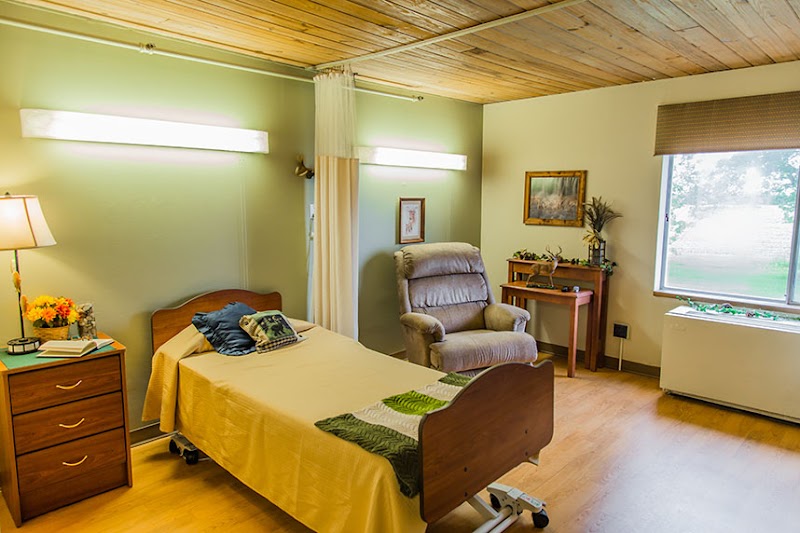
How is Sunrise Skilled Nur & Rehab Staffed?

CMS rates SUNRISE SKILLED NUR & REHAB's staffing level at 1 out of 5 stars, which is much below average compared to other nursing homes. Staff turnover is 48%, compared to the Illinois average of 46%.

What Have Inspectors Found at Sunrise Skilled Nur & Rehab?

State health inspectors documented 27 deficiencies at SUNRISE SKILLED NUR & REHAB during 2022 to 2025. These included: 1 Immediate Jeopardy (the most serious level, indicating potential for serious harm or death), 5 that caused actual resident harm, and 21 with potential for harm. Immediate Jeopardy findings are rare and represent the most serious regulatory concerns. They require immediate corrective action.
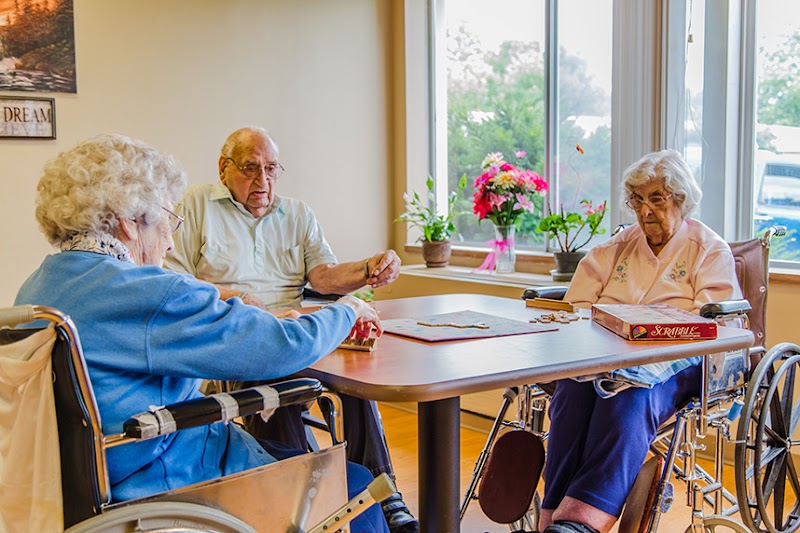
Who Owns and Operates Sunrise Skilled Nur & Rehab?

SUNRISE SKILLED NUR & REHAB is owned by a for-profit company. For-profit facilities operate as businesses with obligations to shareholders or private owners. The facility is operated by CREST HEALTHCARE CONSULTING, a chain that manages multiple nursing homes. With 99 certified beds and approximately 80 residents (about 81% occupancy), it is a smaller facility located in VIRDEN, Illinois.
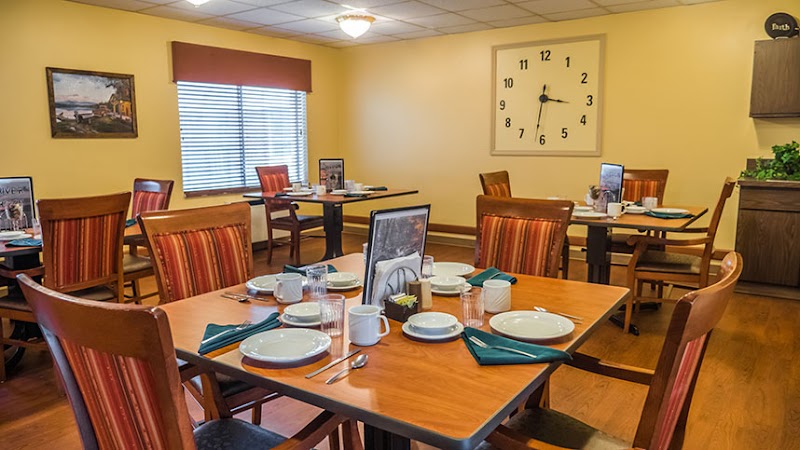
How Does Sunrise Skilled Nur & Rehab Compare to Other Illinois Nursing Homes?

Compared to the 100 nursing homes in Illinois, SUNRISE SKILLED NUR & REHAB's overall rating (1 stars) is below the state average of 2.5, staff turnover (48%) is near the state average of 46%, and health inspection rating (2 stars) is below the national benchmark.

What Should Families Ask When Visiting Sunrise Skilled Nur & Rehab?

Based on this facility's data, families visiting should ask: "What changes have been made since the serious inspection findings, and how are you preventing similar issues?" "Can you walk me through typical staffing levels on day, evening, and night shifts?" "Can I visit during a mealtime to observe dining assistance and food quality?" "How do you handle medical emergencies, and what is your hospital transfer rate?" These questions are particularly relevant given the facility's Immediate Jeopardy citations and the below-average staffing rating.

Is Sunrise Skilled Nur & Rehab Safe?

Based on CMS inspection data, SUNRISE SKILLED NUR & REHAB has documented safety concerns. Inspectors have issued 1 Immediate Jeopardy citation (the most serious violation level indicating risk of serious injury or death). The facility has a 1-star overall rating and ranks #100 of 100 nursing homes in Illinois. Families considering this facility should ask detailed questions about what corrective actions have been taken since these incidents.

Do Nurses at Sunrise Skilled Nur & Rehab Stick Around?

SUNRISE SKILLED NUR & REHAB has a staff turnover rate of 48%, which is about average for Illinois nursing homes (state average: 46%). Moderate turnover is common in nursing homes, but families should still ask about staff tenure and how the facility maintains care continuity when employees leave.

Was Sunrise Skilled Nur & Rehab Ever Fined?

SUNRISE SKILLED NUR & REHAB has been fined $14,479 across 1 penalty action. This is below the Illinois average of $33,224. While any fine indicates a compliance issue, fines under $50,000 are relatively common and typically reflect isolated problems that were subsequently corrected. Families should ask what specific issues led to these fines and confirm they've been resolved.

Is Sunrise Skilled Nur & Rehab on Any Federal Watch List?

SUNRISE SKILLED NUR & REHAB is not on any federal watch list. The most significant is the Special Focus Facility (SFF) program, which identifies the bottom 1% of nursing homes nationally based on persistent, serious quality problems. Not being on this list means the facility has avoided the pattern of deficiencies that triggers enhanced federal oversight. This is a positive indicator, though families should still review the facility's inspection history directly.