BURGESS SQUARE HEALTHCARE CTR
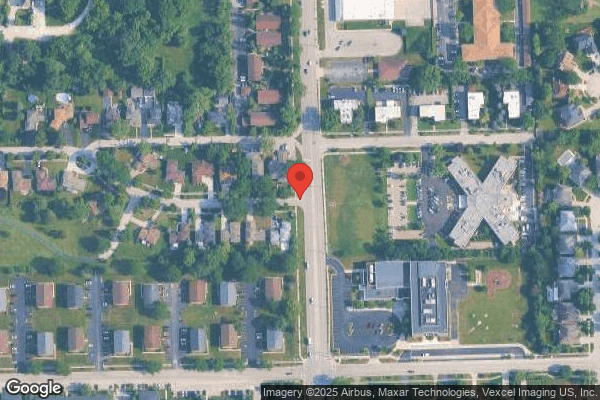
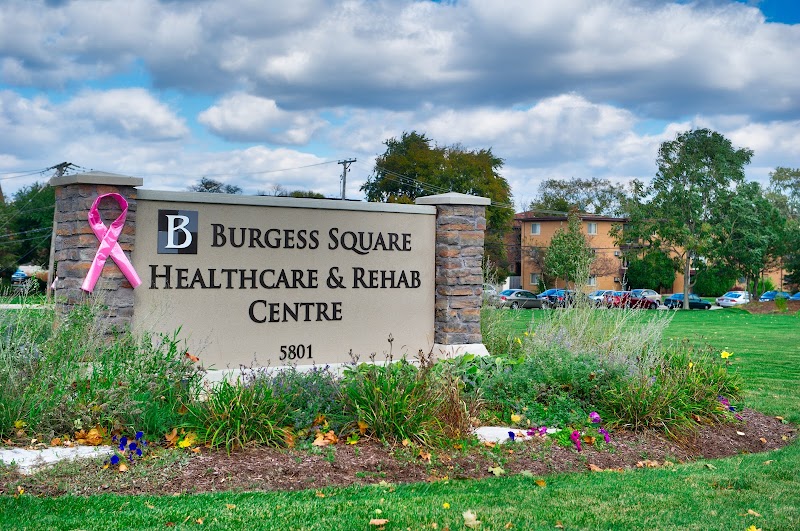
5801 SOUTH CASS AVENUE, WESTMONT, IL 60559 (630) 971-2645
For profit - Partnership 203 Beds Independent Data: November 2025
Trust Grade
75/100
#22 of 665 in IL
Last Inspection: September 2024

Within standard 12-15 month inspection cycle. Federal law requires annual inspections.

Overview

Burgess Square Healthcare Center has a Trust Grade of B, which indicates it is a good choice, performing better than average. It ranks #22 out of 665 facilities in Illinois, placing it in the top half, and #2 out of 38 in Du Page County, meaning only one other local option is better. The facility is improving, with deficiencies decreasing from 11 in 2024 to just 1 in 2025. Staffing is a strong point, earning a 5-star rating with a turnover rate of 42%, which is below the state average of 46%, indicating that staff members are likely to stay and build relationships with residents. Notably, there have been concerns about resident safety, including a serious incident where residents developed pressure sores due to a lack of appropriate interventions, and instances of resident property misappropriation, suggesting some areas require improvement. However, the facility has no fines on record and provides more registered nurse coverage than 85% of Illinois facilities, which is a positive aspect for ensuring quality care.

Trust Score
B
75/100
In Illinois
#22/665
Top 3%
Safety Record
Moderate
Needs review
Inspections
Getting Better
11 → 1 violations
Staff Stability
○ Average
42% turnover. Near Illinois's 48% average. Typical for the industry.
Penalties
✓ Good
No fines on record. Clean compliance history, better than most Illinois facilities.
Skilled Nurses
✓ Good
Each resident gets 80 minutes of Registered Nurse (RN) attention daily — more than 97% of Illinois nursing homes. RNs are the most trained staff who catch health problems before they become serious.
Violations
⚠ Watch
24 deficiencies on record. Higher than average. Multiple issues found across inspections.
★★★★★
5.0
Overall Rating
★★★★★
5.0
Staff Levels
★★★★☆
4.0
Care Quality
★★★★☆
4.0
Inspection Score
Stable
2024: 11 issues
2025: 1 issues

The Good

  • 5-Star Staffing Rating · Excellent nurse staffing levels
  • 4-Star Quality Measures · Strong clinical quality outcomes
  • Full Sprinkler Coverage · Fire safety systems throughout facility
  • No fines on record
  • Staff turnover below average (42%)

    6 points below Illinois average of 48%

Facility shows strength in staffing levels, quality measures, fire safety.

The Bad

Staff Turnover: 42%

Near Illinois avg (46%)

Typical for the industry

The Ugly 24 deficiencies on record

1 actual harm
Feb 2025 1 deficiency
CONCERN (E) 📢 Someone Reported This

A family member, employee, or ombudsman was alarmed enough to file a formal complaint

Potential for Harm - no one hurt, but risky conditions existed

Deficiency F0602 (Tag F0602)

Could have caused harm · This affected multiple residents

**NOTE- TERMS IN BRACKETS HAVE BEEN EDITED TO PROTECT CONFIDENTIALITY** Based on interview and record review, the facility failed to prevent misappropriation of resident proptery as per the facility a...

Read full inspector narrative →
**NOTE- TERMS IN BRACKETS HAVE BEEN EDITED TO PROTECT CONFIDENTIALITY** Based on interview and record review, the facility failed to prevent misappropriation of resident proptery as per the facility abuse policy. This applies to 5 of 6 residents (R1-R4, and R6) reviewed for misappropriation of proptery in a sample of 6. The findings include: 1. Face sheet, dated 2/10/25, shows R1's diagnoses include cellulitis right lower limb, urinary tract infections, atrial fibrillation, dysphagia, lymphedema, depression, chronic kidney disease, and chronic respiratory failure with hypoxia. MDS (Minimum Data Set), dated 1/12/25, shows R1's cognition was intact. On 2/10/25 at 1:37 PM, R1 stated she was called by a convenience store and asked if she made a charge for approximately $21.00 to her credit card at the store. R1 stated she told the store she was residing in the facility for rehabilitation and she had not made any charges to her card since she was admitted at the facility. R1 stated she called her daughter to see if she made a charge, and her daughter told her to cancel the card right away. R1 stated she called the credit card company and they asked if she had her card. R1 stated she looked in her purse and discovered her credit and debit cards were missing. R1 stated the credit card company told her there were five other purchases on her card at different locations. R1 stated she called the police and filed a report. R1 stated her purse was located unlocked in the closet of the room. Resident grievance, dated 1/30/25, shows R1 's daughter reported R1's credit card was used without R1's authorization. On 2/10/25 at 2:40 PM, V1 (Administrator) stated the facility determined during the initial and addendum investigations that V4 (Agency CNA - Certified Nursing Assistant) was the individual who stole the credit cards/cash from facility residents due to the fact she was assigned to all of the rooms of the residents who had cards/cash stolen during the time the items were stolen as well as unauthorized charges were made near V4's home. Facility Addendum to Final Reportable, dated 2/3/25, shows on 2/3/25, a facility investigation showed multiple residents were missing credit cards at the facility. The report shows the facility implemented a monitoring process to ensure there were no further incidents of missing credit cards. On 2/4/25, the facility identified an additional resident who was missing a credit card and the facility re-opened the investigation. The report shows small charges from a vending machine were made to the missing credit card on 2/1/25, 2/2/25, and 2/3/25. Utilizing the credit card charge times, the facility was able to identify a temporary agency employee that worked all the shifts and units where the missing credit cards were reported. The facility also confirmed a charge was identified to have taken place at a restaurant 0.7 miles from the temporary agency employee's home address. The facility immediately notified the temporary agency and the police investigating the original theft reports. Final Reportable, dated 2/3/25, shows R1 had a recent hospital stay and on 1/30/25, R1 received a text message from her credit card company asking her to verify a purchase at a convenience store for $11.00. R1 checked her bank account and identified a fraudulent charge attempt on her account. R1 contacted her daughter V3 (Family) who contacted V1 (Administrator) to assist R1 in canceling her credit card. V1 assisted R1 in canceling her credit card and began a facility investigation. R1 searched her purse and identified her credit card as missing. V1 assisted R1 in filing a police report. During the investigation, three additional residents on the 500 unit reported missing credit cards or small amounts of cash, and one resident located on the 2500 unit. An additional police report was made to include the additional information of missing items. During the investigation, the facility reviewed staffing and identified one staff who worked both units in the time frame of the missing items. Review of the employee's work history showed the employee worked 1/21/25-1/28/25 but did not show up for her scheduled shift on 1/31/25 and 2/1/25 resulting in automatic termination. Final reportable shows the facility reviewed the hiring of the employee and a criminal background check was conducted prior to hire and was clear. The healthcare registry form was reviewed prior to hire and the staff was eligible to work as a CNA. The residents were reimbursed any missing cash and the missing credit card was deactivated. Residents were encouraged to send valuable items home with trusted family or friends. If residents wish to keep their valuable items they have the option of having it locked up in a secure closet in the administrator office. Residents do continue to have the choice of keeping valuables with them at the bedside if they choose. Review of facility staffing schedules, dated 1/19/25 to 2/2/25, show V4 worked caring for R1-R4 during her worked shifts. 2. Face sheet, dated 2/10/25, shows R2's diagnoses include fracture of greater trochanter of left femur, fracture of third lumbar vertebra, falls, hypotension, chronic obstructive pulmonary disease, respiratory failure, asthma, polyneuropathy, sick sinus syndrome, anemia, takotsubo syndrome, rheumatoid arthritis, and depression. MDS, dated [DATE], shows R2's cognition was intact. On 2/10/25 at 1:44 PM, R2 stated on 2/3/25, she checked her bank account to look for a charge she was expecting. R2 stated she noticed there were approximately nine charges on her account that she did not recognize, including some that she was told by the credit card company were vending machine charges. R2 stated she called the bank to report the fraud, and also reported it to the Administrator. R2 stated when she looked in her purse, she was missing a cash card and another credit card. R2 stated she was also missing $40. R2 stated she was as admitted to the facility on [DATE] and kept her purse in the top drawer in her room. R2 stated she provided V1 with the time and amounts of the fraudulent charges and the following day she received a text from the credit card company that another fraudulent charge of $125 was attempted at a gas station on her credit card which was blocked by the company. R2 stated there were four unauthorized charges on 2/1/25, four unauthorized charges on 2/2/24, and one more unauthorized charge on 2/3/25 for vending machine food she believed was here at the facility. R2 stated she provided the times of the charges to V1 so V1 could check the cameras by the vending machine. Progress note, dated 2/4/25, shows, Pt (patient) reported to Writer that her credit card, bank card and $40.00 was stolen from upstairs. Write reported it to AM supervisor and Administrator. Resident grievance, dated 2/4/25, shows R2 was missing a debit card, credit card, and two $20 bills from her purse. 3. Face sheet, dated 2/10/25, shows R4's diagnoses include urinary tract infection, acidosis, hypo-osmolality and hyponatremia, anemia, muscle weakness, diabetes, hypertension, and Norwalk virus. MDS, dated [DATE], shows R4's cognition was intact. On 2/10/25 at 2:10 PM, R4 stated on 2/2/25 R4 looked in her purse and discovered she was missing one credit card and $48.00 in cash. R4 stated she reported the missing items items to the facility and to the police. R4 stated she discovered the following unauthorized charges on her credit card: 1/28/25 Four snack vending charges - $1.10, $1.10, $1.10, $1.85 1/31/25 Uptown Smoke Zone $61.16 1/31/25 Windy City Gyros $28.74 2/1/25 Three $5.00 snack vending charges Grievance, dated 2/2/25, shows R4 reported she was missing her credit card and $48 dollars from her wallet. 4. Face sheet, dated 2/10/25, shows R3's diagnoses include intertrochanteric fracture of right femur, fall, diabetes, heart failure, depression, and osteoporosis. MDS, dated [DATE], shows R3's cognition was intact. On 2/10/25 at 1:30 PM, R3 stated after she heard her roommate, R4, had items stolen, she asked staff to look in an envelope in her drawer where she was keeping $43.00 and the staff found her money was missing from the envelope. R3 stated the night prior, she was resting in bed and groggy when her roommate, R4, was assisted to the bathroom by a staff member. R3 described the staff member as Caucasian, tall, slim with a slim face, and had tattoos on her arm. R3 stated after she helped R4 to the bathroom, the staff pulled the curtain between the resident beds and R3 heard the staff member rummaging in the dressers between the resident beds. R3 stated the room was dark and the curtain was drawn so she did not see the staff take anything, but R3 stated it was odd she was rummaging through the dressers while R4 was in the bathroom. R3 stated it was the next day she and R4 discovered there were items missing from their room. Grievance, dated 2/2/24, shows R3 reported missing $43 as of 2/1/25. 5. On 2/11/25 at 9:34 AM, V1, Administrator, stated she was contacted by a nursing supervisor who reported R6 was contacted via text by V4. V1 stated V4 told R6 she was experiencing personal hardships and was in need of money. V1 stated she reported the contact to the police. On 2/11/25 at 11:53 AM, screen shots of text messages between R6 and V4 show V4 told R6 she needed $300 because she was being evicted due to being fired, her spouse beat her, her son was taken by her mother in law, her family will not communicate with her, and she needed help to stay at her residence or return to her home state. Resident statement, provided 2/10/25, shows V4 provided R6 her personal cell phone number after telling R6 that V4's child was ill. The statement shows R6 later texted V4 to ask how her child was doing and V4 responded asking for $300. Employee statement, dated 2/10/25 by V5 (Nurse), shows V5 was passing medication when R6 showed her text messages from V4 and V5 reported the messages immediately after instructing R6 to block the number and not respond. Facility document, dated 2/10/25, shows R1 experienced five fraudulent transactions totaling $253.70, R2 experienced nine fraudulent transactions totaling $13.70 and $40 cash taken, R3 experienced $43 cash taken , and R4 experienced eight fraudulent transactions totaling $158.05. Facility Abuse Prevention Program Policy and Procedure, dated 2012, shows Resident are to be free from . misappropriation of resident property . and all times. Misappropriation of Property is defined as the deliberate misplacement, exploitation, or wrongful temporary or permanent use of a resident's belongings or money without the resident's consent. Examples include, but are not limited to, stealing cash or property; misuse of checks, credit cards, or accounts; forgery of a signature; identity theft.
Sept 2024 9 deficiencies
CONCERN (D)

Potential for Harm - no one hurt, but risky conditions existed

Deficiency F0658 (Tag F0658)

Could have caused harm · This affected 1 resident

**NOTE- TERMS IN BRACKETS HAVE BEEN EDITED TO PROTECT CONFIDENTIALITY** 2. R324 was admitted to the facility on [DATE] with diagnoses including an unstageable pressure ulcer of the sacral region, Meth...

Read full inspector narrative →
**NOTE- TERMS IN BRACKETS HAVE BEEN EDITED TO PROTECT CONFIDENTIALITY** 2. R324 was admitted to the facility on [DATE] with diagnoses including an unstageable pressure ulcer of the sacral region, Methicillin resistant staphylococcus Aureus infection, local infections of the skin and subcutaneous tissue, and extended spectrum beta lactamase resistance. R324's Social History Progress Note dated 9/23/24 showed R324 had moderately impaired cognition. R324's POS (Physician Order Sheet) showed an order dated 9/24/24 for a new central/midline order and an order for Ertapenem Sodium Injection Solution Reconstituted 1 gram. R324's September 2024 MAR (Medication Administration Record) showed R324 was given Ertapenem by V4 on September 24, 2024 and September 25, 2024. On 9/25/24 at 10 AM, R324 was lying in bed and there was a PICC line in her right arm, with the dressing dated September 24, 2024. The dressing was clean, dry, and intact. On 9/25/24 at 12:26 PM, V4 (LPN/Licensed Practical Nurse) said R324 was receiving IV (Intravenous) antibiotics because she had a urinary tract infection and a wound. V4 said she started the IV antibiotics at 12:05 PM, and had also hung it on 9/24/24. V4 said she cleaned the hub of the PICC (Peripherally Inserted Central Catheter), flushed it with 10 ML (Milliliters) of normal saline, checked for blood return, and hung her antibiotics. At 1:04 PM, V4 disconnected the IV tubing from the hub, wiped the hub with an alcohol wipe, and flushed 10 ML of normal saline. 3. On 9/24/24 at 10:16 AM, R321 had a PICC line on the right arm and the dressing was clean, dry, and intact. On 9/25/24 at 9:54 AM, R321 had a bag of Sodium Chloride IV fluids running at 80 ML/Hour. On 9/25/24 at 12:26 PM, V4 said she hung R321's Sodium Chloride maintenance fluids around 9:45 AM, and signed it off in the MAR after she started it. R321 was admitted to the facility on [DATE] with diagnoses including surgical aftercare following surgery on the digestive system and adjustment and management of vascular access device. R321's MDS (Minimum Data Sheet). dated 9/13/24, showed R321 was cognitively intact. R321's POS (Physician Order Sheet) showed an order, dated 9/7/24, for central/midline care to the right upper extremity, and an order for one liter of Sodium Chloride started on 9/25/24. R321's September 2024 MAR (Medication Administration Record) showed R321 was given Sodium Chloride by V4 on 9/25/24 at 10 AM. On 9/26/24 at 1:55 PM, V24 (LPN) said she does not hang IV's because she is an , and they were not allowed to. V24 said if she had a resident with an IV, she would ask an RN (Registered Nurse) to hang the IV antibiotic. The facility's document titled Job title: LPN states the LPN performs various patient test and administers medications within the scope of practice and requires knowledge and skills related to medical/operational systems to successfully maintain excellent nursing care. The facility's Central Vascular Access Device (CVAD) Flushing and Locking policy (revised 6/1/21) states the nurse is responsible and accountable for obtaining and maintaining competence with infusion therapy within his or her scope of practice. The National Library of Medicine article titled Nursing Advance Skills dated 2023 said a midline is a long and deep peripheral catheter inserted in the veins of the upper arms, not a short intravenous catheter inserted by a percutaneous venipuncture into a peripheral vein. The Illinois Nurses Act (section 1330.240) amended on June 14, 2019, shows the scope of practice for LPNs which does not include initiating the administration of IV medications through a midline (long peripheral catheter) or central lines, nor reconstituting IV antibiotic medication solutions Based on observation, interview, and record review, the facility failed to ensure intravenous medications were administered by qualified staff. This applies to 3 of 4 residents (R321, R324 and R426) reviewed for intravenous therapy in a sample of 31. The findings include: 1. R426 Physician Order shows R426 has an order for Ceftriaxone Sodium injection solution reconstituted 2gm, intravenously one time a day until 10/28/24. On 9/25/24 at 11:24 AM, V16 (Licensed Practical Nurse/LPN) administered R426's Ceftriaxone 2 gm (grams) IV (intravenous) medication through right upper arm PICC (Peripherally Inserted Central Catheter) line with the use of an IV pump. On 9/25/24 at 12:11 PM, V16 said she routinely administers IV medications when assigned to residents that are on IV medications. On 9/26/24 at 11:56 AM, V2 (Director of Nursing/DON) said the LPN's are trained by the Registered Nurses to administer medications via IV, including saline flushes and IV antibiotics.
CONCERN (D)

Potential for Harm - no one hurt, but risky conditions existed

Incontinence Care (Tag F0690)

Could have caused harm · This affected 1 resident

**NOTE- TERMS IN BRACKETS HAVE BEEN EDITED TO PROTECT CONFIDENTIALITY** Based on observation, interview, and record review, the facility failed to provide proper catheter care, secure catheter tubing ...

Read full inspector narrative →
**NOTE- TERMS IN BRACKETS HAVE BEEN EDITED TO PROTECT CONFIDENTIALITY** Based on observation, interview, and record review, the facility failed to provide proper catheter care, secure catheter tubing placement, and safely anchor the catheter drainage bag. This applies to 2 of 3 (R374 and R45) reviewed for urinary catheters in a sample of 31. The findings included: 1. The EMR (Electronic Medical Record) showed R374 had diagnoses of urinary retention and urinary tract infection. R374's EMR continued to show she required the use of an indwelling catheter. R374's MDS (Minimum Data Set), dated 9/2/2024, showed R374 was incontinent of bowel and dependent on facility staff for toileting hygiene care. On 9/25/2024 at 9:15 AM, V26 (Certified Nurse Assistant/CNA) was rendering toileting care to R374 after having a bowel movement. V26 did not provide catheter care to R374. V26 then assisted R374 into her wheelchair and placed her catheter drainage bag on the floor. On 9/25/24 at 3:20 PM, R374 was in bed with her catheter's drainage bag loosely hanging over the right side of her bed not secured. V19 (CNA) was asked to provide catheter care to R374. R374's catheter tubing was located underneath her right thigh, and the tubing contained urine. V19 turned R374 on her left side, which caused her catheter to pull to the right side. V19 proceeded to provide catheter care. V19 wiped R374's catheter with multiple upstrokes towards R374's urethra, and then downstrokes using the same wipe. V19 then said she would change R374's incontinence brief because it was stained with yellow fluid drainage. Then when V19 was done rendering incontinence care, she left R374's catheter tubing placed underneath her right thigh, and drainage bag unsecured hanging over the right side of the bed. 2. The EMR showed R45 had diagnoses of urinary retention, neuromuscular dysfunction of the bladder, and urinary tract infections. R45's EMR continued to show he required the use of an indwelling catheter. R45's MDS, dated [DATE], showed R45 was incontinent of bowel and dependent on facility staff for toileting hygiene care. On 9/25/2024 at 4:15 PM, R45 was in bed. V12 (CNA) was asked to provide catheter care to R45. V12 proceeded to render catheter care to R45. V12 used one wet washcloth to clean R45's catheter. V12 cleaned the catheter with multiple upward and downward strokes. Then V12 used the same washcloth to clean R45's penis area and scrotum, and then again cleaned R45's catheter with the same washcloth. On 9/26/2024 at 12:00 PM, V2 (Director of Nursing/DON) said catheter care should be provided every shift and during incontinence care. V2 said catheters for male and female residents should be cleaned by wiping them down, away from the urethra. V2 said catheter drainage bags should not be placed on the floor and should be safely secured not hanging loosely. V2 continued to say catheter tubing should also be checked to ensure they are not kinked, and residents should not be lying on top of the tubing to prevent obstruction. V2 said she expects nursing staff to provide proper catheter care for infection control and to provide proper hygiene care. The facility's policy titled Urinary Catheter Care Policy and Procedure, dated 9/18/2019, showed, The purpose of this policy to ensure the safe insertion of catheters to prevent resident injury and reduce the risk of catheter-related infections .Maintaining Unobstructed Urine Flow 1. Check the resident frequently to be sure he or she is not lying on the catheter and to keep the catheter and tubing free of kinks .Infection Control .2. Maintain a clean technique when handling or manipulating the catheter, tubing, or drainage bag .Routine hygiene .Be sure the catheter tubing and drainage bag are kept off the floor .
CONCERN (D)

Potential for Harm - no one hurt, but risky conditions existed

Tube Feeding (Tag F0693)

Could have caused harm · This affected 1 resident

Based on observation, interview, and record review, the facility failed to verify Percutaneous Endoscopic Gastrostomy tube (PEG tube) placement prior to administering medications through PEG-tube and ...

Read full inspector narrative →
Based on observation, interview, and record review, the facility failed to verify Percutaneous Endoscopic Gastrostomy tube (PEG tube) placement prior to administering medications through PEG-tube and failed to properly administer water flushes and medications via the G-tube. This applies to 1 of 1 resident (R171) reviewed for medication administration via PEG-tube in a sample of 31. The findings include: R171's Physician Order shows the following orders: PEG tube three times a day flush 30 cc (ml) prior to med admin, 10-15 cc between each med flush, 30 cc flush post med admin. Potassium Chloride Oral Solution 20MEQ/15 ML (10%) give 15 ml via PEG tube one time a day for supplement. On 9/25/24 at 9:00 AM, V15 (Registered Nurse/RN) went to R171's room to administer his morning medications via the PEG-tube. V15 placed a stethoscope on R171's abdomen injected 30ml (milliliters) of air using the piston syringe through the port. V15 used the stethoscope to auscultate to check for PEG-tube placement. V15 failed to check the gastric content. V15 flushed R171's PEG-tube with 60 ml of water before administering medications, flushed with 20 ml of water in between each medication, and flushed with another 60 ml of water after administering medications. V15 failed to dilute liquid Potassium Chloride prior to administering it via the PEG-tube. On 9/26/24 at 10:15 AM, V2 (Director of Nursing/DON) said nurses check G-tube placement by pushing air in PEG-tube and auscultating or by measuring the tube. V2 said the nurse should follow the physician order for water flushes and liquid potassium should be diluted with 4 to 8 ounces of water to prevent gastrointestinal irritation. The facility's Manufacturer's Guideline for Potassium Chloride Oral Solution 20MEQ/15 ml states to dilute prior to administration. Warnings and Precautions: Gastrointestinal Irritation dilute before use. The facility's Administering Medications through an Enteral Tube (3/16/22) states to verify placement of feeding tube.
CONCERN (D)

Potential for Harm - no one hurt, but risky conditions existed

Deficiency F0694 (Tag F0694)

Could have caused harm · This affected 1 resident

2. The Electronic Medical Record (EMR) showed R374 had diagnoses of discitis of the lumbar region and urinary tract infection. R374's EMR showed R374 was receiving daily IV antibiotic therapy for her ...

Read full inspector narrative →
2. The Electronic Medical Record (EMR) showed R374 had diagnoses of discitis of the lumbar region and urinary tract infection. R374's EMR showed R374 was receiving daily IV antibiotic therapy for her infections via her right upper arm PICC. R374's Order Summary Report, dated 9/26/2024, showed an order for PICC LINE care to RUE one time a day every Fri and prn, measure arm circumference, external catheter measurement, dressing change, and changing of caps. On 9/25/2024 at 9:15 AM, R374 had an intravascular central catheter (PICC) to her right upper arm. R374's PICC line had a transparent dressing, dated 9/18/2024. On 9/26/2024 at 9:39 AM, R374 had the same transparent dressing, dated 9/18/2024. On 9/26/2024 at 11:40 AM, V2 (Director of Nursing/DON) said central venous catheter dressings should be changed every 7 days or if soiled, and dated for infection control prevention. V2 said she expects nurses to be assessing PICC line dressing routinely. V2 said R374's PICC line dressing was not changed because she went to the hospital, and when she returned it was missed. The facility's Central Vascular Access Device (CVAD) Dressing Change, dated 6/01/2021, showed, 1. Central vascular access devices (CVADs) included: 1.1 Peripherally inserted central catheter (PICC) .2. The catheter insertion site is a potential entry site for bacteria that may cause a catheter-related infection .Guidance: 1. Perform sterile dressing changes using Standard-ANTT: 1.1 Upon admission 1.1.1 If transparent dressing is dated, clean, dry and intact, the admission dressing change may be omitted and scheduled for 7 days from the date on the dressing label 1.1.1.1 Upper arm circumference with PICC, and external catheter length measurements must still be completed as part of the initial assessment 1.2 At least weekly 1.3 If the integrity of the dressing has been compromised (wet, loose, or soiled) .7. Assessment of the vascular access site is performed .7.3 Before and after administration of intermittent infusions 7.4 At least once every shift when not in use .8. Assessment of indwelling vascular access insertion site, an entire arm with PICC, for infusion related complications is to include .8.2 Drainage 8.6 Integrity of transparent dressing . Based on observation, interview, and record review, the facility failed to change residents' PICC (Peripherally Inserted Central Catheter) dressings, measure arm circumferences, and external catheters as ordered for intravenous catheters. This applies to 2 of 4 residents (R374 and R424) reviewed for intravenous catheters in a sample of 31. The findings include: 1. On 9/24/24 at 10:37 AM, R424 had an intravenous (IV) PICC catheter to right upper arm. R424's PICC line catheter had transparent dressing, with no date; the bio-patch dressing, and butterfly outer catheter was covered in dry blood, dressing was soiled. On 9/25/24 at 10:55 AM, R424's PICC line dressing still soiled with dry blood. R424's Physician Order states PICC line (single lumen) care to right upper extremity one time a day every Friday and as needed, dressing change and change of caps.
CONCERN (D)

Potential for Harm - no one hurt, but risky conditions existed

Respiratory Care (Tag F0695)

Could have caused harm · This affected 1 resident

**NOTE- TERMS IN BRACKETS HAVE BEEN EDITED TO PROTECT CONFIDENTIALITY** Based in observation, interview, and record review, the facility failed to get an order for oxygen for a resident receiving oxyg...

Read full inspector narrative →
**NOTE- TERMS IN BRACKETS HAVE BEEN EDITED TO PROTECT CONFIDENTIALITY** Based in observation, interview, and record review, the facility failed to get an order for oxygen for a resident receiving oxygen. This applies to 1 of 1 resident (R322) reviewed for oxygen administration in a sample of 31. The findings include: R322 was admitted to the facility on [DATE], with diagnoses including hypertensive encephalopathy, type 2 diabetes mellitus, dementia, hypertension, constipation, osteoarthritis, gait and mobility, cognitive communication deficit, need for assistance with personal care, and history of falling. R322's admission Social History Progress Note, dated 9/20/24, showed R322 had moderate cognitive impairment. R322's POS (Physician Order Sheet), dated 9/26/24 at 2 PM, did not show an order for oxygen administration. On 9/24/24 at 11:22 AM, R322 was lying in bed and was receiving between 3.5 to 4 liters of oxygen via the nasal cannula. On 9/25/24 at 10:07 AM, R322 was wearing oxygen via the nasal cannula, and she was still receiving between 3.5 to 4 liters of oxygen. On 9/26/24 at 1:46 PM, V16 (LPN/Licensed Practical Nurse) said residents who are on oxygen need an order. V16 said R322 was receiving oxygen. V16 checked R322's POS (Physician Order Sheet) and said V16 did not have an order for oxygen. On 9/26/24 at 12:12 PM, V2 (DON/Director of Nursing) said when residents are receiving oxygen should have an order from the physician. R322's oxygen saturation vitals showed R322 required and had been receiving oxygen from 9/19/24. The facility's Oxygen Management Policy and Procedure, dated 4/22/15, showed, All residents that receive oxygen in the facility will have a physician order that designates the number of liters the resident should receive.
CONCERN (D)

Potential for Harm - no one hurt, but risky conditions existed

Pharmacy Services (Tag F0755)

Could have caused harm · This affected 1 resident

Based on observation, interview, and record review, the facility failed to verify the counting logs accuracy for residents with controlled medications, and failed to dispose of controlled medications ...

Read full inspector narrative →
Based on observation, interview, and record review, the facility failed to verify the counting logs accuracy for residents with controlled medications, and failed to dispose of controlled medications per facility policy. This applies to 2 out of 2 (R377 and R378) residents reviewed for control medications in a sample of 31. Findings include: 1. R377's Order Summary Report, dated 9/26/2024, showed an order, dated 9/23/2024, for Alprazolam Oral Tablet 0.25 MG (Alprazolam) give 0.5 tablet by mouth every 12 hours as needed for anxiety. On 9/25/2024 at 3:46 PM, V22 (Licensed Practical Nurse/LPN) was asked to review the controlled box for storage in the 300-hall medication cart. R377's Controlled Substances Proof of Use sheet was stored inside the controlled box (not in the cart's narcotic control counting log binder), and had two tablets in separate individualized packages stapled to the sheet. One package was sealed with one whole tablet, and the other package that was not sealed had a cut half tablet that was loose. The packages said they contained Alprazolam 0.25 mg (milligrams) tablets. R377's Controlled Substance Proof of Use sheet, dated 9/21/2024, did not indicate the name of the medication, dosage, nor the medication order administration instructions. 2. R378's Controlled Substance Proof of Use sheet was stored inside the controlled box in the 300-hall medication cart (not in the cart's narcotic control counting log binder). R378's sheet had one tablet in an individualized package stapled to the sheet, which said it contained Tramadol 50 mg. R378's Controlled Substance Proof of Use sheet, dated 8/20/2024, did not indicate the ordered medication administration instructions. R378's Order Summary Report, dated 9/26/2024, did not show an active order for Tramadol. V22 (Licensed Practical Nurse/LPN) was present during R377 and R378's observations. V22 said they frequently pre-pull controlled medications from the facility's narcotic convenience box to have them available if needed for new admissions. V22 was not able to explain why the Controlled Substance Proof of Use sheets were not in the cart's narcotic control counting log binder. On 9/26/2024 at AM, V2 (Director of Nursing/DON) said, All individualized Controlled Substance Proof of Use sheets should be kept inside the narcotic control sign-off binder to ensure all controlled medications are accurately accounted for. The Controlled Substance Proof of Use sheets should have proper documentation to ensure the safety and correct administration of controlled medications. Controlled medications should be obtained from the facility's convenient controlled box at the time they are needed, not pre-pulled. Opened controlled medications should be disposed of accordingly and not be placed back into the package once open to prevent diversion. The facility's policy titled Controlled Substance Policy and Procedure, dated 12/2022, showed, The facility shall comply with all laws, regulations, and other requirements related to handling, storage, disposal, and documentation of s II and other controlled substances .If the count is correct, an individual resident controlled substance record must be made for each resident who will be receiving a controlled substance .This record must contain .The name and strength of the medication; quantity received .Name of physician; Prescription number; Name of issuing pharmacy .When a resident refuses a non-unit dose medication (or it is not given), or a resident receives partial tables or single dose ampules (or it is not given), the medication shall be destroyed and may not be returned to the container. Nursing staff must count controlled medications at the beginning and end of each shift .They must document and report any discrepancies to the Nurse Manager .
CONCERN (E)

Potential for Harm - no one hurt, but risky conditions existed

Accident Prevention (Tag F0689)

Could have caused harm · This affected multiple residents

**NOTE- TERMS IN BRACKETS HAVE BEEN EDITED TO PROTECT CONFIDENTIALITY** 2. The Electronic Medical Record (EMR) showed R32 had diagnoses of acute and chronic respiratory failure with hypoxia, pulmonary...

Read full inspector narrative →
**NOTE- TERMS IN BRACKETS HAVE BEEN EDITED TO PROTECT CONFIDENTIALITY** 2. The Electronic Medical Record (EMR) showed R32 had diagnoses of acute and chronic respiratory failure with hypoxia, pulmonary fibrosis, asthma, and chronic obstructive pulmonary disease. R32's Order Summary Report, dated 9/26/2024, showed an order for oxygen via nasal cannula 4-8 LPM (liters per minute). On 9/24/2024 at 12:30 PM, there were two metal oxygen tanks at the entrance of R32's room. The oxygen tanks were not secured in a holder to prevent them from tipping over. On 9/25/2025 at AM 9:03 AM and 9/26/2024 at 9:00 AM, the oxygen tanks were still in the same location and not secured in a holder. On 9/26/204 at 9:05 AM, V18 (Respiratory Therapist/RT) said the oxygen tanks should not be placed directly on the floor for safety. V18 said oxygen tanks should be placed on oxygen holders to prevent them from tipping over. On 9/24/2024, 9/25/2024, and 9/26/2024, R14's room was in close proximity to R379, R2, and R371's rooms. Based on observation, interview, and record review, the facility failed to safely reposition a resident and failed to secure oxygen tanks to prevent them from falling and combusting. This applies to 9 of 9 residents (R14, R2, R32, R371, R379, R26, R41, R45, and R84) reviewed for accidents and supervision in a sample of 31. The findings include: 1. R14 was re-admitted to the facility on [DATE], with diagnoses including Parkinson's disease, dementia, muscle weakness, altered mental status, osteoporosis, malignant melanoma of skin, and history of falling. R14's MDS (Minimum Data Set) was not available, but the Significant Change Assessment completed on 9/20/24 showed R14 had moderate cognitive impairment. R14's GG Assessment, dated 9/23/24 showed R14 was dependent on staff for all activities of daily living. On 9/25/24 at 3:23 PM, V8 (CNA/Certified Nurse Assistant) came to R14's room to assist V13 (Wound Care Nurse) and V14 (Wound Care Nurse) with fixing R14's bed height. R14 was lying in bed and the head of the bed was elevated, and R14's upper body was leaning towards the left side. V8 fixed R14's bed, and then came around to R14's right side, and pulled the resident by the upper arm, by placing her hands under his armpit to straighten him out. V8 did not ask V13 or V14 to assist with repositioning R14. On 98/25/24 at 3:51 PM, V8 (CNA) said she should not have pulled R14's arm, and should have asked for assistance to reposition R14. V8 said she should have used the draw sheet and pillows to reposition R14. V8 said the resident could have been bruised by the way he was pulled. On 9/25/24 at 3:23 PM, V14, who had observed V8 reposition R14, said V8 should not have pulled R14 and should have asked for assistance to help reposition him. On 9/25/24 at 3:48 PM, V12 (CNA) said, To reposition a resident, you ask for help by using a draw sheet to straighten them out. Staff should not pull the resident by their arms because the residents are often fragile, and it could break their arm. On 9/25/24 at 3:55 PM, V9 (CNA) said if a resident was leaning, she would not pull the resident, but would use other staff assistance and a draw sheet. On 9/25/24 at 3:58 PM, V10 (OT/Occupational Therapist) said staff should use the draw sheet to prop the resident up and V11 (PTA/Physical Therapist Assistant) said he would use the draw shift as well, and then use pillows to prop them up. V10 and V11 said the staff should not be pulling the resident to straighten them out. On 9/25/24 at 4:06 PM, V2 (DON/Director of Nursing) said V8 should have repositioned R14 gently, with two staff assistance because R14 required maximal assistance from staff. V2 also said the staff should have used the draw sheet. The facility's Repositioning Policy, revised May 2013, showed, Use two people and a draw sheet to avoid shearing while turning or moving the resident up in bed. 3. On 09/25/24 at 09:27 AM, R45 was sleeping in his bed. An unsecured portable oxygen tank was on the floor on the left side of his dresser across his bed. It did not have any holder to prevent the tank from tipping over. R45's portable oxygen tank was full. R45 shared the room with R26. R45's room was near R41 and R84's room. On 9/26/24 at 11:39 AM, V2 (DON-Director of Nursing) said, Portable tanks are stored in 2200 hallway of the facility. Portable tanks are also stored and secured behind resident's wheelchair. Portable oxygen needs to be secured for safety reasons and so they will not tip over and blow up. The facility's Oxygen Management Policy and Procedure, dated 4/22/2015, documented the following: If the resident uses oxygen, a portable container may be kept in the room. The portable oxygen container should be protected from falling over when not in use.
CONCERN (E)

Potential for Harm - no one hurt, but risky conditions existed

Deficiency F0761 (Tag F0761)

Could have caused harm · This affected multiple residents

**NOTE- TERMS IN BRACKETS HAVE BEEN EDITED TO PROTECT CONFIDENTIALITY** Based on observation, interview, and record review, the facility failed to safely store medications. This applies to 5 of 5 resi...

Read full inspector narrative →
**NOTE- TERMS IN BRACKETS HAVE BEEN EDITED TO PROTECT CONFIDENTIALITY** Based on observation, interview, and record review, the facility failed to safely store medications. This applies to 5 of 5 residents (R373, R171, R425, R272, and R274) reviewed for medication storage in the sample of 31. Findings include: 1. R373's Oder Summary Report, dated [DATE], showed orders for Mirabegron ER (extended-release) 50 mg (milligrams) daily for stress incontinence, Sertraline 100 mg daily for anxiety, and Wellbutrin XL (extended-release) 300 mg daily for depression On [DATE] at 3:46 PM, V22's (Licensed Practical Nurse/LPN) medication cart was checked for medication storage. V22's cart had 3 pills that were loose in an unlabeled clear medication cup. V22 said her shift had just started, and she was not sure whose medications they were, nor what the pills were. V22 said opened and unlabeled medications should have been stored inside the medication cart. On [DATE] at 12:00 PM, V2 (Director of Nursing/DON) said R373's morning nurse on [DATE] prepared her 9 AM medications, but forgot to administer them, and stored them in the medication cart. V2 said she expects nurses to prepare medications at the time they are being administered. V2 continued to say medications removed from their original packages should not be stored in the medication cart once opened to ensure safe medication storage and administration. 4. On [DATE] 11:52 AM, R272 had an unlabeled tube of glucose tablets on top of his bedside table, and another tube of glucose tablets on his nightstand on the left side of his bed. He said he self-administers it when he sees his blood sugar level is low. R272 had an unlabeled Ipratropium Bromide Nasal Solution 0.03% on top of his bedside table. He said he self-administers it twice a day, one to two sprays to each nostril every morning and every evening. R272 had an unlabeled tub of Hemp EMU relief cream on the windowsill on the right side of his bed; he said he administers it to himself and applies it on his thighs when it hurts as needed. All medications are unlabeled. On [DATE] at 9:54 AM, same unlabeled medications were observed on his bedside table. Review of R272's POS (Physician Order Sheet) showed no order to keep medication by bedside. There were no orders for glucose tablets, Ipratropium Bromide Nasal Solution 0.03%, and Hemp EMU relief cream. 5. On [DATE] at 11:35 AM, R274 had Cortizone-10 cream on her bedside table that was in front of her. It was not labeled. She said she applies it herself to her arms when it itches. Review of R274's POS showed no order for medication at the bedside and no order for Cortizone-10. On [DATE] at 11:39 AM, V2 (DON-Director of Nursing) said, Currently, there are no residents in the facility that have an order to have medication by the bedside and order to self-administer medication. Before an order for medication by the bedside and order to self-administer is obtained, assessment needs to be done to determine if resident is competent. If resident is competent, order is obtained, resident is given a lock box with a key to store the medication in. The resident is given a sign out sheet to document when they take medication so nurses can check it. If family brings in medication from outside, they are instructed to give it to the nurses, and nurses administer it as house stock if there is an order. All medications should be kept under lock and key with the nurse. If there is no order for medication, nurses should call family to inform them that medication will be returned to family or disposed. The facility's policy titled Storage of Medications, dated 11/2020, showed, The facility stores all drugs and biologicals in a safe, secure, and orderly manner .2. Drugs and biologicals are stored in the packaging, containers, or other dispensing systems in which they are received. Only the issuing pharmacy is authorized to transfer medications between containers. 3. The nursing staff is responsible for maintaining medication storage and preparation areas in a clean, safe, and sanitary manner. 4. Drug containers that have missing, incomplete, improper, or incorrect labels are returned to the pharmacy for proper labeling before storing . The facility's policy titled Administering Medications, dated 12/2017, showed, Medications shall be administered in a safe and timely manner, and as prescribed .3. Medications must be administered in accordance with the orders, including any required time frame . 2. On [DATE] at 10:45 AM, there was a bottle of generic eye drops, Clear Eyes Triple Relief on R425's bedside table. There was a Ventolin HFA (Hydrofluoroalkane) Albuterol Sulfate Inhalation Aerosol inhaler, and two tablets of Children's allergy medication, expired 02/2023, in a clear bag on R425's bedside dresser. At 12:12 PM, R425 said she uses the eyedrops when her eyes gets dry, and she uses the inhaler because she has asthma and COPD (Chronic Obstructive Pulmonary Disease). Review of R425's physician order shows an order for Albuterol Sulphate Inhalation Aerosol Powder Breath Activated 108 (90 base) mcg, 2 puff inhale orally every four houses as needed for wheezing and shortness of breath. There is no order for the Children's allergy medication, eye drops or to have medications stored at the resident room. 3. On [DATE] at 8:50 AM, during medication pass, there was ampule of Ipratropium Bromide and Albuterol Sulfate inhalation solution 0.5 mg/3 mg (milligram) on R171's bedside table. R171 also pointed to Spiriva Respimat Tiotropium Bromide Inhalation inhaler on the bedside dresser. R171 told V15 (Registered Nurse/RN) that his daughter brought it because the facility did not have it in stock. V15 said the nebulizer treatment and the inhaler should not be in the resident's room. Review of R171's physician orders shows order for Ipratropium Bromide and Albuterol Sulfate inhalation solution 0.5 mg/3 mg; there was no order for Spiriva Respimat Tiotropium Bromide Inhalation inhaler or to have medications stored in the resident's room.
CONCERN (E)

Potential for Harm - no one hurt, but risky conditions existed

Infection Control (Tag F0880)

Could have caused harm · This affected multiple residents

**NOTE- TERMS IN BRACKETS HAVE BEEN EDITED TO PROTECT CONFIDENTIALITY** 5. R374's Order Summary Report, dated 9/26/2024, said an order for Enhanced Barrier Precautions due to her PICC (Peripheral Intr...

Read full inspector narrative →
**NOTE- TERMS IN BRACKETS HAVE BEEN EDITED TO PROTECT CONFIDENTIALITY** 5. R374's Order Summary Report, dated 9/26/2024, said an order for Enhanced Barrier Precautions due to her PICC (Peripheral Intravenous Central Catheter) and urinary catheter. R374's Care Plan, dated 9/26/2024, said R374 was at risk for infections and required enhanced barrier precautions due to her indwelling medical devices. The care plan had multiple interventions including PPE to be worn when caring for the resident to protect themselves and the resident. On 9/25/2024 at 3:20 PM, R374's room door had an Enhanced Barrier signage posted with instructions for staff to apply proper PPE (Personal Protective Equipment) when rendering direct care. V19 (CNA) entered R374's room and applied clean gloves to provide urinary catheter and incontinence care to R374. V19 did not perform hand hygiene nor applied a PPE gown. V19 proceeded to render urinary catheter and incontinence care to R374. On 9/26/2024 at 12:00 PM, V2 (Director of Nursing/DON) said staff are expected to wear proper PPE when entering rooms with transmission-based precautions and when providing high-contact care for residents under enhanced barrier precautions. V2 said high-contact activities where PPE was required for those under enhansed barrier precautions included intravenous catheter care, incontinence care, catheter care, linen changing. V2 said proper use of PPE and hand hygiene needs to be followed to prevent the transmission of infections. The facility's signage titled Enhanced Barrier Precautions said everyone must Clean their hands, including before entering and when leaving the room. PROVIDERS AND STAFF MUST ALSO: Wear gloves and a gown for following High-Contact Resident Care Activities. The signage said high-contact resident care activities included bathing, showering, changing linens, providing hygiene, changing briefs, or assisting with toileting, and device care or use of central lines and urinary catheters. The facility's policy titled Policy and Procedure for Preventing the Spread of Multidrug Resistant Organisms (MDROs), dated 9/1/2022, showed, Patients in nursing facilities are at increased risk of becoming colonized and developing infection with MDROs .This policy and procedure is intended to provide guidance for PPE use and room restriction in nursing facilities for preventing transmission of MDROs. For purpose of this policy, the MDROs for which the use of enhanced based precautions applies are based on organisms targeted by the CDC .Contact Precautions: .Contact Precautions require the use of gown and gloves on every entry into a patient's room .Enhanced Barrier Precautions: expand the use of PPE and refer to the use of gown and gloves during high-contact resident care activities that provide opportunities for transfer of MDROs to staff hands and clothing . Based on observation, interview, and record review, the facility failed to follow infection control practices for residents on transmission-based precautions. This applies to 5 of 5 residents (R325, R324, R62, R45, R374) reviewed for infection control in a sample of 31. The findings include: 1. R325 was admitted to the facility on [DATE], with diagnoses including urinary tract infection, cellulitis of right lower limb, severe dementia, and need for assistance with personal care. R325's POS (Physician Order Sheet) showed R325 had an order for contact isolation for a diagnosis of MDRO (Multi-Drug Resistant Organism) urine. R325's admission Social History Progress Note, dated 9/25/24, showed R325 was cognitively intact. On 9/26/24 at 10:15 AM, R325's room door had a sign showing she was on contact precautions. R325 had an isolation bin outside her room with gowns, masks, face shields, red bags, and blue bags. V5 (CNA/Certified Nurse Assistant) was in R325's room with no gown on, and said she was providing R325 patient care and was finishing providing a bed bath for the resident. On 9/26/24 at 1:40 PM, V5 said R325 was on isolation for burns and so the CNAs and nurses needed to wear PPE (Personal Protective Equipment) such as a gown, gloves, and a mask to go into the room. On 9/26/24 at 1:46 PM, V16 (LPN/Licensed Practical Nurse) said for residents on contact isolation, the staff should wear a gown, gloves, and optionally could wear a mask. V16 said the PPE (personal protective equipment) is worn to protect themselves as well as the patient. V16 said any part of the staff body that could touch the resident should be covered. On 9/26/24 at 1:55 PM, V24 (LPN) said the staff should wear a gown and gloves to go into contact isolation rooms. On 9/26/24 at 12:12 PM, V2 (DON/Director of Nursing) said for residents on contact precautions, the staff should wear gowns and gloves if they are going into contact precaution rooms. The facility's Policy and Procedure for the Prevention and Control of Infection Disease Outbreaks, revised on 6/1/21, showed to Implement appropriate isolation precautions (i.e. contact, droplet, etc.). Wear personal protective equipment to include gloves, gown, and mask upon entry to the room and when in contact with the symptomatic resident. The facility's undated Contact Precautions signage showed Put on gown before room entry. 2. R324 was admitted to the facility on [DATE], with diagnoses including an unstageable pressure ulcer of the sacral region, methicillin resistant staphylococcus aureus infection, local infections of the skin and subcutaneous tissue, and extended spectrum beta lactamase resistance. R324's Social History Progress Note, dated 9/23/24, showed R324 had moderately impaired cognition. R324's POS (Physician Order Sheet) showed an order, dated 9/24/24, for a new central/midline order and an order for Ertapenem Sodium Injection Solution Reconstituted 1 gram. R324's September 2024 MAR (Medication Administration Record) showed R324 was given Ertapenem by V4 on 9/24/24 and 9/25/24. On 9/24/24 at 11:01 AM, R324's door had signage for EBP (Enhanced Barrier Precautions), and there were gowns located outside of her room. On 9/25/24 at 1:04 PM, V4 (LPN) went to R324's room to disconnect her from her IV (Intravenous) antibiotic administration, and did not apply a gown while providing IV maintenance. On 9/26/24 at 1:46 PM, V16 (LPN) said for residents under EBP, any time the staff was in direct contact with the resident, they are supposed to wear a gown and gloves, including with IV management. On 9/26/24 at 1:55 PM, V24 (LPN) said staff going into resident rooms on EBP should have gloves and a gown on and could choose to wear a mask. 3. R62 was admitted to the facility with diagnoses including chronic obstructive pulmonary disease, dementia, hypertension, and atherosclerotic heart disease. R62's MDS (Minimum Data Set), dated 8/30/24, showed R62 was cognitively intact. On 9/24/24 at 12:09 PM, R62's room door had signage for EBP. V7 (Housekeeping) was providing linen change and bed making for R62's bed, and had only a pair of gloves on, no gown. V7 placed the dirty linen directly on the ground, touched R62's bed with the same gloves, picked up the linen off the ground, placed the dirty linen onto the bed, and then grabbed the dirty linen against her clothing and walked out of the room. V7 said R62's room was not under any kind of isolation or precautions. 4. R45's Oder Summary Report, dated 9/26/2024, showed an order for Enhanced Barrier Precautions due to his urinary catheter. R45's Care Plan, dated 9/26/202,4 said R45 had an indwelling catheter and was at risk for infections. The care plan had multiple interventions including Enhanced Barrier Precautions. On 9/25/2024 at 4:15 PM, R45's room door had an Enhanced Barrier signage posted with instructions for staff to apply proper PPE when rendering direct care. V12 (CNA) entered R45's room and applied clean gloves to provide urinary catheter care to R45. V12 did not perform hand hygiene nor applied a PPE gown. V12 proceeded to render urinary catheter care to R45. On 9/26/24 at 10:29 AM, R45's room door had signage for EBP. V23 (Housekeeping) was observed making R45's bed and only had gloves on, no gown. V23 said she changed his bed sheets every day. V23 said R45 was not on any isolation or precautions, and when shown the EBP signage, said only the aide needed to wear a gown and gloves.
Mar 2024 2 deficiencies 1 Harm
SERIOUS (G) 📢 Someone Reported This

A family member, employee, or ombudsman was alarmed enough to file a formal complaint

Actual Harm - a resident was hurt due to facility failures

Pressure Ulcer Prevention (Tag F0686)

A resident was harmed · This affected 1 resident

**NOTE- TERMS IN BRACKETS HAVE BEEN EDITED TO PROTECT CONFIDENTIALITY** Based on observation, interview, and record review, the facility failed to implement interventions to prevent the development of...

Read full inspector narrative →
**NOTE- TERMS IN BRACKETS HAVE BEEN EDITED TO PROTECT CONFIDENTIALITY** Based on observation, interview, and record review, the facility failed to implement interventions to prevent the development of pressure sores. This failure resulted in R1 developing a Stage 3 pressure sore to her sacrum. This applies to three of four residents (R1, R3 and R4) reviewed for wounds. Findings include: 1. R1 was admitted to the facility on [DATE] for rehabilitation following a bilateral hip replacement. R1 has diagnoses that includes anemia, morbid obesity, diabetes, urine retention, constipation, anxiety, congestive heart failure, muscle weakness and a history of falling. R1 was discharged from the facility on 11/05/2023. The admission assessment, dated 9/29/2023, identified bruises on R1's left hand and right lower leg. R1's MDS (Minimum Data Set), dated 10/05/2023, indicated she is cognitively intact. The admission assessment identified R1 as being dependent on staff for toileting hygiene, showers / bathing, dressing lower body and personal hygiene. R1 was assessed as completely dependent on staff for repositioning. The care plan dated, 9/29/2023 documented R1 presented with decreased transfers and ADL (Activities of Daily Living) due to weakness post hospitalization. R1 is admitted with surgical wound to bilateral lower extremities post-surgical repair due to right and left intertrochanteric (hip) fracture. At risk for skin impairment related to required ADL care assist due to recent hospitalization, decreased mobility, history of diabetes and urinary incontinence. Intervention includes encourage / assist with turning / repositioning often. Monitor pressure areas for color, sensation and temperature. Monitor skin status with routine care and notify provider of any changes. There was no wound or skin concern documentation for R1 prior to 10/12/2023. On 10/12/2023, a stage 3 (full thickness tissue loss) pressure sore to R1's sacral area measuring 5.50 cm x 3.50 cm x 0.10 cm (centimeters) was documented per physician's order sheet, dated 1/15/2023, Tx: to sacral and right buttock wounds - cleanse with NS (Normal Saline), apply skin prep to peri wound area, apply cut to fit Xeroform to open wounds, cover with secondary dressing daily and as needed. Every day shift for stage 3. PCT (Patient Care Technician) documentation for October 2023 was reviewed. Assistance to roll left and right was documented as NA 10/6/2023- 10/12/2023 and 10/25/2023 on the night shift. Toileting hygiene was documented as NA 10/6/2023- 10/12/2023, 10/18, 10/19, 10/28 and 10/21/2023 on the night shift. Skin observation across three shifts in October 2023 was documented as NA for 17 shifts and no issues observed for 62 shifts. November 2023 skin observations across three shifts were documented as NA for 7 shift and no issues observed on 1 shift. On 3/7/2024 at 3:42 PM, charting abbreviations were clarified with V2, DON. X= the task was not due at that time. NA (Not Applicable) = it did not apply to that task, and it did not occur. Blank spaces = missed charting. On 3/6/2024 at 12:15 PM, V3, Wound Nurse, stated R1 did not have a pressure wound or MASD (Moisture Associated Skin Damage) on admission. V3 stated R1 developed a right buttock and sacral / coccyx MASD that progressed to a stage 2 (partial thickness loss of dermis) pressure wound. V3 stated on 9/29/2023, R1 was identified as being at risk for developing a pressure wound on admission. V3 stated on 10/2/2023, skin barrier and a protective dressing were ordered. On 10/3/2023, off-loading of heels, turn and repositioning was ordered. On 10/5/2023, an air mattress was ordered. V3 stated pressure wounds can develop overnight. V3 stated she did not document any episodes of R1 refusing care. On 3/6/2024 at 4:10 PM, V2, DON (Director of Nursing), stated she knew of R1's facility acquired wounds through discussion. V2 stated she had no knowledge of R1 refusing care. If (R1) had refused care, nursing would document it and report it to therapy and management. V2, DON, stated having a bilateral hip replacement as well as other risk factors put her at a higher risk of developing a pressure wound. V2 stated when a referral is submitted for a new admission, the admissions department assess patient needs and interventions prior to their arrival. Interventions are specific to each resident's needs. V2 stated she could not say what was or was not done to prevent R1's pressure wound. On 3/7/2024 at 11:52 AM, V4 (R1's Family Member) stated she stayed overnights at the facility from 9/29/2023 to 10/11/23. V4 stated on the nights she stayed at the facility, staff looked in R1's the room, but no staff repositioned R1 or changed her undergarment. V4 stated the nurse straight catheterized R1, but did not turn her. V4 stated she did not turn or reposition R1 because she did not know that was necessary. On 3/7/2024 at 12:24 PM, V6, RN (Registered Nurse), stated he worked the night shift and recalled caring for R1. V6 stated V4 (R1's Family Member) did stay overnights at the facility for a few weeks. V6 stated V4 stayed for R1's emotional support and did not provide care for R1. V6 stated R1 was not able to move independently and required staff assistance for repositioning and hygiene assistance. V4 stated on the occasions he straight catheterized R1, he did not reposition her. V6 stated the CNAs (Certified Nursing Assistants) also known as PCTs (Patient Care Technicians) would answer R1's call light. V6 stated he would not say the CNA turned R1 every two hours. CNAs would change and turn someone who wasn't alert, but a resident like (R1), we'd just peek in on so she could get rest. On 3/7/2024 at 11:56 AM, V5 (Wound Physician) stated he recalled R1's name, but not her care. V5 stated he did not know what caused R1 to develop her pressure wounds. V5 stated prolonged periods of not being repositioned would cause anyone to develop a pressure wound regardless of predisposing risk factors. 2. R3 was admitted to the facility on [DATE]. R3 has diagnoses that includes Parkinson's Disease, Alzheimer's Disease, Overactive bladder, anxiety, history Cerebral Infarction, and Major depressive disorder. The Minimum Data Set, dated [DATE], indicated R3 is cognitively impaired. R3's primary mode of transportation is a wheelchair and walker with staff assistance. R3 requires supervision to partial / moderate assistance staff assistance with Activities of Daily Living. The risk of pressure ulcer / injuries was identified. No pressure related issues identified at time of assessment. R3's care plan, dated 12/20/2023, states R3 has self-care deficits and requiring assistance from staff for ADL care. R3 is at risk for skin impairments required ADL care assist due to decreased mobility. R3's right heel pressure related redness was identified on 1/3/2024 as a stage 1 (non- blanchable redness). R3's left heel pressure ulcer was identified on 1/3/2024 as a stage 2 (partial thickness loss of dermis) measuring 0.50 cm x 0.50 cm x 0.00 cm. Skin observations by the PCT across three shifts for the January 2024 documents NA on 36 shifts and no issues observed on 53 shifts. Skin observations by the PCT across three shifts for the February 2024 documents NA on 38 shifts and no issues observed on 42 shifts. On 3/5/2024 at 12:42 PM, R3 stated she didn't think she had any skin wounds. On 3/6/2024 at 9:27 AM, the dressing change to the right and left heels of R3 was observed. Both heels appeared purple but blanchable On 3/6/2024 at 12:15 PM, V3, Wound Nurse, stated R3's pressure related skin issues were first observed on 1/3/2024. V3 stated R3 had physician orders in place for off loading her heels. V3 stated if R3's heels had been off loaded there should be no reason for her to develop heel redness. V3 stated with the foam dressings off loading is still being done. V3 stated the direct care responsibilities fall to the CNAs. The CNAs should be placing the heel protecting boots on the resident and alerting the nurse of any issues. 3. R4 was admitted to the facility on [DATE]. R4's medical diagnoses includes diabetes, anemia, congestive heart failure, peripheral vascular disease, muscle weakness, dementia, and anxiety. R4's Minimum Data Set, dated [DATE], indicates resident is cognitively intact. R4 is dependent on staff assistance for toileting hygiene, showers / baths, and dressing lower body. R4 requires substantial staff assistance with repositioning left to right. The care plan, dated 3/5/2024, stated R4 has potential for pressure ulcers related to decreased mobility, bowel and bladder incontinence as evidence by previous skin alterations. Skin observations by the PCT across three shifts for the January 2024 documents NA on 36 shifts and no issues observed on 26 shifts. Skin observations by the PCT across three shifts for the February 2024 documents NA on 36 shifts and no issues observed on 18 shifts. No documentation of refusal of care was noted in progress notes. R4's current care plan does not address refusal of care related to off loading with pillows and heel boots. R4 facility acquired stage 2 pressure wound was identified on 2/7/2024. Wound measurements 0.50 cm x 0.40 cm x 0.00 cm. R4's physician orders in place prior to wound development includes off load back / buttocks with pillow, heels with boots and reposition when in bed. Turn R4 every two hours while in bed. Place R4 back to bed if she has been sitting for more than one hour. On 3/6/2024, R4's skin was observed during her dressing change. R4's buttocks were reddened and not blanchable. R4 had a small opening to her left buttocks slightly smaller than a pea. No drainage was noted. On 3/5/2024 at 12:37 PM, R4 stated she has a wound on her buttocks, but she did not know how she got it. R4 stated the staff change her undergarment and assist her to reposition when she calls them for assistance. R4 stated she does not call for staff assistance every two hours. On 3/6/2024 at 12:15 PM, V3, Wound Nurse, stated other staff stated R4 has refused care. On 3/6/2024 at 4:10 PM, V2, DON, stated R4 often refuses care, and is particular about her caregivers. V2 stated R4's pressure ulcer is related to her refusal of care. The facility provided Policy and Procedure for Skin Checks, dated July 2018, states PCT assignment to assess patient's skin from head to toe every shift. The PCT and nurse should complete a skin check regardless of if the shower or bath is done, biweekly on shower days. All skin impairments should be documented in the task menu in POC for PCT documentation and notify the nurse immediately. The nurse should assess skin changes or concerns and document in the treatment assessment record or create an incident report. If appropriate (patient, family and physician should all be notified of any skin changes noted.
CONCERN (D) 📢 Someone Reported This

A family member, employee, or ombudsman was alarmed enough to file a formal complaint

Potential for Harm - no one hurt, but risky conditions existed

Quality of Care (Tag F0684)

Could have caused harm · This affected 1 resident

**NOTE- TERMS IN BRACKETS HAVE BEEN EDITED TO PROTECT CONFIDENTIALITY** Based on observation, interview, and record review, the facility failed to provide incontinence care and prevent Moisture Associ...

Read full inspector narrative →
**NOTE- TERMS IN BRACKETS HAVE BEEN EDITED TO PROTECT CONFIDENTIALITY** Based on observation, interview, and record review, the facility failed to provide incontinence care and prevent Moisture Associated Skin Damage. This applies to two of four residents (R1 and R2) reviewed for incontinence care. Findings include: 1. R1 was discharged from the facility on 11/05/2023. R1 was admitted to the facility on [DATE] for rehabilitation following a bilateral hip replacement. R1 has diagnoses that includes anemia, morbid obesity, diabetes, urine retention, constipation, anxiety, congestive heart failure, muscle weakness, and a history of falling. R1's MDS (Minimum Data Set), dated 10/05/2023, indicated she was cognitively intact. The admission assessment identified R1 as being dependent on staff for toileting hygiene, showers / bathing, dressing lower body and personal hygiene. R1 was assessed as completely dependent on staff for repositioning. The care plan, dated 9/29/2023, - R1 presented with decreased transfers and ADL (Activities of Daily Living) due to weakness post hospitalization. R1 is admitted with surgical wound to bilateral lower extremities post-surgical repair due to right and left intertrochanteric (hip) fracture. At risk for skin impairment related to required ADL care assist due to recent hospitalization, decreased mobility, history of diabetes and urinary incontinence. Intervention includes encourage / assist with turning / repositioning often. Monitor pressure areas for color, sensation and temperature. Monitor skin status with routine care and notify provider of any changes. R1 physician's orders include cleanse peri area / buttocks with soap and water, pat dry and apply topical cream every shift for prevention. PCT to apply ointment A&D ointment as needed for redness and irritation. On 3/6/2024 at 12:15 PM, V3, Wound Nurse, stated R1 did not have a pressure wound or MASD (Moisture Associated Skin Damage) on admission. V3 stated R1 developed a right buttock and sacral / coccyx MASD that progressed to a stage 2 (partial thickness loss of dermis) pressure wound. V3 stated on 9/29/2023, R1 was identified as being at risk for developing a pressure wound on admission. V3 stated on 10/2/2023, skin barrier and a protective dressing were ordered. On 10/3/2023, off-loading of heels, turn and repositioning was ordered. On 10/5/2023, an air mattress was ordered. V3 stated pressure wounds can develop overnight. V3 stated she did not document any episodes of R1 refusing care. On 3/6/2024 at 4:10 PM, V2, DON (Director of Nursing), stated she knew of R1's facility acquired wounds through discussion. V2 stated she had no knowledge of R1 refusing care. If (R1) had refused care, nursing would document it and report it to therapy and management. On 3/7/2024 at 11:52 AM, V4 (R1's Family Member) stated she stayed overnight at the facility from 9/29/2023 to 10/11/23. V4 stated on the nights she stayed at the facility, staff looked in R1's room, but no staff repositioned R1 or changed her undergarment. On 3/7/2024 at 3:42 PM, charting abbreviations were clarified with V2, DON. X= the task was not due at that time. NA (Not Applicable) = it did not apply to that task, and it did not occur. Blank spaces = missed charting. PCT (Patient Care Technician) toileting hygiene for October 2023 documented NA on 11-night shifts. PCT toileting hygiene for November 2023 documented NA on 3 shifts. 2. R2 was admitted to the facility on [DATE]. R2's diagnoses include asthma, dysphagia, hypothyroidism, muscle weakness, obesity, idiopathic neuropathy, insomnia, major disorder, anemia, anxiety, and hypertension. R2's MDS (Minimum Data Set), dated 2/14/2024, shows she is cognitively intact. R2 is dependent on staff for all toileting hygiene efforts. Physician orders in place prior to 2/21/2024 includes cleanse peri area / buttocks with soap and water, pat dry and apply vitamin A& D ointment every shift and as needed. Skin prevention every Monday and Thursday shower / skin check notify practitioner of and make a wound rounds referral for any new changes in skin. Care plan dated 3/5/2024 R2 has episodes of incontinence placing her at risk for skin breakdown, monitor skin for irritation / breakdown during each incontinent care. R2 has a self-care deficit and requires assistance from PCT's for ADL (Activities of Daily Living) care. On 3/5/2024 at 11:35 AM, R2 stated she didn't know how the skin issue to her buttocks developed. R2 stated her buttocks started to hurt, and when it got worse, she had the nurse look at it. R2 stated she told V12, RN (Registered Nurse), about the discomfort to her buttocks. R2 stated she does not turn herself in bed she just lays on her back. On 3/5/2024 at 12:10 PM, V14, PCT (Patient Care Technician), stated R2 had redness to her buttocks when she returned from the COVID unit. On 3/6/2024 at 8:20 AM, R2's buttocks were observed during wound care with V3 (Wound Nurse). R2's buttocks were purple/reddish in color. No drainage noted. On 3/6/2024 at 11:09 AM, V12 stated R2 had redness to her buttocks before she transferred to COVID isolation. V12, RN, stated she did not take a picture to document, she just applied barrier cream. V12 stated when R2 returned from isolation on 2/18/24, her buttocks were more reddened and open. V12 sent a picture to the wound nurse (V3) and notified the Nurse Practitioner. V12 RN stated, If the urine wicking device isn't properly placed on R2 at night, she will be wet and have redness. We should still reposition (R2) every two to three hours, but (R2)doesn't like to wake up. V12 stated staff should document when residents refuse care and following up. On 3/6/2024 at 4:10 PM, V2, DON (Director of Nursing), stated she did not know how R2 acquired MASD (Moisture Associated Skin Damage) if she was being changed frequently. On 3/6/2024 at 12:15 PM, V3 (Wound Nurse) stated R2 requires staff assistance to change her undergarment. V3 stated the undergarment has to be extremely saturated to develop MASD. R2's facility acquired MASD 6.00 cm x 12.00 cm x 0.00 cm (centimeters) was documented on 2/21/2024. The facility Urinary Continence and Incontinence - Assessment and Management policy dated September 2010 states staff will provide scheduled toileting, prompt voiding or other interventions to try to manage incontinence
Nov 2023 8 deficiencies
CONCERN (D)

Potential for Harm - no one hurt, but risky conditions existed

Deficiency F0554 (Tag F0554)

Could have caused harm · This affected 1 resident

Based on observation, interview, and record review, the facility failed to obtain a physician order for a resident to receive and self-administer a home medication. This applies to 1 of 24 residents ...

Read full inspector narrative →
Based on observation, interview, and record review, the facility failed to obtain a physician order for a resident to receive and self-administer a home medication. This applies to 1 of 24 residents (R106) reviewed for self-administration of medication in the sample of 24. The findings include: On 11/13/23 at 12:10 PM, R106 was in her bedroom eating lunch. Beside her lunch tray, there was a bottle of Glucocil tablets. R106 stated it is home medication for her diabetes. R106 said she takes 2 tablets in the morning and 2 tablets at night. On 11/15/23 at 10:25 AM, R106's Glucocil tablet remained at bedside table. R106 repeatedly stated it was her home medication, and she needed it for diabetes. On 11/15/23 at 12:36 PM, V4 (Director of Clinical Services) stated that medications, vitamins, prescribed and over the counter, are not to be kept at bedside, unless there's a physician's order, a lock box, and assessment. There was no Glucocil order in R106's physician order sheet (POS), and there was no documented assessment that R106 may self-administer a medication or supplement. Facility's Policy and Procedure for Self-Administration dated February 2021 shows: Policy Statement: Residents have the right to self-administer medications if the interdisciplinary team has determined that it is clinically appropriate and safe for the resident to do so. Policy Interpretation and Implementation: 3. If it is deemed safe and appropriate for a resident to self-administer medications, this is documented in the medical record and the care plan. The decision that a resident can safely self-administer medications is re-assessed periodically based on changes in the resident's medical and/or decision-making status. 8. Self-administered medications are stored in a safe and secure place, which is not accessible by other residents. If safe storage is not possible in the resident's room, the medications of residents permitted to self-administer are stored on a central medication cart in the medication room. A license nurse transfers the unopened medication to the resident when the resident requests them.
CONCERN (D)

Potential for Harm - no one hurt, but risky conditions existed

Deficiency F0578 (Tag F0578)

Could have caused harm · This affected 1 resident

**NOTE- TERMS IN BRACKETS HAVE BEEN EDITED TO PROTECT CONFIDENTIALITY** Based on interview and record review, the facility failed to obtain a physician order for a Do Not esuscitate. This applies to ...

Read full inspector narrative →
**NOTE- TERMS IN BRACKETS HAVE BEEN EDITED TO PROTECT CONFIDENTIALITY** Based on interview and record review, the facility failed to obtain a physician order for a Do Not esuscitate. This applies to 1 of 4 residents (R109) reviewed for advanced directives in the sample of 24. The findings include: R109's EMR (Electronic Medical Record) showed R109 was admitted to the facility on [DATE], with multiple diagnoses including urinary tract infection, sepsis, respiratory failure, and heart failure. R109's Illinois Department of Public Heath Uniform POLST (Practitioner Order For Life-Sustaining Treatment) Form showed No CPR: Do Not Attempt Resuscitation was selected. The POLST form was signed by R109 and V26 (APRN/Advanced Practice Registered Nurse) on [DATE]. On [DATE] at 3:06 PM, V18 (RN/Registered Nurse) said R109's EMR showed she was a full code, and V18 was unable to view R109's POLST Form in the EMR. V18 said R109 was a full code. On [DATE] at 3:08 PM, V18 (Social Worker) said when R109 was admitted to the facility she was a full code, but then completed a POLST Form on [DATE]. V18 continued to say the POLST Form was signed by V26 and R109. On [DATE] at 2:57 PM, V2 (DON/Director of Nursing) said if a POLST Form is completed for a resident, the social worker uploads the POLST Form to the EMR, and then notifies nursing so nursing can update the order for the resident's code status. On [DATE] at 3:15 PM, V2 (DON/Director of Nursing) said R109's POLST form was uploaded to the EMR on [DATE]. V2 continued to say R109's full code order should have been changed to Do Not Resuscitate right after it was uploaded to the EMR. R109's Order Audit Report, dated [DATE], showed an order dated [DATE], for Full Code. As of [DATE] at 3:00 PM, R109's Full Code order was active. The facility's policy titled, Policy and Procedure for Advanced Directives, dated [DATE], showed, Policy: This policy serves to guide the clinical staff at [the facility] on a standardized approach for identifying patients with advanced directives and educating patients and families on advanced directive options. This policy is based upon current best practice and evidence and focuses on informing, guiding, and supporting staff in management of advanced directives . Procedure: .Completion of the POLST Form .13. If a patient choses to complete a POLST Form, nursing will be notified to assist in the process of notifying the physician of the patient's wishes, placing order in the patients EMR and ensuring all required parties have signed the form .
CONCERN (D)

Potential for Harm - no one hurt, but risky conditions existed

Investigate Abuse (Tag F0610)

Could have caused harm · This affected 1 resident

**NOTE- TERMS IN BRACKETS HAVE BEEN EDITED TO PROTECT CONFIDENTIALITY** Based on observation, interview, and record review, the facility failed to follow their policy to remove a staff member from du...

Read full inspector narrative →
**NOTE- TERMS IN BRACKETS HAVE BEEN EDITED TO PROTECT CONFIDENTIALITY** Based on observation, interview, and record review, the facility failed to follow their policy to remove a staff member from duty after a resident voiced an allegation of verbal abuse. This applies to1 resident (R92) reviewed for abuse in the sample of 24. The findings include: Review of R92's face sheet documents a [AGE] year-old female admitted to the facility on [DATE], with diagnoses that include Malignant Neoplasm of Brain, Muscle weakness, Epilepsy, Anxiety Disorder, and Fracture of the Shaft of the Right Tibia and Fibula. R92's Minimum Data Set (MDS) section C, dated 9/30/23, shows she is cognitively intact. On 11/13/23at 1:32 PM, R92 stated V23 (CNA/Certified Nursing Assistant) yells at her all the time when V23 disagrees with her. R92 stated when V23 yells at her, it makes her feel horrible and disrespected. R92 stated the last time V23 yelled at her was last week. R92 stated V23 yells at her in front of other staff also. V1 (Administrator) was notified of the allegation on 11/13/23 at 1:51PM. On 11/13/23 at 4:31 PM, V23 was observed working on the same floor that R92 resides on. V24 (LPN/Licensed Practical Nurse) stated V23 was working a double shift. V24 provided a copy of the assignment sheet at that time, and circled the staff that was working the second floor, and wrote at the bottom in her own hand. V24 stated each floor has the same copy of the assignments. Review of the assignment sheets confirmed V23 was scheduled to work the second shift, and the same assignment that includes R92's room. On 11/16/23 at 9:20 AM, review of V23's timecard shows on 11/13/23, V23 clocked in at 6:24 AM, and clocked out at 10:30 PM. On 11/14/23 at 8:55 AM, V3 (ADON/Assistant Director of Nursing) stated after she learned of the allegation, she went to R92's room on 11/13/23, and told R92 that V23 was no longer going to be taking care of her. V3 stated she did not ask R92 any questions about the alleged verbal abuse. On 11/14/23, at 9:17 AM, V4 (Abuse Coordinator) stated she went to R92's room at about 4:00 PM on 11/13/23, and asked R92 generally how her care was. V4 stated she did not ask any specific questions about the alleged verbal abuse, nor did mention V23's name in the conversation. V4 stated the facility's normal procedure for allegations of abuse is to take the alleged perpetrator off the schedule and put them on leave, for the safety of all the residents. V4 confirmed V23 was not removed from the facility during the abuse investigation, and the facility's policy was not followed. V4 stated she was just trying to get the investigation done. V23 stated she finished her investigation at 8:00 PM on 11/13/23. The facility's Abuse Prevention Program Policy and Procedure, dated 2009-2012, showed the following: Residents are to be free from verbal, sexual, physical and emotional/mental abuse: neglect; self-abuse/self-neglect; medical neglect; misappropriation of resident property; corporal punishment; and involuntary seclusion at all times. All reports of abuse are to be thoroughly investigated by the facility. Residents and staff are to be protected during incident investigations by ensuring: f. Accused employees are removed from resident contact immediately and may be suspended from duty until the results of the investigation are reviewed.
CONCERN (D)

Potential for Harm - no one hurt, but risky conditions existed

Deficiency F0694 (Tag F0694)

Could have caused harm · This affected 1 resident

Based on observation, interview, and record review, the facility failed to change the resident's midline dressing to ensure integrity of the catheter and to prevent potential IV (intravenous) site inf...

Read full inspector narrative →
Based on observation, interview, and record review, the facility failed to change the resident's midline dressing to ensure integrity of the catheter and to prevent potential IV (intravenous) site infection per physician's order, plan of care, and per facility's infusion manual. This applies to 1 of 2 residents (R167) reviewed for IV lines in the sample of 24. The findings include: R167 had multiple diagnoses including dislocation of tarsometatarsal joint of left foot, displaced fracture of medial cuneiform of left foot, Charcot's joint (right ankle and foot), diabetes mellitus with diabetic neuropathy, and infection following a procedure, based on the face sheet. On 11/13/23 at 1:04 PM, R167 was sitting in his wheelchair inside his room. R167 had a single lumen left arm midline (IV line). The midline had a transparent dressing, dated 11/10/23. The said dressing was rolled up on the lower inner right side. According to R167, he uses the midline for IV antibiotic due to recent surgery on the left foot. On 11/14/23 at 2:48 PM, V13 (Registered Nurse) was observed coming out of R167's room. According to V13, she was inside R167's room to start the resident's IV antibiotic medication. R167 was sitting in his wheelchair with ongoing IV antibiotic. R167's left arm midline had a transparent dressing, dated 11/10/23. The said dressing was rolled up on the entire lower part, and partly on the right and left sides of the transparent dressing. On 11/15/23 at 9:40 AM, R167 was in bed, alert, oriented, and verbally responsive. R167's left arm midline had a transparent dressing, dated 11/10/23. The said dressing was rolled up on the entire lower part, and partly on the right and left sides of the transparent dressing. V3 (Assistant Director of Nursing) was present during the observation and commented, The dressing is coming off and it needs to be changed. R167's active order summary report, dated 11/12/23, showed an order to administer reconstituted Vancomycin solution intravenously once a day. R167's MAR (medication administration record) showed the resident received the Vancomycin solution intravenously on November 13, 14, 15, 2023 at 6:00 AM. R167's active order summary report, dated 11/10/23, showed an order to administer reconstituted Meropenem solution intravenously three times a day for erythema on the left foot. R167's MAR showed the resident received the Meropenem solution intravenously on November 13 and 14, 2023 at 6:00 AM, 2:00 PM and 10:00 PM, and on November 14, 2023 at 6:00 AM. R167's active order summary report, dated 11/11/23, showed an order which included midline dressing change every Friday and PRN (as needed). R167's active care plan, initiated on 11/13/23, showed the resident had a midline on the left upper extremity. The care plan showed R167 was at risk for catheter migration, infiltration and infection at the insertion site. The care plan showed multiple interventions including, Dressing changes weekly and PRN, per facility protocol. The same care plan showed in-part under interventions, inspect dressing at least every shift to ensure it is secure, clean and intact. On 11/15/23 at 10:12 AM, V2 (Director of Nursing) stated the transparent dressing of the midline should be changed weekly every Friday morning and as needed when the dressing is falling off or rolling up to prevent exposure of the IV insertion site. V2 stated the midline dressing should always be intact to maintain integrity of the IV site, maintain sterile filled, and to prevent potential exposure and infection of the IV site. The facility's Midline catheter dressing change infusion manual, revised on 7/1/23, showed in-part under considerations, 1. Catheter insertion site is a potential entry site for bacteria that may cause a catheter-related infection. It showed in-part under the guidance, 1. Sterile dressing change using transparent dressings is performed: .1.3 If the integrity of the dressing has been compromised (wet, loose or soiled). Under the guidance it showed in-part, 5. Assessment of the vascular access site is performed: . 5.3 Before and after administration of intermittent infusions and 5.4 At least once every shift when not in use. Under the same guidance it showed in-part, 6. Assessment of entire arm with indwelling vascular access device (VAD) for infusion related complications is to include, but is not limited to, the absence or presence of: . 6.6 Integrity of transparent dressing.
CONCERN (D)

Potential for Harm - no one hurt, but risky conditions existed

Drug Regimen Review (Tag F0756)

Could have caused harm · This affected 1 resident

Deficiency Text Not Available

Read full inspector narrative →
Deficiency Text Not Available
CONCERN (E)

Potential for Harm - no one hurt, but risky conditions existed

Menu Adequacy (Tag F0803)

Could have caused harm · This affected multiple residents

Based on observation, interview, and record review, the facility failed to follow menu portion serving sizes for mechanical soft and pureed diets. This applies to 5 of 5 residents (R20, R29, R32, R60,...

Read full inspector narrative →
Based on observation, interview, and record review, the facility failed to follow menu portion serving sizes for mechanical soft and pureed diets. This applies to 5 of 5 residents (R20, R29, R32, R60, R111) observed for dining in the sample of 24. The findings include: On 11/13/23 at 12:05 PM during lunch meal service in the facility kitchen, V9 (Cook) was at the tray line platting food for the residents. V9 used #12 scoop (green colored scoop) to serve ground chicken to mechanical soft diets. R29 and R111 were observed to receive mechanical soft ground meat. V9 used #10 scoop (cream colored scoop) to serve pureed corn and R20, R32 and R60 received the same. Diet spread sheet for mechanical soft and pureed diets showed serving size for one each for ground chicken and pureed corn. When asked to clarify portion size for these diets, V6 (Dietary Supervisor/Cook) stated they follow the serving size as shown on the recipe. Recipe for Sandwich Chicken Breast Ground (Recipe #12) showed to place a #8 scoop ground meat with one tablespoon of mayonnaise or choice of condiment to moisten the meat and spread into bread and grill. Recipe for Corn Pureed Thick (Recipe #3) showed to serve portion size of #8 scoop of pureed corn. On 11/14/23 at 11:56 AM, V6 stated V9 should have used #8 scoop instead of #12 scoop to serve the ground meat for mechanical soft diets, and the #8 scoop should have been used instead of the #10 scoop to serve pureed corn. On 11/15/23 at 12:02 PM, V16 (Dietitian) stated the meal items should be portioned out correctly as it meets the micro and macro nutrients of the planned diets for the residents. Facility scoops equivalent portion sizes showed #8=4 oz/ounce, #10=3 oz, #12= 2 and 2/3 oz. Fall/Winter Menu for 11/13/23 (Cycle 9) included items of grilled chicken breast sandwich and frozen cut corn. Facility diet order log showed R29 and R111 were on mechanical soft diets, and R20, R32, and R60 were on pureed diets.
CONCERN (E)

Potential for Harm - no one hurt, but risky conditions existed

Deficiency F0805 (Tag F0805)

Could have caused harm · This affected multiple residents

Based on observation, interview, and record review, the facility failed to provide thickened soup to a resident with swallowing problems, and failed to serve ground barbeque pork for mechanical soft d...

Read full inspector narrative →
Based on observation, interview, and record review, the facility failed to provide thickened soup to a resident with swallowing problems, and failed to serve ground barbeque pork for mechanical soft diets. This applies to 5 of 5 residents (R6, R33, R46, R69, and R315) reviewed for dining in the sample of 24. The findings include: 1. R46's diagnoses on face sheet included unspecified dementia, unspecified severity, without behavioral disturbance, psychotic disturbance, mood disturbance, and anxiety, personal history of transient ischemic attack (TIA), and cerebral infarction without residual deficits, dysphagia, unspecified, and acute respiratory failure with hypoxia. R46's POS (Physician Order Sheet) included diet order of Reduced Carbohydrate diet, Regular texture, Honey consistency (start date 11/1/23). On 11/14/23 at 12:39 PM, R46 was seen eating lunch in dining room on the first floor with V8 (R46's spouse), and was noted to have an occasional cough while eating her soup. R46's diet card showed low sodium, red carb (reduced carbohydrate) honey thick liquid, and R46 received a hamburger, potato chips, thickened coffee, and soup with thin broth. V8 stated R46 should get thickened fluids. This was relayed to V6 (Dietary Supervisor /Cook), who stated R46 should have received thickened soup. On 11/15/23 at 12:54 PM, V17 (Speech Language Pathologist) stated R46 had a recent video swallow study done at the hospital, and she was aspirating on both thin and nectar thick liquids, and had penetration on honey thick liquids. V17 added she put R46 on regular solids and honey thick liquids and thickened soups. 2. On 11/14/23 at 11:41 AM, V7 (Cook) was plating food for lunch at tray line service. V7 served BBQ (barbeque) pork that was shredded in irregular pieces in varying lengths and thickness to both Regular and Mechanical Soft consistency diets. Menu diet spread sheet for lunch (Cycle Day 10) showed to serve #8 scoop of ground BBQ pork sandwich. R6, R33, R69, and R315 received the above shredded BBQ pork in a bun. On 11/14/23 at 11:56 AM, V5 (Food Service Manager) stated the mechanical soft recipe for BBQ pork shows to serve ground pork. The same recipe titled Sandwich Pork BBQ Ground (Recipe #13) showed as follows: Place amount of meat in a food processor. Grind to desired consistency. Place a #8 scoop of ground meat with one tablespoon of BBQ sauce or condiment of choice to moisten meat and spread onto bread. Facility diet order log showed R6, R33, R69, and R315 were on mechanical soft diets.
CONCERN (E)

Potential for Harm - no one hurt, but risky conditions existed

Infection Control (Tag F0880)

Could have caused harm · This affected multiple residents

3. On 11/13/23 at 11:55 AM, V22 (CNA/Certified Nursing Assistant) took R316's food tray into her room and adjusted his bedside tray table, moved a brown drink in a clear container, and exited the room...

Read full inspector narrative →
3. On 11/13/23 at 11:55 AM, V22 (CNA/Certified Nursing Assistant) took R316's food tray into her room and adjusted his bedside tray table, moved a brown drink in a clear container, and exited the room without performing hand hygiene. V22 then went to the food tray tower and took two more food trays. V22 took both of those trays into R67's room. V22 put one tray on R67's bedside table and adjusted it. V22 did not perform hand hygiene. V22 then took the remaining food tray into R317's room, grabbed the bedside table and placed the food tray on it. V22 then put on gloves and emptied R317's urinal. V22 took off his gloves and came out of the room, without performing hand hygiene. V22 then went to the food tray tower pulled the R33's tray out to look at ticket, the cup of fruit cocktail was on the ticket, and V22 moved the fruit cocktail with his un-sanitized hands. V22 stated he didn't know the answer to whether he should perform hand hygiene between passing food trays and after emptying a urinal. V22 stated he is new to the facility, but would go ask the nurse and get back to the surveyor with an answer. On 11/13/23 at 12:02 PM, V22 (CNA) returned and stated he asked the nurse, and she said he should have hand sanitized. V22 stated he believes he had training on infection control and hand hygiene, but he probably forgot he needed to perform hand hygiene. On 11/13/23 at 12:14 PM, V22 (CNA) came out of bathroom with R84, and did not perform hand hygiene when he exited the room and before going into R316's room to turn off the light on a panel inside the room. V22 stated he should have performed hand hygiene after leaving R84's room and before touching anything in R316's room. On 11/15/23 at 2:20 PM, V2, Director of Nursing/DON stated during food tray pass, the staff should perform hand hygiene after passing trays and before entering another resident's room. V2 stated staff should perform hand hygiene after coming into contact the resident's environment. V2 stated after emptying a urinal or providing activities of daily living (ADL) care, staff should perform hand hygiene, preferably washing their hands with soap and water. 4. R80's face sheet showed diagnoses of osteomyelitis of vertebra, lumbar region, bacteremia, personal history of other infectious and parasitic diseases, and benign prostatic hyperplasia without lower urinary tract symptoms. R80's POS showed EBP (enhanced barrier precautions) for PICC (peripheral inserted central catheter) care three times a day start, date 10/21/23. On 11/13/23at 1:22 PM, R80's room door showed signage Enhanced Barrier Precautions: STOP, EVERYONE MUST clean their hands, including before entering and when leaving the room. R80 was resting in bed and V12 (Lab Technician) came in wearing a gown, then put on gloves without performing hand hygiene, and took blood. V12 then removed her gloves and did not perform hand hygiene, and left the room with the same gown on and walked down the hallway. 5. R51's face sheet showed R51 had encounter for orthopedic aftercare following surgical amputation, acquired absence of left leg below knee, other chronic osteomyelitis, left ankle and foot, and other idiopathic peripheral autonomic neuropathy. R51's POS showed EBP for wound care/ESBL (extended spectrum bets-lactamase) urine, revised date 11/13/23. On 11/13/23 at 12:10 PM, R51's room door showed signage for EBP. V10 (CNA) was seen delivering a room tray to R51 and set it on bedside table. V10 then left the room and took another tray from the cart in the hallway and continued process of delivering trays to residents eating in their rooms. V10 did not wash hands or use hand sanitizer on entry and exit to R51's room. When asked, V10 seemed not aware of signage of EBP on R51's room door. R51 stated she has a urinary tract infection and has a wound to right heel. 6. R265's face sheet showed retention of urine, unspecified, hypertensive chronic kidney disease with stage 1 through stage 4 chronic kidney disease, or unspecified chronic kidney disease, and retention of urine, unspecified. R267's face sheet showed hemiplegia and hemiparesis following cerebral infarction affecting right dominant side, personal history of antineoplastic chemotherapy, hemangioma of intracranial structures, encounter for surgical aftercare following surgery on the digestive system, and secondary malignant neoplasm of brain. R96's face sheet showed urinary tract infection, site not specified, acute kidney failure, unspecified hydronephrosis, overactive bladder, and chronic obstructive pulmonary disease. On November 14, 2023 at 3:03 PM, V11 (CNA) was seen going into R267's and R265's shared room, which showed signage for EBP. V11 did not performing hand hygiene on entrance to the room. V11 had a portable blood pressure equipment with her, and she proceeded to take both R267 and R265's vitals consecutively without performing hand hygiene between residents. V11 then entered R96's room, which also had a signage for EBP on the door, without sanitizing her hands and proceeded to take R96's vitals. V11 stated she only sanitizes the blood pressure equipment initially when she starts taking vitals and when she is done taking all the vitals of the residents. V2, DON (Director of Nursing), provided information that R265 is on EBP as she has a urinary catheter, and therefore her roommate is also on EBP. R96 originally was on EBP for urinary catheter, which is discontinued, and remains on EBP for Escherichia Coli urinary tract infection. On 11/15/23 at 8:49 AM, V2 stated those who enter a resident room that has EBP should follow standard precautions by washing hands or hand sanitization with alcohol prior to entering room and on exit. V2 stated if providing high risk care, then a gown and gloves should be worn. V2 stated hands should be sanitized prior to donning gloves and removal, and gowns should be removed prior to exit from room. V2 added the staff taking vitals should use alcohol hand sanitizer in between patients and wash hands every 3rd person. V2 stated the blood pressure machine should be wiped down as needed with alcohol sanitizer. Facility Policy and Procedure for Preventing the Spread of Multi Drug Resistant Organisms (MDROs), dated 9/1/22, showed as follows: Policy: This policy and procedure is intended to provide guidance for PPE use and room restriction in nursing facilities for preventing transmission of MDROs. For purposes of this policy, the MDROs for which the use of enhanced based precautions applies are based on organisms targeted by the CDC . Standard Precautions: A group of infection prevention practices that apply to the care of all patients, regardless of suspected or confirmed infection or colonization status. They are based on the principle that all blood, body fluids, secretions, and excretions (except sweat) may contain transmissible infectious agents. Enhanced Barrier Precautions: Expand the use of PPE and refer to the use of gown and gloves during high-contact resident care activities that provide opportunities for transfer of MDROs to staff hands and clothing. Procedure: Any patient with an infection or colonization with MDRO when Contact Precautions do not otherwise apply, have a wound and/or indwelling medical devise will be placed in enhanced barrier precautions. 2. Post clear signage on the door or wall outside the patient room indicated the type of precautions and required PPE (example; gown and gloves) and the high-contact resident care activities that require the use of gowns and gloves. The facility's policy and procedure for standard precautions, dated May 2011, showed under policy, Standard precautions will be used in the care of all residents regardless of their diagnoses or suspected or confirmed infections status. Standard precautions presume that all blood, body fluids, secretions, and excretions (except sweat), non-intact skin and mucus membranes may contain transmissible infectious agents. Under the policy implementation it showed in-part, 1. Standard precautions shall apply to the care of all residents in all situations regardless of suspected or confirmed presence of infectious disease. Under the procedure it showed in-part, 1. Hand hygiene . d. Wash hands after removing gloves. 2. Gloves .e. Change gloves, as necessary, during the care of a resident to prevent cross contamination from one body site to another site (when moving from a dirty site to a clean site) . g. Remove gloves promptly after use, before touching non-contaminated items and environmental surfaces, and before going to another resident and wash hands immediately to avoid transfer of microorganisms to other residents or environments. 2. On 11/13/23 at 3:08 PM, V21 (Certified Nursing Assistant/CNA) rendered incontinence care to R20, who had a bowel movement and was wet with urine. V21 cleaned R20's perineum from front to back; she (V21) applied clean incontinence brief, repositioned R20, and straightened linen and sheet, while wearing the same pair of gloves all throughout the provisions of care. On 11/15/23 at 12:35 PM, V4 (Director of Clinical Services) stated staff must perform hand hygiene and change their gloves in between tasks to prevent cross contamination and to maintain infection control. Based on observation, interview, and record review, the facility failed to follow standard infection control practices related to hand hygiene and gloving during provision of care, and failed to follow enhanced barrier precautions. This applies to 11 of 24 residents (R20, R84, R51, R67, R80, R96, R167, R265, R267, R316 and R317) reviewed for infection control in the sample of 24. The findings include: 1. On 11/15/23 at 9:45 AM, R167 was in bed, alert, oriented, and verbally responsive. V14 (Licensed Practical Nurse/wound care) stated R167 had ongoing IV (intravenous) antibiotic therapy due to erythema of the left foot. V14 provided wound treatment to R167's left foot with the assistance of V15 (Registered Nurse/wound care). With her gloved hands, V14 removed the old dressing from R167's left foot. After removing the old dressing, V14 removed her used gloves and put on a new pair of gloves, without performing hand hygiene (hand washing or use of hand sanitizer) then proceeded to clean all of R167's surgical incision sites on the left foot including the DTI (deep tissue injury) on the resident's left heel. After cleaning the above mentioned sites, V14 removed her used gloves, put on a new pair of gloves, without performing hand hygiene (hand washing or use of hand sanitizer), then proceeded to open multiple betadine swab stick packets, and used those multiple swab sticks to apply the betadine on all the surgical incisions on R167's left foot, including the DTI on the left heel. After the said procedure, V14 removed her gloves put on a new pair of gloves, without performing hand hygiene (hand washing or use of hand sanitizer), then proceeded to apply non-adhering dressing to all surgical incision sites on R167's left foot and a foam dressing on the left heel DTI. On 11/15/23 at 12:29 PM, V4 (Director of Clinical Services) stated she oversees the clinical care of the residents. V4 stated after removing the old dressing, which was considered a dirty procedure, the staff should remove the used gloves, wash hands, then put on a new pair of gloves before proceeding to clean the surgical sites and wounds/pressure injury. V4 stated after cleaning the surgical sites and wounds/pressure injury, the staff should remove the used gloves, wash hands, then put on a new pair of gloves before opening the treatment supplies like the betadine swab stick packets. According to V4, after performing dirty task/procedure and before proceeding to a clean task/procedure, the staff should always remove the used gloves, wash hands then apply new pair of gloves to prevent cross contamination, to maintain infection control and to prevent potential infection.
Jul 2023 1 deficiency
CONCERN (D) 📢 Someone Reported This

A family member, employee, or ombudsman was alarmed enough to file a formal complaint

Potential for Harm - no one hurt, but risky conditions existed

Pressure Ulcer Prevention (Tag F0686)

Could have caused harm · This affected 1 resident

**NOTE- TERMS IN BRACKETS HAVE BEEN EDITED TO PROTECT CONFIDENTIALITY** Based on interview and record review, the facility failed to assess, treat and monitor a skin alteration of a newly admitted res...

Read full inspector narrative →
**NOTE- TERMS IN BRACKETS HAVE BEEN EDITED TO PROTECT CONFIDENTIALITY** Based on interview and record review, the facility failed to assess, treat and monitor a skin alteration of a newly admitted resident. The facility also failed to document these skin alterations on the discharge orders and summary. This applies to one of four residents (R1) reviewed for pressure sores on the sample list of four. The findings include: R1, a [AGE] year-old female admitted to the facility from hospital on 1/1/2023. R1's diagnoses included but not limited to strain of muscle fascia, tendon of left hips, injury to the head, repeated falls, muscle weakness, difficulty walking, bilateral osteoarthritis of hip, hyperlipidemia, dementia with psychotic disturbance, psychosis, major depressive disorder, and vascular dementia. R1 was residing from assisted living facility prior to being hospitalized , then was admitted to the facility for deconditioning. R1 was discharged on 1/17/2023 and was back to the assisted living facility on 1/17/2023. The MDS (Minimum Data Set) dated 1/15/2023 shows that R1's cognition was severely impaired and required extensive assistance with ADL (Activities of Daily Living) along with mobility and transfer. The MDS shows that R1 was not identified with pressure ulcer but was identified as risk for pressure sore development. The admission assessment dated [DATE] shows that R1 was identified with skin impairments that included bruising on left arm from history of recent falls, and unopened redness on sacrum. The admission assessment did not include a comprehensive assessment of the redness on R1's sacral area. Review of the EHR (Electronic Health Record) shows that there was no follow up to assesses the redness to R1's sacrum The EHR was reviewed with V1 (Administrator) and V4 (Wound Care Nurse) on 7/17/2023 at 2:30 P.M and they confirmed the lack of assessment to the sacral area. V1 and V4 added that the sacral area should have been comprehensively assess and monitored to ensure correct treatment was provided. Review of the ETAR (Electronic Treatment Administration Record) for the month of January 2023 shows that there was a checkmark that R1 skin was check during shower days which was Mondays and Thursdays. There was no documentation of the result of the skin check to show the condition of R1's skin. On 7/18/2023 from 10:37 P.M. to 2:30 P.M. at an intermittent time; the following staff V9, V10, V11 (Licensed Practical Nurses/LPNs) and V12, V13 (Certified Nurse assistants/CNA) were interviewed. They said that the hall has mostly taken care of R1 while R1 was at their facility. They all said that it is the facility's practice to ensure skin check was done every shift from head to toe and that included R1. They also said that they do not remember R1 if she had pressure ulcer. The care plan initiated 1/2/2023 with revision date of 1/26/2023 shows that R1 was admitted with redness to her sacrum and bruising from her fall and at risk for further skin impairments related to required ADLs (Activities of Daily Living) care assist, recent hospitalization, decreased mobility, bladder and bowel incontinence. The interventions did not include specific plan of care and treatment that would address the redness of R1's sacral area. The general skin care interventions included monitoring pressure areas and provide regular skin assessments on shower days. The discharged summary date 1/17/2023 did not show any documentation regarding any R1's altered skin. Review of R1's record form the assisted living facility shows that R1 was admitted on [DATE] at approximately 1:17 P.M. The admission report documented by V6 (Registered Nurse/RN) shows that R1 has redness to the buttocks/sacral area. The admission record also shows that R1 has a fluid filled blister to the right heel. This was confirmed by interview with V6 on 7/18/2023 at 9:00AM. On 7/18/2023 at 10:37 A.M., V5 (Director of Nursing form the Assisted Living) said that R1 was readmitted to their facility (Assisted Living) with a pressure ulcer as stage I to the buttocks and sacrum and stage II to the right heel. On 7/18/2023 at 9:45 A.M., V7 (RN/Home Health Nurse) said that R1 was readmitted to the assisted living facility with a pressure ulcer to the sacrum/buttocks and right heel. The facility's undated policy for wound management shows: Any resident with a wound receives treatment and services consistent with resident's goals of treatment. Typically, the goal of treatment is one of promoting healing and preventing infection. Pressure ulcer is any lesion caused by unrelieved pressure that results to damage to underlying tissue .Stages of pressure ulcer: Stage I, an intact skin with non-blanchable redness of a localized area usually over a bony prominence: Stage II, is a partial thickness loss of dermis presenting a shallow open ulcer, with red/pink wound bed, May also present as an intact skin or open /ruptured serum filled blisters. The policy also shows that Wound Assessment and Management is done at time of admission (same shift) and if not possible within 24 hours. The admission wound assessment should include physical evaluation of the resident that include the skin alteration that was present on admission, skin discoloration, and any evidence of scarring on pressure points. A head-to-toe assessment need to be done, comprehensive assessment that includes location, length, width, appearance of edges. The assessment should be documented in the resident's medical record. The facility's policy dated July 2018 for skin monitoring shows: The purpose of the policy and procedure is to determine if a patient has any skin integrity issues upon admission and throughout their stay in the facility. This procedure includes the measures taken to monitor a patient's skin integrity, identify any impairments in skin integrity and ensure the appropriate interventions are in place to protect the skin. Skin checks should be done at the following times: a. Upon admission by the nurse b. Daily by the PCTs (Primary Care Technician) c. Twice per week during showers and PRN by nurse. PCT's will mark any skin observations present in Point of Care under the Skin Observation task. Any skin observations will be reported to the nurse for additional assessment. 3. Once observation of patient skin is assessed on shower day, the nurse will document that the skin observation has been completed and sign off in the TAR (Treatment Administration Record).
Jan 2023 2 deficiencies
CONCERN (D)

Potential for Harm - no one hurt, but risky conditions existed

ADL Care (Tag F0677)

Could have caused harm · This affected 1 resident

**NOTE- TERMS IN BRACKETS HAVE BEEN EDITED TO PROTECT CONFIDENTIALITY** Based on observation, interview, and record review, the facility failed to provide incontinent care for 1 of 1 resident (R10) re...

Read full inspector narrative →
**NOTE- TERMS IN BRACKETS HAVE BEEN EDITED TO PROTECT CONFIDENTIALITY** Based on observation, interview, and record review, the facility failed to provide incontinent care for 1 of 1 resident (R10) reviewed for ADL's (Activites of Daily Living) in a sample of 26. Findings include: R10 is an [AGE] year-old, full-code, female resident with a moderate cognitive impairment per the Minimum Data Set, dated [DATE]. Wound Care Physician's note, dated 1/24/23, documents a stage 2 sacral wound 1.2 x 4 x 0.1 cm (centimeter). On 1/25/23 at 9:30 AM, during wound care, R10 was observed with a bowel movement with feces sticking to her right buttocks, requiring V9 (Wound Care Nurse - RN) to wipe multiple times to scrape off the feces from her buttocks. On 1/25/23 at 9:40 AM, V9 agreed by nodding her head to the surveyor's comment, It seems like she had that bowel movement for a while, and (R10) didn't receive incontinent care. On 1/25/23 at 10:31 AM, V12 (R10's assigned Certified Nursing Assistant - CNA) stated, I started my shift at 6:30 AM. I fed (R10) and put a new gown on her. I haven't changed her yet, and am now on my way to changing her. We are supposed to check on the resident every two hours for incontinence. On 1/25/23 at 12:20 PM, V2 (Director of Nursing) stated incontinent care should be provided to residents every two hours and as needed. The facility presented the Perineal Care Policy and Procedure (revised on September 27, 2021) purpose statement document: This procedure provides cleanliness and comfort to the residents, prevents infections and skin irritations, and observes the resident's skin condition.
CONCERN (D)

Potential for Harm - no one hurt, but risky conditions existed

Incontinence Care (Tag F0690)

Could have caused harm · This affected 1 resident

**NOTE- TERMS IN BRACKETS HAVE BEEN EDITED TO PROTECT CONFIDENTIALITY** Based on observation, interview, and record review, the facility failed to provide care to to residents with indwelling urinary ...

Read full inspector narrative →
**NOTE- TERMS IN BRACKETS HAVE BEEN EDITED TO PROTECT CONFIDENTIALITY** Based on observation, interview, and record review, the facility failed to provide care to to residents with indwelling urinary catheters to prevent UTI's (Urinary Tract Infections) for 2 of 2 sampled residents (R63, R69) in a sample of 26. Findings Include: 1. R99's face sheet shows an admission date of 12/30/22, with primary diagnosis of urinary tract infection. R99's MDS (Minimum Data Set) shows R99 is cognitively intact and requires extensive assistance for toileting/catheter care. R99's care plan, dated 12/30/22, shows R99 has urinary tract infection sepsis diagnosis, utilizes an indwelling catheter, and is at risk for complications including recurrent urinary tract infections, urosepsis, renal damage, and skin breakdown. On 1/26/23 at 9:21AM, V11 (Certified Nurse Assistant/CNA) was observed providing urinary catheter care for R99. While cleaning the tubing, V11 held the catheter tubing midway between the tip of the penis and the drainage bag with one hand, and cleaned down from that hand towards the tip of the penis. V11 did this motion more than three times with same wipe cleaning catheter tubing towards the tip of the penis. V11 said she does this catheter care twice a shift. On 1/26/23 at 9:27AM, V10 (R99's nurse) said when providing catheter care, the tubing should be wiped away from the resident's body. V10 said you start with the wipe at the tip of the penis and clean down towards the drainage bag. On 1/26/23 at 9:58AM, V2 (DON/Director of Nursing) said the cleaning of the catheter tubing should be away from the resident, from the tip of the penis towards the drainage bag. Facility policy titled Urinary Catheter Care Policy and Procedure, (September 18, 2019) reads: Procedure 16. For the male resident . 17. Use a clean washcloth with warm water and soap to cleanse and rinse the catheter from insertion site to approximately four inches outward. 2. R63's face sheet showed R63 was admitted to the facility on [DATE], with the following diagnoses: urinary tract infection, hemiplegia and hemiparesis, muscle weakness, acute cystitis, bacteremia, and cognitive communication deficit. R63's MDS (Minimum Data Set) shows R63 is cognitively intact and requires extensive assistance for bed mobility, toileting, and personal hygiene. R63's care plan, dated 12/9/22, showed R63 had a self-care deficit and required assistance from staff for activities of daily living. R63's care plan also showed R63's urinary catheter bag should not touch the floor. On 1/25/23 at 8:36 AM, V8 (Wound Treatment Nurse) and V9 (Wound Treatment Nurse) provided wound treatment to R63. R63's indwelling urinary catheter bag was observed on the ground. V8 and V9 opened R63's incontinence brief and saw that R63 had a bowel movement. V8 cleaned the resident's buttocks, but did not turn resident onto her back to provide care for R63's perineal area. V8 did not check if R63's urinary catheter tubing contained stool, and did not clean R63's urinary catheter tubing. On 1/25/23 at 11:03 AM, V2 (DON/Director of Nursing) said the urinary catheter bag should not be placed on the ground. V2 also said if a resident has a urinary catheter and has a bowel movement, they should be cleaning the urinary catheter tubing. The facility's Perineal Care Policy and Procedure revised on 9/27/21 shows for a female resident to wash perineal area, and if the resident has an indwelling catheter, to gently wash the juncture of the tubing from the urethra down the catheter about 3 inches. Gently rinse and dry the area. The facility's Urinary Catheter Care Policy and Procedure, dated 9/18/19, shows Be sure the catheter tubing and drainage bags are kept off the floor.
Nov 2022 1 deficiency
CONCERN (E) 📢 Someone Reported This

A family member, employee, or ombudsman was alarmed enough to file a formal complaint

Potential for Harm - no one hurt, but risky conditions existed

Infection Control (Tag F0880)

Could have caused harm · This affected multiple residents

Based on observation, interview, and record review, the facility failed to place a resident on isolation and follow infection control procedures after a resident was suspected of and/or treated for sc...

Read full inspector narrative →
Based on observation, interview, and record review, the facility failed to place a resident on isolation and follow infection control procedures after a resident was suspected of and/or treated for scabies. This failure lead to other residents in the unit and staff being treated for scabies with related symptoms. This applies to 8 of 9 residents (R1,R2 R4-R9) reviewed for communicable disease in the sample of 9. Facility Scabies outbreak line list submitted to State and County included R1,R2 R4-R9 were treated for scabies related to rash/or related symptoms to variable areas of body. The same line list showed R1 was the first resident treated for scabies on 10/20/22. The same line list showed R2, R4-R9 were treated for scabies on or after 10/23/22. R2 was R1's roommate on this line list. The same line list included PCT's (Patient Care Technicians) V5, V9, V13, V14, V15 also were treated for scabies on or after 10/22/22, related to rash or related symptoms. Facility staffing sheets showed that V5, V9, V13-V15 worked on the same hallway R1 resided on at the following dates. V5: 10/21/22 at 2:30 PM-10:30 PM V9: 10/20/22 and 10/21/22 at 6:30 AM-2:30 PM V13: 10/20/22 at 2:30PM-10:30 PM, 10/22/22 at 6:30AM-2:30 PM V14: 10/22/22 6:30AM-2:30 PM V15: 10/20/22 10:30 PM-6:30AM R1's EMR included nurses notes dated 10/20/2022 23:16 as follows: Resident refused to have shower on PM shift. Resident was supposed to have one to wash off the Elimite [Permethrin cream] medication that was given on AM and PCT tried 4 times and resident refused and said her hospice aide will shower her tomorrow. On 11/4/22 at 3:15 PM, V11 (Hospice Registered Nurse) stated R1 had a rash for couple months, and it did not represent scabies. V11 stated she had been in contact with the Hospice Medical doctor and different treatments were tried including Prednisone doses, hydrocortisone cream. V11 stated R1 was resistant to treatments and the Hospice Medical Director said to try cream for scabies, and an order for the same was placed on 10/20/22, and there was a slight improvement. V11 stated the second treatment for scabies was ordered on 10/27/22 by the facility medical doctor. V11 stated she gave the initial order to facility nurse V7 (Licensed Practical Nurse) on 10/20/22, and the facility did not place R1 on contact isolation. On 11/04/22 at 11:47 AM and 3:30 PM, V7 stated (about R1's order and treatment), I did not put in an order for the treatment for possible scabies. I relied on Hospice and the Medical doctor and just carried out the orders. The orders were placed by an outside doctor, and I did not question it. On 11/04/22 at 9:26AM and 12:47 PM, V2 (Director of Nursing) stated, On 10/22/22 one of the staff members [V5] complained of itchy rash on forearms and she was sent home to be seen by a doctor. [V5] went to the ER/emergency room and the doctor gave her a diagnosis of scabies and ordered Permethrin cream. No skin scrapings were done. She notified us (the same day) and we reached out to the County and State within 24 hours and asked for appropriate protocols. The State got back to us on 10/23/22 and gave us the policy and procedures. We did a skin check on all residents in the unit that [V5] worked and prophylactically treated all residents in the unit. We treated by application of a (topical) cream prophylactically and did not do skin scrapings. The first case [R1] was identified on 10/20/22 by the Hospice company and she notified the practitioner and Permethrin 5% cream was ordered. R1 was not placed on isolation as we had not reached out to the State yet. On 11/04/22 at 9:24 AM, V3 (Assistant Director of Nursing) stated, It wasn't known to us that R1 was being treated for scabies as Hospice was not communicating to us. Facility Policy and Procedure for Management of Scabies (implemented 1/14/2018) included as follows: PURPOSE The purpose of this procedure is to treat residents infected with and sensitized to Sarcoptes scabiei (scabies) and to prevent the spread of scabies to other residents and staff. PROCEDURE Upon identification of a resident or staff members with a suspected case of scabies, the facility will implement the following: 1. Place all residents with a suspected case of scabies in contact isolation. 2. Inform resident, physician and responsible party of potential scabies infection. 3. Obtain order from physician for treatment orders. 4. Apply Permethrin or ordered treatment lotion to entire surface of the body from the neck down, including genitalia, nails, hands and feet. The hairline, temple, and forehead may also be treated, if warranted. 5. Remove cream 8-14 hours after application by showering the resident. 6. Clean and disinfect shower rooms after all residents have been showered after their treatment. 7. Wash all the clothes of each resident that is being treated for scabies in hot water (above 122Å F for 10 minutes) and dried in the hot cycle of the dryer. 8. Anything in the resident ' s room that could not be laundered, is to be placed in an airtight bag for 1 week. 9. Terminal clean should be conducted of resident's room including changing all linens. 10. Continue contact isolation until 24 hours after treatment. 11. Closely monitor the resident to ensure treatment was effective and notify physician if rash does not appear to resolve. 12. A resident sharing a room with a suspected scabies case should be examined carefully for scabies. If symptoms are present, resident should be treated in accordance with the above procedures. 13. Provide education to all staff members to monitor for signs of symptoms of scabies and report any rashes they develop to the infection preventionist or nursing supervisor.
Understanding Severity Codes (click to expand)
Life-Threatening (Immediate Jeopardy)
J - Isolated K - Pattern L - Widespread
Actual Harm
G - Isolated H - Pattern I - Widespread
Potential for Harm
D - Isolated E - Pattern F - Widespread
No Harm (Minor)
A - Isolated B - Pattern C - Widespread

Questions to Ask on Your Visit

  • "Can I speak with families of current residents?"
  • "What's your RN coverage like on weekends and overnight?"

Our Honest Assessment

Strengths
  • • No fines on record. Clean compliance history, better than most Illinois facilities.
  • • 42% turnover. Below Illinois's 48% average. Good staff retention means consistent care.
Concerns
  • • 24 deficiencies on record, including 1 serious (caused harm) violation. Ask about corrective actions taken.
Bottom line: Generally positive indicators. Standard due diligence and a personal visit recommended.

About This Facility

What is Burgess Square Healthcare Ctr's CMS Rating?

CMS assigns BURGESS SQUARE HEALTHCARE CTR an overall rating of 5 out of 5 stars, which is considered much above average nationally. Within Illinois, this rating places the facility higher than 99% of the state's 100 nursing homes. This rating reflects solid performance across the metrics CMS uses to evaluate nursing home quality.
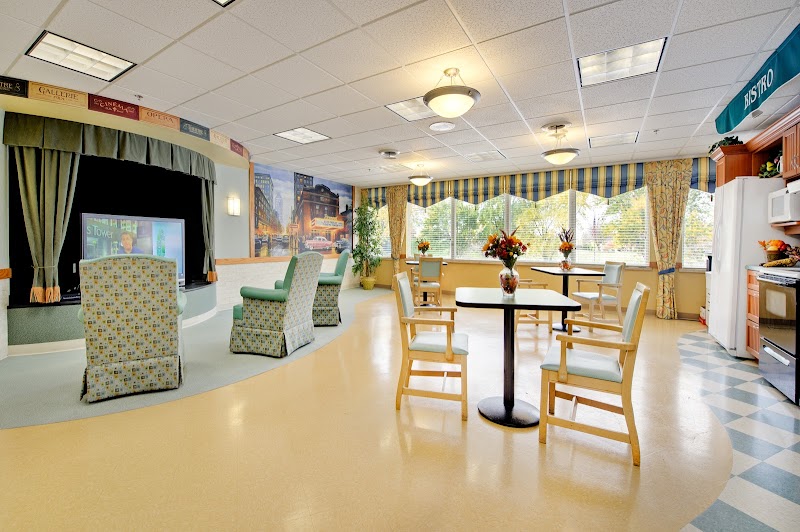
How is Burgess Square Healthcare Ctr Staffed?

CMS rates BURGESS SQUARE HEALTHCARE CTR's staffing level at 5 out of 5 stars, which is much above average compared to other nursing homes. Staff turnover is 42%, compared to the Illinois average of 46%. This relatively stable workforce can support continuity of care.

What Have Inspectors Found at Burgess Square Healthcare Ctr?

State health inspectors documented 24 deficiencies at BURGESS SQUARE HEALTHCARE CTR during 2022 to 2025. These included: 1 that caused actual resident harm and 23 with potential for harm. Deficiencies causing actual harm indicate documented cases where residents experienced negative health consequences.
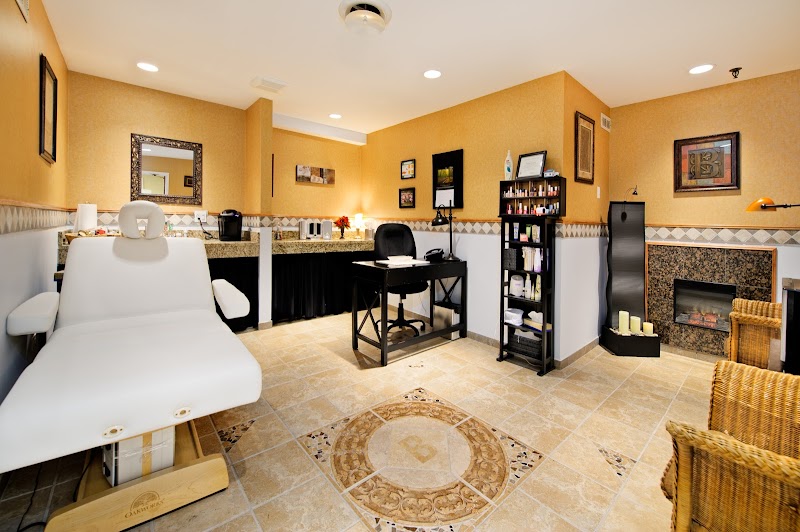
Who Owns and Operates Burgess Square Healthcare Ctr?

BURGESS SQUARE HEALTHCARE CTR is owned by a for-profit company. For-profit facilities operate as businesses with obligations to shareholders or private owners. The facility operates independently rather than as part of a larger chain. With 203 certified beds and approximately 123 residents (about 61% occupancy), it is a large facility located in WESTMONT, Illinois.

How Does Burgess Square Healthcare Ctr Compare to Other Illinois Nursing Homes?

Compared to the 100 nursing homes in Illinois, BURGESS SQUARE HEALTHCARE CTR's overall rating (5 stars) is above the state average of 2.5, staff turnover (42%) is near the state average of 46%, and health inspection rating (4 stars) is above the national benchmark.

What Should Families Ask When Visiting Burgess Square Healthcare Ctr?

Based on this facility's data, families visiting should ask: "Can I visit during a mealtime to observe dining assistance and food quality?" "How do you handle medical emergencies, and what is your hospital transfer rate?" "Can I speak with family members of current residents about their experience?"

Is Burgess Square Healthcare Ctr Safe?

Based on CMS inspection data, BURGESS SQUARE HEALTHCARE CTR has a clean safety record: no substantiated abuse findings (meaning no confirmed cases of resident harm), no Immediate Jeopardy citations (the most serious violation level indicating risk of serious injury or death), and is not on the Special Focus Facility watch list (a federal program monitoring the lowest-performing 1% of nursing homes). The facility has a 5-star overall rating and ranks #1 of 100 nursing homes in Illinois. While no facility is perfect, families should still ask about staff-to-resident ratios and recent inspection results during their visit.

Do Nurses at Burgess Square Healthcare Ctr Stick Around?

BURGESS SQUARE HEALTHCARE CTR has a staff turnover rate of 42%, which is about average for Illinois nursing homes (state average: 46%). Moderate turnover is common in nursing homes, but families should still ask about staff tenure and how the facility maintains care continuity when employees leave.

Was Burgess Square Healthcare Ctr Ever Fined?

BURGESS SQUARE HEALTHCARE CTR has no federal fines on record. CMS issues fines when nursing homes fail to meet care standards or don't correct problems found during inspections. The absence of fines suggests the facility has either maintained compliance or corrected any issues before penalties were assessed. This is a positive indicator, though families should still review recent inspection reports for the full picture.

Is Burgess Square Healthcare Ctr on Any Federal Watch List?

BURGESS SQUARE HEALTHCARE CTR is not on any federal watch list. The most significant is the Special Focus Facility (SFF) program, which identifies the bottom 1% of nursing homes nationally based on persistent, serious quality problems. Not being on this list means the facility has avoided the pattern of deficiencies that triggers enhanced federal oversight. This is a positive indicator, though families should still review the facility's inspection history directly.