Oakwood Rehab and Nursing Center
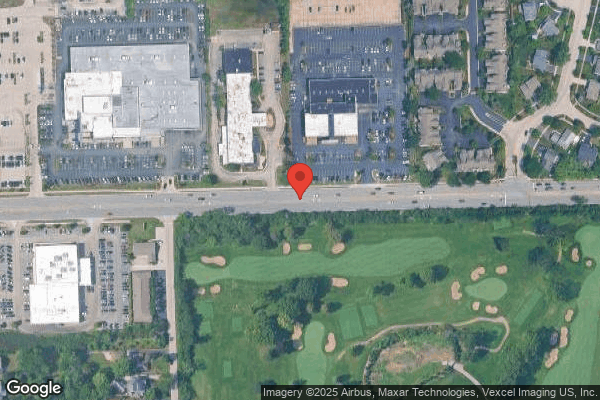
512 EAST OGDEN AVENUE, WESTMONT, IL 60559 (630) 323-4400
For profit - Limited Liability company 149 Beds ATIED ASSOCIATES Data: November 2025
Trust Grade
0/100
#596 of 665 in IL
Last Inspection: December 2024

Within standard 12-15 month inspection cycle. Federal law requires annual inspections.

Overview

Oakwood Rehab and Nursing Center has received a Trust Grade of F, which indicates poor performance and significant concerns about resident care. Ranked #596 out of 665 facilities in Illinois, this places them in the bottom half of nursing homes in the state, and #37 out of 38 in Du Page County, indicating that only one local option is better. Although the facility is reportedly improving, with issues decreasing from 26 in 2024 to just 2 in 2025, there are still serious concerns, including incidents of physical and verbal abuse, which resulted in residents feeling unsafe and developing injuries. Staffing is also a concern, with a turnover rate of 62%, significantly higher than the state average, and only average RN coverage, which raises questions about continuity and quality of care. Additionally, the facility has incurred fines totaling $47,343, hinting at ongoing compliance issues that families should consider carefully.
Trust Score
F
0/100
In Illinois
#596/665
Bottom 11%
Safety Record
High Risk
Review needed
Inspections
Getting Better
26 → 2 violations
Staff Stability
⚠ Watch
62% turnover. Above average. Higher turnover means staff may not know residents' routines.
Penalties
✓ Good
$47,343 in fines. Lower than most Illinois facilities. Relatively clean record.
Skilled Nurses
✓ Good
Each resident gets 48 minutes of Registered Nurse (RN) attention daily — more than average for Illinois. RNs are trained to catch health problems early.
Violations
⚠ Watch
50 deficiencies on record. Higher than average. Multiple issues found across inspections.
★☆☆☆☆
1.0
Overall Rating
★★☆☆☆
2.0
Staff Levels
★☆☆☆☆
1.0
Care Quality
★★☆☆☆
2.0
Inspection Score
Stable
2024: 26 issues
2025: 2 issues

The Good

  • Full Sprinkler Coverage · Fire safety systems throughout facility
  • No fines on record

Facility shows strength in fire safety.

The Bad

1-Star Overall Rating

Below Illinois average (2.5)

Significant quality concerns identified by CMS

Staff Turnover: 62%

16pts above Illinois avg (46%)

Frequent staff changes - ask about care continuity

Federal Fines: $47,343

Above median ($33,413)

Moderate penalties - review what triggered them

Chain: ATIED ASSOCIATES

Part of a multi-facility chain

Ask about local staffing decisions and management

Staff turnover is elevated (62%)

14 points above Illinois average of 48%

The Ugly 50 deficiencies on record

3 actual harm
Sept 2025 1 deficiency
CONCERN (F) 📢 Someone Reported This

A family member, employee, or ombudsman was alarmed enough to file a formal complaint

Potential for Harm - no one hurt, but risky conditions existed

Deficiency F0804 (Tag F0804)

Could have caused harm · This affected most or all residents

Based on observations, interviews and record reviews, the facility failed to serve palatable meals at temperatures per facility policy. This applies to all 83 residents residing in the facility receiv...

Read full inspector narrative →
Based on observations, interviews and record reviews, the facility failed to serve palatable meals at temperatures per facility policy. This applies to all 83 residents residing in the facility receiving oral diets. The findings include:Facility Daily Census, dated 9/9/25, shows the facility census was 84 residents. POS (Physician Order Sheet) dated 9/11/25, shows one resident in the facility had a physician order for NPO (Nothing by Mouth).1. On 9/9/25 at 11:17 AM during lunch service, the facility was plating lunch foods which included sweet and sour pork, green beans, white rice and apple sauce. The plate warmer had hot plates in only one of the two sides of the equipment. The warmer had hot plates stacked in one side of the machine and the plates on the cooler side were only slightly warm but not hot. During lunch service, staff transferred some of the cooler plates into the hotter side of the warmer as they served food. At 12:10 PM a test tray was tasted. The pork and rice tasted only slightly warm, and the green beans tasted minimally warm. The temperatures of the pork measured 115 degrees F (Fahrenheit), the rice measured 118 degrees F, and the green beans measured 110 degrees F. The applesauce tasted room temperature, and the temperature of the applesauce measured 70 degrees F. On 9/9/25 during lunch service, R7 had her lunch in front of her and stated the food was served cold and was unappetizing. R7 stated she only had two warm meals in the last week. On 9/9/25 at 12:26 PM during lunch service, R1 had her lunch tray sitting in front of her uneaten and R1 was eating a chicken tender. R1 stated her lunch food did not taste appetizing and R1 was eating chicken tenders she received from her roommate. R1 stated the facility hot meals were sometimes served hot but not always.On 9/9/25 at 1:55 PM, R4 stated, The food is impossible! R4 stated she ordered out for food for lunch because she did not want to eat the facility-served lunch that day. R4 stated the hot sandwiches were prepared poorly and carelessly. On 9/9/25 at 2:50 PM, R3 stated Breakfast was so cold. It felt like they just took it out of an icebox! R3 stated she threw out her sandwich she was served the night prior because it was unappetizing. R3 stated the grilled cheese sandwiches were served with edges like rocks, one side was burnt, and the other side looked like untoasted bread. On 9/9/25 at 10:40 AM, R2 (Resident Council [NAME] President) stated the facility food service stopped using warming pellets under meal plates approximately a week prior and food that was supposed to be served hot was served cold to residents at times. R2 stated the meat was served tough and dry and vegetables are sometimes not cooked and were served tough and hard to chew. On 9/9/25 at 11:25 AM, V3 (Food Service Manager) stated she was not aware the facility had warming pellets and was made aware of the warming pellets were available for use in the kitchen only that morning. On 9/9/25, V4 (Food Service Worker) stated the facility stopped using warming pellets the prior week and one side of the plate warmer was less warm, so staff transferred plates to the other side during service to warm the meal plates.Facility Policy/Procedure Serving/Tray Line- Safety and Palatability, dated 10/25/23, shows, .For a palatable food temperature range for residents, hot foods can be slightly under 135 degrees Fahrenheit, between 120-130 degrees Fahrenheit, but should not be under 120 degrees Fahrenheit. Cold food should be served between 40-45 degrees Fahrenheit but should not be over 45 degrees Fahrenheit. 6. Small batch cooking will be utilized, when possible, to minimize hot holding or to retain food quality. 10. Cold foods will be prepared, dipped into individual serving dishes and chilled prior to service.2. On 9/10/25 during lunch service in the kitchen, staff were plating servings of macaroni and cheese with beef and broccoli/cauliflower on resident lunch plates. The macaroni and cheese with beef was pale white with light brown ground beef mixed with the macaroni. The mixture tasted bland, had no flavor or seasoning, and lacked any cheese sauce. The noodles appeared oily and there were small amounts of chewy cheese throughout the mixture. The broccoli/cauliflower appeared to have white cauliflower mixed with pale green/gray broccoli. There was an approximately four inches by four inches by four inches block of margarine sitting on top of the broccoli/cauliflower mixture in the steamtable pan located in the steamtable. The vegetables tasted mushy in texture and could be swallowed after mashing the product with a tongue. On 9/10/25 during lunch service, the following residents commented on the facility food: R19 stated It doesn't taste like there was cheese in it! R11 stated, The mac and beef sucked! R12 stated, It's bad. I can't touch it. I can't eat it! R12 had all of his portion of macaroni and cheese with beef left on his plate except a few bites. R13 stated the macaroni and cheese with beef was bland and the broccoli was overcooked. R14 stated, I ate a few bites, and I am done. It doesn't taste good. R13 and R14 stated the facility food was not served hot at times. R14 stated the food was a problem at the facility. R20 stated Lunch was horrible. The mac and beef had no flavor, no seasoning. It was horrible. The food quality is horrible. R16 stated, The food is bland - no seasoning and no flavor. R18 stated The food is not good, not seasoned. R18 stated the hot foods were not served hot at the facility. R15 stated the hot food was served cold at times. R7 stated her breakfast was served cold that morning and the eggs were ice cold. R9 stated the food quality had gotten worse at the facility. R6 (Resident Council President) stated breakfast was cold that morning and lately the food had been served cold. Facility Macaroni and Cheese with Beef recipe, undated, shows the recipe ingredients included macaroni, ground beef, salt, margarine, flour, milk, cheddar cheese, and breadcrumbs. Facility recipe Broccoli and Cauliflower, undated, shows, Do not overcook. 3. On 9/11/25 at 12:15 PM, R1 had her lunch in front of her which had spaghetti noodles and very little red sauce on the noodles. At 12:25 while in R1's room , R2 stated her spaghetti at lunch was very weak and dry and had no spaghetti sauce when served.
May 2025 1 deficiency
CONCERN (D) 📢 Someone Reported This

A family member, employee, or ombudsman was alarmed enough to file a formal complaint

Potential for Harm - no one hurt, but risky conditions existed

Deficiency F0806 (Tag F0806)

Could have caused harm · This affected 1 resident

Based on interview and record review, the facility failed to accommodate a resident's food allergies and preferences. This applies to 1 of 3 residents (R1) reviewed for food allergies in a sample of 4...

Read full inspector narrative →
Based on interview and record review, the facility failed to accommodate a resident's food allergies and preferences. This applies to 1 of 3 residents (R1) reviewed for food allergies in a sample of 4. The findings include: On 5/20/25 at 12:05 pm, R1 said that she is allergic to shellfish, squash, all melons in the melon family, bananas, and cucumbers. R1 said that she made the facility aware of her allergies, but she continues to be served food she is allergic to. R1 said that on 5/18/25, she was served a salad with a cucumber on it, and she told the staff, and on 5/17/25 she was served melons on her lunch tray, and she told the CNA (Certified Nurse's Assistant). R1 then showed a picture on her phone of a meal tray with a bowl of melons on the tray. On 5/22/25 at 10:45 AM, R1 said that she is still being served food that she is allergic to. R1 said that on the previous Monday (5/19/25) she was served a salad with a cucumber in it again. R1 reiterated that she is allergic to cucumbers, and she has told the facility. On 5/20/25 at 12:59 PM, V4 (CNA) said that R1 has gotten food on her tray that she is allergic to. V4 said 1-2 weeks ago, she had served R1 her meal tray during the day and the tray had melons on it. V4 verified that R1 told her that she was allergic to melons. On 5/20/25 at 2:01 PM, V6 (Dietary Manager) said that he had no knowledge of R1's allergies and he was aware R1 had gotten cucumbers. V6 pulled R1's 5/20/25 lunch meal ticket out of his pocket which showed R1's food allergies included melons and cucumbers, but the word cucumber was lined out in ink and in handwriting above the word cucumber, was the word cantaloupe, and above the list of food allergies was handwritten in ink, Dislikes: cucumber:. On 5/20/25 at 1:46 PM, V5 RD (Registered Dietitian) said that she did not ask R1 if she was allergic to cucumbers and her daughter told her that R1 dislikes cucumbers. V5 said that R1 should not be served any food that she is allergic to. V5 said that if someone has a food that they are allergic to, an array of things could happen including having a GI reaction, respiratory reaction, skin hives, swelling, edema, and even as far as an anaphylactic reaction. On 5/22/25 at 2:30 pm, V1 (Administrator) said that he was made aware of over a month ago that R1 was served a cucumber in her salad. V1 said that in the middle of April the facility held a care conference for R1 and R1's food allergies and food preferences including cucumbers were addressed in the conference. V1 said that the facility is aware that R1 is allergic to melons but thought that R1 only had a dislike for cucumbers; not that she was allergic to them. V1 said that his expectations are that residents are served food in accordance with their dietary orders, including dietary food restrictions and preferences. On 5/22/25 at 12:28 pm, V2 DON (Director of Nursing) said that she was aware that R1 was served a house salad with a cucumber on it. V2 said that she was also made aware of R1 being served melons as well by the CNA who served it to R1. V2 said that V4 (CNA) told her that she served R1 melons, but she did not know that a honeydew was a melon. V2 said that it is important that residents don't get served food that they are allergic to because it can lead to anaphylactic shock or even death. V2 said that her expectations are that the staff do a double check to ensure they are following any food allergies. R1's face sheet showed 4/4/25 allergen: Melon family, Squash, Raw Bell Pepper, Cantaloupe. R1's 4/22/25 Order Summary Report showed 4/22/25 General diet Allergic to melon family, raw bell peppers, squash, fish, shellfish, banana, and cantaloupe. R1's 4/8/25 care plan showed, R1 will benefit from liberalized diet with supplementation. Has various nutritional allergies and preferences concerning her diet as indicated in her record. The care plan showed interventions including encourage resident to indicate further preferences with dietary management. Offer substitutions for food she's allergic to or intolerance of. Provide, serve diet as ordered. Resident provided with dietary menu slip to complete her preferences. On 4/29/24 the facility resident Grievance/Complaint form showed R1's daughter called to go over her mom's preferences because her mom gets nauseous and has a poor appetite and has dislikes. The Actions or Recommendations showed that the menus are done with R1 on a weekly basis, R1's tray is double checked for lunch and breakfast by dietary director and for dinner by PM supervisor. The Resolution showed, R1 will be served exactly what she is asking for. There will not be unwanted items on her tray. The facility's food Allergies and Intolerances policy dated June 2023 showed that the residents with food allergies or intolerances will be identified and steps will be taken to prevent residents' exposure to allergens. In accordance with a resident's care plan the culinary service department will be informed of residents with food allergies and intolerances meals will be specially prepared for residents with severe food allergies so that cross contamination with allergens does not occur. Residents with food intolerance and allergies will be offered appropriate substitutions for foods that they cannot eat .
Dec 2024 13 deficiencies 1 Harm
SERIOUS (G)

Actual Harm - a resident was hurt due to facility failures

Free from Abuse/Neglect (Tag F0600)

A resident was harmed · This affected 1 resident

**NOTE- TERMS IN BRACKETS HAVE BEEN EDITED TO PROTECT CONFIDENTIALITY** Based on observation, interview, and record review, the facility failed to ensure a resident was free from verbal and physical a...

Read full inspector narrative →
**NOTE- TERMS IN BRACKETS HAVE BEEN EDITED TO PROTECT CONFIDENTIALITY** Based on observation, interview, and record review, the facility failed to ensure a resident was free from verbal and physical abuse. This applies to 1 of 3 residents (R73) reviewed for abuse allegations in the sample of 18. This failure resulted in R73 feeling traumatized, unsafe, being afraid to sleep, and developing insomnia. The findings include: R73's face sheet showed him to be a [AGE] year old male admitted to the facility on [DATE], with diagnoses that include Necrotizing Fasciitis, Severe sepsis, Pneumonia, Acute respiratory failure, Alcohol Abuse, and Long Term use of antibiotic. R73's Minimum Data Set (MDS) dated [DATE], showed R73 to be cognitively intact. The initial facility reportable dated November 21, 2024, showed the following: While in the hallway a miscommunication occurred between R73 and V12 (CNA/Certified Nursing Assistant), after which R73 began using his cell phone to video V12. Upon noticing this, V12 moved the phone out of view, which led to R73 becoming upset. The facility's final reportable dated November 29, 2024, showed the following: On November 29, 2024, the facility completed a thorough investigation into an incident involving R73 and V12. The investigation was initiated after R73 became upset during an interaction with V12 in the hallway, where V12 moved R73's cell phone out of view after noticing R73 was recording her. R73 reported feeling upset about the interaction but did not express feeling of fear or alleged physical harm. V12 stated that the phone was moved to avoid being recorded, which was perceived as intrusive or unwanted, and emphasized that there was no intent to escalate the situation. Witness interview and resident interviews revealed no concerns about V12's behavior. V12 was suspended pending the outcome of the investigation. The review concluded that V12's actions, while upsetting toward R73, did not constitute abusive behavior. The interaction appears to have resulted from a misunderstanding rather than intentional harm. The facility's investigation report showed no documentation of V14's interview. V14 was the nurse at the nurse's station during the altercation. On December 9, 2024, at 1:57 PM, R73 stated he was verbally abused and physically assaulted by V12 (Certified Nursing Assistant/CNA). R73 stated that he put his call light on and V33 (CNA) answered the light, and he told her he needed his urinal emptied. R73 stated that V33 said she was going to tell his CNA (V12) to empty the urinal. R73 stated that after a few minutes he wheeled himself to the nurse's station and he saw V14 (Registered Nurse), and he asked V14 who his CNA was. R73 stated that V14 stated his CNA was V12 (CNA) and she was in the internet/ room across from the nurse's station. R73 stated he went and asked V12 to empty his urinal and she (V12) told him to do it himself and started cursing at him. R73 stated he was on the phone with someone, and they could hear what was going on and they told him to record it. R73 stated he started recording. R73 stated V14 was sitting at the nurse's station during the altercation. R73 stated he asked V12 again if she was going to empty his urinal and she started screaming and cursing at him and then walked towards him and as she was passing him, she (V12) hit his right hand and arm, and his phone went flying out of his hand. R73 showed the video to the surveyor at 2:00 PM on December 9, 2024. On December 10, 2024, at 10:43 AM, R73 stated when he asked V12 to empty his urinal and she started yelling and cursing at him, he was shocked that she was acting like that. R73 said at the nurse's station he just asked her, if she could please empty his urinal. R73 became teary eyed, and said he is seeing a therapist because, now he has trust issues. R73 stated that V14 was there and did not say anything or do anything. R73 stated he was thinking of how to escape. R73 stated he went into his room and started thinking about what had just happened and he came back out to speak to the supervisor. It was around shift change and V16 (RN) was at the nurse's station and the girl that assaulted him was still at the nurse's station with V33, and V14. R73 stated they were all talking to each other. R73 stated he then asked to speak to the supervisor and V16 said if you decide to report this, she will have to document what he (R73) did. R73 stated he didn't do anything. R73 stated he never yelled at V12 or anyone. R73 stated then V16 asked if he was sure he wanted to call the police and he said yes. They were all talking at the nurse's station, so he went back to his room. R73 stated then V15 (Nursing Supervisor) and V16 came to his room. V16 asked what happened. R73 stated he told them what happened and V15 stated the administrator would talk to him tomorrow and they left. R73 stated they didn't ask him if he was okay or anything. R73 stated he was thinking that the person that assaulted him is still here and I'm defenseless. R73 stated he felt like there was an intent to keep him from reporting it to the police. R73 stated, he then went back to the nurse's station and asked them to call the police and V16 told him that it would be better if he called from his phone. R73 stated he went back to his room and called the police. R73 stated the police came and interviewed him and the first thing the officer said was that the V12 told the police that R73 singled her out. R73 then started crying with lots of tears rolling down his face at this point and surveyor got him some tissue. R73 stated that V12 told the police that he cornered her in his wheelchair so she swung at him because that was the only way she could get away from him. R73 stated he showed the officer the video and the officer went and got V15 and told V15 what V12 said and what the video showed. R73 said the officer then asked him if he wanted to file Battery charges and he said yes. R73 stated that the officer told V15 it was R73's right to file charges. R73 stated if he had not recorded it, no one would have believed him. R73 stated no one asked him if he was okay that night, they didn't examine him or anything. R73 stated his right hand was stinging after the CNA knocked the phone out of his right hand. R73 stated that he thought it was a little swollen, so he requested an x-ray. R73 stated the next morning the social worker, the administrator and a couple other people came and asked if he was okay. R73 stated he showed V1 (Abuse Coordinator/Administrator) the video of the altercation and V1 asked for a copy of it, but R73 did not give him one. R73 stated he does not feel safe in the facility, and he put in a request to be transferred. R73 stated after the altercation he called around to see what facilities took his insurance. R73 stated he is afraid at night and is watching closely who is here because no one helped him, and they tried to cook up a story about him. R73 was teary eyed and said they could have had me arrested. R73 stated he is suffering from sleep deprivation since this happened, he is sad, and afraid of retribution. R73 was still visibly shaken and stated that it was so abrupt and shocking. On December 10, 2024, at 1:34 PM surveyor went to go review video footage again with another surveyor. R73 stated he fears retribution. R73 stated he felt defenseless when the altercation with V12 happened because I couldn't even run away if I needed to. R73 stated again he doesn't feel safe and started to cry with tears rolling down his face. R73 again stated he started calling numbers that the hospital gave him that accepted his insurance. R73 started crying again and said had he known he needed to involve the facility to help him with the transfer, he would have contacted them sooner. As R73 continued crying he said no one ever asked how he was doing that night. On December 9, 2024, at 1:57 PM and on December 10, 2024, at 1:34 PM, the video footage of the altercation was reviewed and showed the following: R73 asked V12 if she would empty his urinal. V12 gets very upset and starts yelling at R73 and stated he pissed her off, she is going to leave the urinal and walk the hell out of the facility. V12 continues screaming while leaning in towards the resident that she is not meant to do what he can do for himself. V12 then stated so go do it yourself, whatever the F*** happens let it happen. I'm not going to do it, whatever the F*** happens let it happen as she walks past the resident and enters the nurse's station. The nurse's station has two exits on either side of V12. V12 chooses the one closest to R73 and she walks about 8-10 feet towards the resident and the video continues to show V12's hand coming towards R73's phone, the screen then becomes obscure and V12 continues to scream in the background. Immediately afterwards R73 can be heard saying to someone, you are my witness she just put her hands on me. On December 10, 2024, at 12:05 PM, V1 stated the facility does not have a video of the incident because the video recycles every week. V1 stated he did not view his facility's video footage of the incident that took place at the nurse's station where there is a video camera. V1 stated he did not request a police report of the incident. The Police report dated November 20, 2024, at 11:50 PM, showed that the responding officer interviewed V12, and she stated that she got into an altercation with R73 regarding him demanding services, cornering her in a room, and rudely asked if she was on break. The report goes on to say that V12 stated R73 then started following her in his wheelchair and recording her. V12 said she tried to get away from R73 and hit his phone out of his hand in the process. The report also shows R73 stated he was upset that V12 was not doing her job and V12 started yelling and cursing, when R73 asked her to assist him, so he started recording her (V12). R73 claimed V12 walked up to him and smacked that phone out of his hand. The responding officer incident report also stated that before the physical altercation with R73, V12 nurse had a different exit where she could have avoided R73 altogether. The police report also showed that V12 was arrested on scene on November 21, 2024, at 12:32 AM and was issued a citation to appear in court for battery. On December 10, 2024, at 4:02 PM, V13 (Police Officer) stated he interviewed the alleged CNA perpetrator (V12). The staff was on the CNA's side and stated that R73 and V12 had a verbal altercation the day before. V13 stated that R73 stated that he rang his call light, and another CNA came and said she would get his CNA to dump his urinal. V13 stated that after no one showed, R73 went looking for his CNA and found her in the room across from the nurse's station. V13 stated that R73 said he asked the CNA if she was on her break, then the CNA and got aggressive and said his call light was not illuminated and she started screaming and cursing at him. V13 stated then R73 said he started recording her. The officer stated that the V12 stated R73 was following her around in the wheelchair. V13 stated that the CNA was about 12 feet away according to the video and she initiated and approached R73 and smacked the phone out of his hand. V13 stated V12 hit R73 hard enough to knock the phone from his hand. V13 stated V12 did not have a professional demeanor. V13 stated he found her aggressive in the video. V13 stated V12 was cited for battery. V13 stated that the definition of Battery is making contact however slight with another subject. V13 stated that V12 originally said R73 cornered her and as she was trying to get pass him is when she knocked the phone out of his hand. V13 stated that was not the truth based on the video he viewed. R73's Psychiatry follow up note by V9 (Psychiatric Nurse Practitioner) dated December 2, 2024, showed the following: Patient's mood appears to be up and down, asked to assess resident by staff due to episodes of agitation. Resident guarded on exam and stated he was physically attacked by a staff member and doesn't feel too safe. He thinks he will benefit from talk therapy. Denies prior Psychiatric history and reports insomnia and agrees to start melatonin. On December 10, 2024, at 3:48 PM, V9 stated he went to assess R73 for difficultly sleeping and was surprised that R73 talked about being assaulted. V9 stated that the resident said to him. Wouldn't you be agitated if this happened to you. V9 stated R73 told him he wasn't sleeping deeply at night because he was afraid that he will be attacked by staff. V9 stated he can understand not being able to sleep if he had that concern. V9 stated he recommended V9 be seen by psychologist for therapy. V12's employee statement dated November 20, 2024, stated that she told R73 that he walked all the way from his room just to yell at her over a urinal he could have emptied himself or the last shift should have emptied for him. V12 stated that R73 immediately took out his camera and started recording her and she repeated the same thing to him and pushed the camera away from her face and walked away. V16's nursing note dated November 2, 2024, at 11:55 PM showed the following: while walking up the hall, resident was observed wheeling around the nurse's station screaming at the CNA, He pointed at the nurse on duty and said, Didn't she smack my phone out my hand? the nurse on duty said, I did not see. The resident looked at writer and said. She smacked the phone out of my [hand] and that is assault. The writer asked the CNA to leave the area and she stated, He recorded me! and resident to return to his room so that supervisor could be notified. Immediately all resident's needs were reassigned to the alternate CNA on duty, Resident informed writer and supervisor that he wanted to press charges and called 911. The police arrived and spoke to R73, writer, and all other staff. On December 11, 2024 at 11:59 AM, V14 stated she remembers the altercation with R73 and V12 on 11/20/2024. V14 stated it happened at the nursing station. V14 stated she was at the nurse's station, she heard loud screaming and got up saw them going back and forth. V14 stated she told V12 to lower her voice because people were sleeping. V14 stated R73 was looking around and then found V12 and started talking at the Cybercafé (across from the nurse's station). V14 stated she heard them screaming and told them to calm down. V14 stated that R73 said immediately after it happened that V12 knocked the phone out of his hand. V14 said she did not see it happen. On December 12, 2024, at 12:47 PM, V14 stated that at no point during the altercation with R73 and V12 did she try to remove R73 from the situation. V14 stated they were not close together. V14 stated she did tell V12 to stop screaming at the R73, but V12 was so angry and told V14 that she was not her boss and couldn't tell her what to do. V14 stated she should have documented it but wasn't aware of the facility's protocols because she is agency staff. Progress note dated November 11, 2024, showed that R73 complained of pain to his right hand at a level of 7/10 pain level. Pain medication was given and an x-ray of his right hand and wrist was ordered. Employee Discipline Form dated November 27, 2024, showed V12 was terminated for violating rule 6 of the SEIU agreement as outlined in the appendix. The violation occurred when the employee knocked the phone out of the hand of a resident, an action that constitutes inappropriate conduct. In addition, resident stated that his phone screen was cracked due to it being knocked out to the floor which violates Service Employee International Union (SEIU) rule #6- Willful destruction or damage of property belonging to facility or persons. This behavior is considered a breach of workplace standards and rules, leading to the employee's termination. The facility's Abuse Prevention Policy showed the following: This facility affirms the right of our residents to be free from abuse, neglect, exploitation, misappropriation of property, deprivation of goods, and services, by staff or mistreatment. Physical abuse includes hitting, slapping, pinching, kicking, and controlling behavior through corporal punishment. Verbal abuse is the oral, written, or gestured language that willfully includes disparaging and derogatory terms to residents or families, or within their hearing distance, regardless of an individuals' age, ability to comprehend, or disability.
CONCERN (D)

Potential for Harm - no one hurt, but risky conditions existed

Deficiency F0583 (Tag F0583)

Could have caused harm · This affected 1 resident

**NOTE- TERMS IN BRACKETS HAVE BEEN EDITED TO PROTECT CONFIDENTIALITY** Based on observation, interview, and record review, the facility failed to provide privacy while providing assistance with a sho...

Read full inspector narrative →
**NOTE- TERMS IN BRACKETS HAVE BEEN EDITED TO PROTECT CONFIDENTIALITY** Based on observation, interview, and record review, the facility failed to provide privacy while providing assistance with a shower. This applies to 1 of 1 resident (R15) reviewed for privacy in the sample of 18. The findings include: R15's face sheet showed he is an [AGE] year old male admitted to the facility on [DATE], with diagnoses that includes Obesity, History of Falling, Dependence on Renal Dialysis, and Cerebral infarction. R15's Minimum Data Sheet (MDS) dated [DATE] showed that R15 requires partial/moderate assistance with showering. The same MDS showed that R15 is cognitively intact. On December 11, 2024, at 3:59 PM, while walking down the hall on the way to the nurse's station, surveyor came across a small shower room where R15 was sitting getting assistance with a shower. R15 had no clothing or covering on his body. V31 (Certified Nursing Assistant) had a shower head in her right hand and was holding the door open with her left hand. V31 was spraying water on R15 with the handheld shower head. On December 11, 2024, at 4:07 PM, V2 (Director of Nursing) stated that the staff should not be showering residents with the door open because it is a privacy issue. The facility's Resident Rights Guidelines dated October 2023 showed the following: the resident have the right to be treated with respect and dignity.
CONCERN (D)

Potential for Harm - no one hurt, but risky conditions existed

Investigate Abuse (Tag F0610)

Could have caused harm · This affected 1 resident

**NOTE- TERMS IN BRACKETS HAVE BEEN EDITED TO PROTECT CONFIDENTIALITY** Based on interview and record review the facility failed to conduct a thorough staff to resident abuse investigation by not revi...

Read full inspector narrative →
**NOTE- TERMS IN BRACKETS HAVE BEEN EDITED TO PROTECT CONFIDENTIALITY** Based on interview and record review the facility failed to conduct a thorough staff to resident abuse investigation by not reviewing available video footage of the altercation and not requesting the police report of the incident. This applies to 1 of 3 residents (R73) reviewed for abuse allegations in the sample of 18. The findings include: R73's face sheet showed him to be a [AGE] year old male admitted to the facility on [DATE], with diagnoses that include Necrotizing Fasciitis, severe sepsis, Pneumonia, Acute respiratory failure, and Long Term use of antibiotic. R73 Minimum Data Set (MDS) dated [DATE], showed R73 to be cognitively intact. On December 9, 2024, at 1:57 PM, R73 stated he was verbally abused and physically assaulted by V12 (Certified Nursing Assistant). R73 stated that he asked V12 at the nurse's station to empty his urinal and she started cursing at him, and she smacked his phone out of his hand. R73 stated he called the police. According to the facility's Final incident reportable dated November 29, 2024, the allegation of abuse was unsubstantiated as it related to R73. The facility's investigation was absent of any mention of reviewing the facility's or resident's video of the altercation. There was no mention in the investigation of the police report. The investigation report was also absent of any documentation of V14's (Registered Nurse on duty) interview. V14 was the nurse at the nurse's station during the altercation. On December 9, 2024, at 4:30 PM, V1 (Administrator/Abuse Coordinator) stated that he viewed the video of the incident that R73 had recorded. V1 stated he could not tell if V12 struck the resident based on R73's video. That is why he did not substantiate the allegation. On December 10, 2024, at 12:05 PM, V1 stated there is a camera that records at the nursing station where the incident occurred. V1 stated he does not have a video of the incident because the video recycles every week. V1 stated he did not view the facility video footage of the incident that took place at the nurse's station where there is a video camera. V1 stated he did not request a police report of the incident. On December 11, 2024, at 11:15 AM, V1 stated the incident between R73 and V12 occurred at the nurse's station where there is a camera positioned. V1 stated they interview witnesses if there was a witness. V1 stated R73 did not tell him there were any witnesses. Surveyor asked why was V14 not interviewed when she was the nurse on duty, and resident also stated in the video regarding a witness. V1 stated he interviewed V14, but she wouldn't write a statement. V1 stated V14 said she didn't see anything, but she was at the nurse's station. V1 stated he does not always review the facility's video recordings when investigating altercations. Furthermore, R73 had shown V1 the video he had recorded of the incident. V1 stated he did not view the facility's video footage. V1 stated the facility's video footage could have been helpful in giving another view of the incident to make it more clear for him whether or not R73 was hit by V12. The police report related to the incident and dated November 20, 2024, documented that V14 was arrested and cited for battery of R73 on November 21, 2024.
CONCERN (D)

Potential for Harm - no one hurt, but risky conditions existed

Quality of Care (Tag F0684)

Could have caused harm · This affected 1 resident

Based on observation, interview, and record review, the facility failed to provide a dressing change as needed to a resident with a vascular wound. This applies to 1 of 5 residents (R66) reviewed for ...

Read full inspector narrative →
Based on observation, interview, and record review, the facility failed to provide a dressing change as needed to a resident with a vascular wound. This applies to 1 of 5 residents (R66) reviewed for wounds in the sample of 18. The findings include: On December 10, 2024, at 4:28 PM, R66 was propelling his wheelchair in the hallway. R66's left leg had a wound dressing which was covered with a tubi-grip that was stained from top to bottom with brown substance. On December 11, 2024, at 9:17 AM, R66 was sitting in his wheelchair in his bedroom, he had the same stained tubi-grip and dressing which was caked with dry brown substance. Upon closer inspection R66's dressing had strong urine odor. On December 11, 2024, at 10:02 AM, V24 (Wound Care Nurse) stated that R66 has a vascular wound on the left leg. His dressing is changed daily and as needed. As needed means to change the dressing if the dressing came off or if the dressing is soiled, this is done to prevent potential infection. On December 11, 2024, at 10:10 AM, V24 rendered wound care to R66. The tubi-grip and dressing was heavily soiled with urine which overflowed to the wound. V24 stated that the leg is granulating but still secreting discharges. V24 cleaned the wound and changed the dressing. R66 was cooperative during the wound care. On December 11, 2024, at 1:48 PM, V2 (Director of Nursing/DON) stated wound dressing should be changed as needed. It's an increased risk of infection when soiled dressing is left in place. R66's wound care plan dated November 10, 2024, shows R66 has venous stasis ulcer to left lower leg. The same care plan showed multiple interventions including, Change resident as needed and ensure skin is dry to prevent further breakdown of skin. If he refuses educate and encourage.
CONCERN (D)

Potential for Harm - no one hurt, but risky conditions existed

Deficiency F0688 (Tag F0688)

Could have caused harm · This affected 1 resident

Based on observation, interview, and record review the facility failed to assess and provide a brace to a resident to prevent further reduction in ROM (range of motion) and to maintain proper position...

Read full inspector narrative →
Based on observation, interview, and record review the facility failed to assess and provide a brace to a resident to prevent further reduction in ROM (range of motion) and to maintain proper positioning. This applies to 1 of 1 resident (R41) reviewed for range of motion in the sample of 18. The findings include: R41 has multiple diagnoses including nontraumatic subarachnoid hemorrhage, hemiplegia and hemiparesis following unspecified cerebrovascular disease affecting left non-dominant side, paraplegia, anorexic brain damage and contracture of the right and left hand, based on the face sheet. R41's quarterly MDS (minimum data set) dated October 14, 2024, showed that the resident was cognitively intact. The MDS showed that R41 had functional limitation in ROM on both sides of his upper and lower extremities. The same MDS showed that R41 required total assistance from the staff with all of his ADLs (activities of daily living). On December 9, 2024, at 11:24 AM, R41 was sitting in his reclined high back wheelchair, inside his room. R41 was alert, verbally responsive and oriented. With the assistance of V8 (Licensed Practical Nurse) resident's left hand, wrist and left fingers were observed contracted without any brace/splint or device in place. R41's right hand was hyperextended, with some right hand fingers contracted. R41 stated that he does not use any brace/splint and/or positioning device on both hands. On December 10, 2024, at 10:26 AM, R41 was in bed, alert, oriented and verbally responsive. R41's left hand, wrist and left fingers were contracted, and his right hand hyperextended with some right hand fingers contracted. In the presence of V3 (Nursing Supervisor), R41 stated that he does not use any brace/splint and/or positioning device on both hands. V3 agreed that R41's left hand, left fingers and some right hand fingers were contracted. V3 was prompted to have the therapy department screen R41 to determine the need for a brace/splint or positioning device on the resident's bilateral hands. R41 agreed to be screened by the therapy department. R41's active care plan initiated on February 23, 2023, showed that the resident has a splint to the left and right hand related to hemiplegia and hemiparesis. The care plan goal target date was until January 20, 2025. The goal was for R41 to tolerate the use of the bilateral hand splints without untoward reaction with application time from 7:00 PM through 7:00 AM. The same care plan showed multiple interventions including application of the splint/brace per physician order and for the staff to apply a soft brace to the left hand and a resting hand splint to the right hand during the night. R41's active physician order as of December 10, 2024, showed no order for the use of a soft brace to the left hand and no order for a resting hand splint to the right hand. On December 11, 2024, at 9:35 AM, R41 was in bed, alert, oriented and verbally responsive. In the presence of V3, R41 was asked if the staff applies a brace/splint on his bilateral hands at night from 7:00 PM through 7:00 AM. R41 responded No. R41 added that no brace and/or splint are applied to his bilateral hands in the morning, afternoon or at night. R41's therapy communication form dated December 10, 2024, created by V32 (Occupational Therapist) showed screening of the resident. The screening results showed, [Patient] screened this [morning]. Patient noted to have bilateral distal [upper extremity] contractures and deformities. [Patient] will benefit from bilateral distal [upper extremity] braces for positioning during nighttime to maintain joint integrity. On December 11, 2024, at 9:49 AM, V32 stated that she had screened R41 on December 10, 2024, between 12:15 and 12:30 PM, to determine the need for a brace on both hands. V32 stated that R41's right hand and proximal joints were hyperextended with wrist drop. V32 added that R41's right hand had contracture at the wrist and fingers. According to V32, based on R41's right hand screening she had recommended for the resident to use a brace at night for positioning. V32 stated that R41's left hand, wrist and fingers were contracted but the resident was still able to extend his left fingertips about 5 to 10 degrees. V32 stated that based on R41's left hand screening she had recommended for the resident to use a left hand brace at night for positioning and to prevent further left hand and fingers contracture since the resident is still able to slightly move his left hand and fingers. During the same interview, V32 stated that she will also evaluate R41 to determine the appropriate brace to be applied on both the resident's hands/wrist and fingers. On December 11, 2024, at 10:21 AM, V2 (Director of Nursing) stated that the facility should follow and apply the bilateral hand splint/brace on R41 based on the resident's plan of care to maintain the resident's hand functioning, positioning and to prevent further contractures.
CONCERN (D)

Potential for Harm - no one hurt, but risky conditions existed

Deficiency F0698 (Tag F0698)

Could have caused harm · This affected 1 resident

**NOTE- TERMS IN BRACKETS HAVE BEEN EDITED TO PROTECT CONFIDENTIALITY** Based on interview, and record review, the facility failed to document the dialysis communication and assessment after dialysis....

Read full inspector narrative →
**NOTE- TERMS IN BRACKETS HAVE BEEN EDITED TO PROTECT CONFIDENTIALITY** Based on interview, and record review, the facility failed to document the dialysis communication and assessment after dialysis. This applies to 1 of 2 residents (R64) reviewed for dialysis in the sample of 18. The Findings Include: R64 was admitted to the facility on [DATE], with multiple diagnoses including end stage renal disease with dependence on hemodialysis, type 2 diabetes, hemiplegia, and hemiparesis following cerebral infarction and hypotension of hemodialysis. R64's physician order summary showed R64 has an order for in facility hemodialysis 4 days per week and a left arm A-V (Arterial Venous) fistula to the left arm. On December 11, 2024, at 11:30 AM, V18, (Dialysis Registered Nurse) stated after dialysis the facility nurse should assess the fistula for bruit and thrill, check the dressing for bleeding, and check the blood pressure and pulse and assess for any change of condition. V18 stated there is a dialysis communication form that the pre dialysis assessment is documented on by the facility nurse, the dialysis treatment section that the dialysis nurse completes, and the after-dialysis section that the facility staff completes, titled Nursing Home Use Only-Upon Return to the facility Following Dialysis. The dialysis communication form is then scanned into each resident's medical record under the miscellaneous tab. V18 stated that R64 received dialysis treatment on the following dates: November 29, 2024, December 2, 2024, December 4, 2024, December 6, 2024, and December 11, 2024. Review of R64's dialysis communication forms showed there was no information entered into the after-dialysis portion of the form by the facility nurses on the following days: November 25, 26, 27, and 29, 2024, and December 2, and 6, 2024. The record did not show there was an assessment of the resident's dressing after dialysis. The facility's policy titled Post Dialysis Monitoring and Observation with Implanted A-V Shunt Policy dated January 2018 showed .General Information .3. Complete the dialysis communication form with any info request by the Certified Dialysis Facility.
CONCERN (D)

Potential for Harm - no one hurt, but risky conditions existed

Deficiency F0744 (Tag F0744)

Could have caused harm · This affected 1 resident

**NOTE- TERMS IN BRACKETS HAVE BEEN EDITED TO PROTECT CONFIDENTIALITY** Based on observation, interview, and record review, the facility failed to provide meaningful activity to a resident who is bed ...

Read full inspector narrative →
**NOTE- TERMS IN BRACKETS HAVE BEEN EDITED TO PROTECT CONFIDENTIALITY** Based on observation, interview, and record review, the facility failed to provide meaningful activity to a resident who is bed bound and is diagnosed with dementia. This applies to 1 of 4 residents (R7) reviewed for dementia in the sample of 18. The findings include: Face sheet shows that R7 is 60 years-old who has multiple medical diagnoses which include multiple sclerosis, unspecified dementia, unspecified severity with other behavioral disturbance, major depressive disorder, stage 4 pressure ulcer to left and right buttocks, stage 4 pressure ulcer to sacral region, osteomyelitis of vertebra, sacral and sacrococcygeal region, gastrostomy, colostomy, muscle spasm, unspecified pain, major depressive disorder, and anxiety disorder. Minimum Data Set (MDS) dated [DATE], showed R7 is alert and oriented and totally dependent on staff for activities of daily living care. From December 9 through December 10, 2024, there were multiple observations of R7 screaming repeatedly for a nurse to come. On December 9, 2024, at 1:07 PM, V34 (Nurse) stated that it was R7's behavior to yell for staff because she wants someone to sit with her inside the bedroom. On December 10, 2024, at 11:05 AM, R7 was yelling for a nurse. Staff would come and asked R7 what she needed, and they would give it to her like water, coffee, and repositioning. However, the moment that staff step out of the bedroom, R7 would start yelling again for staff to come. It was also observed during care that R7 was calm and cooperative with staff. But when staff left her to assist other residents, she started yelling again. Surveyor asked R7 if she wanted to get up from bed to join the group activities, R7 refused and said she prefers to stay in bed. On December 10, 2024 at 11:21 AM, there were three CNAs (V11, V25, and V27) sitting at the nurses' station talking while R7 was yelling for staff. When surveyor approached V29 (Nurse) who was also at the nurses' station to ask how they manage R7's behavior, V29 said that R7 was prescribed Depakote three times a day for her behavior. R7 continued to yell for a nurse, however V11, V25, and V27 remained at the nurses' station without checking on what R7 needed. At 1:40 PM on December 10, 2024, R7 was observed yelling for a nurse, but nobody came in to check. On December 11, 2024, at 11:14 AM, V23 (Social Service Director) stated R7 has behavior like yelling for the nurse. Any staff members should respond to R7's calling. The facility does one to one activity for R7. It does not matter how many times a resident calls, the staff have to respond to the resident and offer activity. On December 11, 2024, at 11:36 AM, V30 (Activity Director) stated R7 has a yelling behavior. They provide a daily pop in visit, they give a daily newsletter, and R7 loves chatting with the staff. R7 doesn't like getting up for activities. She likes to talk. They ensure that she has snacks. As far as activity participation, they don't have anything for her. Prior to hospitalization she likes to participate in nail care activity. V30 added, maybe she could talk R7 into participating in the nail activity. V30 also said that R7 likes watching TV, which is one of her activities. It was observed from December 9 through December 11, 2024, that R7's TV was on, even when she was yelling out for a staff. On December 11, 2024, at 11:52 AM, when asked if R7 wanted to watch what she was watching she said no and she wants to watch another program. Surveyor asked where her TV (television) remote control was, R7 stated she does not know. Surveyor looked for it and found it on top of the window stool, which was beyond R7's reached. On December 11, 2024, at 11:52 AM, R7 stated nobody comes in to interact with her except when they give her incontinence care and medication. Nobody comes to sit down and have real interaction with her. They don't give her newsletter because they know she doesn't like reading. Nobody came in that morning for a pop-in visit. V30 presented a copy of R7's activity log for December 2024. It showed that they did a current event news (daily newsletter), pop-in visit, and activity cart, which R7 said that it did not happen. On December 11, 2024, at 2:27 PM, V2 (Director of Nursing/DON) stated that staff should provide meaningful activities for a resident for quality of life. R7's has multiple care plans addressing her psychosocial well-being and behavior. Care plan dated October 4, 2024, shows R7 has limited social interactions with her peers due to limited independent mobility. The same care plan shows Staff to provide resident opportunities to interact with peers through activities or through 1:1 visit. Care plan regarding behavioral symptoms dated March 4, 2021, with a target date of January 20, 2025, shows, resident displays behavioral symptoms not directed towards others as evidenced by; resident frequently calling out into the hallway for the nurse instead of utilizing her call light for assistance. The same care plan shows interventions which include, anticipate resident's needs to decrease verbal behavioral symptoms, and provide diversional activities to reduce behavioral symptoms. Facility's undated activities policy shows, It is the policy of this facility to provide an activity program to the residents which is appropriate to their needs and interest and capacity to participate and benefit. Activities are designed to stimulate physical and mental capabilities to obtain the optimal social, physical, and emotional state. Individual resident activities will be planned in accordance with any limitations set by the attending physician. The same policy shows in-part under standards that, 6. Activity programming shall include but not limited to: b. Activities specifically suited for residents unable to leave their rooms. j. Individual programs provided on a one-to-one basis. In addition, it also shows, 7. Programming will be designed to meet, in accordance with the comprehensive assessments, the interests and the physical, mental and psychosocial well-being of each resident. There was no evidence of activity assessment or documentation showing that meaningful activities were being provided for R7.
CONCERN (E)

Potential for Harm - no one hurt, but risky conditions existed

Grievances (Tag F0585)

Could have caused harm · This affected multiple residents

Based on interview and record review the facility failed to file and respond to resident grievances in accordance with their policy. This applies to 8 of 8 residents (R9, R10, R14, R15, R23, R49, R56,...

Read full inspector narrative →
Based on interview and record review the facility failed to file and respond to resident grievances in accordance with their policy. This applies to 8 of 8 residents (R9, R10, R14, R15, R23, R49, R56, R61) reviewed for grievances in the sample of 18. The findings include: During the resident interview meeting on December 10, 2024, at 10:05 AM, the consensus of the attendees (R49, R61, R9, R56, R23) was that they were not aware of the facility's grievance process and did not receive feedback from the facility in response to their concerns. V17 (Ombudsman) provided a copy of the facility's grievance form to the resident attendees at the meeting, and the resident attendees stated they had not seen the grievance form before. R61 (Resident Council President) and R49 (Resident Council [NAME] President) both looked closely at the form and stated they had not seen the grievance form before. During the resident meeting, R56 stated she reported to V28 (Social Services/Medical records) during her care plan meeting over the summer, that she was missing clothing items and a phone charger and cord. Review of the grievance forms from February 1 through December 10, 2024, showed there was no grievance for R56's concern regarding missing clothing and a phone charger and cord missing. R56 stated she has not gotten a response from the facility regarding her missing items. During the resident meeting, R49 stated she reported a missing razor, and phone charger to V23 (Social Services) and V1 (Administrator) about 3 months ago. R49 stated she also reported R15's (R49's father) missing coat to V23 and V1 at the same time. Review of the grievance forms from February 1 through December 10, 2024, showed there was no grievance for R49 or R15 filed. R49 stated she has not gotten a response regarding her missing items. Review of the resident council meeting minutes showed concerns were raised, but no grievance form completed, or response provided to the Resident Council. The Resident Council Meeting Minutes dated March 19, 2024, April 16, 2024, May 21, 2024, and June 18, 2024, all showed the Resident Council identified staff using their cell phones while providing care to residents, was a distraction for staff and requested staff not use their cell phones while providing care. V1 provided a document dated September 11, 2024, titled CNA In service. V1 stated that this was the education provided to staff regarding the resident's concern. However, during the resident interview meeting on December 10, 2024, at 10:05 AM, the resident attendees (R49, R61, R9, R56, R23) all agreed staff using cell phones while providing care remains a problem and has never been resolved. On December 9, 2024, at 10:47 AM, R14 stated he does not get his clothing back from the laundry and has told the CNA and Nurses but could not recall the name of who he told, but that the missing clothing items had been going on for weeks. Review of the grievance forms from February 1 through December 10, 2024, showed there was no grievance form filed on behalf of R14. On December 10, 2024, at 5:00 PM, R49, R23, and R10 were playing cards in the dining room and asked to speak with the surveyor. R10 stated she had a concern regarding her incontinence care not being provided timely and this was an ongoing problem. R10 stated she had previously told V28, who had been working at the reception desk at the time of her concern. R10 stated V28 told her at the time she would file the grievance form on her behalf regarding incontinence care not being provided timely. Review of the grievance forms from February 1, 2024, through December 10, 2024, showed there was not a grievance form filed on R10's behalf regarding incontinence care. R10 had a grievance filed on her behalf on June 8, 2024, that showed R10 needed more boxes of tissues, and on December 2, 2024, that showed R10's phone charger was missing and replaced. R49, R23 and R10 each stated incontinence care is not being provided timely and it is not being addressed by the facility. The facility's policy titled Grievance dated October 2021, showed General: It is the policy of the facility to allow and encourage residents and their families to express grievances and concerns they may have regarding the facility, services, and staff Responsible Party: All facility staff .Guideline: .1. Posted signage required advising residents and their representatives of their right to voice a grievance. The sign must include: The Grievance Officer's contact information including name, address/phone number, email address; state QIO contact information; State Survey Agency information; State Ombudsman information .2. The resident and representative must have notification that Grievances/concerns may be filed anonymously either in writing or by postings. 3. A response in writing may be requested by the resident or representative .4. The resident or representative has the right to expect the facility to make prompt efforts to resolve grievances .5. Any staff member in the facility may receive a grievance or complaint from a resident or representative .10. The staff member will submit the grievance form to the appropriate department head/designee for resolution .13. The Administrator will be the designated Grievance Officer and will review the completed form and action taken and do any follow up necessary.
CONCERN (E)

Potential for Harm - no one hurt, but risky conditions existed

ADL Care (Tag F0677)

Could have caused harm · This affected multiple residents

**NOTE- TERMS IN BRACKETS HAVE BEEN EDITED TO PROTECT CONFIDENTIALITY** Based on observation, interview, and record review, the facility failed to provide assistance to residents requiring help with A...

Read full inspector narrative →
**NOTE- TERMS IN BRACKETS HAVE BEEN EDITED TO PROTECT CONFIDENTIALITY** Based on observation, interview, and record review, the facility failed to provide assistance to residents requiring help with ADL (Activities of Daily Living) care. This applies to 9 of 9 residents (R7, R13, R22, R34, R35, R42, R63, R71 and R72) reviewed for ADL in the sample of 18. The findings include: 1. R34's EMR (Electronic Medical Record) showed R34 was admitted to the facility on [DATE], with diagnoses that included hemiplegia and hemiparesis following cerebral infarction affecting left non-dominant side, contracture unspecified joint, and unspecified sequelae of nontraumatic subarachnoid hemorrhage. R34's MDS (Minimum Data Set) dated October 9, 2024, showed R34 had moderate cognitive impairment. R34 was dependent on staff for showering and required substantial/maximal staff assistance with personal hygiene. R34's care plan showed R34 required assistance with ADL care and the intervention included staff to provide assistance with ADL care. On December 9, 2024, at 11:50 AM, R34 was lying in bed wearing a hospital gown with spots on it, his hair was stringy and sticking up in different directions. There was a foul odor noted and R34 said he wants to get cleaned up and shaved up. On December 10, 2024, at 9:48 AM, R34 was in bed lying on his back wearing the same hospital gown (with spots on it), his hair remains stringy, foul odor noted, skin flaky, whiskers on face. On December 11, 2024, at 8:29 AM, R34's stringy hair was standing up all over his head. foul odor noted, skin flaky, whiskers on face. R34 said no one has offered a shower or bed bath. 2. R63's EMR showed R63 was admitted to the facility on [DATE], with diagnoses that included bilateral osteoarthritis of knees, dementia, acute respiratory failure with hypercapnia, anxiety, and congestive heart failure. R63's MDS dated , November 12, 2024, showed R63 was cognitively intact. R63 was incontinent of both bowel and bladder. R63 required substantial/ maximal assistance with oral care, and personal hygiene (shaving, combing hair, nail care). R63 was dependent on staff for showering/bathing, and toileting. R63's care plan showed R63 is incontinent of bowel and bladder and interventions implemented staff are to check as required for incontinence and clean the perineal area with each incontinence episode. On December 9, 2024, at 2:04 PM, R63 was in bed wearing a hospital gown. There was a foul odor noted, R63's hair was disheveled, she had facial hair on chin and upper lip. Her nails were long and jagged. Her fifth digit (little finger) on her left hand was contracted and when she turned her hand over, the nail on that finger was approximately half an inch long. R63 said she is seeing a doctor about her contracted finger and also stated she has asked the staff twice to cut her nails. On December 10, 2024, at 10:07 AM, V4 (CNA/Certified Nurse Assistant) and V5 (Restorative Aide) entered R63's room to provide incontinence care. V5 pulled R63's covers down, and the incontinence brief was saturated and there was liquid stool that had seeped out of the incontinence brief onto R63's gown and bed linen. V4 said she had worked the overnight shift and she had changed R63 this morning at 4:00 AM. V4. There was an area of excoriation noted to R63's bottom and groin area. On December 11, 2024, at 8:58 AM, V11 (CNA) said R63 will get a bed bath or shower that day. V11 said when giving a resident a bed bath or shower, she will place clean linen on the bed, she will wash the resident's hair, apply moisture barrier to bottom, apply lotion to dry skin and feet, and clip fingernails. There was no mention of oral care or putting on clean clothes. 3. R71's EMR showed R71 was admitted to the facility on [DATE], with diagnoses that included adult failure to thrive, unspecified osteoarthritis, rheumatoid arthritis, Alzheimer's disease, and muscle wasting and atrophy. R71's MDS dated [DATE], showed R71 had severe cognitive impairment. R71 required staff's substantial/maximal assistance for toileting, shower/bathing, dressing, and personal hygiene. R71's care plan showed R71 has ADL functional needs related to immobility, due to pain and gout. R71 requires assistance with oral care and staff are to encourage R71 to consume adequate fluid, instruct in proper brushing techniques, monitor adequacy of brushing, obtain dental consult, assist with oral care. On December 9, 2024, at 11:55 AM, R71 was in his wheelchair. R71 had long nose hair, long jagged nails, facial whiskers that extended under his chin and down the front of his neck. R71 was wearing a gray shirt, brown pants, and a red and blue jacket. There were white flakes all over his shirt and a white substance on his pants. On December 10, 2024, at 9:51 AM, R71 was in bed asleep. He was wearing the same clothes as yesterday, he still had long nose hair, long facial hair, and long jagged nails. On December 11, 2024, at 8:31 AM, R71 up in his wheelchair eating breakfast. R71's hair was stringy and standing up all over his head. R71 said he needed a shave and his long nose hairs clipped. R71 was wearing the same clothes for the third day in a row. R71's bed had food crumbs all over and a brown smear about 2 inches wide and 4 inches long on the bottom sheet of his bed. 4. R72's EMR showed R72 was admitted to the facility on [DATE], with diagnoses that included unspecified fracture of humerus, adjustment disorder with anxiety, acquired deformity of musculoskeletal system unspecified, and pain. R72's MDS dated [DATE], showed R72 was cognitively intact. R72 required assistance with showering. On December 9, 2024, at 10:53 AM, R72 was in bed and said his pants were missing. R72 said he made the staff aware, and they were looking for his pants. R72 said he wants to be shaved. R72 said the staff has offered to shave him but they never follow up and now he has a beard that he doesn't want. On December 10, 2024, at 9:44 AM, R72, was in bed asleep, wearing the same clothes as yesterday and still with facial hair. On December 11, 2024, at 8:39 AM, R72 was sitting on the side of his bed eating breakfast and wearing same clothes as Monday (December 9, 2024). R72 said he still would like to be shaved. On December 11, 2024, at 9:15 AM, V2 (Interim DON/Director of Nursing and Regional Nurse Consultant) said residents are to be given a shower and/or bed bath twice a week. During shower days and non-shower days, the residents are to be provided with morning care which includes shaving (male/female) wash hair, nail care, wash face and hands, underarms, and perineal area. Staff should also offer and or set up the resident for oral care. Resident clothing should be changed daily and as needed if they have spilled something on them or if they are not clean. If a resident only has one or two outfits, we would first follow up with the family. If there is not any family, we have clothing donations we can check and get the resident more clothing. 5. Face sheet shows R13 is 73 years-old who has multiple medical diagnoses which include personal history of traumatic brain injury and unspecified lack of coordination. R13 was on the facility's list of residents who has weight loss concern. R13's MDS (Minimum Data Set) dated November 8, 2024, shows that R13 is alert and oriented, and requires supervision for eating. On December 9, 2024, at 1:17 PM, R13 was sitting in his wheelchair in his bedroom. There was no staff around him to supervise. His lunch tray which was covered and untouched was placed on his overbed rolling table positioned on his left side. When surveyor approached him, R13 said he needed help for someone to cut his food, he said that he has no appetite. R13 was encouraged by surveyor to eat his food. Surveyor had to call a staff to set up his lunch. When the staff sliced the food for him, he started eating. R13's left arm appeared weak, he used his right arm and hand to eat that was unsteady with tremors. 6. R7 is 60 years-old who has multiple medical diagnoses which include multiple sclerosis, muscle spasm, and unspecified dementia. R7's MDS dated [DATE], shows that R7 is alert and oriented, and dependent on staff for grooming and hygiene. On December 10, 2024, at 9:48 AM, R7 was resting in bed. R7 was displaying facial hair, uncombed hair, and long dirty fingernails with brown substances underneath nails. V25 and V27 (Both Certified Nursing Assistants/CNA) rendered morning hygiene care to R7. V25 cleaned R7 from the face to the perineum with wet wipes. However, V25 did not comb R7's hair, did not offer to do nail care, and did not offer to shave R7. On December 10, 2024, at 10:11 AM, R7 stated that she wants her hair to be combed, her nails to be clipped and facial hair shaven. On December 11, 2024, at 2:28 PM, V2 (Director of Nursing/DON) stated that staff should provide grooming and hygiene to residents such as shaving, nail care, dressing, toileting, etc. 7. R22 has multiple diagnoses including dementia without behavioral disturbance, based on the face sheet. R22's quarterly MDS (minimum data set) dated October 15, 2024, showed that the resident was cognitively intact and required assistance with personal hygiene. On December 9, 2024, at 10:48 AM, R22 was sitting in his wheelchair inside the unit television room close to the nursing station. R22 was alert, oriented and verbally responsive. R22 had accumulation of long facial hair. R22 stated that he wanted the staff to shave him because he cannot shave himself. On December 10, 2024, at 10:34 AM, R22 was sitting in his wheelchair inside the unit television room close to the nursing station. R22 was alert, oriented and verbally responsive. R22 had accumulation of long facial hair. In the presence of V3 (Nursing Supervisor), R22 stated that he wanted the staff to shave him because he cannot shave himself. V3 agreed that R22's facial hair were long and that R22 needs the assistance of the staff with personal hygiene including shaving of facial hair. R22's active care plan regarding ADL (activities of daily living) functional status initiated on November 6, 2022, showed that the resident need assistance with personal care. 8. R35 had multiple diagnoses including acute on chronic diastolic (congestive) heart failure and muscle wasting and atrophy on multiple sites, based on the face sheet. R35's admission MDS dated [DATE], showed that the resident was cognitively intact. On December 9, 2024, at 11:41 AM, R35 was sitting in her wheelchair inside the therapy room. R35 was alert, oriented and verbally responsive. R35's fingernails were long, jagged with black substances under some of the nails. R35 stated that she wants the staff to trim and clean her fingernails. On December 10, 2024, at 10:37 AM, R35 was sitting in her wheelchair inside her room. R35 was alert, oriented and verbally responsive. R35's fingernails were long, jagged with black substances under some of the nails. In the presence of V3, R35 stated that she wants the staff to trim and clean her fingernails. V3 acknowledged that R35's fingernails were long, jagged and needed cleaning. V3 stated that R35 needs the assistance of the staff with fingernails trimming and cleaning. 9. R42 had multiple diagnoses including Parkinsonism and Tourette's, based on the face sheet. R42's quarterly MDS dated [DATE], showed that the resident was cognitively intact. On December 9, 2024, at 1:51 PM, R42 was sitting in a chair inside the first floor big dining/activity room. R42's fingernails were long, jagged and curving downwards. R42 stated that she wants the staff to assist her with trimming her fingernails. On December 10, 2024, at 10:30 AM, R42 was inside her room. R42's fingernails remained long, jagged and curving downwards. In the presence of V3, R42 stated that she wants the staff to assist with trimming her fingernails. According to V3, R42 needed the assistance of the staff to trim her fingernails. R42 had an active care plan initiated on November 13, 2024, that showed that the resident has Parkinson's disease and is at risk for ADL decline. On December 11, 2024, at 10:14 AM, V2 (Director of Nursing) stated that it is part of the facility's nursing care and services to assist all residents needing assistance with ADLs including shaving/removal of unwanted facial hair and nail care. According to V2, all residents needing assistance with ADLs should be assisted by the staff to ensure and maintain the resident's good hygiene and grooming. The facility's activities of daily living policy with effective date of February 2023 showed under purpose, Based on a comprehensive assessment of the resident and consistent with the resident's needs and choices, our facility provides necessary care and services to ensure that a resident's abilities in activities of daily living (ADL) do not diminish unless the circumstances of the individual's clinical condition demonstrates that such decline was unavoidable. The same policy showed in-part under guidelines, In accordance with the comprehensive assessment, together with respect for individual resident needs and choices, our facility provides care and services for the following activities: Hygiene, bathing, dressing, grooming and oral care . Elimination: toileting . Dining: eating including meals and snacks.
CONCERN (E)

Potential for Harm - no one hurt, but risky conditions existed

Incontinence Care (Tag F0690)

Could have caused harm · This affected multiple residents

**NOTE- TERMS IN BRACKETS HAVE BEEN EDITED TO PROTECT CONFIDENTIALITY** Based on observation, interview, and record review, the facility failed to provide incontinence and catheter care in a manner th...

Read full inspector narrative →
**NOTE- TERMS IN BRACKETS HAVE BEEN EDITED TO PROTECT CONFIDENTIALITY** Based on observation, interview, and record review, the facility failed to provide incontinence and catheter care in a manner that would prevent urinary tract infections (UTI). This applies to 4 of 6 residents (R7, R10, R13, R56) reviewed for incontinence and urinary catheter care in the sample of 18. The findings include: 1. Face sheet shows R13 is 73 years-old who has multiple medical diagnoses which include personal history of traumatic brain injury, benign prostatic hyperplasia (BPH) without lower urinary tract symptoms, obstructive and reflux uropathy, and unspecified lack of coordination. On December 9, 2024, at 11:20 AM, V25 (Certified Nursing Assistant/CNA) rendered incontinence care to R13 who was wet with urine. V25 wiped R13's groins with wet wipes in a stroke, then she asked R13 to turn on his right side without ensuring that the penile and scrotal area were cleaned. V25 proceeded to remove the soiled incontinence brief and changed it, without wiping/cleaning the rectal and buttocks area. 2. Face sheet shows R10 is 84 years-old who has multiple medical diagnoses which include vascular dementia, stage 4 pressure ulcer of the right buttock, and unspecified diarrhea. On December 9, 2024, at 12:40 PM, V25 (CNA) rendered incontinence care to R10 who was wet with urine and had a bowel movement. V25 positioned R10 on her right side to clean the rectal and buttocks area. V25 proceeded to place a new incontinence brief on R10 without cleaning the front perineum. 3. Face sheet shows that R7 is 60 years-old who has multiple medical diagnoses which include multiple sclerosis, neuromuscular dysfunction of the bladder, hydronephrosis, and hydroureter. On December 9, 2024, at 10:44 AM, R7 was resting in bed, she had a suprapubic catheter that was leaking from the insertion site as observed with V34 (Nurse). On December 10, 2024, at 9:48 AM, V25 and V27 (Both Certified Nursing Assistants/CNA) rendered hygiene care to R7 which include incontinence care. V25 wiped R7's left groin and outer labia, then she proceeded to clean the back perineum and placed a new incontinence brief. There was an ABD (army battle dressing) pad on R7's abdominal fold which was heavily saturated with urine. V25 changed the ABD pad without cleaning the skin of the abdominal folds and the catheter tube. In addition, V25 did not ensure the labial folds and right groin were cleaned. On December 11, 2024, at 2:25 PM, V2 (Director of Nursing/DON) stated when providing incontinence care, the staff should clean the whole peri-area from front to back to prevent skin breakdown and UTI. R7's suprapubic care plan catheter shows to keep skin clean and dry. The facility's suprapubic catheter care policy dated September 2005 showed, The purpose of this procedure is to prevent infection of the resident's urinary tract. The policy showed in-part under steps in the procedure, 6. Wash around the catheter site with soap and water. (Note: If the resident has a drainage sponge around the stoma site, remove the sponge before washing with soap and water.) Wash the outer part of the catheter tube with soap and water. 4. R56 has multiple diagnoses including hemiplegia and hemiparesis following cerebral infarction affecting right dominant side, urinary incontinence, chronic kidney disease, based on the face sheet. R56's quarterly MDS dated [DATE], showed that the resident is cognitively intact and required maximum assistance from the staff with most of her ADLs (activities of daily living) including toileting hygiene. The same MDS showed that R56 was frequently incontinent of both bowel and bladder functions. On December 10, 2024, at 2:20 PM, in the presence of V3 (Nursing Supervisor), V10 (Certified Nursing Assistant) provided incontinence care to R56. R56's disposable brief was wet with urine. Using one side of the disposable cloth, V10 wiped R56's left groin area once, then wiped the resident's perineal area (front/middle area) in an up and down stroke once. V10 then folded the same used disposable cloth, wiped R56's right groin area once, then again wiped the resident's perineal area (front/middle area) in an up and down stroke once. V10 did not separate R56's labial folds to ensure that it was cleaned. On December 11, 2024, at 10:17 AM, V2 (Director of Nursing) stated that V10 should have used multiple disposable cloths or at least used the different sides of the disposable cloth to wipe the middle perineal area of R56 after wiping the groin area, to prevent cross contamination and potential infection, during urinary incontinence care. V2 added that V10 should have separated the resident's labial folds during the urinary incontinence care to ensure that the area was thoroughly cleaned and to ensure and maintain perineal hygiene. The facility's incontinence care guideline last revised by the facility in June 2021 showed, Incontinence care is provided to keep residents as dry, comfortable and odor free as possible. The facility policy and procedure regarding perineal care revised in August 2008 showed, The purpose of this procedure are to provide cleanliness and comfort to the resident, to prevent infections and skin irritation, and to observe the resident's skin condition. The policy showed in-part that for female residents, b. Wash perineal area, wiping from front to back. (2) Continue to wash the perineum moving from inside outward to and including thighs, alternating from side to side, and using downward strokes. The same policy showed in-part that for male residents, b. Wash perineal area starting with urethra and working outward. (3) Continue to wash the perineal area including the penis, scrotum and inner thighs.
CONCERN (E)

Potential for Harm - no one hurt, but risky conditions existed

Deficiency F0809 (Tag F0809)

Could have caused harm · This affected multiple residents

Based on interview and record review the facility failed to provide bedtime snacks in accordance with their menu. This applies to 5 of 5 (R9, R23, R49, R56, R61) residents who attended the resident co...

Read full inspector narrative →
Based on interview and record review the facility failed to provide bedtime snacks in accordance with their menu. This applies to 5 of 5 (R9, R23, R49, R56, R61) residents who attended the resident counsel meeting and expressed their concerns regarding the availability of bedtime snacks in the sample of 18. The findings include: On December 10, 2024, at 10:05 AM, during the resident meeting, when asked about the availability of bedtime snacks, R49 (Resident Council [NAME] President) stated they are only served peanut butter sandwiches every night and not all the residents get to have one. R61 (Resident Council President) agreed and stated the staff do not pass out the snacks and only the residents who can get to the nurses' station are able to get the sandwich. R49 resides on the first floor and stated the staff do not pass out the snacks. R61 resides on the second floor. R49 and R61 also stated the peanut butter sandwiches that are served are stale. R9, R23 and R56 all agreed that the bedtime snacks are not passed out by staff, not available to all residents who want them, and only peanut butter sandwiches are served. On December 11, 2024, V1 (Administrator) provided a menu titled ECC NCS Snacks and Always Available Menu Regular page 3 of 4. The Menu listed each day Sunday through Saturday, and identified food items always available for starters, lunch, dinner, and PM snacks. The PM snack always available menu listed the following items: sugar free fruited gelatin, peanut butter and jelly sandwich, oatmeal raisin cookie, graham cracker, fruited yogurt, applesauce, and assorted beverages as snack items available for residents each day. On December 11, 2024, at 1:20 PM, V20 (Food Service Supervisor) stated the only bedtime snack that is prepared daily are peanut butter and jelly sandwiches. No beverage was identified as being served. V20 stated he is not sure how many sandwiches are prepared to be served daily. The facility roster dated December 9, 2024, showed census of 74 residents in the facility. V20 reviewed the available stock in the kitchen for each snack item listed on the always available menu and found there was no gelatin mix or prepared fruited gelatin available, no fruited yogurt available, no oatmeal raisin cookies available, no graham crackers available, and no prepared applesauce available to be served as snack to the residents.
CONCERN (E)

Potential for Harm - no one hurt, but risky conditions existed

Infection Control (Tag F0880)

Could have caused harm · This affected multiple residents

**NOTE- TERMS IN BRACKETS HAVE BEEN EDITED TO PROTECT CONFIDENTIALITY** Based on observation, interview, and record review, the facility failed to implement transmission-based precautions as required,...

Read full inspector narrative →
**NOTE- TERMS IN BRACKETS HAVE BEEN EDITED TO PROTECT CONFIDENTIALITY** Based on observation, interview, and record review, the facility failed to implement transmission-based precautions as required, failed to perform hand hygiene during provision of care, failed to change gloves during incontinence care and placed soiled linen on the floor. This applies to 7 of 7 residents (R7, R10, R13, R40, R54, R56, R63) reviewed for infection control in the sample of 18. The findings include: 1. R63's EMR (Electronic Medical Record) showed R63 was admitted to the facility on [DATE], with diagnoses that included bilateral osteoarthritis of knees, dementia, acute respiratory failure with hypercapnia, anxiety, and congestive heart failure. R63's MDS dated , November 12, 2024, showed R63 was cognitively intact. R63 was incontinent of both bowel and bladder. R63 required substantial/ maximal assistance with oral care, and personal hygiene (shaving, combing hair, nail care.) R63 was dependent on staff for showering/bathing, and toileting. R63's EMR showed R63 experienced loose stools while receiving antibiotic on December 10, 2024. R63 was also being treated for pneumonia. R63 was in a semiprivate room with a roommate and not on any transmission-based precautions. On December 11, 2024, at 11:23 AM, V2 (DON) and V3 (IP nurse) were reviewing the infection control report. V2 read out loud the CDC (Center for Disease Control) guidelines for transmission-based precautions. V2 stated since R63 has symptoms of diarrhea with suspicion of C-difficile infection, R63 should have contact precautions implemented. 2. R10's EMR showed R10 was admitted to the facility on [DATE], with multiple diagnoses including dementia, chronic diastolic congestive heart failure, generalized anxiety disorder, and pressure ulcer stage 4. R10 was listed on the infection control report as having a bacterial wound infection with new or increased purulent drainage. R10 was not identified as being on any transmission-based precautions. On December 11, 2024, at 11:23 AM, V2 (DON) and V3 (IP nurse) were reviewing the infection control report. V2 read out loud the CDC (Center for Disease Control) guidelines for transmission-based precautions for draining wounds. V2 and V3 stated R10 should be on contact transmission-based precautions based on R10's symptoms of the draining wound. 3. R40's EMR showed R40 was admitted to the facility on [DATE], with multiple diagnoses including multiple sclerosis, acquired absence left leg below the knee, chronic obstructive pulmonary disease, neuromuscular dysfunction of the bladder with indwelling catheter, acquired absence of the right leg below the knee and unspecified asthma. R40's physician order summary showed R40 had an order for Levofloxacin 500 mg (Milligrams) for pneumonia and Robitussin cough syrup both orders initiated on December 10, 2024. R40 was listed on the infection report as having a bacterial infection for pneumonia. R40 was exhibiting symptoms of a cough according to the physician progress note of December 10, 2024. R40 was not in any transmission-based precautions. On December 11, 2024, at 11:23 AM, V2 (DON) and V3 (IP nurse) were reviewing the infection control report. V2 read out loud the CDC (Center for Disease Control) guidelines for pneumonia. V2 stated R40 should be in contact droplet transmission-based precautions for cough related to pneumonia. The facility's policy titled Isolation categories for Transmission based Precautions dated January 20, 2024, showed .1. Transmission based precautions will be used whenever measures more stringent than Standard Precautions are needed to prevent the spread of infection .Contact Precautions .for residents with known or suspected to be infected with microorganisms that can be transmitted by direct contact with the resident or indirect contact with environmental surfaces or resident care items in the resident's environment. 4. R63's EMR showed R63 was admitted to the facility on [DATE], with diagnoses that included bilateral osteoarthritis of knees, dementia, acute respiratory failure with hypercapnia, anxiety, and congestive heart failure. R63's MDS dated , November 12, 2024, showed R63 was cognitively intact. R63 was incontinent of both bowel and bladder. R63 required substantial/ maximal assistance with oral care, and personal hygiene (shaving, combing hair, nail care). R63 was dependent on staff for showering/bathing, and toileting. R63's care plan showed R63 is incontinent of bowel and bladder and interventions implemented staff are to check as required for incontinence and clean the perineal area with each incontinence episode. On December 10, 2024, at 10:07 AM, V4 (CNA/Certified Nurse Assistant), V5 (Restorative Aide), and V6 (CNA) entered R63's room with supplies to provide incontinence care. All three CNAs applied gloves without performing hand hygiene first. V5 was noted to double glove. V5 pulled down the covers and lifted up R63's gown, the brief was saturated with urine and liquid stool had leaked out of the brief in the front, back, and on the sides. There was stool on her inner legs and on the cloth pad under her and also on the bottom bed sheet. V5 used a couple of disposable wipes and cleaned the groin area and then cleaned down the middle with the same wipe. V5 repeated this many times until R63 was cleaned. With the same gloves, V5 assisted R63 to turn onto her right side away from her and towards V4. There was a large amount of liquid stool and mucous noted. V5 cleaned R63 from front to back and then pushed the soiled linen under R63. While wearing the same gloves, V5 placed the new clean linen under R63, and helped her turn onto her back and over onto her left side facing V5 with V4's assistance. V4 used the wipes and cleaned R63 from front to back. V4 pulled out the soiled linen and placed it into a plastic bag that was on the end of the bed. V6 CNA tied up the linen bag and placed it on the floor near the door. With the same gloves, V4 pulled out the clean linen from under R63, and helped turn R63 onto her back and she pulled the incontinence brief up between R63's legs. The staff did not perform hand hygiene before care or during care. Gloves were removed as they left the room and V4 showed surveyor where they went into another hallway to wash their hands. On December 11, 2024, at 9:15 AM, V2 (Interim DON/Director of Nursing) said hand hygiene should be performed before putting on gloves and before starting care. The gloves should be removed after cleaning an area and before moving to the next area. Hand hygiene should be performed after removing the gloves and before putting on new gloves. Staff should not touch the clean linen or the resident with the same gloves they had cleaned a soiled area with. Once care is done and resident is comfortable, gloves should be removed, and hand hygiene performed before leaving the room. V2 also said dirty linen in a bag should never be placed on the floor. 5. On December 9, 2024, at 11:20 AM, V25 (Certified Nursing Assistant/CNA) rendered incontinence care to R13 who was wet with urine. V25 wiped R13's groins, removed R13's soiled incontinence brief and replaced with a clean one, and pulled R13's pants back in place while wearing the same soiled gloves. 6. R10 was on Enhance Barrier Precaution due to stage 4 pressure ulcer on right buttock. On December 9, 2024, at 12:40 PM, V25 (CNA) rendered incontinence care to R10 who was wet with urine and had a bowel movement. V25 cleaned R10's rectum and buttocks and placed a new incontinence brief and helped reposition R10. V25 then removed her gloves and washed her hands and proceeded to assist R10 to get dressed. However, V25 did not wear full PPE (personal protective equipment) such as the gown. 7. On December 10, 2024, at 9:48 AM, V25 and V27 (Both CNAs) rendered hygiene and incontinence care to R7. V27 emptied the colostomy bag, changed her gloves and helped reposition R7 during care without hand hygiene in between tasks. V25 cleaned R7 from the face to the perineum, assisted to reposition R7, and placed a new incontinence brief and clean linen while wearing the same soiled gloves all throughout the care. 8. On December 11, 2024, at 8:41 AM, V26 (CNA) rendered incontinence care to R54 who was wet with urine. V26 assisted R54 in getting dressed. V26 assisted R54 to sit up at the edge of the bed, put R54's shoes on, and set up her breakfast tray, while wearing the same soiled gloves. On December 11, 2024, at 2:22 PM, V2 (Director of Nursing/DON) stated that staff should perform hand hygiene and change their gloves in between tasks to prevent cross contamination and prevent spread of infection. 9. On December 10, 2024, at 2:20 PM, in the presence of V3 (Nursing Supervisor), V10 (Certified Nursing Assistant) provided incontinence care to R56. After the incontinence care procedure, V10 applied barrier cream on R56's perineum and buttocks, applied a new disposable brief, fixed the resident's hospital gown, placed a pillow under R56's legs, covered the resident with a blanket. V10 then used the bed remote to elevate the head of R56's bed, while using the same soiled gloves that she used to provide incontinence care to the resident. While outside of R56's room, in the presence of V3, V10 acknowledged that she did not remove her soiled gloves after providing incontinence care to R56. V10 also acknowledged that she used the soiled gloves to complete the clean task for R56. On December 11, 2024, at 10:17 AM, V2 (Director of Nursing) stated that the staff should remove their gloves and perform hand hygiene, either hand washing or use of the hand sanitizer after providing incontinence care to a resident because the procedure is considered a dirty task. The staff then should apply a new pair of gloves before performing a clean task such as applying a barrier cream to a resident and before touching and/or manipulating resident's personal stuff (brief, blanket, pillow) and equipment (bed remote control) to prevent cross contamination and infection. The facility's handwashing/hand hygiene policy dated March 2020 showed, It is the policy of the facility to assure staff practice recognized handwashing/hand hygiene procedures as a primary means to prevent the spread of infections among residents, personnel, and visitors. Alcohol based hand rubs (ABHR) can be used for hand hygiene when hands are not visibly soiled or contaminated with blood or bodily fluids. The policy showed in-part under specifications that, 4. When hands are not visibly soiled, employees may use an alcohol-based hand rub (foam, gel, liquid) containing at least 60% alcohol in all of the following situations: . g. before moving from a contaminated body site to a clean body site during resident care; h. before and after putting on and upon removal of PPE (Personal Protective Equipment), including gloves; i. after contact with a resident's intact skin; . l. after contact with potentially infectious material; m. after removing gloves.
CONCERN (F)

Potential for Harm - no one hurt, but risky conditions existed

Food Safety (Tag F0812)

Could have caused harm · This affected most or all residents

Based on observation, interview, and record review the facility failed to monitor refrigerator temperatures, failed to label and date potentially hazardous food items, and failed to store food to prev...

Read full inspector narrative →
Based on observation, interview, and record review the facility failed to monitor refrigerator temperatures, failed to label and date potentially hazardous food items, and failed to store food to prevent cross contamination of food items. The facility also failed to ensure dietary staff use facial hair covers while in the kitchen. This failure affects all residents receiving food from the kitchen. The findings include: The facility roster dated December 9, 2024, showed census of 74 residents in the facility. The diet type report dated December 9, 2024, showed 71 residents receive food from the facility's kitchen. On December 9, 2024, at 9:27 AM during the initial tour of the kitchen with V20 (Dietary Manager) the reach in refrigerator #1 had milk and cheeses in it and no thermometer in the refrigerator. The thermometer that is a part of the refrigerator was not functional. V20 stated that staff checks temperatures and records these temperatures in a logbook. The logbook of the refrigerator temperatures for December 5 through December 9, 2024, were reviewed and noted to be blank. V20 stated he did not check the temperature of the refrigerator today. V20 was also observed with a mustache and beard and V20 was not wearing a beard covering during this tour. In the walk-in refrigerator, a tray of partially covered shredded pork was in the walk-in refrigerator, with a date of 12/13/2024. The label did not identify the food item. V20 confirmed that the food item should be completely covered to prevent contamination. In the walk-in freezer there was a large aluminum pan of what V20 described as pork chops. The pork chops had cellophane plastic on top of them that was not completely sealed all around. The pork chops had frost around them, and a thick layer of ice on the top of about half of the pork chops. The ice was about 1.5 inches thick in some places. There was no date on the pork chops. V20 stated that the fan is dripping on the pork chops and stated that the facility is in the process of fixing the fan. V20 stated he will throw the pork chops away today. On December 11, 2024, at 9:20 AM with V20, observed the pork chops that were not labeled and almost completely covered in a thick layer of ice still in the freezer, in the same spot they were on 12/9/2024 and 12/10/24 (below the leaking fan.) V20 then took them and threw them in the garbage. V20 was not wearing a beard covering. On December 9, 2024, at 10:34 AM, V20 was not wearing a beard covering while preparing the pureed diet. On December 9, 2024, at 12:06 PM, V20 was not wearing a beard covering while slicing a pork loin. On December 9, 2024, at 12:35 PM, V20 started plating the resident's food without wearing a beard covering. On December 12, 2024, at 3:08 PM, V21 (Cook) and V22 (Dietary Aide) were in the kitchen and stated that staff should cover the hair on their head and face when in the kitchen. The facility's Culinary Services Inventory, Purchasing and Storage Policies stated the following: Check meat, fish, and poultry for signs of freezer-burn and refreezing. Assure that all packaging of food is clean and unbroken. All food products must be stored in their original container, except when opened or processed; then, they may be stored in a covered container. n. all products should be clearly dated as they are removed from the original container to maintain First-in-First out (FIFO) rotation. 4b. Dairy Products: check temperature, it should be 40 degrees Fahrenheit or below. All opened foods should be kept in containers that prevent contamination. Such containers should be clearly labeled with the common name of the food. Frozen storage 3. Frozen foods should be wrapped or otherwise containerized in a manner that prevents oxidation (freezer-burn). The facility's Team Member Health and Personal Hygiene policy dated June 2024 showed the following: all mustaches and beards must have a beard covering.
Sept 2024 1 deficiency 1 Harm
SERIOUS (G) 📢 Someone Reported This

A family member, employee, or ombudsman was alarmed enough to file a formal complaint

Actual Harm - a resident was hurt due to facility failures

Pressure Ulcer Prevention (Tag F0686)

A resident was harmed · This affected 1 resident

Based on observation, interview, and record review the facility failed to perform skin assessments in order to prevent pressure injuries from developing for 1 of 5 residents (R2) reviewed for pressure...

Read full inspector narrative →
Based on observation, interview, and record review the facility failed to perform skin assessments in order to prevent pressure injuries from developing for 1 of 5 residents (R2) reviewed for pressure in the sample of 6. This failure resulted in R2 developing a facility acquired pressure injury that was not identified until it was a Stage 3. The findings include: On 9/3/24 at 11:50 AM, R2 was dressed and sitting bedside in his room. R2 had a low air loss mattress on his bed. R2 said he has a pelvic fracture in two places which causes him some pain. R2 said he is able to walk with a walker, move in bed, and takes himself to the bathroom. R2 said he got the low air loss mattress when they found a sore on his bottom. R2 said he didn't have any sores when he came in. R2's Progress Noted dated 8/6/24 shows R2 was admitted to the facility from the hospital, is alert and oriented to person, place, time, and situation, and is able to make his needs known. The same note shows No open areas, skin is intact. R2's Progress Note dated 8/8/24 shows R2's skin is intact. R2's Progress Note dated 8/9/24 shows skin intact. There are no progress notes regarding R2's skin until 8/18/24 when R2 was found with a Stage 3 pressure injury to his sacral area. R2's Wound Management Detail Report dated 8/18/24 shows R2 was found to have an in house acquired Stage 3 pressure injury sacrum area measuring 1 x 1 cm with serous drainage. R2's Wound MD Progress Note dated 8/29/24 shows R2 has a Stage 3 pressure injury to coccyx, measuring 1.5 x 0.3 x 0.1 cm with scant serous exudate. On 9/4/24 at 10:40 AM, V11 Nurse Practitioner said R2 is alert and uses a walker with minimal assistance. V11 said she was notified of R2's pressure injury on his sacrum when it was found at a stage 3. V11 said pressure injuries should be found before they are a Stage 3 and staff should be doing skin assessments during care. On 9/4/24 at 11:20 AM, V10 Wound Licensed Nurse Practitioner said R2 was admitted when she was on vacation. V10 said when she returned from vacation, she did a skin assessment on all of the new residents and found a Stage 3 pressure injury on R2's bottom. V10 said she notified V11 and got treatment orders and put pressure reducing interventions in place. V10 said Certified Nursing Assistants (CNA) look at skin daily during care and then on shower days the CNA is supposed to call the nurse into the shower room to do a full skin assessment. V10 said the nurse signs off on the shower sheet that a skin assessment was done and then if there were new openings the nurse would call the NP and get orders, let her know of the wound, and notify the Director of Nursing. V10 said R2 is alert and able to turn and reposition himself but had pain from his fractures and needed reminders to reposition. R2's Bath and Skin Report Sheet for August 2024 shows R2 received a shower on 8/8/24, refused on 8/12/24, and received a shower on 8/15/24, and then on 8/18/24. This Report has initials in the Nurse Signature column for all showers. The shower on 8/15/24 is completed in pencil and has a check mark on the open area column and an x on the sacral area on the body diagram. On 9/4/24 at 12:55 PM, V10 reviewed R2's Bath and Skin Report with this surveyor. V10 said R2's shower on 8/8/24 and 8/15/24 have an x and a check mark in the open area column but the body diagram has no marking on 8/8/24 only on 8/15/24 where there is an x on the sacral area. V10 said the nurse initialed both showers but she was unable to decipher who the initials were. V10 said if the CNA found an open area they are supposed to tell the nurse. V10 reviewed the staff schedule for 8/15/24 and could not determine who the initials were for the nurse or the CNA and said it could have been agency. V10 said the CNA probably didn't tell the nurse and the nurse didn't actually do the skin assessment and just signed off on the form. On 9/4/24 at 1:10 PM, V4 Registered Nurse said she did work on 8/15/24 but that was not her signature on the shower sheet. V4 said she was not told of R2 having a wound until V10 found it on 8/18/24. V4 said the nurse is supposed to go into the shower room and look at the resident's skin and then sign the shower form. On 9/4/24 at 1:15 PM, R2 said that no one said anything to him about an open area on his bottom during his showers and the nurses didn't come in during his showers to look at his skin. R2 said the nurse came into his room, did a skin check and found the sore on his bottom. The facility's undated Pressure Ulcer and Wound Prevention/Management Program shows Resident's skin will be inspected during daily bathing, dressing, showering, and incontinency care with special attention to bony prominences by CNA and staff nurses.
Apr 2024 1 deficiency 1 Harm
SERIOUS (G) 📢 Someone Reported This

A family member, employee, or ombudsman was alarmed enough to file a formal complaint

Actual Harm - a resident was hurt due to facility failures

Free from Abuse/Neglect (Tag F0600)

A resident was harmed · This affected 1 resident

**NOTE- TERMS IN BRACKETS HAVE BEEN EDITED TO PROTECT CONFIDENTIALITY** Based on observation, interview, and record review the facility failed to ensure a resident (R1) was free of physical abuse from...

Read full inspector narrative →
**NOTE- TERMS IN BRACKETS HAVE BEEN EDITED TO PROTECT CONFIDENTIALITY** Based on observation, interview, and record review the facility failed to ensure a resident (R1) was free of physical abuse from another resident (R2) for 2 of 3 residents reviewed for abuse in the sample of 3. This failure resulted in R2 entering R1's room and hitting R1 over the volume of a TV. R1 sustained multiple facial injuries; abrasions to the left hand and ear; and required evaluation and treatment in the emergency room. The findings include: On 4/23/24 at 12:04 PM, R1's frail body was tilted to the right to watch the TV. R1's entire face was covered with bruises of various colors and stages of healing. R1 had a golf ball sized hematoma (blood filled lump) near his left cheek and eye. R1 had a dressing to the left side of his nose. R1's face was swollen, and his facial features were distorted. R1 stated, I was attacked by the guy next door because he said my TV was too loud. That's all I want to say without my lawyer present. R1 used his right arm to hold the remote control and adjust his blankets. R1 didn't use his left arm during the interview. R1 did not make eye contact during this interview and frequently looked from the TV to the floor. R1 denied pain at this time. R1's Facesheet printed 4/23/24 showed diagnoses to include, but not limited to: Stroke with left side weakness, protein-calorie malnutrition, nontraumatic subarachnoid hemorrhage (brain bleed), hyperlipidemia, hypertension, major depressive disorder, anemia, anorexia, contracture to unspecified joint, insomnia, and gout. R1's Physician Order Sheet dated 4/1/24-4/23/24 showed a new order on 4/19/24 to apply a cold back to R1's left eye/forehead for 20 minutes at a time every shift for 24-48 hours. Also, monitor bruising/swelling to left eye and neck and notify the Provider for any signs and symptoms of a complication. Monitor laceration to the left side of R1's nose, abrasion to left ear and left ring finger. This document showed R1 had new orders for treatments to the left ear, left ring finger, and left lateral nose. R1's facility assessment dated [DATE] showed he had moderate cognitive impairment; did not demonstrate physical or verbal behaviors towards others; did not reject care; had impairments on one side of his upper extremities; and impairments on both sides of his lower extremities; and was dependent on staff assistance for toilet hygiene, shower/bathing, and chair to bed transfers. R1's Care Plan initiated 4/19/24 showed R1 was at risk for abuse due to needing assistance with ADLs (Activities of Daily Living). R1's Care Plan initiated 4/19/24 showed, Resident has (lacerations, bruises, etc.) r/t (related to) trauma, laceration left side of nose, abrasion left ear, left ring finger, bruises left eye/forehead and neck . R1's Care Plan initiated 11/17/22 showed R1 had limited ability to move in bed related to left hemiplegia and hemiparesis. R1's Progress Notes showed on 4/18/24 at approximately 9:19 PM, V18 (LPN - Licensed Practical Nurse) heard resident yelling Nurse. V18 went to R1's room and found him lying in bed with a golf ball sized lesion to his left cheek, open wound to left cheek, and a small, dime-sized open wound to his left ear. There was a moderate amount of hemorrhaging (bleeding) from all sites. When asked what happened, R1 stated, the guy in the wheelchair from next door came in here and he hit me. R1's Ambulance Report dated 4/18/24 showed R1 was a victim of an assault. This report showed R1 was lying in bed with a 4 inch hematoma just distal to his left eye and another 2 inch hematoma to his left cheek. This report showed R1 stated, My neighbor attacked me because my TV volume was too loud. R1's ED (Emergency Department) Attending Note dated 4/18/24 showed, R1 is a [AGE] year old male with a past medical history of HTN (hypertension), HLD (hyperlipidemia), CVA (stroke) with residual left hemiplegia who is bed bound, who presents to the emergency department for evaluation after alleged assault. Patient reports that he was attacked by his neighbor who struck him in the face with the TV remote multiple times. Has a large hematoma to (his) face . Physical Exam: . Large hematoma over left cheek . This document showed a laceration repair was required for a 2 cm x 1 cm laceration on the left cheek. This required 4 steri-strips to close the laceration. This document showed R1's ED diagnosis was Traumatic injury of the head and assault. R1's Nursing admission Evaluation dated 4/19/24 showed bruising and swelling to R1's left eye, forehead, and neck; a 3 x 1.5 cm laceration to his left cheek/lateral nose with 5 steri-strips; a left ear abrasion 0.5 x 0.5 cm; and an abrasion, swelling, and bruise to left ring finger. This assessment was completed by V13 (Wound Care Nurse). R1's Provider Note by V20 (NP - Nurse Practitioner) showed R1 was recently sent to the emergency room on 4/18/24 for facial contusions after a physical assault. This note showed R1 was assaulted by another resident and sustained wounds to his left cheek, left ear; bruising around his left eye; and steri-strips were applied to the left side of R1's nose. This note showed R1 had bruising and swelling around his left eye. The facility's abuse investigation contained a timeline that showed on 4/18/24 at 8:55 PM, R2 self-propelled his wheelchair into R1's room. At 8:56 PM, R2 self-propelled his wheelchair out of R1's room and the CNA (V6) heard R1 cry for the nurse and went into the room. At 9:25 PM, the police arrive at the building and at 9:40 PM the paramedics arrived. This timeline showed that R1 was taken to the hospital at 9:45 PM by ambulance and at 10:06 PM, R2 was removed from the building by the police, in handcuffs. R2's Facesheet printed 4/23/24 showed he had diagnoses to include, but not limited to: COPD (chronic obstructive pulmonary disease), major depressive disorder, hypertension, diabetes, and osteoarthritis. R2's facility assessment dated [DATE] showed he was cognitively intact; had no behaviors against others; and was independent for toilet hygiene, shower/bathing, personal hygiene, bed mobility, sitting, standing, and transfers. R2's Care Plan dated 4/18/24 showed R2 demonstrated behavior distress related to ineffective coping mechanisms involving an incident with a fellow peer on 4/18/24. The interventions include but are not limited to: Explain to me the Rules of Conduct and my obligations to treat others with dignity and respect at all times. Ask me to treat others as I would like to be treated. If I become verbally or physically abusive attempt to calm me by explaining to me that this is not the way, we talk/behave and that we do not touch other people. If talking to me is not successful in stopping the behavior, try to walk with me to a quiet area, away from other individuals. R2' Progress Notes dated 4/18/24 showed R2 physically assaulted another resident, causing injuries to the other resident. V14 (Nursing Supervisor) interviewed R2 after the incident. R2 admitted to the act because the volume of the R1's TV. R2 verbalized that he did swing at R1, and this resulted in R1's injuries. V14 called 911 to report the incident to the local police and R2 was later taken to the police station. On 4/23/24 at 11:24 AM, V3 (local fire Chief) said he was not at the facility on the evening of 4/18/24, but he did receive a call that evening from the paramedics on scene. V3 said one resident had been assaulted by another resident. V3 said the victim (R1) had been taken to the emergency room and the perpetrator (R2) was charged with battery. V3 said he remembers this because it was an odd circumstance. V3 said R2 was in a wheelchair, so the fire department had to assist R2 in getting to the police station. On 4/23/24 at 1:18 PM, V2 (DON - Director of Nursing) said she was not in the building when the incident happened. V2 said V14 (Nursing Supervisor) called her and reported that R2 went into to R1's room and hit R1 because of the volume of his TV. R2 is very alert and oriented. R2 is responsible for himself and is able to move around in wheelchair without assistance. V2 said the local police took R2 to the police station and processed him. V2 said R1 is alert and oriented but can be forgetful at times. V2 said R1 is able to make his needs known and prefers to be left alone. V2 said R1 reported that R2 hit him in the face with the remote. V2 said on 4/18/24, R2 admitted to V14 (Nursing Supervisor) that he had hit R1. V2 said R1 had extensive bruising to his face and neck. V2 said R1 is refusing to talk to V1 (Administrator), V15 (Social Services Director) and V16 (LCSW - Licensed Clinical Social Worker). V2 said this incident would be classified as physical abuse and the facility had determined that the incident did happen. On 4/23/24 at 1:44 PM, V13 (Wound Care Nurse) said she was not present when R2 hit R1, but she had completed a skin assessment on R1 after he returned from the hospital. V13 said R1 had steri-strips to a laceration on the left side of his nose. There was bruising and swelling to his left eye and there was a scratch on his left ear and ring finger. V13 said R1 told her he got beat with a TV remote. V13 said she had seen R1 before the incident and he didn't have any bruises to his face. V13 stated, His face was pretty bruised. He had several traumatic injuries and I'm guessing his hand was a defensive wound. His injuries were pretty extensive. On 4/23/24 at 1:50 PM, V14 (Nursing Supervisor) said she was notified by V6 (CNA) that R1 had been hit. V14 said she went to R1's room and immediately saw the facial injuries. V14 stated, I asked [R1] what happened, and he replied, The guy in the wheelchair hit me. I wasn't sure who he was talking about then, [V18 - LPN] said it could be [R2]. I went to R2's room and he admitted to hitting [R1]. He told me that he asked [R1] to turn down his TV and [R1] said NO!' [R2] said [R1] swung at him and he swung back. [R1] had a bruise on his left check and blood coming from the crease of his nose. He also had injuries to his left ear and ring finger. [R1] told me that [R2] came in his room and demanded he turn down the TV and [R1] said No and [R2] started hitting him (R1). [R1] went to the hospital for his injuries and [R2] was placed in handcuffs and arrested by the police. The whole situation was very surprising. I hadn't known [R2] to be aggressive before. On 4/23/24 at 2:12 PM, V6 (CNA) said she was charting at the nurses' station when she heard screaming. V6 said she went to R1's room and saw him in bed and his face was bleeding. V6 said she reported it to the V14 (Nursing Supervisor) right away. V6 said R1 told her, the old man in the wheelchair hit me. V6 said the only person she saw in the room was R1's roommate and he was sleeping in bed. V6 said she didn't see R2 in R1's room, but R2 could self-propel his wheelchair independently. On 4/30/24 at 10:14 AM, V18 (LPN) said she didn't witness the incident. V18 stated, I was the nurse for [R1 and R2] that night. I'm not sure what happened. I just heard [R1] yelling for help. The CNA (V6) and I went to his room, but [V6] got there first. When I went in [R1's] room he was on his back. He was bleeding on his face, cheek and mouth. He said, the guy in the wheelchair came in and hit me. I completed a head to toe assessment and notified the Administrator. I provided first aide to [R1] and [V14 - Nursing Supervisor] came to help me. I did not interview [R2] about the incident. [V14 - Nursing Supervisor] did that interview. On 4/30/24 at 11:00 AM, V20 (NP) said she was not present when R1 was hit, but she did see R1 the next day. V20 said she was familiar with R1. V20 said when she arrived on 4/19/24 she noticed that R1 had a lot of new bruising and swelling to his face. V20 said R1 had steri-strips to the left side of his nose; bruising to his left eye and neck; and abrasions to his left ear and ring finger. V20 said all of R1's injuries were related to the physical altercation with R2. V20 said R1 would not discuss the incident with her. The facility's undated Abuse Prevention Policy showed, This facility affirms the right of our residents to be free from abuse, neglect, exploitation, misappropriation of property, deprivation of goods and services by staff or mistreatment. This facility therefore prohibits abuse . In order to do so, the facility has attempted to establish a resident sensitive and resident secure environment. The purpose of this policy is to assure that the facility is doing all that is within its control to prevent occurrences of abuse . Definitions: .Physical Abuse is the infliction of injury on a resident that occurs other than by accidental means and that requires medical attention (77 Ill. Adm. Code 300.330). Physical abuse includes hitting, slapping, pinching, kicking, and controlling behavior through corporal punishment .
Feb 2024 11 deficiencies
CONCERN (D) 📢 Someone Reported This

A family member, employee, or ombudsman was alarmed enough to file a formal complaint

Potential for Harm - no one hurt, but risky conditions existed

Grievances (Tag F0585)

Could have caused harm · This affected 1 resident

Based on interview and record review the facility failed to resolve a resident grievance in a timely manner. This applies to 3 of 18 residents (R18, R47 and R70) reviewed for grievances in the sample...

Read full inspector narrative →
Based on interview and record review the facility failed to resolve a resident grievance in a timely manner. This applies to 3 of 18 residents (R18, R47 and R70) reviewed for grievances in the sample of 18. The findings include: On 1/29/24 R18 stated, There are many staff on the phone while providing care. Sometimes it is hard to tell if they are talking to me or to the person in the phone. On 1/29/24 at 10:40 AM, R47 stated, The staff are sitting somewhere and talking on the phone while call lights are going off or they are sitting in the nurse's station and having personal conversations on the phone, happens all the time and it has been going on for months. During the Resident Council meeting conducted on 1/30/24 at 10:30 AM, R70 stated, Staff use cell phones in halls and in resident rooms. They use ear buds, so I don't know if they are talking to me or on the phone. They are not listening to what we say because they are on phone. This happens on every shift. On 1/30/24 at 10:00 AM V31 (Ombudsman) stated, We have been working on these issues for months with no resolutions. Residents are very upset, and I've brought up several of these issues with the facility. On 2/1/24 at 9:45 AM V1 (Administrator) stated, We have educated the staff about the phones. There are to be no phones, no ear buds, headsets anywhere. Managers are supposed to be keeping track of that. Ear buds are the worst thing that could have ever happened in healthcare. The Resident Council Minutes for June, July, August, September, October, November, and December 2023, and January 2024 all state, Patients would like to have staff reminded to minimize cell phone usage especially when on the floor.
CONCERN (D) 📢 Someone Reported This

A family member, employee, or ombudsman was alarmed enough to file a formal complaint

Potential for Harm - no one hurt, but risky conditions existed

ADL Care (Tag F0677)

Could have caused harm · This affected 1 resident

**NOTE- TERMS IN BRACKETS HAVE BEEN EDITED TO PROTECT CONFIDENTIALITY** Based on observation, interview, and record review, the facility failed to provide showers and facial shaving for 2 of 18 reside...

Read full inspector narrative →
**NOTE- TERMS IN BRACKETS HAVE BEEN EDITED TO PROTECT CONFIDENTIALITY** Based on observation, interview, and record review, the facility failed to provide showers and facial shaving for 2 of 18 residents (R63, R72) reviewed for activities of daily living (ADLs) in the sample of 18. The findings include: On 1/29/24 at 9:50 AM, R63 was in his room sitting in bed. R63's face had a thick growth of prominent whiskers, and his hair was greasy. R63 said he does not usually have a beard or moustache and he likes to keep his face shaved. R63 said they keep promising to take him to the shower, but something always comes up and they don't do it. On 1/30/24 at 9:12 AM, R72 was lying in bed in her room. R72's hair was greasy and there was a foul odor noted. R72 said she only gets showers one to two times a month and that's not enough for her; she needs one more day. On 1/30/24 at 12:04 PM, V3, Certified Nursing Assistant (CNA), said the residents get showers twice a week and include nail trimming, facial shaving, hair and body washing, and applying lotion. V3 said if the residents refuse a shower, they document it in the shower book. R63's Bath and Skin Report Sheet for January of 2024 shows he only received four bed baths during the month of January (1/2/24, 1/13/24, 1/17/24, and 1/30/24) and he was not shaved at any of those times. No refusals were documented. R72's Bath and Skin Report Sheet for January of 2024 shows she did not receive any showers/baths during the month. No refusals were documented. R63's current Face Sheet (undated) provided by the facility shows he was admitted to the facility on [DATE] and his diagnoses include, but are not limited to, hemiplegia and hemiparesis following cerebral infarction (stroke), anemia, hypothyroidism, atrial fibrillation, acute and chronic respiratory failure, chronic obstructive pulmonary disease, shortness of breath, severe lumbosacral spinal stenosis, asthma, and pain. R63's Minimum Data Set (MDS) dated [DATE] shows R63 does not have rejection of care behaviors and R63 is dependent on staff for personal hygiene and showers/baths. R72's current Face Sheet (undated) provided by the facility shows she was admitted to the facility on [DATE] and her diagnoses include, but are not limited to, hypertensive heart and chronic kidney disease, hyperlipidemia, diabetes, atrial fibrillation, weakness, pneumonia, reduced mobility, pain, and need for assistance with personal care. R72's MDS dated [DATE] shows she does not have rejection of care behaviors and is dependent on staff for showers/baths. The facility's Shower/Tub Bath Policy (Revised August 2002) shows the date and time the shower/tub bath was performed should be recorded in the resident's record and/or if the resident refused the shower/tub bath. The facility's Shaving the Resident Policy (Revised March 2004) shows the date and time the resident was shaved should be recorded in the resident's record and/or if the resident refused to be shaved. The facility's Activities of Daily Living (ADL) Policy (effective 2/2023) shows the facility provides care and services for Hygiene: bathing, dressing, grooming, and oral care.
CONCERN (D) 📢 Someone Reported This

A family member, employee, or ombudsman was alarmed enough to file a formal complaint

Potential for Harm - no one hurt, but risky conditions existed

Accident Prevention (Tag F0689)

Could have caused harm · This affected 1 resident

Based on observation, interview, and record review the facility failed to provide one-to-one assistance during lunch for a resident with a history of dysphagia and aspiration pneumonia (R17), failed t...

Read full inspector narrative →
Based on observation, interview, and record review the facility failed to provide one-to-one assistance during lunch for a resident with a history of dysphagia and aspiration pneumonia (R17), failed to ensure fall interventions were in place for a resident with a history of falls (R50), and failed to ensure a call assistance device was within reach (R63). This applies to 3 of 18 (R17, R50, R63) residents reviewed for safety and supervision in the sample of 18. The findings include: 1. R17's Face Sheet dated 1/27/24 shows R17 has the following diagnoses: hemiplegia affecting left nondominant side, need for assistance with personal care, other speech and language deficits following cerebral infarction, dysphagia following cerebral infarction, and pneumonia. R17's Physician Order Report dated 1/31/24 shows R17 is to be served a puree diet with honey thick liquids. 1:1 feeding REQUIRED. This order has a start date of 5/15/23. R17's Speech Therapy Treatment Encounter Notes dated 5/16/23 states, . Prior VFSS (Videofluoroscopic Swallow Study) demonstrated aspiration on all other consistencies and penetration on HTL (Honey Thick Liquids), however, pt (patient) now demonstrating overt CSA on all consistencies and is unsafe. Pt also has recent dx (diagnosis) and hospital visit for aspiration pneumonia. R17's Speech Therapy Discharge Summary report dated 5/16/23 states, Patient will maintain tolerance of LRD with no overt CSA given 1:1 feeding assistance from caregivers using safe swallowing strategies in order to receive adequate nutrition/hydration PO (orally). On 1/30/24 at 12:00 PM, R17 was in the dining room eating lunch. R17 was sitting in the wheelchair with a towel placed on his torso to protect his clothing. R17 would pick up the bowl that was placed on the plate, raise it to his mouth, and drink the contents. While drinking out of the bowl, the contents would dribble down his face and onto his chest. There were four staff members in the dining room throughout lunch service; none of which provided R17 with one-to-one assistance nor sat next to R17 during lunch. On 1/31/24 at 12:28 PM, V2 (Director of Nursing) said that one-to-one assistance during meals requires a certified nursing assistant (CNA) to sit next to the resident. If a resident that requires one-to-one assistance does not receive the one-to-one assistance, the resident can be at risk for aspiration. 3. On 1/29/24 at 9:50 AM, R63 was lying in bed in his room. R63's call light was at least five feet away from him on a second bedside table in his room. R63 said if he needs help, he buzzes on the light. R63 said they button it right on his neck and he reached around his neck and chest area searching for his call light. On 1/29/24 at 11:39 AM, R63's call light was at least five feet away from him on a second bedside table in his room. On 1/31/24 at 12:22 PM, V2, Director of Nursing, said all residents should have a call light and call lights need to be within the reach of the resident. The facility's Answering the Call Light Policy (Revised August 2008) shows call lights must be accessible to residents when they are in bed. The facility's Resident Council Meeting minutes from April 18, 2023, shows under the heading New Business we are making sure all call lights are reachable for all residents. 2. On 1/29/24 at 9:34 AM R50 was in bed. R50's bed was at an average height and there was no floor mat on the floor. R50 opened one eye to look at Surveyor but refused to speak with Surveyor. On 1/31/24 at 8:20 AM R50 was again observed in bed. The bed was at an average height and there was no mat on floor. R50 was asleep. R50's Progress Notes dated 9/11/23 state, Writer notified by roommate that the patient was on the floor, upon entry into the room patient noted face down lying on the floor with blood around patient's head. Patient assessed; vitals taken. Patient denies any LOC (loss of consciousness), denies any new pain. Patient assisted back into bed by 3 staff members. Patient noted with wounds to the head, left temple, left wrist, and right arm. MD called and updated, informed to send patient to the hospital. Patient POA called but no answer, message left to call back. EMS arrival at 11:00 PM to transport patient to (Local) Hospital. R50's Progress Notes dated 9/12/23 state, Resident came back at 4:00 AM accompanied by paramedics via stretcher from (Local) Hospital for fall evaluation. Resident alert, able to verbalize needs, skin dry and warm to touch. Breathing with ease at room temp. no signs of distress. Vitals BP 145/70, P 75, Resp. 18, Temp. 97.8. Cut on right top head area dry with 2 staples intact . On 1/31/24 at 11:34 AM, V8 (Restorative Licensed Practical Nurse - LPN) stated, (R50) has a low bed and a floor mat. We are all responsible to make sure interventions are in place. He fell out of bed when he reached for the remote, reached too far and fell. He needs assist with all his ADLs (Activities of Daily Living), except eating. R50's Care Plan dated 11/19/2020 states, Resident at risk for falling related to decreased safety awareness and decreased balance. At risk due to antidepressant use, decreased mobility and antidepressant use. (R50) has a history of falls. The care plan also shows Approaches dated 9/12/23 that state, Keep bed in lowest position with brakes locked and Provide (R50) with safety device/appliance: bedside floor mat. R50's Facility Incident Report Form Final Report dated 9/11/23 states, .Despite interventions implemented, resident remains at risk for falls due to co-founding factors identified such as poor safety awareness, Hemiplegia and Contractures .
CONCERN (D) 📢 Someone Reported This

A family member, employee, or ombudsman was alarmed enough to file a formal complaint

Potential for Harm - no one hurt, but risky conditions existed

Deficiency F0692 (Tag F0692)

Could have caused harm · This affected 1 resident

**NOTE- TERMS IN BRACKETS HAVE BEEN EDITED TO PROTECT CONFIDENTIALITY** Based on observation, interview and record review the facility failed to honor diet preferences for a resident with a history of...

Read full inspector narrative →
**NOTE- TERMS IN BRACKETS HAVE BEEN EDITED TO PROTECT CONFIDENTIALITY** Based on observation, interview and record review the facility failed to honor diet preferences for a resident with a history of significant weight loss. This applies to 1 of 2 residents (R87) reviewed for weight loss in the sample of 18. The findings include: On 1/29/24 at 10:13 AM R87 was seated in his wheelchair in his room. R87 stated, They don't give me the food I order. There are many things I can't eat. Like pasta- too much pasta and I don't eat pasta. I've tried to complain to the office but it is useless. On 01/31/24 at 8:12 AM R87 stated, Last night, I didn't eat. They brought me pasta and the brussel sprouts were too hard. I don't eat pasta and they didn't bring me anything else. On 1/31/24 at 9:20 AM R87 was very upset that staff took his breakfast tray while he was in the bathroom. R87 wanted to show Surveyor that they put gravy all over his bread and he doesn't like gravy. R87 stated that he ate half of it but was upset that it was not to his liking. R87's Physician's Order Sheet dated [DATE] shows a diet order dated 1/15/24 for General, regular solids (LARGER SOLIDS CHOPPED), thin liquids, double protein at breakfast and dinner, no pasta. On 1/31/24 at 9:38 AM, V10 (Dietary Manager) stated, I talk to him all the time because he is a Spanish speaker. He has never mentioned anything to me about no pasta. I can't imagine that he got that if he is not supposed to but I will have to check is card. On 01/31/24 at 11:20 AM V32 (Registered Dietician) stated, Upon admission, the dietary manager will go in and ask questions about preferences. Occasionally the nurse's may get information from the family and they may get an order to change something about the diet. He has a history of weight loss but nothing right now. My goal is for him to at least maintain his current weight but any weight gain would be beneficial for him. I documented no pasta on December 12th, so it has been in his orders since at least then. I also increased his (Supplement) to BID (twice per day). When the staff receive orders they should fill out the diet slip and give it to the kitchen. We did have an issue with the scale and his weight change in December may not have been accurate so I gave him more supplements. I would rather over do it than under do it. The extra (Supplement) also acts as a buffer in case he gets something from the kitchen that he doesn't like. R87's Diet Card for the 1/30/24 Dinner Meal shows resident got Baked Ziti and Roasted Vegetables. This card does not show that resident does not like pasta or gravy. R87's Current Weight Report shows that R87 is weighed almost daily. R87's admission weight on 10/27/23 is documented as 147 lbs. R87's current weight on 1/30/24 is documented as 141 lbs. Review of R87's Dietary Assessments since admission show no mention of R87's food preferences. R87's Care Plan dated 1/23/24 states, (R87) has a history of significant weight loss related to diagnosis, PO (oral) intakes, wound, possible side effects of medications, advanced age and natural disease progression. Current body weight 140.2 BMI (Body Mass Index) 21.7. R87's Care Plan dated 11/4/23 states, (R87) is at risk for ineffective mastication of meals related to upper denture and no lower natural teeth or denture (edentulous). Has dysphagia diagnosis. The Approach for this Problem also dated 11/4/23 states, Serve diet and liquids as indicated per MD order. R87's Minimum Data Set assessment dated [DATE] shows that R87 has very mild cognitive deficits.
CONCERN (D) 📢 Someone Reported This

A family member, employee, or ombudsman was alarmed enough to file a formal complaint

Potential for Harm - no one hurt, but risky conditions existed

Deficiency F0744 (Tag F0744)

Could have caused harm · This affected 1 resident

Based on interview and record review the facility failed to develop and implement interventions to manage anxious behaviors for a resident with a diagnosis of dementia. This applies to 1 of 4 (R60) re...

Read full inspector narrative →
Based on interview and record review the facility failed to develop and implement interventions to manage anxious behaviors for a resident with a diagnosis of dementia. This applies to 1 of 4 (R60) residents reviewed for dementia care in the sample of 18. The findings include: On 1/29/2024 at 10:15AM, R60 said during the night around 2:00AM CNA [Certified Nursing Assistant] named [V21] came into her room to change out her trash and took the cups out of her room. R60 said she likes to have the cups in her room and didn't want them taken out of her room. On 1/30/2024 at 10:36AM, V21 said around 12:30-1:00AM she was doing rounds and emptying trash before she went on her lunch break. V21 said she did go into [R60's] room to empty her trash and did remove some cups sitting on the top of [R60's] bedside table. V21 said [R60] did not want the cups to be taken and became upset. V21 said she left the room with the cups and explained they needed to be cleaned. V21 said [R60] likes to keep the coffee cups in her room. On 1/31/2024 at 9:35AM, V26 CNA said [R60] tends to keep cups on her bedside table. V26 said [R60] doesn't like the cups being taken out of her room. V26 said when she removes the dirty cups from [R60's] room she does it when [R60] is not present. V26 said she received dementia care training upon hire, 5-6 months ago. V26 said reapproaching a resident with dementia who is upset can help prevent the situation from escalating and making the resident more upset. On 1/31/2024 at 9:06AM, V2 Director of Nursing (DON) said interventions such as redirection and reapproaching a resident with dementia is appropriate if they are upset to help reduce their anxiety. V2 said dementia care training is completed annually and the next skills fair is to be held in March 2024. On 2/1/2024 at 9:38AM, V1 Administrator said education program they normal use for staff has been down and they are trying to get it back up and running. V21's Dementia & Alzheimer's Caregiving Post-Test was dated 12/13/2022. R60's Resident Face Sheet dated 1/31/2024 lists a diagnosis of Dementia with behavioral disturbances. R60's current Care Plan last reviewed on 1/31/2024 does not list interventions for dementia care. The facility failed to provide a policy on dementia care.
CONCERN (D)

Potential for Harm - no one hurt, but risky conditions existed

Pharmacy Services (Tag F0755)

Could have caused harm · This affected 1 resident

Based on observation, interview, and record review the facility failed to accurately and safely dispense medications prior to administration. This applies to 1 of 6 (R44) residents in the sample of 18...

Read full inspector narrative →
Based on observation, interview, and record review the facility failed to accurately and safely dispense medications prior to administration. This applies to 1 of 6 (R44) residents in the sample of 18. The findings include: On 1/30/2024 at 9:00AM, the medication cart V18 Registered Nurse (RN) was using to pass medications had two unlabeled medication cups in the top drawer with medications in them. On 1/30/2024 at 9:00AM, V18 said she had pre-poured the medications for some of the residents because she knew them and could just recheck them prior to giving them. V18 said some of the nurses' pre-pour their medications at the facility. V18 said the medications in the cup were for [R44]. On 1/31/2024 at 9:06AM, V2 Director of Nursing (DON) said medications should not be pre-poured. V2 said the residents' medications should be placed in the medication cup after assessment of the resident and just prior to administration. The facility provided Medication Administration policy reviewed 11/2021 states, Check medication administration record prior to administering medications for the right medication, dose, route, patient, time, reason, response, and documentation.
CONCERN (D)

Potential for Harm - no one hurt, but risky conditions existed

Deficiency F0883 (Tag F0883)

Could have caused harm · This affected 1 resident

Based on interview and record review the facility failed to provide a pneumococcal vaccine to residents who consented to receive the vaccine for 2 of 5 residents (R13, R41) reviewed for immunizations ...

Read full inspector narrative →
Based on interview and record review the facility failed to provide a pneumococcal vaccine to residents who consented to receive the vaccine for 2 of 5 residents (R13, R41) reviewed for immunizations in the sample of 18. The findings include: On 01/31/24 at 10:11 AM, V19 Infection Control Nurse said the facility did a vaccine clinic in October of 2023 for Flu and Covid 19 vaccinations. V2 Director of Nursing said the facility is doing another vaccine clinic in February for Pneumococcal and RSV vaccines. V2 said vaccines are available from the pharmacy for residents on an individual basis if needed. R13's Informed Consent for Vaccinations dated 10/5/23 shows R13 signed the consent and marked I request the Pneumococcal Vaccine. R13's Preventative Health Care Report dated 1/31/24 shows R13 received only PPSV23 on 11/22/2021 and has not received PCV 15 or PCV20. R41's Informed Consent for Vaccinations dated 9/28/23 shows R41 signed the consent and marked I request the Pneumococcal Vaccine. R41's Preventative Health Care Report dated 1/31/24 shows R41 received an unknown pneumococcal vaccine on 1/27/2007. On 1/31/24 at 12:20 PM, V19 said R13 requested and consented for the pneumococcal vaccine in October but had not received the vaccine yet. V19 said R41 requested and consented for the pneumococcal vaccine in September of 2023. V19 said both should have received the pneumococcal vaccine when they requested it. The facility's Pneumococcal Vaccination Policy dated 11/17 shows The most effective way to treat pneumococcal disease is to prevent it thorough immunization. Nursing will assess the pneumococcal vaccination status of each resident upon admission/readmission. Nurse will provide education regarding pneumococcal vaccination and administer the vaccine when indicated.
CONCERN (E) 📢 Someone Reported This

A family member, employee, or ombudsman was alarmed enough to file a formal complaint

Potential for Harm - no one hurt, but risky conditions existed

Resident Rights (Tag F0550)

Could have caused harm · This affected multiple residents

**NOTE- TERMS IN BRACKETS HAVE BEEN EDITED TO PROTECT CONFIDENTIALITY** 3. On 1/29/2024 at 12:25PM, R75 was observed sitting in her chair outside of her room. R75 appeared to have some redness and dry...

Read full inspector narrative →
**NOTE- TERMS IN BRACKETS HAVE BEEN EDITED TO PROTECT CONFIDENTIALITY** 3. On 1/29/2024 at 12:25PM, R75 was observed sitting in her chair outside of her room. R75 appeared to have some redness and dry skin at the tip of her nose. R75 said she heard facility staff refer to her as Rudolph due to the redness on her nose. R75 identified the staff member as V24 Certified Nursing Assistant (CNA). On 1/29/2024 at 1:07PM, V25 Restorative Aide/CNA said there was a conversation regarding red noses at the nursing station. V25 said there are three residents with red noses and staff were wondering why. V25 said she did hear V24 CNA say Rudolph but was not referring to any specific resident. On 1/31/2024 at 12:22PM, V2 Director of Nursing (DON) said facility staff should not refer to residents as Rudolph or be discussing residents in common areas. R75's Minimum Data Set (MDS) section C dated 12/20/2023 shows a BIMs score of 15, cognitively intact. The Resident's Rights policy states Employees shall treat all residents with kindness, respect, and dignity. Based on observation, interview and record review the facility failed to ensure residents were cared for in a dignified manner. This applies to 5 of 18 residents (R11, R12, R18, R26 and R75) reviewed for dignity in the sample of 18. The findings include: 1. On 1/29/24 at 10:30 AM R18 stated, V28 (CNA) told me that I am marked as independent, so she does not need to assist me. I just wanted her to put some lotion on me. If I was independent, then I wouldn't be here. R18's MDS (Minimum Data Set Assessment) dated 12/13/23 shows that R18 has no cognitive deficit. On 1/30/24 at 8:30 AM R18 stated, Yesterday after lunch (V28) came in the room and (R11- R18's roommate) asked her, very nicely, what her name was. She wasn't wearing a name tag. V28 responded with, Why? and refused to tell us her name. I found out later what her name was. R11's MDS dated [DATE] shows that R11 has no cognitive deficit. On 2/1/24 at 10:00 AM R12 stated, (V28) lied to me and told me her name was [NAME]. When I talked to the Supervisor about her the Supervisor told me they don't have a CNA named [NAME]. Then the next day I called her [NAME] and she said don't call me [NAME]. I called her (real name), and she said don't call me (real name), call me CNA. R12's MDS dated [DATE] shows that R12 has no cognitive deficit. On 1/31/24 at 12:26 PM, V2 (Director of Nursing) stated, Residents are here because they need help and if they ask for help then the CNAs should help them, and they should not be told to do it themselves. Staff should be approachable and have a caring attitude. On 2/1/24 at 9:45 AM, V1 (Administrator) stated, We got new name tags for all the staff. If they don't have one there is a sheet that they can write their names down and we will get them one. If the resident asks for their name, they should tell them their name. The facility's Resident Council Minutes dated December 2023 and January 2024 state, Residents stated concern with staff not wearing name tags. The undated facility policy titled Resident Rights states, Employees shall treat all residents with kindness, respect and dignity. 2. On 1/31/24 at 8:00 AM, R26 was lying naked on the bed, wearing only a brief. R26 was visible from the hallway as Surveyor walked by the room. Surveyor entered the room and R26 stated, She said she was coming back- can you tell her to hurry, she left me like this, I just need to get my shoes on so I can get up and wash up. Surveyor left the room and attempted to close the door but R26 yelled out not to shut the door. Surveyor looked for staff in the hallway, but no one was around. At 8:05 AM R26's call light was still on and V19 (RN- Infection Control) came to answer the call light. V19 left R26's room after covering R26's chest with a sheet but did not turn off the call light. V30 (RN) then pushed her medication cart in front of R26's room. V30 stated, V28 (CNA) is her CNA today. I think she is getting someone up right now. We usually find (R26) with no gown on because she takes it off, but she usually has a blanket over her. R26's MDS dated [DATE] shows that she has no cognitive impairment. This same document shows that R26 requires partial/moderate assistance for upper body dressing.
CONCERN (E)

Potential for Harm - no one hurt, but risky conditions existed

Menu Adequacy (Tag F0803)

Could have caused harm · This affected multiple residents

Based on observation, interview, and record review the facility failed to provide residents receiving a pureed diet with the menu as written. This applies to 4 of 18 (R35, R74, R17, and R22) residents...

Read full inspector narrative →
Based on observation, interview, and record review the facility failed to provide residents receiving a pureed diet with the menu as written. This applies to 4 of 18 (R35, R74, R17, and R22) residents reviewed for menus in the sample of 18. The findings include: Facility provided Puree Diets in Facility sheet shows R35, R74, R17, and R22 receive a pureed diet. On 1/30/24 at 11:53 AM, V15 (cook) plated two puree diet plates with pureed turkey, pureed squash, and pureed bread. The pureed squash was served into a bowl and placed onto the plate with the turkey and bread. Mashed potatoes were not provided. These two plates were then served to R17 and R22 who were sitting at a table in the dining room. R17 and R22's tray tickets from 1/30/24 for lunch show R17 and R22 were to receive pureed turkey, pureed mashed potatoes, pureed squash, and pureed bread. On 1/30/24 at 12:10 PM, V15 plated another puree plate and stated it was for R35. V15 plated a double portion of pureed turkey, a double portion of mashed potatoes, and a single portion of pureed bread. Pureed squash was not provided. R35's tray ticket from 1/30/24 for lunch shows R35 was to receive pureed turkey, pureed mashed potatoes, pureed squash, and pureed bread. On 1/30/24 at 12:33 PM, V15 plated the final puree and stated it was for R74. V15 plated pureed turkey, pureed mashed potatoes, and pureed squash in a separate bowl. Pureed bread was not provided. R74's tray ticket from 1/30/24 for lunch shows R74 was to receive pureed turkey, pureed mashed potatoes, pureed squash, and pureed bread. On 1/30/24 at 12:35 PM, V15 said residents receiving a pureed diet should have received pureed turkey, pureed mashed potatoes, pureed squash, and pureed bread. If they were not provided mashed potatoes or another item, V15 said V15 likely forgot. Facility diet spreadsheet dated 12/12/23 shows a pureed diet is to receive pureed turkey pot roast, homemade mashed potatoes, pureed roasted squash, and pureed bread. On 1/31/24 at 9:48 AM, V10 (Food Service Director) said that pureed residents should absolutely get the menu as written. If they do not, they are at risk for not receiving their required daily nutrition.
CONCERN (F) 📢 Someone Reported This

A family member, employee, or ombudsman was alarmed enough to file a formal complaint

Potential for Harm - no one hurt, but risky conditions existed

Food Safety (Tag F0812)

Could have caused harm · This affected most or all residents

Based on observation, interview, and record review the facility failed to ensure the kitchen was maintained and food was handled in a sanitary manner for all 84 residents in the facility. The findings...

Read full inspector narrative →
Based on observation, interview, and record review the facility failed to ensure the kitchen was maintained and food was handled in a sanitary manner for all 84 residents in the facility. The findings include: The Long-Term Care Facility Application for Medicare and Medicaid Form (CMS-671) dated 1/31/24 shows a resident census of 84. On 01/29/24 at 9:50 AM during the kitchen initial tour, at the entrance area of the kitchen, there was a large garbage can with water dripping from an open area of ceiling. The floor surrounding the garbage can had water with white debris from the ceiling tile. The floor was wet with the chalky white debris which continued over to the eye wash station area where there was a floor drain that was clogged full of ceiling tile bits, garbage, and white debris and had standing water. The stove had dried on food forming drips down the side, there was food debris on the floor around the stove and food prep area. The bottom shelf of the food prep table contained two plastic bins of chicken and beef base. The lid to the beef base bin was not secured and on top of the chicken base bin was a used scoop with visible chicken base. In the food prep cooler, there was 28 cartons of milk in a plastic bin with expiration dates of 12/31/23, 1/13/24, and 1/21/24. In the freezer there was an opened box of carrots containing sliced carrots inside a plastic bag. The box and plastic bag were opened exposing the carrots to the open air. The condenser had dripped water over shelves below, forming large pools of ice on boxes on pork loin ribs and beef brisket. The boxes of meat appeared smashed from the weight of the ice on top of them. There were frozen patches of water/ice on shelves and the floor underneath the shelves. There was unlabeled, undated, opened packages of potato cubes, meatballs, and gravy. In the storage room, the plastic storage bins for flour, sugar, etc., had lids that were grimy with residue. One storage bin had a plastic bag as liner, and the plastic bag around the top of the bin was covered with a dried on red substance. The Milk fridge contained a plastic bin with 20 whole milk cartons that were expired (dated 1/26/24). At 10:15 AM, there were two boxes of pork chops in one side of the sink. The cardboard tops of the boxes were soaked all the way through the box. V15 [NAME] opened the box and opened the plastic bag inside the box. Water from inside the box ran into the plastic bag with the pork chops. The pork chops were half thawed and sitting in a pool of liquid. At 10:20 AM, there was a box of garbage (empty lemon juice bottle, dish of used up butter) sitting on top of the mixer. At 10:24 AM, V12 Dietary Aide was loading dirty dishes into the dishwasher. Without washing her hands, V12 went over to the clean side of the dishwasher and began unloading silverware. V12 went back to the dirty side of the dishwasher and loaded more dirty dishes into the racks and pushed the rack into the machine. V12, without hand washing went over to the clean side and unloaded clean plates. At 10:25 AM, V10 Food Service Manager said everything in the freezer should be labeled, dated, and sealed. The scoop on the chicken base should not be on top of the lid and should be washed and the lids to the containers should be on tight. V10 said the ceiling tile collapsed last Wednesday and has been dripping into the garbage can. The stuff from ceiling is in the drain area by the eye wash station and the floor is dirty with roof debris. This should have been cleaned up. V10 said the expired milks should not have been left in the fridge, they should have been thrown away as well as the box of garbage on top of the mixer. On 1/29/24 at 10:45 AM, V1 Administrator said the facility has had multiple issues with the roof leaking due to the melting snow. V1 said he was off last week and was not aware of the leak in the kitchen. On 1/29/24 at 11:25 AM, V15 stated I took the pork chops out around 9 AM for the meal today. I was not sure I had enough pork loin. V10 found the pork roast so I didn't need the pork chops. I usually thaw meat out in the sink. V10 said she was going to put the pork chops back into the freezer. At 11:27 AM, V10 checked the temperature of the pork chops and they measured 40 degrees. V10 said they thaw meat out overnight in the fridge and he was going to dispose of the pork chops. As this surveyor exited the kitchen, the box of garbage from the mixer was now sitting on top of the hot box, next to a new box of turkey meat that had just been delivered and 3 clean knives. On 1/29/24 at 11:35 AM in the kitchenette on the second floor staff were serving the noon meal from the steam table. There was dried on food debris on floor, and splattered on the baseboards, walls, ceilings, fronts of cabinets and the front of the fridge and hot box. The hand washing sink was dirty with food debris. The toaster was caked with crumbs and dried on food debris. The counter had dried on food debris and there were unidentifiable rust pieces on backsplash surrounding the faucet. The sink was greasy and had a red food coating. The garbage can lid had dried on splattered food. The ceiling vent above the steam table was coated with dust. V15 was plating food with long artificial fingernails and no gloves. V15, with bare hands, placed dinner rolls on plates. V15 with bare hands, placed a bun on a plate, and with her index finger and thumb grabbed a burger patty out of the metal dish in the hot box, and placed it on the bun, V15 still with bare hands, removed a slice of cheese from a stack and placed it on top of the burger along with the top bun. At 11:50 AM, V15 stated the kitchen staff are supposed to clean the kitchen downstairs and up in the serving kitchen, but they are lazy. On 1/31/24 at 9:25 AM, V12 said she was not sure who is supposed to clean upstairs kitchen. On 1/31/24 at 9:37 AM, V10 said staff needs to remove gloves and wash hands after loading dirty dishes before touching the clean dishes. V10 said gloves should be worn at all times when serving food to assemble a cheeseburger. V10 said the freezer repair guy has been out multiple times and it is an ongoing battle, but the staff should not be stacking food items where the condenser unit is dripping. V10 said staff is supposed to be cleaning the upstairs kitchen area after every food service is done. V10 said there is a cleaning schedule that should be followed in the kitchen. The facility's undated Culinary Experience Sanitation and Infection Control Policy shows Sanitation and Infection Control techniques will be implemented by the Culinary Services Department to protect food from contamination and spoilage, to maintain physical plant and equipment in a clean and sanitary manner, and to prevent the transmission of infections.
CONCERN (F)

Potential for Harm - no one hurt, but risky conditions existed

Infection Control (Tag F0880)

Could have caused harm · This affected most or all residents

**NOTE- TERMS IN BRACKETS HAVE BEEN EDITED TO PROTECT CONFIDENTIALITY** Based on observation, interview, record review the facility failed to wear appropriate Personal Protective Equipment (PPE) in a ...

Read full inspector narrative →
**NOTE- TERMS IN BRACKETS HAVE BEEN EDITED TO PROTECT CONFIDENTIALITY** Based on observation, interview, record review the facility failed to wear appropriate Personal Protective Equipment (PPE) in a contact isolation room, failed to provide a resident with clean eating utensils, and failed to keep fingernails at a safe length to prevent the spread of infection. The has the potential to affect all 84 residents residing in the facility. The findings include: The CMS-671 dated 1/30/2024 lists a census of 84 residents. 1. On 1/29/2024 at 10:08AM, Contact Isolation signage was observed on R44's room door and an isolation supply cart were observed outside of the room next to the door. On 1/29/2024 at 10:09AM, V20 Certified Nursing Assistant (CNA) was observed in R44's room with no gown on, touching the resident's bed sheets. On 1/30/2024 at 8:56AM, a spoon was observed lying on the floor of R44's room. On 1/30/2024 at 8:56AM, R44 asked V18 Registered Nurse (RN) to hand her the spoon on the floor. V18 handed R44 the spoon from the floor without sanitizing the spoon. V18 was observed using the spoon in her bowl on her breakfast tray. On 1/30/2024 at 8:58AM, V18 was observed in R44's room taking the resident's blood pressure with no gown or gloves on. V18 said [R44] was on contact isolation for MRSA. On 1/31/2024 at 9:16AM, V19 Infection Control Nurse (ICP) said a gown and gloves must be worn in contact isolation rooms as part of the PPE. V19 said PPE should be applied prior to entering the resident's room. V19 said a spoon on the floor should not be given to a resident. V19 said instead a new clean spoon should be given to the resident. The facility's Isolation - Categories of Transmission-Based Precautions dated 3/2023, states In addition to Standard Precautions, implement Contact Precautions for residents known or suspected to be infected with microorganisms that can be transmitted by direct contact with the resident or indirect contact with environmental surfaces or resident-care items in the resident's environment. 2. On 1/29/24 at 12:25 PM during the noon meal, V28 (CNA) had very long, painted, acrylic fingernails. V28 tried to open the milk carton for one resident at the table but was unable to it with V28's nails. On 1/29/24 at 1:00 PM V28 stated, I know we are not supposed to have them. I have had these nails since I was [AGE] years old. I have never scratched anyone. No one has ever said anything here about my nails. On 1/31/24 at 12:23 PM V2 (Director of Nursing) stated, Fake nails are not allowed for infection control. The undated Facility Dress Code Policy states, Long fingernails are not appropriate for the healthcare environment and may interfere with employee and/or resident safety. Fingernails must be cleaned and neatly trimmed.
Dec 2023 1 deficiency
CONCERN (D) 📢 Someone Reported This

A family member, employee, or ombudsman was alarmed enough to file a formal complaint

Potential for Harm - no one hurt, but risky conditions existed

Deficiency F0698 (Tag F0698)

Could have caused harm · This affected 1 resident

**NOTE- TERMS IN BRACKETS HAVE BEEN EDITED TO PROTECT CONFIDENTIALITY** Based on interview and record review, the facility failed to ensure that a resident who requires dialysis received such services...

Read full inspector narrative →
**NOTE- TERMS IN BRACKETS HAVE BEEN EDITED TO PROTECT CONFIDENTIALITY** Based on interview and record review, the facility failed to ensure that a resident who requires dialysis received such services per physician's order. This applies to 1 of 4 residents (R1) reviewed for dialysis services in a sample of 4. Findings include: R1's EHR (Electronic Health Record) showed that R1 was a [AGE] year-old male admitted to the facility on [DATE] with diagnoses including end stage renal disease, acute respiratory failure, hemiplegia and hemiparesis, and cognitive communication deficit. R1's EHR showed that on [DATE], R1 was found unresponsive in the facility, and was transferred to the local community hospital. R1's Death Certificate certified date of [DATE] showed that R1 was dead on arrival to the hospital on [DATE]. R1's death certificate showed cause of death was due to End Stage Renal disease and Diabetes Mellitus. R1's [DATE] physician's order showed hemodialysis (external to facility) once a day on Tuesday, Thursday, and Saturday, repeat every week. R1's [DATE] physician's note showed under History and Physical, Diagnosis including End Stage Renal disease with dialysis. R1's hospital Dialysis Flowsheet Reports (sent on [DATE]), showed that R1 had received dialysis on [DATE], [DATE], & [DATE]. R1's hospital records faxed to the facility on [DATE], showed in the physician's history and physical that R1 goes to dialysis on Monday, Wednesday, and Fridays. The In-House dialysis center Monthly Treatment Summary Report for [DATE]-[DATE] and [DATE] - [DATE], showed that R1 had not received dialysis services while residing at the facility. R1's face sheet did not show a Nephrologist assigned to R1's care. R1's EHR and the facility's documents did not show R1 receiving any dialysis from the time of his admission on [DATE] to the time of his death on [DATE], a total of 10 days. On [DATE] at 11:05am, V1 (Administrator) said that according to R1's hospital records he was to receive dialysis services. V1 said that there was a facility physician's order for external dialysis but R1 did not receive dialysis services per doctor's orders while at the facility, in-house or external. V1 said that his expectations are for the staff to follow the physician's orders. V1 said that R1 was not assigned a nephrologist while at the facility. On [DATE] at 1:56pm V6 (R1's Primary Care Physician) said that he gave orders to continue R1's dialysis. V6 said that it is the facility's responsibility to contact the dialysis center. V6 said that the specific dialysis orders are usually done from the facility's nephrologist. On [DATE] at 9:59am, V2 (DON) Director of Nursing) said that R1 was receiving dialysis in the hospital on Mondays Wednesdays and Fridays, and he should have continued dialysis when he came to the facility. V2 said that on [DATE] the facility's physician wrote an order for dialysis services for external facility. V2 said that her expectations were for the nurse to call the facility to schedule dialysis and chair time for R1. V2 said they should continue dialysis for R1 because if it is not done, R1 could become hemodynamically unstable and become sick and it could cause his death. On [DATE] at 10:20am, V4 (In-House Dialysis Center Charge Nurse) said that R1 never received dialysis services while he was a resident at the facility. On [DATE] at 1:22pm, V10 (The Facility's Nephrologist) said that R1 dialysis treatment should have continued once he came to the facility. V10 said that the facility should have assigned R1 to his case load once he was admitted to the facility to continue the same dialysis treatment he was getting. V10 said he was unable to recall if R1 was assigned to his service while at the facility.
Dec 2023 2 deficiencies
CONCERN (F) 📢 Someone Reported This

A family member, employee, or ombudsman was alarmed enough to file a formal complaint

Potential for Harm - no one hurt, but risky conditions existed

Menu Adequacy (Tag F0803)

Could have caused harm · This affected most or all residents

**NOTE- TERMS IN BRACKETS HAVE BEEN EDITED TO PROTECT CONFIDENTIALITY** Based on observation, interview, and record review, the facility failed to serve the correct portion sizes to 70 residents recei...

Read full inspector narrative →
**NOTE- TERMS IN BRACKETS HAVE BEEN EDITED TO PROTECT CONFIDENTIALITY** Based on observation, interview, and record review, the facility failed to serve the correct portion sizes to 70 residents receiving regular diet, 8 receiving Mechanical soft diets, and 7 receiving puree diets, reviewed for insufficient food service. This has the potential to affect all 85 residents residing in the facility. The findings include: 1.) On 12/12/23 at 11:30am on the second floor a small kitchenette had V4 [NAME] and several staff preparing plates for all of the residents at the facility. The Menu on the wall outside of the dining room showed residents were having cabbage rolls, broccoli, fruit cup, bread and a chocolate chip cookie. V4 (Cook) was serving cabbage rolls, broccoli with a dinner roll. V4 stated, Each resident gets one cabbage roll and a number 3 Spoodle of broccoli and a dinner roll. The cabbage rolls were uneven in size and a lot of filling spilled out of the roll while transferring to a plate. V4 at times would scoop up filling from the side of the pan and put it on the plate. One plate had a very flat cabbage roll. When asked, V4 opened the cabbage roll and there was no filling. The cabbage rolls looked dry and they had only small areas of sauce on the leaves. There was no sauce in the bottom of the pan. V4 stated, I made the sauce with a can of tomato sauce. The filling is just ground beef and rice. V3 FSD (Food Service Director stated, They are supposed to use a number 3 Spoodle, and each resident is to get 1 cabbage roll. V3 stated, The residents should get 4 ounces of broccoli and 4 ounces of cabbage rolls. A random plate ready going out to residents was pulled for checking the weight. Using a calibrated scale with V3 Food Service Director present, the broccoli portion from the #3 Spoodle weighed 2.18 ounces and the portion of one cabbage roll served by V4 weighed 3.3 ounces. The facility menus dated 12/12/23 showed that each resident should have gotten 2 cabbage rolls and the Spoodle size for the broccoli should have been a number 4. The facility reported that 70 residents received a regular diet, 8 received mechanical soft and 7 received a pureed diet. 2.) On 12/12/23 at 2:00pm R1 was sitting in her wheelchair. R1 stated, I don't always get what I ask for. Sometimes they forget stuff. The MDS (Minimum Data Set) dated 11/6/23 showed that R1 is not cognitively impaired. 3.) On 12/12/23 at 2:10pm R2 was sitting in bed and stated, The food is not always great here. I can ask for a sandwich but there is not much else. Sometimes I have to ask for something else. The MDS dated [DATE] showed that R2 is not cognitively impaired. 4.) On 12/12/23 at 2:20pm R3 was sitting in a wheelchair in the hallway outside of her room across from the nursing station. R3 stated. The food is not always good. Sometimes it's okay. I don't always get what's on the menu. The current physician orders dated 12/1/23 show that R3 is on a low concentrated sweet and low salt diet. The physician orders show that R3 has a diagnoses of protein malnourishment. The MDS dated [DATE] showed that R3 is not cognitively impaired. 5.) The resident council minutes dated September and October showed that residents complained of not receiving condiments for food or the food not being seasoned properly. They also complained of grilled cheese being made with one slice of cheese instead of 2 or 3 slices. There was a grievance made by a resident dated 9/11/23 that showed a resident wanted more seasoning on the food.
CONCERN (F) 📢 Someone Reported This

A family member, employee, or ombudsman was alarmed enough to file a formal complaint

Potential for Harm - no one hurt, but risky conditions existed

Food Safety (Tag F0812)

Could have caused harm · This affected most or all residents

Based on observation, interview and record review the facility failed to ensure a clean environment for food preparation and service. The facility failed to monitor sanitization methods for dishware. ...

Read full inspector narrative →
Based on observation, interview and record review the facility failed to ensure a clean environment for food preparation and service. The facility failed to monitor sanitization methods for dishware. This applies to 84 of 85 residents reviewed for food storage and preparation. The findings include: On 12/12/23 at 10:30am upon entering the kitchen on the main floor there are no paper towels in the kitchen for drying hands. V4 [NAME] stated, We only have napkins right now. V4 provided one napkin for drying hands. The handwashing sinks are dirty with debris. There was a dirty dumpster approximately 5 feet from the stove and prep area without a lid. The dumpster was full of garbage and refuse. Flies were noted coming out of the dumpster. Next to the food prep table food staff coats were hanging with the arms of the coats touching the prep area. There was a cell phone and an employee's mug next to the coats on the prep table. The prep table had hamburger buns, tortillas, sliced tomatoes, pureed rice and lettuce on the table with the personal items. Several food carts next to the prep area were observed with a large amount of debris. A personal large cup of drinking fluids was under the juice and coffee bar on a shelf with clean gloves and forks. Flies noted around the area. In the small standing refrigerator, there was a block of sliced cheese with no dated label as to when it was opened, as well as a sandwich, cut up red peppers, a wedge of watermelon, a box of breakfast sausage open to air and a ketchup bottle with no lid. An open bag of diced ham was open to air. In the walk through refrigerator was a large tray of green jello open to air with a large box of raw potatoes in a box above the jello. The walk through refrigerator goes into the walk in freezer. In the freezer was a large amount of frozen condensation. The condensation formed from the ceiling down four shelves to the floor covering several boxes and the storage racks holding the food. There was a large box of seafood being stored on the floor. There was an open box of hamburger patties open to air without a date as to when it was opened. The kitchen had no logs showing temperatures of the dish machine or a log to show sanitizing solution strength of the 3-compartment sink. V3 Food Service Director did not say that he had them or knew where they were. There was not consistent monitoring of the refrigerators or freezers. Flies were noted throughout the kitchen. Above the sanitizing sink and food prep area were windows. The windowsills were covered with remnants of insects, spider webs and debris. On 12/12/23 at 11:30am on the second floor, a small kitchenette had V4 [NAME] and several staff preparing plates for all of the residents at the facility. The garbage can next to the sink had no lid. Flies were noted flying around the kitchenette. There were no paper towels, and the sink was dirty with debris. Used trays from breakfast with leftover food were being stored on the counter across from the steam table set up for lunch. Flies were noted flying around the area. V4 [NAME] was scratching under her left ear lobe with a gloved hand and continued to serve food. V4 was touching dinner rolls with the gloved hand. V4 took out a hamburger that was wrapped in saran wrap. The bottom bun was stuck to the plate. V4 scraped the bun off the plate and took the hamburger patty out of the old bun and put it in a new bun. No changing of gloves at this time or handwashing. V4 put on a new plate and sent it out for service to a resident. There was a cell phone next to the steam table on the windowsill. V4 touched it after she took off her glove. Then V4 continued to serve food. After a short time V4 put on a new pair of gloves. The window opening to the dining room where staff pick up food had covered bowls of cottage cheese that had been sitting there since the beginning of food service. V4 stated, Staff put those there when they take it out of a resident's room. They are probably from dinner last night. The facility policy dated 6/2023 for food storage showed that food storage areas would be kept clean at all times. The policy showed that the storage areas would be free of condensation contamination. The policy showed that monitoring of the refrigerators and freezers would be done 2 times daily. The policy showed that all food and non-food items would be clearly labeled and left over foods would be discarded after 72 hours. The policy showed that all exposed foods would be stored tightly covered. V3 was not able to produce logs for temperatures of food service or dish machine. V3 was not able to produce logs for sanitizing concentration of the 3-compartment sink. V3 did not produce pest control logs or policies specific to handwashing, garbage containment or storage of personal items.
Sept 2023 1 deficiency
CONCERN (E) 📢 Someone Reported This

A family member, employee, or ombudsman was alarmed enough to file a formal complaint

Potential for Harm - no one hurt, but risky conditions existed

Deficiency F0804 (Tag F0804)

Could have caused harm · This affected multiple residents

**NOTE- TERMS IN BRACKETS HAVE BEEN EDITED TO PROTECT CONFIDENTIALITY** Based on observation, interview and record review, the facility failed to provide palatable meals to residents receiving oral di...

Read full inspector narrative →
**NOTE- TERMS IN BRACKETS HAVE BEEN EDITED TO PROTECT CONFIDENTIALITY** Based on observation, interview and record review, the facility failed to provide palatable meals to residents receiving oral diets. This applies to 4 of 5 residents (R1, R3, R4 and R5) reviewed for meals in a sample of 5. The findings include: 1. On 9/11/12 at 12:26 PM during lunch service on the second floor with V10 (Food Service Manager), a test tray was evaluated during lunch service. The test tray was plated and placed on the food cart at 12:26 PM in the main dining room on the second floor. The tray remained on the food cart until the last tray was served to a resident from the cart at 12:57 PM. The temperature of the pork entree of the test tray measured 100 degrees F (Fahrenheit) and the pork tasted lukewarm. V10 tasted the pork and stated the pork tasted luke temperature. The temperature of the baked potato measured 110 degrees F and tasted lukewarm. The temperature of the peas measured 105 degrees F and also tasted lukewarm. 2. MDS (Minimum Data Sheet), dated 8/18/23, shows R1 was cognitively intact. On 9/11/23 at 10:58 AM, R1 stated the food at the facility is served cold, so he requests his family brings in meals for him to eat instead of the facility food. 3. MDS, dated [DATE], shows R4's cognition was intact. On 9/11/23 at 1:02 PM, R4 stated the foods that were supposed to be served hot on his breakfast tray that AM were served ice cold including his eggs and oatmeal. R4 stated his lunch tray served that day was served lukewarm. R4 stated the hot foods at the facility were often served cold at meals. 4. MDS, dated [DATE], shows R3's cognition was intact. On 9/11/23 at 1:10 PM, R3 stated If it's warm, it's unusual regarding the temperatures of cooked foods served at the facility. 5. MDS, dated [DATE], shows R5's cognition was intact. On 9/11/23 at 11:00 PM, R5 stated the hot foods at the facility were usually served cold at meals. Service of Food policy, dated 6/2023, shows, It is the Policy of (name of the facility organization) to distribute and serve food in a safe, accurate, timely and acceptable manner.
Aug 2023 3 deficiencies
CONCERN (E) 📢 Someone Reported This

A family member, employee, or ombudsman was alarmed enough to file a formal complaint

Potential for Harm - no one hurt, but risky conditions existed

ADL Care (Tag F0677)

Could have caused harm · This affected multiple residents

**NOTE- TERMS IN BRACKETS HAVE BEEN EDITED TO PROTECT CONFIDENTIALITY** Based on observation, interview, and record review, the facility failed to provide timely incontinence care and failed to ensure...

Read full inspector narrative →
**NOTE- TERMS IN BRACKETS HAVE BEEN EDITED TO PROTECT CONFIDENTIALITY** Based on observation, interview, and record review, the facility failed to provide timely incontinence care and failed to ensure that grooming and hygiene are provided. This applies to 4 of 5 (R2, R3, R4, R5) residents reviewed for activities of daily living from the total sample of 11. The findings include: 1. R2's face sheet shows that R2 is 78 years-old and has multiple medical diagnoses which include morbid obesity, weakness, stage 3 chronic disease and urinary tract infection (UTI). Minimum Data Set (MDS) dated [DATE] shows that R2 was alert and oriented and requires extensive activities for toileting and grooming/hygiene care. R2's active care plan shows that R2 has bladder and bowel incontinence related to cardiomyopathy, sepsis, lymphedema, anemia, gout, lack of coordination, muscle weakness and decrease endurance. On 8/1/23 at 11:14 AM, R2 was resting in bed and was awake. R2 stated that she needs her incontinence brief to be change. Her last incontinence care was at 5:00 in the morning. On 8/1/23 at 11:17 AM, V7 CNA (Certified Nursing Assistant) confirmed that R2 was last changed at 7:00 AM, however R2 stated that she was last changed at 5:00AM. V7 provided care to R2 on 8/1/2023 at 11:19AM and R2 was noted wet with urine and soiled with a bowel movement. R2's incontinence brief was saturated with urine. Her feces were dry and pasty. The soiled brief was heavy with brownish discoloration and strong odor. 2. R3's face sheet shows that R3 is 69 years-old and has multiple medical diagnoses which include hemiplegia and hemiparesis following cerebral infarction affecting left non-dominant side, and contracture of unspecified joint. MDS dated [DATE] shows that R3 was alert and oriented and requires extensive assistance to complete dependence for hygiene/grooming and toileting care. R3's active care plan with a start date of 6/2/23 shows that R3 is incontinent of bowel and bladder related to hemiplegia and hemiparesis of the left side, impaired functional mobility, and weakness. The goal is to keep R3 clean, dry and odor free. The same care plan shows multiple approaches which include providing incontinence care after each incontinent episode. On 8/2/23 at 6:45 AM, R3 was resting in bed, and stated that he has not been changed the whole night shift. R3's bed sheet was soiled and stained with unidentified substances. At 6:55 AM, V10 (CNA) provided care to R3 and R3 was noted with incontinence brief heavily saturated with urine. The urine was brownish in discoloration was noted with a strong odor. 3. R4's face sheet shows that R4 is 89 years-old and has multiple medical diagnoses which include stage 4 chronic kidney disease, metabolic encephalopathy, unspecified dementia, type 2 diabetes mellitus, and morbid obesity. MDS dated [DATE] indicates that R4 is cognitively impaired and requires extensive assistance for activities of daily living (ADL) care. On 8/2/23 at 7:35 AM, V10 (CNA) entered R4's bedroom as part of her morning rounds. R4 was noted lying in bed heavily saturated with urine which overflowed to her gown, incontinence pad, bed sheet and the mattress. There was formation of brown ring stains at the edge of the incontinence pad. V4 was wet with urine from her upper back down to her thighs. There was a pervasive urine odor in the bedroom. R4 was very anxious and tearful. She repeatedly said I don't like being wet. I don't like being wet and This is terrible. R4 was unable to tell when she was last changed. R4 was also noted displaying whiskers to her cheeks and chin. At 7:40 AM, V10 rendered incontinence and morning care to R4. 4. R5's face sheet shows that R5 is 69 years-old and has multiple medical diagnoses which include Parkinson's disease, stage 2 chronic kidney disease, need for assistance for personal care, and weakness. MDS dated [DATE] shows that R5 was alert and oriented. The same MDS shows that R5 requires extensive assistance for toileting and hygiene/grooming care. On 8/2/23 at 7:19 AM, R5 was lying on his bed. R5 has an indwelling urinary catheter, he displayed long dirty fingernails (black/brown substances underneath nails), thick nasal hair and whiskers to his face. R5 stated that he was given a shower 2 days ago, but they did not clip his nails and shave his facial hair. R5 also stated that his brief was last changed at 8:00 PM the night before. R5 verbalized that he wanted his nails clipped and facial hair shaven. On 8/2/23 at 7:25 AM, V12 (CNA) rendered incontinence care to R5 who had a bowel movement. On 8/3/23 at 10:20 AM, V2 (Director of Nursing/DON) stated, the staff must check residents every 2-3 hours and as needed for incontinence, to ensure that they are dry, clean, and comfortable. In addition, for grooming/hygiene the staff should provide oral care, shaving and nail care. When they provide incontinence care they should clean the whole peri-area from front to back.
CONCERN (E) 📢 Someone Reported This

A family member, employee, or ombudsman was alarmed enough to file a formal complaint

Potential for Harm - no one hurt, but risky conditions existed

Unnecessary Medications (Tag F0759)

Could have caused harm · This affected multiple residents

Based on observation, interview, and record review, the facility failed to ensure that medications are given according to physician's order. There were 26 medication opportunities with 7 errors result...

Read full inspector narrative →
Based on observation, interview, and record review, the facility failed to ensure that medications are given according to physician's order. There were 26 medication opportunities with 7 errors resulting to 26% medication error rate. This applies to 5 of the 7 residents (R7, R8, R9, R10, R11) reviewed for medication administration in the sample of 11. The findings include: 1. Face sheet shows that R7 has multiple medical diagnoses which include hypertensive heart disease with heart failure, type 2 diabetes mellitus, hemiplegia and hemiparesis following cerebral infarction affecting left non-dominant side, hereditary and idiopathic neuropathy, unspecified tremor, and vascular dementia. On 8/2/23 at 10:44 AM, V4 (Nurse) administered multiple medications to R7 which include one tablet of Levetiracetam 500 milligrams (mg), and one tablet of Metoprolol 25 mg. In addition, V4 checked R7's blood glucose level (BGL) which showed 306 milligram/deciliter (mg/dl). On 8/2/23 at 11:29 AM, V4 administered 11 units of Insulin Lispro to R7. R7's medications administration history/record for the month of August 2023 shows that Levetiracetam was ordered to be given every 12 hours at 6 AM and 6 PM, the Metoprolol was ordered 50 mg twice a day every 9 AM and 5 PM, while the Insulin Lispro 7 units must be administered with meals at 8 AM, 12 noon, and 5 PM. V4 combined the Insulin Lispro 7 units of the 8 AM dose with the Lispro sliding scale of 4 units for the 11:00 AM dose. 2. Face sheet shows that R8 has multiple medical diagnoses which include cerebral infarction due to occlusion or stenosis of the right anterior cerebral artery, vascular dementia, major depressive disorder, and hypertension (HTN). On 8/2/23 at 11:08 AM, V4 (Nurse) administered multiple medications to R8 which included one tablet of Seroquel 25 mg, and one tablet of Metoprolol 25 mg. R8's medications administration history/record for the month of August 2023 shows that Seroquel was ordered to be given 3 times daily at 9 AM, 1 PM, and 5 PM. The Metoprolol should be given twice a day every 9 AM and 9 PM. On 8/2/23 at 11:40 AM, V4 (Nurse) stated that what she had given to R7 and R8 were morning medications. 3. Face sheet shows that R9 has multiple medical diagnoses which include acute on chronic congestive heart failure, HTN, and unspecified epilepsy. On 8/2/23 at 11:52 AM, V13 (Nurse) administered multiple medication to R9 which include one tablet of Depakote 250 mg and one tablet of Metoprolol 25 mg. R9's medications administration history/record for the month of August 2023 shows that the Depakote must be given 3 times a day 9 AM, 2 PM, and 9 PM. While the Metoprolol must be given twice a day every 9 AM and 5 PM. 4. Face sheet shows that R10 has multiple medical diagnoses which include idiopathic peripheral autonomic neuropathy. On 8/2/23 at 12:04 PM, V13 (Nurse) administered multiple medications to R10 which include one capsule of Gabapentin 300 mg. R10's medications administration history/record for the month of August 2023 shows that the Gabapentin must be given 3 times daily, at 9 AM, 1 PM, and 9 PM. 5. Face sheet shows that R11 has multiple medical diagnoses which include unspecified dementia and unspecified convulsion. On 8/2/23 at 12:37 PM, V13 administered multiple medications to R11 which included one tablet of Levetiracetam 500 mg. R11's medications administration history/record for the month of August 2023 shows that the Levetiracetam must be given twice daily every 9 AM and 5 PM. During the observation of medication pass, the screen of V4 and V13 were all highlighted in pink. On 8/2/23 at 11:43 AM, V13 (Nurse) stated that a pink screen means that the medication administration is late. V13 also said that what she was administering were the morning medications of R9, R10, and R11. On 8/2/23 at 6:38 AM, V20 (Nurse) stated that when they (nurses) administer medications to the residents the nurse should click the medication administration record in the computer right after, to indicate what time they gave the medications. On 8/3/23 at 12:46 PM, V2 (Director of Nursing/DON) the nursing staff must follow physician's order with regards to medication administration. V2 also said that the time parameter of the medication administration should be one hour before and one hour after of the scheduled administration. On 8/3/23 at 12:51 PM, V3 (Medical Nurse Practitioner/NP) stated that it is important for nurses to follow the order for medication administration that's the standard of care. The medication should be given one hour before and one hour after of the scheduled time. Lispro should be given in a timely manner. If Lispro is ordered with meals, it should be given that way, because it's short acting and it significantly affect the sugar level. The medications for HTN, diabetes, heart, seizure and neuropathy must be given to the residents according to physician's order. These are all significant medications for the residents.
CONCERN (E) 📢 Someone Reported This

A family member, employee, or ombudsman was alarmed enough to file a formal complaint

Potential for Harm - no one hurt, but risky conditions existed

Deficiency F0760 (Tag F0760)

Could have caused harm · This affected multiple residents

**NOTE- TERMS IN BRACKETS HAVE BEEN EDITED TO PROTECT CONFIDENTIALITY** Based on observation, interview, and record review, the facility failed ensure that residents are free of any significant medica...

Read full inspector narrative →
**NOTE- TERMS IN BRACKETS HAVE BEEN EDITED TO PROTECT CONFIDENTIALITY** Based on observation, interview, and record review, the facility failed ensure that residents are free of any significant medication errors during medication administration. This applies to 5 of 8 residents (R1, R7, R9, R10, R11) reviewed for medications in the sample of 11. The findings include: 1. R1's face sheet shows that R1 is 61 years-old and has multiple medical diagnoses which include chronic atrial fibrillation, chronic kidney disease and type 2 diabetes mellitus. Minimum Data Set (MDS) dated [DATE] shows that R1 is alert and oriented. On 8/2/23 at 10:47 AM, R1 was resting in bed, awake, alert and oriented. R1 stated that sometime last week his medications were all late. These were morning medications that are 5 hours late, including his insulin for his diabetes and antibiotic for his urinary tract infection (UTI). It doesn't happen just once, there are times that nurses were late with passing the medications. Sometimes the morning medications becomes afternoon medications. R1 was unable to recall the days that medications are late. R1's Medications Administration History for July 2023 shows that he has orders of Eliquis (Apixaban) 5 mg twice daily (every 9AM and 5 PM) for deep vein thrombosis (DVT) and chronic atrial fibrillation, Cefdinir 300 mg twice a day (every 9AM and 5PM) for 2 weeks. Humulin 70/30 to give 50 units within 15 minutes before breakfast or immediately after and Humulin 70/30 to give 40 units within 15 minutes before dinner or immediately after. This same form shows the following: The Eliquis showed different days that the 9 AM dose was given late. This happened on 7/1/23 at 11:56 AM, 7/2/53 at 2:45 PM, 7/23/23 at 11:34 AM, 7/25/23 at 3:05 PM, 7/26/23 at 3:13 PM, 7/28/23 at 1:35 PM, and on 7/29/23 at 3:45 PM. The Cefdinir (Antibiotic) 300 mg twice a day for UTI (urinary tract infection) was ordered on 7/25/23 in the morning shift. However, this medication was not started until 7/26/23 at 3:13 PM. There was no documentation why it was started late. On 7/29/23, the 9 AM dose was given late at 3:45 PM. The Humulin 70/30, 8AM dose was given late on 7/1/23 at 11:56 AM, 7/4/23 at 10:51 AM, 7/25/23 at 3:45 PM, 7/26/23 at 3:13 PM, 7/28/23 at 1:38 PM, 7/29/23 at 3:45 PM, 7/30/23 at 3:19 PM. 2. Face sheet shows that R7 has multiple medical diagnoses which include hypertensive heart disease with heart failure, type 2 diabetes mellitus, hemiplegia and hemiparesis following cerebral infarction affecting left non-dominant side, hereditary and idiopathic neuropathy, unspecified tremor, and vascular dementia. On 8/2/23 at 10:44 AM, V4 (Nurse) administered multiple medications to R7 which include one tablet of Levetiracetam 500 milligrams (mg), and one tablet of Metoprolol 25 mg. In addition, V4 checked R7's blood glucose level (BGL) which showed 306 milligram/deciliter (mg/dl). On 8/2/23 at 11:29 AM, V4 administered 11 units of Insulin Lispro to R7. R7's medications administration history/record for the month of August 2023 shows that Levetiracetam was ordered to be given every 12 hours at 6 AM and 6 PM, the Metoprolol was ordered 50 mg twice a day every 9 AM and 5 PM, while the Insulin Lispro 7 units must be administered with meals at 8 AM, 12 noon, and 5 PM. V4 combined the Insulin Lispro 7 units of the 8 AM dose with the Lispro sliding scale of 4 units for the 11:00 AM dose. 3. Face sheet shows that R9 has multiple medical diagnoses which include acute on chronic congestive heart failure, HTN, and unspecified epilepsy. On 8/2/23 at 11:52 AM, V13 (Nurse) administered multiple medication to R9 which include one tablet of Depakote 250 mg and one tablet of Metoprolol 25 mg. R9's medications administration history/record for the month of August 2023 shows that the Depakote must be given 3 times a day 9 AM, 2 PM, and 9 PM. While the Metoprolol must be given twice a day every 9 AM and 5 PM. 4. Face sheet shows that R10 has multiple medical diagnoses which include idiopathic peripheral autonomic neuropathy. On 8/2/23 at 12:04 PM, V13 (Nurse) administered multiple medications to R10 which include one capsule of Gabapentin 300 mg. R10's medications administration history/record for the month of August 2023 shows that the Gabapentin must be given 3 times daily, at 9 AM, 1 PM, and 9 PM. 5.Face sheet shows that R11 has multiple medical diagnoses which include unspecified dementia and unspecified convulsion. On 8/2/23 at 12:37 PM, V13 administered multiple medication to R11 which include one tablet of Levetiracetam 500 mg. On 8/1/23 at 11:09 AM, V4 stated that she clicks the button in the computer right after she gave the medication to indicate the time that she had given it. On 8/3/23 at 12:51 PM, V3 (Medical Nurse Practitioner/NP) stated that it is important for nurses to follow the orders for medication administration that's the standard of care. The medication should be given one hour before and one hour after of the scheduled time. Lispro should be given in a timely manner. If Lispro is ordered with meals, it should be given that way, because it's short acting and it significantly affects the sugar level. The medications for HTN, diabetes, heart, seizure and neuropathy must be given to the residents according to physician's order. These are all significant medications for the residents.
Mar 2023 1 deficiency
CONCERN (D) 📢 Someone Reported This

A family member, employee, or ombudsman was alarmed enough to file a formal complaint

Potential for Harm - no one hurt, but risky conditions existed

ADL Care (Tag F0677)

Could have caused harm · This affected 1 resident

Based on observation, interview, and record review the facility failed to provide timely incontinence care to a resident identified as needing assistance. This applies to 1 of 3 residents (R1) reviewe...

Read full inspector narrative →
Based on observation, interview, and record review the facility failed to provide timely incontinence care to a resident identified as needing assistance. This applies to 1 of 3 residents (R1) reviewed for incontinence care in the sample of 4. The findings include: R1's Face Sheet lists multiple diagnoses which includes atrial fibrillation, type 2 diabetes mellitus with diabetic nephropathy, stage 3 chronic kidney disease, neuromuscular dysfunction of bladder, need for assistance with personal care, legal blindness, and hearing loss. R1's quarterly MDS (minimum data set) dated January 11, 2023, shows that the resident is cognitively intact and requires extensive assistance from the staff with most of her ADLs (activities of daily living) including bed mobility, transfer, dressing, toilet use and personal hygiene. The same MDS shows that R1 is always incontinent of both bowel and bladder functions. On March 30, 2023, at 11:01 AM, R1 was in bed, alert, oriented and verbally responsive. R1 was hard of hearing and was visually impaired. R1 smelled of urine odor. V4 (CNA/Certified Nursing Assistant) stated that she is the assigned staff for R1. V4 stated that she last checked and changed R1's disposable brief at around 6:00 AM when she started her shift. With the assistance of V3 (LPN/Licensed Practical Nurse/Treatment Nurse), V4 provided incontinence care to R1. When R1's disposable brief was exposed, it was observed that the resident's brief was soaked with urine, the inner lining of the soaked brief was dark yellow in color and R1 had a very strong urine odor. R1's pants, cloth draw sheet (thick flat sheet placed under the resident) and fitted bed sheet were wet with urine. On March 31, 2023, at 1:33 PM, V2 (Director of Nursing) stated that as part of the nursing care, residents who are incontinent of bowel and/or bladder functions are checked at least between two to two and a half hours and changed as needed, especially those residents who require assistance from the staff with their toileting and incontinence care. On March 31, 2023, at 2:59 PM, V2 stated that when R1 was not checked and changed for five hours on March 30, 2023, during the morning shift which resulted in the resident being soaked with urine. R1 was not provided with timely incontinence care which could potentially cause skin breakdown on the resident.
Mar 2023 13 deficiencies
CONCERN (D)

Potential for Harm - no one hurt, but risky conditions existed

ADL Care (Tag F0677)

Could have caused harm · This affected 1 resident

3. On 3/13/2023 at 12:58PM, R332 stated she put her call light on because she had to go to the bathroom. R332 said a CNA answered her call light and said they would come help her within the hour becau...

Read full inspector narrative →
3. On 3/13/2023 at 12:58PM, R332 stated she put her call light on because she had to go to the bathroom. R332 said a CNA answered her call light and said they would come help her within the hour because she was the only CNA on the floor. R332 stated she went to the bathroom in her brief, poop and peed, due to the wait. R332 said she waited 30 mins or more in stool and urine before someone came to change her brief. On 3/13/2023 at 1:10PM, V14 Certified Nursing Assistant (CNA) said it took a bit to get to R332 to clean her up. V14 said she was the only CNA on the floor, and she went on break before coming back to clean up R332. On 3/14/2023 at 1:16PM, V2 Director of Nursing (DON) said a resident should be toileted or changed immediately upon request or as soon as possible. V2 said staff should not go on break before taking someone to the bathroom or cleaning them up. V2 said the facility normally staffs two CNAs on R332s unit, but there was only one staff member assigned on Monday. On 3/14/2023 at 12:56PM, V14 CNA said R332 needs help getting up to the bathroom. On 3/14/2023 at 12:58PM, V15 Registered Nurse (RN) said R332 needs at least one person assist to use the bathroom. R332's progress notes from 3/10/2023 state Resident admitted to this facility from [local area hospital]. Alert and orientated x4. Able to verbalize needs and concern. Oriented to room and encourage to use the call light for any assistance needed. Physical Therapy PT Evaluation & Plan of Treatment, dated 3/11/2023, shows residents needing assistance for toilet transfer as partial/moderate assistance and toilet assessed as standard commode. The facility's Activities of Daily Living policy, revised 5/21, states . Elimination.assistance and instruction are given as required. Based on observation, interview and record review, the facility failed to ensure nail care was provided for 1 resident (R32), failed to ensure incontinence care was provided in a timely manner for 2 residents (R32, R332), and failed to ensure showers were provided for 2 residents (R19 and R32). This applies to 3 of 22 residents (R19, R32 and R332) reviewed for Activities of daily living (ADL's) in the sample of 22. The findings include: 1. On 3/13/23 at 9:30 AM, R32 was lying in bed. His fingernails were very long and had dirt underneath them. His toenails were also long. R32 said, We are supposed to get showers 2 times a week, but I have not been getting my showers. I had not had one in over 2 weeks. I honestly do not even know when my shower days are anymore, it seems only certain CNAs (Certified Nursing Assistants) will even give me my shower. My fingernails are so long and probably have dead skin underneath them. I had to ask my sister when she visited a while back to cut them because no one here does. We wait a long time for our call lights to be answered and a while back I had an incident where I had to lay in my feces for 1.5 hours. A CNA finally answered my light that night and did not want to change me, she left the room and I had to finally yell out to get someone to come in and help clean and change me. I am here because I had a stroke and cannot use my left arm to do this myself. On 3/13/23 at 11:50 AM, V18 (CNA) said residents are supposed to be showered 2 times a week and it is documented on a shower sheet. If a resident refuses that is also documented and a nurse signs off on it. On 3/14/23 at 12:54 PM, V2 (Director of Nursing) said a resident should not have to wait 1.5 hours to get assistance with care. All staff should be answering call lights as soon as possible and go get staff to help the resident with what is needed. On 3/15/23 at 9:03 AM. V6 (CNA) said residents nails should be cut on shower days. If the resident is diabetic, then we tell the nurse, and they will cut their nails. R32's active care plan shows he is occasionally incontinent of stool and requires staff assistance with his ADL's. A Resident Grievance/Complaint Form was filled out on 1/9/2023 that shows R32 had reported to facility staff that he had to wait 90 minutes on 1/8/23 at 10:00 PM to be changed. The grievance form also shows that R32 reported this happened frequently. The facility-provided shower schedule shows R32 should receive showers 2 times a week on Tuesday and Saturday. R32's shower sheets show he did not receive a shower from 1/31/23 until 2/17/23 (17 days) and did not receive a shower from 2/28/23 until 3/11/23 (11 days). R32's 3/11/23 shower sheet shows no nail care was provided during that shower. 2. On 3/13/23 at 9:53 AM, R19 said she went 2 weeks without getting a shower. R19's 2/10/23 facility assessment shows she requires staff assistance with her ADL's. The facility-provided shower schedule shows R19 should receive showers on Sundays and Wednesdays. R19's shower sheets show she went from 1/9/23 until 1/29/23 (20 days) and again from 3/1/23 until 3/9/23 (8 days) without a shower. On 3/13/23 at 11:50 AM, V18 (CNA) said residents are supposed to be showered 2 times a week and it is documented on a shower sheet. If a resident refuses that is also documented and a nurse signs off on it. The facility provided Activities of Daily Living Policy last revised on 5/2021 shows, Resident self- image is maintained. Showers or baths will be scheduled per facility protocol while incorporating residents shower/bath preference.
CONCERN (D)

Potential for Harm - no one hurt, but risky conditions existed

Quality of Care (Tag F0684)

Could have caused harm · This affected 1 resident

2. R54's Wound Center note dated March 9, 2023, showed, Traumatic wound to R (right) shin. Measures 1 x 1.2 x 0.1 cm (centimeters) A physician order (dated February 28, 2023) for R54 showed, Right Sh...

Read full inspector narrative →
2. R54's Wound Center note dated March 9, 2023, showed, Traumatic wound to R (right) shin. Measures 1 x 1.2 x 0.1 cm (centimeters) A physician order (dated February 28, 2023) for R54 showed, Right Shin, cleanse with normal saline solution, pat dry, apply xeroform (adhesive) dressing, cover with border gauze, once a day on Tuesday, Thursday, and Saturday. On March 13, 2023, at 10:07 AM, V12 Wound Nurse entered R54's room to provide wound care to R54. R54 was seated in a wheelchair with dirty, soiled, knee-length sock noted to his right lower leg. As V12 pulled down R54's sock, a soiled, crumpled, non-adherent gauze dressing fell off of R54's right lower leg, onto the floor. No date was noted on the dressing. A dime-sized, circular reddened wound was noted to R54's anterior right shin area. When R54 was asked when his right leg dressing was last changed, R54 stated, My dressing doesn't get changed over the weekend. It wasn't done this weekend or last weekend. V12 Wound Nurse stated, The last time I changed (R54's) right leg dressing was last Thursday. His dressing should have been changed again on Saturday. Any staff nurse could do (R54's) dressing. R54's March 2023 Treatment Administration History record showed R54's right shin dressing/treatment was not completed on March 4, 2023 (Saturday) or March 11, 2023 (Saturday). The facility's Pressure/Skin Breakdown-Clinical Protocol policy dated January 2017 showed, The physician will authorize pertinent orders related to wound treatments, including pressure redistribution surfaces, wound cleansing and debridement approaches, dressings (occlusive, absorptive, etc.), and application of topical agents . Based on observation, interview, and record review the facility failed to provide oral care and treatments for a resident with mouth ulcers and failed to ensure wound treatments were completed as order for a resident with a non pressure wound for 2 of 22 residents (R21, R54) in the sample of 22. The findings include: 1. On 03/13/23 at 9:31 AM, R21 had brown crusty debris in the right corner of the mouth. R21's tongue was dry and crusty brown with visible cracks, R21's teeth and gums had brownish debris. R21 stated my mouth is so dry. They don't swab it or brush my teeth. It's like hands off, out of site out of mind. I have no appetite because of my mouth pain. R21's breakfast tray was untouched on the bedside table and the water cup was empty. There were no mouth swabs observed in the room. On 03/14/23 at 9:45 AM, R21 was crying and stated my mouth is no better. It's terrible. It's cracking on the inside. They did swab my mouth a few times yesterday evening, and it helped but it's so sore. I don't get the mouthwash hardly ever. On 03/14/23 at 11:10 AM, V13 Dietician said she just saw R21 at the beginning of month and changed R21's tube feeding to go for 18 hours per day. V13 said R21 has an order for pleasure feed but gets all her needed calories from the tube feed due to mouth sores and complaints about pain and not being able to eat. R21's Physician Progress Note dated 3/6/23 shows mouth dry with visual ulcers on tongue, very dry mucosa. R21's Medication Administration Record (MAR) for March 2023 shows order for magic mouthwash with lidocaine four times a day, give 2 teaspoons, apply to mouth with sponge swabs. This same MAR shows R21 from 3/2/23 to 3/13/23 did not receive the medication 15 times due to drug/item unavailable. From 3/10/23 to 3/12/23, R21 did not receive 10 out of the 11 scheduled doses. On 03/14/23 at 12:54 PM, V2 Director of Nursing said treatments should be given/performed as ordered. R21's Dietician Note dated 3/1/23 shows oral sores, mouth very dry, painful to swallow and does not like to eat due to pain .stomatitis noted with treatment in place per 2/23/23 doctor note-magic mouthwash and oral hygiene. R21 reports ongoing pain to mouth per 2/28/23 Nurse Practitioner Note. R21's Care Plan dated 3/1/23 shows resident has complaints of chronic pain related to sores in her mouth related to Sjogren's Syndrome .mouth is her worst pain .administer medications topically to mouth and give as needed medications as necessary to assist in decreasing pain and pain issues keep fluids accessible .assist with fluids .encourage small sips of fluids to assist with moistening mouth. The facility's Physician Orders Policy dated 8/1/2021 shows It is the policy of this facility to provide resident centered care that meets the psychosocial, physical, and emotional needs and concerns of the residents.
CONCERN (D)

Potential for Harm - no one hurt, but risky conditions existed

Pressure Ulcer Prevention (Tag F0686)

Could have caused harm · This affected 1 resident

Based on observation, interview, and record review the facility failed to ensure pressure injury interventions were administered as ordered and failed to ensure dressing changes were performed in a ma...

Read full inspector narrative →
Based on observation, interview, and record review the facility failed to ensure pressure injury interventions were administered as ordered and failed to ensure dressing changes were performed in a manner to prevent infection for 2 of 6 residents (R21, R51) reviewed for pressure in the sample of 22. The findings include: 1. On 03/13/23 at 9:46 AM, V12 Wound Licensed Practical Nurse and V23 Certified Nursing Assistant went into R21's room to perform wound care. R21 was rolled to her right side. R21 had a colostomy bag on her left abdominal area and an indwelling urinary catheter. R21 had an incontinence brief on that was visibly saturated with old blood looking drainage mixed in with dark brownish yellow. This surveyor was able to smell the foul odor before the brief was removed, while wearing an N95 mask. V23 undid the tape on the right side on R21's incontinence brief and when she let go of the tape the brief was so saturated it fell off by itself onto the bed. The gauze and foam dressing were not adhered to R21 and fell off with the incontinence brief. The foul smell of purulent drainage was very strong. R21 had a large open area on her sacrum with visible blood and drainage. V12 said the wound drains a lot and the dressing is supposed to be changed twice per day. R21 cried out in pain when the wound was cleaned by V12. R21 stated I didn't get any pain medication! V12 said she requested R21 get pain medication from the nurse before she started the treatment. While performing the dressing change, V12 was shaking her head and would not answer this surveyor when asked if the wound dressing/drainage always looked and smelled this way. R21 continued to moan in pain and stated, I need pain relief and water, I had pain all night! V12 stated I requested pain medication, but I didn't check if she got it. On 03/14/23 at 9:45 AM, R21 was crying and stated Owe, I'm in so much pain. Please don't touch me. They just were in here and it hurts so bad, and she said I need it changed three times a day, I can't handle it. They contradict what I say and tell me I didn't ask for medications. When this surveyor asked who they were? R21 said the nurse that changed my dressing. On 03/14/23 at 9:53 AM, V21 Registered Nurse stated I just gave R21 pain medication 5 min ago, I gave her tramadol. She gets 1/2 a tab. There was no request from V12 for pain medication before the wound treatment. It would help her pain if she got if before though. On 03/14/23 at 9:57 AM, V21 stated I did R21's treatment with V22 Wound Nurse Practitioner (NP). R21 had a lot of pain. I made sure she got pain medication before doing it today. On 03/14/23 at 12:54 PM, V2 Director of Nursing said wound treatments should be given/performed as ordered for wound healing and to prevent infection. V2 said pain medication should be given before treatment to prevent discomfort during treatment. On 03/15/23 at 8:08 AM, V22 Wound NP stated R21 has a large wound on her sacrum that drains a lot and needs to be changed twice a day. Whether it is being done is the question. R21's Treatment Administration Record (TAR) for March 2023 shows an order Sacrum/Dakins solution twice a day, cleanse with normal saline solution, pack with Dakins solution, ABD dressing, cover with bordered gauze. This TAR shows the treatment was not signed off as completed at all on 3/11/23 or 3/12/23. R21's Medication Administration Record (MAR) for March 2023 shows R21 didn't receive pain medication on 3/13/23 until 9:59 AM (after the dressing change was done) when tramadol was given. The same MAR shows R21 has orders for tramadol 25 mg every 6 hours for pain as needed via gtube and acetaminophen 325 mg via gtube every 4 hours as needed. R21's Care Plan dated 2/17/23 shows resident has alteration in skin integrity as evidenced by pressure ulcers keep clean and dry as possible .minimize pain by assessing and administering pain medication as ordered by physician treatment (application of ointment/medication/and/or dressings) to site per physician orders. The Facility's Wound Report from V22 Wound Nurse Practitioner from 3/14/23 shows R21 has a Stage IV pressure wound to her sacrum measuring 18 x 15 x 3 cm, with treatment orders of Dakins twice daily. The facility's Pressure/Skin Breakdown Policy dated 1/2017 shows the physician will authorize pertinent orders related to wound treatments . 2. On 03/13/23 at 10:42 AM, R51 was in bed on his left side. R51 had a clean, dry, and intact square foam dressing on his right upper thigh below his butt cheek. There was stool below the dressing on R59's thigh. V12 Wound Licensed Practical Nurse was in the room and stated R51 just came back from the hospital over the weekend. This is my first assessment on him. R51 had blister on his feet before he left but now, they burst, and he has 8 wounds on his feet. R59 has a right thigh unstageable pressure that he had when he left (V12 pointed to the dressing on R59's right upper thigh). I did R59's feet and thigh wound already. This wound on his sacrum is new. I just cleaned and assessed it. The sacrum wound is an unstageable pressure. It's 10 x 5 cm. V12 put a foam dressing on R51's sacrum and then (without cleaning the stool off of R51's thigh) assisted R51 to roll to his back, pulled R51's gown down and left the room. On 03/14/23 at 12:54 PM, V2 Director of Nursing said during wound care residents should be cleaned of stool during the dressing change and not left with stool on their skin to be cleaned later. The Facility's Wound Report from V22 Wound Nurse Practitioner from 3/14/23 shows R51 has unstageable pressure wounds to his sacrum, right thigh, and left thigh.
CONCERN (D)

Potential for Harm - no one hurt, but risky conditions existed

Deficiency F0688 (Tag F0688)

Could have caused harm · This affected 1 resident

Based on interview and record review, the facility failed to ensure restorative services were being provided to 1 of 12 residents (R73) reviewed for restorative in the sample of 22. The findings incl...

Read full inspector narrative →
Based on interview and record review, the facility failed to ensure restorative services were being provided to 1 of 12 residents (R73) reviewed for restorative in the sample of 22. The findings include: On 3/13/23 at 10:20 AM, R73 said I am supposed to be receiving restorative services and be walked so far down the hall and back every day but that is not happening. R73's active restorative care plan initiated on 12/27/23 shows he will be ambulated 50 feet with a walker and gait belt and wheelchair follow up staff assistance, 6-7 days a week. R73's Point of Care (POC) Restorative charting shows from the period between 2/8/23 and 3/15/23 R73 was walked on only the following days: 2/12/23, 2/16/23, 2/17/23, 2/20/23, 2/22/23, 2/26/23, and 3/14/23 (7 out of 36 days). On 3/14/23 at 11:56 AM, V10 (Restorative Nurse) said, Restorative documentation is done in the POC section in the residents electronic medical records. I update the resident care cards and care plans and check to make sure restorative care is being done. There was a period where both myself and the restorative CNA (V18) were both off work and in that case the CNA's on the floor should have been doing the residents restorative cares. The facility provided undated Rehabilitative/Restorative Nursing Care Policy shows Rehabilitative nursing care is provided for each resident admitted . Rehabilitative nursing care is performed for those residents who require such service. Such program includes, but not limited to C. Making every effort to keep residents active and out of bed for reasonable periods of time, except when contraindicated by physicians' orders, and encouraging residents to achieve independence in activities of daily living by teaching self- care and ambulation activities.
CONCERN (D)

Potential for Harm - no one hurt, but risky conditions existed

Accident Prevention (Tag F0689)

Could have caused harm · This affected 1 resident

**NOTE- TERMS IN BRACKETS HAVE BEEN EDITED TO PROTECT CONFIDENTIALITY** 3. R25's Resident Face Sheet shows diagnoses of unspecified dementia, and cognitive communication deficit. On 3/13/2023 at 9:50...

Read full inspector narrative →
**NOTE- TERMS IN BRACKETS HAVE BEEN EDITED TO PROTECT CONFIDENTIALITY** 3. R25's Resident Face Sheet shows diagnoses of unspecified dementia, and cognitive communication deficit. On 3/13/2023 at 9:50AM, R25 was observed during the initial tour of the facility. R25 was observed sitting in the lounge area eating breakfast. R25 was then seen coming out of the clean supply room holding clean medical supplies. R25 was also seen wandering up and down the hallway throughout the unit looking into other resident rooms. On 3/14/2023 at 12:50PM, R25 was observed wandering past the doors at the end of the hallway and went into the dining room area where staff were eating their lunch. R25 had to be redirected to her room by facility staff. On 3/15/2023 at 10:45AM, R25 was observed wandering in the hallway near her room and went into another resident's room. On 3/13/2023 at 9:50AM, V14 Certified Nursing Assistant (CNA) said R25 does normally wander around the unit. On 3/15/2023 at 8:55AM, V16 CNA said R25 does wander around the unit. V16 said R25 has gone into other resident's rooms and picks things up to bring back out of the room. On 3/15/2023 at 9:54AM, V17 Social Services Director said elopement assessments should be completed upon admission and quarterly. V17 said the facility does have wander guards available. R25's progress notes from 3/13/2023 showed Resident noted going into other resident's rooms, pulling away, hitting, screaming, and scratching staff when re-directed on coming out of rooms. R25's progress notes from 3/2/2023 showed resident observed agitated pacing halls, Entering other residents rooms. R25's Elopement Risk Observation completed on 11/20/2022 shows R25's at risk score of 0.0000. R25's Elopement Risk Observation completed on 3/14/2023 shows R25's at risk score of 0.0000. The facility's Wandering Residents policy, not dated, states . All wandering residents will be assessed by the interdisciplinary care planning team. The resident's current MDS will be reviewed to determine what changes have occurred. Based on observation, interview and record review the facility failed to ensure a resident, at risk for choking and aspiration, consumed foods that were pureed in consistency. The facility failed to ensure a resident was transferred in a safe manner. The facility failed to identify and assess a resident at risk for elopement. These failures apply to 3 of 22 residents (R78, R33, R25) reviewed for safety and supervision in the sample of 22. The findings include: 1. R78's care plan dated January 10, 2023, showed R78 had diagnoses of dysphagia and esophageal cancer. R78's Speech Therapy Evaluation and Plan of Treatment dated February 20, 2023, showed R78 required a pureed diet due to his diagnosis of dysphagia and risk of aspiration. On March 13, 2023, at 9:40 AM, R78 was sitting in bed, coughing at times. A small box of Cheerios (cereal) was noted on R78's bedside table. Next to the cereal box was a small rectangular plastic bowl that contained a moderate amount of watery, partially digested, cereal. No staff were present in R78's room. When R78 was asked about the contents of the plastic bowl, R78 stated, I just tried to eat some cereal, but I started coughing and puking so I stopped eating. R78 pointed to the plastic bowl and stated, That's what I puked up. On March 14, 2023, at 8:45 AM, R78 was seated in bed. A small box of Cheerios remained on R78's bedside table. No staff were present in R78's room. On March 14, 2023, at 8:45 AM, V7 Second Floor Unit Manager stated, (R78) is on a pureed diet. No, he can't eat dried cereal or have cereal at his bedside. It's not safe for him. The nurse's should know what food (R78) has at his bedside. On March 14, 2023, at 9:15 AM, V8 Speech Therapist stated, (R78) has esophageal cancer which has caused him dysphagia. He is on a pureed diet because every time we try to give him more solid foods, he begins to cough and vomit. He shouldn't be eating dry cereal. He shouldn't be eating any other types of foods but purees because I would worry about him coughing and aspirating. 2. R33's Resident Face Sheet printed March 14, 2023, showed R33 had a history of falling. R33's resident assessment dated [DATE], showed R33 was severely cognitively impaired and required the assistance of one staff for toileting and transferring. On March 13, 2023, at 9:52 AM, R33 was seated on the toilet in her room. V9 Certified Nursing Assistant (CNA) transferred R33 off the toilet, to a wheelchair, by holding onto the waistband of R33's pants. No gait belt was used. On March 14, 2023, at 10:48 AM, V10 Restorative Nurse stated, Any residents that require staff assistance for transfers are to have a gait belt placed around their waist during the transfer for resident safety. The facility's Moving and Lifting a Resident Using Proper Body Mechanics policy (undated) showed, 1. Get as close as possible to the resident. The hug position is very supportive. Use a gait or transfer belt with handles for a secure grip.
CONCERN (D)

Potential for Harm - no one hurt, but risky conditions existed

Incontinence Care (Tag F0690)

Could have caused harm · This affected 1 resident

Based on observation, interview, and record review the facility failed to maintain urinary indwelling catheters in a manner to prevent infection for 2 of 8 residents (R60, R21) reviewed for urinary ca...

Read full inspector narrative →
Based on observation, interview, and record review the facility failed to maintain urinary indwelling catheters in a manner to prevent infection for 2 of 8 residents (R60, R21) reviewed for urinary catheters in the sample of 22. The findings include: 1. On 03/13/23 at 10:37 AM, R60 was in bed with his urinary catheter drainage bag hanging on the bed frame. The drainage tube end was sticking out of the catheter bag, exposed to the air (not secured inside of the pocket on the urinary bag.) On 03/14/23 at 10:40 AM, R60's urinary catheter drainage bag was hanging on the bed frame with the drainage tube sticking out with the end exposed and touching the bed frame. R60 stated I've had the urinary catheter for about 1.5 years now and have had a few infections. On 03/14/23 at 10:55 AM, V24 Certified Nursing Assistant stated, when we empty the catheter, we are supposed clean the drainage tube and put in back up in the sleeve for protection and so it doesn't drip on floor or touch something dirty. On 03/14/23 at 12:54 PM, V2 Director of Nursing said catheters should be placed below the level of the bladder, on a bed frame or the chair frame, not on the floor, and the drainage spout should be tucked back into the covering/cap that is built into the bag. R60's Care Plan shows Resident requires an indwelling urinary catheter resident will have catheter managed appropriately Do not allow tubing or any part of the drainage system to touch the floor .keep catheter system a closed system as much as possible. The facility's Catheter Policy, Urinary dated 9/2005 shows the purpose of this procedure is to prevent infection of the resident's urinary tract Be sure the catheter tubing and drainage bag are kept off the floor. 2. On 03/13/23 at 9:31 AM, R21's urinary catheter drainage bag was on floor next to her bed. The catheter bag was half full with yellow urine and the tubing contained blood tinged urine with and sediment. R21's Care Plan shows resident requires an indwelling catheter related to pressure ulcer management Do not allow tubing or any part of the drainage system to touch the floor.
CONCERN (D)

Potential for Harm - no one hurt, but risky conditions existed

Deficiency F0692 (Tag F0692)

Could have caused harm · This affected 1 resident

Based on observation, interview and record review the facility failed to feed and/or provide assistance with eating to residents with significant weight loss. These failures apply to 2 of 13 residents...

Read full inspector narrative →
Based on observation, interview and record review the facility failed to feed and/or provide assistance with eating to residents with significant weight loss. These failures apply to 2 of 13 residents (R4, R67) reviewed for weight loss in the sample of 22. The findings include: 1. R4's current care plan showed R4 was cognitively impaired with diagnoses of dementia and dysphagia. The care plan showed R4 was on a pureed diet with a history of significant weight loss. The care plan showed R4 will lose no body weight by next review . R4's Vitals Report printed March 14, 2023, showed R4 weighed 104 pounds (lbs) on 11/4/22 and 92.2 lbs on 2/8/23 which showed a significant weight loss of 11.4% in three months. The report showed R4 weighed 92.2 lbs on 2/8/23 and 87 lbs on 3/6/23 which showed a significant weight loss of 5.6% in one month. On March 13, 2023 at 9:24 AM, R4 was asleep in bed. R4's pureed breakfast tray was noted on R4's bedside table. R4's food tray remained covered. No staff were present in R4's room. On March 13, 2023, at 9:37 AM, R4 remained asleep in bed. R4's food tray remains covered on the bedside table. No staff present. On March 13, 2023, at 9:40 AM, R4 remained asleep in bed. V9 Certified Nursing Assistant (CNA) walked into R4's room and picked up R4's breakfast tray. V9 said nothing to R4. V9 made no attempt to wake R4 to attempt to get her to eat. No food had been consumed off of R4's tray. On March 13, 2023, at 1:15 PM, R4 was asleep in bed. V9 CNA walked into R4's room and placed R4's lunch tray on the bedside table. V9 immediately left R4's room. V9 CNA made no attempt to wake R4 to notify her that her lunch had arrived. R4's lunch tray remained covered. On March 13, 2023, at 1:31 PM, R4 remained asleep in bed. R4's lunch tray remained covered at her bedside. No food had been eaten off the tray. On March 13, 2023, at 1:49 PM, R4 remained asleep in bed. R4's lunch tray remained covered at her bedside. No food had been eaten off the tray. On March 14, 2023, at 8:50 AM, the head of R4's bed was completely flat. R4 was propped up on her right arm, trying to reach the breakfast tray on her bedside table. R4 was unable to reach her tray. No food had been consumed off of the tray. No staff were present. On March 14, 2023, at 9:15 AM, V11 Registered Nurse (RN) walked into R4's room and looked at R4. R4 was awake but lying back in bed. The head of R4's bed remained flat. Nothing had been consumed off of R4's breakfast tray. V11 RN said nothing to R4. V11 made no attempt to get R4 to eat or assist her with eating. On March 14, 2023, at 10:52 AM, V13 Registered Dietician stated, (R4) is a 1:1 feeder. Staff need to be sitting with her to make sure she eats, monitor her intake, and help her eat. If she is not eating, staff need to document that in a progress note. No one has reported to me that she has not been eating. Her significant weight loss to some extent was avoidable. 2. R67's current care plan showed R67 had a history of significant weight loss related to her diagnosis of dementia and poor oral intake. R67's Resident Care Alert Card updated December 19, 2022, showed R67 required 1:1 feeding assistance. R67's Vitals Report printed March 14, 2023, showed R67 weighed 131 lbs on 9/22/22 and 106.4 lbs on 3/6/23 which showed a significant weight loss of 18.8 % in six months. The report showed R67 weighed 123 lbs on 12/9/22 and 106.4 pounds on 3/6/23 which showed a significant weight loss of 13.5 % in three months. The report showed R67 weighed 117 lbs on 2/2/23 and 106.4 on 3/6/23 which showed a significant weight loss of 9.1% in one month. On March 13, 2023, at 9:23 AM, R67 was seated in bed with her breakfast tray noted on the bedside table. R67's tray remained covered. No staff were present in R67's room. On March 13, 2023, at 9:36 AM, R67 was sitting up in bed, trying to eat her breakfast. The cover to the tray had been slightly pushed off the tray. R67 was attempting to pick up her food with her left hand. No staff were present. On March 13, 2023, at 9:46 AM, R67 had stopped eating her breakfast and was lying back in bed. R67 had eaten ¼ of a pancake. R67 had not eaten any sausage or cereal. V9 CNA walked into R67's room, picked up R67's breakfast tray and immediately exited the room. V9 said nothing to R67. V9 made no attempt to assist R67 with eating. On March 14, 2023, at 10:52 AM, V13 Registered Dietician stated, (R67) is a 1:1 feeder. Even though she is hospice, staff still need to sitting with her when she eats. They need to help her eat or she won't eat. They need to monitor how much she is eating. The facility's Weight Assessment and Intervention policy dated August 2008 showed, The nursing staff and the Dietician will cooperate to prevent, monitor, and intervene for undesirable weight loss or gain for our residents .Significant weight changes are defined as: a. more or less than 5% within 30 days; b. 7.5% or less within 90 days; and c. more or less than 10% within 6 months .
CONCERN (D)

Potential for Harm - no one hurt, but risky conditions existed

Unnecessary Medications (Tag F0759)

Could have caused harm · This affected 1 resident

Based on observation, interview and record review the facility failed to administer medications as ordered (at ordered times or in ordered dosage). There were 34 opportunities with 12 errors resulting...

Read full inspector narrative →
Based on observation, interview and record review the facility failed to administer medications as ordered (at ordered times or in ordered dosage). There were 34 opportunities with 12 errors resulting in a 35.29% error rate. This failure applies to 2 of 7 residents (R67, R36) observed in the medication pass. The findings include: 1. R67's March 2023 Medication Administration Record showed physician orders for R67 to receive Allopurinol 100 mg (milligram), Enteric Coated Aspirin 81mg, Multi-Vitamin with Minerals 1 tablet, Omeprazole 40mg, and Prostat Liquid Supplement 30 mls (milliliters), daily, at 9:00 AM. On March 13, 2023, at 11:17 AM, V28 Registered Nurse (RN) administered R67's scheduled 9:00 AM medications (Allopurinol, Aspirin, Multi-Vitamin, Omeprazole, Prostat) to R67. When V28 RN was asked why R67's medications were administered late, V28 stated, They are late because I am an agency nurse and don't know these residents. 2. R36's March 2023 Medication Administration Record showed physician orders for R36 to receive Chewable Aspirin 81mg, Folic Acid 1 mg, Glimepiride 1 mg, Metformin 1000 mg, Omega-3 1 gram, Risperdal 0.25 mg, and Thera-M Multivitamin 1 tablet, daily, at 9:00 AM. On March 13, 2023, at 11:34 AM, V28 RN administered R36's scheduled 9:00 AM medications (Aspirin, Folic Acid, Glimepiride, Metformin, Omega-3, Risperdal, Multi-Vitamin) to R36. V28 RN stated, Again, I'm agency. This is the second time I have worked in this facility. I didn't work this floor last time, so I don't know the residents. On March 15, 2023, at 9:10 AM, V11 Registered Nurse stated, Medications are considered on time if they are administered one hour before to one hour after the scheduled time. The facility's Medication Administration policy dated October 25, 2014, showed, Medications are administered as prescribed in accordance with good nursing principles and practices and only by persons legally authorized to do so. Personnel authorized to administer medications do so only after they have been properly oriented to the medication management system in the facility. The facility has sufficient staff and a medication distribution system to ensure safe administration of medications without unnecessary interruptions .Five Rights-Right resident, right drug, right dose, right route, and right time, are applied for each medication being administered .Medications are administered in accordance with written orders of the prescriber .
CONCERN (D)

Potential for Harm - no one hurt, but risky conditions existed

Deficiency F0760 (Tag F0760)

Could have caused harm · This affected 1 resident

Based on interview and record review the facility failed to ensure medications were administered on time to prevent a significant medication error for 1 of 22 residents (R282) reviewed for medications...

Read full inspector narrative →
Based on interview and record review the facility failed to ensure medications were administered on time to prevent a significant medication error for 1 of 22 residents (R282) reviewed for medications in the sample of 22. The findings include: On 3/13/23 at 10:24 AM, R282 said, Yesterday (3/12/23) my morning medications that I should get at 9:00 AM, came at 12:15 PM (3 hours and 15 minutes late). I take a medication for heart irregularity 3 times a day and that is supposed to be at 9:00 AM, 1:00 PM, and then 5:00 PM. The nurse then came and gave me the 1:00 PM dose at 1:45 PM even though I just had it 1.5 hours before that. The nurse then tried to give me the 5:00 PM dose but I refused to take it because I had too many doses close together. My heart medication is a serious thing, and I should be getting them on time I get abnormal heart beats if I don't. I did call yesterday and report this to (V17) who is a Social Worker. On 3/14/23 at 8:21 AM, V1 (Administrator) said they had a issue with a nurse being a no show on 3/12/23 and were unable to find anyone to replace her and that maybe the reason the medications were late. On 3/14/23 at 9:10 AM, V11 (Registered Nurse) said residents medications are considered on time if they are given 1 hour before to 1 hour after the scheduled time. 3 hours after the scheduled time is too long. On 3/14/21 at 12:41 AM, V17 (Social Worker) said, I was contacted by R282 on 3/12/23 that she had gotten her medications late. I called both V1 and V2 (Director of Nursing) and let them know what was going on and that they were short a nurse on the floor. A heart medication is of course an important medication. On 3/14/23 at 12:54 PM, V2 said she was contacted on 3/12/23 that a nurse had called off sick for day shift and they were unable to replace her. She said as a result the 2nd floor had only 2 nurses instead of 3 which caused medications to be late. V2 said she was contacted about R282's medication error. R282's Physician Order Report and Medication Administration record shows she is supposed to receive metoprolol tartrate (medication to control blood pressure and heart rate) 100 milligrams (mg.) at 9:00 AM and 5:00 PM. And Cardizem (medication used to control blood pressure and to treat chest pain and coronary artery spasms) 30 mg at 9:00 AM, 1:00 PM, and 5:00 PM. R282's Medication Administration history report shows on 3/12/23 R282's 9:00 AM medications including the 2 blood pressure and heart medications (Cardizem and metoprolol) were not given until 12:04 PM. R282 received only 2 of 3 scheduled doses of the Cardizem at 12:04 PM and at 1:45 PM. She did not take the 5:00 PM dose. A Resident Grievance/Complaint Form was completed by the facility on 3/13/23 for R282's late medications. The form shows R282 reported concerns with her late medications on 3/12/23. The resolution section of that form completed by V10 (Restorative Nurse) on 3/13/23 states, Writer reviewed med times with the resident and explained med administration process. Explained nurse ran behind due to situation on that shift. The facility provided Medication Administration policy dated 10/25/2014 shows, FIVE RIGHTS- Right resident, right drug, right dose, right route and right time, are applied for each medication being administered. Medications are administered within 60 minutes of scheduled time.
CONCERN (D)

Potential for Harm - no one hurt, but risky conditions existed

Deficiency F0919 (Tag F0919)

Could have caused harm · This affected 1 resident

**NOTE- TERMS IN BRACKETS HAVE BEEN EDITED TO PROTECT CONFIDENTIALITY** Based on observation, interview, and record review the facility failed to ensure a residents room had a functioning call light f...

Read full inspector narrative →
**NOTE- TERMS IN BRACKETS HAVE BEEN EDITED TO PROTECT CONFIDENTIALITY** Based on observation, interview, and record review the facility failed to ensure a residents room had a functioning call light for 1 of 22 residents (R59) reviewed for call lights in the sample of 22. The findings include: On 03/13/23 at 9:56 AM, R59 was in bed in her room. R59 stated my call light is not working. I need a new bulb. I have no way of getting help. There is not maintenance guy now. I told them days ago, but they just say I'm on the list. R59 pushed the call light and the red light in the room on the call light plate on wall came on but the light outside the room did not. On at 03/14/23 9:15 AM, R59 stated the call light still doesn't work, no one fixed it yet. On 03/14/23 at 10:55 AM, V24 Certified Nursing Assistant stated room [ROOM NUMBER]'s call light doesn't work. The bulb doesn't work, the red light works in room, but the bulb doesn't come on in the hall. It doesn't beep at the nurses station either. No one was in the room until her, R59's been there a week and it hasn't worked the whole time. R59's had no call light since she has been here (pointing to room). I'm not sure if there is maintenance. On 03/14/23 at 11:00 AM, V1 Administrator said V25 Assistant Administrator is covering maintenance right now until a new maintenance person starts. V1 said the last maintenance person left 2 weeks ago. On 03/14/23 at 12:54 PM, V2 Director of Nursing said all residents should have a working call light in their room, and if the call light is not working, maintenance should be notified, and it should be fixed as soon as possible. R59's Minimum Data Set, dated [DATE] shows R59 is cognitively intact. The facility's undated Call Light Policy shows the purpose is to respond to the resident's requests and needs report all defective call lights to the Maintenance Department promptly.
CONCERN (E)

Potential for Harm - no one hurt, but risky conditions existed

Deficiency F0804 (Tag F0804)

Could have caused harm · This affected multiple residents

Based on observation, interview and record review the facility failed to serve food at an appetizing temperature for 6 of 22 residents (R29, R37, R41, R73, R332 and R333) in the sample of 22. The fin...

Read full inspector narrative →
Based on observation, interview and record review the facility failed to serve food at an appetizing temperature for 6 of 22 residents (R29, R37, R41, R73, R332 and R333) in the sample of 22. The findings include: On 3/14/23 12:21 PM, an insulated cart was delivered to the second floor with the noon meal trays inside. At 12:24 PM, V5, Certified Nursing Assistant (CNA) opened both doors to the insulated cart. V5 then went to assist a resident out of the bathroom. At 12:28 PM, V5 started passing trays. V5 passed trays and answered call lights by herself until 12:48 PM. At 12:48 PM, V6 (CNA) arrived on the floor. The last tray was delivered to R41 at 1:00 PM. During the passing of trays, the insulated cart doors remained open. On 3/14/23 at 12:44 PM, V5 said that she was not sure where the other CNA was at. At 12:48 PM, V6 said that she had just returned from break. On 3/14/23 at 1:00 PM, R41 said that her noodles were cold, and food is often delivered cold. During the Resident Council Meeting on 3/14/23 at 9:47 AM, R37 and R29 said that the food is frequently cold. R37 said that his hot oatmeal is always cold. R29 said that he feels that the problem is that when the trays arrive to the floor, they sit there for at least 30 minutes before being passed due to short staffing and they leave the insulated cart doors open. On 3/14/23 11:56 PM, R73 said that dinner last night was served on styrofoam plates and silverware and was cold. R73 said that breakfast was cold again today as well. On 3/13/23 at 10:08 AM, R332 said that she often receives cold food and coffee or tea. R332 said that the only part of breakfast that was warm was the oatmeal, but the rest was cold. On 3/15/23 at 10:39 AM, R333 said that breakfast is cold, it comes cold to the room. The facility Food Palatability-Hot Food Temperatures Policy dated 2021 shows, The healthcare community prepares and serves food and beverages that are palatable, attractive and at safe appetizing temperature The healthcare community makes every effort to take all factors in to consideration to ensure that hot food and beverages are served at a safe and appetizing temperature.
CONCERN (F)

Potential for Harm - no one hurt, but risky conditions existed

Deficiency F0725 (Tag F0725)

Could have caused harm · This affected most or all residents

Based on observation, interview and record review the facility failed to ensure there was a sufficient number of staff to provide nursing services to assure resident safety and maintain their well-bei...

Read full inspector narrative →
Based on observation, interview and record review the facility failed to ensure there was a sufficient number of staff to provide nursing services to assure resident safety and maintain their well-being according to their plan of care. This applies to all 84 residents residing in the facility. The findings include: The Resident Census and Conditions of Residents Form (CMS-672) dated 3/13/23 shows that there were 84 residents residing in the facility. 1. On 3/13/23 at 9:30 AM, R32's fingernails were very long and had dirt underneath them. His toenails were also long. R32 said, We are supposed to get showers 2 times a week, but I have not been getting my showers. I had not had one in over 2 weeks. I honestly do not even know when my shower days are anymore, it seems only certain CNA's (Certified Nursing Assistants) will even give me my shower. My fingernails are so long and probably have dead skin underneath them. I had to ask my sister when she visited a while back to cut them because no one here does. We wait a long time for our call lights to be answered and a while back I had an incident where I had to lay in my feces for 1.5 hours. A CNA finally answered my light that night and did not want to change me, she left the room and I had to finally yell out to get someone to come in and help clean and change me. I am here because I had a stroke and cannot use my left arm to do this myself. On 3/14/23 at 12:54 PM, V2 (Director of Nursing) said a resident should not have to wait 1.5 hours to get assistance with care. All staff should be answering call lights as soon as possible and go get staff to help the resident with what is needed. A Resident Grievance/Complaint Form was filled out on 1/9/2023 that shows R32 had reported to facility staff he had to wait 90 minutes on 1/8/23 at 10:00 PM to be changed. The grievance form also shows that R32 reported this happened frequently. The facility provided shower schedule shows R32 should receive showers 2 times a week on Tuesday and Saturday. R32's shower sheets show he did not receive a shower from 1/31/23 until 2/17/23 (17 days). And again from 2/28/23 until 3/11/23 (11 days) without receiving a shower. R32's 3/11/23 shower sheet shows no nail care was provided during that shower. 2. On 3/13/23 at 9:53 AM, R19 said she went 2 weeks without getting a shower. R19's shower sheets show she went from 1/9/23 until 1/29/23 (20 days) and again from 3/1/23 until 3/9/23 (8 Days) without a shower. 3.On 3/13/2023 at 12:58 PM, R332 stated she put her call light on because she had to go to the bathroom. R332 said a CNA answered her call light and said they would come help her within the hour because she was the only CNA on the floor. R332 stated she went to the bathroom in her brief, poop and peed, due to the wait. R332 said she waited 30 mins or more in stool and urine before someone came to change her brief. At 1:10PM, V14, Certified Nursing Assistant (CNA) said it took a bit to get to R332 to clean her up. V14 said she was the only CNA on the floor, and she went on break before coming back to clean up R332. On 3/14/2023 at 1:16PM, V2 (Director of Nursing) said a resident should be toileted or changed immediately upon request or as soon as possible. V2 said staff should not go on break before taking someone to the bathroom or cleaning them up. V2 said the facility normally staffs two CNAs on R332s unit, but there was only one staff member assigned on Monday. 4. On 3/13/23 at 10:07 AM, V12 (Wound Nurse) entered R54's room to provide wound care to R54. R54 was seated in a wheelchair with dirty, soiled, knee-length sock noted to his right lower leg. As V12 pulled down R54's sock, a soiled, crumpled, non-adherent gauze dressing fell off of R54's right lower leg, onto the floor. No date was noted on the dressing. A dime-sized, circular reddened wound was noted to R54's anterior right shin area. When R54 was asked when his right leg dressing was last changed, R54 stated, My dressing doesn't get changed over the weekend. It wasn't done this weekend or last weekend. R54's March 2023 Treatment Administration History record showed R54's right shin dressing/treatment was not completed on March 4, 2023 (Saturday) or March 11, 2023 (Saturday). 5. On 3/13/23 at 10:20 AM, R73 said I am supposed to be receiving restorative services and be walked so far down the hall and back every day but that is not happening. R73's Point of Care (POC) Restorative charting shows from the period between 2/8/23 and 3/15/23 R73 was walked on only the following days: 2/12/23, 2/16/23, 2/17/23, 2/20/23, 2/22/23, 2/26/23, and 3/14/23 (7 out of 36 days). On 3/14/23 at 11:56 AM, V10 (Restorative Nurse) said, Restorative documentation is done in the POC section in the residents electronic medical records. I update the resident care cards and care plans and check to make sure restorative care is being done. There was a period where both myself and the restorative CNA (V18) were both off work and in that case the CNA's on the floor should have been doing the residents restorative cares. 6. On 3/13/23 at 11:17 AM, V28 Registered Nurse (RN) administered R67's scheduled 9:00 AM medications (Allopurinol, Aspirin, Multi-Vitamin, Omeprazole, Prostat) to R67. At 11:34 AM, V28 RN administered R36's scheduled 9:00 AM medications (Aspirin, Folic Acid, Glimepiride, Metformin, Omega-3, Risperdal, Multi-Vitamin) to R36. 7.On 3/13/23 at 10:24 AM, R282 said, Yesterday (3/12/23) my morning medications that I should get at 9:00 AM, came at 12:15 PM (3 hours and 15 minutes late). I take a medication for heart irregularity 3 times a day and that is supposed to be at 9:00 AM, 1:00 PM, and then 5:00 PM. The nurse then came and gave me the 1:00 PM dose at 1:45 PM even though I just had it 1.5 hours before that. The nurse then tried to give me the 5:00 PM dose but I refused to take it because I had too many doses close together. My heart medication is a serious thing, and I should be getting them on time I get abnormal heart beats if I don't. On 3/14/23 at 9:10 AM, V11 (Registered Nurse) said resident's medications are considered on time if they are given 1 hour before to 1 hour after the scheduled time. 3 hours after the scheduled time is too long. 8. On 3/14/23 at 9:09 AM, R35 said that she had been waiting to get up out of bed since 7:30 AM. R35 said that the CNA said that they would come back but they have not yet returned. At 1:16 PM, V2 (Director of Nursing) said that the first floor normally has two CNAs but yesterday (Monday 3/13/2023) there was a call off so there was only one. 9. On 3/13/23 at 10:30 PM, R73 said that he had to wait 1-2 hours before getting help to go to the bathroom. R73 said, They seem short staffed on nights and weekends. 10. On 3/14/23 at 10:00 AM, during the Resident Council Meeting, R29 said that the facility is short staffed on the night shift and weekends. R29 said that he frequently has to wait a long time in the bathroom for a staff member to answer his light and get him back to bed. R78 said that on one occasion he went to the bathroom and started to feel dizzy, he went back to bed and put his call light on for help. R78 said that no one answered his light for about an hour. On 3/14/23 at 10:55 AM, V24 (CNA) said that last weekend they had Three CNAs for the 2nd floor and two agency CNAs came in and saw the assignment and then left. V24 said that they did not get additional help until 6:30 PM. The Facility Assessment Tool from 1/2023-12/2023 shows their minimum census is 55, their maximum census is 89 and their average census is 70. The Facility Assessment tool shows that on average there should be 4 licensed nurse and 8 CNAs for the day shift, 4 licensed nurse and 7 CNAs for the PM shift and 3 licensed nurses and 5 CNAs for the night shift. The facility's Daily Nursing Assignment Sheet from 2/26/23-3/12/23 were reviewed. The only day that was staffed as above was 3/8/23. On 3/6/23 and 3/12/23 (Sundays) there was only 3 nurses for first shift. On 3/4/23 -3/6/2023 (Saturday-Monday) there were only 4 CNAs on the night shift. On 3/4/23 (Saturday) there was only 5 CNAs on day shift. On 2/27/23 and 2/28/23 there was only 5 CNAs on PM shift. The Resident Council Minutes from November 2022 shows old business of call lights are not being answered in a timelymanner and new business shows that call light response time is too long. December 2022 Resident Council Minutes show call lights are still not being answered in a timely manner.
CONCERN (F)

Potential for Harm - no one hurt, but risky conditions existed

Food Safety (Tag F0812)

Could have caused harm · This affected most or all residents

Based on observation, interview and record review the facility failed to store food in a sanitary manner. This applies to all 84 residents residing in the facility. The findings include: The Resident ...

Read full inspector narrative →
Based on observation, interview and record review the facility failed to store food in a sanitary manner. This applies to all 84 residents residing in the facility. The findings include: The Resident Census and Conditions of Residents Form (CMS-672) dated 3/13/23 shows that there were 84 residents residing in the facility. On 3/13/23 at 9:22 AM, the walk-in freezer had a box of cooked Italian sausage on a shelf. The box was located directly under the condenser. The box had a large amount of ice buildup on top of the box. On 3/13/23 at 9:22 AM, V4 (Dietary Manager) said that he does get ice buildup on the unit every once in a while, that he has to chop off and he is not sure why. V4 said that he has not put in a request for maintenance of the unit. On 3/13/23 at 9:25 AM, there were large white bins of corn meal, thickener, oatmeal and flour in the dry storage room. The thickener bin and oatmeal bin lids were halfway open. The flour bin had a label on it that said, Use by 12/27/22. The thickener, oatmeal and corn meal bins did not have a label of the date that the food was put in the bins or a use by date on it. There was a bag of biscuit gravy mix that was sitting on a shelf. The bag of mix was not sealed, and it was unlabeled. On 3/13/23 at 9:25 AM, V4 said that all food in the storage area should be labeled when it is opened, food should be sealed, and container lids should be closed. V4 said that the food in the large bins is good for one year. The Storage of Dry Good/Foods Policy dated 2021 shows, Food stored in bins (e.g., flour or sugar) is removed from original packaging. Bins are labeled and dated Opened products are labeled, dated with the use by date and tightly covered to protect against contamination from insects and rodents. The Storage of Frozen Foods Policy dated 2021 shows, Food is not stored under exposed or un-protected water lines.
Feb 2023 1 deficiency
CONCERN (E) 📢 Someone Reported This

A family member, employee, or ombudsman was alarmed enough to file a formal complaint

Potential for Harm - no one hurt, but risky conditions existed

Infection Control (Tag F0880)

Could have caused harm · This affected multiple residents

**NOTE- TERMS IN BRACKETS HAVE BEEN EDITED TO PROTECT CONFIDENTIALITY** Based on observation, interview, and record review, the facility failed to follow isolation procedures. This affects 4 residents...

Read full inspector narrative →
**NOTE- TERMS IN BRACKETS HAVE BEEN EDITED TO PROTECT CONFIDENTIALITY** Based on observation, interview, and record review, the facility failed to follow isolation procedures. This affects 4 residents (R1, R2, R3, and R4) in the sample of 4 reviewed for infection control. The findings are: 1. On 2/16/23 at 10:03am, isolation notices for droplet isolation were posted on the door to R4's room showing necessary PPE (Personal Protective Equipment) to include mask, face shield, gown, and gloves; and a protective equipment cart was placed outside the same door. While wearing no gown or gloves, V3 (CNA - Certified Nurse Assistant) entered the room and interacted with R4. After exiting the room, V3 stated she is an orientee and she did understand the postings and requirement for PPE but was hurrying. The facility provided documentation showing R4 was exposed to Covid 19 when roommate was tested positive for Covid 19 on 2/14/23. The laboratory report for R4 for Covid 19 test dated 2/14/23 shows R4 was negative for Covid 19 at that time. No subsequent test had been done as of 2/16/23. 2. On 2/16/23 at 10:14am, isolation notices for droplet isolation were posted on the door to R2's room showing necessary PPE (Personal Protective Equipment) to include mask, face shield, gown, and gloves; and a protective equipment cart was placed outside the same door. On 2/16/23 at 10:14am, V4 (CNA-Certified Nursing Assistant) went into R2's room without donning a gown or gloves and V4 interacted with R2 for several minutes. The facility provided documentation showing R2 was exposed to Covid 19 when roommate was tested positive for Covid 19 on 2/14/23. The laboratory report for R2 for Covid 19 test dated 2/14/23 shows R2 was negative for Covid 19 at that time. No subsequent test had been done as of 2/16/23. 3. On 2/16/23 at 10:16am, isolation notices for droplet isolation were posted on the door to R3's room showing necessary PPE (Personal Protective Equipment) to include mask, face shield, gown, and gloves; and a protective equipment cart was placed outside the same door. On 2/16/23 at 10:16am, V5 (hemodialysis Nurse) pushed R3 in a wheelchair down the hall and into her room. V5 situated R3 and left R3's room. V5 wore the gown he had on before he entered R3's room, after he left R3's room. V5 wore no additional isolation gown nor gloves upon entering R3's room. On 2/16/23 at 10:16am, V5 (hemodialysis Nurse) stated he brought R3 from hemodialysis where she had just finished dialysis. V5 stated he was not aware of R3's isolation status. On 2/16/23 at 10:22am, V6 (hemodialysis Tech) stated she managed R3's dialysis while R3 was in the dialysis unit. V6 stated she was not informed of R3 being on isolation status. V6 explained the isolated dialysis residents are serviced on afternoon shift and kept apart from other residents by distance and PPE. On 2/16/23 at 10:24am, V5 stated the Nursing staff is supposed to communicate health conditions and isolation status to the hemodialysis staff but no information was given for R3. The facility provided a Dialysis Hand Off Communication Report form dated 2/16/23 which showed the isolation information from Nursing but no information in the part of the form titled Section To Be Completed By Dialysis Unit and Returned with Resident. On 2/16/23 at 10:32am, V8 (CNA) went into R3's room. V8 wore no gown, no gloves. On 2/16/23 at 10:32am, V8 stated she went in just to pick up R3's coffee cup. V8 stated she does know about the PPE requirement. V8 stated she did take R3 to dialysis earlier and had no instruction to give to the dialysis tech. 4. On 2/16/23 at 10:45am, there were isolation notices on R1's room showing considerations for contact precautions including gown and gloves. On 2/16/23 at 10:45am, V3 went into R1's room in response to a request by the family member for assistance. V3 wore no gown and no gloves. V3 was not able to say what the isolation was for R1. The facility provided documentation showing R3 was exposed to Covid 19 when roommate was tested positive for Covid 19 on 2/13/23. The laboratory report for R3 for Covid 19 test dated 2/13/23 shows R3 was negative for Covid 19 at that time. No subsequent test had been done as of 2/16/23. The facility record shows R1 was admitted to the facility on [DATE] with a primary diagnosis of clostridium difficile infection. On 2/18/23 at 1:40pm, V10 (family of R1) stated R1 has severe mental illness and does take off her full incontinence brief and throw it on the floor. V10 was in R1's room and stated he comes nearly every day. V10 stated he was never told in the facility that he should wear PPE while in the room with R1.
Understanding Severity Codes (click to expand)
Life-Threatening (Immediate Jeopardy)
J - Isolated K - Pattern L - Widespread
Actual Harm
G - Isolated H - Pattern I - Widespread
Potential for Harm
D - Isolated E - Pattern F - Widespread
No Harm (Minor)
A - Isolated B - Pattern C - Widespread

Questions to Ask on Your Visit

  • "What safeguards are in place to prevent abuse and neglect?"
  • "Why is there high staff turnover? How do you retain staff?"
  • "Can I speak with families of current residents?"
  • "What's your RN coverage like on weekends and overnight?"

Our Honest Assessment

Strengths
  • • Licensed and certified facility. Meets minimum state requirements.
Concerns
  • • Multiple safety concerns identified: Federal abuse finding, 3 harm violation(s), $47,343 in fines. Review inspection reports carefully.
  • • 50 deficiencies on record, including 3 serious (caused harm) violations. Ask about corrective actions taken.
  • • $47,343 in fines. Higher than 94% of Illinois facilities, suggesting repeated compliance issues.
  • • Grade F (0/100). Below average facility with significant concerns.
Bottom line: This facility has a substantiated abuse finding. Extreme caution advised. Explore alternatives.

About This Facility

What is Oakwood Rehab And Nursing Center's CMS Rating?

CMS assigns Oakwood Rehab and Nursing Center an overall rating of 1 out of 5 stars, which is considered much below average nationally. Within Illinois, this rating places the facility higher than 0% of the state's 100 nursing homes. A rating at this level reflects concerns identified through health inspections, staffing assessments, or quality measures that families should carefully consider.
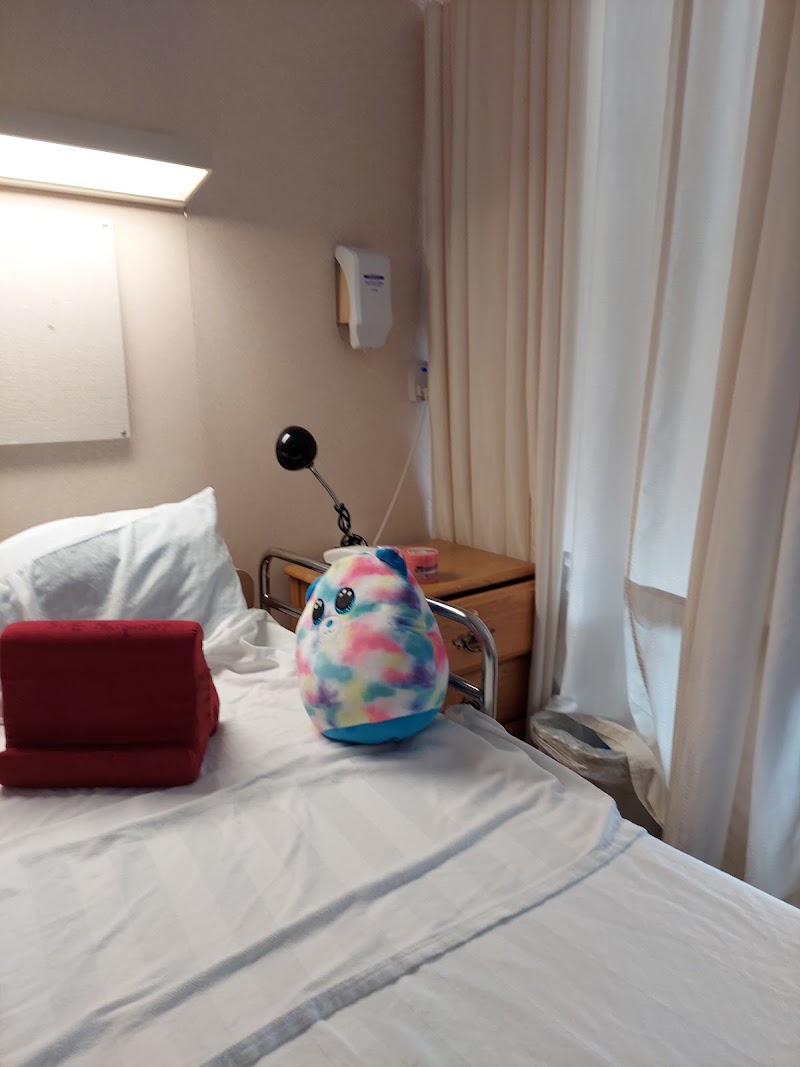
How is Oakwood Rehab And Nursing Center Staffed?

CMS rates Oakwood Rehab and Nursing Center's staffing level at 2 out of 5 stars, which is below average compared to other nursing homes. Staff turnover is 62%, which is 16 percentage points above the Illinois average of 46%. High turnover can affect care consistency as new staff learn residents' individual needs.

What Have Inspectors Found at Oakwood Rehab And Nursing Center?

State health inspectors documented 50 deficiencies at Oakwood Rehab and Nursing Center during 2023 to 2025. These included: 3 that caused actual resident harm and 47 with potential for harm. Deficiencies causing actual harm indicate documented cases where residents experienced negative health consequences.
Who Owns and Operates Oakwood Rehab And Nursing Center?

Oakwood Rehab and Nursing Center is owned by a for-profit company. For-profit facilities operate as businesses with obligations to shareholders or private owners. The facility is operated by ATIED ASSOCIATES, a chain that manages multiple nursing homes. With 149 certified beds and approximately 73 residents (about 49% occupancy), it is a mid-sized facility located in WESTMONT, Illinois.

How Does Oakwood Rehab And Nursing Center Compare to Other Illinois Nursing Homes?

Compared to the 100 nursing homes in Illinois, Oakwood Rehab and Nursing Center's overall rating (1 stars) is below the state average of 2.5, staff turnover (62%) is significantly higher than the state average of 46%, and health inspection rating (2 stars) is below the national benchmark.

What Should Families Ask When Visiting Oakwood Rehab And Nursing Center?

Based on this facility's data, families visiting should ask: "What safeguards and monitoring systems are in place to protect residents from abuse or neglect?" "How do you ensure continuity of care given staff turnover, and what is your staff retention strategy?" "Can you walk me through typical staffing levels on day, evening, and night shifts?" "Can I visit during a mealtime to observe dining assistance and food quality?" These questions are particularly relevant given the substantiated abuse finding on record, the facility's high staff turnover rate, and the below-average staffing rating.

Is Oakwood Rehab And Nursing Center Safe?

Based on CMS inspection data, Oakwood Rehab and Nursing Center has documented safety concerns. The facility has 1 substantiated abuse finding (meaning confirmed case of resident harm by staff or other residents). The facility has a 1-star overall rating and ranks #100 of 100 nursing homes in Illinois. Families considering this facility should ask detailed questions about what corrective actions have been taken since these incidents.

Do Nurses at Oakwood Rehab And Nursing Center Stick Around?

Staff turnover at Oakwood Rehab and Nursing Center is high. At 62%, the facility is 16 percentage points above the Illinois average of 46%. High turnover means new staff may not know residents' individual needs, medications, or preferences. It can also be disorienting for residents, especially those with dementia who rely on familiar faces. Families should ask: What is causing the turnover? What retention programs are in place? How do you ensure care continuity during staff transitions?

Was Oakwood Rehab And Nursing Center Ever Fined?

Oakwood Rehab and Nursing Center has been fined $47,343 across 2 penalty actions. The Illinois average is $33,552. While any fine indicates a compliance issue, fines under $50,000 are relatively common and typically reflect isolated problems that were subsequently corrected. Families should ask what specific issues led to these fines and confirm they've been resolved.

Is Oakwood Rehab And Nursing Center on Any Federal Watch List?

Oakwood Rehab and Nursing Center is not on any federal watch list. The most significant is the Special Focus Facility (SFF) program, which identifies the bottom 1% of nursing homes nationally based on persistent, serious quality problems. Not being on this list means the facility has avoided the pattern of deficiencies that triggers enhanced federal oversight. This is a positive indicator, though families should still review the facility's inspection history directly.