WHEATON VILLAGE NRSG & RHB CTR
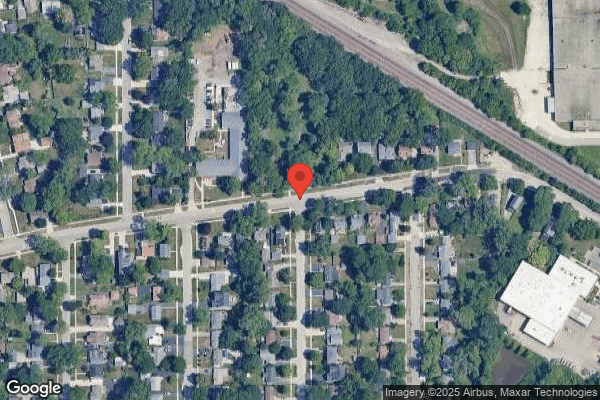
1325 MANCHESTER ROAD, WHEATON, IL 60187 (630) 668-2500
For profit - Limited Liability company 123 Beds ATIED ASSOCIATES Data: November 2025
Trust Grade
65/100
#196 of 665 in IL
Last Inspection: November 2024

Within standard 12-15 month inspection cycle. Federal law requires annual inspections.

Overview

Wheaton Village Nursing and Rehabilitation Center has a Trust Grade of C+, indicating a decent performance that is slightly above average. It ranks #196 out of 665 facilities in Illinois, placing it in the top half, and #16 out of 38 in Du Page County, meaning there are only a few better local options. The facility is on an improving trend, with issues decreasing from 13 in 2023 to 12 in 2024. Staffing is a concern with a 2/5 rating, though the turnover rate is good at 30%, which is well below the state average. Notably, the facility has not incurred any fines, suggesting compliance with regulations, and has higher RN coverage than 77% of facilities in Illinois, which is beneficial for resident care. However, there are some significant concerns. For example, a resident with multiple health issues remained in bed all day after reporting pain, indicating a lack of timely attention to their needs. Additionally, the facility was found to have issues with food safety and serving proper portion sizes, which could affect the quality of care provided. While the facility has strengths in RN coverage and a relatively low turnover, these incidents highlight areas that need improvement.

Trust Score
C+
65/100
In Illinois
#196/665
Top 29%
Safety Record
Moderate
Needs review
Inspections
Getting Better
13 → 12 violations
Staff Stability
○ Average
30% turnover. Near Illinois's 48% average. Typical for the industry.
Penalties
✓ Good
No fines on record. Clean compliance history, better than most Illinois facilities.
Skilled Nurses
○ Average
Each resident gets 37 minutes of Registered Nurse (RN) attention daily — about average for Illinois. RNs are the most trained staff who monitor for health changes.
Violations
⚠ Watch
30 deficiencies on record. Higher than average. Multiple issues found across inspections.
★★★★☆
4.0
Overall Rating
★★☆☆☆
2.0
Staff Levels
★★☆☆☆
2.0
Care Quality
★★★★☆
4.0
Inspection Score
Stable
2023: 13 issues
2024: 12 issues

The Good

  • Full Sprinkler Coverage · Fire safety systems throughout facility
  • No fines on record
  • Staff turnover below average (30%)

    18 points below Illinois average of 48%

Facility shows strength in fire safety.

The Bad

Staff Turnover: 30%

16pts below Illinois avg (46%)

Typical for the industry

Chain: ATIED ASSOCIATES

Part of a multi-facility chain

Ask about local staffing decisions and management

The Ugly 30 deficiencies on record

1 actual harm
Nov 2024 9 deficiencies
CONCERN (D)

Potential for Harm - no one hurt, but risky conditions existed

Transfer Notice (Tag F0623)

Could have caused harm · This affected 1 resident

**NOTE- TERMS IN BRACKETS HAVE BEEN EDITED TO PROTECT CONFIDENTIALITY** Based on interview and record review, the facility failed to notify the resident/resident's representative of the reason for the...

Read full inspector narrative →
**NOTE- TERMS IN BRACKETS HAVE BEEN EDITED TO PROTECT CONFIDENTIALITY** Based on interview and record review, the facility failed to notify the resident/resident's representative of the reason for the discharge in writing. The facility also failed to send a copy of the notice to the Ombudsman. This applies to 2 of 2 (R51, R73) residents reviewed for discharge in a sample of 23. The findings include: 1. R73's Face Sheet documents R73 was admitted to facility on 9/16/2024. Diagnoses includes spinal stenosis, Alzheimer's Disease, Type II Diabetes Mellitus, chronic kidney disease, atrial fibrillation, and benign prostatic hyperplasia. R73's Progress Notes dated 10/27/2024 at 3:08 PM documented R73 was observed to be very weak, not responding to verbal stimuli and had a sudden change of mental status. Progress Notes dated 10/27/2024 at 3:29 PM documented R73 was sent to a local hospital in an ambulance. Progress Notes written on 10/27/2024 at 9:48 PM documented R73 was admitted for diagnoses of dehydration and urinary tract infection. On 10/30/2024 at 11:40 AM, V1 (Administrator) said facility does not notify the resident and resident's representative in writing of the reason for the transfer/discharge to the hospital. V1 said they also do not send a copy of the notice to the ombudsman. No notification of discharge with reason for discharge was found in R73's medical records. Facility was not able to show proof the Ombudsman was notified of R73's discharge during the duration of the survey. The facility does not have a policy addressing written discharge notification for resident/resident representative and informing ombudsman of the discharge. 2. The Electronic Medical Records (EMR) records of R51 showed diagnoses included end-stage renal failure dependent on dialysis, chronic anemia, moderate protein-calorie malnutrition, cirrhosis of the liver, and hypertensive cardiac diseases. The current Minimum Data Set, dated [DATE] indicated R51 is cognitively intact. On 10/30/2024at 1:30 PM, R51 said she went to the hospital multiple times and doesn't recall receiving a notice during transfer to the hospital. The progress report review for R51 showed R1 had multiple hospitalizations related to chronic anemia and received blood transfusions, the most recent ones being on 10/02/2024 and 10/23/2024. The clinical records did not provide a copy of the notice in writing to R51 and the Ombudsman. On 10/31/2024 at 11:30 AM, V1(Administrator) and V2 (Director of Nursing) said the facility does not practice providing a copy of the notice in writing to residents, family, and the Ombudsman. The facility policy titled Discharge Summary and Plan with no date did not address notice before discharge to resident, representative and informing the Ombudsman after discharge to the hospital.
CONCERN (D)

Potential for Harm - no one hurt, but risky conditions existed

Deficiency F0625 (Tag F0625)

Could have caused harm · This affected 1 resident

**NOTE- TERMS IN BRACKETS HAVE BEEN EDITED TO PROTECT CONFIDENTIALITY** Based on interview and record review, the facility failed to provide bed hold policy in writing to resident/resident's represent...

Read full inspector narrative →
**NOTE- TERMS IN BRACKETS HAVE BEEN EDITED TO PROTECT CONFIDENTIALITY** Based on interview and record review, the facility failed to provide bed hold policy in writing to resident/resident's representative upon their transfer to the hospital. This applies to 2 of 2 (R51, R73) residents reviewed for discharge in a sample of 23. The findings include: 1. R73's Face Sheet documents R73 was admitted to facility on 9/16/2024. Diagnoses includes spinal stenosis, Alzheimer's Disease, Type II Diabetes Mellitus, chronic kidney disease, atrial fibrillation, and benign prostatic hyperplasia. R73's Progress Notes dated 10/27/2024 at 3:08 PM documented R73 was observed to be very weak, not responding to verbal stimuli and had a sudden change of mental status. Progress Notes dated 10/27/2024 at 3:29 PM documented R73 was sent to a local hospital in an ambulance. Progress Notes written on 10/27/2024 at 9:48 PM documented R73 was admitted for diagnoses of dehydration and urinary tract infection. On 10/31/2024 at 1:00 PM, V2 (DON-Director of Nursing) said the facility forgot to give R73's representative the bed hold notice upon his discharge to the hospital. V2 said he is aware bed hold notice should be given to residents/resident representatives when they are transferred to the hospital. No documentation of bed hold notice being given to R73 or his representative prior to his transfer to hospital on [DATE] was found in his medical records. Facility's Bed Hold and readmission Policy dated November 2016 stated the following: .Standards: 1. Residents or their designated representative, shall be informed of this policy at the time of admission and at the time of transfer to a hospital, or for therapeutic leave which extends beyond 24 hours. The facility provides written notification at the time of transfer as included in the designated state form. The notice to the resident or their representative will specify the facility's policy, the duration of the state hold policy and the reserve bed payment policy. 2. The clinical records of R51 showed diagnoses included end-stage renal failure dependent on dialysis, chronic anemia, moderate protein-calorie malnutrition, cirrhosis of the liver, and hypertensive cardiac diseases. The current Minimum Data Set, dated [DATE] indicated R51 is cognitively intact. On 10/30/2024at 1:30 PM, R51 said she went to the hospital multiple times and didn't recall receiving a notice upon discharge to the hospital. The progress report review for R51 showed R1 had multiple hospitalizations related to chronic anemia and received blood transfusions, the most recent ones being on 10/02/2024 and 10/23/2024. The clinical records lacked the documentation of providing R51 and the Ombudsman with written notice to be aware of a facility's bed-hold and reserve bed payment policy to R51 before and Ombudsman upon transfer to a hospital. On 10/31/2024 at 11:30 AM, V1(Administrator) and V2 (Director of Nursing) said the facility does not practice providing a copy of the notice in writing to residents, family, and the Ombudsman. The policy titled bed hold and readmission policy, dated 11/2026 in parts standards #1, states the facility provides written notification to the resident or their representative at the time of the transfer.
CONCERN (D)

Potential for Harm - no one hurt, but risky conditions existed

ADL Care (Tag F0677)

Could have caused harm · This affected 1 resident

**NOTE- TERMS IN BRACKETS HAVE BEEN EDITED TO PROTECT CONFIDENTIALITY** Based on observation, interview, and record review, the facility failed to provide nail care for residents dependent on staff. T...

Read full inspector narrative →
**NOTE- TERMS IN BRACKETS HAVE BEEN EDITED TO PROTECT CONFIDENTIALITY** Based on observation, interview, and record review, the facility failed to provide nail care for residents dependent on staff. This applies to 2 of 2 residents (R71, R107) reviewed for ADL (Activities of Daily Living) care in a sample of 23. The findings include: 1. On October 29, 2024 at 10:35 AM, R71 had nails on his hands that were about a quarter of an inch long and jagged. R71 said he had been asking the staff to cut his nails for months and they had not done it, saying they would get back to him, but never did. R71 said he had arthritis, and it was hard to cut them and was the reason he asked for help from the staff. On October 31, 2024 at 10:46 AM, R71 said he had never had his nails cut since being admitted to the facility. R71 said he would see other residents have their nails cut and would ask why it was not done for him. R71 said it was not easy for him to cut his nails and he needed help. R71's face sheet showed he was admitted to the facility with diagnoses including chronic pain, rheumatoid arthritis, chronic gout, and primary osteoarthritis. R71's MDS (Minimum Data Set) dated October 11, 2024 showed R71 was cognitively intact needed substantial assistance for personal hygiene. R71's care plan dated March 8, 2024 showed R71 is limited in ability to groom self [related to] decreased mobility and endurance and requires a restorative grooming program. 2. On October 29, 2024 at 10:28 AM, R107 had fingernails on both hands which were one inch long. R107 said she had arthritis in both her hands. On October 31, 2024 at 10:55 AM, R107's fingernails were still one inch long. R107 said she did not like the length of her nails and preferred them shorter. R107 said she needed help to cut her nails since she had arthritis and was unable to do it herself. R107 said she could not remember the last time the staff had cut her nails. R107's face sheet showed she was admitted to the facility with diagnoses including schizoaffective disorder, depression, unilateral primary osteoarthritis, and anxiety disorder. R107's MDS dated [DATE] showed R107 was cognitively intact and needed substantial assistance from staff for personal hygiene. On October 31, 2024 at 12:47 PM, V11 (CNA/Certified Nurse Assistant) said she was the CNA for R71 and R107 and had never done nail care for either resident. V11 said the residents' nails should be short to prevent them from being dirty and reduced the risk of infection. On October 31, 2024 at 12:52 PM, V10 (CNA) said R71 and R107 both needed help with personal hygiene and were unable to cut their own nails. V10 said the CNAs are the ones who cut the residents' nails on shower days. V10 said the staff should cut their nails if they see the nails are long or if the resident asked. V10 said if a resident refused to have their nails cut, the CNA should notify the nurse so they can document accordingly. On October 31, 2024 at 12:57 PM, V12 (RN/Registered Nurse) said the CNAs usually cut the residents' nails and if they are unable to, would let the nurses know. V12 said the nails should be cut short as it could grow fungus, have infections, or collect dirt. On October 31, 2024 at 1:33 PM, V2 (DON/Director of Nursing) said the CNAs were responsible for cutting the residents' nails. V2 said nail care was done as needed, typically on shower or spa days. V2 said nails should be cut short to prevent scratching, inadvertently hurting themselves, and could also accumulate dirt under them. The facility's Nail Care Guideline policy dated February 2023 showed nail care includes routine cleaning and regular trimming. Proper nail care can aid in the prevention of skin problems around the nail bed. Trimmed and smooth nails prevent the resident from accidentally scratching and injuring his or her skin. The facility's undated Activities of Daily Living policy showed A resident who is unable to carry out activities of daily living will receive the necessary services to maintain good nutrition, grooming, and personal and oral hygiene.
CONCERN (D)

Potential for Harm - no one hurt, but risky conditions existed

Respiratory Care (Tag F0695)

Could have caused harm · This affected 1 resident

**NOTE- TERMS IN BRACKETS HAVE BEEN EDITED TO PROTECT CONFIDENTIALITY** Based on Observation, Interview and Record Review the facility failed to ensure resident received respiratory care and services ...

Read full inspector narrative →
**NOTE- TERMS IN BRACKETS HAVE BEEN EDITED TO PROTECT CONFIDENTIALITY** Based on Observation, Interview and Record Review the facility failed to ensure resident received respiratory care and services in accordance with professional standards of practice for 3 of 3 residents (R2, R33 and R95) reviewed for respiratory therapy in the sample of 23. Findings include: 1. On 10/29/24 at 11:59 AM, R2 was sitting on his wheelchair next to his bed. Using Oxygen at 4 lpm (Liters per minute) via nasal cannula. On 10/30/24 at 9:47 AM, R2's nasal cannula was noted on the floor near the bathroom and R2 was not in the room. The floor in R2's room was dirty, dusty and was noted with used tissue paper and food debris lying around. On 10/30/24 at 10:25 AM, observed R2 wheeled himself into the room on his wheelchair, pick up the nasal cannula from the floor and apply it into his nostrils. On 10/31/24 at 12:17 PM, V12 (RN) stated, R2 has an order for oxygen at 2 lpm as needed, but he is using it all the time. V12 (RN) stated, he witnessed multiple times that R2 leaves the nasal cannula on the bed when not in use. V12 (RN) stated, he should have educated R2 that the canula must be bagged when not in use. The cannula should not be re-used once it has fallen on the floor as the floor is not clean and will cause infection. V12 (RN) stated, when not in use, nasal cannula must be placed in a plastic bag. R2's face-sheet showed R2 was admitted on [DATE] with diagnoses to include Chronic Obstructive Pulmonary Disease and Schizoaffective Disorder. R2's Physicians orders for October 2024 showed, 'May administer 2-5 liters oxygen via nasal cannula as needed to titrate SPO2 >90%. R2's Care Plan dated 10/16/24 addressed his need for oxygen. 2. On 10/29/24 at 11:45 AM, R33 had a CPAP (Continuous Positive Airway Pressure) machine on her bedside table and the oxygen tubing was located on the floor under her bed. R33 stated, she uses the machine every night and demonstrated how. The floor in R33's room was dirty, dusty and had old food debris. R33's face-sheet showed R33 was admitted on [DATE] with diagnoses to include Dementia, Obstructive Sleep Apnea and Diabetes Mellitus. R33's Physicians orders for October 2024 included using CPAP at bedtime and remove in the morning. Care Plan dated 8/29/24 addressed R33's Sleep Apnea and use of CPAP machine. 3. On 10/29/24 at12:12 PM R95 stated, she uses CPAP at night. R95 pulled out her CPAP machine from the dresser drawer from among her clothing with the mask not bagged. On 10/31/24 at 12:35 PM, V12 (RN) verified that R95's CPAP machine, tubing and mask were located in R95's dresser along with her clothing. The mask was noted to be unbagged. V12 (RN) stated it was not right to leave the CPAP mask unbagged among her clothes in the dresser as it will catch dust and fiber particles. R95's Face-sheet showed R95 was admitted on [DATE] with diagnoses to include Asthma, Heart Failure, Depression and Obstructive Sleep Apnea. R95's Physicians orders for October 2024 included using CPAP at bedtime and remove in the morning, as needed. Care Plan dated 10/08/24 addressed R33's Sleep Apnea and use of CPAP machine. On 10/31/24 at 01:06 PM V2 (DON-Director of Nursing) stated, ideally nasal cannula should be bagged in a plastic bag when not in use. If the RN sees the canula on the floor, she should replace it. If the CNA (Certified Nursing Assistant) sees it on the floor, she should notify the nurse about it. Cannulas, masks & tubing for respiratory treatments should be bagged when not in use to prevent contamination and potential infection. Policy on Oxygen Administration revised March 2004 did not include it's 'infection control' aspect.
CONCERN (E)

Potential for Harm - no one hurt, but risky conditions existed

Deficiency F0558 (Tag F0558)

Could have caused harm · This affected multiple residents

**NOTE- TERMS IN BRACKETS HAVE BEEN EDITED TO PROTECT CONFIDENTIALITY** Based on observation, interview and record review, the facility failed to provide access to resident call system to obtain neede...

Read full inspector narrative →
**NOTE- TERMS IN BRACKETS HAVE BEEN EDITED TO PROTECT CONFIDENTIALITY** Based on observation, interview and record review, the facility failed to provide access to resident call system to obtain needed assistance. This applies to 5 of 5 (R2, R9, R35, R37, R67) residents reviewed for call lights in the sample of 23. Findings include: 1. On 10/30/24 at 10:25 AM, R2 was sitting on his wheelchair resting. Observed R2's call light was on the floor next to the dresser entangled among his guitars. R2 stated he cannot reach the call light. On 10/30/24 at 10:30 AM, V14 (CNA-Certified Nursing Assistant) made the bed for R2 and did not ensure the call light was within R2's reach. R2's Minimum Data Set (MDS) dated [DATE] showed he is cognitively intact and needs extensive assist for ADLs (activities of daily living). 2. R9 was observed on 10/29/24 at 11:00 AM. R9 had no call light. R9 confirmed she did not have a call light. On 10/30/24 at 9:11 AM, R9 had no call light. V14 (CNA) verified R9 did not have a call light. On 10/31/24 at 12:20 PM, V12 (RN-Registered Nurse) also verified R9 did not have a call light. R9's Minimum Data Set (MDS) dated [DATE] showed she is cognitively intact and needs extensive assist for ADLs. Progress Notes dated 10/23/2024 at 3:08 PM showed R9 can communicate her needs to staff and is able to use call lights for staff assistance. Progress Notes dated 07/23/2024 at 11:24 AM showed, R9 can communicate her needs to staff and is able to use call light for staff assistance. 3. On 10/29/24 at 12:35 PM, R35 was sitting on his bed and verbally calling out for help five times. R35 was noted not to have a call light. On 10/30/24 at 9:10 AM, R35 was sitting in a chair next to his bed. R35 did not have a call light. On 10/31/24 at 12:11 PM, V12 (RN) stated, R35 can use a call light if he had one. R35's MDS dated [DATE] showed he had moderate cognitive impairment and needs extensive assist for ADLs. Progress Notes dated 10/23/2024 at 3:08 PM showed R9 can communicate her needs to staff and is able to use call lights for staff assistance. 4. On 10/29/24 at 12:30 PM, R37 had no call light. R37 stated he did not know where his call light was. On 10/30/24 at 9:00 AM, R37 had no call light. R37 stated, he doesn't know how he would call for assistance. On 10/31/24 at 12:09 PM, V13 (RN) verified, R37's call light was behind the dresser, and he is able to use call light appropriately. R37's MDS dated [DATE] showed he had no cognitive impairment and needs extensive assist for ADLs. 5. On 10/29/24 at 11:31 AM, R67 was lying in her bed. R67's call light was lying under the bed. R67 stated she did not know where her call light was. On 10/30/24 at 9:40 AM, observed R67's call light was lying under her bed. On 10/31/24 at 12:19 PM, V12 (RN) verified R67's call light was lying under her bed. R67's MDS dated [DATE] showed she had no cognitive impairment and needs moderate assist for ADLs. Progress Notes dated 08/09/2024 at 04:28 PM showed R67 can communicate her needs to staff and is able to use call lights for staff assistance. On 10/31/24 at 01:15 PM, V2 (DON-Director of Nursing) stated everyone should have a call light to ensure they have access to help. Policy on 'Answering the Call Light' revised on August 2008 showed, ' Call lights must be accessible to residents from their bed, bathroom, shower or other position accommodations.
CONCERN (E)

Potential for Harm - no one hurt, but risky conditions existed

Deficiency F0761 (Tag F0761)

Could have caused harm · This affected multiple residents

**NOTE- TERMS IN BRACKETS HAVE BEEN EDITED TO PROTECT CONFIDENTIALITY** Based on observation, interview, and record review, the facility failed to properly store medications for residents who were not...

Read full inspector narrative →
**NOTE- TERMS IN BRACKETS HAVE BEEN EDITED TO PROTECT CONFIDENTIALITY** Based on observation, interview, and record review, the facility failed to properly store medications for residents who were not assessed or had orders to self-medicate or store medications at the bedside. This applies to 5 of 5 residents (R65, R94, R98, R14, R44) reviewed for medication storage in a sample of 23. The findings include: 1. On October 30, 2024 at 9:43 AM, R65's dresser had a medication cup with her name written on it and a pale, orange pill inside the cup. The pill had the letters TEVA- 5728, which was Famotidine 20 mg (Milligrams). R65 was not in the room, but her roommate was. R65's face sheet showed she was admitted to the facility with diagnoses including rheumatoid arthritis, paranoid schizophrenia, arthritis, anxiety disorder, borderline personality disorder, and heart disease. R65's POS (Physician Order Sheet) showed an order for Famotidine 20 mg once a day at 6 AM. R65's POS did not show an order to keep medications at bedside. R65's MDS (Minimum Data Set) dated January 11, 2024 showed R65 was cognitively intact. The facility was unable to provide an assessment form to show R65 was evaluated to self-administer medications or to store medications at bedside. 2. On October 29, 2024 at 11:33 AM, during initial tour, R94's bedside table had three bottles of Flonase 50 mcg (Micrograms). On October 30, 2024 at 9:41 AM, R94 still had three bottles of Flonase on her bedside table. R94 said she had been taking the Flonase every morning by administering one spray in each nostril. R94's face sheet showed she was admitted to the facility with diagnoses including bipolar disorder, major depressive disorder, anxiety disorder, tremor, borderline personality disorder, carpal tunnel syndrome in bilateral upper limbs, chronic pain syndrome, chronic rhinitis, and abnormalities of gait and mobility. R94's MDS dated [DATE] showed R94 was cognitively intact. The facility was unable to provide an assessment form to show R65 was evaluated to self-administer medications or to store medications at bedside. R94's POS shows an order for Flonase Allergy Relief 50 mcg/actuation; 1 spray in each nostril once a day 8 AM, which started on April 5, 2024 and was discontinued on October 30, 2024 (during the survey). The POS showed a new order, which was started October 30, 2024 for Flonase Allergy Relief 50 mcg/actuation; May keep at bedside and self-administer. R94's care plan dated October 31, 2024 showed [R94] can self-administer medication: Flonase. Resident wants to self-administer medication. R94's care plan dated July 15, 2024 showed Upon admission, hospital record indicates that family believes [R94] would intentionally and unintentionally take the wrong medications. [R94] does not recall such events. On October 31, 2024 at 10:59 AM, V13 (RN/Registered Nurse) said she worked on October 30, 2024 starting from 6:30 AM. V13 said the night shift pulled the 6 AM medications, and the nurse who worked on October 30, 2024 until 6 AM was an agency nurse. V13 said she had not seen the pill on the side dresser, as R65 had come to the medication cart for her morning medications and was not sure if R65 took her medication or not. V13 said she went to R65's room around lunchtime, and the medication was not there. V13 said R65 was not allowed to have medications at the bedside. V13 said when the nurses were doing medication administration, they had to make sure the resident takes all the medication and to assess if they swallowed the medication or not. At 11:28 AM, V13 said R94 was allowed to keep her Flonase at bedside as of October 30, 2024 (during the survey). V13 said the medications should be locked as there was a potential for another resident walking in and grabbing the medications. On October 31, 2024 at 11:08 AM, V12 (RN) said none of the residents should have medications left at the bedside. V12 said the nurses should watch the resident take and swallow the medications, as some of the residents were known to pocket the medications. V12 said the medications should be kept locked in the medication cart. V12 said the residents were allowed to administer their medications themselves but had to be supervised by the nurse. On October 31, 2024 at 11:10 AM, V9 (RN) said some of the residents were allowed to self-administer medications, but an observation with an assessment needed to be completed first. V9 said the doctor needed to put an order in. V9 said both these steps needed to be done prior to the resident being allowed to self-administer or store the medications at bedside. V9 said the nurses never keep the pills at the bedside when they passed medications. V9 said the staff should make sure the residents swallow the pill as there are residents who pocket their pills. V9 said they do tongue checks if the resident was known to pocket their pills. On October 31, 2024 at 12:29 PM, V2 (DON/Director of Nursing) said if a resident expressed that they wanted to keep their medications at bedside, they needed a doctor's order and an assessment to evaluate if the resident was cognitively able to keep medications at bedside. V2 said the assessment form would evaluate whether they were able to self-administer, as well as store medications. V2 said if the resident was allowed to store their medications at bedside, it should ideally be locked up or inside a drawer. V2 said if it was left out, another unattended resident could come and take the medications. V2 said if a resident was allowed to keep medications at bedside, they also would not need to have multiple containers/bottles of the same medication. V2 said it was his expectation the nurses made sure the resident took their medications by asking them and staying to watch the resident take the medication. V2 said if the nurse left the medication unattended, another resident could see a pill and take it. 3. On 10/29/24 at 12:35 PM, R98 was noted with Breztri 160mcg (micrograms)/9mcg/4.8mcg inhaler on his bedside table. R98 said he takes two puffs every morning and if he is having a bad day he will use the inhaler again at night. R98's MDS (Minimum Data Set) dated 9/19/24 shows his cognition is intact. R98's POS (Physician Order Set) shows an order dated 2/23/24 Breztri Aerosphere aerosol inhaler 160-9-4.8 mcg/actuation 2 puffs twice a day at 8AM and 4PM. R98's POS does not show a physician order that he can self-administer medications or store medications at his bedside. R98's Care Plan dated 1/4/24 shows he has potential for impaired gas exchange secondary to diagnosis of COPD (Chronic Obstructive Pulmonary Disease) and interventions include provide inhalation meds and/or inhalation treatment as ordered. R98's Care Plan does not say he self-administer medications or store medications at his bedside. 4. On 10/29/24 at 12:28 PM, a tube of prescription ketoconazole cream was seen on the bedside table of R14. On 10/31/24 at 11:14 AM, the tube of ketoconazole cream was again seen on the bedside table of R14. R14 was not in her room, and at 11:17 AM, R14 was found sleeping with her head down on the table in the dining room of the basement. Staff woke up R14, but surveyor was unable to interview R14 about the ketoconazole cream before she fell right back to sleep. R14's POS shows an order dated 8/14/24 ketoconazole cream 2% thin layer topical to lips as needed for flare. R14's POS does not show a physician order that she can self-administer medications or store medications at her bedside. R14's Care Plan does not say she can self-administer medications or store medications at her bedside. On 10/31/24 at 11:19 AM, V8 (LPN/Licensed Practical Nurse) said none of the residents can keep their medications at their bedside, and the nurses have to give all residents their medications. V8 said the ketoconazole cream should not be kept at the bedside of R14. V8 said the ketoconazole cream should be given to R14 in a small cup when she requests it, and she should be observed when she puts it on her lips. V8 said all medications should be kept in the nurse's locked medication cart for resident safety because they have a lot of wandering residents and residents with dementia that it is unsafe to keep medications out in the open. V8 said R98 can administer his inhalers himself in the presence of the nurse. V8 said R98's inhalers need to be kept locked in the nurse's medication cart and not at his bedside, for the safety of all residents. On 10/31/24 at 2:17 PM, V2 (DON) said both R98 and R14 are not able to have medications stored at their bedside. 5. On 10/29/24 at 10:554 AM, 10/30/24 at 9:30 AM and 10/31/24 at 9:20 AM, there was Nystatin Powder on R44's nightstand. The Nystatin Powder was labeled and showed to apply to abdominal folds once a day on Monday, Wednesday, and Fridays. The Nystatin Powder did not have a cap on and was uncovered. R44 said she applies the powder on her abdominal fold whenever she feels itchy. R44 said she uses the powder multiple times in a day. An unlabeled eye drop named Polyethylene Glycol 400%; Tetrahydrozoline Hydrochloride 0.05 % lubricant was observed on her bed side table. R44 said she administers the eye drop herself twice a day. She said facility provides the eye drops. On 10/31/24 at 9:20 AM, V9 (RN) said R44 does not have an order for medications to stay at her bedside or to self-administer medication. V9 said it is important to make sure that medication is properly stored because it can pose as danger to the resident and/or her roommate. She said powder might spill on the floor and resident might slip and fall. The powder was also uncovered, she said it is an infection control issue. On 10/31/24 at 1:00 PM, V2 (DON-Director of Nursing) said if medication is left at the bedside and not stored properly, there will be a safety concern especially if resident is not able to manage medication appropriately. R44 was admitted to the facility on [DATE]. R44's face Sheet documents diagnoses of schizoaffective disorder, hypertensive heart disease, Type II Diabetes Mellitus, morbid obesity, and hyperlipidemia. MDS (Minimum Data Sheet) dated 9/13/24 documents she requires partial/moderate assist with personal hygiene and shower/bathe self. Review of R44's POS (Physician Order Sheet) showed there was no order for R44 to have medication by the bedside and to self-administer medication. During survey, on 10/31/2024 at 9:57 AM, facility obtained order for eye drop to stay at the bedside and may self-administer with supervision. Facility's Policy on Self-Administration of Medications dated 10/25/2014 stated the following: Procedures: A. If the resident desires to self-administer medications, an assessment is conducted by the Interdisciplinary team of the resident's cognitive (including orientation to time), physical and visual ability to carry out this responsibility during the care planning process.C.5) The resident is asked to complete a bedside record indicating the administration of the medication (if bedside storage is to be used). E. If the resident demonstrates the ability to safely self-administer medications, a further assessment of the safety of bedside medication storage is conducted. F. Bedside medication storage is permitted only when it does not present a risk to confused residents who wander into rooms of, or room with, residents who self-administer. Conditions outlined in ID3: BEDSIDE MEDICATION STORAGE are met for bedside storage to occur. Facility's Policy on Bedside Medication Storage dated 10/25/2014 stated the following: .Policy: Bedside medication storage is permitted for residents who wish to self-administer medications, upon the written order of the prescriber and once self-administration skills have been assessed and deemed appropriate in the judgement of the facility's interdisciplinary resident assessment team.Procedures: A. A written order for the bedside storage of medication is present in the resident's medical record. B. Bedside storage of medications is indicated on the resident medication administration record (MAR) and in the care plan for the appropriate medications.C.1) The manner of storage prevents access by other residents.
CONCERN (F)

Potential for Harm - no one hurt, but risky conditions existed

Food Safety (Tag F0812)

Could have caused harm · This affected most or all residents

Based on observation, interview, and record review, the facility failed to properly label/date/store/discard items, ensure the dishwasher was functioning, dispose of garbage, and maintain proper level...

Read full inspector narrative →
Based on observation, interview, and record review, the facility failed to properly label/date/store/discard items, ensure the dishwasher was functioning, dispose of garbage, and maintain proper levels of chlorine in the dishwasher and quaternary in sanitizer buckets. This applies to all residents that receive oral nutrition and foods prepared in the facility kitchen. Findings include: The facility's Long-Term Care Facility Application for Medicare and Medicaid (Form CMS-Centers for Medicare and Medicaid Services-671) dated 10/29/24 documents that the total census was 110 residents. On 10/29/24 at 11:16 AM, V4 (Dietary Manager) said all residents eat from the facility kitchen; there are no NPO (Nothing by Mouth) residents. On 10/29/24 starting at 9:59 AM, the facility kitchen was toured in the presence of V4 (Dietary Manager) and the following was observed: Kitchen low temperature dishwasher: 1. On 10/29/24 at 10:35 AM, V4 tested the chlorine level of the low temperature dishwasher with strip that showed low reading between 10-50ppm (parts per million). During this time, V5 (Dietary Aide/Dish washer) was using the dishwasher to wash dishes. V4 did not tell V5 to stop washing dishes. At 10:44 AM, V5 (Dietary Aide) pointed out to V4 (Dietary Manager) the red tube coming from the dishwasher labeled detergent was broken/split/completely detached from the dishwasher. At 10:47 AM, V5 (Dietary Aide) said he noticed the red tubing to the dishwasher was broken earlier in the day. At 10/29/24 at 11:07 AM, V5 was observed still using the dishwasher to clean dishes in the kitchen. At 11:10 AM, while surveyor and V4 (Dietary Manager) were leaving the kitchen together, V5 was still using the dishwasher to clean dishes. At this time, surveyor asked V4 (Dietary Manager) if V5 (Dietary Aide) should still be using the dishwasher to clean dishes with the detergent line not functioning and the chlorine level measuring low. V4 said, No. V4 instructed V5 to use the 3 compartment sink to wash the dishes. 2. On 10/29/24 at 10:48 AM, V4 tested with strip the quaternary level of V6's (Cook) sanitizer bucket in the kitchen and received a low reading between 0-100ppm. V6 said she had been using the sanitizer bucket to clean in the kitchen. 3. On 10/29/24 at 10:28 AM, the thermometer on the outside of the milk cooler showed a reading of 49 degrees Fahrenheit (F). There was a numerous amount of 4 ounce cartons of milk inside the cooler and no thermometer inside the cooler. V4 (Dietary Manager) then removed a 4 ounce 2% milk and tested the temperature with digital thermometer. First 2% milk tested showed a reading of 45 degrees F. A second 2% milk was tested with digital thermometer and showed reading of 43.8 degrees F. V4 said, It is warm in the kitchen, this building is pretty old, it gets to be hot. 4. 8-2 pound cartons of thawed frozen egg product not dated. 5. 11 tomatoes that appear to be rotten/soft with black spots on them. 6. First in, first out method not used to store 2% 5 pound cottage cheese containers. 5 containers with a December expiration date were placed in front of 2 containers with November expiration date. 7. 3-32 ounce bags of raisins expired, with best by date of 10/5/24, bags were noted to be dusty with a white powder on them. 8. A box of 10- 16 ounce bags of sweetened coconut with sell by date of 8/17/24 and delivery date on box of 10/13/23. Bags are sticky and dusty. V4 said these bags need to be discarded and cannot be served to the residents. 9. On 10/29/24 at 10:40 AM 2 large garbage cans were seen uncovered near the dishwasher with visible food debris in cans, appeared to be scrambled eggs. Again, on 10/30/24 upon return to the kitchen at 11:28 AM, 2 large garbage cans were seen uncovered in dishwasher room with food debris inside the cans and on the outer rim of the garbage bag. 10. On 10/30/24 at 11:12 AM, clean plates were stacked in preparation for lunch service and set up on a tray right next to/pushed up against the handwashing sink within splash distance. 11. On 10/31/24 at 11:13 AM small black flies were seen flying in hallway immediately outside the kitchen. On 10/31/24 at 11:02 AM, V4 (Dietary Manager) said all food items in the kitchen are supposed to be labeled and dated to know when they were received, opened, and when the items should be used and/or discarded by. V4 said labeling and dating is important for food safety to prevent food borne illness of the residents. V4 said expired food items should be disposed of by their expiration date to make sure the items are not served to the residents with the potential to cause food borne illness. V4 said food items are supposed to be stored using the first in- first out method to make sure residents are not served expired foods, they are receiving fresh items, and the facility is not wasting food. V4 said the refrigerators/coolers should be holding cold foods at or below 40 degrees F. V4 said hold cold food items stored above 40 degrees can spoil and cause food borne illness of the residents. V4 said V5 (Dietary Aide) should not have been using the dishwasher on 10/29/24 once it was discovered that the detergent tubing was not connected, and the chlorine strips were not showing safe levels. V4 said the dishwasher did not have detergent so the dishwasher was not properly washing the dishes or sanitizing the dishes with the chlorine. V4 said the garbage cans should be covered with lids to prevent flies and food debris from coming out of the garbage cans. V4 said the chlorine strip reading should show 100ppm and the quaternary strips should show 200ppm. The facility provided undated policy titled, Labeling and Dating Foods states, Policy: Prepared and packaged foods will be labeled and rotated to decrease the risk of food borne illnesses, provide the highest quality product for the residents and minimize waste . The facility's policy titled, Labeling and Dating Foods last revised 2017 states, Policy: To decrease the risk of food borne illness and to provide the highest quality, foods is labeled with the date received, the date opened and the date by which the item should be discarded .Procedure: Refrigerated Food: .Refrigerated Potentially Hazardous Food (PHF) or Time/Temperature Controlled for Safety (TCS) foods are labeled with the date received and if not opened, are discarded by the manufacturer's expiration date . The facility provided undated policy titled, Dishwashing Procedure states, Policy: To prevent food borne illness, all dish wares will be cleaned in the dish machine. Policy Specifications: .2. Check chemicals to determine adequate supply. If not, replace .Test strips are available through the food service supervisor. Before dishes are washed, the sanitation temperature or level of chemical sanitizer in the dish machine should be tested with the correct test strip .For chemical sanitizing machines: .The test strip should turn the appropriate color to indicate 50ppm for chlorine. If the test strip does not turn the appropriate color, the above procedure should be repeated. If the test strip does not turn the appropriate color on the second attempt, the dish machine should be evaluated for proper functioning before the dishes are washed . The facility provided undated policy titled, Sanitizing Solution states, Policy: TO prevent food borne illness through cross contamination, sanitizing solution will be made and strategically located throughout the kitchen. Policy specifications: 4. Wiping cloths should be stored in a sanitizing bucket with the following concentrations: Chlorine- 50-100ppm, . Quaternary- 150-400ppm. The facility provided undated policy titled, First In- First Out states, Policy: .Stock not used by the expiration date will be discarded. Policy Specifications: 1. New supplies are placed on the shelf behind the supplies on hand. Products with the earliest expiration date are stored in the front of products with later dates so that the older food is used first. 2. Cans or boxes will be labeled with the delivery date before being placed on shelves. The facility provided undated policy titled, Storage Temperatures states, Policies: Temperatures of food storage areas are monitored, and action is taken to maintain temperatures within ranges recommended by licensing and surveying agencies . Refrigerated Storage: 41 degrees F or below .Each mechanically refrigerated unit storing potentially hazardous food shall be provided with a numerically scaled indicating thermometer . The facility provided undated policy titled, Garbage Disposal states, Policy: Dispose of garbage and refuse properly. Purpose: To prevent odors, minimize breeding places for insects and rodents, and keep service areas clean. Procedure: .3. Use garbage cans that are leak proof, non-absorbent and have tight fitting lids .
MINOR (B)

Minor Issue - procedural, no safety impact

Deficiency F0912 (Tag F0912)

Minor procedural issue · This affected multiple residents

Based on observation, interviews, and record review, the facility failed to provide at least 80 square feet for residents for 12 of 48 resident rooms. This applies to rooms A18, A19, A22, A24, A26, A2...

Read full inspector narrative →
Based on observation, interviews, and record review, the facility failed to provide at least 80 square feet for residents for 12 of 48 resident rooms. This applies to rooms A18, A19, A22, A24, A26, A28, A30, A31, A33, A34, B7 and B8. The findings include: Historical room documentation determined rooms A22, A24, A26, A28, A30, A31, A33, and A34 are set up to provide occupancy for three resident beds each and are undersized, providing 74 square feet. Rooms A18, A19, B7, and B8 are set to provide four residents each have 78 square feet per resident respectively. The facility provided residents with a daily roster dated 10/29/2024, showing undersized rooms occupy 35 of 110 residents. On 10/31/2024 at 11:00 AM, V1(Administrator) said that since its inception, the facility has had the same structure and room sizes, and the facility receives the deficiency during the annual survey every year.
MINOR (B)

Minor Issue - procedural, no safety impact

Deficiency F0916 (Tag F0916)

Minor procedural issue · This affected multiple residents

Based on observations and interviews, the facility failed to have the floor of the resident rooms at the garden or above the ground level. This applies to 36 of the 36 (R1, R4, R6, R7, R11, R14, R15, ...

Read full inspector narrative →
Based on observations and interviews, the facility failed to have the floor of the resident rooms at the garden or above the ground level. This applies to 36 of the 36 (R1, R4, R6, R7, R11, R14, R15, R16, R18, R26, R29, R31, R34, R36, R39, R42, R43, R45, R46, R47, R52, R53, R66, R67, R68, R76, R87, R91, R98, R99, R101, R102, R103, R104, R108) residents reviewed for physical environment. The findings include: Residents rooms B1, B2, B3, B4, B5, B6, B7, B8, B9, B10, B11, B12, B13, and B14 are below the below the garden or ground level. On 10/31/2024 AT 11:00 AM, V1 (Administrator) said since its inception, the facility has had the same structure, and every year, the facility receives the deficiency during the annual survey.
Jul 2024 2 deficiencies
CONCERN (D) 📢 Someone Reported This

A family member, employee, or ombudsman was alarmed enough to file a formal complaint

Potential for Harm - no one hurt, but risky conditions existed

Deficiency F0567 (Tag F0567)

Could have caused harm · This affected 1 resident

Based on interview and record review the facility failed to provide resident trust fund cash to residents within three business days. This applies to 2 of 3 residents (R6 and R7) reviewed for trust fu...

Read full inspector narrative →
Based on interview and record review the facility failed to provide resident trust fund cash to residents within three business days. This applies to 2 of 3 residents (R6 and R7) reviewed for trust funds in a sample of 8. The findings include: 1. On 7/1/24 at 12:40 PM, R6 stated she waited weeks for her requested trust fund cash. R6 stated the facility told her they were waiting for the check to post. R6 stated the delays in receiving requested trust fund cash was ongoing for a few months and R6 was still waiting for her requested money. Resident (R6) Statement, dated 3/29/24 to 7/1/24, shows on 6/6/24 R6 requested $450.00 from her trust fund. Facility check documentation, dated 6/24/24, shows check number 1009 was issued to V1 (Administrator) on 6/24/24 which included R6's requested $450.00 from her trust fund. On 7/1/24 at 3:13 PM, V12 (Activity Aide / Office Assistant) stated the check for resident trust fund cash requests comes in a little late recently. On 7/1/24 at 3:42 PM, V11 (Activities Director) stated R6 requested $450.00 cash from her trust fund on 6/6/24. V11 stated the check for the cash requests arrived at the facility from corporate on 6/25/24. On 7/2/24 at 10:29 AM, V13 (Business Office Manager) stated the check for the trust fund requests on 6/6/24 was cut on 6/24/24 because that was when resident signatures were provided to corporate for the cash withdrawal requests. V13 stated the requests for trust fund cash were transmitted on 6/6/24 but they were transmitted without resident signatures verifying the cash requests. On 7/1/24 at 12:47 PM, V1 (Administrator) stated she received the check for the trust fund withdrawal requests which was stored in the facility safe and needed to be cashed to disburse the money to the residents. 2. On 7/3/24 at 1:30 PM, R7 stated he had waited a long time for his trust fund cash withdrawals. R7 stated, The checks aren't coming! I'm not getting my money! R7 stated he waited a month for his cash withdrawal when the facility changed banks months ago and the process had not improved. R7 stated he was still experiencing a delay in receiving his cash withdrawals from the facility. Facility Resident admission Packet, revised 12/2023, shows, Your Rights and Protections as a Nursing Home Resident - . Manage your money: You have the right to manage your own money or to choose someone to trust to do this for you . The nursing home must allow you access to your bank accounts, cash and other financial records Resident Personal Trust Funds Policy & Procedures, dated 4/15/24, shows, 7. Residents may make deposits or receive funds at the Business Office Monday through Friday during regular business hours or at specific times posted at the facility. A. Withdrawals less than $60.00 will be made immediately. B. For cash on hand and resident safety reasons withdrawals over $60.00 will required 24 hour notice by the resident and the resident may receive a check from the personal funds account. The policy fails to show trust fund withdrawals $100.00 or greater will be honored within three banking days.
CONCERN (D) 📢 Someone Reported This

A family member, employee, or ombudsman was alarmed enough to file a formal complaint

Potential for Harm - no one hurt, but risky conditions existed

Report Alleged Abuse (Tag F0609)

Could have caused harm · This affected 1 resident

Based on interview and record review, the facility failed to report an allegation of abuse per facility policy. This applies to 1 of 3 residents (R1) reviewed for abuse in a sample of 8. The findings...

Read full inspector narrative →
Based on interview and record review, the facility failed to report an allegation of abuse per facility policy. This applies to 1 of 3 residents (R1) reviewed for abuse in a sample of 8. The findings include: On 6/27/24 at 12:48 PM, V14 (CNA - Certified Nursing Assistant) stated on 5/23/24 she reported to V1 that V7 (CNA) told V14 that V7 stated V7 hit R1 in the face, R1 fell back, and R1 hit the bed. V14 stated she also attempted to report the allegation to IDPH (Illinois Department of Public Health) and called a telephone number on a poster at the entrance of the facility to report the allegation, but later believed it was only a corporate telephone number and not IDPH. On 6/27/24 at 10:00 AM, V1 (Administrator) stated R1 recently experienced a facial injury. V1 stated the incident was investigated and the facial injury was determined to be caused by R1 becoming combative during care and hitting his face on the wall. V1 stated she was not aware of any allegations of abuse toward R1. On 7/3/24 at 9:30 AM V2 (Director of Nursing) stated the facility investigated R1's injury at the time of the injury and determined with confidence that the injury was caused when R1 became combative during care provided by V7 (Certified Nursing Assistant) and hit his face against the wall. V2 stated V8 (Nurse), as well as other witnesses, were close by during the incident and assisted V7 with R1 at the time of the incident. V2 stated after the investigation, V14 (CNA) alleged that V7 told V14 that V7 hit R1 in the face. V2 stated the incident had already been investigated and felt the cause of the injury was confidently determined to be caused by combativeness during care. V2 stated he did not investigate/report the new allegation of abuse to IDPH (Illinois Department of Public Health) or the police. Review of facility abuse investigations, dated 4/1/24 to 7/1/24, show no abuse investigations regarding V14's allegation that R1 was hit by V7. Abuse Prevention Policy, dated 2/2027, shows Employees are required to report any incident, allegation or suspicion of potential abuse, neglect, exploitation, mistreatment or misappropriation of resident property they observe, hear about, or suspect to the administrator immediately, to an immediate supervisor who must then immediately report it to the administrator or to a compliance hotline or compliance officer. In the absence of the administrator, reporting can be made to an individual who has been designated to act in the administrator's absence Reports will be documented, and a record kept of the documentation Any allegation of abuse . will be reported to the Illinois Department of Public Health immediately, but not more than two hours of the allegation of abuse The facility shall also contact local law enforcement authorities . in the following situations: .Physician abuse involving physical injury inflicted on a resident by a staff member or visitor Within five days after the report of the occurrence, a complete written report of the occurrence, a complete written report of the conclusion of the investigation, including steps the facility has taken in response to the allegations, will be sent to the Department of Public Health
Feb 2024 1 deficiency
CONCERN (D) 📢 Someone Reported This

A family member, employee, or ombudsman was alarmed enough to file a formal complaint

Potential for Harm - no one hurt, but risky conditions existed

Free from Abuse/Neglect (Tag F0600)

Could have caused harm · This affected 1 resident

Based on interview and record review the facility failed to keep residents free of abuse from other residents. This applies to 3 of 3 residents (R2, R3, R12) reviewed for abuse in the sample of 12. Th...

Read full inspector narrative →
Based on interview and record review the facility failed to keep residents free of abuse from other residents. This applies to 3 of 3 residents (R2, R3, R12) reviewed for abuse in the sample of 12. The findings include: 1. The Facility Incident Report Form dated 11/11/23 states, (R3) reported (R2) was yelling at her and did not let her go to the bathroom, and that she (R2) wasn't supposed to be in the room. (R2) reported (R3) seemed confused and was going into closet which she seemed to think was the bathroom. When she (R2) told her (R3) to get out of there (R3) rolled over to her bed and grabbed her (R2) then (R2) pulled (R3's) hair to try to get her off her. (R2) had bruising around her shoulder and beneath her neck, reported stiffness in neck the next day that resolved. X-ray indicated no significant injury. R2's Progress Notes dated 11/11/23 states, Reported by resident (R2) that approximately 1 AM, roommate (R3) was opening closet door. Resident told roommate that it's all her clothes (and) not hers. She (R3) got upset and came closer to resident (R2) and started putting her hands on her (R2's) throat. Resident (R2) yelled at roommate (R3) to stop but roommate continues. She (R2) grabbed her (R3) hair but wasn't able to stop roommate (R3), so she (R2) pushed the wheelchair and she (R3) rolled back. Then she started yelling, 2 CNAs came and separated roommate. Staff moved roommate (R3) to another room. Upon body assessment, resident (R2) noted with scattered bruise on her neck purplish red in color. Resident (R2) stated that her neck is stiff and hurts upon movement. R3's Progress Notes dated 11/11/23 stated, Reported by peer that allegedly resident (R3) placed her hands into her (R2) neck approximately around 1:00 AM. Upon interview resident (R3) stated that she just wanted to go to the bathroom and peer (R2) pulled her hair. Resident (R3) states that she does not know why peer (R2) pulled her hair. She (R3) was moved to a different room. Assessment done noted with no redness or swelling noted on resident's head. Denies any pain. Resident (R3) has a diagnosis of Dementia. On 2/20/24 at 10:00 AM R3 was seated in her wheelchair in her room. R3 had her eyes closed and was having a full conversation with herself. Surveyor got R3's attention by touching gently her on the arm. R3 stopped talking and smiled at surveyor. R3 offered no complaints and said everything at the facility was wonderful. R2 was unavailable for interview during this survey. On 2/20/24 at 11:30 AM V2 (Director of Nursing) stated, (R2) was in a situation. Her roommate (R3) and her got into an argument. The roommate (R3) was in her closet and (R2) told her to stop so the roommate (R3) grabbed her (R2) by the chest and was yelling at her. The staff came in and separated them. She (R2) had some bruising around her neck. R2's Physician's Order Sheet dated 1/20/24-2/20/24 shows R2 has diagnoses including Vascular Dementia, Cognitive Communication Deficit, Alcoholic Cirrhosis of the liver with ascites, and Stage 5 chronic kidney disease. R2's Care plan dated 12/28/23 states, (R2) may be at risk for abuse due to serious mental illness, confusion and verbally threatening behavior. R2's X-ray of neck, soft tissue dated 11/11/23 states, Limited study secondary to technique and positioning. Nonspecific radiopaque densities are present overlying the neck soft tissue. Limited study, repeat imaging is recommended. This report was sent to R2's physician and handwritten on the page it states, Repeat. On 2/20/24 at 1:42 PM V2 (Director of Nursing) stated, Unfortunately, they did not repeat the follow-up x-ray so I do not have another one. R3's Physician's Order Sheet dated 1/20/24-2/20/24 shows that R3 has diagnoses including Dementia, Anxiety Disorder and Schizoaffective disorder. R3's Care plan dated 1/8/24 states, (R3) may be at risk for abuse due to residing in a mental health facility with others who exhibit behaviors. R3's care plan states, (R3) displays physical behavioral symptoms directed toward staff when providing care. These behaviors include attempting to hit and kick the staff. (R3) does have grandiose behavior and often will refuse care and can be argumentative. (R3) hitting the staff is new behavior that is now being presented when in her manic state. Update: on 11/11/23 (R3) was physically aggressive towards peer/roommate. 2. The Facility Incident Report Form dated 2/7/24 states, (R3) and (R12) were in an altercation in their room. (R3) reported (R12) had come into her room with a switchblade so she (R3) grabbed her (R12). (Neither (R3) nor (R12) had any weapons). (R3) assessed with a scratch on her left arm. (R12) assessed without injury. Both residents placed on monitoring. R3's Progress Notes dated 2/6/24 state, Resident (R3) noted to be physically aggressive towards peer, peer also became physically aggressive to resident. Staff separated both residents, body assessment done to resident and noted to have a skin tear to left upper extremity and abrasion to right upper extremity, treatment done. Asked resident what happened, She (R12) came in my room and pulled out a switchblade. Peer does not have a switchblade . R12's Progress Notes dated 2/6/24 state, Resident (R12) was alleged to have had a physical altercation with peer/roommate. Resident was noted in her room in her bed when peer/roommate went into the room and grabbed this resident on the arm. Resident stated she was defending herself and struck peer. Resident and peer were immediately separated and assessed; this resident had no injury. On 2/20/24 at 1:50 PM V2 (Director of Nursing) stated, According to (R3), (R12) did not belong there. Although they were roommates. (R3) said (R12) drew a switchblade on her but there were no weapons found on either of them. (R12) said (R3) grabbed her and she tried to get away and they ended up falling in the hallway. (R12) is ambulatory and pretty with it but very Schizophrenic. As far as what happened in the room- I only have their (R3 and R12) descriptions of what happened. (R3) ended up with a skin tear on her arm and (R12) had no injuries. On 2/20/24 at 2:05 PM V11- LPN- PM Supervisor stated, I was called to the nurse's station because (R12) and (R3) were being aggressive with each other. The staff had separated them, (R3) was by the nurse's station and (R12) was in her room. (R12) said (R3) grabbed her and she tried to defend herself. (R3) had a skin tear on her right upper forearm and (R12) didn't have any injuries. (R3) kept saying that (R12) had a switchblade but there were no weapons found. This had not happened before with those two. We moved (R3) to another room. Both residents are confused and have a mental illness. R12's Physician's Order Sheet dated 1/20/24- 2/20/24 shows that R12 has diagnoses including Paranoid Schizophrenia, Borderline Personality Disorder, Anxiety Disorder and Cognitive Communication Disorder. R12's Care plan dated 2/6/24 states, (R12) displays behavioral symptoms directed toward others as evidenced by on 2/6/2024 (R12) was alleged to have been in a physical altercation with her roommate/peer. (R12) was grabbed by peer and was defending myself. (R12) has no history of physical aggression or behavior in the facility. This was an isolated incident. The facility Abuse Prevention Policy dated 2/2020 states, This facility affirms the right of our resident to be free from abuse, neglect, exploitation, misappropriation of property or mistreatment.
Dec 2023 1 deficiency
CONCERN (D) 📢 Someone Reported This

A family member, employee, or ombudsman was alarmed enough to file a formal complaint

Potential for Harm - no one hurt, but risky conditions existed

Notification of Changes (Tag F0580)

Could have caused harm · This affected 1 resident

**NOTE- TERMS IN BRACKETS HAVE BEEN EDITED TO PROTECT CONFIDENTIALITY** Based on interview and record review, the facility failed to notify either the resident or their representative of a significant...

Read full inspector narrative →
**NOTE- TERMS IN BRACKETS HAVE BEEN EDITED TO PROTECT CONFIDENTIALITY** Based on interview and record review, the facility failed to notify either the resident or their representative of a significant change in condition and room changes. This applies to 2 of 4 residents (R1, R8) reviewed for notifications when changes occur in the sample of 4. The findings include: 1). The EMR (Electronic Medical Record) showed R1 was admitted to the facility on [DATE], and discharged from the facility on [DATE], at the local hospital, where R1 expired. R1 had multiple diagnoses including bipolar disorder, chronic obstructive pulmonary disease, asthma, heart failure, type 2 diabetes, spondylolisthesis lumbosacral region and morbid obesity. R1's MDS (Minimum Data Set) dated [DATE], showed R1 to be cognitively intact, and required extensive assistance with ADLs (Activities of Daily Living) including bed mobility, transfer, dressing, toileting, personal hygiene and required total assistance with bathing and limited assistance with mobility while using a wheelchair. On [DATE]. 2023, at 1:03 PM, V7 (RN-Registered Nurse) stated she was R1's nurse on [DATE] at 3:00 AM when R1 was found unresponsive, CPR (Cardiopulmonary Resuscitation) had been initiated and R1 was transferred to the local hospital. V7 stated she did not contact V9 (R1's mother/POA/ Power of Attorney) to notify her of R1's transfer to the hospital. V7 also stated she was R1's nurse on [DATE], at 1:20 AM, when R1 had a fall that required transfer to the local hospital for a CT (computer tomography) scan of his head. V7 stated she could not recall if she contacted V9 regarding the fall incident and transfer to the hospital. R1's progress notes, written by V7, of [DATE], regarding the fall incident and transfer and the progress note of [DATE], describing R1's change in condition and transfer to the hospital did not include notification to V9. On [DATE], at 3:00 PM, V2 (DON) stated R1 had a room change on [DATE], due to his roommate's request due to odors caused by R1. There is no documentation to include R1's agreement to the move, or notification to either R1 or V9 (R1's representative) regarding the room change. V2 also stated R1 and R8 had exchanged rooms to accommodate room change requests. On [DATE], at 2:00 PM, V9 stated she was not informed by the facility of R1's transfer to the hospital or his change in condition. V9 further stated during the summer she was not informed of her son's fall or transfer to the hospital. V9 stated her last conversation with R1 was on [DATE], when R1 complained to her that his room had been changed, R1 did not understand why his room was changed and he did not like the roommates in his new room. 2). R8's MDS (Minimum Data Set) dated [DATE], showed R8 was cognitively intact and required extensive assistance with ADLs including bed mobility, transfer, toileting, dressing and personal hygiene, and mobility while using wheelchair, and limited assistance with eating. The EMR showed R8 was admitted to the facility on [DATE], and had multiple diagnoses including Chronic obstructive pulmonary disease, dementia, type 2 diabetes, schizophrenia, and chronic kidney disease. R8's progress notes showed R8 developed a cough, and an X-ray of his chest was ordered and completed on [DATE]. The next progress note was written on [DATE], by R8's physician. R8's admission record has an emergency contact person listed. There is no documentation that either R8 or the emergency contact was informed of either his illness or the room change that the census report showed occurred on [DATE]. On [DATE], at 2:15 PM, V2 (DON) stated there should be documentation when a resident agrees to a room change or when resident representatives are notified of condition changes or transfer to the hospital. The facility's policy Notification of Change in Condition Policy dated [DATE], showed under Standards: A licensed nurse shall promptly inform the resident, consults with the resident's physician and if known, notify the resident's legal representative or an interested family member of - a. An accident involving the resident in which there is a potential or an actual injury b. a significant change in the resident's physical, .deterioration .in either life threatening conditions or clinical complications c. a need to alter treatment and d. a decision to transfer or discharge the resident facility.
Nov 2023 10 deficiencies 1 Harm
SERIOUS (G)

Actual Harm - a resident was hurt due to facility failures

Deficiency F0697 (Tag F0697)

A resident was harmed · This affected 1 resident

**NOTE- TERMS IN BRACKETS HAVE BEEN EDITED TO PROTECT CONFIDENTIALITY** 2. R105's face sheet showed R105 with multiple diagnoses including hemiplegia and hemiparesis following a cerebral infarction af...

Read full inspector narrative →
**NOTE- TERMS IN BRACKETS HAVE BEEN EDITED TO PROTECT CONFIDENTIALITY** 2. R105's face sheet showed R105 with multiple diagnoses including hemiplegia and hemiparesis following a cerebral infarction affecting the left non dominant side, vascular dementia with other behavioral disturbance, chronic respiratory failure unspecified, gastric ulcer, hypertensive heart disease, general anxiety disorder and polyneuropathy. R105's MDS dated [DATE], showed R105 is cognitively intact and requires extensive assistance from staff for bed mobility, toileting, dressing, bathing and transfer activities of daily living. On 10/31/23 at 10:54 AM the resident was observed lying in bed with the bed covers over her head. V17 (CNA) stated R105 did not want to get out of bed and was not feeling good. R105 was having too much pain and she had reported this to the nurse. On 10/31/23 at 2:10 PM, R105 was still in bed. V17 stated R105 was not feeling well and remained in bed all day. On October 31, 2023, at 6:38 PM, R105 was transferred to the local hospital emergency room for complaint of left hip pain. According to R105's hospital visit documentation dated 10/31/23 at 6:44 PM, R105 arrived in the emergency room crying related to complaint of pain and was administered opioid medication with subsequent pain relief. On 11/1/23 at 09:30 AM, R105 was observed lying across the bed, with her glasses on her face sleeping. On 11/1/2023 at 1:03 PM, R105 stated her pain occurs on the left side of her body and described the pain as a stabbing nerve pain that occurs daily. R105's MAR (Medication Administration Record) for September 2023 showed R105's pain scores for the day shift as follows: A pain score of 6/10 on 9/1, 9/3, and 9/11/23. A pain score of 9/10 on 9/2, 9/5 and 9/22/23. A pain score of 7/10 on 9/7, 9/10, and 9/20/23. A pain score of 8/10 was recorded for all the remaining days of the month. R105's Lidocaine 4% analgesic patch ordered to be administered daily at 6:00 AM, is not documented as administered on 9/1, 9/4, 9/6, 9/7, 9/8, 9/10, 9/29 and 9/30. The September MAR also shows documentation of the Lidocaine 4% patch not available on 9/2, 9/5, 9/9, 9/11, 9/12, 9/13, 9/14, 9/15, 9/16, and 9/17/23. The documentation showed R105's pain score remained above 6/10 every day and the Lidocaine 4% topical analgesic was not administered as ordered 18 of 30 days for the month of September 2023. R105's MAR for October 2023 showed R105's pain scores documented for the dayshift as follows: A pain score of 7/10 on 10/17, 10/18, 10/19, 10/20, 10/21, 10/23,10/24,10/25, 10/26 and 10/28. A pain score of 8/10 on 10/4, 10/5, 10/6, 10/7, 10/10, 10/12, 10/22, 10/27, 10/30 and 10/31. The Lidocaine 4% topical analgesic patch, ordered to be administered daily was documented as not administered 19 days. On 11/01/23 at 12:35 PM, V2 (DON) stated R105 has pain related to her previous stoke and that it is neuropathic pain. V2 stated R105 seeks pain relief from opioid medications. R105 is prescribed opioid medication scheduled three times a day and as needed up to four times per day. R105's pain assessment dated [DATE] does not accurately reflect the resident's daily day shift pain score as being greater than 6. The assessment question, Is the resident expressing pain? is answered no. V2 stated on 11/10/23 at 12:35 PM the question on the assessment was answered incorrectly. R105's progress note dated 9/21/23 at 4:30 PM showed V16 (Physician) referred R105 for consultation with pain management physician. There was no documentation regarding the results of the pain management consultation in the progress notes reviewed from 9/22/23 through 10/31/23. Those progress notes do not include documentation of non-pharmacological interventions attempted to relieve pain. There was also no documentation regarding informing the Physician of unrelieved pain in those progress notes. The progress note of 10/20/23 at 5:00 PM states R105 was examined by V16 with no mention if review of pain management was assessed and no new orders given. The facility's Pain Management policy dated July 2019, showed the purpose of the pain management program is To establish a program with a multi-level approach to pain management to assist the facility in delivering safe, individualized pain care. The facility's policy further showed the purpose of this policy is to accomplish the goals through an effective pain management program. The definition of the policy showed The facility will utilize a consistent pain assessment. The resident's descriptive words regarding the quality, duration, and location of pain will be used to evaluate the pain and to identify any changes in the pain. When the resident is unable to describe pain, physical signs such as grimacing, body posturing/protecting, vital sign changes and changes in behavior and mood will be used to determine the presence of pain. The policy showed components of the Pain Management Program includes .Accurate and complete documentation of pain assessment and monitoring .Informed resident participation in care decisions including managing pain .medication for the control or relief of anxiety. Also included in the facility's policy are standards, 1. Pain assessment protocol may be initiated under any of the following situations: .Resident received routine pain medication and/or pain is not controlled .A significant increase in the need for use of PRN use of pain medication .A change in pain identification related to behavior, cognition, or mood and 6. A provision of pain treatment that includes pharmacological and non-pharmacological interventions will be included in the care plan and 12. The resident's physician will be notified of the resident's complaint of pain which are not relieved by comfort measures including pain medications. Based on observation, interview and record review, the facility failed to comprehensively assess/evaluate and inform the physician of the residents complaint of pain to help manage existing pain and/or prevent pain. This applies to 2 of 6 residents (R38 and R105) reviewed for pain management in the sample of 29. This failure resulted in R38 verbalizing complaint of worsening pain for two consecutive days (10/30/23 and 10/31/23). R38's frequent pain level of eight, documented in the resident's October 2023 medication flowsheet pain scale. The findings include: 1. R38 had multiple diagnoses including COPD, dementia without behavioral disturbance, type 2 diabetes mellitus with diabetic cataract and generalized osteoarthritis, based on the face sheet. R38's significant change in status MDS (minimum data set) dated 9/27/2023 showed the resident was moderately impaired with cognition and required extensive to total assistance from the staff with most of his ADLs (activities of daily living). On 10/30/23 at 10:58 AM, R38 was sitting in his reclined wheelchair inside his room. R38 was alert and verbally responsive. R38 complained of pain all over his body. V4 (Registered Nurse) was present and asked R38 to express his pain level scoring between zero to ten (0-10), ten being the worst possible pain. R38 responded his pain level was ten. V4 stated R38 received his ordered Tramadol medication at around 9:30 AM for chronic pain. On 10/31/23 at 10:51 AM, R38 was sitting in his reclined wheelchair, inside his room. R38 was alert and verbally responsive. R38 complained of pain all over his body and when V4 asked R38 for his pain level, the R38 responded 10/10 (10 being the worst). V4 stated R38 received his ordered Tramadol medication at around 8:00 AM for chronic pain. V4 offered R38 his ordered topical analgesic heat rub to be applied, R38 agreed and stated to apply the said topical analgesic on his body specifically on his back. R38's active Physician order report showed an order dated 6/14/23 for, Tramadol 50 mg, 1 tablet for pain, neck and back pain, twice a day (8:00 AM, 4:00 PM). Further review of R38's order report showed an order dated 11/2/22 for, Bengay ultra strength cream 4-30-10%, small amount topical, apply to neck and knees, may apply patch, every shift (Shift 1, Shift 2, Shift 3). R38's October 2023 medication flowsheet showed the R38's Tramadol 50 mg was administered on 10/30/23 and 10/31/23 at 8:00 AM. The same October 2023 medication flowsheet showed the resident's Bengay ultra strength cream was applied on 10/30/23 and 10/31/23 on all the three shifts. There was no documentation with regards to the effectiveness of the Tramadol medications and the topical analgesic cream. Further review of R38's October 2023 medication flowsheet showed the resident's pain scale was being assessed every shift (shift 1, shift 2 and shift 3). The pain scale assessment showed evidence R38's pain scale was scored eight, 19 times during shift 1 (6:30 AM-2:30 PM), on 10/2, 10/3, 10/6, 10/7, 10/8, 10/9, 10/11, 10/12, 10/13, 10/14, 10/16, 10/17, 10/20, 10/21, 10/22, 10/23, 10/26, 10/27 and 10/28/23. The same pain scale assessment showed evidence R38's pain scale was scored eight, 19 times during the shift 2 (2:30 PM-10:30 PM), on 10/2, 10/3, 10/6, 10/7, 10/8, 10/9, 10/10, 10/12, 10/13, 10/14, 10/16, 10/17, 10/20, 10/21, 10/22, 10/23, 10/26, 10/27 and 10/28/23. Further review of R38's pain scale for 10/30/23 during shift 1 and shift 2 showed the pain score of eight (on both times). On 10/31/23 during shift 1, R38's pain score was nine and during shift 2, R38's pain score was eight. R38's active Physician order report from 10/1/23 through 11/1/23 showed no other breakthrough pain medication was ordered. R38's medication flowsheet showed no documentation what pharmacological intervention was provided to the resident on 10/30/23 and 10/31/23, after the resident complained to V4 of all over body pain with pain level of 10 (10 being the worst). Review of R38's progress notes for the entire month of October 2023 showed no documentation the physician was notified of R38's frequent pain scale of eight as documented in the resident's October 2023 medication flowsheet. The same progress notes showed no documentation and evidence the physician was notified of R38's all over body pain, which according to the resident's pain scale was ten on 10/30/23 and 10/31/23. R38's most recent pain observation for cognitive aware evaluation dated 9/27/23 showed a pain scale of 3 described as aching pain comes and goes. It was documented R38 had a scheduled Tramadol 50 mg, 1 tablet twice a day for neck pain and back pain. The same evaluation showed the Tramadol was always effective, the pain was less than daily (highest level of pain in the last 7 days), and the pain was mild (highest level of pain in the last 7 days). The was no other comprehensive pain assessment/evaluation for R38 in the month of October 2023 to evaluate the resident's pain score of eight to further determine the location, duration, quantity, quality and the effectiveness of the Tramadol medication, and the need to inform the physician for other pain management options. R38's active care plan initiated on 9/30/23 showed the resident had complained of back pain, left hip pain and knee related to severe DJD (degenerative joint disease), history of fracture (thoracic spine) T-12, spinal stenosis, and knee replacement. The same care plan showed multiple approaches including, Evaluate effectiveness of pain management interventions. Adjust if ineffective or adverse side effects emerge. Monitor and record any complaint of pain, its location, duration, quantity, quality, alleviating factors, aggravating factors. On 11/1/23 at 12:05 PM, V2 (Director of Nursing) stated if R38 had multiple documented pain scale level between eight and nine for the month of October 2023, a comprehensive pain assessment/evaluation should be performed to assess the pain and the effectiveness of the pain medication being administered. V2 stated the nurses should call the physician and inform of R38's high pain scale rating (documented between eight and nine) to obtain any other appropriate pain medication for the resident to attempt to control his pain. R38's progress notes dated 11/1/23 (1:06 PM) created by V2 showed, Discussed residents Pain with him. Asked him he could determine the difference between pain of 1 and a pain of score of 10. He reported I don't know what that means. I asked him how long he has been in pain that is unbearable. He said every day since he was [AGE] years old to now. He is 63 (R38 is 81). Always been in pain and won't go away till he dies and goes to Heaven. He indicated nothing relieves the pain. It is always 10 or like 10. When asked whether medicine was effective, he said Bengay and medication help him feel better. But he always had a 10. Introduced him to face scale for pain as it may be more effective tool for monitoring effectiveness of interventions. Informed MD (Medical Doctor) of recent breakthrough pain. Added Norco 5/325 for breakthrough pain for one week. R38's prescription order dated 11/1/23 (created at 1:28 PM) showed an order for hydrocodone-acetaminophen 5-325 mg, 1 tablet every 6 hours as needed for breakthrough pain, until 11/8/23. On 11/1/23 at 1:46 PM, V16 (Physician) stated he had been R38's physician for the past 15 years. V16 stated R38 had diagnoses of dementia with behavior. V16 stated it is the protocol for the facility to call and inform the physician of a resident's complaint of pain, especially if it was documented/scored at eight or nine to determine appropriate action, such as prescription of pain medication or breakthrough pain medication to address and/or relieve the resident's of pain. V16 stated he only received a call from the facility that day about R38's pain and he ordered Norco 5-325 mg, 1 tablet every 6 hours as needed for pain.
CONCERN (D)

Potential for Harm - no one hurt, but risky conditions existed

Deficiency F0578 (Tag F0578)

Could have caused harm · This affected 1 resident

**NOTE- TERMS IN BRACKETS HAVE BEEN EDITED TO PROTECT CONFIDENTIALITY** Based on interview and record review the facility failed to ensure a resident had a consistent medical order recorded resident's...

Read full inspector narrative →
**NOTE- TERMS IN BRACKETS HAVE BEEN EDITED TO PROTECT CONFIDENTIALITY** Based on interview and record review the facility failed to ensure a resident had a consistent medical order recorded resident's treatment wishes in the event of a medical emergency. This applies to 1 of 3 residents (R91) reviewed for advance directives in the sample of 29. The findings include: R91 has multiple diagnoses including COPD (chronic obstructive pulmonary disease), Alzheimer's disease, dementia with other behavioral disturbance and cerebral infarction, based on the face sheet. R91's quarterly MDS (minimum data set) dated [DATE] showed the resident was severely impaired with cognition. On [DATE] at 1:07 PM, V4 (Registered Nurse) stated in case of a medical emergency he would either check the electronic medical records and/or the binder containing the advance directives or code status of each resident in the unit, located on top of the emergency crash cart. V4 was asked to show R91's advance directive or code status. V4 opened the binder containing multiple code status documents of the residents, located on top of the emergency crash cart. Inside the front side of a transparent sheet protector was R91's signed POLST declination form dated [DATE] documenting, information was provided on Physician/Practitioner Orders for Life-Sustaining Treatment (POLST) and their right to voluntarily complete this form. As a result of this discussion, the resident/POA (Power of Attorney)/Guardian: had placed an X mark on, Cognitive impairment impact ability to obtain signature. Upon reading R91's POLST declination form, V4 stated based on what the said form, R91 was a full code and CPR (cardio pulmonary resuscitation) should be performed to R91 in case of a medical emergency. V4 was prompted to further check R91's documents. Inside the back side of the same transparent sheet protector was R91's signed Certification for Surrogate Decision-Making forms. On the second page of the signed Certification for Surrogate Decision-Making forms dated [DATE] showed a handwritten mark under the decisions of surrogate about life sustaining treatment showed, Withhold CPR (Surrogate and Physician must sign Request for DNR (Do Not Resuscitate) form). After V4 read the surrogate decision-making forms, V4 stated, this form says, to withhold CPR, so his (R91) code status is DNR. During the same interview, V4 stated, the two forms are very confusing referring to the POLST declination form and the surrogate decision-making forms. On [DATE] at 1:16 PM, V6 (Social Service Director) reviewed R91's electronic records and confirmed the same POLST declination form dated [DATE] and Certification for Surrogate Decision-Making forms dated [DATE] were the only scanned documents under R91's advance directive documents, which were the same documents inside the advance directive binder. V6 reviewed the said two documents and acknowledged the POLST declination form was made because R91 was cognitively impaired and cannot sign the POLST form. V6 stated R91's POLST declination form meant the resident was a full code, however the surrogate decision-making forms documented withholding the CPR which meant R91 was a DNR. V6 stated there was no signed DNR form available as indicated in the surrogate decision-making forms. During the same interview V6 acknowledged R91's code status in case of a medical emergency was confusing for the nursing staff because it does not provide the specific medical order/direction to follow. V6 further stated the facility did not follow up to obtain a signed DNR for R91. On [DATE] at 9:31 AM, V2 (Director of Nursing) stated with regards to the advance directives or code status of the residents, there should be always consistent documentation, so as not to confuse the nursing staff in case of a medical emergency. The facility's advance directives policy and procedure revised in [DATE] showed in-part under policy specifications, 7. Social Service and/or the interdisciplinary care plan team will review the resident's advance directive status as documented in the resident's record at the time of the initial care plan conference and reconfirm no changes in status are desired. The team will also conduct such reviews and reconfirmations at the time of every scheduled care plan conference. 8. If the resident's assessed decision-making capacity is altered, the resident representative will be contacted to act on the resident's behalf. If changes or revisions are required, the care plan team will initiate the necessary process to modify the status changes in the resident's record, including contact of the resident's attending physician so appropriate orders to reflect these status changes are secured. 9. Resident's advanced directive form is maintained on the nursing unit on top of the facility's crash cart and is available to staff members for reference to and consideration of in rendering care and services to residents to whom they are assigned for duty. 10. Social Service Director or designee will be responsible for maintaining/updating advance directive binder on each unit or floor.
CONCERN (D)

Potential for Harm - no one hurt, but risky conditions existed

Quality of Care (Tag F0684)

Could have caused harm · This affected 1 resident

Based on observation, interview and record review, the facility failed to provide a comprehensive eye assessment for an eye injury sustained after a fall. This applies to 1 of 3 (R89) residents review...

Read full inspector narrative →
Based on observation, interview and record review, the facility failed to provide a comprehensive eye assessment for an eye injury sustained after a fall. This applies to 1 of 3 (R89) residents reviewed for falls in the sample of 29. The findings include: R89's face sheet showed R89 with multiple diagnoses including schizoaffective disorder, bipolar type, fracture of fifth metacarpal bone left hand, subsequent encounter for fracture with routine healing, benign prostatic hyperplasia, dementia, extrapyramidal movement disorder, anxiety disorder, hypertensive heart disease, primary osteoarthritis left shoulder and repeated falls. R89's MDS (Minimum Data Set) dated 10/18/23, showed R89 with moderate cognitive impairment, and requires assistance with toileting, bathing, dressing, and ambulates with a walker. On 10/30/23 at 10:52 AM, R89 was observed in his room. R89's right eye sclera was completely red with little white tissue evident, and the area surrounding the right eye was discolored and appeared swollen. R89 stated he had fallen while out at a local restaurant with his wife and had hit his head on the floor. R89 stated he had not seen an eye doctor since the fall. The facility reported an incident to Illinois Department of Public Health on 10/23/23 that R89 had a fall on 10/21/23 at 3:30 PM while in the community at a local restaurant. The report showed while R89 was attempting to stand, he fell forward to the floor. The report indicated the Physician had been notified of the fall on 10/21/23 at 3:30 PM, and that ice had been applied to the area. A review of the progress notes of 10/20/23 through 10/31/23 at 3:09 PM, does not show R89's Physician had been notified of the condition of the right eye or the intervention of ice being applied to the right eye. There are no progress notes documented on 10/21/23 in R89's health record. The first progress note following R89's fall on 10/21/23 is documented at 10/22/23 at 2:33 AM, and showed the right eye was discolored, swollen, and the sclera was reddened, and there was a wound above the right eye had a dressing that was changed earlier due to being saturated with blood. On 10/23/23 at 12:17 PM the progress note showed there was one adhesive strip present on a wound above the right eye and R89 complained of generalized pain. The progress note of 10/27/23 at 2:30 PM, written by V18 (RN) showed R89's right eye sclera remained with redness and R89 reported a complaint of the right eye being itchy, which was not reported to the Physician. On 11/1/23 at 2:37 PM, V2 (DON) stated R89's right eye had not been examined by either an optometrist, ophthalmologist, or Physician since his right eye sclera became reddened, swollen and discolored after the fall on 10/21/23. V2 stated R89's vision is not impaired because he asked the resident to close his left eye (non-injured eye) and asked R89 if he could see V2's two fingers he was holding up with his right eye only. V2 concluded that since R89 responded he could see V2's fingers, R89's vision was not impaired. V2 stated he did not know if there was bleeding inside the eye or what type of injury or illness was causing the continued severe redness of the sclera of R89's right eye or why the redness was not resolving. The facility's policy title Falls-Clinical Protocol showed under the Monitoring and follow up section, 1. The staff with the Physician's guidance, will follow up on any fall with associated injury until the resident is stable and delayed complications such as late fracture or subdural hematoma has been ruled out or resolved. a. delayed complications such as late fractures and major bruising may occur hours or several days after a fall .
CONCERN (D)

Potential for Harm - no one hurt, but risky conditions existed

Respiratory Care (Tag F0695)

Could have caused harm · This affected 1 resident

Based on observation, interview and record review the facility failed to follow physician's order with regards to administration of continuous oxygen and labeling of the oxygen tubing. The facility al...

Read full inspector narrative →
Based on observation, interview and record review the facility failed to follow physician's order with regards to administration of continuous oxygen and labeling of the oxygen tubing. The facility also failed to use of the oxygen humidity bottle per policy and procedure. This applies to 1 of 1 resident (R7) reviewed for oxygen therapy in the sample of 29. The findings include: R7 had multiple diagnoses including Parkinsonism, dementia without behavioral disturbance and chronic respiratory failure with hypoxia, based on the face sheet. R7's quarterly MDS (minimum data set) dated 9/19/23 showed the resident was cognitively intact and required extensive assistance from the staff with most of his ADLs (activities of daily living). On 10/30/23 at 10:58 AM, R7 was in bed, alert and verbally responsive. R7 had the ongoing continuous oxygen at 3 liters per minute using oxygen concentrator. R7's oxygen tubing had no label to determine when the oxygen tubing was last changed. R7 stated the inside of his nose was dry. R7's oxygen concentrator had no humidity bottle in place. On 10/31/23 at 10:57 AM, R7 was inside the unit main dining room. R7 was sitting in his wheelchair, alert and verbally responsive. R7 had ongoing oxygen at 3 liters per minute via nasal cannula using a portable oxygen tank. At 11:15 AM, V4 (Registered Nurse) stated he was the assigned nurse that morning for R7. V4 stated he changed and applied the oxygen setting of R7's oxygen from the concentrator to portable tank. During the same interview while observing R7, V4 acknowledged R7's continuous oxygen via nasal cannula was set at 3 liters per minute using the portable oxygen tank. R7's Physician order report dated 5/2/23 showed an order for, Oxygen: At 4 liters per nasal cannula continuous. The same order report showed an order dated 5/2/23 for, Oxygen: Change tubing and mask weekly and PRN. (label). Once a day on [Sunday]. R7's active care plan initiated on 4/6/23 showed the resident, requires oxygen therapy to relieve hypoxia. He has diagnosis of respiratory failure. The same care plan showed multiple approaches including, Administer oxygen as ordered. On 11/1/23 at 9:28 AM, V2 (Director of Nursing) stated the nurses should follow the physician's order for oxygen administration because oxygen therapy is considered as medication. V2 stated humidity bottle should also be used during oxygen therapy to reduce the dryness inside the nose. V2 further stated the oxygen tubing should be labeled to make sure it was replaced on a weekly basis. The facility's oxygen administration policy and procedure last revised in March 2004 showed, The purpose of this procedure is to provide guidelines for safe oxygen administration. The policy and procedure showed in-part under preparation, 1. Verify there is a physician's order for this procedure. Review the physician's orders or facility protocol for oxygen administration. Under equipment and supplies it showed in-part, The following equipment and supplies will be necessary when performing this procedure 3. Humidifier bottle. The same policy and procedure showed in-part under steps in the procedure, 5. Start the flow of oxygen as ordered 7. Adjust the oxygen delivery device so it is comfortable for the resident and the proper flow of oxygen is being administered 9. Check the mask, tank, humidifying jar etc. (et cetera) to be sure they are in good working order and securely fastened. Be sure there is water in the humidifying jar and the water level is high enough the water bubbles as oxygen flows through.
CONCERN (D)

Potential for Harm - no one hurt, but risky conditions existed

Deficiency F0925 (Tag F0925)

Could have caused harm · This affected 1 resident

**NOTE- TERMS IN BRACKETS HAVE BEEN EDITED TO PROTECT CONFIDENTIALITY** Based on observation, interview, and record review, the facility failed to inspect, and identify an infestation of insects, and ...

Read full inspector narrative →
**NOTE- TERMS IN BRACKETS HAVE BEEN EDITED TO PROTECT CONFIDENTIALITY** Based on observation, interview, and record review, the facility failed to inspect, and identify an infestation of insects, and mitigate the source of the infestation into a resident's room for at least 2 days. This applies to one of one residents (R31) reviewed for insect infestation in a sample of 29. The finding include: Review of R31's face sheet documents a [AGE] year-old male with diagnoses including hypertensive heart disease without heart failure, generalized anxiety disorder, Major depressive disorder, and repeated falls. R31's Minimum Data Set (MDS) section C dated 9/6/23 showed R31's cognitive status to be intact. On 10/30/23 at 10:52 AM, R31 was sitting in a chair in his room. R31's bed is approximately 4-6 inches away from the air conditioning (AC) unit and window. The bed is parallel to the window. There are brown oblong or oval shaped insects with long legs crawling on R31's window outside and inside the window, on R31's curtains, on R31's bed, on the window seal, on the AC unit, and on the wall between the window seal and the AC unit. R31 stated he noticed all the insects yesterday and the facility needs to do something about it. Surveyor informed V10 (LPN) and V7 (Maintenance Director) them of the issue. V7 said it is more of a housekeeping issue. V10 went to R31's room, saw the insects and said she would call housekeeping. On 10/30/23 at 11:46 AM, the same brown insects were observed crawling on the wall below the window seal and above air conditioning unit in R31's room. On 10/30/23 at 04:01 PM, two insects observed on the wall below the window. One insect was crawling up the wall toward the window and fell into the a/c unit. On 10/31/23 at 9:21 AM, observed insects crawling up R31's' bedroom curtain. R31's bed is still right next to the window. R31 is in his room sitting in chair. On 10/31/23 at 9:23 AM, V9 (Restorative nurse) came over and saw insects crawling on the curtain and stated she was going to move the resident to another room. On 10/31/23 at 9:45 AM, V9 stated she transferred R31 for his safety. V9 stated she has just learned of the insects, otherwise she would have transferred R31 earlier. On 10/31/23 at 10:59 AM, V2 (DON) stated it is hard to deal with the insects because it is coming from outside. V2 states normally the facility will try to seal any gaps, call the exterminator, and try to find area they are coming in. On 10/30/23 at 11:42 AM, V19 (Housekeeping/laundry Director) said they are short staffed and the basement level is not cleaned every day. V19 stated they concentrate on the first floor for cleaning. V19 stated they are short staffed 4 housekeepers (3 full time and one part-time). V19 stated she saw the insects in R31's room, and she cleaned the room but it looks like the insects are coming from the outside. On 10/31/23 at 12: 55 PM, V7 (Maintenance Director) stated today he looked at R31's window and it wasn't closing properly so he removed residual caulk, cleaned window seal and track. On 11/01/23 at 9:27 AM, R31 observed sitting in a chair back in his original room. R31's bed is against the AC unit. R31 stated there are still insects in his room and one of the staff ladies took some out. R31 stated he wants his bed to be moved away from the window. The same kind of insect mentioned previously observed on the headboard of R31's bed above his pillow. The insect started crawling towards R31's pillow. R31 jumped up, noticeably perturbed about the insect, and said someone must remove the insect. On 11/2/2023 at 1:15 PM, V20 (General Manager of Pest Control Company) stated they were out at the facility today and were called in for box elder insects. V20 stated, to keep the insects out of the facility, the windows need to be tightly caulked and have screens on them. 11/2/203 at 1:45 PM, V20 called again and stated his technician is still at the facility and found more box elder insects he removed in R31's room. V20 stated his technician said there is a screen on the window, but it is ripped, and the window was not closed properly and they would let the management know. The facility's Pest Control Policy dated 1/21 shows the following: Purpose: To keep building free of any possible infestation of insects and rodents by eliminating site of breeding and harborage inside and outside the building. The steps will be taken to reduce infestation of insects and rodents. 2) The facility will be inspected on a regular basis to identify any possible insect or rodent infestations, potential sites of harborage or breeding, potential sites of entry not covered with appropriate screening and breaks in construction.
CONCERN (E)

Potential for Harm - no one hurt, but risky conditions existed

Safe Environment (Tag F0584)

Could have caused harm · This affected multiple residents

**NOTE- TERMS IN BRACKETS HAVE BEEN EDITED TO PROTECT CONFIDENTIALITY** 3. Review of R32's face sheet documents a [AGE] year-old female with diagnoses includes Type 2 diabetes mellitus, hypertensive h...

Read full inspector narrative →
**NOTE- TERMS IN BRACKETS HAVE BEEN EDITED TO PROTECT CONFIDENTIALITY** 3. Review of R32's face sheet documents a [AGE] year-old female with diagnoses includes Type 2 diabetes mellitus, hypertensive heart disease without heart failure, and history of falling. R32's Minimum Data Set (MDS) section C dated 8/22/23 showed R32's cognitive status to be intact. On 10/30/23 10:41 AM R32 stated she has had pipes dripping and sinks or toilets over flowing from above into her room. R32 pointed out the ceiling area just outside of her closet and another area of the ceiling in her closet that both have brown water like staining and black mold-like staining. R32 stated she must move her clothes to the side in her closet so they don't get wet. R32's clothes were pushed to the side clearing the area in the ceiling is stained. R32 stated she told maintenance about the leaks. R32 stated maintenance came to look at the leaks each time. R32 stated maintenance does not come back to do any repairs. On 10/31/23 12:25 PM, V7 (Maintenance Director) and surveyor went to R32's room. The ceiling tile just outside of R32's closet is a 12x12 inch white tile is almost completely black with thick mold like stains extend into the plaster of the edge of the ceiling/wall. In R32's closet there is another tile that is black similarly and some brown areas. V7 said, It look like it could be mold, and they need to be replaced. There is 3rd larger ceiling tile just past the entrance that has a large roundish brown stain about the size of a cantaloupe with some black bumpy looking spores around one edge of the brown stain. R32 was in her bed and said the last time it leaked was last week. V7 stated he has talked to R32 about the leaks in her room before. V7 stated it was his plan to open the area behind the tiles to see where water was coming from. V7 stated he is the only maintenance personnel. Based on observation and interview, the facility failed to ensure resident rooms were maintained free of water damage and in good repair. This applies to 7 of 7 residents (R32, R37, R50, R51, R56, R72, and R93) reviewed for homelike environment. The findings include: 1. On 10/30/23 at 10:54 AM R72's pointed to the ceiling above her bathroom sink just above the light fixture and stated, It just collapsed and it has taken a long time to get attention to it. R72 stated approximately four days ago, water began coming down through the ceiling tiles in the bathroom above the sink and light fixture above the sink. There was a large brown stain on the tile, the tile was bowed down toward the floor and there was a crack at the bottom the bowed tile. There were pieces missing from the bowed tile and one piece was resting on top of the light fixture attached to the wall above the mirror located above the sink. R51 and R93 also stated the water ran from the ceiling into the bathroom and no repair had been completed. 2. On 10/30/23 at 11:06 AM, R37 stated water had leaked through the room's ceiling into the closet of the room. R37 stated, It was just leaking everywhere. My clothes got wet. We put a bucket in the closet to catch the water! That's why our clothes in the closet are all in bags. There was a blue bucket on the floor on the left side of the closet and clothes were stored in clear plastic bags which were tied. The ceiling tiles in the closet and the bathroom were stained brown and bowed down toward the floor. R50 and R56 stated water had come from the ceiling into the bathroom and closet and caused items in the closet to get wet. On 10/31/23 at 1:00 PM with V7 (Director of Maintenance), observed clothes on the top shelf of the closet were still in clear plastic bags which were tied shut. There were magazines and paper notebooks on the top shelf of the closet which were dry but showed signs of having previously been wet and later dried as the pages were wavy. V7 stated he was not aware of the closet having had water leaking through the ceiling. V7 stated he was aware of the need to replace the ceiling tiles in the bathroom but not aware tiles in the closet needed to be replaced. On 10/31/23 at 10:00 AM, V7 (Director of Maintenance) stated the water falling into the resident rooms in the lower level were the result of residents on the upper level of the building putting paper towels into the toilets and clogging the toilets. V7 stated the residents then continue to flush the toilets and the residual water over flows and seeps down through the floor and then through the ceiling of lower-level rooms. At 12:10, V7 was repairing a toilet and stated the flush valve in the toilet needed to be replaced. V7 stated he bought a new toilet on Friday and was going to install the new toilet later in the day. V7 stated the flush valve which needed repair caused toilet tissue or paper towels to become stuck and the toilet to overflow. There was a sign in the bathroom, undated, which showed, Please hold down handle to complete flush - will fix tomorrow. V7 stated some of the upper level rooms had newer toilets and any water leaking below would be the result of toilet paper or paper towels clogging the toilets.
CONCERN (E)

Potential for Harm - no one hurt, but risky conditions existed

Deficiency F0916 (Tag F0916)

Could have caused harm · This affected multiple residents

Based on observation, interview, and record review, facility failed to have the floor of the residents' rooms in the garden level at or above ground. This applies to 37 of 37 residents (R1, R4, R6, R...

Read full inspector narrative →
Based on observation, interview, and record review, facility failed to have the floor of the residents' rooms in the garden level at or above ground. This applies to 37 of 37 residents (R1, R4, R6, R8, R12, R15, R16, R17, R18, R25, R29, R27, R30, R31, R32, R37, R40, R43, R46, R47, R49, R50, R51, R56, R57, R59, R66, R72, R80, R92, R93, R97, R101, R104, R107, R109, and R110) reviewed for rooms below ground. The findings include: On 10/30/23 during initial tour of the facility, all rooms in the garden level were located below the ground level. Resident Bed List Report, dated 10/30/23, shows R1, R4, R6, R8, R12, R15, R16, R17, R18, R25, R29, R27, R30, R31, R32, R37, R40, R43, R46, R47, R49, R50, R51, R56, R57, R59, R66, R72, R80, R92, R93, R97, R101, R104, R107, R109, and R110 resided on the garden unit on the lower level in the above mentioned rooms. All the rooms are Medicaid and Medicare certified. On 11/1/23 at 2:00 PM, V1 (Administrator) stated the residents residing in the rooms on the ground floor are all located below ground and have windows.
CONCERN (F)

Potential for Harm - no one hurt, but risky conditions existed

Menu Adequacy (Tag F0803)

Could have caused harm · This affected most or all residents

**NOTE- TERMS IN BRACKETS HAVE BEEN EDITED TO PROTECT CONFIDENTIALITY** Based on observation, interview, and record review, the facility failed to serve food portion sizes to residents as planned on t...

Read full inspector narrative →
**NOTE- TERMS IN BRACKETS HAVE BEEN EDITED TO PROTECT CONFIDENTIALITY** Based on observation, interview, and record review, the facility failed to serve food portion sizes to residents as planned on the facility menu. This applies to all 111 residents receiving oral diets at the facility The Long-Term Care Facility Application for Medicare and Medicaid form, dated 10/31/23, shows the facility census was 111 residents. Facility Order Report by Category, dated 9/30/23 to 10/3023, shows 19 residents had diet orders of mechanical soft or pureed diets and all other residents had diet orders of Regular/No Added Salt/No Added Sweets or Double Portions. Facility document, dated 10/30/23, shows the facility had zero residents who had physician orders of NPO (Nothing By Mouth). Facility Daily Spreadsheet Week 3 Monday shows residents with Regular, No Concentrated Sweets, and No Added Salt diets were to be served two #8 scoops (1 cup total) of the Chicken Broccoli Casserole. The spreadsheet shows residents with double portions were to receive four #8 scoops (2 cups total) of the entrée. During the facility Resident Council Meeting, 10/31/23 at 2:00 PM , residents complained the portions of food are not enough as served. R4 complained the portions were too small. Resident council meeting minutes, dated 10/10/23, 9/12/23, and 8/823 all show Residents stated the portions are too small - ongoing. Inservice titled Portion Sizes, dated 10/30/23, shows staff should follow the recipe as laid out in the food service binders, follow the spreadsheets to ensure adequate portions are being served for each diet, and ask the dietitian or food service supervisor if staff have questions. Facility Policy/Procedure Serving Portions, dated 2017, shows Food will be served in portions indicated on the cycle menu and on the standardized recipes. 1. On 10/30/23 at 12:19 PM, R20's tray ticket showed he was to receive double portions of the casserole at lunch. R20 was served only 2 #8 scoops (1 cup total) of the casserole. 2. On 10/30/23 at 11:49 AM, the lunch meal was observed in the basement dining room. The plates of food included one scoop of chicken and broccoli casserole, a cup of mixed fruit, and 3 to 5 steak style potatoes fries. R15 stated, they brought me 3 french fries. They don't give enough food here. Review of R15's face sheet documents a [AGE] year old male with diagnoses that include Type 2 diabetes mellitus, long term use of insulin, and hypertensive heart disease without heart failure. R15's MDS (Minimum Data Set) assessment dated [DATE] showed R15 cognitive status to be intact. 3. On 10/30/23 at 11:54 AM, R29 during lunch service. R29 sitting at one of the tables. R29 is a large tall male. R29 was served the same meal of one small scoop of chicken and broccoli casserole, 4 steak fries, and a cup of mixed fruit. R29 ate the casserole and fries within a couple minutes. R29 stated, this is not enough food for me. 4. On 10/30/23 during lunch service in the garden level dining room, portions of Chicken Broccoli Casserole were served to residents on regular, no concentrated sweets, and no added salt diets. The portions of Chicken Broccoli Casserole appeared to be served in approximately 1/2 cup portions. V15 (Food Service Director) examined the portions on the plate and stated the residents had not been served two #8 scoops of casserole but only one instead. V15 examined the spread sheet and stated the residents should have been served two #8 scoops (1 cup total) on each plate. V15 stated residents with double portions of the casserole were supposed to be served four #8 scoops (2 cups total) of the casserole. V14 (Dietitian) also examined the portions served on residents plates as well as the diet spread sheet and stated the entrees served were not served in the correct portion sizes. 5. Facility Turkey ala King recipe, dated 9/19/23, shows the total serving size of Turkey ala King was 6 ounces which was equivalent to 2 ounces of protein. The recipe shows, Serve 6 ounces using a 6 ounce ladle or spoodle or #6 scoop. Facility Daily Spreadsheet Week 3 Wednesday, undated, shows Turkey ala King was to be served at lunch using a 6 ounce portion to provide 2 ounces of protein. The spreadsheet shows all facility diets were served 6 ounces of the turkey ala king for lunch except those with diets of double portions who received 12 ounces of the recipe. On 11/01/23 at 11:50 PM staff were plating the Turkey ala King on resident plates using a #6 scoop. Plates of Turkey ala King were served to R8, R32, R37, R43, R59, R97, and R51 and appeared to have only a small amount of turkey in the serving. A sample portion of the entree was placed on a plate and the turkey meat was weighed on a tarred scale. The total weight of the turkey from the portion served weighed only 1.25 ounces. Facility Menu and Diet Guidelines document, dated 2022, shows, The following guidelines were used to ensure nutritional adequacy when planning the menus: Daily Menu Requirements: 6 Ounces of Edible Protein - one once is equivalent to cooked meat
CONCERN (F)

Potential for Harm - no one hurt, but risky conditions existed

Food Safety (Tag F0812)

Could have caused harm · This affected most or all residents

Based on observation, interview, and record review, the facility failed to safely store refrigerated potentially hazardous foods and failed to maintain kitchen equipment, floors, and walls in clean an...

Read full inspector narrative →
Based on observation, interview, and record review, the facility failed to safely store refrigerated potentially hazardous foods and failed to maintain kitchen equipment, floors, and walls in clean and sanitary conditions. This applies to all residents receiving oral diets in the facility. The findings include: The Long-Term Care Facility Application for Medicare and Medicaid form, dated 10/31/23, shows the facility census was 111 residents. Facility Order Report by Category, dated 9/30/23 to 10/3023, shows 19 residents had diet orders of mechanical soft or pureed diets and all other residents had diet orders of Regular/No Added Salt/No Added Sweets. Facility document, dated 10/30/23, shows the facility had zero residents who had physician orders of NPO (Nothing by Mouth). 1. On 11/1/23 at 11:01 AM, there were three boxes of uncooked pork sausage stored above an open box of fresh limes and a box of fresh cauliflower in the refrigerator of the cooking area. V15 (Food Service Director) stated the uncooked pork sausage should not be stored above the fresh produce and replaced the three boxes of uncooked pork sausage on the bottom of the reach in refrigerator. Facility Policy/Procedure Storage of Refrigerated Foods, dated 2021, shows, Refrigerated food is stored in a manner that ensures food safety and preservation of nutritive value and quality . Raw food is stored below cooked food or ready to eat food. 2. On 10/30/23 at 10:21 AM during initial tour of the kitchen with V15 (Food Service Director), the air vent directly above the dish machine had a large amount of debris and dust buildup with a potential of debris to be blown on clean dishes exiting the dish machine. The wall below the dish machine had black, mold-like substance on the wall. There was also paint chipping directly above the dish machine conveyor causing a risk of physical contamination of paint chips. The ceiling tiles had dark brown circle spots in differing sizes above the dish machine. Above the oven/stove, the hood vent slats had a large amount of grease and dust build up that was directly over the stovetop burners creating a physical and biological risk of contamination to food. Droplets of condensed grease were forming on the edge of the hood directly above the cooking area of the stovetop. Below the sink built into the prep island adjacent to the stove/oven was a large amount of dark debris buildup on the floor in the areas of missing floor tile. The area missing tile was located below the sink and in an area difficult to reach/clean. V15 stated the maintenance department was responsible for cleaning and repairing the areas of concern in the dish room.
CONCERN (F)

Potential for Harm - no one hurt, but risky conditions existed

Infection Control (Tag F0880)

Could have caused harm · This affected most or all residents

Based on observation, interview, and record review the facility failed to follow their policy and ensure there was an assessment conducted that identified where Legionella and other opportunistic wate...

Read full inspector narrative →
Based on observation, interview, and record review the facility failed to follow their policy and ensure there was an assessment conducted that identified where Legionella and other opportunistic waterborne pathogens could grow and spread in the facility's water system. The facility also failed to ensure they identified, implemented, and documented any preventative measures for waterborne pathogens. This applies to all 111 residents that reside in the facility. The findings include: The facilities Water Management Program policy dated 10/1/2017 shows the following: In the event of an outbreak, or a suspicion of a possible outbreak, or as directed by Public Health Officials, it is the policy of this facility to establish procedures to reduce risk of Legionella and other opportunistic pathogens (e.g., Pseudomonas, Acinetobacter, Burkholderia, Stenotrophomonas, Nontuberculous mycobacteria, and fungi) in the facility's water system. Policy Explanation and Compliance Guidelines. 1). The maintenance Director will maintain documentation that describes the facility's water system. 2). A risk assessment of water system components will be conducted to identify where Legionella and other opportunistic waterborne pathogens could grow and spread in the facility's water system. 4). Examples of water system components include: m. Eyewash stations n. Ice machines. 7). Testing Protocols and acceptable ranges (control limits) will be established for each control measure. a. Individuals responsible for testing or visual inspections will document findings. b. When control limits are not maintained, corrective actions will be taken and documented accordingly. On 10/30/23 12:12 PM, observed an eye wash station in the laundry room. The eye wash station has a long tan tube (about 4-5 feet) attached to each eye hose. Each eye facet and the entire apparatus is very dirty, with white and brown grime. The cap that goes over the right eye fixture is missing. On 10/31/23 12:23 PM, V7 (Director of Maintenance) stated the facility has 3 eye wash stations. V7 stated they do not document any temperatures or flushing of eye wash stations. V7 also stated, staff does not clean the ice machine, it is outsourced quarterly. On 10/31/23 at 12:47 PM, with V7 in the laundry room at the eye was station, V7 confirmed the cap is missing on right eye wash fixture. V7 stated, This is the dirtiest one I have ever seen. V7 stated he is going to replace it. V7 stated he had not noticed the eye wash station was so dirty before. On 11/01/23 11:22 AM, V7 stated he does not document or record the temperatures of the boilers. V7 stated he is not taking any temperatures of the water. V7 stated he only checks the temperature of the water if there is an issue, for instance if someone says they are not getting hot water. V7 stated he is not aware of any other assessment other than the Environmental Assessment of the Water Systems that was provided to the surveyor on 10/31/2023. V7 stated he is not aware of any documentation that shows what staff should do to prevent waterborne pathogens or what areas of the water system should be monitored. On 10/31/2023 at 10:45 AM, Review of the facility's Environmental Assessment of the Water Systems (EA) dated 6/22/2023 is incomplete as it refers to tables that document the physical/chemical characteristics of the potable water system that are not included. The EA does not list specific components of the facility's water system, for instance, the ice maker and eye wash stations that may be vulnerable to the growth of water borne pathogens. Page 3 of the EA shows the following: because Legionella amplifies in warm (25-42 °C), stagnant water, it is useful to document temperatures, Chlorine residuals, and Ph in hot potable water.
May 2023 1 deficiency
CONCERN (D) 📢 Someone Reported This

A family member, employee, or ombudsman was alarmed enough to file a formal complaint

Potential for Harm - no one hurt, but risky conditions existed

Deficiency F0808 (Tag F0808)

Could have caused harm · This affected 1 resident

Based on observation, interview and record review, the facility failed to serve creamed corn to residents on mechanical soft diet and failed to serve nectar thick liquid to a resident with a diet orde...

Read full inspector narrative →
Based on observation, interview and record review, the facility failed to serve creamed corn to residents on mechanical soft diet and failed to serve nectar thick liquid to a resident with a diet order for the same. This applies to 3 of 9 residents reviewed for therapeutic diets in the sample of 9. The findings include: On 05/04/23 starting at 12:00 AM, the lunch meal service was observed in the facility 1st floor dining room. V17 (Assistant Dietary Manager) who was serving the meal, stated that mechanical soft diets will receive creamed corn instead of regular consistency corn for the lunch meal. Menu Daily Spreadsheet for Week 2 Thursday included roasted corn for the lunch meal and showed that mechanical soft diet will receive cream corn. On 05/04/23 at 12:12 PM, R1 was seated in the dining room for lunch and received two pieces of beef enchilada and regular consistency corn. R1 noted to be edentulous. When V12 (Certified Nursing Assistant) who was in the vicinity was asked whether R1 can have regular consistency corn, she stated, You are absolutely right, she shouldn't be eating regular corn. R1's diet order on (POS) Physician order Sheet included Mechanical Soft Diet (start date 4/24/23). On 05/04/23 at 12:19 PM, R8 received regular consistency corn with lunch meal. R8 noted to have poor dentition. R8 also received 4 oz/ounce cups of nectar thick consistency water and juice and an 8 oz cup regular consistency coffee. R8 was seen taking a few spoonsful of thickened water and adding it to his coffee. R8's meal ticket showed mechanical soft, nectar thick liquids. V12 was made aware of this and agreed he should have got creamed corn and thickened coffee. R8's face sheet showed diagnosis of dysphagia, oropharyngeal phase and POS included diet order of mechanical soft with nectar thick liquids (start date 06/08/21). On 05/04/23 at 12:24 PM, R9 also received regular consistency corn when his meal ticket showed mechanical soft diet. R9 was edentulous and did not touch the corn and stated he is unable to chew it. V1 (Administrator) who was in the area was made aware of it. R9's POS included diet order of mechanical soft diet (start date 05/01/23) On 05/05/23 at 11:35 AM, V16 (Dietitian) stated that residents on mechanical soft diet should have received creamed style corn as its easier to chew for those who have difficulty with chewing or are edentulous. V16 stated that R8 should have received nectar thickened coffee which has been pre-thickened by staff. Facility diet order listing showed that R1, R8 and R9 were on mechanical soft diets and R8 was also on nectar thick liquids.
Feb 2023 1 deficiency
CONCERN (D) 📢 Someone Reported This

A family member, employee, or ombudsman was alarmed enough to file a formal complaint

Potential for Harm - no one hurt, but risky conditions existed

Laboratory Services (Tag F0770)

Could have caused harm · This affected 1 resident

Based on interview and record review, the facility failed to provide timely laboratory services as ordered by the physician. This applies to 2 of 3 residents (R1 and R3) reviewed for laboratory servic...

Read full inspector narrative →
Based on interview and record review, the facility failed to provide timely laboratory services as ordered by the physician. This applies to 2 of 3 residents (R1 and R3) reviewed for laboratory services in a sample of 5. The findings include: 1. On 2/16/23 at 2:05 PM, V6 (Family) stated she asked for R1's urine analysis that was ordered 1/2/23 but the facility was unable to provide the results. V6 stated the facility did not provide any urinary analysis laboratory results for R1 until the end of January 2023. POS (Physician Order Sheet), dated 1/1/23-2/21/23, shows R1 had physician orders for a complete blood count, comprehensive metabolic panel, and a urinary analysis with culture dated 1/2/23 and 1/26/23. Review of R1's clinical record failed to show results for any of the laboratory tests ordered on 1/2/23. The clinical record showed the only urinary analysis laboratory report for R1 was collected/received on 1/26/23. The report shows R1's urine was cloudy and contained blood, nitrates and a moderate amount of bacteria. On 2/22/23 at 9:24 AM, V1 (Administrator) stated she was unable to locate any laboratory results for R1 regarding the physician order on 1/2/23. 2. POS, dated 1/1/23-2/21/23, shows R3 had physician orders on 1/19/23 for a basic metabolic panel. Review of R3's clinical record failed to show results for the 1/19/23 laboratory order for a basic metabolic panel. On 2/23/23 at 9:16 AM, V1 (Administrator) stated she was unable to locate any laboratory results for R3 regarding the physician order on 1/19/23.
Nov 2022 5 deficiencies
CONCERN (D)

Potential for Harm - no one hurt, but risky conditions existed

Resident Rights (Tag F0550)

Could have caused harm · This affected 1 resident

**NOTE- TERMS IN BRACKETS HAVE BEEN EDITED TO PROTECT CONFIDENTIALITY** Based on observation, interview, and record review the facility failed to ensure resident dignity was maintained during personal...

Read full inspector narrative →
**NOTE- TERMS IN BRACKETS HAVE BEEN EDITED TO PROTECT CONFIDENTIALITY** Based on observation, interview, and record review the facility failed to ensure resident dignity was maintained during personal care for one of one resident (R83) reviewed for dignity in the sample of 22. The findings include: R83's face sheet printed on 11/3/22 showed diagnoses including but not limited to dementia, psychotic disorder, anxiety, bipolar, diabetes mellitus, osteoarthritis, and heart disease. R83's facility assessment dated [DATE] showed extensive staff assistance needed for bed mobility, transfers, dressing, toilet use, and personal hygiene. The same assessment showed R83 is always incontinent of urine and bowel. On 11/2/22 at 9:35 AM, V3 and V4 (Certified Nurse Aides) transferred R83 from a high back wheelchair into her the bed. R83 was incontinent of urine and V3 removed the wet brief while rolling the resident from side to side. V3 cleansed R83's vaginal area and the buttocks. V5 (CNA) entered the room and spoke with V3 and V4. R83 was naked from the waist down and again was rolled from side to side to put a fresh brief on. R83's bed was directly against the window to the outside and the blinds were fully open. Multiple cars were seen driving past the resident's window. At no time did the CNAs address the open window blinds and R83 remained naked to the outside. V3 stated R83 drinks a lot of coffee and is a heavy wetter. She needs changing a lot during the day and night. We have to do this many times each day. On 11/3/22 at 11:13 AM, V2 (Director of Nurses) stated staff need to pull room curtains and close window blinds anytime they are doing personal care. Residents body parts should not be open and revealed for others to see. It is important to ensure resident dignity is maintained. The facility Resident Rights policy revision dated 4/2007 states: 3. Our facility will make every effort to assist each resident in exercising his/her rights to assure that the resident is always treated with respect, kindness, and dignity.
CONCERN (D)

Potential for Harm - no one hurt, but risky conditions existed

ADL Care (Tag F0677)

Could have caused harm · This affected 1 resident

**NOTE- TERMS IN BRACKETS HAVE BEEN EDITED TO PROTECT CONFIDENTIALITY** Based on observation, interview and record review the facility failed to provide personal hygiene care for a dependent resident ...

Read full inspector narrative →
**NOTE- TERMS IN BRACKETS HAVE BEEN EDITED TO PROTECT CONFIDENTIALITY** Based on observation, interview and record review the facility failed to provide personal hygiene care for a dependent resident who was in the main dining room with urine soaked pants to the groin area for 1 of 1 resident (R77) reviewed for Activities of Daily Living (ADL's) in a sample of 22. Findings include: R77's face sheet printed on 11/2/22 showed she was admitted on [DATE] with diagnoses to include but not limited to: hemiplegia and hemiparesis following cerebral infraction, diabetes mellitus. R77's Physicians order sheet showed may apply moisture barrier with each incontinent episode. R77's Minimum Data Set (MDS) dated [DATE] showed R77 required extensive assistance of one staff for personal hygiene. R77's Care Plan printed on 11/2/22 showed to provide assistance with toileting, provide incontinence care after each incontinent episode. On 11/01/22 at 10:30 AM, R77 was sitting in the dining room with table mates. R77's groin area of her pants were soaked with urine. On 11/01/22 at 11:28 AM, R77 was sitting in the main dining room waiting for her meal tray to be served. Her peach color pants have urine soaked through in her groin area. On 11/02/22 at 02:43 PM, R77 said I have to wait a long time when I ask them to take me to the bathroom. I don't know how long I have to wait but I know I have peed and had a bowel movement on myself. On 11/01/22 at 11:30 AM, V7 (Certified Nursing Assistant) CNA. Said we toilet them every 2 hours or if they ask. On 11/02/22 at 02:45 PM, V7 said they really should not have to wait for help the CNA should know when to toileted the residents. On 11/02/22 at 02:49 PM, V8 (Registered Nurse) RN said (R77) needs maximum assistance with toileting. She has bowel and bladder incontinence. (R77) should be toileted after meals or before smoking. V8 said when she gets up and dressed some of the CNA's may not put her on the toilet and just take her to breakfast. On 11/02/22 02:58 PM, V2 (Director of Nursing) DON said (R77) she had a stroke. (R77) they should check her often. On 11/03/22 at 01:25 PM, V9 (Certified Nursing Assistant) CNA said (R77) can get a rash or skin redness. Her skin can also break down if not taken care of. The facility's undated Incontinence Care policy, showed, Incontinence care is provided to keep residents as dry, comfortable and odor free as possible . 1. Incontinent residents are changed every two hours and more frequently if needed. R-1
CONCERN (D)

Potential for Harm - no one hurt, but risky conditions existed

Accident Prevention (Tag F0689)

Could have caused harm · This affected 1 resident

Based on observation, interview, and record review the facility failed to ensure resident medications were not left at the bedside for three of three residents (R85, R63, R3) reviewed for safety and s...

Read full inspector narrative →
Based on observation, interview, and record review the facility failed to ensure resident medications were not left at the bedside for three of three residents (R85, R63, R3) reviewed for safety and supervision in the sample of 22. The findings include: R85's face sheet printed on 11/3/22 showed diagnoses including but not limited to vascular dementia with behavior disturbances, heart disease, epilepsy, bipolar disorder, paranoid schizophrenia, hyperlipidemia, and protein-calorie malnutrition. R85's physician order report dated 10/3/22 to 11/3/22 showed orders for the 8 PM administration of simvastatin 40 mg (milligram), lithium carbonate 300 mg, mirtazapine 30 mg, and quetiapine 50 mg. The report also showed orders for the 4 PM administration of memantine 10 mg, levetiracetam 500 mg, and 7 PM administration of divalproex 500 mg. On 11/3/22 at 8:42 AM, R85 was not in his room and eight assorted pills were in a medication cup on his bedside table. R63 was lying awake in his bed and in the same room. R3 was seated on the edge of his bed drinking coffee. No staff were present in the room or hallway. On 11/3/22 at 8:48 AM, V6 (Registered Nurse) was shown the medications and stated the pills are for R85. V6 said she had not done R85's morning med pass yet. V6 said the pills were from last night's med pass and they have been in his room since yesterday. V6 said it is important to watchR85 take his pills before the nurse leaves the room. If the pills are just left on the table, R85 will not get the doses he needs, and other residents could take them. V6 stated both roommates (R63 and R3) could take the cup of pills and swallow them at any time. V6 said nurses should not be leaving the room until all medications have been taken. On 11/3/22 at 9:01 AM, R3 was observed self transferring himself into the wheelchair and wheel himself around the room he shares with R85. On 11/3/22 at 11:00 AM, V2 (Director of Nurses) stated R85 does not have the ability to safely administer his own medications. All residents should be monitored to ensure medications are taken as ordered. Nurses need to stay with residents and observe all pills are being swallowed before leaving the room. Residents could have increased behaviors or medical issues if the medication is not taken. Pills left in resident rooms have a big risk of other residents taking the pills themselves. Any confused resident could get to those pills and ingest them. V2 said both of R85's roommates (R63 and R3) are able to get out of bed and ambulate alone in the room. V2 stated all three residents have psychological issues and need complete supervise with medication administration. R63's face sheet printed on 11/3/22 showed diagnoses including but not limited to paranoid schizophrenia, dementia, and psychotic disturbance. R3's face sheet printed on 11/3/22 showed diagnoses including but not limited to schizoaffective disorder, bipolar disorder, and psychotic disturbance. The facility Medication Administration Policy updated 3/2022 states: 1. Drugs will be administered with orders of licensed medical practitioners of the State in which the facility operates. 23. Residents will be allowed to self-administer medications only when the attending physician has written an order.
MINOR (B)

Minor Issue - procedural, no safety impact

Deficiency F0912 (Tag F0912)

Minor procedural issue · This affected multiple residents

Based on observation and interview, the facility failed to provide at least 80 square feet per resident in multiple resident bedrooms in 14 of 48 rooms. This applies to 40 of 40 (R75, R55, R38, R24, R...

Read full inspector narrative →
Based on observation and interview, the facility failed to provide at least 80 square feet per resident in multiple resident bedrooms in 14 of 48 rooms. This applies to 40 of 40 (R75, R55, R38, R24, R83, R34, R86, R66, R35, R32, R2, R207, R10, R80, R81, R65, R5, R36, R88, R21, R25, R64, R3, R63, R85, R90, R12, R26, R49, R91, R58, R98, R18, R31, R59, R95, R41, R89, and R44) residents reviewed for room square footage. The findings include: Rooms A22, A24, A26, A28, A30, A33 and A34 provide occupancy for three residents and provided 74 square feet per resident. Rooms A18, A19, B2, B3, B7 and B8 provide occupancy for four residents and provide 78 square feet per resident. R75, R55, R38, R24, R83, R34, R86, R66, R35, R32, R2, R207, R10, R80, R81, R65, R5, R36, R88, R21, R25, R64, R3, R63, R85, R90, R12, R26, R49, R91, R58, R98, R18, R31, R59, R95, R41, R89, and R44 currently reside in the above referenced beds. All the rooms are Medicare and Medicaid certified. On 11/1/2022 at 9:50 AM, V1 Administrator and V2 DON (Director of Nursing) said the building has not had any structural changes since the last annual survey. V1 said a waiver is granted every year after the annual survey.
MINOR (B)

Minor Issue - procedural, no safety impact

Deficiency F0916 (Tag F0916)

Minor procedural issue · This affected multiple residents

Based on observation and interview the facility failed to have the floor of the residents' rooms in the garden level at or above ground level. This applies to 36 of 36 (R68, R99, R67, R255, R26, R49, ...

Read full inspector narrative →
Based on observation and interview the facility failed to have the floor of the residents' rooms in the garden level at or above ground level. This applies to 36 of 36 (R68, R99, R67, R255, R26, R49, R91, R58, R98, R18, R52, R93, R73, R100, R6, R19, R70, R57, R50, R37, R31, R59, R95, R41, R89, R44, R1, R56, R16, R17, R4, R29, R47, R13, R8, R30) residents reviewed for physical environment. The findings include: All rooms in the garden level are below the ground level. The rooms are B1, B2, B3, B4, B5, B6, B7, B8, B9, B10, B11, B12, B13 and B14. R68, R99, R67, R255, R26, R49, R91, R58, R98, R18, R52, R93, R73, R100, R6, R19, R70, R57, R50, R37, R31, R59, R95, R41, R89, R44, R1, R56, R16, R17, R4, R29, R47, R13, R8 and R30 currently reside on the garden unit on the lower level in the above mentioned rooms. All the rooms are Medicaid and Medicare certified. On 11/1/2022 at 9:50 AM, V1 Administrator and V2 DON (Director of Nursing) said the building has not had any structural changes since the last annual survey. V1 said a waiver is granted every year after the annual survey.
Understanding Severity Codes (click to expand)
Life-Threatening (Immediate Jeopardy)
J - Isolated K - Pattern L - Widespread
Actual Harm
G - Isolated H - Pattern I - Widespread
Potential for Harm
D - Isolated E - Pattern F - Widespread
No Harm (Minor)
A - Isolated B - Pattern C - Widespread

Questions to Ask on Your Visit

  • "Can I speak with families of current residents?"
  • "What's your RN coverage like on weekends and overnight?"

Our Honest Assessment

Strengths
  • • No fines on record. Clean compliance history, better than most Illinois facilities.
  • • 30% turnover. Below Illinois's 48% average. Good staff retention means consistent care.
Concerns
  • • 30 deficiencies on record, including 1 serious (caused harm) violation. Ask about corrective actions taken.
Bottom line: Mixed indicators with Trust Score of 65/100. Visit in person and ask pointed questions.

About This Facility

What is Wheaton Village Nrsg & Rhb Ctr's CMS Rating?

CMS assigns WHEATON VILLAGE NRSG & RHB CTR an overall rating of 4 out of 5 stars, which is considered above average nationally. Within Illinois, this rating places the facility higher than 99% of the state's 100 nursing homes. This rating reflects solid performance across the metrics CMS uses to evaluate nursing home quality.

How is Wheaton Village Nrsg & Rhb Ctr Staffed?

CMS rates WHEATON VILLAGE NRSG & RHB CTR's staffing level at 2 out of 5 stars, which is below average compared to other nursing homes. Staff turnover is 30%, compared to the Illinois average of 46%. This relatively stable workforce can support continuity of care.

What Have Inspectors Found at Wheaton Village Nrsg & Rhb Ctr?

State health inspectors documented 30 deficiencies at WHEATON VILLAGE NRSG & RHB CTR during 2022 to 2024. These included: 1 that caused actual resident harm, 25 with potential for harm, and 4 minor or isolated issues. Deficiencies causing actual harm indicate documented cases where residents experienced negative health consequences.

Who Owns and Operates Wheaton Village Nrsg & Rhb Ctr?

WHEATON VILLAGE NRSG & RHB CTR is owned by a for-profit company. For-profit facilities operate as businesses with obligations to shareholders or private owners. The facility is operated by ATIED ASSOCIATES, a chain that manages multiple nursing homes. With 123 certified beds and approximately 111 residents (about 90% occupancy), it is a mid-sized facility located in WHEATON, Illinois.

How Does Wheaton Village Nrsg & Rhb Ctr Compare to Other Illinois Nursing Homes?

Compared to the 100 nursing homes in Illinois, WHEATON VILLAGE NRSG & RHB CTR's overall rating (4 stars) is above the state average of 2.5, staff turnover (30%) is significantly lower than the state average of 46%, and health inspection rating (4 stars) is above the national benchmark.

What Should Families Ask When Visiting Wheaton Village Nrsg & Rhb Ctr?

Based on this facility's data, families visiting should ask: "Can you walk me through typical staffing levels on day, evening, and night shifts?" "Can I visit during a mealtime to observe dining assistance and food quality?" "How do you handle medical emergencies, and what is your hospital transfer rate?" "Can I speak with family members of current residents about their experience?" These questions are particularly relevant given the below-average staffing rating.

Is Wheaton Village Nrsg & Rhb Ctr Safe?

Based on CMS inspection data, WHEATON VILLAGE NRSG & RHB CTR has a clean safety record: no substantiated abuse findings (meaning no confirmed cases of resident harm), no Immediate Jeopardy citations (the most serious violation level indicating risk of serious injury or death), and is not on the Special Focus Facility watch list (a federal program monitoring the lowest-performing 1% of nursing homes). The facility has a 4-star overall rating and ranks #1 of 100 nursing homes in Illinois. While no facility is perfect, families should still ask about staff-to-resident ratios and recent inspection results during their visit.

Do Nurses at Wheaton Village Nrsg & Rhb Ctr Stick Around?

WHEATON VILLAGE NRSG & RHB CTR has a staff turnover rate of 30%, which is about average for Illinois nursing homes (state average: 46%). Moderate turnover is common in nursing homes, but families should still ask about staff tenure and how the facility maintains care continuity when employees leave.

Was Wheaton Village Nrsg & Rhb Ctr Ever Fined?

WHEATON VILLAGE NRSG & RHB CTR has no federal fines on record. CMS issues fines when nursing homes fail to meet care standards or don't correct problems found during inspections. The absence of fines suggests the facility has either maintained compliance or corrected any issues before penalties were assessed. This is a positive indicator, though families should still review recent inspection reports for the full picture.

Is Wheaton Village Nrsg & Rhb Ctr on Any Federal Watch List?

WHEATON VILLAGE NRSG & RHB CTR is not on any federal watch list. The most significant is the Special Focus Facility (SFF) program, which identifies the bottom 1% of nursing homes nationally based on persistent, serious quality problems. Not being on this list means the facility has avoided the pattern of deficiencies that triggers enhanced federal oversight. This is a positive indicator, though families should still review the facility's inspection history directly.