CHATEAU NRSG & REHAB CENTER
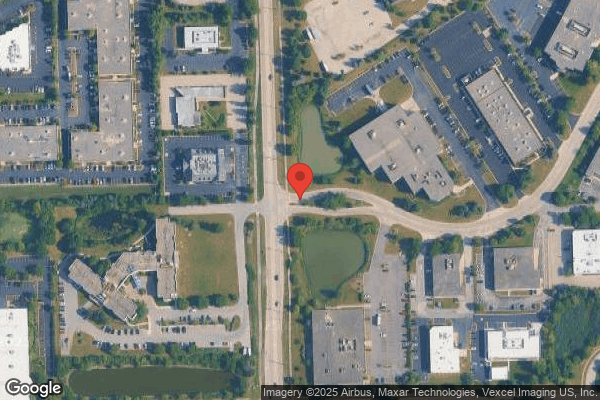
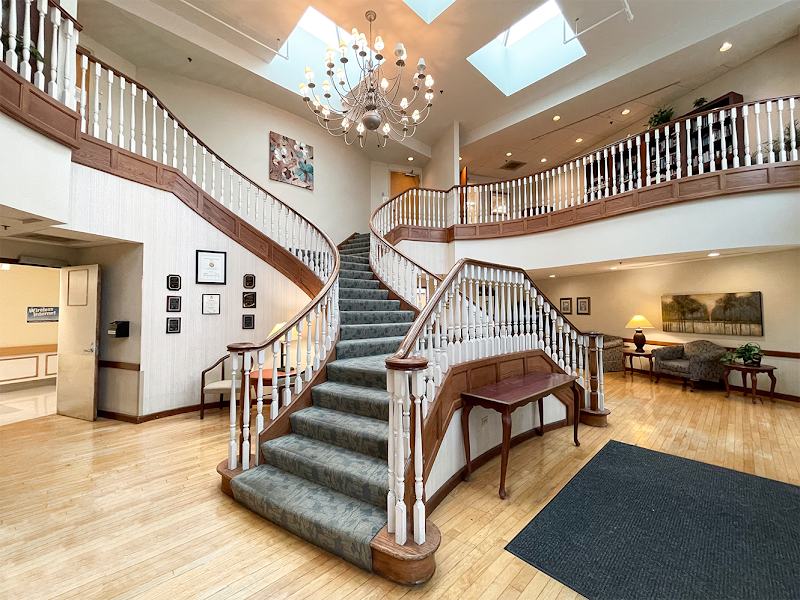
7050 MADISON STREET, WILLOWBROOK, IL 60521 (630) 323-6380
For profit - Limited Liability company 150 Beds EXTENDED CARE CLINICAL Data: November 2025
Trust Grade
20/100
#491 of 665 in IL
Last Inspection: August 2024

Within standard 12-15 month inspection cycle. Federal law requires annual inspections.

Overview

Chateau Nursing and Rehab Center has received an F grade for its trust score, indicating significant concerns about the facility's overall care quality. With a ranking of #491 out of 665 in Illinois, it falls within the bottom half of nursing homes in the state and is ranked #33 out of 38 in Du Page County, meaning there are very few local options that perform better. The facility is showing signs of improvement, reducing its issues from 12 in 2024 to just 1 in 2025, but it still has a high staff turnover rate of 58%, which is concerning compared to the Illinois average of 46%. Although the facility has average RN coverage, it has reported serious incidents, such as a resident falling out of bed during care and others developing unstageable pressure injuries due to inadequate monitoring. Additionally, there have been issues with food sanitation, which could potentially affect all residents. While there are some strengths, families should weigh these serious weaknesses carefully.

Trust Score
F
20/100
In Illinois
#491/665
Bottom 27%
Safety Record
Moderate
Needs review
Inspections
Getting Better
12 → 1 violations
Staff Stability
⚠ Watch
58% turnover. Above average. Higher turnover means staff may not know residents' routines.
Penalties
✓ Good
$38,441 in fines. Lower than most Illinois facilities. Relatively clean record.
Skilled Nurses
○ Average
Each resident gets 41 minutes of Registered Nurse (RN) attention daily — about average for Illinois. RNs are the most trained staff who monitor for health changes.
Violations
⚠ Watch
35 deficiencies on record. Higher than average. Multiple issues found across inspections.
★☆☆☆☆
1.0
Overall Rating
★☆☆☆☆
1.0
Staff Levels
★☆☆☆☆
1.0
Care Quality
★★★☆☆
3.0
Inspection Score
Stable
2024: 12 issues
2025: 1 issues

The Good

  • Full Sprinkler Coverage · Fire safety systems throughout facility
  • No fines on record

Facility shows strength in fire safety.

The Bad

1-Star Overall Rating

Below Illinois average (2.5)

Significant quality concerns identified by CMS

Staff Turnover: 58%

11pts above Illinois avg (46%)

Frequent staff changes - ask about care continuity

Federal Fines: $38,441

Above median ($33,413)

Moderate penalties - review what triggered them

Chain: EXTENDED CARE CLINICAL

Part of a multi-facility chain

Ask about local staffing decisions and management

Staff turnover is elevated (58%)

10 points above Illinois average of 48%

The Ugly 35 deficiencies on record

2 actual harm
Jan 2025 1 deficiency 1 Harm
SERIOUS (G) 📢 Someone Reported This

A family member, employee, or ombudsman was alarmed enough to file a formal complaint

Actual Harm - a resident was hurt due to facility failures

Accident Prevention (Tag F0689)

A resident was harmed · This affected 1 resident

**NOTE- TERMS IN BRACKETS HAVE BEEN EDITED TO PROTECT CONFIDENTIALITY** Based on interview and record review the facility failed to ensure fall interventions were in place for a resident who is at hig...

Read full inspector narrative →
**NOTE- TERMS IN BRACKETS HAVE BEEN EDITED TO PROTECT CONFIDENTIALITY** Based on interview and record review the facility failed to ensure fall interventions were in place for a resident who is at high risk for falls for 1 of 4 residents (R1) reviewed for safety in the sample of 6. This failure resulted in R1 falling out of bed and sustaining a laceration to her forehead requiring stitches. The findings include: R1's Minimum Data Set assessment dated [DATE] shows that her cognition is impaired and R1 has had one fall with no injury and two or more falls with injury since her prior assessment. On 1/21/25 at 11:11 AM, V3, Certified Nursing Assistant (CNA) said that on 1/3/25 he went into R1's room to get her up for the morning. V3 said that he removed her fall mat from the floor and removed her bed bolsters from the bed in order to provide incontinence care. V3 said that after incontinence care was provided, he lowered the bed and went to get the mechanical lift sling. V3 said that when he turned back around, he saw R1 with her upper body out of the bed and her head on the floor. V3 said that he repositioned her back into bed, put the floor mat back down and re-applied the bolster and then went and got the nurse. V3's typed and signed statement dated 1/3/25 shows, In order to provide incontinence care and personal hygiene I needed to move the thick floor mat out of the way. After performing care, I lowered the bed back down to the lowest position and prepared the resident for transfer. I went to retrieve the hoyer (mechanical lift) pad for the resident and during this time I noticed the resident began to roll off the bed. I attempted to guide the resident back to bed, but she ended up hitting her head on the floor On 1/21/25 at 12:24 PM, V4 (CNA) said that R1 was at high risk for falls and would be very active at times. V4 said that R1 had a fall mat and bolster on her bed to prevent her from falling out of bed and hurting herself. V4 said that the fall mat and bolster should be in place at all times when R1 is in bed. V4 said that staff should always be prepared with the supplies that are needed to provide care to R1 before they start the care. V4 said that if she did have to get something that she had forgot, she would place the fall mat and bolster back in place before leaving the resident's bedside. On 1/21/25 at 1:02 PM, V13 (Restorative Licensed Practical Nurse) said that R1 wiggled around' in bed a lot so they had an intervention of bolster placement on her bed to help her maintain proper body alignment while in bed. V13 said that R1 has had falls in the past out of bed so the fall mats were implemented to provide extra protection if she did fall out of bed to reduce injuries. V13 said that she did educate V3 that all supplies should be obtained before starting resident care and if he has to step away from the resident, fall prevention interventions (fall mat and bolster) should be re-applied. R1's Progress Notes dated 1/3/25 at 7:30 AM shows, Writer called to resident's room by CNA (Certified Nursing Assistant). CNA states that resident rolled out of bed during transfer to chair. Laceration noted to resident's forehead R1's Hospital Notes from 1/3/25 shows, This is a [AGE] year-old female with a past medical history of dementia, nonverbal, hospice patient, who presents to the emergency department with chief complaint of head injury and fall. Patient reportedly had rolled out of bed around 0730 hours this morning, this was witnessed by nursing home staff. Patient hit her forehead on the ground She did sustain a laceration to her forehead She has had a proximally 3 centimeter largely linear, slightly irregularly shaped laceration to her left upper forehead/frontal scalp 3-4 centimeter frontal scalp contusion on the left repaired with 3 simple interrupted sutures. R1's Fall Care Plan initiated 2/14/24 shows, Resident has a history of falls R/T (Related To) weakness, endurance, CVA, dementia and hx (history) of falls Interventions: Provide re-education to staff on safety device/appliance; Bed bolsters. Re-enforce bed bolsters R1 Bed Bolster Care Plan initiated on 4/3/24 shows, Resident has poor safety awareness r/t dementia, and other co-morbidities and requires bed bolsters to be applied Use bed bolsters to prevent senior from rolling off the bed. Using fall prevention tools such as bolsters and roll guards to reduce the chances of falling out of bed. R1's Care Plan does not mention the use of fall mats. The facility's Falls and Fall Risk, Monitoring Policy revised 8/2008 shows, Based on previous evaluations and current data, the staff will identify interventions related to the resident's specific risks and causes to try to prevent the resident from falling and to try to minimize complications from falling .The staff, with the input of the attending physician, will identify appropriate interventions to reduce the risk of falls .Staff will identify and implement relevant interventions to try to minimize serious consequences of falling.
Dec 2024 2 deficiencies
CONCERN (D) 📢 Someone Reported This

A family member, employee, or ombudsman was alarmed enough to file a formal complaint

Potential for Harm - no one hurt, but risky conditions existed

Free from Abuse/Neglect (Tag F0600)

Could have caused harm · This affected 1 resident

**NOTE- TERMS IN BRACKETS HAVE BEEN EDITED TO PROTECT CONFIDENTIALITY** Based on interviews and record reviews, the facility failed to follow its abuse prevention policy by not protecting a resident f...

Read full inspector narrative →
**NOTE- TERMS IN BRACKETS HAVE BEEN EDITED TO PROTECT CONFIDENTIALITY** Based on interviews and record reviews, the facility failed to follow its abuse prevention policy by not protecting a resident from verbal abuse from staff. This applies to 1 of 3 residents (R1) reviewed for verbal Abuse in a sample of 3. The Findings include: R1 is a [AGE] year-old female admitted on [DATE] with an admitting diagnosis including vascular dementia. A review of the Minimum Data Set (MDS) dated [DATE] documents that R1 has severe cognitive impairment. On 12/10/24 at 10:10 AM, V5 (Registered Nurse / RN) stated, When I came back from vacation on 12/4/24, I heard from V6 (RN) and V7 (Licensed Practical Nurse / LPN) about the verbal abuse from V4 to R1. R1 is very confused, and I heard V4 called R1 something with the 'f_ _ k' word. On 12/10/24 at 10:13 AM, R1 stated in the presence of V5 (Registered Nurse / RN), It's been a while since someone called me with the 'F' word. But I don't know who or when. On 12/10/24 at 10:15 AM, V7 stated, On 11/20/24 during lunchtime, I was sitting in the nurse's station and could see R1 in the dining room. V4 took R1's tray away, and R1 raised her hand and hit the tray, causing the coffee cup to fall off the tray along with other food items. V4 put the tray on the table, got in the face of R1, and told her loudly, 'If you do this again, I will f_ _k you up.' V4 literally got down and said it on R1's face. I was not her nurse; V6 was the nurse. V6 was next to me with her medication cart. On 11/20/24, V6 notified V3 (Assistant Director of Nuring) about the verbal Abuse, and V2 (Director of Nursing) came to me and asked me what happened. I explained to her that V4 was verbally abusive to R1. On 12/10/24 at 11:00 AM, V6 (Registered Nurse/RN) stated, The CNA (V4) said something to R1 with the 'F' word. V4 said to R1, 'If you put your hand on me, I am going to f_ _ k you up.' I did report to ADON (V3) in detail via text. I texted her on 11/20/24 at 12:40 PM and still have the text on my phone. V9 the Psych Nurse Practitioner (NP) was there and also heard the verbal abuse that happened on 11/20/24 at 12:40 PM. On 12/10/24 at 12:10 PM, V9 (Psych NP) stated that he heard the CNA (V4) saying something loud to R1. V9 added that he was focusing on his work with his computer, and he neither saw the incident nor heard exactly the wording V4 was saying. On 12/10/24 at 10:30 AM, V10 (Unit Clerk/CNA) stated that on 11/20/24, she heard someone in the dining room call the 'F' word. V10 added that she could hear from her office, and the nurse told her that staff member V4 (CNA) was the one calling the 'F' word to R1. On 12/10/24 at 11:15 AM, V2 (Director of Nursing / DON) stated, I can't remember the date of the incident between V4 and R1. V4 was holding a tray in the dining room; R1 hit the tray, and the food fell on the floor. V4 said an explicit word, 'F word' out loud. I pulled V4 from the unit and sent her home immediately as she was disruptive to our unit. It was not explained to me as verbal Abuse and, hence, was not reported to the abuse coordinator on the same day. On 12/10/24 at 2:15 PM, V1 (Administrator/Abuse Coordinator) stated, A resident has the right to be free from verbal Abuse. On 11/20/24, ADON got a text message from V6 saying that V4(CNA) was cursing on the unit; the DON (V2) went to the unit and asked the CNA and interviewed persons who witnessed the incident. V2 determined that the CNA was not exhibiting good customer service and decided to send her home. V2 determined it was not an abuse. They told me V4 was cursing on the unit, and it was not reported to me that V4 was calling the 'F' word to R1 on 11/20/24. A review of the facility presented Abuse Prevention Policy (undated) document: This facility affirms the right of our residents to be free from Abuse, neglect, exploitation, misappropriation of property, deprivation of goods and services by staff or mistreatment .Verbal Abuse is the use of oral, written, or gestured language that willfully includes disparaging and derogatory terms to residents or families, or within their hearing distance, regardless of an individual's age, ability to comprehend, or disability.
CONCERN (D) 📢 Someone Reported This

A family member, employee, or ombudsman was alarmed enough to file a formal complaint

Potential for Harm - no one hurt, but risky conditions existed

Report Alleged Abuse (Tag F0609)

Could have caused harm · This affected 1 resident

**NOTE- TERMS IN BRACKETS HAVE BEEN EDITED TO PROTECT CONFIDENTIALITY** Based on interviews and record reviews, the facility failed to follow its abuse prevention policy by not reporting a verbal abus...

Read full inspector narrative →
**NOTE- TERMS IN BRACKETS HAVE BEEN EDITED TO PROTECT CONFIDENTIALITY** Based on interviews and record reviews, the facility failed to follow its abuse prevention policy by not reporting a verbal abuse allegation to state agency. This applies to 1 of 3 residents (R1) reviewed for abuse reporting in a sample of 3. The Findings include: R1 is a [AGE] year-old female admitted on [DATE] with an admitting diagnosis including vascular dementia. A review of the Minimum Data Set (MDS) dated [DATE] documents that R1 has severe cognitive impairment. On 12/10/24 at 10:10 AM, V5 (Registered Nurse / RN) stated, When I came back from vacation on 12/4/24, I heard from V6 (RN) and V7 (Licensed Practical Nurse / LPN) about the verbal Abuse from V4 to R1. R1 is very confused, and I heard V4 called R1 something with the 'f_ _ k' word. On 12/10/24 at 10:15 AM, V7 stated, On 11/20/24 during lunchtime, I was sitting in the nurse's station and could see R1 in the dining room. V4 took R1's tray away, and R1 raised her hand and hit the tray, causing the coffee cup to fall off the tray along with other food items. V4 put the tray on the table, got in the face of R1, and told her loudly, 'If you do this again, I will f_ _k you up.' V4 literally got down and said it on R1's face. I was not her nurse; V6 was the nurse. V6 was next to me with her medication cart. On 11/20/24, V6 notified V3 (Assistant Director of Nursing) about the verbal abuse, and V2 (Director of Nursing) came to me and asked me what happened. I explained to her that V4 was verbally abusive to R1. On 12/10/24 at 11:00 AM, V6 (Registered Nurse/RN) stated, The CNA (V4) called R1 something with the 'F' word. V4 said to R1, 'If you put your hand on me, I am going to f_ _ k you up.' I did report to ADON (V3) in detail via text. I texted her on 11/20/24 at 12:40 PM and still have the text on my phone. I believe V2 talked to V7 after I reported the abuse to V3. V2 didn't ask anything to me. V4 was sent home before her shift ended, but she came back the next day. On 12/10/24 at 11:35 AM, V3 stated that she was told/texted that V6 thinks V4 was loud to R1, and V6 never mentioned to V3 that V4 called R1 with an 'F' word. V3 continued that she reported the incident to V2, and V2 sent V4 home before V4's shift ended as V4 was disruptive to the unit residents. On 12/10/24 at 11:15 AM, V2 (Director of Nursing / DON) stated, I can't remember the date of the incident between V4 and R1. V4 was holding a tray in the dining room; R1 hit the tray, and the food fell on the floor. V4 said an explicit word, 'F' word' out load. I pulled V4 from the unit and sent her home immediately as she was disruptive to our unit. It was not explained to me as verbal abuse and, hence, was not reported to the abuse coordinator on the same day. A couple of days later, V1 (Administrator) asked me about the incident, as he had heard from others, and I explained it to him. On 12/10/24 at 2:15 PM, V1 (Administrator/Abuse Coordinator) stated, On 11/20/24, ADON got a text message from V6 saying that V4(CNA) was cursing on the unit; the DON (V2) went to the unit and asked the CNA and interviewed persons who witnessed the incident. V2 determined that the CNA was not exhibiting good customer service and decided to send her home. V2 determined it was not an abuse. V1 stated that the staff told him that V4 was cursing on the unit. According to V1 staff did not report that V4 was calling R1 the F word. V1 stated the incident of 11/20/24 was not reported. V1 also stated that all abuse allegations should be reported within 24 hours to the state agency. On 12/10/24 at 10:13 AM, R1 stated in the presence of V5 (Registered Nurse / RN), It's been a while since someone called me with the 'F' word. But I don't know who or when. A review of the last six months reportable indicates that the abuse allegation from V4 to R1 that happened on 11/20/24 was not reported to the state agency. A review of the facility presented Abuse Prevention Policy (undated) document: Employees, without fear of retaliation, may also independently report to state survey agency any allegation of abuse, neglect, exploitation, mistreatment or misappropriation of resident property, and to local law enforcement or state agency if they have suspicion that a crime was committed.
Sept 2024 1 deficiency
CONCERN (D) 📢 Someone Reported This

A family member, employee, or ombudsman was alarmed enough to file a formal complaint

Potential for Harm - no one hurt, but risky conditions existed

Deficiency F0567 (Tag F0567)

Could have caused harm · This affected 1 resident

**NOTE- TERMS IN BRACKETS HAVE BEEN EDITED TO PROTECT CONFIDENTIALITY** Based on interview and record review, the facility failed to ensure that a personal mail with a gift check was given to the resi...

Read full inspector narrative →
**NOTE- TERMS IN BRACKETS HAVE BEEN EDITED TO PROTECT CONFIDENTIALITY** Based on interview and record review, the facility failed to ensure that a personal mail with a gift check was given to the resident whom it was addressed to, and not deposited to the transferring account intended for payment of the resident's room and board. This applies to 1 of 3 residents (R1) reviewed for personal funds in the sample of 3. The findings include: Face sheet and Minimum Data Set (MDS) dated [DATE], shows that R1 is 83 years-old who is alert and oriented. R1 was independent to some of her activities of daily living (ADL) care and needs supervision to some. R1 was admitted to the facility on [DATE]. On September 23, 2024, at 10:17 AM, R1 said that she has been living in this facility for almost 2 years. R1 receives her husband's pension from the police department, and she has social security benefits as well. These checks go straight to the facility for payment of her room, board, and treatment. In addition, R1 usually receives a check every Christmas from the Policemen's Annuity and Benefit Fund of Chicago (PABF) for the widows and widowers of the fallen police officers. However, on December 2023, R1 did not receive a check from PABF. R1 followed up from the PABF organization and spoke to an employee from the department who manages those checks. It was a multiple back and forth follow up to the department and to the facility, until such time her contact person informed her that it was already mailed to her and cashed in. In February 2024, V2 (Former Business Office Manager) informed R1 that she found R1's check. The letter was opened, and the check deposited somewhere. V2 wrote R1 a check worth $500 to replace the missing check. R1 was informed that there was an employee in the facility who sort through residents' mails. On September 23, 2024, at 11:55 AM, V2 (Former Business Office Manager) stated that there was a check that came in for R1 (from the Policemen's Annuity and Benefit Fund of Chicago). The facility deposited it in R1's trust fund account. R1 mentioned to V2 that she (R1) was supposed to receive a check every year from that organization and has not received it yet. V2 looked and found it in R1's trust fund account. V2 also said that they can open a resident's mail depending upon the contract the resident signed with the facility. There is a special form where the residents signed giving the facility the permission to open any mail that involves a check. That check (PABF) was deposited on January 19, 2024. V2 was not sure the time that the check was released to R1. There is usually a one-week turnaround from the bank before the check is posted to the resident's account until it appears for availability of withdrawal. That particular issue was brought to V2 only one time. On September 23, 2024, at 12:26 PM, V6 (R1's Daughter/POA medical) stated that the PABF check was deposited in the facility's account, it was released to R1 in late February. The facility is taking all R1's checks and depositing it in the facility's account for her room and board, but the facility is only entitled to R1's social security check and pension check and not her other checks. The facility wrote the $500 check on February 2, 2024. R1 forwarded it to V6 on the first week of March. On September 23, 2024, at 1:03 PM, V4 (admission Director) stated that all personal mail gets delivered to the residents, business mail goes to the business office to sort it out, to ensure that it is not a social security or pension or something from Medicaid that needs to be addressed. Some residents need help with sorting out their mail. They sign a paper that gives consent to the facility as to which mail the facility can open. On September 23, 2024, at 11:18 AM, V3 (Current Business Office Manager) said that she (V3) manages the residents' accounts such as Medicaid applications, redeterminations, and collections. When a resident needs cash they fill out a withdrawal slip with the receptionist, and they get the cash from V1 (Administrator). The facility then withdraws whatever the resident cashed in from their RFMS (Resident Fund Management Service) account. The resident's checks pertaining to room and board, are given to the business office. These checks were either from their pension, social security, or from the resident's family. The RFMS is the residents' bank account in the facility. This RFMS has two types of accounts, a transferring, and a non-transferring account. The non-transferring account is for the resident which can be withdrawn by the resident whenever they need cash to spend. The transferring account on the other hand is an account that goes towards the resident's care cost (room, board, treatment payment). At 1:14 PM, V3 also stated that R1's $500 PABF check was deposited to the transferring account which means that it could go to her care cost. Facility presented the copy of the letter and $500.00 check from the Retirement Board of the Policemen's Annuity and Benefit Fund of Chicago. The letter read: Dear Annuitant, The Retirement Board of the Policemen's Annuity and Benefit Fund of Chicago (PABF) would like to provide some assistance to you during the holiday season. We are providing you with $500 gift check that is non-taxable to you. The Board wishes you and your family a Peaceful Holiday Season, and a healthy and Happy New Year. Sincerely, Retirement Board of the Policemen's Annuity and Benefit Fund of Chicago. The Policemen's Annuity and Benefit Fund of Chicago check was dated January 8, 2024, addressed to R1. However, it also showed in another document that V2 deposited this check to the bank (through Direct Deposit Management Service/DDMS) on January 11, 2024, instead of releasing it to R1. The $500 was only issued to R1 after R1's inquiries. R1's admission contract with the facility regarding R1's mail shows that R1 signed permission for facility to direct all her business mail to the business office and all personal mail directed to R1. In addition, R1 signed authorization for facility to have her social security check directly deposited to her transferrable account in the facility, while her pension check which is directly deposited to her personal account in a private bank was being withdrawn by the facility via debit card. Both checks are for all her care cost. However, the same signed contract does not include R1's personal checks or other financial resources.
Aug 2024 8 deficiencies
CONCERN (D)

Potential for Harm - no one hurt, but risky conditions existed

Incontinence Care (Tag F0690)

Could have caused harm · This affected 1 resident

Based on observation, interview, and record review, the facility failed to ensure that the indwelling urinary catheter was not positioned above the resident's bladder and failed to clean the catheter ...

Read full inspector narrative →
Based on observation, interview, and record review, the facility failed to ensure that the indwelling urinary catheter was not positioned above the resident's bladder and failed to clean the catheter tube during incontinence care. This applies to 2 of 4 (R64 and R80) residents reviewed for peri-care and catheter care in the sample of 25. The findings include: 1. R80's face sheet shows that R80 has multiple medical diagnoses which includes Benign Prostatic Hyperplasia (BPH) with lower urinary tract symptoms. On August 6, 2024, at 11:25 AM, R80 was resting in bed, he had an indwelling urinary catheter with the urinary bag hanging on the left side of the bed. V24 and V26 (Both Certified Nursing Assistants/CNA) rendered peri-care to R80. V24 cleaned R80's perineum from front to back. V24 cleaned the tip of R80's penis, however, she but did not clean the catheter tube. When V24 and V26 repositioned R80 on his right side, V24 lifted and handed the urinary bag to V26 to place it on the right side of the bed. The urinary bag was lifted high above the bladder which made the urine inside the urinary tube flow back towards R80's bladder. V24 also emptied the urinary bag by lifting the bag high above the bladder while emptying into to the urinal, it was observed that the urine in the tube continued to flow back towards the bladder. 2. R64's face sheet shows that R64 has multiple medical diagnoses which include Benign Prostatic Hyperplasia (BPH) with lower urinary tract symptoms and urinary tract infection (UTI). On August 6, 2024, at 1:54 PM, R64 was resting in bed, he was awake, and was observed with a suprapubic urinary catheter. V24 and V25 (Both CNA) rendered incontinence to R64 who had a bowel movement. V25 cleaned R64's perineum from front to back. As V24 and V25 repositioned R64 on his right side, V24 handed the catheter bag to V25 to place the urinary bag on the right side of the bed. V24 lifted the urinary bag high above R64's bladder which made the urine inside the catheter tubing flow backwards towards R64's bladder. In addition, V25 did not clean the urinary catheter during the provision of care. On August 7, 2024, at 2:46 PM, V2 (Director of Nursing/DON) stated that when doing perineal care for a resident who has an indwelling urinary catheter, the staff must clean the catheter tube that is near the insertion site. When repositioning and transferring a urinary bag, the staff should not lift the urinary bag above the bladder, this is to prevent the urine from flowing backwards into the bladder and to prevent potential UTI. The Facility's Policy and Procedure for Urinary Catheter Care with revised date of September 2005 shows: Purpose: The purpose of this procedure is to prevent infection of the resident's urinary tract . General Guidelines: 4. The urinary bag must be held or positioned lower than the bladder at all times to prevent the urine in the tubing and drainage bag from flowing back into the urinary bladder . Steps in the Procedure: 15. Use a clean washcloth with warm water and soap to cleanse and rinse the catheter from insertion site to approximately four inches outward.
CONCERN (D)

Potential for Harm - no one hurt, but risky conditions existed

Tube Feeding (Tag F0693)

Could have caused harm · This affected 1 resident

Based on observation, interview, and record review, the facility failed to check the placement of the gastrostomy tube (g-tube) prior to administration of medication. This applies to 1 of 2 residents ...

Read full inspector narrative →
Based on observation, interview, and record review, the facility failed to check the placement of the gastrostomy tube (g-tube) prior to administration of medication. This applies to 1 of 2 residents (R80) reviewed for gastrostomy tube in the sample of 25. The findings include: On August 7, 2024, at 9:47 AM, V29 (Nurse) administered Hydrocodone-Acetaminophen 5-325 milligram tablet to R80 via g-tube. V29 flushed R80's g-tube with 60 milliliters (ml) of water and then administered Hydrocodone-Acetaminophen. Then V29 flushed the g-tube again with 60 ml of water. V29 did not check the placement of the g-tube prior to administering the medication. V29 stated that she forgot to do it. On August 7, 2024, at 10:51 AM, V28 (Assistant Director of Nursing/ADON) stated that when giving g-tube medication, the staff should check for the placement of the g-tube either by aspiration of residual or auscultation with stethoscope. This is to make sure that the medication is going into the right place. One of R80's g-tube care plan interventions dated July 15, 2024, shows Check placement and patency of feeding tube before each feeding or medication administration. R80's Medication Administration Record (MAR) dated August 2024 shows: Check for placement prior to medication, flush, or feeding administration. Aspirate residual feeding if more than 100 ml, hold feeding for 1 hour and recheck if still greater than 100 ml. Notify physician if no aspirate is obtained, check for placement using auscultation. If unable to aspirate or verify placement, hold administration of medication, flush or feeding and notify MD as needed.
CONCERN (D)

Potential for Harm - no one hurt, but risky conditions existed

Deficiency F0697 (Tag F0697)

Could have caused harm · This affected 1 resident

Based on observation, interview and record review, the facility failed to recognize, evaluate and manage a resident's pain during care. This applies to 1 of 1 resident (R24) reviewed for pain manageme...

Read full inspector narrative →
Based on observation, interview and record review, the facility failed to recognize, evaluate and manage a resident's pain during care. This applies to 1 of 1 resident (R24) reviewed for pain management in the sample of 25. The findings include: R24 had multiple diagnoses including, senile degeneration of the brain and dementia without behavioral disturbance, based on the face sheet. R24's quarterly MDS (minimum data set) dated May 9, 2024, showed that the resident was severely impaired with cognition and required total assistance from the staff with her ADLs (activities of daily living). On August 5, 2024, at 10:31 AM, R24's door was closed, and the resident could be heard from outside of the door, moaning. Upon entering R24's room, the resident was in bed and was moaning. R24 was confused and could not verbalize pain when asked. V15 (CNA/Certified Nursing Assistant) and V17 (CNA) stated that they just finished providing morning care to R24. According to V15, R24 would be moaning during provision of care. V15 was not aware if R24 had received any pain medication prior to them providing morning care. V15 was observed applying the bilateral hand splints to R24. V15 was asked to inform the nurse about R24's continued moaning but V15 continued to apply the hand splints, even though the resident had increased moaning and appeared to be in pain when her hand was touched to apply the hand splints. Immediately after the bilateral hand splints were applied to R24, V16 (Registered Nurse) came in the room. V16 assessed R24, then stated that the resident is hospice care. According to V16, R24 appeared in pain, and she will administer pain medication. R24's active order summary report showed that the resident was admitted to hospice care on May 8, 2024. The order report showed multiple orders for pain medications dated January 31, 2024, for Acetaminophen 650 mg, insert one suppository rectally every four hours as needed and Acetaminophen 325 mg chewable, give two tablets orally every four hours as needed. The same order report showed an order dated May 8, 2024, to administer Morphine Sulfate (concentrate) oral solution 100 mg/5 ml, give 0.25 ml by mouth every two hours as needed for pain. R24's MAR (Medication Administration record) for the month of August 2024 showed that on August 5, 2024, at 11:03 AM, V16 (Registered Nurse) administered Morphine Sulfate 100 mg/5 ml, 0.25 ml by mouth due to pain. The MAR showed that on August 5, 2024, at 11:03 AM, R24's pain level was documented as 10. The same MAR showed that the Morphine Sulfate was effective. Further review of the same MAR showed no evidence that R24 had received any other pain medication on August 5, 2024, prior to the administration of the Morphine Sulfate at 11:03 AM, R24's active care plan initiated on June 13, 2024, showed that the resident was at risk for pain. The same care plan showed multiple interventions including, monitor and record any non-verbal signs of pain ([example] crying, guarding, moaning, restlessness, grimacing, diaphoresis, withdrawal, etc. (etcetera), monitor and record any complaints of pain: location, frequency, effect on function, intensity, alleviating factors, aggravating factors, and administer medications. Monitor and record effectiveness. Report adverse side effects. On August 7, 2024, at 1:35 PM, V2 (Director of Nursing) stated that when R24 was moaning and was visibly in pain when her bilateral hand splints were being applied, the CNA should stop the application and inform the nurse, to ensure that the resident was assessed for pain and appropriate pain medication was administered before continuing with the care/application. V2 stated that R24 is hospice care and the main goal for this resident is pain management and comfort. On August 7, 2024, at 2:26 PM, V22 (Nurse Practitioner) stated that it is appropriate for the staff to stop applying the hand splints if the resident was moaning during the application, have the nurse assess the resident and if after the assessment the resident was identified with pain, the appropriate pain medication should be administered. After the administration of the pain medication, the staff should wait to assess the effectiveness of the pain medication and if it was effective, the procedure or the application of the splints may proceed. The facility's policy regarding pain management program dated July 2019 showed in-part, It is the policy of the facility to facilitate resident safety, independence, promote resident comfort, preserve and enhance resident dignity and facilitate life involvement. The purpose of this policy is to accomplish the goals through pain management program. The same policy under definition showed, The facility will utilize a consistent pain assessment. The resident's descriptive words regarding the quality, duration, and location of pain will be used to evaluate the pain and to identify changes in pain. When the resident is unable to describe pain, physical signs such as grimacing, body posturing/protecting, vital sign changes and changes in behavior and mood will be used to determine the presence of pain.
CONCERN (E)

Potential for Harm - no one hurt, but risky conditions existed

ADL Care (Tag F0677)

Could have caused harm · This affected multiple residents

**NOTE- TERMS IN BRACKETS HAVE BEEN EDITED TO PROTECT CONFIDENTIALITY** Based on observation, interview, and record review, the facility failed to assist residents identified as needing assistance wit...

Read full inspector narrative →
**NOTE- TERMS IN BRACKETS HAVE BEEN EDITED TO PROTECT CONFIDENTIALITY** Based on observation, interview, and record review, the facility failed to assist residents identified as needing assistance with personal hygiene. This applies to 4 of 5 residents (R20, R85, R100 and R108) reviewed for ADLs (activities of daily living) in the sample of 25. The findings include: 1. R108 had multiple diagnoses including, dementia with other behavioral disturbance and weakness, based on the face sheet. R108's quarterly MDS (minimum data set) dated July 23, 2024, showed that the resident was severely impaired with cognitive skills for daily decision making. The same MDS showed that R108 was totally dependent on the staff with her ADLs including upper body dressing and personal hygiene. On August 5, 2024, at 11:36 AM, R108 was sitting in her reclining wheelchair inside the unit dining/activity room. R108 was alert but confused. R108's fingernails were short with black substances underneath. R108 was observed sticking her fingers inside her mouth. V14 (CNA/Certified Nursing Assistant) was present during the observation and confirmed that R108's fingernails had black substances underneath. On August 6, 2024, at 10:51 AM, R108 was sitting in her specialized wheelchair inside the unit dining/activity room. R108 was alert and confused. R108's gray sweater had food debris on the chest area. V15 (CNA) was present during the observation and confirmed that there were food debris from breakfast on R108's sweater. R108's active care plan initiated on June 10, 2024, showed that the resident's ability to perform ADLs was impaired related to cognitive loss. The same care plan indicated that R108 needed maximum/total assistance with all her ADLs. 2. R20 had multiple diagnoses including hypertensive chronic kidney disease with stage 1 through stage 4 chronic kidney disease, type 2 diabetes mellitus, cognitive communication deficit and generalized muscle weakness, based on the face sheet. R20's significant change in status MDS dated [DATE], showed that the resident was severely impaired with cognition. The same MDS showed that R20 required maximum assistance from the staff with personal hygiene and lower body dressing, and moderated assistance from the staff with upper body dressing. On August 5, 2024, at 12:13 PM, R20 was sitting in her reclining wheelchair inside the unit dining/activity room. R20 was alert, verbally responsive but confused. R20's fingernails were long, jagged with black substances underneath. V16 (Registered Nurse) was present during the observation and confirmed that R20's fingernails need trimming and cleaning because they were long, jagged and with black substances. On August 6, 2024, at 10:54 AM, R20 was sitting in her reclining wheelchair chair inside the unit dining/activity room. R20's pants and long sleeve shirt had scattered food debris and her fingernails were long and jagged. V15 (CNA) was present during the observation and confirmed that R20 had food debris on her pants and shirt. V15 also confirmed that R20's fingernails were long and jagged. R20's active care plan initiated on June 10, 2024, showed that the resident had limitation in ADL functional status. The same care plan showed that R20 required extensive assistance for grooming and dressing. 3. R100 had multiple diagnoses including cerebrovascular disease, dementia and history of transient ischemic attack and cerebral infarction without residual deficits, based on the face sheet. R100's quarterly MDS dated [DATE], showed that the resident was severely impaired with cognition and required total assistance from the staff with personal hygiene. On August 5, 2024, at 11:47 AM, R100 was sitting in her reclining wheelchair inside the unit dining/activity room. R100 was alert and confused. R100 had accumulation of long facial hair above and directly below her lips, and on her chin. V12 (Registered Nurse) who was present during the observation confirmed that R100 had accumulation of long facial hair and that the resident needs assistance with shaving. On August 6, 2024, at 11:20 AM, R100 was sitting in her reclining wheelchair inside the unit dining/activity room. R100 was alert and confused. R100's fingernails were long with black substances underneath. V13 (Registered Nurse) was present during the observation and confirmed that R100's fingernails were long and needed to be cleaned due to black substances underneath. R100's active care plan initiated on February 14, 2024, showed that the resident's ability to perform ADLs was impaired related to cognitive loss. 4. R85 had multiple diagnoses including Parkinson's disease without dyskinesia, hemiplegia and hemiparesis following cerebral infarction affecting the right dominant side, weakness and vascular dementia with other behavioral disturbance, based on the face sheet. R85's quarterly MDS dated [DATE], showed that the resident was moderately impaired with cognition. The same MDS showed that R85 required maximum assistance from the staff with personal hygiene. On August 5, 2025, at 10:59 AM, R85 was in bed, alert and verbally responsive. R85 had accumulation of long facial hair and his fingernails were short, jagged with black substances underneath. R85 stated that he wanted the staff to shave him, and to file and clean his fingernails. V12 (Registered Nurse) was present during the observation and confirmed that R85 needed shaving and his fingernails needed to be filed and cleaned. R85's active care plan initiated on May 10, 2024, showed that the resident had limited ability to groom self, related to decrease mobility and endurance due to hemiplegia of the right dominant side. The same care plan showed an intervention to include, Provide assistance for grooming at level resident requires. On August 7, 2024, at 12:25 PM, V2 (Director of Nursing) stated that it is expected and is part of the facility's nursing care/service to ensure that residents who are needing assistance with ADLs including removing/shaving unwanted facial hair, fingernails trimming and cleaning and dressing should be assisted by the staff to maintain resident's dignity, comfort and hygiene/grooming.
CONCERN (E) 📢 Someone Reported This

A family member, employee, or ombudsman was alarmed enough to file a formal complaint

Potential for Harm - no one hurt, but risky conditions existed

Menu Adequacy (Tag F0803)

Could have caused harm · This affected multiple residents

Based on interview and record review, the facility failed to ensure that the dietary staff followed the approved recipe for chef salad. This applies to 8 of 8 (R25, R26, R27, R6, R84, R91, R101, R113)...

Read full inspector narrative →
Based on interview and record review, the facility failed to ensure that the dietary staff followed the approved recipe for chef salad. This applies to 8 of 8 (R25, R26, R27, R6, R84, R91, R101, R113) residents reviewed for dining in the sample of 25. The findings include: Facility Spring/Summer 2024 (Week 4) Menu on Thursday [August 1, 2024] showed Chef's salad, seasonal fruit, baked fresh roll, cinnamon apple sauce, margarine. On August 5, 2024, at 3:23 PM, R6 stated The whole place got a bowl container of some kind of lettuce with no meat or cheese. There was no bread roll served with it. I ate in the dining room, and everybody was startled. I did not ask for anything else as it was night-time, and the people (from kitchen) had cleaned up and left. On August 5, 2024, at 3:22 PM, R26 stated Last week some time at dinner I got a bowl of lettuce with ranch dressing and no meat. I ate in my room and did not say anything. On August 5, 2024, at 3:18 PM, R91 stated Sometime for dinner last week we got a bowl of shredded lettuce with no meat. I thought 'What is this?' I felt like a rabbit. It was weird. But I don't complain. On August 5, 2024, at 3:20 PM, R84 stated We only got a Styrofoam container of lettuce with couple tomatoes. We all talked about it and R101 was very upset as she was very hungry. It has happened a few months ago once too when we got no meat. On August 5, 2024, at 3:31 PM, R101 stated Last Thursday or Friday night we got a small Styrofoam container with some lettuce and a dressing on the side. They said it was a chef salad platter but there was no meat or cheese or croutons on it. Even the CNAs (Certified Nursing Assistant) said 'We can't feed this to these people.' We complained about it. On August 5, 2024, at 3:26 PM, R113 stated We got just lettuce for dinner last week and most of us went to bed hungry. We all raided our snack cabinets. One of the resident's son's thought we will all starve to death and went and bought 5 pizzas. R27's daughter (V8) stated that it is the last straw, and she took pictures of it and was going to go to the newspapers, but we thought she should take it to V1 (Administrator) first. Everybody told V1 about it including the residents. He said he will look into it. On August 5, 2024, at 3:36 PM, V8 (R27's Power of Attorney) was visiting R27 in her room and stated that R27 is hard of hearing. V8 stated that she visits every day at dinner time and saw that R27 had received just a side order of lettuce and cucumber along with a hard cheese sandwich. V8 added that the cheese sandwich is just an addition to the meal that R27 is supposed to get with every lunch and dinner as written on her meal ticket. V8 stated that she took a picture of the meal with her cell phone. V8 had a picture on her cell phone that showed a Styrofoam container of lettuce with salad dressing on top, 3 small pieces of tomato in one of the compartments, served with a grilled cheese sandwich and a small bowl of a soupy mixture. The salad did not show cheese, or visible meat. Grievance report filed by V8 dated August 1, 2024, included that R27 verbalized displeasure with dinner served on that day. On August 5, 2024, at 4:20 PM, R25 stated that the facility provides small portions of food. R25 stated I think it was last Thursday (August 1, 2024) that everyone got just shredded lettuce and a cup of dressing on the side, and everyone went to bed hungry. I told V1 what we got. R25 stated that she filed a grievance report the next day. Grievance report dated August 2, 2024, included that R25 was displeased about the dinner served on August 1, 2024, dinner. On August 5, 2024, at 4:04 PM, V1 stated that there was a meal last week either on August 1, 2024, or August 2, 2024, that the residents did not like. V1 stated that it was chef salad that the residents were displeased about, and the facility notified the Dietitian to change the menu item. V1 stated that he spoke to V5 (evening Cook) who stated that he was preparing the meal according to the menus. On August 6, 2024, at 9:07 AM, V4 (Dietary Director) stated he was informed that the residents were not a fan of the chef salad. V4 stated It's a preference thing. I am looking into changing this menu item and a few other items that the residents don't care for. The chef salad should have had the turkey as that's the protein. On August 6, 2024, at 9:08 AM, V5 (Cook) stated that he followed the recipe for chef salad and added lettuce, turkey breast, cheese, and tomatoes. V5 added that he prepared a few with no tomatoes, no cheese respectively for those that are not able to have those items. V5 stated that the chef salad was served in a to go disposable container. On August 6, 2024, at 4:48 PM, V11 (Certified Nursing Assistant) stated that she recalls that the residents received a salad with less chicken in it. V11 did not recall seeing any egg or cheese in the salad. V11 stated that there was more salad than chicken and that the residents were not happy with the salad. V11 stated that even if one orders a salad meal from a restaurant there are certain expectations of how much meat you would expect to be put on the salad. Recipe for entree Chef Salad (Recipe #130) included the following ingredients and method of preparation: 1. Dice turkey and ham into 1/4 cubes. 2. Tear lettuce into bite-size pieces. 3. Shred carrots and add to lettuce. Toss lightly. 4. Portion lettuce and carrot mixture into individual salad bowls: 4 1/2 oz/ounce (1 1/2 cup) per bowl. 5. Arrange 1-1/2 oz each of turkey, ham, and 1 oz of cheese on top of lettuce. 6. Slice green peppers into 10 rings. Place one green pepper ring on each salad. 7. Cut tomatoes into 8 wedges and place 2 tomato wedges on each salad. 8. Serve each salad with 2 tbsp (tablespoon) salad dressing. Facility diet order listing showed that R25, R26, R27, R6, R84, R91, R101, R113 were on Regular consistency diets. R27's diet order included Send soft grilled cheese sandwich with lunch and dinner tray.
CONCERN (E)

Potential for Harm - no one hurt, but risky conditions existed

Infection Control (Tag F0880)

Could have caused harm · This affected multiple residents

Based on observation, interview, and record review, the facility failed to follow standard infection control practices with regards to hand hygiene and gloving during provisions of incontinence care. ...

Read full inspector narrative →
Based on observation, interview, and record review, the facility failed to follow standard infection control practices with regards to hand hygiene and gloving during provisions of incontinence care. This applies to 5 of 25 (R20, R62, R64, R80, R85) residents reviewed for infection control in the sample of 25. The findings include: 1. On August 6, 2024, at 11:25 AM, V24 and V26 (Both Certified Nursing Assistants/CNAs) rendered peri-care to R80. V24 cleaned R80's perineum from front to back, then she placed a clean incontinence brief underneath R80 while wearing same gloves. V24 then, changed her gloves without performing hand hygiene and continued to reposition R80. V24 then handled the indwelling urinary catheter bag and straightened clean bed linens without performing hand hygiene in between tasks. 2. On August 6, 2024, at 1:39 PM, V25 (CNA) assisted R62 to the toilet where R62 voided and had a bowel movement. After R62 used the toilet, she wiped her frontal perineum, then V25 assisted R62 to stand up and cleaned R62's back perineum. V25 wiped R62's rectum multiple times, pulled R62's incontinence brief and pants back in place and assisted R62 to transfer back to the wheelchair while wearing the same soiled gloves. 3. On August 6, 2024, at 1:54 PM, V24 and V25 (CNAs) rendered incontinence care to R64 who had a large bowel movement. V25 cleaned R64's perineum from front to back, changed the incontinence brief, changed bed linen, applied barrier cream to R64, handled indwelling urinary catheter bag, while wearing the same gloves. 4. On August 7, 2024, at 9:11 AM, V20 (Nurse) administered medications to R85 via gastrostomy tube (g-tube). Prior to administration of medications, V20 donned a pair of gloves, gown, and mask. When V20 entered R85's bedroom, she touched and folded the bedside floor mattress, drew the privacy curtain around R85, filled the plastic container with water to flush the g-tube, check placement of g-tube, and administered medications via g-tube while wearing the same gloves. On August 7, 2024, at 2:32 PM, V2 (Director of Nursing/DON) stated that when staff provides care to the resident, the staff should perform hand hygiene before donning gloves and after contact with residents. They should change gloves and perform hand hygiene in between tasks, they should also change gloves and do hand hygiene when touching different surfaces and equipment. This is to prevent infection and/or spread of infection. 5. On August 6, 2024, at 12:45 PM, with the assistance of V27 (CNA/Certified Nursing Assistant), V15 (CNA) provided bowel and bladder incontinence care R20. With her gloved hands V15 used disposable wet wipes to clean R20's buttocks and perineal area. R20 had wet stool. After cleaning R20, V15 removed her soiled gloves and put on a new pair of gloves without performing hand hygiene (either hand washing or use of alcohol/hand sanitizer), then proceeded to wipe R20's buttocks with a wet washcloth. V15 then again, removed her used gloves, put on a new pair of gloves without hand hygiene (hand washing or use of sanitizer/alcohol), and proceeded to put on R20's clean socks, pants and disposable brief. On August 7, 2024, at 12:31 PM, V2 (Director of Nursing) stated that the staff should wash their hands or sanitize after removing the used or soiled gloves after provision of incontinence care to prevent cross contamination and to ensure infection control is maintained. The facility's handwashing/hand hygiene policy dated March 2020 showed, It is the policy of the facility to assure staff practice recognized handwashing/hand hygiene procedures as a primary means to prevent the spread of infection among residents, personnel, and visitors. Alcohol based hand rubs (ABHR) can be used for hand hygiene when hands are not visibly soiled or contaminated with blood or bodily fluids. The same policy under specifications showed in-part, 4. When hands are not visibly soiled, employees may use an alcohol-based hand rub (foam, gel, liquid) containing at least 60% alcohol in all of the following situations: .g. before moving from a contaminated body site to a clean body site during resident care; h. before and after putting on and upon removal of PPE (personal protective equipment), including gloves; . k. after contact with objects such as medical devices or equipment in the immediate vicinity of a resident that may be potentially contaminated; . m. after removing gloves.
CONCERN (F)

Potential for Harm - no one hurt, but risky conditions existed

Food Safety (Tag F0812)

Could have caused harm · This affected most or all residents

Based on observation, interview and record review, the facility failed to store, prepare, and serve food in a sanitary manner. This has the potential to affect all 116 residents that receive food prep...

Read full inspector narrative →
Based on observation, interview and record review, the facility failed to store, prepare, and serve food in a sanitary manner. This has the potential to affect all 116 residents that receive food prepared in the facility kitchen. The findings include: Facility provided information that the census on August 5, 2024, was 117 residents with one resident on NPO (nothing by mouth) status. On August 5, 2024, at 9:17 AM, during initial tour of the kitchen the following observations were made: At the 3-compartment sink, used for wash, rinse and sanitizing dishes, dirty dishes were seen in the sanitizing sink. V6 (Dietary Aide) was seen washing the dishes in the middle sink, which should be used for rinsing dishes. V6 stated that she is going to fill the sanitizing sink with sanitizer. V6 then removed the dirty pans from the sanitizing sink and filled it with water mixed with sanitizer. It was noted that the sanitizing well still had food debris from the dirty pans and also had dirty rags in it. When notified that the sanitizer was contaminated, V6 cleaned and refilled the sanitizing sink with water mixed with sanitizer. When asked if she uses test strips to check the strength of the sanitizer, V6 was not sure of which test strips to use. V6 then used test strips for chlorine sanitizer which tested and remained white color. V6 stated that it should have tested 200 (ppm/parts per million) and pointed to the darkest color scale on the test strip container. V7 (Dietary Aide), who was washing dishes in the high temperature dish machine volunteered to test the sanitizer with the same test strip she uses for the high temperature dish machine. On prompting by State Agency personnel, V6 used the test strip for QUATS (quaternary ammonium compounds) sanitizer that was placed directly in front of the 3-compartment sink with directions for use of the same. The same test strip was unopened and after eventually breaking the seal with some difficulty with her long artificial nails, V6 was able to test the sanitizer but was not sure of what range it should test to and remarked I am guessing that it should test 200. Both V6 and V7 were noted to have long artificial nails and when questioned about it, V6 and V7 stated that they are used to working with the same. V7 was working at the high temperature dish machine. The dish machine wash area had grayish fuzzy patches on the conveyor belt and wall area. The plastic curtains at entrance (dirty side) and exit (clean side) of the dish machine were also noted to have excessive food debris and grayish patches on. A free-standing cart near the dish machine held washed bowls, most of which were not stored inverted. Multiple bowls had food debris and spills still in them. V6 stated that these dishes are used to serve dessert and that they were washed and stored by the dietary staff that worked the night before. V9 (Cook) was seen in the kitchen preparing the lunch meal and was noted to also have long artificial nails. V6, V7 and V9 were noted to wear gloves and remove them in between tasks during meal preparation and service. The walk-in Cooler had several bowls of pudding stored on a free-standing cart open to air. The walk-in Freezer had extensive ice built up under the shelving at the back of the freezer with other miscellaneous debris. There were multiple cardboard boxes containing food products stacked on the floor which appeared dirty and strewed with debris. On the back shelving, there were several cardboard boxes containing frozen meat products of chicken cordon blue, pork crumble, beef, pork and other meat products that were not in cardboard boxes and were completely covered with ice that seemed to have formed from drippings from condensation from above. Multiple unidentifiable boxes of food products including dough rolls were open to air and appeared freezer burnt. V1 (Administrator) who had come to the area stated that V4 (Dietary Director) was on vacation. V1 stated that he is aware of the ice build-up and a company from outside is scheduled to fix the leak that is causing the ice build-up. V1 was notified that the frozen meats and other items with extensive ice build-up will not be at a quality to serve the residents. On August 6, 2024, at 10:30 AM, during pureed meal preparation of vegetable soup, V4 stirred the soup mixture in the blender with a spatula, and then placed the spatula in a sink that had running water and food debris and used utensils. In between pureeing, V4 used the same spatula from the sink to stir the vegetable soup mixture to check the consistency of the soup. V4 was notified that the pureed product was contaminated and was not safe to serve. V4 also had a beard with a beard cover that was under his chin. During further observations on the same day, V5 (Cook) and V10 (Dietary Aide) were also seen in the facility kitchen assisting with food stocking in cooler and freezers and were noted to have long dreadlocks that were partially tucked into a hair net and/or chef cap. V5 was also seen at tray line for lunch service with his dreadlocks partially covered in the hairnet. V4 was notified of the observations. On August 6, 2024, at 4:00 PM, V21 (R61's Power of Attorney) stated Once they were served a thin patty on a dry bun with some mayo on the side. They said it was chicken. The patty was so hard, and one of the ladies hit it on the table and it broke in two. The meat was hard, and freezer burned. None of the residents were able to eat it. On August 7, 2024 at 9:39 AM, V4 stated that the items in the freezer were used to prepare meals. V4 stated that he was aware of the freezer condition prior to going on vacation. V4 added that he threw away the food items that were earlier identified during initial tour covered in ice and freezer burnt. Service Order for Freezer dated July 26, 2024, included the following: Multiple issues appear to be causing ice buildup. There is an active condensate leak above the walk-in freezer coming from poorly insulated suction line drip water onto freezer ceiling then leaking into freezer. The suction line inside of freezer is bad. Water can be seen leaking of drain line when defrost comes on Drain line is partially broken or cracked and hidden under insulation heat tape needs to be replaced. Sections of curtains are missing. Suction lines on both outside unit needs to insulate. Suction line inside of the walk-in cooler also needs new insulation and evaporation coil needs to be cleaned. Outside electrical disconnect for freezer condensing unit is bad electrician work. Facility Policy titled Food Storage (revised June 2023) included as follows: Policy: It is the policy of [Facility] that all food products will be stored under proper conditions of sanitation, temperature, light, moisture, ventilation, and security. Process: 1. Food storage area shall be clean at all times . 13. No meat or vegetable is refrozen . 17. All stored food will be at least 18 inches from the ceiling or pipes, and at least 6 inches off the floor. 18. All exposed foods shall be tightly covered. Facility Policy titled Dishwashing and Sanitation (revised June 2023) included as follows: Policy: It is the Policy of [Facility] to store, prepare, distribute and serve food under sanitary conditions. Purpose: To properly wash and sanitize is necessary to prevent food-borne diseases. Dishware, pots pans or utensils should be thoroughly cleaned and sanitized before use in food preparation or food serving to prevent the spread of food-borne diseases. Process: 2. Culinary Host will be trained in the proper use of the dish machine and three- compartment sink. 4. Food Service personnel will follow cleaning schedules and procedures in all areas for which they are responsible. Mechanical Dishwashing: 3. Dishwashing interior, exterior, jets, filters and rinse areas should be kept clean and free from food build-up. Manual Dishwashing: 1. Pot washing areas and sinks should be cleaned prior to use and have three compartment sinks for washing, rinsing and sanitizing. 3. Items should be pre-soaked (if necessary) and then scraped free of food debris before placing in the wash sink. 5. Items should be washed thoroughly in clean water with detergent solution. Dirty water should be changed frequently. 6. Items should be rinsed thoroughly in clean water to remove any remaining food particles or detergent. 7. If chemical sanitation is used, sanitize for 60 seconds. Solution should be mixed twice the recommended amount of solution to keep the strength because rinse water is carried over to the sanitizing sink. 8. Items should be allowed to air dry. Pots and pans should be inverted to speed drying process and allow excess water to drain away . Facility undated Policy titled Personnel and Sanitation (Policy #121-1) included as follows: 8) An employee who handles exposed food and food-contact surfaces: a) Keeps fingernails clean and neatly trimmed. b) Unless wearing gloves that are in good repair, does not wear fingernail polish or artificial fingernails: e) Uses hairnets, caps, or other effective hair restraints in order to keep hair from contacting food and food -contact surfaces.
MINOR (B)

Minor Issue - procedural, no safety impact

Deficiency F0572 (Tag F0572)

Minor procedural issue · This affected multiple residents

**NOTE- TERMS IN BRACKETS HAVE BEEN EDITED TO PROTECT CONFIDENTIALITY** Based on interview and record review the facility failed to provide residents residing in the facility both orally and in writin...

Read full inspector narrative →
**NOTE- TERMS IN BRACKETS HAVE BEEN EDITED TO PROTECT CONFIDENTIALITY** Based on interview and record review the facility failed to provide residents residing in the facility both orally and in writing of their resident rights. This applies to 7 of 10 residents (R1, R17, R25, R34, R53, R75, R101) reviewed for resident rights in the sample of 25. The findings include: 1. R1's EMR (Electronic Medical Record) showed R1 was admitted to the facility on [DATE]. R1's MDS (Minimum Data Set) dated June 3, 2024, showed R1 was cognitively intact. 2. R17's EMR showed R17 was admitted to the facility on [DATE]. R17's MDS dated [DATE], showed R17 was cognitively intact. 3. R25's EMR showed R25 was admitted to the facility on [DATE]. R25's MDS dated [DATE], showed R25 was cognitively intact. 4. R34's EMR showed R34 was admitted to the facility on [DATE]. R34's MDS dated [DATE], showed R34 was cognitively intact. 5. R53's EMR showed R53 was admitted to the facility on [DATE]. R53's MDS dated [DATE], showed R53 was cognitively intact. 6. R75's EMR showed R75 was admitted to the facility on [DATE]. R75's MDS dated [DATE], showed R75 had moderately impaired cognition. 7. R101's EMR showed R101 was admitted to the facility on [DATE]. R101's MDS dated [DATE], showed R101 was cognitively intact. On August 6, 2024, at 1:10 PM during the Resident Council meeting, the residents indicated they were unaware of their resident rights, they did not know where they could find a list of their resident rights, and also could not recall anyone ever going over their rights. V30 (Ombudsman) said it is hanging on the wall in the dining room on the second floor. V30 pointed to the wall, R25 then stated oh, where on the wall, it is empty except for a red bordered frame with nothing in it. V30 shook her head yes. On August 7, 2024, at 1:37 PM, V18 (Activity Director) said she has not discussed resident rights with the residents during the resident council meetings. On August 6, 2024, at 3:21 PM, V1 (Administrator) said Resident Rights are part of the admission packet, and they are posted in dining rooms, hallways, and near the elevators. On August 6, 2024, at 3:45 PM, Resident Rights were not visible in the first floor dining room or near the first floor elevators. On August 6, 2024, V1 provided resident council meeting minutes from September 2023 to present for review. The minutes were reviewed and there was no documentation in any of the meeting minutes that residents' rights were discussed during the resident council meeting on September 20, 2023, October 25, 2023, November 29, 2023, December 27, 2023, January 24, 2024, February 28, 2024, March 27, 2024, April 24, 2024, May 31, 2024, June 27, 2024, and July 31, 2024.
Jun 2024 1 deficiency
CONCERN (D) 📢 Someone Reported This

A family member, employee, or ombudsman was alarmed enough to file a formal complaint

Potential for Harm - no one hurt, but risky conditions existed

ADL Care (Tag F0677)

Could have caused harm · This affected 1 resident

**NOTE- TERMS IN BRACKETS HAVE BEEN EDITED TO PROTECT CONFIDENTIALITY** Based on observation, interview, and record review, the facility failed to provide timely incontinence care for 2 of 5 residents...

Read full inspector narrative →
**NOTE- TERMS IN BRACKETS HAVE BEEN EDITED TO PROTECT CONFIDENTIALITY** Based on observation, interview, and record review, the facility failed to provide timely incontinence care for 2 of 5 residents (R1 and R2) reviewed for activities of daily living. Findings include: 1.R1 is a [AGE] year-old with diagnoses including pressure ulcer sacral region stage 3, diaper dermatitis, moderate protein-calorie malnutrition, irritable bowel syndrome with diarrhea, and anemia. The care plan dated 04/30/2024 showed that R1 has a limited ability to participate in daily care activities and has an impairment of skin integrity related to incontinent care. The admission MDS (Minimum Data Set) assessment, dated 04/10/2024, showed the resident was cognitively intact, and R1 was always incontinent of bladder and bowel and required extensive assistance from staff for incontinent care. During an observation and interview on 06/11/2024 at 11:30 a.m., R1 was lying on her back and was upset and tearful. R1 said she had a bowel movement at 10:00 a.m., and one of the Nursing Assistants said she needed another person's help to change her briefs for bowel incontinence care but never showed up. R1 said when she called for help again, someone came and said someone would be there in 15 minutes, shut off the call light, and no one showed up. R1 further said that the morning staff changed her briefs around 06:00 a.m., and today is the worst day. R1 said she was also waiting for her shower and that at least someone should explain what was happening. R1 used the call bell in Front of the writer, and V4(Registered Nurse) attended R1 and did not ask why she had called her. V4 assumed that R1 had called her about the shower and told R1 that her assigned CNA was providing a shower to another resident and she would come and take R1 after she finished showering another resident. The writer asked V4 why R1 had to wait for one and a half hours for incontinent care, V4 said she attended R1 a few times and explained why she was delayed. R1 became upset and tearful again and said she was disturbed by what V4 said and did not appreciate V4 telling the writer that she had attended to her a few times to explain, which was not true. V5 and V6 (Certified Nursing Assistant-CNA) said they were not assigned to R1 and, attended to R1 after this writer notified them and provided incontinent care. R1 had a moderate bowel movement with dry feces on both sides of the inner thigh, and V5 and V6 acknowledged the observation. 2. R2 is an [AGE] year-old female with diagnoses including bed confinement status, anemia, obesity, malignant neoplasm of breast, h/o cutaneous abscesses of buttocks, blisters of lower back and pelvis, and anxiety. The care plan dated 05/16/2024 showed limited functional abilities to her Activities of daily care and risk for complication. R2 was on diuretic medications and is occasional to frequent incontinent of bladder and bowel with skin breakdown, and has an intervention to keep as clean and dry as possible to minimize skin exposure to moisture by providing incontinent care after each incontinent episode. The MDS (Minimum Data Set) assessment, dated 05/08/2024, indicated the resident was cognitively intact, dependent, and required extensive assistance from staff for incontinent care. During an observation and interview on 06/11/2024 at 12:09 p.m., R2 was lying on her back and responded to this writer's questions about her care. R2 said she was provided incontinent care around 11:00 a.m. during this shift, and before that, her incontinent care was around 04:30 a.m. by the night staff. R2 said she was at least wet for two hours before staff changed her briefs. On 06/11/2024 at 12:25 p.m., V6 (Certified Nursing Assistant) was assigned to R2. She said she had provided care once this morning. R2 is alert and didn't ask her to provide incontinent care or change her briefs. V6 said rounds should be done at least every two hours, and residents should be checked for care needs. During an interview on 06/11/2026 at 11:52 a.m., V3 (Assistant Director of Nursing) said she would talk to the residents and do her investigation. V3 said every resident should be checked at least every two hours, and incontinent care should be provided as needed. On 06/11/2024, at different times, V7, V8 (Certified Nursing Assistants), and V9 (Licensed Practical Nurse) said staff are expected to do regular rounds and provide incontinent care as needed. A review of the grievance binder for the past three months showed that on 03/04/2024, 03/13/2024, 04/01/2024, 04/11/2024, 04/14/2024, and 04/18/2024, residents/family voiced concerns of staff not attending to call lights in a timely manner and delay in providing activities of daily living care. A review of Resident Council meeting minutes for the past three months showed that on 03/27/2024, the call light needing to be answered in a timely manner was one of the concerns. The facility's guideline, with no date, titled Incontinent Care, showed in part that incontinent care is provided to keep residents dry, comfortable and odor-free as possible. The facility's policy, dated 01/2017, titled Prevention of pressure wounds, in part indicated checking residents at least every two hours and cleaning skin when soiled.
Sept 2023 7 deficiencies
CONCERN (D)

Potential for Harm - no one hurt, but risky conditions existed

Deficiency F0557 (Tag F0557)

Could have caused harm · This affected 1 resident

**NOTE- TERMS IN BRACKETS HAVE BEEN EDITED TO PROTECT CONFIDENTIALITY** Based on observation, interview and record review, the facility failed to assist residents with eating their meals in a dignifie...

Read full inspector narrative →
**NOTE- TERMS IN BRACKETS HAVE BEEN EDITED TO PROTECT CONFIDENTIALITY** Based on observation, interview and record review, the facility failed to assist residents with eating their meals in a dignified manner. This applies to 2 of 2 residents (R50 and R66) reviewed for dignity in a sample of 32. The findings include: 1. R66's face sheet showed the following diagnoses of dementia, encounter for palliative care, lack of coordination and dysphagia. R66's Minimum Data Set (MDS) dated [DATE] showed that R66 needs supervision with one person physical assist with eating. R66's care plan (revised 8/29/23) for nutritional status shows that R66 has history of weight loss, is on hospice care, and needs assistance with meals. On 9/26/23 at 11:32 AM, during dining observation, V13 (CNA/Certified Nurse Aide) was observed standing beside R66 while feeding R66 lunch. On 9/27/23 at 1:05 PM, V13 said she assists R66 with meals because R66 cannot see and often misses her mouth when she eats. V13 said if there were seats available in the dining room, she would sit while feeding R66. V13 said she is not supposed to stand while feeding R66 because of improper body awareness. 2. R50's face sheet showed the following diagnoses of dementia, Parkinson's disease, abnormal posture, lack of coordination and dysphagia. R50's MDS dated [DATE] showed that R50 needs extensive assistance with one person physical assist with eating. R50's current physician order sheet (POS) showed that R50 has an order 1:1 assistance with meals. On 9/27/23 at 12:58 PM, during observation, V16 CNA was observed sitting on the dining room table while feeding R50 lunch. On 9/27/23 at 3:44 PM, V2 (DON/Director of Nursing) said CNAs, nurses and restorative staff can assist with feeding residents. V2 said when feeding the residents, the staff should be sitting down next to the resident for dignity, V2 said the facility does not have a policy on feeding residents. The facility's Resident Rights policy (revised 4/2007) states the facility will make every effort to assist each resident in exercising his/her rights to assure that the resident is always treated with respect, kindness, and dignity.
CONCERN (D)

Potential for Harm - no one hurt, but risky conditions existed

Deficiency F0578 (Tag F0578)

Could have caused harm · This affected 1 resident

**NOTE- TERMS IN BRACKETS HAVE BEEN EDITED TO PROTECT CONFIDENTIALITY** Based on interview and record review, the facility failed to ensure a resident's Physician Order Sheet concurred with a resident...

Read full inspector narrative →
**NOTE- TERMS IN BRACKETS HAVE BEEN EDITED TO PROTECT CONFIDENTIALITY** Based on interview and record review, the facility failed to ensure a resident's Physician Order Sheet concurred with a resident's most recent POLST (Practitioner Order for Life-Sustaining Treatment) form. This applies to 1 of 6 residents (R74) reviewed for advanced directives in a sample of 32. The findings include: R74's [DATE] POS (Physician Order Sheet) showed an order dated [DATE] for DNR (Do Not Resuscitate). R74's documents showed two POLST (Practitioner Order for Life-Sustaining Treatment) forms. R74 had a POLST form dated [DATE] for DNR and a POLST form dated [DATE] for full code. On [DATE] at 2:14 PM, V5 (RN/Registered Nurse) said she was the nurse taking care of R74. V5 said if R74 was in cardiac arrest, she would look in the binder on the crash cart. V5 also said she would look at the resident documents to see what the residents' code status was. V5 said she believed R74 was a full code and two weeks earlier; she had a conversation with him where he expressed being a full code. V5 checked R74's orders and said she was unsure why there was an order for DNR, and she would need to confirm with R74 about his code status. V5 checked R74's documents which showed a POLST form dated [DATE], showing full code. On [DATE] at 2:23 PM, V5 went into R74's room and R74 said if he could be revived, he would want that. V5 asked R74 if he would want everything done, to which R74 said I want everything done. On [DATE] at 2:27 PM, V6 (Social Services Director) said R74's guardian witnessed the POLST form on [DATE] and R74 signed the POLST form from [DATE] showing he wanted to be a full code. V6 said R74 would get the final say, even if he has been assigned a guardian. On [DATE] at 03:23 PM, V6 said she had received an email from the guardian on [DATE] because R74 had gone to the hospital with two POLST forms, one indicating DNR status and one indicating full code status. On [DATE] at 2:30 PM, V2 (DON/Director of Nursing) said the facility staff should be following the POLST form that R74 signed on [DATE], indicating he was a full code. R74's face sheet shows R74 was admitted to the facility with diagnoses including paraplegia, osteoporosis, polyneuropathy, cerebral palsy, and abnormal posture. R74's MDS (Minimum Data Set) dated [DATE] showed R74 was cognitively intact and required supervision for eating and extensive assistance for bed mobility, dressing, toileting, and personal hygiene. The facility provided the email sent from R74's guardian to V6 dated [DATE] which documented the following: Apparently there were two POLST forms sent to the hospital yesterday, one listing him Full Code. Please omit the full code one from your system. The facility's Advance Directives policy dated 11/2016 showed Social Service and/or the interdisciplinary care plan team will review the resident's advance directive status as documented in the resident's record at the time of the initial care plan conference and reconfirm that no changes in status are desired. Facility staff will receive training at the time of hire regarding resident rights to formulate advance directives and the facility policy to assure the exercise of such rights.
CONCERN (E)

Potential for Harm - no one hurt, but risky conditions existed

Deficiency F0558 (Tag F0558)

Could have caused harm · This affected multiple residents

**NOTE- TERMS IN BRACKETS HAVE BEEN EDITED TO PROTECT CONFIDENTIALITY** 3. On 9/26/23 at 10:18 AM, R83 was sitting in her wheelchair next to her bed. R83's call light was on the floor behind her, out ...

Read full inspector narrative →
**NOTE- TERMS IN BRACKETS HAVE BEEN EDITED TO PROTECT CONFIDENTIALITY** 3. On 9/26/23 at 10:18 AM, R83 was sitting in her wheelchair next to her bed. R83's call light was on the floor behind her, out of reach of the resident. R83 said the facility staff do not bring it closer to her when she's in the wheelchair. R83's face sheet shows R83 was admitted to the facility with diagnoses including chronic obstructive pulmonary disease, hypertension, cognitive communication deficit, spinal stenosis, lack of coordination, repeated falls, unsteadiness on feet, weakness, and spinal stenosis. R83's MDS dated [DATE] shows R83 had severe cognitive impairment and required supervision for eating and required extensive assistance for bed mobility, transfers, dressing, toileting, and personal hygiene. R83's care plan dated 7/13/23 shows to keep call light within reach. 4. On 9/26/23 at 10:23 AM, R103 was in a seated position, leaning to the right side in her bed. R103's adaptive call light was on the floor on the opposite side and not within reach of the resident. R103 began patting her bed for the call light and said she did not know where her call light was located. R103 requested for someone to come and find her call light for her. R103's face sheet shows R103 was admitted to the facility with diagnoses including bipolar disorder, dementia, weakness, lack of coordination, and fibromyalgia. R103's MDS dated [DATE] shows R103 had moderate cognitive impairment and required supervision for eating, limited assistance for bed mobility, transfers, dressing, toileting, and personal hygiene. R103's care plan dated 9/21/23 shows to keep call light within reach of resident. 5. On 9/26/23 at 11:09 AM, R23 was sleeping in bed. R23's call light was on the floor and out of reach of the resident. On 9/27/23 at 01:06 PM, R23 was sitting in the recliner at the end of the bed. R23's call light was not within reach and was attached to the blanket on the bed. R23's face sheet shows R23 was admitted to the facility with diagnoses including cerebral aneurysm, dementia, difficulty in walking, weakness, and abnormal posture. R23's MDS dated [DATE] shows R23 had severe cognitive impairment and required limited assistance for bed mobility, transfers, eating, and required extensive assistance for dressing, toileting, and personal hygiene. R23's care plan dated 9/21/23 shows to keep call light within reach. 6. On 9/26/23 at 10:37 AM, R28 was sleeping in bed and her call light was on the floor and out of reach of the resident. R28's face sheet shows R28 was admitted to the facility with diagnoses including multiple sclerosis, anemia, dementia, weakness, lack of coordination, repeated falls, epilepsy, and dysarthria. R28's MDS dated [DATE] shows R28 had moderate cognitive impairment and required limited assistance for toileting, and extensive assistance for bed mobility, transfers, dressing, eating, and personal hygiene. R28's care plan dated 7/13/23 shows to keep call light in reach at all times. Based on observation, interview and record review, the facility failed keep call lights accessible to dependent residents. This applies to 7 of 7 residents (R23, R28, R38, R41, R83, R91, and R103) reviewed for accommodation of needs in a sample of 32. The findings include: 1. R91's face sheet showed the following diagnoses of acute respiratory disease, vascular dementia, anxiety disorder, abnormalities with gait and mobility and hemiplegia and hemiparesis following cerebral infarction affecting right dominant side. R91's MDS dated [DATE] showed that R91's cognition is moderately impaired; R91 needs extensive assistance with two or more person physical assist with bed mobility, toilet use and personal hygiene; total dependence with two or more person physical assist with transfer. R91's care plan (start date 1/21/23) showed that R91 is at risk for falling as a result of decreased endurance, increased weakness with intervention to keep call light in reach at all times. On 9/27/23 at 9:28 AM, R91 was sitting up in bed. R91 said he wanted to be adjusted in bed. R91 could not locate his call light. Surveyor went out to the nurse's station to inform staff. On 9/27/23 at 9:49 AM, V14 (Restorative Aide) said call lights should be next to residents at all times in case they need help or in case of an emergency. On 9/27/23 at 11:30 AM, V2 (DON/Director of Nursing) said call lights should be within residents reach, so they can use it if they need help. The facility's Answering the Call Light (revised 8/2008) states when resident is in bed or confined to a chair, be sure the call light is within easy reach of the resident. 2. R38's face sheet showed the following diagnoses of vascular dementia, pain in left hip, unsteadiness on feet, anxiety disorder and displaced intertrochanteric fracture of left femur. R38's Minimum Data Set (MDS) dated [DATE] showed that R38's cognition is severely impaired; R38 needs extensive assistance with two or more persons assist with bed mobility and transfers, needs extensive assistance with one person physical assist with toilet use and personal hygiene. R38's care plan (revised 9/6/23) showed that R38 needs extensive assist of one for transfers due to weakness and poor safety with intervention to keep call light within reach. On 9/27/23 at 9:28 AM, R38 was in bed resting. R38's call light was on the floor and not within resident's reach. At 9:50 AM, R38's call light was still on the floor; Surveyor showed V14 Restorative Aide the location of R38's call light. 7. R41 is a [AGE] year-old female with mild cognitive impairment as per the Minimum Data Set (MDS) dated [DATE]. The MDS also documents one-person extensive assistance with toilet use and personal hygiene. On 9/26/23 at 10:38 AM, R41 was observed sitting on a recliner, four feet away from her bed, with the call light in the bed and not within reach. The next day (9/27/23) at 9:38 AM, R41 was observed sleeping in her bed with a call light not within reach. The call light was curled around the chair leg and 3-4 feet from the bed.
CONCERN (E)

Potential for Harm - no one hurt, but risky conditions existed

ADL Care (Tag F0677)

Could have caused harm · This affected multiple residents

**NOTE- TERMS IN BRACKETS HAVE BEEN EDITED TO PROTECT CONFIDENTIALITY** 3. On 9/27/23 at 12:52 PM, R36 was sitting in her wheelchair, and she had long fingernails on both hands. R36's nails on her rig...

Read full inspector narrative →
**NOTE- TERMS IN BRACKETS HAVE BEEN EDITED TO PROTECT CONFIDENTIALITY** 3. On 9/27/23 at 12:52 PM, R36 was sitting in her wheelchair, and she had long fingernails on both hands. R36's nails on her right hand had grown over a half an inch past her fingertips, and the nails on her left hand were varying lengths. R36's left hand thumb, ring finger, and pinky were half an inch past her fingertips, and the index and middle fingers were jagged. R36 said she last had her nails cut three months ago and the facility staff do not ask her if she wants her nails cut. R36 said she did not like having long nails and prefers short nails. R36 said she also does not like keeping her nails long because they crack, and her index finger and middle finger had cracked. On 9/27/23 at 01:49 PM, V10 (Restorative Aide/CNA/Certified Nurse Assistant) said he had never done R36's nails and the residents should not have long nails. On 9/27/23 at 03:35 PM, V7 (CNA) said she takes care of R36, and she does not do nail care. On 9/27/23 at 03:33 PM, V9 (CNA) said residents should not have long nails. On 9/27/23 at 03:41 PM, V9 said the nails should be cut twice a week. V9 said it is her expectation if the nails are long, they should be clipped. On 9/27/23 at 03:44 PM, V9 observed R36's nails and said the length of her nails were not acceptable and offered to clip them, to which R36 said yes. R36's face sheet shows R36 was admitted to the facility with diagnoses including hypertensive heart and chronic kidney disease, stage 5 chronic kidney disease, unsteadiness on feet, dependence on renal dialysis, heart failure, and type 2 diabetes mellitus. R36's MDS (Minimum Data Set) showed R36 was cognitively intact and required supervision for eating, and extensive assistance for bed mobility, transfers, dressing, toileting, and personal hygiene. R36's POS (Physician Order Set) shows an order dated 9/7/23 showing Resident nails should be short at all times. Special Instructions: Make sure resident nail is cut and should always be short. 4. On 9/26/23 at 10:32 AM, R58's nails on her hands were a quarter of an inch past her fingertips. R58 said she wished the facility staff would cut her nails and she does not like the length of her nails. On 9/27/23 at 01:03 PM, R58's nails were the same length and she said they were not cut yet but she would like them to be cut. R58's face sheet shows R58 was admitted to the facility with diagnoses including polyosteoarthritis, weakness, difficulty walking, lack of coordination, and cognitive communication deficit. R58's MDS dated [DATE] showed R58 had moderate cognitive impairment and required supervision for eating, and extensive assistance for bed mobility, transfers, dressing, toileting, and personal hygiene. R58's care plan dated 8/17/23 shows the facility staff should provide assistance for tasks she is unable to complete independently. 5. On 9/26/23 at 10:23 AM, R103's nails had grown approximately one inch past her fingertips on both hands. R103 said she does not like having long nails and would like them hacked off. R103 said the facility staff do not offer to cut her nails. On 9/27/23 at 12:57 PM, R103's nails were still one inch long and R103 said she does want them cut off. R103's face sheet shows R103 was admitted to the facility with diagnoses including bipolar disorder, dementia, weakness, lack of coordination, and fibromyalgia. R103's MDS dated [DATE] shows R103 had moderate cognitive impairment and required supervision for eating, and limited assistance for bed mobility, transfers, dressing, toileting, and personal hygiene. On 9/27/23 at 4:35 PM, V2 (DON/Director of Nursing) said the staff should be checking the nails during shower days or on grooming days. It is part of their ADL (Activities of Daily Living) care. The facility's Nail Care Guideline dated 2/23 nail care includes routine cleaning and regular trimming. Trimmed and smooth nails prevent the resident from accidentally scratching and injuring his or her skin. 2. R6's face sheet showed the following diagnoses of dementia, Alzheimer's disease, weakness, abnormal posture, and disorder of the muscle. R6's Minimum Data Set (MDS) dated [DATE] showed that R6's cognition is moderately impaired and needs extensive assistance with one person physical assist with personal hygiene. R6's care plan (revised 8/21/23) showed that R6 requires assist with ADLs related to impaired mobility, weakness, and other comorbidities. On 9/26/23 at 10:31 AM, during initial tour rounds on the second floor, R6 was observed in bed watching television. R6 asked surveyor if the surveyor had scissors or a razor. R6 had several long white hairs on the chin and was pulling on the hair. R6 said she would like the hair on her chin gone, and that was why she asked the surveyor for scissors and razor. R6 said she asked staff, but they have not done it. On 9/27/23 at 3:40 PM, V2 (DON/Director of Nursing) said the CNAs (Certified Nurse Aides) were responsible for ADLs, personal hygiene, bathing, toileting, grooming which includes shaving. Based on observation, interview, and record review, the facility failed to provide incontinent care, facial hair grooming, and nail trimming/grooming to dependent residents. This applies to 5 of 7 residents (R6, R36, R41, R58, and R103) reviewed for activities of daily living (ADL) in a sample of 32. The findings include: 1. R41 is a [AGE] year-old female with mild cognitive impairment as per the Minimum Data Set (MDS) dated [DATE]. The MDS also documents one-person extensive assistance with toilet use and personal hygiene. On 9/27/23 at 9:38 AM, R41 was sleeping with a strong urine odor on her bed. R41 stated that she hasn't been changed yet. On 9/27/23 at 9:41 AM, V4 (Certified Nursing Assistant/CNA) checked on R41, and R41 was observed with an incontinence pull-up outside of an incontinent brief, and a bigger pad inside the incontinent brief, soaked in urine. 09/27/23 09:41 AM V4 stated, I changed R41 at around 6:30 AM when I started (three hours earlier). I have 11 residents, and incontinent care should be provided every 2 hours and as needed
CONCERN (E)

Potential for Harm - no one hurt, but risky conditions existed

Accident Prevention (Tag F0689)

Could have caused harm · This affected multiple residents

**NOTE- TERMS IN BRACKETS HAVE BEEN EDITED TO PROTECT CONFIDENTIALITY** Based on observation, interview, and record review, the facility failed to supervise residents with aspiration precautions durin...

Read full inspector narrative →
**NOTE- TERMS IN BRACKETS HAVE BEEN EDITED TO PROTECT CONFIDENTIALITY** Based on observation, interview, and record review, the facility failed to supervise residents with aspiration precautions during meals, failed to implement fall interventions, failed to secure oxygen tanks in resident rooms, failed to safely position a resident during incontinence care, and failed to safely transfer residents. This applies to 12 of 12 residents (R2, R8, R14, R24, R33, R43, R50, R55, R70, R80, R91, and R99) reviewed for accidents and supervision in a sample of 32. The findings include: 1. The EMR (Electronic Medical Record) showed R2 was admitted to the facility on [DATE], with multiple diagnoses including dysphagia, protein-calorie malnutrition, multiple sclerosis, dementia, acute respiratory failure, and weakness. The MDS (Minimum Data Set) dated 7/19/2023 showed R2 was cognitively intact. The MDS continued to show R2 required supervision assistance of one person physical assistance with eating and extensive assistance of one to two person physical assistance for bed mobility and transfers from facility staff. R2's Physician Order Report dated 9/27/2023 showed an order dated 7/06/2023, for a general diet with pureed consistency and nectar-thickened liquids. The Physician Order Report continued to show an order dated 7/08/2023, for 1:1 feed following strict aspiration precautions. On 9/26/2023 at 12:19 PM, R2 was in bed sleeping. R2 had a plate of untouched pureed food and a cup with a straw and thickened liquid. On 9/26/2023 at 12:28 PM, V18 (Certified Nurse Assistant/CNA), entered R2's room and removed the plate of untouched pureed food. V18 said R2, did not eat a lot. V18 continued to say that R2 can eat by himself. On 9/27/2023 at 9:21 AM, R2 was in bed during lunch. No staff was present. R2 was holding a cup with a thickened liquid. R2 had a plate and a bowl of untouched pureed food. R2 said, I eat with my hands, I do it by myself. R2 was coughing. R2 had spilled thickened liquid on his gown and bed sheets. On 9/27/2023 at 9:41 AM, V17 (Licensed Practical Nurse/LPN), was preparing R2 medications. V17 said R2 received crushed medications to prevent choking and aspiration. V17 continued to say R2 feeds himself and will ask for help if needed. Additionally, R2's Fall Risk Observation dated 7/28/2023, showed R2 was a high risk for falls. R2's Event Report dated 7/26/2023, showed R2 had an unwitnessed fall from the bed without injury. R2's fall risk care plan dated 9/27/2023, showed multiple fall interventions dated 7/26/2023, including bilateral floor mats. On 9/26/2023 at 10:31 AM, R2 was in bed. R2 only had one floor mat, which was located underneath his bed. On 9/27/2023 at 9:21 AM, R2 was in bed. R2 continued to only have one floor mat, and it again was located underneath his bed. R2 said that he fell early during his stay at the facility. R2 said he was trying to turn in bed and rolled on his left side and fell. R2 said sometimes staff helps him turn in bed. On 9/27/2023 at 3:47 PM, V2 (DON) said fall interventions should be in place for safety. V2 continued to say that floor mats are interventions to prevent residents from injury. 2. The EMR showed R55 was admitted to the facility on [DATE], with multiple diagnoses including dysphagia, heart failure, dementia, diabetes, repeat falls, osteoarthritis, and weakness. The MDS dated [DATE] showed R55 had moderate cognitive impairment. The MDS continued to show R55 required supervision assistance of one person physical assistance with eating and extensive assistance of one person physical assistance for transfers and toileting. R55's Physician Order Report dated 9/27/2023 showed an order dated 7/13/2023, for a NAS (no added salt) diet with a mechanical soft texture and thin liquids. R55's Speech Therapy Treatment Encounter Note dated 9/25/2023, showed R55 had aspiration precautions and required supervision during meals. On 9/26/2023 at 12:28 PM, R55 was in bed eating for lunch. No staff were present. R55 was sipping on a bowl of applesauce. R55 had a plate of untouched chopped food and an empty soup bowl. R55 had no drink. R55 had spilled noodles on his shirt. On 9/28/2023 at 11:10 AM, V22 (Speech Language Pathologist/SLP) said R55 was at risk for aspiration and required direct supervision with meals. V22 said that R55 required cueing with meals to take small bites, alternate between food and liquid, and finish swallowing food before putting more food in his mouth because he shoved food in his mouth. V22 said any resident with a history of aspiration or receiving an altered diet such as mechanical soft or pureed texture, or thickened liquids was at risk for aspiration. V22 continued to say that residents at risk for swallowing aspiration should be supervised directly by the staff if they are eating in their rooms, and if the staff was not available, the residents should be eating in the dining room. On 9/27/2023 at 3:44 PM, V2 (Director of Nursing/DON) said residents at risk for aspiration should be assisted by the nursing staff. V2 continued to say that residents receiving a dysphagia diet needed to be supervised during meals even if able to feed themselves. The facility's Swallowing Evaluation policy (not dated) showed Policy Specifications: .4. Appropriate information on safe swallow strategies for the resident is readily available to nursing and dining room staff . Additionally, R55's Fall Risk Observation dated 9/26/2023, showed R55 was a high risk for falls. R55's activities of daily living care plan dated 9/27/2023, showed R55 requires assistance from staff with transfers. R55's Physical Therapy Treatment Encounter Note dated 9/22/2023, showed R55 required partial to moderate assistance with toileting transfers. On 9/27/2023 at 10:17 AM, V13 (CNA) had a gait belt slung across her chest. V13 entered the room of R55 to assist him with toileting. V13 did not apply the gait belt on R55. V13 instructed R55 to stand from his wheelchair and hold on to the bathroom rail. V13 proceeded to hold the back of R55's shirt to help him stand. V13 then pulled down his pants. V13 continued to hold the back of R55's shirt while transferring him onto the toilet seat. After R55 was finished using the toilet, V13 held R55's left elbow and instructed him to hold on to the bathroom rail. When standing, R55 started to lose his balance and sat back onto the toilet seat. V13 then again held R55's left elbow and instructed him to hold on to the bathroom rail. V13 then pulled up his pants. V13 proceeded to hold the back of R55's pants to transfer him into the wheelchair. On 9/28/2023 at 8:56 AM, V19 (Therapy Director) said R55's physical ability during transfers fluctuated if R55 was weak. V19 said R55 was at risk for falls because he had a history of falls. V19 continued to say that nursing staff should always use a gait belt when assisting R55 with transfers. On 9/28/2023 at 9:27 AM, V2 (Director of Nursing/DON) said she expected nursing staff to use a gait belt when transferring residents for a smooth safe transfer. V2 said if a gait belt was not used during transfers, falls can occur. The facility's Gait Belt policy dated 02/2023, showed Purpose: A gait belt is a safety device made of cloth that buckles securely around a resident's waist. The device provides a secure grasping surface to aid during transfers and ambulation. Commonly used for those who require assistance during transfer . 3. The EMR showed R99 was admitted to the facility on [DATE], with multiple diagnoses including repeated falls, dementia, psychosis, anxiety, osteoarthritis, chronic obstructive pulmonary disease, and heart failure. The MDS dated [DATE] showed R99 had severe cognitive impairment. The MDS continued to show R99 required extensive assistance of two person physical assistance for bed mobility and transfers from facility staff. R99's Fall Risk Observation dated 7/16/2023, showed R99 was a high risk for falls. R99's Event Report dated 8/04/2023, showed R99 had an unwitnessed fall from his reclining geriatric wheelchair in the dining room. R99 sustained skin tears to his right cheek and right arm. R99's fall risk care plan showed multiple fall interventions dated 8/07/2023, including to apply a Dycem (non-slip material) device to his reclining geriatric wheelchair. On 9/26/2023 at 11:02 AM, R99 was sitting in his reclining geriatric wheelchair in the dining room. R99 was sliding down from his chair and no longer positioned in a sitting position. On 9/27/2023 at 4:14 PM, R99 was sitting in his reclining geriatric wheelchair in the dining room. V21 (Registered Nurse/RN) said R99 had a history of falls. V21 said R99 did not have a Dycem (non-slip material) device placed on his reclining geriatric wheelchair at that time. On 9/28/2023 at 9:12 AM, R99 was sitting in his reclining geriatric wheelchair in the dining room. V13 (CNA) was sitting next to R99. V13 said R99 did not have a Dycem (non-slip material) device placed on his reclining geriatric wheelchair at that time. On 9/28/2023 at 9:27 AM, V2 said R99's fall intervention was a Dycem (non-slip material) device to prevent him from falling from his reclining geriatric wheelchair again. V2 said she expected nursing staff to check the residents' care cards for fall interventions. V2 continued to say if fall interventions were not followed, another fall could occur. The facility's Falls Clinical Protocol policy dated 2005, showed Treatment Management: 1. Based on the preceding assessment, the staff and physician will identify pertinent interventions to try to prevent subsequent falls and to address risks of serious consequences of falling . 7. On 9/27/23 at 03:12 PM, R33 requested assistance from staff to be transferred from the bed to the wheelchair. V7 (CNA) and V8 (CNA) assisted R33. R33 was laying flat in bed and V7 raised the head of the bed to a sitting position. V8 began to pull her sideways and V7 guided her feet to the ground. R33 said she was dizzy. V8 pulled R33 up by the armpit and R33 stated I have no balance, no control. V7 and V8 did not apply a gait belt to R33 prior to assisting from a sitting to standing position. R33 began to lean on V8. V8 assisted R33 into the wheelchair by holding her under the right armpit and V7 moved the wheelchair closer and held R33 under her left armpit. V7 and V8 pivoted R33 to sit in the wheelchair, then V7 pulled R33 by her pants towards the back of her wheelchair to position her. On 9/27/23 at 03:33 PM, V8 said she should have used the gait belt. V8 said it helped make transferring the resident easier and assisted with balancing the resident. V8 also said it protected the resident from leaning or falling. At 03:35 PM, V7 said R33 told her she could pivot so she did not use the gait belt. V7 said she knew she should use the gait belt. On 9/27/23 at 04:35 PM, V2 (DON/Director of Nursing) said the staff should be using gait belts to transfer residents and should not be pulling the residents by their pants. R33's face sheet showed R33 was admitted to the facility with diagnoses including hemiplegia and hemiparesis following stroke, difficulty in walking, lack of coordination, weakness, and chronic pain. R33's MDS (Minimum Data Set) dated 9/12/23 shows R33 was cognitively intact and required supervision for eating, and extensive assistance for bed mobility, transfers, dressing, toileting, and personal hygiene. R33's care plan dated 9/12/23 shows to provide assistive devices as required. 4. R14's face sheet showed the following diagnosis of acute respiratory disease. R2's physician order sheet (POS) showed an order for oxygen two liters by nasal cannula or mask as needed. On 9/26/23 at 11:02 AM, during initial tour rounds on the second floor, there were two metal oxygen tanks in R14's room by the wall cabinet. The oxygen tanks were not secured in a holder. At 11:48 AM and 12:35 PM, the oxygen tanks were still not in a holder. The next day on 9/27/23 at 9:27 AM, the two oxygen tanks remained in R14's room on the floor and were not secured. At 1:09 PM, the oxygen tanks were still in R14's room not secured. V17 (LPN/Licensed Practical Nurse) said the oxygen tanks should not be on the floor, they should be in a holder when not in use because it is a safety hazard. V17 said there is a room downstairs where oxygen tanks are kept when not in use. On 9/26/23 and 9/27/23, surveyor observed R14's room was in close proximity to R8, R50 and R70's rooms. On 9/27/23 at 11:33 AM, V2 DON said oxygen tanks should be in a holder when not in use, it should not be on the floor for safety reasons. 5. R91's face sheet showed the following diagnoses of acute respiratory disease, vascular dementia, anxiety disorder, abnormalities with gait and mobility and hemiplegia and hemiparesis following cerebral infarction affecting right dominant side. R91's MDS dated [DATE] showed that R91's cognition is moderately impaired; R91 needs extensive assistance with two or more person physical assist with bed mobility, toilet use and personal hygiene; total dependence with two or more person physical assist with transfer. R91's fall risk care plan (start date 1/21/23) showed that R91 is at risk for falls as a result of decreased endurance, increased weakness, and history of a stroke. A 1/30/23 intervention showed to provide a floor bed (mattress) to promote safety, a 1/23/23 intervention for bilateral bed bolsters, a 1/21/23 intervention to keep his bed in the lowest position with brakes locked, and a 1/22/23 intervention for bilateral floor mats. On 9/27/23 at 9:29 AM, V14 (Restorative Aid) and V15 (CNA) were in R91's room repositioning them in bed. R91 was in a low air-loss mattress and no bolsters were present on the bed. While repositioning R91, V15 noticed R91's incontinence brief needed to be changed. V15 and V14 repositioned R91 on his right side (his stroke-affected side). V15 said there were no briefs by R91's bedside and V15 left the room to get clean briefs. V14 went to the bathroom to gather supplies for incontinence care. R91 was left alone in his bed lying on his right side, holding the partial side rail, and the bed was in a high position. R91 had sunk down into the air mattress and the air mattress was under pressure and higher behind him. R91's floor mattress was against the wall on the right side of the room. Surveyor alerted V14 (who was still in R91's bathroom) and notified her of the safety risk of leaving R91 unattended. V14 said R91 should not have been left unattended and staff should have been there or should have had interventions in place. On 9/27/23 at 3:49 PM, V2 DON said there should be two staff when care is provided for resident on low air-loss mattress for safety reasons because the pressure in the air mattress changes. V2 said the staff should not have left the resident alone, one staff should have stayed or if they had to leave, staff should have lowered the bed and had safety measures in place. 6. On 9/26/23 at 10:52 AM, during initial tour of the first floor, R80 was sleeping on his bed in his room. There was a medium size oxygen cylinder that was by the wall next to his cabinet. It was unsecured and not in a cylinder rack. On 9/27/23 at 1:33 PM, R80 was sleeping on his bed in his room. The same oxygen cylinder remained unsecured. On 9/28/23 at 11:40 AM, surveyor and V2 (DON-Director of Nursing) reviewed R80's September 2023 POS (Physician Order Sheet). There were no orders for any type of oxygen equipment. R24's room was across from R80's room, and R43's room was next to R80's room. On 9/27/23 at 9:50 AM, V2 (DON) stated, Yes, the portable oxygen tanks should be secured in a holder or cannister. If it falls, it can combust. We have oxygen tanks in the oxygen room as well. They should be chained to the wall and secured as well. Facility's policy titled Oxygen Therapy and Devices (Unknown Date) documents the following: Definition of Oxygen: 4.) b. Compressed gas: i. Most common is the E-cylinder. ii. Must be secured at all times to prevent the cylinder from falling over. iii. Secure tanks in a cart or chained to the wall or a cylinder rack.
CONCERN (E)

Potential for Harm - no one hurt, but risky conditions existed

Unnecessary Medications (Tag F0759)

Could have caused harm · This affected multiple residents

Based on observation, interview, and record review, the facility failed to administer medications as ordered (at ordered routes or per the schedule). There were 29 opportunities with 7 errors resulti...

Read full inspector narrative →
Based on observation, interview, and record review, the facility failed to administer medications as ordered (at ordered routes or per the schedule). There were 29 opportunities with 7 errors resulting in a 24.1% error rate. This applies to 4 of 4 residents (R51, R24, R43, R16) observed in the medication pass. The findings include: 1. On 9/27/23 at 08:34 AM during medication pass, V12 (RN/Registered Nurse) was preparing and administering medications for R51. V12 took R51's Aspirin 81 mg (Milligram) chewable tablet and put it in the medication cup, along with R51's other medication. At 08:48 AM, V12 gave R51 her medications and R51 swallowed her medication. R51 did not chew her chewable aspirin. R51's face sheet shows R51 was admitted to the facility with diagnoses including aphasia following stroke, thrombocytopenia, intracerebral hemorrhage, atherosclerosis, stent, and history of transient ischemic attack. R51's POS (Physician Order Sheet) shows an order dated 7/27/23 for aspirin tablet, chewable, 81 mg. 2. On 9/27/23 at 08:54 AM during medication pass, V12 was preparing and administering medications for R24. V12 took R24's Aspirin 81 mg chewable tablet and put it in the medication cup, along with R24's other medication. At 09:03 AM, V12 handed R24 all her medications and R24 swallowed her medication. R24 did not chew her chewable aspirin. R24's face sheet shows R24 was admitted to the facility with diagnoses including diastolic heart failure, hypertension, atrial fibrillation, and hyperlipidemia. R24's POS shows an order dated 3/17/23 for aspirin tablet, chewable, 81 mg. On 9/28/23 at 08:45 AM, V12 said if a medication is ordered as a chewable, it should be chewed. V12 said the chewable medication should be given separately. 3. On 9/27/23 at 09:07 AM during medication pass, V12 was preparing and administering medications for R43. V12 administered oral medications for R43. V12 did not administer Brimonidine eye drops or Polymyxin B Sulfate-Trimethoprim eye drops to R43, which were both due at 9 AM. On 9/27/23 during record review, R43's MAR (Medication Administration Record) showed R43's eye drops were signed off as administered. On 09/28/23 at 08:41 AM, V12 said she did not administer the eye drops for R43 on 09/27/23. V12 said she worked with R43 previously and had not administered eye drops. R43's face sheet shows R43 was admitted to the facility with diagnoses including Sjogren syndrome, osteoporosis, prosthetic heart valve, hyperlipidemia, and gastro-esophageal reflux disease. R43's POS shows an order dated 7/14/23 for Brimonidine drops 0.2% 1 drop to both eyes at 9 AM. The POS also shows an order dated 9/25/23 for polymyxin B sulf-trimethoprim drops 10,000 units 1 drop in each eye at 9 AM. 4. On 9/27/23 at 09:17 AM during medication pass, V11 (LPN/Licensed Practical Nurse) was preparing and administering medications for R16. V11 administered several oral medications for R16. V11 did not administer Lasix 40 mg, Famotidine 20 mg, and Diclofenac gel, which were due at 9 AM. On 9/27/23 during record review, R16's MAR showed R16's Lasix 40 mg, Famotidine 20 mg, and Diclofenac gel were signed off as administered. On 9/28/23 at 09:10 AM, V11 said she did not administer medications to R16 after being observed for medication pass. V11 said she did not administer the Lasix 40 mg and Diclofenac gel, and was unable to remember if she administered the Famotidine 20 mg. V11 said all medications should be administered when ordered. V11 also said if she did not administer a medication, she should look for the medication and call the doctor to notify if unavailable. R16's face sheet shows R16 was admitted to the facility with diagnoses including chronic obstructive pulmonary disease, hemiplegia, difficulty in walking, pain in left knee, hypertension, and gastro-esophageal reflux disease. R16's POS shows an order dated 4/1/22 for Lasix 40 mg at 9 AM, Famotidine 20 mg at 9 AM, and Diclofenac sodium gel 1% at 9 AM. On 9/29/23 at 09:22 AM, V24 (Pharmacist) said if the medications are on the eMAR (Electronic Medication Administration Record), the nurses should be administering the medication. V24 also said if the staff are not administering the medication, a prescriber needs to be consulted and the nurses should be documenting in the eMAR. V24 said the staff should not sign off on medications if they have not administered the medication. V24 said if a resident misses a dose of Lasix, they could have elevated blood pressure or swelling. V24 said if a resident misses a dose of Famotidine, they could have heartburn. V24 said if a resident misses a dose of Diclofenac gel, it could cause increased swelling or pain. V24 said Brimonidine eye drops are used for ocular pressure, so missing a dose could cause an increase in ocular pressure, and the polymyxin B sulfate-trimethoprim drops were an antibiotic eye drop and not receiving it could prolong the healing of the eye infection. On 9/28/23 at 09:24 AM, V25 (ADON/Assistant Director of Nursing) said chewable medications should be placed in a separate cup and chewed. V25 also said scheduled medications should be given at the scheduled time, and the nurses should not be signing off the medications if they are not administering the medication. The facility's Administration Procedures for All Medications policy dated 10/25/14 showed To administer medications in a safe and effective manner. Review 5 Rights (3) times. Check MAR/TAR for order.
CONCERN (E)

Potential for Harm - no one hurt, but risky conditions existed

Deficiency F0813 (Tag F0813)

Could have caused harm · This affected multiple residents

**NOTE- TERMS IN BRACKETS HAVE BEEN EDITED TO PROTECT CONFIDENTIALITY** 11. On 9/26/23 at 11:05 AM, the refrigerator in R50's room contained two cartons of fat free milk that expired on 9/5/23, one ca...

Read full inspector narrative →
**NOTE- TERMS IN BRACKETS HAVE BEEN EDITED TO PROTECT CONFIDENTIALITY** 11. On 9/26/23 at 11:05 AM, the refrigerator in R50's room contained two cartons of fat free milk that expired on 9/5/23, one carton of two-percent milk that expired 6/12/22 (over a year ago), one carton of fat free milk that expired on 8/16/22 (over a year ago), and one carton of pomegranate-berry thickened water that expired on 4/5/23 (five months ago). The temperature log on the refrigerator was from April 2023. 10. On 9/27/23 at 9:41 AM, R41 was observed with a personal refrigerator in her room without having a thermometer or temperature log and having six milk cartons expired (one carton expired on 8/21/23, two cartons expired on 9/18/23, and three cartons expired on 9/23/23). R41 is a [AGE] year-old female with mild cognitive impairment per Minimum Data Set (MDS) dated [DATE]. On 9/27/23 at 9:41 AM, V4 (Certified Nursing Assistant) stated that the fridge shouldn't have stored expired foods. Based on observation, interview, and record review, the facility failed to: label and date resident food, remove expired food items, complete temperature logs, and keep thermometers inside resident personal refrigerators. This applies to 11 of 11 residents (R29, R34, R35, R41, R43, R50, R51, R52, R80, R110, R112) reviewed for personal room refrigerators. The findings include: On 9/26/23 at 10:00 AM, initial tour was conducted on the first floor. The following observations were made: 1. At 10:36 AM, inside R51's fridge there was a can of whipped cream and 1 package of pudding. There was no temperature log on her fridge. 2. At 10:41 AM, R110's refrigerator had the June temperature log sheet in a plastic sleeve in front of refrigerator. It was missing temperatures for June 4th, 17-23, 26, 27, and 30th. There was no current log sheet for September 2023. 3. At 10:52 AM, inside R80's fridge there were 2 hydrolyte thickened waters, 2 old donuts in a plastic bag that were not labeled or dated, and a package of chocolate candy. R80 stated he was unsure of when his fridge was last checked by staff. R80 did not know what the donuts in the plastic bag were and when they were put there. R80 did not have a temperature log sheet on his fridge. 4. At 10:57 AM, R43's fridge had no temperature log. 5. At 11:02 AM, R29's fridge contained an unknown food item wrapped in aluminum paper that was not labeled or dated. Inside the fridge, there was 1 package of shortbread cookies, 6 plastic bottles of water, a package of mini chocolate chip muffins, and 3 cartons of chocolate milk. R29 had no thermometer inside and there was no temperature log. 6. At 11:23 AM, inside R112's fridge there were 4 plastic containers of old Chinese food and a carton of rice. They were not dated or labeled. The fridge had not been closed all the way. There was no thermometer inside and there was no log sheet. 7. At 11:27 AM, inside R35's fridge there was one ½ pint carton of reduced fat milk. It was best by 7/24/23 (two months earlier). R35 only had the temperature log for April 2023, and it was missing dates for April 17-23, and 26-30. 8. At 11:29 AM, inside R34's refrigerator there were 2 yogurts. One was best by 11/20/22 and the other one was best by 8/28/23 (one month earlier). There was a ½ pint milk carton that expired 10/31/22 (almost a year ago). There was no thermometer inside. In the front of the refrigerator, there was a temperature log for June 2023. R34 stated she has never seen staff check her refrigerator. 9. At 2:00 PM, inside R52's refrigerator, there were 2 half-pint cartons of milk, 5 cans of root beer, and one bar of chocolate candy. There was no temperature log. On 9/26/23 at 1:06 PM, V2 (DON-Director of Nursing) stated, Each resident has a Guardian Angel who is a manager. They are supposed to check the resident's refrigerators. Each fridge has to have a thermometer in it. They have to check the temperature and log it on the log sheet, which should be in the plastic sleeve in front of the refrigerator door. During the time, they check the refrigerators, they are also responsible for making sure the food items are labeled and dated, and if anything is expired, they have to remove it. On 9/26/23 at 1:40 PM, surveyor asked V1 (Administrator) for the current and previous months refrigerator temperature log sheets for the resident refrigerators. V1 stated that he would have to check. On 9/26/23 at 1:45 PM, V1 came back and stated that he couldn't verify if the temperatures were taken prior and was unable to provide temperature log sheets for the past year. Facility's policy titled Use and Storage of Food Brought to Residents (November 2016) shows: 2. Unlabeled food items or those exceeding a manufacturer expiration date will be discarded. On 9/26/23 at 2:00 PM, V2 stated she did not have a policy on residents having thermometers in their refrigerators and that it is the residents' Guardian Angels task to check the thermometer and log it.
Sept 2023 2 deficiencies
CONCERN (D) 📢 Someone Reported This

A family member, employee, or ombudsman was alarmed enough to file a formal complaint

Potential for Harm - no one hurt, but risky conditions existed

Safe Environment (Tag F0584)

Could have caused harm · This affected 1 resident

Based on observation, interview, and record review, the facility failed to provide a clean and comfortable environment. This applies to 2 of 5 residents (R1, R8) reviewed for clean and comfortable en...

Read full inspector narrative →
Based on observation, interview, and record review, the facility failed to provide a clean and comfortable environment. This applies to 2 of 5 residents (R1, R8) reviewed for clean and comfortable environment in the sample of 8. The findings include: On 8/24/23 at 11:05 AM and 8/28/23 at 1:11 PM, R1 was in her room. R1's bedroom floor was sticky. The surveyor's shoes made a sound with each step on the floor. On 09/5/23 at 10:27 AM, V14 (Nursing Aid) rendered care to R8. The bedroom floor was sticky with each step made, the surveyor could hear and feel the sound of the floor's stickiness. V14 also verbalized the same thing. The vinyl floor was also dirty, and it was stained with black/brown substances. On 09/5/23 at 10:41 AM, V15 (Housekeeper) confirmed that R1's and R8's bedroom floor were sticky and not clean. V15 added that he does clean the floor daily but R1's and R8's vinyl flooring needed to be stripped. Housekeeping Services Policy dated January 2021 shows: Policy: It is the policy of this facility to maintain a clean, order free, comfortable, and orderly environment in all healthcare and public areas, which meet the sanitation needs of the facility and residents' rights for a safe, clean, comfortable home-like environment. Procedures: 2. The department shall routinely clean the environment of care, using accepted practices, to keep the facility free from offensive odors, the accumulation of dust, rubbish, and dirt.
CONCERN (E) 📢 Someone Reported This

A family member, employee, or ombudsman was alarmed enough to file a formal complaint

Potential for Harm - no one hurt, but risky conditions existed

Infection Control (Tag F0880)

Could have caused harm · This affected multiple residents

Based on observation, interview, and record review, the facility failed to ensure that hand soap is always available for hand washing. In addition, the facility also failed to follow standard infectio...

Read full inspector narrative →
Based on observation, interview, and record review, the facility failed to ensure that hand soap is always available for hand washing. In addition, the facility also failed to follow standard infection control practices related to hand hygiene and gloving during provisions of wound care. This applies to 6 residents (R1, R3, R4, R5, R6, R7) reviewed for infection control in the sample of 7. The findings include: 1. On 8/24/23, there was an outbreak of Covid-19 in the memory care unit of the facility. The same day, from 9:23 AM through 11:15 AM, an environmental round was conducted to observe for availability of infection control supplies (personal protective equipment, and hand soap) in the memory care unit. It was noted that R1's, R4's, R5's, R6's, and R7's bathroom had no hand soap. There was no hand soap in the unit (memory care) hallway's bathroom used by visitors and staff. On 8/24/23 at 11:05 AM, R1 removed her right sock and showed her right foot which had a wound dressing on the big toe. Afterwards, R1 went to the bathroom to wash her hands and stated there was no soap in the soap dispenser. 2. Face sheet showed that R3 was 97 years-old who has multiple medical diagnoses which includes stage 4 pressure ulcer in the sacral region, and history of Covid-19 with acute respiratory distress. On 8/28/23 at 12:55 PM, V5 (Wound Care Nurse) provided wound care to R3. R3's wound dressing was heavily soiled. V5 cleansed R3's sacral wound, then she (V5) applied treatment, and covered the wound with dressing. V5 changed her gloves in between tasks. However, V5 did not perform hand hygiene, in between changing gloves from dirty to clean tasks. 3. Face sheet showed that R1 was 64 years-old who has multiple medical diagnoses which include history of Covid-19, and type 2 diabetes mellitus with foot ulcer. R1 also had history of MRSA (Methicillin-resistant Staphylococcus Aureus) on the right wound based on her progress notes of 3/28/23. On 8/28/23, R1 was in her bedroom and on contact and droplet isolation related to Covid. The same day at 1:11PM, V5 provided wound care to R1's diabetic ulcer on the right foot. V5 cleansed wound with NSS, applied treatment, and covered the wound with dry bordered gauze, while wearing the same gloves. R1's progress note dated 8/28/23 showed: R1 is on contact/droplet isolation related to being COVID-19. 4. Face sheet showed that R4 was 86 years-old who has multiple medical diagnoses which includes history of corona virus. Facility wound summary report showed that R4 has venous ulcer on the right calf, and pressure ulcer on the lateral aspect of the right foot. On 8/28/23 at 1:34 PM, R4 was resting in bed and was on isolation due to being positive for Covid-19. V5 provided wound care to R4. V5 changed R4's wound dressing on the right calf and lateral aspect of the right foot. V5 cleansed the wound, she applied treatment and cover the wound on the right foot. While wearing same gloves, V5 proceeded to do the wound care on the right calf. V5 cleansed the wound, applied treatment, and covered the wound with dry dressing. V5 wore same set of gloves all throughout both wound cares. On 8/28/23 at 12:00 PM, V10 (Infection Control Staff) stated that the hand soap should be available in the all the soap dispensers for hand hygiene. On 8/28/23 at 2:06 PM, V2 (Director of Nursing/DON) stated she expects the staff to perform hand hygiene before and after providing care, and between dirty to clean task. They should also change gloves and perform hand hygiene in between and/or before donning new gloves, this is to prevent spread of infection. Hand soap should always be available for hand hygiene as part of infection control measures. On 8/29/23 at 1:29 PM, V8 (Wound Care Doctor) stated it is important to change gloves and do proper hand hygiene during wound care to prevent infection. On 8/30/23 at 9:10 AM, V3 (Assistant Director of Nursing/ADN) when doing wound care, the staff must perform hand hygiene and change gloves in between task to prevent potential infection.
Jan 2023 3 deficiencies
CONCERN (D) 📢 Someone Reported This

A family member, employee, or ombudsman was alarmed enough to file a formal complaint

Potential for Harm - no one hurt, but risky conditions existed

Safe Environment (Tag F0584)

Could have caused harm · This affected 1 resident

**NOTE- TERMS IN BRACKETS HAVE BEEN EDITED TO PROTECT CONFIDENTIALITY** Based on observation, interview, and record review, the facility failed to ensure a clean, comfortable, and homelike environment...

Read full inspector narrative →
**NOTE- TERMS IN BRACKETS HAVE BEEN EDITED TO PROTECT CONFIDENTIALITY** Based on observation, interview, and record review, the facility failed to ensure a clean, comfortable, and homelike environment was provided to a resident and ensure a resident's room was free of urine odors and soiled linens. This applies to 1 of 3 residents (R1) reviewed for improper nursing in the area of soiled linens and mattress in the sample of 4. The findings include: The EMR (Electronic Medical Record) shows R1 was admitted to the facility on [DATE]. R1 has multiple diagnoses including dementia without behavioral disturbance, major depressive disorder, chronic pancreatitis, diabetes with diabetic neuropathy, and hypertension. R1's MDS (Minimum Data Set) dated December 28, 2022, shows R1 has severe cognitive impairment. R1 requires supervision for bed mobility, transferring between surfaces, locomotion on the unit, dressing, eating, and toilet use. R1 requires limited assistance with personal hygiene and is totally dependent on facility staff for bathing. R1 is occasionally incontinent of urine and frequently incontinent of stool. On January 17, 2023, at 12:12 PM, R1 was sitting in the dining room eating lunch. R1 was sitting in a dining room chair, with a sheet/blanket between R1 and the dining room chair. On January 17, 2023, at 12:25 PM, R1 walked to her room from the dining room, using a walker. V9 (CNA-Certified Nursing Assistant) was walking approximately 20 feet behind R1. V9 was holding an incontinence brief in her hand. V9 said, [R1] gets up and goes to the bathroom on her own. The problem is, she removes her incontinence brief and does not know she needs to put a new one on. [R1] pulls up her pants and walks around without an incontinence brief on or underwear under her clothes and then urinates through her pants onto furniture, or her bed. On January 17, 2023, at 12:56 PM, V8 (Treatment Nurse) was in R1's room with R1 to provide wound care to R1. V8 asked R1 to sit on the edge of her bed. R1 moved the blankets to the side and showed the sheets were wet on the bed, approximately 2 to 3 feet in diameter. R1 said, I think the sheets got wet from me. V9 (CNA) came to R1's room and removed the wet sheets from R1's bed. A urine odor was present. V8 said, I think because [R1] is incontinent and removes her brief without facility staff realizing it, and then does not wear her brief, she is wet a lot. On January 17, 2023, at 2:40 PM, V16 (Daughter of R1) said, My mom's bed is always soiled when we go there to visit. We have to keep changing her sheets. The mattress was soaked with urine. On January 18, 2023, at 8:23 AM, R1 was receiving a shower by facility staff. R1's bedding was neat, with all blankets pulled up to the pillows at the head of the bed. A strong urine odor was present. V13 (RN-Registered Nurse) came to R1's room. V13 pulled back the blankets on R1's bed. The blankets and sheets were wet, and a circle of wetness was present on the bedding approximately 3 feet in diameter. V14 (ADON-Assistant Director of Nursing) entered R1's room and observed the wet linens. V14 said facility staff are aware R1 frequently removes her incontinence brief while toileting herself, and is not able to apply a clean, dry incontinence brief to herself.
CONCERN (D) 📢 Someone Reported This

A family member, employee, or ombudsman was alarmed enough to file a formal complaint

Potential for Harm - no one hurt, but risky conditions existed

ADL Care (Tag F0677)

Could have caused harm · This affected 1 resident

**NOTE- TERMS IN BRACKETS HAVE BEEN EDITED TO PROTECT CONFIDENTIALITY** Based on observation, interview, and record review, the facility failed to ensure a resident received assistance with incontinen...

Read full inspector narrative →
**NOTE- TERMS IN BRACKETS HAVE BEEN EDITED TO PROTECT CONFIDENTIALITY** Based on observation, interview, and record review, the facility failed to ensure a resident received assistance with incontinent episodes, grooming, and ensure residents received showers twice a week as stated by facility staff and shown on the facility's shower schedule. This applies to 2 of 3 residents (R1, R3) reviewed for timely incontinence care and showers in the sample of 4. The findings include: 1. The EMR (Electronic Medical Record) shows R1 was admitted to the facility on [DATE]. R1 has multiple diagnoses including dementia without behavioral disturbance, major depressive disorder, chronic pancreatitis, diabetes with diabetic neuropathy, and hypertension. R1's MDS (Minimum Data Set) dated December 28, 2022, shows R1 has severe cognitive impairment. R1 requires supervision for bed mobility, transferring between surfaces, locomotion on the unit, dressing, eating, and toilet use. R1 requires limited assistance with personal hygiene and is totally dependent on facility staff for bathing. R1 is occasionally incontinent of urine and frequently incontinent of stool. R1's care plan, initiated July 16, 2022, shows R1 is at risk for pressure ulcers related to incontinence. R1 has multiple interventions started on July 16, 2022, including, Keep clean and dry as possible. Minimize skin exposure to moisture. Provide incontinence care after each incontinent episode . On January 17, 2023, at 12:12 PM, R1 was sitting in the dining room eating lunch. R1 was sitting in a dining room chair, with a sheet/blanket between R1 and the dining room chair. On January 17, 2023, at 12:25 PM, R1 walked to her room from the dining room, using a walker. V9 (CNA-Certified Nursing Assistant) was walking approximately 20 feet behind R1. V9 was holding an incontinence brief in her hand. V9 said, [R1] gets up and goes to the bathroom on her own. The problem is, she removes her incontinence brief and does not know she needs to put a new one on. [R1] pulls up her pants and walks around without an incontinence brief on or underwear under her clothes and then urinates through her pants onto furniture, or her bed. V9 continued to say the resident sits on a sheet or blanket in the dining room to protect the furniture if R1 is not wearing an incontinence brief. V9 entered R1's restroom and assisted R1 to sit on the toilet. V9 said R1 was not wearing an incontinence brief and her pants were wet with urine. R1 complained her pants were soaked. V9 provided a new incontinence brief and dry pants to R1. V9 did not apply barrier cream to R1's buttocks or perineal area. On January 17, 2023, at 12:51 PM, R1 walked to the restroom in her room by herself. No CNA followed her into the restroom to assist her. On January 17, 2023, at 12:56 PM, V8 (Treatment Nurse) was in R1's room with R1 to provide wound care to R1's coccyx pressure ulcer and diabetic ulcer on her toe. V8 asked R1 to sit on the edge of her bed. R1 moved the blankets to the side and showed the sheets were wet on the bed, approximately 2 to 3 feet in diameter. R1 said, I think the sheets got wet from me. V9 (CNA) came to R1's room and removed the wet sheets from R1's bed. A urine odor was present. V8 continued to provide wound care to R1's coccyx while R1 remained standing next to the bed. V8 said, I think because [R1] is incontinent and removes her brief without facility staff realizing it, and then does not wear her brief, she is wet a lot and that caused the pressure ulcer. On January 18, 2023, at 8:23 AM, R1 was receiving a shower by facility staff. R1's bedding was neat, with all blankets in place. A strong urine odor was present. V13 (RN-Registered Nurse) came to R1's room. V13 pulled back the blankets on R1's bed. The blankets and sheets were wet, and a circle of wetness was present on the bedding approximately 3 feet in diameter. V14 (ADON-Assistant Director of Nursing) entered R1's room and observed the wet linens. V14 said she thought it was possible R1 urinated on her sheets and pulled the blankets over the wetness, causing the blankets to also be wet. V14 said facility staff are aware R1 frequently removes her incontinence brief while toileting herself, and is not able to apply a clean, dry incontinence brief to herself. V14 said, We do not have a care plan or interventions in place to address [R1's] frequent urination or her behavior for removing her incontinence brief. We started doing daily showers last week, on January 12, 2023. V14 continued to say R1 received showers twice a week prior to the shower schedule change. The facility's shower schedule for the unit where R1 resides shows R1 should receive a shower seven days a week. The facility provided shower documentation for R1 for the period December 1, 2022, to January 18, 2023. Facility documentation shows R1 received showers on the following dates between December 1, 2022, and January 12, 2023: December 17, 2022 December 31, 2022 January 6, 2023 January 7, 2023 January 10, 2023 January 12, 2023 Based on the documentation provided by the facility, R1 did not receive 7 of 13 showers for the period December 1, 2022, to January 12, 2023. On January 17, 2023, at 2:40 PM, V16 (Daughter of R1) said, My mom's bed is always soiled when we go there to visit. We have to keep changing her sheets. The mattress was soaked with urine. They told me she should receive a shower twice a week, and we have to request more often if that is our wish. She did not look like she was receiving showers twice a week. We asked the facility to shower her daily because she soils herself every day and smells of urine. 2. On January 17, 2023, at 12:16 PM, R3 was sitting in a wheelchair in the dining room eating lunch. R3 appeared unkempt with uncombed hair, facial hair growth approximately 1/4 inch long, copious amounts of long, dark ear hair, and a dark brown substance underneath his fingernails. On January 18, 2023, at 10:35 AM, R3 was sitting in a wheelchair in his room receiving wound care on his bilateral legs. R3 again appeared unkempt with uncombed hair, facial hair, approximately 1/4 inch long, copious amounts of long, dark ear hair, and a dark brown substance underneath his fingernails. R3 said, I need a shave! I do not like having a beard. The EMR shows R3 was admitted to the facility on [DATE]. The EMR continues to show R3 was transferred to the local hospital on December 16, 2022, and returned to the facility on December 20, 2022. R3 has multiple diagnoses including abnormalities of gait and mobility, lack of coordination, urinary tract infection, obstructive and reflux uropathy, venous insufficiency, benign prostatic hyperplasia with lower urinary tract symptoms, cognitive communication deficit, and retention of urine. R3's MDS dated [DATE], shows R3 is cognitively intact. R3 requires extensive assistance with personal hygiene and bathing, limited assistance with transferring between surfaces, and supervision with all other ADLs (Activities of Daily). R3's MDS continues to show R3 has an indwelling urinary catheter and is frequently incontinent of stool. The facility's shower schedule for the unit where R3 resides shows R3 should receive showers on Tuesday and Friday mornings. The facility provided shower documentation for R3 for the period December 1, 2022, to January 18, 2023. The shower documentation also shows if lotion was applied to the resident, if the resident was shaved, and if the resident's nails were trimmed. Facility documentation shows R3 received showers on the following dates: December 8, 2022 (no shave, no nail trim) December 22, 2022 (Resident shaved, nails trimmed) December 30, 2022 (no shave, no nail trim) January 3, 2023 (no shave, no nail trim) January 6, 2023 (no shave, no nail trim) January 10, 2023 (no shave, no nail trim) Based on the documentation provided by the facility, R3 did not receive 6 of 13 showers for the period December 1, 2022, to January 18, 2023. The facility does not have documentation to show R3 refused to be shaved. On January 18, 2023, at 3:11 PM, V2 (DON-Director of Nursing) said residents should receive a shower twice a week or more often if requested by the resident or the family member and grooming should be provided with showers such as nail care and shaving. The facility's Shower/Tub Bath policy, revised August 2002 shows: Purpose: The purposes of this procedure are to promote cleanliness, provide comfort to the resident and to observe the condition of the resident's skin. The facility's Care of Fingernails/Toenails policy, revised April 2007 shows: Purpose: The purposes of this procedure are to clean the nail bed, to keep nails trimmed, and to prevent infections. General Guidelines: 1. Nail care includes daily cleaning and regular trimming . The facility's Shaving the Resident policy, revised March 2004 shows: Purpose: The purpose of this procedure is to promote cleanliness and to provide skin care. Documentation: The following information should be recorded in the resident's medical record, if indicated: 1. The date and time that the procedure was performed. 2. The name and title of the individual(s) who performed the procedure . Reporting: 1. Notify the supervisor if the resident refuses the procedure .
CONCERN (D) 📢 Someone Reported This

A family member, employee, or ombudsman was alarmed enough to file a formal complaint

Potential for Harm - no one hurt, but risky conditions existed

Pressure Ulcer Prevention (Tag F0686)

Could have caused harm · This affected 1 resident

**NOTE- TERMS IN BRACKETS HAVE BEEN EDITED TO PROTECT CONFIDENTIALITY** Based on observation, interview, and record review, the facility failed to ensure a resident identified at risk for pressure ulc...

Read full inspector narrative →
**NOTE- TERMS IN BRACKETS HAVE BEEN EDITED TO PROTECT CONFIDENTIALITY** Based on observation, interview, and record review, the facility failed to ensure a resident identified at risk for pressure ulcers was provided interventions to prevent the development of a facility-acquired pressure ulcer. This applies to 1 of 3 residents (R1) reviewed for pressure ulcers in the sample of 4. The findings include: The EMR (Electronic Medical Record) shows R1 was admitted to the facility on [DATE]. R1 has multiple diagnoses including dementia without behavioral disturbance, major depressive disorder, chronic pancreatitis, diabetes with diabetic neuropathy, and hypertension. R1's MDS (Minimum Data Set) dated December 28, 2022, shows R1 has severe cognitive impairment. R1 requires supervision for bed mobility, transferring between surfaces, locomotion on the unit, dressing, eating, and toilet use. R1 requires limited assistance with personal hygiene and is totally dependent on facility staff for bathing. R1 is occasionally incontinent of urine and frequently incontinent of stool. R1's MDS continues to show R1 is at risk of developing pressure ulcers and did not have a pressure ulcer at the time of the MDS assessment. R1's care plan, initiated July 16, 2022, shows, Resident is at risk for pressure ulcers R/T (Related To) incontinence. Multiple approaches/interventions dated July 16, 2022, include, Keep clean and dry as possible. Minimize skin exposure to moisture. Keep linens clean, dry, and wrinkle free. Provide incontinence care after each incontinent episode. Avoid hot water and use a mild cleansing agent that minimizes irritation and dryness of the skin; avoid friction to skin. Use moisture barrier product to perineal area. The EMR shows the following order dated December 16, 2022: SITE: Peri area/Buttock - May apply moisture barrier with each incontinent episode. May keep barrier cream at bedside for CNA (Certified Nursing Assistant) to apply. On January 12, 2023, at 11:10 AM, V5 (Wound Care Nurse/RN-Registered Nurse) documented R1 had an unstageable pressure ulcer of the coccyx observed on January 12, 2023, at 11:09 AM, measuring 1 cm (centimeter) in length by 2 cm in width. The depth of the wound could not be measured. There was a moderate amount of serous exudate. Fifty percent of the wound was covered with slough tissue, and 50 percent of the wound was covered by eschar tissue. On January 17, 2023, at 12:12 PM, R1 was sitting in the dining room eating lunch. R1 was sitting in a dining room chair, with a sheet/blanket between R1 and the dining room chair. On January 17, 2023, at 12:25 PM, R1 walked to her room from the dining room, using a walker. V9 (CNA-Certified Nursing Assistant) was walking approximately 20 feet behind R1. V9 was holding an incontinence brief in her hand. V9 said, [R1] gets up and goes to the bathroom on her own. The problem is, she removes her incontinence brief and does not know she needs to put a new one on. [R1] pulls up her pants and walks around without an incontinence brief on or underwear under her clothes and then urinates through her pants onto furniture, or her bed. V9 continued to say the resident sits on a sheet or blanket in the dining room to protect the furniture if R1 is not wearing an incontinence brief. V9 entered R1's restroom and assisted R1 to sit on the toilet. V9 said R1 was not wearing an incontinence brief and her pants were wet with urine. R1 complained her pants were soaked. V9 provided a new incontinence brief and dry pants to R1. V9 did not apply barrier cream to R1's buttocks or perineal area. On January 17, 2023, at 12:56 PM, V8 (Treatment Nurse) was in R1's room with R1 to provide wound care to R1's coccyx pressure ulcer and diabetic ulcer on her toe. V8 asked R1 to sit on the edge of her bed. R1 moved the blankets to the side and showed the sheets were wet on the bed, approximately 2 to 3 feet in diameter. R1 said, I think the sheets got wet from me. V8 continued to provide wound care to R1's coccyx while R1 remained standing next to the bed. The dressing over R1's coccyx was dated 1/16. The dressing was wet and attached to R1's skin only at the top of the dressing, while the bottom of the dressing hung free. R1 remained standing. The cleft between R1's buttocks was deep at the coccyx area, approximately one inch deep from her outer skin to the area of the pressure ulcer. V8 said, I think because [R1] is incontinent and removes her brief without facility staff realizing it, and then does not wear her brief, she is wet a lot and that caused the pressure ulcer. On January 18, 2023, at 10:04 AM, V18 (NP-Nurse Practitioner) said, I was surprised [R1] developed the pressure ulcer on her coccyx. I was not told about the behavior of removing the brief. I was told on Friday that she would need more assistance with ADLs because she does not seem to clean herself enough. I was not aware that she goes to the toilet frequently. She has multiple diagnoses that can contribute to pressure ulcers, so it is not just one thing. If they cannot keep her dry, it could contribute to the situation. On January 18, 2023, at 1:01 PM, V8 (Treatment Nurse) and V3 (RN-Registered Nurse) provided treatment to R1's coccyx pressure ulcer. R1 remained standing during the entire wound treatment to her coccyx. V8 exposed R1's buttocks. No dressing was covering R1's coccyx pressure ulcer. V3 said R1 prefers to sit for long periods of time in the chairs in the dining room contributing to the pressure on R1's coccyx. On January 19, 2023, at 12:06 PM, V5 (Wound Care Nurse) said, They called me last Thursday (January 12, 2023) and said [R1] had two new areas of concern (coccyx pressure ulcer and right great toe diabetic ulcer) and we looked at them. I looked back at some of the documentation and interviewed the staff. I initiated treatment on both sites that same day and followed up with the NP the next day. When I first looked at the coccyx, it was unstageable, with a completely yellow wound bed with slough. Anyone that is incontinent should be using barrier cream. I addressed the staff to assist her with her incontinence care. Due to her anatomy, because the area where the pressure ulcer is so deep between the buttock cheeks, it is important we keep her clean and dry. On January 19, 2023, V17 (Wound Care Physician) documented R1 has an unstageable pressure ulcer of the coccyx area. V17 documented the size of the wound at 1 cm in length by 1.2 cm in width by 0.1 cm in depth. V17 continued to document R1 has multiple diagnoses including incontinence without sensory awareness. V17's plan of care includes daily dressing changes with weekly comprehensive wound assessment, off-loading the torso and general body, and management of incontinence.
Sept 2022 10 deficiencies 1 Harm
SERIOUS (G)

Actual Harm - a resident was hurt due to facility failures

Pressure Ulcer Prevention (Tag F0686)

A resident was harmed · This affected 1 resident

**NOTE- TERMS IN BRACKETS HAVE BEEN EDITED TO PROTECT CONFIDENTIALITY** Based on observation, interview, and record review the facility failed to identify areas of pressure before becoming unstageable...

Read full inspector narrative →
**NOTE- TERMS IN BRACKETS HAVE BEEN EDITED TO PROTECT CONFIDENTIALITY** Based on observation, interview, and record review the facility failed to identify areas of pressure before becoming unstageable and failed to change the dressings as ordered by the Physician. This applies to three of eight residents (R49, R38, R81) in the sample of 24 reviewed for pressure. This failure resulted in two residents (R49) and (R38) developing unstageable pressure injuries. The findings include: 1. The facility face sheet for R49 shows diagnosis to include chronic obstructive pulmonary disease, dementia, and hemiplegia. The facility assessment dated [DATE] shows her to have severe cognitive impairment and requires extensive assistance with bed mobility. The wound management detail report for R49 shows a pressure ulcer to the right heel was first identified on 6/28/2022. At that time the wound measured 4 by 3 centimeters with necrotic tissue present. The wound was not staged until 7/14/2022 and was staged as unstageable with slough and eschar. The care plan for R49 dated 6/27/2022 shows interventions to prevent heel pressure ulcers such as heel boots, using positioning devices and pressure reducing redistribution surfaces were put into place after the development of the pressure ulcer. On 9/22/22 at 12:10 PM, V2 Director of Nursing (DON) said, an area of pressure should be found prior to becoming unstageable and having necrotic tissue. On 9/22/22 at 12:20 PM, V4 Agency Wound nurse said an area of pressure should be found prior to becoming a stage 2 or unstageable. 2. The facility face sheet for R38 shows diagnosis to include chronic kidney disease, muscle wasting and diabetes. The facility assessment dated [DATE] for R38 shows her to have severe cognitive impairment and requires extensive assistance of two staff for bed mobility. The wound management detail report for R38 shows on 1/24/2022 a 3.5 by 3 centimeter area with necrotic tissue and drainage was found on her left heel. The wound was staged as unstageable on 2/3/2022. On 9/22/22 at 12:10 PM, V2 Director of Nursing (DON) said, an area of pressure should be found prior to becoming unstageable and having necrotic tissue. On 9/22/22 at 12:20 PM, V4 Agency Wound nurse said an area of pressure should be found prior to becoming a stage 2 or unstageable. The care plan for R38 dated 1/27/2022 shows interventions to prevent heel pressure ulcers were put into place after the development of the pressure ulcers. 3. R81's Resident Face Sheet, provided by the facility on 9/22/22, showed she was admitted with diagnoses including pressure injuries. R81's Physician's order Report dated 8/21/22-9/21/22, showed orders for R81's left posterior upper thigh: Cleanse wound with normal saline or wound cleanser. Pat peri wound dry. Apply (wound gel) to wound bed. Apply barrier ointment to wound edges to prevent maceration. Cover with foam dressing daily and as needed if soiled or loosened. The Physician Order Report showed an order for R81's right gluteal: Cleanse wound with normal saline or wound cleanser. Pat peri-wound dry. Apply (wound gel) to wound bed. Apply barrier ointment to wound edges to prevent maceration. Cover with foam dressing daily and as needed if soiled or loosened. the Physician Order Report also had an order for R81's Right posterior upper thigh: Cleanse wound with normal saline or wound cleanser. Pat peri-wound dry. Apply (wound gel) to wound bed. Apply barrier ointment to wound edges to prevent maceration. Cover foam dressing daily and as needed if soiled or loosened. On 9/21/22 at 10:00 AM, V4 (Agency Wound Nurse) went into R81's room to perform the dressing changes for R81's multiple areas of pressure. V4 removed the old dressing from the left posterior upper thigh and performed wound care. The dressing was dated 9/19/22. V4 removed a large undated dressing from R81's right gluteal area and performed wound care. V4 then removed a dressing on R81's right posterior upper thigh and performed wound care. That dressing was also dated 9/19/22. V4 said she thinks R81's order is to change the dressings daily and as needed. V4 verified that the dressings for the left and right posterior upper thighs were both dated 9/19/22 and the larger middle dressing was undated. R81's Treatments Flow Sheet for 9/1/22-9/30/22, showed the dressing changes to R81's left posterior upper thigh, right gluteal area and right posterior upper thigh are to be done daily and as needed if soiled or loosened. R81's pressure ulcer care plan showed she had multiple stage 3 pressure injuries. the care plan showed interventions in place were to assess and record the condition of the skin, assess the pressure ulcer for location, stage, size. presence or absence of granulation tissue and epithelization (healthy new skin growth), keep clean and dry as possible. Minimize skin exposure to moisture, keep linens as clean and dry as possible, provide incontinence care after each episode, and perform treatment per TAR (Treatment Administration Record). R81's Wound Management Detail Report, provided by the facility on 9/22/22, showed R81 had stage 3 pressure injuries to her right and left thighs and to her gluteal fold. These pressure injuries were present on admission. On 9/22/22 at 1:23 PM, V2 (Director of Nursing) said if the dressing was dated 9/19/22, and the order was to change the dressing every day, then it should have been changed on 9/20/22. V2 said if the dressing is dated 9/19/22 and the order is to change the dressing every other day, then it should have been changed on 9/21/22. V2 said she would expect the nurses to follow the doctor's orders for wound treatments. V2 said it is important to promote wound healing and for continued assessments of the wounds. The facility's policy and procedure titled Pressure Ulcer and Wound Prevention/Management Program, last updated 12/5/06, showed It is the policy of this facility to .Ensure a resident who has been admitted with pressure ulcers or develops pressure ulcers in-house, receives necessary treatment and services to promote healing, prevent infection and prevent new sores from developing, when possible. To prevent and manage wound care through a group of health care professionals.
CONCERN (D)

Potential for Harm - no one hurt, but risky conditions existed

Resident Rights (Tag F0550)

Could have caused harm · This affected 1 resident

**NOTE- TERMS IN BRACKETS HAVE BEEN EDITED TO PROTECT CONFIDENTIALITY** Based on Observation, Interview, and Record Review the facility failed to treat each resident with respect and dignity and care ...

Read full inspector narrative →
**NOTE- TERMS IN BRACKETS HAVE BEEN EDITED TO PROTECT CONFIDENTIALITY** Based on Observation, Interview, and Record Review the facility failed to treat each resident with respect and dignity and care for each resident in a manner that promotes enhancement of his or her quality of life for 1 of 1 (R21) residents reviewed for resident rights in the sample of 24. The findings include: R21's face sheet provided by the facility on 9/22/22 showed she was admitted to the facility on [DATE] with diagnoses to include chronic obstructive pulmonary disease (COPD), chronic diastolic heart failure, dependence on supplemental oxygen, unsteadiness on feet and pneumonia. R21's September 2022 Physician order report showed, 4/29/22, oxygen: 3L (liters) NC (nasal cannula), continuous. R21's facility assessment dated [DATE] showed she had moderate cognitive impairment (Brief Interview for Mental Status Score 10), and was on oxygen therapy. R21's Care Plan initiated on 4/05/22 showed, R21 enjoys pursuing independent leisure . exercise, active games, bingo . The same care plan showed an intervention that staff will provide assistance as needed during activity programs On 09/21/22, at 10:03 AM, R21 was sitting on her wheelchair (WC) at her bedside. R21's nasal cannula was connected to the oxygen cylinder on the back of her wheelchair WC. R21 said, I put my call light on and they don't come. I wait & wait & wait & they don't show up. They are too lazy to change my oxygen tank. They want me to sit by the machine (oxygen concentrator) all day. I'm not a dog to sit on a leash the whole day . On 9/21/22, at 1:47 PM, R21 was sitting on her WC at the nurse's station talking loudly, in an irritable mood. R21 verbalized, I want to play the games in activities session, but they will not change my oxygen tank The oxygen cylinder on R21's WC was empty. V10, Registered Nurse, told R21 to go back to her room and get connected to the oxygen concentrator. On 9/22/22, at 1:20 PM, V2, Director of Nursing, verbalized that R21 has the right to be treated with respect. V2 added that V10 should have been softer in his approach to R21. V2 agreed that V10 should have provided R21 with a new oxygen cylinder and allowed her to go to the activities session per her request. The Illinois Long Term Care Ombudsman Program Resident Rights for People in Long Term Care Facilities booklet with revision date of 11/2018 showed, . Your rights to dignity and respect . Your facility must treat you with dignity and respect and must care for you in a manner that promotes your quality of life .
CONCERN (D)

Potential for Harm - no one hurt, but risky conditions existed

Deficiency F0583 (Tag F0583)

Could have caused harm · This affected 1 resident

Based on observation, interview, and record review, the facility failed to ensure a resident's privacy during wound care for 1 of 1 resident (R36) reviewed for privacy in the sample of 24. The finding...

Read full inspector narrative →
Based on observation, interview, and record review, the facility failed to ensure a resident's privacy during wound care for 1 of 1 resident (R36) reviewed for privacy in the sample of 24. The findings include: R36's Physician's Order Report dated 8/21/22-9/21/22, showed treatment orders to his left medial ankle and right lateral foot. On 9/21/22 at 9:36 AM, V4 (Agency/ Wound Nurse) was performing dressing changes to R36's wounds on his left medial ankle and right lateral foot. V4 did not close R36's door to his room or pull the curtain in R36's room prior to or during the wound care. R36 resided in the first bed (closest to the door) in that room. At 10:15 AM, V4 said she should have closed R36's door or pulled the curtains to maintain R36's privacy during wound care. On 9/22/22 at 1:23 PM, V2 (Director of Nursing) said staff should close the resident's door and pull the curtain when providing wound care for the resident, to maintain privacy for the resident. The facility's undated policy titled Respecting Residents' Privacy, showed Even though many people go in and out of residents' rooms, you and all staff must respect their privacy. the facility is their home. Residents have private lives. They are not just part of your routine .
CONCERN (D)

Potential for Harm - no one hurt, but risky conditions existed

ADL Care (Tag F0677)

Could have caused harm · This affected 1 resident

**NOTE- TERMS IN BRACKETS HAVE BEEN EDITED TO PROTECT CONFIDENTIALITY** Based on observation, interview, and record review the facility failed to meet resident incontinent needs for one of one residen...

Read full inspector narrative →
**NOTE- TERMS IN BRACKETS HAVE BEEN EDITED TO PROTECT CONFIDENTIALITY** Based on observation, interview, and record review the facility failed to meet resident incontinent needs for one of one resident (R23) reviewed for activities of daily living in the sample of 24. The findings include: R23's face sheet printed 9/22/22 showed diagnoses including but not limited to cerebrovascular disease, leukemia, acute respiratory disease, cancer, and dementia. R23's facility assessment dated [DATE] showed moderate cognitive impairment and staff assistance required for walking, toilet use, hygiene, and dressing. The same assessment showed R23 is occasionally incontinent of urine and bowel. R23's risk for skin breakdown report dated 9/9/22 showed a high risk. On 9/22/22 at 10:44 AM, V5 (CNA-Certified Nurse Aide) stated she last checked R23 for incontinence about 30 minutes ago, just before going on break. V5 said R23 was just slightly wet so I didn't change her then. V5 rolled R23 onto her left side and the incontinence brief was visibly saturated with urine. R23's bed pad and linens underneath her were soaked with urine. The bottom of R23's shirt was also wet with urine. V5 rolled up one half of the wet brief and abruptly pulled the remaining half out from underneath R23's left hip and buttocks. V5 cleansed R23 and put a new brief on her. V5 said she did not know where the barrier cream was and would not apply any right now. On 9/22/22 at 12:16 PM, V6 (Licensed Practical Nurse) stated CNAs should be checking residents for incontinence every two hours at a minimum. Residents should be changed right away if found to be wet or soiled. V6 said barrier cream is necessary to prevent skin breakdown. It should be used as directed after every incontinence episode. On 9/22/22 at 12:31 PM, V2 (Director of Nurses) said residents with incontinence should be checked every two hours. It is important to promote comfort and prevent skin breakdown. It is undignified to be left lying in wet briefs. V2 said there is no reason a resident should be found lying in a urine-soaked bed. It causes skin irritation. V2 stated wet briefs are removed by gently rolling the resident from side to side and tucking the brief underneath to roll it out. V2 said pulling the brief out causes friction and skin tears. V2 said barrier cream is used to allow the urine to roll off the skin and provide a moisture barrier. V2 said any resident that is a heavy wetter has care plan interventions to show the need for more frequent checks. R23's care plan was reviewed and there was no focus areas or interventions related to incontinence or activities of daily living. R23's pressure ulcer care plan showed interventions start dated 9/9/22 including: Keep clean and dry as possible. Minimize skin exposure to moisture. Provide/assist with continence care as needed. Prevent sliding and shear-related injury. Utilize incontinent skin barriers such as creams, ointment, pastes, and film-forming skin protectants as needed to protect and prevent further skin breakdown.
CONCERN (D)

Potential for Harm - no one hurt, but risky conditions existed

Quality of Care (Tag F0684)

Could have caused harm · This affected 1 resident

Based on observation, interview, and record review, the facility failed to perform dressing changes per physician's orders for one of one resident (R205) reviewed for non-pressure wounds in the sample...

Read full inspector narrative →
Based on observation, interview, and record review, the facility failed to perform dressing changes per physician's orders for one of one resident (R205) reviewed for non-pressure wounds in the sample of 24. The findings include: On 9/21/22 at 2:50 PM, this surveyor asked V13 (Licensed Practical Nurse-LPN) to go into R205's room with her to see where his pressure areas were located. R205 had bandages on both of his feet. Both bandages were dated 9/19/22. V13 verified the date of 9/19/22 on both dressings. On 9/22/22 at 8:45 AM, V14 (LPN) went with this surveyor into R205's room to check his dressings. The dressings on R205's left and right feet were both still dated 9/19/22. V14 verified the dates on R205's dressings were both 9/19/22. On 9/22/22 At 9:56 AM, V4 (Agency Wound Nurse) and this surveyor went into R205's room so she could do the dressing change to R205's bilateral feet. The date on the dressings on both of R205's feet now said 9/20/22. V4 was asked if this was the first time R205's dressings had been changed today and V4 said yes. V4 was informed that at 8:45 AM, the dressings were dated 9/19/22 and now they say 9/20/22. V4 said she does not know why the date on the dressings were different and said she had not changed the dressings or the dates on the dressings. R205's electronic orders tab showed Site: Right 2nd Toe: Cleanse with normal saline. Pat dry, Apply (occlusive dressing that keeps air out) to wound bed, then wrap loosely with (gauze wrap) and ace wrap every other day and as needed if loose or soiled. Every Other Day 7:00 AM - 3:00 PM. The orders showed Site: Left Bunion: Cleanse with normal saline, pat dry, apply silver alginate to wound bed, cover with (thick gauze pad), then wrap loosely with (gauze wrap) followed by ace wrap every other day and as needed if loose or soiled. Every Other Day 7:00 AM - 3:00 PM. On 9/22/22 at 1:23 PM, V2 (Director of Nursing) said if the dressing was dated 9/19/22 and the order is to change the dressing every other day, then it should have been changed on 9/21/22. V2 said she would expect the nurses to follow the doctor's orders for wound treatments. V2 said it is important to promote wound healing and for continued assessments of the wounds. The facility's policy and procedure titled Pressure Ulcer and Wound Prevention/Management Program, last updated 12/5/06, showed It is the policy of this facility to .Ensure a resident who has been admitted with pressure ulcers or develops pressure ulcers in-house, receives necessary treatment and services to promote healing, prevent infection and prevent new sores from developing, when possible. To prevent and manage wound care through a group of health care professionals.
CONCERN (D)

Potential for Harm - no one hurt, but risky conditions existed

Respiratory Care (Tag F0695)

Could have caused harm · This affected 1 resident

**NOTE- TERMS IN BRACKETS HAVE BEEN EDITED TO PROTECT CONFIDENTIALITY** Based on Observation, Interview, and Record Review the facility failed to ensure the resident received respiratory care and serv...

Read full inspector narrative →
**NOTE- TERMS IN BRACKETS HAVE BEEN EDITED TO PROTECT CONFIDENTIALITY** Based on Observation, Interview, and Record Review the facility failed to ensure the resident received respiratory care and services that is in accordance with professional standards of practice for 1 of 1 (R21) resident reviewed for oxygen therapy in the sample of 24. The findings include: R21's face sheet provided by the facility on 9/22/22 showed she was admitted to the facility on [DATE] with diagnoses to include chronic obstructive pulmonary disease (COPD), chronic diastolic heart failure, dependence on supplemental oxygen, unsteadiness on feet and pneumonia. R21's September 2022 Physician order report showed, 4/29/22, oxygen: 3L (liters) NC (nasal cannula), continuous. R21's facility assessment dated [DATE] showed she had moderate cognitive impairment (Brief Interview for Mental Status Score 10) and was on oxygen therapy. R21's Care Plan initiated on 4/05/22 showed, R21 has a diagnosis of COPD, at risk for complications. The same care plan showed an intervention to administer oxygen as ordered. On 09/21/22, at 10:03 AM, R21 was sitting in her wheelchair at her bedside. R21's nasal cannula was connected to the oxygen cylinder on the back of her wheelchair. The oxygen cylinder on her wheelchair showed it was empty (flowmeter needle was on the red mark). R21 said, I put my call light on, and they don't come. I wait & wait & wait & they don't show up. They are too lazy to change my oxygen tank. They want me to sit by the machine (oxygen concentrator) all day. I'm not a dog to sit on a leash the whole day On 9/21/22, at 1:47 PM, R21 was sitting in her wheelchair at the nurse's station talking loudly, in an irritable mood. R21 verbalized, I want to play the games in activities session, but they will not change my oxygen tank The oxygen cylinder on R21's wheelchair was empty. V10 verified that the oxygen cylinder on R21's wheelchair was empty. V10 verbalized that there are no more oxygen cylinders available on the unit. On 9/21/22, at 2:55 PM, R21 was sitting near the nurse's station waiting for her oxygen cylinder to be replaced. On 9/22/22, at 9:38 AM, R21 was sitting in her wheelchair at the bedside. R21's nasal cannula was connected to the oxygen cylinder on the back of her wheelchair. The oxygen cylinder on the wheelchair was full (flowmeter needle was on the green mark). However, the oxygen cylinder flowmeter was set at zero liters per minute (lpm). V11 confirmed that the flowmeter was at zero. On 9/22/22, at 1:20 PM, V2(DON) agreed that V10 should have provided R21 with a new oxygen cylinder on 9/21/22 and that V11 should have checked the flowmeter earlier & set it per physician's orders. The facility's policy titled 'oxygen administration' with a review date on 'March 2004' stated, Start the flow of oxygen as ordered . adjust the oxygen delivery device . the proper flow of oxygen is being administered .
CONCERN (D)

Potential for Harm - no one hurt, but risky conditions existed

Unnecessary Medications (Tag F0759)

Could have caused harm · This affected 1 resident

**NOTE- TERMS IN BRACKETS HAVE BEEN EDITED TO PROTECT CONFIDENTIALITY** Based on observation, interview, and record review, the facility failed to administer medications at ordered times. There were 2...

Read full inspector narrative →
**NOTE- TERMS IN BRACKETS HAVE BEEN EDITED TO PROTECT CONFIDENTIALITY** Based on observation, interview, and record review, the facility failed to administer medications at ordered times. There were 21 opportunities with 4 errors resulting in a 19.04 % error rate. This applies to 1 of 5 residents (R55) observed in the medication pass. The findings include: R55's face sheet showed she was admitted to the facility on [DATE] with diagnoses to include dementia with behavioral disturbance, major depressive disorder, adult failure to thrive, and hypertension. R55's physician order sheet for September 2022 showed, Advair Diskus 100-50 mcg (micrograms) per dose to be given every 12 hours at 8:00 AM and 8:00 PM . felodipine 10 mg daily at 8:00 AM . Risperdal 0.5 mg three times a day at 8:00 AM, 12:00 PM, and 4:00 PM . losartan 25 mg daily at 8:00 AM . On 9/21/22 at 9:31 AM, V6 (Licensed Practical Nurse - LPN) was passing medications to R55. V6 administered R55's Advair, felodipine, Risperdal and losartan at 9:31 AM (1.5 hours after the scheduled time) On 9/21/22 at 9:31 AM, V6 said, We have one hour before and one hour after to give scheduled medications or they are considered late and considered a medication error. I don't work the floor routinely and don't know residents that well, so I need to go slower to be thorough. I typically am late because I need more time to get all medications passed. The facility's Medication Administration Policy with effective date of March 2014 showed, . 1. Drugs will be administered in accordance with orders of licensed medical practitioners of the State in which the facility operates. 2. All licensed nurses are assigned the responsibility of administering and recording of medications must meet the requirements of the state in which the facility operates . 16. Medications shall be administered one (1) hour before/after of the medication schedule unless specifically ordered otherwise .
CONCERN (F)

Potential for Harm - no one hurt, but risky conditions existed

Deficiency F0725 (Tag F0725)

Could have caused harm · This affected most or all residents

**NOTE- TERMS IN BRACKETS HAVE BEEN EDITED TO PROTECT CONFIDENTIALITY** Based on Observation, Interview, and Record Review the facility failed to ensure there was sufficient staffing available to meet...

Read full inspector narrative →
**NOTE- TERMS IN BRACKETS HAVE BEEN EDITED TO PROTECT CONFIDENTIALITY** Based on Observation, Interview, and Record Review the facility failed to ensure there was sufficient staffing available to meet the needs and safety of the residents in the facility. This failure has the potential to affect all 110 residents residing in the facility. The findings include: 1. R354's face sheet provided by the facility on 9/22/22 showed she was admitted to the facility on [DATE] with diagnoses to include chronic obstructive pulmonary disease (COPD), chronic diastolic heart failure, and dependence on supplemental oxygen, unsteadiness on feet, localized edema, hypertensive heart disease, and pain in right shoulder. R354's September 2022 Physician order report showed, 9/8/20, spironolactone 25 mg, oral, once a day 08:00 AM; iron 325 mg, oral, daily 08:00 AM; loratadine 10 mg oral daily 08:00 AM; Lasix 40 mg oral daily 08:00 AM; aspirin 81 mg oral daily 08:00 AM; Tylenol extra strength 500 mg 2 tabs, oral, 08:00 AM; Vitamin D3 125 mcg oral 08:00 AM; Vitamin C 500 mg oral 08:00 AM On 9/20/22, at 11:39 AM, R354 stated, I am still waiting for the rest of my meds. Usually I get them between 9:00 AM-10:00 AM. Today I only got my inhaler. I'm waiting for my water pill, Blood Pressure pill & others I'm not sure. On 9/20/22, at 12:01 PM, V3, Assistant Director of Nursing, administered the medications to R354 that were due at 08:00 AM. V3 said that they were short staffed. So, she was called to work the shift and she came in by 8 AM. That's why R354's medications were late. 2. R65's face sheet provided by the facility on 9/22/22 showed he was admitted to the facility on [DATE] with diagnoses to include dysphagia and gastrostomy status (G-Tube). R65's September 2022 Physician order report showed, Glucerna 1.5 at a rate of 75 cc an hour X 20 hours On at 10:00 AM and off at 6:00 AM. On 9/20/22, at 11:33 AM, R65's tube feeding bottle hanging at the bedside was labeled, .9/19/22, start time: 2:45 PM. V3, Assistant Director of Nursing, stated the tube feeding was due to start at 10:00 AM and that she has no idea why it was started at 2:45 PM on 9/19/22. 3. R103's face sheet provided by the facility on 9/22/22 showed she was admitted to the facility on [DATE] with diagnoses to include Dysphagia, Hemiplegia and Multiple Sclerosis. R103's facility assessment dated [DATE] showed severe cognitive impairment and dependence on one staff member for eating. On 9/20/22, at 2:27 PM, V12, Certified Nursing Assistant (CNA), was feeding R103 her lunch. V12 stated, I had to feed 4 other residents and I could get to her only by now. This is our norm. V6, MDS Coordinator, stated, Whenever we are short staffed, we use agencies, and they are not always reliable . 4. R97's face sheet provided by the facility on 9/22/22 showed he was admitted to the facility on [DATE] with diagnoses to include Paraplegia and Abnormal Posture. The facility assessment dated [DATE] showed R97 was cognitively intact. On 9/21/22, at 2:10 PM, R97 was heard to be screaming for help. V10, Registered Nurse was heard telling R97 (from the hallway) that it is not an emergency and then he went into R97's room and gave him a cup of water. R97 said, I have been trying to get a drink of water for over an hour and no help till now. Nobody responds to call lights. It's been going on from 45 minutes to an hour. Then I have to yell. I did not want to do it. He (V10) says - it's not life or death, but if I want water, it's because my mouth is dry. 5. R101's face sheet provided by the facility on 9/22/22 showed she was admitted to the facility on [DATE] with diagnoses to include dementia, repeated falls, and cognitive communication deficit. Facility assessment dated [DATE] showed R101 required extensive assistance of two staff for bed mobility and transfers. R101 needs supervision and set-up for meals. On 9/20/22, at 11:07 AM, V17, R101's family member stated, On the weekend, there was only one CNA. Lunch was late, not until 1:00 PM. I went down and got it myself. She (R101) never got out of bed the whole day. They have been short on the weekends since January 2022. The facility's Resident Council Meeting minutes from April 20, 2022, showed resident concerns with call light response time. The facility's Resident Council Meeting minutes from June 29, 2022, showed need more CNAs. Call lights need to be answered. The facility's Resident Council Meeting minutes from August 31st, 2022, showed resident's beds are only being made when asked. Beds are not being changed for a long time and call lights are not being answered. The facility's Resident Council Meeting minutes from September 14th, 2022, showed one resident stated that she had to wait to have her oxygen tank changed. The facility CMS 672 dated 9/21/22 shows the facility had 110 residents residing in the facility.
CONCERN (F)

Potential for Harm - no one hurt, but risky conditions existed

Food Safety (Tag F0812)

Could have caused harm · This affected most or all residents

Based on the observation, interview, and record review the facility failed to ensure freezer temperatures were maintained below zero degrees Fahrenheit and failed to ensure expired food and water were...

Read full inspector narrative →
Based on the observation, interview, and record review the facility failed to ensure freezer temperatures were maintained below zero degrees Fahrenheit and failed to ensure expired food and water were discarded. This has the potential to affect all residents in the facility. The findings include: The CMS 672 form dated 9/21/22 shows 110 residents reside in the facility. 1. On 9/20/22 at 10:27 AM, the facility walk-in freezer showed a temperature of 24*F (degrees Fahrenheit). At 11:45 the temperature of the freezer was 12* F. On 9/21/22 at 1:35 PM, the walk-in freezer was checked with V16 (Dietary Manager). The temperature was at 14*F. Several loaves of bread, pancakes, and nutritional supplement cups were soft and mushy. V16 stated that the temperature is too high. It should be at 0 *F or lower. These foods are supposed to frozen solid. The facility's freezer temperature log was posted on the wall next to the freezer. The recording for 9/21/22 at 1:30 PM (5 minutes earlier) was 0*F. The log for the entire month of September also showed a temperature of exactly 0*F for every entry taken three times per day. V16 stated he did not know how it could have registered at 0* just five minutes ago or how every entry was at a 0* temperature. The facility's undated Storage Temperatures policy states: Temperatures of food storage areas are monitored within ranges recommended by licensing and surveying agencies. Frozen Storage 0*F or lower. 2. On 9/20/22 at 10:55 AM, the facility dry storage room had five large size cans of pears dated 4/29/22 and six large size cans of applesauce dated 4/4/22 on the shelf. V16 stated the dates represent the day of expiration. V16 said these are too old and need to be thrown any. Expired food is not served to residents and could cause illness. The facility dry storage room had 20 cases of gallon size water on a shelf with a sign indicating they expire on 12/9/21. V16 stated that date is not correct. They expire based on the date on the water bottles themselves. The dates were checked on the water bottles and showed an expiration date of 5/2/22. V16 said, I can't say why they are still in here. They are all expired. It is for resident use and is too old to be used. V16 said all food and water dates should be checked on a routine basis. Anything expired should be immediately throw out. The facility undated Storage of Food and Supplies policy states: 8. Food will be rotated and used in a 'First In First Out' method. The undated Water Requirement policy states: .the food service department will have readily available an adequate supply of water on hand for the facility's needs. Expired water will be separated and stored in the designated area. Expired water will be used by the Housekeeping Department for cleaning purposes or Nursing Department for patient care.
CONCERN (F)

Potential for Harm - no one hurt, but risky conditions existed

Infection Control (Tag F0880)

Could have caused harm · This affected most or all residents

Based on observation, interview, and record review, the facility failed to wear personal protective equipment (PPE) into a COVID positive residents (R99) room per Centers for Disease Control (CDC) gui...

Read full inspector narrative →
Based on observation, interview, and record review, the facility failed to wear personal protective equipment (PPE) into a COVID positive residents (R99) room per Centers for Disease Control (CDC) guidelines and failed to perform hand hygiene to prevent the spread of COVID-19. These failures have a potential to affect all residents in the building. The findings include: The Resident Census and Condition Report dated 9/21/22 showed 110 residents residing in the building. R99's electronic face sheet printed on 9/22/22 showed R99 has a diagnosis of COVID-19. R99's nursing care plan dated 9/16/22 showed, Resident has a need for droplet and contact isolation related to positive COVID-19 test. Have adequate PPE available for staff and visitors, practice good handwashing, use principles of infection control and droplet precautions. R99's physicians orders dated 9/16/22 showed, Isolation type: Contact and Droplet isolation related to positive rapid COVID-19 test. On 9/21/22 at 1:15PM, a sign was posted at the nurse's station showing, All staff wear N95 mask and face shield. A red sign was posted at the entrance to the COVID unit showing, COVID unit starts here. On 9/21/22 at 1:19PM, V7 (Housekeeper) entered the COVID positive unit without eye protection applied. On 9/21/22 at 1:21PM, V8 (Licensed Practical Nurse-LPN) stated, All residents beyond those doors are COVID positive. Everybody that goes beyond those doors needs eye protection and N95 masks on the unit and a gown and gloves when they enter one of the resident rooms. On 9/22/22 at 11:45AM, R99's door to his room showed, Contact Precautions. Everyone must clean their hands, including before entering and when leaving the room. Providers and Staff must also: put on gloves before room entry. Discard gloves before room exit. Put on gown before room entry. Discard gown before room exit .Droplet Precautions. Everyone must clean their hands, including before entering and when leaving the room. Make sure their eyes, nose and mouth are fully covered before room entry. Remove face protection before room exit. On 9/22/22 at 11:57AM, V8 was administering medications to R99 in his room. V8 removed her gown and gloves in R99's room by the far wall near the window. V8 disposed of her contaminated gown and gloves in R99's garbage can (no isolation bins were present in R99's room). V8 then walked across the room without a gown or gloves on and exited the room without changing her N95 mask or sanitizing her face shield. V8 then picked up her clipboard off of the COVID unit medication cart and left the unit without sanitizing her clipboard. V8 did not change her N95 mask or sanitize her face shield prior to leaving the COVID unit. V8 then set her contaminated clipboard on the clean nurse's station, washed her hands, picked the clipboard back up, and continued down the non-COVID hallway. On 9/22/22 at 12:05PM, V1(Administrator) was at the nurse's station preparing the pass meal trays. V1 had no face shield on and was wearing a surgical mask. On 9/22/22 at 12:15PM, the PPE cart outside of R99's room contained a box of gloves, gowns, and biohazard bags. No surgical or N95 masks were available for staff in the isolation cart. On 9/22/22 at 12:26PM, V5 (Certified Nursing Assistant) entered R99's room to deliver his meal tray with an N95 mask and face shield on. V5 did not apply a gown or gloves prior to entering R99's room. V5 stated, Staff are supposed to wear a gown and gloves in R99's room when cleaning him up. I guess we are supposed to wear it all the time too. I don't work here all the time. V5 then proceeded to leave the COVID positive unit without performing any hand hygiene. V5 entered the non-COVID positive resident hallway without performing hand hygiene, changing her N95 mask, or sanitizing her face shield. On 9/21/22 at 1:54PM, V9 (Infection Control Preventionist) stated, Staff are to be wearing eye protection, either face shield or goggles and an N95 facility wide. We are in an outbreak status currently. Proper PPE is especially important on that unit. Eye protection and N95s are required as soon as staff step onto the COVID positive unit. In addition, a gown and gloves must be worn inside resident rooms. Eye protection is essential because COVID-19 spreads by droplet and contact. The risk of spreading it to residents increases without eye protection. It is important for staff to protect themselves from COVID infection to decrease the potential of staff spreading it to the residents. The facility's policy titled, Isolation-Categories of Transmission-Based Precautions effective 3/3/20 showed, Appropriate precautions shall be used either at all times (Standard Precautions) or for individuals who are documented or suspected to have infections or communicable disease that can be transmitted to others (Transmission-Based Precautions) .Contact Precautions .c. gloves and handwashing (1) In addition to wearing gloves as outlined under standard precautions, wear gloves when entering the room .(3) Remove gloves before leaving the room and wash hands immediately with an antimicrobial agent or a waterless antiseptic agent. d. Gown (1) In addition to wearing a gown as outlined under standard precautions, wear a gown when entering the room if you anticipate that our clothing will have substantial contact with an actively infected resident or environmental surfaces .Droplet Precautions. In addition to standard precautions, implement droplet precautions for an individual documented or suspected to be infected with microorganisms transmitted by droplets that can be generated by the individual coughing, sneezing, talking. The Centers for Disease Control document titled, Infection Control in Nursing Homes dated 2/2/22 showed, Healthcare providers who enter the room of a patient with suspected or confirmed SARS-CoV-2 infection should adhere to Standard Precautions and use a NIOSH-approved N95 or equivalent or higher-level respirator, gown, gloves, and eye protection (i.e., goggles or a face shield that covers the front and sides of the face).
Understanding Severity Codes (click to expand)
Life-Threatening (Immediate Jeopardy)
J - Isolated K - Pattern L - Widespread
Actual Harm
G - Isolated H - Pattern I - Widespread
Potential for Harm
D - Isolated E - Pattern F - Widespread
No Harm (Minor)
A - Isolated B - Pattern C - Widespread

Questions to Ask on Your Visit

  • "Why is there high staff turnover? How do you retain staff?"
  • "Can I speak with families of current residents?"
  • "What's your RN coverage like on weekends and overnight?"

Our Honest Assessment

Strengths
  • • Licensed and certified facility. Meets minimum state requirements.
Concerns
  • • 35 deficiencies on record, including 2 serious (caused harm) violations. Ask about corrective actions taken.
  • • $38,441 in fines. Higher than 94% of Illinois facilities, suggesting repeated compliance issues.
  • • Grade F (20/100). Below average facility with significant concerns.
  • • 58% turnover. Above average. Higher turnover means staff may not know residents' routines.
Bottom line: Trust Score of 20/100 indicates significant concerns. Thoroughly evaluate alternatives.

About This Facility

What is Chateau Nrsg & Rehab Center's CMS Rating?

CMS assigns CHATEAU NRSG & REHAB CENTER an overall rating of 1 out of 5 stars, which is considered much below average nationally. Within Illinois, this rating places the facility higher than 0% of the state's 100 nursing homes. A rating at this level reflects concerns identified through health inspections, staffing assessments, or quality measures that families should carefully consider.
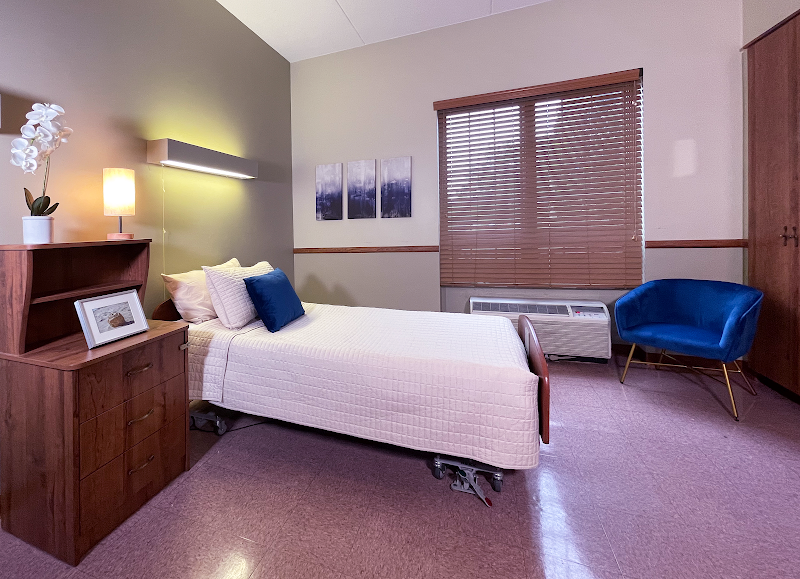
How is Chateau Nrsg & Rehab Center Staffed?

CMS rates CHATEAU NRSG & REHAB CENTER's staffing level at 1 out of 5 stars, which is much below average compared to other nursing homes. Staff turnover is 58%, which is 11 percentage points above the Illinois average of 46%. High turnover can affect care consistency as new staff learn residents' individual needs.

What Have Inspectors Found at Chateau Nrsg & Rehab Center?

State health inspectors documented 35 deficiencies at CHATEAU NRSG & REHAB CENTER during 2022 to 2025. These included: 2 that caused actual resident harm, 32 with potential for harm, and 1 minor or isolated issues. Deficiencies causing actual harm indicate documented cases where residents experienced negative health consequences.
Who Owns and Operates Chateau Nrsg & Rehab Center?

CHATEAU NRSG & REHAB CENTER is owned by a for-profit company. For-profit facilities operate as businesses with obligations to shareholders or private owners. The facility is operated by EXTENDED CARE CLINICAL, a chain that manages multiple nursing homes. With 150 certified beds and approximately 123 residents (about 82% occupancy), it is a mid-sized facility located in WILLOWBROOK, Illinois.
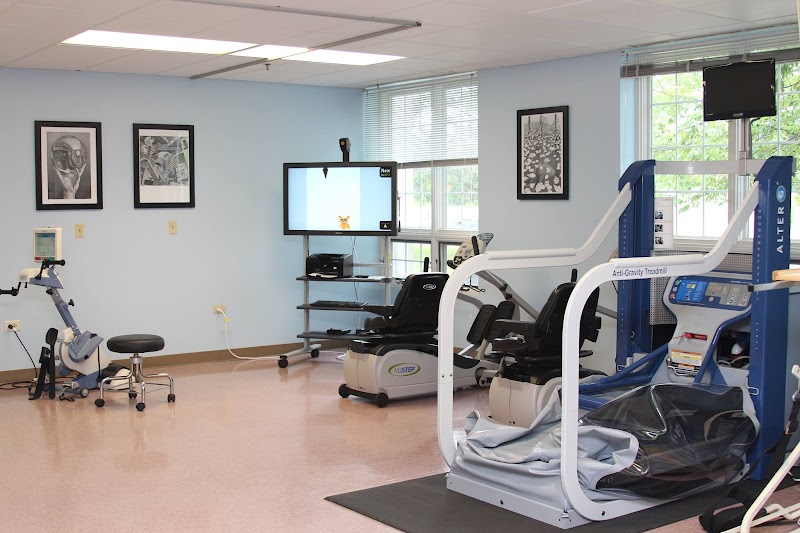
How Does Chateau Nrsg & Rehab Center Compare to Other Illinois Nursing Homes?

Compared to the 100 nursing homes in Illinois, CHATEAU NRSG & REHAB CENTER's overall rating (1 stars) is below the state average of 2.5, staff turnover (58%) is significantly higher than the state average of 46%, and health inspection rating (3 stars) is at the national benchmark.

What Should Families Ask When Visiting Chateau Nrsg & Rehab Center?

Based on this facility's data, families visiting should ask: "How do you ensure continuity of care given staff turnover, and what is your staff retention strategy?" "Can you walk me through typical staffing levels on day, evening, and night shifts?" "Can I visit during a mealtime to observe dining assistance and food quality?" "How do you handle medical emergencies, and what is your hospital transfer rate?" These questions are particularly relevant given the facility's high staff turnover rate and the below-average staffing rating.

Is Chateau Nrsg & Rehab Center Safe?

Based on CMS inspection data, CHATEAU NRSG & REHAB CENTER has a clean safety record: no substantiated abuse findings (meaning no confirmed cases of resident harm), no Immediate Jeopardy citations (the most serious violation level indicating risk of serious injury or death), and is not on the Special Focus Facility watch list (a federal program monitoring the lowest-performing 1% of nursing homes). The facility has a 1-star overall rating and ranks #100 of 100 nursing homes in Illinois. While no facility is perfect, families should still ask about staff-to-resident ratios and recent inspection results during their visit.

Do Nurses at Chateau Nrsg & Rehab Center Stick Around?

Staff turnover at CHATEAU NRSG & REHAB CENTER is high. At 58%, the facility is 11 percentage points above the Illinois average of 46%. High turnover means new staff may not know residents' individual needs, medications, or preferences. It can also be disorienting for residents, especially those with dementia who rely on familiar faces. Families should ask: What is causing the turnover? What retention programs are in place? How do you ensure care continuity during staff transitions?

Was Chateau Nrsg & Rehab Center Ever Fined?

CHATEAU NRSG & REHAB CENTER has been fined $38,441 across 2 penalty actions. The Illinois average is $33,463. While any fine indicates a compliance issue, fines under $50,000 are relatively common and typically reflect isolated problems that were subsequently corrected. Families should ask what specific issues led to these fines and confirm they've been resolved.

Is Chateau Nrsg & Rehab Center on Any Federal Watch List?

CHATEAU NRSG & REHAB CENTER is not on any federal watch list. The most significant is the Special Focus Facility (SFF) program, which identifies the bottom 1% of nursing homes nationally based on persistent, serious quality problems. Not being on this list means the facility has avoided the pattern of deficiencies that triggers enhanced federal oversight. This is a positive indicator, though families should still review the facility's inspection history directly.