AHVA CARE OF WINFIELD
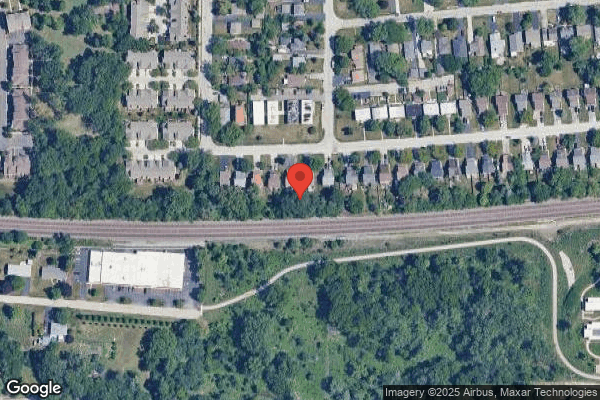
28 WEST 141 LIBERTY STREET, WINFIELD, IL 60190 (630) 668-9696
For profit - Individual 138 Beds Independent Data: November 2025
Trust Grade
50/100
#203 of 665 in IL
Last Inspection: February 2025

Within standard 12-15 month inspection cycle. Federal law requires annual inspections.

Overview

AHVA Care of Winfield has received a Trust Grade of C, which means it is average-neither particularly good nor bad among nursing homes. It ranks #203 out of 665 facilities in Illinois, placing it in the top half, and #18 out of 38 in Du Page County, indicating it has some competition locally. Unfortunately, the facility is trending worse, with the number of issues doubling from 4 in 2024 to 8 in 2025. Staffing is a significant area of concern with a low rating of 1 out of 5 stars and a turnover rate of 45%, which is only slightly better than the state average. The facility has incurred $56,116 in fines, which is concerning, suggesting ongoing compliance issues. While RN coverage is average, it is still beneficial as RNs can catch problems that CNAs might miss. Specific incidents include a serious failure to prevent pressure injuries for residents, resulting in deep tissue injuries, and concerns about the improper storage of medications, including expired insulin. Additionally, residents have reported that their rooms are often cold, affecting their comfort. Overall, while there are some strengths, significant weaknesses in care and environmental conditions need to be addressed.

Trust Score
C
50/100
In Illinois
#203/665
Top 30%
Safety Record
Moderate
Needs review
Inspections
Getting Worse
4 → 8 violations
Staff Stability
○ Average
45% turnover. Near Illinois's 48% average. Typical for the industry.
Penalties
⚠ Watch
$56,116 in fines. Higher than 93% of Illinois facilities. Major compliance failures.
Skilled Nurses
○ Average
Each resident gets 35 minutes of Registered Nurse (RN) attention daily — about average for Illinois. RNs are the most trained staff who monitor for health changes.
Violations
⚠ Watch
17 deficiencies on record. Higher than average. Multiple issues found across inspections.
★★★☆☆
3.0
Overall Rating
★☆☆☆☆
1.0
Staff Levels
★★☆☆☆
2.0
Care Quality
★★★★☆
4.0
Inspection Score
Stable
2024: 4 issues
2025: 8 issues

The Good

  • Full Sprinkler Coverage · Fire safety systems throughout facility
  • No fines on record
  • Staff turnover below average (45%)

    3 points below Illinois average of 48%

Facility shows strength in fire safety.

The Bad

3-Star Overall Rating

Near Illinois average (2.5)

Meets federal standards, typical of most facilities

Staff Turnover: 45%

Near Illinois avg (46%)

Typical for the industry

Federal Fines: $56,116

Above median ($33,413)

Moderate penalties - review what triggered them

The Ugly 17 deficiencies on record

1 actual harm
Feb 2025 8 deficiencies
CONCERN (D)

Potential for Harm - no one hurt, but risky conditions existed

Deficiency F0558 (Tag F0558)

Could have caused harm · This affected 1 resident

Based on observation, interview, and record review, the facility failed to maintain the call light within access for one resident. This applies to 1 resident (R130) reviewed for accommodation of needs...

Read full inspector narrative →
Based on observation, interview, and record review, the facility failed to maintain the call light within access for one resident. This applies to 1 resident (R130) reviewed for accommodation of needs in a sample of 30. Findings include: On 2/18/25 at 1:13 PM, R130 was observed sitting on the side of his bed with his pants half falling off his hips and his brief sticking out of his pants. R130s call button was noted to be draped over the side of his wheelchair and out of R130's reach. R130 stated, how am I supposed to get this without falling down. R130 added that the nurse had been in the room to give him medications and did not give him the call button. R130 stated that 75% of the time the staff does not give him the call button. R130 also stated that he fell on February 12, 2025 because his button was not in reach and he was reaching for it. R130's MDS (Minimum Data Set) dated 1/13/25 shows his cognition is intact and R130 needs substantial/maximal assistance for personal hygiene. R130's care plan dated 1/7/2025 documents that R130 is at risk for falls and interventions include keeping the call light within reach and encouraging the resident to use the call light for assistance as needed. On 2/18/2025, V2 (Director of Nursing) stated that when staff leave a room the call light should be placed within the resident's reach. V2 added that if the resident cannot reach their call light and they are not able to call for help, they could try to transfer or toilet themselves and risk falling.
CONCERN (D)

Potential for Harm - no one hurt, but risky conditions existed

Deficiency F0578 (Tag F0578)

Could have caused harm · This affected 1 resident

**NOTE- TERMS IN BRACKETS HAVE BEEN EDITED TO PROTECT CONFIDENTIALITY** Based on observation, interview, and record review, the facility failed to maintain accurate advanced directives in the resident...

Read full inspector narrative →
**NOTE- TERMS IN BRACKETS HAVE BEEN EDITED TO PROTECT CONFIDENTIALITY** Based on observation, interview, and record review, the facility failed to maintain accurate advanced directives in the residents' medical records. This applies to 3 out of 4 (R27, R76, and R47) residents reviewed for advance directives in a sample of 30. The findings include: 1. On [DATE] at 11:15 AM, V12 (Licensed Practical Nurse/LPN) said the facility maintained a binder with Do Not Resuscitate (DNR) advance directive forms on top of the unit's emergency crash cart. V12 also said all residents required a code status order in their EMRs (Electronic Medical Records) to reflect their selected advanced directives. V12 was asked to review R27, R47, and R76's EMRs code status. V12 said R27 and R47's EMRs showed full code orders (to be resuscitated) and R76's EMR did not show a code status order. V12 then reviewed the DNR binder which showed R27, R47, and R76 had POLST (Practitioner Order for Life-Sustaining Treatment) forms indicating they had selected DNR (not to be resuscitated). V12 said the DNR binder information had to match with the resident's EMR to ensure that the staff knew how to respond to a resident's medical emergency based on their life-sustaining wishes. On [DATE] at 10:50 AM, V11 (Social Worker/SW) said she was responsible for assisting residents with their POLST forms. V11 said she then provided the nursing team with a copy of the forms to ensure correct code status orders were entered into the residents' EMRs. V11 confirmed R27, R47, and R76's POLST forms indicating their DNR wishes were accurate. R27's Care Plan Report showed an advance directive focus for DNR initiated on [DATE]. The care plan's interventions included document the DNR status on the Physician's Order Sheet, Inform caregivers of the DNR status, and Place a code/mark on the chart so it clearly identifies the DNR status. R27's POLST (Practitioner Order for Life-Sustaining Treatment) form dated [DATE] showed R27 selected NO CPR; Do Not Attempt Resuscitation (DNAR). R27's Order Summary Report dated [DATE], showed an active code status order of Full Code CPR ATTEMPT CARDIOPULMONARY RESUSCITATION dated [DATE]. 2. R47's Care Plan Report showed an advance directive focus for DNR initiated on [DATE]. The care plan's interventions included document the DNR status on the Physician's Order Sheet and Place a code/mark on the chart so it clearly identifies the DNR status. R47's POLST form dated [DATE] showed R47 selected NO CPR; Do Not Attempt Resuscitation (DNAR). R47's Order Summary Report dated [DATE], showed an active code status order of Full Code CPR ATTEMPT CARDIOPULMONARY RESUSCITATION dated [DATE]. 3. R76's Care Plan Report showed an advance directive focus DNR initiated on [DATE]. The care plan's interventions included Document the DNR status on the Physician's Order Sheet and Inform caregivers of the DNR status. R76's POLST form dated [DATE] showed R76 selected Do Not Attempt Resuscitation/DNR. R76's Order Summary Report dated [DATE] did not show an active code status order. The facility's policy titled Advance Directives dated 2001, said Policy Statement Advance directives will be respected in accordance with state law and facility policy .4. Information about whether or not the resident has executed an advance directive shall be displayed prominently in the medical record.
CONCERN (D)

Potential for Harm - no one hurt, but risky conditions existed

Notification of Changes (Tag F0580)

Could have caused harm · This affected 1 resident

**NOTE- TERMS IN BRACKETS HAVE BEEN EDITED TO PROTECT CONFIDENTIALITY** Based on the interview and record review, the facility failed to notify the POA (Power of Attorney), physician, and hospice prov...

Read full inspector narrative →
**NOTE- TERMS IN BRACKETS HAVE BEEN EDITED TO PROTECT CONFIDENTIALITY** Based on the interview and record review, the facility failed to notify the POA (Power of Attorney), physician, and hospice provider in a timely manner before transferring R131 to the hospital for evaluation after a fall incident. This applies to 1 of 2 hospice residents (R131) who were reviewed for significant change in condition and hospitalization in a sample of 30. Findings include: On 02/18/2025 at 10:31 AM with V15 (Registered Nurse/RN), R131 was observed with a skin tear on the left elbow. V15 said R131 had a fall on 02/17/2025 and went to the hospital for evaluation. V15 said she was not involved in the incident and was not aware of the details. On 02/18/25 at 01:46 PM, V17(RN) said R131 had an unwitnessed fall, and the facility called 911 and transferred R131 to the hospital. V17 stated she informed later the hospice provider and the physician and forgot to notify R131's POA (Power of Attorney) R131's Electronic Medical Records (EMR) showed R131 was admitted to hospice care on 01/30/2025 due to cerebra vascular disease for comfort care only and diagnoses including cerebral infarction, protein-calorie malnutrition, enterocolitis due to clostridium difficile, chronic obstructive pulmonary disease, and altered mental status. R131's admission Minimum Data Set (MDS) dated [DATE] showed R131 was not interviewable and cognitively severely impaired and dependent on one to two staff assistance for activities of daily care. Nursing progress notes dated 02/17/2025 showed R131 had an unwitnessed fall at 12:25 PM and was admitted to the hospital for dehydration and abnormal sodium level. The nursing progress notes from the next shift showed that a nurse informed R131's POA regarding R131's admission to the hospital around 7:08 PM. The progress notes further indicated that the POA stated she was not aware that the patient got sent out to the hospital and did not want R131 to be admitted , and the facility brought R131 back to the facility. On 02/19/2025 at 12:12 PM, V18(Registered Nurse-Hospice) said that the hospice staff received the call regarding his change in condition around 2:45 PM. V18 said the practice is the facility notifies the fall as soon as it is observed, and the hospice sends a nurse to evaluate the residents and notify the family of any decision to make. V18 said R131 had an order from the hospice physician about not hospitalizing. V18 stated that the facility called her when R131 was already out to the hospital via 911 for evaluation, and she advised the facility to notify the family. On 02/19/25, at 10:09 AM, V2(Director of Nursing) said the appropriate parties are notified as soon as any change in resident conditions or hospital transfer occurs. The facility's policy, Care of Resident with a Change in Condition, revised dated 03/2020, states that after the resident is assessed and noted to have a change in conditions, the resident's provider should be notified for further medical intervention, and the resident's responsible party should be notified about the change of conditions.
CONCERN (D)

Potential for Harm - no one hurt, but risky conditions existed

Quality of Care (Tag F0684)

Could have caused harm · This affected 1 resident

**NOTE- TERMS IN BRACKETS HAVE BEEN EDITED TO PROTECT CONFIDENTIALITY** Based on the interview and record review, the facility failed to follow the hospice physician's order for hospitalization. This ...

Read full inspector narrative →
**NOTE- TERMS IN BRACKETS HAVE BEEN EDITED TO PROTECT CONFIDENTIALITY** Based on the interview and record review, the facility failed to follow the hospice physician's order for hospitalization. This applies to 1 of 2 hospice resident (R131) who was reviewed for hospitalization in a sample of 30. Findings include: Hospice provider order dated 01/30/2025 for R131 indicated do not hospitalize, call with change in condition, and comfort care only. On 02/18/25 at 01:46 PM, V17(Registered Nurse) said R131 had an unwitnessed fall, and the facility called 911 and transferred R131 to the hospital. V17 stated she informed the R131's physician later. V17 said she did not realize that R131 was not to be hospitalized . 02/19/25 V2 (Director of Nursing) said nurses should follow physician orders. R131's Electronic Medical Records (EMR) showed R131 was admitted to hospice care on 01/30/2025 due to cerebra vascular disease for comfort care only and diagnoses including cerebral infarction, protein-calorie malnutrition, enterocolitis due to clostridium difficile, chronic obstructive pulmonary disease, and altered mental status. R131's admission Minimum Data Set (MDS) dated [DATE] showed R131 was not interviewable and cognitively severely impaired and dependent on one to two staff assistance for activities of daily care. On 02/19/2025 at 12:12PM, V18 (Registered Nurse-Hospice) said R131 had an order from the hospice physician about not hospitalizing. V18 said when the facility called her when R131 was already out to the hospital via 911 for evaluation. The facility's policy, Physician Order-Medication and Treatment with a revised date of 03/2020, states in part physician order should be carried out as ordered. The policy Care of Resident with a Change in Condition, with a revised date 03/2020 states in part after the resident was assessed and noted to have a change in conditions, the resident's provider should be notified for further medical intervention.
CONCERN (D)

Potential for Harm - no one hurt, but risky conditions existed

Accident Prevention (Tag F0689)

Could have caused harm · This affected 1 resident

**NOTE- TERMS IN BRACKETS HAVE BEEN EDITED TO PROTECT CONFIDENTIALITY** Based on observation, interview, and record review, the facility failed to safely transfer residents who required the use of a m...

Read full inspector narrative →
**NOTE- TERMS IN BRACKETS HAVE BEEN EDITED TO PROTECT CONFIDENTIALITY** Based on observation, interview, and record review, the facility failed to safely transfer residents who required the use of a mechanical lift. This applies to 3 out of 3 (R32, R75, R104) residents reviewed for transfers in a sample of 30. The findings include: 1. R104's EMR (Electronic Medical Record) showed his diagnoses including lack of coordination, abnormalities of gait and mobility, muscle weakness in his right lower leg, gout, epilepsy, and dementia. R104's EMR said he required the use of a mechanical sit-to-stand machine lift for all transfers. R104's MDS (Minimum Data Set) dated 1/30/2025 said he was dependent on facility staff for transfers. On 2/19/2025 at 9:10 AM, V7 (Certified Nursing Assistant/CNA) and V8 (CNA) said they were going to transfer R104 from his wheelchair to the toilet. V7 said R104 required the use of the sit-to-stand mechanical lift for transfers. V7 said R104's right lower leg was weak and required additional support. V7 and V8 then placed R104's feet on the machine's footplate. The machine's knee pad had straps with attached belt bulk pieces on each side. V7 said they did not have the knee belt piece attachment to secure to the machine. V7 said they were told that the additional safety knee device was not required. They then proceeded to place and secure a red-colored belt sling around R104's torso area. V7 pulled to adjust the belt strap fully but it was not securely fastened around R104's torso. They then hooked the sling's loops to the machine and transferred R104 to the toilet. After assisting R104 with his toileting needs they then transferred him back to his wheelchair. When R104 was lifted the belt remained loose not fastened securely. R104 started slightly lowering further in his squatting position while being transferred into his wheelchair. 2. R32's EMR showed her diagnoses included loss of muscle control related to [NAME]-Sachs disease, scoliosis of the lumbar region, lack of coordination, general muscle weakness, Charcot's joint to the right shoulder, unsteadiness on feet, polyosteoarthritis, and neuropathy. R32's EMR said she required the use of a mechanical sit-to-stand machine lift for all transfers. R32's MDS dated [DATE] said she was dependent on facility staff for transfers. On 2/19/2025 at 1:05 PM, V7 and V8 (CNAs) said they were going to transfer R32 from her wheelchair to the toilet with the sit-to-stand mechanical lift. R32 had a black sling on her right arm. R32 said she used the sling for additional support because her arm was weak. They placed R32's feet on the machine's footplate. The machine's knee pad had slots on each side for attaching a knee belt but did not have belt straps attached. V7 placed and secured the same prior used (with R104's AM transfer) red-colored belt sling around R32's torso area. V7 pulled on the belt strap fully to adjust it but it was not too big and not fastened securely around R32's torso. They proceeded with R32's transfer when another staff member handed V7 another belt sling of a smaller size. After assisting R32 with her toileting needs they then transferred her back to her wheelchair. R32's belt sling remained loose despite V7 again attempting to fully pull on the belt to fasten it. V7 said the belt sling used for R32 was too loose. After the transfer, R32's belt sling was inspected with V7, and it did not have the manufacturer's tag attached indicating the size and said she believed that was a large size. V7 said that they determined the belt sling size based on the residents' posterior torso width. V7 said they had other belt sizes available including small and medium and were not specific to the machine's manufacturing product. V7 said both R32 and R104 required the use of a medium size belt slings based on their torso size. 3. R75's EMR showed her diagnoses included left-side hemiplegia, hand contractures, dystonia (involuntary muscle contractures), abnormalities of gait and mobility, and muscle weakness. R75's EMR said she required the use of a mechanical sit-to-stand machine lift for all transfers. R75's MDS dated [DATE] said she was dependent on facility staff for transfers. On 2/19/2025 at 9:35 AM, V9 (Restorative Aide) and V10 (CNA) said they were going to transfer R75 from her wheelchair to the toilet with the sit-to-stand mechanical lift. V9 said the machine was a rental without a knee belt attached. They placed R75's feet on the footplate and a belt sling around her torso. They then hooked the sling's loops to the machine and instructed R75 to hold on to the machine. R75's left hand was contracted and was unable to grip onto the machine's handlebar, she placed her hand over it. V9 pulled on the belt strap fully to adjust it but it was still too loose and not fastened securely around R75's torso. They proceed to transfer R75 to the toilet. On 2/20/2025 at 9:50 AM, V9 said the facility had different belt sling sizes and R75's size was probably medium. V9 said belt sizes were based on the resident's chest size, and when the belt is fastened it should not be too loose nor too tight. V9 was asked to inspect the belt sling used on R75 (during her AM transfer observation on 2/19/2025). V9 was unable to determine the size of the belt sling because it did not have the manufacturer's tag attached indicating the size. On 2/19/2025 at 1:20 PM, V2 (Director of Nursing) was asked to inspect R104's used sit-to-stand mechanical lift machine. V2 said that based on the knee pad's attached belt straps the machine most likely required the use of the knee belt but was unsure if the machine was purchased with it. Then V2 was asked to inspect the machines used for R32 and R75 transfers, V2 said she was not sure if those machines required the use of the belt knee belt attachment device. V2 was also asked to inspect the belt slings used for R104, R32, and R75. She was unable to determine the size of the slings. V2 said she was unsure how the staff determined or knew which size belt sling to use for the residents. V2 said the facility used universal belt slings that could be used for all the facility's lift machines, including their rental machine. On 2/19/25 at 3:20 PM, V2 said she interviewed the staff and confirmed that they were instructed by V13 (Risk Manager Consultant) that the use of knee belts was not needed because they did not assist in preventing falls. V2 said she contacted V13 for additional guidance regarding the use of the knee belts. V2 said they reviewed the machine's manufacturing instructions, and determined their use was not required only recommended, and if decided to be used they would need to be ordered. V2 also said she expected the staff to use their best judgment when determining which size of belt slings to use. On 2/20/2025 at 10:15 AM, V13 (Risk Manager Consultant) said she was employed by an outside insurance company that provided employee safety education including on how to safely transfer residents. V13 said her company did not maintain the facility's transfer equipment. V13 said she was not familiar with the facility's mechanical lift machines. V13 said she provided the facility's staff with directions on how to use lift transfer machines and instructed them that knee belts were optional but not required. V13 said knee strap belts could be used for residents who require extra security with transfers for example those who have lower leg weakness. V13 said the facility had to individually assess residents who may require the additional support of knee belts and update their care plans. V13 also said that she believed belt sling sizes were determined based on weight and the belt's manufacturing tag should be assessed to determine the belt's size. V13 said the belt should be fastened like a gait belt (a standard transfer belt), it should be snugged but not too tight. V13 said it was important that the belt be secured appropriately around the resident to prevent accidents. The (name of the sit to stand machine) manufacturing document undated was provided by the facility. The instructions said, ALWAYS check the slings weight capacity is suitable for the patient and Fitting Stand Assist Sling .2. Cross the adjustable chest belt over and fasten it securely using the buckle. The document also said there was an option to add the knee support straps and included instructions for the use of a fitting knee belt. The facility's document letter from (name of the sit to stand machine) dated 2/20/2025 said the knee strap for the lift was an optional accessory. The document further said, This accessory is available for situations where nursing or caregiver judgment determines that additional knee support is needed to enhance patient stability against the knee pad. The facility's document titled How to Use a Stand Assist Lifter Safely undated provided instructions on how to make transfers safer and more comfortable. The document said Step 2: Attach the appropriate sling .You should select the correct size sling for the person who will be donning the sling. Check the product guide, where you can find information on what size you will need .Step 6: Adjust any optional feature .Optional leg bands are also available for increased stability and lower leg support during transfers . The facility's policy titled Transferring a Resident from one location to another dated 03/2020, said Policy Statement Residents in the facility will be transferred safely from one location to another using the proper transfer technique. Policy Interpretation and Implementation .2. Mechanical lift or sit-to-stand lift .14. Apply positioning and/or physical devices as indicated .
CONCERN (D)

Potential for Harm - no one hurt, but risky conditions existed

Deficiency F0760 (Tag F0760)

Could have caused harm · This affected 1 resident

Based on observation, interview, and record review, the facility failed to safely administer a resident's extended-release antihypertensive medication. This applies to 1 out of 3 (R92) residents revie...

Read full inspector narrative →
Based on observation, interview, and record review, the facility failed to safely administer a resident's extended-release antihypertensive medication. This applies to 1 out of 3 (R92) residents reviewed for medications in a sample of 30. The findings include: On 2/19/2025 at 8:15 AM during medication administration, V16 (Registered Nurse/RN) said she was going to administer R92's scheduled antihypertensive medication, Diltiazem ER (extended-release) 120 mg (milligrams) one tablet. V16 crushed and mixed R92's Diltiazem ER tablet with applesauce. V16 then administered R92's medication orally. On 2/19/2025 at 11:00 AM, V14 (Pharmacist) said R92's Diltiazem ER was an antihypertensive medication to lower the blood pressure. V14 said the tablet should have not been crushed because it lost its extended-release properties, and the dosage would have been absorbed quicker in the body. V14 also said the medication was listed in the Do Not Crush list which was provided to the facility. R92's Order Summary Report dated 2/19/2025 showed an order for diTIAZem HCI ER Oral Tablet Extended Release 24 Hour 120 MG (Diltiazem HCI) Give 1 tablet by mouth in the morning related to HYPERTENSIVE HEART DISEASE. The report showed another for May crush medications if indicated according to manufacturer's guidelines. Diltiazem Hydrochloride Extended-Release tablet manufacturing document dated 05/2019 said administration instructions were Tablet should be swallowed whole and not chewed or crushed. The pharmacy's document titled Meds That Should Not Be Crushed dated 2023, said Crushing pills can improve ease of administration, but some shouldn't be crushed. Crushing extended-release meds can result in administration of a large dose all at once. The document listed Diltiazem as a medication that should not be crushed. The facility's policy titled Administering Medications dated 03/2020, said Policy Statement Medications shall be administered in a safe and timely manner and as prescribed.
CONCERN (E)

Potential for Harm - no one hurt, but risky conditions existed

Safe Environment (Tag F0584)

Could have caused harm · This affected multiple residents

**NOTE- TERMS IN BRACKETS HAVE BEEN EDITED TO PROTECT CONFIDENTIALITY** Based on observation, interview, and record review, the facility failed to ensure residents were provided with a clean and comfo...

Read full inspector narrative →
**NOTE- TERMS IN BRACKETS HAVE BEEN EDITED TO PROTECT CONFIDENTIALITY** Based on observation, interview, and record review, the facility failed to ensure residents were provided with a clean and comfortable room. This applies to 4 out of 4 residents (R7, R117, R127, R130) reviewed for environment from a total sample of 30. Findings include: 1. On 2/18/25 at 11:35AM R127 was in bed covered with two comforters. R127's MDS (Minimum Data Set) assessment of 12/13/2024 defines R127 as cognitively intact. R127 stated her room was always cold. R127's face-sheet shows R127 was an 80 y/o female admitted to the facility on [DATE] with diagnoses to include Schizoaffective Disorder, Hypertension, Chronic Obstructive Pulmonary Disease and Protein-Calorie Malnutrition. 2. On 2/18/25 at 11:38AAM R117 was observed in bed covered with a comforter. R117 stated her room was very cold, and it was always cold. R117 stated that she is comfortable under her blanket. R117's face-sheet showed R117 is admitted to the facility on [DATE] with diagnoses to include Schizoaffective Disorder, Depression, Unspecified Psychosis and Hypertension. R117's MDS dated [DATE] showed she was cognitively intact. 3. On 2/18/24 at 11:42 AM, observed R7 in a wheelchair, going out of her room. R7 was wearing a sweater, a hat, and a scarf around her neck. R7 stated she is wearing her winter attire because her room was very cold. R7's face-sheet showed, R7 was a 66 y/o female admitted to facility on 10/07/1997 with diagnoses to include Schizoaffective Disorder, Paranoid Schizophrenia, Hypertension, Diabetes Mellitus and Thrombocytopenia. R7's MDS dated [DATE] showed she was cognitively intact. On 2/18/25 at 12:15 PM V19 (Maintenance Director) stated, resident's room temperature must be 69-81F (degrees Fahrenheit). V19 (Maintenance Director) stated, they usually keep it above 71F as most residents are comfortable at 71F or above. V19 (Maintenance Director) checked the room temperature, and it was 63F. He re-calibrated his thermometer and the thermometer still showed 63F. On 2/20/25 at 2:00 PM, V1 (Administrator) stated, the thermostat in R7's room was broken. Policy on 'Homelike Environment' revised in March 2020 showed, ' 2. Characteristics of a personalized, homelike setting g. comfortable room and water temperatures. 5. Room Temperatures: maintain comfortable and room temperatures levels near a range of 71 to 81F. 4. On 2/18/25 at 1:13 PM, R130 was observed sitting on the side of his bed with his pants half falling off his hips and his brief sticking out of his pants. R130 had a foul odor coming from his side of the room. R130's urinal was sitting on his meal tray in front of him with a noted dark brown substance/what appeared to be stool around the rim. R130 said his urinal has been dirty around the rim for as long as he could remember. R130's MDS (Minimum Data Set) dated 1/13/25 shows his cognition is intact.
CONCERN (E)

Potential for Harm - no one hurt, but risky conditions existed

Pharmacy Services (Tag F0755)

Could have caused harm · This affected multiple residents

**NOTE- TERMS IN BRACKETS HAVE BEEN EDITED TO PROTECT CONFIDENTIALITY** 5. R73 is a [AGE] year-old female with cognition intact as per the Minimum Data Set (MDS) dated [DATE]. On 02/18/25 at 10:00 AM...

Read full inspector narrative →
**NOTE- TERMS IN BRACKETS HAVE BEEN EDITED TO PROTECT CONFIDENTIALITY** 5. R73 is a [AGE] year-old female with cognition intact as per the Minimum Data Set (MDS) dated [DATE]. On 02/18/25 at 10:00 AM, R73 was at the nurse's station, and V3 (Licensed Practical Nurse/LPN) administered her medications. R73 asked for her hemorrhoid medicine, and V3 stated that he didn't have that to administer. On 02/18/25 at 10:12 AM, V3 (LPN) stated that R73's hemorrhoid cream is an over-the-counter medicine, and he told his supervisor a couple of days ago (V3 was off yesterday). V3 added that rectal cream is not available to administer as the resident (R73) requested. On 02/19/25 at 11:04 AM, R73 stated, I was impacted yesterday, and there was little blood around my rectum, and that's why I asked for my hemorrhoid medication yesterday. Record review on Physician Order Sheet (POS) dated 02/14/25 documented external cream (Hydrocortisone, rectal cream) to apply to the affected area topically every 6 hours for hemorrhoid pain/discomfort. On 02/19/25 at 09:33 AM, V2 (Director of Nursing/DON) stated that R73's rectal cream is an over-the-counter medication and is not covered under her insurance. V2 added that the medicines should be available for residents. A review of the facility-provided Medication on admission policy (revised in December 2012) documented: Upon admission or re-admission, obtain a list of medications that the resident is supposed to be taking; once completed and reconciled, fax the information to the pharmacy so that delivery, if needed, can be arranged at their end. Information about the medication shall include but not be limited to: 1. Prescription medications, including those taken only as needed. 2. Non-prescription/over-the-counter medications, including those taken only as needed. Based on observation, interview, and record review, the facility failed to dispose of controlled medications accordingly and have as-needed medication available for administration upon resident request. This applies to 5 out of 5 (R103, R65, R26, R10, and R73) residents reviewed for medication storage and pharmacy services in a sample of 30. The findings include: 1. On 2/18/2025 at 12:55 PM, the medication storage task was done with V15 (Registered Nurse/RN) on the second floor. R10's Ativan 0.5 mg (milligrams) medication bottle containing 20 tablets was in the medication room's refrigerator. R10's Ativan Controlled Substances Proof of Use record sheet was wrapped around the medication (not in the unit's narcotic control counting log binder). V15 said the medication did not require refrigeration and was unsure why it was stored in the refrigerator. V15 also said the record sheet had to be in the narcotic control binder to ensure the medication was being accounted for. V15 then gave R10's medication and record sheet to V3 (Licensed Practical Nurse/LPN). V3 said R10's Ativan tablets were discontinued, and he was now receiving it in liquid form. R10's Order Summary Report dated 2/19/2025 did not show an order for Ativan tablets. 2. On 2/18/2025 at 1:05 PM, the second floor's unit medication cart was checked with V15 (RN). R26's Lorazepam 1 mg medication punch card was observed with the #8 pill slot punched opened, with tape over it with a pill inside. R26's Order Review Report dated 2/19/2025 showed an order for Ativan Oral Tablet 1 MG (Lorazepam) Give 1 mg by mouth every 6 hours as needed for anxiety. 3. On 2/18/2025 at 1:25 PM, the first floor's unit medication cart was checked with V4 (RN). R103's Lorazepam 0.5 mg medication punch card with 28 tablets had R103's Controlled Drug Receipt/Record/Disposition form wrapped around the card (not in the unit's narcotic control counting log binder). R103's Order Review Report dated 2/19/2025 did not show an order for Lorazepam. 4. On 2/18/2025 at 1:25 PM, V4 remained present for R65's medication observation. R65's Clonazepam 1 mg medication punch card with 27 tablets had R65's Controlled Drug Receipt/Record/Disposition form wrapped around the card (not in the unit's narcotic control counting log binder). V4 said R103 and R65 were discharged from the facility, and their controlled medications should have been removed and given to the Director of Nursing/DON to ensure proper destruction. R65's Order Review Report dated 2/19/2025 showed an order for clonazepam Oral Tablet 1 MG (Clonazepam) Give 1 tablet via G-Tube one time a day related to BIPOLAR DISORDER. On 2/19/2025 at 1:30 PM, V2 (DON) said all controlled medications should be accounted for and disposed of when discontinued to prevent discrepancies and variances. V2 also said controlled medications should never be placed back into the punch cards once removed. The facility's policy titled Controlled Substances dated 11/2015, said The facility will dispose of or destroy any discontinued controlled substances in a safe and controlled manner in accordance with the regulation set forth by the Drug Enforcement Agency (DEA) .Destroying Controlled Drugs 9. When a resident refuses a non-unit dose medication (or it is not given), or a resident receives partial tablets or single dose ampules (or it is not given), or the medication needs to be wasted, the medication shall be destroyed and may not be returned to the container .12. Medication has to be destroyed if the packing has been compromised. 13. All discontinued controlled drugs will be collected and should be broken down as best as possible.
Jan 2024 4 deficiencies
CONCERN (D)

Potential for Harm - no one hurt, but risky conditions existed

Deficiency F0688 (Tag F0688)

Could have caused harm · This affected 1 resident

2. R86's face sheet included diagnoses of hemiplegia and hemiparesis following cerebral infarction affecting right dominant side, limitation of activities due to disability, need for assistance with p...

Read full inspector narrative →
2. R86's face sheet included diagnoses of hemiplegia and hemiparesis following cerebral infarction affecting right dominant side, limitation of activities due to disability, need for assistance with personal care, other lack of coordination, cognitive communication deficit. R86's 5-day MDS (Minimum Data Set) dated January 3, 2024 showed that R86 was severely impaired in cognition and had upper and lower impairment on one side and was dependent on staff with all activities of daily living. R86's active care plan created on May 25, 2023 included that R86 requires splint to right hand/arm related to hemiplegia and hemiparesis following cerebral infarction affecting right (side). Interventions included to ensure that the splint was on every AM shift and off every night shift. On January 9, 2024 at 1:26 PM, R86 was seen lying in bed. A blue colored resting hand splint was seen at R86's bedside table. R86's right hand was tucked under the bed sheets and viewed in the presence of V8 (Certified Nursing Assistant) and was noted to be contracted with long jagged fingernails embedded into her palms. V8 stated that in the recent past, R86 used to wear the hand brace (that was seen at the bedside) when R86 was up in the chair and has it off while in bed. V8 stated that currently R86 just stays in bed all day and so they do not apply the hand brace. Based on observation, interview and record review the facility failed to assess and provide adaptive devices to residents, to prevent further reduction in ROM (range of motion). This applies to 2 of 2 residents (R80 and R86) reviewed for range of motion in the sample of 25. The findings include: 1. R80 had multiple diagnoses including hemiplegia affecting left non-dominant side and joint contracture, based on the face sheet. R80's quarterly MDS (minimum data set) dated November 17, 2023 showed that the resident was moderately impaired with cognition. The MDS showed that R80 had functional limitation in ROM (range of motion) on one side of both upper and lower extremities. The same MDS showed that R80 required substantial/maximal assistance to total dependence from the staff with most of her ADLs (activities of daily living). On January 8, 2024 at 11:41 AM, R80 was sitting in her wheelchair inside her room. R80's left hand was contracted with four fingers (except thumb) curled into the palm. R80 could not extend her index, middle, ring, and little fingers. R80 had no splint and/or no adaptive/positioning/comfort device on her left hand. R80 stated, They don't give me any exercise for it. It's been like this for 7 years and they haven't done a d*** thing. They haven't put the splint/hand brace around it. It will help it. On January 9, 2024 at 9:19 AM, R80 was sitting in her wheelchair in-front of the unit nursing station. R80's left hand was contracted with four fingers (except thumb) curled into the palm. R80 could not extend her index, middle, ring, and little fingers. R80 had no splint and/or no adaptive/positioning/comfort device on her left hand. On January 9, 2024 at 1:29 PM, V5 (Occupational Therapist) stated that she has not provided occupational services to R80 for a while. According to V5 once the therapy discharges the resident, the resident is referred to the restorative program and the restorative department handles the ROM (range of motion) program for the individual resident. V5 stated that the therapy department will screen R80 to determine the need for a left-hand splint. On January 11, 2024 at 9:39 AM, V5 stated that she had evaluated R80 for occupational therapy services on January 10, 2024 at approximately 11:00 AM, after she was prompted by the surveyor on January 9, 2024, to look at the resident's left hand contracture to determine the need for a splint or any adaptive device. According to V5, based on her evaluation of R80, the resident had a flexion contracture of the proximal and distal interphalangeal joints of the 2nd through 5th digits (index, middle, ring, and little fingers) of the left hand. V5 stated that R80's left hand 2nd through 5th digits were bent forward and were non-functional due to left sided hemiplegia. V5 stated that because of R80's left hand contracture, she (V5) had recommended for the resident to have a trial use of a splint, either a carrot or a palmar guard splint, to prevent further contracture, for comfort and for skin integrity. V5 added that based on R80's evaluation, the occupational therapist will provide services to the resident's bilateral extremities. R80's occupational therapy evaluation dated January 10, 2024 created by V5 showed that the resident had functional limitations due to contracture on her left digits from 2nd through 5th proximal and distal interphalangeal joints. The evaluation showed in-part under reason for therapy, Due to the documented physical impairments and associated functional deficits, without skilled therapeutic intervention, the patient is at risk for further decline in function. The same evaluation showed, Splint/orthotic recommendations: Therapy will trial palmar guard and carrot splint.
CONCERN (D)

Potential for Harm - no one hurt, but risky conditions existed

Deficiency F0694 (Tag F0694)

Could have caused harm · This affected 1 resident

**NOTE- TERMS IN BRACKETS HAVE BEEN EDITED TO PROTECT CONFIDENTIALITY** 2. R81's EMR (Electronic Medical Record) showed diagnoses that included multiple sclerosis, quadriplegia, scoliosis, unspecified...

Read full inspector narrative →
**NOTE- TERMS IN BRACKETS HAVE BEEN EDITED TO PROTECT CONFIDENTIALITY** 2. R81's EMR (Electronic Medical Record) showed diagnoses that included multiple sclerosis, quadriplegia, scoliosis, unspecified urethral stricture, male, unspecified site, neuromuscular dysfunction of bladder, presence of urogenital implants, need for assistance with personal care, other lack of coordination. R81's 5-day MDS (Minimum Data Set) dated December 29, 2023 showed that R81 was cognitively intact. R81's EMR included nursing progress notes that he was sent to the hospital on December 29, 2023 due to difficulty breathing, fever and weakness. The same nursing progress notes included that R81 was re-admitted to the facility on [DATE] from hospital with diagnoses of pneumonia and urinary tract infection and an order for antibiotic Meropenem 1,000 mg (milligrams) IVP (intravenous peripheral) three times daily for three days. R81's care plan revised January 5, 2024 included that R81 has UTI (urinary tract infection) with ESBL (Extended-Spectrum Beta-Lactamase) Escherichia Coli and was being treated with antibiotics Meropenem Intravenous Solution Reconstituted 1 GM (Meropenem) IV from January 4, 2024 until January 6, 2024. Goal for the same included that R81 will be free from complications related to infection through the review date. On January 8, 2024 at 12:05 PM, R81 was in his room seated in a wheelchair and was observed with a peripheral IV (intravenous) line on the left antecubital area. The peripheral IV insertion site had an undated clear transparent dressing which was rolling off at the edges. The peripheral IV insertion site also had dried blood caked at the tip of IV insertion site. R81 stated I just got out of the hospital. They put in an IV on Thursday (January 4, 2024) for antibiotic for ESBL urine and I just got done with it on Saturday (January 6, 2024). On January 8, 2024 at 2:30 PM, R81's peripheral IV line on the left antecubital area was noted to have fresh blood at the insertion site under the clear dressing which remains undated and curled at the edges. R81 stated that the dressing has not been changed since the hospital applied it. On January 8, 2024 at 2:33 PM, V6 (Registered Nurse) stated I am not sure if the dressing was changed. His last intravenous antibiotic was this Saturday, January 6th at 4:00 PM. We are waiting for doctor's order for removal of peripheral line. Normally we change the dressing in 72 hours, but I am not sure. On January 9, 2024 at 1:14 PM, V2 (Director of Nursing) stated that the dressing on IV site should be labeled and dated. V2 added that if the dressing is noted to be curling or detached it is recommended to be changed for infection prevention. Based on observation, interview, and record review, the facility failed flush an intravenous (IV) line prior to administration of medication and failed to label and change an IV dressing. This applies to 2 of 2 residents (R81, R86) reviewed for intravenous line in the sample of 25. The findings include: 1. On January 8, 2024, at 5:35 PM, V6 (Registered Nurse) administered multiple medications to R86 which included Meropenem 2 gm (grams) intravenously (IV). This Meropenem was incorporated into 0.9 NS (normal saline) 100 ml (milliliter). V6 did not flush the IV line prior to administering Meropenem. On January 8, 2024, at 6:00 PM, V6 stated that they are supposed to flush the IV line before and after infusion, however, she (V6) forgot to do it. Physician order summary shows R86 has peripherally inserted central catheter (PICC). Medication administration record (MAR) showed: Sodium Chloride Solution 0.9 NSS (Normal Saline Solution). Use 10 ml intravenously every day and night shift for flush. Flush double lumen PICC before and after infusions.
CONCERN (E)

Potential for Harm - no one hurt, but risky conditions existed

Deficiency F0583 (Tag F0583)

Could have caused harm · This affected multiple residents

Based on observation, interview and record review, the facility failed to ensure residents' privacy were maintained while performing blood glucose monitoring and insulin injections. The facility also ...

Read full inspector narrative →
Based on observation, interview and record review, the facility failed to ensure residents' privacy were maintained while performing blood glucose monitoring and insulin injections. The facility also failed to ensure a resident's private medical information was kept confidential. This applies to 4 of 4 residents (R32, R65, R103 and R107) reviewed for privacy in the sample of 25. Findings include: 1. R107's face sheet showed multiple diagnoses including dementia, and diabetes mellitus. On January 8, 2024 at 10:46 AM, R107 was sleeping in a wheelchair in the hallway outside of her room. V9 (Nurse) rolled R107 to the nurses' station, used a lancet to extract blood from R107's finger and then used a blood glucose monitoring machine to determine R107's blood glucose level. During R107's blood glucose monitoring procedure, no privacy was provided to the resident and during the same procedure, R107 was visible to multiple residents and staff at the nurses' station. V9 stated she usually checks resident's lunchtime and dinnertime blood glucose at the nurses' station or wherever residents are located because they are not usually in their rooms after breakfast. 2. R32's face sheet showed multiple diagnoses including, type 2 diabetes mellitus. On January 8, 2024 at 11:32 AM, V9 was at her medication cart at the nurses' station and stated she was about to give insulin to R32. V9 stated that she had already taken R32's blood glucose and proceeded to prepare R32's insulin. After V9 had prepared R32's insulin, she (V9) walked towards R32 and told the resident that she will be administering the insulin. R32 was sitting at the nursing station in a regular chair against the wall. R32 pulled her shirt up and pulled her pants down, exposing her lower abdominal area. R32 was observed having a little trouble keeping her pants down. V9 pinched R32's left lower abdomen and injected the insulin about three to four inches below the resident's waistline. During the administration of insulin to R32, the resident was not provided privacy and R32 was visible to multiple residents and staff at the nurses' station. 3. R65's face sheet showed multiple diagnoses including type 2 diabetes mellitus. On January 8, 2024 at 11:38 AM, while at the nurses' station, V9 used a lancet to extract blood from R65's right index finger and then used a blood glucose monitoring machine to determine R65's blood glucose level. After obtaining R65's blood glucose level, V9 proceeded to prepare R65's insulin. While R65 was holding her shirt up, exposing her abdominal area, V9 attempted to administer the insulin to the resident twice. During V9's second attempt to administer the insulin to R65's abdominal area, V10 (Social Service Director) walked up to V9 and prompted V9 to give the insulin medication in the resident's room. V9 looked up and responded what? V10 again prompted V9 to give R65's insulin medication inside the resident's room. V10 told R65, let her give you your medicine in your room and then led R65 that way. During R65's blood glucose monitoring procedure and attempts to administer the insulin medication to the resident's abdominal area, R65 was at the nurses' station and during the same procedures, R65 was visible to multiple residents and staff at the nurses' station. On January 9, 2024 at 12:33 PM, V10 stated that on January 8, 2024 when she saw V9 lifting R65's shirt up and was about to give her (R65) an injection, she told V9 to take R65 to her room for the resident's privacy. On January 9, 2024 01:04 PM, V2 (Director of Nursing) stated that checking blood glucose and giving injections should be done privately in resident's room or bathroom, but not at the nurses' station. According to V2 she does not recommend doing injections or blood glucose checks in the open at the nurses' station because of privacy, infection control, and safety issues. 4. On January 9, 2024, at 9:17 AM, V11 (Registered Nurse) administered medications to R103. V11 turned on the computer and went to R103's page to check the medications that were due for administration. Without turning off the computer, V11 walked away from the cart to check R103's vital signs, then she came back to the cart to prepare the medication. In the process of preparing medication, V11 walked away again and went inside the nurses' station leaving the computer open while R103's electronic medical record such as his name, date of birth and medications were visible to all the residents and other non-nursing staff who were sitting nearby and/or walking by the cart. The computer was on top of the medication cart which was parked outside the nurses' station. There were alert and oriented residents walking by the cart who could read R103's record. On January 9, 2024, at 1:10 PM, V2 (Director of Nursing) stated that staff should minimize or close the computer every time the staff walks away from the computer to keep resident's information private. The facility's Residents Rights, Privacy, and Dignity policy dated March 2020 documents the following: 2d. The resident has the right to privacy and confidentiality.
CONCERN (E)

Potential for Harm - no one hurt, but risky conditions existed

ADL Care (Tag F0677)

Could have caused harm · This affected multiple residents

**NOTE- TERMS IN BRACKETS HAVE BEEN EDITED TO PROTECT CONFIDENTIALITY** 3. R86's face sheet included diagnoses of hemiplegia and hemiparesis following cerebral infarction affecting right dominant side...

Read full inspector narrative →
**NOTE- TERMS IN BRACKETS HAVE BEEN EDITED TO PROTECT CONFIDENTIALITY** 3. R86's face sheet included diagnoses of hemiplegia and hemiparesis following cerebral infarction affecting right dominant side, pressure ulcer of sacral region, unspecified stage, limitation of activities due to disability, need for assistance with personal care, cognitive communication deficit. R86's 5-day MDS (Minimum Data Set) dated January 3, 2024 showed that R86 was severely impaired in cognition. On January 11, 2024 at 10:35 AM, V2 (Director of Nursing) stated that R86 needs extensive assistance from staff for personal hygiene/grooming. R86's activities of daily living care plan revised May 1, 2023 included that R86 has an ADL (activities of daily living) self-care performance deficit related to hemiplegia, limited range of motion, stroke, deconditioning. Interventions included: BATHING/SHOWERING: Check nail length and trim and clean on bath day and as necessary. Report any changes to the nurse. On January 9, 2024 at 11:41 AM, R86 was in room resting in bed and noted to have several long chin hairs and long jagged finger nails on left hand with blackish substance underneath the nail. R86's right hand was not visible as it was tucked under the bed sheet. R86 stated that she would like her facial hair removed and nails trimmed and cleaned. R86 was able to respond clearly to queries. On January 9, 2024 at 1:26 PM, V8 (Certified Nursing Assistant) was notified of R86's requests. When R86's right hand was viewed in the presence of V8, it was noted to be contracted with long jagged fingernails embedded into her palms. R86's left hand continued to show long jagged nails with blackish substance underneath it however most of R86's chin hairs were removed. V8 stated that R86 just had a shower and agreed that the nails need to be cut and cleaned. Based on observation, interview and record review, the facility failed to assist residents identified as needing assistance with personal hygiene. This applies to 4 of 5 residents (R86, R88, R110 and R113) reviewed for ADLs (activities of daily living) in the sample of 25. The findings include: 1. On January 8, 2024 at 1:02pm, R110 had facial hair up to a quarter inch in length. On January 9, 2024 at 9:47am, R110 continued to have unshaved facial hair. According to R110 the CNAs (Certified Nursing Assistants) normally shave him with his shower or bed bath but they hadn't shaved him during his last 3 bath times. R110 stated his bath days are Wednesday and Saturday (the last being January 6, 2024). The facility provided a record of R110's baths which showed R110 did get a bath on January 6, 2024, 2 days before the January 8 observation. According to the facility face sheet for R110 shows the resident was admitted to the facility on [DATE] and is treated for medical and psychiatric illnesses. According to the most recent MDS (Minimum Data Set) dated December 6, 2023, R110 was cognitively intact and requires assistance with bathing and with shaving. On January 10, 2024 at 2:21pm, V2 (Director of Nursing) stated ADLs (activities of daily living) should always be done, including bathing and personal hygiene. 2. On January 8, 2024, at 12:47 PM, R113 was sitting in his recliner. R113 displayed dirty fingernails with black/brown substances underneath the nails. R113 stated that he wants his fingernails clipped but he needs the staff to do it for him. On January 9, 2024, at 2:55 PM, V12 (Wound Care Nurse) stated that R113 scratches his skin a lot. R113 requires extensive assistance with ADL (activities of daily living) care. On January 9, 2024, at 3:04 PM, R113 was sitting in his recliner wearing dirty shirt and still had long fingernails with brown/black substance underneath the nails. R113 stated that the staff has not clipped it yet and he still wants his fingernails to be cleaned and clipped. R113's shirt was stained with dry substances all over the front of his shirt. R113's MDS (Minimum Data Set) dated September 27, 2023, showed that R113 was alert and oriented. R113's active care plan shows that R113 exhibit self-care deficit and requires assistance with activities of daily living such as bed mobility, transfers, toileting, eating, dressing/grooming, bathing, and personal care needs due to current medical condition which include CVA (cerebrovascular accident) with left hemiplegia. 4. R88 had multiple diagnoses including Parkinson's disease, dementia without behavioral disturbance and need for assistance with personal care, based on the face sheet. R88's quarterly MDS dated [DATE] showed that the resident was cognitively intact and required Supervision or touching assistance with regards to personal hygiene. On January 8, 2024 at 11:19 AM, R88 was sitting in her chair inside the first floor main dining room. R88 was alert and verbally responsive. R88 had long and curling chin hair. On January 9, 2024 at 12:42 PM, R88 was sitting in her chair inside the first floor main dining room. R88 had long and curling chin hair. R88 stated that she wanted the staff to shave her chin hair. V2 (Director of Nursing) was present during the observation. According to V2, R88 needed the staff assistance to shave because R88 cannot shave herself.
Mar 2023 5 deficiencies 1 Harm
SERIOUS (G)

Actual Harm - a resident was hurt due to facility failures

Pressure Ulcer Prevention (Tag F0686)

A resident was harmed · This affected 1 resident

**NOTE- TERMS IN BRACKETS HAVE BEEN EDITED TO PROTECT CONFIDENTIALITY** Based on observation, interview, and record review the facility failed to prevent and identify an area of pressure prior to beco...

Read full inspector narrative →
**NOTE- TERMS IN BRACKETS HAVE BEEN EDITED TO PROTECT CONFIDENTIALITY** Based on observation, interview, and record review the facility failed to prevent and identify an area of pressure prior to becoming a deep tissue injury, failed to implement offloading interventions, and failed to assess new pressure injuries for 2 of 6 resident (R38, R70) reviewed for pressure in the sample of 24. This failure resulted in R70 suffering three deep tissue injuries. The findings include: 1. R70's face sheet listed diagnosis including encephalopathy, kidney disease stage 3, heart failure, acute respiratory failure, bipolar disorder, adult-onset fluency disorder, and dementia. On 02/28/23 at 02:02 PM, R70 was in bed with her eyes closed and positioned to her right side. R70 had heel boots on, and her toes were exposed with no dressings. R70's heels were not offloaded and were in lying on the mattress. On 03/01/23 09:08 AM, R70 was in bed supine with the head of the bed elevated. R70 had bilateral heel boots on with heels resting directly on the mattress. R70's heels were not offloaded. R70 did not have socks or dressing to her feet and her toes were in direct contact with the sheet covering her. R70 was able to say her name but was otherwise disoriented. R70 was unable to move her legs when requested. On 03/01/23 at 01:56 PM, R70 was supine in bed. A top sheet and blanket rested directly on R70's uncovered toes. R70's heels were not offloaded. Examination of the wounds with assistance of V4 (Wound Nurse) showed left great toe tip had a reddened-purplish area of intact skin, right great toe tip wound (larger than left) showed a flattened dried blood blistered area which was unopened, left heel had area had a discolored, non-blanchable reddened area. None of the wounds had dressings. R70's right heel had a large, discolored area that was blanchable, and the right medial bony prominence of the right foot had a reddened area. On 3/2/23 at 11:04 AM, V2 (Director of Nursing/DON) said, to offload pressure we use air loss mattress, turning frequently, and heel boots. Heel boots off load pressure to the heel. You still need to put pillows under the lower legs to ensure the feet are off the bed. Heels should not be resting on anything. Offloading pressure to the toes is done by using open toed boots, no tight-fitting socks and no blankets tight on the toes. It's important to offload so the skin doesn't open. You don't want other injuries, deeper injuries, or worsening of an injury. The key to pressure prevention is to remove pressure. If pressure is not relieved the wound is going to open, ulcer and worsen. Other wounds may develop as well. On 3/2/23 at 11:30 AM, V2 said I don't consider a blister a pressure ulcer. It can come from things other than pressure. On 3/2/23 at 1:11 PM, V13 (Wound Doctor) said ideally, yes he would expect the facility to identify areas of pressure prior to becoming a stage 3. Ways to offload pressure from the heels may include use of a pillow to float the heel or use offloading boots. They don't have foot cradles here but that would keep the bed covers from rubbing the tips of R70's toes. V13 said he assessed R70 once and determined she had three deep tissue injuries. We discussed the sheets rubbing as the cause of the DTI's. Since they don't have foot cradles, they were going to use ABD (thick gauze pads) pads over the areas. If offloading isn't done, wounds could deteriorate. The blisters did not have clear fluid. That's why they were DTI's. Pressure injury prevention is better than treatment. During the survey, V4 (Wound Nurse) said he was not certified in wound care and does not officially stage wounds. V4 states his assessments are preliminary until confirmed by V13 (Wound Doctor). V4 does not know V13's name. R70's 1/25/23 facility assessment showed severe cognitive impairment extensive assistance of two plus persons required for bed mobility, transfer, toilet use, personal hygiene, and total dependence for bathing. R70's 1/18/23 pressure sore risk assessment showed a high risk. The facility's weekly wound report showed R70 had three facility acquired (2/14/23) Deep Tissue Injuries (DTI's). Noted on this report was a DTI to the right first toe, left first toe, and the left heel. R70's 2/17/23 hospice note showed redness to the lower legs and both big toes. The facility nurse was notified. R70's 2/18/23 nurses note showed discoloration to the top of bilateral big toes. The nurse notified hospice. R70's 2/18/23 nurses note showed the hospice nurse visited and recommended the facility wound nurse assess the resident for Deep Tissue Injury (DTI) to bilateral great toes, and bilateral heels. The facility wound nurse was updated. The facility's initial wound assessment by the facility was requested an a 2/20/23 Skin Evaluation was received. This document was authored by V4 (Wound Nurse.) R70's 2/20/23 wound evaluation by V13 (Wound Doctor) showed wound #1 unstageable DTI of the right first toe, partial thickness blood filled blister, etiology, pressure. V13 recommended to offload the wound and place an ABD pad to the area daily. Wound #2 unstageable DTI of the left, first toe partial thickness, etiology, pressure. V13 recommended to offload the wound and place and ABD pad over the area daily. Wound #3 unstageable DTI of the left heel partial thickness, etiology, pressure. V13 recommended to offload the wound and float heels while in bed. The National Pressure Injury Advisory Panel (NPIAP) pressure injury stages showed a pressure injury is localized damage to the skin and underlying soft tissue usually over a bony prominence or related to a medical or other device. The injury can present as intact or open ulcer and may be painful. The injury occurs as a result of intense and/or prolonged pressure or pressure in combination with shear. The tolerance of soft tissue for pressure and shear may also be affected by microclimate, nutrition, perfusion, comorbidities, and condition of the soft tissue. A Deep Tissue Pressure Injury (DTPI): Persistent non-blanchable deep red, maroon or purple discoloration- Intact or non-intact skin with localized area of persistent non-blanchable deep red, maroon, purple discoloration or epidermal separation revealing a dark wound bed or blood-filled blister. This injury results from intense and/or prolonged pressure and shear forces at the bone-muscle interface. The wound may evolve rapidly to reveal the actual extent of tissue injury or may resolve without tissue loss. Do not use DTPI to describe vascular, traumatic, neuropathic, or dermatologic conditions. The facility's 1/2023 Assessment of Skin Alteration/Skin Checks Policy showed residents with skin alteration will be assessed, and the physician will provide treatment. The assessment of any alteration should be started immediately upon identification of a pressure ulcer and findings need to be documented in the medical record. Wound assessment/measurement should be completed and documented in the medical record upon identification and weekly until healed to reflect progress. The resident's plan of care should be reviewed and updated as needed. The facility's 2/2022 Wound Prevention Program showed implementation of preventative measures and/or appropriate treatment modalities for ulcers are put into place according to the standard of care. Develop a plan of care and implement intervention according to the resident risk factors identified. 2. Identification of risk factors that can impact developing unavoidable ulcer or will affect healing process if resident does have an ulcer. The following are risk factors: a. acute illness or change in condition i.e., upper respiratory infection, pneumonia c. cognitive loss d. decreased mobility or bedfast g. edema h. elderly residents with very dry skin and/or poor skin turgor i. ends stage disease/ terminal illness m. history of pressure ulcers. 4. Activity Mobility and Positioning Interventions: establish an individualized turning and repositioning schedule if the resident is immobile. If the resident is on bed, position the resident body on bed with pillows, or other supportive devices and/or low air loss mattress to protect boney prominence susceptible to pressure. Offload heels using pillows as needed. Elevate resident heels off the bed as indicated (e.g., place pillows under calf (not under ankles) to raise heels off the bed, unless contraindicated due to medical condition). 2. R38's face sheet printed on 3/1/23 showed diagnoses including but not limited to respiratory failure, heart failure, hypertension, obesity, schizophrenia, mood disorder, intellectual disabilities, and bilateral embolism and thrombosis of lower extremity deep veins. R38's facility assessment dated [DATE] showed extensive staff assistance needed for bed mobility, transfers, dressing, and toilet use. R38's Braden Scale for Predicting Pressure Sore Risk dated 2/19/23 showed a moderate risk. On 2/28/23 at 10:36 AM, R38 was seated in a wheelchair on the second-floor unit. R38 had yellow anti-skid socks on and both feet were flat on the floor. R38's foot appeared to have a bandage sticking out over the top of the sock. At 12:30 PM, R38 was in his wheelchair in the main dining room wearing the yellow socks. His feet were flat on the floor. At 1:12 PM, R38 was in his wheelchair by the second-floor elevator. R38's feet were bare, and his feet were flat on the floor. V6 (Registered Nurse) was questioned about the bandage on R38's heel. V6 stated she did not know but guessed it was likely from a recent treatment. On 3/1/23 at 8:55 AM, V11 and V12 (Certified Nurse Assistants) toileted R38 while V4 (Wound Nurse) was present. V4 was asked to remove R38's socks and a white bandage was observed on the right heel. V4 removed the dressing. A half-dollar size split open white area with a dime size dark purple center was observed. V4 cleansed and measured the white area and stated it was 3.8 by 4.0 centimeters. V4 said it looked like a blister that had opened. V4 said he would classify the dark purple bruising area as a DTI (deep tissue injury). V4 said it was approximately 25% the size of the blistered area. V4 said it was the first time he was aware of any wounds on R38's heels. V4 said it appeared to have been caused by R38 rubbing his heels on the floor. V4 said R38 propels himself all around the units and should have something protecting his heels to prevent the breakdown. V4 said it should have been off-loaded as soon as it was found. V4 said it should have been documented in the resident chart and verbally passed on between shifts. At 9:20 AM, V4 and the surveyor reviewed R38's electronic medical record together and V4 confirmed there was no documentation of the wound to R38's right heel. V4 said resident skin should be inspected during all care by the aides. Nurses inspect skin two times weekly on shower days. The physician should be immediately notified of any skin changes to get treatment started and get the wound healing right away. On 3/2/23 at 11:30 AM, V2 (Director of Nurses) stated skin checks should be done head to toe with every shower by the CNAs. Nurses do skin checks with every medication pass. If a resident is prone to pressure ulcers, then it is a head-to-toe assessment. Any skin changes should be reported to the physician, family, director of nurses and the wound care nurse right away. V2 said if skin changes are not found at an early stage there is the potential for worsening of the wound and the risk of infection. V2 was asked to describe the characteristics of a DTI and stated it is an area not open, dark purple, and non-blanchable. V4 was present and stated he does the initial assessment on wounds which he did verbally for R38 with the surveyor on 3/1 and the wound care physician does the final diagnosis. On 3/2/23 at 1:10 PM, V13 (Wound Doctor) was asked to describe the characteristics of a DTI and stated it is a purple, boggy area and may appear as a fluid filled blister. (V13 had just entered the facility and had not yet assessed R38's heel, therefore no formal wound assessment by V13 was available.) V13 said it important to have resident heels protected from pressure and bare feet on the floor is not ideal. V13 said it is important to prevent pressure wounds from forming. It is easier to prevent them versus trying to heal them later. R38's care plan showed a focus area related to skin alterations. Interventions included: Identify/document potential causative factors and eliminate/resolve where possible; monitor skin with care/showers; report any signs of skin breakdown (sore, tender, red, or broken areas). The facility's Assessment of Skin Alteration/Skin Checks Policy dated 1/2023 states under the procedure section: 1. Skin checks should be completed at least daily for any skin alteration. 3. The Resident's doctor should be notified of any skin alteration and obtain new orders for monitoring and treatment. Document the orders in the medical chart. The facility's Wound Prevention Program Policy dated 2/2022 states under the Activity, Mobility and Positioning Interventions section: c. While in bed or in a wheelchair, resident should be turned/repositioned at least every 2 hours and as needed. i. Off load elbows and heels using pillows as needed. k. Occupational therapy to evaluate for wheelchair positioning as needed.
CONCERN (D)

Potential for Harm - no one hurt, but risky conditions existed

Incontinence Care (Tag F0690)

Could have caused harm · This affected 1 resident

**NOTE- TERMS IN BRACKETS HAVE BEEN EDITED TO PROTECT CONFIDENTIALITY** 2. The facility face sheet for R76 includes diagnoses urinary retention, benign prostatic hyperplasia with lower urinary tract i...

Read full inspector narrative →
**NOTE- TERMS IN BRACKETS HAVE BEEN EDITED TO PROTECT CONFIDENTIALITY** 2. The facility face sheet for R76 includes diagnoses urinary retention, benign prostatic hyperplasia with lower urinary tract infections. The facility assessment dated [DATE] shows R76 to be cognitively intact and requires extensive assistance of one staff for catheter care. The March 2023 POS (Physician Order Sheet) for R76 shows an order for a supra pubic urinary catheter. On 2/28/23 at 11:20 AM, R76 was observed wheeling himself down the hall and his catheter tubing was dragging on the ground. At 12:15 PM R76 was observed in the dining room with his catheter tubing still on the ground. On 3/02/23 at 8:52 AM, V8 (Registered Nurse) said catheter tubing should not be dragging on the ground for infection control purposes. The tubing should be thread through the pant leg and into the dignity bag. V8 said R76 requires help with getting transferred into his wheelchair. On 3/02/23 at 8:57AM, V9 (Certified Nursing Assistant) said the catheter tubing should be run through the pant leg and into the dignity bag under the wheelchair. The tubing should not be touching the ground. V9 said R76 needs help getting into his wheelchair and getting dressed. On 3/02/23 at 9:02 AM, V2 (DON) said the catheter tubing should not be dragging on the ground for infection control reasons. The tubing should be run through the pant leg and into the dignity bag. R76 sometimes will refuse to have the tubing done this way but the staff need to find someone to help them, so the tubing is not dragging on the ground. The facility policy for catheter care with a revision date of 11/2017 shows the purpose of this procedure is to prevent catheter-associated urinary tract infections. Be sure the catheter tubing and drainage bag are below the residents' bladder and kept off the floor. Based on observation, interview, and record review the facility failed to ensure a resident's urinary drainage bag was positioned in a manner to prevent infection and failed to ensure a resident's urinary drainage tubing was not in contact with the floor for 2 of 3 residents (R76, R82) reviewed for catheters in the sample of 24. The findings include: 1. R82's face sheet lists diagnosis including multiple sclerosis, quadriplegia, urethral stricture, scoliosis, anxiety disorder and major depressive disorder. On 02/28/23 at 10:29 AM, R82 was in his electric wheelchair in his room. The catheter drainage bag was lying unsecured in the footrest with both of R82's feet on top of the bag. There was a moderate amount of urine in the bag and a moderate amount of purulent sediment was visible in the catheter tubing. On 2/28/23 at 10:30 AM, R82 said it (the drainage bag) always slides off. R82 said he was unable to reposition the bag himself and he would call for someone to help move it. On 03/02/23 at 11:04 AM, V2 (Director of Nursing/DON) said R82's chair does not have many places to hang the bag. He has run over it before. His feet should not be on top of the bag for infection prevention. R82's care plan showed he had a suprapubic catheter due to urinary retention. Staff will assist R82 to care for his catheter. R82's 12/21/22 facility assessment showed he was cognitively intact, required extensive assistance of two plus persons to physically assist with bed mobility, transfers, dressing, toilet use, and bathing. The facility's 2001 Urinary Catheter Care Policy showed the purpose of this procedure is to prevent catheter-associated urinary tract infections. Maintaining Unobstructed Urine Flow -Check the resident frequently to be sure he or she is not lying on the catheter and to keep the catheter and tubing free of kinks. Infection Control-Maintain clean technique when handling or manipulating the catheter, tubing, or drainage bag.
CONCERN (D)

Potential for Harm - no one hurt, but risky conditions existed

Respiratory Care (Tag F0695)

Could have caused harm · This affected 1 resident

**NOTE- TERMS IN BRACKETS HAVE BEEN EDITED TO PROTECT CONFIDENTIALITY** Based on observation, interview, and record review the facility failed to ensure oxygen was administered at the rate the physici...

Read full inspector narrative →
**NOTE- TERMS IN BRACKETS HAVE BEEN EDITED TO PROTECT CONFIDENTIALITY** Based on observation, interview, and record review the facility failed to ensure oxygen was administered at the rate the physician ordered for 1 of 1 resident (R38) reviewed for oxygen in the sample of 24. The findings include: R38's face sheet printed on 3/1/23 showed diagnoses including but not limited to acute and chronic respiratory failure, chronic obstructive pulmonary disease, congestive heart failure, obstructive sleep apnea, and asthma. R38's facility assessment dated [DATE] showed extensive staff assistance needed for bed mobility, transfers, dressing, and toilet use. R38's order summary report shows a physician order start dated 1/11/23 for: Oxygen per nasal cannula/face mask at 4 L/min (liters per minute) continuous every shift for SOB (shortness of breath) related to chronic obstructive pulmonary disease. Keep oxygen saturation greater or equal to 92% R38's progress notes showed a recent emergency room visit on 2/27/23 due to unstable oxygen saturation levels at 78% and 85%. On 2/28/23 at 1:14 PM, R38 was seated in a wheelchair in the hallway of the second-floor unit. R38 was wearing oxygen via nasal cannula. The oxygen was set at 2 liters per minute. On 3/1/23 at 8:55 AM, R38 was in the wheelchair near the men's shower room. His oxygen was running via nasal cannula and was set at 2 liters. V4 (Wound Care Nurse) verified the setting was at 2 liters and stated that was the correct level. On 3/1/23 at 1:08 PM, R38 was seated in a wheelchair in the hall near the nurse station. V10 (Licensed Practical Nurse) was asked to verify the setting on R38's oxygen and stated it was running at 2 liters. R38's oxygen saturation summary sheet was reviewed for 3/1/23 and showed the oxygen saturation rate at 90%. The summary sheet showed a 3/2/23 rate at 91%. On 3/2/23 at 11:37 AM, V2 (Director of Nurses) stated oxygen needs a physician's order to be given and it is important to give it at the prescribed rate. Running oxygen too low can cause a low oxygen saturation level and lead to other medical things. It is especially important for (R38) because of his current respiratory issues. The facility's undated Oxygen Administration policy states: 7. Adjust the oxygen delivery device so that it is comfortable for the resident and the proper flow of oxygen is being administered.
CONCERN (E)

Potential for Harm - no one hurt, but risky conditions existed

Deficiency F0883 (Tag F0883)

Could have caused harm · This affected multiple residents

**NOTE- TERMS IN BRACKETS HAVE BEEN EDITED TO PROTECT CONFIDENTIALITY** Based on interview and record review, the facility failed to obtain consent or refusal for the influenza vaccine. This applies t...

Read full inspector narrative →
**NOTE- TERMS IN BRACKETS HAVE BEEN EDITED TO PROTECT CONFIDENTIALITY** Based on interview and record review, the facility failed to obtain consent or refusal for the influenza vaccine. This applies to 1 of 13 residents (R119) reviewed for vaccinations in the sample of 24 and 2 residents (R54,R121) outside of the sample. The findings include: 1) R119's electronic face sheet printed on 3/2/23 showed R119 was admitted to the facility on [DATE]. R119's immunization records as of 3/2/23 did not show R119 had refused the influenza vaccination. The facility's vaccination log showed, consent needed for R119's influenza vaccination. 2) R54's electronic face sheet printed on 3/2/23 showed R54 was admitted to the facility on [DATE]. R54's immunization records as of 3/2/23 did not show R54 had refused the influenza vaccination. The facility's vaccination log showed, consent needed for R54's influenza vaccination. 3) R121's electronic face sheet printed on 3/2/23 showed R121 was admitted to the facility on [DATE]. R121's immunization records as of 3/2/23 did not show R121 had refused the influenza vaccination. The facility's vaccination log showed, consent needed for R121's influenza vaccination. On 3/2/23 at 12:14PM, V3 (Infection Preventionist) stated, If a resident refuses a vaccination, we document that in the immunization record and would make a progress note. If we are waiting on a consent, then those conversations should be documented in a progress note as well. We should be re-attempting to speak with the resident and Power of Attorney if we are just waiting on a consent or refusal to be determined. Upon admission, the admitting nurse should be having the initial conversation with resident's and their families regarding immunizations and documenting that conversation in progress notes. The facility's policy titled, Influenza Vaccine dated November 2015 showed, All residents who have no medical contraindications to the vaccine will be offered the influenza vaccine annually to encourage and promote the benefits associated with vaccinations against influenza .1. Between October 1st and March 31st each year, the influenza vaccine shall be offered to residents in the facility, unless the vaccine is medically contraindicated, or the resident has already been immunized .5. A resident's refusal of the vaccine shall be documented on the Informed Consent for Influenza Vaccine and placed in the resident's medical record.
CONCERN (F)

Potential for Harm - no one hurt, but risky conditions existed

Deficiency F0761 (Tag F0761)

Could have caused harm · This affected most or all residents

**NOTE- TERMS IN BRACKETS HAVE BEEN EDITED TO PROTECT CONFIDENTIALITY** Based on observation, interview, and record review, the facility failed to store medications in a locked medication room, failed...

Read full inspector narrative →
**NOTE- TERMS IN BRACKETS HAVE BEEN EDITED TO PROTECT CONFIDENTIALITY** Based on observation, interview, and record review, the facility failed to store medications in a locked medication room, failed to keep narcotic medications secured with a double lock, and failed to dispose of expired insulin. These failures have the potential to affect all residents in the facility. The findings include: The Resident Census and Condition Report dated [DATE] showed 120 residents residing in the building. On [DATE] at 10:08AM, the 2nd floor medication room was reviewed with V6 (Registered Nurse). The medication refrigerator was not locked and a full bottle (30ml) of morphine belonging to R70 was locate inside the refrigerator in a plastic bag. An insulin pen belonging to R11 was in a cup of miscellaneous insulin pens with an open date of [DATE] and an expiration date of [DATE]. V6 confirmed the insulin pen was expired and should have been disposed of upon expiration. V6 stated they have always put morphine in the refrigerator, and it hasn't been double locked that she is aware of. On [DATE] at 10:35AM, this surveyor attempted to locate the first-floor nurse. This surveyor knocked on the medication room door and turned the handle and was able to access the medication room without a code or a key. V7 (Registered Nurse) arrived at the nurse's station and showed surveyor that the medication room was not locked by accessing the medication room without a key or a code. V7 stated the medication room should be locked so that residents are unable to access the medication room and supplies that are located in the medication room. The refrigerator in the medication room was not locked and contained a vial of injectable lorazepam belonging to R276. On [DATE] at 11:05 AM, V2 (Director of Nursing) stated, The medication rooms should be locked because there are medications in there. The lorazepam should be locked in a lock box in both medication refrigerators. Morphine should be double locked because it is a narcotic. We used to have lock boxes in the refrigerators so I'm not sure where they went. All medications that are expired should be disposed of upon expiration. There is no reason why we wouldn't do that and that is our policy. As of [DATE] at 2:00PM, The facility was unable to provide a policy related to medication storage.
Understanding Severity Codes (click to expand)
Life-Threatening (Immediate Jeopardy)
J - Isolated K - Pattern L - Widespread
Actual Harm
G - Isolated H - Pattern I - Widespread
Potential for Harm
D - Isolated E - Pattern F - Widespread
No Harm (Minor)
A - Isolated B - Pattern C - Widespread

Questions to Ask on Your Visit

  • "Can I speak with families of current residents?"
  • "What's your RN coverage like on weekends and overnight?"

Our Honest Assessment

Strengths
  • • 45% turnover. Below Illinois's 48% average. Good staff retention means consistent care.
Concerns
  • • 17 deficiencies on record, including 1 serious (caused harm) violation. Ask about corrective actions taken.
  • • $56,116 in fines. Extremely high, among the most fined facilities in Illinois. Major compliance failures.
  • • Grade C (50/100). Below average facility with significant concerns.
Bottom line: Mixed indicators with Trust Score of 50/100. Visit in person and ask pointed questions.

About This Facility

What is Ahva Care Of Winfield's CMS Rating?

CMS assigns AHVA CARE OF WINFIELD an overall rating of 3 out of 5 stars, which is considered average nationally. Within Illinois, this rating places the facility higher than 99% of the state's 100 nursing homes. This mid-range rating indicates the facility meets federal standards but may have areas for improvement.
How is Ahva Care Of Winfield Staffed?

CMS rates AHVA CARE OF WINFIELD's staffing level at 1 out of 5 stars, which is much below average compared to other nursing homes. Staff turnover is 45%, compared to the Illinois average of 46%. This relatively stable workforce can support continuity of care.

What Have Inspectors Found at Ahva Care Of Winfield?

State health inspectors documented 17 deficiencies at AHVA CARE OF WINFIELD during 2023 to 2025. These included: 1 that caused actual resident harm and 16 with potential for harm. Deficiencies causing actual harm indicate documented cases where residents experienced negative health consequences.
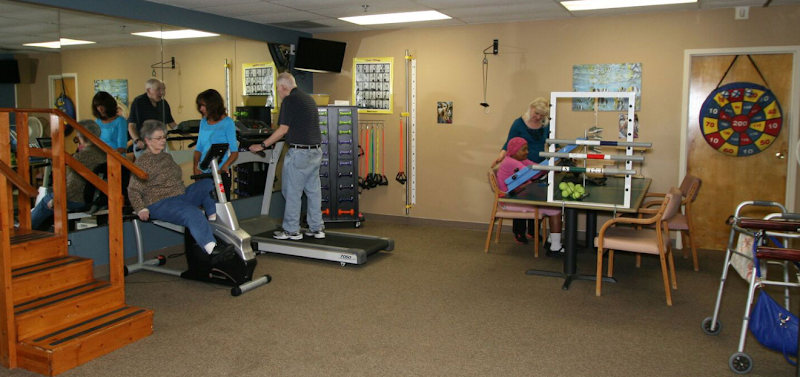
Who Owns and Operates Ahva Care Of Winfield?

AHVA CARE OF WINFIELD is owned by a for-profit company. For-profit facilities operate as businesses with obligations to shareholders or private owners. The facility operates independently rather than as part of a larger chain. With 138 certified beds and approximately 122 residents (about 88% occupancy), it is a mid-sized facility located in WINFIELD, Illinois.

How Does Ahva Care Of Winfield Compare to Other Illinois Nursing Homes?

Compared to the 100 nursing homes in Illinois, AHVA CARE OF WINFIELD's overall rating (3 stars) is above the state average of 2.5, staff turnover (45%) is near the state average of 46%, and health inspection rating (4 stars) is above the national benchmark.

What Should Families Ask When Visiting Ahva Care Of Winfield?

Based on this facility's data, families visiting should ask: "Can you walk me through typical staffing levels on day, evening, and night shifts?" "Can I visit during a mealtime to observe dining assistance and food quality?" "How do you handle medical emergencies, and what is your hospital transfer rate?" "Can I speak with family members of current residents about their experience?" These questions are particularly relevant given the below-average staffing rating.

Is Ahva Care Of Winfield Safe?

Based on CMS inspection data, AHVA CARE OF WINFIELD has a clean safety record: no substantiated abuse findings (meaning no confirmed cases of resident harm), no Immediate Jeopardy citations (the most serious violation level indicating risk of serious injury or death), and is not on the Special Focus Facility watch list (a federal program monitoring the lowest-performing 1% of nursing homes). The facility has a 3-star overall rating and ranks #1 of 100 nursing homes in Illinois. While no facility is perfect, families should still ask about staff-to-resident ratios and recent inspection results during their visit.

Do Nurses at Ahva Care Of Winfield Stick Around?

AHVA CARE OF WINFIELD has a staff turnover rate of 45%, which is about average for Illinois nursing homes (state average: 46%). Moderate turnover is common in nursing homes, but families should still ask about staff tenure and how the facility maintains care continuity when employees leave.

Was Ahva Care Of Winfield Ever Fined?

AHVA CARE OF WINFIELD has been fined $56,116 across 1 penalty action. This is above the Illinois average of $33,640. Fines in this range indicate compliance issues significant enough for CMS to impose meaningful financial consequences. Common causes include delayed correction of deficiencies, repeat violations, or care failures affecting resident safety. Families should ask facility leadership what changes have been made since these penalties.

Is Ahva Care Of Winfield on Any Federal Watch List?

AHVA CARE OF WINFIELD is not on any federal watch list. The most significant is the Special Focus Facility (SFF) program, which identifies the bottom 1% of nursing homes nationally based on persistent, serious quality problems. Not being on this list means the facility has avoided the pattern of deficiencies that triggers enhanced federal oversight. This is a positive indicator, though families should still review the facility's inspection history directly.