LAKELAND REHAB AND HEALTHCARE CENTER
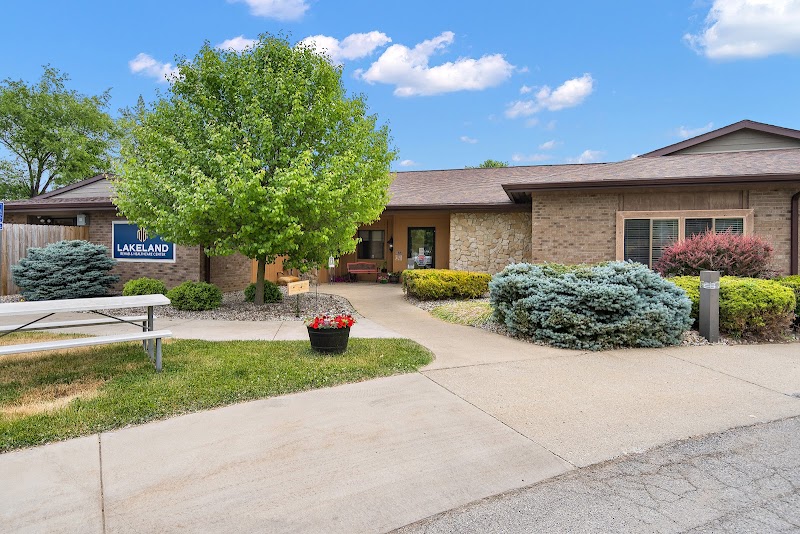
500 N WILLIAMS ST, ANGOLA, IN 46703 (260) 665-2161
For profit - Corporation 75 Beds CASTLE HEALTHCARE Data: November 2025
Trust Grade
60/100
#260 of 505 in IN
Last Inspection: June 2024

Within standard 12-15 month inspection cycle. Federal law requires annual inspections.

Overview

Lakeland Rehab and Healthcare Center has a Trust Grade of C+, indicating it is slightly above average, but still not exceptional. It ranks #260 out of 505 facilities in Indiana, placing it in the bottom half, but it is the top option in Steuben County, where it ranks #1 out of 2 facilities. The facility has maintained a stable trend with 2 issues reported in both 2024 and 2025. While staffing is a concern with a 2/5 star rating and a turnover rate of 39%-better than the state average of 47%-the good news is that there have been no fines issued, suggesting compliance with regulations. However, there have been significant issues noted in inspections, such as failing to provide adequate dementia care for several residents and maintaining cleanliness in the kitchen area, which raises concerns about the overall quality of care.

Trust Score
C+
60/100
In Indiana
#260/505
Bottom 49%
Safety Record
Moderate
Needs review
Inspections
Holding Steady
2 → 2 violations
Staff Stability
○ Average
39% turnover. Near Indiana's 48% average. Typical for the industry.
Penalties
✓ Good
No fines on record. Clean compliance history, better than most Indiana facilities.
Skilled Nurses
○ Average
Each resident gets 30 minutes of Registered Nurse (RN) attention daily — about average for Indiana. RNs are the most trained staff who monitor for health changes.
Violations
⚠ Watch
17 deficiencies on record. Higher than average. Multiple issues found across inspections.
★★★☆☆
3.0
Overall Rating
★★☆☆☆
2.0
Staff Levels
★★★★☆
4.0
Care Quality
★★★☆☆
3.0
Inspection Score
Stable
2024: 2 issues
2025: 2 issues

The Good

  • 4-Star Quality Measures · Strong clinical quality outcomes
  • Full Sprinkler Coverage · Fire safety systems throughout facility
  • No fines on record
  • Staff turnover below average (39%)

    9 points below Indiana average of 48%

Facility shows strength in quality measures, fire safety.

The Bad

3-Star Overall Rating

Near Indiana average (3.1)

Meets federal standards, typical of most facilities

Staff Turnover: 39%

Near Indiana avg (46%)

Typical for the industry

Chain: CASTLE HEALTHCARE

Part of a multi-facility chain

Ask about local staffing decisions and management

The Ugly 17 deficiencies on record

1 actual harm
Feb 2025 1 deficiency
CONCERN (D) 📢 Someone Reported This

A family member, employee, or ombudsman was alarmed enough to file a formal complaint

Potential for Harm - no one hurt, but risky conditions existed

Report Alleged Abuse (Tag F0609)

Could have caused harm · This affected 1 resident

Based on interview and record review, the facility failed to ensure an injury of unknown origin was reported for 1 of 3 residents reviewed (Resident G). Findings include: On 2/20/25 at 10:52 A.M., Res...

Read full inspector narrative →
Based on interview and record review, the facility failed to ensure an injury of unknown origin was reported for 1 of 3 residents reviewed (Resident G). Findings include: On 2/20/25 at 10:52 A.M., Resident G's record was reviewed. Diagnoses included severe vascular dementia with mood disorder, parkinsonism, restlessness and agitation. She resided on the secured memory care unit. A quarterly Minimum Data Set (MDS) assessment, dated 12/26/24, indicated the resident had severely impaired cognition. She had behaviors of rejecting care daily. She required moderate assistance with chair/bed to chair transfers and maximal assistance with getting on and off the toilet. She was frequently incontinent of bowel and bladder and utilized adult briefs to manage incontinence. The resident was receiving hospice services and was prescribed medication for pain but was not prescribed blood thinning medications. An Occurrence note, dated 2/2/25 at 3:15 p.m., indicated Resident G was being assisted to use the toilet when staff observed a large purple bruise to the residents inner right thigh which measured 15 centimeters (cm) by 4 cm and was dark purple in color. The note did not indicate there was any redness or shearing to the skin. When asked, the resident indicated she hadn't known what happened and just sat in her chair all day and watched people. Staff immediately completed a skin and pain assessment and interviewed staff about possible cause of the bruise. The physician and resident's family were notified of the injury at 7:00 p.m. The note didn't indicate when the Director of Nursing or Administrator had been notified of the injury and there was no nursing note documentation completed. An Interdisciplinary (IDT) note, entered 2/6/25 at 9:33 a.m. and dated 2/3/25 at 9:26 a.m., indicated the IDT had met and reviewed the occurrence of bruise found on the residents inner thigh. The resident indicated she didn't know how it had occurred. During evaluation of the resident's environment and habits, it was thought she most likely sat on the arm rest of her wheelchair during a self transfer. The bruise was linear in shape. The resident was in a stooped position when she transferred and most likely had not gotten positioned over the seat of the chair. Staff would monitor the area. A Nurse Practitioner (NP) note, dated 2/3/25 at 11:15 a.m., indicated the NP was asked to look at the resident's bruise on her right thigh. The resident didn't know what happened but indicated it was painful to touch. The bruise was observed to be linear on the medial right thigh going around to the posterior thigh. The NP indicated the bruise was possibly from a brief rubbing. Staff were to monitor the bruising for resolution. Confidential staff interviews, conducted during the survey, indicated staff who worked on the memory care unit during the time the bruise had been observed were not asked about the origin of the bruise and were not aware Resident G had a large bruise on her thigh. One staff member indicated they were not aware how the resident got the bruise but had observed the bruise as being wide and wrapping around the resident's upper thigh. On 2/20/25 at 11:48 A.M., the Director of Nursing (DON) was interviewed. When asked, she indicated she observed the resident's bruise on 2/3/25 and asked the resident how the bruise had occurred. She indicated the resident didn't know how she got it. She questioned staff regarding how the bruise had occurred but staff didn't know and weren't aware of any falls that may have occurred to cause the bruising. The DON indicated the incident was not reported to the Indiana Department of Health and there was no further investigation completed. A current facility policy, titled Abuse and Incident Reporting Policy, was provided by the Regional Nurse Consultant on 2/20/25 at 1:15 P.M. and stated: It is the policy of this facility to report and submit abuse and incidents to the Indiana State Department of Health in compliance with federal regulations and/or state rules and this policy as applicable .The facility will ensure that all alleged violations involving mistreatment or exploitation, neglect, or abuse including injuries of unknown origin .are reported immediately to the Administrator .Any incident or accident that meets the requirement of 'reportable incident' as outlined in the policy must be immediately reported to the Administrator or Director of Nursing. A full investigation will be conducted to accurately determine the root cause of the incident .Definitions .Injuries of unknown source: An injury should be classified as an 'injury of unknown source' when all the following criteria are met: a. The source of the injury was not observed by any person And b. The source of the injury could not be explained by the resident or clinical condition And c. The injury is suspicious because of the extent of the injury, or the location of the injury, or the number of injuries observed at one particular point in time, or the incidence of injuries over time This Citation relates to Complaint IN00451871. 3.1-28(c)
Jan 2025 1 deficiency
CONCERN (D) 📢 Someone Reported This

A family member, employee, or ombudsman was alarmed enough to file a formal complaint

Potential for Harm - no one hurt, but risky conditions existed

Deficiency F0740 (Tag F0740)

Could have caused harm · This affected 1 resident

**NOTE- TERMS IN BRACKETS HAVE BEEN EDITED TO PROTECT CONFIDENTIALITY** Based on observation, interview and record review, the facility failed to ensure an effective care plan was developed and implem...

Read full inspector narrative →
**NOTE- TERMS IN BRACKETS HAVE BEEN EDITED TO PROTECT CONFIDENTIALITY** Based on observation, interview and record review, the facility failed to ensure an effective care plan was developed and implemented regarding sexual behaviors for 2 of 2 cognitively impaired residents reviewed for behavioral health (Resident N and Resident O). Findings include: A complaint, submitted to the Indiana Department of Health on 1/3/24, alleged Resident N was being sexually inappropriate with Resident O. Both residents had impaired cognition and resided on the Memory Care Unit (MCU). Resident N was alleged to be showing signs of aggression towards staff and other residents when Resident O was not near him or he couldn't find her. The complainant alleged both residents were touching, making out and Resident N attempted to go below the belt of Resident O who was not able to consent. The complainant alleged Resident O's family/Power of Attorney (POA) wasn't notified of the incident. 1. On 1/6/25 at 11:03 A.M., Resident N's record was reviewed. Diagnoses included dementia with severe psychotic disturbance, delusional disorder, and mood disorder. An admission Minimum Data Set (MDS) assessment, dated 12/13/24, indicated a Brief Interview Mental Status (BIMS) score of 9 indicating Resident N had moderately impaired cognition. The MDS didn't indicate if Resident N had the cognitive skills to make daily decisions. He had no signs of delirium. He would often isolate himself socially, but had no behaviors, hallucinations, delusions, or wandering. He had rejected care 1-3 days of the assessment. He was independent with most activities of daily living (ADL) and ambulated independently. He was prescribed antipsychotic and blood pressure medications. A care plan, initiated 12/6/24 and revised 1/6/25, indicated Resident N was at risk for impaired psychosocial well-being, sensory, cognitive, and communication deficits due to dementia, altered mental status, mood disorder, and non-compliance with care (refused showers and medications). Resident N would seek out a specific female resident (Resident O) on the unit and had developed a reciprocated friendship, at times showing affection towards the female resident. Resident N was verbally aggressive towards staff and would raise his fists, shaking them at staff. He wandered in and out of other resident rooms and was often, redirectable. Interventions and dates initiated were: 12/6/24-allow time for resident to comprehend; engage resident in simple, structured activities; approach in a calm manner to avoid frustration and behavior escalation-if resident becomes agitated and shows signs of escalation, reapproach later. 12/31/24-provide a safe and respectful environment; reassessments to be completed as needed to re-evaluate capacity to consent: and encourage resident to participate in activities. 1/6/24-encourage resident to reminisce about being a train conductor and time spent working for the railroad. Progress notes indicated: -12/12/24 at 10:00 a.m., a psychiatric Nurse Practitioner (NP) progress note indicated an initial psychiatric assessment was completed. Resident N had been admitted for continued care and secure memory care support. Prior to admission, he had been taken to the ER by police due to wandering in traffic and making inappropriate statements, where he received psychiatric assistance. He remained in the ER and was boarded for an extended period of time due to placement issues. Per the resident, he sold his home in Missouri in 2021 and had been homeless since that time. Hospital medical records indicated he'd had several ER visits in various states over the past several years. Currently he was delusional and agitated and indicated he had to get to Missouri today to get to the bank for money owed him. During the visit, Resident N expressed disgust at not being able to leave and go to the bank. He knew who he was, that he was in Angola, and the facility was a place for homeless people. He had poor insight/judgement, short and long term memory that varied. He had severe dementia with psychotic disturbance, delusional disorder and mood disorder. He was to continue his antipsychotic medication to treat his delusions. -12/29/24 at 4:06 p.m., Resident N had been following a female resident (Resident O) most of the shift and tried to lead her into his room. Resident N, was observed by an activity aide, kissing Resident O's neck and shoulders and both had kissed on the lips while in the puzzle room. Both residents were re-directed multiple times to common areas. The nurse covering the hall, on-call manager, and Director of Nursing (DON) were all notified and instruction given to continue to re-direct the residents. -12/30/24 at 4:22 p.m., Resident N and Resident O were sitting in the dining room, being affectionate with each other. Resident N refused his antipsychotic medication and became upset and agitated. He stated I'm with my woman, you can get out of here. -At 9:59 p.m., Resident N was overheard telling Resident O do you think those girls are gonna make a big stink if I sneak you to my room? Resident N was notified, per management, it was okay for the 2 residents to be friendly and affectionate but they needed to stay in the common area. Resident N was agitated but agreed to stay in the dining room and watch a movie. Resident N later attempted to guide Resident O down to his room while saying inappropriate things to her. Staff redirected Resident O to her own room to lie down while Resident N walked around to other residents' rooms, stood in their doorways and looked for Resident O. -12/31/24 at 12:05 p.m., Resident N was seen by the medical Nurse Practitioner (NP) for complaints of needing a blood thinner for clots in his fingers. Resident N told the NP he used to take a supplement he had gotten in [NAME] Mississippi and needed to get them. The NP assured him staff would monitor him for signs of vascular disease but was unable to order him the supplements because she nor the resident knew what supplement he had previously taken. The NP progress note hadn't indicated Resident N had refused medications or was having agitation related to wanting to be with Resident O or regarding their special friendship. -1/2/25 at 10:00 a.m., a psychiatric NP progress note indicated Resident N was seen for an increase in agitation, delusions, intrusiveness into staff areas, other resident rooms and getting agitated with redirection. He was noted to be fond of a female resident and sought her out at times and staff were redirecting them to the common areas. During the visit, Resident N was awake, alert, and oriented to self. He was observed wandering the halls and looking out doorways. He indicated he was anxious about money and needed to get to Missouri before his son took his money; he continued to be delusional. Staff were instructed to provide gentle redirection from entering the female resident's room, be guided to common areas and continued on his antipsychotic medications. -At 3:38 p.m., Resident N attempted to follow staff into the shower room while staff were assisting Resident O to shower. He was upset with redirection and staff were told to secure the bathroom door while bathing Resident O. -1/3/25 at 4:12 p.m., Resident N went into Resident O's bed and leaned over her while she was sleeping. He was assisted out of the room and re-directed to the main dining room. He became agitated, verbally aggressive, and balled his hands into fists while standing over staff. He stated why can't I do what I want with her?! The resident was instructed he and Resident O could visit together in the main dining room but not in her room while she was sleeping. He cursed at staff and demanded a key to get out of the building. He went to his room, packed his bags and started banging on the exit door to another hallway. Attempts made to redirect his behavior were ineffective. The DON, Administrator and nurse covering the hall were notified and instructions given to write a progress note, inform construction crew working in the building to be cautious when entering and exiting the hall and continue with 15 minute checks. -At 5:42 p.m., the activity aide approached the resident about eating his evening meal. He raised his fists and yelled at staff while shaking his fist near her face. He was provided space and allowed to sit and calm down where he sat. He refused his meal. -1/6/25 at 8:42 a.m., the resident refused his morning medications, was combative and cursed at staff. -At 10:15 a.m., the Social Services Director (SSD) indicated a call had been placed to the Resident N's POA and notified of the resident's reciprocating friendship with a female resident (Resident O). The POA had no concerns. -At 11:45 a.m., the nurse attempted to obtain lab work. Initially the resident had been pleasant and cooperative however, when an attempt was make to stick with the needle, he became very agitated and raised his voice, threatening to smack the nurse in the face and then made attempt to do so. The nurse left the room and the 2nd shift nurse was to try and obtain the blood work. During an observation on 1/6/25 at 12:15 P.M., Resident N was observed seated on side of his bed with a lunch tray in front of him. He agreed to a visit. He indicated he was not doing well and was having issues with his stomach but was unable to get his medication for it. He indicated he had to digitally remove stool due to inability to have a bowel movement. He agreed to a visit later in the day. -At 3:40 P.M., Resident N was observed lying down in bed. He indicated he wanted to get out of the facility and go live with a buddy who was in Albion but he was stuck here. He wanted to take a chair and hit the window so he could get out. He indicated he'd had a female friend here but hadn't known her name. He went to her room and was holding her hand when that bitch came in and told him he had to leave the room so now he was just going to stay in his room. He hadn't remembered what holiday was just celebrated but knew it was cold out because of the snow outside his window. When asked the year, he indicated 2024 but then looked at his calendar on the wall and stated oops-it's 2025 there on the calendar. Resident N had not been observed out of his room during the survey and remained in the room with his door closed. A Resident Capacity to Consent to Sexual Relations Assessment form, dated 12/30/24 at an unknown time, indicated Resident N knew who he wanted sexual contact with; was not delusional of who the other person was; was able to state what level of sexual intimacy he was comfortable with; made him happy to have sexual intimacy; was consistent with his formerly held beliefs and values; he had the capacity to say no to uninvited sexual contact; was not being bribed for sexual intimacy; understood the relationship may be time limited and could describe how he would feel when the relationship ended. It was determined by the Administrator, DON, and SSD, Resident N had the capacity to consent to a sexual relationship with Resident O. Resident N's care plan did not indicate he had the capacity to consent to sexual relations with Resident O, what those sexual relations were (etc, hand holding, kissing on the mouth, fondling, hand below the belt, or intercourse), and what sexual actions were to be reported or required intervention by staff. The care plan didn't indicate 15 minute safety checks were being conducted, why they were being completed or when they should be stopped or continued since both residents had been assessed as having capacity to consent. 2. On 1/6/25 at 10:45 A.M., Resident O's record was reviewed. Diagnoses included dementia, major depressive disorder, anxiety, and disorientation. A quarterly MDS assessment, dated 10/23/24, indicated Resident O had severely impaired cognition with a BIMS score of 2. She resided on the memory care unit. She had no behaviors, no rejection of care, no mood issues, and no wandering. The MDS didn't indicate if she had the cognitive skills for daily decision making. She required assistance with all ADL's, ambulated with a walker and supervision to touch assist while walking. She was prescribed medication to treat depression. A care plan, initiated 8/27/23 and revised on 12/31/24, indicated Resident O was at risk for impaired psychosocial well-being, sensory, cognitive, and communication deficits due to anxiety, depression, insomnia, and dementia. She had behaviors of verbal and physical aggression and refusals of care. She sought out a specific male (Resident N) on the memory care unit and had developed a reciprocated friendship, at times, showing affection towards the male resident. Interventions, initiated on 12/31/24, were: provide a safe and respectful environment; reassessments to be completed as needed to re-evaluate capacity to consent: encourage resident to participate in activities; and encourage to socialize in common areas. Progress notes indicated: -12/29/24 at 4:04 p.m., the resident had been following a male resident all shift and had been redirected several times, out of the male residents room (Resident N). She and Resident N were observed in the common area/dining room touching and kissing each other. Resident O became combative and aggressive when redirected. The nurse covering the hall, on-call unit manager, and DON were notified. -12/31/24 at 3:31 p.m., the SSD spoke with Resident O's family members regarding the resident developing a reciprocating friendship with a male resident (Resident N) on the unit. Family expressed understanding and were notified they would be updated with any changes. -1/2/25 at 10:15 a.m., a psychiatric NP progress note indicated the resident was seen for assessment. Since the last visit, the resident had periods of being combative with care, agitated with redirection, refusal of medications and recently followed a male resident around the unit. During the visit, the resident was awake and alert, indicated she felt safe, affect was flat, quiet, normal thoughts but forgetful and fixated at times. She was pleasantly confused. Staff were encouraged to redirect the resident to common areas to visit with male friend and provide gentle redirection from room with male friend. Staff were to continue with nonpharmacologic interventions for periods of agitation and continue to monitor safety, moods, sleep and behaviors. On 1/6/25 at 12:05 P.M., Resident O's family member/POA was interviewed. The POA indicated, on 12/31/24, they were notified of Resident O having a male friend she would hold hands with and give/receive a peck on the cheek. Resident O hadn't had a special male friend since being at the facility so the POA came in to visit the resident. When he had arrived, Resident O was seated, at a table in the dining room, next to an older gentleman (Resident N). Neither resident was talking nor were they holding hands. Resident N sat facing forward in his chair and never spoke with the POA during his visit. He believed it was odd for Resident O to have a male friend to hold hands with and kiss but was assured staff would monitor and report any changes. When questioned, he indicated he had not been informed of any other sexual behaviors between the residents other than hand holding and kiss on the cheek. On 1/6/25 at 3:20 P.M., Resident O was observed seated at the dining room table in the common area where a Christmas tree sat near the window in her line of sight. She replied to questions in a very soft, gentle voice. During the visit, she was asked what holiday was just celebrated and she replied she hadn't known despite the Christmas tree being in her sight. A television was on and playing a black and white video of I love [NAME]. When asked, she gently replied she didn't know what the show was or who the characters were. She was observed to maintain eye contact and appeared in no distress. She did not know the day of the week, nor could she identify she had any friends. A Resident Capacity to Consent to Sexual Relations Assessment form, dated 12/30/24 at unknown time, indicated Resident O knew who she wanted sexual contact with; was not delusional of who the other person was; was able to state what level of sexual intimacy she was comfortable with; was happy with sexual intimacy; was consistent with her formerly held beliefs and values; she had the capacity to say no to uninvited sexual contact; was not being bribed for sexual intimacy; but had not understood the relationship may be time limited nor describe how she would feel when the relationship ended. It was determined by the Administrator, DON, and SSD, Resident O had the capacity to consent to a sexual relationship with Resident N. Resident O's care plan did not indicate she had the capacity to consent to sexual relations with Resident N, what those sexual relations she was comfortable with (etc, hand holding, kissing on the mouth, fondling, hand below the belt, or intercourse), or what sexual actions were to be reported or required intervention by staff. The care plan didn't indicate 15 minute safety checks were being conducted, why they were being completed or when they should be stopped or continued since both residents had been assessed as having capacity to consent. On 1/6/25 at 11:58 A.M., Licensed Practical Nurse (LPN) 5 indicated on 1/1/25 during day shift, she had been alerted by an activity aide of Resident N's attempt to put his hand down Resident O's pants. Both had been seated in the dining room at a table in front of the nurses desk. She indicated she notified the Administrator and DON and immediately started 15 minute safety checks of both residents. She did not document the incident in the progress notes but indicated, 15 minute safety checks had been and continue to be done since 1/1/25. She was instructed the residents could hold hands and kiss but had to remain in the common areas with supervision. On 1/6/25 at 12:01 P.M., 15 minute safety check sheets were reviewed. The checks indicated 15 minute safety checks had been completed since 1/1/25 at 2:15 p.m. for Resident N and Residnet O. Confidential interviews conducted during the survey, indicated the following: -Staff hadn't felt Resident O was able to consent to a sexual relationship. -Staff had witnessed Resident N had put his hand on Resident O's pants while both resident's were seated in the dining room at a table located in front of the nurses desk. -Resident N had combative and agitated behaviors not easily re-directed, when he wanted to be with Resident O. -Resident O would refuse medications at times and could get agitated, irritated and combative if she didn't want to do something or be re-directed. On 1/6/25 at 2:15 P.M., the Administrator, DON, SSD, and Regional Nurse Consultant were interviewed and indicated both residents had been assessed and determined to have capacity to consent to sexual relations with each other. They indicated the 15 minute safety checks continued to ensure Resident N and Resident O were safe and only holding hands or kissing each other on the cheek. There was no further information provided verbally or in writing to indicate need for 15 minute safety checks, need for redirection of residents to a common area or limitations on sexual relation behaviors such as only being allowed to hold hands or kissing on the cheek as both residents were assessed to have capacity to consent. On 1/6/25 at 3:30 P.M., the DON provided a current copy of the facilities policy, effective 6/13/24, and titled Resident Capacity to Consent to Sexual Relations which stated: It is the policy of the facility to evaluate any resident that is suspected to be engaged in sexual relationship with another individual that may not have the capacity to consent to sexual activity. Once a suspicion has been formed, an assessment of the resident's capacity to consent will be completed .Sexual conduct between residents must be consensual .Procedure: The recommended steps when sexual relations are suspected or witnessed between residents living with dementia: step 1: intervene and separate pending assessment and evaluation. step 2. investigate and assess capacity to consent of each resident. 3. physician and responsible party notification if deemed applicable. 4. care plan and education. 5. ongoing monitoring and evaluation of assessment and care plan .If the resident has been determined to have the capacity to consent to sexual relations, the residents will be assisted with privacy and the facility will provide discrete indicator for residents to utilize on door such as Do Not Disturb sign etc. Resident care plans will be updated to reflect determination. Documentation of the assessment and any additional discussions and/or education provided to the resident will be documented in the EMR The Citation relates to Complaint IN00450457. 3.1-37
Mar 2024 2 deficiencies
CONCERN (D) 📢 Someone Reported This

A family member, employee, or ombudsman was alarmed enough to file a formal complaint

Potential for Harm - no one hurt, but risky conditions existed

Resident Rights (Tag F0550)

Could have caused harm · This affected 1 resident

Based on interview and record review, the facility failed to ensure 1 of 3 residents reviewed were treated with respect and dignity when verbally reporting a grievance (Resident D). Findings include: ...

Read full inspector narrative →
Based on interview and record review, the facility failed to ensure 1 of 3 residents reviewed were treated with respect and dignity when verbally reporting a grievance (Resident D). Findings include: On 3/5/24 at 2:35 P.M., Resident D's record was reviewed. A quarterly MDS (Minimum Data Set) assessment, dated 1/25/24, indicated the resident had no cognitive impairment nor moods or behaviors. On 3/5/24 at 10:23 A.M., Resident D indicated she and other residents in part of the 400 hallway had been without wifi for the past 2 weeks. The facility had updated the wiring for wifi in the facility which led to loss of the service in resident rooms on the hall. The resident indicated she had spoken with Employee 7, who was responsible for getting the problem resolved, every day since the wifi went out and every day, had been told it's being worked on. She was told she could take her laptop to the dining room where she could get wifi however, this was supposed to be her home and she wanted to use her computer in her own room. She enjoyed activities on the computer and used her email to conduct personal business. She indicated, on 3/4/24, Employee 7 told her the problem was being worked on but later learned, the internet had been out in the entire city and work was not being done specifically in the 400 hall, rather the entire city and facility internet was being worked on. She alleged when she spoke with Employee 7 about lack of wifi access and inability to use the internet, she was told you're like a child without their favorite toy. She indicated the response made her mad and she had wanted to take Employee 7's phone away from them to see how they liked being without access to the outside. She indicated she was an adult, this was her home and she hadn't appreciated being compared to a child. Having access to wifi and the internet was important to her as they helped to fill her days with activities she enjoyed doing and she should have access to the internet just like everyone else in the facility. When asked, Resident D indicated she felt respected at the facility and had no other negative interactions prior to or after the conversation with Employee 7. On 3/5/24 at 1:17 P.M., Employee 7 was interviewed with the Regional Director of Operations present. Employee 7 indicated the wifi and internet had been down for residents on the short 400 hall for the past 2 weeks. It had gone down when the new wifi wiring had been installed. The Regional Director of Operations indicated he hadn't known the wifi had been interrupted for residents on the hall and it was a problem needing immediate resolution. A current facility policy, titled Resident Rights, was provided on 3/5/24 at 11:03 A.M. by the Regional Nurse Consultant, which stated Residents have the right to be treated with consideration, respect, and recognition of their dignity and individuality .Residents may, throughout the period of their stay, voice grievances to the facility staff or to an outside representative of their choice, recommend changes in policy and procedure, and receive reasonable responses to their requests This tag relates to Complaint IN00429184. 3.1-3(t)
CONCERN (D) 📢 Someone Reported This

A family member, employee, or ombudsman was alarmed enough to file a formal complaint

Potential for Harm - no one hurt, but risky conditions existed

Accident Prevention (Tag F0689)

Could have caused harm · This affected 1 resident

Based on interview and record review, the facility failed to provide adequate supervision and staff assistance to prevent a fall for 1 of 3 residents reviewed with accidents (Resident B). Findings inc...

Read full inspector narrative →
Based on interview and record review, the facility failed to provide adequate supervision and staff assistance to prevent a fall for 1 of 3 residents reviewed with accidents (Resident B). Findings include: On 3/4/24 at 3:02 P.M., Resident B's record was reviewed. Diagnoses included weakness, unsteadiness on feet and morbid obesity. A quarterly MDS (Minimum Data Set) assessment, dated 1/8/24, indicated the resident had a BIMS (Brief Interview Mental Status) score of 15 indicating the resident had no cognitive impairment. She had no behaviors or rejection of care. She was able to ambulate short distances with supervision/touch assistance but required maximal assistance to transfer on/off the toilet. A care plan, revised 2/13/24, indicated the resident was at risk for declines in her ability to perform activities of daily living (ADL). She required use of a hoyer lift for transfers. An intervention, dated 9/3/23 and 2/7/24, was to transfer with a mechanical lift. A physician progress note, dated 2/5/24 at 12:10 p.m., indicated Resident B was seen for follow up of thigh pain. She had not been doing well since returning from the hospital and hadn't wanted to work with therapy due to her fatigue. A Summary of Daily Skilled Services, dated 2/5/24, indicated the physical therapist and COTA (Certified Occupational Therapy Assistant) had worked together to attempt a functional transfer so the resident could eat while up in her chair however, once she sat up on the side of the bed, she complained of being lightheaded. It was agreed, the resident should be assisted to lie back down in bed. She required maximum assist from 2 staff to go from a lying to sitting position, minimal assistance for sitting on the edge of the bed, and maximum assistance from 1 staff member for rolling in bed. A Summary of Daily Skilled Services, dated 2/6/24, indicated staff were trained on shower to wheelchair transfers with focus on use of grab bars, wheelchair positioning and safety. The resident had been able to perform sit to stand from the shower chair with the use of grab bars, moderate assist of 1 and had been able to transfer with moderate assistance from 2 staff. Nurse progress notes, dated 2/6/24, indicated the following: -At 5:55 a.m., Resident B continued to work with therapy for balance and strengthening. -10:01 a.m., labs were drawn as ordered. -1:28 p.m., critical lab results were received and reported to the NP (Nurse Practitioner). Orders received to send the resident to the hospital for respiratory acidosis and decreased kidney function. -2:28 p.m., the resident lowered herself to the bathroom floor with CNA (Certified Nurse Aid) at her side. Staff had to use a hoyer lift to get her into her wheelchair and she was transported to the hospital via the facility van. -5:30 p.m., the resident returned from the hospital. The ER nurse indicated the residents respiratory issues were chronic. At the hospital, while being assisted to transfer, the resident went down. ER staff were unable to assist her up and the fire department had to go to the hospital to assist getting her off the floor. She complained of pain to her left lower extremity and x-rays were completed which showed a fracture to her left malleolus (ankle bone). A splint was applied and the resident was to follow up with orthopedics. -7:38 p.m., the resident had returned from the ER with new orders for pain medication. She was to follow up with orthopedics as ordered, for left malleolus fracture and was to use the hoyer lift for transfers. On 3/4/24 at 10:49 A.M., Resident B was interviewed. She was observed lying in bed with her left ankle wrapped from toes to calf and elevated on a pillow. She indicated she had fallen while in the bathroom using the toilet. A CNA was in the room with her and tried to get her up off the toilet by herself. She indicated she told the CNA she couldn't get her up by herself and needed to get the mechanical lift but the CNA hadn't listened to her. The CNA attempted to stand her up using the grab bars but the resident went down onto her knees. She indicated she heard a pop and immediately felt pain in her left ankle. Several staff members then came to assist her off the floor. Staff had to pull her out of the bathroom and place the hoyer lift pad to lift her up into the wheelchair for transport to the hospital. When she got to the hospital, she reported her left ankle had hurt and she'd felt a pop. When questioned, she indicated when she got to the hospital, she was being transferred onto a gurney with use of a transfer board, when she slid off onto the floor. She indicated she had just slid down but hadn't actually fallen. She indicated only therapy was supposed to transfer her without the mechanical lift. On 3/4/24 at 1:43 P.M., QMA 2 (Qualified Medication Aid) was interviewed. She indicated on 2/6/24 at approximately 1:30 p.m., she and CNA 4 were preparing for Resident B to go to the hospital to be evaluated. The resident asked to be assisted to the toilet. CNA 4 reported she had spoken with the COTA who indicated the resident could be transferred onto the toilet with a gait belt, grab bars and assistance of 2. QMA 2 assisted CNA 4 to place the resident onto the toilet then gathered items in the resident's room she had requested to take with her to the hospital. QMA 2 left the room to gather other supplies. The QMA indicated she heard someone yelling for help and went to the resident's room where CNA 4 was observed trying to assist the resident who was on her knees on the floor, facing the wall and in front of the toilet. Several other staff responded and assisted to get the resident out of the bathroom and into her wheelchair using the mechanical lift. QMA 2 indicated the resident hadn't complained of pain prior to going to the hospital. When questioned, QMA 2 indicated she had assisted CNA 4 to transfer the resident onto the toilet but had not been in the room when the CNA 4 tried to transfer the resident off the toilet by herself. On 3/4/24 at 3:03 P.M., the COTA was interviewed. She indicated, on 2/6/24, CNA 4 asked her if Resident B was able to transfer onto the toilet from her wheelchair. Earlier, in the morning, CNA 4 had been present and received instruction, during the resident's therapy, in which a transfer from shower chair to wheelchair had been completed with the resident using the grab bar near her toilet to stand and pivot transfer with moderate assistance of 2 staff. The COTA told CNA 4 the resident could be transferred to the toilet using the grab bar, wearing a gait belt, and having 2 staff members present for safety. On 3/5/24 at 10:06 A.M., CNA 4 was interviewed. She indicated on 2/6/24, she was assisting the resident to get ready for transport to the hospital. The resident indicated she needed to use the toilet first. CNA 4 had observed the resident being transferred that morning with therapy staff so she found the COTA and asked if nursing staff could transfer her to the toilet. She was told she could and needed to use the gait belt, grab bars, and have 2 staff members present when transferring. CNA 4 indicated she and QMA 2 assisted the resident onto the toilet from her wheelchair. She stayed with the resident in the bathroom while the QMA went to get portable oxygen for the trip to the hospital. She indicated the resident tried to stand up on her own. CNA 4 held onto the resident's gait belt and instructed her to turn and pivot and tried to pull the wheelchair up behind her. The resident got her bottom part way into the seat and then panicked and leaned forward and lowered herself to her knees. An IDT (Interdisciplinary Team) note, dated 2/7/24 at 10:43 a.m., indicated the IDT had met to discuss the resident having been lowered to the floor during a transfer. Staff had been instructed by therapy to transfer the resident to/from the bathroom with her walker and assist from staff. The resident became weak so staff had to assist her to the floor. She hadn't complained of any pain or injury at the time of the fall. Therapy was educated to notify clinical nursing management of changes in resident's transfers and they would pass it onto nursing staff. Resident B was to remain using a mechanical lift for all transfers until therapy signed off with clinical management on transfer upgrades. On 3/5/24 at 2:25 P.M., the Regional Nurse Consultant provided a current copy of the facility policy, titled Fall Management and Fall Risk which stated the following: Each resident will have a resident centered fall plan of care developed and implemented with updates as needed .The resident centered fall plan of care will be developed with input from members of the interdisciplinary team and attending Medical Providers This tag relates to Complaint IN00428017. 3.1-45(a)
May 2023 6 deficiencies
CONCERN (D)

Potential for Harm - no one hurt, but risky conditions existed

Resident Rights (Tag F0550)

Could have caused harm · This affected 1 resident

**NOTE- TERMS IN BRACKETS HAVE BEEN EDITED TO PROTECT CONFIDENTIALITY** Based on observation, interview and record review, the facility failed to provide privacy during personal care in 1 of 2 residen...

Read full inspector narrative →
**NOTE- TERMS IN BRACKETS HAVE BEEN EDITED TO PROTECT CONFIDENTIALITY** Based on observation, interview and record review, the facility failed to provide privacy during personal care in 1 of 2 residents reviewed (Resident 13). Findings include: During an observation on 5/23/23 at 11:23 AM, Qualified Medication Aide (QMA) 5 and QMA 6 transferred Resident 13 back to bed after a shower. Registered Nurse (RN) 6 and RN 7 were in the room preparing to apply a dressing to Resident 13. Resident 13 was lying on a pad used with a mechanical lift and a blanket. The front of her body was uncovered and exposed. After applying lotion to Resident 13's upper body, QMA 6 indicated she should have covered Resident 13's exposed body parts. QMA 6 took two dry washcloths and placed them over each of Resident 13's breasts. Resident 13's peri area and lower body remained exposed. In an interview on 5/26/23 at 2:05 PM, Resident 13 indicated she preferred to be covered as much as possible during personal care. In an interview on 5/23/23 at 3:04 PM, the Director of Nursing (DON) indicated Resident 13 should have been draped and covered to limit exposure during personal care. Resident 13's record was reviewed on 5/23/23 at 1:03 PM. Diagnoses included multiple sclerosis, pressure area of the sacral region, stage 4, neuralgia, and neuritis, unspecified. A review of Resident 13's current quarterly Minimum Data Set (MDS) dated [DATE] indicated Resident 13 had a Basic Interview for Mental Status score of 11 (mild cognitive impairment). A care plan titled self-care deficit had a goal of being clean, dry, and well-groomed and indicated Resident 13 had a problem with self-care and required physical assistance from staff to complete bathing and dressing tasks. A current policy titled Bathing-Complete Bed Bath last revised on 2/20/21 was provided on 5/26/23 at 2:37 PM by the DON. The policy indicated staff should drape a resident to maintain dignity by not exposing the body. 3.1-3(a)
CONCERN (D)

Potential for Harm - no one hurt, but risky conditions existed

Deficiency F0676 (Tag F0676)

Could have caused harm · This affected 1 resident

**NOTE- TERMS IN BRACKETS HAVE BEEN EDITED TO PROTECT CONFIDENTIALITY** Based on observation, interview, and record review, the facility failed to ensure follow up to improve the communication ability...

Read full inspector narrative →
**NOTE- TERMS IN BRACKETS HAVE BEEN EDITED TO PROTECT CONFIDENTIALITY** Based on observation, interview, and record review, the facility failed to ensure follow up to improve the communication ability for 1 of 9 resident reviewed for hearing. (Resident 47). Findings include: On 5/24/23 at 10:59 AM Resident 47 was observed without a hearing aid. During an interview on 5/24/23 at 10:59 AM, Resident 47 indicated he was waiting for a hearing aid for his left ear. He indicated his hearing had been tested at the facility and he would like to know how long it would be until he received the hearing aid. The resident indicated he had difficulty hearing in group activities and in the dining room. A record review on 5/25/23 at 9:54 AM indicated a physician order for an audiology consult was signed on 5/31/22. The physician order indicated the resident was to have an audiology consult due to having had a recent fall and/or problems with balance. The resident's record indicated the resident had been evaluated by an audiologist on 9/9/22. The audiologist indicated the resident needed a hearing aid for the left ear. The audiologist indicated earmold impressions were not completed on 9/9/22 due to inability to remove the ear wax with a curette. The audiologist indicated ear mold impressions would be completed after wax removal. A quarterly MDS assessment dated [DATE] indicated the resident had adequate hearing ability with a hearing aid. During an interview on 5/25/23 at 10:34 AM, the Director of Nursing (DON) indicated the Social Service Director (SSD) was responsible for following up on audiologist consultations. The DON indicated the facility was possibly getting a new company to provide audiology services. During an interview on 5/25/23 at 10:56 AM, the SSD indicated she was unaware of the resident's audiologist evaluation on 9/9/22. The SSD indicated it is her responsibility to make staff aware of new orders or recommendations from outside consultations. She suggested perhaps the resident had been in the hospital and she would look in the office for more information. In an interview on 5/30/23 at 2:30 PM, the SSD indicated there was no further documentation related to the resident's audiology status. In an interview on 5/30/23 at 2:35 PM, the Administrator indicated the facility did not have a policy for audiology services. 3.1-38(a)(1) 3.1-38 (a)(2)(A)-(E)
CONCERN (D)

Potential for Harm - no one hurt, but risky conditions existed

Quality of Care (Tag F0684)

Could have caused harm · This affected 1 resident

**NOTE- TERMS IN BRACKETS HAVE BEEN EDITED TO PROTECT CONFIDENTIALITY** Based on observation, interview and record review, the facility failed to ensure wound care was provided as ordered and obtained...

Read full inspector narrative →
**NOTE- TERMS IN BRACKETS HAVE BEEN EDITED TO PROTECT CONFIDENTIALITY** Based on observation, interview and record review, the facility failed to ensure wound care was provided as ordered and obtained for 1 of 2 residents observed (Resident 13). Findings include: During an observation and interview on 5/26/23 at 11:56 AM, Registered Nurse (RN) 4 applied a powder to Resident 13's reddened abdominal folds. The label on the bottle indicated it contained nystatin powder and the name on the bottle corresponded with Resident 17 instead of Resident 13. RN 4 indicated he should not have applied another resident's medication to Resident 13. Resident 13's record was reviewed on 5/23/23 at 1:03 PM. Diagnoses including multiple sclerosis, pressure area of the sacral region, stage 4, neuralgia, and neuritis, unspecified. A current quarterly Minimum Data Set (MDS) dated [DATE] indicated Resident 13 had a Basic Interview for Mental Status (BIMS) score of 11 (mild cognitive impairment). A review of Resident 13's current physician's orders did not include an order for nystatin powder. In an interview on 5/23/23 at 3:04 PM, the Director of Nursing (DON) indicated RN 4 should not have applied Resident 17's powder to Resident 13. A current policy titled Reducing Risk for Medication Errors last reviewed on 3/21/21 was provided on 5/26/23 at 2:45 PM by the DON. The policy indicated staff should verify orders in the electronic medical record and ensure they are administering to the right resident when administering medications.
CONCERN (D)

Potential for Harm - no one hurt, but risky conditions existed

Pressure Ulcer Prevention (Tag F0686)

Could have caused harm · This affected 1 resident

**NOTE- TERMS IN BRACKETS HAVE BEEN EDITED TO PROTECT CONFIDENTIALITY** Based on observation, interview and record review, the facility failed to ensure hand hygiene was maintained during wound care f...

Read full inspector narrative →
**NOTE- TERMS IN BRACKETS HAVE BEEN EDITED TO PROTECT CONFIDENTIALITY** Based on observation, interview and record review, the facility failed to ensure hand hygiene was maintained during wound care for 1 of 2 residents observed (Resident 58). Findings include: During an observation on 5/26/23 at 10:32 AM, Registered Nurse (RN) 7 washed her hands and applied gloves. She removed the dressing in place over a stage 4 pressure wound on the sacrum of Resident 58. She tucked the dressing into the incontinence brief she removed from the Resident 58, sprayed the wound with wound cleanser, and used a gauze sponge to wipe the wound bed, touching the wound with her gloves. RN 7 did not perform hand hygiene and change her gloves after removing the dirty dressing and before touching the wound. In an interview on 5/30/23 at 8:59 AM, RN 7 indicated she should have removed her gloves after removing the dirty dressing, performed hand hygiene, and applied new gloves before cleaning the resident's wound. Resident 58's record was reviewed on 5/26/23 at 9:49 AM. Diagnoses included pressure ulcer of the sacral region, peripheral vascular disease, and type 2 diabetes with other circulatory complications. A current admission Minimum Data Set, dated [DATE] indicated Resident 58 had a Brief Interview for Mental Status (BIMS) score of 15. This indicated he was alert, oriented and interviewable. A physician's order dated 5/24/23 indicated Resident 58's pressure ulcer of the sacrum should be cleansed with wound wash, silver alginate should be applied and covered with a foam dressing. A current policy titled Non-Sterile Wound Dressing Procedure, last revised 11/22 was provided on 5/26/23 at 11:24 AM by the Administrator. The policy indicated after a soiled dressing was removed, it should be placed in the trash. Gloves should be removed, hand hygiene should be performed, and new gloves should be applied before cleansing the wound. 3.1-40
CONCERN (D)

Potential for Harm - no one hurt, but risky conditions existed

Deficiency F0699 (Tag F0699)

Could have caused harm · This affected 1 resident

Based on record review and interview, the facility failed to ensure triggers were and resident specific approaches were identified for providing trauma informed care for 1 of 1 resident reviewed. (Res...

Read full inspector narrative →
Based on record review and interview, the facility failed to ensure triggers were and resident specific approaches were identified for providing trauma informed care for 1 of 1 resident reviewed. (Resident 59). Findings include: Resident 59's record was reviewed on 5/30/23 at 12:21 PM. Diagnoses included unspecified dementia with severe anxiety, Alzheimer's disease, paranoid personality disorder, hallucinations, and abuse. A review of Resident 59's current comprehensive Minimum Data Set (MDS) assessment, dated 3/29/23, indicated her Basic Interview for Mental Status (BIMS) score was 5 (cognitive function was severely impaired). The MDS indicated the resident had mood concerns of feeling down, depressed, or hopeless 12-14 days, trouble falling or staying asleep, or sleeping too much/feeling tired or having little energy/ trouble concentrating on things, such as reading the newspaper or watching television 7-11 days, and feeling bad about themselves or that they are a failure or have let their family down 2-6 days in a 14 day period. The MDS indicated the resident had hallucinations, delusions, and received antipsychotic medication on a daily basis. An interdisciplinary team (IDT) meeting progress note, dated 3/20/23 at 11:01 AM, attended by the Social Service Director (SSD), Assistant Director of Nursing (ADON), Director of Nursing (DON), clinical support and SSD support was reviewed. The note indicated Resident 59's son indicated she was a victim of spousal abuse by her ex-husband. A review of Resident 59's current care plan, dated 3/20/23 and revised 4/6/23, indicated the resident had psychosocial well-being problems as a result of being a victim of spousal abuse per the resident with a goal she would identify the reasons for feelings of unhappiness, paranoia, anxiety. No resident specific triggers or approaches to care related to abuse from Resident 59's ex-husband were identified in the care plan. A review of a psychological assessment progress note dated 3/23/23 at 9:30 AM indicated Resident 59 came from a local hospital. She was transported to the hospital because she was confused, paranoid, hallucinating, wandering the halls and knocking on other doors in her apartment complex. Reportedly, the resident had visions of her ex-husband and felt threatened. The social section of the assessment indicated she was divorced. The assessment indicated on 3/18/23 the resident had delusions of danger, hid in dark spaces, behind chairs, doors, and was crawling on the floor. The assessment indicated the resident was aggressive with facility staff and hit staff with a linen cart, threw a card table and pushed a staff member against a bookshelf with a table resulting in the administration of Haldol 2.5mg intramuscular for paranoid delusions and distress on 3/18/23 at 10:49 PM. A psychological assessment progress note dated 4/10/23 at 9:45 AM indicated Resident 59's delusions and hallucinations continued, were improving, but she became agitated at times when leaving the facility per the staff. The assessment indicated the resident said she had anxiety at times, when I drive, I get weak, and the staff reported she was hearing things at times without anything or anyone in the vicinity. A progress note dated 4/12/23 at 17:58 PM indicated the resident was exit seeking and indicated her son was coming to pick her up. The note indicated she could be redirected short periods of time before she returned to exit seek. The resident indicated her son was speaking to her while she was talking to staff. Her son was not present at the facility. A psychological assessment progress note dated 4/22/23 at 9:45 AM indicated Resident 59 was experiencing delusions such as her son was coming to get her, the hospital had called her, said her mother had tried to commit suicide and she needed to come to the hospital. The assessment indicated the resident stated she had anxiety at times. A psychological assessment progress note dated 5/18/23 at 9:15 AM indicated Resident 59 had delusions and talked to herself at times. The assessment indicated staff reported resident does hear things at times without anything being within the near vicinity. In an interview on 5/30/23 at 2:05 PM, the SSD indicated the care plan should include resident specific triggers and approaches to care related to the abuse from Resident 59's ex-husband but resident specific triggers and approaches to care were not included in the care plan. In an interview on 5/30/23 at 2:12 PM, the Director of Resident Services indicated the care plan should include resident specific triggers and approaches to care related to the abuse from Resident 59's ex-husband but the resident specific triggers and approaches to care were not included in the care plan. She also indicated Resident 59 verbally related information concerning spousal abuse by the resident's ex-husband. A current policy titled Baseline Care Plan, revised 2/19/21, indicated a comprehensive care plan follows a Baseline Care Plan. No further Care Plan policies were provided by the time of survey exit. Medicare and Medicaid Programs' final rule for reform of Long Term Care facilities had a requirement for each resident to receive and the facility to provide the necessary care and services for each resident to attain or maintain his/her highest practicable physical, mental, and psychosocial well-being . to be included, to the extent possible, the resident and/or their representative(s) participation with the IDT in the development of the resident's care plan .and to be included trauma-informed care, triggers and approaches to minimize re-traumatization (Department of Health and Human Services, 2016). Reference: Department of Health and Human Services. (2016, February 4). Rules and Regulations. Federal Register. Retrieved May 31, 2023, from https://www.govinfo.gov/content/pkg/FR-2016-10-04/pdf/2016-23503.pdf#page=171 No State tag is applicable.
CONCERN (F)

Potential for Harm - no one hurt, but risky conditions existed

Food Safety (Tag F0812)

Could have caused harm · This affected most or all residents

Based on observation, interview and record review, the facility failed to ensure cleanliness of the kitchen floor, walls, surfaces, and the outside dumpster area. 66 of 66 residents who resided at the...

Read full inspector narrative →
Based on observation, interview and record review, the facility failed to ensure cleanliness of the kitchen floor, walls, surfaces, and the outside dumpster area. 66 of 66 residents who resided at the facility ate food prepared in the facility. Findings include: During a tour of the kitchen with the Food Service Director on 5/23/23 at 9:12 AM, the exterior of the handwashing sink and the faucets were covered with a grey feathery matter and debris. The wall behind the handwashing sink was soiled. There was a stack of folded washcloths on top of the faucets. The dishwasher was leaking into a basin on the floor. The basin contained approximately 1 gallon of water. The floor surrounding the dishwasher was wet and sticky. The floor under the sinks and counters were littered with debris and black residue. The floor around the walls was covered with black residue. The kitchen walls were soiled with grey feathery matter and splash prints. The floor behind the ice machine and water cooler was littered with debris. The exterior of the ice machine was covered with a grey feathery matter. The sink and counter next to the ice machine were soiled. A cart beside the water cooler was covered in dust. The floor under the cart was littered with debris, a bath towel and a foam cup. The storage shelves were covered with a grey feathery matter and food debris. The edges of stored steam table pans contained food debris. The ground surrounding the outside dumpster area was littered with medical gloves, a bed pad, foam cups, and water bottles. During an interview on 5/23/23 at 9:39 AM, the Food Service Director indicated all kitchen surfaces needed deep cleaning. She indicated she was unaware of who was assigned to clean the walls and floors. During an interview on 5/23/23 at 2:25 PM, the Administrator indicated the kitchen needed to be thoroughly cleaned. She indicated she was unaware of a dishwasher leak. She indicated the debris surrounding the outside dumpster was due to items being wedged under the dumpster. A current policy dated 9/1/21 titled Cleaning and Sanitizing and proper Hair Restraints provided by the Director of Nursing (DON) on 5/25/23 at 12:15 PM indicated non-food contact surfaces are to be washed according to the facility cleaning schedule or as visually necessary. A current policy dated 9/1/21 titled Dispose of Garbage and Refuse provided by the DON indicated the exterior dumpster area was to be maintained in a manner free of rubbish and other debris. 3.1-21(i)(1) and (3)
Nov 2022 1 deficiency 1 Harm
SERIOUS (H) 📢 Someone Reported This

A family member, employee, or ombudsman was alarmed enough to file a formal complaint

Actual Harm - a resident was hurt due to facility failures

Deficiency F0744 (Tag F0744)

A resident was harmed · This affected multiple residents

Based on observation, interview and record review, the facility failed to provide dementia care and services to support psychosocial well-being for 5 of 25 residents that resided on the secured memory...

Read full inspector narrative →
Based on observation, interview and record review, the facility failed to provide dementia care and services to support psychosocial well-being for 5 of 25 residents that resided on the secured memory care unit. (Residents B, C, D, E, and F) Findings include: On 11/4/22 at 10:56 A.M., during an initial tour of the secured memory care unit, 6 residents were observed seated at a table working on crafts. 1 resident was seated in a corner of the room with her empty breakfast tray on an overbed table in front of her. 2 residents sat in wheelchairs at another table eating a breakfast of eggs and bacon. 2 residents sat in wheelchairs at a table without meal trays or activity. There was an activity aide trying to help residents with their crafts while trying to keep 1 of the 6 residents from getting up and trying to walk away from the table unattended. An agency nurse passing medications indicated it was their first day at the facility. There were 2 CNA's (Certified Nurse Assistant) assigned to the hall-1 from agency and 1 CNA who usually worked on another unit of the facility. On 11/4/22 at 11:00 A.M., roommates, Resident B and Resident F were observed in their room. Resident B was lying in bed, Resident F sat in a bedside chair and the 2 appeared to be talking. Resident B had a table set up next to her bed with a puzzle on it along with some books and magazines. Resident F had no activity items on her side of the room. The room was quiet without television or music. There was no activity schedule observed on the wall nor on the resident's bedside tables. Resident B indicated she'd had breakfast and was just lying down as there was nothing to do at that time. She indicated she had just been moved to this room and hadn't known why but felt like she was in a prison. She gestured with an outstretched hand towards the window, indicated she had moved from that hallway to here and repeated that she didn't know why. Resident F was very hard of hearing, indicated she couldn't hear what was being said to her and was unable to answer questions. Resident B spoke up for Resident F, indicated she had been moved to this room as well and didn't know why. She indicated both had shared a room on the other hall and were then moved to this room without being told why. -At 12:55 P.M., Resident B was observed in her room, seated in her wheelchair with an uneaten lunch tray in front of her on an overbed table. She wore no pants. Her swollen feet sat uncovered on the floor. She indicated she wasn't hungry. When questioned, she indicated she did not have an activity schedule and didn't know if there were any activities occurring. She liked BINGO but hadn't played recently. If she did go to BINGO, someone had to let her through the locked doors because she couldn't get out by herself to go to the dining room where they played. She showed off her fingernails and said she'd recently got them done but never had that color on them before (the color was black). She indicated she was in a prison and didn't know why she was moved into this room. She indicated one day staff just came in to her old room, started packing her things and told her she was moving. She indicated in this room, she would get frequent unwanted visitors; residents who are in wheelchairs and accidentally wander into her room believing that it is their room. 1. Resident B's record was reviewed on 11/4/22 at 11:57 A.M. Diagnoses included dementia, anxiety, and depression. A quarterly MDS (Minimum Data Set) assessment, dated 9/21/22, indicated a BIMS (Brief Interview Mental Status) score of 9-moderately impaired cognition. She had several mood indicators of moderate depression with trouble falling asleep/sleeping too much; 2-6 days feeling bad about herself; 12-14 days being tired/having little energy and trouble concentrating. Activity care plans, revised on 7/27/22 with target dates of 3/16/23, indicated the resident was capable of independently choosing activity programs to participate in. She enjoyed arts and crafts, music programs, Euchre, BINGO, ceramics and group activities. Interventions included inviting her to activities of interest, providing a monthly calendar of activities and independent activity materials as needed. There was no care plan developed for the resident's person-centered dementia needs and benefits of a secured memory care unit in supporting those needs. An Elopement Evaluation, last completed on 2/25/21, indicated the resident was not an elopement risk. A Care Conference note, dated 10/10/22 at 11:11 a.m., indicated there had been a care plan conference completed with the residents family. The note indicated family were considering moving the resident to memory care and would like to tour the unit. A Room Transfer Notification form, dated 10/10/22 and effective 10/18/22, indicated the resident was being moved to the memory care unit but didn't indicated the reason for the transfer. Review of progress notes indicated the following: -10/26/22 at 1:28 p.m., resident refused her ace wraps to her legs and remained in bed all day shift. -10/27/22 at 3:12 p.m., the resident was tearful during the afternoon, indicated she felt like a prisoner and all her rights had been taken away. She was told she could leave the unit anytime during the day to work on a puzzle. (The puzzle was located on another wing of the facility where her room had been previously) -11/1/22 at 2:20 p.m., the resident refused her zip up ted hose. She was re-approached and still refused. -11/2/22 at 2:58 p.m., the resident was not dressed and refused to get up all day. Progress notes from 8/18/22 to 10/25/22 did not indicate the resident had any behaviors or refusals of care. There was no assessment to indicate the resident would benefit from specialized dementia care on the secured unit or what services would be provided to her. There was no documentation to indicate physician or family involvement in the decision to transfer the resident to the secured memory care unit. 11/4/22 at 1:33 P.M., the Social Service Director (SSD) was interviewed. During the care conference with Resident B's family members on 10/10/22, they were told about services offered on the memory care unit. Family members were divided on their wishes for the resident to be placed on the unit. The SSD indicated it was thought the resident would participate more in out of room activities if she resided on the unit. There was no documentation to indicate she hadn't been participating in out of room activities. On 11/4/22, during a confidential interview, Employee 1 indicated they hadn't understood why Resident B and Resident F had been moved to the memory care unit. The staff had been told it was because both residents had a diagnosis of dementia. Both residents had not had any behaviors and were happy with their room. Employee 1 indicated both familys expressed dissatisfaction with their family members being transferred to the unit. Resident B had left behind her puzzle in the sitting room on the unit and Employee 1 indicated the resident verbalized she wanted to go back and finish it. 2. On 11/4/22 at 2:32 P.M., the record for Resident F was reviewed. Diagnoses included dementia, anxiety disorder, and depressive disorder. A quarterly MDS assessment, dated 10/3/22, indicated the resident had a BIMS score of 7-severely impaired cognition. She had minimally impaired hearing. She had mood indicators of moderate depression which were sleeping too much; 2-6 days having little interest or pleasure in doing things; feeling down, depressed, or hopeless; poor appetite; and moving so slowly that others noticed. She had 7-11 days where she had felt tired, had little energy, and trouble concentrating. A care plan, initiated on 8/10/21 and revised 11/4/22, indicated the resident had dementia, a cognitive communication deficit and utilized medication to treat her confusion. The resident would benefit from memory care programming. The goals, revised on 7/21/22 with a target date of 1/1/2023 were that the resident would have improvement in her cognitive function; would maintain her current cognitive function; would be able to communicate her basic needs; and would develop skills to cope with her cognitive decline and maintain safety. Interventions were to administer medications as ordered; ask yes/no questions in order to determine the resident's needs; communicate with resident/family/caregivers regarding resident's capabilities and needs; cue, reorient and supervise as needed; discuss concerns about confusion and disease process; keep the resident's routine consistent and try to provide consistent care givers as much as possible in order to decrease confusion. An updated intervention on 11/4/22 included: resides on memory care unit. A care plan, initiated 7/21/22, indicated the resident had trouble hearing so she didn't attend many activities offered. The goal was for her to let the activity department know what activities she was interested in. The intervention was to remind her she could leave activities at any time and was not required to stay for the entire activity. An Elopement Evaluation, last completed on 7/26/21, indicated the resident was not an elopement risk. A Room Transfer Notification form, dated 10/10/22 and effective 10/18/22, indicated the resident was being moved to the memory care unit but did not indicate the reason for the transfer. Review of progress notes indicated the following: 8/22/22 at 12:35 p.m., the SSD spoke with the resident's family member regarding her room move to the secured memory care unit scheduled for that day. The family member expressed no concerns. 8/24/22 at 1:19 p.m., the resident voiced no concerns about her room move but was unable to be convinced to come out of her room for activities or meals. 8/27/22 at 11:30 a.m., the nurse checked in with the resident regarding an incident with her roommate. She expressed being sorry for the roommate's problems and was a little upset but hadn't appeared anxious. 8/28/22 at 7:53 a.m., the resident was tearful in the evening and anxious. She was very upset and bothered by incidents surrounding her roommate. She was complaining of nausea and refusing breakfast. 8/29/22 at 8:05 a.m., the resident denied nausea and took her medications but was more disoriented and struggled to find things in her room that were right by her. She was wearing the same clothes from the day before and indicated she hadn't realized that she'd slept in them. 8/29/22 at 11:48 a.m., the NP (Nurse Practitioner) visited the resident and indicated she was seen due to behavior changes and confusion. She'd had a recent change of rooms and on 8/27/22, had witnessed significant disruptive behaviors from her roommate. Staff were now reporting odd behaviors, decreased appetite, and increased confusion over the last day. The resident indicated she felt awful and was tired. 9/15/22 at 10:00 a.m., the psychiatric NP visited the resident to follow up on a recent room move, dementia, depression, and anxiety. The resident had been moved to the memory care unit and then moved back to her original room per family and resident request. During the visit, the resident indicated she was glad to be back in her room although was still looking for some of her belongings that had been missed during the move. 10/3/22 at 12:00 p.m., the NP conducted a routine visit for the resident's blood pressure. There were no issues identified or changes to her plan of care. 10/10/22 at 3:24 p.m., the NP visited the resident for pharmacy recommendations. The resident had some recent behavior concerns thought to be related to a room change but had returned to baseline when she moved back to her original room. She was very hard of hearing and appeared slightly anxious. 10/19/22 at 1:50 p.m., the SSD met with the resident to follow up on her room move back onto the secured memory care unit. The resident was observed walking with a family member in the front lounge area. She nor the family member voiced any concerns. There was no documentation completed to indicate why the resident had been moved back to the secured memory care unit on 10/18/22. She had a previous unsuccessful move to the unit back in August 2022 when she had experienced physical distress. This resulted in moving back to her original room. 3. On 11/4/22 at 11:05 A.M., Resident C, identified as interviewable, was observed lying in bed in her room. A half eaten breakfast try sat on her overbed table. She had a scowl on her face. She indicated the food was okay and she got a menu each day to choose from. She preferred to stay in her room where she ate all her meals. She indicated she didn't participate in activities per her choice. Resident C's record was reviewed on 11/4/22 at 12:01 P.M. Diagnoses included dementia and cognitive communication deficit. Upon admission, she was assigned to the secured memory care unit. An admission MDS assessment, dated 6/28/22, indicated a BIMS score of 8-moderately impaired cognition. She had mood indicators of mild depression which were being tired and having little energy 7-11 days of the assessment. A quarterly MDS assessment, dated 9/22/22, indicated a BIMS score of 6-severely impaired cognition. She had an increase in mood indicators which suggested moderate depression. 12-14 days of the assessment, she had little interest in doing things; felt down, depressed, and hopeless; had trouble falling asleep; and felt tired/little energy. An Elopement Evaluation, last completed on 9/22/22, indicated the resident was not an elopement risk. A care plan, initiated 6/22/22 and revised 11/4/22, indicated the resident had impaired function/dementia and would benefit from memory care programming. The goal was for her to communicate her basic needs. Interventions included: administer medications, ask yes/no questions; cue, reorient and supervise as needed; keep the resident routine consistent and provide consistent caregivers; and present 1 thought, idea, question, command at a time. A care plan, initiated 10/6/22, indicated the resident was at risk for displays of manipulative behavior that was disruptive, insensitive, and/or disrespectful to staff and peers related to dementia. The goal was for her to identify her own feelings of loss of control and poor self esteem. The intervention was to assure the resident staff would be willing to address legitimate concerns. There was no care plan developed for the resident's person-centered dementia care needs and benefits of a secured memory care unit in supporting those needs. There were no further assessments or changes to the care plan following the resident's decline in cognition and increase in depressive mood symptoms. 4. On 11/4/22 at 11:07 A.M., Resident D, identified as interviewable, was observed sitting up in her bedside chair. She indicated she had come into the facility with her husband but he died shortly after they moved in. She indicated she was still very sad about it and missed him terribly as she teared up. She indicated she didn't do any activities but occasionally would play BINGO to keep my brain active. She ate all her meals in her room. On 11/4/22 at 12:05 P.M., Resident D's record was reviewed. Diagnoses included diabetes, anxiety, and dementia. An admission MDS assessment, dated 3/25/22, indicated a BIMS score of 12-moderately impaired cognition. A quarterly MDS assessment, dated 6/17/22, indicated a BIMS score of 4-severely impaired cognition. She had mood indicators of mild depression which were 7-11 days of little interest/pleasure in doing things; feeling down, depressed, hopeless; and feeling bad about herself. A quarterly MDS assessment, dated 9/4/22, indicated a BIMS score of 5-severely impaired cognition. She had mood indicators of moderate depression which were 7-11 days of little interest/pleasure in doing things; feeling down, depressed, hopeless; and feeling bad about herself; and 12-14 days with little energy and feeling tired. An Elopement Evaluation, last completed on 9/18/22, indicated the resident was not an elopement risk. Care plans included the following: -Initiated on 4/4/22 and revised on 9/20/22-The resident had very little to no activity involvement due to her spouse just passing and having no desire to participate. The goal was that she would participate in activities of her choice at her discretion. Interventions were to explain the importance of social interaction and leisure activity time; encourage her to participate; encourage family to come and do activities with her. -Initiated on 6/17/22 and revised 11/4/22-The resident had impaired cognitive function/dementia related to BIMS score less than 13. She would benefit from memory care programming. The goal was for the resident to be able to communicate basic needs. Interventions included: administer medications, ask yes/no questions; cue, reorient and supervise as needed; keep the resident routine consistent and provide consistent caregivers; present 1 thought, idea, question, command at a time; and reminisce with the resident using photos or family/friends. There was no care plan developed for the resident's person-centered dementia care needs and benefits of a secured memory care unit in supporting those needs. There were no further assessments or changes to the care plan following the resident's decline in cognition and increase in depressive mood symptoms. 5. On 11/4/22 at 1:24 P.M., Resident E's record was reviewed. Diagnoses included dementia and major depressive disorder. An admission MDS assessment, dated 6/9/22, indicated a BIMS score of 8-moderately impaired cognition. She had no mood indicators of depression. A quarterly MDS assessment, dated 9/9/22, indicated a BIMS score of 7-severely impaired cognition. She had mood indicators of mild depression such as feeling down, depressed, hopeless; trouble falling asleep; and 2-6 days of having little energy/tired. Care plans indicated the following: -Initiated 6/3/22 and revised 9/14/22, the resident had a history of depression and making negative statements regarding wanting to die or going to sleep and not waking up. The goal was to remain free of distress. Interventions included: administer medications and monitor/document/report any risk for harm to self and depressive symptoms. -Initiated 6/3/22 and revised 11/4/22, the resident had impaired cognitive function/dementia related to BIMS score less than 13. She would benefit from memory care programming. The goal was to maintain her current level of cognitive function. Interventions included: administer medications, ask yes/no questions; cue, reorient and supervise as needed; keep the resident routine consistent and provide consistent caregivers; present 1 thought, idea, question, command at a time; and reminisce with the resident using photos or family/friends. -Initiated 6/22/22, the resident wanted to focus on therapy and would spend the majority of her time resting in her room. The goal was to empower her to make independent leisure choices daily and attend group activities of assessed interest 3 times per week. The intervention was: She enjoyed watching TV and could turn on her television by herself. There was no care plan developed for the resident's person-centered dementia care needs and benefits of a secured memory care unit in supporting those needs. The current care plan indicated she was at the facility for long term care rehabilitation. On 11/4/22 at 12:49 P.M., the Memory Care Unit Director was interviewed. She indicated she was new to the facility and was in the process of developing the dementia program. She indicated it was the goal to have residents on the unit do activities in group settings. She didn't have a wall calendar currently with events but had an 8 x 10 paper propped up on the nurses desk with a list of activities for the day. She indicated there were no specific dementia care interventions for residents on the unit at the time. On 11/4/22 at 1:09 P.M., the Administrator and Regional Nurse Consultant were interviewed. Both indicated the process for determining if a resident would benefit from dementia care was done through the Social Services department. The SSD would have conversations with the resident and family and explain the benefits of being on the unit which could include activity programming, more consistent routine care, and dementia specialty care. To qualify for the dementia care unit, residents must have a diagnosis of dementia and a physician order that they may reside on the secured memory care unit. On 11/4/22 at 1:33 P.M., the Social Service Director (SSD) was interviewed. She indicated if a resident qualified for the dementia care unit, she would speak with the resident and family during care plan conferences about the benefits of being on the unit. She indicated the facility didn't currently have a good definition for what dementia care looked like in the care plan but were working on this. Residents on the secured memory care unit should have person-centered, dementia-specific care plans when residing on the unit. On 11/4/22 at 2:30 P.M., physician orders for all residents residing on the secured memory care unit were reviewed. The following residents had no physician orders to indicate need for secured memory care prior to being placed on the unit: Resident C, Resident D, and Resident E. A current facility policy, titled Castle Healthcare admission Process-Dementia Units was provided by the Administrator on 11/4/22 at 11:54 A.M. and indicated the following: Castle Healthcare has developed specialized areas of our campuses to serve those living with dementia and the associated challenges .admission Criteria: Prior to admission, the potential resident shall have a physician's diagnoses of some type of irreversible dementia or dementia related illness as well as a physician order stating potential resident needs a secured environment to be documented in their record. Upon admission resident is to receive BIMS assessment .If the BIMS assessment is 13 or less, resident will be deemed appropriate for memory care unit .Once the resident has a diagnosis of dementia, the IDT team will determine the type is one that can be served with the current resources available to the memory care unit .The IDT team shall assess whether the potential resident's current cognitive, medical, physical, and emotional state can be appropriately served .that the resident can benefit from the cognitively/socially oriented services provided on the memory care unit. The potential resident shall demonstrate that they can benefit, even passively from the specialized memory care activity programming .It shall be the final decision of the IDT team to determine a resident appropriate for the memory care unit. This Federal tag relates to Complaint IN00393780. 3.1-37
Jun 2022 6 deficiencies
CONCERN (D)

Potential for Harm - no one hurt, but risky conditions existed

Deficiency F0582 (Tag F0582)

Could have caused harm · This affected 1 resident

Based on observation, record review and interview the facility failed to ensure a copy of a Skilled Nursing Facility Advance Beneficiary Notice of Non-Coverage (SNF ABN), Form CMS-10055, was provided ...

Read full inspector narrative →
Based on observation, record review and interview the facility failed to ensure a copy of a Skilled Nursing Facility Advance Beneficiary Notice of Non-Coverage (SNF ABN), Form CMS-10055, was provided in a timely manner to 1 of 3 residents reviewed. (Resident 50.) Findings include: A review was made of the Skilled Nursing Facility (SNF) Protection Notification Review on 6/15/22 at 2:05 PM. The SNF Protection Notification Review indicated a copy of a SNF ABN, Form-10055 was provided to Resident 50. Resident 50's record was reviewed 6/15/22 at 2:05 PM. A copy of teh SNF ABN form was not availabel for review. The Executive Director (ED) was interviewed on 6/16/22 at 2:10 PM. The ED indicated a copy of a SNF ABN, Form-10055 was not located onsite at the facility and he was attempting to obtain the form from the previous owners Aperion Care. The Business Office Administrator was interviewed on 6/16/22 at 2:20 PM. She indicated Resident 50 did not receive a SNF ABN, Form-10055. By the Exit Conference on 6/16/22 at 4:18 PM no additional documentation had been supplied by the facility. A CMS-Approved Model for Form CMS-10055, undated, was provided by the ED on 6/16/22 at 3:40 PM. The Model was their policy for providing the Form CMS-10055. The model indicated, .The SNF that is furnishing non-covered extended care items or services. During the inpatient stay, the SNF timely furnishes to the beneficiary a SNF ABN notifying the beneficiary that the covered extended care item(s) or service(s) will no longer be covered. 3.1-4(f)(3)
CONCERN (D)

Potential for Harm - no one hurt, but risky conditions existed

ADL Care (Tag F0677)

Could have caused harm · This affected 1 resident

Based on observations, interview and record review the facility failed to provide routine nail care for 1 of 1 residents reviewed for activities of daily living. (Resident 1) Findings include: Residen...

Read full inspector narrative →
Based on observations, interview and record review the facility failed to provide routine nail care for 1 of 1 residents reviewed for activities of daily living. (Resident 1) Findings include: Resident 1 was interviewed on 6/13/22 at 12:15 PM. Resident 1 indicated her feet hurt when walking and wanted to see podiatry. An observation was made on 6/13/22 at 12:15 PM. Resident 1's toe nails were grown out over the end of her toes. An observation was made with LPN 4 on 6/13/22 at 12:23 PM. LPN 4 indicated a skin assessment was completed on Resident 1 weekly by a nurse and Resident 1's toe nails should not have been that long. A record review was completed on 6/14/22 at 2:19 PM. Diagnosis included: unsteadiness on feet and weakness. A recent Minimum Data Set (MDS) Assessment, dated 3/31/22, indicated Resident 1 had a Brief Interview Mental Status (BIMS) of 15 (cognitively intact). Skin assessments reviewed, dated 5/4/22-6/1/22, were completed weekly. The skin assessments indicated Resident 1 had no foot problems or concerns. LPN 4 was interviewed on 6/13/22 at 12:56 PM. LPN 4 indicated the podiatrist visited the facility every 3 months. LPN 4 indicated she had trimmed Resident 1's toe nails and placed Resident 1 on the podiatrist list to be seen next visit. The Director of Nursing (DON) was interviewed on 6/14/22 at 1:55 PM. The DON indicated skin assessments were completed weekly. A policy, dated 3/21/21, titled Activities of Daily Living, was provided by the Administrator on 6/14/22 at 8 AM. The policy indicated Grooming maintaining personal hygiene, including self-manicure (safety awareness with nail care). 3.1-38(a)(3)
CONCERN (D)

Potential for Harm - no one hurt, but risky conditions existed

Deficiency F0694 (Tag F0694)

Could have caused harm · This affected 1 resident

Based on observations, interview and record review the facility failed to follow physician orders for 1 of 16 residents reviewed. (Resident 16). An observation was made of Resident 16 on 6/13/22 at ...

Read full inspector narrative →
Based on observations, interview and record review the facility failed to follow physician orders for 1 of 16 residents reviewed. (Resident 16). An observation was made of Resident 16 on 6/13/22 at 11:02 AM. The IV site was clean without redness. A transparent dressing was observed to be intact. Resident 16 had an IV PICC line. The dressing was dated 6/6/22. Resident 16 indicated she received an antibiotic for an infection. A record review was completed on 6/15/22 at 2 PM. Diagnosis included: urinary tract infection. A recent Minimum Data Set (MDS) Assessment, dated 5/9/22 indicated Resident 16 had a Brief Mental Interview Status (BIMS) of 13 (mildly cognitively impaired). Resident 16's Medication Administration Record (MAR) and Treatment Administration Record (TAR) were reviewed on 6/15/22 at 2 PM, there were no orders to monitor or change the dressing of the IV central line. An observation was made with LPN 3 on 6/14/22 at 4:04 PM. Resident 16 had an IV central line. Resident 16's dressing was dated for 6/6/22. LPN 3 indicated she was unsure how often the dressing should be changed. LPN 3 indicated there were no orders in the resident's chart. An observation was made with the Director of Nursing (DON) on 6/14/22 at 4:16 PM. The DON indicated Resident 16's dressing should be changed every 7 days. The DON also indicated there were no orders in the resident's chart but there should have been orders. A Lipincott's Nursing Practice recommendation located at Lipincott's.com indicated a transparent dressing should be changed once a week. A policy was requested on 6/14/22 at 4:20 PM from the Administrator. A policy was requested from the DON on 6/15/22 at 1:50 PM. No policy was received by the exit of the survey. 3.1-47 (a)(2)
CONCERN (D)

Potential for Harm - no one hurt, but risky conditions existed

Respiratory Care (Tag F0695)

Could have caused harm · This affected 1 resident

Based on observation, record review and interview the facility failed to provide/change humidification and oxygen tubing for 2 of 2 residents reviewed for respiratory care. (Resident 15, Resident 22) ...

Read full inspector narrative →
Based on observation, record review and interview the facility failed to provide/change humidification and oxygen tubing for 2 of 2 residents reviewed for respiratory care. (Resident 15, Resident 22) Findings include: 1. An observation was made on 6/13/22 at 10:41 AM of Resident 15. Resident 15's humidification bottle was empty and was not labeled or dated. Resident 15's oxygen tubing was also not labeled or dated. A record review was completed on 6/14/22 at 2:13 PM. Diagnosis included: chronic shortness of breath and respiratory failure. A recent Minimum Data Set (MDS) Assessment, dated 4/29/22, indicated Resident 22 had a Brief Interview Mental Status (BIMS) of 15 (cognitively intact). Resident 15 was interviewed on 6/13/22 at 10:41 AM. Resident 15 indicated she was on continuous oxygen and her oxygen tubing was last changed about 3 weeks ago. Resident 15 indicated her humidification bottle had been empty for a couple days and she had notified staff. Resident 15 also indicated she had wanted the humidification water for her oxygen. An order, dated 4/17/22, indicated to change Resident 15's oxygen tubing every month. 2. An observation was made on 6/13/22 at 10:41 AM of Resident 22. Resident 22's humidification bottle was empty and not labeled or dated. Resident 22's oxygen tubing was also not labeled or dated. A record review was completed on 6/14/22 at 2:15 PM. Diagnosis included: chronic obstructive pulmonary disease. A recent Minimum Data Set (MDS) Assessment, dated 4/29/22, indicated Resident 22 had a Brief Interview Mental Status (BIMS) of 15 (cognotovely intact). Resident 22's orders were reviewed, there were no active orders related to oxygen. Resident 22 was interviewed on 6/13/22 at 10:47 AM. Resident 22 indicated her oxygen tubing had not been changed for at least 4 weeks. Resident 22 indicated her humidification bottle had been empty for a couple days and she had notified staff. Resident 22 also indicated she had wanted the humidification water for her oxygen. An observation was made with LPN 2, on 6/13/22 at 10:53 AM, of Resident 15 and Resident 22's oxygen. LPN 2 had indicated she was unsure how often oxygen tubing should be changed. LPN 2 also indicated the humidification bottle should be labeled/dated and changed every 7 days. A policy, undated, titled Policy for Oxygen Concentrator, was provided by the Administrator on 6/14/22 at 8 AM. The policy indicated .Daily Maintenance: 1. Check the water level in the humidity bottle. Change the bottle as needed or every 7 days f: oxygen tubing is changed and dated weekly. 3.1-47(a)(6)
CONCERN (D)

Potential for Harm - no one hurt, but risky conditions existed

Deficiency F0698 (Tag F0698)

Could have caused harm · This affected 1 resident

Based on interview and record review the facility failed to ensure assessments pre and post hemodialysis, communication with the dialysis center, and diaysis catheter site care was completed consisten...

Read full inspector narrative →
Based on interview and record review the facility failed to ensure assessments pre and post hemodialysis, communication with the dialysis center, and diaysis catheter site care was completed consistently for 1 of 2 residents reviewed. (Resident 22) A facility matrix was provided by the Administrator on 6/13/22 at 2:39 PM. The matrix indicated Resident 22 received hemodialysis outside of the facility. Resident 22's record review was completed on 6/14/22 at 2:15 PM. Diagnosis included: chronic kidney disease and dependence of renal dialysis. A recent Minimum Data Set (MDS) Assessment, dated 4/29/22, indicated Resident 22 had a Brief Interview Mental Status (BIMS) of 15 (Cognitively intact). 1. An order, dated 5/23/22, indicated staff were to perform pre and post dialysis evaluations. The order indicated to chart under assessments two times a day every Monday, Wednesday and Friday. Documented assessments were reviewed dated 5/23/22-6/13/22. The following was indicated: 5/23/22 only a post evaluation was completed 5/25/22 only a post evaluation was completed 5/25/22 only a post evaluation was completed 5/27/22 only a post evaluation was completed 5/30/22 only a pre evaluation was completed 6/1/22 only a post evaluation was completed 6/3/22 only a post evaluation was completed 6/6/22 only a post evaluation was completed 6/8/22 only a post evaluation was completed 6/10/22 no evaluations were completed 6/13/22 only a post evaluation was completed LPN 3 was interviewed on 6/14/22 at 3:07 PM. LPN 3 indicated pre and post evaluations are completed on Resident 22 on the days the resident went to the dialysis center. LPN 3 indicated she documented the evaluations under assessments. The Director of Nursing (DON) was interviewed on 6/14/22 at 3:22 PM. The DON indicated Resident 22 should have a pre and post assessment completed by staff on the days Resident 22 went to the dialysis center. 2. Resident 22 was interviewed on 6/14/22 at 3:17 PM. Resident 22 indicated there was no communication book or packet sent with her when she went to the dialysis center. LPN 3 was interviewed on 6/14/22 at 3:07 PM. LPN 3 indicated Resident 22 brought a communication book with her to the dialysis center. The communication book included: weight prior to dialysis, vitals, pre assessment and any information/communication that was to be passed along to the dialysis center. LPN 3 was unable to locate a communication book for Resident 22. LPN 3 also indicated Resident 22 should have a communication book/packet that should be sent with resident to the dialysis center and reviewed upon return. The DON was interviewed on 6/14/22 at 3:22 PM. The DON indicated there was no communication book for dialysis. The DON indicated communication with the dialysis center is done via phone only if there was a concern. 3. The care plan was reviewed on 6/14/22 at 2:15 PM. The care plan did not indicate Resident 22 received dialysis. The Director of Nursing (DON) was interviewed on 6/14/22 at 3:22 PM. The DON indicated Resident 22's care plan should indicate resident received dialysis. A policy, dated 11/1/20, titled Baseline Care Plan, was provided by the Administrator on 6/15/22 at 9 AM. The policy indicateda comprehensive care plan is developed that incorporates there resident's goals, preferences, and services that are to be furnished to attain or maintain the resident's highest practicable physical, mental and psychological well being. 4. LPN 6 was interviewed on 6/16/22 at 2:40 PM. LPN 6 indicated Resident 22 had a chest catheter access site. The Treatment Administration Record (TAR) and Medication Administration Record (MAR) were reviewed on 6/14/22 at 2:15 PM. Neither the TAR or MAR indicated to monitor Resident 22's chest catheter access site. LPN 3 was interviewed on 6/14/22 at 3:07 PM. LPN 3 indicated staff should monitor Resident 22's chest catheter access site daily, but there was no order in the MAR or TAR. LPN 3 indicated she would only document a progress note and notify the dialysis center only if there was a concern with the access site. The DON was interviewed on 6/14/22 at 3:22 PM. The DON indicated staff should monitor Resident 22's chest catheter access site daily. A policy, dated 11/1/20, titled Dialysis Monitoring, was provided by the Administrator on 6/15/22 at 9 AM. The policy indicated obtain vitals (blood pressure and pulse at minimum) following dialysis treatment. Blood pressure to be done on unaffected arm .assessment of dialysis catheter site for any signs of drainage and condition of dressing to the site every shift. 3.1-37(a)
CONCERN (D)

Potential for Harm - no one hurt, but risky conditions existed

Infection Control (Tag F0880)

Could have caused harm · This affected 1 resident

Based on observation, and interview, the facility failed to maintain infection control practices during medication administration for 1 of 3 residents reviewed. (Resident 34) Findings included: In an ...

Read full inspector narrative →
Based on observation, and interview, the facility failed to maintain infection control practices during medication administration for 1 of 3 residents reviewed. (Resident 34) Findings included: In an observation on 6/14/22 at 9:26 AM, RN 5 (registered nurse) was observed gathering all the medication for Resident 34 resident. RN 5 was then observed to open the accu check strip container without performing hand hygiene or donning gloves. RN 5 obtained the test strips from the container. RN 5 did not use any ABHS (alcohol-based hand sanitize) or wash her hands prior to obtaining the stripes. RN 5 did not clean the glucometer prior to the observed use. A record review for Resident 34 on 6/14/22 at 11:45 AM, indicated her diagnoses included type 2 diabetes mellitus without complications. In an interview on 6/14/22 at 9:38 AM, RN 5 indicated they used the same glucometer to check blood sugars for all residents. She normally would use ABHS between residents, but she did not this time. RN 5 indicated the steps of the blood sugar check process were: use gloves, gather supplies, wipe off the monitor with alcohol, lance the finger, put test strip in the monitor, wait for results, then after you're done, put everything in the glove and discard. RN 5 indicated alcohol should dry, normally 30 seconds. A currently facility policy, titled, Maintaining the blood Glucose Meters, was provided by the Director of Nursing on 6/14/22 at 10:26 AM. The policy indicated . Procedure: the blood glucose monitor should be cleaned and disinfected between each resident test .1. Put on non-sterile gloves .2. Inspect for blood, debris, dust, or lint anywhere on the meter .3. To clean and disinfect the meter, use pre-moistened bleach wipe/towelette .4. Wipe meter with bleach wipe/towelette and allow to air dry according to manufacturer's instructions (or 5 minutes) at room temperature .5. Do not wipe inside battery compartment, code chip port or test strip port .6. Remove gloves .7. Wash hands A current facility policy, titled, Glucometer Cleaning, dated 4/21/21, was provided by the Executive Director on 6/16/22 at 1:22 PM. The policy indicated . The blood glucose monitor should be cleaned and disinfected between each use .1. Perform hand hygiene and apply non-sterile gloves .2. Inspect meter for cleanliness, blood, debris, dust anywhere on the meter .3. Clean and disinfect meter using pre-moistened wipe of 1 ml (milliliter) or 5.6% sodium hypochlorite solution (household bleach) and 9 ml water to achieve a 1:10 dilution concentration .4. Wipe meter with 1:10 solution bleach wipe until surfaces of the glucometer are visibly wet. DO NOT wipe inside battery compartment, chip code port or test stripe port .5. Discard bleach wipe .6. Place meter on clean surface such as a paper towel and allow to air dry for no less than 3 minutes or according to manufacturer instructions .7. Remove gloves and discard .8. Wash hands A current facility policy, titled, Procedure for handwashing, was provided by the Executive Director, on 6/16/22 at 1:21 PM. The policy indicated . When to wash hands ( at a minimum) .When reporting to work and before going home .Before eating and drinking .Before and after using the toilet .After sneezing, coughing, or blowing your nose .After touching your hair, face, etc.After smoking cigarettes .Before and after each resident contact .After touching a resident or handling his or her belongings .Whenever hands are obviously solid .After contact with any body fluids .After handing any contaminated items (linens, soiled diapers, garbage, etc.) 3.1-18(b)(1)
Understanding Severity Codes (click to expand)
Life-Threatening (Immediate Jeopardy)
J - Isolated K - Pattern L - Widespread
Actual Harm
G - Isolated H - Pattern I - Widespread
Potential for Harm
D - Isolated E - Pattern F - Widespread
No Harm (Minor)
A - Isolated B - Pattern C - Widespread

Questions to Ask on Your Visit

  • "Can I speak with families of current residents?"
  • "What's your RN coverage like on weekends and overnight?"

Our Honest Assessment

Strengths
  • • No fines on record. Clean compliance history, better than most Indiana facilities.
  • • 39% turnover. Below Indiana's 48% average. Good staff retention means consistent care.
Concerns
  • • 17 deficiencies on record, including 1 serious (caused harm) violation. Ask about corrective actions taken.
Bottom line: Mixed indicators with Trust Score of 60/100. Visit in person and ask pointed questions.

About This Facility

What is Lakeland Rehab And Healthcare Center's CMS Rating?

CMS assigns LAKELAND REHAB AND HEALTHCARE CENTER an overall rating of 3 out of 5 stars, which is considered average nationally. Within Indiana, this rating places the facility higher than 0% of the state's 100 nursing homes. This mid-range rating indicates the facility meets federal standards but may have areas for improvement.
How is Lakeland Rehab And Healthcare Center Staffed?

CMS rates LAKELAND REHAB AND HEALTHCARE CENTER's staffing level at 2 out of 5 stars, which is below average compared to other nursing homes. Staff turnover is 39%, compared to the Indiana average of 46%. This relatively stable workforce can support continuity of care.

What Have Inspectors Found at Lakeland Rehab And Healthcare Center?

State health inspectors documented 17 deficiencies at LAKELAND REHAB AND HEALTHCARE CENTER during 2022 to 2025. These included: 1 that caused actual resident harm and 16 with potential for harm. Deficiencies causing actual harm indicate documented cases where residents experienced negative health consequences.
Who Owns and Operates Lakeland Rehab And Healthcare Center?

LAKELAND REHAB AND HEALTHCARE CENTER is owned by a for-profit company. For-profit facilities operate as businesses with obligations to shareholders or private owners. The facility is operated by CASTLE HEALTHCARE, a chain that manages multiple nursing homes. With 75 certified beds and approximately 68 residents (about 91% occupancy), it is a smaller facility located in ANGOLA, Indiana.
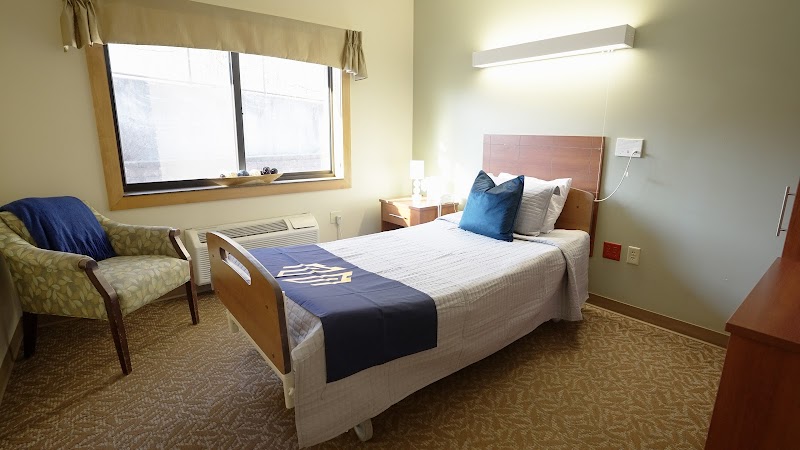
How Does Lakeland Rehab And Healthcare Center Compare to Other Indiana Nursing Homes?

Compared to the 100 nursing homes in Indiana, LAKELAND REHAB AND HEALTHCARE CENTER's overall rating (3 stars) is below the state average of 3.1, staff turnover (39%) is near the state average of 46%, and health inspection rating (3 stars) is at the national benchmark.

What Should Families Ask When Visiting Lakeland Rehab And Healthcare Center?

Based on this facility's data, families visiting should ask: "Can you walk me through typical staffing levels on day, evening, and night shifts?" "Can I visit during a mealtime to observe dining assistance and food quality?" "How do you handle medical emergencies, and what is your hospital transfer rate?" "Can I speak with family members of current residents about their experience?" These questions are particularly relevant given the below-average staffing rating.

Is Lakeland Rehab And Healthcare Center Safe?

Based on CMS inspection data, LAKELAND REHAB AND HEALTHCARE CENTER has a clean safety record: no substantiated abuse findings (meaning no confirmed cases of resident harm), no Immediate Jeopardy citations (the most serious violation level indicating risk of serious injury or death), and is not on the Special Focus Facility watch list (a federal program monitoring the lowest-performing 1% of nursing homes). The facility has a 3-star overall rating and ranks #100 of 100 nursing homes in Indiana. While no facility is perfect, families should still ask about staff-to-resident ratios and recent inspection results during their visit.

Do Nurses at Lakeland Rehab And Healthcare Center Stick Around?

LAKELAND REHAB AND HEALTHCARE CENTER has a staff turnover rate of 39%, which is about average for Indiana nursing homes (state average: 46%). Moderate turnover is common in nursing homes, but families should still ask about staff tenure and how the facility maintains care continuity when employees leave.

Was Lakeland Rehab And Healthcare Center Ever Fined?

LAKELAND REHAB AND HEALTHCARE CENTER has no federal fines on record. CMS issues fines when nursing homes fail to meet care standards or don't correct problems found during inspections. The absence of fines suggests the facility has either maintained compliance or corrected any issues before penalties were assessed. This is a positive indicator, though families should still review recent inspection reports for the full picture.

Is Lakeland Rehab And Healthcare Center on Any Federal Watch List?

LAKELAND REHAB AND HEALTHCARE CENTER is not on any federal watch list. The most significant is the Special Focus Facility (SFF) program, which identifies the bottom 1% of nursing homes nationally based on persistent, serious quality problems. Not being on this list means the facility has avoided the pattern of deficiencies that triggers enhanced federal oversight. This is a positive indicator, though families should still review the facility's inspection history directly.