STONEBRIDGE HEALTH CAMPUS
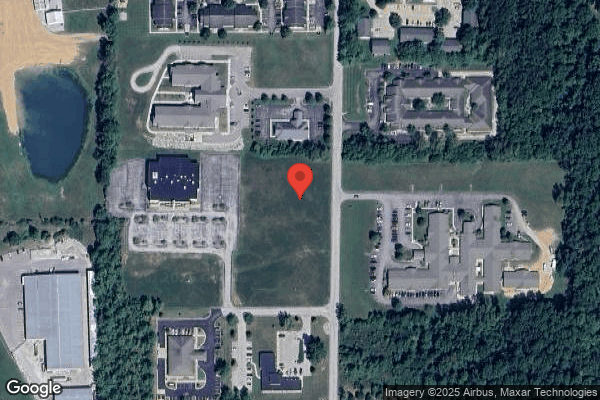
3100 SHAWNEE DRIVE SOUTH, BEDFORD, IN 47421 (812) 278-8195
For profit - Corporation 68 Beds TRILOGY HEALTH SERVICES Data: November 2025
Trust Grade
86/100
#97 of 505 in IN
Last Inspection: October 2024

Within standard 12-15 month inspection cycle. Federal law requires annual inspections.

Overview

Stonebridge Health Campus in Bedford, Indiana has a Trust Grade of B+, indicating it is above average and recommended for potential residents. It ranks #97 out of 505 facilities in Indiana, placing it in the top half of all nursing homes in the state, and is the best option among 6 facilities in Lawrence County. The facility is showing an improving trend, with issues decreasing from three in 2023 to one in 2024. Staffing is average with a 3/5 rating and a turnover rate of 30%, which is lower than the state average, suggesting that staff are more stable and likely familiar with the residents. However, the facility has concerning fines totaling $7,443, higher than 83% of Indiana facilities, and incidents such as a serious medication error that led to a resident's hospitalization indicate areas needing attention. Additionally, there were concerns regarding the lack of pressure ulcer prevention measures for one resident and failure to securely store a medication, highlighting both strengths and weaknesses in care practices.

Trust Score
B+
86/100
In Indiana
#97/505
Top 19%
Safety Record
Moderate
Needs review
Inspections
Getting Better
3 → 1 violations
Staff Stability
✓ Good
30% annual turnover. Excellent stability, 18 points below Indiana's 48% average. Staff who stay learn residents' needs.
Penalties
⚠ Watch
$7,443 in fines. Higher than 77% of Indiana facilities, suggesting repeated compliance issues.
Skilled Nurses
○ Average
Each resident gets 39 minutes of Registered Nurse (RN) attention daily — about average for Indiana. RNs are the most trained staff who monitor for health changes.
Violations
○ Average
9 deficiencies on record. Average for a facility this size. Mostly minor or procedural issues.
★★★★★
5.0
Overall Rating
★★★☆☆
3.0
Staff Levels
★★★★★
5.0
Care Quality
★★★★★
5.0
Inspection Score
Stable
2023: 3 issues
2024: 1 issues

The Good

  • 5-Star Quality Measures · Strong clinical quality outcomes
  • Low Staff Turnover (30%) · Staff stability means consistent care
  • Full Sprinkler Coverage · Fire safety systems throughout facility
  • No fines on record
  • Staff turnover is low (30%)

    18 points below Indiana average of 48%

Facility shows strength in quality measures, staff retention, fire safety.

The Bad

Federal Fines: $7,443

Below median ($33,413)

Minor penalties assessed

Chain: TRILOGY HEALTH SERVICES

Part of a multi-facility chain

Ask about local staffing decisions and management

The Ugly 9 deficiencies on record

1 actual harm
Oct 2024 1 deficiency
MINOR (C)

Minor Issue - procedural, no safety impact

Staffing Information (Tag F0732)

Minor procedural issue · This affected most or all residents

Based on observation, interview, and record review, the facility failed to ensure the posted nurse staffing information was accurate and current for 1 of 6 days during the survey. Findings include: D...

Read full inspector narrative →
Based on observation, interview, and record review, the facility failed to ensure the posted nurse staffing information was accurate and current for 1 of 6 days during the survey. Findings include: During an observation on Tuesday, 10/16/24 at 10:10 a.m., the staff posting sheet was dated for Friday, 10/10/24. During an interview on 10/16/24 at 10:11 a.m., the Executive Director (ED) indicated the staffing sheets was posted by the nursing station. An observation at that time, indicated the staff posting sheet was posted for 10/10/24. The ED indicated the staffing sheet was not current and she would get an updated one posted to reflect that day. During an interview on 10/16/24 at 10:15 a.m., the Clinical Support Nurse indicated the scheduler was responsible for posting the daily staffing sheet. On 10/16/24 at 11:13 a.m., the ED provided the facility policy, Guidelines for Staff Posting, reviewed on 12/31/23, and indicated it was the policy currently being used. A review of the policy indicated, . 1. At the beginning of the day the number and amount of licensed nurses (RN and LPN) and the number and hours of nursing personnel, per shift, who provide direct care to residents will be posted .
Oct 2023 3 deficiencies
CONCERN (D)

Potential for Harm - no one hurt, but risky conditions existed

Pressure Ulcer Prevention (Tag F0686)

Could have caused harm · This affected 1 resident

Based on observation, interview, and record review, the facility failed to ensure implementation of a blue bunny boot (used to prevent and heal pressure ulcers) was utilized for 1 of 4 residents revie...

Read full inspector narrative →
Based on observation, interview, and record review, the facility failed to ensure implementation of a blue bunny boot (used to prevent and heal pressure ulcers) was utilized for 1 of 4 residents reviewed for pressure ulcers. (Resident 27) Findings include: On 10/4/23 at 11:00 a.m., Resident 27 was observed to be sitting in a positioning wheelchair in his room. He had a white dressing on his left foot. The blue bunny boots were not observed to be on his left or right heel. No bunny boots were observed to be on the floor near his positioning wheelchair. On 10/4/23 at 2:39 p.m., Resident 27 was observed to be sitting in a positioning wheelchair in his room. He had a white dressing on his left foot. The blue bunny boots were not observed to be on his left or right heel. No bunny boots were observed to be on the floor near his positioning wheelchair. On 10/5/23 at 10:08 a.m., Resident 27 was observed to be sitting in a positioning wheelchair in the day room on the unit. He had a white dressing on his left foot. The blue bunny boots were not observed to be on his left or right heel. No bunny boots were observed to be on the floor near his positioning wheelchair. On 10/5/23 at 12:32 p.m., Resident 27 was observed to be sitting in a positioning wheelchair in the restorative dining room. He had a white dressing on his left foot. The blue bunny boots were not observed to be on his left or right heel. No bunny boots were observed to be on the floor near his positioning wheelchair. On 10/6/23 at 9:56 a.m., Resident 27 was observed to be sitting in a positioning wheelchair in the day room on the unit. He had a white dressing on his left foot. The blue bunny boots were not observed to be on his left or right heel. No bunny boots were observed to be on the floor near his positioning wheelchair. On 10/5/23 at 11:08 a.m., Resident 27's clinical record was reviewed. The diagnoses included, but were not limited to cerebrovascular disease, dementia, anxiety, and hemiplegia (paralysis of one side of the body). A care plan, initiated on 6/1/23 and current through target date 10/31/23, indicated Resident 27 had a pressure ulcer to left heel. The staff would observe for healing/non-healing; signs of infections; and apply treatment as ordered. The care plan lacked documentation of how to relieve pressure on his left heel if Resident 27 removed the bunny boots or crossing his legs and causing additional pressure on his heels. A Physician's Order, dated 9/6/23 through 10/6/23, indicated resident to wear blue bunny boots at all times for wound and prevention (start date 6/5/23). Wound Management Report, dated 10/3/23 at 11:22 a.m., indicated Resident 27 had a Stage 3 ulcer to left heel. The Clinically at Risk Individual Monitoring lacked documentation of how to relieve pressure on his left heel if Resident 27 removed the bunny boots or crossing his legs and causing additional pressure on his heels. During an interview on 10/6/23 at 11:09 a.m., Certified Nursing Assistant (CNA) 1 indicated Resident 27 had a pressure ulcer to his left ankle. His interventions were to wear blue bunny boots to his left foot. He would not remove them. During an interview on 10/6/23 at 11:48 a.m., the Assistant Director of Nursing (ADON) indicated Resident 27 had a pressure ulcer to his left heel. His interventions were to wear blue bunny boots to his left heel. He did not remove them. On 10/10/23 at 12:24 p.m., the Minimum Data Set Consultant provided the facility's policy, Pressure/Stasis/Arterial/Diabetic Wound Guidelines, dated 12/31/22, and indicated it was the policy being used by the facility. A review of the policy did not address ensuring implementation of pressure ulcer interventions. 3.1-40(a)(2)
CONCERN (D)

Potential for Harm - no one hurt, but risky conditions existed

Deficiency F0761 (Tag F0761)

Could have caused harm · This affected 1 resident

Based on observation, interview, and record review, the facility failed to ensure a medication was stored in a locked compartment for 1 out of 1 medications observed during a random observations while...

Read full inspector narrative →
Based on observation, interview, and record review, the facility failed to ensure a medication was stored in a locked compartment for 1 out of 1 medications observed during a random observations while observing medication administration. (Resident 155) Findings include: On 10/6/23 at 12:50 p.m., during medication administration with Registered Nurse (RN) 1, a round, pink pill was observed to be lying on the medication cart behind the computer. RN 1 was observed to look the pill up using a pill identifier website and identified the pill as citalopram (an antidepressant). RN 1 indicated at that time she did not have any residents on citalopram and did not know why the pill was on the medication cart. During an interview on 10/10/23 at 11:22 a.m., the Assistant Director of Nursing (ADON) indicated they had done some research and they had a resident who had been taking citalopram. The resident was identified as Resident 155. On 10/10/23 at 11:30 a.m., Resident 155's clinical record was reviewed. The diagnosis included, but were not limited to depression. Current physician orders, dated 10/10/23, indicated Resident 155's orders included, but were not limited to: citalopram tablet 20 mg (milligram) once a day for depression. On 10/6/23 at 2:33 p.m., the Corporate Support Nurse provided the facility policy titled, Medication Storage in the Facility with a revised date of January 2019, and indicated it was the policy currently being used by the facility. A review of the policy indicated, Storage of Medications: Policy: Medications and biologicals are stored safely, securely and properly . A. The provider pharmacy dispenses medications in containers . Medications are kept in these containers . 3.1-25(m)
CONCERN (D)

Potential for Harm - no one hurt, but risky conditions existed

Deficiency F0776 (Tag F0776)

Could have caused harm · This affected 1 resident

Based on interview and record review, the facility failed to ensure radiological services were provided immediately, as indicated by the physician's order, to a resident who sustained a fall with inju...

Read full inspector narrative →
Based on interview and record review, the facility failed to ensure radiological services were provided immediately, as indicated by the physician's order, to a resident who sustained a fall with injury for 1 of 1 resident reviewed for radiological services. (Resident 31) Findings include: During an interview with Resident 31's Power of Attorney (POA) on 10/4/23 at 10:09 a.m., they were informed she fell while going to the bathroom around 8:00 p.m., on a Wednesday (7/26/23), and the facility would get an x-ray because she had complained of right hip pain. The POA was not informed of the x-ray results so they called the facility on Friday (7/28/23) around 9:00 a.m., and was told the resident did not have a fracture. Around 3:00 p.m. that same day, the POA received a phone call from the facility stating their mother had a broken hip and she was sent to the hospital. The POA did not know what caused the confusion nor the delay in the x-ray results. On 10/5/23 at 2:05 p.m., Resident 31's clinical record was reviewed. The diagnoses included, but were not limited to, dementia, abnormalities of gait and mobility, and muscle weakness. Resident 31's Event Report, dated 7/26/23 at 6:40 p.m., indicated the resident sustained an unwitnessed fall in her bathroom. Resident 31's progress notes indicated the following: - On 7/26/23 at 8:05 p.m., the resident started to complain of right hip pain related to the fall. - On 7/26/23 at 8:21 p.m., the nurse received an order for a STAT (immediate) x-ray for the resident's right hip. - On 7/26/23 at 8:33 p.m., the resident complained of right hip pain when getting up from her wheelchair. - On 7/26/23 at 9:38 p.m., the radiological services company called the facility and stated there was no technician working so the STAT x-ray was delayed to the next day. - On 7/28/23 at 8:48 a.m., an IDT (interdisciplinary team) note indicated the resident sustained a skin tear to her right elbow. There was no mention of the x-ray results. - On 7/28/23 at 3:01 p.m., the x-ray results were received and indicated the resident had an impacted fracture of the right femoral neck. - On 7/28/23 at 3:27 p.m., the resident was sent to the hospital. Resident 31's Radiology Report, dated 7/27/23 at 8:42 p.m., indicated acute impacted fracture of the right femoral neck. During an interview on 10/6/23 at 12:42 p.m., Licensed Practical Nurse 1 indicated she was working the night the resident fell. The resident initially did not complain of pain, but as the evening went on she began to show limitations in range in motion to her right hip and complained of pain. She obtained an order for a STAT x-ray but she could not remember when the x-ray was taken, however, the company was known to not come on time. During an interview on 10/6/23 at 12:58 p.m., Certified Medication Aide 1 indicated she was working the 7/28/23 shift when the resident was sent out the the hospital for her hip fracture. She indicated she did not know why the radiological services company did not call with the x-ray results because that was the standard practice. The facility had two fax machines and it was likely the company faxed over the results and did not call. On 10/10/23 12:30 p.m., the Clinical Support Nurse provided the [Radiology Services Name] PORTABLE IMAGING AND DIAGNOSTIC TESTING SERVICES AGREEMENT, dated 4/19/23, and indicated it was the contract currently being used by the facility. A review of the contract indicated no specific time frames in regard to service response time. 3.1-49(g)
Dec 2022 5 deficiencies 1 Harm
SERIOUS (G)

Actual Harm - a resident was hurt due to facility failures

Deficiency F0760 (Tag F0760)

A resident was harmed · This affected 1 resident

**NOTE- TERMS IN BRACKETS HAVE BEEN EDITED TO PROTECT CONFIDENTIALITY** Based on observation, interview and record review, the facility failed to ensure residents were free from significant medication...

Read full inspector narrative →
**NOTE- TERMS IN BRACKETS HAVE BEEN EDITED TO PROTECT CONFIDENTIALITY** Based on observation, interview and record review, the facility failed to ensure residents were free from significant medication errors for 1 of 3 residents reviewed for medication administration. This resulted in the resident requiring admission to the hospital intensive care unit. (Resident 45). Finding includes: During an interview on 11/30/22 at 1:42 p.m., Resident 45 indicated over a month ago, she had received Resident 46's medication. A nurse came into her room with two medication cups which had their names on them. The nurse administered her (Resident 45) Resident 46's medication. Later that evening, the facility rushed her to the hospital. On 12/2/22 at 11:19 a.m., Resident 45's clinical record was reviewed. The diagnoses included, but were not limited to, atrial fibrillation (irregular heartbeat), hypotension (low blood pressure), diabetes mellitus, accidental poisoning by unspecified drugs. The admission Minimum Data Set (MDS) assessment, dated 10/18/22, indicated Resident 45 had moderately impaired cognition. The Progress Notes indicated the following: - On 11/4/22 at 7:00 p.m., Resident 45's every one hour vital signs (body temperature, pulse rate, respiration rate, and blood pressure) were initiated. The vitals check were within normal limits. She was answering questions appropriately. - On 11/4/22 at 9:29 p.m., Resident 45 was assisted to bed. Her blood pressure was slightly lower than baseline. She was answering questions appropriately. -On 11/5/22 at 12:21 a.m., Resident 45 was given the incorrect medication at approximately 6:50 p.m. The nurse practitioner indicated to observe resident's vital signs every hour times 24 hours; to send resident to the hospital if mean arterial pressure (MAP, a calculation that doctors use to check whether there's enough blood flow to major organs) falls below 65; and had a decreased level of consciousness. At 11:00 p.m., her blood pressure was 81/49; her pulse was varying between 80-116 with rapid changes; and she was drowsy. Her MAP had decreased to 60. The nurse called 911, and Resident 45 was transferred to the hospital. - On 11/5/22 at 12:31 a.m., the emergency room nurse called to verify Resident 45's vital signs while at the facility. The emergency room nurse indicated she was in atrial fibrillation and the Poison Control Center had been contacted. - On 11/22/22 at 10:27 a.m., the physician indicated Resident 45 was seen for readmission after a hospitalization following a medication error. The Vitals Report dated 11/1/22 through 11/30/22 indicated the following: - On 11/1/22 at 8:33 a.m., Resident 45's pulse was 79 and her blood pressure was 107/75. - On 11/2/22 at 7:50 a.m., Resident 45's pulse was 119 and her blood pressure was 103/68. - On 11/3/22 at 8:21 a.m., Resident 45's pulse was 114 and her blood pressure was 119/62. - On 11/3/22 at 7:50 p.m., Resident 45's pulse was 86. - On 11/4/22 at 7:55 a.m., Resident 45's pulse was 105 and her blood pressure was 115/75. - On 11/4/22 at 7:15 p.m., Resident 45's pulse was 128 and her blood pressure was 132/70. - On 11/4/22 at 7:37 p.m., Resident 45's pulse was 116 and her blood pressure was 89/51. - On 11/4/22 at 7:50 p.m., Resident 45's pulse was 128 and her blood pressure was 132/70. - On 11/4/22 at 7:51 p.m., Resident 45's pulse was 116 and her blood pressure was 89/51. - On 11/4/22 at 8:54 p.m., Resident 45's pulse was 77 and her blood pressure was 85/54. - On 11/4/22 at 10:02 p.m., Resident 45's pulse was 84 and her blood pressure was 81/56. - On 11/4/22 at 11:24 p.m., Resident 45's pulse was 96 and her blood pressure was 81/49. Resident 45's Inpatient discharge instructions, dated [DATE], indicated her reason for visit was for hypotension and new onset atrial fibrillation. She was admitted after accidentally taking extra blood pressure medications which caused her blood pressure to be extremely low requiring intensive care unit (ICU) level of care. During an interview on 12/5/22 at 11:47 a.m., the Nurse Practitioner (NP) indicated Licensed Practical Nurse (LPN) 1 carried in two cups of medication into Resident 45 and Resident 46's room. Resident 45 was administered Resident 46's medication of cilostazol (medication to treat peripheral vascular disease) 50 milligrams (mg); aripiprazole (antipsychotic medication) 2 mg; buspirone (medication to treat anxiety) 7.5 mg; carvedilol (medication to treat high blood pressure) 6.25 mg; and hydrocodone/acetaminophen (pain medication) 7.5 mg. He started her on a central nervous system assessment (assessment to assess mental status and vital signs) every hour because of the administration of ariprazole, buspirone, and hydrocodone/acetaminophen could decrease her vital signs and level of consciousness. At her midnight central nervous system assessment, her blood pressure had decreased and ordered her to be sent to the emergency room. During the interview on 12/5/22 at 2:54 p.m., LPN 1 indicated on 11/4/22, Resident 45 liked her medications early and Resident 46 also wanted her medications. She prepped and took Resident 45 and Resident 46's medications into the room and placed a medication cup on each of their table. Resident 45 took the medication in the cup which was on her table. Resident 46 looked in the medication cup and asked where her pain pill was. At that time, LPN 1 realized she had give Resident 45 the medications for Resident 46. She indicated she was only to prep and take one resident's medication into the room at a time. On 12/6/22 at 12:05 p.m., the Director of Health Services (DHS) provided the facility's policy, Medication Administration General Guidelines, with a revised date of 1/2018, and indicated this was the policy currently being used by the facility. A review of the policy indicated .4) FIVE RIGHTS-Right resident, right drug, right dose, right route and right time, are applied for each medication being administer. A triple check of these 5 Rights is recommended at three steps in the process of preparation of a medication for administration: (1) when the medication is selected, (2) when the dose is removed from the container, and finally (3) just after the dose is prepared and the medication put away Medications are not pre-prepared either in advance of the med pass or for more than one resident at a time. 3.1-48(c)(2)
CONCERN (D)

Potential for Harm - no one hurt, but risky conditions existed

MDS Data Transmission (Tag F0640)

Could have caused harm · This affected 1 resident

**NOTE- TERMS IN BRACKETS HAVE BEEN EDITED TO PROTECT CONFIDENTIALITY** Based on interview and record review, the facility failed to submit a discharge Minimum Data Set (MDS) assessment in a timely m...

Read full inspector narrative →
**NOTE- TERMS IN BRACKETS HAVE BEEN EDITED TO PROTECT CONFIDENTIALITY** Based on interview and record review, the facility failed to submit a discharge Minimum Data Set (MDS) assessment in a timely manner for 1 of 1 resident reviewed for Resident Assessment. (Resident 41) Findings include: Resident 41's closed clinical record was reviewed on 12/5/22 at 3:30 p.m. The diagnoses included, but were not limited to, unspecified injury of the head and Type II diabetes mellitus. The discharge Minimum Data Set (MDS), dated [DATE], for Resident 41 indicated, Finalized but had not been submitted to the Centers for Medicare and Medicaid (CMS). The MDS was over 120 days old. During an interview on 12/6/22 at 10:30 a.m., the corporate MDS consultant indicated the discharge MDS, dated [DATE], for Resident 41 was inadvertently marked not for submission. During an interview on 12/6/22 at 11:33 a.m., the MDS Coordinator indicated the facility did not have a policy related to timely submission of the MDS but the facility utilized the Resident Assessment Instrument (RAI) manual.
CONCERN (D)

Potential for Harm - no one hurt, but risky conditions existed

Assessment Accuracy (Tag F0641)

Could have caused harm · This affected 1 resident

Based on interview and record review, the facility failed to accurately complete an admission Minimum Data Set (MDS) assessment for 1 of 2 residents reviewed for a decline in Activities of Daily Livin...

Read full inspector narrative →
Based on interview and record review, the facility failed to accurately complete an admission Minimum Data Set (MDS) assessment for 1 of 2 residents reviewed for a decline in Activities of Daily Living. (Resident 29) Findings include: Resident 29's clinical record was reviewed on 12/5/22 at 11:27 a.m. The diagnoses included, but were not limited to, dysphagia (difficulty swallowing) following nontraumatic intracerebral hemorrhage and unspecified protein-calorie malnutrition. The admission Minimum Data Set (MDS) assessment, dated 9/7/22, indicated Resident 29 required the supervision of one person with eating during the look back period of 9/2/22 through 9/7/22. The physician orders, dated 9/1/22 through 9/6/22, for Resident 29 indicated, . Enteral feeding: Formula: Boost Plus or Ensure Plus 1 can [237 milliliters] per G-tube BID [twice a day] 1 bolus feeding [type of feeding where a syringe is used to send formula through the feeding tube] . The Medication Administration Record (MAR), dated 9/2/22 through 9/7/22, for Resident 29 indicated the resident received a bolus feeding per G-tube twice a day. During an interview on 12/6/22 at 10:30 a.m., the corporate MDS consultant indicated the admission MDS assessment for Resident 29 was coded incorrectly. The resident was receiving a bolus feeding and the MDS assessment should have been coded as extensive assistance of one for eating. During an interview on 12/6/22 at 11:33 a.m., they MDS Coordinator indicated the facility did not have a policy on coding MDS's correctly but used the Resident Assessment Instrument (RAI) manual. 3.1-31(d)
CONCERN (D)

Potential for Harm - no one hurt, but risky conditions existed

Infection Control (Tag F0880)

Could have caused harm · This affected 1 resident

Based on observation, interview, and record review, the facility failed to place a sign on the door or wall outside a residents room who was on Transmission Based Precautions for 1 of 1 resident revie...

Read full inspector narrative →
Based on observation, interview, and record review, the facility failed to place a sign on the door or wall outside a residents room who was on Transmission Based Precautions for 1 of 1 resident reviewed during a random observation. (Resident 11) Findings include: On 11/29/22 at 10:44 a.m., during an initial tour of the facility, a bin with gowns and gloves was observed outside of Resident 11's room and the door was closed. There was no sign on the door or wall to indicate if the resident was on transmission based precautions (TBP). On 12/5/22 at 10:15 a.m., Resident 11's clinical record was reviewed. The diagnoses included, but were not limited to, chronic myeloid leukemia and rheumatoid arthritis. Physician orders, dated 11/9/22 through 11/29/22, for Resident 11 indicated, . Contact/Droplet Precautions three times a day; 7:00 a.m. through 2:00 p.m., 2:00 p.m. through 10:00 p.m., and 11:00 p.m. through 6:00 a.m. Nursing Progress Notes, dated 11/29/22 at 3:56 p.m., for Resident 11 indicated, . [doctor name] infection disease was called this shift to ask about isolation precautions r/t [related to] res [resident] dx [diagnosis]. [doctor name] is treating res for mycobacterium chelonae [a rapidly growing mycobacteria that commonly affects the skin] with clarithamyocin [an antibiotic] and no isolation precautions are required. Res taken off contact/droplet precautions. During an interview on 11/29/22 at 10:45 a.m., the Director of Social Services indicated Resident 11 was on TBP for a skin disorder but she was not aware of what type of precautions. During an interview on 12/5/22 at 2:54 p.m., Care Resident Care Associated (CRCA) 1 indicated Resident 11 had been on TBP the prior week but she was not sure what type. She remembered having to wear gowns and gloves. On 12/6/22 at 3:57 p.m., the Interim Executive Director provided the facility policy, Guidelines for Droplet Precautions with a revised date of 3/19/20, and indicated it was the policy currently being used by the facility. A review of the policy indicated, . Procedures: e. Isolation signs . 1. Place a sign [preferably yellow] at the doorway instructing visitors to report to the nursing station before entering the room . 3.1-18(b)(1)
CONCERN (D)

Potential for Harm - no one hurt, but risky conditions existed

Safe Environment (Tag F0921)

Could have caused harm · This affected 1 resident

**NOTE- TERMS IN BRACKETS HAVE BEEN EDITED TO PROTECT CONFIDENTIALITY** Based on observation and interview, the facility failed to ensure a sit to stand lift was clean for 3 of 6 days during the surve...

Read full inspector narrative →
**NOTE- TERMS IN BRACKETS HAVE BEEN EDITED TO PROTECT CONFIDENTIALITY** Based on observation and interview, the facility failed to ensure a sit to stand lift was clean for 3 of 6 days during the survey. Findings include: On the following dates, times, and locations, a sit to stand lift was observed with the foot platform containing food crumbs and debris: - On 11/29/22 at 10:00 a.m., in the hallway by room [ROOM NUMBER]. - On 11/29/22 at 2:20 p.m., in the hallway by room [ROOM NUMBER]. - On 11/30/22 at 10:55 a.m., in the hallway by the main nurse's station. - On 11/30/22 at 2:00 p.m., in the hallway by room [ROOM NUMBER]. - On 12/1/22 at 10:10 a.m., in the hallway by room [ROOM NUMBER]. During an interview on 12/1/22 at 10:19 a.m., the Director of Health Services indicated the foot platform of the sit to stand lift was dirty and in need of cleaning before use. On 12/6/22 at 12:12 p.m., the Director of Health Services provided a list of residents who used the sit to stand lift which indicated two residents used the sit to stand lift for transfers. 3.1-19(f)
Understanding Severity Codes (click to expand)
Life-Threatening (Immediate Jeopardy)
J - Isolated K - Pattern L - Widespread
Actual Harm
G - Isolated H - Pattern I - Widespread
Potential for Harm
D - Isolated E - Pattern F - Widespread
No Harm (Minor)
A - Isolated B - Pattern C - Widespread

Questions to Ask on Your Visit

  • "Can I speak with families of current residents?"
  • "What's your RN coverage like on weekends and overnight?"

Our Honest Assessment

Strengths
  • • Grade B+ (86/100). Above average facility, better than most options in Indiana.
  • • 30% annual turnover. Excellent stability, 18 points below Indiana's 48% average. Staff who stay learn residents' needs.
Concerns
  • • 9 deficiencies on record, including 1 serious (caused harm) violation. Ask about corrective actions taken.
Bottom line: Generally positive indicators. Standard due diligence and a personal visit recommended.

About This Facility

What is Stonebridge Health Campus's CMS Rating?

CMS assigns STONEBRIDGE HEALTH CAMPUS an overall rating of 5 out of 5 stars, which is considered much above average nationally. Within Indiana, this rating places the facility higher than 99% of the state's 100 nursing homes. This rating reflects solid performance across the metrics CMS uses to evaluate nursing home quality.

How is Stonebridge Health Campus Staffed?

CMS rates STONEBRIDGE HEALTH CAMPUS's staffing level at 3 out of 5 stars, which is average compared to other nursing homes. Staff turnover is 30%, compared to the Indiana average of 46%. This relatively stable workforce can support continuity of care.

What Have Inspectors Found at Stonebridge Health Campus?

State health inspectors documented 9 deficiencies at STONEBRIDGE HEALTH CAMPUS during 2022 to 2024. These included: 1 that caused actual resident harm, 7 with potential for harm, and 1 minor or isolated issues. Deficiencies causing actual harm indicate documented cases where residents experienced negative health consequences.

Who Owns and Operates Stonebridge Health Campus?

STONEBRIDGE HEALTH CAMPUS is owned by a for-profit company. For-profit facilities operate as businesses with obligations to shareholders or private owners. The facility is operated by TRILOGY HEALTH SERVICES, a chain that manages multiple nursing homes. With 68 certified beds and approximately 61 residents (about 90% occupancy), it is a smaller facility located in BEDFORD, Indiana.

How Does Stonebridge Health Campus Compare to Other Indiana Nursing Homes?

Compared to the 100 nursing homes in Indiana, STONEBRIDGE HEALTH CAMPUS's overall rating (5 stars) is above the state average of 3.1, staff turnover (30%) is significantly lower than the state average of 46%, and health inspection rating (5 stars) is much above the national benchmark.

What Should Families Ask When Visiting Stonebridge Health Campus?

Based on this facility's data, families visiting should ask: "Can I visit during a mealtime to observe dining assistance and food quality?" "How do you handle medical emergencies, and what is your hospital transfer rate?" "Can I speak with family members of current residents about their experience?"

Is Stonebridge Health Campus Safe?

Based on CMS inspection data, STONEBRIDGE HEALTH CAMPUS has a clean safety record: no substantiated abuse findings (meaning no confirmed cases of resident harm), no Immediate Jeopardy citations (the most serious violation level indicating risk of serious injury or death), and is not on the Special Focus Facility watch list (a federal program monitoring the lowest-performing 1% of nursing homes). The facility has a 5-star overall rating and ranks #1 of 100 nursing homes in Indiana. While no facility is perfect, families should still ask about staff-to-resident ratios and recent inspection results during their visit.

Do Nurses at Stonebridge Health Campus Stick Around?

Staff at STONEBRIDGE HEALTH CAMPUS tend to stick around. With a turnover rate of 30%, the facility is 16 percentage points below the Indiana average of 46%. Low turnover is a positive sign. It means caregivers have time to learn each resident's needs, medications, and personal preferences. Consistent staff also notice subtle changes in a resident's condition more quickly.

Was Stonebridge Health Campus Ever Fined?

STONEBRIDGE HEALTH CAMPUS has been fined $7,443 across 1 penalty action. This is below the Indiana average of $33,153. While any fine indicates a compliance issue, fines under $50,000 are relatively common and typically reflect isolated problems that were subsequently corrected. Families should ask what specific issues led to these fines and confirm they've been resolved.

Is Stonebridge Health Campus on Any Federal Watch List?

STONEBRIDGE HEALTH CAMPUS is not on any federal watch list. The most significant is the Special Focus Facility (SFF) program, which identifies the bottom 1% of nursing homes nationally based on persistent, serious quality problems. Not being on this list means the facility has avoided the pattern of deficiencies that triggers enhanced federal oversight. This is a positive indicator, though families should still review the facility's inspection history directly.