RIVER TERRACE HEALTH CARE CENTER
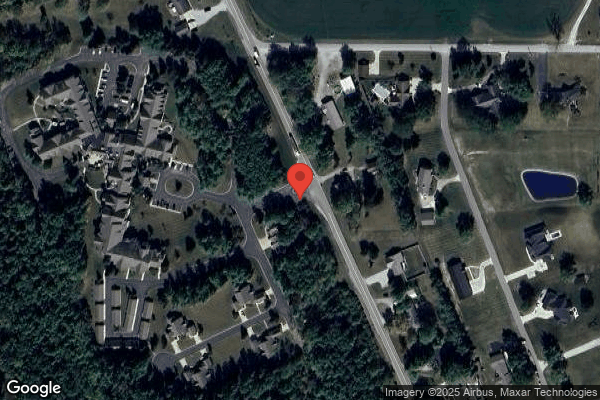

400 CAYLOR BLVD, BLUFFTON, IN 46714 (260) 824-8940
Government - County 30 Beds IDE MANAGEMENT GROUP Data: November 2025
Trust Grade
85/100
#87 of 505 in IN
Last Inspection: January 2025

Within standard 12-15 month inspection cycle. Federal law requires annual inspections.

Overview

River Terrace Health Care Center has a Trust Grade of B+, which means it is above average and recommended for families considering options. It ranks #87 out of 505 facilities in Indiana, placing it in the top half, but it is last in Wells County at #4 out of 4, indicating limited local competition. Unfortunately, the facility's trend is worsening, with the number of reported issues increasing from 1 in 2024 to 2 in 2025. Staffing received an average rating of 3 out of 5 stars, but has a concerning turnover rate of 68%, significantly higher than the state average of 47%. On a positive note, there have been no recorded fines, and the facility boasts higher RN coverage than 99% of Indiana facilities, which is excellent for resident care. However, there have been specific concerns identified, including a lack of proper labeling for medications, which could risk patient safety, and inadequate monitoring of urinary output for residents with catheters, potentially leading to health issues. Additionally, there were failures to monitor refrigerator temperatures for medications, which could affect their effectiveness. Overall, while there are strengths, potential families should be aware of the concerning trends and specific incidents that need attention.

Trust Score
B+
85/100
In Indiana
#87/505
Top 17%
Safety Record
Low Risk
No red flags
Inspections
Getting Worse
1 → 2 violations
Staff Stability
⚠ Watch
68% turnover. Above average. Higher turnover means staff may not know residents' routines.
Penalties
✓ Good
No fines on record. Clean compliance history, better than most Indiana facilities.
Skilled Nurses
✓ Good
Each resident gets 89 minutes of Registered Nurse (RN) attention daily — more than 97% of Indiana nursing homes. RNs are the most trained staff who catch health problems before they become serious.
Violations
✓ Good
Only 4 deficiencies on record. Cleaner than most facilities. Minor issues only.
★★★★★
5.0
Overall Rating
★★★☆☆
3.0
Staff Levels
★★★☆☆
3.0
Care Quality
★★★★★
5.0
Inspection Score
Stable
2024: 1 issues
2025: 2 issues

The Good

  • Licensed Facility · Meets state certification requirements
  • No fines on record

This facility meets basic licensing requirements.

The Bad

Staff Turnover: 68%

22pts above Indiana avg (46%)

Frequent staff changes - ask about care continuity

Chain: IDE MANAGEMENT GROUP

Part of a multi-facility chain

Ask about local staffing decisions and management

Staff turnover is elevated (68%)

20 points above Indiana average of 48%

The Ugly 4 deficiencies on record

Jan 2025 2 deficiencies
CONCERN (D)

Potential for Harm - no one hurt, but risky conditions existed

Deficiency F0761 (Tag F0761)

Could have caused harm · This affected 1 resident

Based on observation, interview, and record review the facility failed to ensure labeling of open date for 1 of 1 carts reviewed. (Resident 29). Findings include: During an observation, on 01/07/25 at...

Read full inspector narrative →
Based on observation, interview, and record review the facility failed to ensure labeling of open date for 1 of 1 carts reviewed. (Resident 29). Findings include: During an observation, on 01/07/25 at 9:38 AM, in the medication room with Qualified Medical Assistant 3 (QMA) and Registered Nurse 2 (RN), Resident 29's insulins were observed in a compartment labeled with his last name. The half full bottle of Humalog in the compartment was not labeled with an open date or any identifying information. RN 2 indicated there was no way to determine when the medication was opened, who it belionged to, and it would be discarded. A Glargine pen was labeled with an open date of 12/3/24. RN 2 indicated insulin is only good for 28 days after being removed from the refrigerator. The pen was 7 days past the 28 day expiration. RN 2 indicated the Glargine pen would be discarded. Resident 29's compartment also had a half full bottle of Lantus insulin without any labeling to indicate resident name or the opened date. RN 2 indicated there was no way to ensure when the medication was opened, who it bleonged to, and indicated the Lantus insulin would be discarded. During an interview, on 01/07/25 at 9:38 AM, QMA 3 indicated all meds were to be labeled with an open date, residents name, room number, and a discard date or expiration date. Resident 29's record review began on 01/06/25 at 11:13 AM. Resident 29's diagnoses included type 2 diabetes mellutis. Resident 29 had a physcian order for Humalog Humalog Kwik pen 100 units/ml per sliding scale four times per day. Resident 29 also had a physician order for Glargine pen 100 units/ml, inject 50units once daily, hold for blood sugar less than 120. Resident 29's Medication Administration Record (MAR) for Humalog Kwik pen indicated he received the insulin multiple times a day from January 1- January 7, 2025 after blood sugar checks at 8am, noon, 4pm, and 8pm. Resident 29's MAR for the month of January 2025 indicated he received Glargine insulin daily at 8am. A policy titled, Medication labels, dated 5/21/2018 and reviewed 5/20/2020 was received by the Administrator on 1/7/25 at 12:51PM. The policy indicated .1. The labels are permanently affixed to the outside of the prescription container. If the label does not fit it can be affixed to an outside container or carton, the resident's name, at a minimum, must be maintained directly on the actual product container. 2. Each prescription medication label includes: a. Residents name. b. specific directions for use e. prescriber's name. f. date dispensed. g. quantity of the medication h. expiration date of the medication i. name, address, and telephone number of dispensing pharmacy . 3.1-25(j)(m)(n)
CONCERN (D)

Potential for Harm - no one hurt, but risky conditions existed

Medical Records (Tag F0842)

Could have caused harm · This affected 1 resident

Based on interview and record review the facility failed to document catheter output for 1 of 1 resident reviewed. (Resident 12) Findings include: Resident 12's record review began on 1/6/25 at 11:35A...

Read full inspector narrative →
Based on interview and record review the facility failed to document catheter output for 1 of 1 resident reviewed. (Resident 12) Findings include: Resident 12's record review began on 1/6/25 at 11:35AM, diagnoses included Neurospasmatic bladder. Certified Nursing Assistant (CNA) task charting indicated Resident 12 only had one entry for urinary catheter output on the following dates, times and amounts: 12/14/24 at 9:28PM 1200ml 12/21/24 at 1:59PM 901ml 12/23/24 at 9:59PM 600ml 12/25/24 at 1:59PM 1000ml 12/27/24 at 9:59PM 2001ml 12/28/24 at 9:35PM 1100ml 12/31/24 at 1:59PM 701ml 1/4/25 at 1:59PM 1000ml 1/5/25 at 7:37PM 1500ml 1/6/25 at 1:59PM 1000ml No other entries for each shift was available for review by the time of exit. Resident 12's physician order, dated 5/3/24, indicated to give Lasix 20mg, take 1 tabled in am with a start date of 5/6/24. In an interview, on 1/7/25 at 1:37 PM, the Director of Nursing (DON) indicated the importance of keeping track of urinary output of residents with a catheter ensured the first sign of issues were addressed. The DON indicated it was especially important with Resident 12 due to her use of a diuretic medication Lasix. The DON indicated the expectation was for catheters to be emptied at the end of each shift and during routine catheter care or when bag was half full as necessary. The DON indicated education would be required if there were not at a minimum of 2 entries every day for catheter output. In an interview, on 1/7/25 at 1:42PM, CNA 4 indicated Resident 12 always required at a minimum one emptying of her catheter bag on each shift she has worked. CNA 4 indicated she did not always have time to document the output and therefore the numbers may be inaccurate at times. A current policy and procedure titled, Output, Measuring and Recording dated as revised October 2010, provided by the Administrator on 1/8/25 at 11:05am indicated .The purpose of this procedure is to accurately determine the amount of urine that a resident excretes in a 24-hour period .Steps in the procedure 7. Carefully observe the level of urine in the graduate. Maintain eye level so that you can see the number reached by the level of urine. 8. Record the amount noted on the output side of intake and output record. 9. Record the time the output was measured. Documentation The following information should be recorded on the bedside intake and output record and/or in the resident's medical record: 1. The date and time the resident's urine was measured and recorded. 3. The amount of output . 3.1-50(a)
Feb 2024 1 deficiency
CONCERN (D)

Potential for Harm - no one hurt, but risky conditions existed

Deficiency F0761 (Tag F0761)

Could have caused harm · This affected 1 resident

**NOTE- TERMS IN BRACKETS HAVE BEEN EDITED TO PROTECT CONFIDENTIALITY** Based on observation, interview, and record review the facility failed to ensure refrigerator temperatures were monitored for 1 ...

Read full inspector narrative →
**NOTE- TERMS IN BRACKETS HAVE BEEN EDITED TO PROTECT CONFIDENTIALITY** Based on observation, interview, and record review the facility failed to ensure refrigerator temperatures were monitored for 1 of 1 medication rooms reviewed. Findings include: During an observation, on [DATE] at 9:15 A.M., in the medication supply room the refrigerator temperature log was not available. The log provided for the month of February 2024 had no entries for the following: 2/15 days, 2/16 day and nights, 2/17 days and nights, 2/18 days and nights, 2/19 days and nights. The refrigerator temperature was checked with the result of 30 degrees. According to the website Americanbiotechsupply.com (supplier of of pharmacy rated refrigeration) indicated Medication refrigerator temperature guidelines should be between 36-48 degrees. temperatures outside this temperature zone could result in a decease in efficacy of medications stored in the refrigerator. During an interview, on [DATE] at 10:10 A.M., the DON indicated she knew the recording of temperatures were a problem. She indicated she made a binder to record and keep temperatures. She provided an undated quality improvement worksheet dated. She indicated she had just completed writing the worksheet. She further indicated it was an expectation for nursing to check and record the refrigerator temperature twice daily. A record review of the prior 5 months of temperature logs provided by DON on [DATE] at 10:20 A.M. indicated the following: [DATE] No entries for the following dates/shifts: 1/1, 1/2, and 1/3, 1/12, 1/21, 1/22, 1/25, 1/26, and 1/28 days and nights 1/4, 1/5, 1/6, 1/8 , 1/10, 1/15, 1/16, 1/17, 1/18, 1/19, 1/23, 1/24, 1/27, and 1/30 nights 1/11 days A policy and procedure titled, Unit Refrigerators, was provided by the administrator on [DATE] at 10:50 A.M. The policy addresses refrigerators for nourishment. The policy does not address refrigerators for medications as indicated by, 6. The dietary staff will be responsible to monitor and log the refrigerator temperature. The dietary staff do not have access to the locked medication refrigerator in the locked medication room. No other information was provided at time of exit. 3.1-25(m)
Jan 2023 1 deficiency
CONCERN (D)

Potential for Harm - no one hurt, but risky conditions existed

Medication Errors (Tag F0758)

Could have caused harm · This affected 1 resident

Based on interview and record review, the facility failed to ensure adverse side effects of psychotropic medications were monitored for 1 of 5 residents reviewed (Resident 18). Findings include: Resid...

Read full inspector narrative →
Based on interview and record review, the facility failed to ensure adverse side effects of psychotropic medications were monitored for 1 of 5 residents reviewed (Resident 18). Findings include: Resident 18's record was reviewed on 1/20/2023 at 10:30 AM. Diagnoses included Alzheimer's disease with early onset, major depressive disorder, single episode, unspecified, vascular dementia, unspecified severity, without behavioral disturbance, psychotic disturbance, mood disturbance, and anxiety, anxiety disorder, unspecified, major depressive disorder, recurrent severe without psychotic features, adverse effect of other antipsychotics and neuroleptics, subsequent encounter, unspecified dementia, unspecified severity, with agitation, major depressive disorder, recurrent, severe with psychotic symptoms, dementia in other diseases classified elsewhere, unspecified severity, with psychotic disturbance, generalized anxiety disorder, restlessness and agitation. A brief interview for mental status assessment, dated 11/15/2022, indicated Resident 18 had score of 3 (severe cognitive impairment). 1. A current care plan indicated Resident 18 had a behavior problem related to major depressive disorder with behaviors such as sense of hopelessness and anxiety. The goal indicated Resident 18 would have no more than 2 episodes of anxiousness each week and would not have more than 2 episode per week of feeling hopeless or feeling down through the next review. The interventions included administer medications as ordered and monitor for and document side effects and effectiveness. A physician order, dated 8/3/2022, indicated to give Buspirone HCl 5 milligram (mg) tablet (a medication used to treat anxiety- nervousness), give 1 tablet by mouth 2 times a day related to anxiety disorder. A physician order, dated 8/3/2022, indicated to monitor the following due to antianxiety medication use: observe closely for significant side effects: sedation (a state of calm or asleep), drowsiness, ataxia (drunk walk), dizziness, nausea, vomiting, confusion, headache, blurred vision, skin rash. Click Y (yes) if monitored and none of the above symptoms was observed. Click N (no) if monitored and any of the above symptoms was observed and select chart code other/see nurse's notes and record findings. There was no documentation found in the Nurses Notes (NN) regarding monitoring for adverse (bad) side effects of antianxiety medication. An MAR ( Medicayion Administration Record), dated December 2022, indicated Resident 18 was given the medication, Buspirone HCL 5mg tablet, 1 tablet two times each day at 8:00 AM and 8:00 PM. There was no documentation to indicate side effects of this medication were monitored. An MAR, dated January 2023, indicated Resident 18 was given the medication, Buspirone HCL 5mg tablet, 1 tablet two times each day at 8:00 AM and 8:00 PM on January 1, 2, 3, 4, 5, 6, 7, 8, 9, 10, 11, 12, 13, 14, 16, 17, 18, 19, 20, 21, and 22. On January 15 and 23, Resident 18 had only been give the 8:00 AM dose. There was no documentation indicating side effects of this medication were monitored. 2. A physician order, dated 10/8/2022, indicated to give Venlafaxine HCl ER 150mg extended release 24-hour capsule (a medication used to treat depression), give 1 capsule by mouth 1 time a day related to major depressive disorder, single episode, unspecified. A physician order, dated 8/3/2022, indicated to monitor the following due to antidepressant medication use: monitor for significant side effects: drowsiness, dry mouth, blurred vision, urinary retention (unable to pass urine), tachycardia (fast heart rate), muscle tremor, agitation, headache, skin rash, photosensitivity (skin sensitive to the sun/light), excess weight gain. Click N (no) if monitored and any of the above symptoms was observed and select chart code other/see nurse's notes and record findings. There was no documentation found in the MAR or in the Nurses Notes (NN) regarding monitoring for adverse side effects of antidepressant medication. An MAR, dated December 2022, indicated Resident 18 was given the medication, Venlafaxine HCl ER 150mg extended release 24-hour capsule, 1 capsule every day at 8:00 AM. There was no documentation indicating side effects of this medication were monitored. A MAR, dated January 2023, indicated Resident 18 was given the medication, Venlafaxine HCl ER 150mg extended release 24-hour capsule, 1 capsule every day at 8:00 AM on January 1, 2, 3, 4, 5, 6, 7, 8, 9, 10, 11, 12, 13, 14, 15, 16, 17, 18, 19, 20, 21, 22, and 23. There was no documentation indicating side effects of this medication were monitored. 3. A current care plan indicated Resident 18 took psychotropic medications related to major depressive disorder with behaviors. The goal indicated Resident 18 would have no side effects from the use of antipsychotic medication through the next review. The interventions iadminister ncluded medications as ordered, monitor for and document side effects and effectiveness, consult with pharmacy, the medical doctor was to consider dosage reduction when clinically appropriate, monitor, record and report to the medical doctor side effects and adverse reactions of psychoactive medication: unsteady gait (walking), tardive dyskinesia (uncontrollable movements of the face and body), shuffling gait, rigid muscles, shaking, frequent falls, refusal to eat, difficulty swallowing, dry mouth, depression, suicidal ideations (thoughts of harming self), social isolation (not wanting to interact with others), blurred vision, diarrhea, fatigue, insomnia (unable to sleep), loss of appetite, weight loss, muscle cramps, nausea, vomiting, behavior symptoms not usual to the resident), and social service visits as needed. A physician order, dated 12/17/2022, indicated Risperidone 0.25mg tablet (a medication used to treat psychosis, a mental disorder characterized by a disconnection from reality), give 0.5 (½) tablet by mouth 1 time a day related to major depressive disorder, recurrent, severe with psychotic symptoms. A physician order, dated 12/17/2022, indicated Risperidone 0.25mg tablet, give 1 tablet by mouth 1 time a day related to major depressive disorder, recurrent, severe with psychotic symptoms. A physician order, dated 8/3/2022, indicated antipsychotic medication use: observe closely for significant side effects: sedation, drowsiness, dry mouth, constipation, blurred vision, extra pyramidal reaction (inability to sit still, involuntary muscle contractions, tremors, stiff muscles, and involuntary facial movements), weight gain, edema (swelling from retaining fluid), postural hypotension (blood pressure drop with position change), sweating, loss of appetite, urinary retention. Click Y (yes) if monitored and none of the above symptoms was observed. Click N (no) if monitored and any of the above symptoms was observed and select chart code other/see nurse's notes and record findings. There was no documentation found in the Nurses Notes (NN) regarding monitoring for adverse side effects of antipsychotic medication. An MAR, dated December 2022, indicated Resident 18 was given the medication, Risperidone 0.25mg tablet, ½ tablet every day at 8:00 PM on December 18,19,20,21,22,23,24,25,26,27,28,29, 30, and 31. There was no documentation indicating side effects of this medication were monitored. An MAR, dated December 2022, indicated Resident 18 was given the medication, Risperidone 0.25mg tablet, 1 tablet every day at 8:00 AM on December 18,19,20,21,22,23,24,25,26,27,28,29, 30, and 31. There was no documentation indicating side effects of this medication were monitored. An MAR, dated January 2023, indicated Resident 18 was given the medication, Risperidone 0.25mg tablet, ½ tablet every day at 8:00 PM on January 1, 2, 3, 4, 5, 6, 7, 8, 9, 10, 11, 12, 13, 14, 16, 17, 18, 19, 20, 21, and 22. There was no documentation regarding the January 15 dose. There was no documentation indicating side effects of this medication were monitored. An MAR, dated January 2023, indicated Resident 18 was given the medication, Risperidone 0.25mg tablet, 1 tablet every day at 8:00 AM on January 1, 2, 3, 4, 5, 6, 7, 8, 9, 10, 11, 12, 13, 14, 15, 16, 17, 18, 19, 20, 21, 22, and 23. There was no documentation indicating side effects of this medication were monitored. The Rounding Provider's Psychiatric Note (Nurse Practitioner), dated 1/5/2023, indicated the facility requested a visit for Resident 18 to follow up for dementia, anxiety, depression with behaviors and agitation history. Resident 18 was seen for psychiatric assessment of his described psychiatric conditions, assessment of mood and behaviors and continued evaluation of efficacy of his psychotropic medications. Staff reported Resident 18 was stable, had no weight loss or gain. Resident 18 had no reported anxiety or agitation that day. Resident 18 was described as quiet, calm with no restlessness, agitation, depression or overwhelming anxiety. Psychiatric medications included Buspar, Effexor, Aricept, and Risperidone. The Nurse Practitioner indicated she would continue to monitor Resident 18's response to the medication and note any trends in moods and behaviors, would also have staff continue to monitor for side effects from current medications. Staff was to continue to observe Resident 18 for any changes in sleep, moods, memory, appetite, and/or behaviors. Labs were reviewed for potential adverse effects to psychotropic medications. A review of Progress Notes, dated 12/24/2022 to 1/24/2023, indicated no documentation of monitoring for side effects of psychotropic medication by the facility nursing staff. In an interview, on 1/24/2023 at 10:05 AM, LPN 3 indicated side effects were to be monitored for antipsychotic, antidepressant, antianxiety, anticoagulant medications. Residents receiving antibiotics were monitored for side effects and temperature. Residents receiving Insulin had their blood glucose checked and were monitored for sign of high and low blood sugar levels. Residents were to be monitored for side effects throughout the shift and documented once a shift. Documentation was done on the MAR. In an interview, on 1/24/2023 at 10:10 AM, the Director of Nursing (DON) indicated side effects were to be monitored for antipsychotic, antidepressant, and anticoagulant medications. Monitoring should be done every shift and was to be documented on the resident's MAR. A current policy, titled Psychotropic Medication Use, dated 11/28/2017, was received from the DON on 1/24/2023 at 10:54 AM. The policy indicated, Policy A psychotropic drug is any drug that affects brain activities associated with mental processes and behavior. These drugs include, but are not limited to, drugs in the following categories: 1. Anti-psychotic 2. Anti-depressant 3. Anti-anxiety 4. Hypnotic . Residents who receive psychotropic medications will have their drug/medication regimen managed and monitored to promote or maintain the resident's highest practicable mental, physical, and psychosocial well-being . Guidelines .14. Nursing staff shall monitor for and report any of the following side effects and adverse consequences to the physician such as: a. general/anticholinergic: constipation, blurred vision, dry mouth, urinary retention, sedation b. cardiovascular: orthostatic hypotension (drop in blood pressure when changing positions), arrythmias (irregular heart rhythms), c. metabolic: increase in total cholesterol/triglycerides, unstable or poorly controlled blood sugar, weight gain d. neurologic: akathisia (feeling of muscle quivering, restlessness and inability to sit still), dystonia (disorder in which sustained or repetitive muscle contractions result in twisting and repetitive movements or abnormal fixed postures), extrapyramidal effects, akinesia (loss or impairment of movement), tardive dyskinesia ( a neurological disorder characterized by involuntary movements of the face and jaw), stroke or transient ischemic attack ( mini stroke). 15. The Physician shall respond appropriately by changing or stopping problematic doses or medications, or clearly documenting (based on assessing the situation) why the benefits of the medication outweigh the risks or suspected or confirmed adverse consequences 3.1-48(a)(3)
Understanding Severity Codes (click to expand)
Life-Threatening (Immediate Jeopardy)
J - Isolated K - Pattern L - Widespread
Actual Harm
G - Isolated H - Pattern I - Widespread
Potential for Harm
D - Isolated E - Pattern F - Widespread
No Harm (Minor)
A - Isolated B - Pattern C - Widespread

Questions to Ask on Your Visit

  • "Why is there high staff turnover? How do you retain staff?"
  • "Can I speak with families of current residents?"
  • "What's your RN coverage like on weekends and overnight?"

Our Honest Assessment

Strengths
  • • Grade B+ (85/100). Above average facility, better than most options in Indiana.
  • • No major safety red flags. No abuse findings, life-threatening violations, or SFF status.
  • • No fines on record. Clean compliance history, better than most Indiana facilities.
  • • Only 4 deficiencies on record. Cleaner than most facilities. Minor issues only.
Concerns
  • • 68% turnover. Above average. Higher turnover means staff may not know residents' routines.
Bottom line: Generally positive indicators. Standard due diligence and a personal visit recommended.

About This Facility

What is River Terrace Health's CMS Rating?

CMS assigns RIVER TERRACE HEALTH CARE CENTER an overall rating of 5 out of 5 stars, which is considered much above average nationally. Within Indiana, this rating places the facility higher than 99% of the state's 100 nursing homes. This rating reflects solid performance across the metrics CMS uses to evaluate nursing home quality.

How is River Terrace Health Staffed?

CMS rates RIVER TERRACE HEALTH CARE CENTER's staffing level at 3 out of 5 stars, which is average compared to other nursing homes. Staff turnover is 68%, which is 22 percentage points above the Indiana average of 46%. High turnover can affect care consistency as new staff learn residents' individual needs.

What Have Inspectors Found at River Terrace Health?

State health inspectors documented 4 deficiencies at RIVER TERRACE HEALTH CARE CENTER during 2023 to 2025. These included: 4 with potential for harm.
Who Owns and Operates River Terrace Health?

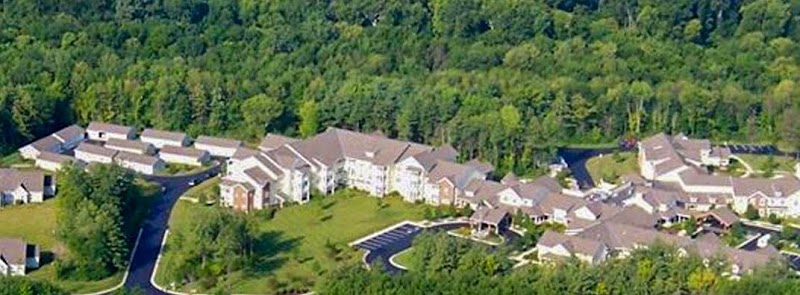
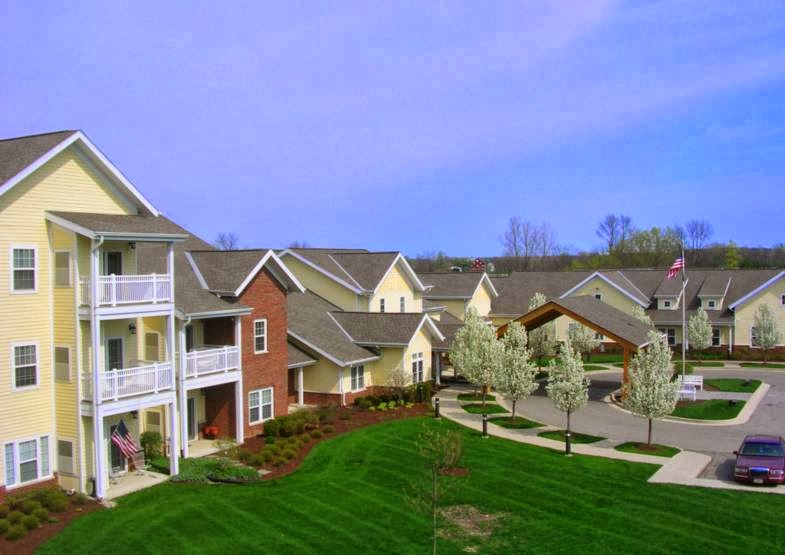
RIVER TERRACE HEALTH CARE CENTER is owned by a government entity. Government-operated facilities are typically run by state, county, or municipal agencies. The facility is operated by IDE MANAGEMENT GROUP, a chain that manages multiple nursing homes. With 30 certified beds and approximately 27 residents (about 90% occupancy), it is a smaller facility located in BLUFFTON, Indiana.
How Does River Terrace Health Compare to Other Indiana Nursing Homes?

Compared to the 100 nursing homes in Indiana, RIVER TERRACE HEALTH CARE CENTER's overall rating (5 stars) is above the state average of 3.1, staff turnover (68%) is significantly higher than the state average of 46%, and health inspection rating (5 stars) is much above the national benchmark.

What Should Families Ask When Visiting River Terrace Health?

Based on this facility's data, families visiting should ask: "How do you ensure continuity of care given staff turnover, and what is your staff retention strategy?" "Can I visit during a mealtime to observe dining assistance and food quality?" "How do you handle medical emergencies, and what is your hospital transfer rate?" "Can I speak with family members of current residents about their experience?" These questions are particularly relevant given the facility's high staff turnover rate.

Is River Terrace Health Safe?

Based on CMS inspection data, RIVER TERRACE HEALTH CARE CENTER has a clean safety record: no substantiated abuse findings (meaning no confirmed cases of resident harm), no Immediate Jeopardy citations (the most serious violation level indicating risk of serious injury or death), and is not on the Special Focus Facility watch list (a federal program monitoring the lowest-performing 1% of nursing homes). The facility has a 5-star overall rating and ranks #1 of 100 nursing homes in Indiana. While no facility is perfect, families should still ask about staff-to-resident ratios and recent inspection results during their visit.

Do Nurses at River Terrace Health Stick Around?

Staff turnover at RIVER TERRACE HEALTH CARE CENTER is high. At 68%, the facility is 22 percentage points above the Indiana average of 46%. High turnover means new staff may not know residents' individual needs, medications, or preferences. It can also be disorienting for residents, especially those with dementia who rely on familiar faces. Families should ask: What is causing the turnover? What retention programs are in place? How do you ensure care continuity during staff transitions?

Was River Terrace Health Ever Fined?

RIVER TERRACE HEALTH CARE CENTER has no federal fines on record. CMS issues fines when nursing homes fail to meet care standards or don't correct problems found during inspections. The absence of fines suggests the facility has either maintained compliance or corrected any issues before penalties were assessed. This is a positive indicator, though families should still review recent inspection reports for the full picture.

Is River Terrace Health on Any Federal Watch List?

RIVER TERRACE HEALTH CARE CENTER is not on any federal watch list. The most significant is the Special Focus Facility (SFF) program, which identifies the bottom 1% of nursing homes nationally based on persistent, serious quality problems. Not being on this list means the facility has avoided the pattern of deficiencies that triggers enhanced federal oversight. This is a positive indicator, though families should still review the facility's inspection history directly.