HUTSONWOOD AT BRAZIL
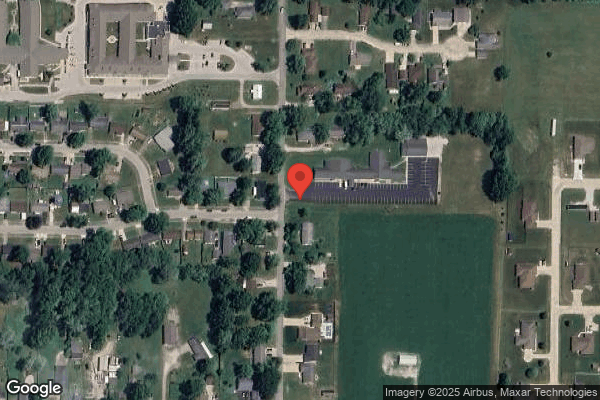

501 S MURPHY AVE, BRAZIL, IN 47834 (812) 446-2636
Non profit - Corporation 86 Beds Independent Data: November 2025
Trust Grade
60/100
#258 of 505 in IN
Last Inspection: October 2024

Within standard 12-15 month inspection cycle. Federal law requires annual inspections.

Overview

Hutsonwood at Brazil has a Trust Grade of C+, which means it is slightly above average, indicating decent care but room for improvement. The facility ranks #258 out of 505 in Indiana, placing it in the bottom half of all nursing homes in the state, and is #2 of 2 in Clay County, meaning there is only one other local option that is better. The facility is improving, as the number of issues decreased from 9 in 2024 to 3 in 2025. Staffing is average with a 3/5 star rating and a turnover rate of 53%, which is similar to the state average of 47%. Notably, there have been no fines recorded, which is a positive sign. However, there are some concerns to consider. Recent inspections identified specific incidents, such as a staff member not following proper hand hygiene after washing their hands, which could pose infection risks. Additionally, a resident's family reported not being invited to care plan meetings, indicating potential communication issues. Lastly, there was a failure to transport a resident to a scheduled surgery, which raises questions about care coordination. Overall, while there are strengths in staffing stability and no fines, families should be aware of these weaknesses and consider them in their decision-making process.

Trust Score
C+
60/100
In Indiana
#258/505
Bottom 49%
Safety Record
Low Risk
No red flags
Inspections
Getting Better
9 → 3 violations
Staff Stability
⚠ Watch
53% turnover. Above average. Higher turnover means staff may not know residents' routines.
Penalties
✓ Good
No fines on record. Clean compliance history, better than most Indiana facilities.
Skilled Nurses
○ Average
Each resident gets 35 minutes of Registered Nurse (RN) attention daily — about average for Indiana. RNs are the most trained staff who monitor for health changes.
Violations
⚠ Watch
32 deficiencies on record. Higher than average. Multiple issues found across inspections.
★★★☆☆
3.0
Overall Rating
★★★☆☆
3.0
Staff Levels
★★★☆☆
3.0
Care Quality
★★★☆☆
3.0
Inspection Score
Stable
2024: 9 issues
2025: 3 issues

The Good

  • Full Sprinkler Coverage · Fire safety systems throughout facility
  • No fines on record

Facility shows strength in fire safety.

The Bad

3-Star Overall Rating

Near Indiana average (3.1)

Meets federal standards, typical of most facilities

Staff Turnover: 53%

Near Indiana avg (46%)

Higher turnover may affect care consistency

The Ugly 32 deficiencies on record

Aug 2025 1 deficiency
CONCERN (D) 📢 Someone Reported This

A family member, employee, or ombudsman was alarmed enough to file a formal complaint

Potential for Harm - no one hurt, but risky conditions existed

Quality of Care (Tag F0684)

Could have caused harm · This affected 1 resident

**NOTE- TERMS IN BRACKETS HAVE BEEN EDITED TO PROTECT CONFIDENTIALITY** Based on interview and record review, the facility failed to transport a resident to a scheduled surgical procedure for 1 of 3 r...

Read full inspector narrative →
**NOTE- TERMS IN BRACKETS HAVE BEEN EDITED TO PROTECT CONFIDENTIALITY** Based on interview and record review, the facility failed to transport a resident to a scheduled surgical procedure for 1 of 3 resident reviewed for quality of care. (Resident B)Findings include:A clinical record review for Resident B was completed on 8/14/25 at 10:00 a.m. Diagnoses included urinary tract infection, Parkinson's disease, obstructive and reflux uropathy, and dementia. A physician's order, dated 8/10/25, indicated resident was to have nothing by mouth after midnight due to a scheduled surgery on the morning of 8/11/25. Administer morning medications with a small sip of water. The order had a discontinued date of 8/3/25 due to resident being out of the facility at an acute care hospital.A nursing progress note, dated 8/3/25, unknown time, indicated resident B reported not feeling well. She was short of breath and warm to touch. Her heart rate was elevated at 113 beats per minute. The physician was notified and the resident was transferred via ambulance to an acute care hospital.A nursing progress note, dated 8/4/25 at 4:56 a.m., indicated Resident B was admitted to the acute care hospital with kidney stones and hypokalemia (low blood potassium), possibly leading to septicemia (an infection in the blood). A nursing progress note, dated 8/8/25 at 11:48 p.m., indicated Resident B had returned from the acute care hospital. discharge instructions, dated [DATE], provided by the Director of Nursing (DON) on 8/14/25 at 11:26 a.m., included the resident had a scheduled follow-up appointment for surgery on 8/11/25 at 9:15 a.m.A Final Report from the acute care hospital, dated 8/8/25, provided by the DON on 8/14/25 at 11:26 a.m., included the following: .Discharge Disposition follow-up with Uro [Urology] as scheduled Plan .Will plan to follow up with [urologist name] on 8/11/25 for URS/LL {Ureteroscopy and Laser Lithotripsy (surgical procedure to examine the upper urinary system and to remove kidney stones) A progress note, dated 8/11/25 at 10:29 a.m., included, the urologist office had been contacted regarding rescheduling the resident's surgery. During a telephone interview on 8/14/25 at 11:29 a.m., Resident B's spouse indicated he had called the morning of the surgery, 8/11/25 between 7:00 and 7:30 a.m., RN 2 indicated the resident was leaving the facility at 7:45 a.m. He went to the hospital at 8:00 a.m., and the hospital staff indicated his wife had been a no-show for her procedure. The hospital staff suggested he call the facility. He called the facility and was told no one was available. He drove from the hospital to the facility and talked with RN 2 who indicated the DON had arrived at the facility that morning and indicated Resident B had had her surgical procedure during her hospital stay and would not need to go that morning. He became very upset. He asked to speak to the DON who just kept blaming everyone else for the resident missing her surgery. During an interview on 8/14/25 at 11:51 a.m., the DON indicated Resident B returned from her hospital stay on Friday evening, 8/8/25, and her surgery was scheduled for Monday morning on 8/11/25. Transporter 2 had asked if she returned on Friday, if she would be going to surgery on Monday. The DON had told Transporter 2 she would have to look at the discharge paperwork to confirm the surgery because Resident B had a procedure while she was in the hospital. The DON indicated the resident had not returned by the time she left to go home. She had told Transporter 2 to assume Resident B was having her surgery on Monday, 8/11/25. When the DON arrived to the facility on Monday at around 8:30 a.m., she did not realize Transporter 2 had not taken the resident to the hospital. The surgery department had called RN 3 and indicated the resident had not shown up for her procedure. Transporter 2 had not shown up to take her to her appointment. During an interview on 8/14/25 at 1:18 p.m., Transporter 2 indicated on Friday afternoons, he reviewed the following weeks schedule and had noticed Resident B was in the hospital. He asked Unit Manager (UM) 4 and the DON if Resident B returned to the facility, would she be going to have the surgery on Monday morning, 8/11/25. He had been told by UM 4 that Resident B had already had her procedure when she was in the hospital. The DON indicated she would confirm things and would contact him if the surgery was a go or no-go. He did not hear back from the DON or any staff at the facility. He arrived on Monday, 8/11/25, at his usual time, 8:00 a.m., and believed the surgery had already been completed while the resident was in the hospital. The staff informed him that Resident B had missed her surgery.During an interview on 8/14/25 at 1:37 p.m., UM 4 indicated she had already gone home by the time Resident B returned from the hospital on Friday, 8/8/25. Transporter 2 had come into the DON's office Friday afternoon, 8/8/25, and reviewed transports for Monday, 8/11/25. The DON had told Transporter 2 they would not know for sure about Resident B's surgery until she returned with her discharge paperwork. UM 4 indicated the hospital had not contacted the facility for report prior to transfer back to the facility by the time she left the facility for the weekend. During a telephone interview on 8/14/25 at 2:01 p.m., RN 3 indicated she looked where they kept the appointment paperwork for the day and saw Resident B was scheduled for surgery that morning. The Surgery Center had called that morning, and she asked if she should hold her morning medications. The Surgery Center staff indicated she could take her morning medications, but to hold her morning insulin injection. RN 3 got the resident ready and she was up in her wheelchair, and ready to go when Transporter 2 arrived approximately 7:45 a.m. She noticed at 7:55 a.m., he had not left the facility for transport yet. Transporter 2 indicated he had spoken to the DON and the surgery for that morning had been cancelled. RN 3 returned the resident to her bed and administered her insulin dose. The resident's spouse arrived a little bit later and asked why she had not arrived for her surgery. He was very upset because the procedure was not cancelled. She interrupted the staff's morning meeting to let the Administrator and DON know the resident's husband was there to talk with them regarding his wife being a no-show for her surgery. She felt when Transporter 2 had told her the surgery was cancelled, she should have called the DON at that time to confirm. She felt bad about not confirming, but he had seemed so sure of the cancellation. She had not had access to the discharge paperwork from the resident's hospital stay, as they had been given to the DON or UM 4 to be reviewed and entered into the electronic health record after the weekend. She had explained to Transporter 2 that she had been contacted by the Surgery Center and the surgery was confirmed. A current facility policy, dated 1/1/25, titled, Transporting a Resident (Facility Van), provided by the DON on 8/14/25 at 3:33 p.m., included the following: Policy: It is the policy of this facility to provide residents safe, non-emergency transportation to doctor's appointments, activity outings, and any other trips the facility deems necessary.A current facility policy, dated 1/1/25, titled, Consulting Physician/Practitioner Orders, provided by the DON on 8/14/25 at 3:33 p.m., included the following: Policy Explanation and Compliance Guidelines: .2 For consulting physician/practitioner orders received in writing or via fax, the nurse in a timely manner will: .b. Document the verification order by entering the order into the EMRThis citation relates to Intake 2586289.3.1-37(b)
Feb 2025 2 deficiencies
CONCERN (D) 📢 Someone Reported This

A family member, employee, or ombudsman was alarmed enough to file a formal complaint

Potential for Harm - no one hurt, but risky conditions existed

Assessment Accuracy (Tag F0641)

Could have caused harm · This affected 1 resident

Based on observation, record review, and interview, the facility failed to ensure the Minimum Data Set (MDS) assessment was accurate for 1 of 9 residents' MDS assessments reviewed (Resident E). Findin...

Read full inspector narrative →
Based on observation, record review, and interview, the facility failed to ensure the Minimum Data Set (MDS) assessment was accurate for 1 of 9 residents' MDS assessments reviewed (Resident E). Findings include: During an observation on 2/10/25 at 2:00 p.m., Resident E was sitting up in her wheelchair with a tray table attached to the right side of her wheelchair. Her right arm was resting on the table. Resident E's record was reviewed on 2/12/25 at 9:42 a.m. An admission MDS assessment, dated 12/9/24, indicated the resident had severe cognitive impairment and no functional limitation in range of motion (ROM) to the upper or lower extremities. Diagnoses on the resident's profile included, but were not limited to, hemiplegia (paralysis or weakness on one side of the body) unspecified affecting right dominant side. An admission observation, dated 12/3/24, indicated the resident had impairment on one side of the upper extremities. A Physician's Progress Note, dated 12/4/24, indicated the resident's assessment showed right sided hemiparesis (weakness or paralysis on one side of the body). A care plan, initiated on 12/4/24, indicated the resident was at risk for self-care deficit related to right sided hemiplegia. During an interview, on 2/12/25 at 10:44 a.m., Certified Nurse Aide (CNA) 4 indicated Resident E was not able to use her right arm or hand at all. Resident E used her left hand and arm to put on a shirt and perform other activities. The resident used the tray table to rest her arm on when she was in the wheelchair. During an interview, on 2/12/25 at 10:51 a.m., the MDS Coordinator indicated she was not sure if the resident's hemiplegia should have been coded as an impairment in ROM because the resident was able to walk. She indicated she would check if the impairment to the resident's upper extremity should have been coded. During an interview, on 2/12/25 at 12:02 p.m., the DON indicated Resident E's limitation in ROM should have been coded on the MDS assessment but, it had been missed. On 2/12/25 at 12:14 p.m., the DON provided the Centers for Medicare and Medicaid Services (CMS) Resident Assessment Instrument (RAI) Manual version 3.0, Section GG, dated October 2024, and indicated it was the policy currently being used by the facility. The RAI Manual indicated, .GG0115: Functional Limitation in Range of Motion. Code for limitation that interfered with daily functions or placed resident at risk for injury in the last 7 days. Coding: 1. No impairment. 1. Impairment on one side. 2. Impairment on both sides .Upper extremity (shoulder, elbow, wrist, hand) .Steps for Assessment: 1. Review the medical record for references to functional range-of-motion limitation during the 7-day observation period. 2. Talk with staff members who work with the resident as well as family/significant others about impairment in functional ROM. 3. Coding for functional ROM limitations is a three-step process: Test the resident's upper and lower extremity ROM .If the resident is noted to have any limitation of upper .ROM, review GG0130 and GG0170 and/or directly observe the resident to determine whether the limitation interferes with function or places the resident at risk for injury. Code GG0115A and GG0115B as appropriate based on the above assessment This citation relates to complaint IN00451478.
CONCERN (D) 📢 Someone Reported This

A family member, employee, or ombudsman was alarmed enough to file a formal complaint

Potential for Harm - no one hurt, but risky conditions existed

Deficiency F0688 (Tag F0688)

Could have caused harm · This affected 1 resident

**NOTE- TERMS IN BRACKETS HAVE BEEN EDITED TO PROTECT CONFIDENTIALITY** Based on interview, observation, and record review, the facility failed to ensure limitations in range of motion were assessed, ...

Read full inspector narrative →
**NOTE- TERMS IN BRACKETS HAVE BEEN EDITED TO PROTECT CONFIDENTIALITY** Based on interview, observation, and record review, the facility failed to ensure limitations in range of motion were assessed, treated, and required interventions communicated to staff effectively for 3 of 3 residents reviewed for limitations in range of motion (Residents B, E, and F). Findings include: 1. During an interview, on 2/10/25 at 12:00 p.m., Resident B's family member indicated the resident had splints for her hands that she needed to prevent contractures (permanent or prolonged shortening of muscles, tendons, ligaments, or skin that restricts range of motion and can lead to deformities). The splints arrived to the facility with the resident at admission and were kept beside. The splints were not used until 12/14/24. The family member indicated they asked staff about using the splints, but the staff were not aware of them. On 12/13/24, therapy put the splints on the resident and indicated if there was no redness or soreness they would be used at night. On 12/14/24, a regimen for the hand splints was finally established. Resident B's record was reviewed on 2/10/25 at 2:18 p.m. An admission Minimum Data Set (MDS) assessment, dated 12/9/24, indicated the resident had severe cognitive impairment and no functional limitation in range of motion (ROM) to the upper extremities. Census information indicated the resident was admitted to the facility on [DATE]. An admission Minimum Data Set (MDS) assessment, dated 12/9/24, indicated the resident had severe cognitive impairment and no functional limitation in range of motion (ROM) to the upper extremities. A nursing admission assessment, dated 12/3/24, indicated the resident had weakness and a functional limitation in ROM on both sides of the upper extremities. Other equipment the resident brought included hand braces. A Physician's Order, dated 12/5/24, indicated skilled Occupational Therapy (OT) services five times a week for four weeks to address basic activities of daily living (ADLs), wheelchair positioning, patient safety, patient education, following directions, therapy exercises and activities, and upper body strengthening. A care plan, dated 12/11/24, indicated the resident was at risk for impaired mobility related to osteoporosis (weak and brittle bones) an osteoarthritis (chronic joint disease). The care plan lacked documentation of the resident's functional limitation in ROM and the resident's hand splints. An OT Treatment Encounter Note, dated 12/13/24, indicated, .stretching to bilateral [both] hands prior to application of splints. Hand splints worn for 3 hours without sign of increased skin irritation The note lacked documentation the need for hand splints was communicated to the nursing staff. A Treatment Administration Record (TAR), dated December 2024, included two Physician's Orders, dated 12/19/24. The orders indicated hand splints on during the night and off during the day. The TAR lacked documentation the hand splints were ordered prior to 12/19/24. An OT Discharge summary, dated [DATE], included a short term goal of increased ROM and strength in the resident's left upper extremity. Goal notes, dated 12/18/24 and 12/24/24, indicated the resident's left hand continued to struggle with grasp and release due to contractures. During an interview, on 2/11/25 at 11:30 a.m., Certified Occupational Therapy Assistant (COTA) 6 indicated he was familiar with Resident B, and both of her hands were basically contracted. During therapy, he massaged and stretched her hands. The resident was able to wear the hand splints in therapy for three hours without redness, and eventually wore them at night. The residents hands were contracted when she was admitted to the facility. He thought the family brought the splints in after she was admitted , but he was not told about them for a couple of days. He was not aware the splints came with the resident upon admission. Once he became aware of the splints, he began to work with the resident to wear them. During an interview, on 2/11/25 at 12:12 p.m., the Director of Nursing (DON) indicated Resident B's hands had impaired mobility, but she was not sure if they were contracted. She did not think the hand splints arrived to the facility until later, after admission. Upon review of the admission assessment, she indicated the hand splints were noted on the resident's admission. If a resident was admitted to the facility with hand splints the staff should have notified the therapy department so therapy could work with the resident on how and when the splints should have been applied. During an interview, on 2/11/25 at 2:06 p.m., the MDS Coordinator indicated a care plan should have been initiated, on 12/19/24, when the hand splints were ordered. If the hand splints arrived with the resident on admission, then the physician should have been consulted at admission to determine the orders for the hand splints. Had the hand splints been ordered at admission, they would have been added to the resident's care plan then. 2. During an observation on 2/10/25 at 2:00 p.m., Resident E was observed sitting up in her wheelchair with a tray table attached to the right side of the chair. The resident's right arm was resting on the tray table. Resident E's record was reviewed on 2/12/25 at 9:42 a.m. An admission Minimum Data Set (MDS) assessment, dated 12/9/24, indicated the resident had a severe cognitive impairment. Census information indicated the resident was admitted to the facility on [DATE]. Diagnoses on the resident's profile included, but were not limited to, hemiplegia (paralysis or weakness on one side of the body) unspecified, affecting the right dominant side. An admission observation, dated 12/3/24, indicated the resident had impairment on one side of the upper extremities. A Physician's Progress Note, dated 12/4/24, indicated the resident's assessment showed right sided hemiparesis (weakness or paralysis on one side of the body). A care plan, initiated on 12/4/24, indicated the resident was at risk for self-care deficit related to right sided hemiplegia. The care plan lacked documentation of the the right-sided tray table. Current Physician's Orders lacked documentation of an order for the right-sided tray table. An Occupational Therapy (OT) Discharge summary, dated [DATE], lacked documentation the resident was assessed or treated by OT for the use of the right-sided tray table. During an interview, on 2/12/25 at 10:44 a.m., Certified Nurse Aide (CNA) 4 indicated the resident was not able to use her right arm or hand. The resident used her left arm to assist with putting on clothing and performing activities of daily living (ADLs) The right-sided tray table was able to be removed from the wheelchair but was supposed to be on the wheelchair when the resident was up. The resident used the table to rest her arm. CNA 4 was not aware how interventions and care requirements were communicated to the staff. Usually, the other staff told her things during their report between shifts or she could ask the nurse. During an interview, on 2/12/25 at 10:51 a.m., the Director of Nursing (DON) indicated she was not aware the resident had a tray table for her wheelchair. She did not know when it was placed on the wheelchair. During an interview, on 2/12/25 at 11:05 a.m., the DON indicated therapy put the right-sided tray table on the resident's wheelchair as a comfort measure when she was admitted to the facility. The resident was able to communicate with the staff regarding if she wanted the tray table on or not. Normally, the tray-table would have been added to the resident's profile, but she was unable to find documentation of this for Resident E. She was not sure if there should have been a Physician's Order. The therapy department told her they communicated the tray table intervention to the CNA on duty, but she was not sure if it was communicated to the rest of the nursing staff. During an interview, on 2/12/25 at 11:41 a.m., Registered Nurse (RN) 7 indicated Resident E used the right-sided tray table all the time. Resident E was able to remove the tray table from the wheelchair but needed assistance to put it back on. There was not an assignment sheet which included interventions such as tray tables, and the information was passed along through verbal report. During an interview, on 2/12/25 at 11:48 a.m., the DON indicated she was unable to find communication between therapy and nursing regarding the resident's right-sided tray table. There were no therapy notes pertaining to the tray table. The tray table should have been evaluated by therapy, and communicated through a communication form from therapy to nursing. Then a Physician's Order should have been obtained and the intervention added to the care plan. 3. During an observation, on 2/10/25 at 1:55 p.m., Resident F was observed up in her wheelchair with a half tray table attached to the left side of her wheelchair. The resident's left hand was contracted (permanent or prolonged shortening of muscles, tendons, ligaments, or skin that restricts range of motion and can lead to deformities). During an observation, on 2/12/25 at 11:34 a.m., Resident F was observed up in her wheelchair with the left-sided tray table in place. Resident F's record was reviewed on 2/12/25 at 11:22 a.m. An annual Minimum Data Set (MDS) assessment, dated 11/17/24, indicated the resident had moderate cognitive impairment and functional limitation in range of motion (ROM) on one side of the upper and lower extremities. Diagnoses on the resident's profile included, but were not limited to, hemiplegia and hemiparesis (paralysis or weakness on one side of the body) following cerebral infarction (stroke) affecting left non-dominant side. The resident's Physician's Orders lacked documentation of an order for the left-sided tray table. A care plan, last revised 12/12/24, indicated cerebrovascular (blood vessels in brain) with left hemiplegia, dysphagia (difficulty swallowing, and aphasia (language disorder affecting the ability to communicate) and was at risk for cerebrovascular complications related to cerebrovascular accident (CVA) (stroke). The care plan lacked documentation of the left-sided tray table. During an interview, on 2/12/25 at 11:37 a.m., Certified Nurse Aide (CNA) 4 indicated Resident F was able to remove the tray table from her wheelchair but needed assistance to put it back on. CNA 4 was not sure when the tray table was placed on the resident's wheelchair, but the resident had it in place since she started working at the facility. She was not sure how the nursing staff would have communicated the resident's needs to her if it was a resident she was not familiar with. The interventions, such as tray tables, were usually just communicated during a verbal report. During an interview, on 2/12/25 at 11:41 a.m., Registered Nurse (RN) 7 indicated Resident F had the left-sided tray table in place for a long time, but she was not sure exactly how long. Resident F was able to remove the tray table from the wheelchair but needed assistance to put it back on. There was not an assignment sheet which included interventions such as tray tables, and the information was passed along through verbal report. During an interview, on 2/12/25 at 12:02 p.m., the Director of Nursing (DON) indicated she was unable to find supporting documentation for Resident F's tray table, such as therapy notes, a Physician's order, or care plan. On 2/11/25 at 2:00 p.m., the DON provided a document titled, Use of Assistive Devices, dated 2024, and indicated it was the policy currently being used by the facility. The policy indicated, .Policy: The purpose of this policy is to provide a reliable process for the proper and consistent use of assistive devices for those residents requiring equipment to maintain or improve function and/or dignity. Policy Explanation and Compliance Guidelines: 1. Assistive devices are tools, products, types of equipment, or technology that help individuals perform tasks and activities. They may help the individual move around, see, communicate, eat, or get dressed. Assistive devices include .e. Mobility aids .f. Orthotic or prosthetic equipment .2. The use of assistive devices will be based on the resident's comprehensive assessment, in accordance with the resident's plan of care .5. Direct care staff will be trained on the use of the devices as needed to carry out their roles and responsibilities regarding the devices. Training will also include when to refer to other departments for changes in condition or problems with the device. 6. A nurse with responsibility for the resident will monitor for the consistent use of the device and safety in the use of the device. Refusals of use, or problems with the device, will be documented in the medical record. Modifications to the plan of care will be made as needed This citation relates to complaint IN00451478. 3.1-42(a)(2)
Oct 2024 8 deficiencies
CONCERN (D)

Potential for Harm - no one hurt, but risky conditions existed

Resident Rights (Tag F0550)

Could have caused harm · This affected 1 resident

Based on observation, interview, and record review, the facility failed to ensure contracted staff completed a resident assessment and vital signs in privacy for 1 of 1 resident reviewed for privacy (...

Read full inspector narrative →
Based on observation, interview, and record review, the facility failed to ensure contracted staff completed a resident assessment and vital signs in privacy for 1 of 1 resident reviewed for privacy (Resident 26). Findings include: During the meal service on the memory care unit, on 10/16/24 at 12:04 p.m., Resident 26 was sitting in her Broda chair (a wheelchair or seating device designed to provide comfort and support for long-term patients) at a table waiting for lunch to be served. A contracted hospice nurse entered the dining area where Resident 26 was sitting. Hospice Nurse 23 obtained vital signs on Resident 26. The nurse obtained a temporal (forehead) temperature, blood pressure (using a wrist cuff), pulse oximeter reading, heart rate, and a circumference of her right arm (using a tape measure). The hospice nurse leaned in next to the resident's ear to ask her some questions about how she was feeling. There were several residents sitting at the table during this time along with the licensed practical nurse and certified nurses' aide. During an interview, on 10/16/24 at 12:09 p.m., Licensed Practical Nurse (LPN) 7 indicated the hospice nurse should not be completing an assessment or vital signs on a resident during meal service. Resident 26's record was reviewed on 10/17/24 at 2:53 p.m. The profile indicated the resident diagnoses included, but were not limited to, unspecified dementia (a person's mild cognitive impairment has yest to be diagnosed as a specific type of dementia) and major depressive disorder (a mental health disorder characterized by persistently depressed mood or loss of interest in activities, causing significant impairment in daily life). A quarterly Minimum Data Set (MDS) assessment, dated 9/29/24, indicated the resident was severely impaired cognitively and was on hospice services. During an interview, on 10/17/24 at 8:37 a.m., the Director of Nursing (DON) indicated the hospice nurse should not have completed an assessment or vital signs during meal service on a resident. During an interview, on 10/18/24 at 8:55 a.m., the Administrator indicated that he had spoken with the hospice nurse and she was aware that she should not have completed an assessment and vital signs on the resident during meal service. She was in a hurry and wasn't thinking. On 10/17/24 at 8:51 a.m., the DON provided an undated document titled, Resident Rights, and indicated it was the policy currently being used by the facility. The policy indicated, .V .The resident has the right to personal privacy and confidentiality .A. Personal privacy includes accommodations, medical treatment .I Dignity: A facility must care for its residents in a manner and in an environment that maintains or enhances each resident's dignity and respect in full recognition in his or her individuality . 3.1-3(t)
CONCERN (D)

Potential for Harm - no one hurt, but risky conditions existed

Deficiency F0558 (Tag F0558)

Could have caused harm · This affected 1 resident

Based on observations, interviews, and record review, the facility failed to ensure a call light device was within reach for 1 of 16 residents observed for call lights (Resident 7). Findings include:...

Read full inspector narrative →
Based on observations, interviews, and record review, the facility failed to ensure a call light device was within reach for 1 of 16 residents observed for call lights (Resident 7). Findings include: On 10/17/24 at 10:08 a.m., observed Resident 7 in his room, sitting in a Broda chair (a wheelchair or seating device designed to provide comfort and support for long-term patients) facing the window. He was leaning to the right side of the chair, the left side of his face was directly in the sunlight, the room temperature was hot, and his cheeks were reddened. Two button-press call lights were observed to be on the beds, not within reach of the resident. On 10/17/24 at 10:13 a.m., requested assistance from Certified Nursing Assistant (CNA) 5, upon entering Resident 7's room, she indicated the room was hot and that it looked like the resident was leaning to get out of the sunlight. She indicated the resident did not have his call light, but he did not use it. Before leaving the room, she provided him with a button-press call light. On 10/21/24 at 1:34 p.m., observed Resident 7 resting in bed with eyes closed. Two button-press call lights were observed to be in a recliner at the foot of the bed, not within reach of the resident. During an interview on 10/21/24 at 1:57 p.m., the Director of Nursing (DON) indicated that if a resident had mobility problems, moved around a lot in bed, or could not remember to use a button-press call light, they could have soft touch call devices (sensitive to touch). She indicated that everyone was to have a call device. On 10/22/24 at 10:53 a.m., Resident 7's record was reviewed. His diagnoses included, but were not limited to, Alzheimer's disease (a brain disorder that slowly destroys memory and thinking skills, and eventually the ability to carry out everyday tasks), cognitive communication deficit (range of difficulties that can affect a person's ability to think, communicate, and function in social situations), and dementia (neurological conditions that cause a person to lose the ability to think, remember, and reason to the point that it interferes with their daily life). A quarterly Minimum Data Set (MDS) assessment, dated 9/26/24, indicated Resident 7's cognitive skills for daily decision making was moderately impaired. A care plan, edited 10/22/24, with a problem start date of 11/12/18, indicated Resident 7 was at risk for falls related to poor safety awareness, required assistance with activities of daily living, was incontinent of bowel and bladder, had a diagnosis of Alzheimer's disease, and had a history of falls. On 10/22/24 at 11:43 a.m., observed a hospice nurse in Resident 7's room, two soft touch call devices had been installed. During an interview on 10/22/24 at 12:03 p.m., the Administrator (ADM) indicated that he installed the soft touch call device and was not aware that Resident 7 did not have one before yesterday, but if a resident was not able to use a button-press call device, they should have a soft touch. If they are not able to press it or remember to press it, when they move it would activate the call light system. On 10/22/24 at 2:39 p.m., the DON provided an undated document, titled, Call Lights: Accessibility and Timely Response, and indicated it was the policy currently being used by the facility. The policy indicated, .The purpose of this policy is to assure the facility is adequately equipped with a call light at each residents' bedside, toilet, and bathing facility to allow residents to call for assistance. Call lights will directly relay to a staff member or centralized location to ensure appropriate response. Policy Explanation and Compliance Guidelines: All staff will be educated on the proper use of the resident call system, including how the system works and ensuring resident access to the call light .Each resident will be evaluated for unique needs and preferences to determine any special accommodations that may be needed in order for the resident to utilize the call system, including cognitive and physical ability to use the call light. Special accommodations will be identified on the resident's person-centered plan of care, and provided accordingly. (Examples include touch pads, larger buttons, bright colors, etc.). Staff will ensure the call light is within reach of resident and secured, as needed. The call system will be accessible to residents while in their bed or other sleeping accommodations within the resident's room .The call system should be accessible to a resident lying on the floor .Process for responding to call lights .If assistance is needed with a procedure, summon help by using the call light 3.1-3(v)(1)
CONCERN (D)

Potential for Harm - no one hurt, but risky conditions existed

Medication Errors (Tag F0758)

Could have caused harm · This affected 1 resident

Based on record reviews and interviews, the facility failed to ensure a pharmacy recommendation was addressed for 1 of 5 residents reviewed for unnecessary medications (Resident 32). Findings include...

Read full inspector narrative →
Based on record reviews and interviews, the facility failed to ensure a pharmacy recommendation was addressed for 1 of 5 residents reviewed for unnecessary medications (Resident 32). Findings include: On 10/21/24 at 9:27 a.m., pharmacy recommendations were reviewed for Resident 32. A recommendation, printed 10/23/23, indicated that the resident was receiving Zoloft (medication used to treat depression, anxiety, and other disorders) 50 milligrams (mg) daily, and asked the physician to determine if a gradual dose reduction may be attempted. The physician signed and dated the form on 10/25/23 indicating to decrease the Zoloft to 25 mg daily. A recommendation, printed 12/17/23, notified the physician to investigate the recommendation made on 10/23/23 for the gradual dose reduction because their record indicated that the Zoloft would be decreased to 25 mg, however a dose reduction had not been ordered. A record review was conducted on 10/21/24 at 10:12 a.m. Resident 32's diagnoses included, but were not limited to, major depressive disorder (depressed mood or loss of interest in activities for a prolonged period), and dementia with behavioral disturbance (a group of neurological conditions that cause a person to lose the ability to think, remember, and reason to the point that it interferes with their daily life). A nursing progress note entered by the Director of Nursing (DON), recorded as a late entry on 10/26/24 at 8:51 a.m., for 10/25/23, indicated there was a pharmacy recommendation to decrease Zoloft to 25 mg daily. The physician and psychologist agreed. Resident 32 was notified, and they would continue to monitor. A physician's order, dated 4/19/23, indicated to administer Zoloft 50 mg, one tab by mouth daily. The record lacked documentation of the order being changed until 12/20/24. During an interview on 10/21/24 at 11:40 a.m., the Assistant Director of Nursing (ADON) indicated that she was not sure if the pharmacy recommendation in question had been worked on the day that they had split them up because there were so many. The DON had to leave and take oxygen to another facility that day, and it may have gotten missed in the mix of things. During an interview on 10/21/24 at 3:07 p.m., the DON indicated that after the behavior meeting related to the pharmacy recommendation, she left everything on her desk and left to deliver oxygen to another facility. On her way she was in a car accident and did not return for 6 months. While she was gone, the current ADON and corporate nursing support were responsible for resuming unfinished work. During an interview on 10/21/24 at 3:07 p.m., the ADON indicated that when she picked up the stack of pharmacy recommendations off the DON's desk after the accident, she did not know where she had left off. She went on to the next recommendation without realizing it had not been completed, and did not notice it was not done until the next meeting in December. Everything she thought was done she moved it to the side. She indicated she thought it was done, but did not verify it had been completed in the resident's electronic medical record. On 10/22/24 at 11:23 a.m., the Administrator (ADM) provided an undated document, titled, Medication Orders, and indicated it was the policy currently being used by the facility. The policy indicated, .Documentation of Medication orders. a. Each medication order should be documented with the date, time, and signature of the person receiving the order. The order should be recorded on the physician order sheet, and the Medication Administration Record (MAR) .g. when a new order changes the dosage of a previously prescribed medication, discontinue previous entry by writing DC'd and the date, or discontinue the order as per the electronic software instructions and retype the new order .h. Enter the new order on the MAR or ensure the new order is in the electronic MAR .i. notify resident's sponsor/family of new medication order .5. a. Handwritten order signed by the physician - The charge nurse on duty at the time the order is received should note the order and enter it on the physician's order sheet or electronic order format, if not written by the physician. If necessary, the order should be clarified before the physician leaves the nursing station 3.1-48(a)
CONCERN (D)

Potential for Harm - no one hurt, but risky conditions existed

Unnecessary Medications (Tag F0759)

Could have caused harm · This affected 1 resident

Based on observation, record review, and interview, the facility failed to ensure proper handling of oral medications during the medication administration pass and failed to ensure medication was admi...

Read full inspector narrative →
Based on observation, record review, and interview, the facility failed to ensure proper handling of oral medications during the medication administration pass and failed to ensure medication was administered according to manufacture guidelines resulting in a medication error rate of greater than 5 percent for 2 of 4 residents reviewed for medication administration (Residents 10 and 217). Findings Include: On 10/22/24 at 7:10 a.m., during routine medication administration observation, Registered Nurse 18 placed medications for Resident 10 into her bare hand then placed the medications in a medication cup, and then administered medications to the resdient. The RN prepared Novolog insulin with an insulin pen (a pre-filled pen device filled with insulin. Doses are provided in one-unit increments for insulin medicines) The nurse failed to first prime the pen according to manufacture guidelines prior to administration of the insulin to Resident 10. Observed the nurse administer Arnuity Ellipta 200 mcg (micrograms) 1 inhalation, (an inhaled corticosteroid (ICS) medicine. ICS medicines help prevent symptoms of asthma by reducing airway inflammation) to Resident 10. The nurse failed to instruct the resident to swish and spit with water after administration of the medication as instructed on the medication prescription label directions. On 10/22/24 at 7:47 a.m., during medication administration, Registered Nurse 18 placed medications for Resident 217 into her bare hand then placed the medications in a medication cup, and administered medication to the resident. The RN prepared Levemir insulin and Fiasp insulin with an insulin pen to be administered to Resident 217. The nurse failed to first prime the pen according to manufacture guidelines prior to administration of insulin to the resident. On 10/22/24 at 7:50 a.m., during an interview, RN 18 indicated the medications should be placed into the medication cup and not into her bare hands. She acknowledged the insulin pens should be primed prior to preparing insulin for administration. Manufacture guidelines to prime the Fiasp insulin pen prior to administration include. Turn the dose selector to select 2 units hold the pen with the needle pointing up. Tap the top of the pen gently a few times to let any air bubbles rise to the top press and hold in the dose button until the dose counter shows 0. Check to make sure the dose selector is set at 0. Turn the dose selector to select the number of units you need to inject. Manufacture guidelines to prime the Levemir insulin pen prior to administration include. Before each injection, prime your pen by performing an air shot. Turn the dose selector to select 2 units. Press and hold the green push button. Make sure a drop of insulin appears at the needle tip turn the dose selector to the number of units you need to inject. On 10/21/2024 at 11:00 a.m., the Director of Nursing (DON) provided a document titled, Medication Administration, dated 2024, and indicated it was the policy currently being used by the facility. The policy indicated, .Policy Explanation and Compliance Guidelines .14. Remove medication from source, taking care not to touch medication with bare hand On 10/21/2024 at 11:00 a.m., the Director of Nursing (DON) provided a document titled, Insulin Pen, dated 2024, and indicated it was the policy currently being used by the facility. The policy indicated, .Policy Explanation and Compliance Guidelines .11. Procedure .g. Attach pen needle .i. Remove the pen cap from the insulin pen .iii. Screw the pen needle onto the insulin pen. h. Prime the insulin pen. i. dial 2 units by turning the dose selector clockwise. ii. With the needle pointing up, push the plunger and watch to see that at least one drop appears On 10/22/2024 at 10:00 a.m., the Director of Nursing (DON) provided a document titled, Inhaler Administration, dated 8/14/2019, and indicated it was the policy currently being used by the facility. The policy indicated, .Procedure .11. These are general instructions, so be certain to follow specific directions that accompany the inhaler 3.1-48(c)(1)
CONCERN (D)

Potential for Harm - no one hurt, but risky conditions existed

Deficiency F0761 (Tag F0761)

Could have caused harm · This affected 1 resident

Based on observation and interview, the facility failed to ensure a multi-dose insulin vial was discarded within 28 days of use and insulin pens containing multiple doses of insulin were dated appropr...

Read full inspector narrative →
Based on observation and interview, the facility failed to ensure a multi-dose insulin vial was discarded within 28 days of use and insulin pens containing multiple doses of insulin were dated appropriately and discarded within 28 days of use for 2 of 2 medication carts observed. Findings include: On 10/21/24 at 10:30 a.m. an observation of medication cart 1 found a multidose vial of Amaolg insulin, prescribed for Resident 2 was filled on 8/13/24. No date opened was observed on the label or the bottle. On 10/21/24 at 10:35 a.m., an observation of medication cart 2 found 2 Lantus insulin pens prescribed for Resident 20 dated as opened on 9/1/24 and 9/15/24. A Basaglar insulin pen prescribed for Resident 6 did not have a date opened on the pen. The prescription label indicated it was opened on 9/1/24 On 10/21/24 at 10:35 a.m., during an interview with Licensed Practical Nurse (LPN) 12 the nurse indicated. Once opened an insulin vial and pen are good for 30 days. On 10/21/23 at 10:54 a.m., during an interview with the Director of Nursing (DON) she indicated insulin pens expired 28 days after opening. On 10/21/24 at 11:32 a.m., the medical record of Resident 20 was reviewed. The record indicated that the resident was admitted with diagnosis including, but not limited to, diabetes (a disease that occurs when your blood glucose, also called blood sugar, is too high) Physician order included but not limited to, Lantus Solostar U-100 Insulin (insulin glargine) insulin pen; 100 unit/mL (3 mL (milliliters)); amount: 20 units; subcutaneous (under the skin) At Bedtime. On 10/21/24 at 11:32 a.m., the medical record of Resident 6 was reviewed. The record indicated that the resident was admitted with diagnosis including but not limited to diabetes (a disease that occurs when your blood glucose, also called blood sugar, is too high) Physician orders included but not limited to, Basaglar KwikPen U-100 Insulin (insulin glargine) insulin pen; 100 unit/mL (3 mL); amt: 7 units hs (hour of sleep); subcutaneous at Bedtime On 10/21/24 at 11:32 a.m., the medical record of Resident 2 was reviewed. The record indicated that the resident was admitted with diagnosis including, but not limited to, diabetes (a disease that occurs when your blood glucose, also called blood sugar, is too high). Physician order included but not limited to Amelog, Admelog SoloStar U-100 Insulin (insulin lispro) insulin pen; 100 unit/mL; amt: 15 units; subcutaneous Special Instructions: Hold if BS (blood sugar) < (less than) 120 Twice A Day. FDA (Food and Drug Administration) guidelines for multi dose vials of insulin dated, Content current as of 09/19/2017, indicate the following guidance. Insulin products contained in vials or cartridges supplied by the manufacturers (opened or unopened) may be left unrefrigerated at a temperature between 59°F and 86°F for up to 28 days and continue to work. On 10/21/2024 at 11:00 a.m., the Director of Nursing (DON) provided a document titled, Insulin Pen, dated 2024, and indicated it was the policy currently being used by the facility. The policy indicated, .Policy .9. Insulin pens should be disposed of after 28 days or according to manufacturer's recommendation On 10/21/2024 at 11:00 a.m., the DON provided a document, titled, Medication administration), dated 2024, and indicated it was the policy currently being used by the facility. The policy indicated, .Policy Explanation and Compliance Guidelines .13. Identify expiration date. If expired, notify nurse manager 3.1-25(j) 3.1-25(m)
CONCERN (D)

Potential for Harm - no one hurt, but risky conditions existed

Food Safety (Tag F0812)

Could have caused harm · This affected 1 resident

Based on observation, interview, and record review, and record review, the facility failed to ensure snacks were served in a sanitary manner for 1 of 1 random snack distribution observations. Finding...

Read full inspector narrative →
Based on observation, interview, and record review, and record review, the facility failed to ensure snacks were served in a sanitary manner for 1 of 1 random snack distribution observations. Findings include: During a random snack distribution observation, on 10/21/24 at 10:03 a.m., Activity Assistant 8 was on the memory care unit and was removing fudge round cream cookies from its plastic packaging and removing the snack with her bare hands and handed cookies to 7 different residents. The activity assistant was not observed using gloves or hand sanitizer during the observation. During a second observation, on 10/21/24 at 10:05 a.m., Certified Nurse's Assistant (CNA) 9 went into the nutrition room (kitchenette area) and got some milk for a male resident and she also removed a fudge round cream cookie from its plastic packing with bare hands and handed it to the male resident. She then touched the resident's shoulder and headed down the hallway. The CNA was not observed using gloves or hand sanitizer during the observation. During an interview, on 10/21/24 at 10:13 a.m., CNA 10 indicated she would place on a pair of gloves when serving a resident, a food item or use the plastic cover to hand the resident the item. The CNA indicated staff should not touch food with their bare hands. During an interview on 10/21/24 at 10:15 a.m., Qualified Medication Aide (QMA) 11 indicated she would open the end of the plastic packaging and let the resident pull out the snack item, if they are unable then she would use gloves. Staff should not touch food with their bare hands. During an interview, on 10/21/24 at 11:33 a.m., the Administrator indicated staff should not touch food with bare hands and he would be speaking with staff about this and providing an in-service on safe food handling. On 10/21/24 at 10:39 a.m., the Administrator provided a document with a date of 8/14/2019, titled, Food Safety and Sanitation, and indicated it was the policy currently being used by the facility. The policy indicated, .Purpose: Follow all local, state, and federal standards and regulations in order to assure a safe and sanity food service department . B. Employees .will handle all foods safely 3.1-21(i)(3)
CONCERN (D)

Potential for Harm - no one hurt, but risky conditions existed

Medical Records (Tag F0842)

Could have caused harm · This affected 1 resident

**NOTE- TERMS IN BRACKETS HAVE BEEN EDITED TO PROTECT CONFIDENTIALITY** Based on record review the facility failed to document insulin administration for 1 of 5 residents reviewed for medication admin...

Read full inspector narrative →
**NOTE- TERMS IN BRACKETS HAVE BEEN EDITED TO PROTECT CONFIDENTIALITY** Based on record review the facility failed to document insulin administration for 1 of 5 residents reviewed for medication administration (Resident 23). Findings include: On 10/21/24 at 9:36 a.m., the medical record of Resident 23 was reviewed. The resident was admitted to the facility on [DATE]. Admitting diagnosis included but were not limited to, chronic obstructive pulmonary disease (COPD) (a group of diseases that cause airflow blockage and breathing-related problems), type 2 diabetes mellitus (a disease that occurs when your blood glucose, also called blood sugar, is too high), with diabetic neuropathy (a type of nerve damage that can occur if you have diabetes), Gastroesophageal reflux disease (GERD) (a common condition in which the stomach contents move up into the esophagus). Physician Order, dated 3/11/24, indicated to administer Lispro Insulin Per Sliding Scale. If Blood Sugar is less than 60, call MD (Medical Doctor). If Blood Sugar is 180 to 220, give 2 Units. If Blood Sugar is 221 to 260, give 4 Units. If Blood Sugar is 261 to 300, give 6 Units. If Blood Sugar is 301 to 350, give 8 Units. If Blood Sugar is 351 to 400, give 10 Units. If Blood Sugar is greater than 400, call MD. Protonix (medication used for GERD) 40 mg (milligrams)1 daily. Physician Order, dated 9/9/24, indicated to administer 10 units subcutaneous (under the skin) of Basaglar KwikPen U-100 Insulin (insulin glargine) insulin pen at bedtime. Physician Order, dated 9/30/24, indicated to administer 8 units subcutaneous of lispro insulin pen100 unit/mL three times a day. On 10/21/24 at 9:32 a.m., review of the electronic medication administration record (EMAR) of Resident 23 was reviewed. The record indicated in the months of September and October the following medications were not documented as being given. Lispro sliding scale: 9/2 at 7:00 am, 9/10 11:30 am, 9/26 at 11:30 a.m. Lispro sliding scale: 10/6 at 5:00 pm, 10/10 at 5 pm, 10/15 at 7:00 am, 10/19 at 5:00 pm Lispro insulin 8 units: 10/15/24 at 7:00 a.m., 10/26/24 at 11:30 a.m. Protonix 40 mg: 9/2/24 6:00 a.m., 10/6/24 4:00 p.m., 10/10/24 4:00 p.m., 10/15/24 6:00 a.m. The annual Minimum Data Set (MDS) assessment, dated 9/17/24, indicated the resident was cognitively intact and was administered insulin during the look back assessment period. A care plan, dated 10/16/23, indicated Diabetes - risk for complications related to diagnosis of diabetes. Interventions included but were not limited to administer medication as ordered. On 10/21/2024 at 11:00 a.m., the Director of Nursing (DON) provided a document titled, Medication Administration) , dated 2024, and indicated it was the policy currently being used by the facility. The policy indicated, .Policy Explanation and Compliance Guidelines .20. Sign MAR after administered 3.1-50(f)
CONCERN (D)

Potential for Harm - no one hurt, but risky conditions existed

Infection Control (Tag F0880)

Could have caused harm · This affected 1 resident

Based on observation, interview, and record review, the facility failed to ensure proper handwashing was completed during for resident care, and failed to ensure proper handling of the glucometer mete...

Read full inspector narrative →
Based on observation, interview, and record review, the facility failed to ensure proper handwashing was completed during for resident care, and failed to ensure proper handling of the glucometer meter (small portable machine that's used to measure how much glucose [type of sugar] is in the blood) during medication administration for 2 of 2 residents reviewed during medication administration observation (Residents 10 and 217). Findings include: On 10/21/24 at 11:36 a.m., during routine handwashing observation, Licensed Practical Nurse (LPN)12 washed her hands and turned off the faucet with her bare hands. Then dried her hands with a paper towel. On 10/21/24 at 11:36 a.m., during medication administration, LPN 12 obtained the blood sugar reading of Resident 31 using a glucometer meter. The nurse wiped the machine with Sani wipe cleanser wipe (a disposable wipe used to disinfect and clean non-porous surfaces and medical devices) and set the glucometer aside on a paper towel. The nurse failed to keep the device wet for 2 minutes as per the manufacture guidelines. On 10/22/24 at 7:10 a.m., during medication administration, Registered Nurse 18 obtain the blood sugar reading of Resident 10, using a glucometer. The nurse wiped the machine with Sani wipe cleanser wipe and set the glucometer aside on a paper towel. The nurse failed to keep the device wet for 2 minutes as per the manufacture guidelines. On 10/22/24 at 7:15 a.m., during routine handwashing observation, Registered Nurse (RN) 18 washed her hands and turned off he faucet with her bare hands then dispensed the paper towel and dried her hands. On 10/22/24 at 7:20 a.m., during interview with RN 18, the nurse indicated she cleaned the glucometer and let air dry. She did not know how long the glucometer must remain wet. She indicated it would be dry when she was going to use it again for the next resident. On 10/22/24 at 11:00 a.m., the Administrator provided a copy of the directions for use of the Sani-Cloth Wipes. The directions indicated. Allow the surface to remain wet for (2) minutes. Let air dry. On 10/22/2024 at 10:00 a.m., the Director of Nursing (DON) provided a document, titled, Hand Hygiene and glove use, dated 6/17/21, and indicated it was the policy currently being used by the facility. The policy indicated, .Handwashing using soap and water .5. Turn the water off by using paper towel On 10/22/2024 at 10:00 a.m., the Director of Nursing (DON) provided an undated document, titled, Cleaning and Disinfecting Blood Glucose Meters, and indicated it was the policy currently being used by the facility. The policy indicated, .Procedure .9. using gloves as indicated wash with disinfectant and allow for drying time as indicated per manufacturer .11. Follow manufacturer's guidelines for cleaning and disinfecting of glucose meters .NOTE .When selecting a disinfecting cleaning product, you will want to look at contact time. IN other words, you want to be aware of the length of time the disinfectant must be in contact with the item being cleaned for the germ/bacteria to be considered killed. Some product it may be as short as one minute, another product it may be ten (10) minutes 3.1-18(b)
Aug 2024 1 deficiency
CONCERN (D) 📢 Someone Reported This

A family member, employee, or ombudsman was alarmed enough to file a formal complaint

Potential for Harm - no one hurt, but risky conditions existed

Pressure Ulcer Prevention (Tag F0686)

Could have caused harm · This affected 1 resident

Based on observation, record review, and interview, the facility failed to ensure wound care was provided for 2 of 2 residents reviewed for wound care (Residents S and C). Findings include: 1. On 8/26...

Read full inspector narrative →
Based on observation, record review, and interview, the facility failed to ensure wound care was provided for 2 of 2 residents reviewed for wound care (Residents S and C). Findings include: 1. On 8/26/24 at 2:51 p.m., observed the Resident S lying in bed with left leg propped on pillow. The resident was alert and oriented. The left foot was wrapped in Kling gauze. A date of application was not on the dressing. The resident indicated the dressing to the left foot had not been changed at the time of the observation and had not been changed over the previous weekend. The resident indicated when the nurse changed the dressing they would date it. On 8/26/24 at 3:00 p.m., the medical record of Resident S was reviewed. Diagnoses included but were not limited to, complications of amputation stump left foot, acquired absence of left foot part of foot, type 2 diabetes mellitus with hyperglycemia (a disease that occurs when your blood glucose, also called blood sugar, is too high), chronic kidney disease, stage 4 (a severe stage of kidney disease where the kidneys are moderately to severely damaged and are not functioning properly). An admission Minimum Data Set (MDS) assessment, dated 7/16/24, indicated the resident was cognitively intact. Physician order, dated 7/11/24 and discontinued 7/12/24, indicated to keep the area around the incisions clean and dry. Soap and water could be used to gently clean the incision. Pat gently dry and keep a dry gauze dressing to groin incisions at all times until 100% healed. Change dressing daily. Physician order, dated 7/11/24 and discontinued on 7/13/24, indicated to change wound vac (a medical device that helps wounds heal by using negative pressure to create a vacuum over the wound) three times per week on Monday, Thursday, and Saturday. Staff were to keep pressure setting at 125 mmHG (millimeters of mercury). A care plan, dated 7/12/2024 and edited 08/05/2024, indicated, Skin Integrity (Actual) - risk for complications related to open wound to left foot related to surgery. An intervention, dated 7/12/2024, indicated treatment as ordered. Physician order, dated 7/13/24 and discontinued 7/24/24, indicated staff were to change the wound vac three times per week on Monday, Thursday, and Saturday, and to keep pressure setting at 125 mmHG. Physician order, dated 7/24/24 and discontinued 8/23/24, indicated to change the wound vac three times per week on Monday, Thursday, and Saturday, and keep pressure setting at 125 mmHG. Staff were to add Promogran or equivalent collagen under wound vac to wound base with every wound vac dressing change. Review of the treatment administration record (TAR) indicated, an order to change the wound vac dressing to the left foot on Mondays, Thursdays, and Saturdays. The record lacked documentation of the treatment with dressing change as being completed on 7/29, 8/8, 8/12, and 8/19. The wound service provider documentation indicated on 8/1/24 the surgical wound had improved. On 8/22/24 the provider indicated the wound condition had worsened. An order to discontinue the wound vac was initiated on 8/23/24, and an order for topical wound treatment was obtained. Physician Order, dated 8/23/24 and discontinued 8/26/24, ordered Santyl ointment 250 unit/gram,1 application topically with special instructions to cleanse left stump with normal saline (NS), pat dry, apply Santyl (a topical medication used to treat wounds) and then cover with Calcium Alginate and a ABD (a type of wound dressing used for large wounds or wounds that require high absorbency), and wrap with rolled gauze. Staff were to change daily and PRN (as needed) for soilage. On 8/26/24 at 4:15 p.m., during an interview with the Director of Nursing Services (DON). She indicated she did not know what the facility policy was regarding dating dressings, she indicated she would have to review their policy. On 8/26/24 at 4:35 p.m., during an interview with Licensed Practical Nurse (LPN) 3 indicated treatments ordered daily were usually changed on day shift. The LPN indicated she would sign and date all dressings. 2. On 8/26/24 at 3:35 p.m., Resident C was observed lying in bed, sleeping. The resident was lying on a low air loss mattress. Off-loading heel boots were not observed on the resident's feet. Observed a gauze dressing over the left heel. The dressing was dated 8/22/24. On 8/26/24 at 3:45 p.m., the medical record of Resident C was reviewed. Diagnoses included, but were not limited to, cerebral infarction due to embolism of left posterior cerebral artery (stroke related to a blood clot), chronic obstructive pulmonary disease (COPD) (a group of diseases that cause airflow blockage and breathing-related problems), and history of pressure-induced deep tissue damage of right heel. Physician order, dated 3/13/24, indicated to use a skin-pressure relieving/reducing mattress on bed. Physician order, dated 4/12/24, indicated to float heels while in bed with the use of heel boots. A care plan, dated 4/12/24 and edited 7/9/24, indicated Resident C's skin was at risk for complications related to DTI (deep tissue injury) to right inner heel. An intervention dated 4/12/2024, indicated treatment as ordered. Resident C's record lacked documentation lacked a care plan for heel boots. A quarterly Minimum Data Set assessment, dated 6/19/24, indicated the resident was not cognitively intact. Physician order, dated 8/23/24, indicated to cleanse wound to right inner heel with wound cleanser, pat dry, apply skin prep to peri (surrounding) wound, apply calcium alginate, and cover with bordered gauze. Change daily and prn (as needed) for soilage or displacement. On 8/26/24 at 4:35 p.m., during an interview LPN 3 she indicated dressings ordered daily were usually changed on day shift. LPN 3 confirmed the dressing on the left foot of Resident C was dated 8/22/24. She indicated she was not the nurse assigned to the resident. On 8/27/24 at 11:30 a.m., during an interview Registered Nurse (RN) 5 indicated she always dated dressings after providing treatment. On 8/27/24 at 1:37 p.m., observed the resident lying in bed. Certified Nurse aide (CNA) was repositioning the resident. There were no pressure relieving boots on the resident's feet. The CNA acknowledged there were none on his feet and he should have them on while in bed. Offloading boots were not observed in the resident's room. On 8/26/2024 at 4:54 p.m., the Administrator provided a document titled, Treatment Dressing Standards,, dated, 5/19/21, and indicated it was the policy currently being used by the facility. The policy indicated, .Purpose: to promote healing that results in an intact skin layer .Procedure .11. Clean and dress wound per physician order. A best practice is to apply date on outside of dressing .Document the dressing change in the resident's medical record On 8/27/2024 at 2:00 p.m., the Administrator provided a document titled, Skin condition policy, dated 5/19/21, and indicated it was the policy currently being used by the facility. The policy indicated, .Potential resident interventions to prevent skin impairment in healing may include .Elevation of heels off bed This citation relates to Complaint IN00441630. 3.1-40
Sept 2023 5 deficiencies
CONCERN (D)

Potential for Harm - no one hurt, but risky conditions existed

Accident Prevention (Tag F0689)

Could have caused harm · This affected 1 resident

**NOTE- TERMS IN BRACKETS HAVE BEEN EDITED TO PROTECT CONFIDENTIALITY** Based on interview and record review, the facility failed to ensure a resident was free from accidents for 1 of 2 residents revi...

Read full inspector narrative →
**NOTE- TERMS IN BRACKETS HAVE BEEN EDITED TO PROTECT CONFIDENTIALITY** Based on interview and record review, the facility failed to ensure a resident was free from accidents for 1 of 2 residents reviewed for accidents (Resident 14). Finding includes: During an interview, on 09/18/23 at 9:50 a.m., Resident 14 indicated she was in the shower room sitting on the toilet when staff had left the shower room to obtain supplies needed for her shower. The resident indicated she attempted to transfer herself from the toilet to her wheelchair and she fell and hit her head on the floor in the shower room. She had to go to the hospital for treatment. Resident 14's record was reviewed on 9/19/23 at 10:23 a.m. The profile indicated the resident's diagnoses included, but were not limited to traumatic subarachnoid hemorrhage without loss of consciousness (the sudden onset of a severe headache, often accompanied with nausea, vomiting, and a loss of consciousness caused by traumatic brain injury or ruptured brain aneurysm [a bulge in a week area of blood vessel in or around your brain]), type II diabetes mellitus (a chronic condition that affects the way the body processes blood sugar), and chronic obstructive pulmonary disease (a group of lung diseases that block airflow and make it difficult to breathe). A quarterly Minimum Data Set (MDS) assessment, dated 6/17/23, indicated the resident had moderate cognitive impairment and required the assistance of 1 for transfers, toilet use, dressing, and personal hygiene. A care plan, dated 2/6/22 and revised on 9/1/23, indicated the resident was at risk for falls related to weakness, gait, and balance deficits. Resident had poor safety awareness and is impulsive. Interventions included, but were not limited to, re-educate staff on proper transfer, sign placed in bathroom to remind resident to call for assistance from staff, resident educated per staff on calling for help with call light, and stay with resident when assisted to bathroom. Review of progress note, dated 8/31/23 at 10:53 p.m., indicated Resident 14 had an unwitnessed fall at approximately 10:20 p.m. The resident was in the shower room and attempted to transfer self to a wheelchair and the brakes were not locked. Resident had a large knot on the back of skull. 911 was called for a transfer to the emergency room. Review of progress note, dated 9/1/23 at 3:38 a.m., indicated the resident had been admitted to the Intensive Care Unit (ICU) at the hospital. Review of Interdisciplinary Team (IDT) note, dated 9/1/23 at 5:06 a.m., indicated a root cause analysis of the fall was the resident tried to stand up and transfer self. Staff had left the shower room to go get items for care. Post fall intervention was for staff to stay with residents when assisted in the bathroom. Review of hospital Discharge summary, dated [DATE], indicated the resident had a traumatic subarachnoid hemorrhage (bleeding in the subarachnoid space), and traumatic cerebral intraparenchymal hemorrhage (bleeding into the brain). The resident was admitted to the hospital on [DATE] and discharged on 9/5/23, back to the facility. During an interview, on 9/20/23 at 9:59 a.m., Certified Nurse's Assistant (CNA) indicated Resident 14 did not use her call light, she just got up on her own. She was an assist of 1 prior to her fall at the end of August but now she required a Hoyer lift (mechanical lift) for transfers. During an interview, on 9/20/23 at 10:04 a.m., Licensed Practical Nurse (LPN) 10 indicated Resident 14 used her call light about 50 percent of the time. When she did use her call light, she would often become impatient waiting on staff and would attempt to transfer herself without staff assistance. During an interview, on 9/20/23 at 11:40 a.m., Director of Nursing (DON) indicated the resident probably should not have been left alone in the shower room. The DON was aware that the resident would need to be reminded by staff to use her call light for assistance. She was not aware of a facility policy regarding leaving residents alone while in the shower room. During an interview, on 9/20/23 at 12:36 p.m., CNA 11 indicated she would always stay with a resident in the shower room because she would never know what could happen if she left a resident alone. She indicated you could not hear in the shower room if you left, and the door was closed. During an interview, on 9/21/23 at 10:00 a.m., the Administrator indicated he had talked with the staff member that had left the resident alone in the shower room and indicated she should not have left her alone. On 9/20/23 at 11:46 a.m., the DON provided a document, dated 5/19/21, titled, Fall Management, and indicated it was the policy currently being used by the facility. The policy indicated, .Communicate residents risk status and interventions to care givers, .Fall prevention is achieved and interdisciplinary approach of managing risk factors and implementing appropriate interventions to reduce risk for falls .Develop a plan of care which can include general and specific interventions to reduce falls 3.1-45(a)(2)
CONCERN (D)

Potential for Harm - no one hurt, but risky conditions existed

Drug Regimen Review (Tag F0756)

Could have caused harm · This affected 1 resident

Based on record review and interview, the facility failed to ensure pharmacy recommendations were completed for 1 of 5 residents reviewed for unnecessary medications (Resident 34). Finding includes: O...

Read full inspector narrative →
Based on record review and interview, the facility failed to ensure pharmacy recommendations were completed for 1 of 5 residents reviewed for unnecessary medications (Resident 34). Finding includes: On 9/20/23 at 8:54 a.m., Resident 34's record was reviewed, with diagnoses included, but not limited to, congenital malformation of heart (abnormality in the heart that develops before birth), cardiomyopathy (chronic disease of the heart muscle), and heart failure (chronic, progressive condition in which the heart muscle is unable to pump blood as well as it should). A pharmacy consultation report, dated 11/14/22, recommended Resident 34 to have blood lab work of a basic metabolic panel (BMP) (blood test to assess several important aspects and the general physical health of the blood) and blood lab work of a vitamin D level (blood test to assess the level of vitamin D in the blood to ensure the muscles, nerves, and immune system are working normally). The pharmacy consultation report was blank without a physician's response. On 9/20/23 at 10:00 a.m., the Director of Nursing (DON) indicated the pharmacy recommendation for labs was not completed in a timely manner and she was unable to locate a pharmacy recommendation where the physician had addressed the recommendation for the lab blood work. On 9/20/23 at 12:30 p.m., DON provided and identified a document as a current facility policy, titled, Pharmacy Recommendations, dated 8/14/2019. The policy indicated, .Policy: Pharmacy recommendations from the Registered Pharmacist will be implemented or the reason for non-implementation will be documented .3. All pharmacy recommendations requiring a physician's action will be brought to the attention of the appropriate physician in a timely manner (three to five business days) .4. If a physician is not in agreement with and declines the recommendation, this will be documented in the medical record 3.1-25(i)
CONCERN (D)

Potential for Harm - no one hurt, but risky conditions existed

Unnecessary Medications (Tag F0759)

Could have caused harm · This affected 1 resident

Based on observation, record review, and interview, the facility failed to ensure fast-acting insulin medication was administered within a timely manner of meal service for 2 of 2 residents reviewed f...

Read full inspector narrative →
Based on observation, record review, and interview, the facility failed to ensure fast-acting insulin medication was administered within a timely manner of meal service for 2 of 2 residents reviewed for significant medication error resulting in a medication error rate of 6.25 percent (Resident's 7 and 23). Findings include: During the survey, medication administration was observed. There were 2 errors observed during the 32 opportunities for errors observed resulting in a 6.25% error rate. 1. On 9/20/23 at 11:10 a.m., Licensed Practical Nurse (LPN) 10 was observed obtaining a blood glucose (the main sugar found in your blood) reading for Resident 7. The resident's blood glucose reading measured 245. On 9/20/23 at 11:18 a.m., LPN 10 was observed to administer a total of 15 units of Novolog (a rapid-acting insulin that helps lower mealtime blood sugar spikes in adults and children with diabetes) into Resident 7's abdomen. On 9/20/23 at 11:40 a.m., the resident was observed sitting in the activity lounge area participating in a trivia activity. On 9/20/23 at 11:53 a.m., staff was observed transporting the resident into the main dining room for her lunch meal. On 9/20/23 at 12:13 p.m., Resident 7's lunch meal tray was observed being served to her. Resident 7's record was reviewed on 9/20/23 at 3:03 p.m. The profile indicated the resident's diagnoses included, but were not limited to, type 2 diabetes mellitus (a condition where the body doesn't make enough insulin [a hormone that lowers the level of glucose in the blood] or doesn't use insulin well) with diabetic neuropathy (nerve damage that is caused by diabetes) and long-term use of insulin. A quarterly Minimum Data Set (MDS-a standardized assessment tool that measures health status in nursing home residents) assessment, dated 9/30/23, indicated the resident received insulin. A care plan, dated 7/6/21 and updated on 7/18/23, indicated the resident was at risk for complications related to diagnosis of diabetes mellitus. A physician's order, dated 12/27/22, indicated Novolog Flexpen (an injection device with a needle that delivers insulin into the subcutaneous (SQ) tissue [the tissue between your skin and muscle] 100 unit/milliliter (ml), administer 8 units SQ before meals. A physician's order, dated 8/19/23, indicated Novolog Flexpen 100 unit/ml, administer insulin amount per sliding scale (varies the dose of insulin based on blood glucose level) SQ, before meals and at bedtime. The sliding scale indicated the amount of insulin to be administered for a blood glucose reading of 245 was 7 units. On 9/20/23 at 1:30 p.m., the Director of Nursing (DON) provided a document with a revision dated of 2/2023, titled, Novolog insulin aspart injection 100 units/ml, and indicated it was the manufacturer's guidelines for the Novolog insulin policy that the facility followed. The policy indicated, .Dosage and Administration .Subcutaneous injection .Inject subcutaneously within 5-10 minutes before a meal into the abdominal area, thigh, buttocks, or upper arm 2. On 9/20/23 at 11:22 a.m., Licensed Practical Nurse (LPN) 10 was observed obtaining a blood glucose (the main sugar found in your blood) reading for Resident 23. The resident's blood glucose reading measured 375. On 9/20/23 at 11:34 a.m., LPN 10 indicated she had administered 10 units of Humalog (a rapid-acting insulin that helps lower mealtime blood sugar spikes in adults and children with diabetes) insulin to the resident, in her abdomen. Upon completion of the insulin administration, staff was observed transporting the resident to the main dining room for her lunch meal. On 9/20/23 at 12:13 p.m., Resident 23's lunch meal tray was observed being served to her. Resident 23's record was reviewed on 9/20/23 at 3:06 p.m. The profile indicated the resident's diagnoses included, but were not limited to, diabetes mellitus (a condition where the body doesn't make enough insulin [a hormone that lowers the level of glucose in the blood] or doesn't use insulin well) due to underlying condition with other diabetic kidney complication (a common kidney complication of diabetes) and hyperglycemia (high blood glucose levels) unspecified. An annual Minimum Data Set (MDS-a standardized assessment tool that measures health status in nursing home residents) assessment, dated 8/16/23, indicated the resident received insulin. A care plan, dated 1/25/19, and revised on 9/6/23, indicated the resident was at risk for hypoglycemia (low blood glucose levels) and hyperglycemia due to her diagnosis of diabetes mellitus. A physician's order, dated 6/7/23, indicated Humalog Kwikpen (a small, lightweight pen that's prefilled with mealtime insulin) 100 units/milliliter (ml), administer insulin amount per sliding scale (varies the dose of insulin based on blood glucose level) subcutaneous (SQ), before meals. On 9/20/23 at 1:30 p.m., the Director of Nursing (DON) provided an untitled document, with a revision date of 3/2013, and indicated it was the manufacturer's guidelines for the Humalog insulin policy that the facility followed. The policy indicated, .Dosage and Administration .Subcutaneous injection. Administer within 15 minutes before or immediately after a meal During an interview, on 9/20/23 at 12:36 p.m., the Assistant Director of Nursing (ADON) indicated the residents should have received their trays within 15 minutes following the administration of their Humalog and Novolog. During an interview, on 9/20/23 at 2:25 p.m., the Regional Clinical Support indicated the facility policy did not address the timing between the administration of the insulin and serving the resident's meal. The facility would follow the manufacturer's guidelines. 3.1-48(c)(1) 3.1-48(c)(2)
CONCERN (D)

Potential for Harm - no one hurt, but risky conditions existed

Deficiency F0804 (Tag F0804)

Could have caused harm · This affected 1 resident

Based on interview and record review, the facility failed to ensure the appropriate temperature and palatability of food served for 2 of 24 residents reviewed for dietary services (Residents 23, and 5...

Read full inspector narrative →
Based on interview and record review, the facility failed to ensure the appropriate temperature and palatability of food served for 2 of 24 residents reviewed for dietary services (Residents 23, and 52), 1 of 1 resident council meeting reviewed for dietary concerns, and 1 of 1 test tray reviewed for temperature and palatability. Findings include: During an interview, on 9/18/23 at 9:32 a.m., Resident 23 indicated, she ate breakfast and supper in her room and ate lunch in the main dining room, and the food, at times, was cold. During an interview, on 9/18/23 9:36 a.m., Resident 52 indicated, she ate meals in her room and the food was often cold, when her meal came to her room. A group resident council meeting from 7/12/23, indicated the residents had a concern for the dietary department that the meat was too tough. The kitchen had provided education to the dietary staff regarding tough meat that was served to the residents. On 9/20/23 at 12:57 p.m., test tray food temperatures were measured by the Dietary Director. The roast beef temperature measured at 126 degrees Fahrenheit, and the cooked carrots temperature measured at 131 degrees Fahrenheit. The Dietary Director indicated the roast beef and carrots temperatures should be at least 135 degrees Fahrenheit, and the meat was too tough to cut. On 9/20/23 at 1:30 p.m., the Director of Nursing (DON) provided and identified a document as a current facility policy, titled, Food Temperatures, dated 8/14/19. The policy indicated, .Procedure: .F. Food sent to the units for distribution (such as meals .) will be transported and delivered to maintain temperatures .at or above 135 degrees Fahrenheit for hot foods 3.1-21(a)(2)
CONCERN (E)

Potential for Harm - no one hurt, but risky conditions existed

Food Safety (Tag F0812)

Could have caused harm · This affected multiple residents

4. During a dining observation, on 9/20/23 at 12:20 p.m., in the closed unit dining area, Qualified Medication Aide (QMA) 12 was observed washing her hands in the kitchen sink area. QMA 12 washed her ...

Read full inspector narrative →
4. During a dining observation, on 9/20/23 at 12:20 p.m., in the closed unit dining area, Qualified Medication Aide (QMA) 12 was observed washing her hands in the kitchen sink area. QMA 12 washed her hands, then using the handle, hand cranked the paper towel dispenser with her bare hand she then dried her hands. QMA 12 served several trays to residents and returned to wash her hands again. QMA 12 washed her hands and then using the handle, hand cranked the paper towel dispenser with her bare hand, she dried her hands then continued to serve meal trays to the residents. On 9/20/23 at 12:35 p.m., during an interview with QMA 12, she indicated she should have gone to another area to obtain paper towel. The paper towel was not dispensed prior to washing hands because they were instructed, they did not need to turn on the water with a paper towel. She acknowledged she should have dispensed paper towel first to avoid soiling hands after washing. During an interview, on 9/21/23 at 10:27 a.m., Infection Preventionist (IP) Registered Nurse (RN) 16 indicated, staff should use correct handwashing prior to and during meal service. If staff were using the towel holder which must be dispensed by hand, they must dispense paper towel by the handle before washing the hands, to prevent contamination of clean hands. On 9/18/23 at 9:10 a.m., the Dietary Director provided a document titled, FOOD SAFETY AND SANITATION, dated 8/14/2019, and indicated it was the policy currently being used by the facility. The policy indicated, .Purpose: Follow all local, state and federal standards and regulations in order to assure a safe and sanitary Food Service Department .Procedure .B. Employees .4. All staff shall wash their hands just before they start to work in the kitchen. And when they have used their hands in an unsanitary way such as smoking, sneezing, using the restroom, handling poisonous compounds, dirty dishes, or handling patients/residents On 9/21/23 at 8:48 a.m., the Administrator provided a document, titled, Hand Washing Hand Hygiene, dated 7/19/21, and indicated it was the policy currently being used by the facility. The policy indicated, .Skilled validation: When cleaning hands with soap and water. Wet hands first with water .Apply soap product .Rub hands together vigorously for at least 15-20 seconds covering all surfaces of the hands and fingers . Rinse hands with water and use disposable towels to dry .Use towel to turn off faucet On 9/18/23 at 9:27 a.m., the Dietary Director provided a document, titled, Electric Floor Fryers, dated 12/2022, and indicated it was the user manual currently being used by the facility. The User Manual indicated, .6.2 Cleaning: The device should be cleaned regularly. Clean the fry pot at least once each week by filling it to just below the upper oil level mark with water On 9/20/23 at 3:19 p.m., the DON provided a document titled, Food Service Distribution, dated December 2010, and indicated it was the policy currently being used by the facility. The policy indicated, .6. Bare hand contact with food is prohibited . Gloves must be worn when handling food directly 3.1-21(i)(1) 3.1-21(i)(3) 2. During a dining observation, on 9/17/23 at 12:13 p.m., Certified Nurse's Assistant (CNA) 3 served a resident her tray of food. CNA 3 took the resident's brownie out of the plastic wrap with bare hands and placed the brownie on the plastic wrap in front of the resident's plate. On 9/17/23 at 12:20 p.m., CNA 3 served a resident her tray of food. CNA 3 took the resident's brownie out of the plastic wrap with bare hands and placed the brownie on the plastic wrap in front of the resident's plate. During an interview, on 9/1923 at 1:40 p.m., CNA 7 indicated staff should not touch the resident's food with their bare hands. During an interview, on 9/20/23 at 2:30 p.m., Regional Nurse Consultant indicated staff should not touch resident's food with bare hands. 3. During observation of hall tray administration, on 9/17/23 at 12:42 p.m., Certified Nursing Assistant (CNA) 3 was observed washing her hands at the handwash station behind the nurse's station. During the procedure, she reached her hand under the automatic paper towel dispenser, several times, but no paper towel was dispensed. The CNA was observed to turn off the faucet with her bare hands. On 9/17/23 at 12:45 p.m., paper towels were observed dispensed from the towel dispenser Based on observation, interview, and record review, the facility failed to ensure staff sanitized their hands appropriately, the deep fryer and stove were cleaned, and a cup was not stored in the flour canister, for 2 of 2 kitchen observations and the facility failed to ensure hand hygiene was completed and safe handling of food during 2 of 2 meal observations. Findings include: 1. On 9/17/23 at 10:26 a.m., the Dietary Director (DD) washed her hands for less than 10 seconds, then began the initial tour of the kitchen with the following concerns observed: The deep fryer was observed with a large amount of food debris floating in the oil with food debris on top and down the sides of the deep fryer. The stove/oven had food debris and oil buildup on the top, down the sides, and in the grease trap of the appliance. The inside of the oven was soiled with food debris and grease running down the inside of the oven door. A Styrofoam cup was observed in the flour canister. On 9/17/23 at 10:34 a.m., the DD indicated when washing her hands, she should have scrubbed her hands with soap for 20 seconds before rinsing them in the water. The deep fryer oil was changed weekly and needed to be changed with fresh oil. The sides and top of the deep fryer and the stove/oven were soiled and should be cleaned daily. The Styrofoam cup should not have been stored in the flour canister. During a second kitchen observation, on 9/20/23 at 11:01 a.m., the deep fryer was observed with a large amount of food debris floating in the oil with food debris on the top and down the sides of the deep fryer and the stove/oven appliance units. On 9/21/23 at 10:07 a.m., the Administrator indicated he went into the kitchen and showed the dietary staff how to move the deep fryer and stove to clean between and around the appliances.
Feb 2023 2 deficiencies
CONCERN (D) 📢 Someone Reported This

A family member, employee, or ombudsman was alarmed enough to file a formal complaint

Potential for Harm - no one hurt, but risky conditions existed

Notification of Changes (Tag F0580)

Could have caused harm · This affected 1 resident

**NOTE- TERMS IN BRACKETS HAVE BEEN EDITED TO PROTECT CONFIDENTIALITY** Based record review and interview, the facility failed to immediately notify the resident's representative/family when a signifi...

Read full inspector narrative →
**NOTE- TERMS IN BRACKETS HAVE BEEN EDITED TO PROTECT CONFIDENTIALITY** Based record review and interview, the facility failed to immediately notify the resident's representative/family when a significant change in the resident's health status changed due to the development of a pressure ulcer and the facility failed to immediately notify the resident's representative/family when the resident required a significant change in treatment for the pressure ulcer that declined to a stage 3 for 1 of 3 residents reviewed for notification of change in condition. (Resident B) Findings include: On February 21, 2023 at 9:35 a.m., Resident B's closed clinical records were reviewed. Diagnoses included, but were not limited to, pressure ulcer stage 1 (intact skin with localized area of non-blanchable erythema) diagnosed on [DATE] and pressure ulcer stage 3 (full thickness loss of skin which fat is visible in the ulcer) diagnosed on [DATE]. The face sheet indicated Resident B's daughter-in-law was listed as the Power of Attorney and first family contact for notification(s). Nurse's notes, dated December 11, 2022 at 2:27 a.m., indicated during routine rounds Resident B presenting an open area of the sacrum [base of the spine] with tissue loss noted. The resident's doctor and on-coming nursing staff were notified of the change in resident's health status. A Wound Management note, dated December 11, 2022 at 2:22 a.m., indicated, Observation history . open area, sacrum. The wound was assessed as a pressure ulcer that measured at a length of 1 centimeters (cm) and width of 2 cm, with tissue loss noted. Clinical record(s) lacked documentation that indicated notification to the resident's representative/family of the newly identified pressure ulcer. A Wound Management note, dated December 20, 2022 at 1:30 p.m., indicated, Pressure Ulcer - Stage 3 [full thickness skin loss]. The wound was measured at length of 3.25 cm and width of 4.83 cm. Clinical record(s) lacked documentation that indicated notification to the resident's representative/family of the deterioration of the pressure ulcer. Nurse's notes, dated January 26, 2023 at 1:01 p.m., indicated, .Wound Care . Called daughter-in-law . at this time and updated on wound condition and current tx [treatment] On February 21, 2023 at 9:30 a.m., Resident B's representative/family member was interviewed. During the interview, the family indicated the first notification of Resident B having a pressure sore was on January 26, 2023. On February 21, 2023 at 11:30 a.m., the Director of Nursing was interviewed. During the interview, the Director of Nursing indicated the Nurse's notes, dated January 26, 2023 at 1:01 p.m., was the initial notification to the family of Resident B's pressure ulcer. This Federal tag relates to Complaint IN00401778. 3.1-5(a)(2) 3.1-5(a)(3)
CONCERN (D) 📢 Someone Reported This

A family member, employee, or ombudsman was alarmed enough to file a formal complaint

Potential for Harm - no one hurt, but risky conditions existed

Pressure Ulcer Prevention (Tag F0686)

Could have caused harm · This affected 1 resident

**NOTE- TERMS IN BRACKETS HAVE BEEN EDITED TO PROTECT CONFIDENTIALITY** Based on observation, record review, and interview, the facility failed to ensure prompt assessment and implementation of nutrit...

Read full inspector narrative →
**NOTE- TERMS IN BRACKETS HAVE BEEN EDITED TO PROTECT CONFIDENTIALITY** Based on observation, record review, and interview, the facility failed to ensure prompt assessment and implementation of nutritional support to promote the healing of a pressure ulcer for 1 of 3 residents reviewed for treatment and services of a pressure sore (Resident B) and the facility failed to implement a pressure ulcer dressing change as indicated by facility policy for 1 of 3 residents observed for wound care (Resident C). Findings include: 1.) On February 21, 2023 at 9:35 a.m., Resident B's closed clinical records were reviewed. Diagnoses included, but were not limited to, pressure ulcer stage 1 (intact skin with localized area of non-blanchable erythema) diagnosed on [DATE] and pressure ulcer stage 3 (full thickness loss of skin which fat is visible in the ulcer) diagnosed on [DATE]. Physician orders, dated November 25, 2022 (open ended), indicated Resident B was prescribed a mechanical soft diet with thin liquids. The admission Minimum Data Set (MDS) assessment, dated December 01, 2022, indicated Resident B's weight was 139 pounds with no known or reported weight loss. She exhibited no swallowing problems. Hospital laboratory records, dated November 17, 2022 and transferred upon Resident B's admission, indicated her total protein (important for the growth of body's tissues) was low at 4.8 (reference range 6.6 to 8.7) and her albumin (measurement for potential malnutrition) was low at 2.68 (reference range 3.97 to 4.97). Nursing home laboratory records, dated December 02, 2022, indicated Resident B's total protein was low at 5.0 and albumin was low at 2.3. Nurse's notes, dated December 11, 2022 at 2:27 a.m., indicated during routine rounds Resident B presenting an open area of the sacrum [base of the spine] with tissue loss noted. A Wound Management note, dated December 11, 2022 at 2:22 a.m., indicated Observation history . open area, sacrum. The wound was assessed as a pressure ulcer that measured at a length of 1 centimeter (cm) and width of 2 cm, with tissue loss noted. Resident B's care plan for pressure ulcer (non-dated/closed) with a goal of wound will heal and remain closed without complications through a target date of March 30, 2023. Approaches staff will implement to achieve goal were: -observe for infection and report -physician follow up as needed -weekly skin assessments -treatment as ordered Resident B's care plan lacked approaches for nutritional support to promote wound healing. A Wound Management note, dated December 20, 2022 at 1:30 p.m., indicated Pressure Ulcer - Stage 3 [full thickness skin loss]. The wound was measured at length of 3.25 cm and width of 4.83 cm. A Progress Note dated December 27, 2022 at 5:57 p.m., indicated, NUTRITION . wound/weight . 122.4 # [pounds] . Resident notes with a 17 # / 12.2 sig loss x 28 d [days]. Has PI [pressure injury/ulcer] to sacrum. Weight loss likely r/t [related to] fair/poor intake of Mechanical soft diet with thin liquids and increased needs for healing and weight stability. Mighty shake bid [twice a day/for added dietary protein calories] and Prostate AWC [advanced wound healing/increased protein in low volume] added to support healing and weight stability The nutritional assessment and interventions were added 16 days after the initial pressure ulcer diagnosis and 7 days after the deterioration of the pressure ulcer to a stage 3. Resident B's weight, dated January 03, 2023 indicated 145.6 pounds, and dated February 02, 2023 indicated 131.6 pounds. Wound Management notes indicated Resident B's wound remained stable through February 02, 2023. On February 21, 2023 at 1:45 p.m., the Director of Nursing was interviewed. During the interview, the Director of Nursing indicated Resident B's nutritional assessment and interventions to promote wound healing had been added to her treatment on December 27, 2023. On February 22, 2023 at 9:20 a.m., the Director of Nursing Provided the facility's current policy and procedure, dated October 01, 2022, for residents Clinically At Risk. A review of the policy indicated, Purpose: To promote a collaborative interdisciplinary approach to review and evaluate the risk and/or current status of residents . Procedure: . 8. Residents to be reviewed . Skin Condition-Pressure 2.) Resident C's clinical records were reviewed on February 21, 2023 at 10:45 a.m. Resident C's diagnoses included, but were not limited to, Pressure Ulcer stage 3 right second toe. A care plan, dated November 28, 2022, indicated a problem of Skin Integrity (actual). An established goal, dated May 26, 2023, was wound will heal and remain closed without complications. Approaches staff will implement to achieve goal indicated, but was not limited to, treatment as ordered. On February 22, 2023 at 10:45 a.m., Employee 3 was observed to implement Resident C's treatment and dressing change to Resident C's right foot on the top of the second toe knuckle. During the observation Employee 3 was observed to not prepare and establish a clean zone for treatment items, establish a clean zone under the affected area, nor place a trash bag nearby to dispose of soiled dressing items that had been removed. During the dressing change, Resident C had been seated in a wheelchair. She held her foot up during the procedure. Employee 3 rolled up the soiled dressing and carried the dressing to the bathroom After the soiled dressing had been removed Resident C placed her heal on the floor, one time, during the time Employee 3 was disposing of the soiled dressing, implementing hand hygiene in the resident's bathroom, and changing gloves to place the treatment and new dressing on. On February 22, 2023 at 11:20 a.m., the Director of Nursing provided a copy of the facility's current policy, dated May 19, 2021, for Treatment/Dressing Standards. A review of the policy indicated, Purpose: To promote healing that results in an intact skin layer. Procedure: . 3. Prepare a clean, dry work area at bedside. 4. Place the trash bag (or container for soiled items) at the end of the bed or within easy reach of the work area. 8. Place the linen saver or a towel under the patient, if needed. On February 22, 2023 at 11:30 a.m., the facility's policy was reviewed with Employee 3. During the interview, Employee 3 indicated she had not implemented procedures 3, 4, nor 8. This Federal tag relates to Complaint IN00401778. 3.1-40(a)(2)
Nov 2022 1 deficiency
CONCERN (D) 📢 Someone Reported This

A family member, employee, or ombudsman was alarmed enough to file a formal complaint

Potential for Harm - no one hurt, but risky conditions existed

Laboratory Services (Tag F0770)

Could have caused harm · This affected 1 resident

Based on record review and interview, the facility failed to ensure timeliness of laboratory testing for 1 of 1 resident reviewed for physician ordered stat laboratory test and failed to ensure timeli...

Read full inspector narrative →
Based on record review and interview, the facility failed to ensure timeliness of laboratory testing for 1 of 1 resident reviewed for physician ordered stat laboratory test and failed to ensure timeliness of laboratory testing for 1 of 3 residents reviewed for laboratory services (Resident C). Findings include: Resident C's closed clinical records were reviewed on November 09, 2022 at 10:00 a.m. Diagnoses included, but were not limited to, congestive heart failure, generalized muscle weakness, age-related physical debility, hypertension, and permanent atrial fibrillation. The admission Minimum Data Set assessment, dated May 21, 2022, and quarterly Minimum Data Set assessment, dated May 23, 2022, indicated Resident C's speech had been clear. When communicating, she had been able understand others and others had been able to understand her. She had been independent with cognitive decision making skills. She had required extensive assistance from nursing staff for activities of daily living. Resident Progress Notes indicated the following: August 22, 2022 at 10:20 a.m. - sister at bedside requesting nurse to assess due to increased confusion overall fatigue and sluggish. MD [medical doctor] notified, new orders . get labs, CBC [complete blood count test that provides information about the cells in a person's blood], CMP [comprehensive metabolic panel that provides information on organ function and electrolyte/fluid balance], UA C&S [urine analysis that provides information of urinary tract infection and antibiotic sensitivity for treatment course]. August 22, 2022 at 11:00 a.m. - orders placed for stat labs to be drawn, UA to be collected via straight cath [catheter]. Laboratory Order, dated August 22, 2022 at 11:00 a.m., indicated, Frequency STAT - Immediately . due to altered mental status . CMP AND CBC . [approximately 40 minutes after having received the order] Laboratory Report, dated August 22, 2022, indicated the stat CMP and CBC were collected on August 22, 2022 at 2:55 p.m. (approximately 4 hours and 35 minutes after having received the order). Laboratory Report, dated August 22, 2022, indicated the stat CMP and CBC results were transcribed at 3: 53 p.m. The results indicated, Potassium panic value of 2.7. Normal range 3.5 to 5.1 (approximately 5 hours and 8 minutes). Resident Progress Notes indicated the following: August 22, 2022 at 4:45 p.m. - critical potassium level reported to MD 2.7, . Recommendation is send to ER [emergency room] for K [potassium] replacement. If family chooses to decline ER eval [evaluation] . Magnesium level [provides information on nerve, muscle function for heartbeat health] needs to be checked as a STAT draw. August 22, 2022 at 4:54 p.m. - Family at bedside, discussed at length option to either send to ER to eval and replace potassium or keep resident in the building and supplement potassium . Decision was made for Resident C to remain in house and receive supplement potassium and re-draw potassium level with magnesium the next day (August 23, 2022). Medication administration records, dated August 22, 2022, indicated Resident C received potassium chloride extended release 40 mEq by mouth and records, dated of August 23, 2022, indicated Resident C received potassium chloride extended release 20 mEq by mouth, as ordered by the medical doctor. Laboratory Report, dated August 23, 2022, indicated the physician ordered potassium level and magnesium level had not been drawn/collected. On November 10, 2022 at 10:15 a.m., the Director of Nursing indicated routine labs are drawn daily in the morning and verified, the August 23, 2022, orders labs had not been drawn. Resident Progress Notes, dated August 23, 2022 at 2:01 p.m., indicated Resident C was transported via ambulance to a local acute care hospital. Acute Care Hospital documentation, dated August 23, 2022 at 2: 53 p.m., indicated, Presentation Chief Complaint: Low Blood Pressure . systolic was 80 [pressure caused by your heart contraction or pushing blood out of the heart]. A potassium level was drawn and indicated high at 5.4 (reference/normal range 3.5 to 5.1). A magnesium level was drawn and indicated within normal range at 1.8. Potassium was elevated at 5.4. Yesterday's potassium was 2.7 and was given 60 mEq was given [sic]. I do not think that the potassium could have corrected 5.4. On November 10, 2022 at 10:15 a.m., the Director of Nursing (DON) indicated the facility did not have a written policy for stat laboratory testing. The facility utilized the company Laboratory Agreement. The DON provided a copy of the agreement, dated July 16, 2010. A review of the agreement indicated, [Lab Name] will provide STAT (life threatening situation) service for clinical lab services 24 hours per day, 365 days per year. Laboratory STAT testing will be reported within 5 hours. The agreement lacked documentation of a time frame for Stat laboratory collection. Taber's Cyclopedic Medical Dictionary 22 Edition indicated, stat - Immediately. 3.1-49(a)
Jun 2022 12 deficiencies
CONCERN (D)

Potential for Harm - no one hurt, but risky conditions existed

Transfer Requirements (Tag F0622)

Could have caused harm · This affected 1 resident

Based on record review and interview, the facility failed to ensure communication with the receiving hospital when transferring a resident for evaluation and treatment and to ensure transfer and disch...

Read full inspector narrative →
Based on record review and interview, the facility failed to ensure communication with the receiving hospital when transferring a resident for evaluation and treatment and to ensure transfer and discharge documents were sent with the resident for 1 of 4 residents reviewed for hospitalization (Resident 38). Findings include: Resident 38's record was reviewed on 6/9/22 at 9:32 a.m. A significant change Minimum Data Set (MDS) assessment, dated 5/4/22, indicated the resident had moderate cognitive deficit. Census information indicated the resident had been discharged to the hospital on 4/14/22, related to cardiogenic shock (when the heart cannot pump enough blood and oxygen to the brain and other vital organs), respiratory failure (a serious condition that makes it difficult to breathe) and urosepsis (systemic infections of the urinary tract). A progress note, dated 4/14/22 at 12:42 a.m., indicated the resident was found to be short of breath (SOB) and unresponsive to verbal and physical stimulus. Vital signs were obtained and the oxygen saturation (the percentage of oxygen in the blood) was 80% on oxygen at 2 liters per nasal cannula (a medical device to provide supplemental oxygen into the nose). The physician was notified and gave orders to transport to emergency room (ER) for evaluation and treatment. The record lacked documentation that the transfer and discharge documentation was prepared and provided for the resident's transport. A progress note, dated 4/14/22 at 12:52 a.m., indicated Emergency Medical Technicians (EMT) arrived to transport the resident to the ER and was to call the ER for update. The record lacked documentation that the facility called the ER prior to the transport to give a report of the resident's condition and vital statistics. During an interview, on 6/9/22 at 10:04 a.m., the Director of Nursing (DON) indicated she was unable to find that any transfer/discharge documentation had been prepared, provided to, and sent with the resident for the transfer to the hospital on 4/14/22. During an interview, on 6/9/22 at 10:22 a.m., the DON indicated the facility policy was to follow the regulations regarding providing transfer and discharge documents for a resident transfer and that calling report for a transfer was basic nursing practice. 3.1-12 (a)(3) 3.1-12(a)(6)(A)
CONCERN (D)

Potential for Harm - no one hurt, but risky conditions existed

Transfer Notice (Tag F0623)

Could have caused harm · This affected 1 resident

**NOTE- TERMS IN BRACKETS HAVE BEEN EDITED TO PROTECT CONFIDENTIALITY** 3. Resident 49's record was reviewed on 6/9/22 at 2:05 p.m. A quarterly Minimum Data Set (MDS) assessment, dated 5/18/22, indica...

Read full inspector narrative →
**NOTE- TERMS IN BRACKETS HAVE BEEN EDITED TO PROTECT CONFIDENTIALITY** 3. Resident 49's record was reviewed on 6/9/22 at 2:05 p.m. A quarterly Minimum Data Set (MDS) assessment, dated 5/18/22, indicated the resident was cognitively intact. Census information indicated the resident was hospitalized from [DATE] to 5/12/22. A progress note, dated 5/4/22, indicated the resident was discharged to an inpatient psychiatric care facility. All required paperwork was sent with the resident. The note lacked documentation the representative of the Office of the State Long-Term Care Ombudsman was notified of the discharge. A progress note, dated 5/12/22, indicated the resident returned to the facility. The note lacked documentation the representative of the Office of the State Long-Term Care Ombudsman was notified of the hospital stay. On 6/10/22 at 1:53 p.m., the Social Services Director (SSD) provided a copy of an email sent to the representative of the Office of the State Long-Term Care Ombudsman, and indicated it was the ombudsman notifications of all admissions and discharges for the month of May 2022, hospital stays were not included in the notifications. The email indicated it was sent on 6/1/22, but attached reports lacked documentation Resident 49 was included in the notifications. On 6/10/22 at 2:06 p.m., the SSD provided a document titled, Involuntary Discharge and Transfer Notices, and indicated it was the policy currently being used by the facility. The policy indicated, .Type of Notice .discharge .Resident Initiated? .no .Facility Initiated? why? .A notice is required to be sent to the State Office the same day 3.1-12(6)(A)(iv) Based on record review and interview, the facility failed to ensure the Ombudsman was notified of hospital transfers for 3 of 4 residents reviewed for hospitalizations (Residents 38, 54, and 49). Findings include: 1. Resident 38's record was reviewed on 6/9/22 at 9:32 a.m. A significant change Minimum Data Set (MDS) assessment, dated 5/4/22, indicated the resident had moderate cognitive deficit. Census information indicated the resident was hospitalized from [DATE] to 4/26/22. A progress note, dated 4/14/22 at 12:42 a.m., indicated the resident was transported to the emergency room (ER) for evaluation and treatment. A progress note, dated 4/14/22 at 5:51 a.m., indicated the resident had been admitted to the hospital intensive care unit (ICU) for cardiogenic shock (when the heart cannot pump enough blood and oxygen to the brain and other vital organs), respiratory failure (a serious condition that makes it difficult to breathe), and urosepsis (systemic infections of the urinary tract). The note lacked documentation the representative of the Office of the State Long-Term Care Ombudsman was notified of the discharge. During an interview, on 6/9/22 at 2:04 p.m., the Social Services Director (SSD) indicated she was unable to locate any documentation of reporting discharged , return anticipated residents to the Ombudsman. She only reported the new facility admissions and those residents who discharged and were not expected to return to the facility. 2. Resident 54's record reviewed on 6/13/22 at 9:06 a.m. An annual Minimum Data Set (MDS) assessment, dated 5/22/22, indicated the resident had severe cognitive deficit. Census information indicated the resident was hospitalized from 6:28 p.m. on 5/10/22 through 9:51 p.m. on 5/11/22. A Discharge, Return Anticipated MDS assessment, dated 5/10/22, indicated the resident had been discharged to an acute care hospital. On 6/13/22 at 2:17 p.m., the Director of Nursing (DON) provided progress notes which indicated the facility had notified the family and had called report to the hospital prior to transport. The notes lack documentation the representative of the Office of the State Long-Term Care Ombudsman was notified of the discharge. During an interview, on 6/13/22 at 2:24 p.m., the Social Services Director (SSD) indicated she was unable to locate any documentation of the resident's discharged being reported to the Ombudsman. She reiterated she only reported the new facility admissions and those residents who discharged and were not expected to return to the facility.
CONCERN (D)

Potential for Harm - no one hurt, but risky conditions existed

Deficiency F0625 (Tag F0625)

Could have caused harm · This affected 1 resident

Based on record review and interview, the facility failed to ensure a bed hold policy was provided with a hospital discharge for 1 of 4 residents reviewed for hospitalizations (Resident 38). Findings ...

Read full inspector narrative →
Based on record review and interview, the facility failed to ensure a bed hold policy was provided with a hospital discharge for 1 of 4 residents reviewed for hospitalizations (Resident 38). Findings include: Resident 38's record was reviewed on 6/9/22 at 9:32 a.m. A significant change Minimum Data Set (MDS) assessment, dated 5/4/22, indicated the resident had moderate cognitive deficit. Census information indicated the resident had been discharged to the hospital on 4/14/22, related to cardiogenic shock (when the heart cannot pump enough blood and oxygen to the brain and other vital organs), respiratory failure (a serious condition that makes it difficult to breathe) and urosepsis (systemic infections of the urinary tract). A progress note, dated 4/14/22 at 12:42 a.m., indicated the resident was found to be short of breath (SOB) and unresponsive to verbal and physical stimulus. Vital signs were obtained and the oxygen saturation (the percentage of oxygen in the blood) was 80% on oxygen at 2 liters per nasal cannula (a medical device to provide supplemental oxygen into the nose). The physician was notified and gave orders to transport to emergency room (ER) for evaluation and treatment. The note lacked documentation that a bed hold policy had been prepared and sent with the resident. During an interview, on 6/9/22 at 10:04 a.m., the Director of Nursing (DON) indicated she was unable to find that any bed hold documentation had been prepared, provided to, and sent with the resident for the transfer to the hospital on 4/14/22. On 6/9/22 at 1:57 p.m., the DON provided a document, dated 4/29/22, titled, Bed Hold, and indicated it was the policy currently being used by the facility. The policy indicated, .Purpose: To ensure the residents are made aware of a facility's bed-hold duration and payment, and their right to return to the facility, if appropriate. Bed Hold Notice: .2. A copy of the Bed Hold Policy Review and Notice will be provided to the resident and/or resident representative at the time of transfer or in cases of emergency transfer, within 24 hours 3.1-12(a)(25)(26)
CONCERN (D)

Potential for Harm - no one hurt, but risky conditions existed

PASARR Coordination (Tag F0644)

Could have caused harm · This affected 1 resident

**NOTE- TERMS IN BRACKETS HAVE BEEN EDITED TO PROTECT CONFIDENTIALITY** Based on record review and interview, the facility failed to ensure a Preadmission Screening and Resident Review (PASARR) includ...

Read full inspector narrative →
**NOTE- TERMS IN BRACKETS HAVE BEEN EDITED TO PROTECT CONFIDENTIALITY** Based on record review and interview, the facility failed to ensure a Preadmission Screening and Resident Review (PASARR) included all applicable diagnoses for 1 of 2 residents reviewed for PASARR (Resident 49). Findings include: Resident 49's record was reviewed on 6/9/22 at 2:05 p.m. An admission Minimum Data Set (MDS) assessment, dated 2/24/22, indicated the resident was cognitively intact and was not considered by the state level II Preadmission Screening and Resident Review (PASARR) process to have a serious mental illness, and had a diagnosis of schizophrenia (a disorder that affects a person's ability to think, feel, and behave clearly). Census information indicated the resident was admitted to the facility on [DATE]. A level I PASARR, dated 2/16/22, indicated no level II was required related to no serious mental illness was noted. The level I PASARR lacked documentation the resident had a diagnosis of schizophrenia. During an interview, on 6/10/22 at 11:39 a.m., the Social Services Director (SSD) indicted the hospital had not disclosed the resident's schizophrenia diagnosis to the assessing agency when the level I PASARR was completed. The resident should have had a level II PASARR completed. The facility submitted a request on 6/10/22 to have the resident re-assessed, but this should have been done on admission. On 6/10/22 at 12:07 p.m., the Corporate Clinical Nurse Support provided a document titled, PASARR (Preadmission Screening and Resident Review, and indicated it was the policy currently being used by the facility. The policy indicated, .Purpose: to support federal requirement to help ensure that individuals who have a mental disorder (MD) or intellectual disabilities (ID) are not inappropriately placed in nursing homes for long term care. PROCEDURE: Each resident will be screened for possible serious mental disorders or intellectual disabilities and related conditions. This initial prescreening is referred to as a PASARR Level I, and is completed prior to admission
CONCERN (D)

Potential for Harm - no one hurt, but risky conditions existed

ADL Care (Tag F0677)

Could have caused harm · This affected 1 resident

**NOTE- TERMS IN BRACKETS HAVE BEEN EDITED TO PROTECT CONFIDENTIALITY** Based on observation, interview, and record review, the facility failed to ensure nail care was provided for 3 of 4 residents wh...

Read full inspector narrative →
**NOTE- TERMS IN BRACKETS HAVE BEEN EDITED TO PROTECT CONFIDENTIALITY** Based on observation, interview, and record review, the facility failed to ensure nail care was provided for 3 of 4 residents who required assistance with activities of daily living (ADL) (daily self-care activities) (Residents 13, 31, and 43). Findings include: 1. On [DATE] at 3:00 p.m., Resident 13 was observed sitting in her room. Resident 13's fingernails on both hands were observed long and jagged with dark debris underneath and worn off nail polish of different colors on each hand. On [DATE] at 9:51 a.m., Resident 13's fingernails on both hands were observed long and jagged with dark debris underneath with worn off nail polish of different colors on each hand. On [DATE] at 9:18 a.m., Resident 13 was observed sitting in a wheelchair in the lounge. Resident 13's fingernails on both hands were observed long and jagged with dark debris underneath and worn off nail polish of different colors on each hand. On [DATE] at 10:19 a.m., Resident 13's fingernails on both hands were observed long and jagged with dark debris underneath and worn off nail polish of different colors on each hand. On [DATE] at 10:44 a.m., Resident 13 was observed sitting in a wheelchair in her room. Resident 13's fingernails on both hands were observed long and jagged with dark debris underneath and worn off nail polish of different colors on each hand. On [DATE] at 11:06 a.m., Resident 13 was observed seated in a wheelchair in her room, while Licensed Practical Nurse (LPN) 5 completed the resident's wound treatment. During an interview, on [DATE] at 10:36 a.m., Certified Nursing Assistant (CNA) 17 indicated Resident 13 was a hospice resident (comfort care for terminally ill) with hospice staff bathing the resident twice a week. Hospice staff should complete Resident 13's nail care when bathing the resident. During an interview, on [DATE] at 11:27 a.m., LPN 5 indicated, Resident 13's fingernails were too long and dirty. The resident's fingernails needed to be cleaned and trimmed, the nail polish was of different colors on each hand, was almost worn off, and should have been taken off and painted the same color. Staff should have completed personal hygiene with nail care during baths and as needed. Resident 13's record was reviewed on [DATE] at 3:04 p.m. Diagnoses included, but were not limited to cerebral infarction (results of disrupted blood flow to the brain due to problems with the blood vessels that supply it) and hemiplegia and hemiparesis following unspecified cerebrovascular disease affecting left non-dominant side (paralysis of one side of the body). A significant change in status Minimum Data Set (MDS) assessment, dated [DATE], indicated the resident had a severe cognitive impairment, had not rejected care, was total dependence of two staff for bathing, and required extensive assistance of one staff member for personal hygiene. An ADL functional/rehabilitation potential care plan, initiated on [DATE], revised on [DATE] with an expired long-term goal dated [DATE], indicated Resident 13 had impaired ability to perform independent ADLs and required extensive of two staff assistance for bed mobility, transfers, and toileting and supervision with one staff assistance for eating, related to the resident's diagnoses of hemiplegia and muscle weakness. Interventions for the care plan included, but were not limited to resident needed assistance of 1 staff for ADLs. A care plan, initiated on [DATE], indicated Resident 13 required hospice care with interventions included, but not limited to hospice aide to assist resident with ADLs. Point of Care documentation indicated the resident received partial bed baths on [DATE], [DATE], [DATE], [DATE], [DATE], [DATE], and [DATE]. The resident received showers on [DATE] and [DATE]. Review of Resident 13's clinical record for [DATE] lacked documentation the resident had refused nail care. During an interview, on [DATE] at 12:01 p.m., the Director of Nursing (DON) indicated nail care should be done during bathing and as needed. Hospice should be completing nail care for Resident 13 when they bath her. 2. On [DATE] at 9:43 a.m., Resident 31 was observed lying in his bed with his fingernails extremely long and jagged with dark debris underneath the fingernails. On [DATE] at 9:16 a.m., Resident 31 was observed lying in his bed with his fingernails extremely long and jagged with dark debris underneath the fingernails. On [DATE] at 11:31 a.m., Resident 31 was observed lying in his bed with his fingernails extremely long and jagged with dark debris underneath the fingernails. Resident 13 indicated he got showers every other day with the staff's assistance. On [DATE] at 10:30 a.m., Resident 31 was observed lying in his bed with his fingernails extremely long and jagged with dark debris underneath the fingernails. During an interview, on [DATE] at 11:39 a.m., Licensed Practical Nurse (LPN) 5 indicated Resident 31's fingernails were too long and needed cleaned and trimmed. LPN 5 indicated residents should be getting nail care with the showers and as needed. Resident 31's record was reviewed, on [DATE] at 11:05 a.m. Diagnoses included, but were not limited to dementia (chronic or persistent disorder of the mental processes caused by brain disease or injury and marked by memory disorders, personality changes, and impaired reasoning) with behavioral disturbance and diffuse traumatic brain injury with loss of consciousness of unspecified duration (brain injury due to lack oxygen and damage to blood vessels). A quarterly Minimum Data Set (MDS) assessment, dated [DATE], indicated the resident had a severe cognitive impairment, had not rejected care, was total dependence of one staff for bathing, and required extensive assistance of two staff member for personal hygiene. An ADL functional/rehabilitation care plan, dated [DATE], indicated the resident had impaired ability to perform independent ADLs due to weakness and debility with a goal, dated [DATE], of resident will be able to perform ADLs with assistance from staff. Interventions on the care plan included, but were not limited to, assist as needed for proper grooming, assist as needed with nail care, and resident needed assistance of one to two staff to complete ADLs. An ADL functional/rehabilitation care plan, dated [DATE], indicated the resident preferred showers early, with interventions included, but not limited to, resident is to receive showers at least two times a week per preference of shower day and time. Certified Nursing Assistant (CNA) shower sheet assessments indicated Resident 31 refused a shower on [DATE] but received fingernail care and received a shower on [DATE] with fingernail care. Review of Resident 31's clinical record for [DATE] lacked documentation the resident had refused nail care. 3. On [DATE] at 9:34 a.m., Resident 43 was observed lying in bed. The resident's fingernails were long, untrimmed, and jagged with dark debris underneath the fingernails. On [DATE] at 11:38 a.m., Resident 43 was observed lying in bed. The resident's fingernails were long, untrimmed, and jagged with dark debris underneath the fingernails. On [DATE] at 11:43 a.m., Resident 43 was observed lying in bed. The resident's fingernails were long, untrimmed, and jagged with dark debris underneath the fingernails. During an interview, on [DATE] at 11:45 a.m. Licensed Practical Nurse (LPN) 5 indicated Resident 43's fingernails needed trimmed and cleaned. Nail care should be done during baths. All residents should have their nails cleaned and trimmed as needed. Resident 43's record was reviewed on [DATE] at 8:57 a.m. Diagnoses included, but were not limited to multiple sclerosis (chronic, typically progressive disease involving damage to the sheaths of nerve cells in the brain and spinal cord, whose symptoms may include numbness, impairment of speech and of muscular coordination, blurred vision, and severe fatigue) and muscle weakness. A quarterly Minimum Data Set (MDS) assessment, dated [DATE], indicated the resident had a severe cognitive impairment, had not rejected care, was total dependence of one staff for bathing, and required extensive assistance of two staff member for personal hygiene. An ADL functional/rehabilitation care plan, dated [DATE], indicated the resident had impaired ability to perform independent ADLs due to weakness and debility with a goal, dated [DATE], of resident will be able to perform ADLs with assistance from staff. Interventions on the care plan included, but were not limited to, assist as needed for proper grooming, assist as needed with nail care, and resident needed assistance of one to two staff to complete ADLs. Point of Care documentation indicated the resident received partial bed baths on [DATE] and [DATE], and the resident received a complete shower on [DATE]. Review of Resident 43's clinical record for [DATE] lacked documentation the resident had refused nail care. On [DATE] at 12:01 p.m., the Director of Nursing (DON) indicated the facility did not have a policy for residents' nail care, but all residents' nail care should be done during bathing and as needed. 3.1-38(a)(3)(E)
CONCERN (D)

Potential for Harm - no one hurt, but risky conditions existed

Pressure Ulcer Prevention (Tag F0686)

Could have caused harm · This affected 1 resident

**NOTE- TERMS IN BRACKETS HAVE BEEN EDITED TO PROTECT CONFIDENTIALITY** Based on record review and interview, the facility failed to put interventions in place to prevent a pressure ulcer (injury to s...

Read full inspector narrative →
**NOTE- TERMS IN BRACKETS HAVE BEEN EDITED TO PROTECT CONFIDENTIALITY** Based on record review and interview, the facility failed to put interventions in place to prevent a pressure ulcer (injury to skin and underlying tissues related to prolonged pressure) and review and revise pressure ulcer care plans for 2 of 5 residents reviewed for pressure ulcers (Residents 59 and 13). Findings include: 1. Resident 59's record was reviewed on [DATE] at 10:25 a.m. An admission Minimum Data Set (MDS) assessment, dated [DATE], indicated the resident had a moderate cognitive impairment, was at risk for pressure ulcer (injury to skin and underlying tissues related to prolonged pressure) development, and had no pressure ulcers. Census information indicated the resident was admitted to the facility on [DATE]. A admission assessment, dated [DATE], indicated a Braden scale (a tool to identify residents at risk for developing pressure ulcers) score of 14, moderate risk for pressure ulcer development. Treatments included a pressure redistribution device for the bed and chair. The assessment indicated a care plan for potential for skin impairment was not needed. An order form, dated [DATE], indicated a low air loss mattress (prevents pressure ulcers) was placed. A care plan, dated [DATE], indicated the resident was at risk for complications related to actual skin impairment of moisture associated skin dermatitis (MASD) to bilateral (both) buttocks. The care plan lacked documentation of any interventions to prevent skin breakdown to the resident's heels. A progress note, dated [DATE], indicated during routine care, an area was noted to the left heel, measured 4.7 centimeters (cm) in length, and 3 cm in width. The wound bed was necrotic (dead) and dry. The resident complained of pain to the area. A physician's order, dated [DATE], indicated off loading (pressure relief) of heels while in bed. The physician's orders lacked documentation of an order to off load the resident's heels prior to [DATE]. A care plan, initiated [DATE], indicated the resident was at risk for complications related to actual skin impairment to the left heel. Interventions including, but were not limited to, off loading of heels. Care plans lacked documentation of measures taken to prevent skin breakdown to the resident's heels prior to [DATE]. A contracted wound service document, dated [DATE], indicated the resident presented with a wound to the left heel. There was a previous wound on the buttock, resolved the same date. The area to the left heel classified as an unstageable (a pressure ulcer with a wound bed that is not visible for assessment) deep tissue injury (DTI) (discolored skin related to pressure injury), and measured 2.2 cm in length, 2.4 cm in width, with no measurable depth. The treatment for the area was skin prep (forms a film upon application to protect damaged skin). A contracted wound service document, dated [DATE], indicated the resident continued with an unstageable DTI to the left heel, measured 1.8 cm in length, 2 cm in width with no measurable depth. The treatment for the area was skin prep. A contracted wound service document, dated [DATE], indicated the resident continued with an unstageable DTI to the left heel, measured 1.8 cm in length, 2 cm in width, and 0.1 cm in depth. The treatment for the area was leptospermum honey (medical grade honey used for wound treatments), apply once daily and cover with foam silicone border. A contracted wound service document, dated [DATE], indicated the resident continued with an unstageable DTI to the left heel, measured 1.8 cm in length, 2 cm in width, and 0.1 cm in depth. A facility wound assessment, dated [DATE], indicated the resident had a stage III (full thickness tissue loss extending into the fatty layer) pressure ulcer to the left heel, measured 1.7 cm in length, 2 cm in width, and 0.1 cm in depth. The assessment indicated the wound doctor had removed the necrotic tissue from the wound bed. A facility wound assessment, dated [DATE], indicated the resident had an unstageable DTI to the left heel, measured 1.7 cm in length, 2 cm in width, and 0.1 cm in depth. During an interview, on [DATE] at 10:15 a.m., Licensed Practical Nurse (LPN) 5 indicated she was the facility's wound nurse. If a resident admitted to the facility and assessments indicated a moderate risk for pressure ulcer development, a care plan should have been developed to prevent skin breakdown. The care plan should have included interventions to prevent skin breakdown to the heels. 2. Resident 13's record was reviewed on [DATE] at 3:04 p.m. A significant change in status Minimum Data Set (MDS) assessment, dated [DATE], indicated the resident had a severe cognitive impairment, was at risk for pressure ulcer development, and had a stage III pressure ulcer (full thickness tissue loss injury to the skin and underlying tissues extending into the fatty layer related to prolonged pressure). The residents' matrix for providers documentation indicated Resident 13 had a stage III pressure ulcer. The Director of Nursing (DON), on [DATE] at 10:45 a.m., provided documentation of a list of residents with pressure ulcers. Resident 13 was listed with a stage III pressure ulcer on the left ankle that was identified on [DATE]. A skin care plan, initiated on [DATE], revised on [DATE] with an expired goal dated [DATE], indicated Resident 13 was at risk for complications related to an actual skin impairment of a stage I pressure ulcer on the left ankle. During an interview, on [DATE] at 2:48 p.m., the DON indicated Resident 13's pressure ulcer care plan should have been revised from a stage I pressure ulcer on the left ankle to a stage III pressure ulcer on the left ankle. It was missed. On [DATE] at 12:15 p.m., the Director of Nursing (DON) provided a document titled, Skin Condition Policy, and indicated it was the policy currently being used by the facility. The policy indicated, .Purpose: To provide a system for evaluation of skin to identify risk and individual interventions to address risk and process for care on changes/interruptions in skin integrity. Process: .Upon admission a Braden Scale will be completed to determine risk for skin impairment and care plan developed as indicated 3.1-40(a)(2)
CONCERN (D)

Potential for Harm - no one hurt, but risky conditions existed

Respiratory Care (Tag F0695)

Could have caused harm · This affected 1 resident

Based on observation, record review, and interview, the facility failed to ensure respiratory care masks were properly bagged when not in use for 2 of 3 residents reviewed for respiratory care (Reside...

Read full inspector narrative →
Based on observation, record review, and interview, the facility failed to ensure respiratory care masks were properly bagged when not in use for 2 of 3 residents reviewed for respiratory care (Residents 38 and 36). Findings include: 1. During the initial pool observation, on 6/6/22 at 11:10 a.m., Resident 38's nebulizer mask (a device for producing a fine spray of liquid, used for example for inhaling a medicinal drug) was observed sitting on her bed side table. The nebulizer mask was not bagged. During an random observation, on 6/8/22 at 11:37 a.m., the resident's nebulizer mask was observed sitting on her bed side table. The nebulizer mask was not bagged. During a random observation, on 6/9/22 at 9:17 a.m., the resident's nebulizer mask was observed sitting on her bed side table. The nebulizer mask was not bagged. Resident 38's record was reviewed on 6/9/22 at 9:32 a.m. The profile indicated the resident's diagnoses included, but were not limited to acute respiratory failure with hypoxia (respiratory failure means that there's too much carbon dioxide and near normal or not enough oxygen in the blood) A significant change Minimum Data Set (MDS) assessment, dated 5/4/22, indicated the resident had diagnoses which included, but were not limited to respiratory failure and received oxygen therapy. A physician's order, dated 4/29/22, indicated albuterol sulfate (a inhaled medication used to prevent and treat difficulty breathing, wheezing, shortness of breath, coughing, and chest tightness caused by lung diseases) solution for nebulization, 0.63 milligrams (mg)/3 milliliters (ml), per inhalation, as needed. 2. During the initial pool observation, on 6/6/22 at 12:33 p.m., Resident 36's bi-pap mask (a non-invasive ventilation device used for breathing support administered through a face mask, nasal mask, or a helmet. Air, usually with added oxygen, was given through the mask under positive pressure) was observed sitting on her bed side table. The mask was not bagged. During a random observation, on 6/8/22 at 2:40 p.m., the resident's bi-pap mask was observed sitting on her bed side table. The mask was not bagged. During a random observation, on 6/9/22 at 9:16 a.m., the resident's bi-pap mask was observed sitting on her bed side table. The mask was not bagged. Resident 36's record was reviewed on 6/9/22 at 11:44 a.m. The profile indicated the resident's diagnoses included, but were not limited to chronic obstructive pulmonary disease (COPD) (a group of lung diseases that block airflow and make it difficult to breathe). An annual Minimum Data Set (MDS) assessment, dated 5/2/22, indicated the resident had a diagnosis of COPD and required oxygen therapy. A physician's order, dated 9/21/21, indicated bi-pap set to auto setting. On at bedtime and off at morning. During an interview, on 6/9/22 at 11:29 a.m., the Director of Nursing (DON) indicated she was not able to find a specific policy related to bagging respiratory care masks. The facility policy was that respiratory care masks should be bagged and covered when not in use. During an interview, on 6/10/22 at 8:26 a.m., the Corporate Clinical Support indicated she had looked for a policy regarding respiratory care masks needing to be bagged when not is use, but could not find a specific policy. She confirmed what the DON had previously indicated that the masks should be bagged when not in use. 3.1-47(a)(6)
CONCERN (D)

Potential for Harm - no one hurt, but risky conditions existed

Deficiency F0744 (Tag F0744)

Could have caused harm · This affected 1 resident

**NOTE- TERMS IN BRACKETS HAVE BEEN EDITED TO PROTECT CONFIDENTIALITY** Based on observation, record review, and interview, the facility failed to ensure the effectiveness of behavioral interventions ...

Read full inspector narrative →
**NOTE- TERMS IN BRACKETS HAVE BEEN EDITED TO PROTECT CONFIDENTIALITY** Based on observation, record review, and interview, the facility failed to ensure the effectiveness of behavioral interventions were monitored, ensure the physician and hospice (specialized care for the terminally ill) service were notified of behavioral needs, and the resident received needed assistance for 1 of 4 residents reviewed for dementia care (Resident 7). Findings include: During a continuous observation of the memory care dining room, on 6/6/22 from 12:16 p.m. to 12:26 p.m., Resident 7 was heard screaming and crying out from her room. The resident was assisted to the dining room by staff and continued to yell out. At the same time, the Dementia Care Coordinator indicated the resident yelling out was Resident 7, who had Down syndrome (a congenital condition resulting in intellectual disability). Certified Nursing Assistant (CNA) 11 asked Resident 7 if something was wrong, and Resident 7 indicated, nothing. CNA 11 offered the resident juice. The resident continued screaming and crying out during the observation. On 6/7/22 at 2:15 p.m., Resident 7 was observed lying in bed. At the same time, the Dementia Care Coordinator entered the room, and indicated this was Resident 7, the one with Down syndrome. On 6/9/22 at 1:44 p.m., Resident 7 was observed lying in bed, and CNA 9 assisted her to eat lunch. At the same time, CNA 9 indicated the resident yelled out often, sometimes even when she was in bed. The resident had not gotten out of bed that day. On 6/9/22 at 2:51 p.m., Resident 7 was observed lying in bed, had not gotten out of bed that day. On 6/10/22 at 9:07 a.m., Resident 7 was observed lying in bed, screaming and crying out. At the same time, Temporary Nursing Assistant (TNA) 7 assisted the resident to eat breakfast. TNA 7 indicated the resident was able to get out of bed, but usually did not when TNA 7 worked because she was not a CNA and could not use the Hoyer (mechanical) lift the resident required without getting assistance from another staff member. TNA 7 worked the unit yesterday when the resident had not gotten out of bed. Resident 7's record was reviewed on 6/10/22 at 10:07 a.m. A significant change Minimum Data Set (MDS) assessment, dated 3/9/22, indicated the resident had a moderate cognitive impairment for skills needed for daily decision making per staff assessment, verbal behavioral symptoms directed towards others occurred daily, required extensive assistance of two staff members for transfers, and received hospice (specialized care for the terminally ill) care while a resident. Census information indicated the resident was admitted to the facility on [DATE] and resided on the dementia care unit. Diagnoses on the resident's profile included, but were not limited to, Alzheimer's disease (a progressive disease that destroys memory and other important mental functions) unspecified, Down syndrome, and severe intellectual disabilities. A physician's order, dated 3/1/22, indicated hospice services to evaluate and treat. A medication administration record (MAR), dated April 2022, indicated to perform target behavior monitoring related to the resident yelling out. Each shift was to document the frequency and intensity of behaviors, non-pharmacological interventions attempted, and the resident's response to interventions. The following instances of yelling out were documented: a. On 4/3/22, eight times on evening shift, with one intervention attempted, lacked documentation of efficacy of interventions. b. On 4/4/22, once on day shift, eight interventions attempted, lacked documentation of efficacy of interventions. c. On 4/5/22, once on day shift, seven interventions attempted, lacked documentation of efficacy of interventions. d. On 4/8/22, twice on day shift, seven interventions attempted, lacked documentation of efficacy of interventions. e. On 4/11/22, twice on day shift, eight interventions attempted, lacked documentation of efficacy of interventions. f. On 4/12/22, greater than six times on day shift, eight interventions attempted, lacked documentation of efficacy of interventions. g. On 4/15/22, greater than five times on day shift, nine interventions attempted, lacked documentation of efficacy of interventions. h. On 4/17/22, twice on day shift, eight interventions attempted, lacked documentation of efficacy of interventions. i. On 4/22/22, five times on evening shift, one intervention attempted, lacked documentation of efficacy of interventions. j. On 4/23/22, greater than five times on day shift, nine interventions attempted, lacked documentation of efficacy of interventions. k. On 4/25/22, once on evening shift, four interventions attempted, lacked documentation of efficacy of interventions. l. On 4/30/22, twice on day shift, eight interventions attempted, lacked documentation of efficacy of interventions. Progress notes, dated April 2022, lacked documentation hospice or the physician were notified of the resident's behaviors. A physician's order, dated 4/12/22, indicated lorazepam (an antianxiety medication) intensol two milligrams (mg)/milliliter (ml), give 0.5 ml by mouth every six hours as needed (PRN). A physician's progress note, dated 4/20/22, indicated the resident had periods of restlessness and agitation. A MAR, dated May 2022, indicated target behavior monitoring related yelling out. Each shift marked frequency and intensity of behaviors, non-pharmacological interventions attempted, and the response to interventions. The following instances of yelling out were documented: a. On 5/1/22, greater than three times on day shift, eight interventions attempted, lacked documentation of efficacy of interventions. b. On 5/2/22, greater than four times on evening shift, four interventions attempted, lacked documentation of efficacy of interventions. c. On 5/6/22, six times on evening shift, four interventions attempted, lacked documentation of efficacy of interventions. d. On 5/7/22, one time on day shift, one intervention attempted, lacked documentation of efficacy of interventions. e. On 5/10/22, twice on day shift, five interventions attempted, lacked documentation of efficacy of interventions. f. On 5/12/22, twice on evening shift, five interventions attempted, lacked documentation of efficacy of interventions. g. On 5/14/22, greater than three times on day shift, seven interventions attempted, lacked documentation of efficacy of interventions. h. On 5/15/22, three times on day shift, seven interventions attempted, lacked documentation of efficacy of interventions. i. On 5/16/22, greater than three times on day shift, six interventions attempted, lacked documentation of efficacy of interventions. j. On 5/17/22, greater than three times on day shift, six interventions attempted, and greater than six times on evening shift, four interventions attempted, lacked documentation of efficacy of interventions. k. On 5/21/22, three times on day shift, one intervention attempted, lacked documentation of efficacy of interventions. l. On 5/22/22, five times on day shift, five interventions attempted, lacked documentation of efficacy of interventions. m. On 5/23/22, three times on day shift, six interventions attempted, lacked documentation of efficacy of interventions. n. On 5/24/22, greater than six times on day shift, seven interventions attempted, lacked documentation of efficacy of interventions. o. On 5/25/22, greater than three times on day shift, six interventions attempted, lacked documentation of efficacy of interventions. p. On 5/26/22, greater than two times on evening shift, four interventions attempted, lacked documentation of efficacy of interventions. q. On 5/27/22, five times on day shift, four interventions attempted, lacked documentation of efficacy of interventions. r. On 5/28/22, twice on day shift, six interventions attempted, lacked documentation of efficacy of interventions. s. On 5/29/22, greater than 3 times on day shift, seven interventions attempted, lacked documentation of efficacy of interventions. t. On 5/31/22, three times on day shift, six interventions attempted, lacked documentation of efficacy of interventions. Progress notes, dated May 2022, lacked documentation hospice or the physician were notified of the resident's behaviors. A physician's order, dated 5/26/22, indicated lorazepam 0.5 mg by mouth three times a day. A MAR, dated June 2022, indicated target behavior monitoring related yelling out. Each shift marked frequency and intensity of behaviors, non-pharmacological interventions attempted, and the response to interventions. The following instances of yelling out were documented: a. On 6/1/22, constant on evening shift, four interventions attempted, lacked documentation of efficacy of interventions. b. On 6/2/22, three times on day shift, one intervention attempted, lacked documentation of efficacy of interventions. c. On 6/3/22, eight times on day shift, five interventions attempted, eight times on evening shift, five interventions attempted, lacked documentation of efficacy of interventions. d. On 6/4/22, seven times on day shift, five interventions attempted, three times on evening shift, one intervention attempted, lacked documentation of efficacy of interventions. e. On 6/5/22, five times on evening shift, one intervention attempted, lacked documentation of efficacy of interventions. f. On 6/6/22, greater than 3 times on day shift, eight interventions attempted, lacked documentation of efficacy of interventions. g. On 6/7/22, greater than twice on evening shift, five interventions attempted, lacked documentation of efficacy of interventions. h. On 6/8/22, greater than six times on day shift, eight interventions attempted, lacked documentation of efficacy of interventions. i. On 6/9/22, three times on day shift, one intervention attempted, lacked documentation of efficacy of interventions. j. On 6/10/22, five times on day shift, five interventions attempted, lacked documentation of efficacy of interventions. Progress notes, dated June 2022, lacked documentation hospice or the physician were notified of the resident's behaviors. During an interview, on 6/10/22 at 2:22 p.m., the Dementia Care Coordinator indicated the resident had not gotten out of bed on 6/9/22 or 6/10/22. The resident's yelling out had gotten worse lately. She thought the resident refused to get out of bed the last couple of days, but it was difficult for the resident to verbalize a refusal, so she was not sure. During an interview, on 6/13/22 at 9:45 a.m., the Social Services Director (SSD) indicated the physician should have been notified of behaviors during their rounds at the facility. Hospice should have been notified of behaviors. During an interview, on 6/13/22 at 10:29 a.m., the SSD indicated she thought the efficacy of behavior interventions was documented on the MAR. She was not aware the MAR did not include an area to document if the interventions were effective. The TNA should have gotten help from other staff members to get the resident out of bed. The resident should not have stayed in bed related to requiring a Hoyer lift and the TNA being scheduled on the unit. On 6/13/22 at 10:29 a.m., the SSD provided a document titled, Behavior Monitoring/Matrix Observation Facilities, and indicated it was the policy currently being used by the facility. The policy indicated, .Purpose: 1. To identify and monitor behaviors and behavior patterns. 2. To evaluate the effectiveness of non-pharmacological interventions .Process: .Behaviors will be documented each shift by indicating Frequency (how often the behavior occurs), Intensity (the ease of which the behavior was re-directed) and Non pharmacological interventions attempted On 6/13/22 at 10:58 a.m., the SSD provided a document titled, Hospice, and indicated it was the policy currently being used by the facility. The policy indicated, .Purpose: To promote the residents right to elect hospice services and attain or maintain the residents highest practicable physical, mental and psychosocial wellbeing. Procedure: .2. Establish a communication process, including how the communication will be documented between the LTC facility and the hospice provider, to ensure that the needs of the resident are addressed and met 24 hours per day On 6/13/22 at 10:58 a.m., the SSD provided a document titled, Notification of Changes Policy, and indicated it was the policy currently being used by the facility. The policy indicated, .Purpose: Inform the resident; consult the residents physician; and notify, consistent with his or her authority, the resident representative(s) in changes. Notification occurs when: .A significant change in the residents physical mental or psychosocial status .Procedure: 1. Assess resident's change in condition .2. Notify physician of condition change 3.1-37(a)
CONCERN (D)

Potential for Harm - no one hurt, but risky conditions existed

Pharmacy Services (Tag F0755)

Could have caused harm · This affected 1 resident

Based on record review and interview, the facility failed to ensure medications were provided for a resident as ordered by the physician for 1 of 5 residents reviewed for unnecessary medications (Resi...

Read full inspector narrative →
Based on record review and interview, the facility failed to ensure medications were provided for a resident as ordered by the physician for 1 of 5 residents reviewed for unnecessary medications (Resident 44). Findings include: Resident 44's record was reviewed on 6/8/22 at 11:18 a.m. A quarterly Minimum Data Set (MDS) assessment, dated 5/11/22, indicated the resident had a severe cognitive impairment and received an antianxiety medication seven days of the assessment period. Diagnoses on the resident's profile included, but were not limited to anxiety disorder unspecified. A physician's order, dated 2/9/22, indicated to administer clonazepam (an antianxiety medication) 0.5 milligrams (mg) by mouth twice daily. A Medication Administration Record (MAR), dated May 2022, lacked documentation the clonazepam 0.5 mg was offered, administered, or refused on 5/11/22, evening shift, 5/12/22, evening shift, and 5/16/22, evening shift. The clonazepam 0.5 mg was not administered on 5/18/22 day shift related to being unavailable, 5/19/22 day shift related to being unavailable, 5/20/22 day shift, related to being unavailable, 5/21/22 day and evening shifts related to pending pharmacy delivery, and 5/23/22 day and evening shifts related to pending pharmacy delivery. A care plan, last revised 6/7/22, indicated the resident utilized an antianxiety medication. Interventions included, but were not limited to administer medication as ordered. During an interview, on 6/9/22 at 9:30 a.m., the Director of Nursing (DON) indicated during the month of May 2022, agency staff members were working on the resident's unit, and they did not notify other staff a new prescription was needed for the clonazepam. This resulted in a delay of medication delivery. Medications should have been signed off on the MAR when the were administered. On 6/9/22 at 9:32 a.m., the DON provided a document titled, Medication Administration, and indicated it was the policy currently being used by the facility. The policy indicated, .Policy: Medication Administration: Purpose: Medications are administered as prescribed in accordance with manufacturer's specifications, good nursing principles .Procedure: .2. Medications are administered in accordance with written orders of the physician/prescriber 3.1-25(a)
CONCERN (D)

Potential for Harm - no one hurt, but risky conditions existed

Deficiency F0804 (Tag F0804)

Could have caused harm · This affected 1 resident

Based on interview, observation, and record review, the facility failed to ensure the temperature and palatability of food served for 1 of 1 test tray reviewed for temperature and palatability and 3 o...

Read full inspector narrative →
Based on interview, observation, and record review, the facility failed to ensure the temperature and palatability of food served for 1 of 1 test tray reviewed for temperature and palatability and 3 of 3 residents reviewed for food palatability and temperature (Residents 4, 31, and 113). Findings include: During an interview, on 6/6/22 at 2:53 p.m., Resident 4 indicated she ate her meals in her room. Sometimes the food she was served was not warm enough when it arrived. During an interview, on 6/7/22 at 9:40 a.m., Resident 31 indicated he ate his meals in his room. His food was often cold when it came to his room. During an interview, on 6/7/22 at 10:48 a.m., Resident 113 indicated she sometimes ate her meals in her room. The food was oftentimes cold when it was delivered. During an interview, on 6/13/22 at 10:59 a.m., [NAME] 14 indicated food temperatures would be taken when food comes out of the oven, after being put onto the steam table, and prior to being plated. Hall trays would be placed into the hall carts and covered with insulated lids when they were taken out to the hallways. During a random kitchen observation, on 6/13/22 at 11:31 a.m., food temperatures were taken after placement onto the steam table. The hamburgers temperatures measured at 170 degrees Fahrenheit and the mashed potatoes temperatures measured at 170 degrees Fahrenheit. On 6/13/22 at 1:42 p.m., test tray food temperatures were measured by [NAME] 14. The hamburger temperature measured at 120 degrees Fahrenheit and the mashed potatoes temperature measured at 123 degrees Fahrenheit. On 6/13/22 at 1:56 p.m., the Director of Nursing (DON) provided a document, dated 8/14/19, titled, Food Temperatures, and indicated it was the policy currently being used by the facility. The policy indicated, .Procedure: .F. Food sent to the units for distribution (such as meals .) will be transported and delivered to maintain temperatures .at or above 135 degrees Fahrenheit for hot foods 3.1-21(a)(2)
CONCERN (D)

Potential for Harm - no one hurt, but risky conditions existed

Medical Records (Tag F0842)

Could have caused harm · This affected 1 resident

**NOTE- TERMS IN BRACKETS HAVE BEEN EDITED TO PROTECT CONFIDENTIALITY** Based on record review and interview, the facility failed to ensure accuracy of code status (type of emergent treatment a person...

Read full inspector narrative →
**NOTE- TERMS IN BRACKETS HAVE BEEN EDITED TO PROTECT CONFIDENTIALITY** Based on record review and interview, the facility failed to ensure accuracy of code status (type of emergent treatment a person wishes to receive) documentation for 2 of 26 residents reviewed for advance directives (Residents 49 and 44) and to ensure medications were documented as administered for 1 of 5 residents reviewed for unnecessary medications (Resident 44). Findings include: 1. Resident 49's record was reviewed on [DATE] at 2:05 p.m. A quarterly Minimum Data Set (MDS) assessment, dated [DATE], indicated the resident was cognitively intact. Census information indicated the resident was admitted to the facility on [DATE]. A face sheet indicated the resident was a do not resuscitate (DNR) (no cardio pulmonary resuscitation if found with no heart beat). The physician's orders lacked documentation of an order for a code status. During an interview, on [DATE] at 10:22 a.m., the Director of Nursing (DON) indicated the resident's code status should have been documented at the top of the electronic records near the resident's name, on the face sheet, and in the physician's orders. There should have been a physician's order for the resident's code status. 2a. Resident 44's record was reviewed on [DATE] at 11:18 a.m. A quarterly Minimum Data Set (MDS) assessment, dated [DATE], indicated the resident had a severe cognitive impairment. Census information indicated the resident was admitted to the facility on [DATE]. A physician's order, dated [DATE], indicated full code (initiated cardio pulmonary resuscitation if found with no heart beat). A physician's order for scope of treatment (POST) form, dated [DATE], indicated the resident (DNR) (no cardio pulmonary resuscitation if found with no heart beat). A face sheet indicated the resident was a do not resuscitate DNR. During an interview, on [DATE] at 10:22 a.m., the Director of Nursing (DON) indicated the code status should have been documented consistently at the top of the electronic records near the resident's name, on the face sheet, and in the physician's orders. On [DATE] at 10:35 a.m., the DON provided a document titled, Cardiopulmonary Resuscitation (CPR) and Do Not Resuscitate (DNR), and indicated it was the policy currently being used by the facility. The policy indicated, .Purpose: To ensure that facility is able to and does provide emergency basic life support immediately when needed, including cardiopulmonary resuscitation (CPR) to any resident in accordance with physician's orders, such as DNRs, and the resident's advance directives. Procedure: .3. The decision for Full Code (CPR) or DNR will be documented in the medical record. 4. A physician order will reflect the resuscitation status 2b. Resident 44's record was reviewed on [DATE] at 11:18 a.m. A quarterly Minimum Data Set (MDS) assessment, dated [DATE], indicated the resident had a severe cognitive impairment. Diagnoses on the resident's profile included, but were not limited to, hypertension (high blood pressure), depression (a mental health disorder characterized by persistently depressed mood or loss of interest in activities, causing significant impairment in daily life unspecified), hyperlipidemia (high cholesterol), constipation unspecified, unspecified psychosis (a mental disorder characterized by a disconnection from reality) not due to a substance or known physiological condition, Alzheimer's disease (a progressive disease that destroys memory and other important mental functions) unspecified, and history of COVID-19 respiratory disease. A physician's order, dated [DATE], indicated hydralazine (a medication for high blood pressure) 50 milligrams (mg) by mouth three times daily for other secondary hypertension. A physician's order, dated [DATE], indicated mirtazapine (an antidepressant) 30 mg by mouth daily for depression unspecified. A physician's order, dated [DATE], indicated pravastatin (a medication for high cholesterol) 20 mg by mouth once daily for hyperlipidemia unspecified. A physician's order, dated [DATE], indicated sennosides-docusate sodium (a laxative) 8.6-50 mg by mouth twice daily for constipation unspecified. A physician's order, dated [DATE], indicated quetiapine (an antipsychotic) 100 mg by mouth daily at bedtime for unspecified psychosis not due to a substance or known physiological condition. A physician's order, dated [DATE], indicated Namzaric (a medication to treat dementia) extended release (ER) 28-10 mg by mouth once a day for Alzheimer's disease unspecified. A physician's order, dated [DATE] and discontinued [DATE], indicated Paxlovid (an antiviral) 150-100 mg, three tablets by mouth twice daily for COVID-19 acute respiratory disease. A Medication Administration Record (MAR), dated [DATE], lacked documentation the hydralazine, mirtazapine, Namzaric, Paxlovid, pravastatin, quetiapine, and sennosides-docusate sodium were administered, offered, or refused on the scheduled administrations from 6:00 p.m. to 10:00 p.m., on [DATE], [DATE], and [DATE]. During an interview, on [DATE] at 9:30 a.m., the Director of Nursing (DON) indicated medications should have been signed off on the MAR when they were administered. She thought the medications were most likely administered, but not documented. On [DATE] at 9:32 a.m., the DON provided a document titled, Documentation in the Clinical Record, and indicated it was the policy currently being used by the facility. The policy indicated, .Procedure: 1 .medications administered .are documented in the resident's clinical records 3.1-50(a)(1)
CONCERN (E)

Potential for Harm - no one hurt, but risky conditions existed

Deficiency F0657 (Tag F0657)

Could have caused harm · This affected multiple residents

**NOTE- TERMS IN BRACKETS HAVE BEEN EDITED TO PROTECT CONFIDENTIALITY** 2. During an interview, on 6/6/22 at 2:42 p.m., Resident 44's family member indicated they did not remember being invited to or ...

Read full inspector narrative →
**NOTE- TERMS IN BRACKETS HAVE BEEN EDITED TO PROTECT CONFIDENTIALITY** 2. During an interview, on 6/6/22 at 2:42 p.m., Resident 44's family member indicated they did not remember being invited to or attending a care plan meeting since the resident's admission to the facility. Resident 44's record was reviewed on 6/8/22 at 11:18 a.m. A quarterly Minimum Data Set (MDS) assessment, dated 5/11/22, indicated the resident had a moderate cognitive impairment. Census information indicated the resident was admitted to the facility on [DATE]. Care conference documentation indicated a quarterly care plan meeting was held on 6/1/22. The resident's family had not attended the meeting, but were invited. The note lacked documentation of when, how, and who from the family was invited to the meeting, and if the resident was invited to the meeting. On 6/8/22 at 2:53 p.m., the Social Services Director (SSD) provided a copy of a letter, and indicated she had invited the resident's family member to the care plan meeting, but did not document who was invited or if the resident was invited. The letter indicated there was a care plan conference scheduled for 6/1/22, but lacked documentation of what family member was invited, when they were provided the letter, and if the resident was invited. Based on record review and interview, the facility failed to ensure residents and resident representatives were invited to participate in care plan meetings and to ensure care plans were updated for 6 of 20 residents reviewed for care plans (Residents 58, 44, 1, 31, 113, and 13). Findings include: 1. During an interview, on 6/7/22 at 9:10 a.m., Resident 58 indicated he could not remember attending a care plan meeting. Resident 58s' record reviewed on 6/8/22 at 11:02 a.m. A significant change minimum data set (MDS) assessment, dated 2/22/22, indicated the resident had no cognitive deficit. Census information indicated the resident had been admitted to the facility on [DATE]. The record indicated the resident wife was his emergency contact, responsible party, and received accounting statements. The record lacked documentation of a designated power of attorney (POA) or guardianship. Review of care plan conference meetings, dated 5/24/21, 8/17/21, 11/16/21, 12/1/21, 12/27/21, and 3/9/22, indicated the resident had not been in attendance at any of the meetings and lacked documentation that the resident had ever been invited to attend the meetings. During an interview, on 6/8/22 at 11:58 a.m., the Social Services Director (SSD) indicated the resident's wife had initially requested to meet to discuss his care without the him present. She also indicated the resident had chosen not to attend his meetings, but she was unable to provide any documentation of his decision to not attend. During a telephone interview, on 6/8/22 at 2:15 p.m., Resident 58's wife indicated she had decided that the resident should not be present at the care plan meetings, as she felt he would not be able to handle things very well. 3a. During an interview, on 6/7/22 at 10:17 a.m., Resident 1 indicated his brother had gone to a meeting in the facility with staff, but the resident had not been invited nor attended a meeting. Resident 1's record was reviewed on 6/10/22 at 2:13 p.m. A significant change in status Minimum Data Set (MDS) assessment, dated 6/8/22, indicated the resident was cognitively intact. Census information indicated the resident was readmitted to the facility from a hospital leave on 6/1/22. Care conference documentation indicated a care plan meeting was held on 3/7/22 and the next care conference was dated 6/5/22. The medical record lacked documentation of when, how, and who from the family was invited to the meetings and if the resident was invited to the meetings. On 6/9/22 at 9:30 a.m., the Social Services Director (SSD) provided a copy on a letter and indicated she had invited the resident's family member to the care plan meeting but did not document who was invited or if the resident was invited to the care plan meetings. The letter indicated there was a care plan conference scheduled for 6/13/22 at 1:00 p.m., but lacked documentation of what family member was invited, when they were provided the letter, and if the resident was invited. 3b. During an interview, on 6/7/22 at 10:23 a.m., Resident 1 indicated he had gone to the hospital to get his right lower leg amputated (BKA) due to an infection in his foot and had returned to the facility on 6/1/22. Resident 1's record was reviewed on 6/10/22 at 2:13 p.m. A significant change in status Minimum Data Set (MDS) assessment, dated 6/8/22, indicated the resident was cognitively intact and had a complete traumatic amputation at knee level of the right lower leg. A skin care plan, dated 5/18/22, indicated the resident had a pressure ulcer to the right heel with the long term goal, dated 8/18/22, for the resident's ulcer heal without complications. A pressure ulcer care plan, dated 5/18/22, indicated the resident had a pressure ulcer to the top of the right foot with the long term goal, dated 8/18/22, for the resident's ulcer to heal without complications. The resident's medical record lacked documentation the resident's care plans had been revised to include the amputation at knee level of the right lower leg. On 6/13/22 at 9:26 a.m., the Corporate Clinical Registered Nurse Support (RN) indicated Resident 1 had a recent hospital stay with a right below the knee amputation (BKA). The resident's care plans should have been revised from the resident having pressure ulcers on the right lower extremity to the resident having a BKA with the appropriate interventions. 4. On 6/7/22 at 9:39 a.m., Resident 31 indicated he could not recall being invited to nor attending a care plan meeting while at the facility. Resident 31's record was reviewed on 6/8/22 at 11:05 a.m. A quarterly Minimum Data Set (MDS) assessment, dated 4/26/22, indicated the resident had a severe cognitive impairment. Census information indicated the resident was admitted to the facility on [DATE]. Care conference documentation note indicated a quarterly care plan meeting was held, on 5/16/22, over the telephone with no concerns voiced, care plans reviewed and updated as needed with long term placement and full code status. The note lacked documentation of when, how, and who from the family was invited to the meeting, and if the resident was invited to the meeting On 6/8/22 at 2:52 p.m., the Social Services Director (SSD) provided a copy of a letter and indicated she sent a letter to the family and spoke to the resident about the care plan meeting. If family cannot attend at the scheduled time, then it is rescheduled to their convenience. The letter indicated there was a care plan conference scheduled for 5/16/22, but lacked documentation of what family member was invited, when they were provided the letter, and if the resident was invited. 5. During an interview, on 6/7/22 at 10:45 a.m., Resident 113 indicated her sister had been invited and was scheduled for a care plan meeting on 6/21/22, but the resident had not been invited to a care plan meeting. Resident 113's record was reviewed on 6/13/22 at 11:03 a.m. An admission Minimum Data Set (MDS) assessment, dated 6/1/22, indicated the resident was cognitively intact. Census information indicated the resident was admitted to the facility on [DATE]. A Social Services' progress note, dated 6/9/22 at 3:13 p.m., indicated a copy of the care plan meeting letter, scheduled for 6/21/22, was given to the resident and a letter was mailed to the family. During an interview, on 6/09/22 at 9:30 a.m., the Social Services Director (SSD) indicated Resident 113 was scheduled for a care plan meeting, on 6/21/22, and she had spoken to the resident about the meeting on 6/8/22 and had sent the care plan meeting letter to the family on 6/3/22. Resident 113 was a new admission to the facility and new admissions should have a base line care plan meeting within 72 hours of admission. SSD indicated she was unable to find any documentation for the base line care plan meeting nor find documentation the resident and family were invited to a base line care plan meeting. 6. During an interview, on 6/6/22 at 2:51 p.m., Resident 13 indicated she did not remember being invited to or having a care planning meeting. Resident 13's record was reviewed on 6/7/22 at 3:04 p.m. A significant change in status Minimum Data Set (MDS) assessment, dated 3/15/22, indicated the resident had a severe cognitive impairment. Census information indicated the resident was admitted to the facility on [DATE] and was placed on hospice (end of life care) services on 3/4/22. Care conference documentation indicated a care plan meeting was held on 4/4/22. The note lacked documentation of when, how, and who from the family was invited to the meeting and if the resident was invited to the meeting. On 6/8/22 at 3:00 p.m., the Social Services Director (SSD) provided a copy of the care plan meeting letter and indicated she had invited the resident's family member to the care plan meeting but did not document who was invited or if the resident was invited. The letter indicated there was a care plan conference scheduled for 4/4/22, but lacked documentation of what family member was invited, when they were provided the letter, and if the resident was invited. On 6/10/22 at 8:58 a.m., the Administrator (ADM) provided and identified an undated document as a current facility policy, titled Care Planning. The policy indicated, .Policy: .The Care Planning/Interdisciplinary Team is responsible for the development of an individualized comprehensive care plan for each resident in accordance with professional standards of practice, comprehensive person-centered care and resident choices .Procedure: .1. A baseline care plan (interim) for each resident will be developed within forty-eight (48) hours of admission which will include instructions needed to provide effective and persona-centered care that meets professional standards of practice .2. The resident and/or the resident's representative will be provided a summary of the baseline care plan to be signed by the resident or the resident representative .3. A comprehensive care plan for each resident is developed within seven (7) days of the completion of the resident assessment (MDS). The comprehensive care plan will include the resident's needs, strengths and weaknesses, goals and timeframes, to meet a resident's medical, nursing, and mental and psychosocial needs .5. The resident and/or resident's representative are encouraged to participate in the development of and revisions to the resident's care plan. The resident and/or resident's representative will be invited to participate in the overall plan of care. Record of this invitation will be maintained in the resident's clinical records and written justification if the resident and/or resident representative does not wish to participate .6. Every effort will be made to schedule care plan meetings at the best time of the day for the resident and/or resident's representative .7. Each resident's care plan shall be reviewed at least quarterly and will include the resident's strengths and weaknesses and incorporate personal and cultural preferences in developing goals 3.1-35(e)
Understanding Severity Codes (click to expand)
Life-Threatening (Immediate Jeopardy)
J - Isolated K - Pattern L - Widespread
Actual Harm
G - Isolated H - Pattern I - Widespread
Potential for Harm
D - Isolated E - Pattern F - Widespread
No Harm (Minor)
A - Isolated B - Pattern C - Widespread

Questions to Ask on Your Visit

  • "Can I speak with families of current residents?"
  • "What's your RN coverage like on weekends and overnight?"

Our Honest Assessment

Strengths
  • • No major safety red flags. No abuse findings, life-threatening violations, or SFF status.
  • • No fines on record. Clean compliance history, better than most Indiana facilities.
Concerns
  • • 32 deficiencies on record. Higher than average. Multiple issues found across inspections.
Bottom line: Mixed indicators with Trust Score of 60/100. Visit in person and ask pointed questions.

About This Facility

What is Hutsonwood At Brazil's CMS Rating?

CMS assigns HUTSONWOOD AT BRAZIL an overall rating of 3 out of 5 stars, which is considered average nationally. Within Indiana, this rating places the facility higher than 0% of the state's 100 nursing homes. This mid-range rating indicates the facility meets federal standards but may have areas for improvement.
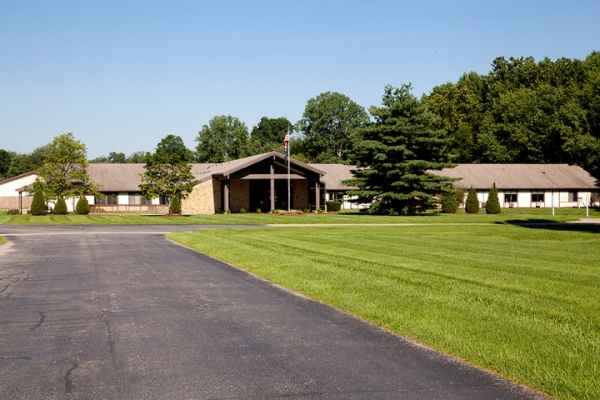
How is Hutsonwood At Brazil Staffed?

CMS rates HUTSONWOOD AT BRAZIL's staffing level at 3 out of 5 stars, which is average compared to other nursing homes. Staff turnover is 53%, compared to the Indiana average of 46%.

What Have Inspectors Found at Hutsonwood At Brazil?

State health inspectors documented 32 deficiencies at HUTSONWOOD AT BRAZIL during 2022 to 2025. These included: 32 with potential for harm.
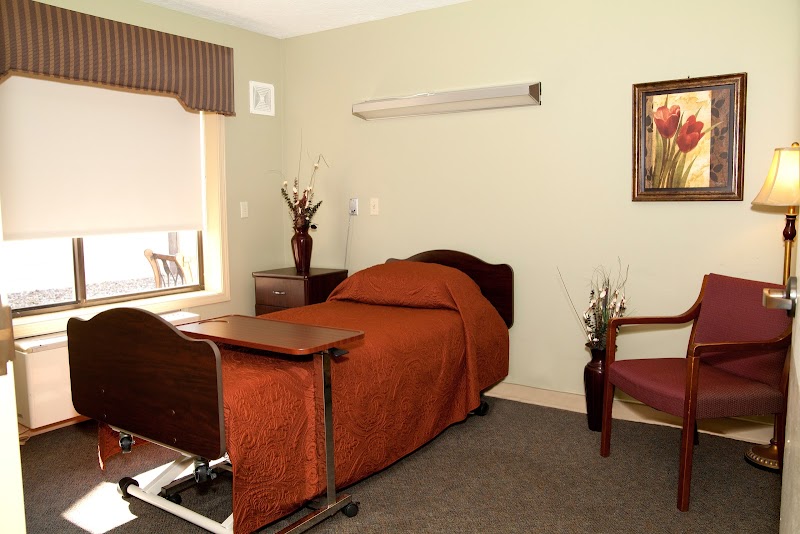
Who Owns and Operates Hutsonwood At Brazil?

HUTSONWOOD AT BRAZIL is owned by a non-profit organization. Non-profit facilities reinvest revenue into operations rather than distributing to shareholders. The facility operates independently rather than as part of a larger chain. With 86 certified beds and approximately 75 residents (about 87% occupancy), it is a smaller facility located in BRAZIL, Indiana.

How Does Hutsonwood At Brazil Compare to Other Indiana Nursing Homes?

Compared to the 100 nursing homes in Indiana, HUTSONWOOD AT BRAZIL's overall rating (3 stars) is below the state average of 3.1, staff turnover (53%) is near the state average of 46%, and health inspection rating (3 stars) is at the national benchmark.

What Should Families Ask When Visiting Hutsonwood At Brazil?

Based on this facility's data, families visiting should ask: "Can I visit during a mealtime to observe dining assistance and food quality?" "How do you handle medical emergencies, and what is your hospital transfer rate?" "Can I speak with family members of current residents about their experience?"

Is Hutsonwood At Brazil Safe?

Based on CMS inspection data, HUTSONWOOD AT BRAZIL has a clean safety record: no substantiated abuse findings (meaning no confirmed cases of resident harm), no Immediate Jeopardy citations (the most serious violation level indicating risk of serious injury or death), and is not on the Special Focus Facility watch list (a federal program monitoring the lowest-performing 1% of nursing homes). The facility has a 3-star overall rating and ranks #100 of 100 nursing homes in Indiana. While no facility is perfect, families should still ask about staff-to-resident ratios and recent inspection results during their visit.

Do Nurses at Hutsonwood At Brazil Stick Around?

HUTSONWOOD AT BRAZIL has a staff turnover rate of 53%, which is 7 percentage points above the Indiana average of 46%. Moderate turnover is common in nursing homes, but families should still ask about staff tenure and how the facility maintains care continuity when employees leave.

Was Hutsonwood At Brazil Ever Fined?

HUTSONWOOD AT BRAZIL has no federal fines on record. CMS issues fines when nursing homes fail to meet care standards or don't correct problems found during inspections. The absence of fines suggests the facility has either maintained compliance or corrected any issues before penalties were assessed. This is a positive indicator, though families should still review recent inspection reports for the full picture.

Is Hutsonwood At Brazil on Any Federal Watch List?

HUTSONWOOD AT BRAZIL is not on any federal watch list. The most significant is the Special Focus Facility (SFF) program, which identifies the bottom 1% of nursing homes nationally based on persistent, serious quality problems. Not being on this list means the facility has avoided the pattern of deficiencies that triggers enhanced federal oversight. This is a positive indicator, though families should still review the facility's inspection history directly.