SIGNATURE HEALTHCARE OF BREMEN
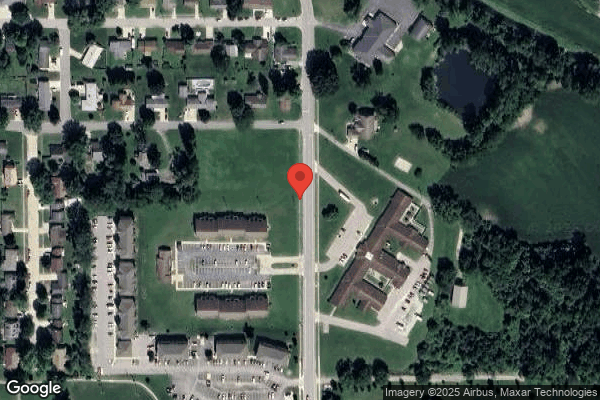

316 WOODIES LANE, BREMEN, IN 46506 (574) 546-3494
Government - Hospital district 73 Beds SIGNATURE HEALTHCARE Data: November 2025
Trust Grade
40/100
#480 of 505 in IN
Last Inspection: February 2025

Within standard 12-15 month inspection cycle. Federal law requires annual inspections.

Overview

Signature Healthcare of Bremen has a Trust Grade of D, indicating below-average performance with some significant concerns. They rank #480 out of 505 facilities in Indiana, placing them in the bottom half statewide and #4 out of 4 in Marshall County, meaning there are no better local options available. The facility is showing an improving trend, with issues decreasing from 29 in 2024 to 9 in 2025. Staffing is rated average with a 3 out of 5 stars, and the turnover rate is 49%, aligning closely with the state average of 47%. Notably, there have been no fines against the facility, which is a positive sign. However, specific incidents raise concerns, such as a staff member failing to sanitize hands while preparing medications for residents, which poses an infection risk. Additionally, food storage and preparation were found to be unsanitary, with opened bags of food and expired items potentially affecting many residents’ meals. Despite having good RN coverage that exceeds 90% of state facilities, the overall care quality remains a weak point, highlighting the need for improvement in several key areas.

Trust Score
D
40/100
In Indiana
#480/505
Bottom 5%
Safety Record
Low Risk
No red flags
Inspections
Getting Better
29 → 9 violations
Staff Stability
⚠ Watch
49% turnover. Above average. Higher turnover means staff may not know residents' routines.
Penalties
✓ Good
No fines on record. Clean compliance history, better than most Indiana facilities.
Skilled Nurses
✓ Good
Each resident gets 48 minutes of Registered Nurse (RN) attention daily — more than average for Indiana. RNs are trained to catch health problems early.
Violations
⚠ Watch
46 deficiencies on record. Higher than average. Multiple issues found across inspections.
★☆☆☆☆
1.0
Overall Rating
★★★☆☆
3.0
Staff Levels
★★★☆☆
3.0
Care Quality
★☆☆☆☆
1.0
Inspection Score
Stable
2024: 29 issues
2025: 9 issues

The Good

  • Full Sprinkler Coverage · Fire safety systems throughout facility
  • No fines on record

Facility shows strength in fire safety.

The Bad

1-Star Overall Rating

Below Indiana average (3.1)

Significant quality concerns identified by CMS

Staff Turnover: 49%

Near Indiana avg (46%)

Higher turnover may affect care consistency

Chain: SIGNATURE HEALTHCARE

Part of a multi-facility chain

Ask about local staffing decisions and management

The Ugly 46 deficiencies on record

Feb 2025 9 deficiencies
CONCERN (D)

Potential for Harm - no one hurt, but risky conditions existed

Deficiency F0578 (Tag F0578)

Could have caused harm · This affected 1 resident

**NOTE- TERMS IN BRACKETS HAVE BEEN EDITED TO PROTECT CONFIDENTIALITY** Based on record review and interview, the facility failed to ensure an advance directive was completed upon admission for 1 of 2...

Read full inspector narrative →
**NOTE- TERMS IN BRACKETS HAVE BEEN EDITED TO PROTECT CONFIDENTIALITY** Based on record review and interview, the facility failed to ensure an advance directive was completed upon admission for 1 of 24 residents reviewed for advance directives (Resident 63). Finding includes: A record review was completed on 2/13/2025 at 10:21 A.M. for Resident 63 and indicated the resident was admitted to the facility on [DATE]. An admission Minimum Data Set (MDS) assessment, dated 1/28/2025 indicated the resident's cognition was significantly impaired. A Physician's Order, dated 1/22/2025 indicated the following: Do Not Resuscitate (DNR). The record lacked documentation of a completed DNR form signed by Resident 63 and/or the resident's representative. During an interview on 2/13/2025 at 3:00 P.M., the Administrator indicated the resident should have had a signed DNR form upon admission. On 2/13/2025 at 2:35 P.M., the Administrator provided a policy titled, Advance Directives, dated 5/13/2024 and indicated it was the policy currently being used by the facility. The policy indicated, .During the admission process the facility will attempt to determine whether the resident has an advance directive and, if not, determine whether the resident wishes to formulate an advance directive 3.1-4(f)(5)
CONCERN (D)

Potential for Harm - no one hurt, but risky conditions existed

Transfer Notice (Tag F0623)

Could have caused harm · This affected 1 resident

Based on record review and interview, the facility failed to notify the ombudsman of hospital transfers for 1 of 4 residents reviewed for hospitalizations. (Resident 52) Finding includes: A record rev...

Read full inspector narrative →
Based on record review and interview, the facility failed to notify the ombudsman of hospital transfers for 1 of 4 residents reviewed for hospitalizations. (Resident 52) Finding includes: A record review for Resident 52 was completed on 2/13/2025 at 10:13 A.M. Diagnoses included, but were not limited to: Alzheimer's disease, delusional disorder, neuromuscular disfunction of the bladder and obstructive and reflux uropathy. A Quarterly Minimum Data Set (MDS) assessment, dated 1/14/2025, indicated Resident 52 had severe cognitive impairment and had an indwelling urinary catheter. A Nursing Progress Note, dated 9/7/2024 at 2:20 P.M., indicated Resident 52 was transferred to a neuropsychological hospital. A Nursing Progress Note, dated 9/23/2024 at 11:42 A.M., indicated Resident 52 returned to the facility. A Nursing Progress Note, dated 9/27/2024 at 9:09 P.M., indicated Resident 52 had removed her urinary catheter. A Nursing Progress Note, dated 10/2/2025 at 11:24 P.M., indicated Resident 52 returned to the facility from the hospital. A report was provided from the hospital that the urinary catheter had been replaced. A review of the provided September and October transfer and discharge list sent to the Ombudsman did not have Resident 52 listed as a transfer from the facility. During an interview, on 2/17/2025 at 11:48 A.M., the Director of Nursing (DON) indicated the Ombudsman should have been notified of the transfers from the facility. A current policy was provided by the executive Director on 2/17/2025 at 1:02 P.M. The policy titled, Transfer/Discharge Notice, indicated, .7. Before a facility transfers or discharges a resident: a .Additionally, the facility must send a copy of the notice of transfer or discharge to the representative of the Office of the State Long-Term Care Ombudsman 3.1-12(a)(6)(A)((iv)
CONCERN (D)

Potential for Harm - no one hurt, but risky conditions existed

Assessment Accuracy (Tag F0641)

Could have caused harm · This affected 1 resident

Based on interview and record review, the facility failed to accurately complete the Minimum Data Set (MDS) assessment for 1 of 4 residents reviewed for accidents. (Resident 54) Finding includes: Duri...

Read full inspector narrative →
Based on interview and record review, the facility failed to accurately complete the Minimum Data Set (MDS) assessment for 1 of 4 residents reviewed for accidents. (Resident 54) Finding includes: During an interview on 2/11/2025 at 11:16 A.M., Resident 54 indicated she had fallen about 5 times with no major injuries within the last few months. A record review was completed on 2/14/2025 at 1:15 P.M. for Resident 54. Diagnoses included, but were not limited to, chronic obstructive pulmonary disease, type 2 diabetes mellitus, chronic bronchitis and generalized anxiety disorder. A Quarterly Minimum Data Set (MDS) assessment, dated 2/10/2025, indicated Resident 54's cognition was intact, she had no behavior issues, no functional impairments, ambulated without assistive device, was independent with toileting and transfers, and had no falls since the previous MDS assessment. The Events section of the clinical record for Resident 54 indicated the resident had two falls in January 2025, on 1/2/2025 and on 1/3/2025. There were no major injuries. During an interview on 2/14/2025 at 2:21 P.M., the MDS Nurse indicated she participated in the follow up Interdisciplinary Team Meetings after falls and used information found in the clinical record under the Events section to determine if there had been falls since the last MDS assessment. She indicated the two falls in January 2025 should have been documented on the Quarterly MDS assessment completed on 2/10/2025. 0214/25 03:05 PM The ED indicated there was no facility policy for completing MDS assessments as they followed the Resident Assessment Instrument (RAI) Manual.
CONCERN (D)

Potential for Harm - no one hurt, but risky conditions existed

Comprehensive Care Plan (Tag F0656)

Could have caused harm · This affected 1 resident

Based on record review, interview and observation, the facility failed to develop and implement a comprehensive person-centered care plan for skin issues and abusive behaviors for 3 of 19 residents wh...

Read full inspector narrative →
Based on record review, interview and observation, the facility failed to develop and implement a comprehensive person-centered care plan for skin issues and abusive behaviors for 3 of 19 residents whose care plans were reviewed. (Residents 5, 38 and 52) Findings include: 1. During an interview, on 2/11/2025 at 11:53 A.M., Resident 5 indicated she picked at the areas on her face. Two scabbed areas with redness were bserved on the residents' face. The record for Resident 5 was reviewed on 2/14/2025 at 9:44 A.M. Diagnoses included but were not limited to: arthritis, osteoporosis and dysphagia. A Nursing Progress Note, dated 6/24/2024, indicated the following: 3.2 x 2.0 x 0 circle redness to the left cheek. The resident denies pain to the area, itchy at times. Current Physician Orders included: Triamcinolone acetonide cream 0.025 % apply topical to irritation to left cheek twice a day, ordered on 6/26/2024. A Nursing Progress Note, dated 6/26/2024, indicated triamcinolone 0.025 twice daily ordered for irritated spot-on left cheek. The resident states she has had it for years and it's skin cancer she scratches open at times. The residents' record lacked a care plan related to the cancerous areas on her cheek or her behaviors of picking at her face. During an interview, on 2/17/2025 at 1:36 P.M., the Administrator indicated there should have been a care plan for the cancerous areas on her face. 2. During an interview, on 2/12/2025 at 9:09 A.M., Resident 38 was observed with numerous purple areas on both of his arms and hands. The record for Resident 38 was reviewed on 2/13/2025 at 2:00 P.M. Diagnoses included, but were not limited to congestive heart failure, diabetes, renal disease and hypertension. Current Physician Orders included: Aspirin 81 mg (milligrams) every day. An admission Assessment, dated 2/3/2025 at 4:32 P.M., indicated the resident had Skin Impairments upon admission. The assessment directed staff to complete an event form if there were noted skin impairments. A Nursing Progress Note, dated 2/3/2025, indicated the resident returned to the facility on 2/3/2025 from a hospital stay with numerous bruises on his upper extremities, bilaterally, related to IV's and blood draws. The clinical record lacked a care plan related to the use of aspirin and the purple/discolored areas on the resident's arms that were present upon readmission. During an interview, on 2/14/2025 at 3:55 P.M., the Administrator indicated there was no skin event assessment completed and no progress were completed related to the numerous bruises noted upon admission. 3. During an observation, on 2/12/2025 at 9:25 A.M., Resident 52 was noted to be crying at an activity. A record review for Resident 52 was completed on 2/13/2025 at 10:13 A.M. Diagnoses included, but were not limited to: Alzheimer's disease, dementia with agitation, major depressive disorder, post-traumatic stress disorder and delusional disorder. A Quarterly Minimum Data Set (MDS) assessment, completed on 1/14/2025, indicated Resident 52 had severe cognitive impairment, no mood or behavior issues and was taking an antipsychotic, antianxiety and antidepressant medication. A Physician's Order, dated 11/7/2024, indicated the facility was to monitor the resident's behaviors related to pointing her finger at other residents and taking her clothing off. A Physician's Order, dated 11/24/2024, indicated the facility was to monitor the resident's exit seeking behaviors. A Nursing Progress Note, dated 9/5/2024 at 8:15 P.M., indicated Resident 52 poked Resident 27 in the chest. Resident 27 responded by striking resident 52 in the right eye. A Nursing Progress Note, dated 9/7/2024 at 6:45 A.M., indicated Resident 52 was unkind to Resident 27. While staff walked away with Resident 52 arm in arm, Resident 52 struck Resident 27 in the face with Resident 27 instantly striking back. A new physician order was received to send Resident 52 to a psychiatric hospital for an evaluation and treatment and one-on-one observations were implemented. A Nursing Progress Note, dated 12/9/2024 at 4:30 P.M., indicated Resident 52 became upset about a Crayon box and made physical contact with the tips of her fingers to Resident 55's face. 15-minute checks were initiated by the facility. A Nursing Progress Note, dated 12/18/2024 at 7:25 P.M., indicated Resident 52 swatted at Resident 27 on the resident's forearms. A Nursing Progress Note, dated 2/1/2025 at 4:00 P.M., indicated Resident 52 was holding Resident 34's wrists. During the separation of Resident 52 and 34, Resident 52 pushed Resident 34's head. 15-minute checks were initiated by the facility. Resident 52 did not have a behavioral care plan in place to address physical altercations with other residents and preventative interventions other than a plan to address her behavior of pointing her finger at other residents. A policy was provided by the Executive Director, on 2/17/2025 at 1:02 P.M. The policy, titled, Comprehensive Care Plans, indicated, .The facility will develop and implement a comprehensive person-centered care pan for each resident, that includes measurable objectives and time frames to meet a resident's medical, nursing, mental, and psychological needs that are identified in the comprehensive assessment 6. The Comprehensive Care Plan will be person-centered for each resident 3.1-35(a)
CONCERN (D)

Potential for Harm - no one hurt, but risky conditions existed

ADL Care (Tag F0677)

Could have caused harm · This affected 1 resident

2. During an observation, on 2/11/2025 at 10:56 A.M., Resident 48 was observed with long fingernails. The record for Resident 48 was reviewed on 2/14/2025 at 3:25 P.M. Diagnoses included but were not...

Read full inspector narrative →
2. During an observation, on 2/11/2025 at 10:56 A.M., Resident 48 was observed with long fingernails. The record for Resident 48 was reviewed on 2/14/2025 at 3:25 P.M. Diagnoses included but were not limited to hypertension, hip fracture, aphasia, hemiplegia and anxiety. A Quarterly MDS (Minimum Data Set) assessment, dated 11/19/2024, indicated the resident required partial to moderate assist for transfers and substantial to maximum assist for showers. A Care Plan, initiated on 4/22/2024, indicated Resident 48 required assistance with ADL's (activities of daily living) including late loss ADLs of bed mobility, transfers, eating, toileting related to hemiplegia. Interventions included but were not limited to: Observe for decline in ADL function. Provide verbal, tactile cues to assist with ADL completion as needed. Stand pivot transfers with mod assist. Supportive devices as ordered (walker, splint, brace, wheelchair). A Physician's Order, dated 11/9/2024, indicated the resident preferred to receive showers on Wednesdays and Saturdays Day shift. The order instructed the facility to document in the progress notes if the resident refused showers. In addition the order indicated the nurse was to complete a skin assessment on Saturdays. The shower documentation, dated 1/18 to 2/14/2025, indicated the resident had not received any showers from 1/18 to 1/29/2025 (11 days) and no showers from 2/2 to 2/12/2025 (11 days). There was no documentation of any shower refusals in the Nursing Progress Notes from 1/8/2025-2/14/2025 for Resident 48. During an interview, on 2/13/2025 at 1:18 P.M., CNA 8 indicated the showers were only documented on the computer. On 2/17/2025 at 1:23 P.M., the Director of Nursing provided the policy titled, Activities of Daily Living (ADLs), dated 1/31/2025, and indicated the policy was the one currently used by the facility. The policy indicated . 1. For those residents who are unable to perform their own activities of daily living, the facility will provide the needed assistance for completion of care 3.1-38(a)(3) Based on observation, record review and interview, the facility failed to ensure residents received scheduled showers for 2 of 4 residents reviewed for activity of daily living (ADL) care. (Residents 57 & 48) Findings include: 1.During an observation, on 2/11/2025 at 12:05 P.M, Resident 57 was observed in the dining room and had greasy and disheveled hair. During an observation, on 2/12/2025 at 10:39 A.M., Resident 57 was observed in the dining room and had greasy and disheveled hair. During an observation, on 2/14/2025 at 11:58 A.M., Resident 57 was observed in his room with his hair disheveled, greasy and with white specks in his hair. Resident 52 indicated he had not refused his showers and received a shower the other night. A record review for Resident 57 was completed on 2/13/2025 at 9:23 A.M. Diagnoses included, but were not limited to: dementia and diabetes mellitus type 2. An admission Minimum Data Set (MDS) assessment, dated 12/16/2024, indicated Resident 57 had moderate cognitive impairment and required supervision for bathing. A Physician's Order, dated 12/20/2024, indicated Resident 57 was to have showers on Tuesdays and Fridays on second shift and refused showers were to be documented in the nurse's notes. The Medication Administration Record, for December 2024, January 2025 and February 2025, indicated no refusals for showers were documented. The Point of Care documentation for showers received from December 2024 through February 2025 indicated Resident 57 was only provided showers on the following dates: - 12/9/2024 - 12/24/2024 - 1/1/2025 - 1/22/2025 - 1/15/2025. There was no documentation indicating why the resident had not received showers on 12/12/2024, 12/17/2024, 12/20/2024, 12/27/2024, 1/3/2025, 1/7/2025, 1/10/2025 or 1/17/2025. A Care Plan, initiated on 11/19/2024 and updated on 2/12/2024, indicated Resident 57 had a self-care deficiency related to impaired physical functioning and medical conditions as evidenced by the need for staff assistance for adequate completion of ADL care. The goal was for Resident 57 to not experience any adverse outcomes related to requiring assistance with ADL care. Interventions included, but were not limited to: provide frequent encouragement, along with prompting and assistance as needed, encourage resident to participate if they are able and provide the amount of assistance resident needs for completion of ADL cares. During an interview, on 2/14/2025 at 11:46 A.M., QMA 3 indicated handwritten shower sheets were not used for documentation and all shower documentation was completed in the Point of Care module in the electronic medical record. During an interview on 2/14/2025 at 1:45 P.M., RN 5 indicated resident 57 sometimes refused showers and the CNA should have informed the nurse if a shower was refused. She indicated the refusal would be documented in the Medication Administration Record. During an interview, on 2/14/2025 at 3:29 P.M., Resident 57 indicted he was independent and requested when he wanted a shower.
CONCERN (D)

Potential for Harm - no one hurt, but risky conditions existed

Quality of Care (Tag F0684)

Could have caused harm · This affected 1 resident

Based on record review and interview, the facility failed to ensure a resident who returned from a hospital stay was assessed for new and or existing skin issues for 1 of 2 residents reviewed for skin...

Read full inspector narrative →
Based on record review and interview, the facility failed to ensure a resident who returned from a hospital stay was assessed for new and or existing skin issues for 1 of 2 residents reviewed for skin issues. (Resident 38) Finding includes: During an interview, on 2/12/2025 at 9:09 A.M., Resident 38 was observed with numerous purple areas to both arms and hands. The record for Resident 38 was reviewed on 2/13/2025 at 2:00 P.M. Diagnoses included, but were not limited to congestive heart failure, diabetes, renal disease and hypertension. Current Physician Orders included: - Aspirin 81 mg (milligrams) every day. - Weekly Skin Assessment . A Nursing Progress Note, dated 2/3/2025, indicated the resident returned to the facility and numerous bruises on his upper extremities bilaterally were observed, related to IV's and blood draws. An admission Assessment, dated 2/3/2025, indicated the resident had a Skin Impairment upon admission and staff were directed to complete a Skin Event assessment. The clinical record lacked a skin event and documentation/assessment of the numerous bruised areas to the residents' bilateral arms and hands. A Weekly Skin Assessment completed, on 2/8/2025, documented the resident as having existing impaired skin. There was no indication of where the skin impairment was located and/or a description of the skin issue. During an interview, on 2/14/25 at 2:09 P.M., the Director of Nursing indicated skin assessments should be done weekly. She indicated the wound nurse and the ADON (Assistant Director of Nursing) completed skin rounds every week. During an interview, on 2/14/2025 at 4:02 P.M., the Administrator indicated no skin event form was completed when Resident 38 returned from the hospital. During an observation and interview, on 2/17/2025 at 9:15 A.M., the resident indicated he was to receive his showers on Tuesdays and Fridays. He indicated a nurse did not complete any skin assessments on his shower days. Resident 38 was observed with numerous dark, purple areas to the his left arm and hand. Resident 38 indicated the areas on his left hand was where he had gotten the skin taken off by a wheelchair. There were other areas to the left upper arm and right arm that he indicated he received while in the hospital. On 2/17/2025 at 1:23 P.M., the Director of Nursing provided the policy titled, Skin Integrity, dated 1/31/2025, and indicated the policy was the one currently used by the facility. The policy indicated . 1. Upon admission, the licensed nurse shall complete the initial skin check . 3. Recommend ongoing observation of skin integrity by licensed nursing staff. 4. The licensed nurse shall initiate applicable Skin Integrity documentation if a new area of impairment is identified No further wound/skin assessments for Resident 38 were provided prior to the survey exit on 2/17/2025. 3.1-37
CONCERN (D)

Potential for Harm - no one hurt, but risky conditions existed

Deficiency F0740 (Tag F0740)

Could have caused harm · This affected 1 resident

Based on observation, record review and interview, the facility failed to implement effective behavior monitoring to prevent resident to resident altercations from recurring. (Resident 52) Findings in...

Read full inspector narrative →
Based on observation, record review and interview, the facility failed to implement effective behavior monitoring to prevent resident to resident altercations from recurring. (Resident 52) Findings include: 1. During an observation, on 2/12/2025 at 9:25 A.M., Resident 52 was crying at an activity. A record review for Resident 52 was completed on 2/13/2025 at 10:13 A.M. Diagnoses included, but were not limited to: Alzheimer's disease, dementia with agitation, major depressive disorder, post-traumatic stress disorder and delusional disorder. A Quarterly Minimum Data Set (MDS) assessment, on 1/14/2025, indicated Resident 52 had severe cognitive impairment, no mood or behavior issues and was taking an antipsychotic, antianxiety and antidepressant medication. A Physician's Order, dated 11/7/2024, indicated behavior monitoring for pointing fingers at other residents and taking her clothing off. A Psychiatry Initial Consult note, dated 11/8/2024, indicated Resident 52 was observed pacing, restless, crying, confused and mildly agitated. Resident 52 was difficult for staff to redirect and was unable to sit still during the visit. Staff had attempted to redirect, but redirection was not accepted. A Physician's Order, dated 11/24/2024, indicated an order for behavior monitoring for exit seeking behavior. A Nursing Progress Note, dated 9/5/2024 at 8:15 P.M., indicated Resident 52 poked Resident 27 in the chest. Resident 27 responded by striking resident 52 in the right eye. A Nursing Progress Note, dated 9/7/2024 at 6:45 A.M., indicated Resident 52 was unkind to Resident 27. While staff walked away with Resident 52 arm in arm, Resident 52 stuck Resident 27 in the face with Resident 27 instantly striking back. A new physician order was received to send Resident 52 to a psychiatric hospital for evaluation and treatment and one-on-one observations were placed. A Nursing Progress Note, dated 12/9/2024 at 4:30 P.M., indicated Resident 52 became upset about a Crayon box and made physical contact with the tips of her fingers to Resident 55's face. 15-minute checks were initiated by the facility. A Nursing Progress Note, dated 12/18/2024 at 7:25 P.M., indicated Resident 52 swatted at Resident 27 on the forearms. A Nursing Progress Note, dated 2/1/2025 at 4:00 P.M., indicated Resident 52 was holding Resident 34's wrists. During the separation of Resident 52 and 34, Resident 52 pushed Resident 34's head. 15-minute checks were initiated. Resident 52 did not have a behavioral care plan in place with preventative interventions to address physical altercations. During an interview, on 2/17/2025 at 10:52 A.M., the Executive Director indicated behaviors were discussed every morning and monthly with the Nurse Practitioner, Social Service Director, Director of Nursing and Pharmacy Consultant. She indicated a psychologist came to the facility monthly, collaborated with staff to determine the root cause of the behavior and placed interventions, which were care planned. She indicated interventions should be placed in the care plan to detour further altercations/behaviors. A policy for behavior management was requested on 2/17/2025 at 11:28 A.M. A policy was not provided. The Director of Nursing indicated on 2/17/2025 at 1:02 P.M., a policy was not available. 3.1-27(a)(1)
CONCERN (E)

Potential for Harm - no one hurt, but risky conditions existed

Food Safety (Tag F0812)

Could have caused harm · This affected multiple residents

Based on observation, interview and record review, the facility failed to ensure food was stored, prepared and served under sanitary conditions in 1 of 1 kitchens and 2 of 2 resident nutrition pantrie...

Read full inspector narrative →
Based on observation, interview and record review, the facility failed to ensure food was stored, prepared and served under sanitary conditions in 1 of 1 kitchens and 2 of 2 resident nutrition pantries. This deficient practice had the potential to affect 59 of 61 residents who received meals out of the kitchen. (main kitchen, north unit nutrition pantry & south unit nutrition pantry). Findings include: 1. During the initial tour of the kitchen, on 2/11/2025 at 10: 26 A.M., with the Dietary Manager the following was observed: In the walk in freezer: - there was an opened bag of chicken pieces not sealed. - the floor had pieces of food and other debris. 2. In the walk in cooler: - there was an opened container of Med Plus (supplement) with an expiration date of 1/8/2025. - there was 2 opened containers of Thickened liquid with no date when they had been opened. - there was an opened bag of hash browns with a use by date of 2/6/2025. - and a metal container of shredded pork with a use by date of 2/8/2025. 3. In the dry storage area: - there was an opened bag of graham crackers crumbs that were not sealed tightly. During an interview, on 2/11/2025 at 10:49 A.M., the Dietary Manager indicated the expired foods should have been removed, the opened foods should have been sealed tightly and the liquids should have had a date when opened. 4. During a follow-up tour of the kitchen on 2/14/2025 at 9:53 A.M., with the Corporate Dietician, the following was observed: - 3 skillets stored as clean and available for use with missing Teflon off the cooking surface along with rust-colored areas. - 2 small steam table pans stored as clean with dried food substances. - and opened unsealed box of cream wheat. - 2 serving scoops with dried food substances on them. - multiple soup bowls, stored as clean, had dried specs of food. - water pitchers with brown stained areas. - 3 large metal steam table pans stored as cleaned with visible water in them. - the plate covers, soup bowls and coffee cups being utilized to serve meals had a large buildup of lime causing the items to have a white substance on them. During an interview, on 2/14/2025 at 10:20 A.M., the Corporate Dietician indicated the skillets should not be used, the scoops and other cooking utensils should have been clean, and the steam table pans should not have been put away wet. In addition, she indicated the cream of wheat should have been sealed appropriately. She indicated the plate covers, soup bowls and the coffee cups should not have the white color on them. She indicated the facility was not able to get the white lime buildup off due to the hard water. 4. During an observation, on 2/17/2025 at 1:02 P.M., with the Director of Nursing of the south hall nutrition pantry the following was observed: - a microwave with a yellow substance on the glass turn table. - a microwaveable frozen food with a staff's name on it. - a broken seal along the bottom of the refrigerator door. - a dirty shelf with a brown substance in the refrigerator. - no thermometer was located in the refrigerator. During an interview, on 2/17/2025 at 1:05 P.M., the Director of Nursing indicated the microwave should have been cleaned; there should have been a thermometer in the refrigerator; the seal to the refrigerator should have been fixed and there should be no staff items in the resident's refrigerators. 5. During an observation, on 2/17/2025 at 1:07 P.M., with the Director of Nursing on the north hall nutrition pantry the following was observed: - in the refrigerator was a dirty shelf with a dried food substance. - the refrigerator had a dark substance stuck to the bottom of the drawer. - there was a cup of pudding with a date of 11/4 and a discard date of 11/11/24. During an interview, on 2/17/2025 at 1:10 P.M., the Director of Nursing indicated the refrigerator should have been cleaned and the pudding cup should not have been in the refrigerator. On 2/14/2025 at 11:23 A.M., the Administrator provided the policy titled, Receiving, dated 2/2023, and indicated the policy was the one currently used by the facility. The policy indicated . Safe food handling for time and temperature control will be practiced in the transportation, delivery, and subsequent storage of all food items . 5. All food items will be appropriately labeled and dated either through manufacture packaging or staff notation On 2/14/2025 at 11:23 A.M., the Administrator provided the policy titled, Ware washing, dated 2/2023, and indicated the policy was the one currently used by the facility. The policy indicated . All dishware, service ware, and utensils will be cleaned and sanitized after each use . 4. All dishware will be air dried and properly stored On 2/17/2025 at 1:37 P.M., the Administrator provided the policy titled, Snacks, dated 10/2022, and indicated the policy was the one currently used by the facility. The policy indicated . 7. All snacks will be properly stored for the time and temperature control, as appropriate 3.1-21(i)(3)
CONCERN (F)

Potential for Harm - no one hurt, but risky conditions existed

Infection Control (Tag F0880)

Could have caused harm · This affected most or all residents

Based on observation and interview, the facility failed to follow infection control procedures during a medication pass for 2 of 4 residents observed. (Resident 8 & 20) Finding includes: During an obs...

Read full inspector narrative →
Based on observation and interview, the facility failed to follow infection control procedures during a medication pass for 2 of 4 residents observed. (Resident 8 & 20) Finding includes: During an observation of a medication pass, on 2/12/2025 at 8:01 A.M., LPN 6 prepared Resident 8's medications. LPN 6, with her bare hands, broke 2 potassium chloride tablets in half. She indicated this was the only way she could break the tablets in half and she had sanitized her hands prior to starting the preparation of medication. During an observation, on 2/12/2025 at 8:08 A.M, LPN 6 was at the medication cart and coughed into her bare hand. During an observation, on 2/12/2025 at 8:10 A.M., LPN 6 prepared Resident 20's insulin injection. LPN 6 did not sanitize her hands prior to the preparation of the insulin. LPN 6 administered Resident 20's insulin injection without gloved hands. LPN 6 indicated she should have sanitized her hands between the resident's medication administration. During an interview, on 2/17/2025 at 11:52 A.M., the Director of Nursing (DON) indicated LPN 6 should have worn gloves to break medication tablets and when administering an injection. A policy was provided by the Executive Director, on 2/12/2025 at 12:01 P.M. The policy titled, Medication Administration, indicated .Medication Preparation .4 .If breaking tablets is necessary to administer the proper dose, hands will be washed with soap and water and gloves applied prior to handling tablets .Medication Administration .11. Hands are washed with soap and water and gloves applied before administration of topical, ophthalmic, otic, parenteral, enteral, rectal, and vaginal medications 3.1-18(a)
Nov 2024 9 deficiencies
CONCERN (D) 📢 Someone Reported This

A family member, employee, or ombudsman was alarmed enough to file a formal complaint

Potential for Harm - no one hurt, but risky conditions existed

Deficiency F0557 (Tag F0557)

Could have caused harm · This affected 1 resident

Based on observation, interview and record review, the facility failed to provide a continent resident timely assistance for toileting that resulted in an incontinence episode for 1 of 1 residents rev...

Read full inspector narrative →
Based on observation, interview and record review, the facility failed to provide a continent resident timely assistance for toileting that resulted in an incontinence episode for 1 of 1 residents reviewed for toileting. (Resident C) Finding includes: During an observation, on 10/30/2024 at 12:20 P.M., Resident C was in a small dining room sitting in a reclining chair. The resident asked CNA 10, who walked by her, to take her to the bathroom. CNA 10 responded I'll see what your aides are doing now. At 12:21 P.M., the resident started to moan and stated Please help!, while trying to reposition herself in the reclining chair. Resident C was observed to bang her right hand down numerous times on the armrest of the chair while still moaning. CNA 10 observed to entered the dining room and asked Resident C,What's going on?, Resident C replied,I need to go to the bathroom. CNA 10 indicated Well, we are about to eat. Resident C indicated, I know but I have asked for ½ hour to go to the bathroom and they say I can't go by myself. CNA 10 left the dining room without assisting Resident C to the bathroom. Resident C was observed trying to position herself in the reclining chair and moaning. CNA 10 returned to the dining room with Resident C's lunch tray and sat down beside Resident C and was observed to start feeding the resident. The resident was still moaning. After she had assisted Resident C with her meal, CNA 10 then pushed Resident C out of the dining room and sat her by the nurse's desk. Resident C was heard saying, Please help me. Another staff member walked by and asked her what she needed. Resident C indicated she needed to go to the bathroom. The staff member said she would find her nurse when the resident indicated,I want to go to the ladies room-they just walk past me. During an observation, on 10/30/2024 at 12:53 P.M., Resident C was in her room in the reclining chair, moaning and saying she wanted to go home and wanted to got to the bathroom. Resident C indicted her pants were wet. CNA 10 indicated, We have to check with the nurse first. During an observation, on 10/30/2024 at 12:57 P.M., Resident C was in her reclining chair moaning and still had not been assisted to the bathroom. During an observation, on 10/30/2024 at 12:59 P.M., Resident C was placed in a hoyer (mechanical device for transfers) lift and transferred to her bed. Her brief was checked and noted to be wet with wetness observed extending up towards the back of the brief. During an interview, on 10/30/2024 at 1:10 P.M., QMA 8 indicated if a resident was saying they needed to go to the bathroom, she would take them. During this interview, LPN 9 interupted and indicated Resident C's family had requested she be kept up in the chair until after lunch. LPN 9 was informed Resident C had been in the dining room moaning and had requested to go to the bathroom several times and LPN 9 just reiterated Resident C was to be left in her chair until after the lunch meal. During an interview, on 10/30/2024 at 1:11 P.M., LPN 9 indicated, She (Resident C) usually is wet, she is incontinent. During the interview with LPN 9, the Administrator approached the nurse's desk and asked if Resident C had been toileted. She was informed the resident had been laid down in bed to check her for incontinence. The Administrator asked LPN 9 if the resident had been offered a bed pan. LPN 9 indicated she did not know. The nurse and Administrator were informed the resident was not offered a bed pan when she was laid down in bed. LPN 9 then indicated, Why would we offer the bed pan when she was wet. The Administrator instructed the staff to put the resident on the bed pan at this time. She indicated they should have taken the resident to her room and offered a bed pan when she had requested to go to the bathroom During an interview, on 10/30/2024 at 1:12 P.M., C.N.A 11 indicated she did not know anything about keeping the resident up in her chair until after lunch. A Bowel and Bladder Retraining Record, dated 10/23/2024 to 10/27/2024, indicated Resident C had a total of 5 incontinent episodes during the assessment time frame but was not always incontinent of her bladder. A current Care Plan, dated 10/172024 and revised on 10/24/2024, indicated the resident was at risk for complications associated with urinary incontinence. Interventions included, but were not limited to: obtain labs; provide assistance with peri care after incontinence as needed; report any changes in bladder status to nurse- low urine; output, foul smelling urine; discolored urine; Pain; Bladder distention; Frequency; Urgency; and Fever. On 11/1/2024 at 3:40 P.M., the Administrator provided the policy titled,Resident Rights, dated 6/1/2025 and revised on 9/15/2023, and indicated the policy was the one currently used by the facility. The policy indicated .3. The facility will make every effort to support each resident in exercising his/her right to assure that the resident is always treated with respect, kindness, and dignity 3.1-9(a)
CONCERN (D) 📢 Someone Reported This

A family member, employee, or ombudsman was alarmed enough to file a formal complaint

Potential for Harm - no one hurt, but risky conditions existed

Notification of Changes (Tag F0580)

Could have caused harm · This affected 1 resident

**NOTE- TERMS IN BRACKETS HAVE BEEN EDITED TO PROTECT CONFIDENTIALITY** Based on record review and interview, the facility failed to notify the physician of an elevated heart rate and seizure activity...

Read full inspector narrative →
**NOTE- TERMS IN BRACKETS HAVE BEEN EDITED TO PROTECT CONFIDENTIALITY** Based on record review and interview, the facility failed to notify the physician of an elevated heart rate and seizure activity and missed medications for 2 of 7 residents reviewed for pharmaceuticals. (Resident N and E) Findings include: 1. The record for Resident N was reviewed on 10/30/2024 at 11:45 A.M. Diagnoses included, but were not limited to: unspecified dementia, anxiety, depression, hypertension, diabetes mellitus, atrial fibrillation and chronic venous hypertension. Physician Orders for Resident N, dated 1/2/2024, included Eliquis (anticoagulant) 2.5 mg (milligrams) 1 tablet twice a day for atrial fibrillation (an irregular heart rhythm that begins in the heart's upper chambers or atria). A current Care Plan, reviewed 8/21/2024, indicated Resident N had a diagnosis of atrial fibrillation. Interventions included but were not limited to: observe for and report heart palpitations, irregular heartbeat and tachycardia (a heart rate that is faster than a hundred beats per minute), and notify physician with any significant changes. A Nursing Progress Note, dated 10/22/2024 at 10:10 A.M., indicated RN 1 assessed Resident N for anxiety and found Resident N to have a heart rate of 211. A Nursing Progress Note, dated 10/22/2024 at 10:20 A.M., indicated Resident N's heart rate was now 176 bpm (beats per minute). A Nursing Progress Note, dated 10/22/2024 at 10:30 A.M., indicated Resident N had a heart rated of 181 bpm. A Nursing Progress Note, dated 10/22/2024 at 11:10 A.M., indicated Resident N had a heart rate of 100 bpm. There was no documentation the physician was notified of Resident N's elevated heart rates. During an interview, on 10/31/2024 at 2:20 P.M., RN 1 indicated a change in condition for a resident included but was not limited to: a change in vital signs, out of range blood sugars or deterioration in the resident's physical assessment. During an interview, on 10/31/2024 at 2:28 P.M., LPN 1 indicated if a resident had a change in condition, the nursing staff would notify the physician, the Director of Nursing (DON) and the resident's representative or family. 2. A record review for Resident E was completed on 10/30/2024 at 2:07 P.M. Diagnoses included, but were not limited to: Lennox-Gastaut syndrome (severe form of epilepsy), severe intellectual disabilities, autistic disorder and schizophreniform disorder. Resident E was admitted to the facility on [DATE]. A record review for Resident E was completed on 10/30/2024 at 2:07 P.M. Diagnoses included, but were not limited to: Lennox-Gastaut syndrome (a rare, severe and lifelong form of epilepsy that starts in early childhood), severe intellectual disabilities, autistic disorder, schizophreniform disorder, and epilepsy. An admission Minimum Data Set (MDS) assessment, dated 8/23/2024, indicated Resident E had severe cognitive disability and received medications of an antipsychotic, antianxiety and antidepressant. Physician Orders included, but were not limited to: -Clobazam (anti-seizure medication) 20 milligrams at bedtime starting 8/29/2024, given in the morning from 8/17/24-8/28/24. -Fycompa (anti-seizure medication) 30 milliters equals15milligrams at bedtime starting on 8/ 817/2024. -Lamotrigine (anti-epileptic medication) 200 milligrams 2 tabs twice daily starting 8/17/2024. -Rufinamide (anti-convulsant medication) 40 milligrams per milliliter 40 milliliters equals 1600mg twice daily starting 8/17/2024. A review of the August the Medication Administration Record (MAR) indicated the following medication had been missed when signed out for Resident E: -Fycompa had missed doses on 8/17/2024, 8/18/2024, 8/19/2024, 8/23/2024, 8/25/2024, 8/26/2024, 8/28/2024 and 8/31/2024. A Nursing Progress Note, dated 8/20/2024 at 2:09 P.M., indicated Resident E had three noted seizures and the seizure activity was quickly reversed using a magnet. A Nursing Progress Note, dated 8/22/2024 at 4:08 P.M., indicated Resident E had seizure activity tonic-clonic (tonic: a stiffening phase, clonic: a twitching or jerking phase) lasting less than one minute twice during the shift. A Nursing Progress Note, dated 8/29/2024 at 5:58 P.M., indicated Resident E experienced a seizure, which lasted about 10 seconds. The magnet bracelet was used which reversed the seizure activity immediately. A review of the September MAR indicated the following medication had been missed when signed out for Resident E: -Fycompa had missed doses on 9/7/2024, 9/17/2024, 9/27/2024, 9/28/2024, 9/29/2024 and 9/30/2024. A Nursing Progress Note, dated 9/03/2024 at 8:46 P.M., indicated staff had observed a small seizure that the resident came out of within seconds. A Nursing Progress Note, dated 9/29/2024 at 9:26 P.M., indicated the pharmacy was contacted related to Resident E's medication, Fycompa, needing refilled. The pharmacist indicated the medication was currently out of stock. The pharmacist indicated the medication may be available 9/30/2024 at 10:00 A.M. A review of the September MAR indicated the following medication had been missed when signed out for Resident E:-Fycompa doses were missed on 10/4/2024, 10/13/2024, 10/18/2024, 10/19/2024, 10/21/2024, 10/30/2024 and 10/31/2024. A Nursing Progress Note, dated 10/05/2024 at 10:37 P.M., indicated Resident E had multiple episodes of seizures from 9:30 P.M. to 10:00 P.M., with a duration of one minute and intervals of 2-3 minutes between seizure activity. A Nursing Progress Note, dated 10/07/2024 at 6:00 P.M., indicated a CNA had reported Resident E had experienced a possible seizure in the shower room with symptoms of staring off and not answering questions. A Nursing Progress Note, dated 10/22/2024 at 9:43 P.M., indicated Resident E was watching a movie and had a seizure. The nurse applied the magnet and Resident B responded well. A Nursing Progress Note, dated 10/29/2024 at 3:41P.M., indicated Resident E was in the shower room and a CNA stated, his head was lying on the sink when she turned around and notice [sic] he was having a seizure. A Nursing Progress Note, dated 10/30/2024 at 3:15 P.M., indicated Resident E had a seizure with minimal movement lasted 15 seconds with no adverse effects noted. During an observation, on 10/31/2024 at 8:33 A.M., Resident E was observed having an active seizure while in the television lounge. A Nursing Progress Note, dated 10/31/2024 at 2:28 P.M., indicated Resident E was out of his Fycompa and had missed a dose. A Nursing Progress Note, dated 10/31/2024 at 2:43 P.M., indicated Resident E had a less than 15 second seizure. A Nursing Progress Note, dated 11/01/2024 at 7:54 A.M., indicated Resident E had a short seizure while a CNA was assisting him with morning care. During an interview, on 10/31/2024 at 2:11 P.M., LPN 12 indicated she had not notified the MD of Resident B missing his doses of Fycompa or seizure activity. A policy was provided by the Executive Director, on 11/1/2024 at 2:09 P.M. The policy titled, Notification of Change of Condition, indicated, .To ensure appropriate individuals are notified of changes in condition .1. The facility must inform the resident, consult with the resident's physician; and notify consistent with his or her authority, the resident representative[s] when there is: b. A significant change in the resident's physical, mental, or psychosocial status. c. Needs to alter treatment significantly 2. Documentation of notification or notification attempts should be recorded in the resident electronic medical record. 3. The resident and/or representative [if applicable], and medical provider should be notified of a change in condition. The medical provider will provide guidance related to the change of condition 3.1-5(a)(2)
CONCERN (D) 📢 Someone Reported This

A family member, employee, or ombudsman was alarmed enough to file a formal complaint

Potential for Harm - no one hurt, but risky conditions existed

Comprehensive Care Plan (Tag F0656)

Could have caused harm · This affected 1 resident

**NOTE- TERMS IN BRACKETS HAVE BEEN EDITED TO PROTECT CONFIDENTIALITY** Based on observation, record review and interview, the facility failed to develop a care plan for seizures for 1 of 8 residents ...

Read full inspector narrative →
**NOTE- TERMS IN BRACKETS HAVE BEEN EDITED TO PROTECT CONFIDENTIALITY** Based on observation, record review and interview, the facility failed to develop a care plan for seizures for 1 of 8 residents reviewed for medication. (Resident E) Finding includes: A record review for Resident E was completed on 10/30/2024 at 2:07 P.M. Diagnoses included, but were not limited to: Lennox-Gastaut syndrome (severe form of epilepsy), severe intellectual disabilities, autistic disorder and schizophreniform disorder. Resident E was admitted to the facility on [DATE]. A record review for Resident E was completed on 10/30/2024 at 2:07 P.M. Diagnoses included, but were not limited to: Lennox-Gastaut syndrome, severe intellectual disabilities, autistic disorder, schizophreniform disorder, and epilepsy. An admission Minimum Data Set (MDS) assessment, dated 8/23/2024, indicated Resident E had severe cognitive disability and received medications of an antipsychotic, antianxiety and antidepressant. He had an active diagnosis of seizure disorder Current Physician's Orders for medications to treat seizures included, but were not limited to: -Clobazam 20 milligrams at bedtime starting 8/29/2024, given in the morning from 8/17/24-8/28/24. -Fycompa 30milliters equals15milligrams at bedtime starting on 8/ 817/2024. -Lamotrigine 200 milligrams 2 tabs twice daily starting 8/17/2024. -Rufinamide 40 milligrams per milliliter 40 milliliters equals 1600mg twice daily starting 8/17/2024. -Clonazepam 1mg three times a starting 8/16/2024. A Nursing Progress Note, dated 8/20/2024 at 2:09 P.M., indicated Resident E had three noted seizures and was quickly reversed with the seizure using magnet. A Nursing Progress Note, dated 8/22/2024 at 4:08 P.M., indicated Resident E had seizure activity tonic-clonic lasting less than 1 minute twice during the shift. A Nursing Progress Note, dated 8/29/2024 at 5:58 P.M., indicated Resident E experienced a seizure which lasted about 10 seconds. The magnet bracelet was used which reversed seizure immediately. A Nursing Progress Note, dated 9/03/2024 at 8:46 P.M., indicated staff observed a small seizure that the resident came out of within seconds. Resident E received 2 doses of clonazepam on 10/23/2024 based on the narcotic signature sheet. A Nursing Progress Note, dated 10/05/2024 at 10:37 P.M., indicated Resident E had multiple episodes of seizures from 9:30 P.M. to 10:00 P.M., with a duration of one minute and intervals of 2-3 minutes. A Nursing Progress Note, dated 10/05/2024 at 11:14 P.M., indicated Resident E was seen at the beginning of the shift being closely monitored. Resident B was in an active tonic seizures. Resident E was responsive and oriented to people around 10:00 P.M., and was to name nurses and CNAs on duty. About ten minutes Resident E stopped responding to verbal and tactile stimuli and was staring blankly in between an episode of seizures. Resident E was picked up from the EMS (emergency medical services) around 10:20 P.M. A Nursing Progress Note, dated 10/06/2024 at 5:37 A.M., indicated Resident E was returned to the facility at 1:34 A.M. for seizures. A Nursing Progress Note, dated 10/07/2024 at 6:00 P.M., indicated a CNA witnessed during a shower Resident E maybe having a seizure with symptoms of staring off and not answering questions. A Nursing Progress Note, dated 10/22/2024 at 9:43 P.M., indicated Resident E was watching a movie and had a seizure. The nurse applied the magnet and Resident E responded well. A Nursing Progress Note, dated 10/29/2024 at 3:41P.M., indicated Resident E was in the shower room and a CNA stated his head was lying on the sink when she turned around and notice he was having a seizure. A Nursing Progress Note, dated 10/30/2024 at 3:15 P.M., indicated a seizure with minimal movement lasted 15 seconds with no adverse effects noted. During an observation, on 10/31/2024 at 8:33 A.M., a surveyor witnessed an active seizure while Resident E was in the television lounge. A Nursing Progress Note, dated 10/31/2024 at 2:43 P.M., indicated Resident E had a less than 15 second seizure. A Nursing Progress Note, dated 11/01/2024 at 7:54 A.M., indicated Resident E had a short seizure this morning while CNA was assisting with morning care. There was no current care plan for seizures for Resident E. During an interview, on 11/1/2024 at 12:27 P.M., the Executive Director indicated Resident E should have his seizure medications without a disruption in administration. A policy regarding care plans was requested but not received prior to the survey exit. 3.1-35(a)
CONCERN (D) 📢 Someone Reported This

A family member, employee, or ombudsman was alarmed enough to file a formal complaint

Potential for Harm - no one hurt, but risky conditions existed

Quality of Care (Tag F0684)

Could have caused harm · This affected 1 resident

Based on record review and interview, the facility failed to ensure physician ordered medications were administered for 2 of 10 residents whose medications were reviewed. (Residents J & L) Findings in...

Read full inspector narrative →
Based on record review and interview, the facility failed to ensure physician ordered medications were administered for 2 of 10 residents whose medications were reviewed. (Residents J & L) Findings include: 1. The record for Resident J was completed on 10/31/2024 at 10:16 A.M. Diagnoses included: Parkinson's disease, dementia, neurogenic bladder and diabetes and pain in joints. Current Physician Orders for Resident J included: Hydrocodone (narcotic pain medication) 5/325 mg (milligrams) 1 tablet every 6 hours for pain at midnight, 6:00 A.M., noon and 6:00 P.M. Resident J's narcotic Controlled Drug Record for the Hydrocodone, dated October 2024, indicated he had not received the 4 scheduled doses on 10/25/2024 and the midnight dose on 10/26/2024. During an interview, on 11/1/2024 at 8:45 A.M., the Administrator indicated the resident should have received the medication. 2. The record for Resident L was completed on 10/31/2024 at 11:26 A.M. Diagnoses included, but were not limited to Alzheimer's disease, hypertension, depression, dementia and chronic cluster headaches. Resident L's current Physician Orders' included: Lyrica (controlled pain medication) 50 mg 1 capsule three times a day for pain. The Controlled Drug Record for Resident L's Lyrica (pregabalin) 50 mg three times daily indicated the following missed doses: - 1 dose on 10/14/2024, 10/16/2024, 10/17/2024 and 10/2024. During an interview, on 11/1/2024 at 8:47 A.M., the Administrator indicated the residents should have received the medications. On 10/31/2024 at 2:33 P.M., the Administrator provided the policy titled,Controlled Medication, dated 5/30/2024, and indicated the policy was the one currently used by the facility. The policy indicated .4. When a controlled medication is administered, the licensed nurse administering the medication immediately enters the following information on the accountability record when removing dose from controlled storage a. Date and time of administration. b. Amount administered. c. Signature of the nurse administering the dose. 5. Administer the controlled medication and document dose administration on the MAR On 11/1/2024 at 3:15 P.M., the Administrator indicated she could not provide a policy for following physician orders. This citation relates to Complaint IN00445742. 3.1-37
CONCERN (D) 📢 Someone Reported This

A family member, employee, or ombudsman was alarmed enough to file a formal complaint

Potential for Harm - no one hurt, but risky conditions existed

Pharmacy Services (Tag F0755)

Could have caused harm · This affected 1 resident

Based on observation, interview and record review, the facility failed to ensure routine medications were available and dispensed according to physician's orders for 3 out of 8 residents reviewed for ...

Read full inspector narrative →
Based on observation, interview and record review, the facility failed to ensure routine medications were available and dispensed according to physician's orders for 3 out of 8 residents reviewed for medication administration. (Residents M, L and C) Findings include: 1. The medical record for Resident M was reviewed on 10/30/2024 at 2:19 P.M. The diagnoses included but were not limited to: Alzheimer's disease, acute kidney failure, ventral hernia, urinary tract infection, frequent falls, depression, other artificial opening of the urinary tract, post-traumatic stress disorder, sepsis, neuromuscular dysfunction of the bladder, neurogenic bladder and obstructive uropathy. Physician Orders for Resident M included Mupirocin ointment 2% 1 application topically twice a day, dated 8/31/2024 until 10/30/2024, and Clonazepam 0.25 mg 1 tablet by mouth twice a day, dated 10/3/2024. The October MAR indicated Resident M did not receive Mupirocin as ordered on the following dates: 10/18/2024 Evening dose due to medication unavailable, 10/19/2024 Morning and evening doses due to medication unavailable, 10/21/2024 Evening dose due to medication unavailable, 10/22/2024 Morning dose due to medication unavailable, 10/23/2024 Evening dose due to medication unavailable, 10/25/2024 Morning dose due to medication unavailable 10/29/2024 Morning dose due to medication unavailable. The October MAR indicated Resident M did not receive Clonazepam as ordered on the following dates: 10/19/2024 Morning dose missed due to medication not available, 10/21/2024 Morning dose missed due to medication not available, 10/22/2024 Morning dose missed due to medication not available, 10/23/2024 Both doses missed due to medication not available, 10/24/2024 Morning dose missed due to medication not available, 10/25/2024 Morning dose missed due to medication not available, 10/26/2024 Morning dose missed due to medication not available, 10/27/2024 Morning dose missed due to medication not available, 10/29/2024 Morning dose missed due to medication not available. During an interview, on 11/1/2024 at 12:45 P.M., QMA 1 indicated the medication should always be double-checked with the MAR prior to administration. 2. The record for Resident L was completed on 10/31/2024 at 11:26 A.M. Diagnoses included, but were not limited to Alzheimer's disease, hypertension, depression, dementia and chronic cluster headaches. Resident L's current Physician Orders included: Lyrica (controlled medication) 50 mg 1 capsule three times a day for pain. The Controlled Drug Record for Lyrica (pregabalin) 50 mg three times daily indicated the following: - an extra dose was received on 10/8/2024. - 1 dose was missed on 10/14/2024, 10/16/2024, 10/17/2024 and 10/2024, - an extra dose was received on 10/23/2024. The Medication Administration Record (MAR), dated 10/1/2024 thru 10/31/2024, indicated the schedued Lyrica medication was not available on the following days: 10/5/2025 for the 7:00 A.M. to 11:00 A.M. shift and the 11:15 A.M. to 3:00 P.M. shift. On 10/7/2024 for the 7:00 A.M. to 11:00 A.M. shift. During an interview, on 11/1/2024 at 8:47 A.M., the Administrator indicated the resident should have received the medication and should not have received the extra doses. 3. The record review for Resident C was completed on 10/30/2024 at 2:27 P.M. Diagnoses included but were not limited to: dementia, acute pain due to trauma, low back pain, and chronic kidney disease. Physician Orders for Resident C included the following: Valsartan (anti hypertensive medication) 40 mg 1 tablet every 12 hours at 8:00 A.M. and 8:00 P.M. The Medication Administration Record (MAR) for October 2024 indicated the Valsartan medication was not administered on the following dates: - 10/18/2024 1 dose of the medication was documented as not available. - 10/20/2024 1 does of the medication was documented as not available. - 10/19/2024 2 doses of the medication was documented as not available. During an interview, on 11/1/2024 at 8:47 A.M., the Administrator indicated the medications that were unavailable should have been pulled from the Pyxis (emergency dispensing machine) or the pharmacy should have been called for a STAT (immediate) delivery. During an interview, on 11/1/2024 at 1:58 P.M., the Administrator indicated the facility has no policy on medications being unavailable. The Administrator indicated that the nurse should call pharmacy and then notify the attending physician when a medication is unavailable On 10/31/2024 at 2:33 P.M., the Administrator provided the policy titled,Controlled Medication, dated 5/30/2024, and indicated the policy was the one currently used by the facility. The policy indicated .4. When a controlled medication is administered, the licensed nurse administering the medication immediately enters the following information on the accountability record when removing dose from controlled storage a. Date and time of administration. b. Amount administered. c. Signature of the nurse administering the dose. 5. Administer the controlled medication and document dose administration on the MAR This citation relates to Complaint IN00445742. 3.1-25(a) 3.1-25(e)(2) 3.1-25(e)(3)
CONCERN (D) 📢 Someone Reported This

A family member, employee, or ombudsman was alarmed enough to file a formal complaint

Potential for Harm - no one hurt, but risky conditions existed

Deficiency F0757 (Tag F0757)

Could have caused harm · This affected 1 resident

Based on observation, record review and interview, the facility failed to ensure an antianxiety drug was not adiministered for an excessive duration for 1 of 8 residents reviewed for pharmaceutical se...

Read full inspector narrative →
Based on observation, record review and interview, the facility failed to ensure an antianxiety drug was not adiministered for an excessive duration for 1 of 8 residents reviewed for pharmaceutical services (Resident M). Finding includes: The medical record for Resident M was reviewed on 10/30/2024 at 2:19 P.M. The diagnoses included but were not limited to: Alzheimer's disease, acute kidney failure, ventral hernia, urinary tract infection, frequent falls, depression, other artificial opening of the urinary tract, post-traumatic stress disorder, sepsis, neuromuscular dysfunction of the bladder, neurogenic bladder and obstructive uropathy. Physician's Orders for Resident M included Ativan (an antianxiety medication) 2 mg 1 tablet by mouth twice a day as needed, initiated on 7/29/2024, and Clonazepam (an antianxiety medication) 0.25 mg 1 tablet by mouth twice a day, initiated on 10/3/2024. The PRN Clonazepam did not have a stop date for the medication use. A current Care Plan, reviewed 10/14/2024, indicated Resident M was at risk for drug related side effect due to psychotropic medication. Interventions included but were not limited to: anti-anxiety medication - observe for sedation, drowsiness, ataxia(drunk walk), dizziness, nausea, vomiting, confusion, headache, blurred vision and skin rash; psychotropic drug committee to attempt dose reduction per physician's orders and consult with psychiatry/psychologist as needed. The October Medication Administration Record (MAR) indicated Resident M received Clonazepam as ordered from 10/3/2024 through 10/31/2024. The October MAR indicated Resident M also received as needed Ativan on the following dates: 10/9/2024, 10/11/2024 through 10/15/2024, 10/21/2024 through 10/25/2024 and 10/27/2024 through 10/31/2024. During an interview, on 10/31/2024 at 2:20 P.M., the Administrator indicated Resident M was on both Ativan and Clonazepam due to all of the resident's behaviors. On 11/1/2024 at 1:00 P.M., the Administrator provided a policy titled, Psychotropic Medications Policy, dated 11/23/2015 and indicated the policy was the one currently used by the facility. The policy indicated .psychotropic drug .include, but are not limited to .anti-anxiety .PRN orders for psychotropic drugs are limited to 14 days .should document their rationale in the resident's medical record and indicate the duration of the PRN order 3.1-48(a)(6)
CONCERN (D) 📢 Someone Reported This

A family member, employee, or ombudsman was alarmed enough to file a formal complaint

Potential for Harm - no one hurt, but risky conditions existed

Deficiency F0760 (Tag F0760)

Could have caused harm · This affected 1 resident

Based on record review and interview, the facility failed to ensure 1 of 7 residents reviewed for medication use was free from significant medication errors related to omissions and overdosing/underdo...

Read full inspector narrative →
Based on record review and interview, the facility failed to ensure 1 of 7 residents reviewed for medication use was free from significant medication errors related to omissions and overdosing/underdosing of antiseizure medications. (Resident E) Finding includes: A record review for Resident E was completed on 10/30/2024 at 2:07 P.M. Diagnoses included, but were not limited to: Lennox-Gastaut syndrome, severe intellectual disabilities, autistic disorder, schizophreniform disorder, and epilepsy. An admission Minimum Data Set (MDS) assessment, dated 8/23/2024, indicated Resident E had severe cognitive disabilities and received medications of an antipsychotic, antianxiety and antidepressant. Physician's Orders for medications included, but were not limited to: -Clobazam (anti-seizure medication) 20 milligrams at bedtime starting 8/29/2024, given in the morning from 8/17/24-8/28/24. -Fycompa (anti-seizure medication) 30milliters equals15milligrams at bedtime starting on 8/ 817/2024. -Lamotrigine (anti-epileptic medication) 200 milligrams 2 tabs twice daily starting 8/17/2024. -Rufinamide (anti-convulsant medication) 40 milligrams per milliliter 40 milliliters equals 1600mg twice daily starting 8/17/2024. -Clonazepam (used for anti-seizure medication) 1mg three times a starting 8/16/2024. Review of the August 2024 narcotic signature sheet indicated Resident E missed Fycompa doses on 8/17, 8/18, 8/19, 8/23, 8/25, 8/26, 8/28, and 8/31. In addition, the resident received Clobazam twice daily, instead of the ordered daily dose, on 8/23 and 8/29 based on the narcotic signature sheet. Resident E also received 4 doses, instead of the ordered three doses of clonazepam on 8/17/2024, only 2 doses on 8/23/2024, only 2 doses on 8/27/2024, and only 2 doses on 8/30/2024. Review of the September 2024 narcotic signature sheet for Fycompa indicated Resident E missed doses on the following dates: 9/7/2024, 9/17/2024, 9/27/2024, 9/28/2024, 9/29/2024, and 9/30/2024. In addition, Resident E received two doses instead of one dose on the following dates: 9/2/2024, 9/4/2024, 9/8/2024, 9/9/2024, 9/11/2024, 9/12/2024, 9/13/2024, 9/16/2024, 9/18/2024, 9/19/2024, 9/22/2024, 9/23/2024, 9/27/2024, 9/29/2024, and 9/30/2024 based on the narcotic signature sheet. On 9/5/2024, Resident E missed the daily dose of Clobazam altogether. On 9/6/2024, Resident E only received 2 doses of the clonazepam instead of the ordered three doses. Review of the October 2024 narcotic signature sheets for Fycompa, Resident E missed doses on the following dates: 10/4/2024, 10/13/2024, 10/18/2024, 10/19/2024, 10/21/2024, 10/30/2024, and 10/31/2024. In addition, Resident E received twice the ordered doses of Clobazam on the following dates: 10/5/2024, 10/6/2024, 10/7/2024, 10/14/2024, 10/16/2024, 10/17/2024, 10/19/2024, 10/20/2024, 10/22/2024, 10/24/2024, 10/25/2024, 10/28/2024 10/29/2024, and10/30/2024 based on the narcotic signature sheet. The resident also missed the dose of Clobazam altogether on 10/18/2024 and received only two doses instead of the ordered three doses of clonazepam on 10/23/2024. A Nursing Progress Note, dated 10/28/2024 at 7:26 A.M., indicated the pharmacy was contacted related to Resident E's Clobazam medication and the pharmacy indicated the medication was to be delivered tto the facility later in the afternoon. A Nursing Progress Note, dated 10/31/2024 at 2:28 P.M., indicated the physician was notified that Resident E was out of his Fycompa medication. The pharmacy indicated the medication would be delivered to the facility soon but the medicaiton had not yet arrived. The physician was updated regarding the missed dose of Fycompa. A Nursing Progress Note, dated 10/31/2024 at 2:43 P.M., indicated Resident E had a less than 15 second seizure. A Nursing Progress Note, dated 11/01/2024 at 7:54 A.M., indicated Resident E had a short seizure this morning while a CNA was assisting him with morning care. During an interview, on 10/31/2024 at 9:12 A.M., the facility pharmacy indicated Resident E's Fycompa 340 milliliters (11-day supply) was ordered last on 10/11/24 and delivered on 10/14/24, ordered 9/27/24 and received 9/30/24, and ordered 8/19/24. The Clobazam 20mg medication was ordered on 9/11/24 and 10/28/24. During an interview on 10/31/2024 at 1:52 P.M., RN 13 indicated she had called the pharmacy for the past two days to inquire about the Fycompa the pharmacy had still not sent the medication. LPN 12 looked in the medication cart for the Fycmpa and the medication was still not available. During an interview, on 10/31/2024 at 2:11 P.M., LPN 12 indicated she had not notified the MD of Resident E missing multiple doses of Fycompa. She indicated the order for Clobazan had been changed to daily a while back and she did not know why it was still being administered twice daily. A policy was requested regarding medicaion errors on 11/1/2024 at 9:17 A.M. and a policy was not provided prior to the survey exit. 3.1-48(c)(2)
CONCERN (D) 📢 Someone Reported This

A family member, employee, or ombudsman was alarmed enough to file a formal complaint

Potential for Harm - no one hurt, but risky conditions existed

Infection Control (Tag F0880)

Could have caused harm · This affected 1 resident

Based on observation, interview and record review, the facility failed to ensure urinary catheter equipment was positioned and maintained in a sanitary manner for 1 of 2 residents reviewed for cathete...

Read full inspector narrative →
Based on observation, interview and record review, the facility failed to ensure urinary catheter equipment was positioned and maintained in a sanitary manner for 1 of 2 residents reviewed for catheter use. (Resident J) Finding includes: During an observation, on 10/30/2024 at 11:41 A.M., Resident J's catheter tubing and urine collection bag was lying on the floor under his wheelchair. During an interview, on 10/30/2024 at 11:43 A.M., CNA 11 indicated the tubing and the drainage bag should not be on the floor. During an observation, on 10/31/2024 at 10:20 A.M., Resident J's urine collection bag was lying on the floor. During an observation, on 11/1/2024 at 9:10 A.M., Resident J was in the dining room with the urine collection bag lying on the floor. During an interview, on 10/30/2024 at 11:43 A.M., CNA 11 indicated the tubing and the drainage bag should not be on the floor. On 10/30/2024 at 11:59 A.M., Resident J was brought into the dining room with the urinary catheter tubing and drainage bag dragging on the floor. During an observation, on 10/30/2024 at 3:42 P.M., Resident J's urinary collection bag and tubing were lying on the floor. The record for Resident J was completed on 10/31/2024 at 10:16 A.M. Diagnoses included: Parkinson's disease, dementia, neurogenic bladder and diabetes. A Quarterly Minimum Data Set (MDS) assessment, dated 8/2/2024, indicated Resident J had an indwelling catheter and was frequently incontinent of his bowels. A Physician's Order, initiated on 8/21/2024, indicated; Foley/Supra-pubic Catheter size 14 french, 30 cc (cubic centimeters) balloon to straight drainage and privacy bag at all times. A Physician's Order, initiated on 8/29/2024, indicated the catheter bag was to be secured with a Tube Tie adhesive holder every shift, and was to be replaced if not there. A current Care Plan, initiated on 9/24/2024, with a revision date of 10/10/2024, indicated Resident J had a UTI (urinary tract infection). Interventions included: administer antibiotic as ordered, observe for side effects of the antibiotic and encourage fluids. A current Care Plan, initiated on 7/1/2024 and revised on 10/10/2024, indicated Resident J was at risk for potential complications related to the use of an indwelling urinary catheter. Interventions included, but were not limited to: observe for abdominal pain, observe for changes in characteristics of urine, observe or retention and provide catheter care. A policy for the use of a catheter was requested on 10/31/2024 but one was not provided. 3.1-18(a)
CONCERN (E) 📢 Someone Reported This

A family member, employee, or ombudsman was alarmed enough to file a formal complaint

Potential for Harm - no one hurt, but risky conditions existed

ADL Care (Tag F0677)

Could have caused harm · This affected multiple residents

5. The record for Resident N was reviewed on 10/30/2024 at 11:45 A.M. Diagnoses included, but were not limited to: unspecified dementia, anxiety, depression, hypertension, diabetes mellitus, atrial fi...

Read full inspector narrative →
5. The record for Resident N was reviewed on 10/30/2024 at 11:45 A.M. Diagnoses included, but were not limited to: unspecified dementia, anxiety, depression, hypertension, diabetes mellitus, atrial fibrillation and chronic venous hypertension. A current Care Plan, reviewed on 8/21/24, indicated Resident N had a history of refusal of care such as refusing showers multiple times in a row. Interventions included but were not limited to: explain care process prior to delivery of care as needed, approach resident in a calm and unhurried manner to deliver provide services and provide education as needed on the benefits and risks of receiving recommended care. The medical record for Resident N lacked documentation for showers or shower refusal for the dates of 10/3/2024 through 10/30/2024. During an interview, on 10/30/24 at 12:30 P.M., Resident N indicated she did not get help with showers but indicated she normally cleaned herself up in the bathroom at the sink. During an interview, on 10/30/2024 at 12:18 P.M., CNA 1 indicated the residents received a shower twice a week. During an interview, on 10/31/2024 at 2:20 P.M., the Administrator indicated there were no printed shower sheets and all showers were documented in the electronic medical record (EMR). During an interview, on 10/31/2024 at 10:45 A.M., CNA 2 indicated residents received showers every day or when they asked. If a resident refused a shower, the aide notified the DON and documented the refusal in the EMR. During an interview, on 11/1/2024 at 11:30 A.M., the Administrator indicated she was unaware of the meaning of other bath in the EMR. During an interview, on 11/1/2024 at 11:30 A.M., the Corporate Nurse indicated she was unaware of the meaning of other bath in the EMR. 6. During an interview, on 10/30/2024 at 10:25 A.M., Resident P's representative indicated Resident P had not received a shower since his admission to the facility. During an observation and interview, on 10/30/2024 at 10:35 A.M., Resident P had disheveled hair and beard scruff ¼ inch long. Resident P indicated he liked a clean-shaven face except for his mustache. During an observation, on 10/31/2024, Resident P was seated on his bed, with the same clothes as worn on 10/30/24 and the resident's face still had beard stubble. The medical record for Resident P was reviewed on 10/30/2024 at 12:20 P.M. The diagnoses included but were not limited to: encephalopathy, alcohol use, urinary tract infection, acute renal failure, hypertension, acute vision loss bilateral eyes and diabetes mellitus. An admission Minimum Date Set (MDS) assessment, dated 10/10/2024, indicated the resident required partial assistance with showering and bathing. A current Care Plan, initiated on 10/3/2024, indicated Resident P had a self-care deficit related to impaired physical functioning and medical conditions. Interventions included but were not limited to: provide frequent encouragement, along with prompting and assistance as needed and to provide the amount of assistance resident needs for completion of Activity of Daily Living (ADL) cares. The medical record for Resident P indicated the resident refused a shower on 10/12/2024. The record lacked documentation of any other refusal of showers and lacked documentation Resident P received any showers from 10/5/2024 through 10/30/2024. 7. The medical record for Resident M was reviewed on 10/30/2024 at 2:19 P.M. The diagnoses included but not limited to: Alzheimer's disease, acute kidney failure, ventral hernia, urinary tract infection, frequent falls, depression, other artificial opening of the urinary tract, post-traumatic stress disorder, sepsis, neuromuscular dysfunction of the bladder, neurogenic bladder and obstructive uropathy. A Discharge MDS assessment, dated 9/27/2024, indicated Resident M had memory problems and was severely cognitively impaired. The MDS indicated the resident required partial assistance with showering and bathing. A current Care Plan, reviewed on 10/14/2024, indicated Resident M had a self-care deficit related to impaired physical functioning and medical conditions as evidenced by the need for staff assistance for adequate completion of ADL cares. Interventions included but were not limited to: provide frequent encouragement, along with prompting and assistance as needed and provide the amount of assistance resident needs for completion of ADL cares. The shower documentation for Resident M indicated he had only received two showers, one on 10/20/2024 and 10/24/2024 from October 2 - 30, 2024. 8. During an observation and interview, on 10/30/2024 at 11:00 A.M., Resident Q had very greasy hair and the resident was unsure when he last showered. During an observation, on 10/31/2024 at 3:00 P.M., Resident Q still had very greasy hair. During an interview, on 10/30/2024 at 12:18 P.M., CNA 1 indicated residents received a shower twice a week. During an interview, on 10/31/2024 at 10:45 A.M., CNA 2 indicated the residents received showers every day or when they asked. If a resident refused a shower, the aide notified the DON and documented the refusal in the EMR. The medical record for Resident Q was reviewed on 10/31/2024 at 10:13 A.M. Diagnoses included but were not limited to: encephalopathy, alcohol abuse, delirium, dementia, inguinal hernia, difficulty in walking, depression and anxiety. The admission MDS assessment, dated 10/10/2024, indicated the resident was severely cognitively impaired. The MDS assessment indicated Resident Q required substantial assistance with showering and bathing. A current Care Plan, dated 10/3/2024, indicated Resident Q has a self-care deficit related to impaired physical functioning and medical conditions as evidenced by the need for staff assistance for adequate completion of ADL cares. Interventions included but were not limited to: provide frequent encouragement, along with prompting and assistance as needed, encourage resident to participate if they are able and provide the amount of assistance resident needs for completion of ADL cares. There was only one shower documented, on October 6 for Resident Q from 10/3/2024 through 10/30/2024 and no refusals of showers were documented. During an interview, on 11/1/2024 at12:35 P.M., the Executive Director indicated the showers were documented in the electronic health record chart. There were no paper shower sheets utilized for documentation. She indicated residents' frequency was their preference and the standard was a minimum of two showers per week. She indicated the residents' frequency of showers preference should be recorded in the activities of daily living (ADL) care plan. A policy was provided, on 11/1/2024 at 10:29 A.M., by the Executive Director. The policy, titled, Activities of Daily Living [ADL's], indicated, .Direct healthcare staff will assist, support and encourage the resident to maintain adequate ADL while attempting to allow the resident to ne able to maintain as much independence as possible with their ADL such as the following: Bathing .For those residents who are unable to perform their own activities of daily living, the facility will provide the needed assistance for completion of cares This citation relates to Complaint IN00445742. 3.1-38(a)(2)(A) 4. During an observation, on 10/30/2024 at 2:16 P.M., Resident C was observed with greasy hair with the comb tracts visible. During an observation, on 10/31/2024 at 8:52 A.M., Resident C was observed to be in the hallway with her hair combed back with comb tracts visible. Her hair was dirty and greasy. During an observation, on 11/1/2024 at 11:11 A.M., Resident C was observed in the dining room. Her hair was greasy. A record review for Resident C was completed on 10/30/2024 at 11:14 A.M. Diagnoses included, but were not limited to: Hemiplegia affecting the right dominant side, cerebral infarction, schizophrenia, bipolar disorder, and major depressive disorder. A Quarterly Minimum Data Set (MDS) assessment, dated 10/8/2024, indicated Resident C required substantial/maximal assistance with showering and had impairment of an upper and lower extremity. A Care Plan, dated 4/15/2024 and revised on 10/20/2024, indicated Resident C required assistance with her with activities of daily living (ADL) including bed mobility, eating and toileting related to her hemiplegia and multiple sclerosis diagnosis. Bathing documentation indicated Resident C only received showers on the following days: 10/3/2024 shower 10/5/2024 complete bed bath 10/7/2024 shower 10/11/2024 shower 10/14/2024 shower 10/21/2024 shower 10/24/2024 showerBased on observation, interview and record review, the facility failed to ensure showers were provided for 8 of 17 residents reviewed for ADL's (Activities of Daily Living). (Residents H, J, L, C, N, P, M & Q) Findings include: 1. The record review for Resident H was completed on 10/31/2024 at 10:34 A.M. Diagnosis included, but were not limited to dementia, anxiety, need for assistance with personal care and dysphagia. A Quarterly Minimum Data Set (MDS) assessment, dated 8/21/2024, indicated Resident H resident was dependent on staff for showers. Shower documentation for Resident H, dated 10/1/2024 thru 10/31/2024, indicted the resident had only received a shower on 10/13/2024 and 10/19/2024. A current Care Plan, dated 9/13/2024, indicated the resident needed staff assistance with bed mobility, transfers and toileting. During an interview, on 11/1/2024 at 8:45 A.M., the Director of Nursing indicated the resident should have received two showers a week. 2. During an interview, on 10/30/2024 at 11:41 A.M., Resident J indicated he did not always receive a shower two times a week. A record review for Resident J was completed on 10/31/2024 at 10:16 A.M. Diagnoses included: Parkinson's disease, dementia, anxiety and neurogenic bladder. A Quarterly MDS assessment, dated 8/2/2024, indicated the resident had impairment to his upper and lower extremity on one side and was dependent on staff for toileting, showering and transfer needs. The shower documentation, dated 10/1/2024 thru 10/31/2024, indicated Resident J had only received a shower on 10/5/2024. During an interview, on 11/1/2024 at 8:45 A.M., the Director of Nursing indicated the resident should have received two showers a week. 3. The record for Resident L was completed on 10/31/2024 at 11:26 A.M. Diagnoses included, but were not limited to Alzheimer's disease, hypertension, depression dementia and need for assistance with personal care. An admission Minimum Data Set (MDS) assessment, dated 8/4/2024, indicated the resident required substantial/maximum assists for showering. The shower documentation, dated 9/1/2024 thru 10/31/2024, indicated Resident L only received showers on the following dates: - 9/92024 - 9/19/2024 - 9/29/2024 - 10/5/2024 - 10/24/2024 During an interview, on 11/1/24 at 8:16 A.M., the Director of Nursing indicated the resident should have received had two showers a week.
Oct 2024 5 deficiencies
CONCERN (D) 📢 Someone Reported This

A family member, employee, or ombudsman was alarmed enough to file a formal complaint

Potential for Harm - no one hurt, but risky conditions existed

Notification of Changes (Tag F0580)

Could have caused harm · This affected 1 resident

**NOTE- TERMS IN BRACKETS HAVE BEEN EDITED TO PROTECT CONFIDENTIALITY** 2. A record review for Resident C was completed on 10/4/2024 at 10:37 A.M. Diagnoses included, but were not limited to: diabetes...

Read full inspector narrative →
**NOTE- TERMS IN BRACKETS HAVE BEEN EDITED TO PROTECT CONFIDENTIALITY** 2. A record review for Resident C was completed on 10/4/2024 at 10:37 A.M. Diagnoses included, but were not limited to: diabetes mellitus and multipe freactures. Resident C's blood sugar results indicated a blood sugar reading of low on 7/18/2024 at 5:14 P.M. There was no documentation the physician was notified of this low blood glucose level. Resident C had the following physician orders: -Humalog (short-acting insulin) 5 units twice daily, starting 7/3/2024. -Humalog 10 units before meals and at bedtime, starting 7/6/2024. -Lantus (long-acting insulin) 25 units daily, starting 7/3/2024. Physician Orders could not be found for the treatment of hypoglycemia, parameters for physician notification for blood sugars out of the normal range (below 60mg/dl and above 400mg/dl) (miiligrams per deciliter) and blood glucose checks routinely or as needed. A current Care Plan, initiated on 7/22/2024, indicated Resident C had a diagnosis of diabetes and was at risk for an adverse event. Interventions included, but were not limited to: be alert for signs and symptoms of hypo/hyperglycemia and blood sugar monitoring as ordered. A policy titled, Notification of Change of Conditionwas provided, on 10/4/2024 at 2:42 P.M., by the Executive Director and she indicated the policy was the one currently used by the facility. The policy indicated, .To ensure appropriate individuals are notified of change in condition .1. The facility must inform the resident, consult the resident's physician, and notify consistent with his or her authority, the resident representative(s) when there is: .b. A significant change in the resident's physical, mental, or psychosocial status .c. A need to alter treatment significantly .d. Decision to transfer or discharge a resident from the facility .2. Documentation of notification or notification attempts should be recorded in the resident electronic medical record .3. The resident and/or resident representative (if applicable), and medical provider should be notified of a change in condition. The medical provider will provide guidance related to the change in condition This citation relates to Complaint IN00443084. 3.1-5(a)(2) 3.1-5(a)(2) 3.1-5(a)(4) Based on record review and interview, the facility failed to notify the physician of a removal of a PICC line (a peripherally inserted central catheter is a long, thin tube that is inserted through a vein in the arm and passed through to the larger veins near the heart) and resident discharge and failed to notify the physician of low blood glucose levels for 2 of 3 residents reviewed for physician notification. (Residents B & C). Findings include: 1. The record for Resident B was reviewed on 10/4/2024 at 10:49 A.M. Diagnoses included, but were not limited to, amputation of left lower leg, diabetes, hypertension, Bipolar disorder and infection of left lower stump. Resident B had been admitted on [DATE] and was discharged on 8/28/2024. Physician Orders for Resident B, dated 8/21/2024, included Vancomycin (antibiotic) 1.5 gram/250 ml (milliliter) intravenous. A Nursing Progress Note, dated 8/22/2024, indicated a PICC (peripherally inserted central catheter) was inserted in the resident's right upper arm. A Nursing Progress Note, dated 8/26/2024 at 7:57 A.M., indicated the PICC line tubing was out approximately 20 cm (centimeters) from the insertion site in the residents arm. Nursing staff removed the PICC line. Nursing staff called (Name of IV Company) to have the PICC line replaced. A Social Service Progress Note, dated 8/26/2024 at 3:58 P.M., indicated Resident B would be discharging back to her previous residency on 8/28/2024. A Nursing Progress Note, date 8/27/2024 at 7:30 P.M., indicated the IV antibiotics were continued. A Nursing Progress Note, dated 8/28/2024 at 9:03 A.M., indicated the Nurse had explained to the resident her insurance had given her extra time to put in an appeal for more covered time in the facility. She had explained the importance of her receiving the full treatment of the IV antibiotics and explained the consequences of not finishing the antibiotics. Resident B indicated she had a ride home set up already and planned to leave the facility around 11:00 A.M. A Nursing Progress Note, dated 8/28/2024 at 11:10 A.M., indicated the resident had been discharged to home. Ther PICC IV line had been pulled at this time prior to her dischargr from the facility. A sterile dressing was applied to the residents arm where the PICC line had been removed. The record lacked the documentation to show that the physician had been notified of the PICC intravenous line had been removed and that the resident had been discharged .
CONCERN (D) 📢 Someone Reported This

A family member, employee, or ombudsman was alarmed enough to file a formal complaint

Potential for Harm - no one hurt, but risky conditions existed

Transfer Notice (Tag F0623)

Could have caused harm · This affected 1 resident

Based on record review and interview, the facility failed to ensure a transfer/discharge form was provided for 1 of 3 residents reviewed for transfer and discharge. (Resident C) Finding includes: A r...

Read full inspector narrative →
Based on record review and interview, the facility failed to ensure a transfer/discharge form was provided for 1 of 3 residents reviewed for transfer and discharge. (Resident C) Finding includes: A record review for Resident C was completed on 10/4/2024 at 10: 37 A.M. Diagnoses included, but were not limited to: diabetes mellitus type 2, fracture of the neck, lumbar and thoracic vertebra and right humerus. A Nursing Progress Note, dated 7/13/2024 at 1:14 A.M., indicated at 12:23 A.M., Resident C was transferred a to local hospital. Resident C was found unresponsive by a CNA (Certified Nursing Assistant) and when assessed by the nurse, Resident C was found to be cold, clammy, and with pupils non-reactive to light, labored breathing and weak hand grips. Resident C's blood sugar was 49 mg/dL (milligrams per deciliter). A Nursing Progress Note, dated 7/13/2024 at 3:17 A.M., indicated Resident C returned from the hospital. A Nursing Progress Note, dated 7/22/2024 at 12:04 P.M., indicated Resident C's left abdomen was swollen and firm with bruising to the right arm and had increased pain and swelling. Resident C was transferred to the emergency department for an evaluation and treatment. A Nursing Progress Note, dated 7/22/2024 at 5:18 P.M., indicated Resident C was admitted to the hospital. A Nuring Progress Note, dated 7/22/2024 at 5:19 P.M., the note indicated Resident C would be transferring to another hospital for surgery due to a large hematoma. There was no documentation that a transfer/discharge form was provided by the facility for either transfer. During an interview, on 10/4/2024 at 12:49 P.M., the Director of Nursing indicated transfer documentation included a transfer/discharge form. A policy was provided by the Executive Director, on 10/4/24 at 2:42 P.M. The policy titled, Transfer/Discharge Notice, indicated, .The appropriate notice will be provided to the resident and/or resident representative, along with other required organizations, if it is necessary to transfer or discharge a resident from the facility This citation relates to Complaint IN00443084. 3.1-12(a)(6)(A)
CONCERN (D) 📢 Someone Reported This

A family member, employee, or ombudsman was alarmed enough to file a formal complaint

Potential for Harm - no one hurt, but risky conditions existed

Deficiency F0625 (Tag F0625)

Could have caused harm · This affected 1 resident

Based on record review and interview, the facility failed to ensure a bed hold form was provided for 1 of 3 residents reviewed transfer and discharge. (Resident C) Finding includes: A record review f...

Read full inspector narrative →
Based on record review and interview, the facility failed to ensure a bed hold form was provided for 1 of 3 residents reviewed transfer and discharge. (Resident C) Finding includes: A record review for Resident C was completed on 10/4/2024 at 10: 37 A.M. Diagnoses included, but were not limited to: diabetes mellitus type 2, fracture of the neck, lumbar and thoracic vertebra and right humerus. A Nursing Progress Note, dated 7/22/2024 at 12:04 P.M., indicated Resident C's left abdomen was swollen and firm with bruising and the resident's right arm had increased pain and swelling. Resident C was transferred to the emergency department for evaluation and treatment. A Nursing Progress Note, dated 7/22/2024 at 5:18 P.M., indicated Resident C was admitted to the hospital. A Nursing Progress Note, dated 7/22/2024 at 5:19 P.M., indicated Resident C would be transferred to another hospital for surgery due to a large hematoma. There was no documentation a bed hol form was sent by the facility to the hospital or provided to Resident C's Power of Attorney (POA) for either transfer. During an interview, on 10/4/2024 at 12:49 P.M., the Director of Nursing indicated transfer documentation included a bed hold form. A policy was provided by the Executive Director, on 10/4/24 at 2:42 P.M. The policy titled, Facility Bed-hold, indicated, .The Facility will notify the resident and/or resident representative of the facility's bed-hold policy at admission and anytime a resident is transferred to the hospital or goes out on therapeutic leave This citation relates to Complaint IN00443084. 3.1-12(a)(26)
CONCERN (D) 📢 Someone Reported This

A family member, employee, or ombudsman was alarmed enough to file a formal complaint

Potential for Harm - no one hurt, but risky conditions existed

Quality of Care (Tag F0684)

Could have caused harm · This affected 1 resident

**NOTE- TERMS IN BRACKETS HAVE BEEN EDITED TO PROTECT CONFIDENTIALITY** Based on record review and interview, the facility failed to write an order to send a resident to the emergency room or have ade...

Read full inspector narrative →
**NOTE- TERMS IN BRACKETS HAVE BEEN EDITED TO PROTECT CONFIDENTIALITY** Based on record review and interview, the facility failed to write an order to send a resident to the emergency room or have adequate orders in place for diabetes management, for 1 of 3 residents reviewed for transfer and discharge. (Resident C) Finding includes: 1. A Nursing Progress Note, dated 7/13/2024 at 1:14 A.M., indicated at 12:23 A.M., Resident C was transferred a to local hospital. Resident C was found unresponsive by a CNA (Certified Nursing Assistant) and when assessed by the nurse, Resident C was found to be cold, clammy, their pupils were non-reactive to light, their breathing was labored and she had weak hand grips. Resident B's blood sugar was 49 mg/dL (milligrams per deciliter). A packet of sugar was administered to the resident with no change in her condition, except Resident C's blood sugar increased to 56 mg/dL. A Nursing Progress Note, dated 7/13/2024 at 3:17 A.M., indicated Resident C had returned from the hospital. The physician was notified, but an order was not written to send Resident C to the emergency department. The Physician's Orders for Resident C, related to her diabetes diagnosis, included the folloiwng medications: -Humalog (short-acting insulin) 5 units twice daily, starting 7/3/2024. -Humalog 10 units before meals and at bedtime, starting 7/6/2024. -Lantus (long-acting insulin) 25 units daily, starting 7/3/2024. Physician Orders could not be found for the treatment of Resident C's hypoglycemia (low blood glucose) and parameters for physician notification for blood sugars out of the normal range (below 60 mg/dl. and above 400 mg/dl). A review of the Medication Administration Record (MAR) indicated Resident C's blood sugar levels were checked before the morning, noon and evening administration of Humalog insulin. A bedtime blood sugar was not obtained prior to administering the routine bedtime insulin. Resident C did not have orders for blood sugar monitoring routinely or as needed. During an interview, on 10/4/2024 at 12:49 P.M., the Director of Nursing indicated a physicians order was needed and should be documented prior to sending a resident to the emergency room. She indicated blood sugar checks were completed per the physician order, as needed for hypo/hyperglycemic signs and symptoms and nurse ' s should use nursing judgement and most nurses would check a blood sugar prior to administering insulin. She indicated the nursing staff could question the physician with any concerns related to the orders and notification of the physician for abnormal blood sugars should be part of the resident's physician's orders. She indicated the usual physician's orders include to notify the physician for blood sugars below 60 mg/dL and above 400 mg/dL. A policy for diabetes management and insulin administration was request on 10/4/2024 at 1:02 P.M. The Director of Nursing indicated at 2:42 P.M., a policy was not available. 2. The record for Resident B was reviewed on 10/4/2024 at 10:49 A.M. Diagnoses included, but were not limited to, amputation of left lower leg, diabetes, hypertension, Bipolar disorder, and infection of left lower stump. Resident B had been admitted on [DATE] and discharged on 8/28/2024. A Nursing Progress Note, dated 8/22/2024, indicated a PICC (peripherally inserted central catheter) was inserted in the residents right upper arm. A Social Service Progress Note, dated 8/26/2024 at 3:58 P.M., indicated Resident B would be discharging back to previous residency on 8/28/2024. A Nursing Progress Note, date 8/27/2024 at 7:30 P.M., indicated the IV antibiotics were continued. A Nursing Progress Note, dated 8/28/2024 at 9:03 A. M., indicated the Nurse had explained to the resident her insurance had given her extra time to put in an appeal for more covered time in the facility. She had explained the importance of her receiving the full treatment of the IV antibiotics, and explained the consequences of not finishing the antibiotics. Resident B indicated she had a ride home set up already and planned to leave the facility around 11:00 A.M. A Nursing Progress Note, dated 8/28/2024 at 11:10 A.M., indicated the resident had been discharged to home today. PICC IV line pulled at this time. Sterile dressing applied and secured with tegaderm. The record lacked the documentation to show that the physician had been notified of the resident being discharged and the PICC being pulled. On 10/4/2024 at 2:42 P.M., the Administrator provided the policy titled,Physician Orders, dated 6/1/2025 and a revised date of 11/26/2023, and indicated the policy was the one currently used by the facility. The policy indicated . It is the standard of this facility that physician orders are followed, reviewed to ensure delivery of applicable care, being alert for changes in condition related to new orders, and need to notify the physician for adverse effects from new orders or potential order changes as needed. 1. Each resident will have physician orders to guide the facility in caring for and treating each resident .3. Licensed Nurses are expected to notify the physician with any concerns related to new physician orders or potential need for changes in orders This citation relates to Complaint IN00443084. 3.1-37
CONCERN (D) 📢 Someone Reported This

A family member, employee, or ombudsman was alarmed enough to file a formal complaint

Potential for Harm - no one hurt, but risky conditions existed

Deficiency F0694 (Tag F0694)

Could have caused harm · This affected 1 resident

Based on record review and interview, the facility failed to provide dressing changes for a PICC (a peripherally inserted central catheter is a long, thin tube that is inserted through a vein in the a...

Read full inspector narrative →
Based on record review and interview, the facility failed to provide dressing changes for a PICC (a peripherally inserted central catheter is a long, thin tube that is inserted through a vein in the arm and passed through to the larger veins near the heart) site for 1 of 3 residents reviewed. (Resident D) Finding includes: The clinical record for Resident E was reviewed on 10/4/2024 at 11:00 A.M. The diagnoses included but not limited to: osteomyelitis, alcohol abuse with withdrawal, psychoactive substance abuse, malnutrition, methicillin-resistant staphylococcus aureus (MRSA) infection and patient non-compliance. The Physician Orders, included, but were not limited to: PICC line dressing changes every week. A Nursing Progress Note, dated 5/8/2024, indicated Resident D arrived at the facility with a PICC line in place. The May 2024 Medication Administration Record indicated Resident D received a PICC line dressing change on 5/17/2024, 5/24/2024, 5/31/2024 and 6/4/2024. A current Care Plan, initiated on 5/8/2024, indicated Resident D had a Peripherally Inserted Central Catheter and interventions included, but not limited to: dressing changes as ordered. Resident D's clinical record failed to evidence a PICC line dressing change between the dates of 5/8/2024 through 5/17/2024. During an interviw, on 10/4/2024 at 1:53 P.M., the Director of Nursing (DON) indicated the clinical record for Resident D did not contain any documentation for PICC line dressing changes done between the resident 's admission and 5/17/2024. The DON indicated a dressing change to the PICC line site should have been done before 5/17/2024. On 10/4/2024 at 2:40 P.M., the DON provided a policy titled, Vascular Access Devices and Infusion Therapy Procedures: Dressing Change for Vascular Access Devices, dated 8/2021 and indicated the policy was the one currently used by the facility. The policy indicated .perform hand hygiene .assess site .clean an area larger than dressing to be applied .apply transparent dressing . This citation relates to Complaint IN00443084. 3.1-47(a)(2)
Jun 2024 1 deficiency
CONCERN (D) 📢 Someone Reported This

A family member, employee, or ombudsman was alarmed enough to file a formal complaint

Potential for Harm - no one hurt, but risky conditions existed

Accident Prevention (Tag F0689)

Could have caused harm · This affected 1 resident

**NOTE- TERMS IN BRACKETS HAVE BEEN EDITED TO PROTECT CONFIDENTIALITY** Based on interview and record review, the facility failed to ensure a resident was transferred, as ordered. (Resident C) Finding...

Read full inspector narrative →
**NOTE- TERMS IN BRACKETS HAVE BEEN EDITED TO PROTECT CONFIDENTIALITY** Based on interview and record review, the facility failed to ensure a resident was transferred, as ordered. (Resident C) Finding includes: On 6/11/24 at 12:46 P.M., a review of the clinical record for Resident C was conducted. The resident's diagnoses included, but were not limited to; heart failure, end stage renal disease, insulin dependent diabetic and right hip fracture (prior to admission-due to a fall at home) and malnutrition. An Activities of Daily Living (ADL) Care Plan, dated 4/3/24, indicated the resident had a self care deficit related to impaired physical functioning and medical conditions. The interventions included, but were not limited to: .provide the amount of assistance resident needs for completion of ADL care, dated 4/26/24, resident is non-weight bearing to right lower extremity . A Care Plan related to health related complications - hip fracture with complications of pressure ulcer, falls and pain, dated 4/3/24 had interventions including but not limited to .assist resident to T & R [turn & reposition] as needed, Dietary supplements as ordered, Follow weight bearing precautions as ordered, refer to Orthopedic MD [Medical Doctor] as needed and Therapies as ordered. An x-ray report, dated 4/25/24, indicated the resident had an older fracture of the right femur and a newer fracture of the same bone, just below the older fracture. The fractures were repaired with screws. A Physician Order, dated 4/26/24 at 9:30 A.M., indicated thte resident was to be NWB [non weight bearing] and would required a mechanical lift machine for transfers. An Event Note, dated 5/9/24 at 09:13 A.M., indicated .Resident lowered to floor with transfer to wheel chair resident denies pain. Assisted up from floor with 3 assist There were no injuries assessed for the resident after she was lowered to the floor. A Discharge summary, dated [DATE], indicated the resident required Hoyer (mechanical) lift transfers and was non weight bearing to the right hip. During an interview on 6/12/24 at 9:02 A.M., CNA 2 indicated she was the CNA who had tried to transfer Resident C from her bed to a wheelchair. CNA 2 indicated she lifted the resident by herself and had not pivoted the resident, when she realized the resident was slipping from her hold, so she lowered the resident to the floor. She indicated she was aware the residents was non weight bearing status and did not let resident's leg bear any weight. She indicated she positioned the resident, on the floor, so she would not be hurt. She indicated there were no CNA (instruction/assignment) sheets, as the facility used an electronic tablet she could refer to, to determine how the residents were to be transferred. She indicated the resident was not a Hoyer lift or a stand lift and she had transferred her from the bed to the wheel chair multiple times. During an interview on 6/12/24 at 9:40 A.M., the Administrator indicated the Discharge Summary form, dated 5/9/24, indicated the resident was a Hoyer lift at the time of the transfer, in which the resident was lowered to the floor. CNA 2 had not worked after the order was received and she was unaware of the change. The Administrator indicated CNA 2 had not reviewed her tablet to ensure she would be using the correct procedure to transfer Resident C. On 6/12/24 at 1:35 P.M., the Director of Nursing provided a policy titled, Physician Orders, dated 6/1/15 and revised on 11/16/23, and indicated the policy was the one currently used by the facility. The policy indicated .It is the standard of this facility that physician orders are followed .Guideline: 4. During physician visits and or rounding, physician orders will be discussed with the physician and licensed staff for need for changes such as new orders, discontinuing orders, or changing current orders On 6/12/24 at 2:26 P.M., the Administrator provided a policy titled, Falls, dated 6/1/15 and revised on 9/15/23, and indicated the policy was the one currently used by the facility. The policy indicated .The intent of this policy is to ensure the facility provides an environment that is free from accidents hazards, as possible, over which the facility has control to prevent avoidable falls. This citation relates to Complaint IN00434550. 3.1-45(a)(2)
Mar 2024 14 deficiencies
CONCERN (D)

Potential for Harm - no one hurt, but risky conditions existed

Deficiency F0561 (Tag F0561)

Could have caused harm · This affected 1 resident

Based on interview and record review, the facility failed to honor resident preferences related to bathing choices, for 1 of 3 residents reviewed for choices. (Resident 48) Finding includes: During an...

Read full inspector narrative →
Based on interview and record review, the facility failed to honor resident preferences related to bathing choices, for 1 of 3 residents reviewed for choices. (Resident 48) Finding includes: During an interview, on 3/6/2024 at 2:47 P.M., Resident 48 indicated she received a shower every other week, and did receive bed baths, but would like a shower weekly at a minimum. A record review for Resident 48 was completed on 3/11/2024 at 8:48 A.M. Diagnoses included, but were not limited to: quadriplegia, rheumatoid arthritis, and atrial fibrillation. A Care Plan, dated 1/18/2024 and updated 2/23/2024, indicated Resident 48 was limited in physical mobility, bedfast all or most of the time related to quadriplegia and muscle spasms, a required extensive assistance to full dependence on staff for mobility, transfers, toileting, and eating. A Social Service Initial History, dated 1/22/2024 at 9:40 A.M., indicated Resident 48 preferred to have a bathing performed in the morning three times a week. An admission Minimum Data Set (MDS) assessment, dated 1/25/2024, indicated Resident 48 was cognitively intact, and was dependent on bathing. She had impairment of the upper and lower extremities on both sides. A review of the shower/bathing documentation in the electronic medical record, from 2/14/2024-3/12/2024, indicated Resident 48 received a shower on 2/14/2023, and a complete bed bath on 2/28/2024. During an interview, on 3/12/2024 at 12:49 P.M., CNA 2 indicated a shower schedule was followed weekly for every resident. Resident 48 was scheduled for showers on Wednesdays and Saturdays on day shift. CNA 2 indicated Resident 48 would receive her showers unless she was not feeling well or became anxious, and she had only refused a shower a couple of times. Showers/bathing were documented in the electronic health record and on paper. CNA 2 indicated Resident 48 had complained that she does not receive her scheduled showers. A policy was provided on 3/12/2024 at 2:41 P.M. by the [NAME] President of Clinical Services, titled Resident Showers. The policy indicated, .Resident shower preferences will be documented on admission and updated per resident choice .CNAs will have access to shower preferences on the resident's profile .Unit managers will present daily shower assignments to the CAN/Nurse. The CAN will be responsible to ensure that preference is met related to showers .CNAs will document completion of showers into the medical record. Refusals should be documented in the medical record and reported to the nurse .Unit mangers to ensure preference is met and add documentation and preference change as needed 3.1-3(u)(3)
CONCERN (D)

Potential for Harm - no one hurt, but risky conditions existed

Transfer Notice (Tag F0623)

Could have caused harm · This affected 1 resident

**NOTE- TERMS IN BRACKETS HAVE BEEN EDITED TO PROTECT CONFIDENTIALITY** 2. During an interview, on 3/6/2024 at 2:06 P.M., Resident 49 indicated he had been transferred to the hospital in the beginning...

Read full inspector narrative →
**NOTE- TERMS IN BRACKETS HAVE BEEN EDITED TO PROTECT CONFIDENTIALITY** 2. During an interview, on 3/6/2024 at 2:06 P.M., Resident 49 indicated he had been transferred to the hospital in the beginning of February due to disorientation, nausea and vomiting, and not eating. A record review for Resident 49 was completed on 3/8/2024 at 8:55 A.M. Diagnoses included, but were not limited to: hemiplegia affecting non-dominant left side, generalized anxiety, malignant neoplasm, and depressive disorder. An admission Minimum Data Set (MDS) assessment, dated 2/2/2024, indicated Resident 48 was cognitively intact. He had a Discharge MDS dated [DATE] and an admission MDS also dated 2/13/2024. A Progress Note, dated 2/8/2024 at 12:00 P.M., indicated the physician's office had been called and the nurse spoke with the on-call physician regarding Resident 48's vomiting and request to transfer to the emergency room. On 2/13/2024 at 4:59 p.m., a Nurse's Note indicated Resident 49 returned from the hospital. A Transfer/Discharge Form could not be located in the electronic medical record. During an interview, on 3/11/2024 at 3:04 P.M., the Regional Social Service Director indicated she was unsure where to find the transfer/discharge forms in the medical record. On 3/11/2024 at 3:09 P.M., the Medical Records Coordinator indicated the transfer/discharge form should be located under the Discharge Summary tab of the electronic medical record. During an interview, on 3/12/2024 at 10:44 P.M., LPN 4 indicated the paperwork required at discharge included the Continuity of Care Record (face sheet, medications, diagnoses, allergies, vital signs, code status, payor status, tuberculosis testing, care plans, and social history), a notice of transfer/discharge, and a bed hold policy. LPN 4 indicated a copy was sent to the hospital, and a copy kept for the facility. During an interview, on 3/12/2024 at 11:02 A.M., the Medical Records Coordinator indicated Resident 49 did not have a Transfer/Discharge Form in the Electronic Health Record, or in the overflow records. The Medical Records Coordinator indicated she had not received any transfer paperwork. A policy was provided on 3/11/2024 at 8:50 A.M. by the Executive Director. The policy titled, Transfer/Discharge Notice, indicated, .The appropriate notice will be provided to the resident and/or resident representative, along with other required organization, if it is necessary to transfer or discharge a resident from a facility .1. In this event, the facility will notify the resident The facility may decide to discharge/transfer a resident only for the reasons permitted under applicable federal and state laws, which may include the following: .2. In this event, the facility will notify the resident/resident representative in writing of: The reason the facility has initiated the involuntary transfer/discharge to another legally responsible institutional or non-institutional setting .The effective date of the transfer or discharge .The location to which the resident is transferred or discharged 3.1-12(a)(4)(D) Based on record review and interview, the facility failed to ensure a complete written notice of transfer or discharge was provided, for 2 of 3 residents reviewed for hospitalization. (Residents 23 and 49) Findings include: 1. The record for Resident 23 was reviewed on 3/8/2024 at 9:03 A.M. Diagnoses included, but were not limited to: malignant neoplasm of the right breast, generalized anxiety disorder, dementia with behavioral disturbance, delusional disorders, schizophrenia (7/18/2023), major depressive disorder, post traumatic stress disorder (PTSD), restless leg syndrome, and insomnia. The record indicated the resident had no family or guardian and was her own responsible person. The Nursing Progress Notes for February 2024 indicated the resident had displayed episodes of daily mood instability, delusional behaviors, at times expressed suicidal ideation and had attempted to exit the building. The resident was discharged to an inpatient psychiatric hospital on 2/28/2024. There was no written notice of discharge or transfer located in the clinical record. During an interview, on 3/12/2024 at 11:36 A.M., LPN 9 indicated she utilized computerized resident information including the medication order list, most recent vital signs, face sheets, and then also completed the required paper forms for transfer, including a bed hold policy and included all the information in a transfer packet that was sent with a resident when they were transferred to the hospital. She indicated the electronic forms she printed were in the resident's clinical electronic chart, and the paper forms, she copied and sent to medical records so they could scan them into the resident's chart. During an interview with Employee 8, on 3/12/2024 at 11:36 A.M., she indicated she thought she had recently scanned the discharge/transfer information for Resident 23 for her 2/28/2024 transfer to the hospital into the chart. On 3/12/2024 at 11:50 A.M., the Director of Nursing (DON) provided a form, titled, Nursing Home to Hospital Transfer Form, which indicated where the resident was being transferred, the date and time, her primary care physicians, indicated the resident was her own contact person, listed diagnosis codes for key clinical information, listed a set of vitals and pain assessment, listed the resident's usual metal status and functional status and listed harm to self or others as risk alerts and the form was signed by the discharging nurse. The form was on an Interact company form and did not contain all of the required information regarding appeal rights. The DON indicated there were no other forms because the facility was in a hurry during the discharge and something was wrong with the computers, so they had to complete the discharge forms by hand.
CONCERN (D)

Potential for Harm - no one hurt, but risky conditions existed

Deficiency F0625 (Tag F0625)

Could have caused harm · This affected 1 resident

2. A record review for Resident 48 was conducted on 3/11/2024 at 8:48 A.M. Diagnoses included, but not were limited to: quadriplegia, rheumatoid arthritis, and history of deep vein thrombosis and pulm...

Read full inspector narrative →
2. A record review for Resident 48 was conducted on 3/11/2024 at 8:48 A.M. Diagnoses included, but not were limited to: quadriplegia, rheumatoid arthritis, and history of deep vein thrombosis and pulmonary embolism. An admission Minimum Data Set (MDS) assessment, dated 1/25/2024, indicated Resident 48 was cognitively intact. A Nurse's Note, dated 1/30/2024 at 6:18 P.M., indicated Resident 48 was at the emergency room related to laboratory work due to significant results of liver function tests. During an interview, on 3/11/2024 at 3:09 P.M., the Medical Coordinator indicated the Transfer/Discharge Form and Bed hold form would be located under the Discharge Summary tab. During an interview, on 3/12/2024 at 10:44 P.M., LPN 4 indicated the paperwork required at discharge included the Continuity of Care Record (face sheet, medications, diagnoses, allergies, vital signs, code status, payor status, tuberculosis testing, care plans, and social history), a notice of transfer/discharge, and a bed hold policy. LPN 4 indicated a copy was sent to the hospital, and a copy kept for the facility. On 3/12/2024 at 11:02 A.M., the Medical Record Coordinator indicated a bed hold policy record was not available. 3. During an interview on 3/6/2024 at 2:06 P.M., Resident 49 indicated that he had been hospitalized at the beginning of February for disorientation and nausea. A record review was conducted on 3/8/2024 at 8:55 A.M. Diagnoses included, but were not limited to: hemiplegia affecting the non-dominant left side, generalized anxiety, and malignant neoplasm. A Nurse's Note, dated 2/8/2024 at 12:00 P.M., indicated a new order was received to send Resident 49 to the hospital for evaluation and treatment. On 2/13/2024 at 4:59 P.M., a Nurse's Note indicated Resident 49 returned to the facility. During an interview on 3/11/2024 at 3:09 P.M., the Medical Coordinator indicated the Transfer/Discharge Form and Bed hold form would be located under the Discharge Summary tab. During an interview, on 3/12/2024 at 10:44 P.M., LPN 4 indicated the paperwork required at discharge included the Continuity of Care Record (face sheet, medications, diagnoses, allergies, vital signs, code status, payor status, tuberculosis testing, care plans, and social history), a notice of transfer/discharge, and a bed hold policy. LPN 4 indicated a copy was sent to the hospital, and a copy for the facility. On 3/12/2024 at 11:02 A.M., the Medical Record Coordinator indicated a bed hold policy record was not available. A policy was provided on 3/12/2024 at 12:48 P.M. by the Corporate MDS (Minimum Data Set) Coordinator. The policy tilted, Facility Bed-hold, indicated .The facility will notify the resident and/or resident representative of the facility's bed-hold policy at admission and anytime a resident is transferred to the hospital or goes out on therapeutic leave. The facility will also notify the resident and/or resident representative in writing of the reason for transfer/discharge to another legally responsible institution or non-institutional setting and about the resident's right to appeal the transfer/discharge 3.1-12(a)(27) Based on observation, record review and interview, the facility failed to ensure a written notice of the bed hold policy form was provided, for 3 of 3 residents reviewed for hospitalization. (Residents 23, 48 and 49) Findings include: 1. The record for Resident 23 was reviewed on 3/8/2024 at 9:03 A.M. Diagnoses included, but were not limited to: malignant neoplasm of the right breast, generalized anxiety disorder, dementia with behavioral disturbance, delusional disorders, schizophrenia (7/18/2023), major depressive disorder, post traumatic stress disorder (PTSD), restless leg syndrome, and insomnia. The record indicated the resident had no family or guardian and was her own responsible person. The Nursing Progress Notes for February 2024, indicated the resident had displayed episodes of daily mood instability, delusional behaviors, at times expressed suicidal ideations and had attempted to exit the building. The resident was discharged to an inpatient psychiatric hospital on 2/28/2024. There was no written notice of discharge or transfer located in the clinical record. During an interview with LPN 9, on 3/12/2024 at 11:36 A.M. indicated she utilized computerized resident information including the medication order list, most recent vital signs, face sheets and then also completed the required paper forms for transfer, including a bed hold policy and included all the information in a transfer packet that was sent with a resident when they were transferred to the hospital. She indicated the electronic forms she printed were in the resident's clinical electronic chart and the paper forms she copied and sent to medical records so they could scan them into the resident's chart. During an interview with Employee 8, on 3/12/2024 at 11:36 A.M. she indicated she thought she had recently scanned the discharge/transfer information for Resident 23 for her 2/28/2024 transfer to the hospital, into the chart. On 3/12/2024 at 11:50 A.M., the Director of Nursing provided a form, titled, Nursing Home to Hospital Transfer Form which indicated where the resident was being transferred, the date and time, her primary care physician's, indicated the resident was her own contact person, listed diagnosis codes for key clinical information, listed a set of vitals and pain assessment, listed the resident's usual metal status and functional status and listed harm to self or others as risk alerts and the form was signed by the discharging nurse. In addition, a Bed Hold policy was provided. The Bed Hold Policy was just the facility's policy regarding when a bed hold policy form should be given to a resident and/or their representative but was not the appropriate, individualized form completed for the 2/28/2024 transfer/discharge for Resident 23. During an interview with the Director of Nursing, on 3/12/2024 at 11:50 A.M. she indicated there was no other documentation regarding discharge forms for Resident 23's 2/28/2024 transfer/discharge. She indicated the staff was in a hurry during the discharge and something was wrong with the computers so all the documentation was completed by hand. There was no explanation as to why the correct paper bed hold form was not completed and provided for Resident 23.
CONCERN (D)

Potential for Harm - no one hurt, but risky conditions existed

Comprehensive Care Plan (Tag F0656)

Could have caused harm · This affected 1 resident

Based on observation, record review, and interview, the facility failed to ensure a comprehensive, person-centered care plan for activities was developed, for 1 of 3 residents reviewed for activities....

Read full inspector narrative →
Based on observation, record review, and interview, the facility failed to ensure a comprehensive, person-centered care plan for activities was developed, for 1 of 3 residents reviewed for activities. (Resident 42) Finding includes: During the initial tour of the facility, on 3/6/2024 between 9:45 A.M. - 11:00 A.M., Resident 42 was observed seated in a high back wheelchair in the unit lounge. He was seated behind three large broda-type recliner chairs. The television in the room was turned on, but the volume was not very loud. Resident 42 was noted to be fiddling with the looped strap of the mechanical lift pad that was underneath him. Resident 42 was observed on 3/7/2024 from approximately 8:30 AM. - 11:14 A.M. He was in his wheelchair and was either located in the hallway across from the nurse's station or in the day lounge behind the large broda-type recliner chairs. The resident was noted to alternate between wakefulness and sleeping. Other than the television on a low volume in the day lounge, there was no activity provided to Resident 42. Resident 42 was observed on 3/8/2024 8:30 A.M., seated in his wheelchair awake across from the nurse's station. At 9:47 A.M., he was taken to his room to get him ready for the day. A visitor was noted at his bedside. By 10:47 A.M., the visitor had left and the resident was placed in his wheelchair across from the nurse's station. On 3/8/2024 at 1:48 P.M., Resident 42 was observed seated in his wheelchair in the day lounge, attempting to scoot his wheelchair. He was holding onto the top of the mechanical lift pad strap. The television was playing with a low volume in the lounge, but Resident 42 did not appear to be watching the television. On 3/11/2024 at 8:47 A.M., Resident 42 was observed seated in his wheelchair in the hallway, across from the nurse's station. He remained in the same position, alternating between sleep and wakefulness until 11:12 A.M., when he was taken to his room for personal care. The clinical record for Resident 42 was reviewed on 3/8/2024 at 10:37 AM. Diagnoses included, but were not limited to: traumatic subdural hemorrhage, hemiplegia and cognitive communication deficit. The admission Minimum Data Set (MDS) assessment, dated 12/19/2023, indicated the resident was severely cognitively impaired and dependent on staff for all daily care needs. The preferences section indicated it was very important for the resident to keep up with the news, be around groups of people, have pet visits, do things outside and listen to music. There was no admission Life Enrichment assessment completed for Resident 42. The current Activity Care Plan, initiated on 12/18/2023, indicated the resident was not at ease joining groups of other residents. The goal was for the resident to express satisfaction with activity involvement and the only intervention was to: Approach: Interview family or significant other if resident is not interviewable. There was no personalized care plan, based on the resident's comprehensive assessment or preferences. In addition, the resident was observed to spend large portions of his day time hours without any activity intervention. During an interview with the Activity Director (AD), on 3/11/2024 at 10:00 a.m., he indicated he had started about 4 months ago and was trying to catch up the assessments, but had to kind of start over. During an interview with the AD, on 3/12/24 at 1:15 P.M., he agreed the care plan was not individualized and he indicated he was newer to the building and was in the process of updating and revising all of the activity assessments and care plans. The facility policy and procedure, titled Comprehensive Care Plans provided as current by the Administrator on 3/12/2024 at 8:45 A.M. included the following: The facility will develop and implement a comprehensive person-centered care plan for each resident, that includes measurable objectives and time frames to meet a resident's medical, nursing, mental and psychosocial needs that are identified in the comprehensive assessments .3. The Comprehensive Care Plan is based on a thorough assessment that includes, but is not limited to, the Resident Assessment Instrument and Minimum Data Set Assessments 3.1-35(a)
CONCERN (D)

Potential for Harm - no one hurt, but risky conditions existed

Deficiency F0657 (Tag F0657)

Could have caused harm · This affected 1 resident

Based on observation, record review, and interview, the facility failed to ensure care plan meetings were conducted timely, for 1 of 4 residents reviewed for care plan meetings. (Resident 35) Finding ...

Read full inspector narrative →
Based on observation, record review, and interview, the facility failed to ensure care plan meetings were conducted timely, for 1 of 4 residents reviewed for care plan meetings. (Resident 35) Finding includes: During an interview on 3/6/2024 at 10:53 A.M., Resident 35's spouse indicated she had not been invited to a care plan meeting in a long time. She could not recall the last time but, did know that one was not held this year. A record review was completed on 3/8/2024 at 2:00 P.M. The resident's diagnoses included, but were not limited to: aphasia following cerebral infarction, peripheral vascular disease, hemiplegia and hemiparesis following cerebral infarction affecting left non-dominant side, and left foot drop. The last documented care plan meeting in the electronic medical record indicated it was completed on 8/9/2023. A Care Plan for Activities of Daily Living Functional/rehabilitation status, dated 10/26/2023, included an intervention to invite the Resident and his family to care plan meetings. During an interview on 3/11/2024 at 10:39 A.M., the Social Service Director indicated the facility policy for care plan meetings was to follow the Minimum Data Set (MDS) schedule, so he should have had care plan meetings on or around 12/1/2023 and 2/28/2024. On 3/12/2024 at 8:45 A.M., the Administrator provided a policy titled, Comprehensive Care Plan, revised 2/9/2024, and indicated the policy was the one currently used by the facility. The policy indicated .2. The facility will encourage the resident and/or the resident's representative, as applicable, to participate in the development of and the reviewing and revising of the Comprehensive Care Plan as willing. 4. Each resident's Comprehensive Care plan is designed to: c. Revised as necessary with changes 3.1-35(2)(B)
CONCERN (D)

Potential for Harm - no one hurt, but risky conditions existed

ADL Care (Tag F0677)

Could have caused harm · This affected 1 resident

Based on observation, interview, and record review, the facility failed to ensure ADL (activities of daily living assistance was provided, related to grooming and personal hygiene, for 2 out of 3 depe...

Read full inspector narrative →
Based on observation, interview, and record review, the facility failed to ensure ADL (activities of daily living assistance was provided, related to grooming and personal hygiene, for 2 out of 3 dependent residents reviewed for Activities of Daily Living. (Residents 22 & 35) Findings include: 1. During an observation on 3/6/2024 at 11:40 A.M., Resident 22 was in her bed. She had long jagged fingernails on both hands with a brown substance under them, and long facial hair under her chin. During observations on 3/7/2024 at 8:45 A.M., on 3/8/2024 at 9:31 A.M., and on 3/11/2024 at 8:49 A.M., Resident 22 was seated in the dining room eating her breakfast. Her fingernails were still long and jagged with a brown substance under them, and she still had long facial hair under her chin. A record review for Resident 22 was completed on 3/8/2024 at 1:30 P.M. The resident's diagnoses included, but were not limited to: unspecified dementia, unspecified severity, without behavioral disturbance, psychotic disturbance, mood disturbance, and anxiety. A Quarterly Minimum Data Set (MDS) assessment, dated 12/9/2023, indicated she was severely cognitively impaired and was dependent for personal hygiene, shower/bathing needs, toileting hygiene needs and upper and lower body dressing needs. A Care Plan, initiated on 12/22/2022 and reviewed as current, indicated the resident required assistance with Activities of Daily Living including personal care. An intervention included assisting the resident with trimming and filing her nails as needed. During an interview\, on 3/8/2024 at 1:50 P.M., CNA 2 indicated when she completed A.M. care, she assisted them with washing their face, hands, underarms and peri-area as needed. She then assisted them with dressing, transferred them and took them to breakfast. When she gave a shower, she assisted the resident to the shower bed or chair, covered them and took them to the shower room. She then washed and rinsed their hair, then assisted them with washing as needed. Next she assisted them to dry off, applied lotion, then documented in electronic charting and filled out the paper shower sheet with any skin issues and gave the form to the nurse. During an interview on 3/8/2024 at 2:00 P.M., CNA 3 indicated that when she completed A.M. care, she had the resident assist with washing their face and underarms, applied lotion, assisted them to get dressed, brushed their hair and rinsed off their dentures. When she gave a shower, she collected the supplies she needed, undressed the resident and made sure the water temperature was good. She then washed them, starting from the top, down their body, dried them off, and applied lotion and assisted them to get dressed. She marked any skin issue on the paper shower sheet and documented the shower or care in the electronic charting system. During an interview, on 3/12/2024 at 12:46 P.M., LPN 4 indicated she would expect the CNA's daily care to include: washing, dressing, hygiene, grooming, transferring and transportation to breakfast. When providing shower assistance, she would expect them to wash the resident with soap and water, provide peri-care, apply deodorant, dress the resident, and do a skin check and notify the nurse of any areas, and if a treatment was needed, to let the nurse know so she could complete the treatment. 2. During an interview and observation on 3/6/2024 at 10:59 A.M., Resident 35 indicated he rarely received nail care. He indicated his nail care was to be done by a nurse. The resident's right hand fingernails were long and jagged, with a brown substance under them, and his left hand was fisted. He opened up his left hand using his right hand, and the left hand nails were extremely long, the palm was red with an indent from his nails in the palm of his hand. During an observation and interview on 3/7/2024 at 10:56 A.M., Resident 35 indicated a nurse came in last night, trimmed his nails, did not file his nails, and used the washcloth and her fingernail to try to clean under his nails. The nails were uneven and still had a brown substance under them. The palm of the left hand was no longer red, nor was there an imprint of nails in the skin. A record review was completed on 3/8/2024 at 2:00 P.M. The resident's diagnoses included, but were not limited to: aphasia following cerebral infarction, peripheral vascular disease, hemiplegia and hemiparesis following cerebral infarction affecting left non-dominant side, and left foot drop. A Quarterly Minimum Data Set (MDS) assessment, dated 2/28/2024, indicated Resident 35 was alert and oriented, was dependent for shower/bathing needs, toileting and hygiene needs, and lower body dressing needs and required substantial/maximal assist for personal hygiene needs During an interview on 3/8/2024 at 1:50 P.M., CNA 2 indicated, when she does A.M. care, she assisted the resident with washing their face, hands, underarms and peri-area as needed, then dressed, transferred and took them to breakfast. When she gave a shower, she assisted the resident to the shower bed or chair, covered them and took them to the shower room. She then washed and rinsed their hair then assisted with washing as needed, dried them off, applied lotion, then documented in the electronic charting system and filled out the shower sheet with any skin issues and gave it to the nurse. During an interview on 3/8/2024 at 2:00 P.M., CNA 3 indicated, when she completed A.M. care, she had the resident assist with washing their face and underarm, applied lotion, dressed them, brushed their hair and rinsed off dentures. When she gave a shower, she collected the supplies she needed, undressed them and made sure the water temperature was good. She then washed them starting from the top down, dried them off, and applied lotion and dressed them. She marked any skin issue on the shower sheet and documented in the electronic charting system. During an interview, on 3/12/2024 at 12:46 P.M., LPN 4 indicated that she would expect the CNA's daily care to include: washing, dressing, hygiene, grooming, transferring and transporting them to breakfast. When they provided a shower, she would expect them to wash the resident with soap and water, provide any needed peri-care, apply deodorant and dress the resident. She would also expect them to complete a skin check, notify the nurse of any areas, and if a treatment was needed, let the nurse know so she could do the treatment. On 3/11/2024 at 1:23 P.M. , the [NAME] President of Operations provided a policy titled, Activities of Daily Living, dated 9/15/23, and indicated the policy was the one currently used by the facility. The policy indicated ADL assistance will be provided on a level appropriate to the resident's level of functioning and learning and/or the responsible party's level of support and contribution to resident care. 2. Direct healthcare staff will assist, support and encourage the resident to maintain adequate ADL while attempting to allow the resident to be able to maintain as much independence as possible with their ADL such as following: Bathing, Grooming, Eating, Toileting, Bed Mobility, Transfers . On 3/11/2024 at 3:56 P.M. the [NAME] President of Operations provided a policy titled, Nail Grooming, dated 7/24/18, and indicated the policy was the one currently used by the facility. The policy indicated .Regular finger care will promote cleanliness and prevent infection. The nursing staff will provide observation and care of nails for all residents daily and as necessary. 6. Trim the nails using the clippers and file to round the tips of the nails. 7. Clean around and under the nails using a moistened cotton swab . 3.1-38(3)(D) 3.1-38(3)(E)
CONCERN (D)

Potential for Harm - no one hurt, but risky conditions existed

Deficiency F0679 (Tag F0679)

Could have caused harm · This affected 1 resident

Based on observation, record review, and interview, the facility failed to provide a person-centered activity program for 1 of 3 residents reviewed for activities. (Resident 42) Finding includes: Duri...

Read full inspector narrative →
Based on observation, record review, and interview, the facility failed to provide a person-centered activity program for 1 of 3 residents reviewed for activities. (Resident 42) Finding includes: During the initial tour of the facility, on 3/6/2024 between 9:45 A.M. - 11:00 A.M., Resident 42 was observed seated in a high back wheelchair in the unit lounge. He was seated behind three large broda- type recliner chairs. The television in the room was turned on, but the volume was not very loud. Resident 42 was noted to be fiddling with the looped strap of the mechanical lift pad that was underneath him. Resident 42 was observed on 3/7/2024 from approximately 8:30 AM. - 11:14 A.M. He was in his wheelchair and was either located in the hallway across from the nurse's station or in the day lounge behind the large broda-type recliner chairs. The resident was noted to alternate between wakefulness and sleeping. Other than the television on a low volume in the day lounge, there was no activity provided to Resident 42. Resident 42 was observed on 3/8/2024 8:30 A.M., seated in his wheelchair awake across from the nurse's station. At 9:47 A.M., he was taken to his room to get him ready for the day. A visitor was noted at his bedside. By 10:47 A.M., the visitor had left and the resident was placed in his wheelchair across from the nurse's station. On 3/8/2024 at 1:48 P.M., Resident 42 was observed seated in his wheelchair in the day lounge, attempting to scoot his wheelchair. He was holding onto the top of the mechanical lift pad strap. The television was playing with a low volume in the lounge, but Resident 42 did not appear to be watching the television. On 3/11/2024 at 8:47 A.M., Resident 42 was observed seated in his wheelchair in the hallway, across from the nurse's station. He remained in the same position, alternating between sleep and wakefulness until 11:12 A.M., when he was taken to his room for personal care. The clinical record for Resident 42 was reviewed on 3/8/2024 at 10:37 AM. Diagnoses included, but were not limited to: traumatic subdural hemorrhage, hemiplegia and cognitive communication deficit. The admission Minimum Data Set (MDS) assessment, dated 12/19/2023, indicated the resident was severely cognitively impaired and dependent on staff for all daily care needs. The preferences section indicated it was very important for the resident to keep up with the news, be around groups of people, have pet visits, do things outside and listen to music. There was no admission Life Enrichment assessment completed for Resident 42. The current Activity Care Plan, initiated on 12/18/2023, indicated the resident was not at ease joining groups of other residents. The goal was for the resident to express satisfaction with activity involvement and the only intervention was to: Approach: Interview family or significant other if resident is not interviewable. There was no personalized care plan, based on the resident's comprehensive assessment or preferences. In addition, the resident was observed to spend large portions of his day time hours without any activity intervention. During an interview with the Activity Director (AD) on 3/11/2024 at 10:00 A.M., he indicated he had just started about 4 months ago and was trying to catch up the assessments, so had to kind of start over. During an interview with the AD, on 3/12/24 at 1:15 P.M., he indicated per the facility policy, the resident did not qualify for 1:1 individualized activity visits due to his frequent family visits. The AD further indicated the resident was occasionally brought to a facility activity by his family members. The AD indicated the resident's family had attempted to bring him to Bingo, but he became fidgety and began taking apart the table decorations. The AD indicated he was in the process of building the program to include individualized interventions for cognitively impaired residents, and was attempting to acquire supplies for those types of activities. The AD agreed the care plan was not individualized and he indicated he was newer to the building and was in the process of updating and revising all of the activity assessments and care plans. 3.1-33(a)
CONCERN (D)

Potential for Harm - no one hurt, but risky conditions existed

Quality of Care (Tag F0684)

Could have caused harm · This affected 1 resident

Based on observation, interview, and record review, the facility failed provide transportation to essential medical appointments as scheduled for 1 of 2 residents reviewed for range of motion and fail...

Read full inspector narrative →
Based on observation, interview, and record review, the facility failed provide transportation to essential medical appointments as scheduled for 1 of 2 residents reviewed for range of motion and failed to identify and monitor a bruising for 1 of 3 residents reviewed for non-pressure related skin conditions. (Residents 35 & 22) Findings include: 1. On 3/6/2024 at 10:00 A.M., a family member who was standing in hallway, was overheard complaining that her husband had missed appointments in the past, and she was worried there was no transportation set up for the next week for his scheduled appointments. During an interview and observation on 3/6/2024 at 11:15 A.M., Resident 35's spouse indicated he had missed an appointment in January 2024. The appointments, scheduled every 12 weeks, were for Botox injections to his left leg, which was helping him. During an interview, on 3/11/2024 at 9:21 A.M., Resident 35 indicated he had missed his appointment in January and as a result,, had increased pain in his leg and felt his progress in moving his knee had slowed. He indicated in the past, the Botox injections had made a difference in the looseness of his knee. A record review for Resident 35 was completed on 3/8/2024 at 2:00 P.M. Resident 35's diagnoses included, but were not limited to: aphasia following cerebral infarction, peripheral vascular disease, hemiplegia and hemiparesis following cerebral infarction affecting left non-dominant side, and left foot drop. A Quarterly Minimum Data Set (MDS) assessment, dated 2/28/2024, indicated Resident 35 was alert and oriented. He was dependent for shower/bathing needs, toileting and hygiene needs, and lower body dressing needs, and he required substantial/maximal assist for personal hygiene needs During an interview on 3/11/2024 at 10:02 A.M., Physical Therapist (PT) 6 indicated Resident 35 had a knee contracture and planter flexion and inversion contracture of the ankle. She had been treating him in therapy from 1/4/2024 till the end of February. She indicated Resident 35 had Botox injections given in the knee, and it helped loosen up his knee and he was able to complete bed disc ring transfers. Resident 35 had informed her the injections had helped him a lot, allowing him to stand straight and have less pain when he was in bed. She indicated she had to discontinue therapy last month because Resident 35's progress had plateaued. During an interview on 3/11/2024 at 10:57 A.M., CNA 3 indicated she was the scheduler from July 2024 until 2 weeks ago. The facility system was to have the nurses leave a note when there was an appointment and she then called and scheduled the appointment with the transportation company. CNA 3 indicated there were many residents who missed appointments in January when the van had broken down. The facility had rented another van, but the van driver had resigned. She had to reschedule appointments, but she thought Resident 35's original appointment had been scheduled for January 10th. 2. During an observation on 3/6/2024 at 11:40 A.M., resident 22 had a nickel size dark purple area on her hand between her thumb and index finger. During an observation on 3/7/2024 at 8:54 A.M., the bruise on her right hand remained the same size and was dark purple. During an observation on 3/8/2024 at 10:00 A.M., the bruise was bigger in size, and the purple discoloration had spread out. A record review for Resident 22 was completed on 3/8/2024 at 1:30 P.M. Her diagnosis included, but were not limited to: unspecified dementia, unspecified severity, without behavioral disturbance, psychotic disturbance, mood disturbance, and anxiety. A Quarterly Minimum Data Set (MDS) assessment, dated 12/9/2023, indicated Resident 22 was cognitively impaired and was dependent for personal hygiene needs, shower/bathing needs, toileting and hygiene needs and upper and lower body dressing needs. A Skin Integrity Care Plan, dated 2/14/2023, included an intervention to notify nurses immediately of any new areas of skin breakdown, redness, blisters, bruises, or discoloration noted during bathing or daily care. During an interview on 3/8/2024 at 1:34 P.M., RN 5 indicated when a resident had a new skin condition, staff assessed the area, cleaned the skin, called the doctor to get orders immediately, put a nursing order in the treatment record to check the impaired skin every shift and notified the resident's family. Weekly Skin Assessments were completed routinely in the electronic medical record and coincided with the residents' shower day. An Event Note was completed for any area found and observations were completed weekly for the skin assessments. During an interview on 3/8/2024 at 1:50 P.M., CNA 2 indicated after she completed showers, she was to fill out a shower sheet and note any skin issues and give the completed form to the nurse. During an interview on 3/8/2024 at 2:00 P.M., CNA 3 indicated after she completed a shower, she marked any skin issue on the shower sheet. During an interview on 3/11/2024, LPN 4 indicated Resident 22 had not had any recent lab draws from her hands. During an interview on 3/12/2024 at 12:46 P.M., LPN 4 indicated she would expect the CNAs completing resident showers to do a skin check and notify the nurse of any areas. A Treatment Administration Record (TAR), dated 3/1/2024 to 3/12/2024, indicated a weekly skin assessment was completed on Monday evening, 3/4/2024, with a value of 0 indicating no new skin impairment was noted, and on Monday evening 3/11/2024, with a value 0 indicating no new skin impairment was noted. A shower sheet for Resident 22, dated 3/11/2024, indicated her skin was clear and no new areas. A shower sheet for Resident 22, dated 3/12/2024, indicated her skin was clear. No documentation was found in Events, Observations or Progress Notes indicating the bruise on Resident 22's hand was observed or monitored. On 3/11/2024 at 3:56 P.M., the [NAME] President of Operations provided a policy titled, Skin Integrity, revised 9/15/2023, and indicated the policy was the one currently used by the facility. The policy indicated .4. The licensed nurse shall initiate applicable Skin Integrity documentation if a new area of impairment is identified. 6. In addition, to ongoing observations of skin integrity impairments mentioned above, nursing stakeholders shall observe the skin for areas of impairment during bathing, dressing, and peri care. Nursing stakeholders will notify the nurse if a new area is identified . 3.1-37(a)
CONCERN (D)

Potential for Harm - no one hurt, but risky conditions existed

Deficiency F0688 (Tag F0688)

Could have caused harm · This affected 1 resident

Based on observation, interview, and record review, the facility failed to ensure a splint and brace were applied as ordered, for 1 of 2 residents reviewed for limited range of motion. (Resident 35) ...

Read full inspector narrative →
Based on observation, interview, and record review, the facility failed to ensure a splint and brace were applied as ordered, for 1 of 2 residents reviewed for limited range of motion. (Resident 35) Finding includes: During an interview and observation on 3/6/2024 at 11:15 A.M., Resident 35 and his spouse indicated he did not wear a splint on his left hand and ankle. He indicated when he was in therapy, they used to put splints on, but no one put them on him currently. During an interview and observation on 3/7/2024 at 10:52 A.M., Resident 35's left ankle was contracted inward, resting against the footboard of the bed. He and his wife indicated staff used to put on a brace (to his left ankle) but had stopped when his therapy had ended. Staff were also not applying any splints to his hand. During an interview and observation on 3/11/2024 at 9:30 A.M., Resident 35 was not wearing any splint or brace. He indicated he had not worn a hand splint or ankle brace during the past weekend. A record review was completed on 3/8/2024 at 2:00 P.M. for Resident 35. His diagnoses included, but were not limited to: aphasia following cerebral infarction, peripheral vascular disease, hemiplegia and hemiparesis following cerebral infarction affecting left non-dominant side, and left foot drop. A Quarterly Minimum Data Set (MDS) assessment, dated 2/28/2024, indicated he was alert and oriented and was dependent for shower/bathing needs, toileting and hygiene needs, and lower body dressing needs. In addition, he required substantial/maximal assist for personal hygiene needs An Activities of Daily Living Care Plan, initiated on 8/21/2022 and reviewed as current, included an intervention for supportable devices as ordered: boot, AFO (ankle foot orthosis) as tolerated. A Physician's Order, dated 1/10/2024, indicated the resident was to wear the left ankle brace with a sock for 4-6 hours during the day. There was no order for a hand splint. The Medication Administration Record (MAR) and Treatment Administration Record (TAR) for January, February and March of 2024 did not have any documentation of the left ankle brace being administered. There was nothing noted for a hand splint. During an interview, on 3/11/2024 at 10:02 A.M., Physical Therapist (PT) 6 indicated she wrote an order in February for an ankle brace and to complete skin checks, in the electronic charting system. During an interview, on 3/11/2024 at 10:22 A.M., Occupational Therapist (OT) 7 indicated Resident 35 had an order to wear a soft hand splint to his left hand, putting it on in the morning and taking it off in the afternoon. During an interview, on 3/11/2024 at 10:33 A.M., LPN 4 indicated she believed Resident 35 had an order for a hand splint, but he was currently out of the building so she had not applied the splint. During an interview, on 3/11/2024 at 12:40 P.M., CNA 2 indicated she did not apply Resident 35's hand splint or leg brace. She did not know if they (the splint or leg brace) were discontinued, but she had previously been trained on how to put the splint/braces on and how to remove them. On 3/11/2024 at 3:15 P.M., the [NAME] President of Operations indicated they did not have a policy on splints/braces but provided a policy on Physician orders. 3.1-42(a)(2)
CONCERN (D)

Potential for Harm - no one hurt, but risky conditions existed

Incontinence Care (Tag F0690)

Could have caused harm · This affected 1 resident

**NOTE- TERMS IN BRACKETS HAVE BEEN EDITED TO PROTECT CONFIDENTIALITY** Based on interview and record review, the facility failed to obtain a Physician's Order for the use of a Foley (indwelling urina...

Read full inspector narrative →
**NOTE- TERMS IN BRACKETS HAVE BEEN EDITED TO PROTECT CONFIDENTIALITY** Based on interview and record review, the facility failed to obtain a Physician's Order for the use of a Foley (indwelling urinary catheter) catheter, for 1 of 2 residents reviewed for urinary catheters. (Resident 26) Finding includes: During an interview on 3/7/2024 at 10:45 A.M., Resident 26 indicated she had a Foley catheter when admitted to the facility. A record review was completed on 3/11/2024 at 10:16 A.M. Resident 26 was admitted to the facility on [DATE]. Diagnoses included, but were not limited to: multiple sclerosis, overactive bladder, and constipation. A Hospital Progress Note, dated 3/12/2024, indicated Resident 26 possibly had a neurogenic bladder. An admission Observation, dated 1/16/2024 at 10:29 P.M., indicated Resident 26 was incontinent of urine with the inability to recognize to void, and had an indwelling urinary catheter in place. An admission Minimum Data Set (MDS) assessment, dated 1/23/2024, indicated Resident 26 was incontinent of bladder. A Nurse's Note, dated 2/5/2024 at 1:44 P.M., indicated the physician was notified of Resident 26's request to have her Foley catheter removed prior to discharging to home. A new order was obtained to discontinue the Foley catheter. An Interdisciplinary Note, dated 2/6/2024 at 9:32 A.M., indicated the Foley catheter was removed on 2/5/2024 with no issues urinating. A Nurse's Note, dated 2/9/2024 at 11:55 A.M., indicated Resident 26 was continent of urine except for when coughing. A Physician's Order, dated 1/20/2024, indicated to record output from the Foley catheter every shift. There was no order for the Foley catheter which included the type of catheter, care required, or when to change. During an interview, on 3/12/2024 at 10:49 A.M., LPN 4 indicated a Foley catheter would be recommended for urinary retention or a pressure ulcer, and a Physician's Order was needed for a Foley catheter to be placed. A policy was provided, on 3/12/2024 at 12:48 P.M., by the Corporate MDS (Minimum Data Set) Coordinator. The policy tilted, Physicians Orders indicated .It is the standard of this facility that physician orders are followed, reviewed to ensure delivery of appropriate care, being alert for changes in condition related to new orders, and need to notify the physician for adverse effects from new orders or potential order changes as needed .1. Each resident will have physician's orders to guide the facility in caring for and treating each resident 3.1-41(a)(1)
CONCERN (D)

Potential for Harm - no one hurt, but risky conditions existed

Deficiency F0692 (Tag F0692)

Could have caused harm · This affected 1 resident

Based on observation, interview, and record review, the facility failed to address a Registered Dietitian's (RD) recommendations timely, related to significant weight loss, for 1 of 3 reviewed for nut...

Read full inspector narrative →
Based on observation, interview, and record review, the facility failed to address a Registered Dietitian's (RD) recommendations timely, related to significant weight loss, for 1 of 3 reviewed for nutrition. (Resident 22) Finding includes: A record review for Resident 22 was completed on 3/8/2024 at 1:30 P.M. The resident's diagnoses included, but were not limited to: unspecified dementia, unspecified severity, without behavioral disturbance, psychotic disturbance, mood disturbance, and anxiety. An RD Progress Note, dated 8/28/2023, indicated Resident 22 had a significant weight loss in 30 days of 6.6%. She consumed a regular diet and ate an average of 50% of her meals with some refusals documented. Resident 22's weights were as follows: 8/25/2023 - 125.4 pounds (#), 7/26/2023 133#, 6/2/2023- 132.6#, 5/4/2023- 128#, and 1/3/2023- 120#. The RD recommendations, on 8/28/2023, were to add fortified foods with the meals and to continue monitoring intakes, labs, weight, skin, and medications. An RD Progress Note, dated 9/17/2023, indicated Resident 22 continued to have a significant weight loss for 30 and 90 days related to poor intakes. The note indicated the resident's care had been changed to Palliative Care and she continued to receive a regular diet. The resident's weights were as follows: Weight on 9/11/2023 122.5#, 8/25/2023 - 125.4#, 7/26/2023 133#, 6/2/2023- 132.6#, 5/4/2023- 128#, and 1/3/2023- 120#. The RD recommendation, on 9/17/2023, was for the resident to continue to receive fortified foods. In addition, the RD added a recommendation for Glucerna health shakes, 120 milliliters (ml), three times a day in between meals and at bedtime to assist with weight gain. An RD Progress Note, dated 10/12/2023, indicated Resident 22 continued to lose weight and now had a significant weight loss in 90 days of 15.48%. The RD recommended to continue fortified foods and start Glucerna 120 ml three times a day between meals and at bedtime to assist with weight gain, and continue to monitor intake, labs, weight, skin, and medications. An RD Progress Note, dated 2/16/2024, indicated the resident displayed a significant weight loss in 180 days of 12.23% due to varied intakes. The RD recommended to continue fortified foods and start Glucerna 120 ml three times a day between meals and bedtime to assist with weight gain and continue to monitor intake, labs, weight, skin, and medications. The Medication Administration Record (MAR) for the months of September 2023, October 2023, November 2023, December 2023, January 2024, February 2024, and March 2024, indicated there was no order for Glucerna 120 ml three times a day between meals and at bedtime. A Care Plan related to being at risk for alteration in nutritional status, dated 12/13/2022, included the following interventions: RD to evaluate and provide recommendations annually and as needed, routine weight to monitor for significant weight loss, observe changes of intake; ability to self- feed; weigh gain or loss; lab results and report findings to the Physician and RD. During an observation, on 3/8/2024 at 2:23 P.M., Resident 22 was in the assisted dining room, feeding herself lunch. There was a glass of chocolate milk, a glass of juice and a cup of a hot beverage on her meal tray. During an observation, on 3/11/2024 at 8:50 A.M., the resident was in the assisted dining room feeding herself her pancakes. She consumed approximately 50% of her food. She also had chocolate milk, orange juice and a hot beverage. During an observation on 3/12/2024 at 9:14 A.M., the resident was in the assisted dining room eating breakfast. She had only consumed a few bites of scrambled eggs and had chocolate milk, juice and a hot beverage. During an interview on 3/8/2024 at 10:40 A.M., RN 5 indicated when a resident received a Physician's Order for a supplement, the order was placed in the MAR (Medication Administration Record) with a place to document the amount to be given and amount consumed. During an interview on 3/8/2024 at 11:25 A.M., RN 5 indicated the nurses passed out the supplements between meals. She only provided supplements between meals for Resident 8 & 46 as they were the only residents with orders for a nutritional supplement. During an interview on 3/8/2024 at 2:09 P.M., the lead Dietitian indicated if a nurse told her a resident had weight loss or gain, or they were doing a quarterly assessment, she would look at the time frame for the assessment and calculate the percentage of weight loss/gain and write a progress note and document the percentage. If she was to do a full MDS assessment, she would document under the observation tab. She indicated after she made recommendations, she navigated to the Event tab and input her recommendations and she filled out an excel spread sheet with her recommendations and provided a copy of the spread sheet to the Director of Nursing. After looking at the clinical record for Resident 22, she confirmed there was no order for the Glucerna noted. On 3/12/2024 at 8:46 A.M., the Administrator provided a policy titled, Medical Nutrition Therapy: Assessment and Care Planning, revised 9/2017, and indicated the policy was the one currently used by the facility. The policy indicated .The RD or other clinically qualified nutrition professional's recommendations for changes in nutrition plan of care will be communicated to the licensed nursing team and Dining Services via the summary recommendation sheet. 3.1-46(a)(1)
CONCERN (D)

Potential for Harm - no one hurt, but risky conditions existed

Drug Regimen Review (Tag F0756)

Could have caused harm · This affected 1 resident

Based on observation, record review, and interview, the facility failed to ensure the physician responded to pharmacy recommendations timely, for 1 of 5 residents reviewed for unnecessary medication u...

Read full inspector narrative →
Based on observation, record review, and interview, the facility failed to ensure the physician responded to pharmacy recommendations timely, for 1 of 5 residents reviewed for unnecessary medication use. (Resident 2) Finding includes: During the initial tour of the facility, on 3/6/2024 between 9:45 A.M. - 11:00 A.M., Resident 2 was observed lying in his bed asleep. The resident was noted to be very thin with severely contracted wrists. The clinical record for Resident 2 was reviewed on 3/8/24 at 10:23 A.M. Diagnoses included, but were not limited to: Spastic quadriplegic cerebral palsy, insomnia, major depressive disorder, recurrent, generalized anxiety disorder, bipolar disorder and depression. The current Physician's Orders for medications for Resident 2 included the following: - aripiprazole tablet (an antipsychotic medication) 20 mg (milligrams) tablet, one tablet once a day, and aripiprazole 5 mg, one tablet once a day. There were instructions to give the two tablets together to equal 25 mg of aripiprazole to treat the resident's Bipolar disorder. - citalopram tablet (an antidepressant) 40 mg, one tablet once a day for depression - Wellbutrin XL- bupropion hcl (an antidepressant) extended release 24 hr tablet, 150 mg, one tablet once a day for depression. A Pharmacy Recommendation, dated 8/27/2023, referenced the current doses and order dates of the three psychoactive medications and requested the physician consider a dose reduction. The recommendation form included a place for the physician to mark the response to the recommendation. There was no documentation on the form of the physician's response. A Psychiatric Progress Note, dated 11/9/2023, was presented by the Regional Executive Director. The Regional Executive Director indicated the resident was initially seen by the facility's in-house contracted psychiatric services on November 9, 2023. The in-house psychiatric services indicated the resident should continue taking 20 mg of aripiprazole, 40 mg of citalopram and 150 mg of bupropion hcl due to treatment resistant depression. The regional executive Director indicated the primary care physician would have been responsible for responding to pharmacy recommendation in August 2023. There was no documentation provided of any response to the recommendation prior to 11/9/2023 - 3 months after the recommendation was made. A facility policy, titled, Medication Management was provided and identified as current by the Administrator on 3/12/2024 at 8:45 A.M. The policy included a procedure for the consultant pharmacist to analyze and present findings regarding proper monitoring of medication therapy to the appropriate healthcare disciplines, but there was policy regarding the timing of the response by the physician regarding the pharmacist's recommendations. 3.1-25(i)
CONCERN (D)

Potential for Harm - no one hurt, but risky conditions existed

Medication Errors (Tag F0758)

Could have caused harm · This affected 1 resident

Based on interview and record review, the facility failed to follow a Physician's Order for the use of Ativan (anti-anxiety medication), and limit an Ativan as needed (prn) order to 14 days, for 1 of ...

Read full inspector narrative →
Based on interview and record review, the facility failed to follow a Physician's Order for the use of Ativan (anti-anxiety medication), and limit an Ativan as needed (prn) order to 14 days, for 1 of 5 residents reviewed for unnecessary medications. (Resident 49) Finding includes: A record review for Resident 49 was completed on 3/8/2024 at 8:55 A.M. Diagnoses included, but were not limited to: generalized anxiety, major depressive disorder, malignant neoplasm, and hemiplegia of the non-dominant left side. An admission Minimum Data Set (MDS) assessment, dated 2/2/2024, indicated Resident 49 was cognitively intact. He received an antidepressant and anti-anxiety medications. Resident 49 had moods of feeling down, depressed, or hopeless for 12-14 days of 14 days reviewed; trouble falling asleep or sleeping too much for 12-14 days of 14 days reviewed; feeling tired or having little energy for 12-14 days of 14 days reviewed; trouble concentrating on things, such as newspaper or watching television for 12-14 days of 14 days reviewed; and moving or speaking slowly that other people could have noticed, or being fidgety or restless that moving around more than usual for 12-14 days of the 14 day review period. A Physician's Order, dated 2/22/2024, indicated Ativan 2 milligrams (mg) as needed prior to traveling, and send 2 mg with Resident 49 for travel returning to the facility, through 5/18/2024. The Medication Administration Record (MAR) indicated Resident 49 received Ativan 2 mg on 3/1/2024 at 10:16 P.M., for an other reason, and 3/1/2024 at 6:54 A.M., 3/5/2024 at 5:09 P.M., 3/6/2024 at 3:49 A.M., and 3/7/2024 at 4:52 A.M., for behavioral issues. The MAR notes indicated: - 3/1/2024 6:54 A.M. Appointment - 3/1/2024 10:16 P.M. Anxiety - 3/5/2024 5:09 P.M. Anxious - 3/6/2024 3:49 A.M. Anxious - 3/7/2024 4:52 A.M. Restless A Nurse's Note, dated 2/8/2024 at 1:43 P.M., indicated a clarification with the physician for the as needed Ativan for 14 days at a time, with the next review being 2/18/2024. On 2/18/2024 at 3:47 P.M., a Nurse's Note indicated Resident 49 had severe anxiety and had orders for 2 milligrams of Ativan prior to travel, and 1-2 milligrams when traveling back to the facility. The physician was aware, and orders were received. A Care Plan, dated 1/27/2024 and revised on 3/4/2024, indicated Resident 49 received anti-anxiety medication related to anxiety and cancer diagnosis, and was ordered 2 milligrams of Ativan prior to car rides from and car rides back to the facility. During an interview on 3/12/2024 at 10:42 A.M., LPN 4 indicated Resident 49 took Ativan for anxiety, especially when going to doctor's appointments. Resident 49 definitely needed the medication, and took the medication periodically, and when having a panic attack. A policy was provided, on 3/12/2024 at 12:48 P.M., by the Corporate MDS Coordinator. The policy titled, Psychotropic Medication Policy, indicated .Psychotropic medications will be used appropriately for residents with mental illness and/or related disorders. A psychotropic drug is any drug that affects brain activities associated with mental processes and behavior .1. The facility will make every effort to comply with state and federal regulations related to the use of psychotropic medications in the long-term care facility to include regular review for continued need, appropriate dosage, side effects risks and/or benefits. D. PRN [as needed] orders for psychotropic drugs are limited to 14 days. 3.1-48(a)(2) 3.1-48(a)(4)
CONCERN (D)

Potential for Harm - no one hurt, but risky conditions existed

Deficiency F0760 (Tag F0760)

Could have caused harm · This affected 1 resident

Based on record review and interview, the facility failed to ensure an anticoagulant medication was continued upon readmission after hospitalization, for 1 of 5 residents reviewed for medication use. ...

Read full inspector narrative →
Based on record review and interview, the facility failed to ensure an anticoagulant medication was continued upon readmission after hospitalization, for 1 of 5 residents reviewed for medication use. (Resident 48). Finding includes: During an interview on 3/6/2024 at 2:57 P.M., Resident 48's husband indicated Resident 48 was to be receiving Heparin (anticoagulant) related to a hospitalization for blood clots. A record review was completed on 3/11/2024 at 8:48 A.M. Diagnoses included, but were not limited to: quadriplegia, rheumatoid arthritis, fibromyalgia, and history of deep vein thrombosis and pulmonary embolism. An admission Minimum Data Set (MDS) assessment, dated 1/25/2024, indicated Resident 48 was receiving an anticoagulant. A Physician's Order, dated 1/18/2024, indicated Resident 48 received Heparin (anticoagulant medication) 5,000 units per milliliter twice daily from 1/18/2024-2/9/2024. A Hospital Progress Note, dated 2/8/2024, indicated lifelong anticoagulation would be needed per hematology. A Physician Progress Note, dated 2/14/2024, indicated Eliquis would be needed for life. There was no documentation to indicate facility staff clarified readmission medications related to the resident's prior anticoagulant medications to prevent further blood clots. During an interview, on 3/12/2024 at 10:47 A.M., LPN 4 indicated Resident 48 should be on a clot buster, and follow whatever the doctor ordered for anticoagulation. A policy was provided, on 3/12/2024 at 12:48 P.M., by the Corporate MDS (Minimum Data Set) Coordinator. The policy titled, Anticoagulation Management Program, indicated .The facility shall ensure the residents receiving anticoagulant therapy shall be monitored and followed 3.1-48(c)(2)
Feb 2023 8 deficiencies
CONCERN (D) 📢 Someone Reported This

A family member, employee, or ombudsman was alarmed enough to file a formal complaint

Potential for Harm - no one hurt, but risky conditions existed

Deficiency F0561 (Tag F0561)

Could have caused harm · This affected 1 resident

**NOTE- TERMS IN BRACKETS HAVE BEEN EDITED TO PROTECT CONFIDENTIALITY** Based on record review and interview the facility failed to provide accommodations for 1 of 1 resident reviewed for resident rig...

Read full inspector narrative →
**NOTE- TERMS IN BRACKETS HAVE BEEN EDITED TO PROTECT CONFIDENTIALITY** Based on record review and interview the facility failed to provide accommodations for 1 of 1 resident reviewed for resident rights. (Resident B) Finding includes: A clinical record review was completed on 2/14/2023 at 2:00 P.M. Diagnoses included, but were not limited to: osteoporosis with current pathological fracture, right femur, Attention-deficit hyperactivity disorder, and [NAME]-Danlos syndrome. A Significant Change Minimum Data Set (MDS) Assessment on 1/16/2023 indicated Resident B was cognitively intact. She had verbal behavioral symptoms directed towards others that significantly disrupted care or the living environment for 1 to 3 days of the 14-day assessment period. She was occasionally incontinent of bladder and always continent of bowel. She was able to make herself understood and understand others. The assessment indicated it was very important for Resident B to take care of her personal belongings and to have snacks available between meals. A Nurse's Note on 11/2/2022 at 4:48 P.M., by the Director of Nursing, indicated, .I also discussed with patient she cannot Uber for Redbull caffeine drink. Pt [patient] corrected me to say it was doordash. I explained that whether Uber or Doordash, Redbull is proven to not be medically safe and may interfere with her medications. I did explain if she had the money and wanted to doordash a pizza or some other type of food. I have no problem with that at all. Pt was agreeable and says I understand. I was then called to the therapy department because pt was angry with staff. I spoke to patient with [physical therapist name] and [restorative staff member name] present. Pt concerns were 1. Why did they take my pitcher of water away? I explained that typically a person should have 6 to 8 glasses of water a day and she was drinking 2-3 dining room style pitchers that hold at least 8 glasses of water each. We discussed how to much water is not good for the body. Pt was okay. 2. Why cant [sic] I have Redbull door dashed. I again explained the amount of caffeine in Redbull has been proven to not be healthy and may interact with her medications. I explained she had c/o [complained of] not being able to sleep at night. She ordered the Redbull at 10pm and guzzled it then had concern she couldn't sleep. Pt chuckled .4. [Resident B's name] asked if her bf [boyfriend] could come and watch a movie with her and could they cuddle? I asked what cuddle meant. Just wants to sit and watch a movie and hold hands and lean on his shoulder. I encouraged her to have him come visit. We discussed visiting hours as 8am to 9 pm On 11/12/2022 at 1:33 P.M., a Nurse's Note indicated, .This writer was notified by cna [certified nursing assistant] and therapist that resident had a male and female in her room visiting for a short time that has since left, and that they smelled a strong odor in the room when the entered. Therapist said that the door had been shut and that she knocked and when she walked into the room, the visitors jumped and appeared startled. They quickly left after that. The man went outside, then came back to residents [sic] room for a few minutes then left again and there were no staff in the room when he came back. This writer then went to residents [sic] room after this was brought to her attention and upon entering the room, noticed a strong odor that this writer had not smelled before. This writer asked resident who had been her visiting her and she said it was her ex [ex-boyfriend] and his girlfriend. This writer asked if they or her had been vaping or smoking anything and she said no. She said that her visitors may have been smoking something on their way here though. She didn't know. This writer talked with [DON name] DON as she stopped in the building briefly and discussed with her the visitors and strange odor in the room. Per [DON name] DON, if the visitors come back, the door has to be kept open until IDT [interdisciplinary team] can further discuss this. Resident was updated on this and said she understands On 1/4/2023 at 1:00 P.M., a Nurse's Note by the Director of Nursing indicated, .Resident ordered Tarot cards and they arrived today. Staff concern over spirituality of cards. Notified Corporate to ask how to handle this as some see Tarot Cards as Wiccan. Instructed to let resident know if anyone is offended, she will need to put them away and or let me keep them in my office until those offended are not present. Writer and BOM [Business Office Manager] went to speak with resident and explained reason Tarot cards may offend some. Spoke of some believe in spirituality of the cards as being satanic in nature. Left room after asking resident twice if she had any questions or felt offended. Explained many times offense was not the plan but to educate on why some might be offended A Care Plan on 1/16/2023, and revised on 1/18/2023, indicated Resident B was at risk for active problems for verbal abuse, social inappropriateness, and resistive/uncooperative with medications and care by yelling and swearing loudly at staff, name calling, uncooperative with medications and care. The goal indicated that Resident B would not harm themselves or others secondary to their behaviors. Resident B's approaches included to intervene as needed to protect the rights and safety of others. On 11/4/2022, a Care Plan indicated Resident B required assistance with activities of daily living. The approaches included supportive devices as ordered: bed side commode, walker, and wheelchair. During an interview on 2/16/2023 at 9:42 A.M., the Director of Nursing indicated that a couple of employees were concerned that Resident B was getting into something that wasn't beneficial for the resident, and wanted to ensure that Resident B understood what tarot cards represent to some people. She indicated the staff was educated on Resident B having the tarot cards and not being alarmed. She indicated the resident has her right to practice her religious beliefs. The Director of Nursing indicated, Resident B ordered Redbull from Doordash and chugging the beverage one evening. She indicated she provided education as to the effects to the body and heart when consuming this beverage. She indicated Resident B did many purchases from Doordash and Instacart. She also indicated, a pitcher of water was brought to the resident as many times as she wanted. The Director of Nursing indicated the walker was moved, but not across the room or out of the room. The Director of Nursing provided a current policy on 2/16.2023 at 12:54 P.M. titled, Resident Rights. The policy indicated, .All residents will be treated in a manner and in an environment that promotes maintenance or enhancement of quality of life .1. f. Privacy and confidentiality .h. Voice grievances and have the facility respond to those grievances .l. Visit and be visited by others from outside the facility .2. Residents are entitled to exercise his/her rights and privileges as a resent of the facility and as a citizen or resident of the United States, to the fullest extent possible without interference, coercion, discrimination, or reprisal .3. The facility will make every effort to support each resident in exercising his/her right to assure that the resident is always treated with respect, kindness, and dignity This Federal tag relates to complaint IN00397720. 3.1-3(a)(1) 3.1-3(i) 3.1-3(u)(3)
CONCERN (D)

Potential for Harm - no one hurt, but risky conditions existed

Comprehensive Care Plan (Tag F0656)

Could have caused harm · This affected 1 resident

Based on observation, interview, and record review the facility failed to ensure care plans were in place for 1 of 22 Residents reviewed for care plans. (Resident 27) Finding includes: A clinical reco...

Read full inspector narrative →
Based on observation, interview, and record review the facility failed to ensure care plans were in place for 1 of 22 Residents reviewed for care plans. (Resident 27) Finding includes: A clinical record was reviewed for Resident 27 on 2/14/2023 at 9:43 A.M. Diagnoses included, but not limited to: anxiety disorder, dementia, lack of coordination and difficulty walking. A skin event was initiated on 2/2/2023 for a skin tear to the peri-area. A Physician Order, dated, 2/2/2023, indicated apply antibiotic ointment, skin tear to peri-area until healed, once a day. Resident 27's medical record indicated no skin integrity or an acute care plan for the skin tear was in place. During an interview, on 2/14/2023 at 12:58 P.M., the MDS Nurse indicated that she does not see a care plan for skin integrity or for the skin tear on 2/2/2023 and there should have been one. On 2/16/2023 at 8:03 A.M., the Director of Nursing provided a policy titled, Comprehensive Care Plans, revised on 7/19/2018, and indicated the policy was the one currently used by the facility. The policy indicated .A person-centered Comprehensive Care Plan that includes measurable objectives and timetables to meet the resident's medical, nursing, mental and psychological needs is developed for each resident. The care plan will include how the facility will assist the resident to meet their needs, goals and preferences 3.1-35(a)
CONCERN (D)

Potential for Harm - no one hurt, but risky conditions existed

Deficiency F0657 (Tag F0657)

Could have caused harm · This affected 1 resident

Based on observation, interview and record review, the facility failed to ensure the care plan was revised for 1 out of 22 residents reviewed for care plans. (Resident 27) Finding includes: A clinical...

Read full inspector narrative →
Based on observation, interview and record review, the facility failed to ensure the care plan was revised for 1 out of 22 residents reviewed for care plans. (Resident 27) Finding includes: A clinical record was reviewed for Resident 27 on 2/14/2023 at 9:43 A.M. Diagnoses included, but not limited to: anxiety disorder, dementia, lack of coordination and difficulty walking. During an observation, on 2/9/2023 at 2:35 P.M., the resident was awake in bed, her bed was next to the wall and a bed bolster along the side you would exit the bed, a hoyer pad was sitting in a broda chair. A Physician Order, dated 1/25/2023, indicated utilize mechanical lift for transfers every shift, day, evening, night. Resident 27's medical record did not indicate she was using a bed bolster on her bed. During an interview, on 2/14/2023 at 10:23 A.M., the Director of Nursing indicated the bed bolster was used to define the edges of the bed. She did not see any documentation for the bed bolster in the medical record or when it was initiated and there should have been. The bed bolster was put in place as a nursing intervention. On 2/14/2023 at 10:25 A.M., the MDS Nurse indicated she did not see either the bed bolster or mechanical lift on the care plan and they should have been added when initiated. On 2/16/2023 at 8:03 A.M., the Director of Nursing provided a policy titled, Comprehensive Care Plans, revised 7/19/2018, and indicated the policy was the one currently used by the facility. The policy indicated .13. Care plans are ongoing and revised as information about the resident and the resident's condition change 3.1-35(d)(2)(B)
CONCERN (D)

Potential for Harm - no one hurt, but risky conditions existed

Quality of Care (Tag F0684)

Could have caused harm · This affected 1 resident

**NOTE- TERMS IN BRACKETS HAVE BEEN EDITED TO PROTECT CONFIDENTIALITY** Based on record review and interview, the facility failed to notify the physician for blood sugars indicated in an order for les...

Read full inspector narrative →
**NOTE- TERMS IN BRACKETS HAVE BEEN EDITED TO PROTECT CONFIDENTIALITY** Based on record review and interview, the facility failed to notify the physician for blood sugars indicated in an order for less than 100 milligrams per deciliter for 1 of 3 residents reviewd for insulin administration. (Resident 157) Finding includes: During an initial interview on 2/10/2023 at 11:22 A.M., Resident 157 indicated he received insulin injections. A clinical record review was completed on 2/13/2023 at 9:14 A.M. Diagnoses included, but were not limited to: diabetes mellitus type 2, generalized anxiety, and hypertension. An admission Minimum Data Set (MDS) Assessment on 1/20/2023 indicated Resident 157 received insulin injections for 7 days of the 7 days look back period. Physician Orders indicated Resident 157 received: 1. Lantus U-100 Insulin (insulin glargine) solution 100 units/milliliter with 45 units injected subcutaneously daily. 2. Lispro 300 units/3 milliliter with 12 units injected subcutaneously before meals. 3. Humalog 300 units/3 milliliter sliding scale to be injected subcutaneously as blood sugar follows: 150-200 give 2 units 201-250, give 4 units 251-300, give 6 units 301-400, give 8 units >400 and call (physician's name) to be given before meals and at bedtime. 4. Blood sugars check before meal and at bedtime. Contact (physician's name) for blood sugars less than 100 and greater than 400. Blood sugar reviews indicated the following results: 01/15/2023 4:41 P.M. Blood Sugar: 97 mg/dL 01/23/2023 7:36 A.M. Blood Sugar: 99 mg/dL 01/29/2023 5:16 A.M. Blood Sugar: Low 01/28/2023 5:21 A.M. Blood Sugar: 97 mg/dL 01/31/2023 9:40 A.M. Blood Sugar: 99 mg/dL 02/01/2023 7:31 A.M. Blood Sugar: 83 mg/dL 02/05/2023 5:40 A.M. Blood Sugar: 90 mg/dL 02/05/2023 8:23 A.M. Blood Sugar: 90 mg/dL 02/06/2023 7:02 A.M. Blood Sugar: 81 mg/dL 02/10/2023 4:51 A.M. Blood Sugar: 95 mg/dL 02/10/2023 8:24 A.M. Blood Sugar: 95 mg/dL 02/12/2023 6:29 A.M. Blood Sugar: 99 mg/dL The Medication Administration Record on 1/29/2023 indicated Resident 157 received Lantus 45 units and Lispro 12 units in the morning. Humalog was no administered. There was no PRN Glucagon administered, and a as need blood sugar was not obtained. A Care Plan initiated on 1/22/2020, and revised on 7/21/2020, indicated Resident 157 had a diagnosis of diabetes and at risk for unstable blood glucose levels. The goal was to have a fasting blood glucose level below 140 milligrams per deciliter. The interventions included to observe and report signs and symptoms of hypoglycemia. There were no Nurse's Notes that indicated the physician had been notified of the blood sugars below 100 milligrams per deciliter. During an interview on 2/16/2023 at 8:57 A.M., LPN 1 indicated an indication of low on the glucometer indicated the blood sugar is below a certain number. She indicated the nurse should retest, notify the physician, and proceed with the procedure for hypoglycemia. She indicated documentation should be in the nurse's notes or medication administration record for notification of the physician. On 2/16/2023 at 9:10 A.M., LPN 2 indicated she indicated Resident 157 had blood sugars below 100 a couple of times. On 2/16/2023 at 9:13 A.M., the Administrator indicated that a result of low would be free typed into the medication administration record. The manual for the [NAME] RealTime Blood Glucose Monitoring System Version 1.0 2018/07 indicated on page 36, indicated, .Lo appears when your blood glucose test result is below the lower measurement limit, which is less than 20 milligrams per deciliter. On 2/16/2023 at 12:54 P.M., the Director of Nursing provided the policy titled, Notification of Change of Condition Policy. The policy indicated, .To ensure appropriate individuals are notified of changes of conditions .1 The facility must inform thee resident, consult with the resident's physician and notify consistent with his or her authority, the resident representative(s) when there is: .c. need to alter treatment significantly .2. Documentation of notification or notification attempts should be recorded in the resident electronic medical record 3.1-37(a)
CONCERN (D)

Potential for Harm - no one hurt, but risky conditions existed

Pressure Ulcer Prevention (Tag F0686)

Could have caused harm · This affected 1 resident

Based on observation, interview, and record review, the facility failed to provide skin integrity assessments while an AFO (ankle foot orthotic) was in place to prevent the development of pressure ulc...

Read full inspector narrative →
Based on observation, interview, and record review, the facility failed to provide skin integrity assessments while an AFO (ankle foot orthotic) was in place to prevent the development of pressure ulcers for 1 of 2 residents reviewed for skin conditions. (Residents 33) Finding includes: On 2/10/2023 at 9:25 A.M., Resident 33 was observed sitting in his wheelchair in his room with an orthopedic sandal on his left foot. He indicated at this time during an interview, he has two sores on his heel and ankle. He indicated the staff took away his AFO when they determined the AFO was causing skin damage. A clinical record review was completed on 2/14/2023 at 10:27 A.M. Diagnoses included, but were not limited to: Parkinson's disease, chronic obstructive pulmonary disease (COPD), and emphysema. An Annual Minimum Data Set (MDS) Assessment on 12/6/2022 indicated Resident 33 had an unstageable deep tissue injury. He required extensive assistance with two or more staff members for dressing. A Braden Scale was completed on 11/17/2022. The score indicated Resident 33 was at mild risk for skin breakdown. A Nurse's Note on 1/9/2023 indicated the left heel area was healed. On 1/16/2023 at 6:11 A.M., a Nurse's Note indicated a bruise to the left outer ankle measuring 1 centimeter by 0.8 centimeters and the left inner heel measuring 1 centimeter by 1.5 centimeters due to the resident's AFO. An Interdisciplinary (IDT) Note on 1/16/2023 at 12:12 P.M., indicated Resident 33 continued with the left ankle and heel bruises and to refer the resident to occupational therapy for evaluation of the AFO for proper fit. A Nurse's Note on 1/23/2023 at 11:30 P.M., indicated the bruise to the left heel had turned into a blister measuring 1.3 centimeters by 1.8 centimeters. On 1/24/2023 at 9:34 A.M., a Nurse's Note indicated a new physician order was received for skin prep the left heel four times daily. On 1/25/2023 at 3:07 P.M., Wound Management entries indicated Resident 33 had a 1.5 centimeter by 1.4-centimeter blister to the inner left foot, and a 0.8 centimeter by 1.3-centimeter blister to the left ankle with bloody exudate. An IDT Note on 1/27/2023 10:24 A.M., indicated the team met to review Resident 33's two pressure areas to the left ankle and heel. The measurements of the left ankle were 0.8 centimeters by 1.3 centimeters with bright red bloody exudate and the left heel was 1.5 centimeters by 1.4 centimeters. Resident 33 had a Physician's Order for a head-to-toe skin check weekly. A Care Plan on 2/12/2021 and revised on 1/16/2023 indicated Resident 33 was at risk for a pressure injury due to incontinence, weakness, pain, and other diagnoses. The goal was for the skin to be intact, free of redness, blisters, discoloration, or open areas over bony prominences. During an interview on 2/16/2023 at 9:22 A.M., LPN 1 indicated weekly skin assessments were completed. She also indicated the nurses check the resident's skin on shower days and when applying and removing the AFO. She indicated the staff did not check the left foot area every shift for skin breakdown. The Director of Nursing provided a policy on 2/16/2023 at 12:54 P.M. titled, Skin Integrity Policy. The policy indicated, .The facility will ensure that based on the comprehensive assessment of a resident: 1. A resident receives care, consistent with professional standards of practice, to prevent avoidable skin integrity issues and does not development unavoidable skin integrity issues unless the individual's clinical condition demonstrates that they were unavoidable 3.1-40(a)
CONCERN (D)

Potential for Harm - no one hurt, but risky conditions existed

Deficiency F0692 (Tag F0692)

Could have caused harm · This affected 1 resident

Based on record review, observation, and interview, the facility failed to provide the prescribed supplementation for a resident with significant weight loss and document consumption of prescribed sup...

Read full inspector narrative →
Based on record review, observation, and interview, the facility failed to provide the prescribed supplementation for a resident with significant weight loss and document consumption of prescribed supplementation for 1 of 4 residents reviewed for nutrition. (Resident 1) Finding includes: A clinical record review was completed on 2/13/2023 at 11:22 A.M. Diagnoses included, but were not limited to: Spastic quadriplegic cerebral palsy, bipolar disorder, and chronic obstructive pulmonary disease. An admission Minimum Data Set (MDS) Assessment on 12/20/2022 indicated Resident 1 had moderate cognitive impairment. He required extensive assistance with one staff member for eating. He had no weight loss and had an unstageable pressure ulcer present on admission. A Dietician note on 10/13/2022 indicated Resident 1's current body weight was 91.5 pounds. He had a body mass index of 16.28. He was prescribed Boost High Protein shakes daily, and a new order for health shakes three times daily with meals was obtained. The Dietician Note then indicated, .Will recommend to discontinue health shake TID [three times daily] with meals to promote PO [by mouth] intake of meals vs [versus] supplement A new Physician Order was received on 10/13/2022 for, .Health shakes with all meals There was no documentation of consumption amount of the health shake. The Boost High Protein shakes were discontinued on 10/27/2022. On 1/3/2023 Resident 1's weight was 83.5 pounds. A Nurse's Note on 1/12/2023 at 5:13 P.M., indicated a weight review was completed and Resident 1 had maintained a weight of 83.5 pounds for two weeks and had a 6.2 percent weight loss in two weeks. The nurse spoke with the dietician and a new order was received for no hard fruit. An Interdisciplinary Team (IDT) Note on 1/16/2023 at 12:04 A.M., indicated the team reviewed the dietician's recommendation from 10/5/2022.Resident currently on regular dysphasia advanced, no hard fruit health shakes for all meals. IDT continues to meet residents care needs On 1/17/2023 at 11:39 A.M., a Dietician's Note indicated Resident 1 presented with significant weight loss and a body mass index of 14.79, indicating Resident 1 was underweight. The Dietician Note indicated Resident 1 had a 6.2 percent weight loss in 30 days, 8.7 percent weight loss in 90 days. The Dietician recommend fortified pudding at all meals to promote weight stability with no further recommendation. On 1/20/2023 at 8:17 P.M., a Nurse's Note indicated Resident 1 had maintained a weight of 83.5 pounds for two weeks, and a 7.1 percent weight loss in three weeks. An IDT Note on 1/28/2023 at 9:50 P.M., indicated the IDT met to review Resident's 1 weight and nutritional status. The note indicated Resident 1 had lost more than 5 percent in 84 days and gained three pounds this week. On 2/2/2023 at 1:06 P.M., an IDT Note indicated the IDT met to review resident's weight and nutritional status. Resident 1 had lost more than 7.6 percent in 13 days. The note indicated the plan of care was reviewed and the interventions in place were appropriate. On 2/9/2023 at 7:04 P.M., an IDT Note indicated Resident 1 had lost 3.4 percent in one week or three pounds and 9.5 percent in 30 days. The note indicated the plan of care was reviewed and interventions in place were appropriate. A weight was obtained on 2/13/2023 and was 82.5 pounds. A Dietician note on 2/14/2023 at 2:05 P.M., indicated Resident 1 presents with a significant weight loss of 10.3 percent in 104 days. Resident 1's intake was low to fair, and food preferences were reviewed. The dietician indicated that the weight goal at this time was weight stability as medically feasible. The dietician recommended to discontinue the health shakes and begin MedPass 60 milliliters three times daily. A Care Plan on 12/14/2022 and revised on 1/19/2023, indicated Resident 1 was at nutritional risk, body mass index was underweight, a need for therapeutic supplements, and significant weight loss. The goal was for Resident 1 to receive adequate nutrition to meet estimated nutritional needs as evidenced by weight showing signs of stability. A review of the Medication Administration Record indicated there was not any documentation of acceptance and percentage of consumption for the supplemental interventions. On 2/15/2023 at 12:15 P.M., Resident 1's lunch tray was observed. The house supplement was not provided on the lunch tray. On 2/16/2023 at 7:59 A.M., Resident 1's breakfast t ray was observed. The liquids on the tray included orange juice, milk, and hot chocolate. There was no house supplement on the breakfast tray. During an interview on 2/16//2023 at 9:29 A.M., LPN 1 indicated that the nursing staff provide the house supplement, and the type of supplement can change based on supply availability. She indicated if the supplement was to be administered by the nursing staff a percentage of consumption would be documented, but not if it was part of a dietary order. She indicated all supplements should be have documentation of consumption. On 2/16/2023 at 9:37 A.M., the Administrator indicated during an interview that with a dietary order the percentage of consumption will not be documented, but included in the fluid volume consumed. He indicated if a nurse was providing the supplementation a percentage of consumption would be documented. A policy was provided on 2/16/2023 at 12:54 P.M. by the Director of Nursing titled, Weighing and Measuring Height. The policy indicated, .3. Significant weight changes are considered significant changes in condition and require facility staff assessment/intervention 3.1-46(a)(1)
CONCERN (D)

Potential for Harm - no one hurt, but risky conditions existed

Respiratory Care (Tag F0695)

Could have caused harm · This affected 1 resident

Based on observation, record review, and interview, the facility failed to properly store the resident's C-PAP (continuous positive airway pressure) mask for 1 of 2 residents reviewed for respiratory ...

Read full inspector narrative →
Based on observation, record review, and interview, the facility failed to properly store the resident's C-PAP (continuous positive airway pressure) mask for 1 of 2 residents reviewed for respiratory devices. (Resident 33) Finding includes: During an observation on 2/9/2023 at 10:14 A.M. and 2:25 P.M., Resident 33's C-PAP mask was lying across his made bed. On 2/10/2023, the C-PAP mask was placed in the upper nightstand drawer without any protection. During an interview, Resident 33 indicated the mask and tubing for the C-PAP does not get cleaned regularly. On 2/13/2023 the C-PAP mask was observed lying across the C-PAP machine on the nightstand. A clinical record review was completed on 2/14/2023 at 10:27 A.M. Diagnoses included, but were not limited to: Parkinson's disease, chronic obstructive pulmonary disease (COPD), and emphysema. An Annual Minimum Data Set (MDS) Assessment on 12/6/2022 indicated Resident 33 had a non-invasive mechanical ventilator. A Care Plan developed on 2/12/2021, and revised on 12/20/2022, indicated Resident 33 had a diagnosis of COPD, emphysema, and obstructive sleep apnea with a potential for complications. The care plan, nor physician's orders indicated proper storage of the C-PAP mask. During an interview on 2/16/2023 at 9:14 A.M., LPN 1 indicated the C-PAP m ask should be stored in a bag. On 2/16/2023 at 12:54 P.M., the Director of Nursing provided the policy titled, CPAP/BIPAP Therapy-Clinical Practice Guidelines. The policy indicated, .22. When pap circuit is not in use place in treatment bag 3.1-47(a)(6)
CONCERN (D)

Potential for Harm - no one hurt, but risky conditions existed

Food Safety (Tag F0812)

Could have caused harm · This affected 1 resident

Based on observation, interview, and record review the facility failed to ensure food and beverages were dated/labeled and store pots, mixing bowls, and colanders in a sanitary manner. Findings inclu...

Read full inspector narrative →
Based on observation, interview, and record review the facility failed to ensure food and beverages were dated/labeled and store pots, mixing bowls, and colanders in a sanitary manner. Findings include: During a brief tour of the kitchen on 2/9/2023 between 9:35 and 9:55 A.M., observed in the walk- in refrigerator 4 dessert cups with fresh fruit uncovered, sausage gravy, brown gravy, scrambled eggs, cinnamon rolls, applesauce in containers with no date/label, 2 open gallons of chocolate milk and quart of lactose free milk undated, one pound of butter half gone wrap in plastic and dry parmesan cheese open in plastic bag undated. During an interview, on 2/9/2023 at 9:53 A.M., the Dietary Manager indicated that anything that is opened needs to be labeled with the date open and the date it expires. During another tour of the kitchen on 9/16/2023 at 8:55 A.M., observed pots, mixing bowls and colanders on a bottom open shelf approximately 8 inches from the floor not inverted, with visible crumbs, grit and dust when hand swept across the shelf. During an interview, on 2/16/2023 at 8:57 A.M., the District Dietary Manager indicated the bowls and pots do not need to be inverted since they are dry and put away, they could get dust and debris on them but the staff would inspect and wash them before use. On 2/9/2023 at 12:12 P.M., the Administrator provided a policy titled, Food Storage: Cold Foods, revised 4/2018, .Procedures: 5. All foods will be stored wrapped or in covered containers, labeled and dated, and arranged in a manner to prevent cross contamination On 2/16/2023 at 8:58 A.M., the District Dietary Manager provided a policy titled, Equipment, revised 9/2017, and indicated the policy was the one currently used by the facility. The policy indicated .Procedures: 3. All food contact equipment will be clean and free of debris 3.1-21(i)(3)
Understanding Severity Codes (click to expand)
Life-Threatening (Immediate Jeopardy)
J - Isolated K - Pattern L - Widespread
Actual Harm
G - Isolated H - Pattern I - Widespread
Potential for Harm
D - Isolated E - Pattern F - Widespread
No Harm (Minor)
A - Isolated B - Pattern C - Widespread

Questions to Ask on Your Visit

  • "Can I speak with families of current residents?"
  • "What's your RN coverage like on weekends and overnight?"

Our Honest Assessment

Strengths
  • • No major safety red flags. No abuse findings, life-threatening violations, or SFF status.
  • • No fines on record. Clean compliance history, better than most Indiana facilities.
Concerns
  • • 46 deficiencies on record. Higher than average. Multiple issues found across inspections.
  • • Grade D (40/100). Below average facility with significant concerns.
Bottom line: Trust Score of 40/100 indicates significant concerns. Thoroughly evaluate alternatives.

About This Facility

What is Signature Healthcare Of Bremen's CMS Rating?

CMS assigns SIGNATURE HEALTHCARE OF BREMEN an overall rating of 1 out of 5 stars, which is considered much below average nationally. Within Indiana, this rating places the facility higher than 0% of the state's 100 nursing homes. A rating at this level reflects concerns identified through health inspections, staffing assessments, or quality measures that families should carefully consider.
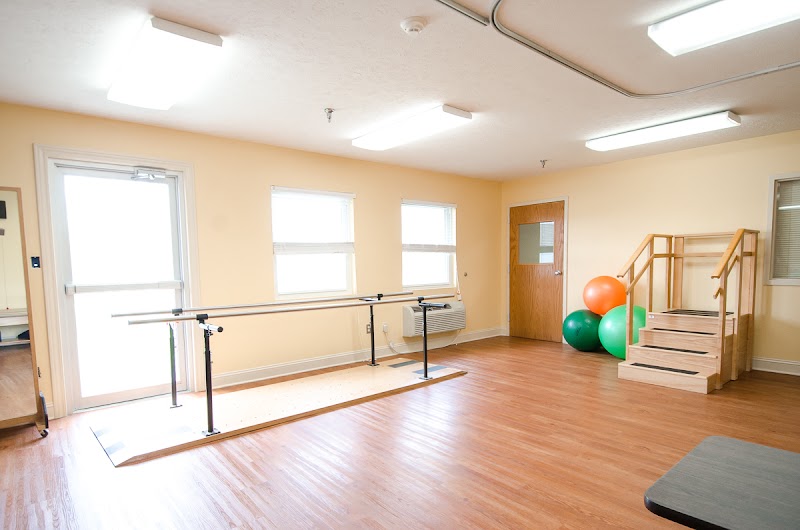
How is Signature Healthcare Of Bremen Staffed?

CMS rates SIGNATURE HEALTHCARE OF BREMEN's staffing level at 3 out of 5 stars, which is average compared to other nursing homes. Staff turnover is 49%, compared to the Indiana average of 46%.

What Have Inspectors Found at Signature Healthcare Of Bremen?

State health inspectors documented 46 deficiencies at SIGNATURE HEALTHCARE OF BREMEN during 2023 to 2025. These included: 46 with potential for harm.

Who Owns and Operates Signature Healthcare Of Bremen?

SIGNATURE HEALTHCARE OF BREMEN is owned by a government entity. Government-operated facilities are typically run by state, county, or municipal agencies. The facility is operated by SIGNATURE HEALTHCARE, a chain that manages multiple nursing homes. With 73 certified beds and approximately 61 residents (about 84% occupancy), it is a smaller facility located in BREMEN, Indiana.

How Does Signature Healthcare Of Bremen Compare to Other Indiana Nursing Homes?

Compared to the 100 nursing homes in Indiana, SIGNATURE HEALTHCARE OF BREMEN's overall rating (1 stars) is below the state average of 3.1, staff turnover (49%) is near the state average of 46%, and health inspection rating (1 stars) is much below the national benchmark.

What Should Families Ask When Visiting Signature Healthcare Of Bremen?

Based on this facility's data, families visiting should ask: "Can I visit during a mealtime to observe dining assistance and food quality?" "How do you handle medical emergencies, and what is your hospital transfer rate?" "Can I speak with family members of current residents about their experience?"

Is Signature Healthcare Of Bremen Safe?

Based on CMS inspection data, SIGNATURE HEALTHCARE OF BREMEN has a clean safety record: no substantiated abuse findings (meaning no confirmed cases of resident harm), no Immediate Jeopardy citations (the most serious violation level indicating risk of serious injury or death), and is not on the Special Focus Facility watch list (a federal program monitoring the lowest-performing 1% of nursing homes). The facility has a 1-star overall rating and ranks #100 of 100 nursing homes in Indiana. While no facility is perfect, families should still ask about staff-to-resident ratios and recent inspection results during their visit.

Do Nurses at Signature Healthcare Of Bremen Stick Around?

SIGNATURE HEALTHCARE OF BREMEN has a staff turnover rate of 49%, which is about average for Indiana nursing homes (state average: 46%). Moderate turnover is common in nursing homes, but families should still ask about staff tenure and how the facility maintains care continuity when employees leave.

Was Signature Healthcare Of Bremen Ever Fined?

SIGNATURE HEALTHCARE OF BREMEN has no federal fines on record. CMS issues fines when nursing homes fail to meet care standards or don't correct problems found during inspections. The absence of fines suggests the facility has either maintained compliance or corrected any issues before penalties were assessed. This is a positive indicator, though families should still review recent inspection reports for the full picture.

Is Signature Healthcare Of Bremen on Any Federal Watch List?

SIGNATURE HEALTHCARE OF BREMEN is not on any federal watch list. The most significant is the Special Focus Facility (SFF) program, which identifies the bottom 1% of nursing homes nationally based on persistent, serious quality problems. Not being on this list means the facility has avoided the pattern of deficiencies that triggers enhanced federal oversight. This is a positive indicator, though families should still review the facility's inspection history directly.