ENVIVE OF BROOKVILLE
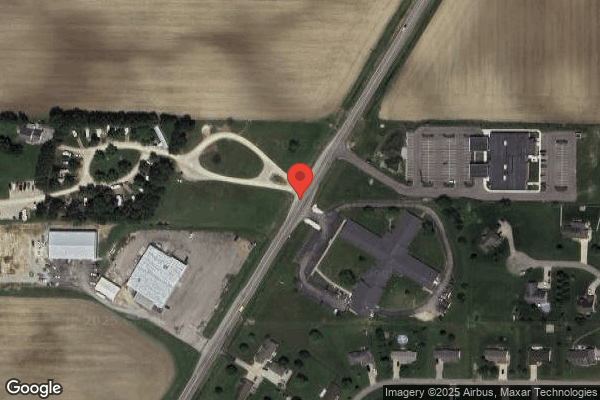

11049 STATE ROAD 101, BROOKVILLE, IN 47012 (765) 647-2527
For profit - Limited Liability company 100 Beds ENVIVE HEALTHCARE Data: November 2025
Trust Grade
65/100
#238 of 505 in IN
Last Inspection: February 2025

Within standard 12-15 month inspection cycle. Federal law requires annual inspections.

Overview

Envive of Brookville has a Trust Grade of C+, indicating it is slightly above average but not without its concerns. It ranks #238 out of 505 facilities in Indiana, placing it in the top half, and is the only nursing home in Franklin County, meaning there are no local competitors. Unfortunately, the facility is experiencing a worsening trend, with issues increasing from 3 in 2023 to 6 in 2025. Staffing is a significant weakness, rated poorly at 0 out of 5 stars, and the turnover rate is at 48%, which is around the state average. On a positive note, the facility has not incurred any fines, suggesting compliance with regulations, and the RN coverage is better than many facilities, which is crucial for monitoring resident health. However, recent inspector findings reveal troubling incidents, such as a resident falling from a wheelchair due to inadequate supervision and a lack of monitoring for side effects related to medications for several residents. These issues highlight both the need for improvement in care practices and the importance of considering both strengths and weaknesses when evaluating this facility.

Trust Score
C+
65/100
In Indiana
#238/505
Top 47%
Safety Record
Low Risk
No red flags
Inspections
Getting Worse
3 → 6 violations
Staff Stability
⚠ Watch
48% turnover. Above average. Higher turnover means staff may not know residents' routines.
Penalties
✓ Good
No fines on record. Clean compliance history, better than most Indiana facilities.
Skilled Nurses
○ Average
RN staffing data not reported for this facility.
Violations
⚠ Watch
18 deficiencies on record. Higher than average. Multiple issues found across inspections.
★★★☆☆
3.0
Overall Rating
☆☆☆☆☆
0.0
Staff Levels
★★★★☆
4.0
Care Quality
★★★☆☆
3.0
Inspection Score
Stable
2023: 3 issues
2025: 6 issues

The Good

  • 4-Star Quality Measures · Strong clinical quality outcomes
  • Full Sprinkler Coverage · Fire safety systems throughout facility
  • No fines on record

Facility shows strength in quality measures, fire safety.

The Bad

3-Star Overall Rating

Near Indiana average (3.1)

Meets federal standards, typical of most facilities

Staff Turnover: 48%

Near Indiana avg (46%)

Higher turnover may affect care consistency

Chain: ENVIVE HEALTHCARE

Part of a multi-facility chain

Ask about local staffing decisions and management

The Ugly 18 deficiencies on record

Feb 2025 6 deficiencies
CONCERN (D)

Potential for Harm - no one hurt, but risky conditions existed

Deficiency F0810 (Tag F0810)

Could have caused harm · This affected 1 resident

Based on observation, interview, and record review, the facility failed to ensure proper eating utensils were provided to 1 of 1 resident reviewed for assistive devices. (Resident 29) Findings include...

Read full inspector narrative →
Based on observation, interview, and record review, the facility failed to ensure proper eating utensils were provided to 1 of 1 resident reviewed for assistive devices. (Resident 29) Findings include: During an observation on 2/25/25 at 12:44 p.m., Resident 29 was laying back in bed eating lunch. He had a curved spoon, regular fork, and regular dinner plate on his lunch tray. A carton of milk with a straw in it and a plastic cup with no handle that contained lemonade with a straw were also on the tray. The clinical record for Resident 29 was reviewed on 2/25/25 at 11:33 a.m. The diagnoses included, but were not limited to, flaccid hemiplegia (paralysis and loss of muscle tone on one side of the body) affecting left non-dominant side and dysphagia (difficulty swallowing). A Quarterly Minimum Data Set (MDS) assessment, dated 11/22/24, indicated Resident 29 was mildly cognitively impaired. The MDS indicated he received a mechanically altered diet, requiring a change in texture of food or liquids (e.g., pureed food, thickened liquids). A physician's order, dated 12/30/24, indicated Resident 29 was to have a plate guard with all meals as necessary, independence cup with handle and fluid control lid with every meal, and right-hand adaptive spoon and fork with meals. A therapy special instruction order, dated 12/30/24, indicated Resident 29 was to have scoop bowls and curved utensils on tray at all times. During an observation of Resident 29 on 2/26/25 at 12:47 p.m., he was laying back in bed with his lunch tray in front of him. A regular dinner plate, an adaptive spoon, regular fork, carton of milk with a straw in it, and a cup with no handle of lemonade and straw in it were noted on the lunch tray. During an interview with Licensed Practical Nurse 2 on 2/26/25 at 12:49 p.m., they indicated Resident 29 was to have a plate guard and specialized cup with a handle on every tray. During an interview with the Dietary Manager (DM) on 2/26/25 at 3:19 p.m., they indicated the kitchen was missing a lot of specialized utensils, because they kept coming up missing, and she needed to order more. She indicated only specialized spoons were available in the kitchen. The DM indicated dietary receives the nursing order for any specialized utensils needed for a resident and that information was printed on the resident's tray card, so dietary staff know each resident's special needs. The DM indicated she did not know why Resident 29 was not receiving a plate guard on his meal trays. An activities of daily living care plan provided by the Director of Nursing (DON), on 2/27/25 at 10:00 a.m., indicated Resident 29 was to be provided with adaptive equipment, if necessary. An Assistance with Meals policy was provided by the DON on 2/27/25 at 10:33 a.m. It indicated, .Residents Who May Benefit from Assistive Devices: 1. Adaptive devices (special eating equipment and utensils) will be provided by residents who need or request them. These may include devices such as silverware with enlarged/padded handles, plate guards, and/or specialized cups. 2. Assistance will be provided to ensure that residents can use and benefit from special eating equipment and utensils . 3.1-21(h)
CONCERN (D) 📢 Someone Reported This

A family member, employee, or ombudsman was alarmed enough to file a formal complaint

Potential for Harm - no one hurt, but risky conditions existed

Infection Control (Tag F0880)

Could have caused harm · This affected 1 resident

Based on interview and record review, the facility failed to utilize Enhanced Barrier Precautions (EBP) for a resident with an indwelling medical device for 1 of 2 residents reviewed for catheters (Re...

Read full inspector narrative →
Based on interview and record review, the facility failed to utilize Enhanced Barrier Precautions (EBP) for a resident with an indwelling medical device for 1 of 2 residents reviewed for catheters (Resident C). Findings include: The clinical record for Resident C was reviewed on 2/25/2025 at 11:38 a.m. The medical diagnoses included chronic kidney disease, extended spectrum beta-lactamase (ESBL) resistance, and urinary tract infections. A Quarterly Minimum Data Set assessment, dated 12/23/2024, indicated Resident C was cognitively intact, utilized an indwelling urinary catheter, and received isolation due to infectious disease. A care plan, revised 10/23/2024, indicated Resident C utilized an indwelling urinary catheter for management of obstructive uropathy. Interventions included providing catheter care every shift. A physician order, dated 12/31/2024, indicated Resident C had an indwelling catheter. During an interview with Resident C on 2/25/2025 at 11:20 a.m., she indicated staff do not utilize gowns with her when they assist with her catheter care. During a confidential interview conducted during the survey, Confidential Interviewee 1 indicated they did not know who was on transmission-based precautions, including EBP. They stated they use standard precautions for all residents and only utilize gloves when providing care for Resident C, including providing care for Resident C's indwelling medical device. During a confidential interview conducted during the survey, Confidential Interviewee 2 indicated they were not aware Resident C was on EBP. They stated Resident C does not have an EBP bin in the room, so they did not utilize EBP with Resident C when providing care, which included bed baths and catheter care. During an observation with Confidential Interviewee 2, Resident C's room had an EBP container, containing only a box of gloves, in the entry way of the room. The bin was covered in clean linen and spare pillows and a confidential interviewee stated, Oh, I never even know that was there. I thought it was just storage for [Resident C]. A policy entitled, Enhanced Barrier Precautions, was provided by the Assistant Director of Nursing on 2/26/2025 at 2:05 p.m. The policy indicated that EBP should be utilized to prevent the spread of multi-drug-resistant organisms (MDROs). EBP was to be used during high-contact resident care activities, including dressing, bathing, and device care such as care for a urinary catheter. EBP should have been used for residents with indwelling medical devices, including urinary catheters, and that signage should have been posted .in the door or wall outside the resident room . This citation relates to Complaint IN00440035. 3.1-18(b)(2)
CONCERN (E)

Potential for Harm - no one hurt, but risky conditions existed

Quality of Care (Tag F0684)

Could have caused harm · This affected multiple residents

Based on observation, interview, and record review, the facility failed to ensure treatments were completed and documented on night shift and a resident had a fall intervention in place for 5 of 5 res...

Read full inspector narrative →
Based on observation, interview, and record review, the facility failed to ensure treatments were completed and documented on night shift and a resident had a fall intervention in place for 5 of 5 residents reviewed for unnecessary medications and 1 of 2 residents reviewed for falls. (Residents C, G, 7, 9, 24, and 36) Findings include: 1. a) The clinical record 7 was reviewed on 2/25/25 at 12:47 p.m. His diagnoses included, but were not limited to, Parkinson's disease. The 1/12/25 Accident & Incident Report and Investigation indicated Resident 7 had a fall from his wheelchair at the nurse's station on 1/12/25 at 6:51 p.m. He attempted to stand up. A CNA (Certified Nurse Aide) ran to try and catch him but was unable to reach him in time. He fell, striking his head on a bedside table. He suffered a laceration to the top of his head, a laceration to his top lip, and was sent to the emergency room. The 1/12/25 emergency department notes indicated he had a large laceration to his scalp that was repaired with a total of nineteen staples and a smaller laceration to his upper lip that was repaired with four stitches. The 1/13/25 at risk for falls care plan indicated an intervention was hipsters/padded undergarments to be worn when up, initiated 1/13/25. An observation of Resident 7 was made on 2/27/25 at 2:34 p.m. He was sitting in his wheelchair in front of the nurse's station. An interview was conducted with the DON (Director of Nursing) and CNA 5 on 2/27/25 at 2:34 p.m. The DON indicated she didn't know Resident 7 was supposed to wear hipsters when up. The DON inquired with the ADON (Assistant Director of Nursing) via telephone, and indicated the ADON didn't know anything about it either. CNA 5 indicated he wasn't currently wearing hipsters and didn't wear anything like that. The Assessing Falls and Their Causes policy was provided by the DON on 2/27/25 at 3:10 p.m. It indicated, Review the resident's care plan to assess for any special needs of the resident . Assemble the equipment and supplies as needed. 1. b) The clinical record for Resident 7 was reviewed on 2/25/25 at 12:47 p.m. His diagnoses included, but were not limited to, Parkinson's disease, heart disease, and hypertension. The 1/29/25 care plan indicated Resident 7 had impaired skin integrity related to decreased mobility, fragile skin, and incontinence. The 2/10/25 anticoagulant medication care plan indicated he had the potential for hemorrhage due to his use of Eliquis. The goal was for him to have no signs or symptoms of hemorrhage through the next review. An intervention was to monitor for signs and symptoms of adverse reactions. The physician's order for Resident 7 indicated to monitor for signs and symptoms of bruising and bleeding, and to notify medical provider with complications, every shift starting 1/1/25; to apply house barrier cream to peri-area and buttocks every shift, starting 1/1/25; and to float heels while in bed every shift, starting 1/1/25. The February 2025 TAR (treatment administration record) indicated the signs and symptoms of bruising and bleeding were not monitored every night shift the entire month; the house barrier cream was not applied to his peri-area and buttocks every night shift the entire month; and his heels were not floated while in bed the entire month. 2. The clinical record for Resident 9 was reviewed on 2/27/25 at 11:14 a.m. Her diagnoses included, but were not limited to, peripheral vascular disease and chronic obstructive pulmonary disease (COPD). The 1/22/25 COPD care plan indicated the goal was for her to have optimal breathing patterns daily with an intervention for the head of her bed to be elevated to her preference. The 1/22/25 care plan indicated she had the potential for skin breakdown related to incontinence and assistance required for bed mobility. The physician's orders for Resident 9 indicated to apply moisture barrier to bilateral buttocks at bedtime for prevention, starting 12/30/24; apply skin prep to bilateral heels at bedtime, starting 12/30/24; apply house barrier cream to peri-area and buttocks every shift, starting 12/30/24; encourage her to keep her feet elevated on a pillow while in bed and check every shift, starting 12/30/24; apply skin repair cream to chest/back/stomach every shift, starting 12/30/24; monitor for signs and symptoms of bruising and bleeding, and to notify medical provider with complications; and to elevate the head of her bed to her preference to alleviate/avoid shortness of breath while lying flat every shift, starting 1/22/25. The February 2025 TAR indicated the moisture barrier to bilateral buttocks at bedtime was not applied every night shift the entire month; the skin prep to bilateral heels was not applied at bedtime the entire month; the house barrier cream to peri-area and buttocks was not applied every night shift the entire month; she was not encouraged to keep her feet elevated on a pillow while in bed every night shift the entire month; the skin repair cream to her chest/back/stomach was not applied every night shift the entire month; she was not monitored for signs and symptoms of bruising and bleeding every night shift the entire month; and the head of her bed was not elevated to her preference every night shift the entire month. 3. The clinical record for Resident 36 was reviewed on 2/26/2025 at 11:30 a.m. The medical diagnosis included Parkinson's disease. A Quarterly Minimum Data Set assessment, dated 11/27/2024, indicated Resident 36 was cognitively intact and did not have skin alterations. A care plan, revised 12/2/2024, indicated Resident 36 was at risk for developing skin alterations. A physician order, dated 12/31/2024, indicated to utilize barrier cream to peri-area and buttocks. Review of the February 2025 TAR for Resident 36 indicated the night shift administrations for barrier cream were not recorded as completed. 4. The clinical record for Resident C was reviewed on 2/25/2025 at 11:38 a.m. The medical diagnoses included chronic kidney disease, extended spectrum beta-lactamase (ESBL) resistance, and urinary tract infections. A Quarterly Minimum Data Set assessment, dated 12/23/2024, indicated Resident C was cognitively intact, utilized an indwelling urinary catheter, and received isolation due to infectious disease. A care plan, revised 10/23/2024, indicated Resident C utilized an indwelling urinary catheter for management of obstructive uropathy. Interventions included providing catheter care every shift. A physician order for Resident C, dated 12/30/2024, indicated to apply skin prep to heels at bedtime for prevention. A physician order, dated 12/31/2024, indicated Resident C to have barrier cream to peri-area and buttocks. A physician order, dated 12/31/2024, indicated to assess Resident C's indwelling urinary device every day and night shift. A physician order, dated 12/31/2024, indicated to complete catheter care every shift for Resident C. A physician order, dated 12/31/2024, indicated to ensure Resident C's head of bed was elevated as tolerated every day and night shift. A physician order for Resident C, dated 12/31/2024, indicated to record the amount of output every shift and report to medical doctor if output was less than 240 milliliters (ml). Review of the February 2025 TAR for Resident C indicated the night shift administrations for barrier cream, catheter care and associated orders as aforementioned, and skin prep were not documented as completed. 5. The clinical record for Resident 24 was reviewed on 2/26/25 at 9:54 a.m. The diagnoses included, but were not limited to, Parkinson's disease, diabetes mellitus, and overactive bladder. Physician's orders, dated 12/29/24, indicated Resident 24 had orders for catheter care every shift, to monitor catheter output every shift, and verify catheter was anchored every shift. The TAR was provided by the Chief Nursing Officer (CNO) on 2/27/25 at 2:15 p.m. The TAR indicated no catheter care, catheter output, or verification of catheter being anchored was documented for night shift from 2/1/25 to 2/25/25. 6. The clinical record for Resident G was reviewed on 2/26/25 at 10:02 a.m. The diagnoses included, but were not limited to, dementia and peripheral vascular disease. Physician's orders, dated 12/30/24, indicated Resident G had orders to document keeping the head of the bed elevated to alleviate/avoid shortness of breath while lying flat every shift, to monitor oxygen saturations every shift, and to apply oxygen at or up to two liters per minute, to maintain saturation levels greater than 90%. The TAR was provided by the CNO on 2/26/25 at 12:45 p.m. The TAR indicated Resident G had no documentation on night shift, from 2/1/25 to 2/25/25, for keeping the head of the bed elevated or monitoring oxygen levels. Resident G had physician orders, dated 12/30/24, to apply house barrier cream to peri-area and buttocks every shift. During review of the TAR for February 2025, no documentation for application of barrier cream was documented for night shift from 2/1/25 to 2/25/25. A physician's order, dated 2/10/25, indicated Resident G had orders for bacitracin ointment (topical) to RLE (right lower extremity) two times daily and hydrocortisone external cream 1% to be applied to BLE (bilateral lower extremities) two times a day. The February 2025 TAR indicated there was no documentation of these treatments during night shift from 2/10/25 to 2/25/25. During an interview with the Director of Nursing (DON) on 2/26/25 at 12:05 p.m., they indicated the computer system should flag if nurses were not charting what they were supposed to be charting and checking off. They did not know why there was no documentation recorded for treatments on night shift. The treatments are not popping up on the nightly scheduled medication pass on the medication administration record (MAR). The DON indicated it was found the night shift nurses did not have access to the TAR when they transitioned from one electronic health record (EHR) computer system to a different EHR computer system on 1/1/25. During an interview with the CNO on 2/26/25 at 1:52 p.m., they indicated the night shift nurses did not have the availability to see the night shift TAR due to a security issue. He wasn't sure if they were doing it. The nurses can see the MAR, but not the TAR. It was on the label, and he would expect a competent nurse to look at the label and order to know to administer it. The CNO indicated they did not know it was an issue until today, 2/26/25, when it was discovered. During an interview with Qualified Medication Aide (QMA) 3 on 02/26/25 at 04:45 p.m., they indicated treatments were not scheduled at night and she had access to the TAR, but nothing triggered at night. QMA 3 indicated if any treatments were due, they trigger on the TAR to let the nurse know something needed to be done. During an interview with QMA 4 on 02/27/25 at 09:51 a.m., she indicated she did not have any treatments ordered right now at nighttime. QMA 4 indicated nothing had been triggering on the TAR for administration. During an interview with the CNO on 02/27/25 at 11:13 a.m., they indicated, It's our expectation that physician's orders are followed, it's a standard of care. A Prevention of Pressure Injuries policy was provided by the CNO on 2/26/25 at 3:40 p.m. It indicated, .7. Use a barrier product to protect skin from moisture .20. Select appropriate support surfaces based on the resident's risk factors, in accordance with current clinical practice . A Catheter Care, Urinary policy was provided by the CNO on 2/27/25 at 2:17 p.m. It indicated the following, .Documentation: The following information should be recorded in the resident's medical record . 57. The date and time that catheter care was given., 58. The name and title of the individual(s) giving the catheter care . A Medication Therapy policy was provided by the CNO on 2/26/25 at 3:40 p.m. The policy indicated the following, .2. All decisions related to medications shall include appropriate elements of the care process, such as: a. adequately detailed assessment; b. review of causes of symptoms . A Pulse Oximetry (Assessing Oxygen Saturation) policy was provided by the DON on 2/27/25 at 10:00 a.m. The policy indicated the following, .8. Assess the resident for the following signs and symptoms of impaired oxygen saturation: a. altered respirations, c. cyanotic appearance, d. restlessness, irritability, e. confusion .Documentation: The SaO2 flow sheet should be placed in the medical record. In addition, the following information should be recorded in the resident's medical record: 30. the date and time that the procedure was performed, 32. the assessment data gathered prior to the procedure, 34. any unusual findings, 36. the signature and title of the person performing the procedure . An Administering Medications policy was provided by the DON on 2/26/25 at 1:15 p.m. The policy indicated the following, .4. Medications are administered in accordance with prescriber orders, including any required time frame .24. Topical medications used in treatments are recorded on the resident's treatment record (TAR) . 3.1-37(a)
CONCERN (E)

Potential for Harm - no one hurt, but risky conditions existed

Deficiency F0740 (Tag F0740)

Could have caused harm · This affected multiple residents

Based on interview and record review, the facility failed to monitor and document target behaviors for 5 of 5 residents reviewed for unnecessary medications. (Residents C, G, 7, 9, and 36) Findings in...

Read full inspector narrative →
Based on interview and record review, the facility failed to monitor and document target behaviors for 5 of 5 residents reviewed for unnecessary medications. (Residents C, G, 7, 9, and 36) Findings include: 1. The clinical record for Resident 7 was reviewed on 2/25/25 at 12:47 p.m. His diagnoses included, but were not limited to, depression and insomnia. The 1/29/25 care plan indicated he used an antidepressant medication related to depression. An intervention was to administer the medication as ordered by the physician and monitor/document side effects and effectiveness every shift. The 2/11/25 care plan indicated he had a diagnosis of insomnia. The physician's orders indicated to administer one 50 milligrams (mg) tablet of sertraline daily, effective 1/9/25, for depression and one 5 mg tablet of melatonin at bedtime, starting 1/8/25, for insomnia/sleeplessness. They indicated to monitor for the following behaviors related to depression, starting 1/1/25: tearfulness, withdrawn, agitation, excessive crying, or social isolation, and at the end of each shift, mark the frequency of how often the behavior occurred, the intensity of the behaviors, and how he responded to redirection; and related to insomnia, starting 1/1/25, at the end of each shift, mark the frequency of how often the behavior occurred, the intensity of the behavior, and how he responded to redirection. The February 2025 TAR (treatment administration record) indicated the above behaviors related to Resident 7's depression and insomnia were not monitored and documented for frequency, intensity, and response to redirection on night shift the entire month. 2. The clinical record for Resident 9 was reviewed on 2/27/25 at 11:14 a.m. Her diagnoses included, but were not limited to, depression, anxiety, mood disturbance, pseudobulbar effect, and dementia. The 1/22/25 care plan indicated she required the use of anticonvulsant medication related to mood disturbance. The 1/22/25 care plan indicated she had a diagnosis of depression and, at times, may display triggers such as being short tempered, easily annoyed, trouble concentrating, and poor appetite. An intervention was to monitor/document for side effects and effectiveness. The 1/22/25 care plan indicated she used anti-anxiety medication related to anxiety and impulse disorder. The physician's orders indicated to administer one 0.5 mg tablet of alprazolam daily, effective 1/18/25, for anxiety; four 125 mg capsules of Depakote sprinkles every day, starting 2/10/25 and three 125 mg capsules of Depakote sprinkles every day, starting 2/10/25; and one 12.5 mg tablet of sertraline, starting 12/30/24, for depression. They indicated to monitor for psychosis, delusions, and hallucinations, starting 1/3/25, and at the end of each shift, mark the frequency of how often the behavior occurred, the intensity of the behavior, and how she responded to redirection; the following behaviors related to depression, starting 1/3/25: tearfulness, withdrawn, agitation, excessive crying, or social isolation, and at the end of each shift, mark the frequency of how often the behavior occurred, the intensity of the behaviors, and how she responded to redirection; and the following behaviors related to anxiety, starting 1/3/25: self reported nervousness, restlessness, sleeplessness, etc., and at the end of each shift, mark the frequency of how often the behavior occurred, the intensity of the behavior, and how she responded to redirection. The February 2025 TAR indicated that the above behaviors were not monitored and documented for frequency, intensity, and response to redirection on night shift the entire month. 3. The clinical record for Resident 36 was reviewed on 2/26/2025 at 11:30 a.m. The medical diagnoses included Parkinson's disease, anxiety disorder, and depression. A Quarterly Minimum Data Set assessment, dated 11/27/2024, indicated Resident 36 was cognitively intact. A psychotropic medication care plan, dated 11/18/2024, indicated Resident 36 utilized antidepressant medication. Interventions were listed as monitoring for adverse side effects and for behavior. A psychotropic medication care plan, dated 11/18/2024, indicated Resident 36 utilized antianxiety medication. Interventions were listed as monitoring for adverse side effects and for behavior. A physician order, dated 12/31/2024, indicated to monitor Resident 36 for target behaviors of depression every shift. A physician order, dated 12/31/2024, indicated to monitor Resident 36 for target behaviors of anxiety every shift. Review of the February 2025 TAR for Resident 36 indicated the night shift administrations for monitoring for target behaviors of psychotropic medications was not marked as completed. 4. The clinical record for Resident C was reviewed on 2/25/2025 at 11:38 a.m. The medical diagnoses included depression and anxiety disorder. A Quarterly Minimum Data Set assessment, dated 12/23/2024, indicated Resident C was cognitively intact. A psychotropic care plan, revised 12/10/2024, indicated Resident C utilized antidepressant medication. Interventions were listed as monitoring for adverse side effects and for behavior. A psychotropic care plan, dated revised 12/10/2024, indicated Resident C utilized antianxiety medication. Interventions were listed as monitoring for adverse side effects and for behavior. A physician order, dated 12/31/2024, indicated to monitor Resident C for target behaviors of depression every shift. A physician order, dated 12/31/2024, indicated to monitor Resident C for target behaviors of anxiety every shift. Review of the February 2025 TAR for Resident C indicated the night shift administrations for monitoring for target behaviors of psychotropic medications were not indicated as completed. 5. The clinical record for Resident G was reviewed on 2/26/25 at 10:02 a.m. The diagnoses included, but were not limited to, dementia and peripheral vascular disease. Physician orders for Resident G, dated 12/30/24, indicated Resident G was ordered divalproex sodium for mood and behaviors. A physician's order, dated 12/31/24, indicated Resident G was ordered sertraline for depression and aripiprazole for depression. Behavior monitoring every shift was indicated in the physician's orders for all three of these medications. They indicated to monitor for the following behaviors related to depression, starting 12/30/24: tearfulness, withdrawn, agitation, excessive crying, or social isolation, and at the end of each shift, mark the frequency of how often the behavior occurred, the intensity of the behaviors, and how he responded to redirection; and related to psychosis, delusions and hallucinations starting 1/3/25, at the end of each shift, mark the frequency of how often the behavior occurred, the intensity of the behavior, and how he responded to redirection. The TAR was reviewed on 2/26/25 at 11:30 a.m. The TAR indicated no monitoring of behaviors were being done on night shift from 2/1/25 to 2/25/25. During an interview with the Director of Nursing (DON) on 2/26/25 at 12:05 p.m., they indicated the computer system should flag if nurses were not charting what they were supposed to be charting and checking off. They did not know why there was no documentation recorded for treatments on night shift. The treatments were not popping up on the nightly scheduled medication pass on the Medication Administration Record (MAR). The DON indicated it was discovered the night shift nurses did not have access to the TAR when they transitioned from one electronic health record (EHR) computer system to another EHR computer system on 1/1/25. During an interview with the Chief Nursing Officer (CNO) on 2/26/25 at 1:52 p.m., they indicated the night shift nurses did not have the ability to see the night shift TAR due to a security issue. He wasn't sure if they were doing it. The nurses can see the MAR, but not the TAR. It was on the label, and he would expect a competent nurse to look at the label and order to know to administer it. The CNO indicated they did not know it was an issue until today, 2/26/25, when it was discovered. During an interview with the CNO on 2/27/25 at 11:13 a.m., they indicated, It's our expectation that physician's orders are followed, it's a standard of care. A Behavioral Assessment, intervention and Monitoring policy was provided by the CNO on 2/27/25 at 2:15 p.m. The policy indicated, .6. The nursing staff will identify, document, and inform the physician about specific details regarding changes in the individual's mental status, behavior, and cognition, including . i. onset, duration, intensity, and frequency of behavioral symptoms . 3.1-37(a)
CONCERN (E)

Potential for Harm - no one hurt, but risky conditions existed

Medication Errors (Tag F0758)

Could have caused harm · This affected multiple residents

Based on interview and record review, the facility failed to monitor for side effects of psychotropic medications, as ordered, for 5 of 5 residents reviewed for unnecessary medications. (Residents C, ...

Read full inspector narrative →
Based on interview and record review, the facility failed to monitor for side effects of psychotropic medications, as ordered, for 5 of 5 residents reviewed for unnecessary medications. (Residents C, G, 7, 9, and 36) Findings include: 1. The clinical record for Resident 7 was reviewed on 2/25/25 at 12:47 p.m. His diagnoses included, but were not limited to, depression. The 1/29/25 care plan indicated he used an antidepressant medication related to depression. An intervention was to administer the medication as ordered by the physician and monitor/document side effects and effectiveness every shift. The physician's orders indicated to administer one 50 milligrams (mg) tablet of sertraline daily, starting 1/9/25, for depression. They indicated to monitor for side effects of psychotropic medications every shift, starting 1/1/25. The February 2025 TAR (treatment administration record) indicated he was not monitored for side effects of psychotropic medications on night shift the entire month. 2. The clinical record for Resident 9 was reviewed on 2/27/25 at 11:14 a.m. Her diagnoses included, but were not limited to, depression, anxiety, mood disturbance, pseudobulbar effect, and dementia. The 1/22/25 care plan indicated she had a diagnosis of depression and at times, may display triggers such as being short tempered, easily annoyed, trouble concentrating, and poor appetite. An intervention was to monitor/document for side effects and effectiveness. The 1/22/25 care plan indicated she used anti-anxiety medication related to anxiety and impulse disorder. The goal was for her to be free from adverse reactions related to anti-anxiety therapy through the review date. The physician's orders indicated to administer one 0.5 mg tablet of alprazolam daily, effective 1/18/25, for anxiety, and one 12.5 mg tablet of sertraline, starting 12/30/24, for depression. They indicated to monitor for side effects of psychotropic medications every shift, starting 12/30/24. The February 2025 TAR indicated she was not monitored for side effects of psychotropic medications on night shift the entire month. 3. The clinical record for Resident 36 was reviewed on 2/26/2025 at 11:30 a.m. The medical diagnoses included Parkinson's disease, anxiety disorder, and depression. A Quarterly Minimum Data Set assessment, dated 11/27/2024, indicated Resident 36 was cognitively intact. A psychotropic medication care plan, dated 11/18/2024, indicated Resident 36 utilized antidepressant medication. Interventions were listed as monitoring for adverse side effects and for behaviors. A psychotropic medication care plan, dated 11/18/2024, indicated Resident 36 utilized antianxiety medication. Interventions were listed as monitoring for adverse side effects and for behavior. A physician order, dated 12/31/2024, indicated Resident 36 to receive antianxiety medication daily. A physician order, dated 1/23/2025, indicated Resident 36 received an antidepressant medication daily. Review of the February 2025 TAR for Resident 36 indicated the night shift administrations for monitoring side effects of psychotropic medications was not documented as completed. 4. The clinical record for Resident C was reviewed on 2/25/2025 at 11:38 a.m. The medical diagnoses included depression and anxiety disorder. A Quarterly Minimum Data Set assessment, dated 12/23/2024, indicated Resident C was cognitively intact. A psychotropic care plan, revised 12/10/2024, indicated Resident C utilized antidepressant medication. Interventions were listed as monitoring for adverse side effects and for behavior. A psychotropic care plan, revised 12/10/2024, indicated Resident C utilized antianxiety medication. Interventions were listed as monitoring for adverse side effects and for behavior. A physician order, dated 12/31/2024, indicated for Resident C to receive an antidepressant medication daily. A physician order, dated 12/31/2024, indicated for Resident C to receive an antianxiety medication daily. Review of the February 2025 TAR for Resident C indicated the night shift administrations for monitoring side effects of psychotropic medications was not documented as completed. 5. The clinical record for Resident G was reviewed on 2/26/25 at 10:02 a.m. The diagnoses included, but were not limited to, dementia and peripheral vascular disease. Physician orders for Resident G, dated 12/30/24, indicated Resident G was ordered divalproex sodium. A physician's order, dated 12/31/24, indicated Resident G was ordered sertraline and aripiprazole. Psychotropic side effect monitoring every shift was indicated in the physician's orders for all three of these medications. The TAR was reviewed on 2/26/25 at 11:30 a.m. The TAR indicated no monitoring of side effects for psychotropic medications were being done on night shift from 2/1/25 to 2/25/25. During an interview with the Director of Nursing (DON) on 2/26/25 at 12:05 p.m., they indicated the computer system should flag if nurses were not charting what they are supposed to be charting and checking off. They did not know why there was no documentation recorded for treatments on night shift. The treatments are not popping up on the nightly scheduled medication pass on the Medication Administration Record (MAR). The DON indicated it was found the night shift nurses did not have access to the TAR when they transitioned from one electronic health record (EHR) computer system to another EHR computer system on 1/1/25. During an interview with the Chief Nursing Officer (CNO) on 2/26/25 at 1:52 p.m., they indicated the night shift nurses did not have the ability to see the night shift TAR due to a security issue. He wasn't sure if they were doing it. The nurses can see the MAR, but not the TAR. It was on the label, and he would expect a competent nurse to look at the label and order to know to administer it. The CNO indicated they did not know it was an issue until today, 2/26/25, when it was discovered. A Psychotropic Medication Use policy was provided by the CNO on 2/27/25 at 2:15 p.m. It indicated, .2. Drugs in the following categories are considered psychotropic medications: a. Anti-psychotics; b. Anti-depressants; c. Anti-anxiety medications; and d. Hypnotics .13. Residents receiving psychotropic medications are monitored for adverse consequences, including: j. anticholinergic effects- flushing, blurred vision, dry mouth, altered mental status, difficulty urinating, falls, excessive sedation and constipation; k. cardiovascular effects- irregular heart rate or pulse, palpitations, lightheadedness, shortness of breath, diaphoresis, chest/arm pain, increased blood pressure, orthostatic hypotension; l. metabolic effects- increased cholesterol and triglycerides, poorly controlled or unstable blood sugar, weight gain; m. neurologic effects- agitation, distress, extrapyramidal symptoms, neuroleptic malignant syndrome, Parkinsonism, tardive dyskinesia, cerebrovascular events; and n. psychosocial effects- inability to perform ADLs or interact with others, withdrawal or decline from usual social patterns, decreased engagement in activities, diminished ability to think or concentrate . 3.1-48(b)(1) 3.1-48(b)(2)
CONCERN (E)

Potential for Harm - no one hurt, but risky conditions existed

Deficiency F0804 (Tag F0804)

Could have caused harm · This affected multiple residents

2. An interview was conducted with Resident 14 on 2/25/25 at 11:25 a.m. They indicated the facility food was not good. A test tray of the facility lunch meal was provided by the Clinical Support on 2...

Read full inspector narrative →
2. An interview was conducted with Resident 14 on 2/25/25 at 11:25 a.m. They indicated the facility food was not good. A test tray of the facility lunch meal was provided by the Clinical Support on 2/25/25 at 12:10 p.m. It included a frittata, diced potatoes, broccoli, and a roll. Three out of four of the foods were yellow in color and did not appear appetizing. The frittata had a bland taste with an unappealing texture. The diced potatoes were bland tasting and lacked any flavor. The broccoli was overcooked, mushy, and bland tasting. The roll was soggy on the bottom from the broccoli juices. An interview was conducted with Resident 14 on 2/25/25 at 2:02 p.m. He indicated the above lunch meal was not good at all. He didn't eat the diced potatoes, because he didn't like them, and didn't eat the roll, because he didn't want it. 3. An interview was conducted with Resident 30 on 2/25/25 at 11:54 a.m. She indicated the facility food was horrible. Dinner last night was terrible, and she couldn't eat it. A test tray of the facility lunch meal was provided by the Clinical Support on 2/25/25 at 12:10 p.m. It included a frittata, diced potatoes, broccoli, and a roll. Three out of four of the foods were yellow in color and did not appear appetizing. The frittata had a bland taste with an unappealing texture. The diced potatoes were bland tasting and lacked any flavor. The broccoli was overcooked, mushy, and bland tasting. The roll was soggy on the bottom from the broccoli juices. An interview was conducted with Resident 30 on 2/25/25 at 1:56 p.m. She indicated, in regards to the frittata, I don't know what that egg thing was. There was no taste at all, and she wasn't sure if there was broccoli or spinach in it. Every meal is bad. She didn't eat all of any of the above lunch meal. The potatoes were bland, but most stuff was. There was no spice or much flavor. The broccoli was dull with no flavor, no nothing, like they poured it in a pan and served it. She stated, I'm just hoping they can do better. How can it be so hard to fix a halfway decent meal. 4. An interview was conducted with Resident 37 on 2/24/25 at 1:23 p.m. He indicated some of the facility food was not fit to eat and poor quality. A test tray of the facility lunch meal was provided by the Clinical Support on 2/25/25 at 12:10 p.m. It included a frittata, diced potatoes, broccoli, and a roll. Three out of four of the foods were yellow in color and did not appear appetizing. The frittata had a bland taste with an unappealing texture. The diced potatoes were bland tasting and lacked any flavor. The broccoli was overcooked, mushy, and bland tasting. The roll was soggy on the bottom from the broccoli juices. An interview was conducted with Resident 37 on 2/25/25 at 1:54 p.m. He indicated, in regard to the above lunch meal, the potatoes were not flavorful, and the frittata was bland and of different texture. 5. An interview was conducted with Resident J on 2/25/25 at 11:35 a.m. She indicated the facility food taste and quality was horrendous and inedible. It practically turns my stomach and I'm not a picky eater. The facility did not cook the food correctly and needed cooking lessons. Either they didn't know or didn't care. It had been this way for over a year. They discussed it in resident council, but nothing was ever done about it. It's very frustrating. She went to bed hungry many times, because the food was so bad, and she would eat pretty much anything. A test tray of the facility lunch meal was provided by the Clinical Support on 2/25/25 at 12:10 p.m. It included a frittata, diced potatoes, broccoli, and a roll. Three out of four of the foods were yellow in color and did not appear appetizing. The frittata had a bland taste with an unappealing texture. The diced potatoes were bland tasting and lacked any flavor. The broccoli was overcooked, mushy, and bland tasting. The roll was soggy on the bottom from the broccoli juices. Based on interviews, observations, and record reviews, the facility failed to provide a diet that was palatable and attractive to 9 of 9 residents reviewed. (Residents G, H, J, 1, 14, 30, 35, 36, and 37) Findings include: 1. The clinical record for Resident 36 was reviewed on 2/26/2025 at 11:30 a.m. The medical diagnoses included Parkinson's disease. A Quarterly Minimum Data Set (MDS) assessment, dated 11/27/2024, indicated Resident 36 was cognitively intact and had no significant weight changes. A physician order, dated 12/30/2024, indicated Resident 36 received a regular diet. During an interview on 2/25/2025 at 12:35 p.m., Resident 36 indicated the food was terrible. The food was often too mushy to eat, has poor to no taste, and she goes without eating because of the quality of the food, or will just eat peanut butter and jelly sandwiches. She stated, Last night they gave us pea soup over mashed potatoes with Jello. It was so bad that I couldn't even eat it, so I just had candy that my [family] brings in. There was some yellow stuff on the side. I think it was supposed to be a vegetable, but I couldn't make out what it was. A test tray of the facility lunch meal was provided by the Clinical Support on 2/25/25 at 12:10 p.m. It included a frittata, diced potatoes, broccoli, and a roll. Three out of four of the foods were yellow in color and did not appear appetizing. The frittata had a bland taste with an unappealing texture. The diced potatoes were bland tasting and lacked any flavor. The broccoli was overcooked, mushy, and bland tasting. The roll was soggy on the bottom from the broccoli juices. During an observation on 2/25/2025 at 12:55 p.m., Resident 36 was served a tray with what she described as an egg omelet, a piece of bread, and mashed broccoli, with some kind of pastry. Resident 36 attempted one bite of the eggs, broccoli, and roll before she indicated she could not eat the food provided because the eggs tasted awful, the broccoli was just mush, and the dessert was too dry. Resident 36 then ate part of her roll and then retrieved ice cream from her freezer to eat. 6. The clinical record for Resident 1 was reviewed on 2/26/25 at 10:29 a.m. The diagnoses included, but were not limited to, chronic obstructive pulmonary disease and chronic pain syndrome. During an interview with Resident 1 on 2/25/25 at 10:03 a.m., Resident 1 indicated the food had no taste, and was barely warm. A test tray of the facility lunch meal was provided by the Clinical Support on 2/25/25 at 12:10 p.m. It included a frittata, diced potatoes, broccoli, and a roll. Three out of four of the foods were yellow in color and did not appear appetizing. The frittata had a bland taste with an unappealing texture. The diced potatoes were bland tasting and lacked any flavor. The broccoli was overcooked, mushy, and bland tasting. The roll was soggy on the bottom from the broccoli juices. During an interview on 2/25/25 at 12:47 p.m., Resident 1 indicated lunch was just plain lousy. It had no taste and he only took a few bites of it. Resident 1 indicated he would not eat it again, and also indicated he says that about every meal he received. A Quarterly MDS assessment, dated 1/2/25, indicated Resident 1 was cognitively intact. A physician's order, dated 1/1/25, indicated Resident 1 was ordered a regular diet, chopped meats texture, regular/thin consistency for mechanical soft. 7. The clinical record was reviewed for Resident G on 2/26/25 at 10:02 a.m. The diagnoses included, but were not limited to, dementia and chronic kidney disease. A Quarterly Minimum Data Set assessment, dated 2/18/25, indicated Resident G was cognitively intact. During an interview on 2/25/25 at 10:27 a.m., Resident G indicated he refused dinner the night before. He indicated the food had no taste. A test tray of the facility lunch meal was provided by the Clinical Support on 2/25/25 at 12:10 p.m. It included a frittata, diced potatoes, broccoli, and a roll. Three out of four of the foods were yellow in color and did not appear appetizing. The frittata had a bland taste with an unappealing texture. The diced potatoes were bland tasting and lacked any flavor. The broccoli was overcooked, mushy, and bland tasting. The roll was soggy on the bottom from the broccoli juices. During an interview with Resident G on 2/25/25 at 12:49 p.m., he indicated his lunch had no taste or flavor. Resident G indicated he did not eat much because the taste was so bad. A physician's order, dated 12/30/24, indicated Resident G was ordered a regular diet, mechanical soft texture, regular/thin consistency. 8. The clinical record for Resident H was reviewed on 2/26/25 at 9:54 a.m. The diagnoses included, but were not limited to, Parkinson's disease and diabetes mellitus. A Quarterly Minimum Data Set assessment, dated 1/9/25, indicated Resident H was cognitively intact. During an interview with Resident H on 2/25/25 at 11:44 a.m., he indicated the food was terrible. Resident H indicated the food did not have much taste and was very bland. A test tray of the facility lunch meal was provided by the Clinical Support on 2/25/25 at 12:10 p.m. It included a frittata, diced potatoes, broccoli, and a roll. Three out of four of the foods were yellow in color and did not appear appetizing. The frittata had a bland taste with an unappealing texture. The diced potatoes were bland tasting and lacked any flavor. The broccoli was overcooked, mushy, and bland tasting. The roll was soggy on the bottom from the broccoli juices. During an interview with Resident H on 2/25/25 at 12:52 p.m., he indicated lunch tasted horrible, it had no taste, and was a bunch of mush. During an interview with Resident H on 2/26/25 at 12:51 p.m., he indicated lunch was not good and he did not know what he was eating. Resident H indicated the food was mushy and he had to request a replacement meal. A physician's order, dated 12/29/24, indicated Resident 24 was ordered a no added salt diet. 9. The clinical record for Resident 35 was reviewed on 2/26/25 at 10:09 a.m. The diagnoses included, but were not limited to, acute respiratory failure with hypoxia and anorexia. An Annual Minimum Data Set assessment, dated 12/22/24, indicated Resident 35 was severely cognitively impaired. During an interview with Resident 35's husband, also her roommate, on 2/25/25 at 10:03 a.m., they indicated the food had no taste, was bland, and was barely warm when it arrived to them. A test tray of the facility lunch meal was provided by the Clinical Support on 2/25/25 at 12:10 p.m. It included a frittata, diced potatoes, broccoli, and a roll. Three out of four of the foods were yellow in color and did not appear appetizing. The frittata had a bland taste with an unappealing texture. The diced potatoes were bland tasting and lacked any flavor. The broccoli was overcooked, mushy, and bland tasting. The roll was soggy on the bottom from the broccoli juices. During an interview with Resident 35's husband on 2/25/25 at 12:47 p.m., he indicated Resident 35 had barely touched her food. He indicated the food tasted lousy today. During an interview with the Dietary Manager (DM) on 2/26/25 at 3:19 p.m., she indicated she had residents' voice concerns that they do not care for the food. The DM indicated the menu changed, on 1/1/25, and she thinks that was part of the concerns. The DM also indicated she has noticed a request for a lot more alternative foods since changing the menu. A General Food Preparation and Handling policy provided by the Chief Nursing Officer, on 2/26/25 at 3:40 p.m., indicated, .13. All food will be prepared by methods that preserve nutritive value, flavor, and appearance. Food will be attractively served at the appropriate temperature and in a form to meet the individual needs of the resident . This citation relates to Complaint IN00440035. 3.1-21(a)(1) 3.1-21(a)(2)
Dec 2023 3 deficiencies
CONCERN (D)

Potential for Harm - no one hurt, but risky conditions existed

Safe Environment (Tag F0584)

Could have caused harm · This affected 1 resident

Based on interview and observations, the facility failed to promote a clean environment for Resident 6 by having a thick layer of dusk on her over bed tables, including her personal items and plants, ...

Read full inspector narrative →
Based on interview and observations, the facility failed to promote a clean environment for Resident 6 by having a thick layer of dusk on her over bed tables, including her personal items and plants, as we well as a thin layer of dust on her window ledge for 1 of 3 resident reviewed for environmental concerns. Findings include: The clinical record for Resident 6 was reviewed on 12/7/2023 at 11:45 a.m. The medical diagnosis included chronic obstructive pulmonary disease. The Quarterly Minimum Data Set Assessment, dated for 11/15/2023, indicated that Resident 6 was cognitively intact. An observation of Resident 6's room on 12/7/2023 at 11:40 a.m. indicated a thick layer of dust on an over bed table by the back corner of the room with some personal potted plants that also had a layer of dusk on them. Another bedside table was located next to the resident's bed that contained personal items with a thick layer of dust and the window ledge in the room had a thin layer of dust. An interview with Resident 6 on 12/7/2023 at 11:43 a.m. indicated that the dust in her room bothers her and will make her cough. She stated she will usually get a wet washcloth every few weeks and wipe down her items. She stated that when housekeeping comes into her room, they only mop the floor, but they never dust. An observation of Resident 6's room on 12/8/2023 at 11:04 a.m. indicated a thick layer of dust on an over bed table by the back corner of the room with some personal potted plants that also had a layer of dusk on them. Another bedside table was located next to the resident's bed that contained personal items with a thick layer of dust. A policy entitled, Room Cleaning, was provided by the Administrator on 12/11/2023 at 2:30 p.m. The policy indicated that a deep clean should be completed monthly and include a dust mop and high duster. 3.1-19(f)
CONCERN (D)

Potential for Harm - no one hurt, but risky conditions existed

Deficiency F0685 (Tag F0685)

Could have caused harm · This affected 1 resident

Based on interview and record review the facility failed to provide routine optometry services for a resident experiencing blurred vision for 1 of 1 resident reviewed for vision (Resident 30). Finding...

Read full inspector narrative →
Based on interview and record review the facility failed to provide routine optometry services for a resident experiencing blurred vision for 1 of 1 resident reviewed for vision (Resident 30). Finding include: During an interview with Resident 30 on at 12/07/23 at 1:32 p.m., indicated her vision had been blurry for the last 3-4 months. The resident had reported this to the facility staff and had not seen an eye doctor yet. During an interview with the Social Service Director (S.S.D.) on 12/08/23 at 2:06 p.m., indicated she was unable to find where Resident 30 had seen an eye doctor or refused to see an eye doctor. The S.S.D. indicated she would go talk with the resident at this time and make an appointment for the resident to see the eye doctor. During an interview with Resident 30 on 12/11/23 at 1:33 p.m., indicated she had not wore glasses for years except reading glasses. The resident indicated she had not seen an eye doctor or was offered by the facility to see an eye doctor since her admission in September 2022. The resident indicated she did have an appointment now. Review of the record of Resident 30 on 12/11/23 at 2:08 p.m., indicated the resident's diagnoses included, but were not limited to, anemia, muscle weakness, diabetes, major depressive disorder, anxiety, osteoarthritis, mild protein calorie malnutrition, peripheral vascular disease and chronic pain syndrome. The consent for services for Resident 30, dated 9/26/22, indicated the resident signed consent to have optometry services. The Significant Change Minimum Data (MDS) assessment for Resident 30, dated 10/1/23, indicated the resident was cognitively intact with daily decision making. The physician Recapitulation (recap) for Resident 30, dated December 2023, (original date 12/12/22) indicated the resident was to be seen by optometrist. 3.1-39(a)(1)
CONCERN (D)

Potential for Harm - no one hurt, but risky conditions existed

Dental Services (Tag F0791)

Could have caused harm · This affected 1 resident

Based on observation, interview and record review the facility failed to provide routine dental services for a resident with missing teeth and a chipped tooth for 1 of 2 residents reviewed for dental ...

Read full inspector narrative →
Based on observation, interview and record review the facility failed to provide routine dental services for a resident with missing teeth and a chipped tooth for 1 of 2 residents reviewed for dental services (Resident 30). Finding include: During an observation and interview with Resident 30 on 12/07/23 at 1:31 p.m., the resident's front tooth was chipped off and she was missing several teeth. The resident indicated she had not seen a dentist and had report to the facility staff she needed to see a dentist. During an interview with the Social Service Director (S.S.D.) on 12/08/23 at 2:06 p.m., indicated she was unable to find where Resident 30 had been seen by a dentist or refused to see the dentist. The S.S.D. indicated she would go talk with the resident at this time and make an appointment for the resident to see a dentist. During an interview with Resident 30 on 12/11/23 at 1:33 p.m., indicated she had not seen a dentist or was offered by the facility to a dentist since her admission in September 2022. The resident indicated she did have an appointment now. Review of the record of Resident 30 on 12/11/23 at 2:08 p.m., indicated the resident's diagnoses included, but were not limited to, anemia, muscle weakness, diabetes, major depressive disorder, anxiety, osteoarthritis, mild protein calorie malnutrition, peripheral vascular disease and chronic pain syndrome. The consent for services for Resident 30, dated 9/26/22, indicated the resident signed up for dental services. The Significant Change Minimum Data (MDS) assessment for Resident 30, dated 10/1/23, indicated the resident was cognitively intact with daily decision making. The resident had obvious or likely cavity or broken teeth. The physician Recapitulation (recap) for Resident 30, dated December 2023, (original date 12/12/22) indicated the resident was to be seen by a dentist. 3.1-24(a)(1) 3.1-24(b)
Oct 2022 9 deficiencies
CONCERN (D)

Potential for Harm - no one hurt, but risky conditions existed

Deficiency F0558 (Tag F0558)

Could have caused harm · This affected 1 resident

Based on interview and observation, the facility failed to ensure the call light was within reach for 2 of 2 residents that required extensive assistance from staff with activities of daily living rev...

Read full inspector narrative →
Based on interview and observation, the facility failed to ensure the call light was within reach for 2 of 2 residents that required extensive assistance from staff with activities of daily living reviewed for accommodation of needs. (Resident D and E) Findings include: 1. The clinical record for Resident D was reviewed on 10/6/2022 at 10:47 a.m. The medical diagnoses included, but were not limited to, pulmonary disease, and chronic venous hypertension. An admission Minimum Data Set (MDS) Assessment, dated 7/20/2022, indicated that Resident D had mild cognitive impairment, utilized a wheelchair, and needed extensive assistance with locomotion and transferring. An interview and observation on 10/4/2022 at 1:33 p.m. indicated Resident D was sitting in wheelchair towards the foot of her bed. She had her over the bed table in front of her wither lunch tray still present. Her call light was on the floor next to the head of her bed. The resident indicated that she could not reach her call light but would like to be assisted to her recliner. Resident Assistant came in to pass ice and was notified of Resident D's request. An observation on 10/5/2022 at 1:51 p.m. indicated Resident D was sitting in her recliner with her call light clipped to the edge of the quilt on her bed. She indicated she could not reach the call light. 2. The clinical record for Resident E was reviewed on 10/6/2022 at 11:09 a.m. The medical diagnoses included, but were not limited to, chronic obstructive pulmonary disease and muscle A Comprehensive MDS Assessment, dated 9/8/2022, indicated that Resident E was cognitively intact, utilized a wheelchair, and needed extensive assistance for locomotion and transferring. An interview and observation on 10/5/2022 at 11:02 a.m. indicated that Resident E was sitting in her wheelchair between the two beds within her room. Her call light was on the floor under her bed. She indicated she could not reach it. A policy entitled, Call Lights, was provided by the Director of Nursing on 10/7/2022 at 10:00 a.m. The policy indicated, .Call lights must remain functional and within reach of each resident . 3.1-3(v)(1)
CONCERN (D)

Potential for Harm - no one hurt, but risky conditions existed

Transfer Requirements (Tag F0622)

Could have caused harm · This affected 1 resident

**NOTE- TERMS IN BRACKETS HAVE BEEN EDITED TO PROTECT CONFIDENTIALITY** Based on interview and record review, the facility failed to ensure 1 of 3 residents reviewed for transfer and discharge had the...

Read full inspector narrative →
**NOTE- TERMS IN BRACKETS HAVE BEEN EDITED TO PROTECT CONFIDENTIALITY** Based on interview and record review, the facility failed to ensure 1 of 3 residents reviewed for transfer and discharge had the appropriate discharge and transfer documentation completed prior to transfer and discharge. (Resident 43) Findings include: The clinical record of Resident 43 was reviewed on 10-7-22 at 12:20 p.m. It indicated she was admitted to the facility on [DATE] and discharged on 8-22-22. Her diagnoses included, but were not limited to hypo-osmolarity (low levels of serum electrolytes and proteins) and hyponatremia (low blood sodium levels) generalized weakness, unsteadiness on her feet, difficulty in walking and aftercare following a joint replacement surgery. A nurse's note, dated 8-22-22 at 4:00 p.m., indicated, Res [resident] demanded to be discharged . NP [Nurse Practitioner] called & new order to discharge to home obtained. An accompanying document entitled, Discharge Against Medical Advice; Release of Responsibility form was located in the clinical record with notation by the Social Services Designee and RN 10 that resident refused to sign. The Assistant Director of Nursing (ADON) provided a copy of a document entitled, Discharge Check Off. This document indicated, Fill out the discharge summary, and it was not checked off as completed. At the bottom portion of the document was a hand-written notation which indicated, Resident refused to stay for Discharge instructions. Left AMA [against medical advice]. In an interview with the NP/APRN (Nurse Practitioner/Advanced Practice Registered Nurse) on 10-7-22 at 1:15 p.m., she indicated, The resident was here barely two full days. To be honest, I'm not really sure why she was even admitted because she was able to do most of own care and was walking around everywhere. She had been a resident here sometime in the past. When the nurse got ahold of me about [name of Resident 43] wanting to go home, we [the medical providers] had not even conducted our first official visit with her. I initially told the nurse that I could not sign off on her discharge and I think that is what prompted the AMA paper work. After talking with my partners, I called the nurse back and said that I could in fact sign her discharge order. By this time, the lady had already left the building. I was actually scheduled to see her either the day she left or the following day for her admission H&P [history and physical exam]. In an interview with the ADON on 10-7-22 at 2:45 p.m., she indicated, When [name of Resident 43] decided she wanted to go home, she did not take the time to sign any paperwork at all, pretty much wanted to leave immediately and did. She did not hang around long enough for us to go over her meds list, either. However, we did not fill out the transfer and discharge paperwork due to that. We did not complete the discharge summary or the official 'Notice of Transfer or Discharge' form. 3.1-12(a)(6)(A)(i) 3.1-12(a)(6)(A)(ii) 3.1-12(a)(6)(A)(iii) 3.1-12(a)(6)(A)(iv) 3.1-12(a)(6)(A)(v)
CONCERN (D)

Potential for Harm - no one hurt, but risky conditions existed

Assessment Accuracy (Tag F0641)

Could have caused harm · This affected 1 resident

Based on interview and record review, the facility failed to complete a Significant Change in Status Assessment (SCSA) in a timely manner for a resident electing hospice benefits for 1 of 1 resident r...

Read full inspector narrative →
Based on interview and record review, the facility failed to complete a Significant Change in Status Assessment (SCSA) in a timely manner for a resident electing hospice benefits for 1 of 1 resident reviewed for Minimum Data Set (MDS) accuracy. (Resident 26) Findings include: The clinical record for Resident 26 was completed on 10/6/2022 at 1:45 p.m. The medical diagnoses included, but were not limited to, Alzheimer's dementia and Parkinson's disease. A SCSA for Resident 26, completed on 9/7/2022, indicated a prognosis of less than 6 month or less and hospice services. A hospice election, dated 8/3/2022, indicated that Resident 26 elected the hospice benefit with a start of care on 8/3/2022. An interview with MDS 14 on 10/6/2022 at 1:40 p.m., indicated that a SCSA should be completed with an assessment reference date (ARD) of 14 days of the hospice election and verified the assessment date for Resident 26 fell outside of the assessment timeframe set forth by the Center of Medicare and Medicaid Services Resident Assessment Instrument (RAI) Manual. She indicated they do not have a specific policy for assessment accuracy, but they would assess based on the RAI. The RAI Manual, last revised October 2019, indicated .An SCSA is required to be performed when a terminally ill resident enrolls in a hospice program (Medicare-certified or State-licensed hospice provider) or changes hospice providers and remains a resident at the nursing home. The ARD must be within 14 days from the effective date of the hospice election (which can be the same or later than the date of the hospice election statement, but not earlier than).
CONCERN (D)

Potential for Harm - no one hurt, but risky conditions existed

Comprehensive Care Plan (Tag F0656)

Could have caused harm · This affected 1 resident

Based on interview and record review, the facility failed to develop and implement a care plan for blood pressure medications, a gastro-esophageal medication, and an edema medication. This affected 1 ...

Read full inspector narrative →
Based on interview and record review, the facility failed to develop and implement a care plan for blood pressure medications, a gastro-esophageal medication, and an edema medication. This affected 1 of 19 residents reviewed for care plans. (Resident G) Findings include: Resident G's record was reviewed on 10/5/22, at 1:43 p.m. The record indicated Resident G had diagnoses that included, but were not limited to, heart valve disorders and other heart problems, gastro-esophageal reflux disease (GERD), high blood pressure, transient ischemic attacks, and chronic obstructive pulmonary disease. A Quarterly Minimum Data Set assessment, dated 8/10/22, indicated Resident G was moderately impaired in cognitive skills for daily decision making, had a diagnosis of high blood pressure, and received a diuretic. Current physician's orders included, but were not limited to, losartan 50 milligrams (mg) by mouth every day for high blood pressure, started on 7/1/122, Procardia XL 60 mg by mouth twice a day for high blood pressure started 7/1/22, Omeprazole delayed release, 20 mg by mouth every morning for GERD, started on 7/1/22, and Lasix (a diuretic) 40 mg by mouth twice a day for edema, started on 7/1/22. Resident G had no care plans in place to address high blood pressure, GERD, or edema. On 10/07/22 at 2:55 p.m., the Assistant Director of Nursing provided care plans, for Resident G, for high blood pressure, GERD and edema, and indicated she just wrote them so Resident G would have the care plans on the chart. 3.1-35(a)
CONCERN (D)

Potential for Harm - no one hurt, but risky conditions existed

Deficiency F0661 (Tag F0661)

Could have caused harm · This affected 1 resident

**NOTE- TERMS IN BRACKETS HAVE BEEN EDITED TO PROTECT CONFIDENTIALITY** Based on interview and record review, the facility failed to ensure 1 of 3 residents reviewed for transfer and discharge had a d...

Read full inspector narrative →
**NOTE- TERMS IN BRACKETS HAVE BEEN EDITED TO PROTECT CONFIDENTIALITY** Based on interview and record review, the facility failed to ensure 1 of 3 residents reviewed for transfer and discharge had a discharge summary completed for transfer and discharge. (Resident 43) Findings include: The clinical record of Resident 43 was reviewed on 10-7-22 at 12:20 p.m. It indicated she was admitted to the facility on [DATE] and discharged on 8-22-22. Her diagnoses included, but were not limited to hypo-osmolarity (low levels of serum electrolytes and proteins) and hyponatremia (low blood sodium levels) generalized weakness, unsteadiness on her feet, difficulty in walking and aftercare following a joint replacement surgery. A nurse's note, dated 8-22-22 at 4:00 p.m., indicated, Res [resident] demanded to be discharged . NP [Nurse Practitioner] called & new order to discharge to home obtained. An accompanying document entitled, Discharge Against Medical Advice; Release of Responsibility form was located in the clinical record with notation by the Social Services Designee and RN 10 that resident refused to sign. The Assistant Director of Nursing (ADON) provided a copy of a document entitled, Discharge Check Off. This document indicated, Fill out the discharge summary, and it was not checked off as completed. At the bottom portion of the document was a hand-written notation which indicated, Resident refused to stay for Discharge instructions. Left AMA [against medical advice]. In an interview with the NP/APRN (Nurse Practitioner/Advanced Practice Registered Nurse) on 10-7-22 at 1:15 p.m., she indicated, The resident was here barely two full days. To be honest, I'm not really sure why she was even admitted because she was able to do most of own care and was walking around everywhere. She had been a resident here sometime in the past. When the nurse got ahold of me about [name of Resident 43] wanting to go home, we [the medical providers] had not even conducted our first official visit with her. I initially told the nurse that I could not sign off on her discharge and I think that is what prompted the AMA paper work. After talking with my partners, I called the nurse back and said that I could in fact sign her discharge order. By this time, the lady had already left the building. I was actually scheduled to see her either the day she left or the following day for her admission H&P [history and physical exam]. In an interview with the ADON on 10-7-22 at 2:45 p.m., she indicated, When [name of Resident 43] decided she wanted to go home, she did not take the time to sign any paperwork at all, pretty much wanted to leave immediately and did. She did not hang around long enough for us to go over her meds list, either. However, we did not fill out the transfer and discharge paperwork due to that. We did not complete the discharge summary or the official 'Notice of Transfer or Discharge' form. 3.1-36(a)
CONCERN (D)

Potential for Harm - no one hurt, but risky conditions existed

Quality of Care (Tag F0684)

Could have caused harm · This affected 1 resident

Based on interview, observation, and record review, the facility failed to ensure as needed dressing changed to a venous statis ulcer for a resident with cellulitis to the left lower extremity (Reside...

Read full inspector narrative →
Based on interview, observation, and record review, the facility failed to ensure as needed dressing changed to a venous statis ulcer for a resident with cellulitis to the left lower extremity (Resident 19) and failed to follow physician's order for non-pressure ulcers for Resident D's lower extremities for 2 of 2 residents reviewed for non-pressure skin impairments. Findings include: 1. The clinical record for Resident 19 was reviewed on 10/5/2022 at 2:01 p.m. The medical diagnoses included but were not limited to muscles weakness and chronic obstructive pulmonary disease. A Quarterly MDS Assessment, dated 8/18/2022, indicated that Resident 19 had mild cognitive impairment and did not reject care. An assessment of non-pressure related skin condition, dated 9/29/2022, indicated that Resident 19 had small, scattered areas with partial thickness loss measuring 4 centimeters (cm) by 3 cm with a depth of less than 0.1 cm. An assessment of non-pressure related skin conditioned, dated 10/6/2022, indicated that Resident 19 had multiple scabbed areas with partial thickness loss measuring 17.7 cm by 2.1 cm with a depth of scabbed. A physician order, dated 9/29/2022, indicated to start Resident 19 on Bactrim DS (an antibiotic) twice a day for 10 days for cellulitis. An observation and interview with Resident 19 on 10/4/2022 at 12:34 p.m. indicated he had an open area to the left leg. He showed his left leg to have a wound to the lateral leg and overall redness. He stated it has been like this for weeks and that it hurt sometimes, he is supposed to have a dressing, but the staff don't always do it. An observation on 10/5/2022 at 1:40 p.m. indicated Resident 19 was sitting in his recliner at this time with her sweatpants lifted. He did not have a dressing to his left leg, and he stated no one has come in to do it today and did not refuse to get it changed. An observation on 10/6/2022 at 1:41 p.m. indicated Resident 19 was sitting in his recliner at this time. APRN came in and stated the wound to the left lateral leg appeared to be drying out and looking better. The wound did not have a dressing on at this time. 2. The clinical record for Resident D was reviewed on 10/6/2022 at 10:47 a.m. The medical diagnoses included, but were not limited to, pulmonary disease, and chronic venous hypertension. An admission Minimum Data Set (MDS) Assessment, dated 7/20/2022, indicated that Resident D had mild cognitive impairment and did not reject care. A physician order, dated 9/14/2022, indicated for Resident D to have wounds washed with soap and water, gently pat dry, apply hydrofera blue to all open wounds, cover with abdominal pad, rolled gauze, and tubigrip to be changed daily and as needed. This order was signed off as completed on 10/6/2022 and 10/7/2022. A wound care appointment, dated 10/5/2022, indicated for Resident D to have wounds washed with soap and water, gently pat dry, apply adaptic and hydrofera blue to all open wounds, cover with abdominal pad, roll gauze, and tubigrip to be changed daily and as needed. This order was not reflected on the treatment administration record. A nursing progress note, dated 10/5/2022, indicated that Resident D returned from wound care with no new orders. An interview with the Director of Nursing on 10/7/2022, at 1:04 p.m. indicated that she reviewed the wound care orders for Resident D and obtained a clarification order today to reflect the order from wound care on 10/5/2022. It was direct care nurse's responsibility to ensure new orders are implemented from physician visits. A policy entitled, Skin Management Program, was provided by the Director of Nursing on 10/7/2022 at 10:00 a.m. The policy indicated, Interventions will be implemented accruing to the individual resident's risk factors . [to] promote the most effective healing of existing areas. Prevention and treatment will include but are not limited to .physician/wound specialist consultation . 3.1-37(a)
CONCERN (D)

Potential for Harm - no one hurt, but risky conditions existed

Accident Prevention (Tag F0689)

Could have caused harm · This affected 1 resident

**NOTE- TERMS IN BRACKETS HAVE BEEN EDITED TO PROTECT CONFIDENTIALITY** Based on observation, interview and record review the facility failed to implement fall interventions to prevent falls for resid...

Read full inspector narrative →
**NOTE- TERMS IN BRACKETS HAVE BEEN EDITED TO PROTECT CONFIDENTIALITY** Based on observation, interview and record review the facility failed to implement fall interventions to prevent falls for residents who had falls and at high risk for falls (Resident B, Resident F and Resident H). Findings include: 1.) Review of the record of Resident B on 10/5/22 at 2:14 p.m., indicated the resident's diagnoses included, but were not limited to, anxiety, arthritis, chronic airway obstruction, osteoarthritis, urinary tract infection, stroke, fell at home and at risk for malnutrition. The Significant Change Minimum Data Set (MDS) for Resident B, dated 9/13/22, indicated the resident was severely impaired for daily decision making, rarely/never made decisions. The resident required extensive assistance of two people to transfer. The resident had a fall in the last month. The resident had one fall with injury. The resident had an indwelling Foley catheter. The fall risk assessment for Resident B, dated 8/16/22, indicated the resident was at high risk for falls. The fall care plan for Resident B, dated 8/19/22 and revised on 9/26/22, indicate the resident had multiple risk factors for falls. There were no new fall interventions implemented on 9/6/22 or 9/7/22. The nursing note for Resident B, dated 9/6/22 at 7:30 p.m., indicated the resident was found on the floor beside the bed. The resident said she was trying to get out of bed, but was unable to tell what she wanted. There were no injuries. The accident and incident report and investigation for Resident B, dated 9/6/22, indicated the resident was trying to get out of bed and slid to the floor. The intervention was 30 minute post checks for 24 hours. There were no new interventions implemented to prevent further falls after the 30 minute checks were complete. The nursing note for Resident B, dated 9/7/22 at 1:25 p.m., indicated the resident was helped from the floor. The resident was trying to get out of bed and slipped. The resident had a skin tear to the left elbow. The accident and incident report and investigation for Resident B, dated 9/7/22, indicated the resident slipped from the wheelchair to the floor. The intervention was 30 minute post checks for 24 hours. There were no new interventions implemented to prevent further falls after the 30 minute checks were complete. During an observation on 10/6/22 at 10:45 a.m., Resident B was in therapy in her wheelchair, Occupational Therapist (OT) 8 and OT 9 transferred Resident B with a gait belt to her walker and the resident walked approximately approximately 10 feet. 2.) During an observation on 10/7/22 at 10:30 a.m., CNA 2 and CNA 4 transferred Resident F from the wheelchair to the toilet with a gait belt. Review of the record of Resident F on 10/7/22 at 1:09 p.m., indicated the resident's diagnoses included, but were not limited to, osteoporosis, diabetes mellitus, neuropathy, vertigo, macular degeneration, major depression disorder, pulmonary fibrosis, Chronic Obstructive Pulmonary Disease (COPD) and congestive heart failure. The Annual Minimum Data Set (MDS) for Resident F, dated 9/2/22, indicated the resident was severely cognitively impaired rarely/never made decisions. The resident required extensive assistance of one person to transfer. The resident had a fall in the last 2-6 months. The fall risk assessment for Resident F, dated 9/2/22, indicated the resident was at high risk for falls. The fall care plan for Resident F, dated 5/4/21 and revised on 10/1/22, indicated the resident had multiple risk factors for falls. There were no documented interventions for 9/6/22 or 9/11/22. The nursing note for Resident F, dated 9/6/22 at 6:40 p.m., indicated the resident was found on the floor. The resident was stated she was trying to stand up and slid to the floor from her chair. There were no injuries. The accident and incident report and investigation for Resident F, dated 9/6/22, indicated the resident was trying to stand up and slid out onto the floor. The intervention was 30 minute post checks for 24 hours. There were no new interventions implemented to prevent further falls after the 30 minute checks were complete. The nursing note for Resident F, dated 9/11/22 at 12:00 p.m., indicated the resident was found on the floor. No injuries. The accident and incident report and investigation for Resident F, dated 9/11/22, indicated the resident was found on the floor beside the chair. The intervention was 30 minute post checks for 24 hours. There were no new interventions implemented to prevent further falls after the 30 minute checks were complete. During an interview with the Director Of Nursing on 10/6/22 at 1:51 p.m., indicated there were no new interventions implemented to prevent falls after the 30 minute checks for 24 hours were completed. 3.) During an interview, on 10/05/22 at 9:51 a.m., Resident H indicated he falls a lot because he can't walk correctly, looses his balance, and said he has had no major injuries. Resident H stood up from his chair and used his walker to walk into the bathroom, and his pad alarm did not sound. He turned on his call light when finished and a Certified Nursing Assistant walked him back to his chair. Resident H's record was reviewed on 10/06/22, at 9:59 a.m. and indicated diagnoses that included, but were not limited to,, diabetes mellitus type 2, chronic kidney disease, chronic pain syndrome, depressive disorder, lumbar disc degeneration, high blood pressure, shortness of breath, traumatic brain injury, chronic obstructive pulmonary disease, and dementia with behavioral disturbances. On 10/6/22 at 1:;51 p.m., the Director of Nursing indicated there were no new interventions implemented to prevent falls after the 30 minute checks for 24 hours were completed. An Annual Minimum Data Set assessment, (MDS), dated [DATE], indicated Resident H was cognitively intact, required limited assist of one for transfers, extensive assist of one to walk in his room, toilet use required limited assist of one, and he had 2 or more falls since prior assessment with no major injury. A Quarterly MDS, dated [DATE], indicated he required extensive assistance of 2 for and transfers, walked in room with supervision of 1, required extensive assist of one for toilet use, balance was unsteady, he has had 2 or more falls since the last assessment and 2 or more falls with injury but no major injury. A fall risk assessment, dated 9/12/22, indicated a score of 22, which indicated a high risk for falls. Current physician's orders included pad alarm to chair at all times, check placement every shift. Resident G had a care plan, dated 9/12/22 for the use of a pad alarm to his chair at all times to reduce his risk factors and attempt to avoid significant injury related to falls. An Accident and Incident Report and Investigation dated 8/17/22, indicated he had a fall at 4:00 p.m. A description of the incident indicated staff found the resident sitting on the floor with his back towards his computer chair by his computer, and he said his legs became weak. He had no injuries. Environmental factors included: a personal alarm was not in use at the tie, the floor was not wet, and there was no glare nor foreign objects in the residents pathway. No immediate interventions were implemented after the fall to prevent further falls. An Accident and Incident Report and Investigation dated 9/3/22, at 10:15 a.m., indicated Resident H said he stood up to go to the bathroom, fell in front of his recliner, and landed on his bottom. He denied hitting his head, but complained of pain on his bottom and the top left side of his head. The report indicated he uses a walker but is non-compliant with using the walker. The new intervention was safety checks. There were no new interventions implemented to prevent further falls after the safety checks were complete. An Accident and Incident Report and Investigation dated 9/5/22, at 4:30 a.m., indicated Resident H was found on the floor beside his computer table. He stated he was coming back from the bathroom, lost his balance and fell. he denied hitting his head, and had no injuries. The report indicated he does not use his call light for help and he is supposed to have one assist when up. The new intervention was 30 minute checks. There were no new interventions implemented to prevent further falls after the 30 minute checks were complete. A policy for Accident and Incident Reporting was provided by the Director of Nursing on 10/7/22 at 10:25 a.m. The policy indicated, but was not limited to: Purpose: To document all accidents and incidents occurring to residents, employees and visitors. Policy: An Accident/Incident Report form is to be completed for all incidents involving residents, employees and visitors. A written description of circumstances surrounding the incident is to be completed and submitted to the nursing supervisor as soon as possible during the tour of duty in which the incident occurred. The report form soul be initiated as soon as possible following the incident, after appropriate assessment and necessary emergency intervention is competed 3.1-45(a)(2) This Federal tag relates to Complaint IN00388096.
CONCERN (D)

Potential for Harm - no one hurt, but risky conditions existed

Incontinence Care (Tag F0690)

Could have caused harm · This affected 1 resident

Based on observation, interview and record review the facility failed to maintain a resident's Foley catheter in a manner to prevent infection for 1 of 1 resident reviewed for Foley catheter (Resident...

Read full inspector narrative →
Based on observation, interview and record review the facility failed to maintain a resident's Foley catheter in a manner to prevent infection for 1 of 1 resident reviewed for Foley catheter (Resident B). Finding include: During an observation on 10/04/22 at 12:23 p.m., Resident B was laying in bed, she had a Foley catheter in place draining dark amber urine. The catheter bag was touching the floor. During an observation on 10/05/22 at 10:39 a.m., Resident B was sitting in her wheelchair beside the nursing station with her catheter touching the floor. During an observation on 10/05/22 1:30 p.m., Resident B was laying in bed eyes closed, the resident's catheter was hanging off her bed on the floor. Review of the record of Resident B on 10/5/22 at 2:14 p.m., indicated the resident's diagnosis, included, but were not limited to, urinary tract infection. The plan of care for Resident B, dated 9/26/22, indicated the resident required a Foley catheter due to urinary retention and was at risk for infection. The interventions included, but were not limited to, position catheter tubing and drainage bag in such a way to avoid contact with the floor. The physician order for Resident B, dated 9/28/22, indicated the resident was ordered cipro (antibiotic) two times a day for 7 days for a urinary tract infection. The Indwelling Catheter Care provided by the Director Of Nursing (DON) on 10/7/22 at 10:00 a.m.,indicated care provided for an indwelling catheter will promote good hygiene and reduce the potential for infection. 3.1-41(b)
CONCERN (E)

Potential for Harm - no one hurt, but risky conditions existed

Respiratory Care (Tag F0695)

Could have caused harm · This affected multiple residents

Based on interview, observation, and record review, the facility failed to change Resident 1's oxygen tubing and pre-filled humidifier at least weekly, failed to label and store Resident 1's nebulizer...

Read full inspector narrative →
Based on interview, observation, and record review, the facility failed to change Resident 1's oxygen tubing and pre-filled humidifier at least weekly, failed to label and store Resident 1's nebulizer within a plastic bag when not in use, failed to store Resident E's nasal cannula and CPAP (Continuous Positive Airway Pressure) mask within a clean plastic bag when not in use, failed to label and/or date the nasal cannula for 4 residents (Resident 34, Resident 19, Resident G, and Resident F), failed to ensure ear pads were in use with oxygen therapy (Resident 19) for 6 of 6 residents reviewed for oxygen therapy. Findings include: 1. The clinical record for Resident 1 was reviewed on 10/6/2022 at 11:47 a.m. The medical diagnoses included, but were not limited to, muscle weakness and pulmonary embolus. A Quarterly Minimum Data Set (MDS) Assessment, dated 7/9/2022, indicated that Resident 1 utilized oxygen therapy and was cognitively intact. A medication administration record (MAR), dated October 2022, indicated that Resident 1 utilized oxygen at 2 liters per minute (lpm) at bedtime and as needed and a nebulizer as needed. An interview and observation on 10/4/2022 at 12:06 p.m. indicated that the nasal cannula and humidifier for Resident 1 were dated for 9/25/2022. The nebulizer for Resident 1 was laying on the bedside table at this time without a date. Resident 1 indicated that staff changed his oxygen equipment every two or three weeks and that he utilized his nebulizer as needed a few times a week, but they kept it on the bedside table when not in use without a bag. An observation on 10/5/2022 at 1:34 p.m. indicated the nebulizer was being stored in a plastic bag at this time with oxygen tubing still dated for 9/25/2022. 2. The clinical record for Resident E was reviewed on 10/6/2022 at 11:09 a.m. The medical diagnoses included, but were not limited to, chronic obstructive pulmonary disease and muscle A Comprehensive MDS Assessment, dated 9/8/2022, indicated that Resident E was cognitively intact and utilized oxygen therapy. A MAR, dated October 2022, indicated that Resident E utilized oxygen therapy at 2 lpm as needed for shortness of breath and a CPAP at bedtime. An observation on 10/5/2022 at 10:48 a.m. indicated that Resident E's oxygen tubing at on the floor under her bed with her CPAP laying on her unmade bed. No date was present on either piece of respiratory equipment. An observation on 10/5/2022 at 1:36 p.m. indicated Resident E's oxygen tubing was in place at this time without a date and her CPAP was laying on the bedside table, not within a storage bag. 3. The clinical record for Resident 19 was reviewed on 10/5/2022 at 2:01 p.m. The medical diagnoses included but were not limited to muscles weakness and chronic obstructive pulmonary disease. A Quarterly MDS Assessment, dated 8/18/2022, indicated that Resident 19 had mild cognitive impairment and utilized oxygen therapy. A MAR, dated October 2022, indicated that Resident 19 utilized oxygen therapy at 3 lpm via nasal cannula and for staff to make sure that nasal cannula pads are in place. An observation and interview on 10/4/2022 at 12:34 p.m. indicated that Resident 19 was in his room at this time utilizing a large oxygen tank via nasal cannula without the use of ear pads. He indicated they change his tubing about once a month. An observation on 10/5/2022 at 1:40 p.m. indicated that Resident 19 was in his room at this time utilizing a large oxygen tank via nasal cannula without the use of ear pads. 4. The clinical record for Resident 34 was reviewed on 10/6/2022 at 11:55 a.m. The medical diagnoses included, but were not limited to, muscle weakness and nocturnal hypoxia. An Annual MDS Assessment, dated 9/7/2022, indicated that Resident 34 was cognitively intact and utilized oxygen therapy. A MAR, dated October 2022, indicated that Resident 34 utilized oxygen therapy at 2 lpm via nasal cannula at bedtime and as needed for shortness of breath. An interview and observation on 10/4/2022 at 2:06 p.m. indicated that nasal cannula for Resident 34 was in a storage bag on the concentrator at the end of his bed but did not have a date listed. The bag only indicated the resident's last name. Resident 34 indicated the staff change his tubing every 2 or 3 weeks and that he only used it at bedtime. An observation on 10/5/2022 at 1:38 p.m. indicated that Resident 34's oxygen tubing was in the bag on the oxygen concentrator at the end of the bed without a date. 6.) During an observation on 10/04/22 at 1:41 p.m., Resident F's oxygen tubing and humidifier were not dated. Review of the record of Resident F on 10/7/22 at 1:09 p.m., indicated the resident's diagnoses included, but were not limited to, osteoporosis, diabetes mellitus, neuropathy, vertigo, macular degeneration, major depression disorder, pulmonary fibrosis, Chronic Obstructive Pulmonary Disease (COPD) and congestive heart failure. The Annual Minimum Data Set (MDS) for Resident F, dated 9/2/22, indicated the resident was severely cognitively impaired rarely/never made decisions. The resident received oxygen therapy. The physician order for Resident F, dated October 2022, indicated the resident was ordered oxygen 2 liters nasal cannula continuously related to pulmonary fibrosis and COPD. The oxygen therapy policy provided by the Director Of Nursing (DON) on 10/5/22 at 2:00 p.m., indicated when oxygen delivery devices were changed, they would be labeled and stored in an equipment bag at the resident's bedside. 3.1-47(a)(6) 5. On 10/04/22, at 4:12 p.m., Resident G was observed wearing oxygen at 2 liters per minute and her oxygen tubing was not labeled with a date. Resident G's record was reviewed on 10/5/22 at 1:43 p.m. and indicated diagnoses that included, but were not limited to, disorders of more than one heart valve, atrial fibrillation, chronic kidney disease stage 3, depression, falls, history of right hip fracture, high blood pressure, memory loss, anemia, and chronic obstructive pulmonary disease. A Quarterly Minimum Data Set assessment, dated 8/10/22, indicated Resident G was moderately impaired in cognitive skills for daily decision making and she received oxygen therapy. A care plan, last reviewed on 8/10/22, indicated she required oxygen use, continuous and as needed, for obstructive sleep apnea. Goals were for the resident to be free of respiratory distress every day until the next review. Interventions included, but were not limited to, apply oxygen as the physician orders, monitor for breathing difficulties during care and observe how effective the oxygen therapy is, notify physician if resident looks like she is in distress. A physician's order for oxygen indicated oxygen at 2 liters per minute via nasal cannula to be worn as need, and on at bedtime, off in the morning for shortness of breath. On 10/07/22 at 2:34 p.m., Resident G was observed seated on the side of her bed, her oxygen was in place with her nasal cannula at 2 liters, and neither the tubing, nor the bag the tubing is stored, in if the resident is not wearing the nasal cannula, was dated.
Understanding Severity Codes (click to expand)
Life-Threatening (Immediate Jeopardy)
J - Isolated K - Pattern L - Widespread
Actual Harm
G - Isolated H - Pattern I - Widespread
Potential for Harm
D - Isolated E - Pattern F - Widespread
No Harm (Minor)
A - Isolated B - Pattern C - Widespread

Questions to Ask on Your Visit

  • "Can I speak with families of current residents?"
  • "What's your RN coverage like on weekends and overnight?"

Our Honest Assessment

Strengths
  • • No major safety red flags. No abuse findings, life-threatening violations, or SFF status.
  • • No fines on record. Clean compliance history, better than most Indiana facilities.
Concerns
  • • 18 deficiencies on record. Higher than average. Multiple issues found across inspections.
Bottom line: Mixed indicators with Trust Score of 65/100. Visit in person and ask pointed questions.

About This Facility

What is Envive Of Brookville's CMS Rating?

CMS assigns ENVIVE OF BROOKVILLE an overall rating of 3 out of 5 stars, which is considered average nationally. Within Indiana, this rating places the facility higher than 0% of the state's 100 nursing homes. This mid-range rating indicates the facility meets federal standards but may have areas for improvement.

How is Envive Of Brookville Staffed?

Staff turnover is 48%, compared to the Indiana average of 46%.

What Have Inspectors Found at Envive Of Brookville?

State health inspectors documented 18 deficiencies at ENVIVE OF BROOKVILLE during 2022 to 2025. These included: 18 with potential for harm.

Who Owns and Operates Envive Of Brookville?

ENVIVE OF BROOKVILLE is owned by a for-profit company. For-profit facilities operate as businesses with obligations to shareholders or private owners. The facility is operated by ENVIVE HEALTHCARE, a chain that manages multiple nursing homes. With 100 certified beds and approximately 0 residents (about 0% occupancy), it is a mid-sized facility located in BROOKVILLE, Indiana.

How Does Envive Of Brookville Compare to Other Indiana Nursing Homes?

Compared to the 100 nursing homes in Indiana, ENVIVE OF BROOKVILLE's overall rating (3 stars) is below the state average of 3.1, staff turnover (48%) is near the state average of 46%, and health inspection rating (3 stars) is at the national benchmark.

What Should Families Ask When Visiting Envive Of Brookville?

Based on this facility's data, families visiting should ask: "Can I visit during a mealtime to observe dining assistance and food quality?" "How do you handle medical emergencies, and what is your hospital transfer rate?" "Can I speak with family members of current residents about their experience?"

Is Envive Of Brookville Safe?

Based on CMS inspection data, ENVIVE OF BROOKVILLE has a clean safety record: no substantiated abuse findings (meaning no confirmed cases of resident harm), no Immediate Jeopardy citations (the most serious violation level indicating risk of serious injury or death), and is not on the Special Focus Facility watch list (a federal program monitoring the lowest-performing 1% of nursing homes). The facility has a 3-star overall rating and ranks #100 of 100 nursing homes in Indiana. While no facility is perfect, families should still ask about staff-to-resident ratios and recent inspection results during their visit.

Do Nurses at Envive Of Brookville Stick Around?

ENVIVE OF BROOKVILLE has a staff turnover rate of 48%, which is about average for Indiana nursing homes (state average: 46%). Moderate turnover is common in nursing homes, but families should still ask about staff tenure and how the facility maintains care continuity when employees leave.

Was Envive Of Brookville Ever Fined?

ENVIVE OF BROOKVILLE has no federal fines on record. CMS issues fines when nursing homes fail to meet care standards or don't correct problems found during inspections. The absence of fines suggests the facility has either maintained compliance or corrected any issues before penalties were assessed. This is a positive indicator, though families should still review recent inspection reports for the full picture.

Is Envive Of Brookville on Any Federal Watch List?

ENVIVE OF BROOKVILLE is not on any federal watch list. The most significant is the Special Focus Facility (SFF) program, which identifies the bottom 1% of nursing homes nationally based on persistent, serious quality problems. Not being on this list means the facility has avoided the pattern of deficiencies that triggers enhanced federal oversight. This is a positive indicator, though families should still review the facility's inspection history directly.