

RIVERVIEW VILLAGE

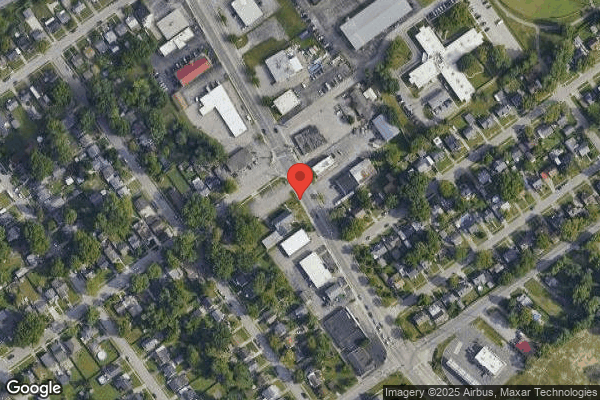
586 EASTERN BLVD, CLARKSVILLE, IN 47129 (812) 282-6663
Government - County 130 Beds AMERICAN SENIOR COMMUNITIES Data: November 2025
Trust Grade
75/100
#181 of 505 in IN
Last Inspection: June 2025

Inspected within the last 6 months. Data reflects current conditions.

Overview

Riverview Village in Clarksville, Indiana, has a Trust Grade of B, indicating it is a good choice overall but not at the top of the scale. It ranks #181 out of 505 facilities in Indiana, placing it in the top half, and #2 out of 7 in Clark County, meaning only one local option is better. The facility's trend is stable, with the same number of issues reported in both 2024 and 2025. Staffing is a weakness, rated at 2 out of 5 stars, but with a turnover rate of 42%, it is better than the state average of 47%. While there have been no fines, which is a positive indicator, there are concerns about care quality. For instance, a resident suffered a head injury due to inadequate safety measures during interactions with another resident displaying escalating behaviors. Additionally, there were issues with cleanliness in some resident rooms, including a resident being found in a disheveled state with food debris and foul odors present. These findings highlight both strengths and weaknesses that families should consider when researching this nursing home.

Trust Score
B
75/100
In Indiana
#181/505
Top 35%
Safety Record
Moderate
Needs review
Inspections
Holding Steady
3 → 3 violations
Staff Stability
○ Average
42% turnover. Near Indiana's 48% average. Typical for the industry.
Penalties
✓ Good
No fines on record. Clean compliance history, better than most Indiana facilities.
Skilled Nurses
○ Average
Each resident gets 33 minutes of Registered Nurse (RN) attention daily — about average for Indiana. RNs are the most trained staff who monitor for health changes.
Violations
⚠ Watch
11 deficiencies on record. Higher than average. Multiple issues found across inspections.
★★★★☆
4.0
Overall Rating
★★☆☆☆
2.0
Staff Levels
★★★★★
5.0
Care Quality
★★★☆☆
3.0
Inspection Score
Stable
2024: 3 issues
2025: 3 issues

The Good

  • 5-Star Quality Measures · Strong clinical quality outcomes
  • Full Sprinkler Coverage · Fire safety systems throughout facility
  • No fines on record
  • Staff turnover below average (42%)

    6 points below Indiana average of 48%

Facility shows strength in quality measures, fire safety.

The Bad

Staff Turnover: 42%

Near Indiana avg (46%)

Typical for the industry

Chain: AMERICAN SENIOR COMMUNITIES

Part of a multi-facility chain

Ask about local staffing decisions and management

The Ugly 11 deficiencies on record

1 actual harm
Jun 2025 1 deficiency
CONCERN (D)

Potential for Harm - no one hurt, but risky conditions existed

Safe Environment (Tag F0921)

Could have caused harm · This affected 1 resident

Based on observation, record review, and interview, the facility failed to ensure a safe and sanitary environment for 2 of 66 resident rooms reviewed for the environment. (Residents 11 and 17). Findi...

Read full inspector narrative →
Based on observation, record review, and interview, the facility failed to ensure a safe and sanitary environment for 2 of 66 resident rooms reviewed for the environment. (Residents 11 and 17). Findings include: 1. During an observation on 6/19/25 at 1:00 p.m., the following was observed: - Resident 17 was sitting on the side of his bed. He was observed to be disheveled and had a strong foul odor. - The bedside nightstand had approximately 15 Styrofoam cups stacked up. - There were 3 garlic bread sticks laying in the bed. The review of the meal menu indicated the last time the facility had served breadsticks was on 6/16/25. - There were 3 bowls of food like substances in each bowl. - The resident's linens and clothes were observed with stains, food debris, and had a foul odor. - There were 3 Styrofoam containers underneath the resident's bed with food stored in them. The resident became upset when the staff tried to open the containers. - The floor had unknown substances that had dried and stained the floor. - The bedside table had a Styrofoam container that contained breakfast food. It also had dried substances and food debris on it. The foul odor from Resident 17's room could be detected in the hallway approximately 15 to 20 feet before getting to the resident's room. The record for Resident 17 was reviewed on 6/20/25 at 1:21 p.m. The resident's diagnoses included, but were not limited to, dementia, obsessive-compulsive disorder, manic episode, severe psychotic symptoms, and a history of a traumatic brain disorder. The care plan, dated 5/28/21 and revised on 8/9/25, indicated Resident 17 could become combative with staff members when they attempted to clean or free his room from old Styrofoam containers or other items that needed to be removed. The resident would also become combative with staff while they attempted personal care, showers, and changing clothes. The resident had a diagnosis of obsessive-compulsive disorder and hoarding and would keep old food or drinks in the room. The interventions included, but were not limited to, the resident would allow staff to keep his room clean and free of trash without injury. Encourage an activity the resident would enjoy, psychiatric admission as needed, administer medications as ordered, aid the resident in calling his family member to encourage him to allow the staff to clean his room, offer a quiet environment, and provide the resident with personal space to calm himself. The Minimum Data Set (MDS) assessment, dated 5/7/25, indicated the resident was rarely or never understood. The resident required moderate assistance with Activities of Daily Living (ADL's). The nurse's note, dated 8/18/24 at 11:00 a.m., indicated the resident hollered, kicked and smacked at the housekeeper when she was cleaning the resident's side of the room. The resident had been re-directed back to his room and educated he could not hit anyone. The Housekeeper manager and Assistant DON (Director of Nursing) was notified. The nurse's note, dated 9/20/24 at 1:30 p.m., indicated the resident threw items at his roommate earlier in the shift, and when the Certified Nurse Aide (CNA) entered the resident's room, she observed water all over the floor from the resident dumping water cups onto the floor and in the trash can. The nurse's note, dated 3/12/25 at 1:44 a.m., indicated the resident was incontinent and soiled himself. The resident attempted to put back on the soiled underwear. Resident 17 became combative when the nurse attempted to aid with incontinence care. 2. During an observation, on 6/18/25 at 9:30 a.m., Resident 11 was sitting in the common area waiting to go out to smoke. The resident looked disheveled, and his clothes were stained and had food debris. The resident had a foul odor. During an observation, on 6/18/25 at 1:00 p.m., the following was observed: - A Styrofoam cup full of urine was sitting on the windowsill. - A Styrofoam cup had a partial sandwich stuffed down inside the cup. - The resident's linens were stained with a brown and pinkish substance and the linens were wet with urine. - The floor had old soggy bread and food debris on it. - The privacy curtain had been stained with a brown substance and had a foul odor. - The room had an overall foul odor, and the odor had drifted out into the hallway approximately 15 to 20 feet. The record for Resident 11 was reviewed on 6/20/25 at 1:21 p.m. The resident's diagnoses included, but were not limited to, dementia, bipolar disorder, and anxiety. The care plan, dated 6/5/19 and revised on 4/15/25, indicated Resident 11 had a history of hoarding items in the drawers in his room including candy, multiple cans of sodas, sugars and creamers. The interventions included, but were not limited to, the resident would allow staff to aid cleaning out his drawers and keeping items necessary, The Quarterly Minimum Data Set (MDS) assessment, dated 4/22/25, indicated the resident was moderately cognitively impaired. The behavior notes, dated 4/29/25 at 9:44 a.m., indicated the resident was throwing feces in the garbage can. The resident often refused care or would not allow staff to clean his room. The resident frequently left cups of urine or dirty briefs throughout the room. During an interview, on 6/18/25 at 1:00 p.m., RN 2 indicated housekeeping would clean the resident's room every day. The resident would hoard food and when staff tried to remove the food he would charge them. The resident refused to take a shower. During a confidential interview, between 6/18/25 and 6/25/25, Staff 100 indicated the resident would get mad and would charge a staff member when they tried to remove anything from his room. They indicated the smell was so bad it could be smelled by the other residents out in the hallways. They indicated the resident would hoard food and keep it in his bed for days or weeks. The room needed deep cleaned, but that had not been done. The room smelled so bad no one wanted to enter the room, and they would not enter without a mask on. During an interview, on 6/18/25 at 2:30 p.m., the Administer indicated she acknowledged the residents' room was a problem. She indicated the odor was infringing on the other residents' rights, but she was unsure how to fix the problem. During an interview, on 6/24/25 at 10:48 a.m., the Housekeeping Supervisor indicated some of the housekeepers were intimated by the resident and it was difficult for them to clean the resident's room. The residents' rooms were to be cleaned daily. The rooms were divided up and different rooms should be deep cleaned daily. 3.1-19(f)
Mar 2025 2 deficiencies 1 Harm
SERIOUS (G) 📢 Someone Reported This

A family member, employee, or ombudsman was alarmed enough to file a formal complaint

Actual Harm - a resident was hurt due to facility failures

Deficiency F0744 (Tag F0744)

A resident was harmed · This affected 1 resident

Based on interview and record review, the facility failed to ensure the safety of a resident (Resident C), upon return from the hospital, from a resident (Resident D) with escalating behaviors, which ...

Read full inspector narrative →
Based on interview and record review, the facility failed to ensure the safety of a resident (Resident C), upon return from the hospital, from a resident (Resident D) with escalating behaviors, which resulted in Resident C's head injury/concussion without loss of consciousness for 2 of 4 residents reviewed for dementia care. Findings include: 1. The clinical record for Resident D was reviewed on 3/3/25 at 11:15 a.m. The resident's diagnoses included, but were not limited to, dementia with other behavioral disturbance, anxiety, depression, and vascular dementia with agitation. The Behavior Note, dated 10/7/24 at 9:08 p.m., indicated the resident repeatedly attempted to enter the nurse's station. The resident kicked the doors, tried to hit the nurse and asked staff to fight. The interventions were not effective, and the resident would be referred to the psychiatrist. The Behavior Note, dated 10/17/24 at 6:15 a.m., indicated the resident was in the middle of the hall screaming. The staff attempted to help, and the resident threatened to hit staff members. The Progress Note, dated 10/21/24 at 6:52 p.m., indicated the resident had grabbed a butter knife off the table. A staff member asked for the knife and the resident refused to give the knife back. A second staff member asked the resident for the knife because the resident held the knife like he was going to stab someone with it. The nurse attempted to get the knife, and the resident tried to stab the nurse with the knife. The nurse was able to retrieve the knife and calm the resident. The resident was reassured that he was not in harm's way. The resident insisted that he would die and not make it until the morning. On 10/25/24, the resident was seen by the facility nurse practitioner with a new order for risperidone (antipsychotic) 0.25 mg (milligrams) twice daily for physical aggression and agitation. The Behavior Note, dated 10/28/24 at 9:07 p.m., indicated the patient screamed at the nurse and attempted to hit the nurse in the face. The nurse explained to the resident the treatment orders for bandage changes to his right upper extremity. The resident appeared to become more agitated which resulted in his attempt to hit the nurse in the face. The Behavior Note, dated 10/29/24 at 12:28 a.m., indicated the resident had moved the trash can, a walker and a wheelchair in front of the room door, which blocked staff from entering the room. A staff member was able to get into the room through an adjoining bathroom. When asked if everything was ok, the resident responded no and that someone was trying to kill him. The resident was unable to be re-directed and continued to place more things in front of the door to hinder staff entrance. The Care Plan, dated 10/29/24, Indicated the resident may experience paranoia thoughts such as someone trying to kill me. Resident will place personal items such as wheelchair, trash can and walker in front of the door which doesn't allow staff to enter. Resident takes an ordered antipsychotic. The interventions included, but were not limited to, offer snack or drink, resident to see in house psych provider, and staff to ensure residents' room door remained open when not providing care. The Behavior Note, dated 10/29/24 at 12:43 p.m., indicated the resident was found in another resident's room with a plunger in his hand. A staff member attempted to assist the resident back in a chair but the resident became agitated. When other staff members came to assist, the resident became combative and hit a staff member with the plunger. The resident kept swinging the plunger in the air trying to hit everybody with it. The Progress Note, dated 10/30/24 at 1:04 a.m., indicated a staff member found the resident in the bathroom naked with the shower on. The resident was spraying himself outside the shower. The staff member assisted the resident to put new clothes on. The resident appeared very restless and was unable to sleep for more than a few minutes before he was back up. The resident was currently sitting on his roommate's bed, with the bed in the lowest position, and call light in reach. The Psychiatric Nurse Practitioner Note, dated 10/30/24 at 7:38 a.m., indicated the resident was previously started on Risperdal to assist with agitation and paranoia. A new order for Zoloft (antidepressant) 25 mg daily to improve agitation and mood. On 10/30/24 at 5:23 p.m., Resident D's roommate, Resident C, readmitted to the facility from the hospital. The Progress Note, dated 10/30/24 at 10:20 p.m., indicated the nurse heard Resident C yell for help. The nurse tried to enter the resident's room; however, the resident's room door was blocked by a wheelchair. The nurse gained access to the room from the room next door through the shared bathroom. When the nurse walked in the room, Resident D was standing over Resident C and stated, where is my apology? You are trying to kill me! Resident D had a wheelchair foot pedal in his hand hitting Resident C with it. The nurse intervened and immediately removed the wheelchair foot pedal from Resident D. The clinical record lacked documentation of increased safety measures or interventions to ensure Resident D's escalating behaviors were closely monitored upon his roommate's return. During an interview on 3/3/25 at 11:45 a.m., the Director of Nursing indicated on 10/29/24, a care plan was implemented for paranoia with interventions of snack, vital signs, psych to see and ensure room door when not providing care. They did not implement one on one- or 15-minute checks when Resident D's roommate readmitted due to Resident D's behaviors were towards staff. Resident D had not had any negative interaction with any resident. On 3/4/25 at 11:52 p.m., the Executive Director indicated the facility did not have a policy on dementia care, but provided a document titled Behavior Management dated 8/2022. It included, but was not limited to, It is the policy .to provide behavior interventions for residents with problematic or distressing behaviors .Care plans should be initiated for any behavioral expression .Care plan interventions should include individualized and non-pharmacological interventions which address both proactive and responsive interventions 2. The clinical record for Resident C was reviewed on 3/3/25 at 11:37 a.m. The resident's diagnosis included, but was not limited to, dementia with mood disturbance. The Progress Note, dated 10/30/24 at 5:23 p.m., indicated Resident C had returned from the hospital. The Progress Note, dated 10/30/24 at 10:20 p.m., indicated the nurse heard Resident C yell for help. Resident D had a wheelchair foot pedal in his hand hitting Resident C. The nurse assessed Resident C and the resident was bleeding heavily from different spots on his head. The nurse called emergency medical services immediately and Resident C was sent to the emergency department for evaluation. The clinical record lacked documentation of increased safety measures or interventions to ensure the safety of Resident C upon readmission from his roommate's (Resident D) escalated behaviors. The Emergency Department Note, dated 10/31/24 at 12:56 a.m., included, but was not limited to, the patient presented with a head injury. The patient was attached by another resident and hit repeatedly in the head with a wheelchair pedal .Diagnosis .Concussion without loss of consciousness The Past noncompliance began on 10/30/24 at 10:20 p.m. The deficient practice was corrected by 11/10/24 after the facility implemented a systemic plan that included the following actions: The interdisciplinary team was educated on identifying and responding to high risk behaviors (11/5/24); All residents were interviewed to assess for abuse and head to toe skin assessments were completed on non-interviewable residents (11/5/24); All staff were educated on Recognizing and Responding to Behaviors and approaches and interventions to respond to behaviors (11/10/24). 3.1-37
CONCERN (D) 📢 Someone Reported This

A family member, employee, or ombudsman was alarmed enough to file a formal complaint

Potential for Harm - no one hurt, but risky conditions existed

Medical Records (Tag F0842)

Could have caused harm · This affected 1 resident

Based on observation, interview and record review, the facility failed to ensure a resident's (Resident F) record accurately reflected the discontinuation of a wanderguard for 1 of 3 residents reviewe...

Read full inspector narrative →
Based on observation, interview and record review, the facility failed to ensure a resident's (Resident F) record accurately reflected the discontinuation of a wanderguard for 1 of 3 residents reviewed for documentation. Findings include: The clinical record for Resident F was reviewed on 3/4/25 at 10:30 a.m. The diagnoses included, but were not limited to, severe dementia with agitation and bipolar. The physician order, dated 12/27/24, indicated the resident had a security bracelet (wanderguard) to the left ankle and to check the placement and function every day shift and night shift. On 3/4/25 at 10:18 a.m., the resident was observed slightly reclined in a broda chair in the dining room. The resident did not have a wanderguard in place. The elopement risk assessment, dated 2/13/25 at 1:45 p.m., indicated the resident resided had a significant change, resided on a secure unit and was not assigned a security bracelet. The progress note, dated 2/14/25 at 10:45 a.m., indicated the interdisciplinary team determined the resident no longer required the use of a wanderguard due to the resident was in a wheelchair and unable to self-propel. Review of the February 2025 and March 2025 treatment administration record indicated between 2/15/25 and 3/4/25, the staff documented the resident had a wanderguard in place and the wanderguard was functioning properly. During an interview on 3/4/25 at 11:21 a.m., the Executive Director indicated the staff were made aware of the discontinuation of the wanderguard and should have discontinued the order. During an interview on 3/4/25 at 11:59 a.m., the Director of Nursing indicated the only policy they had on wanderguards was in the elopement policy. 3.1-50(a)(2)
Aug 2024 1 deficiency
CONCERN (D) 📢 Someone Reported This

A family member, employee, or ombudsman was alarmed enough to file a formal complaint

Potential for Harm - no one hurt, but risky conditions existed

Deficiency F0760 (Tag F0760)

Could have caused harm · This affected 1 resident

Based on interview and record review, the facility failed to prevent a significant medication error related to insulin administration for 1 of 3 residents reviewed for medication administration. (Resi...

Read full inspector narrative →
Based on interview and record review, the facility failed to prevent a significant medication error related to insulin administration for 1 of 3 residents reviewed for medication administration. (Resident B) Findings include: The clinical record for Resident B was reviewed on 8/27/24 at 10:08 a.m. The resident's diagnosis included, but was not limited to, diabetes with hyperglycemia. The care plan, dated 7/24/24, indicated the resident was at risk for hyperglycemia and to administer medication as ordered. The physician's order, dated 7/23/24, indicated the resident was to receive insulin degludec (ultralong-acting insulin) 50 units, subcutaneously every morning at 6:30 a.m. The physician was to be notified of a blood sugar less than 60 or greater than 400. The July 2024 medication administration record indicated on 7/24/24 at 6:30 a.m., Resident B's blood sugar was 390. The July 2024 medication administration lacked documentation that the insulin was administered as ordered by the physician. A notation was documented by RN (Registered Nurse) 4 that the drug item was not available, the resident was new and the medication dose was unavailable. Review of the pharmacy shipment delivery indicated Resident B's insulin arrived at the facility on 7/24/24 at 7:19 a.m. During an interview on 8/27/24 at 10:38 a.m., RN 4 indicated on 7/24/24, the resident's insulin had not arrived at that time and the dosage needed was not in the omnicell (emergency drug kit). She reported to the oncoming nurse, RN 3, the residents blood sugar and RN 3 was going to give the insulin upon arrival. During an interview on 8/27/24 at 10:45 a.m., RN 3 indicated she did not give the insulin because she was not aware that Resident B did not receive his insulin since the blood sugar checks were completed on night shift. During an interview on 8/27/24 at 3:16 a.m., the DON (Director of Nursing) indicated the insulin should have been administered upon arrival to the facility at 7:19 a.m. On 8/27/24 at 2:20 p.m., the DON provided a current copy of the document titled Medication Errors dated 11/02. It included, but was not limited to, Policy .It is the policy of this provider to ensure residents residing in the facility are free of mediation errors . This Citation relates to Complaint IN00440394 3.1-48(c)(1)
Jun 2024 2 deficiencies
CONCERN (D)

Potential for Harm - no one hurt, but risky conditions existed

Quality of Care (Tag F0684)

Could have caused harm · This affected 1 resident

Based on observation, record review, and interview, the facility failed to ensure the nursing staff followed procedure during 2 of 3 observations of the administration of insulin related to Quality of...

Read full inspector narrative →
Based on observation, record review, and interview, the facility failed to ensure the nursing staff followed procedure during 2 of 3 observations of the administration of insulin related to Quality of Care. (Residents 6 and 18) Findings include: 1. During an observation on 6/12/24 at 10:45 a.m., LPN (Licensed Practical Nurse) 3 prepared the lispro flexpen for administration to Resident 6 by applying the needle. The LPN failed to prime the needle prior to dialing the prescribed dosage of lispro. The LPN dialed the flexpen to 10 units and entered the resident's room and administered the insulin into the resident's abdomen. The LPN indicated the resident's blood sugar was 155 mg/dL (milligrams per deciliter). The record for Resident 6 was reviewed on 6/13/24 at 8:40 a.m. The diagnosis included, but was not limited to, type 2 diabetes mellitus. The physician's order, dated 5/17/23, indicated the staff were to administer 10 units of the lispro flexpen to the resident subcutaneously, three times a day. The Annual MDS (Minimum Data Set) assessment, dated 4/9/24, indicated the resident was cognitively intact. She received 7 injections of insulin in the last 7 days prior to the assessment. The June MAR (Medication Administration Record) indicated the resident had received the lispro three times daily. 2. During an observation on 6/12/24 at 10:46 a.m., LPN 3 prepared the Admelog flexpen for administration to the resident by applying the needle. The LPN dialed the flexpen to 25 units and entered the resident's room and administered the insulin into the resident's abdomen. The LPN failed to prime the needle prior to dialing the prescribed dose of the insulin. The LPN indicated the resident's blood sugar was 144 mg/dL. The record for Resident 18 was reviewed on 6/13/24 at 8:53 a.m. The diagnosis included, but was not limited to, type 2 diabetes mellitus with diabetic neuropathy. The Quarterly MDS assessment, dated 4/18/24, indicated the resident was cognitively intact. She received 7 injections of insulin in the last 7 days prior to the assessment. The physician's order, dated 5/31/24, indicated staff were to administer 25 units of the Admelog SoloStar flexpen to the resident subcutaneously, three times a day. The June MAR indicated the resident received the Admelog three times daily except for low blood sugar or a change in condition. During an interview on 6/14/24 at 9:35 a.m., LPN 3 indicated that during the administration of an insulin flexpen, she should dial up the insulin and administer the insulin in the location the resident chose. She should prime the needle when she placed the needle on the insulin flexpen. She had not done that prior to dialing up the dose of insulin on 6/12/24. She thought about not having done that after she had completed the insulin administrations. The Insulin Pen Administration procedure, reviewed October 2019, included, but was not limited to, . 9. Pull off and remove outer pen needle protective cap and cover. 10. Prime the pen by dialing 2 units. 11. Push the end of the pen to push out the 2 units. (A small drop of insulin should be visible. If insulin does not appear, repeat). 12. Dial desired insulin dosage to be administrated to resident . 3.1-37(a)
CONCERN (D)

Potential for Harm - no one hurt, but risky conditions existed

Respiratory Care (Tag F0695)

Could have caused harm · This affected 1 resident

Based on observation, record review, and interview, the facility failed to ensure oxygen concentrator filters were placed and maintained for 3 of 9 residents reviewed for respiratory care. (Residents ...

Read full inspector narrative →
Based on observation, record review, and interview, the facility failed to ensure oxygen concentrator filters were placed and maintained for 3 of 9 residents reviewed for respiratory care. (Residents 41,14, and 31) Findings include: 1. During an observation on 6/10/24 at 9:37 a.m., Resident 41's oxygen concentrator filter was 100% lightly covered with a white powdery substance and multiple small chunks of a white substance. During an observation on 6/11/24 at 10:52 a.m., Resident 41's oxygen concentrator filter was 100% lightly covered with a white powdery substance and multiple small chunks of a white substance. The record for Resident 41 was reviewed on 6/12/24 at 11:16 a.m. The diagnoses included, but were not limited to, COPD (chronic obstructive pulmonary disease) and hospice care. The care plan, dated 1/14/21, indicated the resident was at risk for impaired gas exchange related to COPD with shortness of breath while lying flat and at times with physical exertion. The interventions, dated 1/14/21, indicated staff were to administer oxygen as ordered, assess vital signs, and lung sounds as needed, monitor oxygen saturation rates as needed and ordered. The Quarterly MDS (Minimum Data Set) assessment, dated 3/29/24, indicated the resident was severely cognitively impaired. She received oxygen treatments. The care plan, dated 4/11/24 and last revised on 4/26/24, indicated the resident had symptoms of decreased oxygenation related to COPD and wore continuous oxygen. The interventions, dated 4/11/24, included but were not limited to, administer oxygen as ordered, monitor oxygen saturations as ordered, and observe for continued or worsening symptoms of decreased oxygenation. The physician's order, dated 11/26/23, indicated staff were to change the oxygen tubing and humidity, and clean the concentrator and filters on Sundays. The physician's order, dated 11/20/23, indicated staff were to provided oxygen at 2 liters per nasal cannula and to monitor every shift. The nurse's note, dated 7/23/23 at 9:45 a.m., indicated the resident was resting abed with O2 (oxygen) per physician's order with O2 saturation of 98% without any SOA (shortness of air). 2. During an observation on 6/10/24 at 9:18 a.m., Resident 14's bilateral oxygen concentrator filters on the oxygen tank sides were 100% covered with a white powdery substance. A finger test indicated the white powdery substance could be wiped away. During an observation on 6/11/24 at 10:09 a.m., Resident 14's bilateral oxygen concentrator filters were 100% covered with a white powdery substance. RN 4 swiped his finger across the left filter, removing the white powdery substance where his finger swiped. During an interview at this time, RN 4 indicated he didn't even know that oxygen tanks had the filter on both sides like that. The staff should do weekly cleaning of the oxygen concentrator filters. The record for Resident 14 was reviewed on 6/13/24 at 9:21 a.m. The diagnoses included, but were not limited to, COPD (chronic obstructive pulmonary disease) and shortness of breath. The physician's order, dated 3/14/21, indicated staff were to change the oxygen tubing and humidity, and clean the concentrator and filter once a day on Sundays. The nurse's note, dated 12/9/23 at 6:07 p.m., indicated the resident had a nonproductive cough, lung sounds were diminished, but CTA (clear to auscultation). The O2 saturation was 97-98% on O2 per order per NC (nasal cannula). The nurse's note, dated 12/10/23 at 12:40 p.m., indicated the resident's O2 was at 2 liters per NC, continuously with saturations in the high 90's. The lungs had rhonchi of the upper lobes bilaterally and diminished at the bases with no signs or symptoms of respiratory distress at 17 breaths per minute. The care plan, dated 2/5/24 and last revised on 5/23/24, indicated the resident had symptoms of decreased oxygenation related to COPD and utilized 2 liters of oxygen continuously. The interventions, dated 2/5/24, included but were not limited to, administer oxygen as ordered, monitor oxygen saturations as ordered, and observe for continued or worsening symptoms of decreased oxygenation. On 4/15/24 the resident preferred no humidification on her O2 (oxygen). The physician's order, dated 4/25/24, indicated staff were to provide oxygen to the resident at 2 liters per nasal cannula continuously, twice daily. The Quarterly MDS assessment, dated 5/6/24, indicated the resident was cognitively intact. The resident received continuous oxygen treatments. During an interview on 6/11/24 at 10:18 a.m., RN 4 indicated the oxygen concentrator filters should be cleaned. The staff may not have known the filters were there to clean. During an interview on 6/14/24 at 9:28 a.m., LPN (Licensed Practical Nurse) 5 indicated the resident had no issues with breathing, other than just having COPD. They were not allowed to spray aerosols in the resident's room 3. During an observation on 6/10/24 at 9:17 a.m., Resident 31's oxygen concentrator had no filter to the back of the oxygen tank. A slight amount of dust was visible in the louvers. During an observation on 6/11/24 at 8:29 a.m., Resident 31's oxygen concentrator still had no filter. During an observation on 6/11/24 at 10:11 a.m., Resident 31's oxygen concentrator still had no filter. At this time, RN 4 indicated he would have to get on that to obtain a filter for the tank. It may have fallen off and housekeeping swept it up, not knowing what it was. The record for Resident 31 was reviewed on 6/13/24 at 9:33 a.m. The diagnoses included, but were not limited to, COPD, dependence on supplemental oxygen, and seasonal allergic rhinitis. The physician's order, dated 3/1/23, indicated staff were to change the oxygen tubing, humidity and clean the concentrator and filters on Sundays. The physician's order, dated 5/1/23, indicated staff were to administer oxygen at 2 liters per nasal cannula to the resident. The Quarterly MDS assessment, dated 2/24/24, indicated the resident was cognitively intact. The resident received oxygen treatments. The care plan, dated 4/11/24 and last revised on 5/28/24, indicated the resident had symptoms of decreased oxygenation related to COPD and she wore continuous oxygen. The interventions, dated 4/11/24, included but was not limited to, administer oxygen as ordered, monitor oxygen saturations as ordered, and observe the resident for continued or worsening symptoms of decreased oxygenation. On 4/22/24 the resident preferred no humidification on the O2. During an interview on 6/11/24 at 10:22 a.m., the DON (Director of Nursing) indicated cleaning the filter would result in better output of the oxygen and cleaner air. The current Oxygen Concentrator policy included, but was not limited to, . 1) DO NOT operate the oxygen concentrator without the filter or with a dirty filter . Daily Maintenance . 3) Clean the air inlet filter PRN [as needed] and weekly . b. Grasp filter and pull out. c. Wash the filter in warm sudsy water and rinse thoroughly. d. Dry filter by removing excess water with a lint free towel. e. Replace filter and turn the power on. 3.1-47(a)(6)
Jun 2023 2 deficiencies
CONCERN (D) 📢 Someone Reported This

A family member, employee, or ombudsman was alarmed enough to file a formal complaint

Potential for Harm - no one hurt, but risky conditions existed

Pressure Ulcer Prevention (Tag F0686)

Could have caused harm · This affected 1 resident

Based on interview and record review, the facility failed to implement a treatment, upon admission, for a resident (Resident D) with wounds for 1 of 3 residents reviewed for treatment and services for...

Read full inspector narrative →
Based on interview and record review, the facility failed to implement a treatment, upon admission, for a resident (Resident D) with wounds for 1 of 3 residents reviewed for treatment and services for pressure ulcers. Findings include: The clinical record for Resident D was reviewed on 6/26/23 at 12:34 p.m. The diagnoses included, but were not limited to, dislocation of internal right prosthesis and anemia. The admission observation assessment, dated 6/15/23 at 3:30 p.m., indicated the resident had a sacral ulcer which measured 4 cm (centimeters) in length, 4 cm in width with a depth of 0.2 cm; an area to the right calf which measured 4.4 cm in length, 0.6 cm in width with a depth of 0.6 cm; and a smaller area to the right calf which measured 1.5 cm in length, 0.5 cm in width with a depth of 0.6 cm. The physician's order, dated 6/19/23, indicated the gently cleanse the sacral/coccyx area with normal saline, gently pat and cover the area with optifoam daily. The physician's order, dated 6/19/23, indicated to clean the opens areas (both) to the right outer calf, apply medihoney to the wound beds, cover with foam and secure with border gauze daily. The clinical record lacked documentation of the physician's notification of the wound upon admission and the implementation of a treatment until 6/19/23. On 6/27/23 at 12:29 p.m., the Director of Nursing indicated treatment orders for wounds should be implemented upon admission. On 6/27/23 at 10:00 a.m., the Director of Nursing provided a current copy of the document titled Skin Management Program dated 5/2022. It included, but was not limited to, Policy .It is the policy .to ensure that each resident receives care .and a resident with pressure ulcers receives necessary treatment and services, consistent with professional standards of practice, to promote healing, prevent infection and prevent new ulcers from developing .Procedure .Alterations in skin integrity will be reported to the MD/NP .Treatment order will be obtained from MD/NP 3.1-40
CONCERN (D) 📢 Someone Reported This

A family member, employee, or ombudsman was alarmed enough to file a formal complaint

Potential for Harm - no one hurt, but risky conditions existed

Pharmacy Services (Tag F0755)

Could have caused harm · This affected 1 resident

Based on interview and record review, the facility failed to ensure a resident's (Resident C) convulsion medication was received in a timely manner for 1 of 3 residents reviewed for pharmaceutical ser...

Read full inspector narrative →
Based on interview and record review, the facility failed to ensure a resident's (Resident C) convulsion medication was received in a timely manner for 1 of 3 residents reviewed for pharmaceutical services. Findings include: The clinical record for Resident C was reviewed on 6/26/23 at 12:12 p.m. The diagnosis included, but was not limited to, convulsions. The admission order, dated 5/5/23, indicated the resident was to receive Phenobarbital 32.4 mg (milligrams) in the morning between 7:00 a.m. and 11:00 a.m. and in the evening between 7:00 p.m. and 11:00 p.m. Review of the May 2023 medication administration record indicated the resident did not receive the first dose of the medication until 5/7/23 between 7:00 a.m. and 11:00 a.m. On 6/27/23 at 10:00 a.m., the Director of Nursing provided a copy of the pharmacy order timelines. It indicated that medications ordered Monday through Friday by 8:00 p.m. would arrive at the facility the following morning. Review of the pharmacy deliver sheet indicated the medication was shipped on 5/6/23 and received by the facility on 5/7/23 at 1:37 a.m. During an interview 6/27/23 at 1:53 p.m., Pharmacist 6 from the facility pharmacy indicated medications were sent based on cut off times. If a resident was admitted and admission orders faxed to the pharmacy by 6:00 p.m., the medications would be delivered the next day. This Federal tag relates to Complaint IN00410795 3.1-25(g)(2)
Apr 2023 3 deficiencies
CONCERN (D)

Potential for Harm - no one hurt, but risky conditions existed

Notification of Changes (Tag F0580)

Could have caused harm · This affected 1 resident

2. The clinical record for Resident 70 was reviewed on 4/11/23 at 10:49 a.m. The diagnosis included, but was not limited to type 2 diabetes mellitus. The care plan, initiated on 7/25/22 and last revi...

Read full inspector narrative →
2. The clinical record for Resident 70 was reviewed on 4/11/23 at 10:49 a.m. The diagnosis included, but was not limited to type 2 diabetes mellitus. The care plan, initiated on 7/25/22 and last revised 2/26/23, indicated the resident was at risk for adverse effects of hyperglycemia or hypoglycemia related to use of glucose lowering medication and/or diagnosis of diabetes mellitus. The interventions included, but were not limited to document abnormal findings and notify the physician, medications as ordered, and monitor blood sugars as ordered. The physician's order, dated 3/20/23, indicated to administer insulin glargine (Lantus) 100 unit/ml 10 units subcutaneous daily at bedtime. Special instructions indicated to notify the physician if the resident's blood sugar was less than 60 mg/dL or greater than 400 mg/dL. The physician's order, dated 3/21/23 at 8:00 p.m., indicated to administer insulin lispro 100 unit/ml per sliding scale and to notify the physician of blood sugar levels of less than 60 mg/dL or greater than 400 mg/dL. The February 2023 MAR indicated for administration of the resident's 8:00 p.m. dose of sliding scale insulin lispro on 2/8/23, the resident's blood sugar was 498 mg/dL. The supplemental documentation on the MAR for physician notification indicated the physician was not notified. The April 2023 MAR for the resident's Lantus 10 units at bedtime order lacked documentation of administration on April 8 and 9, 2023. The April 2023 MAR for the resident's sliding scale insulin lispro indicated the following: - On 4/6/23 the 6:30 a.m. dose was not documented as administered. There was no documentation to indicate why the medication was not administered. - On 4/8/23 the 8:00 p.m. dose was not documented as administered. There was no documentation to indicate why the medication was not administered. - On 4/9/23 the 8:00 p.m. dose was not documented as administered. There was no documentation to indicate why the medication was not administered. - On 4/10/23 the 6:30 a.m. dose was not documented as administered. There was no documentation to indicate why the medication was not administered. - On 4/12/23 for the 4:00 p.m. dose, the resident's blood sugar was 462 mg/dL. The documentation indicated the physician was not notified. - On 4/13/23 for the 8:00 p.m. dose the resident's blood sugar was 420 mg/dL. The documentation indicated the physician was not notified. During an interview on 4/17/23 at 9:00 a.m., RN 6 indicated the resident received insulin at least four times daily. He used a sliding scale. They checked blood sugars when they did that. He got Lantus at night and lispro three times daily. He had parameters on his blood sugars. Staff were to call the NP (Nurse Practitioner) if the resident's blood sugar was over 400 mg/dL. They would document that on the MAR and they could also do a progress note. He had been known to refuse. He could not locate documentation of a reason for the holes in the resident's MAR. There were no comments on the documentation. The holes in the MAR without comments would indicate that the administration was missed. If the resident refused, he would expect to see the physician was notified. The N on the MAR would indicate the physician was not notified of the blood sugar level. When it was outside the parameters the MAR should indicate yes, the physician was notified. The Blood Glucose Monitoring policy, last revised 2/2015, provided on 4/14/23 at 11:11 a.m. by the Director of Nursing, included but was not limited to, . Procedure . Residents who have a physician's order specifying the blood glucose parameters requiring physician's notification . The physician will be notified when the resident's blood glucose is outside the physician stated parameters . Blood glucose results will be documented on the Capillary Blood Glucose Monitoring Tool or in the medication administration record . 3.1-5(a)(2) Based on observation, record review, and interview, the facility failed to ensure appropriate notification to the physician for elevated blood sugar values, administration of insulin and performance of blood glucose monitoring for 2 of 3 residents reviewed for notification of change. (Residents 4 and 70) Findings include: 1. The clinical record for Resident 4 was reviewed on 4/14/23 at 9:31 a.m. The diagnosis included, but was not limited to type 2 diabetes mellitus. The care plan, dated 1/29/16 and last revised on 3/26/23, indicated the resident was at risk for adverse effects of hyperglycemia or hypoglycemia related to the use of glucose lowering medication and the diagnosis of diabetes mellitus. The interventions, dated 1/29/16, indicated to document abnormal findings and notify the MD (medical doctor), and monitor blood sugars as ordered. The physician's order, dated 2/26/21, indicated to conduct an accu (accurate) check (blood glucose monitoring test) as needed for signs or symptoms of hyperglycemia or hypoglycemia. Notify the MD if the blood sugar was less than 70 mg/dL (milligrams per deciliter) or greater than 400 mg/dL as needed. The Quarterly MDS (Minimum Data Set) assessment, dated 12/27/21, indicated the resident was moderately cognitively impaired. The physician's order, dated 1/27/22, indicated to conduct an accu check four times daily. Notify the MD if the accu check was below 70 mg/dL or greater than 400 mg/dL. The physician's order, dated 1/27/22, indicated to administer 10 units of lispro subcutaneously three times daily. The May 2022 Diabetic Administration History report indicated the following: - On 5/3/22 the resident's blood sugar reading was not obtained at 8:00 p.m. There was no documentation to indicate why the blood sugar was not obtained. - On 5/15/22 at 7:28 p.m., the resident's blood sugar reading indicated 422 mg/dL. The documentation indicated the physician was not notified. - On 5/27/22 the blood sugar was not obtained at 8:00 p.m. The 45 units of Lantus was not documented as administered. There was no documentation to indicate why the medication was not administered. The physician's order, dated 5/23/22, indicated to administer 45 units of Lantus subcutaneously at bedtime. The June 2022 Diabetic Administration History report indicated on 6/10/22 the resident's blood sugar reading was not obtained at 6:30 a.m. and the 10 units of lispro was not documented as administered. The clinical record lacked documentation of why the blood sugar was not obtained and the medication was not given. The August 2022 Diabetic Administration History report indicated on 7/11/22 the resident's blood sugar reading was not obtained at 8:00 p.m. and the 45 units of Lantus was not documented as administered. The clinical record lacked documentation of why the blood sugar was not obtained and the medication was not given. The October 2022 Diabetic Administration History report indicated the following: - On 10/6/22 the 10 units of lispro was not documented as administered at 6:30 a.m. There was no documentation to indicate why the medication was not administered. - On 10/26/22 the resident's blood sugar reading was not obtained at 6:30 a.m. The 10 units of lispro was not documented as administered. There was no documentation to indicate why the blood sugar was not obtained or the medication was not administered. - On 10/27/22 the 10 units of lispro was not documented as administered at 6:30 a.m. There was no documentation to indicate why the medication was not administered. The nurse's note, dated 11/21/22 at 2:26 p.m., indicated an order to increase the resident's Lantus to 48 units subcutaneously at bedtime. The November 2022 Diabetic Administration History report indicated the following: - On 11/28/22 the resident's blood sugar reading was not obtained at 6:30 a.m. The 10 units of lispro was not documented as administered. There was no documentation to indicate why the blood sugar was not obtained or the medication was not administered. - On 11/30/22 the 10 units of lispro was not documented as administered at 6:30 a.m. There was no documentation to indicate why the medication was not administered. The physician's order, dated 12/15/22, indicated to administer 48 units of Lantus subcutaneously at bedtime. Notify the MD if the blood sugar was less than 60 mg/dL or greater than 400 mg/dL. The January 2023 Diabetic Administration History report indicated the following: On 1/26/23 the blood sugar reading was not obtained at 8:00 p.m. The 48 units of Lantus was not documented as administered at 8:00 p.m. There was no documentation to indicate why the blood sugar was not obtained or the medication was not administered. On 1/30/23 the 10 units of lispro was not documented as administered at 6:30 a.m. There was no documentation to indicate why the medication was not administered. The February 2023 Diabetic Administration History report indicated the following: - On 2/8/23 the 10 units of lispro was not documented as administered at 6:30 a.m. There was no documentation to indicate why the medication was not administered. - On 2/20/23 the blood sugar was not obtained at 6:30 a.m. The 10 units of lispro was not documented as administered at 6:30 a.m. There was no documentation to indicate why the blood sugar was not obtained or the medication was not administered. - On 2/27/23 indicated the 10 units of lispro was not documented as administered at 6:30 a.m. There was no documentation to indicate why the medication was not administered. - On 2/28/23 indicated the blood sugar was not obtained at 4:00 p.m. The 10 units of lispro was not administered at 4:00 p.m. There was no documentation to indicate why the blood sugar was not obtained or the medication was not administered. - On 2/28/23 indicated the blood sugar was not obtained at 4:00 p.m. The 10 units of lispro was not documented as administered at 4:00 p.m. There was no documentation to indicate why the blood sugar was not obtained or the medication was not administered. The April 2023 Diabetic Administration History report indicated the following: - On 4/1/23 at 10:48 a.m., the blood sugar reading indicated HIGH. There was not documentation of physician notification. - On 4/9/23 the blood sugar was not obtained at 6:30 a.m. The 10 units of lispro was not documented as administered at 6:30 a.m. There was no documentation to indicate why the blood sugar was not obtained or the medication was not administered. During an interview on 4/17/23 at 8:52 a.m., LPN (Licensed Practical Nurse) 3 indicated the resident was good about letting them check her blood sugar and administer her insulin. The parameters when obtaining a blood sugar were to contact the MD if her blood sugar was below 70 mg/dL or above 400 mg/dL. During an interview on 4/17/23 at 10:11 a.m., RN 1 indicated if the MAR (Medication Administration Record) was left blank, that could have meant they forgot to chart.
CONCERN (D)

Potential for Harm - no one hurt, but risky conditions existed

Pressure Ulcer Prevention (Tag F0686)

Could have caused harm · This affected 1 resident

Based on observation, record review, and interview, the facility failed to ensure accurate skin assessments for residents with pressure injuries were conducted for 2 of 3 resident's reviewed for press...

Read full inspector narrative →
Based on observation, record review, and interview, the facility failed to ensure accurate skin assessments for residents with pressure injuries were conducted for 2 of 3 resident's reviewed for pressure ulcers. (Residents 74 and 37) 1. The clinical record for Resident 74 was reviewed on 4/12/23 at 10:00 a.m. The diagnoses included, but were not limited to, acute osteomyelitis right ankle, foot, and heel, peripheral autonomic neuropathy, muscle weakness, abnormalities of gait and mobility, folate deficiency anemia, vitamin B12 deficiency anemia, and vitamin D deficiency. The admission Observation, dated 11/6/22 at 5:21 p.m., indicated the resident had no alterations in skin. The nurse's note, dated 11/6/22 at 6:00 p.m., indicated the resident admitted to the facility at 1:50 p.m. The only skin impairments documented were a surgical incision to the right hip, multiple healed scratches, bruises to all four extremities, and redness to the right heel. The Braden Scale for Predicting Pressure Sore Risk, dated 11/6/22, indicated the resident had no sensory impairment, was rarely moist, walked occasionally, was slightly limited in mobility, had excellent nutrition, had no apparent problem with friction and shear, and was scored as 21 points which equated to the resident not being at risk for pressure ulcers and indicated there were no interventions necessary at the time. The care plan, initiated on 11/7/22 and last revised on 4/3/23, indicated the resident was admitted with an unstageable to the right heel and a left heel calloused area that was re-identified as an unstageable pressure ulcer identified on 1/30/23. The interventions included, but were not limited to, assess for pain, assess wound weekly documenting measurements and description. The care plan, initiated on 11/7/22 and last revised on 3/1/23, indicated the resident was at risk for skin breakdown due to needing assistance with transfers and bed mobility. The interventions included, but were not limited to, assess and document skin condition weekly and as needed, notify MD (Medical Doctor) of abnormal findings. The IDT (Interdisciplinary Team) note, dated 11/7/22 at 2:25 p.m., indicated the resident had an unstageable ulcer to his right heel. The resident reported he developed the wound at the hospital. The wound observation, dated 11/7/22 at 1:03 p.m., indicated the wound to the resident's right heel measured 8 cm (centimeters) in length by 8 cm in width. The wound was 100% (percent) slough and/or eschar. The admission MDS (Minimum Data Set) Assessment, dated 11/12/22 indicated the resident was cognitively intact, required extensive assistance of 2 staff with bed mobility and transfers, and had one unstageable pressure ulcer which was present on admission. The Weekly skin assessment, dated 11/12/22, indicated the resident's bilateral feet were warm and dry with intact skin, and he had reddened or discolored areas. The assessment indicated the resident did not have any areas of skin integrity alteration. The skin assessment indicated if the resident had an open area to assess if they had pain at the site. The documentation indicated, NA (not applicable). The Weekly skin assessment, dated 11/18/22, indicated the resident's bilateral feet were warm and dry with intact skin, and he had reddened or discolored areas. The assessment indicated the resident did not have any current areas of skin integrity alteration. The skin assessment indicated if the resident had an open area to assess if they had pain at the site. The documentation indicated, NA. The IDT note, dated 11/22/22 at 4:03 p.m., indicated the resident had a new wound/skin injury which was a callus to the left heel. The area resulted from the resident using his foot to reposition himself in the bed and his foot frequently slipped created a callus to his left heel. The new intervention would be to continue to float the resident's heels, remind him to use his bed rails to help him reposition, and treatment with betadine. The Weekly Skin assessment, dated 11/26/22, indicated the resident's bilateral feet were warm and dry with intact skin, and he had no reddened or discolored areas. Under the discolorations/rashes section, the assessment indicated the resident had an unstageable r [right] heel, callous to left heel. The skin assessment indicated if the resident had an open area to assess if they had pain at the site. The documentation indicated, NA. The Weekly Skin assessment, dated 12/3/22, indicated the resident had no current areas of skin impairment. The resident's bilateral feet were warm and dry with intact skin, and he had reddened or discolored areas. The nurse's note, dated 12/9/22 at 4:39 a.m., indicated the resident had a small open area on his coccyx with pain. He also had excoriation in the same area. Barrier cream and a dry dressing were applied. All parties were notified. The Weekly Skin assessment, dated 12/10/22, indicated the resident's bilateral feet were warm and dry with intact skin, and he had reddened or discolored areas. The clinical record lacked documentation of any new skin events or wound measurements of this area. The nurse's note, dated 12/10/22 at 4:45 a.m., indicated the resident continued with an open area to his coccyx, the unstageable to his right heel, and a thick callus to the right heel. The Weekly Wound assessment of the right heel, dated 12/23/22 at 2:11 p.m., indicated the wound measured 2 cm (centimeters) in length by 3 cm in width, with no depth and no exudate. The wound was 100% necrotic tissue. The resident was non-compliant with shoe selection and was instructed again to get diabetic shoes or backless shoes. The resident had the shoes ordered but was unsure of the arrival date. He was instructed that slipper socks were acceptable until they arrived. The IDT note, dated 12/23/22 at 2:51 p.m., indicated the resident's redness to his sacrum was healed and the treatment was discontinued. The weekly skin assessment, dated 12/23/22, indicated the resident's bilateral feet were warm and dry with intact skin, and he had reddened or discolored areas. The wound assessment of the right heel, dated 12/30/22 at 9:21 p.m., indicated the wound measured 4.5 cm in length, 3.5 cm in width, with no depth, light bloody exudate, and 100% necrotic tissue. The weekly skin assessment, dated 1/13/23, indicated indicated the resident's bilateral feet were warm and dry with intact skin, and he had no reddened or discolored areas. The skin assessment indicated if the resident had an open area to assess if they had pain at the site. The documentation indicated, NA. The weekly skin assessment, dated 1/20/23, indicated the resident's bilateral feet were warm and dry with intact skin, and he had no reddened or discolored areas. The wound assessment of the left heel, dated 1/30/23 at 4:20 p.m., indicated the wound measured 3 cm in length, 2 cm in width, and was reclassified as an unstageable pressure ulcer due to 100% necrotic tissue. During an interview on 4/10/23 at 1:20 p.m., Resident 74 indicated he had pressure ulcers to his bilateral heels. The right heel he had admitted with, the left heel had developed in the facility. He had used a heel lift pillow since admission, he could turn and reposition himself, and they used pillows to elevate his heels, his foot would slip during the night. The facility was ordering L'nard splints for him. The wounds were improving and he saw wound care. During an interview on 4/14/23 at 9:34 a.m., RN 1 indicated the resident had admitted with a pressure injury to the right foot. The left foot had started as a callous because he was pushing it into the bed to reposition himself. He was initially very reluctant to care. During an observation of wound care for Resident 74, on 4/14/23 at 10:46 a.m., RN 1 removed the resident's dressings to his bilateral heels.The left heel had an open area which was quarter sized. There was a brown eschar cap to the center of the wound which was surrounded by pink granulation tissue. The right heel was fully granulating with minimal serous drainage and no necrotic tissue. During an interview on 4/14/23 at 12:08 p.m., the DON (Director of Nursing) indicated when a resident arrived to the facility the nurse should go in and look at all of their skin. They would then put what they find in the notes or the assessment. They should document weekly skin assessments and those should reflect if they have a wound, and document any pain to the wound and what preventative measures were in place. During an interview on 4/17/23 at 12:03 p.m., RN 6 indicated he did not recall admitting the resident. He could not recall if the resident had a pressure ulcer or not. For new admissions, he did his best to go from head to toe. He did physically look at their skin from head to toe. He would document any impairments in the progress notes. They didn't put it on the admission observations. It was just something he missed. He indicated he would mark, the admission assessment as no for impairments even if they had impairments because it would throw off the system, so he would document it in the progress notes. On the admission progress note if it was unstageable it would say the unstageable was present with the estimated size. The wound nurse would follow up on the nursing note. He did do weekly skin assessments. If a resident had an open area he would indicate it on the weekly skin assessments. He would document any pain and he would document the resident had bilateral heel unstageable ulcers. During an interview on 4/17/23 at 12:12 p.m., RN 1 indicated nurses did the initial skin assessment. It's supposed to be documented under the initial observation, but sometimes they put it in a note. If they marked it as no they needed to put a note in. He would have like to have seen more on his note or observation. The impairments should be on assessment the skin assessment. He would never have told someone to mark it as no. On the weekly skin impairments they should mark old impairments. During an interview on 4/17/23 at 12:22 p.m., the DON indicated they had not ever informed nursing staff to not accurately complete the admission observation and it should reflect open areas. She wanted nurses to document that an area was there, and she would not expect them to stage it but she would like measurements. She felt the nurses lacked confidence documenting it and indicated they might be afraid to mess it up. 2. The clinical record for Resident 37 was reviewed on 4/12/23 at 10:12 a.m. The diagnoses included, but were not limited to, sepsis, urinary tract infection, type 2 diabetes mellitus with hypoglycemia without coma, dementia, and reduced mobility. The admission MDS assessment, dated 2/8/23, indicated the resident was severely cognitively impaired. The physician orders, dated 4/11/23, indicated encourage the resident to turn and reposition q (every) 2 hours and gently cleanse the open area on the coccyx, pat dry and place an Opti foam dressing over the open area of the coccyx. The care plan, dated 4/11/23, indicated Resident 37 had impaired skin integrity due to risks that included slightly impaired sensory perception with the risk for friction or sheering, occasional moist skin, needs assistance with significant position changes, and chair fast status. Interventions included but were not limited to assess the wound weekly and document measurements and description. The wound care note, dated 4/11/23 at 1:09 p.m., indicated, the resident had a wound to the left second toe, which measured 0.4 cm in length by 0.2 cm in width. The resident also had a stage 2 pressure ulcer to the coccyx measuring 0.4 cm in length and width. The IDT note, dated 4/11/23 at 12:54 p.m., indicated the resident had 2 new areas the skin. One was a small skin tear to the left second toe, and stage 2 pressure area to the coccyx. The Weekly Skin assessment, dated 4/11/23 at 6:47 p.m., indicated the resident had no open areas of skin impairment. During an interview on 4/14/23 at 9:00 a.m., RN 1 indicated prevention included turn and reposition every 2 hours and as needed, float heels, weekly skin assessments, low air loss mattress, treatment as ordered by the physician, a cushion in her wheelchair, and monitor for worsening or signs and symptoms of infection. During an interview on 4/14/23 at 11:37 a.m., LPN (Licensed Practical Nurse) 2 indicated the residents had a weekly skin assessment. She would do a head-to-toe assessment for any skin impairments. Whatever impairment was observed she would document it in the observation section of the clinical record. If the nurse was doing the weekly skin assessment and looking at her resident, and there was a pressure wound, she would document in the weekly skin assessment section that the resident had a wound. During an interview on 4/14/23 at 12:20 p.m., the DON indicated when a skin impairment was observed, such as a pressure wound the nurse, would open a new skin event, inform the IDT team, wound management, family and the doctor. The skin impairment should have been added to the resident's weekly assessment when the nurse did the assessment. The skin impairment would be documented on the weekly skin assessment until the wound was healed. The Skin Management Program policy, dated 3/2010 and last revised on 5/2022, provided on 4/14/23 at 11:11 a.m., by the Executive Director, included, but was not limited to, . 1. All residents will be assessed at admission using a skin risk (Braden) assessment to determine risk for pressure ulcer/injury with initiation of a plan of care. 2. The admission skin assessment will include but not limited to: Head-to-toe skin assessment . Skin alterations present on admission, skin discoloration and any evidence of scarring on pressure points . 6. Any skin alteration noted by direct care givers during daily care and or shower days must be reported to the licensed nurse for further assessment, to include but not limited to bruises, open areas, redness, skin tears, blisters, and rashes. The licensed nurse is responsible for assessing all skin alterations by the direst caregivers on the shift reported . Facility skin sweeps (head-to-toe assessments) are conducted monthly to assess all residents' current skin condition and to ensure appropriate preventative measures are in place . 3. All alterations in skin integrity will be documented on the admission observation in the medical record on the admission observation (new admitted and readmitted residents). 4. All newly identified areas after admission will be documented on the New Skin Event . 3.1-40(a)(1)
CONCERN (D)

Potential for Harm - no one hurt, but risky conditions existed

Food Safety (Tag F0812)

Could have caused harm · This affected 1 resident

Based on observation and interview, the facility failed to ensure employees provided meal service in a safe and sanitary manner for handling of food while serving meals in the Cottage Unit Dining Room...

Read full inspector narrative →
Based on observation and interview, the facility failed to ensure employees provided meal service in a safe and sanitary manner for handling of food while serving meals in the Cottage Unit Dining Room for 1 of 4 staff observed. (CNA 4) Findings include: During the lunch meal service in the Cottage Unit Dining Room on 4/10/23 at 11:20 a.m., CNA (Certified Nurse Aide) 4 was delivering a meal to Resident 36. She picked up the top bun for the fish sandwich with her bare hands and added tartar sauce. She placed the bun on top of the fish with her bare hand, mashing down on the bun with her palm. During the lunch meal service in the Cottage Unit Dining Room on 4/10/23 at 11:30 a.m., CNA 4 delivered a meal to Resident 53. She picked up the top bun of the fish sandwich with her bare hand, laying it in the plate. She applied the tartar sauce to the fish and placed the bun on top of the fish, using her bare hand. During an interview on 4/13/23 at 1:26 p.m., CNA 4 indicated she would perform hand washing prior to the provision of meal trays. She would also apply hand sanitizer between resident's trays. She should not touch the food with her hands and would use utensils for the bread products. During an interview on 4/13/23 at 1:32 p.m., the DON indicated the staff should not touch the food with their hands. The General Food Preparation and Handling policy, revised on October 2022, was provided by the DON on 4/13/23 at 2:10 p.m. The policy included, but was not limited to, . 3). Bare hands should never touch raw or ready to eat food directly. Food will be prepared and served with clean tongs, scoops, forks, spoons, spatulas, or other suitable implements to avoid bare hand contact of foods . 3.1-21(i)(3)
Understanding Severity Codes (click to expand)
Life-Threatening (Immediate Jeopardy)
J - Isolated K - Pattern L - Widespread
Actual Harm
G - Isolated H - Pattern I - Widespread
Potential for Harm
D - Isolated E - Pattern F - Widespread
No Harm (Minor)
A - Isolated B - Pattern C - Widespread

Questions to Ask on Your Visit

  • "Can I speak with families of current residents?"
  • "What's your RN coverage like on weekends and overnight?"

Our Honest Assessment

Strengths
  • • No fines on record. Clean compliance history, better than most Indiana facilities.
  • • 42% turnover. Below Indiana's 48% average. Good staff retention means consistent care.
Concerns
  • • 11 deficiencies on record, including 1 serious (caused harm) violation. Ask about corrective actions taken.
Bottom line: Generally positive indicators. Standard due diligence and a personal visit recommended.

About This Facility

What is Riverview Village's CMS Rating?

CMS assigns RIVERVIEW VILLAGE an overall rating of 4 out of 5 stars, which is considered above average nationally. Within Indiana, this rating places the facility higher than 99% of the state's 100 nursing homes. This rating reflects solid performance across the metrics CMS uses to evaluate nursing home quality.

How is Riverview Village Staffed?

CMS rates RIVERVIEW VILLAGE's staffing level at 2 out of 5 stars, which is below average compared to other nursing homes. Staff turnover is 42%, compared to the Indiana average of 46%. This relatively stable workforce can support continuity of care.

What Have Inspectors Found at Riverview Village?

State health inspectors documented 11 deficiencies at RIVERVIEW VILLAGE during 2023 to 2025. These included: 1 that caused actual resident harm and 10 with potential for harm. Deficiencies causing actual harm indicate documented cases where residents experienced negative health consequences.

Who Owns and Operates Riverview Village?

RIVERVIEW VILLAGE is owned by a government entity. Government-operated facilities are typically run by state, county, or municipal agencies. The facility is operated by AMERICAN SENIOR COMMUNITIES, a chain that manages multiple nursing homes. With 130 certified beds and approximately 95 residents (about 73% occupancy), it is a mid-sized facility located in CLARKSVILLE, Indiana.

How Does Riverview Village Compare to Other Indiana Nursing Homes?

Compared to the 100 nursing homes in Indiana, RIVERVIEW VILLAGE's overall rating (4 stars) is above the state average of 3.1, staff turnover (42%) is near the state average of 46%, and health inspection rating (3 stars) is at the national benchmark.

What Should Families Ask When Visiting Riverview Village?

Based on this facility's data, families visiting should ask: "Can you walk me through typical staffing levels on day, evening, and night shifts?" "Can I visit during a mealtime to observe dining assistance and food quality?" "How do you handle medical emergencies, and what is your hospital transfer rate?" "Can I speak with family members of current residents about their experience?" These questions are particularly relevant given the below-average staffing rating.

Is Riverview Village Safe?

Based on CMS inspection data, RIVERVIEW VILLAGE has a clean safety record: no substantiated abuse findings (meaning no confirmed cases of resident harm), no Immediate Jeopardy citations (the most serious violation level indicating risk of serious injury or death), and is not on the Special Focus Facility watch list (a federal program monitoring the lowest-performing 1% of nursing homes). The facility has a 4-star overall rating and ranks #1 of 100 nursing homes in Indiana. While no facility is perfect, families should still ask about staff-to-resident ratios and recent inspection results during their visit.

Do Nurses at Riverview Village Stick Around?

RIVERVIEW VILLAGE has a staff turnover rate of 42%, which is about average for Indiana nursing homes (state average: 46%). Moderate turnover is common in nursing homes, but families should still ask about staff tenure and how the facility maintains care continuity when employees leave.

Was Riverview Village Ever Fined?

RIVERVIEW VILLAGE has no federal fines on record. CMS issues fines when nursing homes fail to meet care standards or don't correct problems found during inspections. The absence of fines suggests the facility has either maintained compliance or corrected any issues before penalties were assessed. This is a positive indicator, though families should still review recent inspection reports for the full picture.

Is Riverview Village on Any Federal Watch List?

RIVERVIEW VILLAGE is not on any federal watch list. The most significant is the Special Focus Facility (SFF) program, which identifies the bottom 1% of nursing homes nationally based on persistent, serious quality problems. Not being on this list means the facility has avoided the pattern of deficiencies that triggers enhanced federal oversight. This is a positive indicator, though families should still review the facility's inspection history directly.