VERMILLION CONVALESCENT CENTER
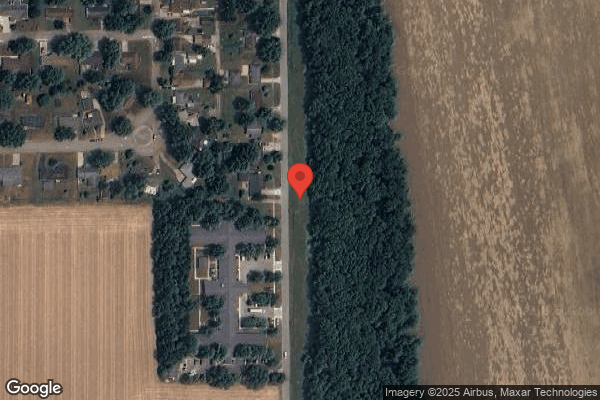

1705 S MAIN ST, CLINTON, IN 47842 (765) 832-3573
Government - County 100 Beds Independent Data: November 2025
Trust Grade
65/100
#299 of 505 in IN
Last Inspection: July 2024

Within standard 12-15 month inspection cycle. Federal law requires annual inspections.

Overview

Vermillion Convalescent Center has a Trust Grade of C+, which indicates it is slightly above average but not exceptional. It ranks #299 out of 505 nursing homes in Indiana, placing it in the bottom half, and is the second-best option in Vermillion County, meaning only one local facility is rated higher. The facility's trend is stable, with 5 issues reported in both 2023 and 2024, and it has a below-average staffing rating of 2 out of 5 stars despite a turnover rate of 38%, which is better than the state average. Although there have been no fines, some concerning incidents were noted, such as medications being left unsecured in a pantry and a resident being transported in a shower chair without adequate coverage, which compromised their dignity. Overall, while there are strengths in staffing stability and health inspections, there are also significant weaknesses that families should consider.

Trust Score
C+
65/100
In Indiana
#299/505
Bottom 41%
Safety Record
Low Risk
No red flags
Inspections
Holding Steady
5 → 5 violations
Staff Stability
○ Average
38% turnover. Near Indiana's 48% average. Typical for the industry.
Penalties
✓ Good
No fines on record. Clean compliance history, better than most Indiana facilities.
Skilled Nurses
⚠ Watch
Each resident gets only 27 minutes of Registered Nurse (RN) attention daily — below average for Indiana. Fewer RN minutes means fewer trained eyes watching for problems.
Violations
⚠ Watch
15 deficiencies on record. Higher than average. Multiple issues found across inspections.
★★★☆☆
3.0
Overall Rating
★★☆☆☆
2.0
Staff Levels
★☆☆☆☆
1.0
Care Quality
★★★★☆
4.0
Inspection Score
Stable
2023: 5 issues
2024: 5 issues

The Good

  • Full Sprinkler Coverage · Fire safety systems throughout facility
  • No fines on record
  • Staff turnover below average (38%)

    10 points below Indiana average of 48%

Facility shows strength in fire safety.

The Bad

3-Star Overall Rating

Near Indiana average (3.1)

Meets federal standards, typical of most facilities

Staff Turnover: 38%

Near Indiana avg (46%)

Typical for the industry

The Ugly 15 deficiencies on record

Jul 2024 5 deficiencies
CONCERN (D)

Potential for Harm - no one hurt, but risky conditions existed

Resident Rights (Tag F0550)

Could have caused harm · This affected 1 resident

Based on observation, interview and record review, the facility failed to aid a resident in a manner that maintained or enhanced their dignity for 1 of 1 residents randomly observed for resident right...

Read full inspector narrative →
Based on observation, interview and record review, the facility failed to aid a resident in a manner that maintained or enhanced their dignity for 1 of 1 residents randomly observed for resident rights. (Resident 72). Findings include: On 7/18/24 at 10:00 a.m., observed Student Nurse Aide (4) transporting Resident 72 from the shower room to the resident's room while sitting in an open shower chair (a wheeled chair which provides support and stability to individuals who require assistance with bathing or using the restroom). The resident was wearing a blue long sleeve shirt and covered in the front with a light blanket. The back of the shower chair was uncovered, and the resident's buttocks was exposed. On 7/18/24 at 10:05 a.m., during an interview with Licensed Practical Nurse (LPN) 4 she indicated the resident should be completely covered before transporting in a shower chair. On 7/18/24 at 10:20 a.m., during an interview with Student Nurse Aide 4, she indicated the resident should have been covered prior to transporting the resident in a shower chair. On 7/18/24 at 1:30 p.m., the medical record of Resident 72 was reviewed. The resident was admitted with diagnosis including but not limited to, encephalopathy (damage or disease that affects the brain), altered mental status and cognitive communication deficit (trouble expressing needs using basic words and gestures). A care plan, dated 9/7/21, indicated the resident required assistance of one person for activities of daily living (ADL) care and transportation. An admission Minimum Data Set (MDS) assessment, dated 5/28/24, indicated the resident was not cognitively intact and she required maximum assistance of two persons for care needs. On 7/18/24 at 2:00 p.m., the Regional Nurse Consultant provided a document, titled, Resident Rights, dated 11/28/2016, and indicated it was the policy currently being used by the facility. The policy indicated, .Respect and Dignity. The resident has the right to be treated with respect and dignity 3.1-3(a)
CONCERN (D)

Potential for Harm - no one hurt, but risky conditions existed

Transfer Requirements (Tag F0622)

Could have caused harm · This affected 1 resident

Based on interview and record review, the facility failed to ensure documentation of a resident's transfer included information that the physician and family representative were notified of a resident...

Read full inspector narrative →
Based on interview and record review, the facility failed to ensure documentation of a resident's transfer included information that the physician and family representative were notified of a resident being transferred to the hospital for 1 of 2 reviewed for hospitalization (Resident 17). Finding includes: During an interview, on 7/16/24 at 11:30 a.m., Resident 17 indicated she had recently been sent out to the hospital for a seizure and stayed overnight. Resident 17's record was reviewed on 7/22/24 at 10:00 a.m. The profile indicated the resident's diagnosis included, but were not limited to, Epilepsy (group of non-communicable neurological disorders characterized by recurrent epileptic seizures [uncontrolled jerking, loss of consciousness, blank stares, or other symptoms caused by abnormal electrical activity in the brain]). A quarterly Minimum Data Set (MDS) assessment, dated 7/10/24, indicated the resident was cognitively intact. Review of the Situation, Background, Assessment, and Recommendation (SBAR) form, dated 6/18/24, indicated Resident 17 was being transported to the Emergency Room. The form was not completed in its entirety and lacked documentation of physician notification and family representative notification. Reivew of a nurse's note, dated 6/18/24 at 11:15 p.m., the note indicated Resident 17 had complained to a certified nurse's assistant (CNA) that she was not feeling well. The CNA reported to the nurse the resident was unresponsive to verbal stimulation. The resident did regain consciousness, but her color was pale with flushed face. The resident had nausea and vomiting times 2. Emergency Medical Services (EMS) was called to assist with transport to the hospital. The resident was alert at the time of transport. The nurse's note lacked documentation of a physician or family representative being notified of the transfer to the hospital for Resident 17. During an interview, on 7/22/24 at 10:19 a.m., Licensed Practical Nurse (LPN) 13 indicated the nursing staff should complete a SBAR form when sending out residents to the hospital. The form was then placed in a binder at the nurse's station when completed. During an interview, on 7/22/24 at 11:13 a.m., the Regional Nurse Consultant indicated she was unable to find any documentation of where the physician or family representative was notified of Resident 17's transfer to the hospital. The nurse, who had completed the SBAR, was no longer employed with the facility. On 7/22/24 at 11:00 a.m., the Regional Nurse Consultant provided a document with a revised date of 11/15, titled, SBAR Communication Form, .2. The licensed nurse will ensure relevant aspects of pages one through three are completed prior to calling the physician or other Healthcare Professional On 7/22/24 at 11:12 a.m., the Regional Nurse Consultant provided a document with a revised date of 11/16, titled, Change in Resident Condition/Emergency Transfer to Acute Care Hospital, and indicated it was the policy currently being used by the facility. The policy indicated, .In the event a resident's condition changes warranting medical attention, the licensed nurse shall complete the SBAR communication form and contact the physician .The family/resident representative shall be notified of the change in condition and corresponding physician orders 3.1-12(a)(5)(A) 3.1-12(a)(6)(A)(ii) 3.1-12(a)(6)(A)(vii) 3.1-12(a)(6)(B)
CONCERN (D)

Potential for Harm - no one hurt, but risky conditions existed

Incontinence Care (Tag F0690)

Could have caused harm · This affected 1 resident

Based on observation, record review, and interview, the facility failed to ensure a resident's indwelling urinary catheter (catheter-a tube which is inserted into the bladder to drain urine) bag and t...

Read full inspector narrative →
Based on observation, record review, and interview, the facility failed to ensure a resident's indwelling urinary catheter (catheter-a tube which is inserted into the bladder to drain urine) bag and tubing were kept from making contact with the floor for 1 of 1 residents reviewed for urinary catheters (Resident 36). Findings include: During the initial observation, on 7/16/24 at 2:03 p.m., Resident 36 was in his room sitting in a recliner. His catheter was attached to the lower portion of the recliner. The catheter urinary drainage bag (a bag attached to a indwelling urinary catheter to catch the urine) was in contact with the floor. During a random observation, on 7/17/24 at 1:16 p.m., the resident was in his room sitting in his wheelchair. The catheter tubing was observed in contact with the floor. During a random observation, on 7/18/24 at 2:13 p.m., the resident was sitting in his room in the recliner. His catheter was attached to the lower portion of his wheelchair next to the recliner. The catheter bag was observed in contact with the floor. During a random observation with the Assistant Director of Nursing (ADON), on 7/18/24 at 2:31 p.m., the resident was observed sitting in the recliner. The catheter bag was attached to the lower portion of his wheelchair sitting next to the recliner. The catheter bag was observed in contact with the floor. During a random observation, on 7/22/24 at 10:39 a.m., the resident was observed sitting on the side of his bed. The bed was in a very low position. A tub barrier, used to hold the catheter bag while the bed was in a low position, was flipped upside down and the catheter tubing was observed in contact with the floor. Resident 36's record was reviewed on 7/18/24 at 9:58 a.m. The profile indicated the resident's diagnoses included, but were not limited to, obstructive and reflux uropathy (a disorder of the urinary tract that occurs due to obstructed urinary flow and can be either structural or functional), unspecified hydronephrosis (a condition where one or both kidneys become stretched and swollen as the result of a build-up of urine inside them), retention of urine, and urinary tract infection (UTI). An admission Minimum Data Set (MDS) assessment, dated 6/21/24, indicated the resident had no cognitive deficit, required extensive assistance of two plus with transfers and toileting, and had an indwelling urinary catheter. A care plan, dated 6/25/24, and revised 7/5/24, indicated the resident had obstructive uropathy and had a catheter. Intervention included, but were not limited to, observed for signs and symptoms of infection. A physician's order, dated 7/9/24, with a stop date of 7/12 24, indicated to administer one amoxicillin-potassium clavulanate (a drug used to treat bacterial infections), 875-125 milligrams (mg) tablet, every 12 hours for urinary tract infection (UTI). During an interview, on 7/18/24 at 10:55 a.m., the resident indicated he was aware that he had been taking an antibiotic for a UTI. They had given him a new catheter, a week or so ago, because he had a UTI. He had only taken the antibiotic for 3 days or so and it ended about a week ago. During an interview, on 7/18/24 at 2:31 p.m., the ADON indicated catheter bags and the tubing should never be in contact with the floor. On 7/18/24 at 9:40 a.m., the Regional Nurse Consultant provided a document, with a revision date of 1/2020, titled Urinary Drainage Bag Maintenance, and indicated it was the policy currently being used by the facility. The policy indicated, .Rule: .Urinary drainage bag should not be allowed to touch the floor. Use the following procedure to secure the drainage bag: .2. Explain to the resident the following: .Do not allow the urinary drainage bag or tubing to touch the floor 3.1-41(a)(2)
CONCERN (D)

Potential for Harm - no one hurt, but risky conditions existed

Deficiency F0761 (Tag F0761)

Could have caused harm · This affected 1 resident

Based on observations and interview, the facility failed to ensure medication were labeled and stored properly for 2 of 2 medication carts and 1 of 2 medication treatment carts reviewed for medication...

Read full inspector narrative →
Based on observations and interview, the facility failed to ensure medication were labeled and stored properly for 2 of 2 medication carts and 1 of 2 medication treatment carts reviewed for medication storage (Residents 72, 63 and 5). Findings include: On 7/18/24 at 11:00 a.m., during a medication cart observation. Lantus insulin pen (an injection device that you can use to deliver preloaded insulin into your subcutaneous tissue, the innermost layer of skin in your body) with the name of Resident 72 written on the side of the pen was observed. A pharmacy prescription label was not on the pen and there was no indication of when the insulin pen had been opened. Resident 72's Lantus insulin vial (a small glass bottle, used to store medication in the form of liquids) prescription label did not indicate the date it was opened. Resident 63's Lantus insulin pen pharmacy prescription label indicated the dispense date was 5/30/24. The label did not indicate the date it was opened. Resident 5's Novolog insulin pen prescription label indicated the dispense date was 5/1/24. The prescription label did not indicate the date it was opened. Resident 5's Aspart insulin pen prescription label indicated it was dispensed on 2/4/24. The label did not indicate the date it was opened. On 7/18/24 at 11:05 a.m., during an interview with Licensed Practical Nurse (LPN) 4, the nurse indicated every insulin vial and insulin pen should be dated when opened and be discarded after 16 to 30 days. On 7/19/14 at 9:35 a.m., during initial observation of north back hall treatment medication cart. Numerous prescribed ointments and topical medications were loose in the drawer, no medications were bagged, and several medications had no prescription labels. On 7/19/24 at 11:00 a.m., during an interview with the Assistant Director of Nursing, she indicated the treatment medications should be separated in individual bags in the treatment carts. On 7/18/2024 at 2:20 p.m., the Regional Nurse Consultant provided a document, titled Medication storage, Storing Drugs, dated 12/2017, and indicated it was the policy currently being used by the facility. The policy indicated, Procedures . 1.Each drug must be kept and stored in the labeled dispensing container .12. All drug storage areas must be clean, well lit, and free of clutter at all times On 7/18/2024 at 2:00 p.m., the Regional Nurse Consultant provided a document, titled, Medication Expiration, dated 9/2017, and indicated it was the policy currently being used by the facility. The policy indicated, .Procedure .1 . d. Multiple dose injections, such as insulin will expire 28 days after opening unless otherwise noted by manufacturer .2. Facility staff shall date the label of any multiuse vial when the vial is first accessed . 3.1-25(j)
CONCERN (D)

Potential for Harm - no one hurt, but risky conditions existed

Medical Records (Tag F0842)

Could have caused harm · This affected 1 resident

Based on record review and interview, the facility failed to ensure medications administered to a resident had been documented for 1 of 5 residents reviewed for unnecessary medication (Resident 39). F...

Read full inspector narrative →
Based on record review and interview, the facility failed to ensure medications administered to a resident had been documented for 1 of 5 residents reviewed for unnecessary medication (Resident 39). Findings include: Resident 39's record was reviewed on 7/17/24 at 2:32 p.m. The profile indicated the resident's diagnoses included, but were not limited to, overactive bladder (causes sudden urges to urinate that may be hard to control), vascular dementia (problems with reasoning, planning, judgment, memory and other thought processes caused by brain damage from impaired blood flow to the brain), anxiety disorder (feelings of fear, dread, and uneasiness that may occur as a reaction to stress), and hyperlipidemia (elevated fats in the blood). A physician's order, dated 11/1/23, indicated to administer 1 tablet of oxybutynin chloride (used to treat symptoms of overactive bladder) 5 milligrams (mg) twice daily. The July 2024 Medication Administration Record (MAR) lacked documentation of the medication being administered on the evening shift of 7/3/24. A physician's order, dated 12/28/23, indicated to administer 1 tablet of galantamine (used to treat the symptoms of Alzheimer's disease [a type of dementia]), 4 mg two times daily. The July 2024 MAR lacked documentation of the medication being administered on the evening shift of 7/3/24. A physician's order, dated 1/24/24, indicated to administer 1 tablet of lorazepam (used to treat anxiety) 0.5 mg one time daily. The July 2024 MAR lacked documentation of the medication being administered on the evening shift of 7/3/24. A physician order, dated 2/29/24, indicated to administer 1 tablet of atorvastatin (drug to lower the amount of fats in the blood) 20 mg once daily. The July 2024 MAR lacked documentation of the medication being administered on the evening shift of 7/3/24. A physician's order, dated 6/26/24, indicated to administer 1 tablet of memantine (used to treat dementia) 10 mg two times daily. The July 2024 MAR lacked documentation of the medication being administered on the evening shift of 7/3/24. During an interview, on 7/18/24 at 1:45 p.m., the Regional Clinical Nurse indicated the expectation was that nurses would document the administered of a medication when the drug was administered. On 7/18/24 at 2:00 p.m., the Regional Nurse Consultant provided a document, with a revision date of 4/2017, titled, Medication Administration, and indicated it was the policy currently being used by the facility. The policy indicated, .Guidelines for Medication Administration .21. Always record the dose of the medication on the MAR after the resident consumption 3.1-48(c)(2)
Nov 2023 1 deficiency
CONCERN (D) 📢 Someone Reported This

A family member, employee, or ombudsman was alarmed enough to file a formal complaint

Potential for Harm - no one hurt, but risky conditions existed

Deficiency F0604 (Tag F0604)

Could have caused harm · This affected 1 resident

Based on record review, observation, and interview, the facility failed to ensure residents' self-releasing seat belts (used to keep a resident positioned properly in their wheelchair) were secured in...

Read full inspector narrative →
Based on record review, observation, and interview, the facility failed to ensure residents' self-releasing seat belts (used to keep a resident positioned properly in their wheelchair) were secured in a manner which allowed the residents to freely release the belts for 2 of 4 residents reviewed for physical restraint (Residents B and C). The deficient practice was corrected on 10/24/23, prior to the start of the survey, and was therefore past noncompliance. Finding includes: An Indiana Department of Health (IDOH) reportable incident document, dated 10/24/23 at 11:15 a.m., indicated it had been reported that Certified Nursing Aide (CNA) 8 had used tape to secure the self-releasing seat belts of Resident B and Resident C, which removed the ability of the residents to self-release the seat belts. The facility's internal investigation was initiated. The CNA was immediately re-educated by the Assistant Director of Nursing (ADON) and was suspended from work, pending the results of the investigation. During an initial observation of the Expressions (memory care) unit, on 11/6/23 at 10:05 a.m., Residents B and D were observed sitting in the activity lounge participating in a morning activity. Both residents were observed with self-releasing seat belts in place. At the same time, Resident D was able to release her belt when requested. Resident B refused to release her belt and shook her head no. On 11/6/23 at 10:10 a.m., Resident C was observed in his room asleep in his wheelchair, with his seatbelt in place and intact. During an interview, on 11/6/23 at 10:18 a.m., Activities Assistant 3 indicated she worked on the unit specifically and had heard from other staff about someone putting tape on the seat belts of Residents B and C. She was not working when the incident happened. During an interview, on 11/6/23 at 10:25 a.m., CNA 4 indicated she had been told about the tape being placed on the seat belts of Resident B and C. She had never witnessed anything like this before. All of the residents who had the self-releasing belts were able to remove them when asked to. During an interview, on 11/6/23 at 10:36 a.m., Qualified Medication Aide (QMA) 5 indicated she was working on the unit and south hall on the day the incident had allegedly occurred but had only heard about it from other staff. She had not ever seen any issues with the self-releasing belts when she worked on the unit. During an interview, on 11/6/23 at 10:45 a.m., CNA 6 indicated she was working on a different unit of the facility on the date the incident supposedly happened. She did not see it firsthand but was told about it by other staff. She had never seen any tape on the self-releasing belts in the past. During an interview, on 11/6/23 at 10:51 a.m., the former Director of Nursing (DON) indicated on the date of the incident one of the high school Helping Hands (student from the local high school who observe CNAs and assist with non-hands on activities), who was in the facility working alongside CNA 8, had seen the tape on the seat belts. The student reported it to the charge nurse, Register Nurse (RN) 13. On 11/6/23 at 10:58 a.m., the Administrator (ADM) provided the facility's internal investigation documentation for review. At the same time, she indicated they had completed a full investigation of the allegations and sent the incident in as a reportable to IDOH. The CNA had been terminated following the investigation. There had not been any further incidents since this had been resolved. During an interview, on 11/6/23 at 11:37 a.m., Laundry Aide 11 indicated she had observed the tape on Resident C's seatbelt and had told CNA 8 that she could not do that because they were not allowed to restrain the residents. There was also a volunteer helper with the CNA at the time. She indicated CNA 8 acknowledged that she knew it was not allowed, but never made any attempt to remove the tape. The Laundry Aide indicated she told the QMA who was on duty on that hallway about what she had seen and what the CNA had said. She was unsure what happened after that. She gave the DON and the ADM her statement when they were investigating. Review of the facility's investigation documentation, included, but were not limited to the following: a. A statement from the former Director of Nursing (DON), dated 10/24/23, indicated the incident had been noticed by a high school student in the Helping Hands program and brought it to the attention of the nurse. A second statement indicated the facility had notified Resident B's family of the incident. b. An undated investigative interview statement, signed by the Administrator indicated CNA 9 had worked the day shift on 10/22/23. She noted that CNA 8 was on duty but had not provided toileting assistance to her residents. CNA 9 indicated she had gone into assist Resident C to the bathroom and noticed there was tape on his self-releasing seat belt. c. An undated handwritten statement, signed by Laundry Aide 11, indicated CNA 8 had told her that she had taped Resident C's seat belt because he would not stay in his wheelchair. The Laundry Aide observed the tape on the resident's seat belt. She then explained to CNA 8 that what she had done would get her into trouble. At that time, she indicated the Helping Hands student asked why it would get CNA 8 into trouble, and CNA 8 told the student that it was considered abuse to the resident, and they were not allowed to do that. d. An interview statement from Resident B, dated 10/24/23, indicated she did not know of anyone who had harmed her. She did not feel afraid or unsafe and felt everyone treated her very nice. e. A document titled, Possible or Potential Mental Anguish Assessment, dated 10/24/23, indicated Resident B had no signs or symptoms of potential mental anguish. f. A PHQ-9 (a depression assessment module, which scores each of the 9 depression diagnostic criteria as 0 [not at all] to 3 [nearly every day]) document, dated 10/24/23, indicated Resident B scored a 6 (mild depression). g. An interview statement for Resident C, dated 10/24/23, indicated the resident was not able to remember any incidence when anyone had mistreated or harmed him. He told the interviewer he felt fine, and he did not have any fear or feel unsafe. h. A document titled, Possible or Potential Mental Anguish Assessment, dated 10/24/23, indicated Resident C had no signs or symptoms of potential mental anguish. i. A PHQ-9 (a depression assessment module, which scores each of the 9 depression diagnostic criteria as 0 [not at all] to 3 [nearly every day]) document, dated 10/24/23, indicated Resident C scored a 11 (moderate depression). j. Nursing in-service sign-in sheets, dated 10/24/23, indicated education titled, Restraints, Self-release belt alarm, was provided as part of the investigation documentation. The DON had provided the education which covered the policy titled, Alarm, Position Change. k. Nursing in-service sign-in sheets, dated 10/24/23, for education titled, Mood/Behavior Management and CNA/Helping Hand Job Description, was provided as part of the investigation documentation. The DON had provided the education which covered the policies on Mood and Behavior and Abuse Prohibition. Signed copies of documents, titled, Abuse Prohibition/Know Your Role, had been signed by each staff person in attendance. l. A facility investigation document, dated 10/27/23, and signed by the ADM, indicated she had called CNA 8, into the facility, to discuss the incident. The CNA told her that she knew better than to put tape on the seat belt, but the resident just kept getting up from his chair, and she had done it to keep him safe. The Abuse policy was reviewed with the CNA. The CNA was terminated due to corporal punishment, involuntary seclusion, and unreasonable confinement. The CNA had never been back into the facility after her suspension, except to sign her termination paperwork. 1. Resident B's record was reviewed on 11/6/23 at 1:51 p.m. The resident diagnoses included, but were not limited to, dementia (the loss of cognitive functioning - thinking, remembering, and reasoning - to such an extent that it interferes with a person's daily life and activities), metabolic encephalopathy (a problem in the brain caused by a chemical imbalance in the blood), and mood disorder (a mental health condition that primarily affects a person's emotional state). An admission Minimum Data Set (MDS-part of the federally mandated process for clinical assessment of all residents in Medicare and Medicaid certified nursing homes) assessment, dated 9/15/23, indicated the resident had severe cognitive deficit. A care plan, dated 9/19/23 and revised 10/22/23, indicated the resident had multiple risk factors for falls. Interventions included, but were not limited to, seat belt alarm. A physician's order, dated 10/9/23, indicated resident may use self-release belt to promote safety awareness. Utilization of self-release belt does not inhibit voluntary movement. An initial physical restraint assessment, dated 10/9/23, indicated the resident had a self-release seat belt and was able to release the belt upon command. 2, Resident C's record was reviewed on 11/6/23 at 2:41 p.m. The resident's diagnoses included, but were not limited to, dementia (the loss of cognitive functioning - thinking, remembering, and reasoning - to such an extent that it interferes with a person's daily life and activities) and frontotemporal dementia (a group of disorders that occur when nerve cells in the frontal and temporal lobes of the brain are lost). A comprehensive Minimum Data Set (MDS-part of the federally mandated process for clinical assessment of all residents in Medicare and Medicaid certified nursing homes) assessment, dated 10/27/23, indicated the resident had severe cognitive deficit. A care plan, dated 7/21/23 and updated on 11/3/23, indicated the resident had multiple risk factors for falls. Interventions included, but were not limited to, seat belt alarm to wheelchair. A physician's order, dated 10/6/23, indicated resident may use self-release belt to promote safety awareness. Utilization of self-release belt does not inhibit voluntary movement. An initial physical restraint assessment, dated 10/2/23, indicated the resident was able to release the belt upon command. On 11/6/23 at 2:14 p.m., the Nurse Consultant provided a document, with a revised date of 6/2023, titled, Abuse Prohibition, Reporting and Investigation, and indicated it was the policy currently being used by the facility. The policy indicated, Policy: The facility shall prohibit and prevent abuse .This includes but is not limited to .any physical or chemical restraint .Physical abuse .Includes .controlling behavior through corporal punishment .which is physical punishment, is used to correct or control behavior The deficient practice was corrected by 10/24/23, after the facility implemented a systemic plan that included the following actions: provided a complete investigation of the incident; assessment of the physical, mental and emotional status of the residents involved; provided re-education to all nursing staff of restraints and the use of self-releasing seat belts along with mood and behavior management and abuse prohibition, reporting, and investigation policies and procedures; and termination of the staff responsible. The deficient practice was corrected on 10/24/23, prior to the start of the survey, and was therefore past noncompliance. This citation relates to complaint IN00420470. 3.1-3(w)
Jun 2023 4 deficiencies
CONCERN (D)

Potential for Harm - no one hurt, but risky conditions existed

Deficiency F0578 (Tag F0578)

Could have caused harm · This affected 1 resident

**NOTE- TERMS IN BRACKETS HAVE BEEN EDITED TO PROTECT CONFIDENTIALITY** Based on record review, and interview, the facility failed to ensure the Code Status/Advanced Directive document matched the phy...

Read full inspector narrative →
**NOTE- TERMS IN BRACKETS HAVE BEEN EDITED TO PROTECT CONFIDENTIALITY** Based on record review, and interview, the facility failed to ensure the Code Status/Advanced Directive document matched the physician's order for code status for 1 of 24 residents reviewed for advanced directives (Resident 1). Finding includes: Resident 1's record was reviewed on [DATE] at 9:00 a.m. The physician's order, dated [DATE], indicated the resident was a full code (preferred to have CPR [cardio-pulmonary resuscitation] performed, if needed as a life-saving measure). The Indiana Physician Orders for Scope of Treatment (Post), document, signed [DATE], indicated the resident preferred to be a no code (did not prefer to have CPR performed as a life-saving measure). A document posted on the door of the chart rack at the nurse's station, indicated the resident was a full code. A care plan, dated [DATE], and reviewed on [DATE], indicated the resident's code status had been designated as a no code. During an interview, on [DATE] at 9:26 a.m., Licensed Practical Nurse (LPN) 10 indicated there was a listing of the residents' code status on the door of the chart rack at the nurse's station. The staff could also see the information in the residents' chart or in the computer system by their name. During an interview, on [DATE] at 9:29 a.m., Director of Nursing (DON) indicated she had never seen the document posted on the rack of the nurse's station and was not an approved document by her. She indicated the staff should have used the computer or chart to check residents' code status. During an interview, on [DATE] at 9:55 a.m., DON indicated a unit manager had created the code status document at the nurse's station to try to be helpful so that staff could find the information more readily. The DON indicated the code status on the computer and on the document at the nurse's station do not match the post form in Resident 1's chart. On [DATE] at 9:57 a.m., the DON provided a document, dated 10/2014, titled. Code Status, and indicated it was the policy currently being used by the facility. The policy indicated, . The facility requires all physicians to address code status for each resident to delineate if resuscitative measures should be initiated. This enables nursing personnel to readily and clearly ascertain how to treat the resident in the event of an emergency 3.1-4(1)(4)
CONCERN (D)

Potential for Harm - no one hurt, but risky conditions existed

Deficiency F0804 (Tag F0804)

Could have caused harm · This affected 1 resident

Based on interview, observation, and record review, the facility failed to ensure the temperature and palatability of food served for 1 of 1 test tray reviewed for temperature and palatability and 2 o...

Read full inspector narrative →
Based on interview, observation, and record review, the facility failed to ensure the temperature and palatability of food served for 1 of 1 test tray reviewed for temperature and palatability and 2 of 26 residents reviewed for food palatability (Residents 30 and 14). Findings include: During an interview, on 6/12/23 at 9:40 a.m., Resident 30 indicated she ate meals in her room and the food was often cold when she got it. The food cart sat on the hallway. It was not passed out in a timely manner from the staff and the food got cold before she received her food tray. During an interview, on 6/12/23 at 11:52 a.m., Resident 14 indicated she ate meals in her room and the food was cold when she got the food tray. During an interview, on 6/15/23 at 11:23 a.m., the Dietary Manager (DM) indicated food temperatures should be taken when food came out of the oven, after being placed onto the steam table, and prior to being plated. The hall food trays would be placed into the hall carts with the food plate covered with a plastic lid and plastic base. During a kitchen observation, on 6/15/23 at 11:23 a.m., the lunch meal food temperatures were taken after placement onto the steam table by [NAME] 16. The cube steak measured at 191 degrees Fahrenheit (F), the broccoli measured at 162 F, the brown gravy measured at 165 F, the mashed potatoes measured at 165 F. On 6/15/23 at 12:28 p.m., test tray food temperatures were measured by the Dietary Manager (DM). The cubed steak temperature measured at 136 F, the mashed potatoes temperature measured at 135 F, and the cooked broccoli temperature measured at 100 F. The DM indicated all cooked food should have been at least 135 F and the broccoli was not warm enough. On 6/15/23 at 12:50 p.m., DM provided and identified a document as a current facility policy, titled, Food Temperature on Service Line, dated 05/2018. The policy indicated, .Policy: Foods will be served at proper temperature to ensure food safety .Procedure: .4. Acceptable service temperatures are: .Meat, Entrees, Eggs > or = (greater than or equal to) 135 degrees Fahrenheit (F) .Potatoes, pasta > or = 135 F .Vegetables > or = 135 F 3.1-21(a)(2)
CONCERN (D)

Potential for Harm - no one hurt, but risky conditions existed

Food Safety (Tag F0812)

Could have caused harm · This affected 1 resident

3. During an observation of the assisted dining area, on 6/11/23 at 12:28 p.m., Certified Nursing Aide (CNA) 7 was assisting Resident 6 and Resident 54 with their lunch meal. At the request of Reside...

Read full inspector narrative →
3. During an observation of the assisted dining area, on 6/11/23 at 12:28 p.m., Certified Nursing Aide (CNA) 7 was assisting Resident 6 and Resident 54 with their lunch meal. At the request of Resident 6, the CNA handed the resident her diet card holder. She then pulled the resident's tray toward her, and grabbed the resident's bread with her bare hands. No hand sanitation was observed prior to the CNA touching the resident's bread. After putting butter on Resident 6's bread, the CNA handed the bread to the resident, turned toward Resident 54, grabbed the underside of the table and pulled her chair closer to Resident 54. After pulling Resident 54's tray closer to her, she picked up a spoon and began to assist the resident with her meal. No hand sanitation was observed prior to the CNA assisting the resident. During an interview, on 6/11/23 at 2:04 p.m., CNA 7 indicated she was aware that she had touched Resident 6's bread with her bare hands. She understood she should not have done so without sanitizing her hands first. On 6/12/23 at 2:23 p.m., the Regional Nurse Consultant provided a document, dated 5/2018, titled, Glove Use and Meal Service, and indicated it was the policy currently being used by the facility. The policy indicated, .Procedure .4. Employees may not touch .foods with bare hands 3.1-21(i)(3) Based on observation, interview, and record review, the facility failed to ensure the cleanliness and sanitation of the kitchen and food preparation and storage areas for 2 of 2 kitchen observations with the potential to effect 67 of 68 residents who received food prepared in the kitchen, and the facility failed to ensure sanitary food handling when assisting residents with eating in the assisted dining room for 1 of 2 dining observations (Residents 6 and 54). Findings include: 1. On 6/11/23 at 10:52 a.m., during an initial tour of the kitchen with the Dietary Manager (DM), the following was observed: a. The flooring throughout the kitchen, dry storage room, walk-in refrigerator and walk-in freezer were observed soiled, and littered with small, dried food particles, fresh food items, small pieces of paper debris: including condiment packets and paper towel pieces. The flooring had heavy soilage buildup with a black residue at the cove bases, around the floor drains, under the wheeled storage cabinets, under the food preparation area, under the storage shelving units, and underneath, as well as, behind the appliances. b. A soiled and hairy mop head hung on a cart, that held eight metal pots, next to the kitchen sink. c. An onion box was stored on top of a box full of banana on a kitchen countertop. d. The walk-refrigerator contained two undated and unlabeled containers of food. e. The exhaust hood over the stove had a yellowish-brown greasy build-up. f. The inside of the ice machine had a dark residue and a heavy buildup of lime. g. Dietary Aide 17 walked into the kitchen without wearing a hairnet and placed a styrofoam cup and a plastic bag onto a kitchen cart. The DM, on 6/11/23 at 11:22 a.m., indicated the kitchen was cleaned weekly and the flooring, including the storage room and walk-in refrigerator/freezer should be swept and mopped daily, and the mop head should never have been hung on a cart in the kitchen, but stored in the kitchen utility closet. The box of onions should have never been stored on top of the box of bananas. All containers placed in the refrigerators should be dated and labeled with the name of the food item. The stove hood and ice machine are soiled and should be checked daily and deep cleaned monthly. No one should enter the kitchen without wearing a hairnet and staff are not to bring their personal items into the kitchen area. On 6/11/23 at 11:30 a.m., the DM provided the June kitchen cleaning schedule log with four tasks initialed as completed, on 6/1/23, 6/3/23, 6/5/23, and 6/7/23. The DM indicated daily staff should clean all of the kitchen and initial after completing the tasks. On 6/12/23 at 10:15 a.m., the DM provided and identified a document as a current facility policy titled, Storage of Dry Foods, dated 05/2018. The policy indicated, .Policy: A proper handling procedure for dry food safely lessens the risks of acquiring foodborne diseases .Procedure: .Dry food storage areas are kept dry, clean At the same time, the DM provided and identified another document as a current facility policy titled, Storage of Foods under Sanitary Conditions, dated 05/2018. The policy indicated, .It is the policy of this facility that food shall be stored according to acceptable sanitation standards .All food items stored in the refrigerator must be labeled and dated if NOT scheduled to be served at the next meal The DM provided and identified a third document as a current facility policy, titled, Cleaning Hood Filter, dated 05/2018. The policy indicated, .Policy: It is necessary to maintain clean hoods and filters .Procedure: Weekly The DM provided and identified a fourth document as a current facility policy, titled, Sanitizing Ice Machine & Scoops, dated 05/2018. The policy indicated, .Policy: It is necessary to clean and sanitize the ice machine .Procedure: Clean unit a minimum of once a month 2. On 6/15/23 at 10:41 a.m., during an observation of the food puree process with the Dietary Manager (DM) and [NAME] 16 in the kitchen, the kitchen floor appeared to be swept, but the flooring had a heavy soilage buildup with black residue at the cove bases, around the floor drains, under the wheeled storage cabinets, under the food preparation area, under the storage shelving units, and underneath, as well as, behind the appliances. The DM indicated the floor had been swept but needed to be stripped and cleaned. The housekeeping supervisor cleaned the flooring with the scrubber as requested from the dietary department and the floor needed to be done, because it had been a while since the floor was scrubbed.
CONCERN (D)

Potential for Harm - no one hurt, but risky conditions existed

Deficiency F0839 (Tag F0839)

Could have caused harm · This affected 1 resident

**NOTE- TERMS IN BRACKETS HAVE BEEN EDITED TO PROTECT CONFIDENTIALITY** Based on record review, and interview, the facility failed to ensure that all licensed employees had an active Indiana license f...

Read full inspector narrative →
**NOTE- TERMS IN BRACKETS HAVE BEEN EDITED TO PROTECT CONFIDENTIALITY** Based on record review, and interview, the facility failed to ensure that all licensed employees had an active Indiana license for 1 of 69 licensed employees. Finding includes: During review of employee records, on [DATE] at 11:15 a.m., a Licensed Practical Nurse (LPN) 15 was noted to have an expired Indiana nursing license. The nurse's license had been expired since 10//31/22. The nurse was noted to be an employee at the facility since 2014. Review of the nursing schedule, on [DATE] at 11:20 a.m., LPN 15 had been working during the week of the annual survey and at least the month prior. During an interview, on [DATE] at 11:28 a.m., Regional Nurse Consultant indicated that they were made aware of the expired license on [DATE] and the nurse was immediately taken off the schedule. She indicated LPN 15 had paid to renew her license on [DATE], but the state of Indiana had not renewed her license. The nurse owed money in back taxes. The nurse consultant indicated the facility nor the nurse had not realized her licensed was not renewed. On [DATE] at 12:20 p.m., the Regional Manager provided a document, dated 2023, titled, Job Description, and indicated it was the policy currently being used by the facility. The policy indicated, .1. Must be a graduate of a School of Nursing and hold a current license by the State of Indiana in good standing 3.1-14(s)
Jul 2022 5 deficiencies
CONCERN (D)

Potential for Harm - no one hurt, but risky conditions existed

Deficiency F0558 (Tag F0558)

Could have caused harm · This affected 1 resident

Based on observation, interview, and record review, the facility failed to ensure call lights were within reach for 3 of 24 residents observed for call light placement (Residents 12, 57, and 23). Fin...

Read full inspector narrative →
Based on observation, interview, and record review, the facility failed to ensure call lights were within reach for 3 of 24 residents observed for call light placement (Residents 12, 57, and 23). Findings include: 1. On 7/06/22 at 10:10 a.m., Resident 12 was observed lying flat in bed, and his call light out of reach under the bed. The resident indicated the staff did not want him to call for help. During an interview on 7/06/22 at 10:19 a.m., Resident 12 indicated he was unable to transfer from the bed or walk independently. The resident's call light was observed to be lying on the floor out of sight and reach of the resident. The resident indicated the staff just did not want him calling them. On 7/13/22 at 9:56 a.m., Resident 12 was observed to be lying in bed with the head of the bed in high position, and his call light on the floor behind the bed out of his sight or reach. When asked how he contacted staff for care needs, the resident pointed to the call light outlet on the wall and indicated staff did not want him using the call light to call them for help. If he needed help, he would yell as that drove them nuts. Resident 12's record was reviewed on 7/11/22 at 10:31 a.m. Diagnoses on Resident 12's profile included but were not limited to vascular coronary artery disease (cholesterol or plaques obstruct blood supply), benign prostate hyperplasia (prostate enlargement that can cause urination difficulty), heart failure, chronic obstructive pulmonary disease (blocks air flow making it hard to breath), depression, overactive bladder, kidney stones, and urinary tract infection. A quarterly Minimum Data Set (MDS), completed on 4/12/22, assessed the resident as having a Brief Interview for Mental Status (BIMS) score of 9 indicating moderately impaired cognition. The resident required extensive assistance of 2 or more (+) persons physical assist for bed mobility, total dependence of 2+ persons for transfers and toileting, and total dependence of 1 person physical assist for locomotion on and off the unit and personal hygiene. The resident did not walk. A care plan for Resident 12 indicated the resident had multiple health conditions to include gait abnormalities, lack of coordination, decreased mobility, and accidents/falls. The goal was for the resident to be free of complications associated with listed health conditions. Interventions did not address providing the resident with a call light. During an interview on 7/13/22 at 10:02 a.m., Certified Nursing Assistant (CNA) 15 indicated Resident 12 used to get out of bed a lot, but since his surgery he mostly just got up for his shower. The resident used his call light to call for assistance. During an interview on 7/13/22 at 10:07 a.m., Licensed Practical Nurse (LPN) 12 indicated she had taken care of Resident 12 since his admission to the unit. The resident was alert with periods of confusion, he required assistance for transfers, and did not ambulate. The resident used his call light to call for assistance, or sometimes he told his roommate, and the roommate would call for help. Any staff entering a residents' room and providing care was responsible for making sure they had their call light. 2. On 7/06/22 at 2:22 p.m., Resident 57 was observed attempting to get out of a low bed, scooting along with her bottom on the edge of the bed, and leaning forward indicating she needed to get out of there. Qualified Medication Aide (QMA) 9 was overheard telling the hospice nurse the resident was in a good mood, active, and trying to get out of bed. QMA 9 indicated the resident had recently moved from the secured memory care unit and had fallen most recently on 6/23/22. On 7/06/22 at 2:24 p.m., second observation of Resident 57 as she was actively attempting to get out of bed by scooting along the edge towards the end of the bed. A call light button was observed lying on the floor mat out of reach at bedside. On 7/11/22 at 2:37 p.m., Resident 57 was observed lying in bed sleeping, a call light button was within reach. On 7/12/22 at 9:04 a.m., Resident 57 was observed lying in bed with her eyes closed, a call light button was tethered to the side rail. On 7/13/22 at 9:50 a.m., Resident 57 was observed lying in bed watching TV, a call light button was tethered to a quarter rail beside her shoulder. Resident 57's record was reviewed on 7/11/22 at 2:39 p.m. Diagnoses on Resident 57's profile included but were not limited to schizoaffective disorder (combination of schizophrenia and mood disorder), encephalopathy (brain disease that alters brain function and structure), dementia, and cerebral infarction. Nurse's notes for Resident 57 indicated documentation of recent falls on 3/29/22, 4/12/22, and 6/23/22. A significant change MDS, completed 6/3/22, assessed the resident as having a BIMS score of 3 indicating severe cognitive decline. The resident required extensive assistance of 2+ persons physical assist for bed mobility, transfers, and toileting. Extensive assistance of 1 physical assist was needed for locomotion on and off the unit, dressing, and personal hygiene. The resident did not walk. A care plan for Resident 57 indicated the resident had multiple risk factors for falls such as balance not steady, only able to stabilize with staff assistance, bilateral upper extremity impairment, falls, decrease vision, decrease cognition, , unsteady balance, encephalopathy, history of subdural hematoma, confusion, and dementia. The goal was for the resident risk factors to be identified and appropriate interventions implemented and revised as necessary in an attempt to avoid significant injury related to falls through next review. Interventions included, but were not limited to, a touchpad call light at bedside. During an interview on 7/13/22 at 9:41 a.m., LPN 16 indicated, Resident 57 was moved from memory care 2 weeks ago. The resident was a fall risk and had a low bed and fall mat used as fall interventions. The resident could use her call light and would use it to call for assistance. During an interview on 7/13/22 at 11:47 a.m., Resident 57 was observed with the Assistant Director of Nursing (ADON) to have a standard call light button attached to the bedrail versus touch pad call light as per her plan of care. The ADON indicated the resident had improved and should have her care plan updated to reflect the resident's ability to use a call button versus a touch pad.3. On 7/5/22 at 11:56 a.m., Resident 23 was observed seated in a wheelchair in her room, watching television and eating her lunch at a bedside table. Resident 23's call light was not within reach, with the call light cord observed hanging over the over-the-bed light on other side of the room. On 7/5/22 at 2:20 p.m., Resident 23 was observed seated in a wheelchair in her room, watching television. Resident 23's call light was not within reach, with the call light cord observed hanging over the over-the-bed light on other side of the room. On 7/6/22 at 10:35 a.m., Resident 23 was observed lying in bed with her eyes closed. Resident 23's call light was not within reach, observed hanging over the over-the-bed light on the other side of room. On 7/7/22 at 9:59 a.m., Resident 23 was observed lying in bed with her eyes closed. Resident 23's call light was not within reach, observed hanging over the over-the-bed light on the other side of the room. On 7/7/22 at 1:15 p.m., Resident 23 was observed seated in a wheelchair in her room watching television. Resident 23's call light was not within reach, with the call light cord observed hanging over the over-the-bed light on other side of the room. On 7/8/22 at 1:46 p.m., Resident 23 was observed lying in bed with her eyes closed. Resident 23's call light was not within reach, observed hanging over the over-the-bed light on the other side of room. On 7/11/22 at 9:56 a.m., Resident 23 was observed lying in bed with her eyes closed. Resident 23's call light was not within reach, observed hanging over the over-the-bed light on the other side of room. On 7/12/22 at 9:31 a.m., Resident 23 was observed lying in bed with her eyes closed. Resident 23's call light was not within reach, observed hanging over the over-the-bed light on the other side of room. On 7/13/22 at 10:16 a.m., Resident 23 was observed seated in a wheelchair in her room watching television. Resident 23's call light was not within reach, with the call light cord observed hanging over the over-the-bed light on other side of the room On 7/13/22 at 10:41 a.m., Resident 23 was observed seated in a wheelchair in her room watching television. Resident 23's call light was not within reach, with the call light cord observed hanging over the over-the-bed light on other side of the room. The Assistant Director of Nursing (ADON) indicated staff should ensure all residents' call lights were within their reach, after completing care with the resident or when checking on the residents. Resident 23's call light should have been within her reach and not hanging over the over-the-bed light. The ADON indicated that Resident 23 was able to utilize a call light or would come out of her room, at times, into the hallway to get staff's attention if she needed assistance. On 7/13/22 at 10:44 a.m., the ADON asked Resident 23 what she would do if you needed a nurse or staff. Resident 23 replied to the ADON that she would yell for staff if she needed assistance or use her call light. On 7/13/22 at 10:45 a.m., the ADON retrieved the resident's call light from the over-the-bed light and clipped the call light within reach of the resident and indicated to Resident 23 to push call light if she needed staff assistance. The ADON indicated she was unsure why call light was not within reach and was hanging over the over-the bed light. On 7/13/22 at 10:49 a.m., Registered Nurse (RN) 8 indicated Resident 23 did know how to use a call light and staff should have ensured a call light was within her reach when checking on the resident. Resident 23's record was review on 7/13/22 at 11:26 a.m. Diagnoses included but were not limited to Alzheimer's disease (a progressive neurologic disorder that causes the brain to shrink (atrophy) and brain cells to die. Alzheimer's disease is the most common cause of dementia with a continuous decline in thinking, behavioral and social skills that affect a person's ability to function independently), anxiety, and dementia with psychosis (loss of mental ability severe enough to interfere with normal activities of daily living by gradual death of brain cells). A quarterly Minimum Data Set (MDS) assessment, dated 4/21/22, indicated Resident 23 was moderately impaired and was independent with staff assisted setup for bed mobility, transfers, dressing, and toilet use. An activities of daily living (ADL) assist required care plan, dated 5/3/22, indicated Resident 23 required up to one person assistance in performing ADLs due to her diagnoses with interventions included, but not limited to provide assist with ADLs as the resident required. A falls care plan, dated 5/3/22, indicated the resident had multiple risk factors for falls due to diagnoses with interventions, included but not limited to monitor the resident frequently when the call lights are not available and keep frequently used items within reach of the resident. On 7/13/22 11:36 a.m., the ADON indicated Resident 23 could have placed the call light cord on the over-the-bed light herself, but staff should have ensured the call light was within reach of the resident and not hanging over the over-the-bed light. The ADON, on 7/13/22 at 11:40 a.m., provided and identified a document as a current facility policy titled, CALL LIGHT, dated 10/2014. The policy indicated, .Purpose: Resident will have a call light to summon facility personnel to ensure the resident's needs will be met .Call lights must remain functional and within reach of each resident 3.1-3(v)(1)
CONCERN (D)

Potential for Harm - no one hurt, but risky conditions existed

Incontinence Care (Tag F0690)

Could have caused harm · This affected 1 resident

Based on observations, interview, and record review, the facility failed to ensure a suprapubic (S/P) urinary catheter (a thin sterile tube surgically inserted through the belly into the bladder to dr...

Read full inspector narrative →
Based on observations, interview, and record review, the facility failed to ensure a suprapubic (S/P) urinary catheter (a thin sterile tube surgically inserted through the belly into the bladder to drain urine into a bag) drainage bag and tubing did not touch the floor for 1 of 2 residents reviewed for urinary catheters (Resident 41). Findings include: On 7/6/22 at 10:43 a.m., Resident 41 was observed in the activity room, sitting in a wheelchair with the urinary drainage bag and tubing dragging on the floor underneath the wheelchair, while Resident 41 propelled himself around the room. On 7/6/22 at 2:18 p.m., Resident 41 was observed propelling himself down the hallway in a wheelchair, while the urinary drainage bag and tubing dragged onto the floor underneath the wheelchair. On 7/7/22 at 12:07 p.m., Resident 41 was observed sitting in a wheelchair in the dining room eating lunch with the urinary drainage bag and tubing brushing the floor underneath the wheelchair. On 7/8/22 at 1:43 p.m., Resident 41 was observed, in non-skid socks, propelling himself down the hallway, with his left foot touching the catheter tubing underneath the wheelchair, as he propelled himself. Resident 41's record was reviewed on 7/13/22 at 9:57 a.m. Diagnoses included, but were not limited to cerebrovascular accident (medical term for a stroke, when blood flow to a part of the brain stopped either by a blockage or the rupture of a blood vessel) and neurogenic bladder (a problem in which a person lacks bladder control due to a brain, spinal cord, or nerve condition). A quarterly Minimum Data Set (MDS) assessment, dated 5/11/22, indicated the resident had a severe cognitive impairment; an indwelling catheter; required extensive assistance of one person for toilet use, dressing, and personal hygiene; and had impairments of the upper and lower extremities on one side. A physician's order, dated 12/2/21, indicated Resident 41 required a suprapubic (S/P) urinary catheter (a thin sterile tube surgically inserted through the belly into the bladder to drain urine into a bag). A physician's order, dated 3/2/21, indicated urinary catheter care every shift and as needed. A neurogenic bladder care plan, dated 5/11/22, had a focus of the resident was at risk for urinary retention due to the diagnosis with interventions included, but not limited to catheter care as ordered, with the goal that the resident would not have any complications through the next review. On 7/13/22 at 10:22 a.m., the Assistant Director of Nursing (ADON) indicated the resident had a neurogenic bladder and required a supra pubic catheter. Resident 41's catheter bag and tubing should not have been touching the floor nor the resident's foot when propelling himself in the wheelchair. On 7/13/22 at 11:56 a.m., Registered Nurse (RN) Clinical Consultant 17 provided and identified a document as a current facility policy titled, URINARY DRAINAGE BAG MAINTENANCE, dated 1/2020. The policy indicated, .Purpose: Closed urinary drainage will provide a reservoir to continuously collect urine from the bladder via an indwelling catheter .Urinary drainage bag should not be allowed to touch the floor .Do not allow the urinary drainage bag or tubing to touch the floor 3.1-41(a)(1) 3.1-41(a)(2)
CONCERN (D)

Potential for Harm - no one hurt, but risky conditions existed

Food Safety (Tag F0812)

Could have caused harm · This affected 1 resident

Based on observation and interview, the facility failed to ensure resident food was stored in a safe and sanitary manner when resident and staff food were co-mingled and not labeled in 2 of 2 pantry r...

Read full inspector narrative →
Based on observation and interview, the facility failed to ensure resident food was stored in a safe and sanitary manner when resident and staff food were co-mingled and not labeled in 2 of 2 pantry refrigerators observed for resident food storage. Findings include: During an initial tour of the hallway pantries on 7/12/22 at 8:08 a.m., the South hallway pantry refrigerator was observed to have a large amount of undated and unlabeled co-mingled resident and staff food, to include, but not limited to bottles and cans of soft drinks, a soft sided lunch bag, a taco, multiple plastic food containers, condiments, and plastic bags with frozen meals. During an observation of the South hallway pantry refrigerator with Qualified Mediation Aide (QMA) 9 on 7/12/22 at 8:15 a.m., he indicated he was not sure if the refrigerator was supposed to be used for staff or residents, but acknowledged the co-mingled food belonged to both. During an observation of the South hallway pantry refrigerator with QMA 10 on 7/12/22 at 8:16 a.m., she indicated she was not sure who the refrigerator was designated for but knew family members brought food for residents and staff also stored their food and drinks there. On 7/12/22 at 8:51 a.m., the North hallway pantry refrigerator was observed to have a large amount of undated and unlabeled co-mingled resident and staff food, to include but were not limited to, bottles of beer, frozen alcoholic drinks, frozen meal boxes, a soft sided lunch box, sandwich from a local restaurant, condiments, and soft drinks. Licensed Practical Nurse (LPN) 13 indicated the refrigerator was to be used for resident food, but staff would occasionally put their food in the refrigerator. She did not think they were supposed to, but if they put their name on it then it was ok. The staff did not have a designated refrigerator. During an observation of the South hallway refrigerator with the Assistant Director of Nursing (ADON) on 7/12/22 at 9:58 a.m., she indicated there was not a refrigerator for staff food in the facility. She acknowledged the food belonged to both residents and staff. During an interview on 7/13/22 at 10:18 a.m., the Administrator indicated staff used the conference room at the exit of the south wing as their break room and they had a refrigerator in there. Upon observation there was no refrigerator in the breakroom. The Administrator indicated she was unaware the refrigerator was not there, and that staff had been storing their food in the resident's refrigerators in the hallway pantries. On 7/13/22 at 10:29 a.m., the Registered Nurse (RN) Clinical Consultant provided the Food Brought to Residents by Family and Other Visitors policy, dated 9/17, and indicated it was the policy currently being used by the facility. The polity indicated, .Should a family member or visitor bring foods from the outside the facility for later resident consumption, facility staff shall offer assistance to ensure food items are stored in a safe and sanitary manner to include being sealed, labeled, dated marked, and placed in appropriate temperature setting On 7/13/22 at 10:29 a.m., the RN Clinical Consultant provided the Refrigerated Food/Nourishment Pantries policy, dated 10/2014, and indicated it was the policy currently being used by the facility. The polity indicated, .It is the policy of this facility to date mark all food items when opened .Nourishment Panties Procedure: 1. No employee food items should be stored with resident's nourishments .3. Items kept in cupboards, refrigerators, etc., should be dated and rotated 3.1-21(i)(3)
CONCERN (D)

Potential for Harm - no one hurt, but risky conditions existed

Medical Records (Tag F0842)

Could have caused harm · This affected 1 resident

**NOTE- TERMS IN BRACKETS HAVE BEEN EDITED TO PROTECT CONFIDENTIALITY** Based on observation, record review, and interview, the facility failed to ensure accurate diagnoses were listed in a resident's...

Read full inspector narrative →
**NOTE- TERMS IN BRACKETS HAVE BEEN EDITED TO PROTECT CONFIDENTIALITY** Based on observation, record review, and interview, the facility failed to ensure accurate diagnoses were listed in a resident's medical record for 1 of 5 residents reviewed for unnecessary medications (Resident 37). Finding includes: On 7/5/22 at 11:26 a.m., Resident 37 was observed in her room seated in a wheelchair with an above the knee amputation of the left leg. Resident 37's record was reviewed on 7/7/22 at 1:35 p.m. The resident was admitted to the facility on [DATE]. Diagnoses included, but were not limited to peripheral vascular disease (blood circulation disorder that causes the blood vessels outside of your heart and brain to narrow, block, or spasm) and stress fracture of the left foot. The physician's orders diagnoses lacked documentation of the diagnosis of the above the knee amputation of the left leg. The Assistant Director of Nursing (ADON), on 7/12/22 at 12:01 p.m., indicated Resident 37's diagnosis of the stress fracture of the left foot should have been removed from the diagnoses list and the above the knee amputation of the left leg should have been added to the diagnoses on the physician's order form. On 7/12/22 at 2:34 p.m., Registered Nurse (RN) Clinical Consultant 5 indicated Resident 37 was admitted with the above the knee amputation of the left leg already completed prior to her admission to the facility and history of should have been added to the diagnosis of stress fracture of the left foot. On 7/12/22 at 3:25 p.m., RN Clinical Consultant 5 provided and identified a document as a current facility policy titled, PHYSICIAN RECAPITULATION ORDERR REVIEW, dated 10/2014. The policy indicated, .PURPOSE: .physician order are reviewed monthly to validate that orders are clear, complete and accurate .PROCEDURE: .3. Carefully note diagnoses and allergies. Clarify and update, as necessary .4. Old diagnoses may be listed as history of (i.e., history of right hip fracture) or may be discontinued 3.1-50(a)(2)
CONCERN (E)

Potential for Harm - no one hurt, but risky conditions existed

Deficiency F0761 (Tag F0761)

Could have caused harm · This affected multiple residents

Based on observation and interview, the facility failed to ensure medications and biologicals were labeled, stored, and destroyed properly, and medications were not left unsecured in 1 of 2 hallway pa...

Read full inspector narrative →
Based on observation and interview, the facility failed to ensure medications and biologicals were labeled, stored, and destroyed properly, and medications were not left unsecured in 1 of 2 hallway pantries observed for resident supply storage (South hallway pantry) for 10 of 10 residents medications observed (Residents 11, 49, 24, 316, 27, 4, 317, 55, 318, and 316). Findings include: On 7/8/22 at 10:02 a.m., the South hallway pantry room door was observed to be open. There were no staff present around the nurse's station. On 7/8/22 at 10:50 a.m., the South hallway pantry room door was observed to be open. There were no staff present at around the nurse's station. During an initial tour of the hallway pantries on 7/12/22 at 8:08 a.m., the South hallway pantry door was observed to be open, and there were no staff present. A clear plastic bag containing resident medications was observed in an unsecured cabinet among boxes of dressings. Medications observed included, but were not limited to: a. 2 bottles of nitroglycerin (vasodilator to treat or prevent chest pain) 0.4 mg (milligrams) for Resident 11. b. 2 bottles of gentamycin (antibiotic) eye drop 3 mg/ml (milliliter), a bottle of Tylenol (analgesic) 325 mg, and a bottle of polyethylene glycol (treats constipation) 3350 for Resident 49. c. An unlabeled bottle of Tylenol 8 hour muscle aches and pains reliever. d. A bottle of nitroglycerin 0.4 mg for Resident 24. e. A bottle of Cal-gest (antacid) 500 mg, and a bottle of siltussin SA (cough and cold medication) syrup for discharged Resident 316. f. 6 vials of Zofran (treats nausea and vomiting) 4 mg/2 ml, and a bottle of gentamycin eye drops 3 mg/ml for Resident 27. g. A bottle of nitroglycerin 0.4 mg for Resident 4. h. A bottle of nitroglycerin 0.4 mg for discharged Resident 317. i. 2 tubes of 2 tubes bacitracin (topical antibiotic) ointment 500 unit/gm (units per gram), and 2 bottles of Nyamyc (antifungal) 100,000 u/gm for Resident 55. On 7/12/22 at 9:01 a.m., a second observation of an unsecured bag of medications in the unlocked South hallway pantry cabinet. On 7/12/22 at 9:20 a.m., Certified Nursing Assistant (CNA) 11 was observed in the South hallway pantry washing his hands. On 7/12/22 at 9:39 a.m., CNA 11 was observed in the South hallway pantry. CNA 11 indicated the pantry was used for all staff to wash their hands, storage of resident supplies, and the refrigerator for their food. CNA 11 opened all the unlocked cabinet doors to include the corner cabinet containing the bag of resident medications and indicated he did not know who the medications belonged to or why they would be in the supply panty. A cabinet next to entry door with slots containing resident toiletries and personal items, was observed to include: a. medication card of Pepcid (used to treat gastric reflux) 20 mg belonging to discharged Resident 318, b. a box of gas relief extra strength (used to treat symptoms such as belching, bloating, and pressure/discomfort in the stomach/gut) with the resident label torn off, a box of Antidiarrheal 2 mg and bag of cough drops for discharged Resident 316, c. an unlabeled bottle of acetaminophen (analgesic) 500 mg unlabeled and stored among 6 bottles of hand sanitizer. CNA 11 indicated he could not answer to why the medications were in the supply pantry and the nurses would have to answer that question. During a random observation of the North front hallway medication cart with LPN (Licensed Practical Nurse) 12 on 7/12/22 at 8:46 a.m., a large amount of dried corn kernels was observed in the drawer surrounding the narcotic box. LPN 13 indicated the facility had received the medication cart several months ago from the pharmacy and the corn kernels had been observed. LPN 13 indicated she supposed when told she should have notified maintenance to have it swept out, but she just never had it cleaned out. During an interview on 7/12/22 at 9:56 a.m., the Assistant Director of Nursing (ADON) indicated medications should not have been stored in the hallway pantry, they should have been destroyed or stored in the locked medication room. The ADON indicated the facility had recently changed their procedure for documentation of destruction of drugs in the electronic medical record (EMR) versus on carbon paper, and the night nurses might not have been aware of the change in process. She could not explain who left the drugs unsecured in the pantry or why. On 7/13/22 at 10:33 a.m., the Registered Nurse (RN) Clinical Consultant provided the Storing Drugs policy, dated 4/2021, and indicated it was the policy currently being used by the facility. The policy indicated, .Drugs and biologicals will be stored in a safe, secure, and orderly manner at appropriate temperature and accessible only to licensed nursing and pharmacy or staff members lawfully authorized to administer medications .5. Except for those medications requiring refrigeration, all oral preparations intended for internal use must be stored together in a medication cart or other designated area kept separate according to resident .11. Any outdated, contaminated, or deteriorated drugs .must be removed from stock and destroyed according to policy. 12. All drug storage areas must be clean, well lit, and free of clutter at all times 3.1-25(j) 3.1-25(m) 3.1-25(o)
Understanding Severity Codes (click to expand)
Life-Threatening (Immediate Jeopardy)
J - Isolated K - Pattern L - Widespread
Actual Harm
G - Isolated H - Pattern I - Widespread
Potential for Harm
D - Isolated E - Pattern F - Widespread
No Harm (Minor)
A - Isolated B - Pattern C - Widespread

Questions to Ask on Your Visit

  • "Can I speak with families of current residents?"
  • "What's your RN coverage like on weekends and overnight?"

Our Honest Assessment

Strengths
  • • No major safety red flags. No abuse findings, life-threatening violations, or SFF status.
  • • No fines on record. Clean compliance history, better than most Indiana facilities.
  • • 38% turnover. Below Indiana's 48% average. Good staff retention means consistent care.
Concerns
  • • 15 deficiencies on record. Higher than average. Multiple issues found across inspections.
Bottom line: Mixed indicators with Trust Score of 65/100. Visit in person and ask pointed questions.

About This Facility

What is Vermillion Convalescent Center's CMS Rating?

CMS assigns VERMILLION CONVALESCENT CENTER an overall rating of 3 out of 5 stars, which is considered average nationally. Within Indiana, this rating places the facility higher than 0% of the state's 100 nursing homes. This mid-range rating indicates the facility meets federal standards but may have areas for improvement.

How is Vermillion Convalescent Center Staffed?

CMS rates VERMILLION CONVALESCENT CENTER's staffing level at 2 out of 5 stars, which is below average compared to other nursing homes. Staff turnover is 38%, compared to the Indiana average of 46%. This relatively stable workforce can support continuity of care.

What Have Inspectors Found at Vermillion Convalescent Center?

State health inspectors documented 15 deficiencies at VERMILLION CONVALESCENT CENTER during 2022 to 2024. These included: 15 with potential for harm.

Who Owns and Operates Vermillion Convalescent Center?

VERMILLION CONVALESCENT CENTER is owned by a government entity. Government-operated facilities are typically run by state, county, or municipal agencies. The facility operates independently rather than as part of a larger chain. With 100 certified beds and approximately 74 residents (about 74% occupancy), it is a mid-sized facility located in CLINTON, Indiana.

How Does Vermillion Convalescent Center Compare to Other Indiana Nursing Homes?

Compared to the 100 nursing homes in Indiana, VERMILLION CONVALESCENT CENTER's overall rating (3 stars) is below the state average of 3.1, staff turnover (38%) is near the state average of 46%, and health inspection rating (4 stars) is above the national benchmark.

What Should Families Ask When Visiting Vermillion Convalescent Center?

Based on this facility's data, families visiting should ask: "Can you walk me through typical staffing levels on day, evening, and night shifts?" "Can I visit during a mealtime to observe dining assistance and food quality?" "How do you handle medical emergencies, and what is your hospital transfer rate?" "Can I speak with family members of current residents about their experience?" These questions are particularly relevant given the below-average staffing rating.

Is Vermillion Convalescent Center Safe?

Based on CMS inspection data, VERMILLION CONVALESCENT CENTER has a clean safety record: no substantiated abuse findings (meaning no confirmed cases of resident harm), no Immediate Jeopardy citations (the most serious violation level indicating risk of serious injury or death), and is not on the Special Focus Facility watch list (a federal program monitoring the lowest-performing 1% of nursing homes). The facility has a 3-star overall rating and ranks #100 of 100 nursing homes in Indiana. While no facility is perfect, families should still ask about staff-to-resident ratios and recent inspection results during their visit.

Do Nurses at Vermillion Convalescent Center Stick Around?

VERMILLION CONVALESCENT CENTER has a staff turnover rate of 38%, which is about average for Indiana nursing homes (state average: 46%). Moderate turnover is common in nursing homes, but families should still ask about staff tenure and how the facility maintains care continuity when employees leave.

Was Vermillion Convalescent Center Ever Fined?

VERMILLION CONVALESCENT CENTER has no federal fines on record. CMS issues fines when nursing homes fail to meet care standards or don't correct problems found during inspections. The absence of fines suggests the facility has either maintained compliance or corrected any issues before penalties were assessed. This is a positive indicator, though families should still review recent inspection reports for the full picture.

Is Vermillion Convalescent Center on Any Federal Watch List?

VERMILLION CONVALESCENT CENTER is not on any federal watch list. The most significant is the Special Focus Facility (SFF) program, which identifies the bottom 1% of nursing homes nationally based on persistent, serious quality problems. Not being on this list means the facility has avoided the pattern of deficiencies that triggers enhanced federal oversight. This is a positive indicator, though families should still review the facility's inspection history directly.