BELMONT HEALTH & REHABILITATION, THE

540 BELMONT DRIVE, COLUMBUS, IN 47201 (812) 669-5500
Government - County 180 Beds Independent Data: November 2025
Trust Grade
60/100
#217 of 505 in IN
Last Inspection: September 2024

Within standard 12-15 month inspection cycle. Federal law requires annual inspections.

Overview

Belmont Health & Rehabilitation has a Trust Grade of C+, indicating it is slightly above average and decent compared to other facilities. It ranks #217 out of 505 nursing homes in Indiana, placing it in the top half, but it is #5 out of 6 in Bartholomew County, meaning there is only one local option that ranks higher. The facility is on an improving trend, with the number of issues decreasing from 7 in 2024 to 3 in 2025. While staffing is a concern with a rating of 2 out of 5 stars and 38% turnover, which is better than the state average, the nursing home has no fines on record, showing good compliance. However, there have been specific incidents, such as failing to follow medication orders for five residents, which could pose health risks if not addressed, and the facility has not consistently posted nurse staffing information, which can lead to confusion about care availability. Overall, while there are strengths, such as no fines and an improving trend, potential residents and their families should consider the staffing challenges and recent medication management issues.

Trust Score
C+
60/100
In Indiana
#217/505
Top 42%
Safety Record
Low Risk
No red flags
Inspections
Getting Better
7 → 3 violations
Staff Stability
○ Average
38% turnover. Near Indiana's 48% average. Typical for the industry.
Penalties
✓ Good
No fines on record. Clean compliance history, better than most Indiana facilities.
Skilled Nurses
⚠ Watch
Each resident gets only 18 minutes of Registered Nurse (RN) attention daily — below average for Indiana. Fewer RN minutes means fewer trained eyes watching for problems.
Violations
⚠ Watch
22 deficiencies on record. Higher than average. Multiple issues found across inspections.
★★★☆☆
3.0
Overall Rating
★★☆☆☆
2.0
Staff Levels
★★★☆☆
3.0
Care Quality
★★★☆☆
3.0
Inspection Score
Stable
2024: 7 issues
2025: 3 issues

The Good

  • Full Sprinkler Coverage · Fire safety systems throughout facility
  • No fines on record
  • Staff turnover below average (38%)

    10 points below Indiana average of 48%

Facility shows strength in fire safety.

The Bad

3-Star Overall Rating

Near Indiana average (3.1)

Meets federal standards, typical of most facilities

Staff Turnover: 38%

Near Indiana avg (46%)

Typical for the industry

The Ugly 22 deficiencies on record

Aug 2025 1 deficiency
CONCERN (D) 📢 Someone Reported This

A family member, employee, or ombudsman was alarmed enough to file a formal complaint

Potential for Harm - no one hurt, but risky conditions existed

Quality of Care (Tag F0684)

Could have caused harm · This affected 1 resident

Based on interview and record review, the facility failed to ensure residents were adequately assessed after a change in condition for 1 of 4 residents reviewed for Quality of Care. (Resident B).Findi...

Read full inspector narrative →
Based on interview and record review, the facility failed to ensure residents were adequately assessed after a change in condition for 1 of 4 residents reviewed for Quality of Care. (Resident B).Findings include: During an interview, on 7/31/2025 at 2:39 P.M., LPN 3 indicated she was taking care of Resident B on the morning of 6/26/2025. She indicated Resident B was not feeling well, and LPN 3 recorded a very low blood pressure reading. LPN 3 contacted the on-call Nurse Practitioner (NP). The NP prescribed a medication to raise Resident B's blood pressure and staff were to start some continuous intravenous fluids to help raise the residents blood pressure. During an interview, on 7/31/2025 at 4:08 P.M., LPN 2 indicated that he was the nurse caring for Resident B on 6/26/2025 from 2:00 P.M. until 10:00 P.M. He never received anything significant in report about Resident B. He recalled Resident B was restless and was hollering out. The CNA reported to LPN 2 that Resident B was hollering out. LPN 2 checked on the resident and believed he took vitals due to Resident B being in distress. The LPN recalled the resident being very restless and that wasn't her norm. The LPN never called the physician or family and he could not recall if he gave Resident B any medications that night.During an interview, on 7/31/2025 at 3:55 P.M., Certified Nursing Aide (CNA) 9 indicated that she was caring for Resident B on the evening of 6/26/2025. She was told in report that Resident B was not feeling well. The resident was complaining of stomach pain and was very anxious. Resident B had requested to go to the hospital around 6:00 P.M. and again at 8:30 P.M. to CNA 9. Both times the CNA informed LPN 2 of the resident's request. The resident was never sent to the hospital. She recalled Resident B was moaning, groaning, yelling, and praying off and on.During an interview, on 7/31/2025 at 3:28 P.M., Confidential Staff 8 indicated she was in the facility on the evening of 6/26/2025 and overheard CNA 5 report to LPN 2 that Resident B wasn't feeling right and wanted to go to the hospital.On 6/26/2025 at 11:45 p.m., Resident B was found unresponsive by Licensed Practical Nurse (LPN) 10 with no pulse or breaths lying in bed.The clinical record for Resident B was reviewed on 8/1/2025 9:55 A.M. A Quarterly Minimum Data Set (MDS) assessment, dated 6/19/2025, indicated the resident was cognitively intact. The resident's diagnoses included, but were not limited to, hypertension, asthma, anemia, and heart failure. Resident B was admitted to the facility for rehabilitation following hospitalization for cellulitis. The Vitals report, dated 6/26/2025 at 6:40 p.m., indicated LPN 2 assessed the resident's temperature at 98 degrees Fahrenheit and her oxygen saturation of 97 % (percent). No other vital signs were documented.The Vitals report, dated 6/26/2025 at 4:03 p.m., indicated LPN 2 assessed the resident's pain scale. The resident's pain level was 0 out of 10, with 10 being the worst. No other vital signs were documented.The Vitals report, dated 6/26/2025 at 2:47 p.m., indicated LPN 2 assessed the resident's temperature of 97.9 degrees Fahrenheit. No other vital signs were documented.The Vitals report, dated 6/26/2025 at 8:54 a.m., indicated LPN 3 assessed the resident's respirations of 16 per minute and her temperature was 97.7 degrees Fahrenheit.The Vitals report, dated 6/26/2025 at 8:35 a.m., indicated RN 4 assessed the resident's oxygen saturation of 96 percent.The Vitals report, dated 6/26/2025 at 8:20 a.m., indicated LPN 3 assessed the resident's pulse of 101 per minute and the resident's blood pressure was 80/53 mmHG (millimeters of mercury). The resident's record lacked a reassessment of her blood pressure or pulse rate after the abnormally low blood pressure reading on 6/26/2025 at 8:20 a.m.The Vitals report from the day before, dated 6/25/2025 at 7:04 a.m., indicated LPN 3 assessed the resident's blood pressure to be 107/66 mmHg and her pulse was 93 per minute.The on admission Vitals report, dated 6/12/2025 at 6:47 p.m., indicated the resident's blood pressure was 134/72 mmHg and her pulse rate was 67 per minute.During an interview, on 8/1/2025 at 11:38 a.m., MD 5 indicated he assessed Resident B on 6/26/2025 between 10:00 a.m. and 11:00 a.m., the resident was alert and orientated with no symptoms related to low blood pressure. Her skin was pink, warm, and dry. He would expect a resident's pulse to be in the upper 130's related to sepsis. Since the resident's pulse was only 101, he did not feel the resident was septic. During an interview, on 8/1/25 at 2:21p.m., Qualified Medication Aide (QMA) 12 indicated when a resident had a lower than normal blood pressure, she would rechecked the resident's blood pressure, sometimes every 30 minutes.During an interview, on 8/1/25 at 2:26 p.m., QMA 13 indicated normally an out-of-range vital sign would be re-checked and documented to indicate if treatments were effective. During an interview, on 8/1/25 at 2:31 p.m., LPN 14 indicated she would document the residents' vitals and re-checked vitals in the resident's chart. At least the reassessment would be documented. The current facility policy titled, Change in Resident Condition/ Emergency Transfer to Acute Care Hospital with a revision date of 11/2016, was provided by the DON on 8/1/2025 at 2:50 P.M. The policy Indicated, . At the time of a critical condition change, the decision to transfer for emergency treatment may be made by the Director of Nursing, or designee (i.e. practitioner other than a physician). Attempts would then be made to contact the resident's physician making him/her aware of resident status and necessary transfer.The current facility policy titled, Notification of Change dated 10/2014, was provided by the DON on 8/1/2025 at 3:00 P.M. The policy indicated, .Each nurse must enter on the 24-hour report any information that must be passed to the oncoming shift relative to notification of change .This citation relates to Complaint 2576363.3.1-37
May 2025 2 deficiencies
CONCERN (D) 📢 Someone Reported This

A family member, employee, or ombudsman was alarmed enough to file a formal complaint

Potential for Harm - no one hurt, but risky conditions existed

Quality of Care (Tag F0684)

Could have caused harm · This affected 1 resident

Based on interview and record review, the facility failed follow the physician's orders related to administration parameters for cardiac medications and complete neurological assessments after a fall ...

Read full inspector narrative →
Based on interview and record review, the facility failed follow the physician's orders related to administration parameters for cardiac medications and complete neurological assessments after a fall for 2 of 5 residents reviewed for quality of care. (Residents C and E) Findings include: 1. The clinical record for Resident C was reviewed on 05/15/25 at 11:00 A.M. An admission Minimum Data Set (MDS) assessment, dated 04/16/25, indicated the resident was moderately cognitively impaired. The resident's diagnoses included, but were not limited to, heart failure, hypertension, and coronary artery disease. The physician's orders included, but were not limited to, an order with a start date of 04/14/25 that was discontinued on 04/28/25, indicated staff were to administer the resident's midodrine (a medication for low blood pressure) 7.5 milligrams (mg) three times a day for hypotension. The medication was to be administered if the resident's systolic (the top number) blood pressure was below 90. The resident's Electronic Medication Administration Record (EMAR) for April 2025 indicated the resident received the midodrine medication the systolic blood pressure was above 90 on the following dates and times: - The medication was administered on 04/19/25 at 3:30 P.M., when the resident's blood pressure was 116/62. - The medication was administered on 04/19/25 at 7:30 P.M., when the resident's blood pressure was 100/65. - The medication was administered on 04/22/25 at 7:30 A.M., when the resident's blood pressure was 101/71. - The medication was administered on 04/22/25 at 3:30 P.M., when the resident's blood pressure was 113/73. - The medication was administered on 04/22/25 at 7:30 A.M., when the resident's blood pressure was 101/71. - The medication was administered on 04/22/25 at 3:30 P.M., when the resident's blood pressure was 113/73. - The medication was administered on 04/22/25 at 7:30 P.M., when the resident's blood pressure was 116/70. - The medication was administered on 04/24/25 at 7:30 A.M., when the resident's blood pressure was 94/65. During an interview, on 05/15/25 at 12:05 P.M., RN 3 indicated she was familiar with the resident. She took medications for high blood pressure and for low blood pressure. When a resident had medication orders with hold parameters, she would obtain the resident's blood pressure before administering the medication. If the blood pressure was out of range (too high or too low) she would not administer the medication per the physician's order. The current facility policy titled MEDICATION ADMINISTRATION, dated 04/2017, was provided by the Regional Director on 05/15/25 at 1:11 P.M. The policy indicated, .safely administer medications as per physician's orders .qualified personnel shall be responsible to follow accepted practices of medication administration as per physician's orders . 2. The clinical record for Resident E was reviewed on 05/15/25 at 12:16 P.M. A Quarterly MDS assessment, dated 03/10/25, indicated the resident was cognitively intact. The resident's diagnoses included, but were not limited to, diabetes, anemia, seizure disorder, malnutrition, anxiety, and depression. A Progress Note, dated 04/05/25 at 2:11 A.M., indicated the nurse was called to the room after the resident had a fall. The nurse found the resident lying on the bathroom floor on her back. The resident stated she was trying to go to the toilet by herself when she fell. The resident complained of right hip pain but refused to go to the hospital and was attempting to get up off the floor by herself. The resident's neurological assessment was within normal limits at the time of the fall. The Accident and Incident Report and Investigation sheet, dated 04/05/25 at 1:20 A.M., indicated the resident fell when she was up going to the bathroom. The If it is known or suspected that resident hit head or face, have neurochecks been initiated? was marked yes. The Fall Assessment and Neurological Check Flowsheet, dated 04/05/25 at 1:30 A.M., indicated the resident was found on the floor in their bathroom. The neurological checks lacked the following information: - at 1:30 A.M., pupil size, level of consciousness, level of orientation, complaints of pain, and extremities, - at 1:45 A.M., pupil size, level of consciousness, level of orientation, complaints of pain, and extremities, - at 2:00 A.M., pupil size, level of consciousness, level of orientation, complaints of pain, and extremities, - at 2:15 A.M., pupil size, level of consciousness, level of orientation, complaints of pain, and extremities, - at 3:15 A.M., pupil size, level of consciousness, level of orientation, complaints of pain, and extremities, - at 4:15 A.M., pupil size, level of consciousness, level of orientation, complaints of pain, and extremities, and - at 5:15 A.M., pupil size, level of consciousness, level of orientation, complaints of pain, and extremities. During an interview, on 05/15/25 at 12:46 P.M., the Assistant Director of Nursing (ADON) indicated if a resident had an unwitnessed fall the nurse would complete an assessment on the resident and either send the resident to the hospital or keep them in the facility. If the resident remained in the facility then neurological assessments would be completed. They were completed per the assessment form and would include the resident's vital signs, pupil response, level of consciousness, level of orientation, complaints of pain, and extremities. The neurological assessment for Resident E should have been completed. The current facility policy titled, Fall Prevention Program, dated 10/2014, was provided by the Corporate Clinical Nurse on 05/15/25 at 1:30 P.M. The policy indicated, .To identify resident's who are at risk for falls and subsequently implement appropriate individualized fall prevention interventions . The current facility policy titled, Neurological Assessment, with a revision date of 03/2019, was provided by the Regional Director on 05/15/25 at 1:11 P.M. The policy indicated, .To determine the level of neurological function of a resident .Neurological assessment, is to be completed .Assess level of consciousness .Assess level of verbal communication .Assess resident response to stimuli .Assess pupils; size, reaction to light .Assess ability to move .Observe for nausea, vomiting and/or increased lethargy .Document assessment findings in appropriate location on clinical record . This citation related to Complaint IN00458274. 3.1-37(a)
CONCERN (D) 📢 Someone Reported This

A family member, employee, or ombudsman was alarmed enough to file a formal complaint

Potential for Harm - no one hurt, but risky conditions existed

Medical Records (Tag F0842)

Could have caused harm · This affected 1 resident

**NOTE- TERMS IN BRACKETS HAVE BEEN EDITED TO PROTECT CONFIDENTIALITY** Based on record review and interview, the facility failed to transcribe resident records for 1 of 3 residents' records reviewed....

Read full inspector narrative →
**NOTE- TERMS IN BRACKETS HAVE BEEN EDITED TO PROTECT CONFIDENTIALITY** Based on record review and interview, the facility failed to transcribe resident records for 1 of 3 residents' records reviewed. (Resident B) Findings include: The clinical record for Resident B was reviewed on 05/15/25 at 10:20 A.M. The resident was admitted to the facility on [DATE]. The resident's diagnosis included, but was not limited to, Displaced comminuted fracture of shaft of humerus, left arm, subsequent encounter for fracture with routine healing. An After Visit Summary, dated 04/21/25, indicated the instructions for wound care included, but were not limited to, the following: - Icing Protocol: Use 10 to 14 hours per day until the follow-up appointment or use ice packs for 20 minutes per hour while awake. Do not put the ice pad directly against your skin (use a thin towel/clothing). The resident's clinical record lacked an order for the resident to have ice on her wound until 04/28/25. During an interview, on 05/15/25 at 11:57 A.M., Licensed Practical Nurse (LPN) 2 indicated when a resident was a new admission from the hospital the Unit Managers would get the resident's orders and transcribe them into the computer. There should have been a second nurse that verified the orders. During an interview, on 05/15/25 at 12:46 P.M., the Assistant Director of Nursing (ADON) indicated they were alerted by the resident's family member that the resident was to have ice on her shoulder, and it had not been getting applied. The nurse that he talked to reviewed the After-Visit Summary from admission and called the physician and implemented the order. The facility determined there was a transcription error and started a plan of correction. The nurse that made the error was educated immediately along with other nurses, and she started audits of all new resident admissions. The current facility policy titled, Physician Orders, dated 10/2014, was provided by the ADON on 05/15/25 at 1:58 P.M. The policy indicated, .Physician's orders are administered upon the clear, complete and signed order of an individual lawfully authorized to prescribe .Facility nursing personnel will ensure clear, accurate and complete physician's orders .New orders shall be transcribed . The deficient practice was corrected on 04/28/25 after the facility educated staff and implemented a process to monitor new admissions. This citation relates to Complaint IN00458427. 3.1-50(a)(2)
Sept 2024 5 deficiencies
CONCERN (D)

Potential for Harm - no one hurt, but risky conditions existed

Pressure Ulcer Prevention (Tag F0686)

Could have caused harm · This affected 1 resident

Based on observation, interview, and record review, the facility failed to ensure pressure ulcers were accurately assessed, monitored, and treated for 1 of 8 residents reviewed for pressure ulcers. (R...

Read full inspector narrative →
Based on observation, interview, and record review, the facility failed to ensure pressure ulcers were accurately assessed, monitored, and treated for 1 of 8 residents reviewed for pressure ulcers. (Resident 40) Findings include: Resident 40 was observed in his room on 09/19/24 at 1:37 P.M. The resident was sitting up on the side of his bed with his overbed table in front of him. The resident was wearing thin, mid-calf length socks that covered his ankles. A pressure ulcer dressing was not visible. The resident indicated he had a wound on his left outer ankle and lowered his sock to expose the wound dressing. The dressing was clean, dry, and intact, and dated for that day. The resident's wound was observed with RN 9 on 09/20/24 at 11:50 A.M. The RN removed the resident's sock and dressing on his left outer ankle. The wound was nickel-sized, with a red wound bed and a small amount of slough (moist, non-viable tissue) present. There were no signs of infection. RN 9 indicated the resident had been laying in bed on his left side a lot when the wound was identified. They determined the wound was a pressure ulcer. The resident's clinical record was reviewed on 09/23/24 at 1:52 P.M. A Significant Change MDS (Minimum Data Set) assessment, dated 03/07/24, indicated the resident was moderately cognitively impaired. The resident's diagnoses included, but were not limited to, stroke, heart failure, peripheral vascular disease, and diabetes. The resident had no pressure ulcers but was at risk for pressure ulcers. An INITIAL PRESSURE ULCER ASSESSMENT, dated 04/16/24, indicated a Stage II pressure ulcer (Partial thickness loss of dermis presenting as a shallow open ulcer with a red-pink wound bed without slough) was identified on 04/16/24. The wound measured 0.5 cm (centimeters) X (by) 0.7 cm. There was purulent (containing pus), serous (clear/yellow), and bloody exudate (drainage/fluid). There was granulation (new) tissue in the wound bed. The assessment indicated the wound location was the right ankle, but that was crossed out and the left lateral ankle was listed as the location. The April and May 2024 EMAR (Electronic Medication Administration Record) included the following physician's orders: - An order with a start date of 04/17/24 and an end date of 05/02/24, indicated Wound Location: RIGHT LATERAL ANKLE. Monitor wound/peri wound for redness, swelling, change in drainage quantity/characteristics every shift. Notify medical provider of complications. The EMAR documentation indicated the wound was not monitored on the following date: - On 04/29/24 the evening shift nurse indicated they did not monitor the wound. They couldn't find the wound. - An order with a start date of 04/17/24 and an end date of 05/02/24, indicated Wound Location: RIGHT LATERAL ANKLE. Once a day, cleanse open area with normal saline and pat dry. Apply skin protectant to peri wound. Apply calcium alginate to wound bed. Cover with border gauze dressing. The documentation indicated the treatment was not administered as ordered on the following dates: - On 04/25/24 the treatment was documented as not administered. A comment indicated na, - On 04/28/24 the treatment was documented as not administered. A comment indicated other, and - On 04/29/24 the treatment was documented as not administered. A comment indicated Could not find an open area. The ONGOING ASSESSMENT OF PRESSURE ULCER documentation indicated the following: - On 04/8/24, the wound measured 0.5 cm x 0.7 cm, with a depth of 0.1 cm. There was light serous exudate, and the wound bed was 100% granulation tissue. The wound was a Stage II pressure ulcer. - On 04/25/24, the wound measured 1.5 cm x 1.3 cm, with a depth of 0.1 cm. There was light serous exudate, and the wound bed was 100% granulation tissue. The wound was a Stage II pressure ulcer. - On 05/02/24, the wound measured 0.9 cm x 1.0 cm, with a depth of 0.2 cm. There was moderate serous exudate. The wound bed was 30% slough and 70% granulation tissue. The wound was now a Stage III pressure ulcer (Full thickness tissue loss. Subcutaneous fat may be visible, but bone, tendon, or muscle is not exposed. Slough may be present but does not obscure the depth of tissue loss). The Wound Clinic Doctor was in to see the resident on 05/02/24. They debrided the wound (removed non-viable tissue) at that time and changed the wound treatment order to apply calcium alginate with silver to the wound once a day. A Nurses' Note, dated 05/02/24, indicated the facility was notified by the Wound Doctor that the order in the computer should be for the left ankle instead of the right ankle. The order was corrected. The current facility policy, titled PRESSURE ULCER PREVENTION, dated 10/2014, was provided by the Regional Director on 09/24/24 at 2:38 P.M. The policy indicated, .To prevent pressure ulcers and promote healing . The current facility policy, titled PHYSICIAN ORDERS, dated 10/2014, was provided by the Regional Director on 09/24/24 at 3:00 P.M. The policy indicated, .Facility nursing personnel will ensure clear, accurate, and complete physician's orders .Transcribe new order onto MAR or TAR, as indicated . 3.1-40(a)(2)
CONCERN (D)

Potential for Harm - no one hurt, but risky conditions existed

Accident Prevention (Tag F0689)

Could have caused harm · This affected 1 resident

Based on observation, interview, and record review, the facility failed to provide a safe environment related to a resident's bed position for 1 of 6 residents reviewed for accidents. (Resident 15) Fi...

Read full inspector narrative →
Based on observation, interview, and record review, the facility failed to provide a safe environment related to a resident's bed position for 1 of 6 residents reviewed for accidents. (Resident 15) Findings include: Incontinence care for Resident 15 was observed on 09/19/24 at 1:30 P.M., with providers CNA (Certified Nurse Aide) 6 and CNA 7. The CNAs washed their hands, prepared a basin of water, had clean linens at the bedside, and raised the resident's bed to the high position to perform the task. During the process, CNA 6 left the bedside and went into the resident's adjoining bathroom. After putting a bag in a trash can, CNA 7, left the bedside as well, walked around the edge of the bed and pulled privacy curtain, and was standing approximately three feet from the foot of the bed while the bed was in the high position. CNA 7 spoke to CNA 6, who was in the bathroom, for about a minute, then both CNAs returned to the bedside and continued with care. During an observation on 09/23/24 at 10:22 A.M., the resident was in their room in bed. The bed was in the high position, chest height. No staff were observed in the room or in the immediate area in the hallway. On 09/23/24 at 10:36 A.M., CNA 5 was observed entering the resident's room and lowering the bed. The CNA then walked across the hall into another resident's room, shutting the door. During an interview on 09/23/24 at 10:43 A.M., CNA 5 indicated Resident 15's bed probably should not have been left in the high position. During an interview on 09/23/24 at 3:19 P.M., RN 3 indicated the resident had a history of seizures. During an interview on 09/24/24 at 9:46 A.M., LPN (Licensed Practical Nurse) 4 indicated the resident was non-verbal, non-responsive, and unable to use their call light. The resident's hands were contracted. During an interview on 09/24/24 at 2:18 P.M., RN 3 indicated the resident was physically unable to adjust the height of their bed. Residents' beds should not be left in the high position when a resident was in the bed. Staff should not leave the bedside when a resident was in the bed and the bed was in the high position. The clinical record for Resident 15 was reviewed on 09/23/24 at 11:31 A.M. A Quarterly MDS (Minimum Data Set) assessment, dated 08/29/24, indicated the resident was rarely/never understood. The Resident's diagnoses included, but were not limited to, cancer, dementia, and seizure disorder. The resident's current Care Plans were provided by the Regional Director on 09/24/24 at 2:38 P.M., and included, but were not limited to, the following: - A Care Plan for Seizure Activity indicating the resident was at risk for injury, with interventions that included, but were not limited to, administering the medications of Lacosamide and Valporic Acid per the physician's orders, and - A Care Plan for Bed Mobility indicating the resident needed the assistance of two staff members due to cognitive loss, chronic pain syndrome, neoplasm of the brain, debility, and Alzheimer's disease. 3.1-45(a)(2)
CONCERN (D)

Potential for Harm - no one hurt, but risky conditions existed

Food Safety (Tag F0812)

Could have caused harm · This affected 1 resident

Based on observation and interview, the facility failed to provide dining services in a sanitary manner related to clothing protectors and food service for 7 of 19 residents observed in the Main Dinin...

Read full inspector narrative →
Based on observation and interview, the facility failed to provide dining services in a sanitary manner related to clothing protectors and food service for 7 of 19 residents observed in the Main Dining Room, for 2 of 2 dining observations. (Residents 38, 106, 31, 137, 85, 86, and 109) Findings include: 1. Meal service was observed in the Main Dining Room on 09/17/24 at 12:03 P.M. AA (Activities Assistant) 2 held a clean stack of clothing protectors up against their chest touching their clothes, purse strap, and a coiled wrist band that was holding their keys. AA 2 assisted Resident 38, Resident 106, and Resident 31 with applying clothing protectors. At 12:06 P.M., AA 2 touched the front of their face mask, touched the remaining clothing protectors in their arms, then delivered a cup of fluid to Resident 31. AA 2 continued to hold the clothing protectors against their left chest, touching the coiled wrist band holding keys. AA 2 touched the front of their face mask again, took a cup from Resident 137, went to a drink station, touched the ice tongs, poured a drink from a common pitcher on counter into the cup, and returned the cup to Resident 137. AA 2 touched the front of their facemask, used hand sanitizer, and continued to hold clothing protectors to their chest. AA 2 put the clothing protectors down on an empty table and exited the Main Dining Room. 2. Meal service was observed in the Main Dining Room on 09/24/24 at 11:40 A.M. AA 2 used hand sanitizer, touched the front of their face mask, fixed a cup of cocoa at a common drink station, then served the cocoa to Resident 85. At 11:56 A.M., they fixed two cups of coffee and served them to Resident 86 and Resident 109. During an interview on 09/24/24 at 12:20 P.M., Administrator indicated staff members should not hold clean linens against their person and protective face masks should cover around the nose and mouth. The current LINEN, HANDLING policy, dated 12/2015, was provided by the Administrator on 09/24/24 at 12:28 P.M. The policy indicated, .The facility shall handle linen in a manner to prevent spread of infection .Linen will not be carried against the body . The current Glove Use & Meal Service policy, dated 05/2018, was provided by the Regional Director on 09/24/24 at 2:49 P.M. The policy indicated, .All objects (ie. watches) that could potentially contaminate food should be removed .If an employee .touches any area of their body - they MUST immediate [sic] wash their hands . 3.1-21(i)(3)
CONCERN (D)

Potential for Harm - no one hurt, but risky conditions existed

Infection Control (Tag F0880)

Could have caused harm · This affected 1 resident

Based on observation, interview, and record review, the facility failed to follow infection control guidelines related to transmission-based precautions for COVID-19 and wound care for 1 of 3 resident...

Read full inspector narrative →
Based on observation, interview, and record review, the facility failed to follow infection control guidelines related to transmission-based precautions for COVID-19 and wound care for 1 of 3 residents reviewed for COVID-19 and 1 of 6 residents observed for wound care. (Residents 20 and 69) Findings include: 1. During an observation on 09/18/24 at 10:39 A.M., Physical Therapist 8 was sitting in a chair in Resident 20's room with a gown, gloves, and a surgical mask on. After a few minutes he disposed of his gown, gloves, and surgical mask at the door and exited. Upon exiting the room he retrieved an N95 mask, out of a three-drawer cart outside the room and donned the mask. He then walked down the hallway to another resident's room that was not on and transmission-based precautions. The cart outside Resident 20's room contained N95 masks, gowns, gloves, and face shields. A sign on the door indicated the room was a red zone, transmission-based precautions and contact isolation. PPE (Personnel Protective Equipment) was required to enter the room. An N95 mask, face shield or goggles, gown, and gloves. During an observation on 09/24/24 9:59 A.M., Resident 20 was in her room with her call light on. There was a sign on the door that indicated the resident was in a red zone. A three-drawer cart outside the resident's room contained N95 masks, gowns, gloves, and face shields. During an observation on 09/24/24 at 10:08 A.M., LPN (Licensed Practical Nurse) 10 entered the resident's room wearing only a surgical mask. The LPN had a brief conversation with the resident and turned off the resident's call light. During an interview on 09/24/24 at 10:10 A.M., LPN 10 indicated he believed the resident had COVID. When entering a COVID room, staff should wear an N95 mask and a gown. He should have worn an N95 mask and a blue gown when he had entered the resident's room. During an interview on 09/24/24 at 3:10 P.M., the ADON (Assistant Director of Nursing) indicated the resident was COVID positive on 09/14/24 and would be able to come out of isolation on 09/25/24. Staff were to wear an N95 face mask, face shield, a gown, and gloves when entering the residents room. The clinical record for the resident was reviewed on 09/23/24 at 10:18 A.M. An admission MDS (Minimum Data Set) assessment, dated 08/19/24, indicated the resident was cognitively intact. The resident's diagnoses included, but were not limited to, pulmonary embolism, anemia, anxiety, depression, and respiratory failure. The LTC (Long Term Care) Respiratory Surveillance Line List indicated Resident 20 had a positive nasal swab on 09/14/24. The current facility policy titled, ISOLATION (TRANSMISSION BASED PRECAUTIONS) GUIDELINES dated 10/2015 was provided by the ADON on 09/24/24 at 3:29 P.M. The policy indicated, .Isolation procedures (i.e., Transmission-Based Precautions) are designed to protect other residents, personnel and visitors from the spread of confirmed or suspected infection or contagious disease .The health care team and visitors should be instructed on the importance and necessity of maintaining precautions before entering the resident's room . 2. On 09/20/24 at 11:34 A.M., RN 9 was observed as she provided wound care for Resident 69. The RN gathered supplies from her cart, entered the resident's room, and donned a gown and gloves. With her gloved hands she used the bed controller to raise the base of the bed, lower the head of the bed, and move the overbed table. She then closed the resident's door, adjusted the window blinds, and pulled the string to adjust the lighting above the bed. She opened a trash bag and placed it on the end of the bed and opened the wound dressing supplies. She sprayed cleanser on the gauze that was inside one package and labeled the dressing that was in the other package. The resident rolled to her side and the RN pulled the resident's blankets down and opened the resident's brief for access to the wound. There was no dressing on the wound. The wound was about 2 centimeters in diameter with a red wound bed, there were no signs of infection. The RN used a gauze pad and cleansed the wound. She then removed her gloves and washed her hands. During an interview on 09/20/24 at 2:35 P.M., RN 9 indicated she normally would not have had gloves on when she adjusted the resident's bed and blinds. She would normally do all of that stuff and then wash her hands and don gloves before cleansing the wound. The resident's clinical record was reviewed on 09/23/24 at 3:48 P.M. A Significant Change MDS assessment, dated 07/01/24, indicated the resident was severely cognitively impaired. The resident's diagnoses included, but were not limited to, cancer, atrial fibrillation, and hypertension. The resident had an Unstageable pressure ulcer (obscured full-thickness skin and tissue loss in which the extent of tissue damage within the ulcer cannot be confirmed because the wound bed is obscured by slough [non-viable tissue] or eschar [dead tissue] that was present on admission. The current facility policy, titled STEPS, INITIAL AND FINAL - PROVISION OF CARE, dated 10/2014, was provided by the ADON on 09/24/24 at 2:05 P.M. The policy indicated, .Gather supplies .close curtains, drapes, and doors .wash hands . The current facility policy, titled DRESSING - CLEAN TECHNIQUE, dated 10/2014, was provided by the ADON on 09/24/24 at 2:05 P.M. The policy indicated, .Perform necessary initial steps .remove gloves, wash hands, and put on a pair of clean gloves .cleanse wound . 3.1-18(b) 3.1-40(a)(2)
CONCERN (E)

Potential for Harm - no one hurt, but risky conditions existed

Quality of Care (Tag F0684)

Could have caused harm · This affected multiple residents

Based on record review and interview, the facility failed to follow physician's orders related to hold parameters for medications for 5 of 24 residents reviewed for Quality of Care. (Residents 76, 4, ...

Read full inspector narrative →
Based on record review and interview, the facility failed to follow physician's orders related to hold parameters for medications for 5 of 24 residents reviewed for Quality of Care. (Residents 76, 4, 65, 98, and 38) Finding include: 1. The clinical record for Resident 76 was reviewed on 09/23/24 at 9:21 A.M. A Quarterly MDS (Minimum Data Set) assessment, dated 08/28/24, indicated the resident was cognitively intact. The resident's diagnoses included, but were not limited to, diabetes, heart failure, and hypertension. An open-ended physician's order, with a start date of 01/23/24, indicated the resident was to take Humalog (an insulin) 10 units before meals. The staff were to hold the Humalog if the blood sugar was less than 120. The August and September 2024 EMAR (Electronic Medication Administration Record) indicated the resident received the medication on the following dates and times when the blood sugar was less than 120: - 08/20/24 at 7:30 A.M., when the blood sugar was 101, - 09/01/24 at 7:30 A.M., when the blood sugar was 105, - 09/07/24 at 7:30 A.M., when the blood sugar was 100, and - 09/ 13/24 at 7:30 A.M., when the blood sugar was 101. 2. The clinical record for Resident 4 was reviewed on 09/24/24 at 1:37 P.M. An Annual MDS assessment, dated 07/11/24, indicated the resident was cognitively intact. The resident's diagnoses included, but were not limited to, anemia, hypertension, and atrial fibrillation. An open-ended physician's order, with a start date of 08/05/24, indicated the resident was to be given metoprolol 12.5 mg (milligrams) at bedtime for hypertension. The staff were to hold (not give) the medication if the residents pulse was less than 60 or the systolic blood pressure (top number) was less than 120. The August and September 2024 EMAR indicated the resident received the medication when his systolic blood pressure was less than 120 on the following dates and times: - 08/30/24, when the blood pressure was 106/67, - 09/07/24, when the blood pressure was 112/69, - 09/08/24, when the blood pressure was 112/69, and - 09/14/24, when the blood pressure was 107/53. 5. The clinical record for Resident 38 was reviewed on 09/23/24 at 10:48 A.M. A Quarterly MDS assessment, dated 08/29/24, indicated the resident was moderately cognitively impaired. The resident's diagnoses included, but were not limited to, heart failure, coronary artery disease, and renal insufficiency An open-ended physician's order, with a start date of 02/16/24, indicated the resident was to be given losartan (a cardiac medication) 25 mg tablet. Give a half tablet (12.5 mg) once a day. The medication was to be held if the resident's systolic blood pressure was below 130. The June, July, August, and September 2024 EMAR indicated the resident received the medication when her systolic blood pressure was below 130 on the following dates: - 06/01/24, when the blood pressure was 129/75, - 06/03/24, when the blood pressure was 126/80, - 06/04/24, when the blood pressure was 128/74, - 06/08/24, when the blood pressure was 128/78, - 06/15/24, when the blood pressure was 122/80, - 06/16/24, when the blood pressure was 118/74, - 06/23/24, when the blood pressure was 118/80, - 06/25/24, when the blood pressure was 127/86, - 07/06/24, when the blood pressure was 128/70, - 07/13/24, when the blood pressure was 128/74, - 07/14/24, when the blood pressure was 128/74, - 07/27/24, when the blood pressure was 122/75, - 08/07/24, when the blood pressure was 122/80, - 08/17/24, when the blood pressure was 122/76, - 08/25/24, when the blood pressure was 123/74, - 09/12/24, when the blood pressure was 128/72, and - 09/15/24, when the blood pressure was 128/74. During an interview on 09/24/24 at 10:51 A.M., LPN 11 indicated if there were hold parameters for medications, she would assess the resident's vital signs as required and not administer the medication if the vitals were outside the ordered parameters. The current facility policy, titled PHYSICIAN ORDERS, dated 10/2014, was provided by the Regional Director on 09/24/24 at 3:00 P.M. The policy indicated, .Physician's orders are administered upon the clear, complete, and signed order of an individual lawfully authorized to prescribe .Facility nursing personnel will ensure clear, accurate, and complete physician's orders . 3.1-37(a) 4. The clinical record for Resident 65 was reviewed on 09/19/24 at 11:04 A.M. A Significant Change MDS assessment, dated 07/09/24, indicated the resident was severely cognitively impaired. The resident's diagnoses included, but were not limited to, diabetes, stroke, dementia, hypertension, and depression. The EMAR for August and September 2024 was provided by the ADON (Assistant Director of Nursing) on 09/24/24 at 3:52 P.M., and included the following current physician's order: - Midodrine 5 mg twice a day for a diagnosis of hypotension (low blood pressure), with a start date of 04/01/24. The medication was to be held (not given) if the systolic blood pressure was over 130. The medication was to be given on Day Shift, between 6:30 A.M. and 10:30 A.M., and on Evening Shift between 6:30 P.M. and 10:30 P.M. The record indicated the medication was administered when the resident's blood pressure was out of the prescribed range on the following dates and times: - 08/03/24, Evening Shift, the blood pressure was 138/76, - 08/08/24, Evening Shift, the blood pressure was 132/74, - 08/09/24, Day Shift, the blood pressure was 134/78, - 08/11/24, Evening Shift, the blood pressure was 142/82, - 08/12/24, Evening Shift, the blood pressure was 138/76, - 08/18/24, Evening Shift, the blood pressure was 134/86, - 08/19/24, Day Shift, the blood pressure was 132/88, - 08/19/24, Evening Shift, the blood pressure was 132/88, - 08/21/24, Evening Shift, the blood pressure was 132/78, - 08/25/24, Evening Shift, the blood pressure was 138/86, - 08/26/24, Day Shift, the blood pressure was 132/76, - 08/29/24, Day Shift, the blood pressure was 132/78, - 08/29/24, Evening Shift, the blood pressure was 132/78, - 09/01/24, Evening Shift, the blood pressure was 138/82, - 09/02/24, Day Shift, the blood pressure was 132/74, - 09/05/24, Evening Shift, the blood pressure was 150/88, - 09/06/24, Evening Shift, the blood pressure was 137/81, - 09/07/24, Day Shift, the blood pressure was 132/76, - 09/07/24, Evening Shift, the blood pressure was 139/56, and - 09/12/24, Day Shift, the blood pressure was 136/70. The current Care Plan for orthostatic hypotension was provided by the ADON on 09/24/24 at 3:29 P.M. The interventions included, but were not limited to, administer medications as ordered. During an interview on 09/23/24 at 3:21 P.M., RN 3 indicated for medications with hold parameters, staff should hold the medication and mark due to condition on the EMAR, then notify the physician. If there was a parameter, staff should take the vital sign right before giving the medication. On the EMAR there would be a notification if a resident required vital signs to be taken prior to medication administration. The special instructions on each medication will say which vital sign was required. The computer did not read the vital sign documented and tell you to hold the medication. The parameter would be stated on the physician's order. 3a. The clinical record for Resident 98 was reviewed on 09/19/24 at 10:24 A.M. A Quarterly MDS assessment, dated 07/01/24, indicated the resident was cognitively intact. The resident's diagnoses included, but were not limited to, a stroke, hypertension, diabetes, heart failure, Parkinson's disease, and depression. An open-ended physician's order, with a start date of 07/19/24, indicated the resident was to take aspart niacinamide (an insulin) 5 units before meals. The staff were to hold the insulin if the blood sugar was less than 120. The August and September 2024 EMAR indicated the resident received the medication on the following dates and times when the blood sugar was less than 120: - 08/06/24 at 11:00 A.M., when the blood sugar was 109, - 08/11/24 at 7:30 A.M., when the blood sugar was 112, - 08/12/24 at 4:00 P.M., when the blood sugar was 116, - 08/22/24 at 7:30 A.M., when the blood sugar was 112, - 09/12/24 at 4:00 P.M., when the blood sugar was 107, - 09/17/24 at 7:30 A.M., when the blood sugar was 97, - 09/17/24 at 4:00 P.M., when the blood sugar was 114, - 09/20/24 at 7:30 A.M., when the blood sugar was 117, - 09/21/24 at 7:30 A.M., when the blood sugar was 118, and - 09/23/24 at 7:30 A.M., when the blood sugar was 119. 3b. An open-ended physician's order, with a start date of 07/26/24, indicated the resident was to be given hydralazine 10 mg, three times a day for hypertension. The staff were to hold the medication if the resident's pulse was less than 60. The August and September 2024 EMAR indicated the resident received the medication when his pulse was less than 60 on the following dates and times: - 08/01/24, when the pulse was 59 at 3:30 P.M., - 08/09/24, when the pulse was 57 at 3:30 P.M., - 08/14/24, when the pulse was 58 at 7:30 A.M., - 08/14/24, when the pulse was 58 at 3:30 P.M., - 08/15/24, when the pulse was 58 at 7:30 A.M., - 09/07/24, when the pulse was 57 at 3:30 P.M., and - 09/11/24, when the pulse was 59 at 11:30 P.M. 3c. An open-ended physician's order, with a start date of 03/26/24, indicated the resident was to be given metoprolol tartrate 50 mg, every 12 hours for hypertension. The staff were to hold the medication if the resident's pulse was less than 60. The August 2024 EMAR indicated the resident received the medication when his pulse was less than 60 on the following dates and times: - 08/14/24, when the pulse was 58 at 8:00 A.M., - 08/14/24, when the pulse was 58 at 8:00 P.M., and - 08/15/24, when the pulse was 58 at 8:00 A.M. During an interview on 09/24/24 at 9:05 A.M., RN 3 indicated for medications with hold parameters, staff should hold the medication and mark due to condition on the EMAR, then notify the physician.
May 2024 2 deficiencies
CONCERN (D) 📢 Someone Reported This

A family member, employee, or ombudsman was alarmed enough to file a formal complaint

Potential for Harm - no one hurt, but risky conditions existed

Incontinence Care (Tag F0690)

Could have caused harm · This affected 1 resident

Based on interview and record review, the facility failed to collect a urine sample in a timely manner, and notify the physician or attempt interventions for a resident's refusal of antibiotic adminis...

Read full inspector narrative →
Based on interview and record review, the facility failed to collect a urine sample in a timely manner, and notify the physician or attempt interventions for a resident's refusal of antibiotic administration related to a Urinary Tract Infection for 1 of 3 residents reviewed for Urinary Tract Infections. (Resident B) Findings include: The clinical record for Resident B was reviewed on 05/02/24 at 9:48 A.M. An admission MDS assessment, dated 01/17/24, indicated the resident was severely cognitively impaired, occasionally incontinent of bladder and frequently incontinent of bowel. The diagnoses included, but were not limited to, stroke, dementia, Alzheimer's disease, seizure disorder, chronic pain, and anxiety. The EMAR/ETAR for February and March 2024, related to the resident's UTIs were provided by the DON on 05/03/24 at 1:50 P.M., and included, but were not limited to, the following physician's orders for specimen collection and antibiotics: The physician's order, with a start date of 02/02/24, on day shift with a discontinued dated of 02/06/24, indicated staff were to collect the specimen as soon as possible. The specimen was not collected until 02/05/24 on night shift. The resident was prescribed Macrobid 100 mg twice a day from 02/08/24 to 02/14/24. The record indicated the resident's medication of Macrbid was not administered on the following dates and times: - On 02/10/24, 6:30 A.M. - 2:30 P.M., with the Reason/Comments listed as, Refused, the charting on the EMAR was completed at 2:39 P.M., - On 02/12/24, 6:30 A.M. - 2:30 P.M., with the Reason/Comments listed as, Due to Condition, the charting on the EMAR was completed at 11:14 A.M., - On 02/12/24, 2:30 P.M. - 10:30 P.M., with the Reason/Comments listed as, Due to Condition, the charting on the EMAR was completed at 4:22 P.M., - On 02/13/24, 6:30 A.M. - 2:30 P.M., with the Reason/Comments listed as, Due to Condition, the charting on the EMAR was completed at 12:54 P.M., - On 02/14/24, 6:30 A.M. - 2:30 P.M., with the Reason/Comments listed as, Due to Condition, the charting on the EMAR was completed at 10:33 A.M., and - On 02/14/24, 2:30 P.M. - 10:30 P.M., with the Reason/Comments listed as, Refused, the charting on the EMAR was completed at 10:47 P.M. The physician's order, with a start date of 02/19/24 and a discontinued date of 02/19/24, indicated the specimen was to be collected as soon as possible. The special instructions indicated the order could be discontinued when the specimen was collected. The resident was prescribed Ciprofloxacin (antibiotic) 250 mg twice a day from 02/22/24 to 02/28/24. The clinical record indicated the resident's medication (Ciprofloxacin) was not administered on the following dates and times: - On 02/22/24, 2:30 P.M. - 10:30 P.M., with the Reason/Comments listed as, Refused, the charting on the EMAR was completed at 6:54 P.M., - On 02/26/24, 6:30 A.M. - 2:30 P.M., with the Reason/Comments listed as, Due to Condition, the charting on the EMAR was completed at 2:12 P.M., and - On 02/26/24, 2:30 P.M. - 10:30 P.M., with the Reason/Comments listed as, Other and 3rd, the charting on the EMAR was completed on 02/27/24 at 11:42 A.M. The physician's order, with a start date of 03/22/24 and a discontinued date of 03/23/24, indicated staff were to dip the resident's urine and if the urine dip test was positive they were to send the resident's urine for a Urinalysis with C&S as soon as possible. The special instructions indicated the order could be discontinued when the specimen was collected. The resident was prescribed Bactrim 800-160 mg twice a day from 03/24/24 to 03/30/24. The record indicated the medication was not administered on the following dates and times: - On 03/28/24, 6:30 A.M. - 10:30 A.M., with the Reason/Comments listed as, Refused, the charting on the EMAR was completed at 7:15 A.M., and - On 03/29/24, 6:30 A.M. - 10:30 A.M., with the Reason/Comments listed as, Refused, the charting on the EMAR was completed at 7:29 A.M. The resident's Mood and Behavior record lacked documentation of a specific time or interventions attempted for the resident's refusal of antibiotic administration, and there were no documented physician notification of the resident's refusals on the following dates: 02/10/24, 02/12/24, 02/13/24, 02/14/24, 02/22/24, 02/26/24, and 03/28/24. During an interview on 05/03/24 at 12:25 P.M., LPN (Licensed Practical Nurse) 2 indicated when getting a UA, she would hope the specimen would be collected within 24 hours of receiving the order. If a resident needed to be straight cathed it would be part of the physician's order. During an interview on 05/03/24 at 1:50 P.M., the DON indicated they did not have a policy on collecting urine specimens. This citation relates to Complaints IN00433423 and IN00433659. 3.1-41(a)(2)
CONCERN (D) 📢 Someone Reported This

A family member, employee, or ombudsman was alarmed enough to file a formal complaint

Potential for Harm - no one hurt, but risky conditions existed

Pharmacy Services (Tag F0755)

Could have caused harm · This affected 1 resident

Based on observation, interview, and record review, the facility failed to provide prescribed medications for 1 of 5 residents reviewed for pharmacy services. (Resident F) Findings include: During a...

Read full inspector narrative →
Based on observation, interview, and record review, the facility failed to provide prescribed medications for 1 of 5 residents reviewed for pharmacy services. (Resident F) Findings include: During an observation and interview on 05/02/24 at 1:48 P.M., Resident F was sitting in their room in a recliner. The resident indicated there were times when they had not been getting their medications like they were supposed to. The clinical record was reviewed on 05/02/24 at 11:25 A.M. A Quarterly MDS (Minimum Data Set) assessment, dated 04/17/24, indicated the resident was cognitively intact. The diagnoses included, but were not limited to, heart failure, hypertension, and renal insufficiency. The EMAR/ETAR (Electronic Medication Administration Record/Electronic Treatment Administration Record) for January 2024 was provided by the DON on 05/03/24 at 11:08 A.M. The resident had a physician's order for Furosemide tablet (water pill), 40 milligrams, twice a day, for hypertension, with a start date of 01/27/23 and a discontinued date of 01/31/24. The resident's record indicated the medication was not administered on the following dates and times: - On 01/03/24, 12:30 P.M. - 1:00 P.M., with the Reason/Comments listed as, Other and days, the charting on the EMAR was completed at 5:44 P.M., - On 01/06/24, 6:30 A.M. - 10:30 A.M., with the Reason/Comments listed as, Other and detained, the charting on the EMAR was completed at 2:15 P.M., - On 01/08/24, 6:30 A.M. - 10:30 A.M., with the Reason/Comments listed as, Other and detained, the charting on the EMAR was completed at 2:06 P.M., - On 01/11/24, 6:30 A.M. - 10:30 A.M., with the Reason/Comments listed as, Resident Unavailable, the charting on the EMAR was completed at 11:21 A.M., - On 01/16/24, 6:30 A.M. - 10:30 A.M., with the Reason/Comments listed as, Other and detained, the charting on the EMAR was completed at 1:18 P.M., - On 01/19/24, 12:30 P.M. - 1:00 P.M., with the Reason/Comments listed as, Other and days, the charting on the EMAR was completed at 2:40 P.M., and - On 01/27/24, 12:30 P.M. - 1:00 P.M., with the Reason/Comments listed as, Other and days, the charting on the EMAR was completed at 2:21 P.M. The complete Care Plan was provided by the DON on 5/03/24 at 2:08 P.M. The resident's plan of care for hypertension, with a reviewed date of 03/01/24, included, but was not limited to, an intervention to administer, furosemide per MD order. During an interview on 05/03/24 at 10:35 A.M., the DON indicated the staff should follow the physician's orders. No explanation was provided related to the Reasons/Comments on the EMAR. The current PHYSICIAN ORDERS policy, dated 10/2014, was provided by the DON on 05/03/24 at 1:50 P.M. The policy indicated, .Physician's order are administered upon the clear, complete and signed order of an individual lawfully authorized to prescribe .Facility nursing personnel will ensure clear, accurate and complete physician's orders .When an order is received, if there is any question regarding the .right dose .right frequency .the licensed nurse will attempt to contact the prescribing physician to obtain clarification of any order in question . This citation relates to Complaint IN00433659. 3.1-25(e)(3) 3.1-37(a)
Jul 2023 7 deficiencies
CONCERN (D)

Potential for Harm - no one hurt, but risky conditions existed

Quality of Care (Tag F0684)

Could have caused harm · This affected 1 resident

**NOTE- TERMS IN BRACKETS HAVE BEEN EDITED TO PROTECT CONFIDENTIALITY** Based on record review, interview, and observation, the facility failed to follow physician's orders related to medication admin...

Read full inspector narrative →
**NOTE- TERMS IN BRACKETS HAVE BEEN EDITED TO PROTECT CONFIDENTIALITY** Based on record review, interview, and observation, the facility failed to follow physician's orders related to medication administration parameters for cardiac medications for 1 of 7 residents reviewed for medications (Resident 12), complete neurological assessments after a fall for 1 of 4 residents reviewed for accidents (Resident 8) and follow manufacturer's guidelines related to insulin pen usage for 3 of 3 insulin medication administrations. (Residents 51, 15, and 3) Findings include: 1. Resident 12's clinical record was reviewed on 07/11/23 at 9:30 A.M. A Quarterly MDS (Minimum Data Set) assessment, dated 04/27/23, indicated the resident was cognitively intact. The diagnoses included, but were not limited to, heart failure and hypertension. The resident's current MD orders included an open-ended order, with a start date of 01/27/23, for metoprolol succinate (a cardiac medication), 50 mg (milligrams) extended-release tablet once a day. The medication was to be held if the resident's pulse was less than 60 and their SBP (systolic blood pressure) was less than 90. During an interview on 07/11/23 at 10:24 A.M., LPN (Licensed Practical Nurse) 9 indicated the resident did have a medication that had hold parameters, she thought it was the resident's pulse that needed to be assessed prior to medication administration. Nursing staff were to obtain the vital sign required by the MD before administering the medication. If the resident's pulse was outside of the administration parameters, she would not administer the medication and would notify the MD or Nurse Practitioner. The resident's May, June, and July 2023 EMAR (Electronic Medication Administration Record) indicated the metoprolol medication had been administered every day. The resident's pulse was assessed and documented on the EMAR. The EMAR lacked documentation of assessment of the resident's blood pressure before the medication was administered. During an interview on 07/13/23 at 10:05 A.M., LPN 9 indicated the resident's pulse was assessed before administering the medication, but the resident's blood pressure was not assessed. The MD order indicated the resident's pulse and blood pressure was to be assessed, but there was no space on the EMAR to document the blood pressure reading. The resident's blood pressure should have been assessed prior to administering the medication. The resident's Care Plans were reviewed on 07/12/23 at 1:52 P.M., and included a hypertension care plan, dated 01/30/23 with a revision date of 05/01/23. The interventions included, but were not limited to, administer medications as ordered, administer metoprolol as ordered. The current facility policy titled, Medication Administration with a revision date of 4/2017 and was provided by the Regional Director on 07/12/23 at 2:07 P.M. The policy indicated, .To safely administer medications as per physicians' orders .Always take pulse and B/P as indicated if ordered prior to giving certain cardiac or antihypertensive drugs. Notify the physician if the vital signs are not within the acceptable range . 2. Resident 8 was observed in his room in bed on 07/06/23 at 1:28 P.M. The resident indicated he had fallen a few times a while ago. He had some bumps and bruises from the falls and injured his shoulder. He hadn't had any recent falls. The resident's clinical record was reviewed on 07/12/23 at 1:39 P.M. A Significant Change MDS assessment, dated 05/10/23, indicated the resident was moderately cognitively impaired. The diagnoses included, but were not limited to, dementia, anxiety, and diabetes. The resident required limited staff assistance with transfers and personal hygiene, extensive staff assistance with toileting, and supervision for walking. The resident had one fall without injury since the last assessment. A packet, titled ACCIDENT & INCIDENT REPORT AND INVESTIGATION, was provided by the DON on 07/12/23 at 11:39 A.M. The documents indicated the resident experienced a fall on 05/21/23 at 4:30 A.M. The description indicated the resident was found sitting on the floor by the bathroom door in his room with his head against wall. The wall was noted to have blood on it. The resident was noted to have abrasion on the back of his head from rubbing his head against the wall. There were no other injuries noted. The resident was able to move his extremities normally except for the arm with the dislocated shoulder (fall records indicated the resident fell on [DATE] and dislocated his right shoulder). Neuro (Neurological) checks were initiated. The neurologic check flow sheet in the packet indicated the assessment frequency for the neuro checks. The resident was to be assessed as follows: - an initial check, - every 15 minutes x (times) 3, - every hour x 3, and - every 4 hours x 17, for a total of 72 hours of neuro checks. The resident's neurological check flowsheet lacked documentation of neuro checks after the first four assessments. During an interview on 07/11/23 at 10:55 A.M., LPN 9 indicated nursing staff were to initiate and complete neuro checks for any unwitnessed fall or fall with a head injury. During an interview on 07/12/23 at 11:21 A.M., the DON indicated it looked like the neurochecks for the fall on 05/21/23 at 4:30 A.M. were not complete. The current facility policy, titled NEUROLOGICAL ASSESSMENT, with a most recent revision date of 03/19, was provided by the Regional Director on 07/13/23 at 11:45 A.M. The policy indicated, .Neurological assessment, is to be completed in all cases of head injury to the resident (when suspected or known) at the following frequency: every 15 min x 1 hour; every hour x 3 hours; every 4 hours to complete 72 hours . 3.a. During an observation on 07/07/23 at 11:45 A.M., LPN (Licensed Practical Nurse) 3 entered Resident 51's room to administer a sliding scale dose of insulin. The LPN primed two units on the Novolog insulin pen, with the cap on the needle she pointed the pen downward and dispensed the two units. LPN 3 then dialed the sliding scale dose of six units on the Novolog insulin pen and injected the insulin into the resident. b. During an observation on 07/10/23 at 11:50 A.M., LPN 4 entered Resident 15's room to administer a sliding scale dose of insulin. The LPN primed the Novolog insulin pen with two units, with the needle exposed she pointed the pen downward toward the trash can and dispensed the two units. LPN 4 then dialed the sliding scale dose of four units on the Novolog insulin pen and injected the insulin into the resident's left arm. c. During an observation on 07/11/23 at 11:45 A.M., RN 5 removed Resident 3's Humalog insulin pen from the medication cart, removed the pen cap, cleaned the tip of the pen, applied a new needle, removed the needle cap, primed the pen with two units of insulin, pointed the pen downward and dispensed the two units. RN 5 then dialed the sliding scale dose of three units and injected the Humalog insulin into the resident's left arm. During an interview on 07/11/23 at 11:55 A.M., RN 5 indicated she should have held the insulin pen upright when priming the pen with the two units. The current Novolog Package Insert, with a revised date of 09/11/2015, was provided by the DON on 07/11/23 at 12:24 P.M. The insert indicated, .Before each injection .Wipe the Rubber Seal with an alcohol swab. To avoid injecting air and to ensure proper dosing .Turn the dose selector to select 2 units. Hold your Pen with the needle pointing up. Tap the cartridge gently with your finger a few times to make any air bubbles collect at the top of the cartridge. Keep the needle pointing upwards, press the bottom all the way in .A drop of insulin should appear at the needle tip . The current Humalog Package Insert, with a revised date of November 2015, was provided by the DON on 07/11/23 at 12:24 P.M. The insert indicated, .To prime your Pen, turn the Dose Knob to select 2 units, Hold your Pen with the Needle pointing up. Tap the Cartridge Holder gently to collect air bubbles at the top. Continue holding your Pen with the Needle pointing up. Push the Dose Knob in until it stops, and 0 is seen in the Dose Window . The current Insulin Injections policy, with a revised date of 07/2019, was provided by the DON (Director of Nursing) on 07/11/23 at 12:24 P.M. The policy lacked instructions for insulin pens. 3.1-37(a) 3.1-47(a)(1)
CONCERN (D)

Potential for Harm - no one hurt, but risky conditions existed

Pressure Ulcer Prevention (Tag F0686)

Could have caused harm · This affected 1 resident

Based on interview, observation, and record review, the facility failed to identify pressure ulcers and follow interventions for pressure ulcers for 2 of 8 residents reviewed for pressure ulcers. (Res...

Read full inspector narrative →
Based on interview, observation, and record review, the facility failed to identify pressure ulcers and follow interventions for pressure ulcers for 2 of 8 residents reviewed for pressure ulcers. (Residents 36 and 18) Findings include: 1. During an interview on 07/07/23 at 10:06 A.M., Resident 36 indicated she had little sores on her toes. During an observation on 07/10/23 at 1:24 P.M., Resident 36 was lying in her bed on her back with her feet curled up. During an observation on 07/11/23 at 10:08 A.M., Resident 36 was lying in her bed on her back with her feet curled up. During an observation on 07/12/23 at 9:59 A.M., Resident 36 was lying in her bed on her back with her feet curled up. During an interview on 07/12/23 at 10:04 A.M., LPN (Licensed Practical Nurse) 9 indicated the resident was pleasantly confused and required assistance of one staff member for activities of daily living. The resident had no sores at the time. During an observation and interview on 07/12/23 at 11:35 A.M., the ADON (Assistant Director of Nursing) had obtained permission from the resident to assess her feet. She propelled the resident to her room. The resident indicated her right toe was sore and her left foot was hurting also. The ADON applied gloves and removed the resident's right sock, and the following was observed: - The resident's right great toe had an area that measured 0.3 cm (centimeters) x (by) 0.3 cm. The area was pinkish in color. - The resident's right second toe had an area that covered the joints of the toe that measured 1 cm x 1.2 cm with a dark black center. The toe was bright red where it connected to the foot. The ADON indicated the wound had necrotic tissue. She removed the sock on the resident's left foot and the resident had an area to the inner heel that measured 2 cm x 2.2 cm. The wound had a necrotic center and white area around the outer side. The resident indicated the toe and heel were tender. The ADON indicated it was a deep tissue injury. She was unaware of the resident having any skin concerns. When the staff found a skin concern, they were to fill out a skin sheet and submit it to her. During an interview on 07/12/23 at 11:49 A.M., CNA (Certified Nurse Aide) 16 indicated she worked with Resident 36 frequently and she was unaware that the resident had any skin concerns until the ADON had just mentioned them to her. She had assisted the resident with getting dressed that morning. She always checked the residents' bottoms and under their breasts for skin concerns but had never thought to look at their feet. She would alert the nurse of new concerns. The clinical record for the resident was reviewed on 07/10/23 at 2:20 P.M. A Quarterly MDS (Minimum Data Set) assessment, dated 04/11/23, indicated the resident was moderately cognitively impaired. The diagnoses included, but were not limited to, left femur fracture, anemia, Alzheimer's disease, anxiety, and depression. She was always incontinent of bowel and bladder and required total assistance of two or more staff with bed mobility, toileting, and transfers. She required extensive assist of one staff member for dressing and personal hygiene. The resident was at risk for development of pressure ulcer. The weekly skin assessment, nurse notes, and shower sheets lacked documentation the resident had any skin concerns. 2. During an observation and interview on 07/06/23 at 1:07 P.M., Resident 18 had soft foam boots sitting in her recliner and her feet were resting on the bed. She indicated the boots had been in her chair all day. During an observation on 07/11/23 at 2:21 P.M., the resident was lying in bed with her soft boots on. The ADON obtained permission to remove the boots and look at her heels. The boots were removed. The left heel skin was intact with no redness present. The right heel skin was intact with minimal redness. During an interview on 07/11/23 at 2:36 P.M., RN 14 indicated the resident wore soft boots for pressure ulcer prevention. During an interview on 07/12/23 at 11:30 A.M., the ADON indicated the resident had boggy heels that started in June. During an interview on 07/13/23 at 1:52 P.M., CNA 13 indicated the resident had soft boots she was supposed to wear while she was in bed. She started wearing the boots within the last couple of months. The clinical record for Resident 18 was reviewed on 07/10/23 at 2:04 P.M. A Quarterly MDS assessment, dated 05/30/23, indicated the resident was moderately cognitively impaired. The diagnoses included, but were not limited to, heart failure, anemia, hypertension, Alzheimer's dementia, malnutrition, anxiety, depression, and respiratory failure. The resident was at risk for development of pressure ulcers. An Initial Pressure Ulcer Assessment, dated 06/01/23, indicated the resident had a Stage 1 pressure ulcer to the left heel that measured 0.2 cm X 0.2 cm. The wound was intact with a pink wound bed. The area resolved on 07/04/23. An Initial Pressure Ulcer Assessment, dated 06/01/23, indicated the resident had a Stage 1 pressure ulcer to the right heel that measured 0.2 cm X 0.2 cm. The wound was intact with a pink wound bed. The area was resolved on 07/04/23 with a new skin assessment completed for boggy bilateral heels. An Initial Pressure Ulcer Assessment, dated 07/04/23, indicated the resident had boggy bilateral heels. The wound bed was pink blanching skin with pink wound edges. An open-ended physician's order, with a start date of 06/23/23, indicated to apply skin prep to the left heel at night and apply boot to foot. An open-ended physician's order, with a start date of 06/23/23, indicated to apply skin prep to the right heel at night and apply boot to foot. The July 2023 EMAR/ETAR (Electronic Medication Administration Record/Electronic Treatment Administration Record) lacked documentation that the resident had refused to wear the boots on 07/06/23. The current facility policy, titled Pressure Ulcers dated 10/2014 was provided by the Regional Director on 07/13/23 at 11:55 A.M. The policy indicated, .To assure that residents with pressure ulcers will receive necessary care and treatment to promote healing, prevent new ulcers from developing and prevent infection. The current facility policy, titled Pressure Ulcer Prevention dated 10/2014 was provided by the Regional Director on 07/13/23 at 11:55 A.M. The policy indicated, .To prevent pressure ulcers and promote healing .heel boots .Inspect skin for redness/open areas during provision of daily care . 3.1-40(a)(1)
CONCERN (D)

Potential for Harm - no one hurt, but risky conditions existed

Deficiency F0688 (Tag F0688)

Could have caused harm · This affected 1 resident

Based on observation, interview, and record review, the facility failed to ensure a resident with limited mobility received restorative nursing services for 1 of 3 residents reviewed for restorative s...

Read full inspector narrative →
Based on observation, interview, and record review, the facility failed to ensure a resident with limited mobility received restorative nursing services for 1 of 3 residents reviewed for restorative services. (Resident 8) Findings include: Resident 8 was observed in his room in bed on 07/06/23 at 1:28 P.M. The resident indicated he had fallen a few times a while ago. He had some bumps and bruises from the falls and injured his shoulder. He hadn't had any recent falls. The resident's clinical record was reviewed on 07/12/23 at 1:39 P.M. A Significant Change MDS (Minimum Data Set) assessment, dated 05/10/23, indicated the resident was moderately cognitively impaired. The diagnoses included, but were not limited to, dementia, anxiety, and diabetes. The resident required limited staff assistance with transfers and personal hygiene, extensive staff assistance with toileting, and supervision for walking. The resident had one fall without injury since the last assessment. The resident participated in speech, occupational, and physical therapy since the last assessment. During an interview on 07/10/23 at 11:18 A.M., the Therapy Manager indicated the resident had experienced some falls recently. The resident participated in physical therapy and was discharged from physical therapy with a restorative nursing program on 06/12/23. They had two restorative aides that tried to see the residents on the restorative program 2 to 5 times a week. The aides kept daily notes of the residents they saw and what type of restorative services they provided in addition to a monthly tracking log for each resident. If a resident refused restorative services, the aides were to indicate the refusal on the monthly tracking log. The resident was on a restorative program for walking and to improve his strength. The Therapy Manager reviewed the monthly tracking logs for the resident for June and July 2023 and indicated the only documentation on the tracking log was that the resident refused to participate in the restorative program on 07/06/23. The Therapy Manager reviewed the Restorative Aide Daily Notes from 06/12/23 to 07/07/23 and indicated the only time the resident was listed on the daily notes was on 07/06/23 when he refused services. The resident's restorative program was provided by the Therapy Manager on 07/12/23 at 3:02 P.M. The program indicated the resident was enrolled in walking and strength programs, with a start date of 06/12/23. Specific program instructions included, but were not limited to the following: - Ambulate 100 feet with handheld support down the hallway, and - Perform bilateral lower extremity active range of motion exercises in a sitting or supine position, 10 repetitions x (times) 2 sets. The goal was to maintain the residents' mobility and the restorative program was signed by PT (Physical Therapist) 10. During an interview on 07/12/23 at 2:59 P.M., the Therapy Manager indicated she looked into what happened with the resident and it seemed each of the restorative aides thought the other one was working with the resident so neither of them put the resident on their list for restorative services until 07/06/23. During an interview on 07/13/23 at 11:32 A.M., PT 10 indicated the resident was discharged from therapy (6/12/23) and a restorative program was initiated for the resident. The resident was expected to participate in a restorative program. The current facility policy, titled RESTORATIVE NURSING SERVICES, dated 10/2014, was provided by the Regional Director on 07/13/23 at 12:06 P.M. The policy indicated, .Residents identified as those who would benefit from restorative nursing services shall have the appropriate services initiated . 3.1-42(a)(2)
CONCERN (D)

Potential for Harm - no one hurt, but risky conditions existed

Accident Prevention (Tag F0689)

Could have caused harm · This affected 1 resident

**NOTE- TERMS IN BRACKETS HAVE BEEN EDITED TO PROTECT CONFIDENTIALITY** Based on observation, interview, and record review, the facility failed to investigate a fall for 1 of 4 residents reviewed for ...

Read full inspector narrative →
**NOTE- TERMS IN BRACKETS HAVE BEEN EDITED TO PROTECT CONFIDENTIALITY** Based on observation, interview, and record review, the facility failed to investigate a fall for 1 of 4 residents reviewed for accidents. (Resident 90) Findings include: During an observation and interview on 07/10/23 at 10:35 A.M., Resident 90 was sitting in her recliner in her room. She indicated she had a fall at home and broke her wrist, multiple ribs, and one side of her collar bone. While in the facility she had a fall that sent her to the hospital. Her family member was with her, and she was trying to move to her recliner from her wheelchair when she fell. She hit her left side. She lost consciousness for a while and was sent to the hospital. She stayed at the hospital for about four days. During an interview on 07/11/23 at 2:26 P.M., RN 14 indicated the resident had admitted to the facility with a broken collar bone, radial fracture, and broken ribs. She had an unsteady gait. Since she admitted to the facility, she had a fall that resulted in her going to the hospital. The family member was with the resident at the time of the fall. LPN (Licensed Practical Nurse) 15 was on duty the night of the fall. During an interview on 07/11/23 at 2:42 P.M., LPN 15 indicated on the night of the incident on June 11th, she was at the medication cart when she heard the family member's voice call out to the resident. She and a CNA (Certified Nurse Aide) started going to the room at the same time. Resident 90 was lying on the floor on her left side and was unresponsive but breathing. The family member indicated the resident had just fell to the floor like a tree falling to the ground. She obtained the residents vital signs and called 911. By the time the emergency transport arrived the resident had regained consciousness. She was alert with slurred speech. The resident was admitted to the hospital with a brain bleed and a broken clavicle. When a resident had a fall, the nurse would complete a fall report and then submit it to the DON (Director of Nursing). She wasn't sure that she completed a fall report for the resident's fall. But she did complete a nurse note. The clinical record for the resident was reviewed on 07/10/23 at 11:28 A.M. A Significant Change MDS (Minimum Data Set) assessment, dated 06/20/23, indicated the resident was cognitively intact. The diagnoses included, but were not limited to, Parkinson's disease, malnutrition, anxiety, and depression. A Nurse Note, dated 05/11/23 ( 06/11/23 per LPN 15) at 3:45 P.M., indicated the nurse was in the hallway and she heard a noise and a man asking for help. The nurse went to the resident's room and the resident was lying on their left side, unresponsive with pursed lip breathing. The family member was in the room with the resident at the time of the incident and indicated the resident was standing to sit in the recliner from her wheelchair and she fell to the ground. The resident's blood pressure was 167/78, pulse was 92, respirations were 18, and the oxygen was 94%. She called 911 and the resident had regained consciousness prior to the emergency personnel arriving. The resident was able to answer questions appropriately with slurred speech. The DON and MD had been made aware. A hospital record, dated 06/11/23, indicated the resident was getting up and had a fall and hit her head and lost consciousness. She denied significant headache or dizziness. There were no changes in her vision. She complained of clavicle discomfort. A Hospital Discharge summary, dated [DATE], indicated the resident discharge diagnoses included, but were not limited to: - acute intraparenchymal hemorrhage along the left frontal convexity, and - bilateral clavicle fracture, she had initially broken the left side approximately 6 weeks ago and broke the right side from a fall on 06/11/23. The clinical record lacked a documented fall incident report or investigation. During an interview on 07/11/23 at 3:03 P.M., the DON indicated a fall report was not completed for the fall and should have been. 3.1-45(a)(1)
CONCERN (D)

Potential for Harm - no one hurt, but risky conditions existed

Incontinence Care (Tag F0690)

Could have caused harm · This affected 1 resident

Based on observation, interview, and record review, the facility failed to follow appropriate infection control guidelines related to urinary catheters for a resident who had a history of urinary trac...

Read full inspector narrative →
Based on observation, interview, and record review, the facility failed to follow appropriate infection control guidelines related to urinary catheters for a resident who had a history of urinary tract infections for 1 of 2 residents reviewed for urinary catheters/UTIs. (Resident 58) Findings include: During a continuous observation and interview on 07/06/23 at 1:37 P.M., Resident 58 was sitting in a recliner in his room. His urinary catheter bag was hanging on the side of a small trash can that was sitting next to his chair. The bottom inch or two of the urinary catheter bag was in a wash pan that was sitting on the floor next to the trash can. At 1:43 P.M., Student Nurse Aide 2 entered the room to empty the resident's catheter bad. She donned gloves in the bathroom, checked the catheter bag, saw that it didn't have very much urine in it, decided to not empty the catheter bag, left it hanging on the side of the small trash can, and exited the room. During an interview on 07/12/23 at 10:12 A.M., the ADON indicated the resident had a urinary catheter due to his BPH (Benign Prostate Hyperplasia) and was followed by urology. Staff were trained on urinary catheter care upon hire and at least annually. The resident had had several UTI's (Urinary Tract Infections). He was admitted with one and was currently on an antibiotic a preventative measure. The catheter bag should be hanging below the bladder and not on the floor. Catheters should be hanging on the frame of the bed in a privacy bag. When up in a recliner the bag should not be hanging on a trash can. It could be placed in a wash basin free of contaminants. The clinical record was reviewed on 07/11/23 at 10:20 A.M. A Quarterly MDS (Minimum Data Set) assessment, dated 05/16/23, indicated the resident was moderately cognitively impaired. The resident had an indwelling catheter and was occasionally incontinent of bowel. The diagnoses included, but were not limited to, cancer, heart failure, obstructive uropathy, and a UTI in the last 30 days. The current urinary catheter Care Plan was provided by the Regional Director on 07/12/23 at 11:05 A.M. The Care Plan indicated the goal was for the resident to be free from signs and symptoms of infection. The resident had a current physician's order for Macrodantin, an antibiotic, 50 mg at bedtime with a start date of 05/17/23, for lower urinary tract symptoms and the following order history for antibiotics for a UTI: - Doxycyline 100 mg twice a day from 06/21/23 to 06/28/23, - Macrobid 100 mg every 12 hours from 04/30/23 to 05/05/23, - Macrobid 100 mg every 12 hours from 04/24/23 to 04/29/23, and - Macrobid 100 mg every 12 hours from 03/15/23 to 03/22/23. The current Urinary Catheter policy, dated 10/2014, was provided by the Regional Director on 07/12/23 at 1:25 P.M. The policy indicated, .Care provided for an indwelling catheter will promote good hygiene and reduce the potential for infection . 3.1-41(a)(2)
CONCERN (D)

Potential for Harm - no one hurt, but risky conditions existed

Food Safety (Tag F0812)

Could have caused harm · This affected 1 resident

Based on observation and interview, the facility failed to follow infection control guidelines during assisted dining for 3 of 7 residents observed during 2 of 2 dining observations. (Residents 31, 72...

Read full inspector narrative →
Based on observation and interview, the facility failed to follow infection control guidelines during assisted dining for 3 of 7 residents observed during 2 of 2 dining observations. (Residents 31, 72, and 39) Findings include: During an observation on 07/06/23 at 12:21 P.M., CNA (Certified Nurse Aide) 11 was leaning on a table with her arms and upper chest resting on the table in the assisted dining room playing some cards with Resident 72. She sat the cards on the table when Resident 31's food arrived at the table. She removed the plastic wrap off the resident's sandwich and handed it to her, without touching the bread. She unwrapped the silverware, placed a spoon on the table, replaced the cards in the box, and sanitized her hands. She picked the spoon up, placed it in the resident's ice cream, grabbed the arms of the chair she was sitting in and moved the chair, retrieved a straw, sat back down, placed the straw in the resident's drink, scooted her chair in with both hands, touched the resident's clothing protector, placed her hands in her lap, touched the resident's fork with her right hand and stirred the food. She touched the napkin with her right hand and then placed it in her left hand, scratched the top of her right leg with her right hand, and took the sandwich from the resident with her right hand in the napkin. CNA 11 gave the resident some bites of her food with her right hand on the fork and then sat it on the plate. She took both her hands and rubbed the tops of her legs to her knees then continued feeding the resident her food and her ice cream. During an observation on 07/13/23 at 12:24 P.M., CNA 11 entered the assisted dining room, picked up the jacket sitting on a chair and table and put it on. She sat down at the table with Resident 39 and rubbed her nose with her bare hand. The DON (Director of Nursing) instructed her to sanitize her hands. She then started assisting Resident 31 with her meal using her right hand. The DON had been giving Resident 72 drinks while holding the straw in her right hand. When the DON left the room CNA 11 gave Resident 72 drinks by holding her straw and fixed the resident's clothing protector. She went back and picked up Resident 39's spoon with her right hand and sat it down when the DON instructed her to sanitize her hands. During an interview on 07/13/23 at 1:45 P.M., CNA 12 indicated when assisting residents with eating you should never touch anything such as your facemask, hair, or clothes. If you do touch any of those things, you should wash or sanitize your hands. You should never go between residents and assist with feeding unless you sanitize your hands between residents. The current, undated, facility policy titled, Glove Use & Meal Service was provided by the Regional Director on 07/13/23 at 2:27 P.M. The policy indicated, .Hands should be washed thoroughly between tasks . 3.1-21(i)(3)
CONCERN (E)

Potential for Harm - no one hurt, but risky conditions existed

Deficiency F0757 (Tag F0757)

Could have caused harm · This affected multiple residents

2. The clinical record for Resident 18 was reviewed on 07/10/23 at 2:04 P.M. A Quarterly MDS assessment, dated 05/30/23, indicated the resident was moderately cognitively impaired. The diagnoses inclu...

Read full inspector narrative →
2. The clinical record for Resident 18 was reviewed on 07/10/23 at 2:04 P.M. A Quarterly MDS assessment, dated 05/30/23, indicated the resident was moderately cognitively impaired. The diagnoses included, but were not limited to, heart failure, anemia, hypertension, Alzheimer's dementia, malnutrition, anxiety, depression, and respiratory failure. An open-ended physician's order, with a start date of 05/23/23, indicated the resident was to receive metoprolol 50 mg, every 12 hours for hypertension. The medication was to be held if the systolic blood pressure was less than 120 or the heart rate was less than 60. The June and July 2023 EMAR/ETAR indicated the medication was administered to the resident on the following dates and times when the systolic blood pressure was less than 120: - On 06/02/23 at 7:00 A.M. when the resident's blood pressure was 100/61 and at 7:00 P.M. when the resident's blood pressure was 118/63, - On 06/03/23 at 7:00 P.M. when the resident's blood pressure was 112/67, - On 06/04/23 at 7:00 P.M. when the resident's blood pressure was 118/72, - On 06/05/23 at 7:00 A.M. when the resident's blood pressure was 110/74 and at 7:00 P.M. when the resident's blood pressure was 118/68, - On 06/07/23 at 7:00 A.M. when the resident's blood pressure was 118/68, - On 06/08/23 at 7:00 A.M. when the resident's blood pressure was 107/46, - On 06/09/23 at 7:00 P.M. when the resident's blood pressure was 112/74, - On 06/10/23 at 7:00 A.M. when the resident's blood pressure was 113/72, - On 06/11/23 at 7:00 P.M. when the resident's blood pressure was 116/67, - On 06/13/23 at 7:00 A.M. when the resident's blood pressure was 112/76 and at 7:00 P.M. when the resident's blood pressure was 112/76, - On 06/14/23 at 7:00 A.M. when the resident's blood pressure was 118/74, - On 06/20/23 at 7:00 A.M. when the resident's blood pressure was 112/78, - On 06/21/23 at 7:00 A.M. when the resident's blood pressure was 93/42, - On 06/23/23 at 7:00 A.M. when the resident's blood pressure was 112/72, - On 06/28/23 at 7:00 P.M. when the resident's blood pressure was 118/71, - On 06/29/23 at 7:00 A.M. when the resident's blood pressure was 118/71, and at 7:00 P.M. when the resident's blood pressure was 112/69, - On 07/05/23 at 7:00 A.M. when the resident's blood pressure was 119/68, - On 07/06/23 at 7:00 A.M. when the resident's blood pressure was 112/70 and at 7:00 P.M. when the resident's blood pressure was 116/78, - On 07/07/23 at 7:00 A.M. when the resident's blood pressure was 118/74, and - On 07/10/23 at 7:00 A.M. when the resident's blood pressure was 85/42. The nurse notes were reviewed and lacked documentation the medication was held on the above dates and times. 3. The clinical record for Resident 24 was reviewed on 07/10/23 at 1:37 P.M. A Quarterly MDS assessment, dated 04/26/23, indicated the resident was cognitively intact. The diagnoses included, but were not limited to, cancer, anemia, heart failure, hypertension, anxiety, depression, and respiratory failure. A physician's order, dated 06/07/23 through 07/10/23, indicated the staff were to administer the resident's metoprolol 25 mg once a day for hypertension. The medication was to be held if the systolic blood pressure was less than 120 or the pulse was less than 60. The June and July 2023 EMAR/ETAR indicated the medication was administered to the resident on the following dates when the systolic blood pressure was less than 120: - On 06/09/23 when the resident's blood pressure was 117/98, - On 06/10/23 when the resident's blood pressure was 107/58, - On 06/13/23 when the resident's blood pressure was 114/74, - On 06/19/23 when the resident's blood pressure was 98/65, - On 06/20/23 when the resident's blood pressure was 83/49, - On 06/25/23 when the resident's blood pressure was 100/54, - On 06/28/23 when the resident's blood pressure was 107/65, - On 06/29/23 when the resident's blood pressure was 92/54, - On 07/05/23 when the resident's blood pressure was 95/87, and - On 07/08/23 when the resident's blood pressure was 92/60. The nurse notes were reviewed and lacked documentation the medication was held on the above dates. An open-ended physician's order, with a start date of 04/27/23, indicated the staff were to administer the resident's midodrine 10 mg, three times a day, for hypotention. The medication was to be held if the systolic blood pressure was greater than 130. The June EMAR/ETAR indicated the medication was administered to the resident on the following dates and times when the systolic blood pressure was greater than 130: - On 06/02/23 at 7:30 P.M., when the resident's blood pressure was 131/68, - On 06/16/23 at 7:30 A.M., when the resident's blood pressure was 147/62, - On 06/21/23 at 3:30 P.M., when the resident's blood pressure was 136/62, - On 06/22/23 at 7:30 P.M., when the resident's blood pressure was 149/45, - On 06/23/23 at 3:30 P.M., when the resident's blood pressure was 140/60, - On 06/26/23 at 7:30 P.M., when the resident's blood pressure was 134/63, - On 06/27/23 at 7:30 P.M., when the resident's blood pressure was 143/61, and - On 06/29/23 at 7:30 P.M., when the resident's blood pressure was 146/69. The nurse notes were reviewed and lacked documentation the medication was held on the above dates. The current facility policy titled, Medication Administration with a revision date of 4/2017 and was provided by the Regional Director on 07/12/23 at 2:07 P.M. The policy indicated, .To safely administer medications as per physicians' orders .Always take pulse and B/P as indicated if ordered prior to giving certain cardiac or antihypertensive drugs. Notify the physician if the vital signs are not within the acceptable range . 3.1-48(a)(3) Based on record review and interview, the facility failed to follow the physician's orders related to hold parameters for hypertension medications for 3 of 7 residents reviewed for unnecessary medications. (Residents 43, 18, and 24) Findings include: 1. The clinical record for Resident 43 was reviewed on 07/10/23 at 10:17 A.M. A Quarterly MDS (Minimum Data Set) assessment, dated 04/06/23, indicated the resident was cognitively intact. The diagnoses included, but were not limited to, vertigo, hypertension, epistaxis (nose bleed), anxiety, and diabetes. The June and July 2023 EMAR/ETAR (Electronic Medication Administration Record/Electronic Treatment Administration) indicated the resident had the following physician's orders: An open-ended physician's order, with a start date of 06/28/23, for Losartan 50 mg (milligrams) at bedtime, for hypertension, hold (do not give) for SBP (Systolic Blood Pressure, the top number) less than 130. The record indicated the resident received the medication when the blood pressure was too low per the physician's order on the following dates: - On 07/10/23 the resident's blood pressure was 117/72, - On 07/09/23 the resident's blood pressure was 124/61, - On 07/08/23 the resident's blood pressure was 123/60, and on - On 06/29/23 the resident's blood pressure was 99/64. A physician's order, with a start date of 03/01/23 and a discontinued date of 06/28/23, indicated the resident received Losartan 50. The staff were to hold the resident's medication for a SBP less than 130. The record indicated the resident received the medication when the blood pressure was too low per the physician's order on the following dates: - On 06/25/23 the resident's blood pressure was 124/61, - On 06/23/23 the resident's blood pressure was 108/77, - On 06/10/23 the resident's blood pressure was 124/59, - On 06/08/23 the resident's blood pressure was 129/72, - On 06/06/23 the resident's blood pressure was 102/63, and - On 06/04/23 the resident's blood pressure was 122/64. The Nurse's Notes for June and July 2023 lacked documentation the medication was held per the physician's orders. The resident's current Care Plan for hypertension was provided by the Regional Director on 07/12/23 at 1:25 P.M. Interventions included, but were not limited to, .Monitor blood pressure routinely and notify physician and resident representative per call order parameters . During an interview on 07/12/23 at 10:06 A.M., the ADON (Assistant Director of Nursing) indicated when a resident had a hold parameter it would be placed in the order for the specific medication. The medication should have been held per the physician's orders. If staff held a medication the EMAR would prompt them to choose a reason and that reason will be posted on the EMAR.
Aug 2022 5 deficiencies
CONCERN (D)

Potential for Harm - no one hurt, but risky conditions existed

Pressure Ulcer Prevention (Tag F0686)

Could have caused harm · This affected 1 resident

**NOTE- TERMS IN BRACKETS HAVE BEEN EDITED TO PROTECT CONFIDENTIALITY** Based on observation, interview, and record review, the facility failed to prevent facility acquired pressure ulcers (Residents ...

Read full inspector narrative →
**NOTE- TERMS IN BRACKETS HAVE BEEN EDITED TO PROTECT CONFIDENTIALITY** Based on observation, interview, and record review, the facility failed to prevent facility acquired pressure ulcers (Residents 255 and 30) and to follow the physicians' orders and infection control (Resident 20) related to pressure ulcers for 3 of 4 residents reviewed for pressure ulcers. Findings include: 1. During an observation on 08/18/22 at 1:16 P.M., the ADON (Assistance Director of Nursing) changed the dressing to Resident 255's left foot. The wound was on the resident's left heel with the wound bed was purple with dark purple around the outer edges and measured 4.8 cm (centimeters) x (by) 4.0 cm. There was no odor or drainage noted. The clinical record for Resident 255 was reviewed on 08/18/22 at 2:00 P.M. A Quarterly MDS (Minimum Data Set) assessment, dated 07/06/22, indicated the resident was severely cognitively impaired. The diagnoses included, but were not limited to, anemia, heart failure, hypertension, Alzheimer's dementia, anxiety, depression, and respiratory failure. The resident required total assistance of two or more staff with bed mobility, transfers, dressing, toileting, and bathing. The resident was at risk for developing pressure ulcers. A SWAT WOUND MONITORING form, dated 06/01/22, indicated the resident was a new admission with pressure ulcers noted to his coccyx and left great toe. A SWAT WOUND MONITORING form, dated 06/08/22, indicated the resident's wounds were healing. The resident was active in bed and kicked the pillows out of place that were used to float his heels. The resident was repositioned every two hours. A SWAT WOUND MONITORING form, dated 07/27/22, indicated the resident had a new deep tissue injury (purple or maroon area of discolored intact skin due to damage of underlying tissue) to his left heel. A new order was in place for preventative boots while in bed. An INITIAL PRESSURE ULCER ASSESSMENT, dated 07/25/22, indicated the resident had a Deep Tissue Injury to his left heel that was first identified on 07/25/22. The area measured 4 cm X 4 cm. There was no drainage and the wound bed was dark red. A Physician Progress Note, dated 07/25/22, indicated the resident had a necrotic (dead skin) left heel. The July 2022 Weekly Skin Assessments and Shower Sheets lacked any indication the resident had any new skin concerns. A physicians' order, dated 06/13/22, indicated the nursing staff were to apply house lotion to the extremities once a day. An Avoidability Evaluation of Pressure Ulcer for the left heel, dated 07/25/22, indicated the resident had 2 or more risk factors of chronic bowel incontinence and continuous urinary incontinence or chronic dysfunction. The resident had a serum albumin less than 3.4 mg (milligrams), and the resident ate less than 50% of meals at times. The attempts at preventative measures included, but were not limited to, the resident was receiving routine preventative skin care currently and before the breakdown occurred, the care plan reflected all preventative measures, and the resident was non-compliant with preventative interventions. The care plan reflected the non-compliance. The pressure ulcer was unavoidable and signed by the Nurse Practitioner. There was no indication in the resident's clinical record to indicate he refused to float his heels or the application of house lotion to the extremities. A Rejection of Care Care Plan, dated 06/01/22, lacked any indication of what care the resident rejected. An open ended physicians' order, dated 06/22/22, indicated to ensure the resident's heels were floated while in the bed or the chair, as tolerated, and to document any refusals. The July and August 2022 EMAR/ETAR (Electronic Medication Administration Record/Electronic Treatment Administration Record) was provided by the DON (Director of Nursing) on 08/22/22 at 9:22 A.M., the EMAR/ETAR lacked documentation the resident's heel were floated until 08/08/22. The nurses' progress notes and behavior monitoring forms lacked indication the resident had refused for his heels to be floated. During an interview on 08/19/22 at 9:26 A.M., CNA (Certified Nurse Aide) 5 indicated Resident 255 required staffs total assistance with all care and he used a mechanical lift for transfers. The resident recently started wearing soft boots to his foot. When a resident took a shower, she would document on the shower sheet if they had any new skin concerns and let the nurse know. She would always check under skin folds, coccyx, and heels for any discolorations. During an interview on 08/19/22 at 2:10 P.M., CNA 6 indicated the resident usually didn't refuse any care. If a resident had refused care, then they would document it on a behavior sheet that would go to Social Services. During an interview on 08/19/22 at 2:19 P.M., the ADON indicated the resident had admitted to the facility with an open area to his buttocks that had since healed. He also developed a new pressure ulcer in July 2022 on his heel. She would assume the new area had developed from pressure. The staff should have found something sooner before it was noticed as a deep tissue injury. During an interview on 08/22/22 at 8:48 A.M., the DON indicated the facility had not done anything regarding the resident's low albumin level because there wasn't really anything that could be done due to it being related to his liver function. 2. During an interview on 08/17/22 at 10:24 A.M., the DON indicated the resident had two suspected deep tissue injuries to the back of her heels. It was determined the wounds resulted from the resident wearing her shoes while in bed. The clinical record for Resident 30 was reviewed on 08/19/22 at 1:23 P.M. A Quarterly MDS assessment, dated 07/11/22, indicated the resident was cognitively intact. The diagnoses included, but were not limited to, stroke and anemia. The resident required extensive assistance of one staff for bed mobility, transfers, dressing, and toileting. The resident was at risk for developing pressure ulcers. An Initial Pressure Assessment, dated 07/29/22, indicated the resident had a suspected deep tissue injury to the right heel that measured 2 cm X 2 cm. The wound bed was purple with no drainage. An Ongoing Assessment of Pressure Ulcer, dated 08/15/22, indicated the wound to the right heel was 2 cm X 2 cm. The wound bed was purple with no drainage. An Initial Pressure Assessment, dated 07/29/22, indicated the resident had a suspected deep tissue injury to the left heel that measured 1 cm X 1 cm. The wound bed was purple with no drainage. An Ongoing Assessment of Pressure Ulcer, dated 08/15/22, indicated the wound to the left heel was 1 cm X 1 cm. The wound bed was purple with no drainage. The weekly skin assessments and shower sheets for July 2022 lacked any indication of any skin concerns until 07/29/22. The resident lacked a care plan for rejection of removing shoes while in bed. The behavior monitoring logs for Resident 30 were reviewed and lacked and refusals of taking her shoes off while in bed. During an interview on 08/19/22 at 9:23 A.M., CNA 5 indicated the resident was not able to get in and out of bed by herself. She was very unsteady on her feet. During an interview on 08/19/22 at 2:40 P.M., CNA Student 7 indicated the resident would sometimes refuse care such as taking her shoes of while in the bed. During an interview on 08/19/22 at 2:21 P.M., the ADON indicated she believed the staff had tried to get the resident to take her shoes off while in bed, but she refused. The resident should have had a non-adherence care plan for removing shoes while in bed. The areas should have been noticed before being identified as deep tissue injuries. The current facility policy titled, Pressure Ulcer Prevention, dated 10/2014, was provided by the DON on 08/22/22 at 9:22 A.M. The policy indicated, To prevent pressure ulcers and promote healing .Personnel will identify those residents most likely to experience skin breakdown, and take precautions necessary to prevent breakdown . 3. During an observation and interview on 08/16/22 at 11:45 A.M., Resident 20 was lying in bed on her side. The resident indicated she had a sacral wound and went to the wound care clinic. The wound care clinic sent dressing change and treatment orders back to the facility. She had to constantly remind the staff what the current treatment entailed. The wound treatment had been the same, but the wound center added more to the original treatment that included applying an antifungal cream around the wound. She sweated frequently putting her at risk for an infection. The antifungal cream was a daily treatment. The wound care clinic had sent a tube of the cream back to the facility with her. When the staff changed the dressing, they were supposed to put the antifungal cream around the wound. The dressing change was ordered for evening shift but LPN (Licensed Practical Nurse) 2 usually changed the dressing during the day. The wound dressing change to the resident's sacrum was observed on 08/19/22 at 10:53 A.M. An over the bed table looked damp and had already been prepared with the resident's wound care products when entering the resident's room. The resident was positioned on her left side. The DON and LPN 2 washed their hands with soap and water and donned clean gloves. The DON assisted the resident rolling her over on her left side and held her in place. The LPN pulled the resident's incontinence brief away from her buttocks leaving it tucked slightly under the resident's buttocks. The LPN removed the old dressing, then picked up the bottle of wound cleanser. The DON reminded him to sanitize his hands and change his gloves. The LPN removed his gloves, washed his hands with soap and water, donned clean gloves, opened the (Kerlix) package of rolled gauze, cut a piece of gauze from the roll, picked up the bottle of wound cleanser, sprayed the piece of gauze, and wiped the wound removing the gray remains of the previous treatment. The LPN cut the silver (Prisma) square paper-like piece of the wound treatment in half and applied the small rectangles to the resident's open wound bed. The LPN touched his mask with his left hand three times while holding the Maxorb Alginate (absorbing) dressing part of the treatment in his right hand, then applied the treatment to the resident's sacrum wound using both hands. He unrolled a strip of gauze, cut it off the roll, adjusted his mask with the back of his gloved hand, used both hands to roll and apply the gauze to the sacral area, took the glove off of his left hand, dated an ABD (abdominal) pad gauze dressing with his gloved right hand using a black marker, then removed his other glove. The resident asked about using the antifungal cream and the DON indicated she did not need it and that her skin looked good. The LPN washed his hands, donned clean gloves, cut strips of cloth tape, applied Skin Prep (a skin toughening agent) to the area around the dressing, applied the ABD pad to cover the dressing and secured the pad with cloth tape strips. The DON suggested changing the resident's brief. The LPN rolled up the brief, that had been under the resident's buttocks prior to the dressing change, with his gloves on, grabbed a new brief out of the package in the closet, and tucked it under the resident's buttocks area. The resident indicated she still had a lot of discharge and needed the brief (she currently had a colostomy). Both staff assisted the resident by pulling her up in the bed and positioning her on her left side. The LPN left his gloves on and cleaned the resident's over the bed table that had been used for the dressing change products, removed his gloves, and moved the resident's other over the bed table closer to her that had the resident's drinks, phone, and television remote on it. The LPN touched his mask with his bare hand then put the left-over dressing change products back in a set of plastic drawers in the resident's room. Then the LPN went into the bathroom and washed his hands. During an interview, immediately following the dressing change, on 08/19/22 at 11:18 A.M., LPN 2 indicated he thought he had used his forearm on his mask while doing the dressing change. During an interview on 08/19/22 at 11:21 A.M., the Resident indicated the staff were supposed to use an adhesive remover wipe called Tack away. She had held the box of tack away up prior to the dressing change and asked the staff if they needed it and they just progressed with the dressing change and pulled the tape off. She indicated it was in her orders to use the adhesive remover. She used the tack away to remove her ostomy dressing as well. She changed her own ostomy bags. She had asked them during the dressing change if they needed the antifungal cream. The DON indicated her skin looked fine and she had not need it. The resident indicated she sweated a lot and that her backside stayed wet often. At the wound clinic they indicated to put the antifungal cream on the skin surrounding the wound. Wound care sent a tube of the cream back with her for the facility to use during dressing changes. She knew they were doing things differently during the dressing change today. The hand washing and changing gloves frequently was not a normal process for the staff. The nurse touched his mask all the time. She thought it was a nervous habit for him. The clinical record was reviewed on 08/19/22 02:06 PM. An admission MDS assessment, dated 07/07/22, indicated the resident was cognitively intact. The diagnoses included, but were not limited to, pressure ulcer to the sacral region, stage 4 (bone and/or tendon visible), neurogenic bladder, diabetes, and paraplegia. The resident was totally dependent and required the assistance of two or more staff for bed mobility, toileting, bathing, and transfers. The resident was admitted to the facility on [DATE]. The Wound Care Report records from the wound clinic were provided by the ADON on 08/19/22 at 3:15 P.M. and included the following: - a record, with a service date of 07/05/22, indicated the resident had an adhesive tape allergy causing a rash. The resident's wound on her sacrum had irritation around the wound from tape/moisture. The wound care instructions indicated to cleanse the wound with wound cleanser with each dressing change, apply antifungal cream to affected areas, Prisma, Maxorb alginate, gauze bolster, ABD pad, change daily and as needed. Please try to keep the ABD pad in place with the patient's brief instead of tape. - a record, with a service date of 07/12/22, indicated the wound care instructions were to cleanse the wound with wound cleanser with each dressing change, apply antifungal cream to affected areas, Prisma, Maxorb alginate, gauze bolster, ABD pad, change daily and as needed. Please try to keep the ABD pad in place with the patient's brief instead of tape. - a record, with a service date of 08/09/22, indicated the wound care instructions were to cleanse the wound with wound cleanser with each dressing change, apply antifungal cream to affected areas, Prisma, Maxorb alginate, gauze bolster, ABD pad, change daily and as needed. Please try to keep the ABD pad in place with the patient's brief instead of tape. - a record, with a service date of 08/17/22, lacked wound care instructions. The EMAR/ETAR for July 2022, was provided by the DON on 08/22/22 at 3:16 P.M. The record lacked documentation the physician's order for the antifungal cream had been transposed from the wound clinic reports into the resident's record. The EMAR/ETAR for August 2022, was provided by the DON on 08/22/22 at 11:23 A.M. The record lacked documentation the physician's order for the antifungal cream had been transposed from the wound clinic reports into the resident's record. During an interview on 08/22/22 at 3:51 P.M., the DON indicated the resident said she had not used the antifungal cream in a while. There had been some excoriation around the wound, but it had healed. The wound clinic left the orders as they were in the beginning and just added things to the orders. The current DRESSING - CLEAN TECHNIQUE policy, dated 10/2014, was provided by the DON on 08/22/22 at 1:34 P.M. The policy indicated, .A clean dressing technique is used to provide an appropriate environment conducive to wound healing .Remove soiled dressing and discard .Remove gloves, wash hands, and put on a pair of clean gloves .Cleanse wound .Apply dressing as specified by physician, touching only the outer part of dressing. Remove gloves. Apply tape sparingly, if necessary . 3.1-40(a)(2)
CONCERN (D)

Potential for Harm - no one hurt, but risky conditions existed

Accident Prevention (Tag F0689)

Could have caused harm · This affected 1 resident

Based on observation, interview, and record review, the facility failed to store medications appropriately for 1 of 6 residents reviewed for accidents (Resident 43) and 3 of 6 medication carts observe...

Read full inspector narrative →
Based on observation, interview, and record review, the facility failed to store medications appropriately for 1 of 6 residents reviewed for accidents (Resident 43) and 3 of 6 medication carts observed (Generations and Harmony Way). 1. During an observation and interview on 08/18/22 at 9:16 A.M., Resident 46 was lying in his bed on his right side. An overbed table was sitting beside the bed and contained a medication cup with four pills inside. The resident indicated he was unsure when the medications were brought into the room. During an interview on 08/18/22 at 9:20 A.M., QMA (Qualified Medication Aide) 3 indicated she had watched the resident take his morning medications and had not left them in the resident's room. During an interview and observation on 08/18/22 at 9:31 A.M., the DON (Director of Nursing) indicated the resident did not have a self-administration physician's order or care plan to have medications at his bedside. The medication cards were observed, and the medication cup contained Plavix (anti-platlet medication), Eomeprozole (a GERD [Gastroesophageal Reflux Disease] medication), Xarelto (a blood thinner medication), and Lyrica (a nerve pain medication). The clinical record for Resident 43 was reviewed on 08/18/22 at 1:08 P.M. A Quarterly MDS (Minimum Data Set) assessment, dated 07/20/22, indicated the resident was severely cognitively impaired. The diagnoses included, but were not limited to, dementia, anemia, GERD, heart failure, hypertension, renal insufficiency, diabetes, anxiety, depression, and psychotic disorder. The current facility policy titled, Medication Administration with a revision date of 4/2017 was provided by the Corporate Clinical Nurse on 08/19/22 at 1:19 P.M. The policy indicated, .To safely administer medications as per physicians' orders .Licensed or qualified personnel shall be responsible to follow accepted practices of medication administration as per physicians' orders .Always observe the resident taking their medication(s). Never permit medication to remain in the resident's room. Residents may not self-administer medications unless specifically authorized in writing by the attending physician, and then only in accordance with facility procedures for self-administration . 2. During an observation on 08/16/22 at 10:26 A.M., the Harmony Way Medication Cart was unlocked and unattended. One visitor and three residents passed by the unlocked medication cart. On 08/16/22 at 10:28 A.M., the Scheduler came to the medication cart and indicated it should not have been unlocked while being unattended. During an observation on 08/16/22 at 2:04 P.M., The Harmony Way Medication Cart was unlocked and unattended. The Registered Dietitian walked by the unlocked cart. The ADON (Assistant Director of Nursing) walked to the unattended cart, locked it, and indicated medication carts should not be left unlocked. During an observation on 08/22/22 at 11:05 A.M., the Generations Medication Cart was unlocked and unattended. Three staff members were sitting at the nurse's station. The medication cart was not visible from a sitting position at the nurses station. Licensed Practical Nurse (LPN) 2 returned to the medication cart, placed an insulin pen in the top drawer, and indicated the medication cart should not have been left unlocked. The current facility policy titled STORING DRUGS, dated 12/2017, was provided by the Corporate Clinical Nurse on 08/16/22 at 1:38 P.M. The policy indicated, .When a permitted person is not in a drug storage area, the drug storage areas and devices must be kept locked . 3.1-45(a)(2)
CONCERN (D)

Potential for Harm - no one hurt, but risky conditions existed

Deficiency F0761 (Tag F0761)

Could have caused harm · This affected 1 resident

Based on observation, interview, and record review, the facility failed to store medications appropriately related to presetting of medications for 1 of 4 medication carts reviewed. (Resident 4, 9, 13...

Read full inspector narrative →
Based on observation, interview, and record review, the facility failed to store medications appropriately related to presetting of medications for 1 of 4 medication carts reviewed. (Resident 4, 9, 13, 19, and 42) Finding include: During a random observation on 08/16/22 at 10:21 A.M., the following was observed in the top drawer of the Generations Medication Cart: A medication cup labeled with Resident 4's name and room number, contained the following six pills: - bisacodyl 5 mg (milligrams) 2 tablets - Calcium 600 + D(3) 600 mg-10 mcg - clopidogrel 75 mg - famotidine 20 mg - fluoxetine 40 mg - iron 159 mg - oxybutynin 5 mg - senna 8.6 mg A medication cup labeled with Resident 9's name and room number, contained the following pills: - bisoprolol fumarate 10 mg - bisoprolol fumarate 5 mg - ferrous sulfate 324 mg - gabapentin 400 mg - Lasix 20 mg - pantoprazole 40 mg - potassium chloride 20 mEq (milliequivalent) - Probiotic 250 mg - sertraline 100 mg A cup labeled with Resident 13's name and room number, contained the following pills: - cetaminophen 500 mg 2 capsule - acidophilus 1 cap - adult Multivitamin 1 tab - amlodipine 10 mg - Colace 100 mg - esomeprazole magnesium 40 mg - ferrous gluconate 240 mg - hydralazine 50 mg - hydrocortisone 20 mg - memantine 10 mg - Proscar 5 mg - senna 8.6 mg 2 tabs - simethicone 180 mg - vitamin D3 125 mcg - Xarelto 20 mg A medication cup labeled with Resident 19's name and room number, contained the following pills: - aspirin 81 mg - diltiazem 180 mg 2 cap - Ferrex 150 Forte 1 tablet - Furosemide 20 mg - hydrocodone-acetaminophen 10-325 mg - isosorbide mononitrate 30 mg - Lexapro 20 mg - losartan 100 mg - Mucinex 600 mg - amlodipine 2.5 mg - multivitamin 1 tab - pantoprazole 20 mg - senna 8.6 mg 2 tabs - Vitamin C 500 mg - Vitamin D3 25 mcg (micrograms) A medication cup labeled with Resident 19's name and room number and 12:00 P.M., contained one white pill. A medication cup labeled with Resident 42's name and room number and 12:00 P.M., contained one white pill. During an interview on 08/16/22 at 10:21 A.M., QMA (Qualified Medication Aide) 3 indicated medications should not be pre set for residents. The current facility policy titled MEDICATION ADMINISTRATION, with a revised date 04/2017, was provided by the Corporate Clinical Nurse on 08/16/22 at 1:38 P.M. The policy indicated, .Never pre-pour medications . 3.1-25(b)(5)
CONCERN (E)

Potential for Harm - no one hurt, but risky conditions existed

Staffing Information (Tag F0732)

Could have caused harm · This affected multiple residents

Based on observation and interview, the facility failed to post nurse staffing daily for 5 of 7 days during the survey period. Findings include: During an observation on 08/16/22 at 10:00 A.M., the n...

Read full inspector narrative →
Based on observation and interview, the facility failed to post nurse staffing daily for 5 of 7 days during the survey period. Findings include: During an observation on 08/16/22 at 10:00 A.M., the nurse staffing was posted by the main entrance and dated for 07/25/22. During an observation on 08/17/22 at 3:12 P.M., the nurse staffing was posted by the main entrance and dated for 08/16/22. During an observation on 08/18/22 at 3:08 P.M., the nurse staffing was posted by the main entrance and dated for 08/17/22. During an observation on 08/19/22 at 8:35 A.M., the nurse staffing was posted by the main entrance and dated for 08/17/22. During an observation on 08/19/22 at 3:23 P.M., the nurse staffing was posted by the main entrance and dated for 08/17/22. During an observation on 08/22/22 at 8:35 A.M., the nurse staffing was posted by the main entrance and dated for 08/17/22. During an interview on 08/22/22 at 9:37 A.M., the Scheduler indicated the nurse staff posting was updated daily. She would change it out after the census was provided by the Business Office Manager. The nurse staffing should have been changed out daily. During an interview on 08/22/22 at 10:07 A.M., the Administrator indicated the facility would follow the federal regulations related to nurse staffing posting. The current facility policy titled, Postings, with a revision date of 9/17, was provided by the Administrator on 08/22/22 at 10:07 A.M. The policy indicated, .Staffing (Federal) The facility must post the following information on a daily basis: facility name, current date, total number and actual hours worked by the following categories of licensed and unlicensed nursing staff directly responsible for resident care per shift: (A) Registered Nurses .(B) Licensed practical nurses or licensed vocational nurses .(C) Certified nurse aides .resident census .Posting Requirements: On a daily basis at the beginning of each shift .
CONCERN (E)

Potential for Harm - no one hurt, but risky conditions existed

Food Safety (Tag F0812)

Could have caused harm · This affected multiple residents

Based on observation, interview, and record review, the facility failed to follow infection control guidelines related to hairnet usage, mask usage, outdated foods, and cleaning schedules for 1 of 2 k...

Read full inspector narrative →
Based on observation, interview, and record review, the facility failed to follow infection control guidelines related to hairnet usage, mask usage, outdated foods, and cleaning schedules for 1 of 2 kitchen observations with the potential to effect 56 of 56 residents that resided in the facility and failed to store food appropriately in the residents' snack refrigerator for 1 of 1 snack refrigerators reviewed. Findings include: 1. The initial kitchen tour was conducted on 08/16/22 at 10:08 A.M., with the DM (Dietary Manager) and the interim RD (Registered Dietician). The DM, RD, and [NAME] 4 had strands of hair hanging out of their hair nets. The DM had hair protruding from her hair net around her temples. The RD had long wisps of hair hanging out from under her hair net and down to her chin, had her surgical mask under her nose, and pulled it up over her nose three times. [NAME] 4 had her surgical mask under her nose and left it there throughout the observation of the kitchen while preparing food for the residents. The walk-in freezer contained the following: - a four-quart container of leftovers labeled vegetable soup with a date of 04/25/22, - a two-quart container of leftovers labeled vegetable soup with a date of 04/25/22, - a seven-and-a-half-quart container of leftovers labeled sloppy joe with a date of 05/26/22, and - an open plastic bag of fish fillets with no open date and no received date. The bag was not sealed or clamped shut. The DM indicated the freezer items should be discarded after one month. The RD indicated they should not freeze cooked foods. The Dishroom (AM) Cleaning Schedule, dated August 7 through 13, 2022, was posted in the dish room and provided by the DM on 08/16/22 at 10:27 A.M. - The schedule listed areas that needed cleaned daily that included the coffee carts, food carts, three tank sink, bus carts/tubs, trash bins, sweeping, mopping, and the dish machine. None of the boxes were checked indicating the items and areas had been cleaned. A coffee cart and two dish carts, that had stacks of clean dishes on them, had a sticky residue, some of which was black, on the shelves and upright supports of the carts that could be scratched off. A silver metal cart with clean dishes on the shelves had a two inch by one inch cream colored dried food splatter that contained small chunky pieces of food stuff. - The schedule listed areas that needed cleaned weekly and included bleaching the silverware, de-staining the tumblers and coffee mugs, and cleaning the chemical room. No items or areas on the schedule were checked off indicating they had been cleaned. No cleaning schedule was posted for the current week. The DM indicated the staff completed the tasks they just had not checked them on the schedule. 2. The single resident snack refrigerator currently in use was located on the Generations hall and was observed on 08/22/22 at 11:50 A.M., with LPN (Licensed Practical Nurse) 2. The refrigerator contained the following: - a Styrofoam cup with a lid and a straw, half full of red liquid with Resident 37's name written on it and dated 08/19/22. LPN 2 indicated it was probably red pop, - a brown paper sack laying on its side and torn open down one side with no name or date, containing a small open box with an open-faced roast beef sandwich that looked dry and crusty, and - a plastic sandwich container labeled with Resident 17 and Resident 14's first names, as identified by LPN 2, and dated 08/17/22. The label also listed the food items in the container which included, but was not limited to, salmon. LPN 2 indicated foods brought in by families that were not prepackaged and sealed could be kept for 48 hours. The freezer contained the following: - an open box of egg sandwiches labeled with Resident 20's name but no date, - an open box of sausage sandwiches with Resident 20's name but no date, - a large 12 (inch) x 12 blue ice pack that LPN 2 indicated was from the therapy department, - an eye mask labeled with Resident 254's name, and - a 5 x 12 blue ice pack labeled with Resident 254's name. LPN 2 indicated the ice packs had been on the resident's body at some time and ice packs should not be stored in the freezer with residents' foods. During an interview on 08/22/22 at 4:10 P.M., the Corporate Clinical Nurse indicated they had not had any food borne illnesses in the facility in recent months. During an interview on 08/22/22 at 4:22 P.M., the DON (Director of Nursing) indicated all 56 residents received food from the kitchen. During an interview on 08/22/22 at 4:29 P.M., the DM indicated staff were supposed to wear their hairnets covering their entire head and all of their hair. The current Hair Restraints policy, dated 05/2018, was provided by the DON on 08/22/22 at 4:36 P.M. The policy indicated, .food employees shall wear hair restraints .that are designed and worn to effectively keep their hair from contacting .exposed food .clean equipment, utensils . The current Cleaning Schedule policy, dated 05/2018, was provided by the DON on 08/22/22 at 1:34 P.M. The policy indicated, .It is necessary to ensure that equipment is cleaned and sanitized on a timely basis .A new cleaning schedule is posted weekly .Once the cleaning assignment is completed, it is initialed and dated by the employee who completed the job .the dietary manager inspects the item and works with the employee if cleaning is not satisfactory . The current REFRIGERATED FOODS / NOURISHMENT PANTRIES policy, dated 10/2014, was provided by the DON on 08/22/22 at 11:58 A.M. The policy indicated, .date mark all food items when opened .potentially hazardous foods should be discarded thereby diminishing the risk of food borne illness .REFRIGERATED FOODS PROCEDURE .Food items that are opened and not totally consumed .shall be date marked with the date opened .Food items that require refrigeration .shall be maintained for 3 days .Food items that have not been date marked when placed in the refrigerator shall be discarded .NOURISHMENT PANTRIES PROCEDURE .Items kept in .refrigerators .should be dated . The current undated Refrigerator and Freezer Policy that was taped to the outside of the resident snack refrigerator and signed by the Administrator was provided by the DON on 08/22/22 at 1:15 P.M. The policy indicated, .This fridge and freezer are for Resident's [sic] food and/or drinks ONLY .Any item that is in this fridge or freezer must have either date it was opened and the name of the resident it belongs to .Any food that is not labeled and dated is liable to be discarded . The current FOOD BROUGHT TO RESIDENTS BY FAMILY AND OTHER VISITORS policy, with a revised date of 09/2017, was provided following the Entrance Conference. The policy indicated, .facility staff shall offer assistance to ensure food items are stored in a safe and sanitary manner to include being sealed, labeled, date marked .to prevent potential foodborne illness . 3.1-21(i)(3)
Understanding Severity Codes (click to expand)
Life-Threatening (Immediate Jeopardy)
J - Isolated K - Pattern L - Widespread
Actual Harm
G - Isolated H - Pattern I - Widespread
Potential for Harm
D - Isolated E - Pattern F - Widespread
No Harm (Minor)
A - Isolated B - Pattern C - Widespread

Questions to Ask on Your Visit

  • "Can I speak with families of current residents?"
  • "What's your RN coverage like on weekends and overnight?"

Our Honest Assessment

Strengths
  • • No major safety red flags. No abuse findings, life-threatening violations, or SFF status.
  • • No fines on record. Clean compliance history, better than most Indiana facilities.
  • • 38% turnover. Below Indiana's 48% average. Good staff retention means consistent care.
Concerns
  • • 22 deficiencies on record. Higher than average. Multiple issues found across inspections.
Bottom line: Mixed indicators with Trust Score of 60/100. Visit in person and ask pointed questions.

About This Facility

What is Belmont Health & Rehabilitation, The's CMS Rating?

CMS assigns BELMONT HEALTH & REHABILITATION, THE an overall rating of 3 out of 5 stars, which is considered average nationally. Within Indiana, this rating places the facility higher than 0% of the state's 100 nursing homes. This mid-range rating indicates the facility meets federal standards but may have areas for improvement.
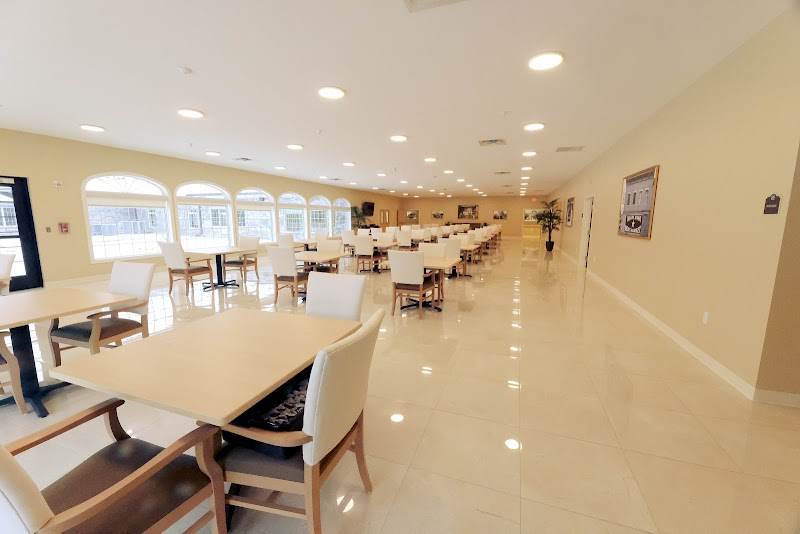
How is Belmont Health & Rehabilitation, The Staffed?

CMS rates BELMONT HEALTH & REHABILITATION, THE's staffing level at 2 out of 5 stars, which is below average compared to other nursing homes. Staff turnover is 38%, compared to the Indiana average of 46%. This relatively stable workforce can support continuity of care.

What Have Inspectors Found at Belmont Health & Rehabilitation, The?

State health inspectors documented 22 deficiencies at BELMONT HEALTH & REHABILITATION, THE during 2022 to 2025. These included: 22 with potential for harm.
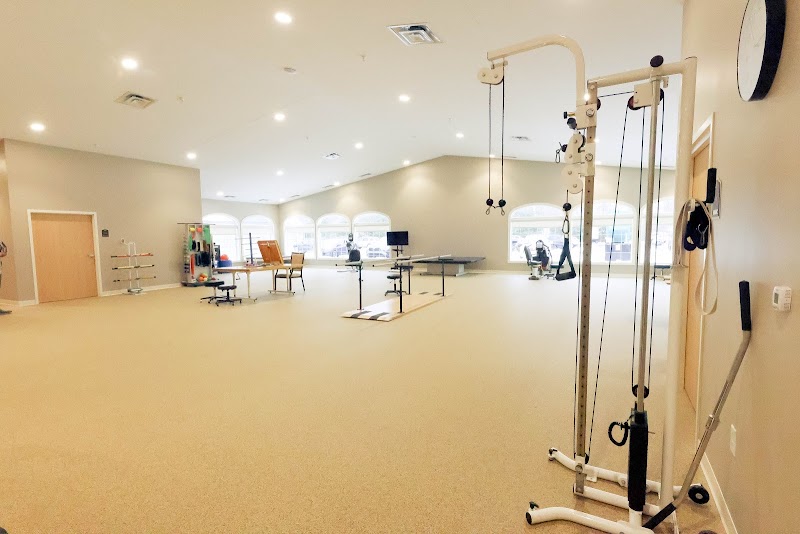
Who Owns and Operates Belmont Health & Rehabilitation, The?

BELMONT HEALTH & REHABILITATION, THE is owned by a government entity. Government-operated facilities are typically run by state, county, or municipal agencies. The facility operates independently rather than as part of a larger chain. With 180 certified beds and approximately 131 residents (about 73% occupancy), it is a mid-sized facility located in COLUMBUS, Indiana.
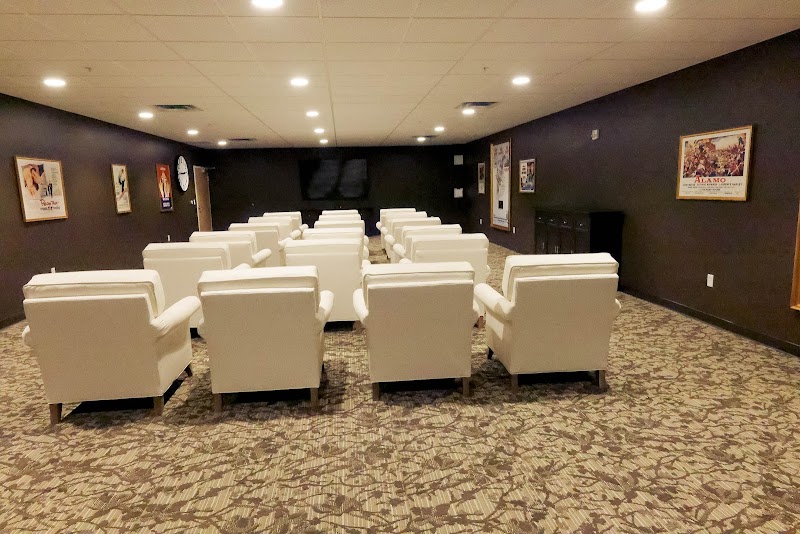
How Does Belmont Health & Rehabilitation, The Compare to Other Indiana Nursing Homes?

Compared to the 100 nursing homes in Indiana, BELMONT HEALTH & REHABILITATION, THE's overall rating (3 stars) is below the state average of 3.1, staff turnover (38%) is near the state average of 46%, and health inspection rating (3 stars) is at the national benchmark.

What Should Families Ask When Visiting Belmont Health & Rehabilitation, The?

Based on this facility's data, families visiting should ask: "Can you walk me through typical staffing levels on day, evening, and night shifts?" "Can I visit during a mealtime to observe dining assistance and food quality?" "How do you handle medical emergencies, and what is your hospital transfer rate?" "Can I speak with family members of current residents about their experience?" These questions are particularly relevant given the below-average staffing rating.

Is Belmont Health & Rehabilitation, The Safe?

Based on CMS inspection data, BELMONT HEALTH & REHABILITATION, THE has a clean safety record: no substantiated abuse findings (meaning no confirmed cases of resident harm), no Immediate Jeopardy citations (the most serious violation level indicating risk of serious injury or death), and is not on the Special Focus Facility watch list (a federal program monitoring the lowest-performing 1% of nursing homes). The facility has a 3-star overall rating and ranks #100 of 100 nursing homes in Indiana. While no facility is perfect, families should still ask about staff-to-resident ratios and recent inspection results during their visit.

Do Nurses at Belmont Health & Rehabilitation, The Stick Around?

BELMONT HEALTH & REHABILITATION, THE has a staff turnover rate of 38%, which is about average for Indiana nursing homes (state average: 46%). Moderate turnover is common in nursing homes, but families should still ask about staff tenure and how the facility maintains care continuity when employees leave.

Was Belmont Health & Rehabilitation, The Ever Fined?

BELMONT HEALTH & REHABILITATION, THE has no federal fines on record. CMS issues fines when nursing homes fail to meet care standards or don't correct problems found during inspections. The absence of fines suggests the facility has either maintained compliance or corrected any issues before penalties were assessed. This is a positive indicator, though families should still review recent inspection reports for the full picture.

Is Belmont Health & Rehabilitation, The on Any Federal Watch List?

BELMONT HEALTH & REHABILITATION, THE is not on any federal watch list. The most significant is the Special Focus Facility (SFF) program, which identifies the bottom 1% of nursing homes nationally based on persistent, serious quality problems. Not being on this list means the facility has avoided the pattern of deficiencies that triggers enhanced federal oversight. This is a positive indicator, though families should still review the facility's inspection history directly.