FOUR SEASONS RETIREMENT CENTER
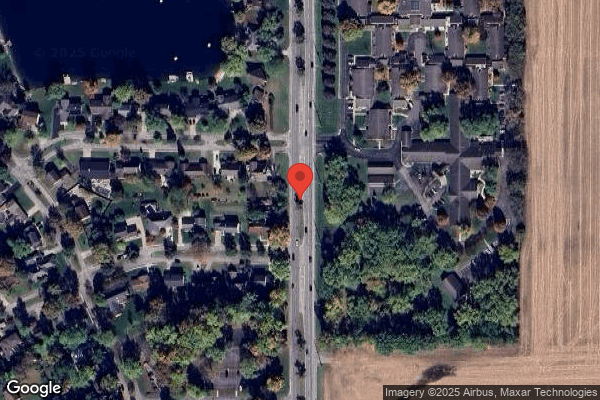
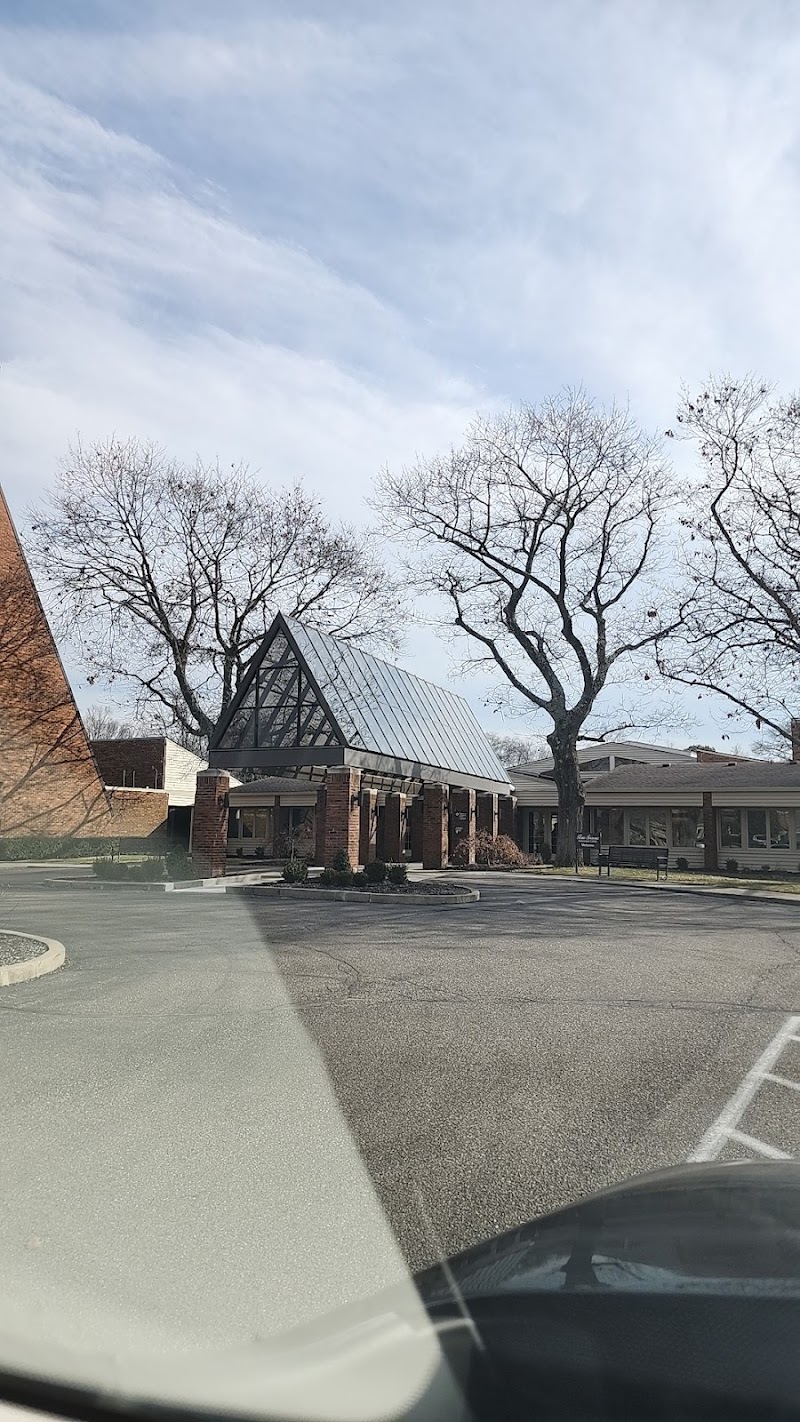
1901 TAYLOR RD, COLUMBUS, IN 47203 (812) 372-8481
Non profit - Corporation 30 Beds BHI SENIOR LIVING Data: November 2025
Trust Grade
90/100
#35 of 505 in IN
Last Inspection: June 2025

Inspected within the last 6 months. Data reflects current conditions.

Overview

Four Seasons Retirement Center in Columbus, Indiana has received an excellent Trust Grade of A, which indicates it is highly recommended and performs well compared to other facilities. Ranking #35 out of 505 facilities in Indiana places it in the top half, and it is the best option among the six facilities in Bartholomew County. The facility's performance is stable, with a consistent number of issues reported over the past two years. Staffing is a notable strength, with a 4 out of 5-star rating and an impressive 0% turnover rate, indicating that staff remain long-term and are familiar with residents' needs. Although there have been no fines, there are some concerns, such as instances of improper catheter care and not educating residents about medication risks. Overall, while the facility demonstrates strong staffing and quality ratings, families should be aware of some areas needing improvement.

Trust Score
A
90/100
In Indiana
#35/505
Top 6%
Safety Record
Low Risk
No red flags
Inspections
Holding Steady
2 → 2 violations
Staff Stability
○ Average
Turnover data not reported for this facility.
Penalties
✓ Good
No fines on record. Clean compliance history, better than most Indiana facilities.
Skilled Nurses
✓ Good
Each resident gets 102 minutes of Registered Nurse (RN) attention daily — more than 97% of Indiana nursing homes. RNs are the most trained staff who catch health problems before they become serious.
Violations
○ Average
8 deficiencies on record. Average for a facility this size. Mostly minor or procedural issues.
★★★★★
5.0
Overall Rating
★★★★☆
4.0
Staff Levels
★★★★☆
4.0
Care Quality
★★★★★
5.0
Inspection Score
Stable
2024: 2 issues
2025: 2 issues

The Good

  • 4-Star Staffing Rating · Above-average nurse staffing levels
  • 4-Star Quality Measures · Strong clinical quality outcomes
  • Full Sprinkler Coverage · Fire safety systems throughout facility
  • No fines on record

Facility shows strength in staffing levels, quality measures, fire safety.

The Bad

Chain: BHI SENIOR LIVING

Part of a multi-facility chain

Ask about local staffing decisions and management

The Ugly 8 deficiencies on record

Jun 2025 2 deficiencies
CONCERN (D)

Potential for Harm - no one hurt, but risky conditions existed

Incontinence Care (Tag F0690)

Could have caused harm · This affected 1 resident

Based on observation, interview, and record review, the facility failed to follow appropriate infection control guidelines related to indwelling urinary catheter care for 1 of 1 resident reviewed for ...

Read full inspector narrative →
Based on observation, interview, and record review, the facility failed to follow appropriate infection control guidelines related to indwelling urinary catheter care for 1 of 1 resident reviewed for Urinary Catheter Care. (Resident 116) Findings include: During an observation, on 06/16/25 at 12:29 P.M., Resident 116 was sitting in a recliner in his room. His indwelling urinary catheter bag was hanging on the side of a small trash can with an inch of the bag touching the floor. There was no barrier between the bag and the floor and the trash can was one third full. During an observation and interview, on 06/19/25 at 11:09 A.M., Resident 116's indwelling urinary catheter bag and cover had between one to two inches of the bag touching the floor. The resident indicated staff helped him move it when he wanted to get up. The bag was hanging under his recliner's footrest. During an observation and interview, with Certified Nurse Aide (CNA) 2, on 06/19/25 at 3:33 P.M., the resident was sitting in his room in his recliner. His indwelling urinary catheter bag was hanging under his recliner with 1/2 of the bag touching the floor. The bag was creased from touching the floor. CNA 2 indicated the catheter bag should not be touching the floor, donned gloves, and hung the bag higher up under his recliner to where the bag was no longer touching the floor. The CNA removed her gloves and washed her hands. During an interview, on 06/17/25 at 2:26 P.M., the Admissions Nurse indicated the resident was admitted to the facility from a hospital following treatment for a Urinary Tract Infection (UTI) and sepsis. During an interview, on 06/23/25 at 11:25 A.M., Physical Therapy Assistant (PTA) 4 indicated Resident 116 was supposed to have staff's assistance when getting up and ambulating. During an interview, on 06/23/25 at 11:26 A.M., Qualified Medication Aide (QMA) 5 indicated, while she was working, the resident had always used his call light if he needed to get up. The facility's Health Center Pre-admission Nursing Assessment, dated 06/11/25, was provided by the Director of Nursing (DON) on 06/20/25 at 2:08 P.M. The record indicated the resident's admitting diagnoses included, but were not limited to, UTI and sepsis. The current Indwelling Catheter Use and Removal policy, dated 2024, was provided by the DON on 06/20/25 at 2:08 P.M. The policy indicated, .If an indwelling catheter is in use, the facility will provide appropriate care for the catheter in accordance with current professional standards of practice .adhere to professional standards of practice and infection prevention and control procedures . 3.1-41(a)(2)
CONCERN (D)

Potential for Harm - no one hurt, but risky conditions existed

Pharmacy Services (Tag F0755)

Could have caused harm · This affected 1 resident

Based on observation, interview, and record review, the facility failed to ensure an extended-release medication was administered as recommended for 1 of 10 medication observations related to pharmacy...

Read full inspector narrative →
Based on observation, interview, and record review, the facility failed to ensure an extended-release medication was administered as recommended for 1 of 10 medication observations related to pharmacy services. (Resident 65) Findings include: During an observation, on 06/19/25 at 10:57 A.M., RN 3 sanitized her hands and prepared medications for Resident 65. She placed all the medications into a cup and handed the cup to the resident. The resident requested all large pills to be crushed and placed in applesauce. Upon returning to the medication cart, RN 3 poured the medications that included, but were not limited to, Klor-Con M20 Extended Release (a Potassium Chloride Microencapsulated Crystals Extended-Release 20 milliequivalent tablet), into a pouch, crushed the medications, placed them back into the medication cup, and added applesauce. The medications were then administered to the resident. The resident was not educated by the nurse related to the risk of crushing an extended-release tablet. The current, open-ended physician's order, with a start date of 06/07/25, indicated the resident was to receive Klor-Con M20 Extended-Release tablet, once a day. The clinical record for Resident 65 lacked a physician's order for staff to crush the resident's Klor-Con M20 Extended-Release tablet. During an interview, on 06/19/25 at 11:53 A.M., RN 3 indicated an Extended-Release medication should not be crushed. A pharmacy Medications Not To Be Crushed list with a revised date of 08/13, was provided by the Director of Nursing (DON) on 06/19/25 at 12:05 P.M. The list included but was not limited to, .Klor-Con tablet .2. Time release formulation . The current facility policy titled, Crushed Medication was dated 01/2025, was provided by the Director of Nursing on 06/19/25 at 3:33 P.M. The policy indicated, Medications shall be crushed in accordance with standards of practice for safety and accuracy in medication administration .Medications that typically should not be crushed include, but are not limited to, .extended release medications . 3.1-48(c)(2)
Apr 2024 2 deficiencies
CONCERN (D)

Potential for Harm - no one hurt, but risky conditions existed

Laboratory Services (Tag F0770)

Could have caused harm · This affected 1 resident

Based on record review and interview, the facility failed to obtain STAT (immediate) labs for 1 of 2 residents reviewed for laboratory services. (Resident 22) Findings include: The clinical record for...

Read full inspector narrative →
Based on record review and interview, the facility failed to obtain STAT (immediate) labs for 1 of 2 residents reviewed for laboratory services. (Resident 22) Findings include: The clinical record for Resident 22 was reviewed on 04/02/24. The resident's diagnoses included, but were not limited to, fracture of the right femur, anemia, kidney disease, and hypertension. A Progress Note, dated 03/28/24 at 12:08 P.M., indicated the resident completed and antibiotic for a UTI (Urinary Tract Infection) the day before, on 03/27/24. The resident had slightly bloody urine. The Nurse Practitioner was notified. A Progress Note, dated 03/29/24 at 11:51 A.M., indicated the resident continued with blood in her urine. A new order was received for a STAT CBC (Complete Blood Count) and UA (Urinalysis). The resident's Eliquis (a blood thinning medication) was put on hold for 48 hours. A Progress Note, dated 03/29/24 at 2:09 P.M., indicated the resident's urine specimen was obtained for the UA. They were waiting for the lab to come and draw the CBC and pick up the urine. A Progress Note, dated 03/29/24 at 6:29 P.M., indicated the STAT CBC had not been drawn. A phone call was made to the laboratory (lab) company to inquire about when the blood would be drawn. The nurse was told that the phlebotomist had acknowledged the order and could not be reached at the time. They were unable to say when the blood would be drawn but the phlebotomist was aware of the STAT order. A Progress Note, dated 03/30/24 at 3:03 A.M., indicated the lab had not been to the facility to pick up the urine or draw the lab. A Progress Note, dated 03/31/24 at 3:39 A.M., indicated the resident had no signs or symptoms of blood in the urine. The CBC was drawn by the lab and the urine was picked up per the physician's order. A physician's order, dated 03/29/24 at 7:00 A.M. through 03/31/24 at 5:41 P.M., indicated the staff were to obtain a STAT CBC and UA every shift. The order was to be discontinued when the blood was drawn. The March EMAR/ETAR (Electronic Medication Administration Record/Electronic Treatment Administration Record) indicated the blood draw was not completed on the following dates and times: - 03/29/24 on day shift, - 03/29/24 on nightshift, and - 03/30/24 on day shift. During an interview on 04/04/24 at 10:18 A.M., RN 2 indicated the lab came to the facility everyday Monday through Friday to obtain labs. If a resident had a STAT lab, it should be done by the next morning. She wasn't sure if they would come the same day as the order or the next day. If they didn't make it to the facility within 24 hours, then she would immediately go to her supervisor and call the physician. The nurses at the facility did not complete blood draws. The residents UA should have been followed up on. During an interview on 04/04/24 at 10:10 A.M., the Nurse Practitioner indicated if a resident had orders for STAT labs she would be done the same day they were ordered. The facility should notify her if the labs were not able to be done the same day. During an interview on 04/04/24 at 10:24 A.M., Medical Records indicated lab orders were transcribed to the lab company to be scheduled. The lab came Monday through Friday and would complete STAT labs on the weekends as needed. STAT labs should be obtained within 3 to 4 hours. If the lab couldn't come in that time frame, then they would obtain them in the facility and take them to the hospital or they could call the physician and see if they wanted to wait to obtain them. If a resident had a STAT lab the lab company should come the same day. The current facility policy titled, Scheduling and Tracking Labs with a revised date of May 15, 2013, was provided by Medical Records on 04/04/24 at 2:40 P.M. The policy indicated, .We will track results of labs from the printed lab requisitions when labs are scheduled into the computer . 3.1-49(a)
MINOR (B)

Minor Issue - procedural, no safety impact

Deficiency F0711 (Tag F0711)

Minor procedural issue · This affected multiple residents

**NOTE- TERMS IN BRACKETS HAVE BEEN EDITED TO PROTECT CONFIDENTIALITY** 4. The clinical record for Resident 2 was reviewed on 04/03/24 at 9:56 A.M. A Quarterly MDS assessment, dated 03/18/24, indicate...

Read full inspector narrative →
**NOTE- TERMS IN BRACKETS HAVE BEEN EDITED TO PROTECT CONFIDENTIALITY** 4. The clinical record for Resident 2 was reviewed on 04/03/24 at 9:56 A.M. A Quarterly MDS assessment, dated 03/18/24, indicated the resident was cognitively intact. The diagnoses included, but were not limited to, fractures, hypertension, anxiety, and depression. The resident's physician conducted an admission assessment on 12/19/23. The resident was a new admission to the facility. The resident was examined, and their medications and laboratory results were reviewed. The Nursing staff documentation, NP documentation, and the resident's plan of care was reviewed. The physician's admission visit documentation was electronically signed and provided by the physician to the facility on [DATE] at 9:24 P.M. The resident's physician conducted a regulatory visit on 01/16/24. The resident was examined, and their medications and laboratory results were reviewed. The Nursing staff documentation, NP documentation, and the resident's plan of care were reviewed. The physician's visit documentation was electronically signed and provided by the physician to the facility on [DATE] at 6:34 A.M. The resident's physician conducted a regulatory nursing home visit on 02/13/24. The resident was examined, and their medications and laboratory results were reviewed. The Nursing staff documentation, NP documentation, and the resident's plan of care were reviewed. The physician's visit documentation was electronically signed and provided to the facility on [DATE] at 9:34 A.M. The resident's physician conducted a regulatory nursing home visit on 03/12/24. The resident was examined, and their medications and laboratory results were reviewed. The Nursing staff documentation, NP documentation, and the resident's plan of care were reviewed. The physician's visit documentation was electronically signed and provided to the facility on [DATE] at 6:28 A.M. During an interview on 04/04/24 at 10:24 A.M., Medical Records indicated when the physician or NP came to the facility to see a resident, they would give the facility written orders at the time of the visit. She would try to review their visit assessment progress note, but she didn't always receive them back from the physician in a timely manner. It was at least a week before she would get them. During an interview on 04/04/24 at 2:48 P.M., the DON (Director of Nursing) indicated after the physician assessed a resident in the facility, the staff would not get his notes until one to two weeks later. Medical Records would review his notes. The physician was in the facility at least once a week. During an interview on 04/05/24 at 9:52 A.M., Medical Records indicated she uploaded the physician's visits progress notes into the residents' clinical records the day she received them from the physician. The upload date was the received date in the clinical record. The current facility policy titled, Physician Visits was revised on February 11, 2004, and provided by the DON on 04/04/24 at 2:40 P.M. The policy indicated, .Orders, recertifications, telephone orders and any other pertinent documents will be signed at the time of the physician's visit, or per facility standards . 3.1-22(c)(2) Based on interview and record review, the facility failed to ensure physicians' notes were provided by the physician in a timely manner for 4 of 14 residents reviewed for regulatory visits. (Residents 13, 18, 5, and 2) Findings include: 1. The clinical record for Resident 13 was reviewed on 04/03/24 at 2:56 P.M. An admission MDS (Minimum Data Set) assessment, dated 01/25/24, indicated the resident was moderately cognitively impaired. The diagnoses included, but were not limited to, atrial fibrillation, hypertension, and renal disease. The resident's physician conducted a regulatory nursing home visit on 01/23/24. The resident was a new admission to the facility. The resident was examined, and their medications and laboratory results were reviewed. The Nursing staff and NP (Nurse Practitioner) documentation, and the resident's plan of care was reviewed. The physician's visit documentation was electronically signed and provided to the facility by the physician on 02/06/24 at 7:39 A.M. 2. The clinical record for Resident 18 was reviewed on 04/05/24 at 10:28 A.M. An admission MDS assessment, dated 01/20/24, indicated the resident was cognitively intact. The diagnoses included, but were not limited to, a stroke, and hemiplegia. The resident's physician conducted a regulatory nursing home visit on 01/16/24. The resident was a new admission to the facility. The resident was examined, and their medications and laboratory results were reviewed. The Nursing staff and NP documentation, and the resident's plan of care was reviewed. The physician's visit documentation was electronically signed and provided to the facility by the physician on 02/04/24 at 6:07 P.M. 3. The clinical record for Resident 5 was reviewed on 04/03/24 at 10:28 A.M. An admission MDS assessment, dated 01/25/24, indicated the resident was cognitively intact. The diagnoses included, but were not limited to, hypertension, cancer, left humerus fracture, and a seizure disorder. The resident's physician conducted a regulatory nursing home visit on 01/23/24. The resident was a new admission to the facility. The resident was examined, and their medications and laboratory results were reviewed. The Nursing staff, NP documentation, and the resident's plan of care was reviewed. The physician's visit documentation was electronically signed and provided to the facility by the physician on 02/06/24 at 7:34 A.M. The resident's physician conducted a routine regulatory nursing home visit on 02/20/24. The resident was examined, and their medications and laboratory results were reviewed. The Nursing staff, NP documentation, and the resident's plan of care was reviewed. The physician's visit documentation was electronically signed and provided to the facility by the physician on 03/09/24 at 3:07 P.M.
Feb 2023 4 deficiencies
CONCERN (D)

Potential for Harm - no one hurt, but risky conditions existed

Accident Prevention (Tag F0689)

Could have caused harm · This affected 1 resident

Based on interview and record review, the facility failed to properly secure a resident's wheelchair during transfer resulting in a fall for 1 of 2 residents reviewed for accidents. (Resident 5) Findi...

Read full inspector narrative →
Based on interview and record review, the facility failed to properly secure a resident's wheelchair during transfer resulting in a fall for 1 of 2 residents reviewed for accidents. (Resident 5) Findings include: During an interview on 02/02/23 at 1:50 P.M., Resident 5's family member indicated he was in the resident's room when she fell a few days ago. A staff member was assisting the resident out of her wheelchair and they forgot to lock the wheelchair brakes. The resident fell to the ground. The resident was wearing a gait belt and the aide stood in front of her, took a hold of the gait belt from the middle of the resident and tried to pull her up from the floor by herself. That didn't work, so the aide went and got help. Another aide came in and the two aides assisted the resident up from the floor and onto the bed. The family member was concerned, because the resident was recovering from a broken back, but she didn't suffer any injuries from the fall. The resident's clinical record was reviewed on 02/07/23 at 1:23 P.M. An admission MDS (Minimum Data Set) assessment, dated 12/08/22, indicated the resident was moderately cognitively impaired. The resident's primary medical condition was a wedge compression fracture, first lumbar vertebra. The additional diagnoses included, but were not limited to, diabetes, hypertension, non-Alzheimer's dementia, and low back pain. The resident's physical therapy orders, dated 01/11/23, indicated the resident may complete functional transfers with nursing staff using an up-right rollator (rolling walker) with minimal staff assistance. A Progress Note, dated 1/31/2023 at 1:00 P.M., indicated the nurse entered the room and the resident was sitting on the side of the bed being assisted by an aide. The aide reported the resident had been lowered to the floor while being transferred and was not injured. The resident was alert, in good spirits, and wearing a gait belt. The resident denied pain and no injuries were observed. A Progress Note, dated 2/1/2023 at 9:15 A.M., indicated the Interdisciplinary Team met to discuss the fall on 1/31/2023. The resident's wheelchair was not locked when the transfer occurred. The resident was lowered to the floor by staff and was assessed by nursing with no injuries or complaints. The staff member was re-educated. During a telephone interview on 02/07/23 at 9:47 A.M., BNA (Basic Nurse Aide) 4 indicated on the day of the incident, the resident was in her wheelchair and wanted to lay down in bed. She placed the resident's walker in front of the resident and placed a gait belt on the resident. She forgot to lock the wheelchair, and as the resident began to rise, she placed her hands on the wheelchair to push herself up. The wheelchair rolled back. The aide had a hold of the resident, so she lowered her to the ground. Another aide assisted her in getting the resident off the floor and onto the bed. The current facility policy, with a revision date of April 2018, and titled FALLS, MANAGEMENT AND PREVENTION OF, was provided by the Director of Nursing on 02/07/23, at 12:47 P.M. The policy indicated, .It is the responsibility of all staff to .providing a safe environment for residents .identify risk factors for falls and to act upon those risk factors by implementing appropriate, individualized fall prevention . 3.1-45(a)(2)
CONCERN (D)

Potential for Harm - no one hurt, but risky conditions existed

Pharmacy Services (Tag F0755)

Could have caused harm · This affected 1 resident

Based on observation and interview, the facility failed to administer medications appropriately for 1 of 9 residents reviewed for medication administration. (Resident 6) Findings include: During an ob...

Read full inspector narrative →
Based on observation and interview, the facility failed to administer medications appropriately for 1 of 9 residents reviewed for medication administration. (Resident 6) Findings include: During an observation and interview of medication administration on 02/03/23 at 8:57 A.M., RN 3 prepared the following medications for Resident 6 by placing them in a medication cup: - Aspirin 81 mg (milligrams), 1 tablet - buspirone 15 mg, 1 tablet - Cetirizine 10 mg, 1 tablet - Lasix 20 mg, 1 tablet - Daliresp 500 micrograms, 1 tablet, and At approximately 8:59 A.M., RN 3 took the cup of medications and a glass of water into Resident 6's room. She handed the medication cup to the resident. The resident tipped the medication cup into her mouth. The resident sat the medication cup on her breakfast tray. The medication cup still contained one pill. The nurse gave the resident her water glass and the resident swallowed the medications she had in her mouth. The resident administered 1 puff of her inhaler and rinsed her mouth. The nurse was leaving the resident's room when she was stopped by the surveyor and alerted that there was still a pill in the medication cup. The kitchen staff were in the vicinity picking up breakfast trays. The nurse went back to the resident and administered the pill. RN 3 indicated the resident would not have received the pill if she had not been alerted. The current facility policy titled, Medication Administration, with a revised date of 2/12/2019, was provided by the DON (Director of Nursing) on 02/07/23 at 2:47 P.M. The policy indicated, .Observe resident consumption of medication . The current facility policy titled, Medication Administration-General Guidelines with an effective date of January 2007, was provided by Medical Records on 02/07/23 at 1:36 P.M. The policy indicated, .The resident is always observed after administration to ensure that the dose was completely ingested . 3.1-25(b)
CONCERN (D)

Potential for Harm - no one hurt, but risky conditions existed

Laboratory Services (Tag F0770)

Could have caused harm · This affected 1 resident

Based on observation, interview, and record review, the facility failed to follow physician orders related to laboratory services for 1 of 9 residents reviewed. (Resident 65) Findings include: During ...

Read full inspector narrative →
Based on observation, interview, and record review, the facility failed to follow physician orders related to laboratory services for 1 of 9 residents reviewed. (Resident 65) Findings include: During an observation on 02/06/23 at 9:50 A.M., Resident 65 was sitting in a chair in her room. The call light was in reach and had no concerns. The clinical record for Resident 65 was reviewed on 02/06/23 at 1:37 P.M. An admission MDS (Minimum Data Set) assessment, dated 01/18/23, indicated the resident was moderately cognitively impaired. The active diagnoses included, but were not limited to, fractures, anemia, hypertension, renal insufficiency, UTI (Urinary Tract Infection) in the last 30 days, hyponatremia, thyroid disorder, and malnutrition. A current physician's order, dated 02/02/23, indicated the resident was to have a recheck of a CBC (Complete Blood Count) and CMP (Comprehensive Metabolic Panel) on 02/06/23. The clinical record lacked indication that the laboratory services were completed on 02/06/23. During an interview on 02/07/23 at 10:25 A.M., RN 3 indicated the resident was admitted to the facility following a fracture. The resident had some subcutaneous fluids for a day last week for an elevated BUN and creatine. When a physician would order labs, the nurse would input them into the clinical record and then input them into the laboratory company web site for when they needed to be completed. The laboratory company came to the facility everyday between 3:00 A.M. and 5:00 A.M. During an interview on 02/07/23 at 1:05 P.M., the DON (Director of Nursing) indicated the residents labs were due on the 6th and didn't get completed and should have. During an interview on 02/07/23 at 2:21 P.M., Medical Records indicated the resident's labs for the CBC and CMP were ordered in 02/03/23 and had never been inputted into the laboratory companies system to be completed. The current facility policy titled, SCHEDULING AND TRACKING LABS POLICY with a revised date of 06/21/2019, was provided by Admissions Coordinator on 02/07/23 at 2:09 P.M. The policy indicated, .Laboratory orders will be entered into PCC on the computer .The Laboratory requisition in the Med Lab computer program must be completed by the nurse taking off the order . 3.1-25(b)
CONCERN (D)

Potential for Harm - no one hurt, but risky conditions existed

Deficiency F0776 (Tag F0776)

Could have caused harm · This affected 1 resident

**NOTE- TERMS IN BRACKETS HAVE BEEN EDITED TO PROTECT CONFIDENTIALITY** Based on observation, interview, and record review, the facility failed to follow physician orders for a STAT chest X-ray in a t...

Read full inspector narrative →
**NOTE- TERMS IN BRACKETS HAVE BEEN EDITED TO PROTECT CONFIDENTIALITY** Based on observation, interview, and record review, the facility failed to follow physician orders for a STAT chest X-ray in a timely manner for 2 of 9 residents reviewed. (Residents 65 and 5) Findings include: 1. During an observation on 02/06/23 at 9:50 A.M., Resident 65 was sitting in a chair in her room. During an interview on 02/07/23 at 9:34 A.M., the scheduler indicated Resident 65 was being sent to the hospital. The clinical record for Resident 65 was reviewed on 02/06/23 at 1:37 P.M. An admission MDS (Minimum Data Set) assessment, dated 01/18/23, indicated the resident was moderately cognitively impaired. The active diagnoses included, but were not limited to, fractures, anemia, hypertension, renal insufficiency, UTI (Urinary Tract Infection) in the last 30 days, hyponatremia, thyroid disorder, and malnutrition. A Skilled Evaluation Progress Note, dated 02/06/23 at 4:33 P.M., indicated the resident was having 2+ pitting edema in her bilateral lower extremities that was a new onset. The resident had wheezing in the lungs of her left and right posterior upper lobes on auscultationl. A cough was present that was moist, loose, and productive, with a moderate amount of secretions. The resident had been seen by the NP (Nurse Practitioner) with new orders for a STAT (immediately) chest x-ray, ProBNP (B-Type Natriuretic Peptide), and a CMP (Comprehensive Metabolic Panel). A Radiology Order, dated 02/06/23 at 4:28 P.M., indicated the resident was to have a STAT chest x-ray. The clinical record lacked indication that the chest x-ray had been completed before the resident was sent to the local emergency room on [DATE] or documentation that the physician had been notified that the chest x-ray was not able to be completed. 2. Resident 5's clinical record was reviewed on 02/07/23 at 1:23 P.M. An admission MDS assessment, dated 12/08/22, indicated the resident was moderately cognitively impaired. The resident's primary medical condition was a wedge compression fracture, first lumbar vertebra. The additional diagnoses included, but were not limited to, diabetes, hypertension, non-Alzheimer's dementia, and low back pain. A Progress Note, dated 02/06/23 at 6:39 P.M., indicated the resident had been seen by the NP regarding a persistent cough and wheezing. A new physician's order was received for a chest x-ray. A handwritten physician's order, dated 02/06/23, indicated a STAT chest x-ray was to be obtained. The order was signed by the NP, and initialed as noted by the nurse. A Radiology Order confirmation document indicated the facility ordered a chest x-ray on 02/06/23 at 4:31 P.M. The priority was listed as STAT. On 02/07/23 at 2:00 P.M., the resident was observed in bed in her room. The resident indicated she had a chest x-ray around 11:00 A.M. that morning. During an interview on 02/07/23 at 10:44 A.M., the DON (Director of Nursing) indicated that she believed the STAT chest x-rays were not completed because the x-ray company was short staffed. During an interview on 02/07/23 at 1:05 P.M., the DON indicated a night shift nurse had spoken with the x-ray company on the night of 02/06/23 and had indicated they would not be into the building until 02/07/23. The nurse should have documented that she contacted the physician. During an interview on 02/07/23 at 1:46 P.M., RN 3 indicated a STAT chest x-ray should be completed within 4 to 5 hours of getting the order. During an interview on 02/07/23 at 2:25 P.M., RN 3 indicated if the x-ray company was not able to come within the 4-to-5-hour window for a STAT x-ray, she would reassess the resident, call the Nurse Practitioner and see what she would want to do. She would have documented in the progress note the discussion with the x-ray company, and discussion with the Nurse Practitioner. She would also update the family as needed. The current facility policy, titled Laboratory Services and Reporting, and dated 08/22/22, was provided by the DON on 02/07/23 at 4:03 P.M. The policy indicated, .The facility must provide or obtain laboratory services when ordered . The current facility policy, titled PHYSICIAN and FAMILY NOTIFICATION POLICY, and dated October 1, 2017, was provided by the admission Coordinator on 02/07/23 at 2:09 P.M. The policy indicated, .The resident's physician will be notified of the following .all labs . 3.1-49(g)
Understanding Severity Codes (click to expand)
Life-Threatening (Immediate Jeopardy)
J - Isolated K - Pattern L - Widespread
Actual Harm
G - Isolated H - Pattern I - Widespread
Potential for Harm
D - Isolated E - Pattern F - Widespread
No Harm (Minor)
A - Isolated B - Pattern C - Widespread

Questions to Ask on Your Visit

  • "Can I speak with families of current residents?"
  • "What's your RN coverage like on weekends and overnight?"

Our Honest Assessment

Strengths
  • • Grade A (90/100). Above average facility, better than most options in Indiana.
  • • No major safety red flags. No abuse findings, life-threatening violations, or SFF status.
  • • No fines on record. Clean compliance history, better than most Indiana facilities.
Concerns
  • • No significant concerns identified. This facility shows no red flags across CMS ratings, staff turnover, or federal penalties.
Bottom line: Generally positive indicators. Standard due diligence and a personal visit recommended.

About This Facility

What is Four Seasons Retirement Center's CMS Rating?

CMS assigns FOUR SEASONS RETIREMENT CENTER an overall rating of 5 out of 5 stars, which is considered much above average nationally. Within Indiana, this rating places the facility higher than 99% of the state's 100 nursing homes. This rating reflects solid performance across the metrics CMS uses to evaluate nursing home quality.

How is Four Seasons Retirement Center Staffed?

CMS rates FOUR SEASONS RETIREMENT CENTER's staffing level at 4 out of 5 stars, which is above average compared to other nursing homes.

What Have Inspectors Found at Four Seasons Retirement Center?

State health inspectors documented 8 deficiencies at FOUR SEASONS RETIREMENT CENTER during 2023 to 2025. These included: 7 with potential for harm and 1 minor or isolated issues.

Who Owns and Operates Four Seasons Retirement Center?

FOUR SEASONS RETIREMENT CENTER is owned by a non-profit organization. Non-profit facilities reinvest revenue into operations rather than distributing to shareholders. The facility is operated by BHI SENIOR LIVING, a chain that manages multiple nursing homes. With 30 certified beds and approximately 14 residents (about 47% occupancy), it is a smaller facility located in COLUMBUS, Indiana.

How Does Four Seasons Retirement Center Compare to Other Indiana Nursing Homes?

Compared to the 100 nursing homes in Indiana, FOUR SEASONS RETIREMENT CENTER's overall rating (5 stars) is above the state average of 3.1 and health inspection rating (5 stars) is much above the national benchmark.

What Should Families Ask When Visiting Four Seasons Retirement Center?

Based on this facility's data, families visiting should ask: "Can I visit during a mealtime to observe dining assistance and food quality?" "How do you handle medical emergencies, and what is your hospital transfer rate?" "Can I speak with family members of current residents about their experience?"

Is Four Seasons Retirement Center Safe?

Based on CMS inspection data, FOUR SEASONS RETIREMENT CENTER has a clean safety record: no substantiated abuse findings (meaning no confirmed cases of resident harm), no Immediate Jeopardy citations (the most serious violation level indicating risk of serious injury or death), and is not on the Special Focus Facility watch list (a federal program monitoring the lowest-performing 1% of nursing homes). The facility has a 5-star overall rating and ranks #1 of 100 nursing homes in Indiana. While no facility is perfect, families should still ask about staff-to-resident ratios and recent inspection results during their visit.

Do Nurses at Four Seasons Retirement Center Stick Around?

FOUR SEASONS RETIREMENT CENTER has not reported staff turnover data to CMS. Staff turnover matters because consistent caregivers learn residents' individual needs, medications, and preferences. When staff frequently change, this institutional knowledge is lost. Families should ask the facility directly about their staff retention rates and average employee tenure.

Was Four Seasons Retirement Center Ever Fined?

FOUR SEASONS RETIREMENT CENTER has no federal fines on record. CMS issues fines when nursing homes fail to meet care standards or don't correct problems found during inspections. The absence of fines suggests the facility has either maintained compliance or corrected any issues before penalties were assessed. This is a positive indicator, though families should still review recent inspection reports for the full picture.

Is Four Seasons Retirement Center on Any Federal Watch List?

FOUR SEASONS RETIREMENT CENTER is not on any federal watch list. The most significant is the Special Focus Facility (SFF) program, which identifies the bottom 1% of nursing homes nationally based on persistent, serious quality problems. Not being on this list means the facility has avoided the pattern of deficiencies that triggers enhanced federal oversight. This is a positive indicator, though families should still review the facility's inspection history directly.