HICKORY CREEK AT COLUMBUS
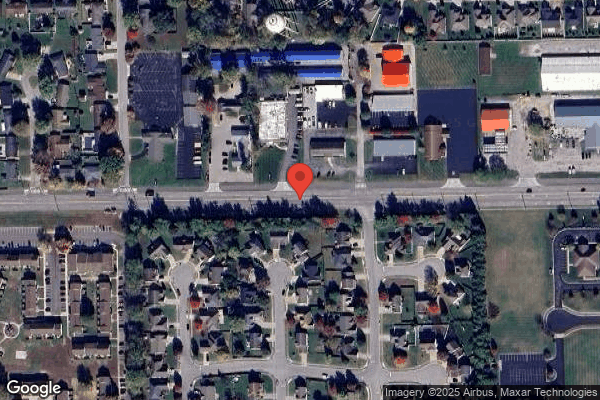
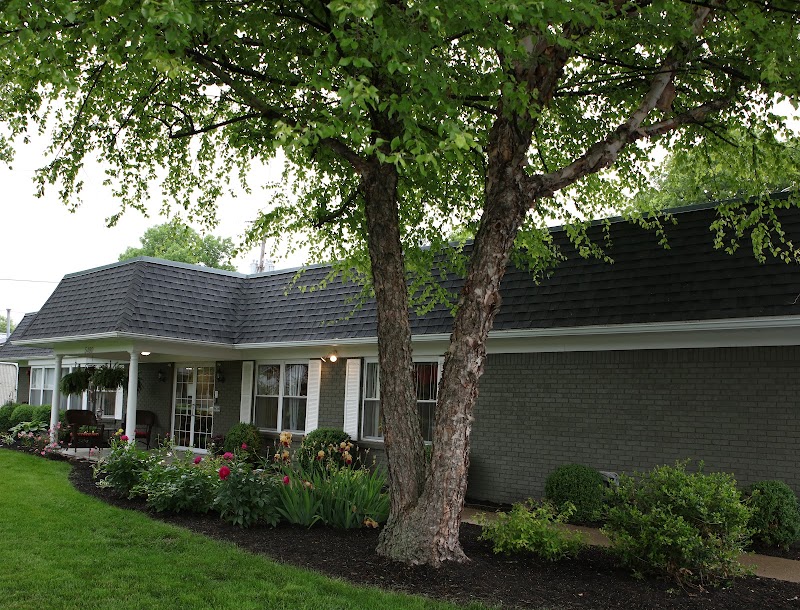
5480 E 25TH STREET, COLUMBUS, IN 47203 (812) 372-6136
Government - County 36 Beds AMERICAN SENIOR COMMUNITIES Data: November 2025
Trust Grade
85/100
#50 of 505 in IN
Last Inspection: August 2024

Within standard 12-15 month inspection cycle. Federal law requires annual inspections.

Overview

Hickory Creek at Columbus has a Trust Grade of B+, which means it's above average and generally recommended for families considering nursing home options. It ranks #50 out of 505 facilities in Indiana, placing it in the top half, and #2 of 6 in Bartholomew County, indicating that only one local facility is rated higher. However, the facility's trend is worsening, with the number of issues increasing from 2 in 2023 to 3 in 2024. Staffing is a concern, with a 2/5 star rating and a turnover rate of 34%, which is better than the state average but still indicates room for improvement. On the positive side, there have been no fines, which is a good sign, and the facility has more RN coverage than 83% of Indiana facilities, ensuring that nurses can catch issues that might be missed by other staff. Specific incidents noted during inspections included a serious issue where a resident experienced significant pain during a wound dressing change due to a lack of appropriate pain management, and concerns about not notifying a physician when a resident's blood glucose levels were dangerously high. Additionally, another resident's blood pressure was not monitored as required, which could pose health risks. While the facility has strengths, particularly in RN coverage and lack of fines, these serious concerns highlight important areas that families should consider when researching care options.

Trust Score
B+
85/100
In Indiana
#50/505
Top 9%
Safety Record
Moderate
Needs review
Inspections
Getting Worse
2 → 3 violations
Staff Stability
○ Average
34% turnover. Near Indiana's 48% average. Typical for the industry.
Penalties
✓ Good
No fines on record. Clean compliance history, better than most Indiana facilities.
Skilled Nurses
✓ Good
Each resident gets 46 minutes of Registered Nurse (RN) attention daily — more than average for Indiana. RNs are trained to catch health problems early.
Violations
⚠ Watch
11 deficiencies on record. Higher than average. Multiple issues found across inspections.
★★★★★
5.0
Overall Rating
★★☆☆☆
2.0
Staff Levels
★★★★★
5.0
Care Quality
★★★★★
5.0
Inspection Score
Stable
2023: 2 issues
2024: 3 issues

The Good

  • 5-Star Quality Measures · Strong clinical quality outcomes
  • Full Sprinkler Coverage · Fire safety systems throughout facility
  • No fines on record
  • Staff turnover below average (34%)

    14 points below Indiana average of 48%

Facility shows strength in quality measures, fire safety.

The Bad

Staff Turnover: 34%

11pts below Indiana avg (46%)

Typical for the industry

Chain: AMERICAN SENIOR COMMUNITIES

Part of a multi-facility chain

Ask about local staffing decisions and management

The Ugly 11 deficiencies on record

1 actual harm
Aug 2024 2 deficiencies
CONCERN (D)

Potential for Harm - no one hurt, but risky conditions existed

Notification of Changes (Tag F0580)

Could have caused harm · This affected 1 resident

Based on record review and interview, the facility failed to notify the physician of blood glucose levels per the physician's order for 1 of 14 residents reviewed for notification of change. (Resident...

Read full inspector narrative →
Based on record review and interview, the facility failed to notify the physician of blood glucose levels per the physician's order for 1 of 14 residents reviewed for notification of change. (Resident 8) Findings include: The clinical record for Resident 8 was reviewed on 08/28/24 at 2:25 P.M. A Quarterly MDS (Minimum Data Set) assessment, dated 08/21/24, indicated the resident was moderately cognitively impaired. The resident's diagnoses included, but were not limited to, heart failure, hypertension, diabetes, anxiety, and depression. A current physician's order, with a start date of 03/20/24, indicated the resident was to be administered insulin lispro per a sliding scale. The physician was to be notified if the resident's blood glucose level was greater than 350. The June, July, and August 2024, EMAR/ETAR (Electronic Medication Administration Record/Electronic Treatment Administration Record) indicated the resident's blood glucose levels were greater than 350 on the following dates and times: - On 06/10/24 at 11:00 A.M., the resident's blood glucose level was 368, - On 06/20/24 at 11:00 A.M., the resident's blood glucose level was 355, - On 06/25/24 at 11:00 A.M., the resident's blood glucose level was 367, - On 07/08/24 at 11:00 A.M., the resident's blood glucose level was 399, - On 07/21/24 at 11:00 A.M., the resident's blood glucose level was 389, - On 08/19/24 at 7:00 A.M., the resident's blood glucose level was 358, and - On 08/19/24 at 11:00 A.M., the resident's blood glucose level was 394. The resident's clinical record lacked any documentation the physician was notified of the blood glucose levels. During an interview on 08/29/24 at 2:09 P.M., LPN (Licensed Practical Nurse) 2 indicated the resident's blood glucose levels were documented on the EMAR/ETAR. If the blood glucose was out of the parameter and if the nurse was required to call the physician it would be documented on the EMAR/ETAR and in a progress note. They would document if there were any new orders in a progress note. During an interview on 08/29/24 at 2:55 P.M., the DON (Director of Nursing) indicated the resident did not suffer any ill effects related to the physician not being notified of the blood glucose levels. The current facility policy titled, Blood Glucose Monitoring, with a revision date of 2/2015, was provided by the DON on 08/29/24 at 2:45 P.M. The policy indicated, .The physician will be notified when the resident's blood glucose is outside the physician stated parameters . 3.1-5(a)(2)
CONCERN (D)

Potential for Harm - no one hurt, but risky conditions existed

Quality of Care (Tag F0684)

Could have caused harm · This affected 1 resident

Based on record review and interview, the facility failed to monitor a resident's blood pressure as ordered by the physician's for 1 of 14 residents reviewed for quality of care. (Resident 7) Findings...

Read full inspector narrative →
Based on record review and interview, the facility failed to monitor a resident's blood pressure as ordered by the physician's for 1 of 14 residents reviewed for quality of care. (Resident 7) Findings include: The clinical record for Resident 7 was reviewed on 08/27/24. A Quarterly MDS (Minimum Data Set) assessment, dated 08/05/24, indicated the resident was moderately cognitively impaired. The resident's diagnoses included, but were not limited to, hypertension, diabetes, depression, and insomnia. A current physician's order, with a start date of 06/13/24, indicated the staff were to obtain the resident's blood pressure daily and to notify the physician's office if the systolic (top number) was less than 100. The blood pressure record was to be taken to the next appointment on 12/13/24. The June, July, and August 2024, EMAR/ETAR (Electronic Medication Administration Record/Electronic Treatment Administration Record) lacked any documented blood pressures. The Vitals Report for June, July, and August 2024, lacked documented blood pressures for Resident 7 on the following dates: 06/15/24, 06/16/24, 06/18/24, 06/20/24, 06/21/24, 06/24/24, 06/25/24, 06/29/24, 06/30/24, 07/27/24, 07/28/24, 07/31/24, 08/01/24, 08/02/24, 08/05/24, 08/06/24, 08/10/24, 08/11/24, 08/15/24, 08/16/24, 08/19/24, 08/20/24, and 08/22/24. During an interview on 08/29/24 at 11:05 A.M., LPN (Licensed Practical Nurse) 2 indicated when a resident had an order to monitor their blood pressure it would be documented on the EMAR/ETAR. During an interview on 08/29/24 at 11:08 A.M., the DON (Director of Nursing) indicated the resident's blood pressure should have been monitored daily per the physician's order. The current facility policy titled, Documenting Guidelines for Nursing with a revision date of 7/24, was provided by the DON on 08/29/24 at 2:45 P.M. The policy indicated, .To accurately document in an organized manner all information related to the resident in the medical record . 3.1-37(a)
Jan 2024 1 deficiency
CONCERN (D) 📢 Someone Reported This

A family member, employee, or ombudsman was alarmed enough to file a formal complaint

Potential for Harm - no one hurt, but risky conditions existed

Medical Records (Tag F0842)

Could have caused harm · This affected 1 resident

Based on interview and record review, the facility failed to ensure a resident's record accurately reflected the administration of a narcotic medication for 1 of 3 residents reviewed for resident reco...

Read full inspector narrative →
Based on interview and record review, the facility failed to ensure a resident's record accurately reflected the administration of a narcotic medication for 1 of 3 residents reviewed for resident records. (Resident B) Findings include: The clinical record for Resident B was reviewed on 01/12/24 at 2:17 p.m. An admission MDS (Minimum Data Set) assessment, dated 12/02/23, indicated the resident was cognitively intact. The diagnoses included, but were not limited to, prostate cancer and Chronic Obstructive Pulmonary Disease. The November 2023 EMAR (electronic medication administration record) indicated the resident could receive oxycodone/acetaminophen (a narcotic pain medication) 5 mg (milligrams), 325 mg every four hours PRN (as needed) for pain. During an interview on 01/12/23 at 2:13 P.M., Resident B indicated on Sunday 11/26/23 RN 2 asked him after lunch to take his PRN pain medication. He told her he was not having any pain and didn't need the medication. She told him if he didn't take it she would have to throw it away. The Controlled Substance Record indicated the resident received oxycodone/acetaminophen 5 mg, 325 mg on 11/26/23 at 7:15 A.M. and 1:00 P.M. Review of the November 2023 EMAR lacked documentation of the administration of the oxycodone/acetaminophen 5 mg, 325 mg on 11/26/23 at 7:15 A.M. and 1:00 P.M. During an interview on 01/16/24 at 2:01 P.M., RN 3 indicated a PRN medication should not be removed from the medication cart until the resident makes the request for the medication. Blanks in the EMAR indicated the medication was not given. When a controlled substance needed to be destroyed, there should be two nurses, the medication was placed in the drug buster container and both nurses sign the controlled substance record sheet. The current facility pharmacy policy with a revision dated of 01/10/22, was provided by the Director of nursing on 01/16/24 at 3:00 P.M. The policy indicated, .Document the administration of controlled substances in accordance with Applicable Law .Document necessary medication administration/treatment information (e.g., when medications are opened, when medications are given, injection site of a medication, if medications are refused, PRN medications, application sight) on appropriate forms .Medication administration will be recorded on the MAR (Medication Administration Record)/EMAR or TAR (Treatment Administration Record) after given . This citation relates to Complaint IN00422886. 3.1-50(a)(1) 3.1-50(a)(2)
Jun 2023 2 deficiencies
CONCERN (D)

Potential for Harm - no one hurt, but risky conditions existed

Pressure Ulcer Prevention (Tag F0686)

Could have caused harm · This affected 1 resident

Based on interview and record review, the facility failed to identify pressure ulcers in a timely manner and document treatment administrations for 1 of 2 residents reviewed for pressure ulcers. (Resi...

Read full inspector narrative →
Based on interview and record review, the facility failed to identify pressure ulcers in a timely manner and document treatment administrations for 1 of 2 residents reviewed for pressure ulcers. (Resident 1) Findings include: During an interview on 06/07/23 at 9:31 A.M., Resident 1 indicated she had pressure wounds on her bottom that had recently healed. The resident's record was reviewed on 06/11/23 at 4:51 P.M. A Significant Change MDS (Minimum Data Set) assessment, dated 05/19/23, indicated the resident was cognitively intact. The diagnoses included, but were not limited to, diabetes, heart failure, renal disease, and hypertension. The resident required extensive staff assistance with transferring, toileting, and personal hygiene. The resident was at risk for pressure ulcers, and currently had one Unstageable pressure ulcer (obscured full-thickness skin and tissue loss in which the extent of tissue damage within the ulcer cannot be confirmed because the wound bed is obscured by slough [moist, non-viable tissue] or eschar [dead tissue]). A Wound Management Detail Report, dated 05/10/23, indicated a pressure ulcer was identified on the resident's left buttock that measured 1.3 cm (centimeters) x (by) 0.6 cm. The wound was unstageable, as it was 100% (percent) covered by slough. A Progress Note, dated 05/10/23 at 3:02 P.M., indicated a new, unstageable pressure ulcer was identified on the resident's left buttock. A new physician's order was obtained for treatment. The treatment was the daily application of Santyl (a medication that removed dead tissue from wounds) and an Optifoam dressing (a waterproof foam dressing with a high fluid-handling capacity). A Wound Management Detail Report, dated 05/26/23, indicated the pressure ulcer on the resident's left buttock measured 1 cm x 1 cm. The wound was still unstageable, as it was 100% covered by slough. A Wound Management Detail Report, dated 05/26/23, indicated a new pressure ulcer was identified on the resident's right buttock that measured 1.6 cm x 2 cm. This wound was unstageable, as it was 100% covered by slough. A Progress Note, dated 05/26/23, indicated a new, unstageable pressure ulcer was identified on the resident's right buttock. New interventions included a new wound treatment order, a low air loss mattress, and new physician's orders for a multivitamin and zinc supplements. The progress note indicated the current treatment order for the right buttock wound was Medihoney (a honey wound gel) and an Optifoam dressing. The May 2023 ETAR (Electronic Treatment Administration Record) was provided by the DON (Director of Nursing) on 06/12/23 at 1:03 P.M. The record indicated the following physician ordered treatments were administered: - The Santyl and Optifoam dressing treatment was administered daily to the left buttock from 05/10/23 until it was discontinued on 05/26.23, and - The Medihoney and Optifoam dressing treatment was administered daily to the left buttock from 05/26/23 until it was discontinued on 05/30/23. - A treatment listed on the May 2023 ETAR indicated nursing staff were to apply Skin Prep (a liquid, film forming dressing) to the dry area on the right buttock every shift from 05/10/23 until the treatment was discontinued on 05/30/23. The record lacked documentation of any other treatment to the wound on the resident's right buttock. Both wounds were documented as resolved on 05/30/23 in the Wound Management Detail Report. During an interview on 06/12/23 at 11:25 A.M., the DON indicated the wounds on the resident's buttocks should have been identified before they were unstageable wounds. The wound on the resident's right buttock was identified one day and gone a few days later. During an interview on 06/12/23 at 2:35 P.M., CNA (Certified Nurse Aide) 3 indicated staff were to look out for skin impairments. They would observe the residents' skin while assisting a resident with toileting, bathing, dressing, and undressing. If they found a wound, they would notify the nurse. They also filled out shower sheets on shower days and would note any skin impairments there. Resident 1 required enough assistance with ADLs (Activities of Daily Living) that her skin would be observed at least daily. The current facility policy, titled Skin Management Program, with a most recent revision date of 05/22, was provided by the DON on 06/12/23 at 1:03 P.M. The policy indicated, .It is the policy .to ensure that each resident receives care, consistent with professional standards of practice, to prevent pressure ulcers and does not develop pressure ulcers unless the individual's clinical condition demonstrates that they were unavoidable .a resident with pressure ulcers receives necessary care and treatment and services, consistent with professional standards of practice, to promote healing, prevent infection, and prevent new ulcers from developing .Interventions to prevent wounds from developing and/or promote healing will be initiated . 3.1-40(a)(1) 3.1-40(a)(2)
CONCERN (D)

Potential for Harm - no one hurt, but risky conditions existed

Deficiency F0761 (Tag F0761)

Could have caused harm · This affected 1 resident

Based on observation, interview, and record review, the facility failed to store medications appropriately related to insulin pens for 1 of 2 medication carts reviewed. (Back Hall medication cart) Fin...

Read full inspector narrative →
Based on observation, interview, and record review, the facility failed to store medications appropriately related to insulin pens for 1 of 2 medication carts reviewed. (Back Hall medication cart) Findings include: On 06/12/23 at 10:55 A.M., the Back Hall medication cart was observed with RN 2, and contained the following: - A Lispro insulin pen for Resident 5, with an open date of 05/14/23. The nurse verified the open date. The pen was 1/4 full. The resident had received the insulin that morning. - A Lispro insulin pen for Resident 7, with an open date of 05/14/23. The nurse verified the open date. The pen was 1/4 full. The resident had received the insulin that morning. During an interview on 5/14/23 at 10:58 A.M., RN 2 indicated the Lispro insulin pens were good for 30 days after the open date. During an interview on 06/12/23 at 2:00 P.M., the Administrator indicated the facility did not have a specific medication storage policy, they followed the pharmacy recommendations. The current facility pharmacy manual, with a revised date of 01/01/22, was provided by the DON on 06/12/23 at 11:45 A.M. The manual indicated, .Insulin Lispro pen once opened is good for 28 days . The pens should have been taken out of use after 06/10/23. 3.1-25(j) 3.1-25(o)
Jun 2022 6 deficiencies 1 Harm
SERIOUS (G)

Actual Harm - a resident was hurt due to facility failures

Deficiency F0697 (Tag F0697)

A resident was harmed · This affected 1 resident

Based on observation, interview, and record review, the facility failed to implement appropriate pain management interventions before or during a wound treatment resulting in the resident crying out, ...

Read full inspector narrative →
Based on observation, interview, and record review, the facility failed to implement appropriate pain management interventions before or during a wound treatment resulting in the resident crying out, gritting her teeth, moaning, and grimacing during the treatment for 1 of 3 residents reviewed for pain management. (Resident 28) Findings include: During an observation on 06/21/22 at 11:07 A.M., RN 3 explained to Resident 28 that she was going to change the wound dressing on the resident's right heel. She washed her hands and donned gloves. RN 3 started to cut the dressing off the resident's foot when the resident started saying it hurts, it hurts. The resident's eyes were closed. She was gritting her teeth, moaning, and grimacing. RN 3 removed the dressing while the resident continued to cry out. The RN was stopped and asked if the resident could have pain medication. The RN indicated when she finished administering the wound treatment, she would see if the QMA (Qualified Medication Aide) could get the resident some pain medication. RN 3 cleansed the wound and removed her gloves. The nurse then donned new gloves, applied the cream to the wound, applied the dressing, and doffed her gloves. The resident continued to say she was in pain multiple times during the treatment. After the treatment was complete, RN 3 asked the QMA to give the resident some pain medication. During an interview on 06/21/22 at 11:26 A.M., Resident 28 indicated her foot hurt every time the dressing was changed. She was never offered any pain medication before the treatment began; they would wait and offer her medication once the treatment was complete. During an interview on 06/21/22 at 11:37 A.M., the DON (Director of Nursing) indicated the resident didn't have a lot of pain from her wound. If she sat up for long periods of time, she would say it would be throbbing and they would give her Tylenol. The resident didn't usually have any complaints during the dressing changes. During an interview on 06/21/22 at 1:34 P.M., LPN (Licensed Practical Nurse) 4 indicated before changing a dressing she would ask the resident if they wanted pain medication or if they were having any pain. She never changed the resident's wound dressing, so she was unsure if the resident had pain in the area. A Wound Management Detail Report, dated 05/12/22, indicated the resident had an unstageable pressure ulcer to the right heel that was present on admission. The wound measured 4.3 cm (centimeters) X (by) 2.9 cm. A Wound Management Detail Report, dated 06/07/22, indicated the resident's wound measured 2 cm X 4 cm. The resident winced when you touched the wound. A Progress Note, dated 06/16/22, indicated the resident's wound dressing was changed. The resident's heel was tender to touch with the dressing change, but the resident denied pain after the dressing was completed. The clinical record for Resident 28 was reviewed on 06/17/22 at 12:04 P.M. An admission MDS (Minimum Data Set) assessment, dated 05/18/22, indicated the resident was severely cognitively impaired. The diagnoses included, but were not limited to, anemia, hypertension, renal insufficiency, diabetes, other fracture, non-Alzheimer's dementia, anxiety, and depression. The current facility policy titled, Dressing Change Clean Technique, with a revision date of 06/2021 was provided by the DON on 06/21/22 at 2:46 P.M. The policy indicated, .5. Assess for the presence of pain and pre-medicate if necessary. If pain present, do not proceed with procedure. Note: If resident complains of pain or shows non-verbal signs of pain at any time during the procedure, stop and gently cover wound to protect from contamination. Assess pain and provide intervention . The current facility policy titled, Pain Management, with a revision date of 10/20 was provided by the DON on 06/21/22 at 2:46 P.M. The policy indicated, .to provide the necessary care and services to attain or maintain the highest practicable physical, mental, and psychosocial well-being, including pain management . 3.1-37(a)
CONCERN (D)

Potential for Harm - no one hurt, but risky conditions existed

ADL Care (Tag F0677)

Could have caused harm · This affected 1 resident

Based on observation, interview, and record review, the facility failed to provide fingernail care for 1 of 15 residents reviewed for Activities of Daily Living. (Resident 13) Findings include: During...

Read full inspector narrative →
Based on observation, interview, and record review, the facility failed to provide fingernail care for 1 of 15 residents reviewed for Activities of Daily Living. (Resident 13) Findings include: During an observation and interview on 06/15/22 at 10:51 A.M., Resident 13 had long fingernails on both hands. He indicated his fingernails were long and he wished someone would cut them for him. During an observation and interview on 06/16/22 at 2:18 P.M., the resident was sitting in the hallway on the couch. The resident indicated his fingernails had not been trimmed. The fingernails on the residents left hand were long with some dark debris built up underneath a few of the nails. During an observation on 06/17/22 at 12:43 P.M., the resident was sitting in the dining room, eating lunch. The resident's fingernails were long with a dark buildup of debris underneath several of the nails. During an observation on 06/20/22 at 10:56 A.M., the resident was sitting in the dining room. The resident's fingernails were long and jagged with dark debris underneath several of the nails. The clinical record for Resident 13 was reviewed on 06/17/22 at 9:42 A.M. A Significant Change MDS (Minimum Data Set) assessment, dated 05/03/22, indicated the resident was moderately cognitively impaired. The diagnoses included, but were not limited to, diabetes, anemia, heart failure, hypertension, depression, bipolar disorder, and schizophrenia. The resident required extensive assistance of two or more staff members with personal hygiene and total staff assistance with bathing. During an interview on 06/20/22 at 1:20 P.M., QMA (Qualified Medication Aide) 2 indicated resident showers were to be completed twice a week. During the shower she would check, cut, and clean the residents' fingernails. The Complete Care Plan was provided by the Corporate Clinical Nurse on 06/20/22 at 2:47 P.M. A Care Plan, with a start date of 05/19/22, indicated the resident required assistance and/or monitoring with AM/PM (morning and evening) care. The June 2022 Shower Day Skin Audit record was provided by the Corporate Clinical Nurse on 06/20/22 at 3:09 P.M. The record indicated the resident had received showers on the following dates: - 06/01/22, - 06/13/22, - 06/16/22, and - 06/19/22. During an interview on 06/21/22 at 2:43 P.M., the DON (Director of Nursing) indicated the facility did not have a policy related to ADL (Activities of Daily Living) care related to fingernails. The resident's fingernails should have been cleaned and trimmed on shower days and as needed. If the resident was a diabetic the nurse would trim the nails on shower days and as needed. 3.1-38(a)(2)(A)
CONCERN (D)

Potential for Harm - no one hurt, but risky conditions existed

Quality of Care (Tag F0684)

Could have caused harm · This affected 1 resident

Based on observation, interview, and record review, the facility failed to apply treatments to a resident's wound (Resident 12) for 1 of 15 residents reviewed for quality of care. Findings include: D...

Read full inspector narrative →
Based on observation, interview, and record review, the facility failed to apply treatments to a resident's wound (Resident 12) for 1 of 15 residents reviewed for quality of care. Findings include: During an interview on 06/20/22 at 2:17 P.M., Resident 12 indicated he had open heart surgery well over a year ago. There had been problems with the wound healing in the past that required the use of a wound vac. The resident lifted his shirt, and his chest was observed. An approximately 12 cm (centimeter) long pink scar was observed in the center of the resident's chest. The resident's chest sloped inward on both sides along the length of the incision site. The resident indicated the surgical wound had been healed for quite some time, but the treatment that was in place a few months ago was to apply a cream to the area twice a day. Nursing staff didn't always apply the cream when it was supposed to be done. The resident's clinical record was reviewed on 06/21/22 at 2:14 P.M. A Significant Change MDS assessment, dated 01/13/22, indicated the resident was cognitively intact. The diagnoses included, but were not limited to, heart failure, coronary artery disease, and hypertension. A progress note, dated 01/18/22 at 7:49 P.M., indicated the Nurse Practitioner was in to see the resident. A new physician's order was received to apply a protectant cream twice a day to the resident's old incision site on his chest. The facility Resident Council Minutes for the February 25, 2022 meeting were reviewed on 06/20/22 at 1:18 P.M. In the New Business section of the minutes, Resident 12 indicated the treatment to his chest was not getting done. The resident's January, February, and March 2022 TARs (Treatment Administration Record) indicated the resident had a physician's order with a start date of 01/18/22 that was discontinued on 03/30/22 to apply a protectant cream topically to the resident's chest incision twice daily for erythema (redness). The TAR lacked documentation the cream was applied at any time during the month of February. A progress note, dated 03/30/22 at 5:44 P.M., indicated a new physician's order was received to change the order for the protectant cream to the resident's chest from twice a day to once a day as needed. During an interview on 06/21/22 at 2:05 P.M., the Director of Nursing indicated the facility did not have a policy related to following MD orders. It was just standard nursing practice to follow MD orders. 3.1-37(a)
CONCERN (D)

Potential for Harm - no one hurt, but risky conditions existed

Pressure Ulcer Prevention (Tag F0686)

Could have caused harm · This affected 1 resident

Based on observation, interview, and record review, the facility failed to prevent an unstageable (full thickness tissue loss) pressure ulcer for 1 of 2 residents reviewed for pressure ulcers. (Reside...

Read full inspector narrative →
Based on observation, interview, and record review, the facility failed to prevent an unstageable (full thickness tissue loss) pressure ulcer for 1 of 2 residents reviewed for pressure ulcers. (Resident 13) Findings include: During an observation on 06/21/22 at 10:02 A.M., Resident 13 was assisted back to his room from the hallway. RN 3 explained to the resident she was going to change the dressing to his buttocks. She washed her hands and donned gloves. She removed the old dressing that had a small amount of blood on the dressing. The wound was approximately the size of a nickel with a red/pink wound bed. The skin surrounding the wound was pink and healing. There was no odor. RN 3 cleansed the wound, doffed her gloves, washed her hands, and donned new gloves. She retrieved a tube of ointment from a plastic bag using both gloved hands. She removed the cap, applied a small amount directly to the wound bed, and spread the ointment with her left gloved finger. She covered the wound with a foam dressing. The clinical record for Resident 13 was reviewed on 06/17/22 at 9:42 A.M. A Significant Change MDS (Minimum Data Set) assessment, dated 05/03/22, indicated the resident was moderately cognitively impaired. The diagnoses included, but were not limited to, diabetes, anemia, heart failure, hypertension, depression, bipolar disorder, and schizophrenia. The resident required extensive assistance of two or more staff members with personal hygiene and total staff assistance with bathing. The resident had an unhealed unstageable pressure ulcer. The March and April 2022 Progress Notes were provided by the Corporate Clinical Nurse on 06/20/22 at 2:47 P.M. The Progress Notes included the following: - 03/12/22 at 12:29 A.M., the resident had redness to the coccyx and needed assistance with all care, - 04/06/22 at 5:48 P.M., the resident required assistance of one to two staff with ADL's (Activities of Daily Living). The erythema continued on the bilateral buttocks, - 04/20/22 at 12:57 P.M., the resident reported pain with sitting on bottom. A treatment was being completed by the nurse. There was redness noted and no open areas. The April 2022 Shower Day Skin Audit records were provided by the Corporate Clinical Nurse on 06/20/22 at 3:09 P.M. The shower audits indicated the following: - 04/06/22, the resident had no new areas, continued with redness to the coccyx/sacrum and hips/buttocks, and ointment was initiated, - 04/20/22, the resident had redness to the coccyx/sacrum and hips/buttocks, there was unusual redness to the resident's body. - 04/25/22, the resident had no new areas, continued with redness to the coccyx/sacrum. The form indicated the areas were old areas. A Progress Note, dated 04/25/22 at 11:52 A.M., indicated a wound was found on the upper left buttock that measured 3 cm (centimeters) X (by) 3 cm. The wound was reported to the Nurse Practitioner and a new order was obtained to clean the wound with normal saline, cover with a thin layer of Santyl (an ointment that removes dead tissue) and cover with gauze dressing, daily. A Wound Management Detail Report, dated 05/01/22, indicated the resident had an unstageable-slough (yellow/white material in the wound bed), and/or eschar (dry black tissue) to the left buttocks that measured 3 cm X 3 cm. The wound had necrotic (dead) tissue and was 15% covered in eschar. A Wound Management Detail Report, dated 05/31/22, indicated the resident had an unstageable- slough and/or eschar to the left buttocks that measured 2.8 cm X 1.2 cm. The wound had a light amount of serosanguineous (pale red to pink, thin and watery) exudate with 85% of the wound covered in eschar. The resident was started on an antibiotic that day to aide in wound healing. A Wound Management Detail Report, dated 06/14/22, indicated the resident had a Stage 2 (loss of dermis presenting as a shallow open ulcer with a red-pink wound bed) to the left buttocks that measured 2.4 cm X 0.2 cm. The wound had a light amount of serous (clear, amber, thin, and watery) exudate. The Complete Care Plan was provided by the Corporate Clinical Nurse on 06/20/22 at 2:47 P.M. The Care Plan included the following: A Care Plan, with a start date of 02/23/22, indicated the resident was at risk for skin breakdown due to incontinence and impaired mobility. The resident removed the pressure reducing cushion from the chair. The interventions included to assist the resident with peri- care; keep clean and dry, encourage resident to turn and reposition at least every two hours; provide assistance as needed, house barrier cream at bedside; use as needed, incontinence care as needed using peri wash and moisture barrier, pressure reducing/redistribution mattress on the bed and pressure reducing cushion in the wheelchair. During an interview on 06/20/22 at 1:13 P.M., QMA (Qualified Medication Aide 2) indicated the resident would let staff know when he needed something. The resident had a urinary catheter and needed frequent help and queuing. The resident was incontinent of his bowels. The resident had a sore on his bottom, so the staff had to make sure the dressing was intact, and the resident would get cleaned up in the bathroom. The resident showers were completed twice a week. The staff would observe his skin and alert the nurse of any changes. During an interview on 06/20/22 at 2:14 P.M., LPN (Licensed Practical Nurse) 4 indicated when a resident had a new wound the wound would be assessed, the MD, DON (Director of Nursing), and family would be notified. Treatments would be started if ordered and a wound skin assessment event would be completed on the computer. During an interview on 06/20/22 at 2:07 P.M., the DON indicated the resident had been sitting in a chair in the dining room when his shirt had rolled up and it was noted the resident had a wound on his upper buttocks. The first time it was observed the wound already had necrotic tissue covering it. The nursing staff should monitor the resident's skin when taking them to the bathroom and when assisting them with changing their clothes. The resident would refuse showers at times. Any new redness or wounds should be communicated to the charger nurse and an assessment event completed on the computer. She would follow-up on any new wounds. If a resident had redness to the bottom that was blanchable the staff would apply cream. If a resident was started on a cream as a pressure prevention it would be documented in the progress notes. The current undated facility policy titled, Wound Care Prevention and Intervention was provided by the Corporate Clinical Nurse on 06/21/22 at 2:07 P.M. The policy indicated, The foundation of pressure injury management is prevention. The purpose of the recognition and assessment phases for residents who have not developed a pressure injury is to provide the framework for implementation of a prevention strategy that reduces the risk of pressure injury occurrence . The current facility policy titled, Dressing Change Clean Technique, dated 01/2010 was provided by the DON on 06/21/22 at 2:46 P.M. The policy indicated, .If using an ointment, or gel you may use a cotton-tip applicator or clean gloved finger. (If using clean gloved finger, remove gloves after application, perform hand hygiene, and put on new gloves prior to application of secondary dressing) . 3.1-40(a)(1) 3.1-40(a)(2)
CONCERN (D)

Potential for Harm - no one hurt, but risky conditions existed

Accident Prevention (Tag F0689)

Could have caused harm · This affected 1 resident

2. Resident 19 was observed in her room in bed on 06/17/22 at 9:45 A.M. The resident's bed was in a low position, and a low air loss mattress was in place. The resident was laying on her right side le...

Read full inspector narrative →
2. Resident 19 was observed in her room in bed on 06/17/22 at 9:45 A.M. The resident's bed was in a low position, and a low air loss mattress was in place. The resident was laying on her right side leaning towards the wall. The resident was yelling out and indicated she would like some help to sit up. Staff were alerted and repositioned the resident in bed. The resident's clinical record was reviewed on 06/17/22 at 11:44 A.M. A Quarterly MDS assessment, dated 05/05/22, indicated the resident was severely cognitively impaired. The diagnoses included, but were not limited to, senile degeneration of the brain, hypertension, neurogenic bladder, malnutrition, and dysphagia. The resident received hospice services. The resident required extensive assistance from two staff members for bed mobility. The resident experienced one fall with a minor injury since the last assessment. A progress note, dated 05/01/22 at 08:57 P.M., indicated the resident was yelling help me help me get me off the floor. Staff entered the room, and the resident was sitting on her buttocks on the floor with her back resting on the frame of her bed. The resident was assessed, and her vital signs were normal. There was no apparent injury, but the resident's entire back was reddened. The resident was incontinent of stool at time of fall. The bed was in a high position, and the bed linens were scattered on the floor adjacent to the bed. The resident was assisted back into bed and pillows were placed on the side of the bed not resting against the wall to define bed parameters. The DON, Nurse Practitioner, Hospice Services, and the resident's family were notified of the fall. An IDT fall review note, dated 05/02/22 at 10:03 A.M., indicated the resident experienced a fall on 05/01/22 at 9:00 P.M. The resident rolled out of bed, was assessed by the nurse, and assisted back to bed with proper positioning. There were no injuries, and the resident was not in pain. The determined root cause of the fall was that positioning was difficult due to the resident leaning. The intervention put into place was to address the root cause of the fall. The facility was to ask the hospice nurse for a scoop mattress to help with positioning. During an interview on 06/21/22 at 1:20 P.M., the Hospice RN indicated facility nursing staff could contact hospice anytime. They could call the office or speak to the hospice nurse directly. A scoop mattress was something hospice could provide the resident. The facility never talked to hospice about a scoop mattress for the resident. The resident's fall risk care plan, with a start date of 10/31/20, was reviewed. The interventions included, but were not limited to, an intervention with a start date of 05/02/22 to have hospice assess the resident for a bolster mattress (a mattress with soft foam bolsters in place to define the edges of the bed and prevent falling). During an interview on 06/21/22 at 2:05 P.M., the DON indicated the resident did not currently have a scoop mattress. The current facility policy, titled Fall Management Program, dated 04/22/21, was provided by the DON on 06/21/22 at 2:50 P.M. The policy indicated, .ensure residents residing within the facility receive adequate supervision and or assistance to prevent injury related to falls .all falls will be discussed .to determine root cause and other possible interventions to prevent future falls .the care plan will be reviewed and updated, as necessary . 3.1-45(a)(2) Based on interview, record review, and observations, the facility failed to implement interventions following falls for 2 of 4 residents reviewed for accident hazards. (Residents 15 and 19) Findings include: 1. During an interview on 06/20/22 at 3:13 P.M., LPN (Licensed Practical Nurse) 4 indicated Resident 15 had fallen several times recently. A recent fall had resulted in a fracture to her pelvis bone. She had poor safety awareness and still thought she could get up and ambulate on her own. She was very unsteady. The clinical record was reviewed on 06/21/22 at 11:12 A.M. A Significant Change MDS (Minimum Data Set) assessment, dated 05/05/22, indicated the resident was moderately cognitively impaired. The diagnoses included, but were not limited to, fracture of her pubis, dementia, and diabetes. The resident required extensive assistance of two staff members for bed mobility, transfers, and toilet use. The progress notes were provided by the DON (Director of Nursing) on 06/21/22 at 11:05 A.M. A note, dated 04/20/22 at 1:26 P.M., indicated a CNA (Certified Nurse Aide) had found the resident sitting on the floor in the dining room. The resident indicated she was trying to pick a piece of paper up off of the floor and lost her balance. The NP (Nurse Practitioner) had been notified of the resident's blood pressure being 70/40. The NP gave a new order to obtain orthostatic blood pressures lying, sitting, and standing, every shift for three days and to document the blood pressure values. No orthostatic blood pressures were documented in the progress notes. The EMAR/ETAR (Electronic Medication Administration Record/Treatment Administration Record) for April 2022 was provided by the DON on 06/20/22 at 2:00 P.M. The record indicated the resident had an order, with a start date of 04/20/22 and an end date of 04/22/22, to obtain orthostatic blood pressure lying, sitting, and standing daily for three days. The record lacked documentation that the blood pressures had been obtained and no values were documented. The Vitals Report was provided by the DON on 06/20/22 at 2:00 P.M. The report indicated one set of orthostatic blood pressures had been obtained on 04/20/22 at 5:08 P.M. No other orthostatic blood pressure values were documented in the record. A care plan indicating the resident was at risk for falls was provided by the DON on 06/20/22 at 1:05 P.M. An intervention, with a start date of 04/21/22, indicated to obtain orthostatic blood pressures (lying, sitting, and standing) every shift for three days. The current IDT (Interdisciplinary Team) Comprehensive Care Plan Policy, with a revised date of 10/2019, was provided by the DON on 06/21/22 at 2:51 P.M. The policy indicated, .The care plan will include measurable goals and resident specific interventions based on resident needs .to promote the resident's highest level of functioning .
CONCERN (D)

Potential for Harm - no one hurt, but risky conditions existed

Drug Regimen Review (Tag F0756)

Could have caused harm · This affected 1 resident

**NOTE- TERMS IN BRACKETS HAVE BEEN EDITED TO PROTECT CONFIDENTIALITY** 3. The clinical record for Resident 2 was reviewed on 06/16/22 at 2:26 P.M. A Quarterly MDS assessment, dated 05/26/22, indicate...

Read full inspector narrative →
**NOTE- TERMS IN BRACKETS HAVE BEEN EDITED TO PROTECT CONFIDENTIALITY** 3. The clinical record for Resident 2 was reviewed on 06/16/22 at 2:26 P.M. A Quarterly MDS assessment, dated 05/26/22, indicated the resident was cognitively intact. The diagnoses included, but were not limited to, stroke, cancer, anemia, hypertension, diabetes, anxiety, and depression. A Pharmacy Consultation report, issued on 05/18/22 indicated the resident received Simvastatin and had not had a blood test for a fasting lipid panel documented in the medical record in the previous 12 months. The recommendation was to monitor a fasting lipid panel and LFTs on the next convenient lab day and every 12 months thereafter. The clinical record lacked documentation to indicated the MD had been notified of the pharmacy recommendation. 4. The clinical record for Resident 13 was reviewed on 06/17/22 at 9:42 A.M. A Significant Change MDS assessment, dated 05/03/22, indicated the resident was moderately cognitively impaired. The diagnoses included, but were not limited to, diabetes, anemia, heart failure, hypertension, depression, bipolar disorder, and schizophrenia. A Pharmacy Consultation report, issued on 04/15/22 indicated the resident received Pravastatin Sodium and had not had a blood test for a fasting lipid panel documented in the medical record in the previous 12 months. The recommendation was to monitor a fasting lipid panel and LFTs on the next convenient lab day and every 12 months thereafter. The clinical record lacked documentation to indicated the MD had been notified of the pharmacy recommendation. During an interview on 06/21/22 at 2:25 P.M., the DON indicated the labs were not completed and the resident's pharmacy recommendations should have been sent to the MD and addressed. The current facility policy titled, Medication Regimen Review, with a revision date of 03/03/20, was provided by the DON on 06/21/22 at 3:13 P.M. The policy indicated, .Facility should independently review each resident's medication regimen directly from the resident's medical chart and with Interdisplinary Care Team members, resident or Responsible Party, as needed .The pharmacist will address copies of resident's MRR's [Medication Regimen Review] to the Director of Nursing and/or physician and to the Medical Director. Facility staff should ensure the attending physician, Medical Director, and Director of Nursing are provided with copies of the MRR's. For those issues that require Physician/Prescriber intervention, Facility should encourage Physician/Prescriber to either accept and act upon the recommendations contained within the MRR or reject all or some of the recommendations contained in the MRR and provide an explanation as to why the recommendation was rejected . 3.1-48(a)(3) Based on record review and interview, the facility failed to implement pharmacy recommendations in a timely manner for 4 of 5 residents reviewed for unnecessary medications. (Residents 6, 18, 2, and 13) Findings include: 1. The clinical record for Resident 6 was reviewed on 06/17/22 at 1:20 P.M. A Quarterly MDS (Minimum Data Set) assessment, dated 03/24/22, indicated the resident was cognitively intact. The diagnoses included, but were not limited to, stroke, diabetes, and hyperlipidemia. The resident's current physician's orders included an open ended order, with a start date of 07/29/21, indicated the resident was prescribed to have atorvastatin (a medication to treat high cholesterol and triglyceride levels), 80 mg (milligrams) at bedtime for hypercholesterolemia. A Pharmacy Consultation report, issued on 04/15/22, indicated the resident received Atorvastatin and had not had a blood test for a fasting lipid panel documented in the medical record in the previous 12 months. The recommendation was to monitor a fasting lipid panel and LFTs (Liver Function Tests) on the next convenient lab day and every 12 months thereafter. During an interview on 06/21/22 at 3:37 P.M., the DON (Director of Nursing) indicated the pharmacy recommendation had not been addressed and the recommended blood tests had not been obtained. 2. Theclinicalrecordfor Resident 18 wasreviewedon06/20/22 at 2:52 P.M. AQuarterlyMDSassessment dated [DATE], indicated the resident was severely cognitively impaired. The diagnoses included, butwerenotlimitedto stroke neurogenicbladder aphasia hypertension, seizuredisorder anxiety anddepression APharmacyConsultationreport dated01/12/22, indicated the resident received Atorvastatin 40 mg daily and had not had a blood test for a fasting lipid panel documented in the medical record in the previous 12 months. The recommendation was to monitor a fasting lipid panel and LFTs on the next convenient lab day and every 12 months thereafter. The Physician's Order record for January2022, was providedbytheDONon06/21/22 at 3:36 P.M. The record lacked documentation that the blood tests had been ordered. The DONindicatedthelabshadnotbeenordered
Understanding Severity Codes (click to expand)
Life-Threatening (Immediate Jeopardy)
J - Isolated K - Pattern L - Widespread
Actual Harm
G - Isolated H - Pattern I - Widespread
Potential for Harm
D - Isolated E - Pattern F - Widespread
No Harm (Minor)
A - Isolated B - Pattern C - Widespread

Questions to Ask on Your Visit

  • "Can I speak with families of current residents?"
  • "What's your RN coverage like on weekends and overnight?"

Our Honest Assessment

Strengths
  • • Grade B+ (85/100). Above average facility, better than most options in Indiana.
  • • No fines on record. Clean compliance history, better than most Indiana facilities.
  • • 34% turnover. Below Indiana's 48% average. Good staff retention means consistent care.
Concerns
  • • 11 deficiencies on record, including 1 serious (caused harm) violation. Ask about corrective actions taken.
Bottom line: Generally positive indicators. Standard due diligence and a personal visit recommended.

About This Facility

What is Hickory Creek At Columbus's CMS Rating?

CMS assigns HICKORY CREEK AT COLUMBUS an overall rating of 5 out of 5 stars, which is considered much above average nationally. Within Indiana, this rating places the facility higher than 99% of the state's 100 nursing homes. This rating reflects solid performance across the metrics CMS uses to evaluate nursing home quality.

How is Hickory Creek At Columbus Staffed?

CMS rates HICKORY CREEK AT COLUMBUS's staffing level at 2 out of 5 stars, which is below average compared to other nursing homes. Staff turnover is 34%, compared to the Indiana average of 46%. This relatively stable workforce can support continuity of care.

What Have Inspectors Found at Hickory Creek At Columbus?

State health inspectors documented 11 deficiencies at HICKORY CREEK AT COLUMBUS during 2022 to 2024. These included: 1 that caused actual resident harm and 10 with potential for harm. Deficiencies causing actual harm indicate documented cases where residents experienced negative health consequences.

Who Owns and Operates Hickory Creek At Columbus?

HICKORY CREEK AT COLUMBUS is owned by a government entity. Government-operated facilities are typically run by state, county, or municipal agencies. The facility is operated by AMERICAN SENIOR COMMUNITIES, a chain that manages multiple nursing homes. With 36 certified beds and approximately 31 residents (about 86% occupancy), it is a smaller facility located in COLUMBUS, Indiana.

How Does Hickory Creek At Columbus Compare to Other Indiana Nursing Homes?

Compared to the 100 nursing homes in Indiana, HICKORY CREEK AT COLUMBUS's overall rating (5 stars) is above the state average of 3.1, staff turnover (34%) is significantly lower than the state average of 46%, and health inspection rating (5 stars) is much above the national benchmark.

What Should Families Ask When Visiting Hickory Creek At Columbus?

Based on this facility's data, families visiting should ask: "Can you walk me through typical staffing levels on day, evening, and night shifts?" "Can I visit during a mealtime to observe dining assistance and food quality?" "How do you handle medical emergencies, and what is your hospital transfer rate?" "Can I speak with family members of current residents about their experience?" These questions are particularly relevant given the below-average staffing rating.

Is Hickory Creek At Columbus Safe?

Based on CMS inspection data, HICKORY CREEK AT COLUMBUS has a clean safety record: no substantiated abuse findings (meaning no confirmed cases of resident harm), no Immediate Jeopardy citations (the most serious violation level indicating risk of serious injury or death), and is not on the Special Focus Facility watch list (a federal program monitoring the lowest-performing 1% of nursing homes). The facility has a 5-star overall rating and ranks #1 of 100 nursing homes in Indiana. While no facility is perfect, families should still ask about staff-to-resident ratios and recent inspection results during their visit.

Do Nurses at Hickory Creek At Columbus Stick Around?

HICKORY CREEK AT COLUMBUS has a staff turnover rate of 34%, which is about average for Indiana nursing homes (state average: 46%). Moderate turnover is common in nursing homes, but families should still ask about staff tenure and how the facility maintains care continuity when employees leave.

Was Hickory Creek At Columbus Ever Fined?

HICKORY CREEK AT COLUMBUS has no federal fines on record. CMS issues fines when nursing homes fail to meet care standards or don't correct problems found during inspections. The absence of fines suggests the facility has either maintained compliance or corrected any issues before penalties were assessed. This is a positive indicator, though families should still review recent inspection reports for the full picture.

Is Hickory Creek At Columbus on Any Federal Watch List?

HICKORY CREEK AT COLUMBUS is not on any federal watch list. The most significant is the Special Focus Facility (SFF) program, which identifies the bottom 1% of nursing homes nationally based on persistent, serious quality problems. Not being on this list means the facility has avoided the pattern of deficiencies that triggers enhanced federal oversight. This is a positive indicator, though families should still review the facility's inspection history directly.