SILVER OAKS HEALTH CAMPUS
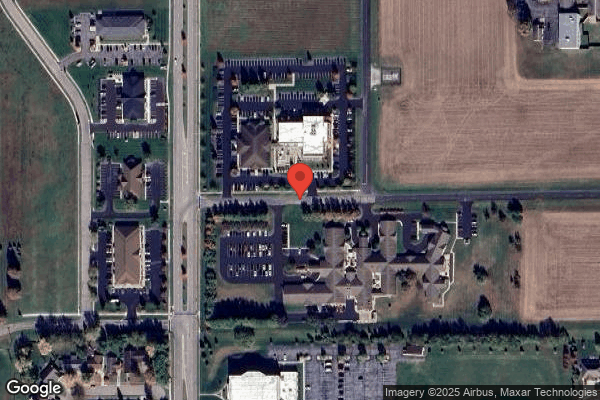
2011 CHAPA STREET, COLUMBUS, IN 47203 (812) 373-0787
For profit - Corporation 80 Beds TRILOGY HEALTH SERVICES Data: November 2025
Trust Grade
56/100
#189 of 505 in IN
Last Inspection: April 2025

Within standard 12-15 month inspection cycle. Federal law requires annual inspections.

Overview

Silver Oaks Health Campus in Columbus, Indiana, has a Trust Grade of C, which means it is average compared to other nursing homes. It ranks #189 out of 505 facilities in the state, placing it in the top half, but only #4 out of 6 in Bartholomew County, indicating there are better local options. The facility is showing an improving trend, with the number of issues decreasing from 7 in 2024 to 6 in 2025. Staffing is a strength, rated 4 out of 5 stars with a turnover of 30%, significantly lower than the state average of 47%. However, the facility has incurred $8,824 in fines, which is concerning and higher than 84% of Indiana facilities. While there are strengths, there are also serious concerns. For example, one resident suffered a fracture due to a fall that should have been prevented, and another resident sustained a second-degree burn from a blow dryer used during foot care without proper guidelines. Additionally, a medication error was not documented correctly, raising concerns about the accuracy of care. Families should weigh these strengths and weaknesses carefully when considering Silver Oaks for their loved ones.

Trust Score
C
56/100
In Indiana
#189/505
Top 37%
Safety Record
High Risk
Review needed
Inspections
Getting Better
7 → 6 violations
Staff Stability
✓ Good
30% annual turnover. Excellent stability, 18 points below Indiana's 48% average. Staff who stay learn residents' needs.
Penalties
○ Average
$8,824 in fines. Higher than 72% of Indiana facilities. Some compliance issues.
Skilled Nurses
✓ Good
Each resident gets 69 minutes of Registered Nurse (RN) attention daily — more than 97% of Indiana nursing homes. RNs are the most trained staff who catch health problems before they become serious.
Violations
⚠ Watch
24 deficiencies on record. Higher than average. Multiple issues found across inspections.
★★★★☆
4.0
Overall Rating
★★★★☆
4.0
Staff Levels
★★★★★
5.0
Care Quality
★★★☆☆
3.0
Inspection Score
Stable
2024: 7 issues
2025: 6 issues

The Good

  • 4-Star Staffing Rating · Above-average nurse staffing levels
  • 5-Star Quality Measures · Strong clinical quality outcomes
  • Low Staff Turnover (30%) · Staff stability means consistent care
  • Full Sprinkler Coverage · Fire safety systems throughout facility
  • No fines on record
  • Staff turnover is low (30%)

    18 points below Indiana average of 48%

Facility shows strength in staffing levels, quality measures, staff retention, fire safety.

The Bad

Federal Fines: $8,824

Below median ($33,413)

Minor penalties assessed

Chain: TRILOGY HEALTH SERVICES

Part of a multi-facility chain

Ask about local staffing decisions and management

The Ugly 24 deficiencies on record

3 actual harm
Apr 2025 6 deficiencies
CONCERN (D)

Potential for Harm - no one hurt, but risky conditions existed

Deficiency F0554 (Tag F0554)

Could have caused harm · This affected 1 resident

Based on observation, record review, and interview, the facility failed to store medications appropriately for 1 of 1 resident reviewed for self-administering medications. (Resident 19) Findings inclu...

Read full inspector narrative →
Based on observation, record review, and interview, the facility failed to store medications appropriately for 1 of 1 resident reviewed for self-administering medications. (Resident 19) Findings include: During an observation, on 04/09/25 at 11:32 A.M., the top of Resident 19's nightstand by the door contained a bottle of nasal spray and two inhalers that were out in plain sight. During an observation, on 04/11/25 at 10:42 A.M., the top of the resident's nightstand by the door contained a bottle of nasal spray and two inhalers that were out in plain sight. During an observation, on 04/11/25 at 1:12 P.M., the top of the resident's nightstand by the door contained a bottle of nasal spray and two inhalers that were out in plain sight. During an observation, on 04/15/25 at 8:44 A.M., the top of the resident's nightstand by the door contained a bottle of nasal spray and two inhalers that were out in plain sight. During an interview, on 04/15/25 at 1:43 P.M., RN 8 indicated if a resident had medications at bedside, then they should have an assessment completed. During an interview, on 04/15/25 at 1:47 P.M., Corporate Clinical Support Nurse indicated if a resident had an assessment completed for medications at the bedside, then they didn't need to have a physician's order. During an interview, on 04/15/25 at 1:43 P.M., Corporate Clinical Support Nurse indicated the resident's self-administer assessment indicated the medications would be stored in the nursing cart and not in her room, so the medications should not have been in her room and per the facility policy there should be a physician's order to self-administer medications. During an observation, on 04/15/25 at 2:00 P.M., Cooperate Minimum Data Set (MDS) Support was in Resident 19's room. The following medications were observed on the resident's nightstand in plain sight: - albuterol inhaler, - ipratropium bromide (nasal spray), - debrox (ear wax cleaner), and - Advair (inhaler). The resident indicated she had not used the debrox for a few weeks. The clinical record for Resident 19 was reviewed on 04/11/25 at 1:28 P.M. A Significant Change MDS assessment, dated 03/27/25, indicated the resident was cognitively intact. The resident's diagnoses included, but were not limited to, primary adrenocortical, anemia, heart failure, hypertension, diabetes, osteoporosis, anxiety, and depression. The resident had the following physician's order's: - An open-ended physician's order, with a start date of 11/11/23 for Advair, 2 puffs twice a day, - An open-ended physician's order, with a start date of 11/11/23 for albuterol inhaler 2 puffs as needed every 6 hours, - A discontinued order, dated 11/11/23 through 01/21/25, for ipratropium bromide, 1 spray, once a day, and - A discontinued order, dated 08/20/24 through 08/23/24, for Debrox, 4 drops each ear for 3 days. A Self-Administration of Medication Assessment, dated 04/30/24, indicated the resident could self-administer the following medications and they would be stored in the medication cart: - Tylenol, - Tums, - eye drops, - inhalers, - ointments, and - medications set up by the facility and left at the bedside. The current facility policy, titled Guidelines for Self-Administration of Medications, was provided by the Director of Nursing (DON) on 04/15/25 at 2:18 P.M. The policy indicated, .To ensure the safe administration of medication for residents who request to self-medicate or when self-medication is a part of their plan .Results of the assessment will be presented to the physician for evaluation and an order for self-medication .The medication will be kept in a locked drawer in the residents' room . 3.1-11(a)
CONCERN (D)

Potential for Harm - no one hurt, but risky conditions existed

Quality of Care (Tag F0684)

Could have caused harm · This affected 1 resident

Based on record review, interview, and observation, the facility failed to follow physician's orders related to cardiac medication hold parameters and adequately assess and monitor a resident's skin i...

Read full inspector narrative →
Based on record review, interview, and observation, the facility failed to follow physician's orders related to cardiac medication hold parameters and adequately assess and monitor a resident's skin impairment for 3 of 15 residents reviewed for Quality of Care. (Residents 10, 22, and 19) Findings include: 1. Resident 10's clinical record was reviewed on 04/10/25 at 2:27 PM. A Quarterly Minimum Data Set (MDS) assessment, dated 02/10/25, indicated the resident was cognitively intact. The resident's diagnoses included, but were not limited to, hypertension, coronary artery disease, heart failure, and diabetes. A physician's order, with a start date of 09/24/24 and a discontinued date of 03/26/25, for amlodipine (a blood pressure medication), 10 milligrams (mg) once a day in the evening between 6:00 P.M. and 10:00 P.M. The medication was to be held if the systolic blood pressure (SBP) was below 110. The Vitals Reports for December 2024, and January, February, and March of 2025 were reviewed. The reports indicated the resident lack blood pressure assessments on the following dates when receiving the medication: - On 12/04/24 through 12/31/24, no blood pressure assessment was documented for the resident's amlodipine medication administration. - On 01/04/25 through 3/25/25, there was no documented blood pressure assessment for the resident's amlodipine medication administration. A physician's order, with a start date of 09/24/24 and a discontinued date of 03/26/25, for carvedilol (a blood pressure medication), 25 mg twice a day between 6:00 A.M. and 10:00 A.M., and between 6:00 P.M. and 10:00 P.M. The medication was to be held if the SBP was below 110. The December 2024, and January, February, and March 2025 Electronic Medication Administration Record (EMAR) lacked documented blood pressures for the medication administration. The Vitals Reports for December 2024, and January, February, and March of 2025 were reviewed. The reports indicated the resident lack blood pressure assessments on the following dates when receiving the medication: - On 12/04/24 through 12/27/24, there were no documented blood pressure assessment for the resident's carvedilol medication administration between 6:00 A.M. and 10:00 A.M. - On 12/29/24 and 12/30/24, there were no documented blood pressure assessments for the resident carvedilol medication administration between 6:00 A.M. and 10:00 A.M. 2. The clinical record for Resident 22 was reviewed on 04/10/25 at 2:26 P.M. An admission Minimum Data Set assessment, dated 02/20/25, indicated the resident was cognitively intact. The resident's diagnoses included, but were not limited to, multiple fractures of the ribs, anemia, atrial fibrillation, hypertension, diabetes, cerebrovascular accident, and malnutrition. A physician's order, dated 02/14/25 through 03/25/25, indicated the staff were to administer metoprolol (a blood pressure medication) 25 mg once a day from 6:00 A.M. to 10:00 A.M. The staff were to hold the medication if the systolic blood pressure was less than 100 or the heart rate was less than 50. A physician's order, dated 03/25/25 through 04/11/25, indicated the staff were to administer metoprolol 25 mg, twice a day from 6:00 A.M. to 10:00 A.M. and 6:00 P.M. to 10:00 P.M. A Progress Note, dated 03/25/25, indicated the resident was to start metoprolol 25 mg, twice a day and the medication was to be held if the systolic blood pressure was less than 100 or the heart rate was less than 50. The February and March 2025 EMAR lacked documented blood pressure or heart rates for the medication administration. The Vitals Report for February and March 2025 lacked documented heart rates or blood pressures for the following dates and times: - 02/14/25 from 6:00 A.M. to 10:00 A.M., no heart rate was documented, - 02/22/25 from 6:00 A.M. to 10:00 A.M., no heart rate was documented, - 02/24/25 from 6:00 A.M. to 10:00 A.M., no heart rate was documented, - 02/28/25 from 6:00 A.M. to 10:00 A.M., no heart rate was documented, - 03/04/25 from 6:00 A.M. to 10:00 A.M., no heart rate was documented, - 03/05/25 from 6:00 A.M. to 10:00 A.M., no heart rate was documented, - 03/13/25 from 6:00 A.M. to 10:00 A.M., no heart rate was documented, - 03/20/25 from 6:00 A.M. to 10:00 A.M., no heart rate was documented, - 03/21/25 from 6:00 A.M. to 10:00 A.M., no heart rate was documented, - 03/25/25 from 6:00 P.M. to 10:00 P.M., no heart rate or blood pressure was documented, - 03/26/25 from 6:00 P.M. to 10:00 P.M., no heart rate or blood pressure was documented, - 03/27/25 from 6:00 A.M. to 10:00 A.M., and 6:00 P.M. to 10:00 P.M., no heart rate or blood pressure was documented, - 03/28/25 from 6:00 P.M. to 10:00 P.M., no heart rate or blood pressure was documented, - 03/29/25 from 6:00 P.M. to 10:00 P.M., no heart rate or blood pressure was documented, - 03/30/25 from 6:00 P.M. to 10:00 P.M., no heart rate or blood pressure was documented, - 03/31/25 from 6:00 P.M. to 10:00 P.M., no heart rate or blood pressure was documented, - 04/01/25 from 6:00 P.M. to 10:00 P.M., no heart rate or blood pressure was documented, - 04/02/25 from 6:00 P.M. to 10:00 P.M., no heart rate or blood pressure was documented, - 04/03/25 from 6:00 P.M. to 10:00 P.M., no heart rate or blood pressure was documented, - 04/04/25 from 6:00 P.M. to 10:00 P.M., no heart rate or blood pressure was documented, - 04/05/25 from 6:00 A.M. to 10:00 A.M., no heart rate or blood pressure was documented, - 04/06/25 from 6:00 P.M. to 10:00 P.M., no heart rate or blood pressure was documented, - 04/07/25 from 6:00 P.M. to 10:00 P.M., no heart rate or blood pressure was documented, and - 04/09/25 from 6:00 P.M. to 10:00 P.M., no heart rate or blood pressure was documented. During an interview, on 04/16/25 at 12:57 P.M., RN 8 indicated if a resident had hold parameters on medications, he would obtain the vitals before administering the medication and would not administer the medication if vitals were outside the parameters. The current facility policy titled, Medication Orders, with a revised date of 11/18, was provided by the Director of Nursing on 04/16/25 at 1:40 P.M. The policy indicated, .Medications are administered only upon clear, complete, and signed order . 3. During an observation and interview, on 04/09/25 at 11:32 A.M., Resident 19 had an undated, pink foam bandage on her left lower arm that was covering the bandage. The resident indicated she had bumped it on her over bed table and a nurse had put a bandage on it. During an observation and interview, on 04/16/25 at 10:15 A.M., Resident 19 was sitting on her bed. The resident had a protective sleeve over her left lower arm. The resident pulled the sleeve down and there was a scabbed skin tear that was covered with wound closure strips (thin sticky bandages applied to skin to help wounds stay closed as they healed) on it. The resident indicated she had the sleeve on her arm to protect her from hitting it again. The clinical record lacked any documentation, or any orders related to the area to the left lower arm. During an interview, on 04/16/25 at 12:57 P.M., RN 8 indicated when a resident had a new skin concern that required more than Band-Aid then the wound nurse would be notified, and an order would be initiated. The resident would also have an assessment completed for the area. The skin impairment would be measured weekly. He wasn't sure what the resident had done to her arm. It looked like a skin tear, and someone placed wound closure strips on it. He would think the resident should have an order to monitor the area. During an interview, on 04/16/25 at 1:18 P.M., the Wound Nurse indicated if a resident had a skin impairment, she would be made aware and then start an appropriate treatment. The skin impairments would be assessed weekly. When a nurse found a new skin impairment, they should make a progress note and have an assessment completed. She was unaware of Resident 19 had skin impairments to her left lower arm. The staff should have made her aware of it. The current facility policy titled, Bruise, Rash, Lesion, Skin Tear, Laceration Assessment Guidelines, with a revised date of 04/09/25 was provided by the Corporate Clinical Support on 04/16/25 at 1:51 P.M. The policy indicated, .Skin Tear/Laceration .Complete Skin Tear/Laceration Incident in the Electronic Health Record by an RN/LPN [Licensed Practical Nurse] along with the template/assessment progress note. IDT [Interdisplinary Team] should review this timely and wound nurse or designee complete an assessment in wound management .Continue to monitor weekly in wound management . 3.1-37(a)
CONCERN (D)

Potential for Harm - no one hurt, but risky conditions existed

Accident Prevention (Tag F0689)

Could have caused harm · This affected 1 resident

Based on observation, record review, and interview, the facility failed to follow the current nursing standards of practice when providing Activities of Daily Living (ADL) care to residents with impai...

Read full inspector narrative →
Based on observation, record review, and interview, the facility failed to follow the current nursing standards of practice when providing Activities of Daily Living (ADL) care to residents with impaired mobility that were at risk for falls for 2 of 4 residents reviewed for accidents. (Residents 41 and 47) Findings include: 1. During an observation, on 04/16/25 at 9:38 A.M., Certified Nurse Aide (CNA) 4 was on the right side of Resident 41's bed. The resident was lying in the bed on her back. CNA 4 indicated to the resident that she was going to perform personal care. The resident's incontinent brief was removed, and care was provided. CNA 4 had the resident roll onto her left side, away from the CNA. The CNA rolled the resident and the resident held on to the corner of the nightstand on the left side of her bed with her right hand. The resident's body was approximately one foot from the edge of the bed. There were no other staff in the room and the resident's bed lacked side rails. CNA 4 stayed on the right side of the bed during the entire observation of care. The clinical record for Resident 41 was reviewed on 04/10/25 at 3:04 P.M. A Quarterly Minimum Data Set (MDS) assessment, dated 02/13/24, indicated the resident was severely cognitively impaired. The resident's diagnoses included, but were not limited to, senile degeneration of the brain, hemiplegia and hemiparesis, weakness, unspecified fall, anemia, hypertension, neurogenic bladder, diabetes, Alzheimer's disease, anxiety, and depression. The resident had impairments to one side of their upper extremities and both lower extremities. The resident was dependent on staff for bed mobility and rolling left and right. An open-ended physician's order, with a start date of 03/26/25, indicated the resident required a mechanical lift for transfers. The resident's complete Plan of Care included, but was not limited to, the following: - A Care Plan that indicated the resident had a cerebrovascular accident with hemiparesis/hemiplegia and had a neurogenic bladder. The resident required staff assistance with ADLs, with a start date of 02/28/24, and revised on date of 02/25/25, and - A Care Plan that indicated the resident was at risk for falling related to incontinence, medications, history of falls, a need for staff assistance with ADL care, and weakness, with start date of 02/28/24, and a revised on date of 02/25/25. 2. During an observation, on 04/16/25 at 10:23 A.M., CNA 11 let Resident 47 know that she was going to provide care. The CNA was on the left side of the resident's bed and never left it. She removed the resident's incontinent brief and provided care for the resident. She turned the resident on her right side away from the CNA and provided care to the resident's backside. A portion of the resident's head was hanging off the right side of the bed. The resident's body core was approximately one foot from the edge of the bed. There were no side rails on the bed or other staff in the room. The clinical record for Resident 47 was reviewed on 04/11/25 at 9:39 A.M. An Annual MDS assessment, dated 01/31/25, indicated the resident was severely cognitively impaired. The resident's diagnoses included, but were not limited to, other toxic encephalopathy, aphasia, cerebrovascular accident, seizure disorder, hemiplegia and hemiparesis, weakness, depression. The resident had impairments on both sides of the lower extremities. The resident was dependent on staff for bed mobility. A current, open-ended physician's order with a start date of 01/22/25 indicated the resident required a mechanical lift for all transfers. The resident's complete Plan of Care included, but was not limited to, the following: - A Care Plan that indicated the resident had a cerebrovascular accident with aphasia and hemiplegia/hemiparesis affecting the right side. The resident required staff assistance with ADL care, with a start date of 02/29/24 and revised on date of 04/10/25, - A Care Plan that indicated the resident was at risk for falling related to diagnoses, medications, incontinence, a need for staff assistance with ADL care, and weakness, with a start date of 02/29/24 and revised on date of 04/10/25, - A Care Plan that indicated the resident had an impairment in functional status related to diagnoses, medications, incontinence, a need for staff assistance with ADL care, and weakness, with a start date of 02/29/24 and revised on date of 04/10/25. A Progress Note, dated 02/18/25 at 6:19 P.M., indicated the resident was in the lobby with activities when the resident leaned forward in her chair and fell to the floor. During an interview, on 04/16/25 at 10:34 A.M., CNA 9 indicated when she was assisting a resident with care in bed by herself, she would turn the resident away from her. She would ensure the resident was closer to her so they wouldn't roll out of the bed. There had been no staff in-servicing recently on how to turn dependent residents in bed. During an interview, on 04/16/25 at 10:36 A.M., Qualified Medication Aide (QMA) 10 indicated if she was turning a dependent resident in bed by herself, she would pull the resident toward her to ensure they weren't close to the edge of the bed and then turn the resident away from her. Depending on the resident's level of care, she would sometimes get a second staff member to help. During an interview, on 04/16/25 at 10:39 A.M., the Director of Nursing (DON) indicated when providing care for dependent residents by themselves, the staff should use the draw sheet and pull the resident to them and then roll them away from them. She would hope the staff would keep their hand on the resident so they wouldn't roll out of bed. There was always a risk for anything. During an interview, on 04/17/25 at 11:00 A.M., QMA 13 indicated the resident was dependent on staff for all care. She was able to roll the resident in bed by herself but at times she needed help. The resident was not able to turn in the bed by herself. During an interview, on 04/16/25 at 12:47 P.M., the DON indicated she would expect the CNAs to follow that they learned in the CNA class. During an interview, on 04/16/25 at 1:01 P.M., the DON indicated there were no facility policies related to bed mobility for dependent residents, and they would just follow the individualized plan of care. The current Indiana Nurse Aide Curriculum-Procedure #55: Occupied Bed was reviewed on 04/16/25. The procedure indicated, .The caregiver will raise the side rail on far side of bed (if rail not in use, ensure there is a second caregiver on the opposite side of the bed to ensure that the resident does not roll over the side of bed). Assist resident to turn onto side moving away from you toward raised side rail (or second caregiver) . 3.1-45(a)(2)
CONCERN (D)

Potential for Harm - no one hurt, but risky conditions existed

Tube Feeding (Tag F0693)

Could have caused harm · This affected 1 resident

**NOTE- TERMS IN BRACKETS HAVE BEEN EDITED TO PROTECT CONFIDENTIALITY** Based on record review and interview, the facility failed to monitor and provide gastrostomy tube (g-tube) maintenance for 1 of ...

Read full inspector narrative →
**NOTE- TERMS IN BRACKETS HAVE BEEN EDITED TO PROTECT CONFIDENTIALITY** Based on record review and interview, the facility failed to monitor and provide gastrostomy tube (g-tube) maintenance for 1 of 2 residents reviewed for tube feeding. (Resident 9) Findings include: Resident 9's clinical record was reviewed on 04/10/25 at 2:44 P.M. An admission Minimum Data Set assessment, dated 03/04/25, indicated the resident was cognitively intact. The resident's diagnoses included, but were not limited to, diabetes, Chronic Obstructive Pulmonary Disease (COPD), and ulcerative colitis. An admission Assessment Observation Report indicated the resident was admitted to the facility on [DATE]. The Nutrition section of the assessment indicated the resident had a gastrostomy tube. The resident resided in the facility in December of 2024 until she was discharged back home in January of 2025. She was readmitted to the facility on [DATE] until 03/28/25, when she went to the hospital for a COPD exacerbation. The resident returned to the facility on [DATE] and remained there. During an interview, on 04/16/25 at 4:09 P.M., Licensed Practical Nurse 12 indicated she was familiar with the resident. The resident had admitted and discharged from the facility a few times in the last several months. The resident came to the facility with the g-tube. She did not ever receive enteral feeding or medications through the g-tube. When a resident had a g-tube, nursing staff would normally check for placement, monitor the insertion site for drainage and signs of infection, and flush the g-tube once a shift. The resident's current physician's orders included, but were not limited to, the following: - An open-ended order, with a start date of 04/06/25, to change the g-tube feed irrigation set daily, - An open-ended order, with a start date of 04/06/25, to flush the g-tube with 30 milliliters of water twice a day, and - An open-ended order, with a start date of 04/06/25, for g-tube site care twice a day. The resident's record lacked documentation of any physician's orders related to g-tube care from 02/26/25 through 03/28/25. During that time frame, there was no documentation that indicated the g-tube was monitored or flushed with any regularity and there was no care plan related to the g-tube. During an interview, on 04/17/25 at 10:31 A.M., the Director of Nursing indicated the facility did not have a policy for care of a resident with a g-tube, it would be resident specific and would follow the physician's orders. There should be a care plan related to the g-tube. 3.1-44(a)(2)
CONCERN (D)

Potential for Harm - no one hurt, but risky conditions existed

Deficiency F0761 (Tag F0761)

Could have caused harm · This affected 1 resident

Based on observation and interview, the facility failed to store medications appropriately for 2 of 4 medication carts observed (100 Hall Medication Cart and 300 Hall Medication Cart). Finding Includ...

Read full inspector narrative →
Based on observation and interview, the facility failed to store medications appropriately for 2 of 4 medication carts observed (100 Hall Medication Cart and 300 Hall Medication Cart). Finding Include: 1. During a continuous observation on 04/09/25 from 10:25 A.M. to 10:31 A.M., a box that contained one albuterol cartridge was sitting on top of the 100 Hall Medication Cart. A Certified Nurse Aide (CNA) and a housekeeper walked by the medication cart. At 10:31 A.M., RN 8 placed the box inside the 100 Hall Medication Cart. The 100 Hall Medication Cart was observed on 04/10/25 at 10:39 A.M., with RN 8. The second drawer contained the following: - one small white oval pill, and - one small white round pill. During an interview on 04/17/25 at 1:59 P.M., RN 8 indicated the box containing the albuterol vial should not have been sitting unattended on top of the medication cart and loose pills should not be in the drawers of the medication cart. 2. The 300 Hall Medication Cart was observed with Licensed Practical Nurse (LPN) 7 on 04/10/25 at 10:45 A.M. The following were observed in the top drawer: - A half full insulin pen belonging to Resident 46 with an opened date of 02/17/25, and - A full insulin pen belonging to Resident 5 that had no opened date. During an interview, on 04/10/25 at 10:47 A.M., LPN 7 indicated insulin pens should be dated when placed in the medication cart and were only good for 28 days. Resident 46 had not received any injections from that insulin pen, he had moved rooms, and his medications were in a different medication cart. The current facility policy titled, MEDICATION STORAGE IN THE FACILITY, was provided by the Director of Nursing (DON) on 04/17/25 at 2:08 P.M. The policy indicated, .Medications and biologicals are stored safely, securely, and properly, following manufacturer's recommendations or those of the supplier. The medication supply is accessible only to licensed facility personnel, pharmacy personnel, or facility personnel lawfully authorized to administer medications . 3.1-25(j) 3.1-25(o)
CONCERN (D)

Potential for Harm - no one hurt, but risky conditions existed

Infection Control (Tag F0880)

Could have caused harm · This affected 1 resident

Based on record review, observation, and interview, the facility failed to follow infection control guidelines related to Enhanced Barrier Precautions (EBP) for 1 of 4 observations of high-contact res...

Read full inspector narrative →
Based on record review, observation, and interview, the facility failed to follow infection control guidelines related to Enhanced Barrier Precautions (EBP) for 1 of 4 observations of high-contact resident care activities. (Resident 9) Findings include: Resident 9's clinical record was reviewed on 04/10/25 at 2:44 P.M. An admission Minimum Data Set assessment, dated 03/04/25, indicated the resident was cognitively intact. The resident's diagnoses included, but were not limited to, diabetes, Chronic Obstructive Pulmonary Disease (COPD), and ulcerative colitis. The resident had a gastrostomy tube (g-tube). The resident's current physician's orders included, but were not limited to, an open-ended order, with a start date of 04/03/25, that indicated the resident was in EBP and staff were to wear a gown and gloves at minimum during high-contact care activities. During an observation, on 04/17/25 at 1:01 P.M., the resident's door had a sign on it that indicated staff were to STOP and that the resident was in ENHANCED BARRIER PRECAUTIONS. Everyone must wear gloves and a gown when providing care, including device care or use of a feeding tube. RN 8 entered the resident's room and provided g-tube care without donning a gown. During an interview, on 04/17/25 at 1:10 P.M., RN 8 indicated the resident was in EBP, he should have worn a gown while working with the resident's g-tube. The current facility policy, titled Enhanced Barrier Precautions (EBP) Standard Operating Procedure, dated 04/01/24, was provided by the Director of Nursing on 04/17/25 at 1:51 P.M. The policy indicated, .EBP will be in place during high-contact care activities for residents with the following conditions .indwelling medical devices .feeding tubes .at minimum, staff shall wear gloves and gowns during high-contact care activities . 3.1-18(b)
Sept 2024 1 deficiency 1 Harm
SERIOUS (G) 📢 Someone Reported This

A family member, employee, or ombudsman was alarmed enough to file a formal complaint

Actual Harm - a resident was hurt due to facility failures

Accident Prevention (Tag F0689)

A resident was harmed · This affected 1 resident

Based on observation, record review, and interview, the facility failed to prevent a fall during care that resulted in a fracture for 1 of 3 residents reviewed for accidents. (Resident B) Findings inc...

Read full inspector narrative →
Based on observation, record review, and interview, the facility failed to prevent a fall during care that resulted in a fracture for 1 of 3 residents reviewed for accidents. (Resident B) Findings include: During an observation on 09/09/24 at 2:31 P.M., Resident B was lying in bed with his call light in reach. The resident was lying on an air mattress and there were no side rails or grab bars on the bed. The resident's bed was located by the door. The resident's bathroom door was located on the far side of the room by the other resident's bed. The clinical record for the Resident was reviewed on 09/09/24 at 10:33 A.M. A Quarterly MDS (Minimum Data Set) assessment, dated 05/17/24, indicated the resident was severely cognitively impaired. The resident's diagnoses included, but were not limited to, anemia, hypertension, and multiple sclerosis. The resident had impairments to the upper and lower extremities. The resident was dependent on staff assistance for all care. A Care Plan, with a start date of 10/04/21 and a revision date of 8/21/24, titled ADL (Activities of Daily Living), indicated the resident required two staff assistance with bed mobility. A Progress Note, dated 07/22/24 at 1:32 P.M., indicated after changing the resident's coccyx wound dressing at 7:30 A.M., the staff was walking around the resident's bed to assist with a full body lift sling. The resident rolled off the bed between the wall and the bed. The resident had a 7 cm (centimeter) x (by) 7 cm bruise noted to the right forearm and a 2 cm x 1 cm x 1 cm skin tear in the bruised area. First aid was applied, and new treatment orders were received from hospice. The family was notified. The resident had no complaints of pain or discomfort at that time and the resident's vital signs were within normal limits. An IDT (Interdisciplinary Team) Progress Note, dated 07/23/24 at 10:17 A.M., indicated the resident rolled off the bed to the floor space between the wall and the bed onto the left side of the body during a dressing change. There was a bruise noted to the right arm with a skin tear. The initial intervention, on 7/22/24, was to apply first aid. A new intervention, dated 7/30/24, was initiated to have two staff assistance during dressing changes. A Progress Note, dated 07/25/24 at 10:14 P.M., indicated the resident had discoloration and warmth noted to the right shin. The Hospice nurse was notified and was in the building to look at the resident. A new order was obtained to obtain an x-ray of the right leg. A Progress Note, dated 07/26/24 at 5:04 P.M., indicated the resident had an x-ray at approximately 3:10 P.M. At about 3:43 P.M., the results for the x-ray were received. The resident had an acute distal tibia/fibula (lower bones of the leg) fracture. The Hospice nurse was in the facility and the resident was sent to the local emergency room for splinting of the leg. A Progress Note, dated 07/26/24 at 8:44 P.M., indicated the resident returned to the facility. The resident was non-weight bearing to the bed and the leg should be supported when moving and rotating. The resident was to follow-up with an orthopedic surgeon for casting. A Radiology Report, dated 07/26/24 at 3:21 P.M., indicated the resident had a right ankle x-ray for pain and swelling. The results were .Distal tibia/fibula fractures with mild displacement . An ED (Emergency Department) Hospital Note, dated 07/26/24, indicated the resident present to the ED with concerns for a right leg injury. The resident fell out of bed on 07/22/24. Due to changes in color of the leg an x-ray was obtained, which showed a fracture. The resident was transferred to the ED for further evaluation and splinting. The radiology report of the right tibia/fibula result indicated the resident had fractures involving the distal shafts of the tibia and fibula. The assessment/plan was for the resident to be placed in a posterior leg splint and to follow up with orthopedic for casting. During an interview on 09/09/24 at 11:27 A.M., RN 2 indicated on 07/22/24, he and CNA (Certified Nurse Aide) 3 were in the resident's room changing a dressing to the coccyx. He had done the dressing change a thousand times. He inflated the resident's air mattress to the firm setting before the dressing change. He was on the resident's right side of the bed and CNA 3 was on the left side of the bed during the dressing change. After he finished, he was fastening the resident's brief when CNA 3 stepped away from the bed to get the resident's full body lift pad. He was walking around the end of the bed, while the resident was still lying on his left side, to go to the left side. As he was rounding the end of the bed the resident had rolled off the left side of the bed, like a log. He never saw the resident move or twitch. After the fall, the resident was assessed and noted to have a skin tear and bruise to the right arm. There were no other concerns at that time and the resident was transferred to his wheelchair. A few days after the fall the resident was noted to have a fracture to his right tibia/fibula. The resident required two staff assistance while in bed and required an air mattress. He believed the resident's air mattress wasn't as stable since he had it on firm. If the resident was turned to their side, then someone should stay on the side the resident was rolled to. During an interview on 09/09/24 at 11:47 A.M., CNA 3 indicated she was in the resident's room with RN 2 while he was changing the dressing for Resident B. The resident was lying on his left side while the RN completed the dressing change to his bottom. She moved away from the left side of the bed to go to the resident's bathroom (located on the far side of the room) to get his full body lift pad. While she was away from the bed the resident had rolled out. The resident required one to two staff assistance while in bed. She was able to complete care on him by herself while he was in bed, but other staff needed two people to complete the care. If she was rolling a resident in bed for care she would grab the draw sheet, scoot the resident toward her, and then roll the resident away from her. During an interview on 09/09/24 at 2:20 P.M., CNA 4 indicated if a resident was dependent on staff for all care while in bed she would take two staff in the room. There would be one person on each side. If she was providing care by herself, she would always roll the resident toward her and never away from her so they wouldn't fall out of bed. During an interview on 09/09/24 at 3:02 P.M., the DON (Director of Nursing) indicated that staff were providing care for Resident B. He was lying on his left side when the CNA left the bedside to grab the resident's chair. The RN went to walk around to get the full body lift pad. The air mattress was on the firm setting and then returned to the normal setting, causing the bed to deflate a little, which caused the resident to roll out of bed. The resident had obtained a skin tear and bruise to the right arm. No other injuries were observed at that time. On 07/25/24 the resident was noted to have warmth and redness to the right leg and hospice gave orders to obtain an x-ray. On 07/26/24 the results came back and showed the resident had a tibia/fibula fracture. The resident was sent to the local emergency room and was placed in a splint. The resident followed up with the orthopedic doctor on 08/02/24 and was placed in a cast. The facility didn't have a policy for turning residents in bed. Staff were trained in CNA class to turn residents' side to side. The type of care that was being provided would determine if the resident was turned towards staff or away from staff. The fall was caused by the air mattress deflating. During an interview on 09/09/24 at 3:45 P.M., RN 5 indicated Resident B had never had side rails or grab bars on his bed. If the resident did have them on the bed, he wouldn't have been able to grip them. The current facility policy titled, Fall Management Program Guidelines with a review date of 12/31/23 was provided by the DON on 09/09/24 at 1:37 P.M. The policy indicated, .to maintain a hazard free environment, mitigate fall risk factors and implement preventative measures . The current facility policy titled, Turning and Repositioning with a review date of 12/31/23 was provided by the DON on 09/09/24 at 1:37 P.M. The policy indicated, .To identify residents who are unable to turn and reposition themselves or those requiring assistance to reposition while in bed and assist with turning and repositioning as needed to maintain skin integrity, decreased pain, and maintain proper body alignment .Proper turning techniques and body mechanics should be utilized to prevent injury to the resident and care giver . The current Indiana Nurse Aide Curriculum-Procedure #55: Occupied Bed was reviewed on 09/09/24. The procedure indicated, .The caregiver will raise the side rail on far side of bed (if rail not in use, ensure there is a second caregiver on the opposite side of the bed to ensure that the resident does not roll over the side of bed). Assist resident to turn onto side moving away from you toward raised side rail (or second caregiver) . The Past noncompliance began on 7/22/24. The deficient practice was corrected by 8/14/24 after the facility implemented a systemic plan that included the following actions: Nurses and aides were educated on turning a repositioning resident dependent on staff. Staff were educated on accident hazards related to air mattress, bed mobility, and falls. Return demonstration of proper rolling/turning/repositioning techniques. This citation relates to Complaint IN00439751. 3.1-45(a)(2)
May 2024 5 deficiencies 1 Harm
SERIOUS (G) 📢 Someone Reported This

A family member, employee, or ombudsman was alarmed enough to file a formal complaint

Actual Harm - a resident was hurt due to facility failures

Deficiency F0687 (Tag F0687)

A resident was harmed · This affected 1 resident

Based on interview, observation, and record review, the facility failed to ensure a resident did not acquire a burn during care. This deficient practice resulted in Resident B sustaining a second-degr...

Read full inspector narrative →
Based on interview, observation, and record review, the facility failed to ensure a resident did not acquire a burn during care. This deficient practice resulted in Resident B sustaining a second-degree burn (a mild to moderate burn caused by heat, chemical, or light source and damages the outer and second layer of skin) on the left foot. (Resident B) Findings include: An Annual MDS (Minimum Data Set) assessment, dated 02/08/24, indicated Resident B was cognitively intact. The diagnoses included, but were not limited to, traumatic spinal cord dysfunction, quadriplegia, hypertension, and neurogenic bladder. The resident required extensive staff assistance with all ADL (Activities of Daily Living). The resident's clinical record lacked documentation of an order, or a care plan related to the staffs' use of a blow dryer to dry the resident's feet. A Progress Note, dated 04/02/2024 at 5:45 P.M., indicated the resident requested for CNA 2 to dry her feet with a blow dryer. CNA 2 dried the resident's feet and now there was redness observed to the resident's left foot. A cool rag was placed on the resident's foot and LPN 3 was monitoring the resident's condition. A Progress Note, dated 04/03/2024 at 12:49 P.M., indicated the resident had blisters present to the top of her left foot toe areas. A new order was entered by the NP to leave the blisters open to the air. A Progress Note, dated 04/04/2024 at 8:50 A.M., indicated the resident was seen by the NP (Nurse Practitioner) and presented with fluid filled blisters to the top of the left foot. The resident had requested for staff to blow dry her feet after her shower. After the CNA dried the resident's feet the resident had redness to her foot and later blisters appeared on her toes. A topical cream was ordered for the blisters. A Wound Center Note, dated 04/10/24, indicated the resident was being seen for second degree burns on the left 1st through 4th toes. During an interview on 04/30/24 at 10:10 A.M., Resident B indicated her shower days were Tuesday and Friday. She had been having her feet dried with the blow dryer for a long time, since it was recommended by her podiatrist. On 04/02/24, after her shower she had asked CNA (Certified Nurse Aide) 2 to dry her feet with the blow dryer. This was the first time CNA 2 had assisted her with her shower. The resident had looked down at her left foot and it was red. She had brought this to the attention of CNA 2. The CNA seemed to not be paying attention. The resident was unable to feel her feet. CNA 2 then informed LPN (Licensed Practical Nurse) 3 of the resident's red foot. The LPN advised the DON (Director of Nursing). Blisters had formed on the resident's toes later that evening. The resident went to the wound center for treatment for the blisters on the toes of the left foot. During an observation 04/30/24 at 10:35 A.M., RN 11 removed the gauze dressing from Resident B's left foot. Each of the resident's 5 toes had a dried opened blister. The toes were cleaned with normal saline, patted dry, coated with a liquid antiseptic, gauze was placed between each toe, and the entire foot was wrapped with gauze and secured with tape. During an interview on 05/06/24 at 10:45 A.M., CNA 4 indicated Resident B required total assistance with all ADLs. She received her showers on second shift on Tuesdays and Fridays. The CNAs were aware the resident wanted her feet dried with a blow dryer. During an interview on 05/06/24 at 11:03 A.M., CNA 2 indicated she had not assisted Resident B in the shower prior to the incident with the blow dryer and had not been trained on using a blow dryer on the resident's feet. The resident requested she use the blow dryer to dry her feet. Her foot wasn't red until she finished drying them. When she noticed the resident's foot was red, she notified LPN 3. During an interview on 05/06/24 at 2:01 P.M., LPN 3 indicated CNA 2 asked him to assess the foot of Resident B after her shower. The foot was more red than normal. He notified the DON of the situation, and she came to assess the left foot. He didn't think CNA 2 was aware the resident didn't have feeling in her feet. During an interview on 05/08/24 at 2:13 P.M., the NP indicated the resident had requested the CNA to blow dry her feet when she was finished with her shower. She gave an order to treat the burns at the time of the occurrence. She wasn't sure the CNA was aware the resident didn't have feeling in her feet. The current facility policy titled, Notification of Change in Condition with a revised date of 12/31/23, was provided by the Administrator on 05/08/24 at 3:23 P.M. The policy indicated, .To ensure appropriate individuals are notified of change in condition. The facility must inform the resident, consult with the resident's physician .when .An accident involving the resident which results in an injury and has the potential for requiring physician intervention . Brain and Spinal Cord Injury information at www.brainandspinalcord.org/quadriplegia .Related injuries. People with quadriplegia may experience an injury, such as a burn, without realizing it, since they have no sensation in their limbs. For this reason, it is important that your caregivers do not place a heating pad or electric blanket on you . Indiana_Nurse_Aide_Curriculum.pdf, Pages 22 through 29 .IV.Burns .Risk Factors .1 .paralysis .3.Heating appliances .BPrevention .1.know residents that are at risk .2.Check/report use of heating appliances . The Past noncompliance began on 04/02/24 and the deficient practice was corrected prior to the start of the survey. On 04/04/24, the facility implemented a systemic plan that included the following actions: The facility completed education on impaired sensation and the use of blow dryers for all staff members. This citation relates to complaints IN00431864 and IN00430897. 3.1-47(a)(7)
CONCERN (D) 📢 Someone Reported This

A family member, employee, or ombudsman was alarmed enough to file a formal complaint

Potential for Harm - no one hurt, but risky conditions existed

ADL Care (Tag F0677)

Could have caused harm · This affected 1 resident

**NOTE- TERMS IN BRACKETS HAVE BEEN EDITED TO PROTECT CONFIDENTIALITY** Based on record review and interview, the facility failed to provide bathing for 2 of 3 dependent residents reviewed for Activit...

Read full inspector narrative →
**NOTE- TERMS IN BRACKETS HAVE BEEN EDITED TO PROTECT CONFIDENTIALITY** Based on record review and interview, the facility failed to provide bathing for 2 of 3 dependent residents reviewed for Activities of Daily Living. (Residents C and D) Findings include: 1. During an interview on 05/06/24 at 2:34 P.M., QMA (Qualified Medication Aide) 10 indicated residents were to be offered showers at least twice a week but could have more if requested. The showers were given on dayshift and evening shift. The bathing was to be documented in the electronic record and they were to fill out a skin sheet on each resident after bathing. The skin sheets were signed by the nurse and then given to the ADON (Assistant Director of Nursing). During an interview on 05/06/24 at 2:50 P.M., CNA Student (Certified Nurse Aide Student) 8 indicated If a resident refused a shower, she would offer to give them a bed bath and document the refusal of bathing or the type of bathing in the computer charting. The clinical record for Resident C was reviewed on 05/02/24 at 3:02 P.M. An admission MDS (Minimum Data Set) assessment, dated 04/03/24, indicated the resident was severely cognitively impaired. The diagnoses included, but were not limited to, metabolic encephalopathy, hypertension, heart failure, diabetes, malnutrition, anxiety, and depression. The Point of Care History and the Shower Sheets indicated the resident had the following showers or complete bed baths since admission to the facility on [DATE]: - 04/03/24, shower, - 04/06/24, complete bed bath, - 04/13/24, shower, - 05/01/24, shower, - 05/04/24, refused, and - 05/05/24, complete bed bath. The resident had only received 6 of 20 scheduled showers or complete bed baths since admission. There was only one documented resident refusal of a scheduled shower or complete bed bath. 2. The clinical record for Resident D was reviewed on 05/06/24 at 9:38 A.M. An admission MDS assessment, dated 03/04/24, indicated the resident was severely cognitively impaired. The diagnoses included, but were not limited to, metabolic encephalopathy, anemia, diabetes, and malnutrition. The Point of Care History and the Shower Sheets indicated the resident had the following showers/bathing from admission to the facility on [DATE] until discharge on [DATE]: - 02/28/24, shower, - 03/08/24, shower, - 03/11/24, shower, - 03/13/24, shower, - 03/18/24, shower, - 03/23/24, lack of documentation of a bathing, the skin sheet indicated the resident had no new skin concerns with no documentation of shower and the point of care history indicated no bathing occurred, and - 03/29/24, shower. The resident had 7 of 11 showers, complete bed baths, or refusals documented in the clinical health record. The current facility policy, titled Guidelines for Bathing Preference with a review date of 12/31/23, was provided by the Clinical Nurse Consultant on 05/08/24 at 2:51 P.M. The policy indicated, .Bathing shall occur at least twice a week unless resident preference states otherwise . The current facility policy, titled Nursing ADL [activities of daily living] Documentation Guidelines with a review date of 12/31/23, was provided by the Clinical Nurse Consultant on 05/08/24 at 2:51 P.M. The policy indicated, To document the type and amount of assistance provided to the resident for activities of daily living .Completion of ADL service will be validated through the use of the CARE ASSIST ADL reports .ADL services will be conducted and documented by the CNA each shift at the [point of care] or as reasonably possible after care . This citation relates to Complaint IN00432712. 3.1-38(a)(2)(A)
CONCERN (D) 📢 Someone Reported This

A family member, employee, or ombudsman was alarmed enough to file a formal complaint

Potential for Harm - no one hurt, but risky conditions existed

Quality of Care (Tag F0684)

Could have caused harm · This affected 1 resident

Based on interview, observation, and record review, the facility failed to hold a resident's blood pressure medication when vitals were outside of the physician's hold parameters for 1 of 16 residents...

Read full inspector narrative →
Based on interview, observation, and record review, the facility failed to hold a resident's blood pressure medication when vitals were outside of the physician's hold parameters for 1 of 16 residents reviewed for quality of care. (Resident E) Findings include: The clinical record for Resident E was reviewed on 05/02/24 at 10:10 A.M. An admission Minimum Data Set assessment, dated 03/06/24, indicated the resident was severely cognitively impaired. The resident's diagnoses included, but were not limited to, senile degeneration of the brain, anemia, diabetes, heart failure, and hypertension. A current physician's order, with a start date of 02/28/24, indicated the resident was to get metoprolol succinate (a blood pressure medication) extended release 24 hour tablet, 100 mg (milligrams), one time a day, for hypertension. The staff were to hold the medication if the resident's heart rate was less than 60. The March and April 2024 EMAR/ETAR (Electronic Medication Administration Record/Electronic Treatment Administration Record) indicated the resident received the medication when the heart rate was less than 60 on the following dates: - On 03/05/24, the resident's heart rate was 55. - On 03/07/24, the resident's heart rate was 57. - On 03/08/24, the resident's heart rate was 52. - On 03/09/24, the resident's heart rate was 55. - On 03/10/24, the resident's heart rate was 56. - On 03/14/24, the resident's heart rate was 51. - On 03/16/24, the resident's heart rate was 55. - On 03/24/24, the resident's heart rate was 47. - On 03/26/24, the resident's heart rate was 55. - On 04/04/24, the resident's heart rate was 45. - On 04/10/24, the resident's heart rate was 53. - On 04/17/24, the resident's heart rate was 59. - On 04/22/24, the resident's heart rate was 51. - On 04/30/24, the resident's heart rate was 49. During an interview on 05/08/24 at 2:49 P.M., Licensure Practical Nurse (LPN) 5 indicated if a resident's medication had hold parameters for the heart rate, the heart rate should be obtained prior to the medication being given. If the heart rate was outside of the parameters, the medication shouldn't be administered, and the Nurse Practitioner should be notified. The current facility policy titled, Medication Administration-General Guidelines with a revised date of 11/18, was provided by the Clinical Nurse Consultant on 05/08/24 at 2:51 P.M. The policy indicated, .Medications are administered in accordance with the written orders of the prescriber . This citation relates to Complaint IN00433027. 3.1-40(a)(1) 3.1-40(a)(2) 3.1-37(a)
CONCERN (D)

Potential for Harm - no one hurt, but risky conditions existed

Deficiency F0692 (Tag F0692)

Could have caused harm · This affected 1 resident

Based on observation, interview, and record review, the facility failed to follow a resident's diet order for 1 of 2 residents reviewed for therapeutic diets. (Resident C) Findings include: During a c...

Read full inspector narrative →
Based on observation, interview, and record review, the facility failed to follow a resident's diet order for 1 of 2 residents reviewed for therapeutic diets. (Resident C) Findings include: During a continuous observation and interviews on 04/29/24 from 12:16 P.M. through 12:29 P.M., the following was observed in the 600 Hall dining room: - At 12:16 P.M., Resident C was sitting at a dining room table, waiting for lunch, - At 12:20 P.M., Resident C was served a lunch plate that contained a slice of ham, cheddar hashbrowns, roasted carrots, and a piece of cake, RN 6 went and cut up the resident's ham into bite size squares. The resident's meal ticket sitting on the table in front of her indicated she was a mechanical soft diet, - At 12:25 P.M., RN 6 indicated the resident's diet orders were in the electronic record. When the resident had a new diet order it would get sent to the kitchen and printed on their meal ticket. The staff should follow the meal ticket. Resident C used to be on a mechanical soft diet, but it had recently changed but the kitchen hadn't updated her meal ticket, she confirmed the meal ticket indicated mechanical soft. She confirmed the resident order in the clinical record was started on 04/10/24 as a mechanical soft diet and indicated she should have been served a mechanical soft diet until the order changed. She would have to confirm with the Speech Therapist about the resident's diet, -At 12:27 P.M., the Speech Therapist indicated the resident was to be on a mechanical soft diet and should have been served a mechanical soft meal. She went and observed the resident and ordered a mechanical soft diet from the kitchen, -At 12:29 P.M., the Dietary Manager indicated the cook working in the 600 Hall kitchen had never worked down there before. The resident's all had meal trays that indicated what their diet was, and the kitchen and other staff should follow the diet order. The meal tickets would be updated if the order changed. The aides should be looking at the tickets when serving the meals to ensure the meal served is the correct diet. If the meal was incorrect, they would give it back to the cook to get the correct diet. The resident's diet order was reviewed on 04/29/24 at 12:25 P.M. The open ended, diet order with a start date of 04/10/24, indicated the resident was to be on a mechanical soft diet with extra gravy and no straws. An admission MDS (Minimum Data Set) assessment, dated 04/03/24, indicated the resident was severely cognitively impaired. The diagnoses included, but were not limited to, metabolic encephalopathy, hypertension, heart failure, diabetes, malnutrition, anxiety, and depression. The resident had episodes coughing or choking during meals or when swallowing medications and had complaints of difficulty or pain with swallowing and had no natural teeth. The resident did not have any documented concerns related to coughing or choking after the admission assessment. The current facility policy titled, Resident Dining & Nutritional Preferences with an approval date of January 2024, was provided by the DON (Director of Nursing) on 05/06/24 at 2:41 P.M. The policy indicated, .The Dining Services and Clinical Nutrition Support teams have continued commitment to ensuring our residents have the best dining experience possible .The dietary order is included in the 48-hour baseline care plan .The individual resident's food plan meets his or her nutritional needs . 3.1-46(a)(2)
CONCERN (D)

Potential for Harm - no one hurt, but risky conditions existed

Pharmacy Services (Tag F0755)

Could have caused harm · This affected 1 resident

Based on observation, record review, and interview, the facility failed to follow physician orders related to a blood thinner for 1 of 6 resident reviewed for pharmacy services. (Resident 219) Findin...

Read full inspector narrative →
Based on observation, record review, and interview, the facility failed to follow physician orders related to a blood thinner for 1 of 6 resident reviewed for pharmacy services. (Resident 219) Findings include: During an observation on 05/01/24 at 2:20 P.M. Resident 219 was lying in his bed. His call light was in reach, and he said he was feeling good that day with no concerns. The resident had no visible bruises or bleeding. The clinical record for the resident was reviewed on 05/06/24 at 12:13 P.M. An admission MDS (Minimum Data Set) assessment, dated 04/19/24, indicated the resident was cognitively intact. The diagnoses included, but were not limited to, fracture, anemia, atrial fibrillation, and hypertension. The resident had received an anticoagulant while in the facility. A Progress Note, dated 04/24/24 at 4:01 P.M., indicated a new order was received to give Coumadin 7 mg daily and recheck the PT/INR (Prothrombin Time/International Normalized Ratio) on 04/26/24. A Progress Note, dated 04/26/24 at 12:57 P.M., indicated a new order was received to continue Coumadin 7 mg daily and recheck PT/INR on 04/29/24. A Progress Note, dated 04/29/24 at 12:55 P.M., indicated a new order was received to start Coumadin 2 mg on Sunday, Monday, Wednesday, and Friday. Give 3 mg on Tuesday, Thursday, and Saturday. A physician's order, dated 04/24/24 through 04/29/24, indicated the resident was to receive Warfarin (Coumadin), a 5 mg with the 2 mg tablet to equal 7 mg, once a day. A physician's order, dated 04/24/24 through 04/26/24, indicated the resident was to receive Warfarin, a 2 mg, with the 5 mg tablet to equal 7 mg, once a day. The April EMAR/ETAR (Electronic Medication Administration Record/Electronic Treatment Administration Record) indicated the resident lacked receiving the Coumadin dose 2 mg from 04/26/24 through 04/28/24. During an interview on 05/06/24 at 2:40 P.M., RN 6 indicated when a resident had orders for PT/INR's they were completed first thing in the morning. The night shift nurse would obtain the results and send them to the physician. The day shift nurse would then coordinate with the physician if the dose needed to be changed or remained the same. The nurse working the floor, or the physician could input the resident's orders. During an interview on 05/08/24 at 11:15 A.M., the DON (Director of Nursing) indicated she was unsure why the resident's 2 mg dose of Coumadin had discontinued on 04/26/24 when the order was to remain the same. The current facility policy titled, Medication Administration-General Guidelines with a revised date of 11/18 was provided by the DON on 05/08/24 at 9:55 A.M. The policy indicated, .Medications are administered as prescribed in accordance with good nursing principals and only by persons legally authorized to do so . 3.1-37(a)
Feb 2024 1 deficiency
CONCERN (D) 📢 Someone Reported This

A family member, employee, or ombudsman was alarmed enough to file a formal complaint

Potential for Harm - no one hurt, but risky conditions existed

Pressure Ulcer Prevention (Tag F0686)

Could have caused harm · This affected 1 resident

Based on observation, interview, and record review, the facility failed to identify a pressure ulcer for 1 of 3 residents reviewed for pressure ulcers. (Resident D) Findings include: During an observa...

Read full inspector narrative →
Based on observation, interview, and record review, the facility failed to identify a pressure ulcer for 1 of 3 residents reviewed for pressure ulcers. (Resident D) Findings include: During an observation on 02/13/24 at 2:50 P.M., RN 2 alerted Resident D of the need to observe his feet. The resident agreed and the resident's feet were observed with no concerns. After the resident was settled back into his chair he asked if she would like to look at his bottom. He indicated he had sores on his bottom that had been there for a while, they were sore, and he did not have them when he admitted to the facility. The resident's bottom was observed, there was no dressing in place and the following was observed: - a small open area to the coccyx the size of a pencil eraser, the wound bed was pink in color with no drainage, - a small area to the left buttock cheek the size of a pencil eraser, the wound bed was pink in color with no drainage, and - a small area to the right buttock cheek the size of a pencil eraser, the wound bed was pink in color with no drainage. During an interview on 02/13/24 at 2:54 P.M., RN 2 indicated the nurse had removed the dressing earlier in the day due to the resident having increased bowel movements. She had alerted her to replace it later when the resident's bowel movements were decreased. During an interview on 02/13/24 at 3:00 P.M., QMA (Qualified Medication Aide) 3 indicated she and the CNA (Certified Nurse Aide) that was working with her had never worked with the resident. They were unaware if the resident had wounds to his buttocks. The clinical record was reviewed on 02/13/24 at 1:15 P.M. An admission MDS (Minimum Data Set) assessment, dated 02/01/24, indicated the resident was cognitively intact. The diagnoses included, but were not limited to, anemia, heart failure, hypertension, hyponatremia, and respiratory failure. The resident was at risk for pressure ulcers and had no pressure ulcers at the time of admission. The resident was always incontinent of bowel and bladder. An admission Observation and Data Collection record, dated 01/28/24, indicated the resident's Braden Scale for pressure ulcer predictability rated the resident as being at high risk. An Interdisciplinary Team (IDT) Progress Note, dated 01/29/23 at 3:07 P.M., indicated they had reviewed a bruising and wound event. The resident had scattered bruises to the bilateral upper extremities, a 3 cm (centimeters) x (by) 1 cm x 0.1 cm area on his spine, a 1 cm x 0.3 cm x 0.1 cm area on the slight left of the coccyx, and a 3 cm x 4 cm x 0.1 cm abscess on the anterior scrotum with yellow drainage. The bilateral feet had hardened, dark calluses at the sesamoid bone area on the bottom of the foot. The bilateral lower extremities were extremely dry. The resident and Nurse Practitioner were aware, and orders were in place. The resident would be monitored weekly on wound rounds. An open-ended physician's order, with a start date of 01/29/24, indicated the staff were to apply a foam dressing to the mid-spine and coccyx. The dressing was to be changed every 5 days and as needed for soilage. An open-ended physician's order, with a start date of 01/29/24, indicated the staff were to observe the dressing to the mid-spine and coccyx every shift, three times a day. The dressing may be peeled back so the area could be viewed to monitor for any open areas. A Progress Note, dated 02/04/24 at 5:24 A.M., indicated the resident's dressings had been changed to his scrotum, spine, and coccyx on Saturday night (02/03/24). A Point of Care History for skin problems for February 2024 indicated the resident had clear skin (without impairment) or a dressing on the following dates and times: - 02/13/24 at 7:53 A.M., the residents' skin was clear and signed by RN 4 and QMA 6, - 02/12/24 at 12:18 A.M., the resident had a dressing in place to the back and buttocks and signed by RN 5, - 02/12/24 at 7:28 A.M., the residents' skin was clear and signed by CNA 7, - 02/12/24 at 11:52 A.M., the residents' skin was clear and signed by QMA 8, - 02/10/24 at 11:46 A.M., the residents' skin was clear and signed by QMA 8, - 02/09/24 at 7:24 A.M., the resident skin was clear and signed by CNA 7, - 02/08/24 at 10:27 A.M., the residents' skin was clear and signed by QMA 6, - 02/07/24 at 12:26 P.M., the resident's skin was clear and signed by QMA 6, - 02/06/24 at 1:02 A.M., 7:03 A.M., and 11:23 P.M., the resident's skin was clear and signed by QMA 8 and CNA 7, - 02/05/24 at 12:36 A.M., 6:43 A.M., and 3:03 P.M., the resident's skin was clear and signed by CNA 9, CNA 7, and CNA 10, - 02/04/24 at 12:38 A.M., 7:53 A.M., and 3:49 P.M., the resident's skin was clear and signed by CNA 9, RN 11, and QMA 6, - 02/03/24 at 6:59 A.M., the resident's skin was clear and signed by CNA 7 - 02/02/24 at 6:55 A.M., 4:07 P.M., and 11:18 P.M., the resident's skin was clear and signed by CNA 7, QMA 6, and CNA 9, and - 02/01/24 at 6:55 A.M., the resident's skin was clear and signed by CNA 7. The clinical record lacked indication the resident had any pressure ulcers to the coccyx. During an interview on 02/13/24 at 3:05 P.M., Wound Care Nurse 12 indicated the resident came to the facility with an abscess to his scrotum, a bruise to the spine, and a bruise to the coccyx. When a resident was admitted to the facility, she would look through the hospital documentation and complete an assessment to determine if there were any skin issues. If a resident acquired a new skin issue while in the facility she would rely on the nurses and aides to let her know about it. The nurses would then open an event to monitor the area. The staff should be alerting her if the resident had any new reddened areas, non-blanchable areas, or any type of skin breakdown. During an observation and interview on 02/13/24 at 3:15 P.M., Resident D's coccyx was reviewed with Wound Care Nurse 12. She indicated the resident had a small Stage 2 to the sacrum that measure 0.5 cm x 0.5 cm with excoriation to the bilateral buttocks, the wounds did not have any drainage. The staff should have let her know of the resident's condition of his bottom before the areas were open as they were able to remove the dressing to look at the bottom. The areas were not there on admission. The current facility policy titled, GUIDELINES FOR WEEKLY SKIN OBSERVATION', with a review date of 12/31/23, was provided by Clinical Support on 02/13/24 at 4:05 P.M. The policy indicated, .To monitor the effectiveness of intervention for pressure reduction, identify areas of skin impairment in the early development stage and implement other preventative and/or treatment measures as indicated .In addition to the Weekly Observation by the licensed nurse, the nurses assistant shall observe the skin for areas of impairment with bathing and daily dressing and pericare and notify the nurse if an area is identified . This citation relates to Complaint IN00426993. 3.1-40(a)(2)
Apr 2023 9 deficiencies
CONCERN (D)

Potential for Harm - no one hurt, but risky conditions existed

Deficiency F0554 (Tag F0554)

Could have caused harm · This affected 1 resident

Based on observation, interview, and record review, the facility failed to ensure a resident that self-administered medications was appropriately assessed for self-administration for 1 of 5 residents ...

Read full inspector narrative →
Based on observation, interview, and record review, the facility failed to ensure a resident that self-administered medications was appropriately assessed for self-administration for 1 of 5 residents reviewed for medications. (Resident 3) Findings include: On 04/12/23 at 9:17 A.M., RN 2 was observed at the medication cart a few rooms down from Resident 3's room on the 100 Hall. The RN was actively preparing a resident's medications for administration, and there were several medication cards on top of the cart. Resident 3 was observed in her room on the 100 Hall. The resident was sitting in her chair watching television. A medication cup that contained several unidentified medications was on the resident's overbed table. The nurse was not present. The resident indicated those were her morning medications, the nurse had just left them there for her. The resident picked up the cup and took the medications. During an interview on 04/12/23 at 9:18 A.M., RN 2 indicated the resident did not have an order to self-administer medications. The resident's clinical record was reviewed on 04/12/23 at 2:09 P.M. A Quarterly MDS (Minimum Data Set) assessment, dated 03/02/23, indicated the resident was moderately cognitively impaired. The diagnoses included, but were not limited to, anemia, heart failure, non-Alzheimer's dementia, bipolar disorder, and depression. The clinical record lacked a medication self-administration assessment and a physician's order for the resident to self-administer medications. During an interview on 04/13/23 at 3:13 P.M., LPN (Licensed Practical Nurse) 4 indicated she was unaware of any residents that self-administered medications on the 100 Hall. If a resident did self-administer, there would be an assessment that indicated the resident was safe to self-administer, and an MD order to do so. When administering medications, nurses were supposed to ensure the resident took all the medications in the cup. You wouldn't leave the medications with the resident to take on their own. The current facility policy, titled Medication Administration-General Guidelines, with a revision date of 11/2018, was provided by the Clinical Support Nurse 5 on 04/12/23 at 4:39 P.M. The policy indicated, .Residents are allowed to self-administer medications when specifically authorized by the attending physician and in accordance with procedures for self-administration of medications . The current facility policy titled Guidelines for Self-Administration of Medications, and dated 12/31/22, was provided by the Administrator on 04/13/23 at 11:15 A.M. The policy indicated, .Residents requesting to self-medicate .shall be assessed .results of the assessment will be presented to the physician for evaluation and an order for self-medication . 3.1-11(a)
CONCERN (D)

Potential for Harm - no one hurt, but risky conditions existed

Quality of Care (Tag F0684)

Could have caused harm · This affected 1 resident

**NOTE- TERMS IN BRACKETS HAVE BEEN EDITED TO PROTECT CONFIDENTIALITY** Based on record review, interview, and observation, the facility failed to complete Neuro Checks (Neurological Evaluations) foll...

Read full inspector narrative →
**NOTE- TERMS IN BRACKETS HAVE BEEN EDITED TO PROTECT CONFIDENTIALITY** Based on record review, interview, and observation, the facility failed to complete Neuro Checks (Neurological Evaluations) following a fall and failed to follow physician's orders related obtaining blood pressure values prior to medication administration for 2 of 16 residents reviewed for Quality of Care. (Residents 27 and 263) Findings include: 1. The clinical record for Resident 27 was reviewed on 04/11/23 at 3:02 P.M. A Significant Change MDS (Minimum Data Set) assessment, dated 03/28/23, indicated the resident was severely cognitively impaired. The diagnoses included, but were not limited to, diabetes, stroke, and dementia. The resident required extensive assistance of two or more staff members for bed mobility, transfers, dressing, and personal hygiene. The resident had 2 or more falls with no injury and one fall with a major injury since the last assessment dated [DATE]. The Progress Notes were provided by the DON (Director of Nursing) on 04/12/23 at 2:55 P.M., and included, but were not limited to, the following: - A note, dated 02/10/23 at 9:28 P. M., that indicated the resident was found lying on the floor after trying to transfer herself to a recliner in the TV room. (The fall was unwitnessed. The TV room had serveral chairs and a few end tables sitting about.) A Fall Event report, dated 02/10/23 at 7:45 P.M., was provided by the ADON (Assistant Director of Nursing) on 04/11/23 at 3:06 P.M. The report indicated the fall was unwitnessed and Neuro Checks were completed at the following times: - 7:45 P.M., - 8:00 P.M., - 8:15 P.M., and - 8:30 P.M., 45 minutes after the fall. No Neuro Checks were completed at 9:00 P.M., or 9:30 P.M., per the Fall Event guidelines. Neuro Checks did not resume until 10:00 P.M., an hour and a half after the last assessment. During an interview on 04/13/23 at 12:26 P.M., the DON indicated before 03/01/23, vital signs for falls and Neuro Checks were documented in the Fall Event. During an interview on 04/13/23 at 1:50 P.M., RN 2 indicated when a resident fell and they completed Neuro Checks they would assess them every 15 minutes x (times) 4, every 1/2 hour x 4, every hour x 4, then every eight hours for 72 hours. The Vitals Report for February 2023, was provided by the DON on 04/14/23 at 11:06 A.M. The record indicated the resident's vital signs were obtained at the following times on 02/10/23: - 7:45 P.M., - 8:00 P.M., - 8:15 P.M., and then not until - 10:00 P.M. The Guidelines for Neurological Checks policy, with a reviewed date of 12/31/22, was provided by the Administrator on 04/13/23 at 12:08 P.M. The policy indicated, .Neuro-checks for 24 hours should be completed within the Fall Event Form .Obtain vital signs with each assessment . 2. The clinical record for Resident 263 was reviewed on 04/12/23 at 10:21 A.M. An admission MDS assessment, dated 03/31/23, indicated the resident was cognitively intact. The diagnoses included, but were not limited to, aspiration pneumonia, heart failure, and hypertension. The resident required extensive assistance of two staff members for bed mobility, transfers, dressing, and personal hygiene. A physician's order for Midodrine (a blood pressure medication) 5mg (milligrams) was to be given three times a day at 8:00 A.M., 12:00 P.M., and 4:00 P.M. The medication was to be held for a systolic blood pressure (top number) greater than 180 mmHg (millimeters of mercury) with a start date of 03/29/23. The EMAR/ETER (Electronic Medication Administration Record/Electronic Treatment Administration Record) and Vitals Report for March and April 2023 indicated the resident's blood pressure was documented outside of the medication administration time on the following dates and times in the clinical record: - On 03/29/23 the blood pressure was obtained at 6:36 A.M., and 11:39 P.M., with the medication administered at 8:00 A.M., 12:00 P.M., and 4:00 P.M., - On 03/31/23 no blood pressures were documented, with the medication administered at 8:00 A.M., 12:00 P.M., and 4:00 P.M., - On 04/01/23 no blood pressures were documented, with the medication administered at 9:59 A.M., the 12:00 P.M. dose administered at 5:55 P.M., and the 4:00 P.M. dose administered at 5:55 P.M., - On 04/02/23 the blood pressure was obtained at 1:49 P.M. and 11:28 P.M., with the medication administered at 8:00 A.M., 12:00 P.M., and 5:20 P.M., - On 04/03/23 the blood pressure was obtained at 9:27 A.M., 2:25 P.M., and 6:40 P.M., with the medication administered at 9:13 A.M., 12:00 P.M., and 4:00 P.M., - On 04/04/23 the blood pressure was obtained at 7:14 P.M., with the medication administered at 9:22 A.M., 12:00 P.M., and 4:00 P.M., - On 04/05/23 the blood pressure was obtained at 10:33 A.M., and 10:45 P.M., with the medication administered at 10:37 A.M., 12:00 P.M., and 4:00 P.M., - On 04/06/23 the blood pressure was obtained at 3:14 P.M., with the medication administered at 11:03 A.M., 12:00 P.M., and 4:00 P.M., - On 04/07/23 no blood pressures were documented, with the medication administered at 9:38 A.M., 12:00 P.M., and 4:00 P.M., - On 04/08/23 the blood pressure was obtained at 8:07 A.M., with the medication administered at 8:00 A.M., 1:53 P.M., and 7:35 P.M., - On 04/09/23 the blood pressure was obtained at 1:09 P.M., with the medication administered at 8:00 A.M., 1:06 P.M., and 4:00 P.M., - On 04/10/23 no blood pressures were documented, with the medication administered at 8:00 A.M., 12:00 P.M., and 4:00 P.M., and - On 04/11/23 the blood pressure was obtained at 2:36 P.M., and 6:11 P.M., with the medication administered at 8:00 A.M., 12:00 P.M., and 4:00 P.M. During an interview on 04/14/23 at 10:07 A.M., RN 6 indicated if a resident had parameters in the physician's order, the blood pressure should have been taken before the medication administration and the medication should have been held if the blood pressure was outside of the parameters, if within the parameters the medication would be administered. If the medication was held then the physician would be notified. Blood pressures were documented in the EMAR and under resident history in vitals. During an interview on 04/14/23 at 10:38 A.M., RN 2 indicated blood pressures should be obtained just prior to medication administration time. The current facility policy titled, Medication Administration-General Guidelines, with a revised date of 11/18, was provided by the Clinical Support Nurse on 04/12/23 at 4:39 P.M. The policy indicated, .Medications are administered as prescribed in accordance with good nursing principles and practices .Medications are administered in accordance with written orders of the prescriber . 3.1-37(a)
CONCERN (D)

Potential for Harm - no one hurt, but risky conditions existed

Pressure Ulcer Prevention (Tag F0686)

Could have caused harm · This affected 1 resident

2. During an interview 04/11/23 at 10:34 A.M., Resident 39 indicated she admitted to the facility with a pressure ulcer to her right heel. She went out to the wound clinic every week and the dressing ...

Read full inspector narrative →
2. During an interview 04/11/23 at 10:34 A.M., Resident 39 indicated she admitted to the facility with a pressure ulcer to her right heel. She went out to the wound clinic every week and the dressing would get changed daily. The clinical record for Resident 39 was reviewed on 04/11/23 at 1:10 P.M. An admission MDS assessment, dated 02/17/23, indicated the resident was cognitively intact. The diagnoses included, but were not limited to, anemia, wound infection, malnutrition, peripheral vascular disease, and cellulitis of the right lower limb. The resident had an unstagable pressure ulcer that was present on admission. A physician's order, with a start date of 03/14/23 through 04/03/23, indicated the resident was to have a daily dressing change to the right heel. A Wound Management Report, dated 03/29/23, indicated the resident had an unstagable pressure ulcer to the right ankle. The wound had a moderate amount of serosanguineous (pale red to pink, thin and watery) drainage. There was 80% slough and 20% granulation tissue. The wound measured 2 cm x 1 cm x 0.2 cm. A Wound Management Report, dated 04/07/23, indicated the resident had an unstageable pressure ulcer to the right ankle. The wound had a light amount of exudate. There was 100% slough. The wound measured 2 cm x 1 cm. A physician's order, dated 03/13/23 through 04/03/23, indicated the resident was to have weekly skin assessments. The March EMAR/ETAR indicated the following: - 03/14/23, the resident had no skin impairments, - 03/21/23, the resident had no impairments, and - 03/28/23, the resident had old impairments. The March 2023 shower sheets indicated the following: - 03/20/23, no skin problems were noted, and - 03/27/23, no skin problems were noted. During an interview on 04/12/23 at 3:08 P.M., RN 7 indicated the resident was admitted to the facility with an injury and pressure ulcer to the right heel. The nurses checked residents' skin twice a week or when the resident complained. The skin could be monitored daily when the aides were assisting residents with getting ready each day. If the resident had a new skin impairment, she would notify the MD and the wound nurse. The new orders would be placed into computer system. During an interview on 04/13/23 at 10:16 A.M., the Wound Nurse indicated the resident was admitted to the facility with a pressure ulcer to her right heel. The resident had poor circulation in the right leg and has had lots of Doppler studies. She had a recent surgery to open the veins on the right side. The resident developed an unstageable pressure ulcer to the right ankle from an orthotic boot she wore. The nursing staff should have assessed the resident skin daily, as she was getting daily dressing changes to the right foot. The staff should have noticed the area to the ankle before it was covered in slough. 3. The clinical record for Resident 16 was reviewed on 04/12/23 at 11:22 A.M. An admission MDS assessment, dated 03/27/23, indicated the resident was cognitively intact. The diagnoses, included but were not limited to, fracture of right lower leg, heart failure, renal insufficiency, diabetes, malnutrition, anxiety, and depression. The resident had a one stage 3 (Full-thickness skin loss in which subcutaneous fat may be visible in the ulcer and granulation tissue and epibole (rolled wound edges) are often present. Slough and/or eschar may be visible but does not obscure the depth of tissue loss) and one unstageable pressure ulcer. A Wound Management Report, dated 03/13/23, indicated the resident was admitted with a Stage 2 (Partial-thickness skin loss with exposed dermis, presenting as a shallow open ulcer. The wound bed is viable, pink or red, moist, and may also present as an intact or open/ruptured blister. Adipose (fat) is not visible and deeper tissues are not visible. Granulation tissue, slough and eschar are not present.) pressure ulcer to the left buttocks that measured 0.6 cm x 0.6 cm. The wound was covered with 100% necrotic (dead) tissue. A Wound Management Report, dated 03/13/23, indicated the resident was admitted with an unstageable pressure ulcer to the right buttocks that measured 2.6 cm x 0.2 cm. An IDT Note, dated 03/13/23 at 8:07 A.M., indicated the resident had a deep tissue injury noted to the upper right buttock on admission that measured 2.6 cm x 0.2 cm. The peri-wound was pink and normal. A stage 3 pressure injury was noted to the left buttock, the wound measured 0.6 cm x 0.6 cm and covered with 100% eschar. The MD and resident were aware. An order was received to cover the wound with Medihoney and cover with a foam dressing. A Clinical Support Wound Review, dated 03/16/23 at 10:39 A.M., indicated the resident was admitted to the upper right buttock measuring 2.6 cm x 0.2 cm and a Stage 3 pressure injury noted to the left buttock. The wound bed measures 0.6 cm x 0.6 cm covered in eschar, The MD and resident were aware. An order was received to cover the wound with medihoney and cover with a foam dressing. A CAR (Clinical At Risk) IDT Note, dated 03/21/23 at 1:09 P.M., indicated the resident had pressure injuries to the buttocks. A Deep Tissue Injury was noted to the upper right buttock. The area measured 2 cm x 0.2 cm. A Stage 3 pressure injury noted to the left buttock. The area measured 0.4 cm x 0.5 cm and covered with 100% eschar. The MD and resident were aware. An order was received to cover the wound with medihoney and cover with a foam dressing. The clinical record lacked documentation the Medihoney treatment was administered to the wounds on the resident's buttocks. The resident was discharged to the local hospital for an unrelated incident on 03/27/23. The wounds were healed when the resident returned. During an interview on 04/12/23 at 3:18 P.M., RN 7 indicated the resident had been confused recently. The resident was admitted with pressure ulcers to her buttocks that had healed. She had a specialty mattress since admission. During an interview on 04/13/23 at 10:06 A.M., the Wound Nurse indicated the resident was admitted to the facility with pressure ulcers to her buttocks. The wounds have healed. The Stage 3 wound should have been listed as an unstageable on admission when it was covered with 100% eschar. The ordered Medihoney treatment had never been administered to the resident's wounds and should have. The current facility policy titled, Guidelines for Weekly Skin Observations, with a review date of 03/16/2022 and provided by the Administrator on 04/13/23 at 11:15 A.M. The policy indicated, .In addition to the Weekly Observation by the licensed nurse, the nursing assistant shall observe the skin for areas of impairment with bathing and daily dressing and pericare and notify the nurse if an area is identified . The current facility policy titled, Guidelines for Pressure Prevention, with a review date of 12/31/2022 and provided by the Administrator on 04/13/23 at 11:15 A.M. The policy indicated, .To maintain good skin integrity and avoid development of pressure ulcers .Inspect the skin daily during care for signs of breakdown or changes to the skin. Notify the Nurse of changes .Utilize padding for casts and splints. Monitor skin closely when these devices are present . 3.1-40(a)(1) 3.1-40(a)(2) Based on record review and interview, the facility failed to prevent, treat, and stage pressure ulcers appropriately for 3 of 6 residents reviewed. (Residents 18, 39, and 16) Findings include: 1. The clinical record for Resident 18 was reviewed on 04/12/23 at 10:42 A.M. A Quarterly MDS (Minimum Data Set) assessment, dated 01/22/23, indicated the resident was severely cognitively impaired. The diagnoses included, but were not limited to, pneumonia, stroke, and dementia. The resident was at risk for pressure ulcers but had no unhealed pressure ulcers. A Skin Integrity Event record, dated 12/09/22, was provided by Clinical Support Nurse 5 on 04/11/23 at 1:53 P.M. The record indicated the resident had a pressure ulcer to the outside of each calf. The Progress Notes for December 2022 and January 2023, were provided by the Wound Care Nurse on 04/12/23 at 3:27 P.M., and included, but were not limited to, the following: - A note, dated 12/09/22 at 9:53 P.M., that indicated when doing a bed check, the resident was found to have a dime size pressure ulcer on the outside of the left calf that had some necrotic tissue on the inside with redness around it. - An IDT (Interdisciplinary Team) note, dated 12/12/22 at 2:51 P.M., that was recorded as a late entry on 12/14/22 at 3:07 P.M., indicated the resident had a newly acquired pressure ulcer to the left calf that measured 1.4 cm (centimeters) x (by) 0.8 cm. The wound bed was covered in eschar (dry dead tissue). The skin surrounding the wound was pink/normal. Treatment orders were placed to apply Medihoney (a wound healing gel) to the left calf wound and cover with a foam dressing. - A CAR (Clinically At Risk) IDT note, dated 12/21/22 at 1:01 P.M., indicated the pressure injury to the left calf measured 1.3 cm x 0.6 cm. The wound bed was covered in eschar. Treatment orders were to apply Medihoney to the left calf wound and cover with a foam dressing. New interventions put in place included a new Broda (specialized) wheelchair. - A CAR IDT note, dated 12/27/22 at 11:40 A.M., indicated the pressure injury to the left calf measured 1.3 cm x 0.5 cm. The wound bed was covered in eschar. Treatment orders were to apply Medihoney to the left calf wound and cover with a foam dressing. The EMAR/ETAR (Electronic Medication Administration Record/Electronic Treatment Administration Record) for December 2022, and January 2023, were provided by the Wound Care Nurse on 04/12/23 at 3:27 P.M. The records indicated the resident's skin was assessed weekly. On 12/05/22, the resident had no skin impairments. On 12/12/22 the resident had a new skin impairment. Physician's orders included, but were not limited to: - An order, with a start date of 12/14/22, and a discontinued date of 03/26/23, for the left calf wound to cleanse with wound cleanser or normal saline, apply skin prep (a skin toughening agent), and cover with a foam dressing, change every other day. The record lacked a treatment order for Medihoney for the pressure ulcer. The Wound Management Reports were provided by the Wound Care Nurse on 04/12/23 at 3:27 P.M., and included, but was not limited to, the following: - A report, dated 12/12/22, indicated the resident had an unstageable (covered in slough [a mass of dead tissue] and/or eschar) pressure ulcer to the left calf that was identified on 12/12/22. The wound had no drainage. The wound measured 1.4 cm x 0.8 cm. - A report, dated 12/27/22, indicated the resident had an unstageable pressure ulcer to the left calf, covered in dead tissue, that measured 1.3 cm x 0.5 cm. The wound healed without complications on 01/03/23. During an interview on 04/12/23 at 2:45 P.M., LPN (Licensed Practical Nurse) 8 indicated when a skin condition was identified on a resident, she completed a skin event. They tried to do a root cause analysis. Every morning the management team had a meeting, and they reviewed the nurses charting, skin events, and falls. The wound nurse took over observations, measurements, and treatment recommendations following the initial wound observations. The floor staff followed up on the wounds daily to see how it was progressing. The nurses on the floor changed the dressings. During an interview on 04/12/23 at 2:56 P.M., the Wound Nurse indicated the wounds were caused by the resident's wheelchair. She involved therapy staff in addressing the issue. They placed a cushion on the chair so there would be no pressure on the resident's calves. The wound was on the outside of the calf. The residents were supposed to be looked at every day. The wound should have been identified prior to it being an unstageable pressure ulcer. There was not a wound evaluation completed initially. She relied on the nurses and the CNAs (Certified Nurse Aides) to come to her when there were skin issues. The Medihoney order should have been on the EMAR/ETAR.
CONCERN (D)

Potential for Harm - no one hurt, but risky conditions existed

Accident Prevention (Tag F0689)

Could have caused harm · This affected 1 resident

**NOTE- TERMS IN BRACKETS HAVE BEEN EDITED TO PROTECT CONFIDENTIALITY** Based on record review, observation, and interview, the facility failed to implement interventions to prevent falls for 1 of 3 r...

Read full inspector narrative →
**NOTE- TERMS IN BRACKETS HAVE BEEN EDITED TO PROTECT CONFIDENTIALITY** Based on record review, observation, and interview, the facility failed to implement interventions to prevent falls for 1 of 3 residents reviewed for accidents. (Resident 27) Findings include: The clinical record for Resident 27 was reviewed on 04/11/23 at 3:02 P.M. A Significant Change MDS (Minimum Data Set) assessment, dated 03/28/23, indicated the resident was severely cognitively impaired. The diagnoses included, but were not limited to, diabetes, stroke, and dementia. The resident required extensive assistance of two or more staff members for bed mobility, transfers, dressing, and personal hygiene. The resident had 2 or more falls with no injury and one fall with a major injury since the last assessment dated [DATE]. An Event Summary List was provided by Clinical Support Nurse 5 on 04/11/23 at 1:53 P.M. The list indicated the resident had fallen on the following dates: - 02/10/23 (no fracture), - 03/05/23 (no fracture), - 03/09/23 (no fracture), and - 03/22/23 (with a fracture). The Progress Notes were provided by the DON (Director of Nursing) on 04/12/23 at 2:55 P.M., and included, but were not limited to, the following: - A CAR (Clinically At Risk) note, dated 03/09/23 at 12:56 P.M., indicated the resident had a history of falling. She was severely cognitively impaired. Current Interventions to prevent falls were, . Brake extenders with bright colored tape . - A CAR note, dated 03/29/23 at 7:59 A.M., indicated the resident had a history of falling. She was severely cognitively impaired. Current Interventions to prevent falls were, . Brake extenders with bright colored tape . The resident had a recent fall on 03/22/23 in which she fell from her wheelchair. The fall resulted in a fracture of her right clavical. During an observation on 04/12/23 at 8:58 A.M., the resident was lying in bed in her room. Her wheelchair was at the bedside. There were no extenders or bright colored tape on her wheelchair brakes. During an observation on 04/12/23 at 10:32 A.M., the resident was lying in bed in her room. Her wheelchair was at the bedside. There were no extenders or bright colored tape on her wheelchair brakes. During an observation on 04/12/23 at 2:02 P.M., the resident was sitting in her wheelchair in the common area across from the nurse's station watching television. There were no extenders or bright colored tape on her wheelchair brakes. During an interview on 04/12/23 at 2:13 P.M., the DON indicated the resident would get up unassisted, even with education, and was unable to retain instruction and education. She was impulsive and had confusion. She was very forgetful. CAR notes for falls were a review of the fall and what interventions were in place, and to ensure the interventions were effective. When a resident fell they generally added an intervention to the Care Plan. She usually looked at the Care Plan for her CAR Notes. The Care Plan for Falls was provided by the DON on 04/13/23 at 1:30 P.M. The Care Plan lacked documentation related to the intervention to add extenders to the resident's wheelchair brakes and cover with bright tape. The current Fall Management Program Guidelines policy, with a reviewed date of 03/16/22, was provided by the DON on 04/12/23 at 2:55 P.M. The policy indicated, .Trilogy health Services .strives to maintain a hazard free environment, mitigate fall risk factors and implement preventative measures .intensive efforts will be directed toward minimizing or preventing injury .The resident care plan should be updated to reflect any new or change in interventions . 3.1-35(d)(2)
CONCERN (D)

Potential for Harm - no one hurt, but risky conditions existed

Deficiency F0691 (Tag F0691)

Could have caused harm · This affected 1 resident

Based on observation, interview, and record review, the facility failed to obtain physician's orders and appropriately monitor 1 of 1 resident reviewed for colostomy care. (Resident 3) Findings includ...

Read full inspector narrative →
Based on observation, interview, and record review, the facility failed to obtain physician's orders and appropriately monitor 1 of 1 resident reviewed for colostomy care. (Resident 3) Findings include: On 04/10/23 at 1:35 P.M., Resident 3's ostomy supplies were observed on a countertop in her room. The resident indicated she has had a colostomy for a long time. The resident's clinical record was reviewed on 04/12/23 at 2:09 P.M. A Quarterly MDS (Minimum Data Set) assessment, dated 03/02/23, indicated the resident was moderately cognitively impaired. The diagnoses included, but were not limited to, anemia, heart failure, non-Alzheimer's dementia, bipolar disorder, and diverticulitis. The resident had a colostomy. The clinical record lacked a physician's order for the colostomy or colostomy care. During an interview on 04/13/23 at 9:47 A.M., CNA (Certified Nurse Aide) 3 indicated the resident had a colostomy. CNA staff did not mess with it, the nurse did. During an interview on 04/13/23 at 9:54 A.M., RN 2 indicated the resident did have a colostomy and nursing staff had to provide resident care that included releasing air from the colostomy pouch daily. The resident has had skin problems around the stoma site in the past. They have used anitfungal powder for redness on her skin. There should be a physician's order for the colostomy that included orders to regularly assess and monitor the ostomy site and skin. The current facility policy, titled Colostomy Ileostomy, dated 12/31/22, was provided by the Administrator on 04/13/23 at 11:18 A.M. The policy indicated, .information should be recorded in the resident's medical record .date and time the colostomy/ileostomy care was provided .name and title of the individual(s) who provided .care .any breaks in resident's skin .how the resident tolerated the procedure . 3.1-47(a)(3)
CONCERN (D)

Potential for Harm - no one hurt, but risky conditions existed

Respiratory Care (Tag F0695)

Could have caused harm · This affected 1 resident

Based on observation, interview, and record review, the facility failed to appropriately manage a resident's respiratory needs related to oxygen use for 1 of 2 residents reviewed for respiratory care....

Read full inspector narrative →
Based on observation, interview, and record review, the facility failed to appropriately manage a resident's respiratory needs related to oxygen use for 1 of 2 residents reviewed for respiratory care. (Resident 3) Findings include: On 04/13/23 at 11:10 A.M., Resident 3 was observed in her room watching television. She indicated she was on 3 liters of oxygen at all times, she had been on that since before admission. The resident's nasal cannula was in place and attached to extension tubing that was attached to an oxygen concentrator that was set to administer 3 liters of oxygen. On 04/12/23 at 3:56 P.M., the resident was observed in her room in her chair. The resident's nasal cannula was in place and attached to a portable oxygen tank hanging from the resident's wheelchair. The resident's clinical record was reviewed on 04/12/23 at 2:09 P.M. A Quarterly MDS (Minimum Data Set) assessment, dated 03/02/23, indicated the resident was moderately cognitively impaired. The diagnoses included, but were not limited to, heart failure, non-Alzheimer's dementia, bipolar disorder, COPD (Chronic Obstructive Pulmonary Disease), and pulmonary fibrosis. The assessment did not indicate the resident wore oxygen. The resident's current physician's orders lacked orders for oxygen administration. During an interview on 04/13/23 at 9:47 A.M., CNA (Certified Nurse Aide) 3 indicated the resident did wear oxygen. The aides assisted her with moving her oxygen tubing from the oxygen concentrator to the portable tank and vice versa. During an interview on 04/13/23 at 11:12 A.M., RN 2 indicated the resident had been on 3 liters of oxygen for as long as he has taken care of her. During an interview on 04/14/23 at 9:58 A.M. the Director of Nursing indicated the resident should have had physician's orders for oxygen use. The current facility policy, titled Administration of Oxygen, dated 12/31/22, was provided by the Administrator on 04/13/23 at 11:18 A.M. The policy indicated, .Verify physician's order for the procedure . The current facility policy, titled Guidelines for Medication Orders, dated 12/31/22, was provided by the Administrator on 04/13/23 at 11:18 A.M. The policy indicated, .Oxygen orders .When recording oxygen orders specify .rate of flow, route, and rationale . 3.1-47(a)(6)
CONCERN (D)

Potential for Harm - no one hurt, but risky conditions existed

Medication Errors (Tag F0758)

Could have caused harm · This affected 1 resident

Based on record review and interview, the facility failed to reevaluate a resident's PRN (as needed) antianxiety medication for 1 of 5 residents reviewed for unnecessary medications. (Resident 22) Fin...

Read full inspector narrative →
Based on record review and interview, the facility failed to reevaluate a resident's PRN (as needed) antianxiety medication for 1 of 5 residents reviewed for unnecessary medications. (Resident 22) Findings included: The clinical record for Resident 22 was reviewed on 04/12/23 at 11:18 A.M. A Quarterly MDS (Minimum Data Set) assessment, dated 02/13/23, indicated the resident was cognitively intact. The diagnoses included, but were not limited to, heart failure, hypertension, and anxiety. The Pharmacy Recommendations were provided by Clinical Support Nurse 5 on 04/11/23 at 1:53 P.M., and included the following: - On 03/04/23 at 8:33 A.M., indicated, .recommend assessing the psychotropic PRN medication, Clorazepate which has been active since 2/8. Federal regulations require that all PRN psychoactives (non-antipsychotics) initially be limited to 14 days of therapy. The order may be extended, by a prescriber, if the following two conditions are met and documented in the chart: 1) Rationale for extending the order beyond 14 days. 2) How long the order is to remain an active order by providing a stop date ., and - On 04/10/23 at 9:08 P.M., indicated, .Recommend assessing the psychotropic PRN medication, Clorazepate which has been active since 2/8/2023. Federal regulations require that all PRN psychoactives (non-antipsychotics) initially be limited to 14 days of therapy .all PRN psychoactive medications must have a stop date . The EMAR/ETAR (Electronic Medication Administration Record/Electronic Treatment Administration Record) for March 2023, was reviewed on 04/11/23 at 2:00 P.M., and included, but was not limited to, the following physician's orders: - An open-ended order for Clorazepate dipotassium tablet, 3.75 mg (milligrams), one tablet, by mouth three times a day PRN, for anxiety, with a start date of 02/08/23. Prescription Orders for Clorazepate dipotassium tablet, 3.75 mg, one tablet, by mouth three times a day PRN, were provided by the SSD (Social Services Director) on 04/12/22 at 4:18 P.M., and included the following: - An order for Clorazepate dipotassium tablet, 3.75 mg, one tablet, by mouth three times a day PRN, for anxiety, with a start date of 02/08/23, and a discontinued date of 04/12/23 at 8:53 A.M., that the facility was waiting for a physician's signature on, and - An order for Clorazepate dipotassium tablet, 3.75 mg, one tablet, by mouth three times a day PRN, for anxiety, with a start date of 04/12/23, and an end date of 04/26/23, (a period of 14 days). The clinical record lacked documentation the antianxiety medication had been reviewed after 14 days of use, lacked a rationale for extending the order beyond 14 days, and lacked a stop date until it was discontinued on 04/12/23, and reordered. During an interview on 04/12/23 at 3:47 P.M., the SSD indicated regarding the policy on PRN psychotropic medications they liked to have an end date so the physician could review the medication, see if the resident was using the medication, and decide if it needed to be a routine medication or if another intervention needed to be put into place. The current Psychotropic Medication Usage and Gradual Dose Reductions policy, with a reviewed date of 12/31/22, was provided by the SSD on 04/12/23 at 4:18 P.M. The policy indicated, .PURPOSE .To ensure every effort is made for residents receiving psychoactive medications to obtain the maximum benefit with minimal unwanted side effects through appropriate use, evaluation and monitoring by the interdisciplinary team .PRN order [sic] for psychotropic drugs are limited to 14 days. Except as provided if the attending physician or prescriber believes that it is appropriate for the PRN order to be extended beyond 14 days, he or she should document their rationale in the resident's medical record and indicate the duration for the PRN order . 3.1-48(a)(2) 3.1-48(a)(4)
CONCERN (D)

Potential for Harm - no one hurt, but risky conditions existed

Laboratory Services (Tag F0770)

Could have caused harm · This affected 1 resident

3. The clinical record for Resident 253 was reviewed on 04/12/23 at 10:42 A.M. An admission MDS assessment, dated 03/30/23, indicated the resident was cognitively intact. The diagnoses included, but w...

Read full inspector narrative →
3. The clinical record for Resident 253 was reviewed on 04/12/23 at 10:42 A.M. An admission MDS assessment, dated 03/30/23, indicated the resident was cognitively intact. The diagnoses included, but were not limited to, anemia, thyroid disease, anxiety, depression, and diabetes. A current physician's order, with a start date of 03/23/23, indicated the resident was to take Synthroid (a medication for thyroid disease) 75 mcg (micrograms), once a day. A Physician's Progress Note, dated 03/24/23 at 9:13 A.M., indicated the resident was to have a TSH (Thyroid-Stimulating Hormone) laboratory level on Monday, 03/27/23. A Care Plan, dated 4/10/23, indicated the resident had a diagnosis of hypothyroidism and was at risk for complications. An intervention included, but was not limited to, obtain labs as ordered. The completed labs for March 2023 were provided by the ADON (Assistant Director of Nursing) on 04/12/23 at 2:26 P.M. The labs lacked a TSH level. During an interview on 04/14/23 at 10:03 A.M., the Corporate Clinical Support Nurse 5 indicated the facility did not have a policy related to obtaining labs in a timely manner. 3.1-49(a) 2. Resident 31's clinical record was reviewed on 04/13/23 at 11:48 A.M. A Quarterly MDS assessment, dated 01/31/23, indicated the resident had a short-term and long-term memory problem. The diagnoses included, but were not limited to, anemia, diabetes, non-Alzheimer's dementia, and malnutrition. The resident did not experience weight loss and received a therapeutic diet. A Nutrition Progress Note, dated 12/01/22 at 1:36 P.M., indicated the Registered Dietician recommended the facility obtain Vitamin B-12 and Vitamin D lab draws. A Nurse Practitioner's order, dated 12/07/22, indicated a Vitamin D lab draw was to be obtained related to the resident's diagnosis of anemia. A Care Plan, dated 12/08/20, indicated the resident was malnourished or at risk for malnutrition related to diagnoses, inadequate nutrient/energy intakes, and/or metabolic demands. An intervention included, but was not limited to, obtain labs as ordered. The resident's clinical record lacked documentation the Vitamin D level was obtained as ordered. During an interview on 04/13/23 at 9:00 A.M., the DON (Director of Nursing) indicated the facility could not provide documentation that the Vitamin D lab was obtained as ordered. Based on record and interview, the facility failed to follow physician's orders for laboratory work for 3 of 5 residents reviewed for unnecessary medications. (Residents 22, 31, and 253) Findings include: 1. The clinical record for Resident 22 was reviewed on 04/12/23 at 11:18 A.M. A Quarterly MDS (Minimum Data Set) assessment, dated 02/13/23, indicated the resident was cognitively intact. The diagnoses included, but were not limited to, heart failure, hypertension, and anxiety. The Progress Notes for January 2023, were provided by the Administrator on 04/13/23 at 11:15 A.M., and included, but was not limited to, the following: - A note, dated 01/13/23 at 12:19 P.M., indicated the physician visited the resident and she complained of her toes crossing and being stiff at night. A new order was received to draw blood for a BMP (Basic Metabolic Panel) and magnesium levels. - A note, dated 01/21/23 at 6:36 P.M., indicated the resident was sent out to the hospital for a change in condition. A New Laboratory Order, dated 01/13/23 at 11:50 A.M., was provided by the Administrator on 04/13/23 at 11:15 A.M., and indicated the blood draw was scheduled on 01/14/23 at 0:15 The clinical record lacked documentation the labs were drawn for the resident prior to being sent out on 01/21/23. During an interview on 04/12/23 at 9:08 A.M., RN 2 indicated the facility staff drew blood for ordered labs. The lab courier came in every night to pick up lab specimens. The facility had been drawing their own labs for about the last year. During an interview on 04/12/23 at 3:25 P.M., LPN (Licensed Practical Nurse) 8 indicated if a physician ordered labs to be drawn the facility staff would draw them the same day. The staff had to draw them before 10:00 P.M., because the lab courier picked them up between 10:00 P.M. and 1:00 A.M. Lab orders should be placed on the EMAR/ETAR (Electronic Medication Administration Record/Electronic Treatment Administration Record). During an interview on 04/13/23 at 9:58 A.M., the Administrator indicated staff were trained to perform blood draws for ordered labs. The specimens were sent out each night. During an interview on 04/13/23 at 10:52 A.M., the IC (Infection Control) Nurse indicated the labs were not drawn on 01/13/23 or 01/14/23, and they should have been. Staff were trained to perform blood draws for lab work.
CONCERN (E)

Potential for Harm - no one hurt, but risky conditions existed

Deficiency F0761 (Tag F0761)

Could have caused harm · This affected multiple residents

4. During an observation on 04/10/23 at 1:42 P.M., an unattended medication cart on the 100 Hall had an unopened clonadine patch on the top of the cart that belonged to Resident 8. RN 2 walked to the ...

Read full inspector narrative →
4. During an observation on 04/10/23 at 1:42 P.M., an unattended medication cart on the 100 Hall had an unopened clonadine patch on the top of the cart that belonged to Resident 8. RN 2 walked to the cart from the area of the nurses station, retrieved the patch and took it to Resident 8's room. During an interview on 04/13/23 at 2:10 P.M., RN 2 indicated resident medications should absolutely not be left on the top of the medication unattended. The current facility policy, titled Medication Administration-General Guidelines, with a revision date of 11/2018, was provided by the Clinical Support Nurse 5 on 04/12/23 at 4:39 P.M. The policy indicated, .During administration of medications, the medication cart is kept closed and locked when out of sight of the facility mediction administration personnel. No medications are kept on top of the cart. The cart must be clearly visible to the personnel administering medications, and all outward sides must be inaccessible to residents or others passing by . 3.1-25(m) Based on observation and interview the facility failed to label and store and medications appropriately for 4 of 5 medication carts reviewed. (200 Hall Medication Cart, 600-1 Medication Cart, 600-2 Medication Cart, and 100 Hall Medication Cart) Findings include: 1. The 200 Hall Medication Cart was observed on 04/10/23 at 10:38 A.M., with LPN (Licensed Practical Nurse) 9 and contained the following: - a Humalog insulin vial with no opened date for Resident 102 that was 1/2 full. The Humalog vial had a received date from the pharmacy of 04/05/23. The LPN indicated the insulin pen should have had an opened date written on it, and it was good for 28 days. 2. The 600-1 Medication Cart was observed on 04/10/23 at 10:51 A.M., with LPN 11 and contained the following: - a bottle of Timolol Maleate 0.5% eye drops with no opened date for Resident 254 that was 1/2 full and - a Lispro insulin pen with no opened date for Resident 38 that was 3/4 full. The LPN indicated each bottle should have an opened date written on the bottle. An Expiration Date Table was provided by the DON (Director of Nursing) on 04/14/23 at 11:23 A.M. Timolol Maleate, 1 month after opening of foil .Lispro pen, 28 days . 3. The 600-2 Medication Cart was observed on 04/10/23 at 10:54 A.M., with RN 10 and contained the following: - a Humalog insulin vial with no opened date for Resident 16 that was 1/4 full and - a Novolog insulin pen with no name or date that was 1/2 full. The RN indicated the medications in the cart should be labeled with resident names and an opened date. An Expiration Date Table was provided by the DON (Director of Nursing) on 04/14/23 at 11:23 A.M.Novolog, 28 days . The current facility policy titled, MEDICATION STORAGE IN THE FACILITY was provided by the Administrator on 04/13/23 at 11:15 A.M. The policy indicated .Medications and biologicals are stored safely, securely, and properly, following manufacturer's recommendations or those of the supplier .
Nov 2022 2 deficiencies 1 Harm
SERIOUS (G) 📢 Someone Reported This

A family member, employee, or ombudsman was alarmed enough to file a formal complaint

Actual Harm - a resident was hurt due to facility failures

Assessment Accuracy (Tag F0641)

A resident was harmed · This affected 1 resident

Based on record review and interview, the facility failed to accurately document a medication error in detail and the full assessment for a medication error in the resident's clinical record for 1 of ...

Read full inspector narrative →
Based on record review and interview, the facility failed to accurately document a medication error in detail and the full assessment for a medication error in the resident's clinical record for 1 of 3 residents reviewed for accuracy of assessment. (Resident B) Findings include: The clinical record for Resident B was reviewed on 10/31/22 at 10:11 A.M. An admission MDS (Minimum Data Set) assessment, dated 08/22/22, indicated the resident was cognitively intact. The diagnoses included, but were not limited to, sepsis, cancer, anemia, hypertension, anxiety, depression, and respiratory failure. The resident required the extensive assistance of two physical staff for bed mobility. A Medication Error Event, dated 08/24/22, indicated the resident had received another resident's guaifenesin (cough medication) liquid. He had received the correct dose. No other information was documented. The medication event information was not completed. During an interview on 11/01/22 at 9:22 A.M., the DON (Director of Nursing) indicated RN 3 had come to her and said she had given Resident B another resident's cough medication, but it was the correct dose. The family and Nurse Practitioner were notified. The resident was assessed, and his vitals were obtained every shift for 72 hours after the event. When a medication error took place a medication error event form would be initiated, staff would notify the appropriate parties, monitor the resident for any change in condition, and monitor the resident's vital signs. Verbal education was provided to the nurse on identifying the correct resident before administration of medication. She did not document that the nurse was provided verbal education. She would document a written warning on the second occurrence. The residents medication error form documentation should have been completed. During an interview on 11/01/22 at 9:53 A.M., LPN (Licensed Practical Nurse) 4 indicated she was unaware of any medication errors with residents in the building. During an interview on 11/01/22 at 9:54 A.M., RN 3 indicated when administering a resident's medications she would ensure the five rights were being followed such as, right resident, right medication, right dose, right route, and right time. The current facility policy, titled Guidelines for Medication Error Reporting, with a review date of 10/01/21, was provided by the DON on 11/01/22 at 10:39 A.M. The policy indicated, .To identify medications given in error and expedite correction actions .Initiate the appropriate Event form. Monitor the resident closely for 72 hours or as directed .Document the following in the resident's clinical record: a. A description of the error (brief) b. Name of physician and time notified c. Physician's subsequent orders . This Federal tag relates to Complaint IN00392018 .
CONCERN (D) 📢 Someone Reported This

A family member, employee, or ombudsman was alarmed enough to file a formal complaint

Potential for Harm - no one hurt, but risky conditions existed

Deficiency F0676 (Tag F0676)

Could have caused harm · This affected 1 resident

**NOTE- TERMS IN BRACKETS HAVE BEEN EDITED TO PROTECT CONFIDENTIALITY** Based on record review and interview the facility failed to provide appropriate bathing for 1 of 3 residents reviewed for ADL's ...

Read full inspector narrative →
**NOTE- TERMS IN BRACKETS HAVE BEEN EDITED TO PROTECT CONFIDENTIALITY** Based on record review and interview the facility failed to provide appropriate bathing for 1 of 3 residents reviewed for ADL's (Activities of Daily Living). (Resident B) Findings include: The clinical record for Resident B was reviewed on 10/31/22 at 10:11 A.M. The resident was admitted to the facility on [DATE]. An admission MDS (Minimum Data Set) assessment, dated 08/22/22, indicated the resident was cognitively intact. The diagnoses included, but were not limited to, sepsis, cancer, anemia, hypertension, anxiety, depression, and respiratory failure. The resident required the extensive assistance of two physical staff for personal hygiene. During the seven day look back period bathing had not occurred. The Point of Care History, dated 08/16/22 through 08/28/22, indicated the resident had a partial bed bath on 08/23/22 and a complete bed bath on 08/26/22. The clinical record lacked any documentation the resident had refused any showers. During an interview on 10/31/22 at 1:21 P.M., CNA (Certified Nurse Aide) 2 indicated residents would be offered a bath twice a week. They were able to bath anytime they want to. The nursing staff encourage the residents to take showers but can give bed baths upon their request. The baths or showers would be documented in their computer charting. If the resident refused a shower or bath, she would document it in the point of care. The residents should have some sort of bath twice a week. During an interview on 11/01/22 at 9:22 A.M., the DON (Director of Nursing) indicated all residents routinely have showers twice a week. The resident could request more frequent baths if they request. The resident showers were to be documented in the care assist. If a resident refused it would also be documented in the care assist and the nurse would be notified. The current facility policy, titled Guidelines for Bathing Preference with a review date of 12/01/21, was provided by the DON on 11/01/22 at 10:39 A.M. The policy indicated, .Bathing shall occur at least twice a week unless resident preference states otherwise . The current facility policy, titled Nursing ADL Documentation Guidelines with a review date of 12/01/21, was provided by the DON on 11/01/22 at 10:39 A.M. The policy indicated, To document the type and amount of assistance provided to the resident for activities of daily living .Completion of ADL service will be validated through the use of the CARE ASSIST ADL reports .ADL services will be conducted and documented by the CNA each shift at the [point of care] or as reasonably possible after care . This Federal tag relates to Complaint IN00392018. 3.1-38(a)(2)(A)
Understanding Severity Codes (click to expand)
Life-Threatening (Immediate Jeopardy)
J - Isolated K - Pattern L - Widespread
Actual Harm
G - Isolated H - Pattern I - Widespread
Potential for Harm
D - Isolated E - Pattern F - Widespread
No Harm (Minor)
A - Isolated B - Pattern C - Widespread

Questions to Ask on Your Visit

  • "Can I speak with families of current residents?"
  • "What's your RN coverage like on weekends and overnight?"

Our Honest Assessment

Strengths
  • • 30% annual turnover. Excellent stability, 18 points below Indiana's 48% average. Staff who stay learn residents' needs.
Concerns
  • • Multiple safety concerns identified: 3 harm violation(s). Review inspection reports carefully.
  • • 24 deficiencies on record, including 3 serious (caused harm) violations. Ask about corrective actions taken.
  • • Grade C (56/100). Below average facility with significant concerns.
Bottom line: Mixed indicators with Trust Score of 56/100. Visit in person and ask pointed questions.

About This Facility

What is Silver Oaks Health Campus's CMS Rating?

CMS assigns SILVER OAKS HEALTH CAMPUS an overall rating of 4 out of 5 stars, which is considered above average nationally. Within Indiana, this rating places the facility higher than 99% of the state's 100 nursing homes. This rating reflects solid performance across the metrics CMS uses to evaluate nursing home quality.

How is Silver Oaks Health Campus Staffed?

CMS rates SILVER OAKS HEALTH CAMPUS's staffing level at 4 out of 5 stars, which is above average compared to other nursing homes. Staff turnover is 30%, compared to the Indiana average of 46%. This relatively stable workforce can support continuity of care.

What Have Inspectors Found at Silver Oaks Health Campus?

State health inspectors documented 24 deficiencies at SILVER OAKS HEALTH CAMPUS during 2022 to 2025. These included: 3 that caused actual resident harm and 21 with potential for harm. Deficiencies causing actual harm indicate documented cases where residents experienced negative health consequences.

Who Owns and Operates Silver Oaks Health Campus?

SILVER OAKS HEALTH CAMPUS is owned by a for-profit company. For-profit facilities operate as businesses with obligations to shareholders or private owners. The facility is operated by TRILOGY HEALTH SERVICES, a chain that manages multiple nursing homes. With 80 certified beds and approximately 52 residents (about 65% occupancy), it is a smaller facility located in COLUMBUS, Indiana.

How Does Silver Oaks Health Campus Compare to Other Indiana Nursing Homes?

Compared to the 100 nursing homes in Indiana, SILVER OAKS HEALTH CAMPUS's overall rating (4 stars) is above the state average of 3.1, staff turnover (30%) is significantly lower than the state average of 46%, and health inspection rating (3 stars) is at the national benchmark.

What Should Families Ask When Visiting Silver Oaks Health Campus?

Based on this facility's data, families visiting should ask: "Can I visit during a mealtime to observe dining assistance and food quality?" "How do you handle medical emergencies, and what is your hospital transfer rate?" "Can I speak with family members of current residents about their experience?"

Is Silver Oaks Health Campus Safe?

Based on CMS inspection data, SILVER OAKS HEALTH CAMPUS has a clean safety record: no substantiated abuse findings (meaning no confirmed cases of resident harm), no Immediate Jeopardy citations (the most serious violation level indicating risk of serious injury or death), and is not on the Special Focus Facility watch list (a federal program monitoring the lowest-performing 1% of nursing homes). The facility has a 4-star overall rating and ranks #1 of 100 nursing homes in Indiana. While no facility is perfect, families should still ask about staff-to-resident ratios and recent inspection results during their visit.

Do Nurses at Silver Oaks Health Campus Stick Around?

Staff at SILVER OAKS HEALTH CAMPUS tend to stick around. With a turnover rate of 30%, the facility is 16 percentage points below the Indiana average of 46%. Low turnover is a positive sign. It means caregivers have time to learn each resident's needs, medications, and personal preferences. Consistent staff also notice subtle changes in a resident's condition more quickly.

Was Silver Oaks Health Campus Ever Fined?

SILVER OAKS HEALTH CAMPUS has been fined $8,824 across 1 penalty action. This is below the Indiana average of $33,167. While any fine indicates a compliance issue, fines under $50,000 are relatively common and typically reflect isolated problems that were subsequently corrected. Families should ask what specific issues led to these fines and confirm they've been resolved.

Is Silver Oaks Health Campus on Any Federal Watch List?

SILVER OAKS HEALTH CAMPUS is not on any federal watch list. The most significant is the Special Focus Facility (SFF) program, which identifies the bottom 1% of nursing homes nationally based on persistent, serious quality problems. Not being on this list means the facility has avoided the pattern of deficiencies that triggers enhanced federal oversight. This is a positive indicator, though families should still review the facility's inspection history directly.