WILLOW CROSSING HEALTH & REHABILITATION CENTER
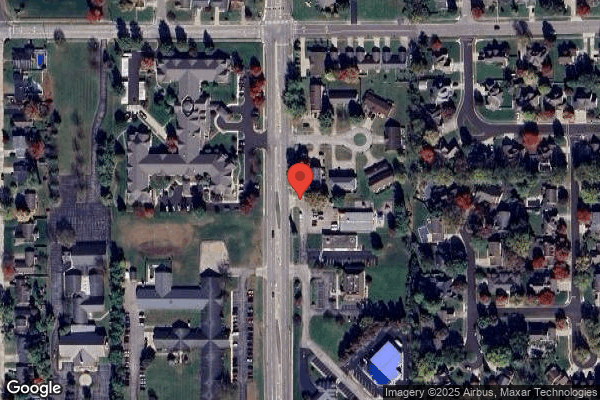
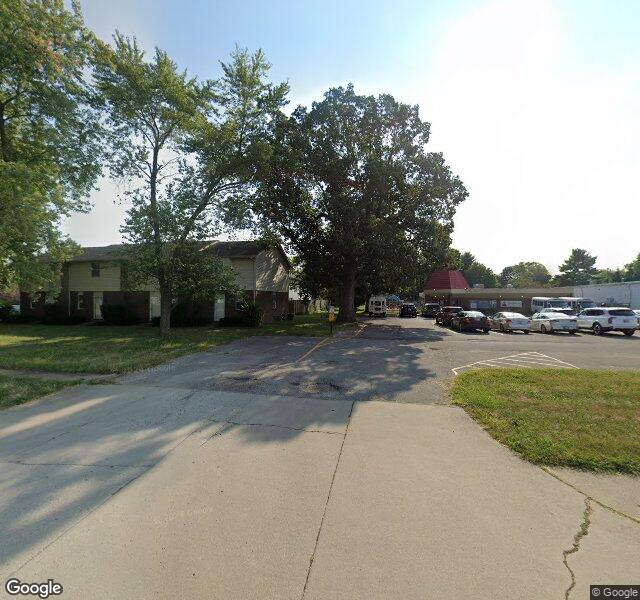
3550 CENTRAL AVE, COLUMBUS, IN 47203 (812) 379-9669
Government - County 112 Beds Independent Data: November 2025
Trust Grade
50/100
#410 of 505 in IN
Last Inspection: February 2025

Within standard 12-15 month inspection cycle. Federal law requires annual inspections.

Overview

Willow Crossing Health & Rehabilitation Center has a trust grade of C, which means it is average and sits in the middle of the pack among similar facilities. It ranks #410 out of 505 nursing homes in Indiana and #6 out of 6 in Bartholomew County, indicating it is in the bottom half overall and has no local competition that is better. The facility is showing improvement, with reported issues decreasing from 9 in 2024 to 6 in 2025. Staffing is below average with a rating of 2 out of 5 stars and a turnover rate of 46%, which is slightly below the state average. Notably, the center has no fines on record, which is a positive sign, and it offers more RN coverage than many facilities, ensuring critical oversight. However, there are specific concerns. For example, medication carts were found left unlocked when unattended, which poses a risk of medication errors. Additionally, staff were observed not following proper glove use protocols when serving food, which could lead to contamination. Lastly, the facility failed to provide COVID-19 booster shots for several residents, including one who was COVID-19 positive, raising concerns about their immunization practices. Overall, while there are strengths in terms of RN coverage and an absence of fines, families should consider these weaknesses carefully when evaluating this facility for their loved ones.

Trust Score
C
50/100
In Indiana
#410/505
Bottom 19%
Safety Record
Low Risk
No red flags
Inspections
Getting Better
9 → 6 violations
Staff Stability
⚠ Watch
46% turnover. Above average. Higher turnover means staff may not know residents' routines.
Penalties
✓ Good
No fines on record. Clean compliance history, better than most Indiana facilities.
Skilled Nurses
○ Average
Each resident gets 30 minutes of Registered Nurse (RN) attention daily — about average for Indiana. RNs are the most trained staff who monitor for health changes.
Violations
⚠ Watch
31 deficiencies on record. Higher than average. Multiple issues found across inspections.
★★☆☆☆
2.0
Overall Rating
★★☆☆☆
2.0
Staff Levels
★☆☆☆☆
1.0
Care Quality
★★★☆☆
3.0
Inspection Score
Stable
2024: 9 issues
2025: 6 issues

The Good

  • Full Sprinkler Coverage · Fire safety systems throughout facility
  • No fines on record

Facility shows strength in fire safety.

The Bad

2-Star Overall Rating

Below Indiana average (3.1)

Below average - review inspection findings carefully

Staff Turnover: 46%

Near Indiana avg (46%)

Higher turnover may affect care consistency

The Ugly 31 deficiencies on record

Feb 2025 6 deficiencies
CONCERN (D)

Potential for Harm - no one hurt, but risky conditions existed

Quality of Care (Tag F0684)

Could have caused harm · This affected 1 resident

Based on record review and interview, the facility failed to follow physician's orders related to medication hold parameters for 2 of 22 residents reviewed for Quality of Care. (Residents 71 and 5) Fi...

Read full inspector narrative →
Based on record review and interview, the facility failed to follow physician's orders related to medication hold parameters for 2 of 22 residents reviewed for Quality of Care. (Residents 71 and 5) Findings include: 1. The clinical record for Resident 71 was reviewed on 02/17/25 at 9:00 A.M. A Quarterly Minimum Data Set (MDS) assessment, dated 11/13/24, indicated the resident was cognitively intact. The resident's diagnoses included, but were not limited to, schizoaffective disorder, heart failure, hypertension, diabetes, and depression. The current open-ended physician's order, with a start date of 09/03/24, indicated the resident was to receive Lisinopril (a blood pressure medication) 10 milligrams (mg), twice a day. The staff were to hold the medication when the systolic blood pressure (SBP) was less than 130 or the heart rate was less than 60. The January and February 2025 Electronic Medication Administration Record (EMAR) indicated the resident had received the medication when the blood pressure was less than 130 or the heart rate was less than 60 on the following dates and times: - On 01/01/25 in the evening, when the resident's blood pressure was 122/67, - On 01/04/25 in the evening, when the resident's blood pressure was 110/71, - On 01/06/25 in the morning, when the resident's blood pressure was 121/70, - On 01/08/25 in the evening, when the resident's blood pressure was 120/73, - On 01/09/25 in the morning, when the resident's blood pressure was 109/81, - On 01/10/25 in the morning, when the resident's blood pressure was 118/67, - On 01/19/25 in the evening, when the resident's blood pressure was 101/69, - On 01/22/25 in the morning when the resident's blood pressure was 118/76, - On 01/23/25 in the evening when the resident's blood pressure was 124/71, - On 01/24/25 in the morning when the resident's blood pressure was 120/76, - On 01/26/25 in the evening when the resident's blood pressure was 94/72, - On 01/27/25 in the morning when the resident's blood pressure was 108/69, and in the evening when the blood pressure was 113/65, - On 02/01/25 in the evening when the resident's blood pressure was 127/71, - On 02/02/25 in the morning when the resident's blood pressure was 122/67, and in the evening when the blood pressure was 126/65, - On 02/03/25 in the morning when the resident's blood pressure was 126/68, - On 02/05/25 in the evening when the resident's blood pressure was 122/67, - On 02/06/25 in the evening when the resident's blood pressure was 122/75, - On 02/07/25 in the morning when the resident's blood pressure was 128/74, - On 02/08/25 in the evening when the resident's blood pressure was 126/76, - On 02/09/25 in the evening when the resident's blood pressure was 124/73, - On 02/11/25 in the evening when the resident's blood pressure was 126/71, - On 02/12/25 in the evening when the resident's blood pressure was 126/77, - On 02/13/25 in the evening when the resident's blood pressure was 124/76, - On 02/14/25 in the evening when the resident's blood pressure was 123/78, - On 02/15/25 in the evening when the resident's blood pressure was 127/63, and - On 02/17/25 in the morning when the resident's blood pressure was 90/86, and in the evening when the blood pressure was 112/67. The HEART DISEASE Care Plan included, but was not limited to, an intervention to monitor the resident's vital signs as ordered and as needed, and administer medications as ordered. 2. The clinical record for Resident 5 was reviewed on 02/14/25 at 2:00 P.M. A Quarterly MDS assessment, dated 11/22/24 indicated the resident was cognitively intact. The resident's diagnoses included, but were not limited to, stroke, coronary artery disease, hypertension, and dementia. The resident's current MD orders included, but were not limited to the following: An open-ended order, with a start date of 11/07/24, to administer amlodipine (a cardiac medication) 5 mg, twice a day. The medication was to be held if the resident's SBP was less than 120. The January and February 2025 EMARs were reviewed and indicated the medication was administered when the resident's SBP was less than 120 on the following dates and times: - On 01/01/25 the morning the resident's blood pressure was 118/77, - On 01/02/25 the morning the resident's blood pressure was 115/75, - On 01/06/25 the morning the resident's blood pressure was 101/64, - On 01/07/25 the morning the resident's blood pressure was 93/66, - On 01/08/25 the morning the resident's blood pressure was 105/60 and the evening blood pressure was 107/66, - On 01/09/25 the evening the resident's blood pressure was 111/69, - On 01/11/25 the morning the resident's blood pressure was 110/60, - On 01/12/25 the morning the resident's blood pressure was 104/73 and the evening blood pressure was 111/71, - On 01/22/25 the morning the resident's blood pressure was 109/77, - On 01/26/25 the morning the resident's blood pressure was 112/67, - On 02/04/25 the morning the resident's blood pressure was 98/64 and the evening blood pressure was 112/76, - On 02/05/25 the morning the resident's blood pressure was 94/60, - On 02/06/25 the morning the resident's blood pressure was 105/70, - On 02/08/25 the morning the resident's blood pressure was 104/80, and - On 02/11/25 the morning the resident's blood pressure was 102/60 and the evening blood pressure was 110/78. During an interview on 02/18/25 at 10:17 A.M., RN 3 indicated if a resident had a cardiac medication withhold parameters, she would check the resident's blood pressure and heart rate before administering the medication. If the resident's blood pressure or heart rate was out of range, she would hold the medication. She would document in the EMAR that the medication was held. The current facility policy titled PHYSICIAN ORDERS, dated 10/2014, was provided by the Assistant Director of Nursing (ADON) on 02/18/25 at 1:15 P.M. The policy indicated, .Physician's orders are administered .Ensure any follow through is completed . The current facility policy titled MEDICATION ADMINISTRATION, dated 04/2017, was provided by the ADON on 02/18/25 at 1:15 P.M. The policy indicated, .Always take pulse and B/P as indicated in ordered prior to giving certain cardiac or antihypertensive drugs .Notify the physician if the vital signs are not within the acceptable range . 3.1-37(a)
CONCERN (D)

Potential for Harm - no one hurt, but risky conditions existed

Pressure Ulcer Prevention (Tag F0686)

Could have caused harm · This affected 1 resident

Based on observation, interview, and record review, the facility failed to prevent and ensure a resident's wound was identified prior to the resident developing a Stage III pressure ulcer for 1 of 3 r...

Read full inspector narrative →
Based on observation, interview, and record review, the facility failed to prevent and ensure a resident's wound was identified prior to the resident developing a Stage III pressure ulcer for 1 of 3 residents reviewed for pressure ulcers. (Resident 64) Findings include: The resident's clinical record was reviewed on 02/18/25 at 1:29 P.M. A Quarterly Minimum Data Set assessment, dated 07/16/24, indicated the resident was moderately cognitively impaired. The resident's diagnoses included, but were not limited to, stroke, hemiplegia affecting the right dominate side, malnutrition, dementia, peripheral vascular disease, and neuromuscular dysfunction of the bladder. The resident was always incontinent of bowel and had an indwelling urinary catheter. The resident was dependent on staff for toileting, hygiene, and mobility, including rolling left to right. The resident was at risk for pressure ulcers but had no pressures at the time of the assessment. The resident utilized pressure reducing devices for the bed and chair. The clinical record lacked documentation the resident had been absent from the facility for any services for an extended period of time during the month of August. A shower sheet, dated 08/24/24, indicated the resident had a red open area above her buttocks. During an interview on 02/18/25 at 10:30 A.M., the Director of Nursing (DON) indicated when the resident's wound was identified on 08/24/24 he would have assessed it and obtained a physician's order for treatment. He didn't document an assessment of the wound. If he documented a wound's severity or wound stage in the computer, and then the wound specialist came in and staged the wound as less severe, they wouldn't be able to change the wound staging. The wound specialist that came into the facility documented the initial wound assessment on 08/29/24. The resident's physician orders included an order, with a start date of 08/25/24, for a daily treatment to the sacral (base of the spine) wound. The wound was to be cleansed with normal saline. A skin protectant was to be applied to the skin around the wound. An antimicrobial wound gel and calcium alginate was to be applied to the wound bed. The wound was to be covered with a gauze dressing. The Wound Specialist documentation, dated 08/29/24, indicated the wound was a Stage III (full thickness skin loss that may extend into the subcutaneous tissue) pressure ulcer that measured 1.2 centimeters (cm) x (by) 1 cm, with a depth of 0.1 cm. There was a moderate amount of serous (watery, clear, or slightly yellow/tan/pink fluid) exudate. The wound was 70% granulation (new, pink/red moist) tissue and 30% slough (non-viable, dead) tissue. During an observation, on 02/17/25 at 10:09 A.M., Resident 64's sacral wound was observed with RN 3 and the Director of Nursing (DON). The wound was about 3 cm in diameter, with a depth of 1 cm. There was an area of undermining (a separation of the wound edge from the surrounding healthy tissue) along one side of the wound approximately 2 cm long. The wound bed was reddish/pink. There was no drainage or sign of infection. During an interview, on 02/18/25 at 1:45 P.M., Qualified Medication Aide (QMA) 4 indicated the resident required extensive assistance from two staff members for care. Staff would provide catheter care and incontinence care multiple times each day. The current facility policy, titled SKIN MANAGEMENT PROGRAM, dated 10/2013, was provided by the DON on 02/18/24 at 2:40 P.M. The policy indicated, .Residents who receive assistance with bathing and/or pericare will be observed daily by nursing staff and any observance of red areas, open areas .will be reported to the licensed nurse for further assessment . The current facility policy, titled PRESSURE ULCERS, dated 10/2014, was provided by the DON on 02/18/24 at 2:45 P.M. The policy indicated, .assure that residents with pressure ulcers will receive necessary care and treatment to promote healing, prevent new ulcers from developing and prevent infection . 3.1-49(a)(2)
CONCERN (D)

Potential for Harm - no one hurt, but risky conditions existed

Deficiency F0692 (Tag F0692)

Could have caused harm · This affected 1 resident

Based on record review and interview, the facility failed to document meal consumption values for 2 of 4 residents reviewed for nutrition. (Residents 55 and 62) Findings include: 1. A Quarterly Minimu...

Read full inspector narrative →
Based on record review and interview, the facility failed to document meal consumption values for 2 of 4 residents reviewed for nutrition. (Residents 55 and 62) Findings include: 1. A Quarterly Minimum Data Set (MDS) assessment, dated 01/29/25, indicated Resident 55 was cognitively intact. The resident's diagnoses included, but were not limited to, hypertension, urinary tract infection, seizure disorder, anxiety, depression, and bipolar. The resident had experienced weight loss. A Weight Loss Care Plan, with a start date of 01/18/25, included, but was not limited to, the following intervention: Monitor meal consumption and encourage resident to consume 100% (percent) of meals. The January and February 2025 Meal Consumption Record for the resident lacked documented meal intake values for the following dates: - 01/18/25 at dinner, - 01/26/25 at lunch, - 02/03/25 at breakfast, - 02/10/25 at dinner, and - 02/17/25 at breakfast. 2. A Quarterly MDS assessment, dated 11/27/24, indicated Resident 62 was severely cognitively impaired. The resident's diagnoses included, but were not limited to, dementia, hypertension, Alzheimer's disease, seizure disorder, malnutrition, anxiety, and depression. A Potential for Weight Loss Care Plan, with a start date of 10/01/24, included, but was not limited to, the following intervention: Monitor intake of each meal. The December 2024, January and February 2025 Meal Consumption Record for the resident lacked documented meal intake values for the following dates: - 12/01/24 at lunch, - 12/07/24 at breakfast, lunch, and dinner, - 12/11/24 at lunch, - 12/12/24 at breakfast and lunch, - 12/13/24 at breakfast, - 12/14/24 at dinner, - 12/22/24 at breakfast and lunch, - 12/28/24 at breakfast and lunch, - 01/18/25 at lunch, - 01/19/25 at lunch, - 01/25/25 at lunch, - 02/01/25 at lunch, - 02/05/25 at lunch, and - 02/12/25 at breakfast and lunch. During an interview, on 02/18/25 at 1:07 P.M., Qualified Medication Aide (QMA) 6 indicated residents' meal consumption values should be documented in the computer system after every meal. The current facility policy titled, Meal Consumption Record, dated 10/2014, was provided by the Assistant Director of Nursing (ADON) on 02/18/25 at 1:55 P.M. The policy indicated, .To provide a means to monitor the resident's daily intake .At the end of each meal, resident trays should be observed and percentage of food consumed recorded on Meal Consumption Record . 3.1-46(a)(1)
CONCERN (D)

Potential for Harm - no one hurt, but risky conditions existed

Deficiency F0761 (Tag F0761)

Could have caused harm · This affected 1 resident

Based on observation and interview, the facility failed to store medications appropriately for 2 of 3 medication carts reviewed. (Back 200 Medication Cart and Front 100 Medication Cart) Findings inclu...

Read full inspector narrative →
Based on observation and interview, the facility failed to store medications appropriately for 2 of 3 medication carts reviewed. (Back 200 Medication Cart and Front 100 Medication Cart) Findings include: 1. The Back 200 Medication Cart was observed, on 02/18/25 at 2:33 P.M, with Qualified Medication Aide (QMA) 9. The medication cart contained the following loose pills laying loose in the bottom of the drawers: - two small round white tablets, - one small oval white tablet, and - one small oval blue tablet. The medication cart had several bits of debris/paper that were scattered heavily throughout the cart. During an , on 02/18/25 at 2:35 P.M., QMA 9 indicated she didn't clean the medication cart; she just passed the medications. 2. The Front 100 Medication Cart was observed, on 02/18/25 at 2:39 P.M., with QMA 8. The medication cart contained the following loose pills laying loose in the bottom of the drawers. - one small round white tablet, - one medium round white tablet, and - one large round white tablet. The medication cart had several bits of debris/paper that were scattered throughout the cart. During an interview, on 02/18/25 at 2:42 P.M., the Assistant Director of Nursing (ADON) indicated there should not be any loose pills in the medication carts. The current Storing Drugs policy, dated 4/2021, was provided by the ADON on 02/18/25 at 3:06 P.M. The policy indicated .Drugs and biologicals will be stored in a safe, secure, and orderly manner . 3.1-25(j)
CONCERN (D)

Potential for Harm - no one hurt, but risky conditions existed

Laboratory Services (Tag F0770)

Could have caused harm · This affected 1 resident

Based on record review and interview, the facility failed to obtain a urinalysis in a timely manner for 1 of 4 residents reviewed for laboratory services. (Resident 36) Findings include: A Quarterly M...

Read full inspector narrative →
Based on record review and interview, the facility failed to obtain a urinalysis in a timely manner for 1 of 4 residents reviewed for laboratory services. (Resident 36) Findings include: A Quarterly Minimum Data Set assessment, dated 11/06/24, indicated Resident 36 was moderately cognitively impaired. The resident's diagnoses included, but were not limited to, vascular dementia, diabetes, and stroke. A progress note, dated 01/02/25 at 1:47 P.M., indicated the resident had a new physician's order to obtain a urine dip (a rapid urine test performed in the facility). If the urine dip was positive, nursing staff were to obtain a urine sample to send to the lab for urinalysis (UA) and a Culture and Sensitivity (C&S). The resident's family member was notified. The lab report from the urinalysis indicated the urine sample was collected on 01/07/25 and resulted on 01/08/25. The report indicated there were greater than 100,000 CFU/ml (colony forming units per milliliter) of Streptococcus beta hemolytic Group B bacteria. The bacteria were universally susceptible to Penicillins (a type of antibiotic). Susceptibility testing was not routinely performed. A progress note, dated 01/09/25 at 2:18 P.M., indicated the resident was to receive Amoxicillin (an antibiotic) 500 mg (milligrams) by mouth four times a day for a UTI. During an interview, on 02/18/25 at 10:17 A.M., RN 3 indicated if there was an order to obtain a UA, she would put the order in the computer. She would fill out a lab requisition form and fax the form to the lab, so they were aware. She would collect the urine sample and place it in the designated refrigerator. If she was having a hard time obtaining a sample, she would document that in the computer. The lab technicians came every day, and staff could call the courier to pick up a sample as well. UA C&S results were usually available within 48 to 72 hours of the sample arriving at the lab. During an interview, on 02/18/25 at 10:11 A.M., the ADON indicated the lab came in every morning to collect specimens to take to the local hospital. The order for the UA was given on 01/02/25. The sample was not collected until 01/07/25. It did not usually take five days to obtain a urine specimen. The current facility policy, titled SPECIMEN COLLECTION ROUTINE URINE, dated 10/2014, was provided by the ADON on 02/18/25 at 1:15 P.M. The policy indicated, .obtain a fresh urine specimen for lab analysis .Routine urine specimens are collected as per physician's orders . 3.1-49(a)
CONCERN (D)

Potential for Harm - no one hurt, but risky conditions existed

Food Safety (Tag F0812)

Could have caused harm · This affected 1 resident

Based on observation and interview, the facility failed to follow infection control guidelines during dining service for 1 of 2 dining observations. (Residents 102 and 15) Findings include: During a c...

Read full inspector narrative →
Based on observation and interview, the facility failed to follow infection control guidelines during dining service for 1 of 2 dining observations. (Residents 102 and 15) Findings include: During a continuous observation on 02/12/25, from 11:49 A.M. to 11:57 A.M., in the Dementia Unit Dining Room, the following was observed: At 11:49 A.M., Activity Aide (AA) 10 sat an empty lunch tray on a table, opened the trash can lid with her bare left hand, threw some trash into the can, went to the meal cart, and moved around several meal trays within the cart that were to be served to the residents. She retrieved a tray from the cart and served it to Resident 102. After serving the tray she sanitized her hands. At 11:54, she sat an empty tray on a table; opened the trash can lid with her bare left hand; threw some trash into the can; went to the meal cart; and moved several resident meal trays within the cart. She retrieved a meal tray and served it to Resident 15. After serving the tray she sanitized her hands. During an interview, on 02/18/25 at 1:31 P.M., Certified Nurse Aide (CNA) 7 indicated when she was serving meal trays to residents, she would sanitize her hands after every tray served and wash her hands after every third tray served. If she ever touched anything besides the tray while serving, then she would immediately wash or sanitize her hands. The current facility policy titled, Meal Service dated 10/2014 was provided by the Administrator on 02/18/25 at 2:00 P.M. The policy indicated, .To ensure that all meals are delivered to resident as per physician's order . 3.1-21(i)(3)
Aug 2024 1 deficiency
CONCERN (D) 📢 Someone Reported This

A family member, employee, or ombudsman was alarmed enough to file a formal complaint

Potential for Harm - no one hurt, but risky conditions existed

Incontinence Care (Tag F0690)

Could have caused harm · This affected 1 resident

Based on interview and record review, the facility failed to ensure a resident with a urinary tract infection received antibiotic treatment in a timely manner for 1 of 3 residents reviewed for urinary...

Read full inspector narrative →
Based on interview and record review, the facility failed to ensure a resident with a urinary tract infection received antibiotic treatment in a timely manner for 1 of 3 residents reviewed for urinary tract infections. (Resident B). Findings include: The clinical record for Resident B was reviewed on 08/28/24 at 2:00 P.M. A Quarterly MDS (Minimum Data Set) assessment, dated 08/05/24, indicated the resident was moderately cognitively impaired. The resident's diagnoses included, but were not limited to, stroke, diabetes, renal insufficiency, and neurogenic bladder. The resident was incontinent of bowel and bladder. A progress note, dated 07/10/24 at 9:00 A.M., indicated the resident's family member requested the resident's urine be tested for a UTI (urinary tract infection). The NP (Nurse Practitioner) was in the facility and ordered a UA (urinalysis) with a C&S (Culture and Sensitivity, an additional test used to determine the appropriate antibiotic to use if infection was present) if indicated. A progress note, dated 07/12/24 at 4:50 P.M., indicated the results of the C&S were still pending at that time. A progress note, dated 07/15/24 at 7:30 A.M., indicated the UA C&S results were called in to the NP and ceftriaxone (an antibiotic) was ordered to treat the infection. During an interview on 08/28/24 at 1:09 P.M., RN 2 indicated the lab (laboratory) faxed results to the facility throughout the day. If the lab values were normal, the labs were placed in a binder for the NP to review the next time they were in the facility. If the labs were abnormal, the nurse would contact the NP, inform them of the results, and then implement any new treatment orders. She received the resident's C&S results the evening of Saturday, July 13, 2024. She checked the resident's profile, saw that the resident was currently receiving Macrodantin (nitrofurantoin, an antibiotic) and figured if the NP wanted to change the antibiotic they would do so on the following Monday. If the resident hadn't already been on an antibiotic she would have called and got something started. She didn't review the C&S results, so she didn't know the bacteria present in the resident's urine was resistant to the Macrodantin the resident was currently receiving. The resident's UA C&S results were reviewed. A urine specimen was collected on 07/10/24 and the results indicated a C&S would be required. The final results of the C&S were available on 07/13/24 and indicated the bacteria present in the resident's urine was resistant to treatment with a nitrofuran antibiotic (Macrodantin) the resident was currently taking. The current facility policy, titled LABORATORY ORDERS/RESULT REPORTING, with a revised on date of 11/2016, was provided by the Corporate Nurse on 08/29/24 at 1:56 P.M. The policy indicated, .To ensure laboratory tests ordered by the physician are drawn and results are received by the facility and reported to the attending physician .The facility shall then be responsible to forward the results to the applicable care provider . The deficient practice was corrected on 07/16/24 after the facility reviewed all residents' lab results for timeliness, educated staff, and implemented a process to monitor labs and lab results. This citation relates to Complaint IN00438759. 3.1-41(a)(2)
Apr 2024 8 deficiencies
CONCERN (D)

Potential for Harm - no one hurt, but risky conditions existed

Deficiency F0583 (Tag F0583)

Could have caused harm · This affected 1 resident

**NOTE- TERMS IN BRACKETS HAVE BEEN EDITED TO PROTECT CONFIDENTIALITY** Based on observation and interview, the facility failed to to protect resident information related to unlocked computer screens ...

Read full inspector narrative →
**NOTE- TERMS IN BRACKETS HAVE BEEN EDITED TO PROTECT CONFIDENTIALITY** Based on observation and interview, the facility failed to to protect resident information related to unlocked computer screens for 4 of 6 random observations for personal privacy. Findings include: During an observation on 04/14/24 at 10:02 A.M., a 200 Hall medication cart had a computer screen opened to resident names and list of medications. The opened computer screen was in the resident hallway on top of the medication cart. There was no staff with in 20 to 30 feet of the medication cart. The DON (Director of Nursing) closed the computer screen as he was walking down the hall passed the cart at 10:03 A.M. During an continuous observation on 04/14/24 at 12:15 P.M. to 12:17 P.M., the front 200 Hall medication cart had a computer tablet on top of the cart. The screen was opened to the resident names and pictures. QMA (Qualified Medication Aide) 9 was in room [ROOM NUMBER] talking with a resident, at 12:17 P.M. she came out of room [ROOM NUMBER] and picked the tablet up off of the medication cart. On 04/15/24 at 10:49 A.M., the front 200 Hall medication cart computer screen was up to show resident names and medication lists, at 10:51 A.M., with no staff in view. The DON was walking past the medication cart and pushed the tablet closed. On 04/18/24 at 8:30 A.M., the computer tablet on top of the medication cart at beginning of the 200 Hall was opened to resident names and medication lists. There was no staff present in the hallway or near the medication cart. During an interview on 04/18/24 at 10:32 A.M., the DON indicated the computer screens should be closed when staff were not present. Resident information should not be visible when staff are not at their medication cart. The current Employee Handbook, dated April 2022, was provided by the Regional Director on 04/19/24 at 12:25 P.M. The Handbook indicated .Health Insurance Portability and Accountability Act (HIPAA) .HIPAA's Privacy Rule requires that all identifiable health information be protected from unauthorized access, use, or disclosure . 3.1-3(o)
CONCERN (D)

Potential for Harm - no one hurt, but risky conditions existed

Free from Abuse/Neglect (Tag F0600)

Could have caused harm · This affected 1 resident

Based on interview and record review, the facility failed to ensure a resident was free from mental and physical abuse for 1 of 23 residents reviewed for abuse. (Resident 203) Findings include: A faci...

Read full inspector narrative →
Based on interview and record review, the facility failed to ensure a resident was free from mental and physical abuse for 1 of 23 residents reviewed for abuse. (Resident 203) Findings include: A facility reported incident, dated 12/30/23, indicated CNA (Certified Nurse Aide) 20 had became agitated and had spoken to Resident 203 inappropriately during care. The resident's clinical record was reviewed on 04/19/24 at 12:37 P.M. A Quarterly Minimum Data Set assessment, dated 10/18/23, indicated the resident was severely cognitively impaired. The diagnoses included, but were not limited to, hypertension, diabetes, Alzheimer's disease, stroke, anxiety, and stage 4 chronic kidney disease. During an interview on 04/19/24 at 10:46 A.M., CNA 21 indicated on 12/30/23 she was providing care to the roommate of Resident 203 when she heard CNA 20 become agitated with Resident 203. She stepped around the curtain and assisted CNA 20 with the residents care. CNA 20 told Resident 203 if you hit me again I'll hit you back, CNA 20 then took a wet wipe and smacked at the resident's face, and pushed her head down to the pillow when she attempted to sit up. CNA 21 asked CNA 20 to leave the room while she finished care to the resident. CNA 21 told the QMA (Qualified Medication Aide) on the hall what she had witnessed. The QMA phoned the ADON (Assistant Director of Nursing). During an interview on 04/19/24 at 11:19 A.M., the Administrator indicated on 12/30/23, she received a phone call from the ADON explaining what had been reported to her. CNA 20 had been asked to clock out and leave the building pending the facility's investigation of abuse. Written statements were taken from CNA 21 and two CNA students who also witnessed the abuse. The ADON assessed each resident for verbal and physical abuse. The Social Service Director came to the facility and interviewed resident who could be interviewed. Resident 203 was unable to be interviewed and had no recollection of the incident because of her low cognition. The abuse was substantiated and CNA 20 was terminated from employment with the facility. Abuse education was provided to each employee. The incident was reported to the state department of health. The current facility policy, titled Abuse Prohibition, Reporting, and Investigation, with a most recent revision date of January 2015, was provided by the Administrator on 04/14/24. The policy indicated, .The facility shall prohibit and prevent abuse, neglect, misappropriation of resident property, and exploitation . The Past noncompliance began on 12/30/23 and the deficient practice was corrected prior to the start of the survey. On 01/01/24, the facility implemented a systemic plan that included the following actions: The facility completed education on the Abuse for all staff members. 3.1-27(a)(1)
CONCERN (D)

Potential for Harm - no one hurt, but risky conditions existed

Quality of Care (Tag F0684)

Could have caused harm · This affected 1 resident

Based on record review and interview, the facility failed to follow physician's orders related to hold parameters for a blood pressure medication for 1 of 23 residents reviewed for quality of care. (R...

Read full inspector narrative →
Based on record review and interview, the facility failed to follow physician's orders related to hold parameters for a blood pressure medication for 1 of 23 residents reviewed for quality of care. (Resident 48) Findings include: The clinical record for Resident 48 was reviewed on 04/16/24 at 1:35 P.M. A Quarterly Minimum Data Set assessment, dated 01/20/24, indicated the resident was moderately cognitively impaired. The diagnoses included, but were not limited to, dementia, heart failure, hypertension, stroke, diabetes, anxiety, and depression. A current physician's order, with a start date of 03/29/24, indicated the resident was to get losatan 100 mg (milligrams), one time a day, for hypertension. The staff were to hold the medication if the resident's systolic blood pressure (the top number) was less than 110 or the heart rate was less than 60. The clinical record that included the March and April 2024 EMAR/ETAR (Electronic Medication Administration Record/Electronic Treatment Administration Record) lacked indication the resident's blood pressure and heart rate had been obtained prior to the administration of the medication. The resident received his medication daily and no resident blood pressure or heart rate values were document from 3/29/24 to 4/18/24. During an interview on 04/17/24 at 10:55 A.M., RN 11 indicated if a medication had hold parameters they should be documented on the EMAR. During an interview on 04/18/24 at 2:57 P.M., QMA (Qualified Medication Aide) 12 indicated if a resident had hold parameters for a blood pressure medication, the blood pressure should be documented on the EMAR. During an interview 04/18/24 at 3:01 P.M., the Clinical Consultant indicated if there are parameters for a medication it should be documented on the EMAR. The current facility policy titled, Medication Administration with a revised date of 04/2017, was provided by the Regional Director on 04/19/24 at 2:45 P.M. The policy indicated, .To safely administer medications as per physicians' orders .Always take pulse and B/P (blood pressure) as indicated if ordered prior to giving certain cardiac or antihypertensive drugs . 3.1-37(a)
CONCERN (D)

Potential for Harm - no one hurt, but risky conditions existed

Pressure Ulcer Prevention (Tag F0686)

Could have caused harm · This affected 1 resident

Based on record review and interview, the facility failed to prevent and follow physician's orders related to a pressure ulcer for 1 of 4 residents reviewed for pressure ulcers. (Resident 48) The clin...

Read full inspector narrative →
Based on record review and interview, the facility failed to prevent and follow physician's orders related to a pressure ulcer for 1 of 4 residents reviewed for pressure ulcers. (Resident 48) The clinical record for Resident 48 was reviewed on 04/16/24 at 1:35 P.M. A Quarterly Minimum Data Set assessment, dated 01/20/24, indicated the resident was moderately cognitively impaired. The diagnoses included, but were not limited to, dementia, heart failure, hypertension, stroke, diabetes, anxiety, and depression. A physician's order with a start date of 03/11/24 and discontinue date of 04/18/24, indicated the resident was to wear Blue Prevalon boots at all times. An Initial Pressure Ulcer Assessment form, dated 03/14/24, indicated a suspected deep tissue injury (a purple or maroon area of discolored intact skin due to damage of underlying tissue) was discovered on the right medial heel. On 04/16/24 at 11:27 A.M., the resident was observed in bed without her blue boots on. On 04/16/24 at 2:54 P.M., the resident was observed in bed without her blue boots on. The blue boots were observed on the top self of her closet. On 04/17/24 at 8:59 A.M., the resident was in her bed without her blue boots on. On 04/17/24 at 02:30 P.M., the DON (Director of Nursing) and LPN (Licensed Practical Nurse) 22 were observed providing wound care to the resident. The resident did not have her blue boots on prior to the start of the wound care. the non skid sock was removed, the purple area on the right medial heel was cleansed, and skin prep applied as ordered. The non skid sock was placed back on the resident's foot. Neither the DON or LPN 22 placed the blue boot on the resident's foot after the wound care. During an interview on 04/18/24 at 9:28 A.M., the facility wound physician indicated the resident should have some kind of off loading either a pillow or boots. During an interview on 04/18/24 at 2:01 P.M., QMA (Qualified Medication Aide) 2 indicated if a resident had an order for off loading of their heels it would be the responsibility of all nursing staff and if the resident refused a behavior sheet should be filled out. The resident's clinical record lacked documentation the resident refused to wear her blue boots. The current facility policy titled, PRESSURE ULCER PREVENTION dated 10/2014, was provided by the Regional Director on 04/19/24 at 2:45 P.M. The policy indicated, .To prevent pressure ulcers and promote healing .reposition resident approximately every two hours .float heels, as appropriate . 3.1-40(a)(3)
CONCERN (D)

Potential for Harm - no one hurt, but risky conditions existed

Incontinence Care (Tag F0690)

Could have caused harm · This affected 1 resident

Based on observation, interview, and record review, the facility failed to provide appropriate urinary catheter care for a resident with frequent Urinary Tract Infections for 1 of 5 residents reviewed...

Read full inspector narrative →
Based on observation, interview, and record review, the facility failed to provide appropriate urinary catheter care for a resident with frequent Urinary Tract Infections for 1 of 5 residents reviewed for bladder incontinence care. (Resident 72) Findings include: During an observation on 04/18/24 at 9:46 A.M., CNA (Certified Nurse Aide) 4 washed her hands, closed the door to Resident 72's room with her foot, and donned gloves. The left glove ripped and as she removed the glove, it fell to the floor. She picked it up with her gloved right hand, put it in the trash, and donned a new glove to her left hand. She went to the resident's closet and donned a gown. She moved the resident's bedside table, sat towels down on top of the table, and picked up a bath basin off of the table. She went into the bathroom and turned on the water with her right gloved hand. She returned to the room and moved the bedside table, opened the top drawer of the nightstand, retrieved a container of soap, and sat it on the bedside table. CNA 4 went back to the bathroom and retrieved a graduated cylinder. She went to the side if the bed, emptied the resident's dark urine from the urinary catheter into the graduate cylinder, went to the bathroom, dumped the urine into the toilet, turned on the water with her gloved hand, added water to the graduated cylinder, rinsed it out, dumped the water into the toilet, flushed the toilet with her gloved hand, and put the graduated cylinder into a bag. She went into the room, moved the bedside table, removed the resident's blankets, removed a pillow between the resident's feet, and unfastened the resident's brief. The catheter tubing was going up and out the top of the brief. CNA 4 removed a roll of trash bags from her pocket. She placed washcloths in the water basin, applied soap to the washcloths, and started cleaning the resident's peri area and catheter tubing. She cleansed the catheter tubing from top to bottom, without using a clean area of the washcloth with each motion. CNA 4 changed the resident's brief. The resident's urinary catheter tubing was lying on the residents' bed and contained dark urine with sediment in it. She placed the resident's blankets over the resident, attached the call light to the blanket, emptied the water basin, placed it in the closet, removed her gown, gloves, and washed her hands. The clinical record for Resident 72 was reviewed on 04/17/24 at 11:26 A.M. A Quarterly MDS (Minimum Data Set) assessment, dated 01/15/24, indicated the resident was moderately cognitively impaired. The diagnoses included, but were not limited to, stroke, hypertension, neurogenic bladder, obstructive uropathy, non-Alzheimer's dementia, depression, and anxiety. The resident had the following physician orders for antibiotics: - A physician's order, dated 12/27/23 through 01/02/24, indicated the resident was to take Linezolid 600 mg (milligrams), twice a day, by mouth, for a UTI (urinary track infection), - A physician's order, dated 02/05/24 through 02/11/24, indicated the resident was to receive meropenem, 1 gram every 8 hours, intravenous, for a UTI, - A physician's order, dated 03/01/24 through 03/07/24, indicated the resident was to receive meropenem, 1 gram every 8 hours, intravenous, for a UTI, and - A physician's order, dated 03/18/24 through 03/28/24, indicated the resident was to receive meropenem, 1 gram three times a day, intravenous, for a UTI. During an interview on 04/18/24 at 2:31 P.M., QMA (Qualified Medication Aide) 12 indicated the resident had a urinary catheter and had frequent UTIs. The nursing staff performed urinary catheter care every shift. When providing catheter care the staff were to don a gown, gloves and perform the care. If anything was touched before the catheter care began, then the gloves should be changed. The current facility policy titled, Catheter Care, Indwelling, dated 10/2014, was provided by the Regional Director on 04/18/24 at 3:47 P.M. The policy indicated, .Care provided for an indwelling catheter will promote good hygiene and reduce the potential for infection . 3.1-41(a)(2)
CONCERN (D)

Potential for Harm - no one hurt, but risky conditions existed

Deficiency F0744 (Tag F0744)

Could have caused harm · This affected 1 resident

Based on interview and record review, the facility failed to implement interventions and complete behavior forms related to dementia care for 1 of 3 residents reviewed. (Resident 69) Findings include:...

Read full inspector narrative →
Based on interview and record review, the facility failed to implement interventions and complete behavior forms related to dementia care for 1 of 3 residents reviewed. (Resident 69) Findings include: The clinical record for Resident 69 was reviewed on 04/19/24 at 2:18 P.M. A Quarterly MDS (Minimum Data Set) assessment, dated 01/01/24 indicated the resident was severely cognitively impaired. The diagnoses included, but were not limited to, Alzheimer's disease, dementia, anxiety, depression, and psychotic disorder. The resident had several days of feeling down and depressed, had trouble sleeping, feeling tired, and having a poor appetite. The complete Care Plan was provided by the DON on 04/18/24 at 2:50 P.M., and included, but was not limited to, a Care Plan for Wandering, with a most recent revision date of 01/12/24. The interventions included, but were not limited to, door alarm placed on res. (resident's) room door. The EMAR/ETAR (Electronic Medication Administration Record/Electronic Treatment Administration Record) for March and April 2024 were provided by the DON on 04/19/24 at 9:29 A.M. The records lacked documentation the door frame alarm had been ordered by a physician or checked regularly. The Mood and Behavior Communication Memo, dated 01/09/24, indicated Resident 69 was in the dining room, at dinner time, the resident was physically aggressive towards staff and swinging at their face when attempting to assist the resident to sit down. The Mood and Behavior Communication Memo, dated 01/09/24, indicated Resident 69 was in the dining room/hallway/residents' rooms, on evening shift, the resident was physically aggressive towards staff and swinging his fist at their face when attempting to assist the resident to sit , down. If left unattended, the resident walked to another sleeping resident's room and refused to leave the room. The interventions attempted, toileting, snacks, redirection, one-to-one observation, and time to calm/re-approach, were documented as unsuccessful and the outcome of the interventions indicated the situation had Worsened and the resident continued to stand up and be aggressive towards staff. The Mood and Behavior Communication Memo, dated 01/14/24 at 8:30 P.M., indicated the resident was found in another resident's room, sitting on their bed while the other resident was lying in bed awake. Resident 69 refused to leave the room and it took two staff members to assist Resident 69 to be removed from the bed. The interventions attempted, time to calm/re-approach, redirection, and validation of feelings and words, were documented as unsuccessful and the outcome of the interventions indicated the situation was Unchanged. The Mood and Behavior Communication Memo, dated 01/24/24 at 11:05 A.M., indicated staff heard Resident 33 scream, Help! Get him out! He's hitting me! The staff ran into the room and saw Resident 69 hitting Resident 33 in the chest area while the resident was lying in bed. Resident 69 was removed from the room. The resident was placed on a one-to-one observation until they were sent out of the facility. The Mood and Behavior Communication Memo, dated 03/13/24 at 3:15 P.M., indicated the resident refused to stay in his wheelchair, was redirected back to his chair numerous times during the shift, was walking on the unit without assistance, and combative with staff when redirected to his chair. Interventions attempted, redirection, was documented as unsuccessful and the outcome of the intervention indicated the situation was Unchanged. The Mood and Behavior Communication Memo, dated 03/18/24, indicated on evening shift, the resident continued to walk and self-transfer unassisted. The resident walked into a female resident's room and staff had to redirect him numerous times. The resident was aggressive towards staff and stated, I'm going to beat the s#!* out of you. The resident continued to set off the door frame alarm while in his room. Staff had to reset the alarm each time. Interventions attempted, provide quiet environment, place in chair or bed, and redirection, were documented as unsuccessful and the outcome of the interventions indicated the situation was Unchanged. The Mood and Behavior Communication Memo, dated 03/23/24 at 2:30 P.M., in the Activity Room the resident was talking to a gentleman that came to see him for an evaluation. After sitting next to the man for only a few minutes, the man came out panicked, telling staff to, Take him before he gets aggressive. The resident was upset, and the man kept telling him he would finish without him before he became aggressive. The staff redirected the resident to his room where he relaxed, forgetting about the man. The interventions attempted, toileting and providing one-to-one observation, were documented as successful and the outcome of the interventions indicated the situation had Improved. No Mood and Behavior Communication Memos were provided regarding the incidents between Resident 69 and his roommate, Resident 65. During an interview on 04/16/24 at 11:01 A.M., CNA (Certified Nurse Aide) 14 indicated Resident 69 got aggressive at times and it was usually on second shift. The resident did not like the male CNAs, would get aggressive with them, and start swinging and threatening to beat everybody up. CNA 14 had worked with the resident on third shift and the resident had been sundowning (a state of disorientation and agitation that sometimes occurs in the late afternoon or evening in people with dementia). The resident woke up one day, went across the hall and hit Resident 33. The staff did not see it. They heard Resident 33 yelling, Get out of here! CNA 14 and QMA (Qualified Medication Aide) 2 ran down the hall from the nurse's station where they had been charting. They saw Resident 69 hovering over Resident 33. The residents were hitting each other on the arms. QMA 2 stayed with Resident 33. CNA 14 pulled Resident 69 out of Resident 33's room and kept him at the nurses' station on a one-to-one (one staff to one resident) observation. Resident 69 was on one to one for quite a while. They had a sheet that was a 15-minute check paper, They wrote down what the resident was doing every 15 minutes but stayed with him the whole time. They put an intervention in, a door alarm, that would go off when he was out of his room. During the night shift about two weeks ago Resident 69 hit his room mate Resident 65. He hit him twice. Both times were on third shift. CNA 14 came in for report on day shift at about 6:00 A.M. The staff told her they had moved Resident 65 into a temporary room, 304 or 305, with another resident. Resident 69 was in the room by himself. The report she received was that Resident 69 had hit Resident 65 on one night, then hit him again the next night, two nights in a row. Resident 65 was not injured. The first night Resident 69 hit Resident 65 they had moved Resident 65 to another room, so Resident 69 was by himself on a one-to-one observation. She passed on the information to second shift as to why Resident 65 was in a different room. Resident 69 was still on a one-to-one observation when she left the day Resident 65 was first hit. Resident 69 hit Resident 65 a second time because someone put Resident 65 back in Resident 69's room. She mentioned it to the Unit Manager, and they had her take Resident 65 out of Resident 69's room, but Resident 65 had already been hit a second time on third shift. When staff witnessed a behavior, they were supposed to fill out a behavior sheet. The Unit Manager would determine if a resident needed to be on a one-to-one observation or 15-minute checks. During an interview on 04/16/24 at 2:47 P.M., QMA 2 indicated she was working the day Resident 69 had an encounter with Resident 33, who lived across the hall from his room. He had been aggressive with the lady across the hall twice. Once, she was there when it happened, and another time she had been told about an occurrence in report. When the staff got report it was usually verbal, but night shift would write things on paper sometimes. The night shift papers got put into the shred bin. She had heard that Resident 65 had been moved to a different room because of his roommate being aggressive towards him. She had not seen Resident 69 being aggressive towards his roommate, just towards the lady across the hall, Resident 33. During an interview on 04/16/24 at 3:15 P.M., the DON indicated when a resident had a behavior, the staff member who witnessed the behavior, filled out a behavior sheet, gave it to the manager, then it was passed on to the SSD (Social Services Director). They would discuss it in morning meeting and come up with a plan for the next step. The administrator would sign off on the behavior sheets. During an interview on 04/17/24 at 9:55 A.M., the Therapy Manager indicated Resident 69 was independent in his wheelchair. When he came back from his second stay at a psychiatric facility, he was making a lot more attempts to walk independently in his room, so they tried to get him safer and stronger, and PT (Physical Therapy) had worked with him. Because of his cognition, he was a little hit or miss as to whether he would participate. During an interview on 04/18/24 at 10:40 A.M., the Dementia Care Coordinator/ Unit manager indicated when staff saw a behavior or were the first on the scene of a behavior, the first person who witnessed the behavior filled out the behavior sheet. If the first witness was a CNA, the nurse on duty would go and check on the resident and then review the behavior sheet. The staff communicated behaviors to the oncoming shift verbally. During an interview on 04/18/24 at 2:58 P.M., the DON indicated there was usually a physician's order to put an alarm in place for a resident. Resident 69 had a door frame alarm put in place a couple of weeks ago to alert the staff when the resident left his room. During an interview on 04/18/24 at 3:17 P.M., RN 13 indicated Resident 69 was very confused and it just progressed as he was in the facility. He wandered frequently. In the evenings she would keep him with her, especially after dinner because he wandered the unit. After dinner, the CNAs would be getting the residents ready for bed and doing personal care. He was aggressive with the male caregiver, CNA 18, who frequently worked on the dementia unit. The resident did better with female staff, but not a lot better. He slept a lot. He would be up for 36 hours then sleep for 36 hours. If he was up, he was wandering. He recently discharged to another facility. RN 13 was unsure when the door frame alarm was put into place. The resident knew the alarm was there and would step out of the door to make it go off. Staff had to reset the alarm each time it went off. They kept the door frame alarm on at all times. During an interview on 04/19/24 at 9:19 A.M., the DON indicated they placed the door frame alarm on 03/13/24, after Resident 69 was readmitted to the facility. Normally there was a physician's order for a personal alarm to checked it, test it on and off, and change the batteries on a regular basis. During an interview on 04/19/24 at 2:03 P.M., the Dementia Care Coordinator indicated Resident 69's behaviors usually happened around 2:00 P.M. Sometimes he was up all night long. After the second behavior incident with Resident 33, when Resident 69 hit Resident 33, Resident 69 was sent out to a psychiatric facility. The incident did not happen on her shift. He came back from a stay at a behavioral hospital to his same room. He was on one-to-one observation when he returned. Resident 69 hit Resident 65 on evening/night shift. Resident 69 was on a one-to-one observation until he was sent out again. Someone should have filled out a behavior report when Resident 69 hit Resident 65. They immediately moved Resident 65 to a different room with an empty bed. Resident 69 stayed on a one-on-one observation until they got the door frame alarm in place. The administration staff said they needed to fill out a behavior sheet and that was part of the chart, so they didn't have to put in a nurse's note on behaviors. The current ALARM, POSITION CHANGE policy, with a revised date of 09/17, was provided by the DON on 04/19/24 at 12:16 P.M. The policy indicated, .Position change alarms are alerting devices intended to monitor a resident's movement. The devices emit an audible signal to alert staff when the resident moves in certain ways .Should a position change alarm be deemed [sic] appropriate intervention by the team, a physician's order shall be obtained .Facility personnel will be advised of use per updated plan of care and will routinely check the device for proper placement and function each shift . The current MOOD AND BEHAVIOR PROGRAM policy, with a revised date of 11/2013, was provided by the Clinical Consultant on 04/18/24 at 10:08 A.M. The policy indicated, .The Mood and Behavior Communication Memo will be completed by a staff member upon witnessing a resident mood/behavior .Any mood and/or behavior that can be harmful to any resident in any manner, such as sexual, verbal, mental, or physical abuse, must be immediately reported to the Administrator and/or designee, in an effort to confirm that staff completing the form followed the facility abuse prohibition policy mandating immediate reporting .Should revisions to the care plan be warranted, the same shall be completed and communicated to direct caregivers . 3.1-37(a)
CONCERN (E)

Potential for Harm - no one hurt, but risky conditions existed

Deficiency F0761 (Tag F0761)

Could have caused harm · This affected multiple residents

**NOTE- TERMS IN BRACKETS HAVE BEEN EDITED TO PROTECT CONFIDENTIALITY** 3. During a continuous observation on 04/14/24 from 12:02 P.M. to 12:04 P.M., an unlocked medication cart on the 200 Hall was pa...

Read full inspector narrative →
**NOTE- TERMS IN BRACKETS HAVE BEEN EDITED TO PROTECT CONFIDENTIALITY** 3. During a continuous observation on 04/14/24 from 12:02 P.M. to 12:04 P.M., an unlocked medication cart on the 200 Hall was parked outside room [ROOM NUMBER]. The door to room [ROOM NUMBER] was closed and there was no staff around. At 12:03 P.M., QMA 9 came out of room [ROOM NUMBER] and prepared medications. At 12:04 P.M. she locked the medication cart and returned to room [ROOM NUMBER] with the prepared medications. During an interview on 04/19/24 at 3:36 P.M., the DON indicated medication carts are to remain locked when unattended. The current STORING DRUGS policy, with a date of 12/2017, was provided by the Clinical Consultant on 04/18/24 at 10:08 A.M. The policy indicated, .Controlled medications must be stored by a double- lock in a separate area from all other medications . 3.1-25(m) Based on observation, interview, and record review, the facility failed to store medications appropriately for 2 of 3 medication carts reviewed and for 6 of 15 resident medications reviewed. (Residents 41, 88, 36, 91, 23, and 13) Findings include: 1. During an observation on 04/14/24 at 9:53 A.M., the back 200 Hall medication cart had the following residents' controlled medications preset for the noon medication pass: - Resident 41's Oxycodone 7.5/325 mg (milligrams) and lorazepam 1 mg, - Resident 88's hydrocodone-acetaminophen 7.5-325 mg, - Resident 36's Lyrica 50 mg and hydrocodone-acetaminophen 7.5-325 mg, - Resident 91's tramadol 50 mg, and - Resident 23's hydrocodone-acetaminophen 10-325 mg. During an interview on 04/14/24 at 9:55 A.M., LPN (Licensed Practical Nurse) 8 indicated she usually preset resident medications for the next medication pass by placing them in a medication cup and labeling them with the resident's name. She placed the cup in the top drawer of the medication cart. 2. During an observation on 04/14/24 at 9:58 A.M., the front 200 Hall medication cart had the following controlled medication preset for the 10:00 A.M. medication pass: - Resident 13's tramadol 50 mg. During an interview on 04/14/24 at 9:59 A.M., QMA (Qualified Medication Aide) 9 indicated she usually preset her next medication pass after the previous medication pass. During an interview on 04/18/24 at 10:32 A.M., the DON (Director of Nursing) indicated controlled medications should not be preset.
CONCERN (E)

Potential for Harm - no one hurt, but risky conditions existed

Food Safety (Tag F0812)

Could have caused harm · This affected multiple residents

2. During an observation on 04/14/24 in the Main Dining Room, the following was observed: - At 1:09 P.M., CNA 5 applied gloves and served a tray to Resident 13, she touched the tray and all the reside...

Read full inspector narrative →
2. During an observation on 04/14/24 in the Main Dining Room, the following was observed: - At 1:09 P.M., CNA 5 applied gloves and served a tray to Resident 13, she touched the tray and all the resident's bowls of food, she retrieved the bread from a bowl and applied butter to the bread. She removed her gloves after giving the resident all her food. - At 1:13 P.M., CNA 5 applied gloves and served a tray to Resident 27, she touched the tray and the resident's plate. She retrieved the bread and touched it with both hands. During an interview on 04/19/24 at 3:08 P.M., QMA 9 indicated if she were to touch a resident's food then she would don gloves. She wouldn't touch anything else after putting on the gloves. The current facility policy titled, Glove Use & Meal Service, dated 05/2018, was provided by the Administrator on 04/19/24 at 3:41 P.M. The policy indicated, .Employees may not touch ready-to-eat foods with bare hands, gloves must be worn . 3.1-21(i)(3) Based on observation and interview, the facility failed to ensure food was served in a sanitary manner for 2 of 4 dining observations and 4 of 5 staff observations. (CNA 3, CNA 17, QMA 16, and CNA 5) Findings include: 1. During a dining observation in the Memory Care Unit on 04/14/24 the following occurred: - At 12:20 P.M., CNA (Certified Nurse Aide) 3 delivered Resident 70's meal. She removed the plate and cups from the tray and placed them on the table. She removed a dinner roll from the clear plastic package with her bare hand, placed the package on the table, and placed the roll on top of the package. - At 12:23 P.M., CNA 17 delivered Resident 159's meal. She removed the plate and cups from the tray and placed them on the table. She removed a dinner roll from the plastic package with her bare hand and set the package on the table. She sat the roll on top of the package. - At 12:26 P.M., CNA 3 delivered Resident 90's meal. She removed the plate and cups from the tray and placed them on the table. She removed a dinner roll from the plastic package with her bare hand and set the package on the table. She sat the roll on top of the package. - At 12:29 P.M., CNA 17 took Resident 94's dinner roll out of the package with her bare hand, buttered the roll and then placed the roll on the resident's plate. - At 12:33 P.M., QMA (Qualified Medication Aide) 16 removed Resident 45's dinner roll from the package with her bare hand, placed the package on the table and placed the roll on top of the package.
Oct 2023 3 deficiencies
CONCERN (D) 📢 Someone Reported This

A family member, employee, or ombudsman was alarmed enough to file a formal complaint

Potential for Harm - no one hurt, but risky conditions existed

Deficiency F0761 (Tag F0761)

Could have caused harm · This affected 1 resident

**NOTE- TERMS IN BRACKETS HAVE BEEN EDITED TO PROTECT CONFIDENTIALITY** Based on observation, interview, and record review, the facility failed to store medications appropriately related to medication...

Read full inspector narrative →
**NOTE- TERMS IN BRACKETS HAVE BEEN EDITED TO PROTECT CONFIDENTIALITY** Based on observation, interview, and record review, the facility failed to store medications appropriately related to medications left on the counter at the nurse's station and unlocked medication carts for 2 of 4 observations of medication storage. (200 Hall and Findings include: 1. During an observation on 10/25/23 at 12:03 P.M., a box containing an Albuterol inhaler for Resident N was sitting at the top ledge of the nurse's station in view of anyone walking past. No nursing staff were present at the nurses station. During an observation on 10/25/23 at 12:08 P.M., the Medication Cart 1 was sitting outside of room [ROOM NUMBER]. No staff were within sight of the area and the cart was unlocked. An unidentified male walked by the cart at 12:09 P.M. The Maintenance Director walked by the cart at 12:10 P.M. A nurse came out of Resident F's room at 12:11 P.M. and returned to the cart. 2. During a continuous observation on 10/25/23 from 11:53 A.M. to 12:23 P.M., of Medication Cart 2, located in the hallway across from the nurse's station, was unlocked. At 11:53 a.m., one nursing staff member was located in the nurses station. At 11:55 a.m. to 12:23 p.m., there were no nursing staff in consistent observation of the unlocked medication cart. Several staff members including, but not limited to, the DON (Director of Nursing), a housekeeper, a maintenance man, a dietary aide, and CNA (Certified Nurse Aide) 10 had walked by the unlocked medication cart. During an interview on 10/25/23 at 12:23 P.M., The DON indicated the medication cart should have been locked if the nurse was not standing by it and medication should not be left sitting out at the nurse's station unattended. The current STORING DRUGS policy, dated 12/2017, was provided by the ADON (Assistant Director of Nursing) on 10/26/23 at 3:27 P.M. The policy indicated, .Drugs and biologicals will be stored in a safe, secure, and orderly manner .and accessible only to licensed nursing and pharmacy personnel or staff members lawfully authorized to administer medications .When a permitted person is not in a drug storage area, the drug storage areas and devices must be kept locked . 3.1-25(m)
CONCERN (D) 📢 Someone Reported This

A family member, employee, or ombudsman was alarmed enough to file a formal complaint

Potential for Harm - no one hurt, but risky conditions existed

Medical Records (Tag F0842)

Could have caused harm · This affected 1 resident

Based on observation and interview, the facility failed to maintain readily accessible, accurate, and systematically organized resident records for 1 of 12 resident records reviewed. (Resident H) Fin...

Read full inspector narrative →
Based on observation and interview, the facility failed to maintain readily accessible, accurate, and systematically organized resident records for 1 of 12 resident records reviewed. (Resident H) Findings include: The Nurse's Notes for Resident H from readmission in September 2022 to present were requested from the facility on 10/26/23 at 1:22 P.M. During an observation and interview on 10/26/23 at 4:30 P.M., several staff members, including but not limited to, the Clinical Support Nurse, the DON (Director of Nursing), and the Administrator, were in the Medical Records office sorting through stacks of loose papers. The room had multiple stacks of papers on tops of cabinets, the desk, and tables. The staff were sorting through papers in search of the resident's Nurse's Notes. The Clinical Support Nurse indicated the facility did not currently have a Medical Records staff person and residents' records had piled up and were not separated by each resident. One page of hand written Nurse's Notes for Resident H was provided by the Administrator on 10/26/23 at 4:33 P.M. There were notes on the front and back of the page that included the following dates and times: - 09/01/22, with no time noted, - 09/18/22 at 2:00 P.M., - 10/06/22 at 2:30 P.M., - 10/06/22 at 3:00 P.M., - 10/07/22 at 10:00 A.M., - 10/08/22 at 9:30 A.M., - 10/09/22 at 1:00 P.M., - 10/11/22 at 8:30, morning or evening was not documented, - 10/12/23, with no time noted, - 10/12/23 at 8:00 P.M., and - 10/13/23 at 2:00 P.M. A copy of Electronic Resident Progress Notes for Resident H was provided by the Administrator on 10/26/23 at 4:33 P.M. The notes included the following dates and times: -12/13/22 at 12:12 P.M., -12/22/22 at 1:20 P.M., -01/10/23 at 1:43 P.M., -01/14/23 at 9:36 P.M., -01/14/23 at 1:26 P.M., -01/15/23 at 2:13 P.M., -01/15/23 at 4:00 P.M., and -01/15/23 at 9:04 P.M. The current CHARTING AND DOCUMENTATION policy dated 10/2014, was provided by the Administrator on 10/26/23 at 5:24 P.M. The policy indicated, .The facility shall maintain clinical records on each resident in accordance with accepted professional standards and practices that are complete, accurately documented, readily accessible and systematically organized . 3.1-50(a)(2) 3.1-50(a)(3) 3.1-50(a)(4)
CONCERN (E) 📢 Someone Reported This

A family member, employee, or ombudsman was alarmed enough to file a formal complaint

Potential for Harm - no one hurt, but risky conditions existed

Deficiency F0887 (Tag F0887)

Could have caused harm · This affected multiple residents

**NOTE- TERMS IN BRACKETS HAVE BEEN EDITED TO PROTECT CONFIDENTIALITY** Based on record review and interview, the facility failed to provide COVID-19 booster immunizations for 8 of 10 residents review...

Read full inspector narrative →
**NOTE- TERMS IN BRACKETS HAVE BEEN EDITED TO PROTECT CONFIDENTIALITY** Based on record review and interview, the facility failed to provide COVID-19 booster immunizations for 8 of 10 residents reviewed for immunizations (Resident F, G, L, M, C, D, E, and H) Findings include: 1. The clinical record for Resident F was reviewed on 10/25/23 at 10:30 A.M. An admission MDS (Minimum Data Set) assessment, dated 10/06/23, indicated the resident was cognitively intact. The diagnoses included, but were not limited to, cancer, anemia, heart failure, hypertension, diabetes, anxiety, and depression. The resident's admission Packet, dated 10/03/23, indicated the resident requested the facility would ensure the resident received the COVID-19 booster as soon as it was available. The form was signed by the resident. The resident had the following COVID-19 immunizations: 01/30/21, 02/20/21, and 11/20/21. The clinical record lacked indication the resident had received a COVID-19 booster since 11/20/21 or since admission on [DATE]. The resident was COVID-19 positive on 10/19/23. 2. The clinical record for Resident G was reviewed on 10/25/23 at 10:35 A.M. A Quarterly MDS assessment, dated 09/21/23, indicated the resident was severely cognitively impaired. The diagnoses included, but were not limited to, hypertension, renal insufficiency, non-Alzheimer's dementia, and anxiety. The resident's admission Packet, dated 10/14/22,indicated the resident requested the facility would ensure the resident received the COVID-19 booster as soon as it was available. The form was signed by the POA (Power of Attorney). The resident had the following COVID-19 immunizations: 01/23/21, 02/13/21, 09/27/21, 11/01/22, and 01/18/23. The clinical record lacked any COVID-19 boosters given after 01/18/23. The resident was COVID-19 positive on 10/18/23. 3. The clinical record for Resident L was reviewed on 10/26/23 at 1:30 P.M. A Significant Change MDS assessment, dated 09/08/23. The resident was severely cognitively impaired. The diagnoses, included but were not limited to, Alzheimer's, hypertension, diabetes, and depression. The resident's admission Packet, dated 07/31/23, indicated the resident requested the facility would ensure the resident received the COVID-19 booster as soon as it was available. The form was signed by the resident's POA on 08/04/23. The resident had the following COVID-19 immunizations: 02/24/21, 03/24/21, and 03/22/22. The clinical record lacked any COVID-19 boosters given since 03/22/22 or since admission on [DATE]. The resident was positive for COVID-19 on 10/16/23. 4. The clinical record for Resident M was reviewed on 10/26/23 at 1:45 P.M. A Quarterly MDS assessment, dated 09/08/23, indicated the resident was severely cognitively impaired. The diagnoses included, but were not limited to, heart failure, Alzheimer's disease, anxiety, and depression. The resident's admission Packet, dated 05/01/23, indicated the resident requested the facility would ensure the resident received the COVID-19 booster as soon as it was available. The form was signed by the resident's POA on 05/01/23. The resident had the following COVID-19 immunizations: 01/14/21, 02/11/21, 11/03/21, 05/17/22, and 09/21/22. The clinical record lacked any COVID-19 boosters given since 09/21/22, or since admission of 05/01/23. The resident was positive for COVID-19 on 10/19/23. 5. The clinical record for Resident C was reviewed on 10/25/23 at 10:15 A.M. A Quarterly MDS assessment, dated 09/25/23, indicated the resident was cognitively intact. The diagnoses included, but were not limited to, stroke, Alzheimer's, dementia, anxiety, and depression. The resident's admission Packet, dated 09/13/23, indicated the resident requested the facility would ensure the resident received the COVID-19 booster as soon as it was available. The form was signed by the resident on 09/10/23. The resident had received the following COVID-19 immunizations: 01/18/21, 02/15/21, 12/28/21, 07/08/22, and 10/07/22. The clinical record lacked any COVID-19 boosters given since 10/07/22, or since admission on [DATE]. 6. The clinical record for Resident D was reviewed on 10/25/23 at 10:20 A.M. A Significant Change MDS assessment, dated 10/16/23, indicated the resident was cognitively intact. The diagnoses included, but were not limited to, cancer, hypertension, dementia, anxiety, and depression. The resident's admission Packet, dated 09/01/23, indicated the resident requested the facility would ensure the resident received the COVID-19 booster as soon as it was available. The form was signed by the resident representative on 09/01/23. The resident had the following COVID-19 immunizations: 10/19/22, 11/02/22, and 04/03/23. The clinical record lacked any COVID-19 boosters given since 04/03/23, or since admission on [DATE]. 7. The clinical record for Resident E was reviewed on 10/25/23 at 10:25 A.M. An admission MDS assessment, dated 09/13/23, indicated the resident was cognitively intact. The diagnoses included, but were not limited to, anemia, heart failure, hypertension, and diabetes. The resident's admission Packet, dated 09/06/23, indicated the resident requested the facility would ensure the resident received the COVID-19 booster as soon as it was available. The form was sign but the resident's POA on 09/06/23. The resident had the following COVID-19 immunizations: 02/09/21, 03/05/21, and 11/09/21. The clinical record lacked any COVID-19 boosters given since 11/09/21, or since admission on [DATE]. 8. The clinical record for Resident H was reviewed on 10/25/23 at 10:40 A.M. An Annual MDS assessment, dated 09/24/23, indicated the resident was moderately cognitively impaired. The diagnoses included, but were not limited to, heart failure, hypertension, diabetes, Alzheimer's, depression, and anxiety. The resident's admission Packet, dated 09/19/22, indicated on the COVID-19 Resident Vaccine Education form the resident declined the COVID-19 vaccine (The resident had previously received the COVID-19 vaccines on 01/30/21, 02/27/21, and 11/02/21). The COVID-19 Resident Booster Education form, signed by the resident's POA on 09/19/22, indicated the resident's POA requested the facility would ensure the resident received the COVID-19 booster as soon as it was available. The resident's record indicated the resident had the following COVID-19 immunizations: 01/30/21, 02/27/21, and 11/02/21. The clinical record lacked any COVID-19 boosters given since 11/02/21, or since admission on [DATE]. During an interview on 10/25/23 at 11:56 A.M., the ADON (Assistant Director of Nursing) indicated when a resident admitted to the facility she would review their admission documentation and also review CHIRP (Patient Vaccination Review) to see when they were due for vaccines. If the resident was due for a COVID-19 vaccine or booster and signed the agreement to get it, then an order would be inputted into the computer and the pharmacy would send it within two to three days. During an interview on 10/26/23 at 10:04 A.M., the ADON indicated after the resident admitted to the facility the admission Director would let her know if the resident declined or signed consent for a COVID-19 vaccine or booster. The order would be placed in the computer and she would call the pharmacy and get the vaccine ordered. The admission paperwork was usually completed within 24-48 hours after admission. The vaccine would be administered a week later or five to seven days after admission. The pharmacy delivered medications daily except for Sunday. She would obtain resident vaccination information from CHIRP to see when the resident was able to have a COVID-19 booster. The nurse administering the medication would document in the EMAR (Electronic Medication Administration Record) and the consent form would be signed. She usually had a log of who was due for the booster on her whiteboard but it was full of COVID-19 positive resident names. The nurses would document in the nurses notes that the vaccine was administered and assess the resident 48 hours after administering. The current facility policy titled, COVID-19 Resident Vaccine Education and Administration dated 05/18/21, was provided by the Administrator on 10/26/23 at 3:34 P.M. The policy indicated, .This facility shall offer residents and staff vaccination against COVID-19 when vaccine supplies are available to this facility .For residents and staff who choose to receive the vaccine, vaccination shall be conducted in accordance with CDC, ACIP, FDA, and manufacturer guidelines. This facility shall adhere to current infection prevention and control recommendations when preparing and administering vaccines .This resident's medical record shall include documentation that indicates, at a minimum, that the resident or resident representative was provided education regarding the benefits and potential side effects of the COVID-19 vaccine, and that the resident (or representative) either accepted and received the COVID-19 vaccine or did not receive the vaccine due to medical contraindications, prior vaccination, or refusal . 3.1-18(b)
Oct 2023 1 deficiency
CONCERN (D) 📢 Someone Reported This

A family member, employee, or ombudsman was alarmed enough to file a formal complaint

Potential for Harm - no one hurt, but risky conditions existed

Pressure Ulcer Prevention (Tag F0686)

Could have caused harm · This affected 1 resident

Based on observation, interview, and record review, the facility failed to provide appropriate wound care related to infection control procedures for 2 of 3 residents reviewed for pressure ulcers. (Re...

Read full inspector narrative →
Based on observation, interview, and record review, the facility failed to provide appropriate wound care related to infection control procedures for 2 of 3 residents reviewed for pressure ulcers. (Resident B and C) Findings include: 1. The clinical record for Resident C was reviewed on 10/5/23 at 11:24 a.m. A Quarterly MDS (Minimum Data Set) assessment, dated 8/31/23, indicated the resident only required supervision for mobility and transfers, and was always continent of bladder and bowel. No skin issues were noted. Her diagnoses included, but were not limited to, cellulitis of the left great toe, osteomyelitis, surgical amputation of the left great toe, and diabetes myelitis type 2 with hyperglycemia and chronic kidney disease. A Physician's Order, dated 9/20/23, indicated the wound location was the left great toe and it was a surgical wound. Nursing staff were to cleanse the open area with normal saline (may use wound cleanser if normal saline was contraindicated) dry, paint the toe with betadine, cover with a Telfa (a non-adherent dressing), wrap with kerlix (rolled gauze) and an ace bandage every day and as needed. During an observation on 10/6/23 at 9:51 a.m., Licensed Practical Nurse (LPN) 2 and LPN 3 indicated they were preparing to perform a dressing change for Resident C. LPN 2 gathered supplies, entered the room, and removed the boot from Resident C's left foot. LPN 2 donned gloves, and no hand washing was observed. She retrieved a pair of scissors from her right pocket, used them to remove the old dressing that was dated 10/6/23, and put the scissors back into her left pocket. She indicated the dressing had been changed that morning, but they were doing the dressing change again. Then wearing the same gloves, she used wound cleanser and gauze to clean the toe, used the betadine to paint the toe, covered the toe with a Telfa dressing, and then wrapped the toe and foot with kerlix. LPN 2 then replaced the resident's sock and boot, gathered the trash, and doffed her gloves. Both LPNs left the room with no hand hygiene observed. Both LPNs then proceeded down the hall to a second wound care cart and opened drawers, moved items around, and removed additional wound care supplies for the next wound care treatment with no hand hygiene observed. 2. The clinical record for Resident B was reviewed on 10/5/23 at 10:14 a.m. A Quarterly MDS assessment, dated 8/9/23, indicated the resident was moderately cognitively impaired, was totally dependent on two staff members for bed mobility and transfers, had a urinary catheter, and was always incontinent of bowel. He had three Stage 3 pressure ulcers on his coccyx. His diagnoses included, but were not limited to, paraplegia, vascular dementia with agitation, and protein calorie malnutrition. A Wound Care Report, dated 10/5/23 at 2:15 p.m., indicated Resident B had three open wounds on his coccyx: A Physician's Order, dated 10/2/23, indicated the wound location was on the right gluteus (per the wound center). Nursing staff were to cleanse the open area with normal saline (may use wound cleanser if normal saline was contraindicated), pat dry, and apply border gauze daily on Monday, Wednesday, and Friday. During a continuous observation on 10/6/23 at 10:03 a.m., with no hand hygiene observed and with bare hands, LPN 2 gathered border foam dressings and wound cleanser from a second treatment cart and held them against her right chest with her right arm. She then stopped at a medication cart and checked the physician's orders for Resident B. No hand hygiene was observed. LPN 2 and LPN 3 entered Resident B's room. LPN 2 placed the dressing supplies on the resident's bed side tray table without cleaning the table. Resident B was observed lying on his back with a pillow under his right shoulder. Both LPNs donned gloves without washing their hands. LPN 2 used the bed remote to lower the head of the bed. LPN 3 assisted the resident to roll to his left side. LPN 2 then removed the old dressing. She doffed her gloves, and with no hand hygiene observed, donned new gloves. She used the wound cleanser to clean all three wounds. She doffed her left glove and laid the soiled glove on the tray table, moved the supplies around with her left hand, picked up the soiled glove, and put it in the trash. She used her left bare hand and gloved right hand to roll an absorbent pad under the resident's buttock area. She opened the border foam dressing and donned a left glove with no hand hygiene observed. She used her right gloved hand to reach into her right front pocket and retrieved a black marker, dated all three foam border dressings, and placed the marker back into her pocket. She doffed her left glove, searched her pockets, and retrieved the scissors she used from the first dressing change to trim all three foam dressings then donned a left glove. She placed the first dressing. When she attempted to place the second dressing, the lower part of the dressing was folded under, so she retrieved the used scissors from her pocket to trim the sticky part from the foam dressing. She doffed her left glove, opened another foam dressing, retrieved the marker from her right pocket with her gloved right hand, and dated and initialed that dressing. She then placed the fourth foam dressing, picked up the left dirty glove and disposed of it. LPN 3 tapped LPN 2's left hand to indicate she needed to put on a glove. With no hand hygiene observed, LPN 2 doffed the right glove and went to the treatment cart in the doorway to the room to retrieve more tape to secure the four dressings. Both LPNs doffed their gloves and washed their hands. During an observation and interview on 10/6/23 at 10:31 a.m., LPN 3 indicated she did not like the look of the multiple border foam dressings and was going to redo the dressing change. She went to the treatment cart and retrieved four Optifoam basic dressings and retention tape. She placed a towel on the resident's bed side tray table and placed the supplies on the towel. With no hand hygiene observed, she donned gloves. LPN 2 had donned gloves and was feeling around in her pockets looking for the scissors. LPN 3 found the marker on the tray table and dated the Optifoam dressings. She then removed the border foam dressings, doffed her gloves, and donned clean gloves with no hand hygiene observed. She placed three foam dressings on Resident B's coccyx area. LPN 2 touched the third foam dressing to hold the dressings in place while LPN 3 covered the dressings with retention tape. LPN 2 asked Resident B if he was comfortable on his left side and the resident indicated he was. Both LPNs doffed their gloves. LPN 3 washed her hands and LPN 2 gathered the trash and washed her hand. During an interview on 10/6/23 at 10:43 a.m., LPN 2 indicated hand hygiene should take place before donning gloves, after the old dressing was removed, and after the treatment was completed. She did not wash her hands after the first treatment and before the second treatment. During an interview on 10/6/23 at 10:44 a.m., LPN 3 indicated staff should wash their hands before and after each resident contact. She stated, when doing a dressing change, she should have hand washed during the procedure after removing the old dressing. The current facility policy titled DRESSING - CLEAN TECHNIQUE and dated 10/2014, was provided by the Assistant Director of Nursing (ADON) on 10/6/23 at 10:57 a.m. The policy indicated, .Purpose: A clean dressing techniques is used to provide an appropriate environment conducive to wound healing .Procedure: 1. Perform necessary initial steps (See STEPS, INITIAL AND FINAL - PROVISION OF CARE for a complete list of steps.) .2. Remove soiled dressing .3. Remove gloves, wash hands, and put on a pair of clean gloves .5. Apply dressing .remove gloves 6. Perform necessary final steps . The current facility policy titled STEPS, INITIAL AND FINAL - PROVISION OF CARE and dated 10/2014, was provided by the ADON on 10/6/23 at 10:57 a.m. The policy indicated, .Purpose: To provide resident with care that ensures .infection control . Procedure: INITIAL STEPS: .8. Wash hands .9. Wear gloves .FINAL STEPS: .1. Remove gloves .and wash your hands . This citation relates to Complaint IN00418177. 3.1-40(2)
Mar 2023 12 deficiencies
CONCERN (D)

Potential for Harm - no one hurt, but risky conditions existed

Deficiency F0554 (Tag F0554)

Could have caused harm · This affected 1 resident

Based on observation, interview, and record review, the facility failed to ensure residents that self-administered medications were appropriately assessed for self-administration for 1 of 6 resident o...

Read full inspector narrative →
Based on observation, interview, and record review, the facility failed to ensure residents that self-administered medications were appropriately assessed for self-administration for 1 of 6 resident observations. (Resident 66) Findings include: During a continuous observation on 03/07/23 at 12:00 P.M., Resident 66 was sitting in her room in her recliner. On top of her night stand, that was next to her chair, were two medication cups nested together. The top cup contained a large flat colored tablet. A CNA (Certified Nurse Aide) came in to serve the resident's lunch tray. When asked, the resident said the tablet was her, softies, they were for her stomach, but she couldn't remember the name of the tablet. The CNA took the medication cups out to the Nurse's Station and the Dementia Care Coordinator/LPN (Licensed Practical Nurse) 10 indicated the tablet in the medicine cup was a Tums. The resident was not allowed to get her Tums by herself. During an interview on 03/07/23 at 2:52 P.M., on the Dementia Unit, RN 7 indicated no residents on the Dementia Unit were allowed to self-administer medications. If a resident was allowed to self-administer medications, they would have had an assessment completed and it would be in their chart. On 03/09/23 at 11:15 A.M., the medications in the medication cart for the resident were observed with RN 7. The cart lacked the resident's Tums (stomach medication). During an interview on 03/09/23 at 11:16 A.M., RN 8 indicated the resident's Tums had been discontinued yesterday, 03/08/23. She never left medications at the bedside. The resident was not allowed to self-administer her medications. The resident had been prescribed two Tums tablets each morning. Residents wandered on the Dementia Unit, and it would be unsafe. The EMAR/ETAR (Electronic Medication Administration Record/Treatment Administration Record) for March 2023, was provided by the Regional Director on 03/09/23 at 11:32 A.M. The record contained the following physician's order: - Calcium carbonate (Tums) [OTC] (Over the Counter) tablet, chewable; Amount to administer: 2 tablets, once a day, with a start date of 10/28/22, and a discontinued date of 03/07/23. The record indicated the medication had been administered on 03/07/22. The record lacked a physician's order allowing the resident to self-administer her medications. The current MEDICATION ADMINISTRATION policy, with a revised date of 04/2017, was provided by the Corporate Clinical Nurse on 03/09/23 at 10:30 A.M. The policy indicated, .PURPOSE .To safely administer medications as per physician's orders .Licensed or qualified personnel shall be responsible to follow accepted practices of medication administration as per physicians' orders .All medications are to be given by the person who prepared the dose .Always observe the resident taking their medication(s). Never permit medication to remain in the resident's room. Residents may not self-administer medications unless specifically authorized in writing by the attending physician . 3.1-11(a)
CONCERN (D)

Potential for Harm - no one hurt, but risky conditions existed

Notification of Changes (Tag F0580)

Could have caused harm · This affected 1 resident

Based on record review and interview, the facility failed to notify the physician related to low blood pressure values for 1 of 23 residents reviewed. (Resident 66) Findings include: The clinical reco...

Read full inspector narrative →
Based on record review and interview, the facility failed to notify the physician related to low blood pressure values for 1 of 23 residents reviewed. (Resident 66) Findings include: The clinical record for Resident 66 was reviewed on 03/07/23 at 9:40 A.M. A Quarterly MDS (Minimum Data Set) assessment, dated 01/05/23, indicated the resident was moderately cognitively impaired for daily decision making, decisions were poor, and they required cueing and supervision. The diagnoses included, but were not limited to, Alzheimer's disease, hyperlipidemia, and depression. The EMAR/ETAR (Electronic Medication Administration Record/Treatment Administration Record) for December 2022, February 2023, and March 2023, were provided by the Regional Director on 03/09/23 at 11:32 A.M. The records included, but were not limited to, an open-ended physician's order, with a start date of 10/28/22, for the following: - Perform Blood Pressure and Pulse Check Once a Day on the 1st of the Month. Special Instructions indicated the staff were to notify the medical provider if SBP(Systolic Blood Pressure, the top number) was less than 100, DBP (Diastolic Blood Pressure, the bottom number) was less than 60, or the Pulse was less than 50. The December record indicated the resident's blood pressure was 87/61 and the physician had not been notified. The February record indicated the resident's blood pressure was 94/57 and the physician had not been notified. The March record indicated the resident's blood pressure was 97/67 and the physician had not been notified. During an interview on 03/07/23 at 1:48 P.M., the DON (Director of Nursing) indicated if staff had notified the physician it should have been documented in the Nurse's Notes. The Progress Notes/Nurse's Notes, from admission to present, were provided by the Regional Director on 03/09/23 at 10:40 A.M. The record lacked documentation that the nursing staff had notified the physician of the low blood pressure values. The current PHYSICIAN ORDERS policy, dated 10/2014, indicated, .Facility nursing personnel will ensure clear, accurate and complete physician's orders .Ensure any follow through is completed . 3.1-5(a)(2)
CONCERN (D)

Potential for Harm - no one hurt, but risky conditions existed

Quality of Care (Tag F0684)

Could have caused harm · This affected 1 resident

Based on observation, interview, and record review, the facility failed to follow manufacturer's guidelines related to insulin pen usage for 1 of 20 residents reviewed for quality of care. (Resident 1...

Read full inspector narrative →
Based on observation, interview, and record review, the facility failed to follow manufacturer's guidelines related to insulin pen usage for 1 of 20 residents reviewed for quality of care. (Resident 12) Findings include: During a medication administration observation on 03/7/23 at 12:18 P.M., LPN (Licensed Practical Nurse) 2 cleaned the tip of the Novolog insulin pen, applied the needle, held the pen sideways, and primed the pen with two units of insulin. She dialed the pen to the correct sliding scale dose in addition to the routine dose of insulin. She went into Resident 5's room to administer the insulin. She administered the insulin in the back side of the resident's left arm. During an interview on 03/07/23 at 12:22 P.M., LPN 2 indicated she was not as familiar with insulin pens as vials of insulin. She had not been educated on insulin pens. She felt she had been rushed through orientation when she was hired three years ago because Covid was active in the facility. The clinical record for resident 5 was reviewed on 03/09/23 at 3:16 P.M., A Quarterly MDS (Minimum Data Set) assessment, dated 01/23/23, indicated the resident was cognitively intact. The diagnoses included, but were not limited to, heart failure, hypertension, diabetes, anxiety, and depression. During an interview on 03/09/23 1:23 P.M., the DON (Director of Nursing) indicated the nursing staff were reeducated in February of this year on insulin pen usage and medication storage. The current Novolog package insert, with a revised date of 32021, was provided by the DON on 03/09/23 at 10:40 A.M. The insert indicated, .Before each injection .Turn the dose selector to select 2 units. With the needle pointing up, tap the cartridge gently .to make any air bubbles collect at the top .Press the button all the way in .A drop of insulin should appear at the needle tip . During an interview on 03/09/23 1:23 P.M., the DON indicated she was unaware of a specific policy for insulin pens. 3.1-47(a)(1)
CONCERN (D)

Potential for Harm - no one hurt, but risky conditions existed

Pressure Ulcer Prevention (Tag F0686)

Could have caused harm · This affected 1 resident

**NOTE- TERMS IN BRACKETS HAVE BEEN EDITED TO PROTECT CONFIDENTIALITY** Based on observation, interview, and record review, the facility failed to provide appropriate hand hygiene and glove usage rela...

Read full inspector narrative →
**NOTE- TERMS IN BRACKETS HAVE BEEN EDITED TO PROTECT CONFIDENTIALITY** Based on observation, interview, and record review, the facility failed to provide appropriate hand hygiene and glove usage related to wound care for 2 of 3 residents reviewed for pressure ulcers (Residents 82 and 22 ). Findings include: 1. During an observation on 03/08/23 at 11:31 A.M., LPN (Licensed Practical Nurse) 2 and CNA Certified Nurse Aide) Student 14 entered Resident 82's room and informed her they would be providing wound care. LPN 2 washed her hands, donned gloves, removed the old dressing from the resident's coccyx. She cleansed the wound with normal saline, patted the wound dry, placed ointment on the adhesive bandage, and placed the bandage on the wound. The clinical record for Resident 82 was reviewed on 03/06/23 at 12:45 P.M. A quarterly MDS (Minimum Data Set) assessment, dated 02/02/23, indicated the resident was cognitively intact. The diagnoses included but were not limited to hypertension, heart failure, renal insufficiency, anxiety, depression, diabetes, and dementia. The resident requires extensive assistance of 2 staff members for most ADLs. The resident had one Stage II (partial loss of dermis) pressure ulcer. 2. During an observation on 03/08/23 at 1:54 P.M., LPN 2 and LPN 17 entered Resident 22's room and explained they were going to provide wound care. LPN 2 washed her hands, donned gloves, and removed the dressing from the resident's buttocks. She cleaned the wound with normal saline, placed a small amount of ointment on the adhesive bandage and covered the wound with the bandage. LPN 2 removed her gloves, donned a new pair of gloves, removed the old dressing from the resident's left heel. She cleaned the wound with normal saline, applied an ointment to the bandage and placed the bandage on the heel. During an interview on 03/08/23 at 2:09 P.M., LPN 2 indicated she should have preformed hand hygiene and changed her gloves after removing the old dressing and prior to cleaning wound. The clinical record for Resident 22 was reviewed on 03/06/23 at 1:16 P.M. A Quarterly MDS assessment dated [DATE], indicated the resident was severely cognitively impaired. The diagnoses included, but were not limited to, a stroke, hypertension, heart failure, renal insufficiencies, obstructive uropathy, aphasia, and schizophrenia. The resident is totally dependent on staff for bed mobility and transfers, and required the assistance of 2 staff members for ADLs (Activities of Daily Living). The resident had a Stage II pressure ulcer on her left buttocks and left heel. The current facility policy titled, DRESSING - CLEAN TECHNIQUE was provided by the ADON on 03/08/23 at 3:16 P.M. The policy indicated .Remove soiled dressing and discard .Remove gloves, wash hands, and put on a pair of clean gloves . 3.1-40(a)(2)
CONCERN (D)

Potential for Harm - no one hurt, but risky conditions existed

Accident Prevention (Tag F0689)

Could have caused harm · This affected 1 resident

Based on observation, interview, and record review, the facility failed to follow interventions after a fall for 1 of 3 residents reviewed for accidents. (Resident 85) Findings include: During an inte...

Read full inspector narrative →
Based on observation, interview, and record review, the facility failed to follow interventions after a fall for 1 of 3 residents reviewed for accidents. (Resident 85) Findings include: During an interview on 03/07/23 at 9:53 A.M., the Dementia Care Coordinator/LPN (Licensed Practical Nurse) 10 indicated Resident 85 had a lot of falls recently where the staff couldn't keep her off the floor. They had tried a lot of different interventions. She was supposed to wear hipsters and they only had one pair at the time due to supply issues. The resident was not wearing the hipsters at that time due to them being wet and waiting for them to be returned from laundry. During an observation on 03/07/23 at 1:54 P.M., Resident 85 was walking in the hallway. The resident had on regular pants and no hipsters in place. During an observation and interview on 03/07/23 at 4:05 P.M., the resident was walking in the dining room. CNA (Certified Nurse Aide) 12 observed Resident 85 and indicated she did not have her hipsters in place. During an observation and interview on 03/08/23 at 2:14 P.M., the resident was in the dining room walking around. CNA 13 indicated she was unsure if the resident had her hipsters on as she did not get her dressed that morning, CNA 5 had assisted her. CNA 13 assisted the resident into the bathroom and confirmed she did not have her hipsters in place. During an interview on 03/08/23 at 2:18 P.M., CNA 5 indicated the resident hipsters were not available to put on her that morning as laundry had not returned them from the previous day. He had asked laundry about them and they had told him they would keep and eye out for them. During an interview on 03/09/23 at 11:26 A.M., the Housekeeping Supervisor indicated when washing, drying, and returning clothes to the resident's would take about 2 hours. She believed Resident 85's hipsters were to be handwashed only and they had not seen them. During an interview on 03/08/23 at 10:44 A.M., CNA 15 indicated she was made aware of a resident's preferences and interventions from the nurse on duty and the CNA pocket sheet. On 03/08/23 at 2:09 P.M., RN 7 provided the, undated, CNA pocket sheet. There was no indication that Resident 85 was to wear hipsters. The clinical record for Resident 85 was reviewed on 03/06/23 at 2:26 P.M. A Quarterly MDS (Minimum Data Set) assessment, dated 02/16/23, indicated the resident was severely cognitively impaired. The diagnoses included, but were not limited to, non-Alzheimer's dementia and hypertension. A Fall Report, dated 01/18/23, indicated the resident had an unwitnessed fall in her room. There were no injuries noted. The resident's Care Plan for Falls, with a start date of 12/21/22, indicated an intervention, dated 01/19/23, was for the resident to wear hipsters while out of bed. The March 2023 EMAR/ETAR (Electronic Medicaiton Administration Record/Electronic Treatment Administration Record) indicated the resident's hipsters were unavailable on 03/07/23 from 2:30 P.M. through 10:30 P.M., due to being in the laundry. The current facility policy titled, Fall Prevention Program, dated 10/2014, was provided by Corporate Clinical Nurse on 03/09/23 at 11:45 A.M. The policy indicated, .To identify residents who are at risk for falls and subsequently implement appropriate, individualized fall preventions interventions .Unit Managers/Charge Nurses are responsible to ensure interventions are implemented as discussed . 3.1-45(a)(2)
CONCERN (D)

Potential for Harm - no one hurt, but risky conditions existed

Deficiency F0727 (Tag F0727)

Could have caused harm · This affected 1 resident

Based on interview and record review, the facility failed to provide the required RN (Registered Nurse) on duty for eight hours a day for 1 of the 15 days reviewed. Findings include: The Daily Staffi...

Read full inspector narrative →
Based on interview and record review, the facility failed to provide the required RN (Registered Nurse) on duty for eight hours a day for 1 of the 15 days reviewed. Findings include: The Daily Staffing Assignment sheets for nursing staff for the survey time period were provided by the DON on 03/08/23. The staffing sheets lacked documentation that there was an RN on duty for eight consecutive hours on Sunday, March 5, 2023. During an interview on 03/09/23 at 10:10 A.M., the DON (Director of Nursing) indicated there was no RN working in the facility on 03/5/23 (Sunday). Recently, an RN changed her schedule and she didn't work weekends anymore and another RN left the facility. On 03/09/23 10:22 A.M., the DON indicated they did not have a facility policy for RNs working in the building, they followed the regulatory guidance. 3.1-17(b)(3)
CONCERN (D)

Potential for Harm - no one hurt, but risky conditions existed

Pharmacy Services (Tag F0755)

Could have caused harm · This affected 1 resident

Based on interview and record review, the facility failed to ensure a resident's medications were available for 1 of 2 residents reviewed for pain management. (Resident 26) Findings include: During a...

Read full inspector narrative →
Based on interview and record review, the facility failed to ensure a resident's medications were available for 1 of 2 residents reviewed for pain management. (Resident 26) Findings include: During an interview on 03/03/23 at 2:20 P.M., Resident 26 indicated her medications were sometimes late, and there have been a few times her medications were not available. The resident's clinical record was reviewed on 03/06/23 at 10:27 A.M. A Quarterly MDS (Minimum Data Set) assessment, dated 01/13/23, indicated the resident was cognitively intact. The diagnoses included, but were not limited to, heart failure, diabetes, anxiety, depression, and chronic pain. The resident's current physician's orders included, but were not limited to, the following: An open-ended order, with a start date of 12/27/22, for Lyrica (a medication that can be used to treat diabetic nerve pain), 125 mg (milligrams) three times a day. The medication was to be administered at 6:30 A.M., 12:00 P.M., and 8:00 P.M. The February 2023 EMAR (Electronic Medication Administration Record) was provided by the DON (Director of Nursing) on 03/08/23 at 3:43 P.M. The EMAR indicated the medication was not administered because it was unavailable on the following dates and times: - 02/03/23 at 8:00 P.M., and - 02/04/23 at 6:30 A.M., 12:00 P.M., and 8:00 P.M., and - 02/05/23 at 6:30 A.M., and 12:00 P.M. The pharmacy was notified the medication was not available on 02/05/23. During an interview on 03/08/23 at 1:41 P.M., LPN (Licensed Practical Nurse) 16 indicated if a medication wasn't available, the nurse should notify the pharmacy and check to see if the medication was available in the EDK (Emergency Drug Kit) in the facility. It would depend on the medication, but common medications were usually readily available. If the medication wasn't on hand, the pharmacy would usually be able to send it on the next delivery. Pharmacy delivered medications every night. The clinical record lacked documentation of an attempt to remove the medication from the EDK. The first documented notification to the pharmacy was after the fifth dose of the medication was missed. The current facility policy, titled Medication Preparation, and dated 10/2014, was provided by the Corporate Clinical Nurse on 03/09/23 at 2:43 P.M. The policy indicated, .the medication is not available/in supply, the following actions shall be taken .Check availability of the medication in the EDK .If not available in the EDK, contact the pharmacy to determine earliest delivery .if pharmacy delivery time will cause the ordered medication to be outside acceptable administration time(s), the physician/NP [Nurse Practitioner] should be notified of the unavailable medication and physician/NP orders/instructions followed and documented . 3.1-25(a)
CONCERN (D)

Potential for Harm - no one hurt, but risky conditions existed

Deficiency F0757 (Tag F0757)

Could have caused harm · This affected 1 resident

2. The clinical record for Resident 53 was reviewed on 03/06/23 at 2:52 P.M. A Significant Change MDS assessment, dated 02/18/23, indicated the resident was severely cognitively impaired. The diagnose...

Read full inspector narrative →
2. The clinical record for Resident 53 was reviewed on 03/06/23 at 2:52 P.M. A Significant Change MDS assessment, dated 02/18/23, indicated the resident was severely cognitively impaired. The diagnoses included, but were not limited to, hypertension, diabetes, non- Alzheimer's dementia, and anxiety. An open-ended physician's order, with a start date of 09/23/22, indicated the staff were to administer midodrine 5 mg, twice a day. The medication was to be held if the systolic blood pressure was greater than 100. The January and February 2023 EMAR/ETAR indicated the resident had received the medication when the systolic blood pressure was greater that 100 on the following dates and times: - 01/01/23, the morning blood pressure was 136/76 and the evening blood pressure was 112/55, - 01/02/22, the evening blood pressure was 126/96, - 01/03/23, the morning blood pressure was 121/77, - 01/04/23, the morning blood pressure was 112/58, - 01/05/23, the morning blood pressure was 115/38, - 01/06/23, the morning blood pressure was 124/71, - 01/07/23, the morning blood pressure was 132/68, - 01/08/23, the morning blood pressure was 132/68 and the evening blood pressure was 122/66, - 01/12/23, the morning blood pressure was 146/74 and the evening blood pressure was 130/74, - 01/14/23, the morning blood pressure was 128/66 and the evening blood pressure was 134/72, - 01/17/23, the evening blood pressure was 125/75, - 01/25/23, the morning blood pressure was 130/74, - 02/02/23 the morning blood pressure was 112/64, - 02/04/23, the evening blood pressure was 111/62, - 02/06/23, the evening blood pressure was 121/87, - 02/17/23, the evening blood pressure was 125/63, - 02/18/23, the evening blood pressure was 142/64, - 02/19/23, the morning blood pressure was 112/54 and the evening blood pressure was 112/54, - 02/23/23, the morning blood pressure was 134/86, - 02/24/23, the evening blood pressure was 112/56, - 02/26/23, the evening blood pressure was 116/68, - 02/27/23, the evening blood pressure was 112/57, and - 02/28/23, the morning blood pressure was 131/70 and the evening blood pressure was 112/66. The clinical record lacked indication the medication was held for the above dates and times. A Hypertension Care Plan, dated 08/01/22, indicated an intervention to administer the medications as ordered. During an observation on 03/06/23 at 12:55 P.M., Resident 53 was lying in bed, asleep. 3. The clinical record for Resident 70 was reviewed on 03/06/23 at 3:03 P.M. A Quarterly MDS assessment, dated 01/04/23, indicated the resident was cognitively intact. The diagnoses included, but were not limited to, end-stage renal disease, anemia, hypertension, and depression. An open-ended physician's order, with a start date of 09/27/22, indicated the staff were to administer lisinopril (an antihypertensive medication) 20 mg, once a day. The medication was to be held if the systolic blood pressure was less than 130. The January, February, and March 2023 EMAR/ETAR indicated the resident had received the medication when the systolic blood pressure was less than 130 on the followings dates: - 01/03/23, the blood pressure was 127/81, - 01/06/23, the blood pressure was 123/67, - 01/10/23, the blood pressure was 108/58, - 01/16/23, the blood pressure was 114/71, - 01/31/23, the blood pressure was 124/70, - 02/01/23, the blood pressure was 97/67, - 02/07/23, the blood pressure was 129/70, - 02/09/23, the blood pressure was 123/69, - 02/11/23, the blood pressure was 121/83, - 02/16/23, the blood pressure was 124/68, - 02/19/23, the blood pressure was 126/85, - 02/25/23, the blood pressure was 121/87, - 02/27/23, the blood pressure was 126/68, - 02/28/23, the blood pressure was 102/80, - 03/01/23, the blood pressure was 107/81, - 03/04/23, the blood pressure was 128/66, - 03/05/23, the blood pressure was 128/66, and - 03/07/23, the blood pressure was 119/87. The clinical record lacked indication the medication was held for the above dates. A Hypertension Care Plan, dated 04/23/21, indicated an intervention to administer the medications as ordered. During an observation on 03/08/23 at 10:41 A.M., the resident was laying in bed. Her call light was in reach and she had no concerns. During an interview on 03/07/23 at 9:57 A.M., the Dementia Care Coordinator/LPN (Licensed Practical Nurse) 10 indicated if a resident's medications had hold parameters prior to administration the nurse would obtain the required vital signs before giving the medication. If the vital signs were outside of the parameters, then the medication was not to be given and documented in the EMAR/ETAR as to why it wasn't given. The current facility policy titled, Physician Orders dated 10/2014, was provided by the Social Service/Activity Consultant on 03/07/23 at 2:56 P.M. The policy indicated, .Physician's orders are administered upon the clear, complete and signed order of an individual lawfully authorized to prescribe .Facility nursing personnel will ensure clear, accurate and complete physician orders .Transcribe new order onto MAR or TAR, as indicated. Ensure any follow through is completed . The current facility policy titled, Medication Administration with a revision date of 4/2017, was provided by the Corporate Clinical Nurse on 03/09/23 at 10:30 A.M. The policy indicated, .To safely administer medications as per physicians' order .Licensed or qualified personnel shall be responsible to follow accepted practices of medication administration as per physicians' orders .Always take pulse and B/P [blood pressure] as indicated if ordered prior to giving certain cardiac or antihypertensive drugs . 3.1-48(a)(6) Based on observation, interview, and record review, the facility failed to follow the physician's orders related to medication administration hold parameters for cardiac medications for 3 of 8 residents reviewed for medications (Residents 24, 53, and 70) Findings include: 1. During an observation and interview on 03/02/23 at 3:12 P.M., Resident 24 indicated he had no concerns related to his medications. The resident walked from one side of the room to his chair with a slow but steady gait. The resident's clinical record was reviewed on 03/08/23 at 9:11 A.M. A Significant Change MDS (Minimum Data Set) assessment, dated 12/24/22, indicated the resident was cognitively intact. The diagnoses included, but were not limited to, cancer, coronary artery disease, hypertension, orthostatic hypotension, diabetes, and renal failure. The resident's current physician's orders included an open ended order, with a start date of 01/03/23, for midodrine (a medication used to treat low blood pressure) 5 mg (milligrams) once a day. The special instructions indicated the medication was to be held for a sbp (systolic blood pressure) < (less than) 100. The medication administration time frame was from 6:30 A.M. to 2:30 P.M. The January, February, and March EMARs (Electronic Medication Administration Record) indicated the medication was not administered on the following dates: - On 01/17/23 the medication was held on due to the resident's condition, - On 01/18/23 the medication was held because the resident's blood pressure was 152/76, and - On 03/08/23 the medication was held because the blood pressure was 151/76. The documentation indicated the medication was administered all the other days. There was no documentation of a blood pressure assessment prior to administering the medication. During an interview on 03/08/23 at 1:44 P.M., LPN (Licensed Practical Nurse) 16 indicated the resident received midodrine for his low blood pressures. If the resident's sbp was 120 or above, they would hold the medication. He took other medications for high blood pressure and those medications had different parameters. She didn't give him the midodrine today because his blood pressure was more elevated. They were to assess the resident's blood pressure just before administering the medication and document it in the computer. They could use a blood pressure reading that was within the hour of administration, but anything older than that should be reassessed before giving the medication. The resident's vitals report from 01/01/23 through 03/08/23 was provided by the Regional Director on 03/09/23 at 3:00 P.M. The resident's documented blood pressures were reviewed. The resident's sbp was 98/59 on 01/15/23 at 8:59 A.M. There were no other blood pressure assessments that indicated the sbp less than 100 during that time. During an interview on 03/08/23 at 1:58 P.M., the DON (Director of Nursing) contacted the NP (Nurse Practitioner) by phone for clarification on the midodrine order. The NP indicated the resident should receive the midodrine if his sbp was less than 100. The DON indicated the order should have read hold if the sbp was > (greater than) 100. The order was put in the computer to hold if the sbp was < (less than) 100. The DON indicated there should be a place in the EMAR to document the blood pressure prior to administering the medication.
CONCERN (D)

Potential for Harm - no one hurt, but risky conditions existed

Medication Errors (Tag F0758)

Could have caused harm · This affected 1 resident

**NOTE- TERMS IN BRACKETS HAVE BEEN EDITED TO PROTECT CONFIDENTIALITY** Based on observation, interview, and record review, the facility failed to follow the physician's orders related to a GDR (Gradu...

Read full inspector narrative →
**NOTE- TERMS IN BRACKETS HAVE BEEN EDITED TO PROTECT CONFIDENTIALITY** Based on observation, interview, and record review, the facility failed to follow the physician's orders related to a GDR (Gradual Dose Reduction) of a psychotropic medication and ensure usage of a PRN (as needed) psychotropic medication was limited to 14 days for 2 of 6 residents reviewed for unnecessary medications. (Residents 24 and 95) Findings include: 1. During an observation and interview on [DATE] at 3:12 P.M., Resident 24 indicated he had no concerns related to his medications. The resident's clinical record was reviewed on [DATE] at 9:11 A.M. An admission MDS (Minimum Data Set) assessment, dated [DATE], indicated the resident was moderately cognitively intact. The diagnoses included, but were not limited to, cancer, coronary artery disease, diabetes, dementia, anxiety, and depression. The resident received an antipsychotic medication on three of the seven days of the assessment review period. The resident's physician's orders included an order, with a start date of [DATE] for risperidone (an antipsychotic medication), 1 mg (milligram) at bedtime, for anxiety. The resident received the medication every evening as ordered. A pharmacy note to the physician, dated [DATE], indicated the resident was receiving risperidone for a diagnosis of anxiety. Additional criteria would need to be met for the anxiety diagnosis to justify the use of the antipsychotic medication. The pharmacist recommended the following GDR and discontinuation of the medication: -Reduce the resident's risperidone to 0.75 mg for seven days, then to 0.5 mg for seven days, then 0.25 mg for seven days, then discontinue. The physician agreed with the recommendation to gradually reduce and discontinue the medication. The clinical record indicated the resident's last dose of the risperidone 1 mg was received on [DATE]. The record lacked documentation the resident's medication was tapered and then discontinued as recommended by the pharmacist and ordered by the physician. During an interview on [DATE] at 2:40 P.M., the Corporate Social Services Support Staff indicated there was no documentation that the risperidone was tapered as ordered when the medication was discontinued. The medication should have been tapered and discontinued as ordered. 2. During an interview on [DATE] at 12:54 P.M., Resident 95 indicated he took medication for anxiety daily. The resident's clinical record was reviewed on [DATE] at 9:01 A.M. An admission MDS assessment, dated [DATE], indicated the resident was cognitively intact. The diagnoses included, but were not limited to, diabetes, stroke, hemiplegia, and anxiety. The resident's current physician's orders included an open-ended order, with a start date of [DATE], for alprazolam, 0.25 mg twice a day, as needed for anxiety, for up to two days. The January and February 2023 EMAR (Electronic Medication Administration Records) were provided by the DON on [DATE] at 2:16 P.M. The EMAR indicated the resident received the anxiety medication on the following dates and times: - On [DATE] at 9:56 A.M., - On [DATE] at 2:48 P.M., - On [DATE] at 5:44 P.M., - On [DATE] at 3:23 P.M., - On [DATE] at 7:39 P.M., - On [DATE] at 3:25 P.M., - On [DATE] at 2:25 P.M., - On [DATE] at 9:07 A.M. and at 7:09 P.M., - On [DATE] at 10:35 P.M., - On [DATE] at 7:59 P.M., - On [DATE] at 4:48 P.M., - On [DATE] at 4:31 A.M., - On [DATE] at 9:31 P.M., and - On [DATE] at 12:51 P.M. A pharmacy note to the physician, dated [DATE], indicated the resident's PRN order for the alprazolam expired 14 days from the start date. The medication must be discontinued unless the order was extended. The February EMAR indicated the resident continued to receive the PRN medication on the following dates and times: - On [DATE] at 11:17 A.M., - On [DATE] at 11:48 A.M., - On [DATE] at 9:20 A.M., - On [DATE] at 6:32 P.M., - On [DATE] at 5:02 P.M., - On [DATE] at 12:55 P.M., - On [DATE] at 5:59 A.M., and - On [DATE] at 3:17 P.M. The physician's response to the pharmacy note, dated [DATE], was to continue the medication order for the time being due to the resident dealing with social and legal stressors. During an interview on [DATE] at 1:30 P.M., the DON indicated she and the ADON (Assistant Director of Nursing) usually took turns reviewing newly admitted residents' physician's orders. They would review each order and request clarification on any orders they had questions about. She was unsure why the medication order indicated the medication was to be given for up to two days. The alprazolam order should have been clarified when the order was reviewed, or shortly thereafter. There should have been a stop date issued for the medication. Pharmacy recommendations were usually addressed by the physician or the NP (Nurse Practitioner) within 48 hours of the recommendation. Sometimes they were addressed sooner, as the NP was in the building often, and available by phone at all times. The current facility policy, titled PRN MEDICATIONS, with a revision date of 09/17, was provided by the DON on [DATE] at 11:50 A.M. The policy indicated, .PRN orders for psychotropic drugs shall be limited to 14 days . The current facility policy titled, Physician Orders dated 10/2014, was provided by the Social Service/Activity Consultant on [DATE] at 2:56 P.M. The policy indicated, .Physician's orders are administered upon the clear, complete and signed order of an individual lawfully authorized to prescribe .Facility nursing personnel will ensure clear, accurate and complete physician orders .Transcribe new order onto MAR or TAR, as indicated. Ensure any follow through is completed . 3.1-48(a)(6) 3.1-48(b)(2)
CONCERN (D)

Potential for Harm - no one hurt, but risky conditions existed

Food Safety (Tag F0812)

Could have caused harm · This affected 1 resident

Based on observation and interview, the facility failed to maintain residents' snack refrigerators related to storing staff's food items for 1 of 2 resident snack refrigerators reviewed. (Dementia Uni...

Read full inspector narrative →
Based on observation and interview, the facility failed to maintain residents' snack refrigerators related to storing staff's food items for 1 of 2 resident snack refrigerators reviewed. (Dementia Unit refrigerator) Findings include: The Nourishment Pantry on the locked Dementia Unit was observed on 03/09/23 at 2:47 P.M., with AA (Activities Assistant) 9. The residents' snack refrigerator contained the following: - A large Styrofoam cup with a lid and a straw labeled with a name identified by AA 9 as an employee's, - A large local restaurant plastic cup of clear liquid with ice, a lid, and a straw with no name or date that was 3/4 full, and - A large red insulated bag located on the bottom shelf that contained a staff members lunch as identified by the Administrator. A nurse identified it as her lunch. During an interview, on 03/09/23 at 2:49 P.M., AA 9 indicated it was the residents' snack refrigerator. Their policy was to label items that were for a specific resident. Staff were supposed to put their things in the break room. The current Nourishment Pantries policy, dated 05/2018, was provided by the Administrator on 03/09/23 at 3:20 P.M. The policy indicated, .No employee food items should be stored with resident's nourishments . 3.1-21(i)(3)
CONCERN (E)

Potential for Harm - no one hurt, but risky conditions existed

Deficiency F0692 (Tag F0692)

Could have caused harm · This affected multiple residents

**NOTE- TERMS IN BRACKETS HAVE BEEN EDITED TO PROTECT CONFIDENTIALITY** Based on observation, interview, and record review, the facility failed to provide supplements per the physician's order for a r...

Read full inspector narrative →
**NOTE- TERMS IN BRACKETS HAVE BEEN EDITED TO PROTECT CONFIDENTIALITY** Based on observation, interview, and record review, the facility failed to provide supplements per the physician's order for a resident with weight loss, implement interventions for weight loss, monitor meal intakes, and follow the Registered Dietician's recommendations for 4 of 5 residents reviewed for nutrition. (Residents 36, 79, 82, and 66) Findings include: 1. During a continuous observation on the Dementia Unit on 03/02/23 from 12:20 P.M. through 12:48 P.M., Resident 36 was asleep in her bed. Her lunch tray was sitting on her over the bed table. The tray was untouched, her 2% milk and ice cream were unopened, no staff entered the room. During an observation on 03/02/23 at 12:49 P.M., the Dementia Care Coordinator/LPN (Licensed Practical Nurse) 10 entered the resident's room and walked back out. She had not woken the resident up. During an interview on 03/02/23 at 12:50 P.M., the Dementia Care Coordinator/LPN 10 indicated when the resident was asleep the staff would try and wake her up. She was very hard of hearing, so it made it difficult. The resident liked to sleep during the day. During an observation on 03/02/23 at 2:37 P.M., Resident 36's lunch tray was sitting on her over the bed table. The ice cream was melted and warm. The carton of 2% milk was warm to the touch. The resident was sleeping. During an observation and interview on 03/06/23 at 12:52 P.M., the resident was sitting on the side of her bed eating lunch. She indicated the lunch was all right and it was the same ole, same ole. She had a carton of 2% milk on the tray that was unopened. During an observation on 03/07/23 at 9:43 A.M., Resident 36 was asleep in her bed. A breakfast tray was sitting on the over the bed table. Her scrambled eggs and danish were half eaten. There was an empty bowl of what appeared to be oatmeal, and an empty coffee cup. An empty carton of 2% milk was sitting next to a half full glass of milk. The resident's meal ticket laying on the tray indicated she was to get whole milk. The clinical record for Resident 36 was reviewed on 03/06/23 at 1:18 P.M. A Significant Change MDS (Minimum Data Set) assessment, dated 02/06/23, indicated the resident was severely cognitively impaired. The diagnoses included, but were not limited to, dementia, anemia, hypertension, renal insufficiency, diabetes, anxiety, and depression. The resident had weight loss and was not on a physician prescribed weight loss regimen. The resident's weights were as followed: - 130.1 pounds on admission [DATE], - 126.2 pounds on 08/09/22, - 121.2 pounds on 08/16/22, - 118.3 pounds on 08/23/22, - 121.0 pounds on 09/05/22, - 124.1 pounds on 10/05/22, - 120.1 pounds on 11/04/22, - 119.7 pounds on 11/11/22, - 119.2 pounds on 11/18/22, - 119.5 pounds on 11/25/22, - 115.0 pounds on 12/08/22, - 109.9 pounds on 01/05/23, - 113.2 pounds on 02/03/23, and - 115.5 pounds on 03/08/23. During an interview on 03/08/23 at 11:14 A.M., the DON (Director of Nursing) and Corporate Clinical Nurse indicated the resident was not on SWAT (Skin and Weight Assessment Team) since she had taken charge of the facility. She had never removed any SWAT forms from the binder. The resident's weights were stable until December. If she had an order for whole milk, then she should have been getting it on her tray. During an interview on 03/08/23 at 1:35 P.M., the DON indicated she was able to find the resident's SWAT form from the overflow documents and she felt at the end of February the resident weights were stable, so she discontinued her from SWAT. The super cereal (supplement to increase weight) was started in December of 2022, and they should have started a different intervention in January when her weight was down 5 pounds. A SWAT assessment, with a start date of 10/05/22, indicated the following: - 10/05/22, a weight of 124.1 pounds. The MD, dietician and family are aware of the decreased weight, - 11/04/22, a weight of 120.1 pounds and down four pounds. Shakes continued, twice a day with super cereal and whole milk, - 11/11/22, a weight of 119.7 and down 0.4 pounds, - 11/18/22, a weight of 119.2 and down 0.5 pounds. The dietician reviewed the resident on 11/15/22 and the MD was aware, - 11/25/22, a weight of 119.5 and up 0.3 pounds with no new orders, - 12/09/22, a weight of 115 and down 3.5 pounds. A new order to add Boost, a nutritional supplement, at 2 P.M. and cheese sandwich at dinner, - 01/06/23, a weight of 109 pounds and down 5 pounds. Supercereal at breakfast, - 01/13/23, weight refused, - 01/20/23, weight refused, - 02/03/23, weight of 113.2, - 02/10/23, weight of 112.9, and - 02/17/23, weight of 112.0, the weight was stable and would continue with monthly weights. The physician's orders included, but were not limited to,: - an open-ended order with a start date of 08/23/22, for supercereal at breakfast, - an open-ended order with a start date of 08/23/22 for whole milk with meals, - an open-ended order with a start date of 12/09/22 for a cheese sandwich with dinner daily, - an open-ended order with a start date of 08/25/22 for health shake, twice a day, and - an open- ended order with a start date of 12/09/22 for boost shake once a day. The clinical record lacked documentation that a new intervention was in place on 01/06/23 when the resident weight decreased from 115 pounds to 109 pounds or a that the resident had refused to be weighed on 01/13/23 and 01/20/23. 2. The clinical record for Resident 79 was reviewed on 03/06/23 at 1:57 P.M. A Quarterly MDS assessment, dated 01/12/23, indicated the resident was moderately cognitively impaired. The diagnoses included, but were not limited to, anemia, hypertension, pneumonia, UTI (urinary tract infection) in the last 30 days, non-Alzheimer's dementia, anxiety, and malnutrition. The resident's weights were as followed: - 134.0 pounds on 08/04/22, - 136.0 pounds on 09/02/22, - 135.6 pounds on 10/04/22, - 136.0 pounds on 11/04/22, - 147.0 pounds on 12/08/22, - 149.2 pounds on 01/10/23, - 121.5 pounds on 02/08/23, - 118.5 pounds on 02/17/23, and - 117.5 pounds on 03/06/23. The physician's orders included, but were not limited to,: - an open-ended physician's order, with a start date of 02/03/23 to be up in the dining room for all meals, - an open-ended physician's order, with a start date of 02/23/23 for a house shake with lunch, - an open-ended physician's order, with a start date of 02/23/23 for ice cream with dinner, and - an open-ended physician's order, with a start date of 02/23/23 for super cereal with breakfast. The Meal Ticket for Resident 79 was provided by the Dietary Manager on 03/08/23 at 3:07 P.M. The meal tickets for breakfast, lunch, and dinner, lacked documentation of the prescribed supplements that were to be added to the resident's meal trays. The March 2023 EMAR/ETAR (Electronic Medication Administration Record/Electronic Treatment Medication Administration Record) indicated the resident had received the supplements for breakfast, lunch, and dinner. During an interview on 03/08/23 at 3:05 P.M., the DON indicated the resident had a decline in her health. The resident would thrive when she went to the dining room but had been refusing to get up. The resident was on SWAT and weekly weights. She was started on SWAT on 02/08/23. She had supplements in place. During an interview on 03/09/23 at 11:17 A.M., CNA Student 14 indicated the resident had verbal behaviors at times towards staff. She refused to get out of bed and didn't eat very well. She was unsure if the resident was to have supplements as it was not listed on her CNA sheet. The resident liked to snack throughout the day and the family would provide her with snacks she liked. She would eat those better than her meal sometimes. The current facility policy titled, Supplement Use and Indications, dated 05/2018, was provided by the Corporate Clinical Nurse on 03/09/23 at 1:05 P.M. The policy indicated, .Residents with increased nutritional needs will receive additional food items and commercially prepared supplements as necessary . 4. During an observation and interview on 03/02/23 at 12:42 P.M., Resident 66, resided on the locked Dementia Unit, was sitting in her recliner in her room eating lunch. She indicated she was saving her dessert for the kids. The resident's eyes were sunken, and she was thin and bony. The clinical record was reviewed on 03/07/23 at 9:40 A.M. A Quarterly MDS assessment, dated 01/05/23, indicated the resident was moderately cognitively impaired for daily decision making, decisions were poor, and they required cueing and supervision. The diagnoses included, but were not limited to, Alzheimer's disease and depression. The resident had weight loss and was not on a planned weight loss program. She was 60 inches tall and weighed 80 pounds. The complete Care Plan was provided by the DON on 03/07/23 at 3:30 P.M. The Nutrition Care Plan, dated 12/08/22, indicated the resident had diagnoses of depression, Alzheimer's disease, and was anemic (lacking enough healthy red blood cells to carry adequate oxygen to body tissues). She had progressive down trending weight changes and an abnormal BMI (Body Mass Index). The interventions included, but were not limited to, monitoring weight and intake. The ADL (Activities of Daily Living) binder that contained paper Meal Consumption Records for the residents for March 2023 were provided by LPN (Licensed Practical Nurse) 10 on 03/07/23 at 10:40 AM. The records for meal consumption lacked documentation for the following dates and meals: - Breakfast on March 2, 3, 4, and 5, 2023, - Lunch on March 2, 3, 4, and 5, 2023, and - Supper on March 4, 2023. During an interview on 03/08/23 at 11:13 A.M., CNA 5, usually worked on the Dementia Unit, indicated they documented meal intakes on paper charts in the ADL (Activities of Daily Living) binder. On the Dementia Unit all residents were monitored for intake and output, intake meaning food and fluids. A Dietary Progress Note written by the RD (Registered Dietician), dated 01/27/23 at 1:43 P.M., was provided by the DON on 03/07/23 at 11:26 A.M., and indicated the resident's meal consumption was fair at times and the resident continued to have weight loss. Staff were to weigh the resident weekly and to monitor the resident's po (by mouth) intake. The resident had the following weights, in the past, on the following dates: - On 10/22 the resident weighed 86.3 pounds. - On 12/22 the resident weighed 84 pounds. - On 01/23 the resident weighed 79.8 pounds. During an interview on 03/07/23 at 10:26 A.M., the DON indicated the resident was weighed weekly on admission and was stable. She was not currently on SWAT. In regard to the RD note on 01/27/23, when the RD did an assessment, the results are relayed to the staff by RD recommendation sheets which were on paper. The RD failed to communicate that the resident needed to be on weekly weights. During an interview on 03/07/23 at 11:26 A.M., the DON indicated she had interpreted the RD note that she wanted a weight for the resident the next week, not a weekly weight. During an interview on 03/02/23 at 11:30 A.M., the Corporate Clinical Nurse indicated residents' weights were documented in the computer under vitals. The Vitals report for weights from the EHR (Electronic Health Record) were provided by the DON on 03/07/23 at 11:26 A.M., and included, but were not limited to, the following weights and BMI (Body Mass Index) values: - 10/28/22 (admission Date), the resident weighed 86.3 pounds with a BMI of 16.85, - 11/25/22 (four weeks after admission), the resident weighed 88 pounds with a BMI of 17.18, - 12/08/22, the resident weighed 84 pounds with a BMI of 16.4, a weight loss of 4.5% in 13 days, and - 01/05/23, the resident weighed 79.5 pounds with a BMI of 15.52, and - 02/03/23, the resident weighed 83.2 pounds with a BMI of 16.25. No further weights were documented for the resident after 02/03/23. The CDC (Centers for Disease Control) guidelines indicate if your BMI is less than 18.5, it falls within the underweight range. The current DIETICIAN RECOMMENDATION policy, dated 10/2014, was provided by the Corporate Clinical Nurse on 03/09/23 at 11:45 A.M. The policy indicated, .PURPOSE .To ensure the nutritional status of each resident is reviewed, as warranted and necessary nutritional recommendations made and followed as deemed appropriate .Administrative nursing staff shall be responsible to ensure said recommendations are communicated to the resident's physician as soon as possible, but no later than three (3) days from receiving said recommendation. Physician response shall be documented and implemented accordingly . The current MEAL CONSUMPTION RECORD policy, dated 10/2014, was provided by the Corporate Clinical Nurse on 03/09/23 at 1:05 P.M. The policy indicated, .Percentage of meals consumed daily will be recorded on the document designated by the facility .At the end of each meal, resident trays should be observed and percentage of food consumed recorded on Meal Consumption Record . The current facility policy titled, Skin & Weight Assessment Team (SWAT), with a revised date of 4/2019, was provided by the Corporate Clinical Nurse on 03/09/23 at 3:29 P.M. The policy indicated, .It is the protocol of this facility to aggressively review and address those residents exhibiting significant/insidious weight change or skin breakdown. These residents will be monitored by SWAT on a weekly basis involving all applicable disciplines in an effort to improve each resident's nutritional status .This team will monitor those residents at nutritional risk and determine the appropriate intervention(s) to best address each resident's needs .Indicators of needed implementation of SWAT monitoring: .All residents weighing 85 lbs. or less .SWAT will address significant weight loss and/or open areas of the skin, to ensure that each resident's needs are addressed individually based on preferences and overall medical conditions .A resident shall continue to be reviewed by SWAT on a weekly basis until one of the following conditions has been met: Weight Loss - Three months at a stable weight . 3.1-46(a)(1) 3. The clinical record for Resident 82 was reviewed on 03/06/23 at 12:45 P.M. A quarterly MDS assessment, dated 02/02/23, indicated the resident was cognitively intact. The Diagnoses included, but were not limited to, hypertension, heart failure, renal insufficiency, UTI in the last 30 days, anxiety, depression, diabetes, and dementia. The resident had one stage II pressure ulcer (partial loss of dermis). The resident's weights were as followed: - 238.5 pounds on 08/22, - 223.0 pounds on 11/22, - 227.0 pounds on 12/02/22, - 227.8 pounds on 01/06/23, - 188 pounds on 02/07/23, - 186 pounds on 02/14/23, and - 185 pounds on 02/22/23. The physician's orders included, but were not limited to,: - an open-ended physician's order, with a start date of 02/23/23 for house shake with lunch, - an open-ended physician's order, with a start date of 02/23/23 for ice cream with dinner, and - an open-ended physician's order, with a start date of 02/23/23 for supercereal with breakfast. The Meal Ticket for Resident 82 was provided by the Dietary Manager on 03/08/23 at 3:07 P.M. The meal tickets for breakfast, lunch, and dinner, lacked indication the resident was to have any supplements. The March 2023 EMAR/ETAR indicated the resident had received the supplements for breakfast, lunch, and dinner. During an interview on 03/09/23 at 8:34 A.M., QMA (Qualified Medication Aide) 3 indicated if a resident has super cereal for breakfast it's probably indicated on their meal ticket and she would ask the CNA (Certified Nurse Aide) if the resident had eaten the super cereal and then she would mark it as such in the EMAR/ETAR . During an interview on 03/09/23 at 8:39 A.M., CNA 4 indicated supercereal is a high calorie oatmeal, if a resident was supposed to get it, it would be documented on their meal ticket. During an interview on 03/08/23 at 2:40 P.M., the DM (Dietary Manager) indicated if the Registered Dietitian makes a recommendation, a copy of that recommendation was placed on her desk until the physician signed the orders. If supercereal, ice cream and house shakes are ordered for a resident it would be written on their meal ticket. Dietary Aides would not know to place an item on a meal tray unless it's written on the meal ticket. She was unaware Resident 82 had orders for supercereal, house shakes, or ice cream.
CONCERN (E)

Potential for Harm - no one hurt, but risky conditions existed

Deficiency F0761 (Tag F0761)

Could have caused harm · This affected multiple residents

Based on observation, interview, and record review, the facility failed to store medications appropriately related to insulin pens for 3 of 3 medication carts reviewed (100 Hall cart, 200 Hall cart, a...

Read full inspector narrative →
Based on observation, interview, and record review, the facility failed to store medications appropriately related to insulin pens for 3 of 3 medication carts reviewed (100 Hall cart, 200 Hall cart, and 300 Hall cart), and for 5 of 12 residents' medications observed. (Residents 82, 39, 36, 41 and 52). Findings include: 1. The 200 Hall Medication Cart was observed on 03/09/23 at 9:33 A.M., with QMA (Qualified Medication Aide) 3 and contained the following: - a Lantus insulin pen for Resident 82 had an unclear opened date that was 1/2 full. - a Nololog insulin pen for Resident 82 had an opened date of 02/03/23 that was 1/4 full. During an interview on 03/09/23 at 9:34 A.M., the QMA indicated the Lantus pen date was unclear and open dates should be on all medications when they are placed in the medication cart. Insulin pens are good for 30 days. MEDICATIONS WITH SHORTENED EXPIRATION DATES was provided by the ADON (Assistant Director of Nursing) on 03/09/23 at 11:51 A.M.Lantus Good for 28 days after opening or removing from the refrigerator .Novolog Flexpen Good for 28 days after opening or removing from the refrigerator . 2. The 100 Hall Medication Cart was observed on 03/09/23 at 10:32 A.M., with LPN (Licensed Practical Nurse) 6 and contained the following: - a Levamir insulin pen with no open date for Resident 39 that was 1/2 full. During an interview on 03/09/23 at 10:33 A.M., the LPN indicated the resident received the medication every night. The insulin pen should have had an opened date written on it, it's good for about 40 days. MEDICATIONS WITH SHORTENED EXPIRATION DATES was provided by the ADON (Assistant Director of Nursing) on 03/09/23 at 11:51 A.M.Levemir May be kept at room temperature for up to 42 days . 3. The 300 Hall Medication Cart was observed on 03/09/23 at 11:38 A.M., with RN 7 and RN 8 and contained the following: - a Basaglar insulin pen for Resident 36 with an opened date of 01/30/23 that was 1/2 full. During an interview, on 03/09/23 at 11:39 A.M., RN 7 indicated she didn't think the resident was receiving this medication any longer. The February 2023 EMAR (Electronic Medication Administration Record) was provided by the ADON on 03/09/23 at 4:09 P.M., indicated Resident 36 had an order for Basaglar insulin pen with a start date of 12/21/22 and a discontinue date of 02/23/23. During an interview on 03/09/23 at 4:01 P.M., the ADON indicated any discontinued medication should be removed from the medication cart. The current facility policy titled, STORING DRUGS dated 12/2017, was provided by the ADON on 03/09/23 at 11:51 A.M. The policy indicated .11. Any outdated, contaminated, or deteriorated drugs .must be removed from stock . 4. The 200 Hall Medication Cart was observed on 02/23/23 at 9:33 A.M., with QMA 3 and contained the following in the top drawer: - a medication cup containing 7 medications with Resident 41's name written on the side. - a medication cup containing 3 medications with Resident 52's name written on the side. During an interview on 03/09/23 at 10:36 A.M., QMA 3 indicated the cups contained the morning medications for the residents. The medications should have not been sitting in the cups. The current facility policy titled, HEALTH FACILITIES; LICENSING AND OPERATIONAL STANDARDS was provided by the ADON on 03/09/23 at 11:46 A.M. The policy indicated .Setting up of doses for more than one (1) scheduled administration is not permitted . 3.1-25(m)
Understanding Severity Codes (click to expand)
Life-Threatening (Immediate Jeopardy)
J - Isolated K - Pattern L - Widespread
Actual Harm
G - Isolated H - Pattern I - Widespread
Potential for Harm
D - Isolated E - Pattern F - Widespread
No Harm (Minor)
A - Isolated B - Pattern C - Widespread

Questions to Ask on Your Visit

  • "Can I speak with families of current residents?"
  • "What's your RN coverage like on weekends and overnight?"

Our Honest Assessment

Strengths
  • • No major safety red flags. No abuse findings, life-threatening violations, or SFF status.
  • • No fines on record. Clean compliance history, better than most Indiana facilities.
Concerns
  • • 31 deficiencies on record. Higher than average. Multiple issues found across inspections.
  • • Grade C (50/100). Below average facility with significant concerns.
Bottom line: Mixed indicators with Trust Score of 50/100. Visit in person and ask pointed questions.

About This Facility

What is Willow Crossing Health & Rehabilitation Center's CMS Rating?

CMS assigns WILLOW CROSSING HEALTH & REHABILITATION CENTER an overall rating of 2 out of 5 stars, which is considered below average nationally. Within Indiana, this rating places the facility higher than 0% of the state's 100 nursing homes. A rating at this level reflects concerns identified through health inspections, staffing assessments, or quality measures that families should carefully consider.

How is Willow Crossing Health & Rehabilitation Center Staffed?

CMS rates WILLOW CROSSING HEALTH & REHABILITATION CENTER's staffing level at 2 out of 5 stars, which is below average compared to other nursing homes. Staff turnover is 46%, compared to the Indiana average of 46%.

What Have Inspectors Found at Willow Crossing Health & Rehabilitation Center?

State health inspectors documented 31 deficiencies at WILLOW CROSSING HEALTH & REHABILITATION CENTER during 2023 to 2025. These included: 31 with potential for harm.

Who Owns and Operates Willow Crossing Health & Rehabilitation Center?

WILLOW CROSSING HEALTH & REHABILITATION CENTER is owned by a government entity. Government-operated facilities are typically run by state, county, or municipal agencies. The facility operates independently rather than as part of a larger chain. With 112 certified beds and approximately 98 residents (about 88% occupancy), it is a mid-sized facility located in COLUMBUS, Indiana.

How Does Willow Crossing Health & Rehabilitation Center Compare to Other Indiana Nursing Homes?

Compared to the 100 nursing homes in Indiana, WILLOW CROSSING HEALTH & REHABILITATION CENTER's overall rating (2 stars) is below the state average of 3.1, staff turnover (46%) is near the state average of 46%, and health inspection rating (3 stars) is at the national benchmark.

What Should Families Ask When Visiting Willow Crossing Health & Rehabilitation Center?

Based on this facility's data, families visiting should ask: "Can you walk me through typical staffing levels on day, evening, and night shifts?" "Can I visit during a mealtime to observe dining assistance and food quality?" "How do you handle medical emergencies, and what is your hospital transfer rate?" "Can I speak with family members of current residents about their experience?" These questions are particularly relevant given the below-average staffing rating.

Is Willow Crossing Health & Rehabilitation Center Safe?

Based on CMS inspection data, WILLOW CROSSING HEALTH & REHABILITATION CENTER has a clean safety record: no substantiated abuse findings (meaning no confirmed cases of resident harm), no Immediate Jeopardy citations (the most serious violation level indicating risk of serious injury or death), and is not on the Special Focus Facility watch list (a federal program monitoring the lowest-performing 1% of nursing homes). The facility has a 2-star overall rating and ranks #100 of 100 nursing homes in Indiana. While no facility is perfect, families should still ask about staff-to-resident ratios and recent inspection results during their visit.

Do Nurses at Willow Crossing Health & Rehabilitation Center Stick Around?

WILLOW CROSSING HEALTH & REHABILITATION CENTER has a staff turnover rate of 46%, which is about average for Indiana nursing homes (state average: 46%). Moderate turnover is common in nursing homes, but families should still ask about staff tenure and how the facility maintains care continuity when employees leave.

Was Willow Crossing Health & Rehabilitation Center Ever Fined?

WILLOW CROSSING HEALTH & REHABILITATION CENTER has no federal fines on record. CMS issues fines when nursing homes fail to meet care standards or don't correct problems found during inspections. The absence of fines suggests the facility has either maintained compliance or corrected any issues before penalties were assessed. This is a positive indicator, though families should still review recent inspection reports for the full picture.

Is Willow Crossing Health & Rehabilitation Center on Any Federal Watch List?

WILLOW CROSSING HEALTH & REHABILITATION CENTER is not on any federal watch list. The most significant is the Special Focus Facility (SFF) program, which identifies the bottom 1% of nursing homes nationally based on persistent, serious quality problems. Not being on this list means the facility has avoided the pattern of deficiencies that triggers enhanced federal oversight. This is a positive indicator, though families should still review the facility's inspection history directly.