HARRISON HEALTHCARE CENTER
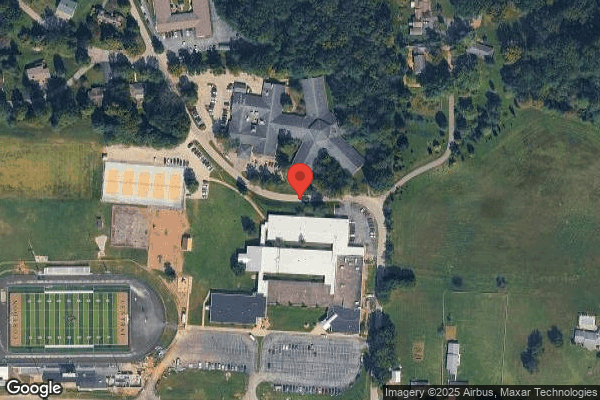
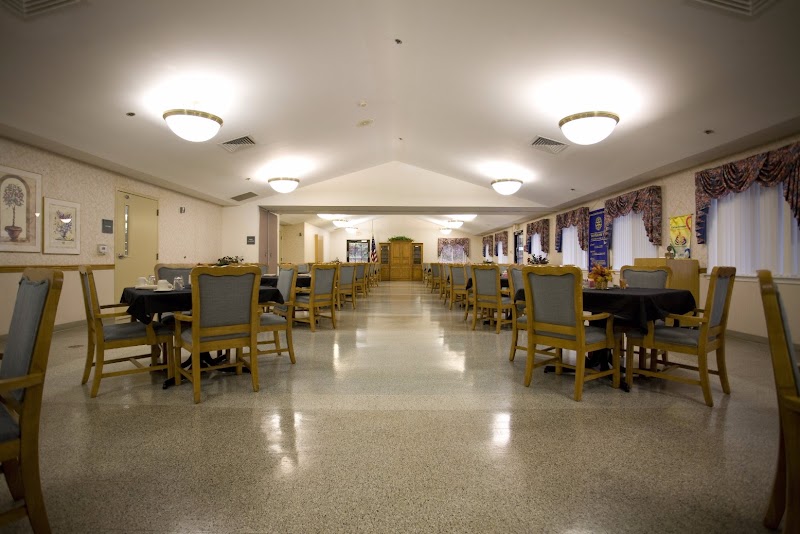
150 BEECHMONT DR, CORYDON, IN 47112 (812) 738-0550
Non profit - Corporation 92 Beds COMMUNICARE HEALTH Data: November 2025 2 Immediate Jeopardy citations
Trust Grade
11/100
#351 of 505 in IN
Last Inspection: December 2024

Within standard 12-15 month inspection cycle. Federal law requires annual inspections.

Overview

Harrison Healthcare Center has received a Trust Grade of F, indicating significant concerns about the quality of care provided. Ranked #351 out of 505 facilities in Indiana and #3 out of 3 in Harrison County, they are in the bottom half of all nursing homes. The facility is showing an improving trend, reducing issues from 9 in 2024 to 4 in 2025, but still has serious deficiencies, including incidents where a resident’s physician was not notified of critical health issues, leading to a resident’s death, and another resident's advance directives were not honored. Staffing is a weakness, receiving a 1/5 star rating, with less RN coverage than 96% of other Indiana facilities, although they report a lower-than-average turnover rate of 42%. On a positive note, they have not incurred any fines, which is an encouraging sign, but the overall care and safety concerns are significant and should be carefully considered by families.

Trust Score
F
11/100
In Indiana
#351/505
Bottom 31%
Safety Record
High Risk
Review needed
Inspections
Getting Better
9 → 4 violations
Staff Stability
○ Average
42% turnover. Near Indiana's 48% average. Typical for the industry.
Penalties
✓ Good
No fines on record. Clean compliance history, better than most Indiana facilities.
Skilled Nurses
⚠ Watch
Each resident gets only 17 minutes of Registered Nurse (RN) attention daily — below average for Indiana. Fewer RN minutes means fewer trained eyes watching for problems.
Violations
⚠ Watch
51 deficiencies on record. Higher than average. Multiple issues found across inspections.
★★☆☆☆
2.0
Overall Rating
★☆☆☆☆
1.0
Staff Levels
★★★★★
5.0
Care Quality
★☆☆☆☆
1.0
Inspection Score
Stable
2024: 9 issues
2025: 4 issues

The Good

  • 5-Star Quality Measures · Strong clinical quality outcomes
  • Full Sprinkler Coverage · Fire safety systems throughout facility
  • No fines on record
  • Staff turnover below average (42%)

    6 points below Indiana average of 48%

Facility shows strength in quality measures, fire safety.

The Bad

2-Star Overall Rating

Below Indiana average (3.1)

Below average - review inspection findings carefully

Staff Turnover: 42%

Near Indiana avg (46%)

Typical for the industry

Chain: COMMUNICARE HEALTH

Part of a multi-facility chain

Ask about local staffing decisions and management

The Ugly 51 deficiencies on record

2 life-threatening 3 actual harm
Aug 2025 4 deficiencies
CONCERN (D) 📢 Someone Reported This

A family member, employee, or ombudsman was alarmed enough to file a formal complaint

Potential for Harm - no one hurt, but risky conditions existed

Quality of Care (Tag F0684)

Could have caused harm · This affected 1 resident

Based on interview and record review, the facility failed to follow medication administration parameters for a resident's (Resident M) blood pressure for 1 of 3 residents reviewed for quality of care....

Read full inspector narrative →
Based on interview and record review, the facility failed to follow medication administration parameters for a resident's (Resident M) blood pressure for 1 of 3 residents reviewed for quality of care. Findings include:The clinical record for Resident M was reviewed on 8/6/25 at 12:02 p.m. The resident's diagnosis included, but was not limited to, hypertension.The physician's order, dated 6/17/25, indicated the resident was to receive metoprolol (medication for high blood pressure) 25 mg (milligrams) two times a day in the morning and in the evening. The medication was to be held if the resident's systolic blood pressure (SBP) was less than 120.Review of the June 2025 and July 2025 medication administration record indicated the medication was administered on the following dates and times:-On 6/24/25 in the evening, the metoprolol was administered when the resident's SBP was 94-On 6/25/25 in the evening, the metoprolol was administered when the resident's SBP was 115-On 7/01/25 in the evening, the metoprolol was administered when the resident's SBP was 112-On 7/06/25 in the morning, the metoprolol was administered when the resident's SBP was 114-On 7/08/25 in the morning, the metoprolol was administered when the resident's SBP was 104-On 7/08/25 in the evening, the metoprolol was administered when the resident's SBP was 112-On 7/09/25 in the morning, the metoprolol was administered when the resident's SBP was 105-On 7/09/25 in the evening, the metoprolol was administered when the resident's SBP was 112-On 7/10/25 in the evening, the metoprolol was administered when the resident's SBP was 109-On 7/12/25 in the morning, the metoprolol was administered when the resident's SBP was 117-On 7/14/25 in the evening, the metoprolol was administered when the resident's SBP was 119-On 7/16/25 in the morning, the metoprolol was administered when the resident's SBP was 108-On 7/22/25 in the morning, the metoprolol was administered when the resident's SBP was 112-On 7/24/25 in the evening, the metoprolol was administered when the resident's SBP was 112-On 7/29/25 in the evening, the metoprolol was administered when the resident's SBP was 107-On 7/30/25 in the morning, the metoprolol was administered when the resident's SBP was 107During an interview, on 8/6/25 at 2:43 p.m., Licensed Practical Nurse (LPN) 6 indicated if a resident's blood pressure was out of parameters, the resident's medication should not be administered.On 8/6/25 at 1:28 p.m., the Director of Nursing provided a current, undated copy of the document titled Medication Administration. It included, but was not limited to, Medication Administration Record .the legal documentation for medication administration .Policy .It is the policy of this facility to provide resident centered care that meets the .physical .needs .of the residents. Safety of residents .is a top priority .Procedure .Administer medication only as prescribed by the provider This Citation relates to Complaint 1274774.3.1-37
CONCERN (D) 📢 Someone Reported This

A family member, employee, or ombudsman was alarmed enough to file a formal complaint

Potential for Harm - no one hurt, but risky conditions existed

Incontinence Care (Tag F0690)

Could have caused harm · This affected 1 resident

Based on interview and record review, the facility failed to ensure a resident (Resident B) was provided catheter care every shift for 1 of 4 residents reviewed for Indwelling catheters.Findings inclu...

Read full inspector narrative →
Based on interview and record review, the facility failed to ensure a resident (Resident B) was provided catheter care every shift for 1 of 4 residents reviewed for Indwelling catheters.Findings include:The clinical record for Resident B was reviewed on 8/5/25 at 10:01 a.m. The resident's diagnoses included, but were not limited to, acute kidney failure and obstructive and reflux uropathy.The care plan, dated 6/20/25, indicated the resident had an Indwelling catheter and staff were to provide catheter care every shift.Review of the June 2025 Interventions and Tasks lacked documentation of Indwelling catheter care for Resident B from 6/11/25 through 6/13/25 during night shift.During an interview, on 8/6/25 at 2:43 p.m., Licensed Practical Nurse (LPN) 6 indicated catheter care should be provided every shift.On 8/6/28 at 1:28 p.m., the Director of Nursing provided a current, undated copy of the document titled Catheter Care. It included, but was not limited to, Policy.It is the policy of this facility to provide resident care that meets the.needs.of the residents.Catheter care is performed at least twice daily on residents that have indwelling catheters, for as long as the catheter is in place.This Citation relates to Complaint 12747743.1-41(a)(2)
CONCERN (D) 📢 Someone Reported This

A family member, employee, or ombudsman was alarmed enough to file a formal complaint

Potential for Harm - no one hurt, but risky conditions existed

Respiratory Care (Tag F0695)

Could have caused harm · This affected 1 resident

Based on observation, interview and record review, the facility failed to ensure respiratory assessments were completed for a resident and failed to ensure respiratory equipment was changed weekly for...

Read full inspector narrative →
Based on observation, interview and record review, the facility failed to ensure respiratory assessments were completed for a resident and failed to ensure respiratory equipment was changed weekly for 1 of 3 residents reviewed for respiratory care. (Resident D)Findings Include: On 8/5/25 at 11:40 a.m., a nebulizer machine was observed at Resident D's bedside. The handheld mouthpiece was not bagged or dated.The clinical record for Resident D was reviewed on 8/5/25 at 11:16 a.m. The resident's diagnoses included, but were not limited to, anxiety and cough.The physician's order, dated 6/2/25, indicated the resident was to receive Duoneb Solution 0.5-2.5 (3) mg (milligram)/3 ml (milliliters) via nebulizer twice daily at 8:00 a.m. and 8:00 p.m. Review of the June, July, and August 2025 medication administration records, the resident had received the breathing treatments twice daily at the ordered times.The clinical record lacked documentation of a respiratory assessment before and after the breathing treatments and weekly replacement of the nebulizer tubing, chamber and mouthpiece.During an interview, on 8/6/25 at 10:20 a.m., Licensed Practical Nurse (LPN) 8 indicated the nebulizer tubing should be dated and bagged when not in use and respiratory equipment was replaced weekly on Wednesdays. During an interview, on 8/6/25 at 10:55 a.m., the Director of Nursing (DON) indicated respiratory assessments were completed before and after breathing treatments to assess for the effectiveness of the resident's treatment.During an interview, on 8/6/25 at 11:03 a.m., the DON indicated Resident D did not have respiratory assessments in place. She would add the order today.On 8/6/25 the DON provided a current, undated copy of the document titled Nebulizer Treatments. It included, but was not limited to, Nebulizer.A medication delivery system that creates a fine mist or aerosol that is directly inhaled for delivery of the medication to the bronchial tree.Policy.It is the policy of this facility to provide resident-centered care.Safety of residents.is a top priority.Preparation to provide treatment.Collect data for respirations, pulse, oxygen saturation and lung sounds pre-treatment.Repeat collection of data for respirations, pulse, oxygen saturation and lung sounds post-treatment.This Citation relates to Complaint 1274774.3.1-47(a)(6)
CONCERN (D) 📢 Someone Reported This

A family member, employee, or ombudsman was alarmed enough to file a formal complaint

Potential for Harm - no one hurt, but risky conditions existed

Medical Records (Tag F0842)

Could have caused harm · This affected 1 resident

Based on interview and record review, the facility failed to ensure a resident's (Resident E) medication administration record accurately reflected the administration of narcotic pain medication for 1...

Read full inspector narrative →
Based on interview and record review, the facility failed to ensure a resident's (Resident E) medication administration record accurately reflected the administration of narcotic pain medication for 1 of 4 residents reviewed for medication administration.Findings Include:The clinical record for Resident E was reviewed on 8/5/25 at 1:58 p.m. The resident's diagnoses included, but was not limited to, right upper arm pain and low back pain.The July 2025 medication administration record indicated the resident was to receive Oxycodone (narcotic pain medication) IR (immediate release) 5 mg (milligrams) every 6 hours as needed for pain management.The July 2025 controlled drug record indicated the resident received the medication on the following dates and times:-7/04/25 at 6:00 p.m.-7/05/25 at 12:00 a.m., 6:00 a.m. and 6:00 p.m.-7/06/25 at 12:00 a.m., 11:30 a.m. and 6:00 p.m.-7/07/25 at 12:00 a.m. and 6:00 a.m.-7/08/25 at 12:00 a.m., 8:15 a.m., 2:15 p.m. and 8:15 p.m.-7/09/25 at 2:15 a.m. and 10:00 p.m.-7/10/25 at 4:00 a.m., 10:00 a.m. and 11:30 p.m.-7/11/25 at 11:30 p.m.-7/12/25 at 5:00 a.m. and 8:00 p.m.-7/13/25 at 2:00 a.m., 9:00 a.m. and 9:30 p.m.-7/15/25 at 9:30 p.m.-7/16/25 at 9:00 a.m.-7/16/25 at 8:00 p.m.-7/17/25 at 3:00 a.m., 4:40 p.m. and 8:00 p.m.-7/20/25 at 9:00 a.m. and 10:00 p.m.-7/21/25 at 5:00 a.m., 10:30 a.m. and 4:00 p.m.-7/22/25 at 11:00 p.m.-7/23/25 at 5:15 a.m. and 7:00 p.m.-7/24/25 at 2:00 a.m., 8:00 a.m., 2:00 p.m. and 8:00 p.m.On 7/24/25, the resident's Oxycodone IR 5 mg was discontinued and a new order was received for Oxycodone IR 5 mg every 4 hours as needed for pain was implemented.Review of the July and August 2025 controlled drug administration record indicated the resident's narcotic medication was administered on the following dates and times:-7/25/24 at 2:00 a.m., 6:30 a.m. and 10:30 p.m.-7/29/25 at 8:00 p.m.-7/30/25 at 4:00 a.m., 8:30 a.m., 12:30 p.m. and 4:30 p.m.-8/01/25 at 8:00 a.m., 12:30 p.m. and 4:30 p.m.-8/02/25 at 10:00 p.m.-8/03/25 at 2:00 a.m., 6:00 p.m. and 10:00 p.m.-8/04/25 at 2:00 a.m., 6:30 a.m., 10:50 a.m. and 4:00 p.m.The resident's July and August 1 through 4, 2025 medication administration record lacked documentation of the administration of the resident's medication.During an interview, on 8/6/25 at 2:43 p.m., Licensed Practical Nurse (LPN) 6 indicated when administering a routine or as needed narcotic pain medication, both the controlled drug administration record and medication administration record should be signed by the nurse.On 8/6/25 at 1:28 p.m., the Director of Nursing provided a current, undated copy of the document titled Medication Administration. It included, but was not limited to, MAR: Medication Administration Record - the legal documentation for medication administration.Policy.It is the policy of this facility to provide resident centered care.Procedure.Medications will be charted when given.Narcotics will be signed out when given.This Citation relates to Complaint 12747743.1-50(a)(2)
Dec 2024 5 deficiencies
CONCERN (D)

Potential for Harm - no one hurt, but risky conditions existed

Resident Rights (Tag F0550)

Could have caused harm · This affected 1 resident

2. The record for Resident 34 was reviewed on 12/16/24 at 10:44 a.m The residents' diagnoses included, but were not limited to, bipolar disorder, severe with psychotic features; dementia in other dise...

Read full inspector narrative →
2. The record for Resident 34 was reviewed on 12/16/24 at 10:44 a.m The residents' diagnoses included, but were not limited to, bipolar disorder, severe with psychotic features; dementia in other diseases classified elsewhere, unspecified severity, with other behavioral disturbance; major depressive disorder, recurrent, severe with psychotic symptoms; personal history of suicidal behavior; immobility syndrome, and falls. The care plan, dated 11/26/24, indicated the resident was prescribed mood stabilizing medication related to behavior management. The interventions, dated 11/26/24, included, but were not limited to, provide mood-stabilizing medication per the medical provider's orders, provide a calm environment and limit over stimulation, encourage the resident to voice feelings, discuss coping skills, and maintain consistent daily routine when possible. A Progress Note, dated 12/4/2024 at 16:48 p.m., indicated that a staff member was overheard cursing in Resident 34's room. There was no distress noted to the resident and the physician, ED (Executive Director), DON (Director of Nursing), and family were made aware of the incident. During an interview on 12/16/24 at 10:08 a.m., the DON indicated an incident had occurred on 12/04/24 involving Resident 34. LPN 12 had gone to complete an assessment on Resident 34 due to CNA 13 reporting a change in condition. The LPN found the resident was asleep and attempted to complete a set of vital signs. Resident 34 was startled with a male nurse in the room. Resident 34 started to be combative with the LPN and the LPN had told her to shut up. The LPN was suspended, pending investigation. He would return that day (12/16/24) to complete education on Abuse and Burnout education. During a phone interview on 12/17/24 at 10:25 a.m., LPN 12 indicated he had been in Resident 34's room to assess a change in condition that had been reported to him. He reported that he did yell back at Resident 34 to Shut the f*** up. He then stated that he had been asked to leave the building. He reported that he had not returned to work and that he completed in-services on customer service, Alzheimer's Dementia and Burn out. During an interview with the Activity Director on 12/17/24 at 10:44 a.m., she indicated hearing LPN 12 curse at Resident 34 while in her room providing care. The Progress Notes for Resident 34 was reviewed on 12/16/24 at 10:44 a.m. The progress notes were dated 10/28/24 through 12/10/24 and indicated the resident had continued to have behaviors, but has had no increase in behaviors, or any new behaviors related to the incident on 12/04/24. On 12/17/24 at 1:20 p.m., the Regional Director of Clinical Operations provided the most current facility policy titled Resident Rights. Review of this policy included, but was not limited to, indicated Scope: The policy is applicable to all adult living centers. Definitions: DIGNITY: a state of worthy of honor or respect: includes but not limited to speaking respectively to the resident, providing privacy for care and treatment, .respecting resident choice and attending to needs in a timely fashion. Policy: It is the policy of this facility to provide resident centered care that meets the psychosocial, physical and emotional needs and concerns of the residents .The purpose of this policy is to guide employees in the general principles of dignity and respect of caring for residents .Care for residents will be provided in safe and respectful manner that includes care in a private setting, as appropriate .Procedure: 1. Residents will be treated with dignity and respect including but not limited to: .b. iii. Staff will speak respectfully to residents .d. To have their privacy respected . 3.1-3(a) 3.1-3(t) Based on observation, record review and interview, the facility failed to respect the dignity of residents related to ensuring the urine side of the indwelling catheter bag was not in sight of those who passed by a resident's room and to ensure a staff member spoke to a resident in a dignified manner for 2 of 20 residents reviewed for Resident Rights. (Residents 283 and 34) Findings include: 1. During an observation on 12/12/24 at 10:00 a.m., Resident 283's indwelling catheter bag was not in a dignity bag and hanging off the right side of the resident's bed. The bag showed clear urine in the bag visible from the hallway. During an observation on 12/12/24 at 12:43 p.m., the resident's indwelling catheter bag was not in a dignity bag and hanging off the right side of the resident's bed. The bag showed clear urine in the bag visible from the hallway.the catheter bag was hanging off the right side of the bed which showed the clear urine side of the bag. There was urine in the bag. During an observation on 12/12/24 2:15 p.m., the resident's indwelling catheter bag was not in a dignity bag and hanging off the right side of the resident's bed. The bag showed clear urine in the bag visible from the hallway.the catheter bag was hanging off the right side of the bed which showed the clear urine side of the bag. There was urine in the bag. During an observation on 12/13/24 10:15 a.m., the resident's indwelling catheter bag was not in a dignity bag and hanging off the right side of the resident's bed. The bag showed clear urine in the bag visible from the hallway.the catheter bag was hanging off the right side of the bed which showed the clear urine side of the bag. There was urine in the bag. During an observation on 12/16/24 10:15 a.m., the resident's indwelling catheter bag was not in a dignity bag and hanging off the right side of the resident's bed. The bag showed clear urine in the bag visible from the hallway.the catheter bag was hanging off the right side of the bed which showed the clear urine side of the bag. There was urine in the bag. On 12/17/24 at 10:25 a.m., the resident's indwelling catheter bag was visible on the left side of the resident's bed. The indwelling catheter bag was without a dignity cover. The resident's urine was visible in the bag. The record for Resident 283 was reviewed on 12/13/24 at 10:00 a.m. The resident's diagnoses included, but were not limited to, immobility syndrome (paraplegic), malignant neoplasm of the prostate, and obstructive uropathy. During an interview on 12/17/24 at 11:10 a.m., CNA (Certified Nursing Aide) 2 indicated the resident was confused, required extensive assist of two staff members for transfers and bed mobility. He had an indwelling catheter and was incontinent of bowel. A physician's order, dated 12/11/24, indicated staff were to ensure the indwelling urinary catheter was in a privacy bag and catheter leg strap was on at all times A care plan, dated 12/13/24, indicated the resident had an indwelling catheter due to urinary retention and a malignant neoplasm of the prostate. The interventions included, but were not limited to, ensure securement device in place and provide catheter care every shift and PRN (as needed). During an interview on 12/17/24 at 11:17 a.m., CNA 2 indicated all residents whom had an indwelling catheter were supposed to have them in a privacy bag or be covered at all times to protect the resident's privacy. If a resident did not have a privacy bag staff were supposed to let the nurse know so she could get them one. During an interview on 12/17/24 at 11:20 a.m., LPN (Licensed Practical Nurse) 3 indicated residents with indwelling catheters were supposed to have them in some sort of protective covering so people couldn't see the urine. If the resident did not have a privacy bag, then nursing staff should have been notified to get them one. During an interview with the Director of Nursing (DON) on 12/17/24 at 1:17 p.m., she indicated any resident with an indwelling catheter should have a dignity cover on it. If the resident did not have a dignity cover then staff were to get them one.
CONCERN (D)

Potential for Harm - no one hurt, but risky conditions existed

Deficiency F0694 (Tag F0694)

Could have caused harm · This affected 1 resident

Based on record review and interview, the facility failed to ensure an appointment was scheduled for the placement of a port for 1 of 1 resident's reviewed for intravenous therapy. (Resident 63) Findi...

Read full inspector narrative →
Based on record review and interview, the facility failed to ensure an appointment was scheduled for the placement of a port for 1 of 1 resident's reviewed for intravenous therapy. (Resident 63) Findings include: The record for Resident 63 was reviewed on 12/17/24 at 9:12 a.m. The resident's diagnoses included, but were not limited to, immobility syndrome (paraplegic), chronic inflammatory demyelinating polyneuritis, and bed confinement. The admission MDS (Minimum Data Set) assessment, dated 9/27/24, indicated the resident was cognitively intact. The physician's order, dated 10/30/24, indicated a referral to the surgeon for port (venous) placement for intravenous (IV) access. The resident received IgG (Immunoglobulin) infusions long term care related to poor venous access. The care plan, dated 10/30/24, indicated Resident 63 was currently on intravenous therapy for infusion therapy related to chronic inflammatory demyelination. The interventions included, but were not limited to, administer IV medications and flushes per medical provider's orders. Observe for side effects and effectiveness. Report abnormal findings to medical provider, resident and the resident representative. Change the midline dressing 24 hours post insertion and then weekly. Observe for intact sutures. Change the tubing every 72 hours, or as needed. Flush with 10cc (cubic centimeters) of normal saline, followed by 3cc of heparin. Evaluate for signs and symptoms of infection. Obtain and monitor laboratory and diagnostic studies, as ordered. Report abnormal findings to medical provider, resident or resident representative. Visually inspect the midline site each shift and note any bleeding redness, swelling, pain or drainage. The nurse's note, dated 10/28/24 at 5:59 p.m., indicated the resident had a midline placed to the right arm due to the IVIG transfusions. Vascular access indicated the resident needed a port placed if she was going to receive further infusions. The NP was made aware. The Nurse Practitioner (NP) note, dated 10/30/24, indicated the resident reported that her family physician had referred her for a port placement back in August, but it may have been ignored. The NP indicated she called the physician's office and spoke to staff, who indicated that a referral was sent to the physician's office in August. She was kind enough to re-fax that today at her request. The facility scheduler was informed of this and asked to follow up with the surgeon's office later that day or tomorrow. She was to ensure they received it and if an appointment was scheduled. The resident would keep the midline in place for now. The staff at the physician's office indicated the resident would be on those infusions for a long time. The nurse's note, dated 10/30/24 at 11:08 a.m., indicated a referral for the resident's port placement was ordered at that time. The scheduler was made aware to proceed with faxing the referral packet. The NP note, dated 11/25/24 at 1:00 a.m., indicated the office was called on 11/23/24 related to red, tender, warm to touch, and slightly puffy around the midline (IV) site. The order was given to remove the midline. During her visit on 11/25/24, the resident's right upper arm was not swollen or warm to touch, but was tender. Her next infusion was the following week and would have to get another midline placed. The scheduler was supposed to call the surgeon's office where the resident was referred for port placement and to get an update on her referral status. The nurse's note, dated 11/29/24 at 1:06 p.m., indicated the resident had a midline placed to the left upper arm by the IV access team. The NP note, dated 12/2/24 at 1:00 a.m., indicated per the facility scheduler, the patient's previous physician was sending a referral for port placement as requested by surgeon's office. The NP was hoping this could be moved along quickly so a port could be placed and no further midlines. During an interview on 12/13/24 at 10:00 a.m., the resident indicated she was supposed to have a port put in but that hasn't happened yet. She thought that was two months ago and she did not understand why she had not seen the doctor for her port placement. She had a blood clot in her right arm. She had a Peripherally Inserted Central Catheter (PICC) line in her left upper arm and she was concerned she would get another blood clot. During an interview on 12/16/24 at 1:20 p.m., Patient Scheduler 7 indicated the resident's insurance company had her primary physician listed as her doctor and the facility had to get a referral from him. She indicated she was working on it. During an interview on 12/16/24 at 1:40 p.m., Business Office Manager (BOM) indicated the resident scheduler would schedule the appointment. The resident already have their Medicaid or Medicare numbers, and a face sheet would be sent with the resident to the appointment. The face sheet had all the information the doctor would need to bill the insurance company. The doctor's name would not need to be on the insurance because all they needed would be the insurance numbers. If the doctor or hospital had any questions, they would call the facility. During an interview on 12/16/24 at 2:11 p.m., the DON indicated she thought the delay had to do with the resident's insurance. Something about the primary physician. She would need to investigate it. During the survey, the DON did not present documentation indicating why the placement of the port was not scheduled as ordered by the physician. During an interview on 12/17/24 at 1:30 p.m., the Regional Director of Clinical Operations (RDCO) indicated it should not have taken months to get an appointment scheduled for the resident's port placement. 3.1-47(a)(2)
CONCERN (D)

Potential for Harm - no one hurt, but risky conditions existed

Deficiency F0757 (Tag F0757)

Could have caused harm · This affected 1 resident

Based on record review and interview, the facility failed to follow a physician's order related to hold parameters for insulin for 1 of 6 residents reviewed for Insulin. (Resident 39) Findings include...

Read full inspector narrative →
Based on record review and interview, the facility failed to follow a physician's order related to hold parameters for insulin for 1 of 6 residents reviewed for Insulin. (Resident 39) Findings include: The clinical record for Resident 39 was reviewed on 12/13/24 at 1:30 p.m A Quarterly MDS (Minimum Data Set) assessment, dated 12/6/2024, indicated the resident was cognitively intact. The resident's diagnoses included, but were not limited to, diabetes, hypertension, congestive heart failure, and cognitive communication deficit. The resident received insulin for 7 of 7 days during the review period. The current physician's order, with a start date of 8/14/24, indicated the resident was to receive Insulin Aspart Injection Solution 30 units subcutaneously three times a day. The staff were to hold (not administer) the insulin if the resident's blood sugar was less than 150. The October, November, and December 2024 Electronic Administration Record/Electronic Treatment Administration Record (EMAR/ETAR) indicated the Resident received the insulin when their blood sugar was less than 150 on the following dates and times: - 10/01/24 at 12:00 p.m , when the blood sugar was 101, - 10/01/24 at 16:00 p.m., when the blood sugar was 106, - 10/02/24 at 16:00 p.m., when the blood sugar was 132, - 10/03/24 at 12:00 p.m., when the blood sugar was 102, - 10/08/24 at 8:00 a.m., when the blood sugar was 139, - 10/09/24 at 12:00 p.m., when the blood sugar was 146, - 10/09/24 at 16:00 p.m., when the blood sugar was 130, - 10/10/24 at 08:00 a.m., when the blood sugar was 132, - 10/10/24 at 16:00 p.m., when the blood sugar was 135, - 10/15/24 at 8:00 a.m., when the blood sugar was 132, - 10/15/24 at 12:00 p.m., when the blood sugar was 105, - 10/15/24 at 16:00 p.m., when the blood sugar was 131, - 10/16/24 at 8:00 a.m., when the blood sugar was 113, - 10/16/24 at 16:00 a.m., when the blood sugar was 138, - 10/17/24 at 8:00 a.m., when the blood sugar was 113, - 10/19/24 at 12:00 p.m., when the blood sugar was 117, - 10/22/24 at 8:00 a.m., when the blood sugar was 124, - 10/22/24 at 12:00 p.m., when the blood sugar was 119, - 10/22/24 at 16:00 p.m., when the blood sugar was 140, - 10/24/24 at 8:00 a.m., when the blood sugar was 111, - 10/24/24 at 12:00 p.m., when the blood sugar was 117, - 10/24/24 at 16:00 a.m., when the blood sugar was 146, - 10/28/24 at 8:00 p.m., when the blood sugar was 108, - 10/29/24 at 12:00 p.m., when the blood sugar was 119, - 10/30/24 at 8:00 a.m., when the blood sugar was 123, - 10/30/24 at 12:00 p.m., when the blood sugar was 123, - 10/31/24 at 8:00 a.m., when the blood sugar was 124, - 11/05/24 at 08:00 a.m., when the blood sugar was 130, - 11/05/24 at 12:00 p.m. when the blood sugar was 101, - 11/06/24 at 8:00 a.m., when the blood sugar was 113, - 11/06/24 at 12:00 a.m., when the blood sugar was 103, - 11/07/24 at 8:00 a.m., when the blood sugar was 103, - 11/09/24 at 12:00 a.m., when the blood sugar was 135, - 11/13/24 at 12:00 p.m., when the blood sugar was 105, - 11/20/24 at 16:00 p.m., when the blood sugar was 126, - 11/21/24 at 8:00 a.m., when the blood sugar was 118, - 11/21/24 at 12:00 a.m., when the blood sugar was 134, - 11/26/24 at 16:00 a.m. when the blood sugar was 142, -11/27/24 at 8:00 a.m., when the blood sugar was 113, -11/27/24 at 12:00 p.m., when the blood sugar was 108, -12/03/24 at 12:00 p.m., when the blood sugar was 116, and -12/03/24 at 16:00 p.m., when the blood sugar was 101. During an interview on 12/17/24 at 1:33 p.m., Licensed Practical Nurse (LPN) 11 indicated generally, all insulins here had parameters. If a resident had a hold parameter on an insulin, she would obtain the blood sugar and hold the medication per the physician's order. She found no reason to give insulin outside of the physician's ordered parameters. The Nurse Practitioner (NP) or physician should be notified immediately if blood glucose values were below the critical low or high range. The care plan, dated 2/22/2022, indicated the resident had diabetes type II with hyperglycemia, neuropathy, neurologic complication. The interventions, dated 2/22/2022, included, but were not limited to, administer insulin injections per physician's orders, obtain blood sugars per orders, and report abnormal findings to medical provider, resident/resident representative. The current policy included, titled Medication Administration, was provided by the AIT (Administer in Training) on 12/18/24 at 10:52 a.m The policy indicated, .Administer medication only as prescribed by the provider .Observe the five rights in giving each medication that it is the right resident, the right time, the right medicine, the right dose, the right route . 3.1-48(a)(6)
CONCERN (D)

Potential for Harm - no one hurt, but risky conditions existed

Laboratory Services (Tag F0770)

Could have caused harm · This affected 1 resident

Based on record review and interview, the facility failed to follow physician's order with obtaining laboratory services for 2 of 5 residents reviewed for laboratory services. (Residents 25 and 14) Fi...

Read full inspector narrative →
Based on record review and interview, the facility failed to follow physician's order with obtaining laboratory services for 2 of 5 residents reviewed for laboratory services. (Residents 25 and 14) Findings include: 1. The clinical record for Resident 25 was reviewed on 12/16/24 at 11:32 a.m. A Quarterly Minimum Data Set (MDS) assessment, dated 12/4/24, indicated the resident was moderately cognitively impaired. The resident's diagnoses included, but were not limited to, seizures, hypertension, anxiety, depression, and bipolar. A current physician's order, with a start date of 7/1/24, indicated the staff were to obtain a Complete Blood Count (CBC), Complete Metabolic Panel (CMP), Oxcarbazepine level, Keppra level, A1C (average blood sugar over three months, thyroid stimulating hormone (TSH), Vitamin D level, and Vitamin B-12 level every three months, starting on 7/1/24. The resident's record lacked documentation of a CMP, A1C, TSH, Vitamin D, and Vitamin B-12 in July 2024. The resident's record lacked documentation of a CBC, CMP, Oxcarbazepine level, Keppra level, A1C, TSH, Vitamin D level, and Vitamin B-12 level, in October 2024. An open-ended physician's order with a start date of 11/13/24, indicated the staff were to obtain a CBC, CMP, Oxcarbazepine level, Keppra level, A1C, TSH, Vitamin D level, and Vitamin B-12 level every three months, starting on 11/13/24. The resident's record lacked documentation of an Oxcarbazepine level in November 2024. During an interview on 12/18/24 at 9:54 a.m., Licensed Practical Nurse (LPN) 10 indicated when the Nurse Practitioner ordered labs (laboratory tests) for a resident, she would input the order herself. The nurse would be alerted that there was a pending order for the residents. The nurse would have to transcribe the labs into the lab courier system for them to come and obtain the laboratory tests. The lab company would come Monday through Friday to obtain labs. Once the labs were obtained and taken to the lab, the lab company would post the results in the resident's clinical record and send them a fax. If the labs were urgent, then the facility nurse would call the Nurse Practitioner. If they were not urgent, she would review them on her next visit. The Nurse Practitioner was in the facility Monday through Friday. The labs were obtained based on how the nurse put the order into the lab companies' system. During an interview on 12/18/24 at 11:13 a.m., the Director of Nursing (DON) indicated the resident's labs were not completed per the physician's order. There were no labs obtained in October and a new order was placed in November. 2. The clinical record for Resident 14 was reviewed on 12/13/24 at 10:05 a.m. A Significant Change Minimum Data Set (MDS) assessment, dated 9/29/24, indicated the resident was cognitively intact. The residents' diagnoses included, but were not limited to, cardiorespiratory conditions, atrial fibrillation, heart failure, and hypertension. The resident had received an anticoagulant during the assessment review period. An open-ended physician order, with a start date of 9/21/24, indicated the resident was to receive Warfarin (Coumadin, a blood thinning medication) 2 milligrams (mg), on Tuesday, Wednesday, Saturday, and Sunday for arterial fibrillation. An open-ended physician's order, with a start date of 9/21/24, indicated the resident was to receive Coumadin 2.5 mg, on Monday, Thursday, and Friday for arterial fibrillation. A Progress Note, dated 11/8/24 at 2:11 P.M., indicated the resident's physician was notified of the International Normalized Ratio (INR) results. A new order was obtained for Coumadin 2 mg, every day and the resident's INR was to be rechecked on 11/15/24. The resident had an INR level drawn on 11/22/24. The clinical record lacked indication that the physician was notified of the result, nor was there an order in place for another INR until 12/13/24. The Coumadin Anticoagulation Record, indicated the following: - 11/8/24, new dose of 2 mg daily, and recheck INR on 11/22/24, - 11/22/24, no change in dose, and recheck INR on 12/16/24. During an interview on 12/13/24 at 9:57 A.M., Licensed Practical Nurse (LPN) 9 indicated if a resident received Coumadin and had to get an INR level drawn, then there should be an order for that to be obtained. The INR result should be reviewed by the physician before the next scheduled dose of the medication. During an interview on 12/13/24 at 10:17 A.M., the Director of Nursing (DON) indicated the resident's coumadin order didn't get changed on 11/8/24 and the order and INR order should have been confirmed with the physician on 11/22/24. The current, undated, facility policy titled, Warfarin Monitoring was provided by the DON on 12/17/24 at 1:20 P.M. The policy indicated, .The prescriber/physician will provide an order for INR monitoring for warfarin use .The facility will have an established communication method between the facility and the prescriber/physician for monitoring residents on the drug Warfarin .The nurse will update the log with new INR values, and adjusted doses as the medical order changes and lab values are known .The nurse will change the eMAR [Electronic Medication Administration Record] to reflect the new dose of Warfarin The nurse will discontinue the previous dose of Warfarin in eMAR . The current, undated, facility policy, titled Laboratory and Radiological Services and Results Reporting, was provided by the DON on 12/18/24 at 11:50 a.m. The policy indicated, .The facility will secure laboratory and radiological services that meet the needs of the resident population served . 3.1-49(a)
CONCERN (E)

Potential for Harm - no one hurt, but risky conditions existed

Respiratory Care (Tag F0695)

Could have caused harm · This affected multiple residents

Based on observation, record review, and interview, the facility failed to ensure oxygen concentrator filters were placed and maintained for 5 of 11 residents reviewed for respiratory care. (Residents...

Read full inspector narrative →
Based on observation, record review, and interview, the facility failed to ensure oxygen concentrator filters were placed and maintained for 5 of 11 residents reviewed for respiratory care. (Residents 9, 14, 32, 45, 61) Findings include: 1. During an observation on 12/12/24 at 9:57 a.m., Resident 9's oxygen concentrator filter was 100% heavily covered with a white powdery substance. The oxygen tank's concentrator filter was pushed against the outer wall of the room. During an observation on 12/13/24 at 12:34 p.m. with the Director of Nursing (DON), the resident's oxygen concentrator filter was 100% (percent) heavily covered with a white powdery substance. The oxygen tank's concentrator filter was pushed against the outer wall of the room. The record for Resident 9 was reviewed on 12/17/24 at 8:14 a.m. The resident's diagnoses included, but were not limited to, emphysema, chronic obstructive pulmonary disease (COPD), malignant cancer of the bronchus or lung, and anxiety disorder. The physician's order, dated 1/19/22, indicated staff were to administer oxygen at 2.5 liters via nasal cannula, continuously and as needed every shift for shortness of breath. The Annual Minimum Data Set (MDS) assessment, dated 2/28/24, indicated the resident was moderately cognitively impaired. The resident required oxygen therapy. The care plan, revised 10/23/24, indicated the resident had oxygen therapy related to ineffective gas exchange, hypoxia, and COPD. The interventions, dated 12/13/21, indicated to administer 2.5 liters by nasal cannula for hypoxia and COPD diagnoses: Monitor for signs and symptoms of respiratory distress; and report to the MD (physician) PRN (as needed). The Nurse Practitioner (NP) note, dated 7/17/24 at 1:00 a.m., indicated therapy had informed her that the resident's O2 saturation was in the 70's on 4 liters of oxygen, per nasal cannula. She was usually on 2 liters. The resident was sitting in her wheelchair at the table in the gym doing some hand and arm exercises. She admitted to feeling short of breath and more tired. Her O2 (oxygen) saturation on the oximeter was 79%. Therapy increased the oxygen to 5 liters. A new machine was used to check the O2 saturation, and it indicated 96%. The resident's respiratory rate and pulse rate were slightly elevated. The physician's order, dated 10/23/24, indicated staff were to clean the oxygen concentrator filter with soap and water weekly and PRN (as needed) every day shift every Tuesday and Sunday and as needed for O2 care. The December 2024 Treatment Administration Record (TAR) indicated the oxygen concentrator filter was last cleaned on 12/10/24 by Licensed Practical Nurse (LPN) 6. During an interview on 12/13/24 at 1:50 p.m., the DON indicated the Patient Resident Scheduler 7 was responsible for cleaning the oxygen concentrator filters in the building. She also was responsible for documenting the cleaning of the filters in the TAR (Treatment Administration Record). During an interview on 12/13/24 at 2:00 p.m., Patient Resident Scheduler 7 indicated she normally cleaned the filters on Wednesdays. She was behind and didn't get to the filters until 12/12/24. She thought she had cleaned Resident 9's oxygen concentrator filter. Upon seeing the filter, she pulled it out of the concentrator and cleaned it in the resident's bathroom without hand hygiene or gloves. She indicated she must have just missed cleaning it. She felt that the heavy buildup of the white powdery substance was because the filters just became that way, quickly sometimes. It could have also been due to the filters being wet when she placed it back into the oxygen concentrators. The oxygen concentrator filters should be cleaned regularly, because the substance went into the resident's oxygen supply, and she didn't want it to do that. 2. During an observation on 12/12/24 at 9:19 a.m., Resident 14's oxygen concentrator filter was moderately covered at the corners with a white powdery substance. The record for Resident 14 was reviewed on 12/16/24 at 2:04 p.m. The resident's diagnoses included, but were not limited to, solitary pulmonary nodule, pulmonary embolism, heart failure, atherosclerotic heart disease, cardiac arrhythmia, anxiety disorder, and hospice care. The Annual MDS assessment, dated 4/27/24, indicated the resident was cognitively intact. The care plan, last reviewed 10/4/24, indicated the resident had congestive heart failure (CHF) with or without difficulty breathing. The interventions, dated 10/21/21, indicated to elevate the head of the bed as needed, for ease of breathing and monitor vitals; report abnormal findings to medical provider, resident or resident representative; observe for signs or symptoms of CHF; report any abnormal findings to medical provider, resident or resident representative; report resident complaints of chest pain to the medical provider, resident or resident representative; and dated 10/23/24 provide hospice services. The physician's order, dated 10/15/24, indicated to wean the resident off of O2. Check the O2 saturation every six hours. If the O2 saturation was greater than 90%, remove the oxygen and if the resident maintained at greater than 90% after five minutes, leave off. If the O2 saturations dropped to less than 90%, keep the oxygen on. Check the oxygen every six hours. The physician's orders and December TAR lacked documentation for staff to clean the oxygen concentrator filters. The nurse's note, dated 11/25/24 at 2:52 p.m., indicated a Certified Nurse Aide (CNA) reported that Resident 14 passed out when transferring to her wheelchair. Upon assessment, the resident was minimally responsive to verbal stimuli but was able to track the nurse with her eyes. After approximately 30 seconds, the resident became more alert, and close to baseline. Her vital signs were obtained and were within normal limits. The hospice nurse was in the room and assisted the resident to bed with the assistance of two staff members. Once abed, the resident complained of chest pain to the hospice nurse. The PRN nitroglycerin was administered once and was effective with no further complaints voiced. 3. During an observation on 12/12/24 at 9:38 a.m., Resident 32's oxygen concentrator filter was moderately coated at the corners with a white powdery substance. The record for Resident 32 was reviewed on 12/17/24 at 10:14 a.m. The resident's diagnoses included, but were not limited to, COPD, heart failure, insomnia, and morbid obesity due to excess calories. The physician's order, dated 6/15/23, indicated to administer oxygen at 3 liters per minute via nasal cannula, continuously every shift for shortness of breath and as needed for shortness of breath. The physician's order, dated 6/18/23, indicated to clean the oxygen concentrator filter with soap and water weekly and PRN in the morning every Sunday for O2 care. The Quarterly MDS assessment, dated 6/18/24, indicated the resident was cognitively intact. The resident required oxygen therapy. The care plan, last reviewed 10/1/24, indicated the resident had oxygen therapy related to COPD and hypoxia. The interventions, dated 10/6/20 and revised 1/5/21, indicated to monitor for signs and symptoms of respiratory distress and report to the MD, PRN; dated10/6/20 and revised 8/29/22, the resident had O2 via nasal prongs at 3 liters continuously, humidified; dated 10/6/20 provide reassurance and allay anxiety; have an agreed-on method for the resident to call for assistance (e.g., call light, bell); and stay with the resident during episodes of respiratory distress. The December TAR indicated the oxygen concentrator filter was cleaned on 12/8/24 by LPN 6. 4. During an observation on 12/12/24 at 9:45 a.m., Resident 45's bilateral oxygen concentrator filters were both 100% heavily coated with a white powdery substance. The record for Resident 45 was reviewed on 12/16/24 at 9:20 a.m. The resident's diagnoses included, but were not limited to, old myocardial infarction, COPD, morbid obesity due to excess calories, atherosclerotic heart disease with unstable angina pectoris, anxiety disorder, adult failure to thrive, altered mental status, vascular dementia, anxiety, and seizures. The physician's order, dated 3/15/23, indicated to clean the oxygen concentrator filter with soap and water weekly and PRN every day shift every Wednesday for O2 care. The Annual MDS assessment, dated 2/28/24, indicated the resident was moderately cognitively impaired. The resident required oxygen therapy. The nurse's note, dated 6/9/24 at 12:25 a.m., indicated the resident experienced occasions of shortness of air with exertion. The care plan, dated 11/26/24, indicated the resident had oxygen therapy related to ineffective gas exchange and hypoxia. The interventions, dated 3/9/23, indicated to administer 2 liters by nasal cannula for hypoxia and COPD; dated 10/23/24 encourage or assist the resident with ambulation as indicated; and dated 3/9/23 monitor for signs or symptoms of respiratory distress and report to the MD. The December TAR indicated the resident's oxygen concentrator filter was last cleaned on 12/11/24 by RN 4. 5. During an observation on 12/12/24 at 9:27 a.m., Resident 61's bilateral oxygen concentrator filters were moderately coated with a white powdery substance. The record for Resident 61 was reviewed on 12/17/24 at 10:59 a.m. The resident's diagnoses included, but were not limited to, emphysema, personal history of transient ischemic attack and cerebral infarction, paranoid schizophrenia, anxiety disorder, and a personal history of venous thrombosis and embolism. The physician's order, dated 1/1/24, indicated to administer O2 at 2 liters for O2 saturations of less than 90 and/or shortness of air, every 12 hours as needed for hypoxia. The Annual MDS assessment, dated 8/5/24, indicated the resident was cognitively intact. The nurse's note, dated 8/31/24 at 11:25 a.m., indicated the resident complained of chest pain, which had started prior to the nurse taking over the hall at 11:00 a.m. The resident was administered nitroglycerin. When the nurse entered the room, the resident was nauseated, and his oxygen was on the floor. The nasal cannula was applied at 2 liters per minute. His vital signs were a blood pressure of 190/102 mg/dL, a pulse of 103 beats per minute, and oxygen saturations of 90% on 2 liters of oxygen. His respirations were at 20. The resident was yelling for help during the documentation by the nurse. Two nitroglycerin tablets were administered while the nurse was typing the note. The nurse's note, dated 9/25/24 at 11:30 a.m., indicated new orders were received to obtain a STAT (urgent) chest x-ray related to wheezing. The physician's order, dated 10/23/24, indicated to clean the oxygen concentrator filter every 7 days and PRN, every day shift on Wednesday. The care plan, reviewed 11/19/24, indicated the resident received oxygen therapy related to ineffective gas exchange and hypoxia. The interventions, dated 5/30/24 and revised 10/23/24, included, but was not limited to, 2 liters of O2 by nasal cannula, as needed routinely, for hypoxia and emphysema diagnoses; and dated 5/30/24 monitor the resident for signs or symptoms of respiratory distress and report to the MD, PRN. The December TAR indicated the resident's oxygen concentrator filter was last cleaned on 12/11/24 by LPN 5. The current Oxygen Therapy Using Concentrators policy included, but was not limited to, . Care and Maintenance a. Filters and maintenance are to be cleaned once a week .Perform hand hygiene and don gloves. ii. Remove filter .Rinse with running water until clean. iv. Squeeze water from filter .Dry with towel (cloth or paper) .Replace filter . 3.1-47(a)(6)
Oct 2024 1 deficiency
CONCERN (E) 📢 Someone Reported This

A family member, employee, or ombudsman was alarmed enough to file a formal complaint

Potential for Harm - no one hurt, but risky conditions existed

Safe Environment (Tag F0921)

Could have caused harm · This affected multiple residents

**NOTE- TERMS IN BRACKETS HAVE BEEN EDITED TO PROTECT CONFIDENTIALITY** Based on observation and interview, the facility failed to clean air conditioning filters and ensure resident rooms provided a h...

Read full inspector narrative →
**NOTE- TERMS IN BRACKETS HAVE BEEN EDITED TO PROTECT CONFIDENTIALITY** Based on observation and interview, the facility failed to clean air conditioning filters and ensure resident rooms provided a homelike environment for 6 out of 7 rooms observed for environment. (Rooms 107, 109, 111, 215, 306, 309, and 311) Findings include: 1. During an observation on 10/17/24, at 10:48 a.m., in room [ROOM NUMBER], the wallpaper to the left of the air conditioning was observed to be buckled and peeled back from the wall. During an observation on 10/17/24 at 10:58 a.m., in room [ROOM NUMBER], the wall across and at bottom of the second bed was observed with a area that had been cut out and replaced. The area measured 18 inches in length and 3 ft in width. There area directly above and to the left side of where the new wall was placed, was discolored and observed to be pea green/gray in color. On 10/17/24 at 11:15 a.m., the Maintenance Director indicated the wall had mold on it from a water leak from the air conditioner which had only leaked a couple of days. He cut the molded area out last Friday (10/11/24) and placed the new wall either the same day or the following Monday (10/14/24). He wanted the area to dry out before he covered it up. During an observation on 10/17/24 at 1:42 p.m., a dark black substance was observed on the wall, behind the wallpaper, next to the air conditioning unit in room [ROOM NUMBER]. On 10/17/24 at 4:17 p.m., the Maintenance Director was observed to remove the wallpaper from the wall next to the air conditioning unit. The wall was approximately 5 ft wide and 8 feet tall. The bottom of the entire wall was observed with a dark black substance, with the highest area observed to be 2 ½ feet from the bottom and directly beside the air conditioning unit. Sporadic areas of the dark substance covered the wall up to 5 ½ feet. The maintenance director indicated he would clean the wall with bleach as it would kill the mold. During an interview on 10/17/24, between 11:00 a.m. and 4:20 p.m., Staff Member 5 indicated the air conditioning unit in room [ROOM NUMBER] had leaked so badly that it seeped under the wall into room [ROOM NUMBER]. It had leaked for months, and they had to put blankets down on the floor and a bath pan under the unit to catch the water to prevent falls. The leakage had been reported to multiple staff and the former ED (Executive Director). The unit had not leaked in a while since it was repaired. 2. During an observation on 10/17/24, between 11:20 a.m. and 11:33 a.m., the following air conditioning filters were observed: - room [ROOM NUMBER], the air filter was observed with a light gray dusting throughout the filter. - room [ROOM NUMBER], there was no air filter in the unit. The inner grill was observed with small clumps of dust throughout. - room [ROOM NUMBER], the air filter was observed with a thick layer of dust. - room [ROOM NUMBER], the air filter was covered with a light layer of dust particles. - room [ROOM NUMBER], the air filter was observed with a thick layer of dust. - room [ROOM NUMBER], the air filter was covered with a thick layer of dust. On 10/17/24 at 11:15 a.m., the Maintenance Director indicated he cleaned the air conditioning filters on one hallway a month. The 100 Hall was last cleaned in July 2024. During an interview on 10/18/24 at 9:16 a.m., the Director of Nursing indicated the air conditioning filters were to be cleaned monthly, facility wide. On 10/18/24 at 9:12 a.m., the facility interim ED provided a copy of the document titled Inspect air filters, clean as needed. It included, but was not limited to, Recurrence .Monthly .Category .HVAC (PTAC [packaged terminal air conditioner]) On 10/18/24 at 11:07 a.m., the interim ED provided an undated copy of the document titled Policy for Inspecting and Cleaning/Changing PTAC Filters in Resident Rooms. It included, but was not limited to, Purpose .The purpose of this policy is to ensure the health and comfort of residents .To promote a safe and comfortable living environment, PTAC filters in resident rooms will be inspected, cleaned, or changed monthly On 10/18/24 at 10:50 a.m., the Director of Nursing provided a current, undated copy of the document titled Resident Rights. It included, but was not limited to, Dignity .at state worthy of honor or respect .includes but not limited to .providing safe .housing This Citation relates to Complaints IN00443927 and IN00444964 3.1-19(a)(4) 3.1-19(f)(5)
Jun 2024 3 deficiencies
CONCERN (D) 📢 Someone Reported This

A family member, employee, or ombudsman was alarmed enough to file a formal complaint

Potential for Harm - no one hurt, but risky conditions existed

Respiratory Care (Tag F0695)

Could have caused harm · This affected 1 resident

Based on observation, interview, and record review, the facility failed to ensure respiratory equipment was bagged, when not in use, for 3 of 3 residents reviewed for respiratory care. (Residents C, D...

Read full inspector narrative →
Based on observation, interview, and record review, the facility failed to ensure respiratory equipment was bagged, when not in use, for 3 of 3 residents reviewed for respiratory care. (Residents C, D and E) Findings include: 1. The clinical record for Resident C was reviewed on 6/8/24 at 1:11 p.m. The resident's diagnosis included, but was not limited to, tracheostomy status. During an observation on 6/8/24 at 10:27 a.m., the resident was observed resting in bed with her eyes open and a tracheostomy in place. There was a suction matching on the resident's night stand with a yankauer (oral suctioning tool) and tubing connected to it. The yankauer was lying directly on the night stand and not in a bag. The physician's order, dated 6/6/24, indicated staff were to suction the resident's tracheotomy every shift and as needed. On 6/10/24 at 10:49 a.m., LPN (Licensed Practical Nurse) 6 indicated respiratory equipment and suctioning yankauers, should be bagged when not in use due to germs and infection control. 2. The clinical record for Resident D was reviewed on 6/8/24 at 1:44 p.m. The resident's diagnoses included, but were not limited to, congestive heart failure and asthma. During an observation on 6/7/24 at 11:06 a.m., there was a nebulizer machine sitting in the resident's recliner with tubing attached to a hand held nebulizer. The hand held nebulizer was lying on the recliner and not bagged. The nebulizer machine was not in use. The physician's order, dated 3/18/24, indicated the resident was to receive ipratropium-albuterol solution 0.5-2.5 mg (milligrams)/ml (milliliter), 3 ml via nebulizer inhalation three times a day for wheezing. 3. The clinical record for Resident E was reviewed on 6/8/24 at 2:13 p.m. The resident's diagnoses included, but were not limited to, chronic obstructive pulmonary disease, chronic respiratory failure and congestive heart failure. \ During an observation on 6/7/24 at 11:06 a.m., there was a nebulizer machine sitting in the resident's bed with the tubing attached to a hand held nebulizer. The hand held nebulizer was not being used or in a bag. The physician's order, dated 5/23/24, indicated the resident was to receive ipratropium-albuterol solution 0.5-2.5 mg (milligrams)/ml (milliliter), 3 ml via nebulizer inhalation three times a day for congestion. On 6/10/24 at 10:58 a.m., the Regional Director of Clinical Operations provided an undated, current copy of the document titled Nebulizer Treatments. It included, but was not limited to, Policy .It is the policy of this facility to provide resident centered care .Safety of residents .is a top priority of care This Citation relates to Complaint IN00434995 3.1-47(a)(6)
CONCERN (E) 📢 Someone Reported This

A family member, employee, or ombudsman was alarmed enough to file a formal complaint

Potential for Harm - no one hurt, but risky conditions existed

Quality of Care (Tag F0684)

Could have caused harm · This affected multiple residents

**NOTE- TERMS IN BRACKETS HAVE BEEN EDITED TO PROTECT CONFIDENTIALITY** Based on interview and record review, the facility failed to ensure monitoring was in place for a resident (Resident B) with a c...

Read full inspector narrative →
**NOTE- TERMS IN BRACKETS HAVE BEEN EDITED TO PROTECT CONFIDENTIALITY** Based on interview and record review, the facility failed to ensure monitoring was in place for a resident (Resident B) with a chole drain and to ensure the nursing staff followed medication parameters (Resident B, C, D and E) for 4 of 5 residents reviewed for quality of care. Findings include: 1.a. The clinical record for Resident B was reviewed on 6/8/24 at 12:13 p.m. The resident's diagnoses included, but were not limited to, cholecystitis and hypertension. The hospital Discharge summary, dated [DATE] at 10:36 a.m., indicated the resident had acute cholecystitis with sepsis and discharged with a percutaneous chole tube (drain). The admission assessment, dated 5/17/24 at 2:07 p.m., indicated the resident was admitted with a chole drain to the right side. The progress note, dated 5/17/24 at 1:51 p.m., indicated the resident had a chole drain to the right side of the abdomen with no signs or symptoms of infection observed. The nurse practitioner note, dated 5/20/24 at 12:50 p.m., indicated the resident supposedly admitted with a chole drain in the right side, however, there was only a short suture hanging from her bed. The drain was either accidentally pulled our or it fell out. The clinical record lacked documentation of any monitoring of the resident's chole drain between 5/17/24 at 1:51 p.m. and 5/20/24 at 12:50 p.m. when it was observed not in place by the nurse practitioner. During an interview on 6/10/24 at 10:47 a.m., the Director of Nursing indicated the staff should have been monitoring the resident's drain. 1.b. The physician's order, dated 5/18/24, indicated Resident B was to receive Metoprolol Succinate ER (extended release), 100 mg (milligrams) daily for arrhythmia. Staff were to hold the resident's medication if the resident's systolic blood pressure was less than 110 or the resident's pulse was less than 60. Review of the May 2024 medication administration record indicated the resident's systolic blood pressure was 108 and the medication was administered. During an interview on 6/9/24 at 11:30 a.m., RN (Registered Nurse) 5 indicated if a resident's blood pressure was not within the parameters listed, the medication should be held and blood pressure should be obtained prior to the administration of the medication. 2. The clinical record for Resident C was reviewed on 6/8/24 at 1:11 p.m. The resident's diagnosis included, but was not limited to, orthostatic hypotension. The physician's order, dated 5/30/24, indicated the resident was to receive Midodrine HCl (hydrochloride) 10 mg three times a day at 8:00 a.m., 12:00 p.m. and 4:00 p.m. for hypotension (low blood pressure). The resident's medication was to be held if the resident's systolic blood pressure was greater than 120. Review of the June 2024 medication administration record indicated the medication was administered on the following dates and times: On 6/4/24 at 8:00 a.m. , the resident's systolic blood pressure was 130. On 6/4/24 at 12:00 p.m., the resident's systolic blood pressure was 126. On 6/4/24 at 4:00 p.m., the resident's systolic blood pressure was 125. On 6/5/24 at 12:00 p.m., the resident's systolic blood pressure was 122. On 6/6/24 at 8:00 a.m., the resident's systolic blood pressure was 141. 3. The clinical record for Resident D was reviewed on 6/8/24 at 1:44 p.m. The resident's diagnoses included, but were not limited to, acute kidney failure and hypertension. The care plan, dated 9/7/21, indicated the resident had hypertension and staff were to administer the resident's medications as ordered by the medical provider. The physician's order, dated 3/18/24, indicated the resident was to receive Hydralazine 100 mg three times a day at 11:00 a.m., 4:00 p.m. and 11:00 p.m. for hypertension. The resident's medication was to be held by staff if the resident's systolic blood pressure was less than 110. Review of the June 2024 medication administration record indicated the resident received the medication on the following dates and times: On 6/3/24 at 11:00 a.m., the resident's systolic blood pressure was 102. On 6/4/24 at 4:00 p.m., the resident's systolic blood pressure was 107. On 6/5/24 at 4:00 p.m., the resident's systolic blood pressure was 106. The physician's order, dated 3/7/24, indicated the resident was to receive Metoprolol Tartrate 25 mg twice a day at 11:00 a.m. and 11:00 p.m. for hypertension. The resident's medication was to be held by staff if the resident's systolic blood pressure was less than 110 or the resident's pulse rate was less than 60. Review of the May 2024 medication administration record indicated the resident received the medication on the follow dates and times: On 5/01/24 at 11:00 p.m., the resident's pulse was 55. On 5/02/244 at 11:00 a.m., the resident's pulse was 57 and at 11:00 p.m., the resident's pulse was 58. On 5/03/24 at 11:00 p.m., the resident's pulse was 55. On 5/05/24 at 11:00 p.m., the resident's pulse was 56. On 5/06/24 at 11:00 p.m., the resident's pulse was 57. On 5/07/24 at 11:00 p.m., the resident's pulse was 59. Review of the June 2024 medication administration record indicated the resident received the medication on 6/3/24 at 11:00 a.m. with a systolic blood pressure of 102. 4. The clinical record for Resident E was reviewed on 6/8/24 at 2:13 p.m. The resident's diagnoses included, but were not limited to, heart failure and hypertension. The care plan, dated 8/16/22, indicated the resident had hypertension and staff were to administer the resident's medications as ordered by the medical provider. The physicians' order, dated 10/25/22, indicated the resident was to receive Carvedilol 6/25 mg every morning for hypertension. The medication was to be held by staff if the resident's systolic blood pressure was less than 110. Review of the May 2024 and June 2024 medication administration record lacked documentation of a recorded blood pressure, prior to the administration of the medication, on the following dates: 5/02/24 5/07/24 through 5/09/24 5/14/24 -through 5/16/24 5/20/24 5/22/24 and 5/23/24 5/28/24 5/30/24 6/01/24 6/04/24 through 6/06/24 On 6/9/24 at 12:55 p.m., the RDCO (Regional Director of Clinical Operations) provided a current, undated copy of the document titled Medication Administration. It included, but was not limited to, Policy .It is the policy of this facility to provide resident centered care .Safety of residents .is a top priority of care .Administer medication only as prescribed by the provider .Record pertinent information prior to giving medication .Blood pressure .Apical pulse This Citation relates to Complaint IN00434995 3.1-37
CONCERN (E) 📢 Someone Reported This

A family member, employee, or ombudsman was alarmed enough to file a formal complaint

Potential for Harm - no one hurt, but risky conditions existed

Safe Environment (Tag F0921)

Could have caused harm · This affected multiple residents

**NOTE- TERMS IN BRACKETS HAVE BEEN EDITED TO PROTECT CONFIDENTIALITY** Based on observation, interview and record review, the facility failed to maintain a sanitary environment for 2 of 3 Hallways ob...

Read full inspector narrative →
**NOTE- TERMS IN BRACKETS HAVE BEEN EDITED TO PROTECT CONFIDENTIALITY** Based on observation, interview and record review, the facility failed to maintain a sanitary environment for 2 of 3 Hallways observed. (200 Hall and 300 Hall) Findings include: 1. Upon facility entrance on 6/8/24, between 10:16 a.m. and 10:55 a.m., the following was observed on the 300 Hallway: At 10:27 a.m., in room [ROOM NUMBER], there were 2 towels and a bath blanket on the floor under the heating and air unit in room [ROOM NUMBER]. The bedside commode, across from the 2nd bed, had a dried, speckled brown substance stuck on the commode seat. The substance had a strong odor of stool. The bathroom had an out of order sign posted on it. At 10:36 a.m., room [ROOM NUMBER] had 2 towels on the floor, to the left of the bathroom door. An out of order sign was posted on the bathroom door. There was a strong urine odor in the bathroom and the floor had a puddle of water next to the toilet. A brown substance was observed on the toilet seat and on the floor, to the left of the toilet. The piping from the back of the toilet had been removed and was lying on the the bathroom floor. The trash can by bed 2 was observed out of reach and without a trash bag. There was an empty chocolate milk container, 2 straws, 2 plastic lids, unopened jelly and a snack wrapper next to the bed on the floor. On 6/8/24 at 10:41 a.m., RN (Register Nurse) 5 indicated a sewer pipe had collapsed and plumbers were in the building working on it last night and they were coming back today. She did not work yesterday and was unsure why the bathroom looked like it did. At 10:43 a.m., by room [ROOM NUMBER], there was a large shop vac sitting next to the wall in the hallway. During an interview on 6/8/24 at 11:55 a.m., the Administrator indicated the contractors had left the shop vac in the hallway. At 10:44 a.m., a small puddle of water was observed on the left side of bed 2 with an empty plastic glass on the floor. On bed 2's bed side table, located at the end of the bed, sat a can of air freshener. During an interview on 6/8/24 at 10:55 a.m., the Central Supply Clerk indicated the can of air freshener spray should not have been in the resident's room as it was a chemical. 2. On 6/8/24, between 10:58 a.m. and 11:12 a.m., the following was observed on the 200 Hallway: At 11:00 a.m., bed linens were observed on the floor at the end of bed A in room [ROOM NUMBER]. The resident's bedside commode was next to the bathroom . The commode was observed with urine and toilet paper and a quarter of the way full. During an interview on 6/10/24 at 11:10 a.m., CNA (Certified Nursing Aide) 8 indicated it was not appropriate for soiled linens to be on the floor. Linens should be bagged and placed in the dirty linen container. Bedside commodes, she assumed, should be checked every 2 hours and emptied like a bed check. On 6/9/24 at 12:55 p.m., the Regional Director of Clinical Operations provided a current copy of the document titled Infection Control Practices for Laundry/Linen dated 10/29/13. It included, but was not limited to, Policy .It is the policy of this facility to provide resident centered care .The safety of residents .will be primary consideration This Citation relates to Complaint IN00434995 3.1-19(a)(4) 3.1-19(f)(5) 3.1-19(g)(1)
Nov 2023 13 deficiencies
CONCERN (D)

Potential for Harm - no one hurt, but risky conditions existed

Deficiency F0554 (Tag F0554)

Could have caused harm · This affected 1 resident

Based on observation, record review and interview, the facility failed to ensure appropriate oversight of medication administration during 2 of 3 random observations. (Residents 6 and 38) Findings inc...

Read full inspector narrative →
Based on observation, record review and interview, the facility failed to ensure appropriate oversight of medication administration during 2 of 3 random observations. (Residents 6 and 38) Findings include: 1. During an observation on 11/5/23 at 12:24 p.m., there was a medication cup sitting on Resident 6's bedside table. The cup contained the following: a white round tablet, which was imprinted with gc 422; a yellow round tablet, imprinted with an e; a small pink round tablet, imprinted with PH 034; a small orange round tablet, imprinted with 5729; a small white round tablet, imprinted with c73; and a blue capsule, imprinted with t026 120. The resident indicated she had no idea how long the medications had been there. No staff were present in the resdient's room. During an interview on 11/1/23 at 8:50 a.m., LPN (Licensed Practical Nurse) 6 indicated she took the medications in about 20 minutes prior the resident's breakfast tray arriving. She was not supposed to leave the medications and never would again. The resident usually took her pills herself, one at a time, in applesauce and she disliked staff doing it for her. She reviewed the resident's MAR (Medication Administration Record), and her pill packets, and identified the medications as the resident's Colace, cardizem, Pepcid, metoprolol, aspirin, and iron. The record for Resident 6 was reviewed on 11/1/23 at 10:00 a.m. The resident's diagnoses included, but were not limited to, atrial fibrillation, irritable bowel syndrome without diarrhea, hypertension, traumatic subdural hemorrhage without loss of consciousness, and gastro-esophageal reflux disease without esophagitis. The Quarterly MDS (minimum data set) assessment, dated 8/28/23, indicated the resident was moderately cognitively impaired. The physician's orders indicated the resident was currently receiving Cardizem extended release 24 hour 12 mg (milligrams) every morning for hypertension, Pepcid 40 mg every morning for GERD, ferrous sulfate (iron) extended release tablet 150 mg every morning for anemia, metoprolol tartrate 25 mg every morning and bedtime for hypertension, and Colace 100 mg 1 tablet twice daily for constipation. The MAR (medication administration record) indicated all of the medications had been documented as administered on 11/1/23 during the morning medication pass by LPN 6. The resident's record lacked documentation of any orders, care plan, or assessments for self-administration of medications. 2. During an observation on 11/1/23 at 9:00 a.m., Resident 38 was resting in bed. He had a medication cup on his bedside table. The cup contained 13 tablets of various shapes, colors, and sizes. The resident indicated his nurse left them there that morning, and they did not usually do that. He then took the medications. No staff was present in the resident's room. During an interview on 11/1/23 at 9:10 a.m., LPN 6 indicated she thought the resident had taken the medications. She thought she saw him move the cup towards his mouth. She identified the medications she'd administered that morning as the colace 100 mg, gabapentin 300 mg, vitamin D 50 mcg (micrograms), vitamin C, aspirin 81 mg, clonidine 0.1 mg, ferrous sulfate 325 mg, lasix 20 mg, metformin 1000 mg, lopressor 25 mg, protonix 40 mg, zoloft 25 mg, and xarelto 20 mg. She had brought them in around 7:45 a.m. The record for Resident 38 was reviewed on 11/1/23 at 10:30 a.m. The resident's diagnoses included, but were not limited to, diabetes mellitus type 2, hypertension, atrial fibrillation, and iron deficiency anemia. The physician's orders indicated the resident was currently receiving the following medications: aspirin 81 mg in the morning, clonidine 0.1 mg in the morning for hypertension, colace 100 mg twice daily for constipation, ferrous sulfate 325 mg every morning and bedtime for iron deficiency anemia, gabapentin 300 mg in the morning for pain, lasix 20 mg in the morning for edema,, metformin 1000 mg in the morning for diabetes mellitus type 2, metoprolol succinate 25 mg every morning for hypertension, protonix 20 mg every morning for GERD (gastro-esophageal reflux disease), xarelto 20 mg every morning for atrial fibrillation, vitamin C 500 mg every morning and bedtime for iron deficiency anemia, vitamin D 50 mcg tablet daily for vitamin D deficiency, and zoloft 25 mg every morning for depression. The MAR indicated the resident's morning medications had been last administered on 11/1/23 by LPN 6. The resident's record lacked documentation of any orders, care plan, or assessments for self-administration of medications. The most current Medication Administration Policy included, but was not limited to, . Procedure . bb. Remain with resident until the medication is swallowed . cc. Do not leave medication at bedside . 3.1-11(a)
CONCERN (D)

Potential for Harm - no one hurt, but risky conditions existed

Deficiency F0657 (Tag F0657)

Could have caused harm · This affected 1 resident

**NOTE- TERMS IN BRACKETS HAVE BEEN EDITED TO PROTECT CONFIDENTIALITY** Based on record review and interview, the facility failed to include the resident in the care plan meetings when developing her ...

Read full inspector narrative →
**NOTE- TERMS IN BRACKETS HAVE BEEN EDITED TO PROTECT CONFIDENTIALITY** Based on record review and interview, the facility failed to include the resident in the care plan meetings when developing her plan of care (Resident 51), and to revise a resident's plan of care when the discharge plan changed (Resident 59) for 2 of 34 residents care plans reviewed. Findings include: 1. During an interview with Resident 51 on 11/2/23 at 10:23 a.m., she indicated she had been in the facility for two years and thought her last care plan meeting was maybe a year ago. This was about the time the Social Worker started and she hadn't had one since. The day she was finally able to get out of bed and up into her power chair after recuperating from surgery, the Social Worker came and told her there was going to be a care plan meeting. The meeting only dealt with her weight and never discussed any other issues, such as her desire to discharge from the facility. Her family had not been involved in the meeting either and she could not remember having any other meetings after this one. She did not feel like this was a true care plan meeting. The record for Resident 51 was reviewed on 11/3/23 at 12:40 p.m. The diagnoses included, but were not limited to, personal history of traumatic brain injury, unspecified intracranial injury with loss of consciousness of unspecified duration, morbid obesity, post-traumatic stress disorder, paraplegia, and adjustment disorder with mixed anxiety and depressed mood. The Quarterly Minimum Data Set (MDS) assessments, dated 2/22/23, 3/6/23, 6/15/23, 9/15/23 and 9/22/23, and the Annual MDS assessment, dated 5/19/23, indicated the resident was alert and oriented. During an interview on 11/6/23 at 8:30 a.m., the Executive Director (ED) indicated the Social Worker was responsible for sending out care plan letters to the residents and families and took the notes. Everyone was responsible for making their own changes to the care plans as needed. During an interview on 11/6/23 at 9:55 a.m., the Social Worker indicated the former Director of Nursing (DON) was the one who insisted on doing the documentation for the care plan meetings in August and September. On 11/6/23 at 10:12 a.m., the Regional Director of Clinical Operations (RDCO) presented a letter, dated 2/6/23, given to the resident, in which the resident was invited to her care plan meeting. The IDT (Interdisciplinary Team) notes, dated 2/21/23, indicated the resident was present for this meeting. The record was lacking documentation of any additional care plan meeting invitations to the resident or her family or IDT notes of what was discussed in the meetings or if the resident attended any further meetings. 2. On 11/1/23 at 11:01 a.m., Resident 59 indicated he still wanted to return home once he got his medical issues resolved and that was his plan since admission on [DATE]. The record for Resident 59 was reviewed on 11/6/23 at 3:20 p.m. The diagnoses included, but were not limited to, immobility syndrome (paraplegic), muscle weakness, diabetes mellitus due to underlying condition with unspecified complications, other symptoms and signs involving the musculoskeletal system, and muscle wasting and atrophy. The Quarterly MDS assessments, dated 3/14/23, 6/7/23 and 9/7/23, indicated the resident was alert and oriented. The Quarterly MDS assessment, dated 3/14/23, indicated the active discharge planning was occurring for the resident to return to the community. The Social Worker, Physician/NP (Nurse Practitioner), and therapy notes initially indicated the resident planned to return home after the completion of therapy. The Quarterly MDS assessments, dated 6/7/23 and 9/7/23, indicated there was no active discharge planning occurring and the resident was not going to be returning to the community. The Social Worker notes, dated 2/28/23, 6/7/23 and 9/12/23 subsequently indicated the plan was for the resident was to remain in the long term facility. During an interview with the Social Worker on 11/8/23 at 9:15 a.m., she indicated the resident no longer had a home to be discharged to nor would any Assisted Living facility accept him due to the amount of care he needed. The resident's family member was very involved in the resident's care and helped the resident make a decision to remain in the facility long term. During an interview with PT (Physical Therapist) 13 on 11/8/23 at 9:20 a.m., she indicated the resident was going to remain in the facility for long term due to his care needs and that his family member gently reminded the resident why he could not return to home. A care plan, dated 3/14/23, indicated the resident wished to be discharged to home. The goal was for the resident to be be discharged to an appropriate location based upon physical and cognitive status. The approaches included: discuss the feelings and concerns of the resident, and resident representative, with impending discharge; notify the medical provider of discharge plans; provide contact numbers for all community referrals; provide education to resident and resident representative regarding equipment, treatments, and medication; and determine gaps in abilities that will affect discharge. The record lacked documentation of the resident's care plan being updated since being implemented on 3/14/23 to reflect the resident's need for long term care. On 11/6/23 at 2:17 p.m., the Regional Director of Clinical Operations (RDCO) presented a copy of the facility's current policy titled Plan of Care Overview. This policy included, but was not limited to, Policy: It is the policy of this facility to provide resident centered care that meets the psychosocial, physical and emotional needs of the residents .The purpose of the policy is to provide guidance to the facility to support the inclusion of the residents or resident representative in all aspects of person-centered care planning and that this planning includes the provision of services to enable the resident to live with dignity and supports the resident's goals, choices, and preferences including, but not limited to, goals related to their daily routines and goals to potentially return to a community setting. Procedure: 1. General Care Planning (PoC) Goals and Guidelines: .b. Resident/representatives will be offered opportunities to voice their views .c. Resident/representatives will have the right to participate in the development and implementation of his/her own PoC including but not limited to: .ii. Right to identify individuals or roles to be included in the planning process .iv. Right to participate inn goal establishment and outcomes .d. The facility will: .iii. Review care plans quarterly and or with significant changes in care . During an interview with the Executive Director (ED) on 11/8/23 at 1:00 p.m., he indicated the facility created a Quality Assurance and Performance Improvement plan on 10/1/23 to address care plans not being documented per company policy due to lack of information to be sent out for scheduling, lack of accountability to attend meetings and that people forgot and did not attend the meetings. The plan had a column for the current percentage (QM - Quality Measures) - number of care plans documented correctly which was blank. The Preintervention column - the current QM percentage, amount to be completed, number of residents that trigger, etc. was also left blank. The First, Second, and Final Re-measurement - what the goal would be for the next percentage for each item identified were blank and only gave a date as to when they would assess the issues. The ED indicated they did do an audit of just how many residents were affected and had care plans not updated or not being invited to their care plan meetings but was unable to provide that number or when the next review would be for each of the residents affected. The care plans would be updated with documentation of attendance by the residents only when they came up for their next review. 3.1-35(c)(2)(C) 3.1-35(d)(2)(B)
CONCERN (D)

Potential for Harm - no one hurt, but risky conditions existed

Quality of Care (Tag F0684)

Could have caused harm · This affected 1 resident

**NOTE- TERMS IN BRACKETS HAVE BEEN EDITED TO PROTECT CONFIDENTIALITY** Based on record review and interview, the facility failed to ensure appropriate documentation of assessments and monitoring for ...

Read full inspector narrative →
**NOTE- TERMS IN BRACKETS HAVE BEEN EDITED TO PROTECT CONFIDENTIALITY** Based on record review and interview, the facility failed to ensure appropriate documentation of assessments and monitoring for a change in condition for (Resident 47), and to follow up in obtaining IV (intravenous) infusions as ordered and documentation of assessments for (Resident 226) for 2 of 5 residents reviewed for Quality of Care. Findings include: 1. The record for Resident 47 was reviewed on [DATE] at 10:16 a.m. The diagnoses included, but were not limited to, hemiplegia and hemiparesis following cerebral infarction affecting the left non-dominant side, type II diabetes, COPD (chronic obstructive pulmonary disease), dysphagia, pneumonia, vascular dementia, atherosclerotic heart disease, and anemia. The Quarterly MDS (Minimum Data Set) assessment, dated [DATE], indicated the resident was severely cognitively impaired. The nurse's note, dated [DATE] at 9:39 a.m., indicated therapy was assisting the resident to get in her chair with a Hoyer lift. The resident became unresponsive. Her vitals were obtained, and her blood pressure was 78/48 mmHg (millimeter of mercury), heart rate was 56, her O2 (oxygen saturation) was 94% on room air, and her respirations were 13. The resident would take 10 normal breaths, and then a couple of very shallow respirations. The NP (Nurse Practitioner) 7 was notified and came to assess the resident. The resident was taken to the nurse's station to be closely monitored. The record lacked documentation indicating the resident was monitored and assessed for signs and symptoms and interventions were implemented. The NP progress note, dated [DATE] at 5:41 p.m., indicated therapy was getting the resident up from the bed in the a.m., and into a chair. She had an episode where she became unresponsive, and her blood pressure dropped. She came to with a sternal rub and her blood pressure came back up to 90/60 mmHg. However, the nurse asked the NP to see the resident again later in the day due to increased lethargy. The nurse indicated she was having trouble getting the resident to swallow her medication and she wasn't talking as much. When the NP first saw her, she was answering her questions, however after a few minutes she stopped responding and her blood pressure was low again at 78/48 mmHg. The resident was a full code at that time. The NP also discussed with the resident's significant other about her continually declining status and with the history of a stroke it might be hard for her to fully recover her previous strength. The resident was sent to the hospital due to decreased mental status and unresponsiveness with hypotension. The NP note, dated [DATE] at 5:51 p.m., indicated the resident returned from the hospital. She was admitted to the hospital for altered mental status and UTI (urinary tract infection). She was treated with antibiotic and cefdinir ordered for continuation. The nurse alerted the NP that the resident was very lethargic and complaining of a sore throat. She was having trouble taking her medications but was able to take medications crushed in applesauce. When the NP assessed the resident her 02 (oxygen)saturation was 80%. The 02 was turned up to 5L (liters) and a breathing treatment provided, however her oxygen saturation was only 83%. She was very lethargic and unable to answer all questions. The resident kept stating that her bottom hurt. She was unable to state the year or where she was. The resident was difficult to arouse at times. Due to the resident's increased lethargy and confusion, she was sent to the hospital for evaluation. The NP note, dated [DATE] at 5:35 p.m., indicated the resident was readmitted from the hospital. She was admitted for an elevated troponin and pneumonia which was evident on the CT (Computed Tomography) scan. She was monitored, given IV antibiotics, and steroids. They also started her on Keppra twice a day due to her off and on altered mental status and lethargy. She failed her swallow study while at the hospital and a PEG (percutaneous endoscopic gastrostomy) tube was placed and she was NPO (nothing by mouth) with tube feedings. She was alert, but still significantly confused and unable to identify place, time, or situation. The NP note, dated [DATE] at 5:05 p.m., indicated the resident had a decrease in responsiveness and she was very lethargic and not responding well. She has had several episodes of hypotension and decreased responsiveness recently that results in readmission to the hospital. The NP went to assess the resident and gave a vigorous sternal rub, she moaned in response, but did not open her eyes or speak. Her vital signs were stable. While the NP was talking to the family the nurse rechecked the resident's vital signs about 20 minutes later and her blood pressure was dropping. The NP had an extensive and lengthy conversation with the resident's significant other about advanced care planning and goals of care. The significant other stated she had always wanted to be a DNR (Do Not Resuscitate), however she was currently CPR (cardiopulmonary resuscitation) at the facility due to her inability to make her own decisions, no immediate family member or POA (power of attorney). The NP explained to the resident's significant other the situation and discussed her recent hospitalizations as well as guarded prognosis due declining health and frequent admissions. He voiced understanding, and was very tearful, and stated he only wanted what was best for the resident. They discussed various code status and what each one entailed. 2. The record for Resident 226 was reviewed on [DATE], at 11:44 a.m. The diagnoses included, but were not limited to, cachexia, encephalitis and encephalomyelitis, COPD, type II diabetes, calciphylaxis, other disorders of calcium metabolism, colostomy, severe protein malnutrition, anemia, resistant staphylococcus aureus infection, epilepsy and epileptic syndromes, hypotension, and stage 3 chronic kidney disease. The admission MDS (Minimum Data Set) assessment, dated [DATE], indicated the resident was cognitively intact. The record lacked documentation indicating the resident was monitored and assessed for signs and symptoms and interventions were implemented. The NP note, dated [DATE] at 1:51 p.m., indicated that she spoke to the resident's family, and they were concerned if the NA (Sodium) Thiosulfate infusions needed restarted or not. She contacted the physician, and family wanted another physician to be consulted first. Staff were to call and get a follow up appointment with that office as soon as possible and ask if the infusions could be restarted before the appointment or if he wanted to see her first. The record lacked documentation indicating the physician was notified about the NA Thiosulfate infusion, and any attempts to make appointment for the resident to see the physician. The physician's order, dated [DATE], indicated that the September order was now documented. The nurse's note, dated [DATE] at 8:15 p.m., indicated the EMS (Emergency Medical Services transported the resident to the hospital. The resident's family were made aware of the resident's change in condition and transfer to the hospital. The nurses note, dated [DATE] at 10:26 p.m., indicated the resident was sent to the hospital for possible seizure. The nurses note, dated [DATE] at 11:46 a.m., indicated the resident was intubated in the emergency room and transferred to another larger hospital and admitted into ICU (Intensive Care Unit) on a ventilator. During an interview on [DATE] at 8:45 a.m., the DON (Director of Nursing) indicated when there was a change in the resident's condition there should be documentation in the nurse's notes and an assessment completed. During an interview on [DATE] at 9:35 a.m., Regional Director of Clinical Operations indicated the SBAR (Situation Background Assessment and Recommendation) was documentation the resident had a change in condition. There should be documentation in the nurse's notes indicating the resident's symptoms and what interventions did the nurse provide. During an interview on [DATE] at 10:29 a.m., the DON indicated someone dropped the ball when the NP documented she wanted the physician called about the NA Thiosulfate infusion being restarted and to make an appointment with the physician as soon as possible. She indicated the order was put in on Monday [DATE] and she was waiting for the physician's office to respond. The most current Clinical Documentation Standards policy, included, but was not limited to, .b. The nurse is expected to: i. Document accurately and truthfully to the best of his/her knowledge, what is heard or seen during assessments or encounters that concern the resident . iii. Document entries during the work shift and complete all entries before leaving the facility for that tour/shift iv. Document the status of the resident including changes . 3.1-37(a)
CONCERN (D)

Potential for Harm - no one hurt, but risky conditions existed

Accident Prevention (Tag F0689)

Could have caused harm · This affected 1 resident

Based on record review and interview, the facility failed to ensure interventions for fall prevention were implemented after a resident experienced a fall for 1 of 3 residents reviewed for accidents. ...

Read full inspector narrative →
Based on record review and interview, the facility failed to ensure interventions for fall prevention were implemented after a resident experienced a fall for 1 of 3 residents reviewed for accidents. (Resident 35) Findings include: 1. The record for Resident 35 was reviewed on 11/3/23 at 11:00 a.m. The diagnoses included, but were not limited to, pain in the left hip, difficulty walking, need for assistance with personal care, restless leg syndrome, and chronic pain syndrome. The nurse's note, dated 10/27/23, indicated the resident's roommate had called for the nurse at 3:34 a.m. stating the resident had fallen. The resident had a large amount of blood from her head. She wanted to go to the hospital. The IDT (Interdisciplinary Team) follow-up note, dated 10/27/23 at 9:57 a.m., indicated the resident had fallen walking to the toilet. The root cause of the incident was failure to use her bedside commode. The intervention put into place was sending the resident to the emergency department. The care plan was not updated. The care plan lacked documentation of any new preventative interventions identified and implemented to address the root cause of the resident's fall. During an interview on 11/6/23 at 1:02 p.m. LPN (Licensed Practical Nurse) 8 indicated when a resident fell they were supposed to make a new intervention with each fall. She liked to look at the bigger picture and see what was going on at the time. Sending the resident to the emergency room was not a preventative intervention it would not prevent a future fall. They were supposed to update care plans after falls. During an interview on 11/6/23 at 1:50 p.m., the DON (Director of Nursing) indicated for falls they would discuss it in the morning meeting. They met and discussed what interventions the residents had, how they fell, what they needed, and then add the intervention to the care plan. They did a root cause analysis, developed a new intervention, and added it to the care plan for every fall. The most current Fall Prevention and Management policy included, but was not limited to, . Investigation: Once the resident is safely transferred, a fall investigation should begin. Ask the resident what they were doing when they fell . Post Fall Intervention: Attempt to put an intervention in place that could prevent further falls . Attempt to identify why the resident fell and put an immediate intervention in place . Documentation . Update the care plan with the new interventions . Interdisciplinary Team Review . The IDT team should review all information for all falls at the next Daily Clinical Meeting. The team should discuss the fall, potential causes of the fall, interventions put into place and if they are effective. A deep root cause investigation should be discussed. The care plan should be reviewed to identify if interventions are appropriate or if new interventions should be added. 3.1-45(a)(1)
CONCERN (D) 📢 Someone Reported This

A family member, employee, or ombudsman was alarmed enough to file a formal complaint

Potential for Harm - no one hurt, but risky conditions existed

Incontinence Care (Tag F0690)

Could have caused harm · This affected 1 resident

**NOTE- TERMS IN BRACKETS HAVE BEEN EDITED TO PROTECT CONFIDENTIALITY** Based on record review and interview, the facility failed to ensure the resident's urinary symptoms were assessed while awaiting...

Read full inspector narrative →
**NOTE- TERMS IN BRACKETS HAVE BEEN EDITED TO PROTECT CONFIDENTIALITY** Based on record review and interview, the facility failed to ensure the resident's urinary symptoms were assessed while awaiting the results of a urinalysis for 1 of 3 residents reviewed for urinary tract infections (Resident C). Findings include: The record for Resident 20 was reviewed on 11/2/23 at 1:00 p.m. The diagnoses included, but were not limited to, dementia and unspecified urinary incontinence. The care plan, initiated on 10/6/20 and last revised on 7/8/21, indicated the resident had a potential for complications with bowel and bladder incontinence. The interventions included, but were not limited to, monitor labs as ordered, report results to the physician, and staff were to report changes in the urinary status to the physician. The nurse's note, dated 10/9/23 at 11:49 a.m., indicated the resident was refusing to turn and reposition. The nurse's note, dated 10/10/23 at 12:16 p.m., indicated the resident continued to refuse to turn and reposition. The Social Services note, dated 10/10/23 at 3:27 p.m., indicated the resident was having behaviors of being resistive to care. A care plan meeting was requested with the family. The physician's order, dated 10/10/23, indicated to collect a urinalysis (U/A), one time only, to rule out infection. The lab results report indicated a urinalysis specimen, collected on 10/11/23 at 12:00 a.m., was received at 2:30 a.m. The urine clarity was turbid (cloudy or thick), was 1+ (abnormal) for protein, positive for nitrates 2+ for leukocytes, greater than 50 for red blood cells, 6 to 20 for white blood cells, many bacterial cells, had calcium oxalate crystals, mucous, budding yeast, and white blood cell clumps present, and the specimen met criteria for a culture. The record lacked documentation of any communication with the physician regarding infection concerns, any follow up on the urinalysis preliminary results, any assessment of the resident's urinary symptoms, or monitoring between 10/10/23 and 10/13/23 for signs of infection. The physician's note, dated 10/13/23 at 6:48 p.m., indicated the nurse called reporting the patient had altered mental status and was all slumped over. The resident was twitching and had foaming secretions coming out of her mouth. She was cool and clammy. Her blood pressure was 242/84 mmHg (millimeters of mercury), her respirations were 24 breaths per minute, her heart rate was 100 beats per minute, and her oxygen was 82% on 3 lpm. The resident was a DNR, so the physician instructed the nurse to contact the family and see what they preferred to be done for her. If they wanted the resident to go to the ER (Emergency Room) or stay in the facility. The physician's note, dated 10/13/23 at 6:56 p.m., indicated the resident's family requested to send the resident to the ER. The nurse's note, dated 10/13/23 at 7:27 p.m., indicated the resident was taken to the ER via EMS (emergency medical services) and a report was called. The nurse's note, dated 10/13/23 at 7:30 p.m., indicated two CNAs had asked the nurse to look at the resident. She was quiet, eyes closed, and had not eaten her supper. Her nasal cannula was in place with oxygen set at 3 lpm (liters per minute). The resident roused to her name and opened her eyes. She then rolled her eyes and closed them. The physician was contacted and indicated to ask the family what they wanted. The family was contacted and requested to send the resident to the ER. The physician was contacted again and agreed to send her out. EMS was called. She was taken to the ER via EMS. The hospital report, dated 10/13/23, indicated the resident presented to the hospital on [DATE] with confusion. She was sent from the facility for altered mental status. She had a history of dementia but was more confused than her baseline. She was found without oxygen, but usually wore 3 liters per minute via nasal cannula. In the ER she was placed on heated high flow oxygen at 55 liters per minute with an FiO2 of 48%. Her chest x-ray was highly concerning for pulmonary edema versus multifocal pneumonia. Her labs were remarkable for a WBC (white blood cell) count of 22.8, her urinalysis was positive for nitrates, leukocytes, WBC, and bacteria. She was started on vancomycin and Zosyn. She was asleep but arousable. She was alert to herself, but unable to answer any questions. Her active diagnosis included acute or chronic respiratory failure, sepsis secondary to a UTI and multifocal pneumonia and acute on chronic respiratory failure COPD. The patient met criteria for inpatient status. The plan for the resident's care included gentle IV (intravenous) hydration, IV antibiotics, continuing oxygen supplementation, weaning as tolerated, with the patient's baseline being 3 lpm via nasal cannula. The final culture report for the urinalysis obtained on 10/10/23 resulted on 10/14/23. The report indicated the resident had 70-99,000 CFU/mL (colony-forming units per milliliter) of Escherichia Coli. The nurse's note, dated 10/16/23 at 10:52 a.m., indicated the resident was admitted to the hospital with a UTI (urinary tract infection), sepsis, and pneumonia. During an interview on 11/2/23 at 8:39 a.m., Resident C's family member indicated she had requested the resident have a urinalysis back on 9/28/23 and no testing had been done. She now believed she'd had a UTI from then until she went out to the hospital. They told her at the hospital she had a severe UTI. During an interview on 11/6/23 at 12:43 p.m., LPN 8 indicated a urinalysis was typically done for signs and symptoms of a UTI if they were trying to rule out an infection. If she did a urinalysis on a resident, she would think they would want to monitor the resident's temperature, and especially with the resident's age range they would want to monitor for any type of behaviors, how often she was being changed. She would expect nursing staff would want to monitor and chart on any type of urinary symptoms. If she obtained an order for a urinalysis, she would document the order and the conversation with the doctor, however sometimes that didn't happen. She could not see any reason why the urinalysis was ordered or any monitoring of the resident for infection after it was obtained. During an interview on 11/6/23 at 1:22 p.m., the RDCO indicated when the resident had the urinalysis they needed to put in a nurse's note, documenting they'd received the order, which would of course include the assessment and a nurse's note after they got the results indicating if they got new orders or not. The most current Clinical Documentation Standards policy included, but was not limited to, . b. The nurse is expected to: i. Document accurately and truthfully to the best of his/her knowledge, what is heard or seen during assessments or encounters that concern the resident . iv. Document the status of the resident including changes . The most current Notification of Change in Condition policy included, but was not limited to, . Notifications: The attending practitioner is promptly notified of significant changes in condition, and the medical record must reflect the notification, response, and interventions implemented to address the resident's condition . This Federal tag related to IN00420198. 3.1-41(a)(2)
CONCERN (D)

Potential for Harm - no one hurt, but risky conditions existed

Deficiency F0691 (Tag F0691)

Could have caused harm · This affected 1 resident

Based on observation, record review, and interview, the facility failed to ensure appropriate colostomy care and interventions to prevent skin breakdown surrounding a colostomy stoma were implemented ...

Read full inspector narrative →
Based on observation, record review, and interview, the facility failed to ensure appropriate colostomy care and interventions to prevent skin breakdown surrounding a colostomy stoma were implemented for 1 of 3 residents reviewed for colostomy care. (Resident 35) Findings include: The record for Resident 35 was reviewed on 11/3/23 at 11:00 a.m. The diagnoses included, but were not limited to, colostomy status, colostomy complication, and need for assistance with personal care. The care plan, initiated on 4/22/22 and last revised on 8/17/22, indicated the resident had an alteration in bowel elimination related to a need for a colostomy and history of colon cancer. The interventions included, but were not limited to, educate the resident on ostomy care, management of ostomy site, signs and symptoms of infection, skin integrity complications and diet, encourage the resident to express feeling regarding body image due to ostomy, provide emotional support as needed, monitor bowel movements, and provide assistance with ostomy care as needed. The Skin Wound note, dated 11/9/22 at 9:18 a.m., indicated the resident had no open wounds. The Wound NP (Nurse Practitioner) indicated to keep the resident's skin clean and dry and apply barrier cream as needed to prevent skin breakdown. The SBAR (Situation Background Assessment and Recommendation) note, dated 11/15/22 at 9:52 a.m., indicated the resident's ostomy site was leaking frequently. The nurse's note, dated 11/15/22 at 10:24 p.m., indicated the resident's ostomy site was leaking frequently. The Physician's note, dated 11/30/22 at 4:06 p.m., indicated the resident had complaints of pain in her abdomen near her fistula, which was aggravated by frequent colostomy bag changes. The plan was to increase the resident's pain medication. The Physician's note, dated 12/16/22 at 5:40 p.m., indicated the ED (Executive Director) of the building had called and stated the resident was panicked and in a lot of anxiety over her fistula and how frequently it was leaking and difficult to clean. The resident had an open wound of her fistula with erythema around the fistula site and irritation from the bag and stool. The plan was to increase the resident's anxiety medication and keep the skin as dry as possible and apply stoma powder as needed. The nurse's note, dated 12/17/23 at 2:45 a.m., indicated the resident had red tinged excoriation under and around the colostomy as well as in her abdominal folds and both thighs. The areas were cleansed, and the facility barrier cream was applied. The nurse's note, dated 1/1/23 at 5:06 p.m., indicated the nurse was in to see the resident related to her colostomy bag leaking. The bag had been changed at 12:00 p.m. The resident's skin was very excoriated, and the seal was very tight through the rest of the bag. The bag was leaking on the right side about a half of an inch area. The resident's skin was very excoriated and bleeding the day prior with the second bag change. The nurse asked the resident to wait a few hours before changing the bag related to her skin being so excoriated and sore, to not cause a skin issue with tearing and bleeding. The resident was cleaned up and a clean towel was placed over the colostomy site. The Skin Wound note, dated 1/2/23 at 12:29 p.m., indicated the resident had moisture associated skin damage (MASD) to the right side of her abdomen and groin related to her colostomy bag leaking. The nurse explained the importance of notifying staff of when the bag was leaking so it could be changed. Treatment orders were in place, the family and NP were aware. Staff would continue to monitor. The Skin Wound note, dated 1/11/23 at 11:53 a.m., indicated the resident was seen for a complete skin and wound evaluation related to readmission to the facility. She had chronic excoriation to the surrounding skin of her colostomy. The wound plan of care indicated to continue current treatments in place for abdominal skin and facility staff to manage stoma and surrounding skin. The Physician's note, dated 1/11/23 at 5:30 p.m., indicated the resident was readmitted from the hospital due to a concern for a possible hip reinfection. While in the hospital she was also treated for cellulitis around her fistula with antibiotics. The nurse's note, dated 1/22/23 at 8:27 p.m., indicated the nurse went to help the resident with changing her colostomy bag. Her skin was tender and red around the stoma site. The nurse cleansed the area, patted it dry, and applied a thin layer of skin prep around the area and applied a new colostomy bag. The nurse applied tape around the edges of the colostomy bag to aide in not having another leak. The nurse's note, dated 1/31/23 at 11:56 p.m., indicated the resident's surrounding skin was very excoriated and had some bleeding. The nurse's note, dated 2/2/23 at 12:37 a.m., indicated the resident was experiencing pain with changing her colostomy bag. The nurse cleansed the area with cool washcloths per resident's request, patted the area dry, applied skin prep and a new colostomy bag. The resident was resting with no leaks. The Skin Wound note, dated 2/16/23 at 8:18 p.m., indicated the facility staff were managing the stoma site and surrounding skin. Increased moisture at the wound site could promote poor prognosis of wound healing. The Wound NP indicated to keep the wound site covered and avoid contamination with feces at all times. The Restorative note, dated 3/3/23 at 2:31 p.m., indicated the resident had not completed her program that week due to her bag needing changed or wanting to go to activities. The Restorative note, dated 3/6/23 at 3:20 p.m., indicated the resident refused her restorative program twice due to needing her bag to be changed each time. The Restorative note, dated 3/8/23 at 3:48 p.m., indicated the resident refused her program again due to needing her bag changed. The Restorative note, dated 4/7/23 at 2:28 p.m. indicated the resident would complete her program most days, but some days she was refusing due to needing her bag changed. The nurse's note, dated 4/25/23 at 10:36 p.m., indicated the resident complained of severe pain with a burning, red, irritated area around the stoma and ostomy discomfort. The ostomy bag was leaking. Her bag was changed, and she stated it felt much better. The nurse's note, dated 5/9/23 at 11:14 a.m., indicated the resident's dressing to her colostomy bag dressing was changed. The stoma was beefy red with no signs of infection. The stool was very loose, and she was given Imodium, which was somewhat effective. She had excoriation to her outer right abdominal area. The nurse's note, dated 5/26/23 at 11:09 p.m., indicated the resident's colostomy bag was changed. It was difficult to adhere to her excoriated skin. The nurse's note, dated 5/28/23 at 11:22 a.m., indicated the resident had run out of her colostomy bags. Nurses were using abdominal pads, paper and adhesive tape, adhesive skin prep, and mepilex to cover up the stoma. The dressing would leak five minutes after every change and even with reinforcement. She needed further examination. The nurse's note, dated 5/30/23 at 10:25 p.m., indicated the resident's colostomy bag was changed. She had increased redness, excoriation, and pain. She was tearful during the treatment. ' The Physician's note, dated 10/3/23 at 1:00 a.m., indicated the staff had informed the NP the resident's greater part of her abdomen was very excoriated and the nurse was concerned for cellulitis. She had not had a colostomy bag on for several hours due to her skin and stool was continuously draining. Her lower abdomen was very excoriated, taut around the stoma, and there were a few bleeding areas. The ostomy was currently off, and towels were laid on the stomach to soak up the feces draining. The nurse reported the resident would pick at the ostomy dressing. The skin below the ostomy was taut and shiny. The NP instructed to keep the area clean and dry and have the wound nurse evaluate for recommendations on ostomy care. Orders for florastor twice daily, doxycycline twice daily for seven days, flagyl three times daily for five days, and ceftriaxone 1 gram every 24 hours for 5 days were given for cellulitis. The Physician's note, dated 10/11/23 at 1:00 a.m., indicated the resident's abdomen showed improvement. She was lying in bed with no ostomy bag over the stoma. She was using towels to soak up the stool. The NP encouraged the resident to stop using the towels and use colostomy bags to keep stool off of her skin and keep her skin as clean and dry as possible. The Physician's note, dated 10/16/23 at 1:00 a.m., indicated the resident's abdomen was becoming more irritated again. Staff were not placing an ostomy bag on her and stool was continuously being left on the abdomen. The NP educated the resident on the importance of using the ostomy bag versus laying towels on the abdomen and educated her not to pick at the dressings once they were placed. Staff were to ensure the ostomy was in place each shift. The site was to be washed with soap and water at bedtime daily. The resident was educated to leave the ostomy in place once it was on otherwise the abdomen might never heal appropriately. The record lacked documentation of any plan of care to address the resident's picking at the colostomy bag, noncompliance with colostomy care, continuous colostomy bag changes which contributed to her skin breakdown, or her continued issues with being out of colostomy supplies. During an observation on 11/1/23 at 9:18 a.m., Resident 35 was resting abed. Her sheets were stained with brown matter, which appeared to be stool. She indicated her colostomy bag leaked and it probably got on her blanket. During an interview on 11/6/23 at 9:21 a.m., the NP indicated she visited the resident a lot, but had not gotten a clear, full story yet. Her skin was really irritated, there were times she did not want to wear a bag and would just lay towels around it. Staff told her the resident would pick at it, but the resident told her staff didn't want to put it on her. She was not aware of any issues with them not having supplies for the resident until she was told about it the week prior. They used an abdominal pad and tap until supplies arrived. She wanted it cleaned once a day, of an evening, the ostomy bag to be placed, and wanted to make sure staff were checking it to make sure it was on and not leaking. She couldn't guarantee the resident was not picking at it. The towels kept the stool right on the skin. It just sat there. At least the bag itself kept it up off the skin. If she was picking at it they should probably be documenting that. She was not aware of any interventions to not pick at the bag aside from talking with her. If it leaked, they should be replacing the whole thing. During an interview on 11/6/23 at 12:56 p.m., LPN 8 indicated she felt so bad for Resident 35. They were out of her colostomy bags, and they still had not come in yet. She ran out of her bags a lot and they were having to wait to get them in. She did not know why they ran out. The resident would sit there and pick at the bag and make staff change it, but regardless, even if they had to change it ten times daily, she should not be running out. She did not understand using the towels. The resident's excoriation was awful. It was starting to look better, but the skin surrounding the ostomy was red. It had bled before. When towels were used, she had no doubt there was fecal matter staying on the skin. The bags running out had been an issue for a year. The Interdisciplinary team knew there was an issue, but she didn't believe anything was being done. During an interview on 11/6/23 at 1:31 p.m., the DON indicated they were going through so many supplies with the resident due to the way she handled her ostomy. When the resident emptied it herself, she would unhook the bottom portion of the bag, then wanted it taken off and replaced. It was happening several times daily. They were drastically exceeding the maximum amount that was ordered. There were also times she did not want it on. Most of the time she wouldn't even allow them to do the abdominal pads. She would pick and pull at the dressing. During an interview on 11/6/23 at 1:33 p.m., the Executive Director indicated the resident had an issue further back with running out of her colostomy supplies and he had the central supply person just start ordering the maximum amount they could with every order. She had trouble with her bag since before he'd started as the ED. The Colostomy Appliance Bag Change Policy included but was not limited to, . Policy . It is the policy of this facility to promote resident centered care to maintain the proper function of the colostomy and provide a comfortable and hygienic environment . 3.1-47(a)(3)
CONCERN (D) 📢 Someone Reported This

A family member, employee, or ombudsman was alarmed enough to file a formal complaint

Potential for Harm - no one hurt, but risky conditions existed

Respiratory Care (Tag F0695)

Could have caused harm · This affected 1 resident

Based on observation, record review, and interview, the facility failed to ensure appropriate orders and monitoring were in place for respiratory care for 1 of 3 resident's reviewed for respiratory ca...

Read full inspector narrative →
Based on observation, record review, and interview, the facility failed to ensure appropriate orders and monitoring were in place for respiratory care for 1 of 3 resident's reviewed for respiratory care. (Resident C) Findings include: During an observation on 11/1/23 at 8:45 a.m., Resident 20 was lying abed with oxygen (O2) in place at 3 liters per minute (lpm) via nasal cannula. During an observation on 11/2/23 at 12:43 p.m., Resident 20 was lying abed with oxygen (O2) in place at 3 lpm via nasal cannula. The record for Resident 20 was reviewed on 11/2/23 at 1:00 p.m. The diagnoses included, but were not limited to, acute and chronic respiratory failure, pneumonia, and chronic obstructive pulmonary disease (COPD). The care plan, initiated on 10/6/20 and last revised on 7/8/21, indicated the resident had oxygen therapy related to COPD. The interventions included, but were not limited to, monitor for signs and symptoms of respiratory distress and report to the physician as needed, monitor pulse oximetry every shift and as needed, oxygen per physician order with humidification, and O2 at 3 lpm via nasal cannula for hypoxia and COPD. The physician's note, dated 10/13/23 at 6:48 p.m., indicated the nurse called reporting the patient had altered mental status and was all slumped over. The resident was twitching and had foaming secretions coming out of her mouth. She was cool and clammy. Her blood pressure was 242/84 mmHg (millimeters of mercury), her respirations were 24 breaths per minute, her heart rate was 100 beats per minute, and her oxygen was 82% on 3 lpm. The resident was a DNR, so the physician instructed the nurse to contact the family and see what they preferred to be done for her. If they wanted the resident to go to the ER (Emergency Room) or stay in the facility. The physician's note, dated 10/13/23 at 6:56 p.m., indicated the resident's family requested to send the resident to the ER. The nurse's note, dated 10/13/23 at 7:27 p.m., indicated the resident was taken to the ER via EMS (emergency medical services) and report was called. The nurse's note, dated 10/13/23 at 7:30 p.m., indicated two CNA's (Certified Nurse Aides) had asked the nurse to look at the resident. She was quiet, with her eyes closed, and had not eaten her supper. Her nasal cannula was in place with oxygen set at 3 lpm. The resident roused to her name and opened her eyes. She then rolled her eyes and closed them. The physician was contacted and indicated to ask the family what they wanted. The family was contacted and requested to send the resident to the ER. The physician was contacted again and agreed to send her out. EMS was called. She was taken to the ER via EMS. The nurse's note, dated 10/16/23 at 10:52 a.m., indicated the resident was admitted to the hospital with a UTI (urinary tract infection), sepsis, and pneumonia. The nurse's note, dated 10/17/23 at 5:15 p.m., indicated the resident arrived to the facility at 4:10 p.m. via EMS. The Facility Notification of Resident Benefit Change, dated 10/18/23, indicated the resident was admitted to hospice services. The ancillary services to be included in the resident's hospice benefit included oxygen. The record lacked documentation of any current orders to administer oxygen or monitor the resident's respirations or blood oxygen saturation. The last documented vitals for respirations for the resident was a value of 18 breaths per minute on 10/20/23 and for oxygen saturation was a value of 96% on oxygen via a nasal cannula on 10/20/23. The record lacked documentation of any further blood oxygen saturation or respirations monitoring after 10/20/23. During an interview on 11/6/23 at 12:43 p.m., LPN (Licensed Practical Nurse) 8 indicated the resident did use oxygen. She thought she used 2 lpm. They typically had orders for oxygen use. She reviewed the resident's record and indicated she could not locate any orders for oxygen. She wore oxygen before she ever went out and she should have orders in there. They should also have orders to obtain her oxygen saturation and her pulse at least once a shift with her history. She could not locate any orders for oxygen monitoring. She felt like it had definitely been missed. During an interview on 11/6/23 at 1:27 p.m., the DON (Director of Nursing) indicated the resident's hospice documents indicated she was on oxygen, but not what the orders were. Her orders should have been figured out when she came back from the hospital. During an interview on 11/8/23 at 10:43 a.m., the DON indicated the resident now had orders input to monitor a full set of vitals on her daily. They were not in place prior and should have been. They monitored vitals anytime a resident was on oxygen. The most current Medication Administration policy included, but was not limited to, . General Procedures: a. Administer medication only as prescribed by the provider . The most current Physician Orders policy included, but was not limited to, . II. Taking the order . f. Place orders in electronic Medical Record . ii. The MAR/TAR [Medication Administration Record/Treatment Administration Record] should automatically be updated with new orders if a schedule has been assigned . This Federal tag related to IN00420198 3.1-47(a)(6)
CONCERN (D)

Potential for Harm - no one hurt, but risky conditions existed

Deficiency F0745 (Tag F0745)

Could have caused harm · This affected 1 resident

Based on record review and interview, the facility failed to provide medically-related social services when residents experienced the loss of independent mobility via a power chair, weight issues, the...

Read full inspector narrative →
Based on record review and interview, the facility failed to provide medically-related social services when residents experienced the loss of independent mobility via a power chair, weight issues, the change in family dynamics, missing money and a desire to be discharged to the community despite medical obstacles for 2 of 34 residents reviewed for Social Services. (Residents 51 and 59) Findings include: 1. During an interview on 11/2/23 at 10:23 a.m., with Resident 51 she indicated she was upset because the facility took away her personal power chair due to her weight exceeding the weight limits of the chair. She indicated she was the type who got out of bed every day and was independent in mobility around the facility in her chair. The facility gave her a manual wheelchair to use, but indicated that it was uncomfortable to use and the brakes did not work when she pushed it; the wheels went the opposite way; and since her fingers did not all work, they got stuck in the spokes. The facility did give her a loaner power chair, which worked initially, but due to battery issues with it, it would not hold a charge. The only other solution anyone gave her was to lose enough weight so she could then have her own chair back. Because she was unable to get out of bed, she was not able to participate in the Halloween event where residents passed out candy to the children. This really upset her. She had been in the facility for two years and thought her last care plan meeting was maybe a year ago. The day she was finally able to get out of bed and up into her power chair after recuperating from surgery, the Social Worker came and told her there was going to be a care plan meeting. The meeting only dealt with her weight and never discussed any other issues, such as her desire to discharge from the facility. She could not remember having any other meetings after this one. She did not feel like this was a true care plan meeting. She also voiced that it was her goal to try to get a wheelchair accessible apartment and try to get someone who came in and out to do certain things she needed. During a second meeting with Resident 51 on 11/6/23 at 9:03 a.m., the resident indicated that the meeting the Social Worker called a care plan meeting was really only nursing, therapy and Social Services talking about her weight issues and how she was too fat to fit into her personal power chair anymore which they were then taking away from her because she was deemed unsafe. They gave her a manual wheelchair to use and told her she would have to lose a significant amount of weight in order to regain use of her power chair. The manual wheelchair they gave her did not work properly, and the loaner power chair they also gave her had battery issues and would not hold a charge. She was no longer able to get out of bed and into the power chair to independently move about the facility and that the loss of what independence she had was difficult. She had been mentioning to the Social Worker that she wanted to leave the facility and move into an accessible apartment to have her family member come live with her. The resident indicated she was upset she had already lost the first couple years of his life due to her accident and did not want to miss anymore. The record for Resident 51 was reviewed on 11/3/23 at 12:40 p.m. The diagnoses included, but were not limited to, personal history of traumatic brain injury, unspecified intracranial injury with loss of consciousness of unspecified duration, morbid obesity, paraplegia unspecified and adjustment disorder with mixed anxiety and depressed mood. The Quarterly Minimum Data Set (MDS) assessments, dated 2/22/23, 3/6/23, 6/15/23, 9/15/23 and 9/22/23, and the Annual MDS assessment, dated 5/19/23, all indicated the resident was alert and oriented; required extensive assist of 2 staff for bed mobility and transfers; had bilateral impairments in functional range of motion in lower extremities; and was supervision only with set up assist for locomotion on/off the unit via wheelchair. There was no active discharge plans and that the resident did not want to be asked about returning to the community. A care plan, dated 8/15/23, indicated the resident had a mood problem of depression. The goal was for the resident to not experience any increase in signs and symptoms of mood disturbance. Approaches included, but were not limited to, encourage resident to express feelings; and encourage to maintain as much independence and control in decision making as possible. A care plan, dated 8/15/23, indicated the resident had no plans for discharge secondary to the need for assistance with care. The goal was for the resident to participate in her care decisions for her long term stay. Approaches included, but were not limited to, monitor for signs and symptoms of anxiety, distress, withdrawal or depression relating to not returning to her previous home environment, and provide visits for support and observe for any concerns. The Social Service notes, dated 6/7/23 at 9:00 a.m. and 6/9/23 at 1:42 p.m., only addressed the resident asking other resident family members to buy her food. A Psychotherapist counseling session note, dated 7/13/23, indicated the therapist helped the resident to process her stress and frustration regarding not being able to use her wheelchair until she loses weight and not being weighed regularly. A Psychiatric note, dated 8/23/23, indicated the resident was being seen for management of chronic illness and diagnosis of major depressive disorder. When asked how she was doing, the resident reported that her mood was not too bad, but had anxiety due to being stuck in her room. She indicated she was trying to lose weight so she can get her power chair back as she was used to being up daily. The Assessment Plan was: Zoloft was recently increased for her mood with anxiety over being in facility and losing her power chair. Allow time for increase in medication. The Nurse Practitioner's (NP) note, dated 9/11/23 at 12:16 p.m., indicated the resident was sad about not having her motorized scooter and missed being out of bed and independent with being able to move herself around the facility and sitting outside. She indicated the resident reported requesting assistance to find an apartment with caregivers. During an interview on 11/6/23 at 8:30 a.m., the Executive Director (ED) indicated The Social Worker was responsible for sending out care plan letters to the residents and families and took the notes. Everyone was responsible for making their own changes to the care plans as needed. During an interview with the Social Worker on 11/8/23 at 9:55 a.m., she indicated therapy had made the request in September for the IDT (Interdisciplinary Team) to meet with the resident to discuss her weight and since she no longer fit into her wheelchair, they were going to remove her power chair from her use. They deemed the resident unsafe due to almost falling forward out of the chair. She had made arrangements for psychiatric services and a psychotherapist to see the resident to deal with any issues she was having over the loss of her chair. She had this discussion before about her wanting to go home but she brought it up again recently about 2 weeks ago. She informed the resident she would have to have 24 hour caregivers and would not even be appropriate for Assisted Living. She called the resident's family member and POA (Power of Attorney) about it and left a message but had not heard back from her. This all came about going home again due to the resident's family member now living with another family member. She usually made notes whenever she talked to a resident, staff or family member, but sometimes it did fall by the wayside. The record lacked documentation by Social Services, which addressed the resident's shame over her weight and not being able to use her power chair due to it; loss of family contact; and her desire to return to the community. 2. During an interview with Resident 59 on 11/1/23 at 11:01 a.m., he indicated he had been voicing a desire to leave this facility and return to the community once his health conditions were resolved. The resident also voiced he had a couple of dollars missing and reported it to the ED. During a second interview with the resident on 11/8/23 at 9:10 a.m., the resident indicated it was his intention all along to go home and still wanted to, as that was the reason for his coming to the facility on 2/1/23 and doing therapy so he could get strong enough to go home. The record for Resident 59 was reviewed on 11/6/23 at 3:20 p.m. The diagnoses included, but were not limited to, immobility syndrome (paraplegic), muscle weakness, diabetes mellitus due to underlying condition with unspecified complications, other symptoms and signs involving the musculoskeletal system, and .muscle wasting and atrophy. The Quarterly MDS assessments, dated 3/14/23, 6/7/23 and 9/7/23, indicated the resident was alert and oriented; and required extensive to total assist for bed mobility and transfers. The Quarterly MDS assessment, dated 3/14/23, indicated active discharge planning was occurring for the resident to return to the community. A care plan, dated 3/14/23, indicated the resident desired to return to the community. No further updates or changes had been made to this care plan since being initiated on 3/14/23. The Quarterly MDS assessments, dated 6/7/23 and 9/7/23, indicated there was no active discharge planning occurring and the resident was not going to be returning to the community. The Social Work, Physician/NP (Nurse Practitioner), and therapy notes between 2/1/23 and 2/23/23 initially indicated the resident planned to return home after the completion of therapy. The Social Work notes, dated 2/28/23, 6/7/23 and 9/12/23 subsequently indicated the plan was for the resident to remain long term in the facility. During an interview with the Social Worker on 11/8/23 at 9:15 a.m., she indicated the resident no longer had a home to be discharged to nor would any Assisted Living facility accept him due to the amount of care he needed. She indicated the resident's family member was very involved in the resident's care and helped the resident make a decision to remain in the facility long term. She was not aware he was now talking about going home again. On 9/26/23, a Reportable to State was made regarding the loss of $3.00 by the resident who identified a specific aide as having taken the money. An investigation was conducted with the said staff member suspended. Police were contacted and the resident was given a lockbox and instructed on how to use it. The Preventative Measures were for the resident to be monitored for changes in psychosocial well being and care plans reviewed and updated as appropriate by Social Services. A Social Work note, dated 9/27/23 at 7:31 a.m., indicated the resident was given a lock box and educated on how to use it, key placement, and what specifically to keep in the box. The record lacked documentation by Social Services to monitor the resident's psychosocial well being after the loss of the money per the Preventive Measures Taken in the 9/26/23 Reportable to State. Care plans were also not updated to reflect his mood regarding the loss of money. On 11/6/23 at 10:12 a.m., the Regional Director of Clinical Operations (RDCO) presented a copy of the Social Worker's Job Description signed on 4/3/22. The Job Description included, but was not limited to, Purpose/Belief Statement: The position of Social Services Director provides planning, assessing, coordinating and implementation of services to enhance each resident's social and psychosocial well being and assure that care standards are met and the highest degree of quality care is provided at all times .Job Duties and Responsibilities: PERFORM ALL DUTIES INVOLVED IN RESIDENT ADVOCACY: .Participates in quarterly care conferences and attends any other meetings, re: resident care planning and or center policymaking that affects the caring community concept. Reports all grievances and complaints an makes necessary oral or written reports to the Administrator/designee. Serves as the resident advocate at all times working in harmony with all direct care giving staff to assure that the resident's needs are being met at all times .Is aware of any changes in a resident's condition and report immediately to the charge nurse. Identify and consider information that would: 1. Helps to solve the problems of residents to better meet their needs. 2. Determine the proper approach to an issue in question. 3. Assist in identifying and correcting problem areas. 4. Improves the quality of activities and or services and increase the opportunities and choices for the resident .RESPONSIBLE FOR THE PERFORMANCE OF ALL SOCIAL AND PSYCHOSOCIAL FUNCTIONS: .Responsible for the establishment of psychosocial goals to be included in the resident's plan of care in conjunction with nursing and other departments .MAINTAIN PROPER DOCUMENTATION AND PERFORM GENERAL DUTIES: Prepares, evaluates and charts social services documentation on each resident according to State and federal regulations .Documents .discharge plan, progress notes and other assessments as indicated per center . 3.1 - 34(a)
CONCERN (D)

Potential for Harm - no one hurt, but risky conditions existed

Pharmacy Services (Tag F0755)

Could have caused harm · This affected 1 resident

Based on observation, record review and interview, the facility failed to ensure accurate documentation in the Controlled Drug Administration Record sheets of the administered narcotics for 3 of 45 re...

Read full inspector narrative →
Based on observation, record review and interview, the facility failed to ensure accurate documentation in the Controlled Drug Administration Record sheets of the administered narcotics for 3 of 45 residents receiving narcotics in 2 of 6 medication carts. (Residents 64, 59, and 60) Findings include: 1. During an observation on 11/2/23 at 12:38 p.m., of the 100 Hall Medication Cart 1 with LPN (Licensed Practical Nurse) 4, the following concern was observed: - Resident 64's lorazepam 0.5 mg (milligrams) Controlled Drug Administration Record sheet, indicated the resident had a count of 2 tablets left. The last dose signed out on the sheet was on 11/2/23 at 8:36 a.m., by LPN 4. There was 1 tablet of the medication on the card. During an interview on 11/2/23 at 12:40 p.m., LPN 4 indicated he had just given the medication. The record for Resident 64 was reviewed on 11/6/23 at 2:10 p.m. The diagnoses included, but was not limited to, anxiety disorder. The care plan, dated 8/4/23 and last revised 8/16/23, indicated the resident used anti-anxiety medication related to anxiety disorder. The interventions, dated 8/4/23, included, but were not limited to, provide anti-anxiety medication per medical provider's orders. The physician's orders, dated 10/26/23, indicated to administer the 0.5 mg lorazepam tablet every 4 hours as needed for anxiety. The resident's MAR (Medication Administration Record) indicated the last dose of the medication was administered on 11/2/23 at 8:36 a.m., by LPN 4. 2. During an observation on 11/2/23 at 12:46 p.m., of the 100 Hall Medication Cart 2 with LPN 4, the following concerns were observed: - Resident 59's hydrocodone-APAP (acetaminophen) 5-325 mg Controlled Drug Administration sheet indicated the resident had a count of 8 tablets left. The last dose signed out on the sheet was on 11/2/23 at 5:00 a.m., by LPN 5. There were 7 tablets of the medication on the card. The record for Resident 59 was reviewed on 11/6/23 at 2:14 p.m. The diagnoses included, but were not limited to, immobility syndrome (paraplegia), muscle wasting and atrophy, enterocolitis due to clostridium difficile, bacterial intestinal infection, and pain the right leg. The care plan, dated 3/4/23 and last revised 3/14/23, indicated the resident had complaints of acute/chronic pain related to chronic pain syndrome. The interventions, dated 3/4/23, included, but was not limited to, provide medication per orders, monitor for signs and symptoms of side effects and to evaluate for effectiveness of the medication. The physician's orders, dated 10/25/23, indicated to administer the 5-325 mg hydrocodone-APAP every 6 hours for pain. Resident 59's MAR indicated on 11/1/23 at 11:52 a.m., the resident received the hydrocodone-APAP by LPN 4, which was 4.5 hour after the previous dose had ben administered on 11/1/23 at 4:31 p.m. Resident 59's MAR indicated the last dose of the medication was administered on 11/2/23 at 12:00 p.m., by LPN 4. The next dose was given on 11/2/23 at 4:30 p.m., 4.5 hours after the previous dose was administered. Resident 59's MAR indicated on 11/2/23 at 12:59 a.m. the resident received the hydrocodone-APAP by LPN 5, which was 4 hours after the previous dose had been administered on 11/2/23 at 5:00 a.m. 3. Resident 60's hydrocodone-APAP 5-325 mg Controlled Drug Administration sheet indicated the resident had a count of 52 tablets left. The last dose signed out on the sheet was on 11/2/23 at 8:29 a.m., by LPN 4. There were 51 tablets of the medication on the card. The record for Resident 60 was reviewed on 11/6/23 at 2:17 p.m. The diagnoses included, but were not limited to, metabolic encephalopathy, peripheral vascular disease, and chronic pain syndrome. The care plan, dated 2/24/23 and last revised 3/14/23, indicated the resident had complaints of acute/chronic pain related to chronic pain syndrome and peripheral vascular disease. The interventions, dated 2/24/23, included, but was not limited to, Provide medication per orders. Monitor for signs and symptoms of side effects and to evaluate for effectiveness of the medication. The physician's orders, dated 10/19/23, indicated to administer 5-325 mg hydrocodone-APAP three times a day (every 8 hours) for pain. Resident 60's MAR indicated on 11/1/23 at 10:10 a.m., the resident received the hydrocodone-APAP by LPN 4, which was 3 hours after the previous dose had been administered on 11/1/23 at 12:57 p.m. Resident 60's MAR indicated on 11/2/23 at 12:02 p.m., the resident received the hydrocodone-APAP by LPN 4, which was 3.5 hours after the previous dose had been administered on 11/2/23 at 8:29 a.m. During an interview on 11/2/23 at 12:48 p.m., LPN 4 indicated the facility policy was to sign the narcotic out when he administered them, but he signed them out when he finished documenting resident assessments. During an interview on 11/2/23 at 1:18 p.m., the Regional Director of Clinical Operations indicated the nurses should sign out narcotic medications when they were pulled. The nursing staff had just been educated on signing out narcotics. During an interview on 11/8/23 at 8:32 a.m., the DON indicated the nurse could not administer narcotics at 3 or 4 hours if the order was for every 6 hours. They should administer routine 8 hour narcotics at 8 hours, unless there was an order from the NP to do so. During an interview on 11/8/23 at 9:00 a.m., LPN 4 indicated everyone on the 100 Hall had orders for PRN medications every 6 hours. The routine narcotic orders had the 1-hour window, but he had not heard of any order from the NP to give the narcotics earlier than ordered. The current Medication Administration policy, included, but were not limited to, . dd. Medication will be charted when given. ee. Narcotics will be signed out when given. ff. Medications will be administered within the time frame of one hour before up to one hour after time ordered . 3.1-25(b)(3)
CONCERN (D)

Potential for Harm - no one hurt, but risky conditions existed

Infection Control (Tag F0880)

Could have caused harm · This affected 1 resident

Based on observation, record review, and interview, the facility failed to ensure appropriate infection control practices for Enhanced Barrier Protocol (EBP) were followed for 1 of 3 residents reviewe...

Read full inspector narrative →
Based on observation, record review, and interview, the facility failed to ensure appropriate infection control practices for Enhanced Barrier Protocol (EBP) were followed for 1 of 3 residents reviewed for infection control. (Resident 16) Findings include: During an observation on 11/1/23 at 12:22 p.m., Resident 16's door had a sign on the outside that indicated she was in Enhanced Barrier Precautions and staff were to don a gown and gloves for high-contact resident activities, including dressing, bathing/showering, transferring, changing linens, providing hygiene, changing briefs or toileting, device care or use, and wound care for any skin opening requiring a dressing. Upon entering the room, CNA (Certified Nurse Aide) 10 was observed to be coming away from the resident's bed with a graduated cylinder nearly full of brown liquid stool. A strong odor of stool was present. CNA 10 was not wearing a gown. She proceeded to empty the stool into the toilet. CNA 11 was in the room with Resident, providing direct care for the resident's colostomy and was sealing the bag. She was not wearing a gown. CNA 11 indicated she had just finished emptying the resident's colostomy and was about to change her and strip her bed. There was a hanger on the wall in the resident's room with two empty boxes of gloves and fully stocked with gowns. On 11/1/23 at 12:24 p.m., the Wound Nurse entered the room. She indicated she just needed to look at the resident's wound as they were changing her. She walked over to the bed and observed the resident's wound. She did not don a gown or correct the CNA's not wearing gowns. During an interview on 11/1/23 at 12:28 p.m., CNA 1 indicated the gowns had been there for a while as she and CNA 10 continued to change the resident's sheets after applying cream to her groin and a clean brief. At no point did either CNA don a gown. During an interview on 11/1/23 at 12:32 p.m., CNA 11 indicated the gowns had been in the room from back when they had COVID. They didn't ever wear the gowns. She was not aware of what Enhanced Barrier Precautions were. She did not know how long the sign had been on the door. No one had ever told her they needed to wear PPE with the ostomy care. During an interview on 11/1/23 at 12:33 p.m., CNA 10 indicated they put the gowns in the COVID rooms sometimes and they got left there. She initially indicated she was not aware of what Enhanced Barrier Precautions. Upon viewing the sign on the resident's door, she indicated she did recall what it was. It was for when someone had a treatment, colostomy or wounds, they had to put the PPE on. When they went in she didn't realize they were going to do colostomy care or wounds. She didn't know why she didn't put a gown on, she stated, . It should have been a no-brainer . I believe when they first put the signs up they told us but we need to do some more inservices. The record for Resident 16 was reviewed on 11/1/23 at 1:00 p.m. The diagnoses included, but were not limited to, personal history of urinary tract infections, acute transverse myelitis in demyelinating disease of central nervous system, and neuromuscular dysfunction of bladder. The care plan, dated 11/1/23, indicated the resident required enhanced barrier precautions related to a history of MDRO multi-drug resistant organisms. The physician's order, dated 11/1/23, indicated the resident was on Enhanced Barrier Precautions when bathing, dressing, showering, transferring, personal hygiene, changing linens, toileting, and perineal care to a resident with a history of or colonized MDRO (methicillin drug resistant organism) for a history of ESBL (extended spectrum beta-lactamase). The most current Enhanced Barrier Precautions policy, included, but was not limited to, . Procedure . Ensure PPE is available for staff at the entrance of the resident room . Gloves and gowns are required when providing care for the resident, such as . providing hygiene, changing linens, changing briefs or assisting with toileting, device care or use . Enhanced barrier precautions . All residents with . infection or colonization with a novel or targeted MDRO when contact precautions do not apply . PPE used for . high contact resident care activities . providing hygiene . changing briefs or assisting with toileting . required PPE . Gloves and gown prior to high contact care activity . 3.1-18(b)(2)
CONCERN (D)

Potential for Harm - no one hurt, but risky conditions existed

Deficiency F0883 (Tag F0883)

Could have caused harm · This affected 1 resident

**NOTE- TERMS IN BRACKETS HAVE BEEN EDITED TO PROTECT CONFIDENTIALITY** Based on record review and interview, the facility failed to ensure residents were offered pneumococcal vaccinations as recommen...

Read full inspector narrative →
**NOTE- TERMS IN BRACKETS HAVE BEEN EDITED TO PROTECT CONFIDENTIALITY** Based on record review and interview, the facility failed to ensure residents were offered pneumococcal vaccinations as recommended by the CDC (Centers for Disease Control) for 2 of 5 residents reviewed for pneumococcal immunizations. (Residents 35 and 9) Findings include: 1. The record for Resident 35 was reviewed on 11/6/23 at 8:30 a.m. The record indicated Resident 35 was [AGE] years old and had received a dose of PCV20 (pneumococcal polysaccharide vaccine) on 3/2/23, however had received no further doses. On 11/8/23 the facility provided a copy of the resident's most current vaccination status from CHIRP (Child and [NAME] Immunization Registry Program), which indicated the resident had received no doses of PCV20, and only one dose of PCV13 on 11/6/2015. The record lacked documentation of any offer for the resident to receive the recommended second dose of either PCV20 or PPSV23 (pneumococcal polysaccharide vaccine) after one year as recommended by the current CDC (Centers for Disease Control) guidance. 2. The record for Resident 9 was reviewed on 11/6/23 at 8:40 a.m. The record indicated Resident 9 was [AGE] years old and had received one dose of PCV13 on 10/21/2014. The record lacked documentation of any offer for the resident to receive the recommended second dose of either PCV20 after one year as recommended by the current CDC guidance. During an interview on 11/8/23 at 11:38 a.m., the Director of Nursing indicated for Resident 35, the information that the resident had received the PCV23 was incorrect documentation. She had only received the PCV13. Resident 9 had received the PCV13 in 2014. Neither resident had been offered the follow up vaccination prior to 11/8/23 though they were both due for a second dose. It was something that was normally kept and recorded by the Infection Preventionist and they followed up on it. During an interview on 11/8/23 at 11:52 a.m., the Infection Preventionist indicated when a resident came in he would look on CHIRP and see what they were due for. He had been the Infection Preventionist for a year. He was aware they had residents that were not up to date. He talked to a staff member that was over him and they made a spreadsheet and they were trying to catch that up. They did that a couple months ago. They had identified who all was not up to date a couple of months prior. Right now they had just identified who needed updated. They had not yet obtained the consents, provided education or ordered the vaccination; The most current Resident Pneumococcal Vaccines policy, included, but was not limited to, . Procedure . B. Residents in the facility will be offered the pneumococcal vaccine unless medically contraindicated or the resident has already been immunized . Guidance for Pneumococcal Vaccine Timing for Adults was obtained from the CDC's website on 11/8/23. The guidance included, but was not limited to, . Make sure your patients are up to date with pneumococcal vaccination . Adults greater than [AGE] years old Complete pneumococcal vaccine schedules . Prior vaccines . PPSV23 only . Option A . PCV20 . Option B . PCV15 . PCV13 Only . Option A . PCV20 . Option B . PPSV23 . 3.1-13(a)
CONCERN (D)

Potential for Harm - no one hurt, but risky conditions existed

Room Equipment (Tag F0908)

Could have caused harm · This affected 1 resident

Based on record review and interview, the facility failed to ensure an electric wheelchair loaned to a resident by the facility was maintained in safe operating condition for 1 of 2 resident reviewed ...

Read full inspector narrative →
Based on record review and interview, the facility failed to ensure an electric wheelchair loaned to a resident by the facility was maintained in safe operating condition for 1 of 2 resident reviewed for patient equipment. (Resident 51) Findings include: During an interview with Resident 51 on 11/2/23 at 10:10 a.m., she indicated her personal electric wheelchair was removed due to her being over the weight limit of the chair. She was given a donated wheelchair from the facility to use until she lost sufficient weight, to use hers again. She indicated it was an older model and had been only able to use it for 2 days since the battery would not keep a charge once it was removed from the plug despite it initially indicating it was charging and then fully charged. The record for Resident 51 was reviewed on 11/3/23 at 12:40 p.m. The diagnoses included, but were not limited to, personal history of traumatic brain injury, unspecified intracranial injury with loss of consciousness of unspecified duration, morbid obesity, paraplegia unspecified and adjustment disorder with mixed anxiety and depressed mood. The Nurse Practitioner's (NP) note, dated 9/11/23 at 12:16 p.m., indicated the resident was sad about not having her motorized scooter and missed being out of bed and independent with being able to move herself around the facility and sitting outside. During an interview with LPN (Licensed Practical Nurse) 14 on 11/6/23 at 9:18 a.m., she indicated the resident had not been up in the electric wheelchair, the facility loaned her, due to the battery not working. It would not hold a charge and that the Maintenance Director was aware and was supposed to be waiting on a new battery. During an interview with CNA (Certified Nurse Aide) 15 and CNA 11 on 11/6/23 at 12:45 p.m., they indicated it had been a couple weeks that the wheelchair was not working due to the battery. During an interview with the Executive Director on 11/6/23 at 12:50 p.m., he indicated the loner chair was working up until recently, maybe until the Halloween event held last week, when she could not get up out of bed, as the chair would not hold a charge. He had ordered batteries today and got them used from one of their sister facilities, but it was going to take awhile for them to charge. The Director of Nursing (DON) was supposed to be looking into buying a battery locally. During an interview with the Maintenance Director on 11/6/23 at 1:55 p.m., he indicated he spoke to the resident last Tuesday, he thought (10/31/23), and plugged the wheelchair into the wall and it was taking a charge although it was slow. He told her he would check with her again and for her to let him know if it was still a problem. He did go back the next day and it only had a quarter charge on the battery. He was not supposed to be working on residents' own personal wheelchair, but did not know the chair was not personally hers and was a loner, which belonged to the facility. He could not order a battery on his own as it cost about $350.00 and he would have to have the Executive Director's approval first to do so. The Executive Director came to him only this morning about ordering a new battery. 3.1-19(bb)
CONCERN (E)

Potential for Harm - no one hurt, but risky conditions existed

Deficiency F0727 (Tag F0727)

Could have caused harm · This affected multiple residents

Based on record review and interview, the facility failed to schedule 8-hour consecutive RN coverage for 8 of 8 months reviewed. (April, May, June, July, August, September, October, and November 2023)...

Read full inspector narrative →
Based on record review and interview, the facility failed to schedule 8-hour consecutive RN coverage for 8 of 8 months reviewed. (April, May, June, July, August, September, October, and November 2023). This had the potential to affect all 73 residents currently residing in the facility. Findings include: The review of the April to November 2023 Licensed Nursing schedule indicated the following days were short of 8 hours consecutive RN coverage: April: Sunday 4/2 = No RN coverage scheduled Sunday 4/9 = No RN coverage scheduled Sunday 4/23 = No RN coverage scheduled Saturday 4/29 = only 6.5-hours RN coverage scheduled Sunday 4/30 = only 6.5-hours RN coverage scheduled May: Sunday 5/7 = No RN coverage scheduled Sunday 5/14 = No RN coverage scheduled Saturday 5/20 = No RN coverage scheduled Sunday 5/21 = No RN coverage scheduled Sunday 5/28 = No RN coverage scheduled June: Sunday 6/4 = No RN coverage scheduled Sunday 6/11 = No RN coverage scheduled Sunday 6/25 = No RN coverage scheduled July: Saturday 7/1 = only 6.5-hours RN coverage scheduled Sunday 7/2 = No RN coverage scheduled Saturday 7/8 = only 6.5-hours RN coverage scheduled Sunday 7/9 = No RN coverage scheduled Saturday 7/15 = only 6.5-hours RN coverage scheduled Sunday 7/16 = only 6.5-hours RN coverage scheduled Saturday 7/22 = only 6.5-hours RN coverage scheduled Sunday 7/23 = only 6.5-hours RN coverage scheduled Sunday 7/29 = only 6.5-hours RN coverage scheduled Sunday 7/30 = No RN coverage scheduled August: Sunday 8/6 = No RN coverage scheduled Saturday 8/12 = only 6.5-hours RN coverage scheduled Sunday 8/13 = only 6.5-hours RN coverage scheduled Sunday 8/20 = No RN coverage scheduled Saturday 8/26 = only 6.5-hours RN coverage scheduled Sunday 8/27 = No RN coverage scheduled September: Sunday 9/24 = No RN coverage scheduled October: Saturday 10/7 = only 6.5-hours RN coverage scheduled November: Saturday 11/4 = No RN coverage scheduled Sunday 11/5 = No RN coverage scheduled The review of the Quality Assessment and Performance Improvement (QAPI) indicated the facility identified staffing challenges due to the lack of staff related to RN coverage for 8 consecutive hours in 5/23. During an interview on 11/2/23 at 11:00 a.m., the Executive Director indicated that management was aware of the RN shortage. In May they added it to QAPI and reviewed the staffing weekly. During an interview on 11/8/23 at 8:30 a.m., LPN (Licensed Practical Nurse) 9 indicated there wasn't always RN coverage on the weekends. Management would come in if there was a call-in and they were unable to replace them but that wasn't a guarantee that would happen. During an interview on 11/8/23 at 11:00 a.m., the Executive Director indicated the DON during the period where the facility was short of RN's did not cover for the shortage. They also had interim DONs until the current DON was hired and she had been at the facility about a month. They had the capability of borrowing from a sister facility. Due to the nursing shortage, it had been a challenge. They did not use agency nurses. During an interview on 11/8/23 at 11:29 a.m., the Executive Director indicated the management team had two RNs on staff for the time period from April to the current date. The most current Facility Assessment Tool policy, included, but was not limited to, .The facility must have sufficient nursing staff with the appropriate competencies and skills sets to provide nursing and related services to assure resident safety and attain or maintain the highest practicable physical, mental, and psychosocial well-being of each resident, as determined by resident assessments and individual plans of care and considering the number, acuity and diagnoses of the facility's resident population in accordance with the facility assessment required . 3.1-17(b)(3)
Sept 2023 1 deficiency 1 Harm
SERIOUS (G) 📢 Someone Reported This

A family member, employee, or ombudsman was alarmed enough to file a formal complaint

Actual Harm - a resident was hurt due to facility failures

Accident Prevention (Tag F0689)

A resident was harmed · This affected 1 resident

Based on record review and interview, the facility failed to ensure the safety of a resident during an assisted transfer, which resulted in the resident falling backwards and developing a subdural hem...

Read full inspector narrative →
Based on record review and interview, the facility failed to ensure the safety of a resident during an assisted transfer, which resulted in the resident falling backwards and developing a subdural hematoma and laceration to the back of her head for 1 of 3 resident reviewed for falls. (Resident E) Findings include: The record for Resident E was reviewed on 9/19/23 at 12:15 p.m. The diagnoses included, but were not limited to, cervical disc disorder with myelopathy of the cervicothoracic region, cognitive communication deficit, need for assistance with personal care, muscle weakness, and obesity. The care plan, dated 11/4/22 and last revised on 8/23/23, indicated the resident was at risk for falls, gait and balance problems, medications, weakness with an actual fall on 8/23/23. The interventions, dated 8/23/23, included, but were not limited to, apply anti-tippers to the wheelchair and send the resident to the ER (emergency room) as needed per MD (medical doctor) order. The nurse's note, dated 8/23/23 at 1:29 p.m., indicated the resident was getting ready to be put back into her bed after dialysis. The aides reclined her wheelchair to position her for the full body lift transfer. The resident's wheelchair tipped backwards, and the resident slid out. She received a hematoma and a small laceration to the back of her head on the left side. The nurse practitioner was called and came to assess the resident. The nurse on the hall indicated the resident took Eliquis. The nurse practitioner gave an order to send the resident to the ER for evaluation. The nurse's note, dated 8/23/23 at 1:35 p.m., indicated at 12:15 p.m., the nurse was called to the resident's room by the CNA (Certified Nurse Aide). The resident was assessed by the nurse. There was no change in LOC (level of consciousness). Her legs were equal in length, with no turn in or turn out. There was no pain when her BLE (bilateral lower extremities) were assessed. Her pulses were equal and bilateral. The resident had hit her head on the floor. The resident sustained a 0.5 cm (centimeter) cut on her head with bleeding. The resident was assisted to bed. At 12:20 p.m., the NP was on site and assessed the resident. A new order was received to send the resident to a local hospital for evaluation and treatment. At 12:45 p.m., EMS (emergency medical service) was on site to transport the resident. The Skin Grid Non-Pressure assessment, dated 8/23/23 at 12:15 p.m., indicated the laceration to the back of the head measured 0.75 cm long. The nurse's note, dated 8/23/23 at 6:05 p.m., indicated the resident was transferred from a local hospital to another hospital to confirm her injury. The nurse practitioner and representative were notified. The CT (computerized tomography) scan results on 8/23/23 at 11:04 p.m., indicated the hematoma measured 5.8 mm (millimeters) in greatest thickness, which had decreased in size since the prior examination. The CT showed a SDH (subdural hematoma) with midline shift. The left midline shift measured 7.3 mm with effacement of the right lateral ventricle. The midline shift was 9.5 mm on the prior examination. No fracture was observed. The resident complaint of a headache since the fall, which had not improved. The nurse's note, dated 8/27/23 at 5:18 p.m., indicated the resident arrived at the facility at 5:17 p.m., via transport on a stretcher. During an interview on 9/19/23 at 1:01 p.m., CNA (Certified Nurse Aide) 4 indicated two CNAs were using the lift to seat the resident in her wheelchair. They made sure she was positioned in the wheelchair correctly before seating her in it. The resident liked the wheelchair tilted back slightly when using the full body lift. The wheelchair tipped back. The wheelchair did not have anti-tippers at the time of the fall but did now. She was unsure why the chair didn't have anti-tippers before the fall. The resident was assisted down as best they could. The resident hit her head on the floor. There was a lot of blood. The nurse and the Unit Manager came into the room to assess the resident. She was then assisted into her bed. The resident was sent out to the hospital the same day. The anti-tippers made it better to transfer the resident now. During an interview on 9/19/23 at 1:09 p.m., CNA 3 indicated they were getting the resident up. The resident's weight shifted in the chair. The high back chair made her tip. Her chair was supposed to have a spreader bar (The Seating Dynamics Spreader Bar head support mount was width and depth adjustable and may also be used to position the head support off-center. The Spreader Bar provides tremendous flexibility in adjustment and unparalleled rigidity on it for easy storage) and it didn't latch properly for some reason. When her chair was inspected, it was found that the spreader bar was not latched and altered her weight. The resident fell and busted her head. There was bleeding. They were going to get her vitals, but the nurse was called in and assessed the resident. She couldn't get the bleeding to stop. The resident hit her head on something, but she wasn't sure what. The high back chair was taller than the resident, but the resident had slid up the high back, above the top of the chair back. The resident was sent out to the hospital. The current Mechanical Lifts and Transfer policy, included, but was not limited to, . The use of mechanical lifts requires a competent and skilled user and requires the use of two (2) employees safely, for both resident and employees .VIII. Transferring to a Wheelchair .c. Move the wheelchair into position. d. Engage the rear wheel locks of the wheelchair to prevent movement of the wheelchair . This Federal tag relates to Complaint IN00417434 3.1-45(a)(1) 3.1-45(a)(2)
Sept 2023 2 deficiencies
CONCERN (D) 📢 Someone Reported This

A family member, employee, or ombudsman was alarmed enough to file a formal complaint

Potential for Harm - no one hurt, but risky conditions existed

Notification of Changes (Tag F0580)

Could have caused harm · This affected 1 resident

Based on interview and record review, the facility failed to ensure room change/new roommate forms were completed; a resident's representative was notified of a room change; and to ensure resident psy...

Read full inspector narrative →
Based on interview and record review, the facility failed to ensure room change/new roommate forms were completed; a resident's representative was notified of a room change; and to ensure resident psychosocial follow-ups were in place for 2 of 3 residents reviewed for notification of changes. (Residents B and C) Findings include: 1. The clinical record for Resident B was reviewed on 9/5/23 at 11:28 a.m. The diagnoses included, but were not limited to, mild cognitive impairment and traumatic brain injury. Resident C was moved into Resident B's room on 8/19/21. Resident B was moved out of the room and into another room on 8/21/23. During an interview on 9/5/23 at 11:52 a.m., the SSD (Social Services Director) indicated on 8/19/23 she was out of the office due to illness when Resident B received a new roommate. The SSD note, dated 8/21/23 at 1:04 p.m., indicated the family was notified of a room change (two days after the receiving a new roommate). The clinical record lacked documentation of a new roommate form on 8/19/23, a room change form on 8/21/23, or any psychosocial adjustment follow up in place related to the new room mate and room change. During an interview on 9/6/23 at 11:21 a.m., the SSD indicated staff were supposed to inform her prior to room changes and/or moving residents. Permission had to be granted by both residents/representatives. If a resident can make their own decisions, she would still inform the resident representative of the room move. Both families have to be in agreement prior to the room move. She was not aware of the 8/19/23 room change for Resident C as she was out sick that week. Whenever there was a room change, a room change form should be completed. If there was a roommate involved, a new roommate form had to be completed as well. There would also be a 3 day room change/new roommate follow up that had to be documented in the resident records to ensure there were no concerns or issues. 2. The clinical record for Resident C was reviewed on 9/5/23 at 12:44 p.m. The diagnoses included, but were not limited to, atrial fibrillation and cerebrovascular disease. The progress note, dated 8/19/23 at 6:45 p.m., indicated the resident reported that he could not stay in his room due to his roommate invading his privacy. The nurse removed the resident from the situation and moved the resident from his room on the 100 Hall to a room on the 300 Hall. The clinical record lacked documentation of family notification of the room change, a room change form and psychosocial adjustment related to the room change. On 9/5/23 at 1:15 p.m., the Executive Director provided a current, undated copy of the document titled Resident Room Change Policy. It included, but was not limited to, Policy .It is the policy of this facility to provide resident centered care that meets the psychosocial .needs .of the residents .Procedure .Social Service will discuss room change option with resident and/or resident representative .In the event the resident agrees with the move .Social Service will meet with new roommate and discuss room move and time line resulting in a new roommate for that individual .Notification of Change/Updates .Social Service will complete Notification of Room Change and New Roommate Notification forms .Social Services will make routine visits after a room change to ensure that both residents are adjusting positively to new situation This Federal tag relates to Complaint IN00416007 3.1-5(b)(1)
CONCERN (D) 📢 Someone Reported This

A family member, employee, or ombudsman was alarmed enough to file a formal complaint

Potential for Harm - no one hurt, but risky conditions existed

Infection Control (Tag F0880)

Could have caused harm · This affected 1 resident

Based on interview and record review, the facility failed to ensure daily Respiratory/COVID Symptoms evaluation were completed for 2 of 3 residents reviewed for infection control. (Residents E and F) ...

Read full inspector narrative →
Based on interview and record review, the facility failed to ensure daily Respiratory/COVID Symptoms evaluation were completed for 2 of 3 residents reviewed for infection control. (Residents E and F) Findings include: 1. The clinical record for Resident E was reviewed on 9/5/23 at 2:09 p.m. The diagnosis included, but was not limited to, COVID-19. The COVID-19 infection list, provided by the RDCO (Regional Director of Clinical Operations) on 9/5/23 indicated Resident E tested positive for COVID-19 on 8/25/23. Review of the Respiratory/COVID Symptoms Evaluation assessments lacked documentation of an assessment completed on 8/26/23, 8/27/23, 8/30/23, 8/31/23, 9/1/23, 9/3/23 and 9/4/23. During an interview on 9/6/23 at 10:45 a.m., LPN (Licensed Practical Nurse) 5 indicated respiratory/COVID evaluations should be completed daily on residents with COVID-19. 2. The clinical record for Resident F was reviewed on 9/5/23 at 2:20 p.m. The diagnosis included, but was not limited to, COVID-19. The COVID-19 infection list, provided by the RDCO (Regional Director of Clinical Operations) on 9/5/23 indicated Resident F tested positive for COVID-19 on 8/28/23. Review of the Respiratory/COVID Symptoms Evaluation assessments lacked documentation of an assessment completed on 8/30/23, 8/31/23, 9/1/23, 9/3/23 and 9/4/23. During an interview on 9/6/23 at 10:10 a.m., the RDCO indicated the assessments were not completed in the residents' clinical records prior to 9/5/23. All missing assessments were fixed and updated on 9/5/23. On 9/5/23 at 11:11 a.m., the RDCO provided a current copy of the document titled Criteria for COVID-19 Requirements dated 5/11/23. It included, but was not limited to, Policy .This policy is to assist with guidance on .resident surveillance .Residents .the Respiratory/Covid Symptom Evaluation .is initiated and completed at a minimum of once per day for residents .who are displaying symptoms of Covid-19 .until Covid-19 testing is completed and when symptoms resolved This Federal tag relates to Complaint IN00416007 3.1-18(a)
Jul 2023 1 deficiency
CONCERN (D) 📢 Someone Reported This

A family member, employee, or ombudsman was alarmed enough to file a formal complaint

Potential for Harm - no one hurt, but risky conditions existed

Pharmacy Services (Tag F0755)

Could have caused harm · This affected 1 resident

Based on interview and record review, the facility failed to ensure a resident's (Resident B) medications arrived in a timely manner for 1 of 3 residents reviewed for pharmacy services. Findings inclu...

Read full inspector narrative →
Based on interview and record review, the facility failed to ensure a resident's (Resident B) medications arrived in a timely manner for 1 of 3 residents reviewed for pharmacy services. Findings include: The clinical record for Resident B was reviewed on 7/29/23 at 11:36 a.m. The diagnoses included, but were not limited to, acute/chronic respiratory failure with hypoxia, congestive heart failure, chronic obstructive pulmonary disease, diabetes, atrial flutter, hypertensive heart disease and pulmonary hypertension. The progress note, dated 7/15/23 at 12:48 p.m., indicated Resident B arrived to the facility at approximately 12:00 p.m. The residents' vital signs were obtained and the resident was on 4 liters of oxygen via nasal cannula. The admission orders, dated 7/15/23, indicated the resident was to receive the following medications: -Apixaban (anticoagulant) 5 mg (milligrams) twice daily in the morning and evening for circulation -Bumetanide (diuretic) 2 mg twice daily in the morning and at bedtime for fluid retention -Doxycycline (antibiotic used to treat bacterial infections) 100 mg in the morning and at bedtime for respiratory infection - Empagliflozin (diabetes medication) 10 mg in the morning for diabetes -Metformin (diabetes medication) 1,000 mg twice a day for diabetes -Metoprolol (hypertension) 25 mg twice a day for hypertension -Sildenafil (vasodilator) 20 mg every 8 hours for pulmonary hypertension at 7:00 a.m., 3:00 p.m. and 11:00 p.m. -Spironolactone (diuretic) 25 mg every morning for fluid retention Review of the July 2023 medication administration record indicated the following: -The resident did not receive any scheduled doses of the Apixaban, Bumetanide, Empagliflozin, Metformin, Metoprolol and Spironolactone. -Doxycycline was not administered on 7/16/23 or 7/17/23 in the morning -Sildenafil was not administered on 7/15/23 at 3:00 p.m. or 11:00 p.m., 7/16/23 at 7:00 a.m. or 3:00 p.m., and 7/17/23 at 7:00 a.m. Review of the pharmacy delivery sheet indicated the resident's medications were not delivered until 7/17/23 at 1:30 a.m. The clinical record lacked documentation of the physician notification or pharmacy notification related to the unavailability of the medications. During an interview on 7/31/23 at 10:52 a.m., the Executive Director and Regional Director of Clinical Operations indicated the medication should have been delivered on 7/16/23. During an interview on 7/31/23 at 2:28 p.m., LPN (Licensed Practical Nurse) 5 indicated if medications were not available to administer, the EDK (emergency drug kit/E-kit) should first be checked for the medication. If the medication was not in the EDK, the physician should have been notified and pharmacy contacted to STAT (immediately) the medications. Review of the undated pharmacy new order and refill request form indicated medications requests received after 5:30 p.m. on Saturday/Sunday/Holidays will arrive on the first scheduled delivery the following day. On 7/29/23 at 1:50 p.m., the Executive Director provided a current, undated copy of the document titled Missed Medication/Medication Error. It included, but was not limited to, Policy .It is the policy of this facility to provide resident centered care that meets the .needs .of the residents .For any medication(s) not available during a routine medication pass .The Charge Nurse will check the E-kit to attempt to offer medication in a timely manner .In the event the medication is not available from the E-kit .the Charge Nurse will notify the Physician immediately and receive guidance on how to proceed .The Charge Nurse will notify the pharmacy and attempt to obtain the medication The deficient practice was corrected by 7/17/23, prior to the start of the survey, and was therefore past noncompliance. The facility identified, educated staff, and monitored the pharmacy services process. This Federal tag relates to Complaint IN00413365. 3.1-25(g)(2)
Jul 2023 1 deficiency 1 IJ
CRITICAL (J) 📢 Someone Reported This

A family member, employee, or ombudsman was alarmed enough to file a formal complaint

Immediate Jeopardy (IJ) - the most serious Medicare violation

Notification of Changes (Tag F0580)

Someone could have died · This affected 1 resident

**NOTE- TERMS IN BRACKETS HAVE BEEN EDITED TO PROTECT CONFIDENTIALITY** Based on interview and record review, the facility failed to ensure the physician was notified when a resident (Resident B) comp...

Read full inspector narrative →
**NOTE- TERMS IN BRACKETS HAVE BEEN EDITED TO PROTECT CONFIDENTIALITY** Based on interview and record review, the facility failed to ensure the physician was notified when a resident (Resident B) complained of bilateral shoulder pain and malfunctioning of his automatic implantable cardioverter defibrillator for 1 of 3 residents reviewed for physician notification. This deficient practice resulted in an Immediate Jeopardy. The Immediate Jeopardy began on [DATE] when the facility staff failed to notify the physician of a resident's complaint of bilateral shoulder pain and malfunctioning of the residents' automatic implantable cardioverter defibrillator. The resident was found unresponsive on [DATE] and died. The Executive Director (ED) and Director of Nursing were notified of the Immediate Jeopardy on [DATE] at 4:35 p.m. The Immediate Jeopardy was removed on [DATE], but noncompliance remained at the lower scope and severity level of isolated, no actual harm with potential for more than minimal harm that is not immediate jeopardy. Findings include: The clinical record for Resident B was reviewed on [DATE] at 11:11 a.m. The diagnoses included, but were not limited to, hypertension and presence of automatic (implanted) cardiac defibrillator. The quarterly MDS (Minimum Data Set) assessment, dated [DATE], indicated the resident's cognition was intact. The care plan, dated [DATE], indicated the resident had an AICD (automatic implantable cardioverter defibrillator) related to a complete atrioventricular block. The interventions included, but were not limited to, defibrillator checks as ordered and follow up with cardiology as ordered. The progress note, dated [DATE] at 1:28 p.m., indicated the resident refused to go to his appointment for his AICD check due to complaints of not feeling well. The resident requested his oxygenation be checked and complained of nausea. The resident's oxygenation was 90% on 2 liters of oxygen and he was administered 4 mg (milligrams) of Zofran (antiemetic) as ordered by the physician on [DATE]. The progress note, dated [DATE] at 4:44 p.m., indicated the resident complained of bilateral shoulder pain and pacemaker complications. The resident was assessed with the following findings: apical heart rate of 67 after one minute of auscultation, temperature was 97.8, respirations were 18, and blood pressure was 151/81. The resident was educated that he would be discharged tomorrow. The resident asked to be sent to the hospital. Upon education that he was to be discharged tomorrow, the resident decided to contact his spouse prior to his decision to be sent to the hospital. The progress note, dated [DATE] at 1:21 p.m., indicated the resident complained of nausea at times and his as needed Zofran was administered as prescribed. Review of the [DATE] medication administration record (MAR) indicated the resident received Zofran 4 mg at 8:34 a.m. and 5:49 p.m. for nausea and meclizine (medication for dizziness) 12.5 mg at 8:34 a.m., per standing order, on [DATE]. Between [DATE] and [DATE], the resident's MAR indicated [DATE] was the first time the resident had requested 2 doses of the Zofran and the first time the resident had requested the meclizine. The progress note, dated [DATE] at 9:30 p.m., indicated the resident was found unresponsive lying in his bed. There were no respirations and no pulse. CPR (Cardiopulmonary Resuscitation) and defibrillating was initiated and 911 called. CPR was continued until 9:09 p.m. when EMT's (emergency medical technicians) arrived. The paramedics were unable to resuscitate the resident and time of death was called at 9:29 p.m. The clinical record lacked documentation of the physician's notification related to Resident B's bilateral shoulder pain and complaints of the malfunctioning AICD or any resident education on refusing to go for his AICD check. During an interview on [DATE] at 11:43 a.m., LPN (Licensed Practical Nurse) 3 indicated he did not notify the physician of the resident's complaints of shoulder pain and possible AICD malfunctioning. He was unaware he had to do so and thought that the physician was to be notified when the resident was sent out. The resident had not made that decision at that point. It was towards the end of his shift, and he passed the information on the LPN 4 during shift change. At 12:55 p.m., LPN 3 clarified malfunctions as the resident reported to him that his heartbeat felt irregular and his AICD was malfunctioning. During an interview on [DATE] at 11:57 a.m., LPN 4 indicated she was not told anything about the resident complaining of bilateral shoulder pain or malfunctioning AICD. The only thing she was told was that the resident was going to be discharged on Monday and the resident had been coming up with all kinds of excuses not to go home. LPN 3 told her he had checked everything, and the resident was fine. LPN 4 passed medication to the resident between 7:00 p.m. and 7:30 p.m. on [DATE]. There was no documented nursing assessment related to the resident's prior complaints of bilateral shoulder pain or complaints of AICD malfunctions during LPN 4's shift. On [DATE] at 2:43 p.m., the Executive Director provided a current undated copy of the document titled Notification of Change in Condition. It included, but was not limited to, Policy .It is the policy of this facility to provide resident centered care that meets the .needs .concerns of the residents. The safety of residents .is of primary importance .The Centers for Medicaid and Medicare Services (CMS) requires that processes be in place for notifications of acute changes such as cardio .The center must inform the resident, consult with the resident's physician .when there is a change requiring such notification .Significant change in the residents physical condition .including but not limited to .life-threatening condition .clinical complications .Notifications .The attending practitioner is promptly notified of significant changes in condition, and the medical record must reflect the notification, response, and interventions implemented to address the resident's condition The Immediate Jeopardy, that began on [DATE], was removed on [DATE], when the facility conducted the following: The DON/Designee reviewed all residents with a change of condition for the last 14 days to ensure physician notification, family notification, and follow-up was completed as appropriate. The DON/Designee reviewed all residents with an AICD and implemented daily monitoring orders for completion by licensed nurses to ensure compliance with daily monitoring to include no symptoms of malfunction/failure, slowed or irregular heartbeat, pain with potential to related to cardiac concern, shortness of breath, faintness/dizziness, unexplained falls, and unexplained weakness. An audit was conducted for all resident appointments for the last 30 days to ensure all appointments were completed as ordered and if resident refused appointment, including AICD follow-up appointments, education would be provided on the risk for potential adverse outcomes and physician notified of refusals. All licensed nurses were educated on the facility's policy for notification of COC to MD/NP and family, internal devices/pacemaker and follow-up appointments to include refusal of appointments and cardiac signs and symptoms, potential negative outcomes of missed AICD follow-up appointments to include device failure, cardiac arrest, and potential death, completion of resident education and notification to physician related to missed or refused AICD follow-up appointments, and on the daily monitoring of signs and symptoms of potential problems with AICD. This Federal tag relates to Complaint IN00412084 3.1-5(a)(2)
Jun 2023 3 deficiencies
CONCERN (D) 📢 Someone Reported This

A family member, employee, or ombudsman was alarmed enough to file a formal complaint

Potential for Harm - no one hurt, but risky conditions existed

Deficiency F0552 (Tag F0552)

Could have caused harm · This affected 1 resident

Based on interview and record review, the facility failed to ensure a resident (Resident D) was notified that a medication change did not occur for 1 of 3 residents reviewed for resident rights. Findi...

Read full inspector narrative →
Based on interview and record review, the facility failed to ensure a resident (Resident D) was notified that a medication change did not occur for 1 of 3 residents reviewed for resident rights. Findings include: The clinical record for Resident D was reviewed on 6/19/23 at 3:24 p.m. The diagnosis included, but was not limited to, chronic pain. The annual MDS (Minimum Data Set) assessment, dated 5/12/23, indicated the resident's cognition was intact. The physician's order, dated 2/6/23, indicated the resident was to receive Percocet 10-325 mg (milligrams) every 6 hours as needed for pain. The pain management progress note, dated 5/19/23 at 9:16 a.m., indicated to increase the resident's Percocet 10-325 mg from every 6 hours as needed to 5 times a day as needed. Review of the resident's active orders lacked documentation of the increased pain medication per the pain management physicians' request. During an interview on 6/20/23 at 2:10 p.m., the Executive Director indicated he had spoken to the resident on Friday, 6/16/23, and he was still doing the follow up. Evidently the system would not accept the order of 5 times a day. The unit manager had called the resident's pain management physician to notify him of the issue and told the unit manager to keep the order at every 6 hours as needed. The clinical record lacked documentation of the call to the resident's pain management physician as well as notification to the resident. During an interview on 6/21/23 at 11:12 a.m., the resident indicated she was not aware there was an issue with her pain management physician's order, until yesterday, when she was notified by the Director of Nursing. On 6/21/23 at 2:00 p.m., the Executive Director provided a current undated copy of the document titled Resident Rights. It included, but was not limited to, Policy .It is the policy of this facility to provide resident centered care .Procedure .Residents have a Right .To be fully informed about .prescription .drugs This Federal tag relates to Complaint IN00410714 3.1-4(c)
CONCERN (D) 📢 Someone Reported This

A family member, employee, or ombudsman was alarmed enough to file a formal complaint

Potential for Harm - no one hurt, but risky conditions existed

Quality of Care (Tag F0684)

Could have caused harm · This affected 1 resident

Based on interview and record review, the facility failed to ensure as needed narcotic pain medication, administered by a QMA (Qualified Medication Aide), was cosigned by a licensed nurse for 1 of 3 r...

Read full inspector narrative →
Based on interview and record review, the facility failed to ensure as needed narcotic pain medication, administered by a QMA (Qualified Medication Aide), was cosigned by a licensed nurse for 1 of 3 residents reviewed for medication administration. (Resident D) Findings include: The clinical record for Resident D was reviewed on 6/19/23 at 3:24 p.m. The diagnosis included, but was not limited to, chronic pain. The physician's order, dated 2/6/23, indicated the resident was to receive Percocet (narcotic pain medication) 10-325 mg (milligrams) every 6 hours as needed for pain. Review of the April 2023, May 2023 and June 2023 controlled drug administration record indicated the resident's as needed pain medication was administered by QMA 4 on the following dates and times: -4/01/23 at 1:40 p.m. -4/02/23 at 12:20 p.m. -4/07/23 at 1:30 p.m. -4/14/23 at 1:00 p.m. -4/15/23 at 1:00 p.m. -4/16/23 at 12:15 p.m. -4/21/23 at 11:50 a.m. -4/24/23 at 12:10 p.m. -4/28/23 at 12:00 p.m. -4/29/23 at 12:15 p.m. -4/30/23 at 11:00 a.m. -5/05/23 at 12:15 p.m. -5/06/23 at 11:00 a.m. -5/06/23 at 5:45 p.m. -5/07/23 at 8:30 a.m. -5/07/23 at 4:30 p.m. -5/12/23 at 11:10 a.m. -5/13/23 at 12:40 p.m. -5/14/23 at 10:55 a.m. -5/19/23 at 10:05 a.m. -5/19/23 at 5:00 p.m. -5/26/23 at 10:15 a.m. -5/28/23 at 10:40 a.m. -6/02/23 at 11:30 a.m. -6/09/23 at 10:15 a.m. -6/09/23 at 4:45 p.m. -6/16/23 at 10:45 a.m. -6/16/23 at 5:00 p.m. The controlled drug administration record lacked documentation of a licensed nurse signature for authorization of the administration of the medication. During an interview on 6/20/23 at 2:10 p.m., the Executive Director indicated QMA's have to have authorization from a licensed nurse before giving an as needed pain medication. On 6/20/23 at 2:30 p.m., the Executive Director provided a current undated copy of the document titled Qualified Medication Aide Scope of Practice. It included, but was not limited to, The following tasks are within the scope of practice for the QMA .Administer previously ordered pro re nata (PRN) medication only if authorization is obtained from the facility's licensed nurse on duty or on call .Ensure that the resident's record is cosigned by the licensed nurse who gave permission This Federal tag relates to Complaint IN00410714 3.1-37
CONCERN (D) 📢 Someone Reported This

A family member, employee, or ombudsman was alarmed enough to file a formal complaint

Potential for Harm - no one hurt, but risky conditions existed

Medical Records (Tag F0842)

Could have caused harm · This affected 1 resident

Based on interview and record review, the facility failed to ensure a resident's (Resident D) medication administration record reflected the administration of as needed narcotic pain medication for 1 ...

Read full inspector narrative →
Based on interview and record review, the facility failed to ensure a resident's (Resident D) medication administration record reflected the administration of as needed narcotic pain medication for 1 of 3 residents reviewed for accuracy of medical records. Findings include: The clinical record for Resident D was reviewed on 6/19/23 at 3:24 p.m. The diagnosis included, but was not limited to, chronic pain. The physician's order, dated 2/6/23, indicated the resident was to receive Percocet (narcotic pain medication) 10-325 mg (milligrams) every 6 hours as needed for pain. Review of the May 2023 and June 2023 controlled drug administration records indicated the resident received the pain medication on the following dates and times: -5/01/23 at 4:00 a.m., 10:00 a.m., and 4:00 p.m. -5/02/23 at 3:00 p.m. -5/03/23 at 4:00 a.m. and 5:00 p.m. -5/04/23 at 12:00 a.m. and 12:00 p.m. -5/05/23 at 4:00 a.m. and 12:15 p.m. -5/06/23 at 11:00 a.m. and 5:45 p.m -5/07/23 at 8:30 a.m. and 4:30 p.m. -5/08/23 at 4:00 a.m., 10:00 a.m., 4:00 p.m., and 10:00 p.m. -5/09/23 at 4:00 a.m. -5/10/23 at 10:30 a.m. and 4:30 p.m. -5/11/23 at 10:18 a.m. and 8:00 p.m. -5/12/23 at 4:00 a.m. and 11:10 a.m. -5/13/23 at 12:40 p.m. and 8:00 p.m. -5/14/23 at 4:00 a.m., 10:55 a.m., 8:00 p.m., and 4:00 a.m. -5/16/23 at 12:00 p.m. -5/17/23 at 12:00 a.m. and 12:00 p.m. -5/18/23 at 4:00 a.m. and 12:45 p.m. -5/19/23 at 10:05 p.m., 5:00 p.m., and 11:00 p.m. -5/20/23 at 5:00 a.m. and 11:10 a.m. -5/21/23 at 4:00 a.m., 1:30 p.m., and 8:00 p.m. -5/23/23 at 1:00 p.m. -5/24/34 at 12:00 p.m. -5/26/23 at 4:00 a.m. -5/27/23 at 1:00 p.m. and 8:00 p.m. -5/29/23 at 4:00 a.m. -5/30/23 at 6:00 p.m. -5/31/23 at 6:00 a.m., 12:00 p.m., and 8:00 p.m. The May 2023 medication administration lacked documentation that the Percocet was administered on the above dates and times. -6/01/23 at 4:00 a.m., 12:45 p.m., and 8:00 p.m. -6/02/23 at 4:00 a.m. and 11:30 a.m. -6/03/23 at 8:25 a.m., 2:25 p.m. and, and 8:00 p.m. -6/04/23 at 4:00 a.m., 10:35 a.m., 4:35 p.m., and 10:00 p.m. -6/05/23 at 4:00 a.m. -6/06/23 at 10:00 a.m., 4:00 p.m., and 10:00 p.m. -6/07/23 at 5:00 a.m., 11:00 a.m., and 5:00 p.m. -6/08/23 at 12:00 a.m. -6/09/23 at 10:15 a.m. and 4:45 p.m. -6/10/23 at 8:00 p.m. -6/11/23 at 10:20 p.m. -6/13/23 at 7:00 p.m. -6/14/23 at 12:00 a.m. and 12:00 p.m. -6/15/23 at 12:00 a.m., 6:00 a.m., and 12:00 p.m. -6/16/23 at 4:00 a.m., 10:45 a.m., and 5:00 p.m. -6/17/23 at 10:15 a.m., 4:15 p.m., and 8:27 p.m. -6/18/23 at 7:30 a.m. The June 2023 medication administration record lacked documentation that the Percocet was administered on the above dates and times. During an interview on 6/21/23 at 3:33 p.m., LPN (Licensed Practical Nurse) 3 indicated when an as needed narcotic pain medication was administered, it should be signed out on the controlled drug record and signed as given on the medication administration record. On 6/21/23 at 2:00 p.m., the Director of Nursing provided a current undated copy of the document titled Medication Administration. It included, but was not limited to, Medication Administration Record .the legal documentation for medication administration .Procedure .Medications will be charted when given This Federal tag relates to Complaint IN00410714 3.1-50(a)(2)
Feb 2023 5 deficiencies 1 Harm
SERIOUS (G) 📢 Someone Reported This

A family member, employee, or ombudsman was alarmed enough to file a formal complaint

Actual Harm - a resident was hurt due to facility failures

Notification of Changes (Tag F0580)

A resident was harmed · This affected 1 resident

**NOTE- TERMS IN BRACKETS HAVE BEEN EDITED TO PROTECT CONFIDENTIALITY** Based on interview and record review, the facility failed to ensure the physician was notified timely when a resident's (Residen...

Read full inspector narrative →
**NOTE- TERMS IN BRACKETS HAVE BEEN EDITED TO PROTECT CONFIDENTIALITY** Based on interview and record review, the facility failed to ensure the physician was notified timely when a resident's (Resident B) oxygen saturation dropped from 96% to between 78% to 79% , which resulted in hospitalization and the need for mechanical ventilation via BiPAP (Positive Pressure Ventilator) machine for 1 of 3 residents reviewed for significant change in condition. Findings include: The clinical record for Resident B was reviewed on 2/22/23 at 11:47 a.m. The diagnoses included, but were not limited to, congestive heart failure, hypertension, and anxiety. The care plan, dated 10/11/22, indicated the resident had an altered cardiovascular status with interventions that included monitoring vital signs, and observe for signs and symptoms of chest pain and shortness of air. The Nurse Practitioner note, dated 12/22/22 at 5:19 p.m., indicated the staff alerted the NP due to the resident vomited and was coughing. The resident was alert and complained of mild shortness of breath and mild chest pain when coughing. The resident's oxygen saturation was 96% on room air. The NP plan included a chest x-ray, prednisone 20 mg (milligrams), and Duoneb 3 ml (milliliters). The progress note, dated 12/23/22 at 5:01 a.m., indicated the resident was sent out to the hospital on [DATE] at 10:45 p.m. due to being unresponsive, diaphoretic and an oxygen saturation between 45% to 60% on oxygen at 3 LPM (liters per minute). During an interview on 2/22/23 at 10:35 p.m., LPN (Licensed Practical Nurse) 5 indicated, on 12/22/22, somewhere between 7:00 p.m. and 8:00 p.m., the resident had de-stated (drop in oxygen), and her oxygen saturation was between 78% to 79% at which time she placed oxygen at 3 LPM as a nursing measure. The LPN monitored the resident the entire time and would have documented the oxygen saturation in the vital signs. When LPN 5 placed the oxygen on the resident, the resident was responding, not well, but was responding. LPN 5 did not notify the physician at the time the resident de-stated between 7:00 p.m. to 8:00 p.m., but did notify the physician of what had transpired, during that time frame, when she sent the resident to the emergency department at 10:45 p.m. The clinical record lacked documentation of the significant change in the resident's oxygenation and need for oxygen, physician notification at the time the resident de-stated prior to 10:45 p.m. on 12/22/22, or any monitoring of the resident's vital signs and oxygen saturation between 7:00 p.m. to 10:45 p.m. on 12/22/22 During an interview on 2/23/23 at 3:42 p.m., LPN 6 indicated if a resident had a saturation of 96% on room air and it dropped between 78% to 79%, it would be a significant change in condition, the resident should have been assessed, and the physician should have been notified. The EMS (emergency medical service) report, dated 12/22/22, indicated upon arrival to the facility at 10:44 p.m., the resident was found to be unresponsive to any stimulation, visibly labored breathing, oxygen saturation in the upper 60's, and on oxygen at 5 LPM. The oxygen was changed to a non-rebreather, which raised the oxygen level to 84%. The resident's respirations were assisted via BVM (bag valve mask) with 100% oxygen and transported to the hospital. The EMS pre-hospital assessment indicated the resident was in respiratory distress with vital signs as follows: On 12/22/22 at 10:50 p.m., the resident's blood pressure was 221/103, pulse was 144, respirations were 36, and oxygen saturation was 66%. On 12/22/22 at 11:00 p.m., the resident's blood pressure was 225/167, pulse was 157, respirations were 49, and oxygen saturation was 87%. The Emergency Documentation, dated 12/22/22 at 11:54 p.m., indicated the patient presented with hypoxia, unresponsiveness, diaphoretic, and arrived via EMS in critical condition. Pursued the use of a BMV to increase her oxygen saturation into the upper 90's and she was transitioned to a BiPAP. On 2/23/23 at 1:55 p.m., the interim Director of Nursing provided a current, undated copy of the document titled Notification of Change in Condition. It included, but was not limited to, Policy .It is the policy of this facility to provide resident centered care .The safety of residents .is of primary importance .Changes may include, but are not limited to .changes in overall health status .significant medical changes .Notifications .The attending practitioner is promptly notified of significant changes in condition, and the medical record must reflect the notification, response, and interventions implemented to address the resident's condition This Federal tag relates to Complaint IN00402241 3.1-5(a)(2)
CONCERN (D) 📢 Someone Reported This

A family member, employee, or ombudsman was alarmed enough to file a formal complaint

Potential for Harm - no one hurt, but risky conditions existed

Comprehensive Care Plan (Tag F0656)

Could have caused harm · This affected 1 resident

Based on observation, interview and record review, the facility failed to implement a plan of care for a resident (Resident E) who required oxygen for 1 of 3 residents reviewed for comprehensive care ...

Read full inspector narrative →
Based on observation, interview and record review, the facility failed to implement a plan of care for a resident (Resident E) who required oxygen for 1 of 3 residents reviewed for comprehensive care plans. Findings include: The clinical record for Resident E was reviewed on 2/23/23 at 3:12 p.m. The diagnoses included, but were not limited to, congestive heart failure, chronic obstructive pulmonary disease, and respiratory failure with hypoxia and hypercapnia. On 2/23/23 at 3:40 p.m., the resident was observed sitting in his room, up in his chair with his eyes open. The resident had oxygen in place, per nasal cannula, at 2 LPM (liters per minute). He indicated he had been on oxygen since admission. Review of the resident's clinical record lacked a respiratory/oxygen plan of care. During an interview on 2/23/23 at 4:02 p.m., the interim Director of Nursing indicated the resident should have had a plan of care for oxygen use. On 2/23/23 at 11:45 a.m., the Executive Director provided a current undated copy of the document titled Plan of Care Overview. It included, but was not limited to, Policy .It is the policy of this facility to provide resident centered care .The purpose of the policy is to provide guidance to the facility to support the inclusion of the resident .in all aspects of person-centered care planning and that this planning includes the provision of services to enable the resident to live with dignity and supports the resident's goals .goals related to the (sic) their daily routines 3.1-35(a) 3.1-35(b)(1)
CONCERN (D) 📢 Someone Reported This

A family member, employee, or ombudsman was alarmed enough to file a formal complaint

Potential for Harm - no one hurt, but risky conditions existed

Accident Prevention (Tag F0689)

Could have caused harm · This affected 1 resident

Based on interview and record review, the facility failed to ensure a resident's (Resident C) care plan was followed during a transfer for 1 of 3 residents reviewed for accidents. Findings include: Th...

Read full inspector narrative →
Based on interview and record review, the facility failed to ensure a resident's (Resident C) care plan was followed during a transfer for 1 of 3 residents reviewed for accidents. Findings include: The clinical record for Resident C was reviewed on 2/22/23 at 12:38 p.m. The diagnoses included, but were not limited to, chronic respiratory failure, congestive heart failure and diabetes. The 5 day Medicare MDS (Minimum Data Set) assessment, dated 1/30/23, indicated the resident required the the assistance of two staff for transfers. The care plan, dated 1/23/23, indicated the resident had a self-care deficit and required the physical assistance of two staff members for transfers. The incident report, dated 1/30/23, indicated the nurse was immediately called to the resident's room to assess an injury with first aid applied. The follow up report, dated 2/1/23, indicated CNA (Certified Nursing Aide) 3 assisted to transfer the resident from the bedside toilet to the bed, when the resident's knees buckled, and the resident's right lower leg made contact with the underside of the bed. The progress note, dated 1/30/23 at 4:43 p.m., indicated the aide informed the nurse that the resident received a skin tear during transfer with the aid and the resident's daughter. The nurse practitioner was notified with a new order to send the resident to the emergency room for evaluation. During an interview on 2/22/23 at 11:04 p.m., the interim Director of Nursing indicated there should have been two CNA's to transfer the resident. During an interview on 2/23/23 at 11:30 a.m., the Executive Director indicated through his investigation, the CNA was transferring the resident by herself. When the resident's knees buckled and began to fall, the resident's daughter only then jumped up to help. On 2/23/23 at 11:45 a.m., the Executive Director provided a current undated copy of the document titled Plan of Care Overview. It included, but was not limited to, Policy .It is the policy of this facility to provide resident centered care .Safety is a primary concern for our residents .The purpose of the policy is to provide guidance to the facility to support the inclusion of the resident .in all aspects of person-centered care planning and that this planning includes the provision of services to enable the resident to live with dignity and supports the resident's goals .goals related to the (sic) their daily routines 3.1-45(a)(2)
CONCERN (D) 📢 Someone Reported This

A family member, employee, or ombudsman was alarmed enough to file a formal complaint

Potential for Harm - no one hurt, but risky conditions existed

Deficiency F0691 (Tag F0691)

Could have caused harm · This affected 1 resident

Based on interview and record review, the facility failed to ensure colostomy care was provided to a resident (Resident F), as ordered by the physician, for 1 of 2 residents reviewed for colostomy sta...

Read full inspector narrative →
Based on interview and record review, the facility failed to ensure colostomy care was provided to a resident (Resident F), as ordered by the physician, for 1 of 2 residents reviewed for colostomy status. Findings include: The clinical record for Resident F was reviewed on 2/23/23 at 2:54 p.m. The diagnoses included, but were not limited to colostomy status and colostomy complications. The care plan, dated 3/21/22, indicated the resident had an alteration in bowel related to colostomy with interventions to monitor bowel movements and provide assistance with ostomy care as needed. The physician's order, dated 2/2/23, indicated to cleanse the ostomy site with normal saline, apply dermaseptin (moisture barrier cream) to ostomy site, with each bag change, every shift for MASD (moisture associated skin damage) at the ostomy site. The February 2023 treatment administration record lacked documentation of treatment completion on 2/2/23 (night shift), 2/8/23 (day shift) and 2/28/23 - 2/19/23 (day shift). The physician's order, dated 1/30/23, indicated staff were to document ostomy output every shift. The February 2023 treatment administration record lacked documentation of monitored ostomy output on 2/2/23 (night shift), 2/14/23 (night shift) and 2/19/23 (day shift). During an interview on 2/23/23 at 3:42 p.m., LPN (Licensed Practical Nurse) 6 indicated when treatments were completed, nurses sign the treatment off on the treatment administration record. On 2/24/23 at 11:42 a.m., the interim Director of Nursing provided a current undated copy of the document titled Colostomy Appliance Bag Change. It included, but was not limited to, It is the policy of this facility to promote resident centered care by providing care to maintain the proper function of the colostomy and provide a comfortable and hygienic environment 3.1-47(a)(3)
CONCERN (D) 📢 Someone Reported This

A family member, employee, or ombudsman was alarmed enough to file a formal complaint

Potential for Harm - no one hurt, but risky conditions existed

Respiratory Care (Tag F0695)

Could have caused harm · This affected 1 resident

Based on observation, interview and record review, the facility failed to ensure a physician's order for oxygen was in place for a resident (Resident E) on continuous for 1 of 3 residents reviewed for...

Read full inspector narrative →
Based on observation, interview and record review, the facility failed to ensure a physician's order for oxygen was in place for a resident (Resident E) on continuous for 1 of 3 residents reviewed for respiratory care. Findings include: The clinical record for Resident E was reviewed on 2/23/23 at 3:12 p.m. The diagnoses included, but were not limited to, chronic obstructive pulmonary disease and chronic respiratory failure. On 2/22/23 at 3:20 p.m., the resident was observed sitting in his chair in his room with his eyes closed and oxygen in place. On 2/23/23 at 3:40 p.m., the resident was observed sitting in his chair with his eyes open, call light in reach and oxygen in place at 2 LPM (liters per minue). The resident indicated he had been on oxygen since he was admitted to the facility. The clinical record lacked documentation of a physician's order for oxygen. The physician's order would indicated the resident's route of administration, liters per minute and frequency of use. During an interview on 2/23/23 at 4:02 p.m., the interim DON indicated the resident should have had a physician's order for oxygen. On 2/24/23 at 12:59 p.m., the Executive Director provided a current, undated copy of the document titled Oxygen-Medical Gas Use. It included, but was not limited to, Policy .It is the policy of this facility to provide resident centered care .Residents Receiving Oxygen .Will have a physician/provider's order for the oxygen including route of administration, liters per minute and frequency of use 3.1-47(a)(6)
Dec 2022 2 deficiencies
CONCERN (D) 📢 Someone Reported This

A family member, employee, or ombudsman was alarmed enough to file a formal complaint

Potential for Harm - no one hurt, but risky conditions existed

Notification of Changes (Tag F0580)

Could have caused harm · This affected 1 resident

Based on interview and record review, the facility failed to ensure the physician was notified, in a timely manner, when a resident on coumadin (high risk blood thinner) had a nose bleed for 1 of 3 re...

Read full inspector narrative →
Based on interview and record review, the facility failed to ensure the physician was notified, in a timely manner, when a resident on coumadin (high risk blood thinner) had a nose bleed for 1 of 3 residents reviewed for changes in condition. (Resident B) Findings include: The clinical record for Resident B was reviewed on 12/15/22 at 12:35 p.m. The diagnoses included, but were not limited to, abdominal aortic aneurysm without rupture and history of transient ischemic attack. The care plan, dated 10/21/21, indicated the resident was at risk for abnormal bleeding due to anticoagulant use, monitor for bleeding and report abnormal findings to the physician. The progress note, dated 11/9/22 at 6:45 p.m., indicated the resident reported that her nose had been bleeding since 5:00 a.m. this morning. The resident returned from dialysis at 11:45 a.m. and had minimal blood in her nose. At 6:00 p.m., the resident reported that her nose bleed had not improved, had bright red blood to her throat and reported she had swallowed some clots. An ice pack was applied to her neck and petroleum jelly to the left nare. The resident requested to be sent to the hospital. The convergence post transfer note, dated 11/9/22 at 6:57 p.m., indicated the resident requested to be transferred to the emergency department for a severe nosebleed that had been off and on all day, but increased in severity and won't stop. The clinical record lacked documentation of physician's notification at the time Resident B reported her nose bleed upon return from dialysis at 11:45 a.m. on 11/9/22. During an interview on 12/15/22 at 3:40 p.m., LPN (Licensed Practical Nurse) 5 indicated he did not notify the physician at the time the resident had reported the nose bleed. He did notify the physician when the resident's nosebleed worsened. During an interview on 12/15/22 at 4:44 p.m., LPN 6 indicated if a resident on anticoagulant therapy reported a nose bleed, she would notify the physician at that time. On 12/15/22 at 5:20 p.m., the Executive Director provided a current undated copy of the document titled Notification for Changes in Condition. It included, but was not limited to, Policy .It is the policy of this facility to provide resident centered care that meets the .physical .needs .of the resident. The safety of residents .is of primary importance .Timing and Documentation of notifications .The attending practitioner must be immediately notified of significant changes in condition, and the medical record must reflect the notification This Federal tag relates to Complaint IN00395966 3.1-5(a)(2)
CONCERN (D) 📢 Someone Reported This

A family member, employee, or ombudsman was alarmed enough to file a formal complaint

Potential for Harm - no one hurt, but risky conditions existed

Transfer Requirements (Tag F0622)

Could have caused harm · This affected 1 resident

**NOTE- TERMS IN BRACKETS HAVE BEEN EDITED TO PROTECT CONFIDENTIALITY** Based on interview and record review, the facility failed to ensure appropriate documentation was in place for a resident (Resid...

Read full inspector narrative →
**NOTE- TERMS IN BRACKETS HAVE BEEN EDITED TO PROTECT CONFIDENTIALITY** Based on interview and record review, the facility failed to ensure appropriate documentation was in place for a resident (Resident B) who discharged to the hospital for 1 of 3 residents reviewed for facility discharges. Findings include: The clinical record for Resident B was reviewed on 12/15/22 at 12:35 p.m. The diagnoses included, but were not limited to, stage 4 kidney failure, diabetes, respiratory failure and chronic obstructive pulmonary disease. Review of the census sheet indicated Resident B was discharged from the facility on 11/13/22,to the hospital, and readmitted on [DATE]. The hospital history and physical, dated 11/13/22 at 10:24 p.m., indicated the resident was transferred from her extend care facility with complaints of altered mental status. The clinical record lacked documentation of the resident's hospital transfer on 11/13/22. During an interview on 12/15/22 at 3:29 p.m., the Regional Director of Clinical Operations indicated she could not find any discharge information for Resident B on 11/13/22. During an interview on 12/15/22 at 4:44 p.m., LPN (Licensed Practical Nurse) 6 indicated when a resident was sent to the hospital, staff would complete the hospital discharge assessment, put in a nurses note and send the hospital a copy of the resident's face sheet, advance directives and current orders. On 12/15/22 at 5:20 p.m., the Executive Director provided a current copy of the document titled Admission, Discharge and Transfer dated 6/13/18. It included, but was not limited to. Policy .It is the policy of this facility to provide resident centered care .Procedure .Notice before transfer .Record the reasons for the transfer .in the medical record .Emergency Transfers to Acute Care .Contents of Notice .The facility's notice must included all of the following .specific reason for the transfer .The effective date of the transfer .The specific location .Information Conveyed to Receiving Provider .Contact information of the practitioner who was responsible for the care of the resident .Resident representative information .Advance directive information .All special instructions .Special risks .All other information necessary to meet the resident's needs, which includes, but may not be limited to .Resident status .Diagnoses and allergies .Medications .Most recent relevant labs This Federal tag relates to Complaint IN00395966 3.1-12(a)(1) 3.1-12(6)(A)
Nov 2022 1 deficiency
CONCERN (D) 📢 Someone Reported This

A family member, employee, or ombudsman was alarmed enough to file a formal complaint

Potential for Harm - no one hurt, but risky conditions existed

Infection Control (Tag F0880)

Could have caused harm · This affected 1 resident

Based on observation, interview, and record review, the facility failed to ensure staff followed appropriate infection control protocols, during a COVID-19 outbreak, for 2 of 7 staff observations of i...

Read full inspector narrative →
Based on observation, interview, and record review, the facility failed to ensure staff followed appropriate infection control protocols, during a COVID-19 outbreak, for 2 of 7 staff observations of infection prevention. (CNA 3 and Housekeeper 4) Findings include: Upon facility entrance on 11/3/22 at 3:38 p.m., signage was observed on the door which included, but was not limited to Facility Is Experiencing a Covid-19 Outbreak .N-95 and eye protection must be worn by staff when providing care to residents who are in transmission based precautions .Full PPE (personal protective equipment) is required 1. The clinical record for Resident D was reviewed on 11/4/22 at 11:39 a.m. The diagnosis included, but was not limited to, COVID-19 positive on 10/25/22. On 11/3/22 at 3:55 p.m., Resident D's room door was closed with a sign on the door which included, but was not limited to RED ZONE .Transmission Based Precautions .CONTACT DROPLET .N95 or approved KN95 .EYEWEAR: FACE SHIELD or GOGGLES .GOWN (new gown each entry in the hot zones .GLOVES . The resident's call light was observed to be on. CNA (Certified Nursing Aide) 3 entered the resident's room with only an N-95 respirator in place. Upon exiting the resident's room, the Director of Nursing educated CNA 3 that full PPE must be worn when entering the rooms of residents with COVID-19. CNA 3 indicated she was unaware she had to wear full PPE. 2. On 11/3/22 at 5:06 p.m., Housekeeper 4 was observed to enter the 100 hall pushing a metal cart. Her N95 mask was observed under her chin. During an interview on 11/3/22 at 5:09 p.m., Housekeeper 4 indicated she had been in the clean linen room and did not have to wear a mask while in there. She forgot to pull her mask back up after exiting the clean linen room. During an interview on 11/7/22 at 12:12 p.m., LPN (Licensed Practical Nurse) 6 indicated eye protection, N95, gown and gloves should be placed on prior to entering a room that was in transmission based precautions. On 11/4/22 at 10:45 a.m., a current copy of the document titled Infection Prevention Program dated 2/24/22 was provided. It included, but was not limited to Policy .It is the policy of this facility to provided resident centered care .Residents have a right to reside in a safe environment that promotes the health and reduces the risk of acquiring infections This Federal tag relates to Complaint IN00393912 3.1-18(b)
Oct 2022 9 deficiencies 1 IJ
CRITICAL (J)

Immediate Jeopardy (IJ) - the most serious Medicare violation

Deficiency F0578 (Tag F0578)

Someone could have died · This affected 1 resident

**NOTE- TERMS IN BRACKETS HAVE BEEN EDITED TO PROTECT CONFIDENTIALITY** Based on record review and interview, the facility failed to ensure a resident's advanced directive were honored for 1 of 26 res...

Read full inspector narrative →
**NOTE- TERMS IN BRACKETS HAVE BEEN EDITED TO PROTECT CONFIDENTIALITY** Based on record review and interview, the facility failed to ensure a resident's advanced directive were honored for 1 of 26 residents reviewed for advanced directives. The resident had persistent rib pain, anxiety, and negative emotions related to being revived when he had wanted to be a DNR. (Resident D) The immediate jeopardy began on [DATE], when the facility failed to follow a resident's advance directive of a do not resuscitate. The Executive and Director of Nursing Services were notified of the immediate jeopardy at 2:12 p.m., on [DATE]. The immediate jeopardy was removed on [DATE] at 3:22 p.m., but noncompliance remained at the lower scope and severity level of no actual harm with potential for more than minimal harm, that is not immediate jeopardy. Findings include: During an observation, on [DATE] at 3:00 p.m. Resident D's physical chart had a sign taped to the front of it with a red stop sign on it. The sign indicated in case of hospice crisis, to contact the resident's hospice provider, with the phone number listed on it. Under the condition alert tab, DNR was written in both dark blue marker, and an orange highlighter, with the resident's name, room number, and status as a hospice patient written on it. There was no indication the resident was a full code for CPR to be performed on the chart, or in the first page of the chart. The clinical record for Resident D was reviewed on [DATE] at 1:11 p.m. The diagnoses included, but were not limited to, COPD (chronic obstructive pulmonary disease), lung disorders, opioid dependence, chronic active hepatitis, history of pulmonary embolism, type 2 diabetes mellitus, rheumatoid arthritis, major depressive disorder, history of malignant neoplasm of large intestine, primary osteoarthritis, and scoliosis. The Quarterly MDS (Minimum Data Set) assessment, dated [DATE], indicated the resident was cognitively intact, the resident had a condition or chronic disease that may result in a life expectancy of less than 6 months. The POST (Physician Orders for Scope of Treatment) form, dated [DATE], indicated the resident had chosen to be a DNR (do not resuscitate) and wanted comfort measures only. The form was signed by the resident and the physician on [DATE]. The physician's order, dated [DATE], indicated the resident received dialudid 8 mg tablet six times daily for pain. The Care Plan, dated [DATE] and last revised on [DATE], indicated the resident had chosen a DNR code status. The goal included the resident's code status would be honored through the next review date. The interventions included, but were not limited to, code status will be established at time of admission or readmission and reviewed quarterly and as needed and verify presence of DNR status POST form. The physician's order, dated [DATE], indicated the resident was a DNR. The physician's order, dated [DATE] indicated to give morphine sulfate 100 mg (milligrams) per 5ml (milliliters) 0.75 mg by mouth every 2 hours as needed for air hunger. The nurse's note, dated [DATE] at 11:29 a.m., indicated the resident asked for pain medication at 11:00 a.m. The nurse went in and found the resident almost on the floor, sitting half in his wheelchair. There was a small amount of blood and saliva coming out of his mouth. A sweep of his throat was done and nothing was found. The resident had no pulse. He was lowered to the floor and CPR (cardiopulmonary resuscitation) was started. After 2 minutes of CPR a pulse was observed. EMS (Emergency Medical Services) and hospice were notified. EMS arrived and transported the resident to the hospital. The nurse's note, dated [DATE] at 2:52 p.m., indicated the resident would be returning to the facility. Report was received from the local hospital that the resident was COVID-19 negative and the resident had pneumonia and would return with orders for prednisone 2 mg for two days and Cefdinir 300 mg 1 tablet every 12 hours for 7 days. The hospice note, dated [DATE], indicated the hospice nurse received a message from the facility indicating the resident had been found unresponsive, 911 was called, and CPR was started. The resident was a DNR. Before the call was returned the on call hospice nurse called to report the patient was breathing and had a pulse, and was being transported to the local hospital. The hospice nurse instructed the on-call hospice nurse to call the hospital to give report and emphasized the patient was on hospice and was a DNR. The hospice note, dated [DATE], indicated LPN 3 called hospice and reported the resident went unresponsive. EMS was called and CPR was performed before hospice was informed and despite the patients DNR status. The hospice nurse spoke with LPN 4 and informed her the patient was a hospice patient and a DNR. The hospice note, dated [DATE], indicated the resident was at the local hospital. He was complaining of chest pain which was likely related to CPR being performed per hospital staff, but a chest x-ray was performed and the resident had pneumonia. He was given morphine to assist with the pain. The hospital summary report, dated [DATE], indicated the resident was brought in from the nursing home with complaints of shortness of breath. He was a DNR but CPR was performed for 3 minutes at the nursing home when he was found unresponsive and not breathing. By the time EMS came he was alert. The patient improved over an hour but his wheezing had not resolved. The hospital recommended admission for continued treatment, however the resident refused and stated he wanted to go back to the nursing home. He had metastatic lung cancer and was a DNR. He would be treated with antibiotics, steroids, and continued nebulizer treatments at the nursing home. The diagnoses included, but were not limited to, metastatic lung cancer, pneumonia, and COPD exacerbation. The nurse's note, dated [DATE], indicated a message was left with hospice regarding a need for a new script for morphine. The hospice note, dated [DATE], indicated the resident had shortness of breath on minimal exertion, his lung sounds were diminished throughout all lobes with wheezing in the left lobes. The resident stated he had ribs broken on both sides. The hospice note, dated [DATE], indicated the resident stated he wanted to remain hospice and be a DNR. The hospice nurse told him she would see him the following day for his final decision. A new post form, dated [DATE], indicated the resident had chosen to be a DNR and wanted comfort measures only. The form was signed by the resident and the physician on [DATE]. The hospice note, dated [DATE], indicated the resident was uncomfortable due to pain from broken ribs due to CPR. He told the chaplain there was no part of his body that did not hurt. He shared his experience of passing and being brought back to life. He wanted to be a DNR. The chaplain had a conversation with the resident about not going through the CPR. The resident completed his post form and signed it. The Pain Observation tool, dated [DATE] at 8:23 a.m., indicated the resident was verbalizing or exhibiting non-verbal symptoms of pain. The onset was [DATE]. The location of the pain was the chest and ribs. The pain was worse in the morning, afternoon, evening, and night. The feeling of the pain was described as internal, external, and acute. The resident was able to verbally express his pain level as an 8 on a numerical scale, which indicated 0 was no hurt, and 10 hurt the worst. A numerical 8 on the scale meant the pain hurts a whole lot. The pain was described as feeling like a sharp, throbbing, stab feeling. The pain affected the resident's ability to sleep or rest, toilet self or maintain continence, bath himself, perform personal hygiene, and dress himself. The pain resulted in a change in his appetite, participation in activities, and his ability to concentrate or focus. The pain was caused by CPR, and was increased by movement. The resident received routine dilauded which was effective, and also used roxanol as needed. The nurse's note, dated [DATE] at 7:57 p.m., indicated a new order to give morphine sulfate 100 mg per 5 ml 0.75 mL every 1 hour as needed for pain until dilaudid arrived, then delete and go back to original order. The physician's order, dated [DATE], indicated the resident received morphine sulfate 100 mg/ 5 mL, give 0.75 mL every 1 hour as needed until Dilaudid arrived. The nurse's note, dated [DATE] 9:50 a.m., indicated the pharmacy said they did not have a script from the doctor. Hospice was notified and they indicated they would reorder again. At 11:00 a.m. the pharmacy was contacted and they still did not have the prescription. Hospice was contacted and indicated they would send it again. The pharmacy was contacted and indicated the medication would arrive at 3:00 p.m. and 4:00 p.m. The facility was awaiting the medication, the resident was upset and requesting morphine every hour. The hospice note, dated [DATE], indicated the resident told the chaplain he could not get over his experience of bring revived. His ribs were still sore and he was not happy. The nurse's note, dated [DATE] 2:25 p.m., indicated the hospice nurse was in to check on the patient's pain medications. The resident indicated he was feeling more anxious than normal. The hospice nurse advised the resident's Ativan was changed from every six hours as needed to every 4 hours as needed. The hospice note, dated [DATE], indicated the resident stated he was in pain and sore since his hospital visit when they did CPR. The social worker informed the facility the patient said he was sore from breaking ribs when they did CPR. The facility nurse indicated the patient had routine and as needed pain medication and she did not know how he could have such high amounts without sleeping. The social worker encouraged making the resident comfortable and hospice mindset, and that the patient might have a high tolerance and to call hospice with concerns. The hospice note, dated [DATE], indicated the resident vented frustrations to the chaplain. He felt ignored and neglected by his team of caregivers. The nurse's note, dated [DATE] 1:27 p.m., indicated the resident's liquid morphine was changed to MS Contin 20 mg three times daily and his Dilaudid was changed from scheduled to every 4 hours as needed. The physician's order, dated [DATE], indicated the resident received Dilaudid 8 mg tablet by mouth every 4 hours as needed for pain. The physician's order, dated [DATE], indicated the resident received MS contin 30 mg three times daily for pain. The nurse's note, dated [DATE] 6:46 a.m., indicated the resident complained of left lower tooth pain and he thought he may need to see a dentist due to his mouth hurting. He believed it may be going into an abscess. Hospice was notified. The physician's order, dated [DATE], indicated the resident received morphine sulfate 30 mg three times daily for pain. The nurse's note, dated [DATE] at 2:04 p.m., indicated a new order for MS contin 30 mg 1 tablet four times daily for pain. The physician's order, dated [DATE], indicated the resident received, MS Contin 30 mg 4 times daily for pain. The nurse's note, dated [DATE] at 6:42 a.m., indicated a new order for morphine sulfate 20 mg/mL, give one mL every hour as needed for shortness of breath or pain. The physician's orders, dated [DATE], indicated the resident's pain medication orders were changed to morphine sulfate 20 mg/mL 1 mL every 1 hour as needed for shortness of breath of pain, and fentanyl patch 72 hour 50 mcg/hr 1 patch transdermally every 72 hours for pain. During an interview, on [DATE] at 8:40 a.m., the resident indicated he was upset because he had a DNR order and he had been revived. He died and stopped breathing, and the nurse found him on the floor. She performed CPR and broke his ribs and his sternum. It happened about a month and a half to two months ago. He was still sore from it and it really hurt. The nurse didn't know he was a DNR, a lot of them didn't. He was on Hospice to keep him comfortable because he had cancer. When he revived he indicated he was almost home and then he didn't know how to feel when he woke up in the ER. After a day or two he wished she had never touched him because he was in so much pain. The resident stated, She broke all that stuff inside me and I had to live through it and I wouldn't have had to live through it if she hadn't of done that. I tell everyone now personally I'm a DNR. I don't want it to happen again. During an interview, on [DATE] at 1:45p.m., LPN 4 indicated she performed CPR on Resident D. An aide came and told her that he wanted pain medication. She was discharging a patient and said she would be right there. When she finished her paperwork she went in and the resident was slumped over and he did not have a pulse. She tried to arouse him and he had no pulse. She went out and the other nurse and CNAs were at the nurses station. She went for the crash cart and asked the other nurse to check for his code status and call the DON. When she was coming back she asked the nurse and she said he was a CPR. Another nurse and her went in and started performing CPR and sent him out to the hospital. When he got back she checked the chart and the DNR was marked out and CPR was wrote above it. That was on the first page in his physical chart. She did not check his POST form or his electronic orders. She did not look. The other nurse was looking for her. When it was all done and over she looked at the first page of the chart. She had no idea why it was crossed out. They wondered why it looked like that. She was told after the fact he was a DNR, but she followed what she was told. The other nurse, LPN 3 that confirmed the status. When she first went in and raised him up he had a little bit of saliva coming from his mouth. She did do a sweep because she thought he might have been choking. He did not say anything at all. He was not breathing. She didn't feel any cracking or anything, he's a larger man. She had cared for him since that time. He had complained several times. He said I can't believe your 100 pounds self-hurt my ribs. It made my ribs hurt. The last couple of times she'd had him he had not said anything related to his ribs. She indicated he had thanked her for saving his life. He had told her about the pain a few times, he had described it on more than one occasion. She did not ask him to rate the pain or describe it. She was not aware of anyone notifying the doctor of the pain or obtaining any imaging. She was not aware if they had a policy to check the electronic chart for code status orders. They had let hospice know he had talked about his ribs hurting. During an interview, on [DATE], at 8:20 a.m., the ED indicated she had completed a timeline the night prior. Some of her staff members told her the resident had been thankful they had performed CPR on him. They found a POST form for the resident, dated [DATE] that indicated the resident was a full code. They had just seen the hospice notes for the first time that the resident complained of his ribs being cracked but did not see that mentioned on his chest x-ray from the hospital. The hospital told them he wanted to return as a full code because he wanted to keep going. On [DATE] the hospice nurse documented that he wanted to remain with hospice and remain a DNR. She told him she would revisit on [DATE] for his final decision. On [DATE] that post form with a DNR was signed. At that time the order was placed and the care plan with the DNR status was placed. It was concerning to her they just got the notes from hospice, she didn't know why they didn't send them after their visit. During an interview, on [DATE] at 8:22 a.m., the Administrator in Training indicated what he knew of their process was that hospice was to print the notes and put them in the binder. They had a DNR form for the resident that was prepared on [DATE] which was before he was on service with them and was signed by the physician. He did not come on service with them until [DATE]. He was a transfer from another hospice provider. They had an additional post form after he came back from the hospital again that was on [DATE] that they obtained after the incident, which indicated he was a DNR again. His DNR status was confirmed with him upon his admission. It was in their admission documentation. There was a conversation between the admission nurse and the patient. In their electronic system he was flagged as a DNR. He did momentarily decide to be full code at the hospital after he had been revived, but she was told he ultimately stayed DNR. They were not contacted she believed until after he was sent out to the hospital. During an interview, on [DATE] at 9:22 a.m., Hospice RN 6 indicated she saw the resident personally twice weekly. He was in a high rate of pain. He came on service with the hospice service in July, and she had seen him regularly since then. He had always been a DNR. They had a POST form signed from the previous hospice group he was with, and that was dated a year before they got him as a patient. When they got him in July of 2022 he verified he wanted to be a DNR the day they admitted him. The only time she was aware of him not wanting to be a DNR, was after they coded him. There was approximately 48 hours where he wanted to be a full code, but all she had heard after that time was that he wanted to be a DNR and he should have always been a DNR. He had a tendency to agree with who was in front of him. She took her time to make sure his decisions were completely his own. He expressed that he shouldn't be alive and he was. His ribs were hurting for weeks afterwards which constantly reminded him that he was revived and how much pain that caused and how he never wanted to go through that again. Probably until the first of September he would ask her, I'm a DNR right? She always asked the nurses to reiterate that he was a DNR. She would say, if she could localize one of his pains, he had back pain, mouth pain, rib pain, lung issues that cause pain. Discerning between which one hurt the most would be difficult. He absolutely expressed how bad his ribs were hurting. For a couple of weeks it was all he spoke of. It was his main point of pain. He should not have had CPR, he was a DNR. It did hurt his ribs and it added to his pain. It reaffirmed the DNR for him. He was his own person, he was capable of making his own choices. His thought processes were not inaccurate. During an interview, on [DATE] at 10:57 a.m., LPN 3 indicated She did recall the incident. LPN 4 came and hollered we needed everybody on deck. They were trying to figure out if he was a full code or a DNR. So I looked on the computer, the computer said he was a DNR, some of the aides said in the book we had was CPR, so I looked in the book and that's what it said. I called hospice to get clarification. I was waiting for a reply back from them. During that waiting period we initiated CPR and called 911. Hospice called me back but by the time I got that call back everything was taken care of. The electronic health record said he was a DNR. She did not check his orders. Usually the code status is right at the top. She did check the physical chart. It said CPR. She thought it had said DNR and had been marked out and changed. She did not know if they were supposed to use the physical chart or the electronic chart. All she knew was to call hospice for clarification. The paper chart is the quickest to reach. The paper chart and electronic chart should reflect one another. She did indicate the resident expressed to her upon his return he was grateful they saved his life. The Initiate CPR policy and procedure, last reviewed [DATE], provided on [DATE] at 3:15 p.m. by the ED, included, but was not limited to, . Procedure . 3) Residents found unresponsive, not breathing or without a pulse, will have staff immediately locate the Code Status and communicate this to the team . 4) If CPR is indicated, staff will begin CPR and call 9-1-1 with these exceptions: a. There is a valid DNR order in place . The General Code Status policy and procedure, last reviewed [DATE], provided on [DATE] at 3:15 p.m., included but was not limited to, . It is the intent of this facility to honor the residents wishes and rigts of the resident/representative to make the determination of what, if any, resuscitative measures will be implemented in the event the resident's respirations and/or pulse cease either by natural or unnatural causes . The purpose of this policy is to guide clinical staff to quickly and accurately identify residents in the facility that do and do not request CPR as a treatment for respiratory and cardiac arrest. An efficient and accurate method of determining the code status of a resident during a medical emergency is needed. The use of an electronic health record (EHR) provides for fast retrieval to identify and how to appropriately respond to respiratory and cardiac arrested based upon the resident/representative wishes . Procedures . I . c. Code Status is found in the electronic health record and will be used by the nurse to validate Code Status before initiating CPR . The Immediate Jeopardy that began on [DATE] was removed on [DATE] when the DON completed an audit of all residents to ensure accuracy of their Advanced Directives to include the validation of the POST form, physician's order, and care plan matching the desired Advanced Directives, and all staff were educated related to the General Code Status policy as it related to verification of the code status, where to look for the code status and what to do in the event there was conflicting information during a resident code. The Immediate jeopardy was removed on [DATE] but remained at the lower scope and severity level of no actual harm with potential for more than minimal harm, that is not immediate jeopardy, because the facility still needed to conduct further education to include expectations of notification to contracted companies involved in care of mutual residents, ensure social services involvement for psychosocial support during the decision making process, ensure psychiatric and social services were offered related to advanced directives decisions for residents, communication to contracted companies would include a copy of the POST form, or any form utilized to identify the residents' advanced directives, code blue drills on random shifts and audits would need to be conducted. This Federal tag relates to Complaint IN00388039 3.1-4(a)
SERIOUS (G)

Actual Harm - a resident was hurt due to facility failures

Pressure Ulcer Prevention (Tag F0686)

A resident was harmed · This affected 1 resident

Based on observation, record review, and interview, the facility failed to ensure appropriate interventions were developed and implemented to prevent the development and worsening of pressure ulcers r...

Read full inspector narrative →
Based on observation, record review, and interview, the facility failed to ensure appropriate interventions were developed and implemented to prevent the development and worsening of pressure ulcers resulting in a facility acquired stage 3 pressure ulcer and a deep tissue injury (Resident 84) for 1 of 4 residents reviewed for pressure ulcers. (Resident 84) Findings include: During an observation on 9/27/22 at 8:31 a.m., Resident 84 was lying in bed on her right side. She had no pressure relieving boots in place and was rubbing her left foot on the bed repeatedly. During an observation on 9/29/22 at 10:28 a.m., the resident was lying in bed. There were no heel boots on the resident's feet or observed anywhere in the room. There was a dressing to her left lateral foot, dated 9/28/22. She was moving her left foot back and forth and scooting it on the surface of the bed. There was a scabbed, dry, reddened area to lateral aspect of the base of her right great toe. There was a pillow in place between her legs, however both feet were resting directly on the mattress surface. During an observation on 9/29/22 at 10:34 a.m., CNA (Certified Nurse Aide) 10 indicated the resident had a small open area on her bottom. There was a bordered gauze dressing in place to her sacrum, dated 9/28/22. The CNA indicated the resident always moved her feet in a jerking motion, she had done it ever since she could remember taking care of her. There was not much they could do for her feet. During an observation on 9/29/22 at 2:15 p.m., PT (Physical Therapist) 11 returned the resident to her room in a geri-chair. The resident had a positioning pillow between her knees and heelbo (socks with padding to protect the heel) socks in place to her bilateral feet. The nursing staff had referred the resident to therapy when they noticed a change in her muscle tone on the left side a couple week ago. Her arm had started to curl up and her left leg was drawing completely to her chest. They were trying heelbo socks on her feet for the first time that day. The socks had built in padding to protect the heel because she was rubbing her skin a lot. They were trying to prevent further breakdown. They had been available prior to that day. She did not have heel protection boots that she was aware of. The therapist looked in the room and in the resident's drawers and could not locate any protective heel boots. The clinical record for Resident 84 was reviewed on 9/28/22 at 10:03 a.m. The diagnoses included, but were not limited to, hemiplegia and hemiparesis following cerebral infarction affecting left non-dominant side, weakness, type 2 diabetes mellitus, abnormalities of gait and mobility, need for assistance with personal care, muscle weakness, and cognitive communication deficit. The admission MDS (Minimum Data Set) assessment, dated 5/30/22, indicated the resident was cognitively intact, required extensive staff assistance with bed mobility, transfers, toileting, and personal hygiene, was at risk for developing pressure ulcers, and had no pressure ulcers upon admission to the facility. The care plan, initiated on 5/25/22, indicated the resident had impaired skin integrity or was at risk for altered skin integrity. Interventions, dated 5/25/22, indicated to administer treatments as ordered by medical provider, apply a barrier creams post incontinent episodes, complete skin at risk assessment upon admission and readmission, quarterly, and as needed, complete weekly skin checks, ensure residents are turned and repositioned, enhanced barrier precautions when dressing, bathing, showering, transferring, personal hygiene, changing linens, toileting and peri-care, providing care to wound care for skin openings that require a dressing, float heels while abed, nutritional consult on admission, quarterly, and as needed, diet as ordered, and update physician for any signs or symptoms of infection. The admission assessment, dated 5/24/22 7:50 p.m., indicated the resident would remain free of skin breakdown. A pressure reducing mattress was in place. The assessment did not indicate if the resident's skin was intact or not. The skin assessment, dated 7/20/22, indicated the resident had no skin issues. The skin grid non-pressure assessment, dated 7/23/22 at 1:42 p.m., indicated the resident had a new non-pressure area described as a sheering wound in between the resident's buttocks. The size indicated diffuse. The skin loss was partial thickness with red, moist, grainy, optimal granulation. There was no exudate or pain. The treatment recommendations indicated continue current treatment orders. Current treatment orders indicated, keep clean and dry. The clinical record lacked documentation of any orders, new interventions, or physician notification. The skin and wound note, dated 7/27/22 at 2:59 p.m., indicated the resident had been seen by the Wound NP for assessment of a new area first observed on 7/23/22 by the floor nurse. The area was assessed to be a stage 3 pressure ulcer to the sacrum. The resident was post CVA, non-complaint with turn and repositioning, incontinence and had decreased mobility. Her family member indicated he had been dealing with this off and on for years and it was nothing new for her. New treatment orders were given The Wound NP's assessment, dated 7/27/22, indicated the resident had a stage 3 pressure ulcer to the sacrum, which developed in house on 7/23/22. The wound measured 1.32 cm (centimeters) in length by 0.75 cm in width, by 0.1 cm in depth. There was 60% granulation, 40% slough or eschar, and moderate serosanguinous drainage. The treatment included to cleanse with normal saline and apply medical honey and a bordered foam dressing every 3 days and as needed. The wound NP's assessment, dated 8/10/22, indicated the stage 3 to the resident's sacrum was stable, however the measurements had increased to 2.72 cm in length, 2.96 cm in width, and 0.1 cm in depth. The treatment remained the same. The wound NP's assessment, dated 8/17/22, indicated the wound was debrided and was improving with decreased measurements. The skin and wound note, dated 9/12/22 at 3:49 p.m., indicated the Wound NP saw the resident for a report of a new skin issue. Her left medial foot had an evolving deep tissue injury, a blanchable area to her left first digit on the medial and multiple scabbed areas from self-inflicted scratch marks. The resident had a contracture to the left leg and scratched her right leg with her toenails. She was unable to understand importance of elevating her feet related to decreased safety awareness. Staff tried to separate her legs with pillow and the resident removed it with her good hand. Staff encouraged the resident to elevate her right heel without success. On 9/12/22 the care plan was updated to reflect a deep tissue injury to the left medial foot. An intervention of providing off-loading heel boots was added. The wound assessment, dated 9/12/22, indicated the resident had a new SDTI to her left lateral foot, which measured 2.77 cm in length, 1.53 cm in width, and 0 cm in depth. The treatment indicated to skin prep and leave open to air. During an interview on 9/29/22 at 1:56 p.m., the resident's family member indicated the resident had just been gotten up for the first time in 5 months. It was the first time she had been out of her bed for anything other than a shower since she'd been in the facility. She was paralyzed on one side and couldn't stand up. She had bed sores which she got from moving her leg. He had not seen boots on the resident's feet, just the bandages and medication once she got the sores. He had not seen anything on her feet beforehand. She had a sore on her bottom too at the end of her spine. He did not know how she got it. During an interview on 9/30/22 at 2:39 p.m., LPN 3 indicated skin assessments were conducted once a week. If a new area of skin impairment was identified she would chart it on the skin assessment, measure it, clean it, let the wound nurse know, and do the skin grid assessment. Part of the assessment would include the measurements, notification to the physician, and they would also do a nurses note saying if they called the family or the doctor. The wound nurse would be notified if she was in the facility, and they would let the unit manager or DON (Director of Nursing) know. Treatment was started immediately. She would do immediate first aide and get clarification on an order. During an interview on 9/30/22 at 2:42 p.m., the DON indicated skin assessments should be completed at least weekly. If a new area was found it should be written up. Staff should ensure the doctor was called, orders were obtained, and the resident's family was notified. She would expect a new area to be measured. The wound nurse was there on Mondays so the wound identified on 7/23/22 should have been seen on 7/25/22. Notification to the physician would be located in the progress notes. All she could see the nurse charted on was the skin grid assessment on 7/23/22. She did not see any indication of the physician being notified or any treatment orders between 7/23/22 and 7/27/22. The resident was constantly moving. They had tried boots and heel lifts. She wasn't aware of what heelbo socks were or that they existed, or she would have tried them, but she didn't believe they had been tried prior. She thought the resident had a noncompliant care plan but could not locate one in the clinical record. When a resident refused an intervention, they would keep trying new interventions. She would expect to see noncompliance with interventions reflected in the clinical record and the care plan. The Skin Care and Wound Management Overview, dated 5/30/19, was provided on 9/30/22 at 9:30 a.m., by the Regional Nurse. The policy included, but was not limited to, . Skin care and wound management program included, but is not limited to: Analysis of facility pressure ulcer data for quality improvement opportunities. Application of treatment protocols based on clinical 'best practice' standards for promoting wound healing. Daily monitoring of existing wounds. Identification of residents/patients at risk for development of pressure ulcers. Implementation of prevention strategies to decrease the potential for developing pressure ulcers . 3.1-40(a)(1) 3.1-40(a)(2) 3.1-40(a)(3)
CONCERN (D)

Potential for Harm - no one hurt, but risky conditions existed

Deficiency F0602 (Tag F0602)

Could have caused harm · This affected 1 resident

Based on observation, record review, and interview, the facility failed to ensure residents were free from misappropriation for 3 of 22 residents reviewed for misappropriation. (Residents B, C, and F)...

Read full inspector narrative →
Based on observation, record review, and interview, the facility failed to ensure residents were free from misappropriation for 3 of 22 residents reviewed for misappropriation. (Residents B, C, and F) Findings include: 1. During an observation on 9/29/22 at 11:05 a.m., of the 100 A Medication Cart with LPN (Licensed Practical Nurse) 7, Resident B's hydrocodone/APAP 5/325 mg (milligram) controlled substances record sheet indicated the resident had a count of 15 tablets left, however the last dose signed out did not include a date, time, or signature of the nurse. The last dose signed out prior was on 9/29/22 at 9:00 a.m. The resident's medication card contained 15 tablets of the medication. The clinical record for Resident B was reviewed on 9/29/22 at 1:00 p.m. The diagnoses included, but were not limited to, radiculopathy lumbosacral region, history of breast cancer, fibromyalgia, and pressure ulcer of sacral region. The physician's order, dated 9/22/22, indicated the resident received hydrocodone-APAP 5/325 mg tablets 1 tablet by mouth twice daily for pain. The resident's MAR (Medication Administration Record), indicated the resident received a dose of hydrocodone-APAP on 9/29/22 at 9:00 a.m. During an interview on 9/29/22 at 11:09 a.m., LPN 7 indicated she had dropped the pill in her cart and the medication had been wasted with herself and RN 8 but they had forgotten to sign the medication off as wasted on the controlled substances record sheet. 2. During an observation of the 100 A Medication Cart on 9/29/22 at 12:00 p.m., with LPN 7, the following concerns were observed: a. Resident C's hydrocodone-APAP 10/325 mg controlled substance record sheet, indicated on 9/24/22 at 8:00 a.m., the medication had been borrowed due to given to [Name of Resident 67]. The clinical record for Resident C was reviewed on 9/29/22 at 1:20 p.m. The diagnoses included, but were not limited to, rheumatoid arthritis and peptic ulcers. The physician's order, dated 8/4/22, indicated the resident received hydrocodone-APAP 10/325 mg 1 tablet every 6 hours as needed for pain. The review of the MAR indicated, on 9/24/22 at 8:09 p.m., indicated the resident only received 1 dose of hydrocodone-APAP 10/325 mg. b. Resident F's alprazolam 0.25 mg tablet controlled substance record sheet, indicated a dose of the medication had been documented by LPN 7 and RN 8 as dropped on 9/29/22 at 8:00 a.m. The controlled substance record sheet indicated the resident received the medication on 9/7/22 at 7:15 a.m. and 8:00 p.m., 9/8/22 at 9:00 p.m., 9/15/22 at 9:00 p.m., and 9/29/22 at 8:00 a.m. The clinical record for Resident F was reviewed on 9/29/22 at 1:25 p.m. The diagnoses included, but were not limited to COPD (chronic obstructive pulmonary disease), respiratory failure, depressive episodes, and cognitive communication deficit. The physician's order, dated 8/23/22, indicated the resident received alprazolam 0.25 mg every 12 hours as needed for anxiety. The order was discontinued on 9/6/22. The MAR indicated the resident had not received any alprazolam 0.25 mg in the month of September 2022. The nurse's note, dated 9/16/22 at 4:00 a.m., indicated the resident had her call light on. When the nurse went to assist the resident she stated she was not feeling well. She indicated she was feeling nervous. She had shortness of air sometimes. The resident was started on alprazolam 0.25 mg on 8/23/22 but it had ended on 9/6/22. The medication had seemed to help the resident with her anxiety. The clinical record lacked documentation to the physician of the resident's increased anxiety or of her continued use of the alprazolam past the medication discontinuation date of 9/6/22. During an interview on 9/29/22 at 11:49 a.m., RN 8 indicated he had not witnessed LPN 7 waste or destroy any hydrocodone for Resident F and had not been informed of it. He had documented the destruction of Resident F's alprazolam earlier in the shift. LPN 7 had told him the medication had been dropped in the cart. He had signed as witnessing the medication as being wasted, but he had not physicially seen the pill. During an interview on 9/29/22 at 12:37 p.m., the DON (Director of Nursing) indicated there should be 2 nurses present to waste a narcotic medication and staff were not to borrow pills to give to other residents. During an interview on 9/29/22 at 12:39 p.m., RN 8 indicated they had gone back and found Resident F's alprazolam in the medication cart after his first statement. He also was asked by LPN 7 to sign for Resident B's hydrocodone-APAP as wasted. LPN 7 had indicated to him she had gone to administer the medication to Resident F and the resident had then decided she did not want it, and LPN 7 had indicated to him she had disposed of it in the sharps container. He did not witness the medication being disposed of, but he had signed off on the controlled substance record sheet that the medication had been wasted. During an interview on 9/29/22 at 2:26 p.m., the Regional Nurse indicated LPN 7 had been pulled off the cart. She had been brought to the DON's office to discuss the medication discrepancies. The statement LPN 7 had made on 9/29/22 at 11:09 a.m. was inaccurate. It was not what happened. What LPN 7 indicated to them had happened, was she borrowed the medication to give it to someone else who was out of the medication. She further indicated in every instance where she documented a medication was dropped or wasted, it had been because she had borrowed the medication from the resident to give to someone else. Borrowing for someone else would be misappropriation. When another resident ran out of a prescribed medication, she would take it from one resident and give it to another. During a confidential interview between 9/26/22 and 10/3/22, Staff L indicated Staff K had come to her a couple months ago with concerns of possible drug diversion occurring on the 100 unit. Staff L had indicated that several residents complained to her of not getting their pain medication. When she had looked at the MAR, she saw they were already signed out and told the residents that they already had their medication but the residents denied getting them. Both Staff K and Staff L then went to the DON with their concerns and the DON said she would take care of things but never did. During a confidential interview between 9/26/22 and 10/3/22, Staff K indicated there was drug diversion by LPN 7 and the DON never took care of the problem after it had been brought to her attention. Staff K indicated starting around probably June of 2022, she would follow LPN 7's shift and when the two of them did the narcotic count, the count would be off and several residents were complaining of not only not getting their pain medication, but also not getting their regular medications. These residents were upset as they knew they need these medications for their various health issues. She identified 4 residents in specific who complained of not getting their medications. Resident C, and Resident G were among the residents named. She also mentioned that a resident who recently went home was getting her pain medication signed out as given every morning by LPN 7. When she asked the resident if she was having pain and wanted a pain pill as it appeared she got one every morning, the resident indicated that she stopped taking them back in January of 2022. She went to the DON and was told by her to stop asking the residents if they needed a pain pill or if they took their pain medication because it was not allowed for that to be asked. The last time she went to Human Resources who then told the DON. Another resident told Staff K she was given tylenol 650 mg and was told it was supposed to be her pain medication. Residents were talking to everyone they could about not getting their prescribed pain medication. The Chain of Custody for Controlled Substances policy, last revised 8/1/17, provided on 9/30/22 at 9:30 a.m. by the regional nurse, included, but was not limited to, .Administration of Controlled Substances .Nurse will sign both the MAR and the Drug Count Sheet when administering a controlled substance to a resident . i. If the resident refuses the medication, or otherwise the medication is not delivered, the nurse will properly dispose of the medication with a second nurse witness .The medication will be secured using a double lock system until a second nurse witness is available to witness the disposal . ii. Both nurses will sign the controlled substace wasted area and adjust the count sheet accordingly . The Medication Controlled Drugs and Security policy, last revised 7/25/18, provided on 9/30/22 at 9:30 a.m. by the Regional Nurse, included, but was not limited to, I Controlled drug distribution is for use of residents only .Residents may not 'share' or 'borrow' medications .Drug Diversion will be treated as misappropriation of Resident Property and the Board of Nursing will be notified as appropriate for known drug diversions or suspected drug diversion after careful review and evidence collection . discrepancy in Count .In the event a discrepancy is found, check the resident's medication sheets and chart to see if a narcotic has been administered and not recorded . c. If the cause of the discrepancy cannot be located and/or the count does not balance, report the matter to the supervisor for immediate investigation .The incident will be investigated and reported to the Administration leadership . The INDIANA Abuse & Neglect Misappropriation of Property policy, last revised 10/27/22, provided on 9/30/22 at 8:23 a.m. by the Regional Nurse, included, but was not limited to, . Misappropriation of resident funds or property: In Indiana, the deliberate misplacement, exploitation, or wrongful, temprary or permanent use of a resident's property or money without the resident's consent. Resident's property includes all residents' posessions, regardless of their apparent value since it may hold intrinsic value to the resident. This includes any medication dispensed in the name of a resident . It is the intent of this facility to prevent abuse . or neglect of residents or the misappropriation of their property . This Federal tag relates to Complaint IN00389906, IN00388039, and IN00391278 3.1-27(a)(1)
CONCERN (D)

Potential for Harm - no one hurt, but risky conditions existed

Investigate Abuse (Tag F0610)

Could have caused harm · This affected 1 resident

Based on record review and interviews, the facility failed to thoroughly investigate an allegation of a derogatory comment made against a resident by staff and protect the resident from possible furth...

Read full inspector narrative →
Based on record review and interviews, the facility failed to thoroughly investigate an allegation of a derogatory comment made against a resident by staff and protect the resident from possible further abuse for 1 of 16 resident reviewed for verbal abuse (Resident E). Findings include: The clinical record for Resident E was reviewed on 9/27/22 at 1:40 p.m. The diagnoses included, but were not limited to, paraplegia and anxiety. The Quarterly Minimum Data Set (MDS) assessment, dated 8/12/22, indicated the resident was cognitively intact. During an interview with LPN (Licensed Practical Nurse) 12 on 9/28/22 at 11:25 a.m., she indicated the resident seemed to have it out for LPN 7 as he heard she called him a n***er. LPN 7 did not directly say this to him but somehow it got back to him. During an interview with the Director of Nursing (DON) on 9/8/22 at 11:35 a.m., she indicated there was an incident between Resident E and LPN 7 where she supposedly said the word n***er and it got back to him that she said it. During an interview with the complainant on 9/28/22 at 1:14 p.m., the complainant indicated LPN 7 called the resident a racial slur n***er to his face and there were witnesses from the staff. The complainant could not recall exactly when this occurred and that the DON was made aware of the incident but told everyone to be quiet about it. During an interview with LPN 7 on 9/29/22 at 9:00 a.m., she indicated that because of an incident with a Certified Nurse Aide (CNA) awhile back, she thought the CNA may have told the resident she called the resident a n***er as retaliation against her. During an interview on 9/29/22 at 9:10 a.m., CNA 13 indicated she heard that LPN 7 supposedly said the derogatory name about the resident but she was unsure. During a joint conference call with the Regional Director of Clinical Services (RDCS) and the Regional Director of Operations (RDO) on 9/29/22 at 12:03 p.m., they both indicated the resident made the remark to them that someone told him that a staff member called him a derogatory name (n***er). He said it was not directly said to him but he was told about it. The RDO told him that it was hearsay and second hand information. They indicated it was not reported to State as an allegation of abuse because no one witnessed the LPN supposedly calling him a derogatory name and staff denied knowledge of the incident. It was felt to be just hearsay. During a second interview with the DON on 9/30/22 at 10:50 a.m., the DON indicated she did an investigation and spoke to the Nurse in question and a few other people, but was unable to locate the paperwork now of that investigation. She also indicated she did not suspend LPN 7 when she first heard about the LPN calling the resident a derogatory name, as it was not considered an allegation . During a confidential interview on 10/2/22, Staff K indicated that the last time the State was in the building, they spoke with LPN 7 about the resident and she was agitated afterwards. While staff were standing in the hallway, the LPN made the comment to her that when she thought of the word n***er, Resident E came to mind. It was reported to the DON. It was also reported to the person in charge of Human Resources and she was to speak to the staff about the name calling. On 9/26/22 at 9:30 a.m., the Executive Director presented the facility's current policy titled INDIANA Abuse & Neglect & Misappropriation of Property dated 5/30/19. Review of this policy included, but was not limited to, .V. Investigation of Incidents: d. In the event the alleged perpetrator is a staff member that staff member will be removed from areas of resident living and interviewed by the nurse on duty. i. The staff member will be escorted off of the premises by another staff member. ii. The accused staff will be suspended, by the Executive Director or designee, pending the outcome of the investigation of the incident . iv. Removing the staff member serves to protect: 1. The staff member from further accusation; 2. The resident from additional, potential abuse; 3. other residents from abuse .g Documentation o the facts and findings will be completed in each resident medical record .i. Notify the physicians of each resident. j. Notify the resident representative 2. Suspected Abuse: .d. Statements will be obtained from staff related to the incident, including victim, person reporting incident, accused perpetrator and witnesses. This statement should be in writing, signed, and dated at the time it was written. Supervisors may write the statement for the person giving the statement about the incident to them and the person giving the statement must sign and date it, or a third party may witness the statement. e. Statements should include the following: i. First-hand knowledge of the incident. ii. A description of what was witnessed, seen or heard .h. Investigation files are kept in a confidential file located in the Executive Director's office .i This file will be accessible for follow-up and state or local police review of the investigation . This Federal tag was related to Complaint IN00389906 and Complaint IN00391278 3.1-28(d)
CONCERN (D)

Potential for Harm - no one hurt, but risky conditions existed

Deficiency F0698 (Tag F0698)

Could have caused harm · This affected 1 resident

Based on record review and interview, the facility failed to ensure residents were evaluated prior and after dialysis for 2 of 2 residents reviewed for dialysis. (Residents 45 and 23). Findings includ...

Read full inspector narrative →
Based on record review and interview, the facility failed to ensure residents were evaluated prior and after dialysis for 2 of 2 residents reviewed for dialysis. (Residents 45 and 23). Findings include: 1. The clinical record for resident 45 was reviewed on 9/27/22 at 2:18 p.m. The diagnoses included, but were not limited to, chronic kidney disease, severe stage 4 dependence on renal dialysis, and urinary retention. The Quarterly MDS (Minimum Data Set) assessment, dated 7/28/22, indicated the resident was cognitively intact. The resident required substantial/maximal assistance with toileting. The care plan, dated 4/6/21 and last revised on 8/15/22, indicated the resident was currently on dialysis therapy-disease process chronic kidney disease. The interventions indicated on dialysis days to administer medications, before during or after dialysis according to medical providers orders; communicate with the dialysis center; coordinator residents care in collaboration with dialysis center; staff were to evaluate the resident following dialysis treatment; monitor vitals and report abnormal findings to the medical provider, nephrologist, dialysis center, resident, and resident representative; obtain weight as ordered. The care plan, dated 4/6/21, indicated the resident had chronic kidney disease stage. The interventions, dated 4/6/21, indicated to observe for side effects and effectiveness; listen to heart and lung sounds, as needed; observe for signs and symptoms of complications of renal disease; obtain weight as ordered, and report abnormal fluctuations to medical provider, the resident, and the resident representative. The medication administration note, dated 8/6/22 at 4:26 a.m., indicated to monitor the dialysis access site care every shift daily for dialysis; check the access site for signs and symptoms of infection and if the bruit or thrill were present; enter a positive sign if present and a negative sign if not present, and enter an NA if not applicable. The following dialysis evaluations indicated on 3/4/22, 3/9/22, 3/11/22, 3/16/22, 3/21/22, 3/25/22, 3/27/22, 3/30/22, 4/1/22, 4/8/22, 4/11/22, 4/13/22, 6/6/22, and 6/7/22 the resident received a pre-dialysis evaluation and no post-dialysis evaluation. On 6/9/22 and 6/13/22 the resident received a post-dialysis evaluation but had not received a pre-dialysis evaluation. On 6/14/22 the resident received a pre-dialysis evaluation and no post-dialysis evaluation. An error was documented. On 6/15/22, 6/17/22, 6/27/22, 6/29/22, 7/1/22, 7/13/22, 7/15/22, 7/17/22, 7/20/22, 7/22/22, 7/29/22, 8/3/22, 8/10/22, 8/12/22, 8/15/22, 8/26/22, 8/29/22, 9/2/22, 9/5/22, 9/23/22, 9/26/22, and 9/28/22 the resident received a pre-dialysis evaluation and no post-dialysis evaluation. 2. The clinical record for Resident 23 was reviewed on 9/28/22 at 1:11 p.m. The diagnoses included, but were not limited to, end stage renal disease, hypertensive chronic kidney disease with stage 5 kidney disease or ESRD (end stage renal disease), anemia in chronic, kidney disease, and dependence on renal dialysis. The Quarterly MDS assessment, dated 9/22/22, indicated the resident was cognitively intact. She required extensive assistance of two staff for toileting and personal hygiene. The care plan, dated 6/17/22 and last revised on 6/24/22, indicated the resident had stage 5 renal disease, ESRD. The interventions indicated to observe for side effects and effectiveness, listen to the heart and lung sounds as needed, evaluate for urine characteristic changes, report abnormal findings to the medical provider, the resident, and the resident representative, observe for signs and symptoms of complications of renal disease such as decreased urine output, increased BUN (blood urea nitrogen) and creatinine, edema, dyspnea, elevated blood pressure, increased heart rate, decreased peripheral pulses, fatigue, weight gain, confusion, distended jugular veins, notify the medical provider, the resident, and the resident representative of abnormal findings. The care plan, dated 6/17/22 and last revised on 8/16/22, indicated the resident was currently on dialysis therapy-disease process ESRD. The interventions indicated on dialysis days, administer medications, before during or after dialysis according to medical providers orders, communicate with the dialysis center regarding medications, vital signs, weights, any restrictions, diet orders, nutritional and fluid needs, lab results, and who to notify with concerns, evaluate the resident following dialysis treatment, monitor vitals, and report abnormal findings to medical provider, nephrologist/ dialysis center, resident / resident representative. The medication administration note, dated 6/29/22 at 4:38 a.m., indicated to record in the dialysis log the vital signs and weight in the morning every Monday, Wednesday, and Friday for dialysis monitoring. The medication administration note, dated 7/27/22 at 11:08 p.m., indicated to record daily dialysis access site care every shift for dialysis monitoring, and to check the access site for signs and symptoms of infection and if bruit or thrill were present. The physician's note, dated 9/29/22 at 4:23 a.m., indicated the resident was admitted to a local hospital. The clinical records lacked documentation of pre or post dialysis assessments on the following dates: On 6/17/22, 6/24/22, 6/29/22, 7/8/22, 7/20/22, 7/25/22, 7/29/22, 8/1/22, and 8/17/22 the resident received a pre-dialysis evaluation and no post-dialysis evaluation. On 8/30/22 the resident received a post-dialysis evaluation but had not received a pre-dialysis evaluation. On 9/14/22 the resident received a pre-dialysis evaluation and no post-dialysis evaluation. During an interview on 9/30/22 at 10:45 a.m., the DON (Director of Nursing) indicated the nurse was responsible for performing and documenting pre and post dialysis assessments. The nurse should document the pre and post dialysis evaluation every time the resident goes to dialysis on the Pre or Post Dialysis Evaluation forms on the computer. At 11:49 a.m., she indicated she observed the lack of documentation of the pre and post dialysis evaluations by staff. The Hemodialysis Care and Monitoring policy, dated 6/24/21, was provided by the Regional Nurse on 9/30/22 at 9:30 a.m. The policy included, but was not limited to, . VIII. Pre-Dialysis a. Evaluation completed within four (4) hours of transportation to dialysis to include but not limited to: i. Accurate weight. ii. Blood Pressure, Pulse, Respirations and Temperature. b. Medications administered or medication (s) withheld prior to dialysis . d. Send copy of nursing evaluation with resident to dialysis center . IX. Post-Dialysis i. Review resident tolerance to treatment. ii. Review medications that may have been given during dialysis. iii. Review if blood transfusion was given. 1. Check labs for hemoglobin/hematocrit values. iv. Post dialysis notes will be uploaded into EHR (electronic health records) or placed on hard medical record. b. Nurse to compete the post-dialysis evaluation upon return from dialysis center to include but not limited to: i. Thrill absence or presence. ii. Bruit absence or presence. iii. Pulse in access limb - record number of beats per minute and character of pulse. iv. Blood pressure, pulse, respirations and temperature upon return to facility. v. Visual inspection of site for bleeding, swelling, or other abnormalities. vi. Any abnormal or unusual occurrence resident reports while at dialysis center . 3.1-37(a)
CONCERN (D)

Potential for Harm - no one hurt, but risky conditions existed

Deficiency F0760 (Tag F0760)

Could have caused harm · This affected 1 resident

Based on record review and interview, the facility continued to administer a controlled medication after the medication was discontinued without a physician's order for 1 of 6 residents reviewed for s...

Read full inspector narrative →
Based on record review and interview, the facility continued to administer a controlled medication after the medication was discontinued without a physician's order for 1 of 6 residents reviewed for significant medication errors. (Resident F) Findings include: During an observation of the 100 A Medication Cart on 9/29/22 at 12:00 p.m., with LPN (Licensed Practical Nurse) 7 Resident F's alprazolam 0.25 mg tablet controlled substance record sheet indicated the resident received the medication on 9/7/22 at 7:15 a.m. and 8:00 p.m.; 9/8/22 at 9:00 p.m.; 9/15/22 at 9:00 p.m.; and 9/29/22 at 8:00 a.m. The clinical record for Resident F was reviewed on 9/29/22 at 1:25 p.m. The diagnoses included, but were not limited to, COPD (chronic obstructive pulmonary disease), respiratory failure, depressive episodes, and cognitive communication deficit. The physician's order, dated 8/23/22, indicated the resident received alprazolam 0.25 mg every 12 hours as needed for anxiety. The order was discontinued on 9/6/22. The MAR (medication administration record) indicated the resident had not received any alprazolam 0.25 mg in the month of September 2022. The nurse's note, dated 9/16/22 at 4:00 a.m., indicated the resident had her call light on. When the nurse went to assist the resident she stated she was not feeling well. The resident indicated she was feeling nervous and she had shortness of air sometimes. The resident was started on alprazolam 0.25 mg on 8/23/22, but it had ended on 9/6/22. The medication had seemed to help the resident with her anxiety. The clinical record lacked documentation to the physician of the resident's increased anxiety or of her continued use of the alprazolam past the medication discontinuation date of 9/6/22. During an interview on 10/3/22 at 12:51 p.m., the DON indicated the NP had put the order for aplrazolam in the order to pharmacy, but she had not conveyed to the facility to put the order in the system. The order was continued, but there was not a physician's order in the computer. She had written it to the pharmacy but they had not written it in the electronic health record. She did not have any documentation to show there was a physician's order. During an interview on 10/3/22 at 1:20 p.m., Pharmacist 16 indicated she worked for the facility's pharmacy provider. They did not have an order for Resident F to receive alprazolam between 9/6/22 and 9/28/22. The resident had one order for alprazolam 0.25 mg twice daily as needed from 8/23/22 to 9/6/22. They did receive an order for the resident to receive alprazolam o.25 mg twice daily routinely, dated 9/28/22, on 9/28/22. They had not received any orders to continue the medication after 9/6/22 until 9/28/22. The Medication Controlled Drugs and Security policy, last revised 7/25/18, provided on 9/30/22 at 9:30 a.m. by the Regional Nurse, included, but was not limited to, . VII. Discontinuing Narcotics/Controlled Substances . a. When the prescribed drug is discontinued or the resident discharged , the container and control sheet must be removed for drug destruction . The Medication Administration policy, last revised 4/20/17, provided on 10/3/22 by the Executive Director, included but was not limited to, . Procedure . I. Administration Preparedness . a. Medication will be administered as prescribed . 3.1-48(c)(2)
CONCERN (E)

Potential for Harm - no one hurt, but risky conditions existed

Comprehensive Care Plan (Tag F0656)

Could have caused harm · This affected multiple residents

2. The clinical record for Resident 38 was reviewed on 9/30/22 at 10:43 a.m. The diagnoses included, but were not limited to, paraplegia, morbid obesity, history of traumatic brain injury, pulmonary e...

Read full inspector narrative →
2. The clinical record for Resident 38 was reviewed on 9/30/22 at 10:43 a.m. The diagnoses included, but were not limited to, paraplegia, morbid obesity, history of traumatic brain injury, pulmonary embolism, hypertension, neuromuscular dysfunction of the bladder, post traumatic stress disorder, the need for assistance with personal care, and muscle weakness. The Significant Change MDS assessment, dated 7/13/22, indicated the resident was cognitively intact. The physician's orders, dated 6/16/22, indicated, the resident was to have an indwelling urinary (Foley) catheter to straight drainage 16 french with 15 ml (milliliter) balloon related to urinary retention, with a start date 6/29/22. Staff were to change the resident's indwelling catheter and drainage bag as needed unless specified by the physician's order for specific medical reasons for pain, mucus, odor and one time every 30 days for protocol, health and safety of the resident, with a start date 6/29/22. The clinical record lacked documentation for a care plan with interventions for the preventions of UTI's (Urinary Tract Infection). The physician healthcare note, dated 12/10/21, indicated the resident had a fever up to 103.3 degrees. Pain medication and additional Tylenol were given and ice packs were placed in the resident's underarms and groin area. She had a UTI that she started treatment for and was a little anxious, but otherwise denies any other symptoms. She complained of fever, but denied chills and fatigue. The patient complained of edema, but denied chest pain/pressure and desperate resident denied wheezing, shortness of breath and difficulty breathing. She complained of difficulty moving extremities (paraplegic) and limited motion, but denied myalgias. She complained of numbness and spasms/spasticity, but denied headache and alteration of consciousness and anxiety. The nurse's note, dated 3/7/22 at 12:26 p.m., indicated the resident was receiving intravenous antibiotics for a UTI. The nurse's note, dated 4/5/22 at 11:1., indicated her catheter was changed related to sediment, blockage and leaking. The physician's healthcare progress note, dated 4/5/22, indicated the resident stated her spasms had gotten worse at night for a few days and was waking up in the middle of the night again. She would do better for a while then the spasms often get worse when the resident had a UTI. She stated she had a lot of sediment in her urine although it looked clear. The infection note, dated 5/10/22 at 12:02 p.m., indicated the resident continued oral antibiotics for UTI. There was no dysuria and the urine was yellow in color. Her catheter was in place and flowing without difficulty. The infection note, dated 7/12/22 at 4:01 p.m., indicated oral antibiotics started for ESBL (extended spectrum beta-lactamase bacteria). The resident showed no side effects to the medication given. She remained afebrile with no complaints of dysuria. The nurse's note, dated 4/5/22 at 11:11 a.m., indicated her catheter was changed related to sediment, blockage and leaking. During an interview on 9/30/22 at 10:31 a.m., LPN 29 indicated a care plan should be started for interventions preventing UTI's. During an interview on 9/30/22 at 10:43 a.m., Resident 38 indicated it was hard for the staff to get her peri area clean. She had muscle spasms and it was difficult to relax her legs during care. Her spasms had improved, but it takes awhile for her legs to relax. 3. The clinical record for Resident 70 was reviewed on 9/26/22 at 11:18 a.m. The diagnoses included, but were not limited to, cerebral infarction, type 2 diabetes mellitus, hypertension, atrial fibrillation, coronary heart diseases, respiratory failure, heart failure, and anemia. The admission MDS assessment, dated 8/17/22, indicated the resident was severely cognitively impaired. The clinical record lacked documentation for a care plan with interventions for the prevention of UTI's. The nurse's note, dated 9/9/22 at 11:00 a.m., indicated the resident had been trying all morning to get out of bed. She went to therapy and the therapist indicated that something was wrong with resident stating she thought she had a UTI. The resident was then wheeling herself out into the hall stating she needed to find the two men that brought her here. The nurse contacted the NP (Nurse Practioner) and was advised of the resident's altered mental status. Stat labs were ordered, however when her family member was called he requested that she be sent out to the hospital for evaluation. The nurse's note, dated 9/29/22 at 10:03 a.m., indicated the resident continued with antibiotic therapy related to a UTI. During an interview on 9/30/22 at 10:30 a.m., LPN 29 indicated staff should keep the resident clean and dry, toileting frequently, adequate hydration for residents who were having recurring UTI's. The Baseline Care Plan/48 Hour Care Plan policy, dated 5/30/19, was provided by the Regional Nurse on 9/30/22 at 9:45 a.m. The policy indicated, but was not limited to, . A comprehensive care plan is interdisciplinary and addresses all facets of resident care and is developed after collecting and analyzing data. Care plans are fluid documents, and are subject to change as the needs of the resident changes and should reflect changes as they are known . II. The Comprehensive Care Plan a. The comprehensive care plan incorporated the concerns and actions of the baseline care plan into the comprehensive care plan, making the baseline or 48 hour care plan inactive after the comprehensive care plan complete . 3.1-35(b)(1) Based on observation, record review and interview, the facility failed to ensure appropriate interventions were initiated for care plans related to resident with recurring urinary track infections for 3 of 7 residents reviewed for development of care plans. (Residents 31, 38, and 70) Findings include: 1. The clinical record for Resident 31 was reviewed on 9/28/22 at 8:49 a.m. The diagnoses included, but were not limited to, urinary tract infections, muscle weakness, obstructive and reflux uropathy, calculus of the kidneys, and neuromuscular dysfunction of the bladder. The Quarterly MDS assessment, dated 7/8/22, indicated the resident was cognitively intact. She required extensive assistance of two staff for toileting and personal hygiene. The care plan, dated 8/2/22 and revised on 8/3/22, indicated the resident had UTIs (urinary tract infections). The interventions indicated to administer medications per the medical provider's orders, observe for side effects and effectiveness, report abnormal findings to medical provider, the resident, the resident representative. Interventions added on 9/15/22, indicated staff were to monitor the IV (intravenous) site for redness, swelling and pain; and monitor the resident's temperature daily. The care plan, dated 4/19/22, indicated the resident was at risk for dehydration or potential of fluid deficit, UTI. The interventions, dated 4/19/22, indicated the head of the resident's bed was to be elevated 30 degrees or higher, and to notify the medical provider with signs or symptoms of dehydration. The care plan lacked documentation of interventions to prevent or monitor for UTIs. During an interview on 10/3/22 at 2:07 p.m., the MDS Coordinator indicated he develops and updates the care plans based on the diagnoses and the change in condition and improvement or decline. He would just look through the charts and developed the goals and interventions. He also got information through the IDT meetings.
CONCERN (E)

Potential for Harm - no one hurt, but risky conditions existed

Pharmacy Services (Tag F0755)

Could have caused harm · This affected multiple residents

Based on observation, record review, and interview, the facility failed to ensure accurate documentation in the Narcotic Count Sheet of administered narcotics and appropriate temperature storage for 4...

Read full inspector narrative →
Based on observation, record review, and interview, the facility failed to ensure accurate documentation in the Narcotic Count Sheet of administered narcotics and appropriate temperature storage for 4 of 22 resident medications observed. (Residents B, G, H, and J ) Findings include: 1. During an observation on 9/29/22 at 11:05 a.m., of the 100 A Medication Cart with LPN (Licensed Practical Nurse) 7 the following concerns were observed: a. Resident B's hydrocodone/APAP 5/325 mg (milligram) controlled substances record sheet indicated the resident had a count of 15 tablets left, however the last dose signed out did not include a date, time, or signature of the nurse. The last dose signed out prior was on 9/29/22 at 9:00 a.m. The clinical record for Resident B was reviewed on 9/29/22 at 1:00 p.m. The diagnoses included, but were not limited to, radiculopathy lumbosacral region, history of breast cancer, fibromyalgia, and pressure ulcer of sacral region. The physician's order, dated 9/22/22, indicated the resident received hydrocodone-APAP 5/325 mg tablet 1 tablet by mouth twice daily for pain. The resident's MAR (Medication Administration Record) indicated the resident received a dose of hydrocodone-APAP on 9/29/22 at 9:00 a.m. During an interview on 9/29/22 at 11:09 a.m., LPN 7 indicated she had dropped the pill in her cart and the medication had been wasted with herself and RN 8, but they had forgotten to sign the medication off as wasted on the controlled substances record sheet. During an interview on 9/29/22 at 11:49 a.m., RN 8 indicated he had not witnessed LPN 7 waste or destroy any hydrocodone for Resident B and had not been informed of it. b. Resident G's hydrocodone/APAP 7.5/325 mg controlled substance record sheet indicated the resident had a count of 3 tablets left. The resident's medication card only contained 2 tablets of the medication. The last dose signed out was on 9/29/22 at 3:36 a.m. The clinical record for resident G was reviewed on 9/29/22 at 1:05 p.m. The diagnoses included, but were not limited to, bilateral osteoarthritis of knee, contracture of bilateral knees, and muscle weakness. The physician's order, dated 8/17/22, indicated the resident received hydrocodone-APAP 7.5/325 mg 1 tablet every 6 hours as needed for pain. The resident's MAR indicated the resident last received a dose of hydrocodone-APAP 7.5/325 mg on 9/29/22 at 9:30 a.m. During an interview on 9/29/22 at 11:10 a.m., LPN 7 indicated she had administered the medication to the resident at 9:36 a.m., that morning but had forgotten to sign it out. c. Resident H's oxycodone/APAP 10/325 mg controlled substances record sheet indicated the resident had a count of 27 tablets left. The resident's medication card only contained 26 tablets of the medication. The last dose signed out was on 9/29/22 at 3:02 a.m. The clinical record for resident H was reviewed on 9/29/22 at 1:10 p.m. The diagnoses included, but were not limited to, peripheral vascular disease, restless leg syndrome, chronic pain syndrome, opioid dependence, and other intervertebral disc degeneration. The physician's order, dated 9/12/22, indicated the resident received oxycodone-APAP 10/325 mg every 6 hours as needed for pain. The resident's MAR indicated the resident received a dose of oxycodone-APAP 10/325 mg on 9/29/22 at 9:22 a.m. During an interview on 9/29/22 at 11:12 a.m., LPN 7 indicated she had given the medication to the resident at 9:22 a.m. but had forgotten to sign it out. 2. During an observation on 9/29/22 at 11:38 a.m., of the 100 B Medication Cart Resident J's lorazepam was observed sitting in the non-refrigerated narcotic drawer of the medication cart. The packaging for the bottle of lorazepam indicated on the side, store at cold temperature refrigerate at 2 to 8 degrees Celsius or 36 to 46 degrees Fahrenheit. The clinical record for resident J was reviewed on 9/29/22 at 1:10 p.m. The diagnoses included, but were not limited to, vascular dementia with behavioral disturbance and major depressive disorder. The physician's order, dated 9/20/22, indicated the resident received lorazepam concentrate 2 mg/ml (milligrams per milliliter) 0.25 ml by mouth every 4 hours as needed for anxiety. The resident's MAR indicated the resident received a dose of lorazepam 2 mg/ml on 9/28/22 at 10:00 p.m. During an interview on 9/29/22 at 11:39 a.m., LPN 7 indicated she did not notice the medication wasn't in the fridge. It was supposed to be in the fridge. It had probably been gotten out and someone forgot to put it back in the fridge. The Chain of Custody for Controlled Substances policy, last revised on 8/1/17, was provided on 9/30/22 at 9:30 a.m., the policy included, but was not limited to, . Administration of Controlled Substances . Nurse will sign both the MAR and the Drug Count Sheet when administering a controlled substance to a resident . If the resident refuses the medication, or otherwise the medication is not delivered, the nurse will properly dispose of the medication with a second nurse witness .The medication will be secured using a double lock system until a second nurse witness is available to witness the disposal .Both nurses will sign the controlled substance wasted area and adjust the count sheet accordingly . The Medication Controlled Drugs and Security policy, last revised 7/25/18, provided on 9/30/22 at 9:30 a.m. by the Regional Nurse, included, but was not limited to, I. Controlled drug distribution is for use of residents only . a. Residents may not 'share' or 'borrow' medications . d. Drug Diversion will be treated as misappropriation of Resident Property and the Board of Nursing will be notified as appropriate for known drug diversions or suspected drug diversion after careful review and evidence collection . V. discrepancy in Count . a. In the event a discrepancy is found, check the resident's medication sheets and chart to see if a narcotic has been administered and not recorded . c. If the cause of the discrepancy cannot be located and/or the count does not balance, report the matter to the supervisor for immediate investigation . e. The incident will be investigated and reported to the Administration leadership . This Federal tag relates to Complaints IN00389906, IN00388039, and IN00391278 3.1-25(b)(3)
CONCERN (E)

Potential for Harm - no one hurt, but risky conditions existed

Food Safety (Tag F0812)

Could have caused harm · This affected multiple residents

Based on observation, record review and interview, the facility failed to ensure ceiling air vents and the walk-in freezer were free of dust and ice build up for 2 of 3 kitchen observations. Findings ...

Read full inspector narrative →
Based on observation, record review and interview, the facility failed to ensure ceiling air vents and the walk-in freezer were free of dust and ice build up for 2 of 3 kitchen observations. Findings include: During the initial kitchen tour on 9/26/22 between 9:35 a.m. and 10:00 a.m., with the Dietary Manager, the following concerns were observed: - The walk in freezer had a large formation of ice on the pipe underneath the left side of the condenser fan with a dinner plate size ice build up on the floor directly below. The Dietary Manager indicated that the problem was looked at in August and they thought it was the heating element. They had went ahead and fixed it, but her staff still had to clean the ice build-up every three days as it would build up. There had been three different people in to look at the problem and they tried to fix it, but it still kept happening. - The area surrounding the 2 condenser fans in the walk in freezer had blackish grease-like dirt/dust on the ceiling above them and the bottom half of the fan grates. The substance was able to be removed when a paper towel rubbed the area. - In the Dry Storage - the ceiling fan vent and 1 foot surrounding it had gray dust on it with four (4) half dollar size blackish/gray substance on 4 corners of the vent. - 3 of 3 kitchen ceiling vents had a brownish greasy substance on them with a black coating on 2 of 9 of the vent slats on the ceiling vent above the food prep area. During an observation of the kitchen with the Dietary Manager on 9/29/22 at 2:00 p.m., the walk in freezer no longer had the large ice formation on the pipe to condenser fans and on the floor. There was a heavy coating of frost on the pipe under the condenser unit to include 8 inches of pipe to the wall. The Dietary Manager indicated that even after the repair man was there, in addition to the frost on the pipe, there was exposed wiring on the pipe. She would make Maintenance and the Executive Director aware of this. During an interview with the Executive Director on 9/27/22 at 8:05 a.m., she indicated a repair man had come in in August to fix the ice build up, but obviously it did not work. She had the repair man come back in on 9/26/22 to fix it again. The Dietary Manager was cleaning the vents above the prep area. 3.1-21(i)(3)
Understanding Severity Codes (click to expand)
Life-Threatening (Immediate Jeopardy)
J - Isolated K - Pattern L - Widespread
Actual Harm
G - Isolated H - Pattern I - Widespread
Potential for Harm
D - Isolated E - Pattern F - Widespread
No Harm (Minor)
A - Isolated B - Pattern C - Widespread

Questions to Ask on Your Visit

  • "What changes have you made since the serious inspection findings?"
  • "Can I speak with families of current residents?"
  • "What's your RN coverage like on weekends and overnight?"

Our Honest Assessment

Strengths
  • • No fines on record. Clean compliance history, better than most Indiana facilities.
  • • 42% turnover. Below Indiana's 48% average. Good staff retention means consistent care.
Concerns
  • • Multiple safety concerns identified: 2 life-threatening violation(s), 3 harm violation(s). Review inspection reports carefully.
  • • 51 deficiencies on record, including 2 critical (life-threatening) violations. These warrant careful review before choosing this facility.
  • • Grade F (11/100). Below average facility with significant concerns.
Bottom line: Trust Score of 11/100 indicates significant concerns. Thoroughly evaluate alternatives.

About This Facility

What is Harrison Healthcare Center's CMS Rating?

CMS assigns HARRISON HEALTHCARE CENTER an overall rating of 2 out of 5 stars, which is considered below average nationally. Within Indiana, this rating places the facility higher than 0% of the state's 100 nursing homes. A rating at this level reflects concerns identified through health inspections, staffing assessments, or quality measures that families should carefully consider.

How is Harrison Healthcare Center Staffed?

CMS rates HARRISON HEALTHCARE CENTER's staffing level at 1 out of 5 stars, which is much below average compared to other nursing homes. Staff turnover is 42%, compared to the Indiana average of 46%. This relatively stable workforce can support continuity of care.

What Have Inspectors Found at Harrison Healthcare Center?

State health inspectors documented 51 deficiencies at HARRISON HEALTHCARE CENTER during 2022 to 2025. These included: 2 Immediate Jeopardy (the most serious level, indicating potential for serious harm or death), 3 that caused actual resident harm, and 46 with potential for harm. Immediate Jeopardy findings are rare and represent the most serious regulatory concerns. They require immediate corrective action.
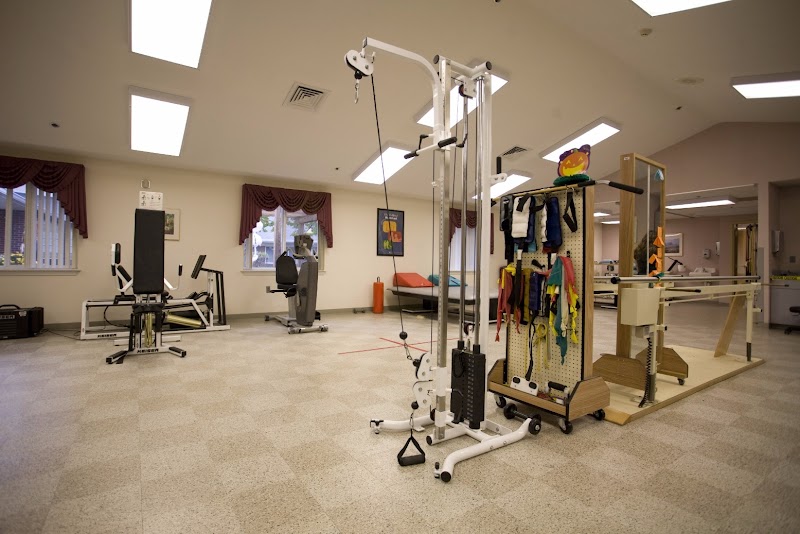
Who Owns and Operates Harrison Healthcare Center?

HARRISON HEALTHCARE CENTER is owned by a non-profit organization. Non-profit facilities reinvest revenue into operations rather than distributing to shareholders. The facility is operated by COMMUNICARE HEALTH, a chain that manages multiple nursing homes. With 92 certified beds and approximately 74 residents (about 80% occupancy), it is a smaller facility located in CORYDON, Indiana.

How Does Harrison Healthcare Center Compare to Other Indiana Nursing Homes?

Compared to the 100 nursing homes in Indiana, HARRISON HEALTHCARE CENTER's overall rating (2 stars) is below the state average of 3.1, staff turnover (42%) is near the state average of 46%, and health inspection rating (1 stars) is much below the national benchmark.

What Should Families Ask When Visiting Harrison Healthcare Center?

Based on this facility's data, families visiting should ask: "What changes have been made since the serious inspection findings, and how are you preventing similar issues?" "Can you walk me through typical staffing levels on day, evening, and night shifts?" "Can I visit during a mealtime to observe dining assistance and food quality?" "How do you handle medical emergencies, and what is your hospital transfer rate?" These questions are particularly relevant given the facility's Immediate Jeopardy citations and the below-average staffing rating.

Is Harrison Healthcare Center Safe?

Based on CMS inspection data, HARRISON HEALTHCARE CENTER has documented safety concerns. Inspectors have issued 2 Immediate Jeopardy citations (the most serious violation level indicating risk of serious injury or death). The facility has a 2-star overall rating and ranks #100 of 100 nursing homes in Indiana. Families considering this facility should ask detailed questions about what corrective actions have been taken since these incidents.

Do Nurses at Harrison Healthcare Center Stick Around?

HARRISON HEALTHCARE CENTER has a staff turnover rate of 42%, which is about average for Indiana nursing homes (state average: 46%). Moderate turnover is common in nursing homes, but families should still ask about staff tenure and how the facility maintains care continuity when employees leave.

Was Harrison Healthcare Center Ever Fined?

HARRISON HEALTHCARE CENTER has no federal fines on record. CMS issues fines when nursing homes fail to meet care standards or don't correct problems found during inspections. The absence of fines suggests the facility has either maintained compliance or corrected any issues before penalties were assessed. This is a positive indicator, though families should still review recent inspection reports for the full picture.

Is Harrison Healthcare Center on Any Federal Watch List?

HARRISON HEALTHCARE CENTER is not on any federal watch list. The most significant is the Special Focus Facility (SFF) program, which identifies the bottom 1% of nursing homes nationally based on persistent, serious quality problems. Not being on this list means the facility has avoided the pattern of deficiencies that triggers enhanced federal oversight. This is a positive indicator, though families should still review the facility's inspection history directly.